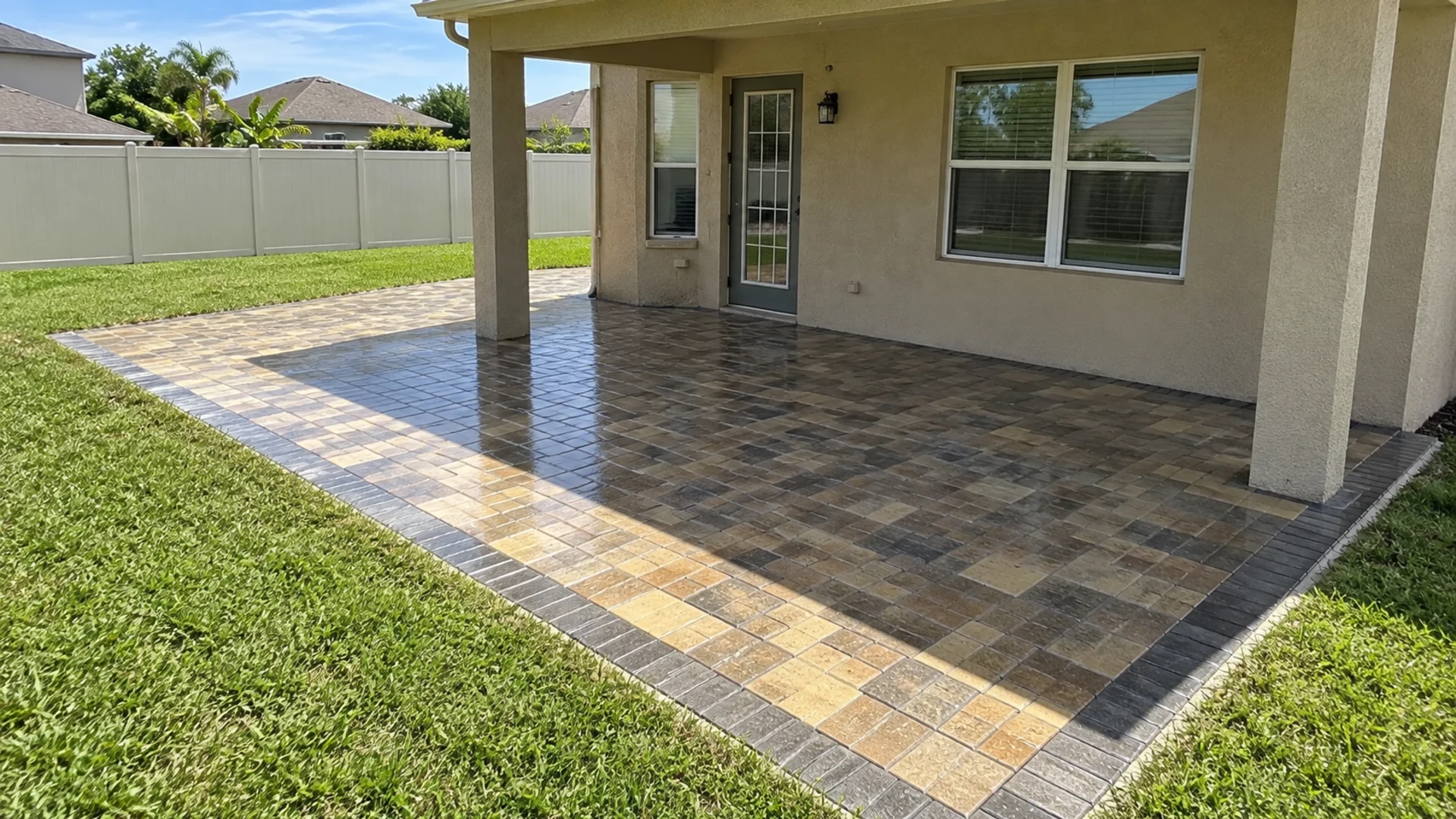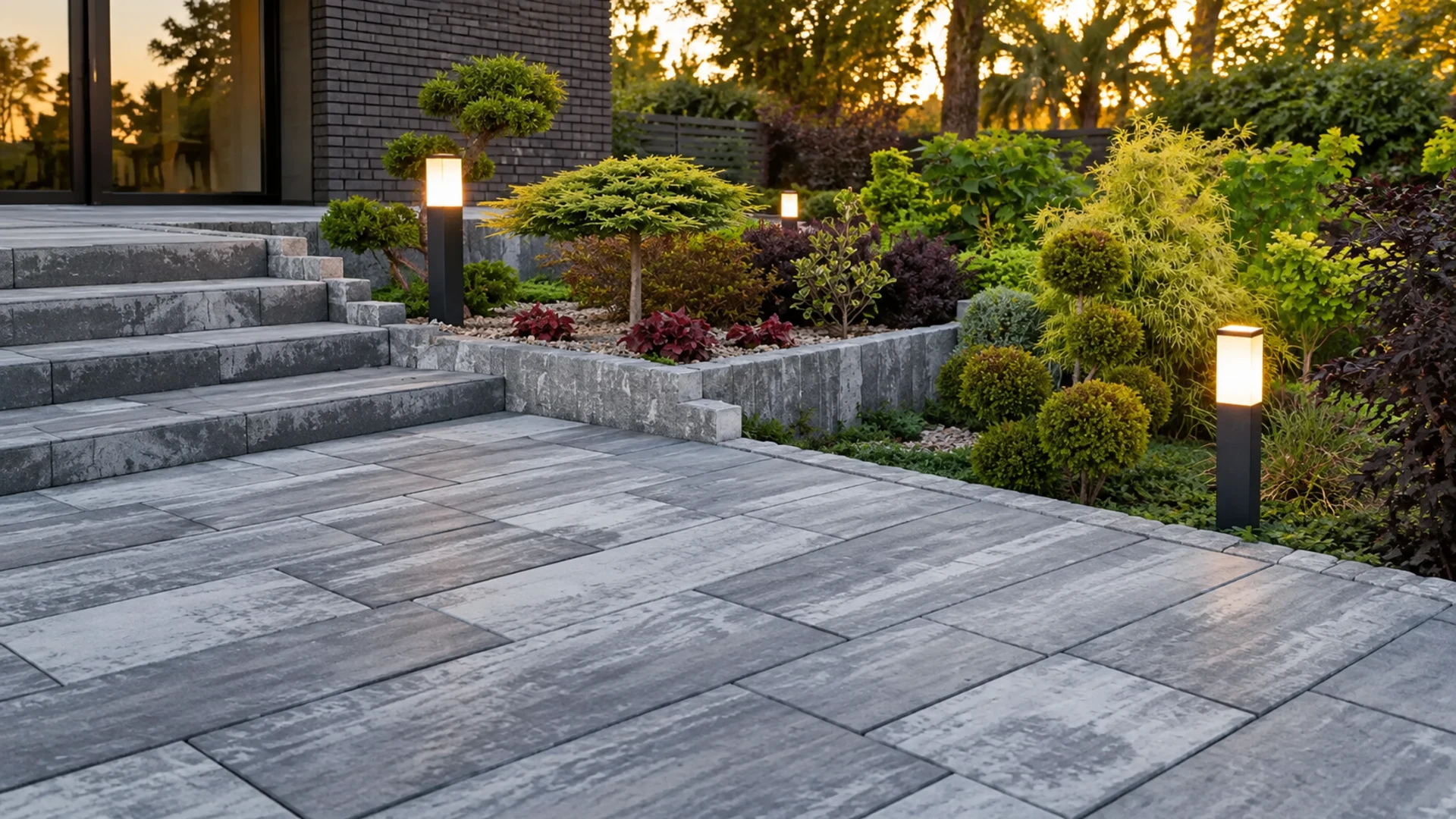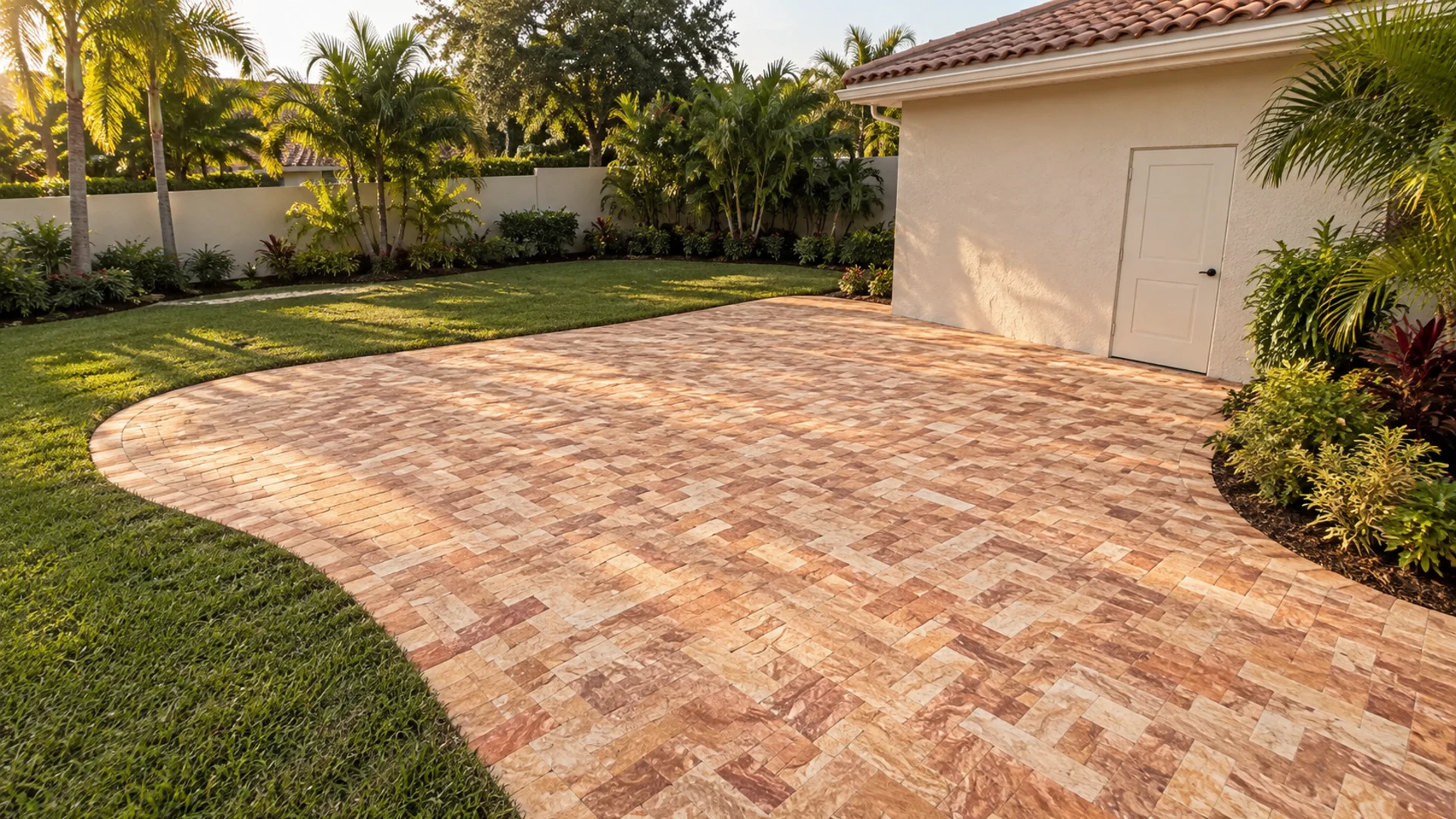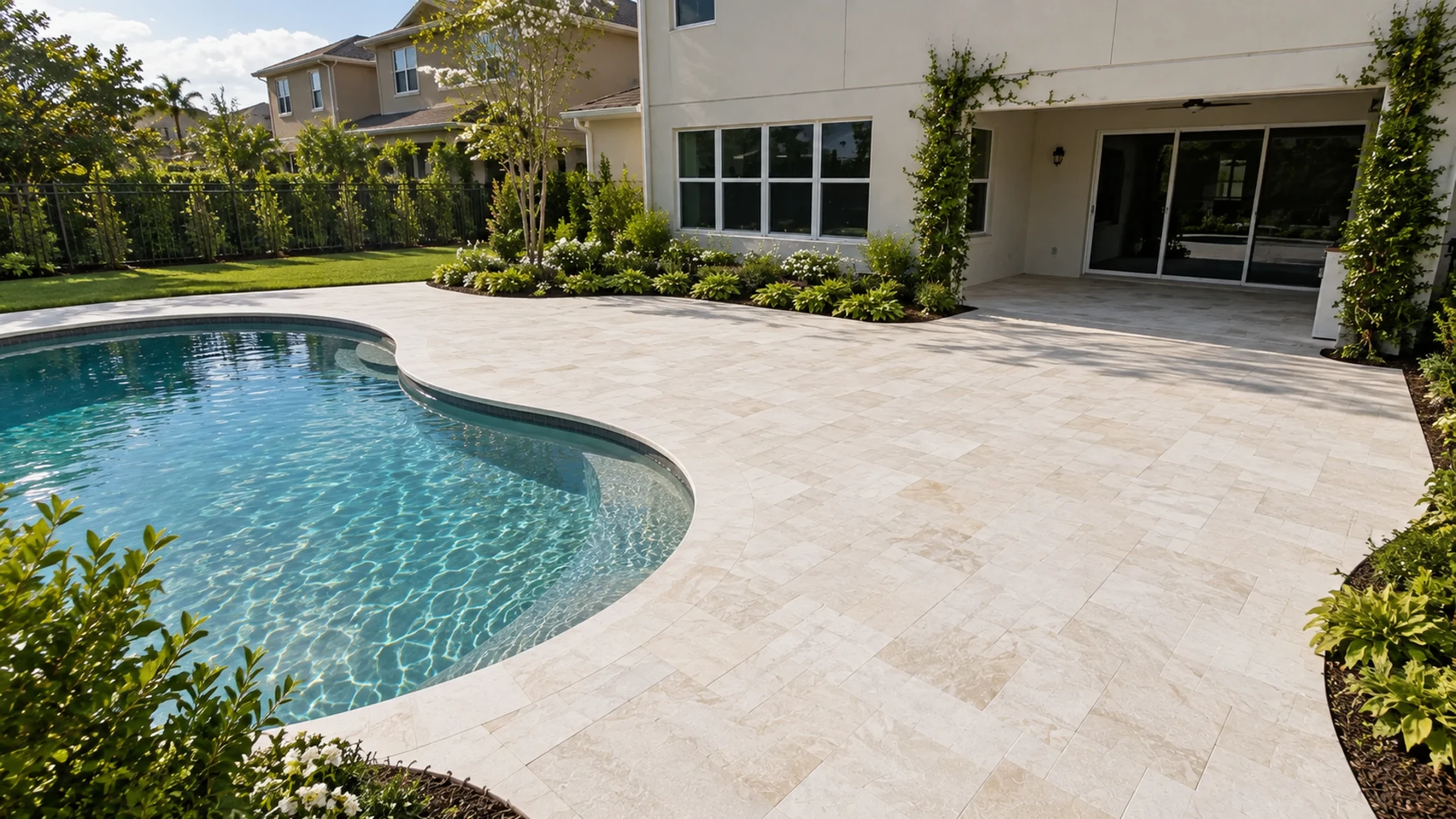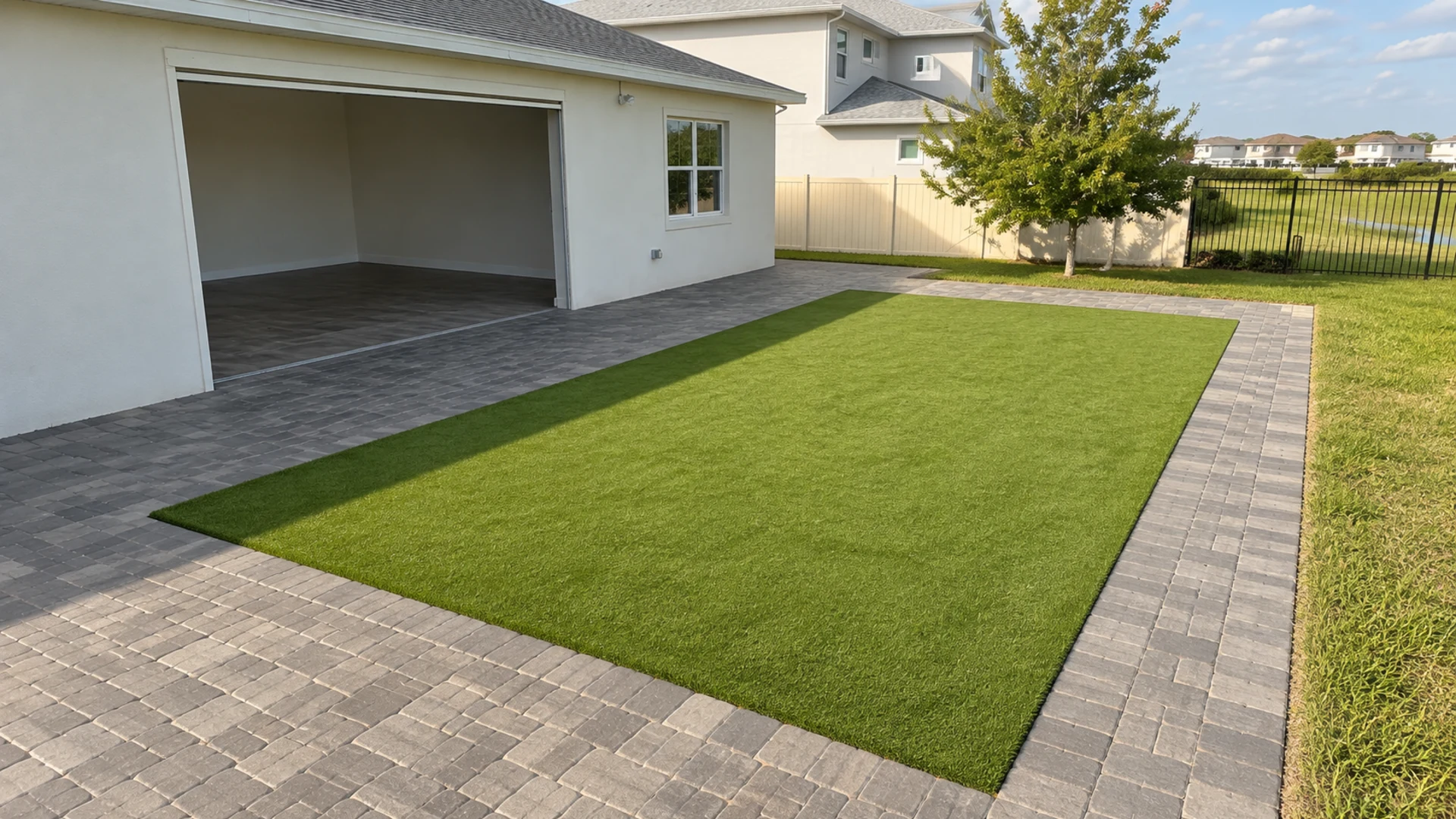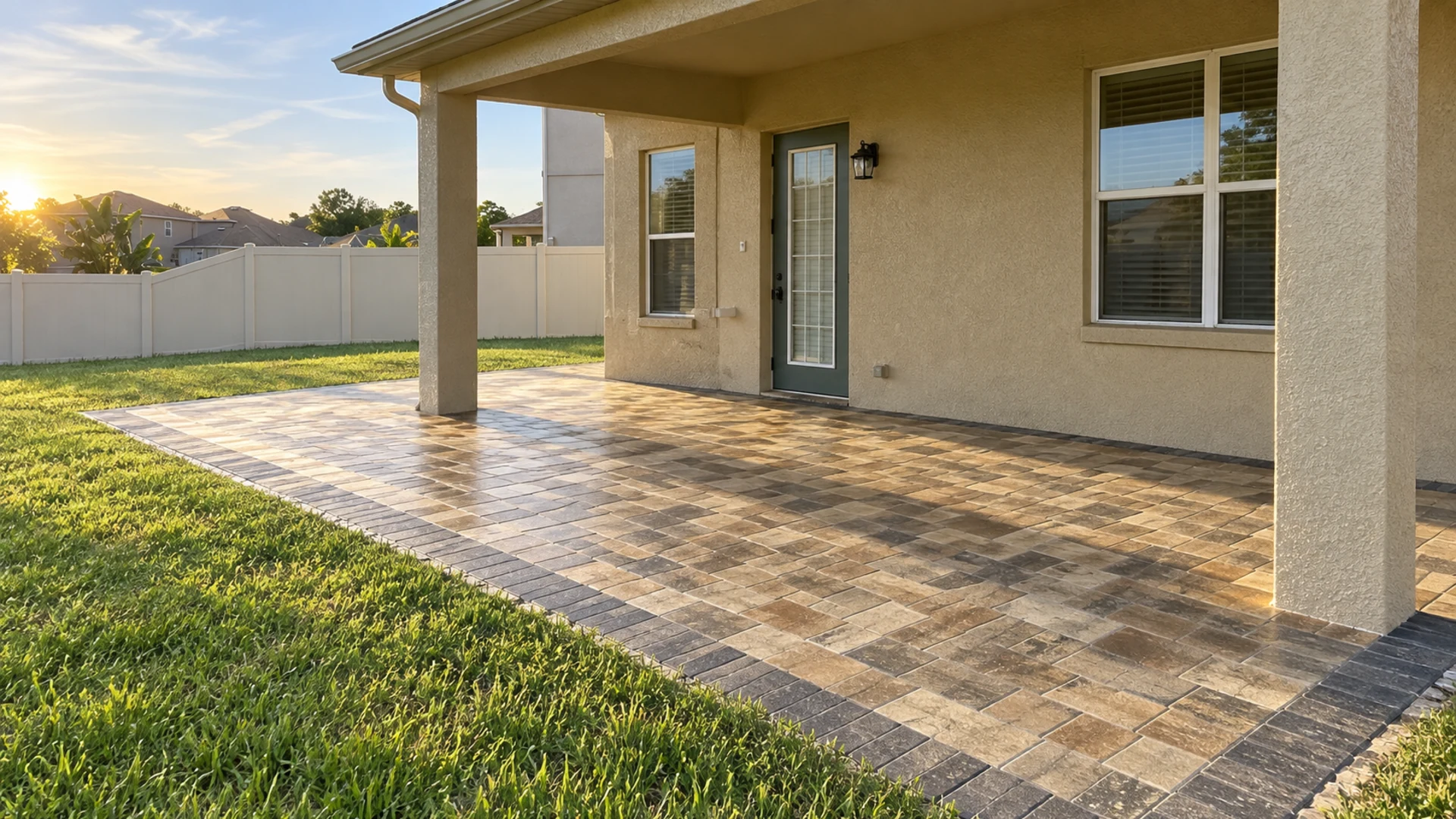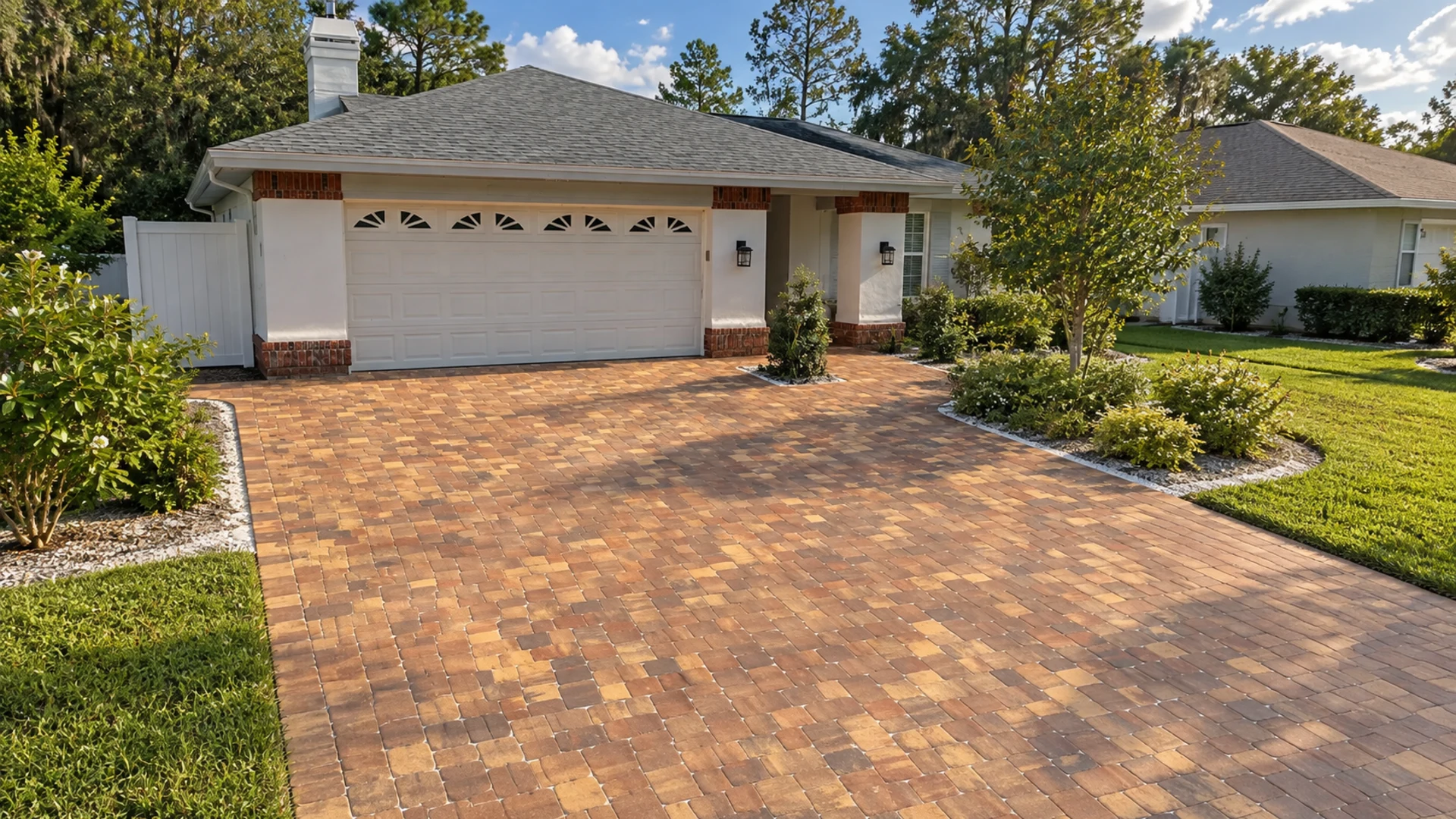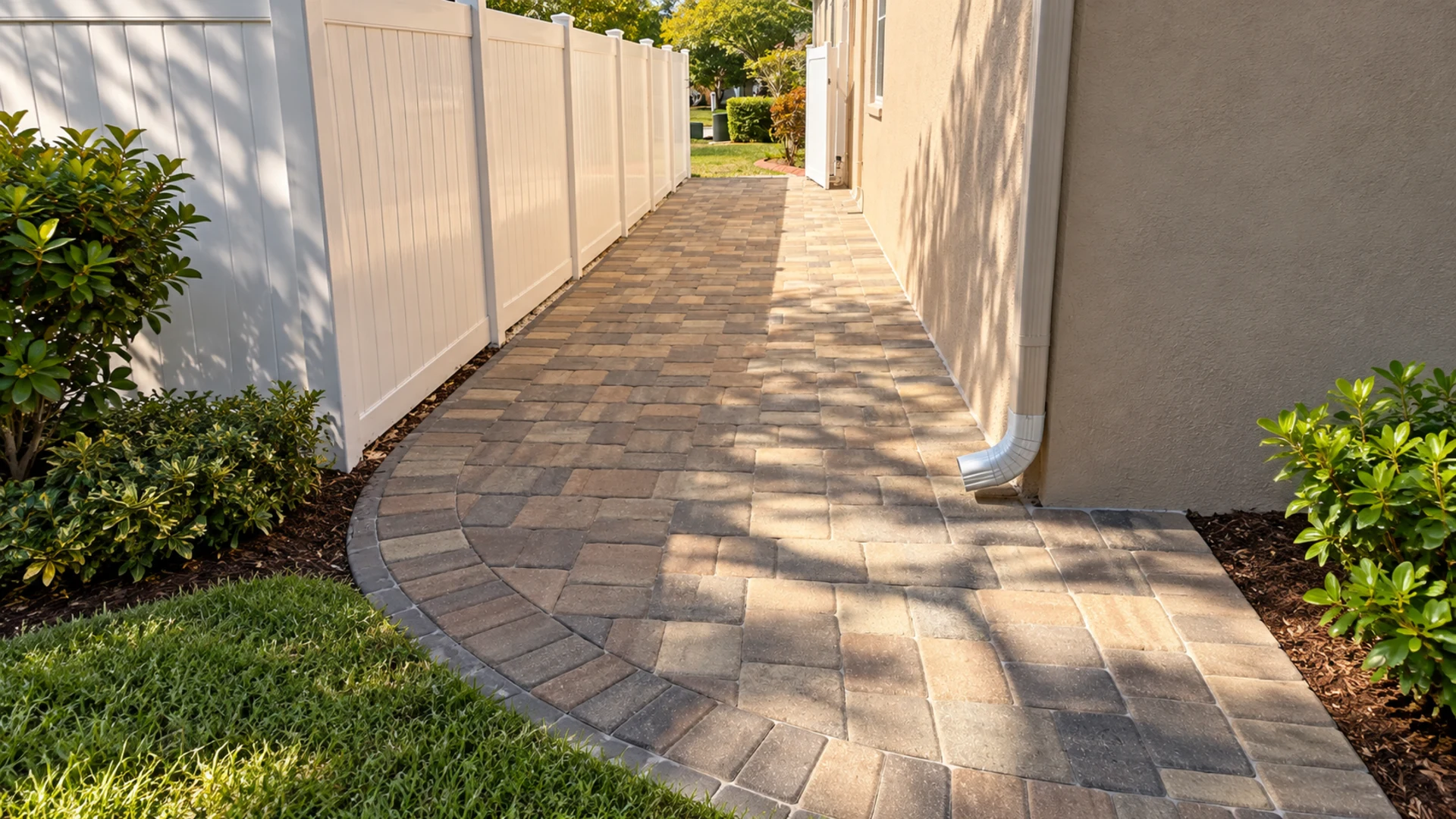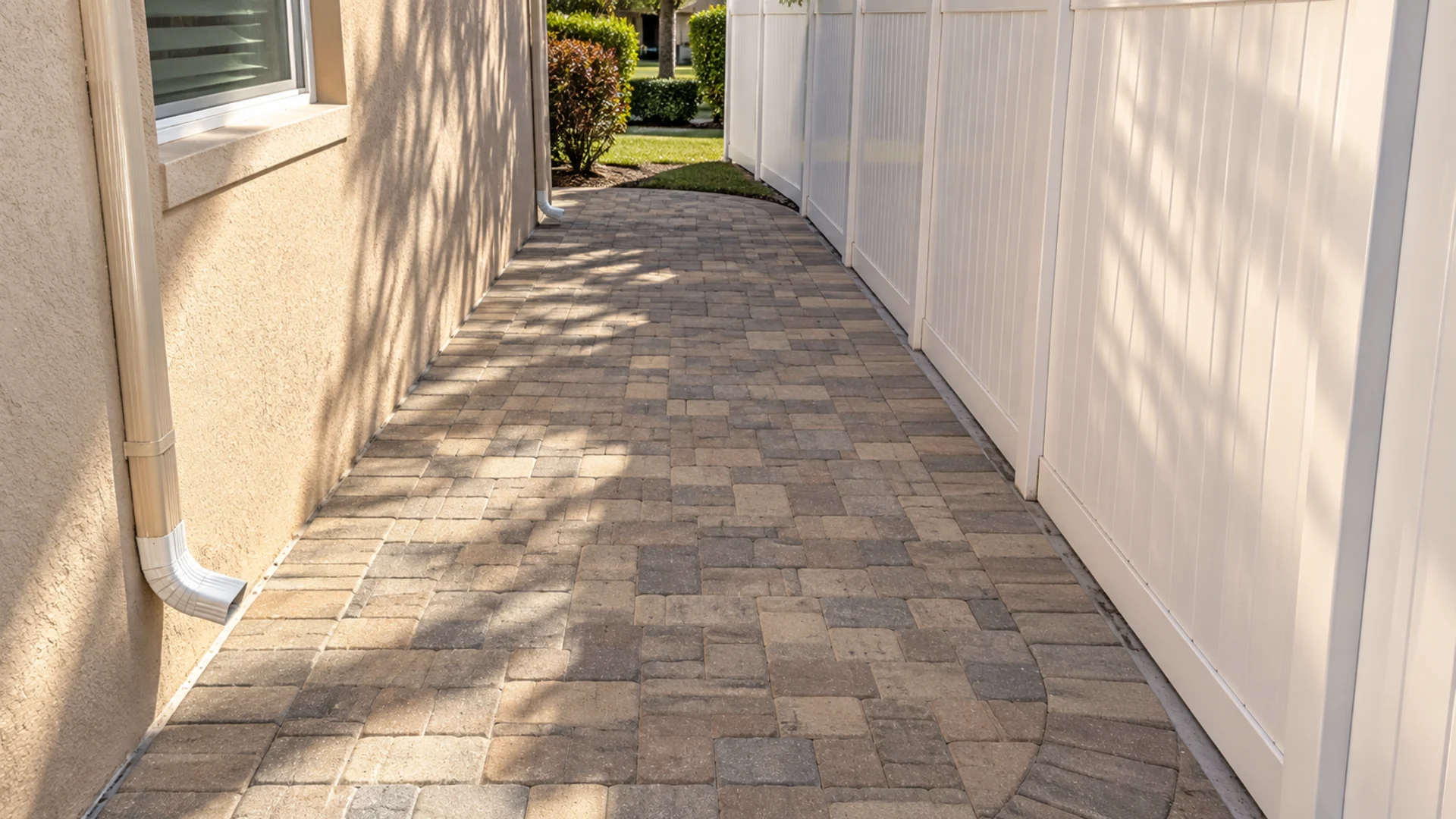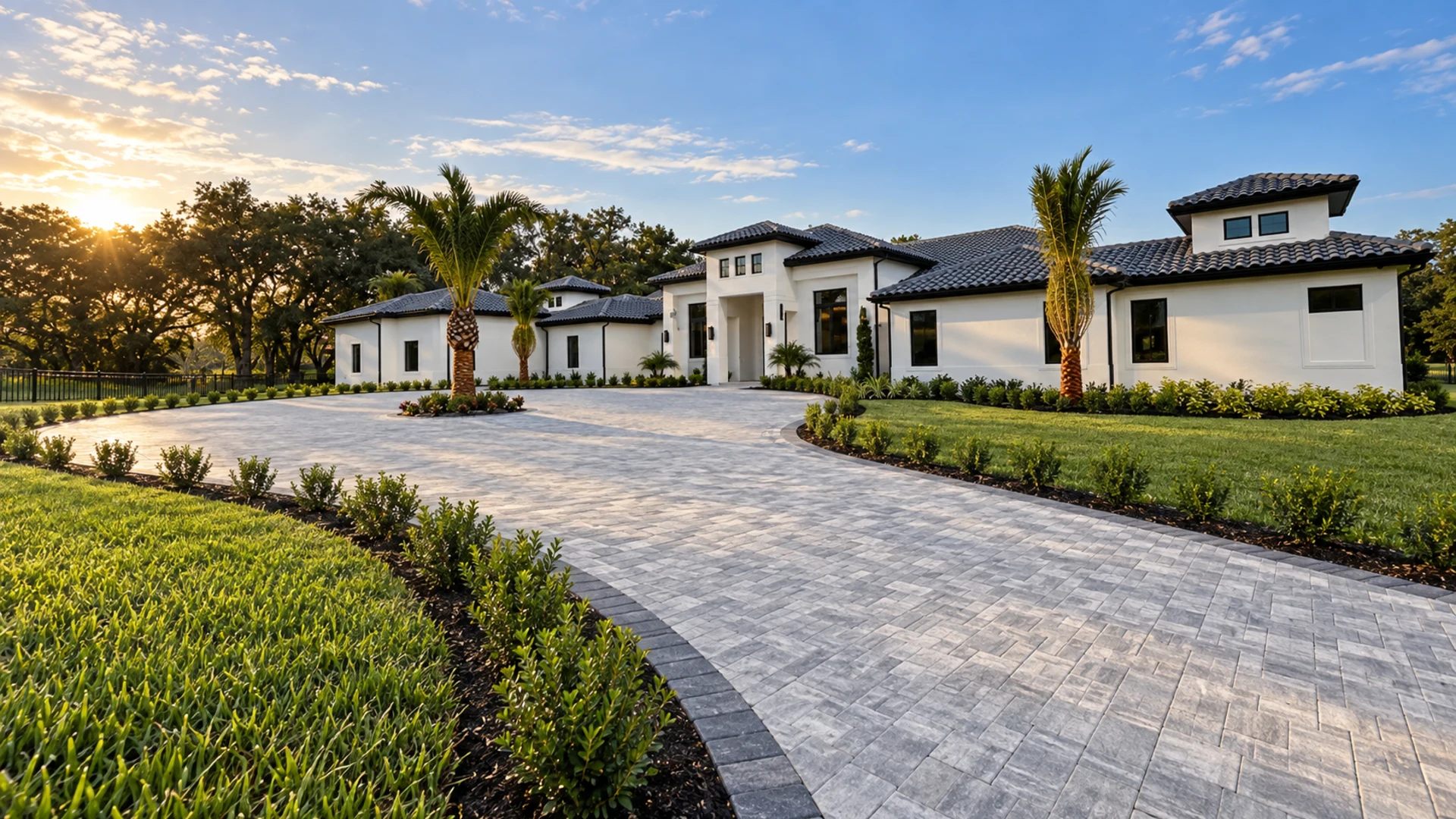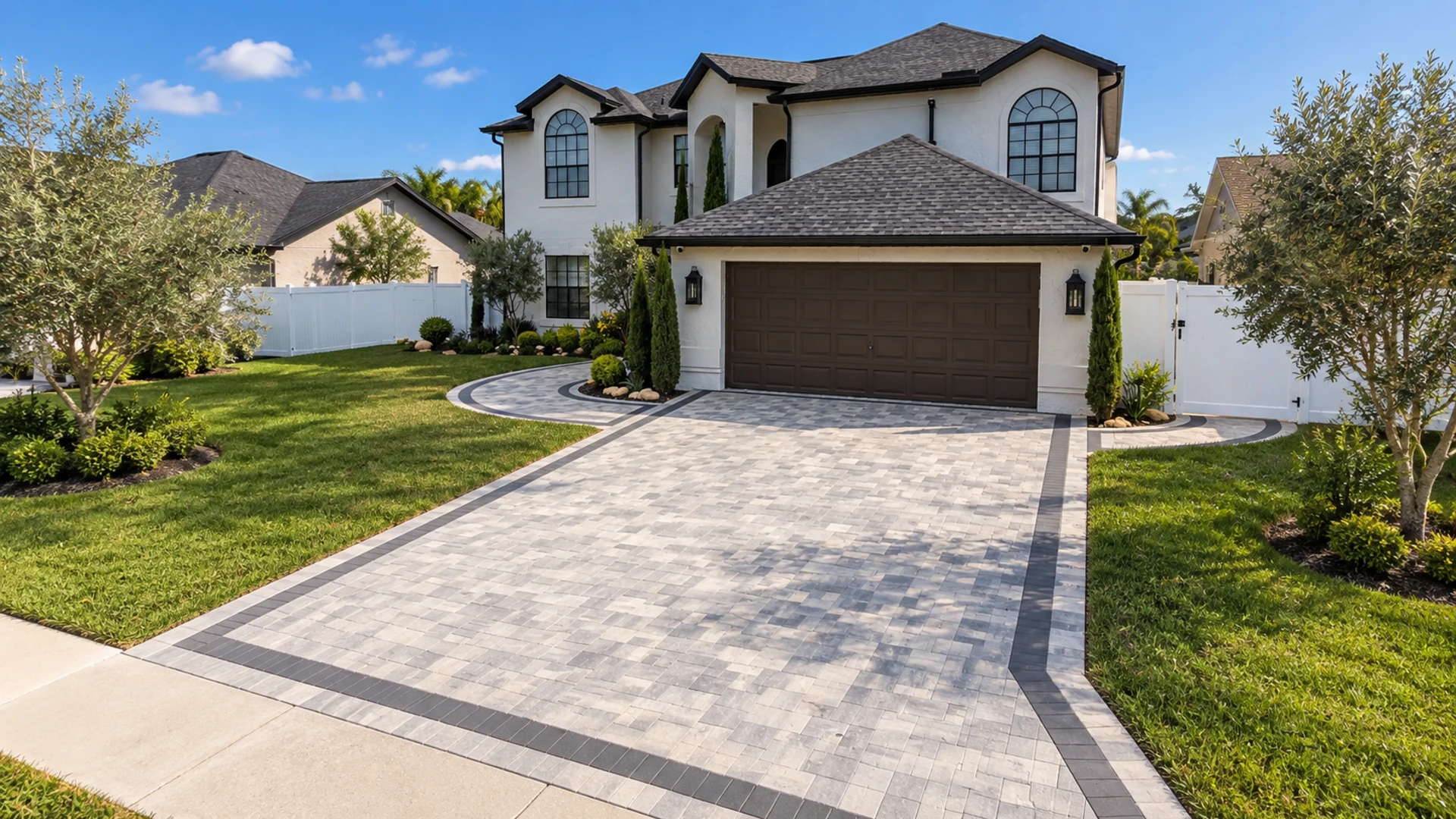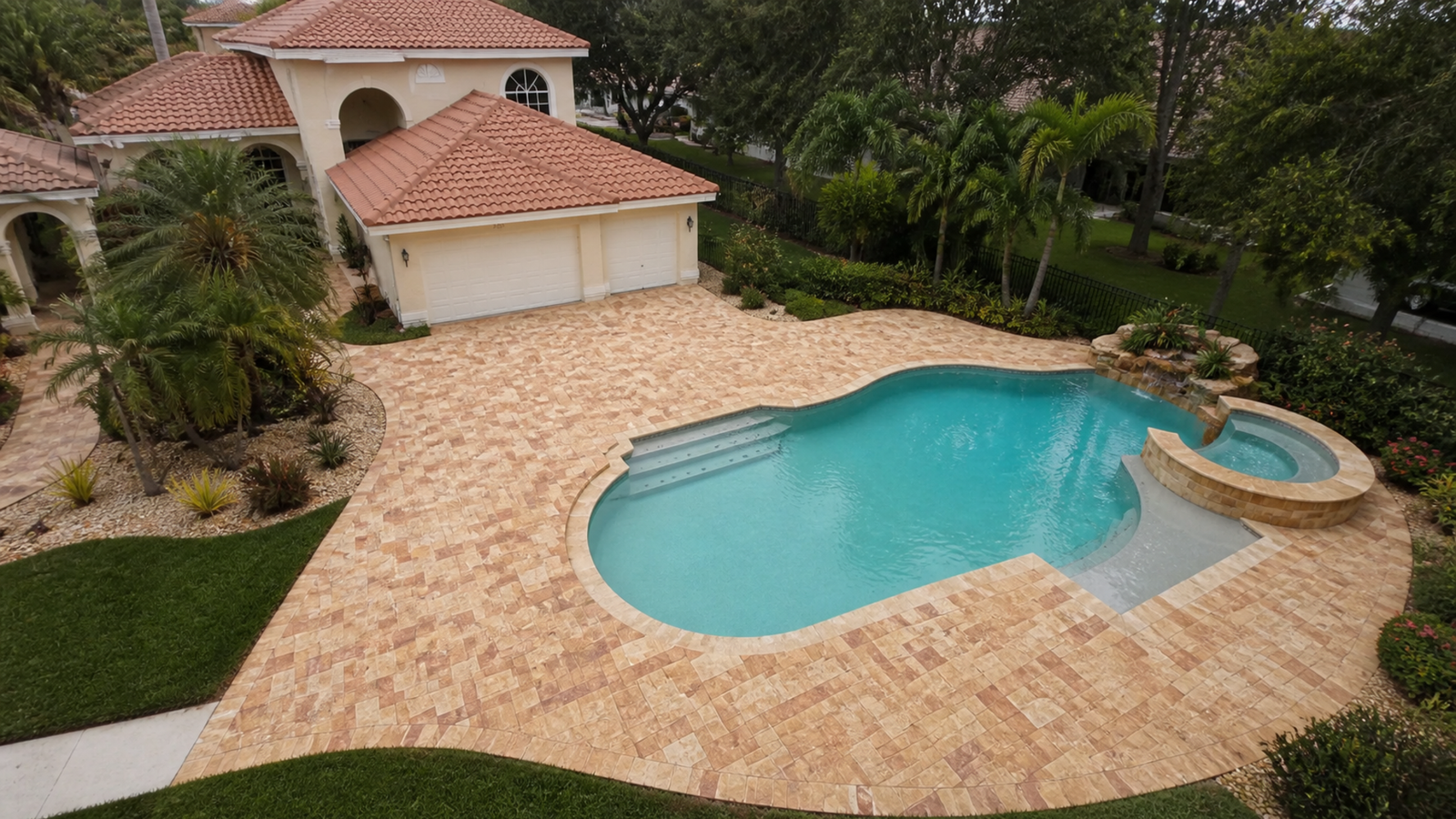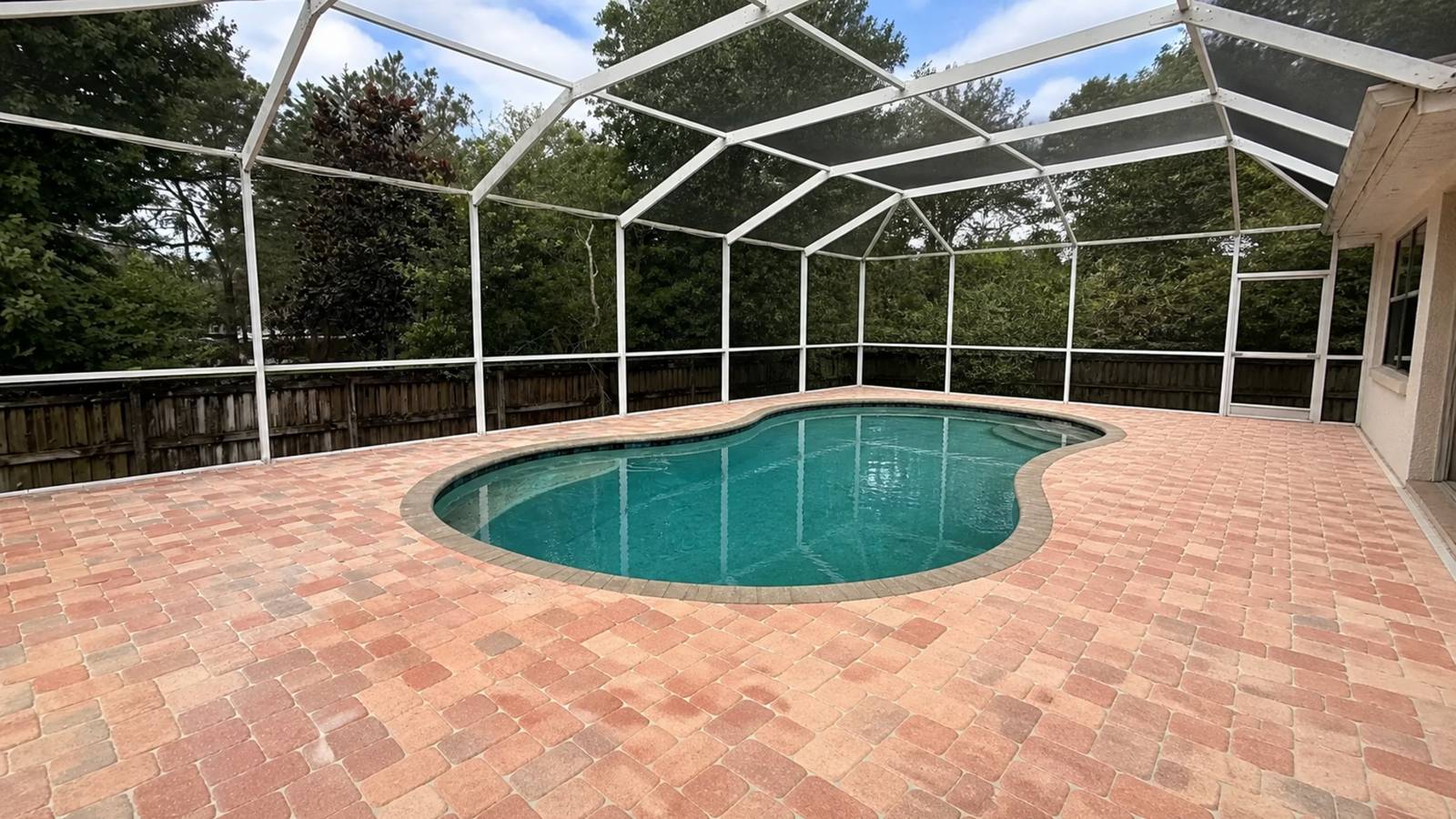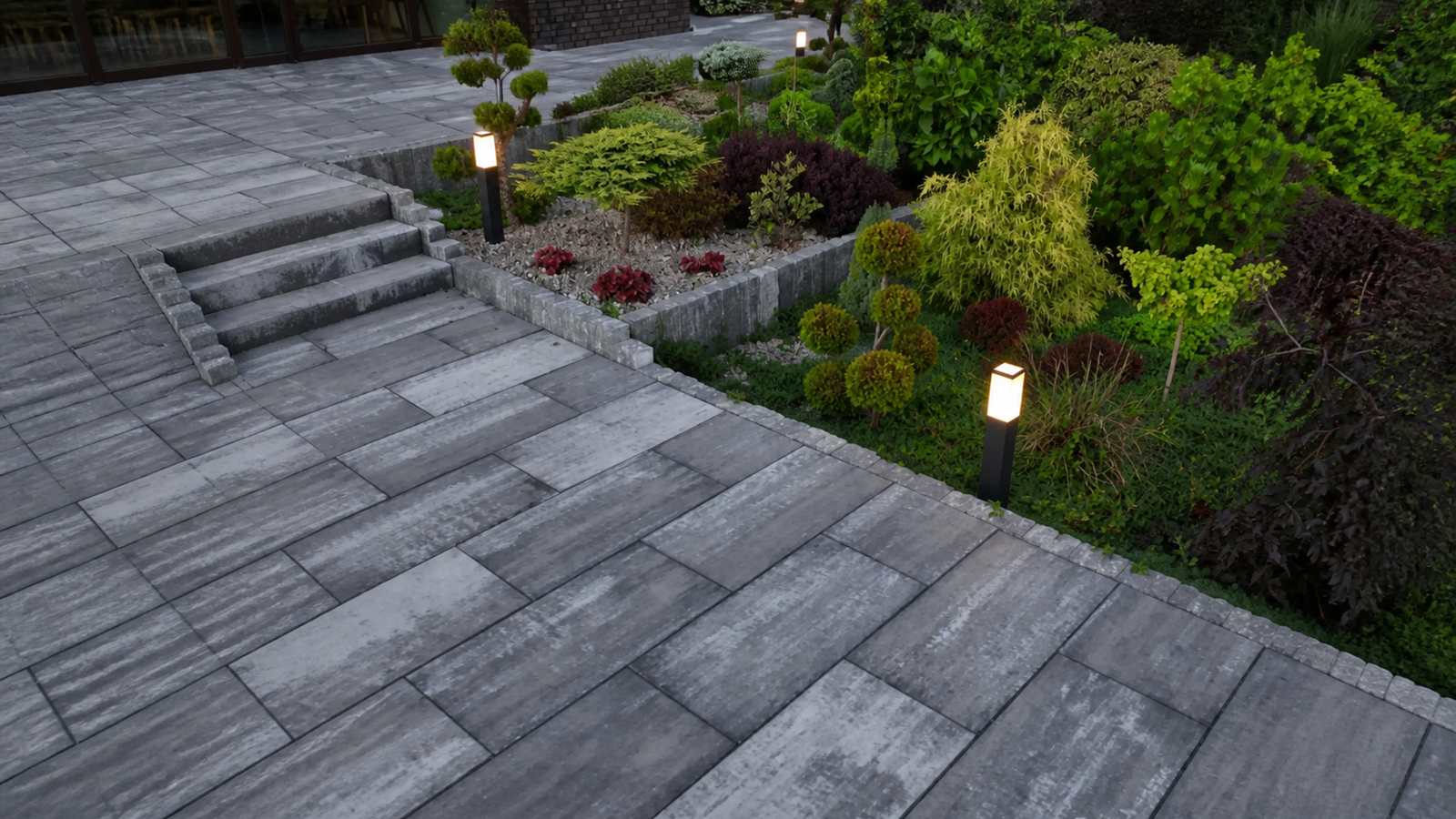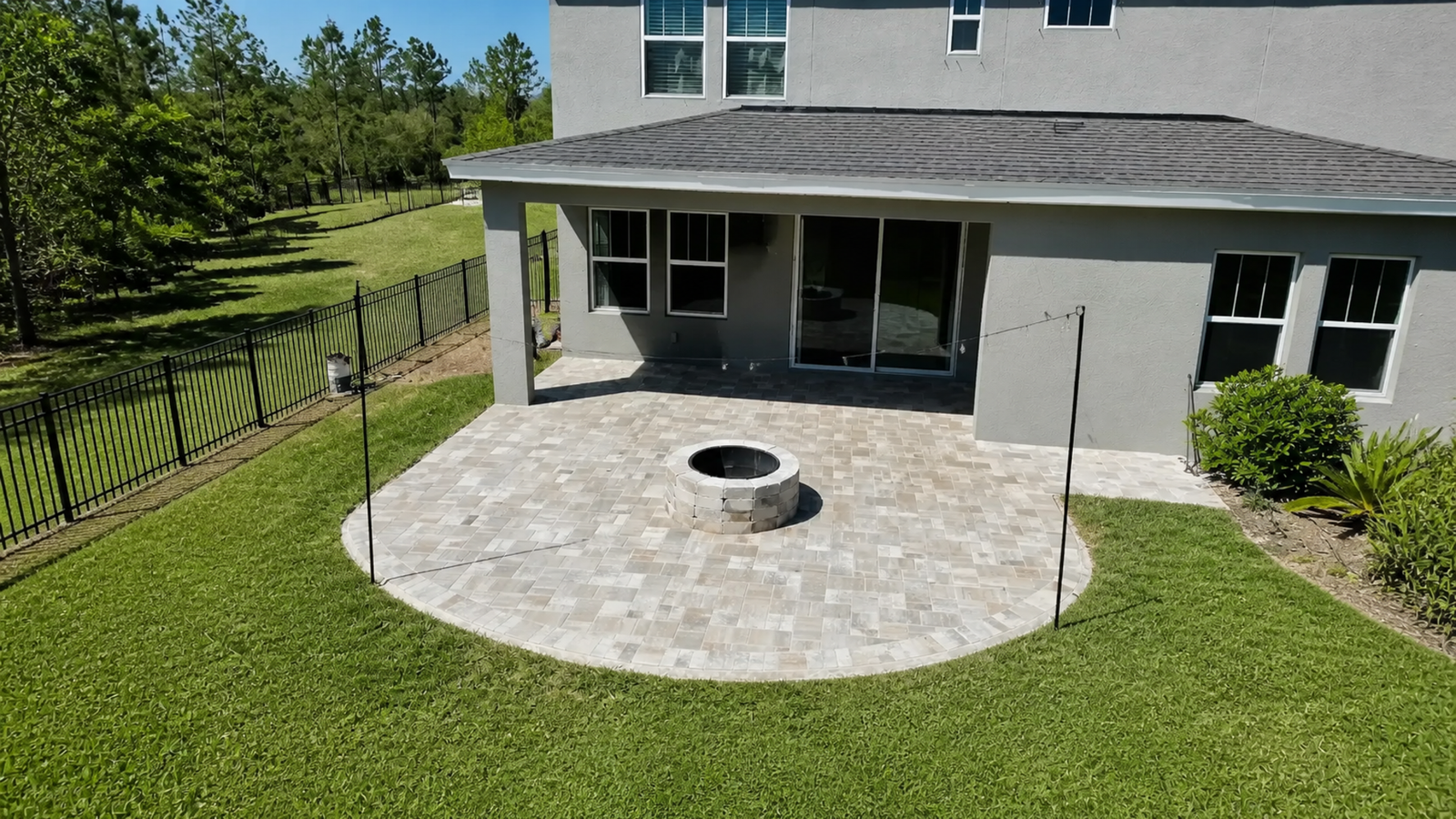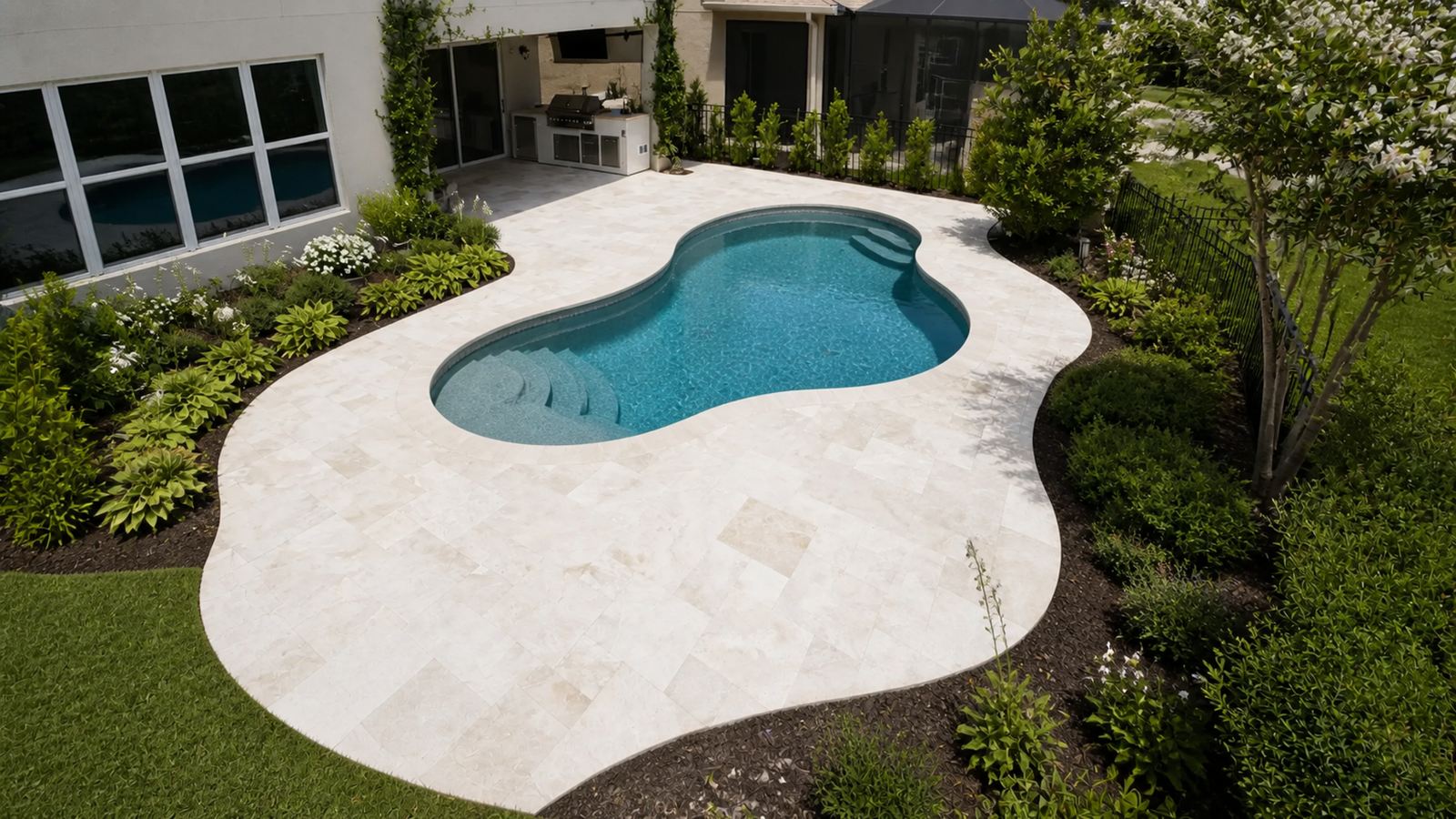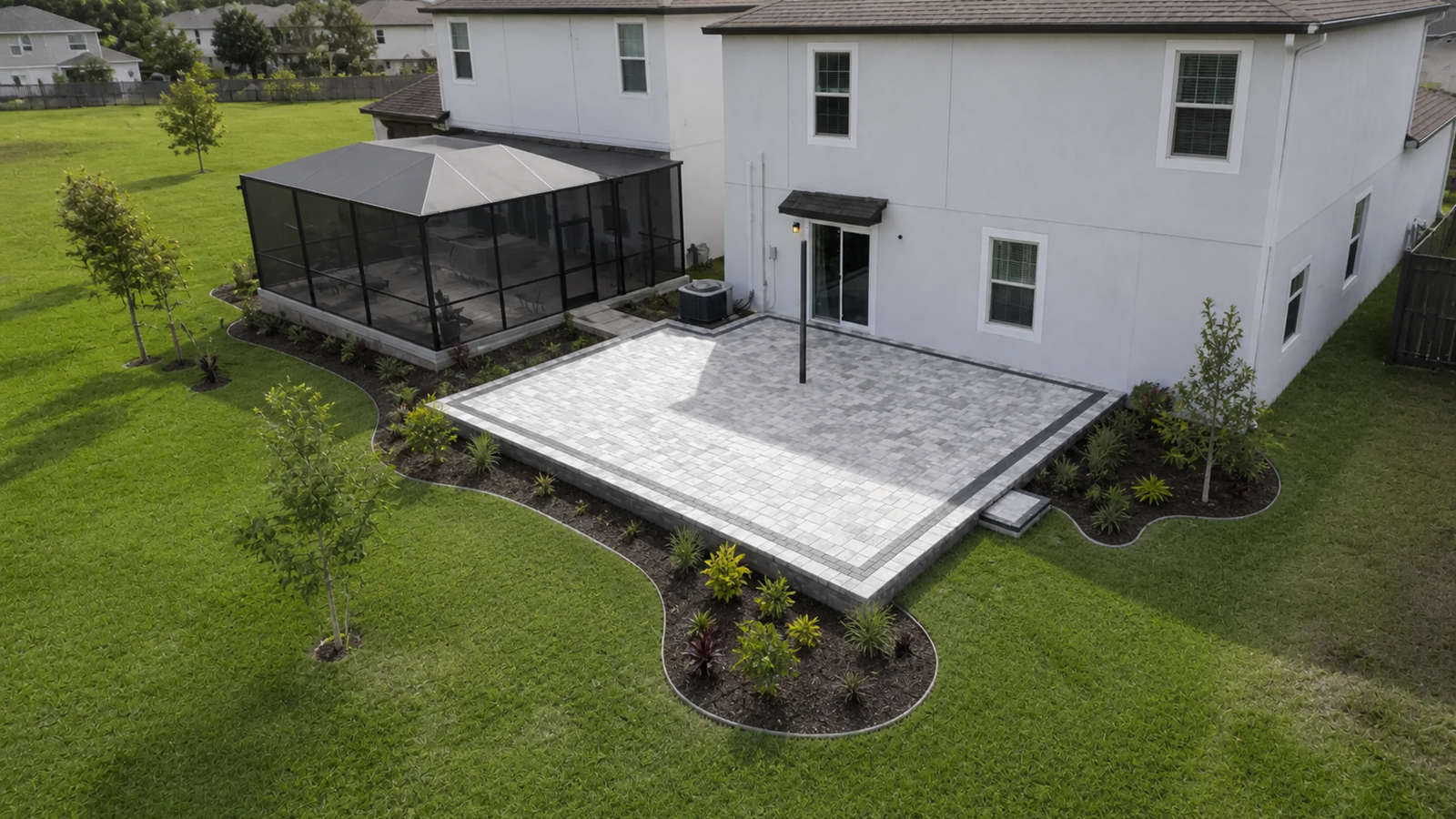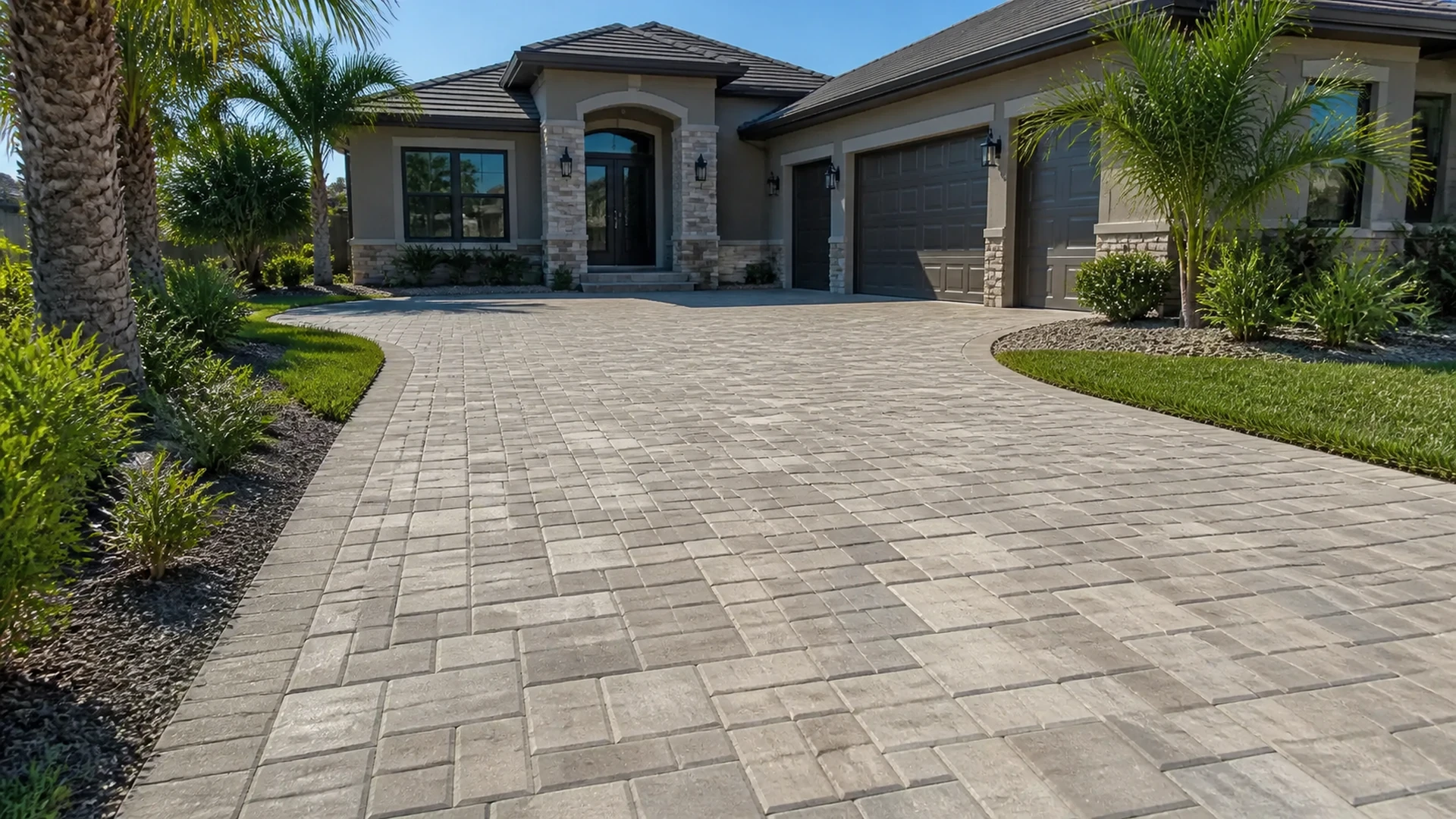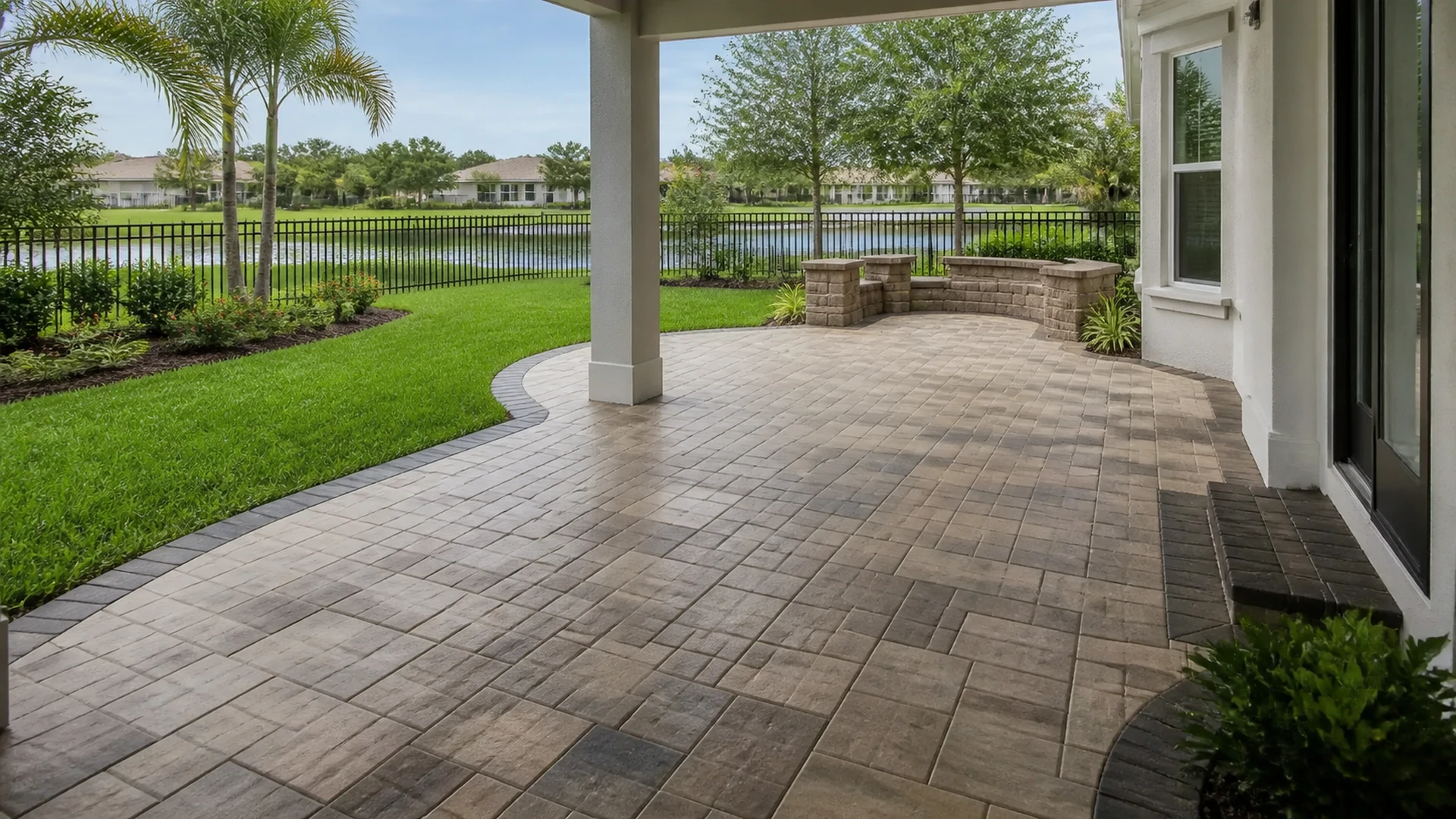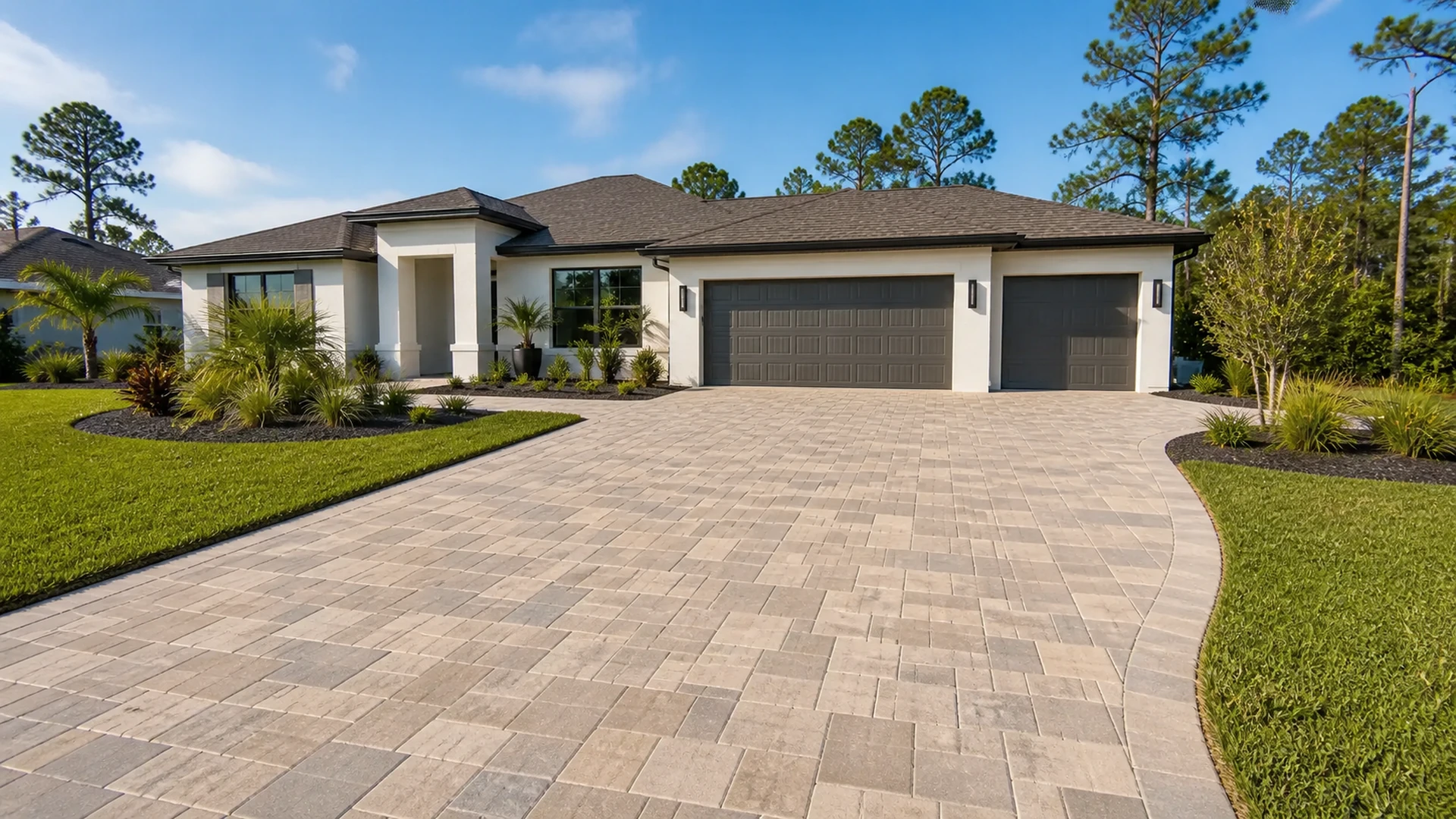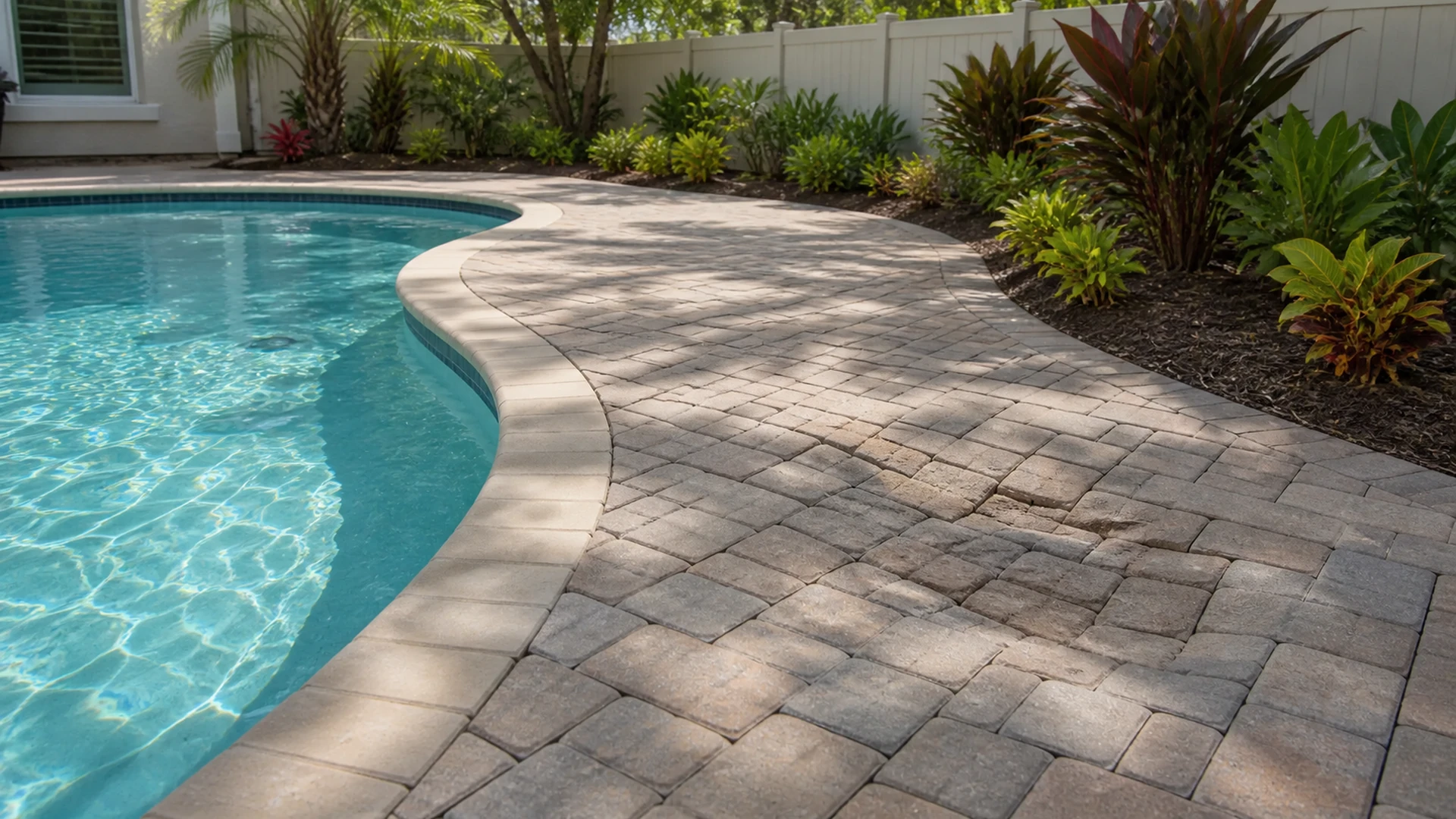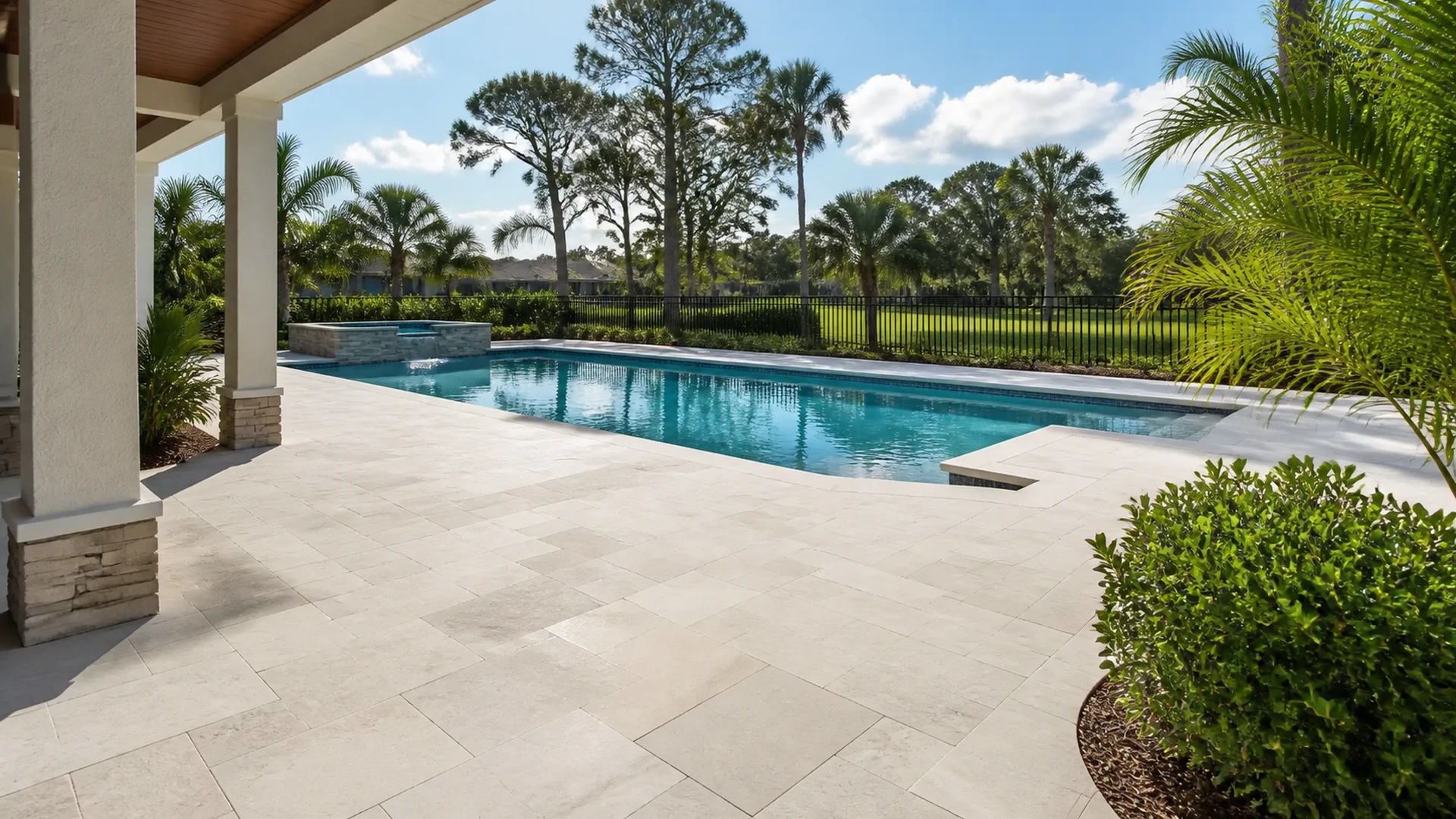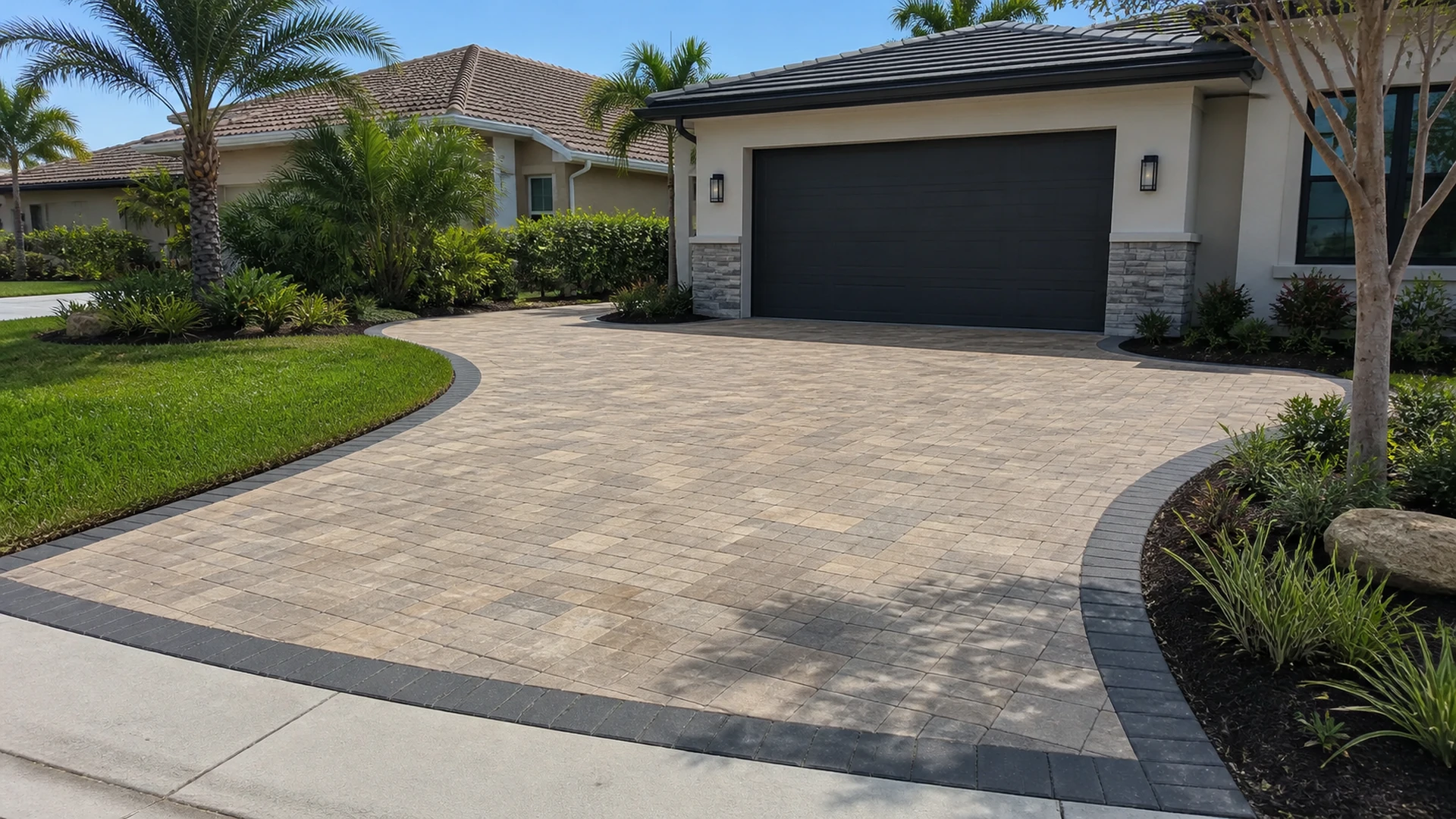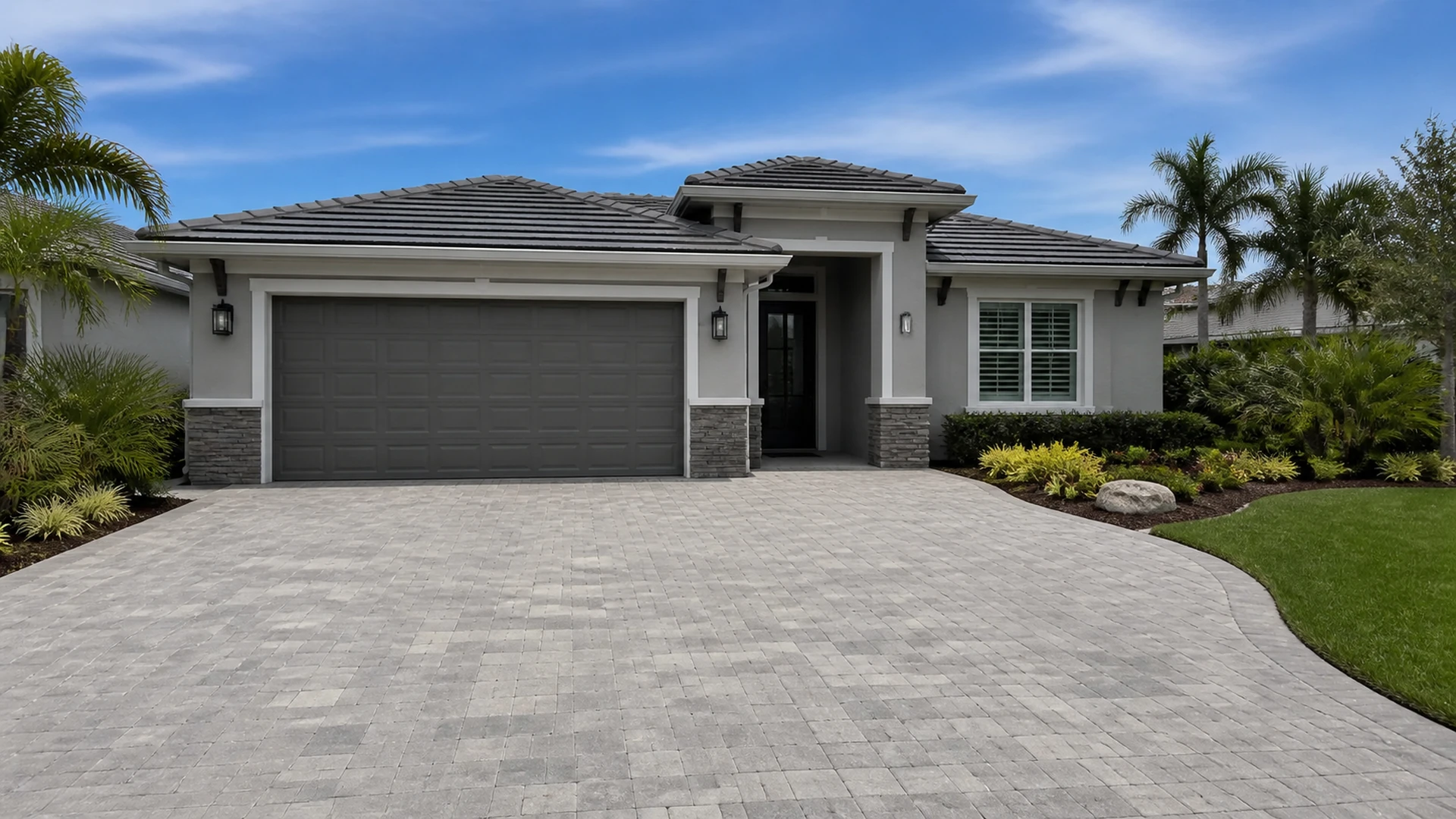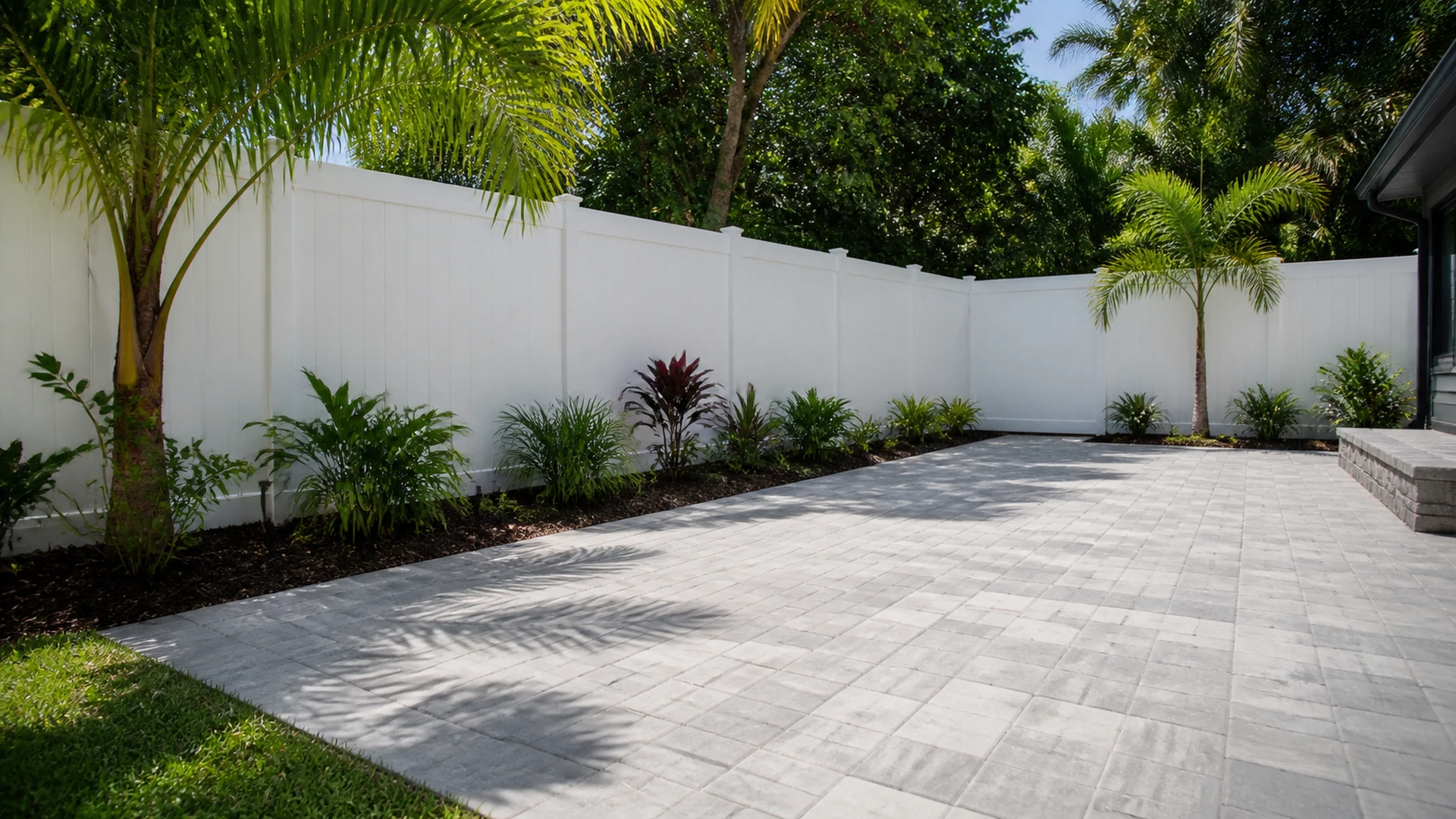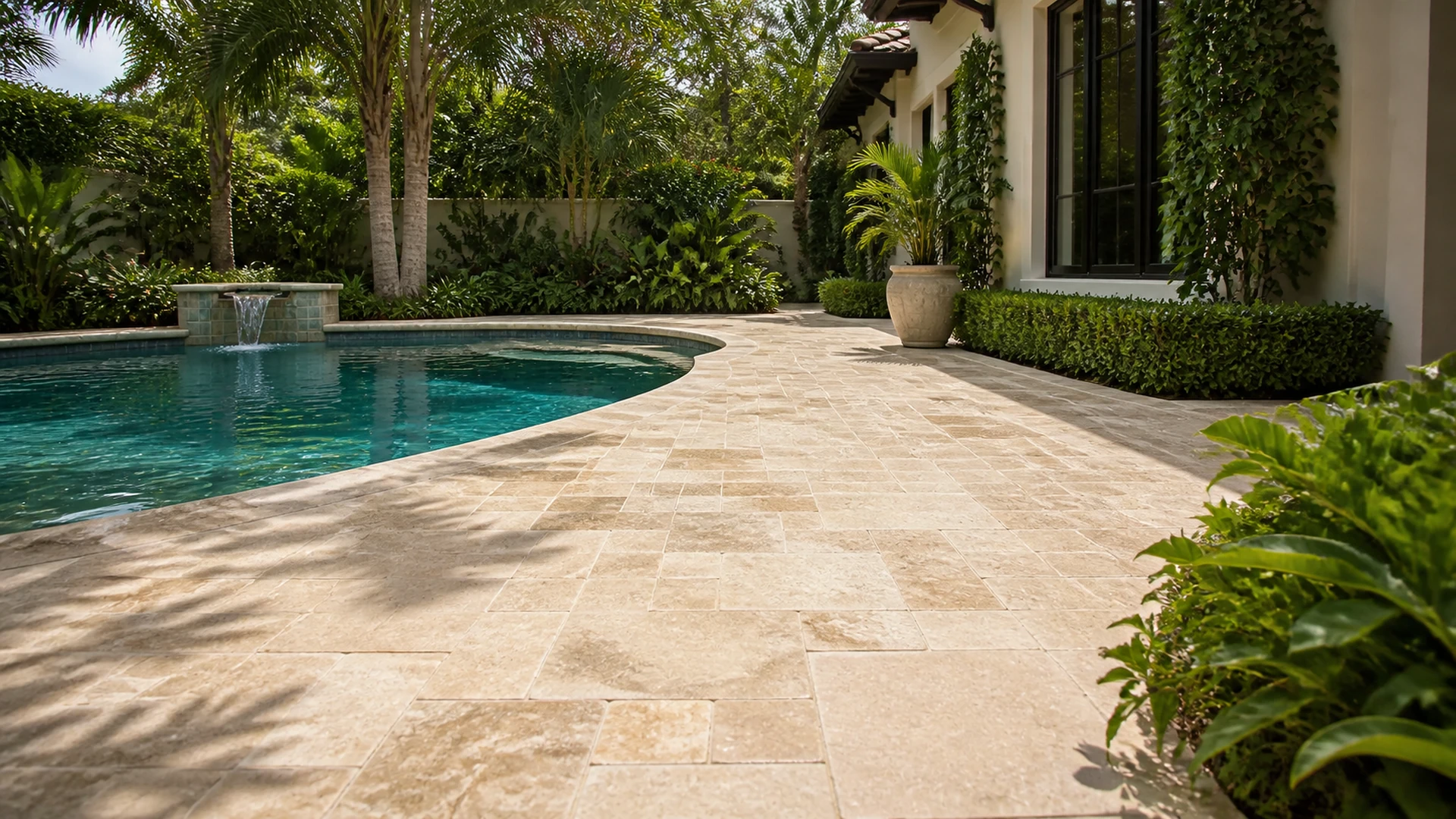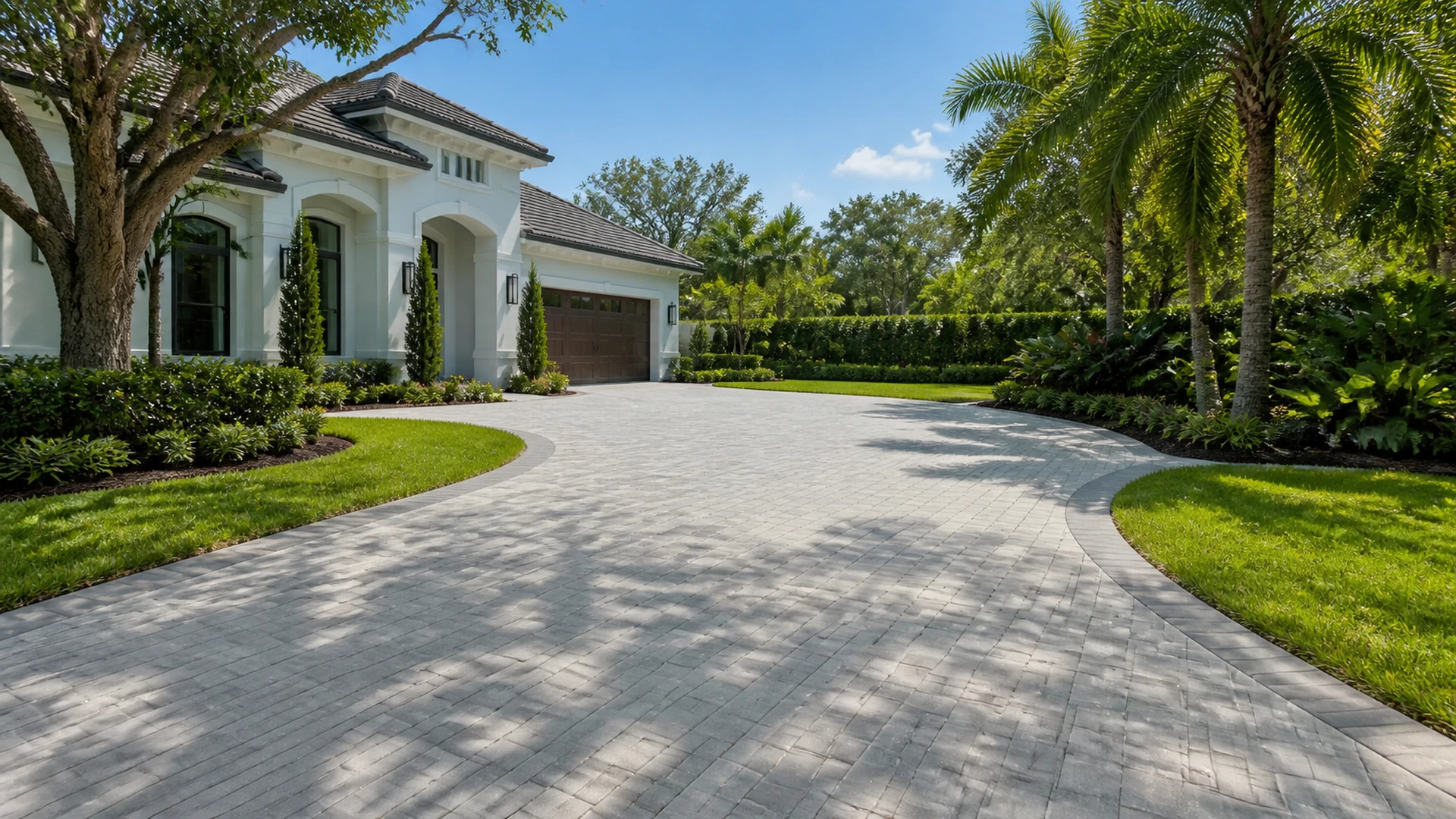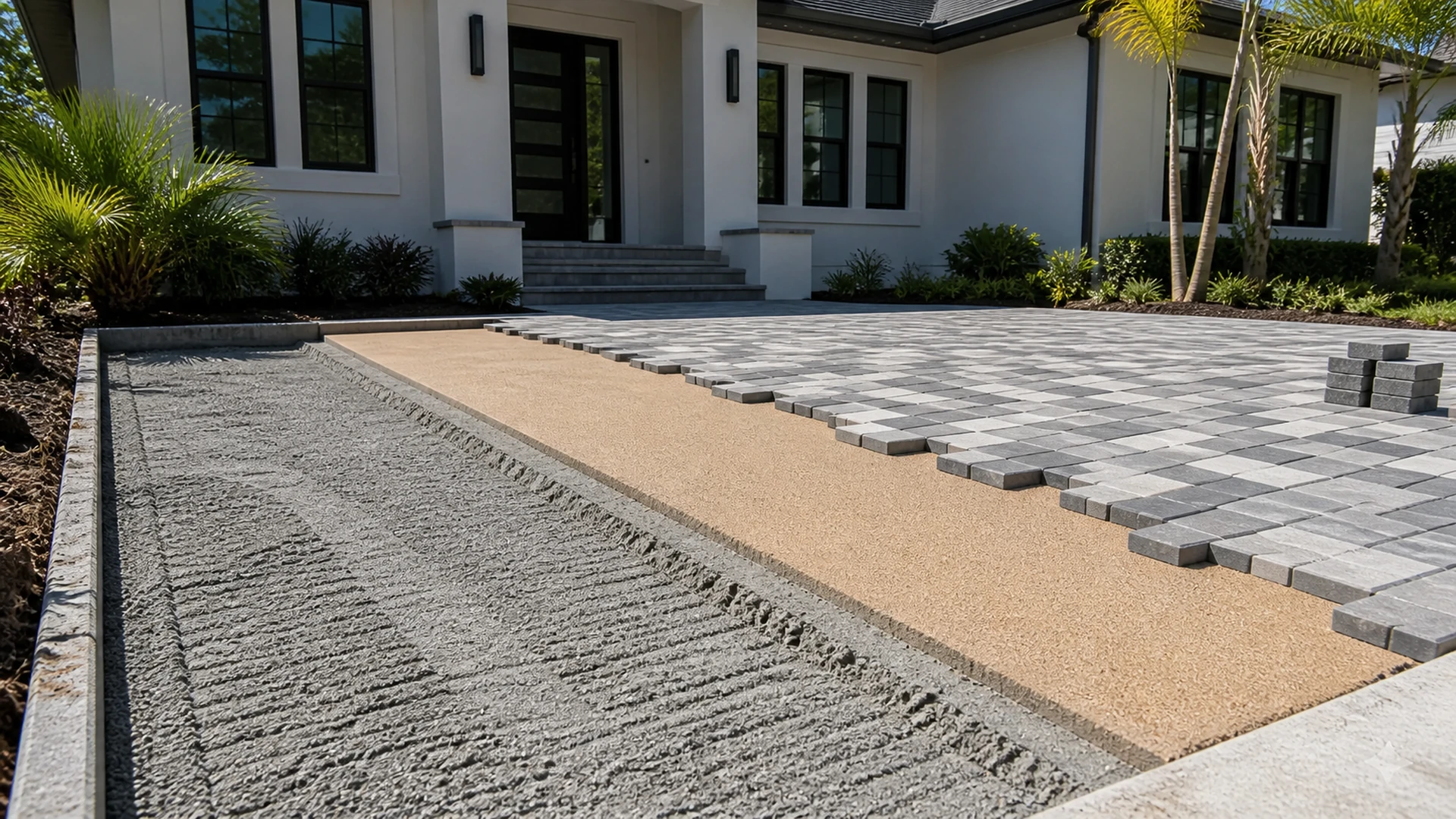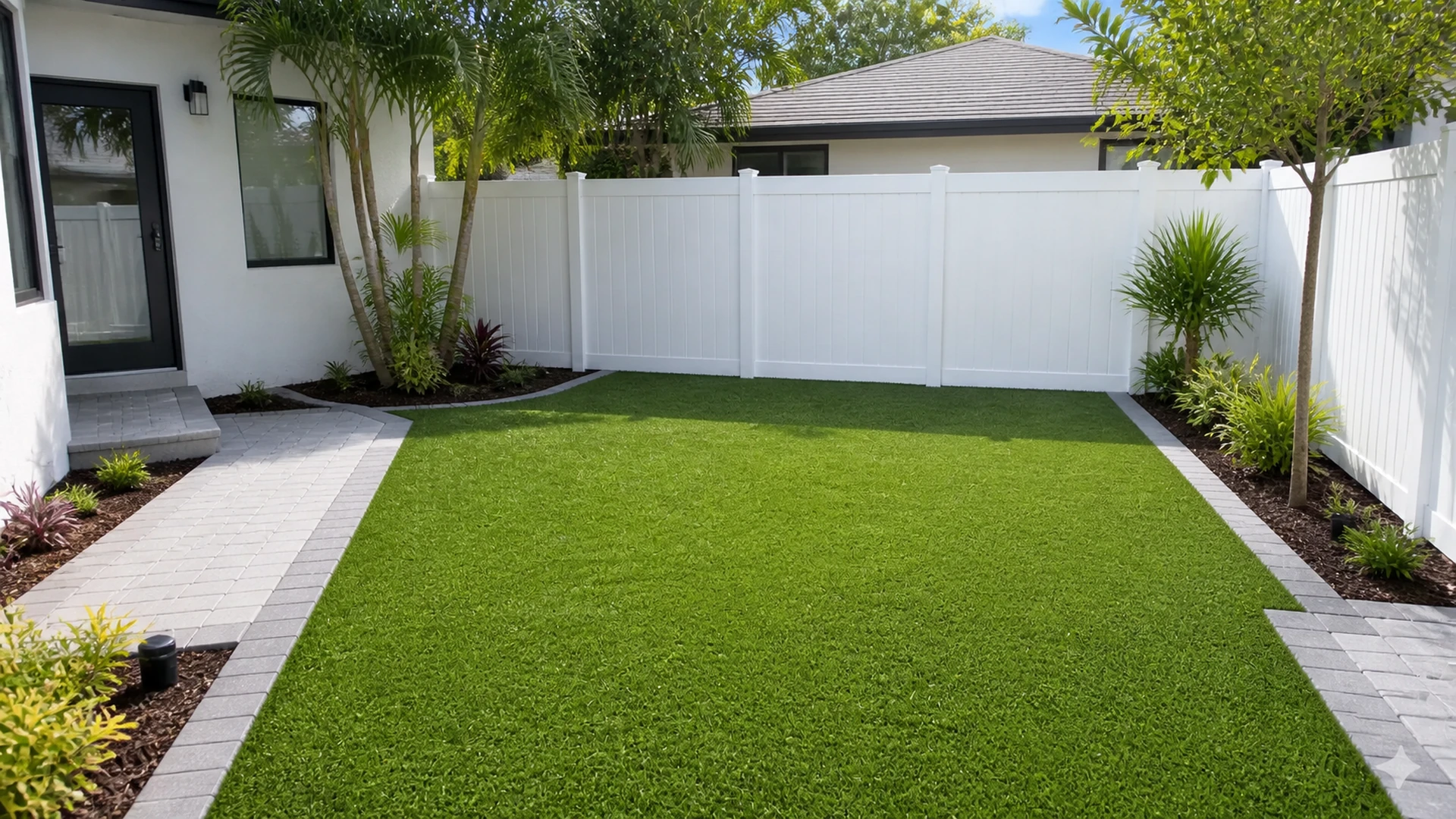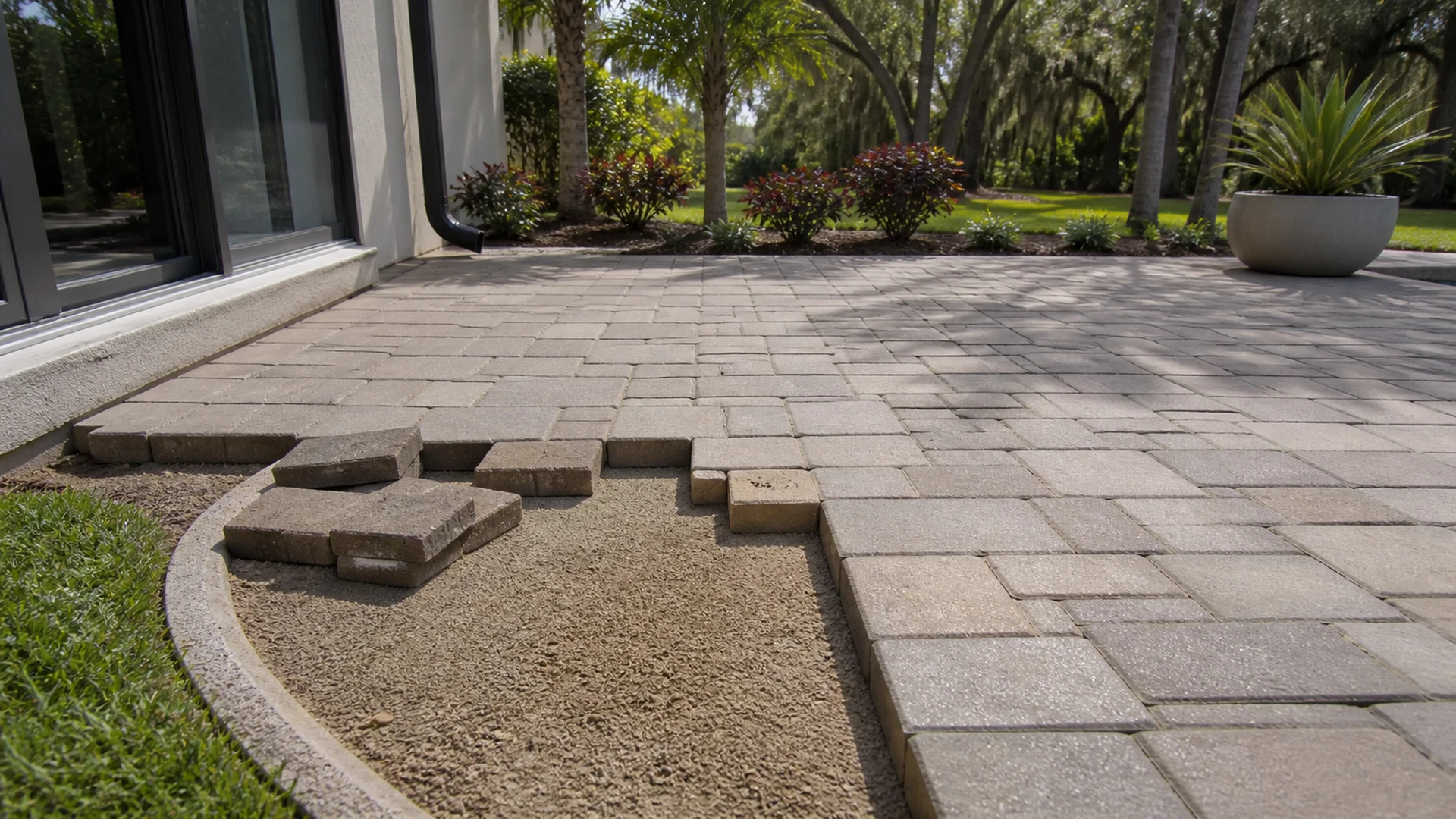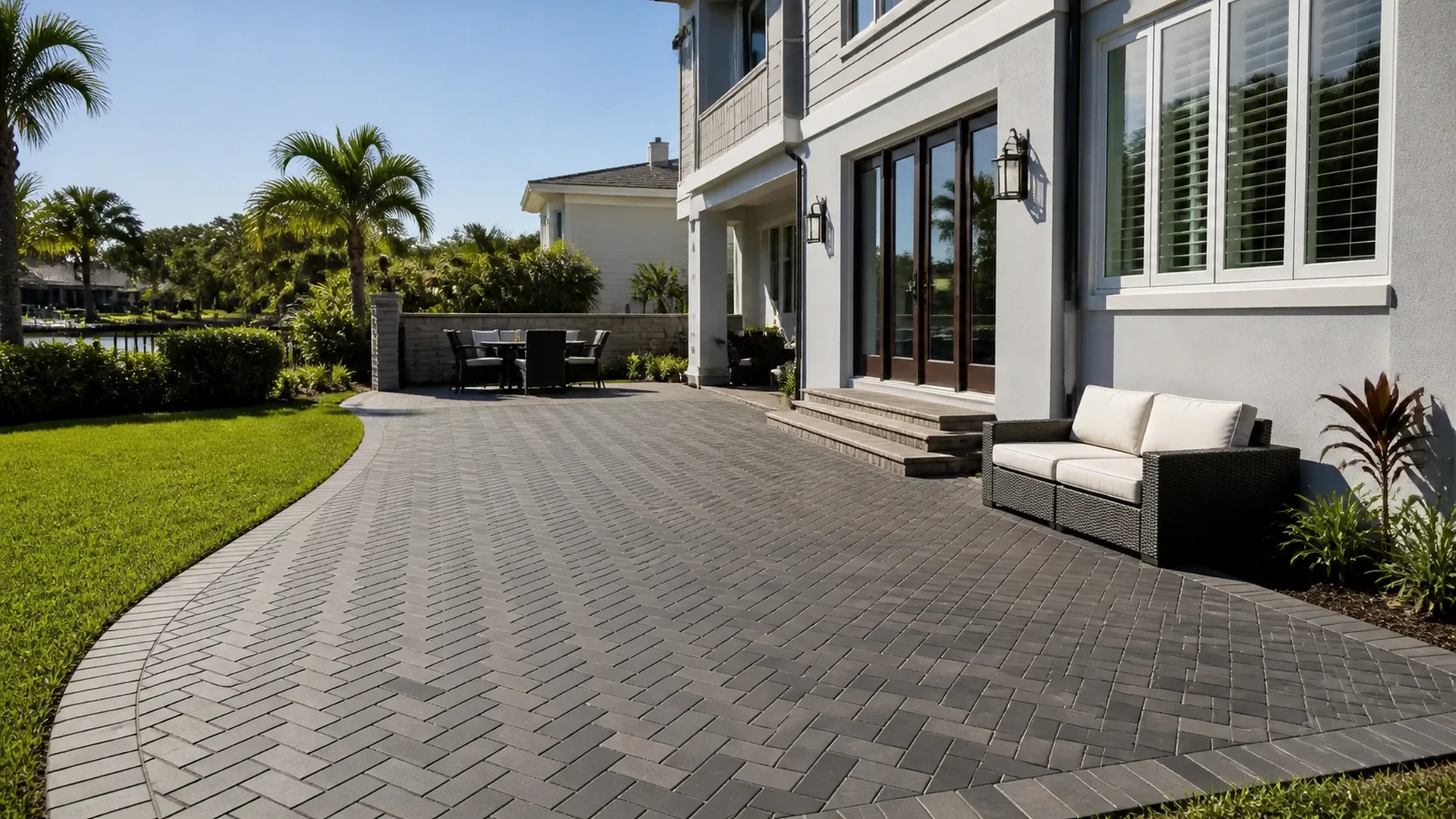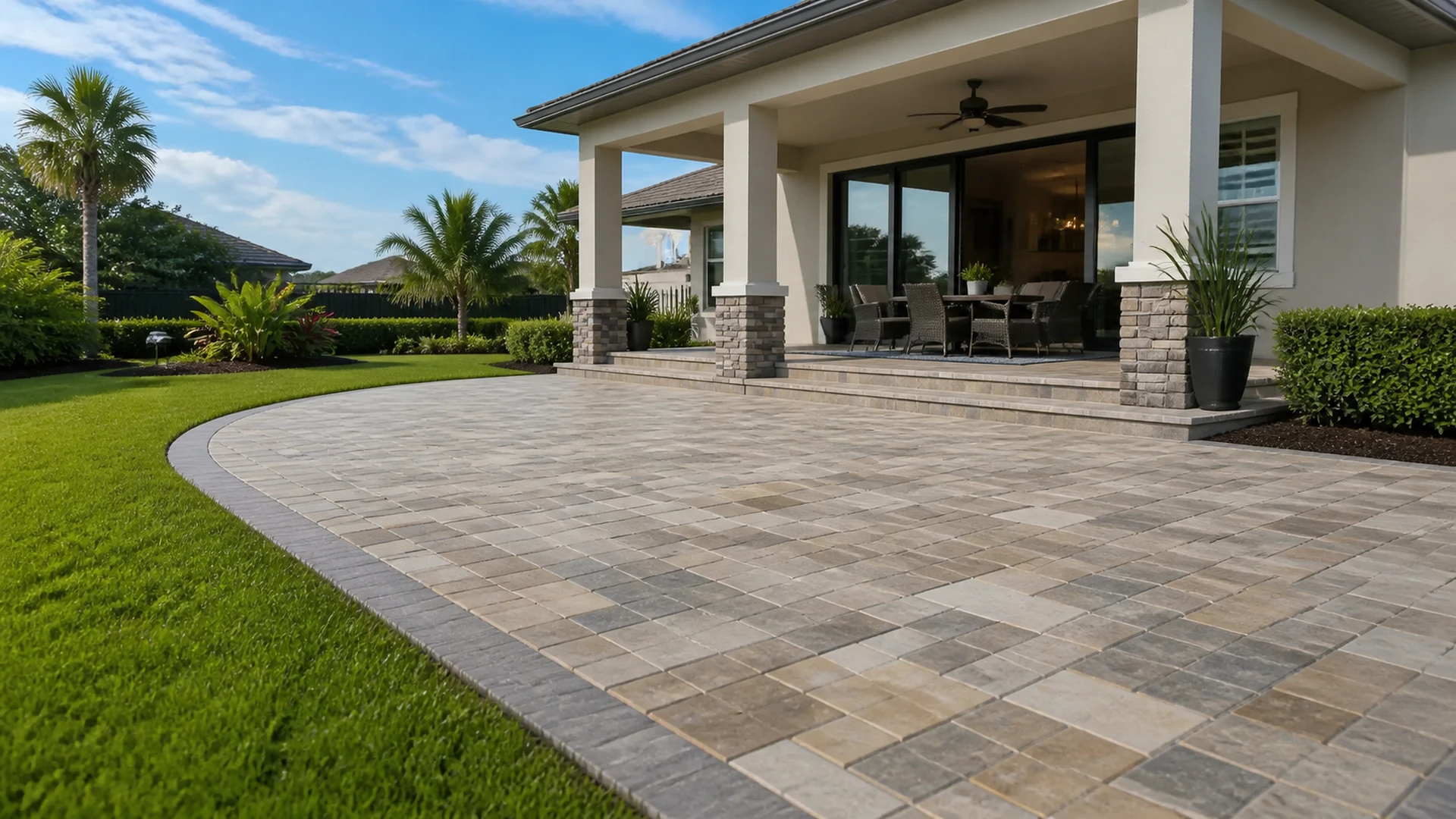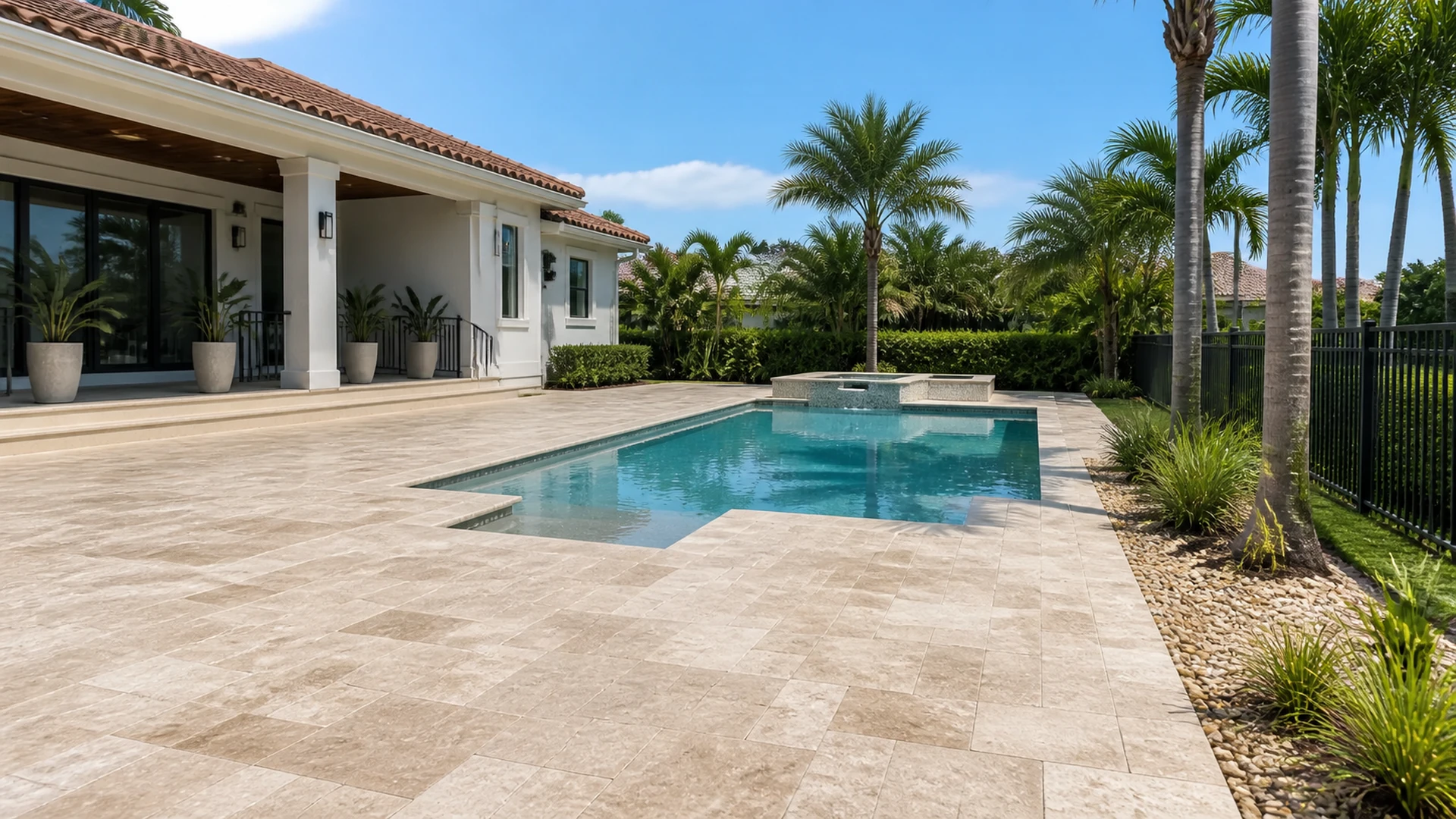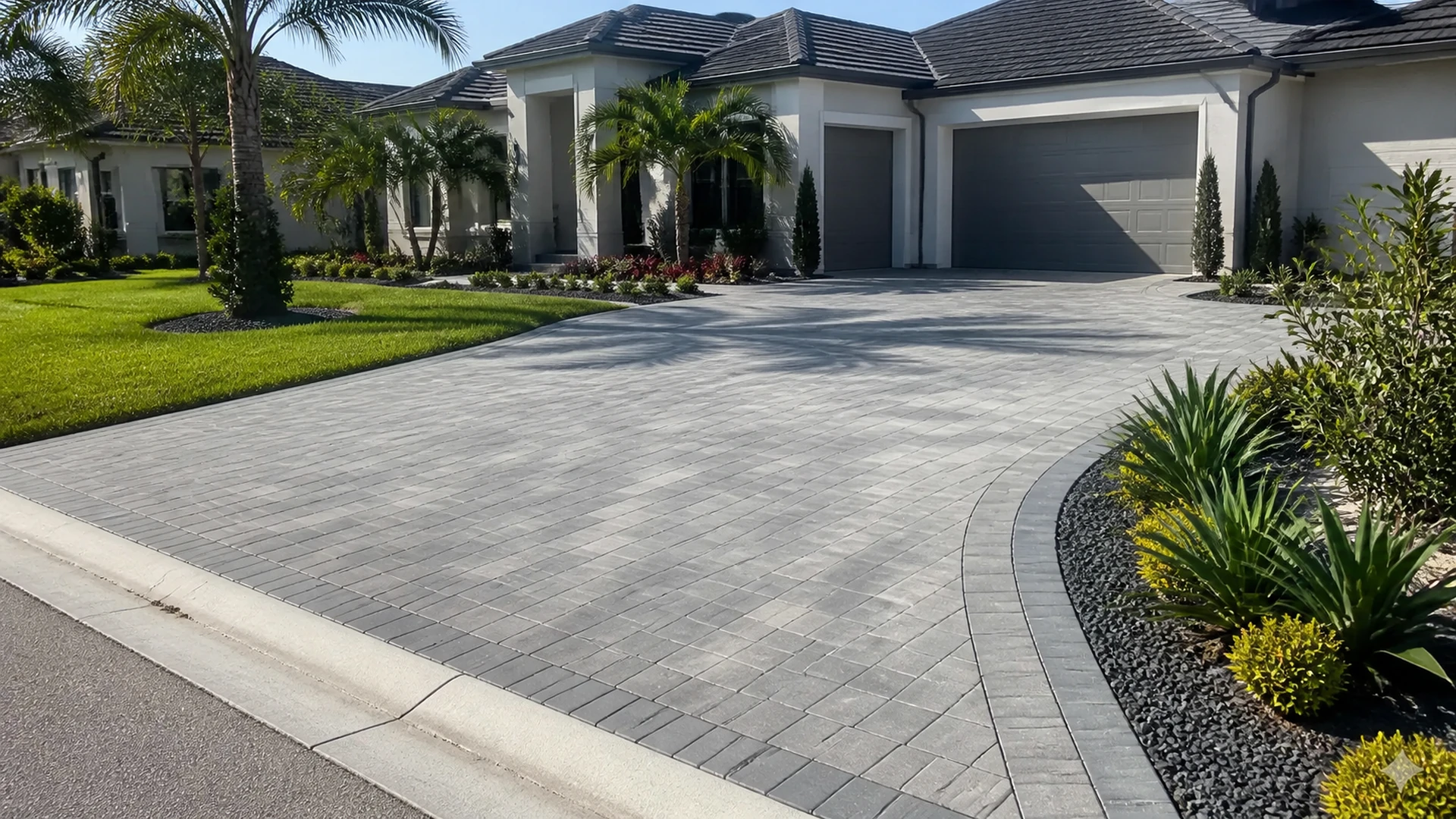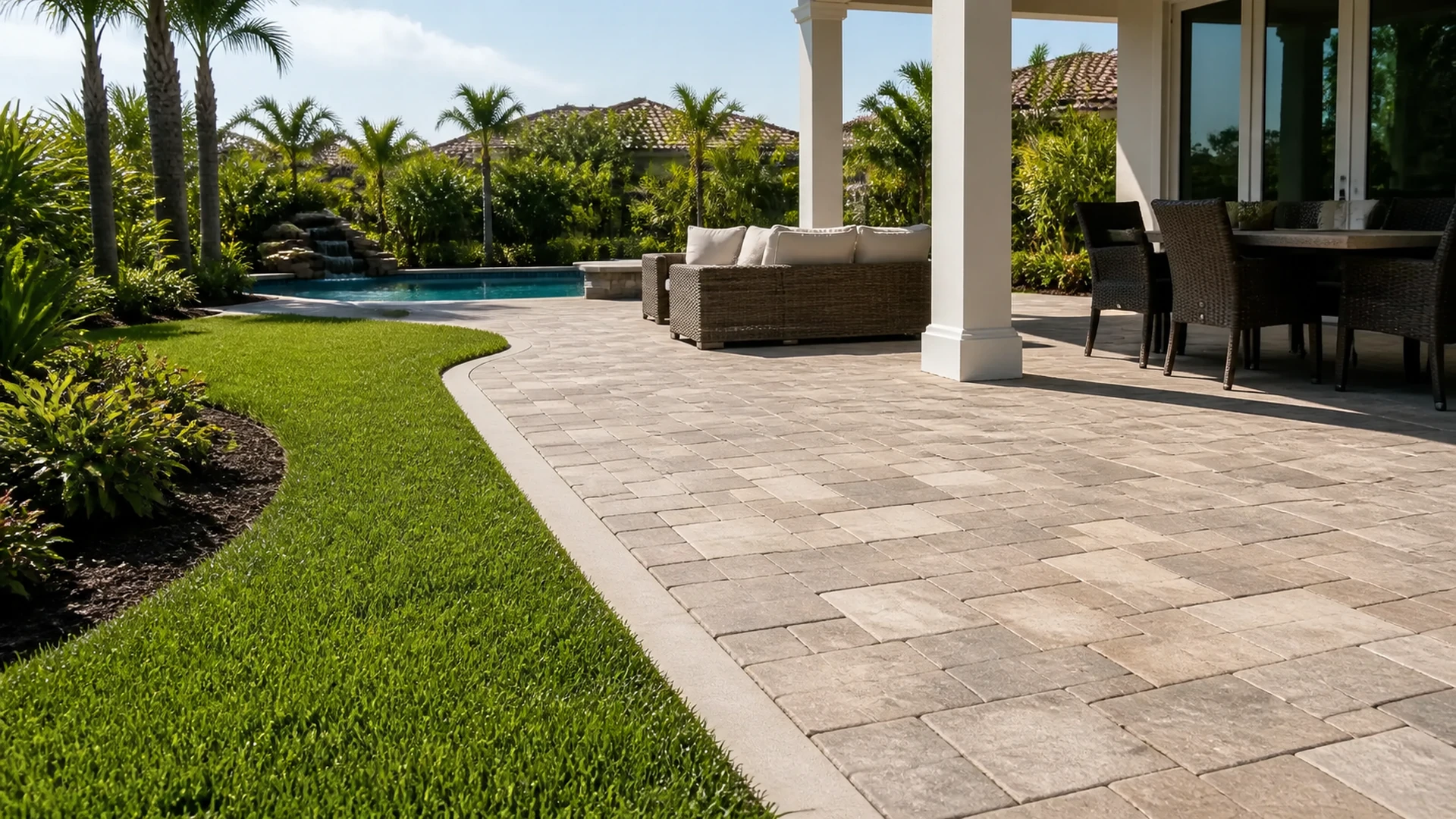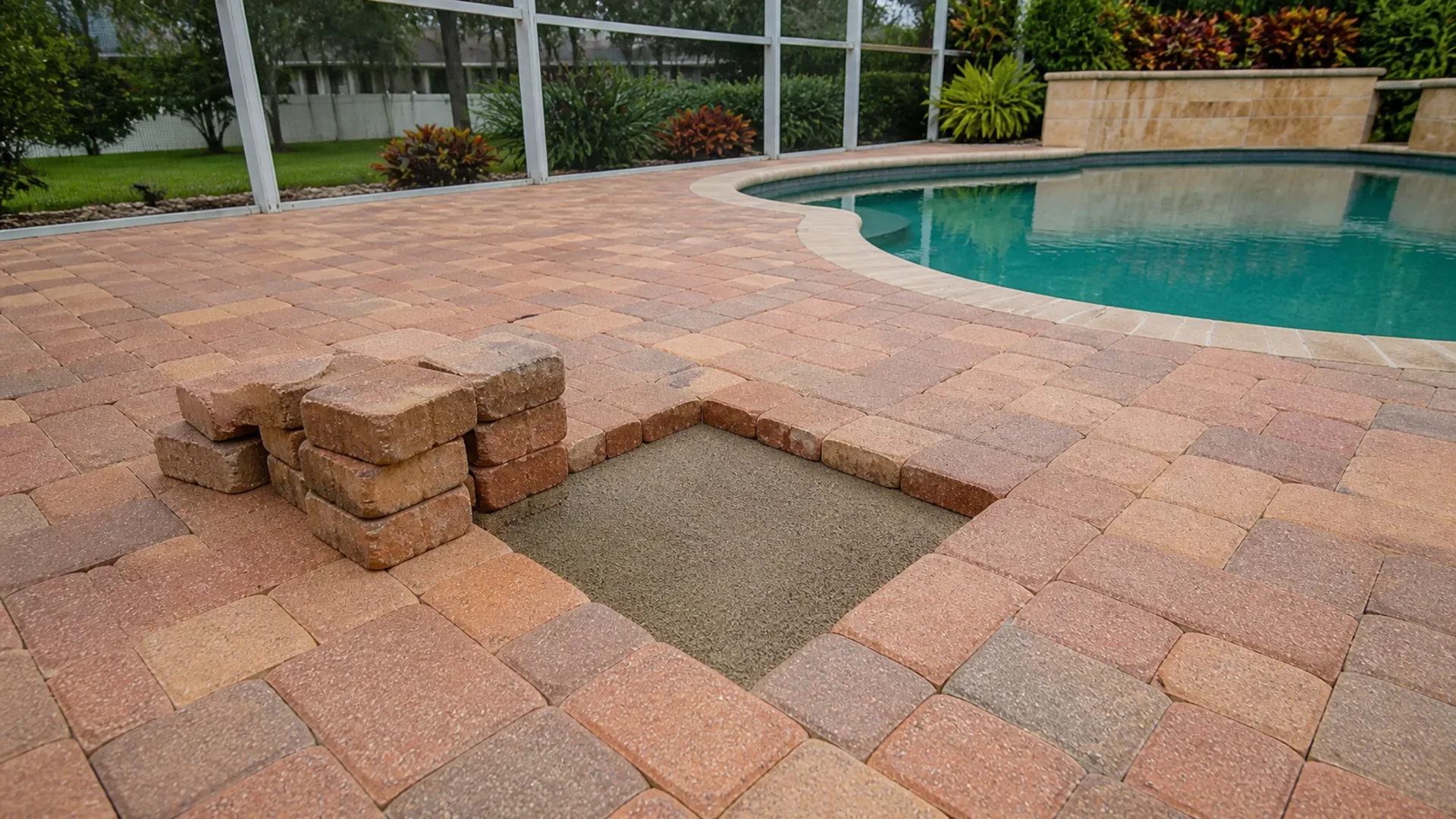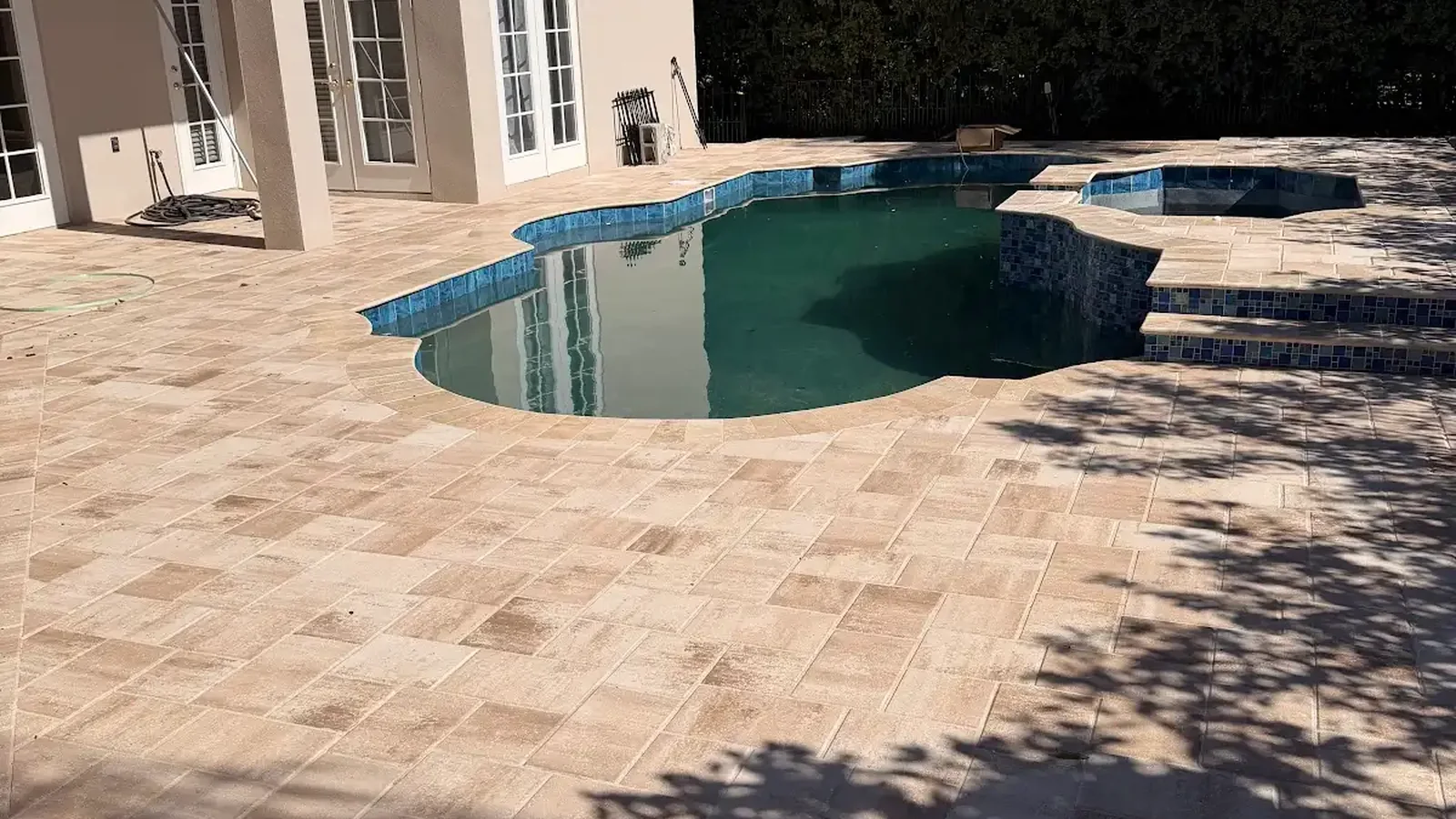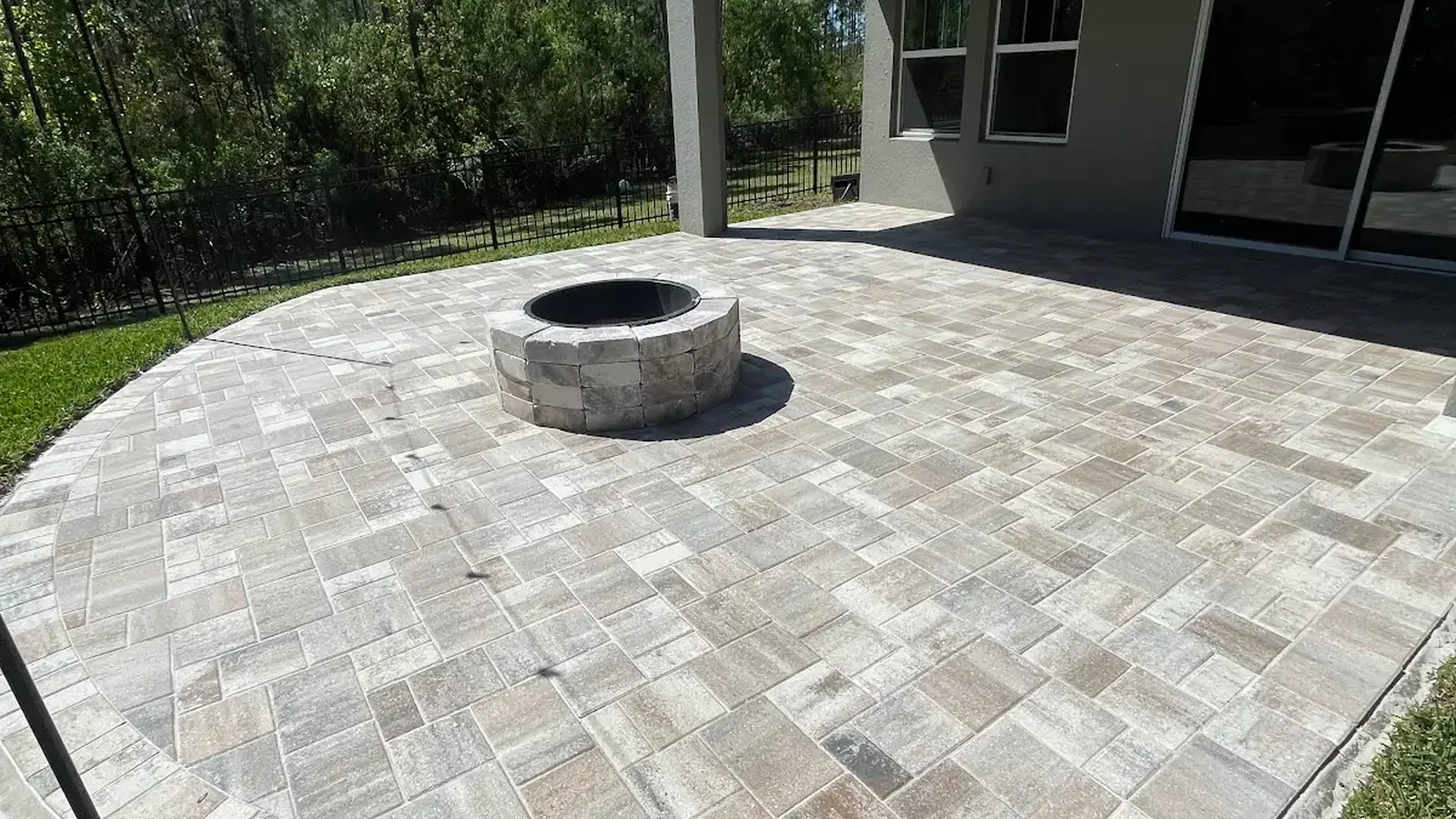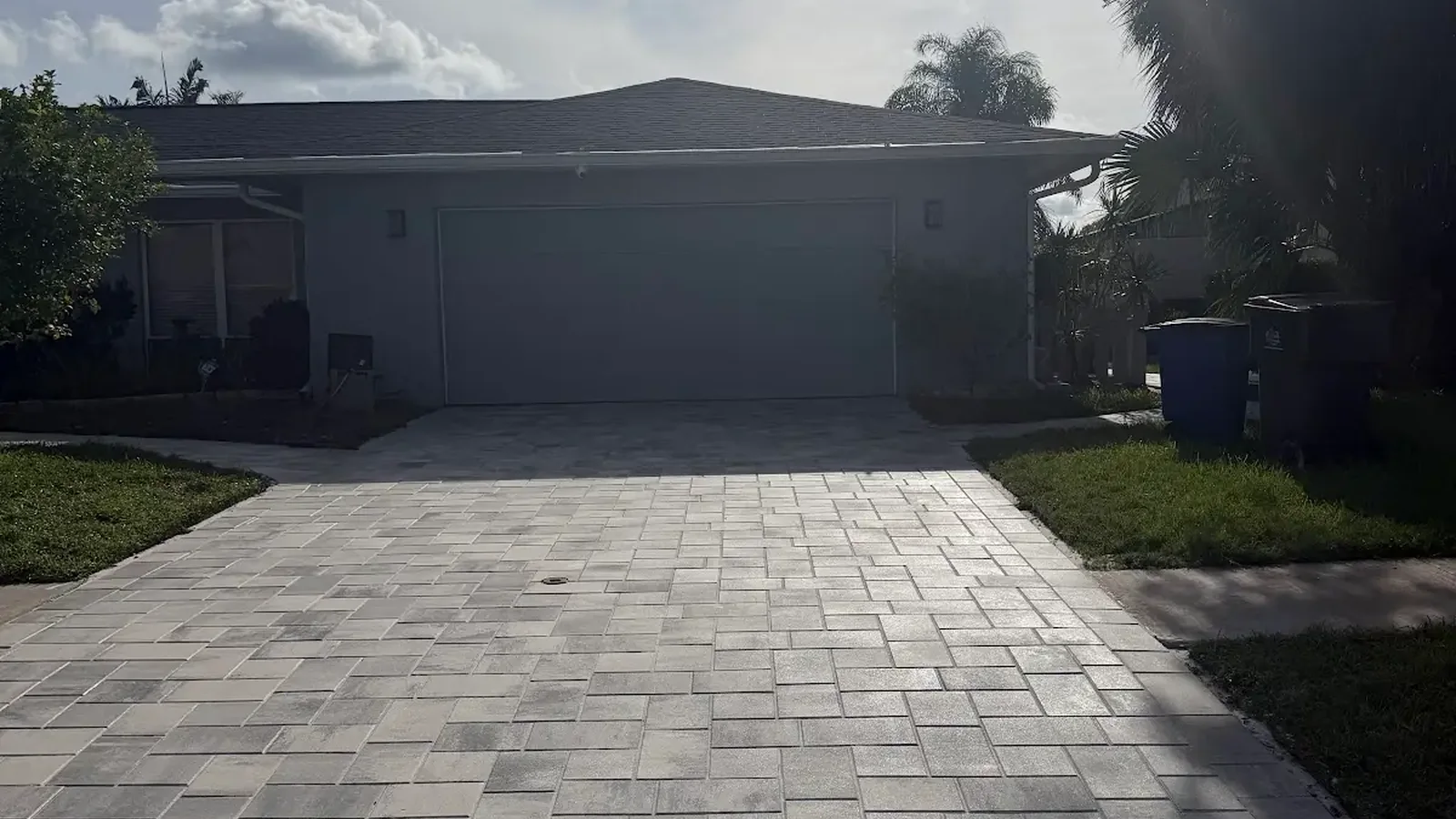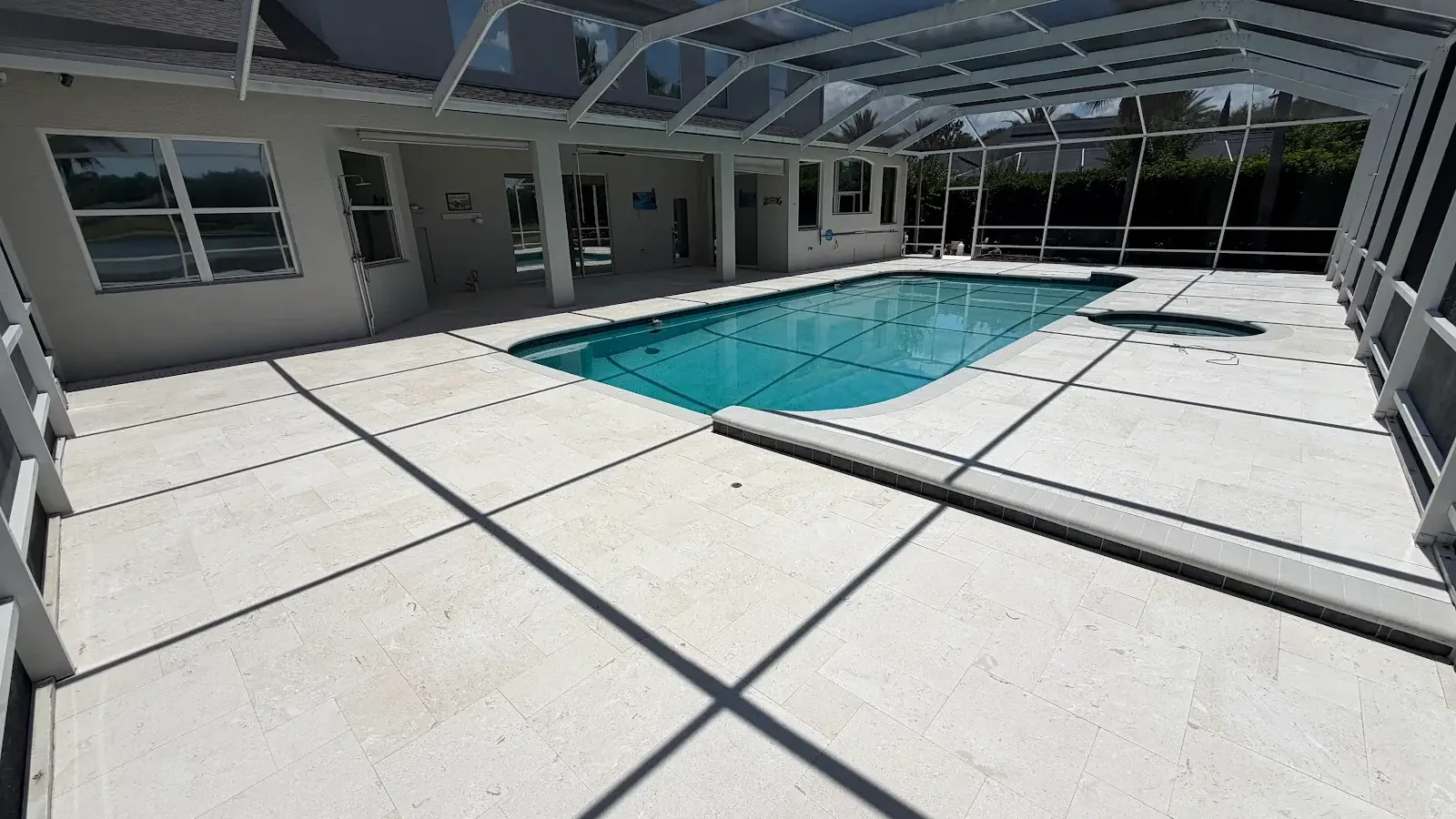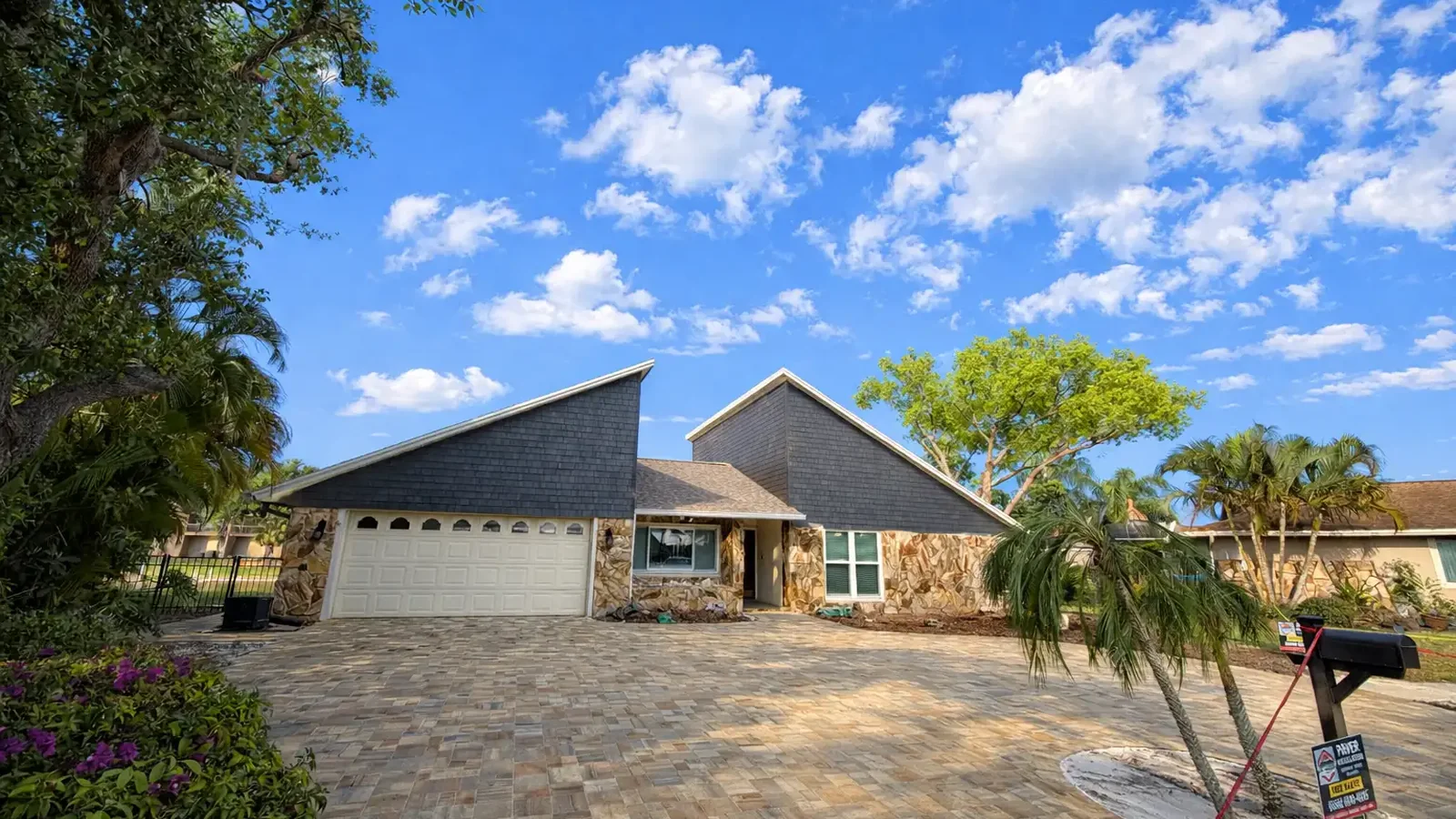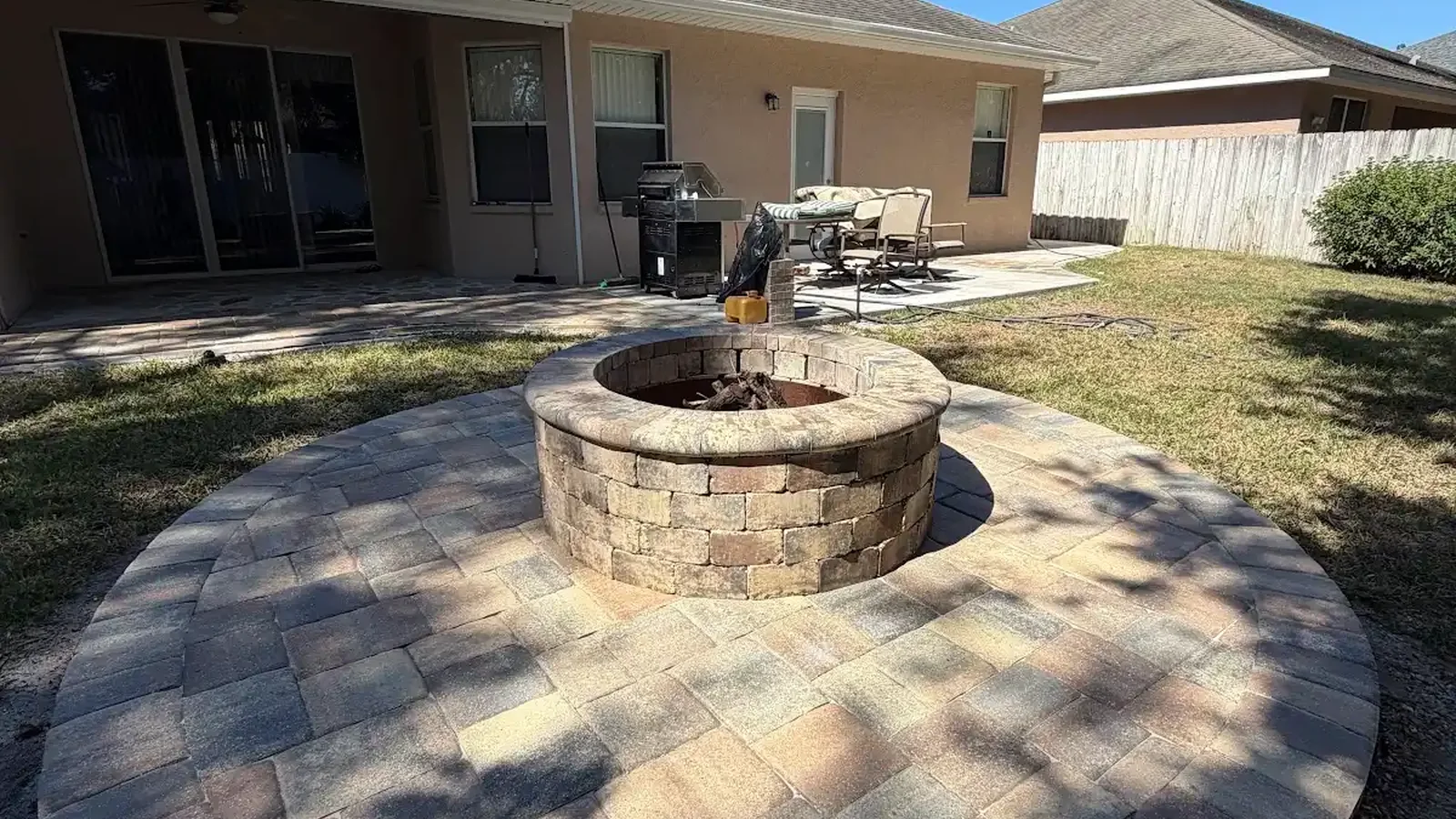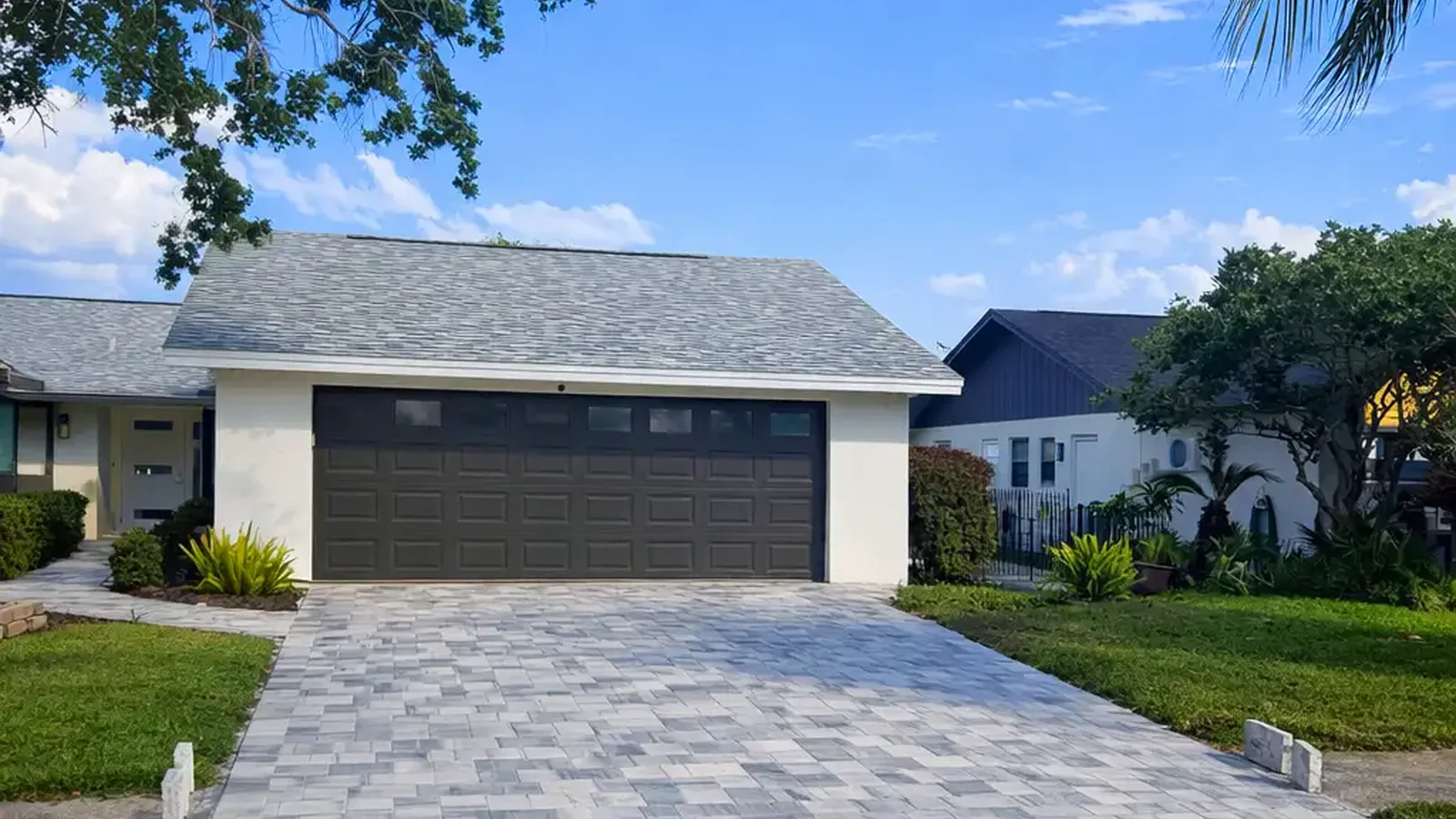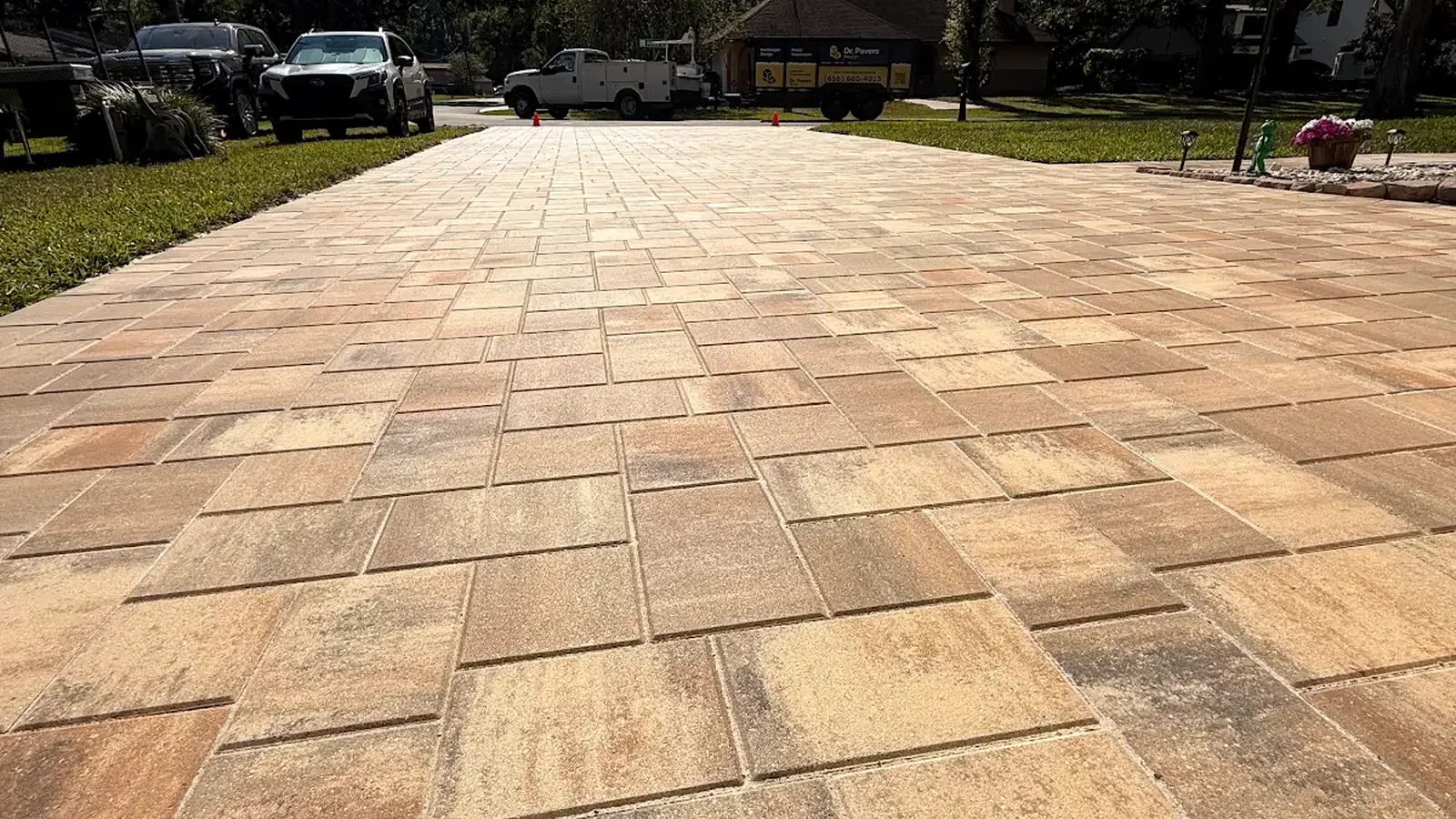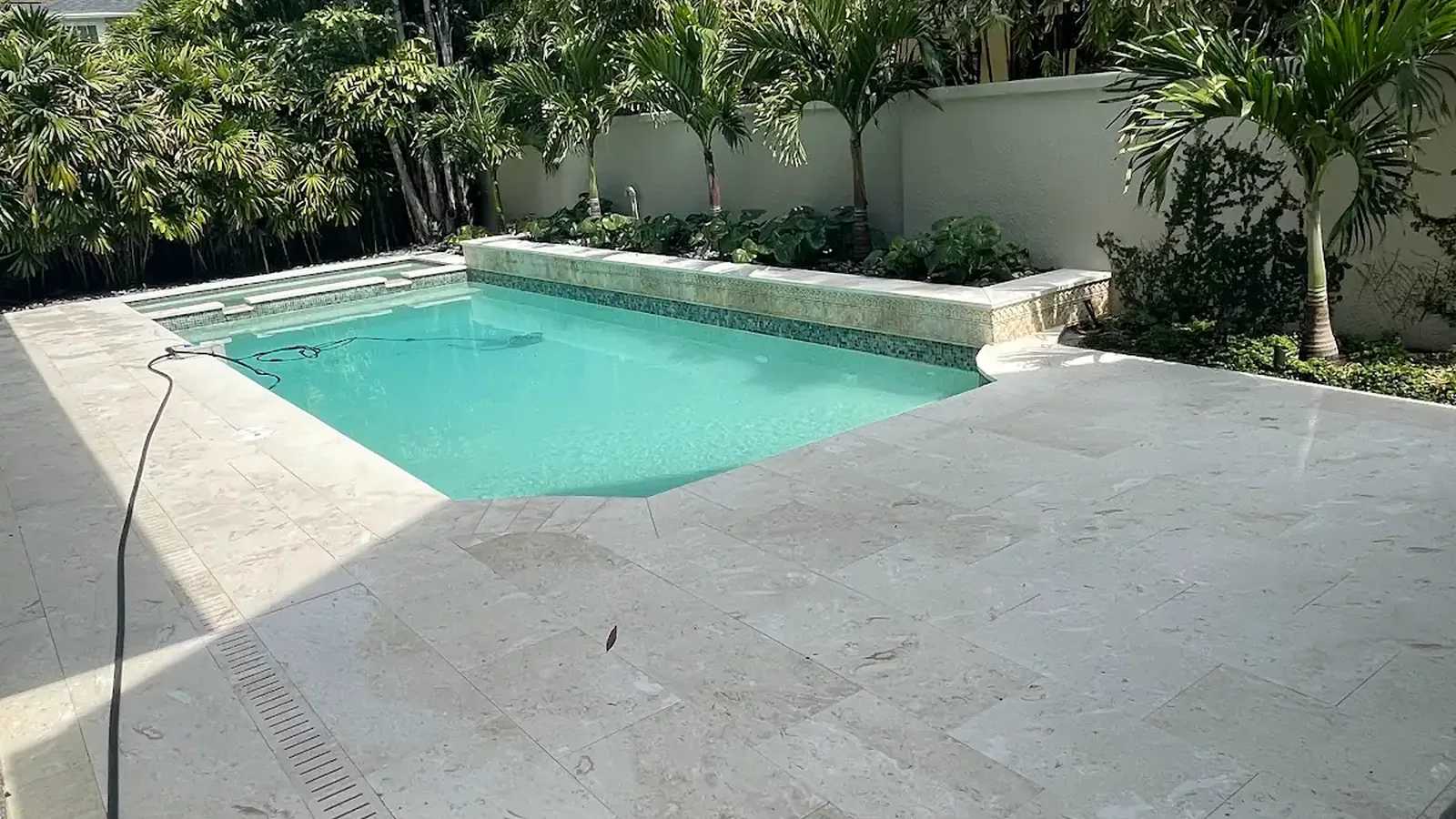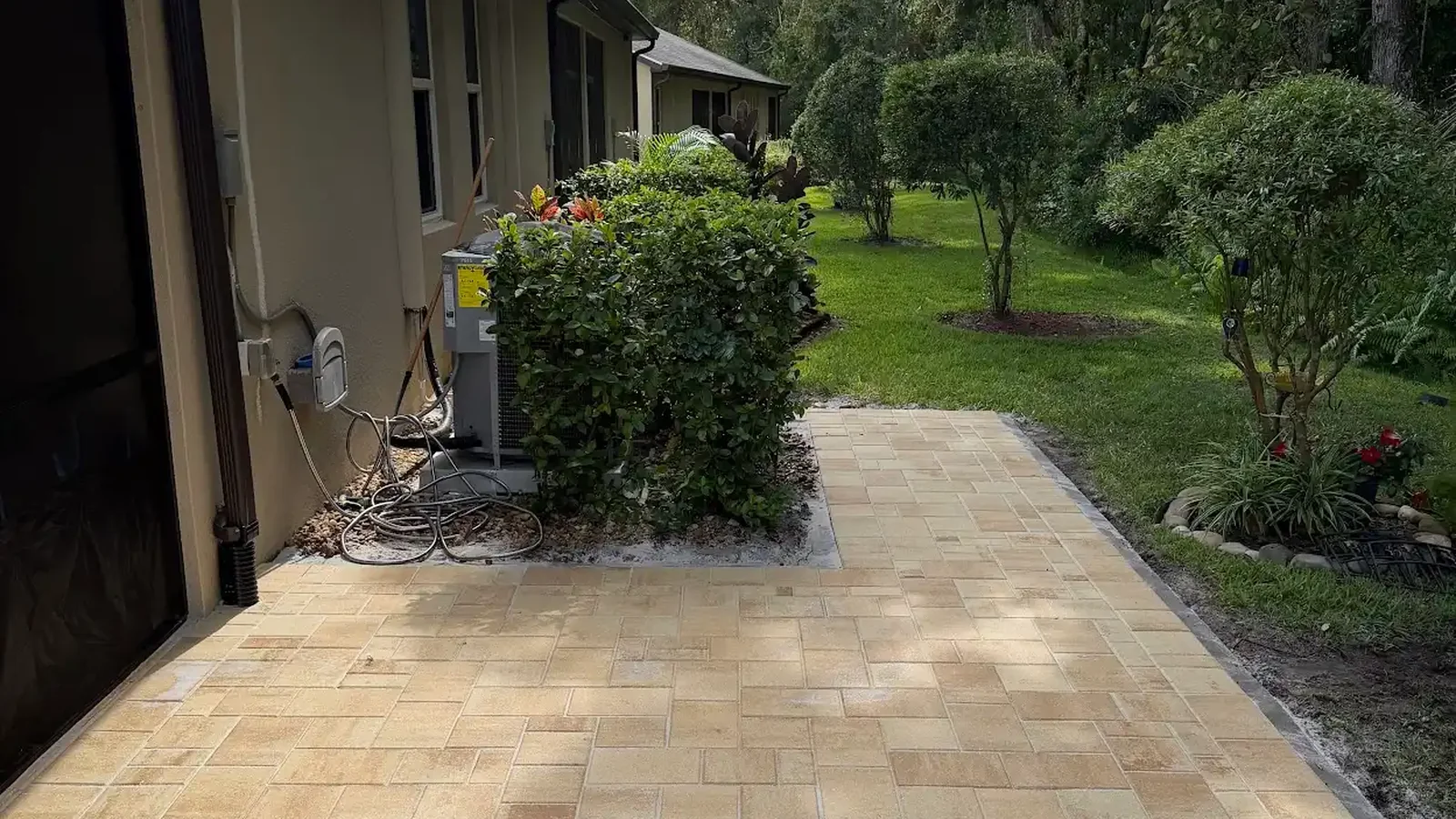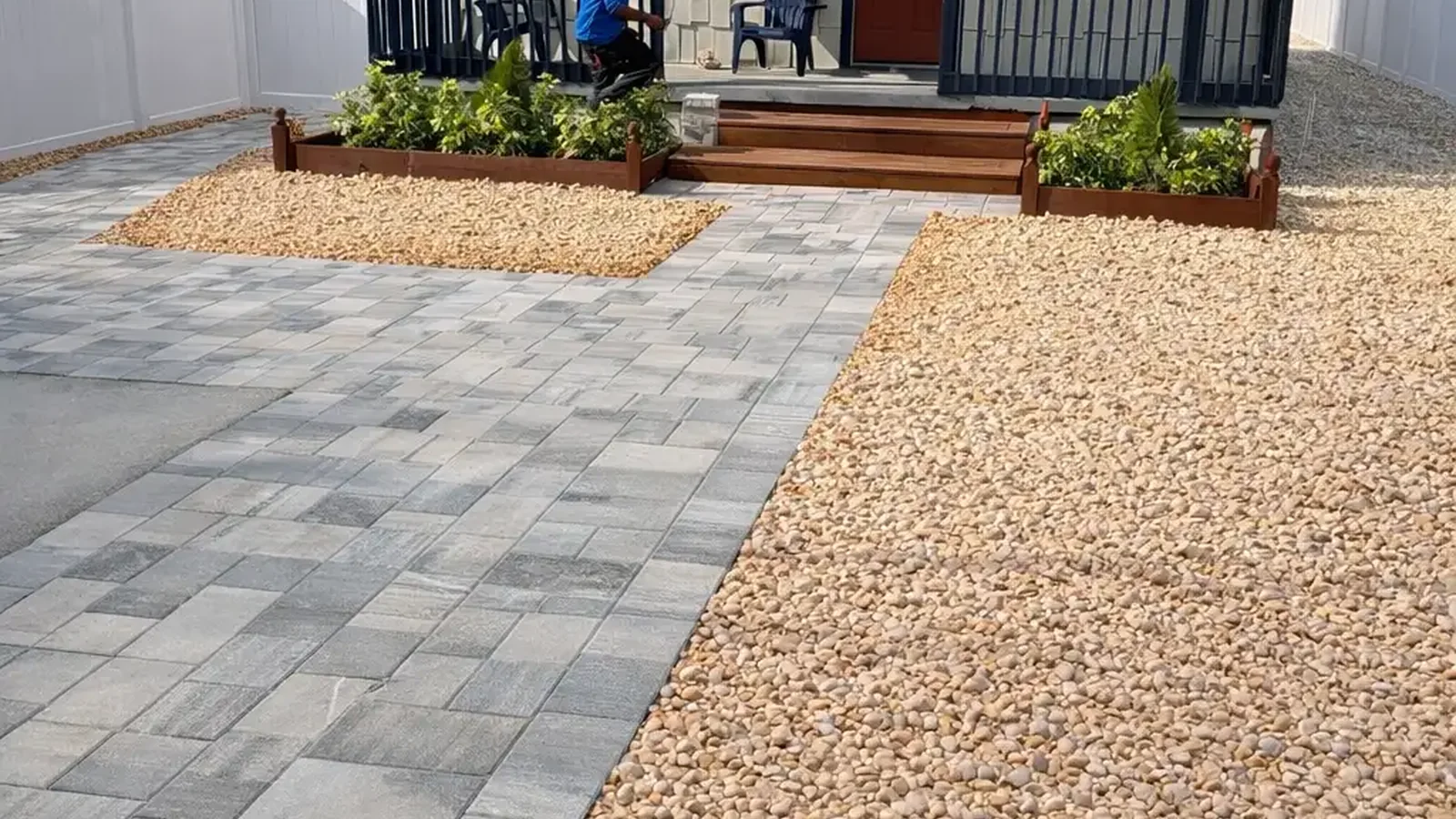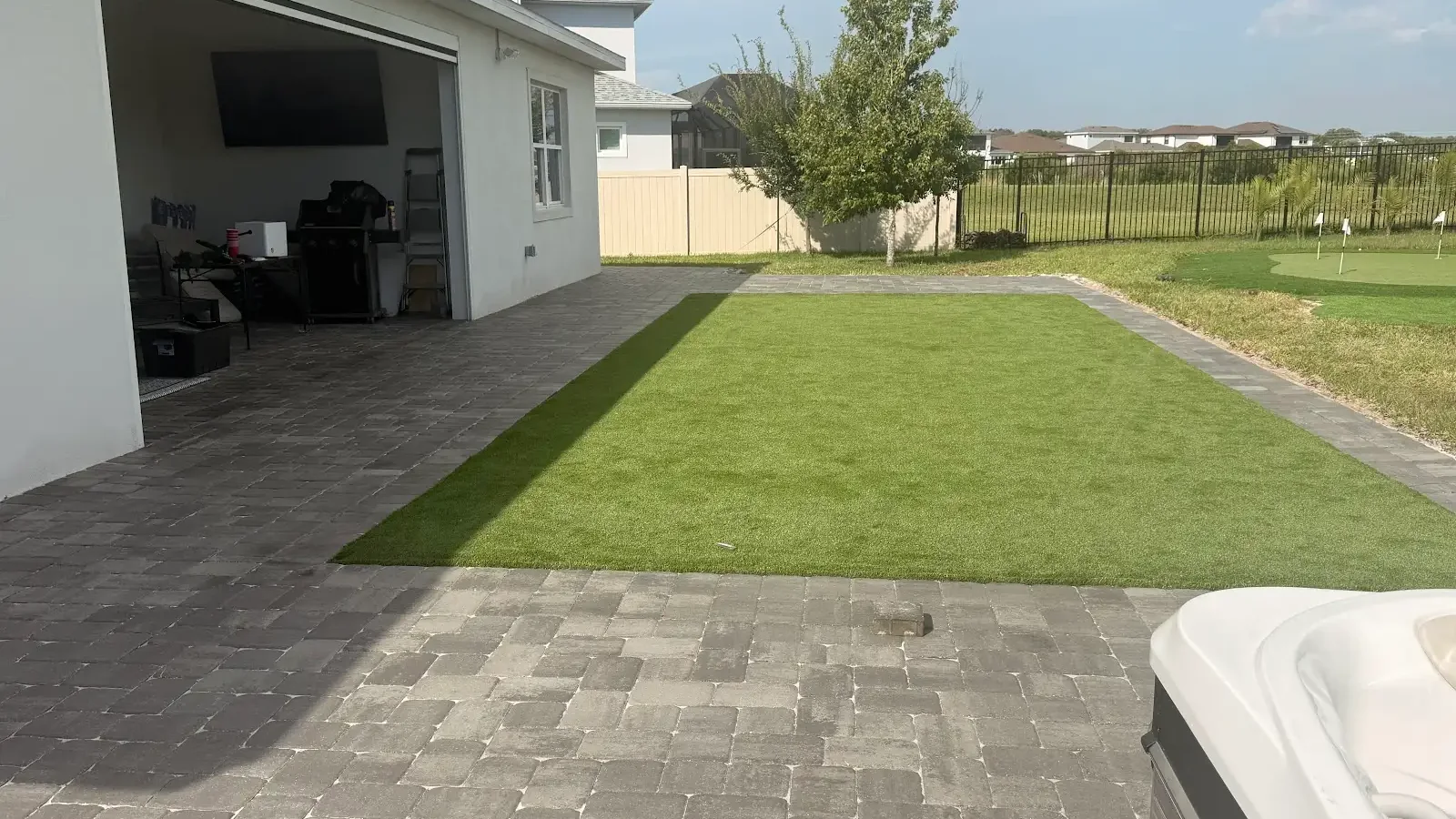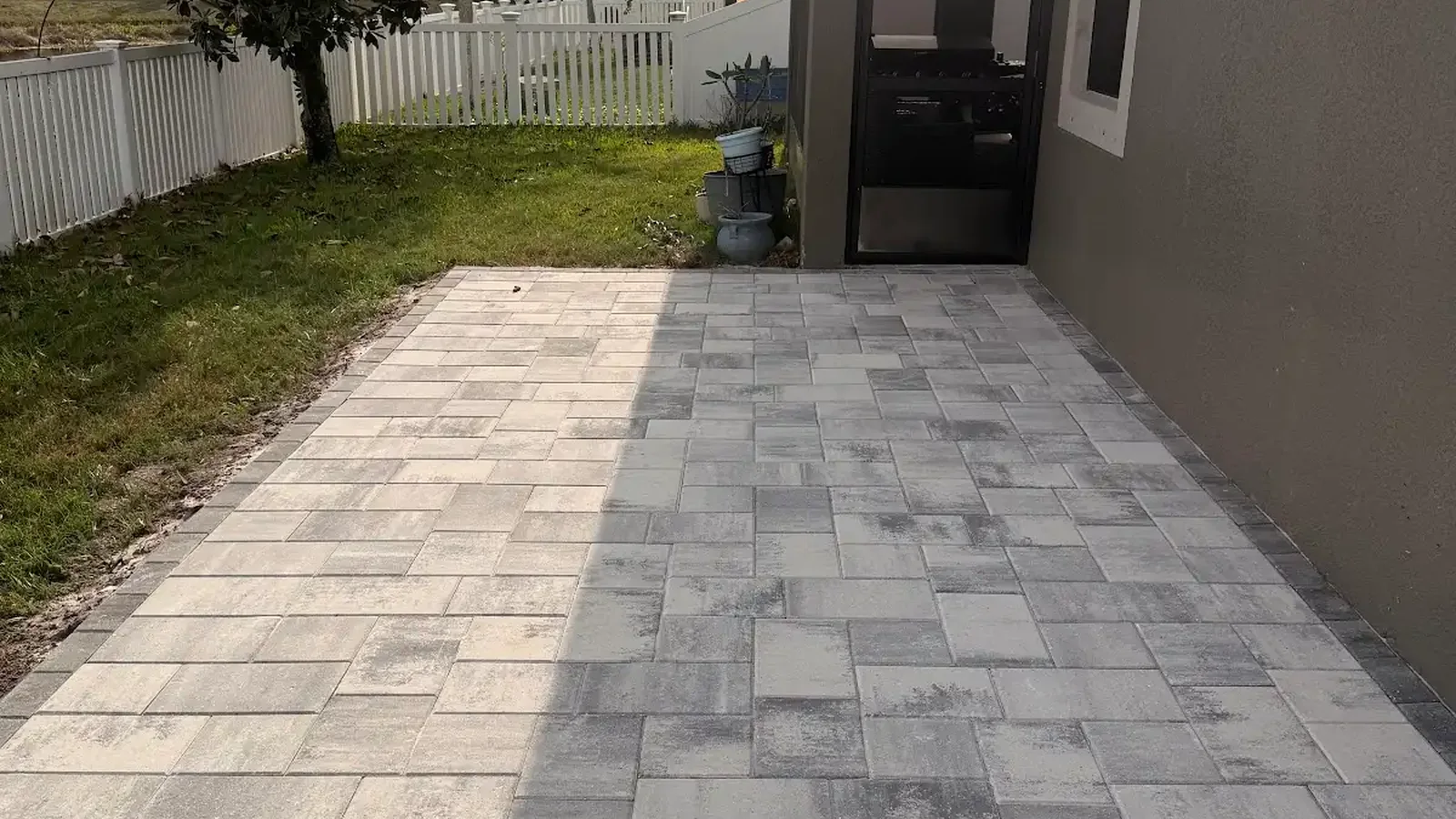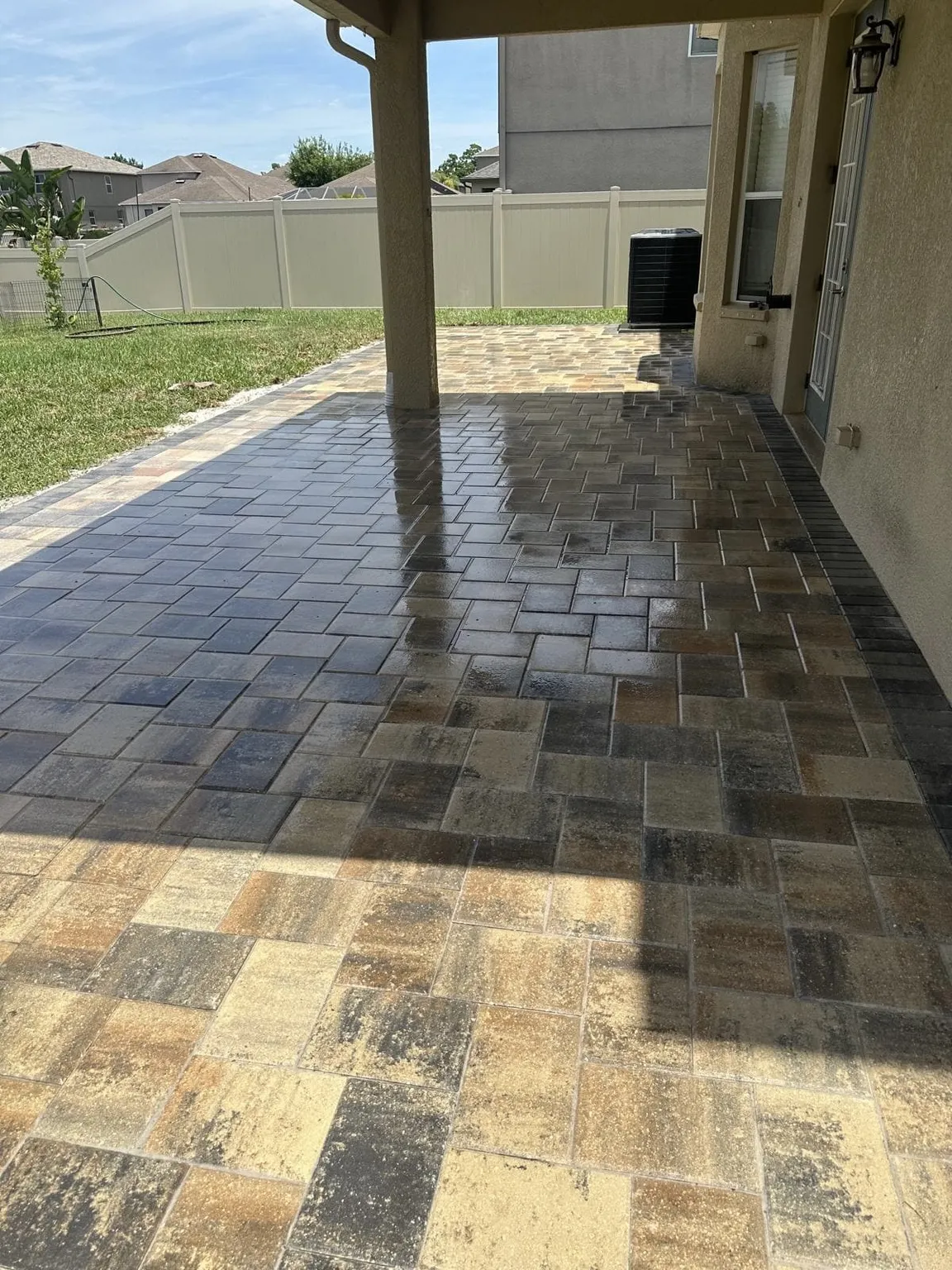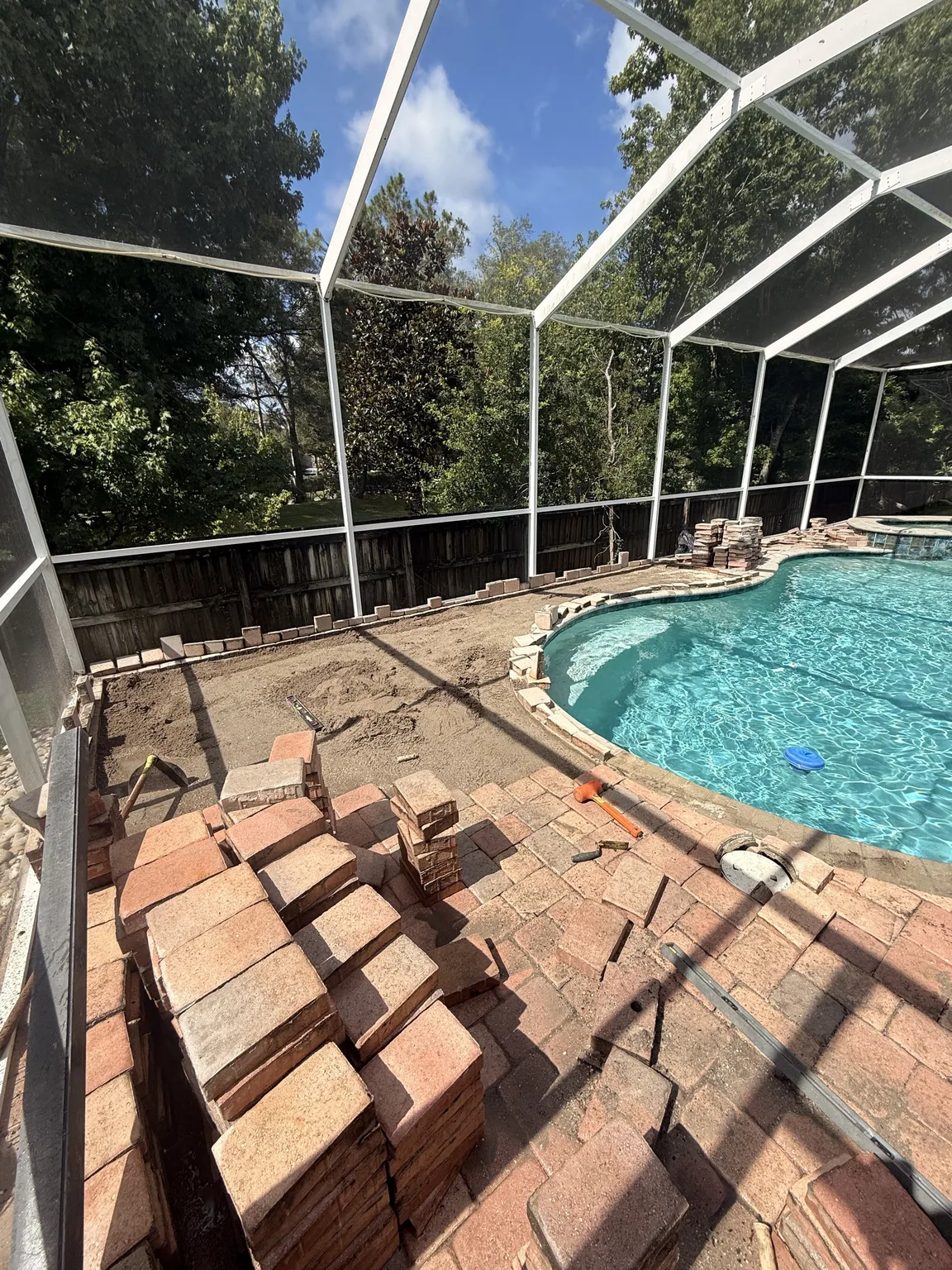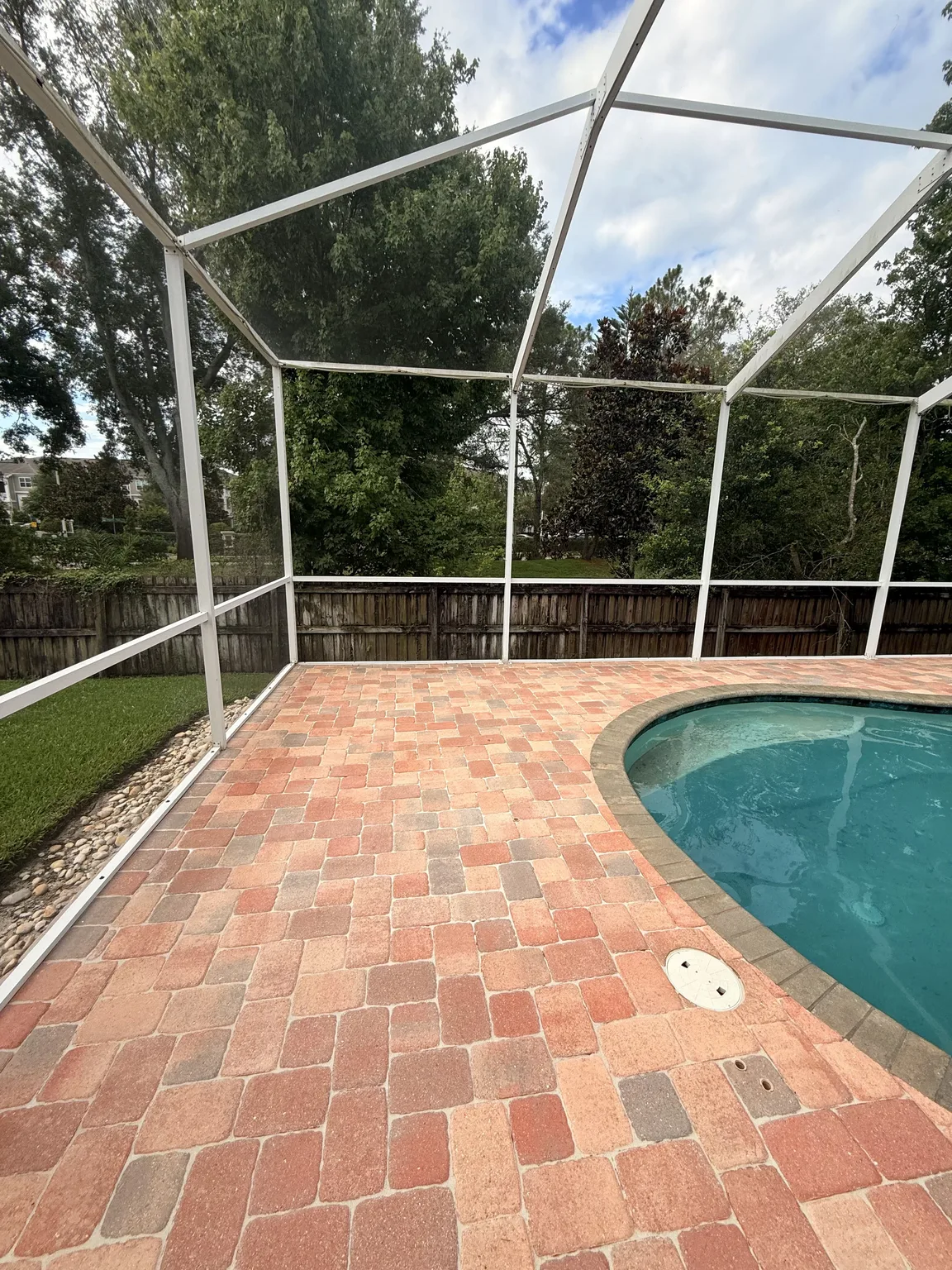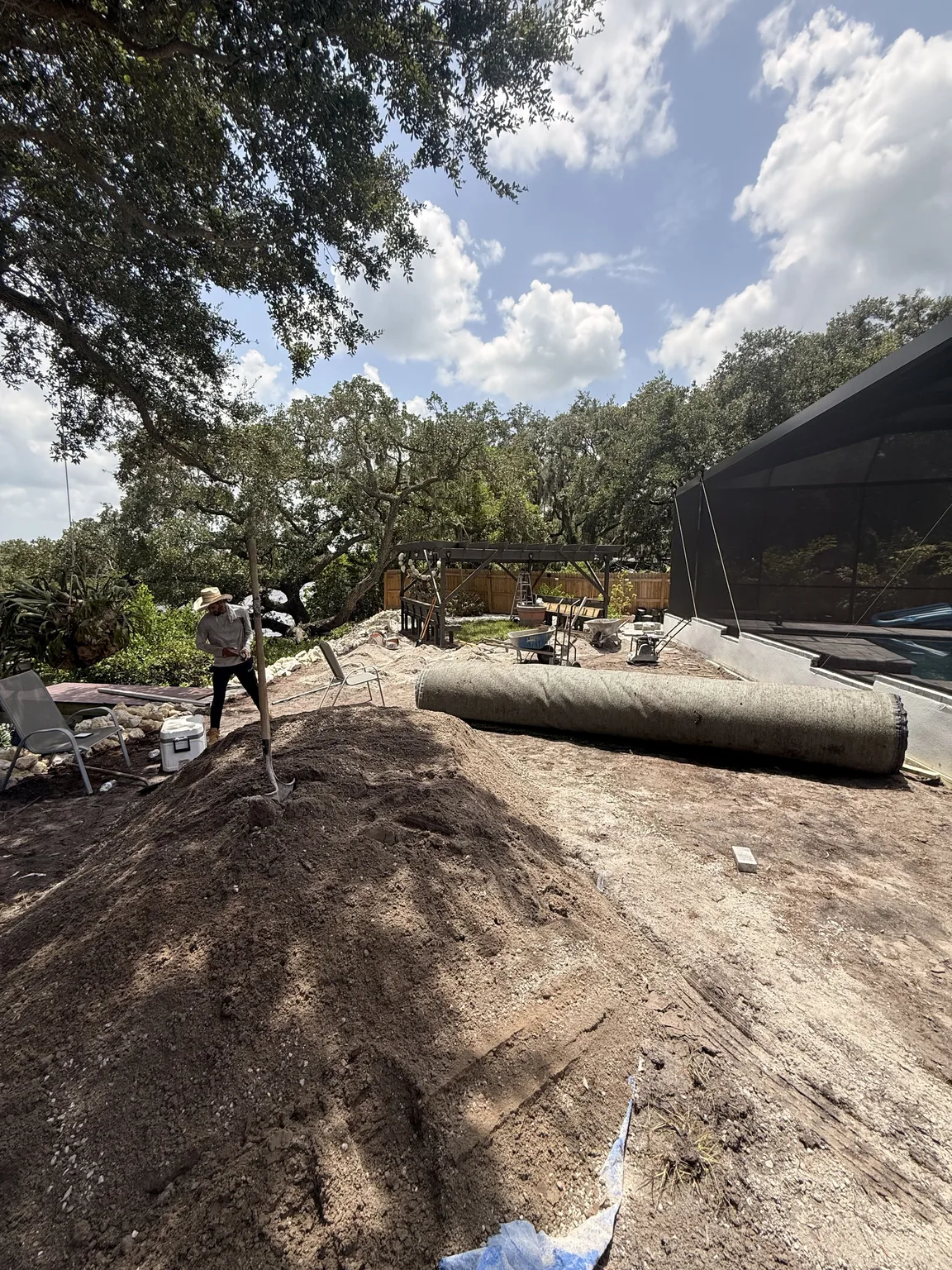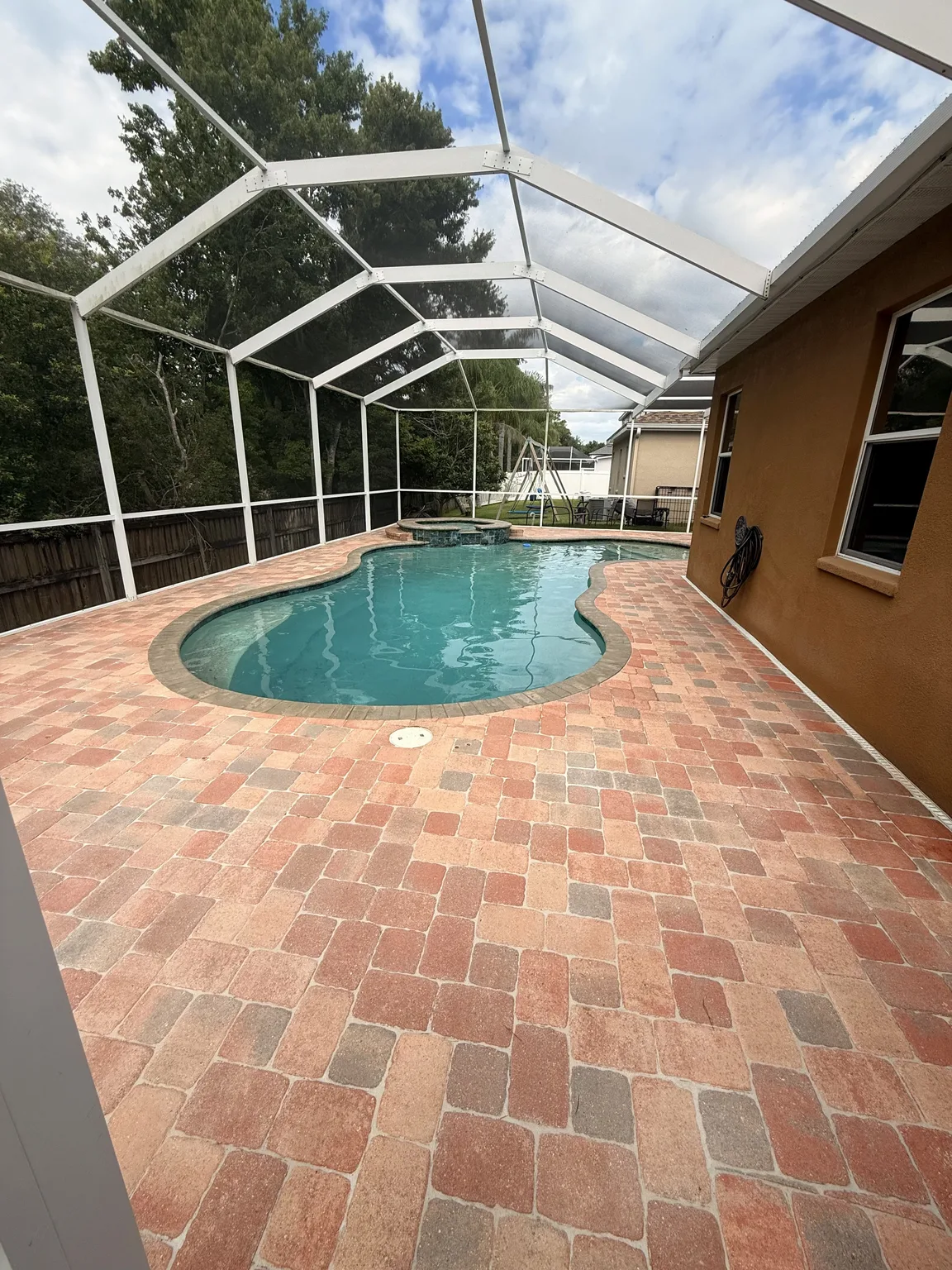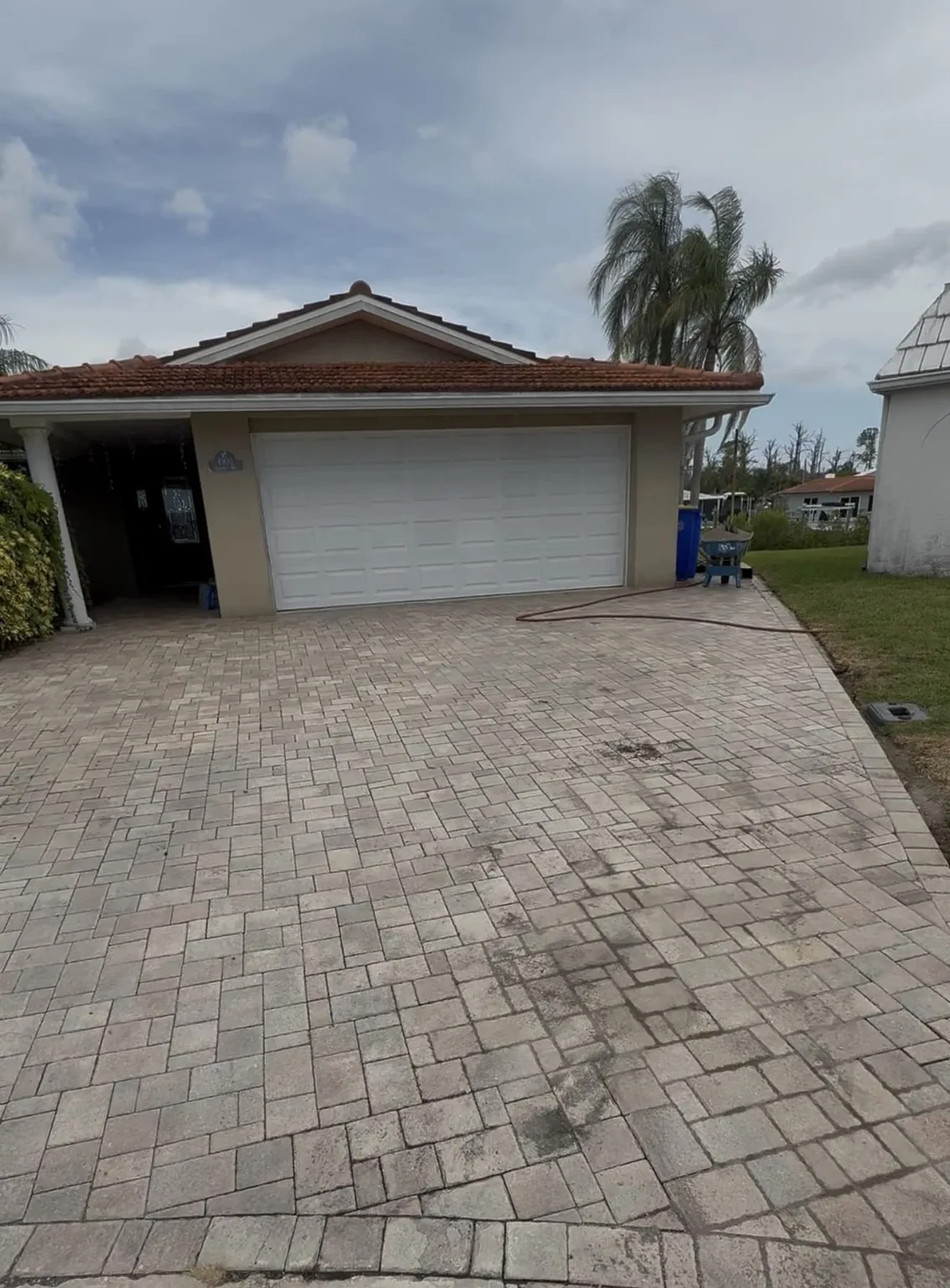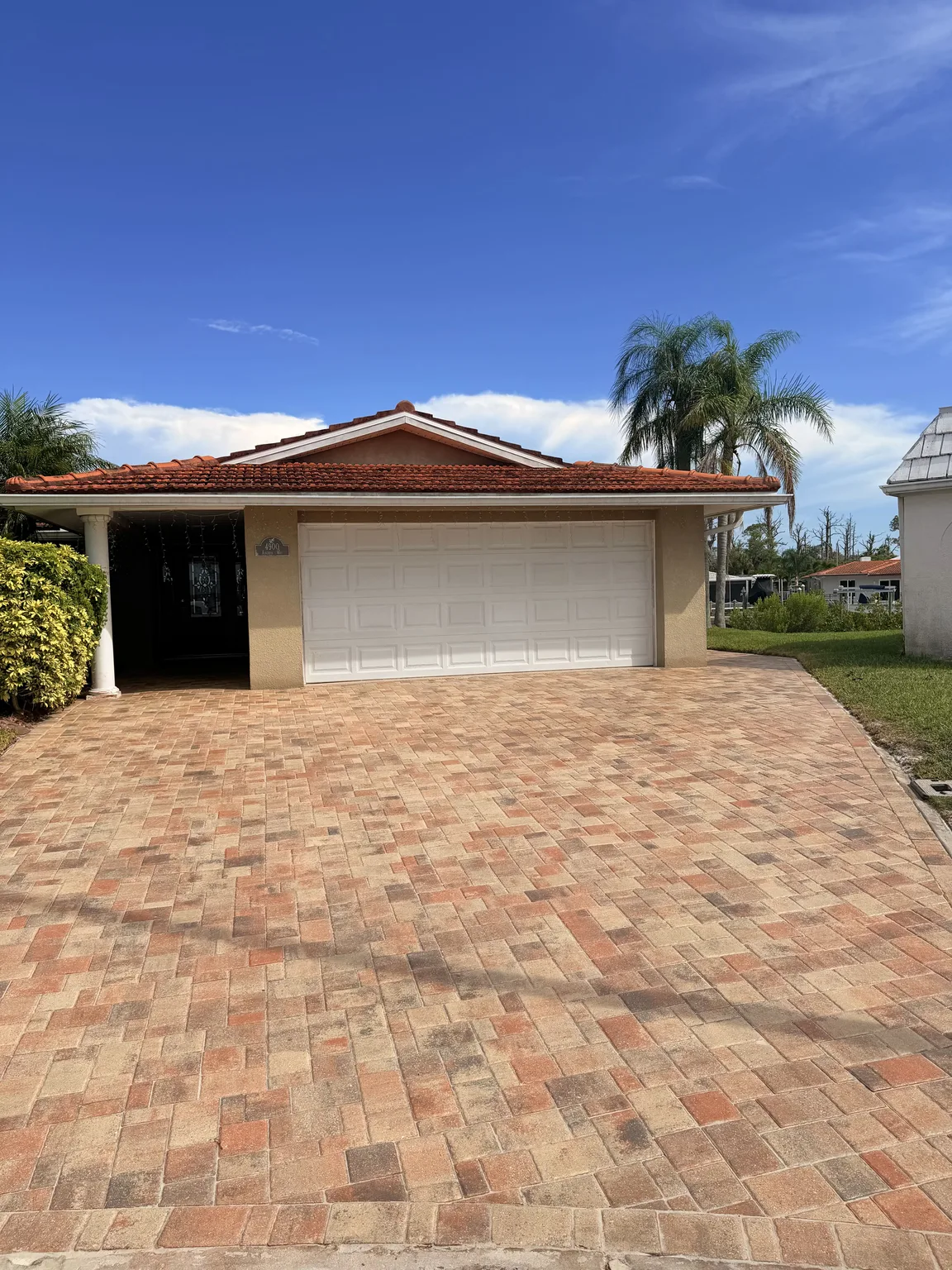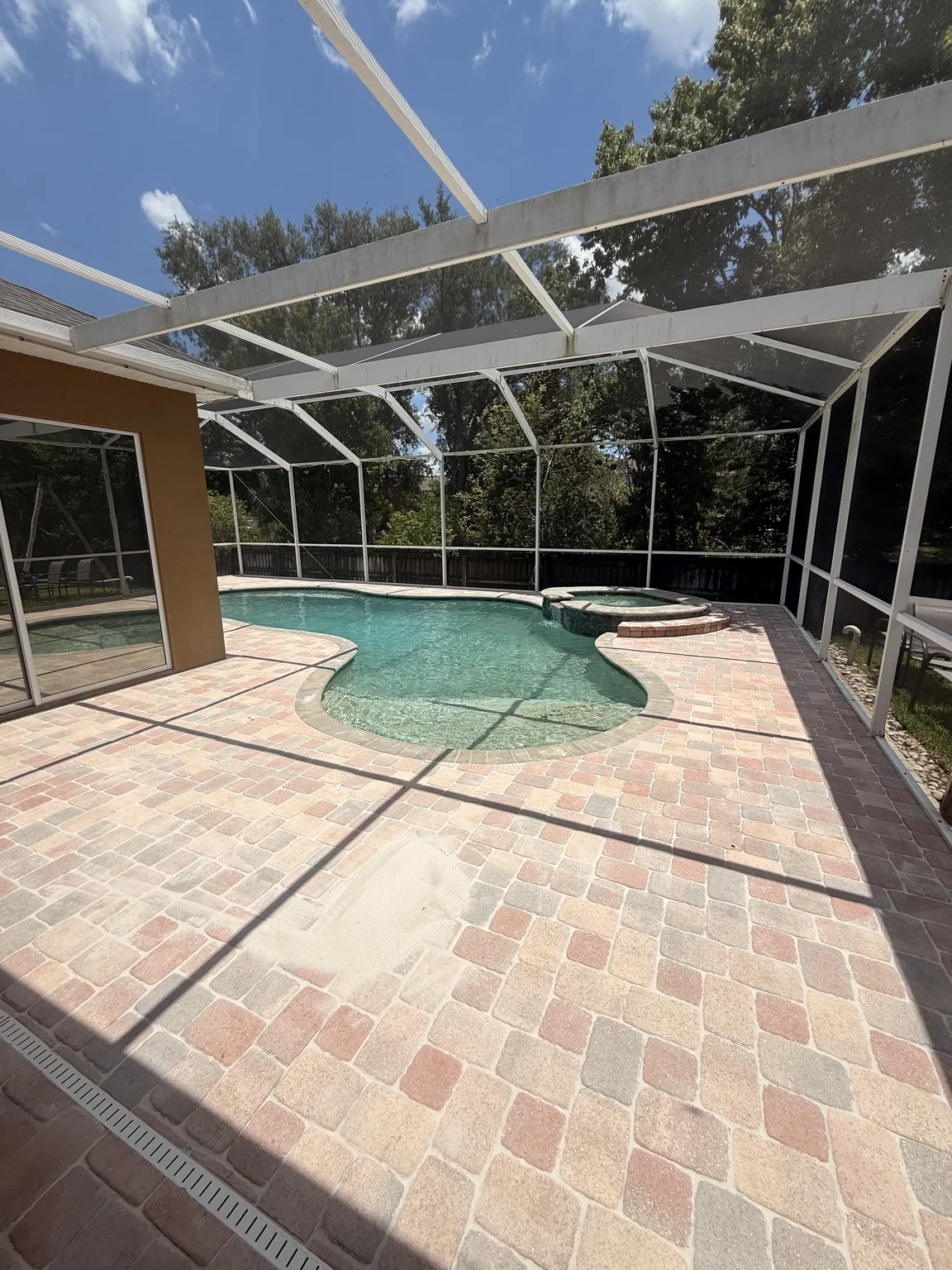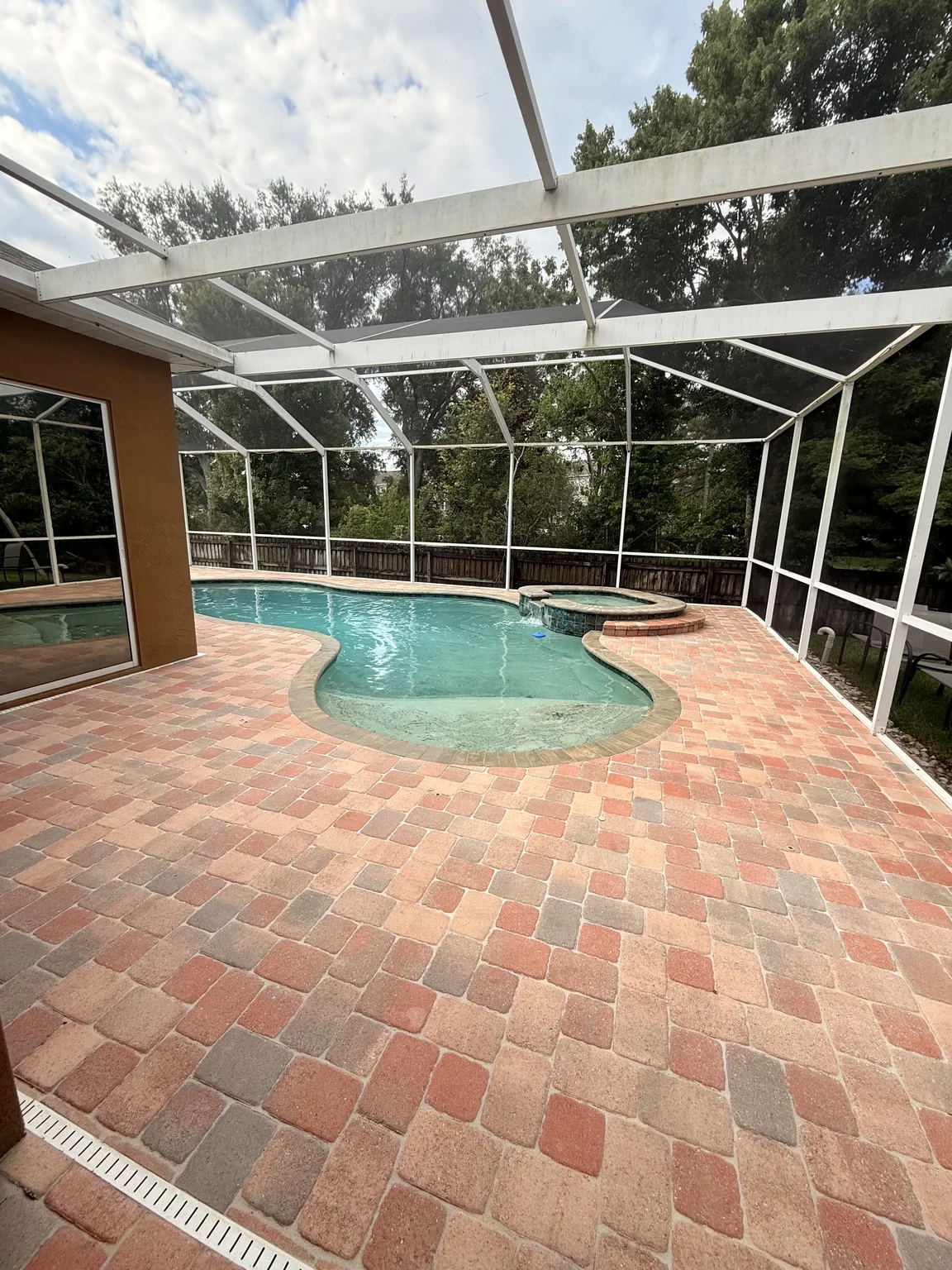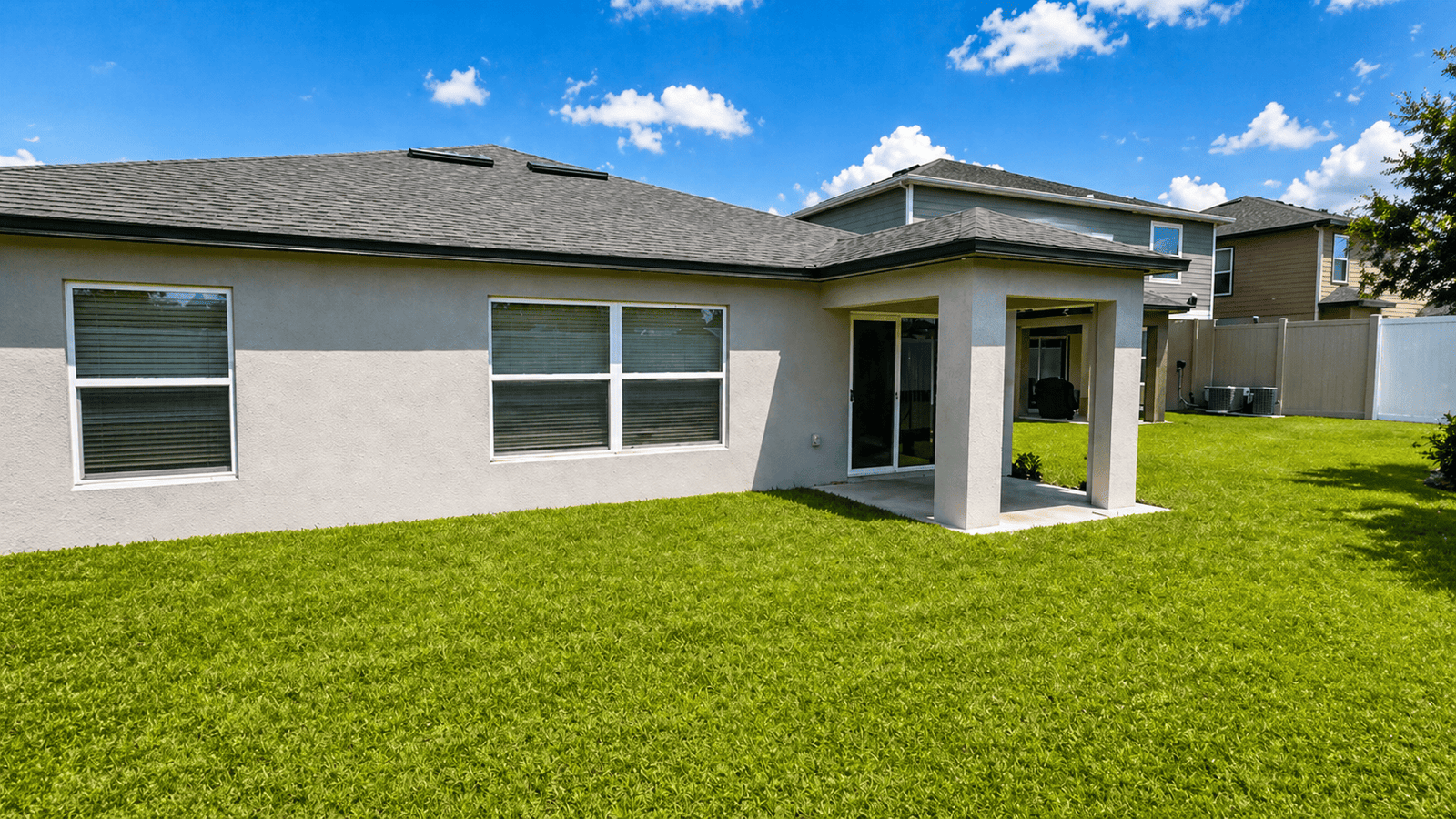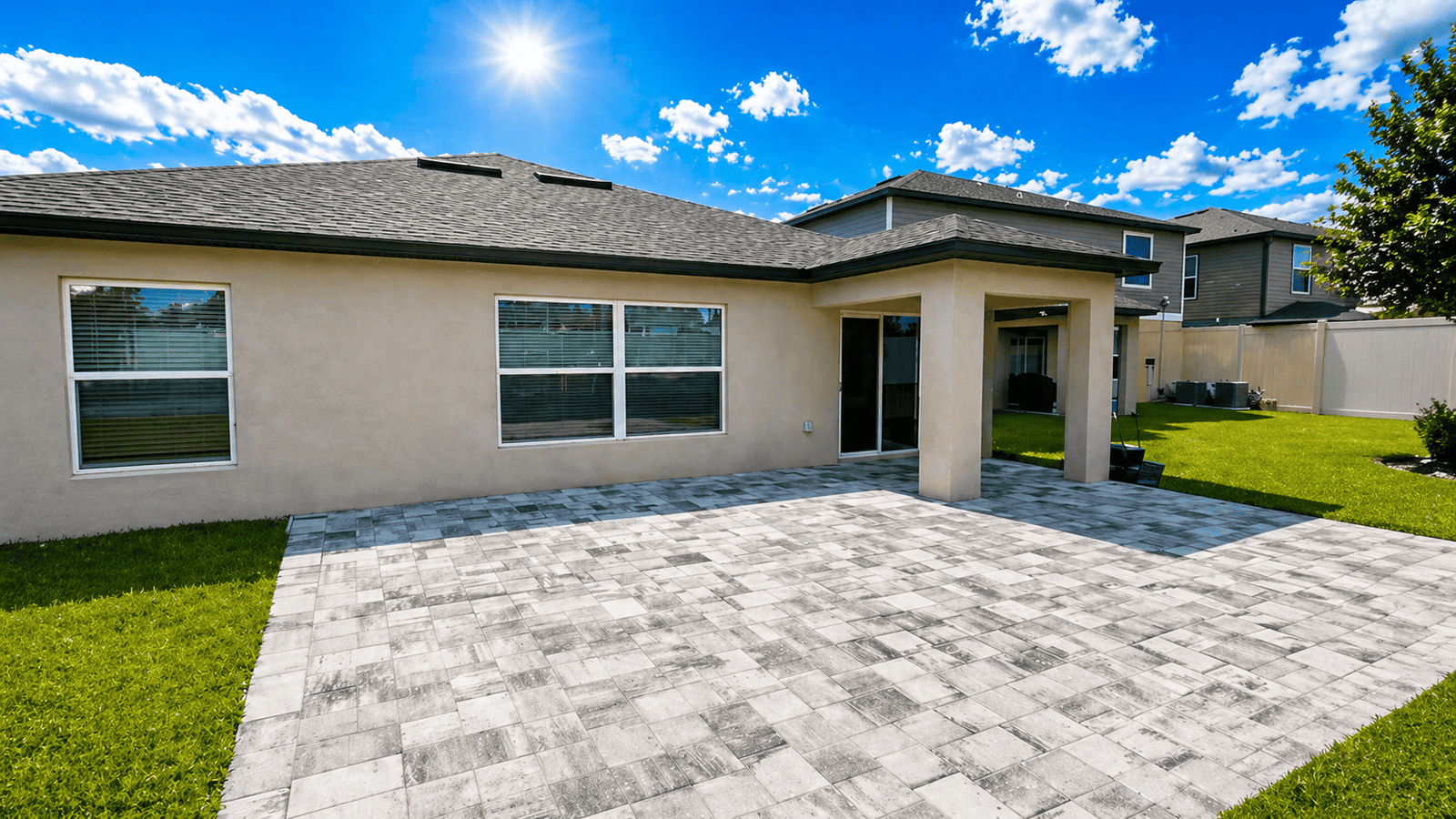
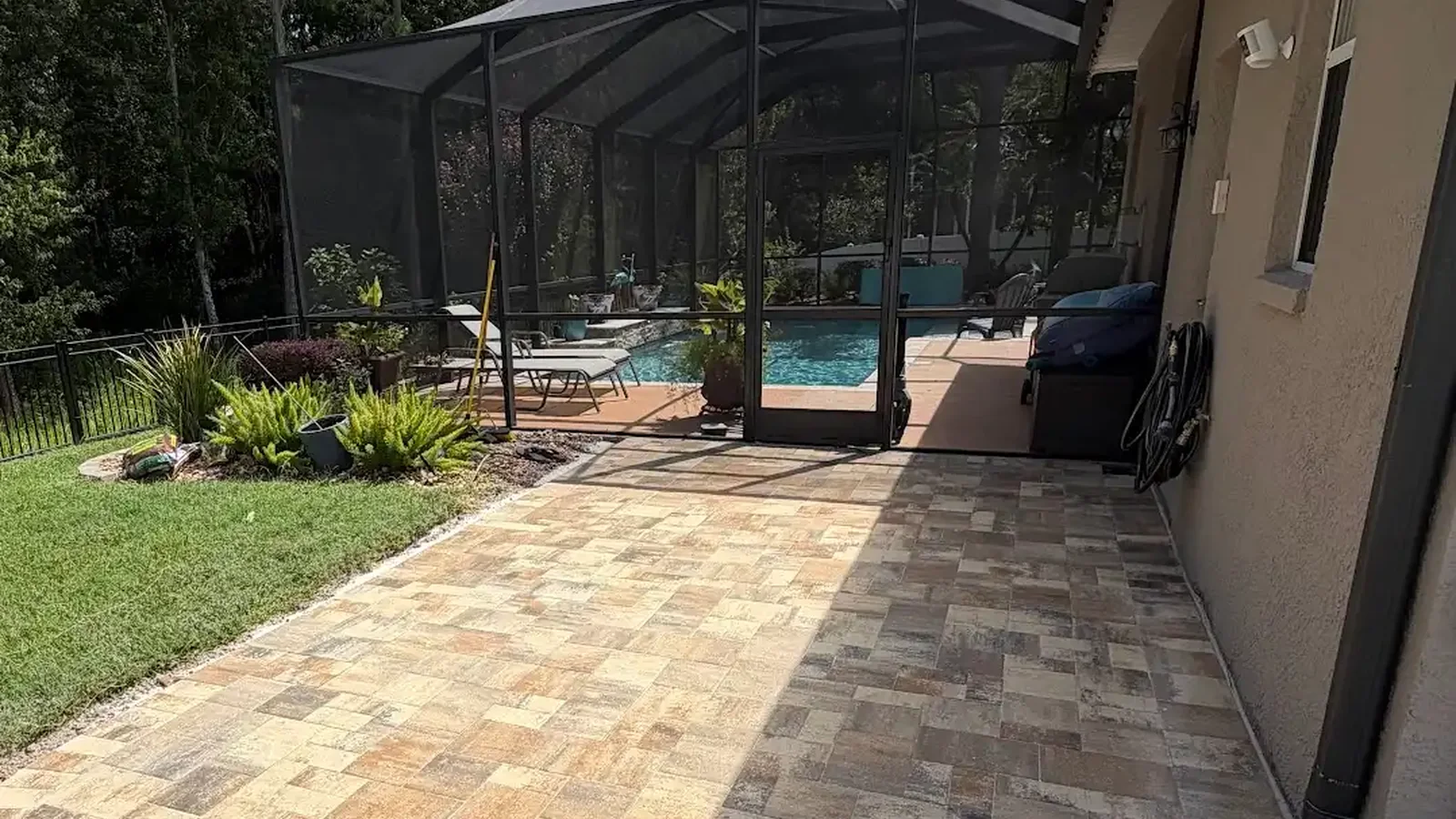
Pressure wash pavers only when you understand how water pressure, cleaners, and technique affect the surface and sand joints. In Tampa Bay, many homeowners want a fast way to clean pool decks, driveways, and patios, but too much pressure can etch pavers or blow out the sand that keeps them interlocked. With a careful inspection, stain pretreatment, and the right nozzle distance, you can remove grime while protecting the structure of your hardscape. This guide walks through safe steps, common mistakes, and when soft washing or hiring a professional makes more sense for your home.
Can You Safely Pressure Wash Pavers Around Your Tampa Bay Home?
Homeowners can usually pressure wash pavers safely if they use the right tools, lower pressures, and patient technique. The real risk comes from using a pressure washer like a cutting tool instead of a rinsing tool. When the stream is too strong or too close, it can erode the paver surface, gouge joints, and loosen the bedding underneath.
However, when you take time to inspect the area, pretreat stains, and test in a low-visibility spot, you greatly reduce those risks. You also protect your surrounding landscaping, pool equipment, and nearby walls from overspray and runoff. In humid Florida communities such as Wesley Chapel, Land O’ Lakes, and Palm Harbor, a controlled cleaning plan keeps mold under control without constant aggressive washing.
Quick answer: Yes, but only with controlled technique
Think of the pressure washer as one part of a broader cleaning system, not the entire solution. Detergents rated for concrete pavers, soft brushes, and a garden hose rinse often do most of the real cleaning. The pressure washer then becomes a careful finishing step to remove loosened grime, not a shortcut to blast everything at once.
This slower approach helps you avoid damage while still improving curb appeal on driveway and patio pavers in places like Riverview, Ruskin, and Town ‘N’ Country. It also extends the time between deeper cleanings because you are not roughing up the surface. A smoother surface tends to collect slightly less dirt and algae.
How concrete and brick pavers respond to pressure
Concrete and clay pavers can handle occasional careful washing, but they are still porous masonry products. Overly aggressive pressure migrates fine particles from the surface, which can make color look dull or patchy later. Joints between pavers are even more vulnerable because sand and joint stabilizers are not as dense as the paver itself.
Additionally, different paver textures react differently, so you cannot rely on one universal setting for every walkway, patio, or pool deck. Smooth tumbled pavers are easier to etch, while rough-textured or shot-blast products may disguise minor marks. This is why CMHA recommends project-specific decisions for cleaning and sealing instead of one standard approach.
When to pressure wash pavers at all
Before you pressure wash pavers, decide if a lighter method will do the job. For light dirt, a hose, paver-safe cleaner, and stiff broom may be enough. As growth builds up in shady areas of Greater Carrollwood or Thonotosassa, you may need low-pressure rinsing after pretreating with a mildew cleaner designed for masonry.
Reserve stronger pressure for stubborn buildup that does not respond to scrubbing and chemical dwell time. Even then, work in sections and keep the nozzle moving. If the area has loose pavers, sinking sections, or excessive joint loss, address those structural issues before you apply any pressure.
How to Inspect Your Pavers Before You Pressure Wash
A good inspection protects you from turning a small cleaning project into a larger repair job. Walk the area slowly and look for loose pavers, wide joints, or areas where sand is already low. Note any cracks, chips, rust stains, or white powdery deposits, since each issue may call for a different cleaner or even a repair.
Always pay particular attention to pool decks and entries exposed to irrigation. In Tampa Bay neighborhoods, sprinkler overspray and shade encourage algae and efflorescence near planters and walls. Those zones often need special treatment and gentle handling so you do not drive water further into the assembly.
Check for movement, settling, and wobbly pavers
Step on suspicious areas and rock your weight from side to side. If pavers move or feel spongy, you already have issues with bedding or edge restraint. Pressure washing over these spots can remove more joint sand and make the movement worse.
Instead, mark those locations for repair before any major cleaning. A contractor experienced in interlocking concrete pavers can lift, regrade, and reinstall those units. Once the base is corrected and sand is replaced, future cleanings become safer and more effective.
Identify stains, efflorescence, and biological growth
Different stains respond to different cleaners, which is why inspection comes first. Rust from furniture, oil from cars, and tannins from leaves each need targeted treatment before general washing. Efflorescence, the white powder from salts, usually involves separate cleaners and a more patient process.
According to CMHA guidance, it is better to treat specific spots before you clean the entire surface. Their recommendations support using products made for concrete pavers so you do not damage color or texture. After pretreating, you can rinse or pressure wash on a broader scale using lower stress settings.
Look at drainage paths and runoff destinations
Even though you are not changing the paving layout, your cleaning process will move a lot of water. Check where that water will flow so you do not flood entry thresholds, adjacent turf, or neighboring properties. Clear leaves from joints and inlets that could back up and push water toward your house or pool.
Plan your workflow so you always wash water away from doors and enclosed lanais. On sloped driveways in places like Seven Springs or Palm Harbor, work from the high point downward so dirty water does not streak clean areas. Thoughtful staging makes the whole project smoother and less stressful.
Stain Pretreatment and Efflorescence: Start Before You Pressure Wash Pavers
Pretreating stains reduces the amount of pressure you need to apply later. Rather than blasting oil, rust, or algae off in one pass, you loosen them chemically and mechanically first. This lower-stress strategy better protects paver color, surface texture, and joint sand.
Efflorescence and deep stains may not disappear in a single cleaning session, and that is normal. It is safer to accept gradual improvement than to chase perfection with heavy pressure. Always follow label directions for contact time, agitation, and rinsing when you apply any cleaner.
Choosing cleaners that respect your pavers
Use products specifically labeled for concrete or clay pavers whenever possible. CMHA recommends paver-rated cleaners, sealers, and joint products because they consider porosity, pigments, and joint materials. General-purpose household chemicals can etch or discolor surfaces, especially on colored or textured pavers.
First test any new cleaner in a small, inconspicuous area, such as behind a grill or along the side of a driveway. If the color, texture, or joint sand changes after drying, stop and reconsider. You may also want to consult a local contractor familiar with paver chemistry in the Tampa climate.
Handling oil, rust, and leaf stains
Oil and grease often respond to degreasing cleaners and absorbent materials, followed by gentle agitation. Rust may require specialty removers made for masonry, but they must be used carefully to avoid color issues. Organic stains from leaves and berries can lighten with oxidizing cleaners rated for pavers.
After treating stains, rinse with a garden hose or very low pressure before any wider washing. This step keeps concentrated chemicals from spreading across your entire patio or driveway. It also helps you see how much improvement you have already gained before you commit to more aggressive cleaning.
Dealing with efflorescence on Florida pavers
Efflorescence is common on Tampa Bay pavers because frequent rain and irrigation pull salts to the surface. Pressure alone rarely solves it, and heavy blasting may even open more pores for future deposits. Instead, consider efflorescence cleaners made for pavers, along with patient rinsing and drying cycles.
In some cases, efflorescence diminishes on its own over time as salts work their way out. This is another reason to avoid aggressive first attempts. A contractor familiar with CMHA-style best practices can help you decide when specialty treatments or sealing make sense and when simple cleaning is enough.
Using Pressure, Tips, and Distance Safely on Pavers
The safest way to pressure wash pavers is to use the least amount of pressure that still cleans effectively. There is no universal PSI that fits every home, so start lower and adjust only if needed. Fan tips, wider angles, and surface cleaners usually give you more control than narrow, cutting tips.
Before cleaning large areas in Ruskin, Greater Carrollwood, or Town ‘N’ Country, test your setup in a hidden spot. Evaluate how the paver face, joint sand, and any polymeric products respond after they dry. If you see scarring, heavy sand loss, or color differences, you should step back and reconsider your settings or methods.
Test areas before you pressure wash pavers broadly
Choose a discreet area and clean a small patch using slow, even passes. Keep the nozzle a safe distance away and move in the direction of the joints, not directly into them. Let the spot dry fully, because some damage only shows after water evaporates.
If the surface still looks uniform and the sand seems stable, you can expand your cleaning area. However, if sand washes out or the paver texture looks rougher, reduce pressure, move farther back, or change tips. This patient, step-by-step process guards against surprises in the most visible areas.
Nozzle distance, angle, and movement
Keep the nozzle far enough away that the spray feels like firm rain instead of a knife edge when it contacts the pavers. Always stay in motion and overlap your passes so you do not create stripes. Working at a slight angle instead of straight down also helps you avoid gouging joints.
On vertical features like garden walls or raised seating, work from the bottom up to avoid streaks, then rinse from the top down. Use reduced pressure near expansion joints, drains, and edges where bedding may be more vulnerable. Around pools, watch that the water does not push debris into skimmers or sensitive equipment.
Joint sand: how much loss is too much?
Some minor sand movement is normal when you clean pavers, but steady erosion across a patio or driveway is a warning sign. If the top of the sand joint sits well below the chamfer or beveled edge, you may already need resanding. Keeping sand at an appropriate level supports interlock and helps prevent shifting.
If you see small pits or troughs forming along joints during washing, stop and adjust. You may need lower pressure, a wider tip, or even a switch to soft washing in sensitive zones. After cleaning, plan to inspect and restore joint sand as needed before the area sees heavy use.
Runoff, Pool Protection, and Joint Sand Resanding
Managing water movement is just as important as managing pressure when you clean pavers. Runoff can carry sand into pools, planters, or street gutters, and it can transport cleaners where you do not want them. With a little preparation, you can protect both your hardscape and your surroundings.
Tampa Bay homes often combine paver pool decks, driveways, and walkways into connected spaces. That means dirty water moves easily from one area to another. Planning your sequence and resanding strategy before you start keeps these linked surfaces looking consistent.
Protecting pools, landscaping, and nearby structures
Before you pressure wash pavers around your pool, cover skimmers and delicate fixtures as recommended by your pool professional. Avoid directing the spray straight into the water, since that can stir up sand and debris. Rinse any accidental splashes off coping, enclosures, and nearby furniture promptly.
Likewise, be cautious around plant beds and lawns. Many cleaners are not designed for direct contact with foliage, so keep sprays low and controlled. When needed, lightly pre-wet landscape areas to dilute incidental overspray, and rinse them again after you finish.
Collecting and directing runoff responsibly
Whenever possible, wash in a direction that leads water toward existing hardscape drains or grassy areas that can disperse it. Avoid sending large amounts of cleaner-laden water into storm drains or onto neighboring properties. If you use stronger cleaners, follow all label guidance about dilution and disposal.
Work in smaller sections so you can manage water as you go instead of chasing it across the entire driveway or patio. On longer runs, a push broom can help guide dirty water where it will do the least harm. This adds a few minutes but protects your landscape and surrounding features.
Resanding joints after cleaning
Once the surface is clean and dry, inspect all joints from several angles. If sand levels have dropped, plan to add compatible joint sand or a stabilizing sand approved for your pavers. CMHA suggests that joint stabilization and sealing decisions depend on each specific project, so there is no single right answer.
In general, clean joints accept new sand more easily and allow better compaction. After sweeping sand into joints, use a plate compactor or hand tamper if appropriate for your installation, then sweep and blow off excess. Properly filled joints help your pavers resist shifting under Florida’s heavy rains and frequent use.
Soft Washing vs. Pressure Washing and When to Seal
Soft washing uses lower pressure and relies more on cleaner chemistry, while pressure washing uses mechanical force to remove grime. Many Tampa Bay homeowners benefit from a mix of both, depending on the area and the condition of the pavers. Sensitive joints, older surfaces, and elevated features often respond better to soft washing.
Sealing and joint stabilization sit on top of this cleaning decision. CMHA notes that you should evaluate each project individually when deciding whether to seal or stabilize. Climate, exposure, and how you use each space all influence which strategy makes sense long-term.
Comparing soft washing and pressure washing on pavers
Use the following simple comparison to think through which approach might work best for each part of your hardscape. Many properties in Riverview, Thonotosassa, and Land O’ Lakes end up using both methods strategically. The key is matching the technique to the condition and risk level of each area.
| Approach | Best for | Main benefits | Main cautions |
| Soft washing | Light to moderate organic growth, shaded walkways, older pavers | Lower joint-sand loss, gentler on surfaces, good for frequent maintenance | Requires careful chemical choice; may need more dwell time and multiple applications |
| Pressure washing | Heavy buildup on driveways, tire marks, textured pool decks | Faster on tough grime, can refresh appearance when used carefully | Risk of etching, sand loss, and joint destabilization if overused or misused |
Deciding if and when to seal your pavers
Sealing can help resist stains and make cleanup easier, but it also changes surface appearance and maintenance needs. Some products deepen color or add sheen, while others aim for a more natural look. CMHA advises that sealing decisions depend on project goals, paver type, and environmental conditions.
Before sealing, make sure your pavers are clean, dry, and free of efflorescence. Trapped moisture or salts can create a cloudy appearance beneath the sealer. If you are unsure which sealer or joint stabilizer fits your installation, consider consulting an experienced paver contractor or reviewing resources from CMHA, such as their guidance at this technical document.
When to re-clean instead of reseal
Sometimes a dull or tired paver surface does not need sealing; it just needs a thoughtful cleaning. If color returns after washing and drying, you may gain enough improvement without adding a coating. On the other hand, if stains return quickly or joints stay loose, you may want professional input about sealing or repair.
Because each installation in Tampa Bay sees different traffic and sun exposure, there is no fixed schedule for resealing. Watch how your surfaces age and document what you do each time you clean. These notes help you and any contractor refine the maintenance plan over time.
Common Pressure Washing Mistakes and How to Avoid Them
Most paver damage from pressure washers comes from a few predictable mistakes. The good news is that you can avoid them with a checklist and a slower mindset. Rather than rushing through with the most powerful setting, work through each risk area step by step.
Homeowners in Wesley Chapel, Palm Harbor, and Town ‘N’ Country often deal with algae, tire marks, and spill stains. These issues are frustrating, but aggressive blasting is not a cure-all. Instead, you can combine smart chemistry, angle control, and post-cleaning maintenance.
Frequent errors when you pressure wash pavers
Many problems trace back to skipping inspection and testing. Others come from standing too close, using the wrong tip, or ignoring where the water is going. You can dodge these mistakes by reviewing a short list every time you set up.
- Skipping stain pretreatment and trying to blast everything off in one pass
- Holding the nozzle too close or using a narrow tip that cuts into the surface
- Washing directly into joints and edges, which strips sand and destabilizes pavers
- Failing to protect pools, plants, and doors from overspray and runoff
- Not resanding joints after noticeable sand loss during cleaning
Reviewing this list first helps you catch problems before they become expensive repairs. If you are uncertain about a step, it is safer to pause than to keep pushing forward.
Over-cleaning and surface wear
Pressure washing too often can age your pavers before their time. Every aggressive pass removes a tiny bit of material and sometimes joint sand, even if you do not notice it right away. Over the years, this can lead to a rougher, more stain-prone surface.
Instead, schedule heavy cleanings only when needed and rely on lighter, more frequent maintenance in between. A broom, blower, and hose go a long way toward keeping surfaces tidy. This balance helps your driveway, patio, or pool deck in Ruskin or Greater Carrollwood stay attractive longer.
Ignoring existing structural or design problems
If pavers are already shifting, sinking, or holding water, cleaning will not fix those underlying issues. In some cases, pressure washing can even make them worse by dislodging more sand and bedding. That is why inspection and, if needed, repair should come before any aggressive cleaning work.
When you see wide gaps, standing water, or separated borders, consider a professional evaluation. Addressing the base, slope, or edge restraint first gives your future cleaning and sealing better long-term value. It also reduces the chance of trip hazards or water-related problems worsening over time.
When Soft Washing or Professional Cleaning Makes More Sense
Not every paver surface is a good candidate for DIY pressure washing. Older installations, complex layouts, and areas with visible movement often benefit more from soft washing or professional service. The goal is a stable, attractive surface, not just a fast weekend project.
Professionals familiar with Tampa Bay’s climate and soils can evaluate risk factors that are easy to miss, especially around pools and driveways. They can also suggest when to coordinate repairs, cleaning, and sealing so you make the most of each visit. This comprehensive view can be especially helpful in large communities such as Land O’ Lakes and Wesley Chapel.
Signs you may want a professional assessment
Consider consulting a paver specialist if you see widespread settling, sinking areas, or heaving near tree roots. You may also want help when efflorescence is heavy, stains are deep, or previous sealers are peeling. These situations often call for specialized tools and cleaners rather than basic store-bought equipment.
If multiple areas need repair, it might be more efficient to combine resetting, joint work, and cleaning in one coordinated project. A site visit allows a contractor to check base conditions and discuss your expectations honestly. That way you can prioritize what delivers the most value for your budget.
How professional cleaning integrates with repair and design
A good paver contractor looks beyond surface dirt. They may recommend lifting and relaying pavers, adjusting slopes within design limits, or changing border details as part of a repair. After that, they can use cleaning approaches that protect the renewed installation.
If you are already considering a refresh of your patio, driveway, or pool deck, you can align cleaning with new design elements. For example, you might add accent borders or transitions where settling tends to happen. Coordinating these tasks often creates a more durable and cohesive result than tackling them separately.
Finding paver specialists in the Tampa Bay area
When you research contractors, look for teams that work with pavers every day, not just occasionally. Ask how they approach inspection, joint sand, and sealing, and whether they follow guidance similar to CMHA recommendations. You can also ask to see photos of projects that combine repair and cleaning, not just fresh installations.
Reading local reviews, viewing completed projects, and discussing your goals up front will help you find a good fit. For more detail on repair-focused work, you can explore the paver repair services information that explains how structural issues and maintenance often work together. A well-informed conversation is the best starting point for any paver improvement project.
FAQs About Pressure Washing Pavers in Tampa Bay
Homeowners from Riverview to Palm Harbor ask many of the same questions before they pressure wash pavers. These answers offer general guidance, but your specific installation, paver type, and site conditions may suggest a different approach. When in doubt, consult a qualified paver contractor or other appropriate professional.
How often should I pressure wash pavers on my driveway or patio?
There is no fixed schedule, because each property in Tampa Bay faces different traffic and weather exposure. Many homeowners focus on an annual or semiannual deep cleaning, with lighter maintenance in between. If your pavers stay fairly clean with sweeping and occasional soft washing, you might go longer between pressure washes.
Signs that it is time for a deeper cleaning include widespread algae, persistent stains, and slippery spots, especially near shaded areas. However, frequent aggressive pressure washing can shorten the life of your pavers. Aim for the least intense method that still meets your appearance and safety goals.
Will pressure washing remove all stains and efflorescence from my pavers?
Pressure alone rarely removes every stain or efflorescence mark. Some rust, oil, and deep organic stains are stubborn, particularly if they have been in place for years. Efflorescence also tends to return until most of the salts have migrated out of the system.
The best strategy usually combines pretreatment with paver-rated cleaners, careful rinsing, and patient repetition. Even then, some discoloration may remain, especially on lighter pavers. It is better to accept a realistic level of improvement than to damage the surface by chasing perfection.
Is it safe to pressure wash pavers around my pool in Tampa’s climate?
It can be, if you use low to moderate pressure, fan tips, and good pool protection practices. Always shield skimmers and sensitive equipment as your pool professional recommends, and avoid spraying directly into the water. Work in small sections and keep the nozzle moving to prevent gouging joints or roughening slip-resistant textures.
Because pool decks in Tampa Bay stay damp longer, they often benefit from a mix of soft washing and limited pressure washing. Mildew-specific cleaners can handle much of the organics with less stress on the surface. If your pool deck pavers are older or already loose, a professional evaluation is a smart first step.
Should I reseal my pavers after I pressure wash them?
Not every cleaning job needs to end with sealing. The decision depends on your paver type, previous products used, appearance goals, and exposure to stains. CMHA recommends treating sealing and joint stabilization as project-specific choices, not automatic steps.
If your pavers look refreshed and dry evenly after cleaning, you might wait and see how they age. On the other hand, driveways exposed to vehicles or shaded patios with frequent spills may benefit from a suitable sealer. A qualified contractor can help you weigh the tradeoffs between added protection, appearance changes, and maintenance needs.
What does professional paver cleaning and repair cost in the Tampa area?
Costs vary because each project involves different square footage, access, paver conditions, and repair needs. Factors such as heavy staining, joint loss, settling, and pool proximity all influence the time and materials required. Combining repairs, cleaning, and optional sealing in one visit can sometimes be more efficient than breaking them apart.
For accurate pricing, a site visit is essential so a contractor can inspect the installation and discuss your goals. During that visit, ask how they approach joint sand, stain pretreatment, pressure control, and runoff management. Transparent answers to those questions matter more than a quick estimate based only on size.
If you would like experienced help planning safe cleaning, repair, or upgrades for your pavers in Tampa Bay, Dr Pavers Design is available for a free consultation. You can browse recent projects, read homeowner testimonials, and explore common questions in the FAQ section to see how thoughtful inspection, design, and maintenance work together. When you are ready, call or text +1 (656) 600-4015 or send an SMS, email drpavers@outlook.com, or reach out via WhatsApp to schedule a convenient time.
To see what is possible for patios, driveways, and pool decks in neighborhoods from Riverview to Palm Harbor, you can review the full range of services and follow Dr Pavers Design on Instagram and Facebook. When you are nearby, you can also check the business location on Google Maps and explore more paver repair and maintenance guides to help you make informed choices for your home.