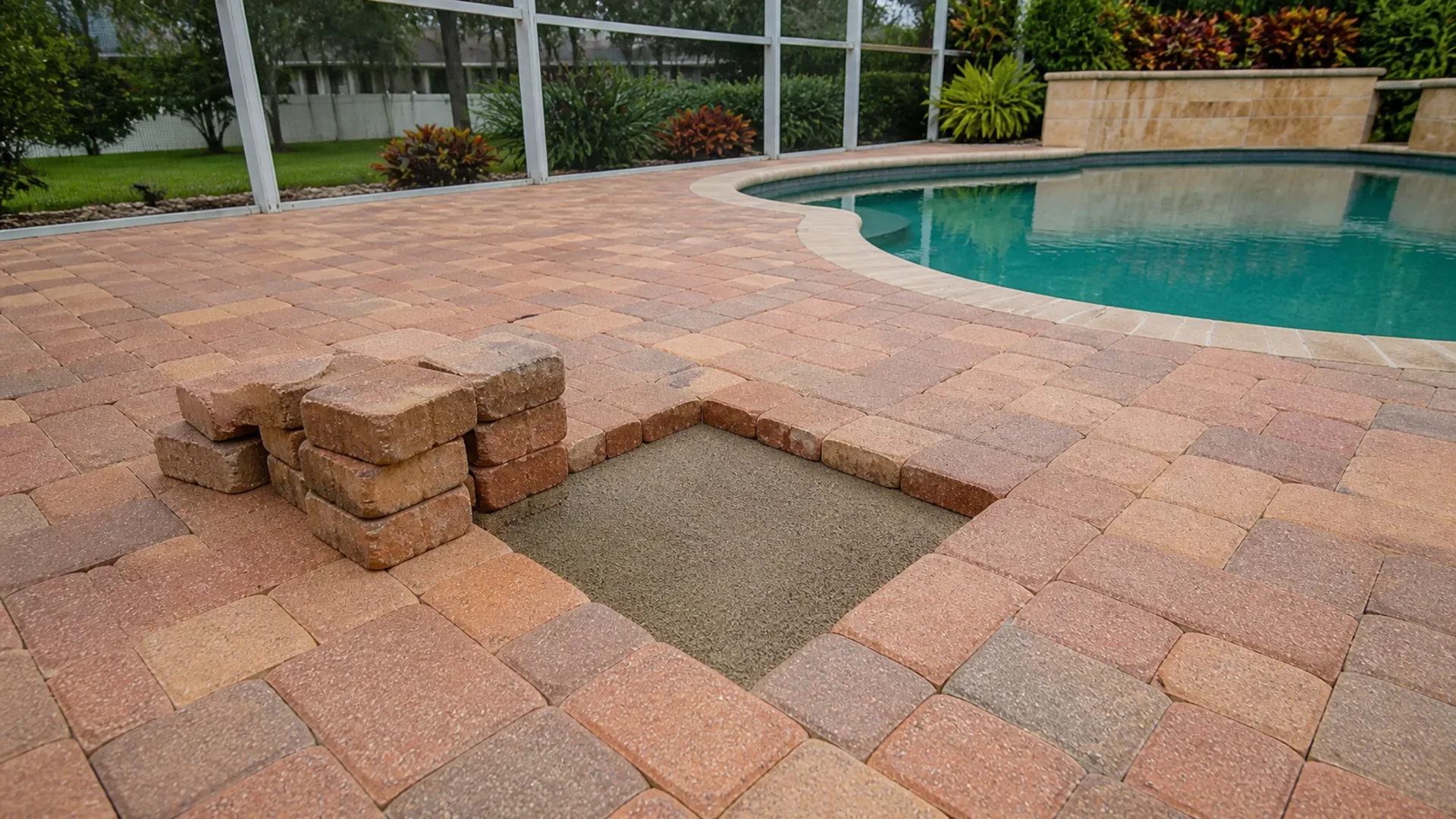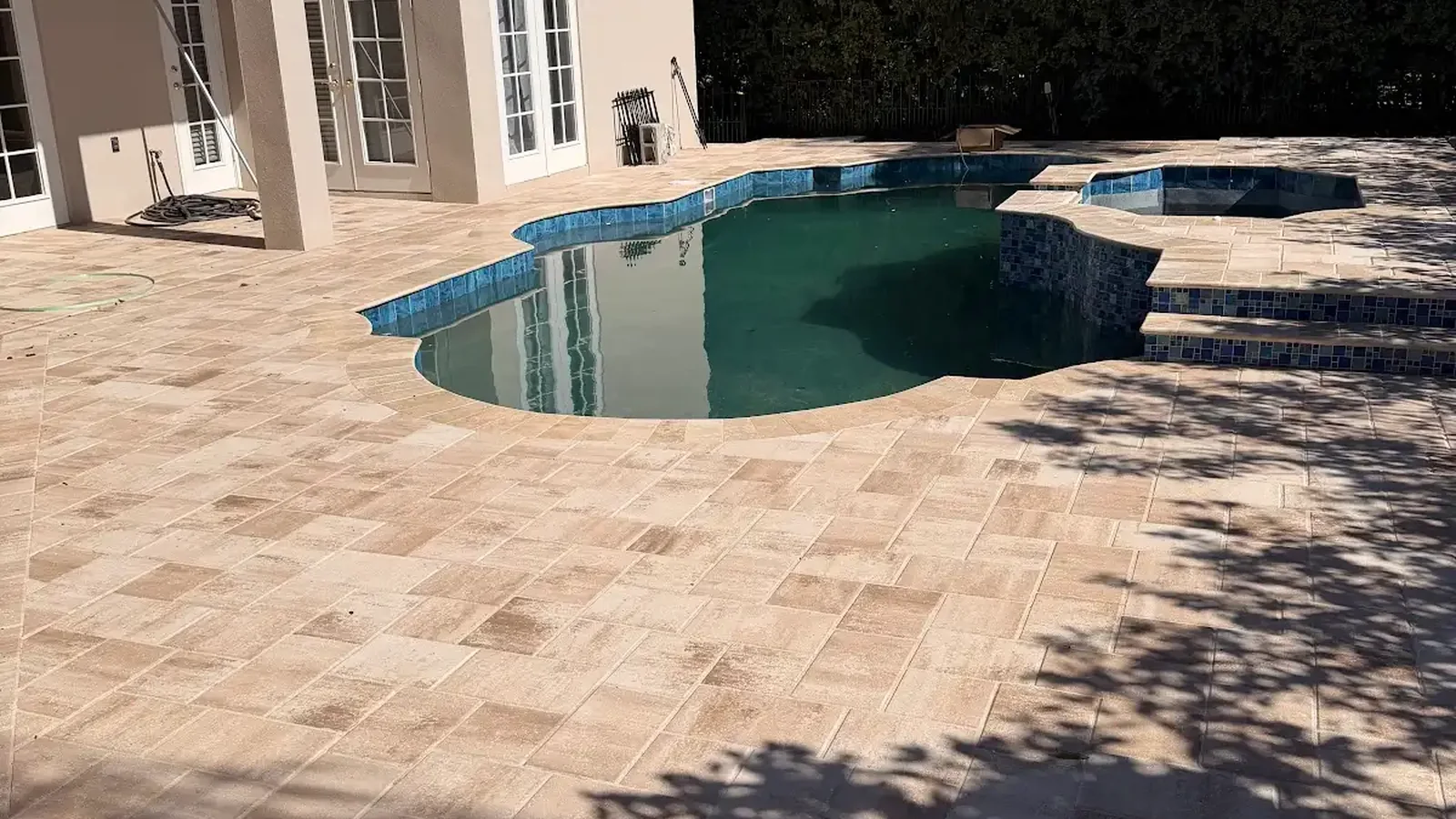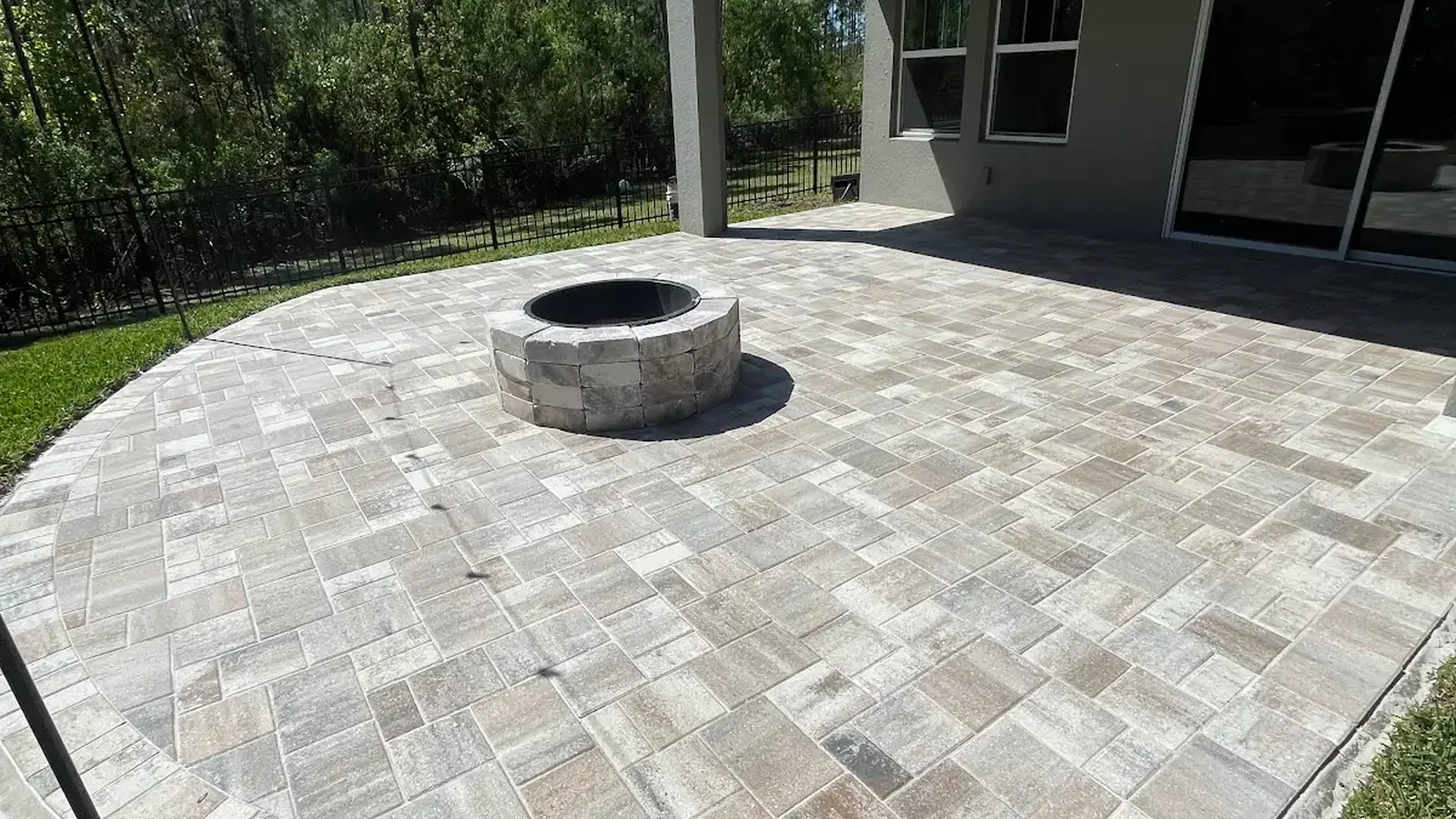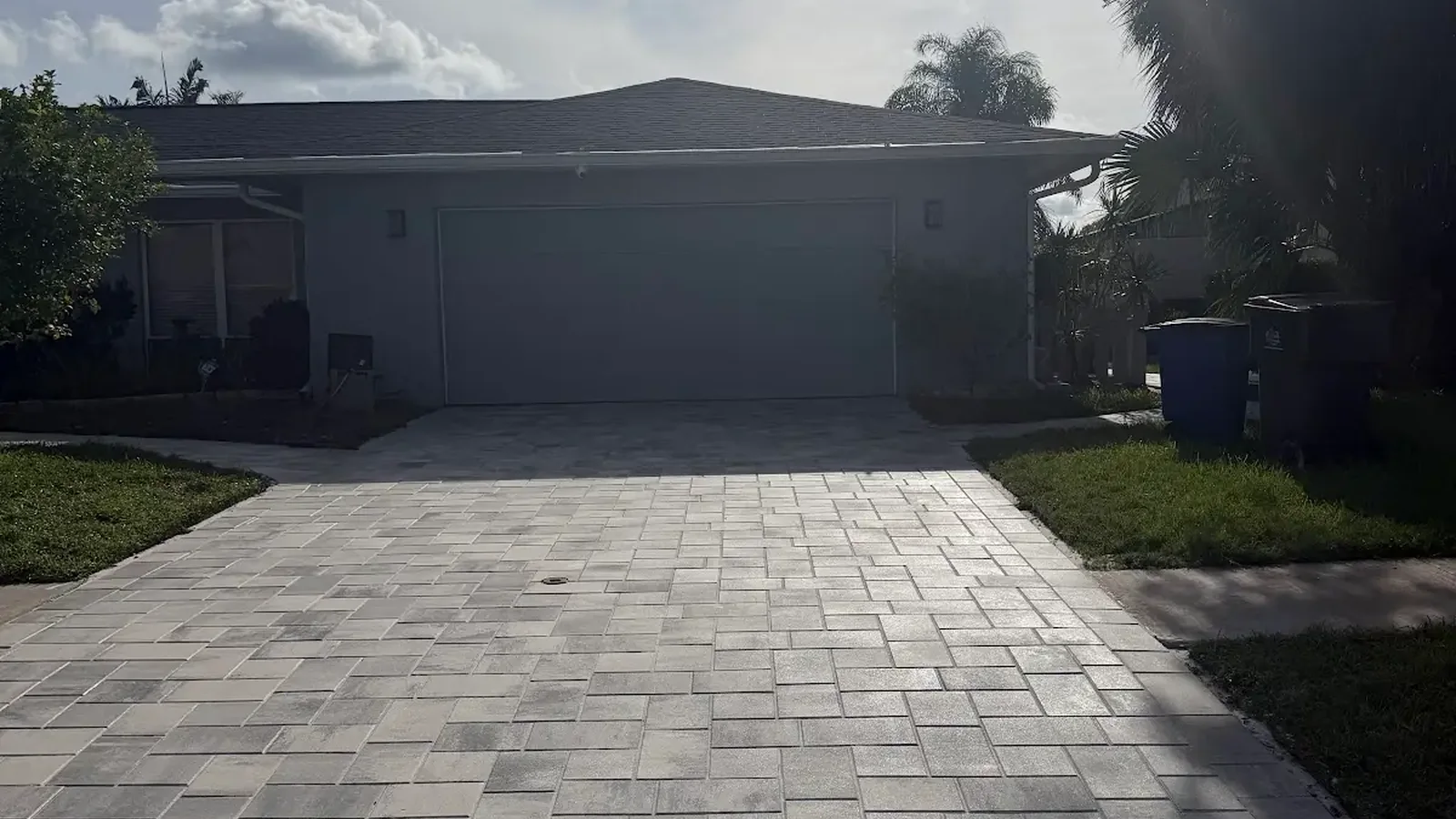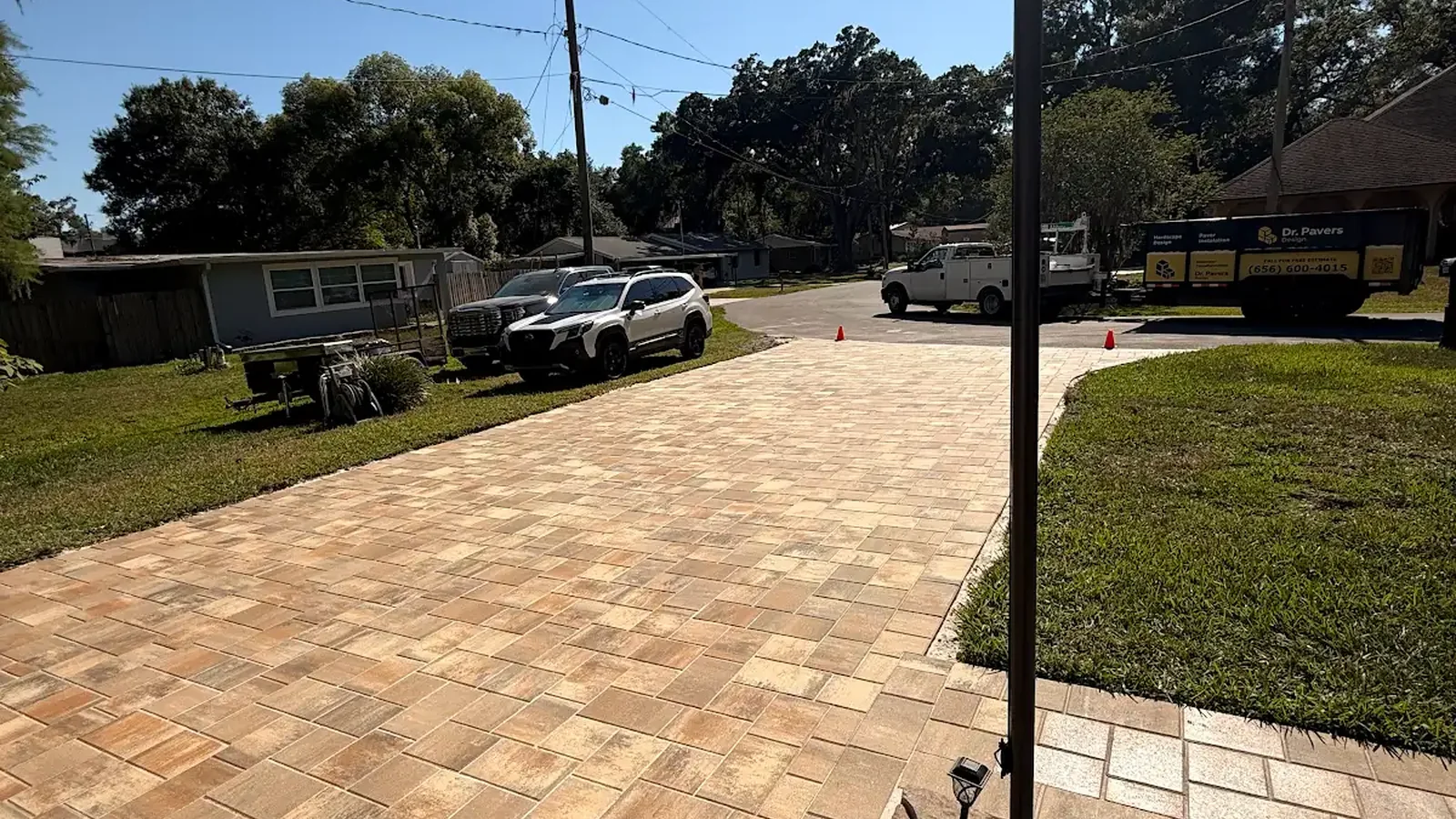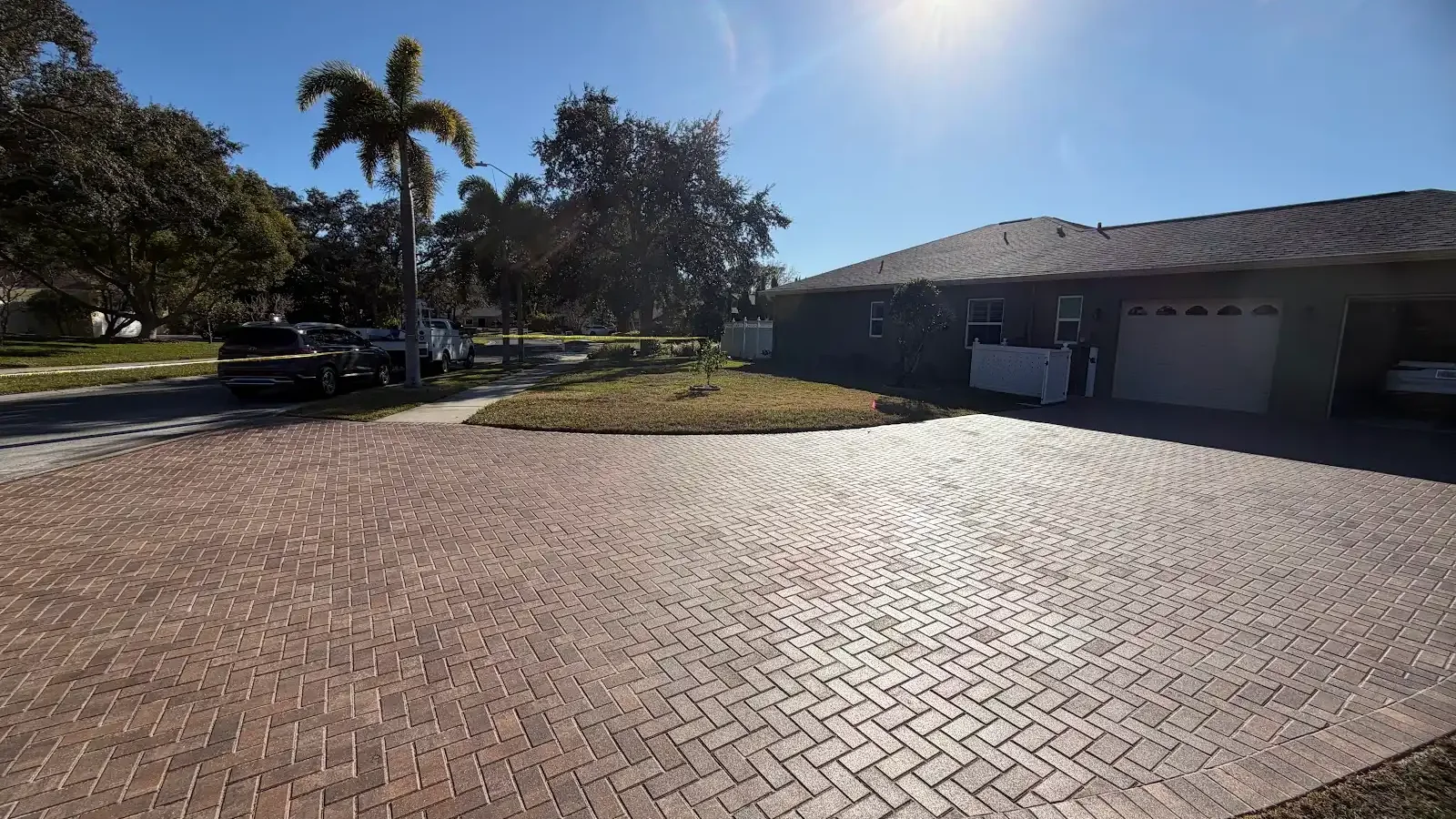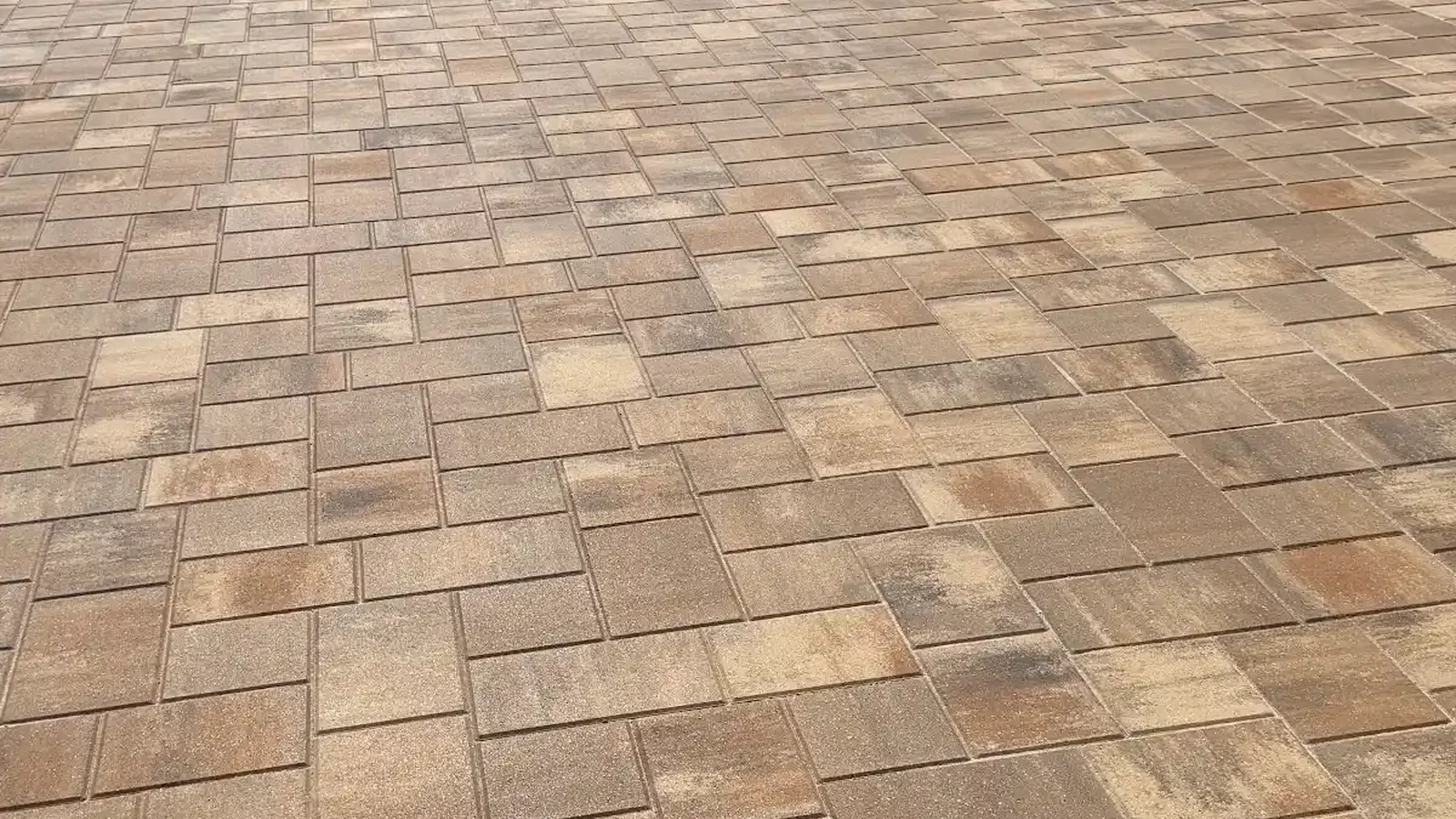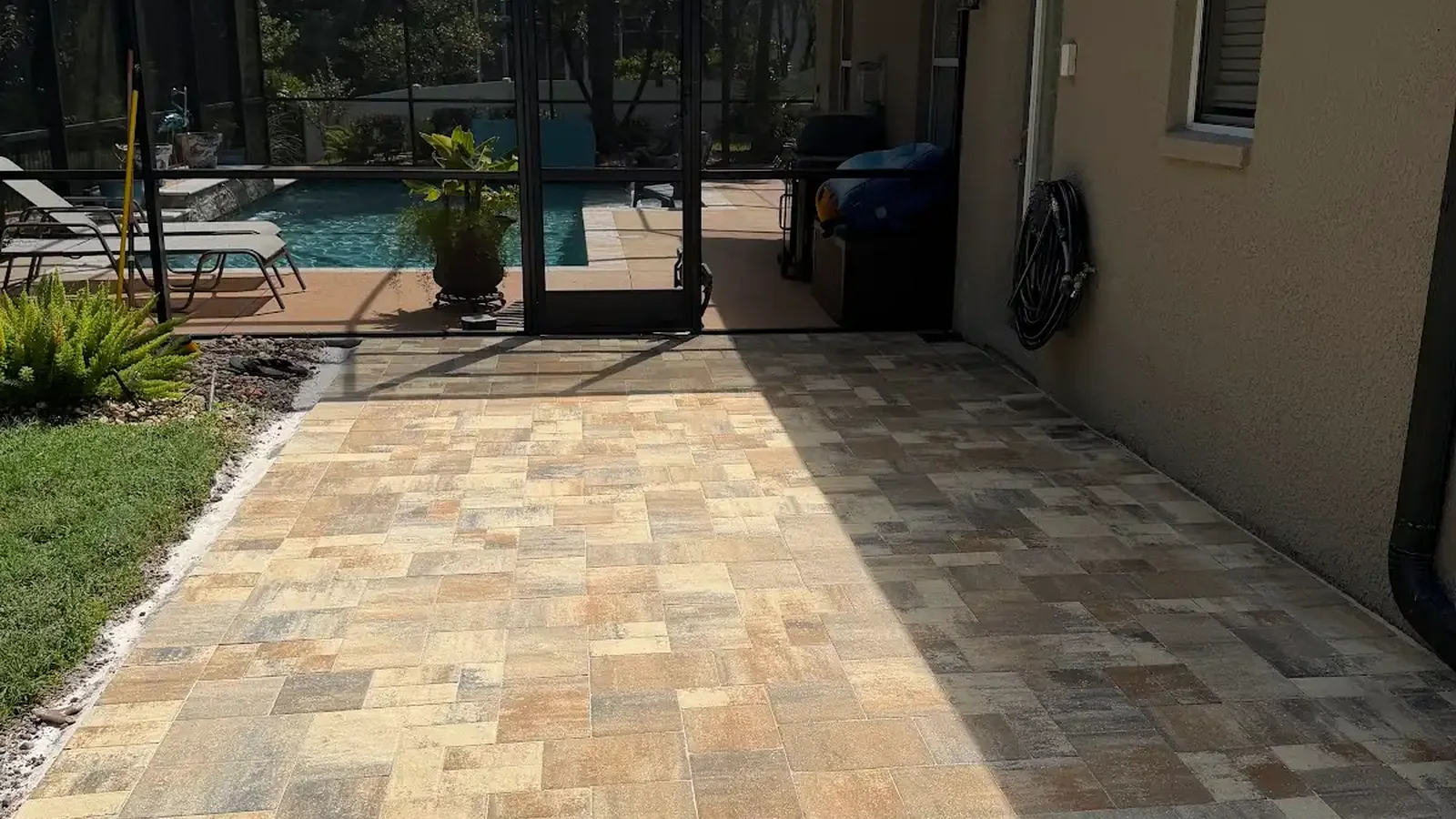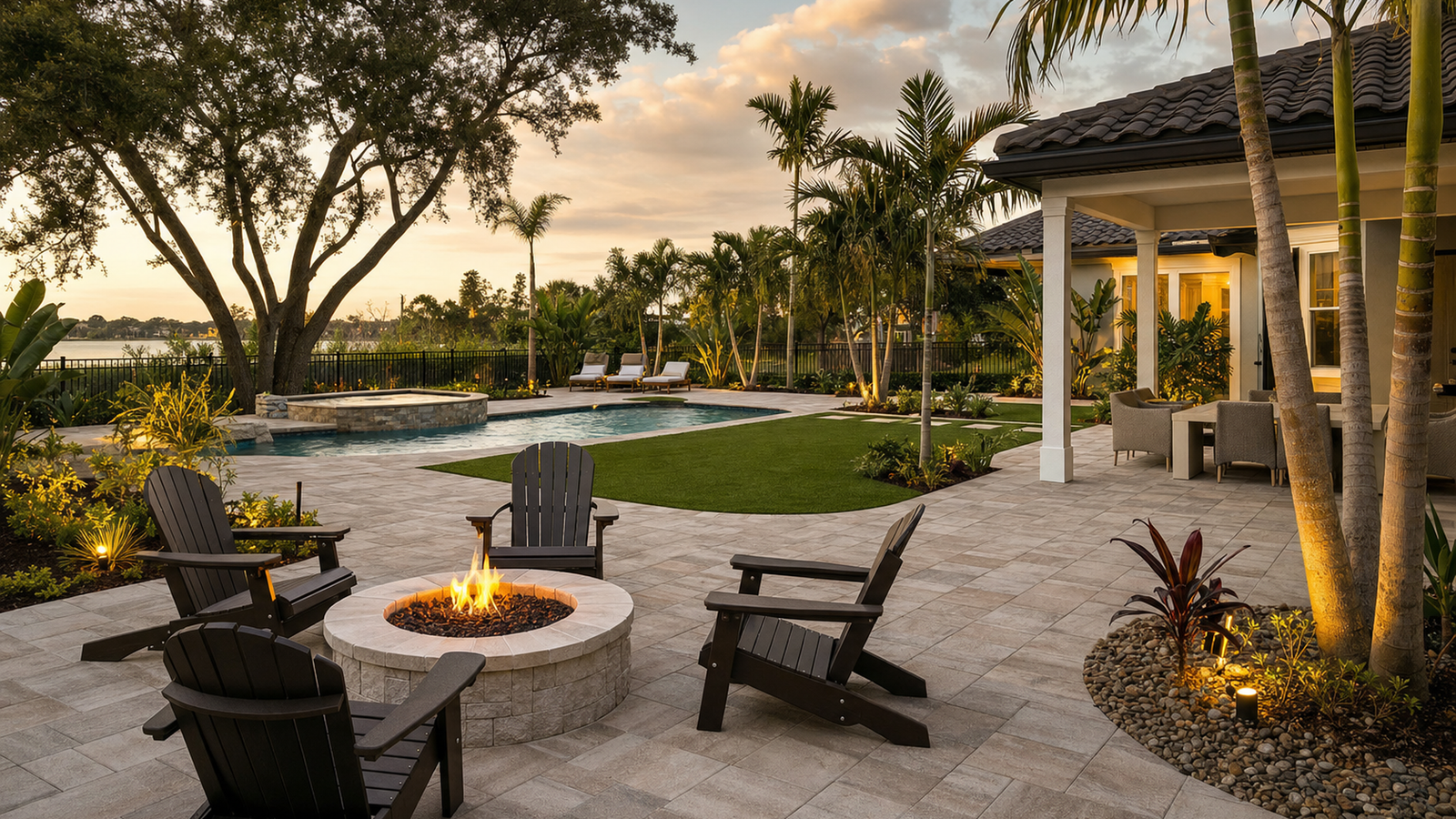
Retaining wall materials determine how a wall carries soil and handles exposure. Meanwhile, They also influence how it fits the landscape and can be maintained over time. In Florida yards, those choices also meet sandy or variable soils.
Additionally, they face heavy seasonal rain, strong sun, irrigation, roots, and salt exposure in some locations. Therefore, selection should begin with the wall’s job and site conditions, not a favorite color from a small sample. A low garden edge and a taller grade-supporting wall may look related, yet they involve very different loads, details, and professional requirements.
At the outset, define whether the feature actually retains soil. Retaining wall materials used for a decorative border do not automatically suit a structure holding back a slope, driveway, patio, or raised yard. Likewise, wall height alone does not describe every risk because nearby loads, soil, water, geometry, and property conditions also matter. Consequently, homeowners should document what sits above and below the proposed wall. This site story helps the right professionals determine the appropriate design path before products, textures, and cap styles narrow the options.
Compare retaining wall materials by the work they must do
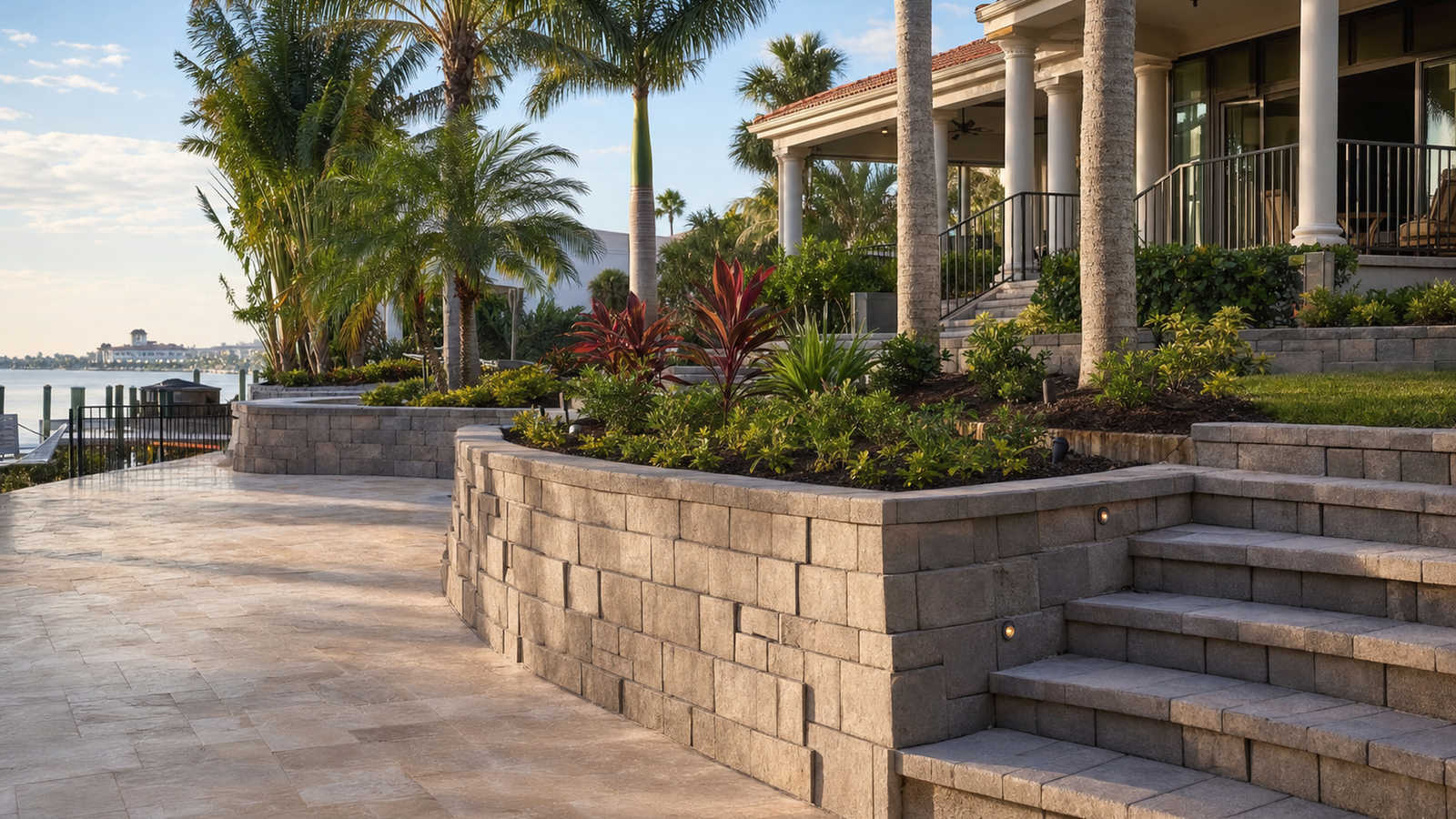
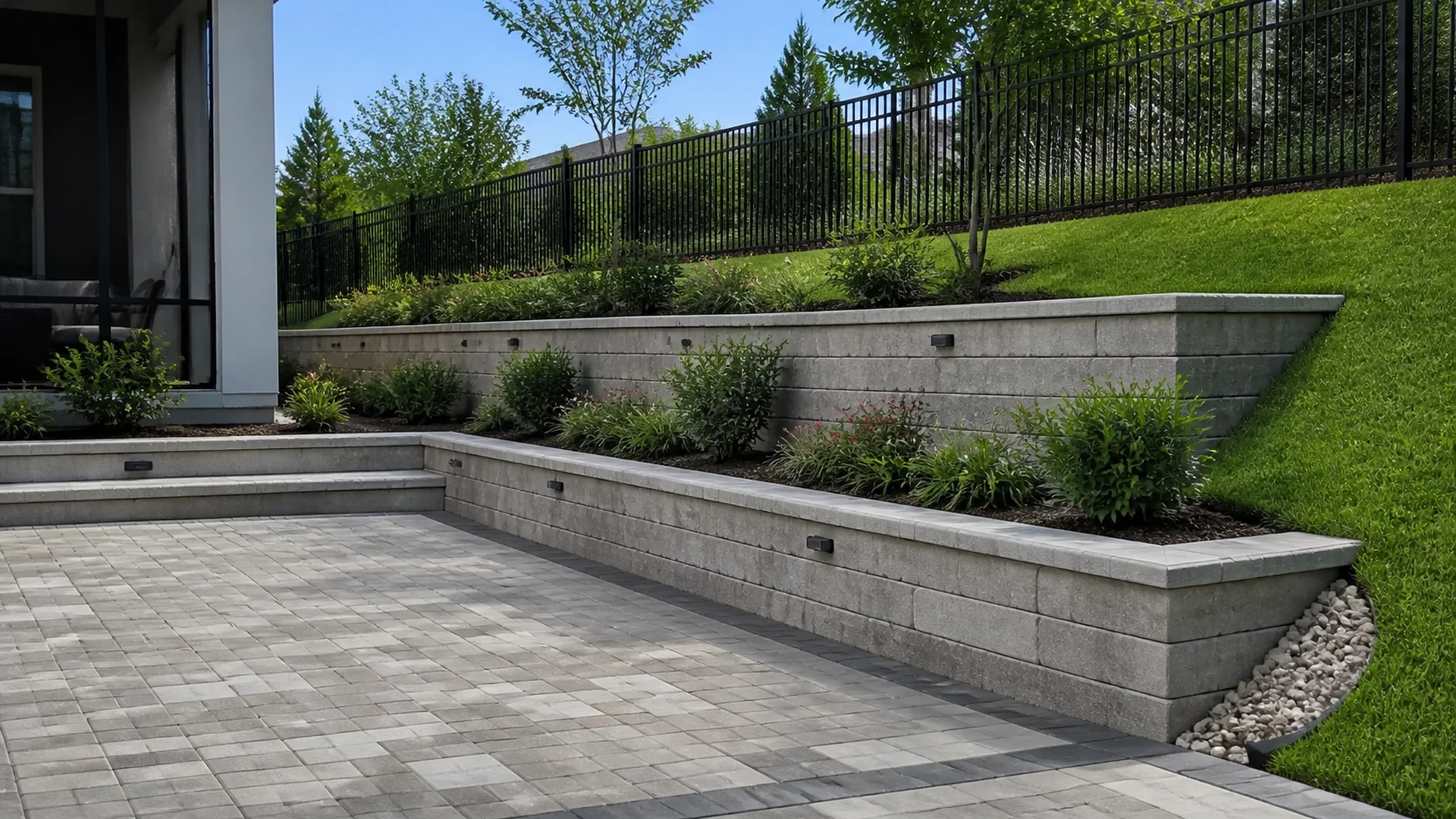
Instead, First, consider segmental concrete retaining wall units, which are common in residential landscapes. These retaining wall materials are manufactured in coordinated shapes and may use setback, interlock, pins, lips, or reinforcement systems depending on the product. Their modular format supports curves, steps, and consistent courses.
However, units are not interchangeable simply because they appear similar. The wall should follow the selected system’s technical information and the project design. Color and face texture matter aesthetically, but geometry and compatible components matter to how the complete assembly works.
Next, evaluate poured concrete when the design calls for a continuous structural form. Among retaining wall materials, concrete can support clean lines and receive different finishes, yet its performance depends on reinforcement, footing, joints, placement, curing, and site-specific design. Cracks and discoloration also read differently on a monolithic surface than on modular units. Therefore, homeowners should compare the finished appearance and construction process, not just the word concrete. Access for forms, equipment, and placement can influence feasibility on a narrow Tampa Bay property.
Natural stone retaining wall materials in Florida landscapes
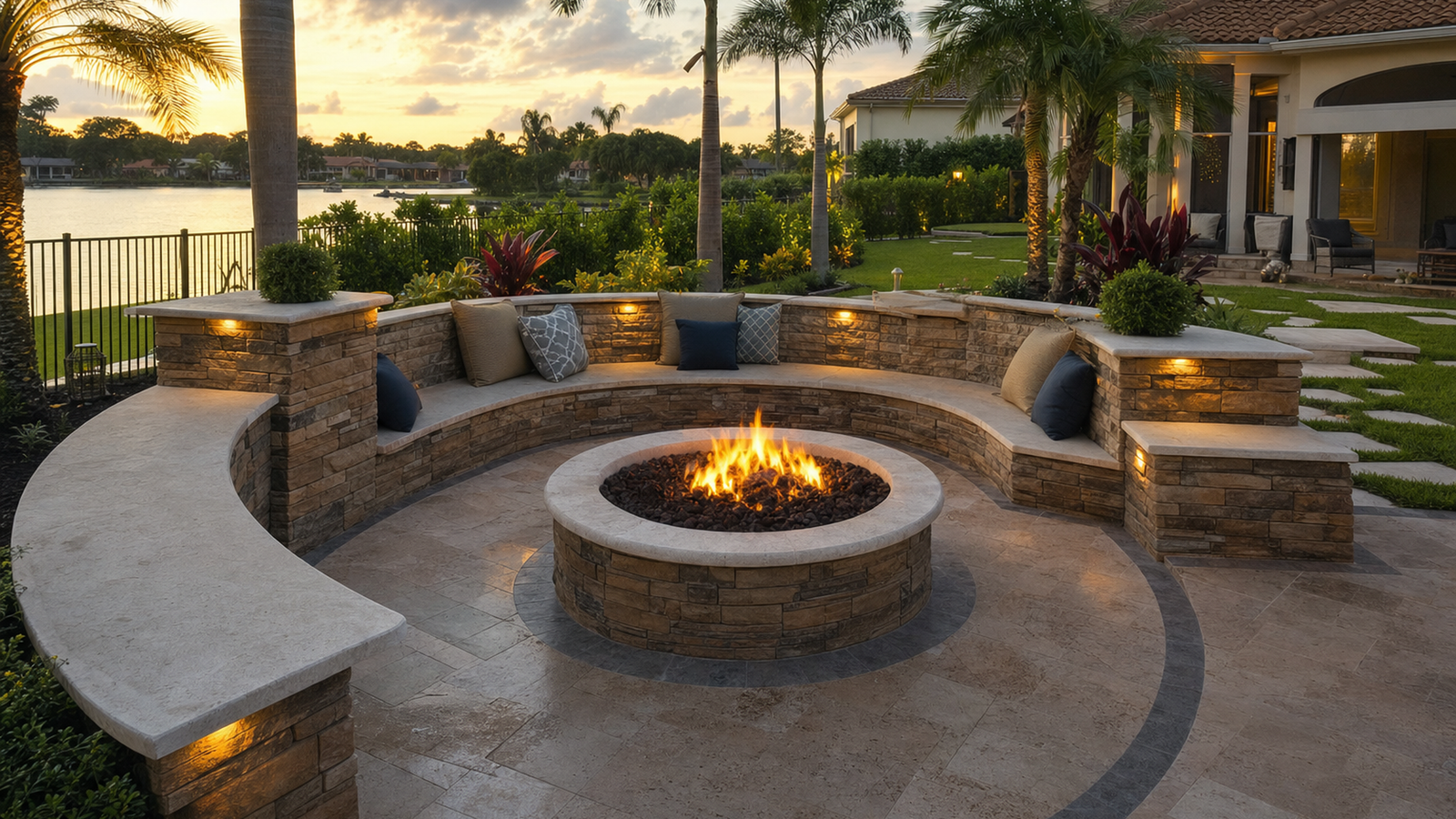
Nevertheless, Natural stone can create a distinctive relationship with planting and architecture. Still, retaining wall materials described as stone cover many shapes, densities, finishes, and construction methods. A dry-stacked appearance, mortared assembly, or stone veneer over another wall system are not the same solution.
Moreover, irregular pieces demand skilled layout to manage bearing, joints, and visual balance. Florida owners should review actual stone samples for porosity, color variation, and exposure suitability. The design must establish whether stone is structural, facing material, or a decorative component.
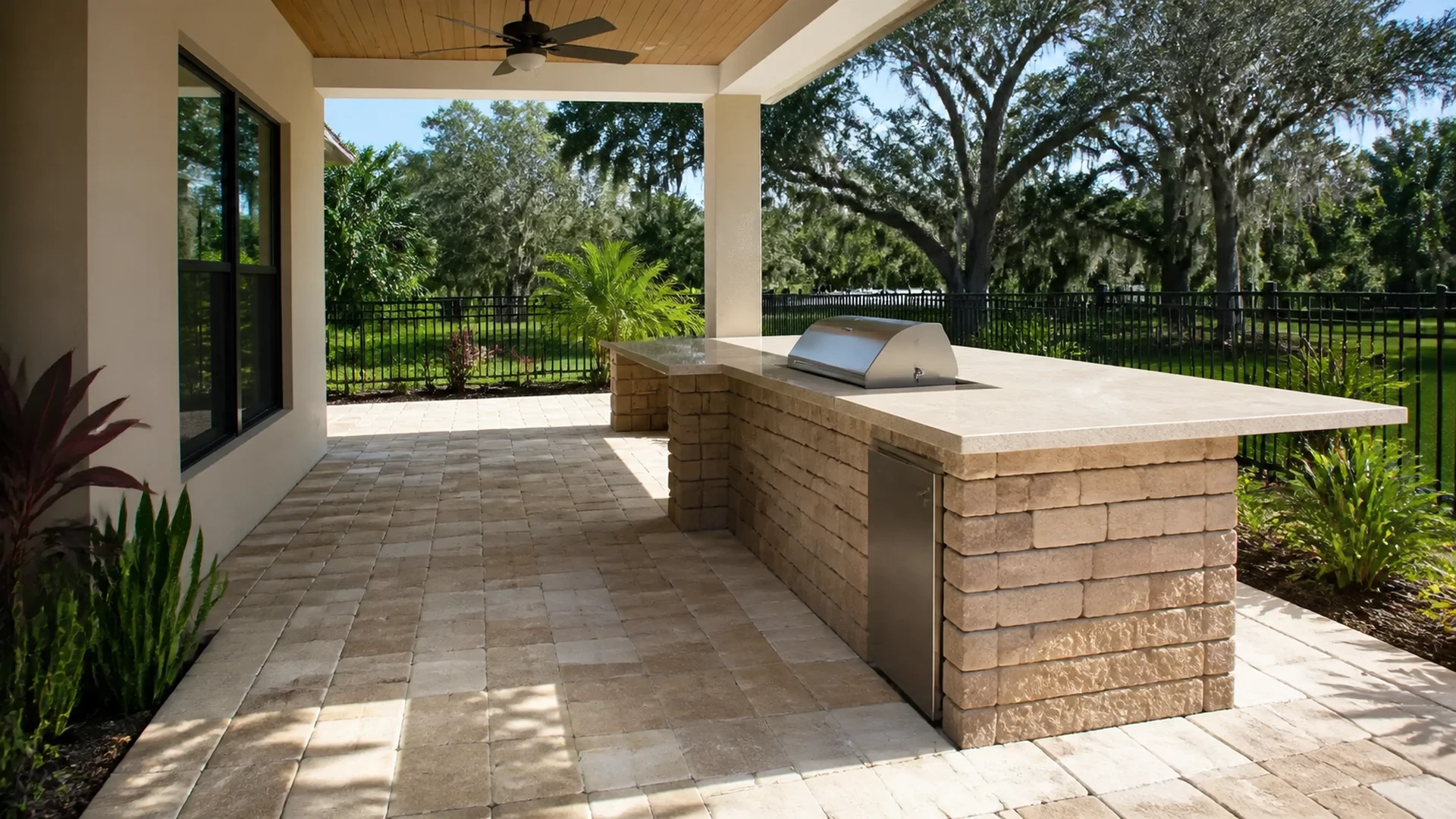
Meanwhile, masonry walls with a finish such as stucco or veneer offer another architectural direction. These retaining wall materials can coordinate with a home façade, columns, or outdoor kitchen, but the visible finish does not explain the supporting assembly. Block, reinforcement, footing, water management, and finish attachment require coordinated detailing. Consequently, a proposal should identify both the structural wall and the finish system. Owners also need to accept that painted or coated surfaces can show soil splash, irrigation marks, cracking, or weathering differently from integral-color modular units.
Treat timber as a specific design choice
Timber can suit certain informal landscapes and smaller applications, yet it deserves a realistic exposure discussion. Compared with mineral retaining wall materials, wood is organic and responds differently to moisture, insects, soil contact, fasteners, and ultraviolet exposure. Species, treatment, cuts, hardware, and construction method all affect service conditions. Therefore, selecting timber only for a lower initial appearance or rustic style can overlook future replacement access. The wall’s role and expected maintenance should guide whether wood is appropriate for the exact Florida location.
However, Likewise, recycled or composite-looking systems should be evaluated through current manufacturer documentation. Retaining wall materials marketed with broad durability language still have defined installation limits, compatible components, and exposure guidance. Product availability and technical support also matter if a future repair requires matching pieces.
Consequently, request the exact system name rather than approving a generic category. Samples should be viewed outdoors, and claims should be checked against the manufacturer’s published information. A novel material is useful only when its complete system fits the wall’s actual demands.
Water influences every material decision
Regardless of appearance, retained water can increase pressure behind a wall and affect surrounding soil. Retaining wall materials must therefore be considered alongside the designed base, backfill, outlets, grading, and other water-management details appropriate to the project. A decorative face cannot compensate for a poorly planned assembly. Furthermore, roof discharge, irrigation, neighboring grade, and paved areas can concentrate water near the wall. Documenting these sources during a storm gives the design team better information than observing the dry yard several days later.
Florida rainfall also tests surface finishes and joints. Some retaining wall materials show mineral deposits, algae, soil staining, or splash more readily depending on color, texture, moisture, and nearby planting. Therefore, maintenance expectations should be discussed before choosing a very light, dark, smooth, or deeply textured face.
At the same time, the goal is not to find a surface that never changes. Instead, select a material whose weathering and care fit the location. Water behavior behind and around the wall remains a design concern separate from cosmetic cleaning.
Match material scale to wall geometry
Unit size changes how a wall reads. Large-format retaining wall materials can look calm across a long straight run, while smaller units may navigate tight curves and steps with less visual tension. However, geometry should not force unsuitable cuts or awkward course changes.
Consequently, the designer should coordinate radii, corners, returns, caps, and grade transitions with the chosen system. Consequently, a product that looks attractive in a catalog photograph may be a poor fit for a compact yard with several elevation changes. Full dimensions matter more than the isolated face sample.
Caps and termination details deserve equal attention. Retaining wall materials often include matching or contrasting cap units, yet available shapes may limit curves and corners. Similarly, the wall must end deliberately where it meets a slope, fence, step, patio, or building.
Therefore, review those points in plan and elevation before ordering. A strong middle section cannot hide a poorly resolved end. Well-proportioned caps also influence seating comfort when a low wall is intended to double as an informal perch, though that use must be planned rather than assumed.
Coordinate walls with patios, driveways, and fences
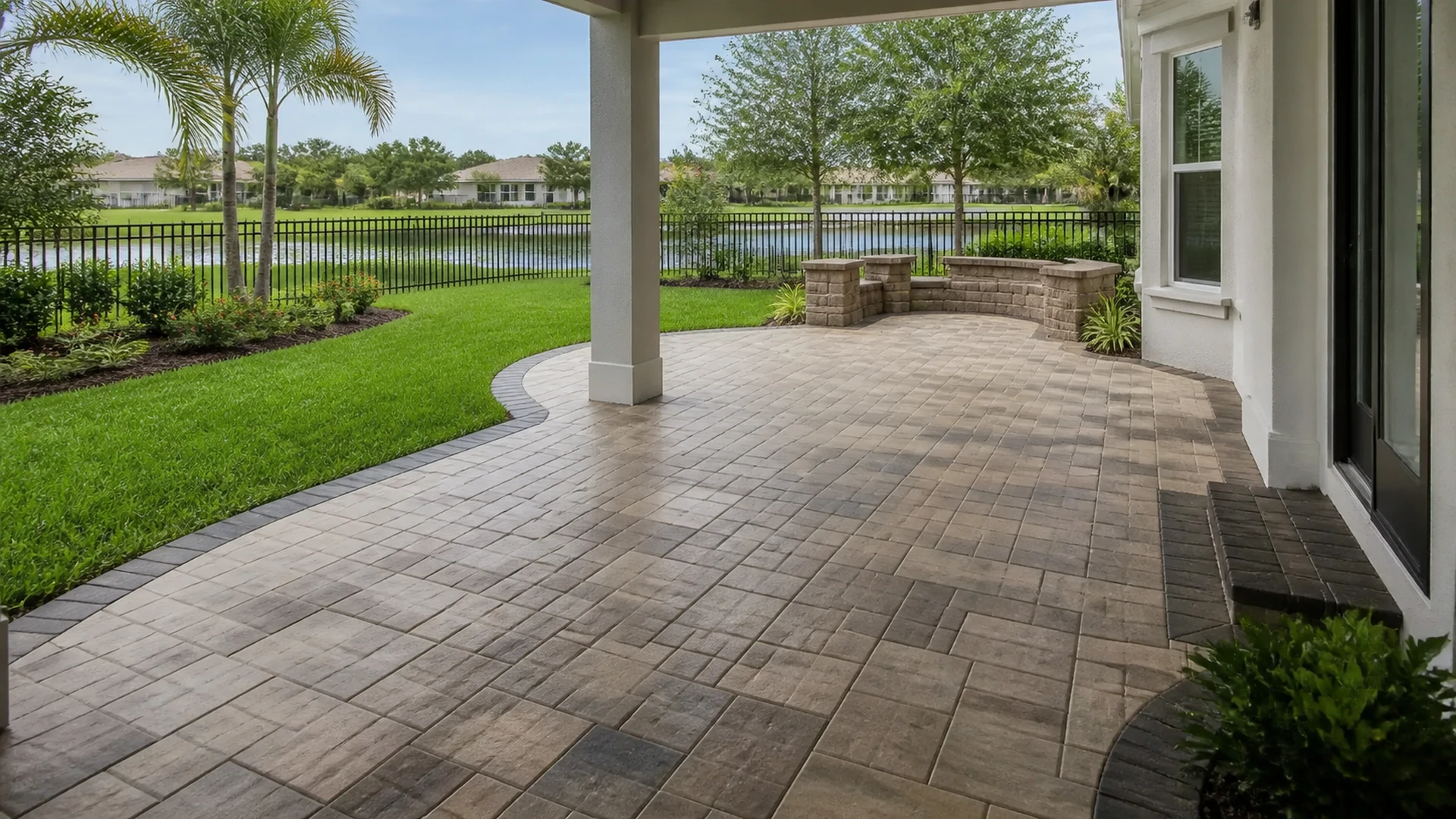
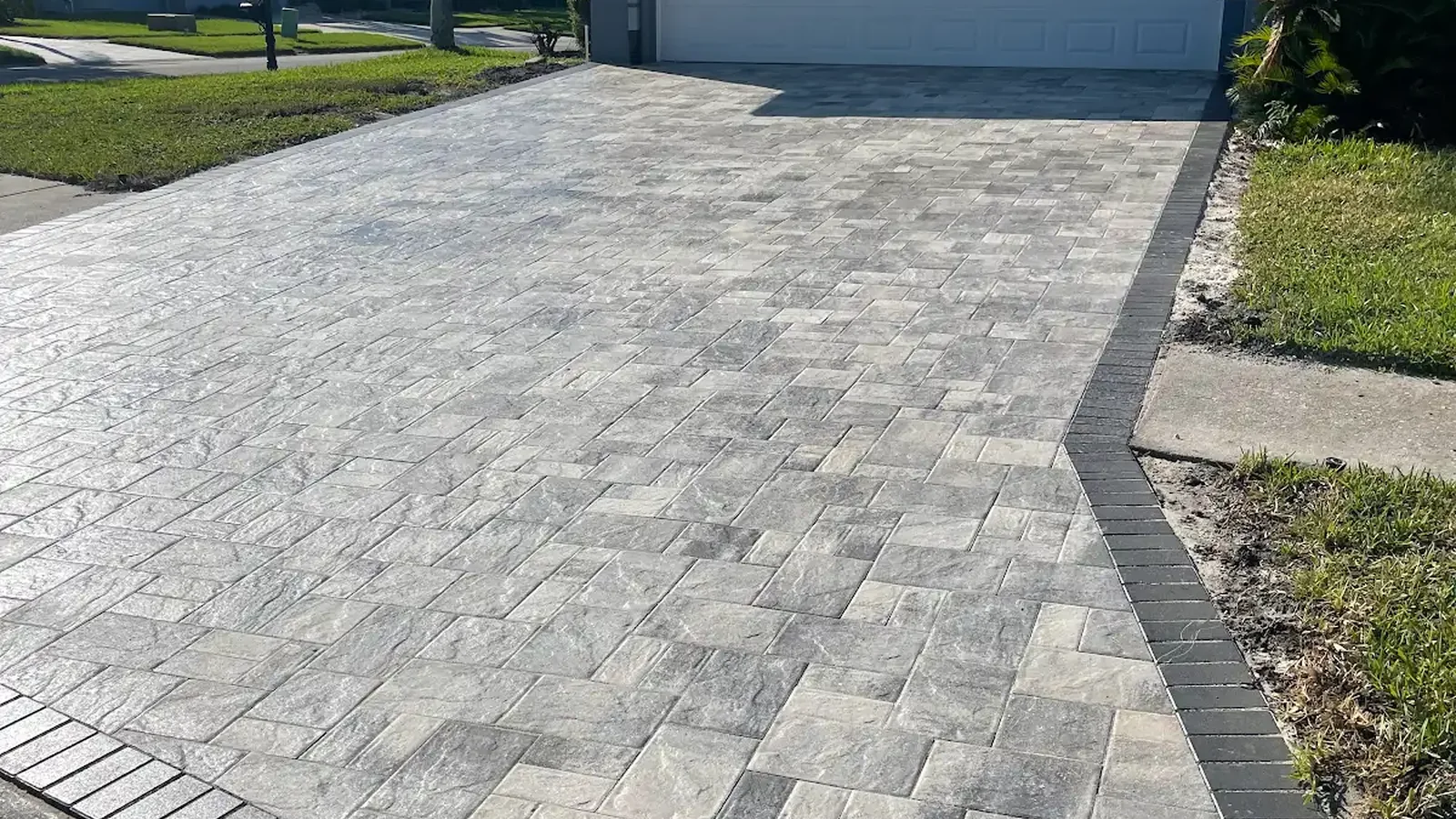
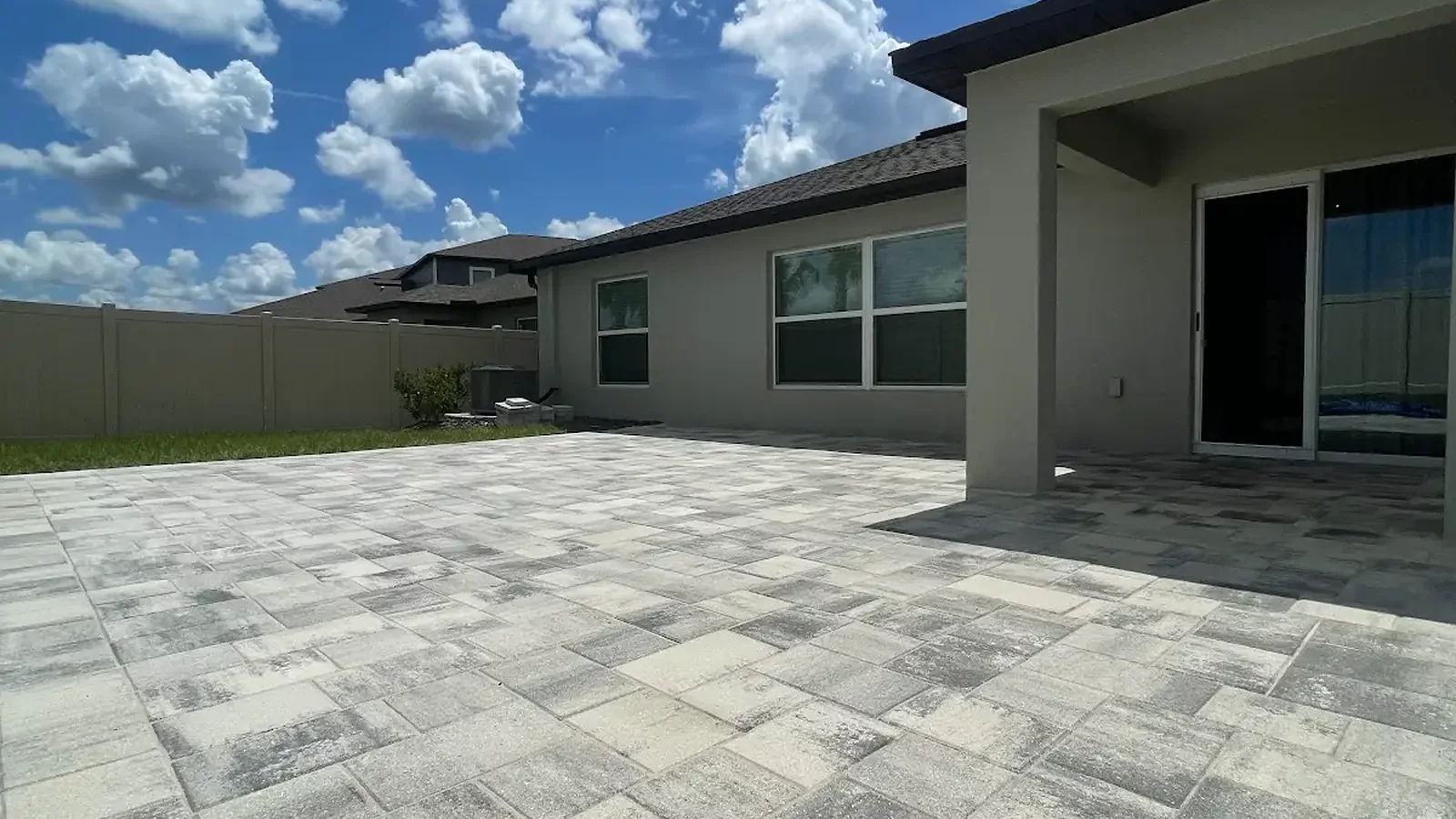
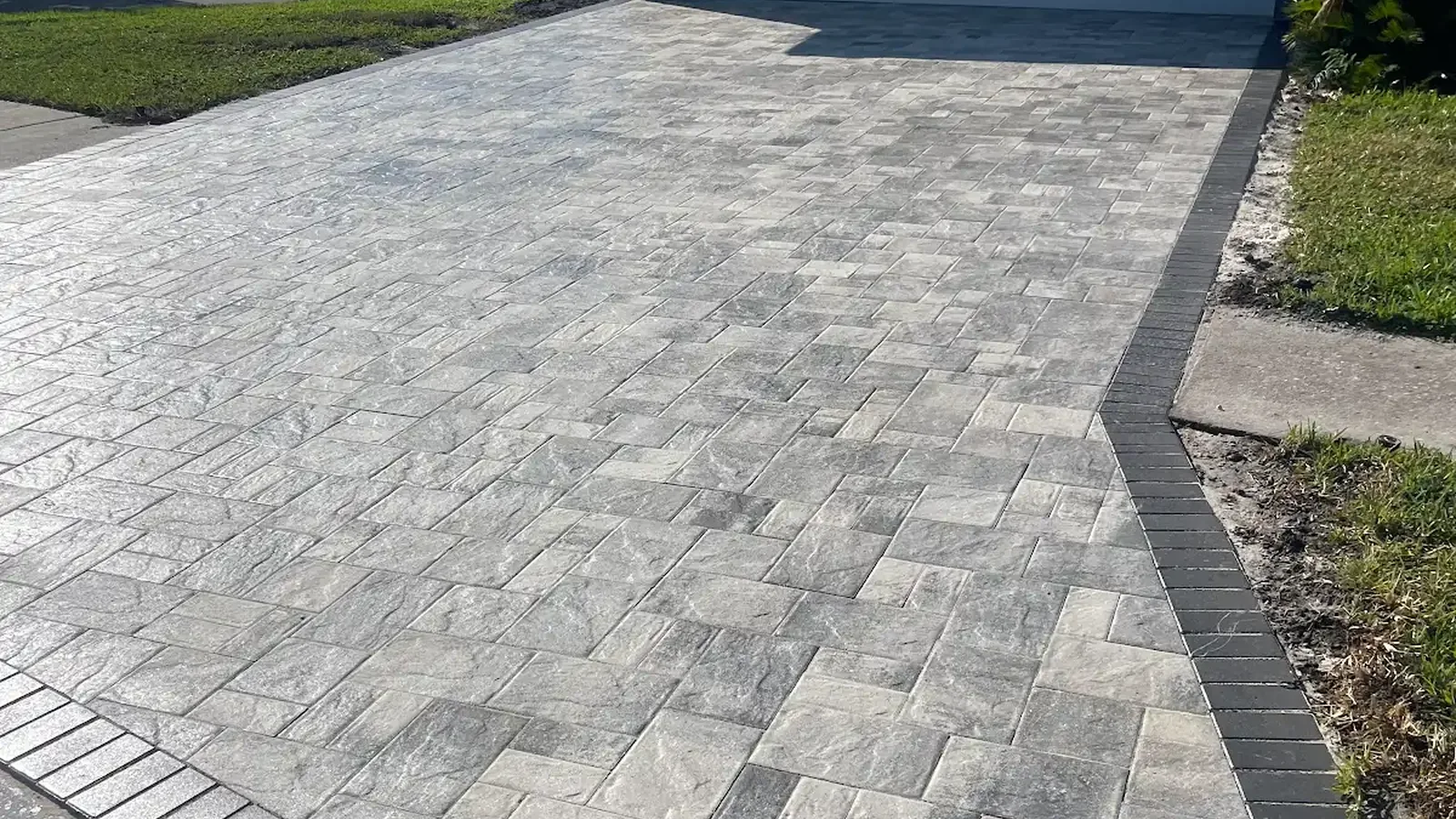
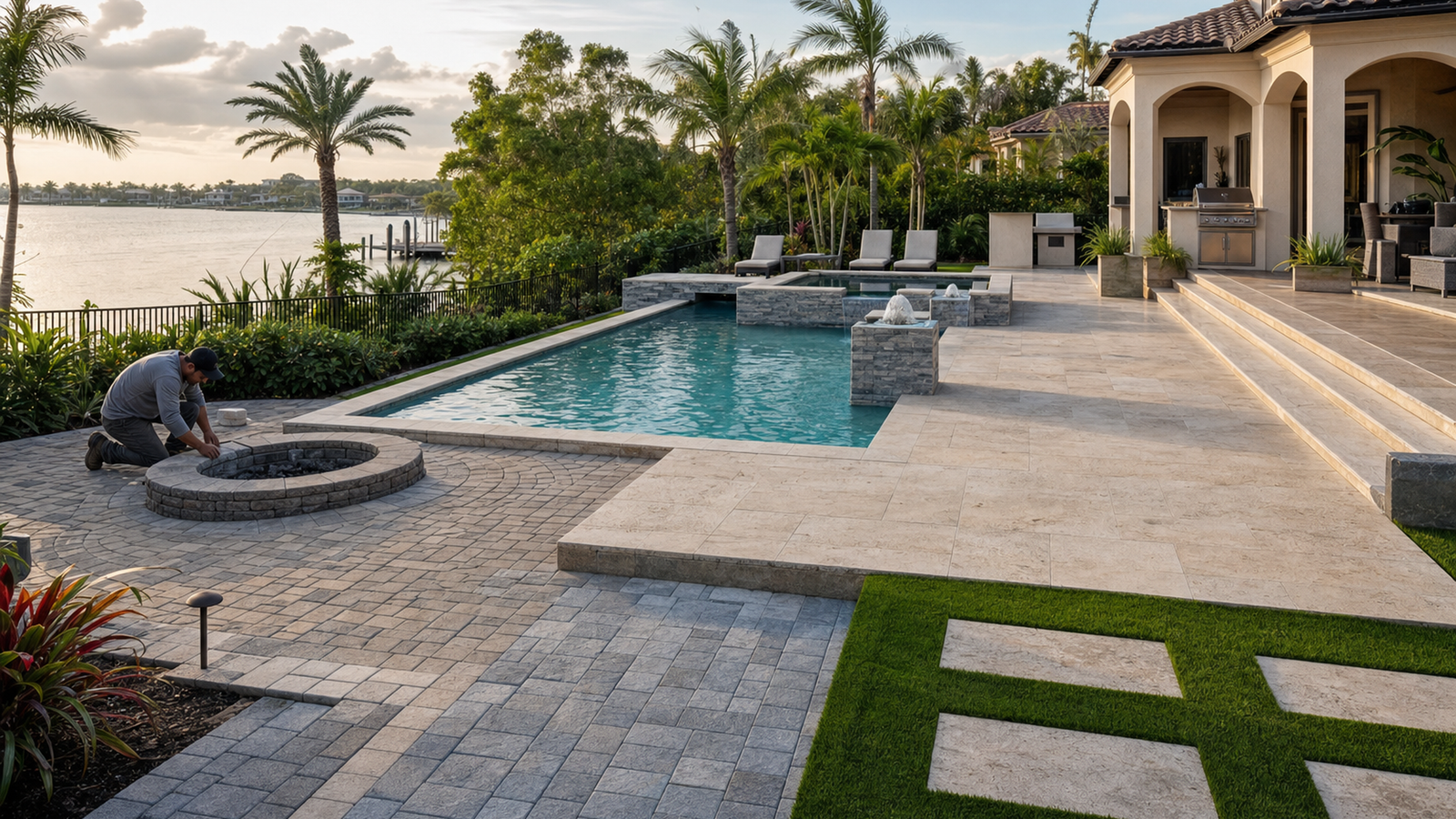
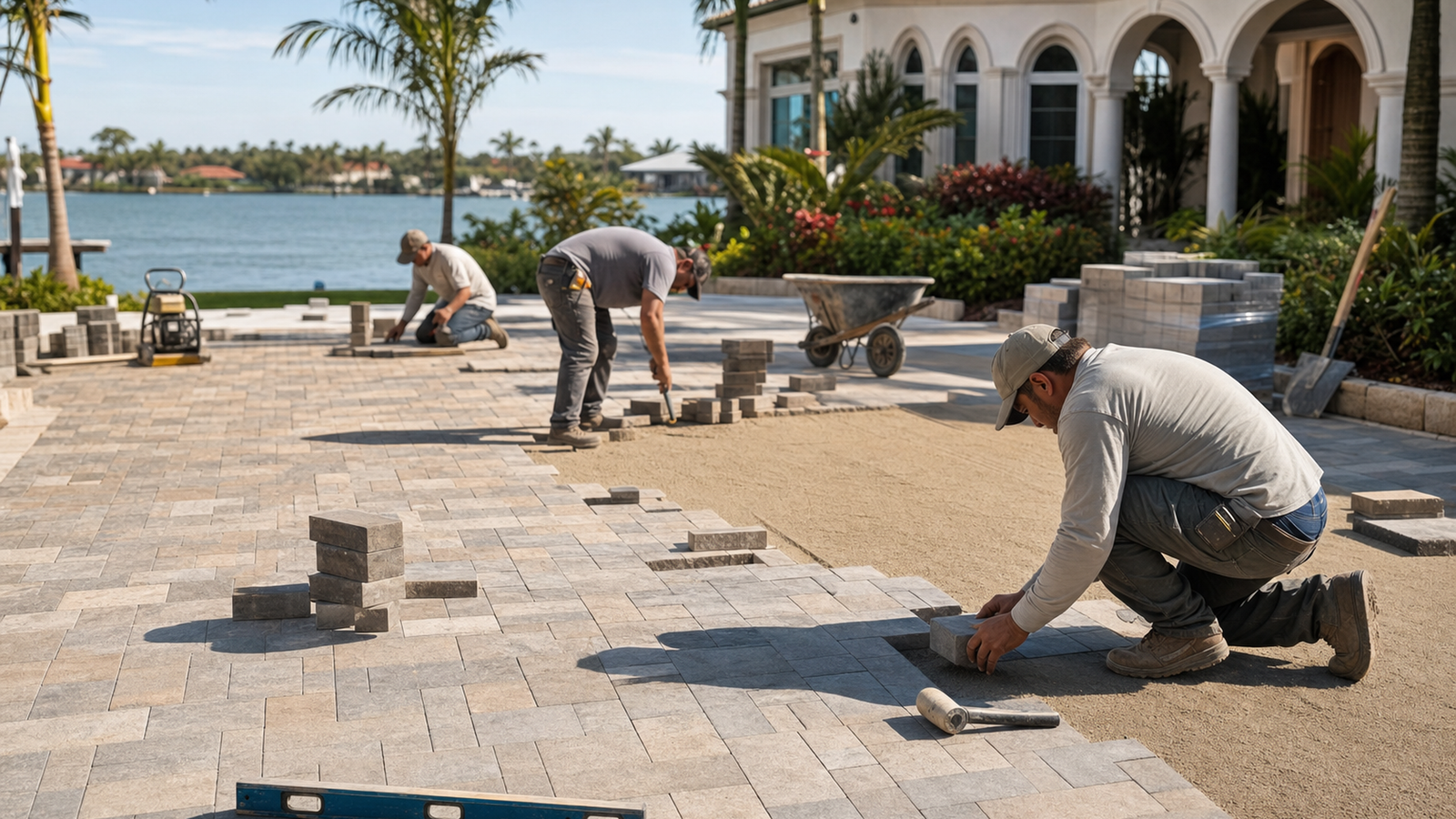
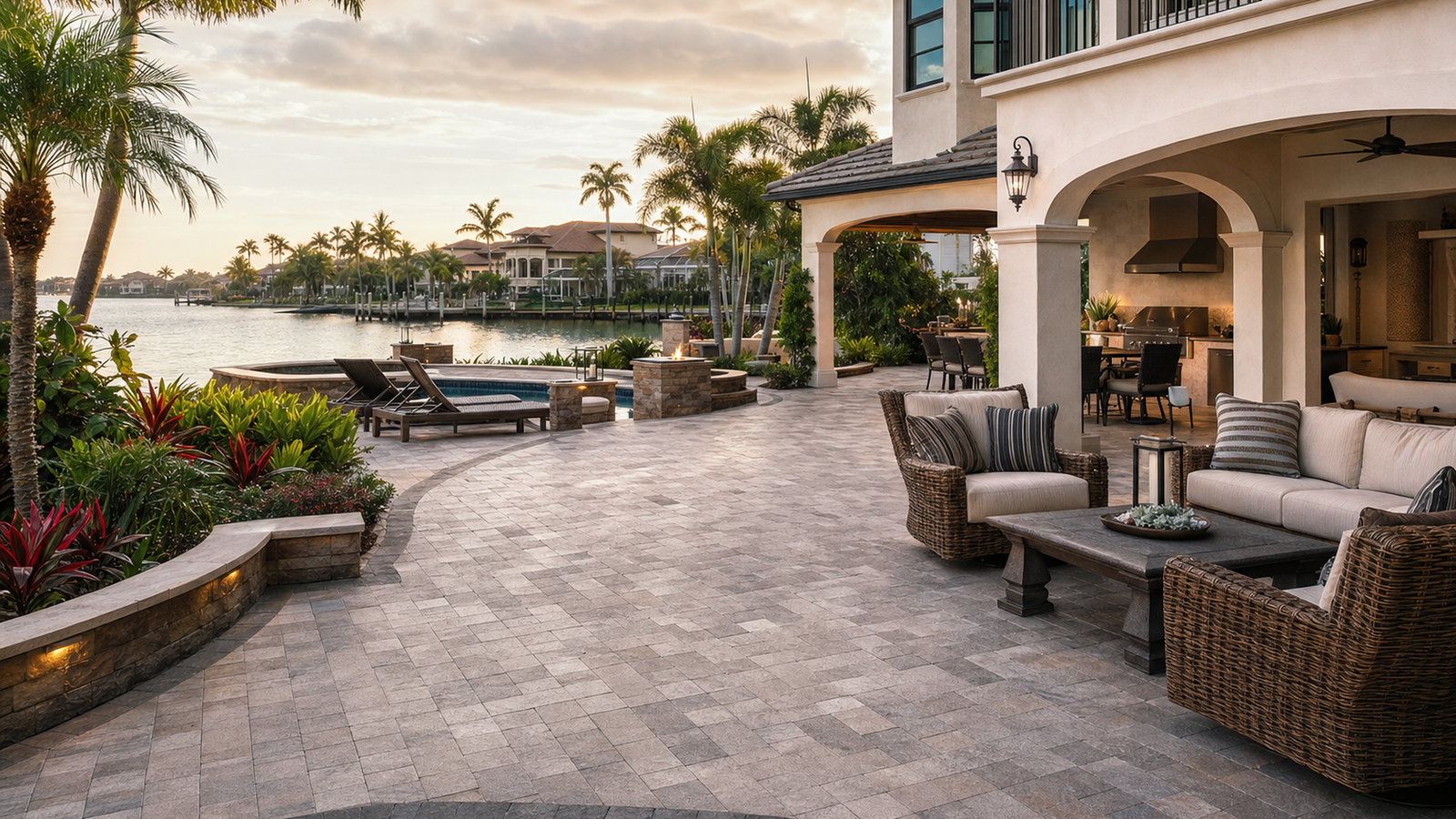
Afterward, Nearby improvements can add loads or constrain access. Retaining wall materials supporting soil beside a driveway or paver patio belong to a broader system where wall design, paving base, edges, and elevations interact. The order of construction matters because excavation for one feature can disturb another.
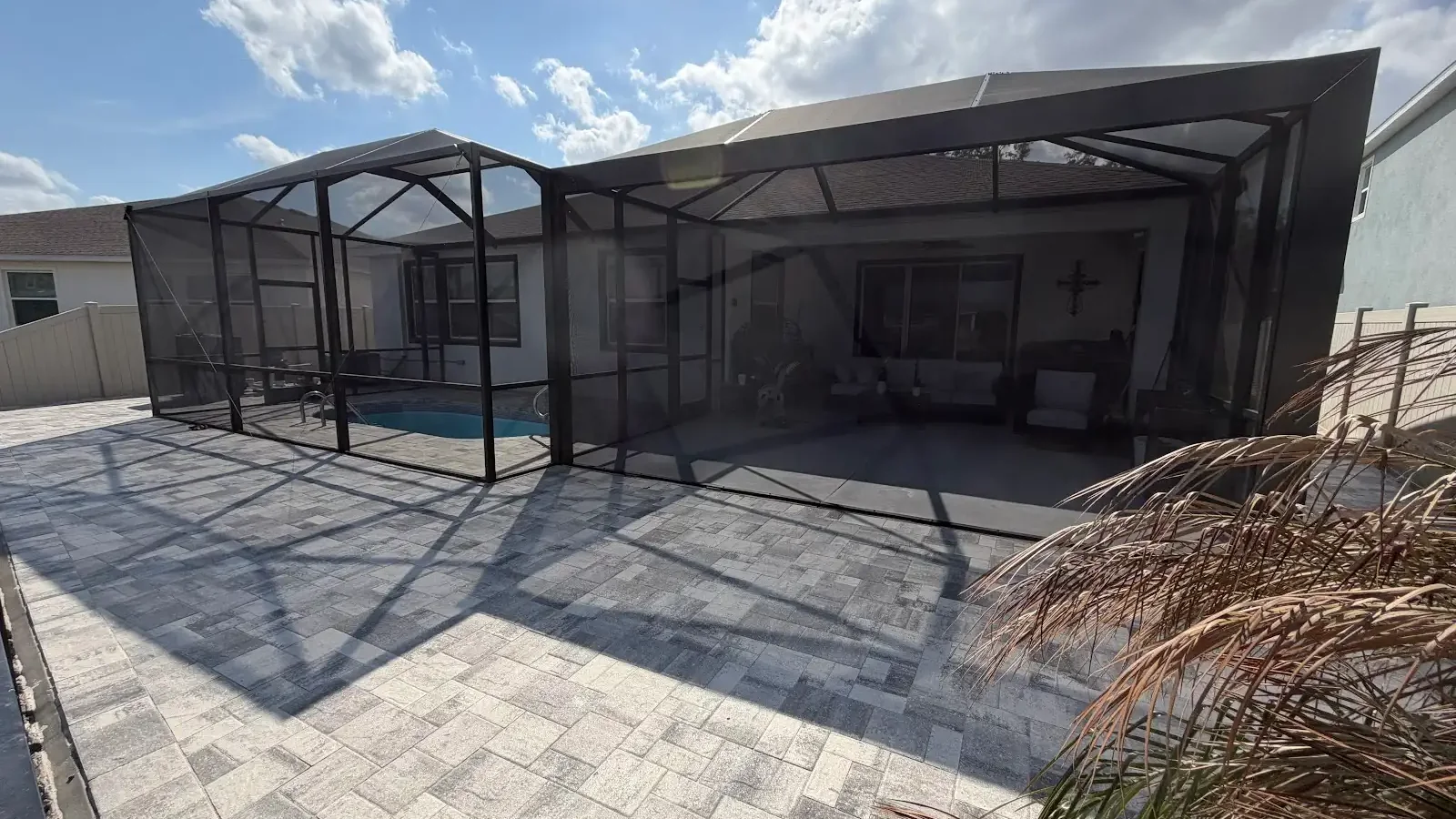
Moreover, heavy equipment access may disappear after a fence or pool enclosure is completed. Consequently, homeowners should share the full property plan, including future phases, instead of requesting an isolated wall estimate. Coordination can preserve practical installation routes and cleaner transitions.
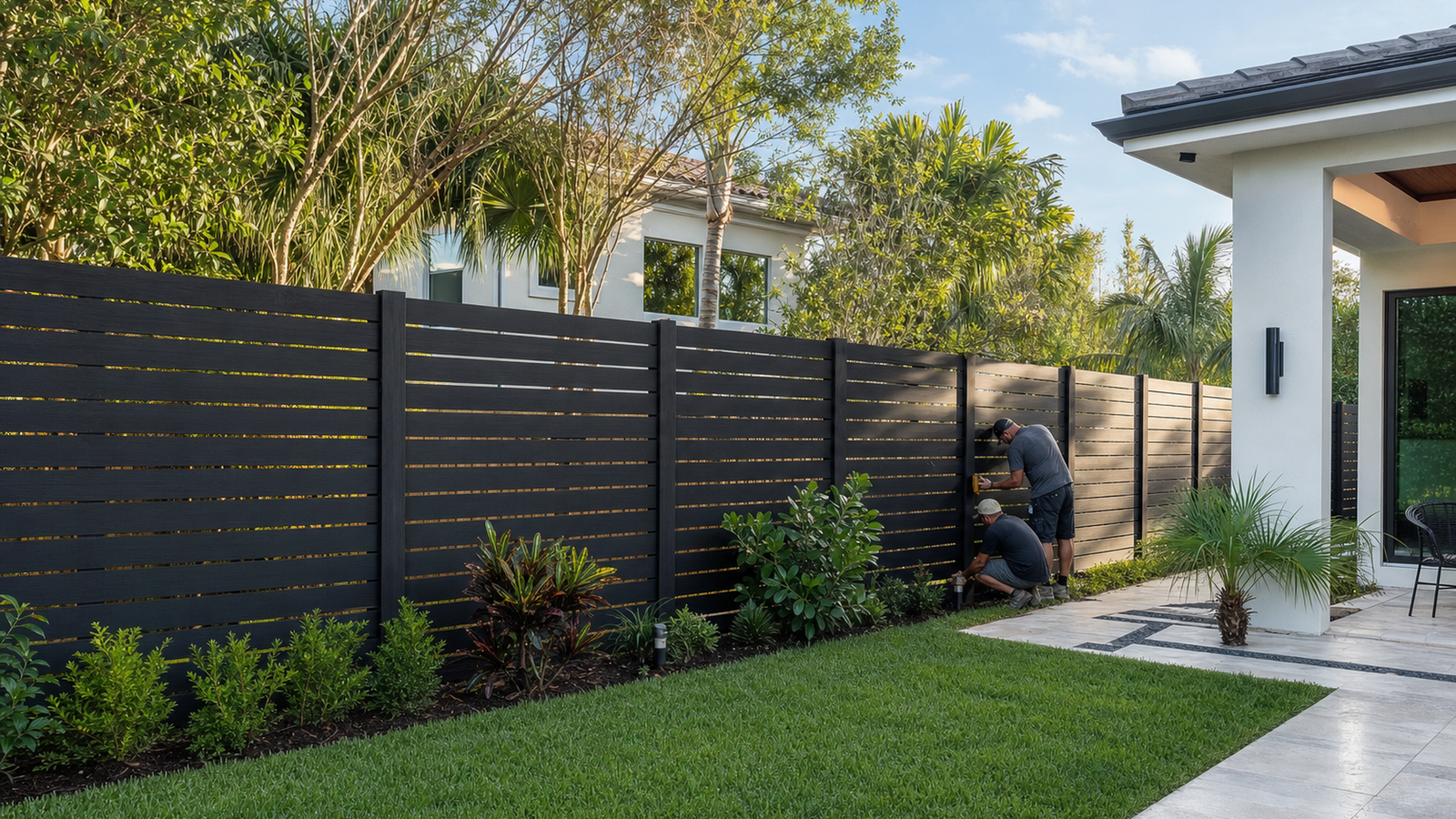
Additionally, Fence posts, lighting, steps, rails, and planting also require early coordination. Retaining wall materials should not be drilled, notched, or loaded casually after installation to accommodate elements omitted from the design. Roots and mature plant size need space, while irrigation should avoid constantly wetting the face.
Therefore, locate attachments and penetrations before construction and involve the appropriate professionals. This approach keeps a later trade from improvising at the wall edge. It also makes cap alignment, conduit routes, and planting pockets appear intentional.
Use soil and site access to narrow the shortlist
Therefore, Soil information helps determine much more than wall color. Retaining wall materials operate through an assembly that relies on prepared foundation conditions and appropriate retained fill. Soft pockets, organic matter, previous excavation, and variable fill can affect the construction plan.
Meanwhile, restricted access may change how material, aggregate, and excavated soil move through the property. A contractor should inspect these conditions, and engineered input may be appropriate depending on the wall and jurisdiction. Therefore, online product comparisons cannot replace a site-specific assessment.
Local requirements must also be verified for the exact property. Depending on scope and location, retaining wall materials and design may be subject to permits, engineering, zoning, easements, or neighborhood review. The Florida Building Commission provides statewide information, while local authorities administer requirements relevant to their area. Consequently, do not rely on a neighbor’s project or an old rule summary. Current confirmation helps the team plan documents, inspections, and construction sequence without avoidable surprises.
Compare appearance through realistic samples
Moreover, Color names are only a starting point. Retaining wall materials can vary by production run, natural composition, texture, lighting, moisture, and nearby colors. For that reason, view multiple full-size samples outdoors beside the house, paving, mulch, and plants.
At the same time, a warm unit may turn pink beside one roof or gray beside another. Furthermore, deep face texture creates stronger shadows under Florida sun. Sample walls or completed local projects provide better scale than a single loose block, although weathering means an older installation will not look identical to new material.
Similarly, Style should connect to the property without copying every finish. Retaining wall materials may echo the home through undertone, geometry, or cap detail while remaining distinct from patio pavers. Alternatively, a close family of materials can unify a compact yard.
However, forcing an exact match can produce visual monotony or highlight unavoidable batch differences. Therefore, establish a simple hierarchy: decide which surface should lead, which should support, and where contrast helps define an edge. This method creates cohesion with fewer decorative bands and competing textures.
Understand maintenance and repair before selection
Nevertheless, Maintenance varies by surface and assembly. Retaining wall materials near irrigated planting may collect soil, organic growth, or mineral marks, while walls beside lawns face mower and trimmer contact. Routine observation should include caps, joints, outlets, adjacent grade, and visible movement.
Moreover, cleaning methods must suit the selected product and finish. Aggressive pressure or harsh chemicals can damage some surfaces or joints. A manageable care plan begins with correcting water or soil sources, then using manufacturer-compatible cleaning methods on a tested area.
Furthermore, Repairability is another useful comparison. Modular retaining wall materials may allow targeted disassembly in some circumstances, yet access, reinforcement, settlement, and matching units can complicate the work. Monolithic or finished masonry walls have different repair patterns and visual outcomes.
Consequently, no material should be called universally easy to repair. Ask how the proposed system would be inspected and what access future work might require. Keeping product names, colors, plans, and installation records can help professionals diagnose a change years after the original project.
Read proposals as complete wall systems
Cost depends on the entire site and assembly. Retaining wall materials are only one portion of excavation, soil handling, base preparation, backfill, reinforcement, caps, curves, steps, finishes, access, engineering, permits, protection, and cleanup. A tall or constrained wall can cost more to build even with a modest-looking face unit. Therefore, compare scopes line by line and note assumptions about concealed conditions. A proposal that clearly identifies the system and responsibilities offers more decision value than one total paired with a generic product description.
Make the final selection with long-term context
Therefore, Finally, ask how retaining wall materials will meet visible transitions at steps, slopes, and planting beds. This focused review prevents small unresolved edges from weakening an otherwise coherent wall design.
Meanwhile, Before authorizing an order, review the shortlist against the full design one more time. Retaining wall materials should be checked for system availability, compatible caps and corners, technical documentation, color expectations, access needs, and the proposed construction method. Then, confirm who is responsible for engineering, approvals, site protection, and coordination with other trades. This checkpoint can reveal that an attractive unit lacks a needed component or that a finish requires more upkeep than expected. A deliberate final review turns a sample preference into a buildable material decision.
Furthermore, keep the approved product information and wall documents after completion. Retaining wall materials may need inspection, cleaning, or localized work years later, and accurate records give future professionals a better starting point. Include product names, color labels, plans, permits when applicable, photographs of concealed stages, and contractor care guidance. Weathering can prevent a perfect visual match even when the same product remains available. Still, organized records reduce guesswork and help distinguish the intended assembly from later landscaping changes that may have altered soil or water conditions nearby.
Finally, choose retaining wall materials with the wall’s real purpose in view. DR Pavers Design can help you explore services, see related projects, read customer testimonials, and review the FAQ before you contact the team. Meanwhile, find project updates on Instagram and Facebook, or use Google Maps and the full business profile. Additionally, compare retaining wall materials through the retaining wall service, start a WhatsApp chat, phone, text, or email about retaining wall materials with site photos and your project goals.