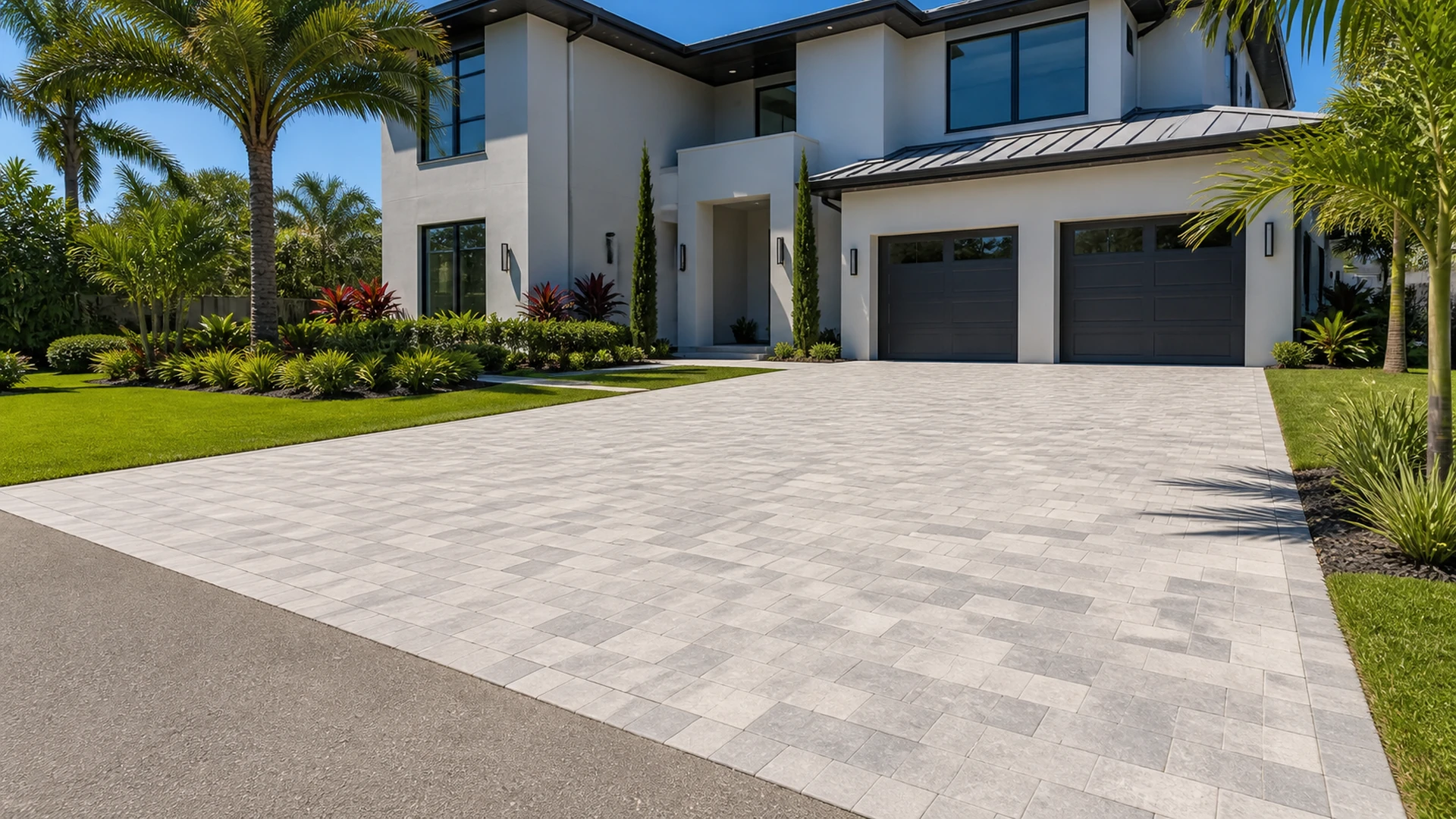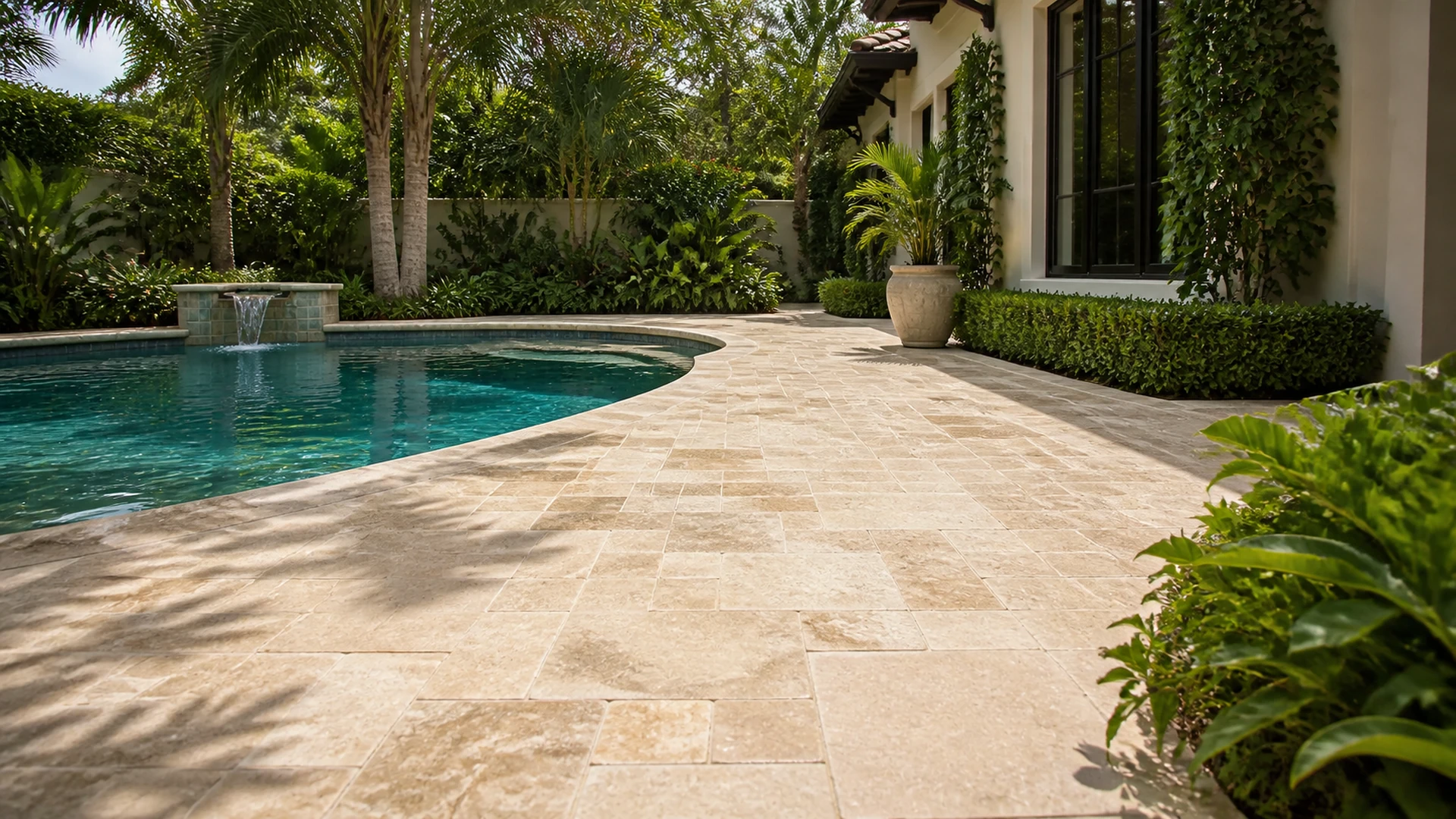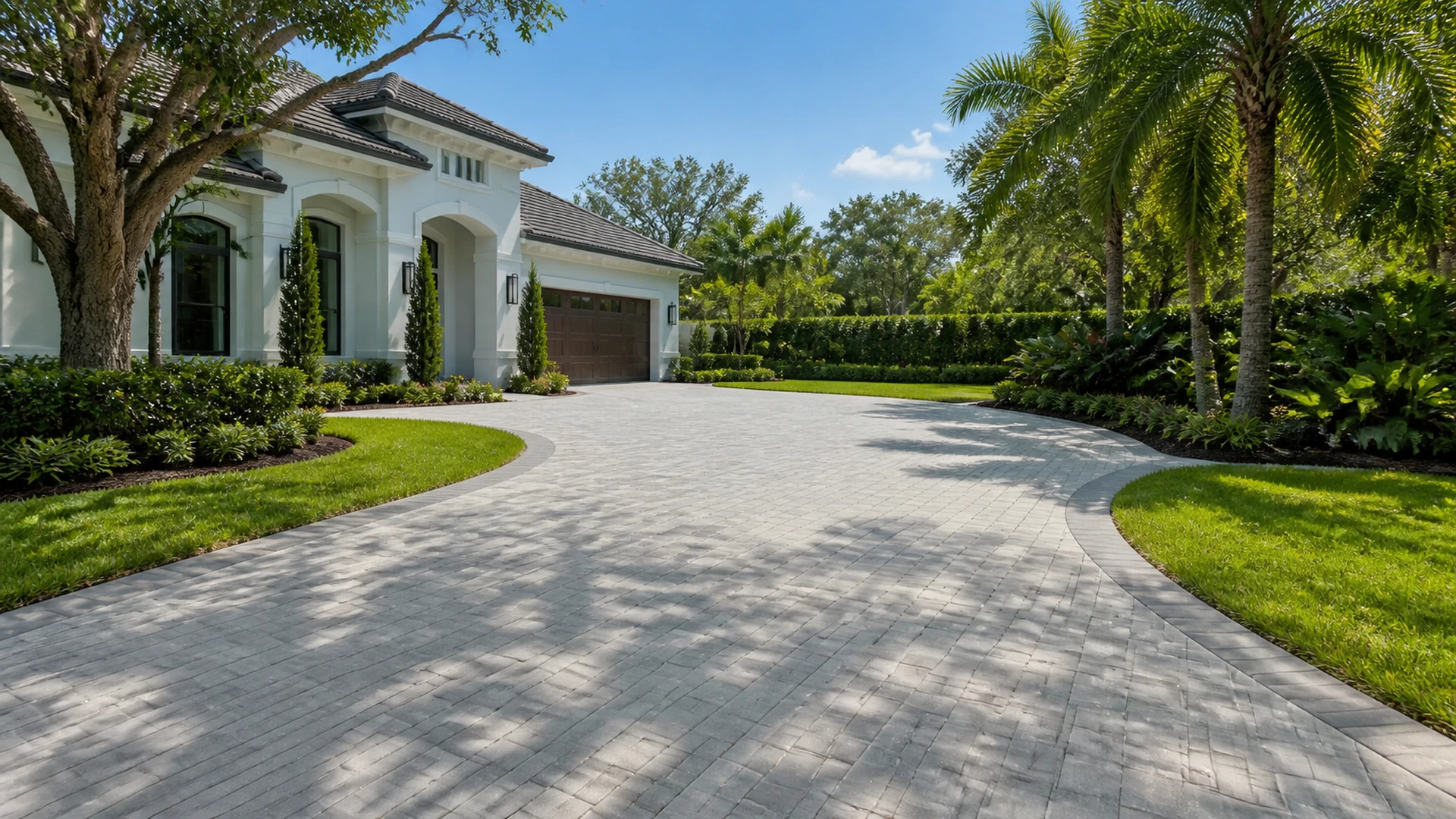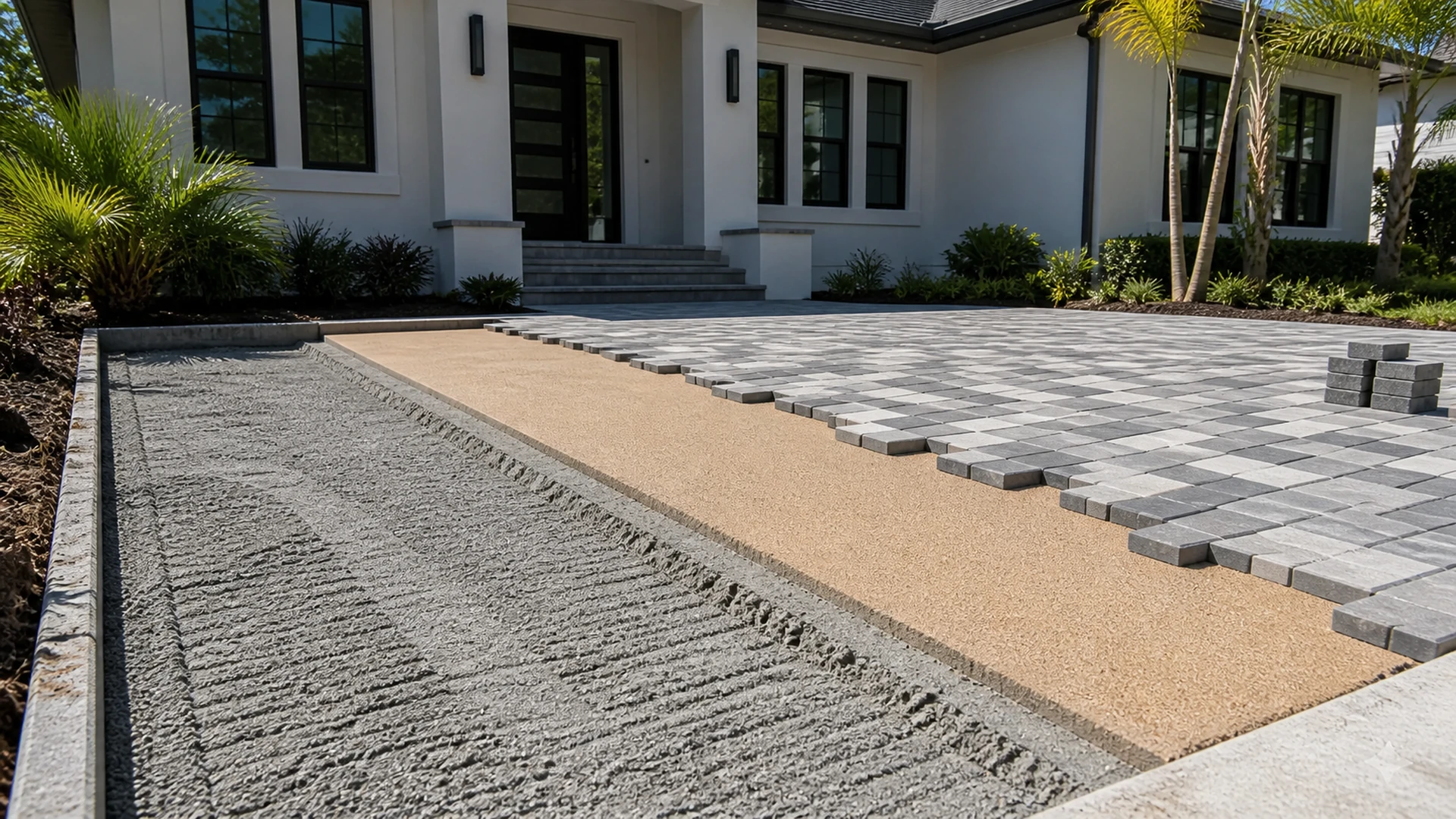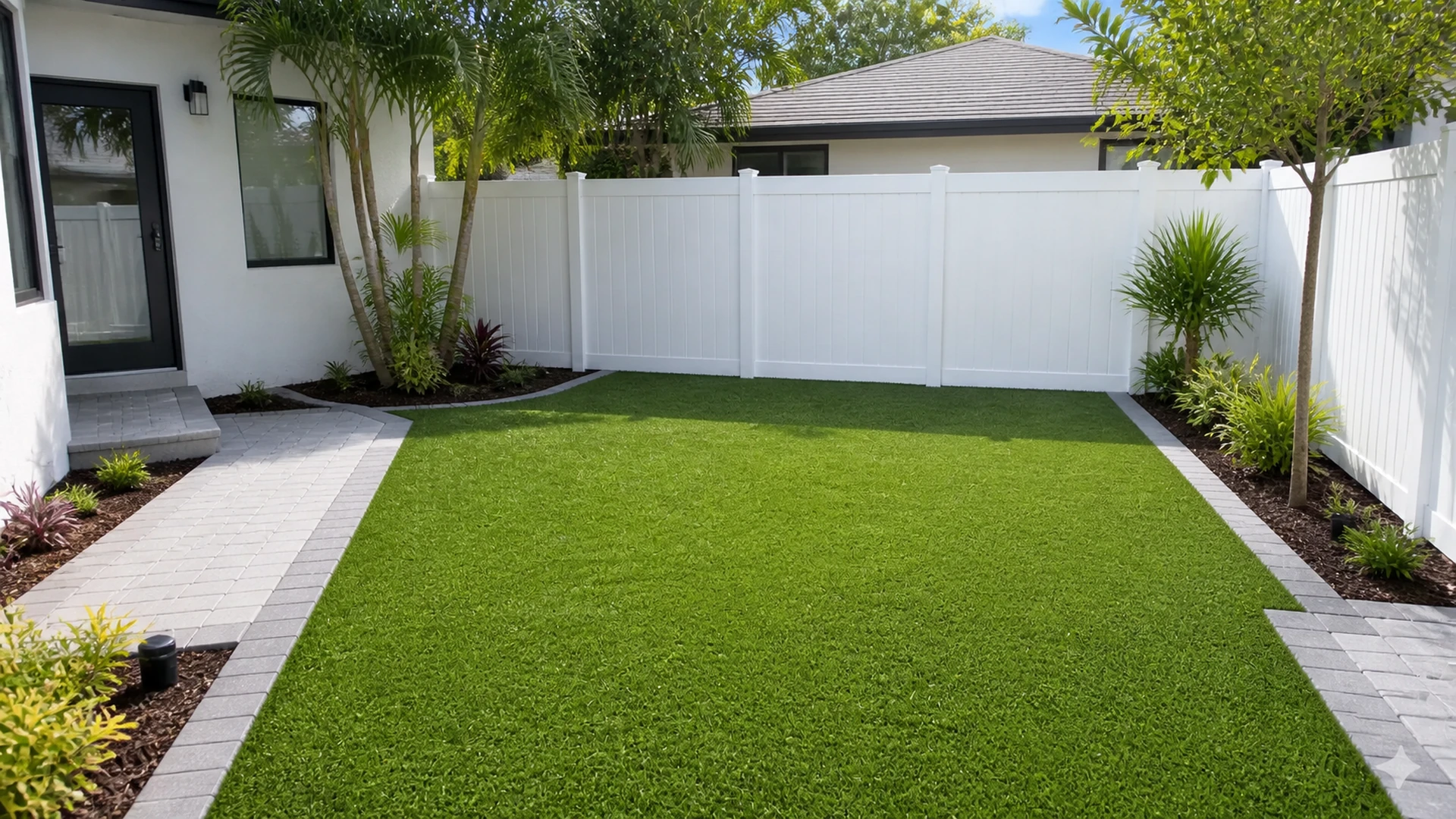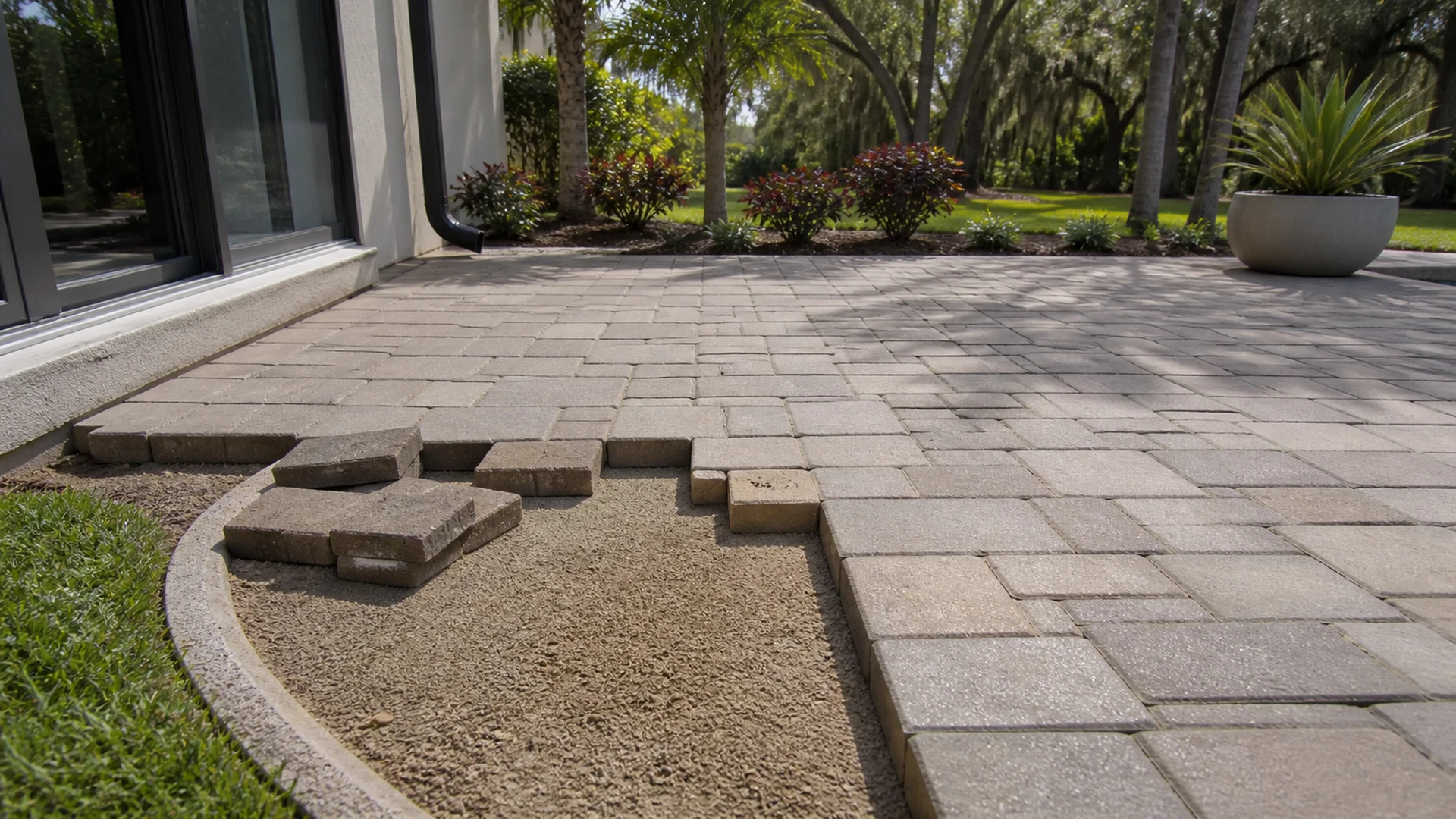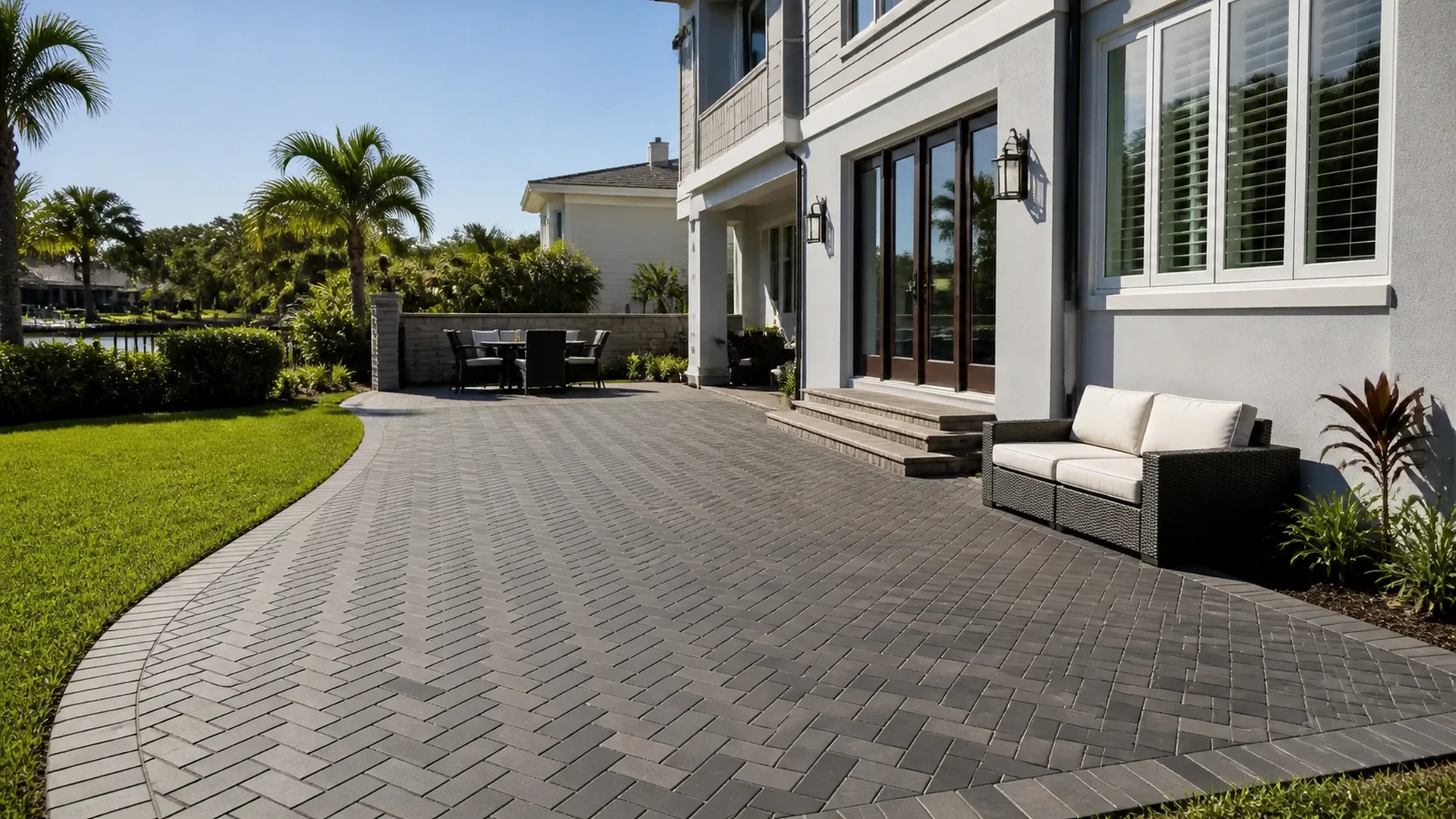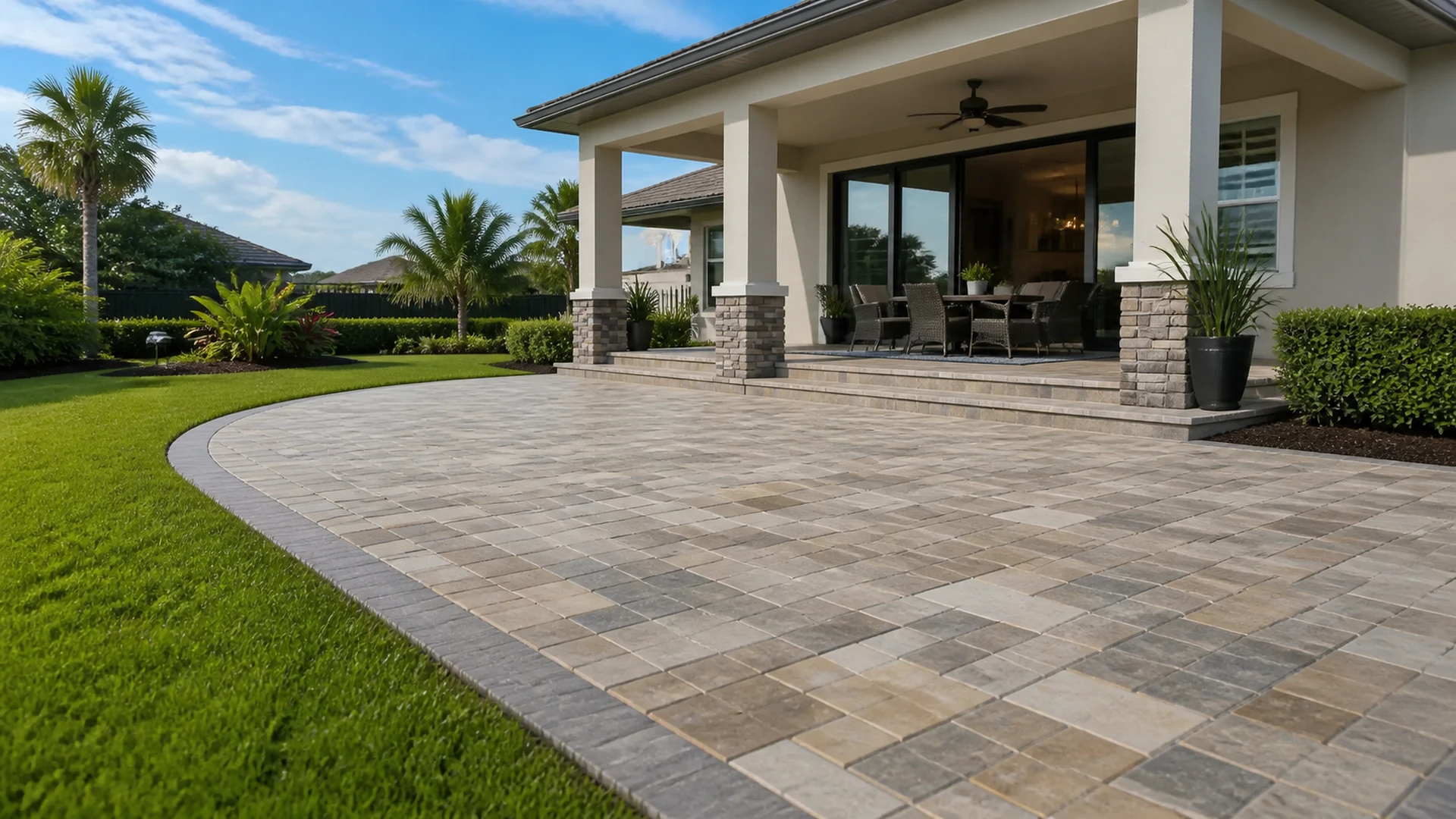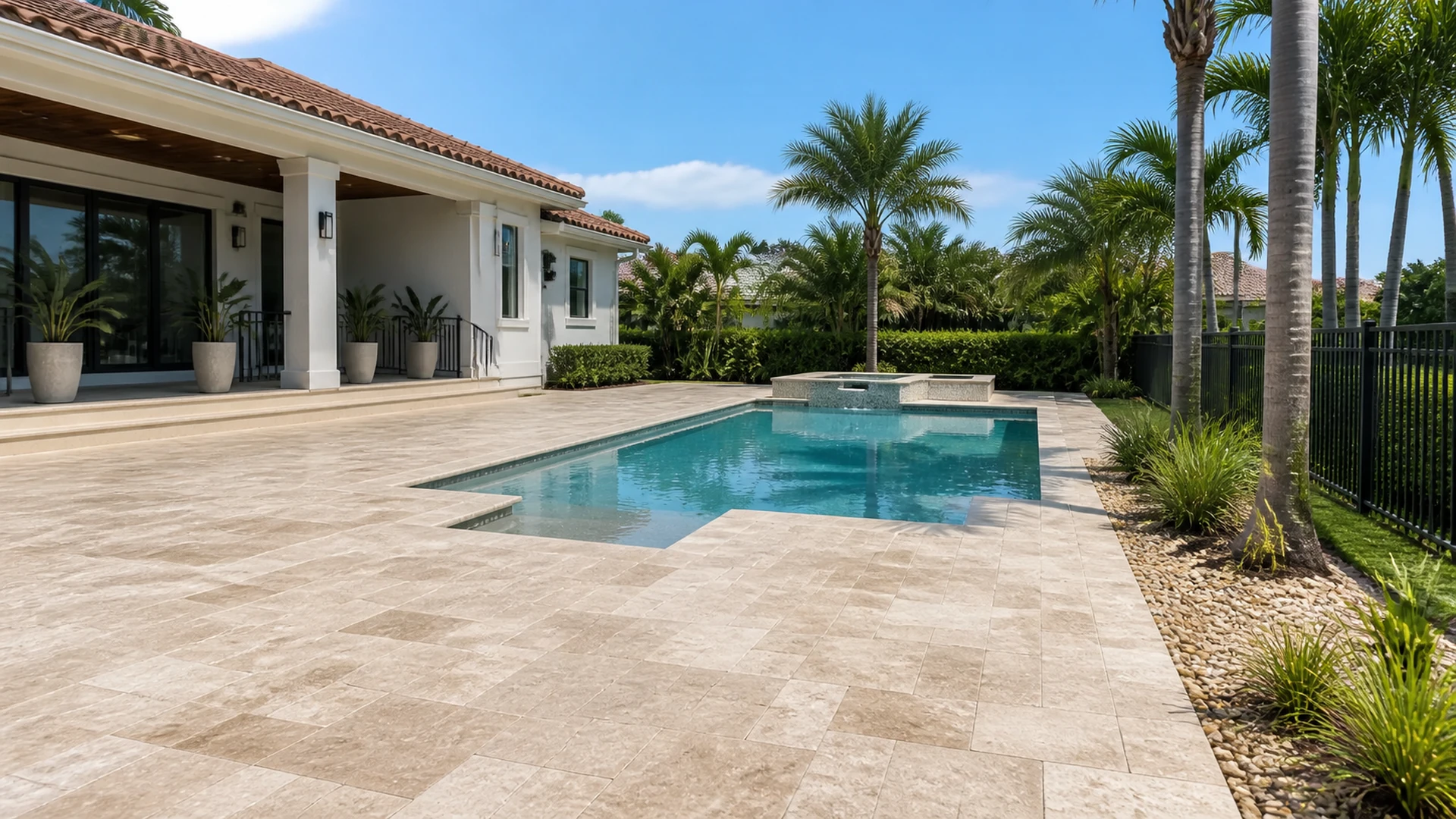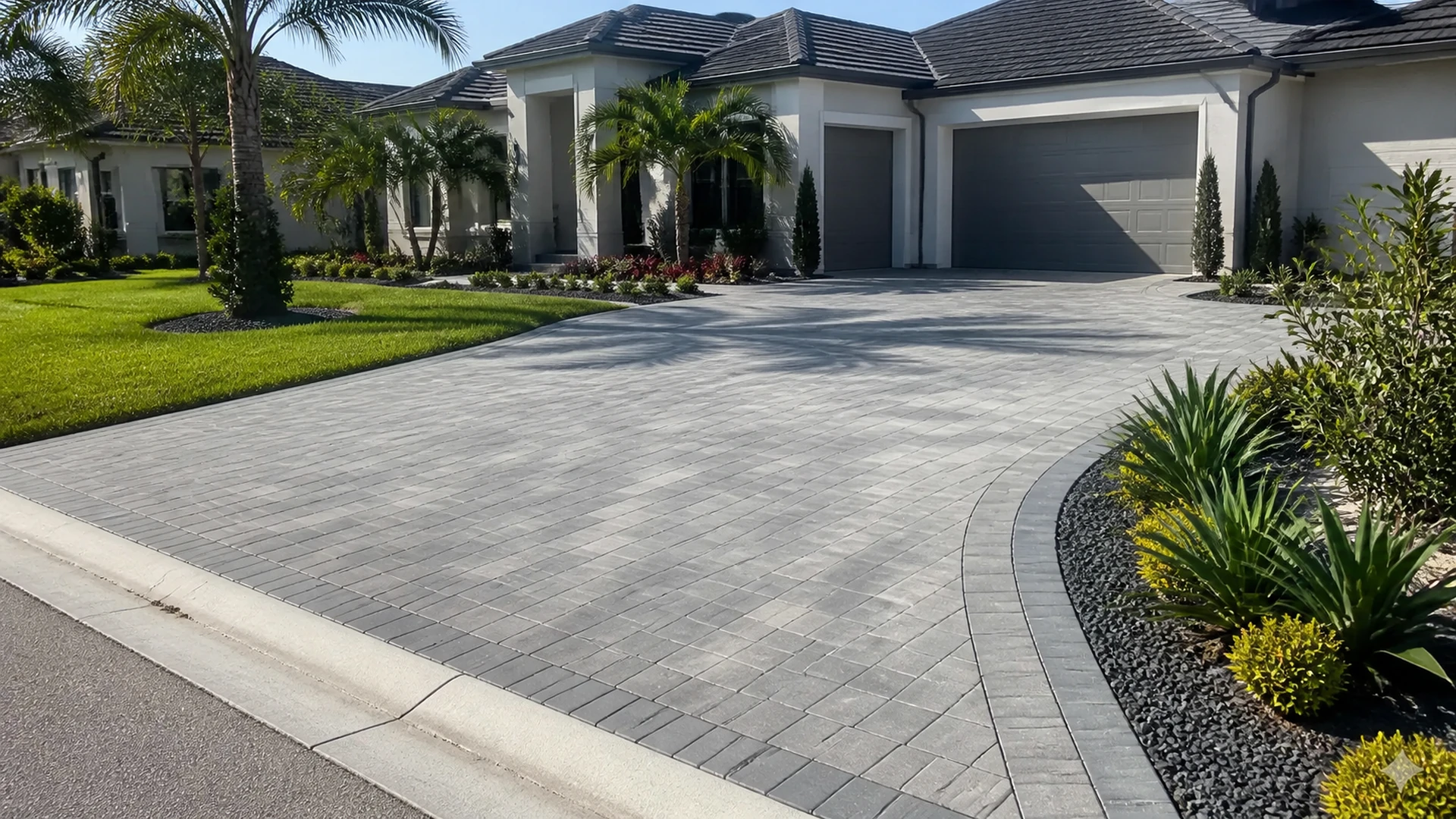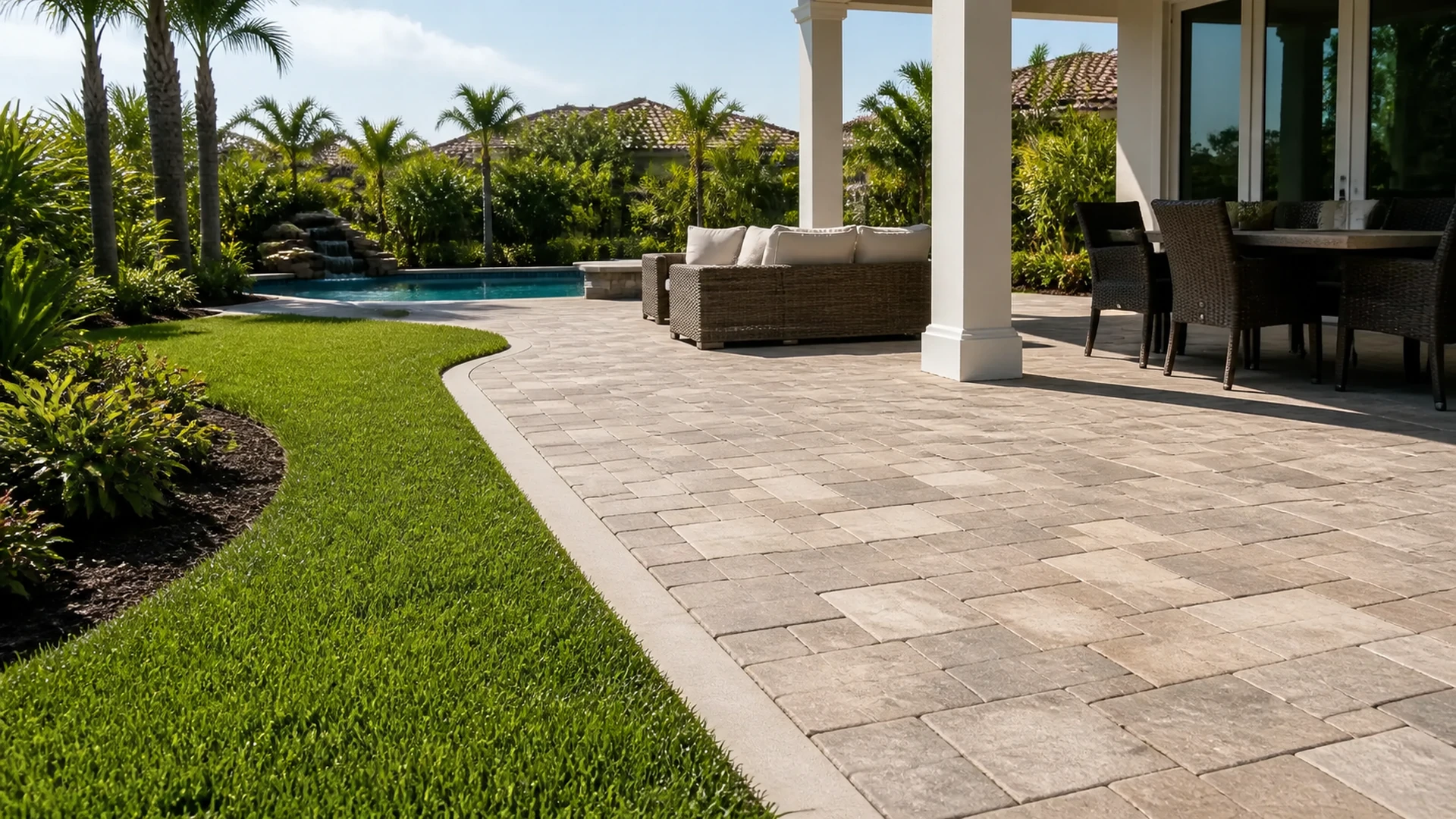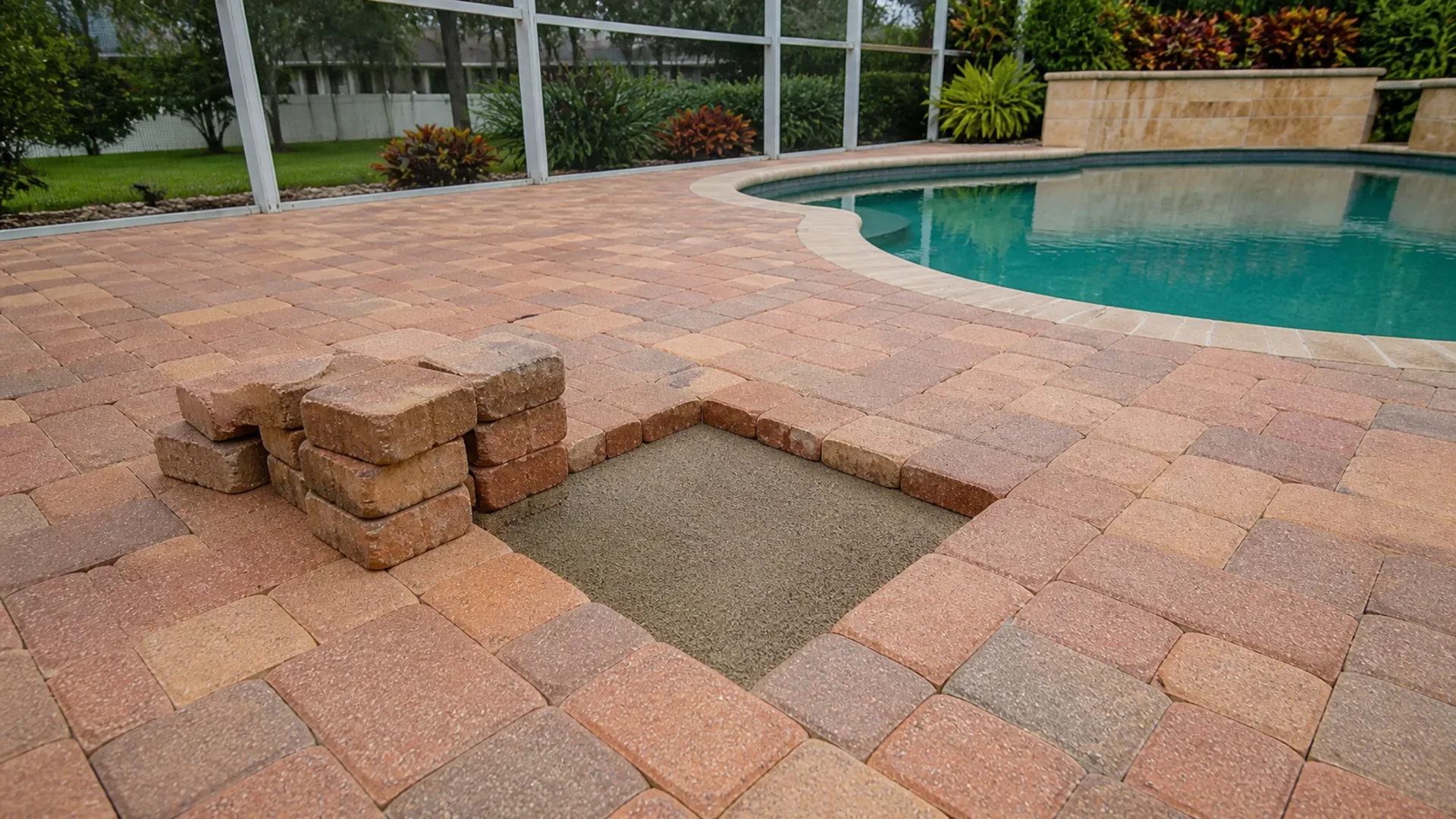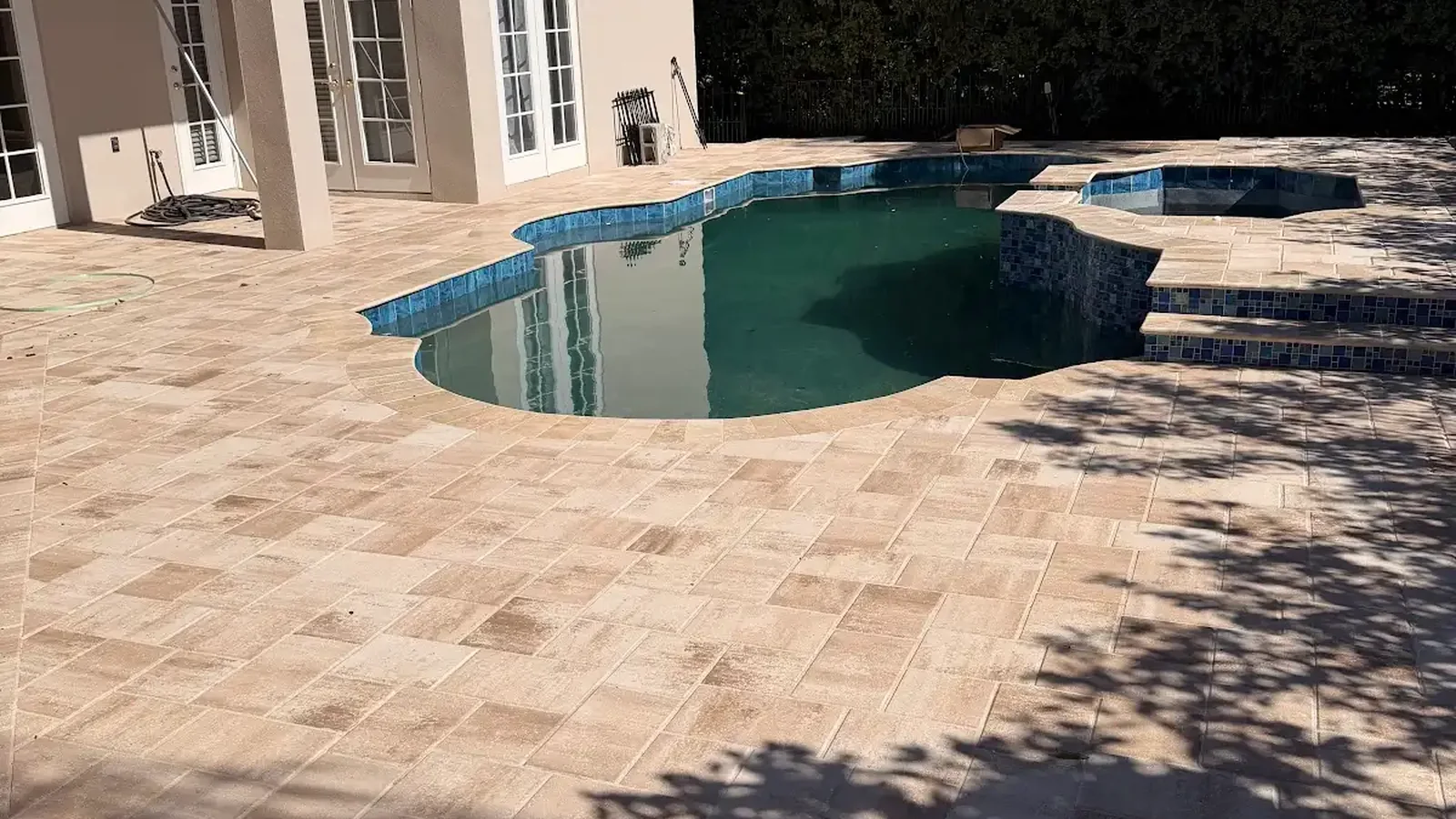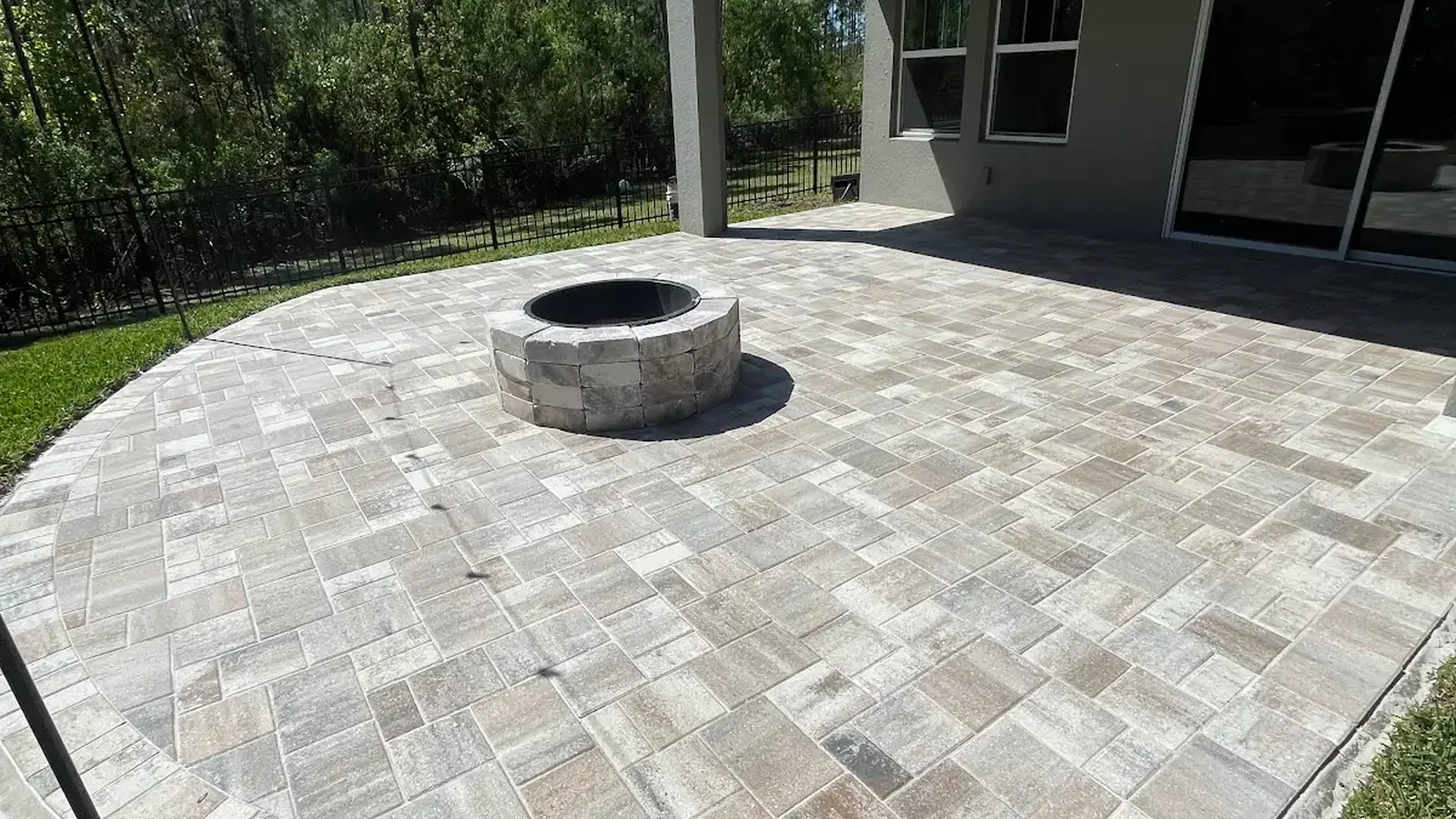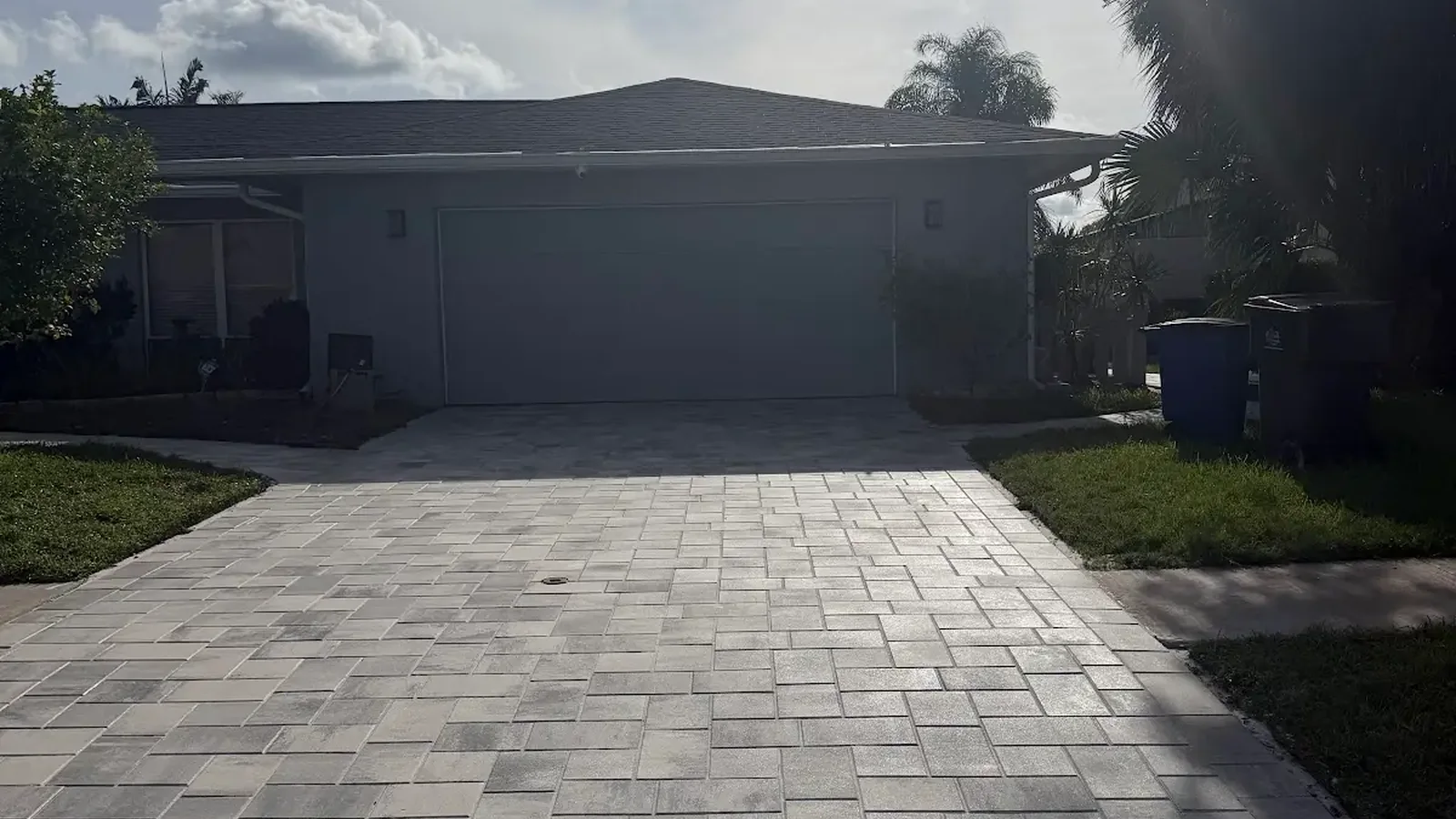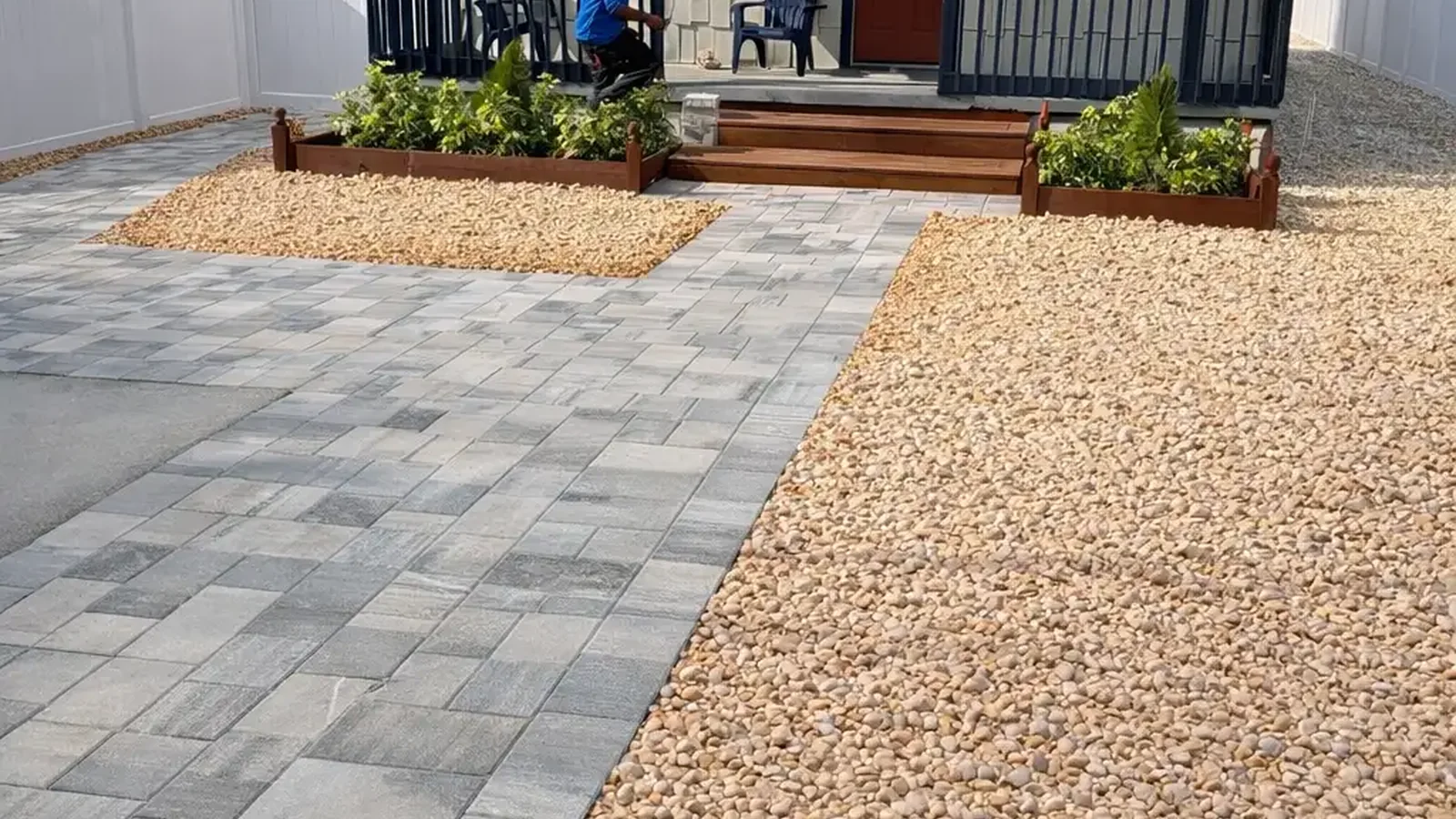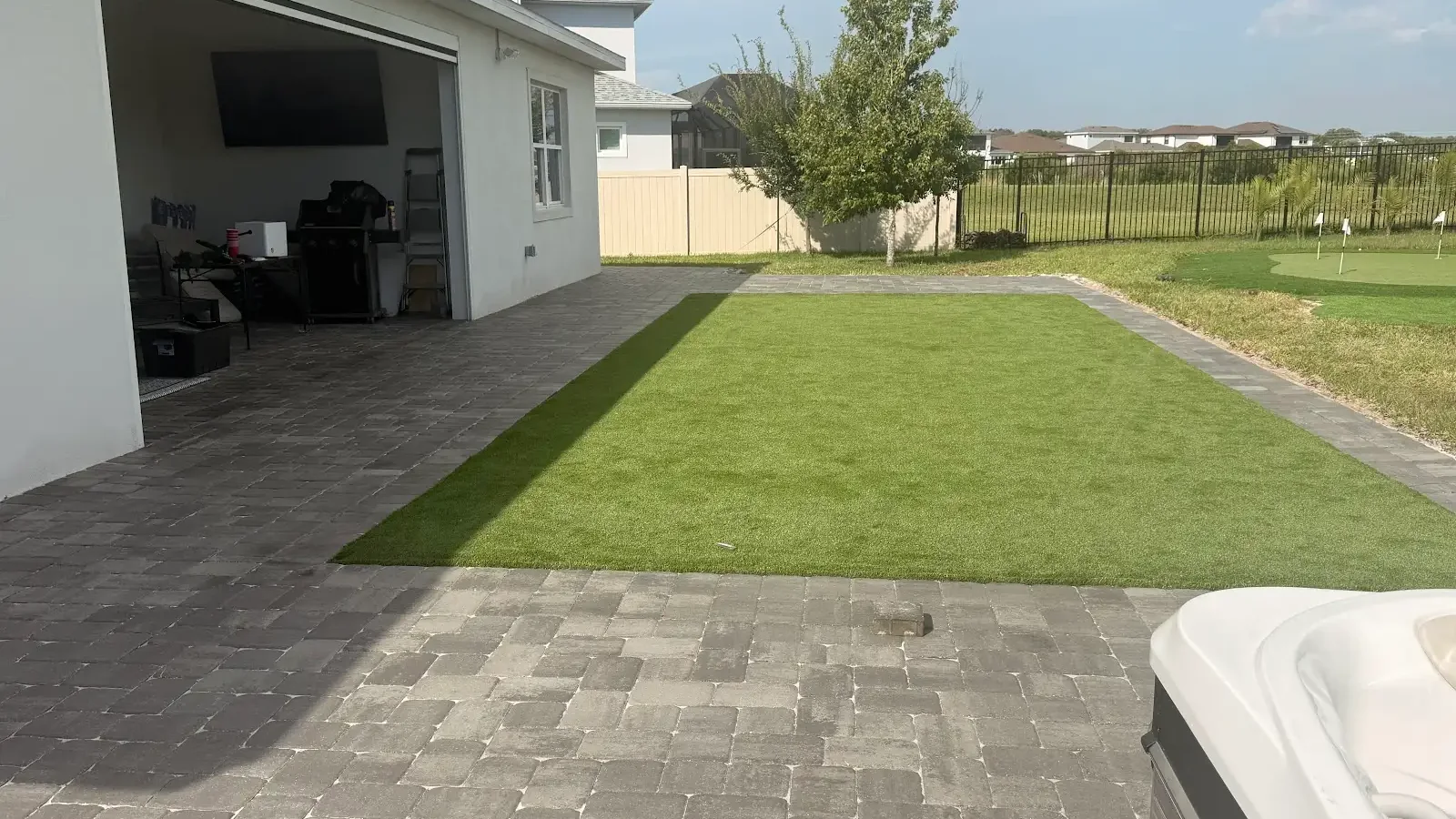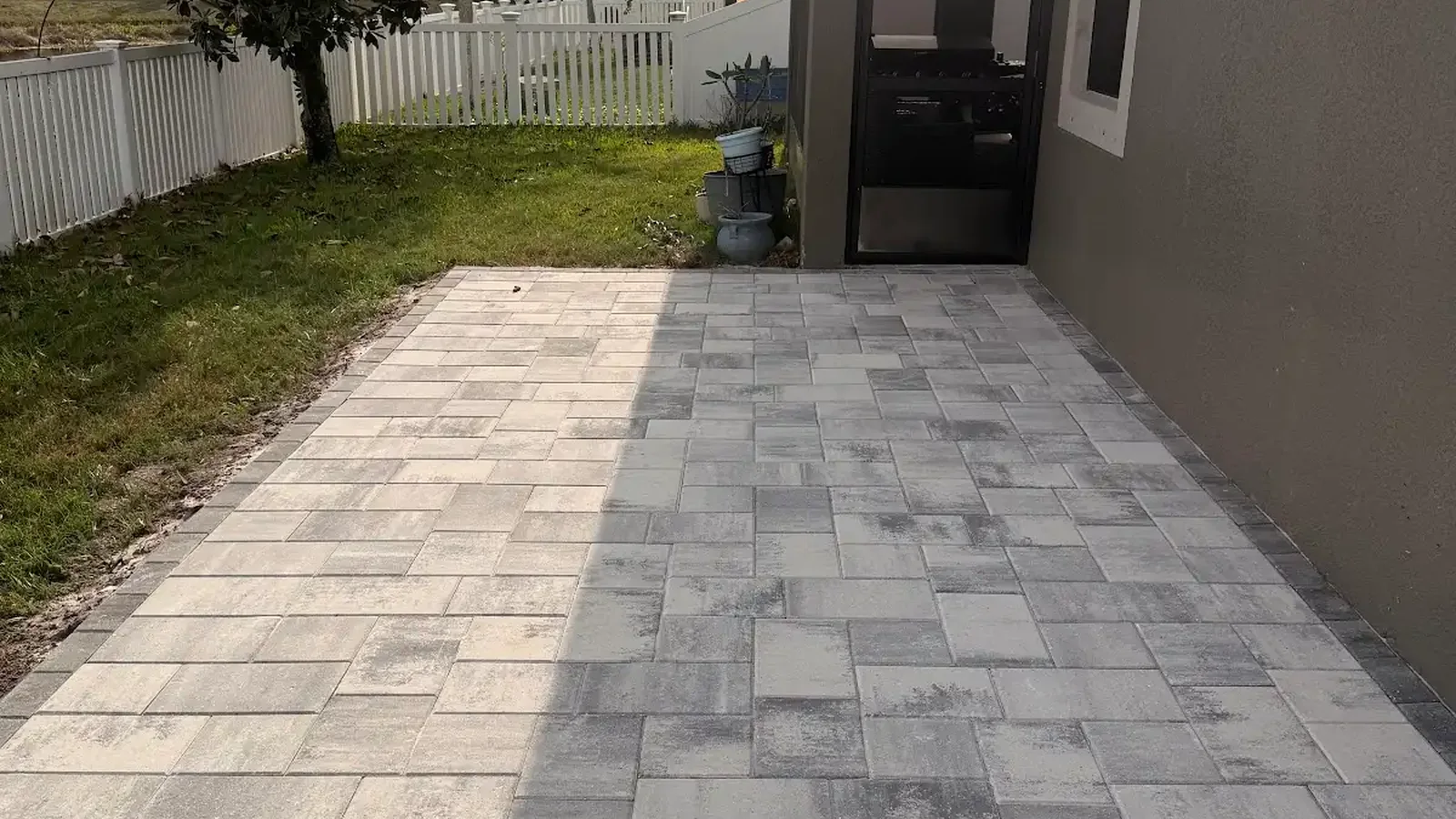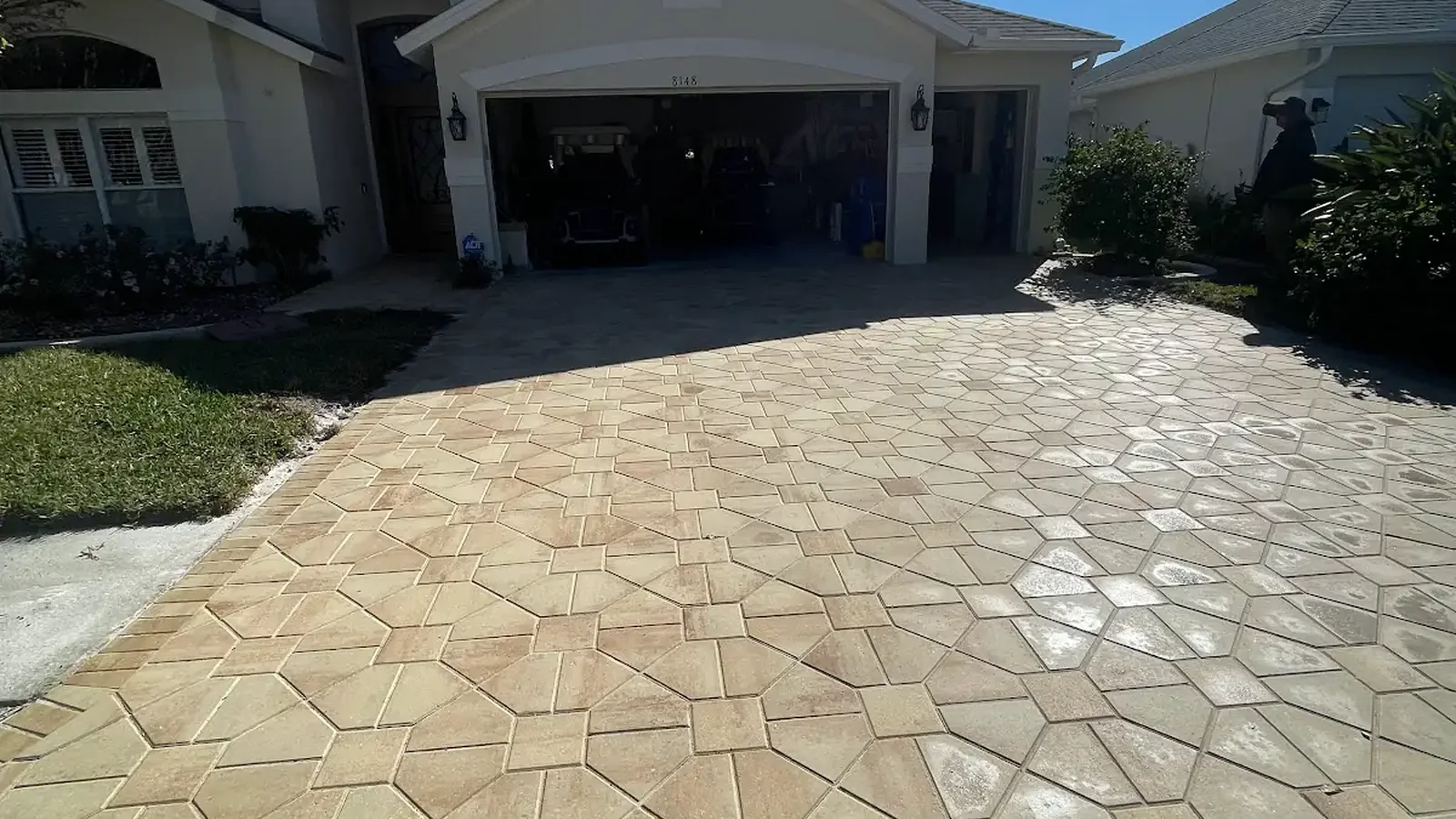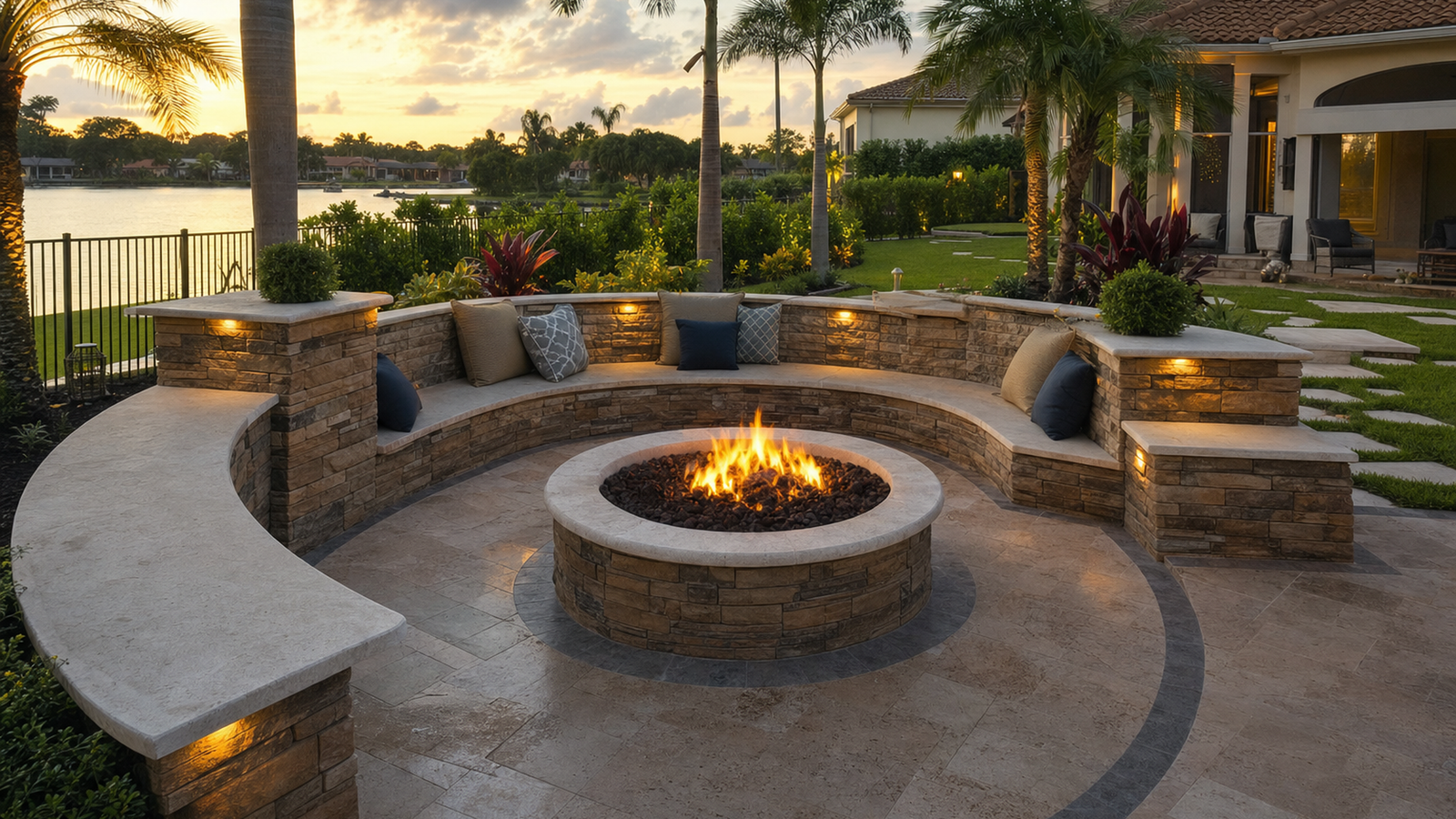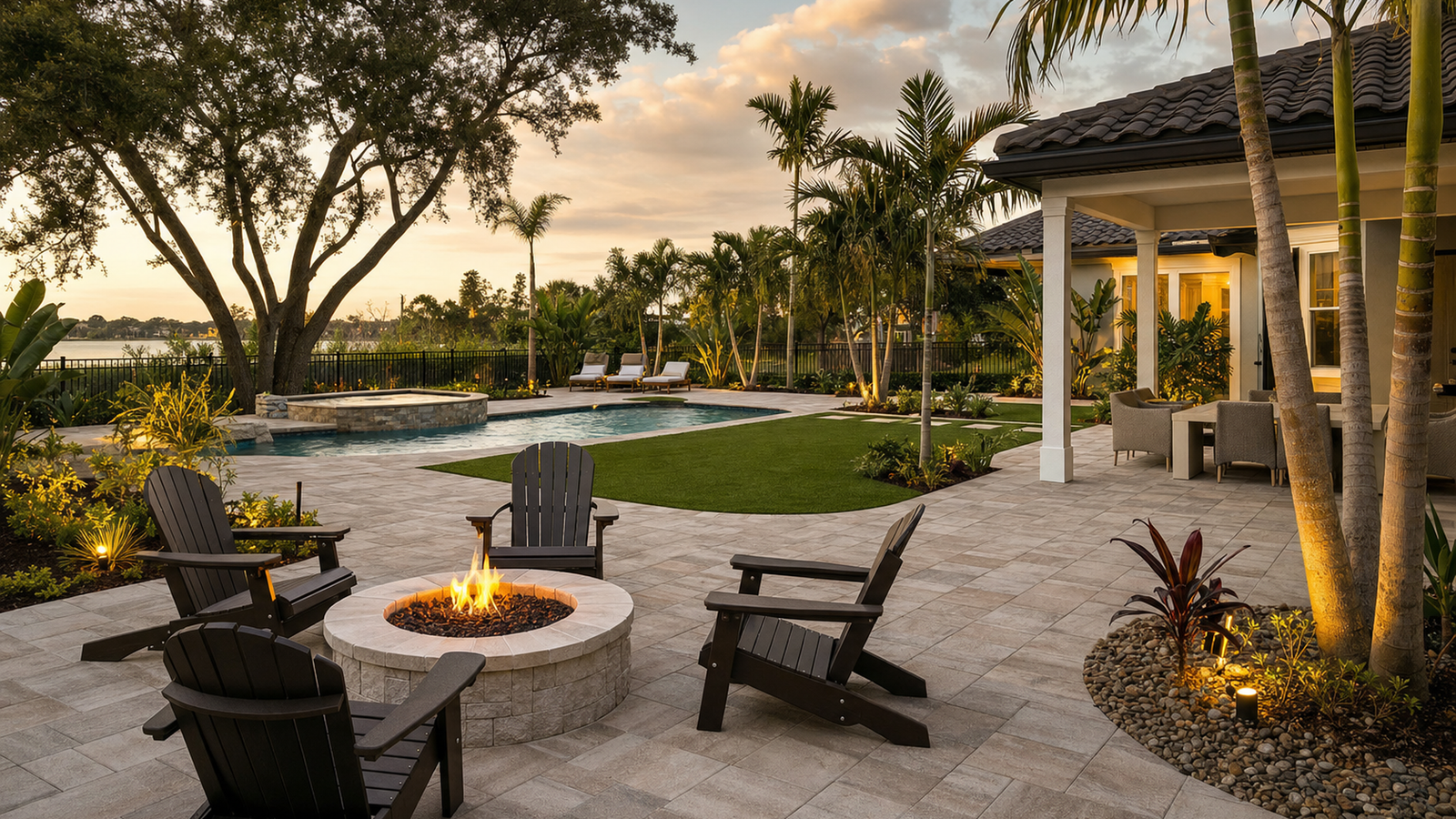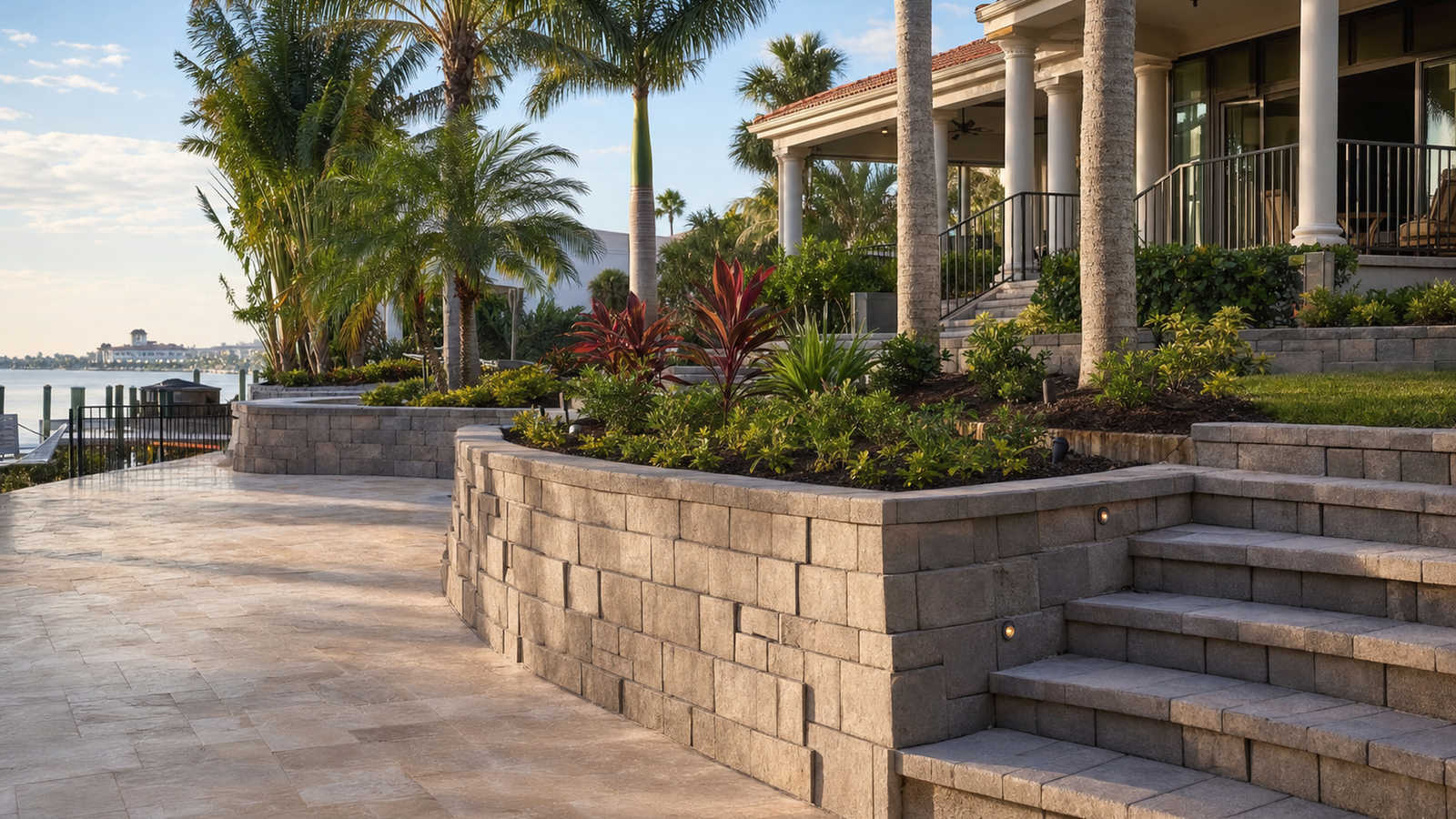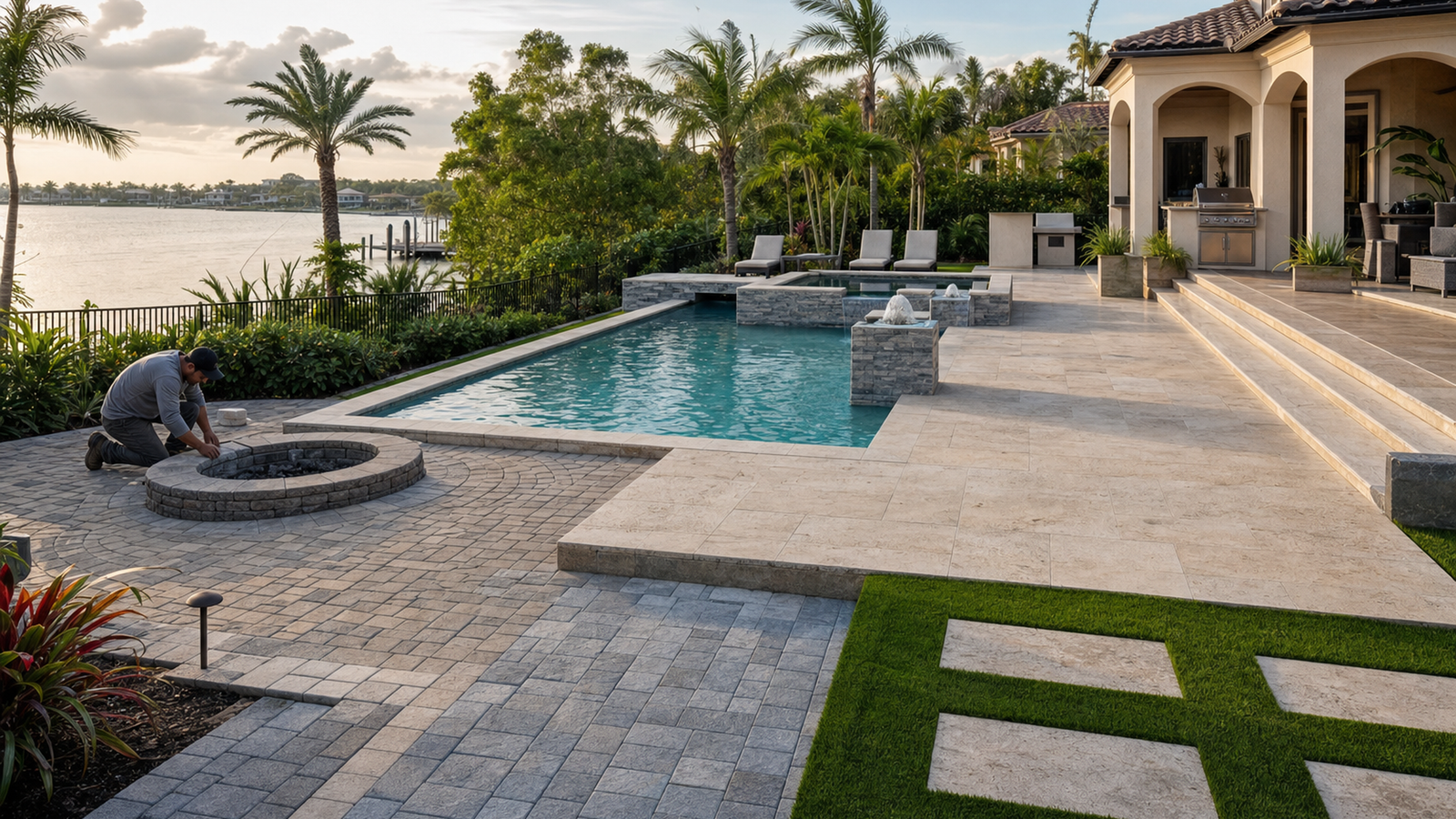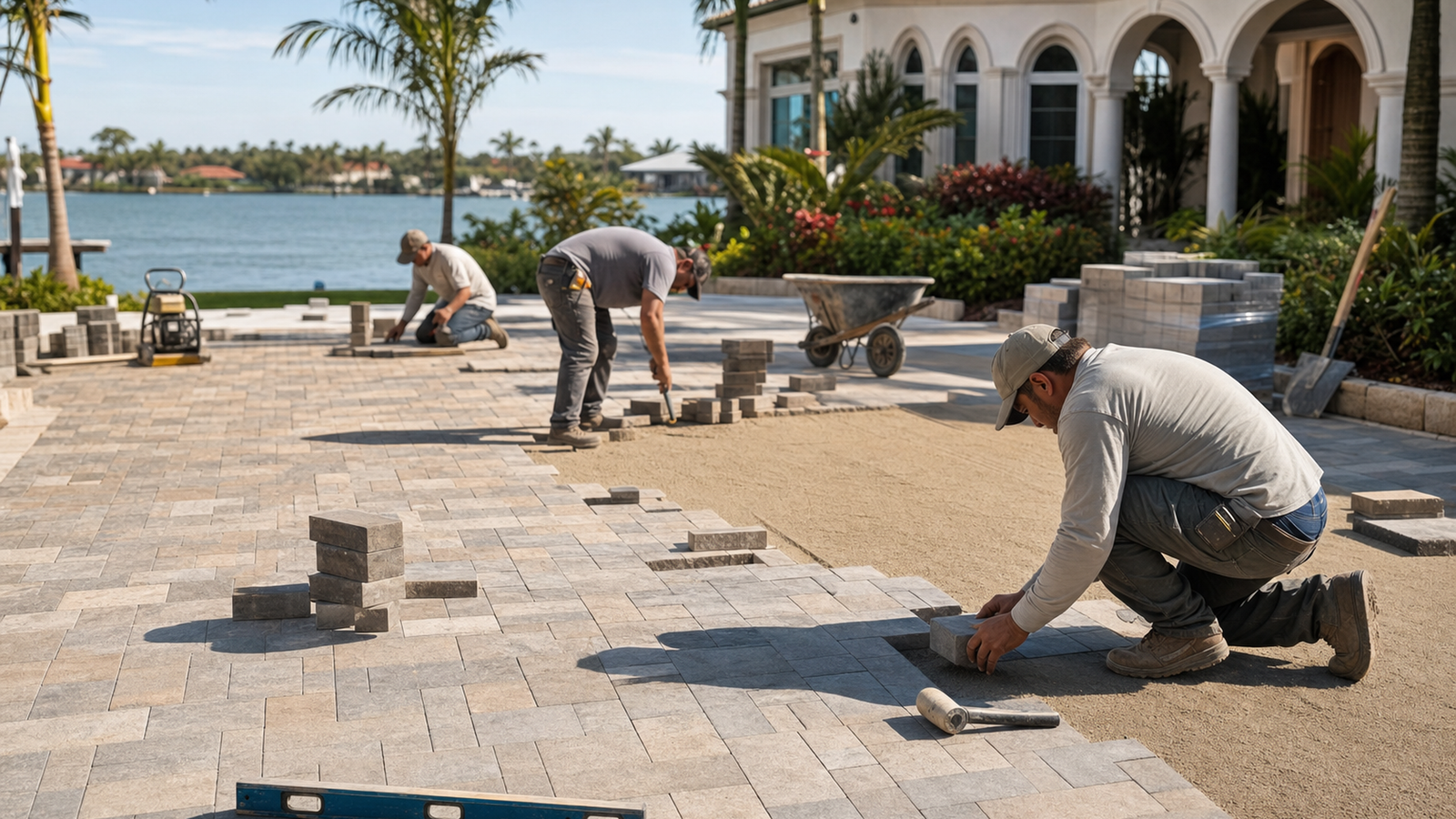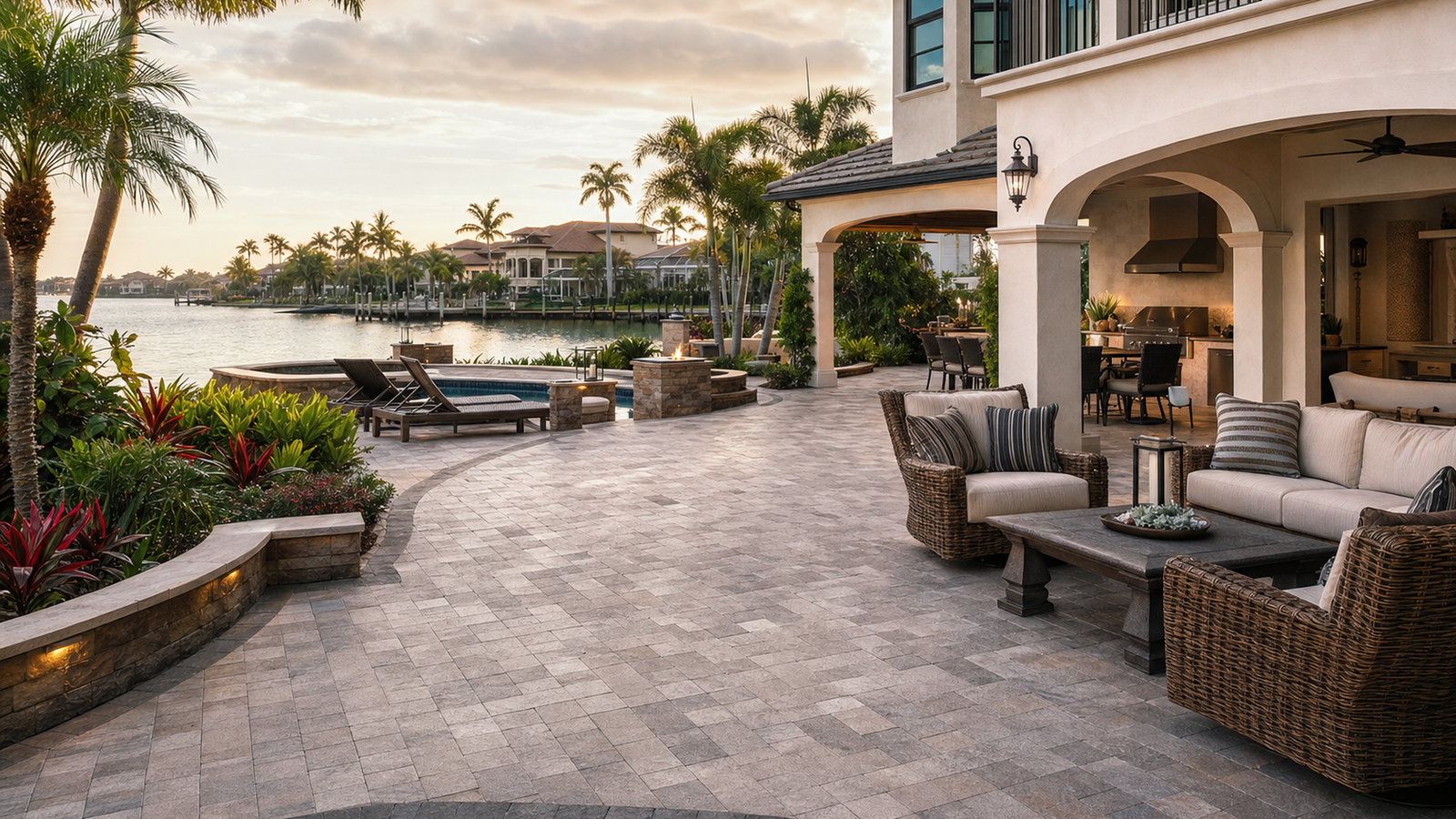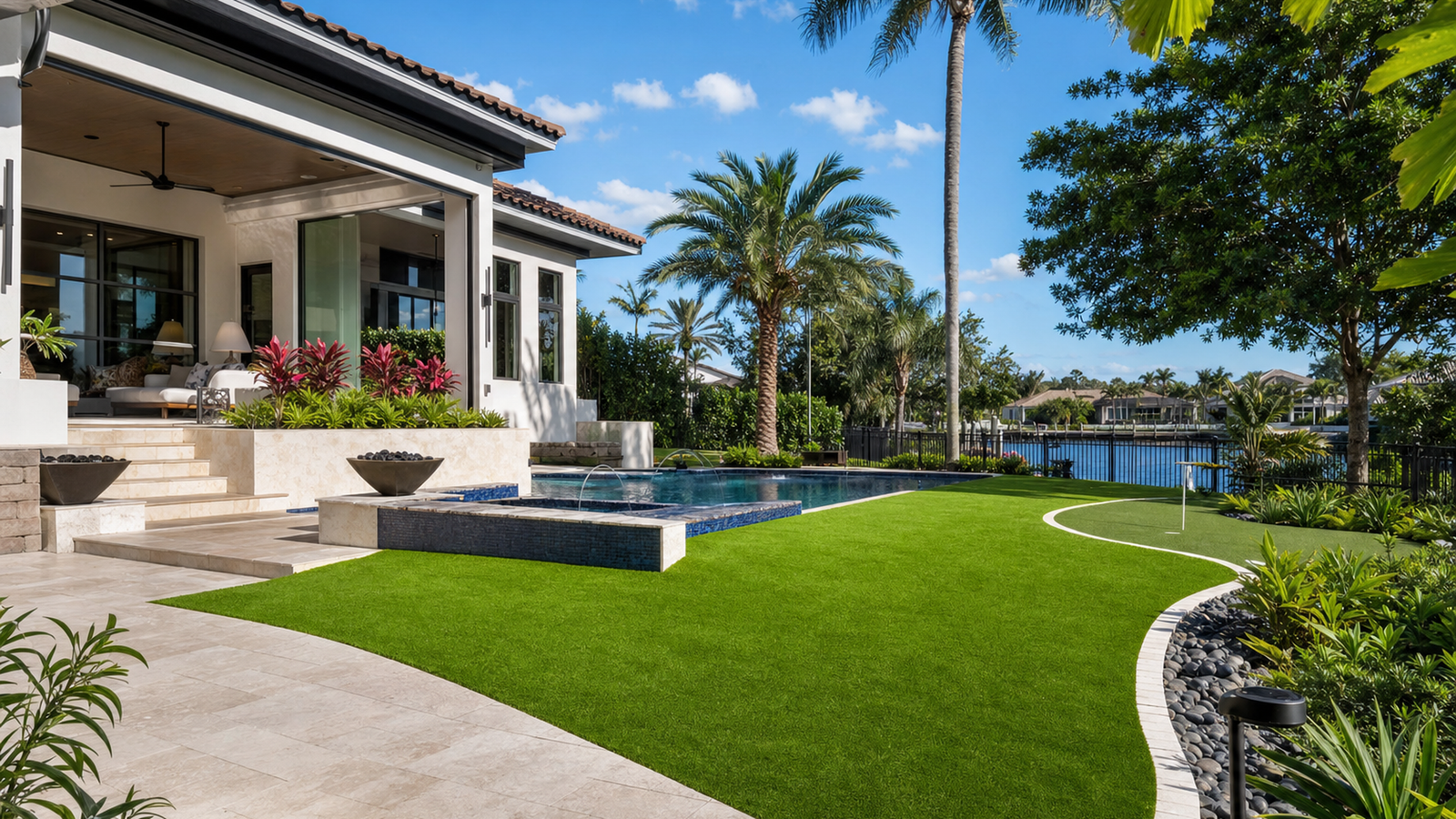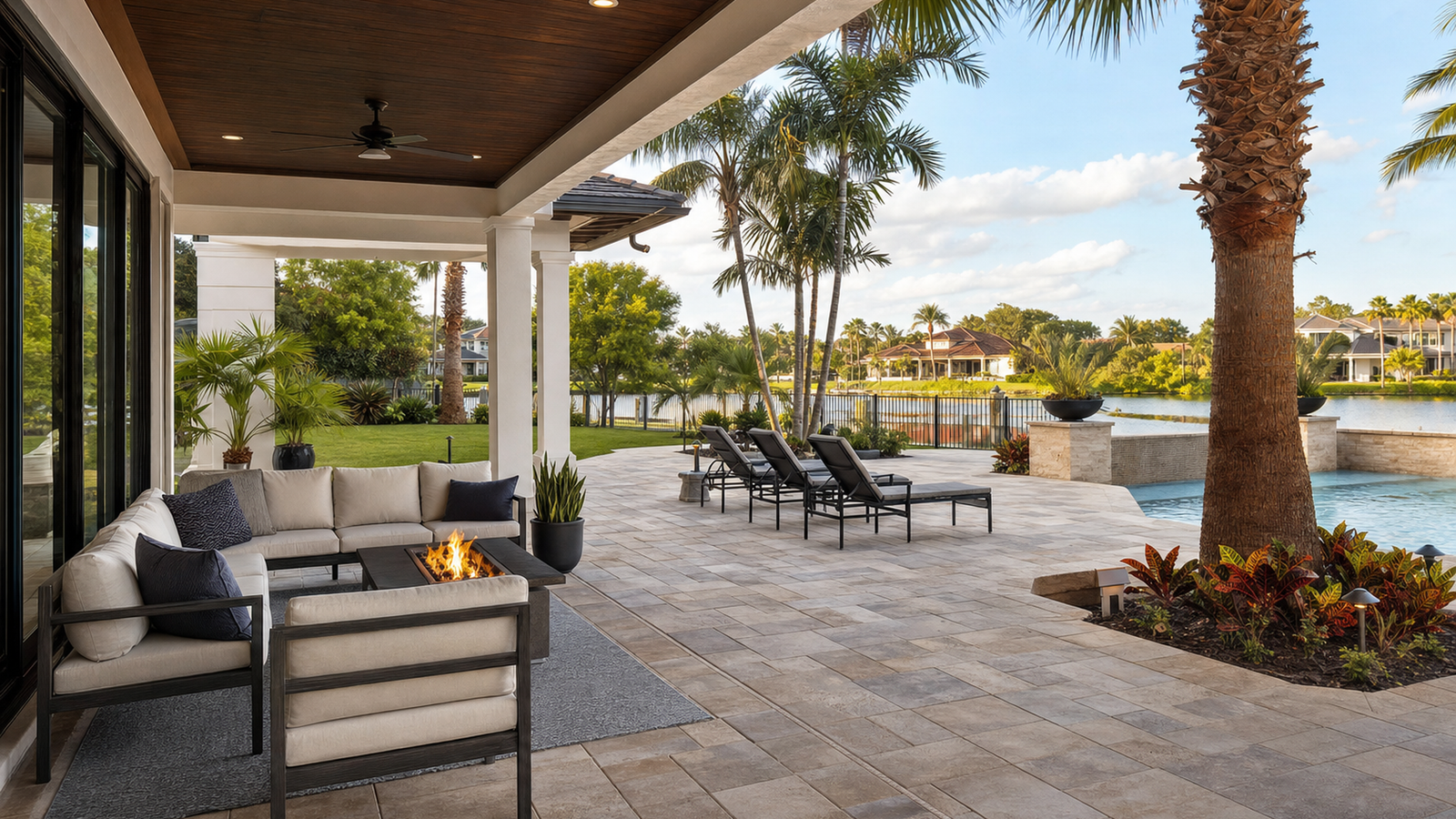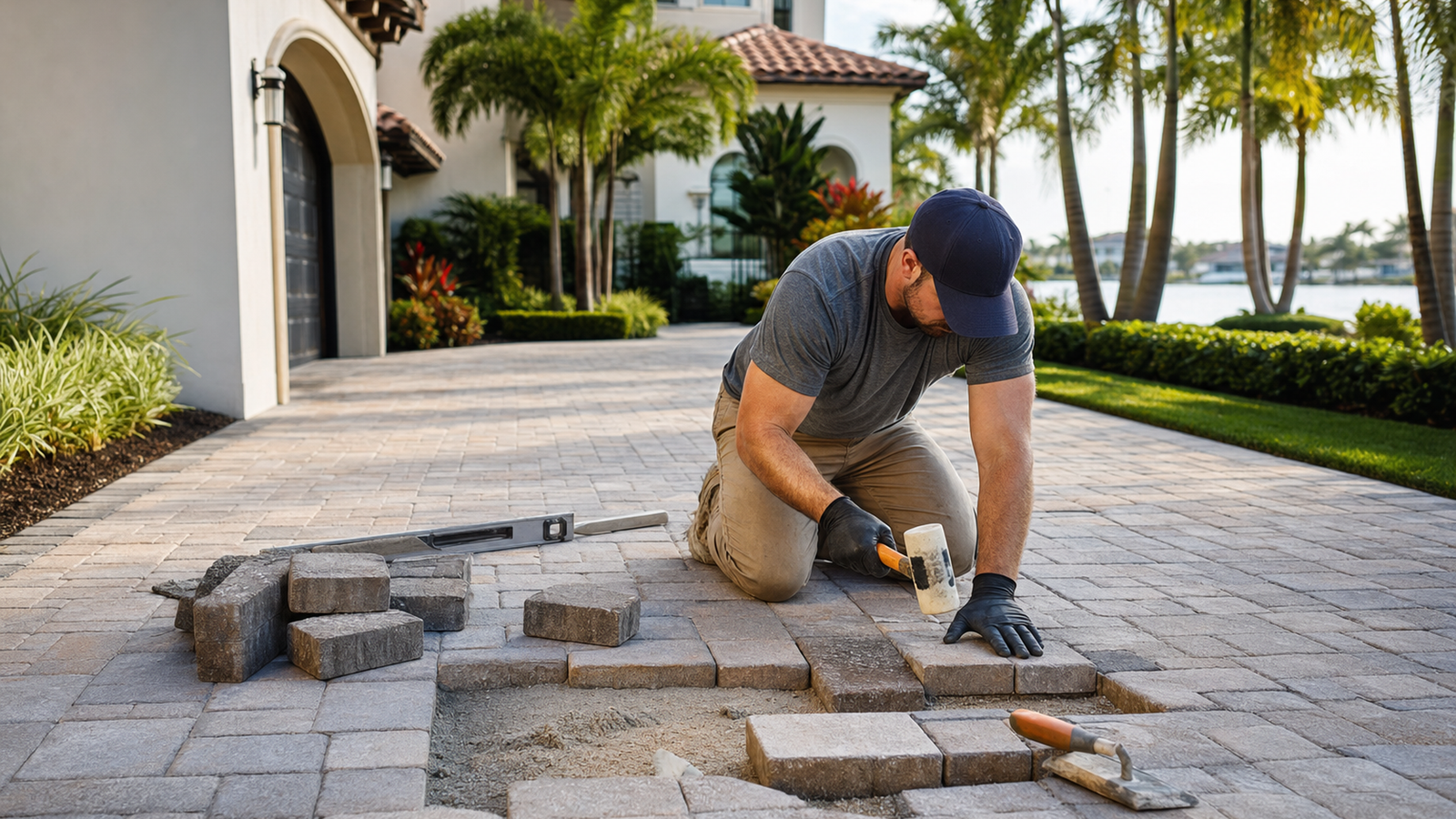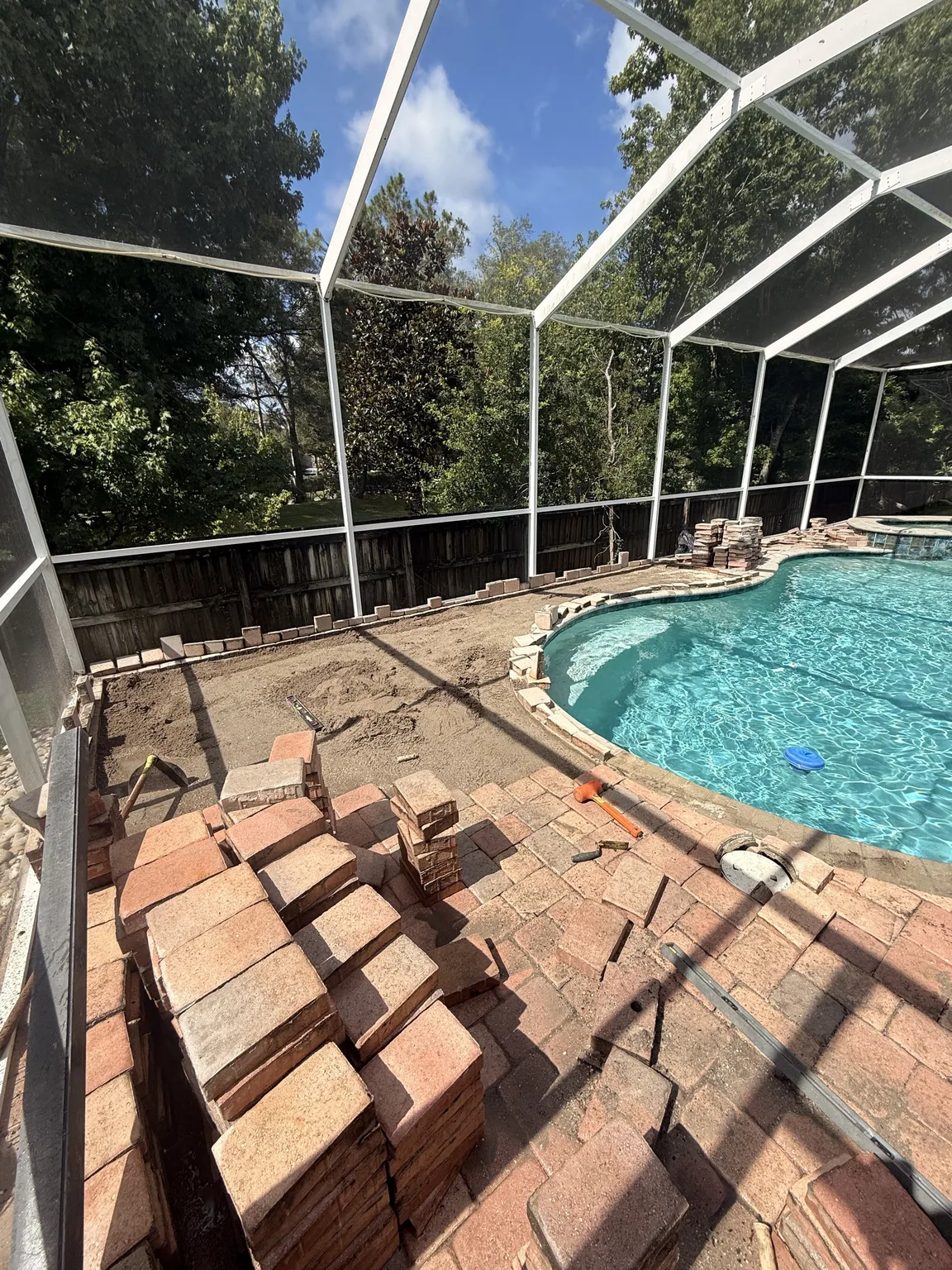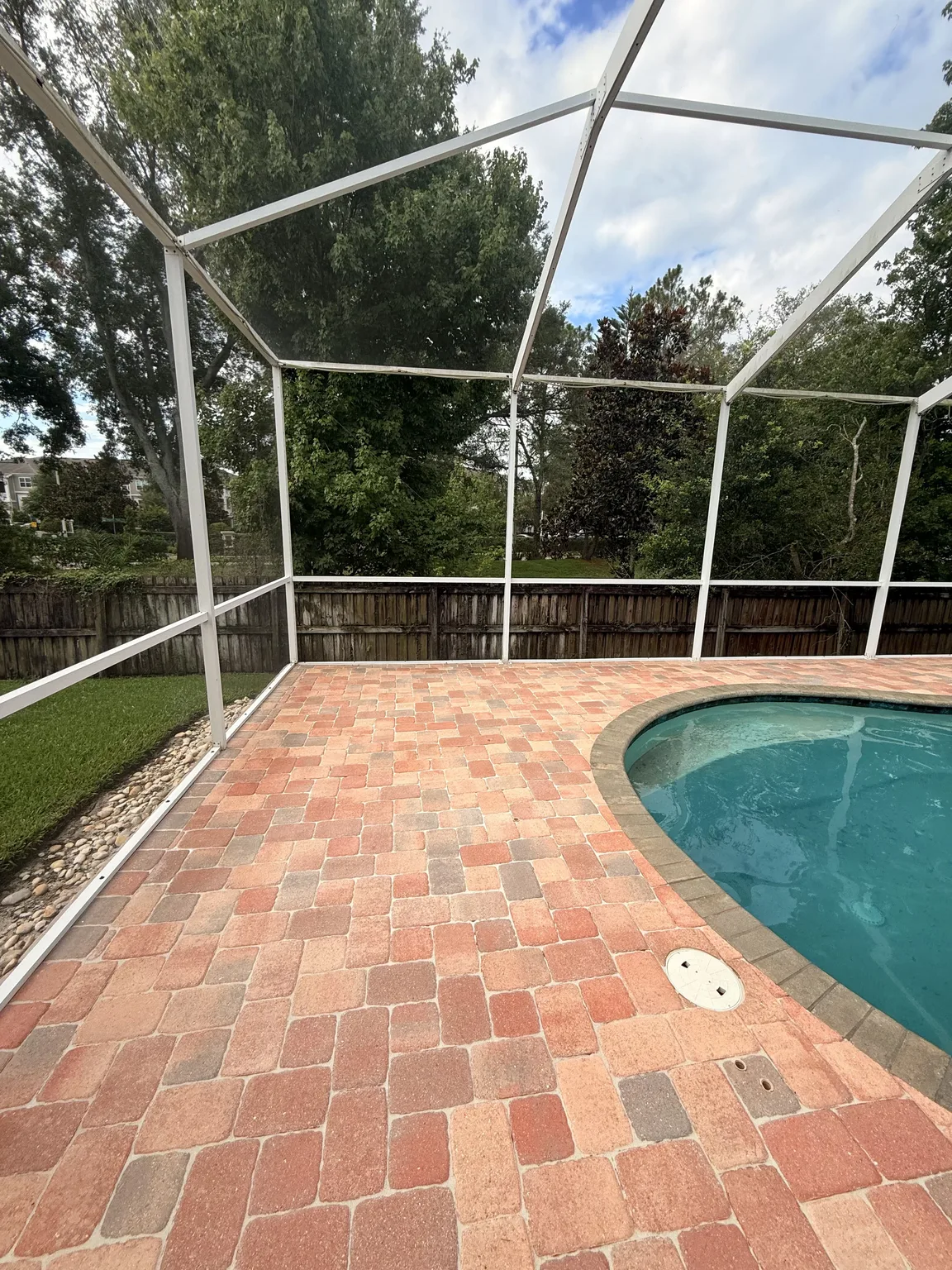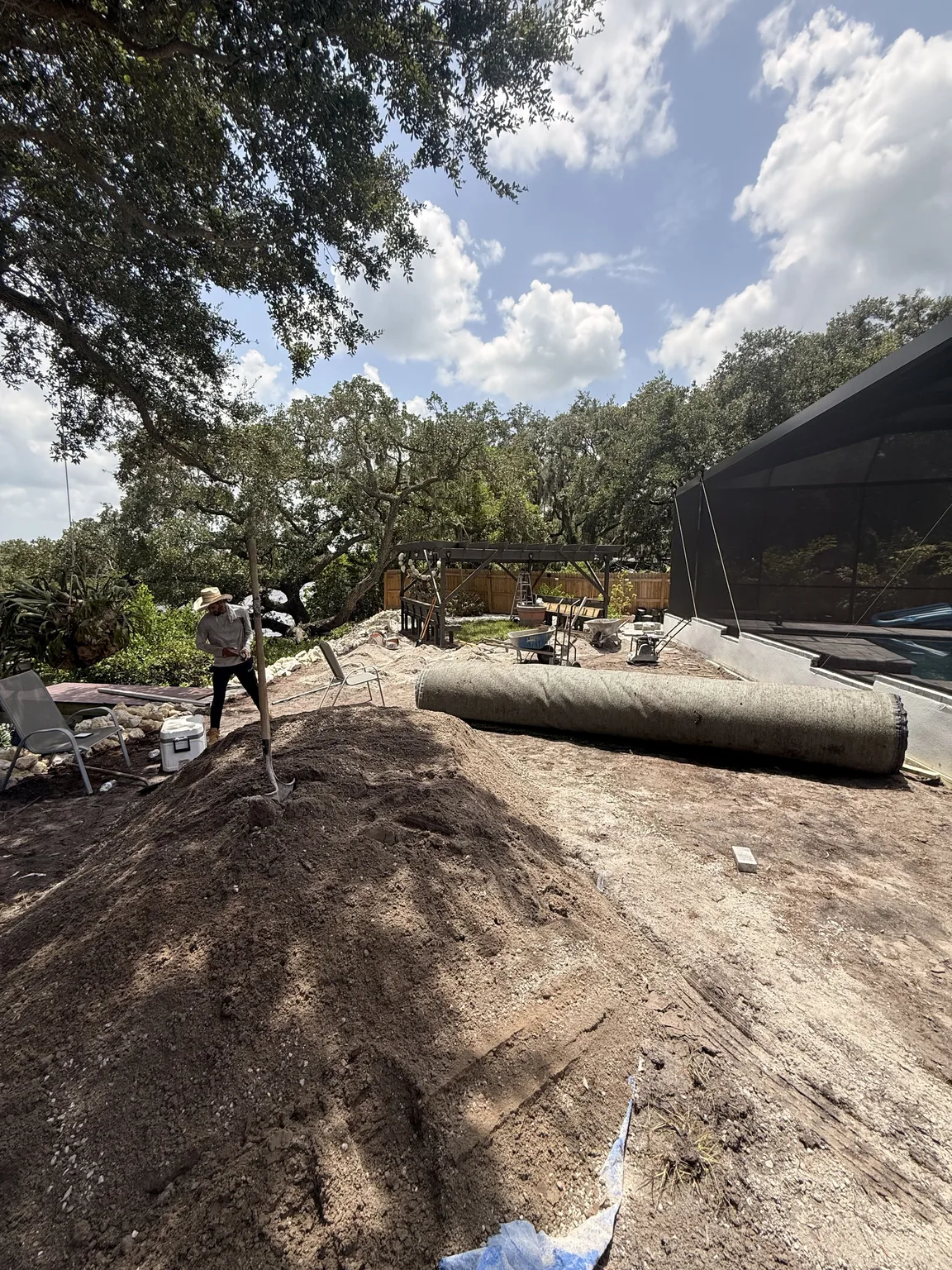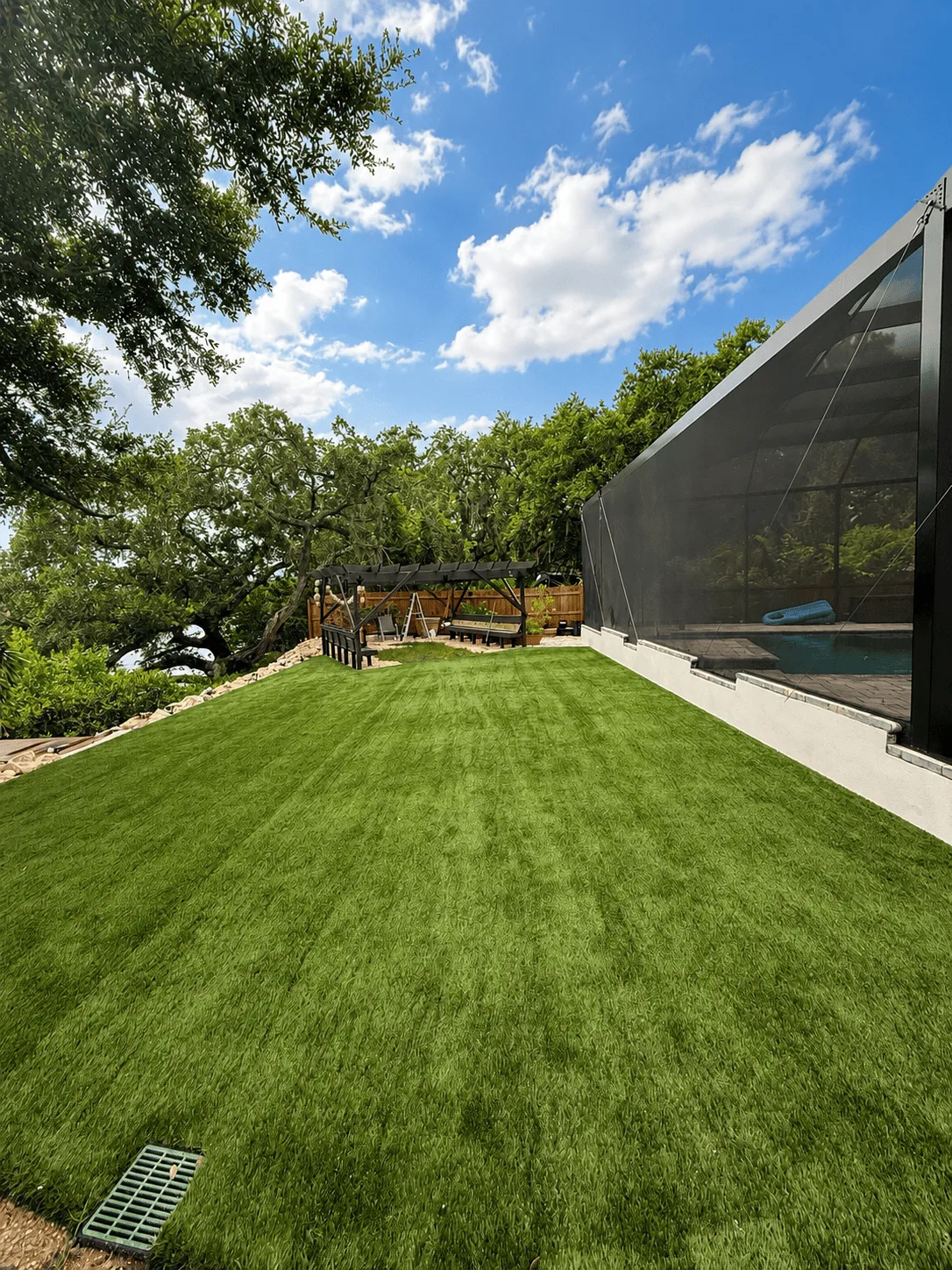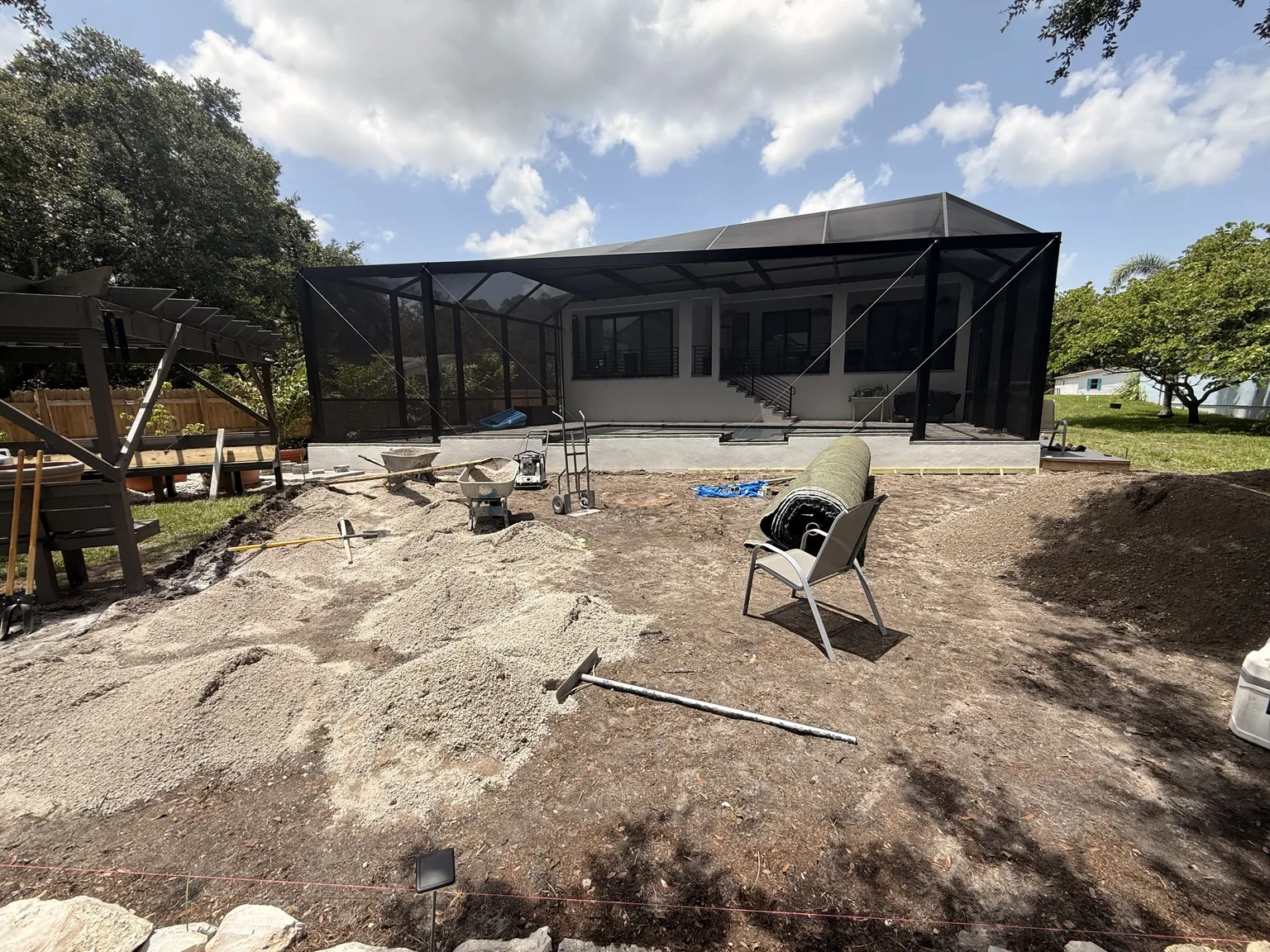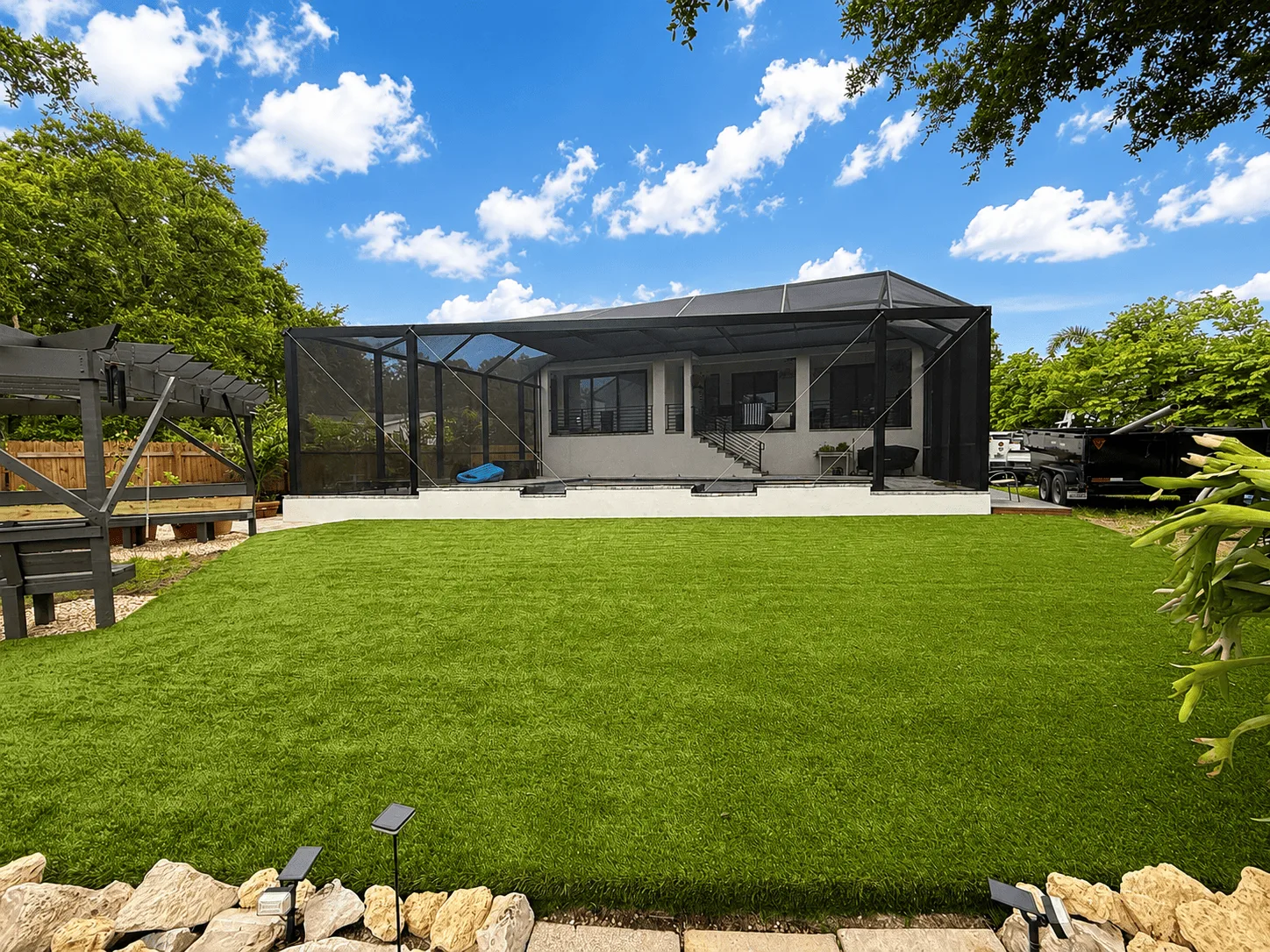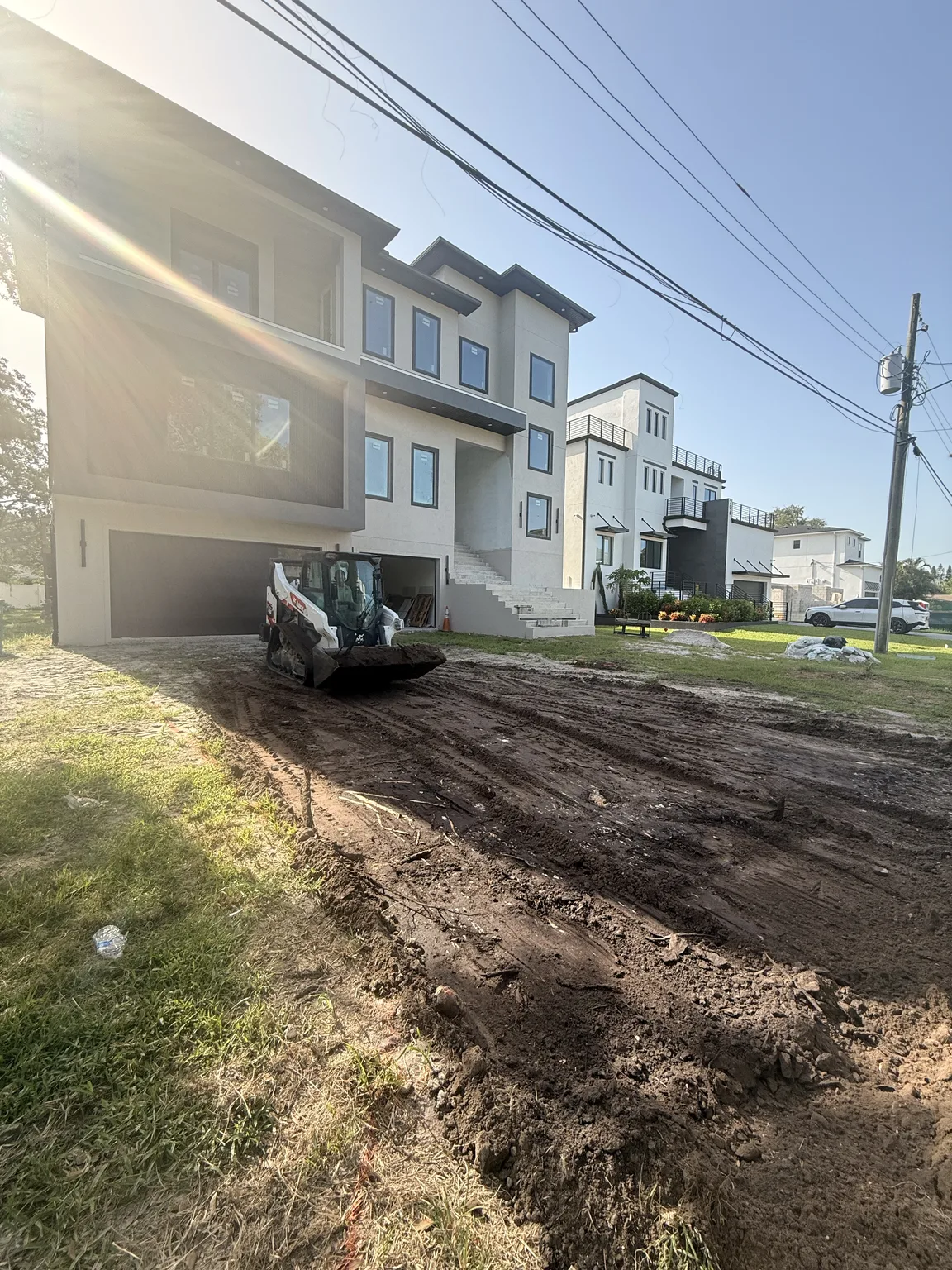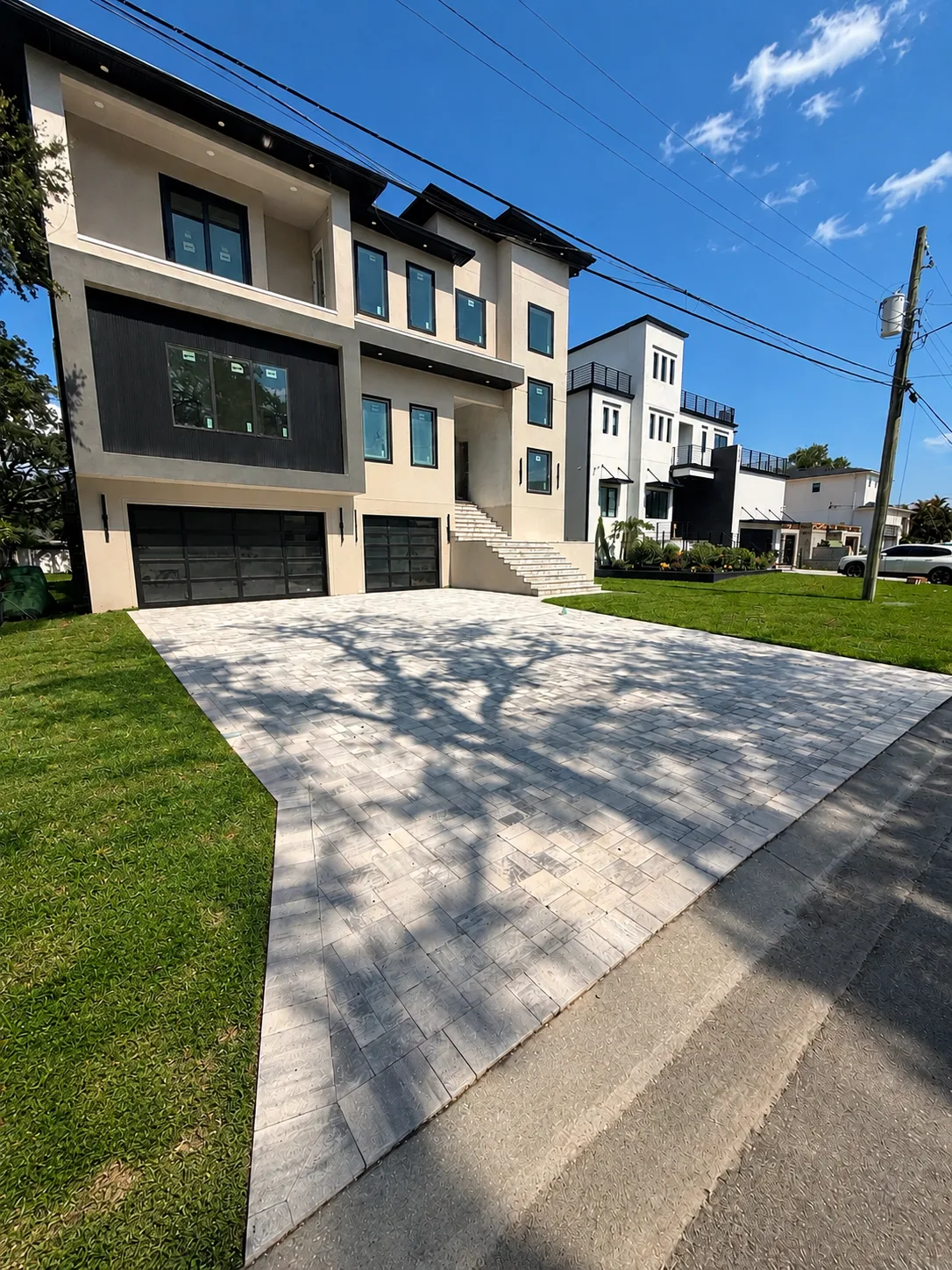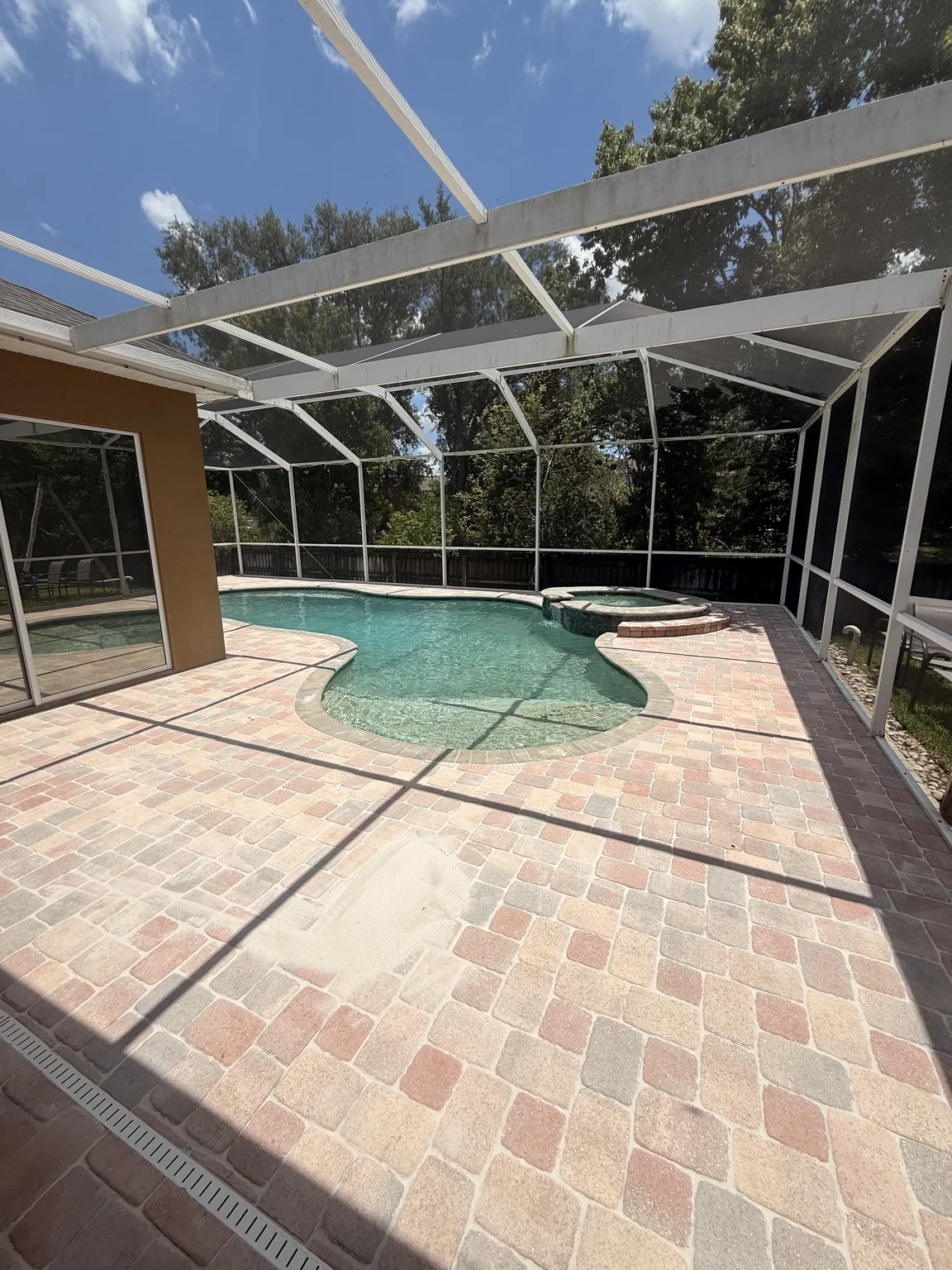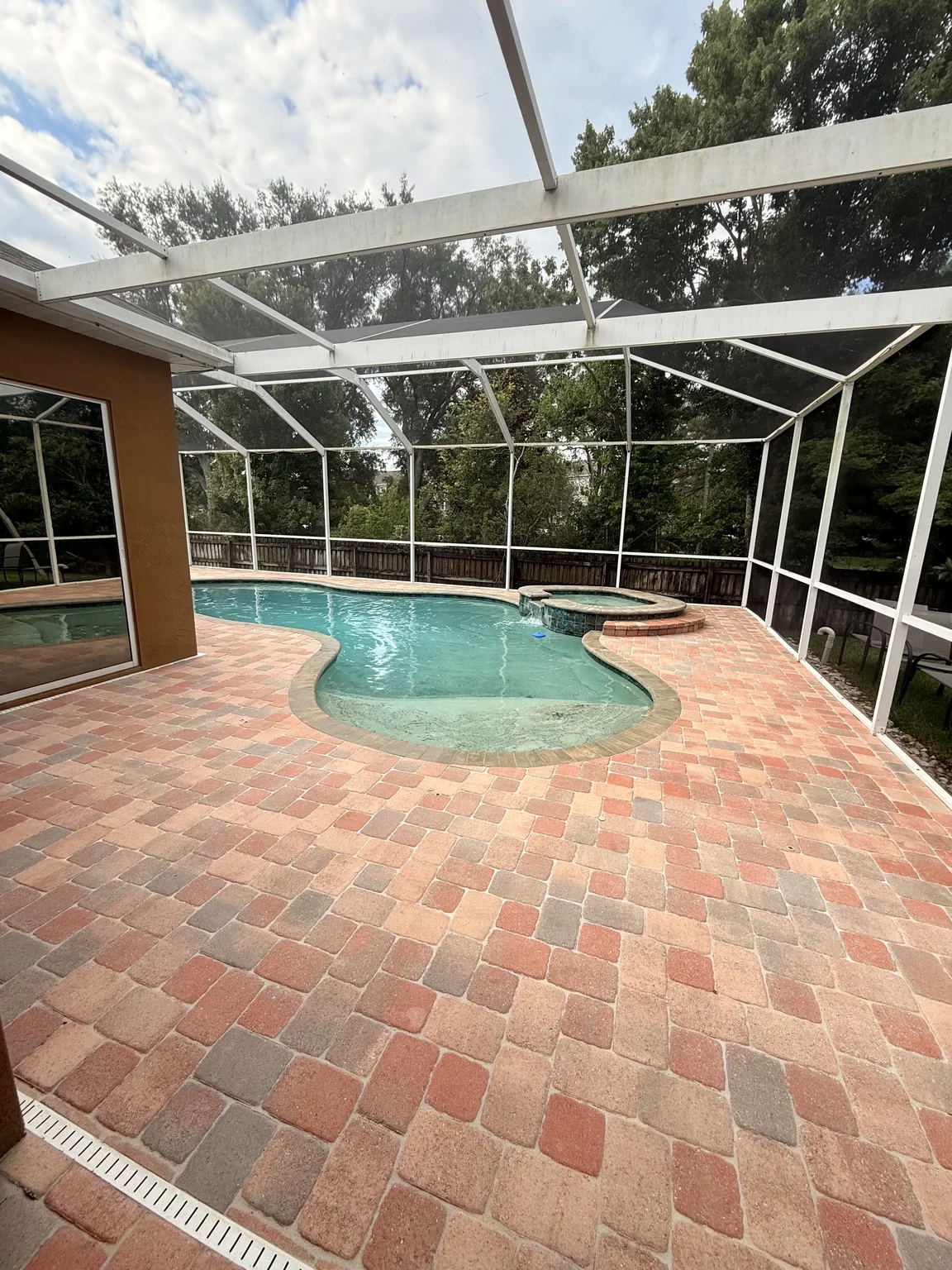
Do pavers get hot in Florida sunshine, and the honest answer is that every outdoor surface gains heat when it sits in direct sun. However, the temperature you feel underfoot depends on color, material, finish, moisture, shade, and the hour of the day. A pale concrete paver beside a screened pool can behave very differently from a dark, dense unit on an open west-facing patio. Therefore, Tampa Bay homeowners should compare the complete setting instead of judging every paver by one sample.
Ultimately, In practice, comfort matters most where people walk barefoot, children play, or pets cross the yard. Still, heat is only one design factor alongside traction, maintenance, load capacity, and appearance. A surface that feels cooler but becomes slick when wet may be a poor fit beside a pool. Likewise, a beautiful dark driveway may be comfortable because users rarely stand on it without shoes. Accordingly, the right choice starts with how each zone will actually be used.
Why do pavers get hot under Florida sun?
First, sunlight delivers energy to the exposed surface, and the material absorbs part of that energy as heat. Darker colors generally absorb more visible light than lighter colors, although texture and composition also influence the result. Meanwhile, a surface loses heat through air movement, contact, and radiation back toward the sky. When strong midday sun adds energy faster than the surface can release it, the paver temperature rises above the surrounding air temperature.
Moreover, Florida conditions intensify the experience. Clear summer periods can combine high solar exposure with warm air and humid, still pockets. Even so, humidity alone does not determine whether do pavers get hot enough to feel uncomfortable. A breezy deck with intermittent shade may cool faster than a protected courtyard surrounded by walls. The practical lesson is to observe sun direction, nearby structures, trees, screens, and typical walking routes before selecting a surface.
How do pavers get hot across different materials?
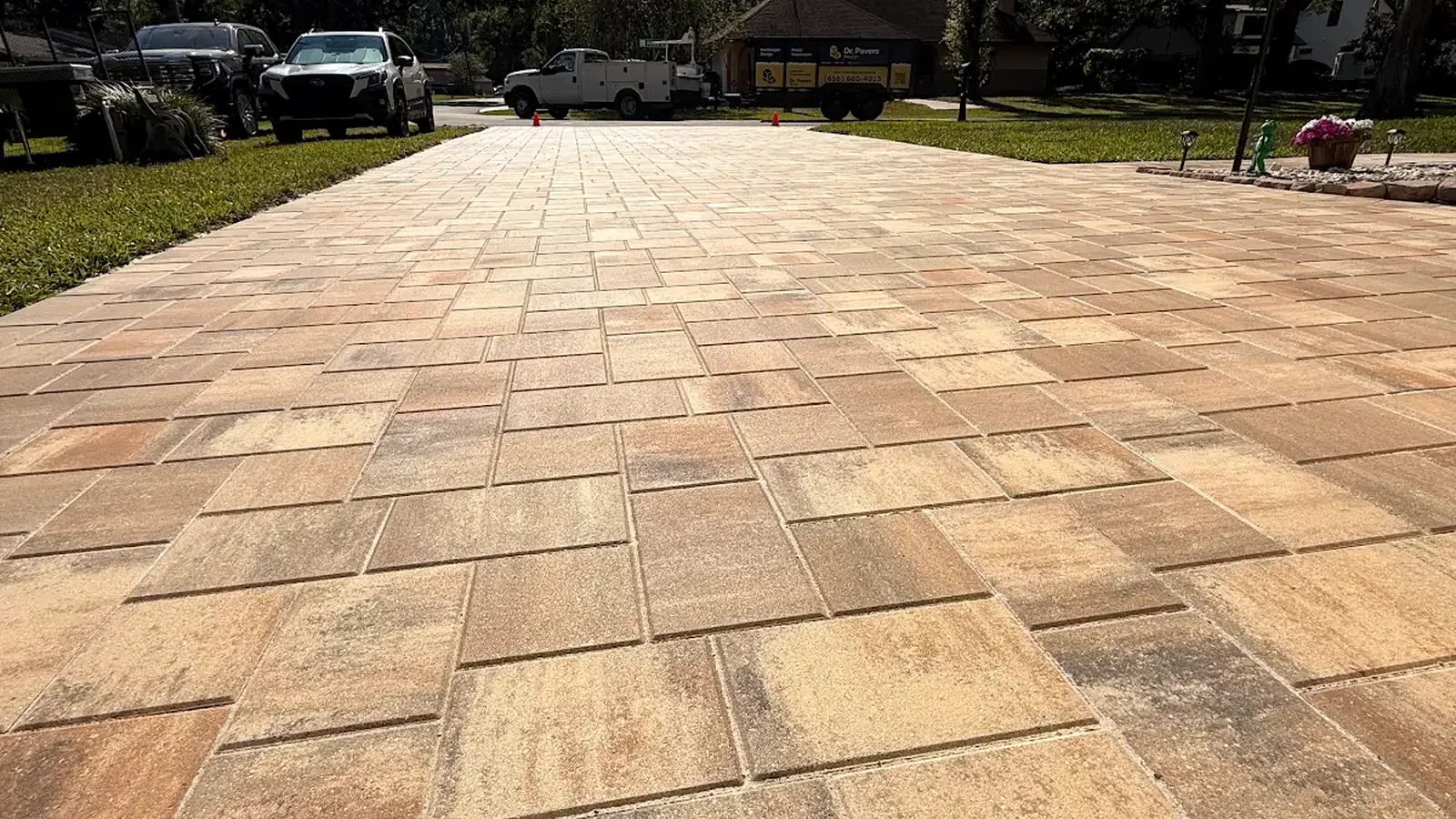
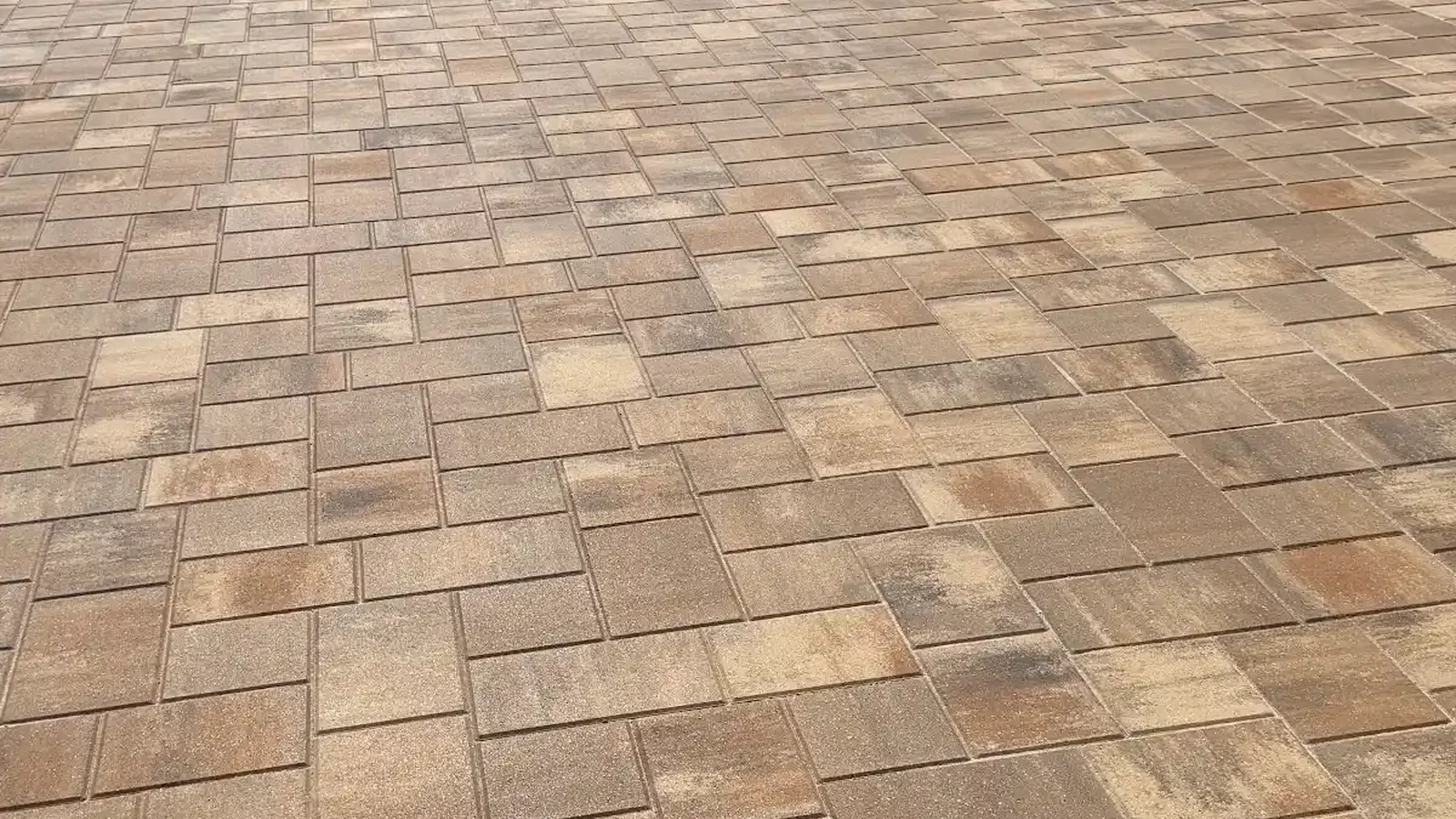
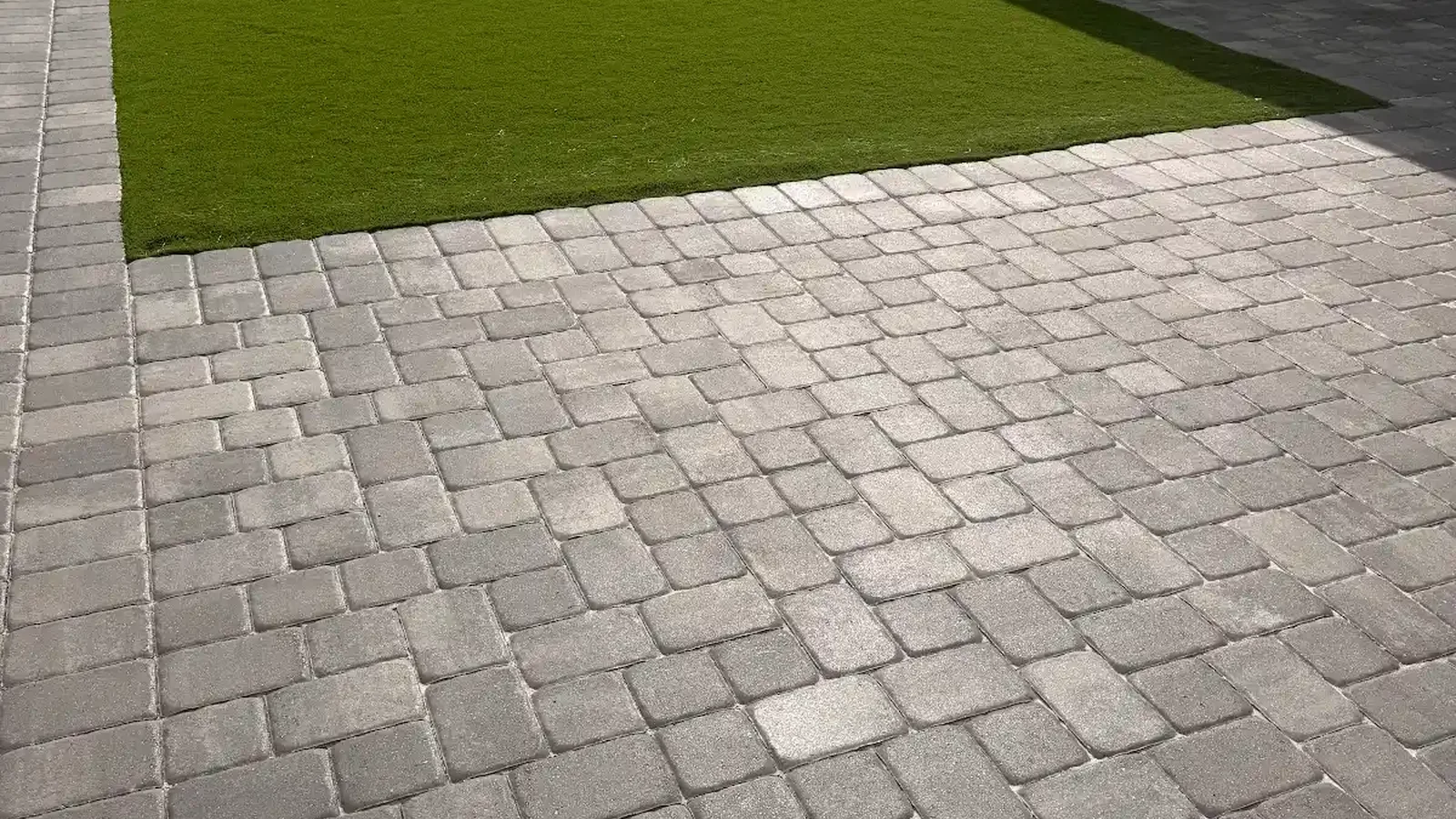
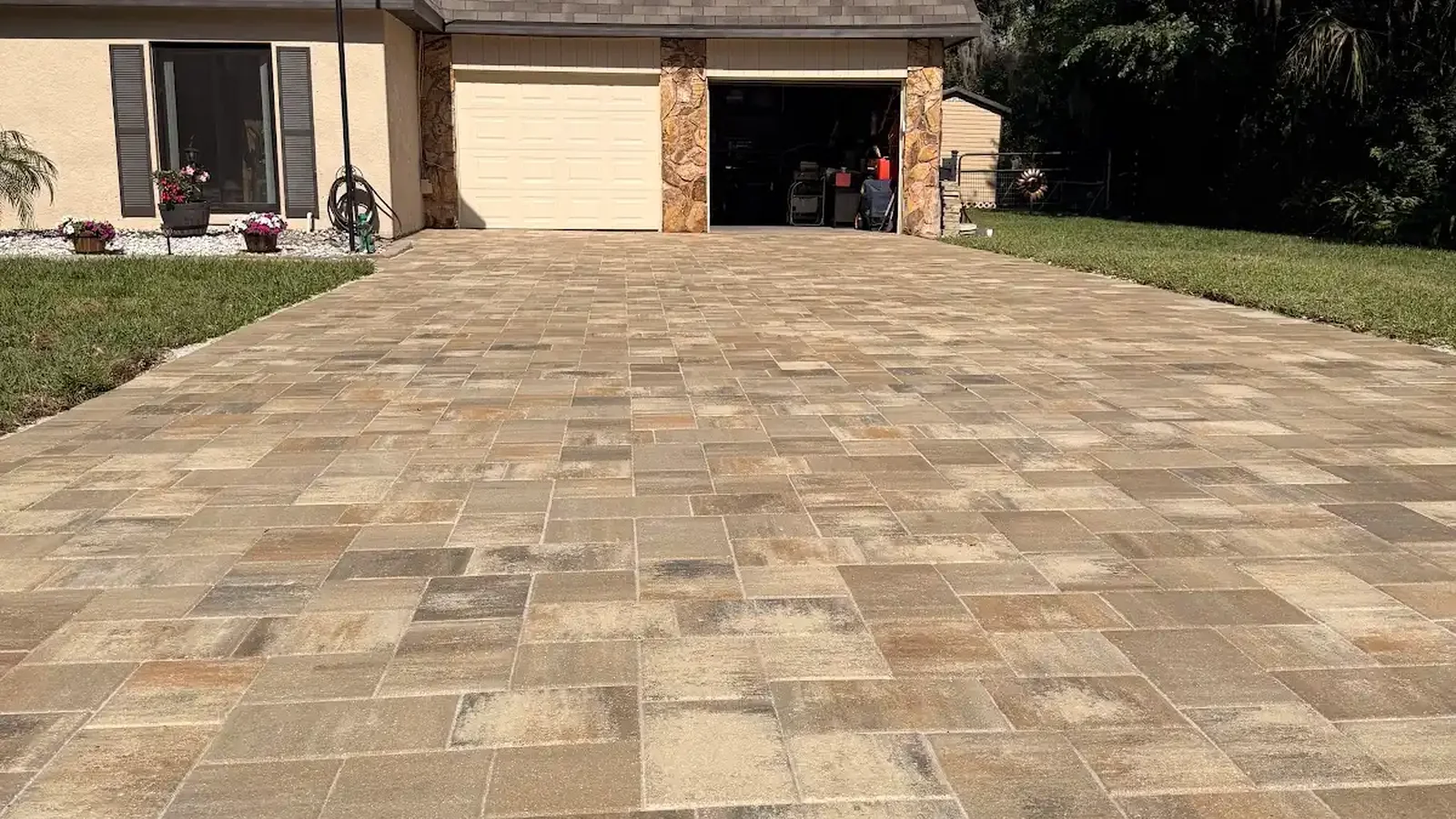
For concrete pavers, color and surface treatment often make a noticeable difference within the same product family. For example, a light sand or cream blend usually feels less intense in direct sun than charcoal or deep brown from a similar line. Nevertheless, homeowners should view full-size samples outdoors because small showroom chips cannot reproduce a broad sunlit field. The joint color and pattern also affect the overall visual tone, though the paver face remains the main contact surface.
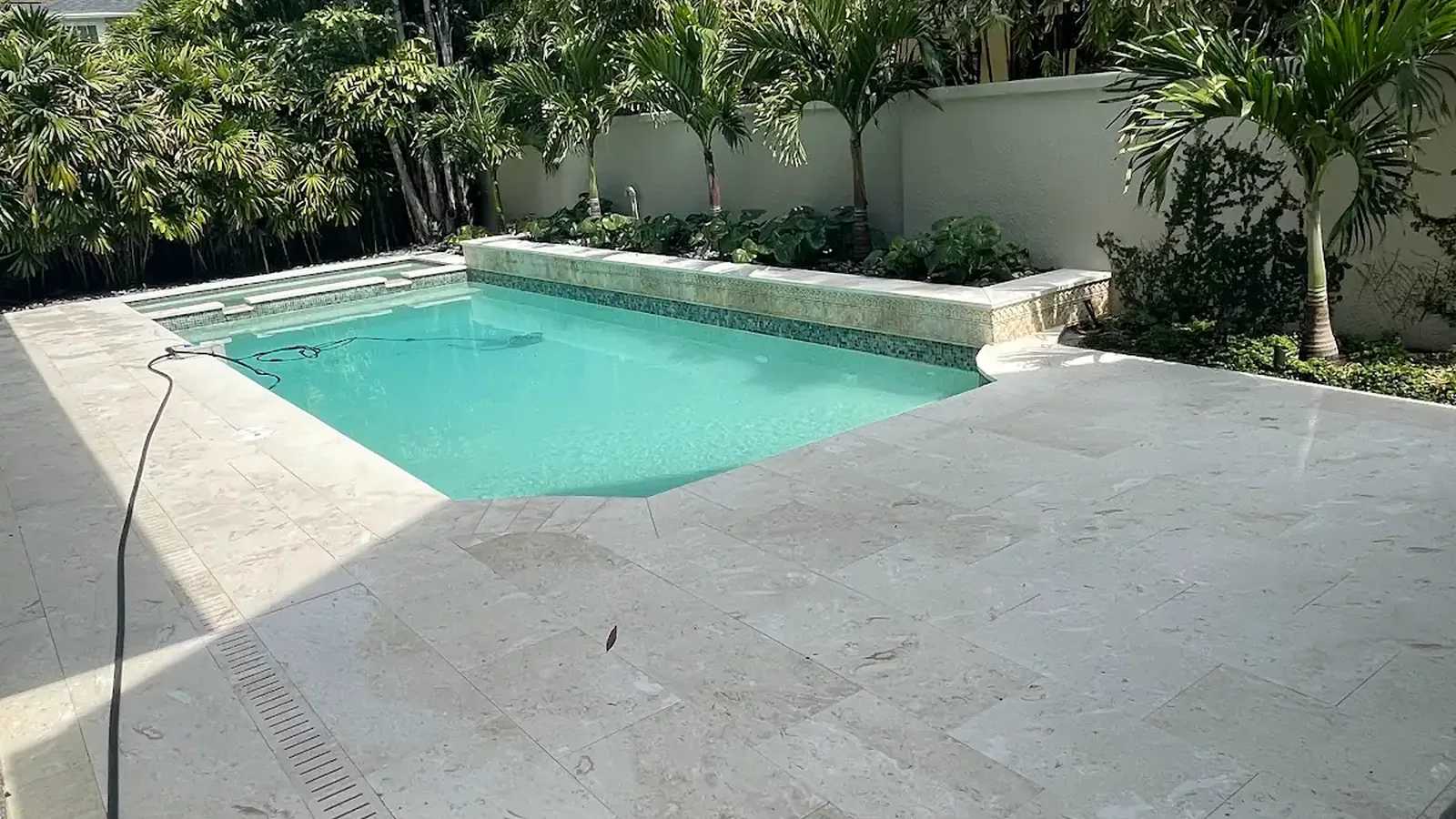
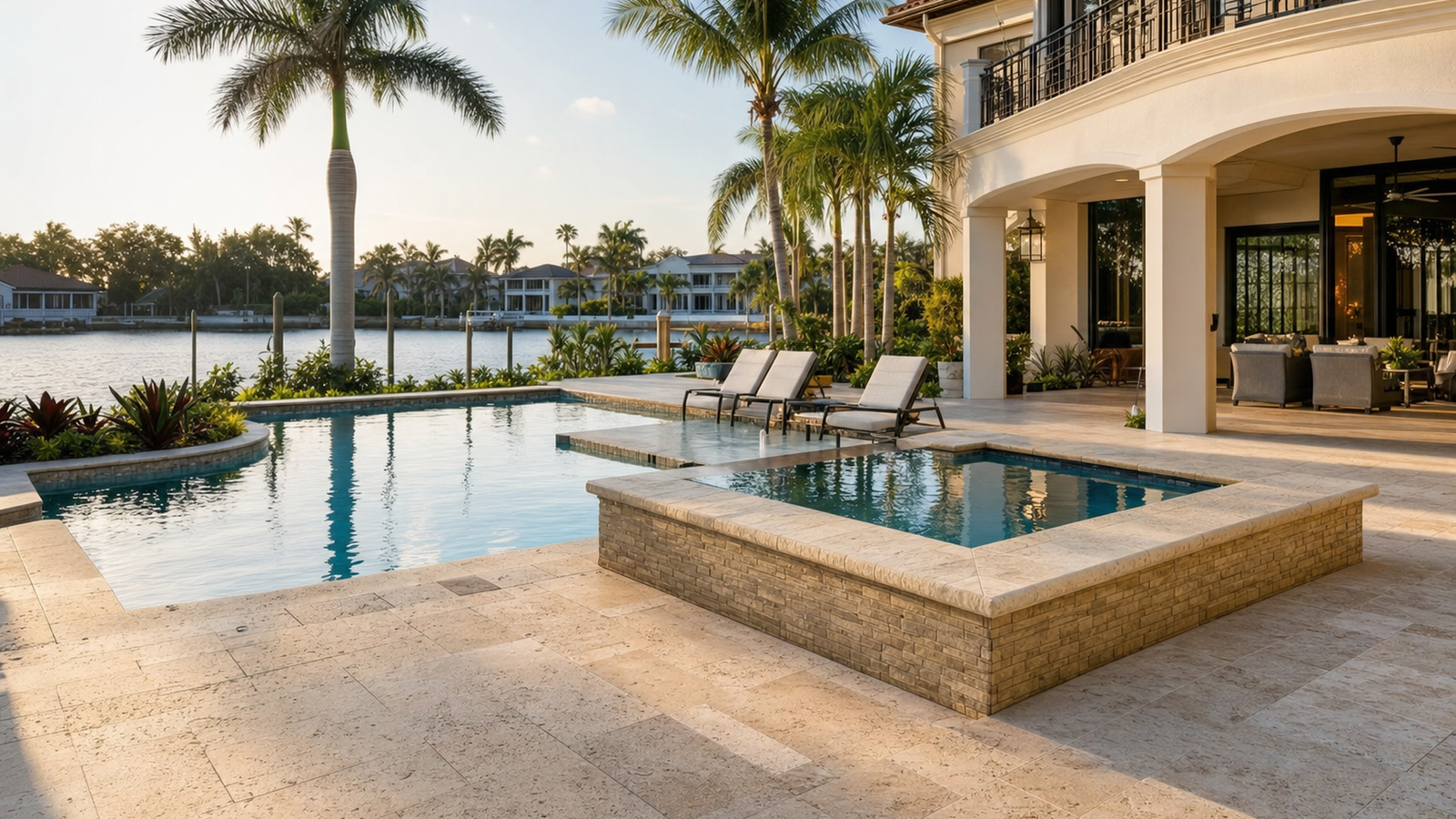
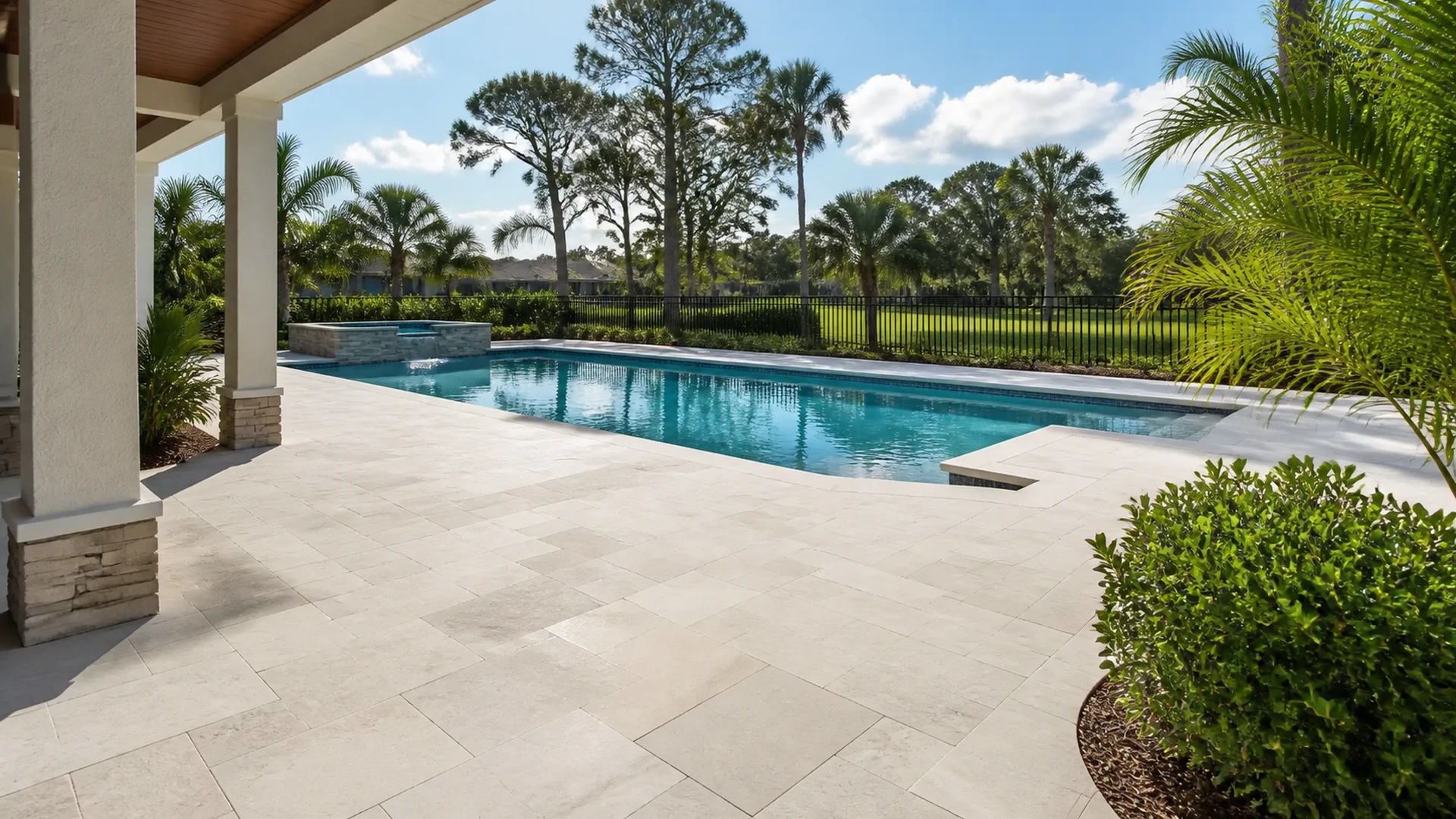
By comparison, natural stone choices vary widely in density, color, porosity, and finish. Travertine is often considered for barefoot areas because many light selections can feel more comfortable than dark, dense materials. Yet no natural stone stays cool in uninterrupted Florida sun. In addition, stone can have natural pits, color variation, and maintenance needs that must fit the project. Therefore, heat comfort should support the material decision rather than replace a broader evaluation.
Similarly, porcelain and other manufactured outdoor surfaces can deliver specific looks, but their heat response depends on the exact product color and finish. A label alone cannot answer do pavers get hot on a particular property. Instead, compare samples from the products under consideration on the same sunny day. Place them where the project will be built, wait through peak exposure, and check them at several times while following safe handling practices.
Color usually matters more than homeowners expect
Above all, color changes how much solar energy a surface tends to absorb. Light beige, ivory, shell, and pale gray palettes often support better barefoot comfort than black, charcoal, or saturated earth tones. However, very bright materials may create glare in open areas, especially around water. Consequently, a balanced mid-light blend can be more pleasant to look at while still limiting the harsh heat associated with much darker paving.
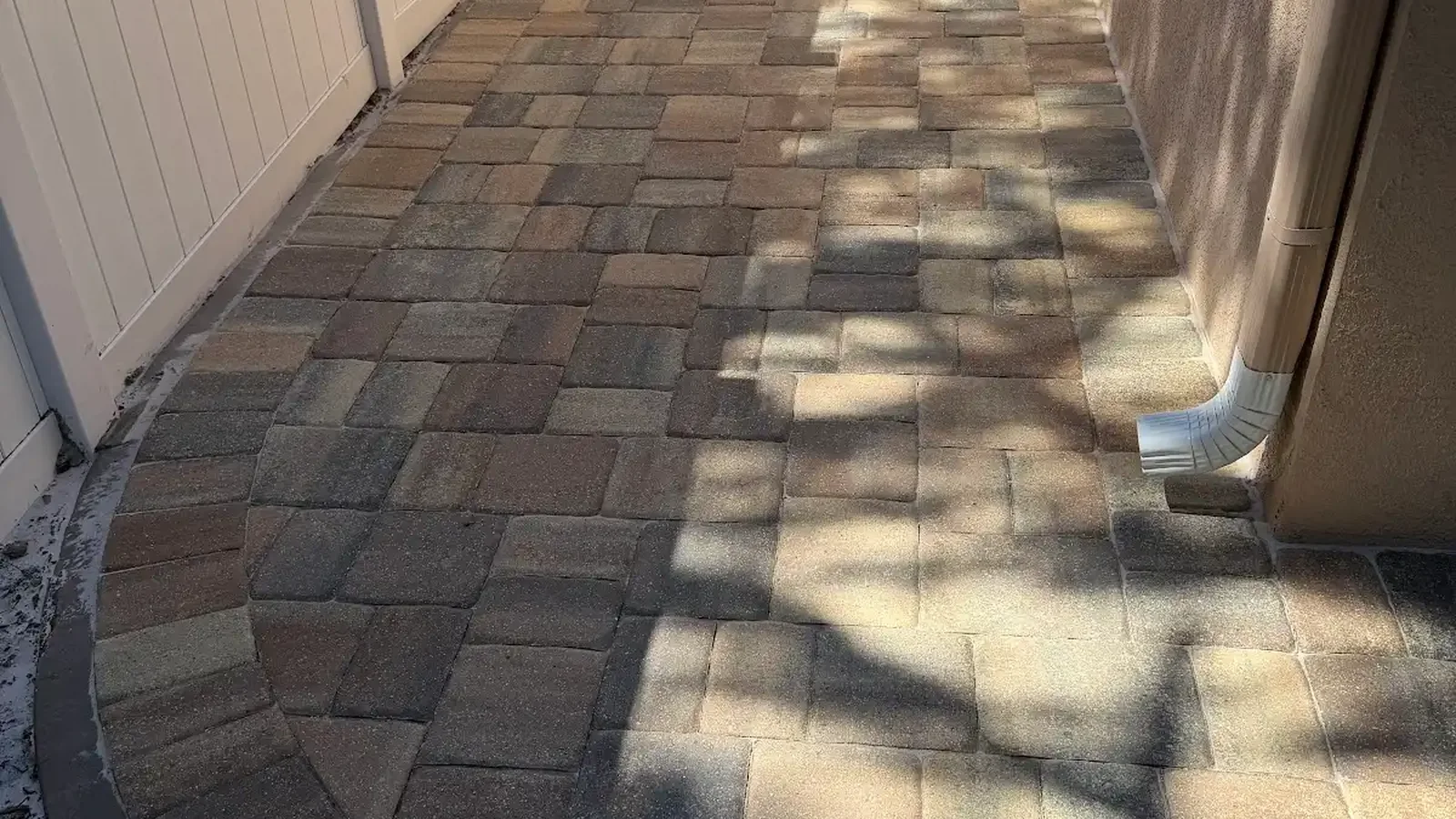
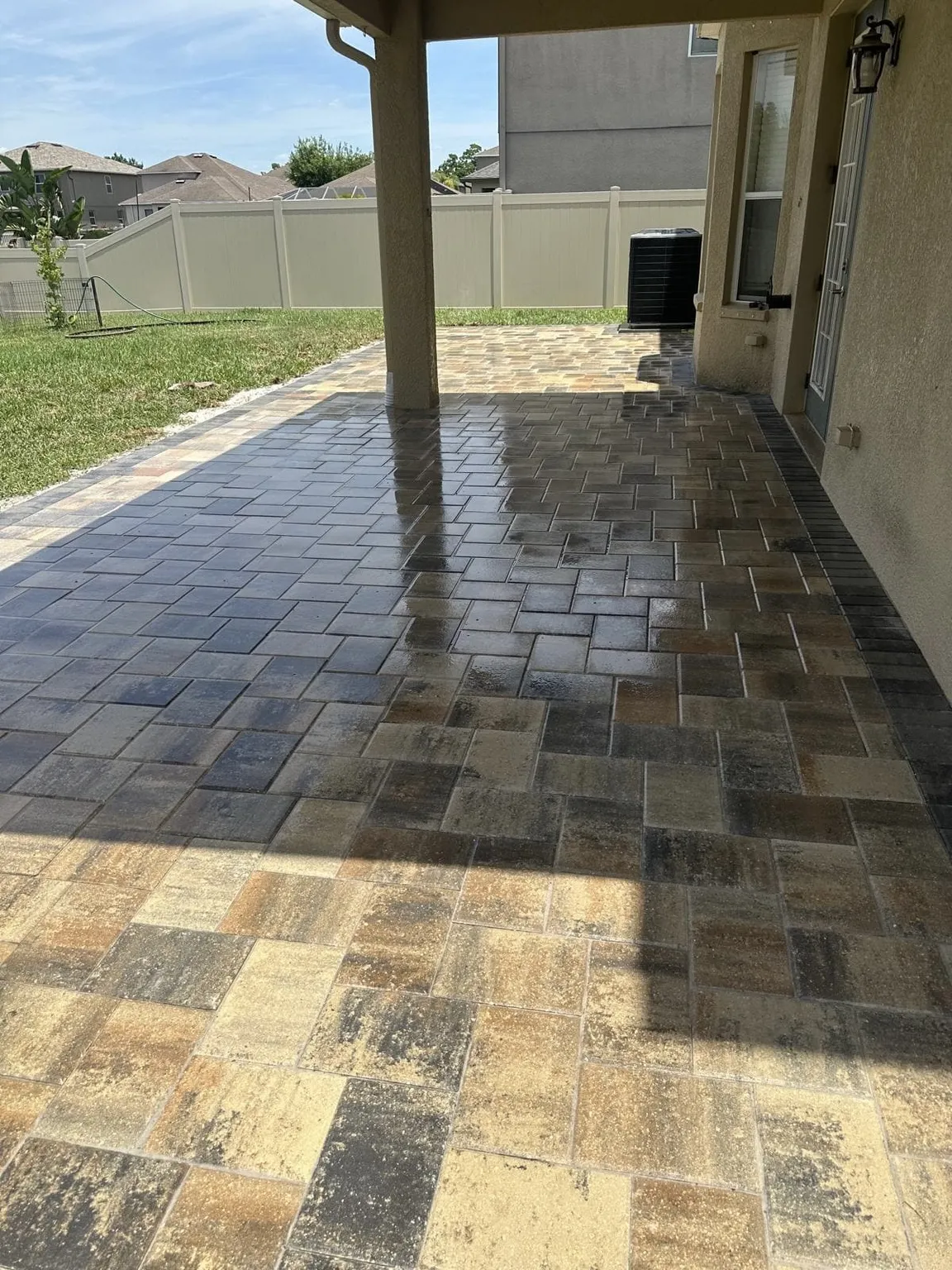
Meanwhile, At the same time, do pavers get hot evenly when a blend contains several colors? Usually, individual units can feel slightly different because darker pieces absorb more energy. Yet the lived experience also depends on where those tones appear and how large the contrast is. A subtle three-color blend may read as one comfortable field, whereas scattered charcoal accents can create hotter spots. Thus, sample layouts should show the real color distribution rather than a single preferred unit.
Finish, texture, and barefoot contact
Consequently, Beyond color, surface texture changes how a hot paver feels against skin. A lightly textured face touches the foot differently from a polished or very smooth plane, while a heavily textured unit may be uncomfortable for other reasons. Still, texture does not prevent heat gain. Around pools, contractors must also consider wet traction, edges, joint consistency, and transitions. As a result, the best surface balances temperature perception with secure, practical movement.
For that reason, sealed surfaces deserve product-specific review. Some sealers deepen color, which can make the installed field appear darker, and finishes can alter traction when the deck is wet. However, sealer behavior varies by formulation, surface preparation, and application. Homeowners should not assume sealing will solve the question of do pavers get hot. Instead, discuss the desired appearance and maintenance plan before deciding whether a compatible treatment belongs in the project.
Shade planning can change daily comfort
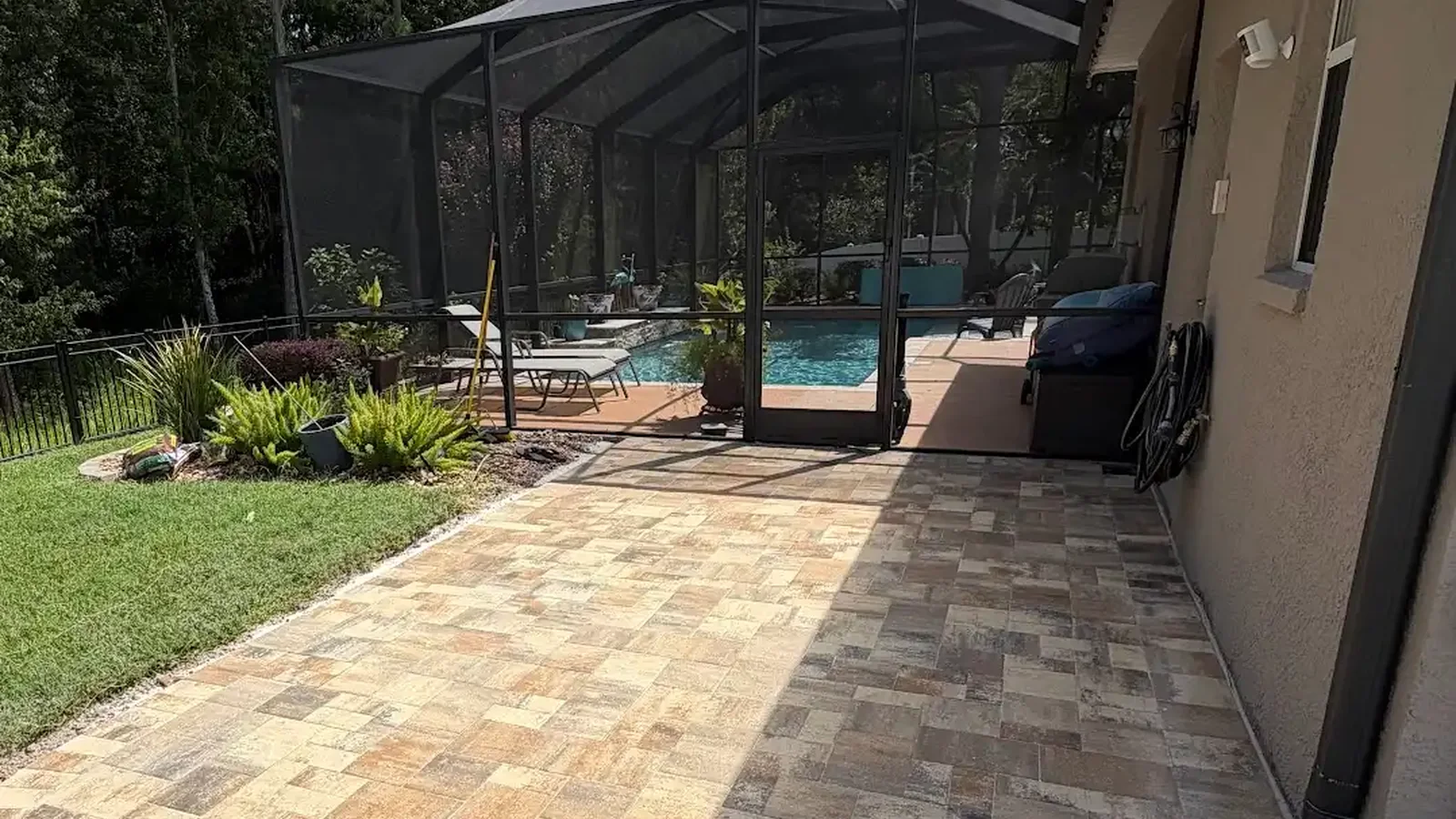
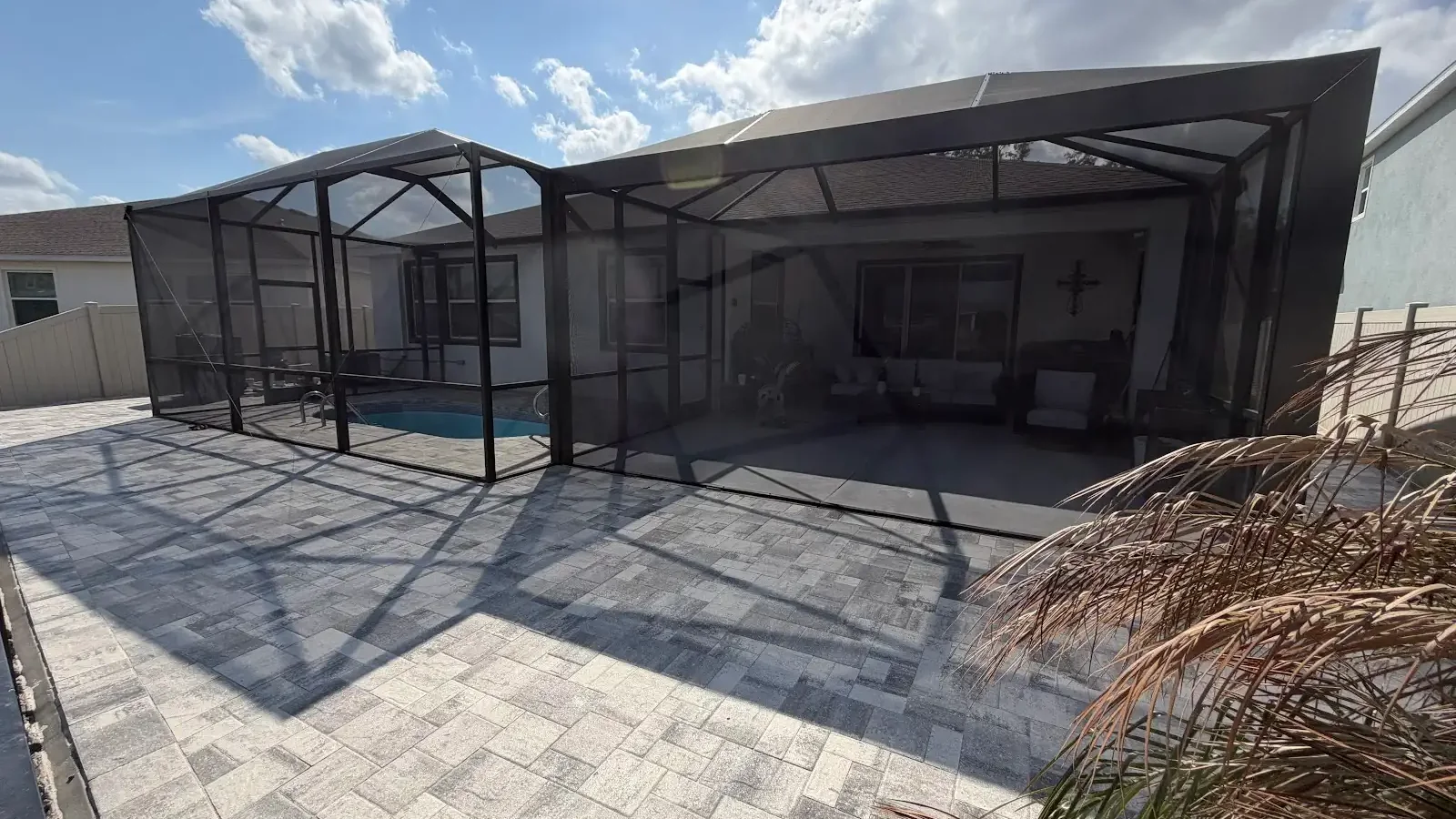
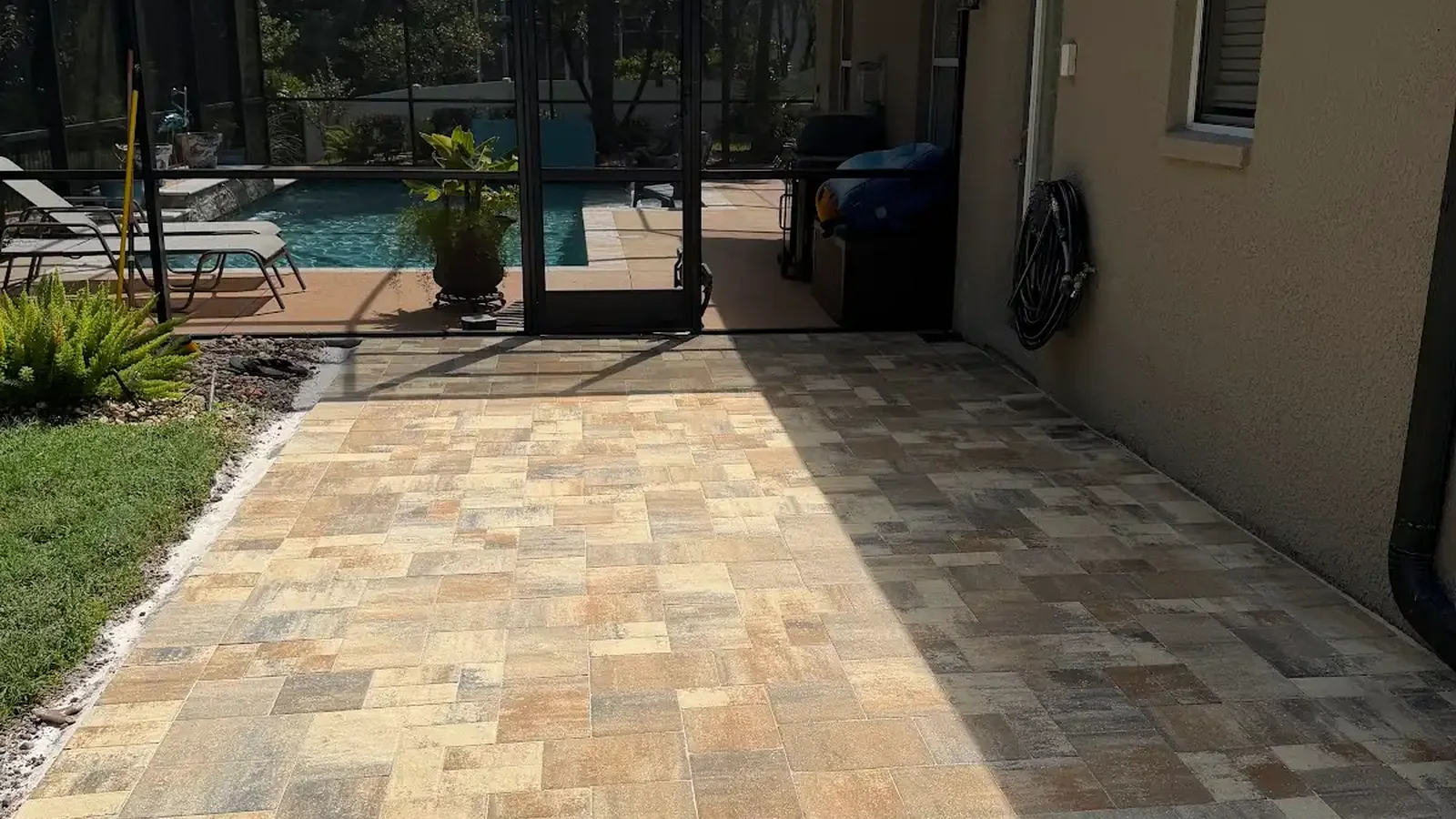
Fortunately, shade can reduce direct solar loading during the hours when a space receives the most use. A covered lanai may keep the primary seating path comfortable even if an exposed pool edge warms significantly. Likewise, a strategically placed umbrella can protect a small lounging zone without changing the entire hardscape. Therefore, a sun map that marks morning, noon, and late-afternoon exposure provides useful design information before material selection.
Meanwhile, permanent shade structures require thoughtful placement so runoff, footings, access, and views work with the paving plan. Trees can also provide valuable shade, although roots, leaf litter, and long-term growth need consideration. Rather than asking only do pavers get hot, homeowners can identify the exact twenty feet of path or poolside area that needs relief. This focused approach often creates better comfort without forcing one material across every outdoor zone.
Airflow, water, and the limits of temporary cooling
On breezy properties, moving air helps a surface release some stored heat, particularly after shade reaches the area. However, airflow cannot cancel hours of direct sun. A quick rinse may make pavers feel cooler for a short time because evaporation and cooler water remove heat. Still, that effect is temporary, and unnecessary watering is not a sound primary design strategy. Accordingly, material color and shade remain more dependable planning tools.
After a summer shower, do pavers get hot again quickly? They can, especially when clouds clear and the surface returns to full sun. Porous materials may retain moisture differently, but drainage, bedding, and joint conditions also influence how water leaves the installation. The EPA overview of cool pavements explains broad heat-management concepts; nevertheless, a residential choice still needs property-specific evaluation.
Match each paved zone to its real use
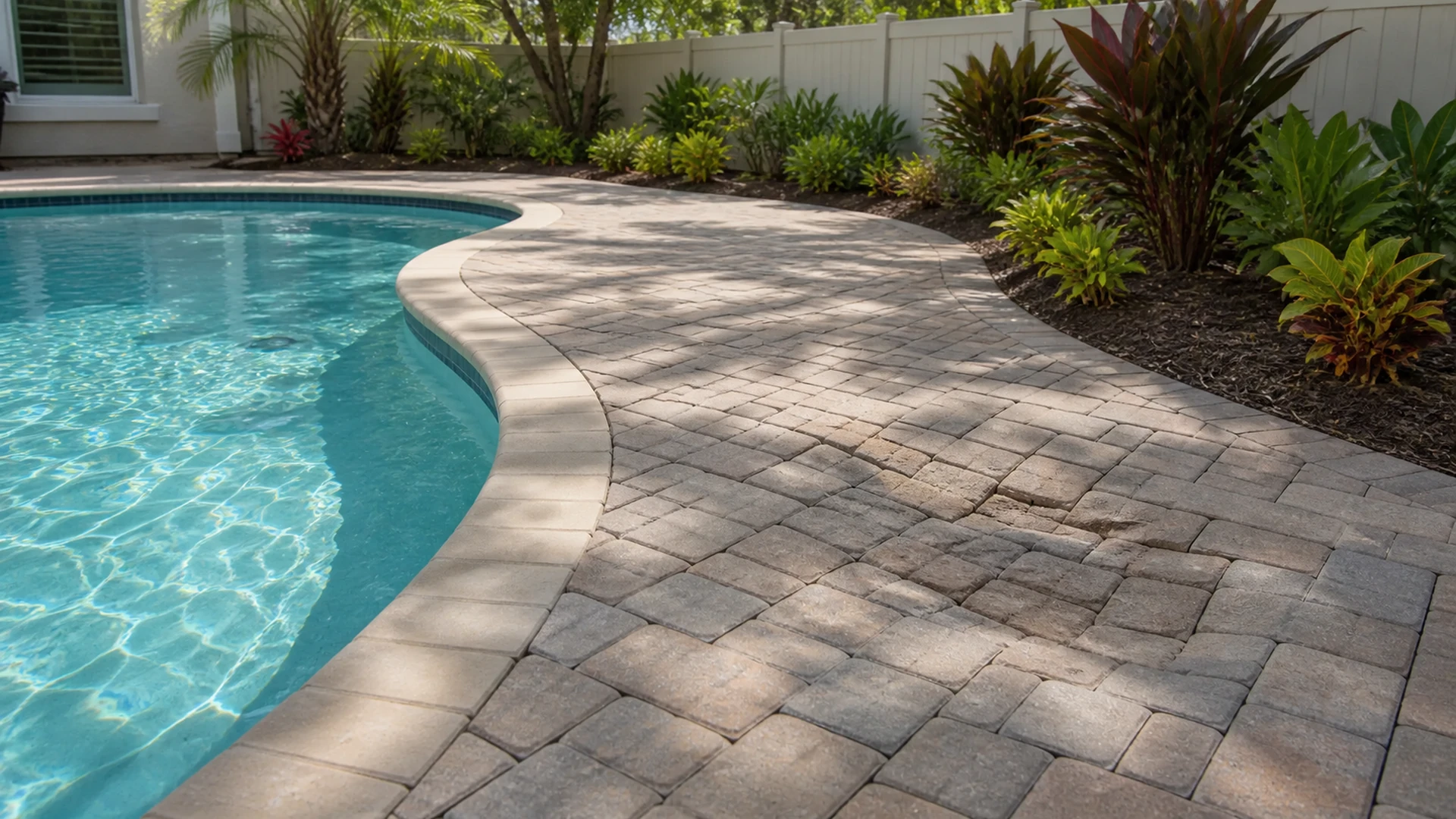
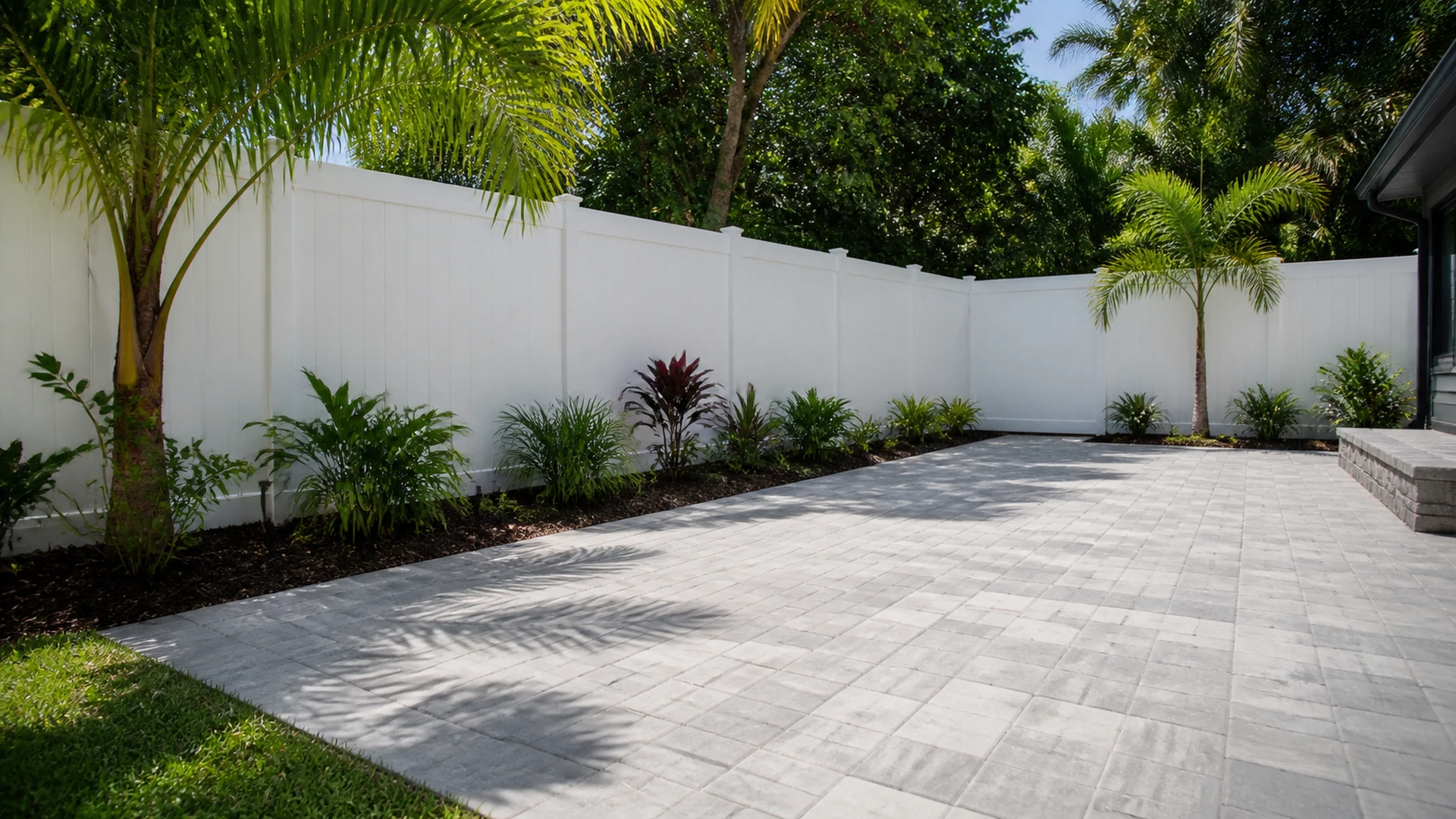
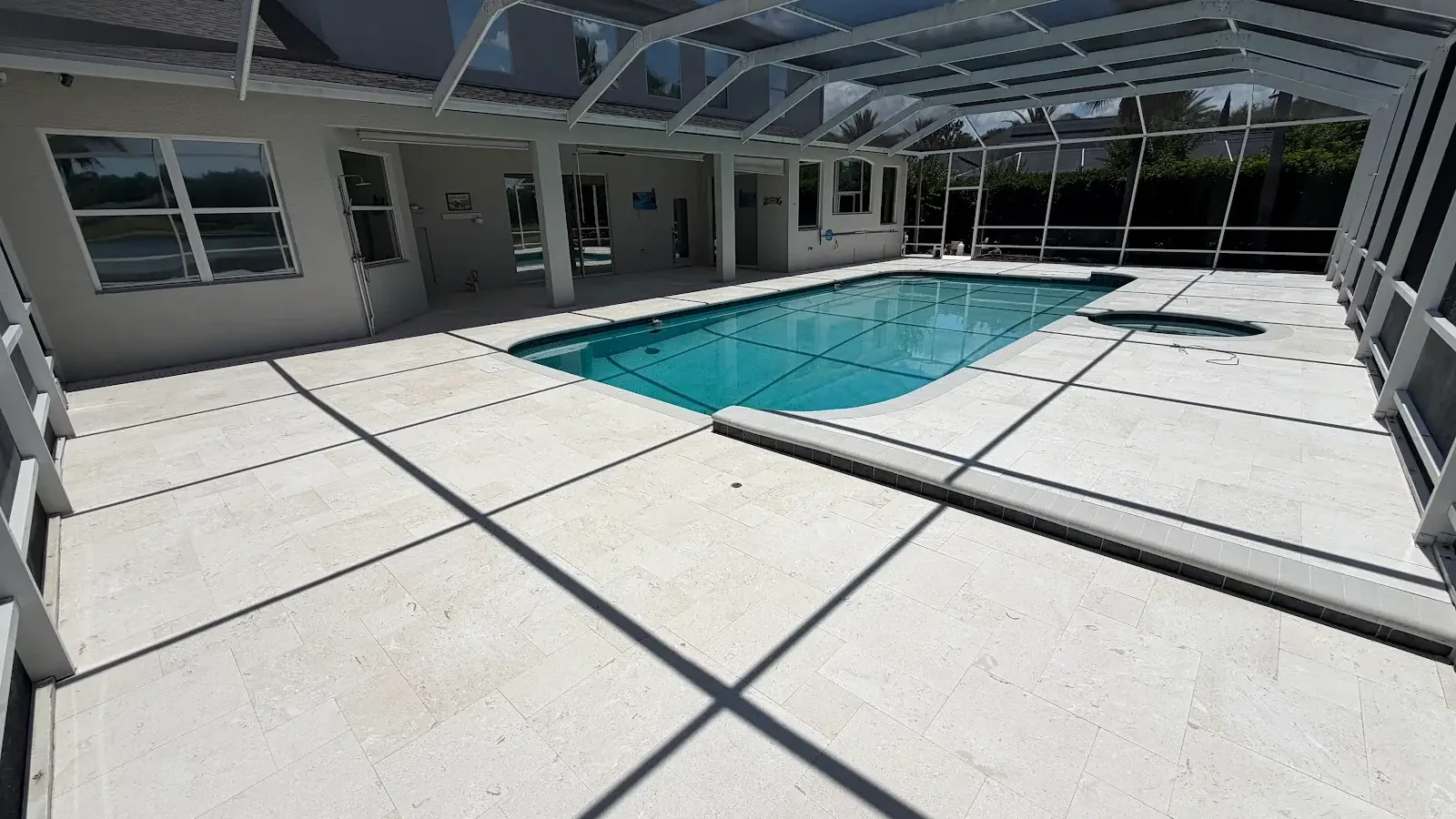
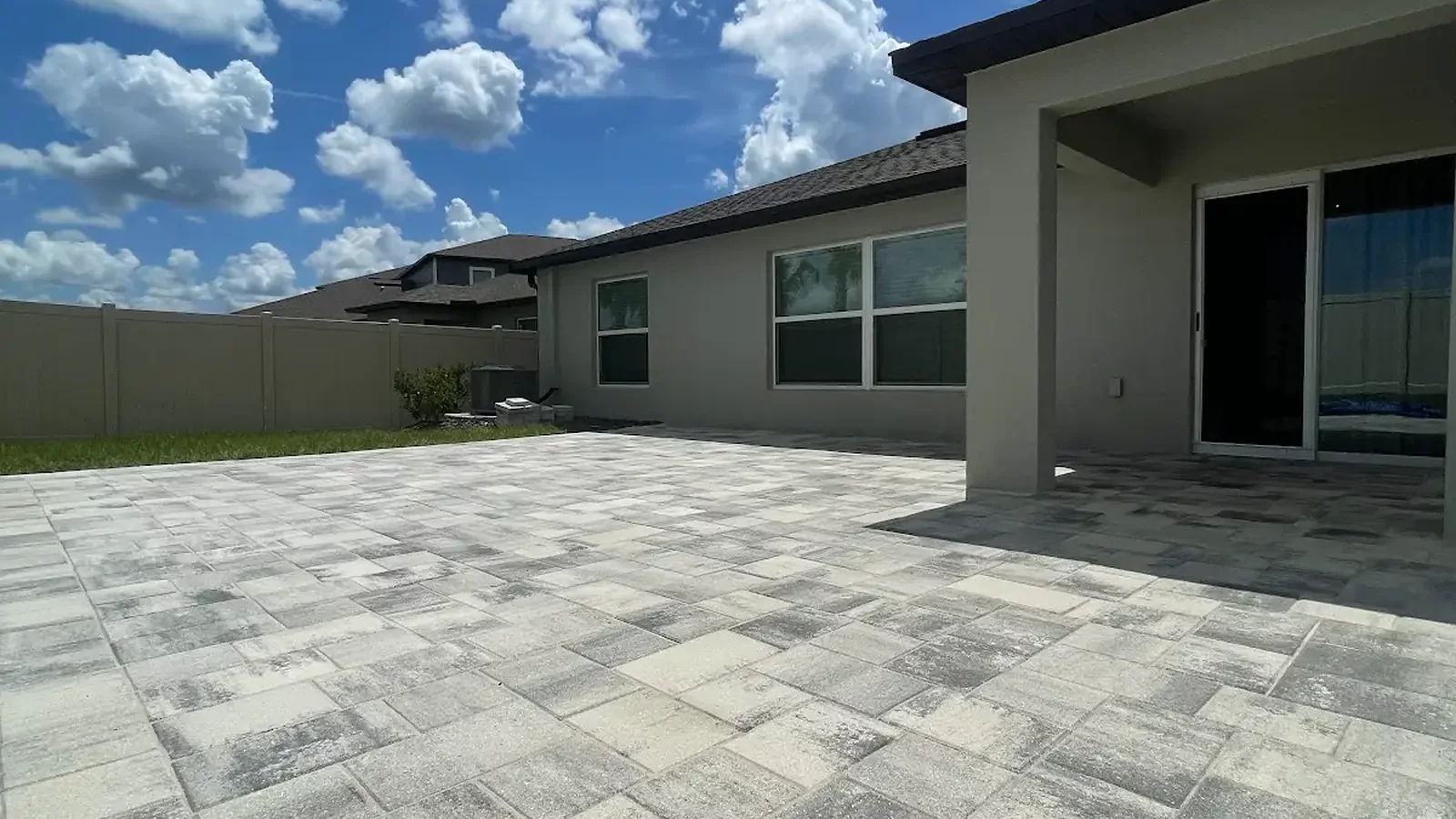
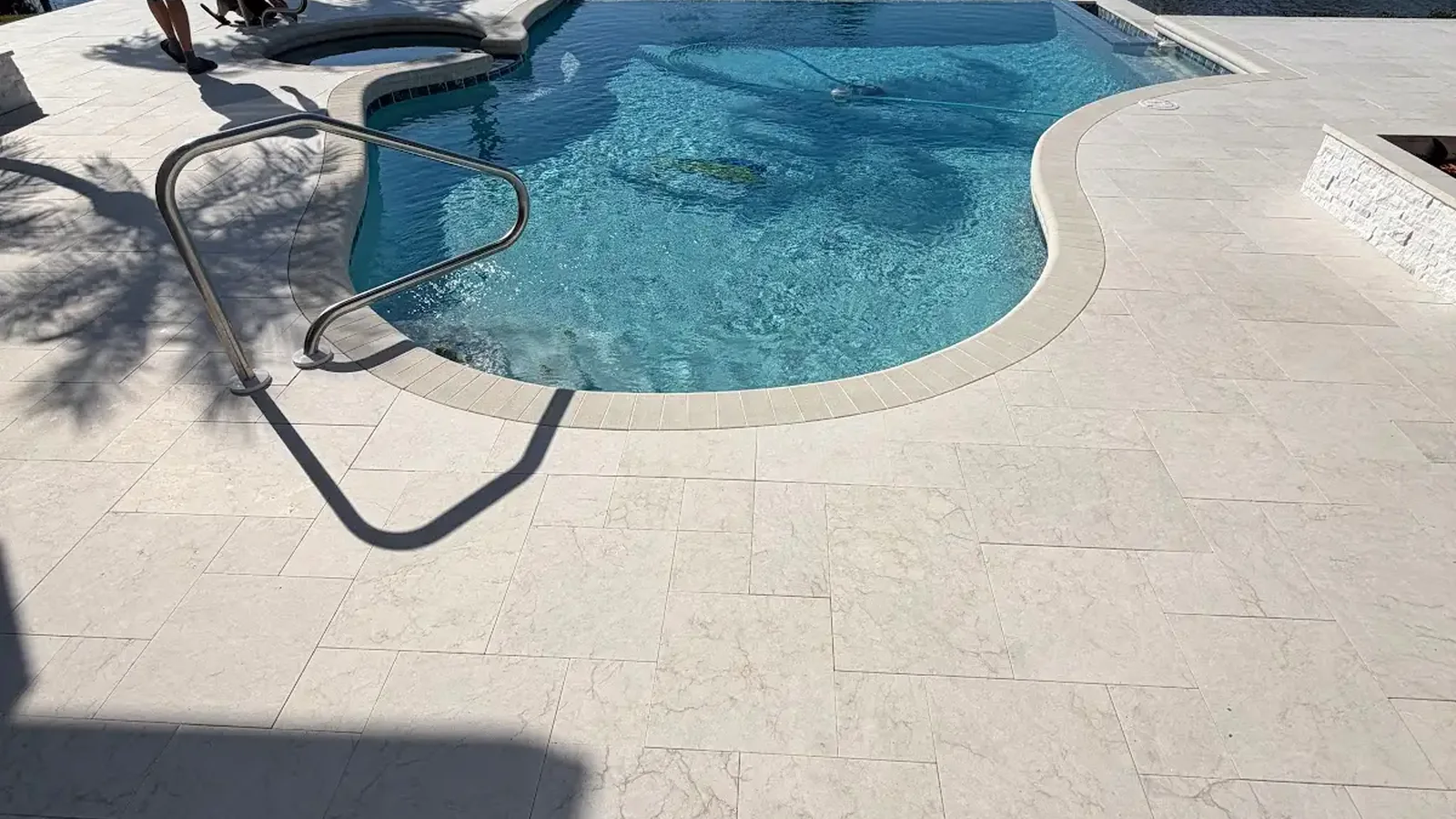
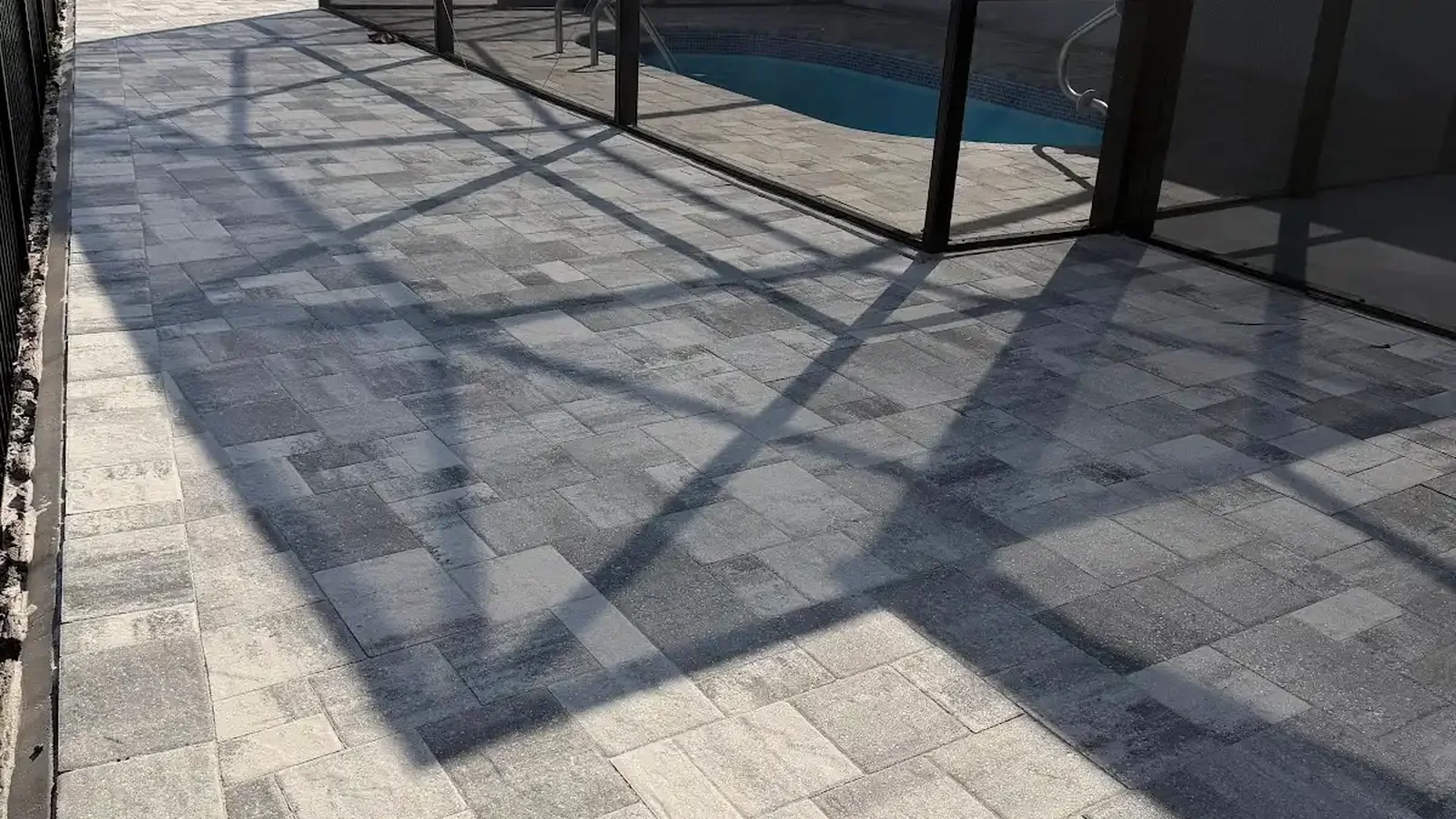
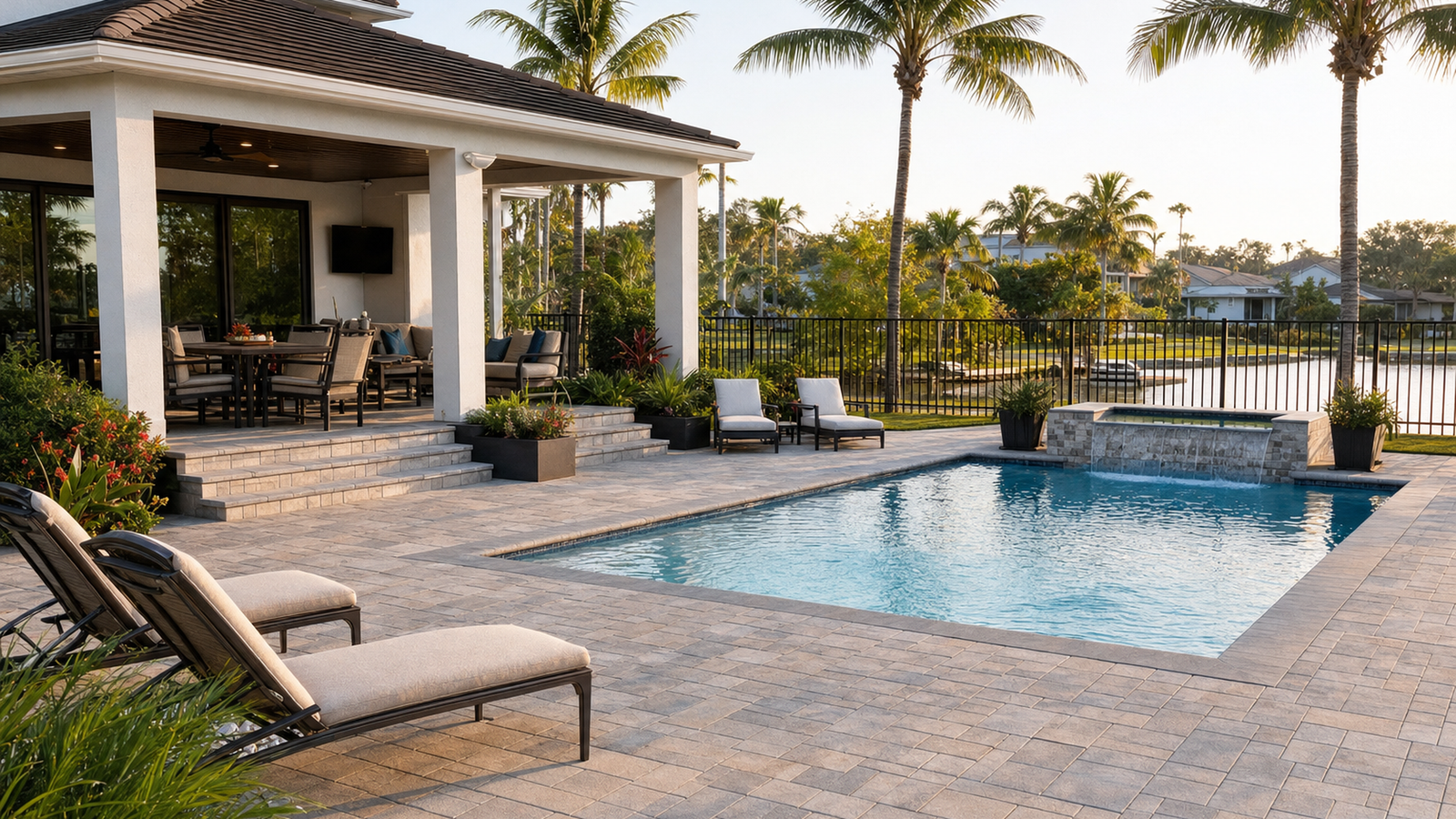
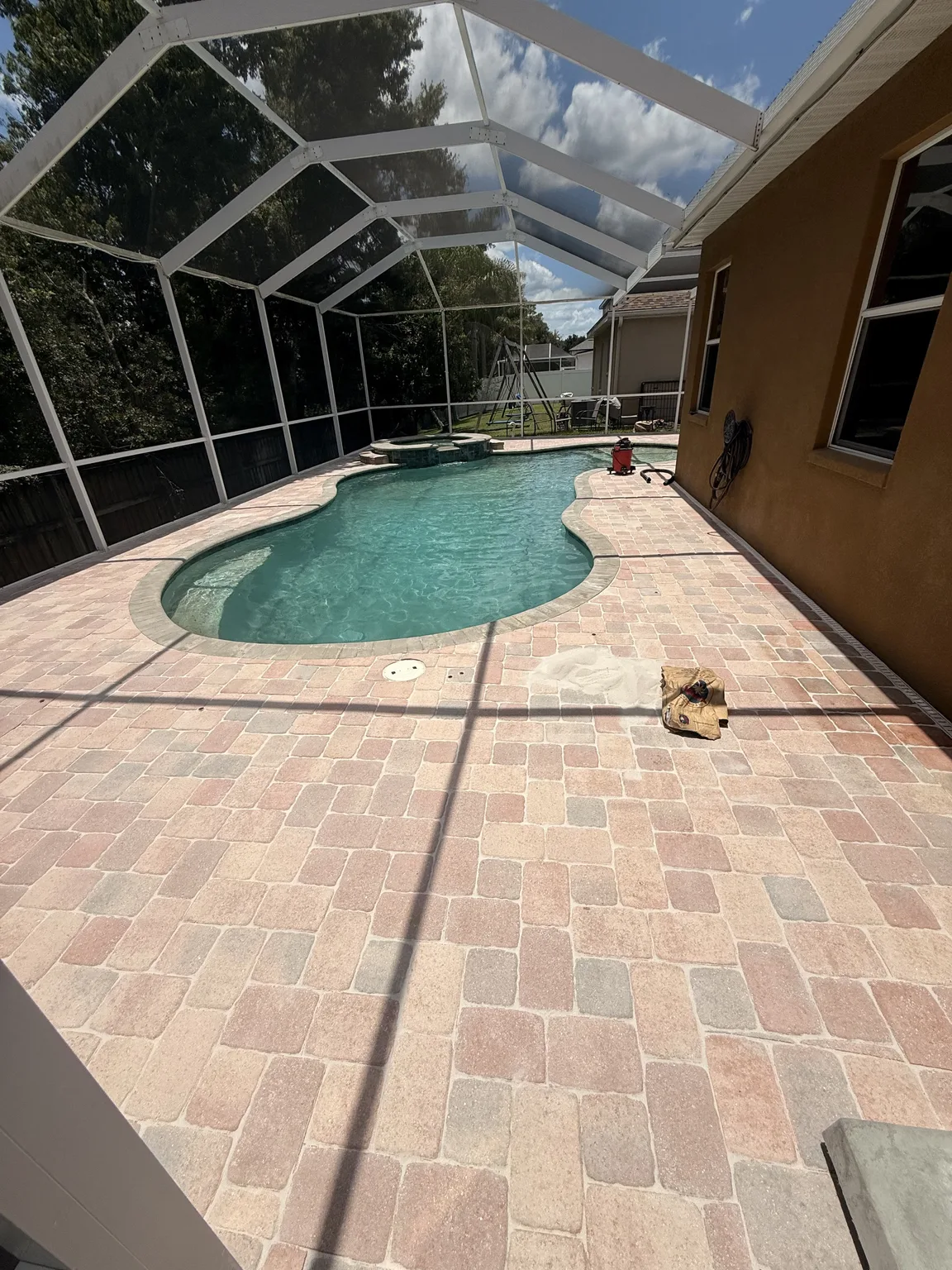
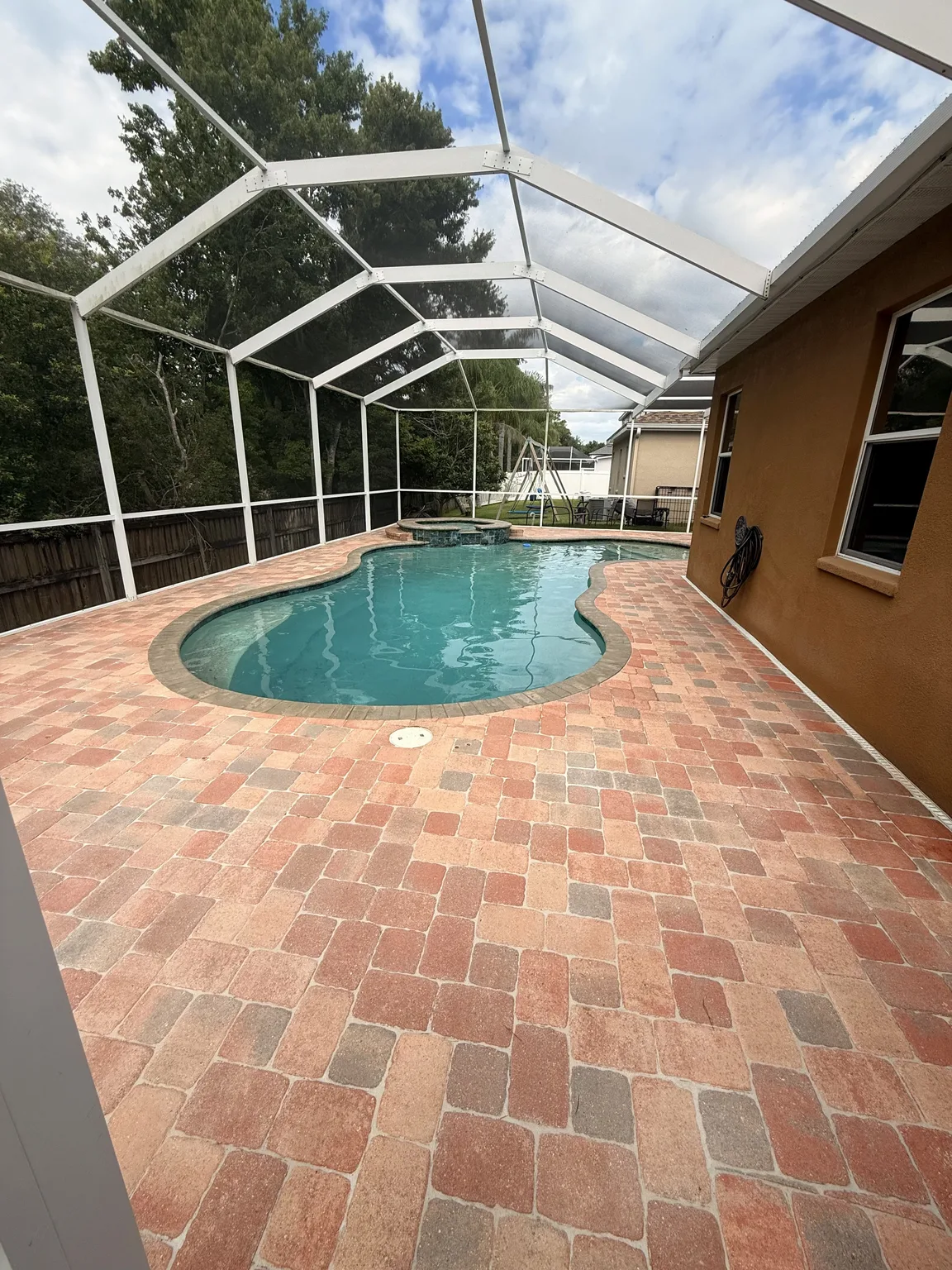
For a pool deck, barefoot comfort and wet traction usually lead the conversation. Therefore, light colors, a suitable texture, and shade near seating or entry points deserve early attention. Coping, steps, drains, and transitions must also feel coherent underfoot. Because swimmers move between water and pavement, even a short exposed route can shape their impression. A sample should be tested wet and dry, while recognizing that the final installation will cover a much larger area.
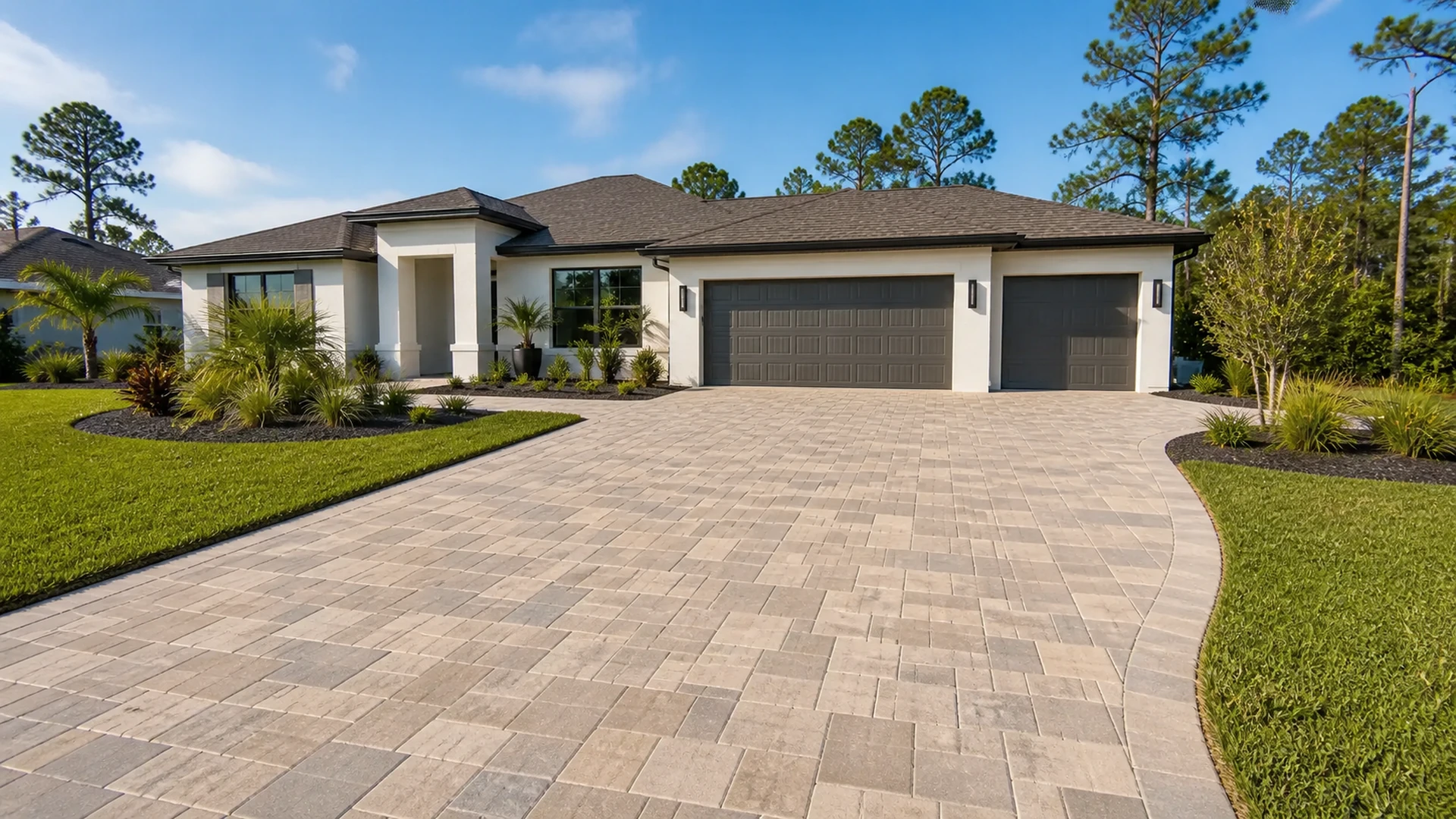
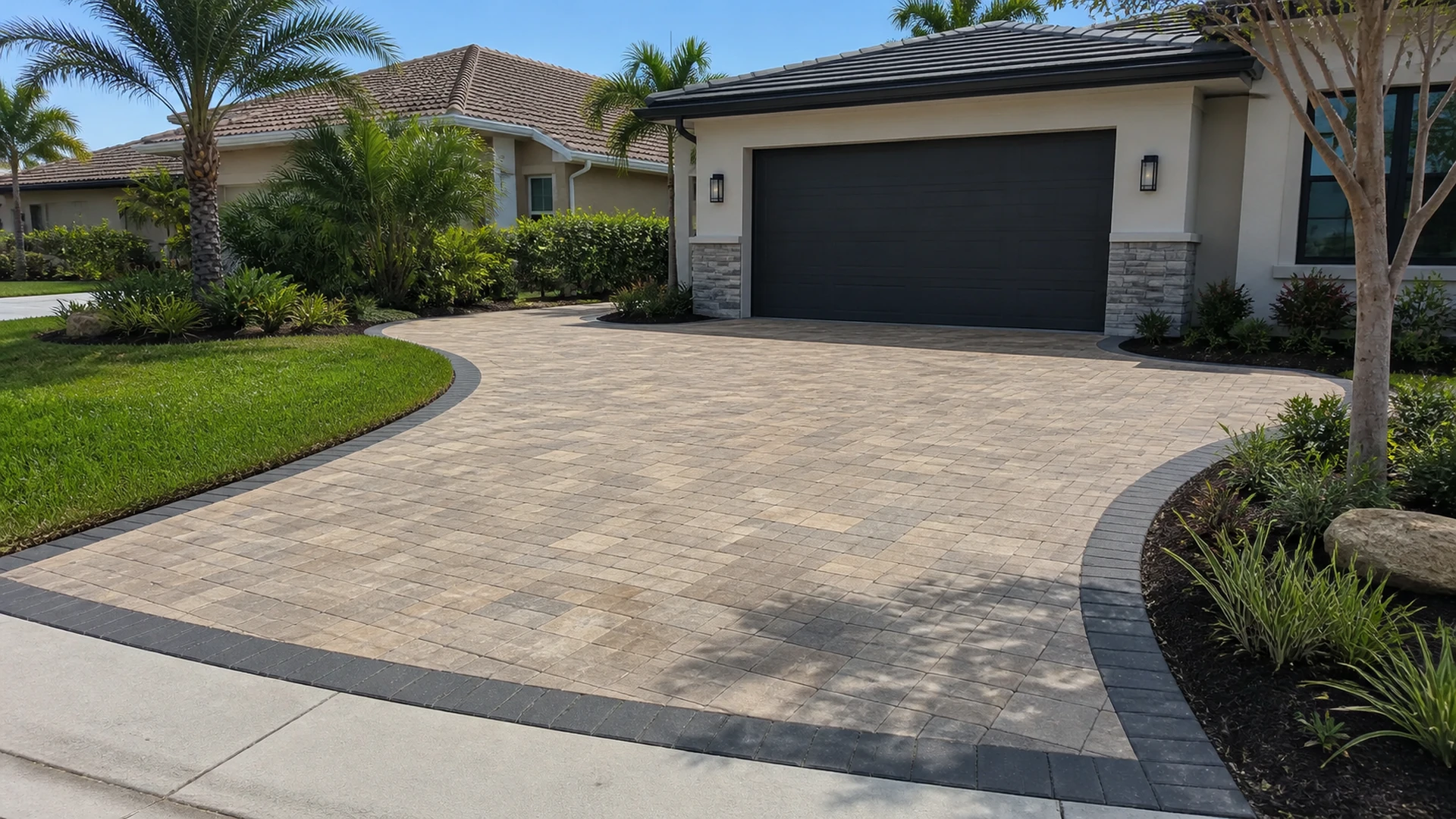
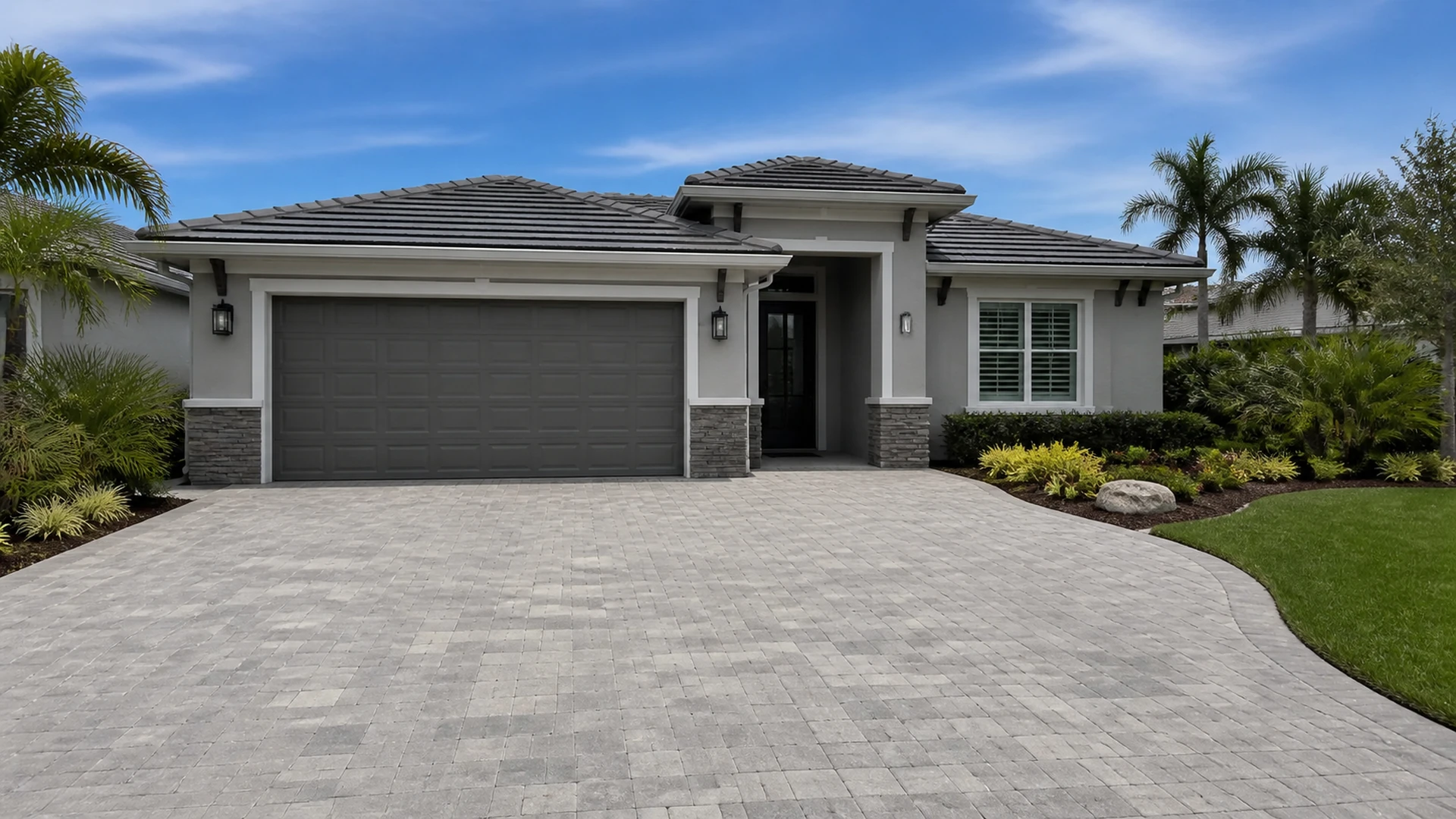
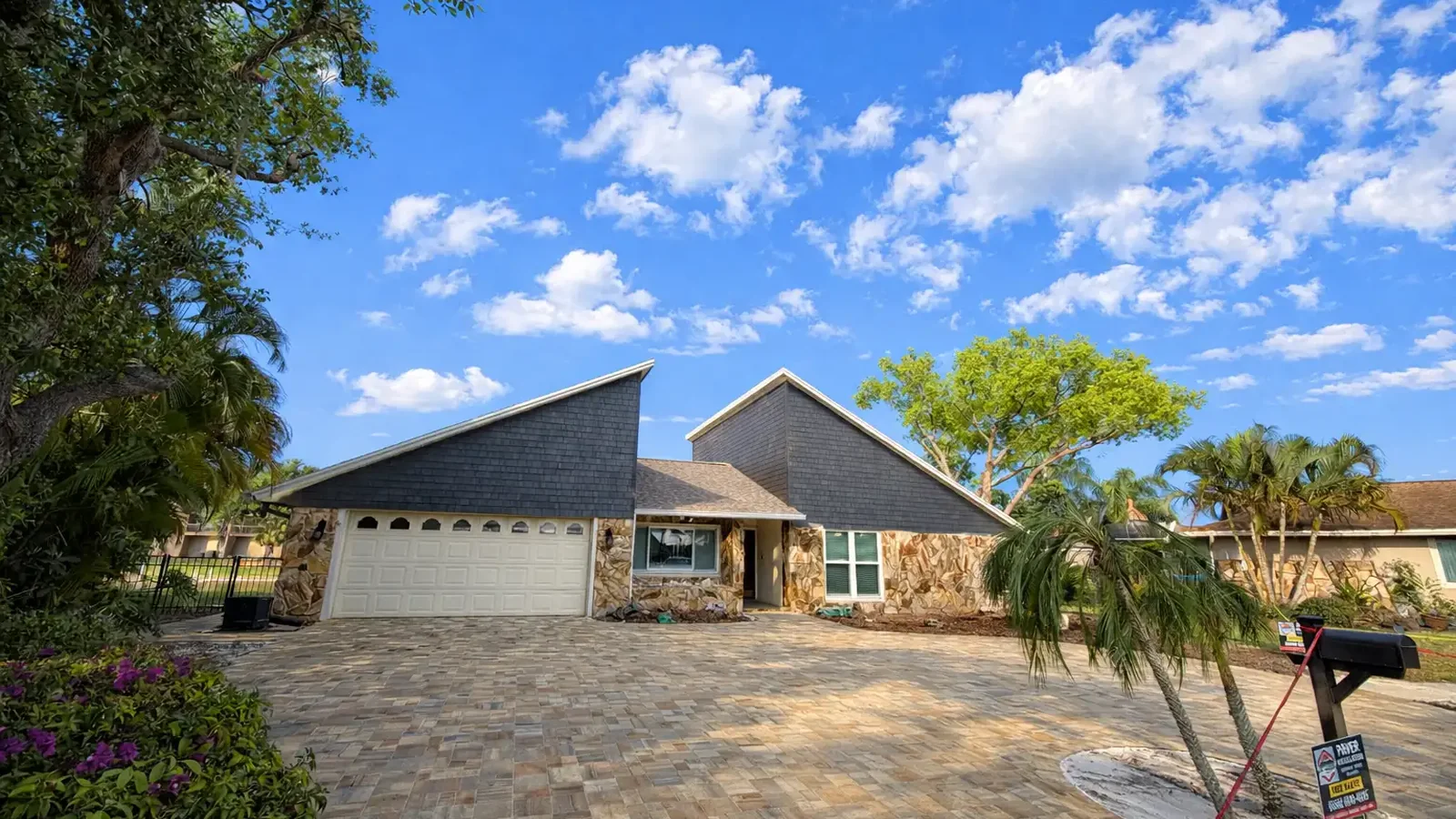
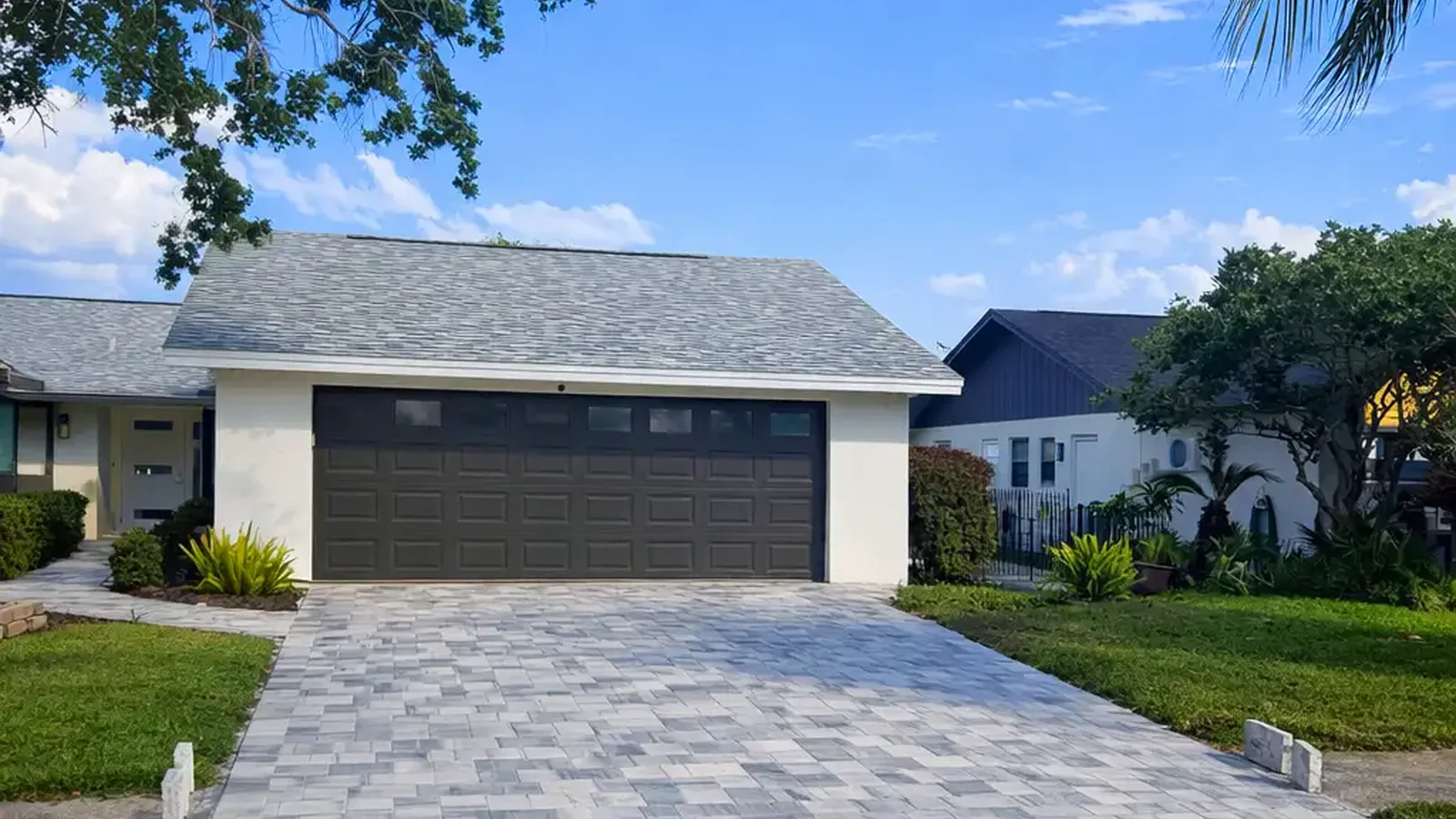
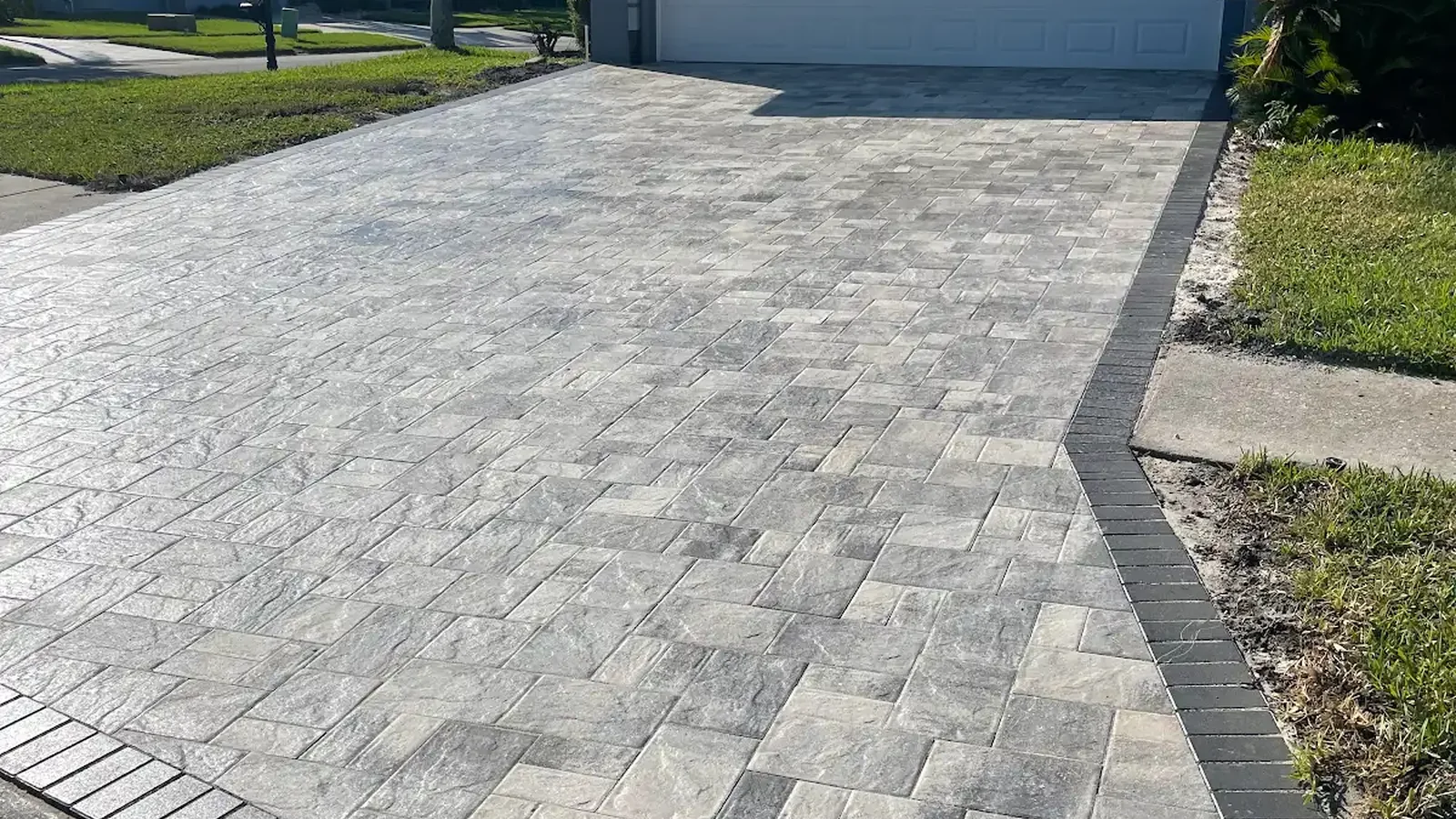
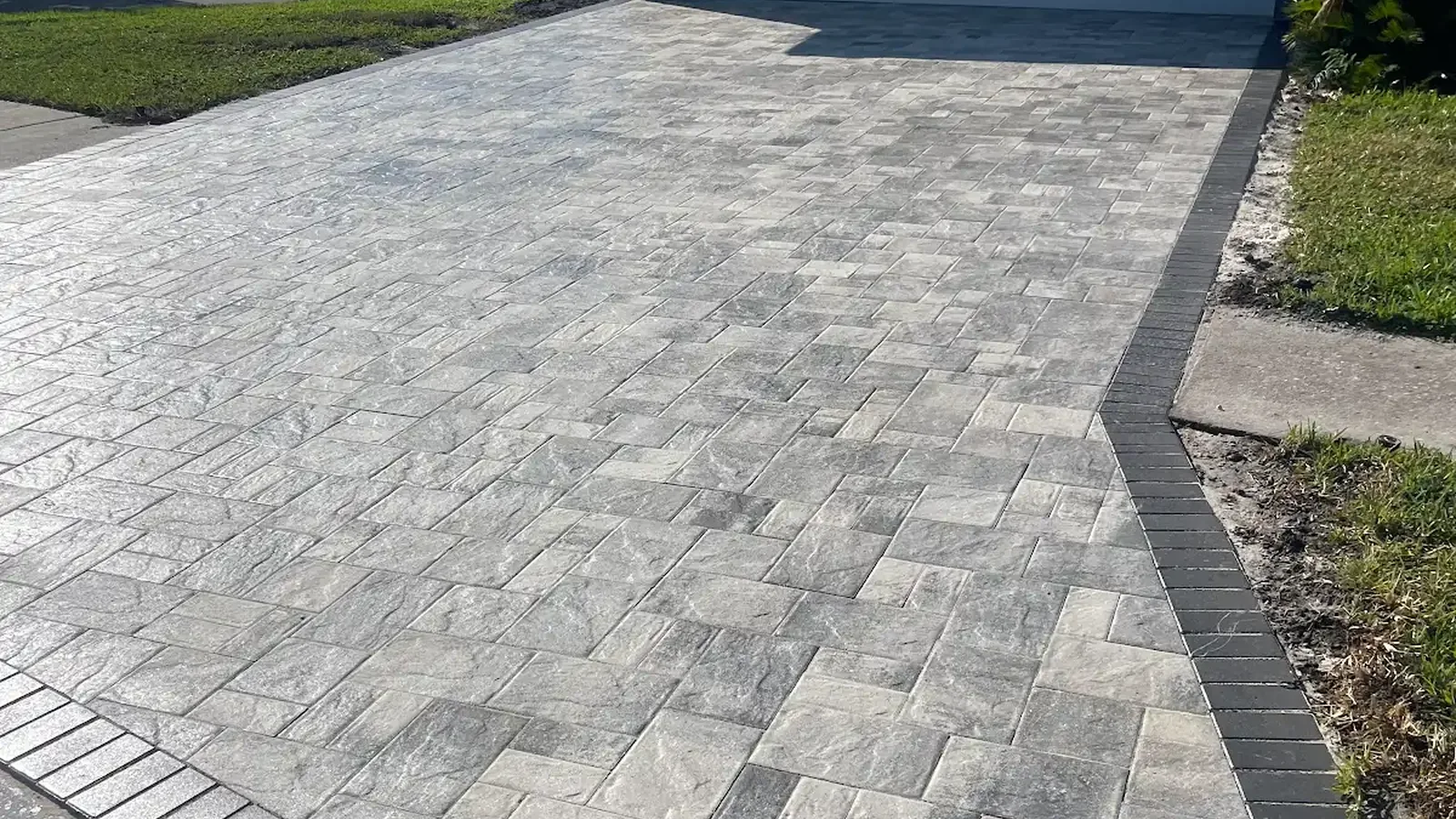
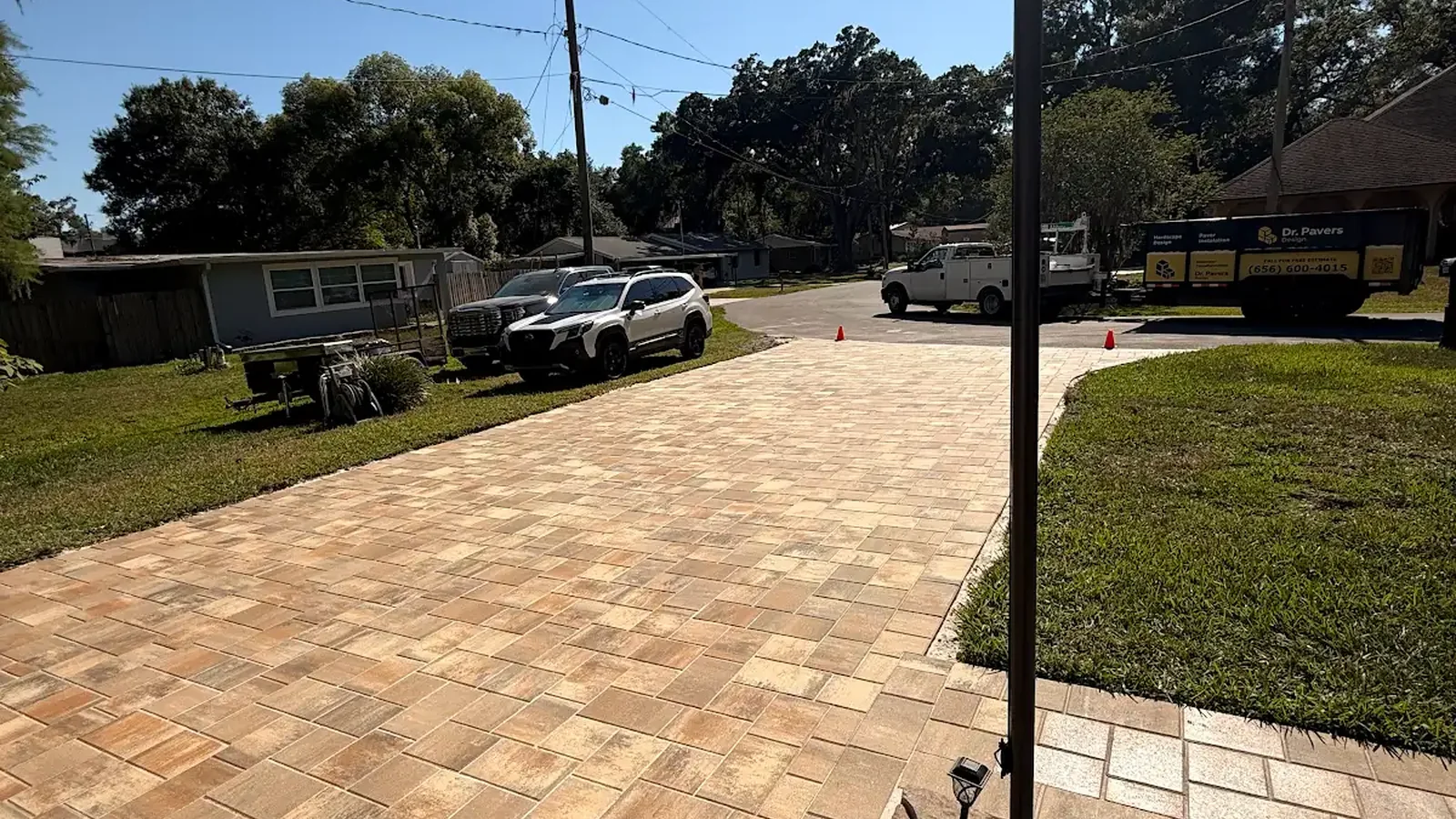
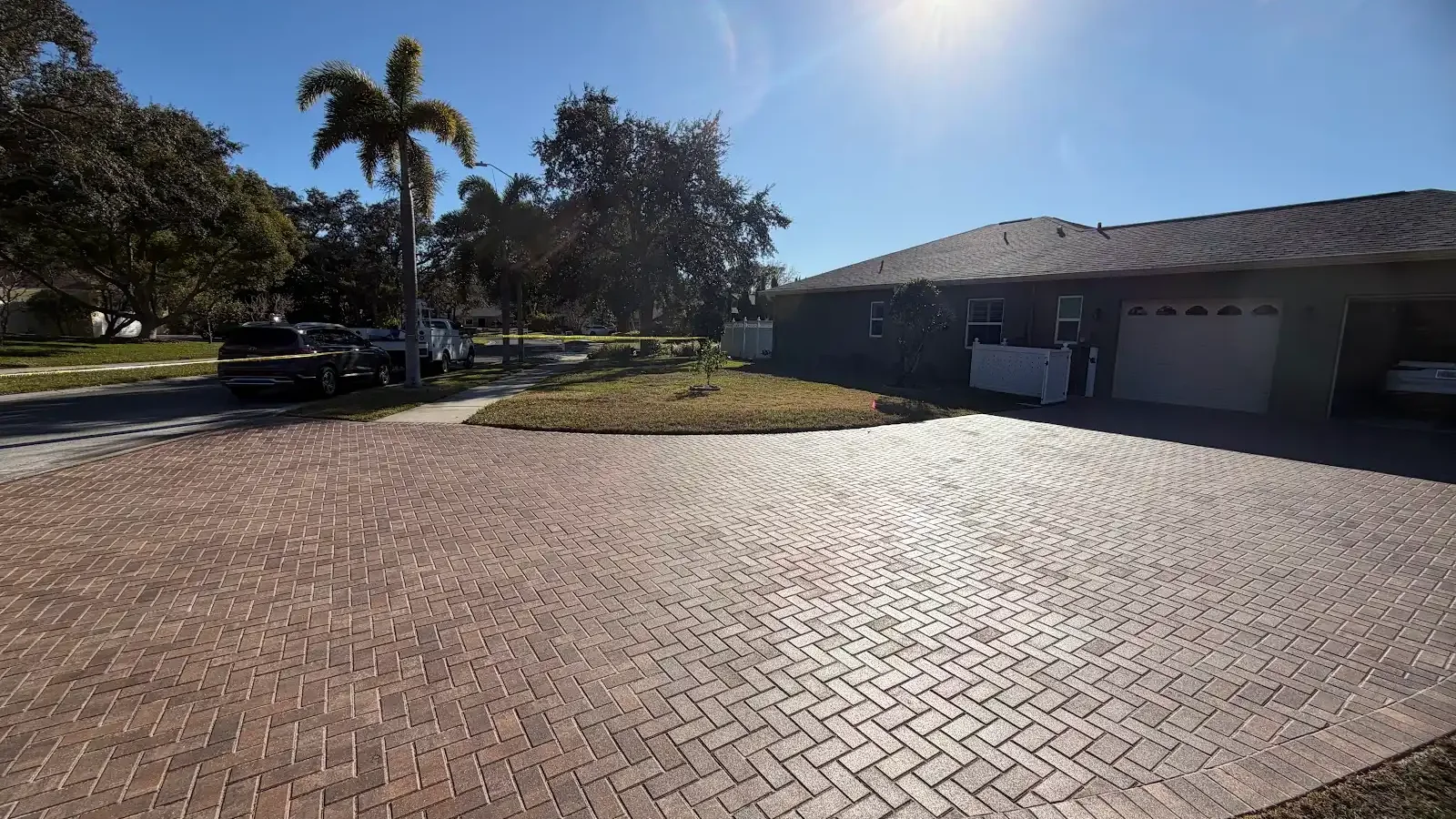
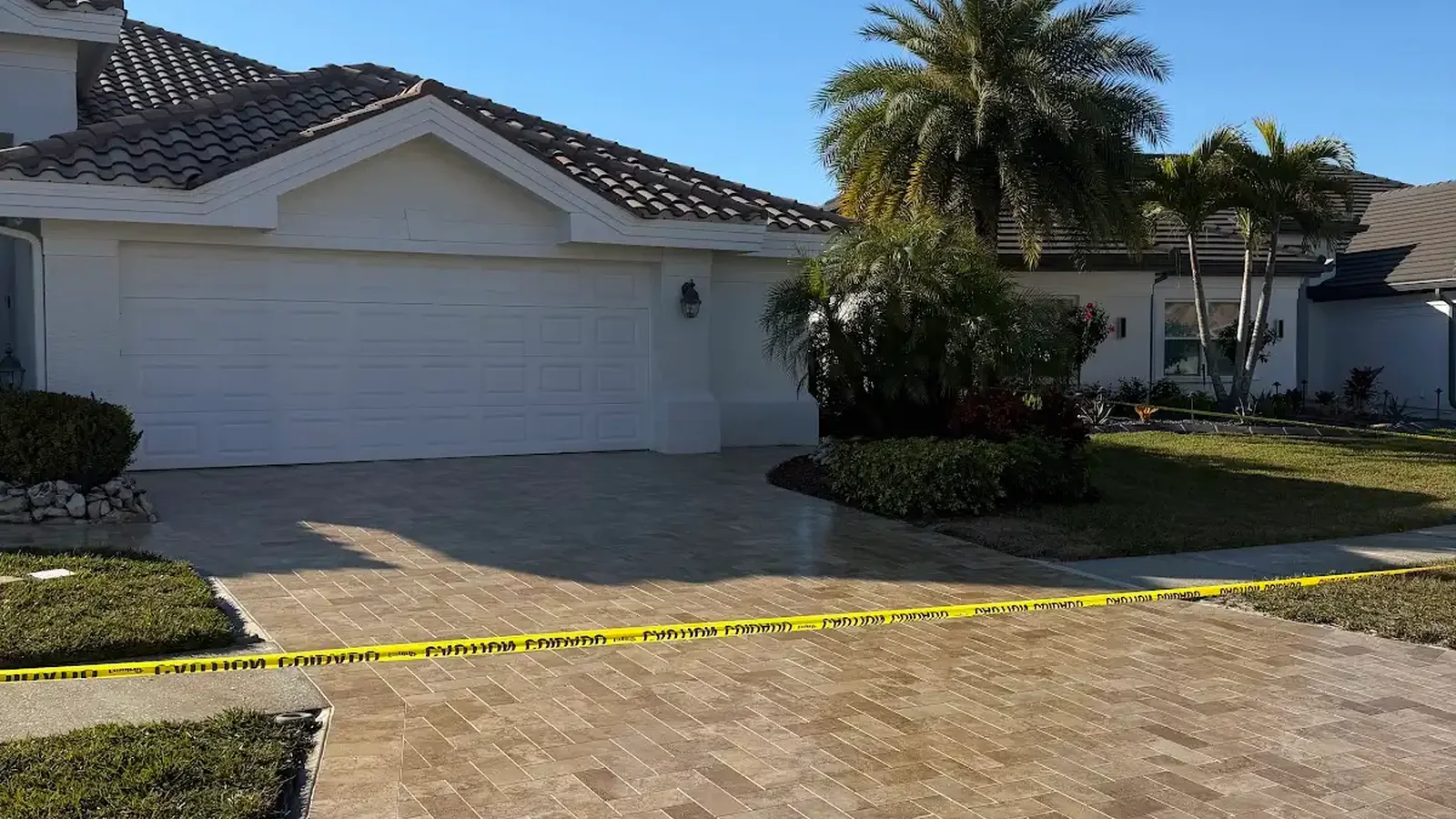
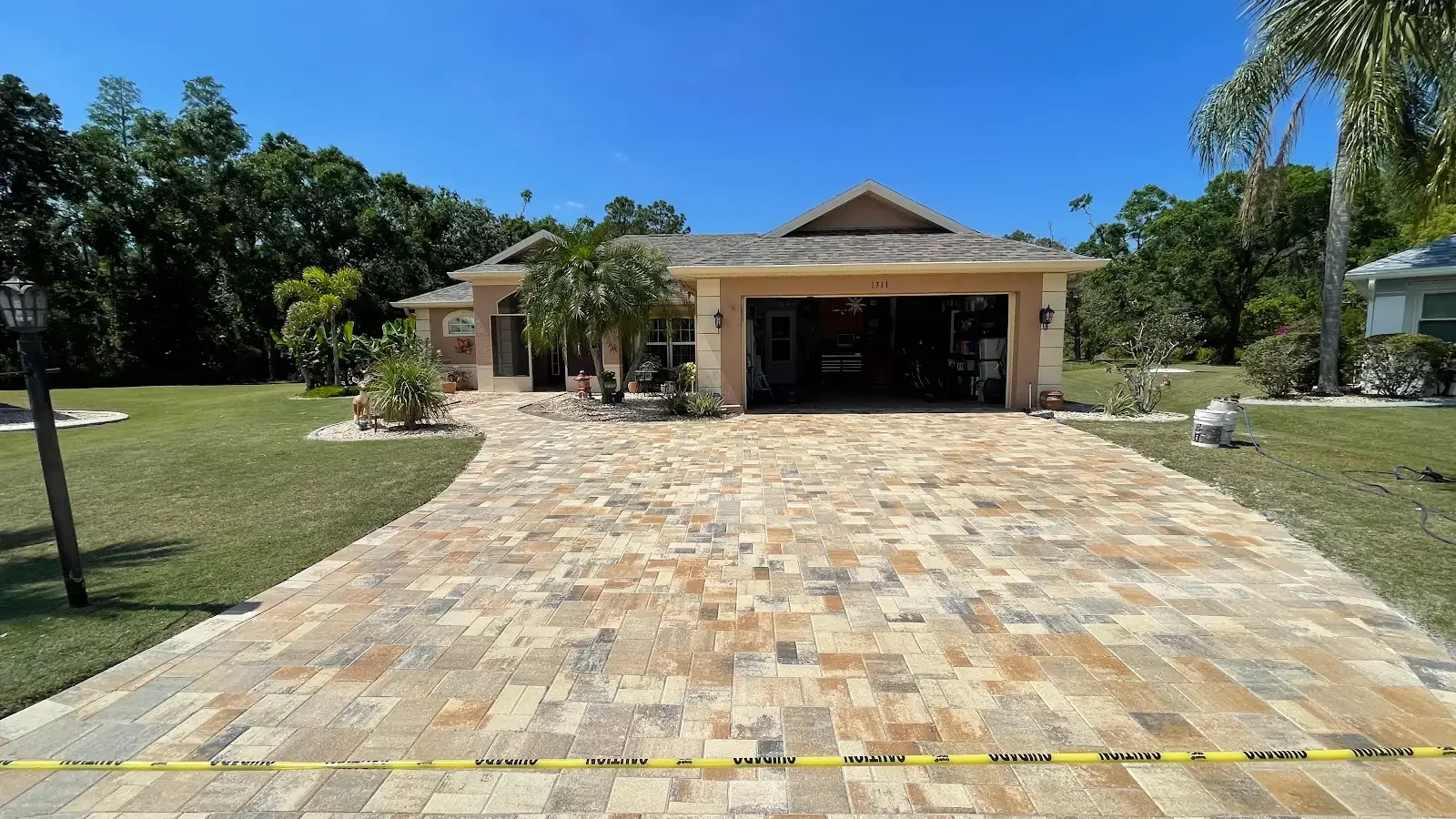
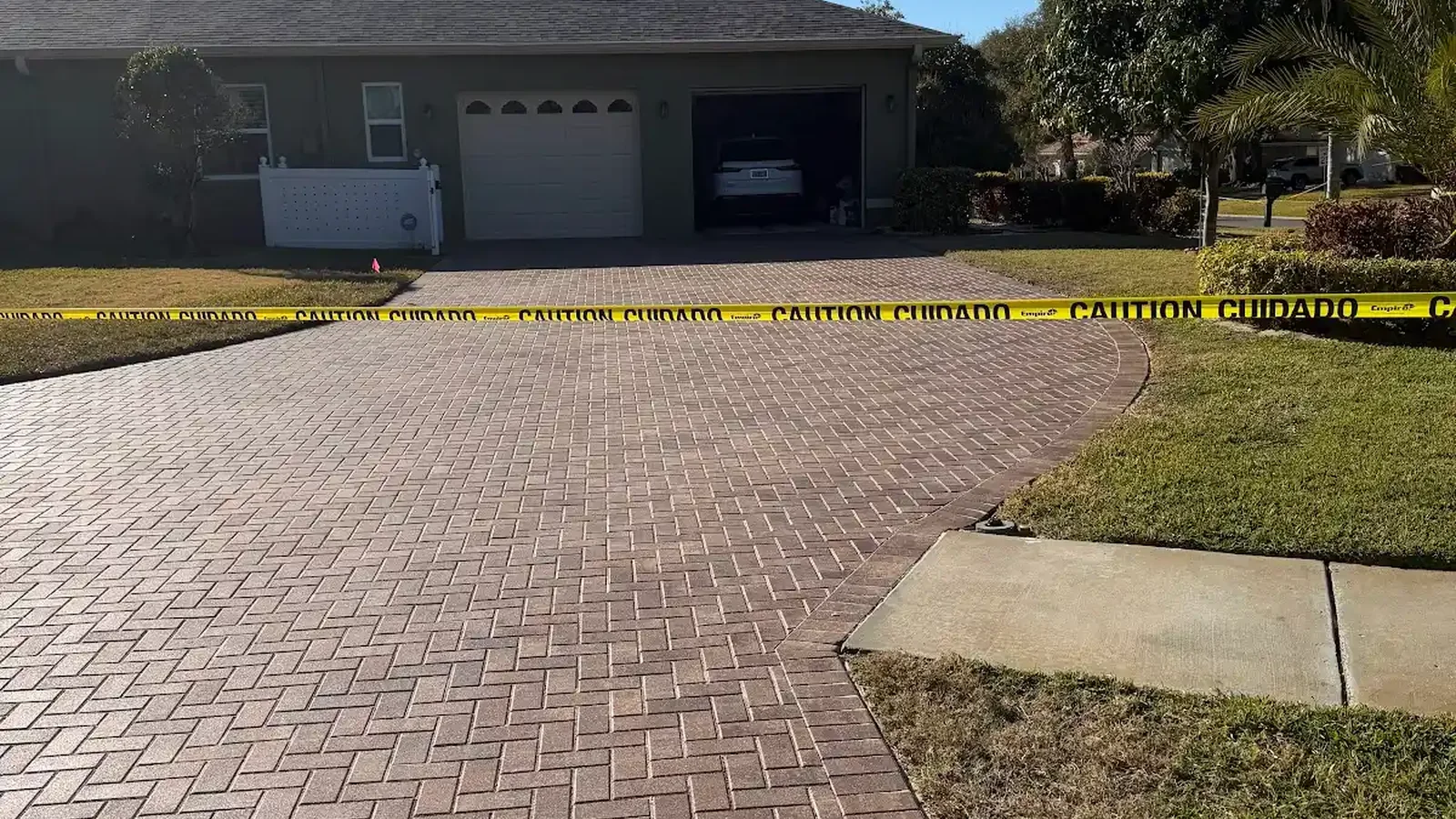
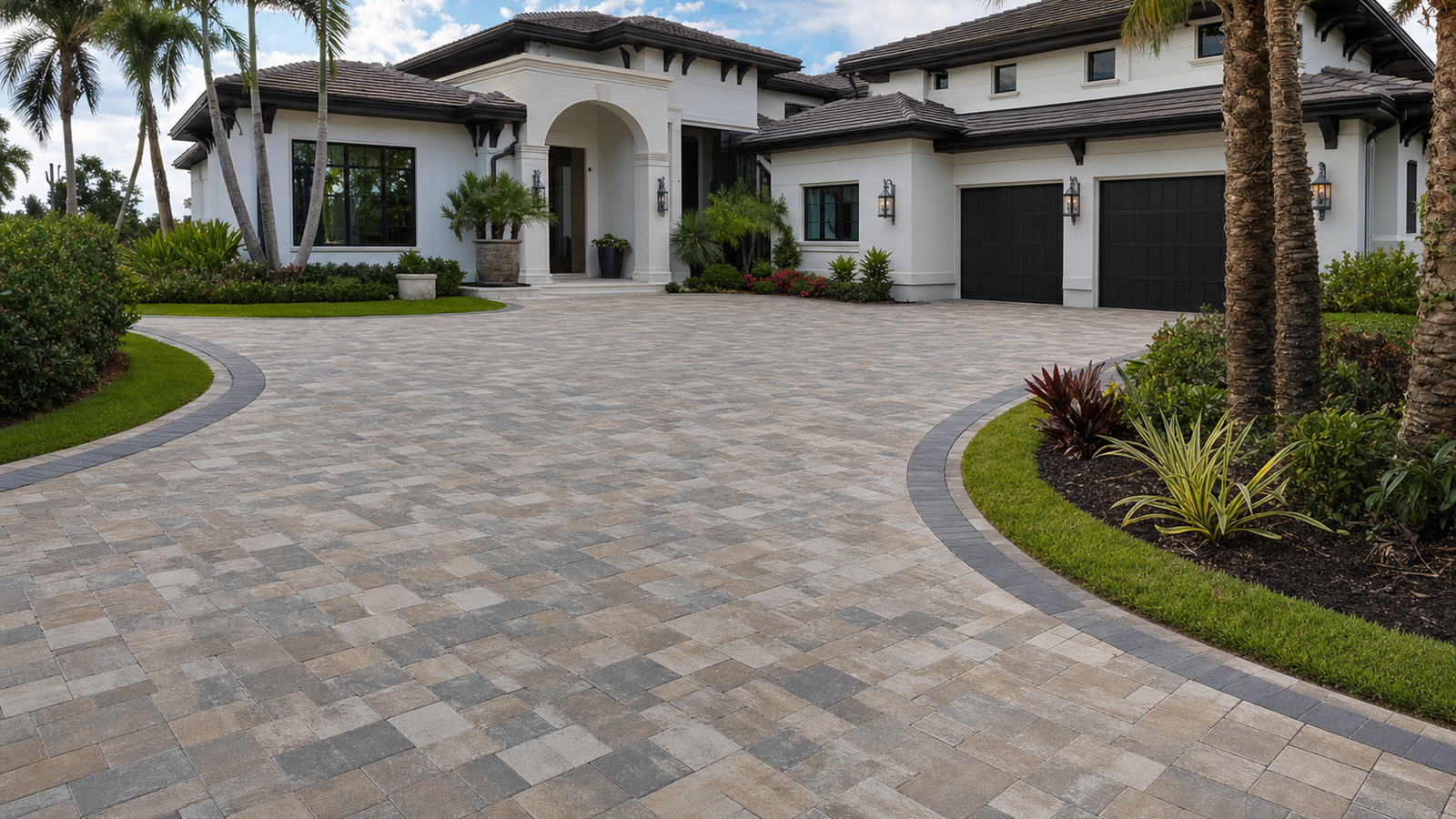
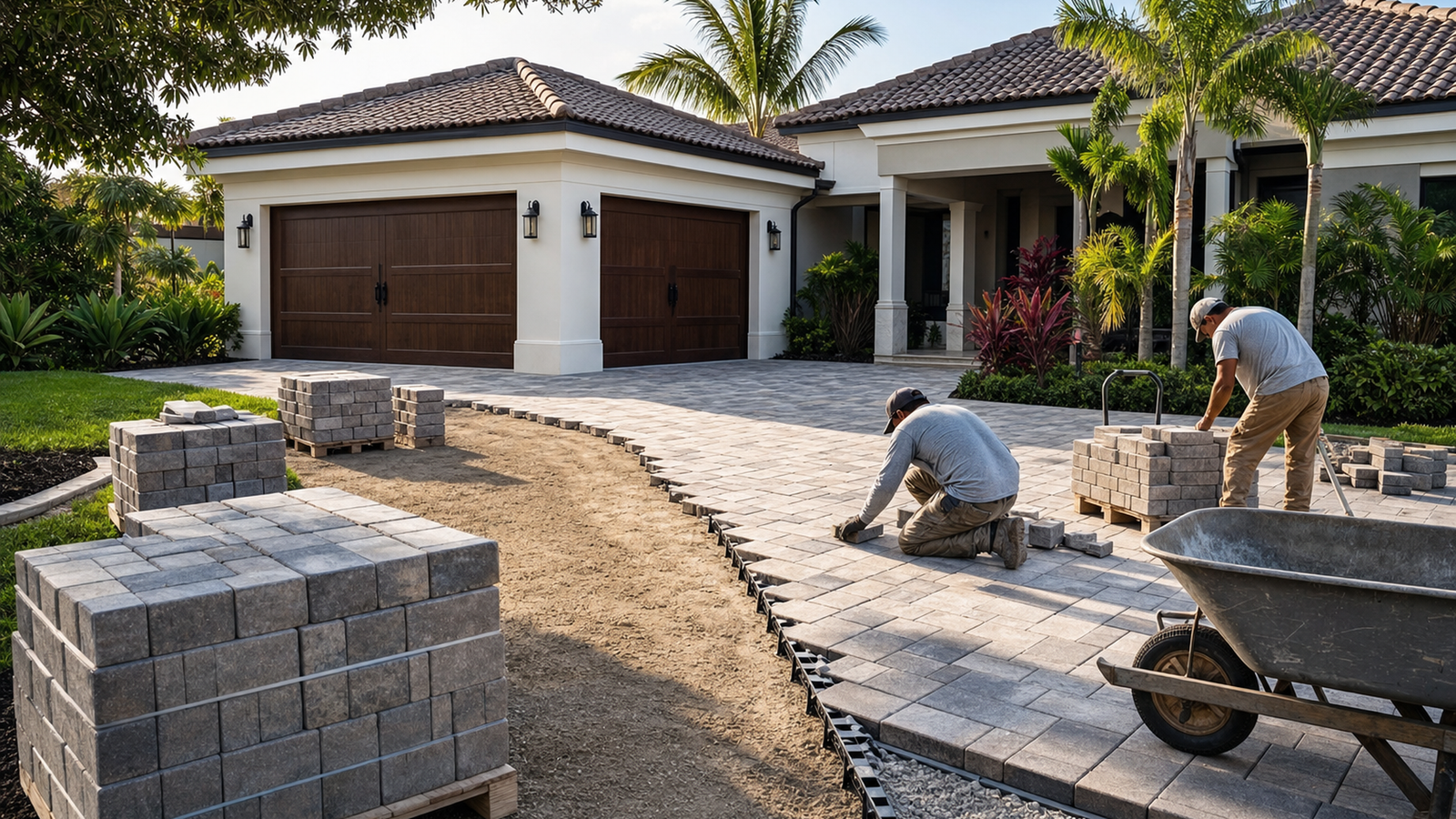
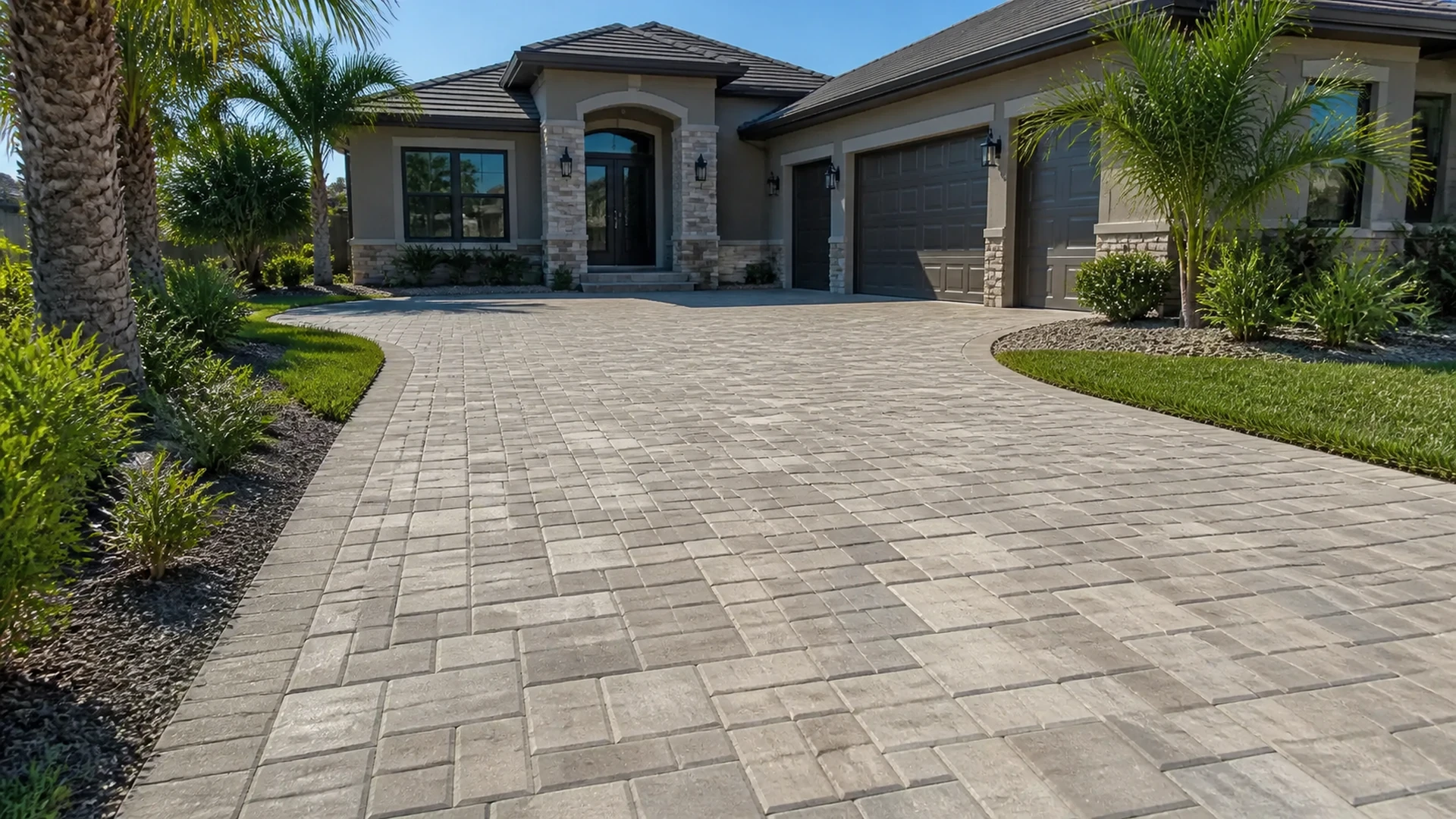
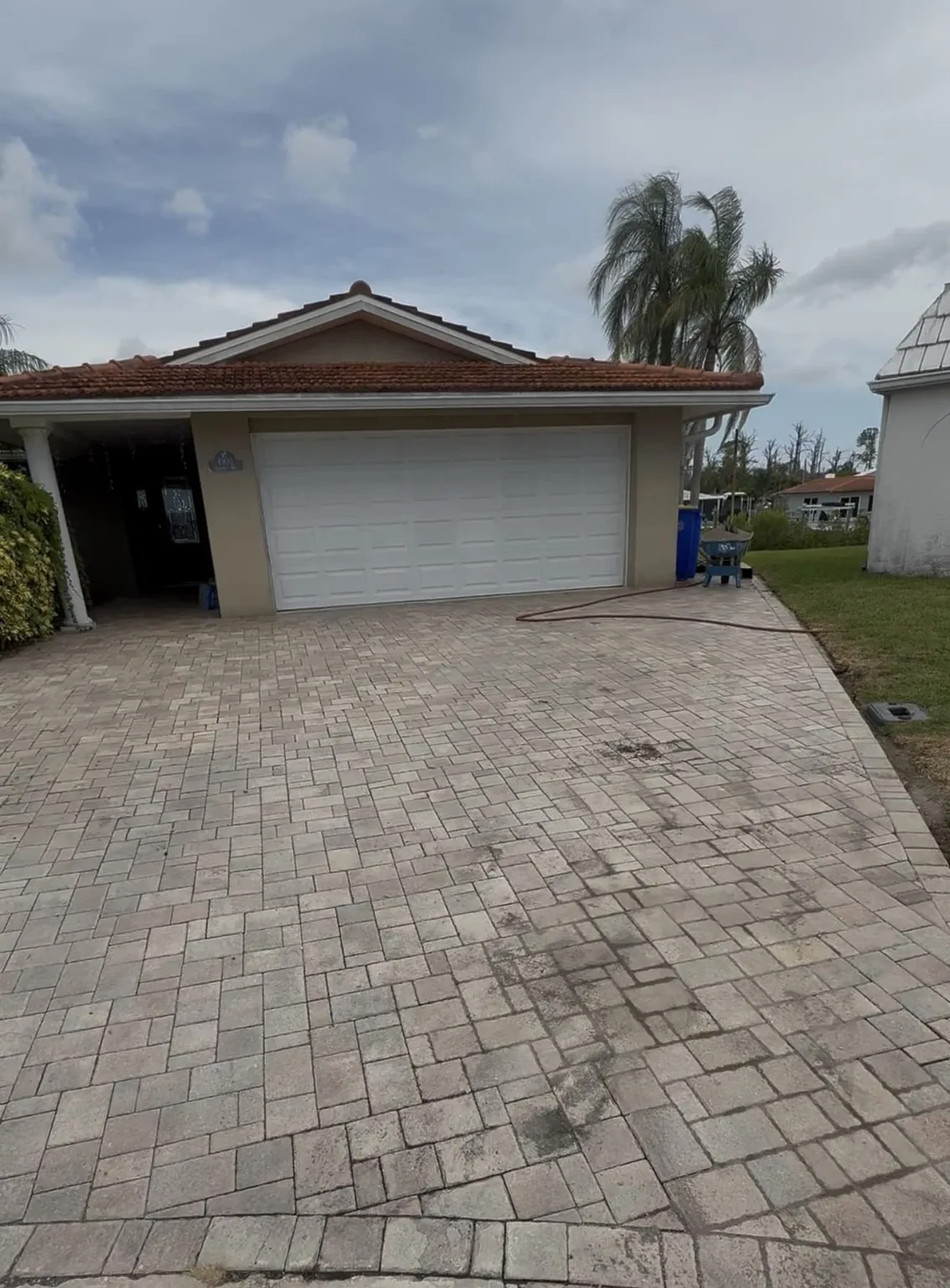
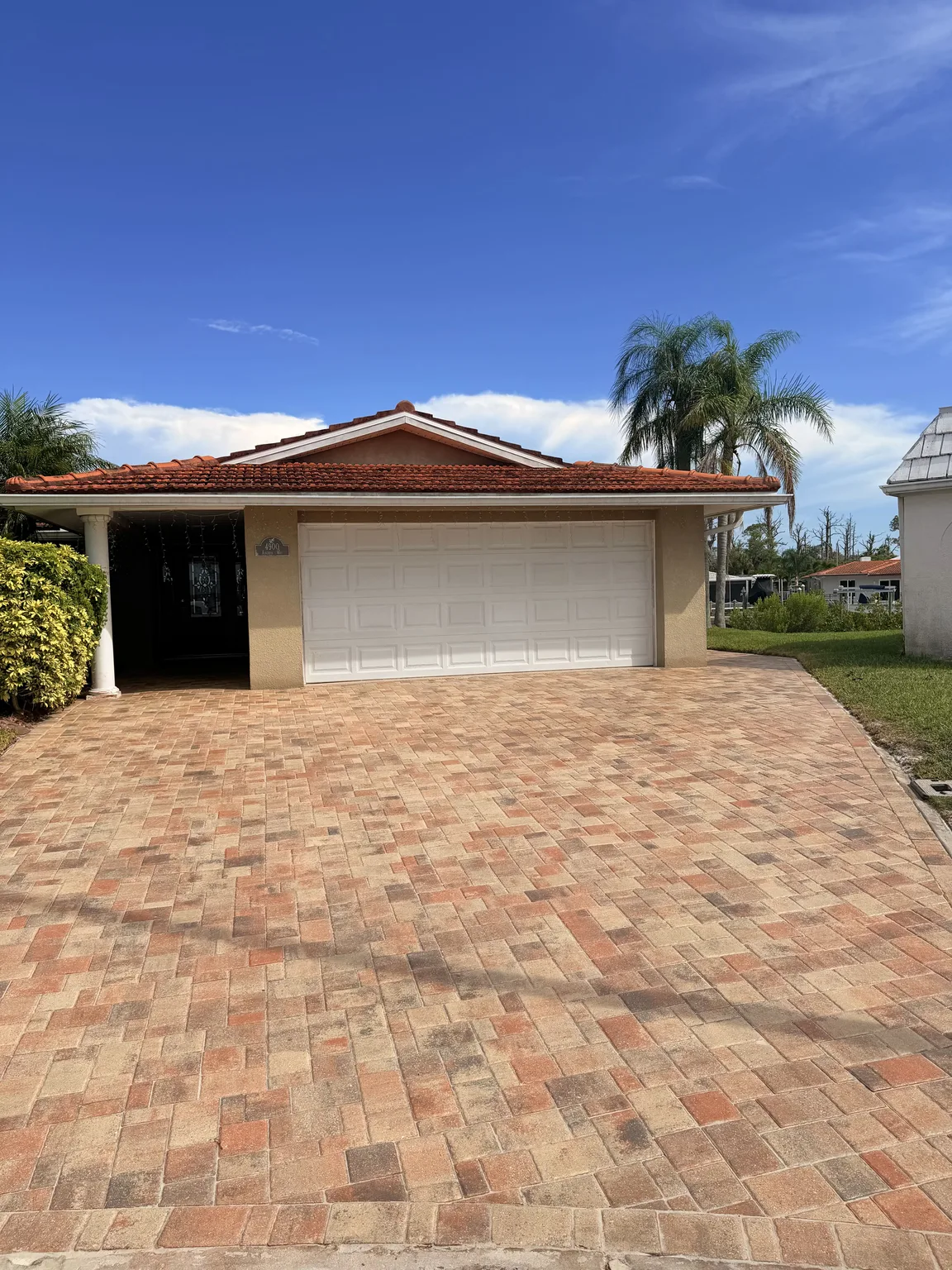
On a driveway, however, vehicle loads, turning areas, stain visibility, and curb appeal may carry more weight than barefoot temperature. Do pavers get hot on a dark driveway? Certainly, but most people cross it in shoes and spend little time standing there. A homeowner might therefore select a richer driveway blend while using paler units for an adjacent walkway. This zone-based palette can add visual structure without treating all hardscape exposure as identical.
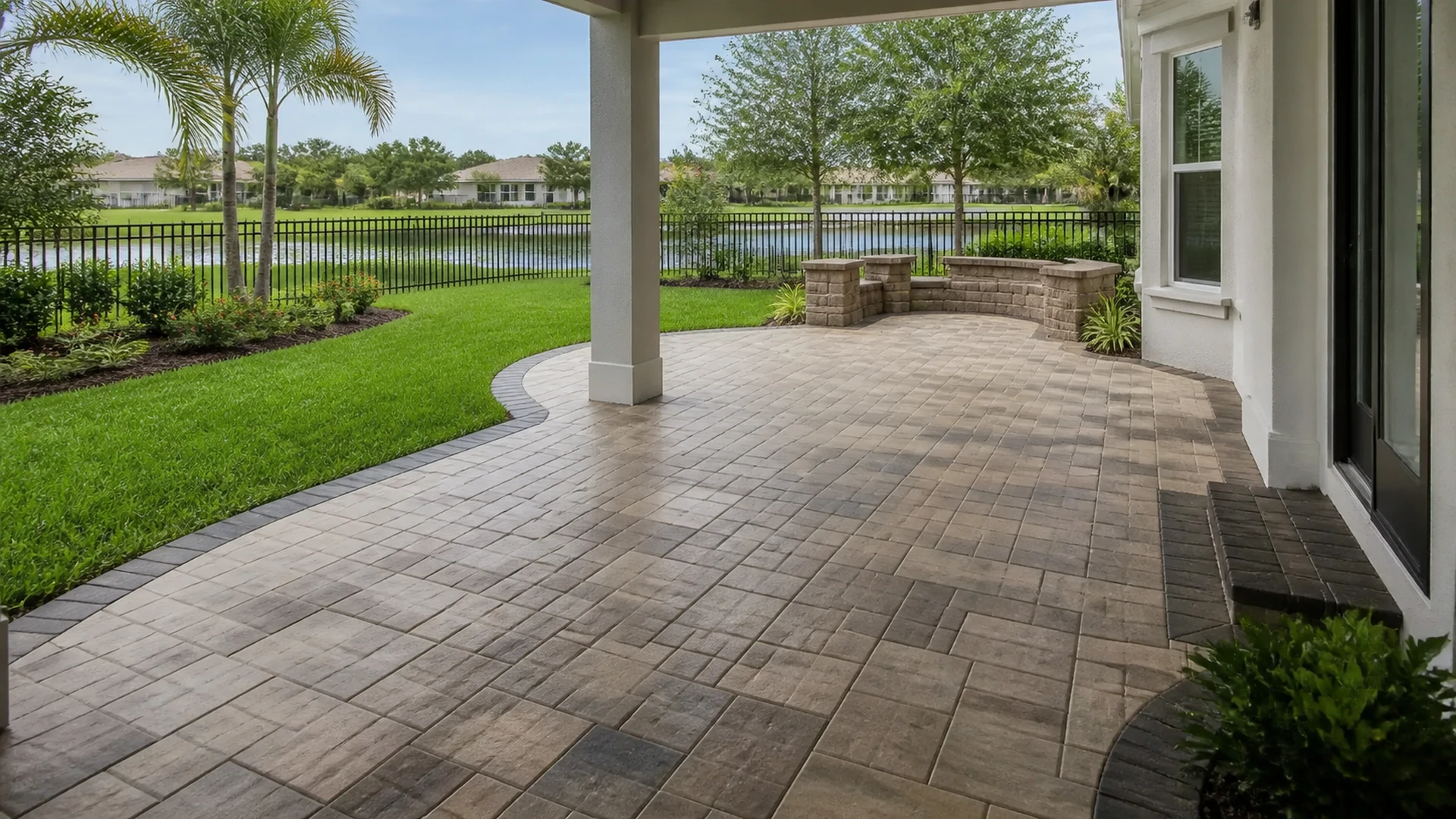
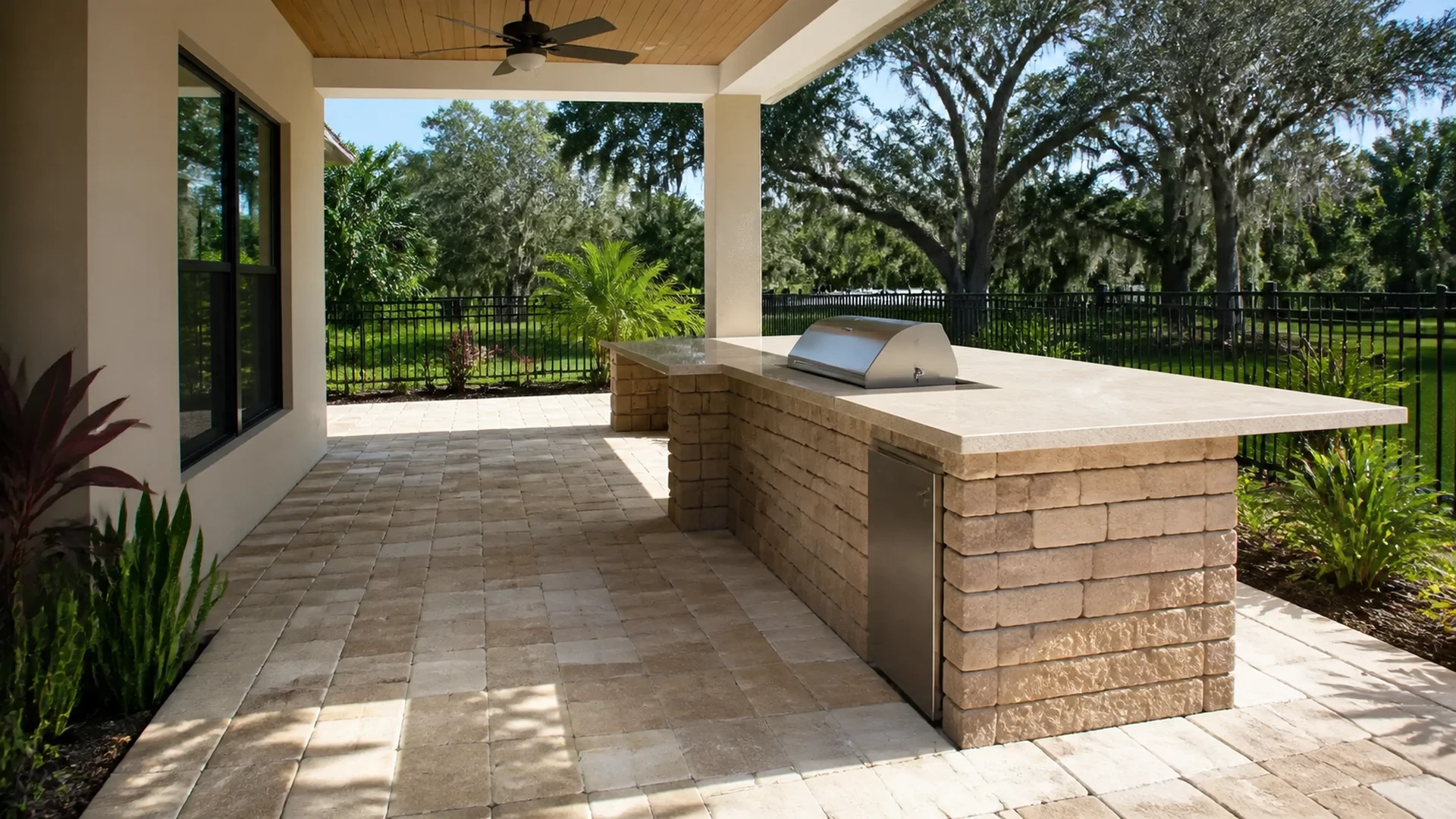
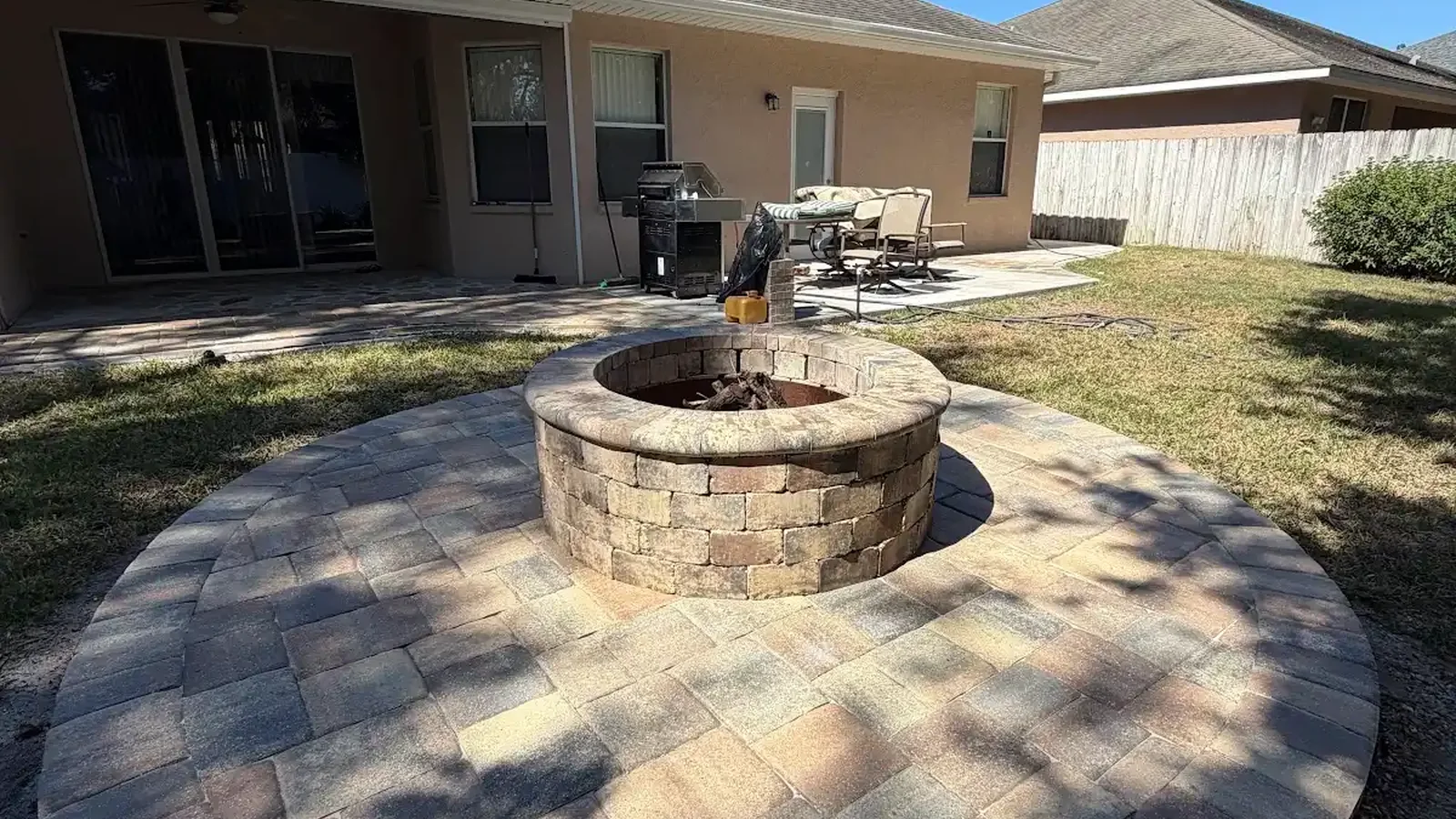
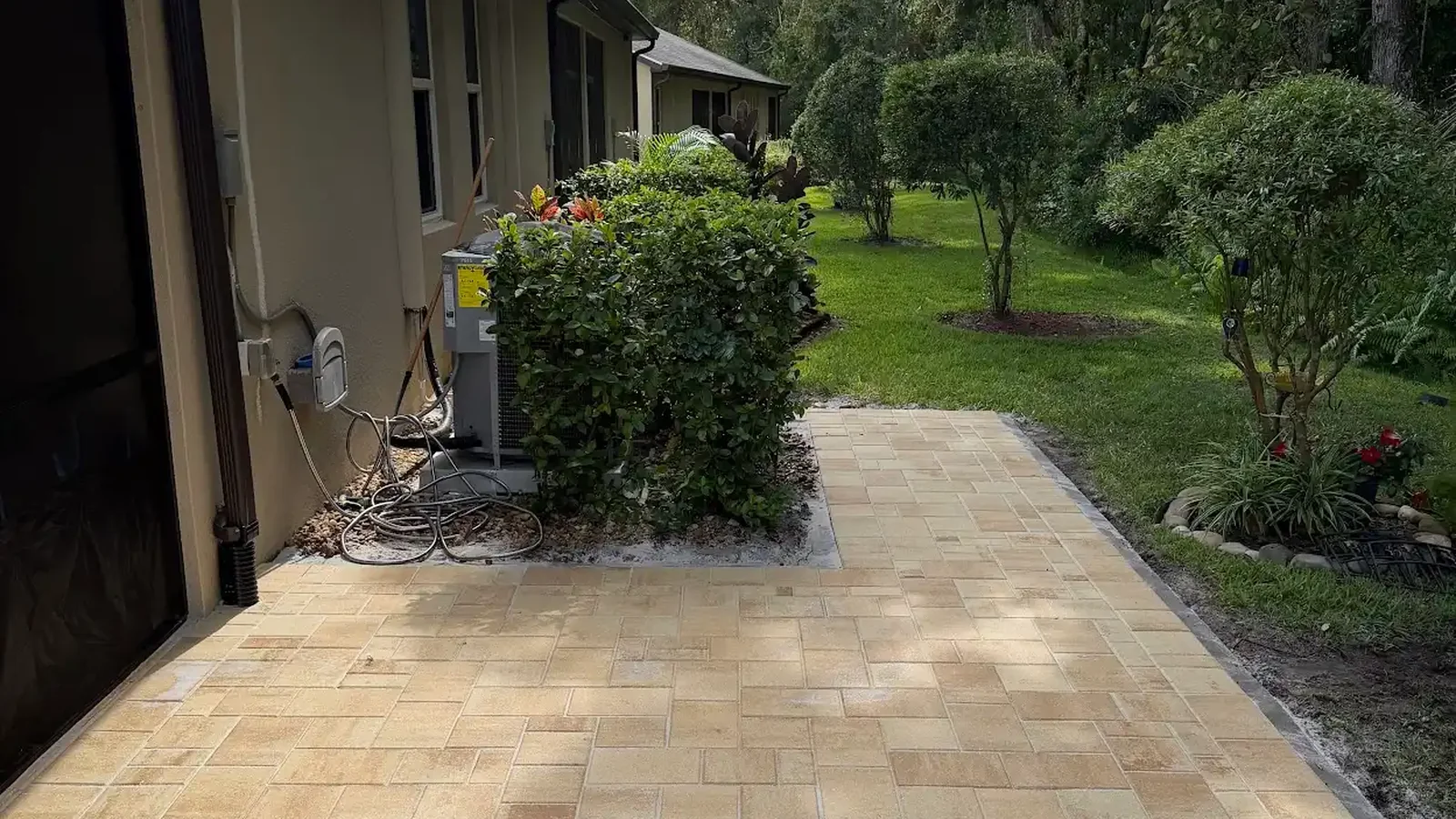
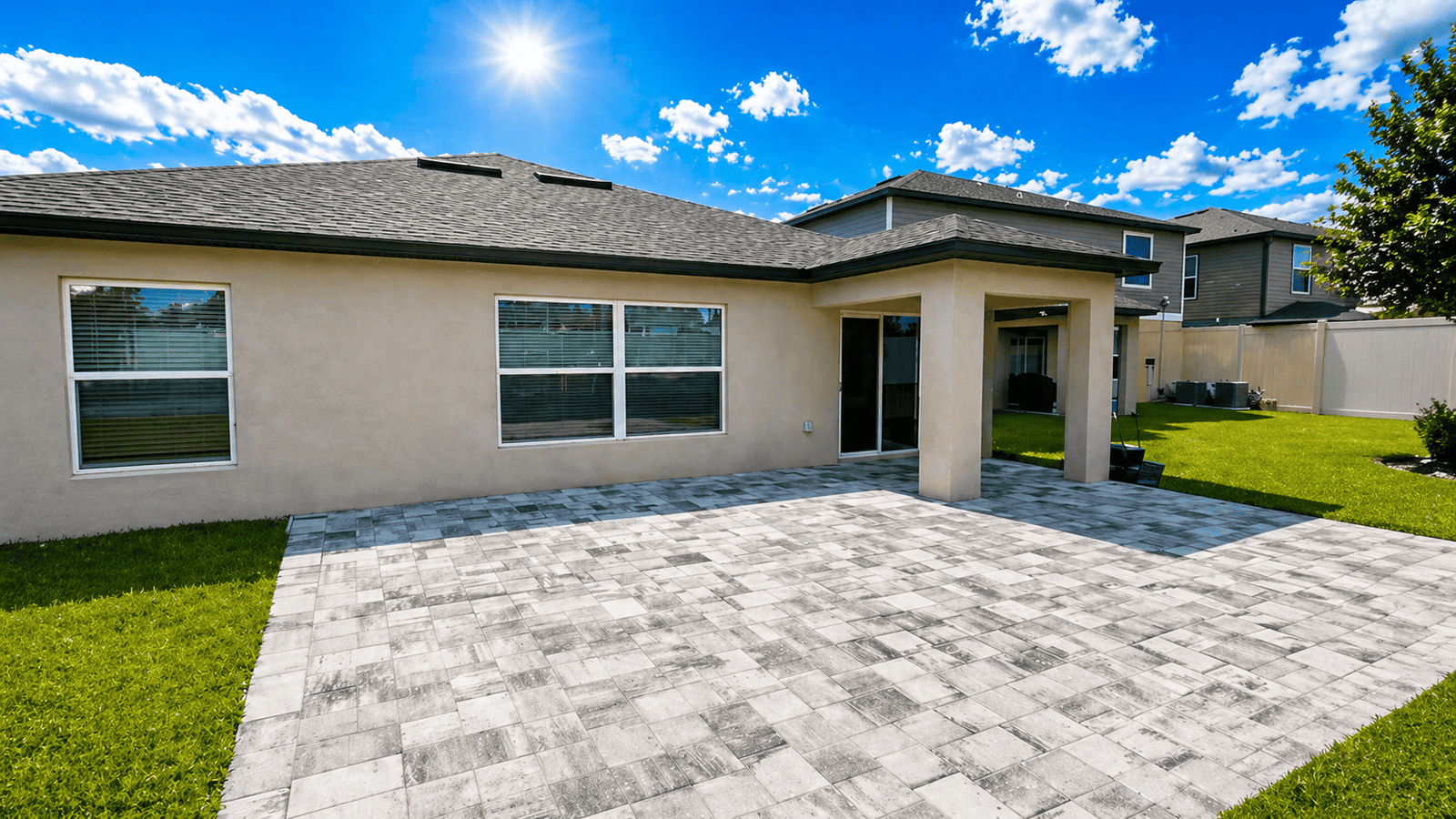
For patios and outdoor kitchens, meanwhile, consider where chairs, grills, counters, and circulation paths will sit. Furniture can shade portions of the surface, yet metal legs and dark mats may also become hot. In addition, cooking zones need practical cleaning and safe equipment clearances. The question do pavers get hot should therefore be mapped against actual activity: the route from the door, the standing space at the grill, and the area where pets rest.
A practical outdoor sample test
However, Before ordering, begin with representative full-size samples rather than relying only on a screen or catalog. Next, place each sample on a stable surface in the proposed project area, with comparable sun exposure. Check them in the morning, near the strongest sun, and later in the afternoon. Use the back of a hand briefly and cautiously before any barefoot test. Most importantly, keep children and pets away from materials that may be uncomfortably hot.
Then, record shade conditions and weather instead of trusting memory. A sample tested beneath a cloud cannot answer do pavers get hot during a clear August afternoon. Likewise, comparing one wet sample with one dry sample produces weak information. Repeat the observation on more than one day if the decision is important for barefoot use. Although this is not laboratory testing, a consistent side-by-side check gives homeowners relevant information about their own yard.
Questions to settle before choosing a product
Meanwhile, To narrow the options, ask who uses the space, during which hours, and with what footwear. Also note whether the area faces east or west, receives roof shade, or sits beside reflective walls and water. Then compare desired color, wet traction, cleaning expectations, and replacement availability. These questions turn do pavers get hot from a general concern into a design requirement that a contractor can address with specific samples and layout choices.
Consequently, Equally important, discuss how the new area connects to existing surfaces. A cool-looking pale patio may clash with a dark coping band, while a coordinated transition can make both zones feel intentional. Changes in elevation and edge restraint also matter to long-term performance. For an overview of available project types, homeowners can review DR Pavers Design services before the site conversation. That preparation keeps aesthetics, comfort, and construction needs aligned.
Common heat mistakes to avoid
One frequent mistake is choosing from an indoor display where lighting and air conditioning hide outdoor behavior. Another is assuming every light material performs exactly alike. Instead, test the actual color and finish being quoted. Homeowners should also avoid selecting a glossy treatment without checking wet traction for the intended zone. In short, do pavers get hot is best answered with the precise product, location, and exposure in view.
Finally, do not expect one tactic to control every condition. Light color can help, but full sun still warms the surface. Shade can help, but its position changes through the day and seasons. Water can cool temporarily, but it is not a permanent plan. Consequently, a comfortable Florida hardscape usually combines an appropriate material palette, realistic shade coverage, sensible circulation, and user habits such as footwear during the hottest periods.
Account for changing sun through the year
Although August conditions provide a demanding heat check, sun angles and shade patterns change during the year. A roofline that shades part of the patio in winter may leave it exposed during longer summer afternoons. Likewise, a young tree may cast only a narrow shadow today and a broader one after healthy growth. Therefore, homeowners should avoid treating one comfortable morning as proof of all-day performance. Photos taken at different hours can help a contractor understand the seasonal exposure around doors, steps, seating, and pool access.
Ultimately, During design, the same observation can guide where colors or materials change. For example, a pale field may serve the most exposed walking route, while a coordinated darker border remains away from frequent barefoot contact. Alternatively, a shaded dining zone can carry a richer tone without controlling the entire palette. In either case, do pavers get hot becomes a placement question as well as a product question. Thoughtful transitions let comfort decisions support the visual plan rather than appear as an afterthought.
Plan heat comfort with the whole project in mind
Ultimately, the answer to do pavers get hot is yes, but that answer does not make every paver or every yard equivalent. Light colors, suitable textures, planned shade, and zone-specific choices can meaningfully improve day-to-day comfort. At the same time, installation details, drainage, access, and maintenance remain essential to a successful surface. A site-based conversation lets the homeowner compare tradeoffs instead of chasing a material that promises to stay cool in all Florida conditions.
Afterward, When you are ready to discuss do pavers get hot on your Tampa Bay property, contact DR Pavers Design. Next, read the FAQ, browse recent projects and testimonials, or compare our services. You can also follow Instagram and Facebook, then view our map listing and Google reviews. Finally, send a WhatsApp message, call, text, or email our team for a project-specific consultation.