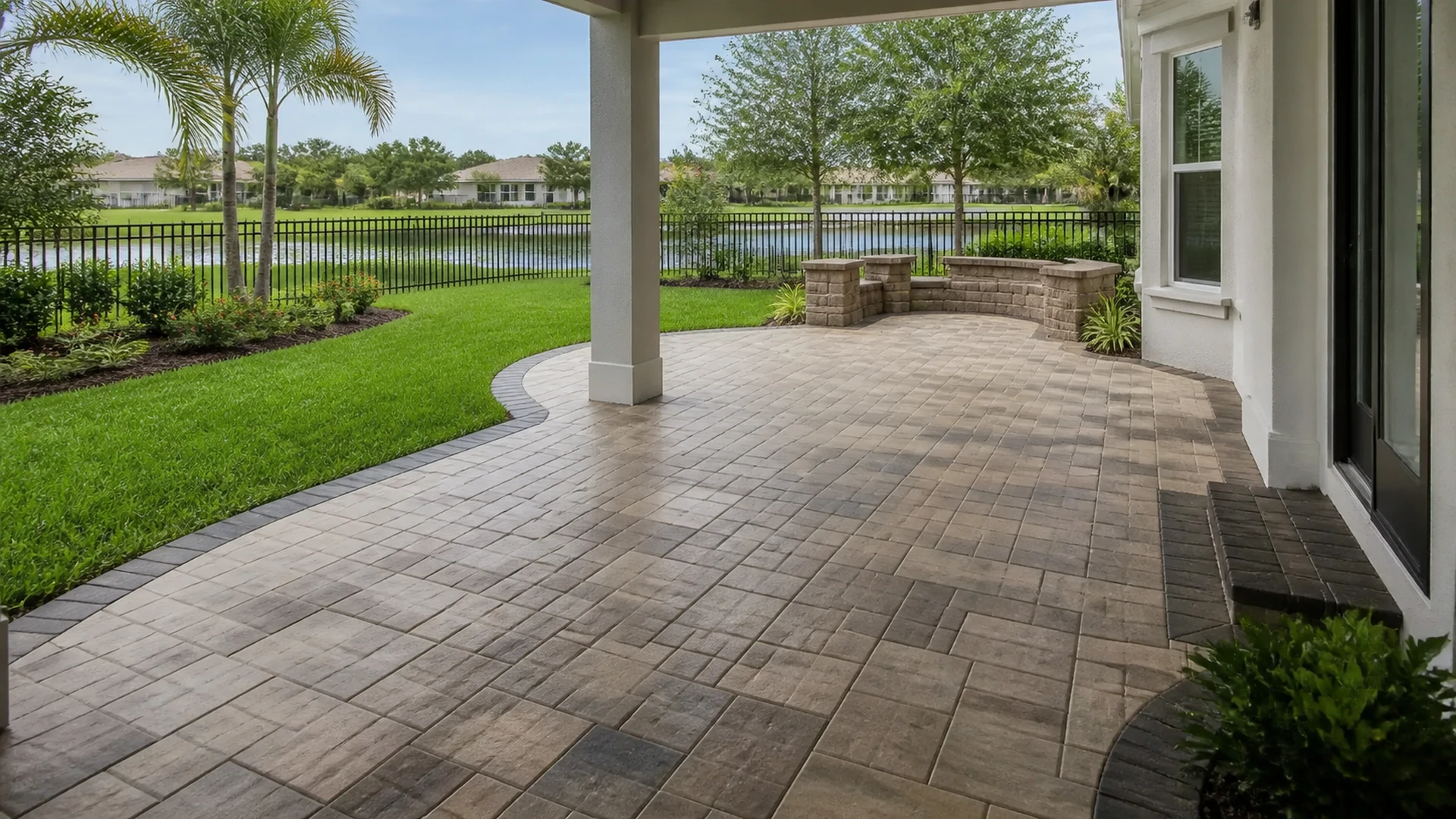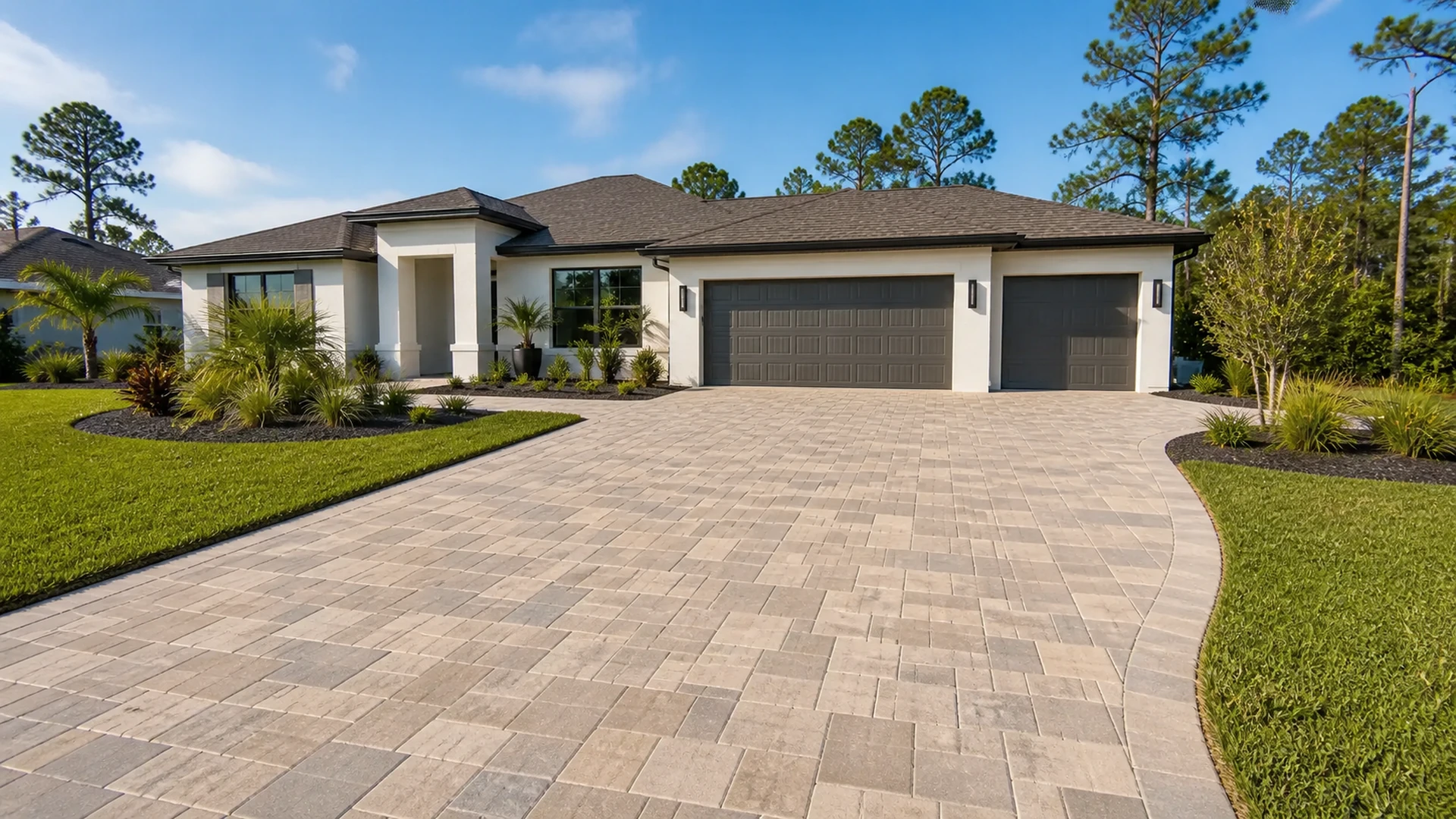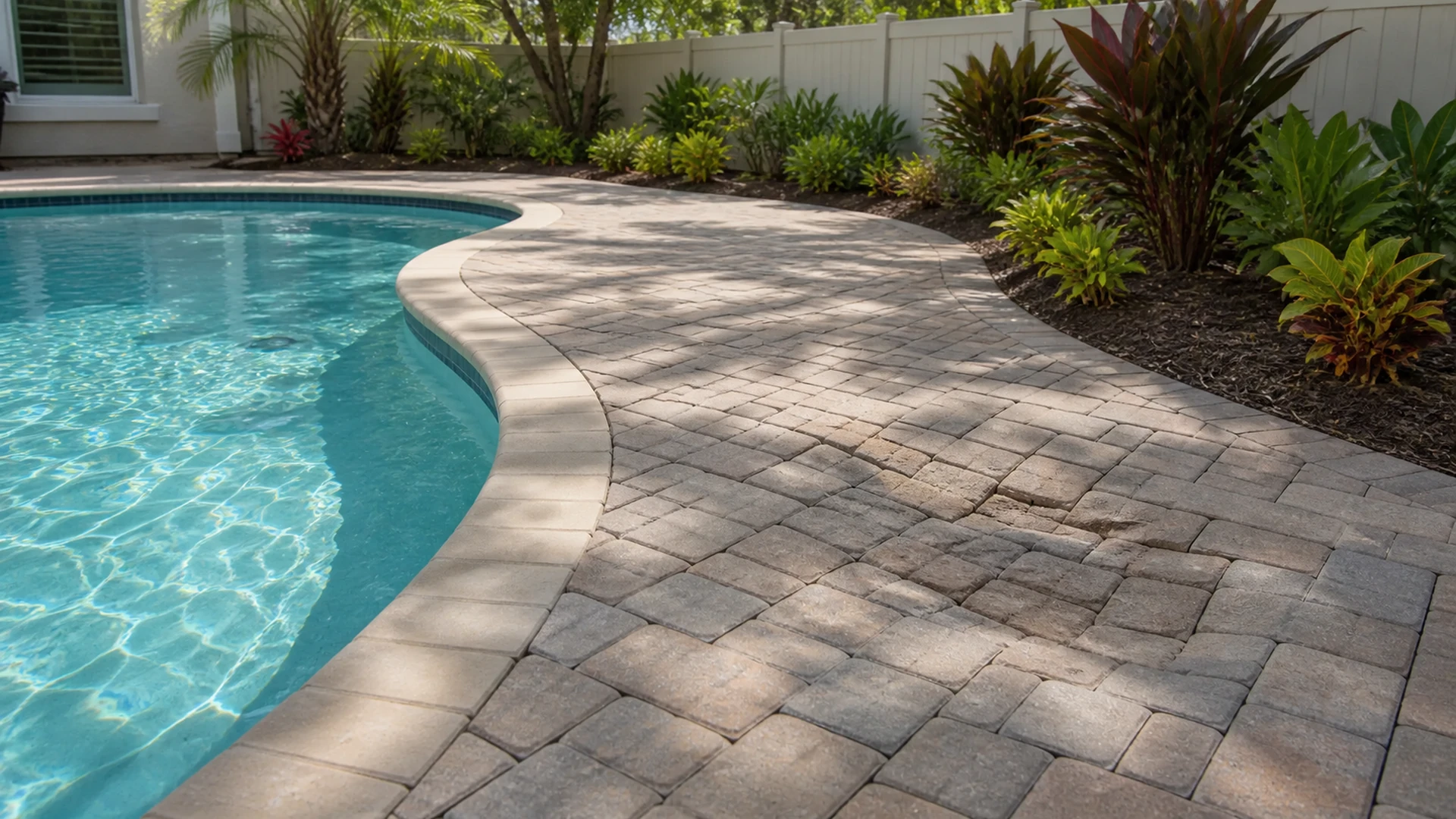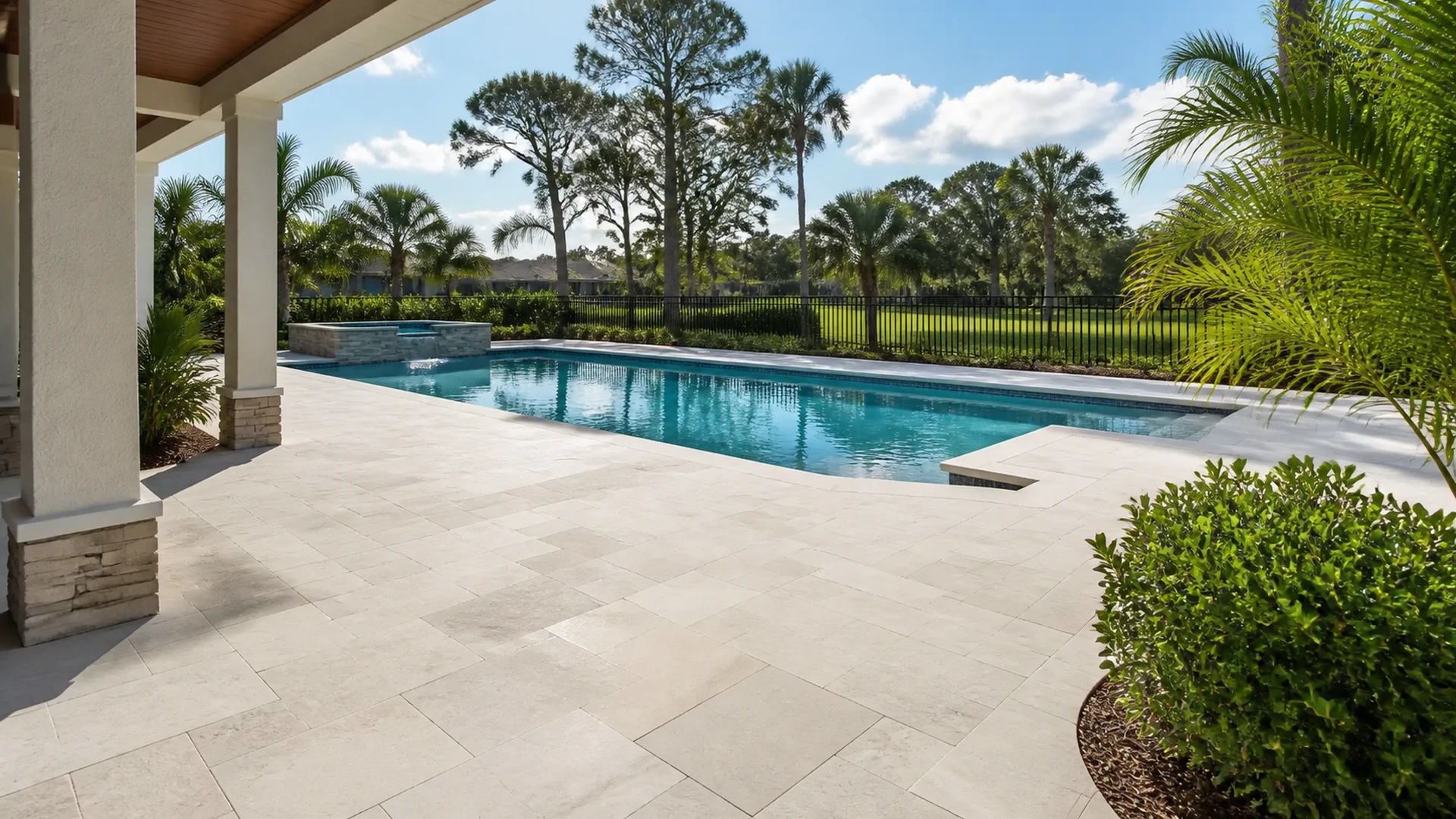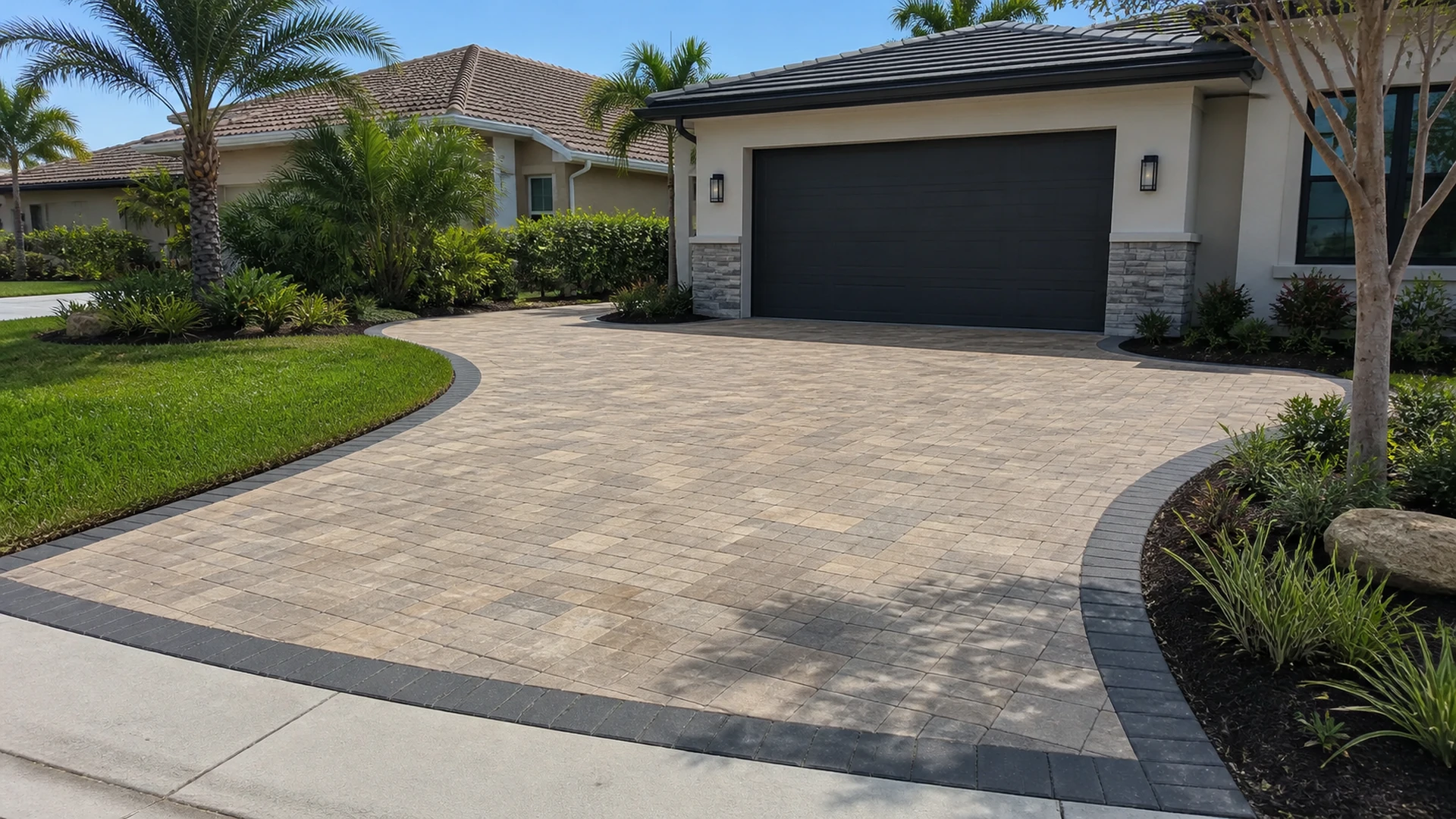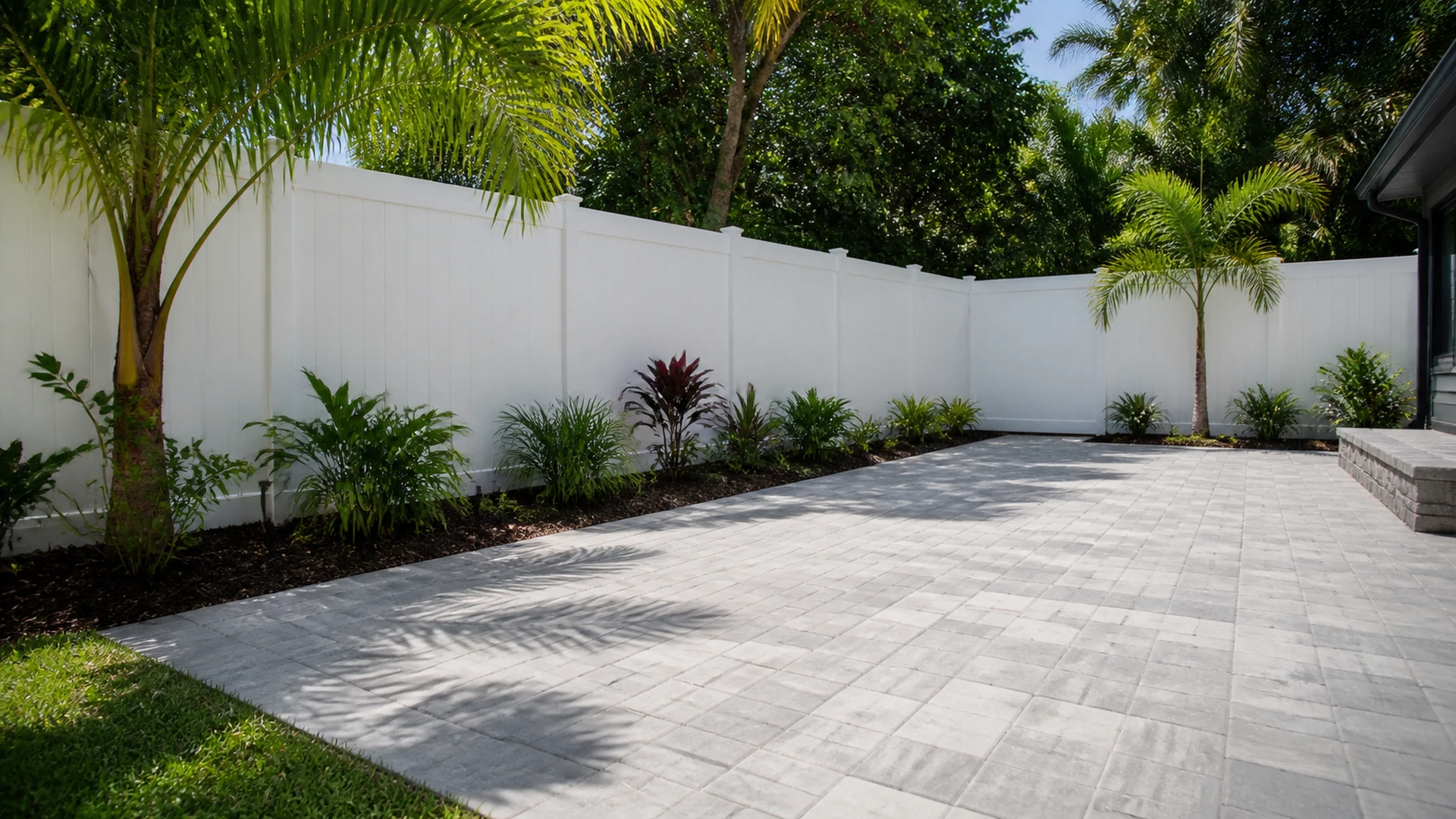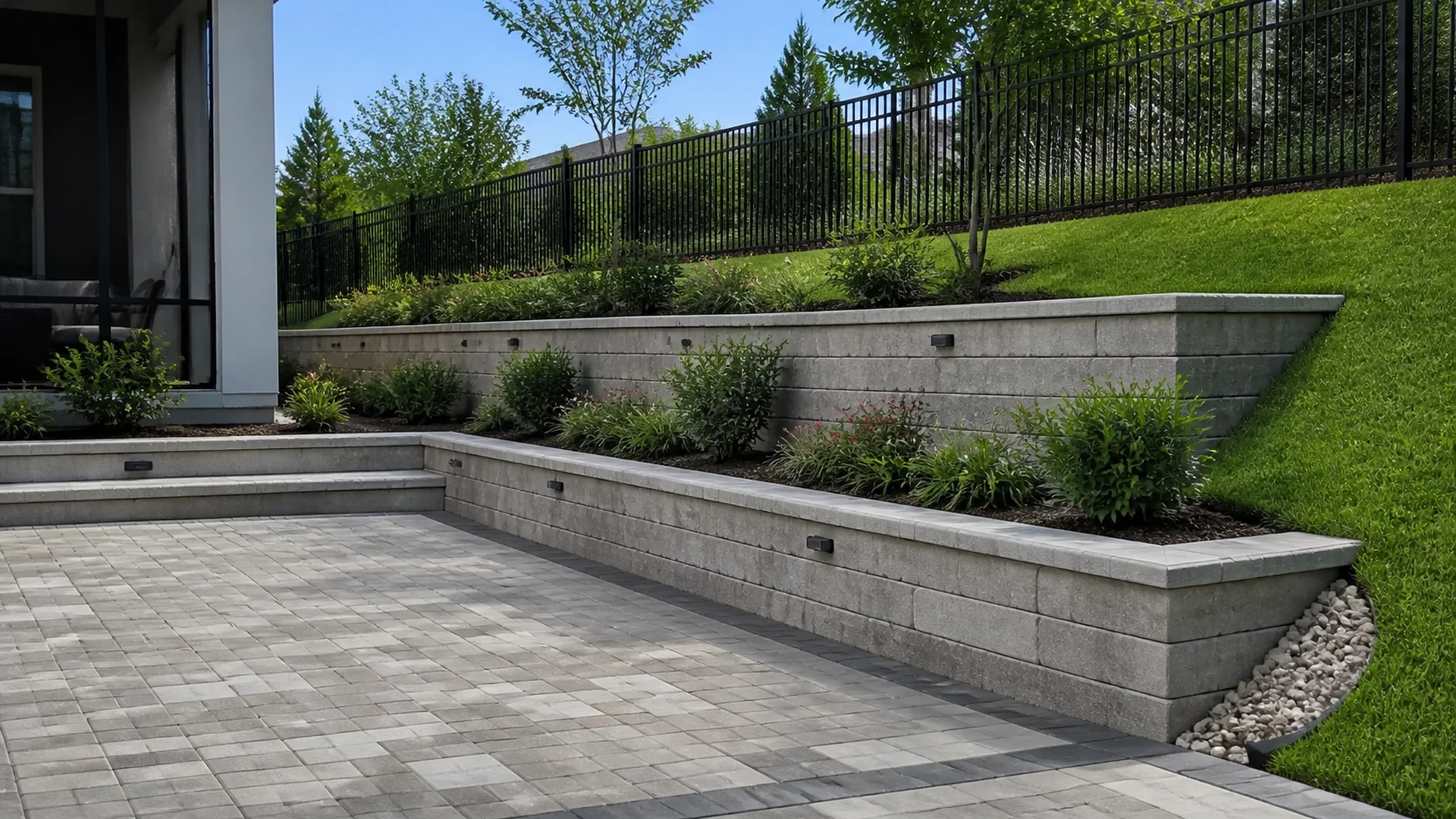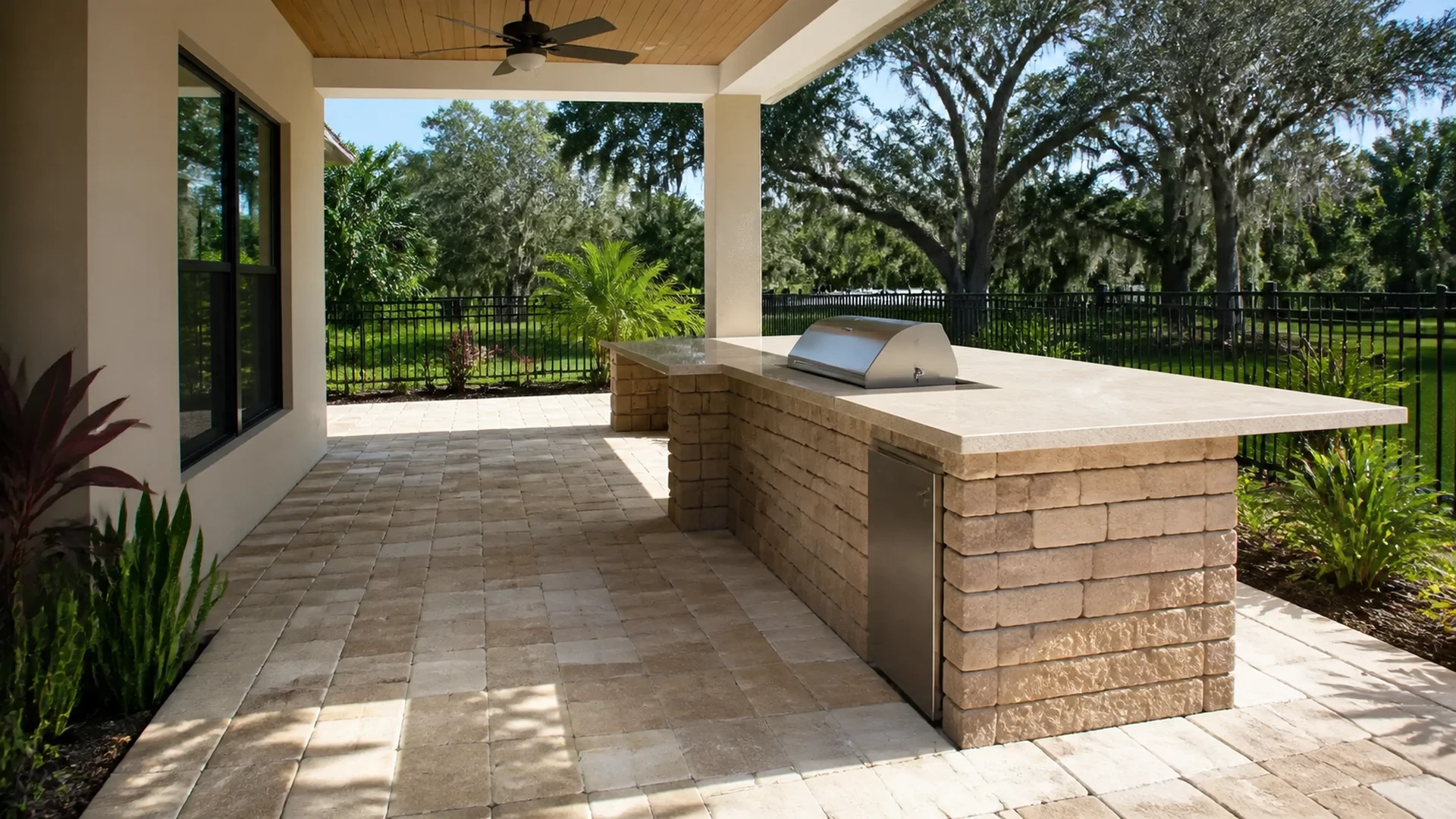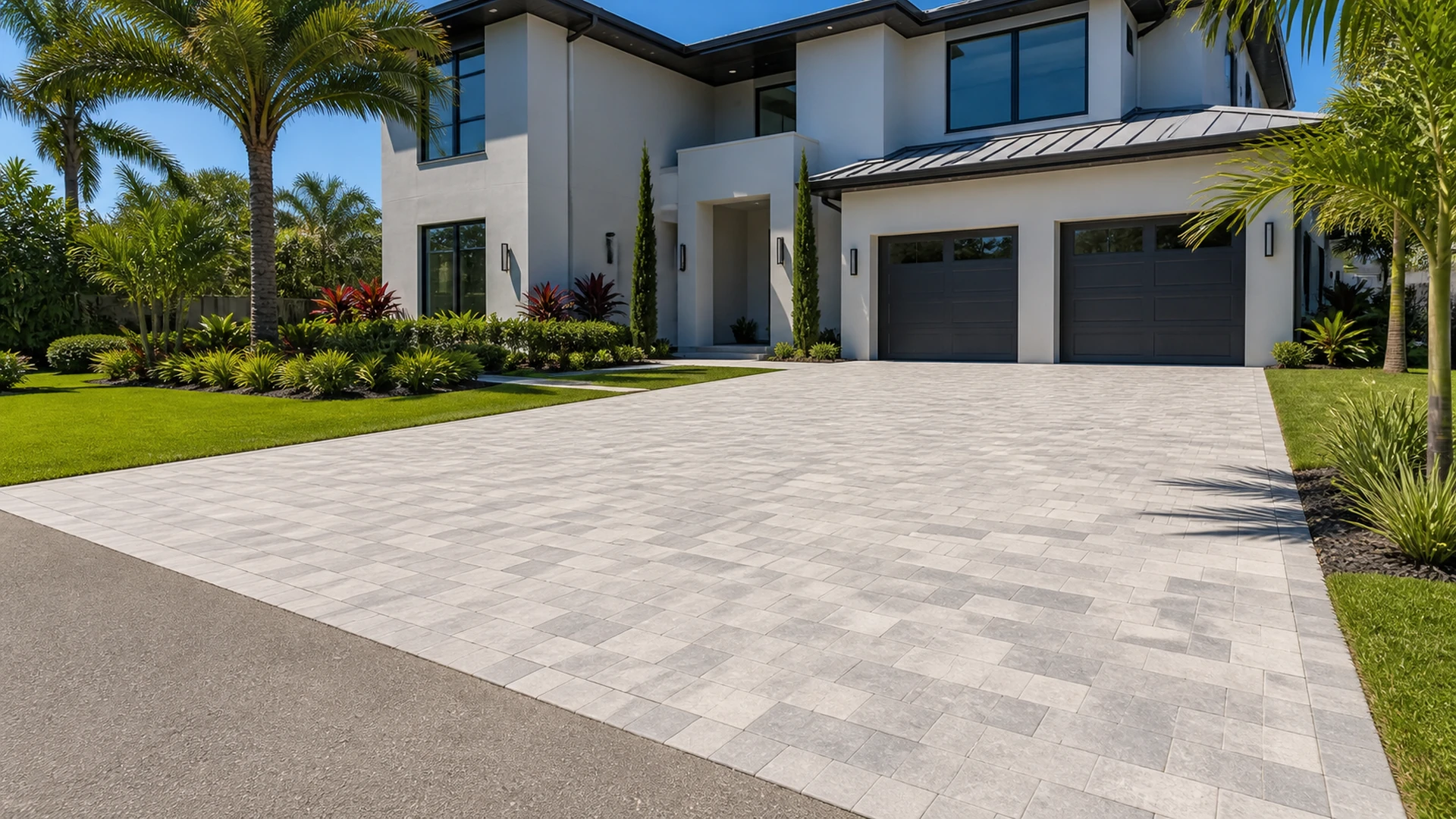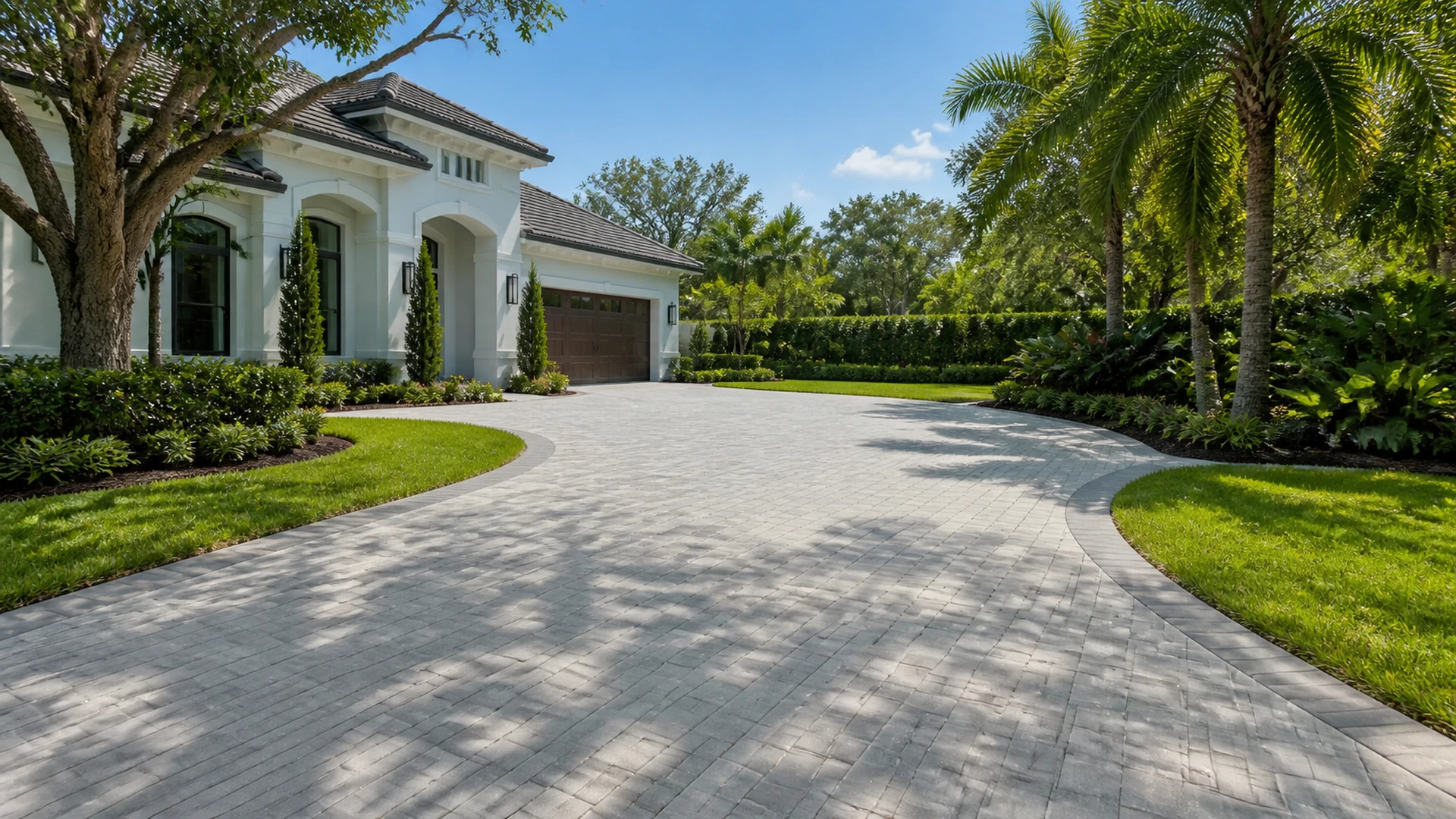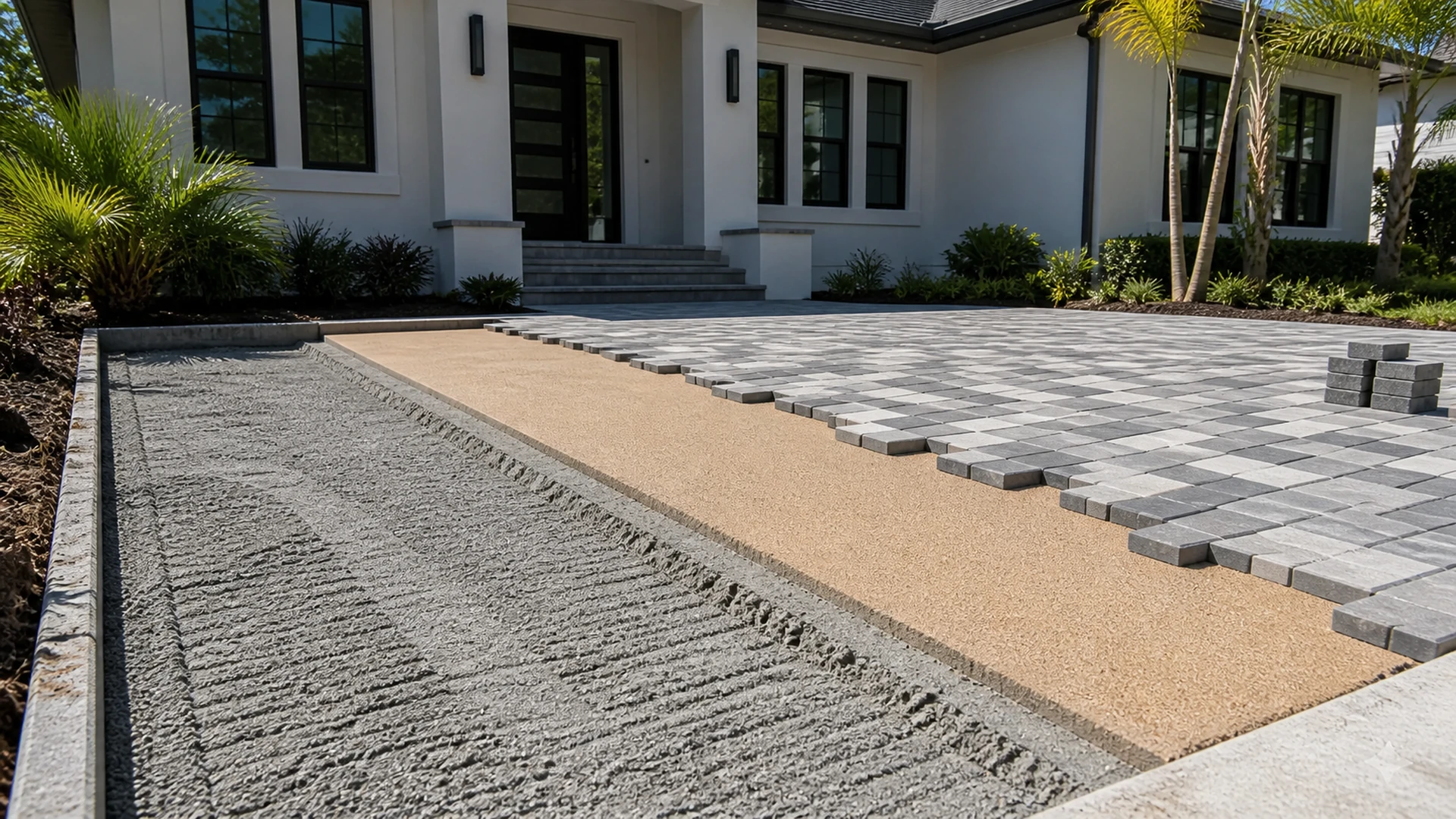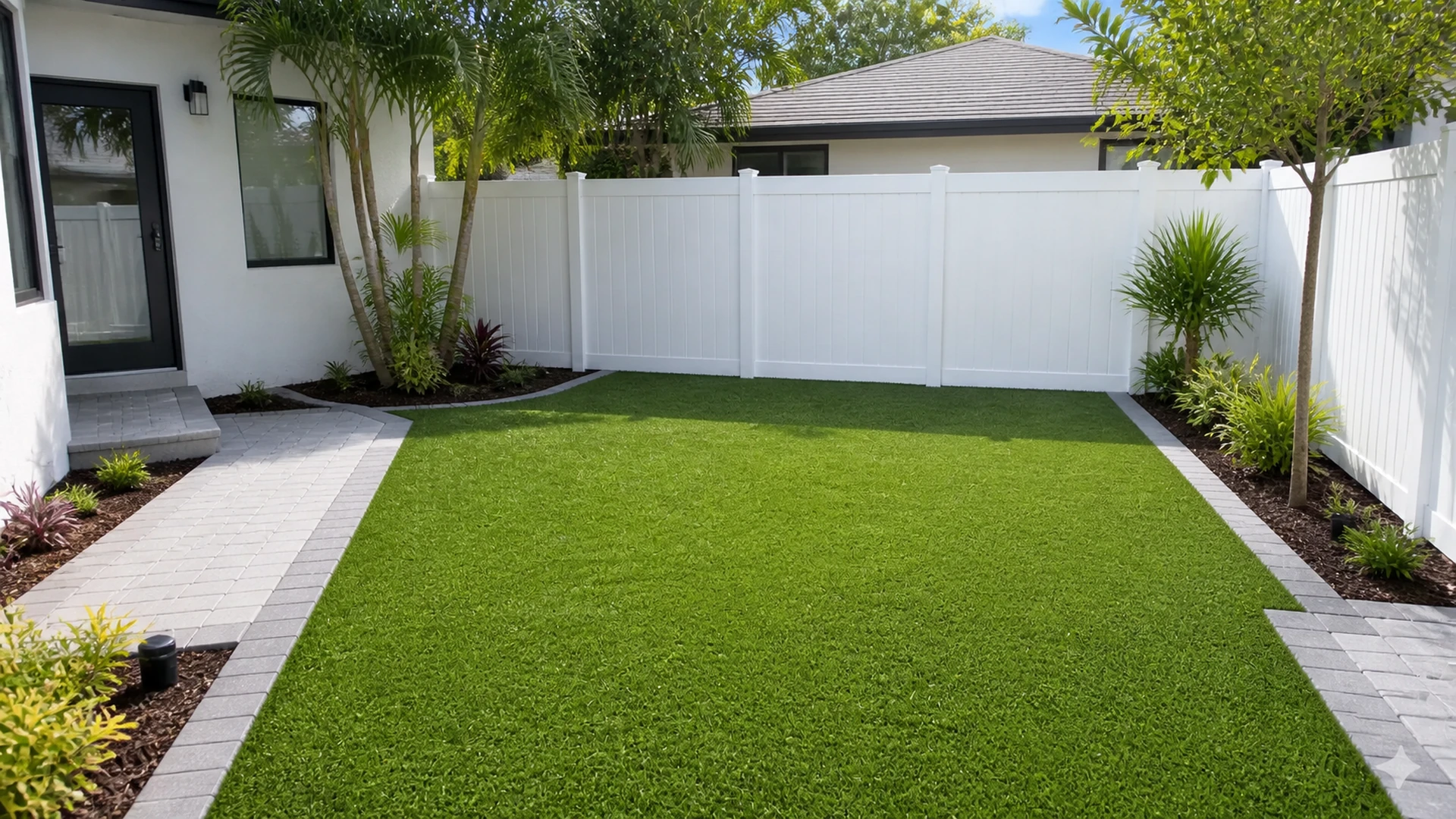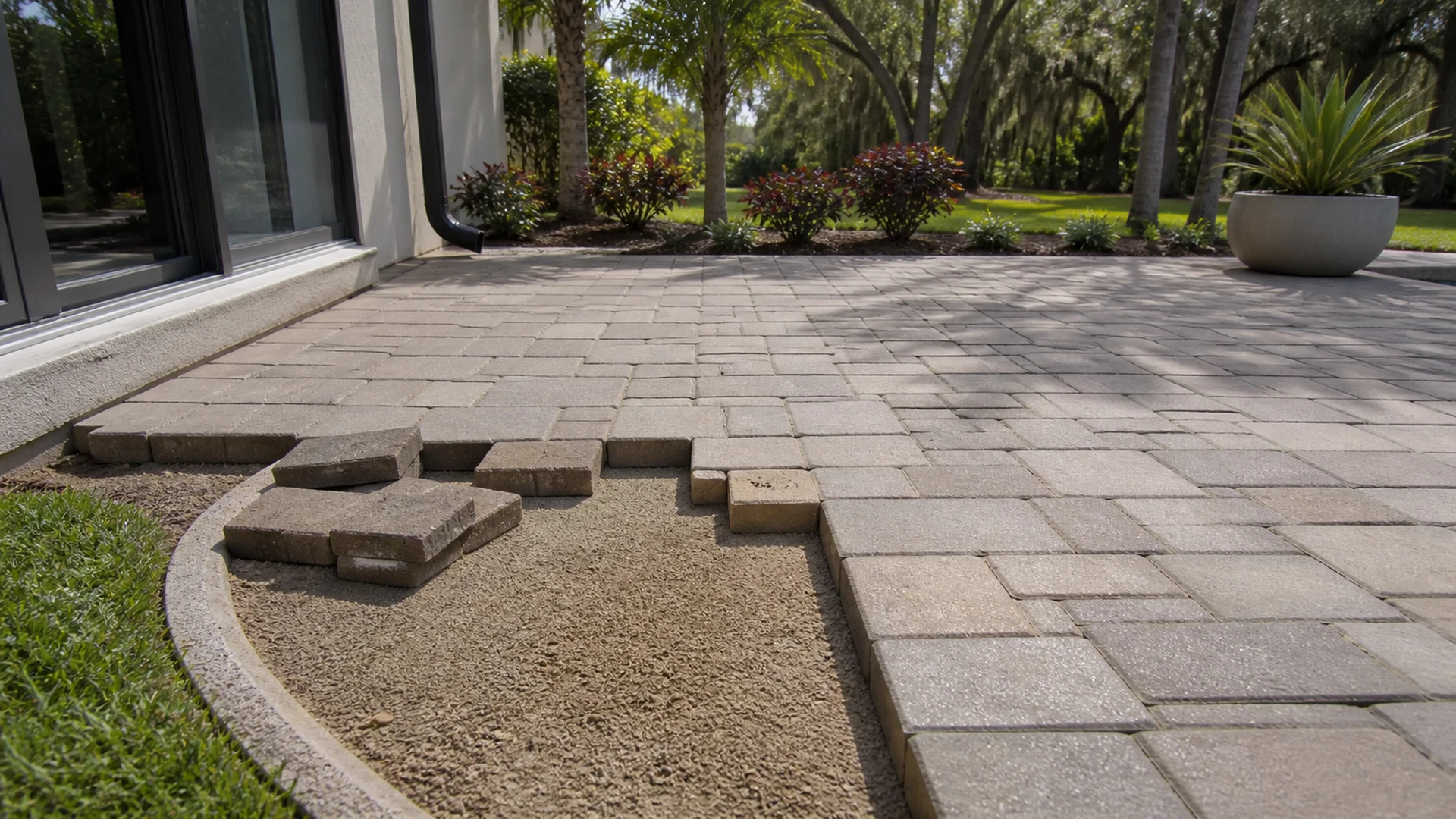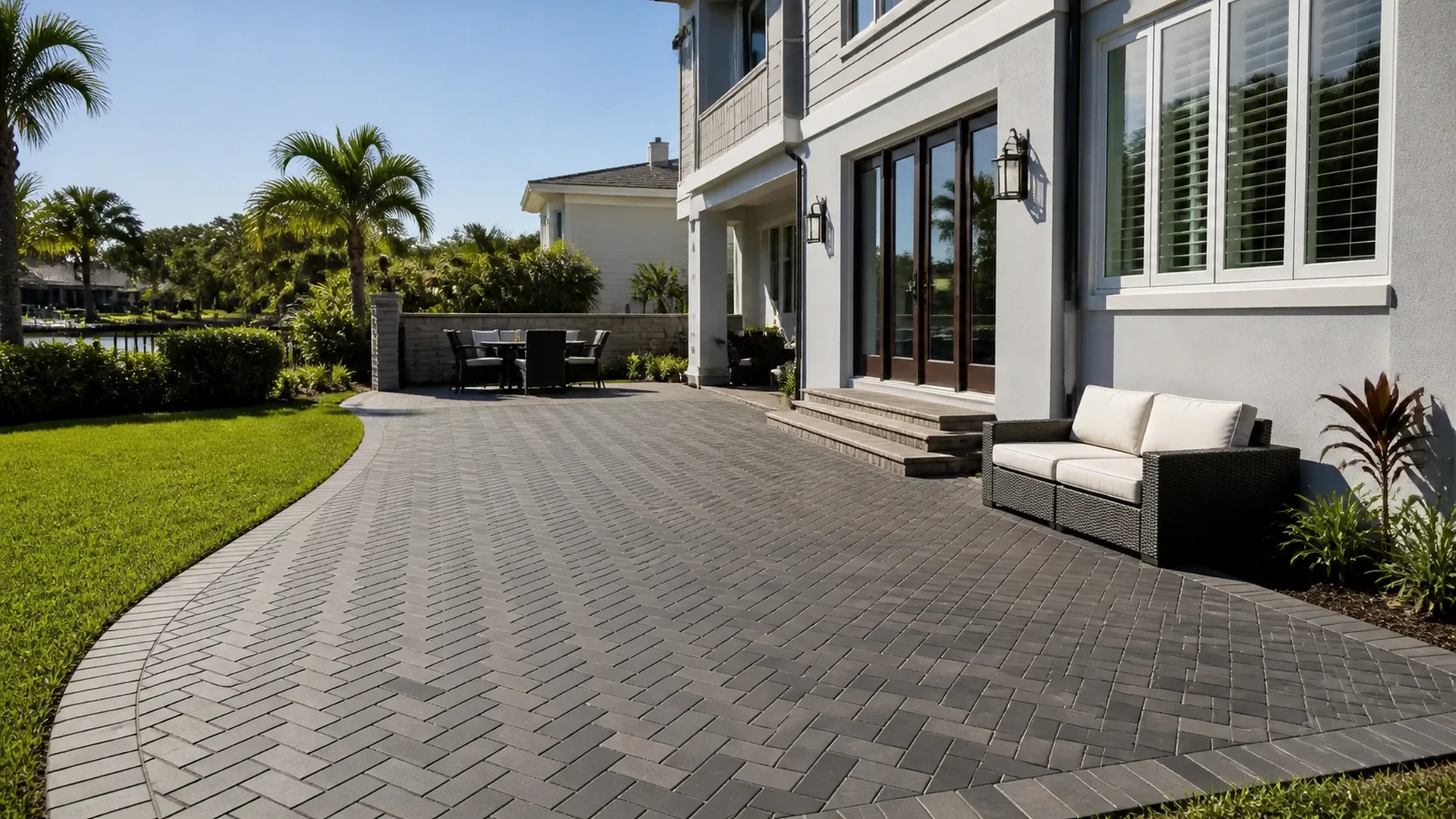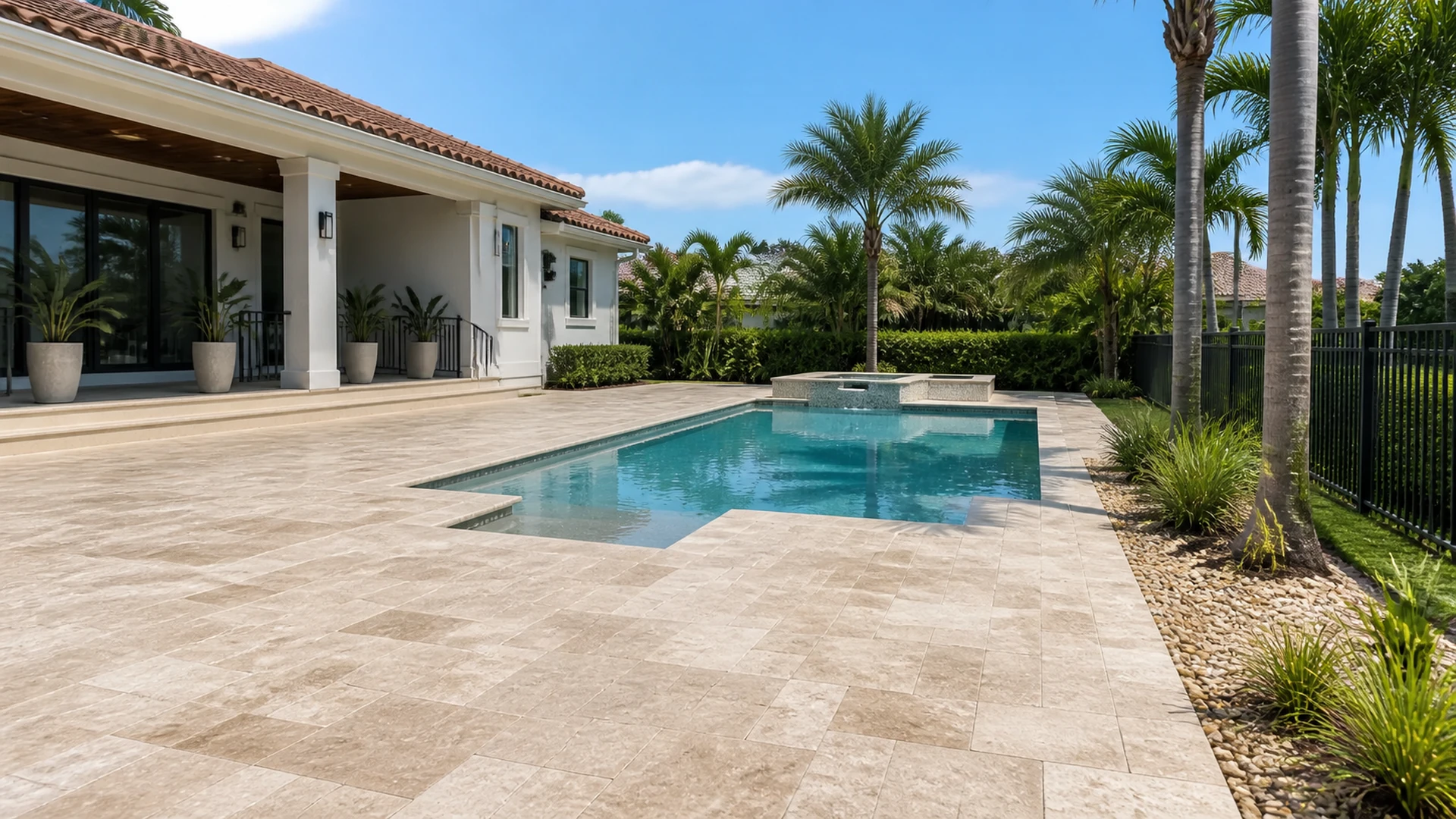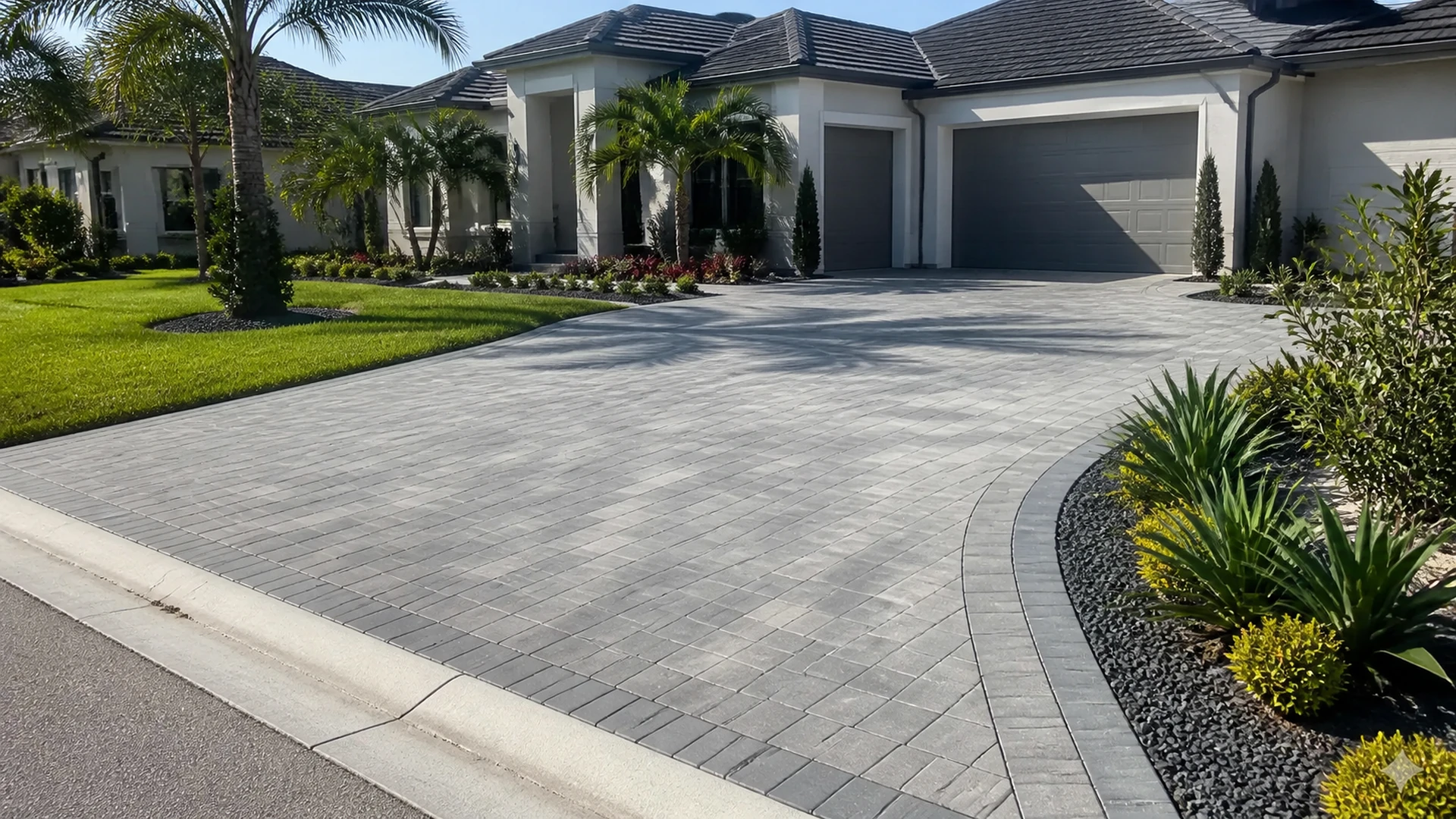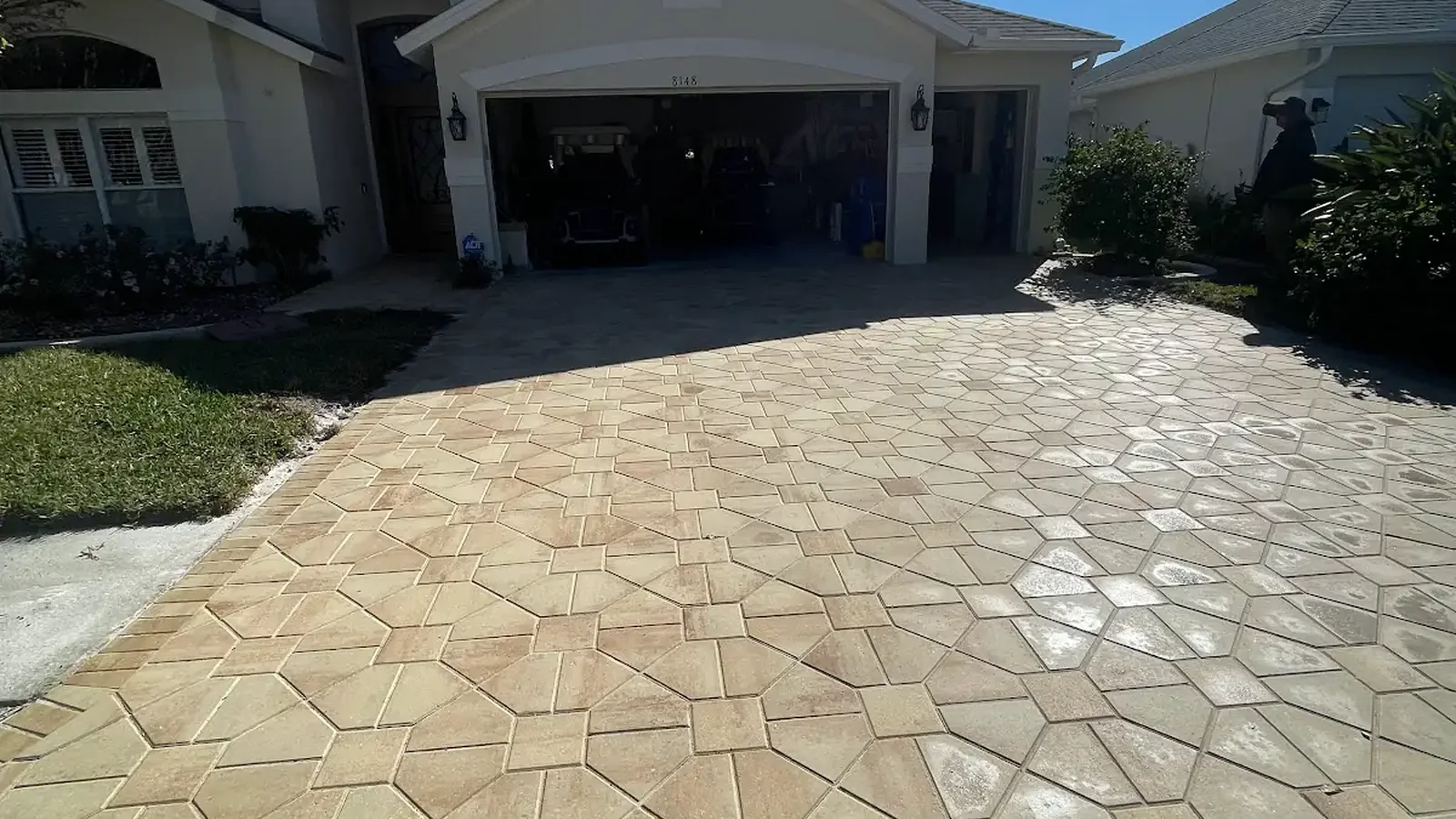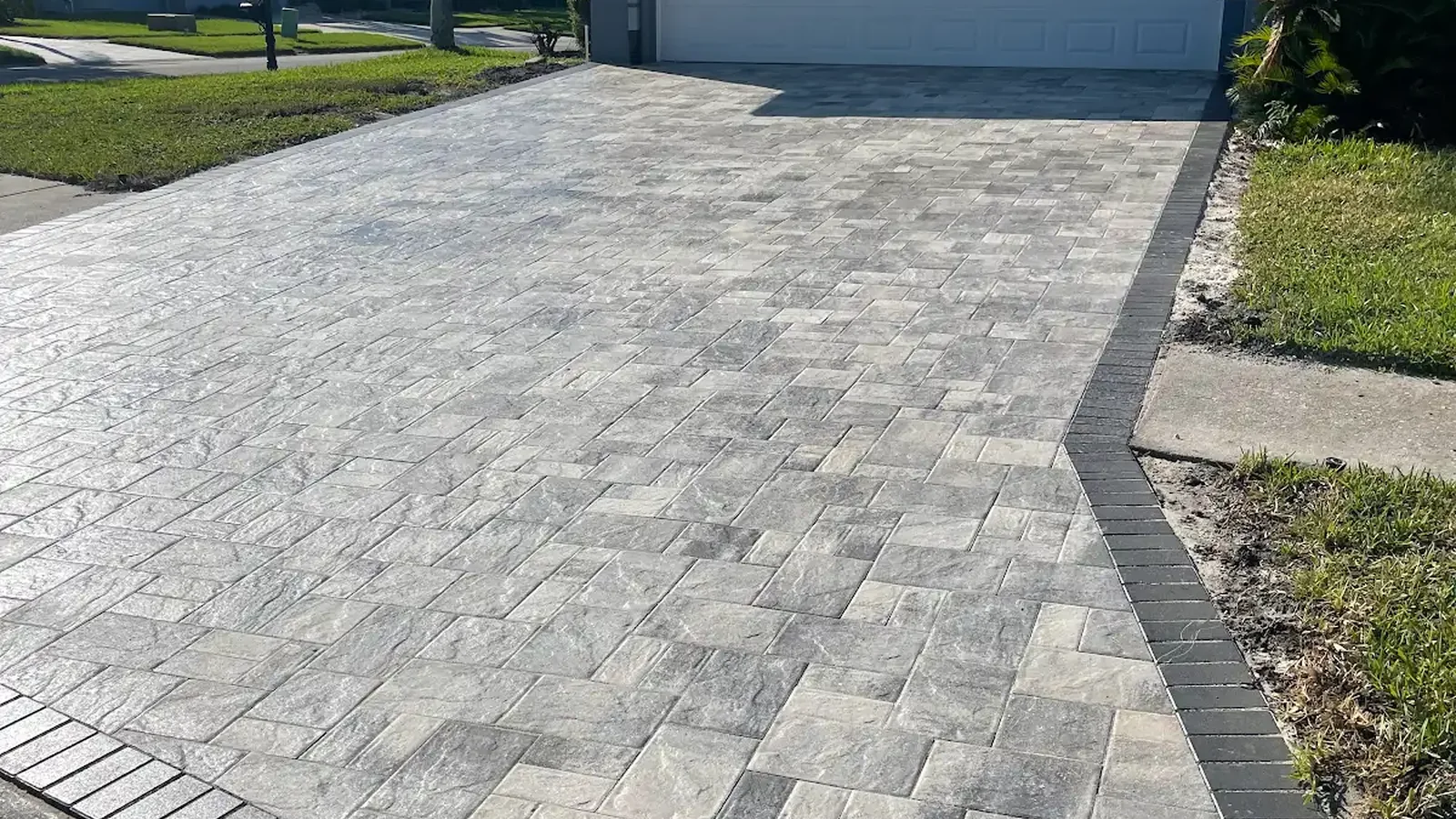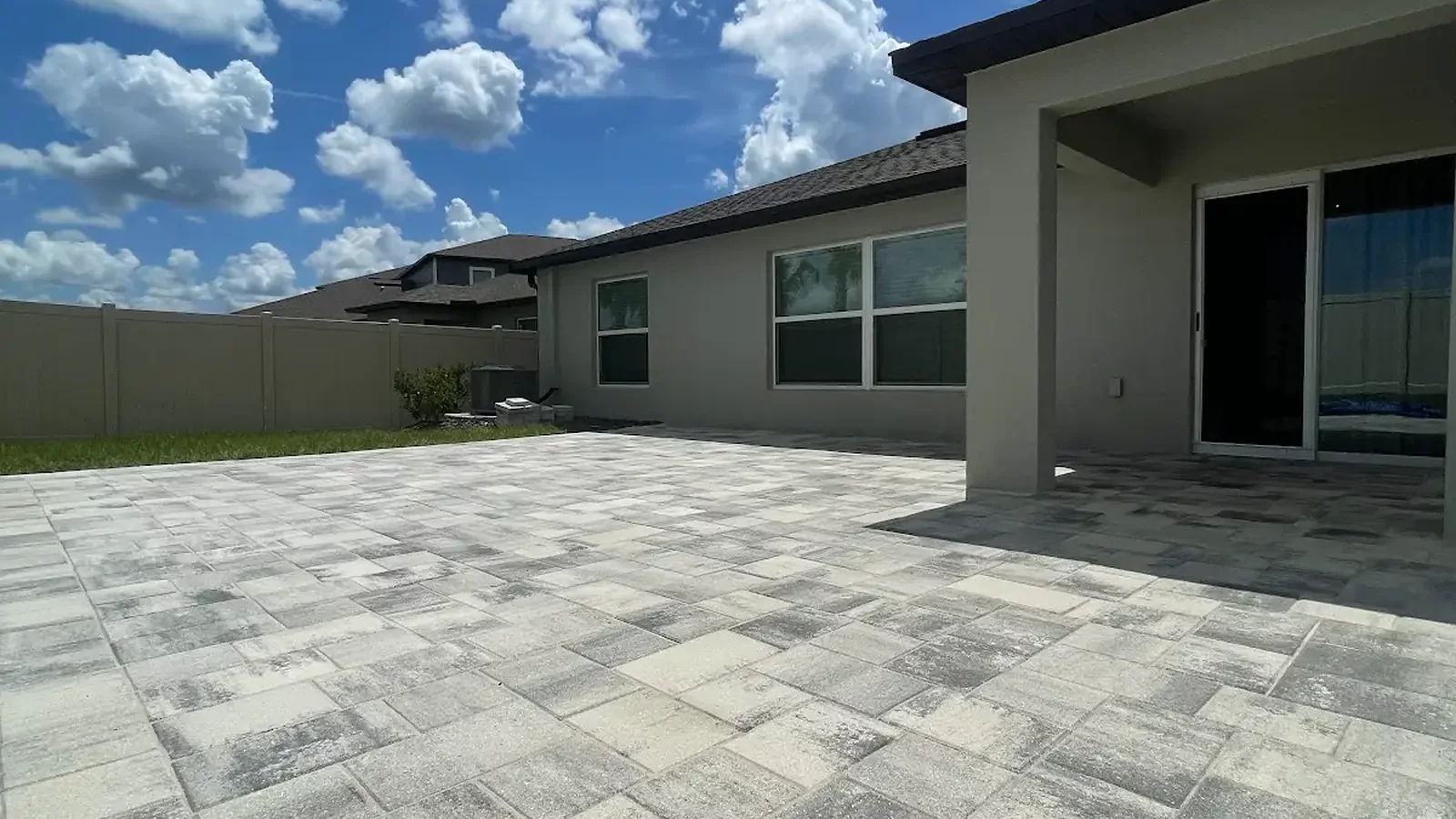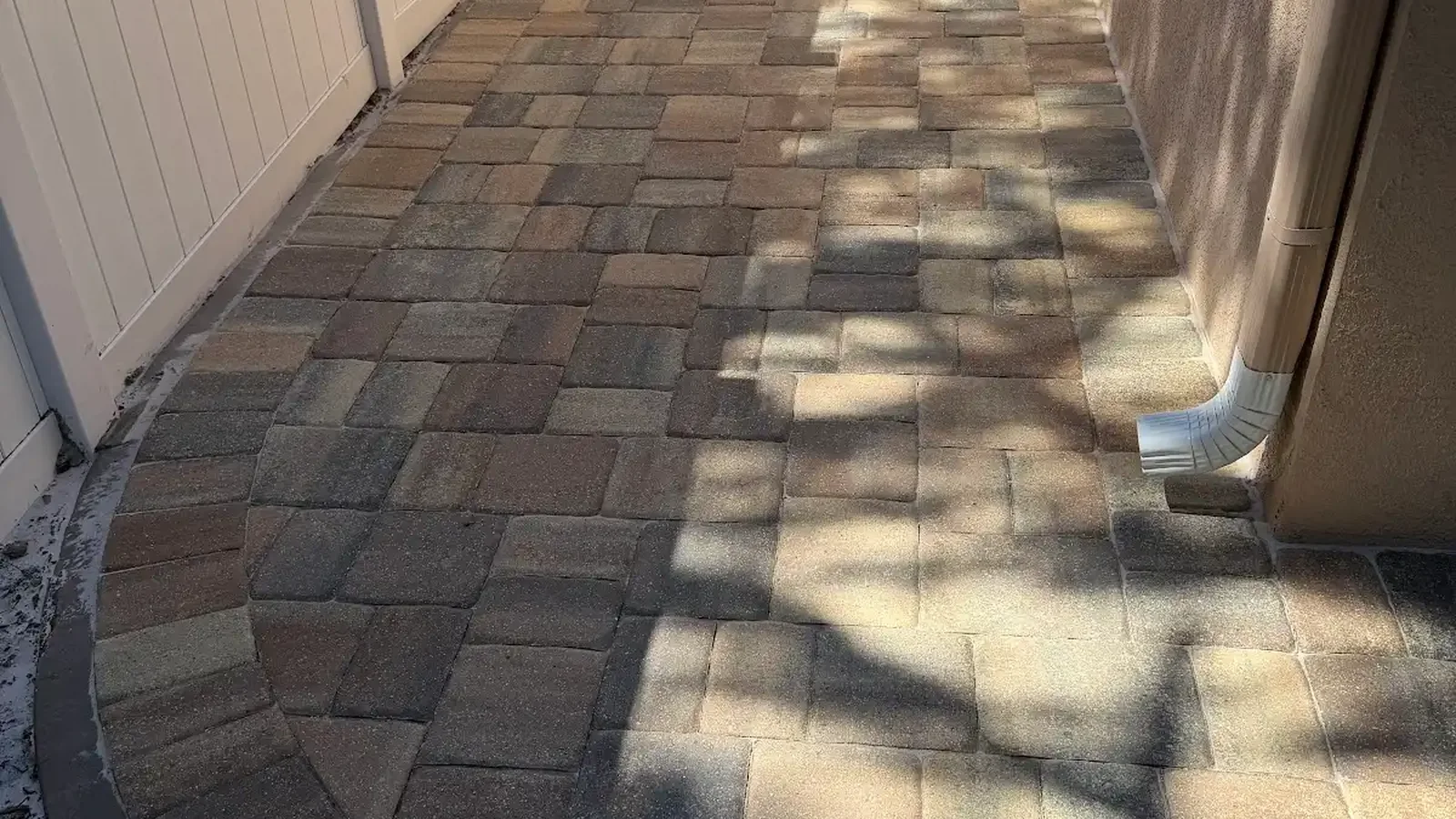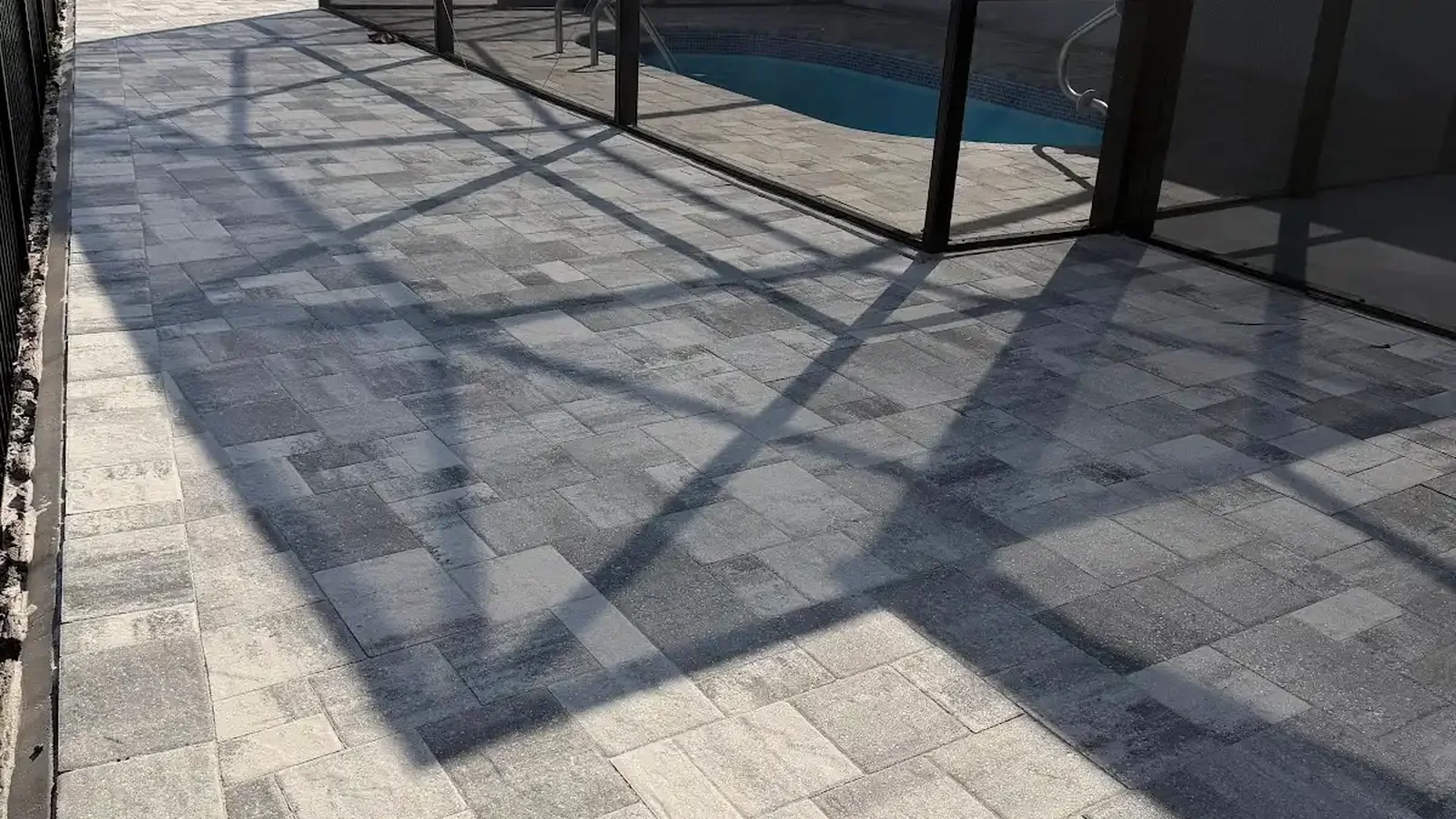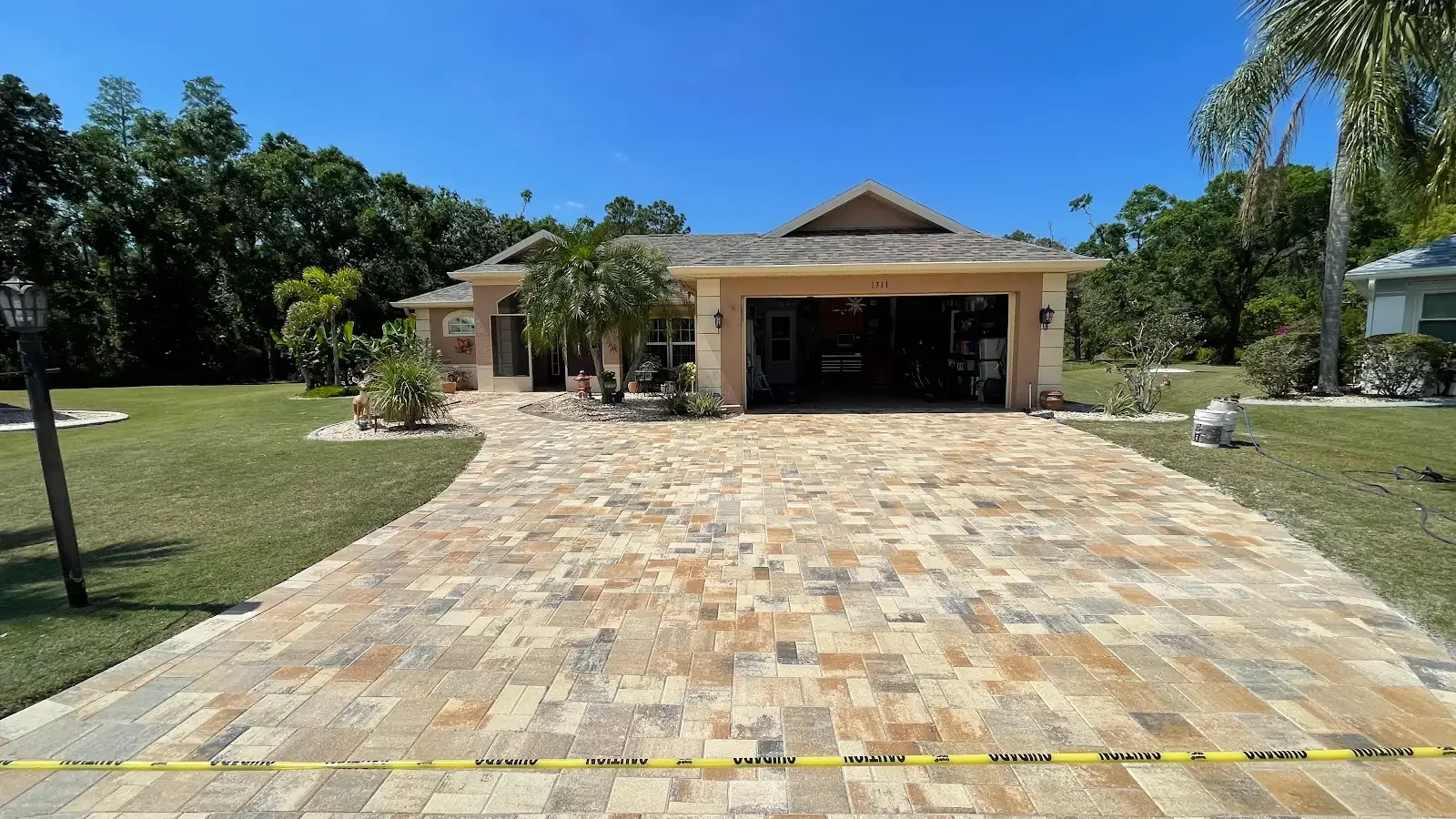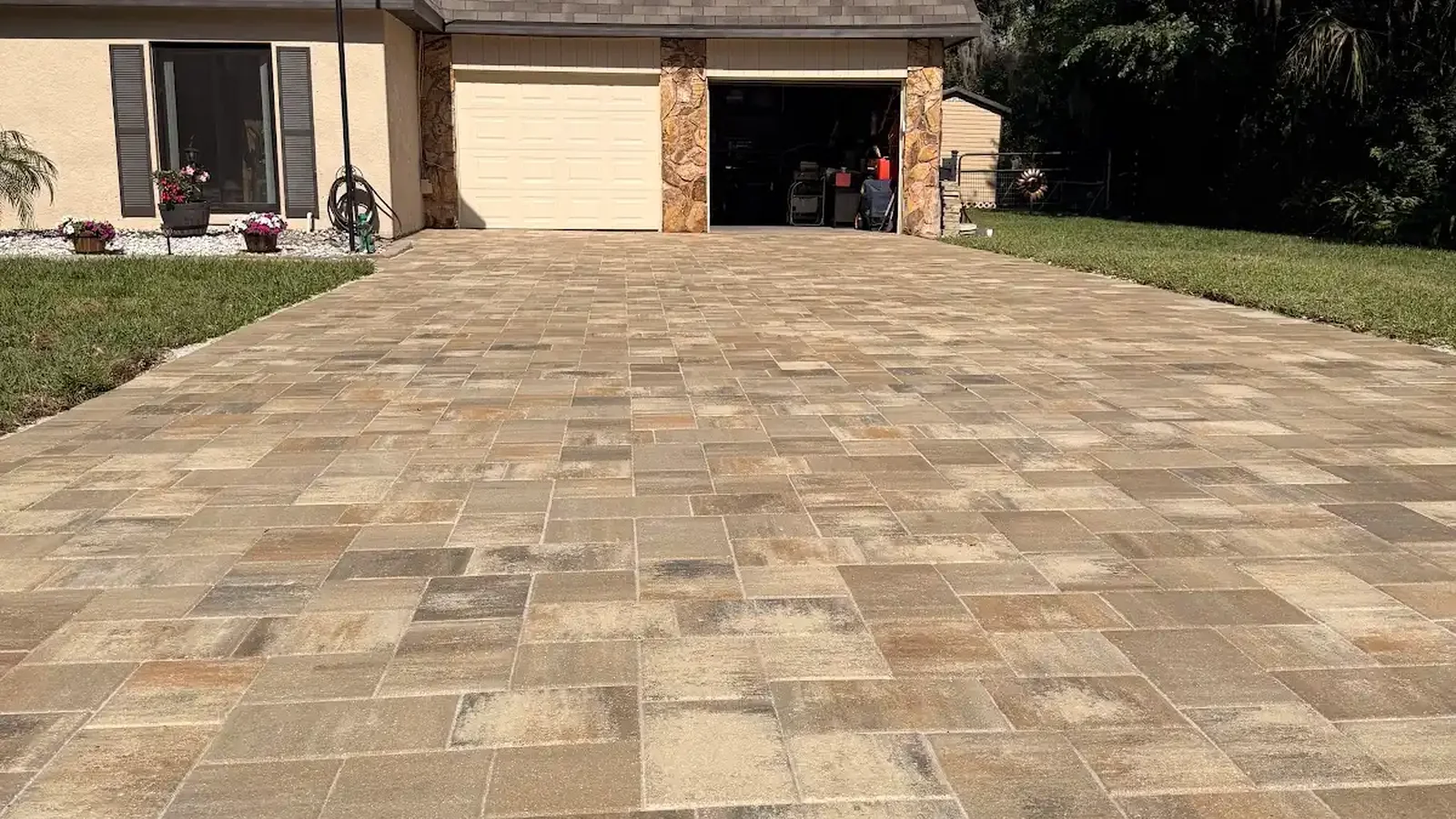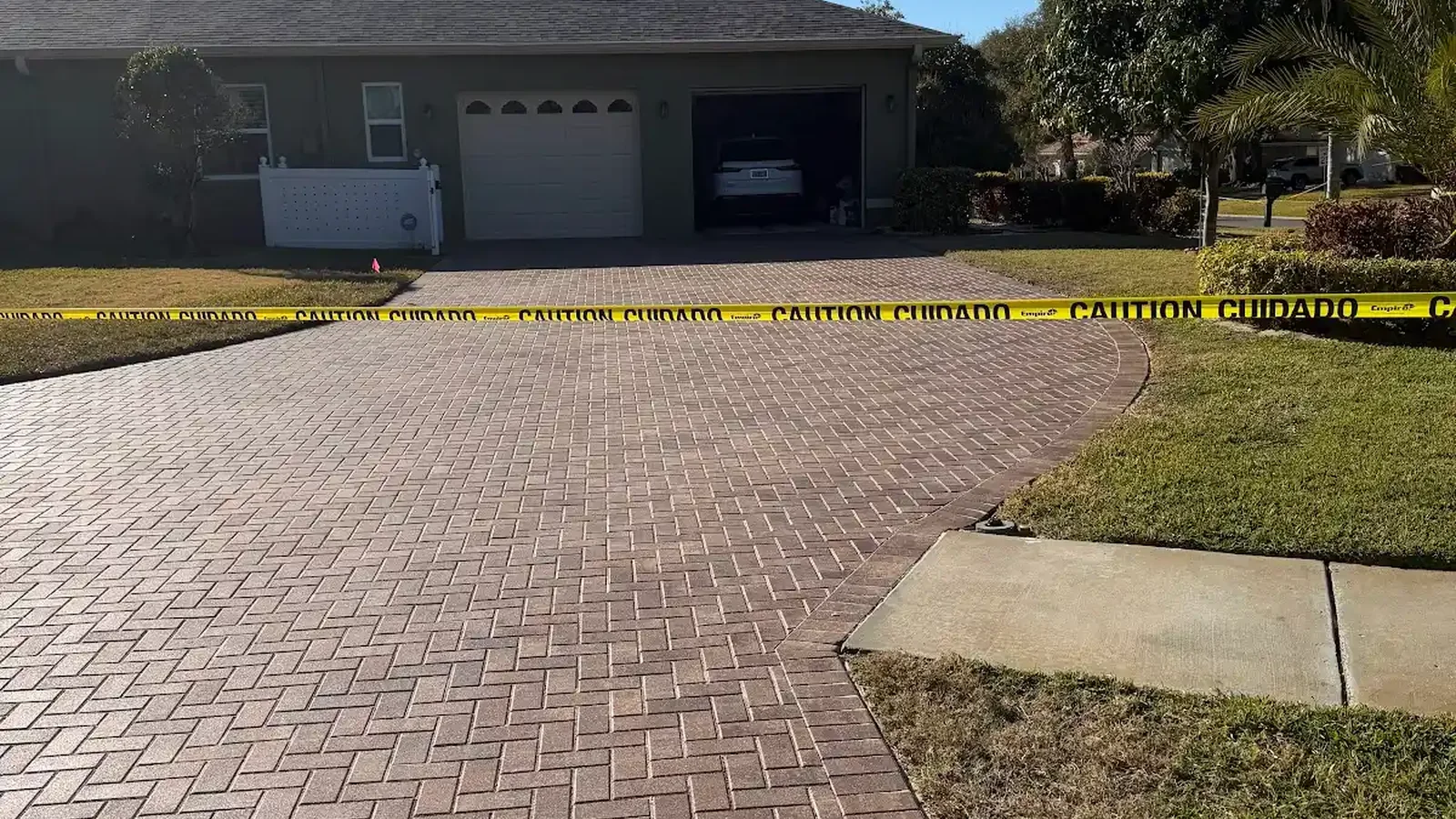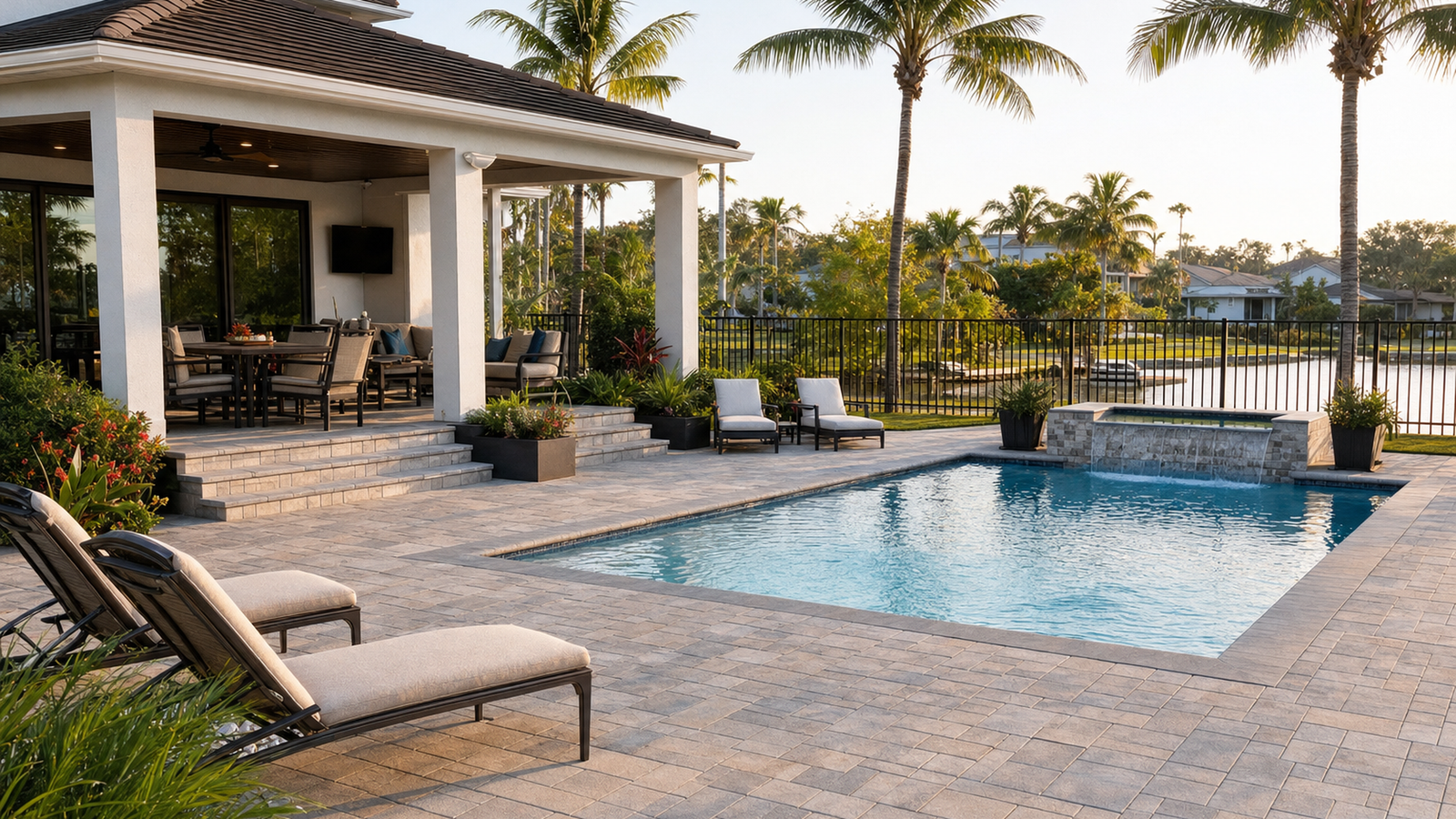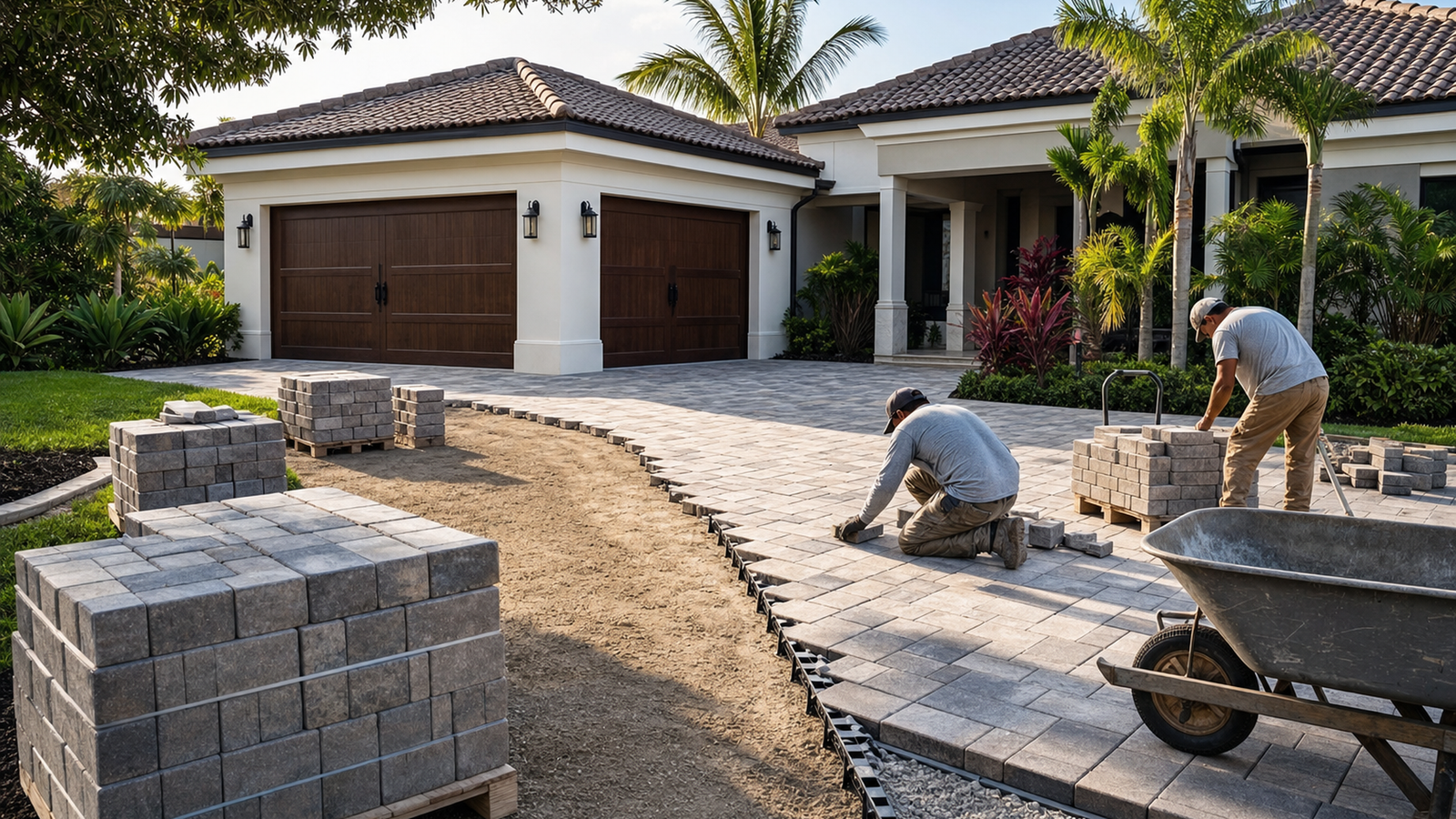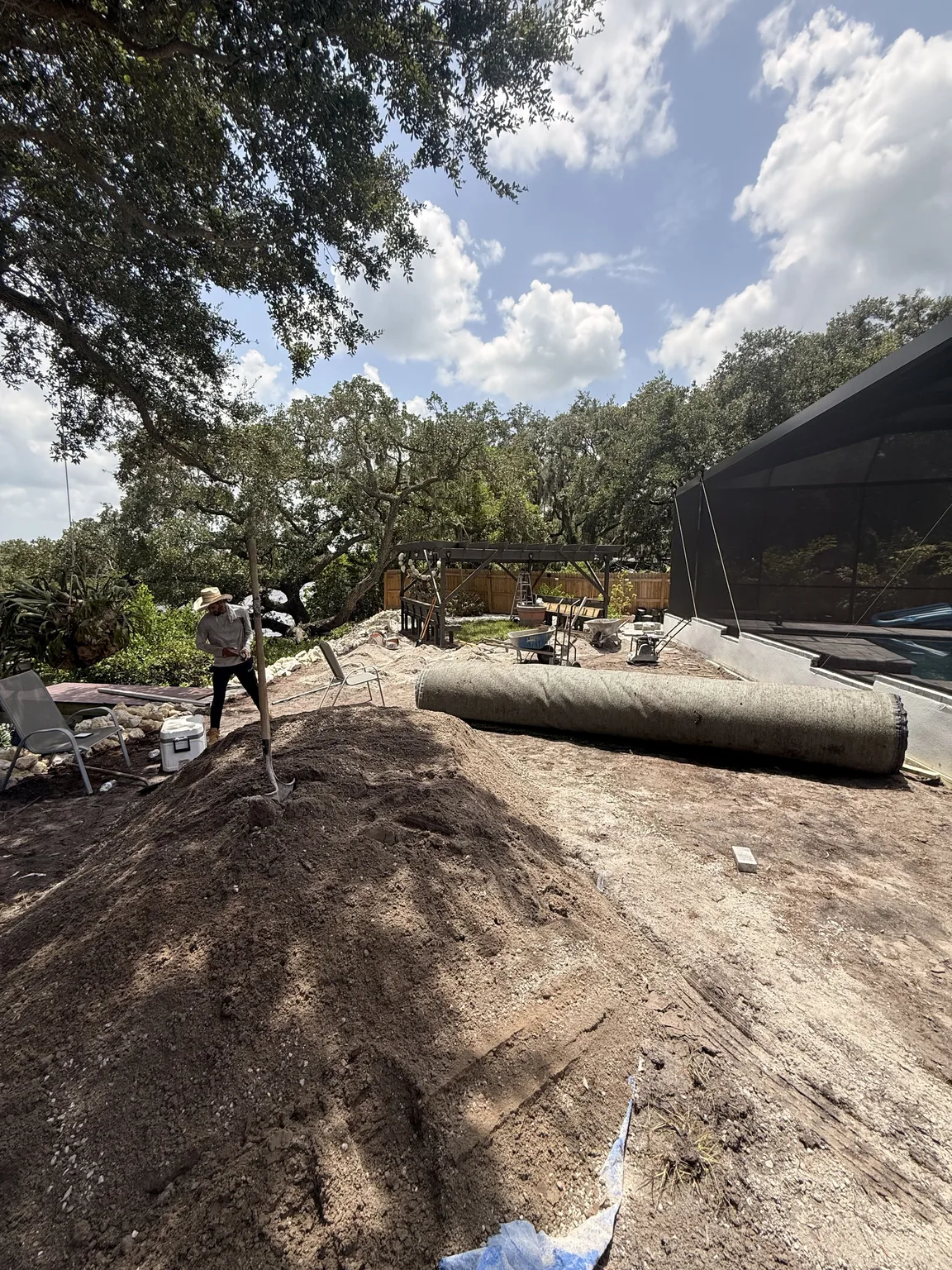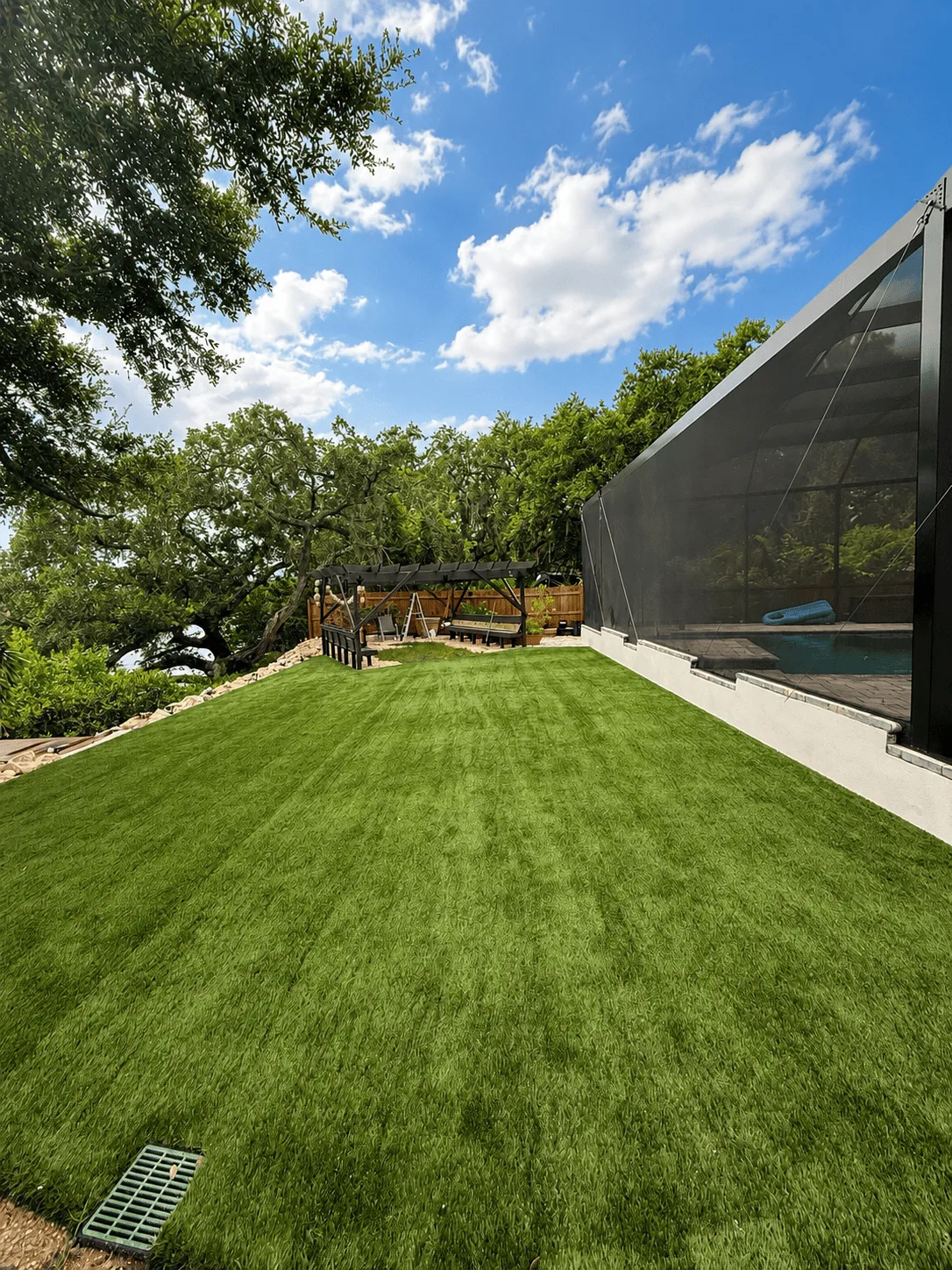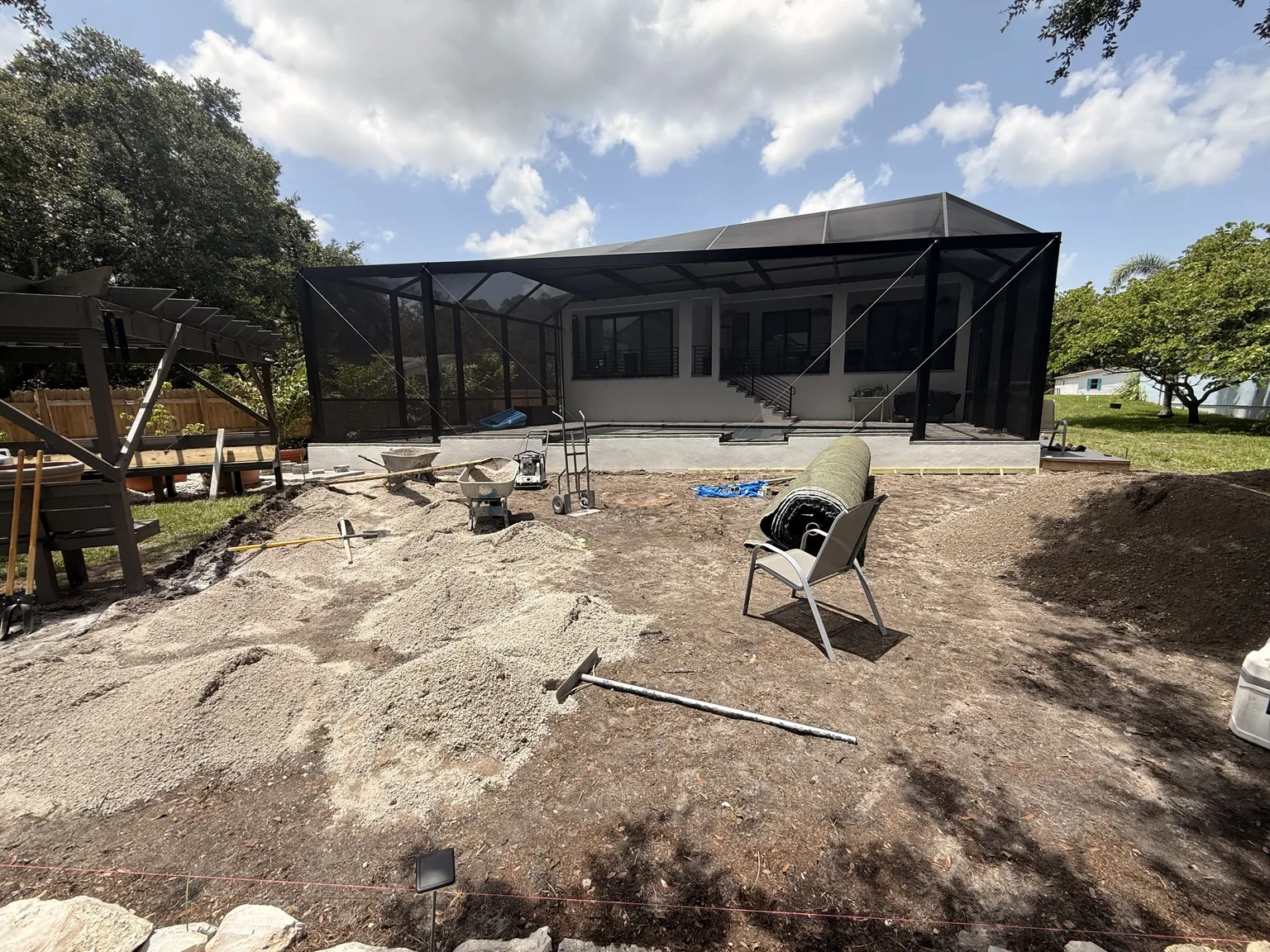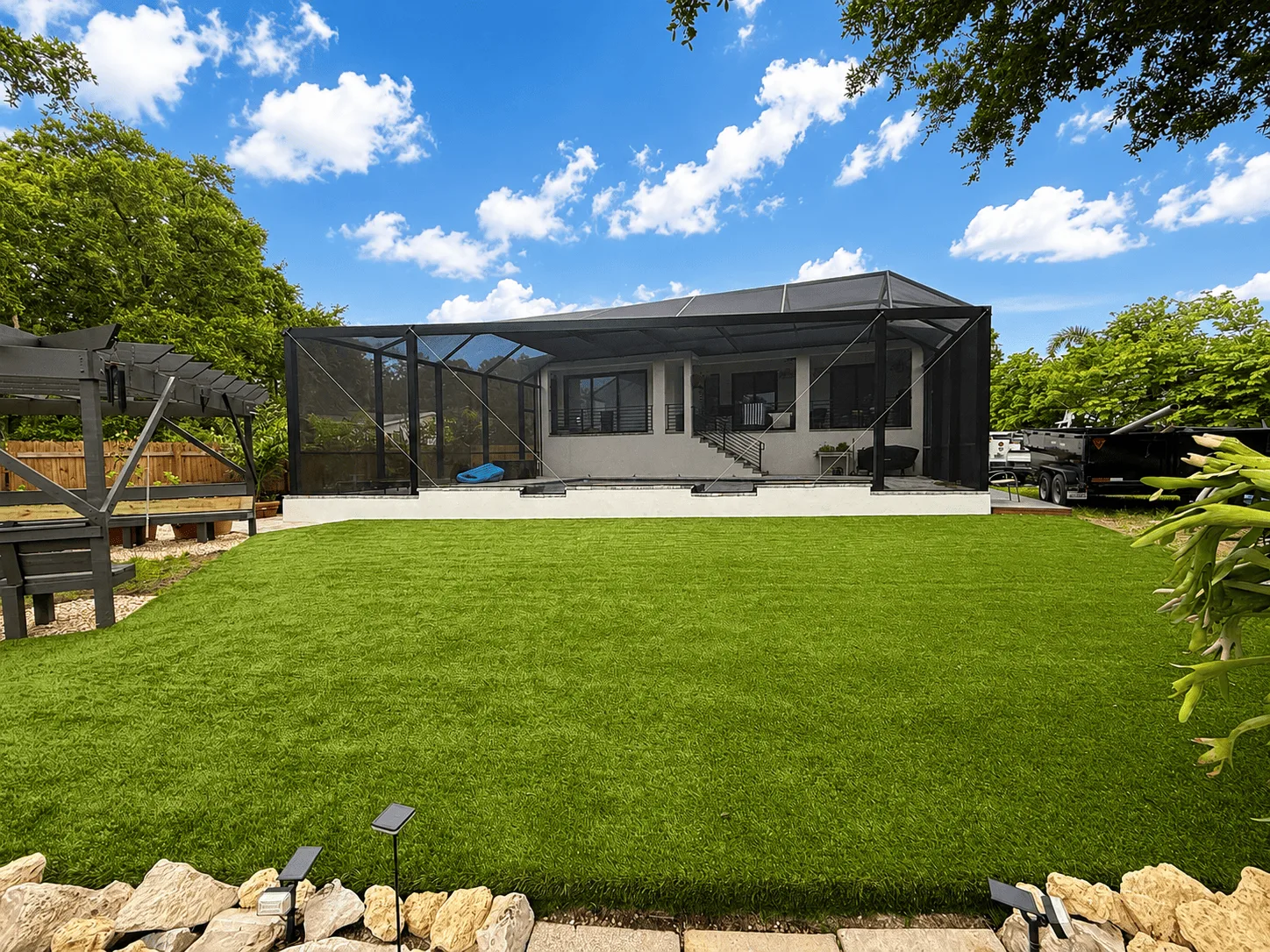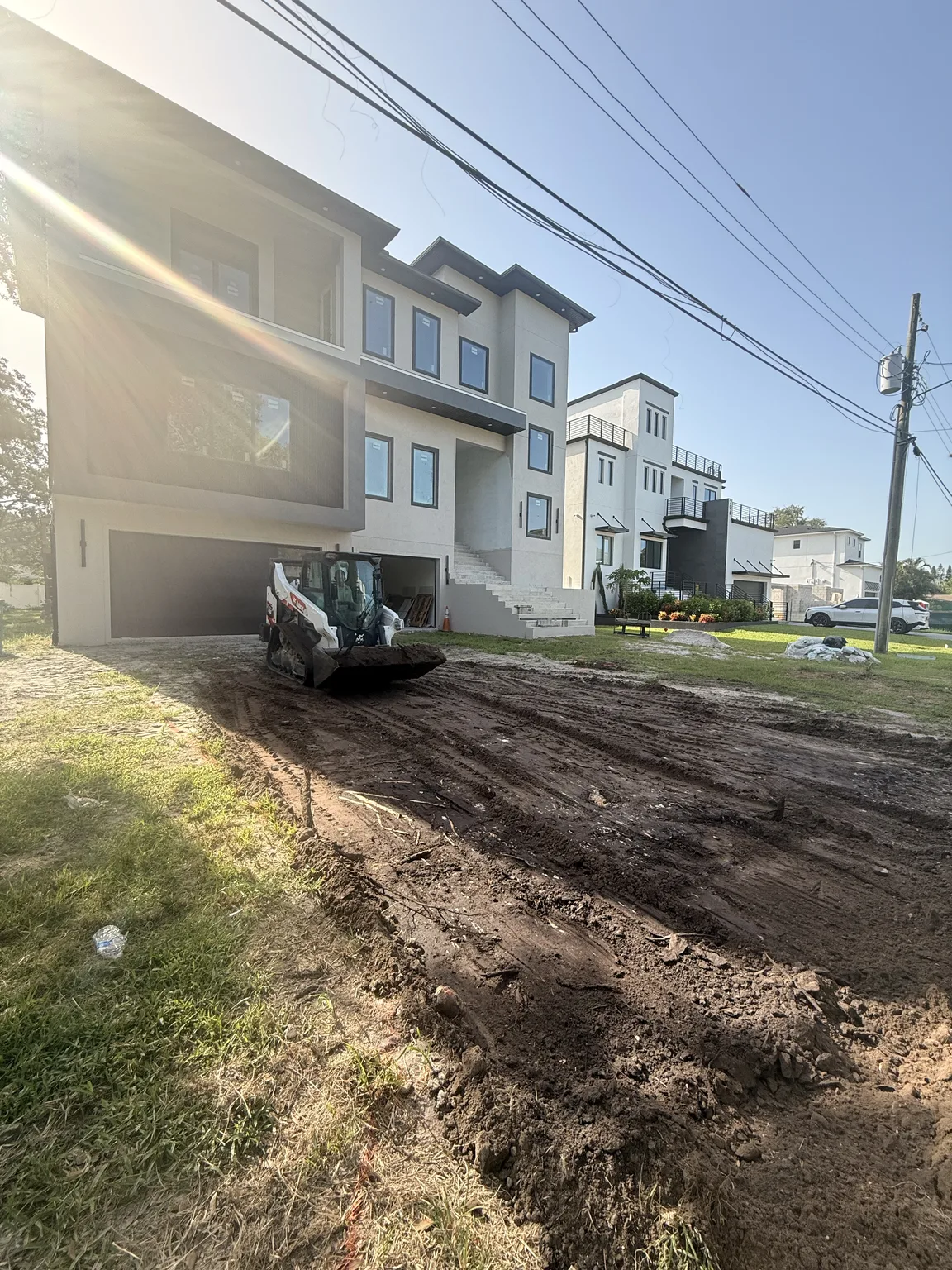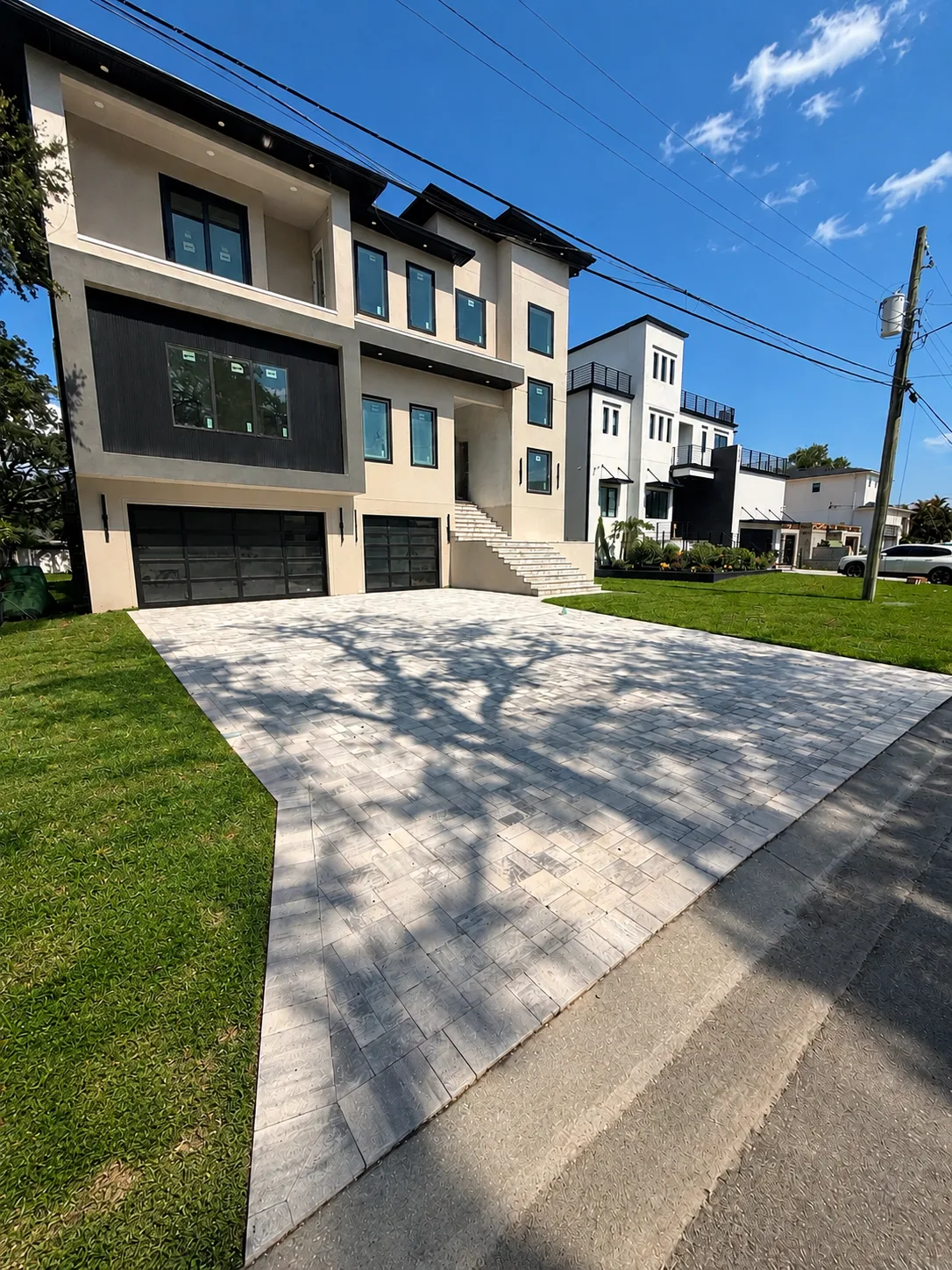
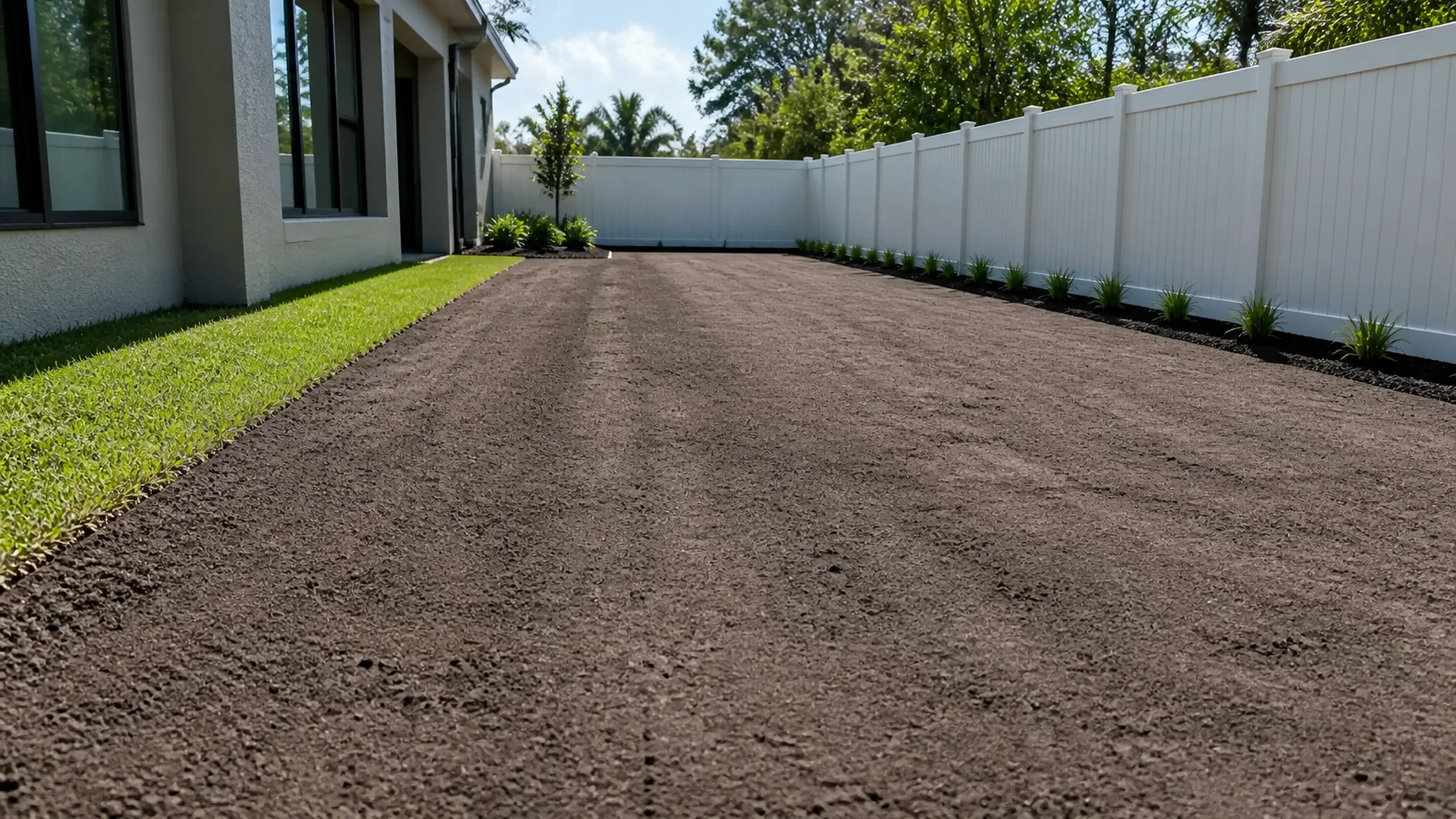
Lawn grading before sod gives a new Florida lawn its usable shape before the first green strip arrives. At first, bare soil can make minor dips, abrupt rises, and awkward transitions easier to see. Those details matter because sod follows the surface beneath it rather than correcting that surface. Therefore, careful preparation starts with observing the entire yard instead of simply spreading soil where the ground looks low.
Why lawn grading before sod begins with the whole property
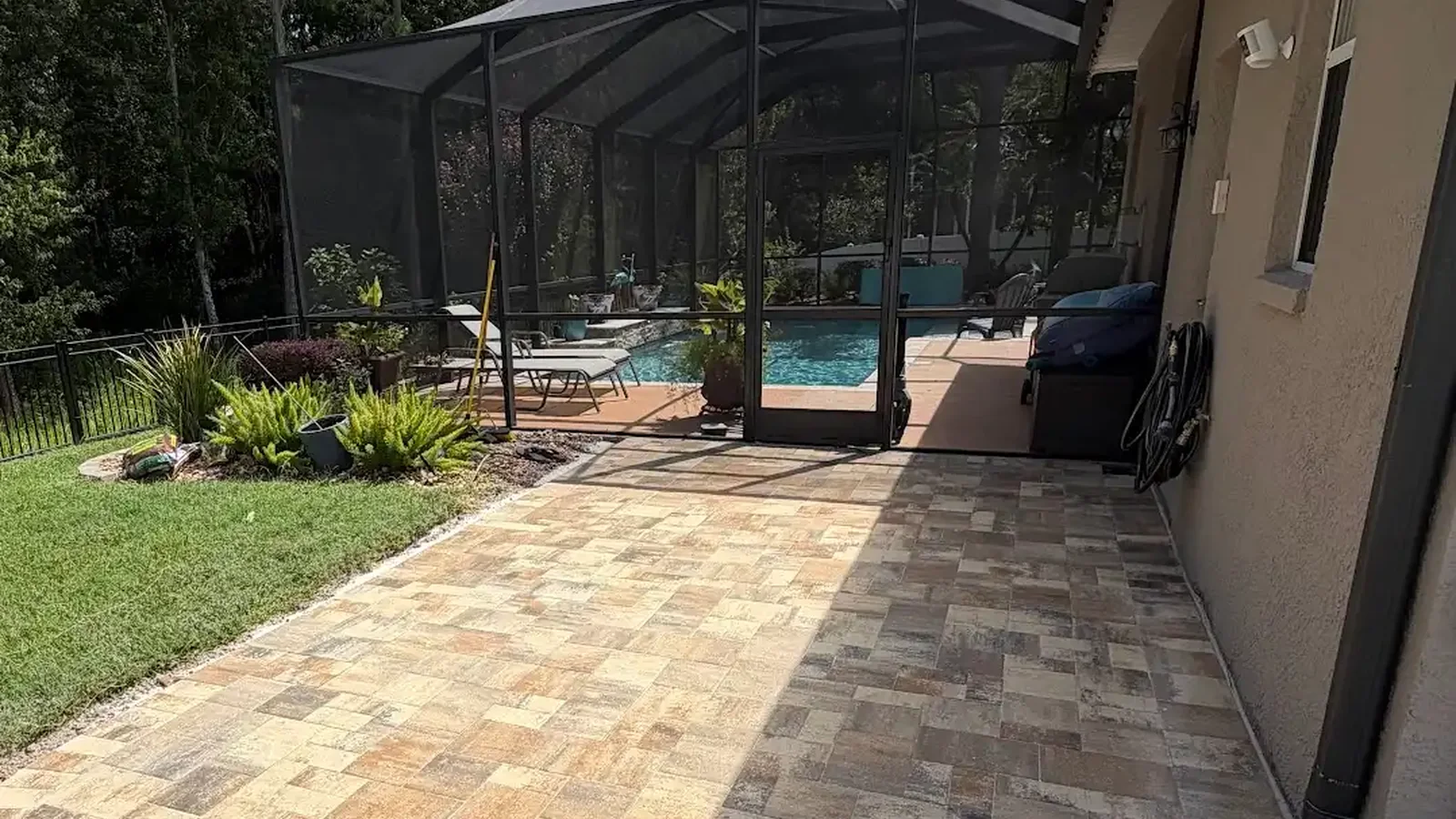
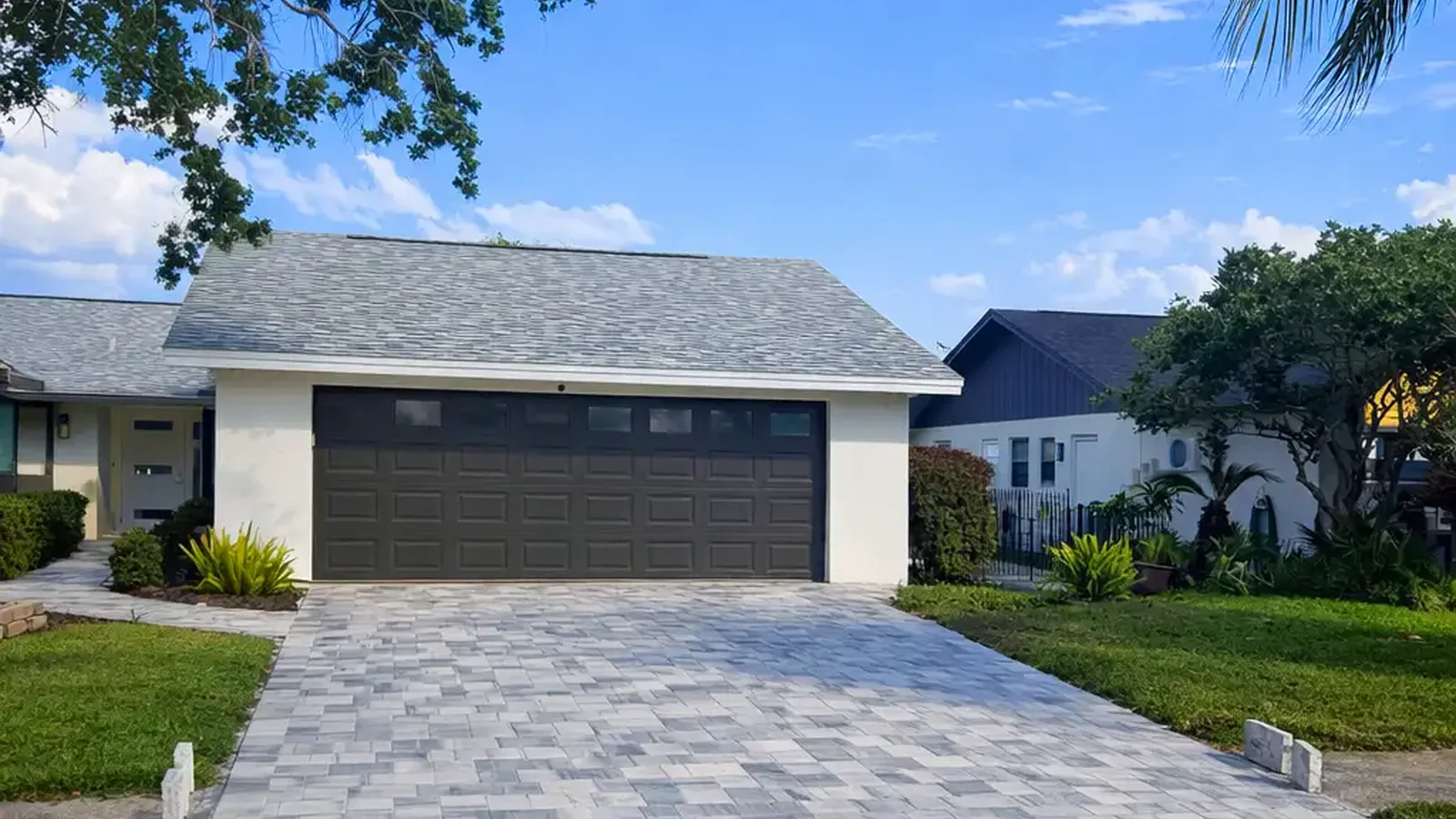
First, the house, patio, driveway, pool deck, fence line, and street create fixed reference points around the future lawn. A useful grade must connect those elevations without leaving sharp humps or uncomfortable steps. Meanwhile, gates need clearance, downspout outlets need room, and existing trees may limit how much soil can move. For that reason, the lawn should be planned as one connected surface within a larger outdoor space.
Next, a contractor reads how the ground changes from one reference point to another. The goal is not a yard that appears perfectly flat from every angle. Instead, lawn grading before sod creates deliberate, gentle transitions that support everyday use and guide rainfall away from vulnerable areas. In practical terms, that means balancing surface direction, comfortable footing, and clean connections at every edge.
Reading lawn grading before sod after a Tampa Bay rain
After rainfall, shallow puddles and dark, saturated patches reveal information that dry ground can hide. However, one wet afternoon does not explain every condition beneath the surface. Irrigation overspray, compacted soil, roof runoff, and a recently disturbed area can create similar clues. Consequently, the installer compares visible water patterns with the yard’s elevations and the location of nearby hardscape.
Consequently, At the same time, Florida storms can deliver water faster than a lawn absorbs it. A grade should provide a sensible surface path without sending runoff toward the house or a neighboring improvement. Yet lawn grading before sod cannot solve every underground or off-site water issue by itself. Accordingly, unusual standing water deserves a closer assessment before fresh turf conceals the bare soil.
Start at doors, walls, slabs, and other fixed edges
Moreover, Near the house, finished soil and sod must meet the building thoughtfully. In particular, piling fill against walls or covering important clearances can create an avoidable maintenance concern. The exact condition varies by property, so an installer should inspect the existing exterior before setting elevations. Then, the planned lawn can move outward from that boundary with a controlled change in height.
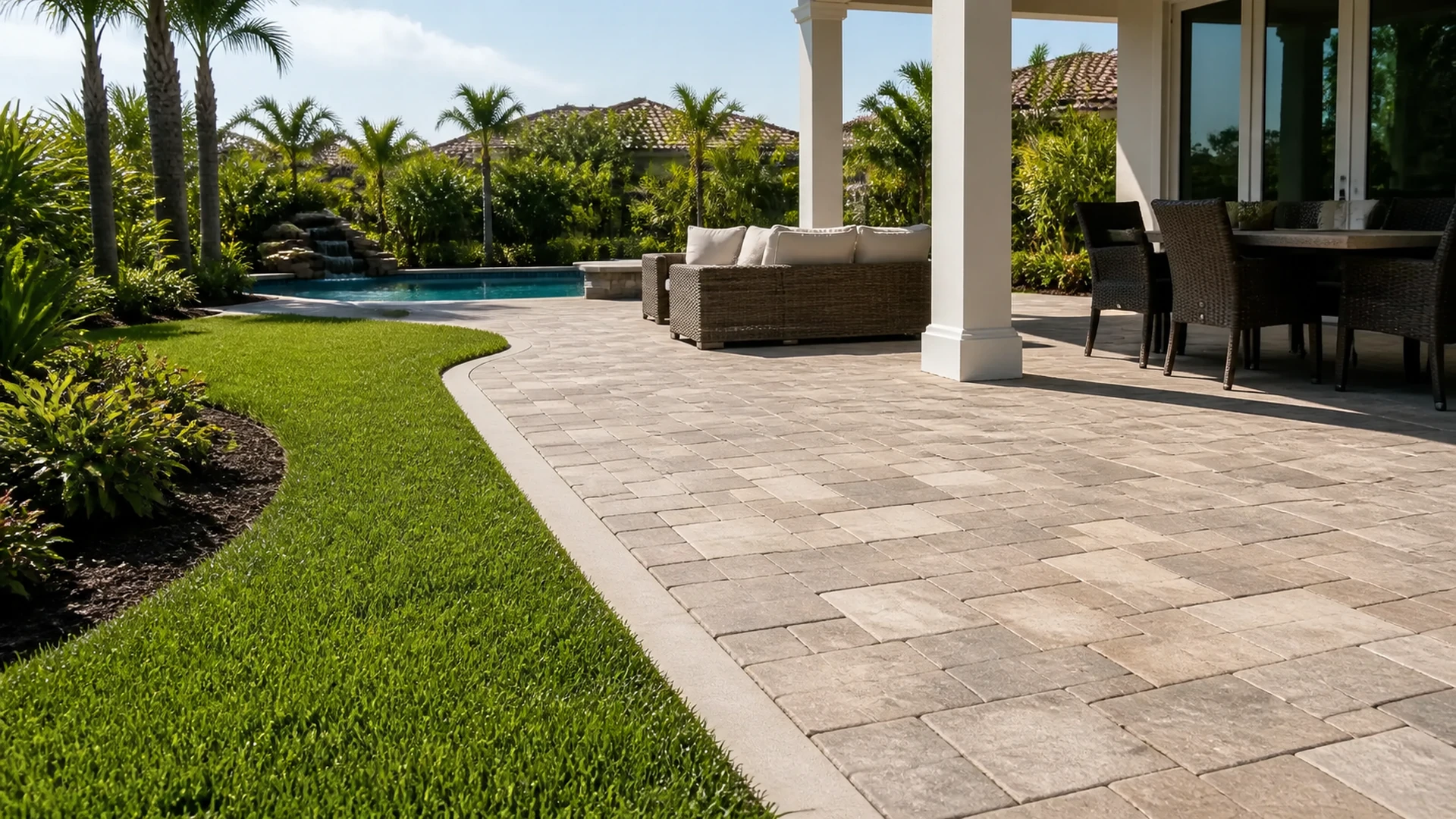
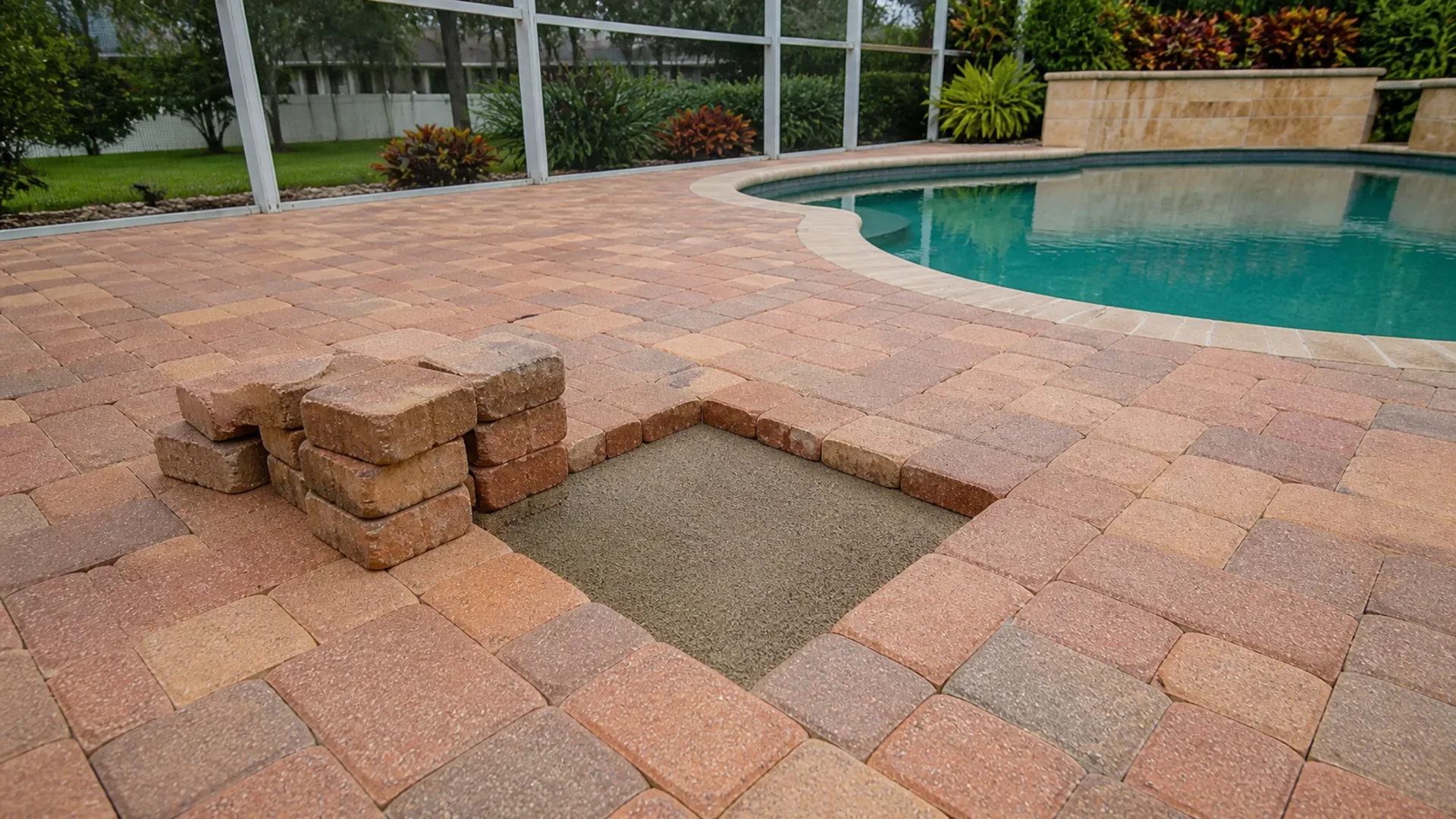
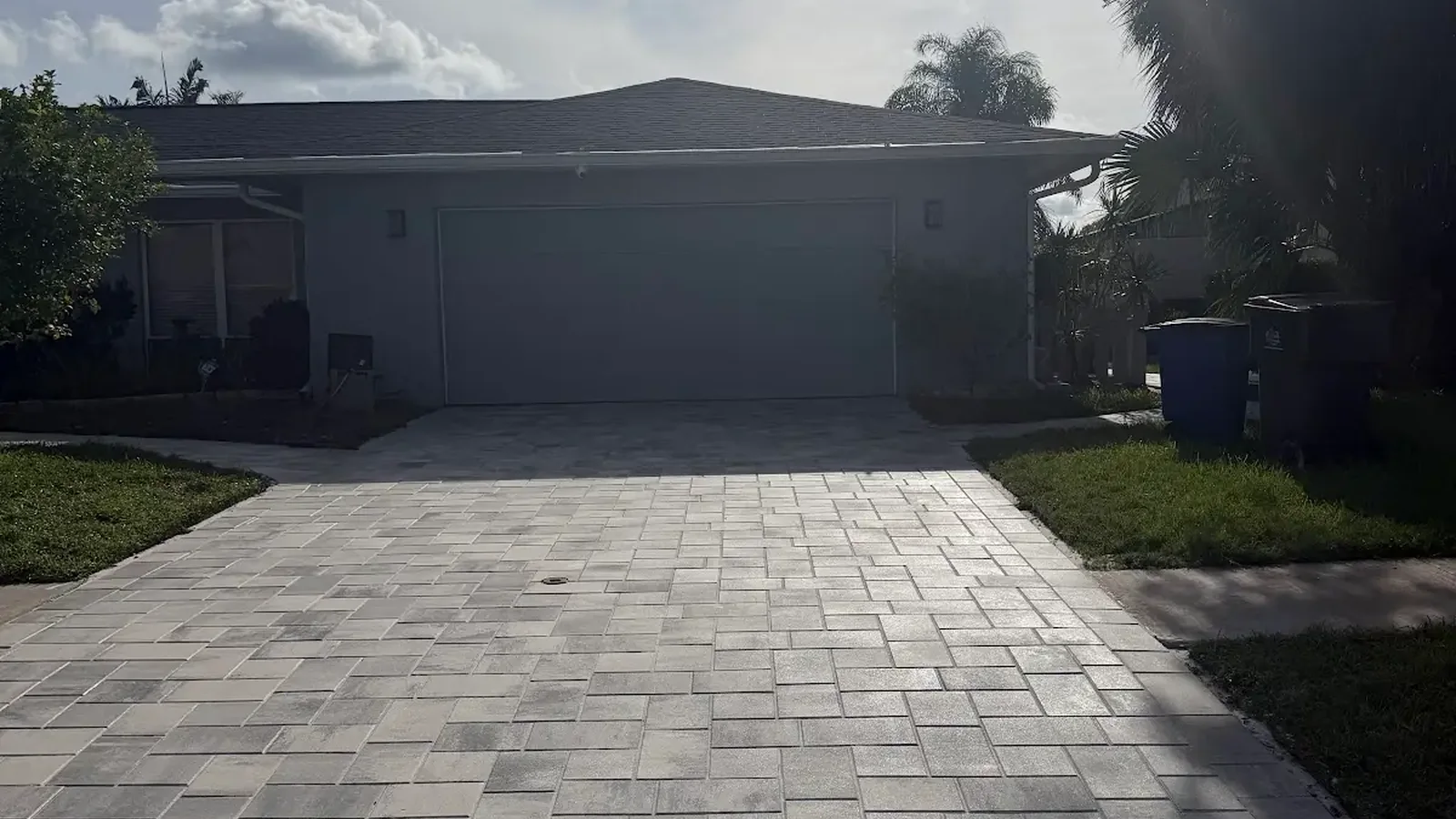
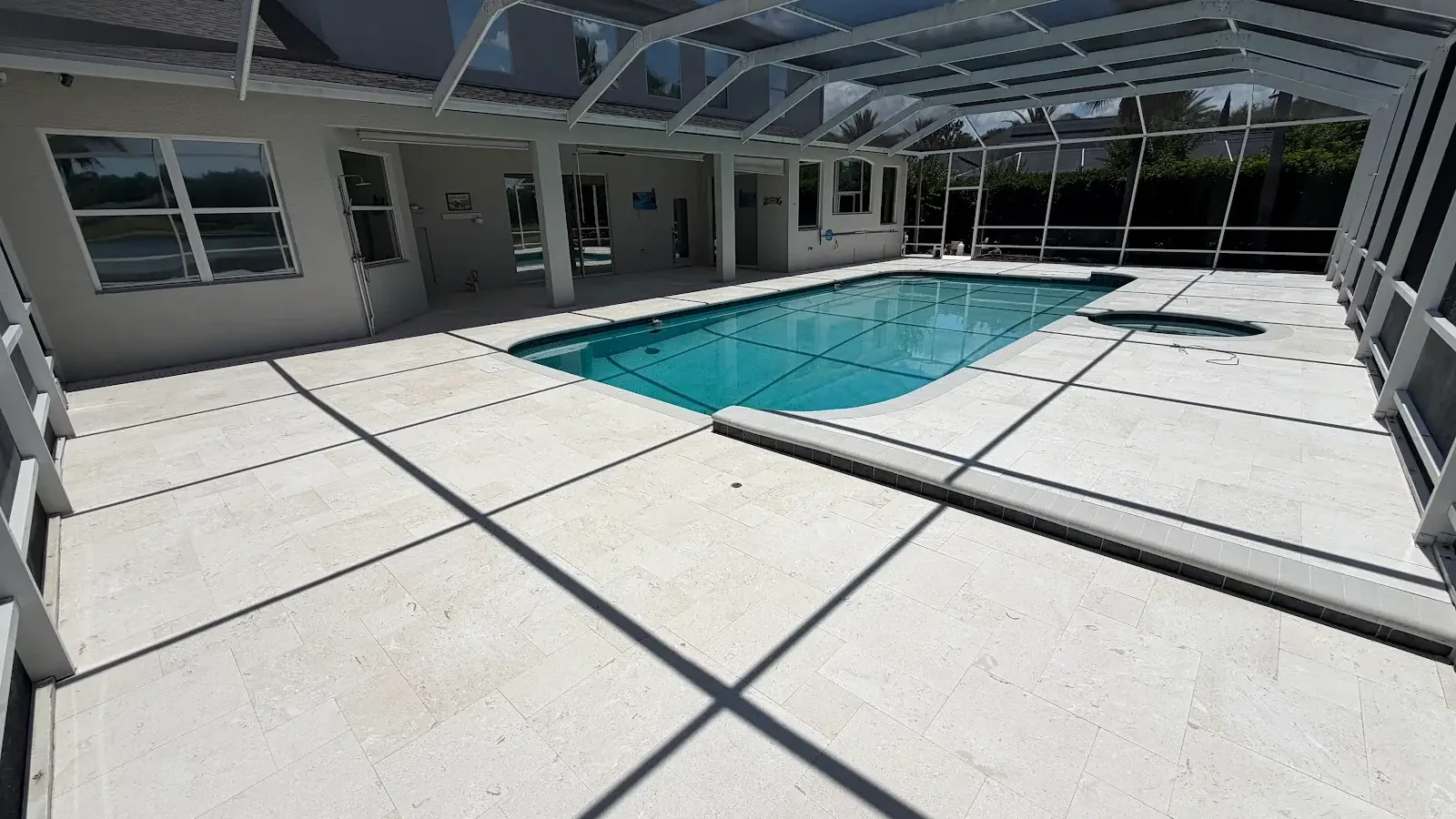
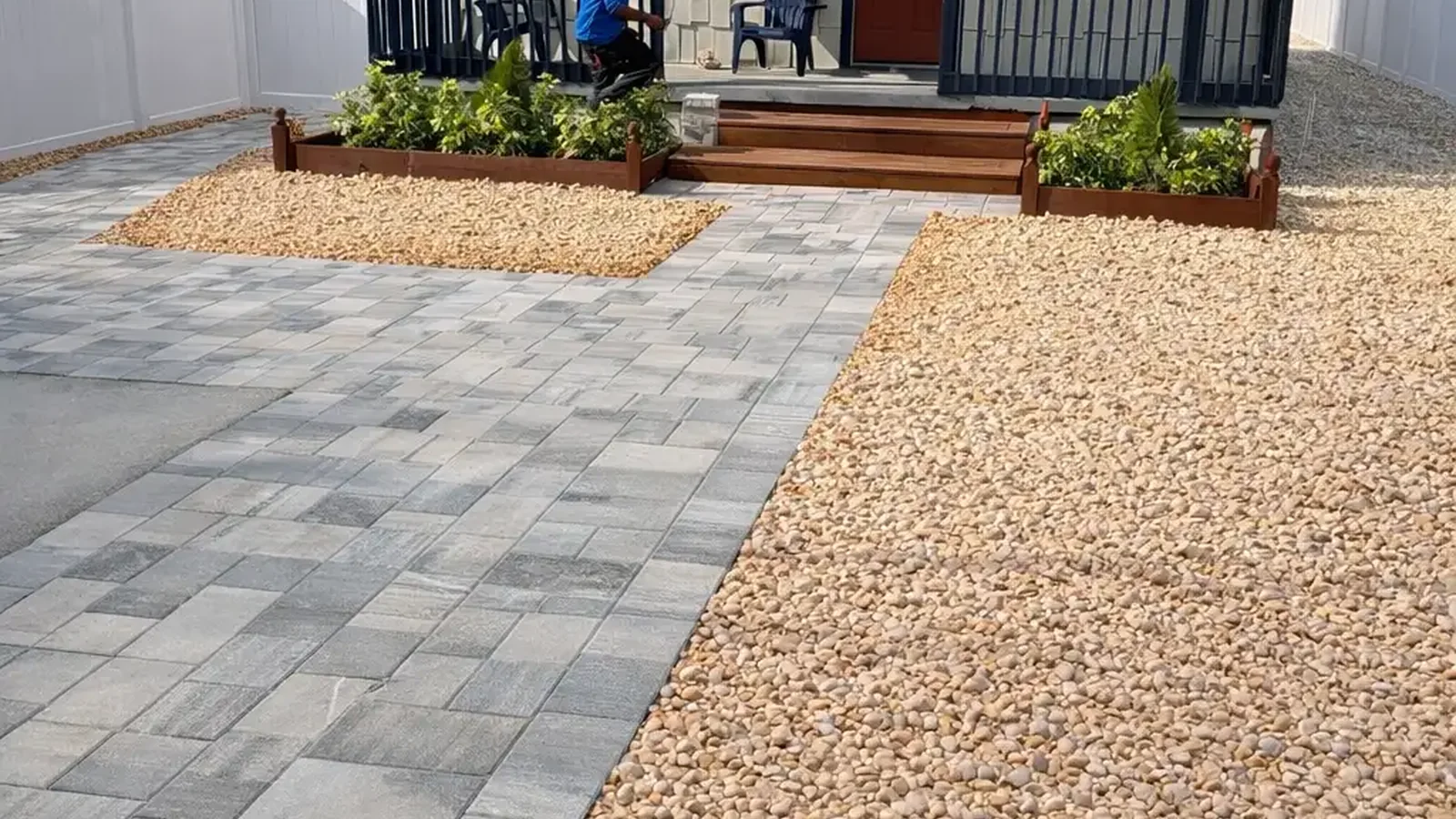
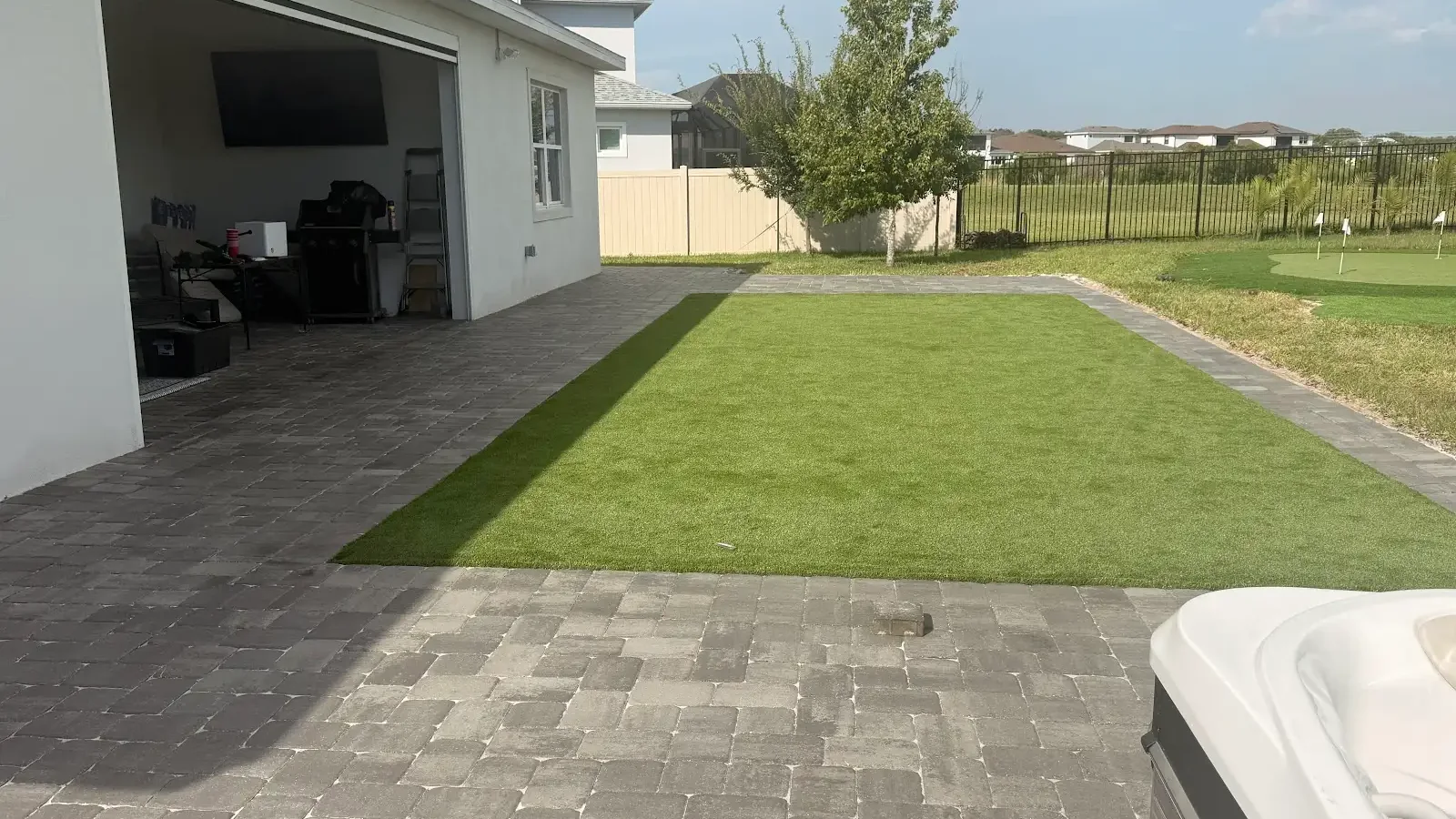
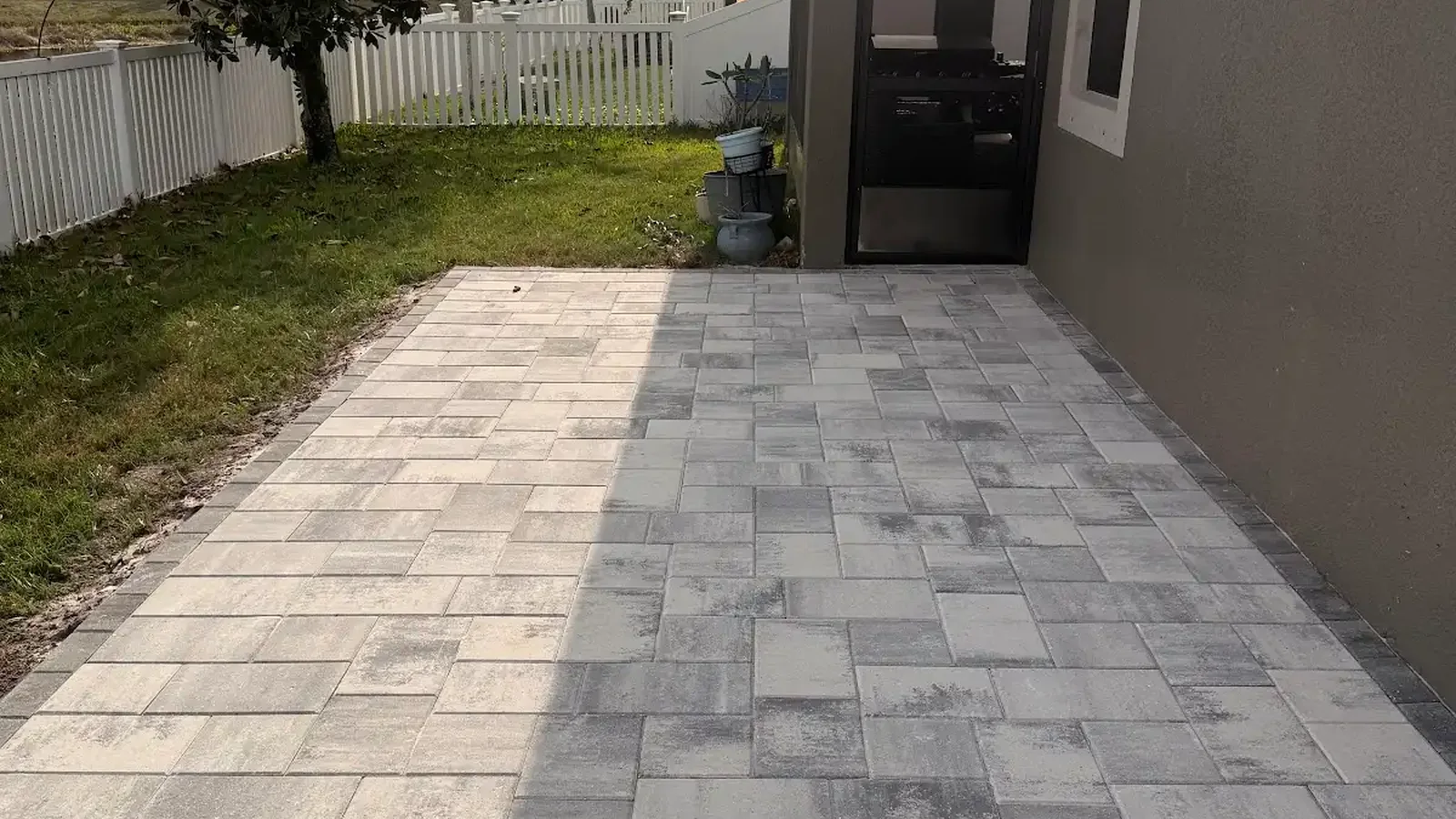
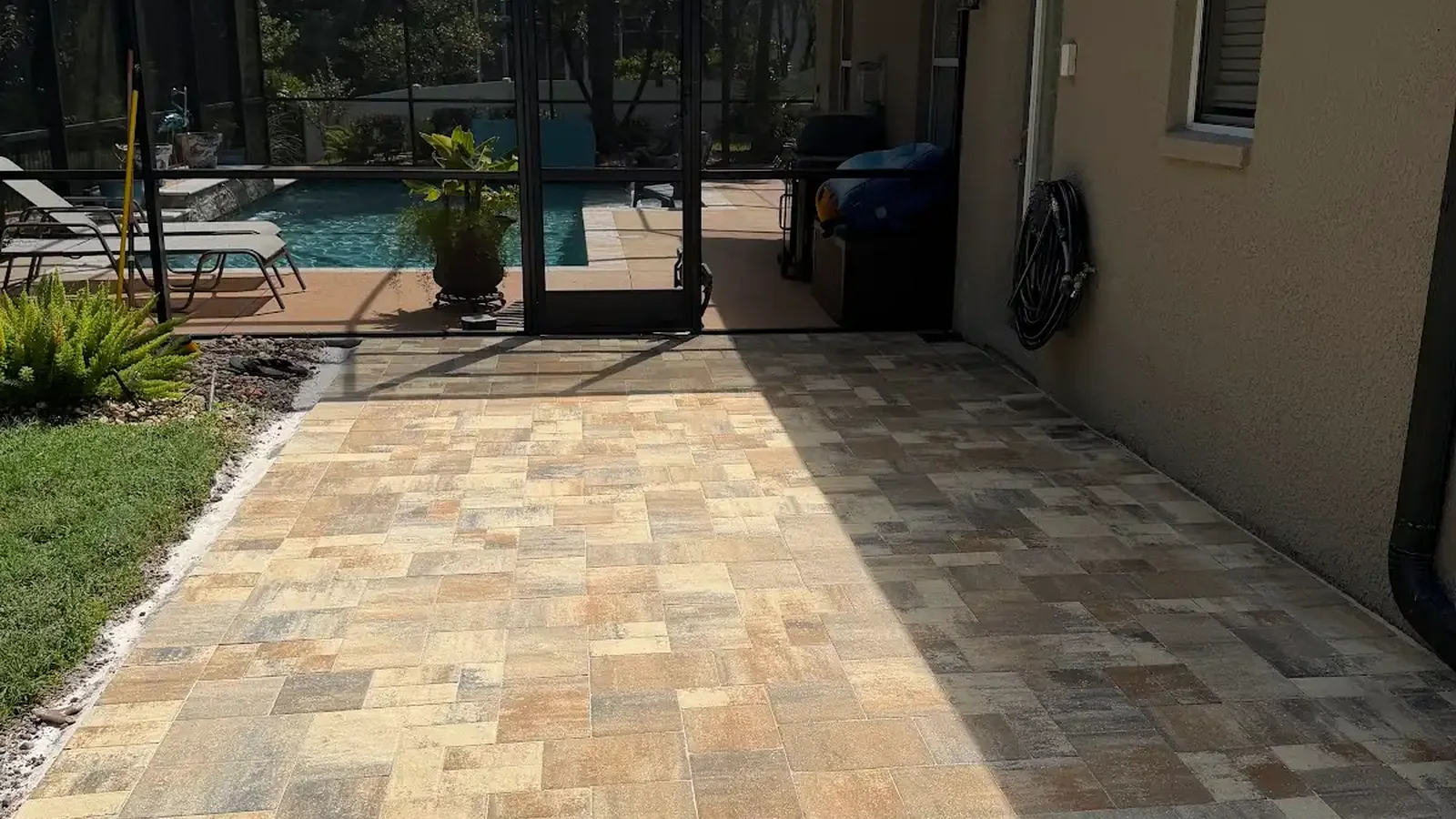
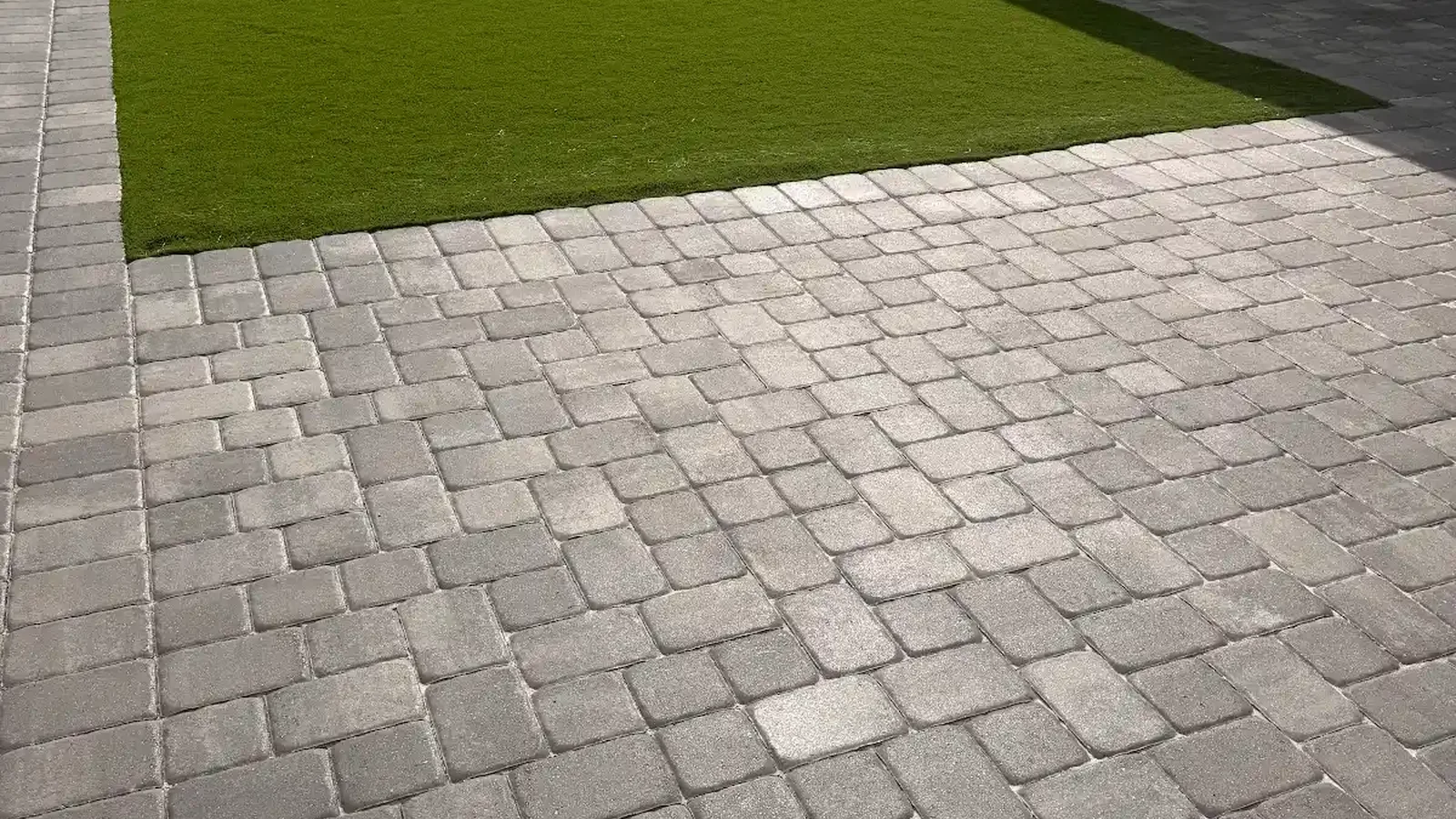
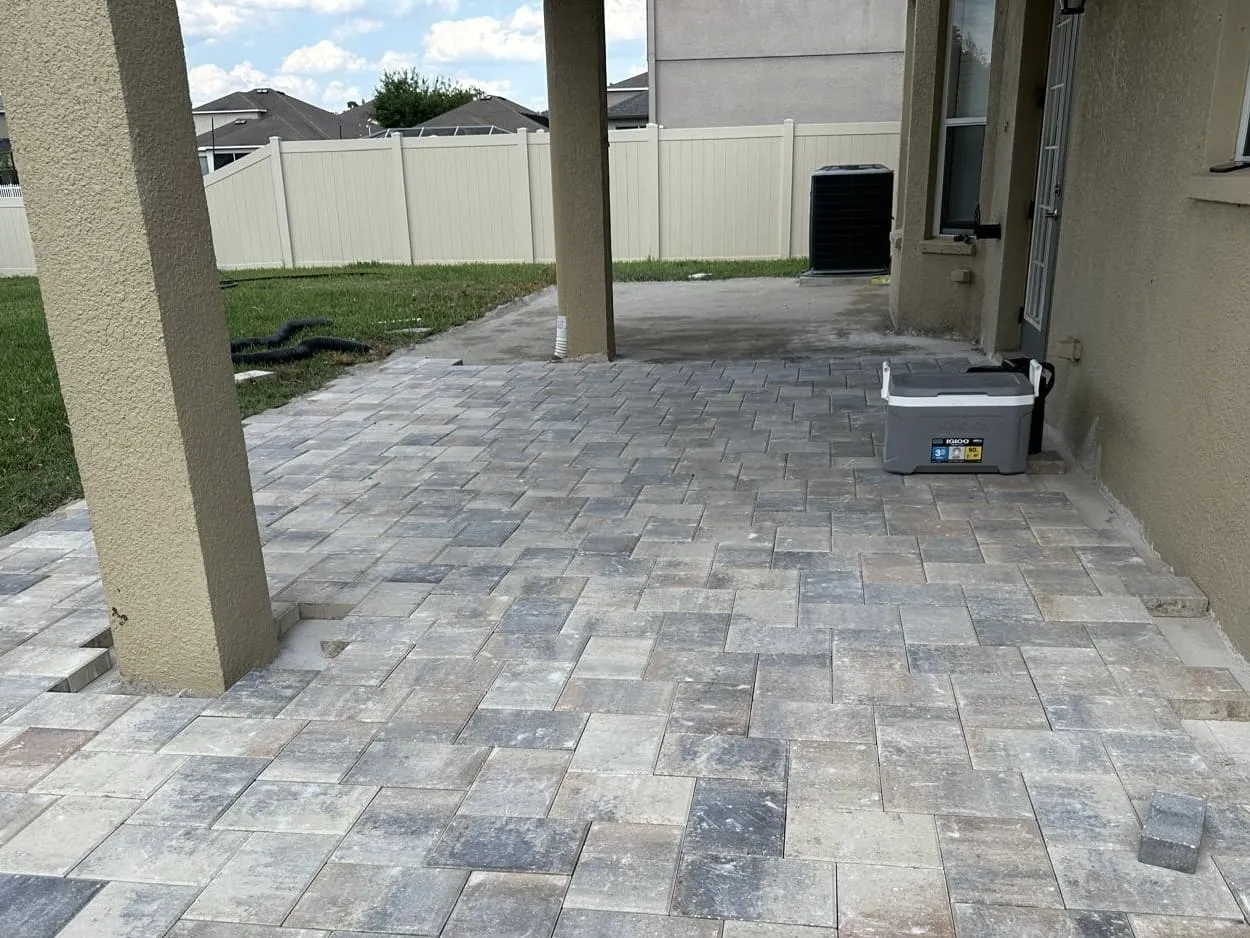
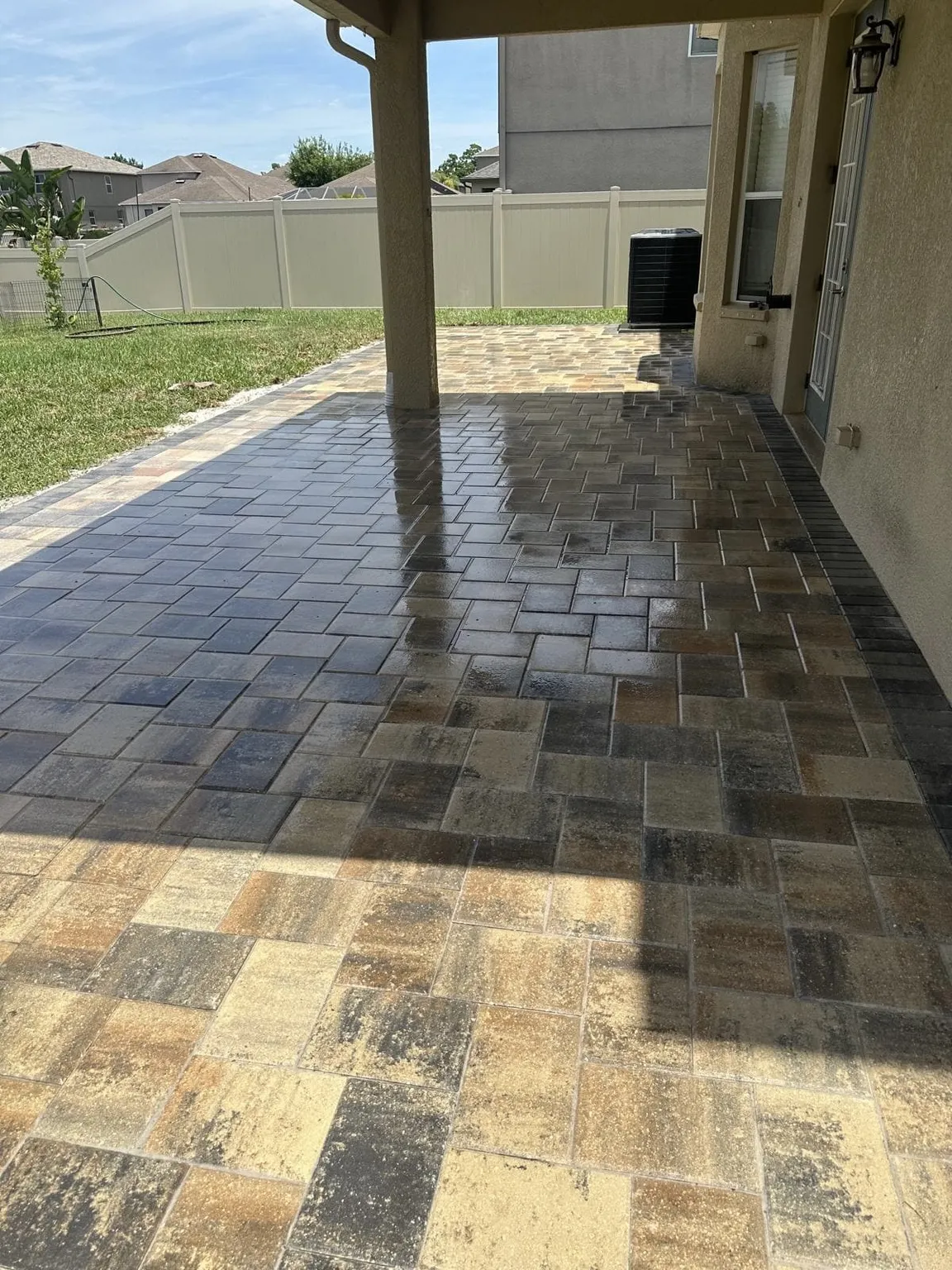
Along patios and walkways, the finished turf should feel natural underfoot and remain practical to trim. However, setting the soil flush with a slab before adding sod may leave the grass surface too high. Lawn grading before sod accounts for the thickness of the selected turf and its prepared growing layer. As a result, the completed edge can sit neatly without creating a raised lip across the hardscape.
Allow space for the sod that has not arrived yet
Before installation, the bare grade is only one layer of the final elevation. Once laid, sod adds roots, soil, and leaf growth above that prepared surface. Therefore, crews must anticipate the installed thickness rather than grading only for today’s appearance. This small planning step is especially visible beside pavers, curbs, cleanouts, irrigation boxes, and gate thresholds.
Ultimately, Likewise, the prepared surface should not bury utility covers or make routine access difficult. A box that disappears below turf may become troublesome when a valve needs service. Conversely, a cover left unnecessarily high can interrupt mowing and create an awkward bump. For this reason, professional lawn grading before sod coordinates accessible features with the intended finished lawn height.
Remove what will interfere with a consistent base
Once elevations are understood, preparation turns to the material already occupying the site. Old turf, persistent roots, construction scraps, stones, and loose organic debris can prevent an even finish. Moreover, simply covering these materials may create soft pockets after they shift or decay. Thus, lawn grading before sod includes selective removal before new soil is shaped across the yard.
Treat imported soil as a shaping material, not a shortcut
Imported soil may help correct low areas or create smoother transitions across disturbed ground. Nevertheless, adding material everywhere can raise the lawn against fixed surfaces and worsen an already poor connection. Lawn grading before sod uses soil where the planned elevations require it, then blends that material into the surrounding grade. In turn, this measured approach reduces needless buildup and makes the final surface easier to evaluate.
Similarly, soil texture should suit the purpose of the layer being placed. Large clods, mixed debris, or uneven piles make fine shaping harder and can leave voids. Although no yard becomes perfectly uniform, the crew can break down rough material and distribute it consistently. Afterward, raking exposes remaining high spots before they become visible through the turf.
Shape broad transitions before refining small imperfections
Additionally, With the site cleared, broad shaping establishes the main direction of the yard. First, material moves from excessive high areas or is added where planned low areas need support. Then, lawn grading before sod connects those changes across enough distance to avoid abrupt waves. This sequence matters because polishing a small patch is wasted effort if the larger surface still needs adjustment.
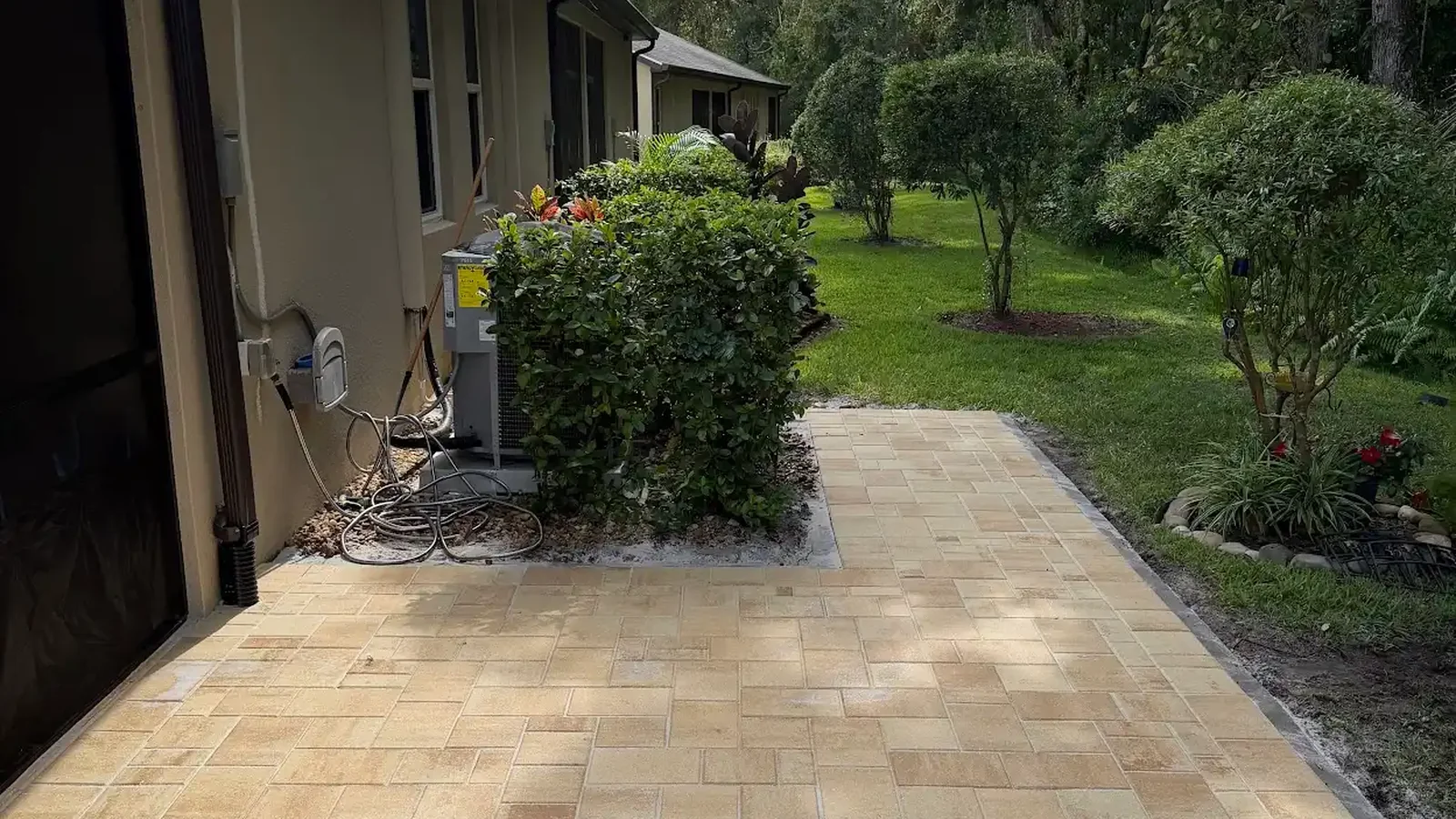
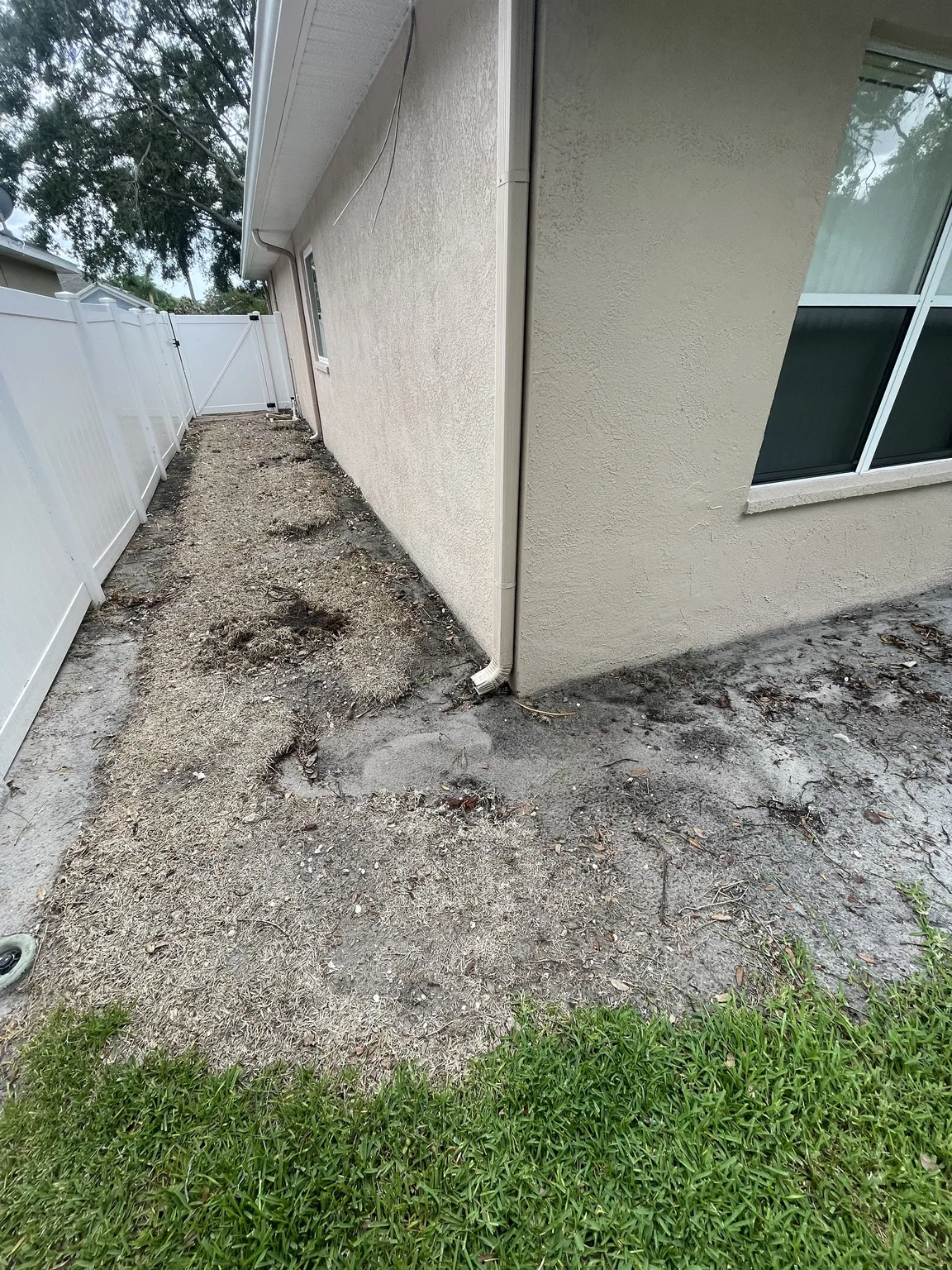
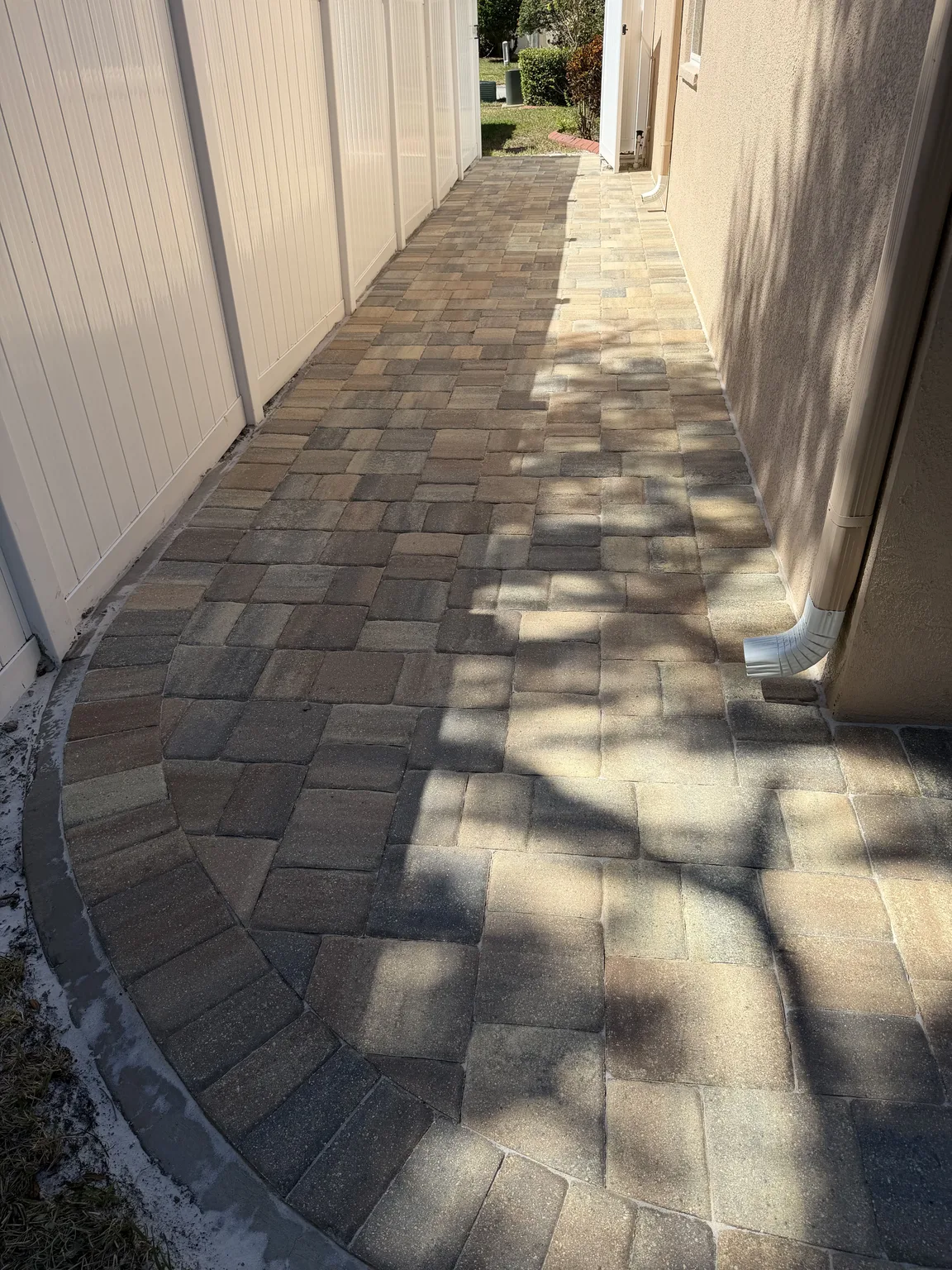
On a compact Tampa Bay lot, several outdoor zones may meet within only a few steps. For example, a side gate can connect a driveway, air-conditioning area, backyard patio, and narrow lawn corridor. Therefore, the grade must negotiate multiple fixed heights while remaining passable for people and equipment. A smooth diagonal transition may work better than forcing every change into a straight line.
Use tools according to access and scale
Depending on access, crews may shape soil with compact equipment, hand tools, or a combination of both. However, machine reach does not replace careful work beside walls, pavers, irrigation parts, and planting beds. Lawn grading before sod often becomes more detailed as the crew approaches these sensitive edges. Ultimately, the best tool is the one that produces control without damaging nearby improvements.
Equipment traffic can also change soil that looked finished a few minutes earlier. For instance, repeated wheel paths may compress one route while turning another area loose. Consequently, the crew should inspect travel lanes after major material movement ends. From there, final hand grading can blend tracks and restore a consistent surface across the installation area.
Coordinate irrigation before the lawn closes the workspace
Before sod covers the ground, visible irrigation components are easier to inspect and adjust. A tilted head, buried box, exposed line, or poorly placed spray point may complicate the finished lawn. Therefore, lawn grading before sod should account for the irrigation layout during preparation. This coordination helps keep service points reachable and reduces unnecessary disturbance after installation.
Moreover, Even so, grading and irrigation serve different functions and should not be confused. The soil establishes the lawn’s physical surface, while irrigation supports scheduled watering across that surface. If coverage seems uneven, the appropriate components may need attention before delivery day. In addition, homeowners should understand basic operating instructions for the newly installed turf.
Protect roots and trunks while changing nearby elevations
Mature trees introduce another set of boundaries within the grading plan. Specifically, adding deep fill around a trunk or aggressively cutting through major roots can harm an established landscape feature. Accordingly, lawn grading before sod near trees calls for restraint and site-specific judgment. The final transition may need to respect the existing root area instead of forcing a uniform plane.
Similarly, Planting beds require similar coordination because edging often separates different soil levels and maintenance routines. Yet a crisp border alone does not guarantee a comfortable grade on either side. The lawn approach should remain mowable, while the bed should retain its intended shape. Thus, checking both surfaces before sod arrives can prevent an awkward ridge along the entire border.
Firm the surface without creating a sealed platform
After shaping, the soil needs enough stability to hold the intended contours during installation. However, an excessively loose surface may settle under footsteps, while an overly hard surface can be difficult to refine. Lawn grading before sod seeks a firm, workable base with consistent contact beneath the turf. Therefore, crews evaluate the ground by appearance, feel, and how it responds during final preparation.
Nevertheless, Moisture can change that response quickly on an exposed Florida jobsite. When soil is saturated, equipment and foot traffic may leave ruts that distort completed work. Conversely, very dry clods may resist smooth raking and break apart unevenly. For that reason, scheduling sometimes shifts so the surface can be shaped under more workable conditions.
Inspect with more than one viewing angle
A grade can appear smooth from the patio and reveal a hollow when viewed from the side yard. Consequently, crews should look across the soil from several low and high positions. Lawn grading before sod also benefits from checking transitions by walking them, where safe and practical. Together, visual and physical inspection can identify waves that a single viewpoint misses.
Furthermore, Simple straight references can clarify local irregularities near hard edges. Still, the broader yard must be judged as a connected surface rather than isolated measurements. A technically neat spot may lead poorly into the next section if the surrounding transition is ignored. Hence, final refinement moves repeatedly between close inspection and a wider property view.
Plan delivery so finished soil stays finished
Once the base is ready, delivery logistics become part of protecting the work. Pallets, wheelbarrows, crew routes, and cutting areas all place temporary pressure on the prepared soil. Therefore, lawn grading before sod should be followed by an installation sequence that limits repeated traffic. Starting in less accessible zones can also reduce the need to cross newly placed turf.
However, Weather timing matters as well because exposed grading remains vulnerable until sod covers it. A strong downpour may wash fine material, soften travel paths, or reveal a low point. Accordingly, the crew should recheck the surface when conditions change between preparation and installation. Minor corrections at that stage are easier than lifting completed sections later.
Fit sod to the grade instead of reshaping with scraps
During placement, each sod piece should make broad contact with the prepared soil. However, using small scraps to fill a poorly shaped depression does not correct the underlying contour. Lawn grading before sod provides the surface, while careful fitting follows that surface at curves and boundaries. As installation advances, visible gaps or rocking sections can signal an area that needs immediate attention.
At corners, narrow strips deserve special care because they dry faster and shift more easily. Meanwhile, random overlaps can create raised seams that become noticeable underfoot. The installer can make deliberate cuts and keep joints closely fitted without stretching the turf. After placement, a final walkthrough should focus on edges, seams, transitions, and access points.
Understand what changes a grading proposal
No responsible lawn grading before sod cost can be reduced to one universal figure. Instead, access, removal needs, soil movement, yard size, fixed elevations, irrigation conflicts, and detailed handwork affect the scope. A narrow fenced side yard may demand more handling than an open area of similar size. Therefore, an on-site review gives the contractor better information than photos alone.
Likewise, proposals should distinguish basic surface preparation from substantial reshaping or correction of existing site problems. Homeowners can ask what removal, imported material, fine grading, cleanup, and sod installation the scope includes. For clarity, they can also review DR Pavers Design’s sod installation and grading service. Additionally, written assumptions make it easier to compare what different estimates actually cover.
Use regional guidance as context, then inspect the property
Instead, Florida homeowners can consult the University of Florida IFAS Extension for regional landscape and turf information. Even so, general educational material cannot show the elevations, access limits, or disturbed soils at one address. Professional lawn grading before sod translates those actual conditions into a buildable preparation plan. Thus, online research works best when paired with direct observation of the yard.
Similarly, Before work begins, homeowners can make that observation more useful by sharing recent changes. For example, a removed pool, new patio, utility repair, tree removal, or recurring wet area may explain unusual contours. Then, the contractor can investigate those locations while the soil remains visible. This context supports a more focused conversation about realistic grading priorities.
Review the finished lawn as a connected outdoor surface
Ultimately, After installation, color naturally attracts attention, but surface relationships deserve equal notice. Walk the practical routes between doors, gates, patios, and service areas while observing each edge. In addition, check that accessible covers remain findable and that the turf does not create obvious lips. Lawn grading before sod is successful when those connections feel intentional beneath the new green layer.
As the turf establishes, follow the installer’s watering and access guidance for the actual grass and season. Nevertheless, report an obvious separation, shifted edge, or developing depression promptly instead of masking it with loose soil. Early communication lets the contractor distinguish installation details from later site activity. Finally, keep photos of the bare grade and completed lawn as a useful maintenance reference.
Prepare the yard once, then care for the living surface
Ultimately, lawn grading before sod is a construction step beneath a living landscape. It cannot replace mowing, irrigation checks, nutrition, pest observation, or seasonal care after the turf takes root. However, it can give those routines a cleaner and more usable surface to support. That is why thoughtful grading belongs in the project plan before sod ordering becomes the main conversation.
When you are ready to plan lawn grading before sod, start with the contact page or call (727) 564-6877; alternatively, send a text message, use WhatsApp, or email drpavers@outlook.com. Meanwhile, review common planning details in the FAQ, browse completed projects, read client testimonials, and explore available services. For current work, follow DR Pavers Design on Instagram and Facebook; then, view the business on the Google Maps listing. Finally, you can read additional Google reviews before requesting a property-specific assessment.