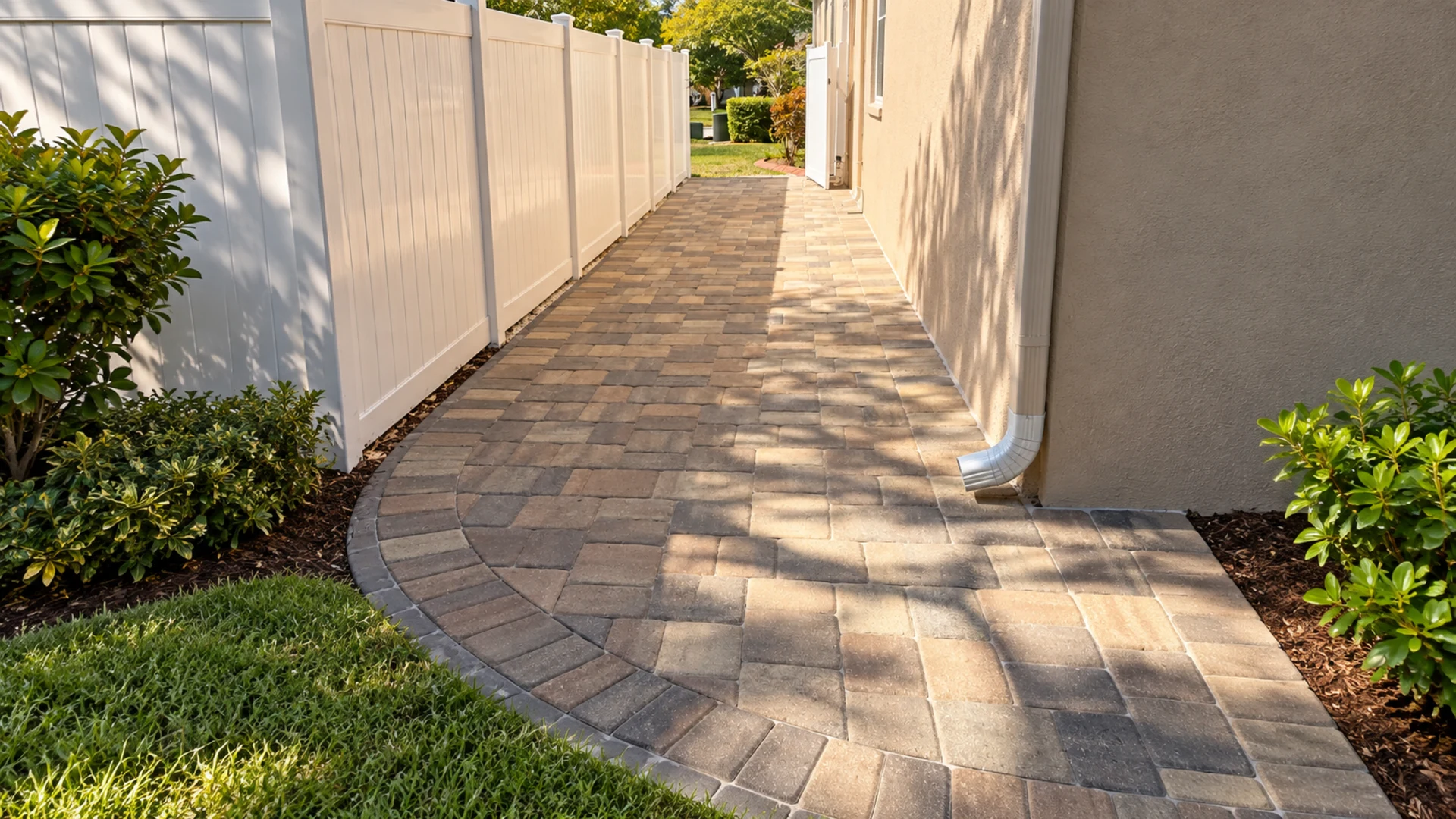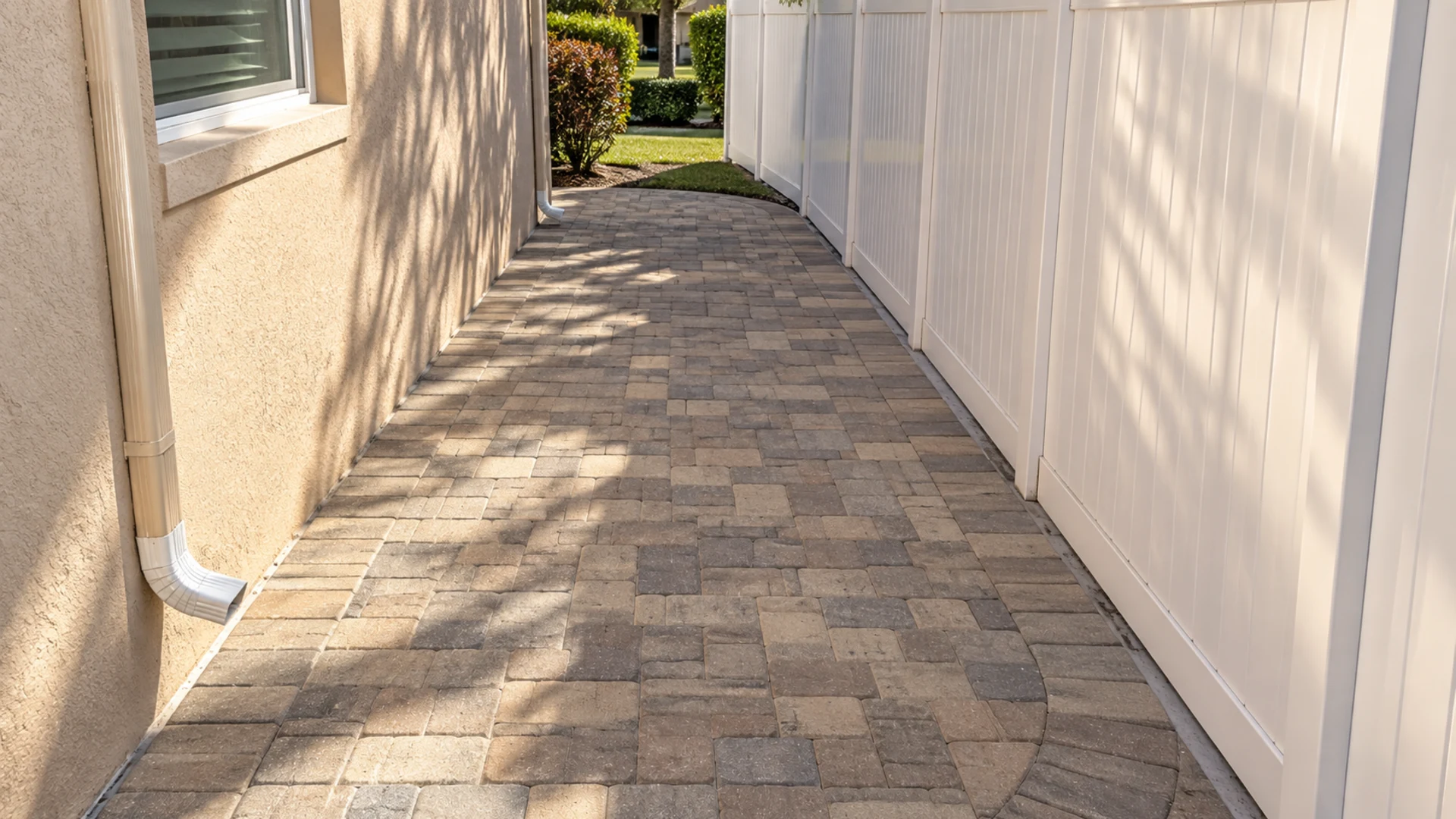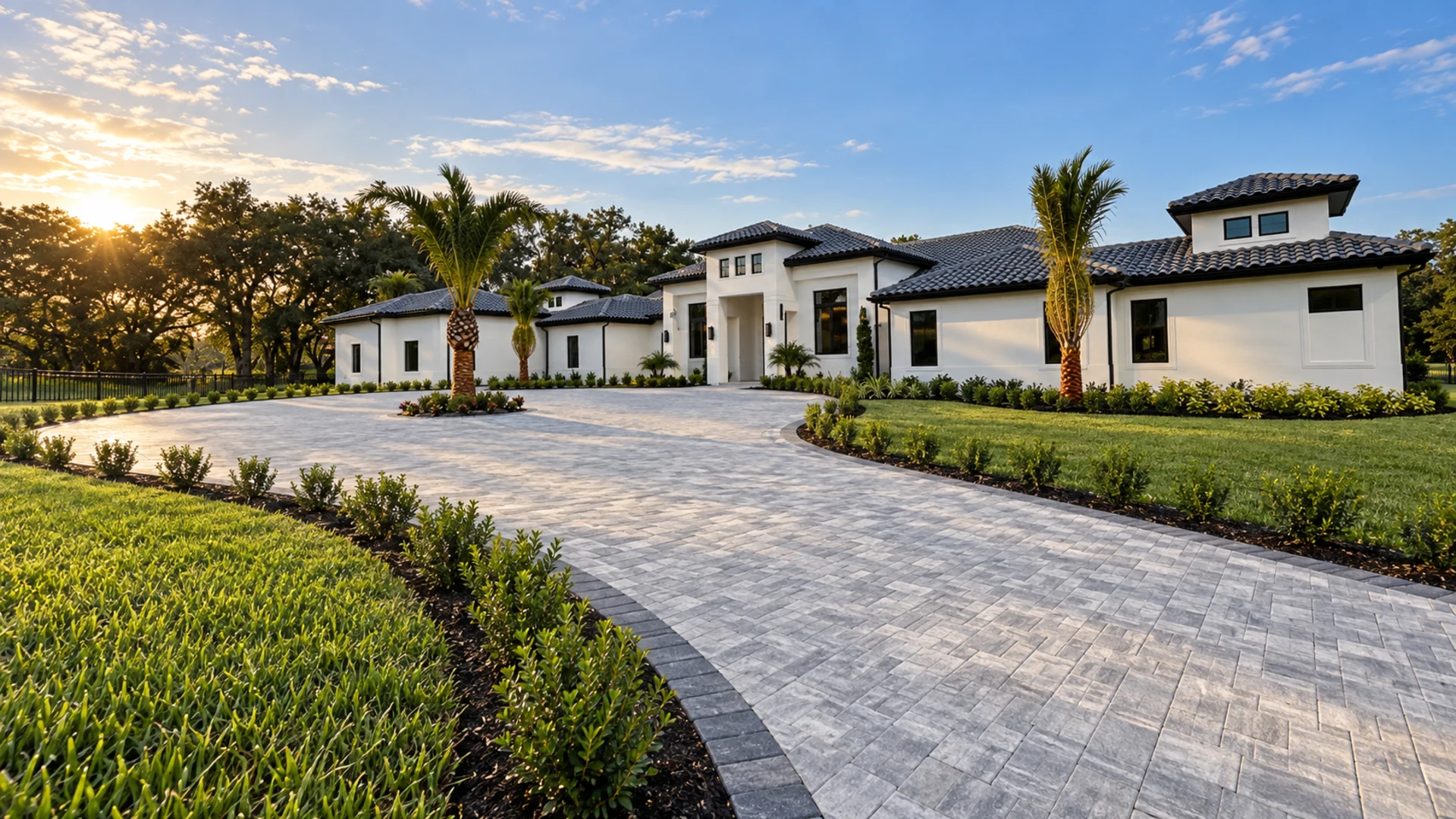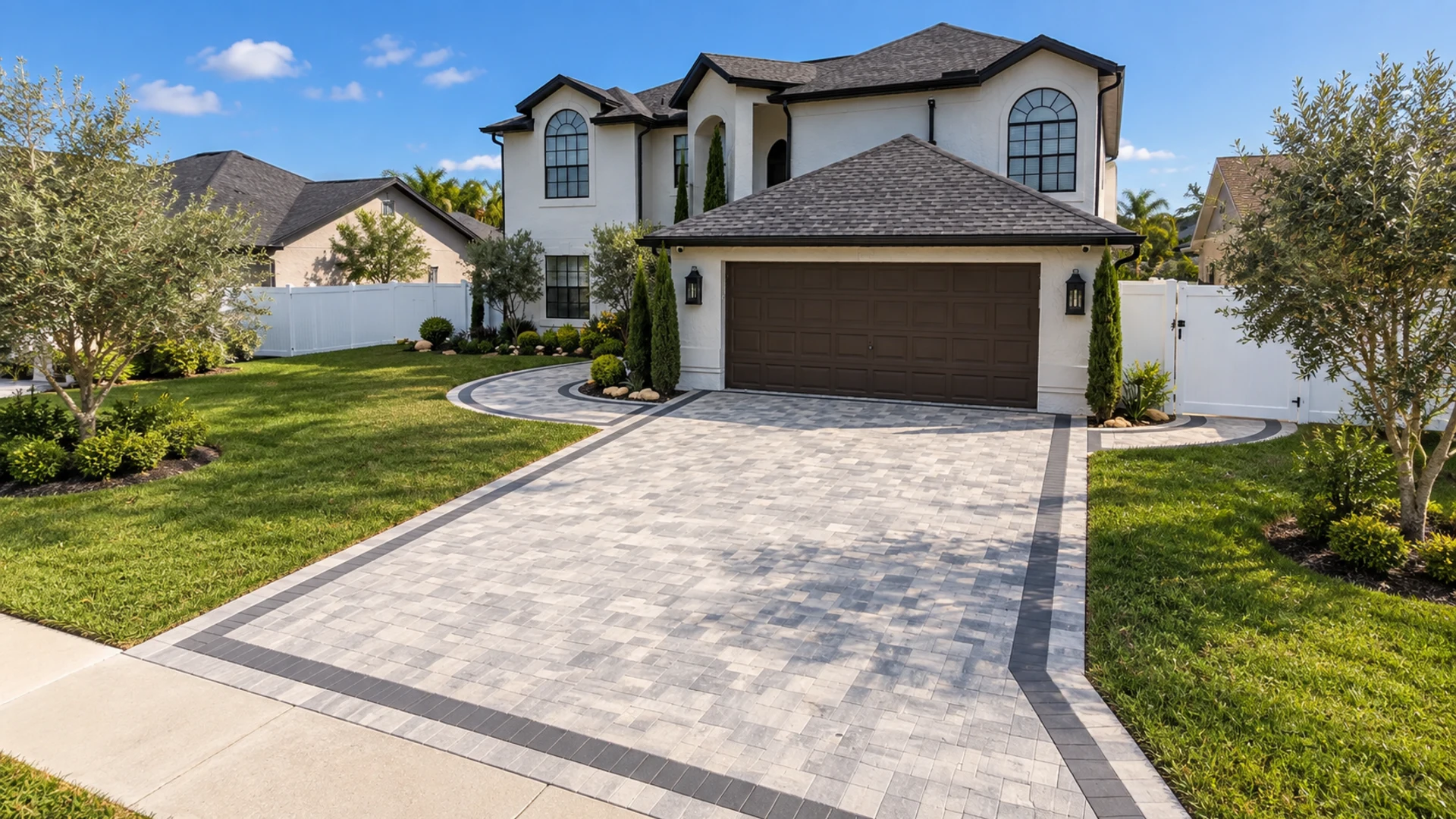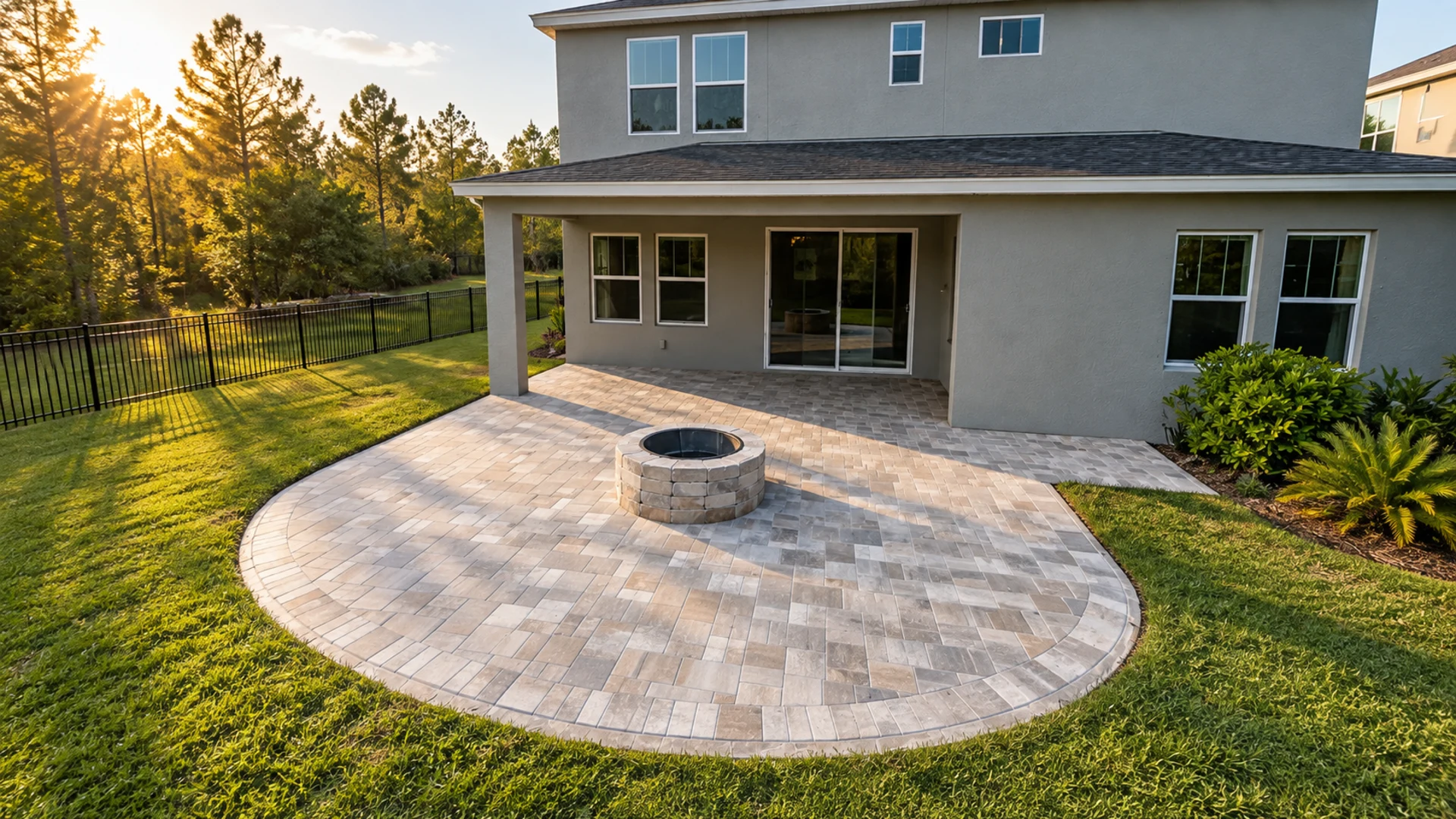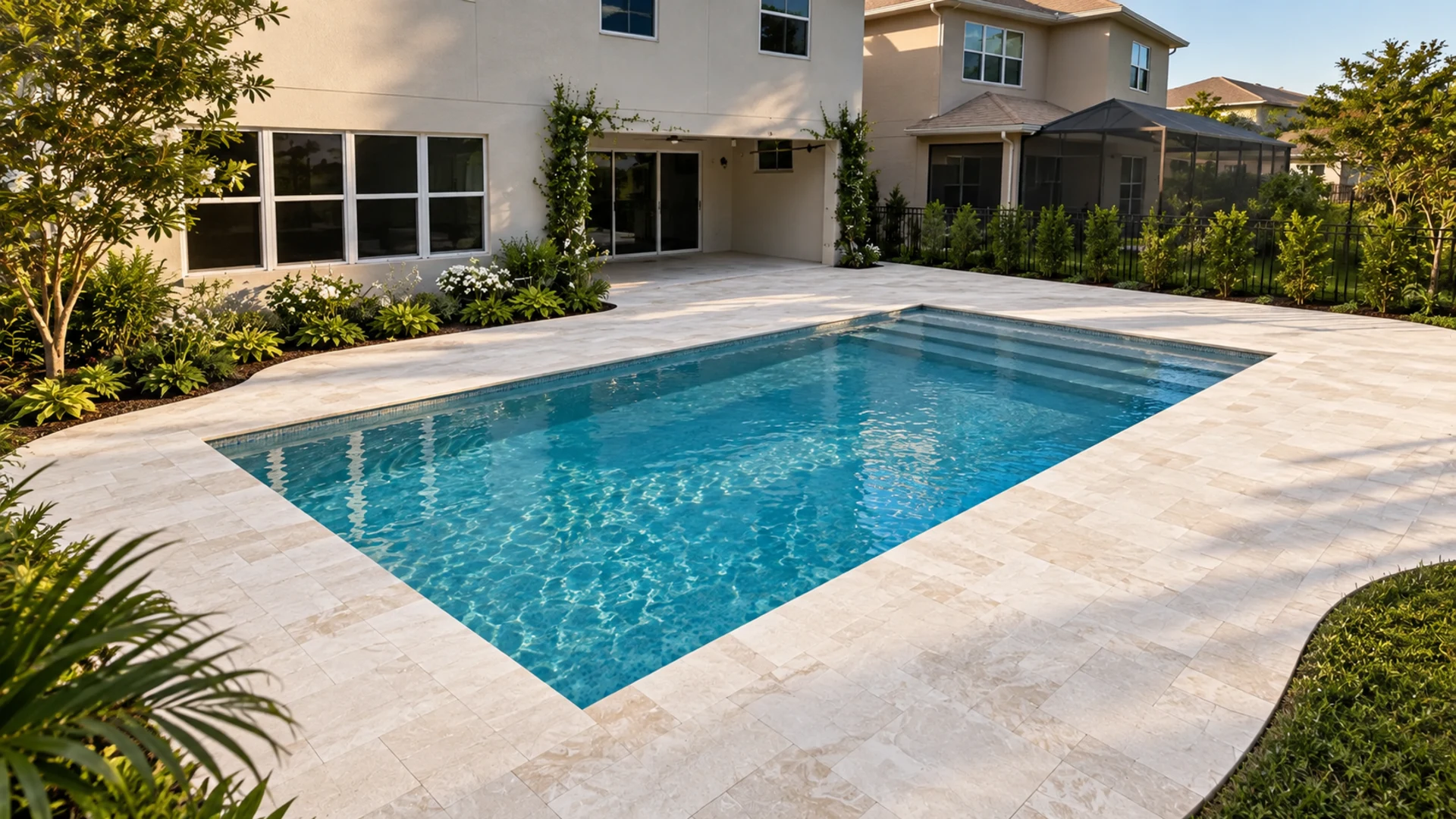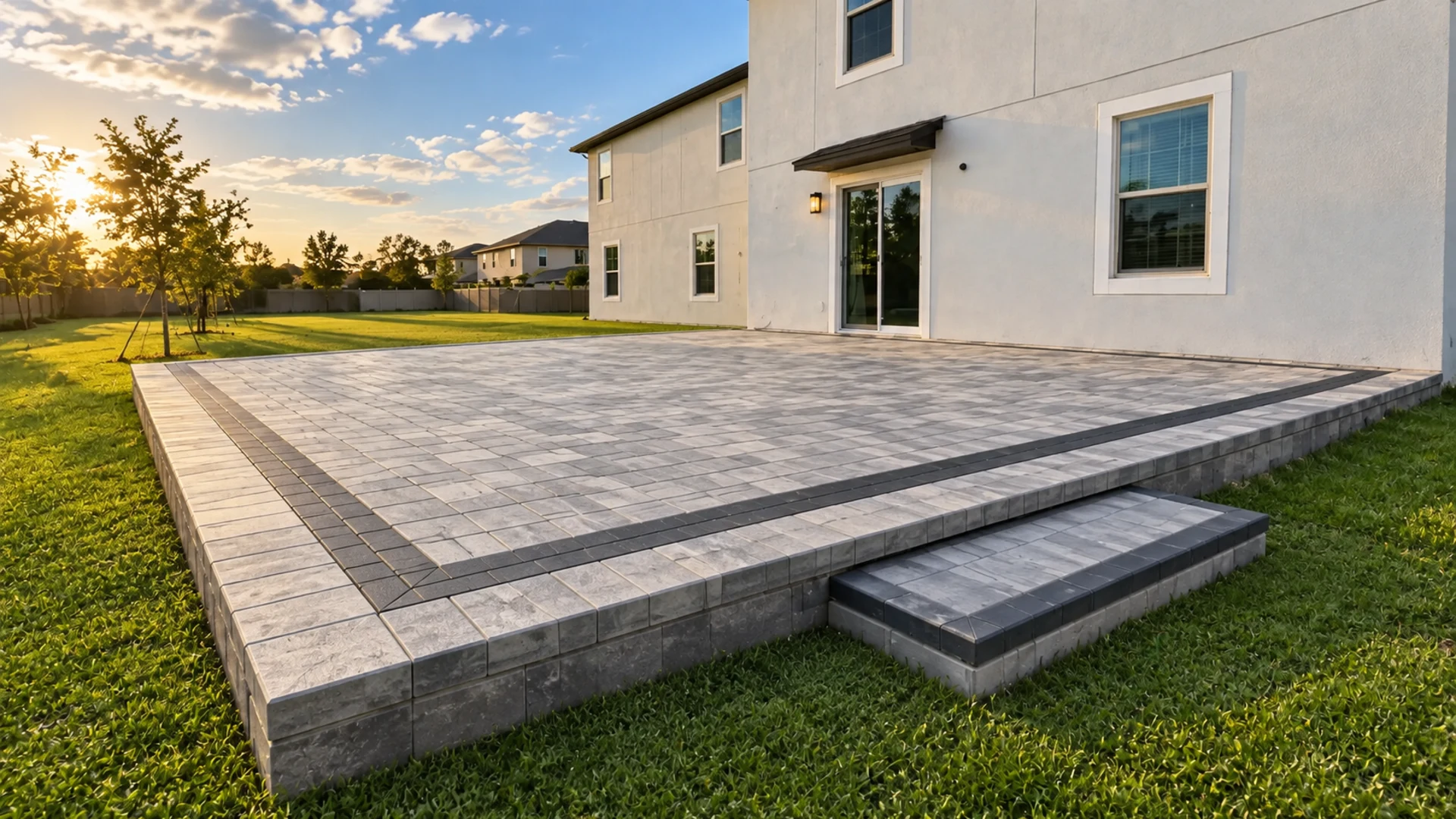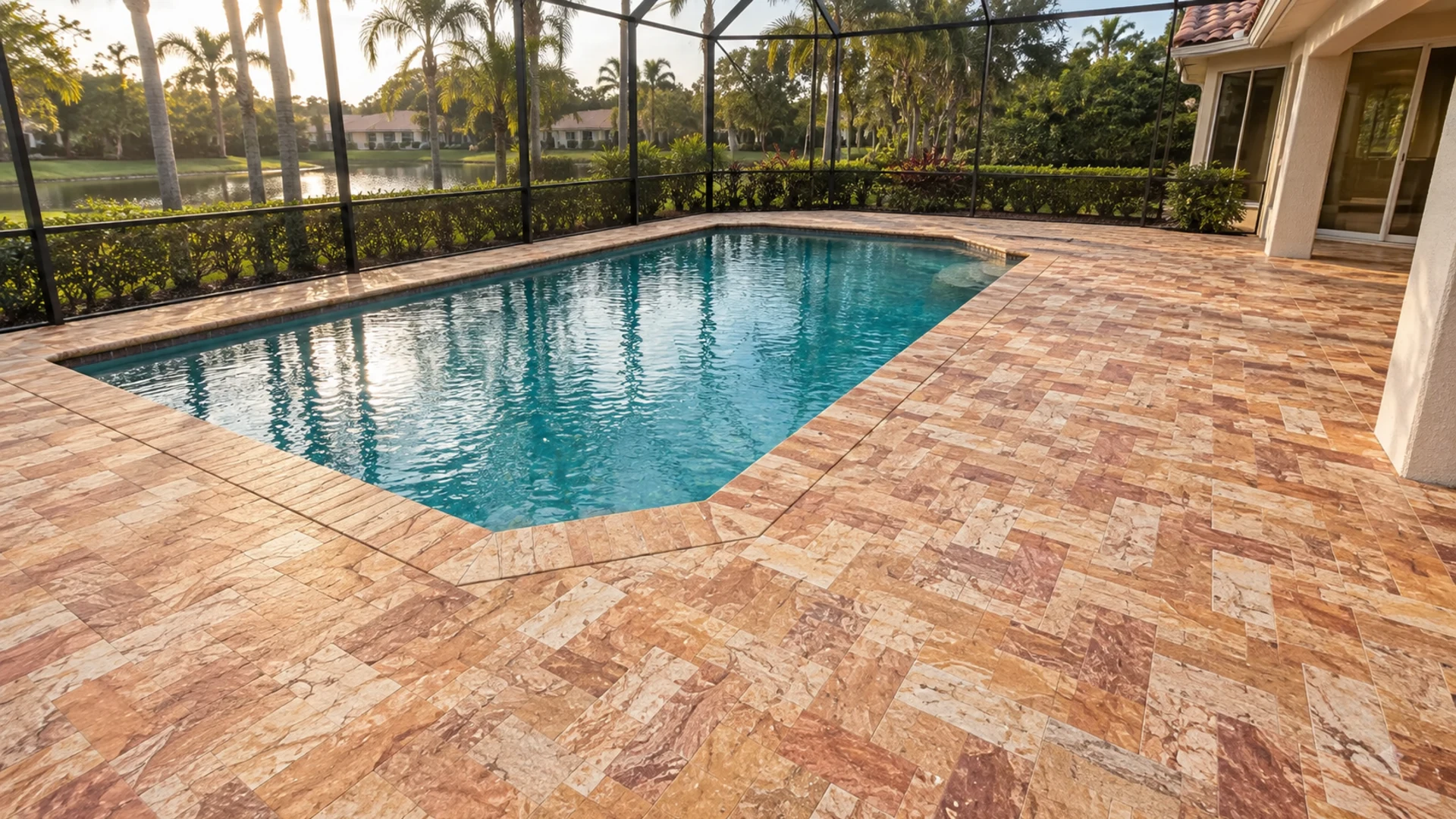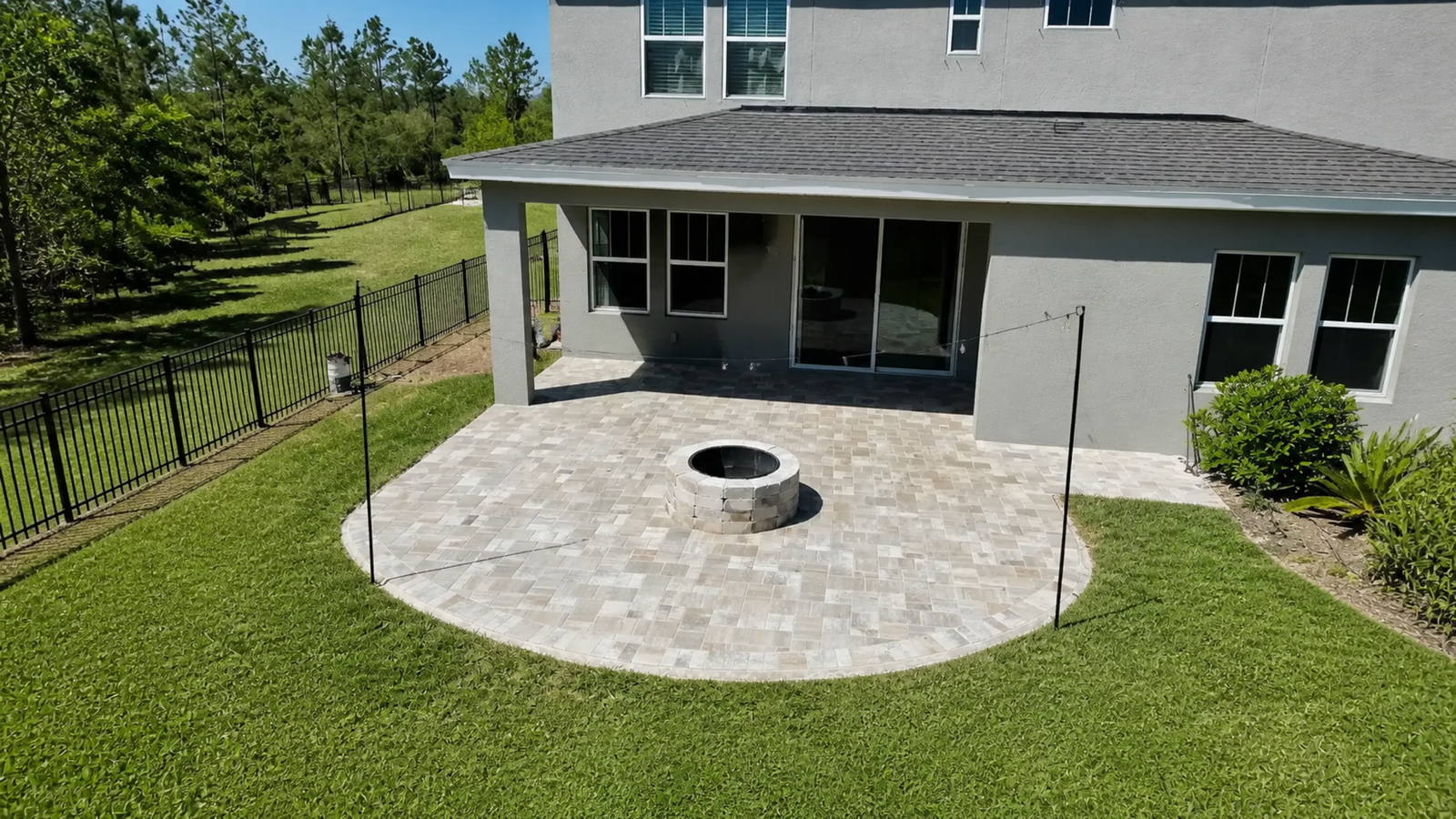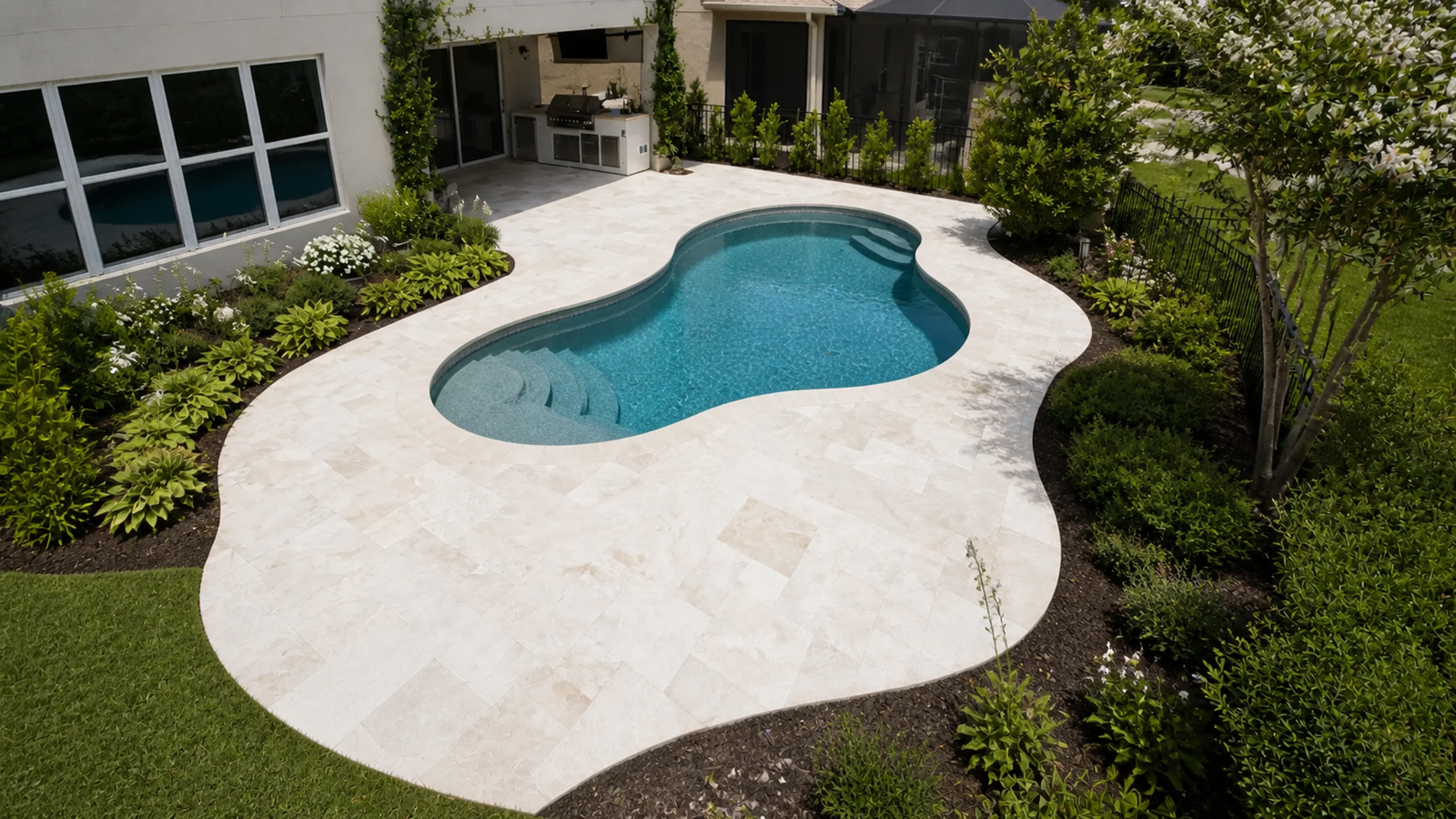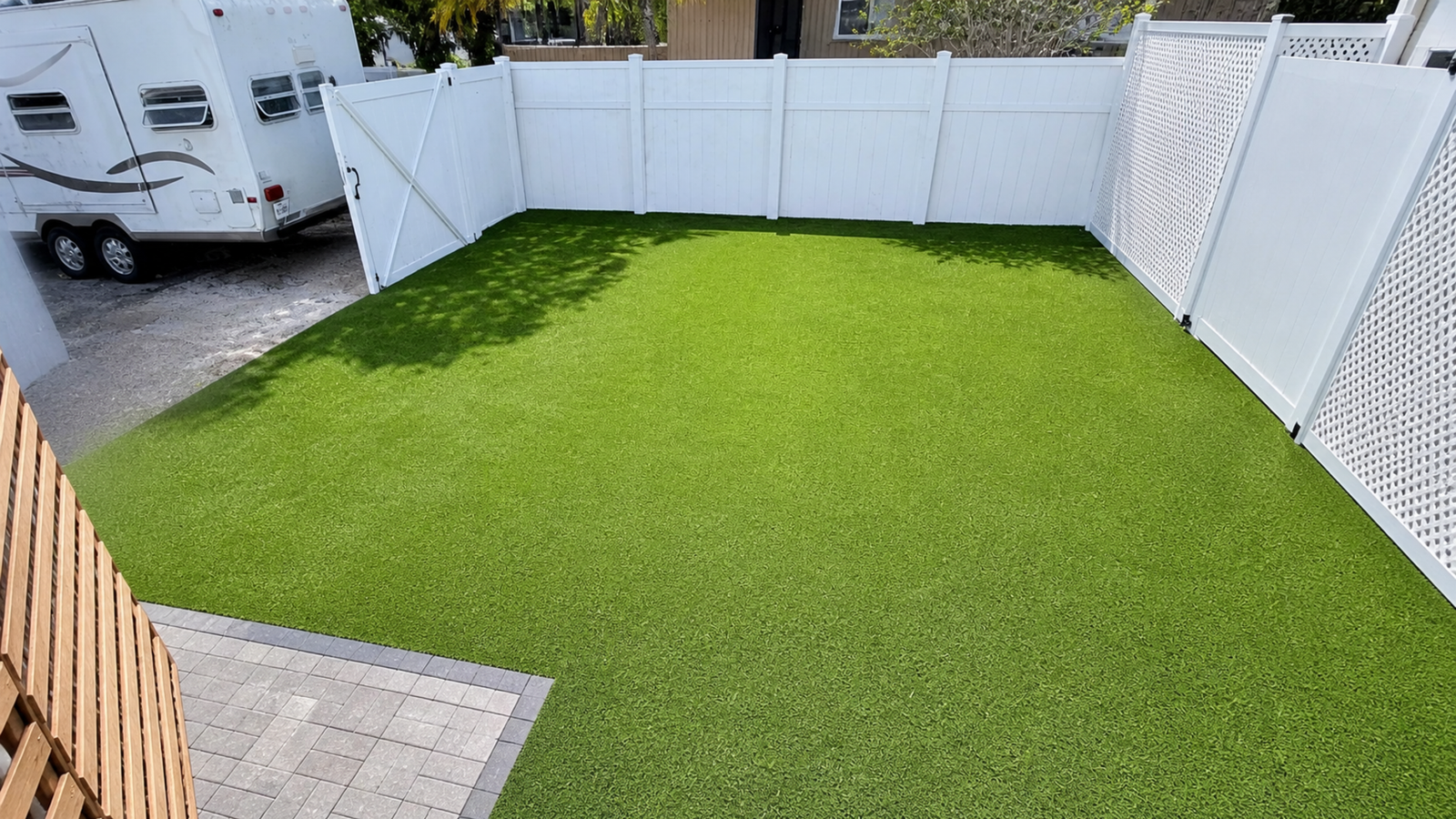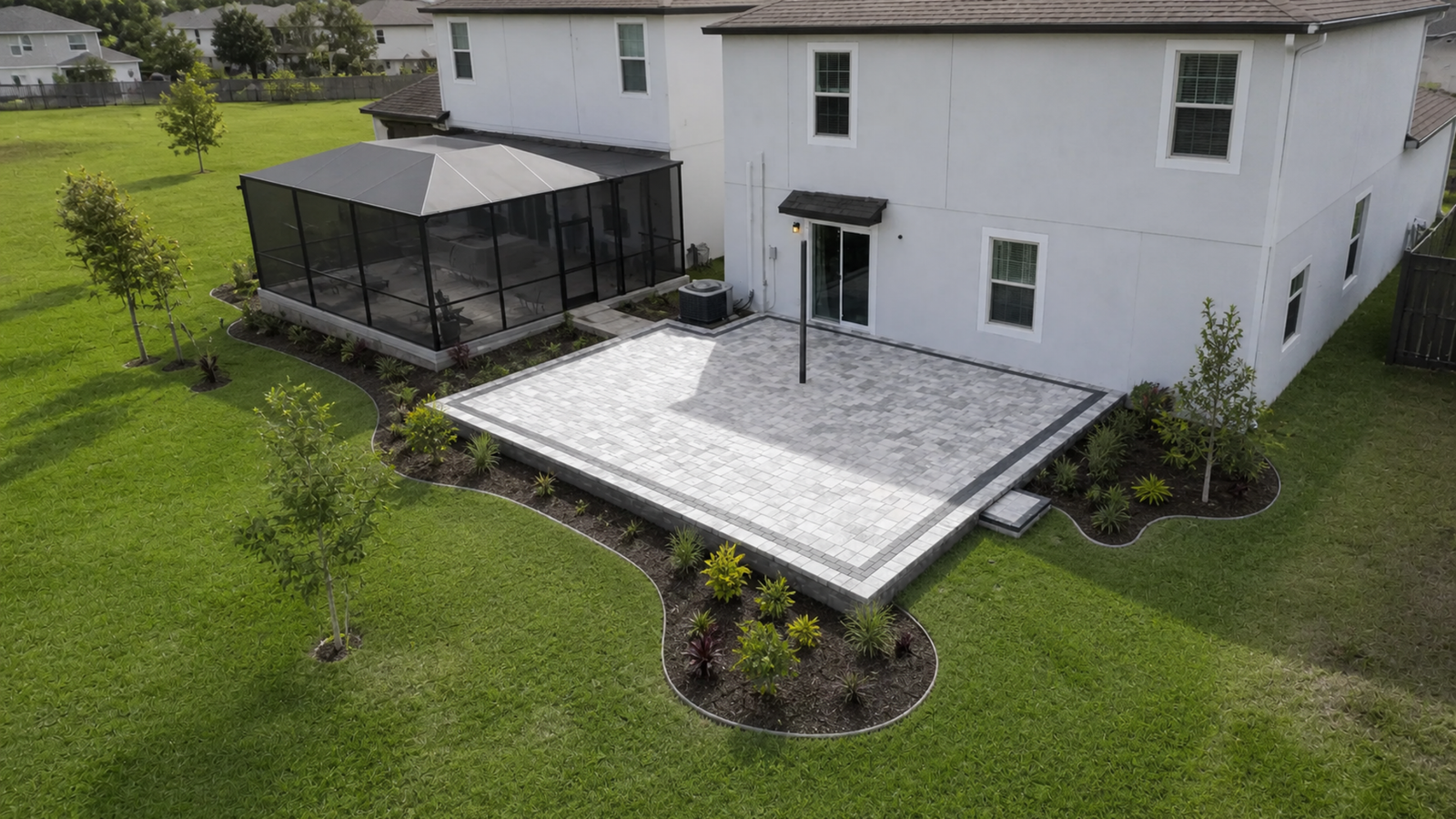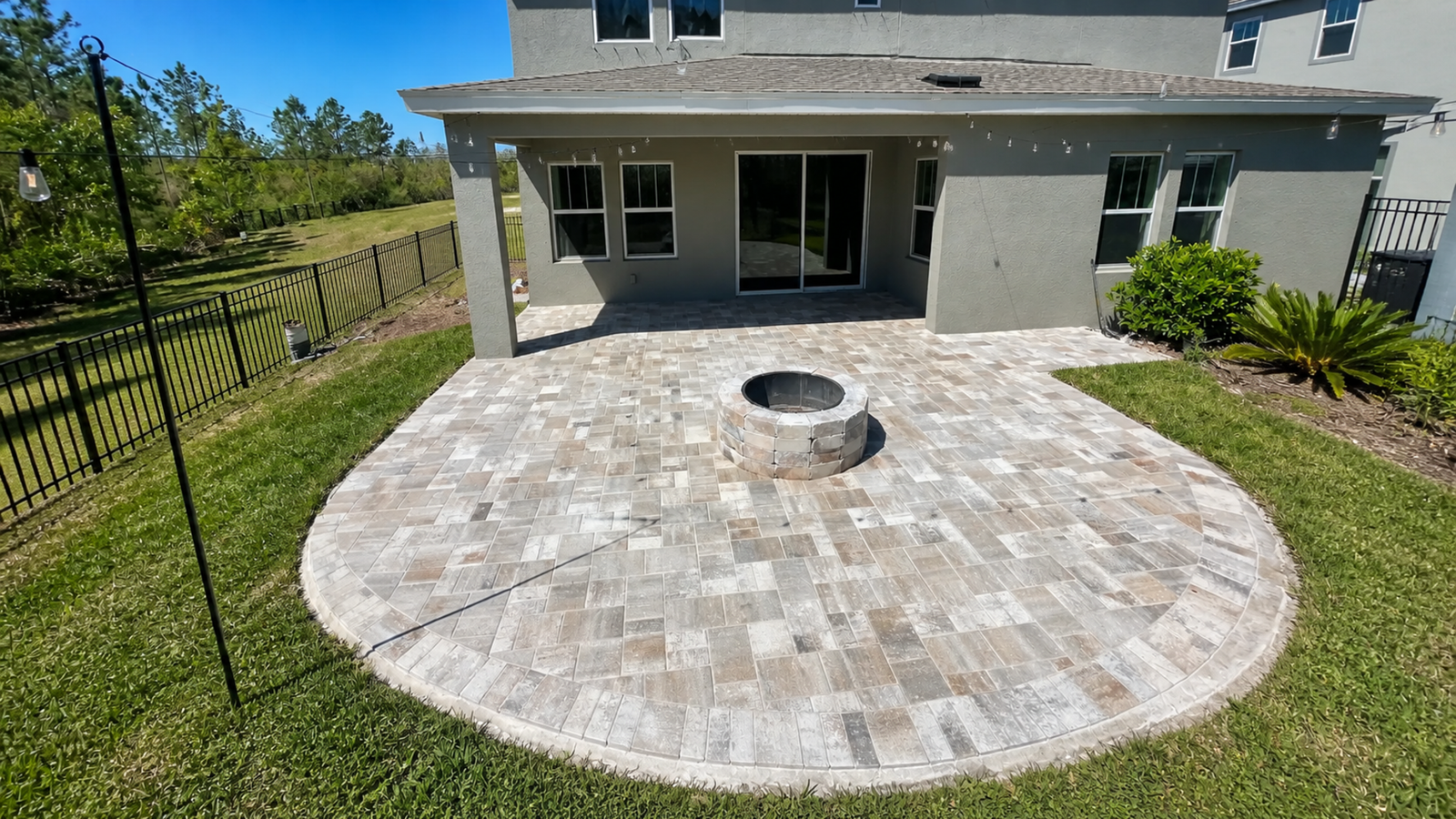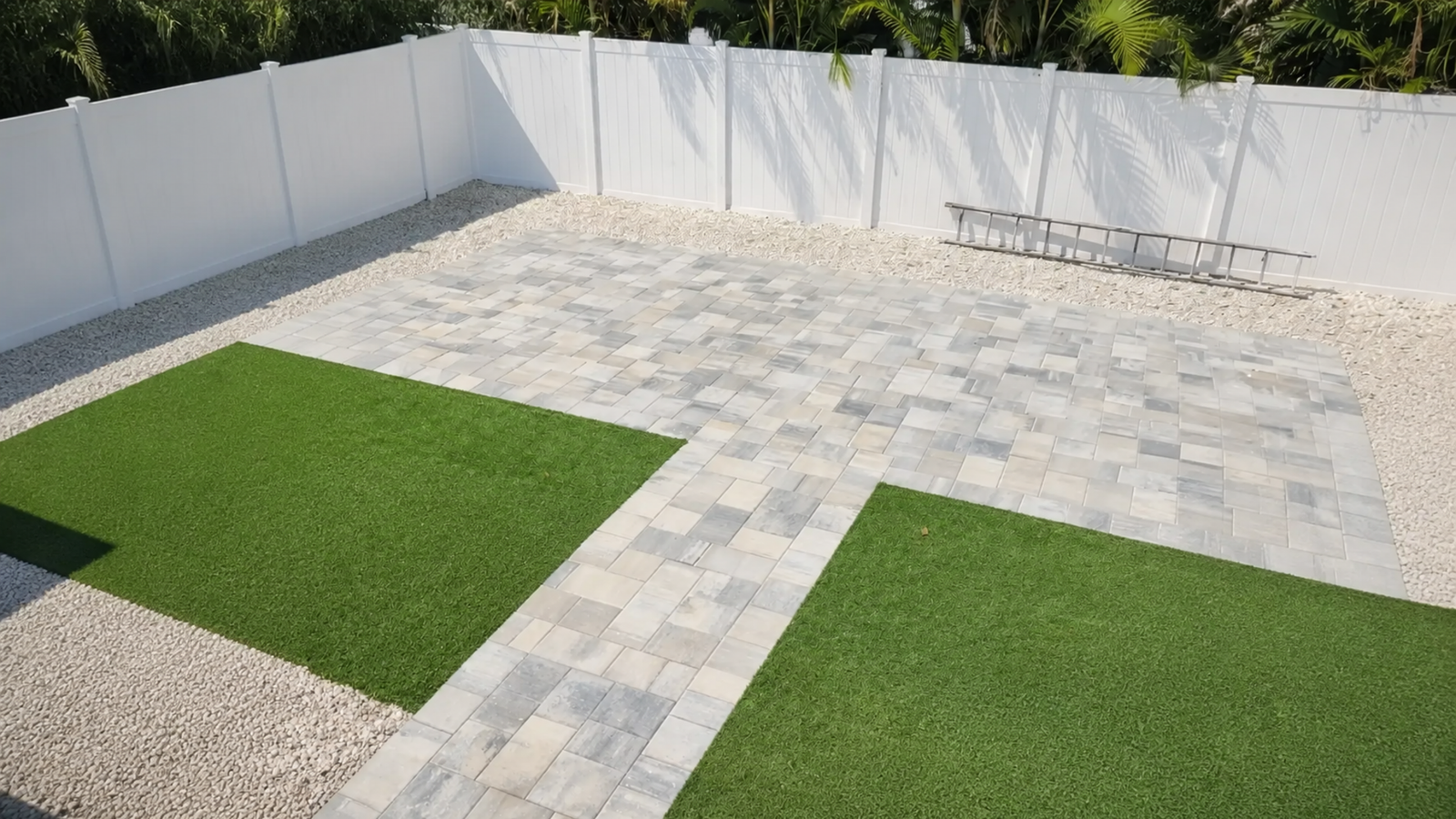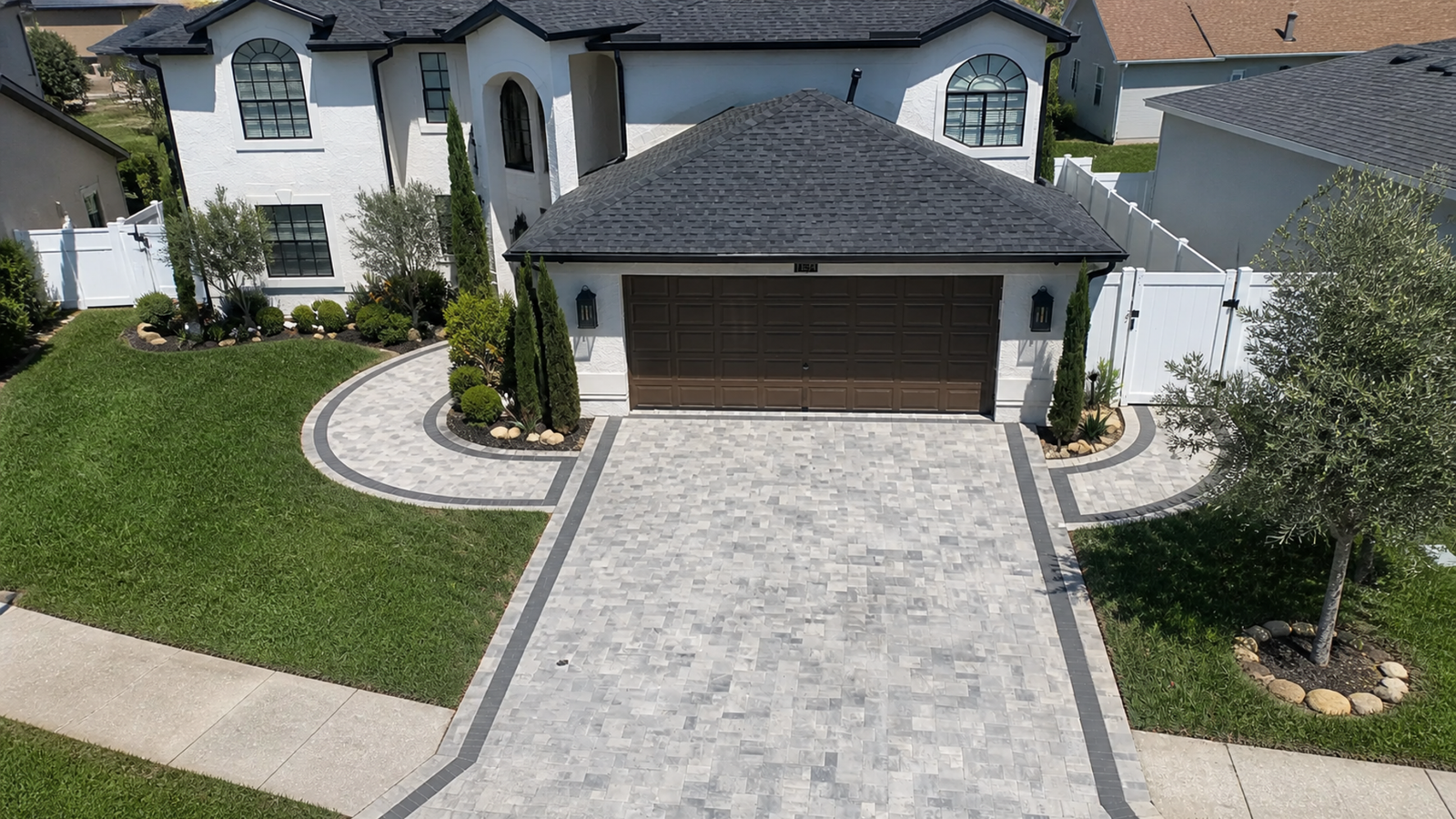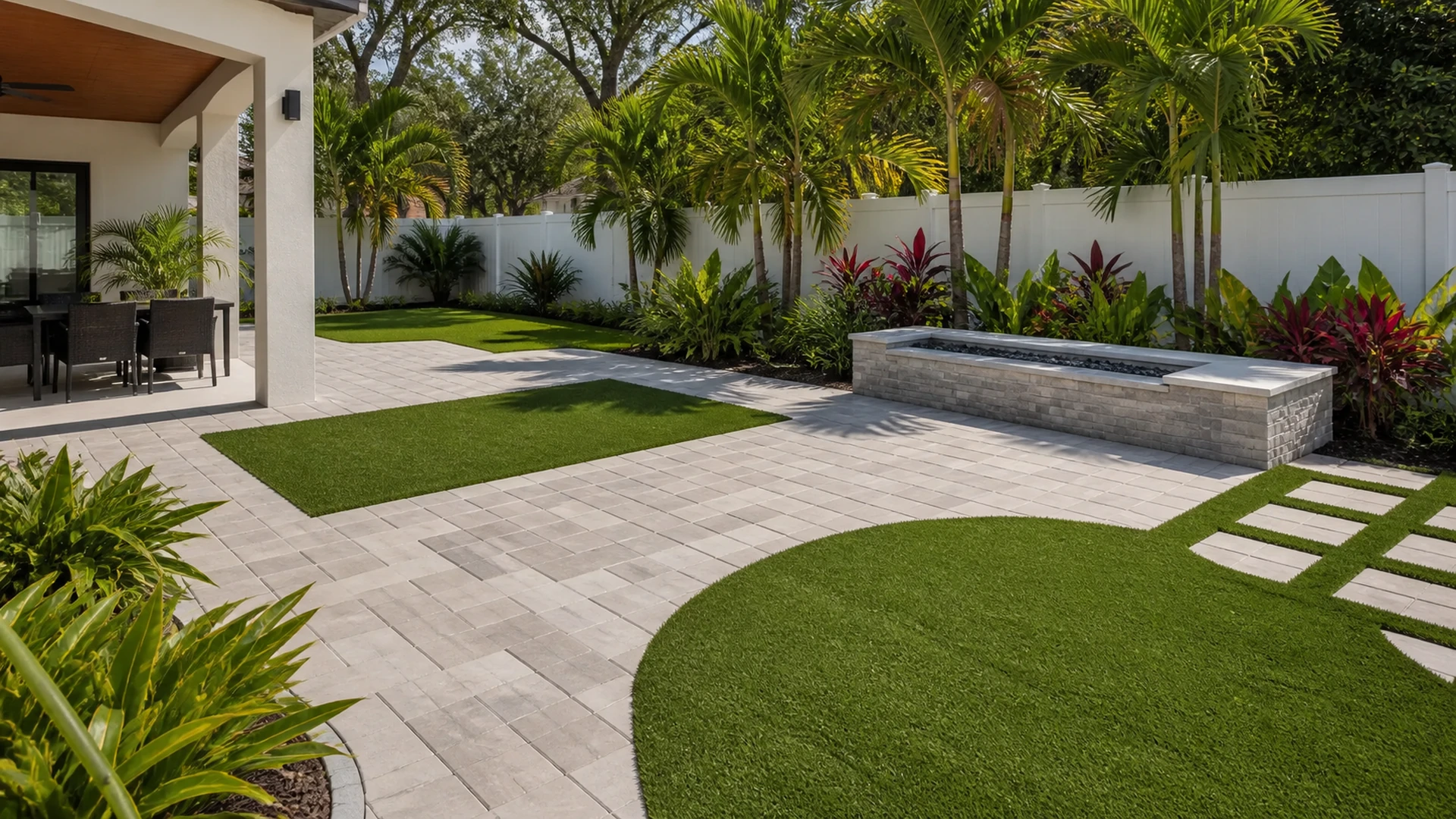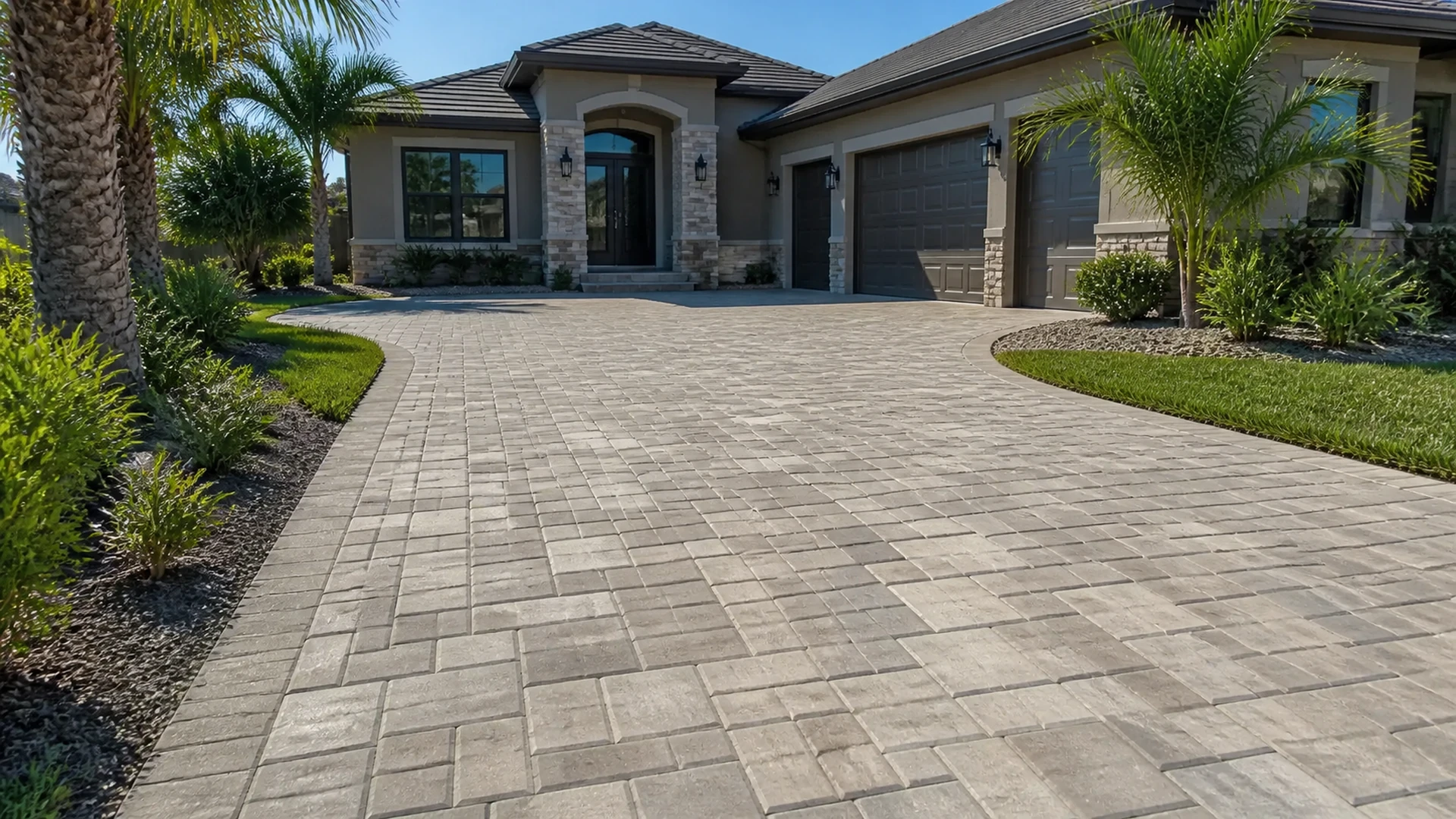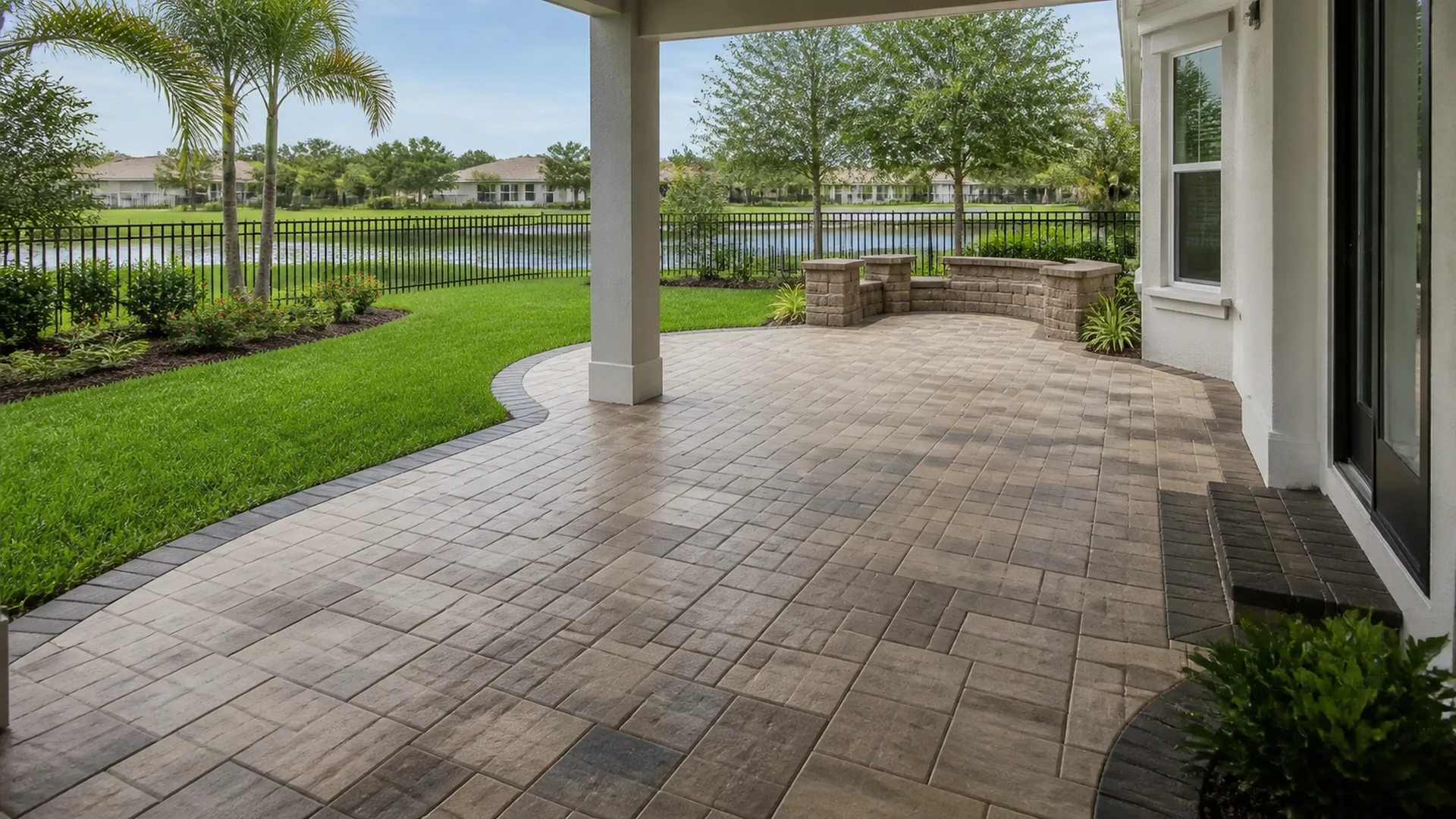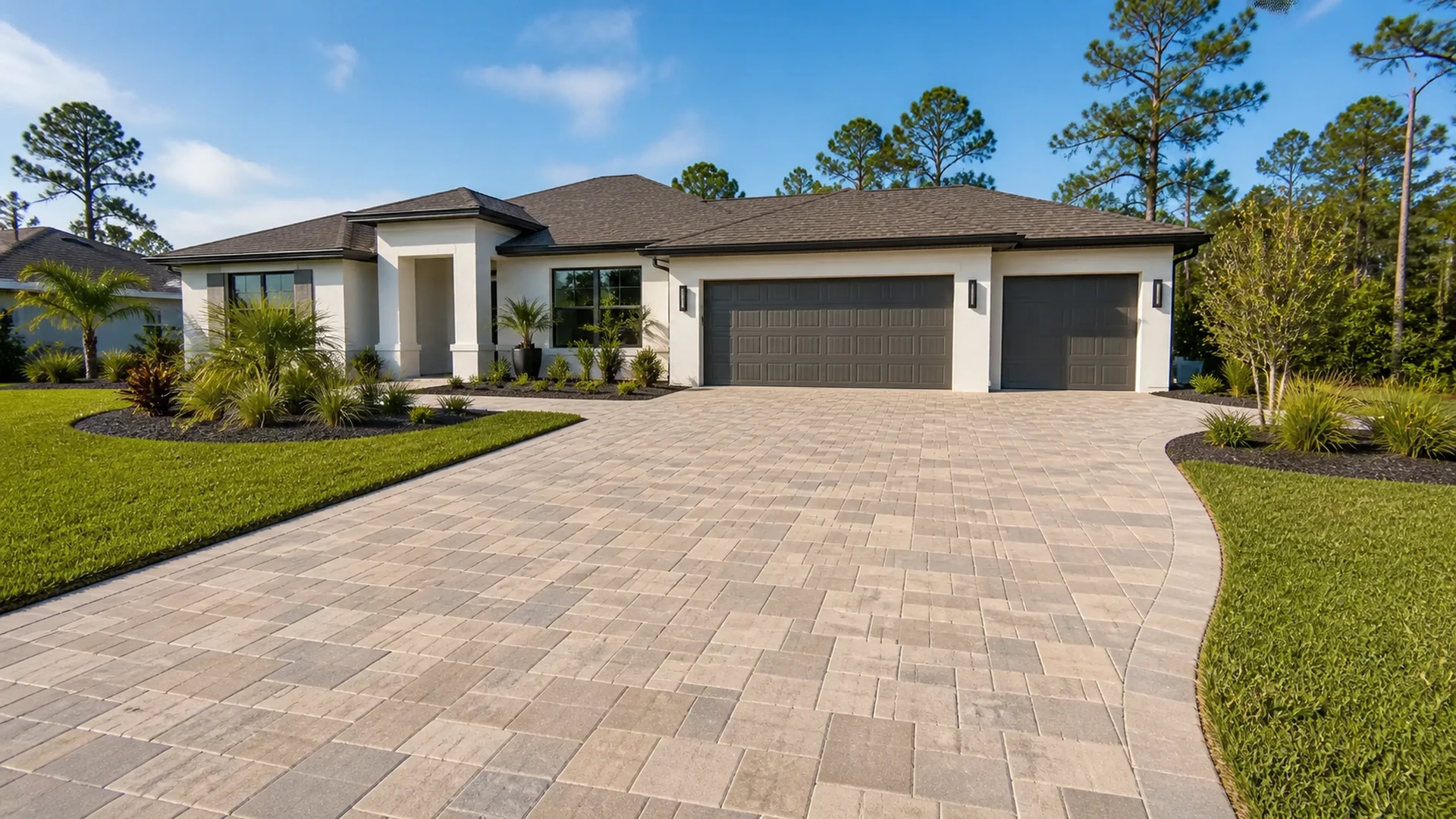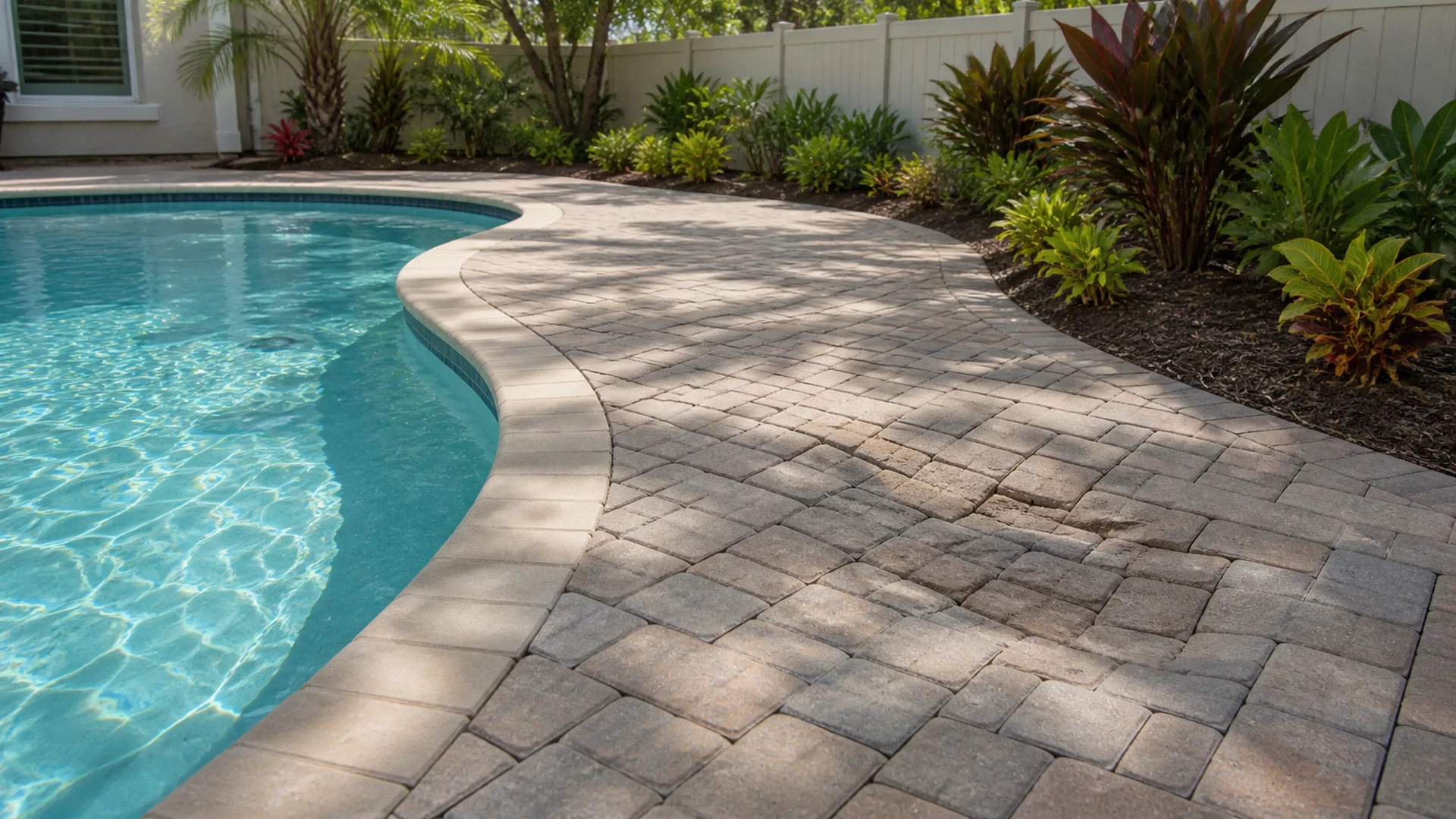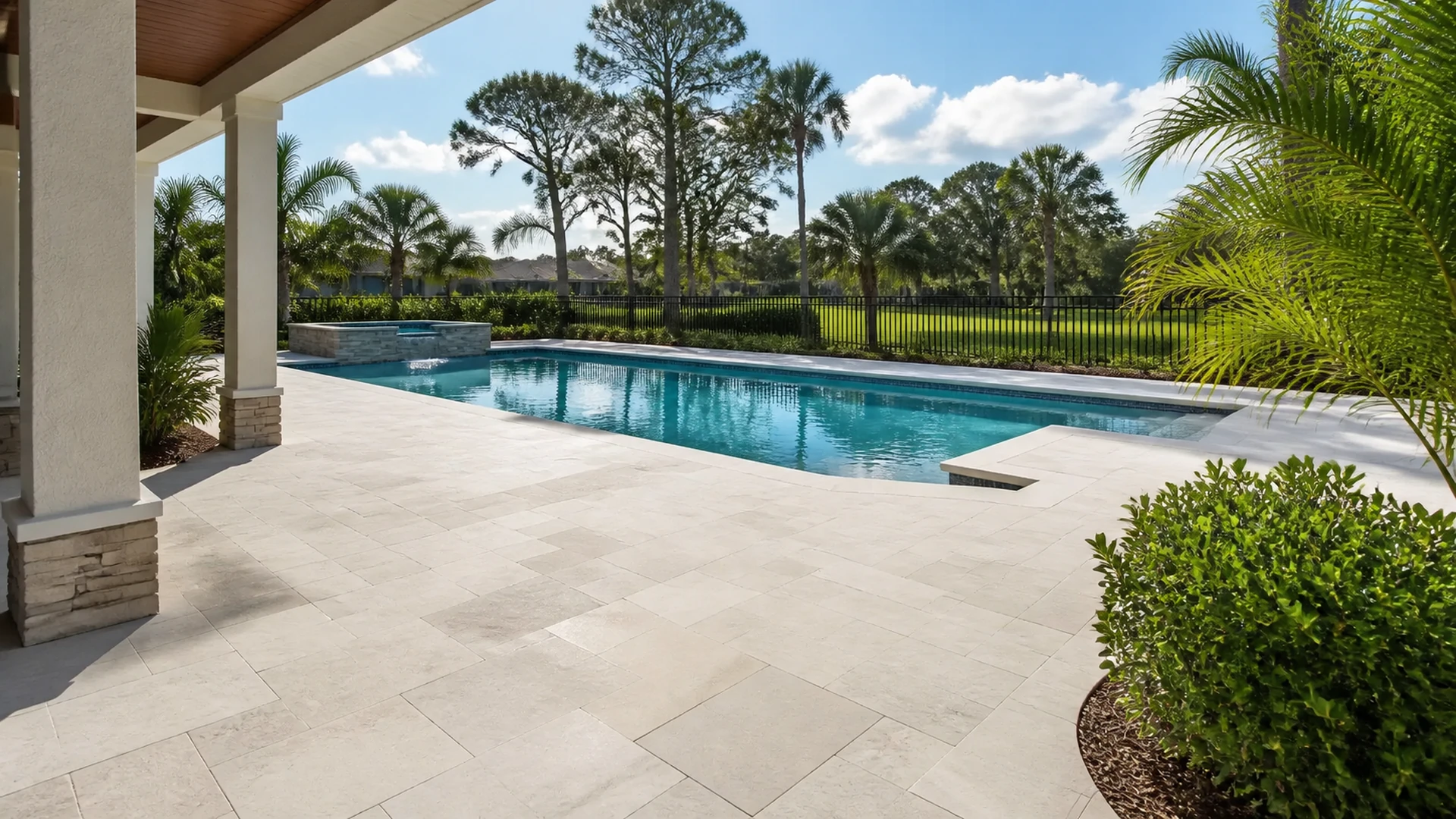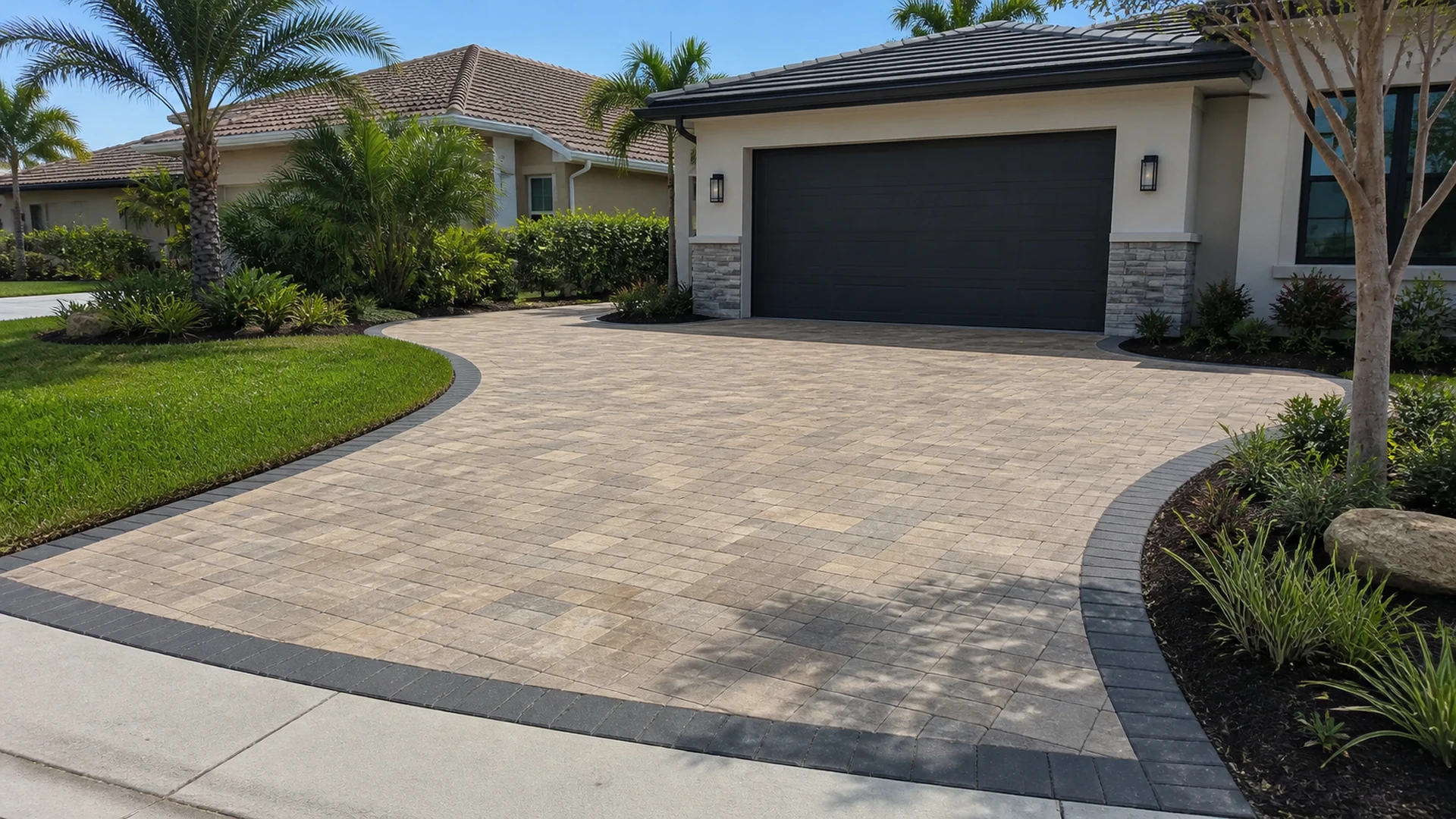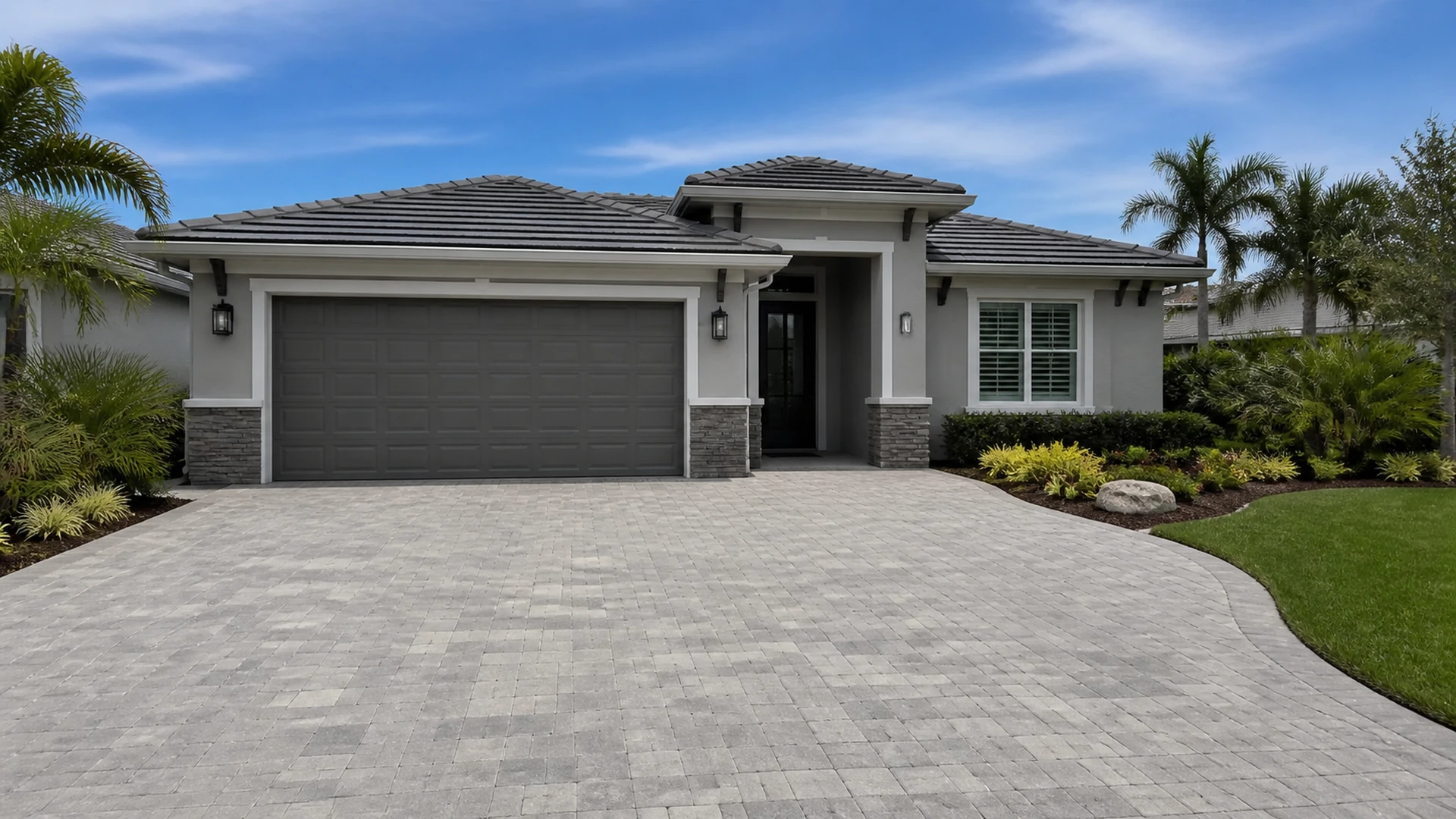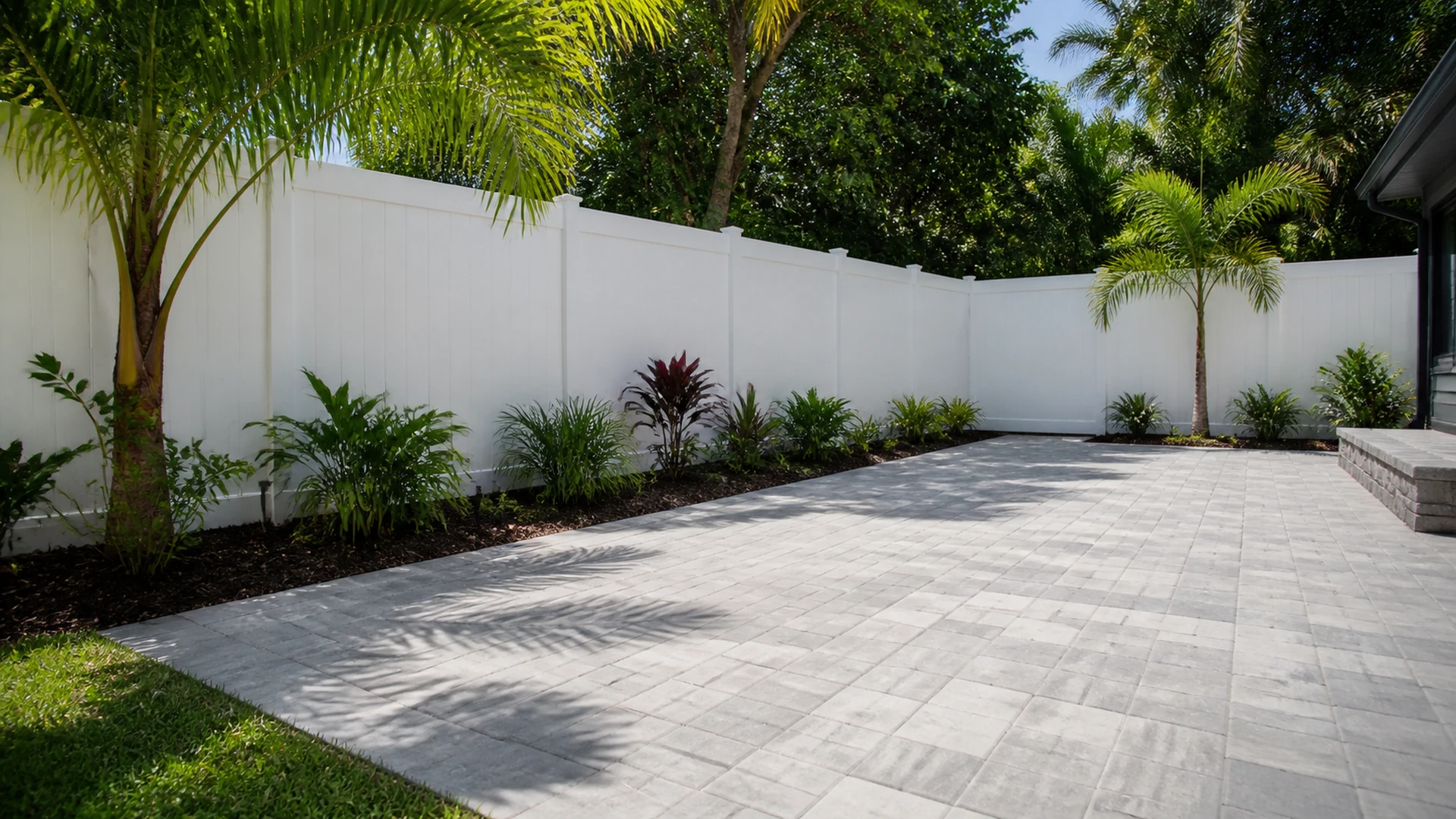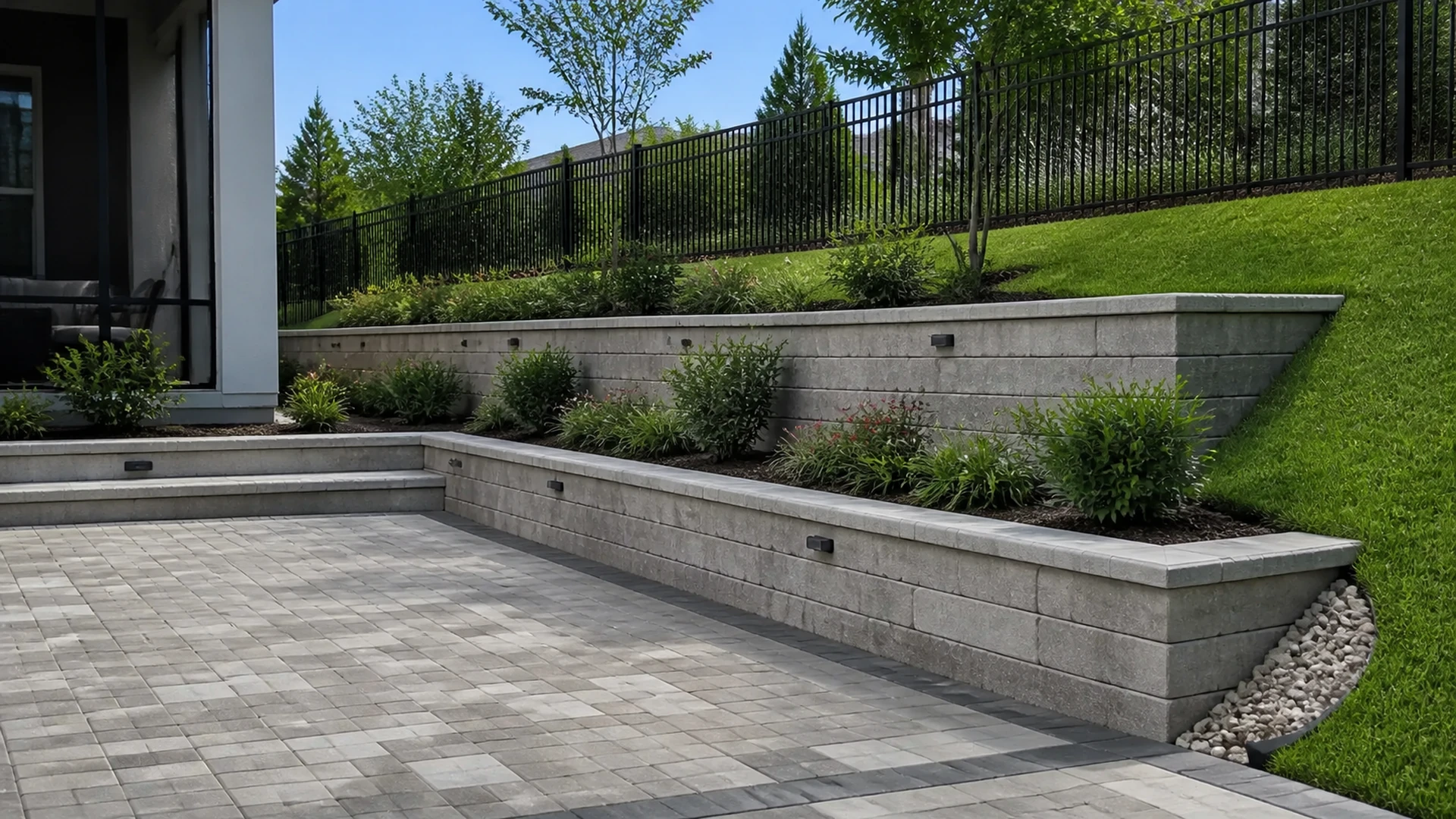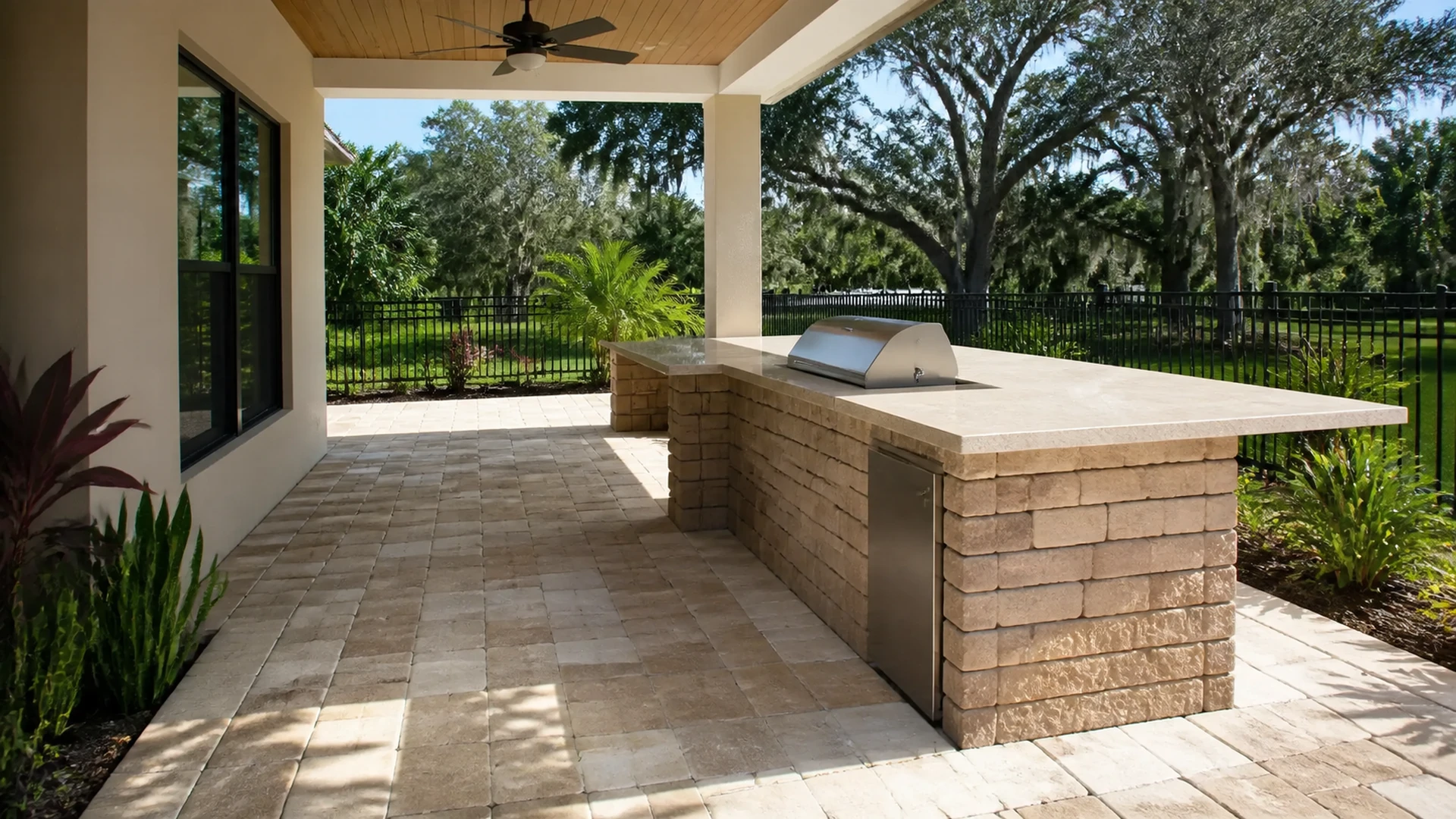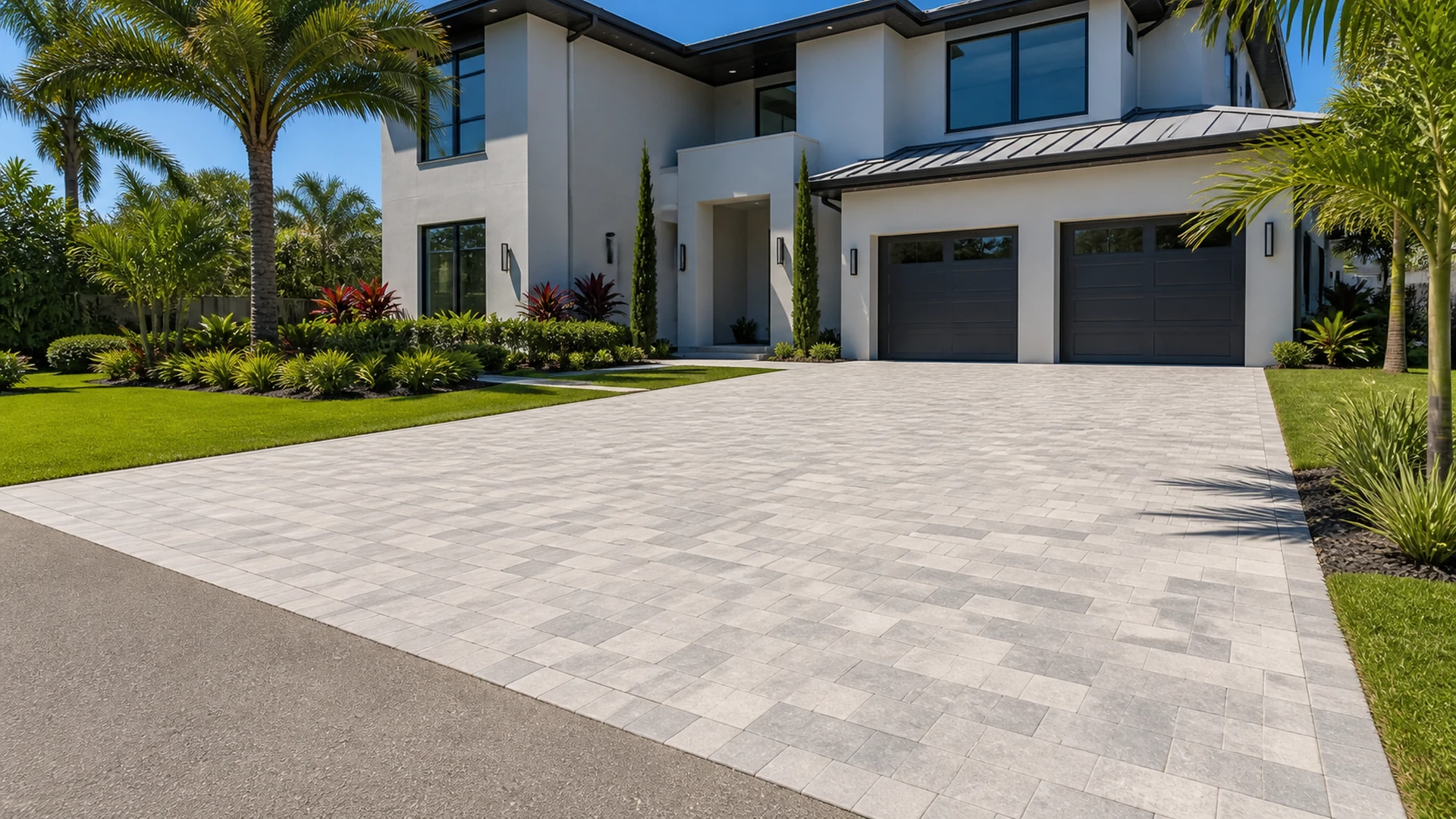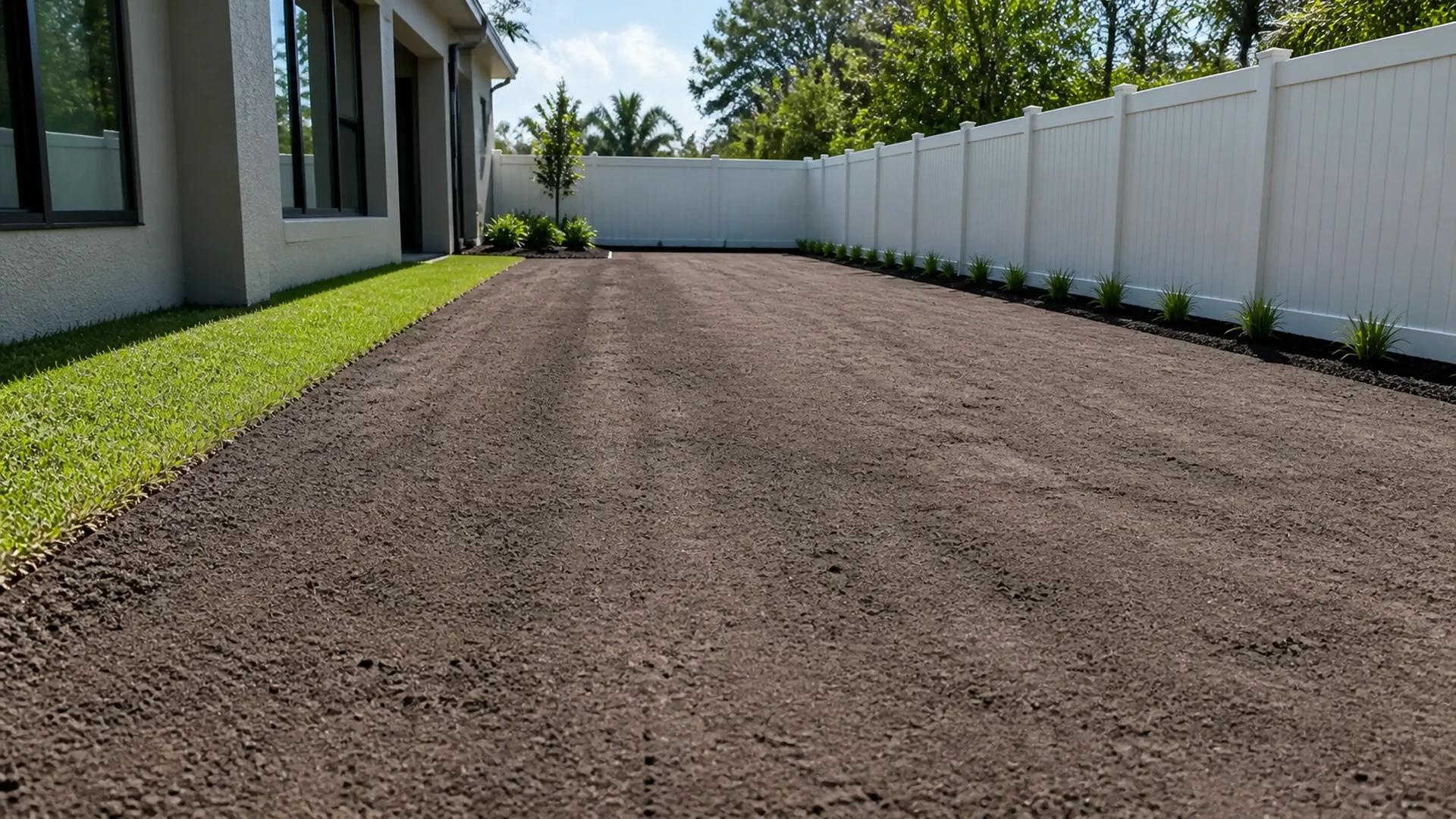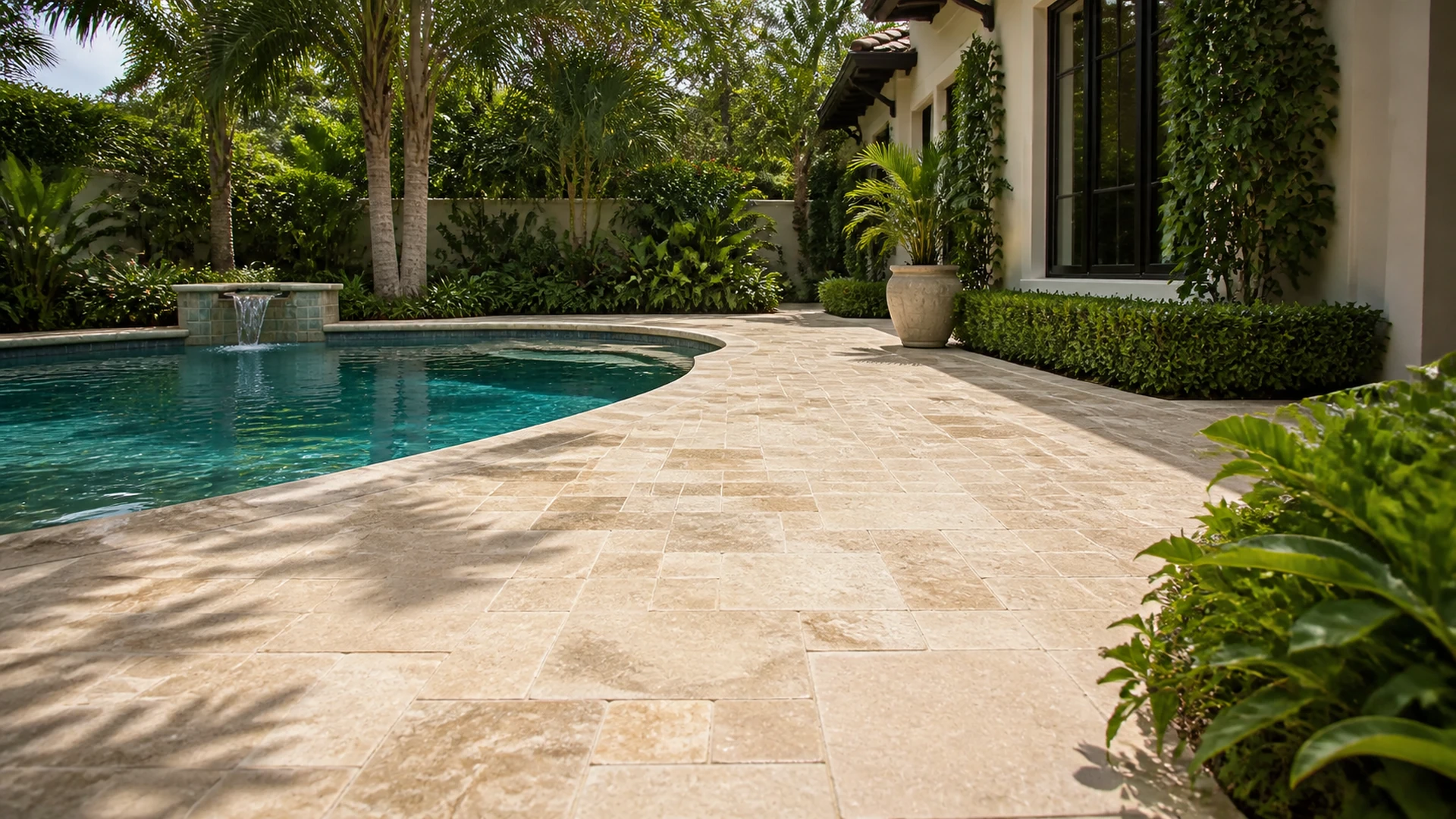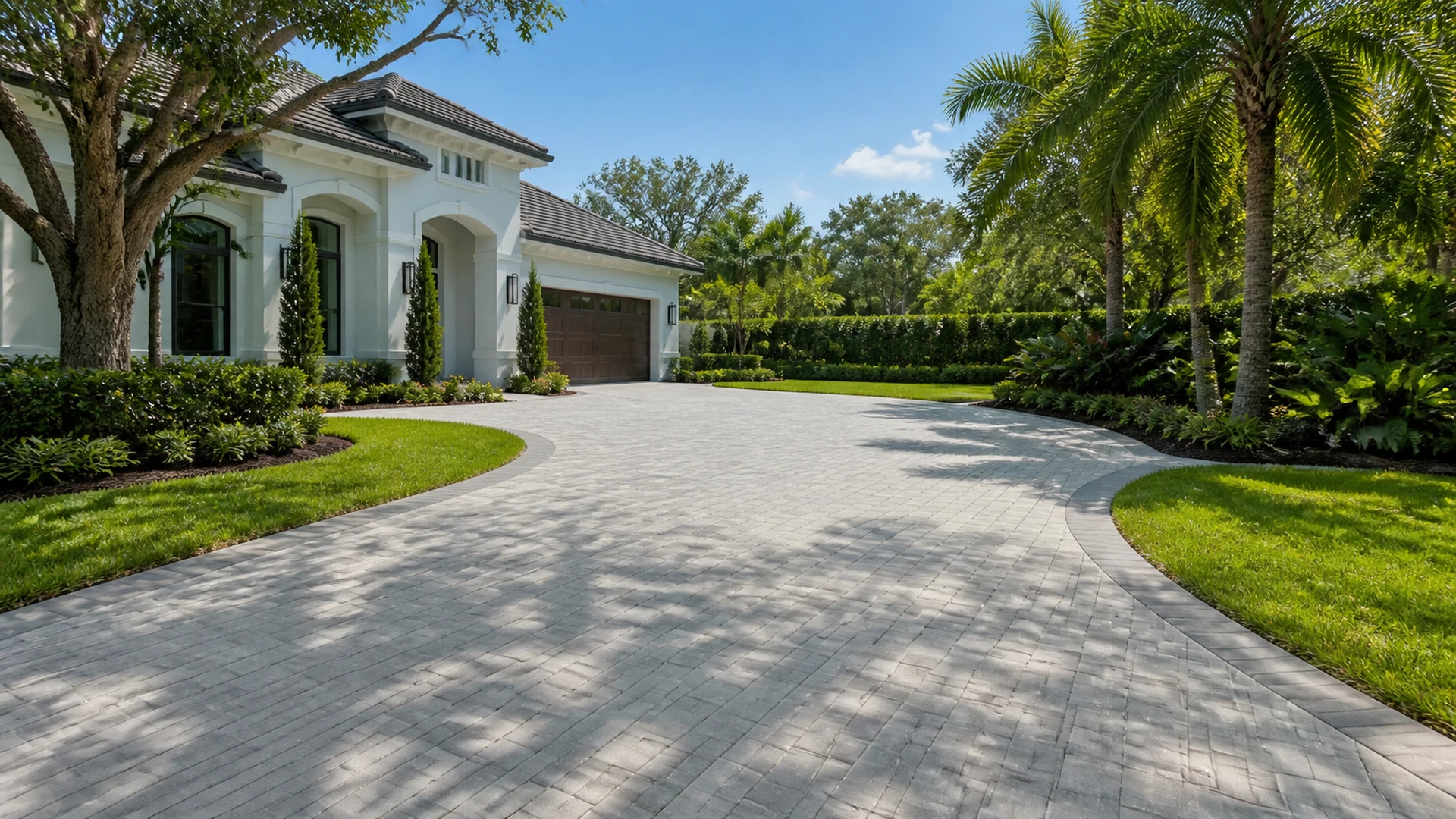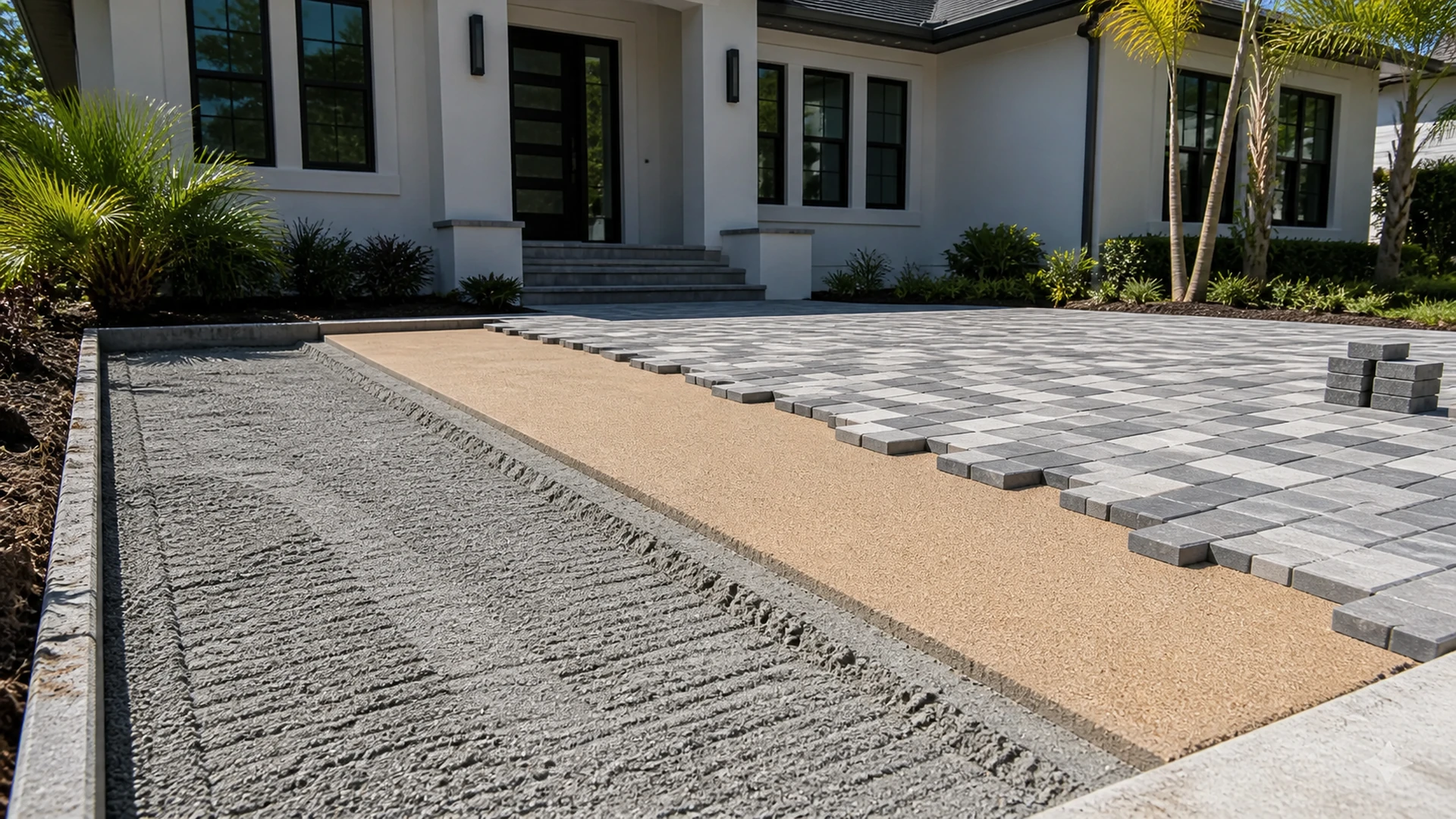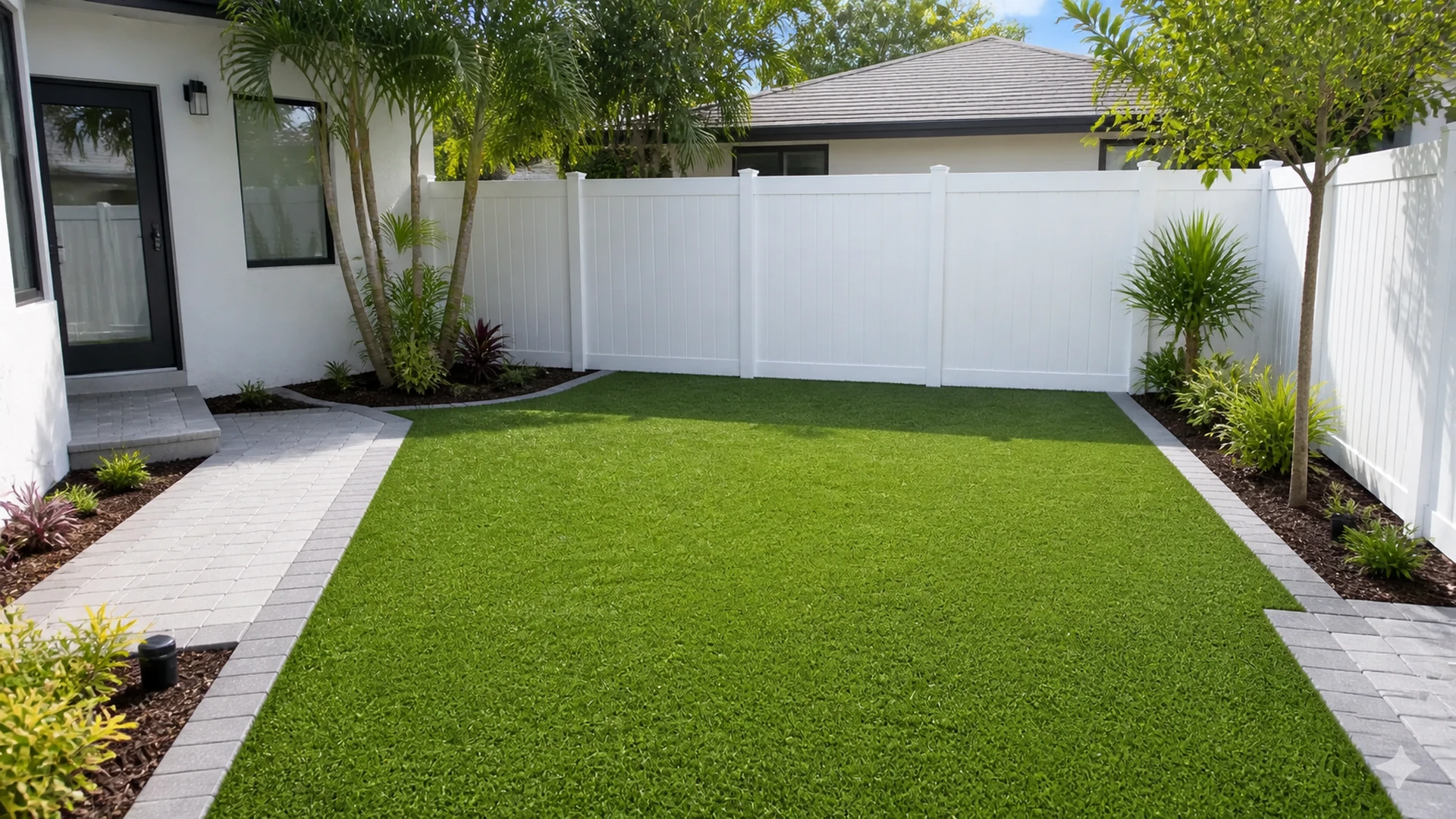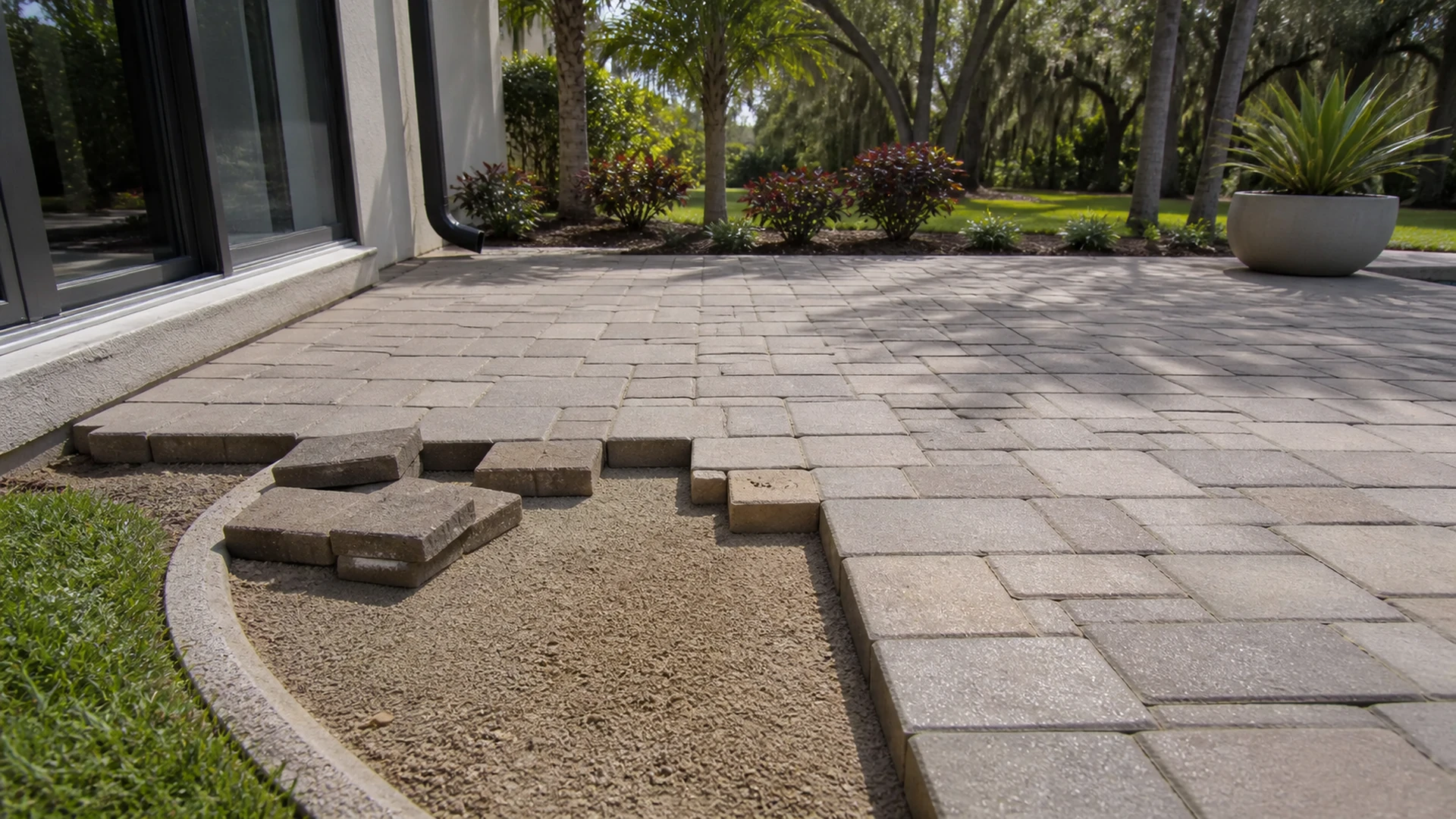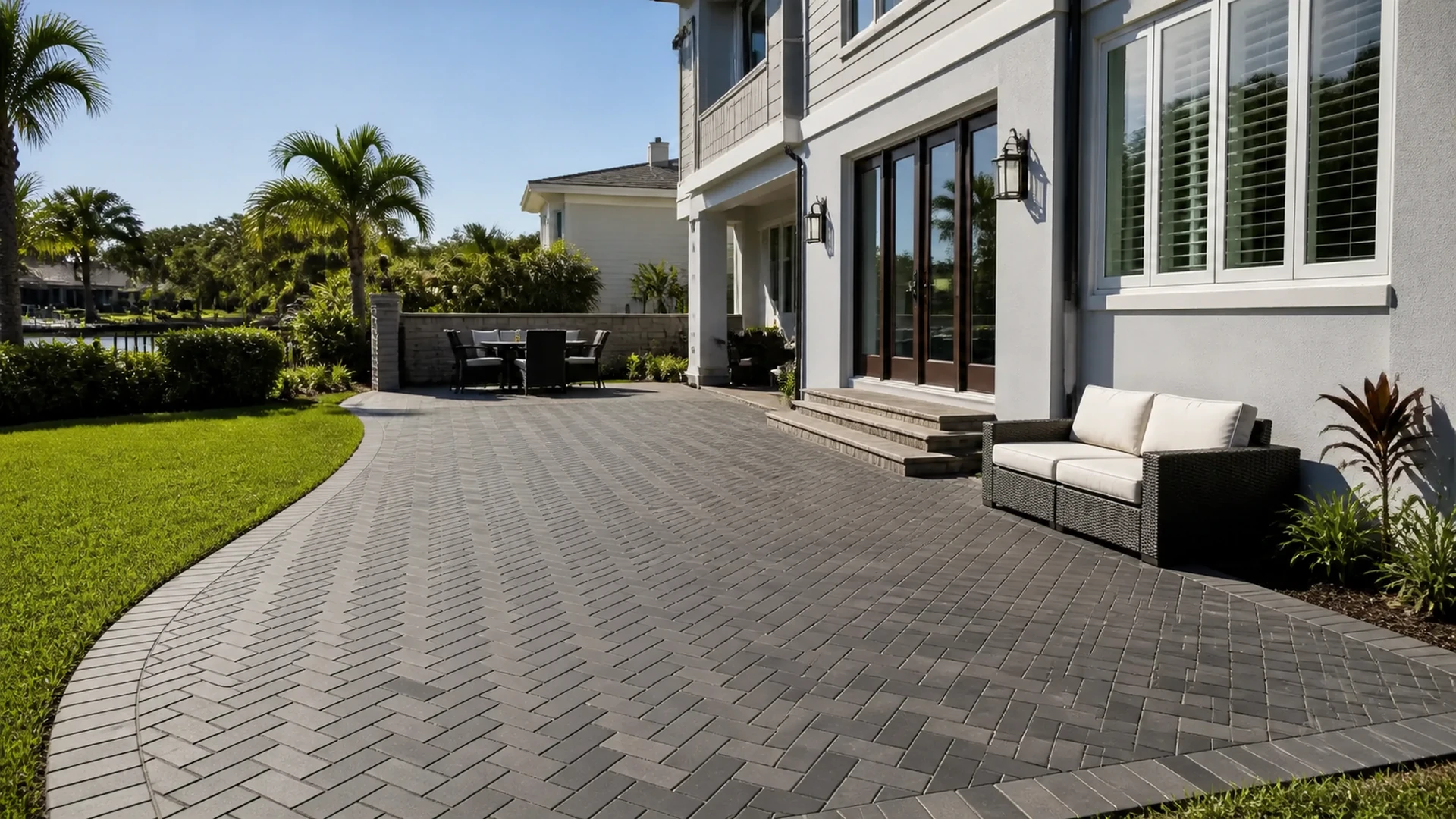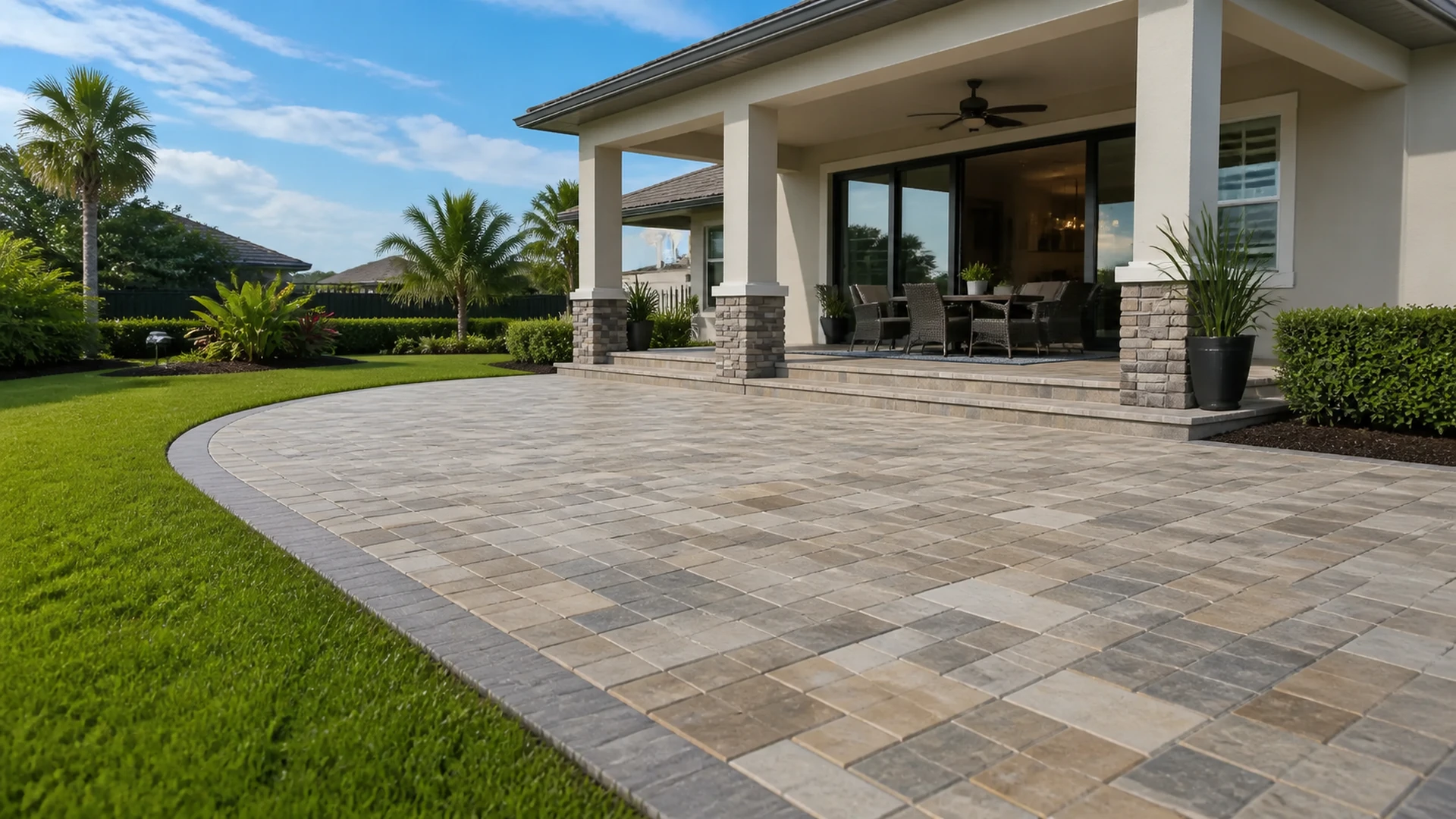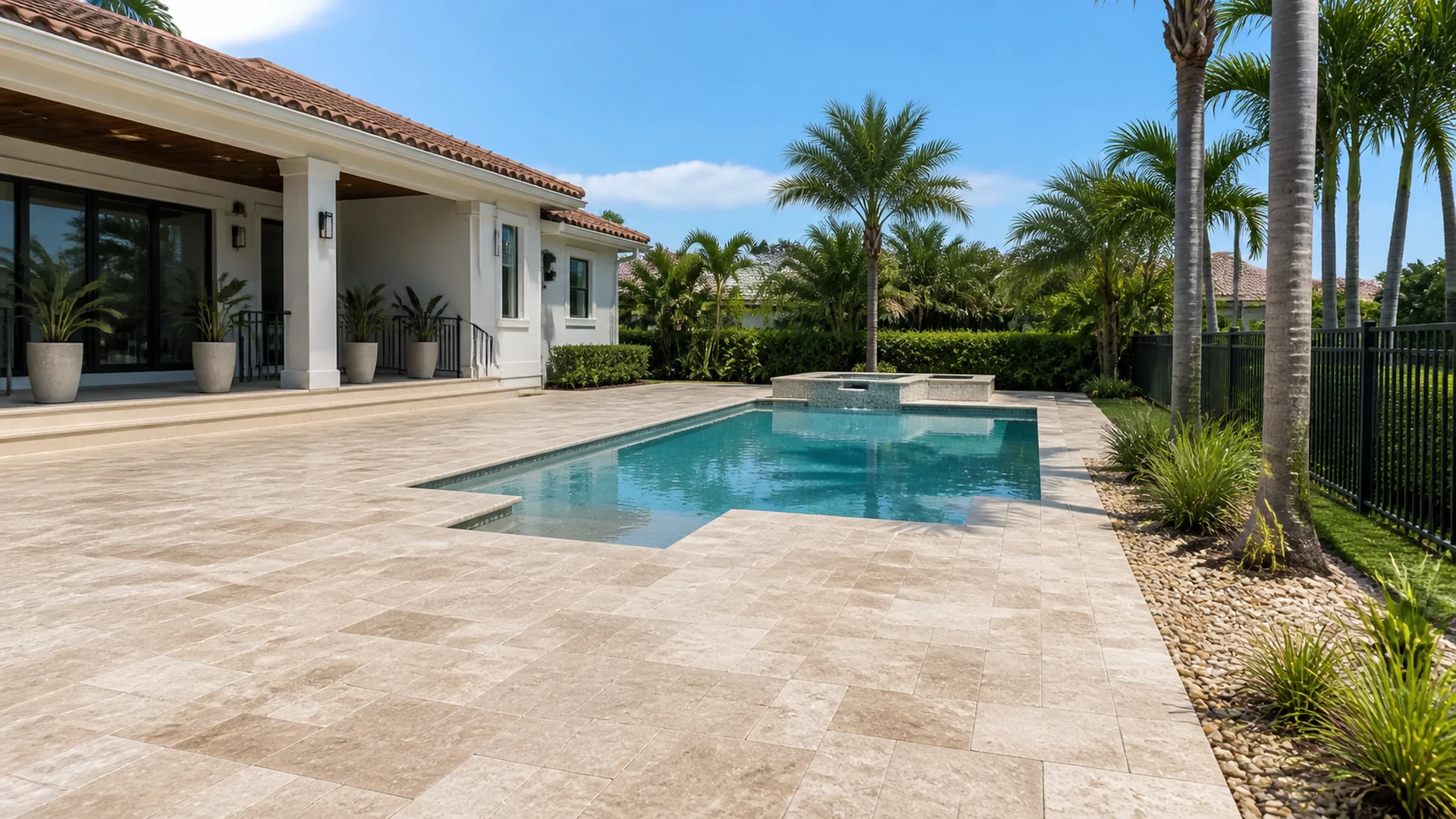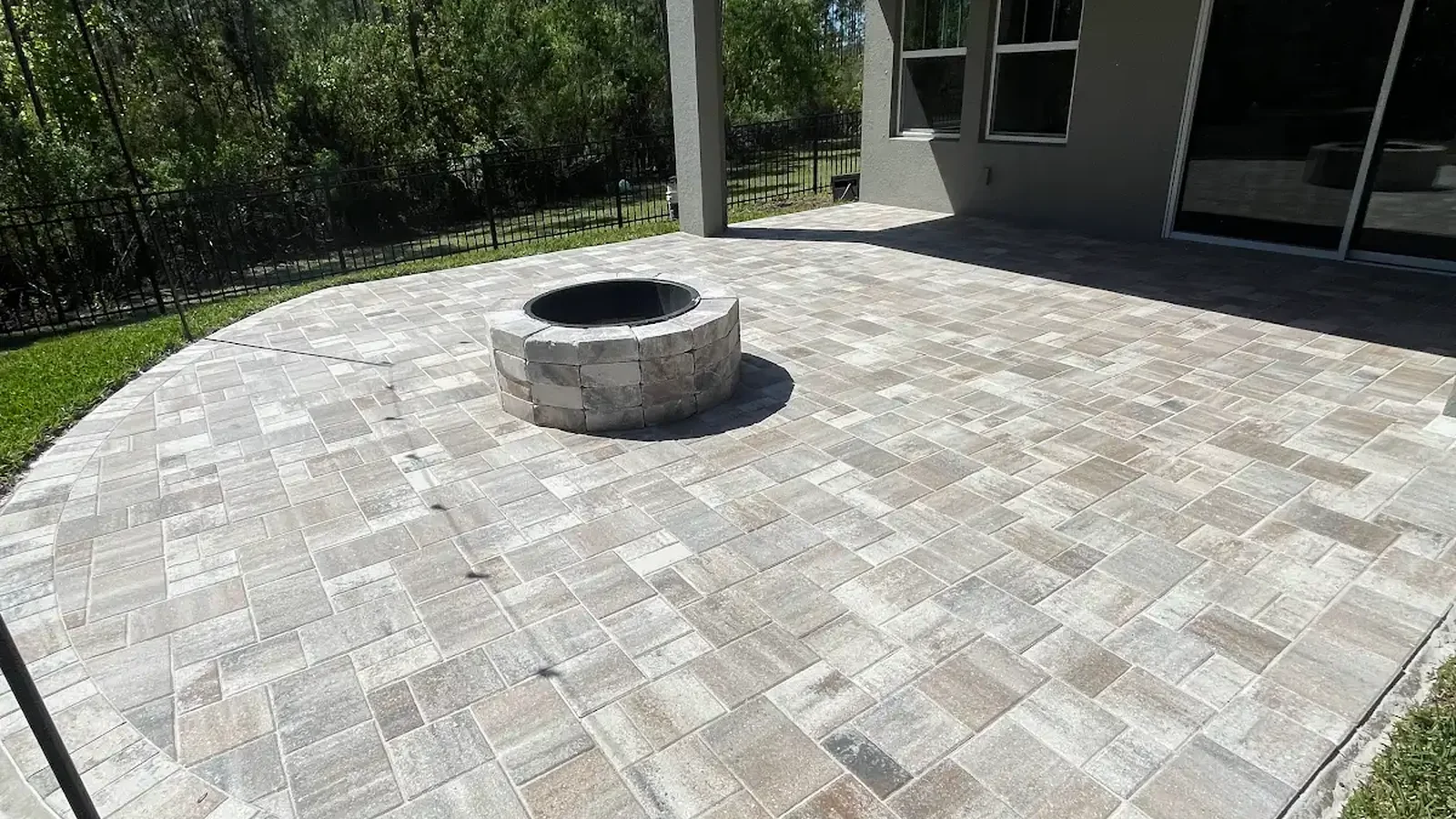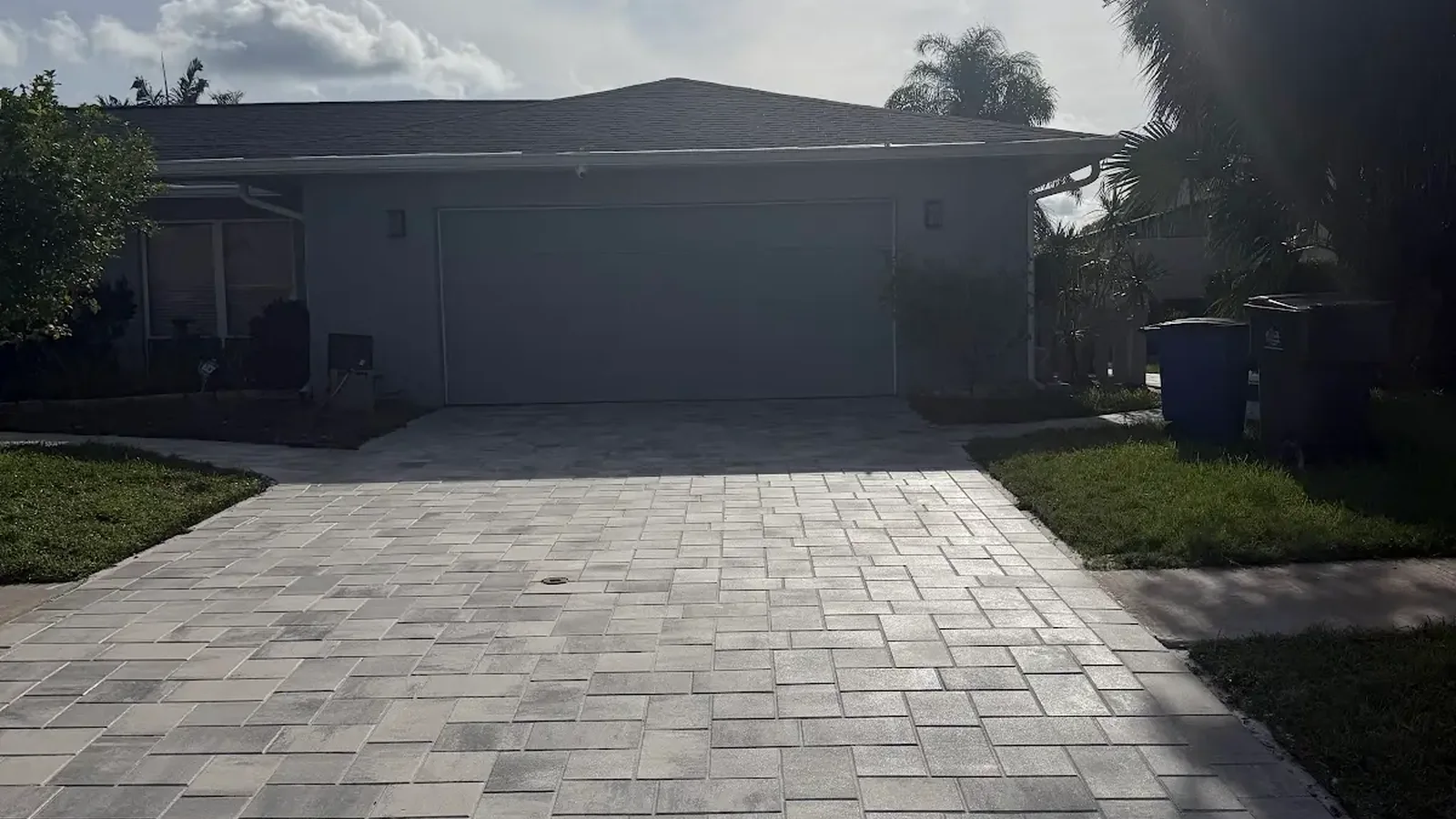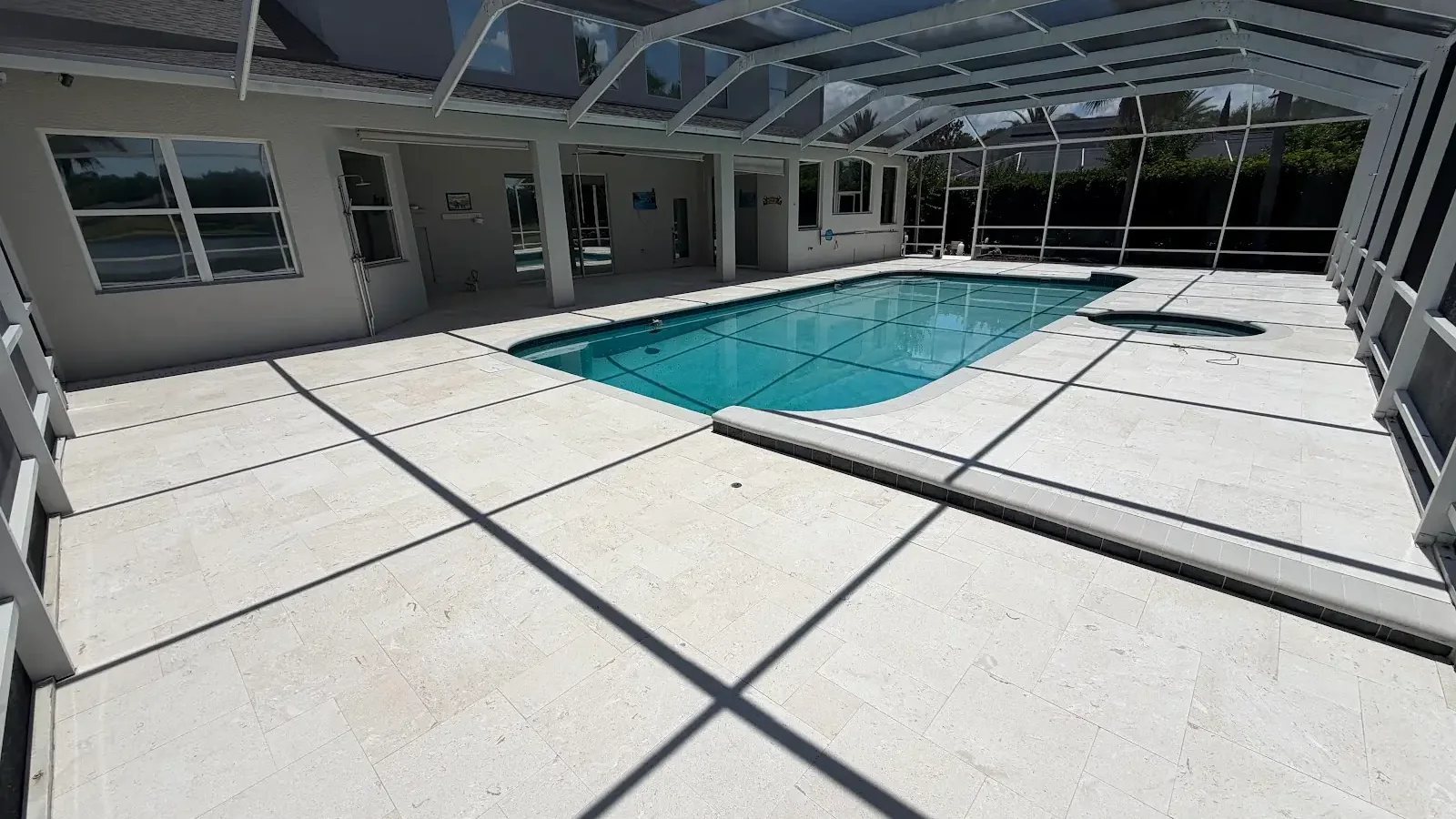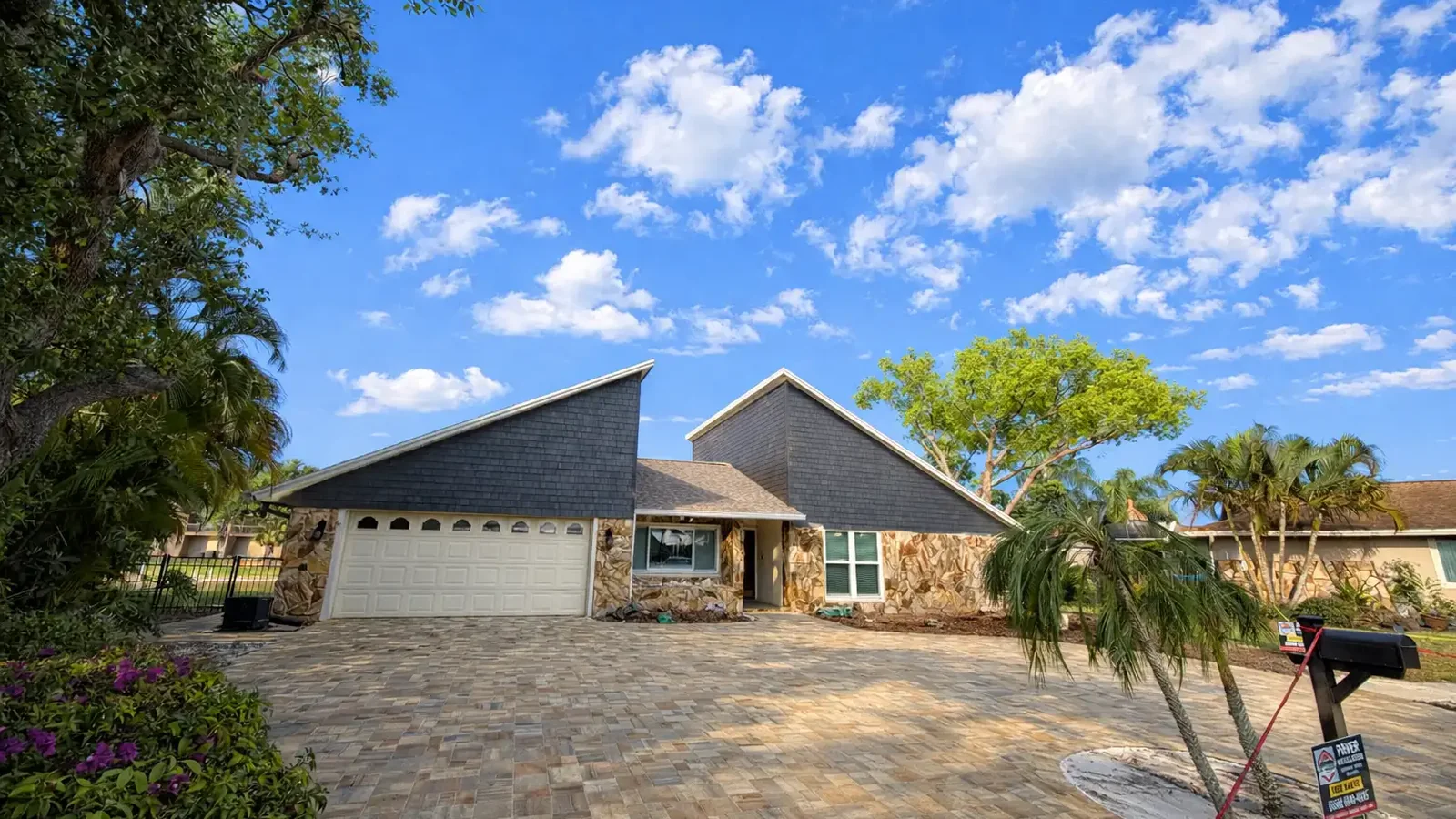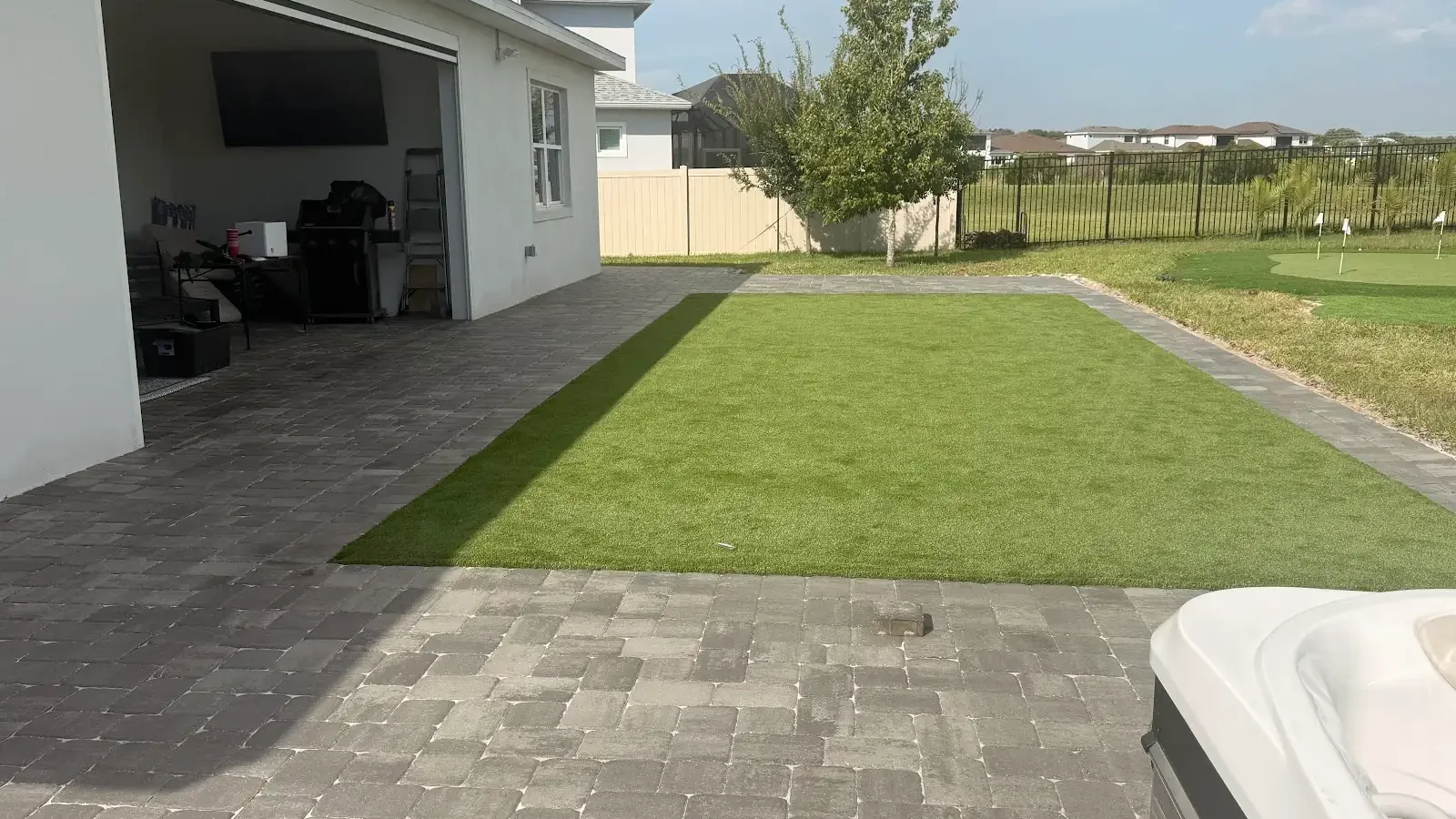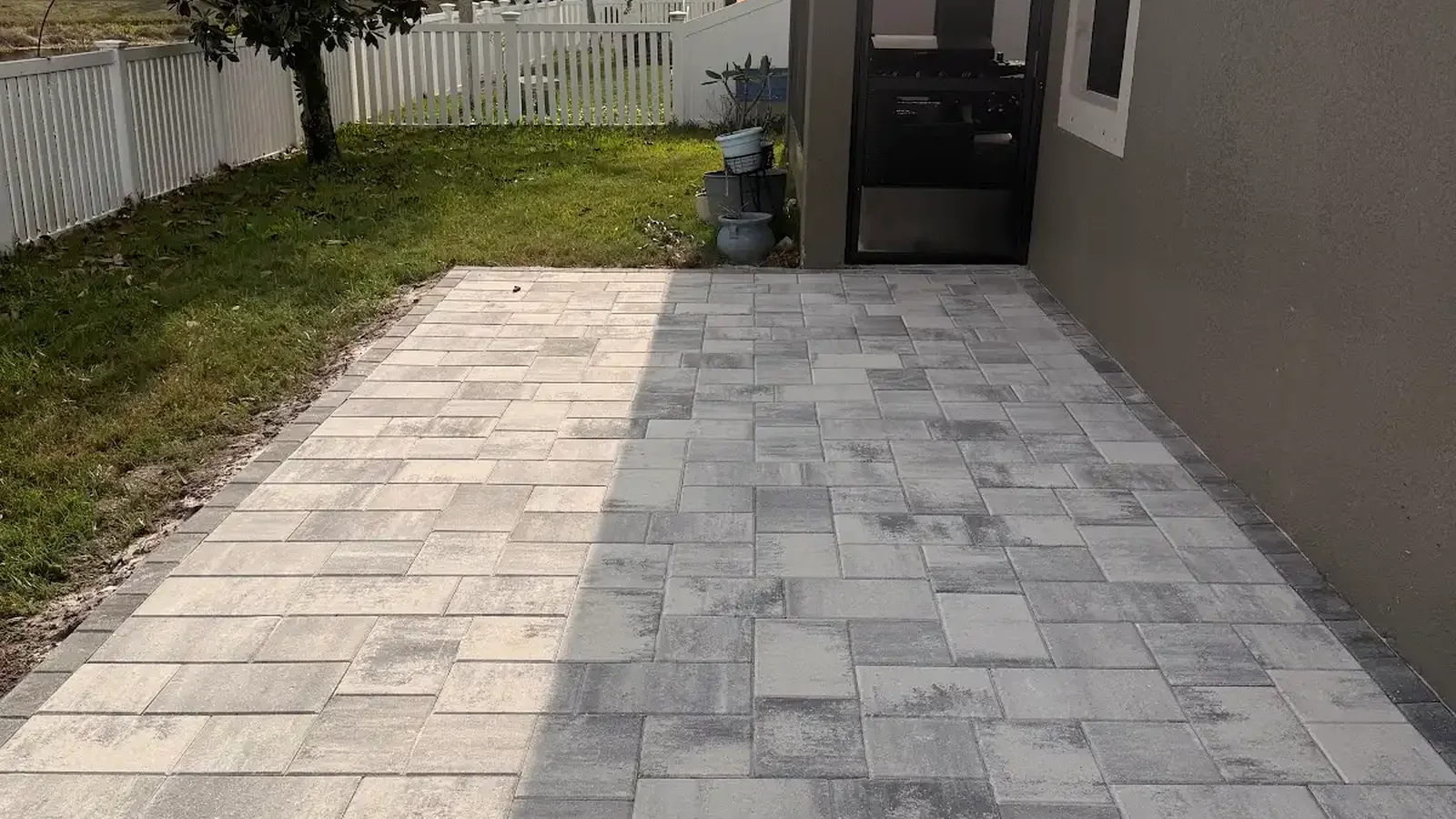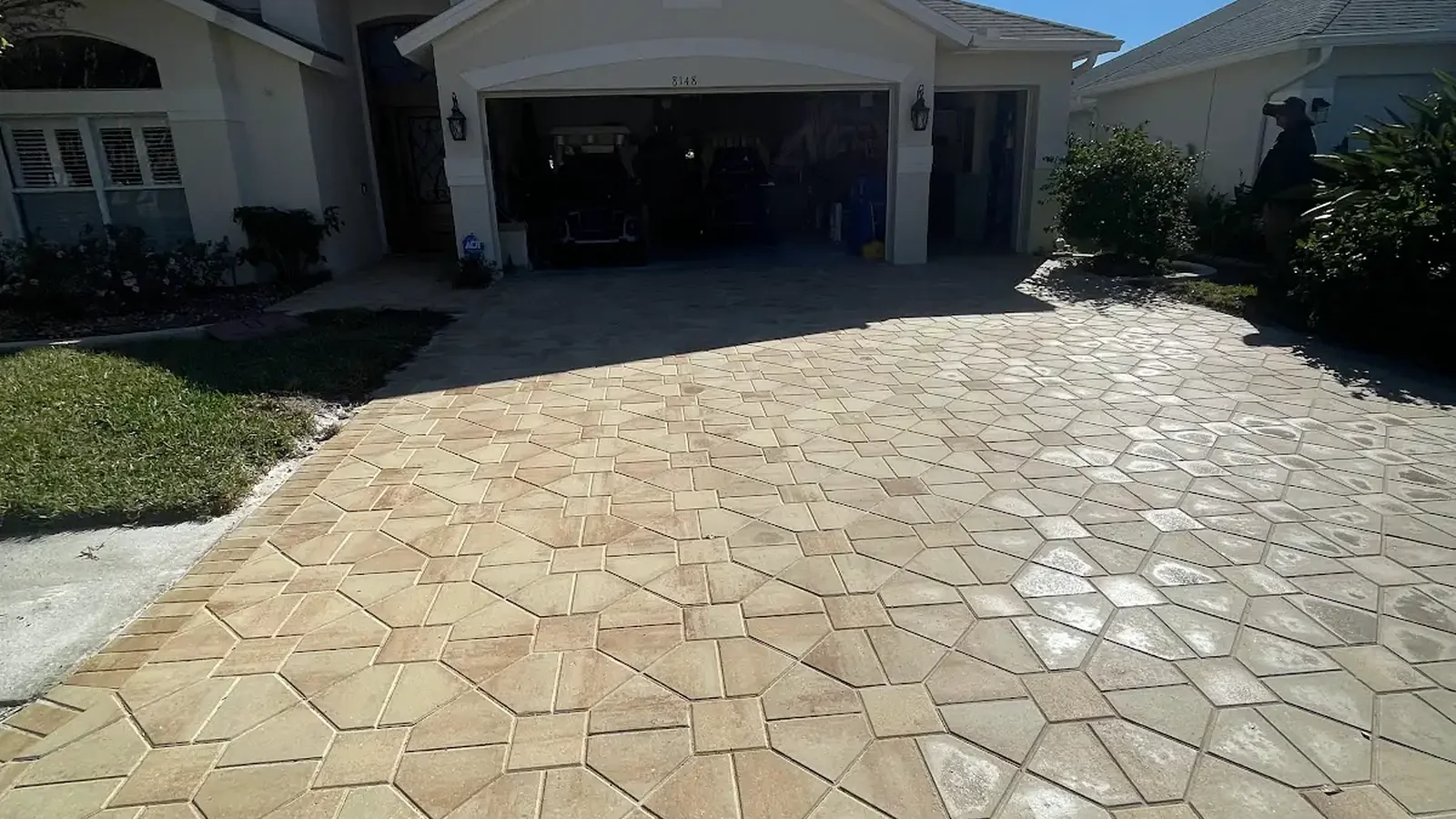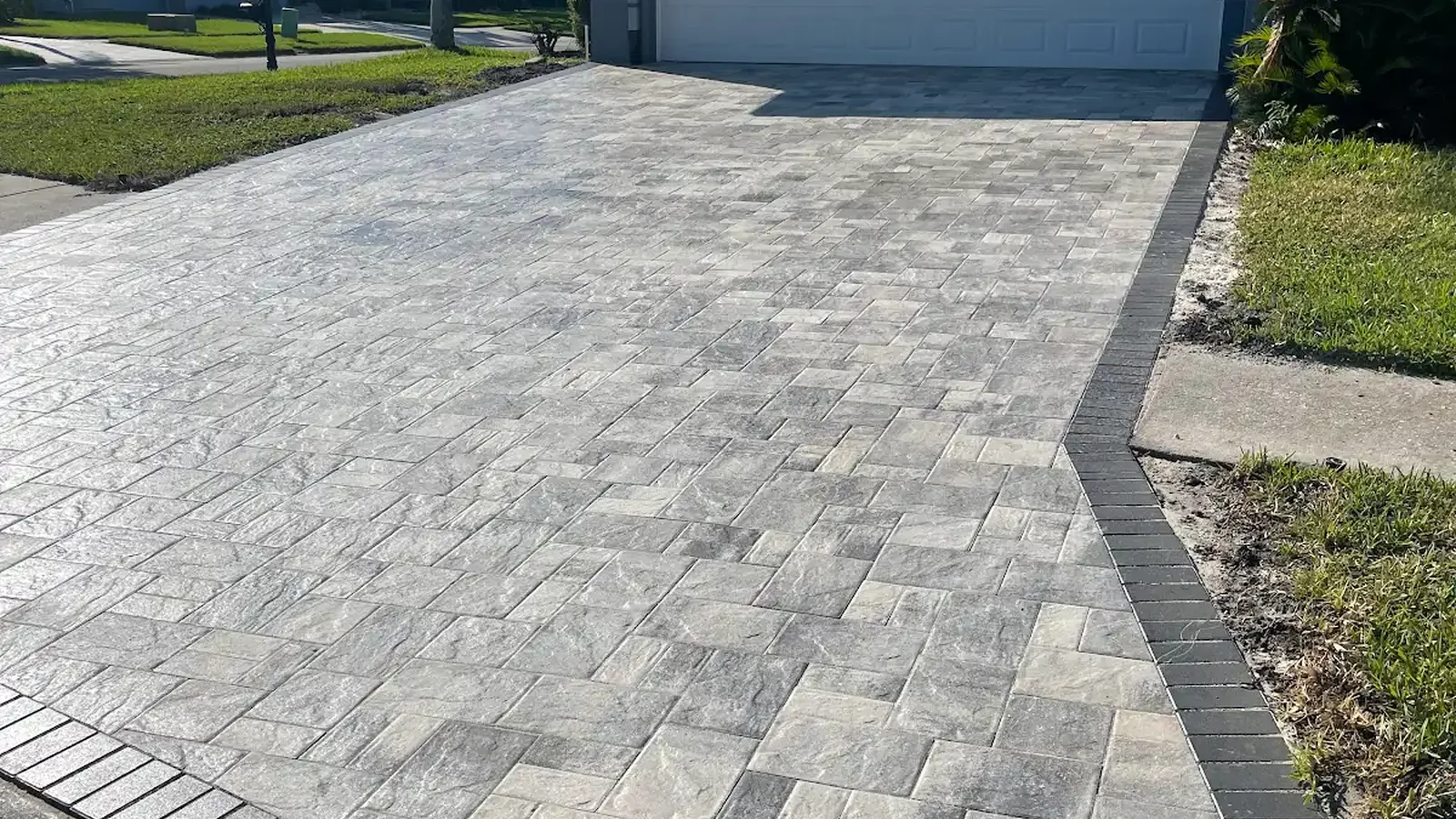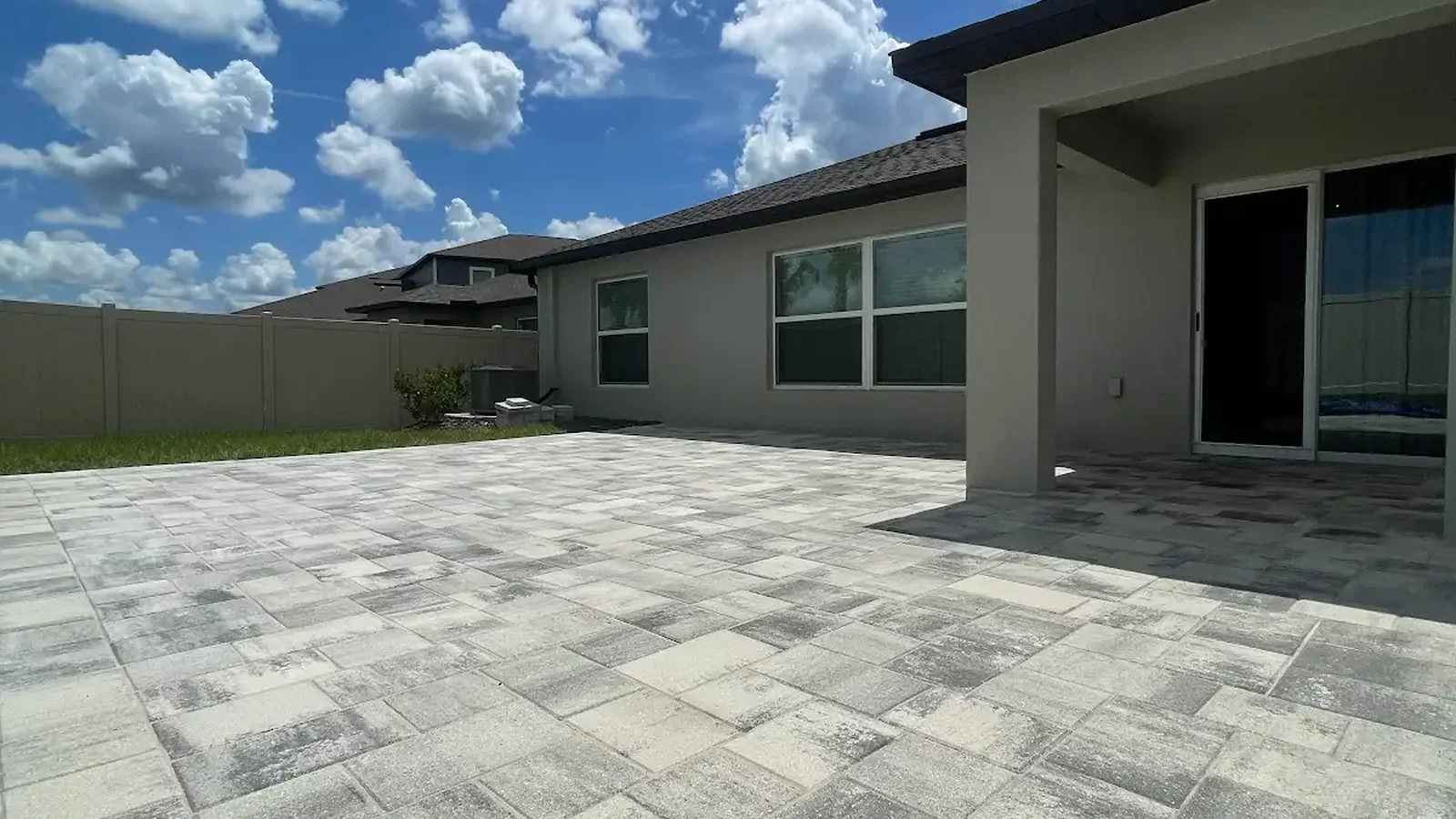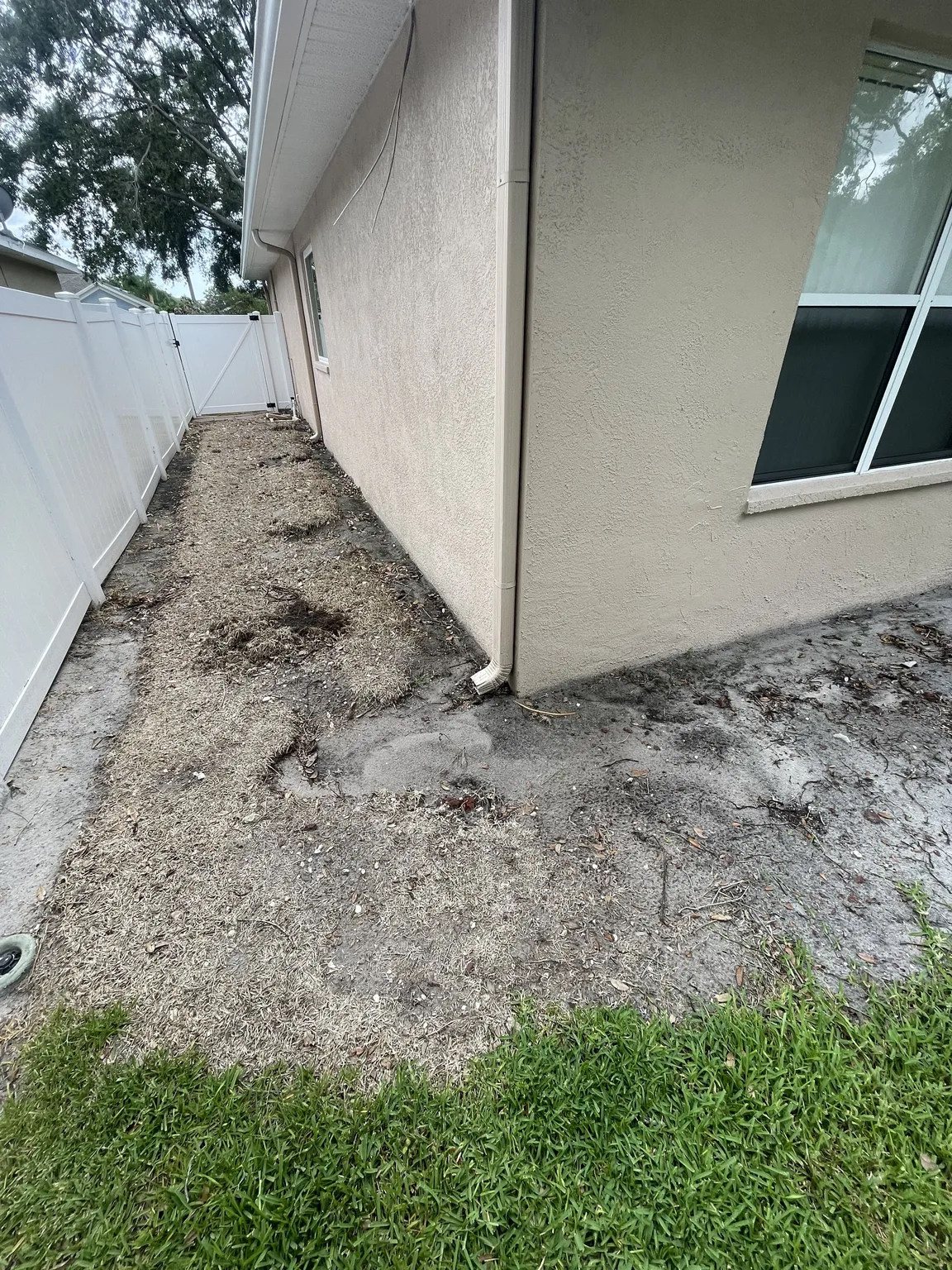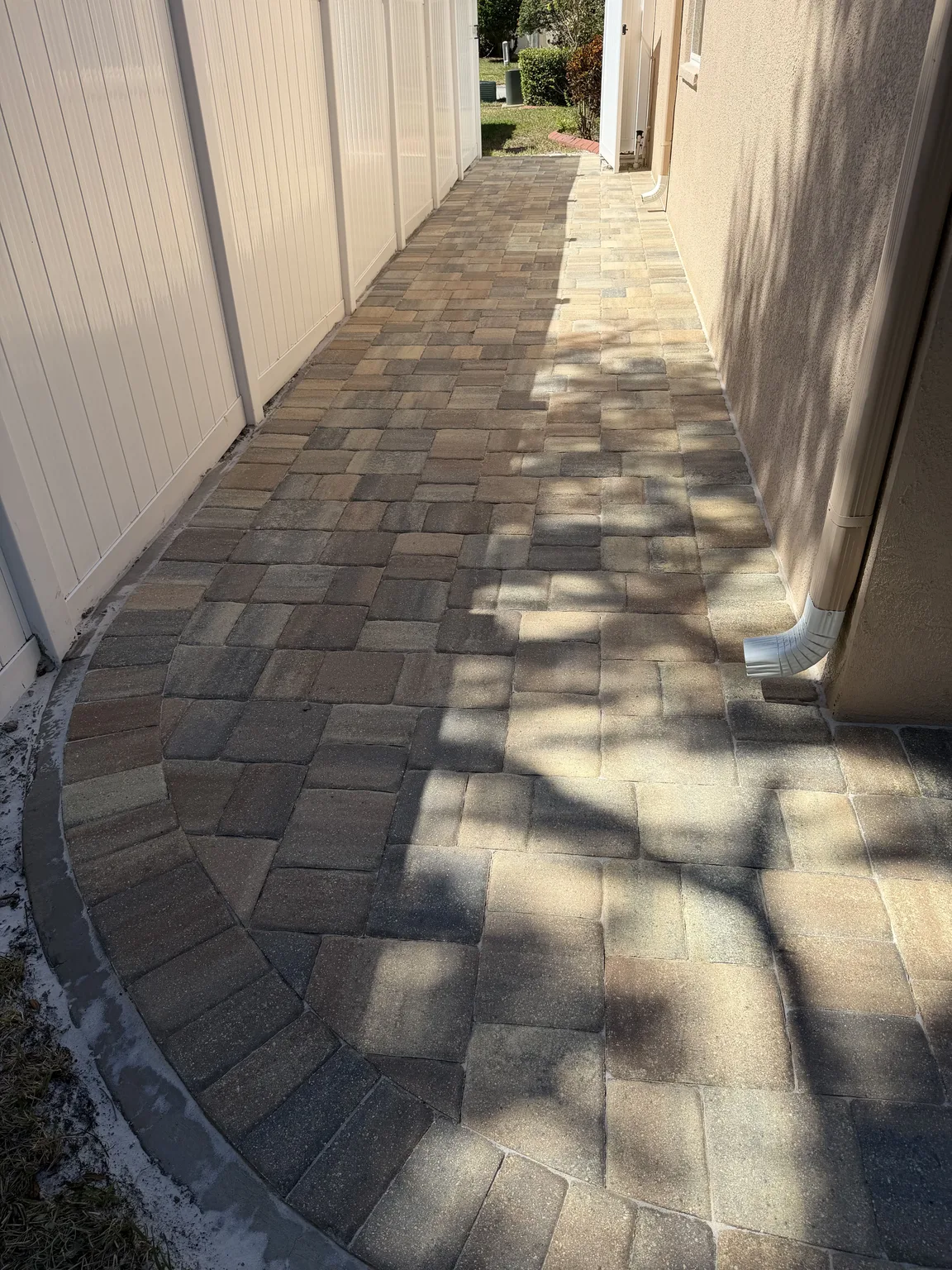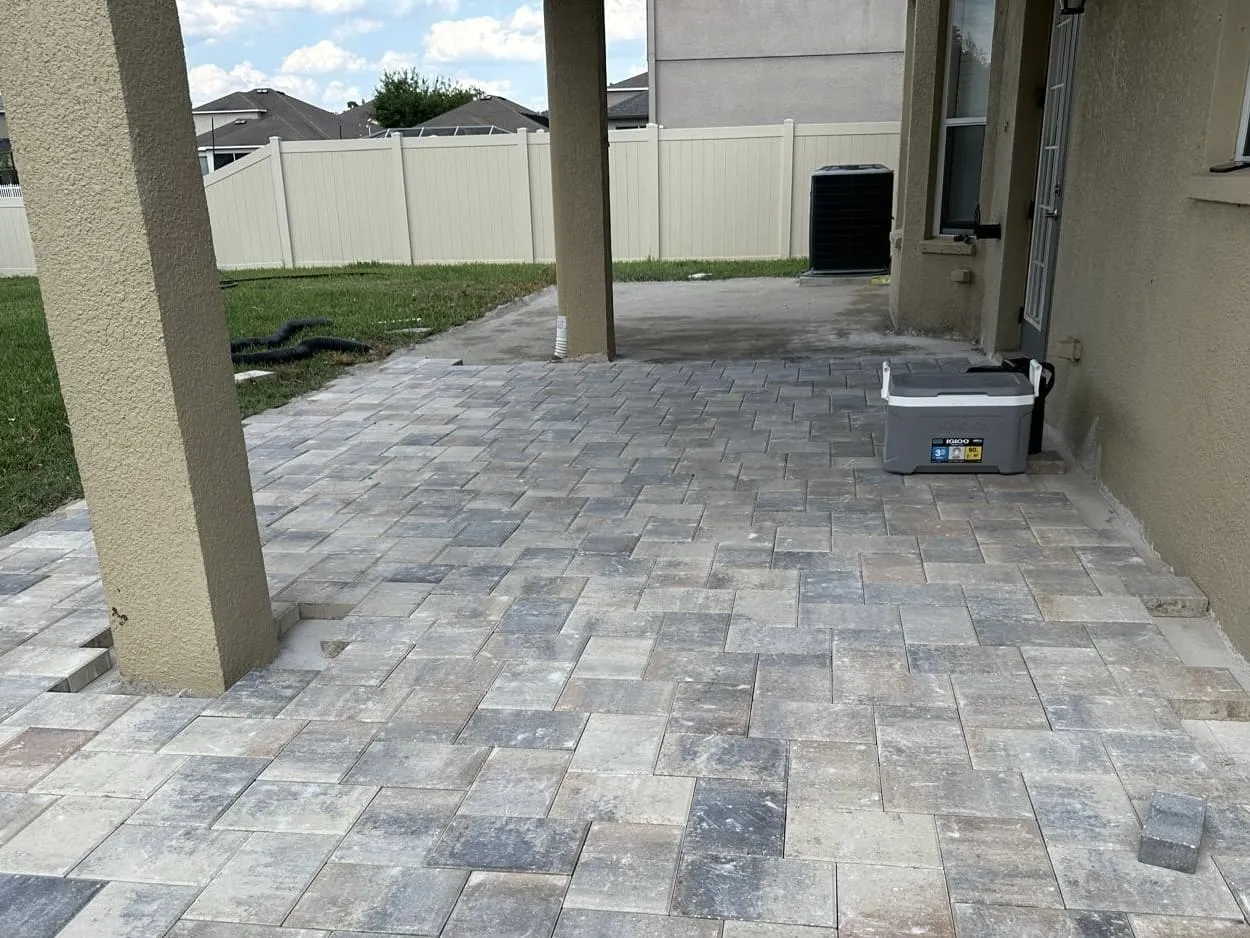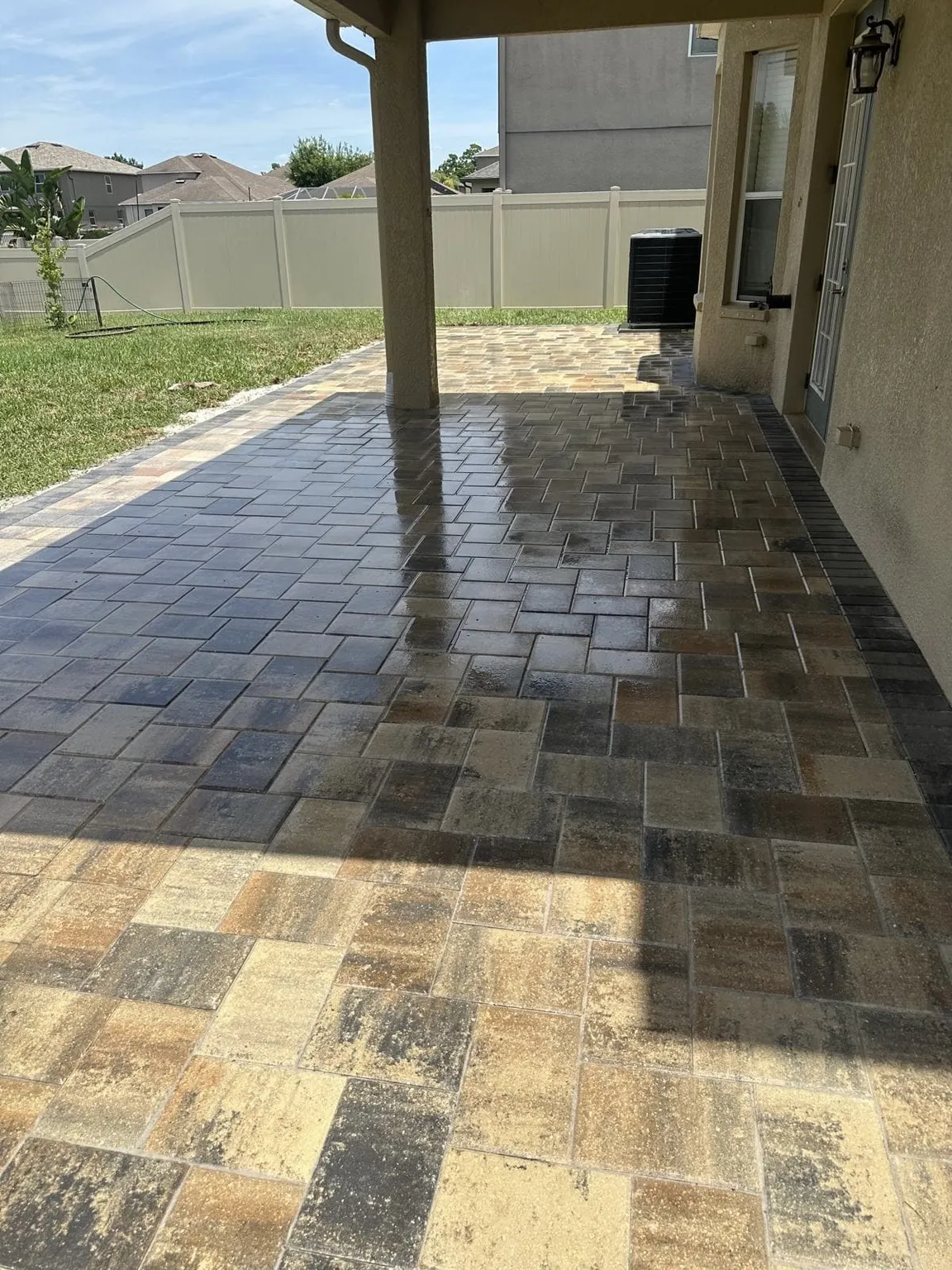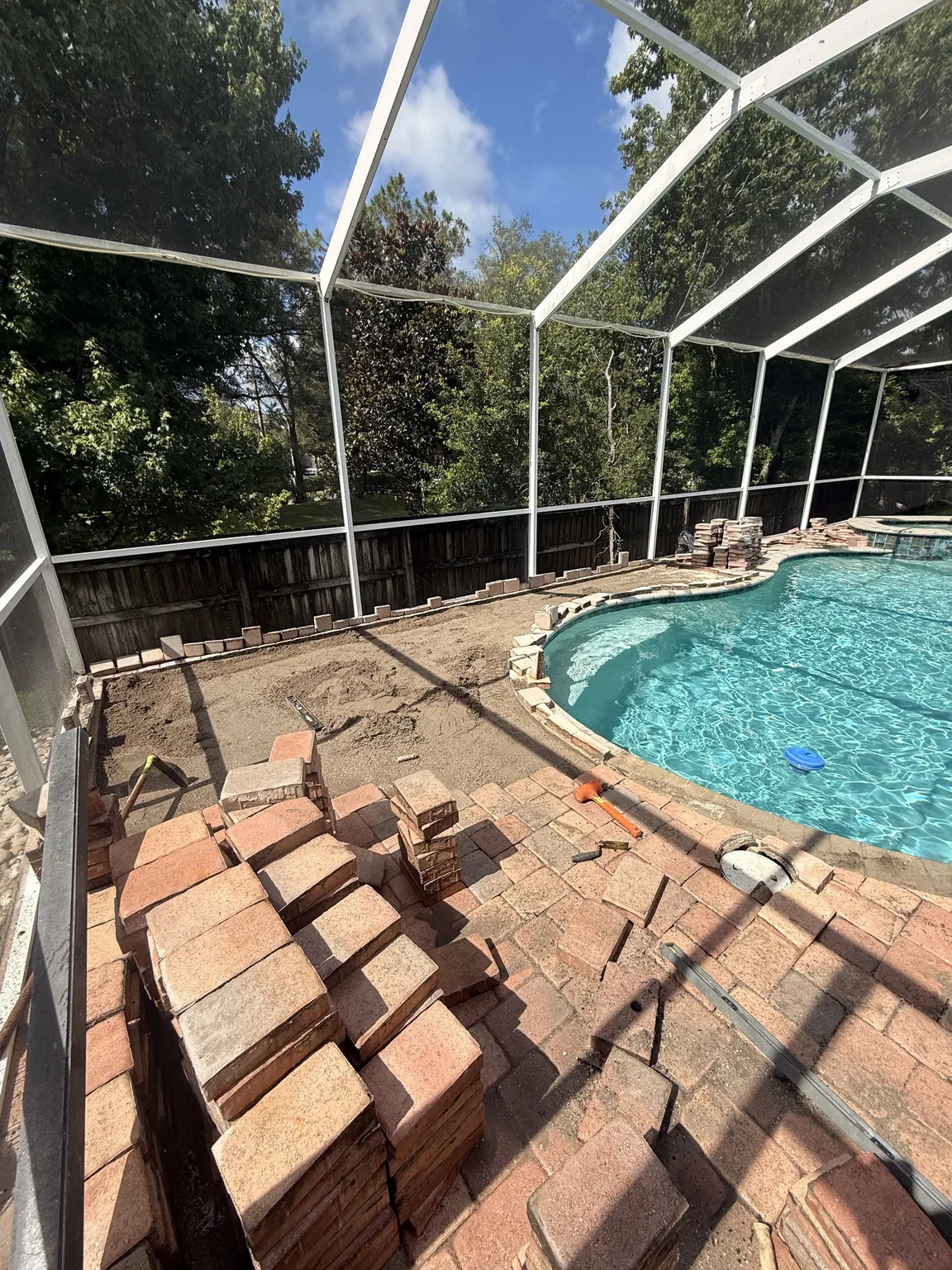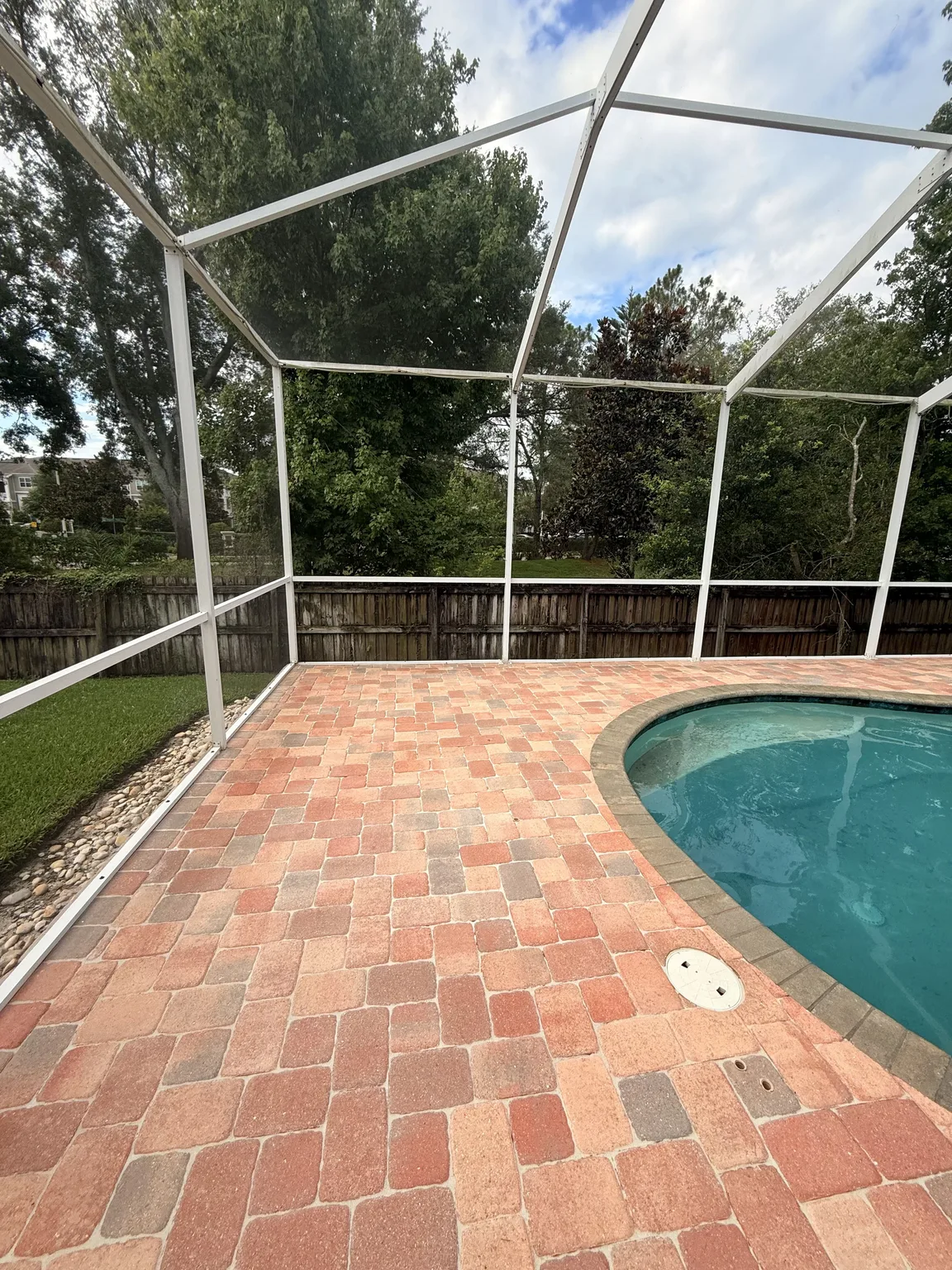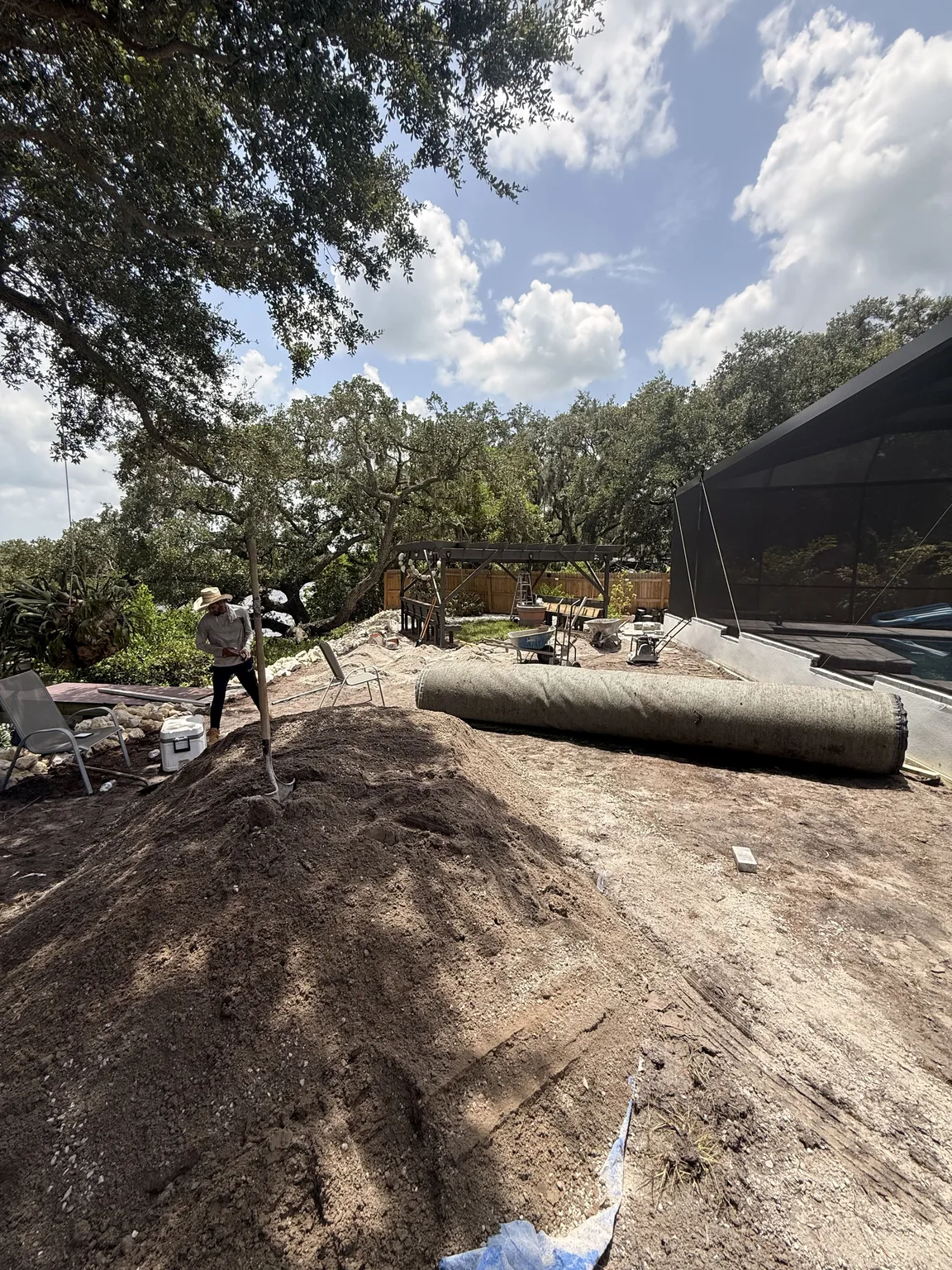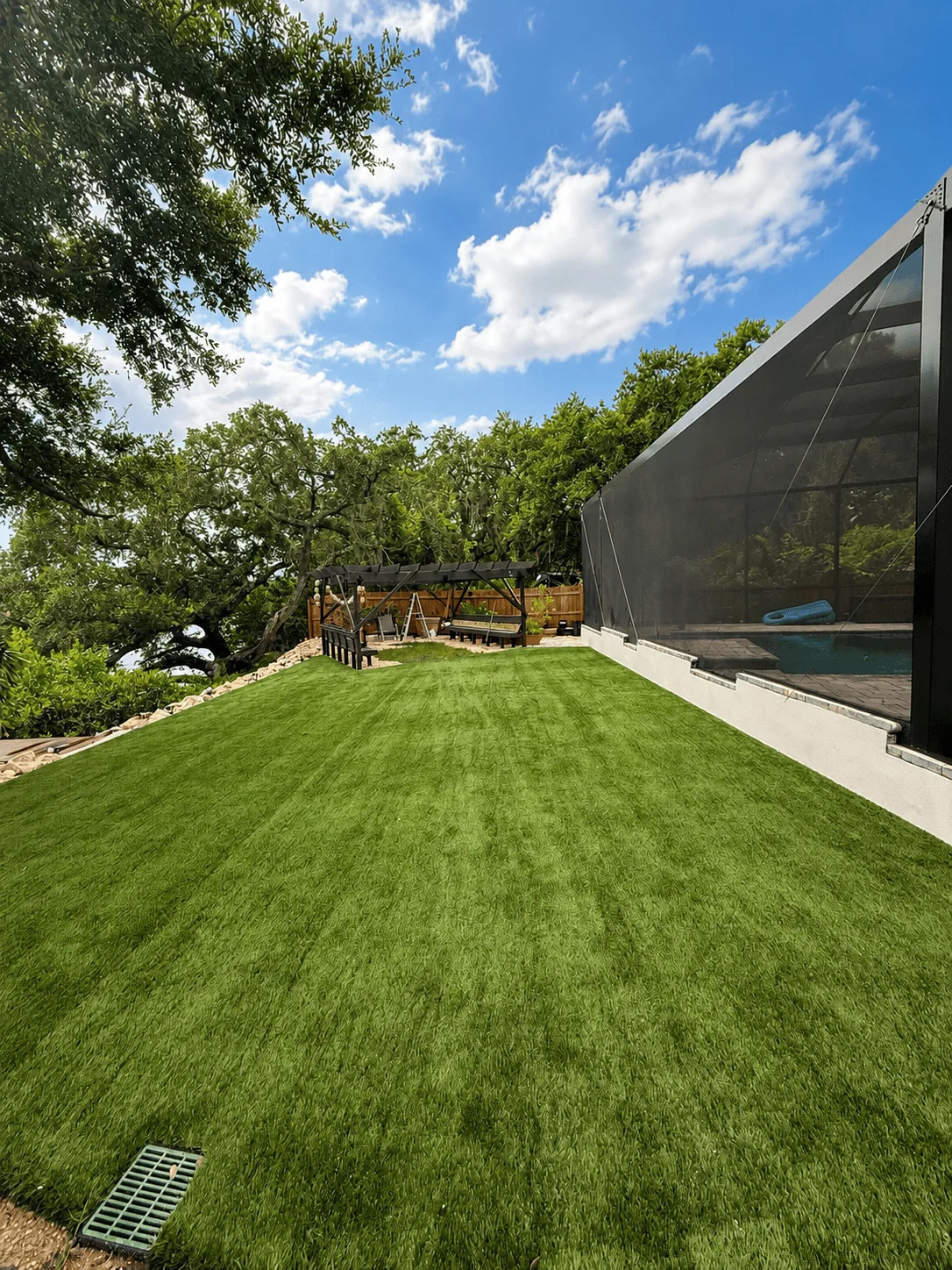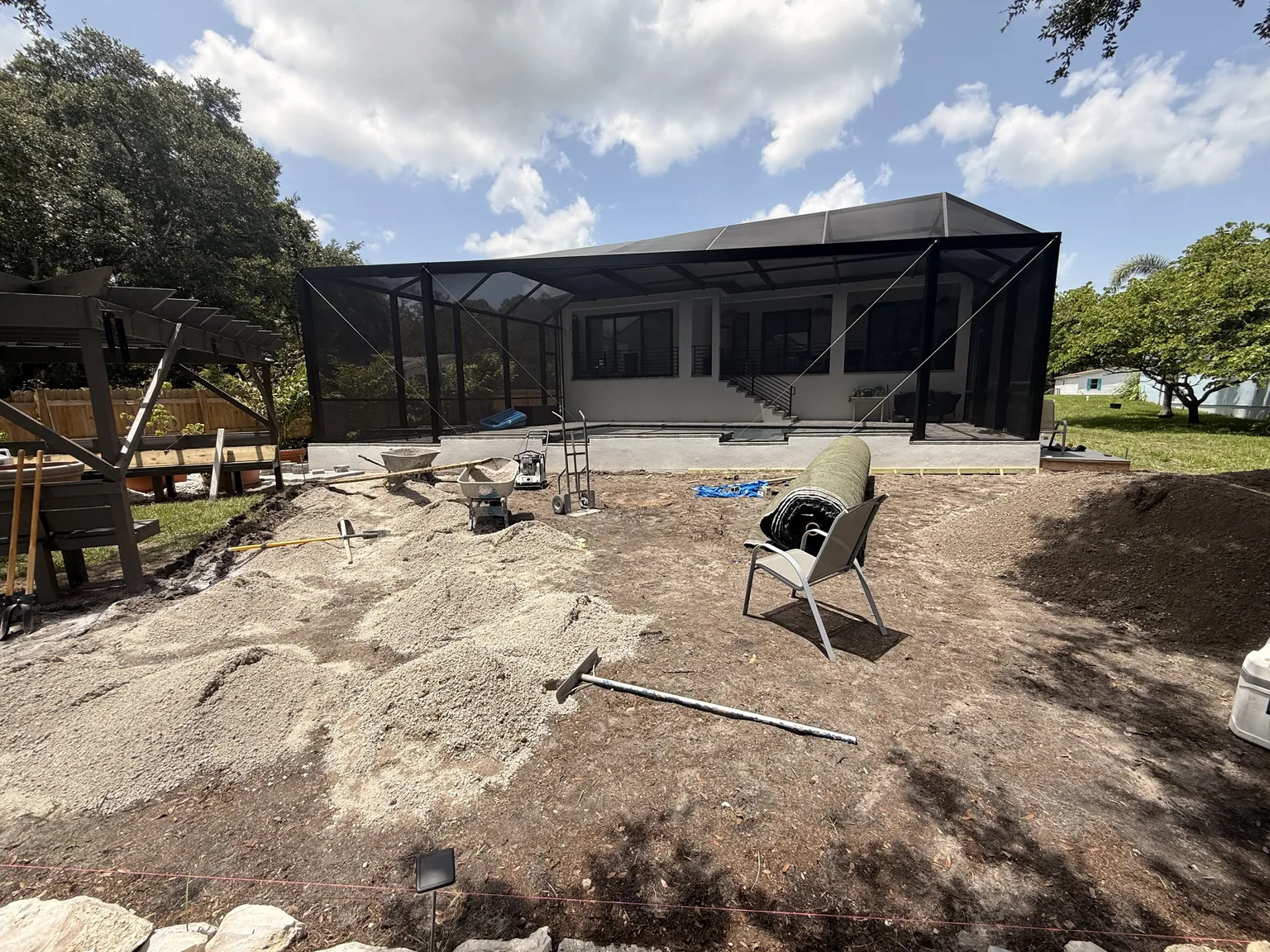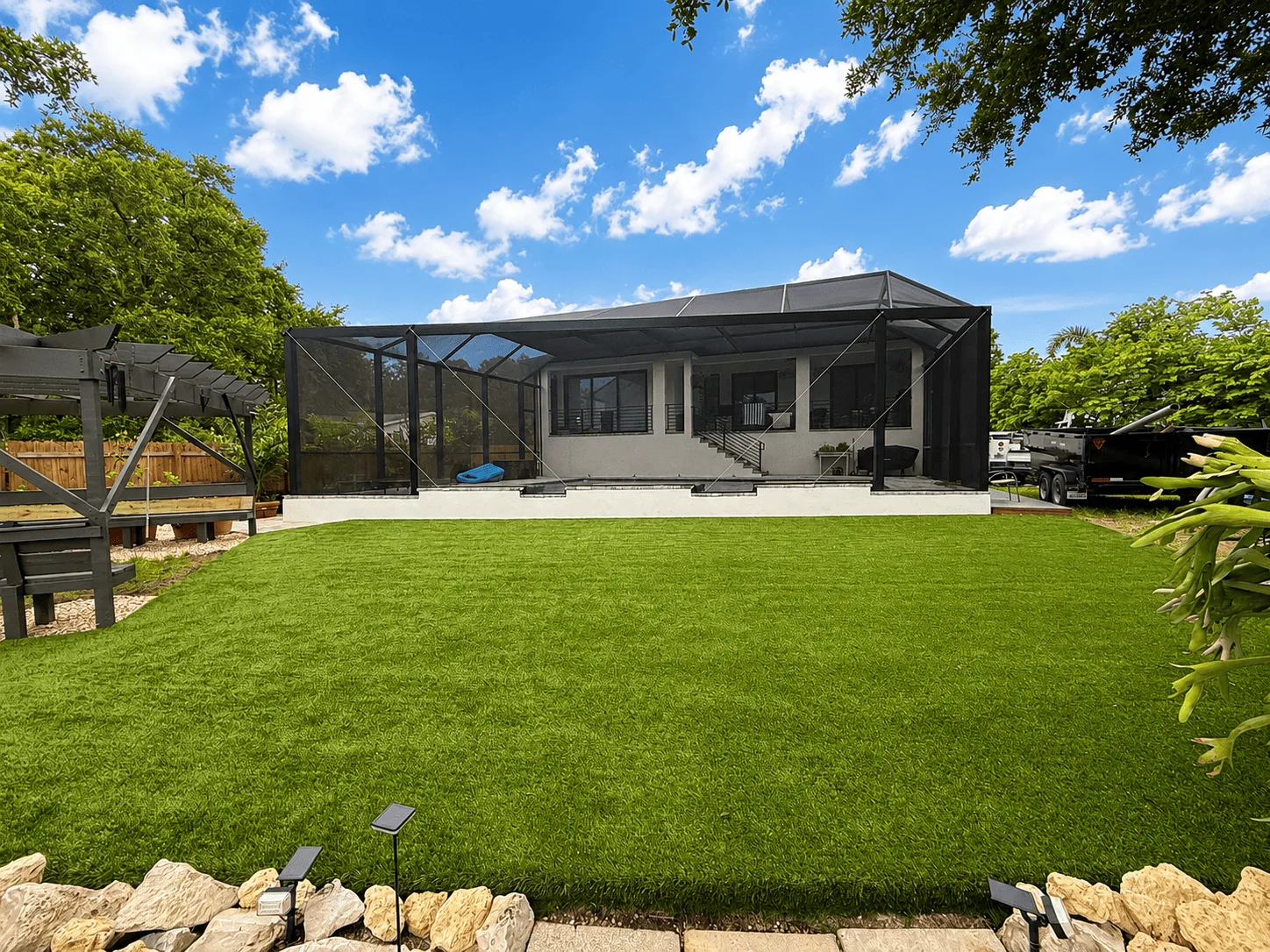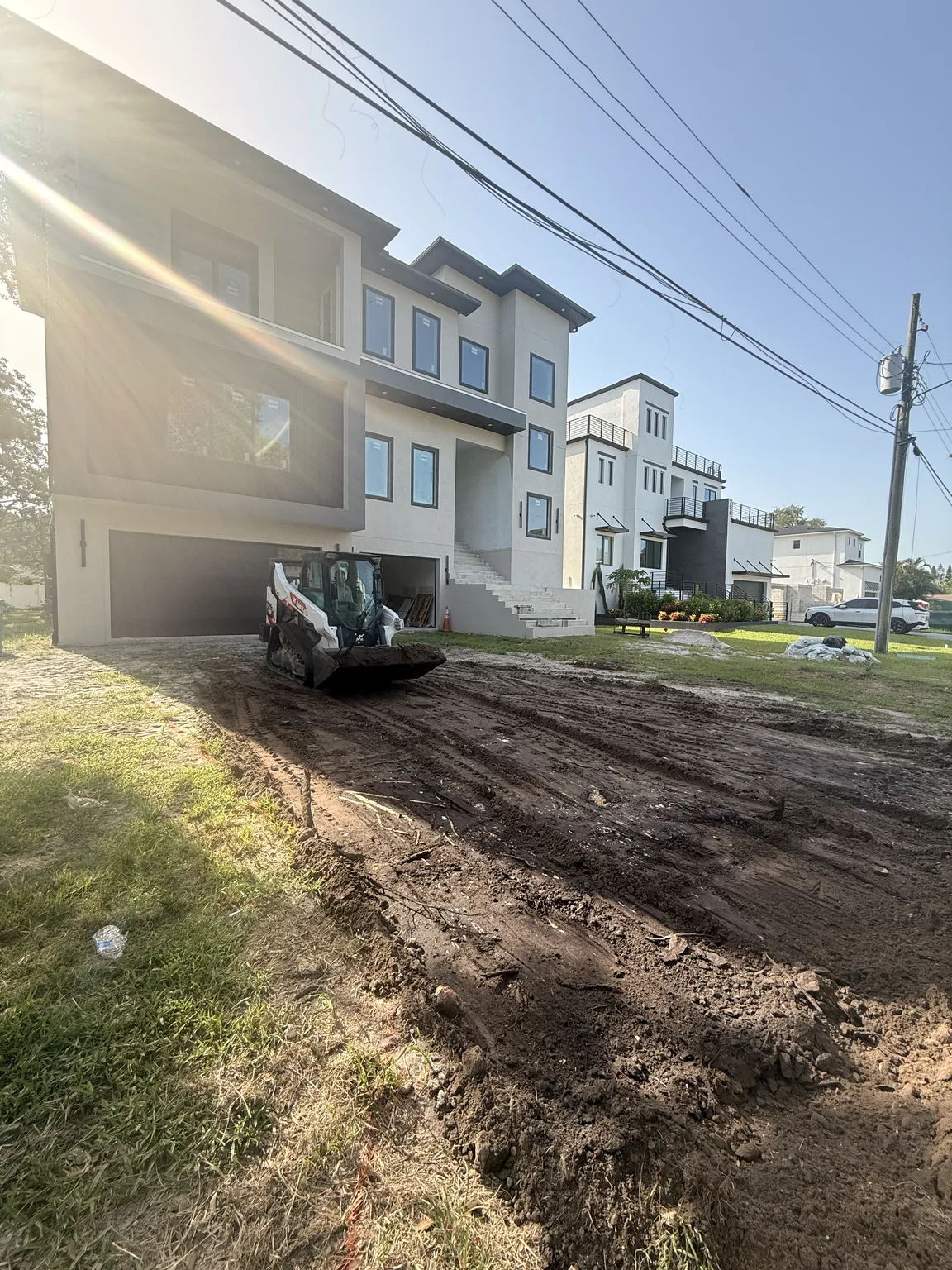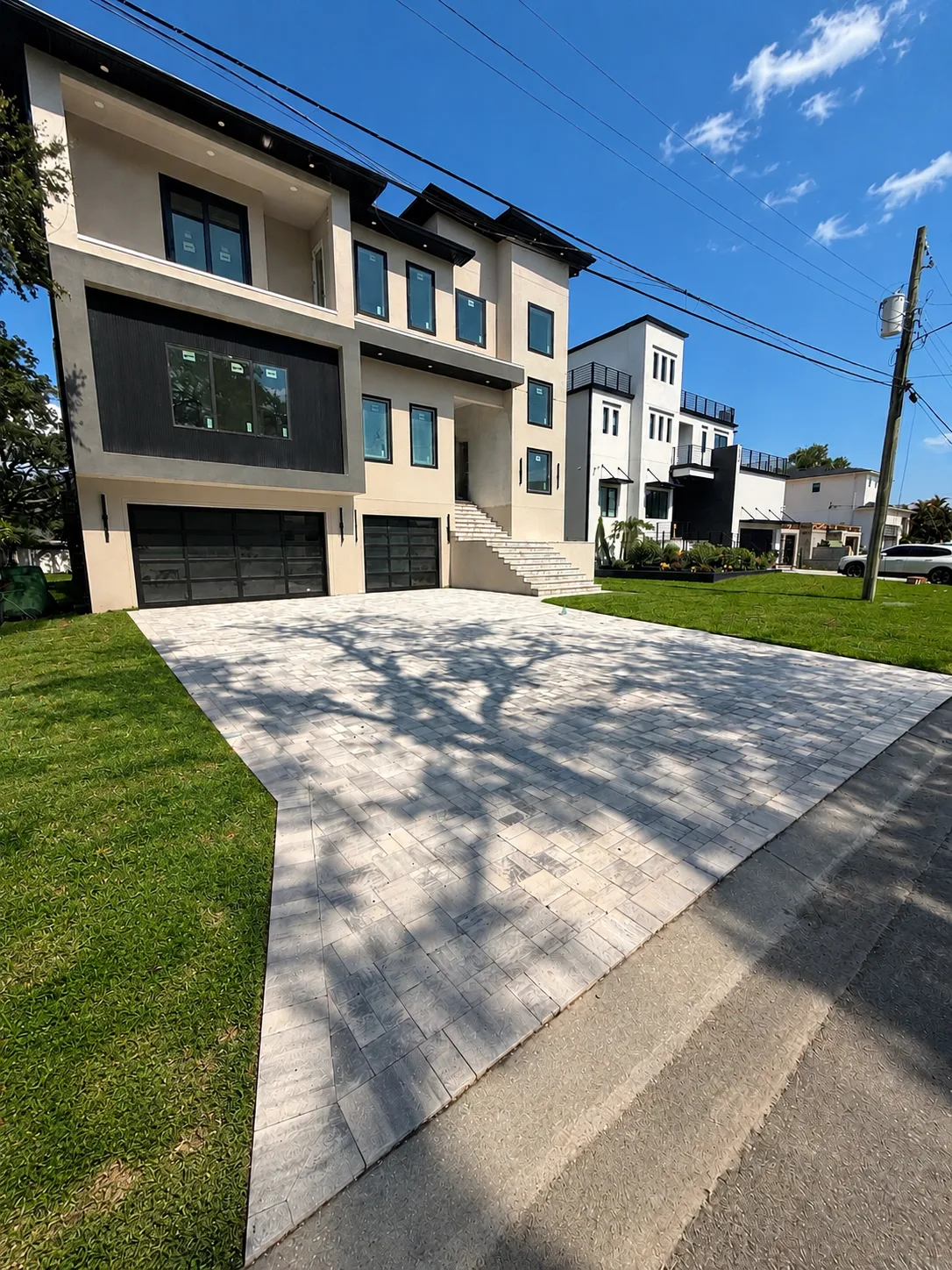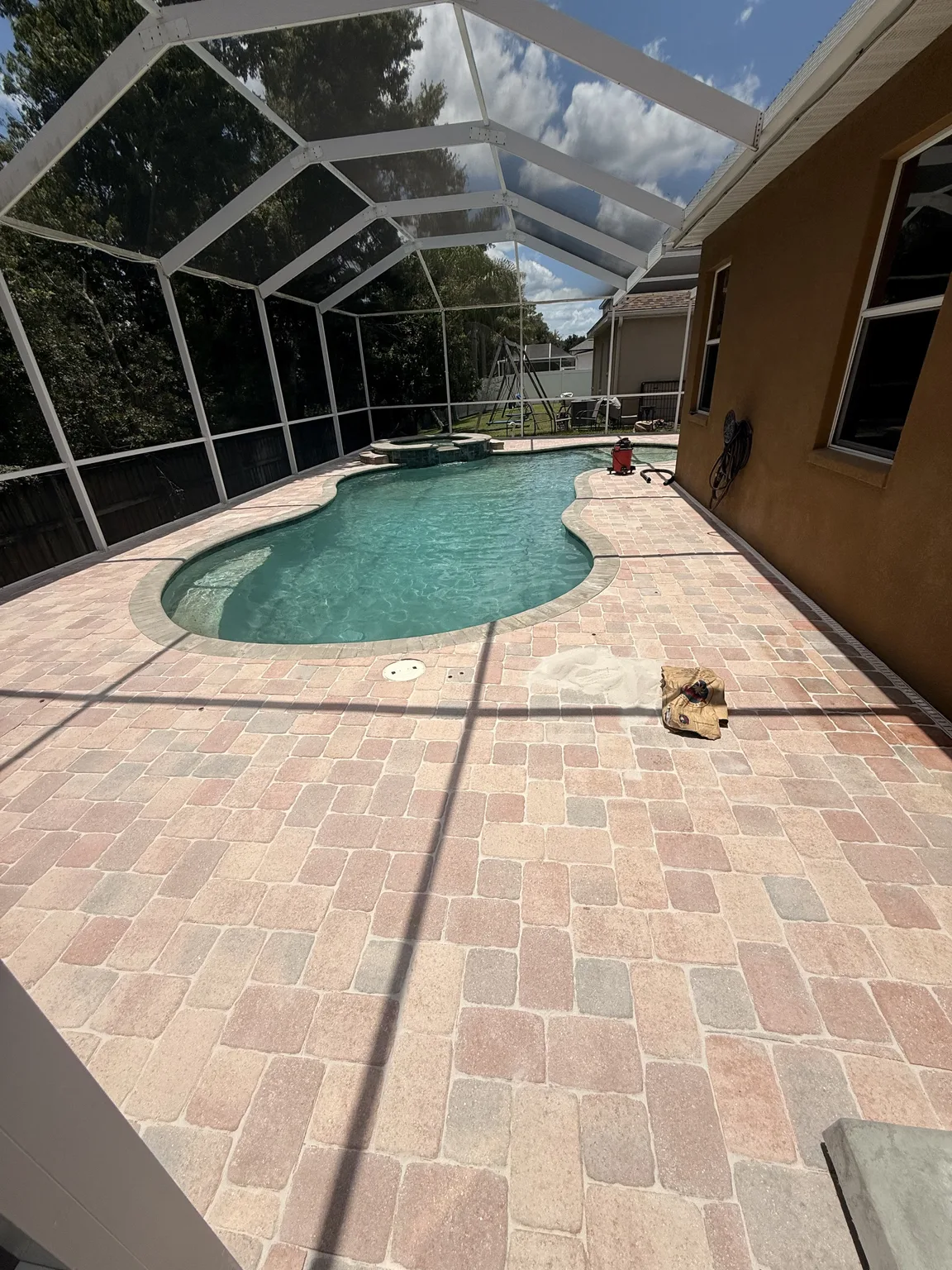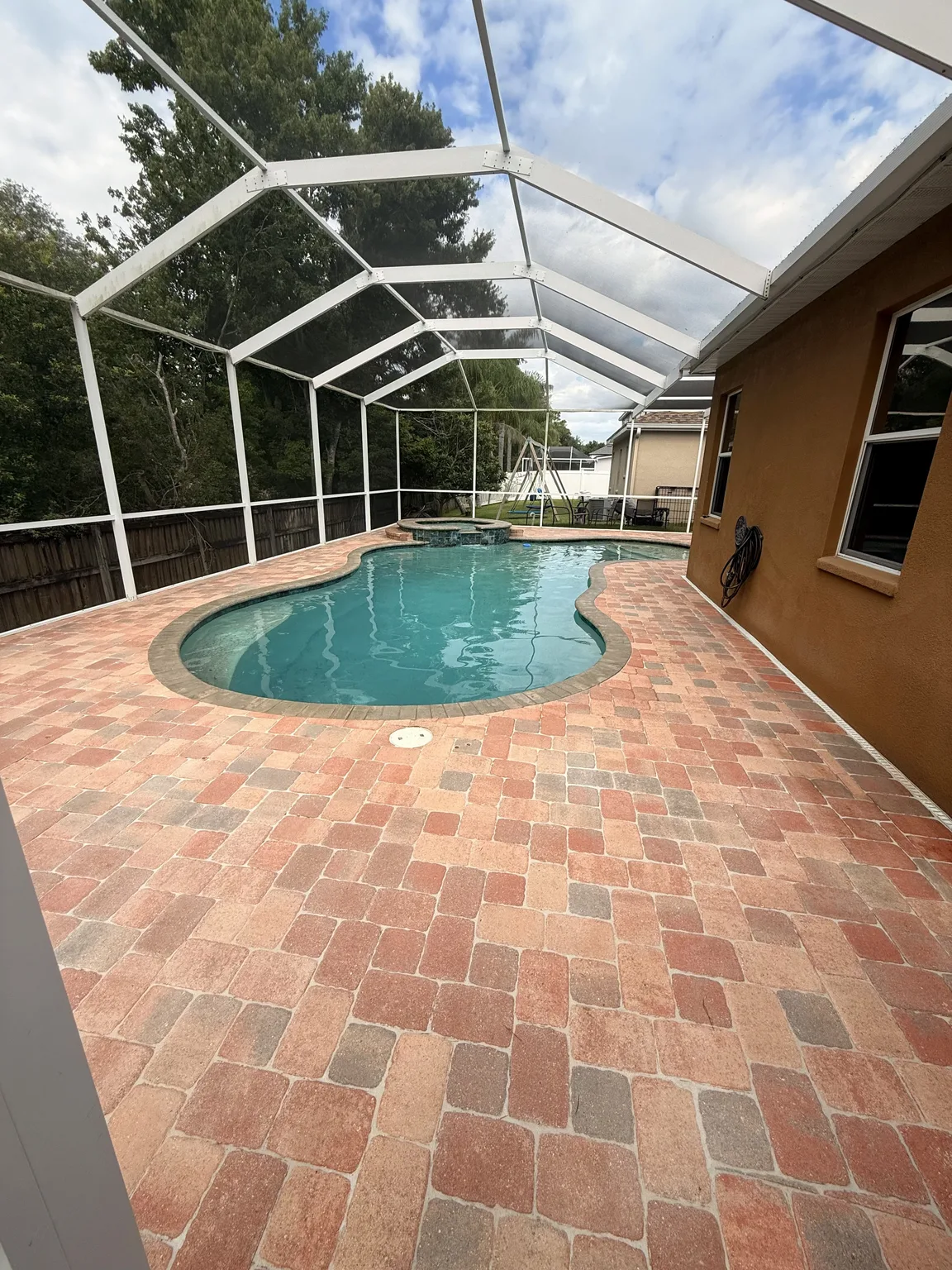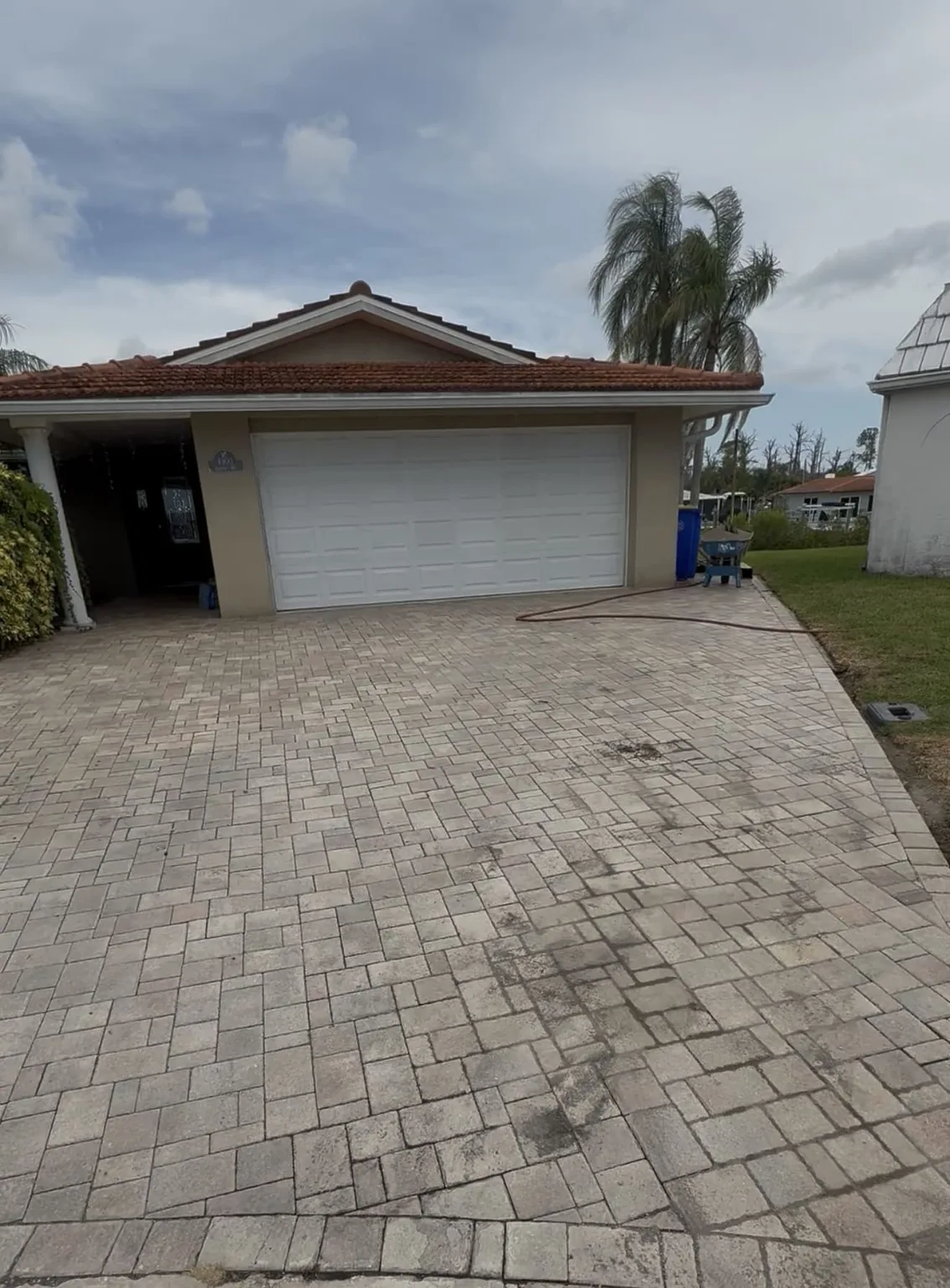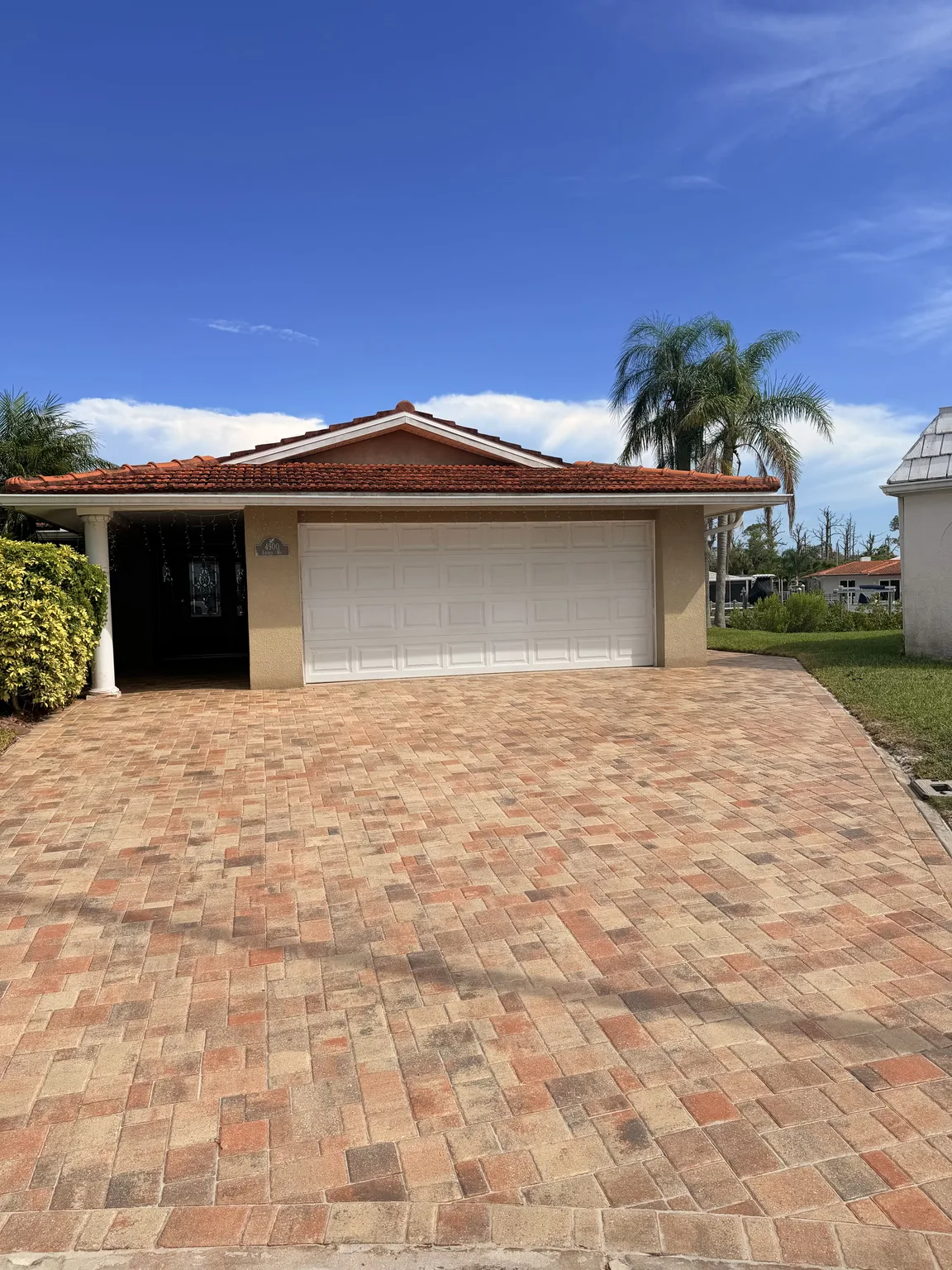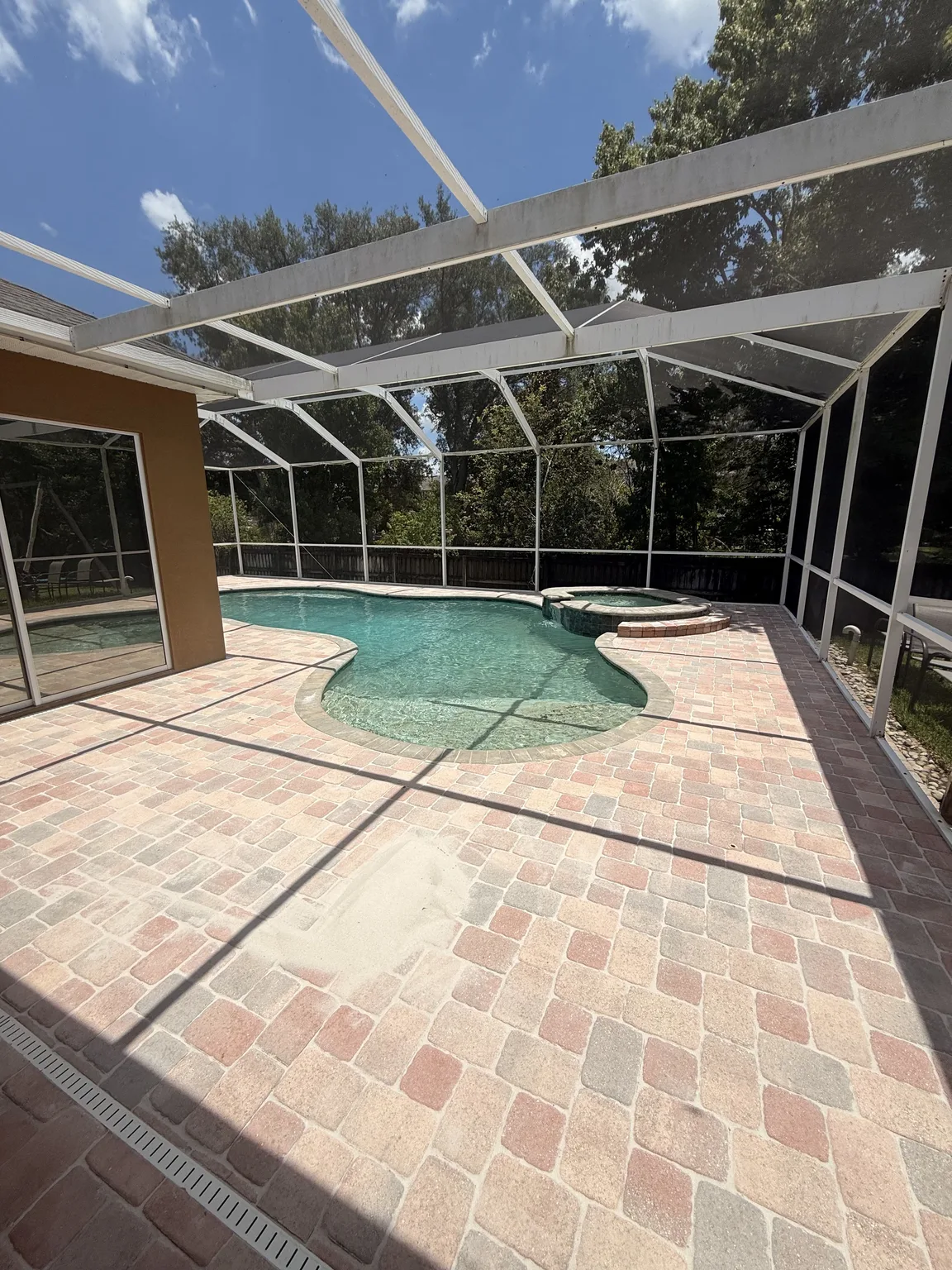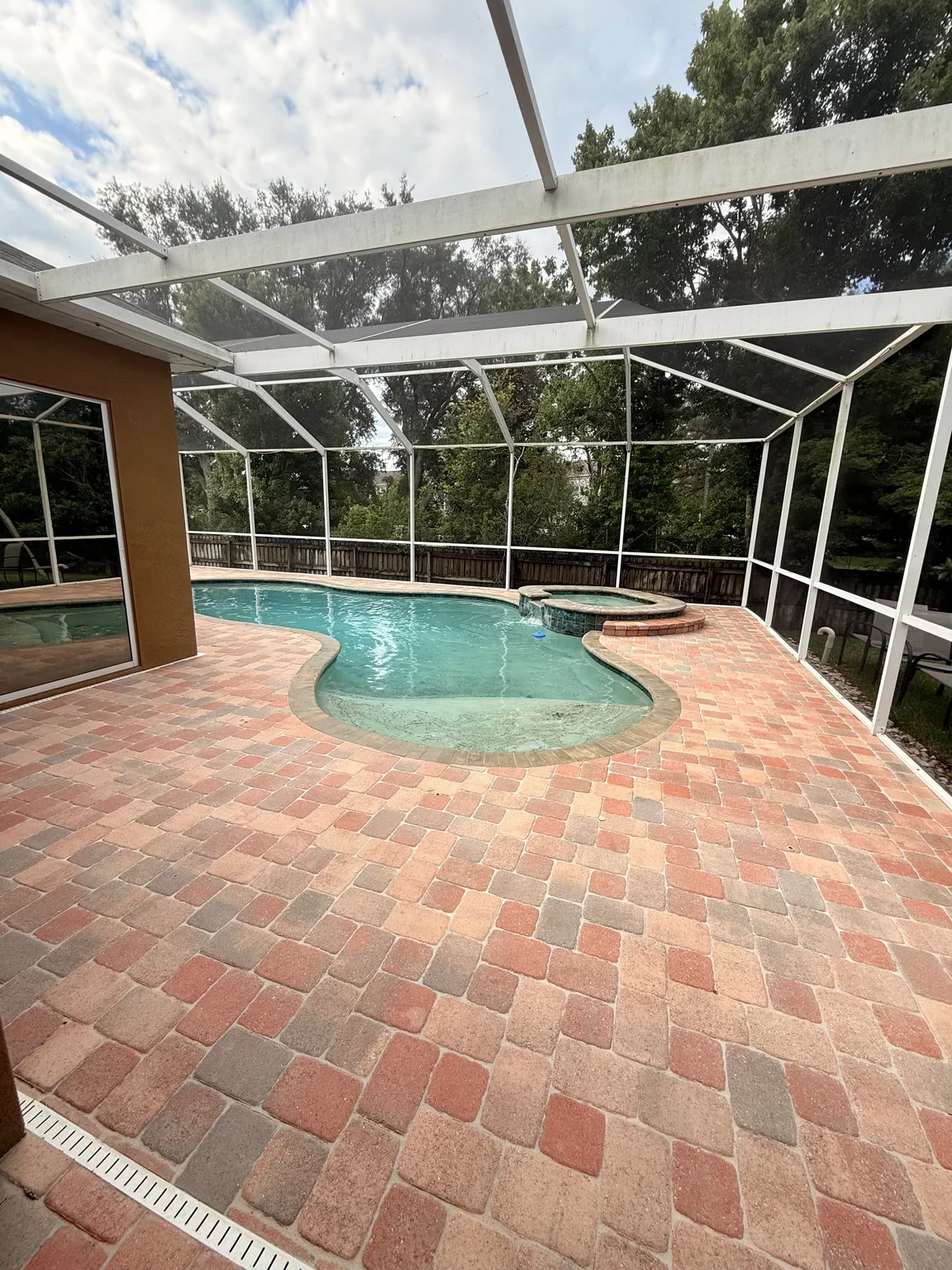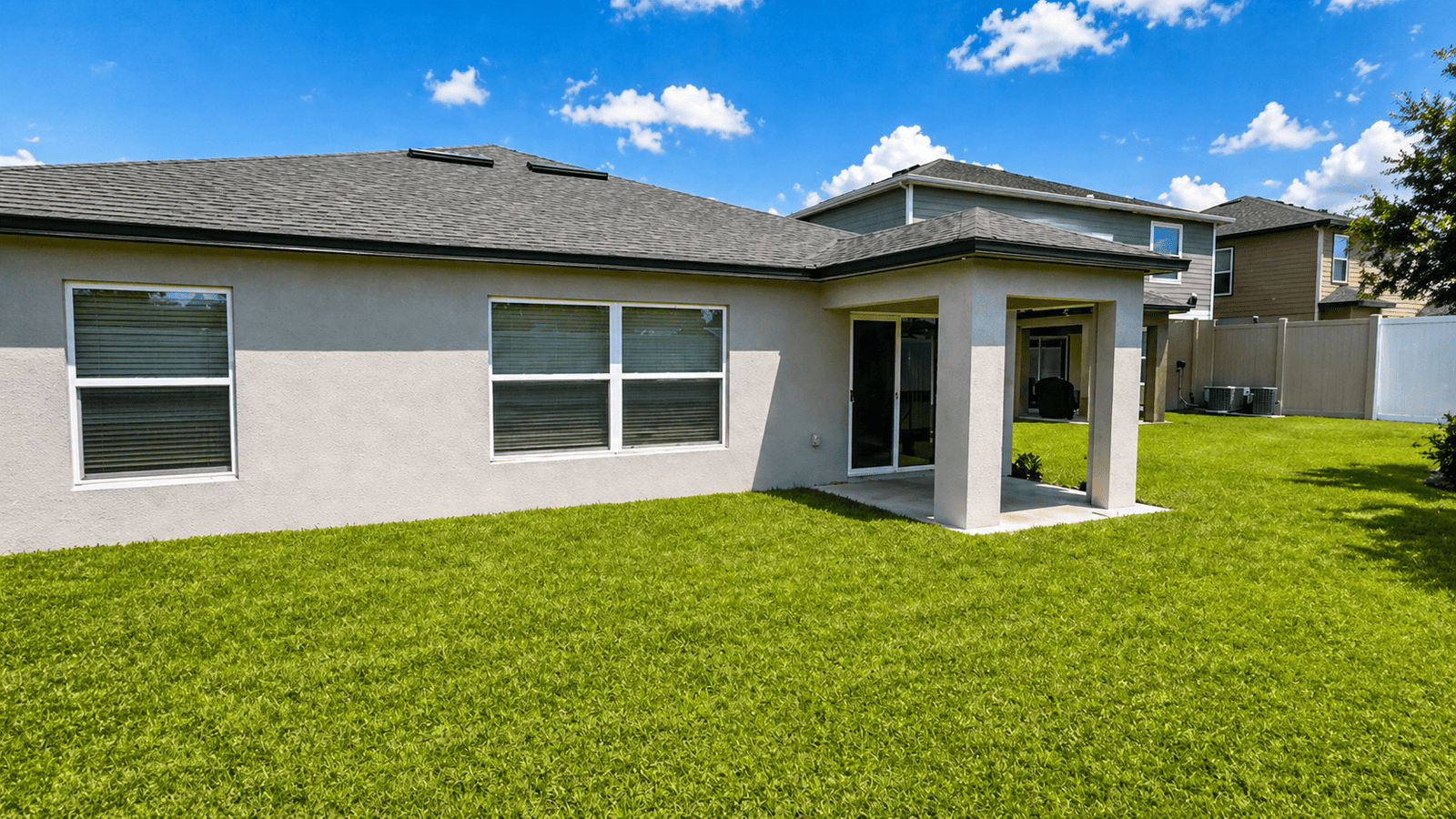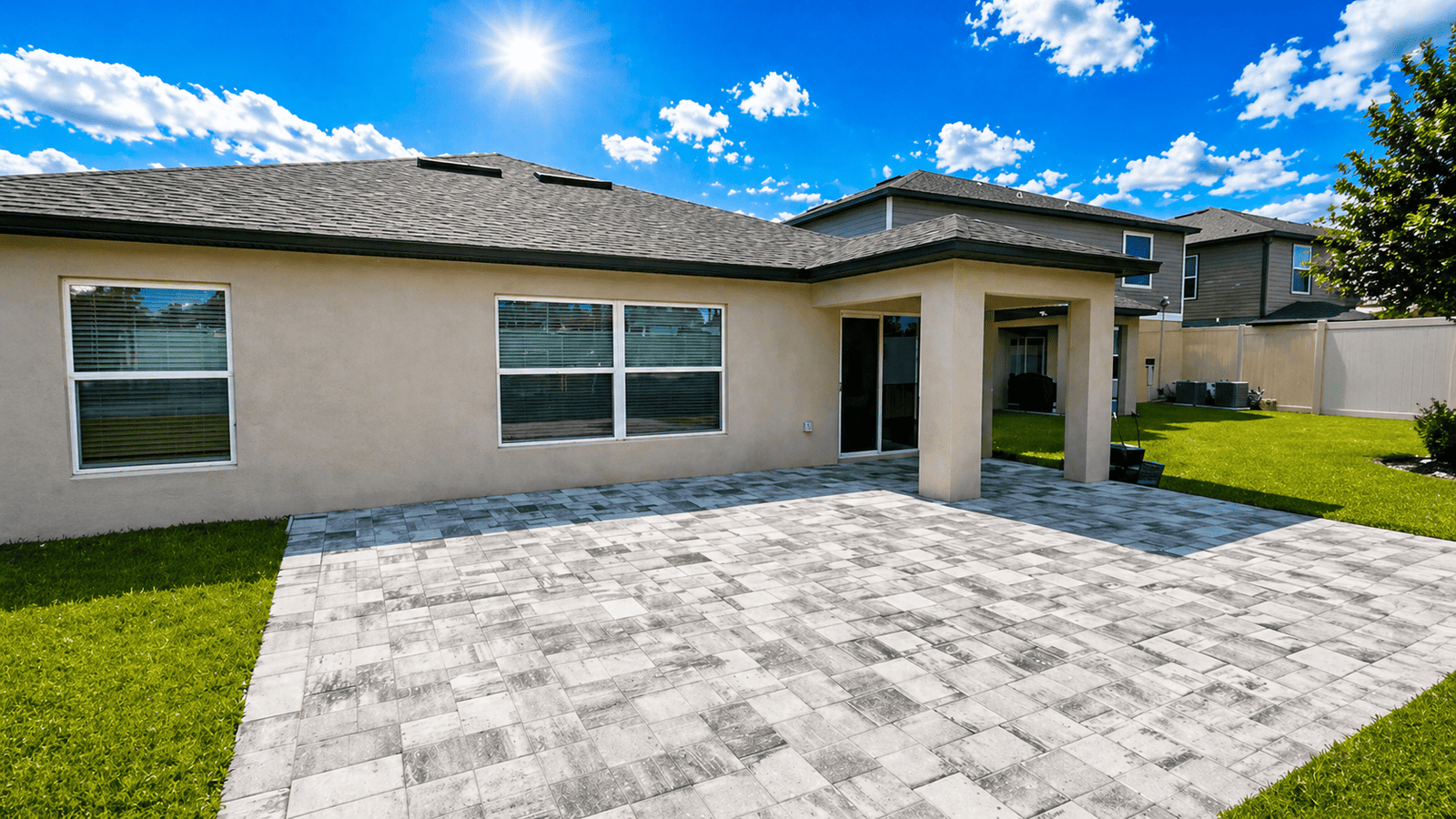
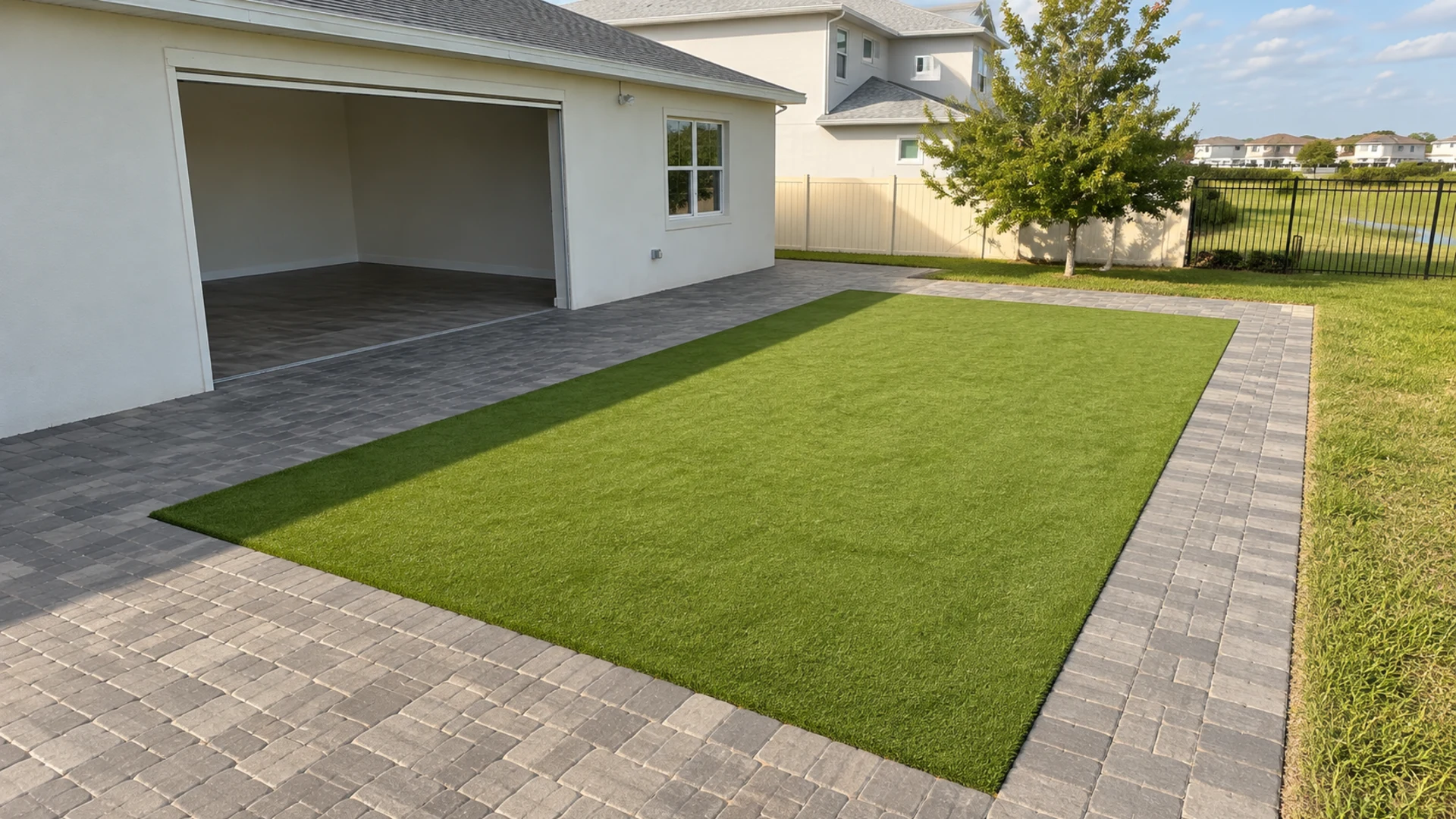
Turf edge separation is not one condition with one repair. Where artificial turf meets pavers, the visible gap can come from the turf edge lifting, a seam relaxing, infill moving out, water washing through the transition, or the paver edge itself shifting. Those causes can look similar from a few feet away, yet they call for very different work. A useful first step is to record exactly where the change begins, how it follows the layout, and whether it changes after rain, irrigation, or regular foot traffic.
What turf edge separation can reveal
An edge beside pavers is a working boundary. It holds a clean visual line, contains infill, directs use across the yard, and covers the transition between two materials that respond differently to heat and movement. A narrow, consistent reveal along a decorative border may be an intentional detail. A new, uneven opening that catches a toe or exposes backing is a condition worth documenting. The aim is not to decide the cause from a photograph; it is to separate observations from assumptions before anything is disturbed.
Look for the shape of the change. A lifted turf edge often appears as a curl or loosened strip at the perimeter. A seam opening usually tracks across the turf field instead of following the pavers. Infill migration leaves sparse fibers, loose granules, or a depressed feel even if the turf is still attached. Drainage wash may produce a channel, a soft low spot, or displaced material after a storm or irrigation cycle. Paver-edge movement is more likely to show in the hardscape too: a changed joint, a settled unit, a rocking edge, or a border that no longer keeps a steady line.
Map the transition before pulling anything back
Do not pull back turf merely to see what is underneath. Lifting it can change attachment, disturb infill, and make it harder to tell what was original. Start with a simple record: wide views that show the patio or walk in context, close views of the opening, and photos looking along the edge from both directions. Include a fixed reference such as a paver joint, coping corner, drain, or wall. If the area changes over time, take the next set from the same locations.
- Mark where the separation starts and stops rather than measuring only its widest point.
- Note whether the turf is raised, the paver edge is lower, or the gap is level but open.
- Check whether loose infill is collecting on the pavers, at a drain, or at the end of a curve.
- Record recent landscape changes, irrigation adjustments, heavy rain, furniture moves, or frequent use patterns.
- Observe the area dry and, when practical, after normal watering without creating a test flood.
This record helps preserve a distinction that matters during evaluation: a surface symptom is not proof of a base problem. It also helps prevent a small cosmetic correction from covering a drainage or movement issue that should be addressed first.
Where the edge deserves closer attention
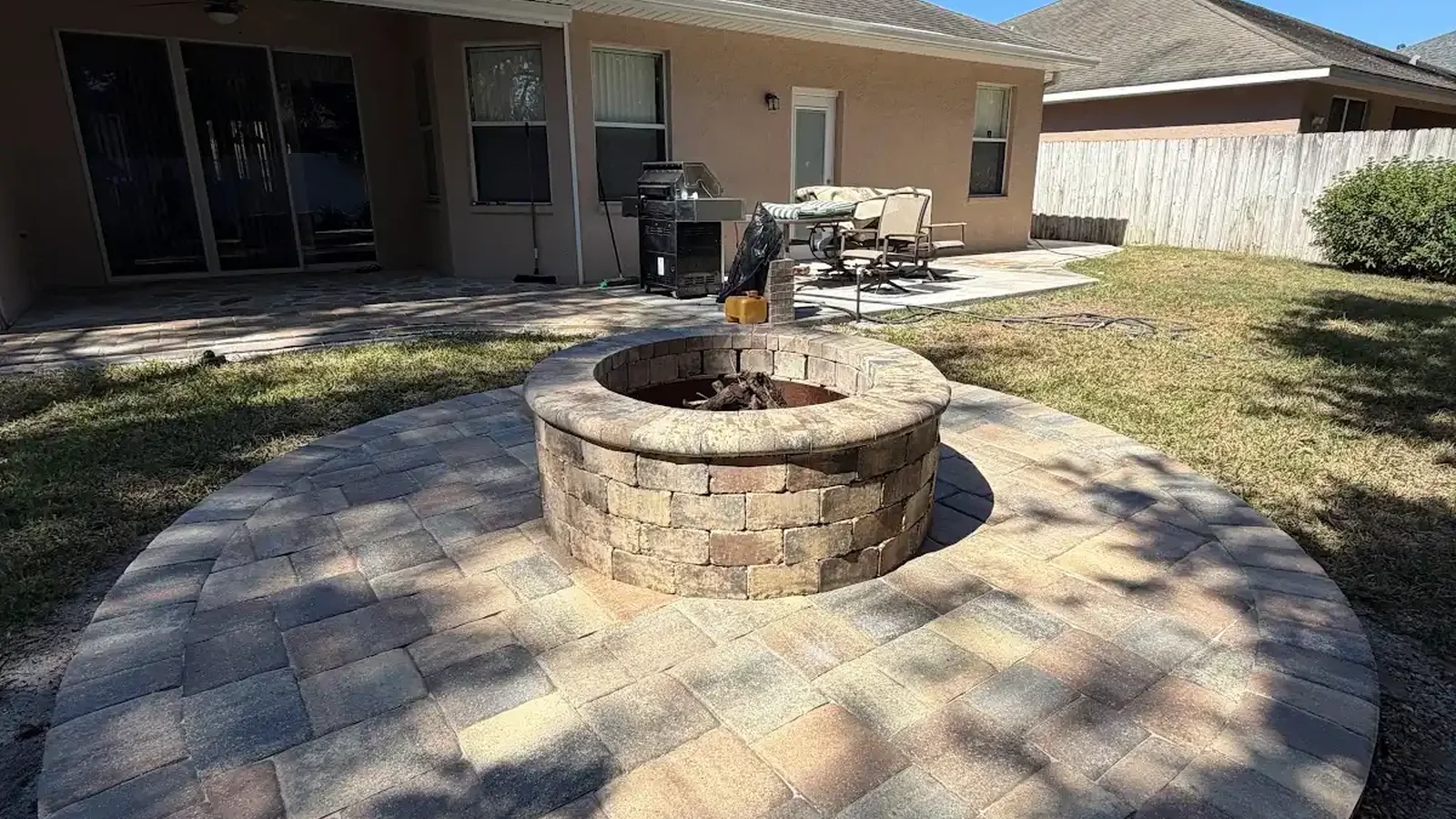
Curves are often the first places to inspect because the turf is shaped and held around a changing radius. A tidy curve can still be under more edge tension than a long straight run. Tight inside corners, outside corners, and narrow returns beside steps deserve their own photographs. Do not assume that a gap at one bend means the whole perimeter needs the same repair; compare the condition with nearby sections that use the same detail.
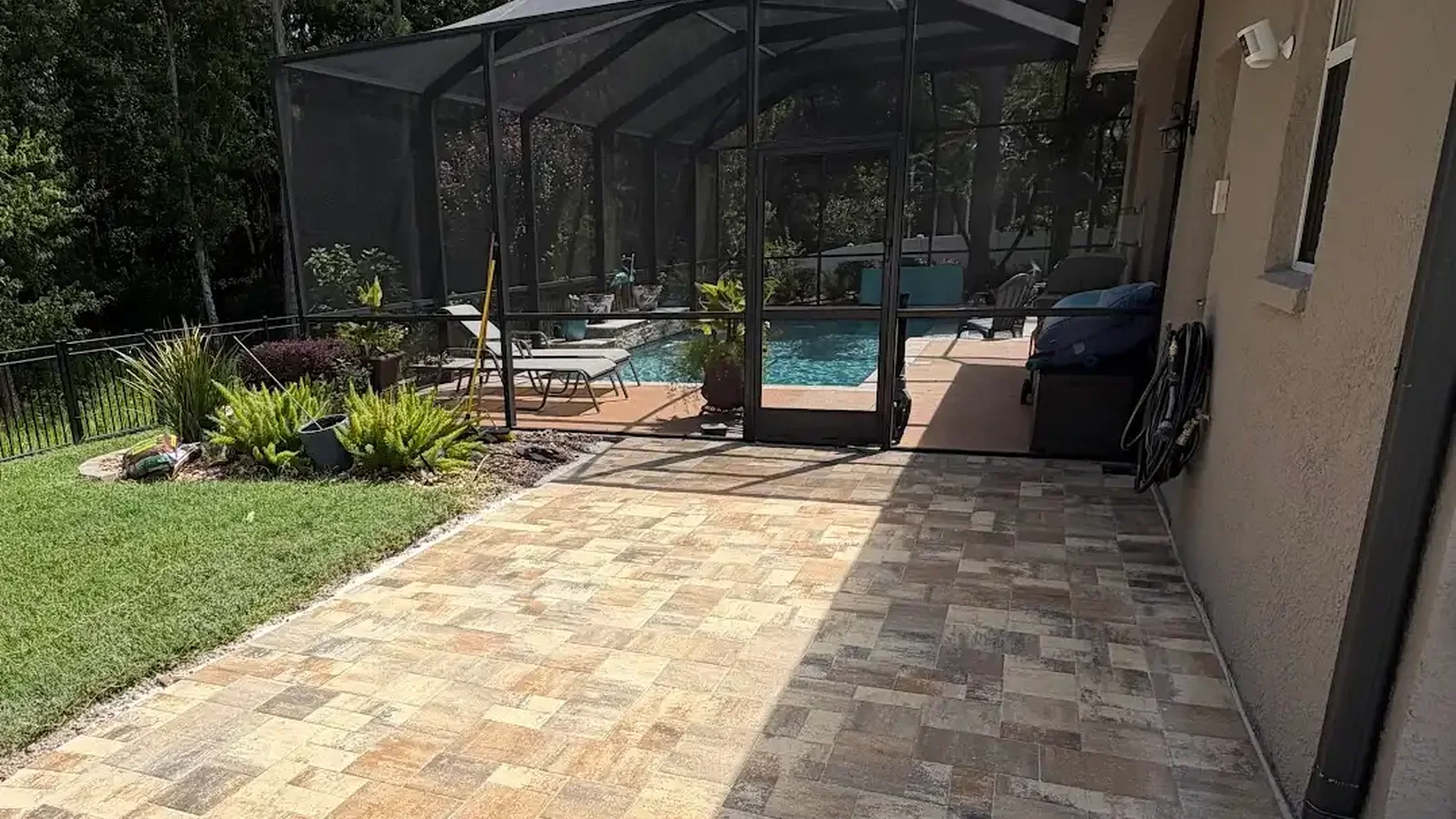
Traffic creates a different pattern. Gate approaches, grill routes, doors to a pool, and the path between seating areas can repeatedly compress fibers and kick infill toward the pavers. Pet routes may form a narrow, predictable track, especially near a fence line or shaded resting spot. That evidence matters because a perimeter attachment issue can be made worse by an everyday crossing, while a stable edge may need only a plan for keeping repeated traffic off its most vulnerable point.
Irrigation zones deserve attention when overspray or a broken pattern repeatedly hits the transition. In Tampa Bay, rain and humidity can make a wet edge slow to dry, particularly in shade or where air movement is limited. That does not identify the source of a separation, but it can explain why loose material, organic debris, or algae appears at a particular section. Check where runoff goes after water reaches the pavers, not simply whether the turf looks wet.
Tell attachment, infill, drainage, and pavers apart
A careful review works from the visible line inward. At the turf, determine whether the backing is still supported and whether the edge feels uniformly held without tugging on it. At the joint between materials, look for a missing containment detail, accumulated debris, or a channel that is carrying water. At the pavers, inspect alignment, joint consistency, and the firmness of the border. Each observation narrows the questions without claiming an answer that requires opening the assembly.
Infill is often blamed because it is easy to see when it reaches the hardscape. Yet infill leaving the field may be the result of brushing, traffic, water, or an opening at the edge; refilling it without understanding the path can make the surface look better briefly while the same path remains active. Likewise, adding material along an edge does not correct a paver that has moved or a grade that directs water into the transition.
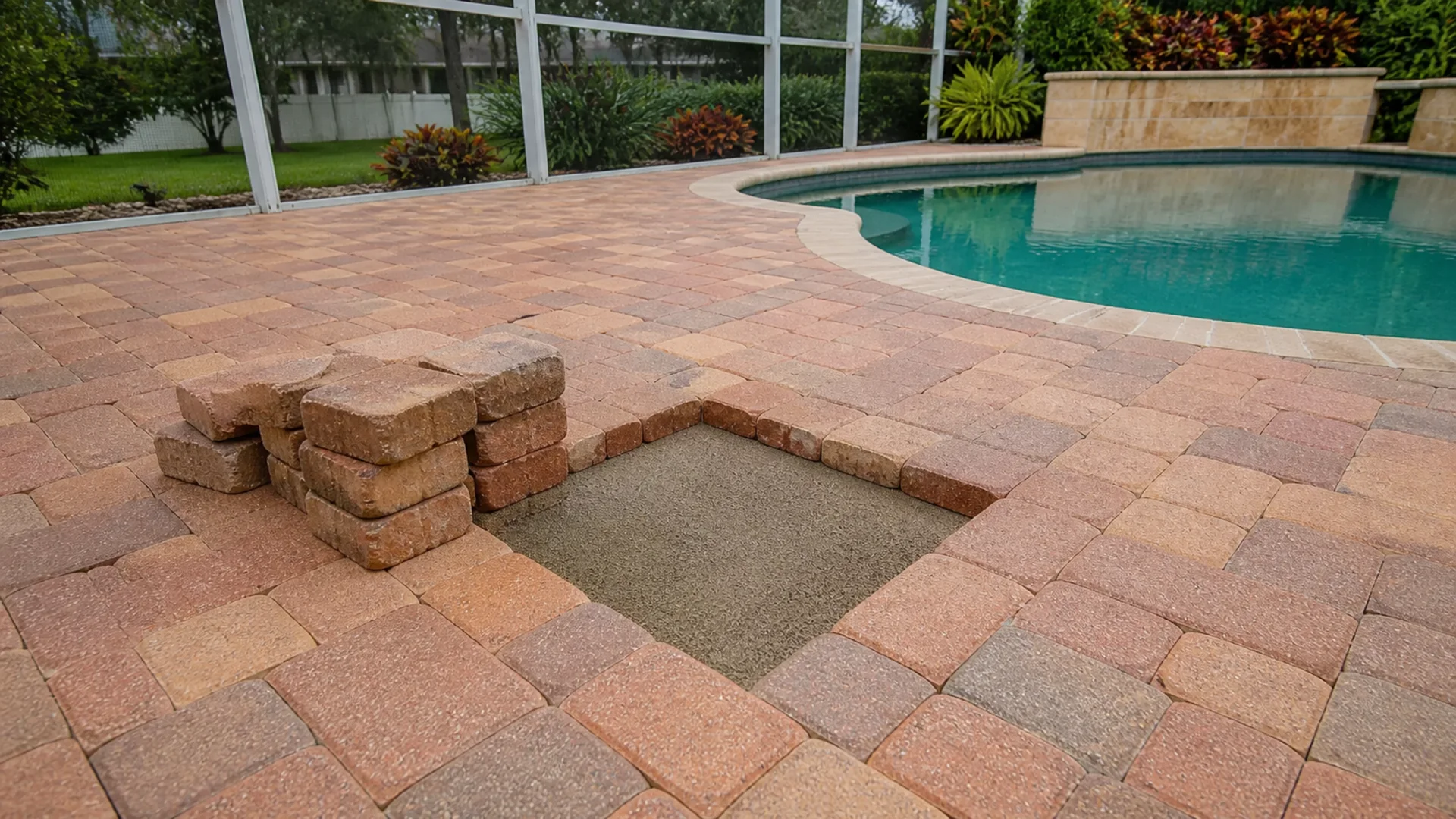
Hardscape movement should be considered when the paver line, not just the turf, has changed. A paver can settle for reasons that need site-specific review, including conditions below the surface, water movement, or edge restraint. It is not appropriate to name a base failure from the top view alone. What can be reported is whether units are level with their neighbors, whether joints are changing, and whether the condition is limited to the turf boundary or extends into the paved field.
Coordinate the right responsibilities
Artificial turf and pavers meet at one line, but they may have been installed or maintained by different parties. The person evaluating turf attachment needs to understand how the hardscape edge is built; the person reviewing pavers needs to know whether the turf was cut, secured, or altered after installation. A clear scope prevents an avoidable handoff in which each side treats the other material as the whole problem.
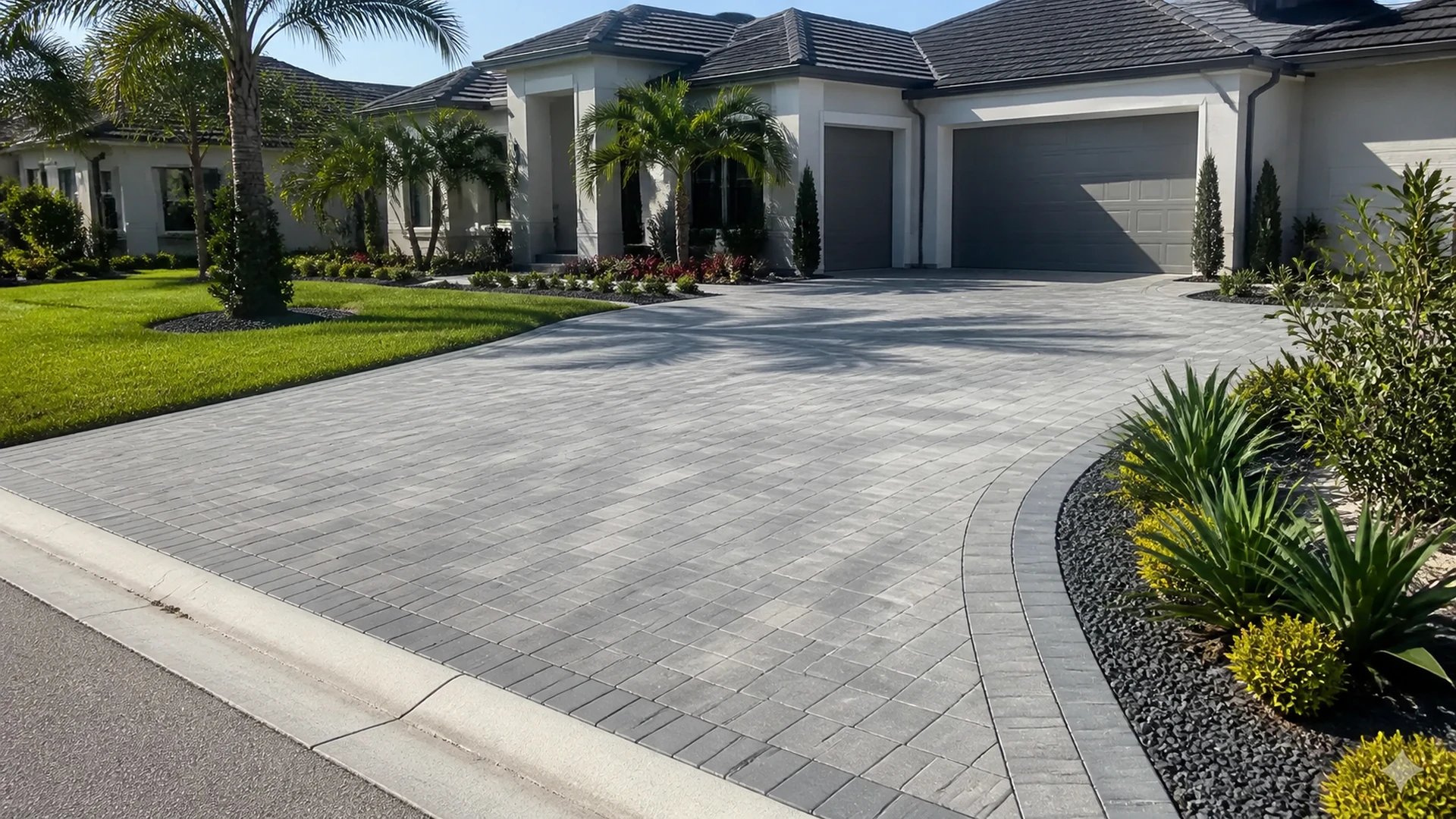
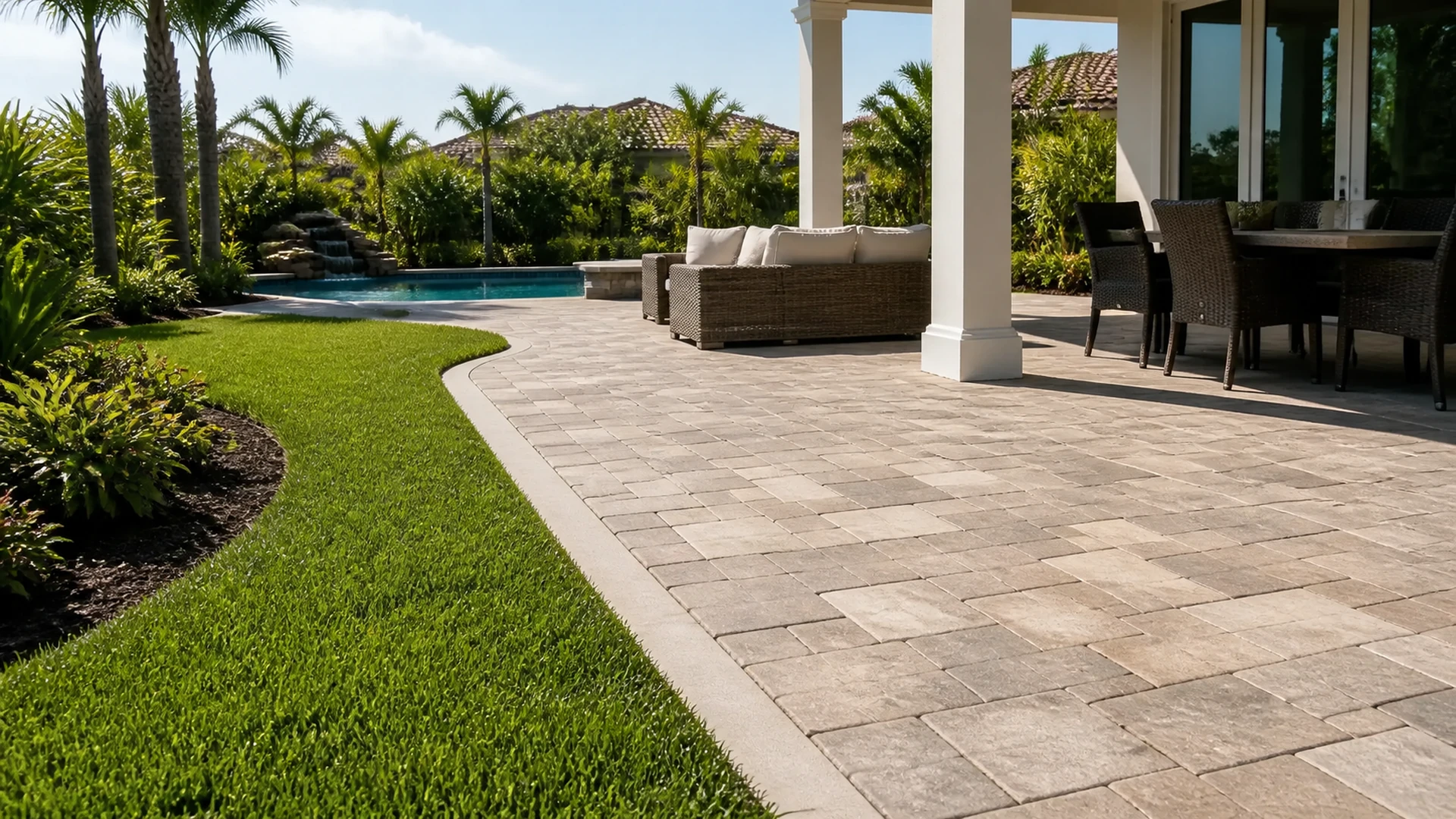
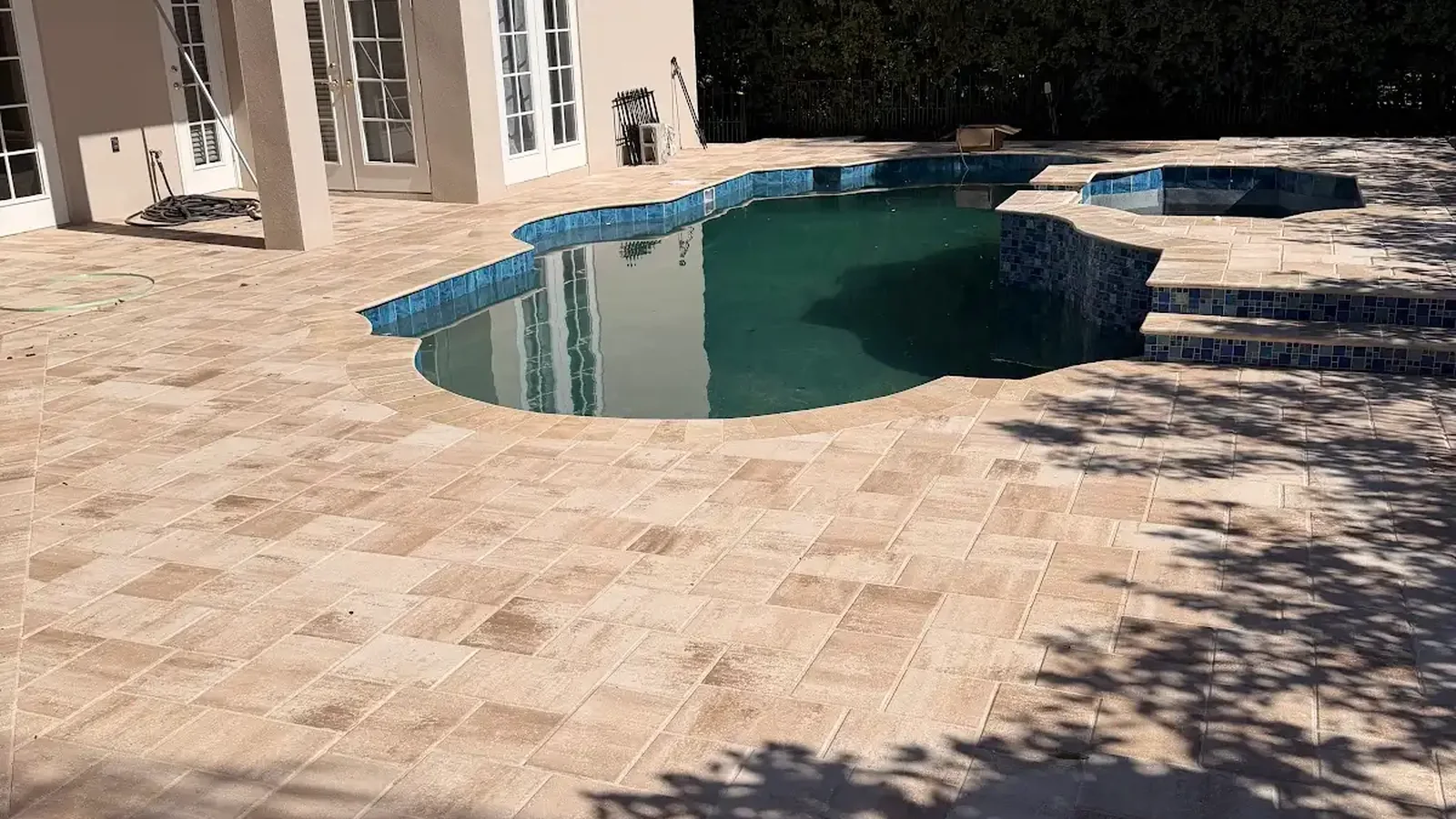
Bring available installation records, earlier photographs, and notes about prior repairs. If the original material family, geometry, color blend, pattern, border logic, finish, or application is visible in a client photo, preserve those facts without guessing at a manufacturer. The existing visual relationship may guide a repair decision, especially at a border where a changed paver, added strip, or altered turf cut would be noticeable.
For a broader look at outdoor work and service options, see Dr Pavers Design project and service information. Homeowners who want independent educational context on Florida landscape and water-related questions can also consult the University of Florida IFAS Extension. Neither resource replaces a review of the exact transition at the property.
Questions that define a sensible repair scope
Before approving work, ask what is actually being corrected. Is the proposal limited to re-securing an edge, or does it include restoring infill, adjusting a paver border, improving the route water takes, or addressing more than one condition? Which areas will be opened, and how will the existing transition be protected while work is underway? What visible condition will be used to judge the finished edge? These questions make a small scope understandable without demanding promises that cannot be made before the site is evaluated.
- Which observations support the proposed scope, and which questions remain until the area is examined?
- Will any adjacent pavers, turf seams, drains, coping, or landscape edging be affected?
- How will the edge line be checked around curves and crossings after the work is complete?
- What routine use or water-management changes, if any, should follow the repair?
- When should the homeowner report a returning gap, loose infill, soft spot, or newly moving paver?
Monitor the edge after repair
A repaired transition benefits from observation rather than constant interference. Brush or clean the area only as appropriate for its materials and avoid directing a strong stream into the edge. After normal rain or irrigation, check whether water ponds, carries debris, or leaves infill on the pavers. Watch the same curves, corners, and crossings recorded at the start. A short photo log is more useful than trying to recall whether a line looked different weeks earlier.
Contact a qualified reviewer promptly if an opening grows quickly, the turf backing becomes exposed, a paver rocks or settles, water follows a new path, or the area becomes a trip concern. Those are practical triggers for a closer look, not a diagnosis. Small changes caught while they are confined to the transition are easier to discuss clearly than a condition that has spread across a walkway or turf field.
Use the paver pattern as a reference, not a remedy
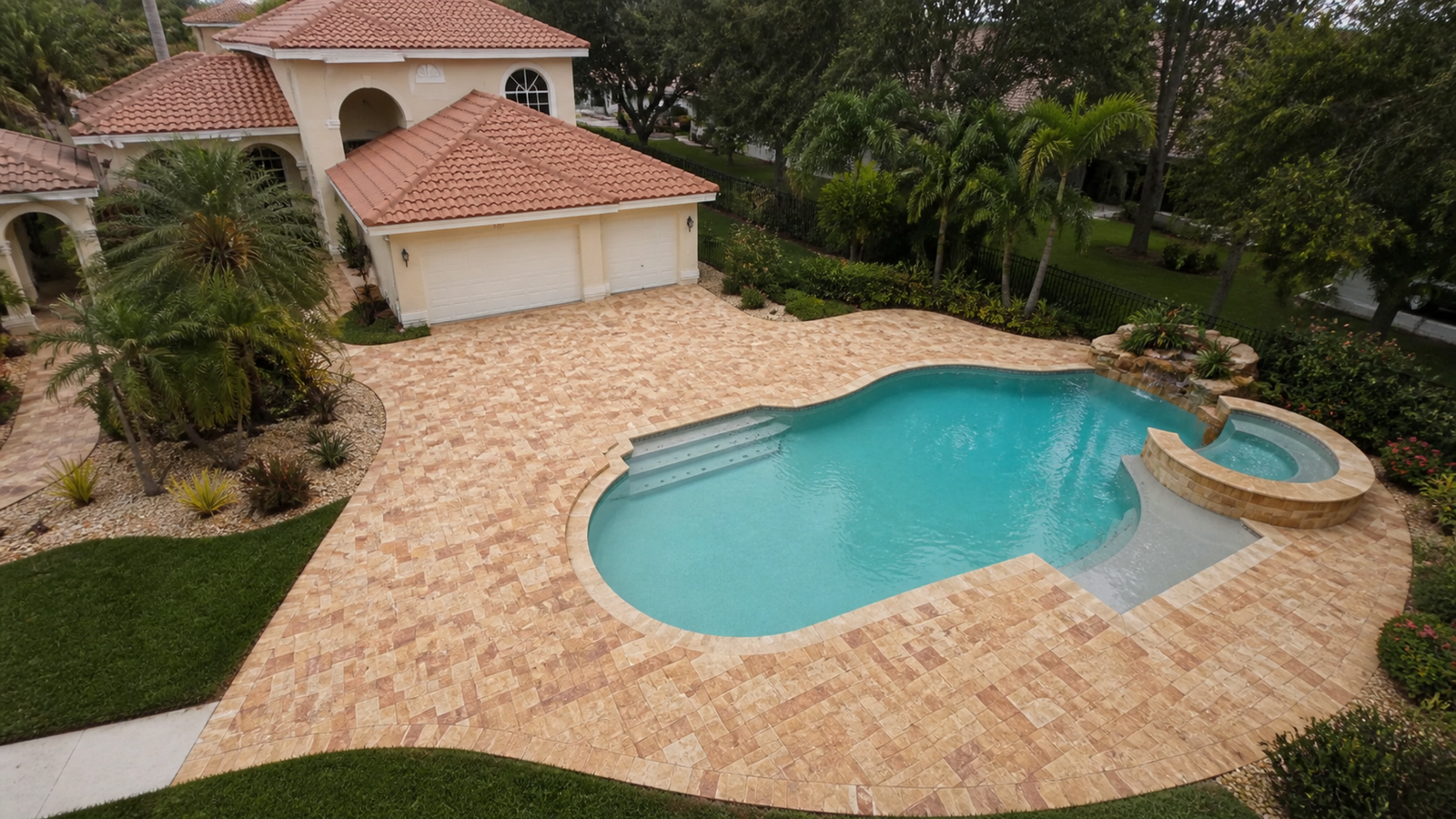
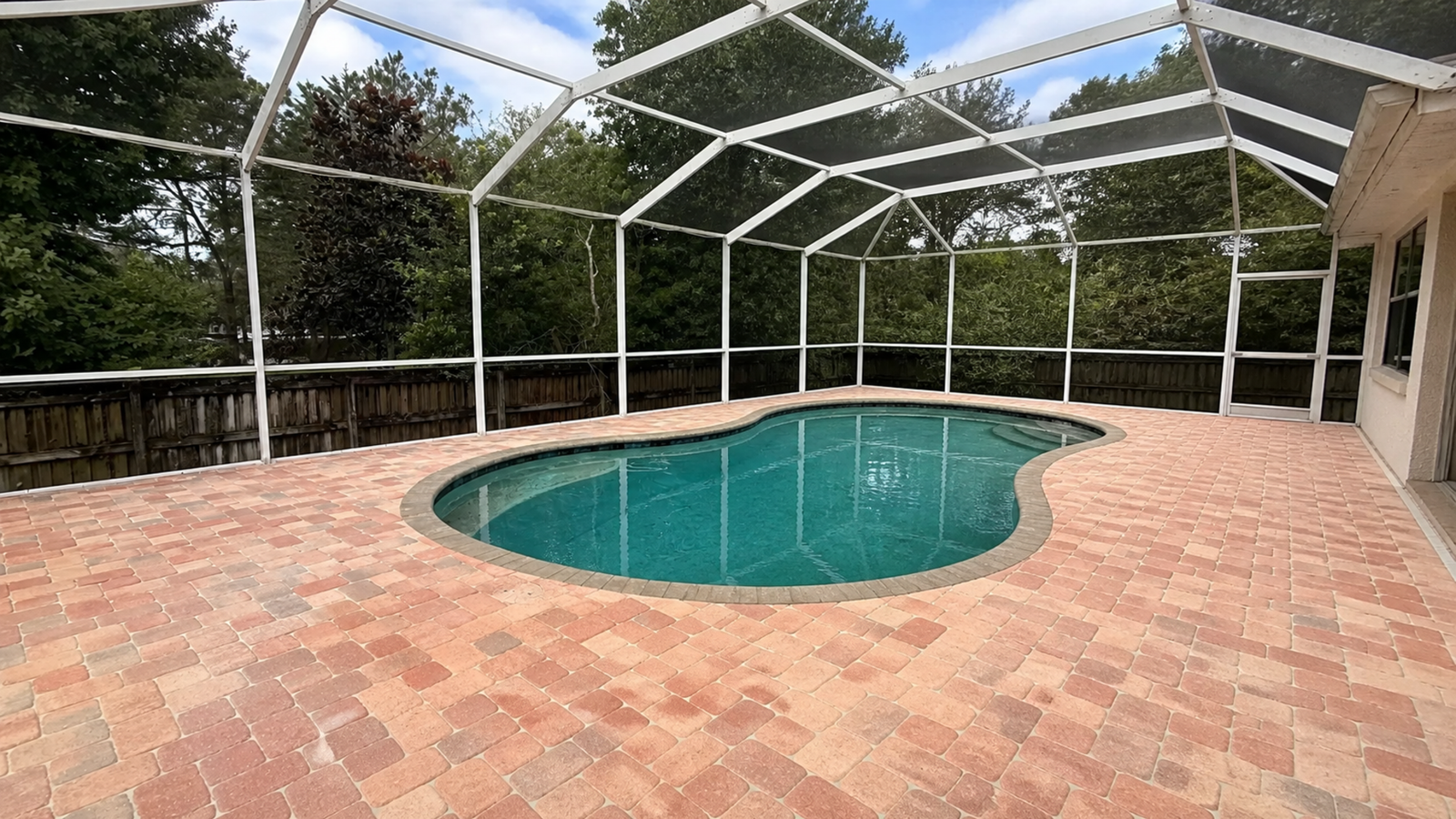
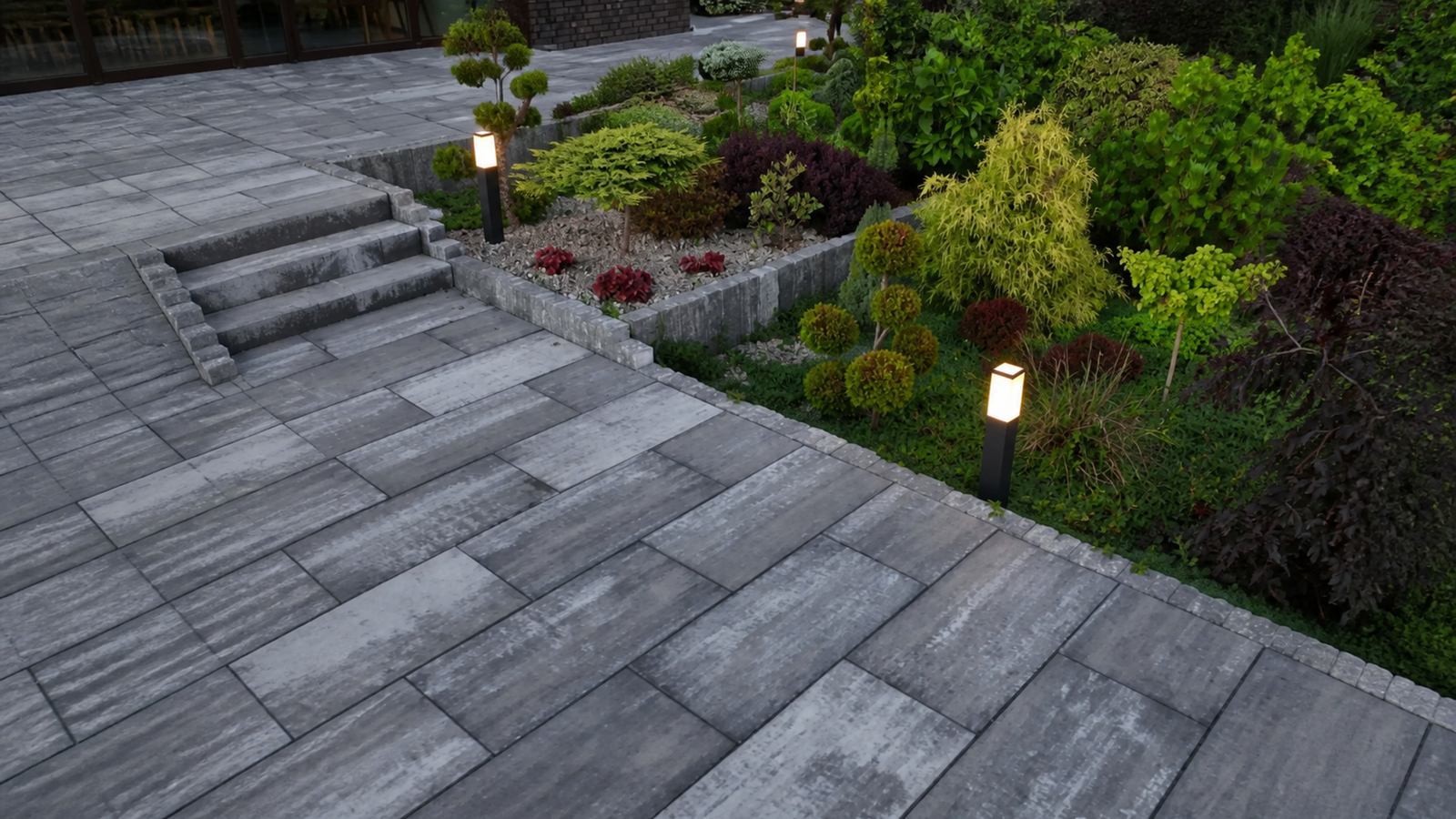
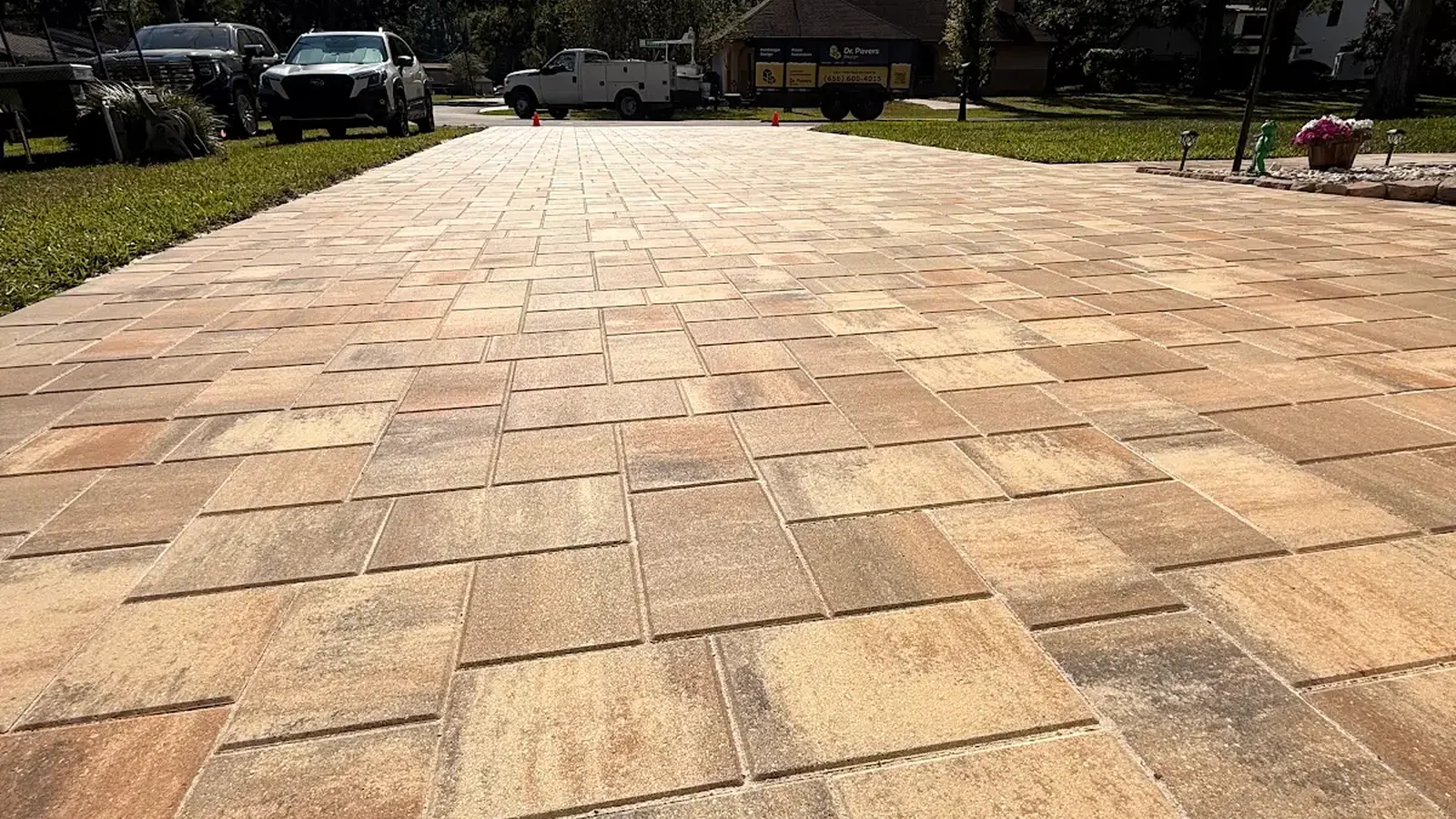
The hardscape can help tell the story of an edge. Follow the paver joints beside the turf and compare their spacing, level, and line with an unaffected section. On a border with repeating units, a single altered unit or widened joint stands out more clearly than it does in an irregular field. That comparison can show whether the visual gap is centered on turf, on a particular paver, or at a transition detail. It cannot confirm what lies below the surface, but it gives the review a reliable starting reference.
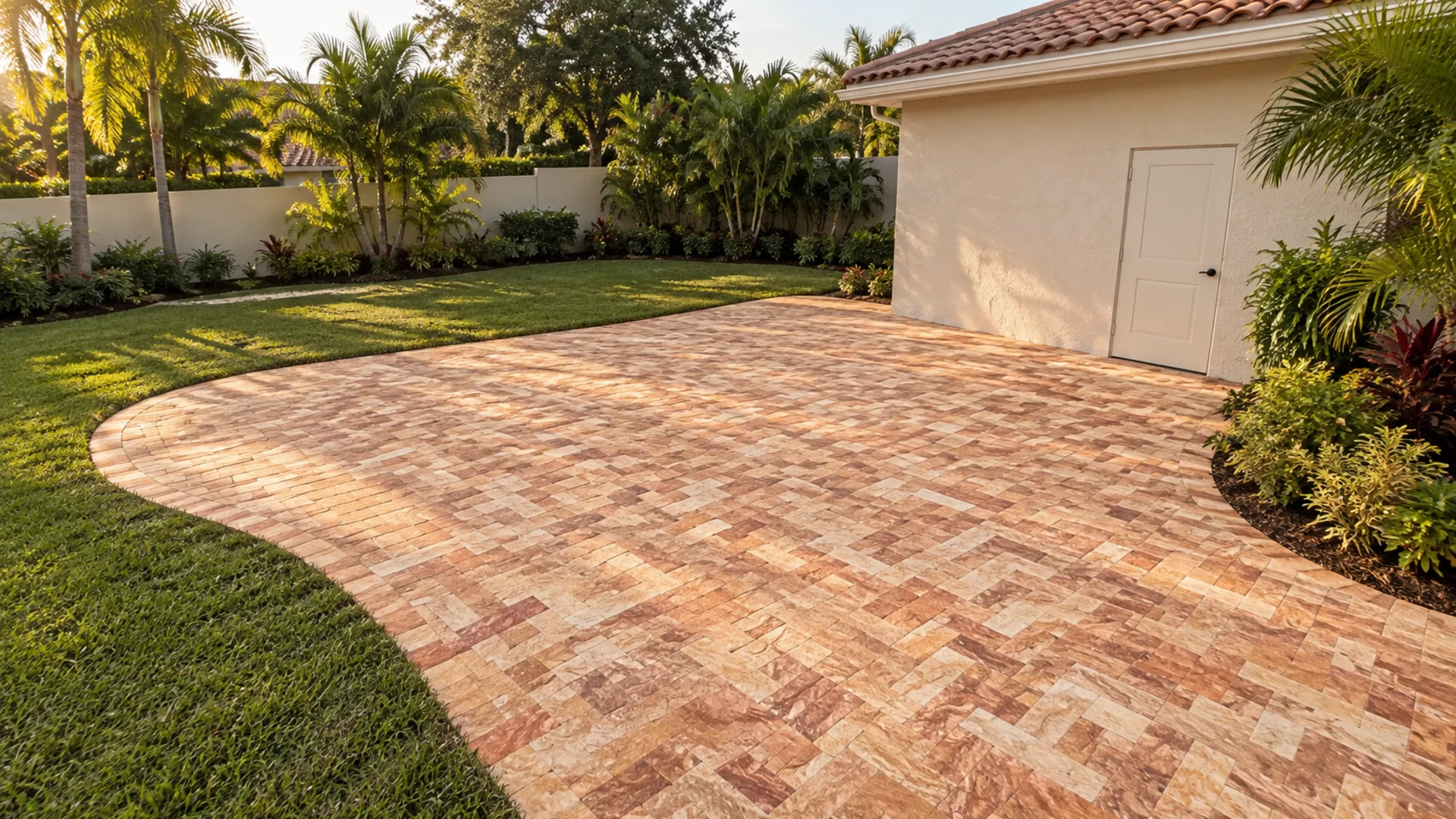
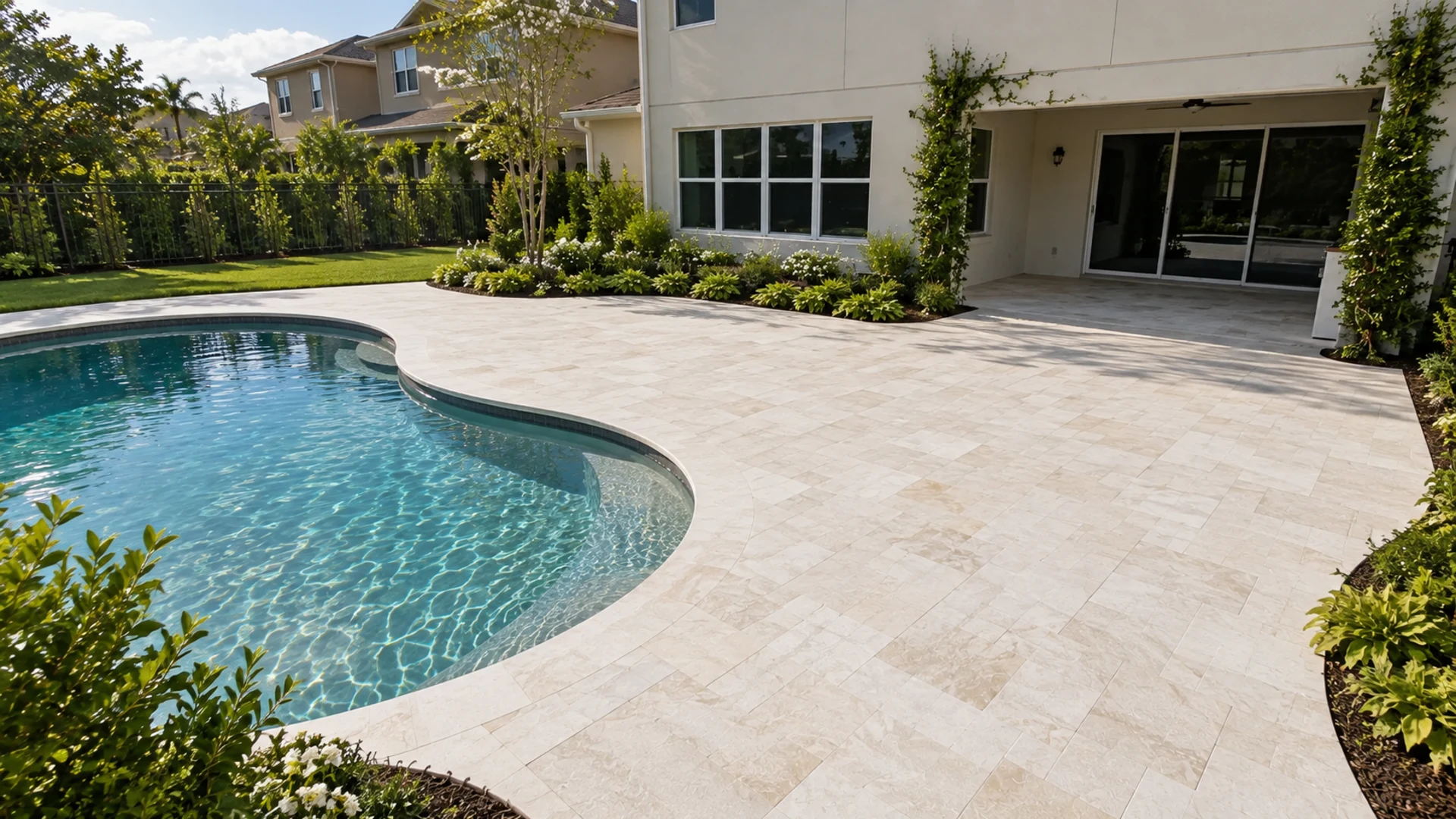
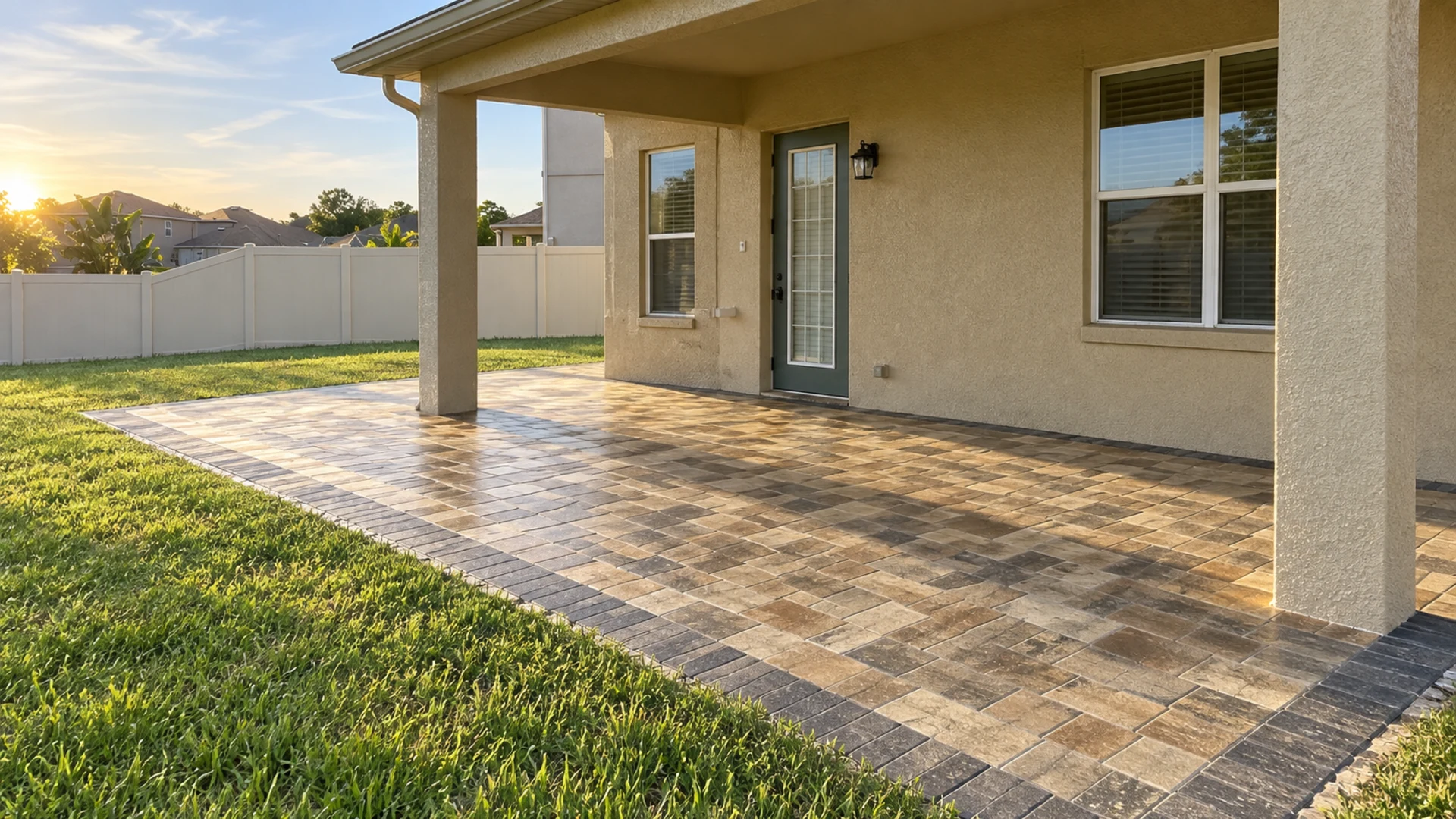
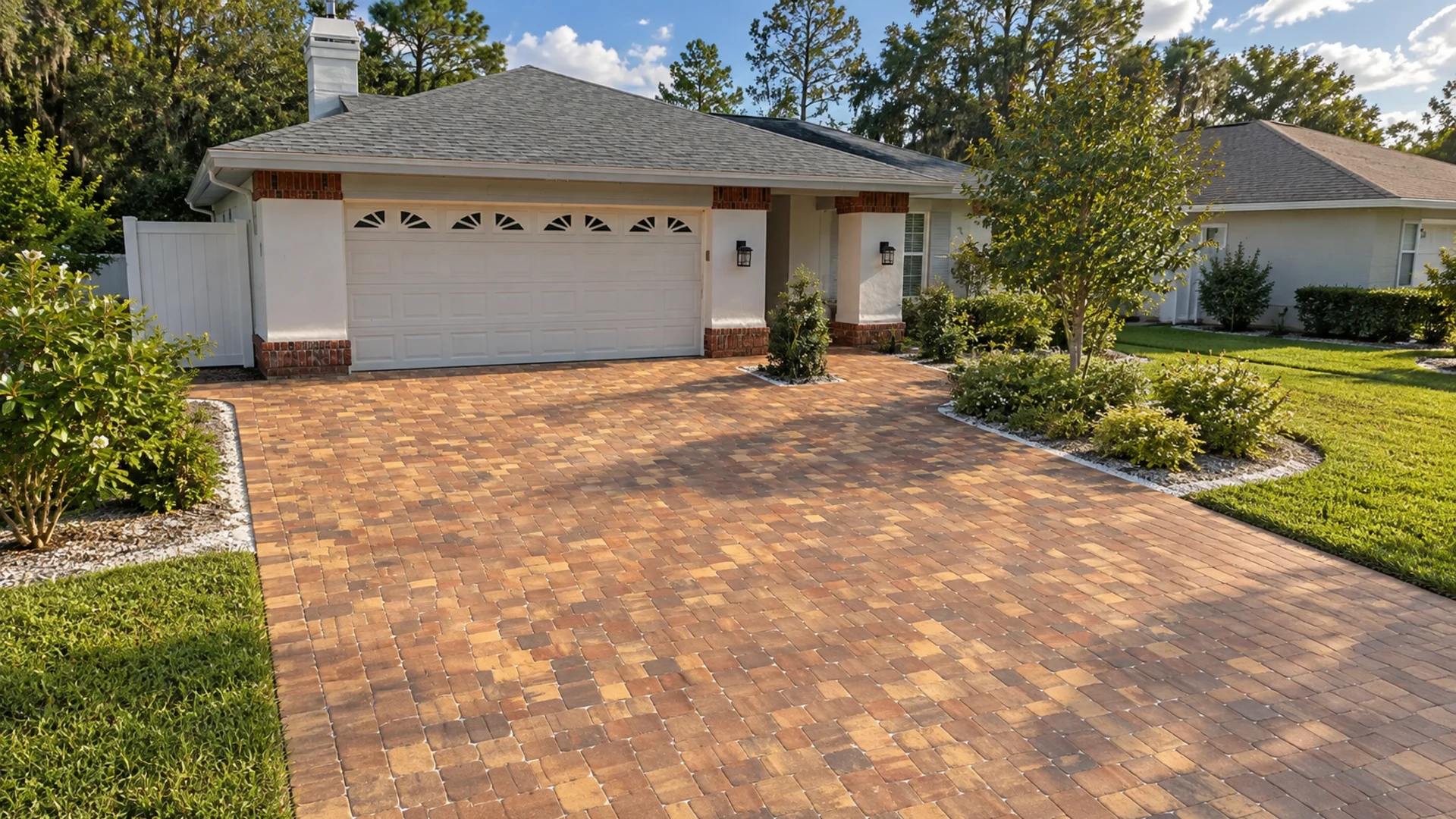
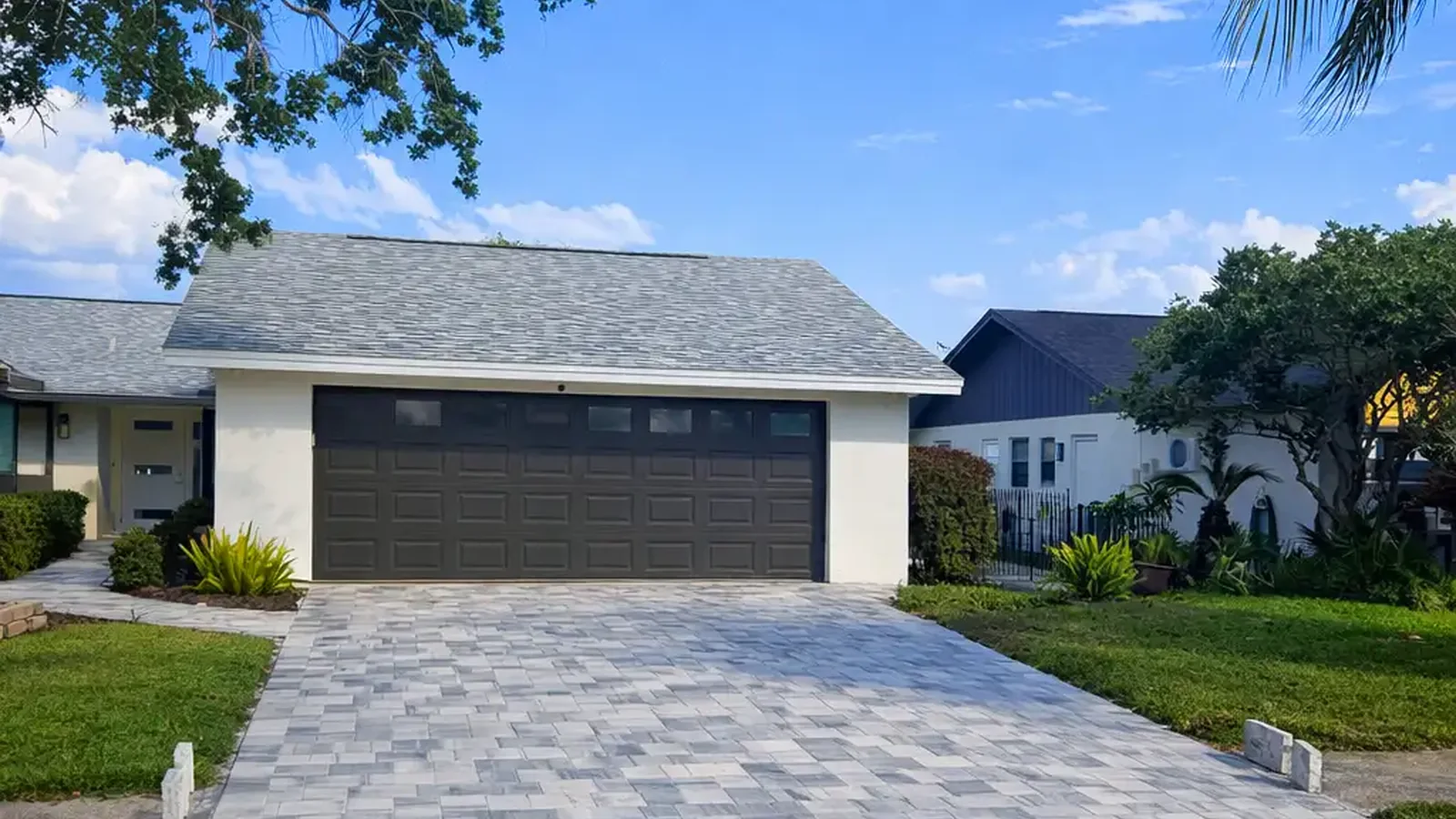
Keep the original design intent in view. A narrow contrasting border, a running-bond walk, or a shaped patio edge may have been deliberately arranged to frame the turf. Repairs should respect that geometry rather than forcing a straight line where the layout is curved or changing a visible color blend without checking what is already installed. If replacement material is needed, match from actual units and conditions on site. A name guessed from a web image is not a useful basis for a visible transition.
Water observations that are worth recording
Water does not need to pond to affect an edge. A light flow that repeatedly carries fine material across the turf-paver boundary can leave a clean-looking channel, a dusting of infill on the pavers, or damp debris at one corner. Note whether the condition appears after rain, a particular irrigation zone, roof runoff, or ordinary pool-area use. Also note where the water leaves the area. The question is not whether water ever touches an outdoor surface; it is whether its repeated path coincides with the change being investigated.
Do not block a visible path with caulk, soil, or loose material as a quick experiment. That can redirect water into another part of the deck or make later observation harder. A review may involve grade, drainage openings, planting edges, or the way several features meet. Until that review, basic housekeeping is appropriate: clear leaves, keep drainage areas accessible, and avoid directing concentrated hose flow at the separation.
Set practical expectations for the finished line
A good repair conversation describes appearance and function separately. Appearance includes a clean, even transition that fits the existing curves and borders. Function includes secure turf support, appropriate containment of loose material, stable walking areas, and water behavior that is not made worse by the work. A precise expectation is more helpful than asking for a gap to disappear at any cost. Natural outdoor materials and changing site conditions still deserve observation after the initial correction.
Before work begins, remove movable items from the immediate area and identify access routes that would place repeated weight on a newly corrected edge. This small preparation protects the transition during the period when its appearance and behavior are being observed. It also makes follow-up photographs easier to compare because furniture, mats, and loose debris are not obscuring the same reference points.
A clean edge starts with an accurate story
The best response to turf edge separation near pavers is not to hide the gap immediately. Identify whether the visible change belongs to the turf, the infill, water movement, the paver edge, or a combination of those conditions. Preserve the evidence, protect the existing layout, and make sure the repair scope matches what can actually be observed. That approach keeps a crisp transition from becoming a vague, repeated patch.
Finally, when you are ready to transform your yard with low-maintenance turf, review the services, see completed projects, read testimonials, and check the FAQ before requesting a free consultation through the contact page. Follow Dr Pavers Design on Instagram and Facebook, or review the company on Google. Open Google Maps, send a WhatsApp message, call +1 (656) 600-4015, send a text message, or email drpavers@outlook.com for a free consultation anywhere in Tampa Bay.