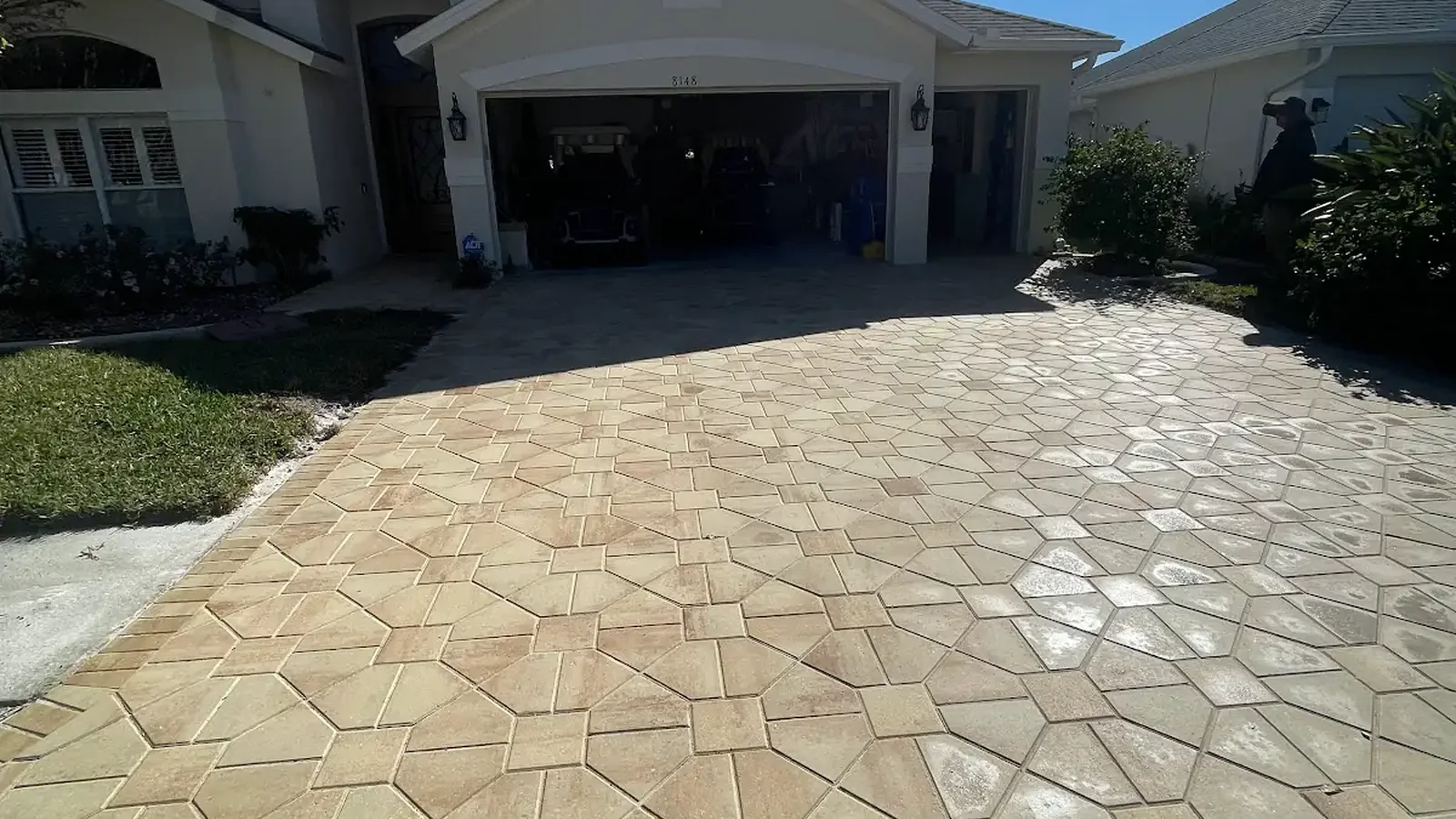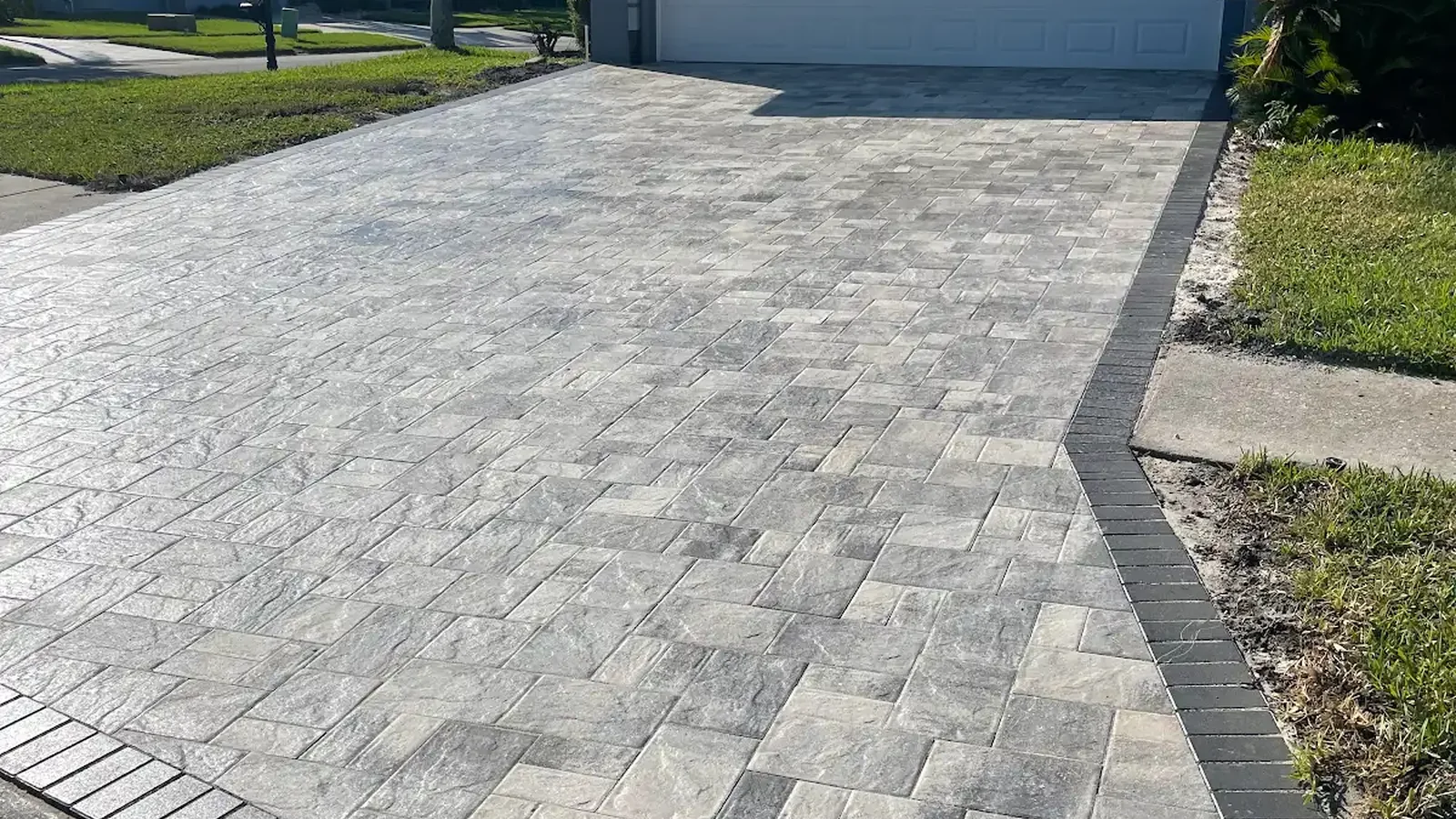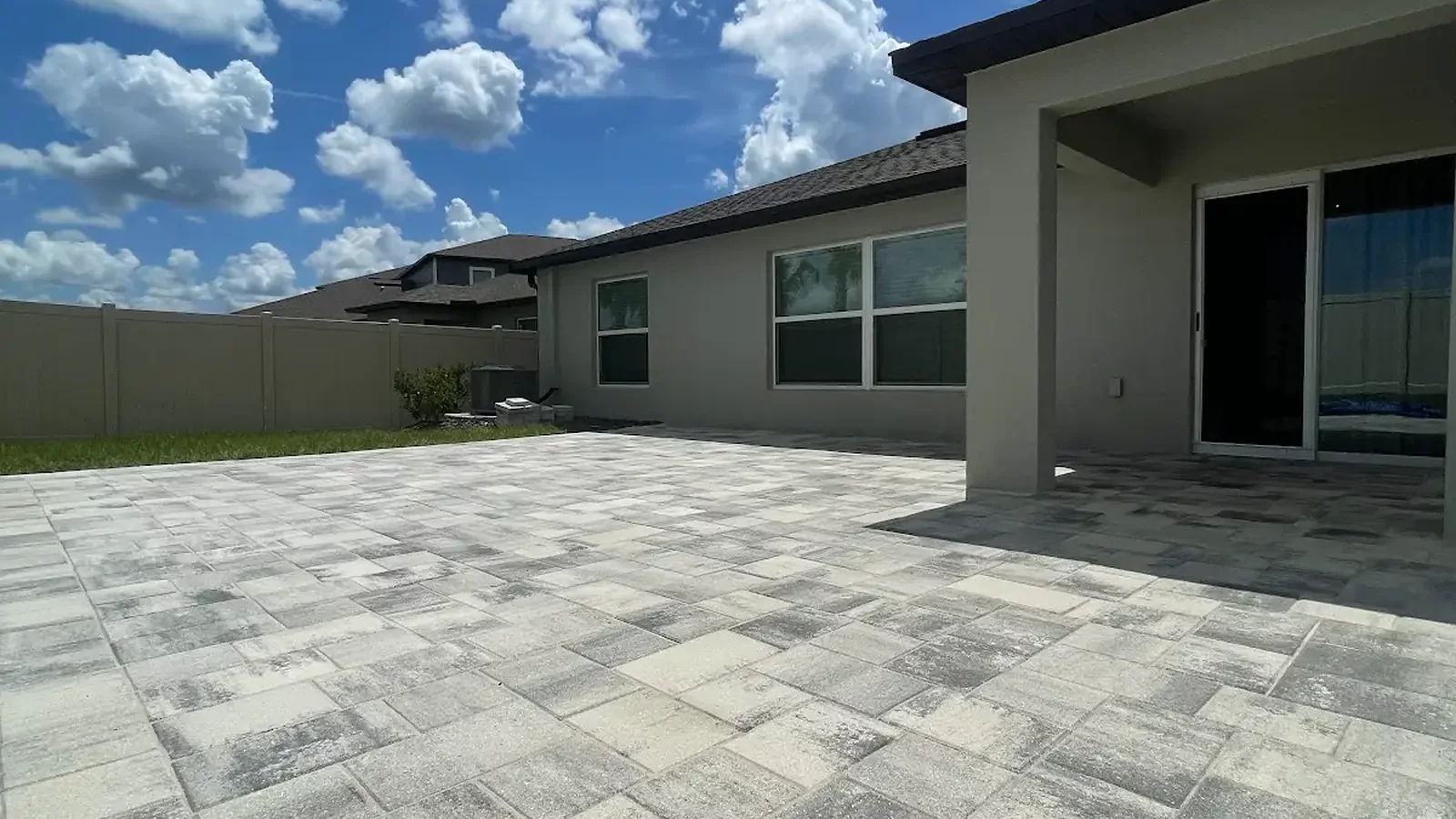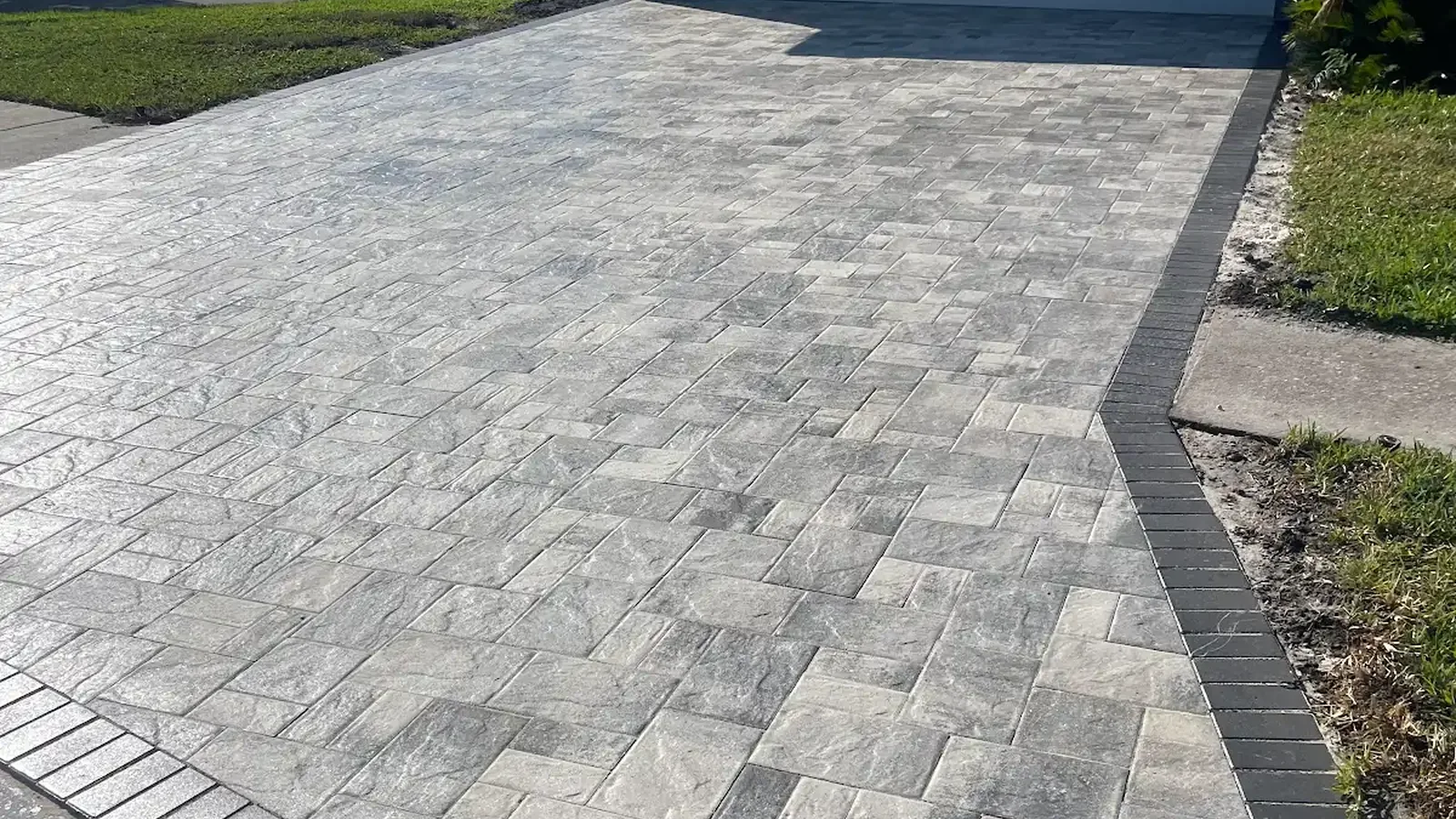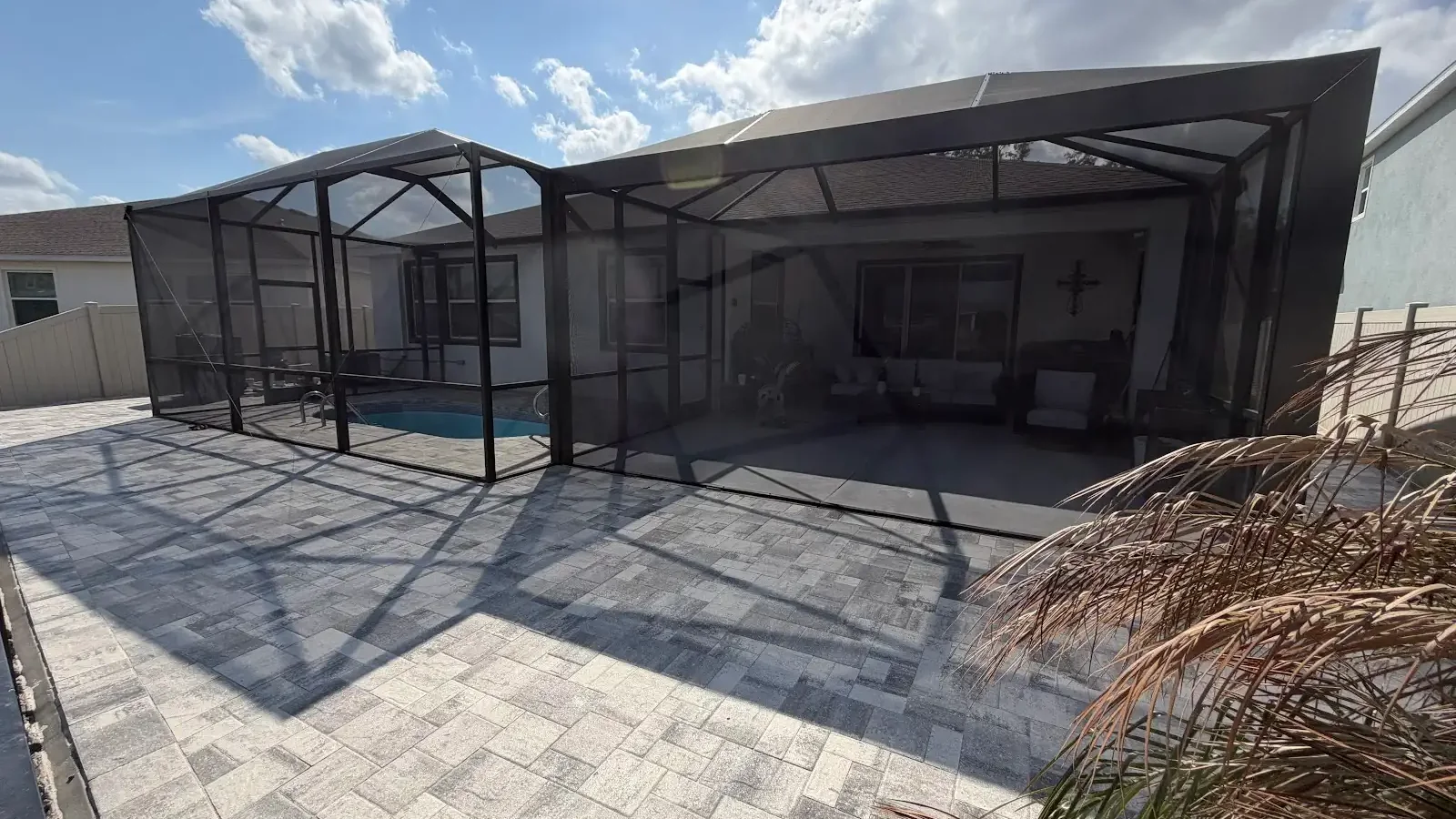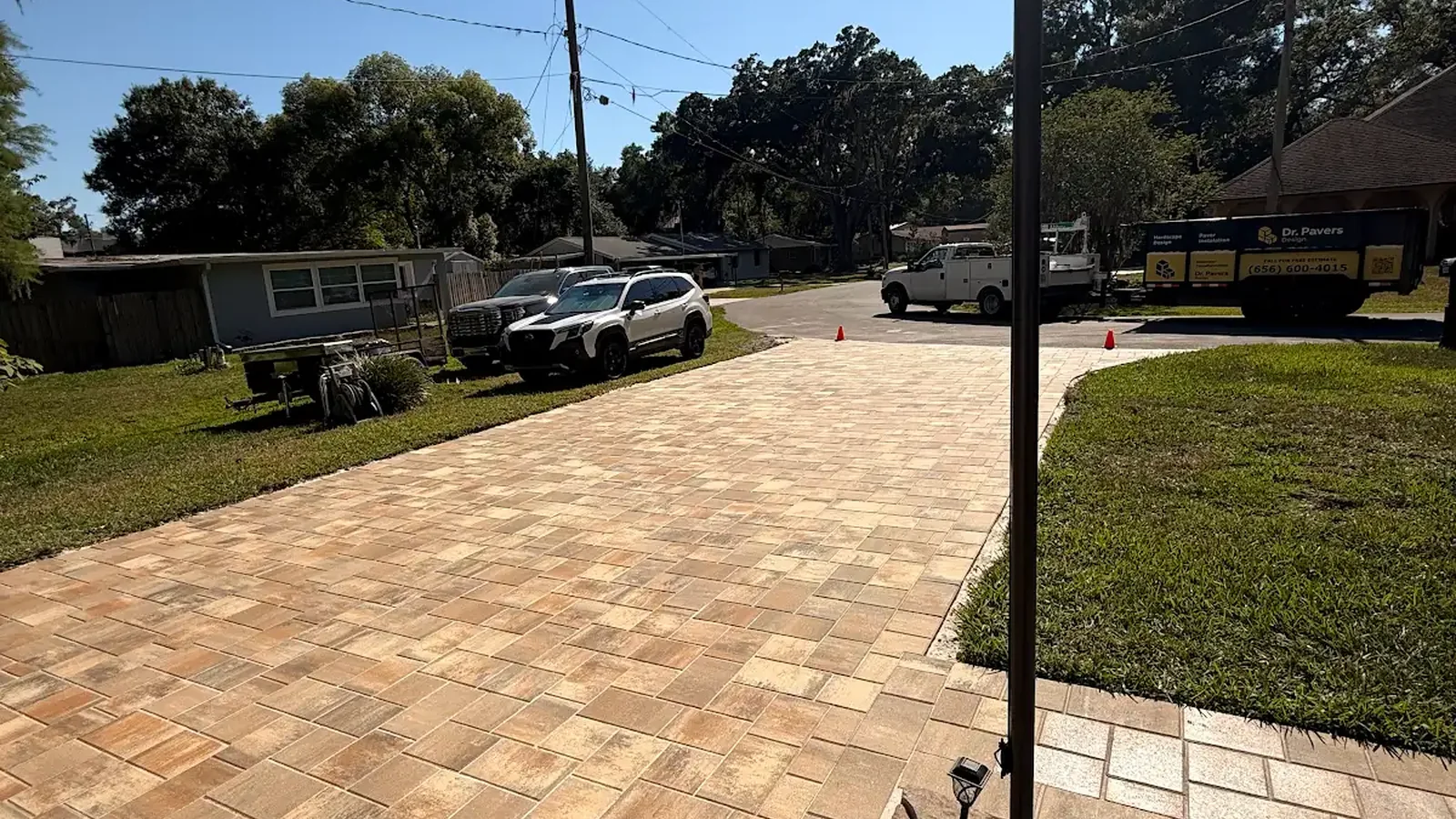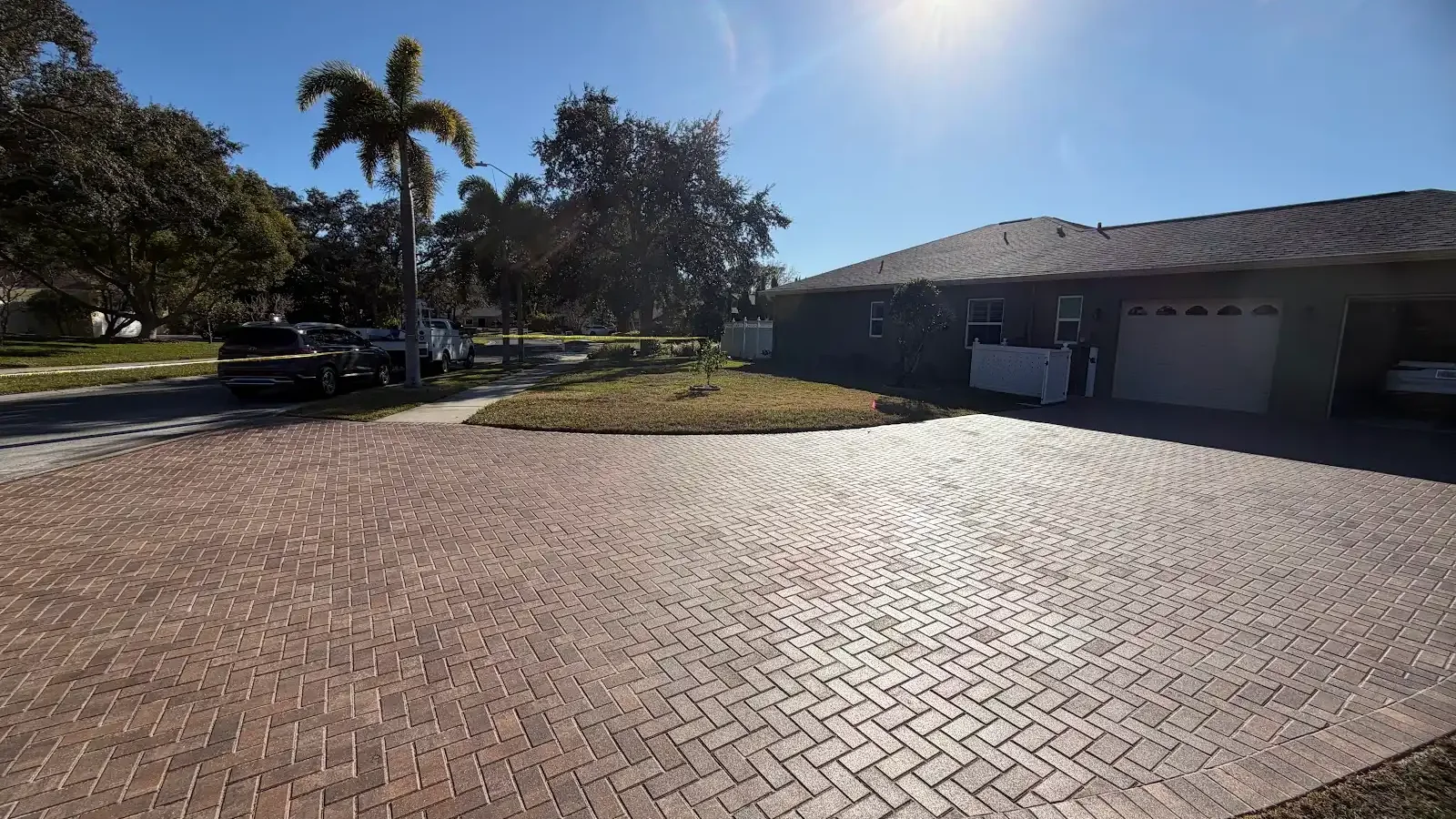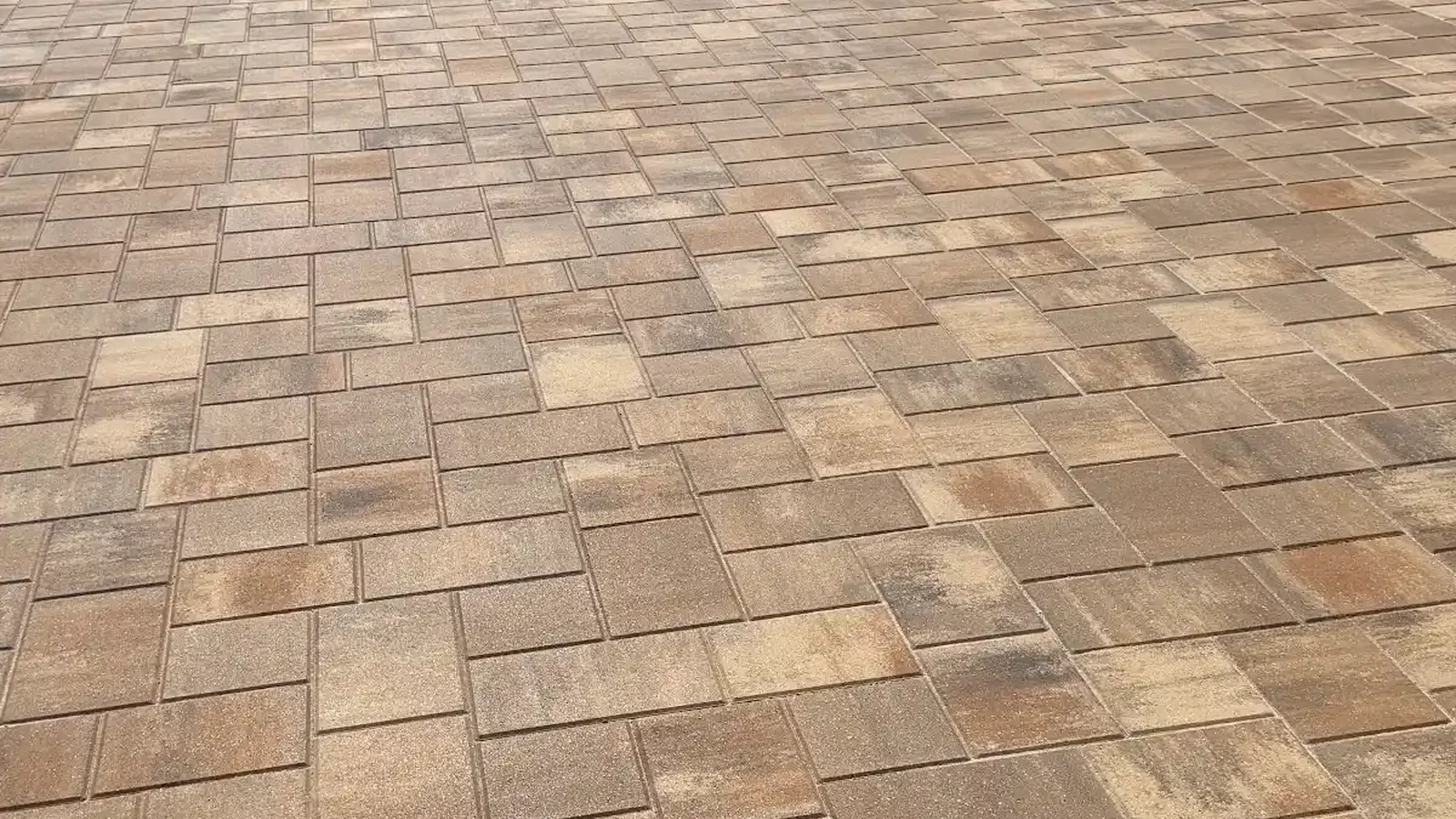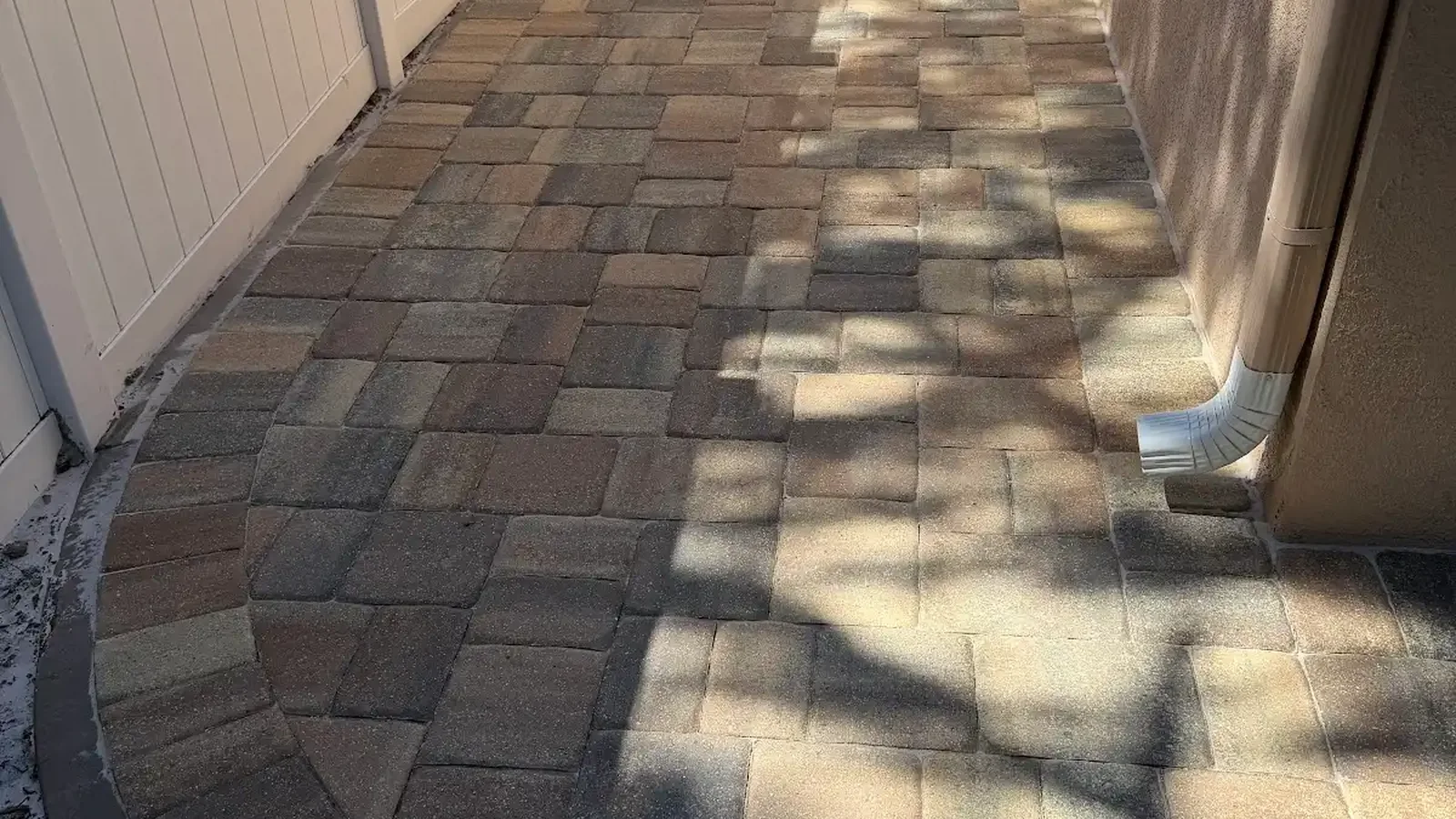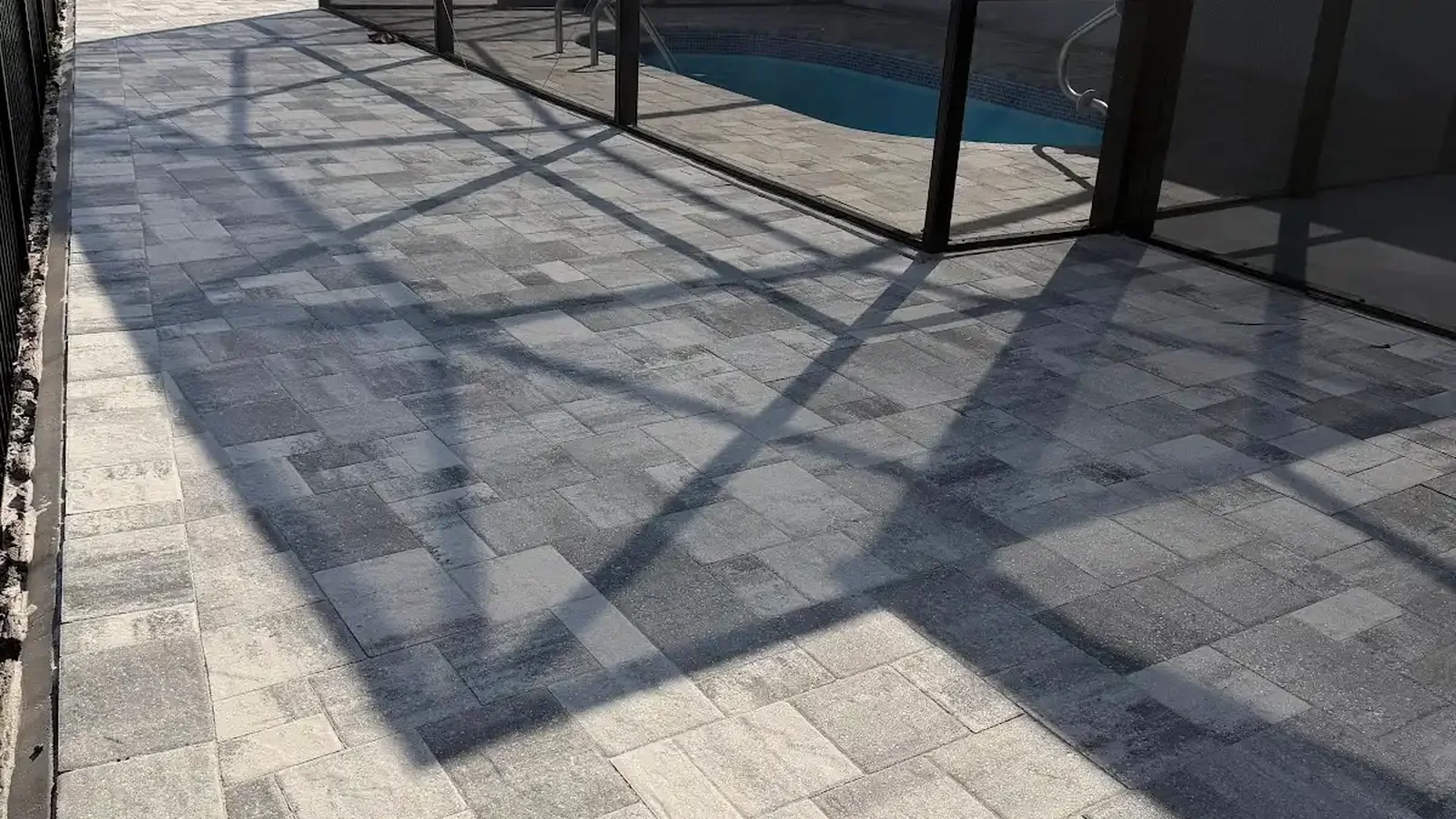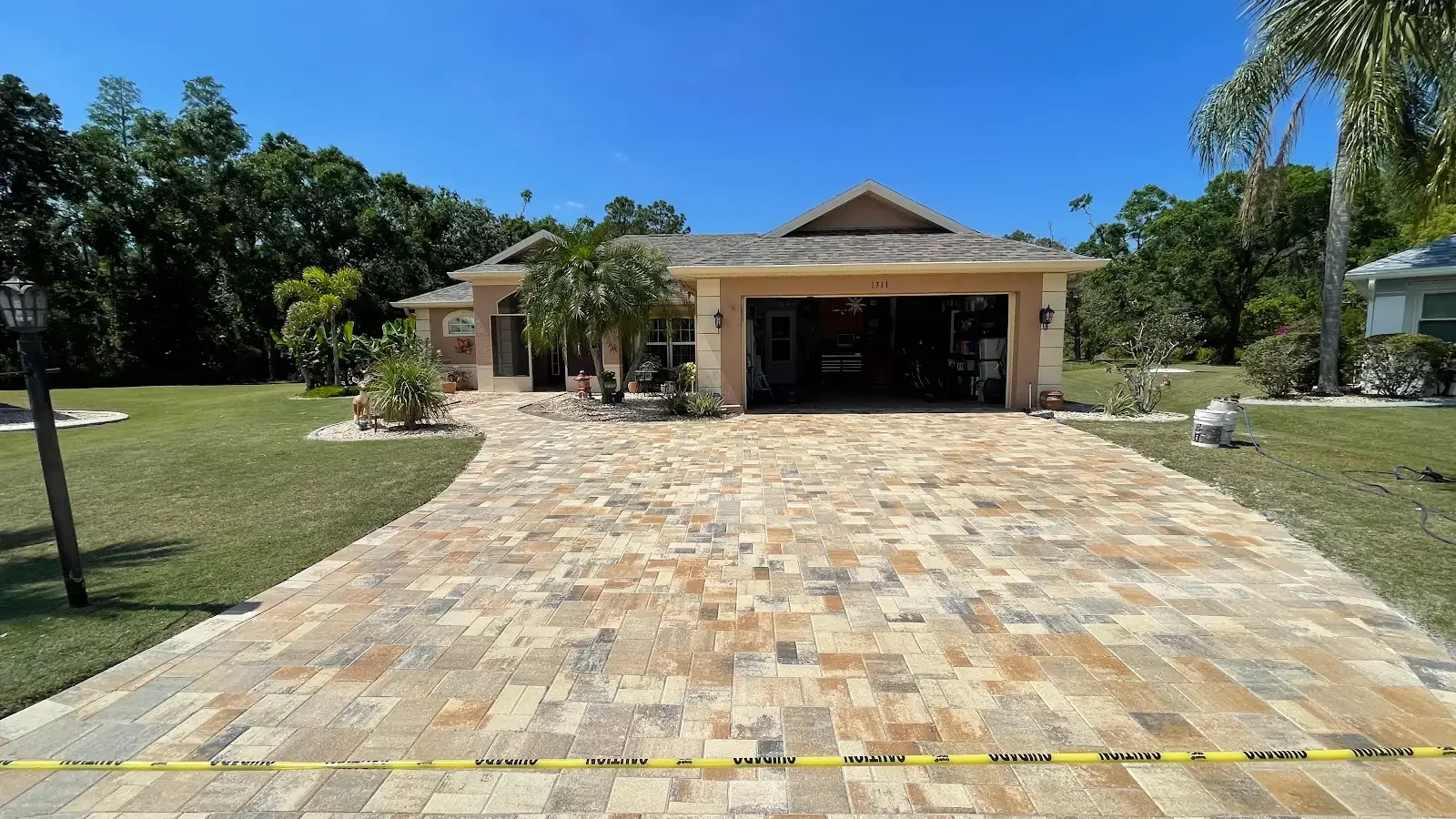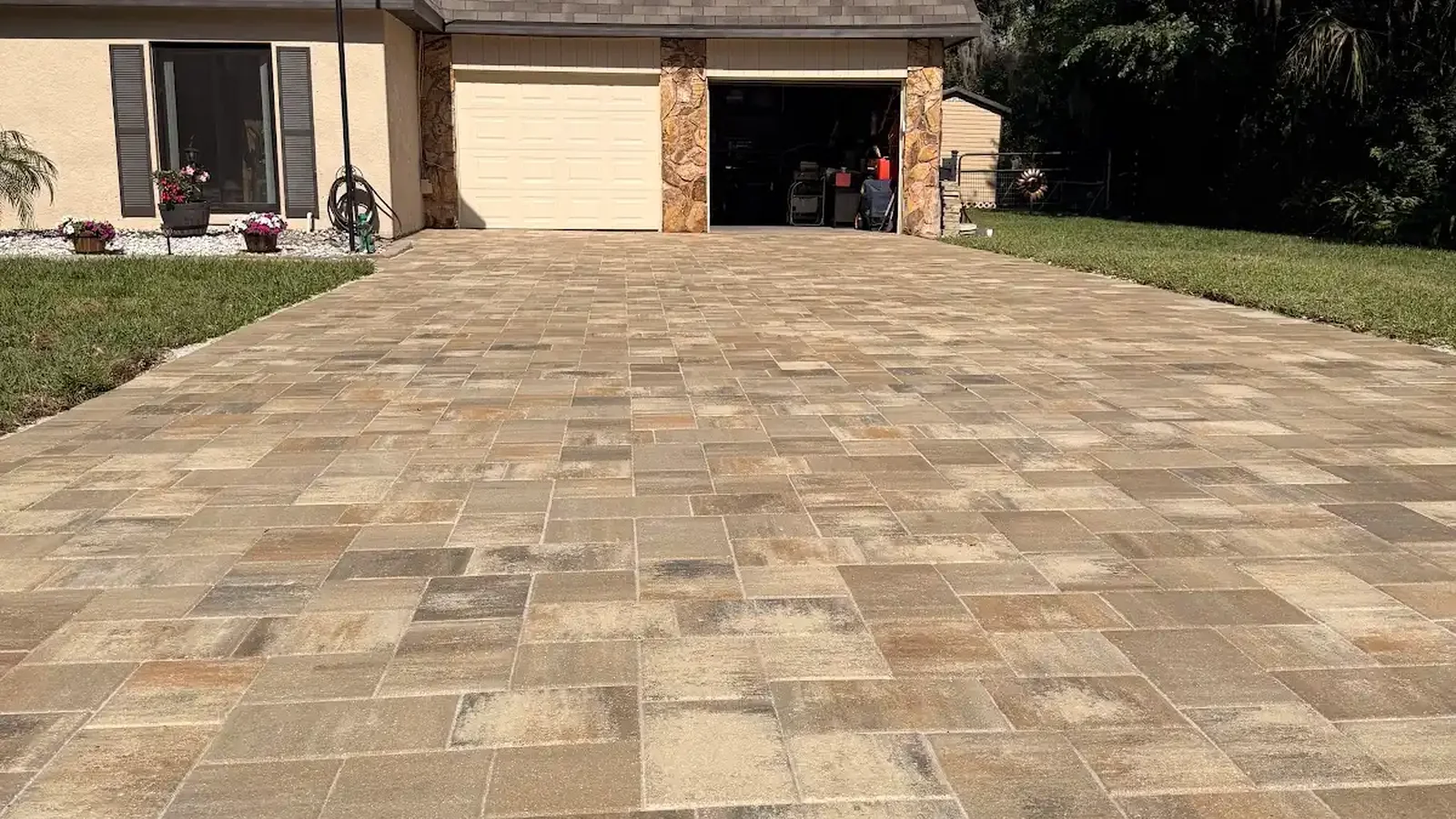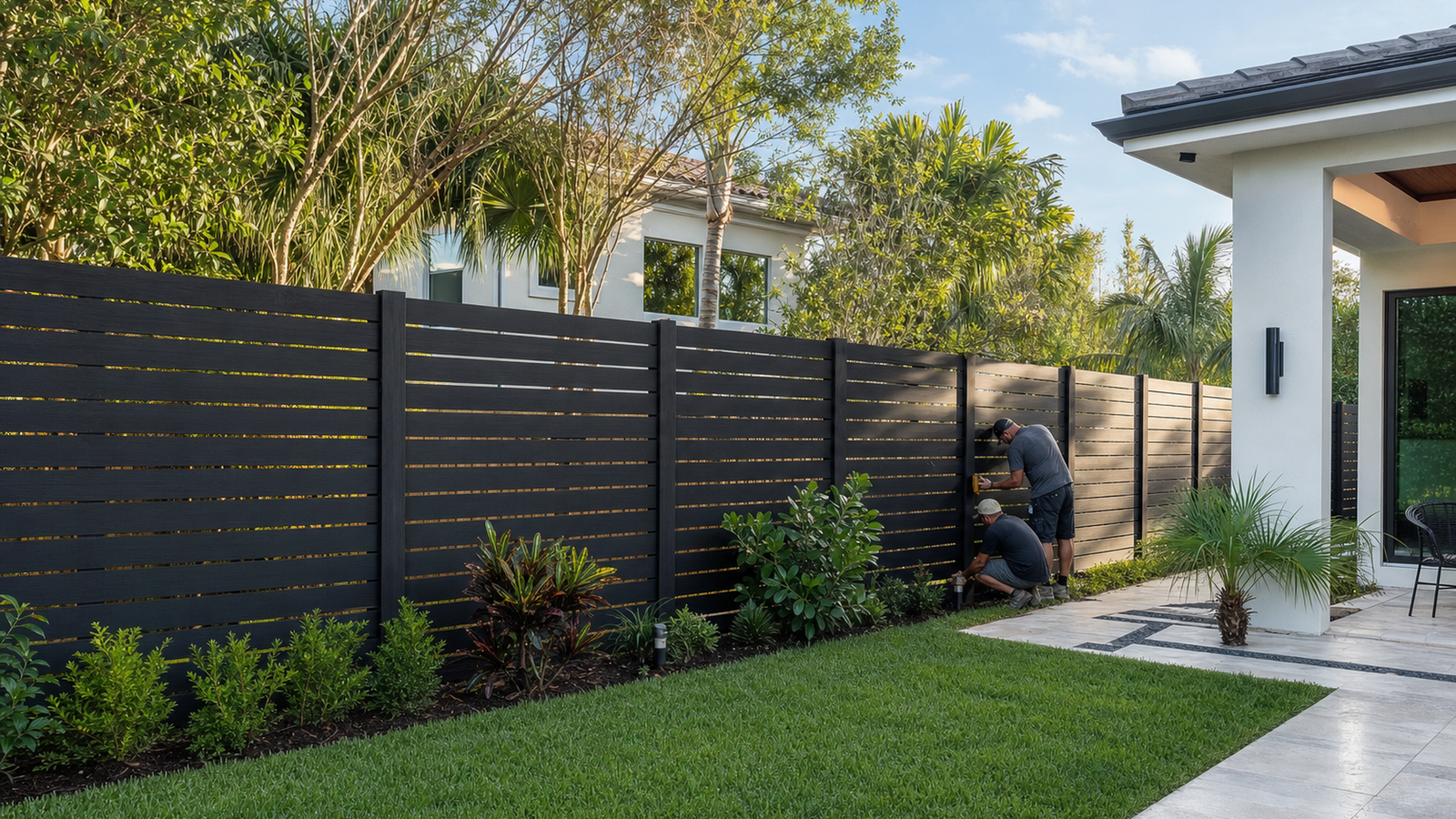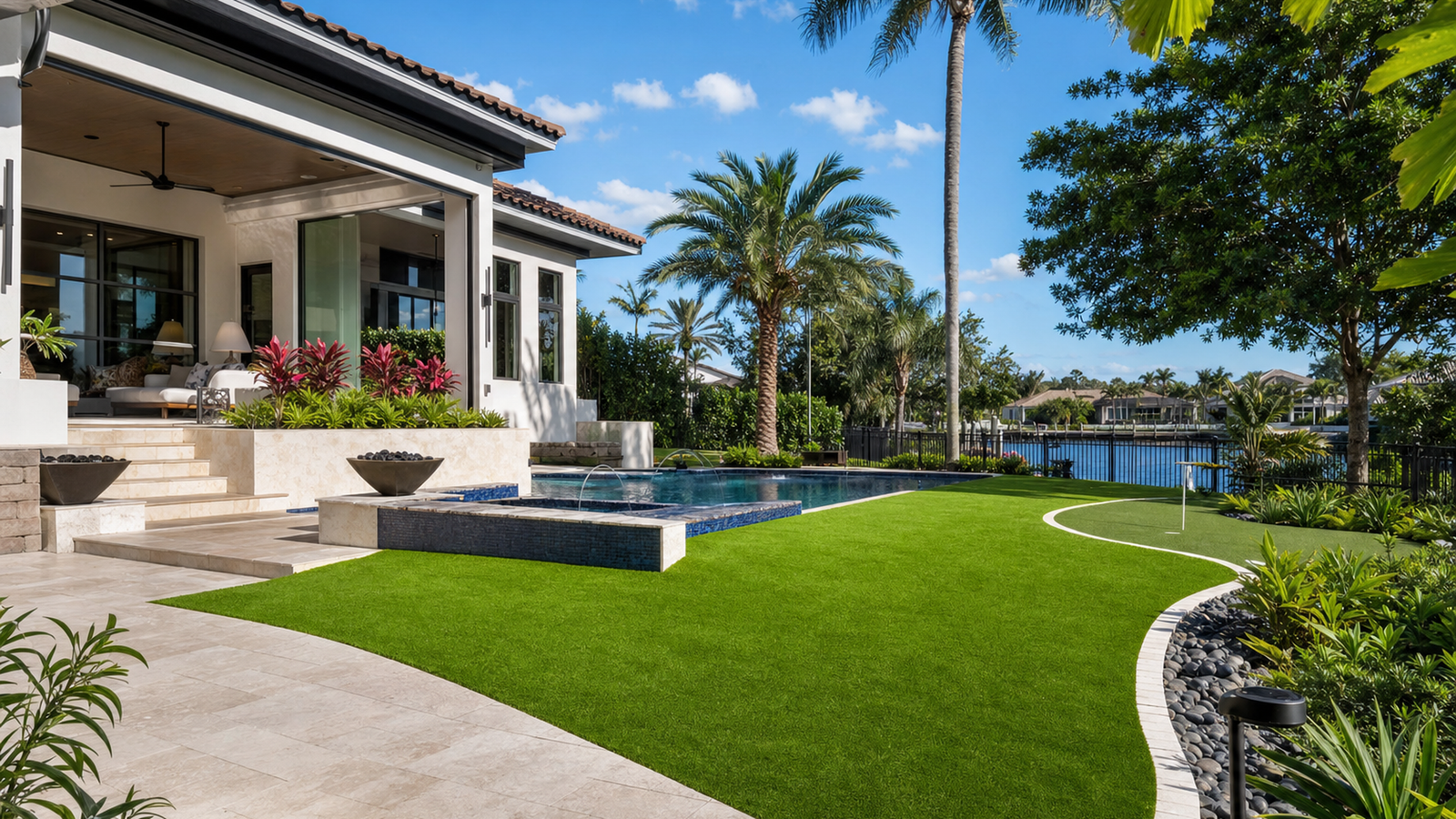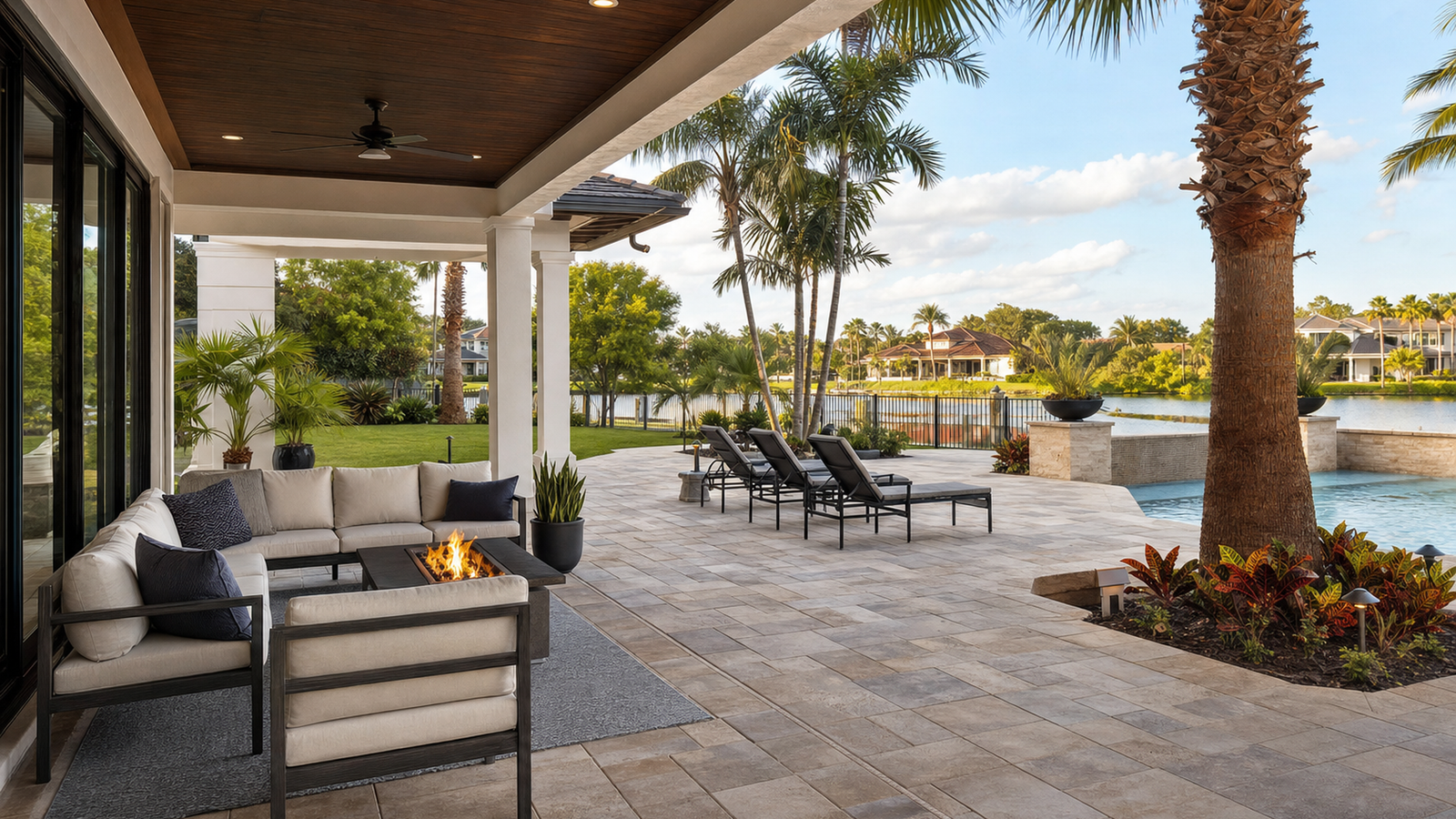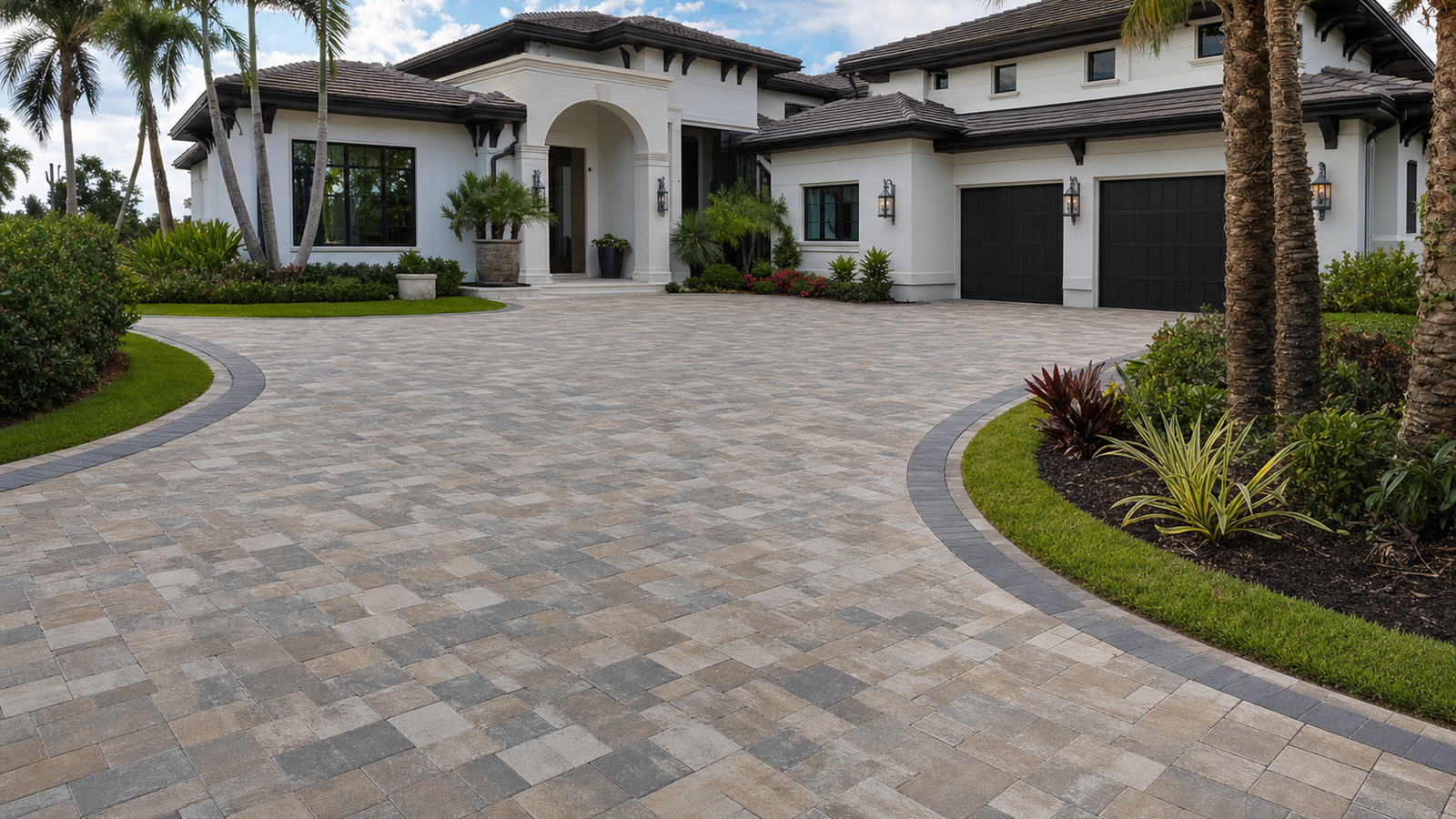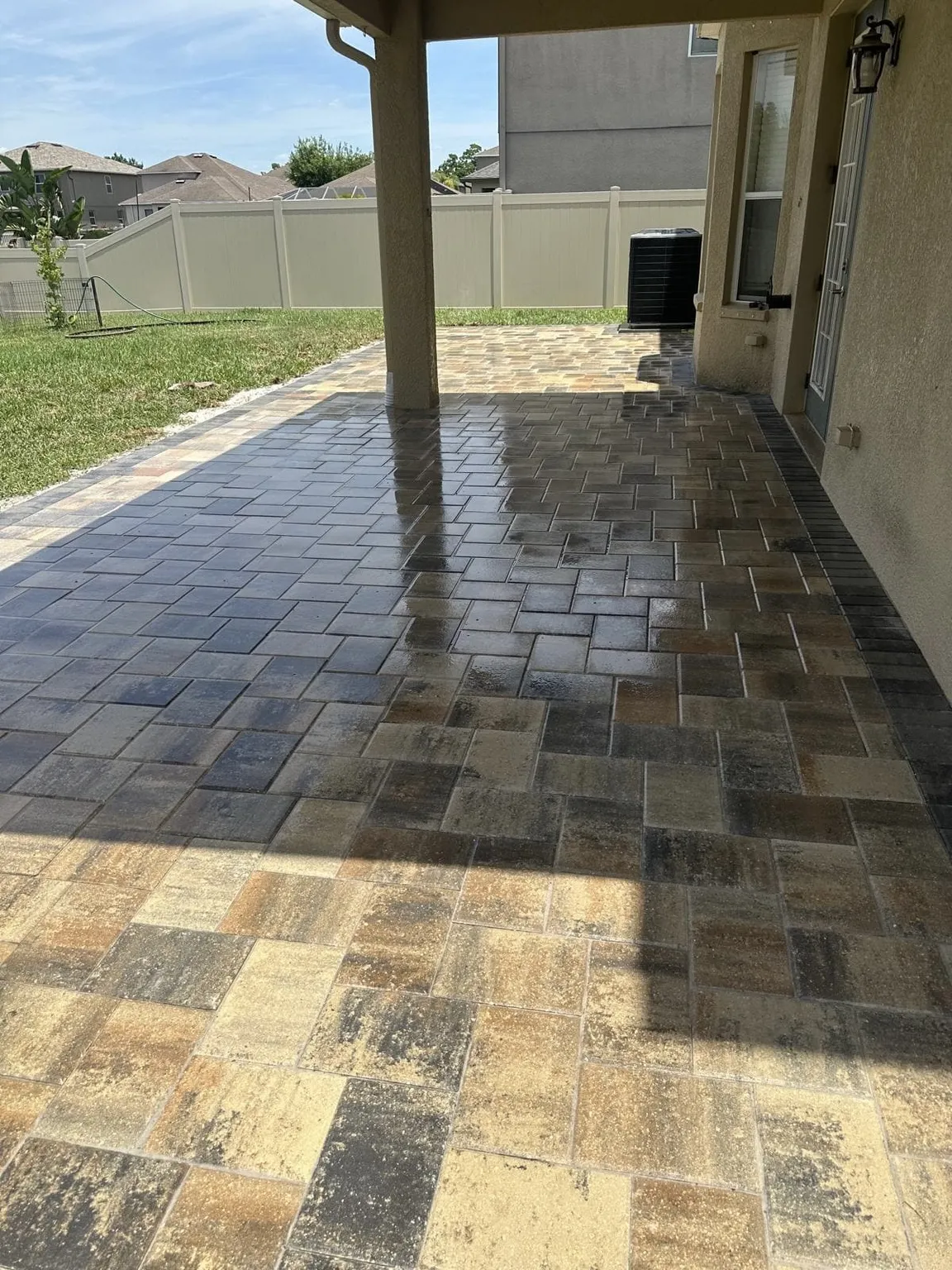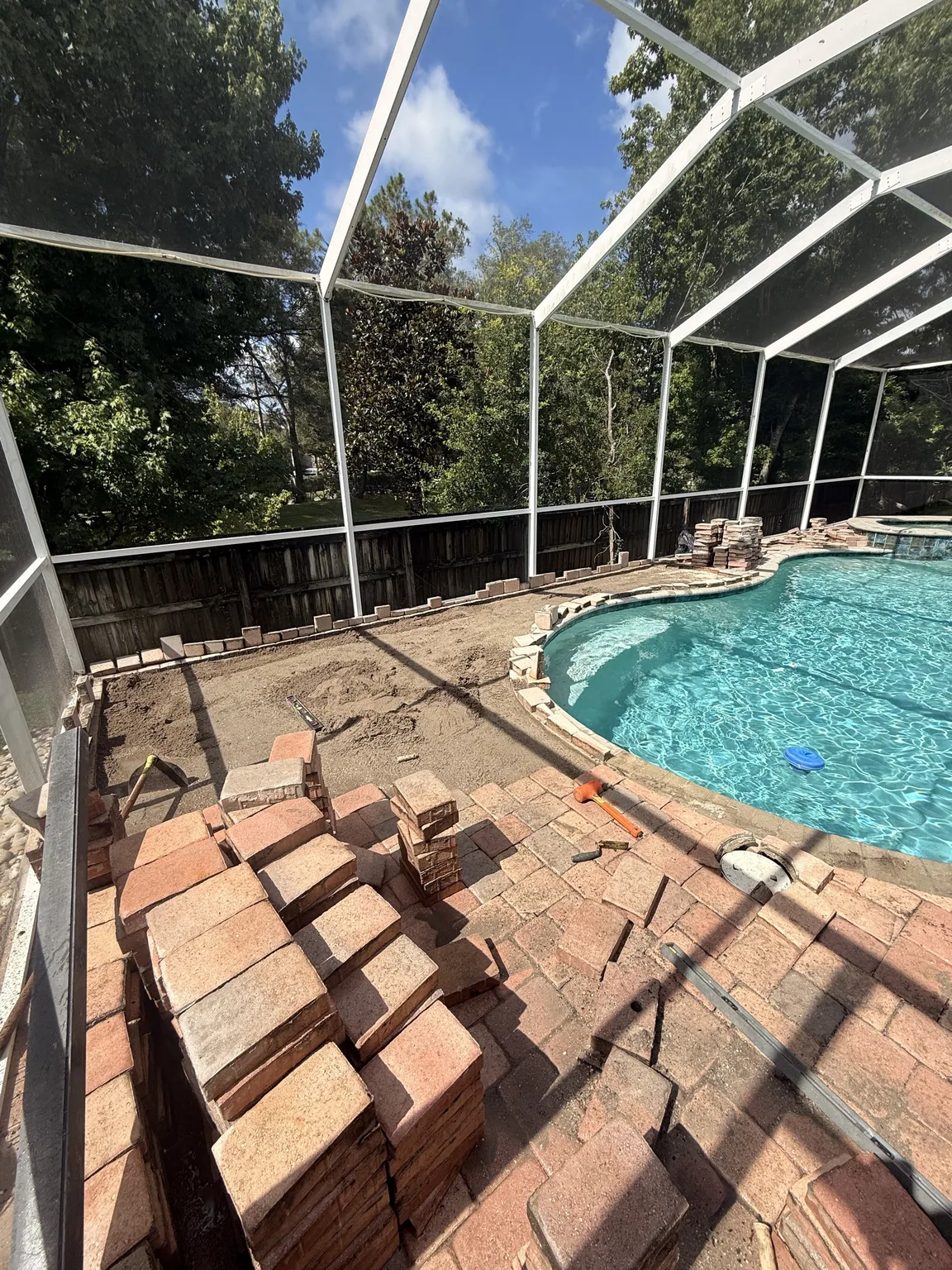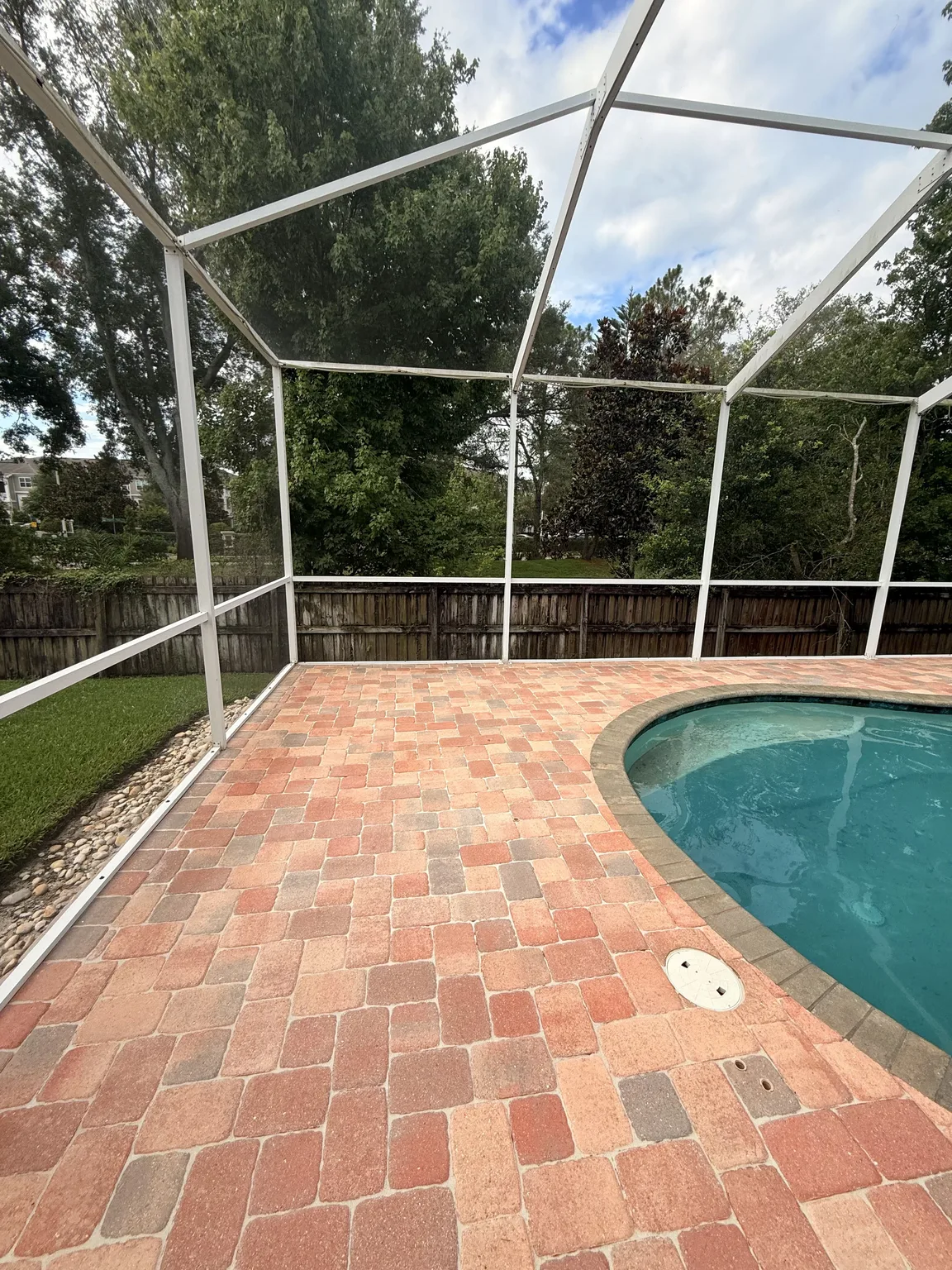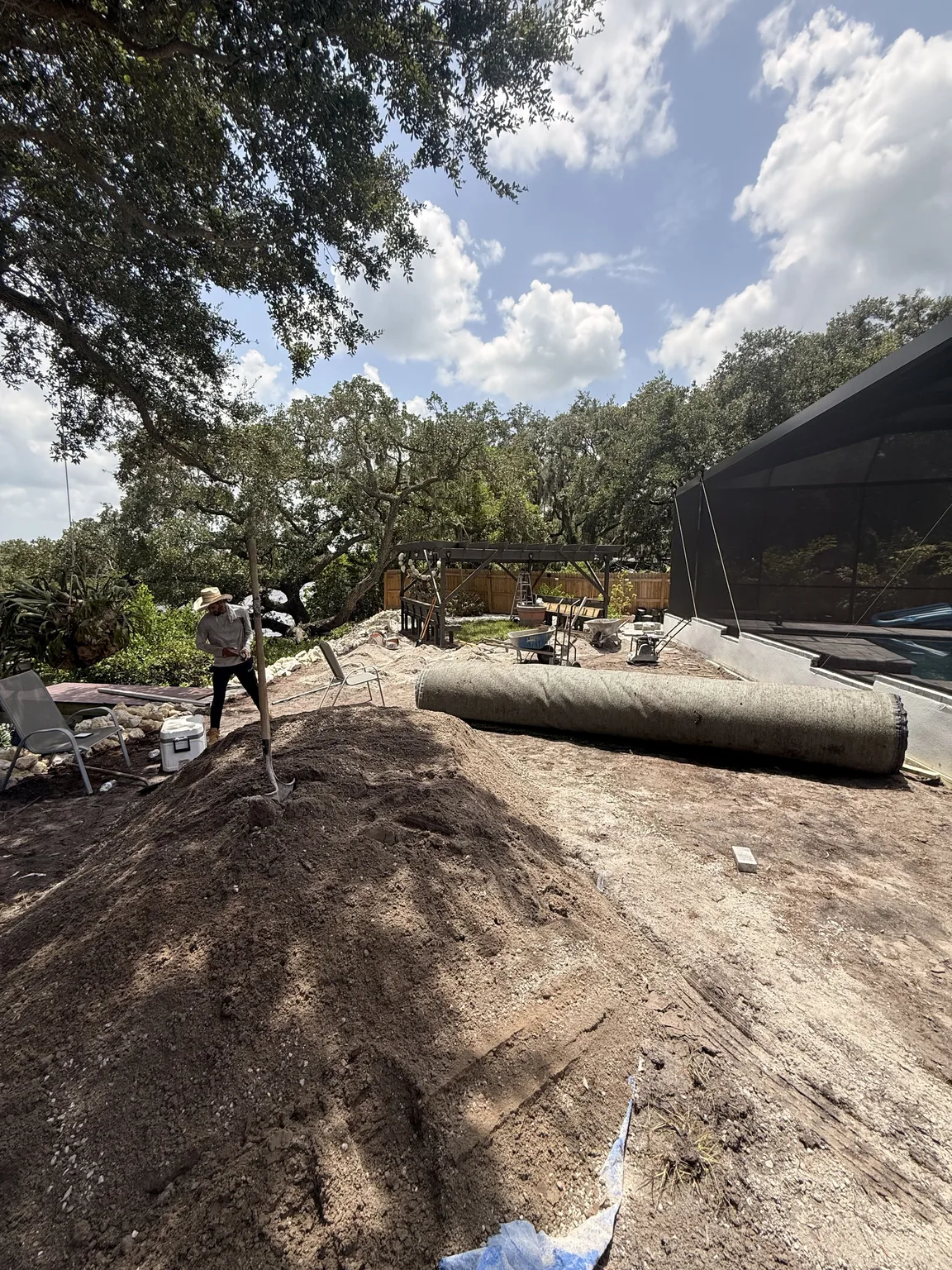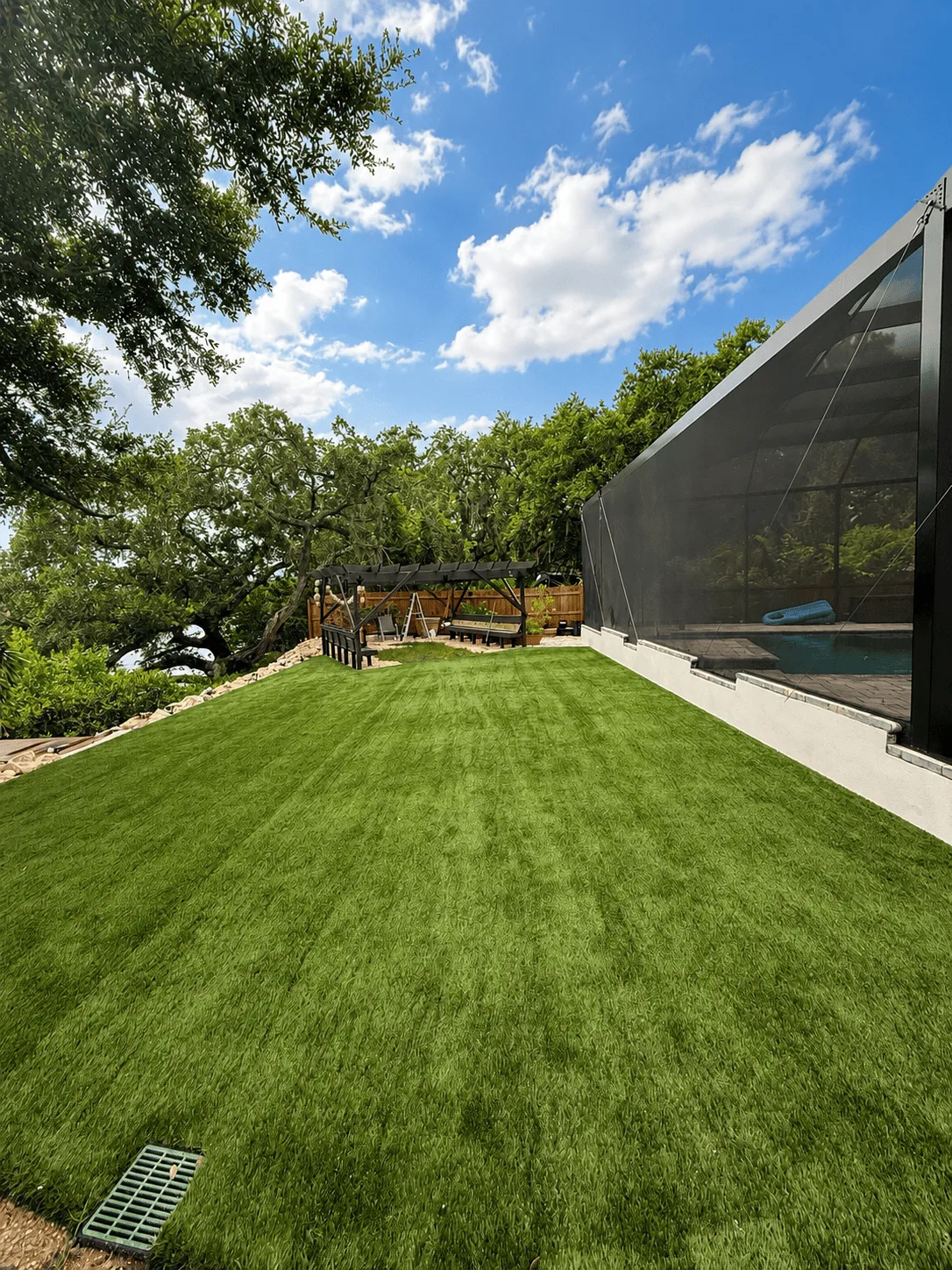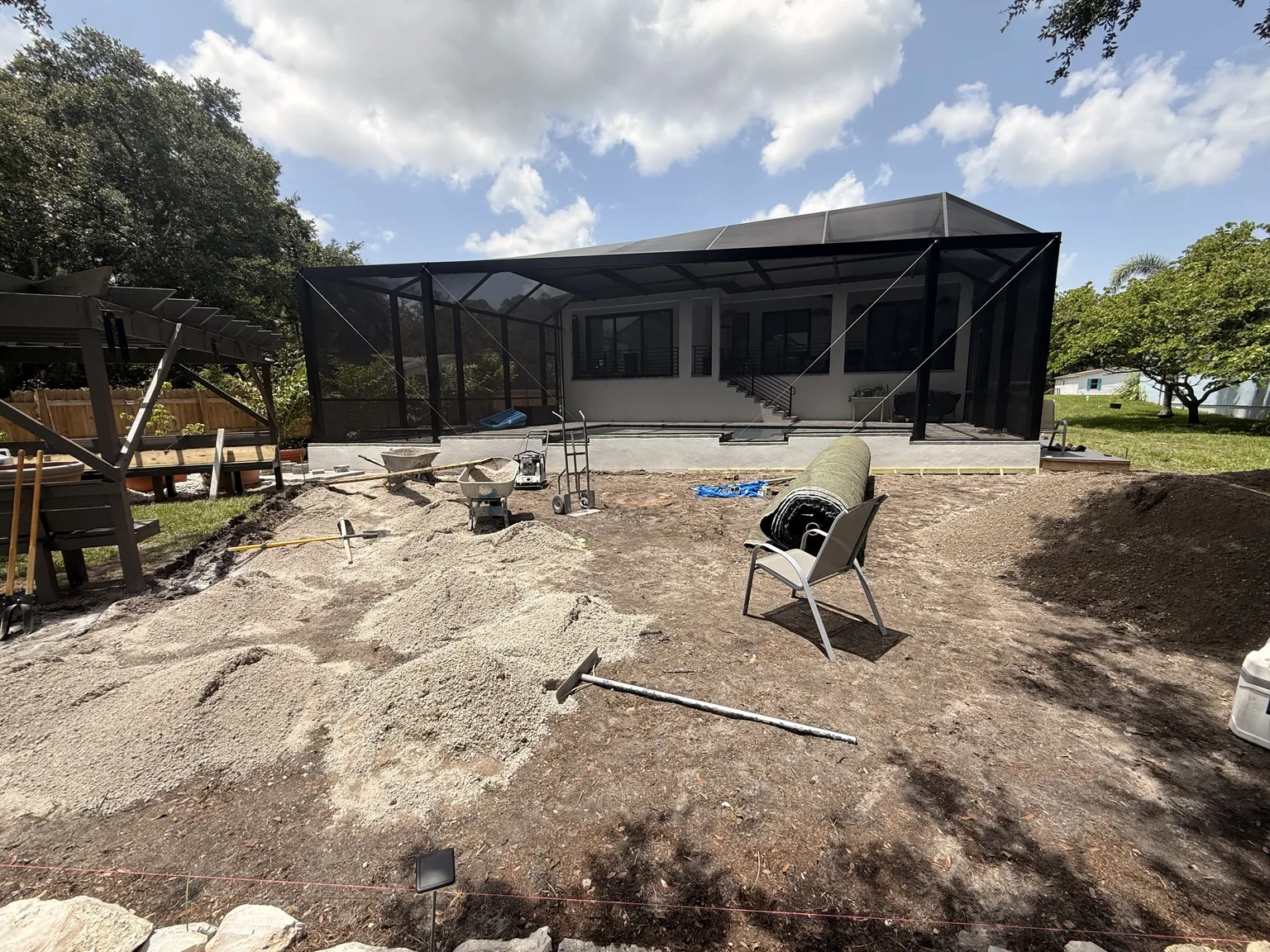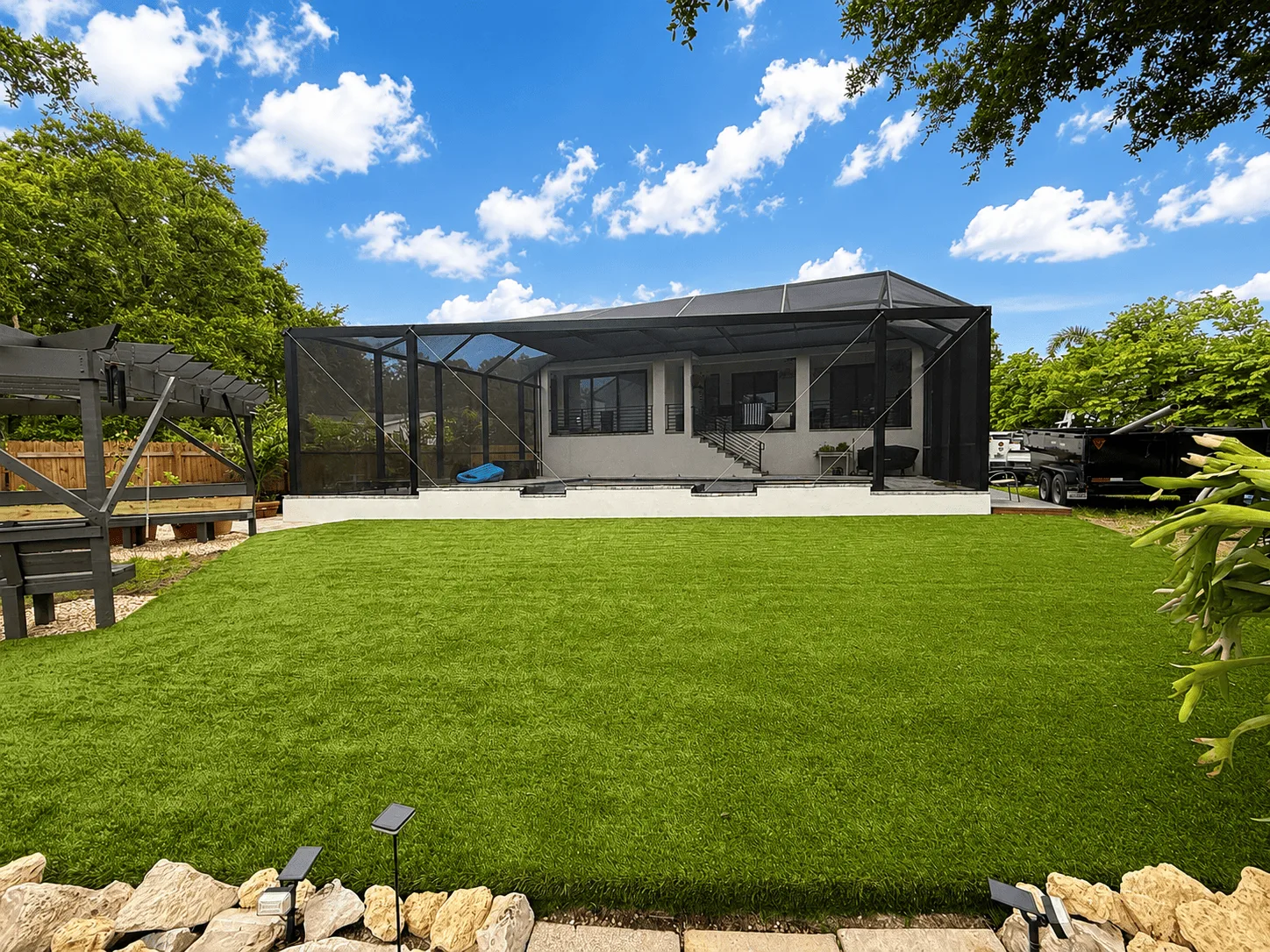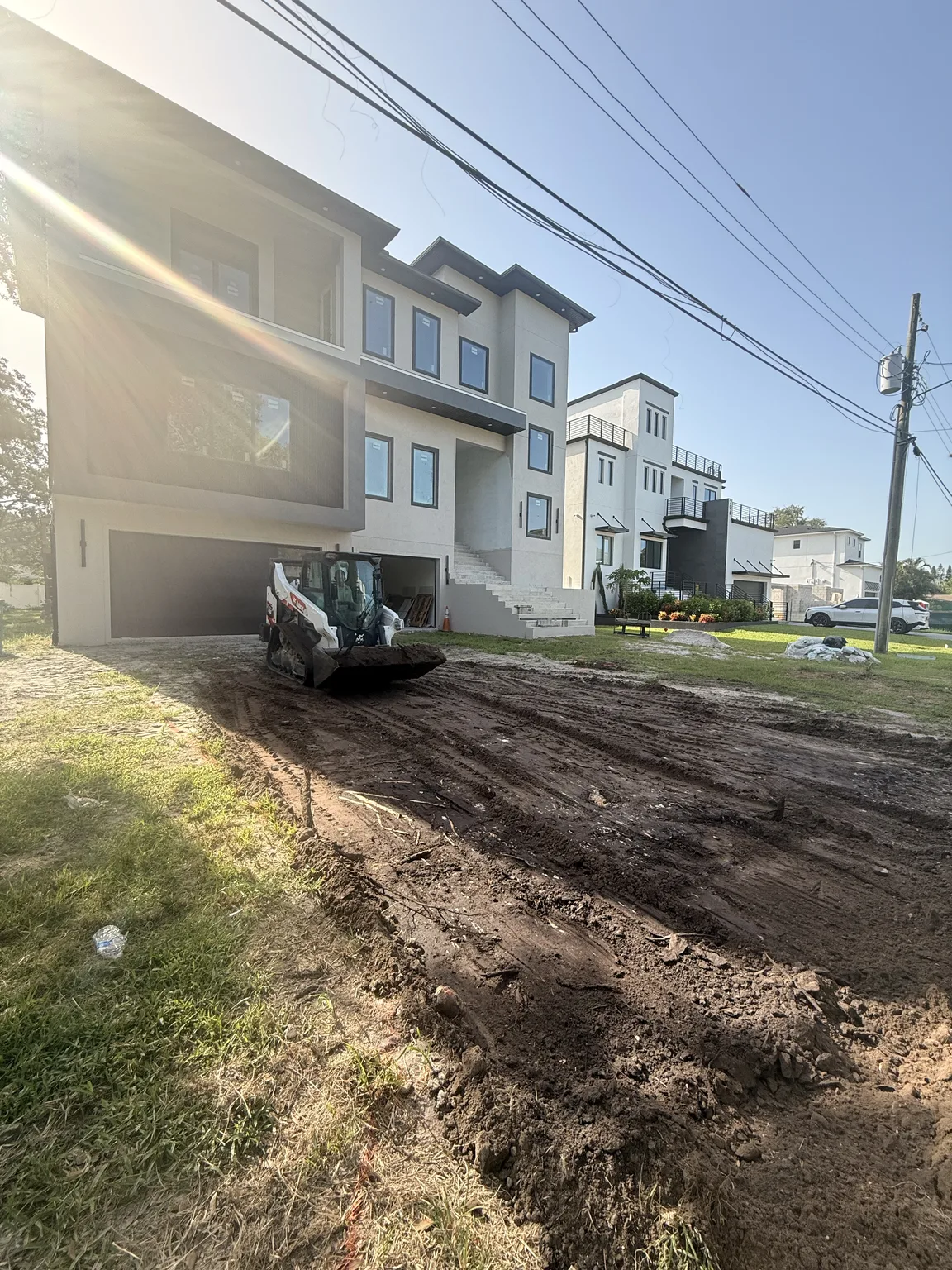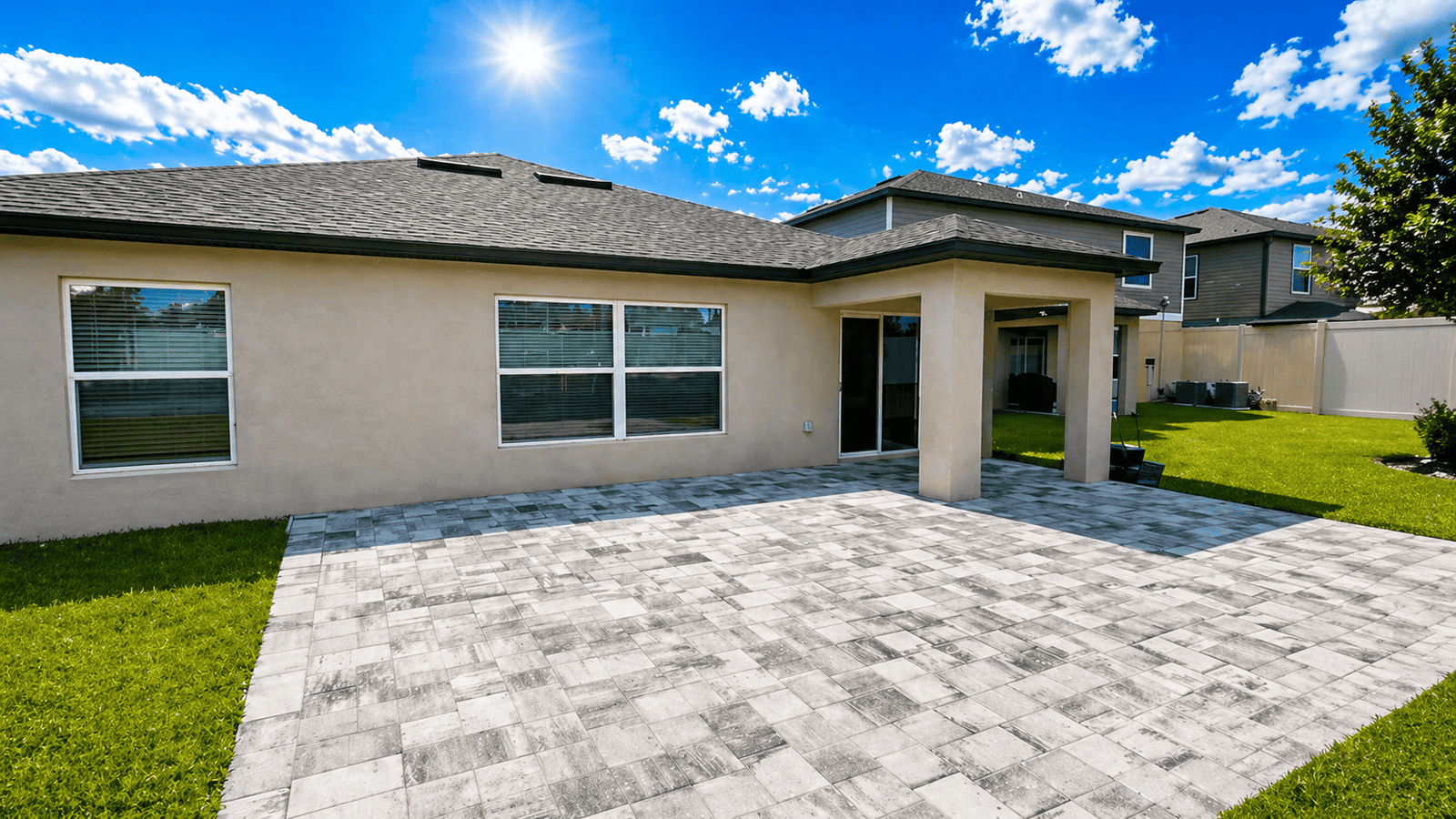
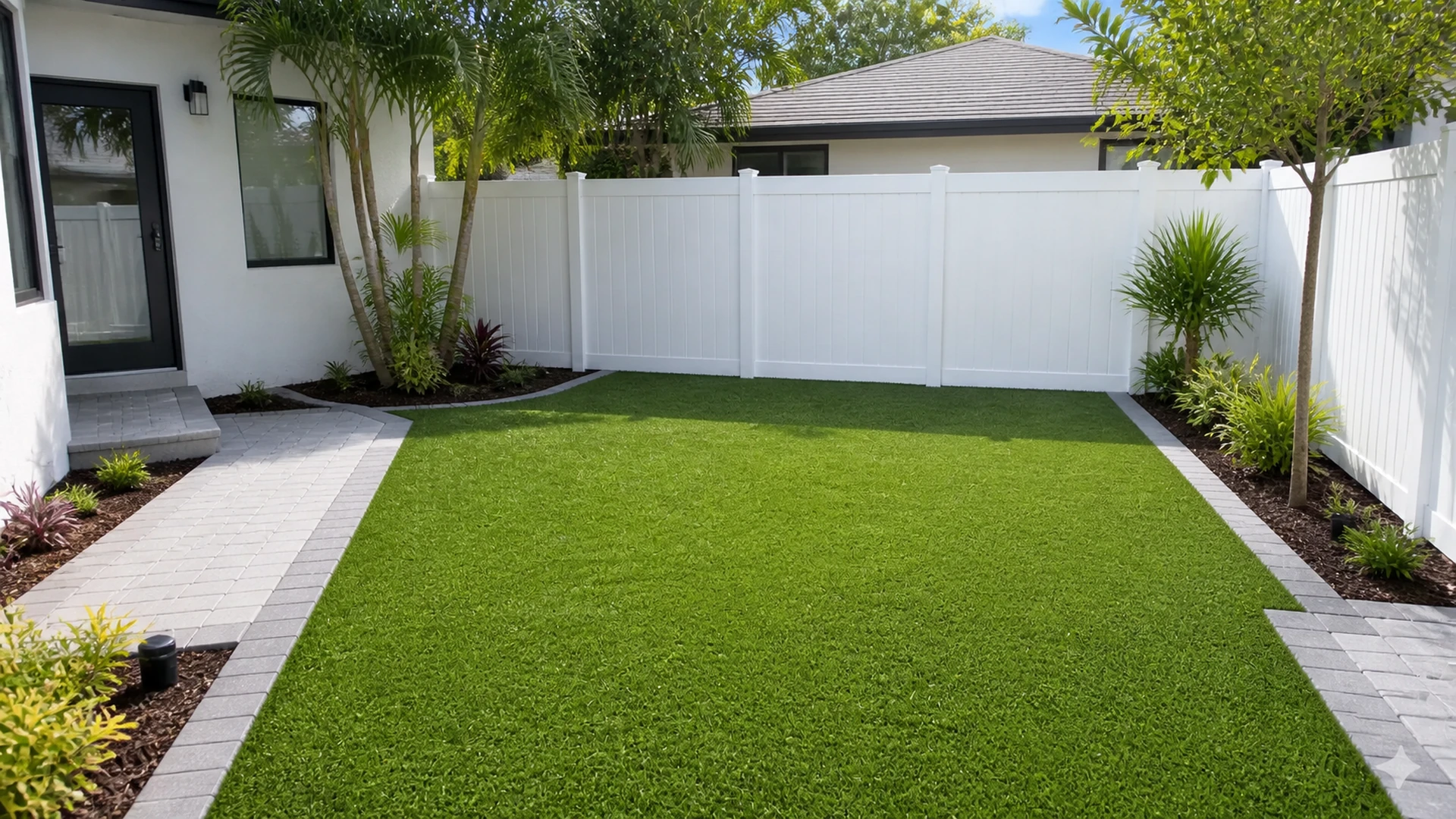
For Tampa Bay households, artificial turf for pets should match the animals’ routines before it matches a color sample. First, picture where each dog runs, rests, turns, and returns after rain. A small side yard with two active dogs faces different demands than a broad lawn. Therefore, the best choice begins with daily behavior and site conditions together.
Florida heat adds another practical layer because any exposed outdoor surface can become uncomfortable in strong sun. However, blade color alone does not determine the whole experience. Shade, air movement, time of day, nearby hardscape, and maintenance all influence use. A thoughtful plan considers both the turf product and the yard around it.
Meanwhile, pet performance depends on more than the fibers visible above ground. Backing, seams, infill, base preparation, perimeter fastening, and cleaning access work as one system. Consequently, artificial turf for pets should be evaluated from the bottom upward. That approach makes product comparisons more useful and helps prevent misplaced priorities.
Choosing artificial turf for pets around real routines
Furthermore, Start by listing the pets, their sizes, and how they use the proposed area. For example, a fast runner creates repeated turning pressure near gates and patio doors. An older dog may need secure footing and a simple route. Likewise, a puppy can make frequent cleaning more important than a lush ornamental appearance.
Next, mark feeding areas, play zones, favorite corners, and the usual bathroom location. Artificial turf for pets can serve several functions, but concentrating everything in one narrow strip increases wear. Therefore, the layout may benefit from wider transitions or a dedicated relief zone. Practical circulation often matters more than maximizing turf coverage.
How artificial turf for pets handles repeated use
Repeated traffic bends fibers and places stress at seams and edges. However, a suitable product should be judged alongside installation details that hold it in place. Face weight, pile height, fiber shape, and backing each describe a different trait. No single specification can predict performance by itself.
In practice, shorter or resilient fibers may look tidier in concentrated paths, while softer fibers can feel inviting in rest areas. Artificial turf for pets must balance recovery, comfort, cleanability, and appearance for that household. Therefore, compare physical samples by brushing, pressing, and viewing them from several directions.
Build the surface from the backing upward
The backing holds fiber rows and provides the foundation for seams and fastening. First, ask how the proposed backing suits pet use and the prepared base. Openings or permeability features should be considered within the complete system. However, surface flow alone cannot correct a low, unstable, or poorly prepared area underneath.
Consequently, Seams deserve special attention because pets may run across them from changing directions. Accordingly, seam placement should avoid obvious turning zones when the layout allows. The joining method should create consistent alignment without ridges or visible gaps. Artificial turf for pets also needs secure transitions where turf meets pavers, beds, walls, or gates.
Fiber height, density, and hand feel
A tall sample can appear plush in the hand, yet pile height is only one characteristic. Meanwhile, density affects how much backing is visible when fibers separate. Fiber shape influences recovery after pressure. Therefore, homeowners should compare how a sample behaves after rubbing, stepping, and brushing rather than viewing it untouched.
Instead, Color also changes under Florida sun and beside existing landscaping. For instance, a very uniform green may look less natural next to mixed tropical planting. Multiple tones and a restrained thatch layer can soften the transition. Still, appearance should not displace cleaning access or suitability for repeated animal use.
Plan for summer surface temperature
Direct sun can warm synthetic turf, especially during the brightest part of a Florida day. Therefore, observe the yard at several hours before choosing the final layout. Existing trees, covered patios, fences, and building shadows create usable patterns. Artificial turf for pets works better when those cooler windows match the household’s routine.
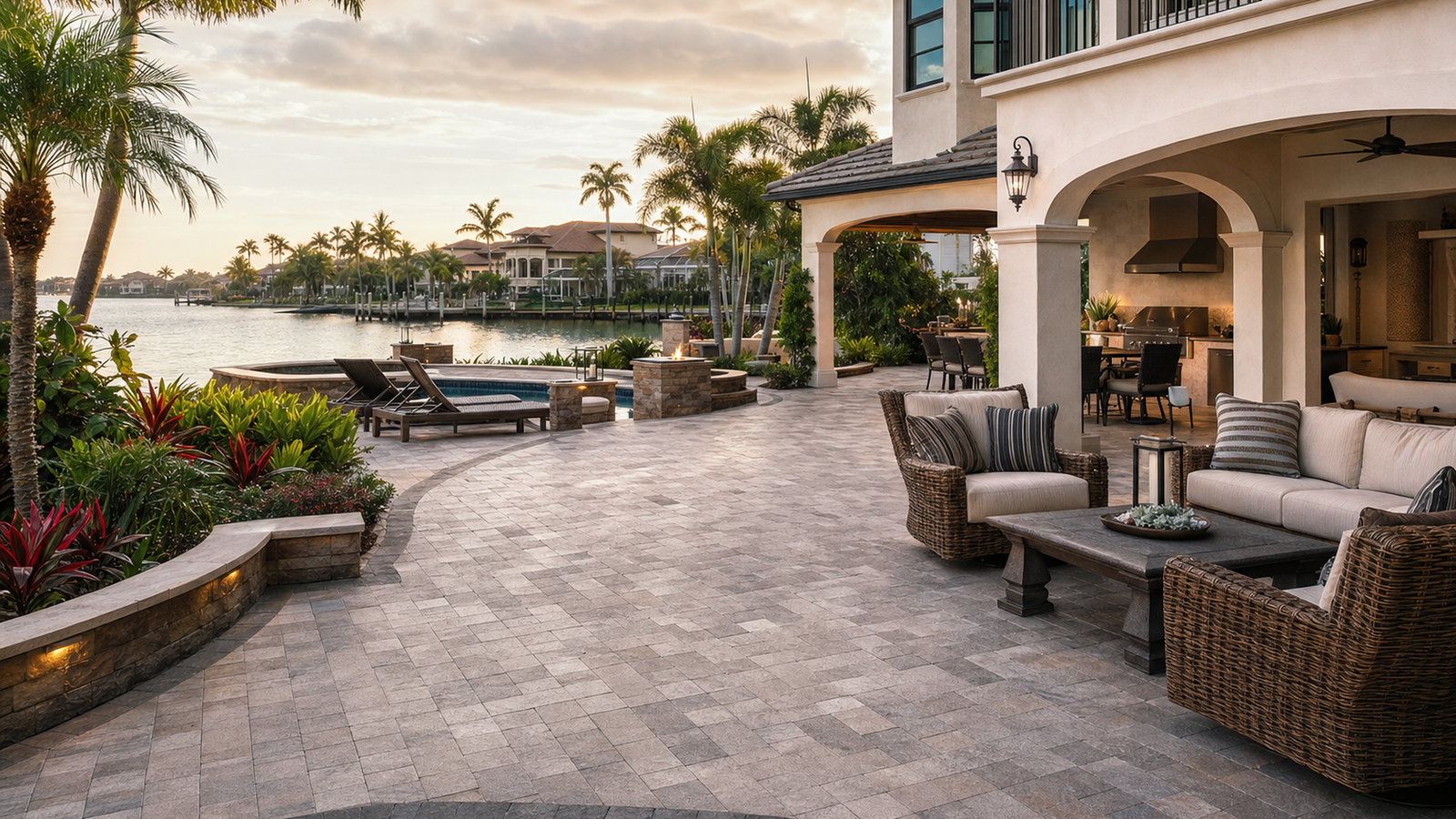
Shade can be planned through the placement of approved structures or landscape elements, depending on the site. However, new planting should leave suitable clearance and maintenance access. Nearby pavers and walls may also hold warmth. Consequently, the whole outdoor room deserves consideration instead of treating turf as an isolated rectangle.
Test comfort before paws reach the yard
Before outdoor play, a homeowner can check the surface by hand and observe the pet’s response. If it feels too warm, use a cooler time or another shaded area. Meanwhile, water may cool the surface briefly when appropriate. The surface should be checked again because Florida sun can change conditions quickly.
Also, avoid assuming that a marketing label removes the need for common-sense testing. Artificial turf for pets remains an outdoor surface exposed to changing weather. Therefore, provide fresh water, shaded rest, and an alternate route when needed. Product selection supports a plan, but daily supervision completes it.
Make routine cleaning simple
Furthermore, Pet areas stay easier to manage when cleanup is part of the layout. First, provide hose access and avoid trapping narrow zones behind planters or furniture. Solid waste should be removed promptly before routine rinsing. Likewise, leaves and loose debris should not accumulate where they hide soiled spots.
Cleaning products should suit the turf system, pets, nearby materials, and manufacturer guidance. However, heavy fragrance does not equal effective cleaning. Artificial turf for pets benefits from consistent removal and rinsing rather than occasional masking. When a persistent odor appears, identify its location and review the cleaning process before adding more product.
Control odor through access and consistency
Odor can linger when waste reaches an area that is difficult to rinse or remains under debris. Therefore, inspect corners, seams, edges, and favorite bathroom spots closely. A repeatable schedule works better when every section is reachable. The installer can also explain which maintenance steps fit the selected infill and backing.
At the same time, nearby beds can contribute soil, mulch, or organic material to the surface. Border details should limit spillover without creating a hard obstacle. Artificial turf for pets should remain brushable along its full perimeter. Consequently, a clean edge supports both appearance and practical hygiene.
Understand the role of infill
Infill sits among the fibers and can support blade position, ballast, and surface behavior. However, options vary, so the choice should follow the turf manufacturer’s requirements and intended pet use. Ask what material is proposed and why. Also, confirm how it will be distributed and maintained after installation.
Too little, too much, or uneven distribution can change how the finished turf feels and looks. Therefore, the installation plan should specify the compatible type and application process. Artificial turf for pets may need periodic brushing or replenishment based on use. Those maintenance expectations belong in the buying decision, not after the yard is complete.
Compare pet-focused product claims carefully
Labels such as pet-friendly can identify an intended use, but they do not describe every system detail. Instead, request the product specification and care instructions. Compare backing, fibers, recommended infill, warranty terms, and installation requirements on equal grounds. This evidence makes similar-looking samples easier to distinguish.
For broader Florida landscape information, the University of Florida IFAS Extension offers educational resources. However, site-specific turf choices still require direct evaluation. A professional artificial turf installation review can connect the household’s pet routine with actual access, shade, boundaries, and surface conditions.
Design around gates, doors, and play lines
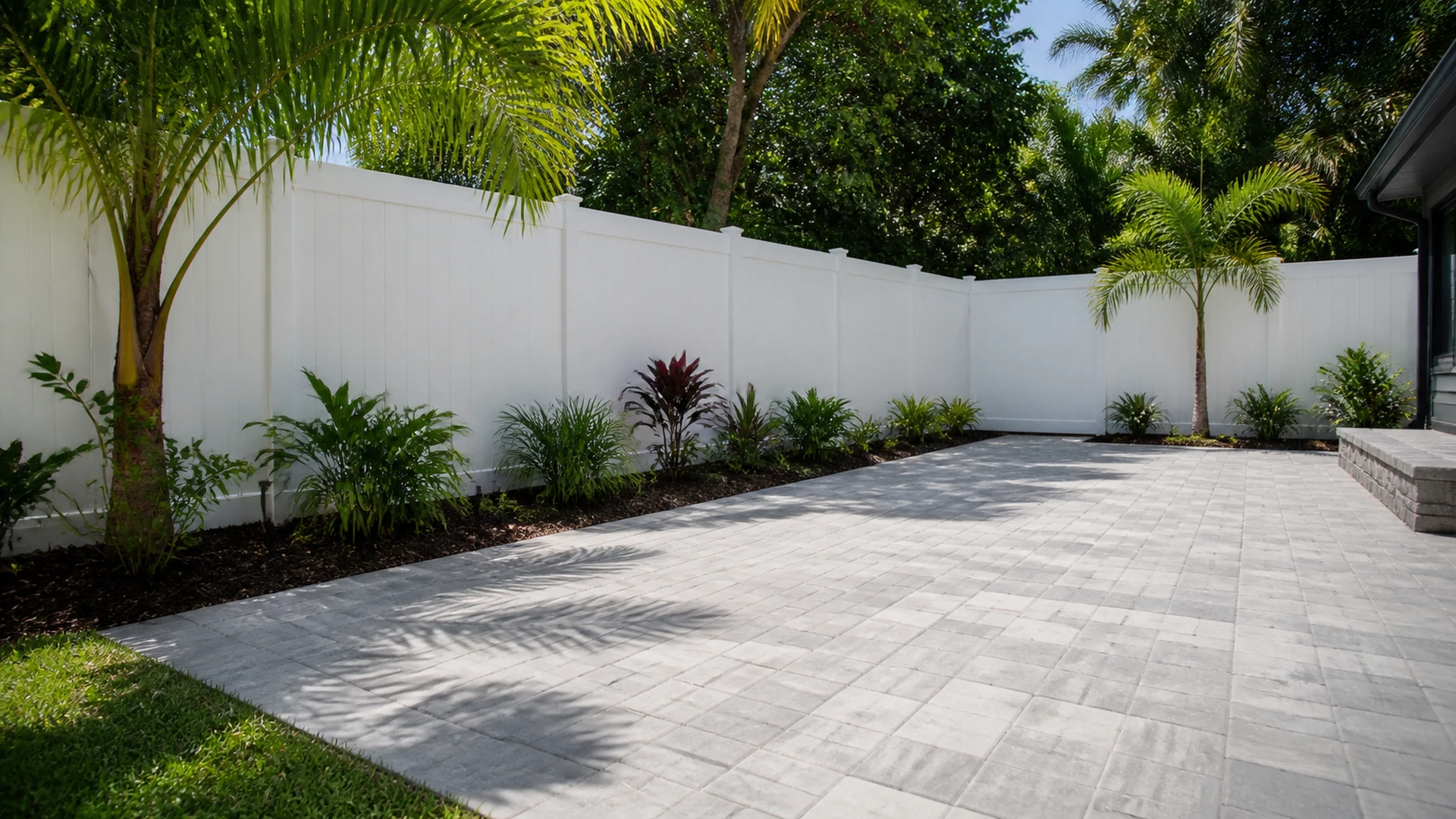
Dogs often accelerate through doorways and pivot at gates. Therefore, those concentrated paths need strong perimeter work and thoughtful seam placement. A narrow turf tab beside a post may be difficult to secure and clean. Adjusting the layout can create a simpler edge and a more comfortable turning area.
Ultimately, Likewise, a long unobstructed run may encourage repeated traffic on the same line. Artificial turf for pets can accommodate active use, but the yard should avoid preventable pinch points. Planters, seating, and play features can guide movement when placed safely. Still, every addition must preserve visibility and cleaning access.
Treat transitions as working details
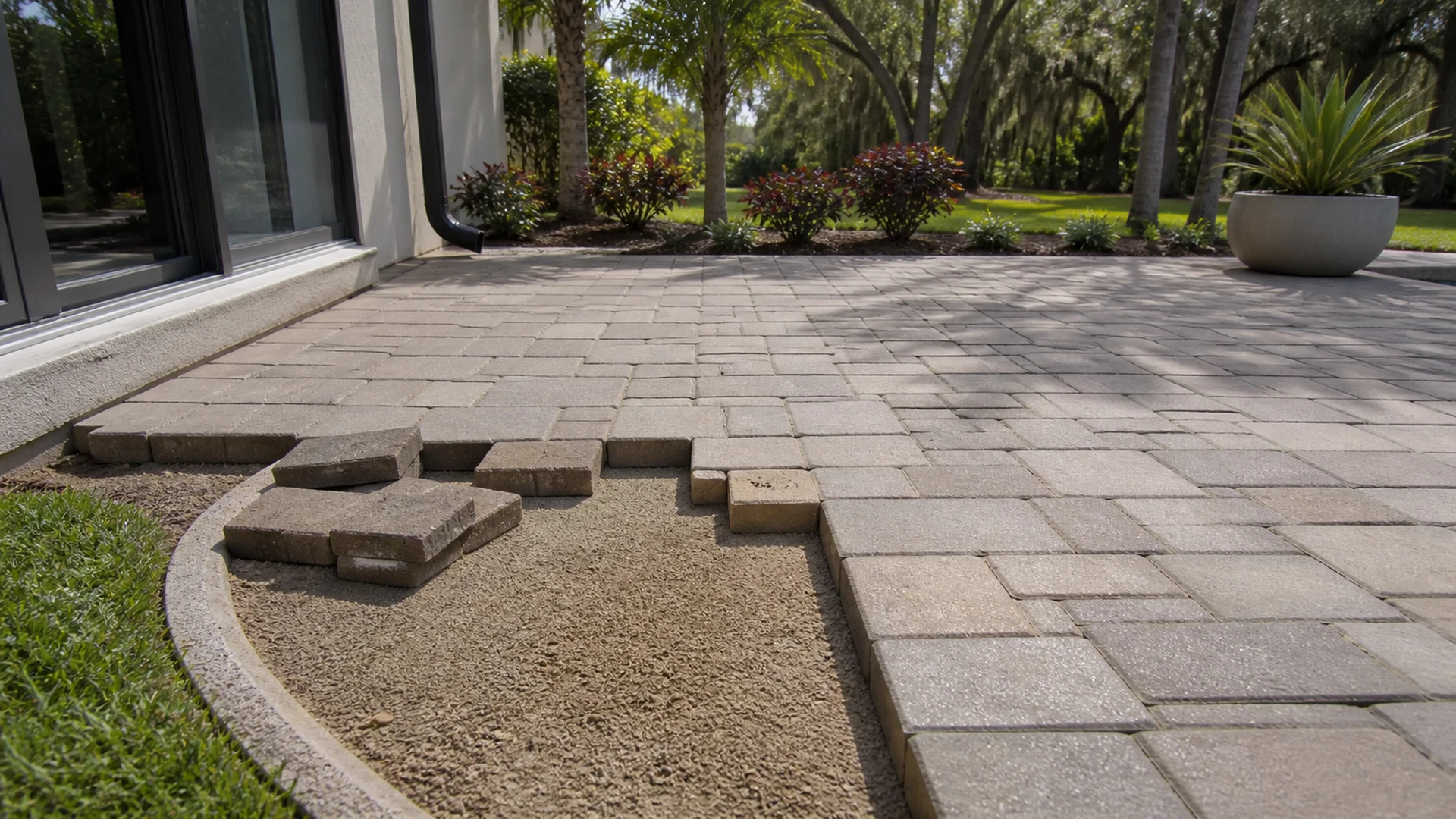
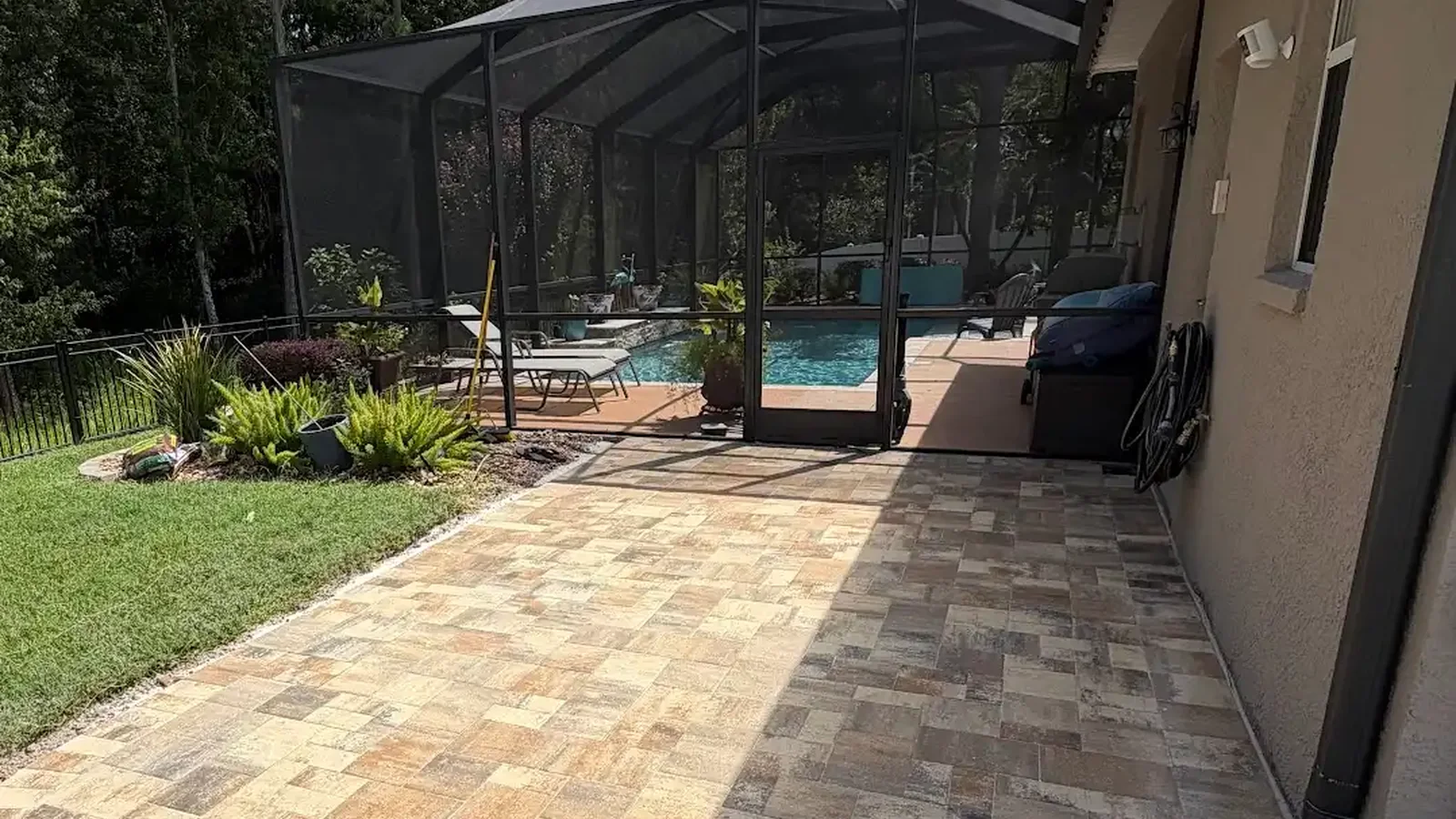
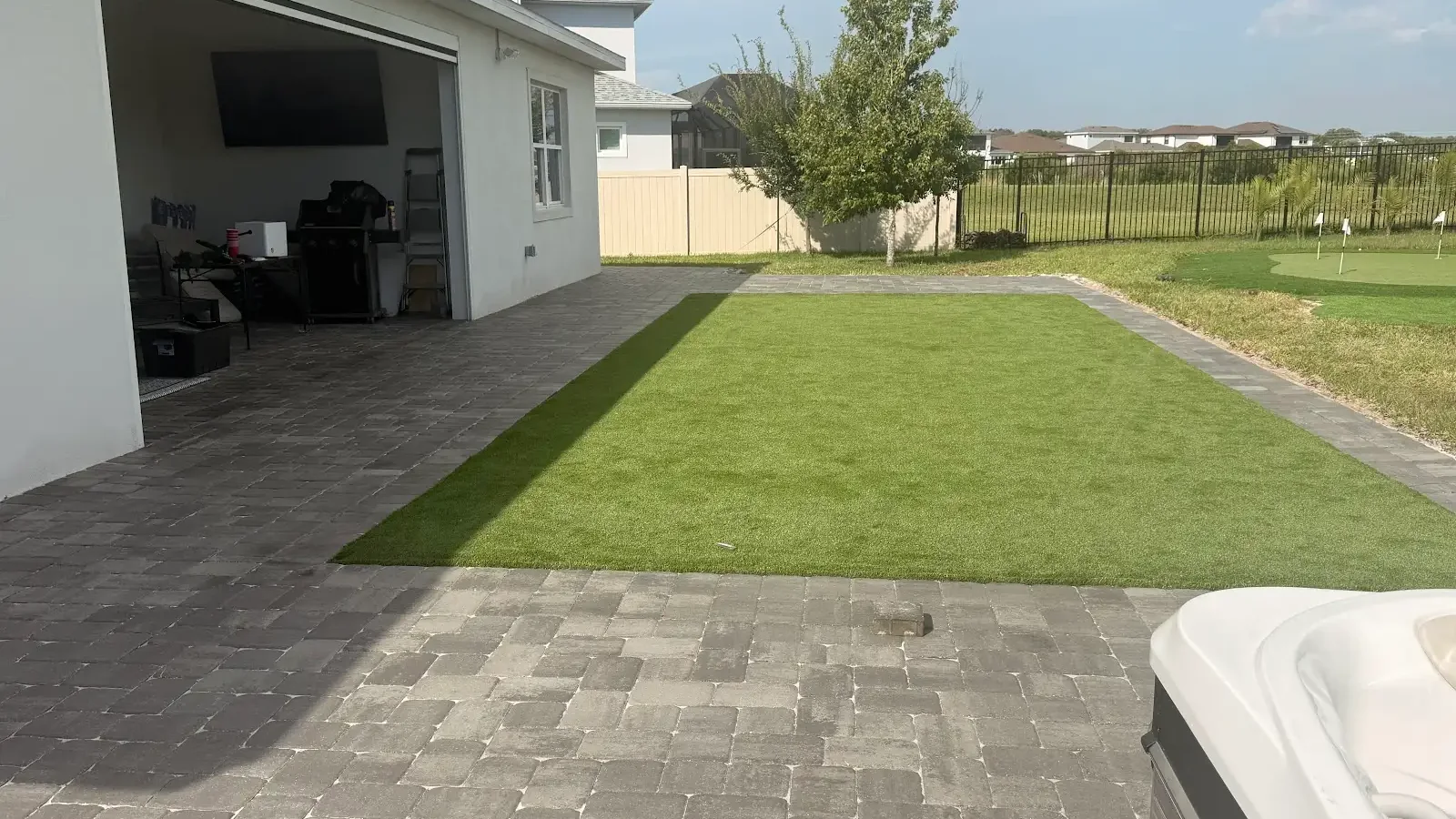
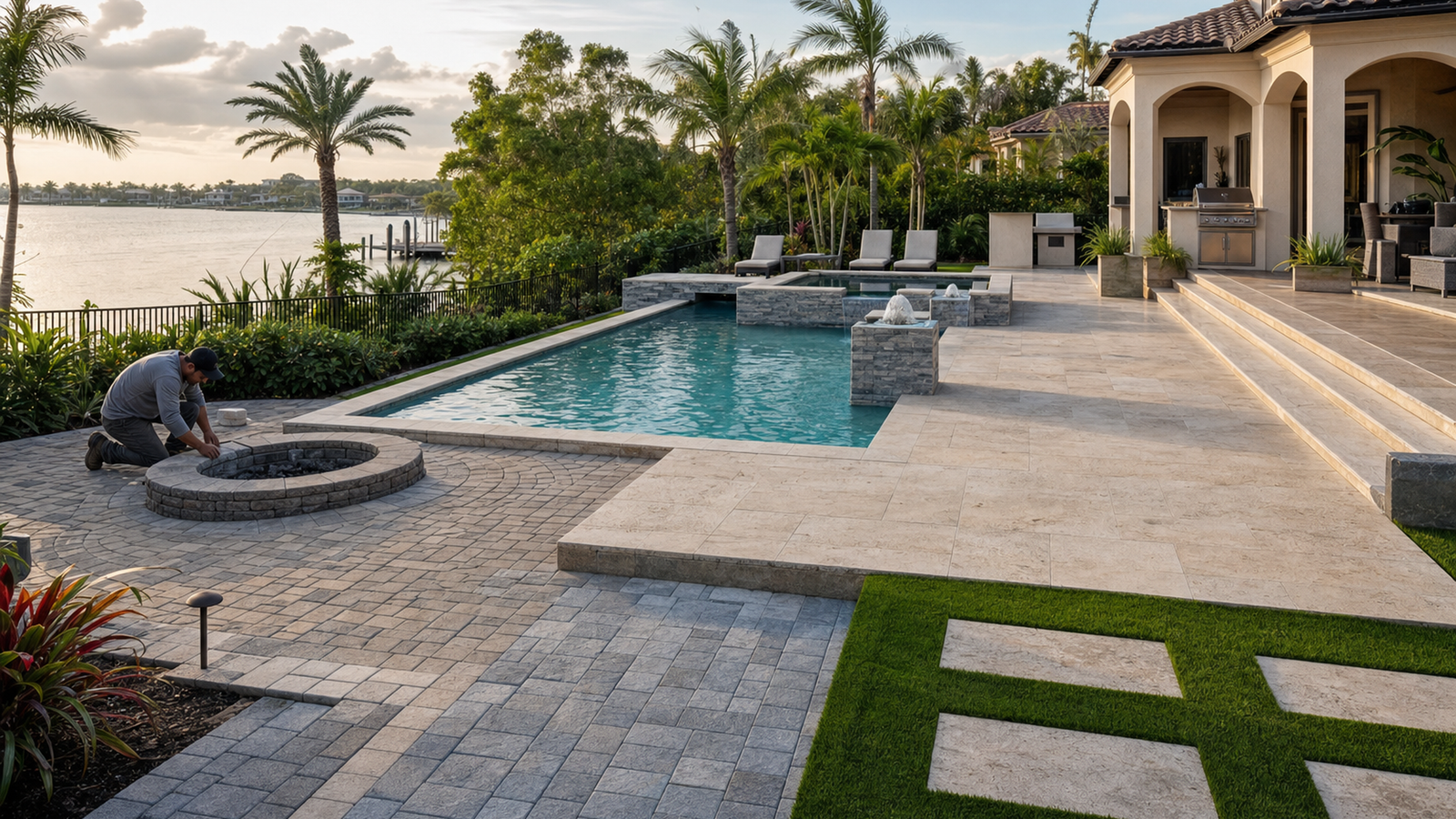
Where turf meets a patio, the finished levels should allow a comfortable step without an exposed backing edge. Next, the connection should resist casual lifting during play or maintenance. Gates need clearance to swing without scraping. Meanwhile, bed borders should contain loose material that pets might kick onto the turf.
Afterward, Pool areas, steps, and equipment zones introduce separate access needs. Accordingly, the turf plan should respect existing safety features and service routes. Artificial turf for pets must not block panels, drains, or items that need inspection. A clean drawing helps the installer resolve these boundaries before cutting material.
Prepare a stable and even foundation
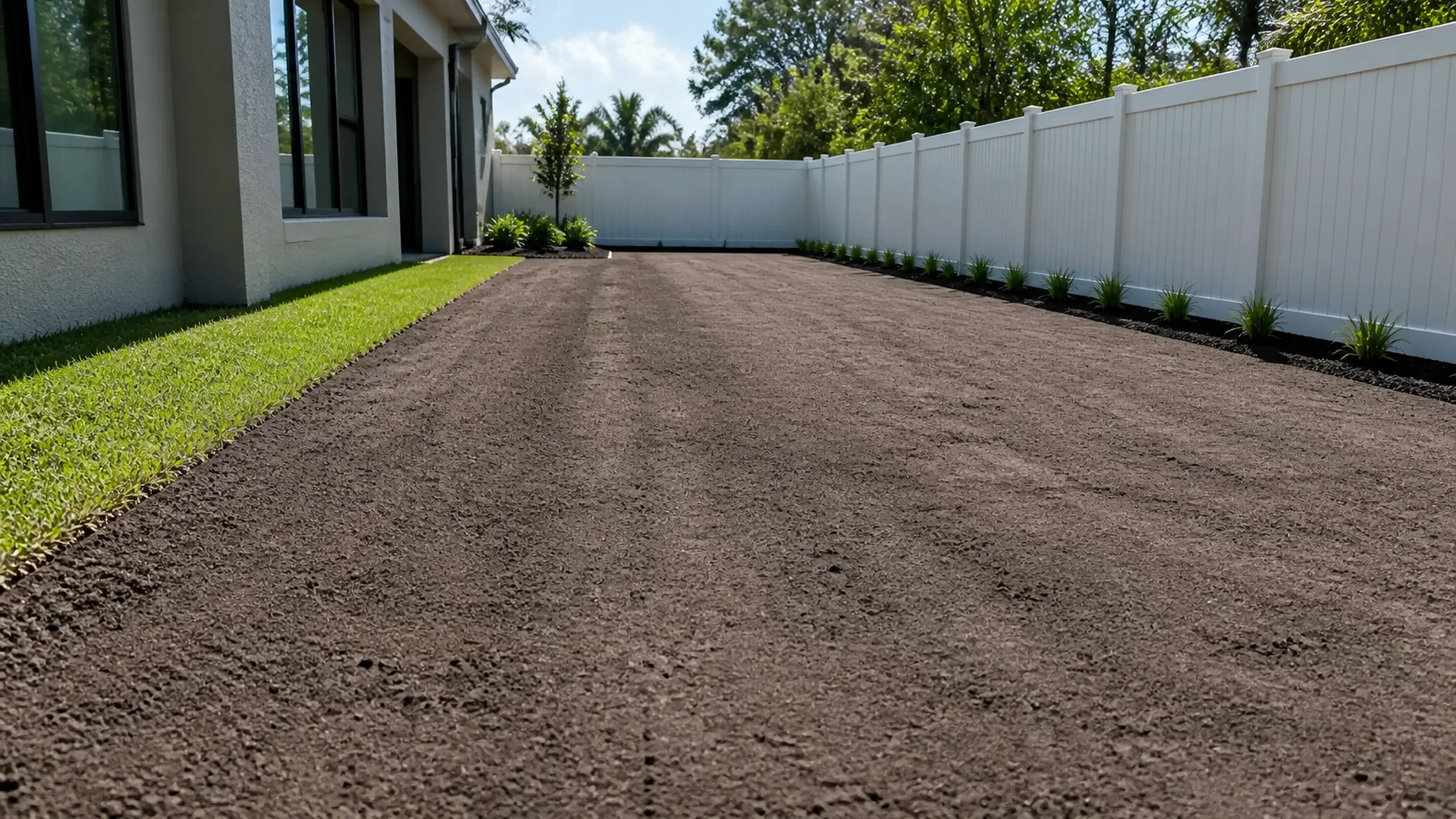
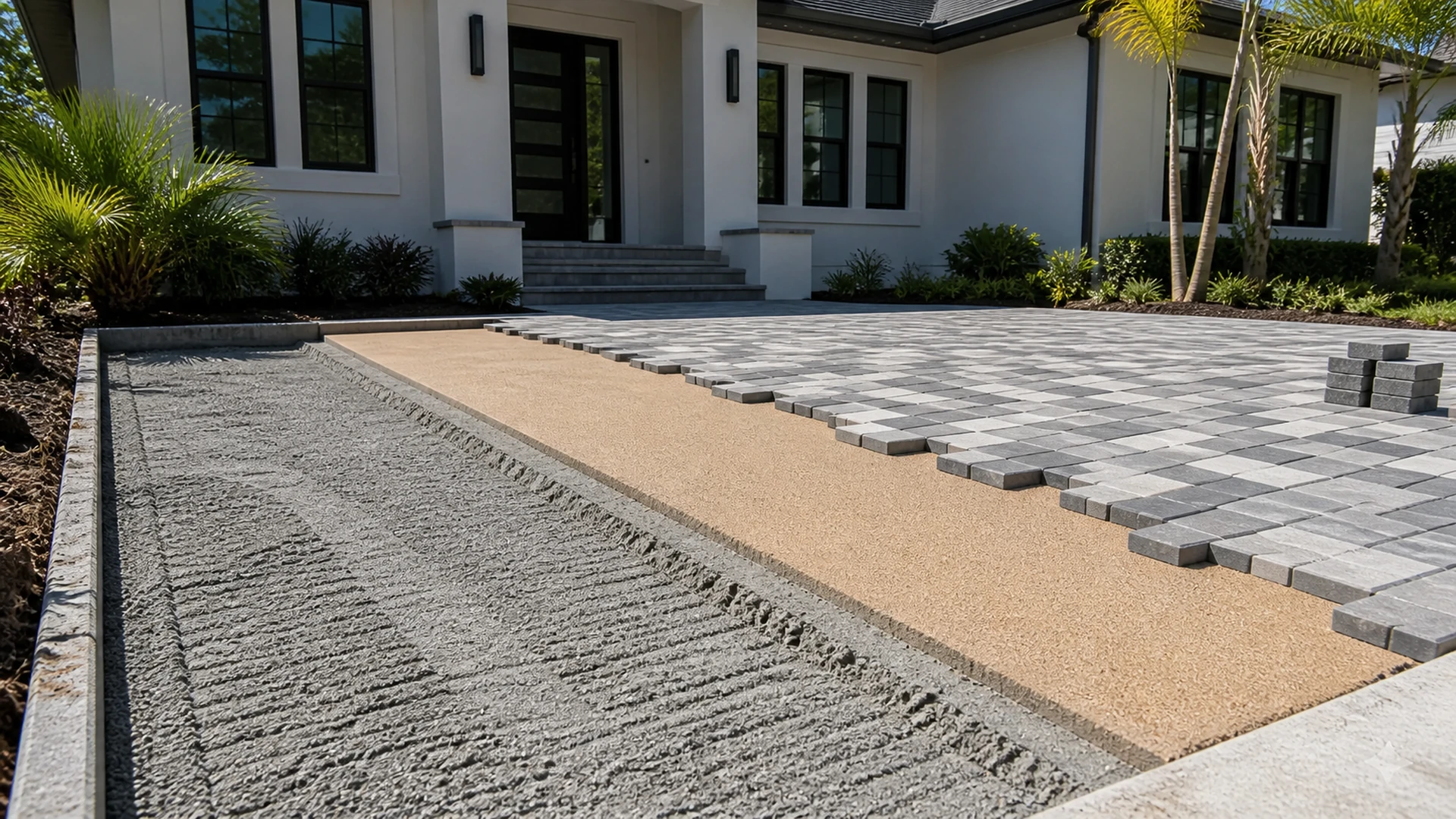
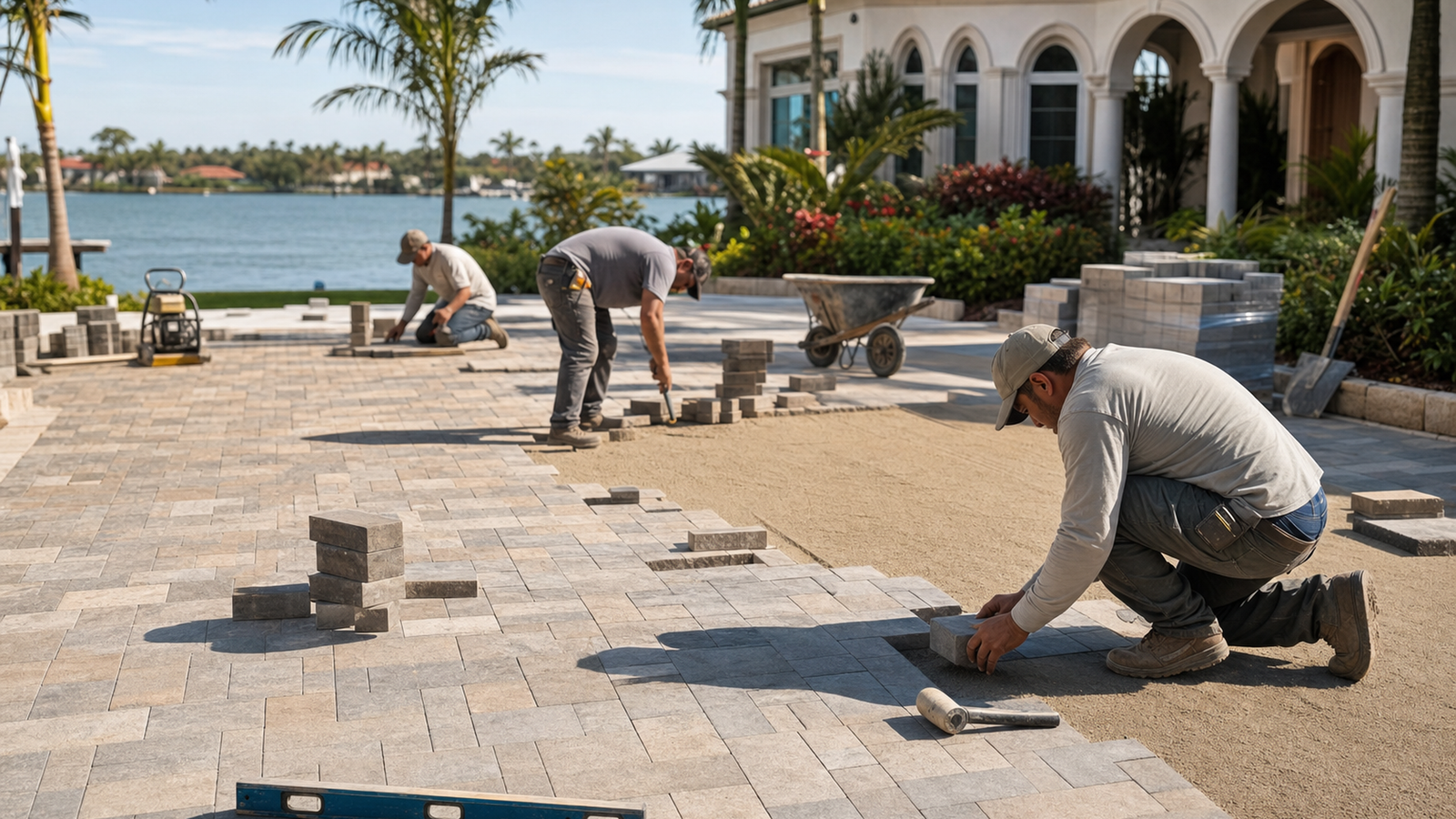
Site preparation begins by removing unsuitable surface material and defining the finished elevation. Then, the installer evaluates soft areas, roots, irrigation conflicts, and fixed structures. The base is built and compacted in controlled layers for consistent support. Consequently, the visible turf is only the final layer of substantial preparation.
An uneven base can create dips that collect debris and make cleaning awkward. However, filling those dips with loose surface material is not a lasting correction. The underlying plane needs careful shaping before the turf is placed. Artificial turf for pets should feel consistent underfoot across runs, turns, and resting zones.
Review the site before material is cut
Before layout, confirm utility access, irrigation decisions, gate width, and the route for moving materials. Also, identify where rolls can be positioned without dragging across finished work. Tight Tampa Bay side yards may shape the installation sequence. Therefore, access planning can affect seam locations and the practical scope.
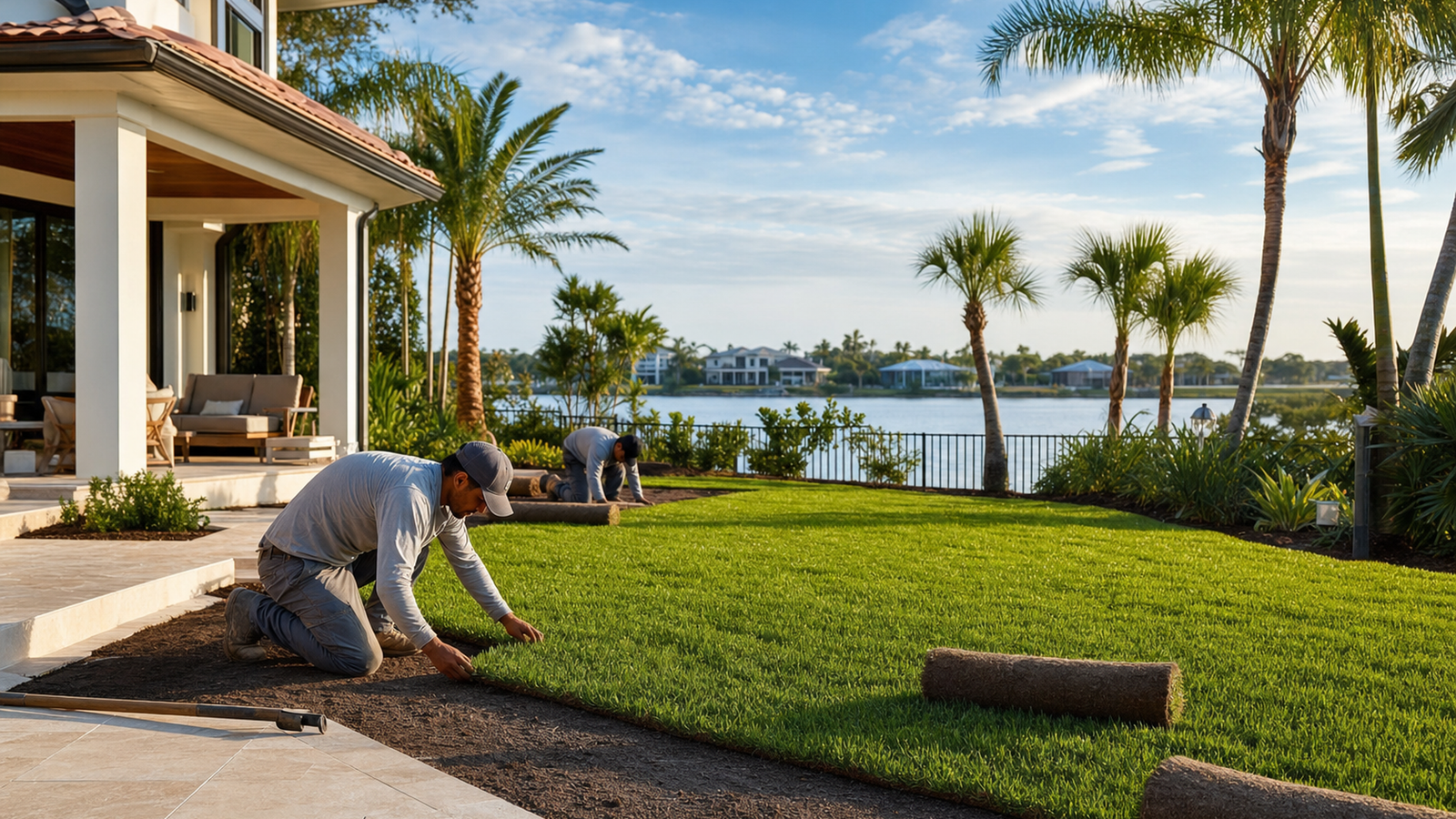
The final material layout should consider fiber direction because neighboring pieces can appear different when oriented inconsistently. Meanwhile, cuts should follow stable boundaries with enough material for secure finishing. Seams are prepared on a clean, even surface. These details help artificial turf for pets look connected rather than assembled from unrelated patches.
Inspect installation details before handoff
Meanwhile, Once installed, walk the area slowly from each entry point. First, look for raised seams, loose corners, visible backing, or abrupt level changes. Brush the fibers and view the surface with and against their direction. Any irregularity should be discussed before furniture and pet equipment return.
Consequently, Next, test gate operation and confirm access to every cleaning zone. Artificial turf for pets should remain secure near the locations that receive the most turning pressure. Also, ask the installer to identify seams and explain routine care. Knowing those details makes later inspection faster and more precise.
Set a realistic maintenance rhythm
Daily needs depend on the number of pets, yard size, and how the area is used. However, prompt waste pickup remains the practical starting point. Regular debris removal, rinsing, and brushing can then follow site and product guidance. Concentrated use zones may deserve attention more often than ornamental sections.
Over time, inspect edges, seams, infill distribution, and high-traffic paths. Therefore, address a lifted corner before paws or cleaning tools worsen it. Keep records of approved products and installer recommendations. Artificial turf for pets performs best when selection, installation, and upkeep remain part of one plan.
Create a useful comparison before selecting
Similarly, When comparing proposals, use the same checklist for each option. Include product identity, backing, pile details, infill, seam plan, base preparation, edges, cleanup, and maintenance instructions. Then, add site-specific notes about dogs, shade, gates, and favorite paths. This format exposes differences that a small sample cannot show.
Cost should be tied to the complete installed scope rather than turf material alone. For example, access difficulty, removal, base work, cuts, seams, and perimeter complexity can change labor. Accordingly, request clarity about included preparation and handoff. A defined scope helps homeowners compare actual systems instead of headline numbers.
Choose for the household you have
Ultimately, the best-looking sample is not automatically the best daily surface. A household with energetic dogs may prioritize recovery and strong transitions. Meanwhile, a quieter yard may emphasize softness and visual blending. Artificial turf for pets should solve the real maintenance and use pattern without pretending every yard is identical.
Before requesting a visit, photograph entrances, shaded areas, existing ground, and narrow access points. Also, measure the approximate area and note the pets’ routines. Those details help organize an initial discussion without replacing field measurements. Consequently, the site review can focus on the product, foundation, layout, and care plan together. Likewise, bring preferred samples outside so their color and texture can be compared in the actual yard.
Furthermore, After installation, introduce pets to the finished yard during a supervised, cooler period. Then, watch where they accelerate, settle, and choose bathroom spots. Those observations can refine the cleaning rhythm before habits become difficult to manage. Likewise, early brushing and debris removal should follow the installer and manufacturer guidance. This measured start helps artificial turf for pets become a practical part of the household routine.
Finally, use our contact form, check common questions, and explore installed projects. Then, review client feedback and see all available services. Meanwhile, find current work on Instagram and Facebook. For directions, open our map or detailed Google listing. Ultimately, reach the team by WhatsApp, phone, SMS, or email.