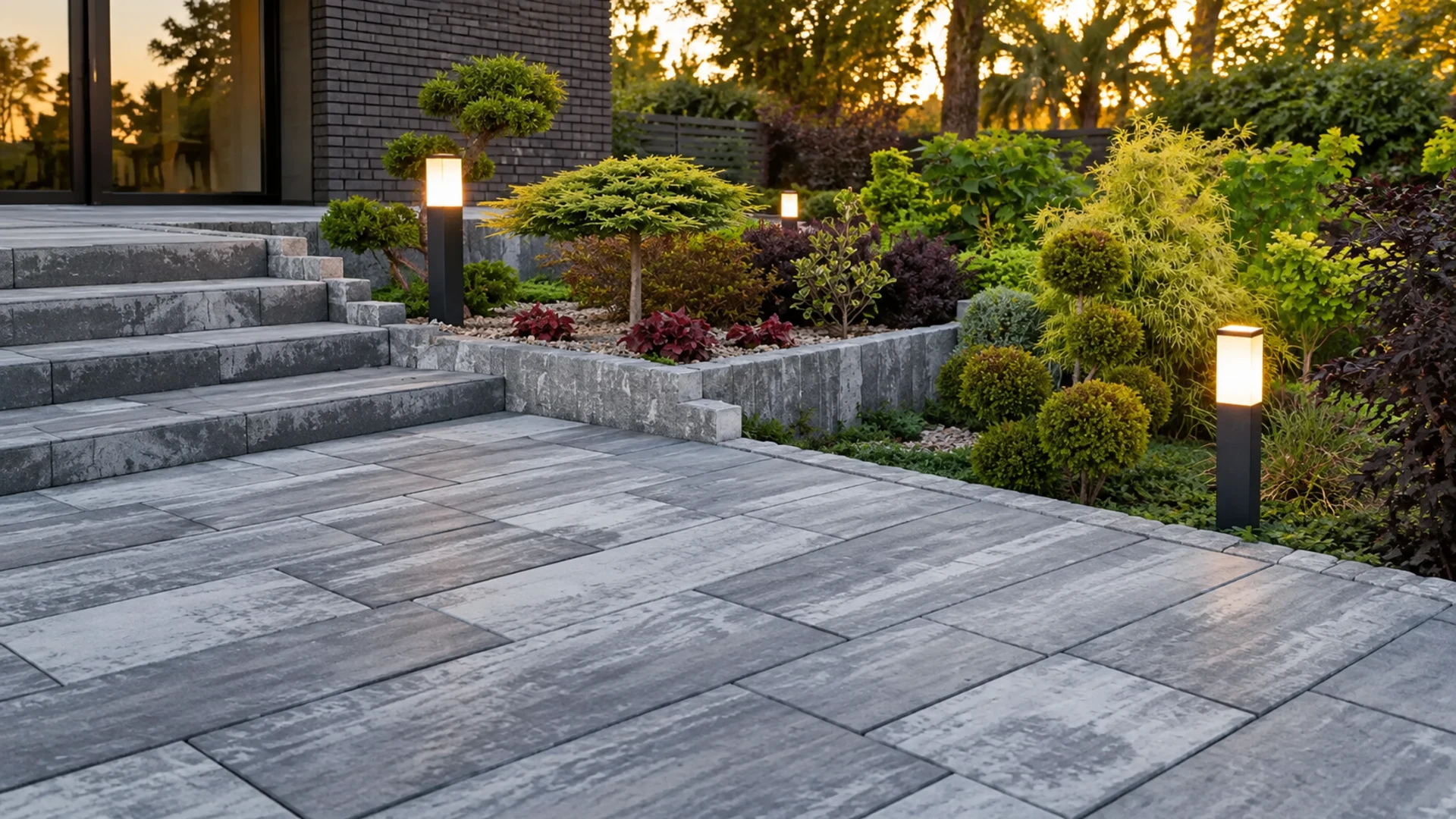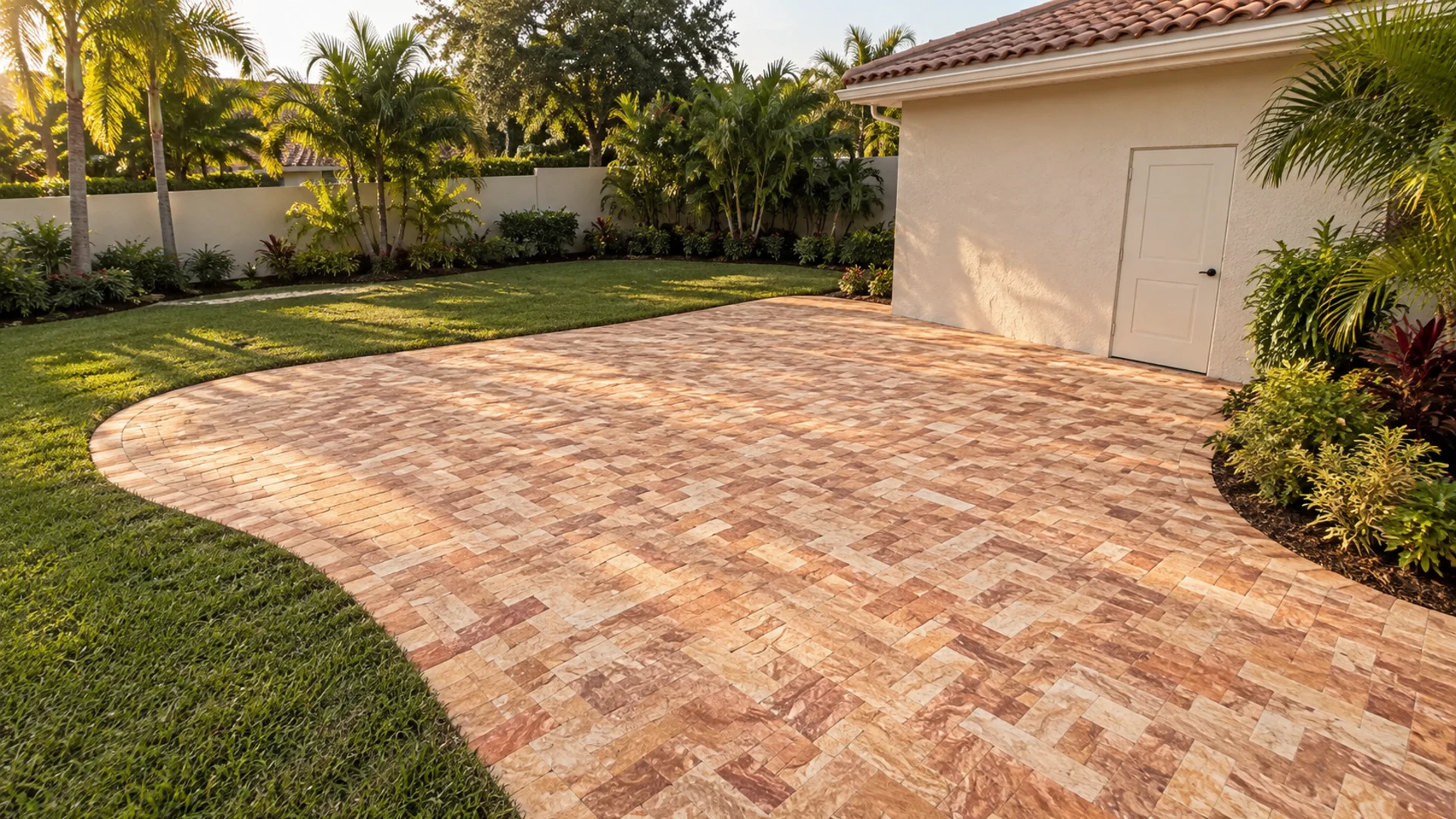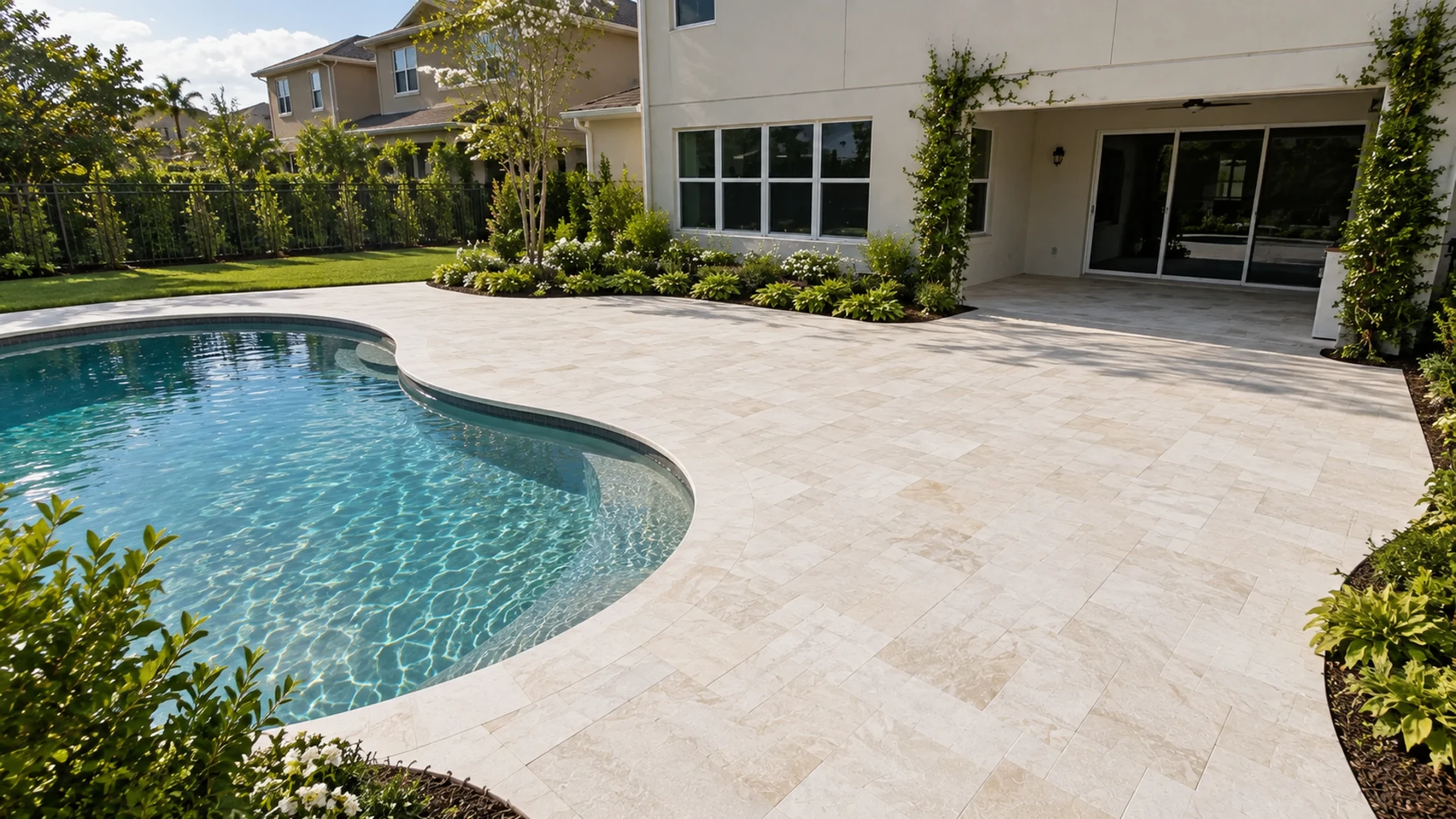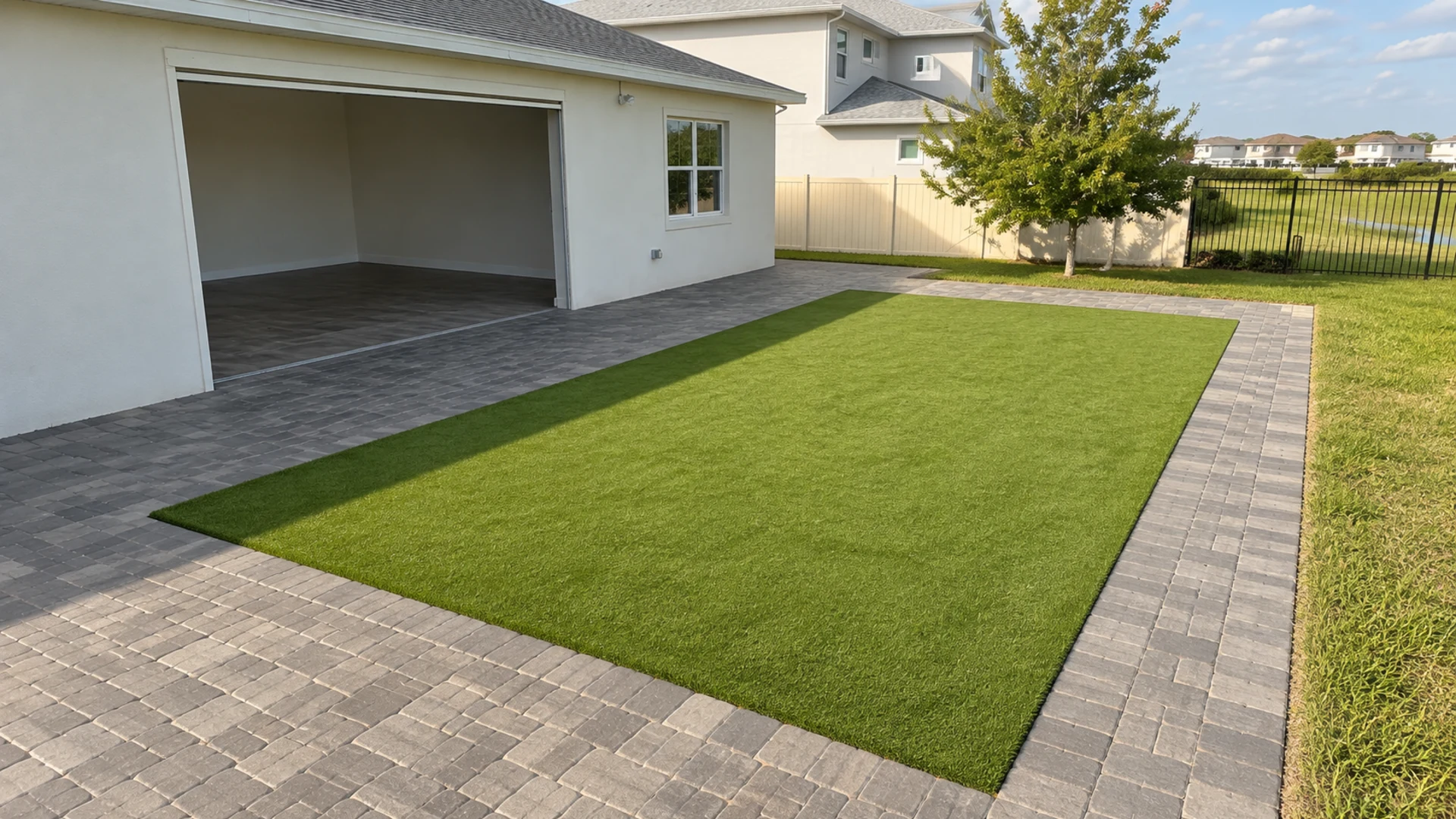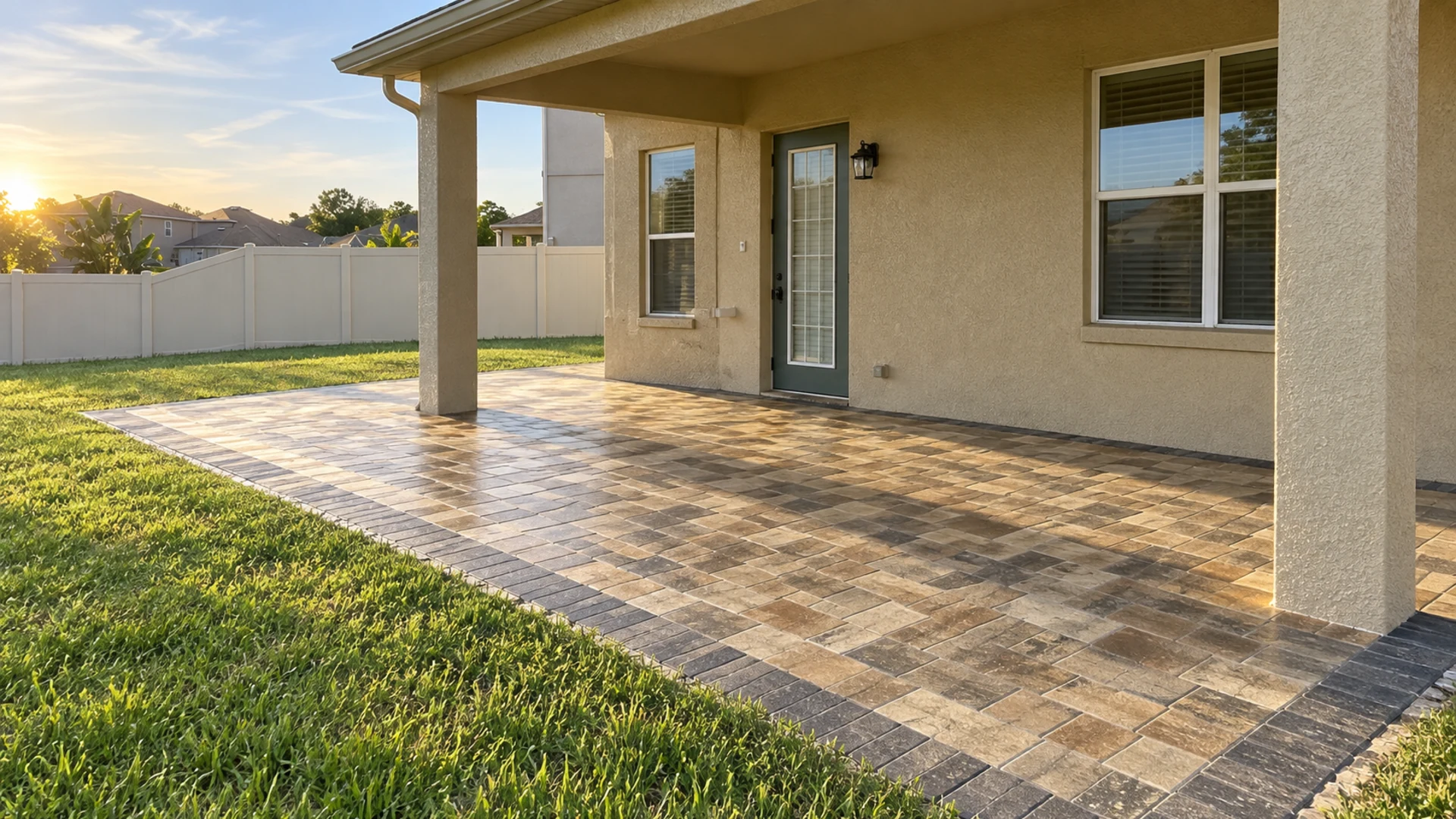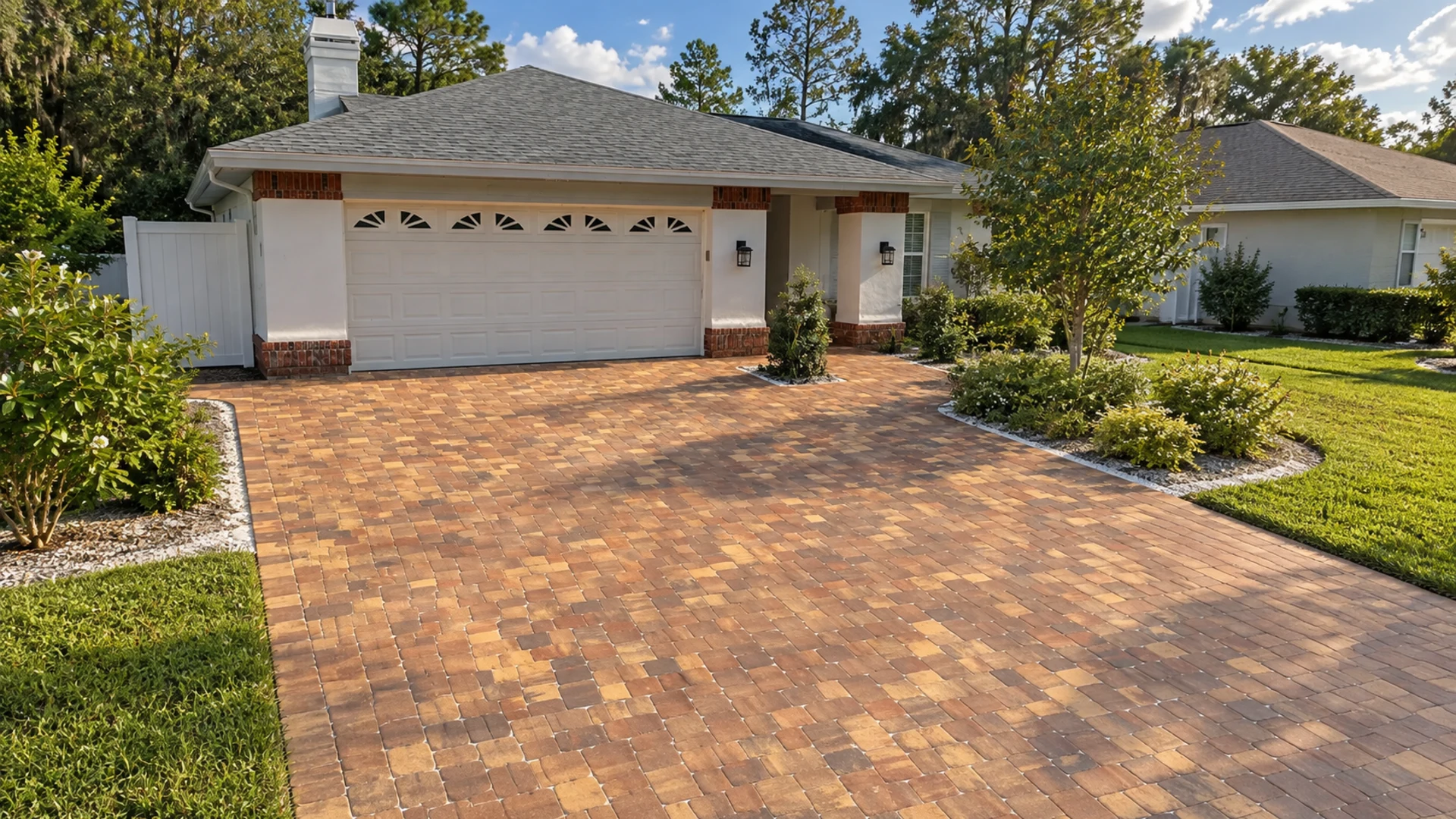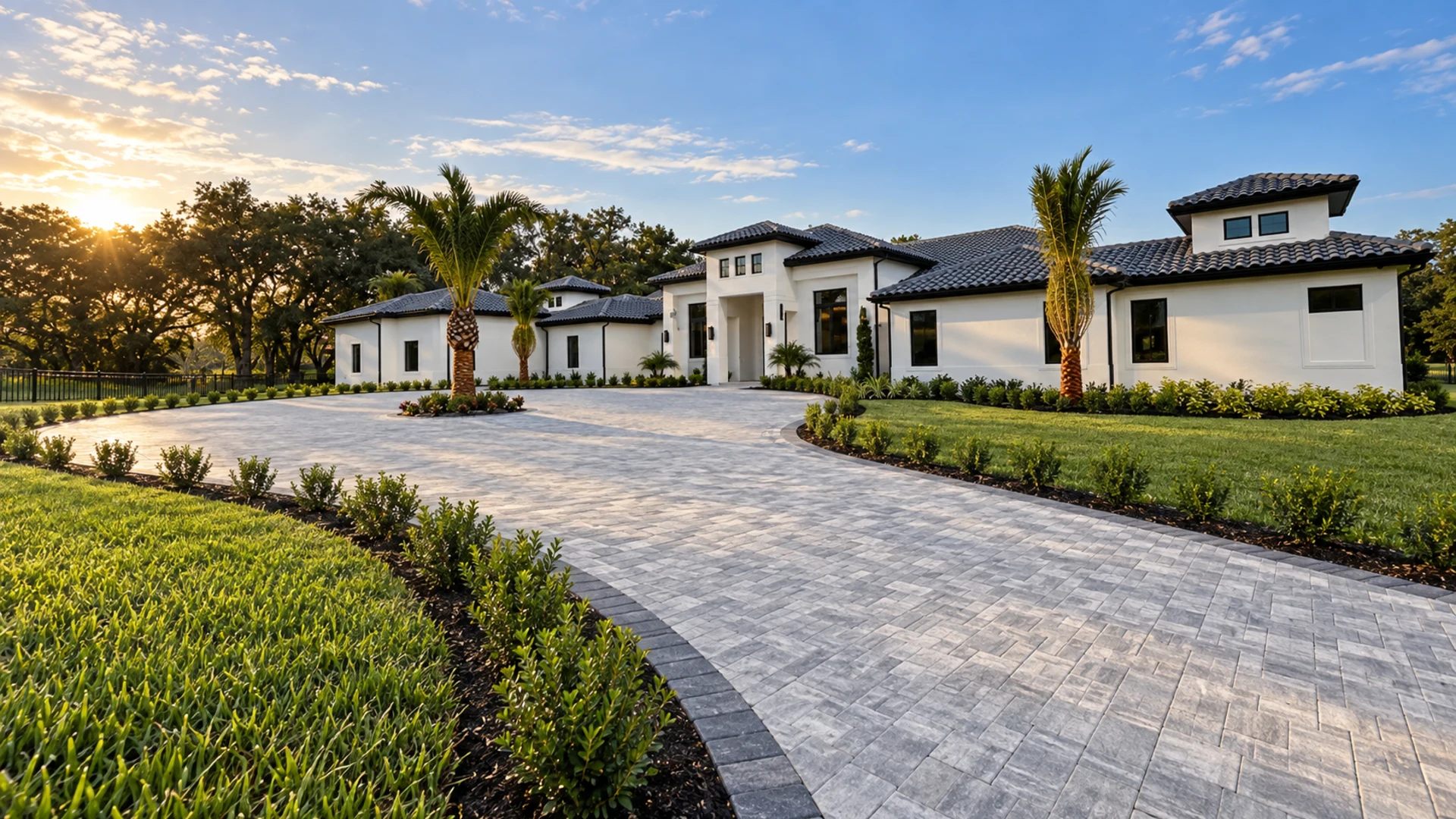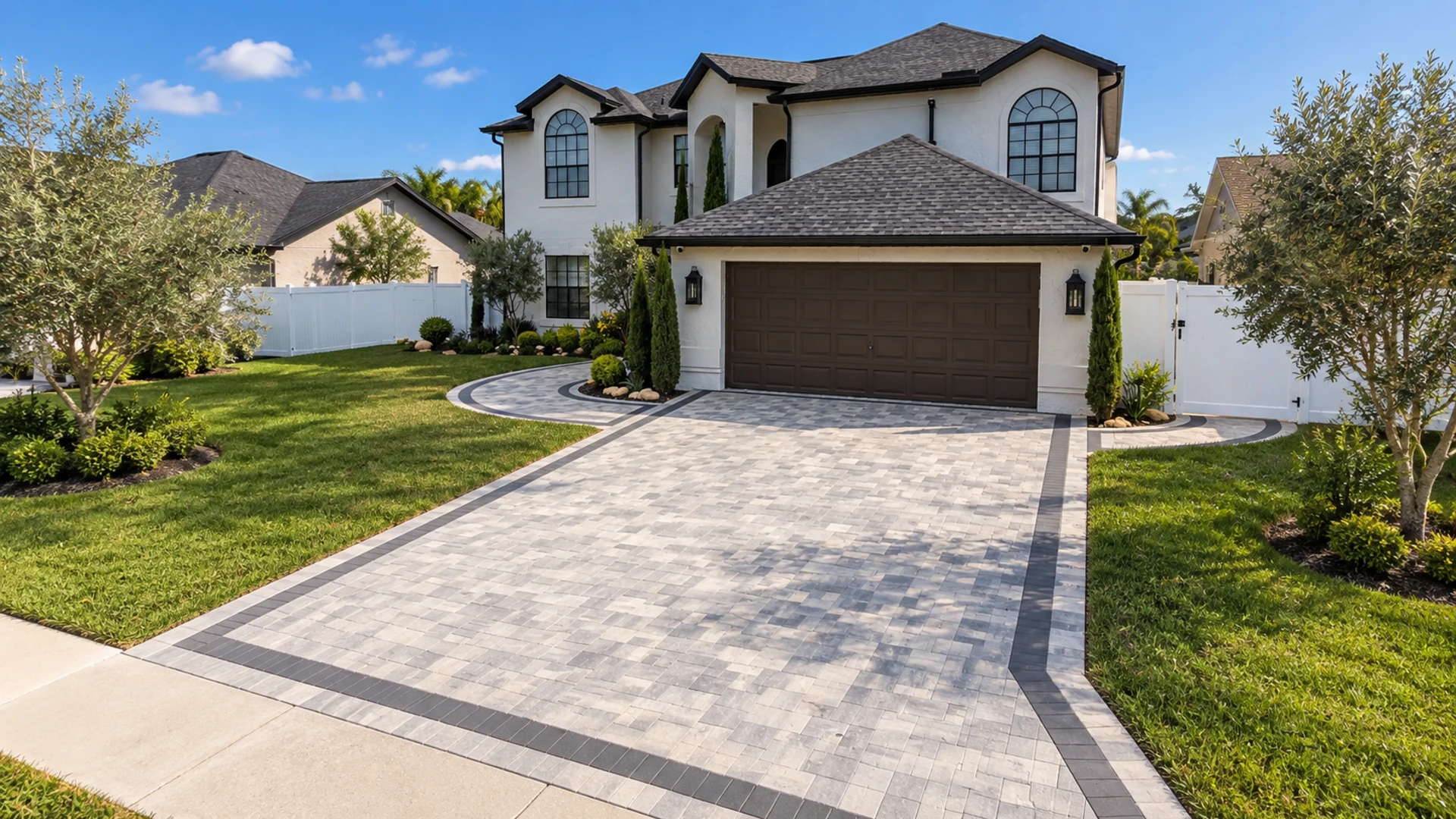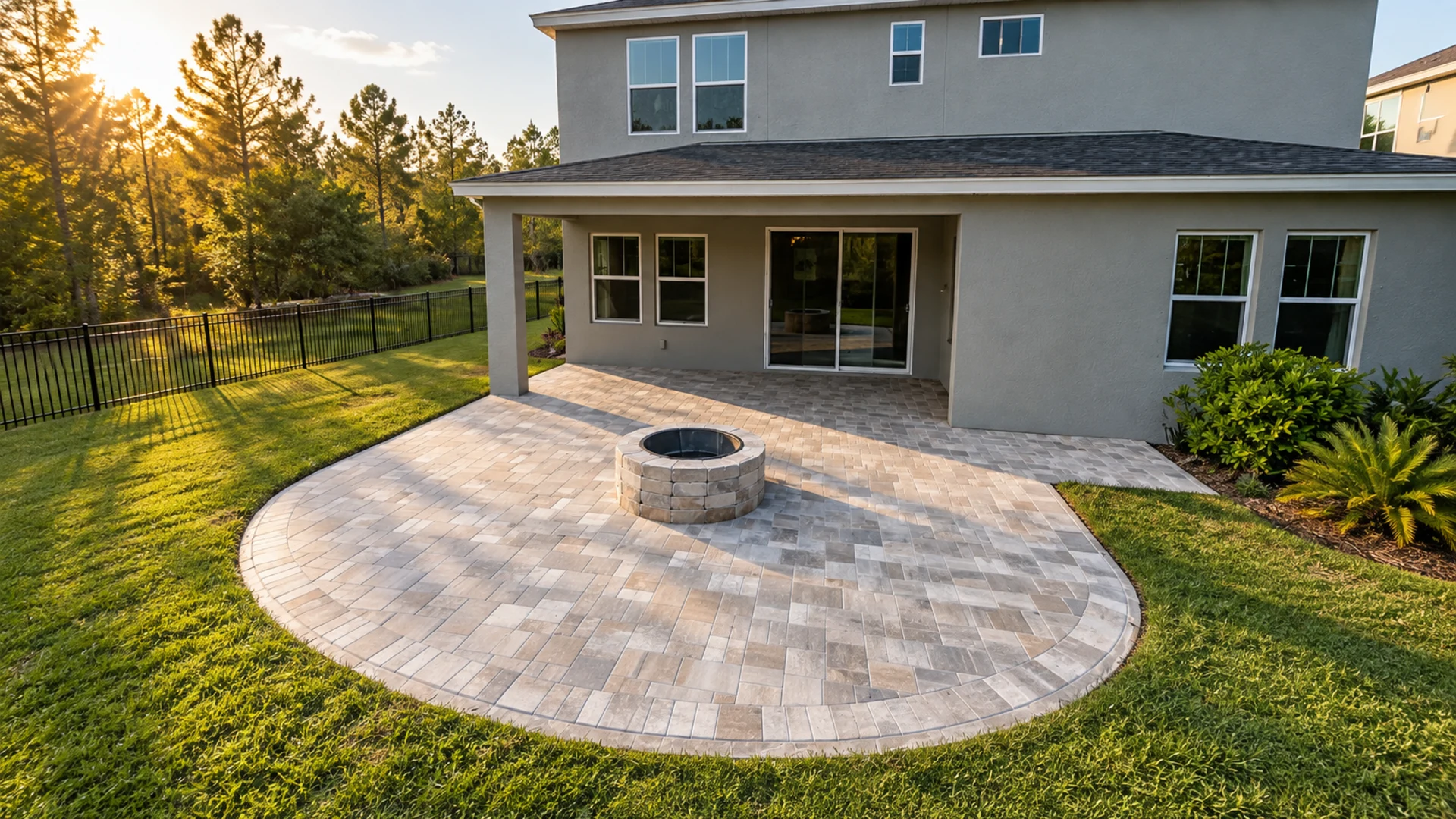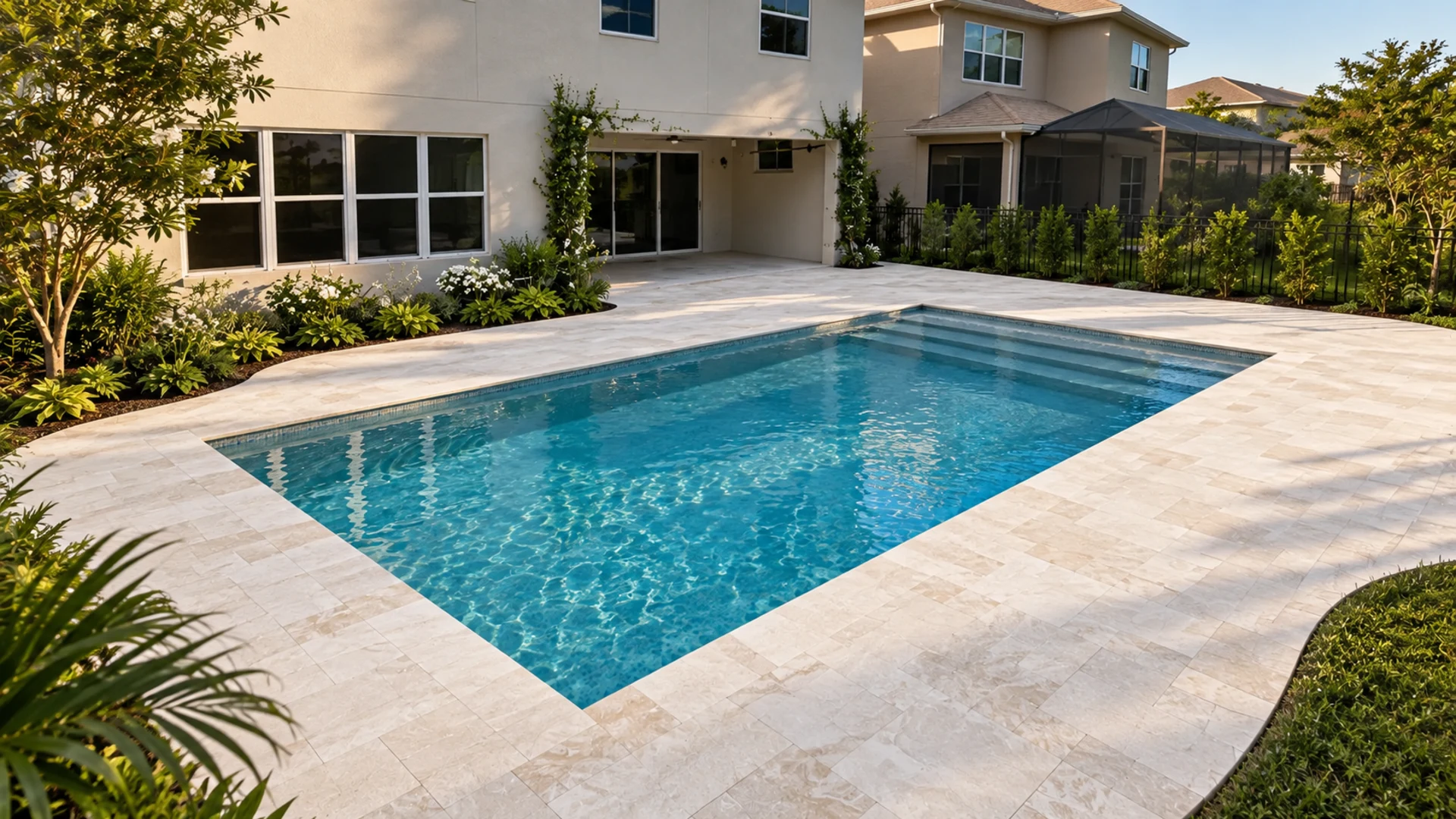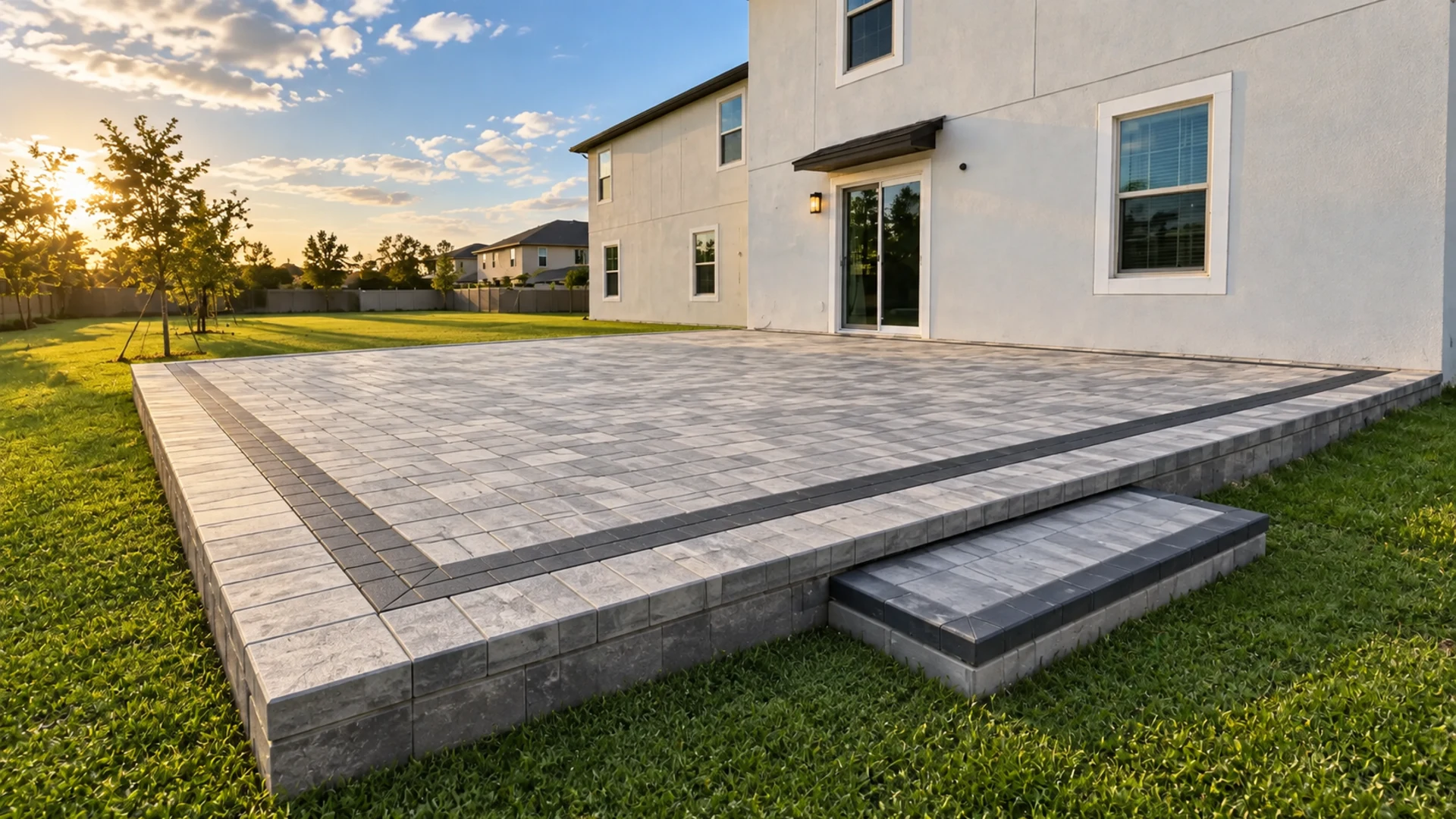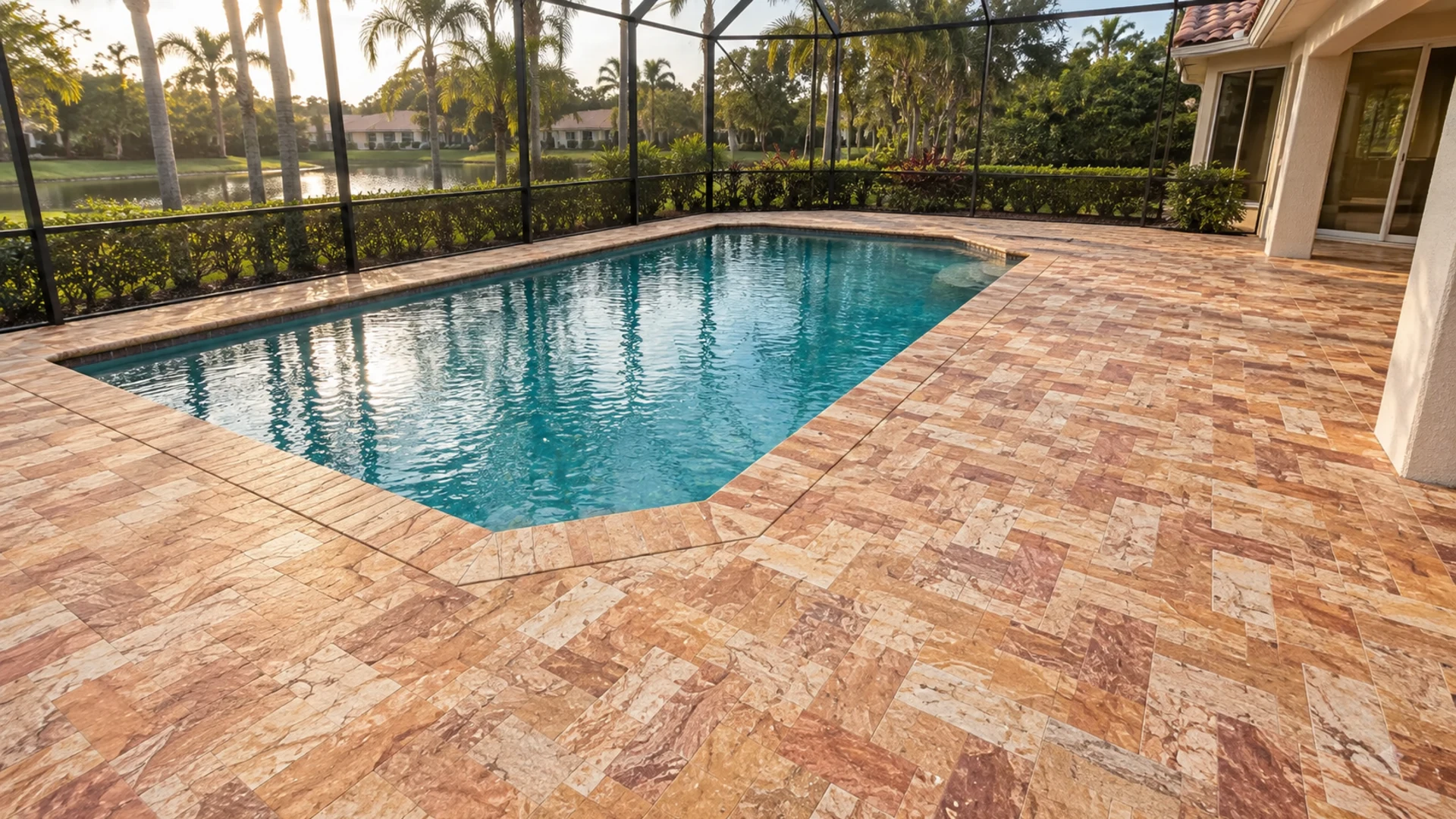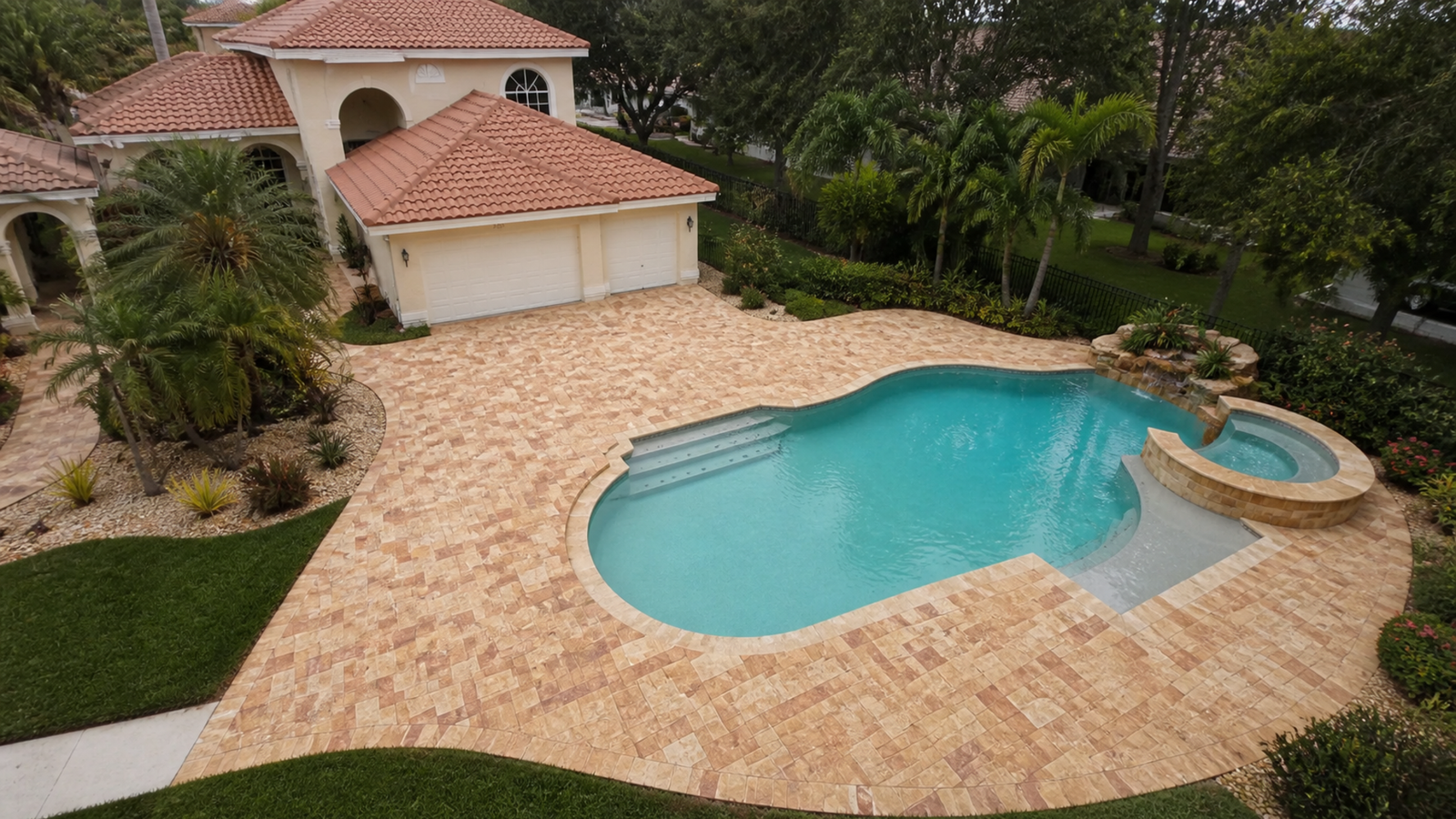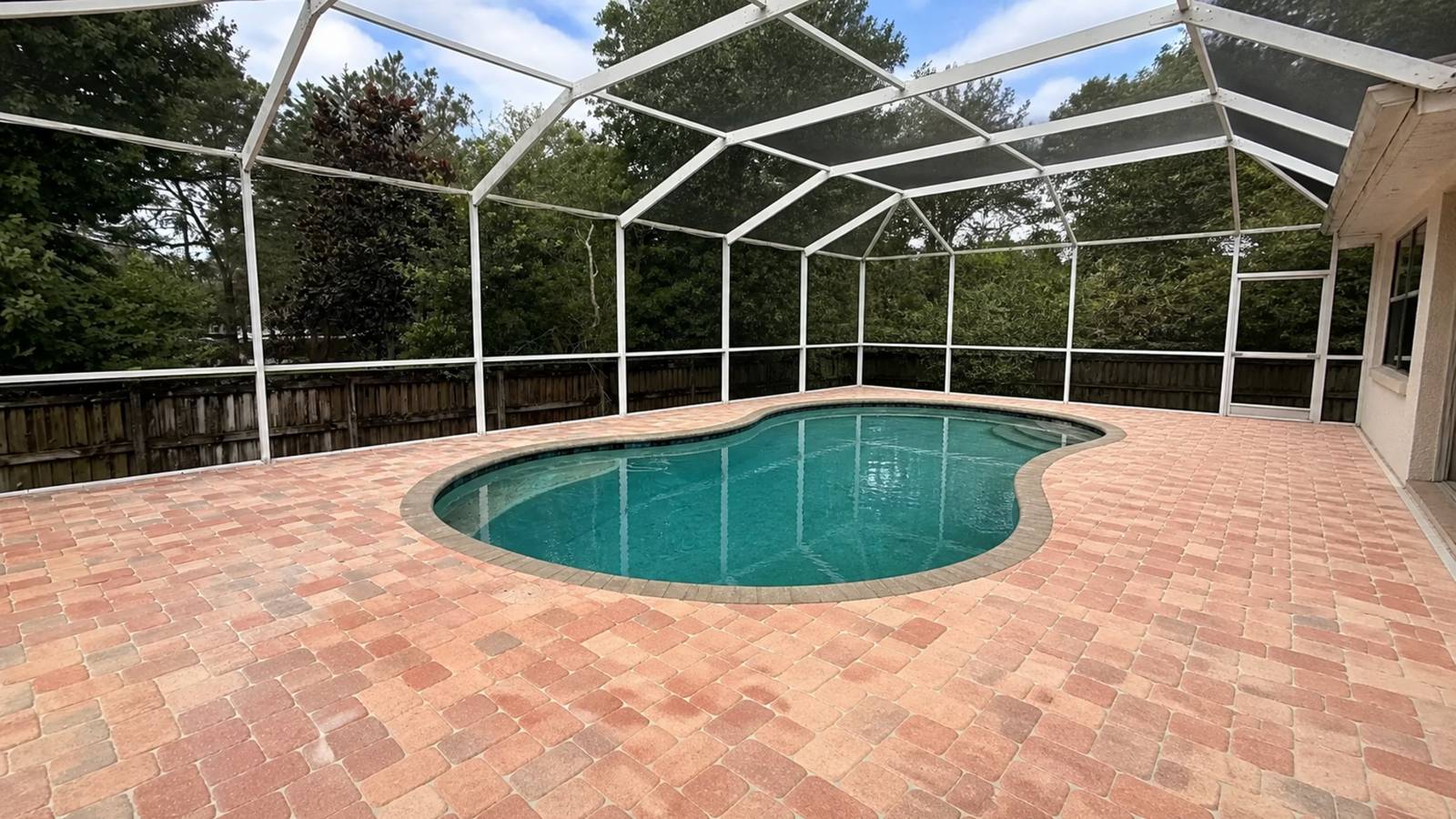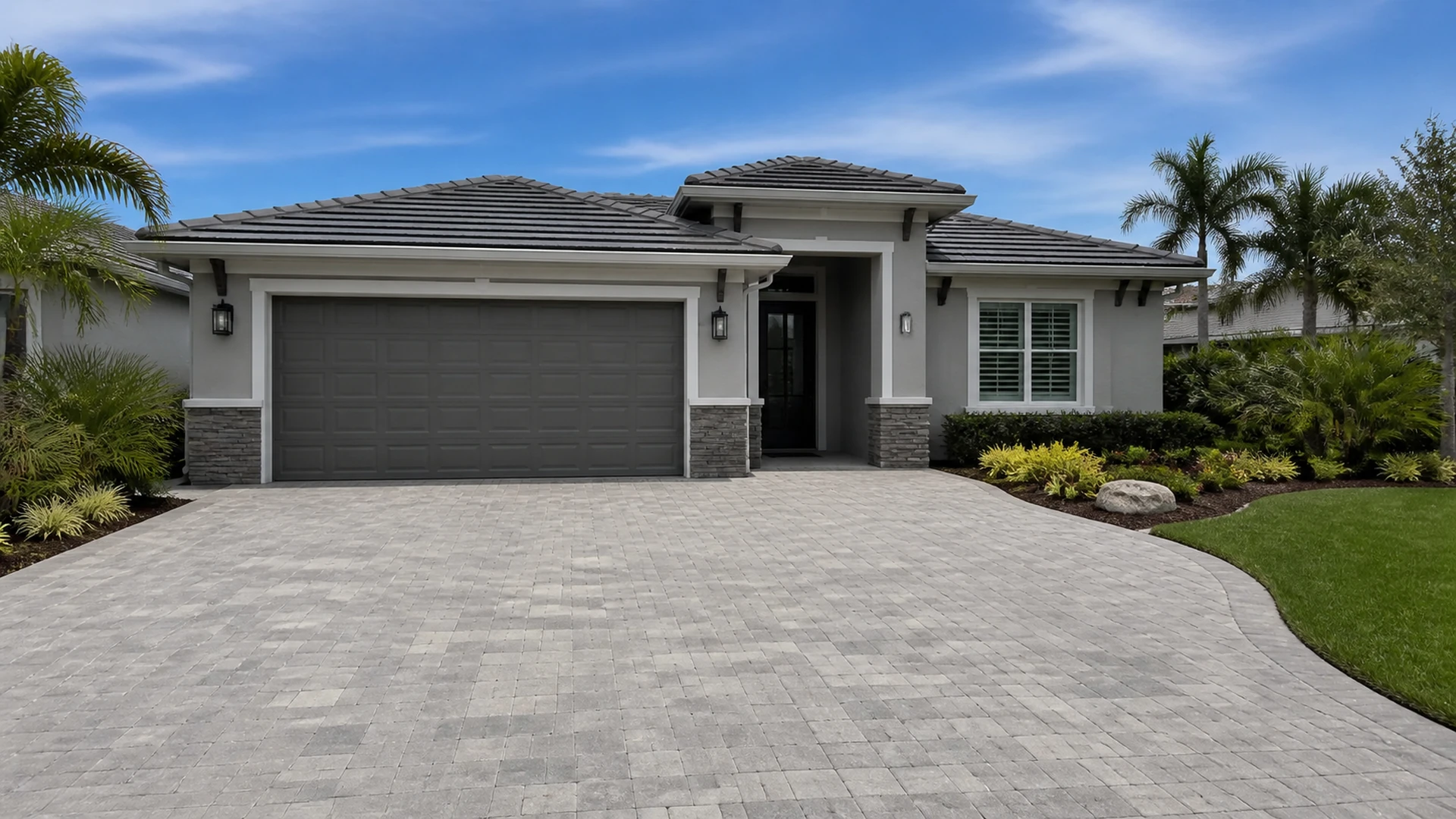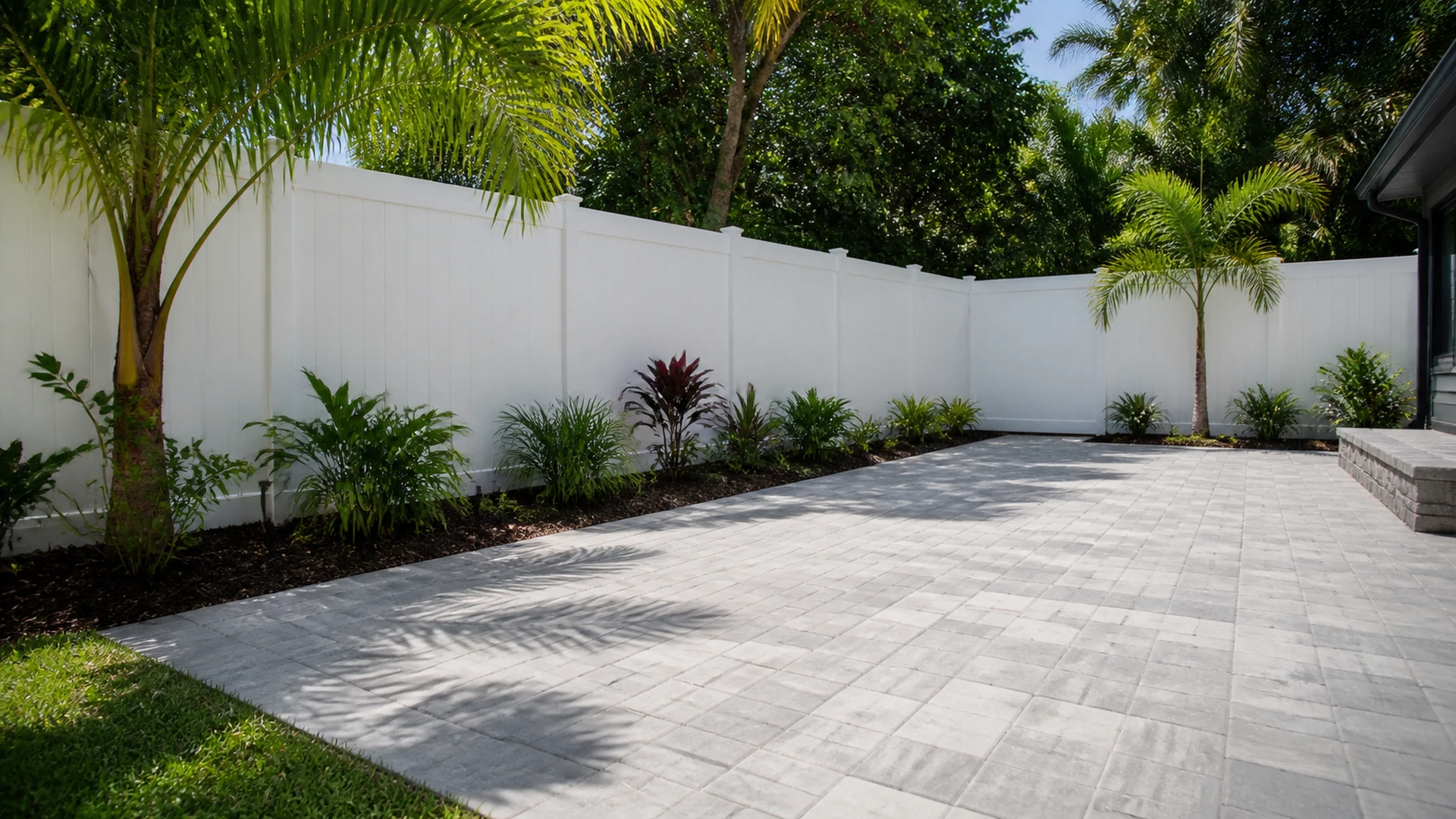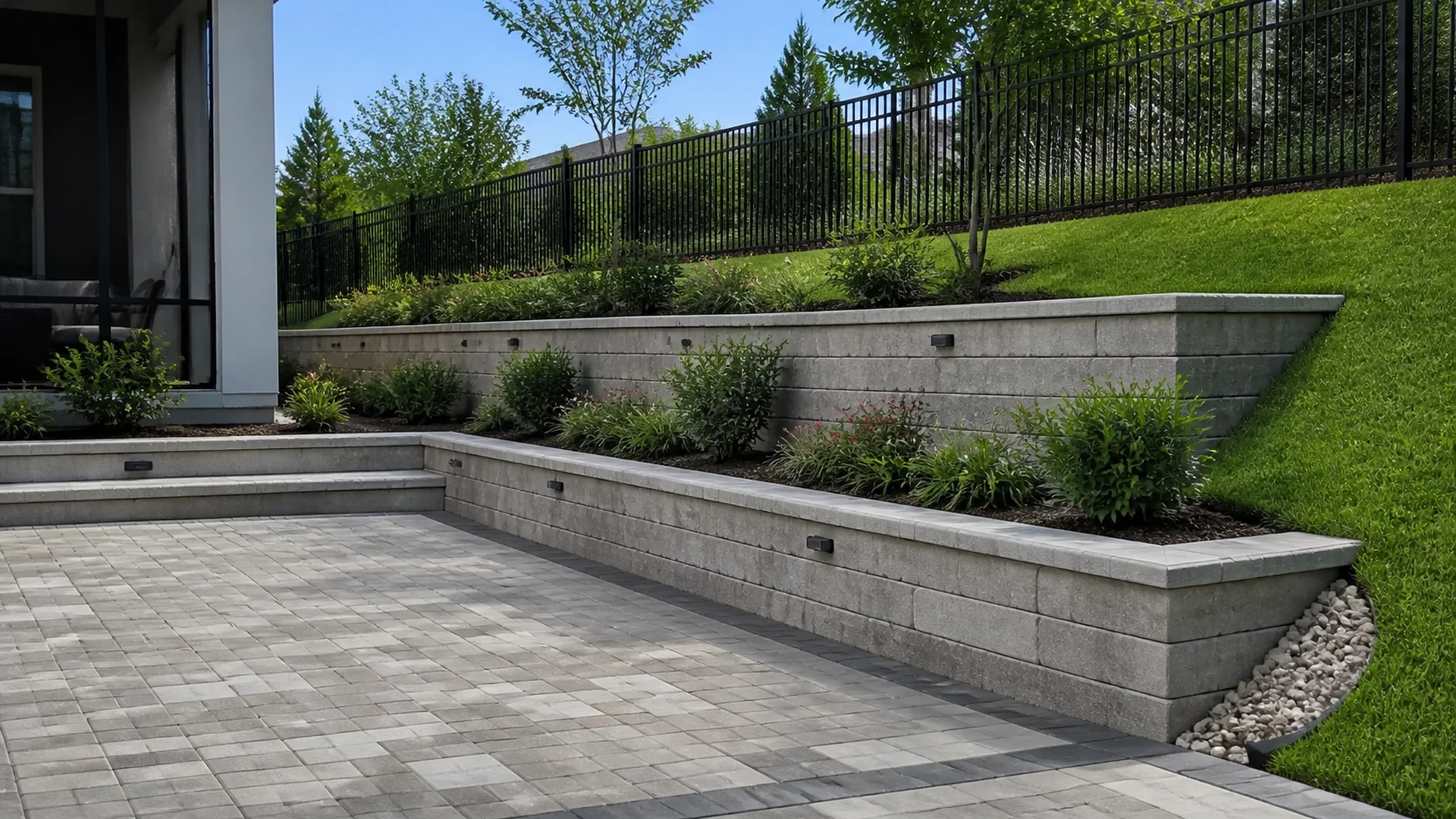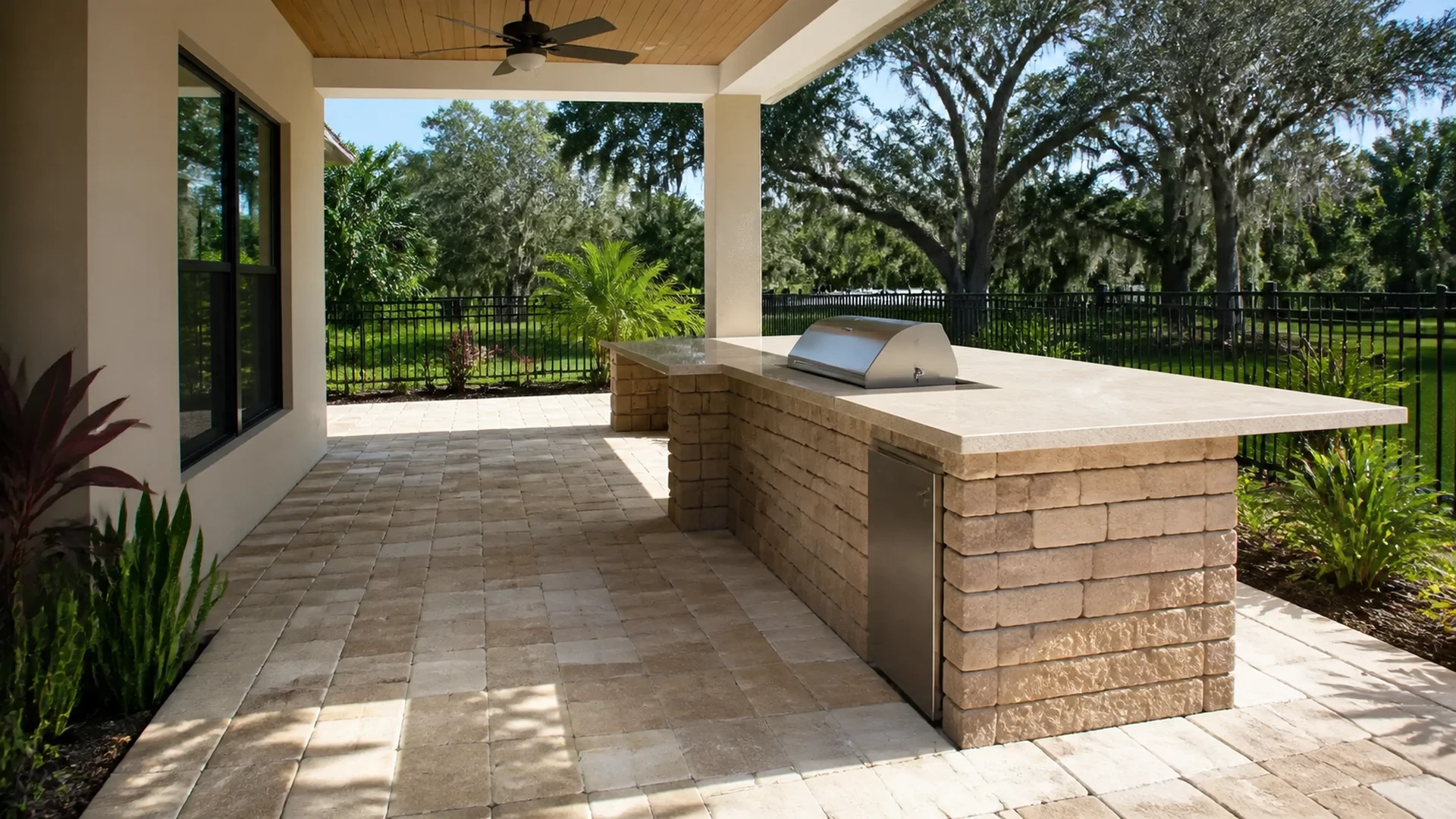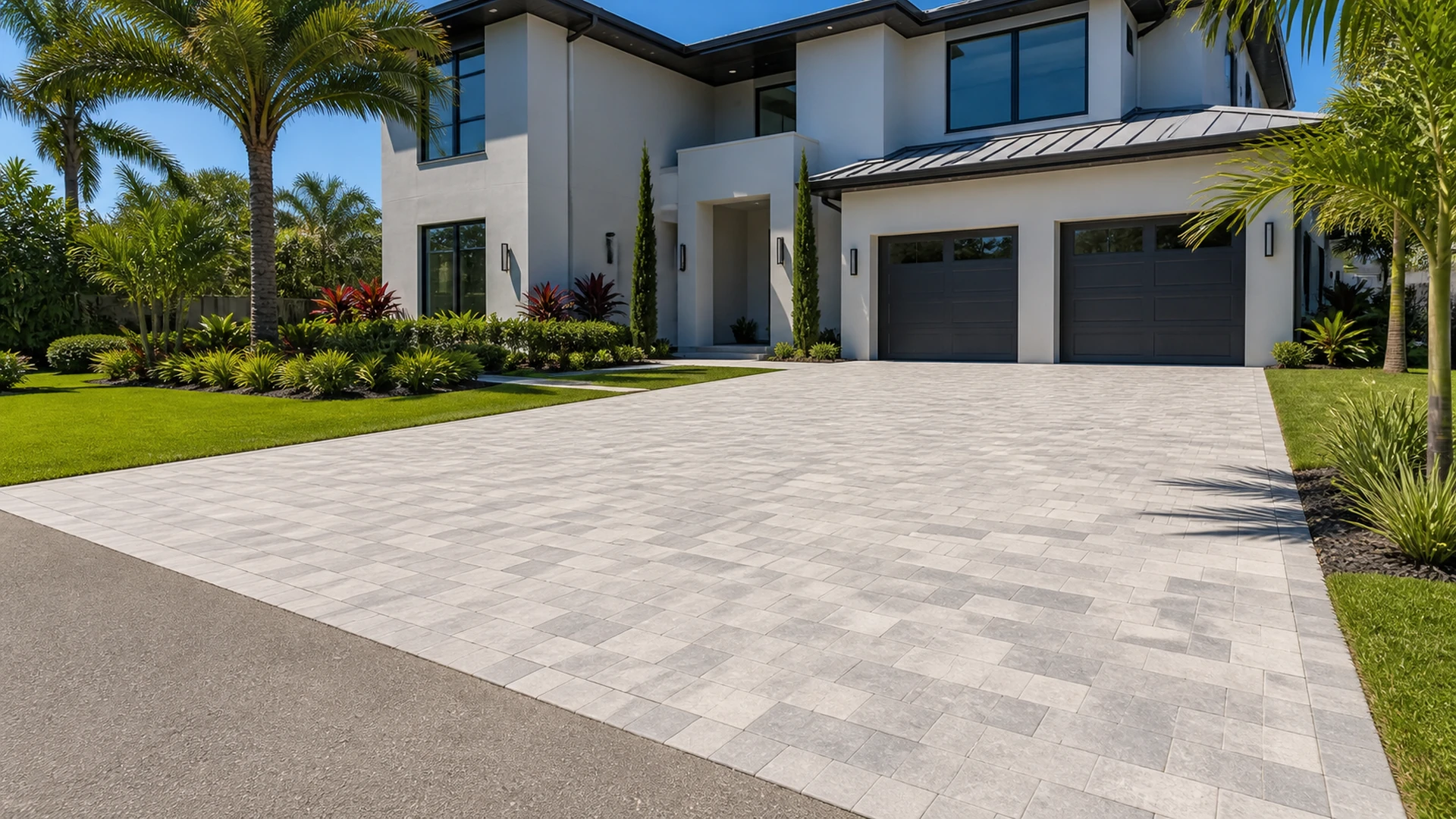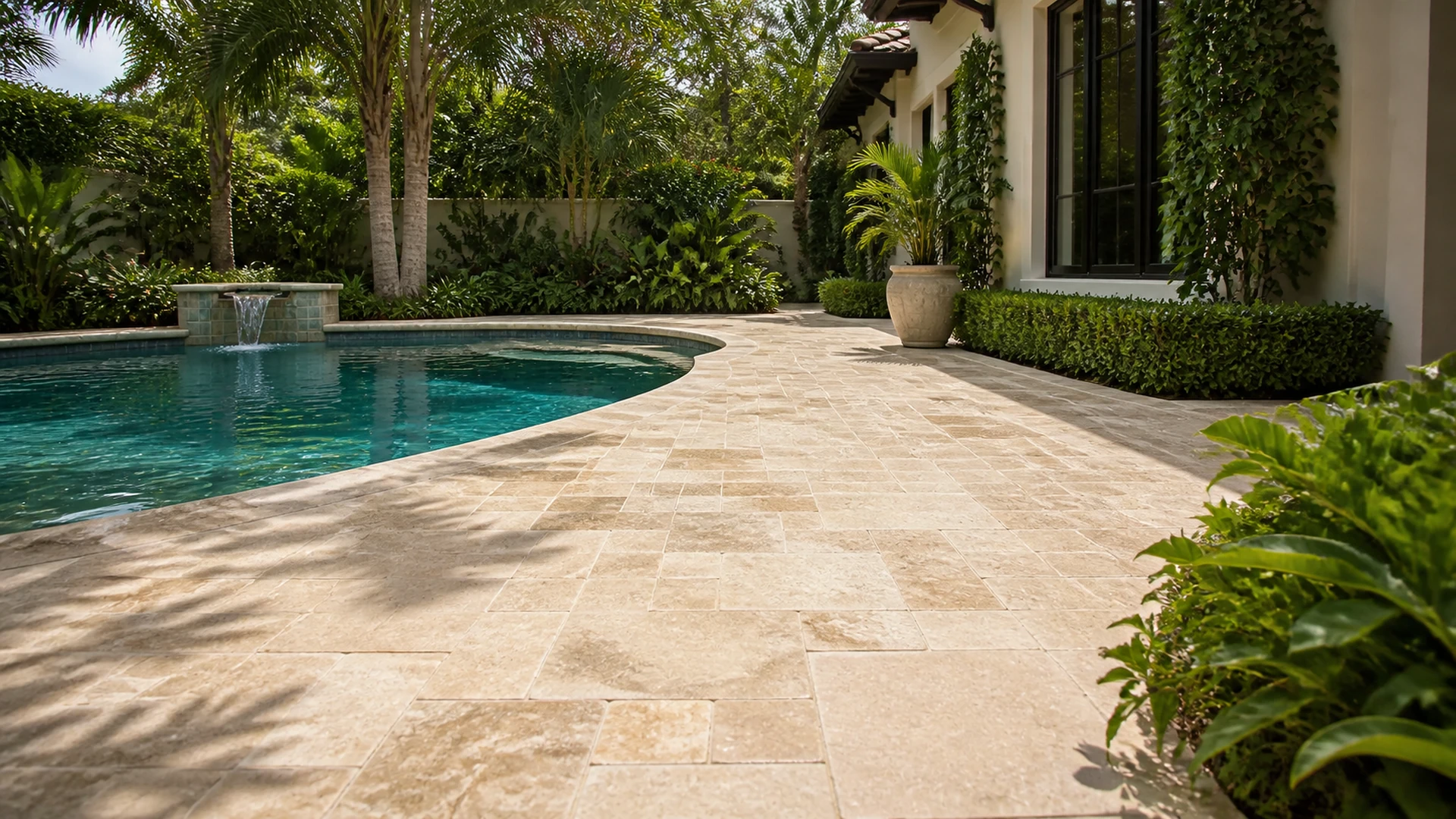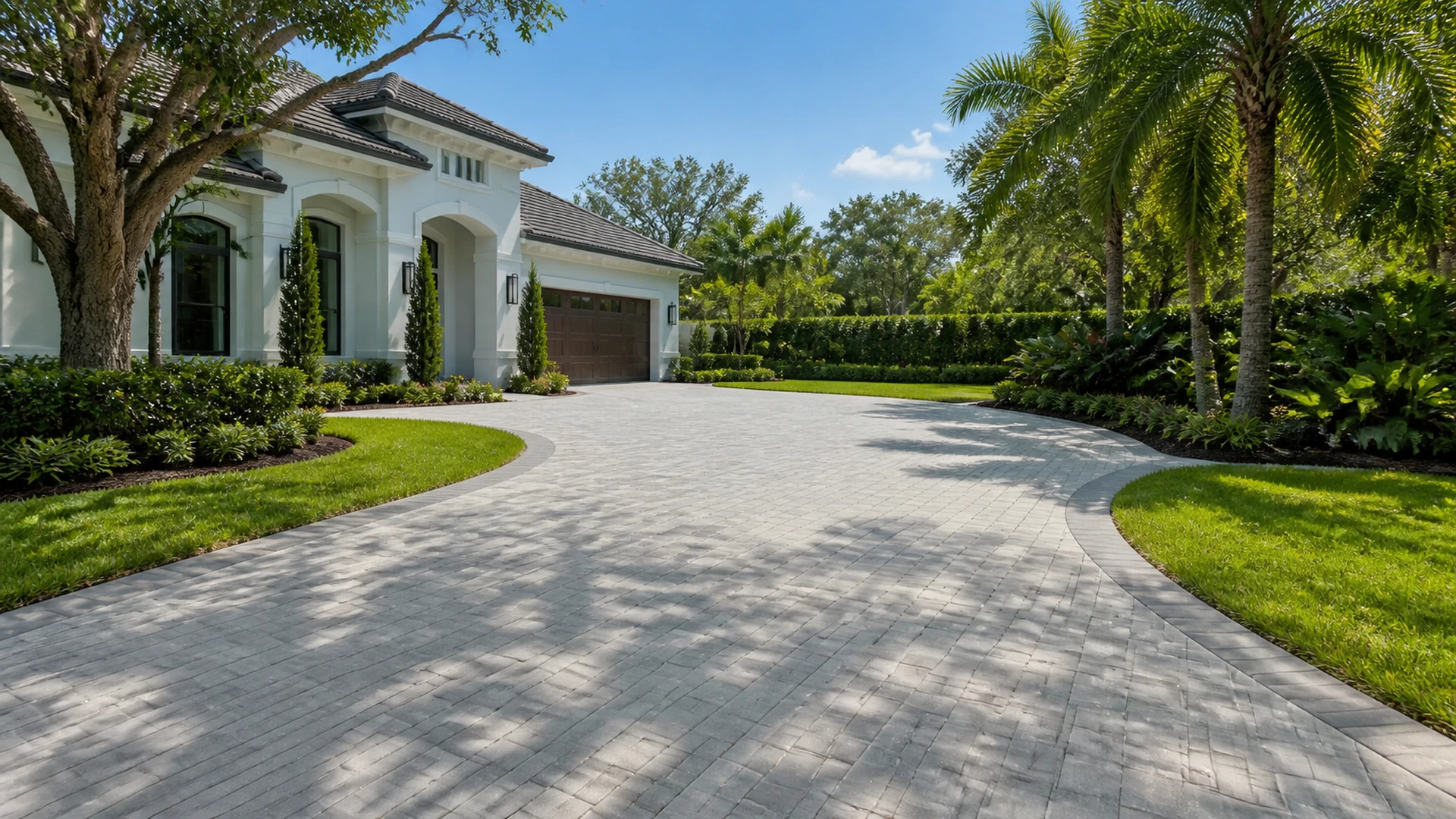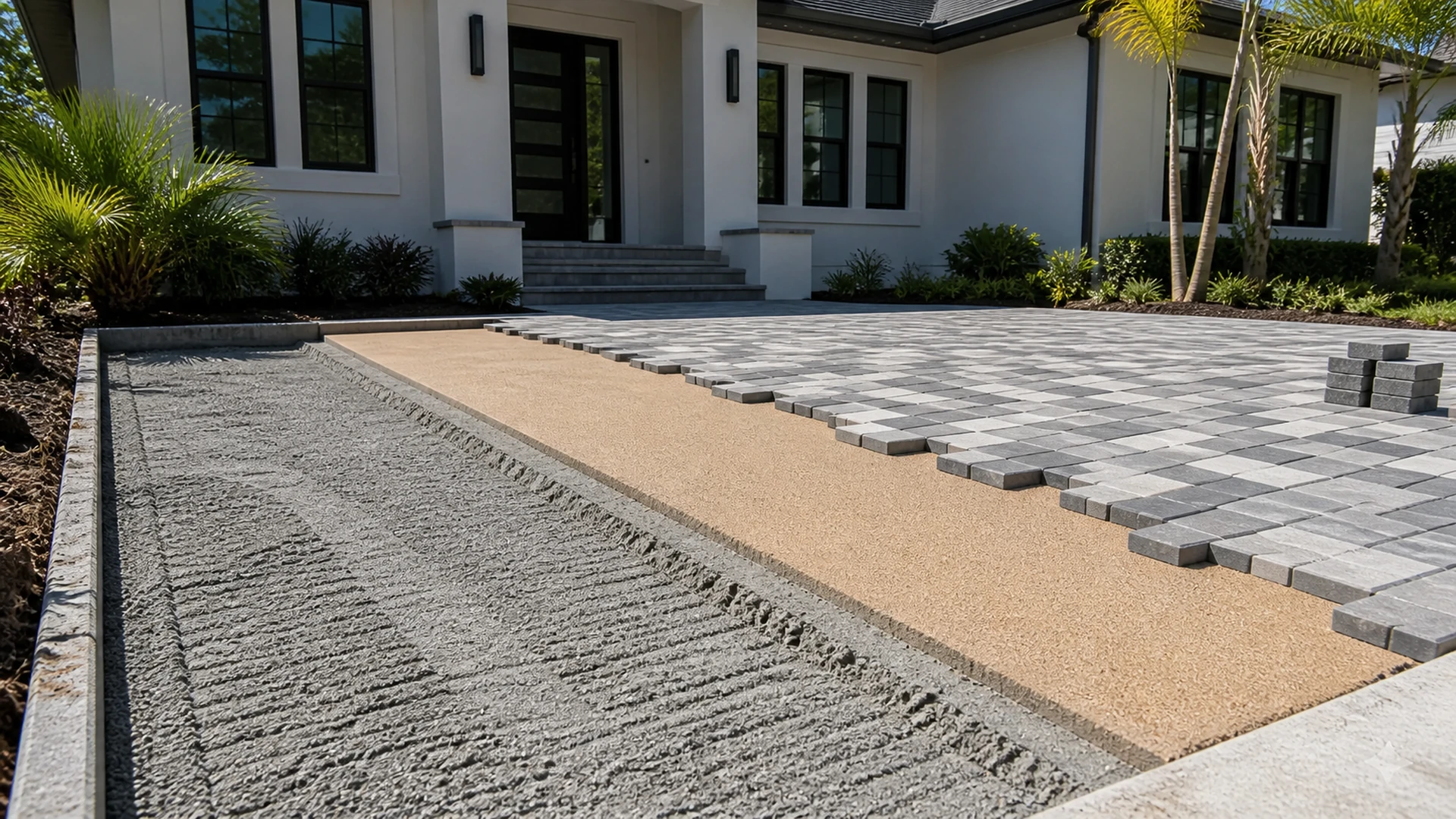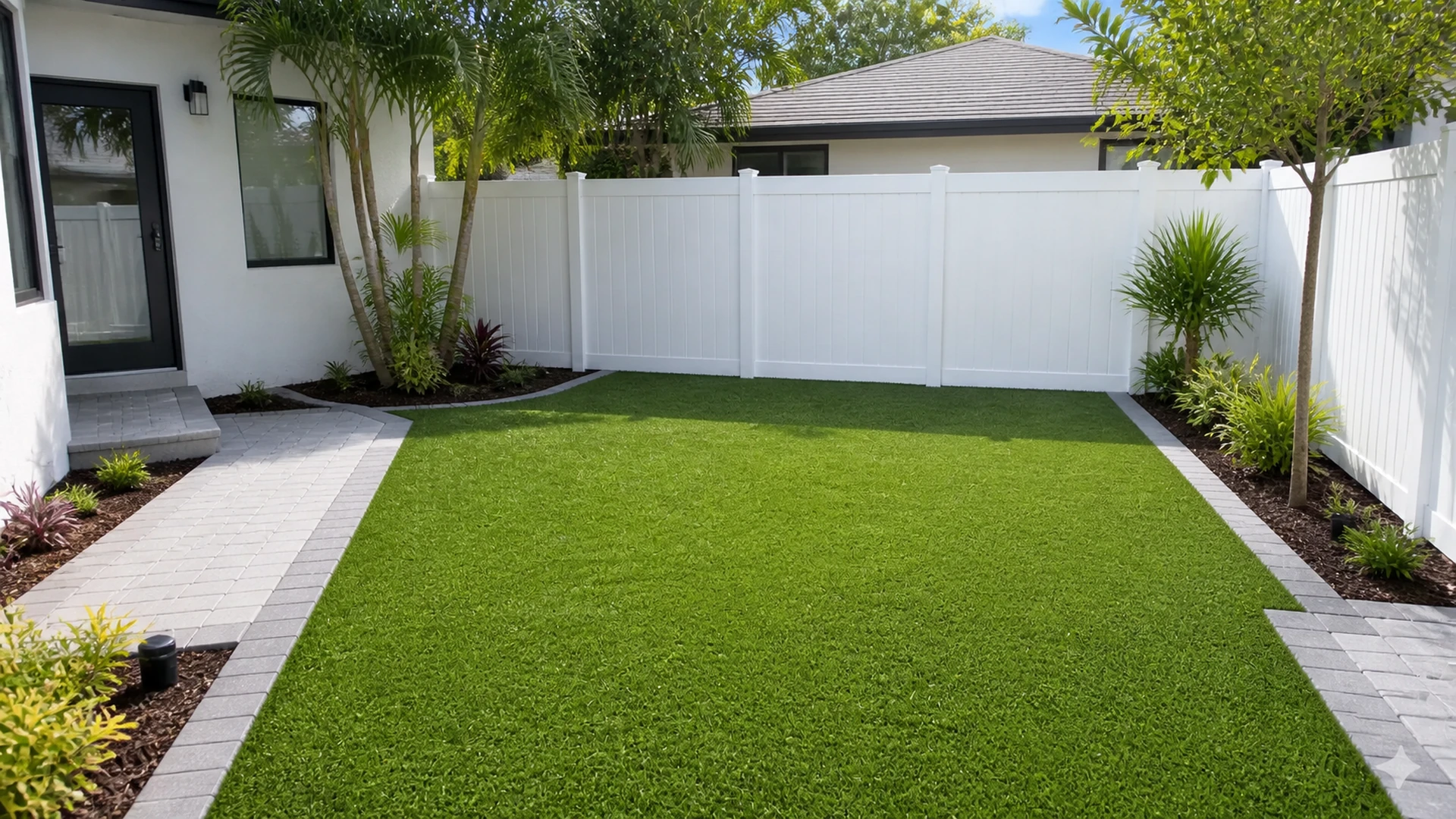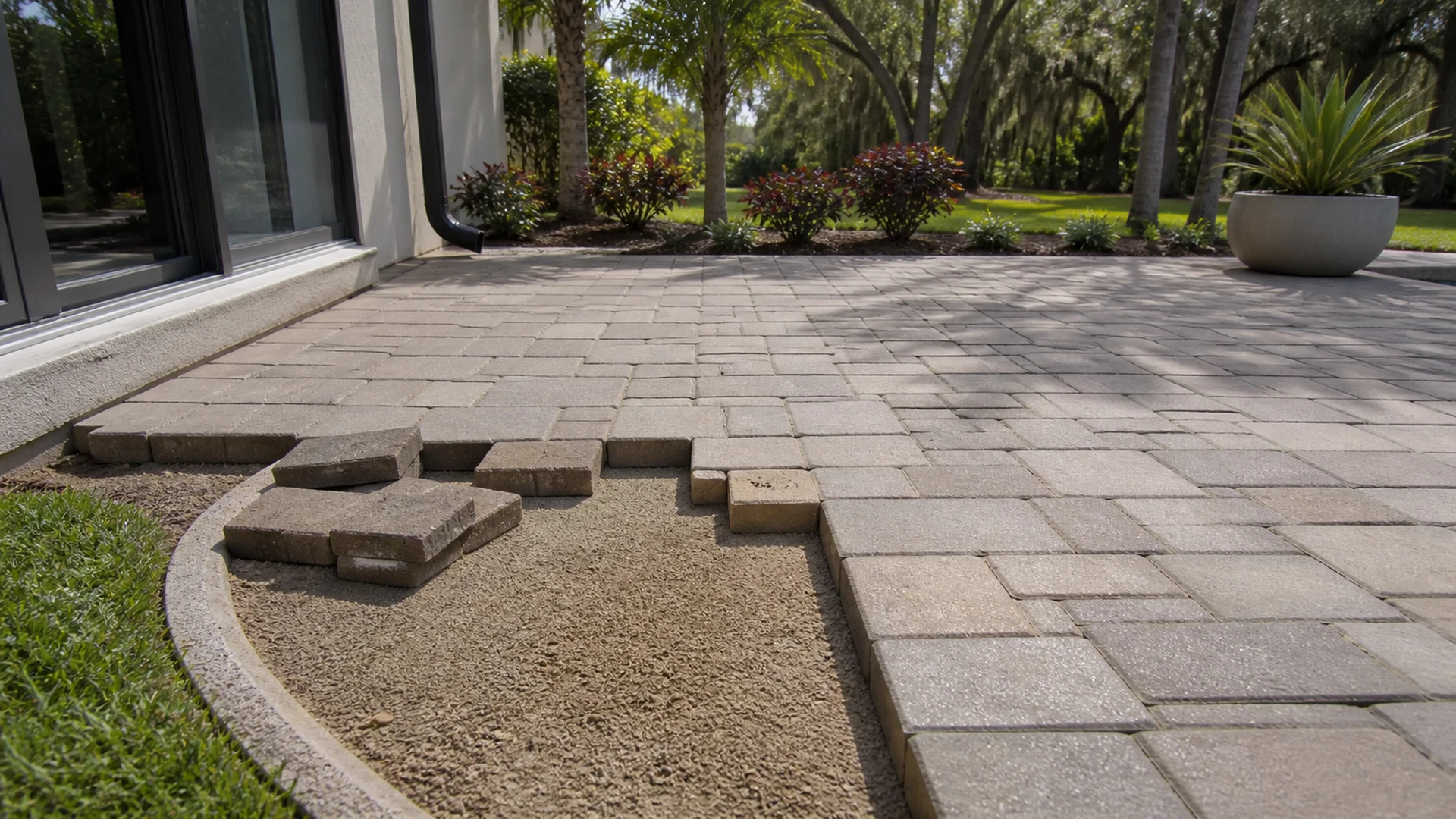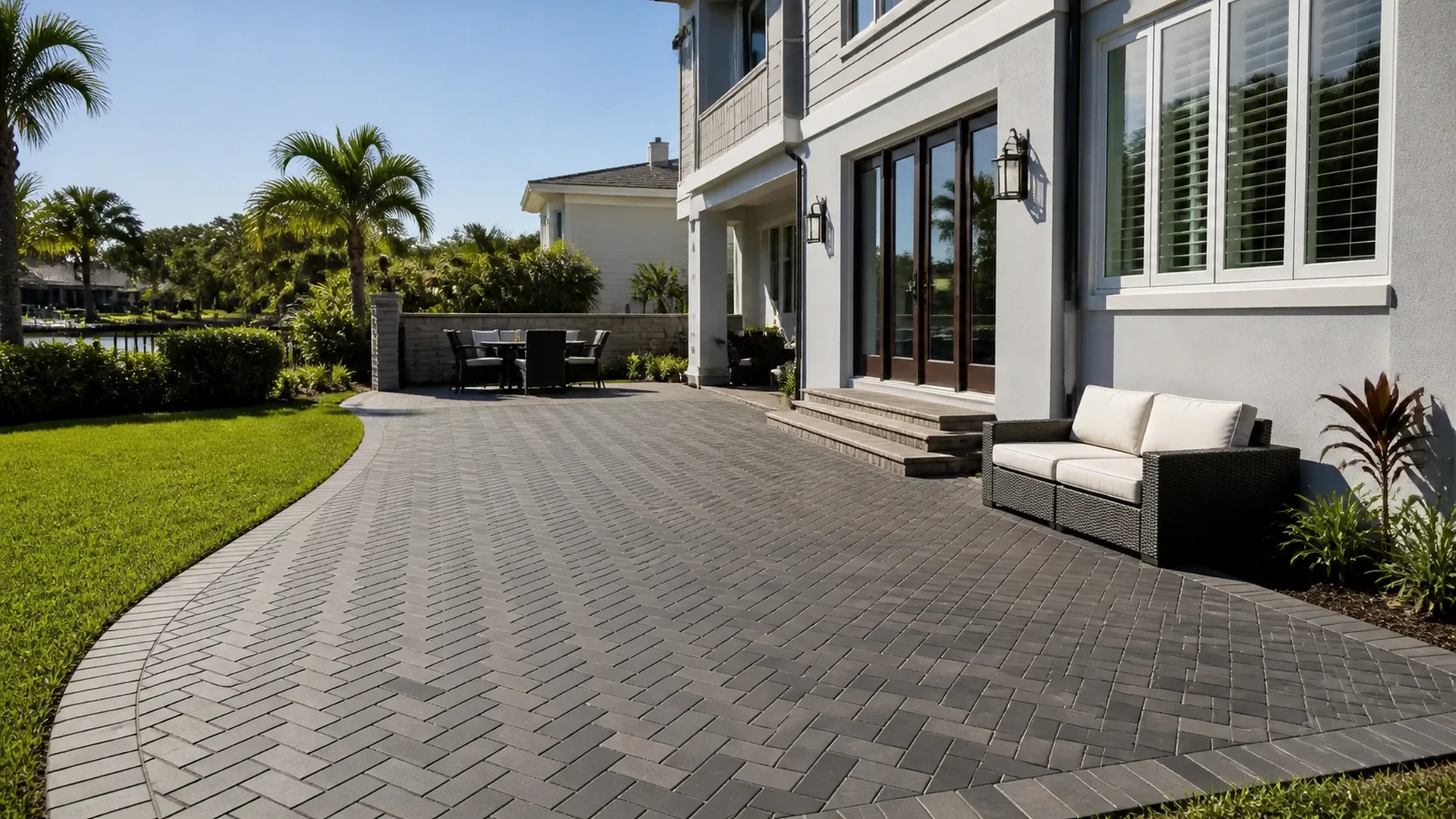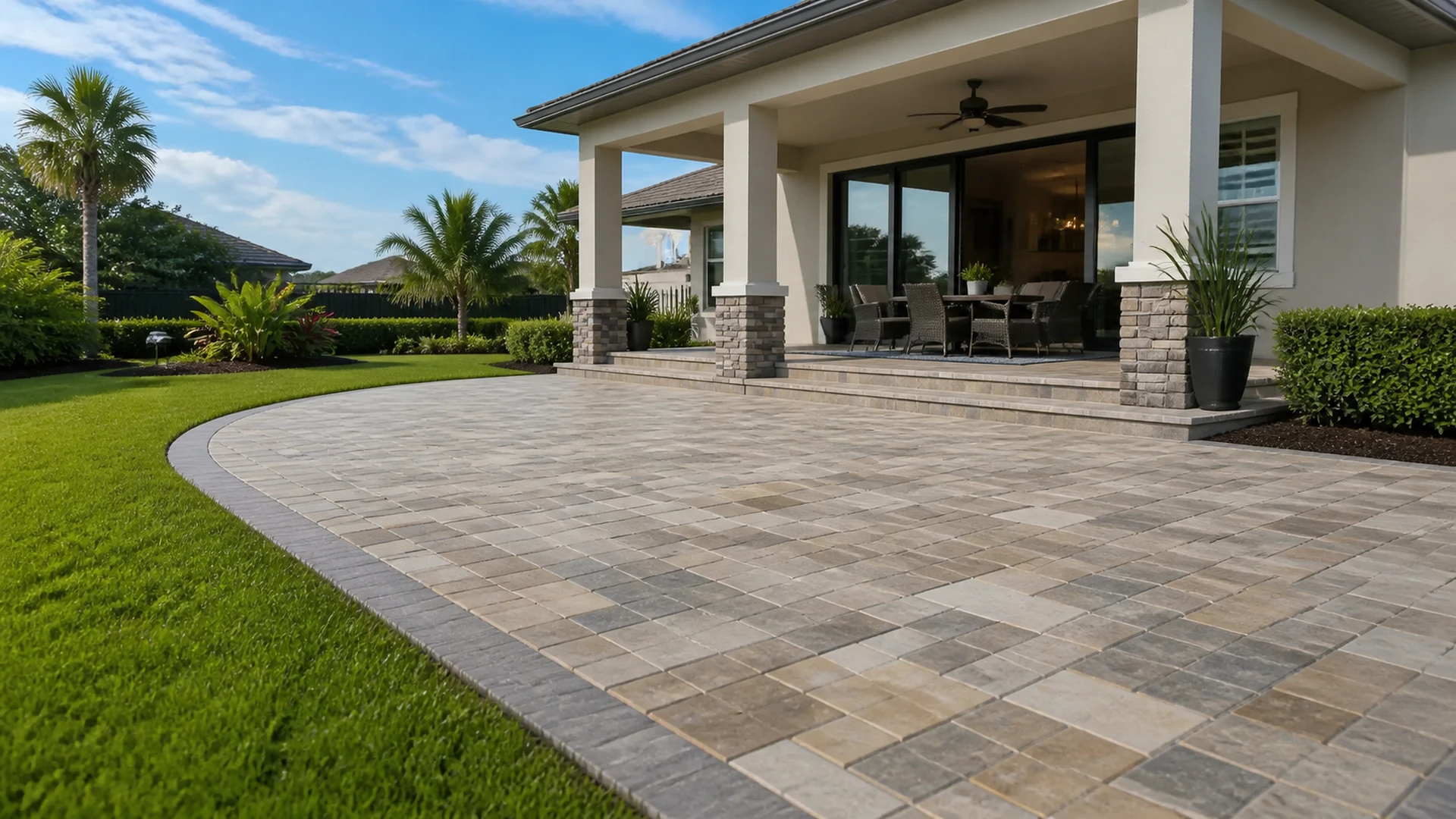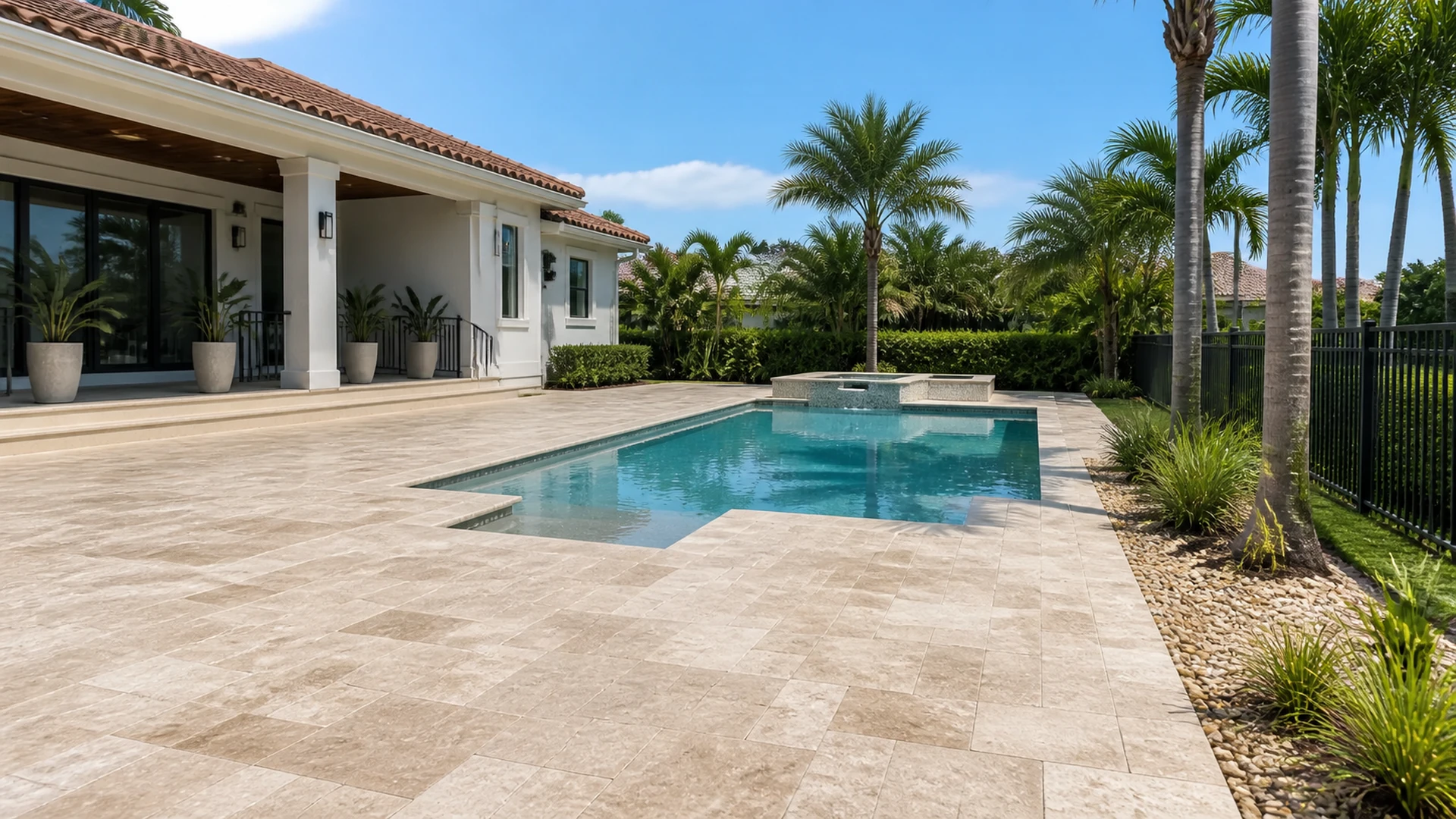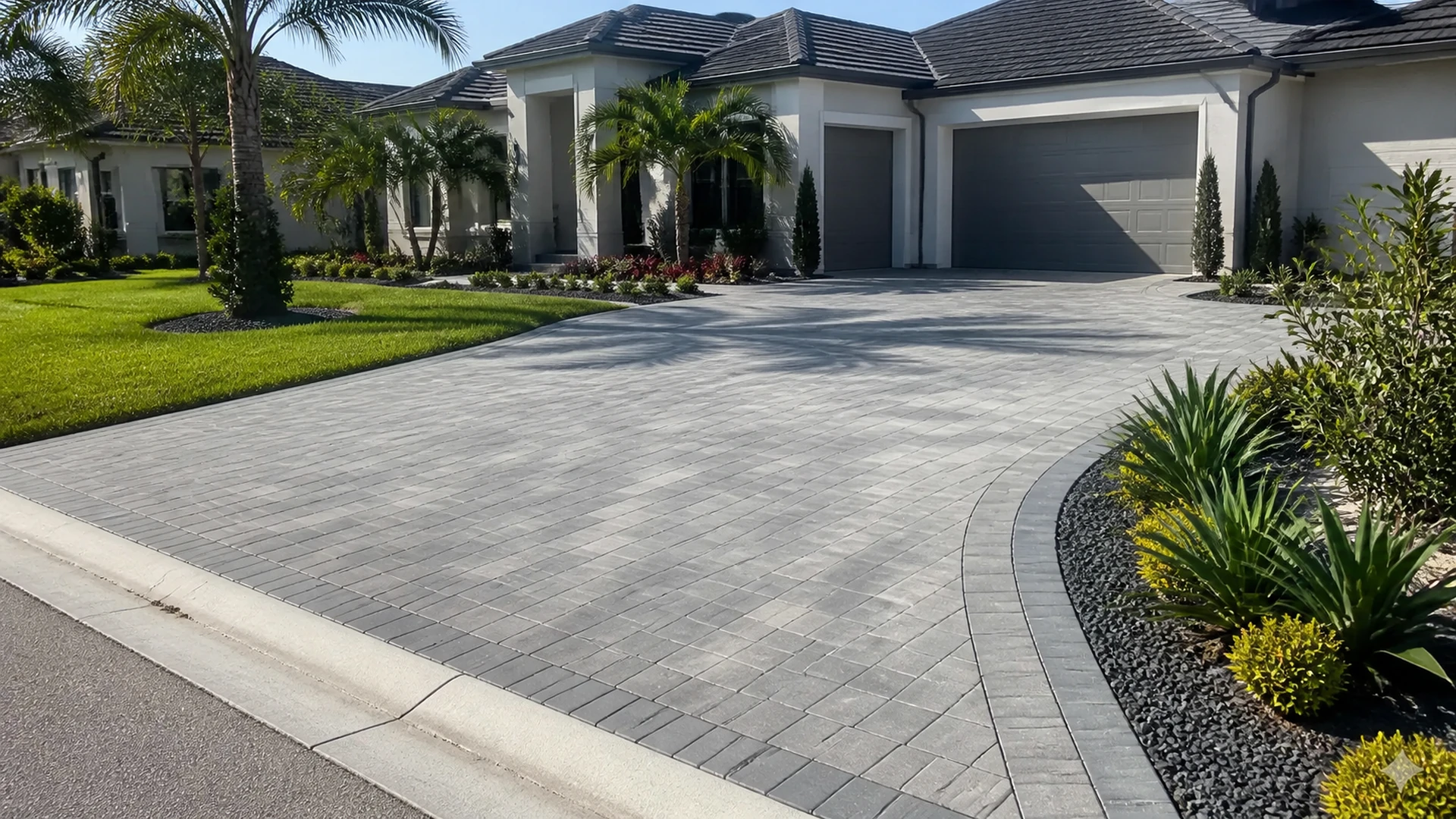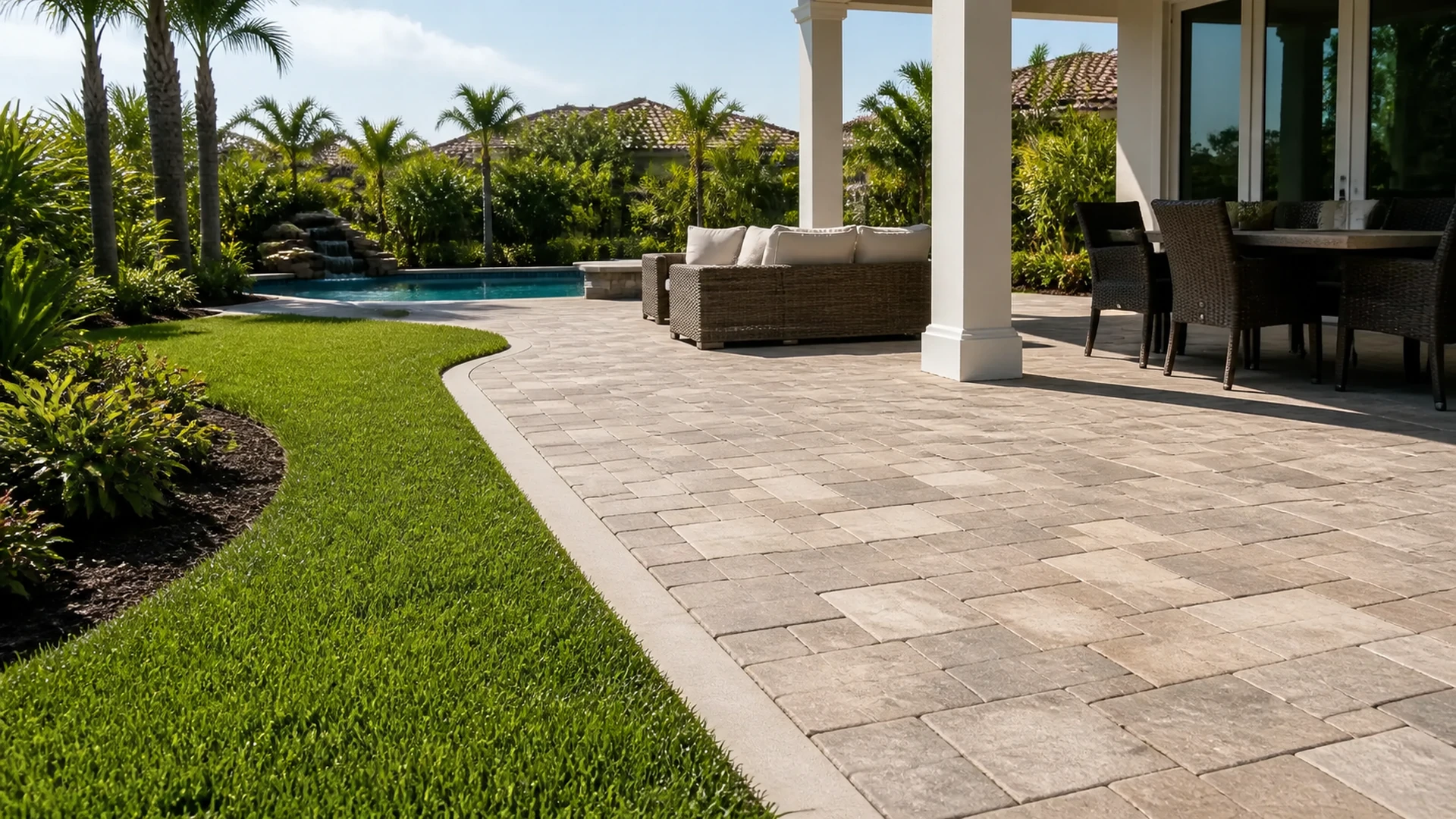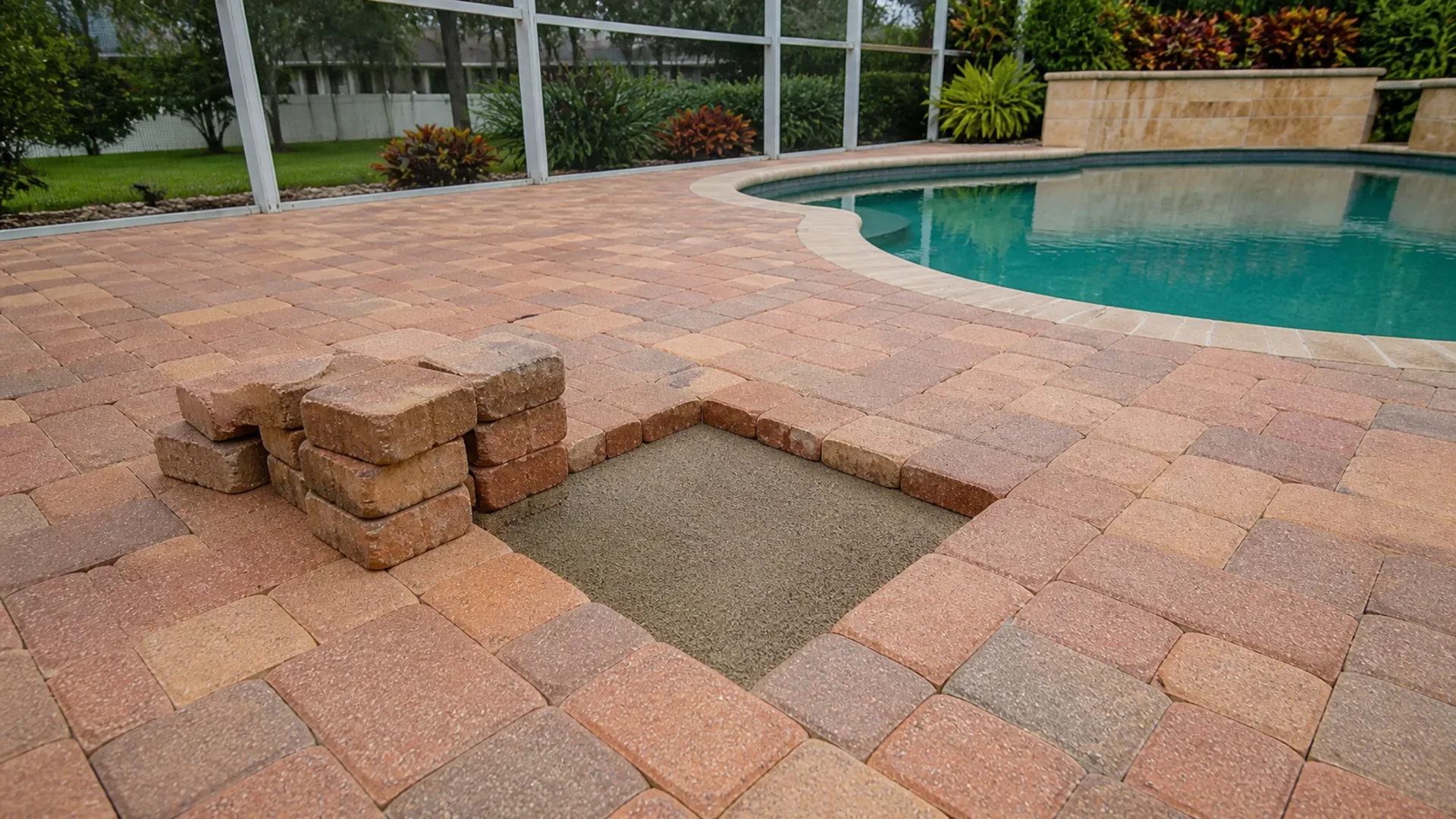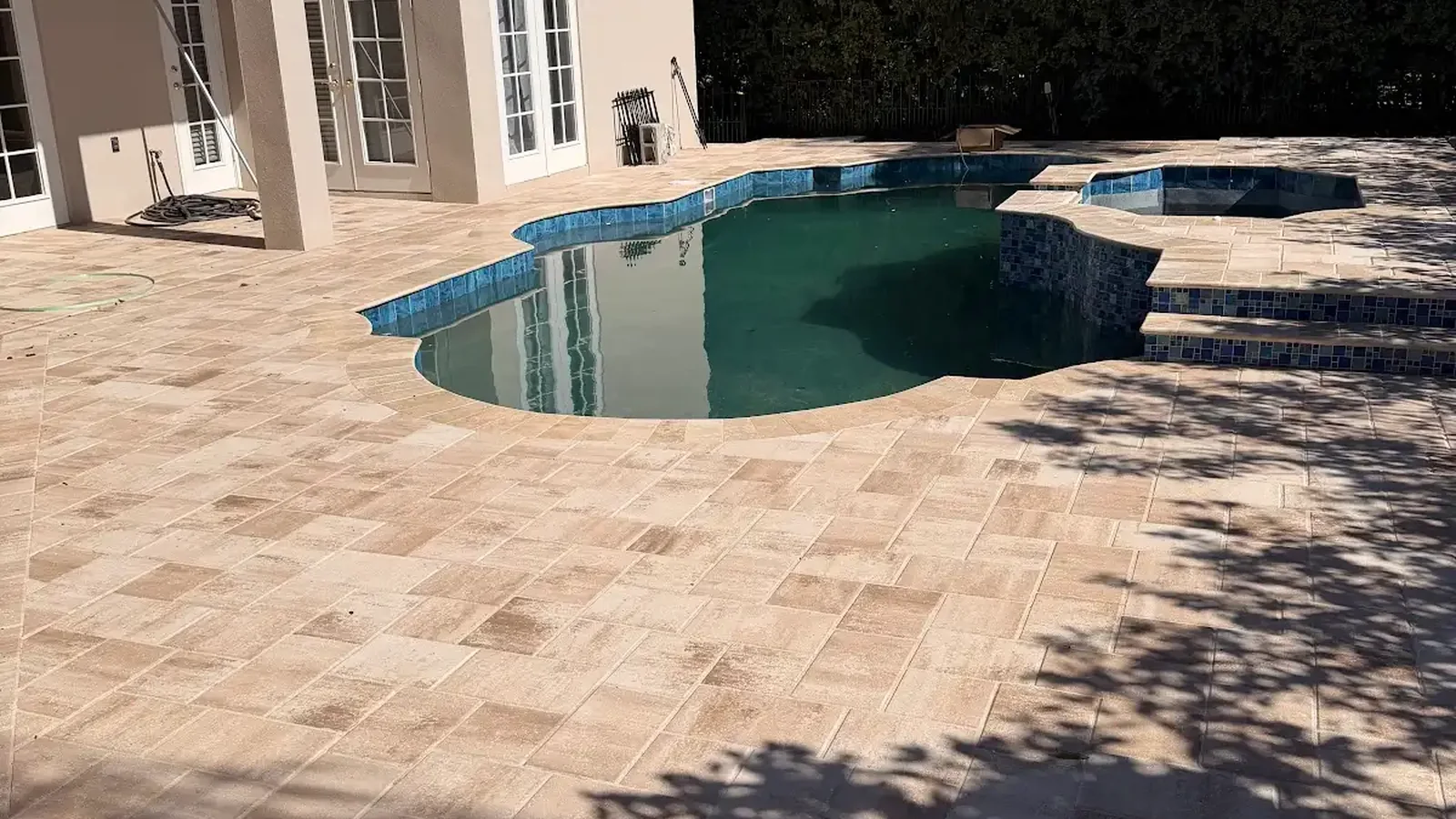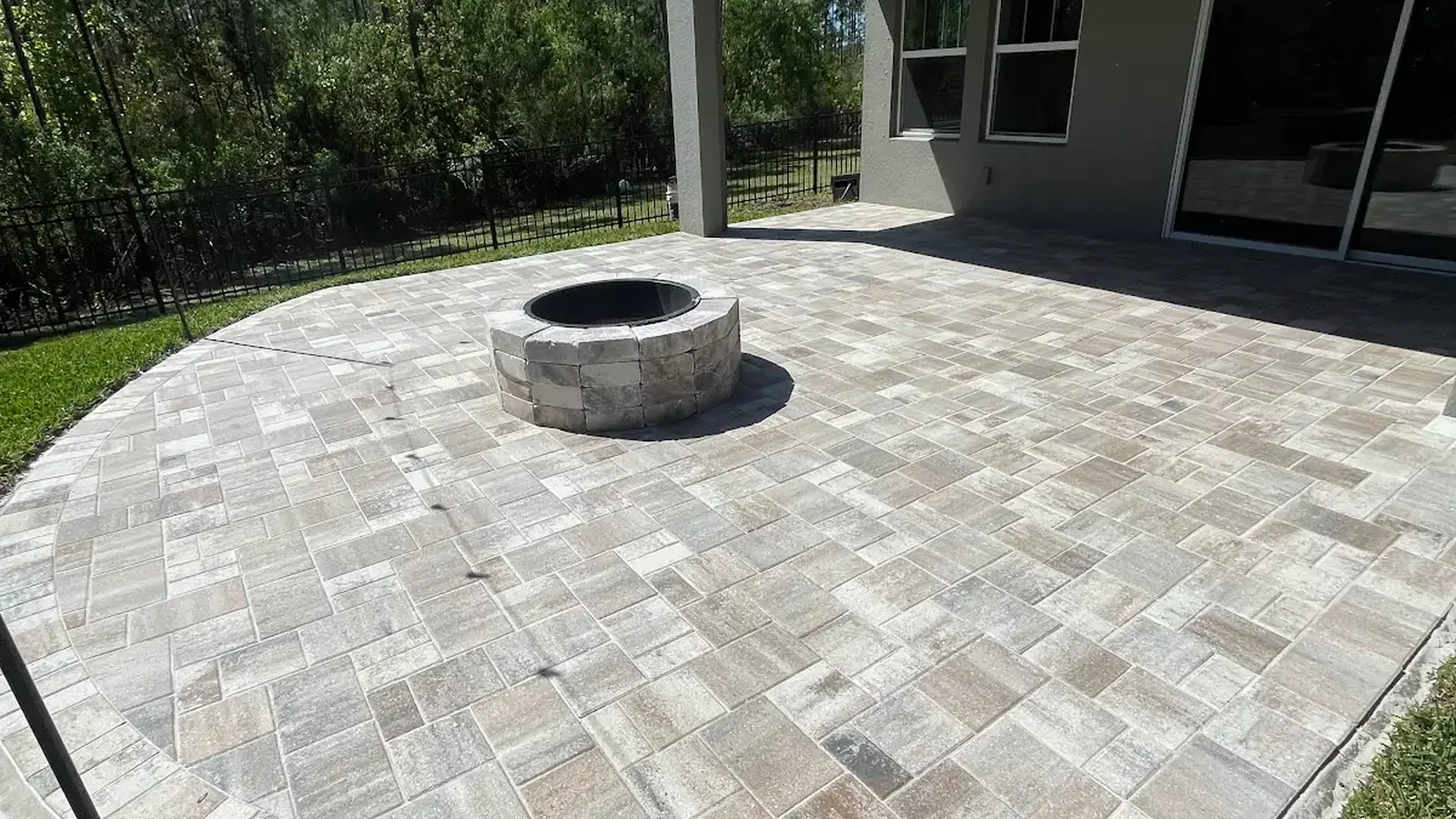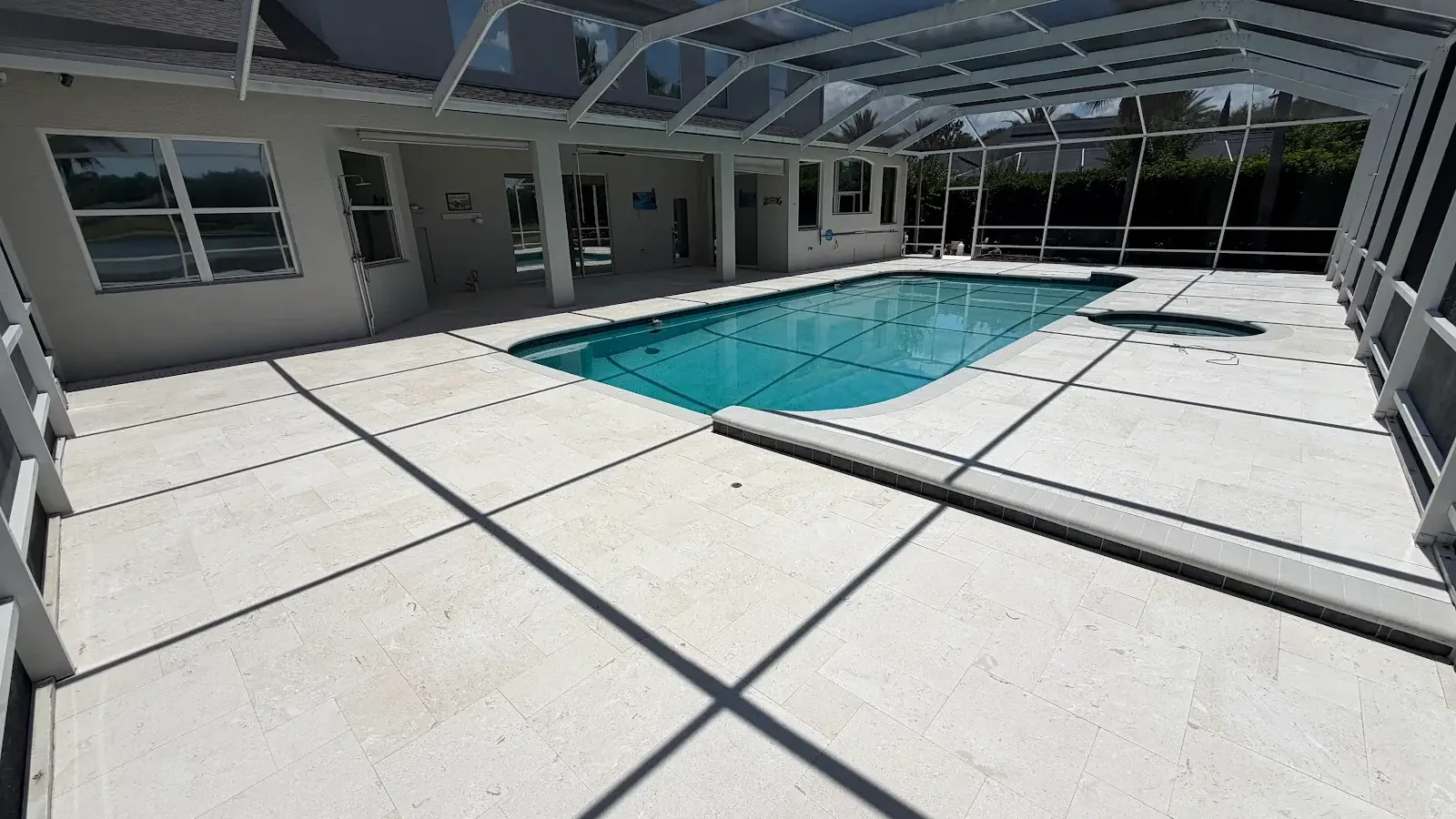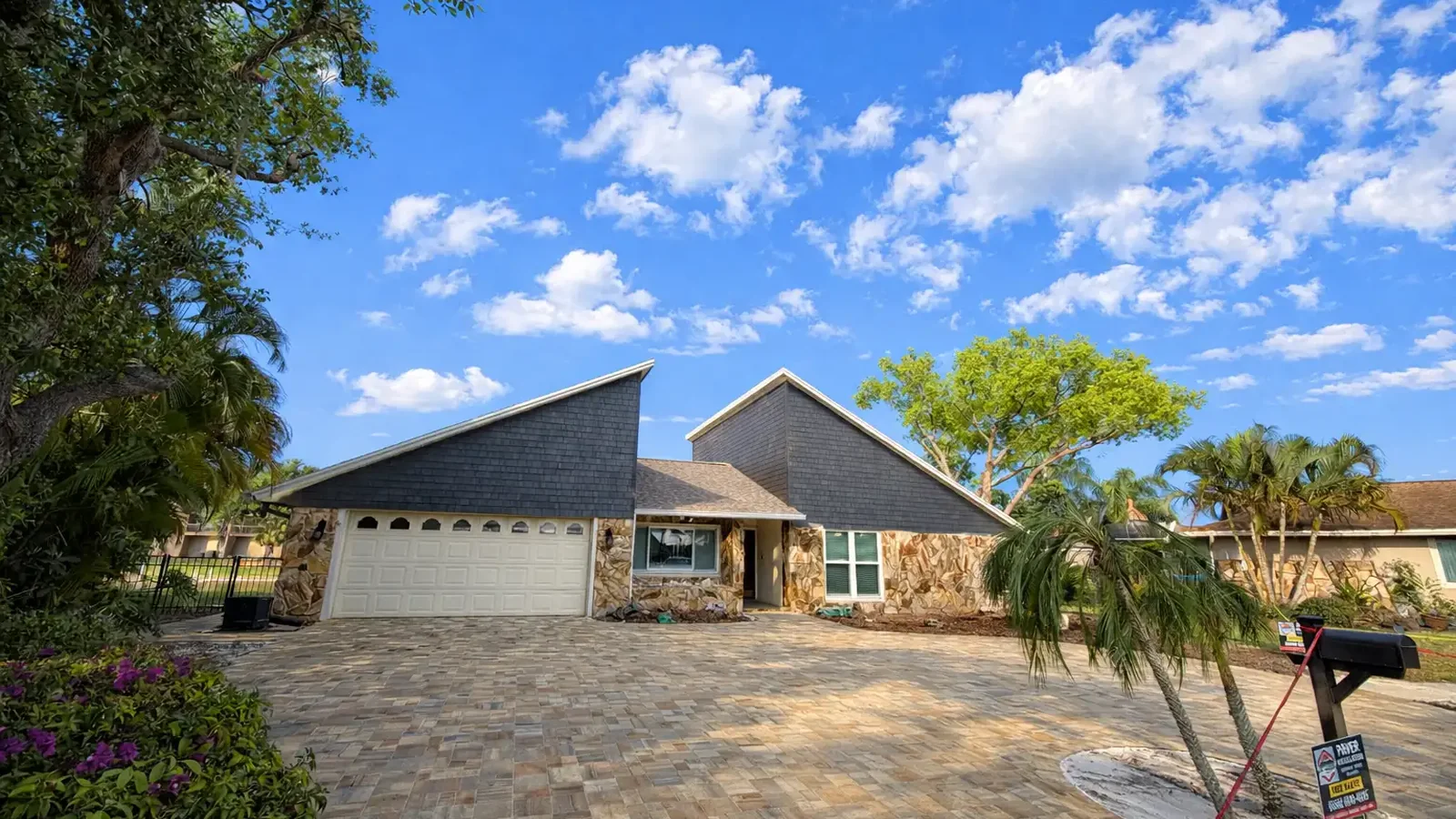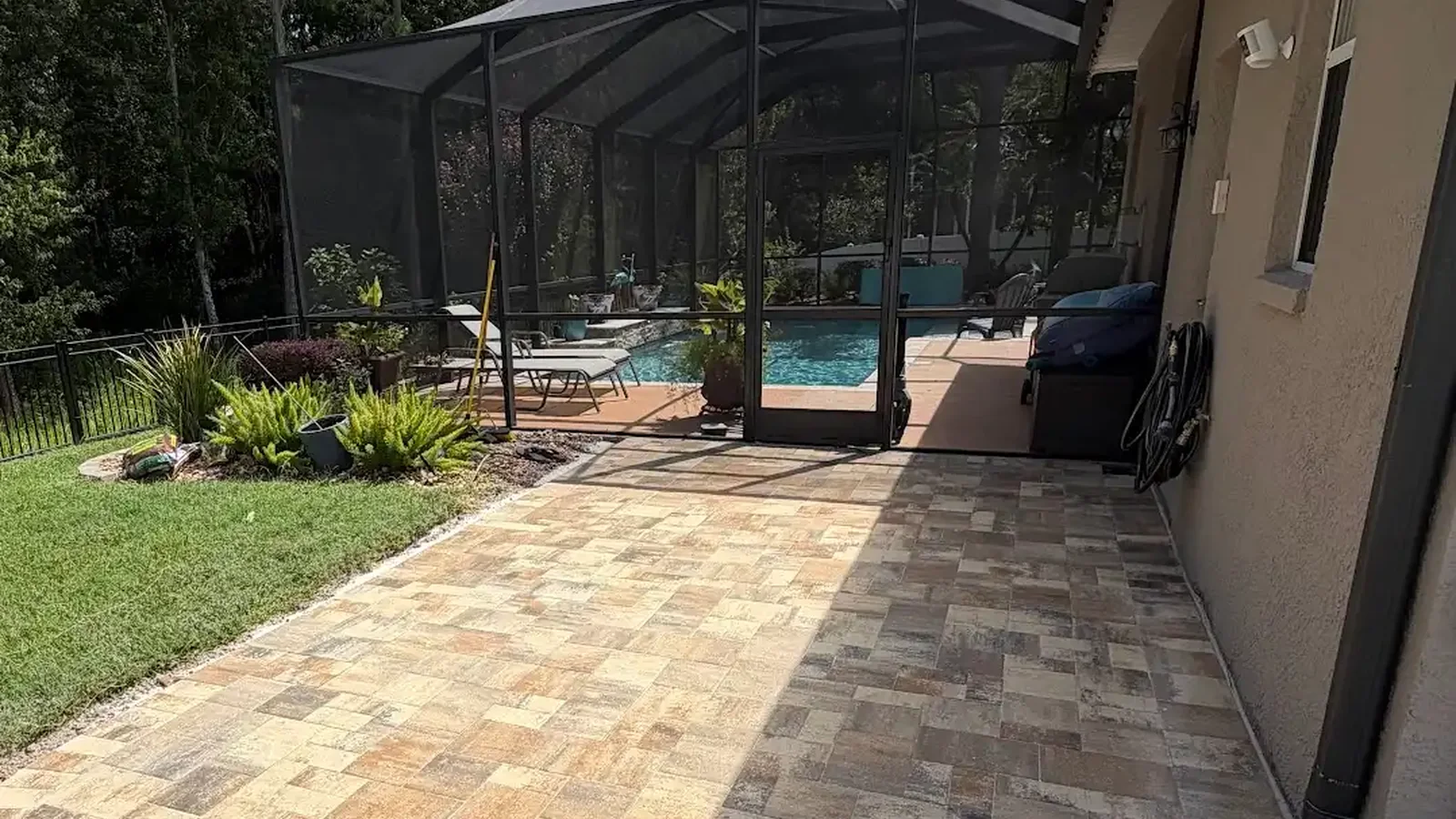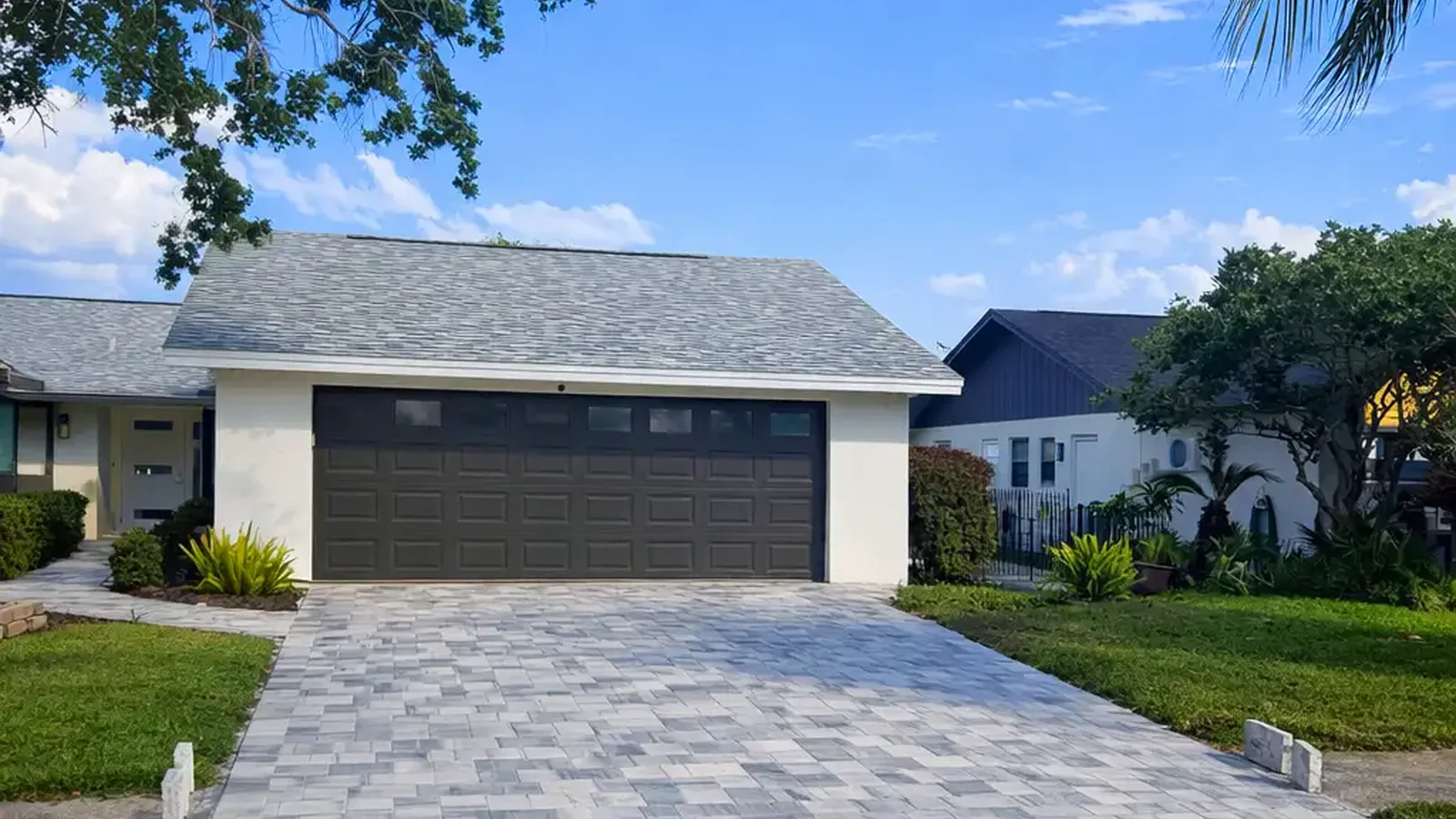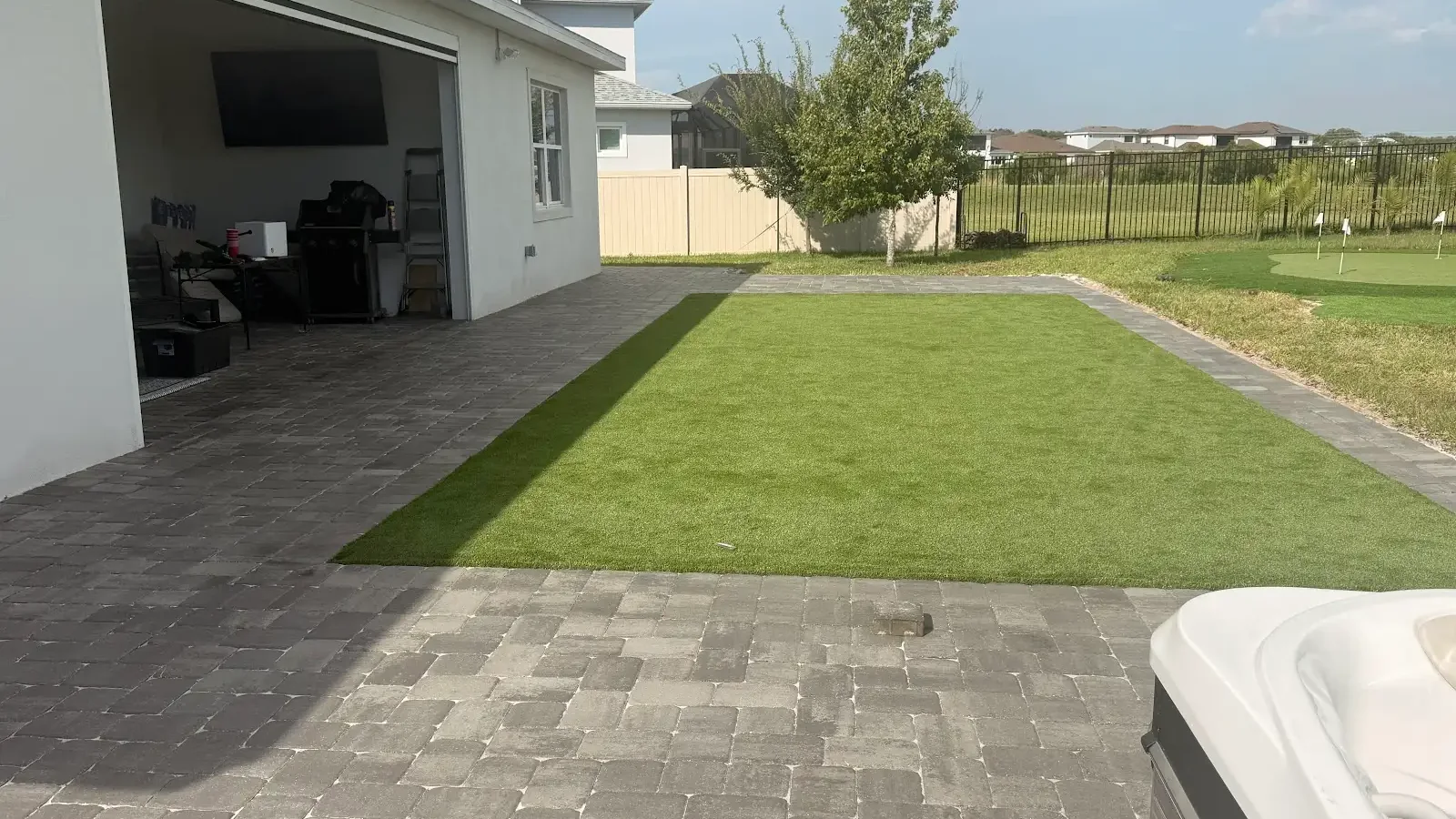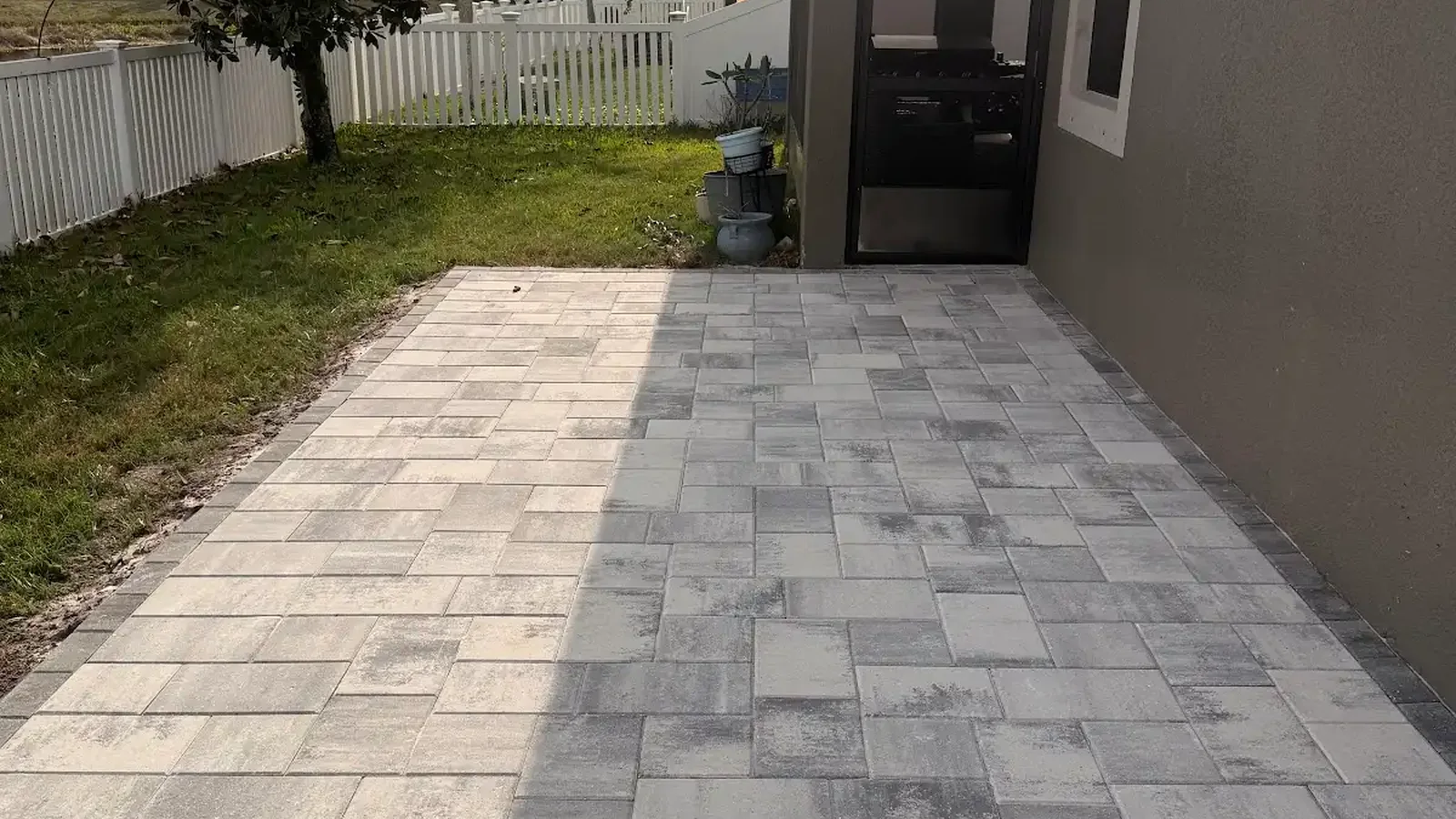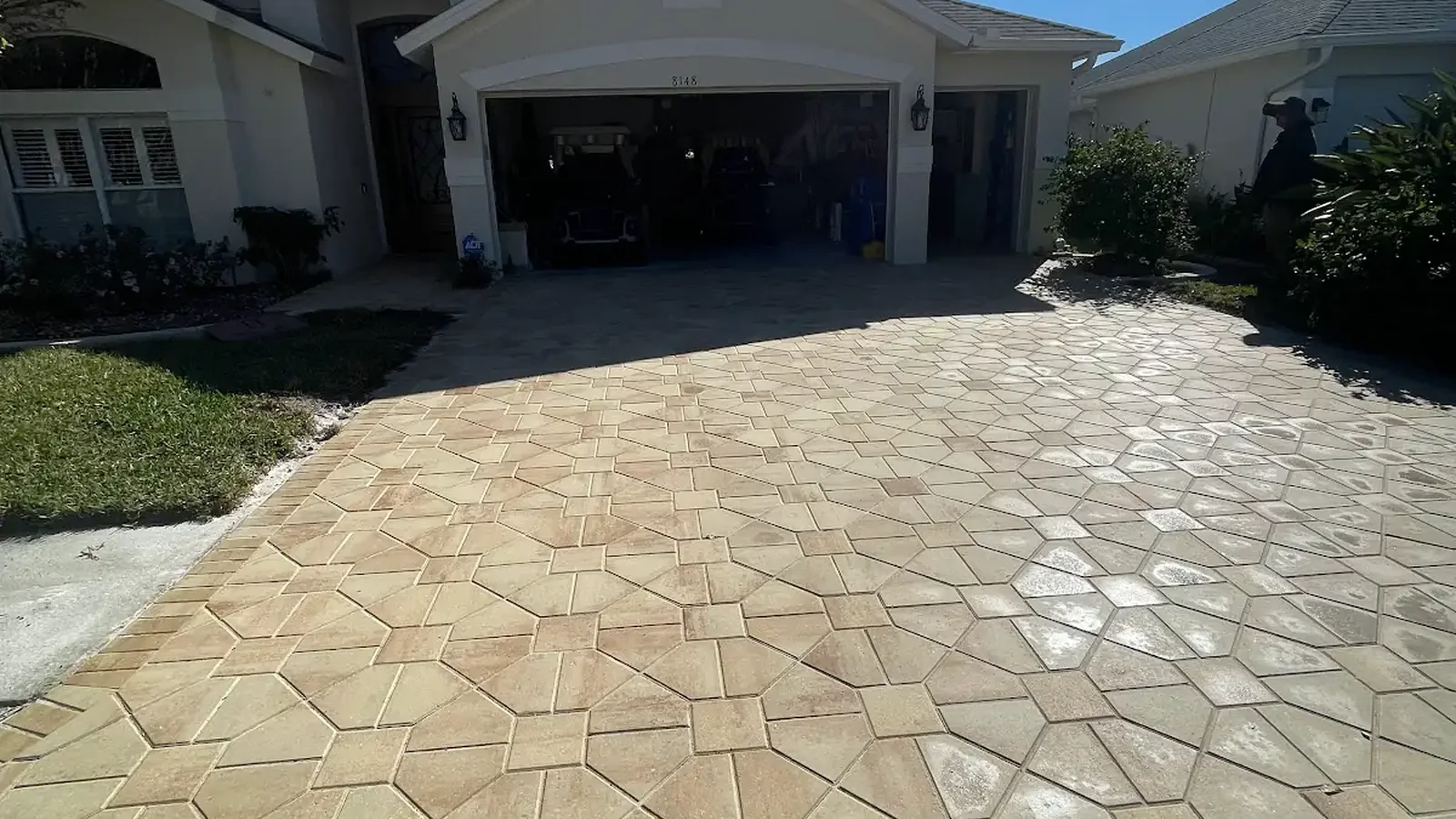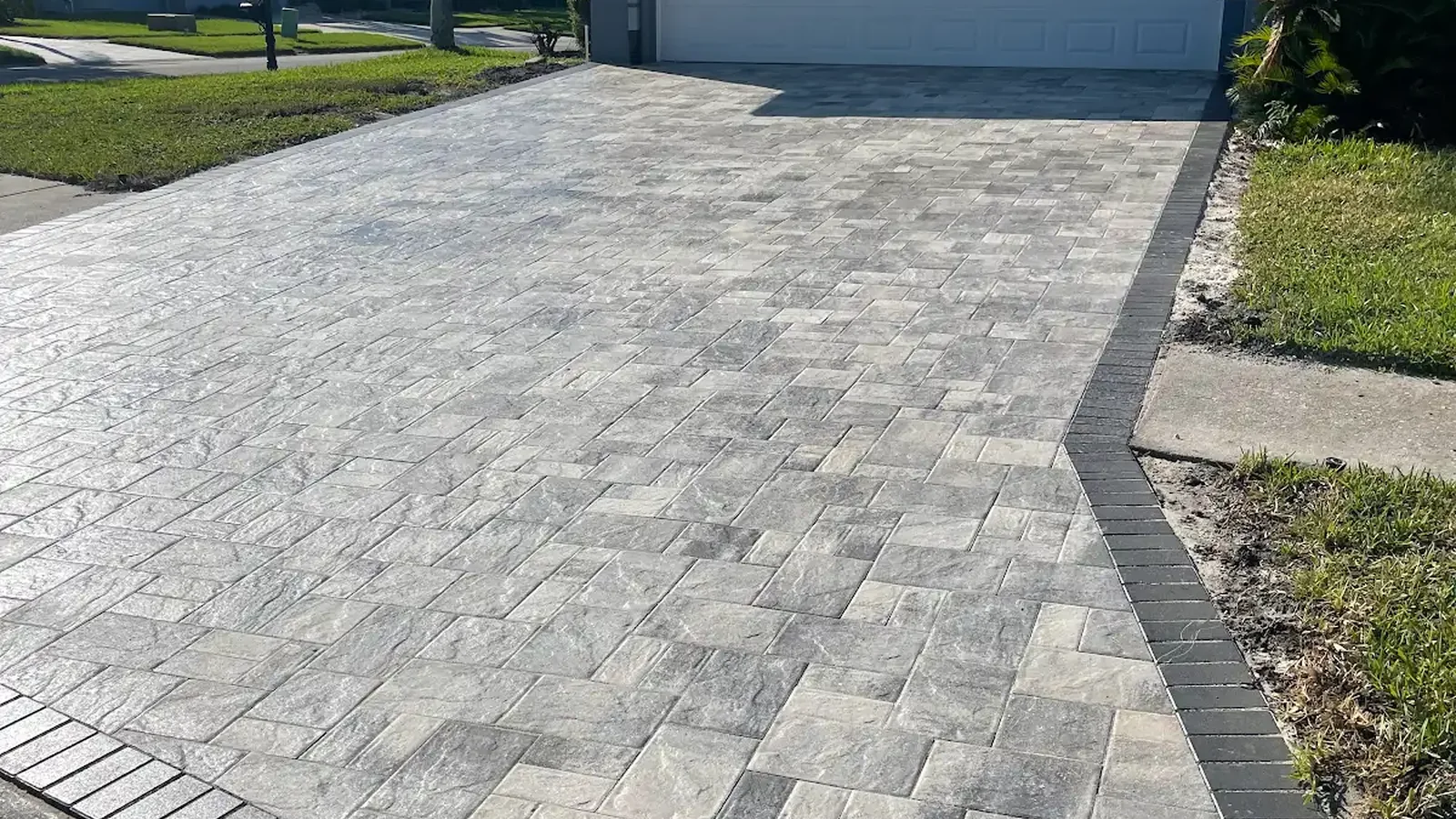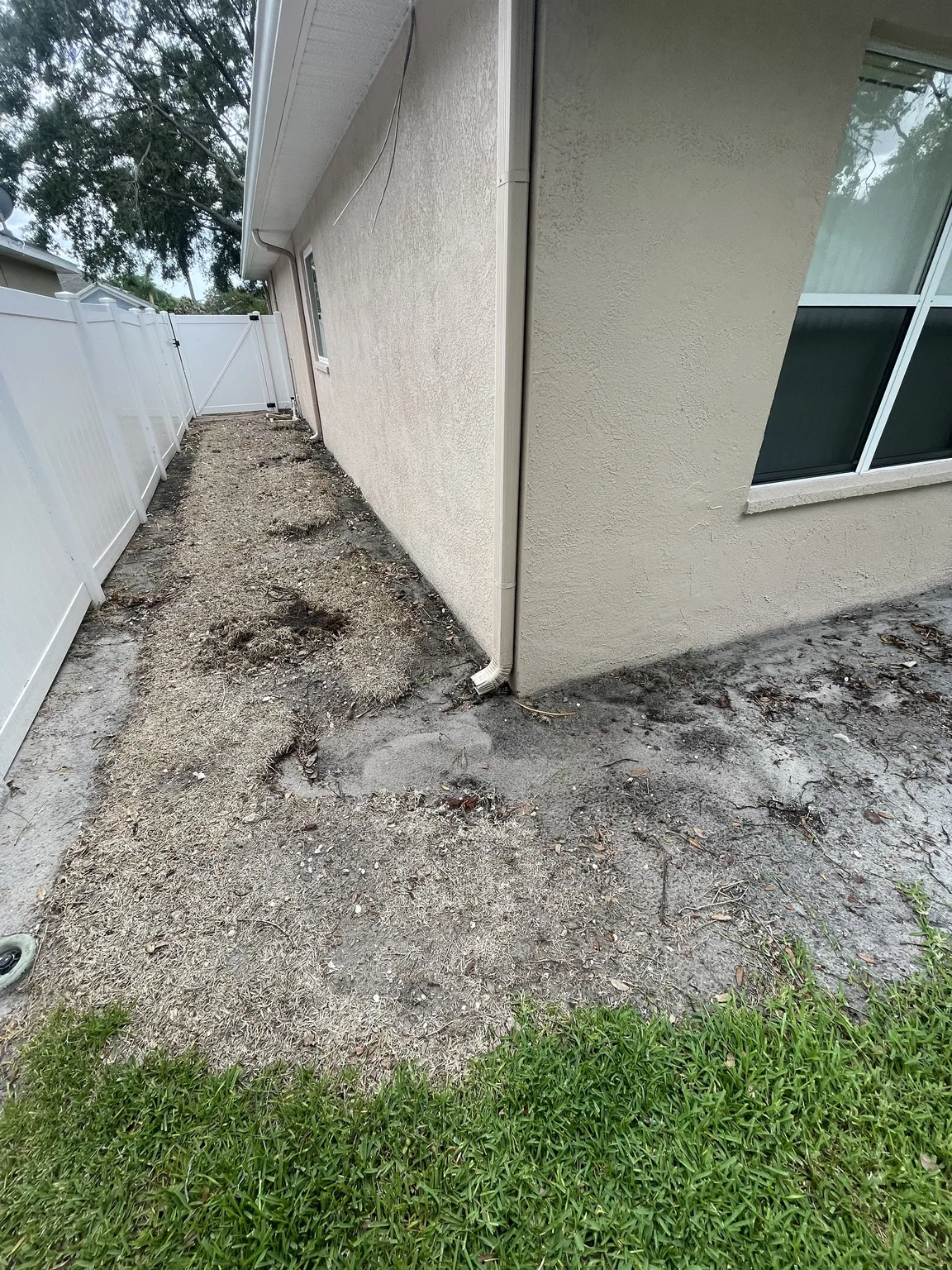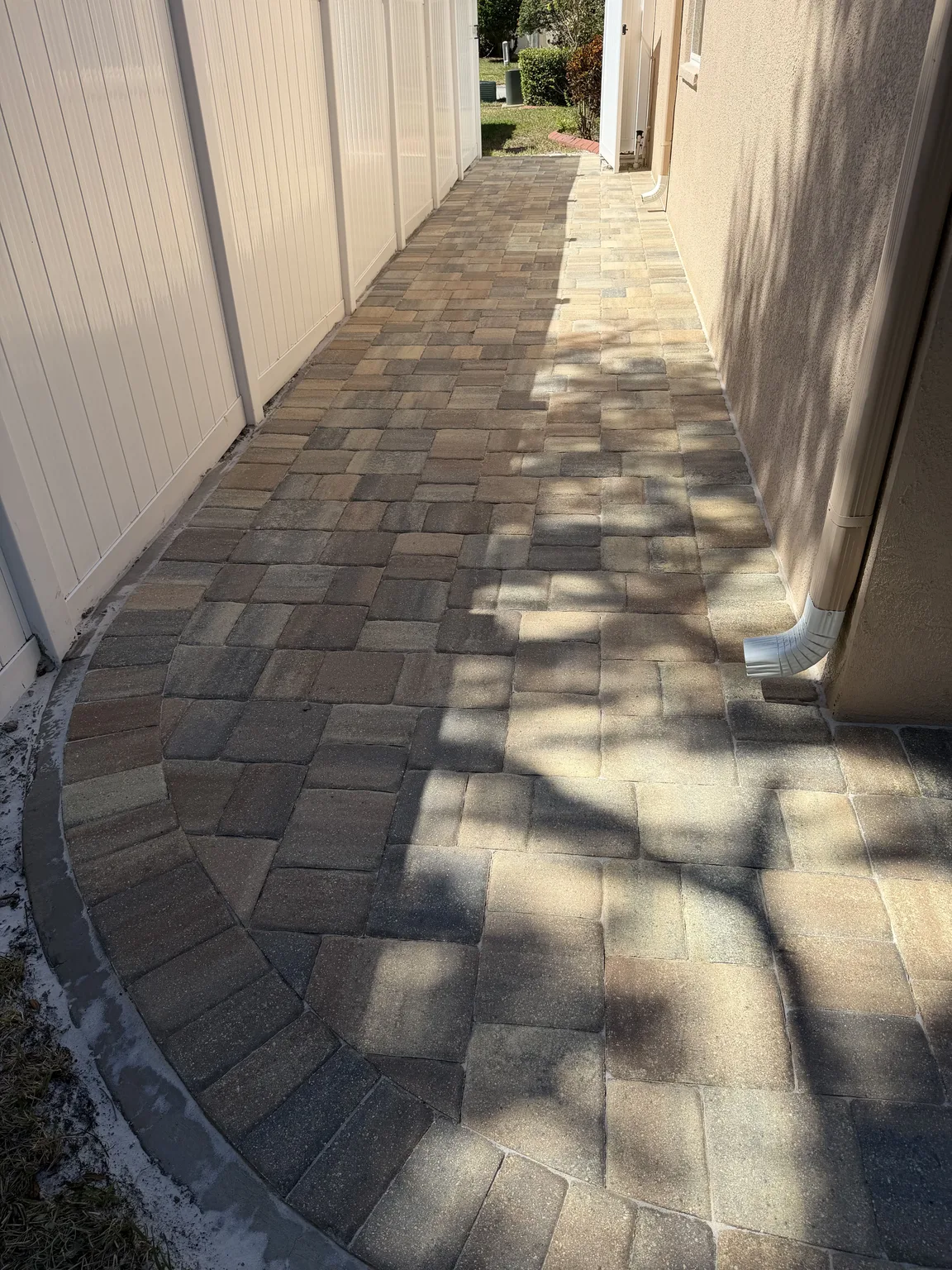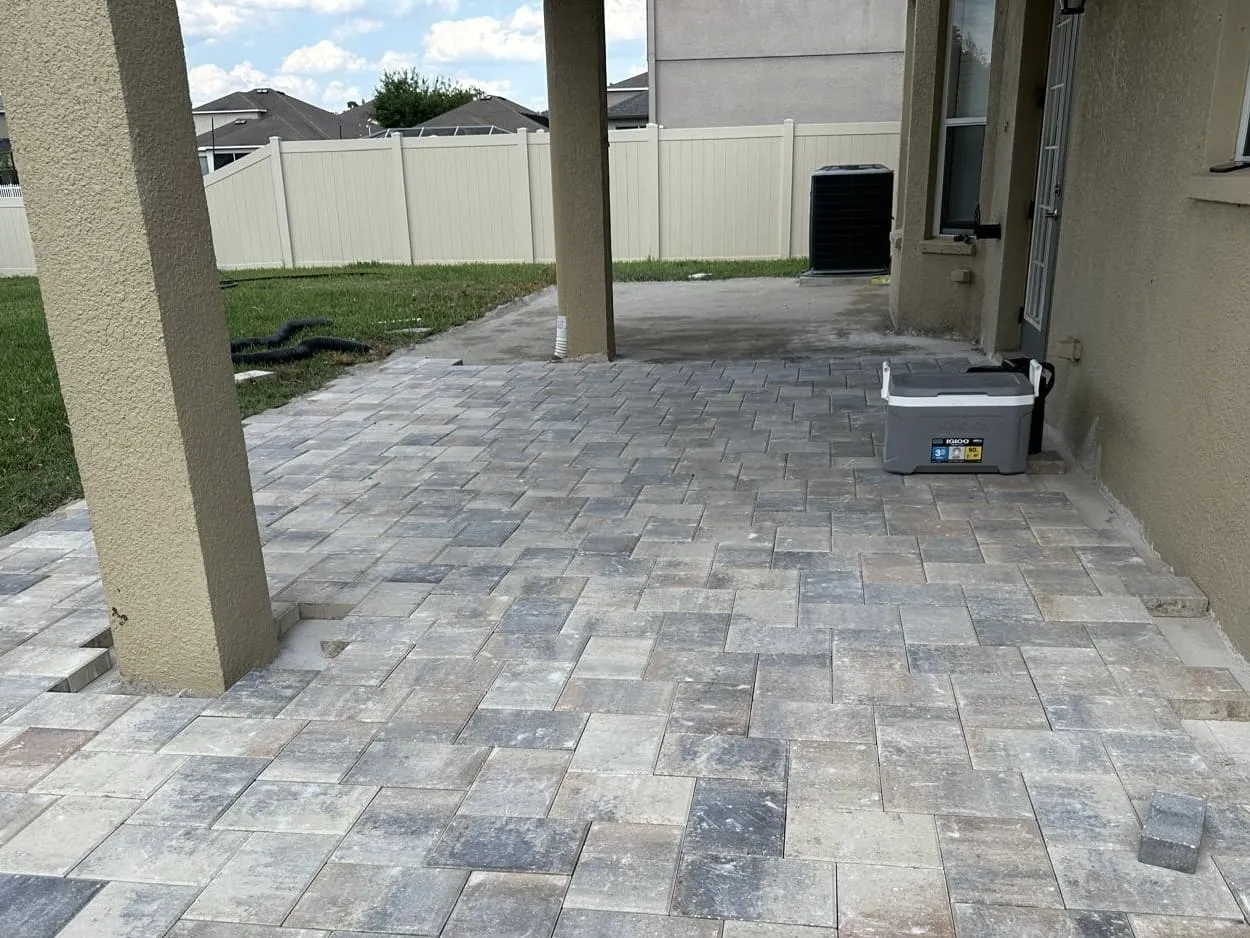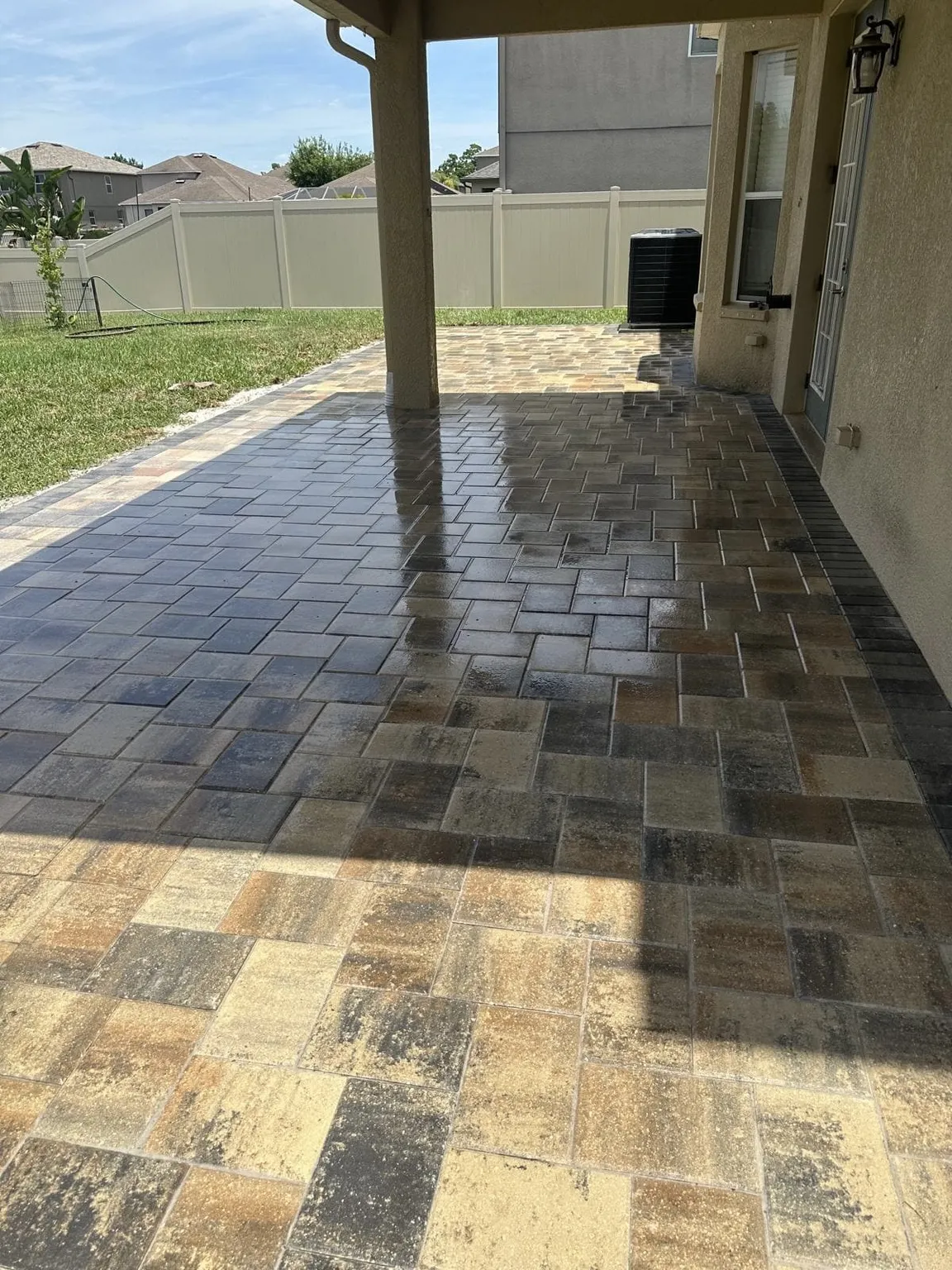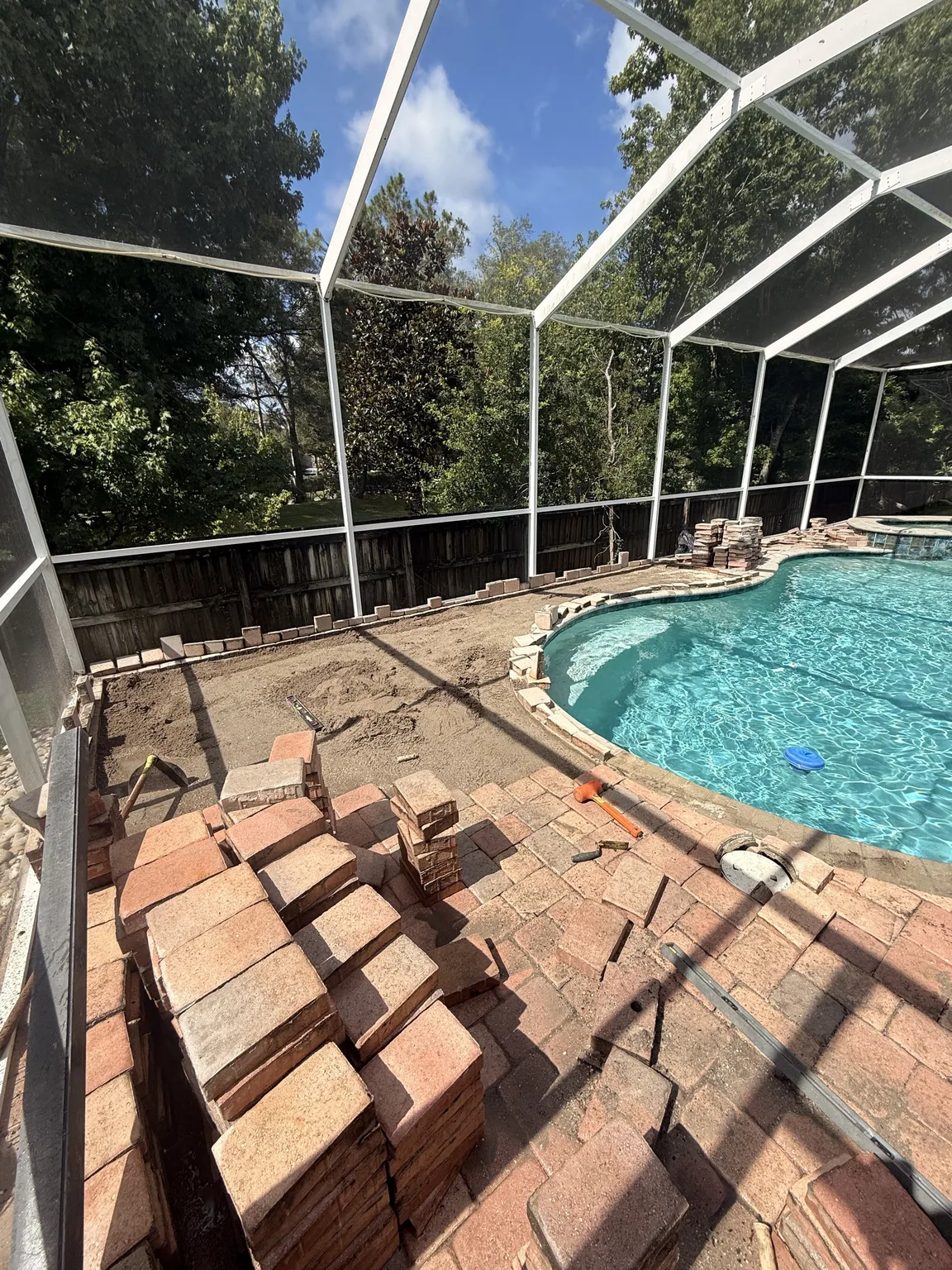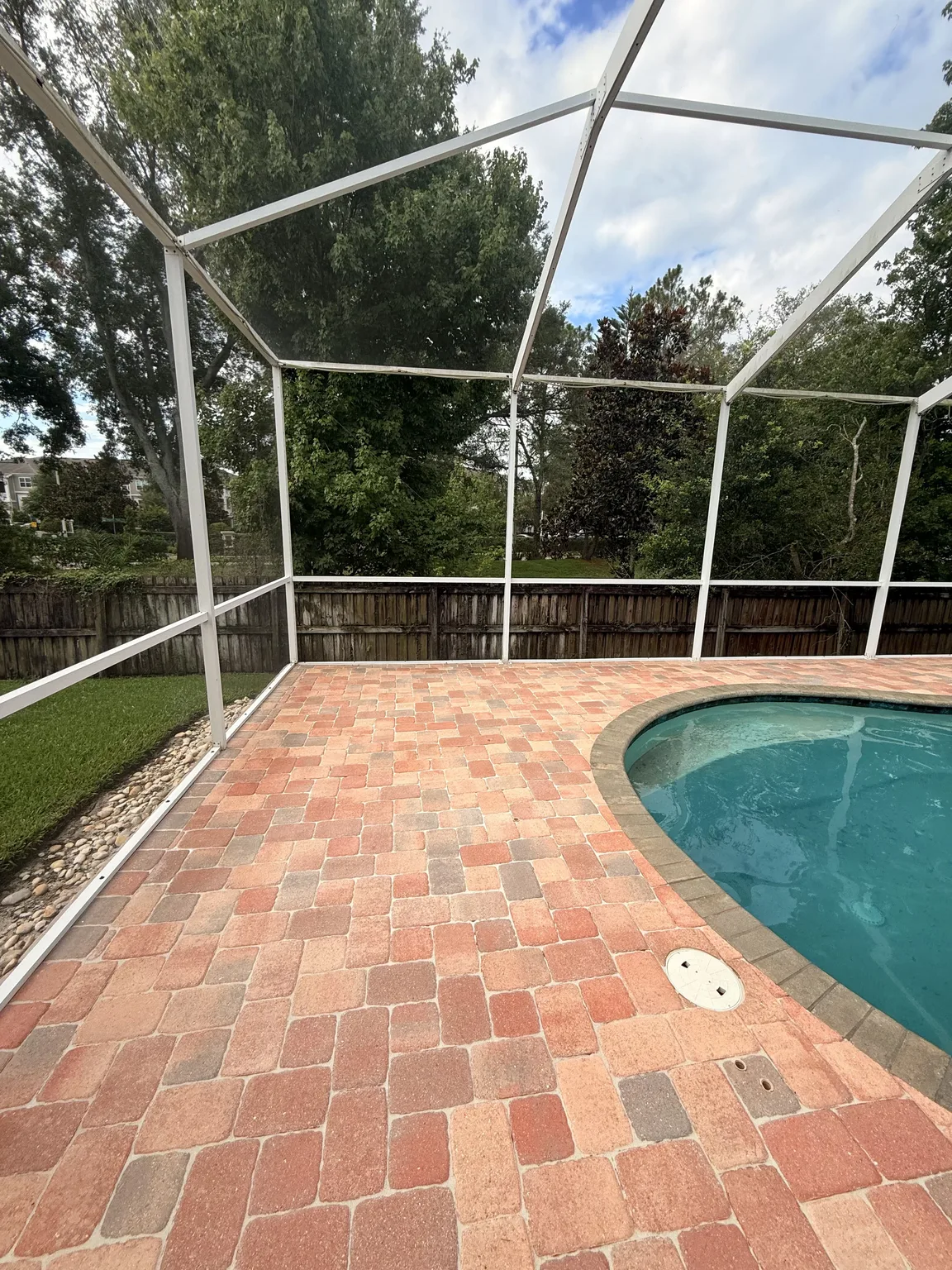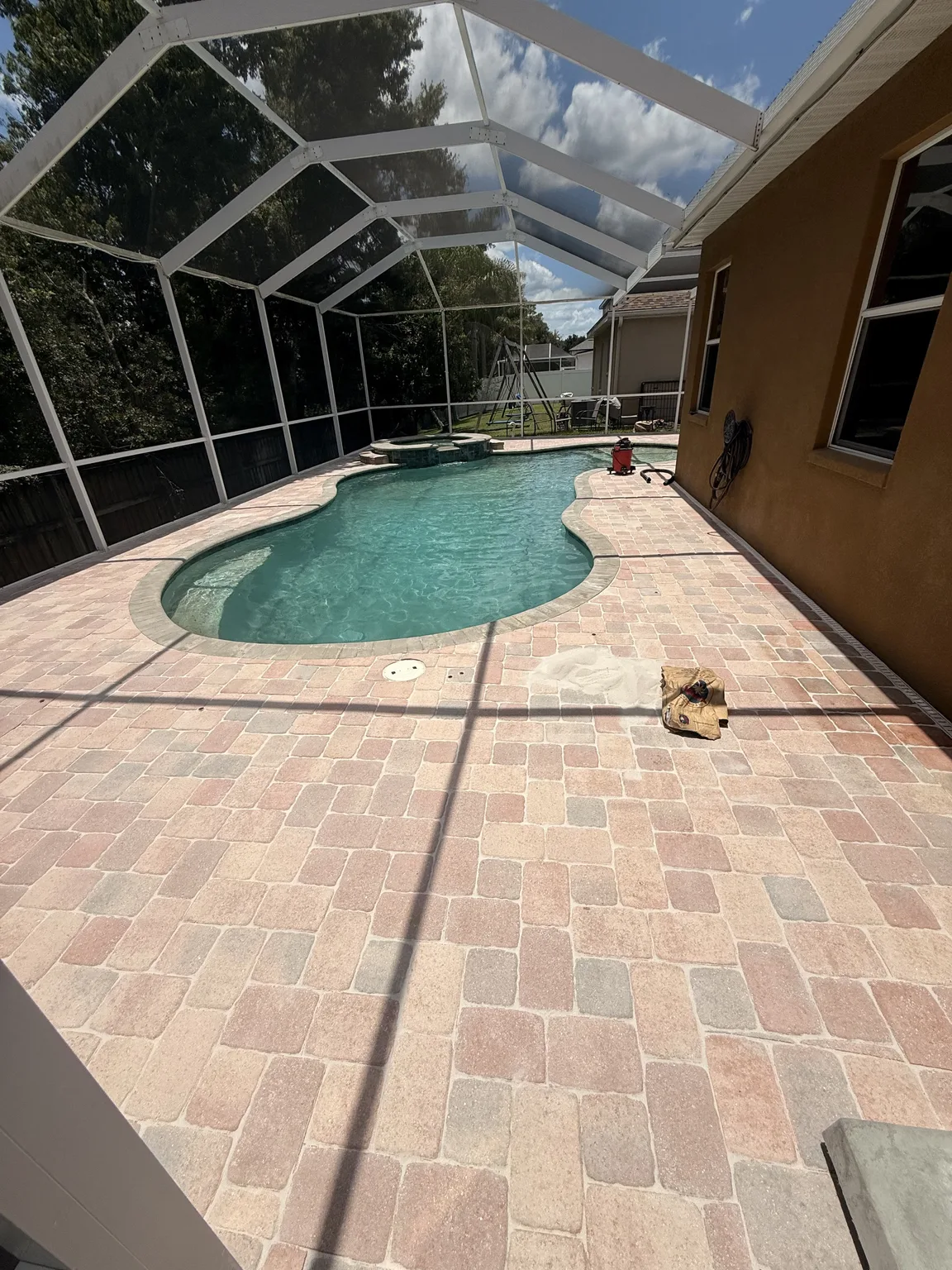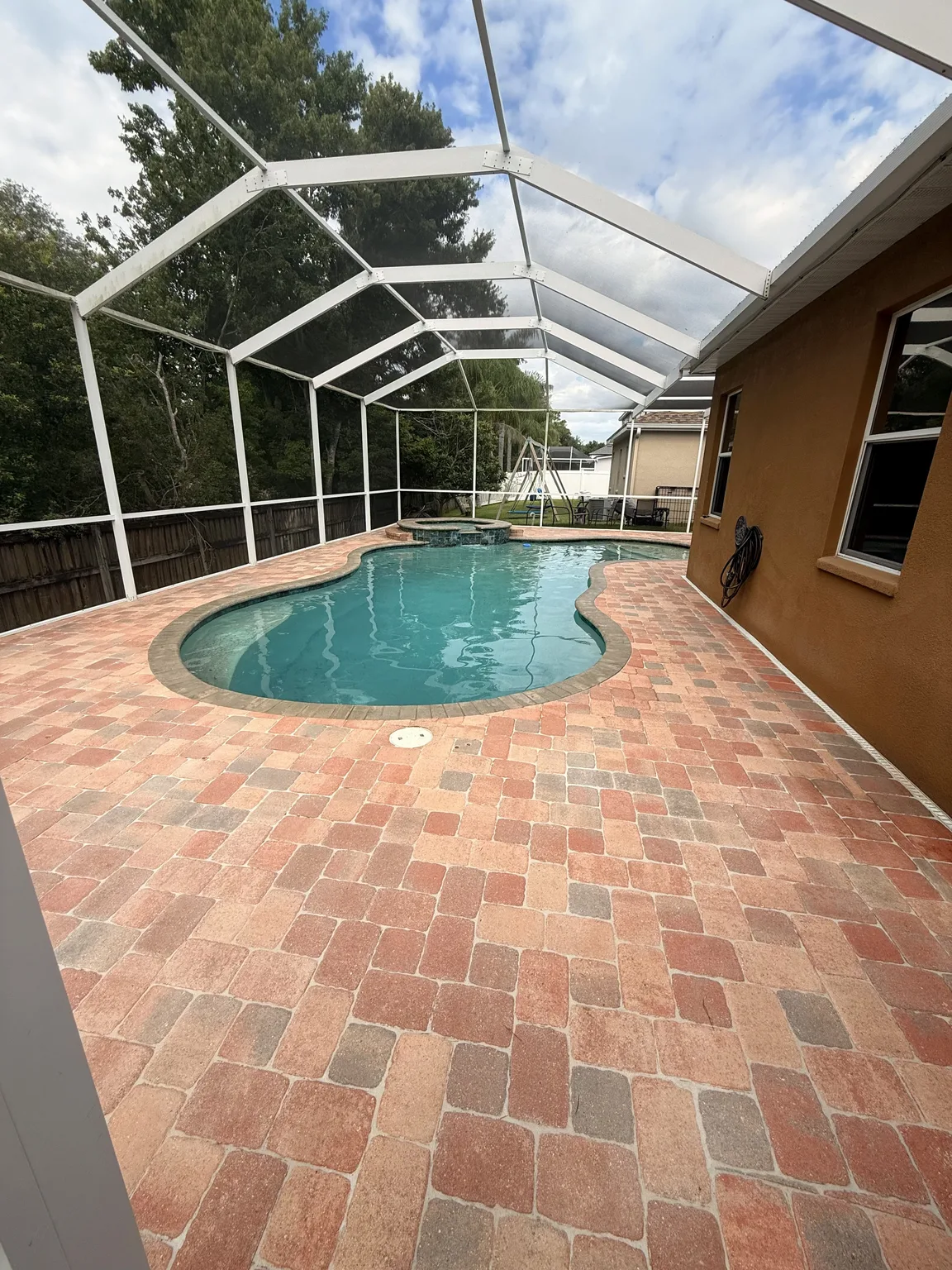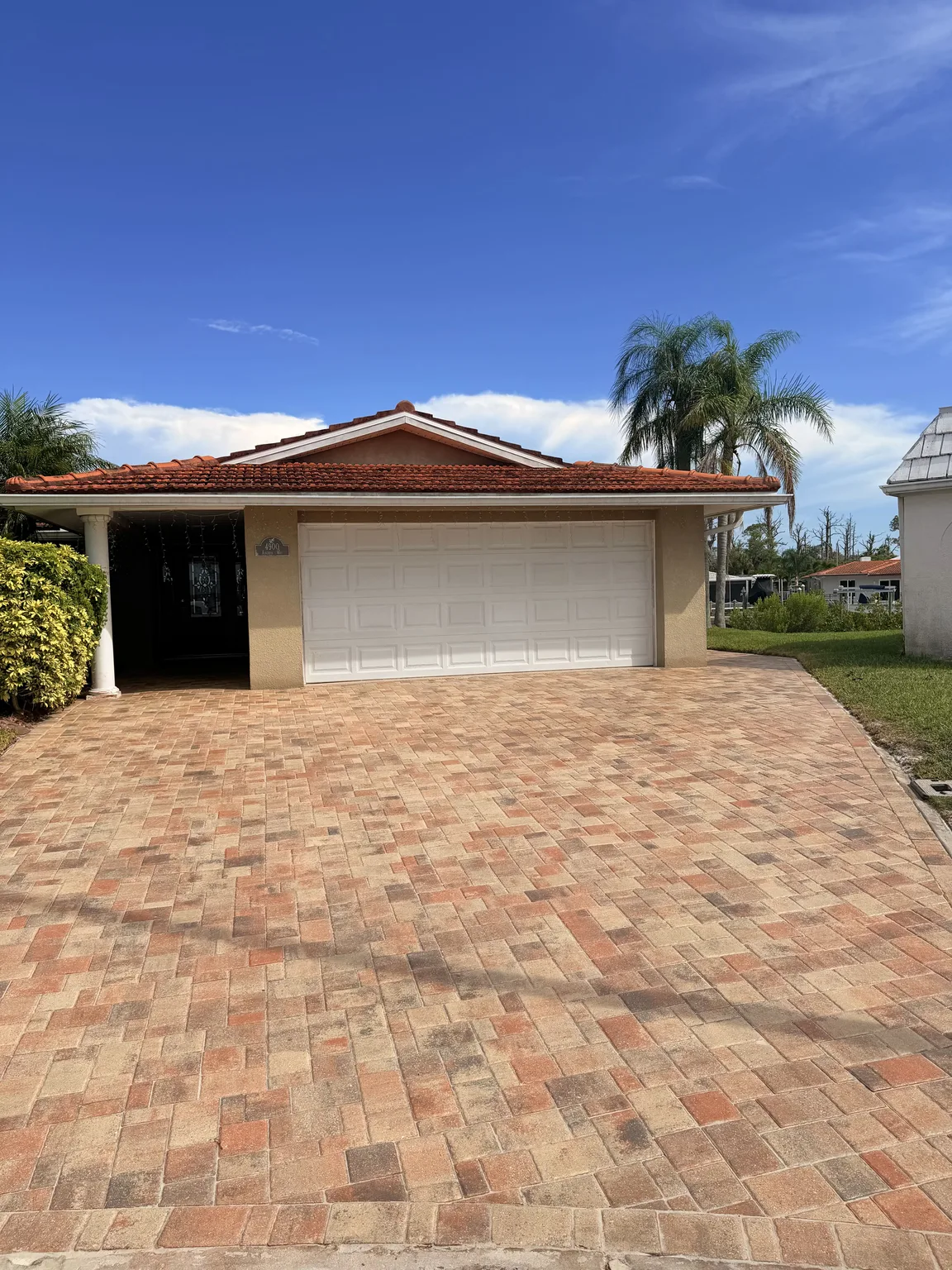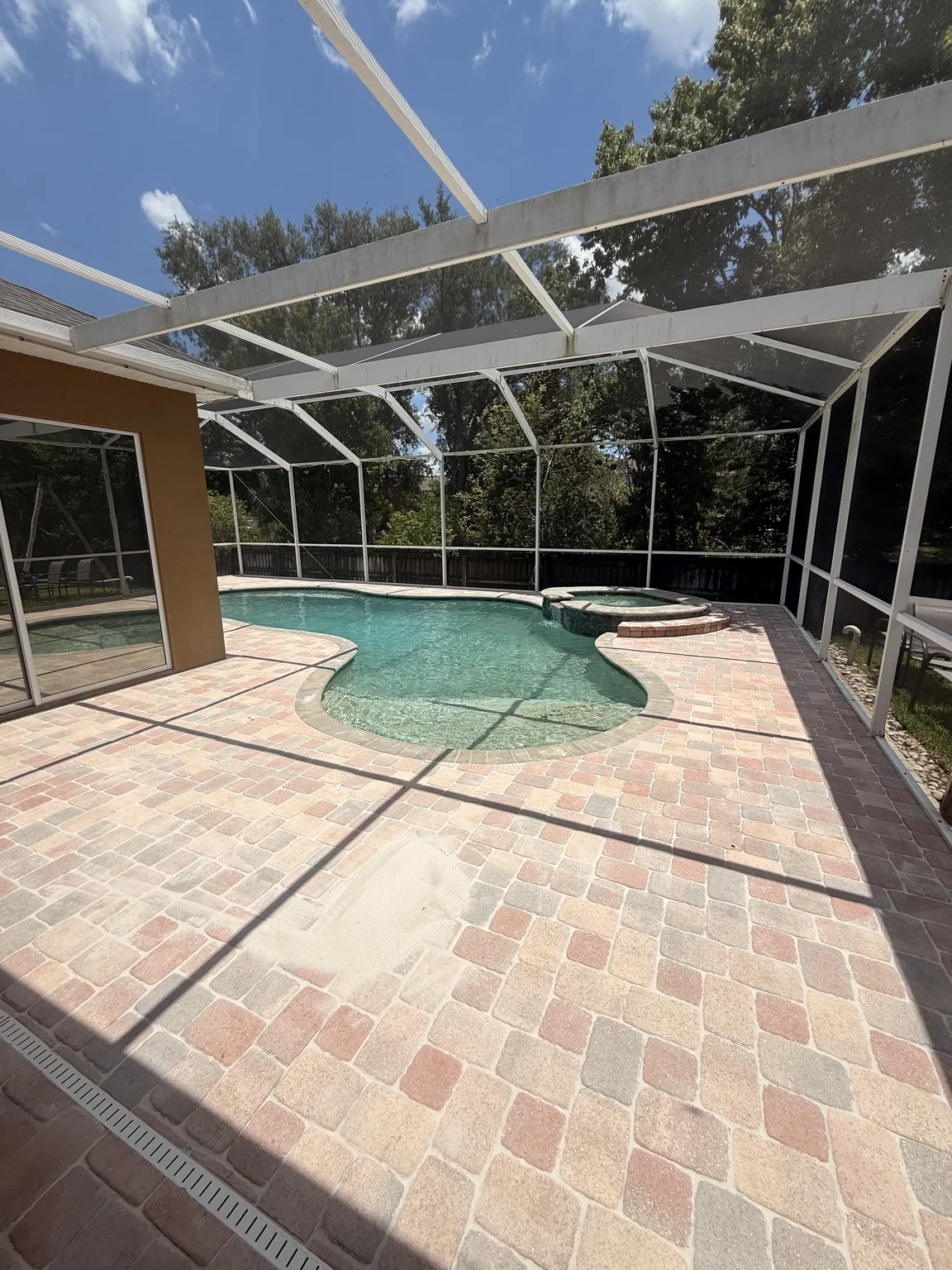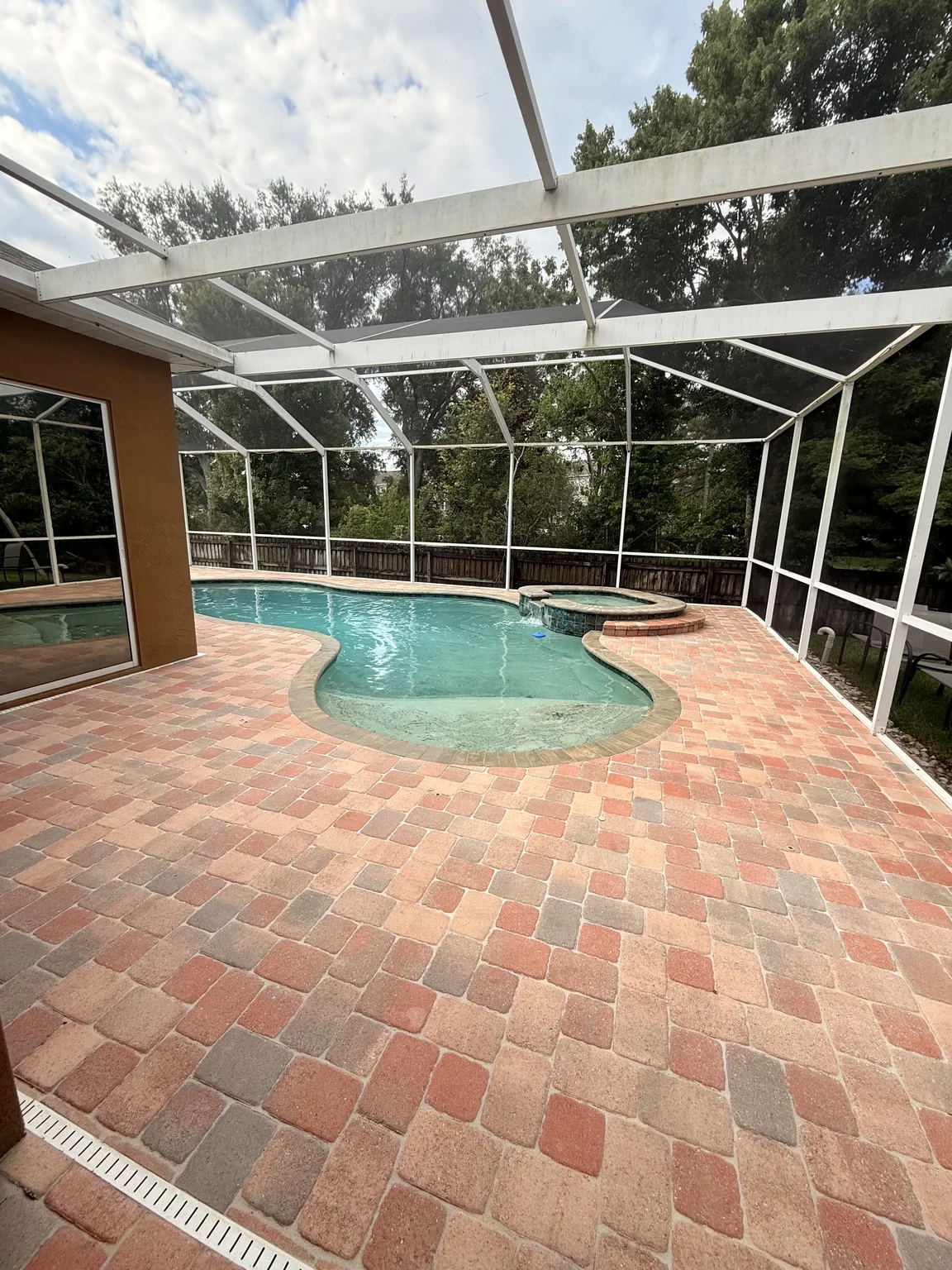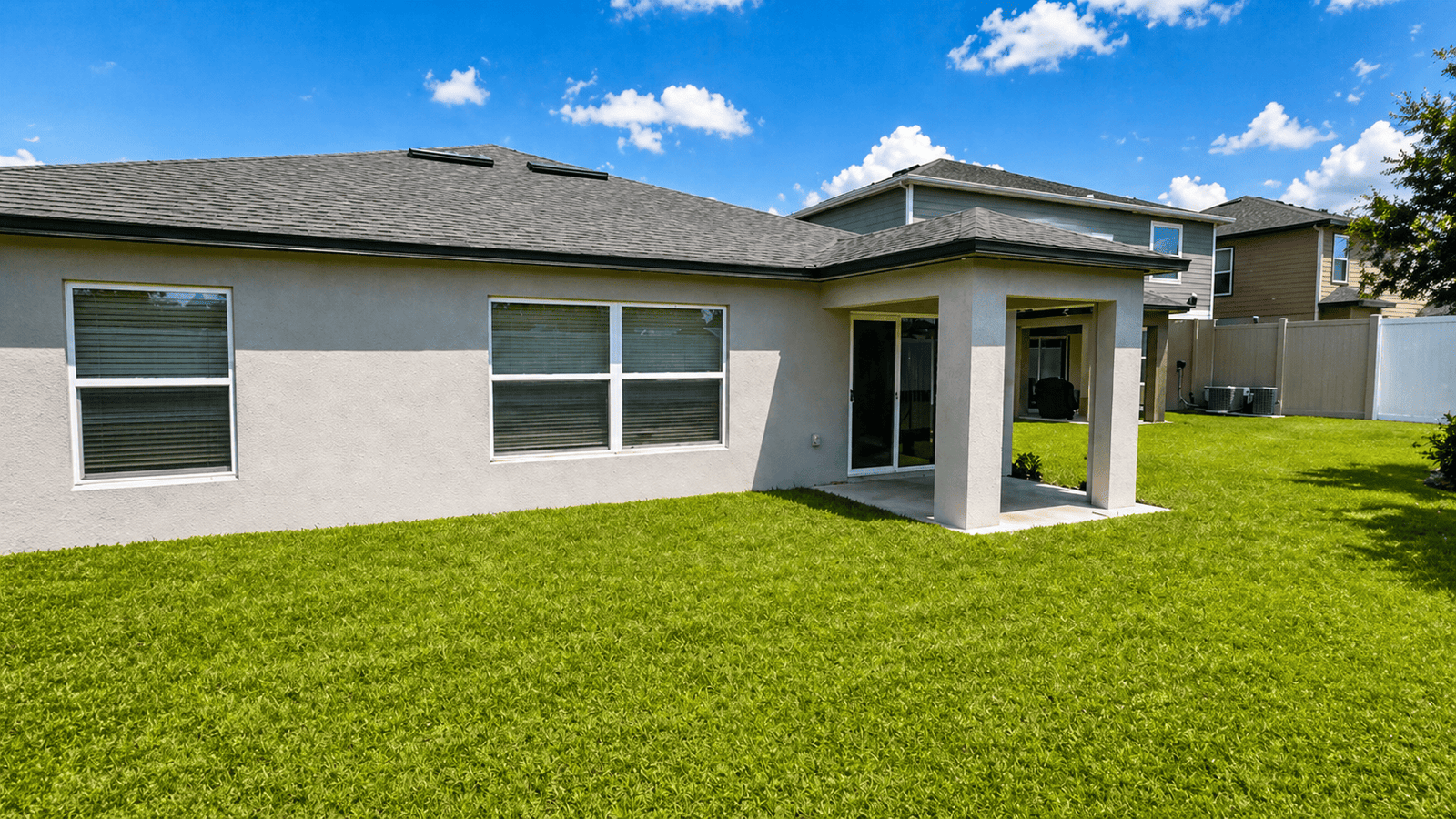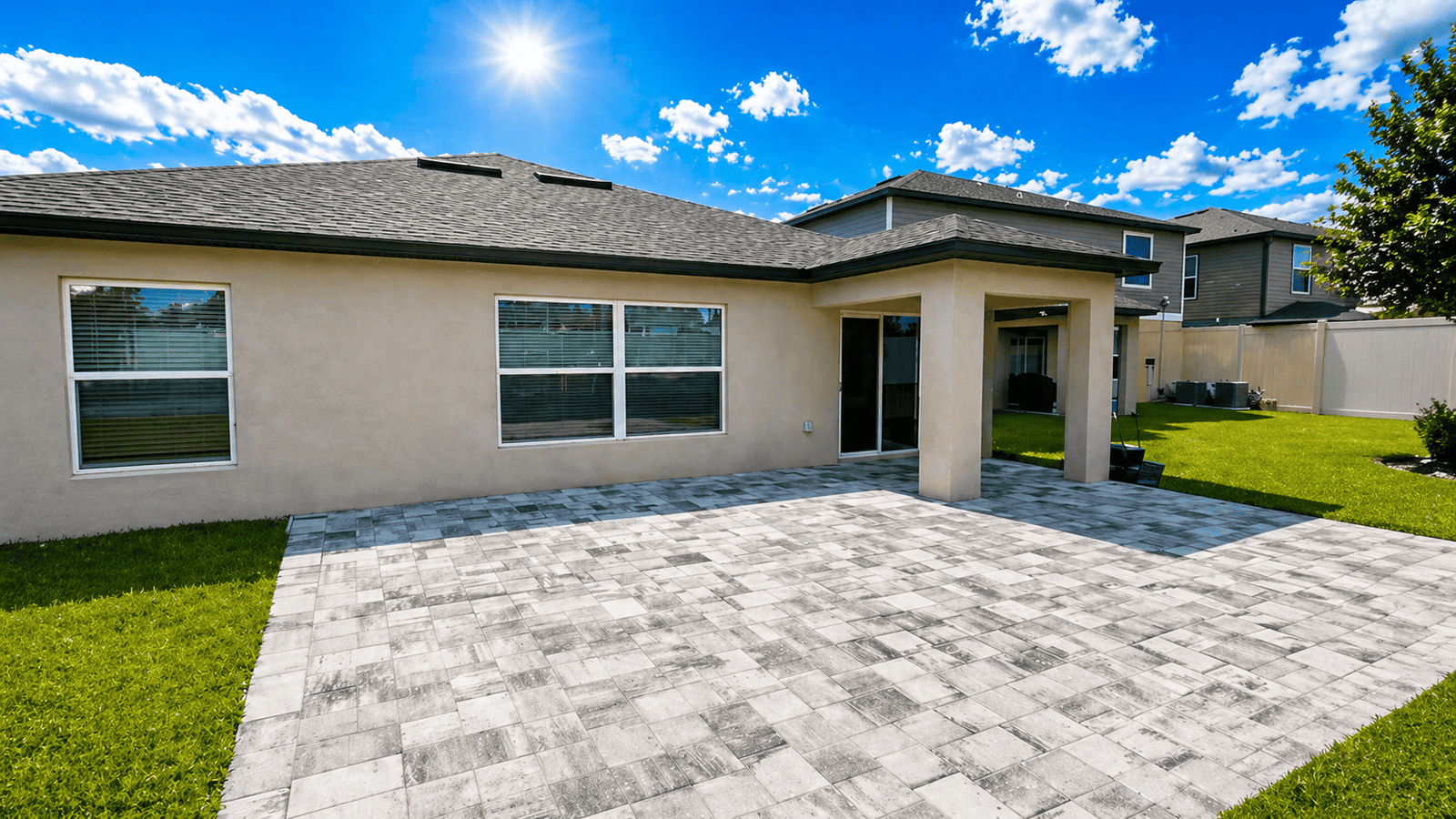
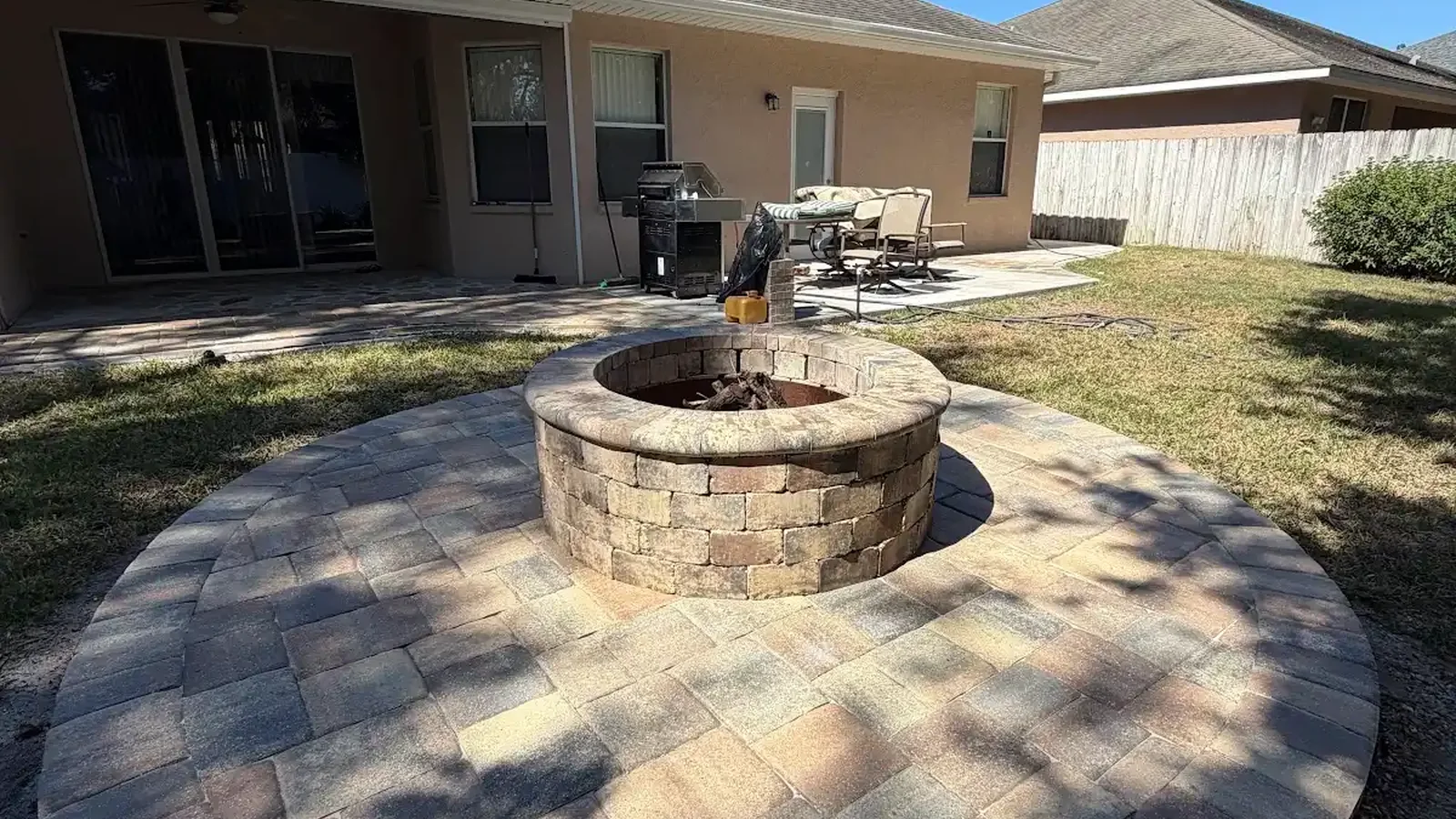
Fire pit designs can turn a Florida backyard into a night-time hangout, but the layout and details matter more than most people expect. In Tampa Bay, you also need to weigh wind, smoke, HOA rules, patio drainage, and how your family actually uses the space. When you get those basics right, a fire feature can add comfort and visual interest without overwhelming your pool deck or patio. This guide breaks down the most popular shapes, layouts, and safety clearances so you can narrow in on a design that fits your yard and lifestyle.
Best Fire Pit Designs for a Florida Backyard: Fast Answers
The best fire pit designs in Florida balance breeze, moisture, and tight lot lines while still feeling comfortable to gather around. In many Tampa Bay backyards, that means a patio-integrated or linear gas fire pit that tucks along the edge of a seating area. This kind of layout keeps smoke and heat away from doors and screens, and it leaves more room for chairs, dining, or a pool.
Round and square wood-burning pits still work well when you have extra space and fewer neighbors close by. A compact, movable-style fire bowl or fire table can suit townhome-style yards in places like Town ‘N’ Country or Palm Harbor. No matter which direction you lean, you should start by mapping wind patterns, seating distances, and traffic paths from the house, pool, and side gates. Then you can match a shape, fuel type, and seat wall design to that real-world layout.
Because curb appeal influences buyers, a well-planned fire feature can help your outdoor area feel more complete. According to the National Association of Realtors, their outdoor remodeling report notes that the value you recoup varies based on design, build quality, location, and how the rest of the property shows. That means your best return usually comes from a fire feature that fits your home rather than the biggest or flashiest option.
Key Fire Pit Fundamentals Every Tampa Bay Homeowner Should Know
Safe clearances and seating distances
Before you fall in love with specific fire pit designs, you need to understand clearances. Manufacturers list minimum distances from the burner to combustible items like pergolas, lanais, fences, and furniture. Local rules or your HOA may also limit how close a fire pit can sit to structures or property lines, so you should confirm requirements before you build.
Comfortable seating usually starts about 2 to 3 feet from the fire edge and extends to about 6 to 7 feet. In a tight yard in Riverview or Wesley Chapel, that can push a larger wood pit too close to a screen enclosure or neighbor fence. Planning those rings of space early helps you pick an appropriate diameter or length for the feature and the surrounding paver patio.
Smoke, wind, and Florida’s coastal breezes
Prevailing breezes off the bay or inland lakes can make a beautiful fire pit unpleasant if the smoke blows into a lanai or main seating area. You will want to watch your yard on a few evenings to see how wind typically moves around buildings, fences, and trees. Then you can rotate or shift the pit so smoke tends to blow past, not through, your conversations.
Gas burners reduce smoke concerns, but wind still matters. Strong gusts in open lots in Land O’ Lakes or Thonotosassa can disturb taller flames and push heat away from seats. Lower, wind-sheltered designs or partial seat walls can help block breezes while framing the space attractively.
Patio grading and water around the fire zone
Even the best layout fails if water pools around the fire pit every time it rains. In Florida’s climate, your paver patio should slope gently away from the house to move water toward softer yard areas or drains integrated in the broader hardscape plan. Standing water under or around a pit can stain pavers and may affect certain burner systems.
During a fire pit or wall project, an experienced installer can adjust base depth and slope so the seating area dries quickly after storms. This kind of built-in water management is especially useful for low-lying yards in Ruskin or near retention ponds. It supports long-term durability and keeps the space more comfortable to use in every season.
How to Plan Fire Pit Designs That Actually Fit Your Yard
Map your daily routes and crowd size
Start by sketching how people already move through your backyard. Note doors, sliders, the path to the pool, the grill, side gates, and any play areas. Your fire pit should sit near those routes but not block them, so guests are not squeezing behind chairs or stepping over gas lines.
Next, think honestly about how many people will use the space most nights. A couple in Greater Carrollwood may prefer a compact linear pit along a loveseat and two chairs. A big blended family in Palm Harbor might need space for eight or more seats, which can push you toward a larger circle, square, or a long bench-style layout.
Use a simple decision framework
You can narrow options by answering a few quick questions: wood or gas, movable or built-in, conversation hub or subtle accent. Wood-burning pits often feel more rustic and interactive, while gas offers on-off convenience and less cleanup. Built-in paver pits integrate neatly with the patio and can add visual structure, but they require more planning.
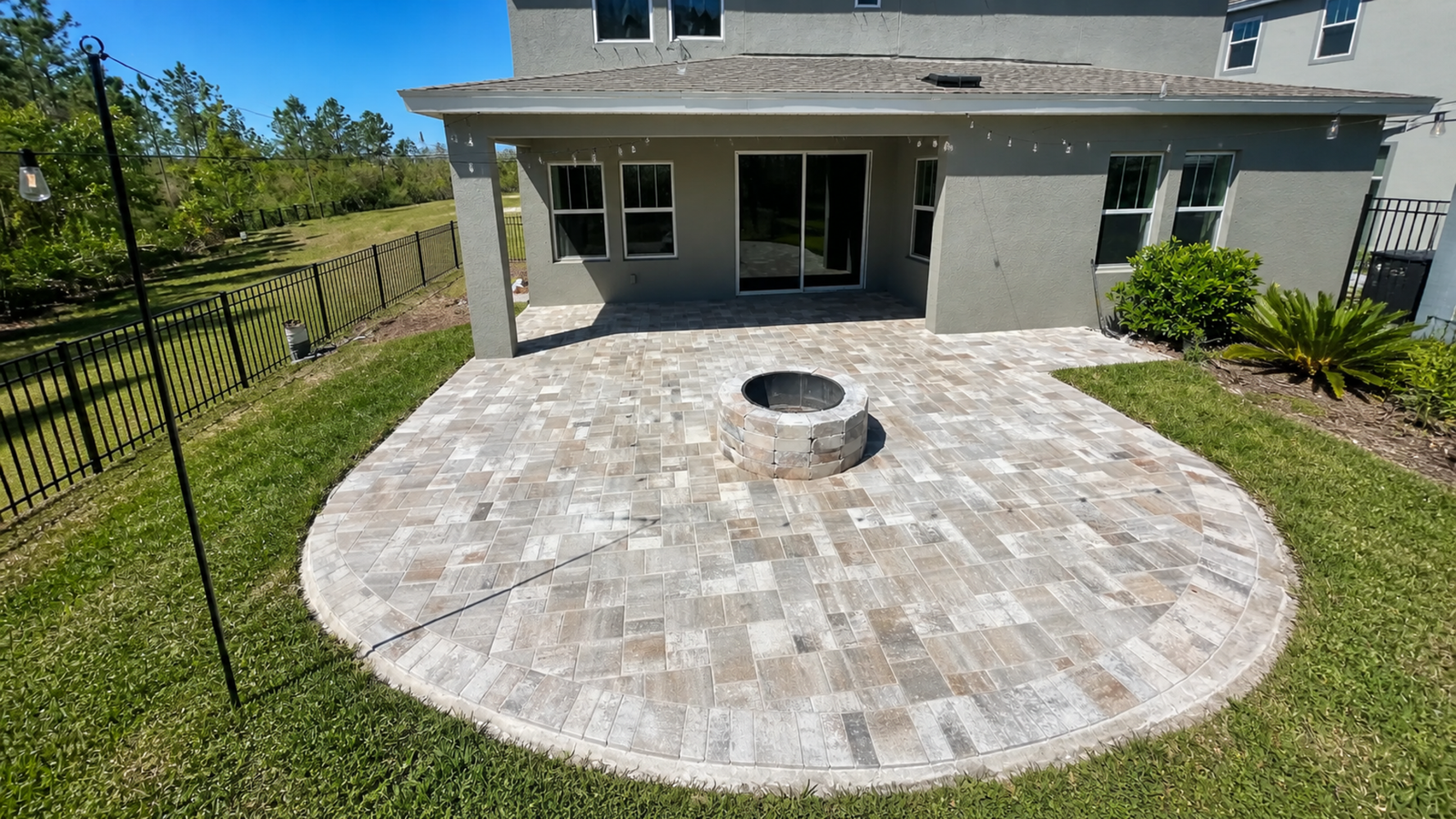
Movable fire bowls and tables offer more flexibility for renters or for yards that may change later. However, they usually do not match the finished look of a custom seat wall or raised fire ring built into a paver terrace. Reviewing photos of completed projects, such as those on the Dr Pavers Design fire pit and wall page, can help you visualize how each option feels in a real outdoor room.
Check permits, codes, and HOA rules early
Before you confirm your design, you should verify what is allowed in your jurisdiction and community. Some areas restrict open wood-burning pits, require gas permits, or limit permanent structures in easements and utility corridors. Many HOAs in Tampa Bay also have guidelines for visible hardscape features, masonry finishes, and changes near ponds or wetlands.
Because requirements vary from one neighborhood to the next, it is important to follow the process your city, county, or HOA provides. When in doubt, you can consult the applicable local building department or a licensed contractor familiar with outdoor gas and masonry work. This avoids surprises after you have invested in a design and materials.
Popular Shapes and Layouts for Florida Fire Pit Areas
Round, square, linear, and compact layouts
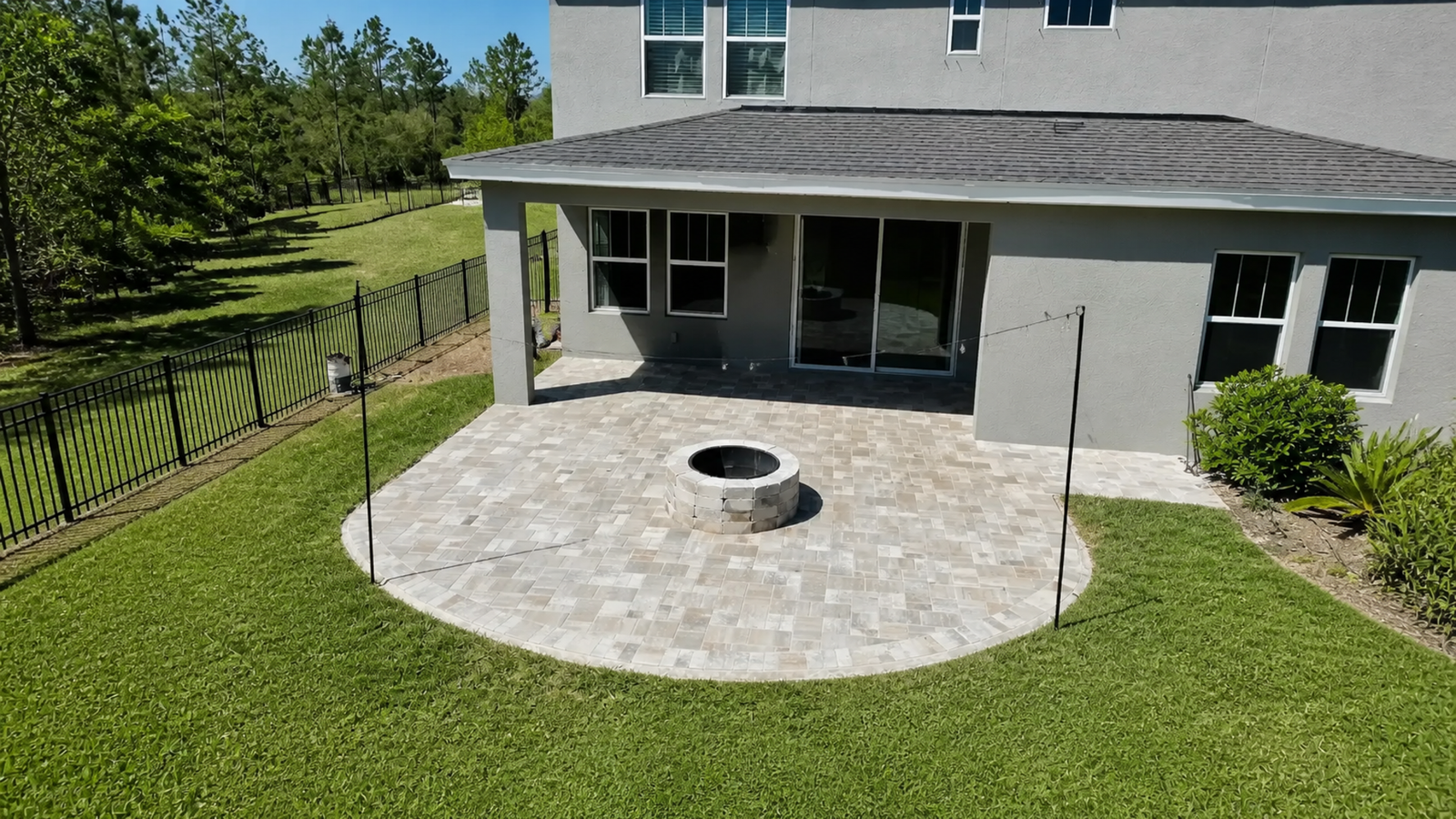
Round fire pits create a classic conversation circle and work nicely at the center of a paver patio. They pair well with curved seat walls and are forgiving when you mix chair types, because every seat faces the flame. Square or rectangular pits echo modern home lines and align easily with straight paver joints.
Linear burners shine along the edge of a pool deck or at the front of a long seat wall. They use less depth, which helps in narrow yards in Town ‘N’ Country or Seven Springs. Compact bowl-style pits or small fire tables fit best on modest patios or balconies where you still want flame without dedicating the whole space to seating.
| Shape | Best For | Key Tradeoff |
| Round | Social circles and casual gatherings | Takes more center space on the patio |
| Square / Rectangular | Modern homes and structured seating | Corners can feel farther from heat |
| Linear | Narrow patios and pool edges | Heats one side more than all around |
| Compact | Small yards or flexible layouts | Less visual impact and seating capacity |
Seat walls, sunken-look pits, and patio-integrated fire pit designs
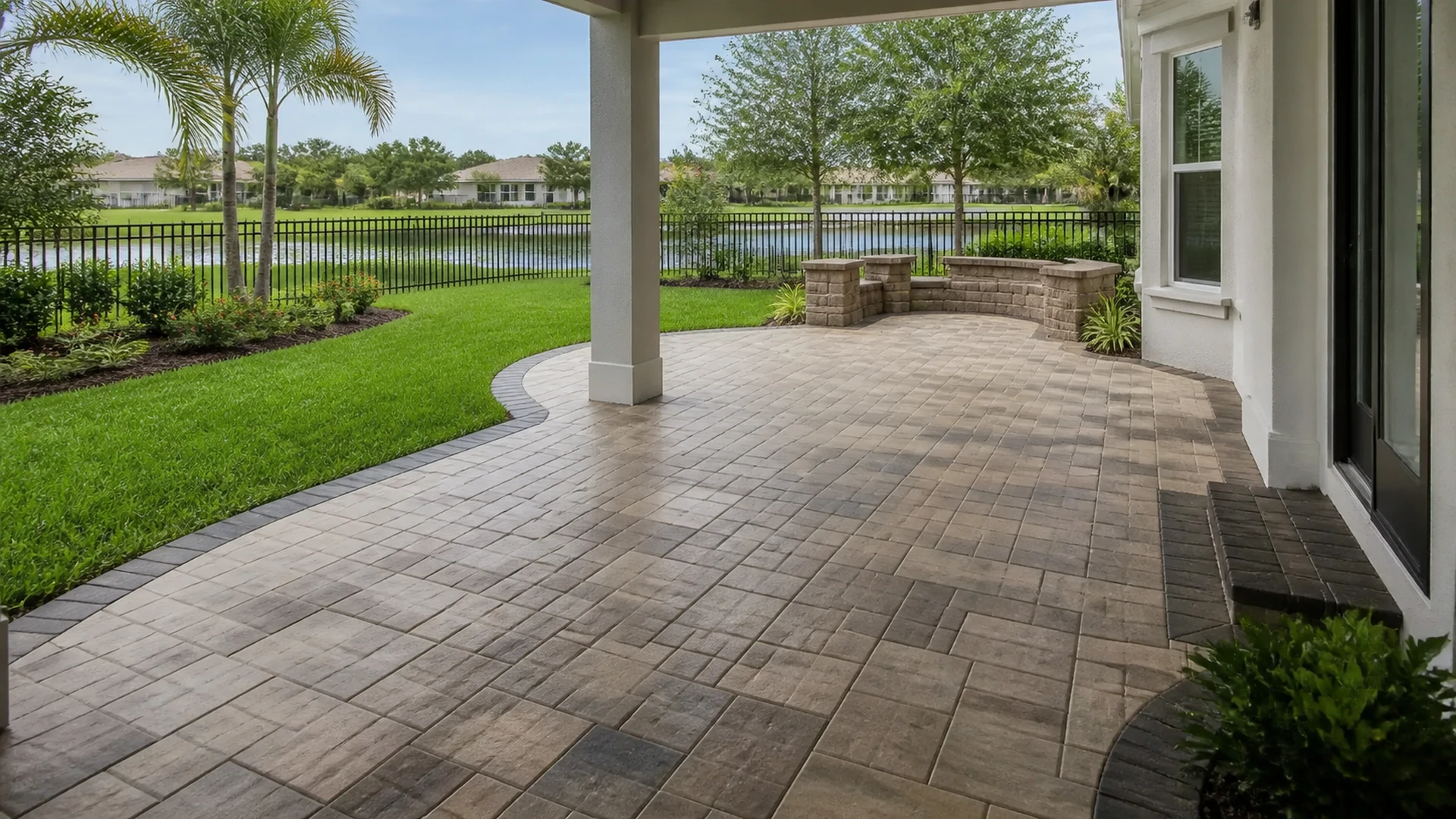
Seat walls built from pavers or block define the fire zone and provide permanent, low-maintenance seating. They work well when you want to avoid storing bulky furniture or when you need to edge a patio near a slope. You can vary the wall height to give some back support while keeping views open.
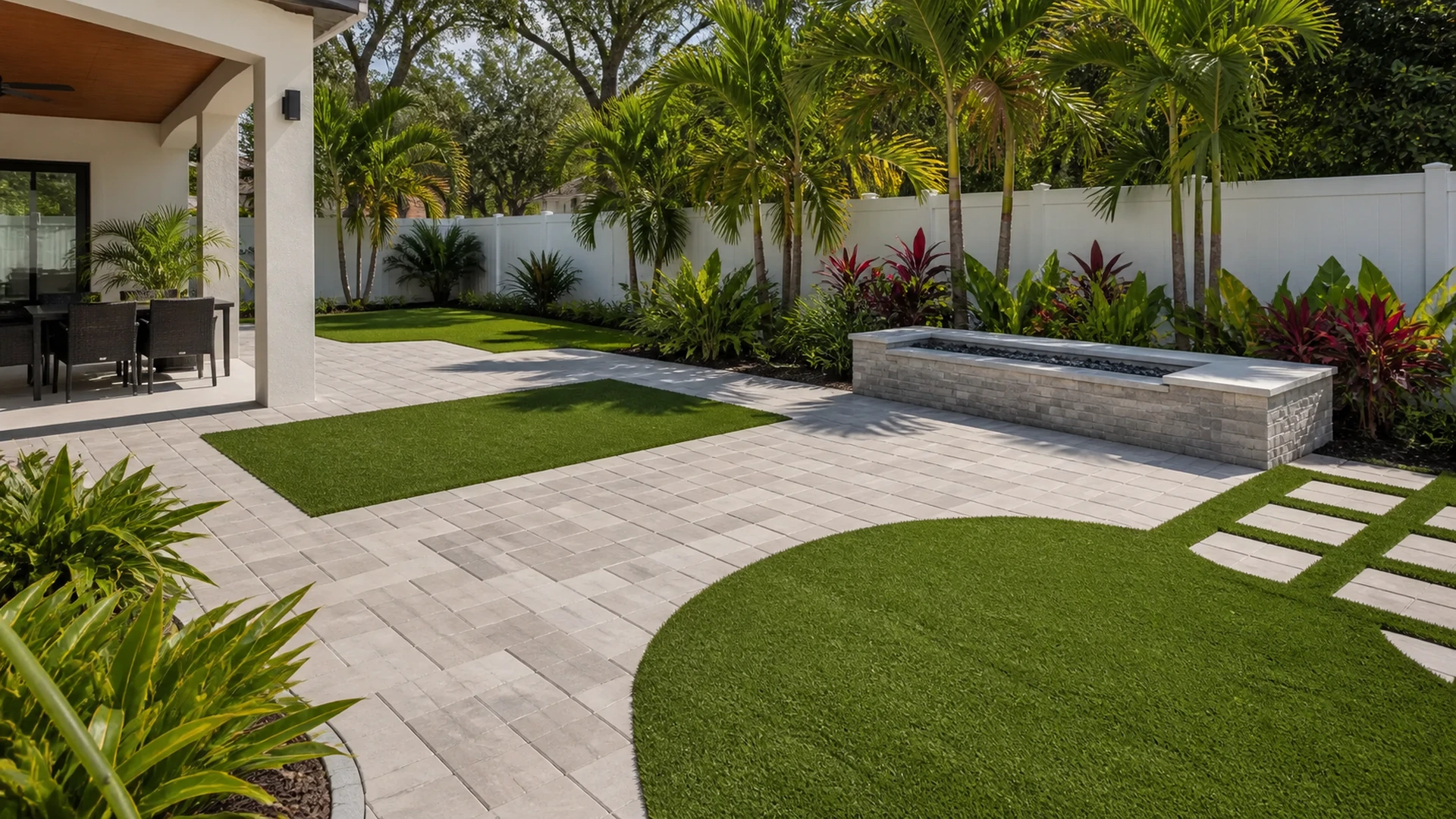
True sunken pits can be harder in Florida due to water tables and rain, but you can create a sunken look by stepping down one or two paver courses or using darker borders. Patio-integrated pits use matching pavers and caps so the fire feature feels like part of the terrace, not an afterthought. In larger yards in Land O’ Lakes or Thonotosassa, combining a low wall, fire table, and open chairs gives guests several seating choices.
Fire tables and multi-use entertainment zones
Fire tables function as both flame and surface, so guests can set down drinks or small plates. They pair well with sectional sofas or deep seating sets and work nicely under covered or partially covered areas when clearances and fuel rules allow. The lower flame profile often feels more casual and less intense than a deep fire bowl.
If you host game days or family nights, consider placing a fire table near the outdoor TV or grill but still out of the main traffic lanes. You can combine a table with a nearby wood pit further into the yard for bigger gatherings. Thoughtful zoning like this helps your space adapt from quiet evenings to larger parties without feeling crowded.
Fuel Types, Materials, and Finish Options
Wood-burning vs. gas: which suits Florida life?
Wood-burning fire pits deliver crackle, campfire smell, and higher flame variations, but they also produce more smoke and ash. In tighter neighborhoods around Tampa Bay, shifting winds can send smoke toward screened lanais or upper windows. You need a safe, dry place to store wood, and you must fully extinguish the fire before heading inside.
Propane and natural gas fire pits light quickly and shut off with a control, which many homeowners in Ruskin or Wesley Chapel appreciate after a long day. Gas systems need proper installation by a qualified professional, especially for buried lines or connections near the house. They cost more upfront than a simple steel ring, but they offer more control during breezy evenings.
Paver, block, and cap materials
Most permanent fire features use CMHA-style concrete pavers, segmental wall block, or natural stone with heat-resistant liners. These materials hold up well in Florida sun and humidity when installed over a properly compacted base. You can choose colors that complement your home’s paint and roof rather than matching exactly, which keeps the patio from feeling too monotone.
Caps around the fire ring and seat walls should feel smooth enough for sitting and setting down drinks. Lighter colors can stay cooler under the sun, but dark caps provide contrast and hide minor soot marks. The best choice depends on how much shade your yard receives and whether the fire area doubles as daytime seating.
Lighting, glass media, and finishing touches
Integrated low-voltage lighting around steps and seat walls makes nighttime use safer and more inviting. Path lights leading from the house to the fire zone reduce trip risks and help guests navigate around chairs. You can also add subtle under-cap lights that wash the wall face without glaring in people’s eyes.
For gas pits, glass beads, lava rock, or ceramic stones affect both appearance and heat distribution. Decorative options look sharp on modern homes in Greater Carrollwood or Palm Harbor, while natural rock feels more rustic. Since these details are easier to change later than the masonry shell, you can refresh the look over time without a full rebuild.
Florida-Specific Considerations: Heat, Storms, and Neighborhoods
Heat, humidity, and how often you will use the fire pit
Central Florida’s evenings swing from cool and dry in winter to warm and humid in summer. You might use a large wood-burning pit regularly from November through March but only sparingly the rest of the year. A smaller gas fire feature or fire table can see steadier use because you can turn the flame down for ambiance without overheating the space.
Shade and breeze also influence comfort. In open, breezy yards in Land O’ Lakes, tall flames can feel great even on mild nights. For tighter spaces between homes in Riverview, a modest burner near a well-ventilated lanai might be more comfortable than a big bowl that radiates too much heat toward walls and glass.
Storms, corrosion, and maintenance
Outdoor metal components face constant moisture, salt in coastal air, and intense sun. When you compare models, look for burners and fittings designed for exterior use and discuss rust-resistant options with your installer. Secure covers help protect both wood and gas pits from rain, falling leaves, and stray embers when not in use.
Because Florida sees frequent lightning and storms, you should also consider where the pit sits relative to large trees and overhead lines. A licensed professional can help you evaluate these site-specific risks. Regular cleaning of pavers and joints around the pit keeps the area safer and reduces soot staining.
HOA neighbors, privacy, and views
In many Tampa Bay communities, backyards back up to retention ponds, wetlands, or neighboring homes. You will want to aim seating to capture your best view while also respecting neighbors’ privacy. Low walls or planters can block sightlines without enclosing the area, and they double as fire-side seating.
Because HOA rules and expectations vary, check for guidelines about hardscape color, wall height, and features near water. Showing a simple sketch or digital rendering can smooth the approval process. That way the finished fire area feels intentional and harmonious with surrounding homes instead of standing out for the wrong reasons.
Common Mistakes With Fire Pit Designs and How to Avoid Them
Placing the pit too close to the house, screens, or pool
One of the most frequent issues is squeezing a fire feature into a narrow space between a lanai and pool. Heat can reflect off glass and walls, making the area uncomfortable, and smoke may linger under roofs or screens. Instead, it is usually better to shift the pit outward, then use low walls or planters to keep the space feeling connected.
Similarly, fire pits directly beside a pool can send ash or debris into the water and overlap with wet foot traffic. Maintaining a clear buffer and a defined dry seating zone reduces slips and makes each activity area feel more functional. A professional layout review can help you find the right compromise for limited patios.
Ignoring seating comfort, lighting, and storage
Beautiful masonry loses appeal if guests struggle to sit comfortably or see where they are walking. You should plan seat heights, wall depths, and chair placement as carefully as the fire feature itself. Without small details like end tables and subtle lighting, the space may look impressive but sit empty on real evenings.
Wood pits also need nearby storage that stays dry enough for kindling and logs. If you prefer a tidy look, you might integrate log nooks within seat walls or adjacent structures. Thoughtful design here reduces clutter and keeps the area ready for spontaneous use.
Overlooking water movement, embers, and supervision
When patios lack proper slope, heavy Florida rain can wash ash across pavers or pool decks and create slippery spots. Coordinating grading and joint materials as part of a larger hardscape plan helps keep surfaces looking cleaner. In wood-burning setups, spark screens and careful placement away from dry mulch or furniture further reduce risk.
- Always maintain clear space around the pit and avoid storing flammables nearby.
- Never leave a wood or gas fire unattended, especially with children or pets outside.
- Keep an appropriate fire extinguisher or hose accessible and know how to use it.
- Follow manufacturer and local guidelines for fuel, ignition, and shutoff.
- Allow metal and stone to cool fully before placing covers or moving components.
Because supervision is so critical, it helps to position the fire area where adults can easily see it from main living spaces. That way you can keep an eye on the flames and the kids without hovering awkwardly. Design choices that support visibility and easy access usually end up feeling more welcoming as well.
When to Bring in a Professional Fire Pit and Hardscape Team
Design complexity, gas work, and structural considerations
Simple, movable fire bowls are often plug-and-play, but permanent masonry features introduce more complexity. Gas lines, burner selection, ventilation, and clearances benefit from a qualified professional who understands outdoor systems. This is especially true when tying into a home’s natural gas service or running lines under pavers.
Seat walls, raised platforms, and steps also depend on proper base preparation and block stacking. An experienced hardscape crew familiar with CMHA practices can help reduce shifting, settling, and cracking over time. When your design includes multiple levels or borders near slopes, a professional evaluation is especially helpful.
Coordinating with patios, walkways, and other features
Most Tampa Bay homeowners do not add a fire pit in isolation. Instead, they blend it into a new paver patio, pool deck refresh, or walkway upgrade. Coordinated planning ensures consistent materials, smooth transitions, and effective water runoff across the whole project rather than patchwork fixes later.
If you are unsure how large the patio should be or where to leave lawn versus hardscape, a site visit helps. A designer or installer can walk the property, listen to your ideas, and suggest layouts that work with existing trees, fences, and grade. This kind of collaboration often reveals options you might not have considered from photos alone.
Project cost drivers and how to discuss your budget
Final pricing for a fire pit and wall project depends on many factors: size, materials, gas or wood setup, access, and how much new patio or seat wall you add. Sites that need extra base work, more cutting, or complex shapes typically require more labor. Custom features like lighting, caps, and decorative inlays can also affect cost.
Because of these variables, an accurate quote requires an on-site visit and measurements. You can prepare by collecting inspiration photos, listing must-have features, and sharing a comfortable budget range. An experienced contractor can then suggest where to invest for the most impact and where to simplify if needed.
Fire Pit Designs FAQ for Tampa Bay Homeowners
What kind of fire pit works best near a pool or screened lanai?
Near pools and lanais, many Tampa Bay homeowners prefer linear or low-profile gas fire pits. These designs direct heat more predictably and avoid the heavier smoke of wood-burning bowls. Placing the feature a comfortable distance from the water’s edge and outside screen lines usually improves comfort and reduces splash, smoke, and glare issues.
A professional familiar with pool decks and pavers can help you set clear walking paths and protect coping or screen frames. They can also suggest finishes that complement existing tile and deck colors. Always verify applicable rules before adding any flame feature close to a screened enclosure.
How far should seating be from the fire pit in a Florida backyard?
Most people find seating between about 2 to 3 feet from the edge of the fire is pleasantly warm without feeling overwhelming. For larger features or strong winter flames, you might shift chairs back to around 4 feet or more. The key is to allow enough room to move behind chairs and for guests to stretch their legs comfortably.
If you plan a fixed seat wall, you can test distances by arranging portable chairs on your existing patio first. That low-effort mockup helps you finalize dimensions before committing to permanent masonry. A designer can then adjust wall height and pit size to match what felt best during your trial run.
Do I need permits or HOA approval for a fire pit in Tampa Bay?
Permit and approval needs depend on your city, county, and HOA rules, as well as the type of fire feature you choose. Some jurisdictions treat portable, above-ground wood pits differently from permanent, built-in gas systems. HOAs may also care about wall heights, finishes, and location relative to ponds, fences, and easements.
To stay compliant, homeowners should check with the appropriate local building department and their HOA before construction. A licensed contractor can often explain typical expectations, but they do not replace official approvals. Getting clarity early prevents costly changes after the hardscape is installed.
How do I handle water and drainage around my fire pit patio?
During a fire pit and paver project, the installer should grade the base and surface so water flows gently away from your home. In Florida, even small slopes help move rain off the patio and reduce standing puddles around seating. Proper joint sand and edge restraints further support stability and appearance over time.
If your yard already has low spots or complex runoff patterns, share that history during your design consultation. A hardscape professional can adjust patio layout, elevation, and transitions to work with your existing landscape features. This integrated approach is more effective than trying to correct water issues after the fire area is finished.
Where can I find more ideas for fire pit designs and planning?
Inspiration often starts with photos, but it helps to focus on projects that match Florida’s climate and lot sizes. You can review design tips and examples in Dr Pavers Design’s Fire Pit & Wall Guides and on their main fire pit project page. Pay attention to how each layout handles seating, walking paths, and connections to patios or pools.
When an idea stands out, jot down what you like: shape, height, materials, or lighting. Bringing those notes to a consultation makes it easier to translate inspiration into a workable design for your own yard. Combining visuals with a site-specific plan usually leads to a fire feature you will enjoy more often.
If you want to explore what is possible in your own backyard, you can browse recent Tampa Bay projects at drpaversdesign.com/projects/ and see how other homeowners combined fire pits with patios, seat walls, and pool decks. When you are ready, schedule a free, no-pressure consultation through the services page, call +1 (656) 600-4015, text the same number, email drpavers@outlook.com, or message the team on WhatsApp. You can also explore common questions at the FAQ page and see how past clients describe their experience on the testimonials page.
To get a feel for design style and day-to-day work, connect with Dr Pavers Design on Instagram and Facebook, or see the Riverview location on Google