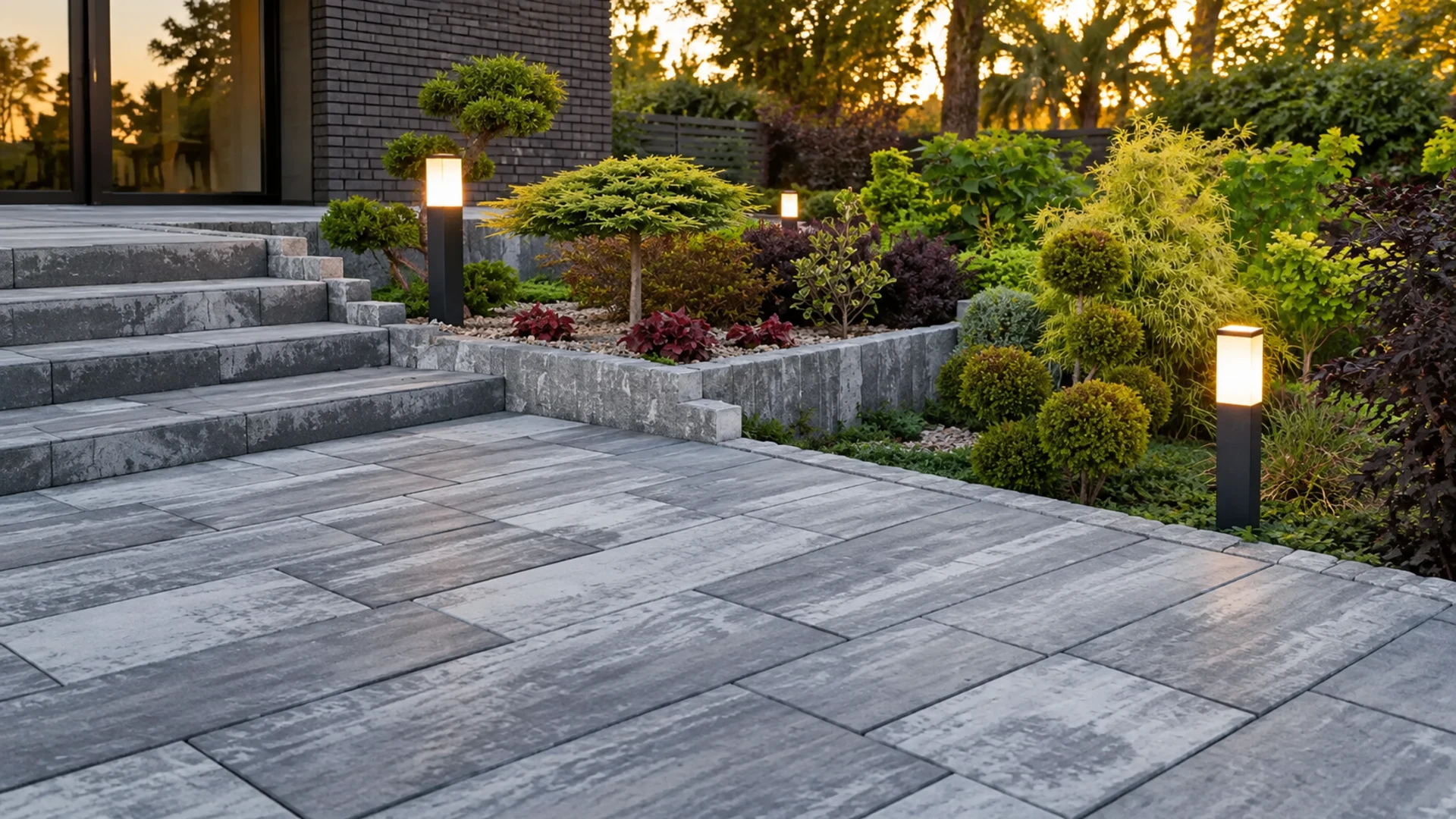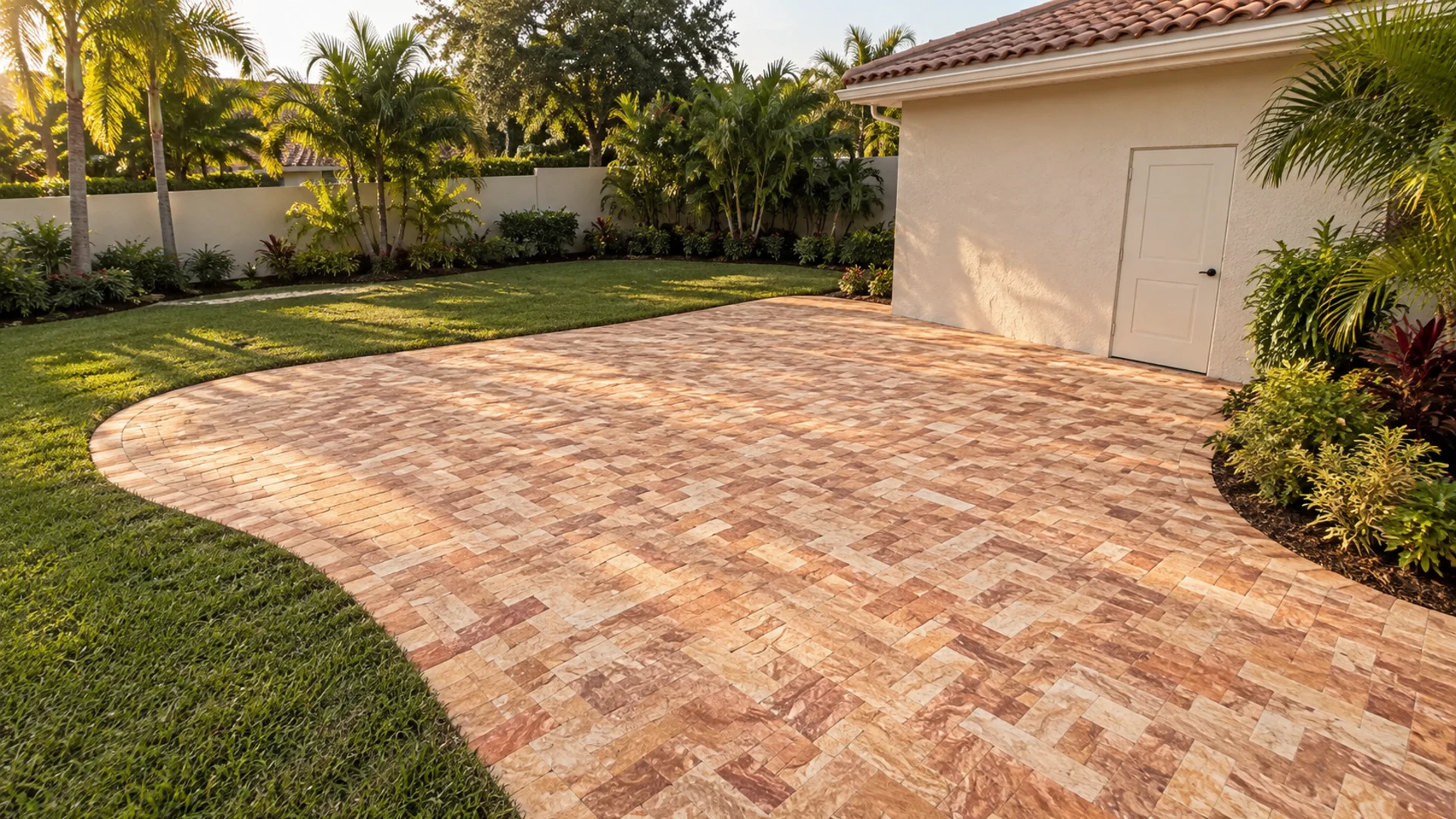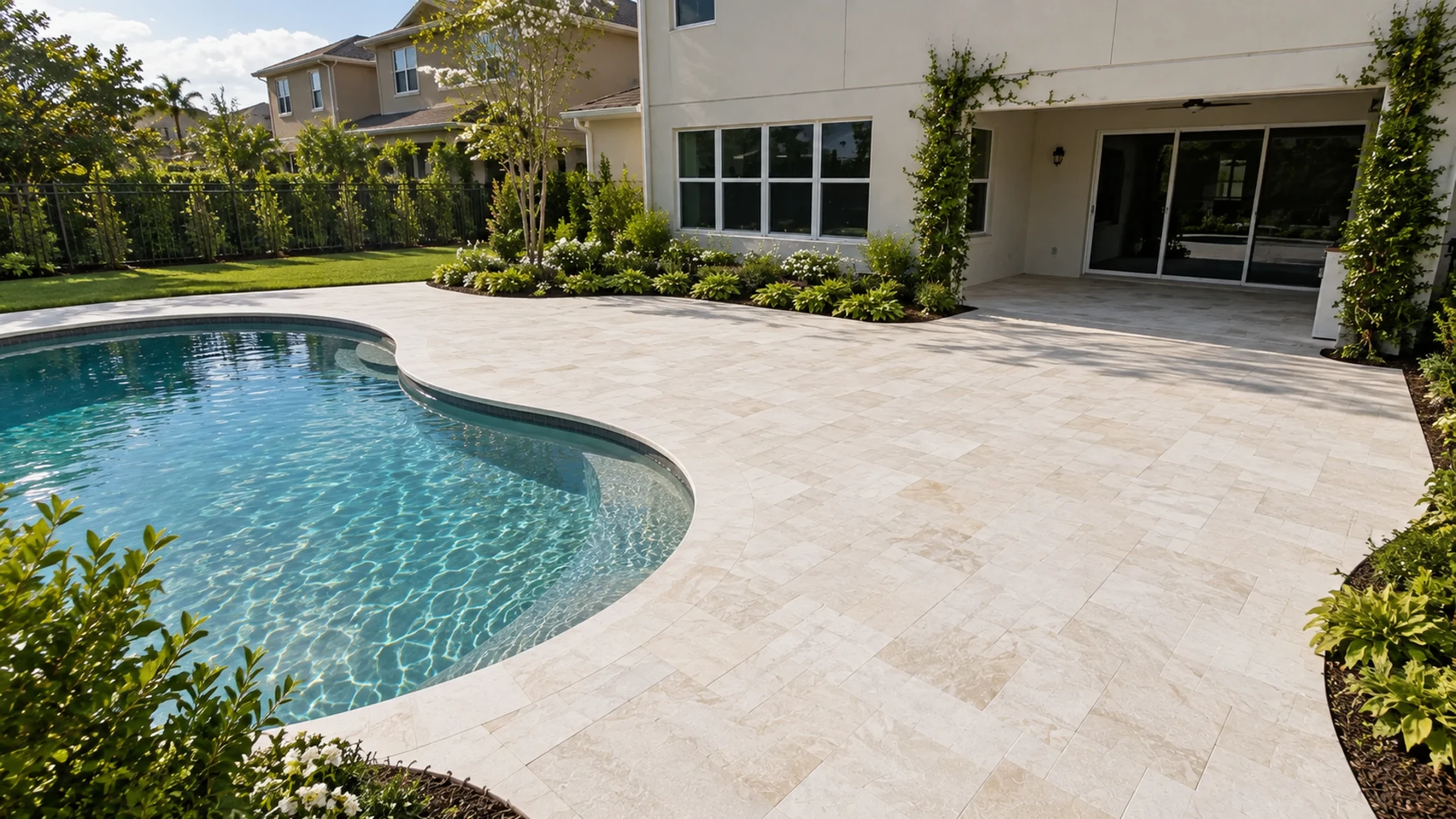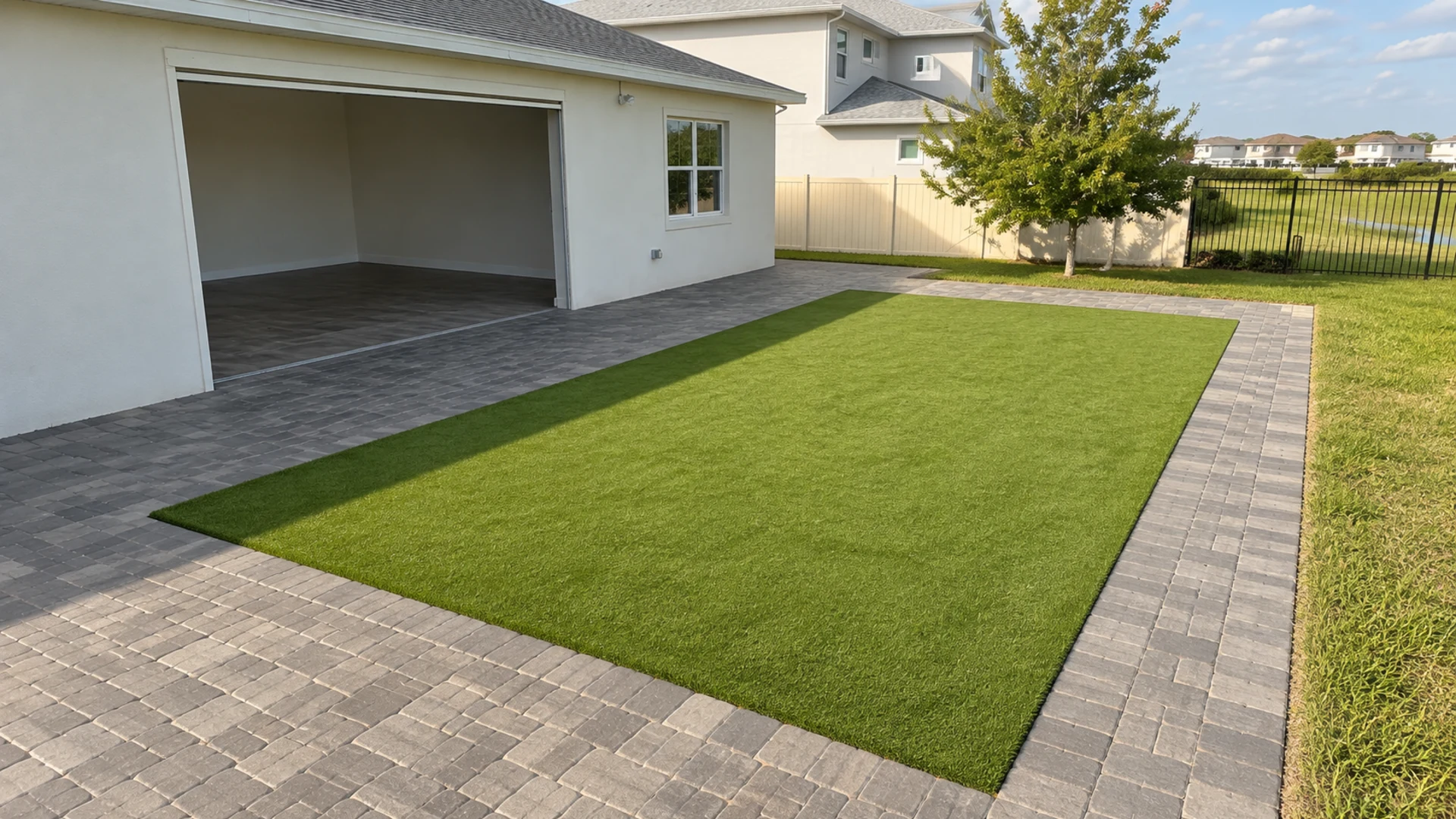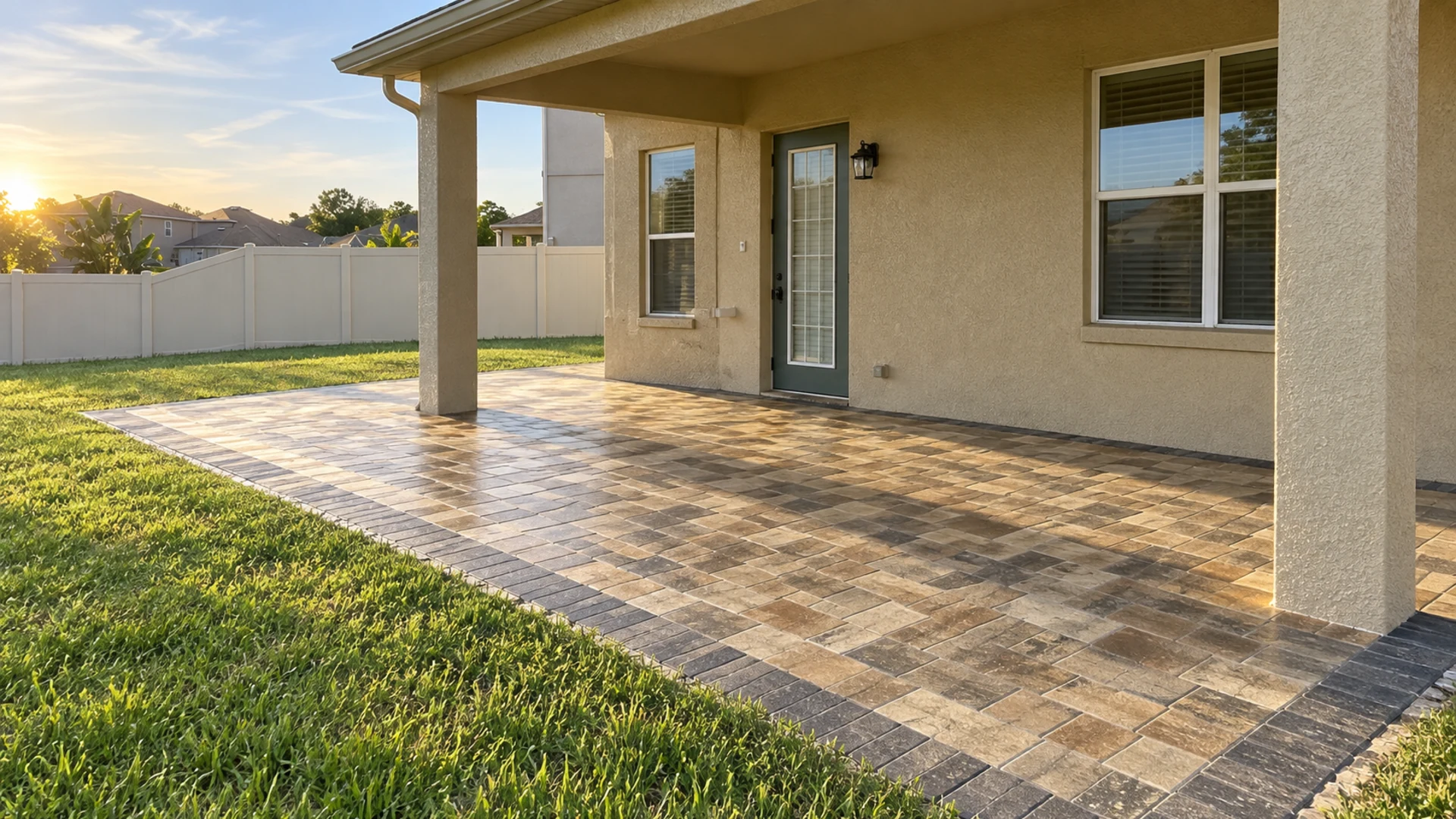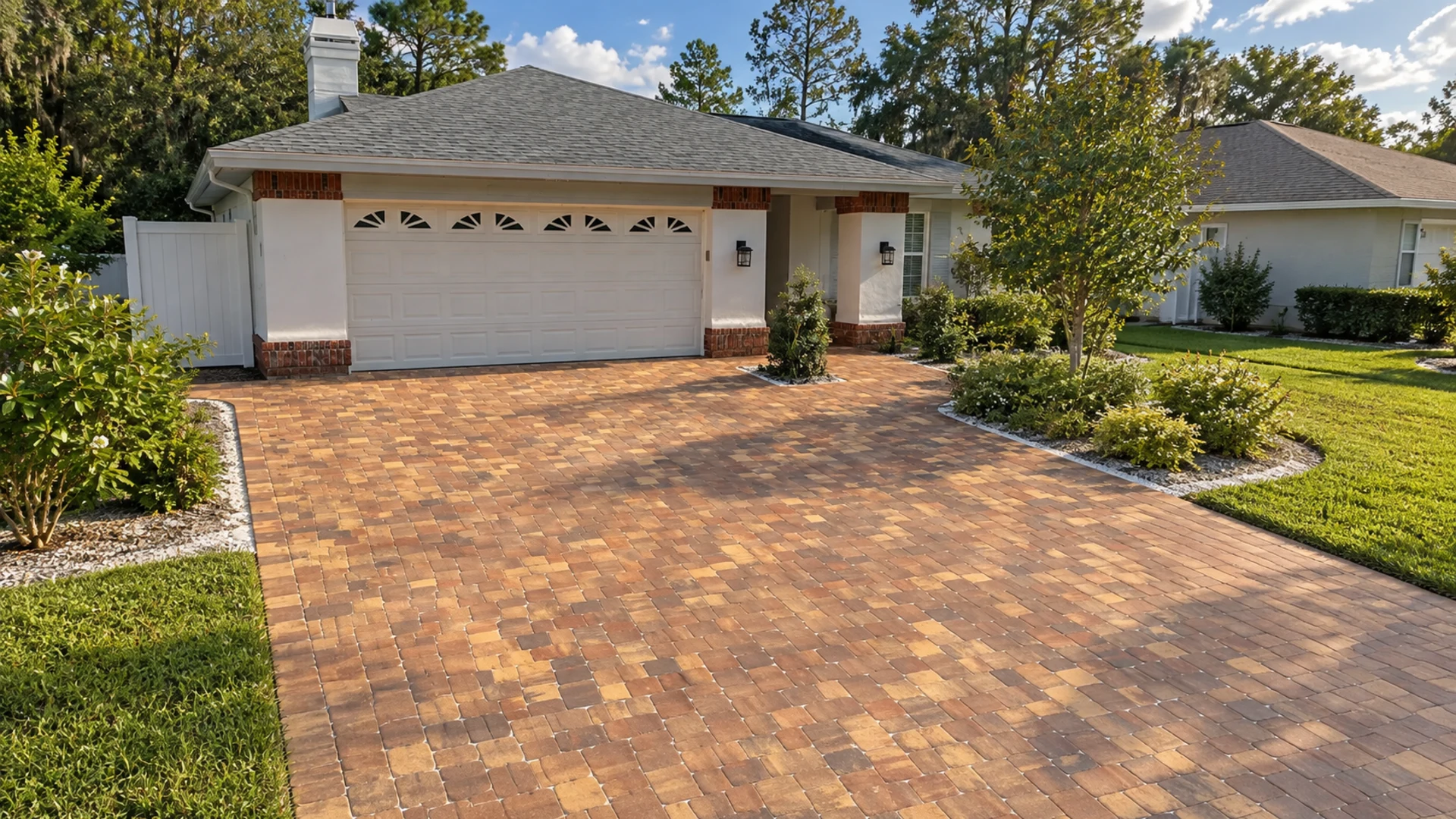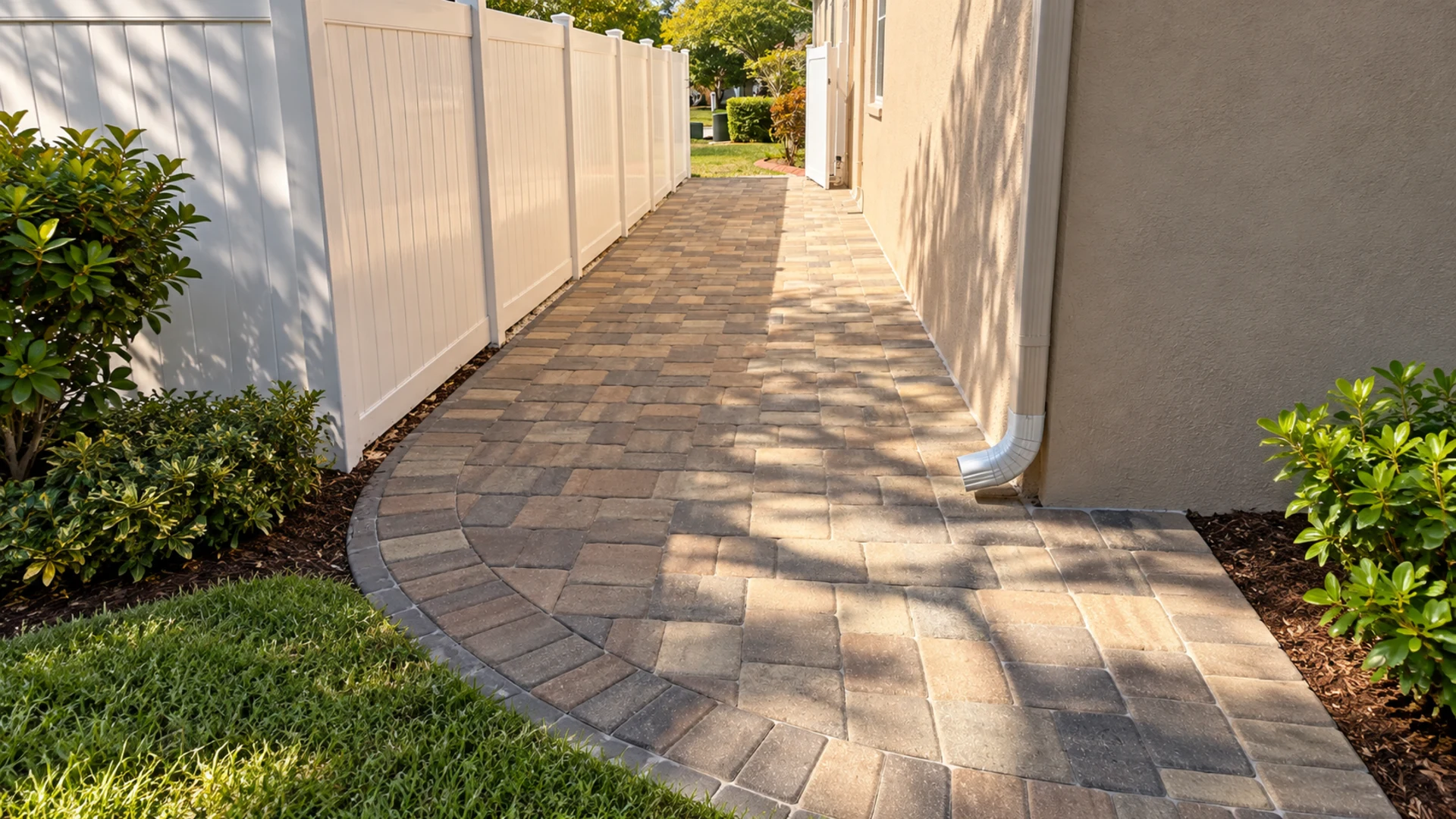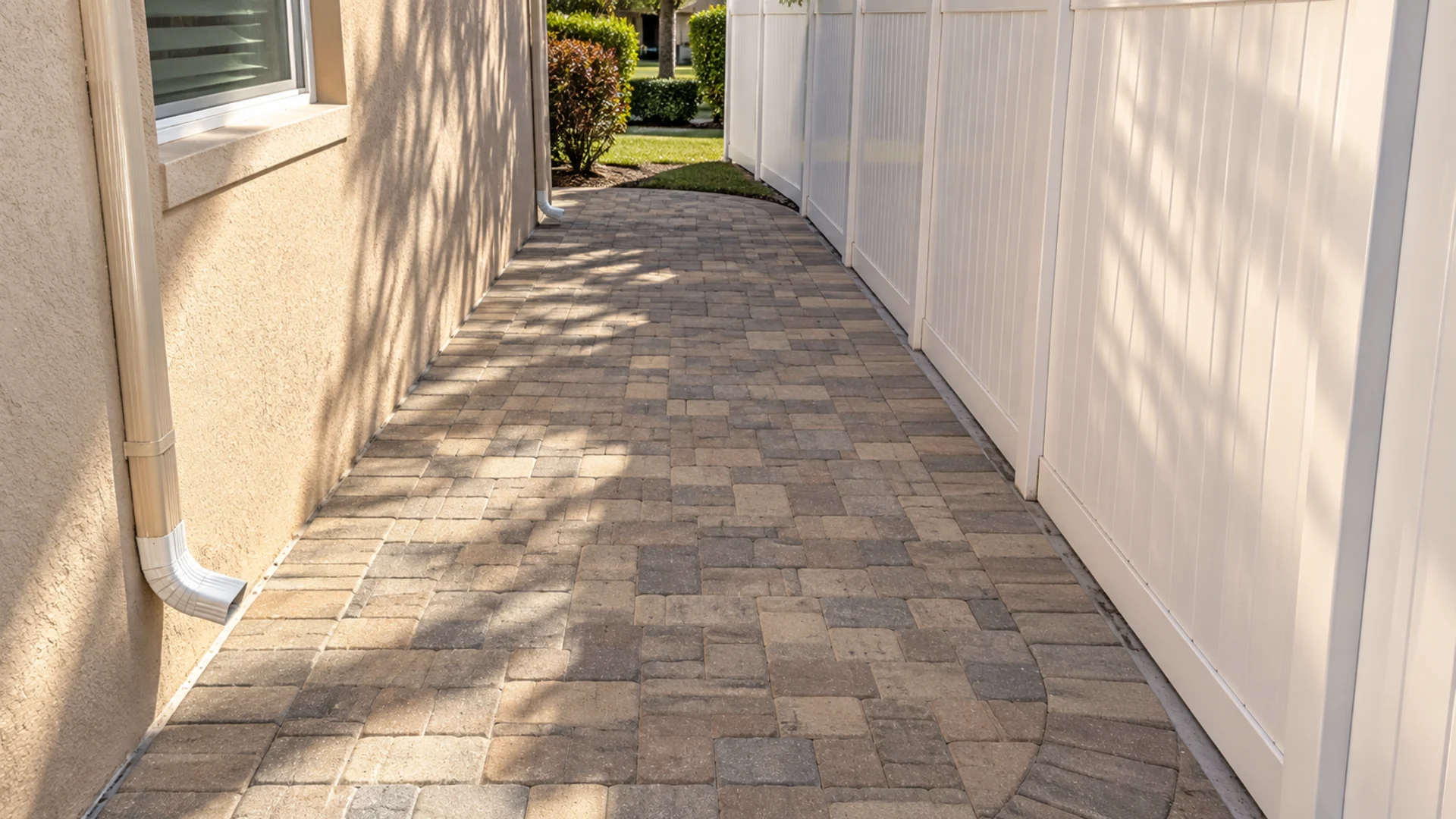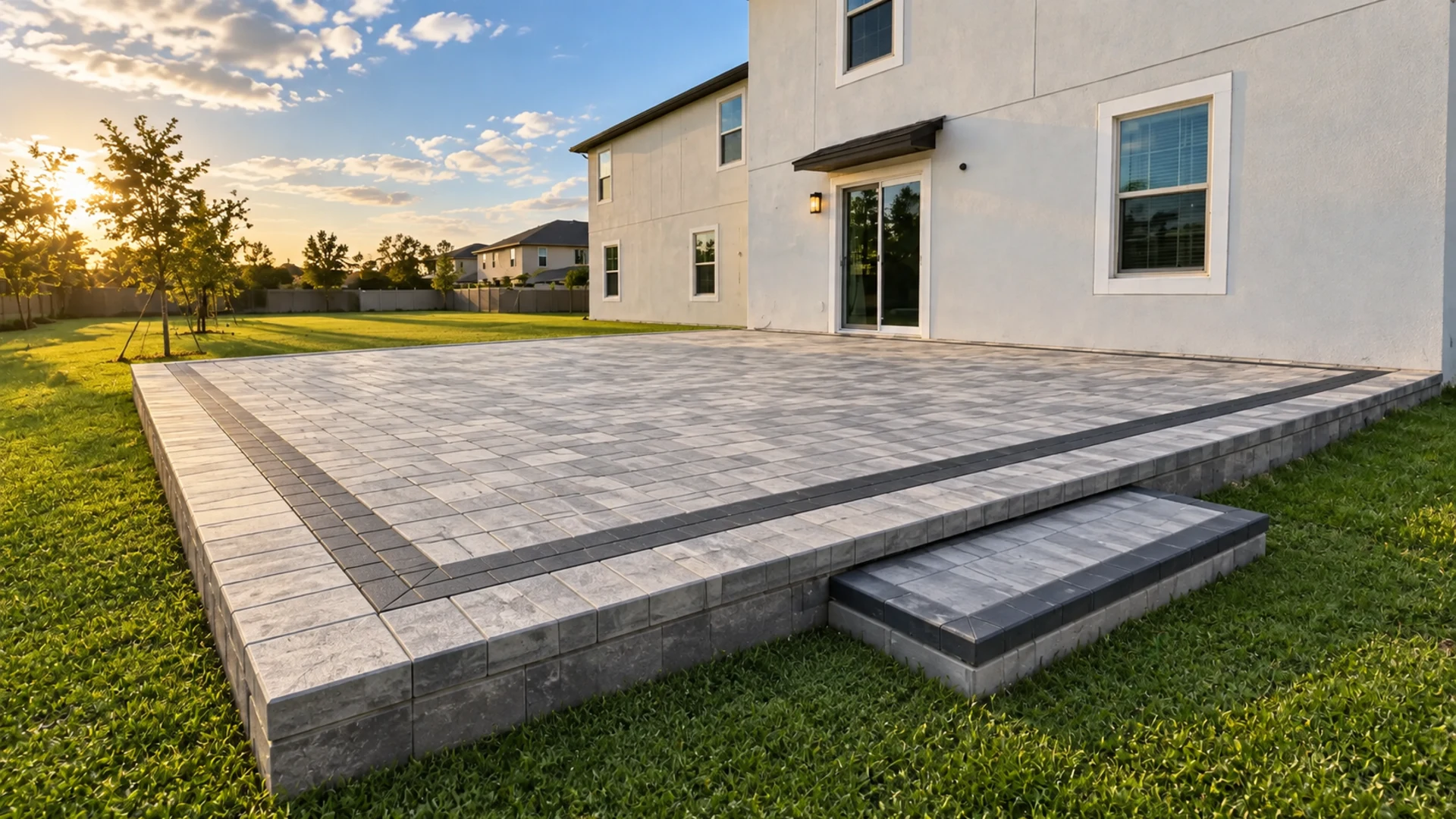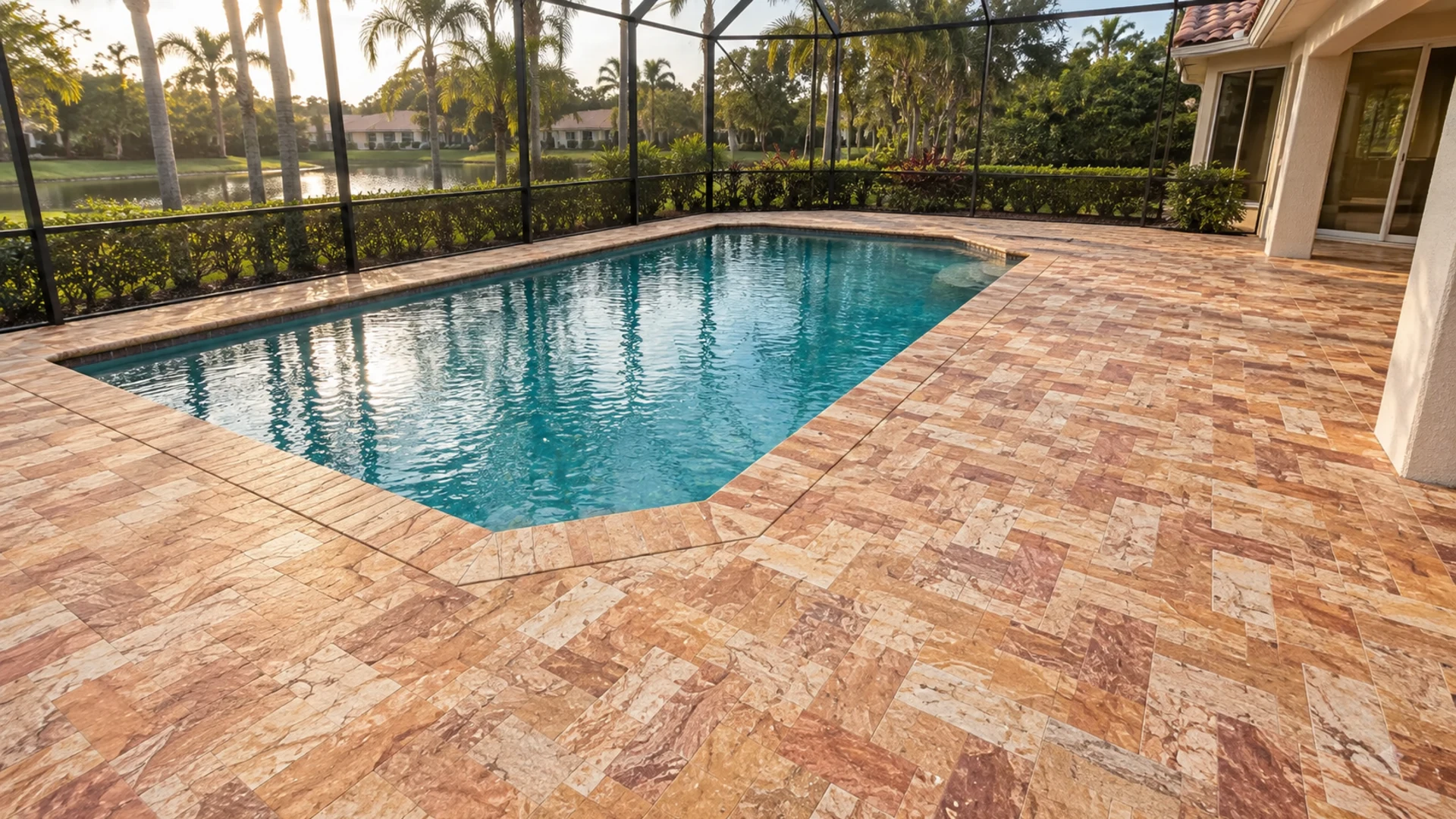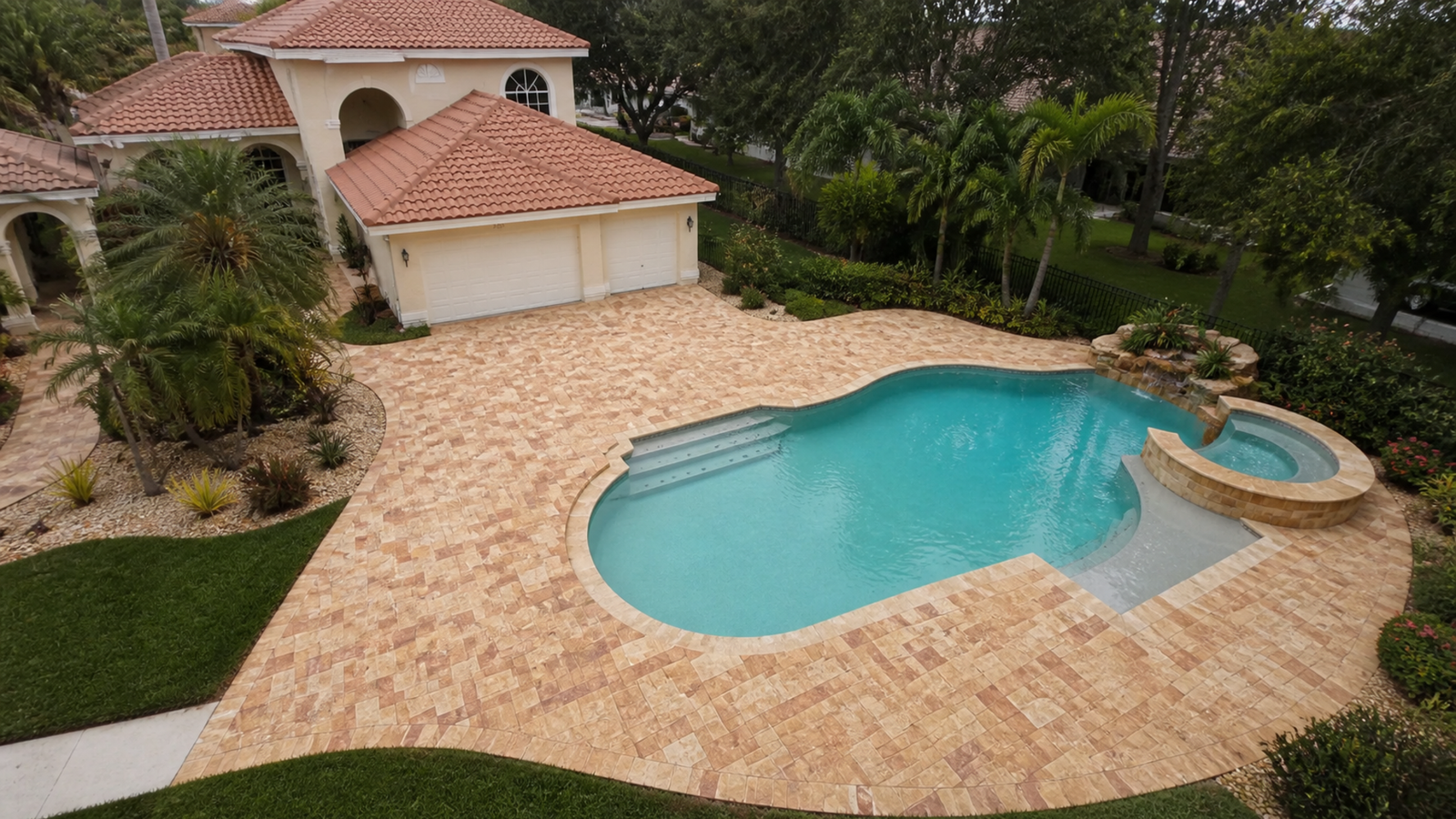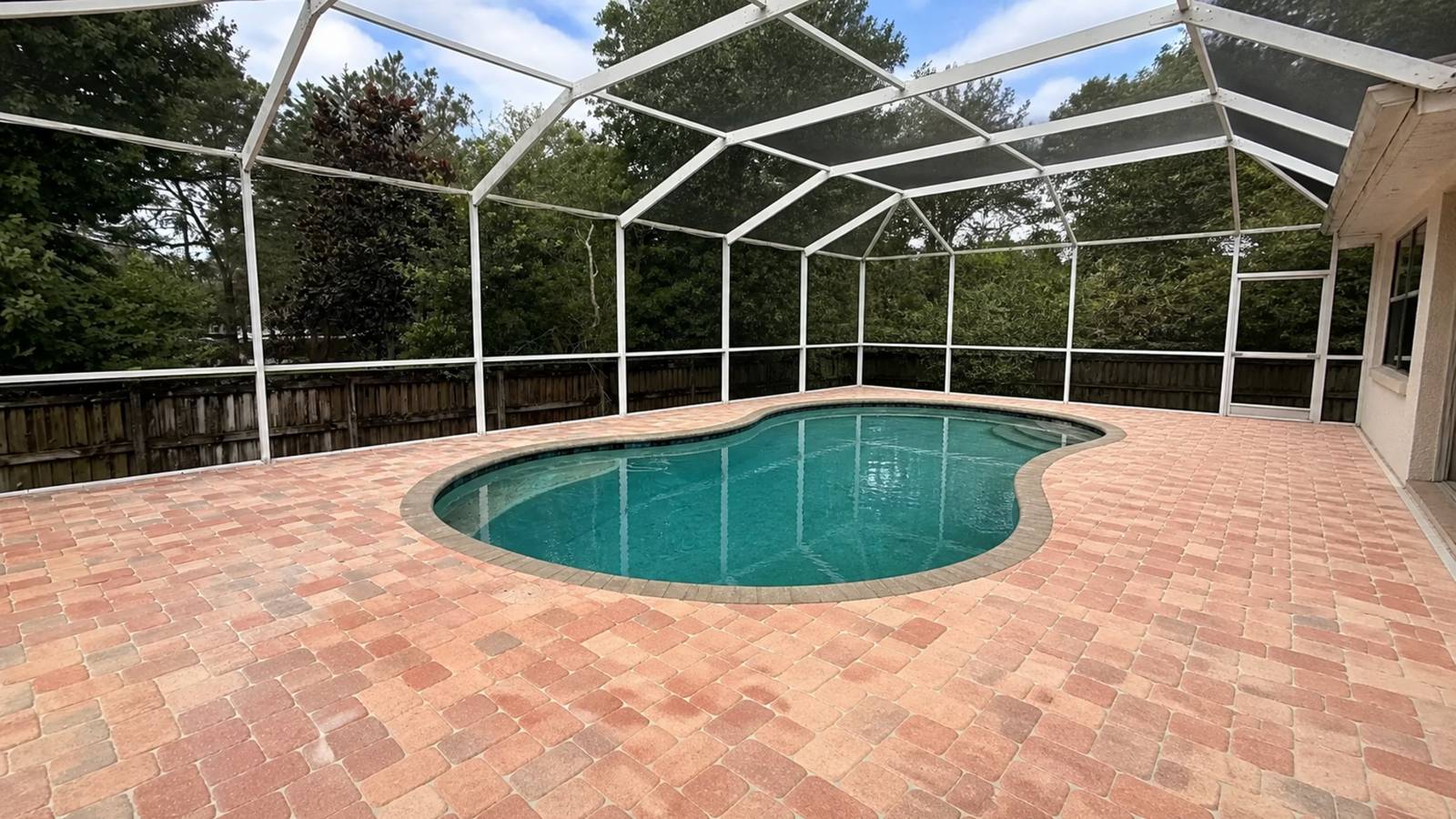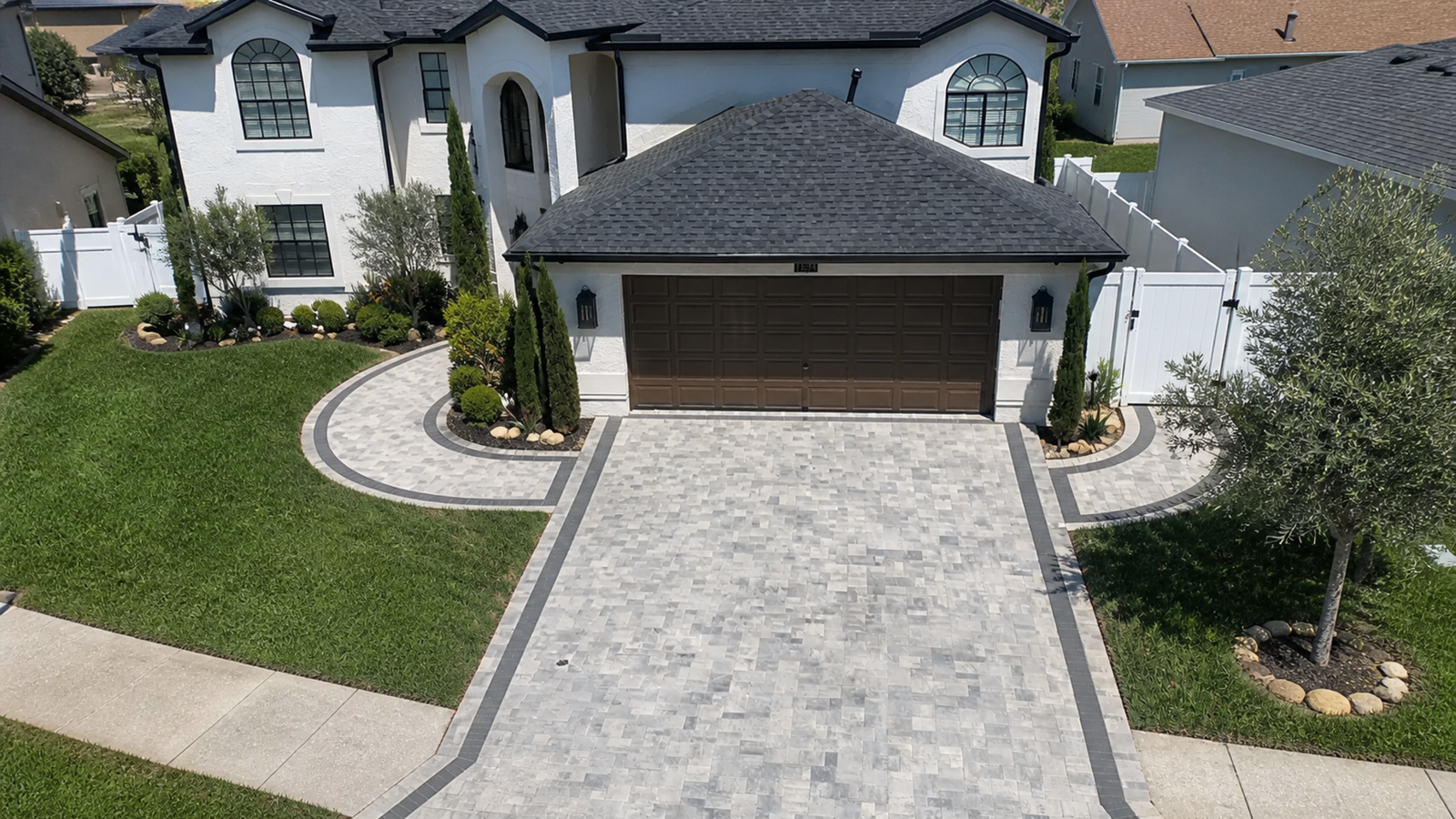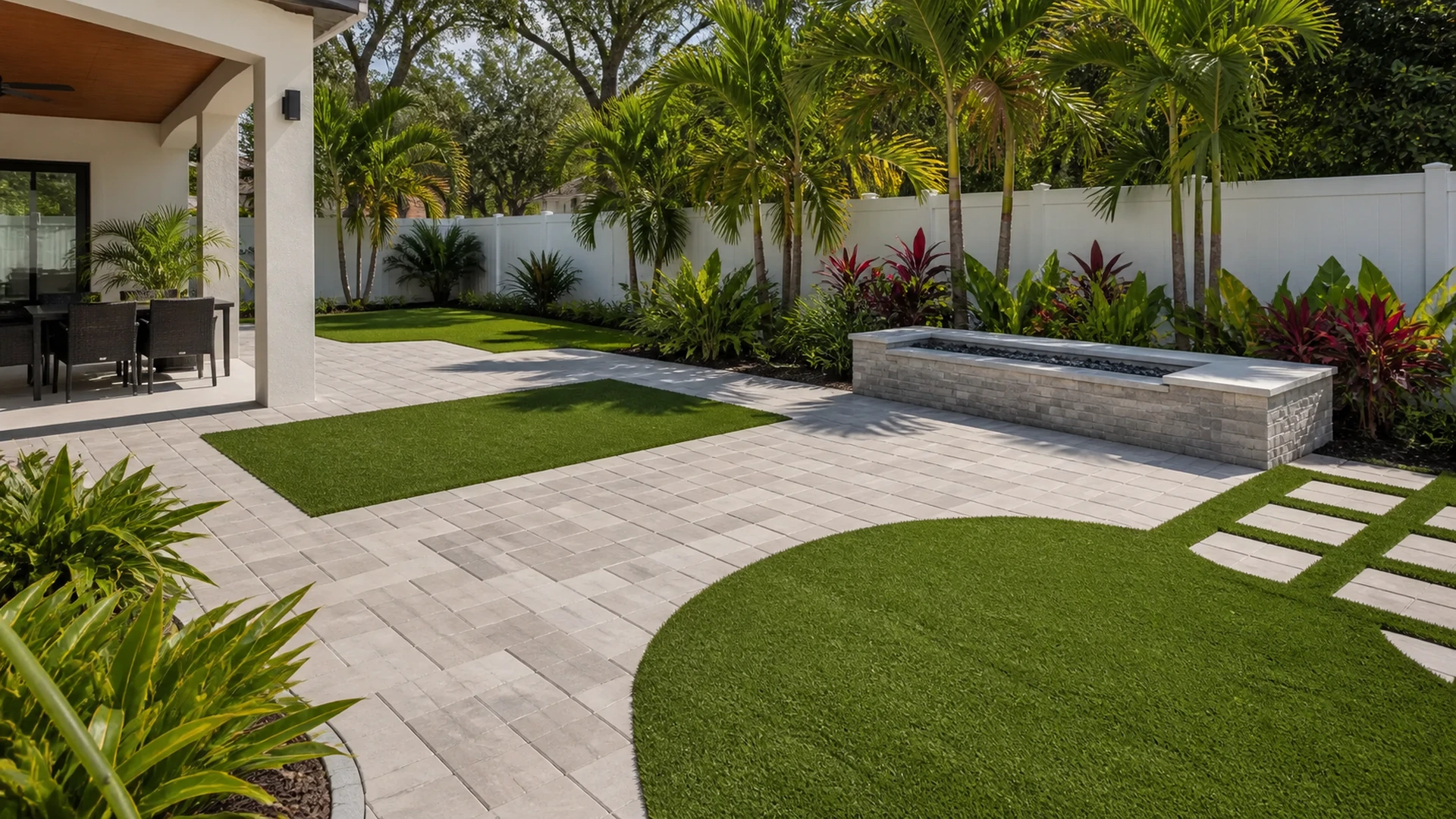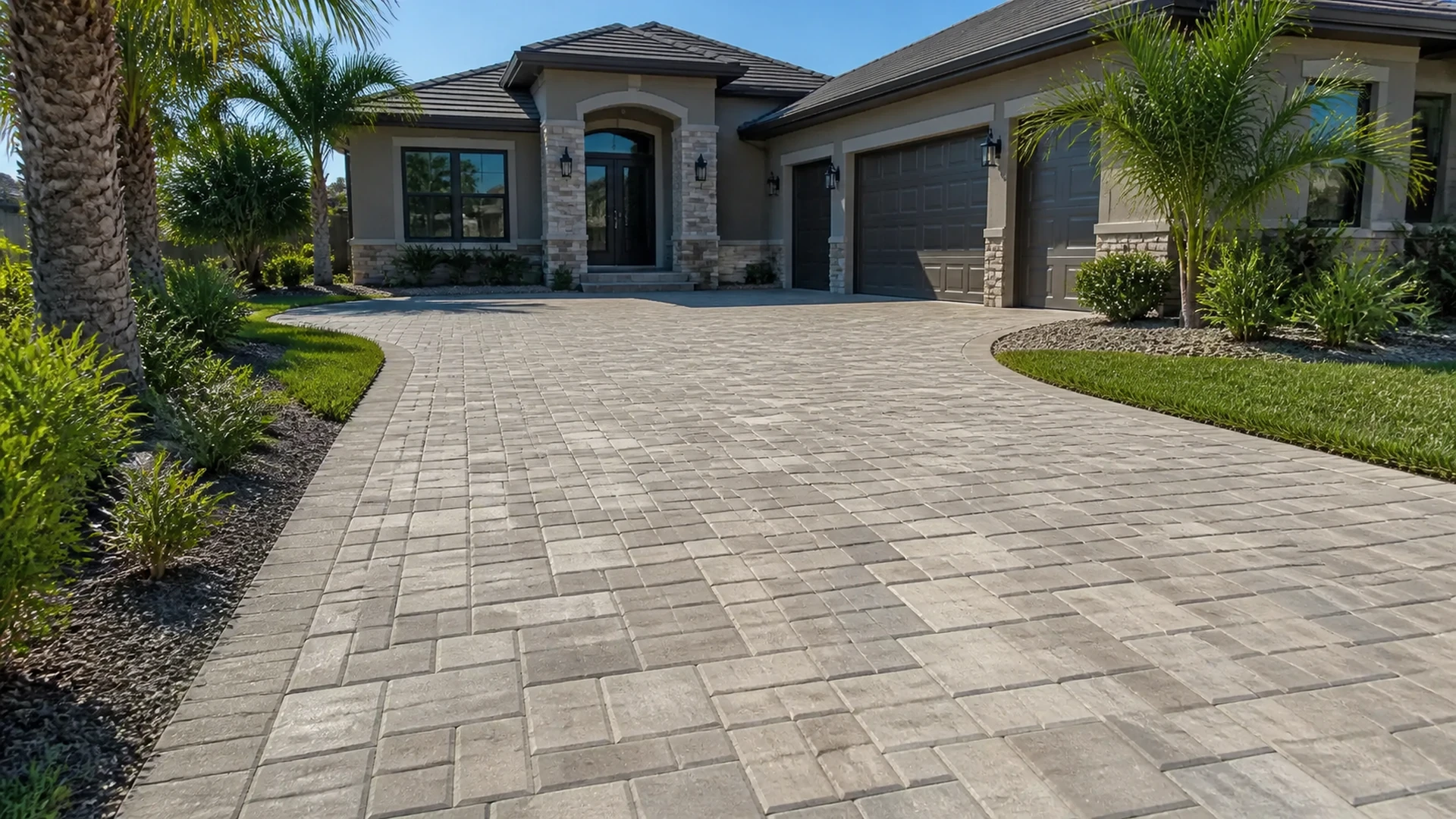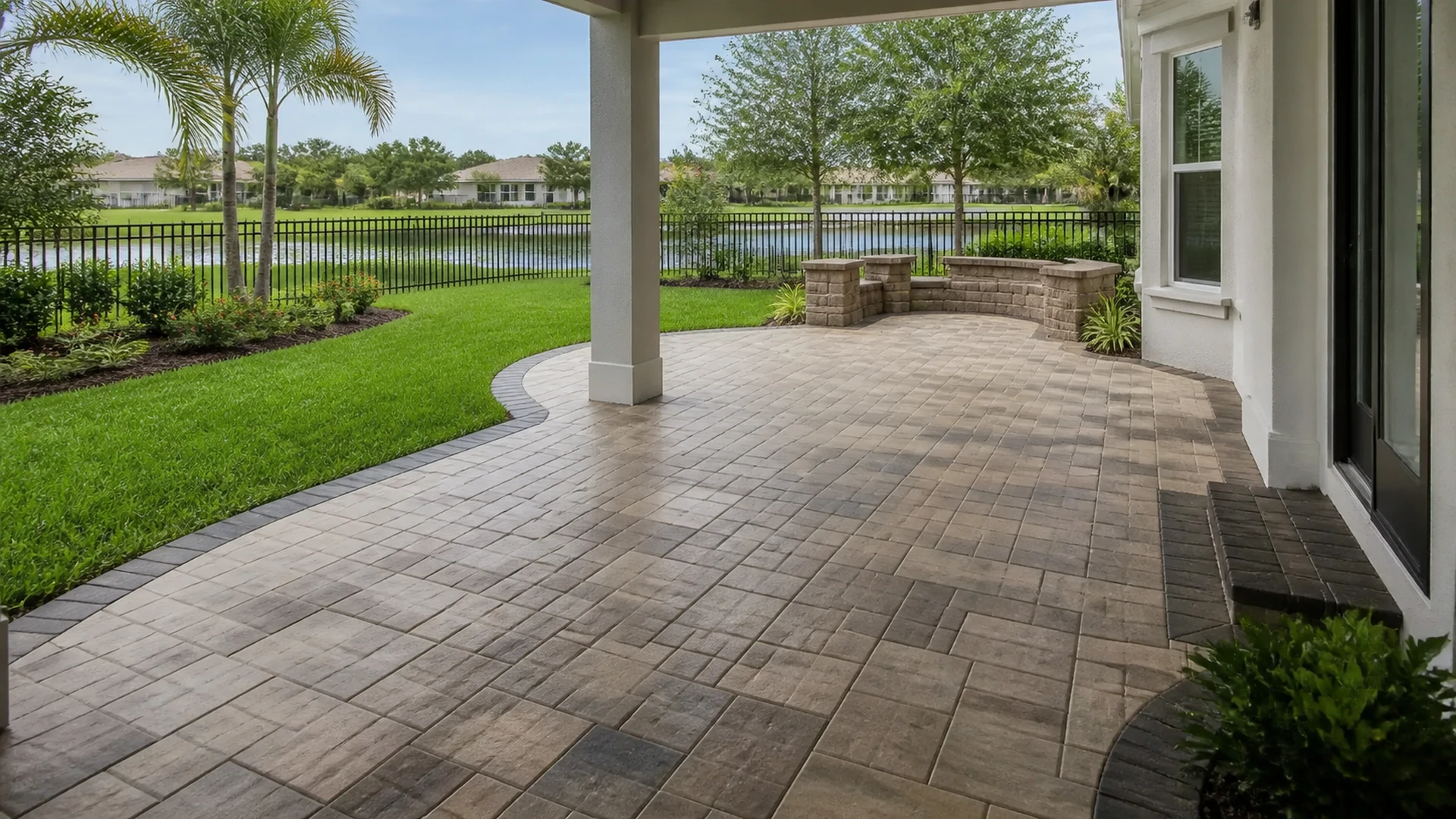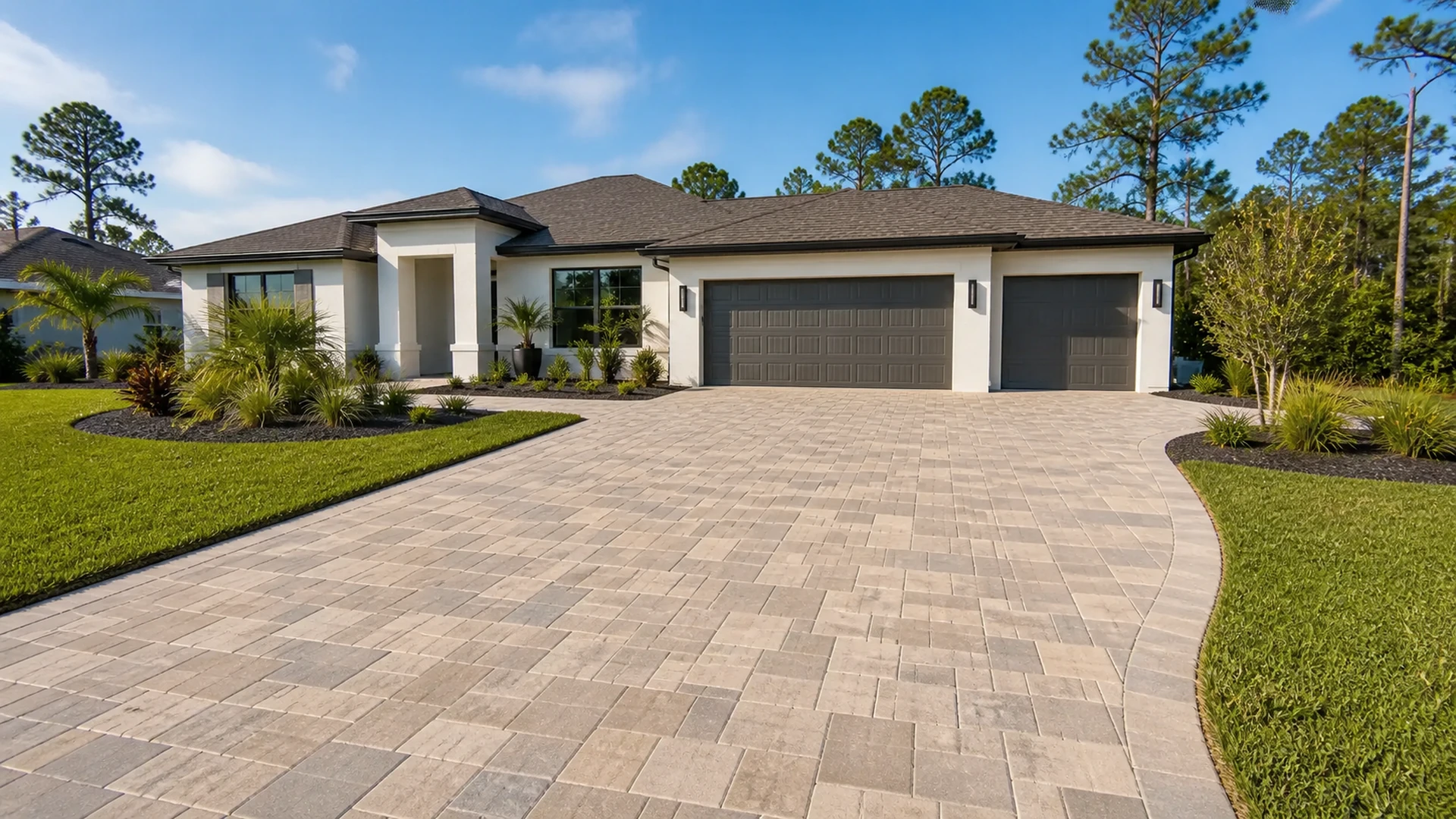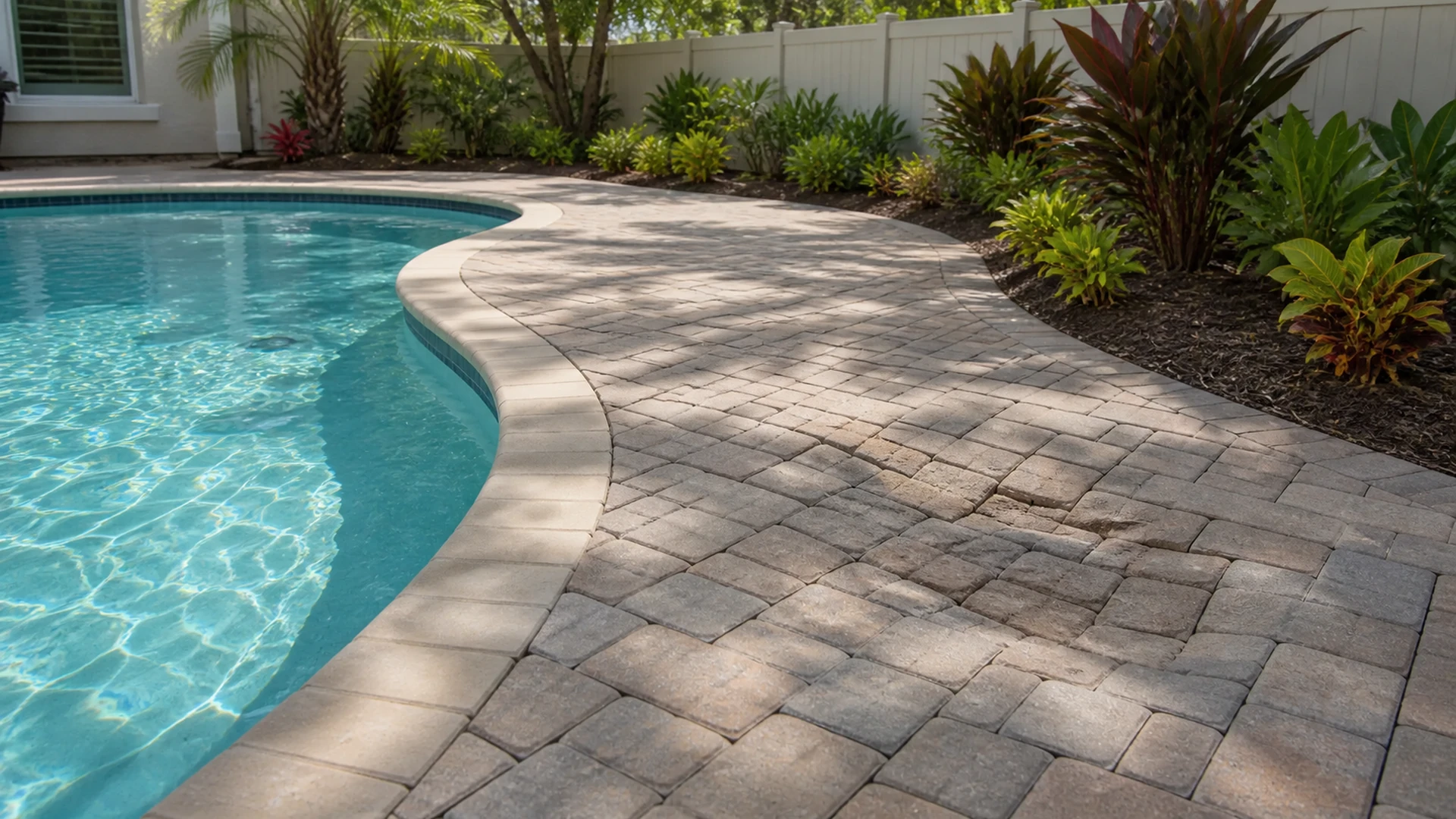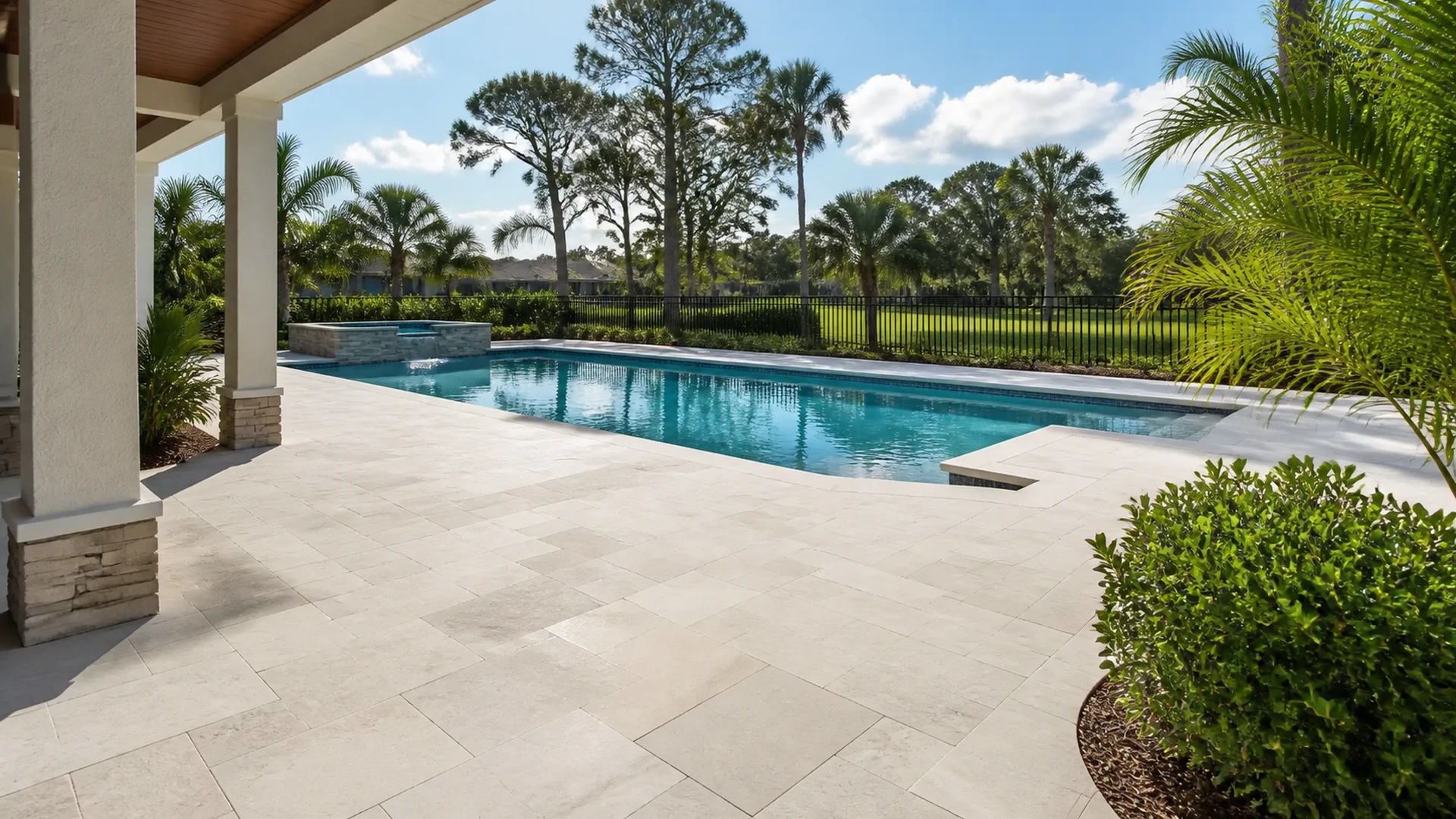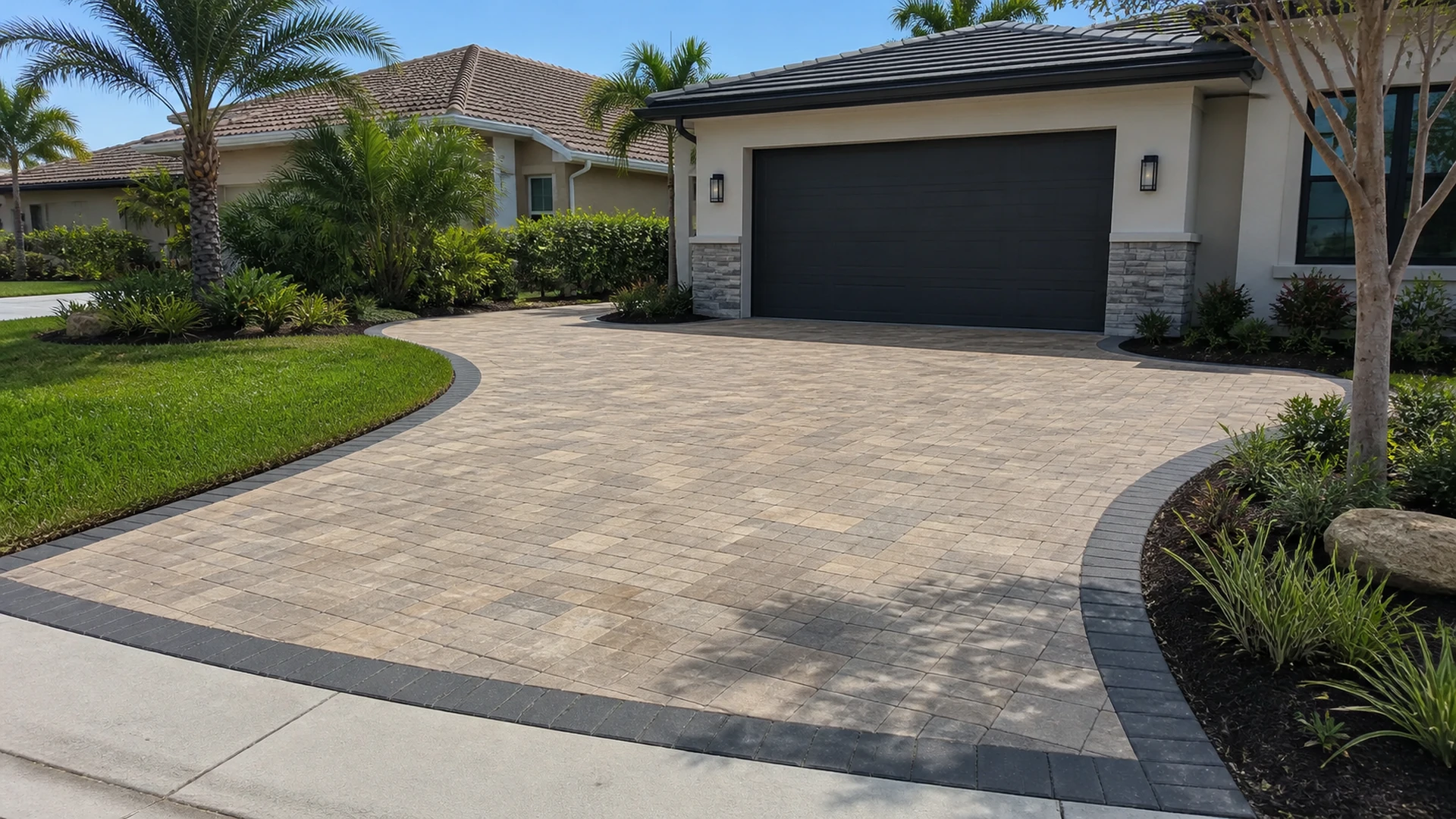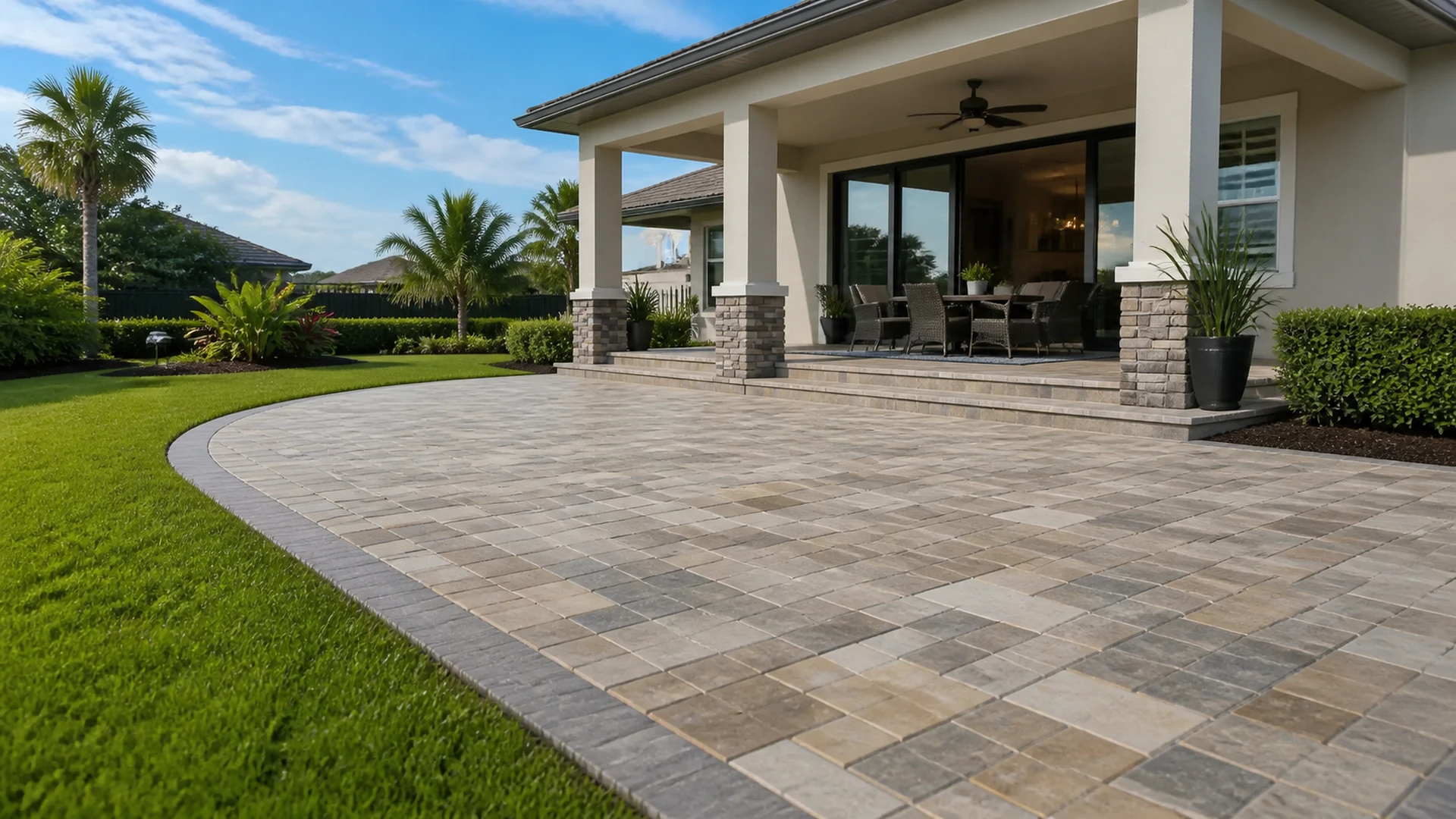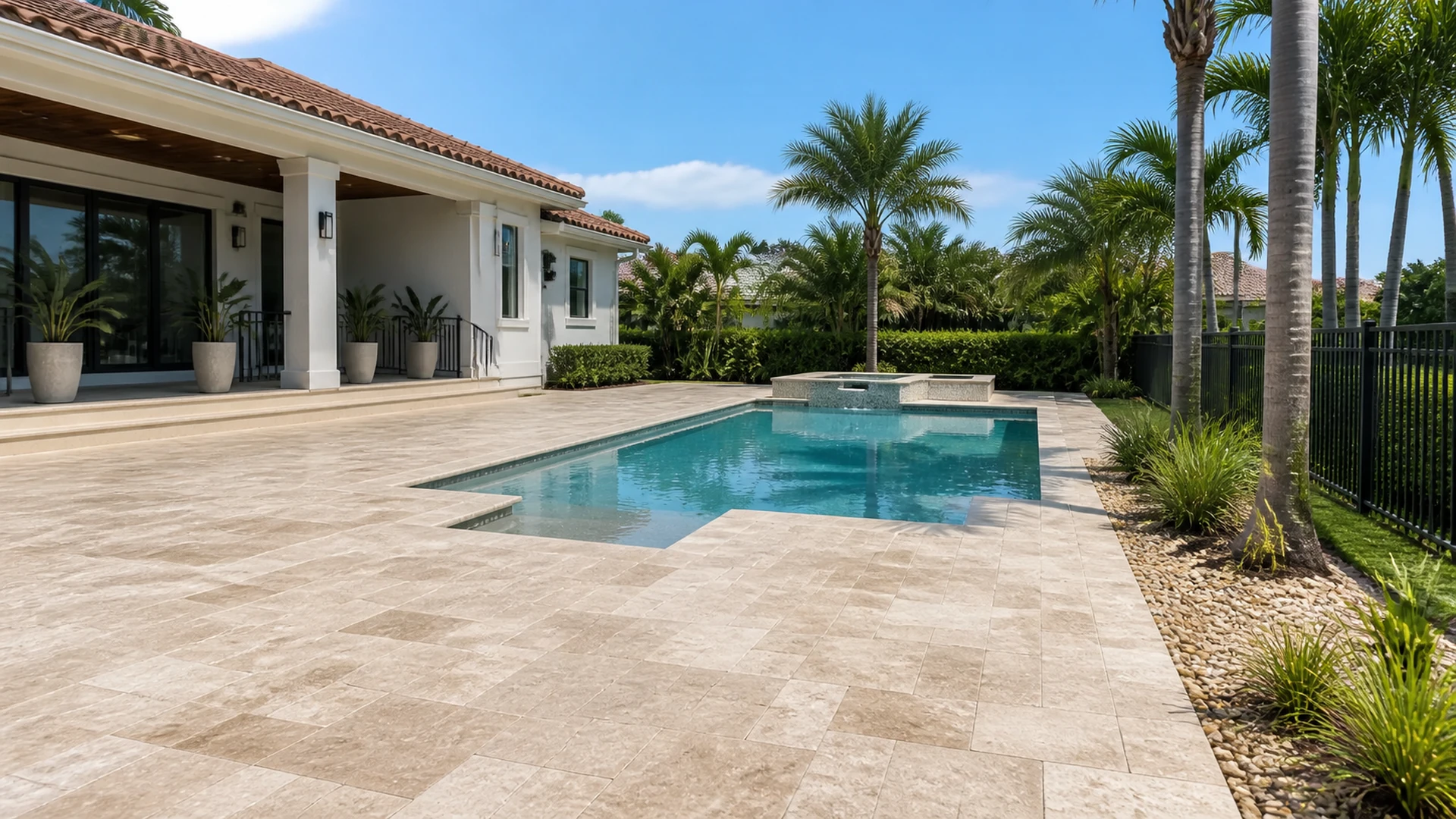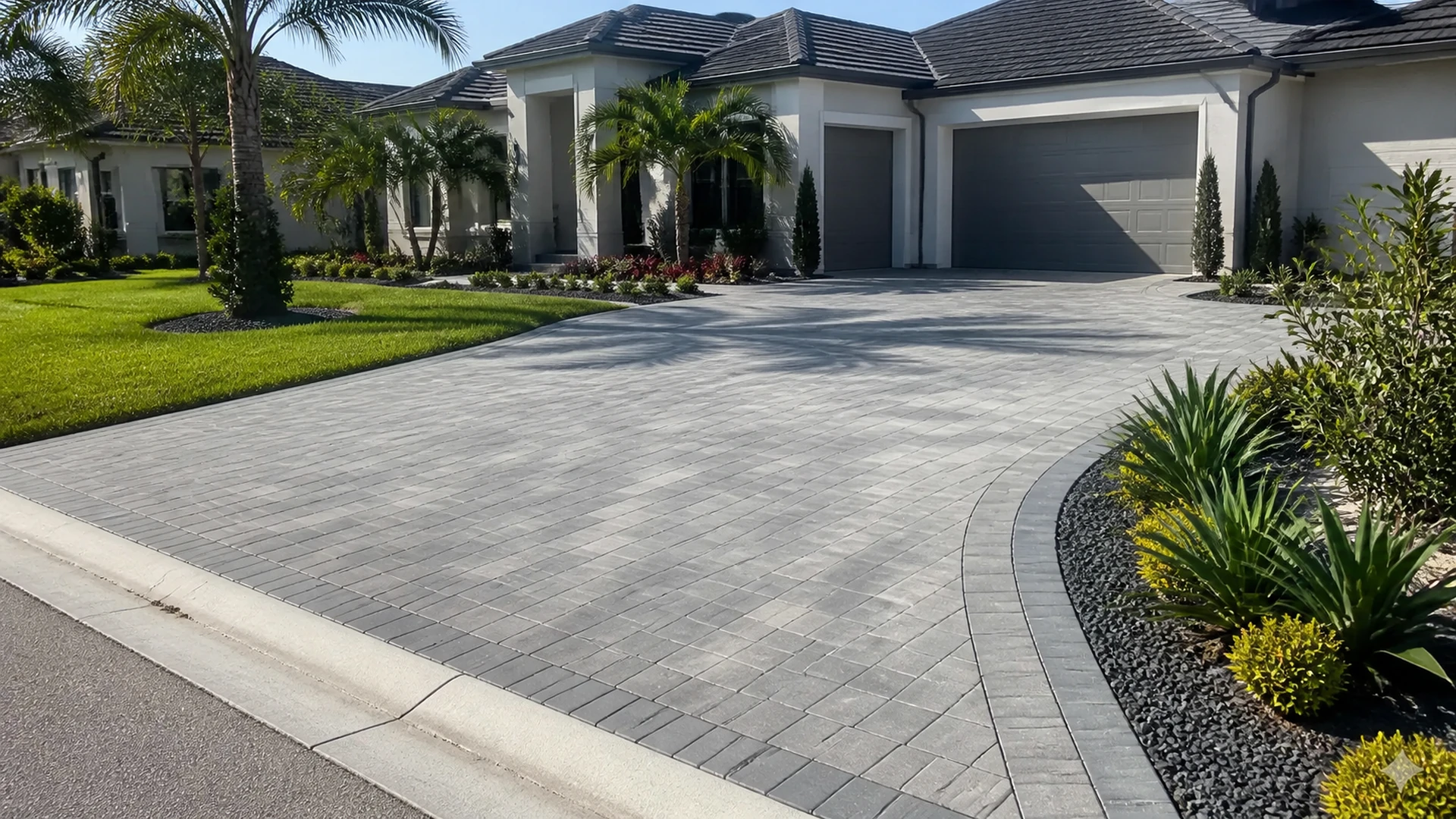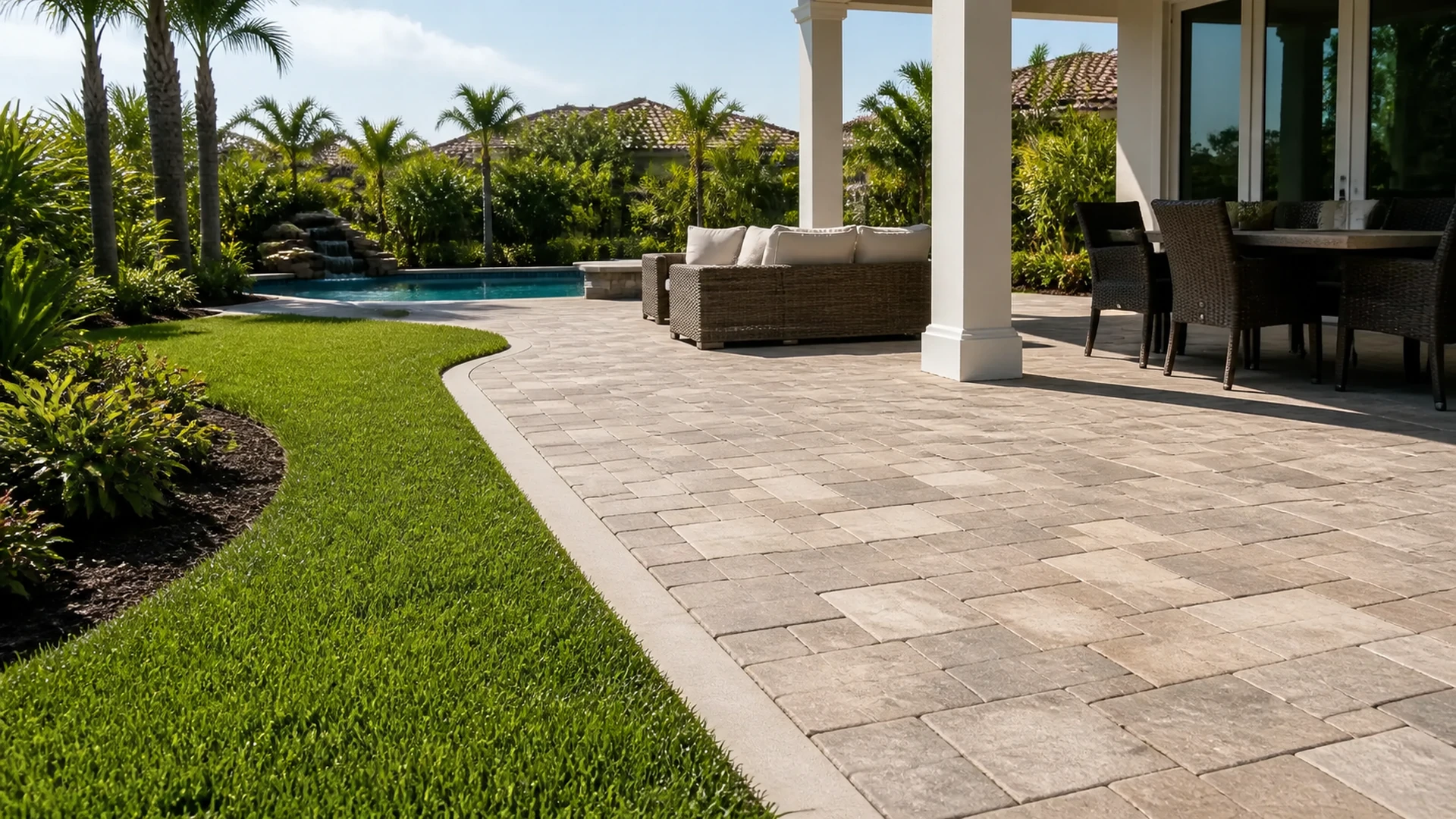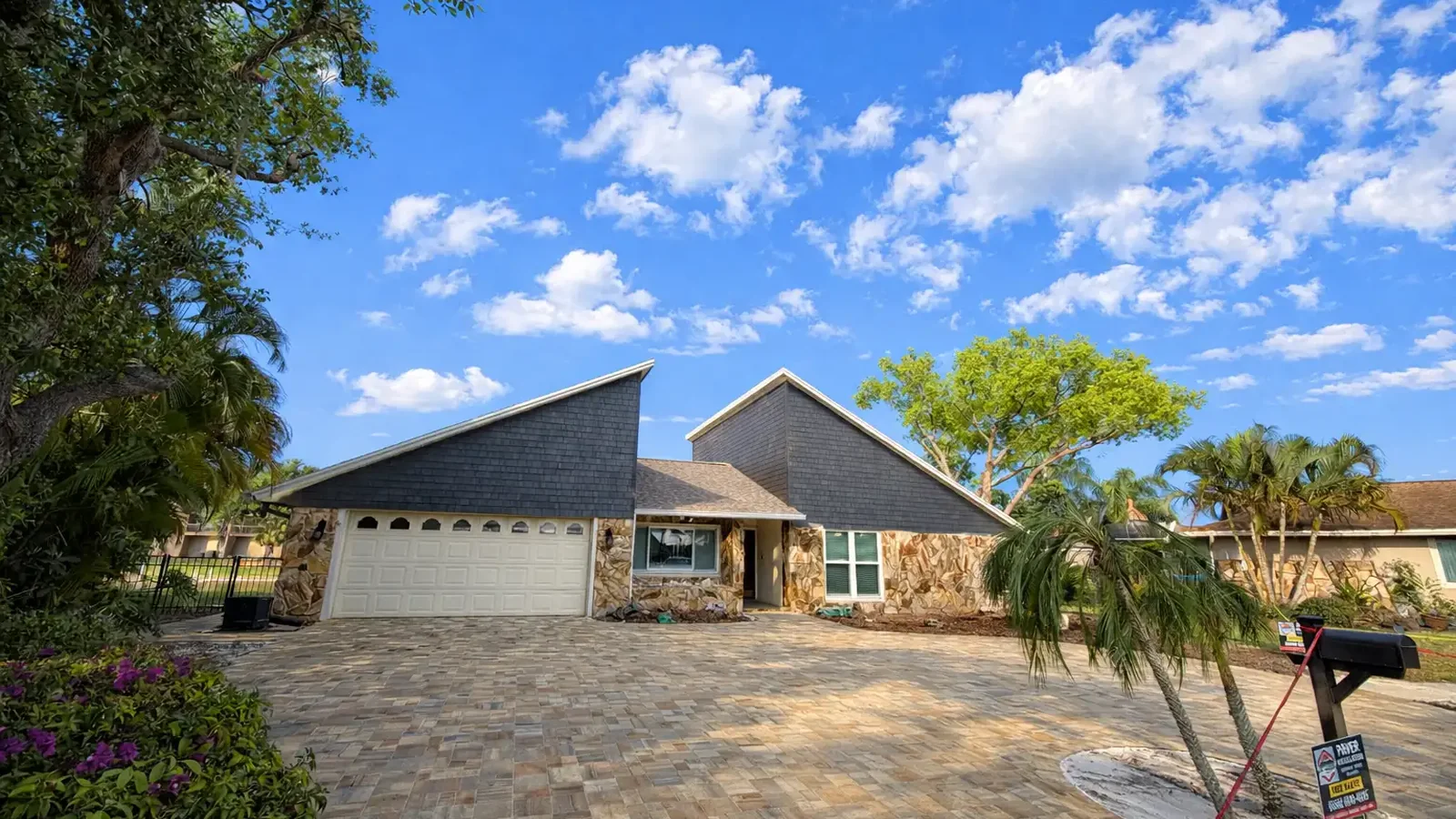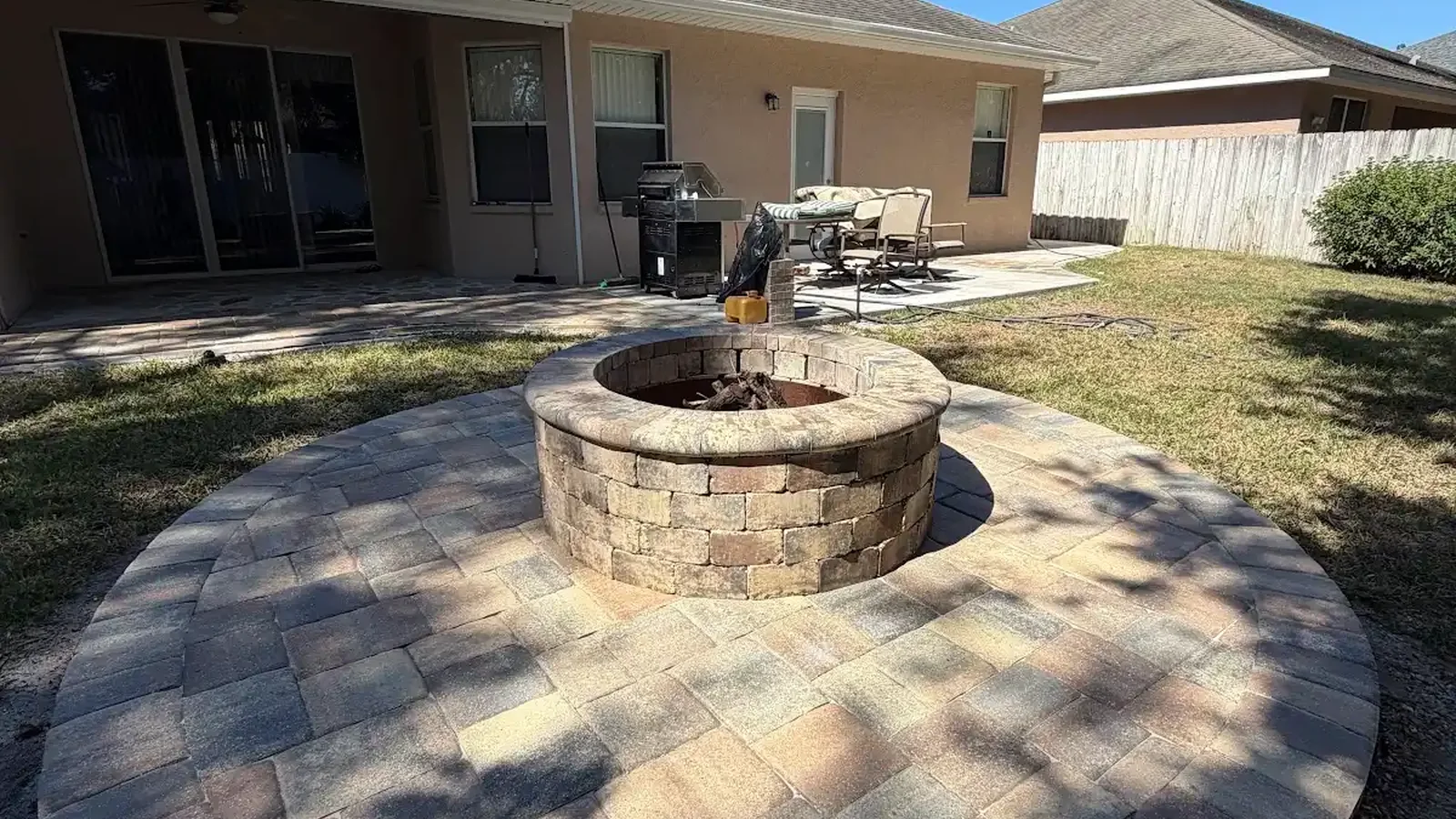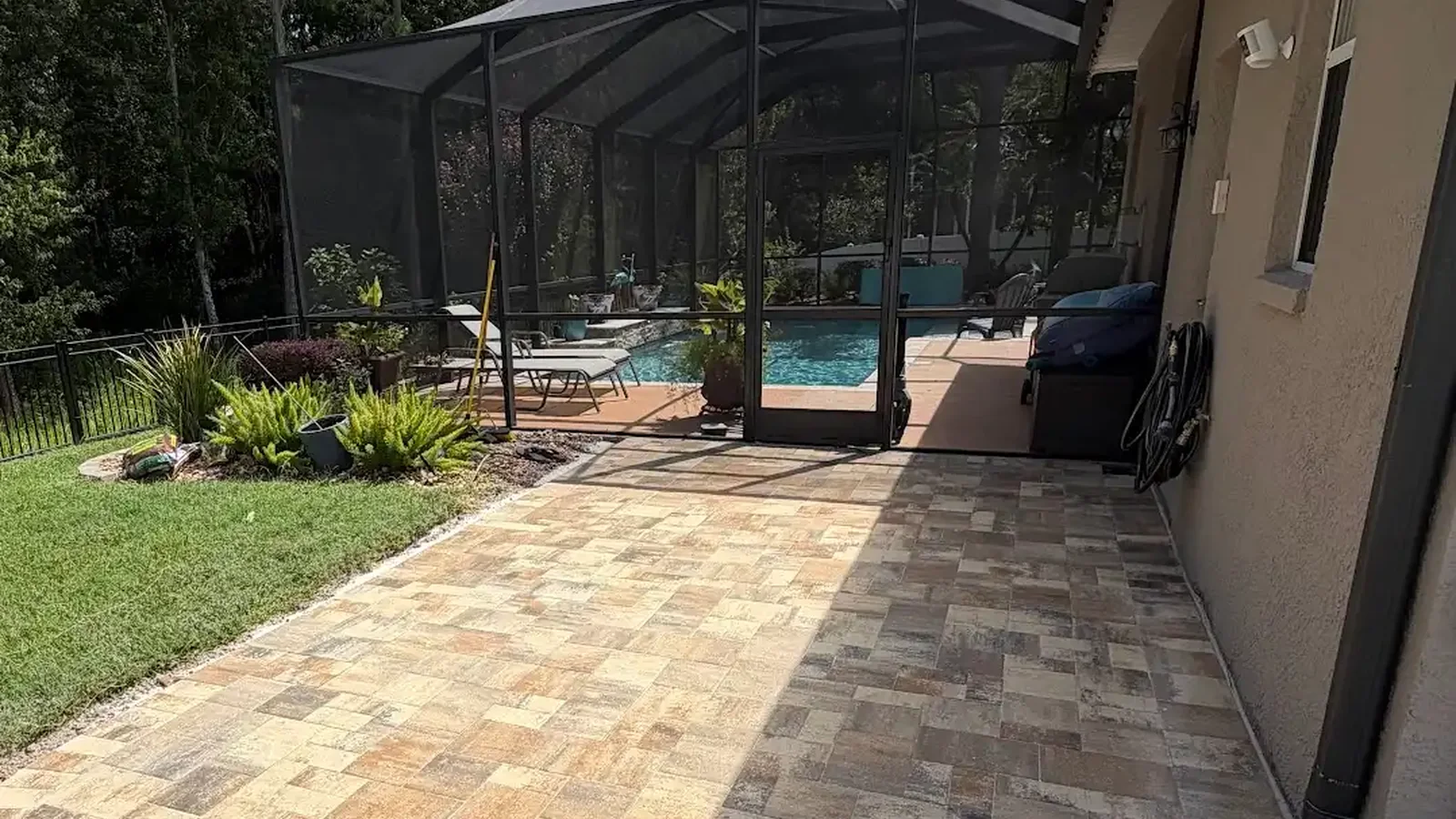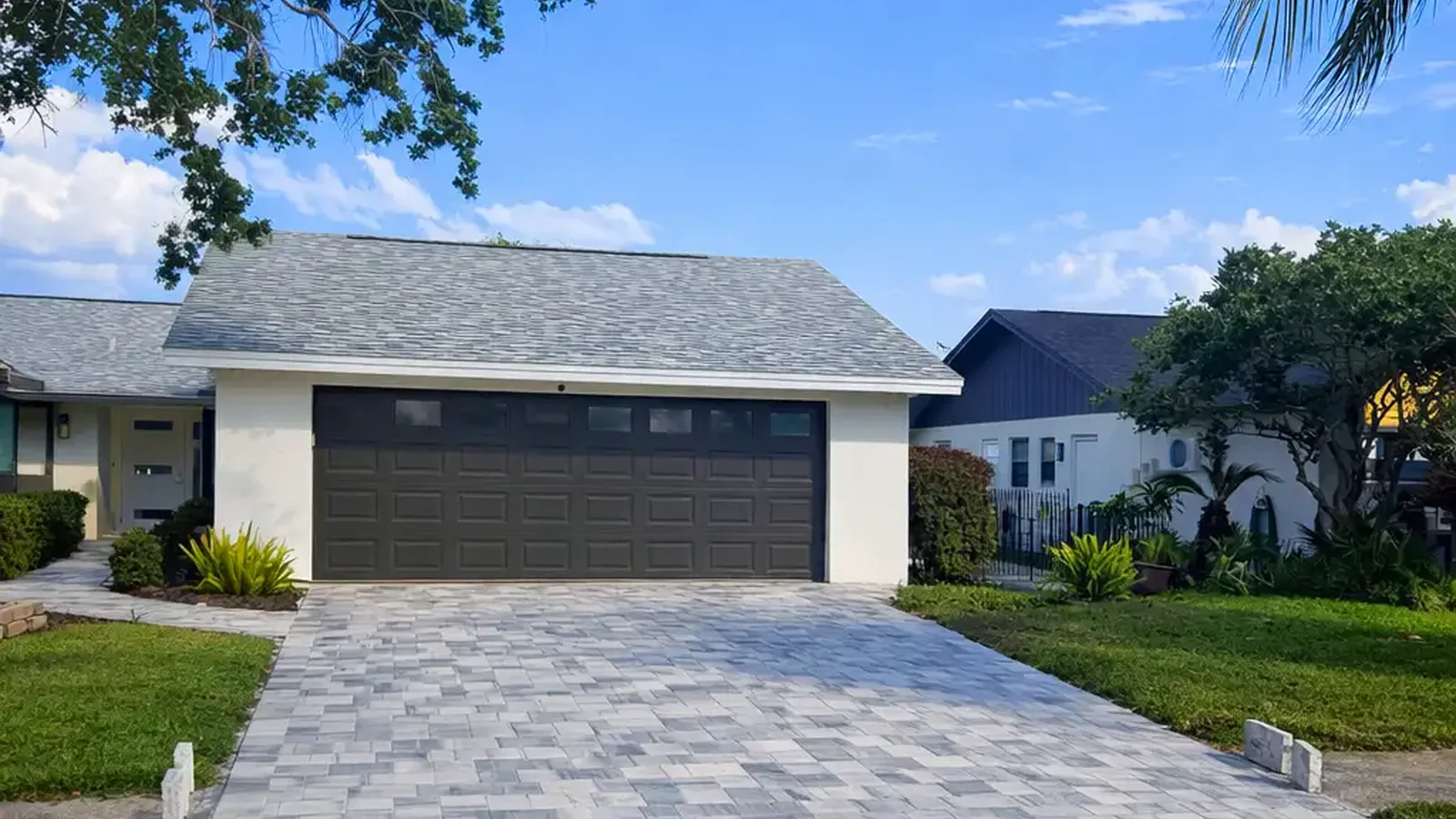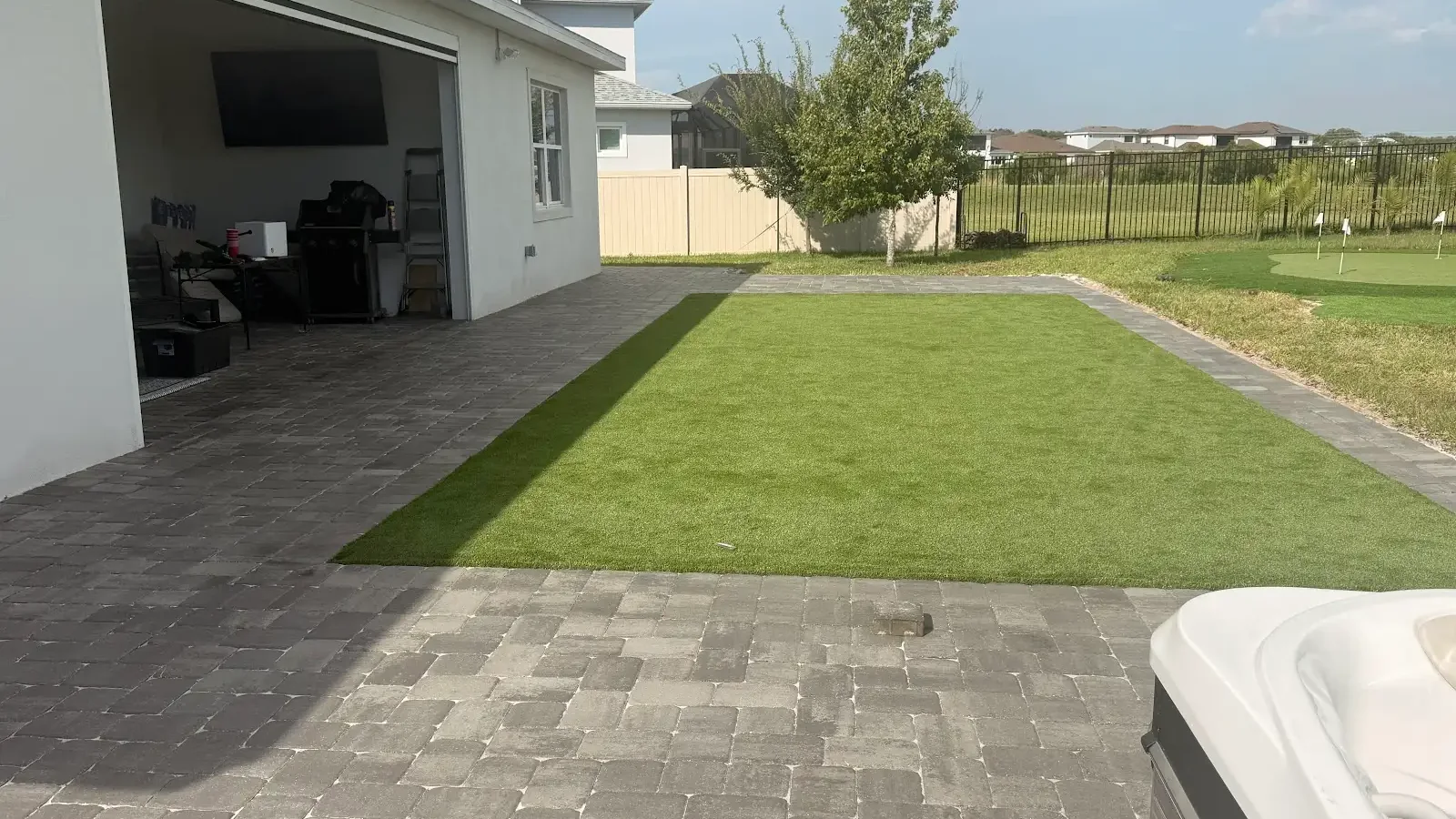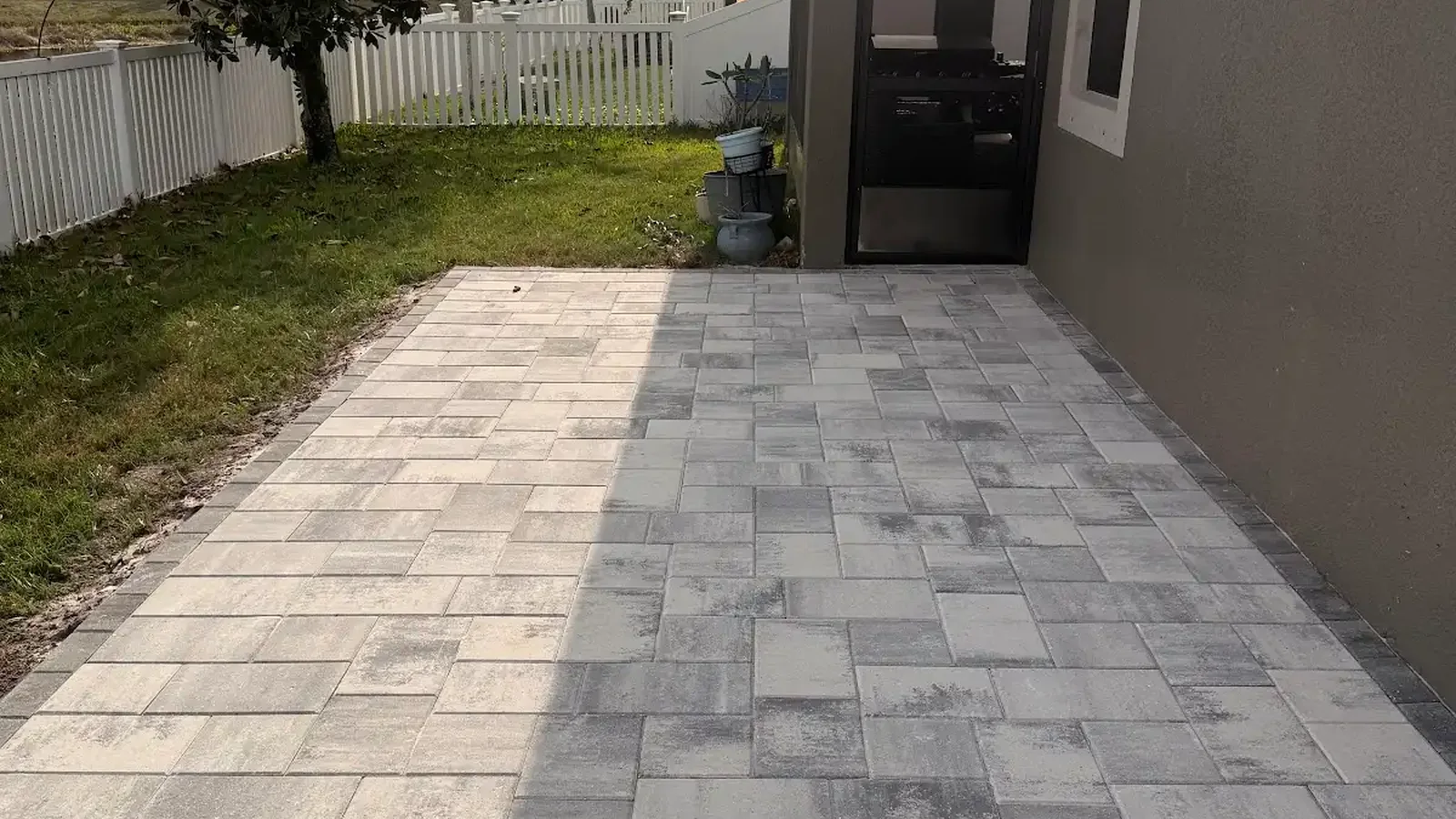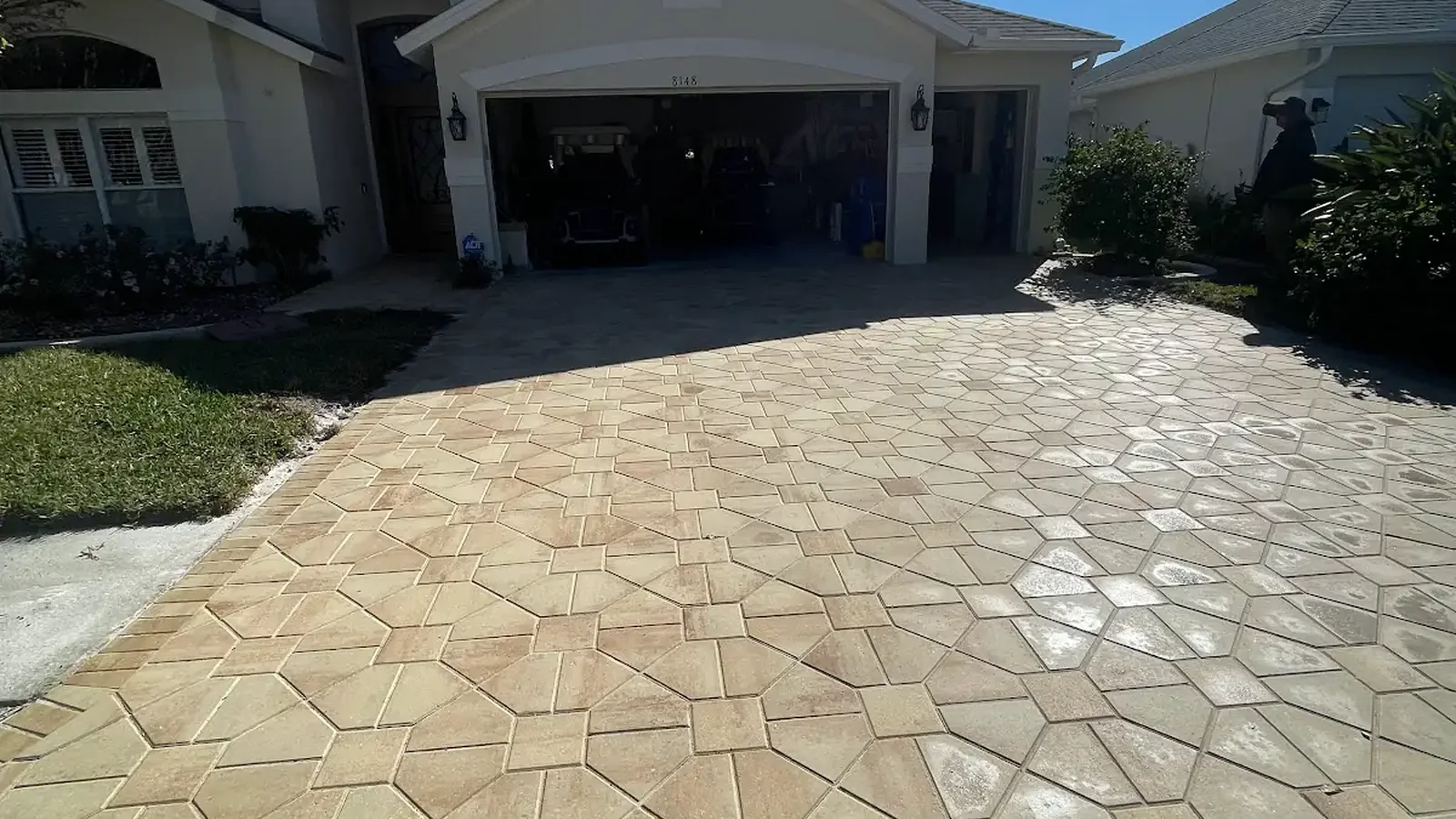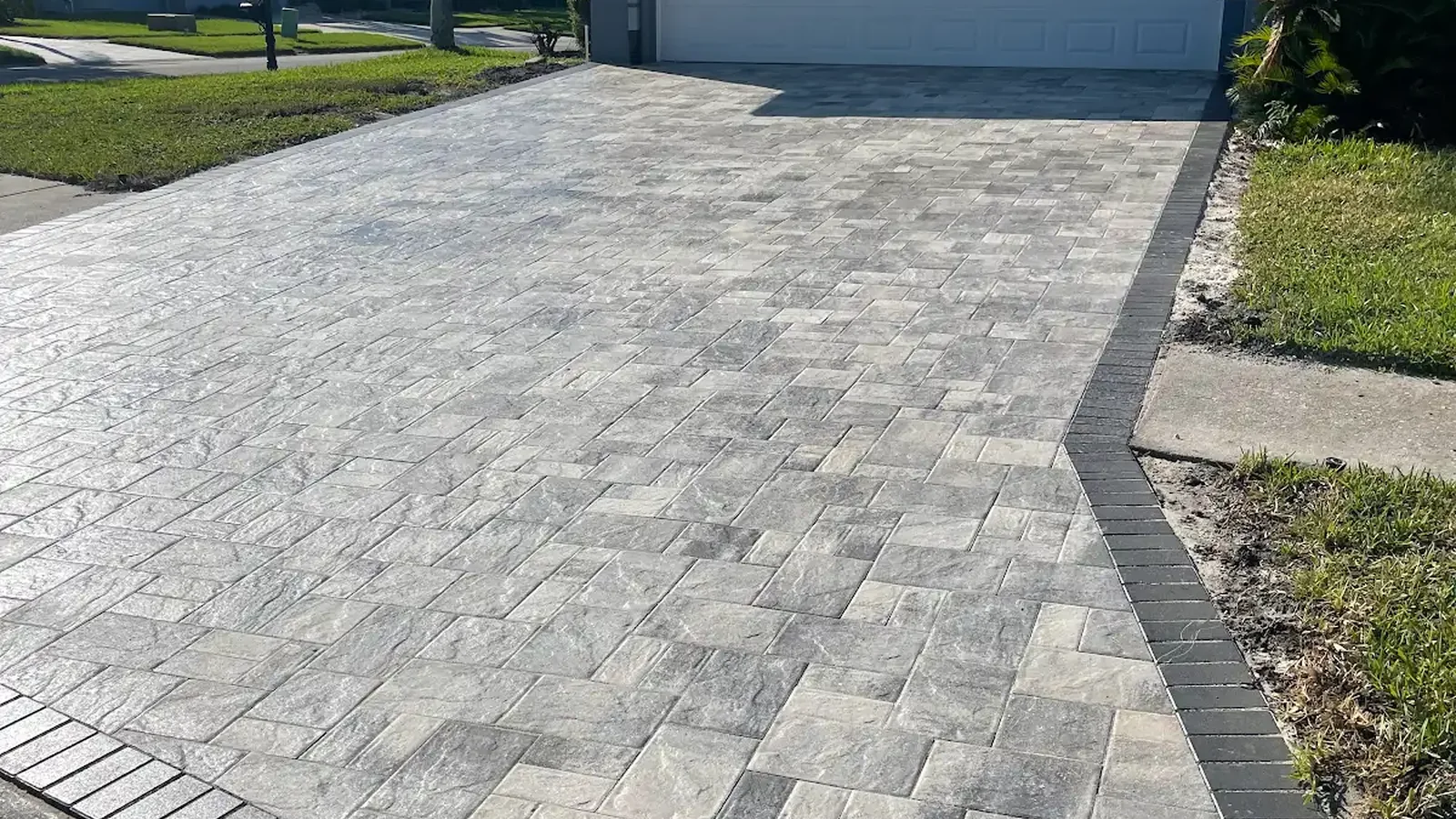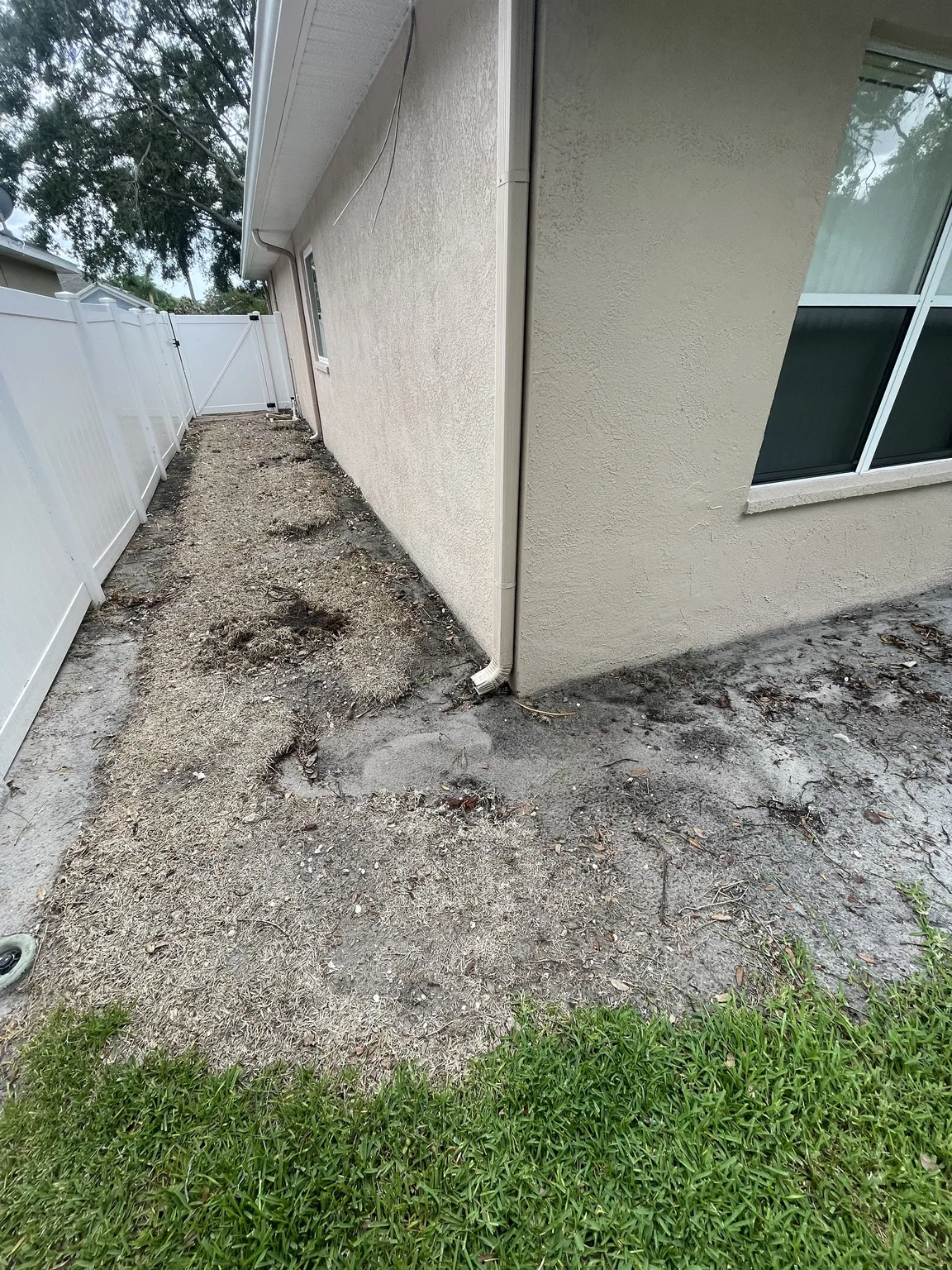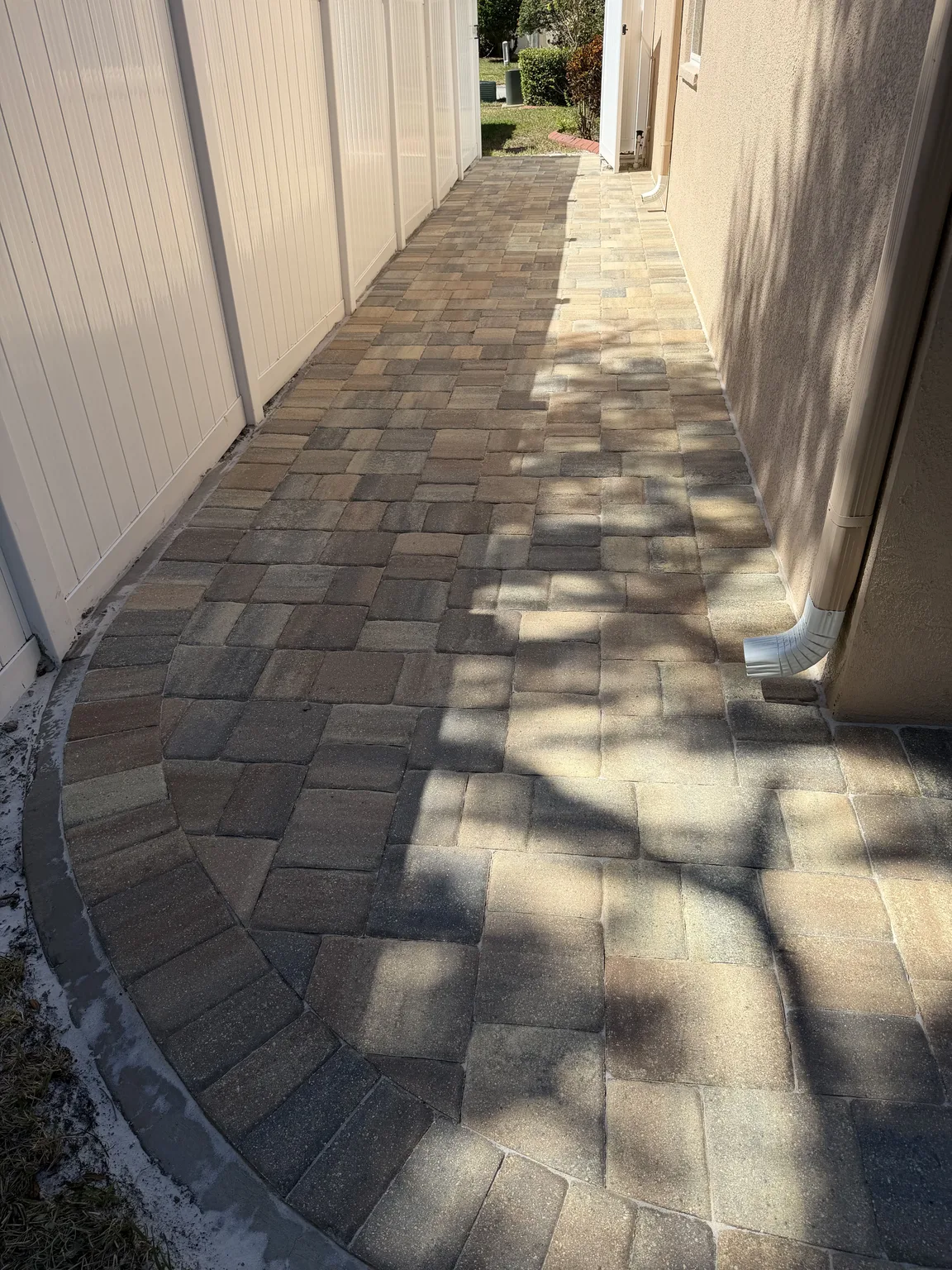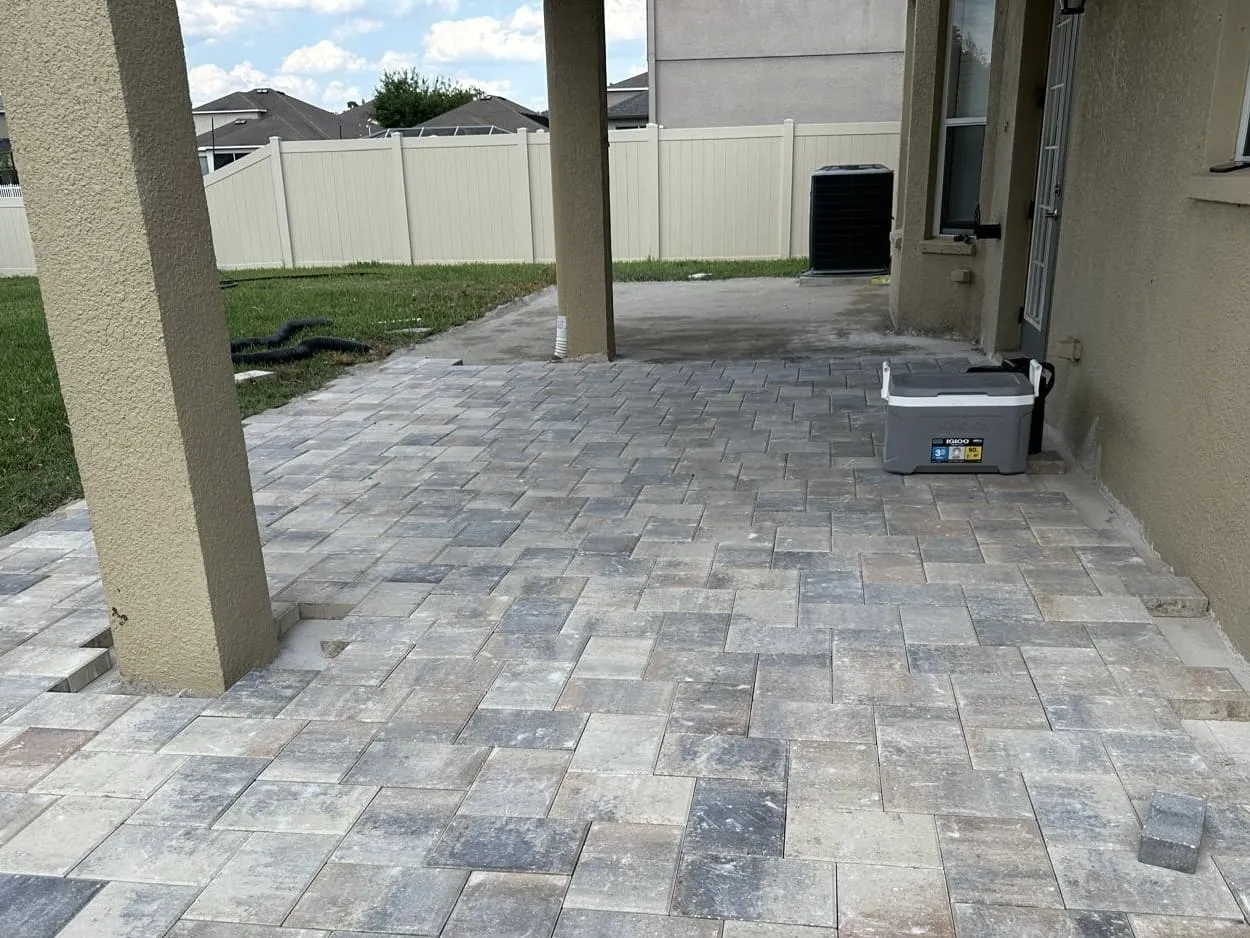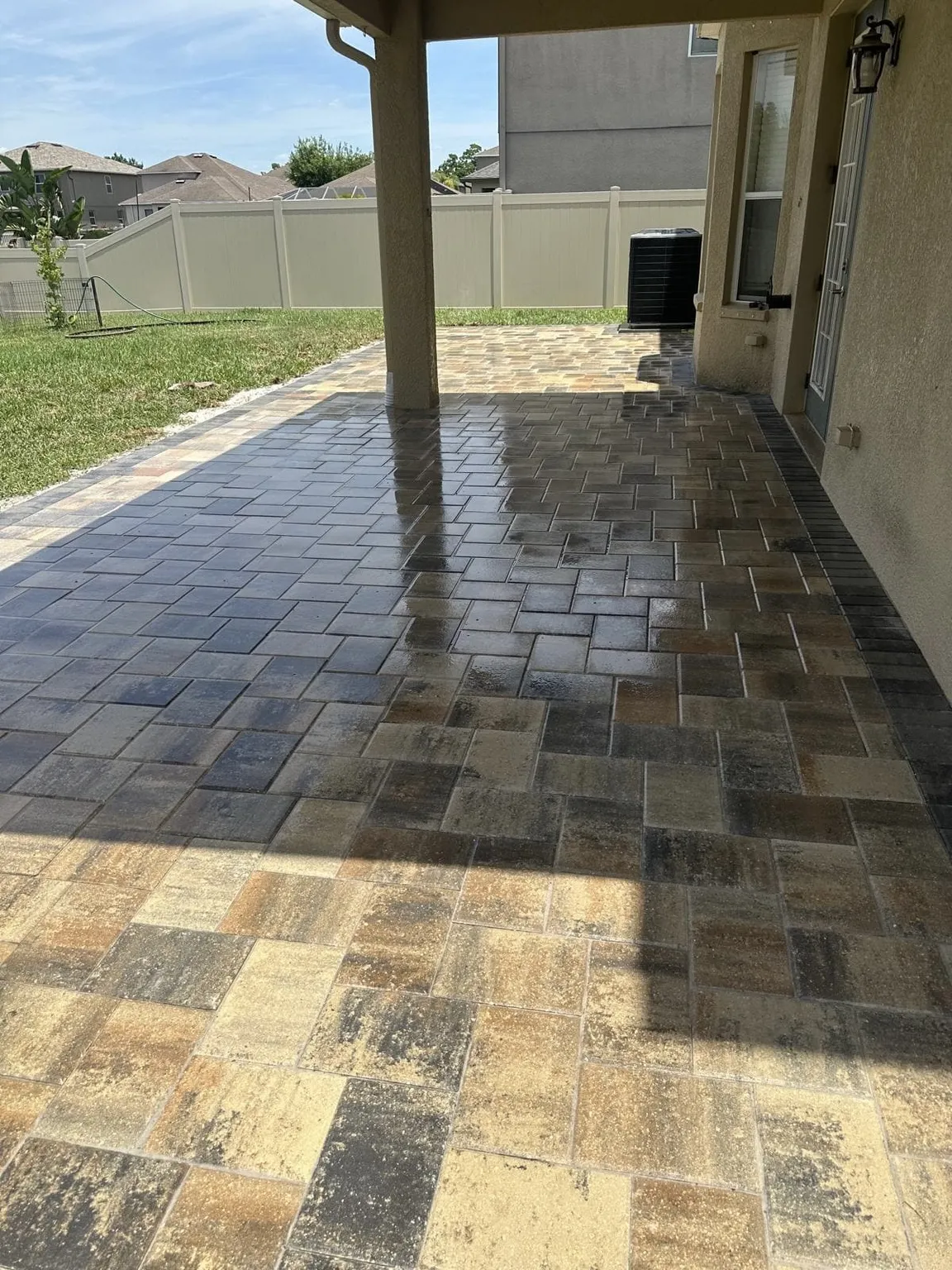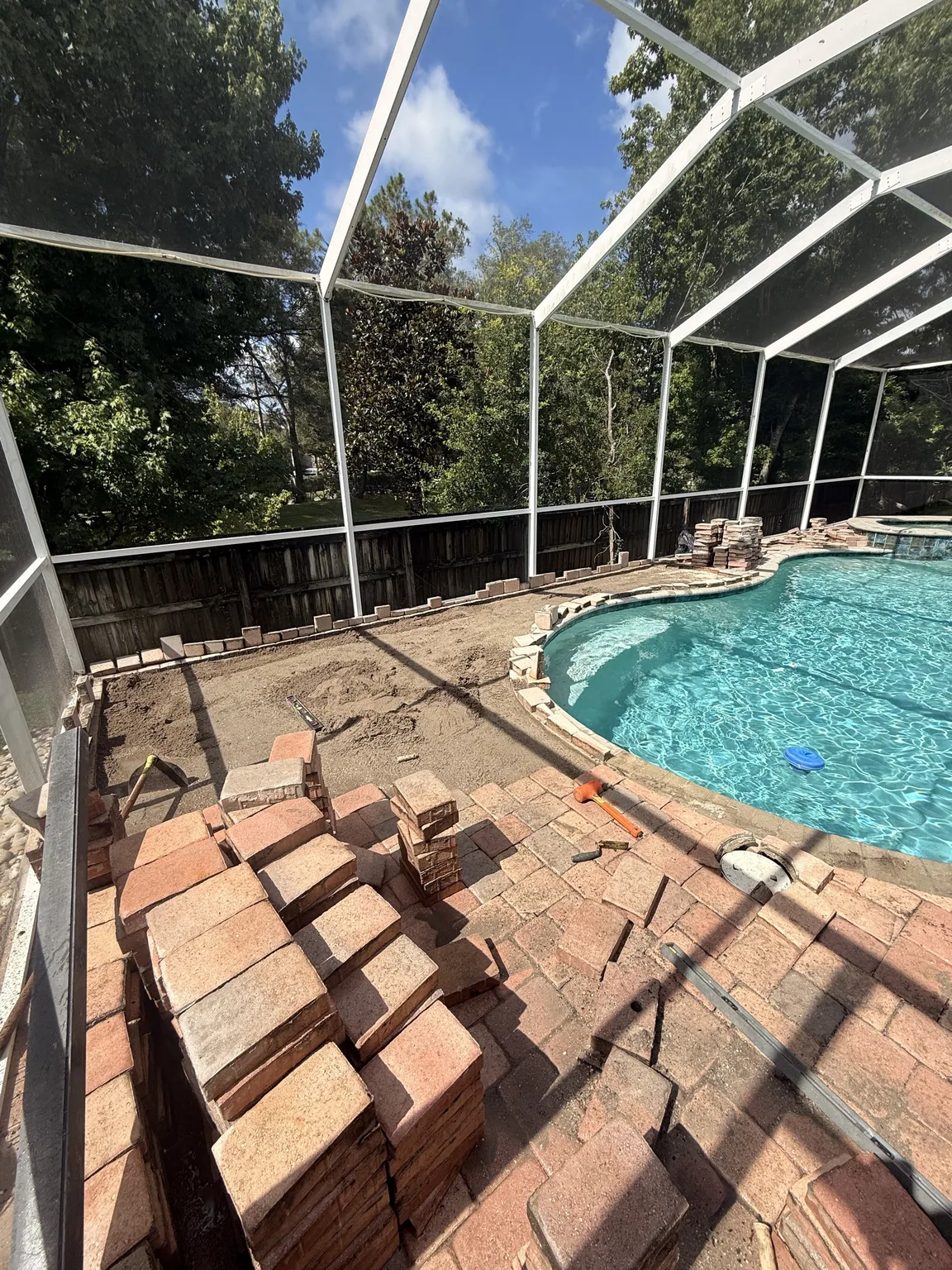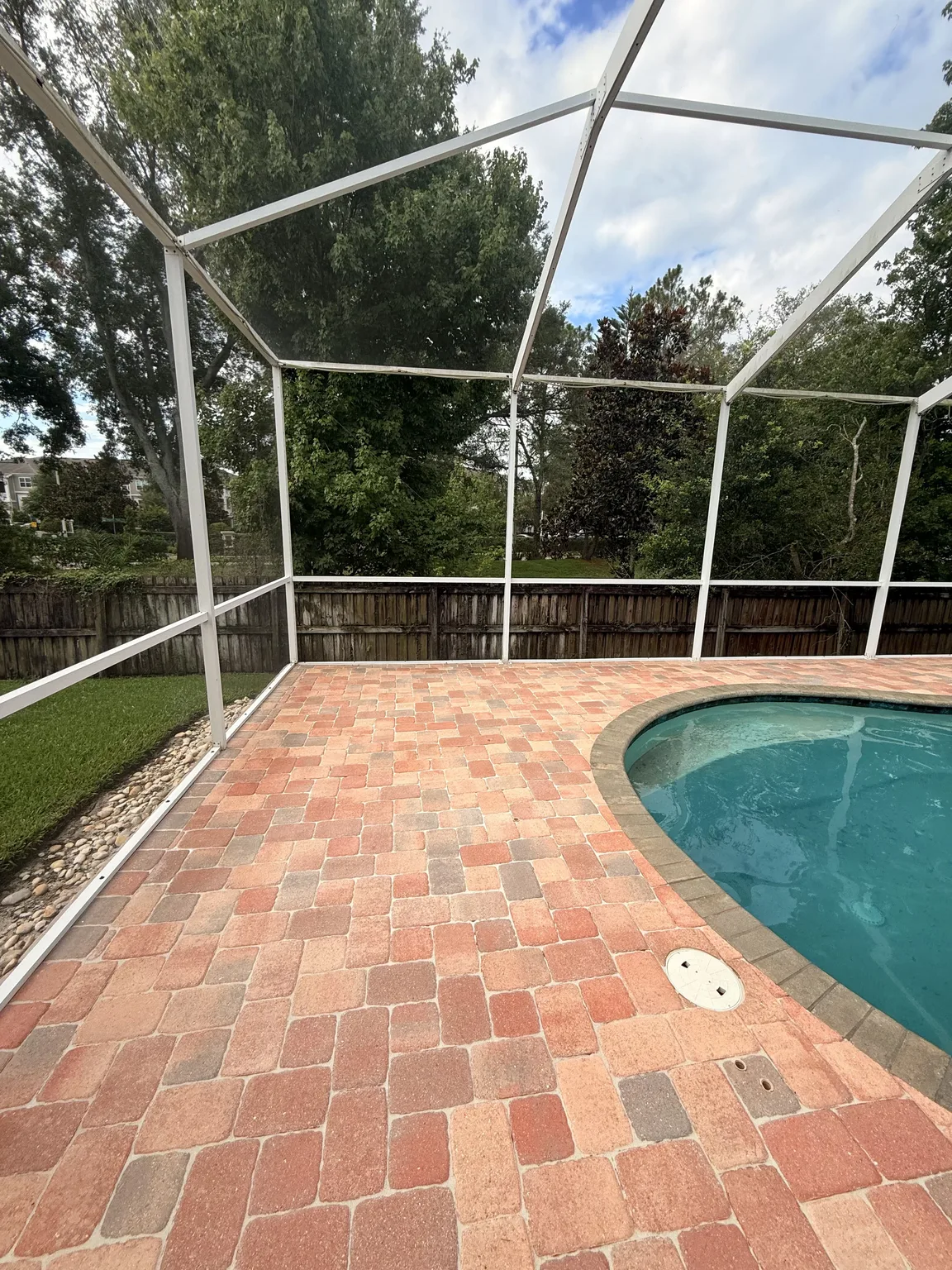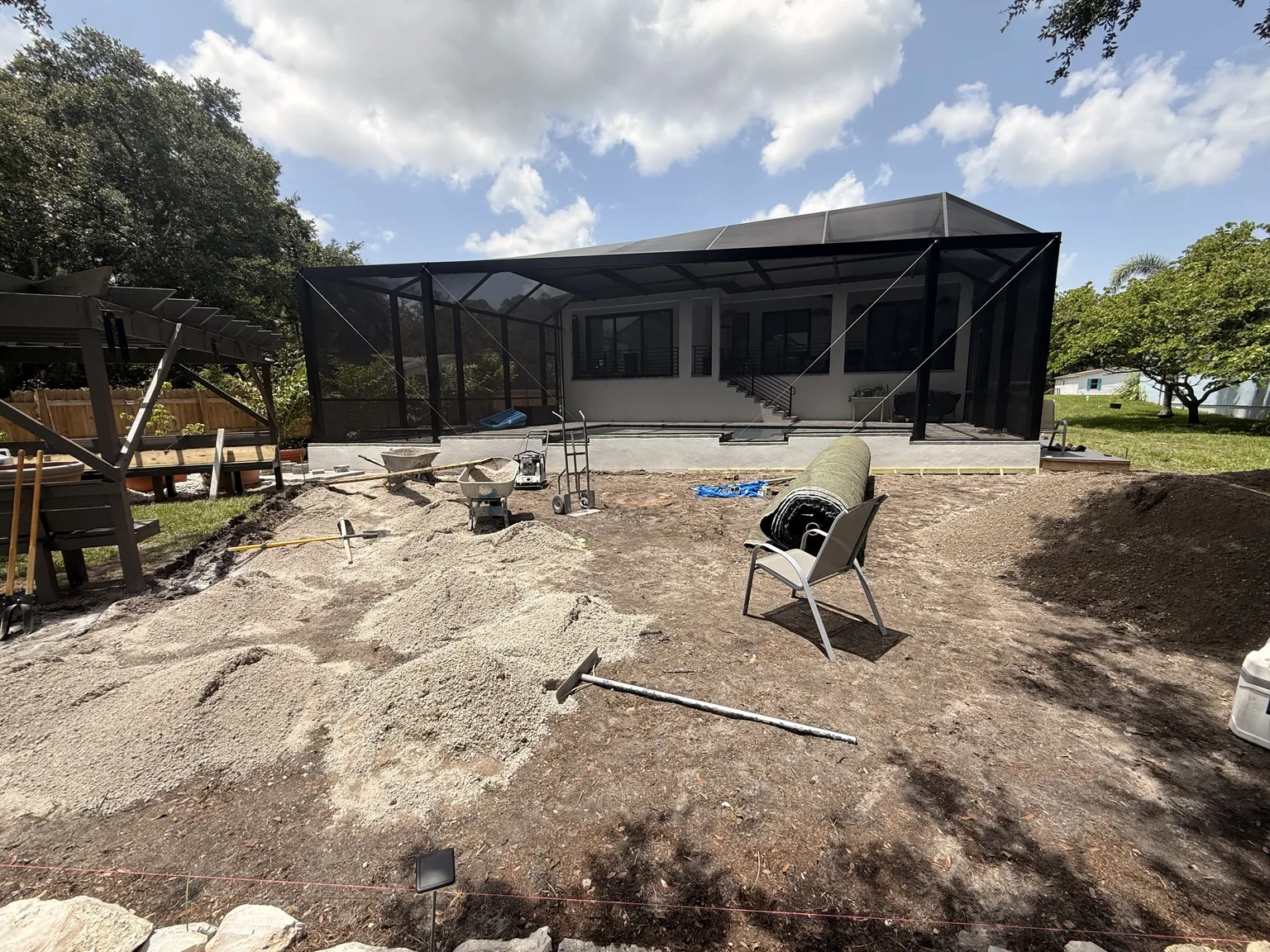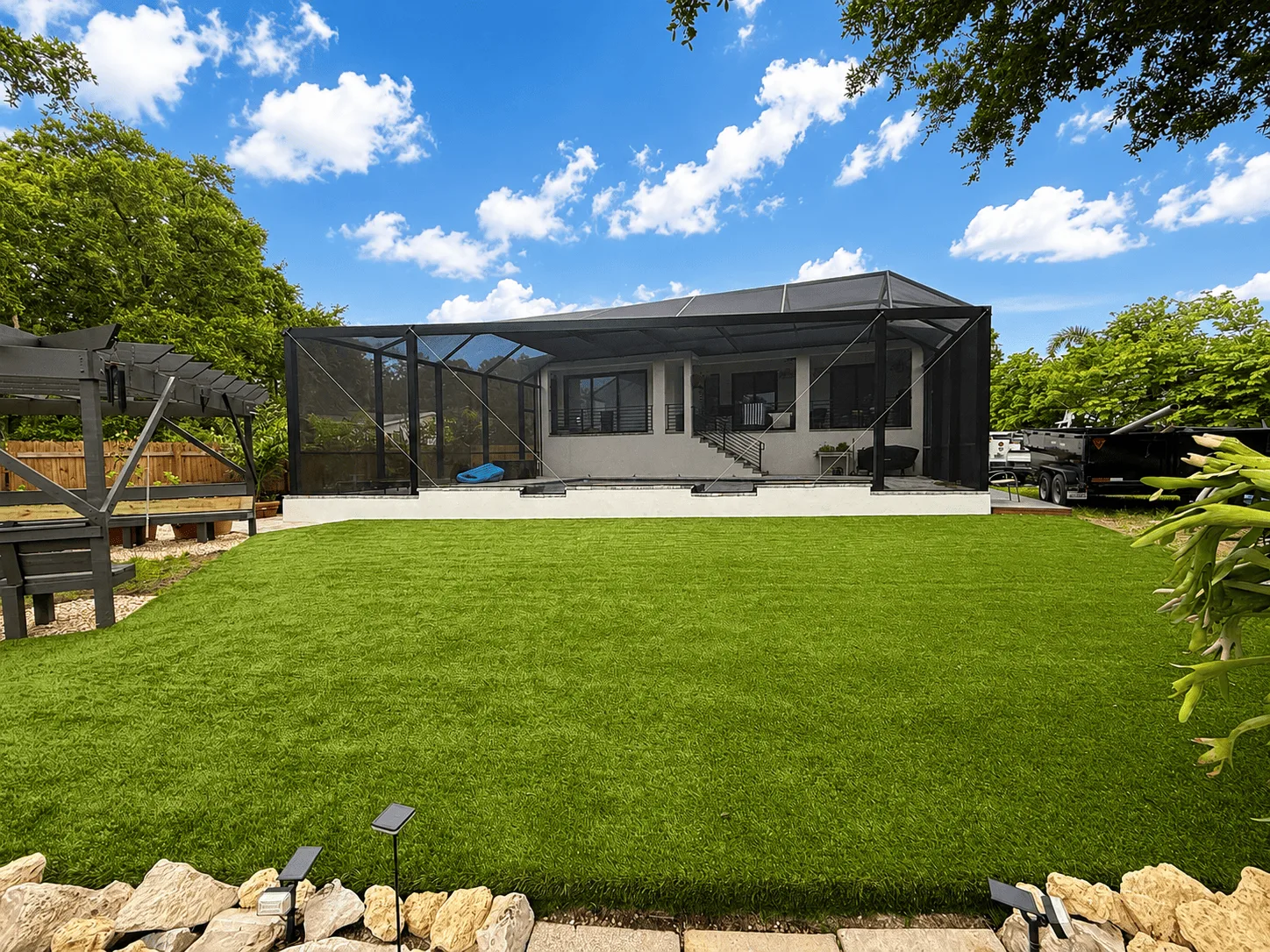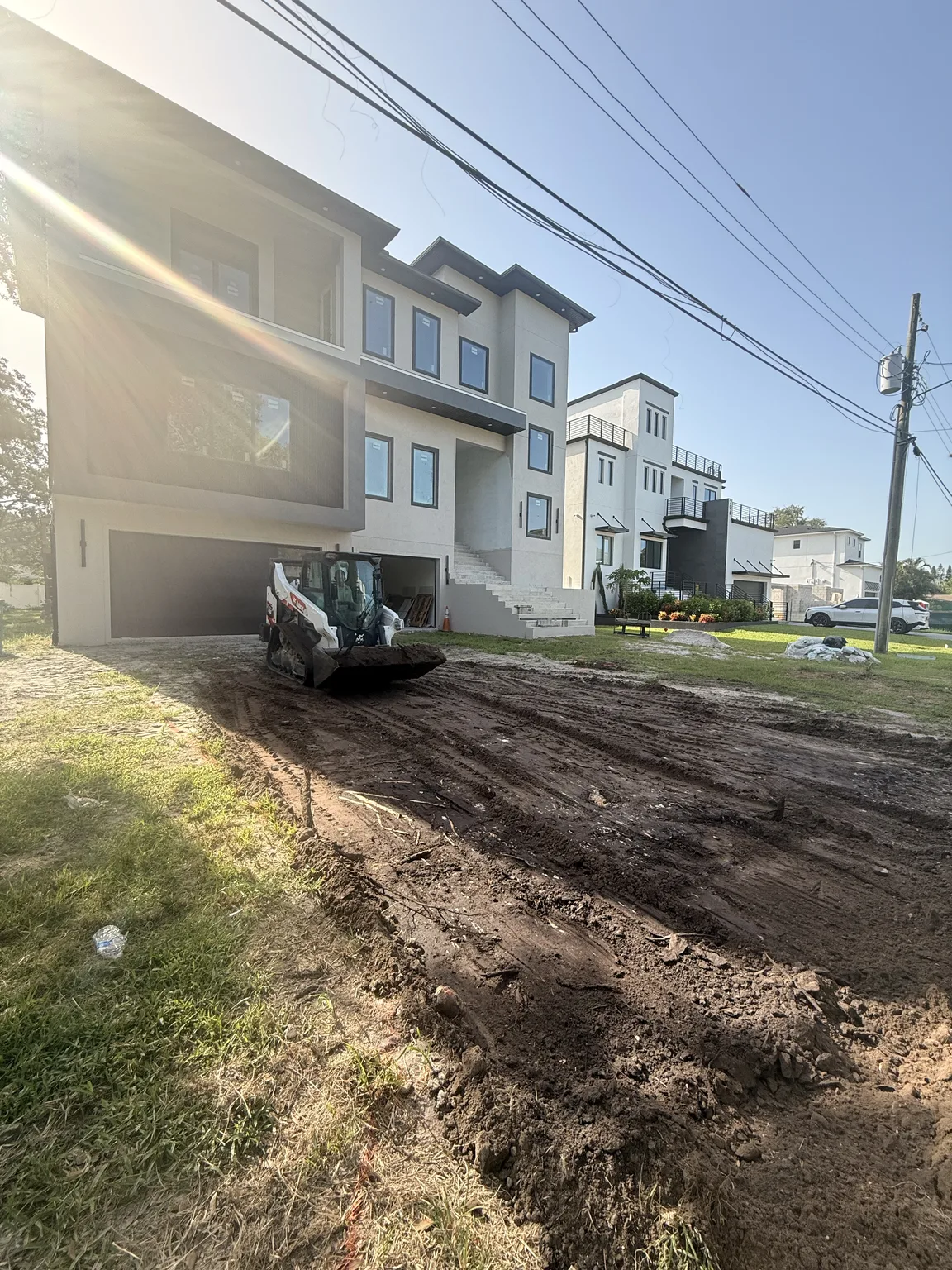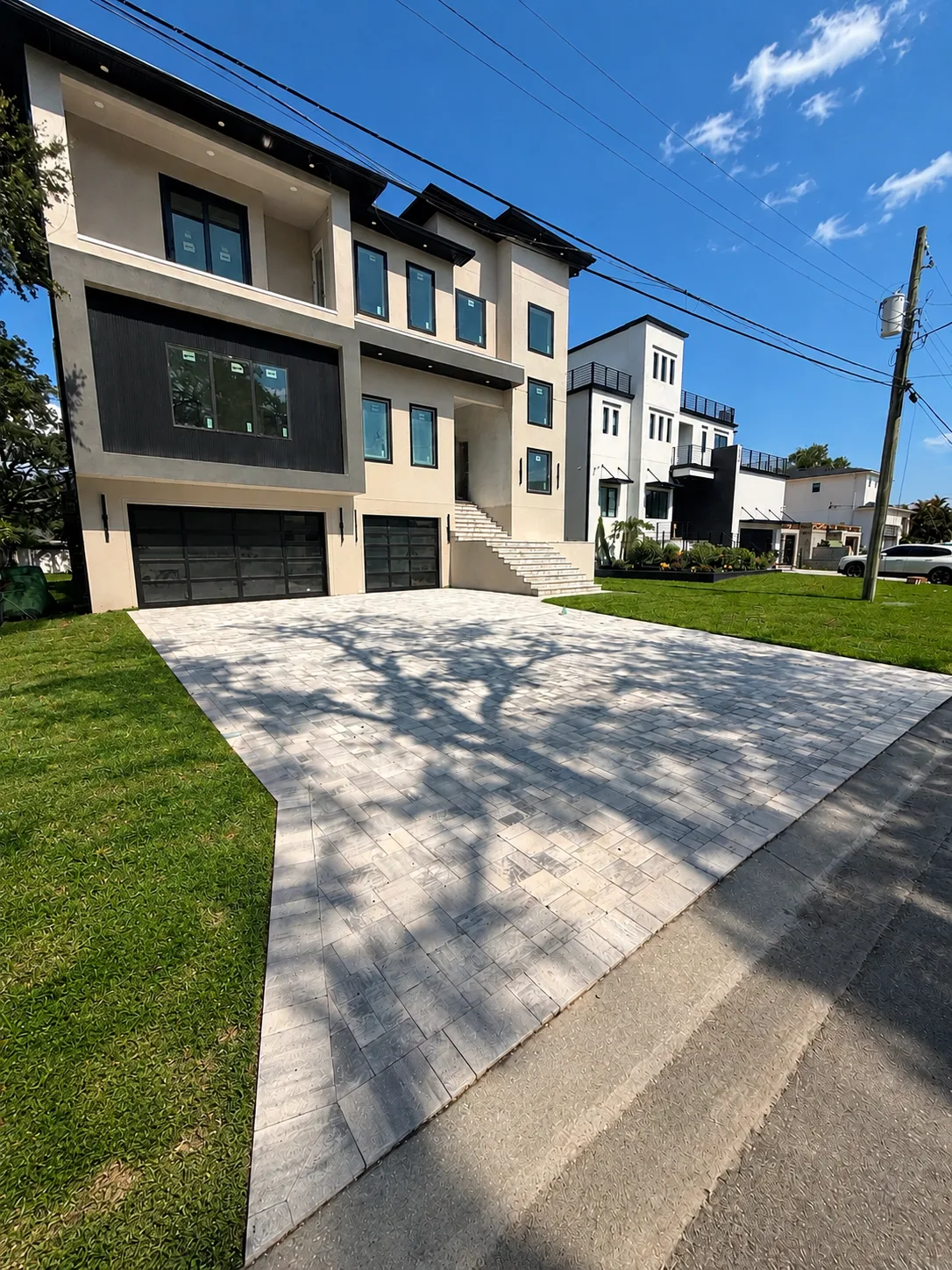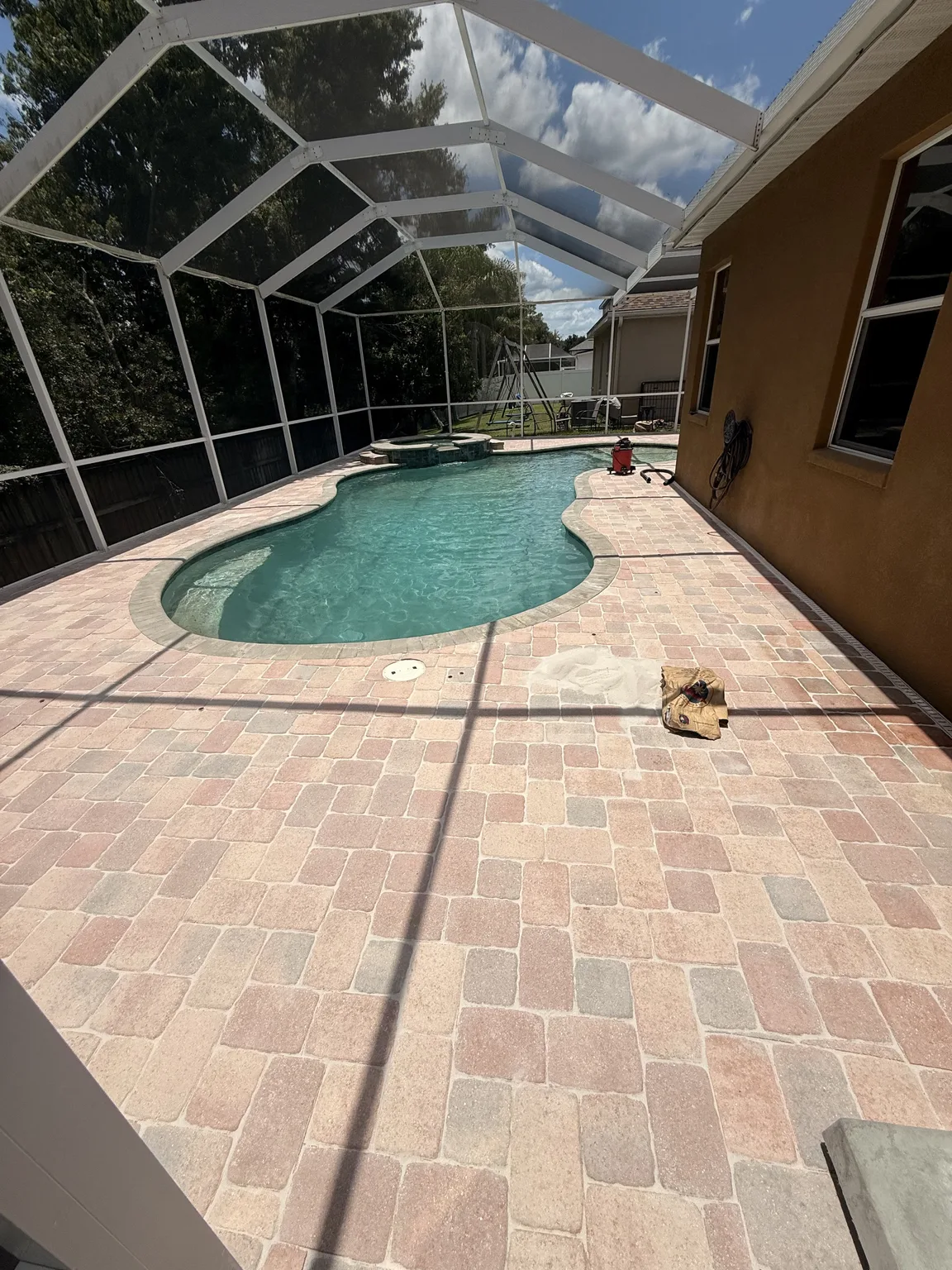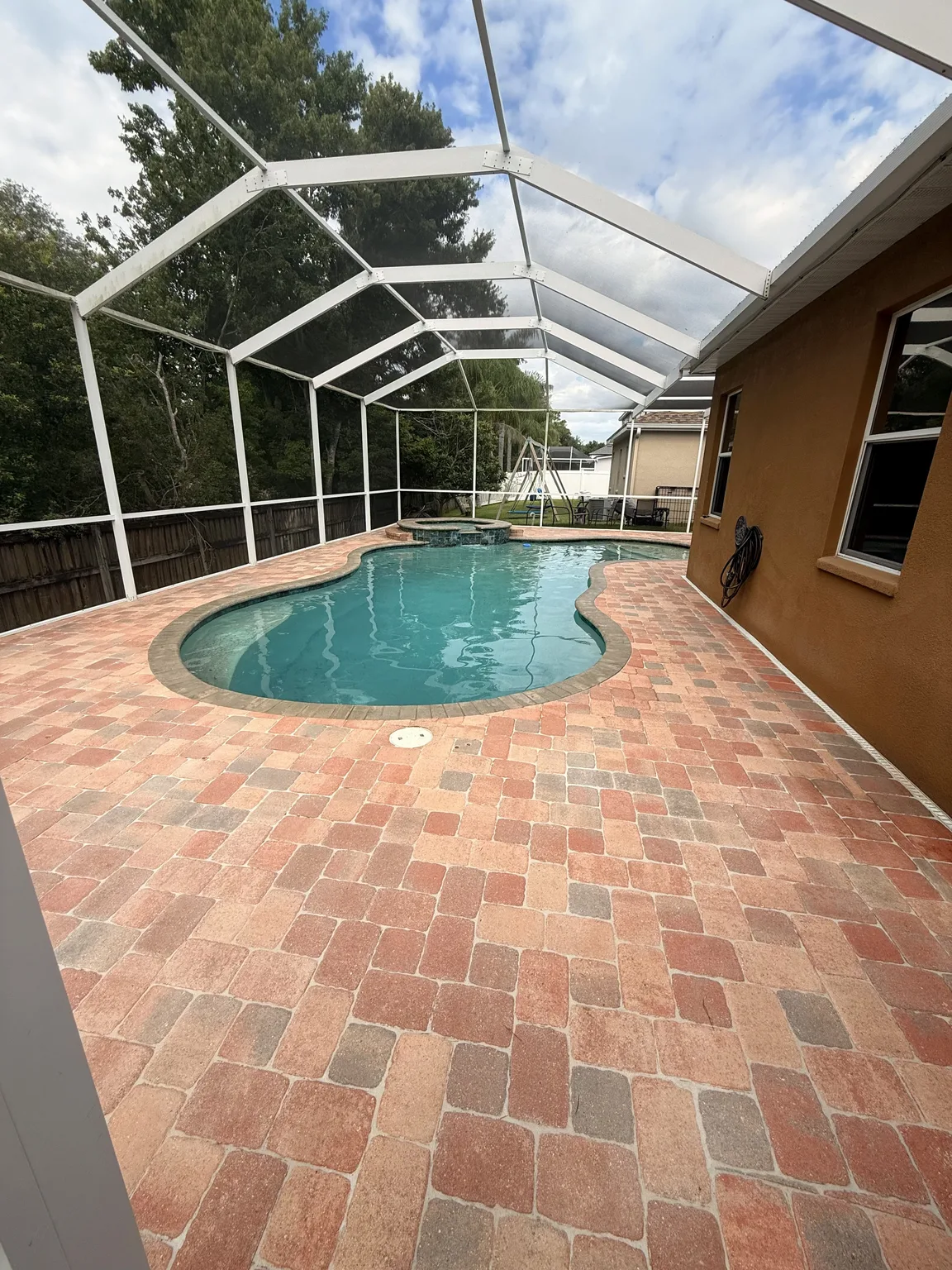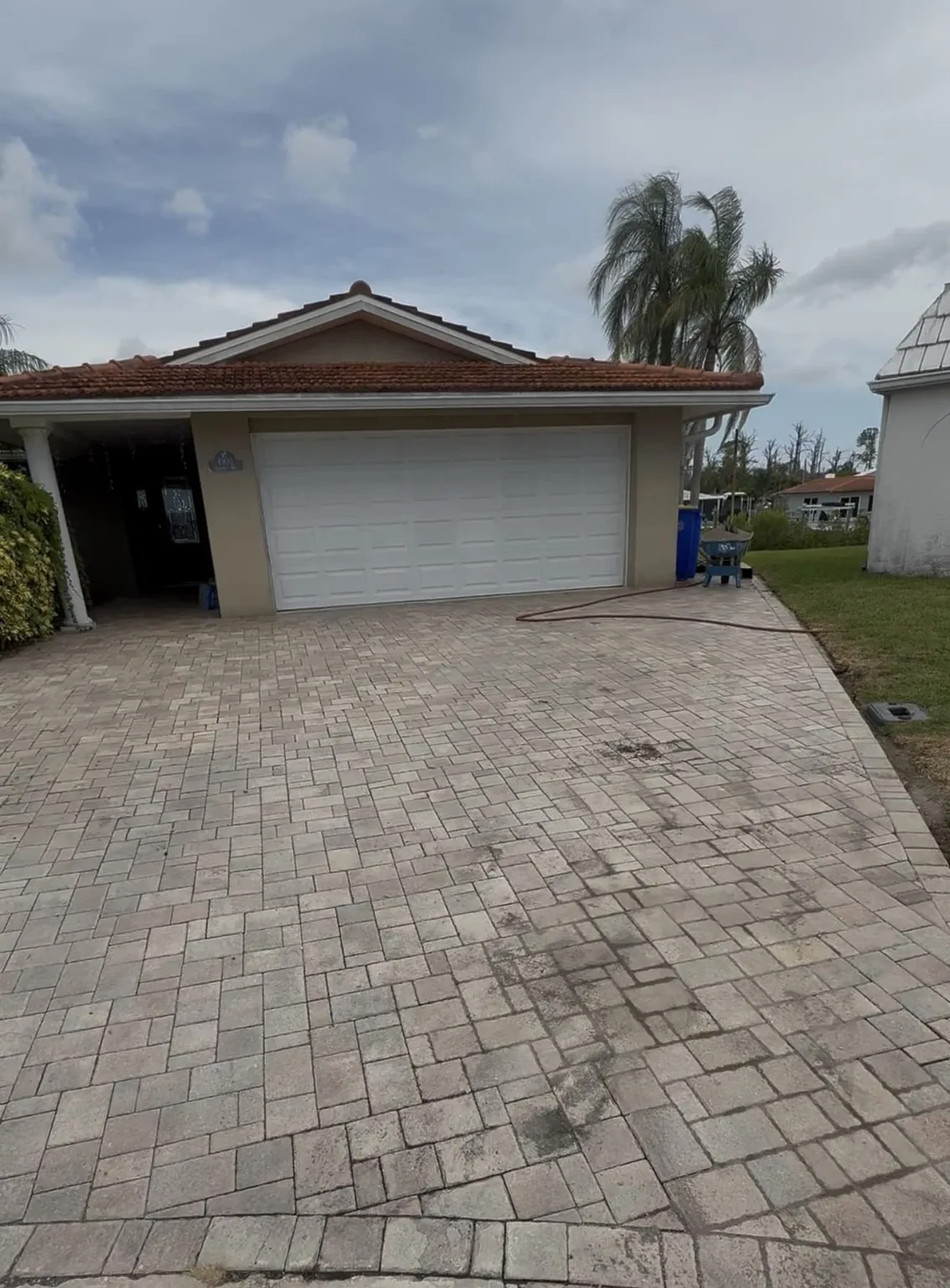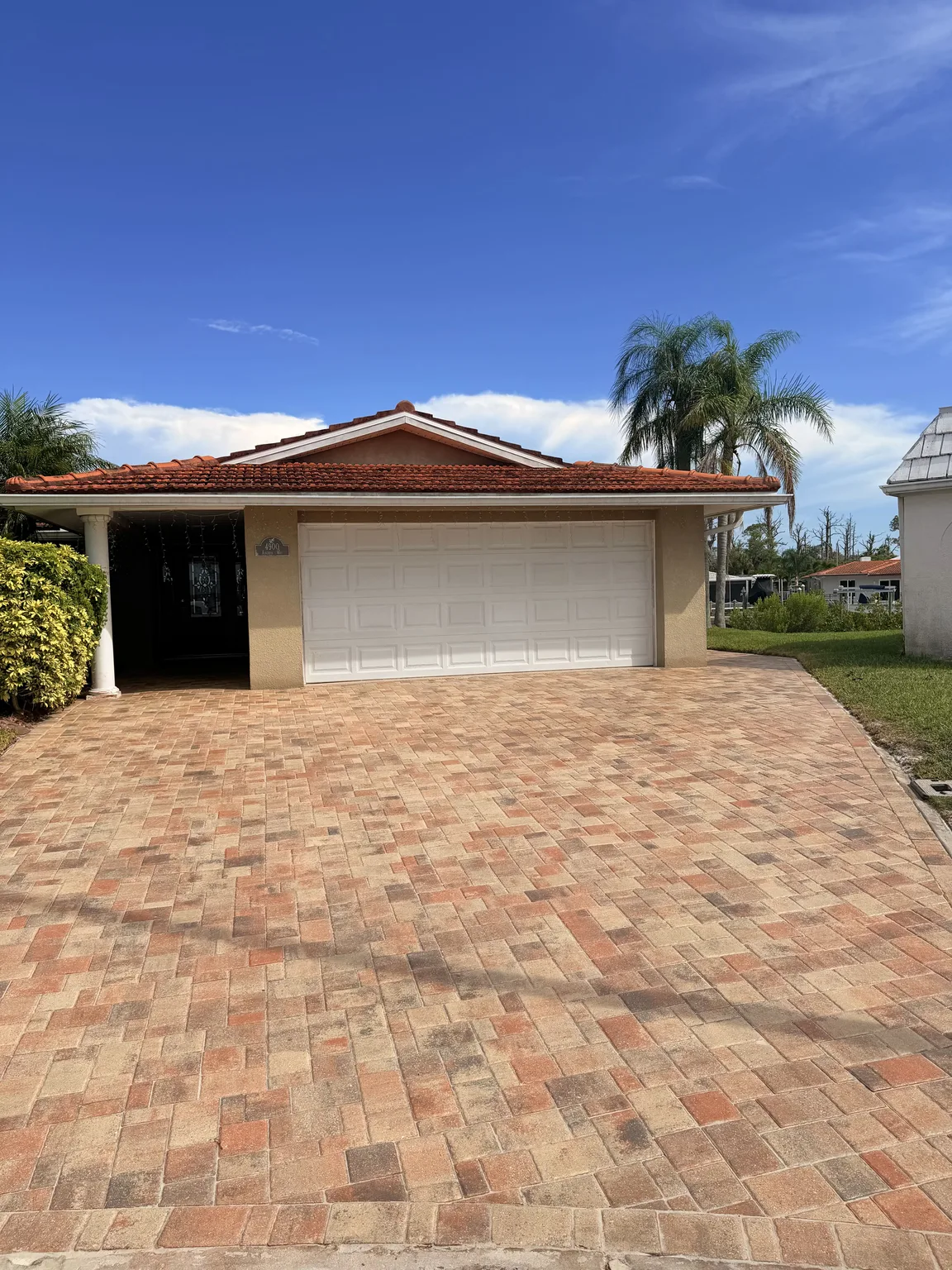
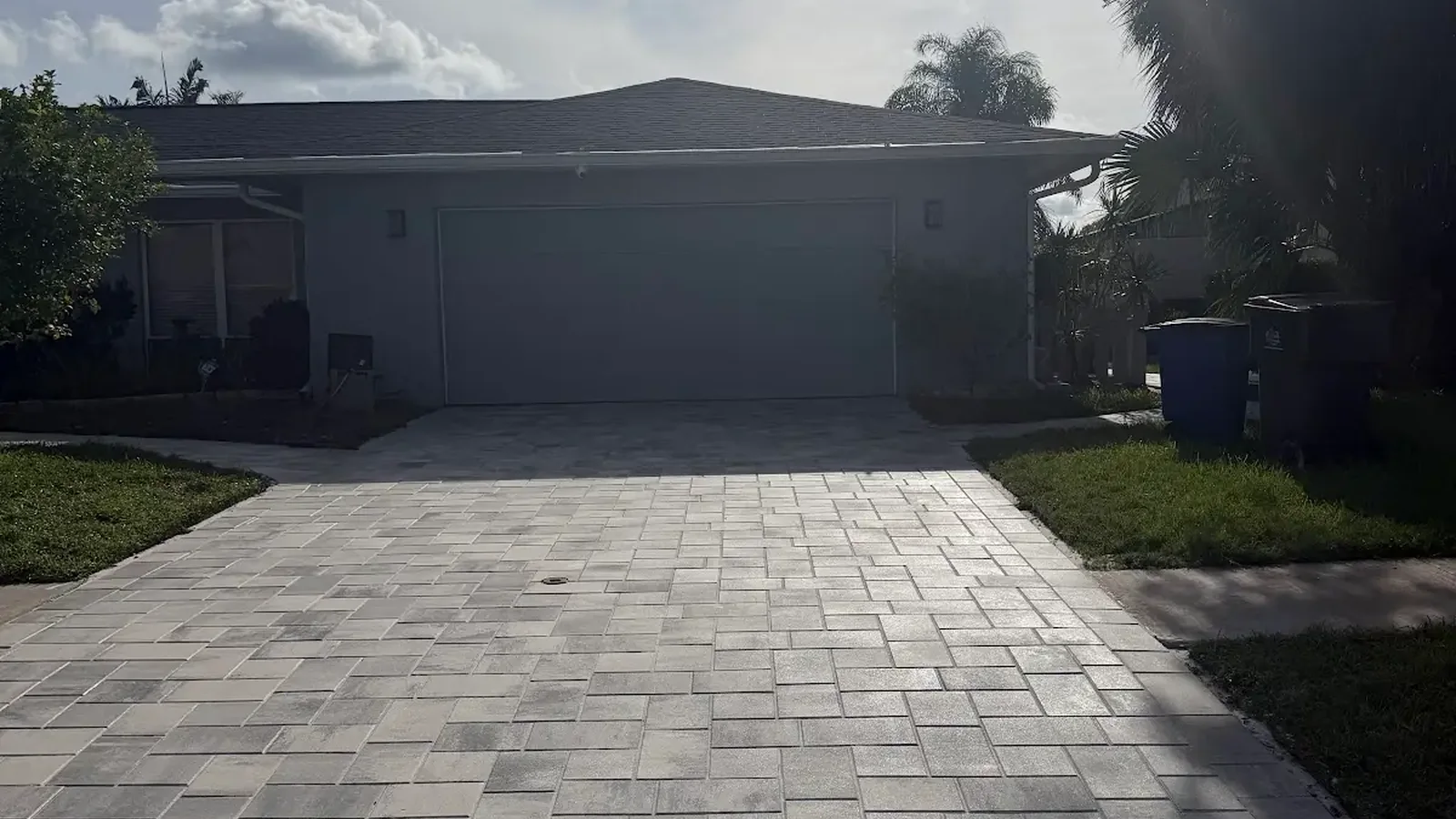
Are pavers worth the money depends on how you plan to use the space, how long you will stay, and how well the project is installed. In Tampa Bay and nearby areas like Riverview, Wesley Chapel, and Palm Harbor, pavers often cost more up front than plain concrete, but they can deliver longer service life, easier repairs, and stronger curb appeal when designed and built correctly. However, they are not the best choice for every yard, budget, or timeline. This guide walks through real-world factors so you can decide where pavers make financial sense for your Florida home and where simpler options might be smarter.
Are Pavers Worth the Money? Direct Answer for Florida Homeowners
How to think about value, not just price
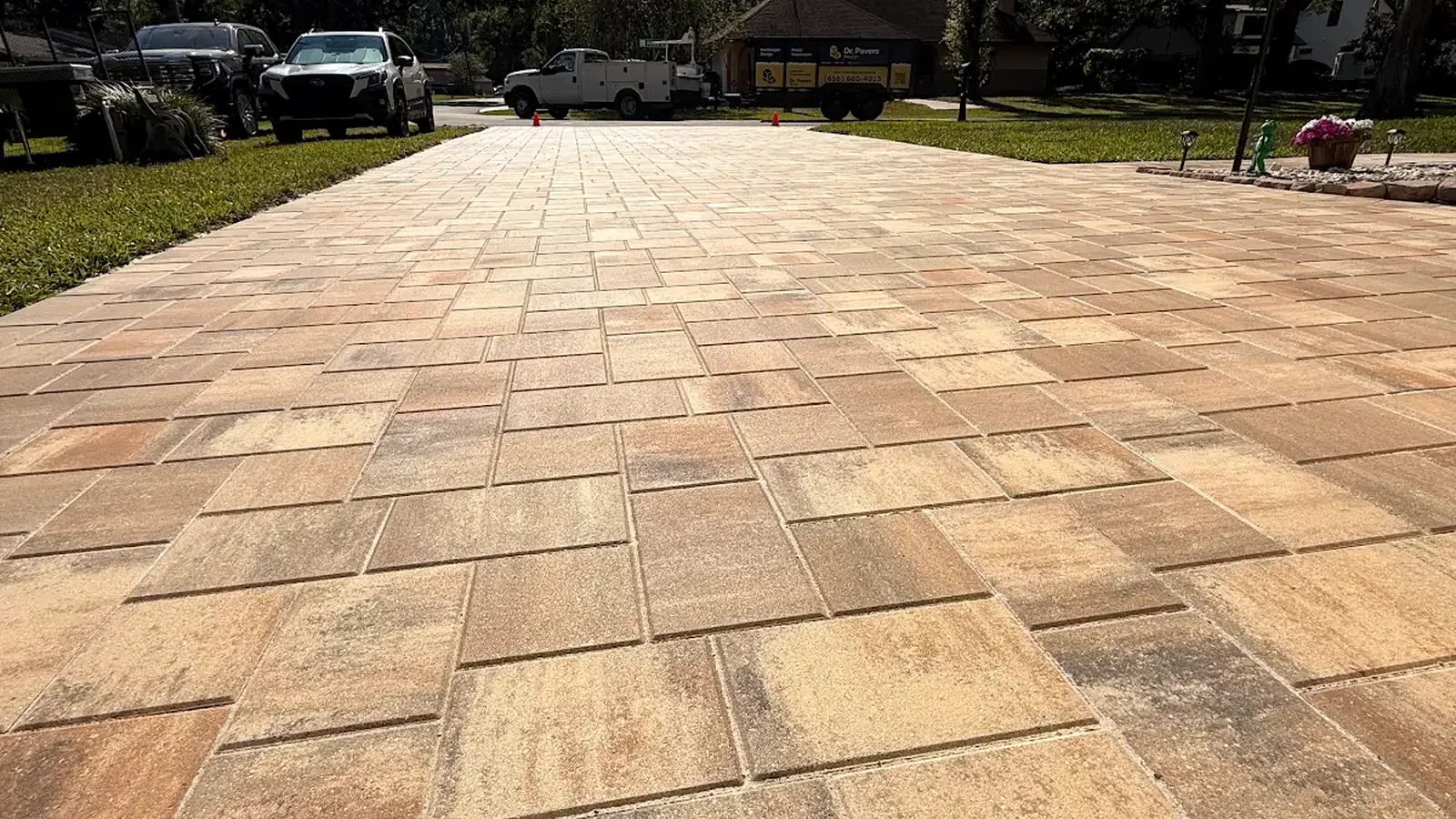
When people ask, "are pavers worth the money," they usually compare them to poured concrete or basic shell or gravel. Pavers rarely win the bare-minimum price battle, but they often win on flexibility, looks, and long-term usability. Value comes from how comfortable, functional, and durable the space feels over many years. For a simple trash can pad or seldom-used walkway, basic concrete or gravel might be fine. For a driveway, pool deck, or outdoor living area you use daily, pavers often deliver a better long-term experience.
When pavers usually make financial sense
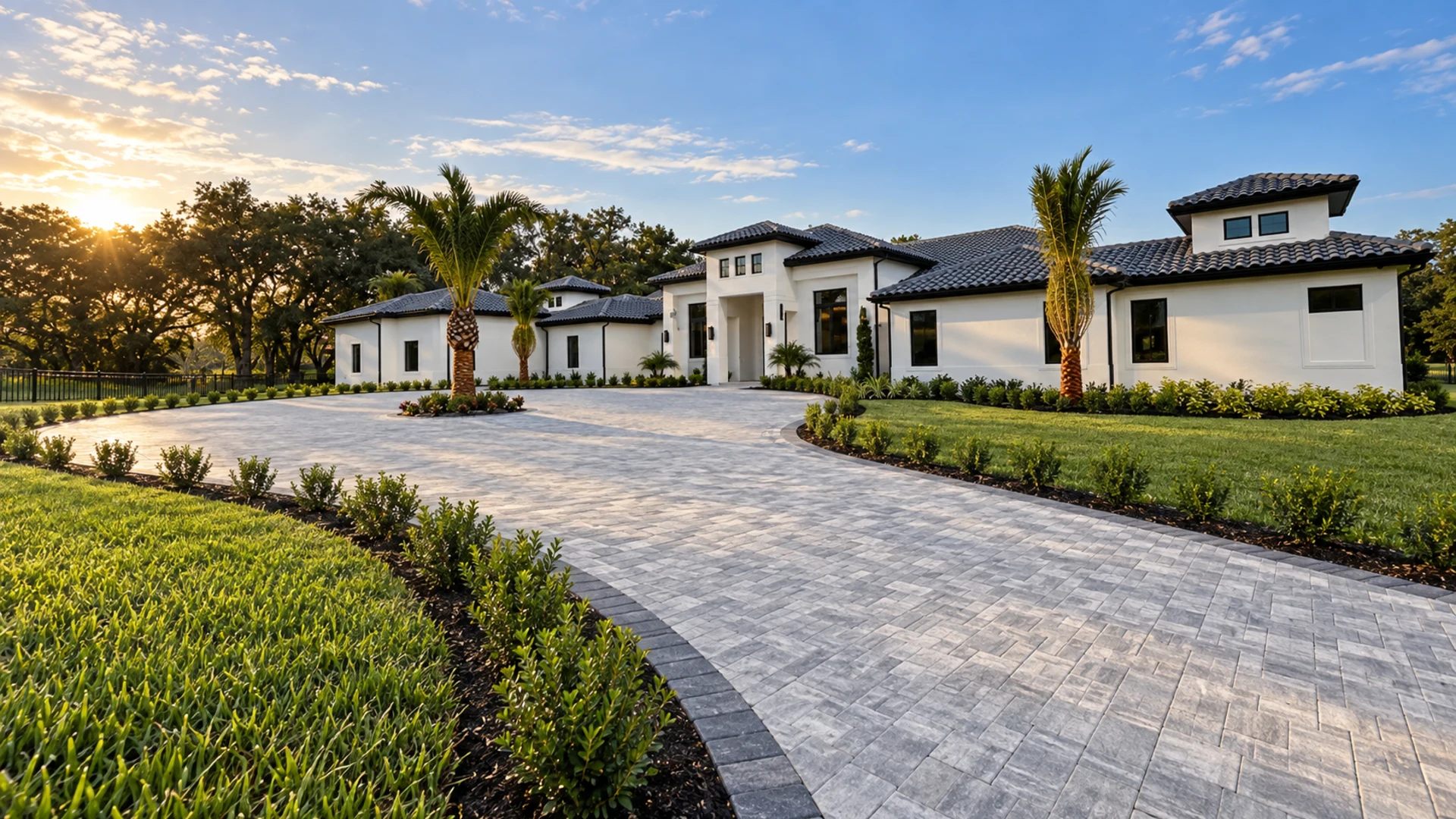
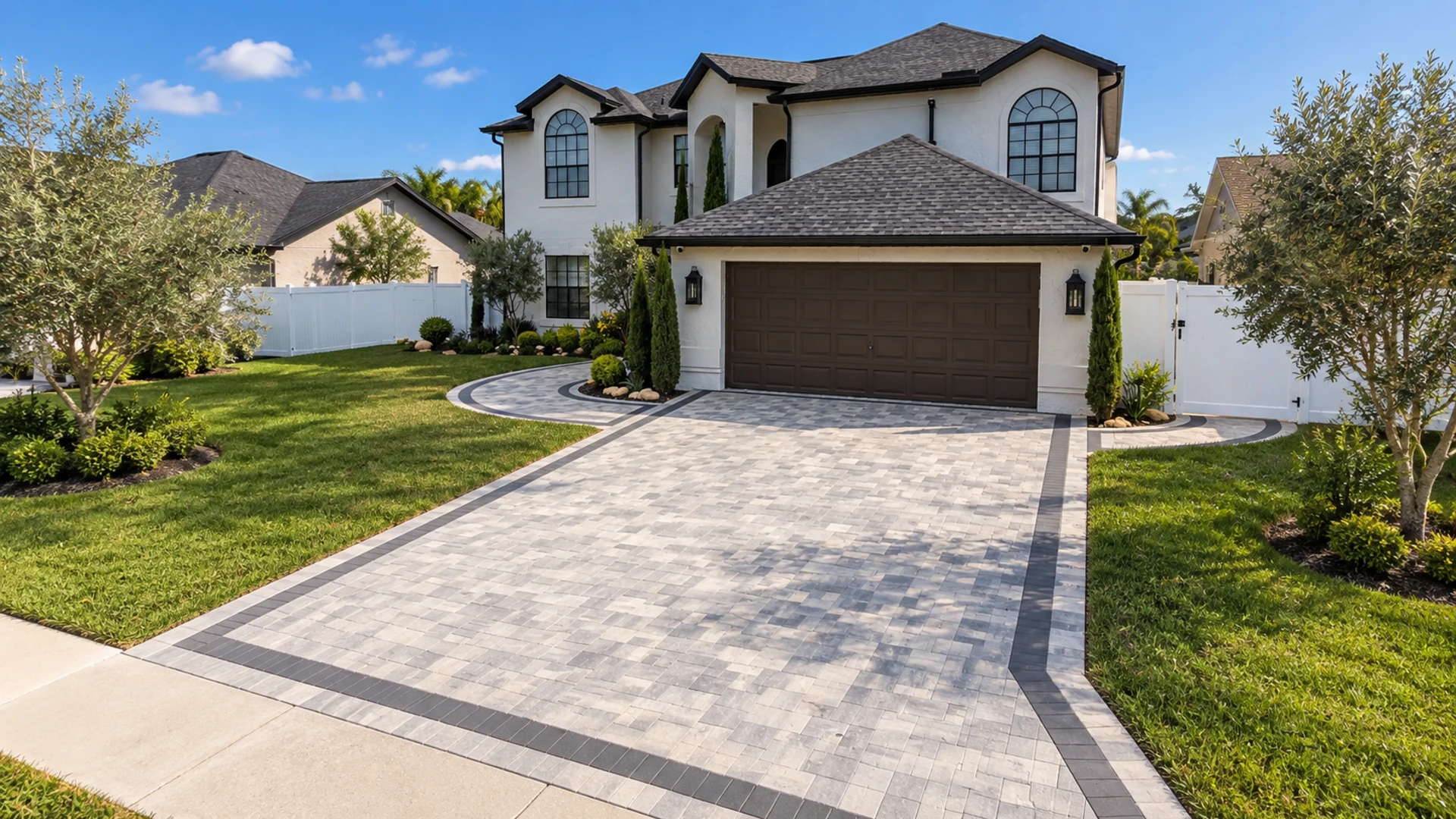
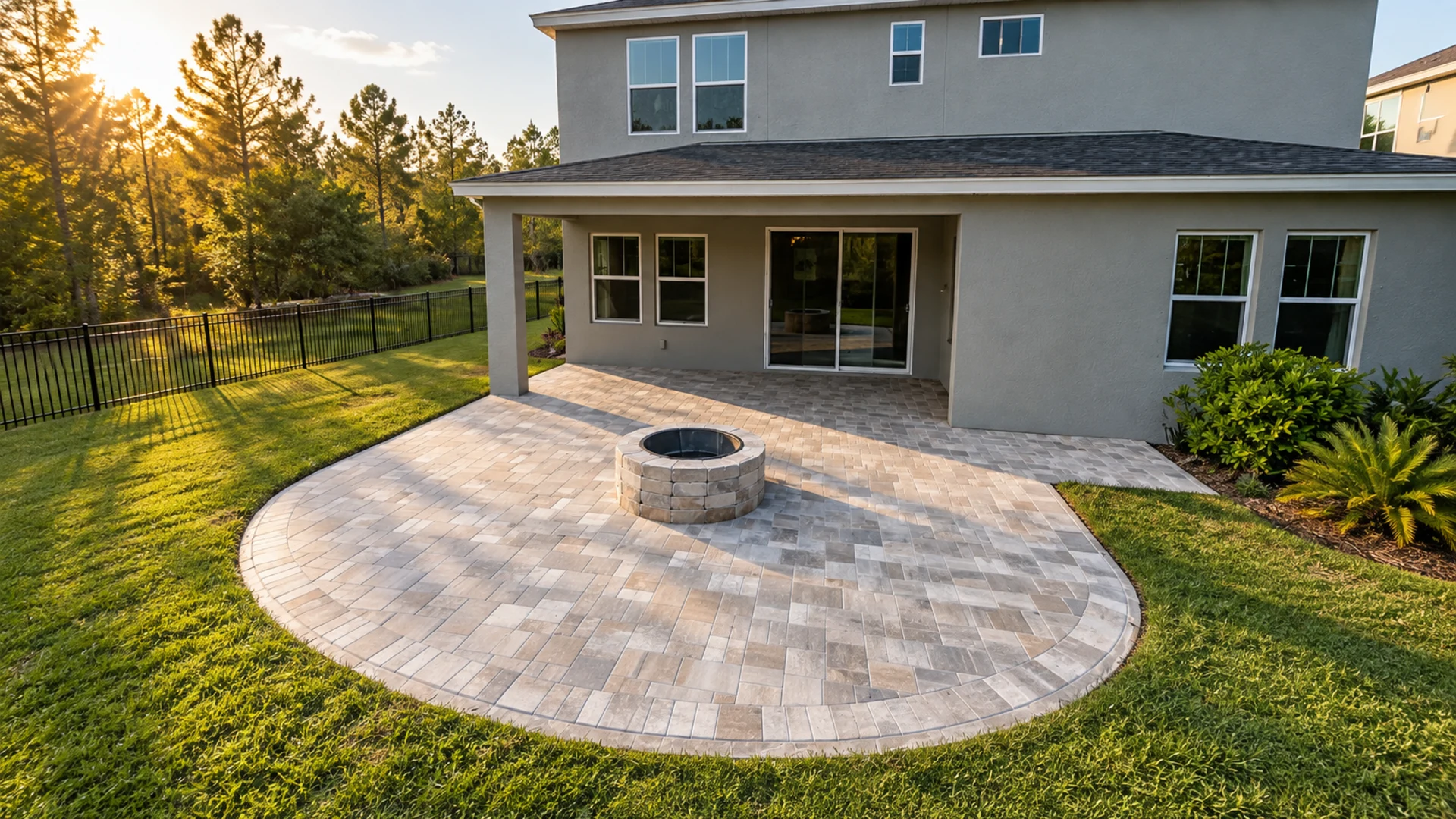
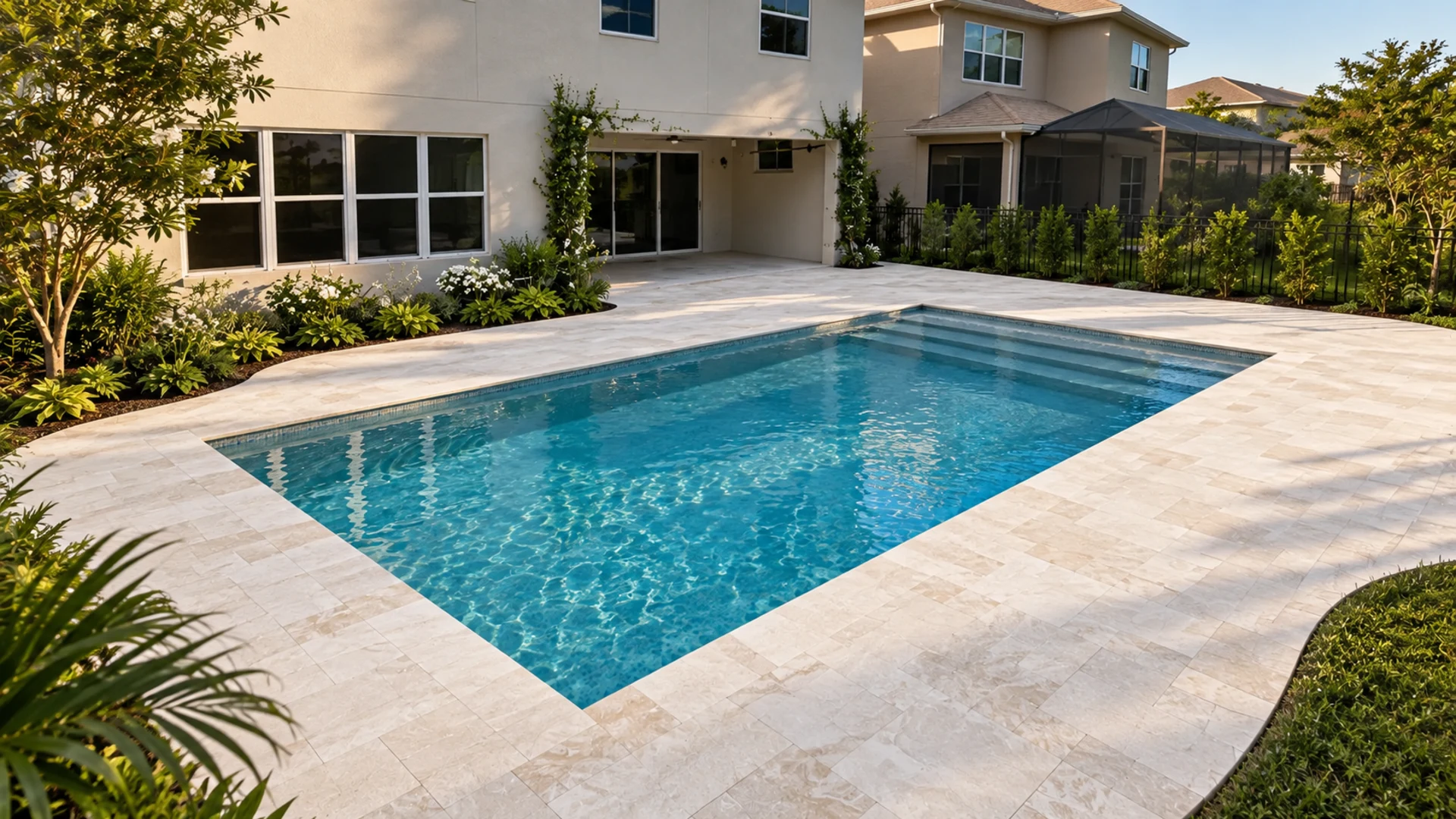
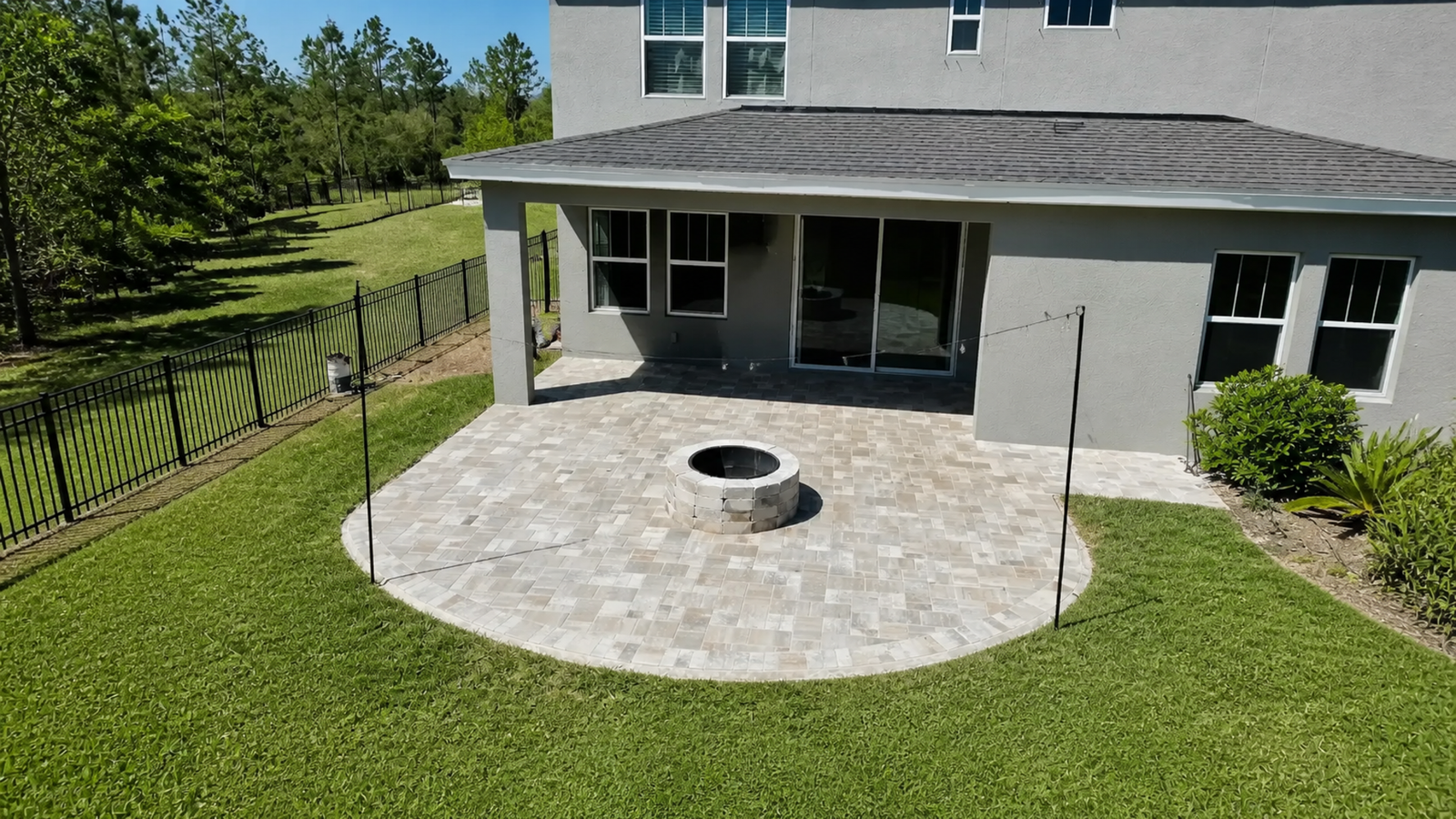
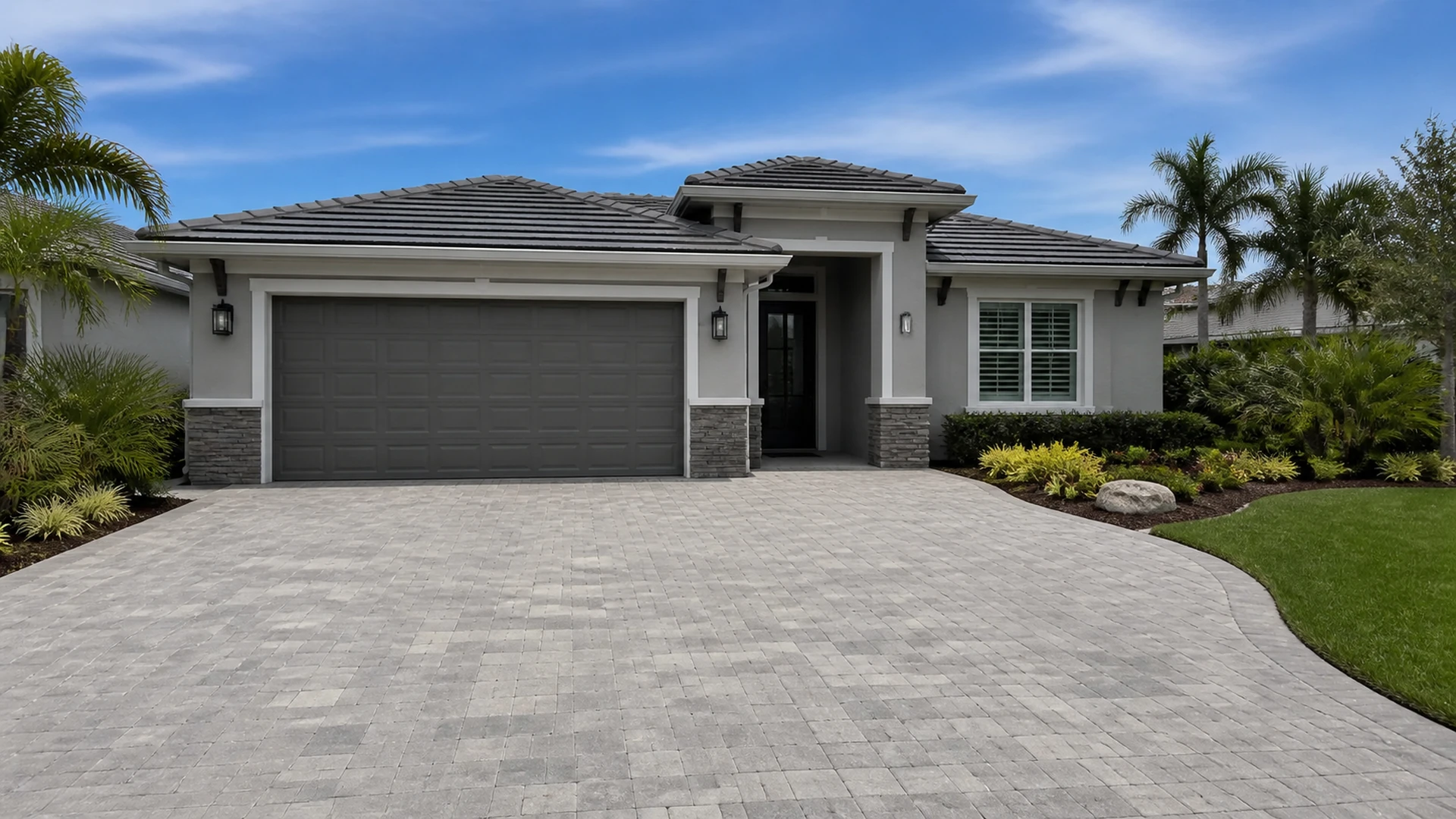
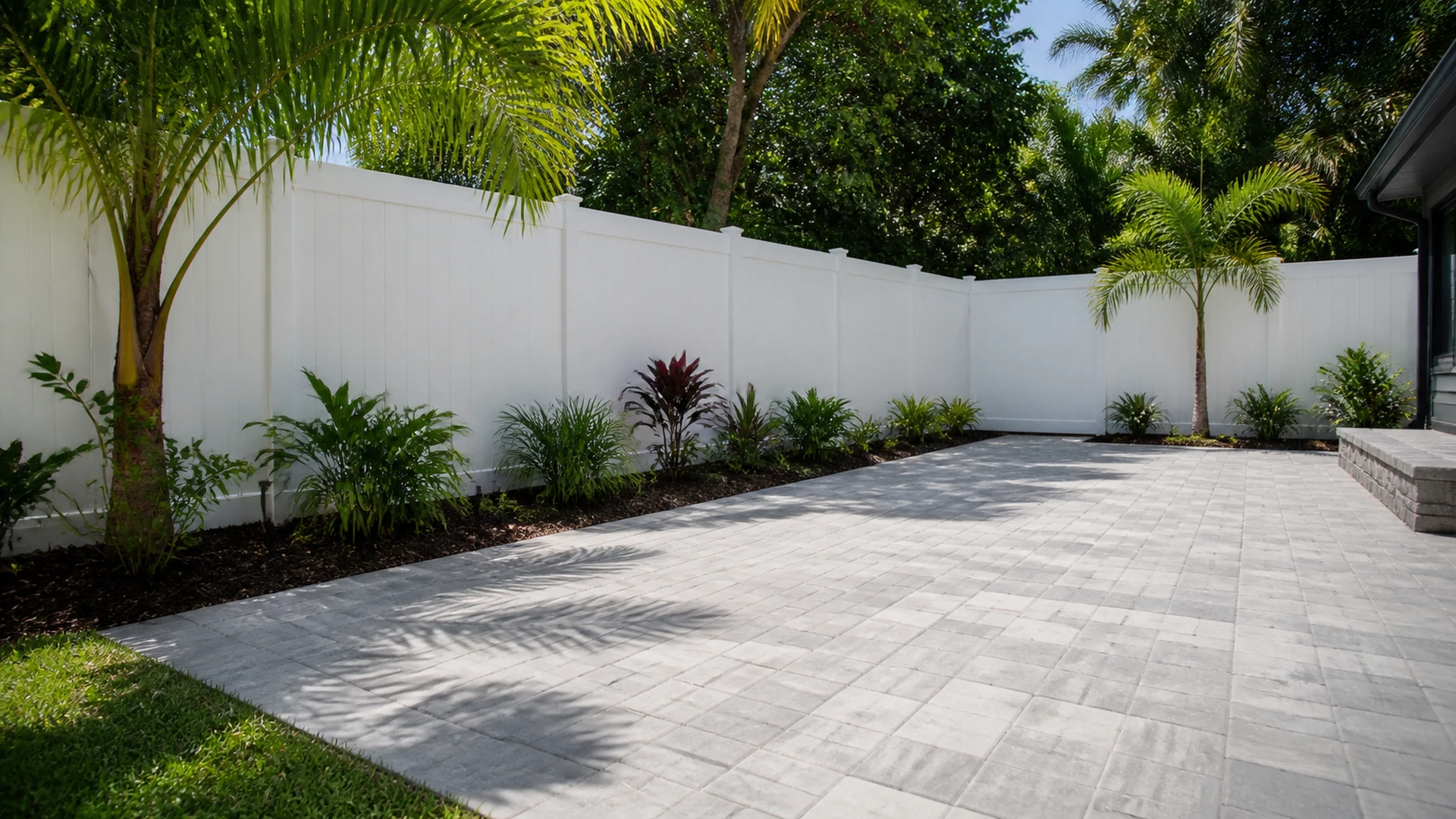
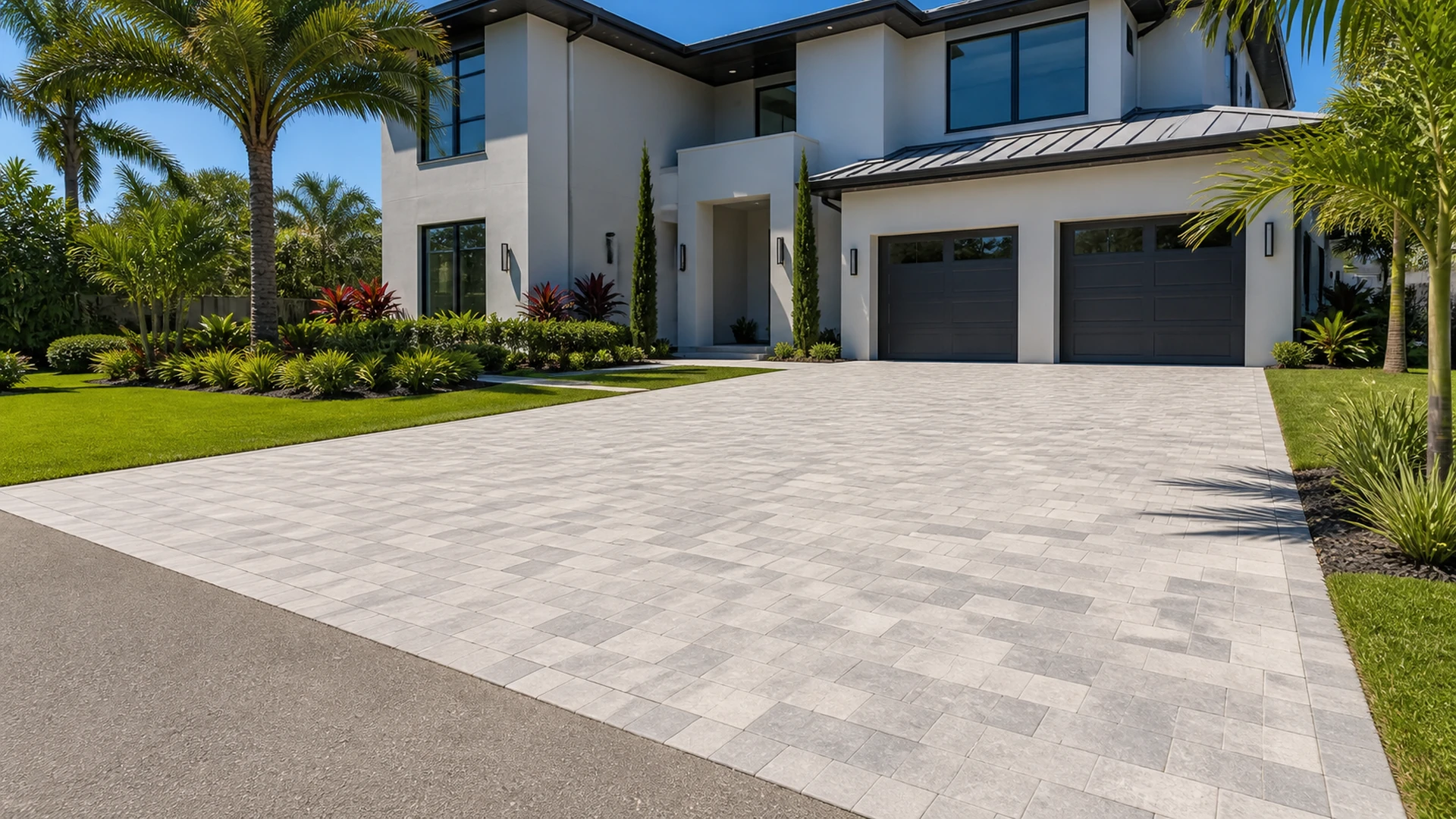
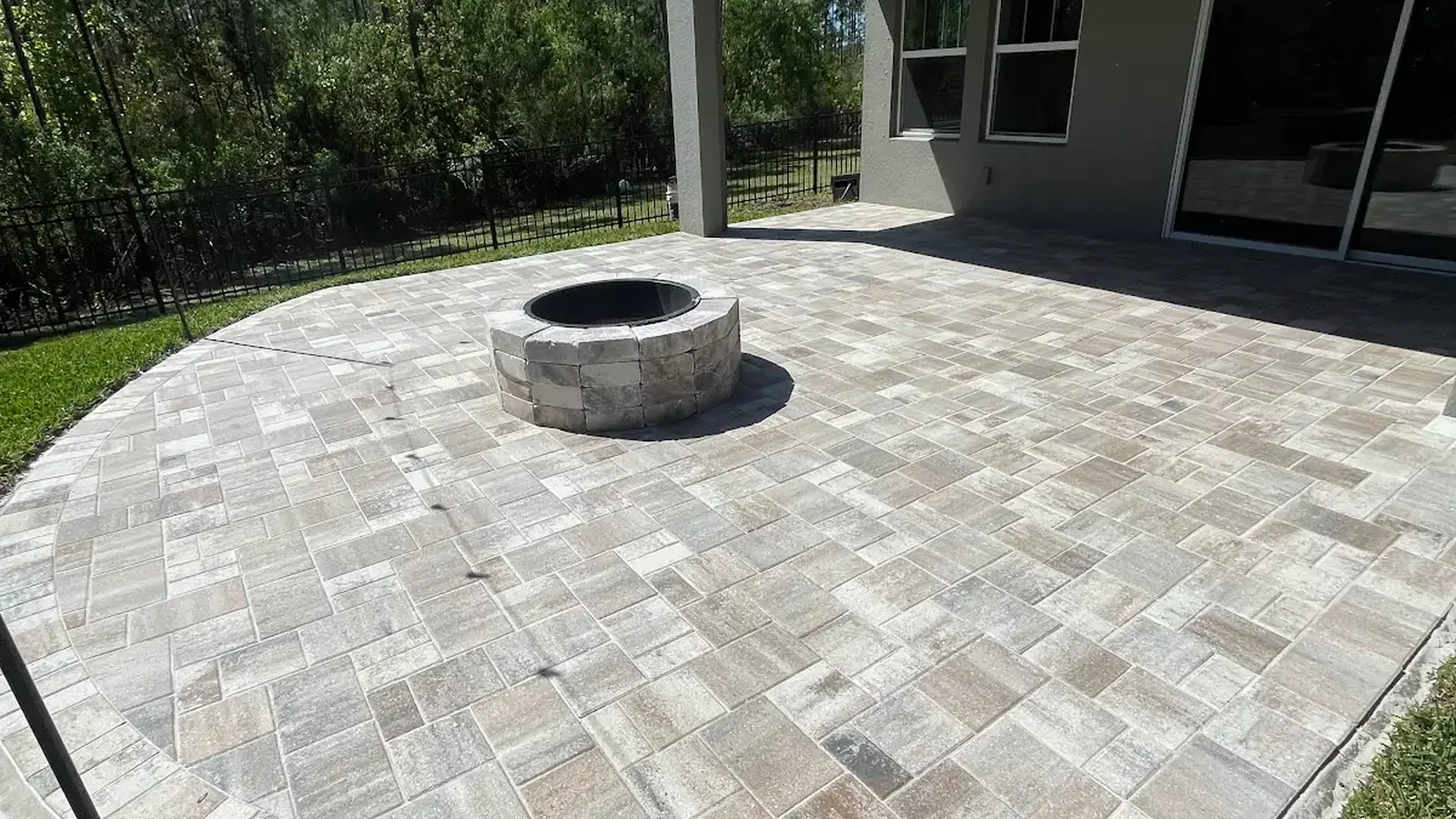
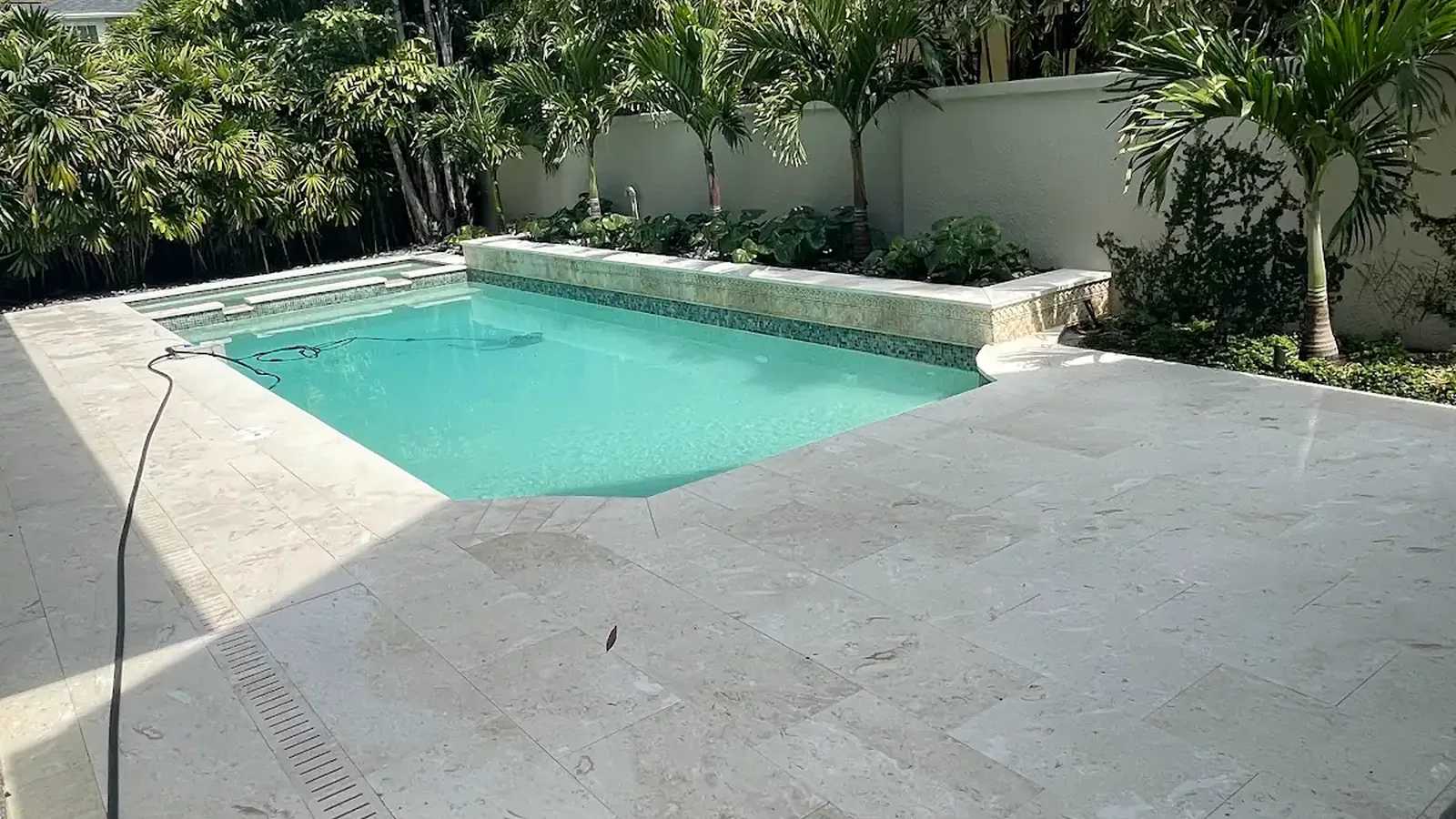
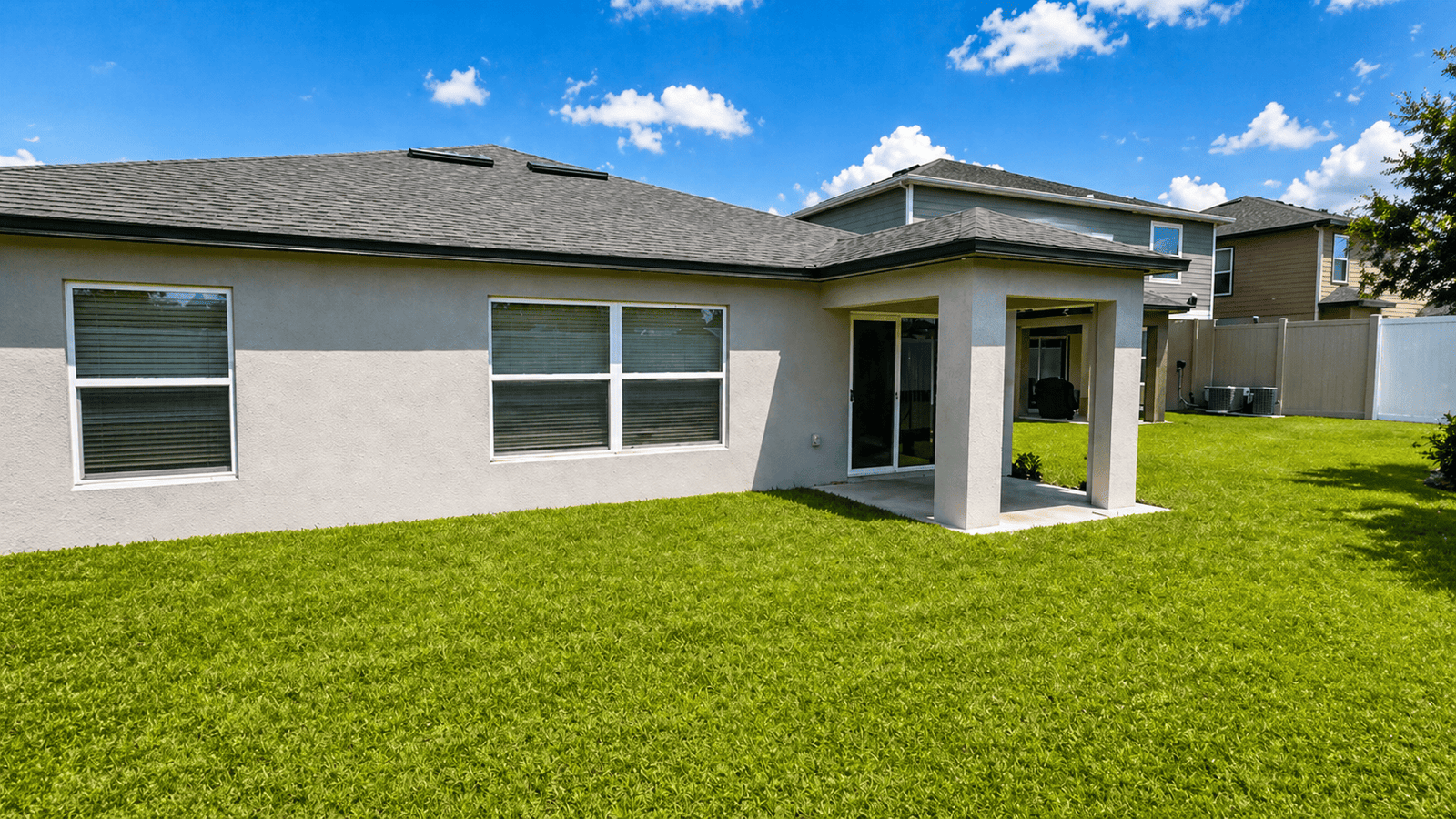
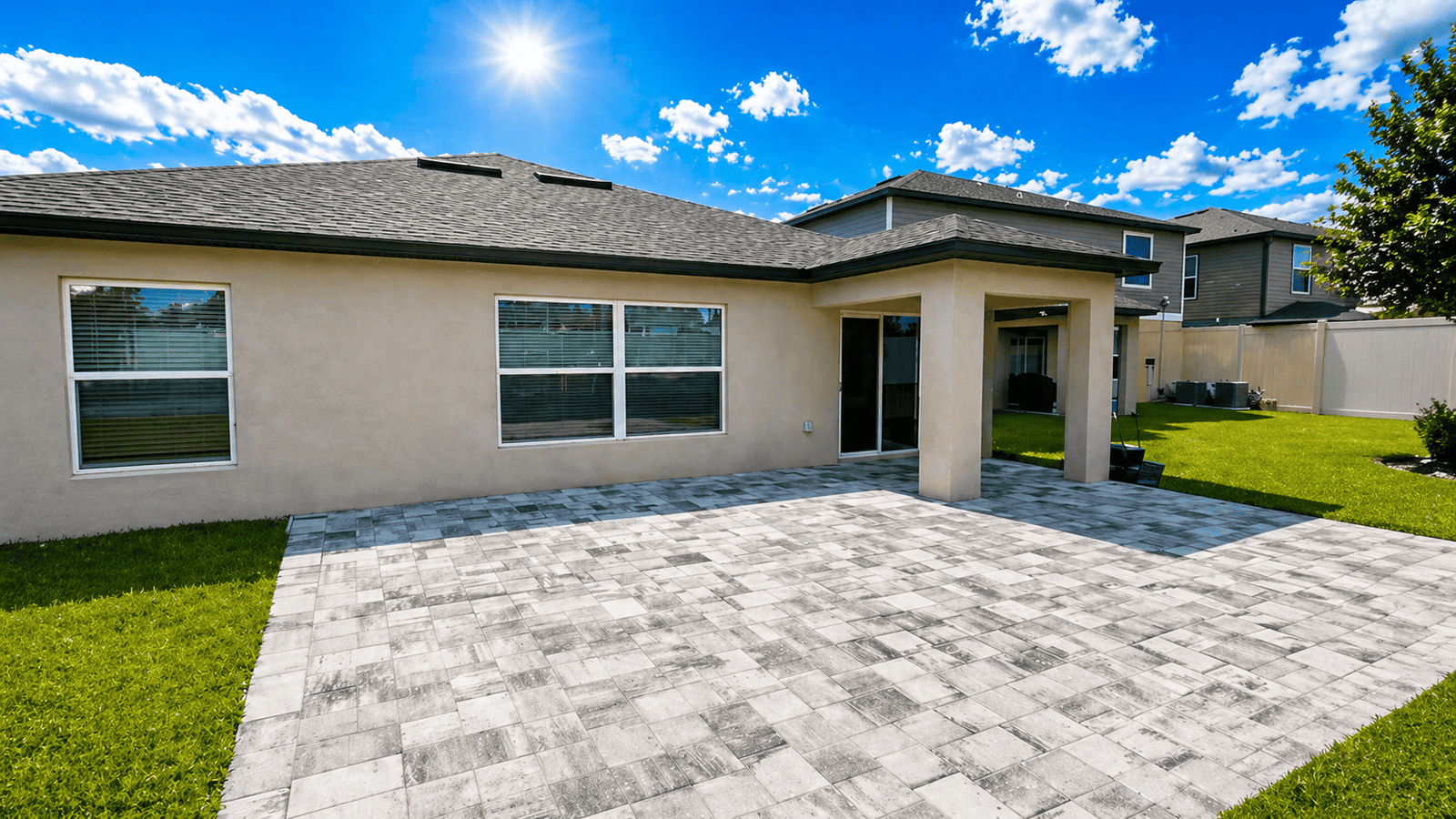
Pavers often make sense when you want a high-visibility feature such as a front driveway in Carrollwood, a pool deck in Land O’ Lakes, or a patio in Town ‘N’ Country. If you expect to live in the home for many years, the longer service life and repairability can help offset the higher initial cost. However, if you plan to move soon or only need a temporary surface, a basic concrete slab or compacted stone can be more practical. Because of these tradeoffs, it helps to match the project scale and design to your actual lifestyle instead of installing more hardscape than you will realistically use.
Keyphrase check: are pavers worth the money in your case?
The only honest answer to "are pavers worth the money" is "it depends on your site and goals." Sloped driveways in Ruskin, shady patios in Thonotosassa, and sun-drenched pool decks in Seven Springs all face different stresses. A professional can assess traffic loads, soil conditions, and water management to see where pavers hold up well and where another material could perform just as well for less. That way, your budget supports the areas that really benefit from a modular paver system.
Fundamentals: How Pavers and Concrete Build Value Over Time
How modular pavers behave over their service life
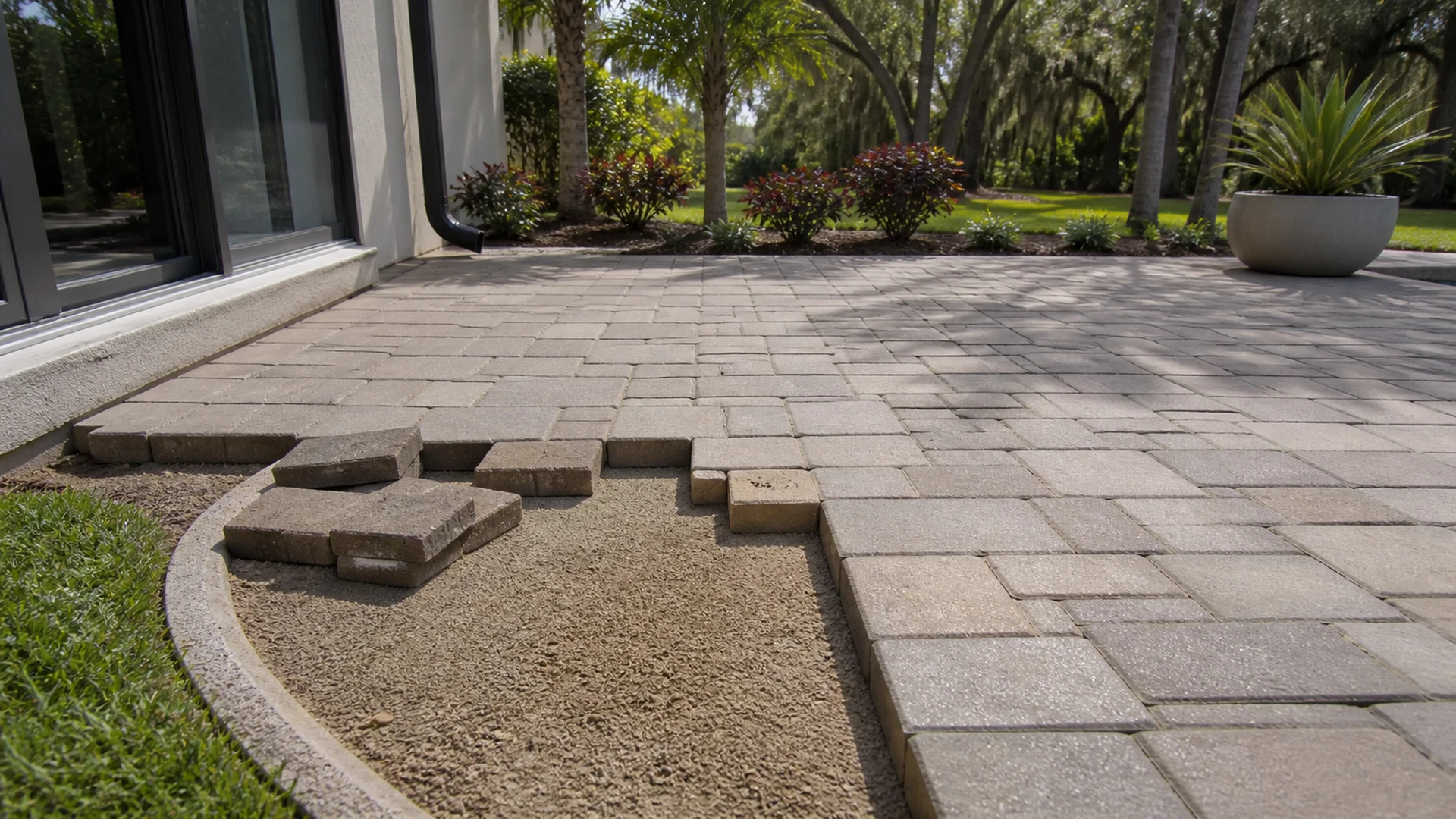
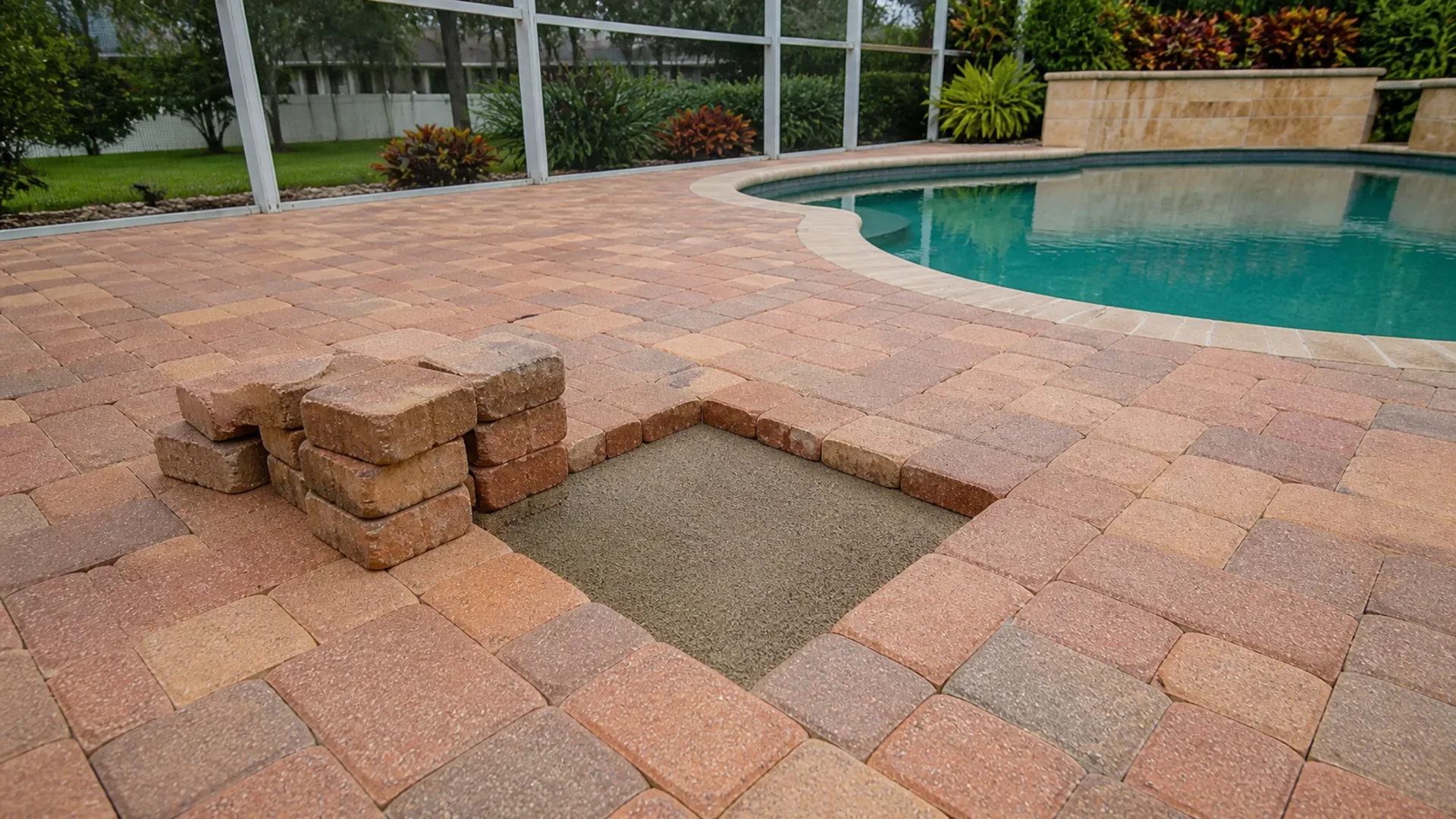
Pavers are individual units set on a prepared base and joint sand, so the system can move slightly without cracking like a single slab. Over time, this flexibility can help in Florida soils that settle or shift with moisture. When a small area settles or a tree root lifts a corner, an installer can lift and reset those units instead of demolishing a large section. This is one of the main lifecycle advantages highlighted by CMHA, which notes the ability to lift, repair the base, and reinstate pavers instead of patching a monolithic surface.
How poured concrete behaves over its service life
Poured concrete creates a rigid slab, which is usually cheaper at the start but more limited if the surface cracks or heaves. Even with control joints and reinforcement, cracks are common as soils move and temperatures change. Patches often stand out and can affect curb appeal on a front driveway or entry. When the slab becomes badly damaged, replacement often means breaking and hauling off the entire area instead of working in smaller sections.
What CMHA says about lifecycle and repairability
CMHA points out that modular pavers offer strong lifecycle value because damaged or settled areas can be lifted, the base corrected, and the same units reinstalled. In contrast, a cracked concrete slab often needs cutting, patching, or full removal, and the repair is usually visible. You can read more about these differences in CMHA's guidance on pavers versus concrete in their article “Pavers vs. Concrete: Myths, Facts, and What Homeowners Need to Know”. Their discussion focuses on how repairability and modular construction affect long-term cost, not just the first quote.
Total-Cost Mindset: Beyond the First Paver Quote
Upfront cost is only one line in the budget
Most homeowners start by comparing initial quotes, which is normal, but it can hide long-term costs. A lower bid sometimes means thinner base rock, less compaction, or skipped edge restraints, which may show up as settling and shifting later. Likewise, a higher bid might reflect better prep work, higher-quality materials, or more complex design. A site visit is the only reliable way to see what your specific project in Tampa, Riverview, or Palm Harbor truly requires.
How to compare paver and concrete costs fairly
To compare "cheap" concrete with pavers fairly, include repairs, changes, and long-term appearance in the equation. If you plan to widen a driveway later, run utilities under a patio, or adjust a pool deck, modular pavers often make those changes easier. However, if the area is small and unlikely to change, a plain slab may stay serviceable for years with basic care. The right choice depends on how permanent the layout feels and how sensitive you are to visible repairs.
Questions to ask before deciding if pavers are worth it
Before you decide whether pavers are worth the investment, it helps to ask a few pointed questions during estimates. These focus on your actual use, not just the square footage. They also help you understand how each contractor builds the project and manages future maintenance.
- How many vehicles or people will use this surface daily, and what kind of loads will it carry?
- How will the base be built and compacted, and how thick will it be in different areas?
- What edge restraints, joint sand, and paver thickness will you use for my project?
- How will water flow be handled across the driveway, patio, or pool deck?
- What maintenance will I likely need in the first five years, and how easy are repairs?
These questions help you compare not only the numbers but also the approaches behind them. They also reveal whether the installer is thinking about the full lifespan of your pavers, not just getting the job done quickly.
Design, Materials, and Base Work That Protect Your Investment
Design choices that change your cost-benefit balance
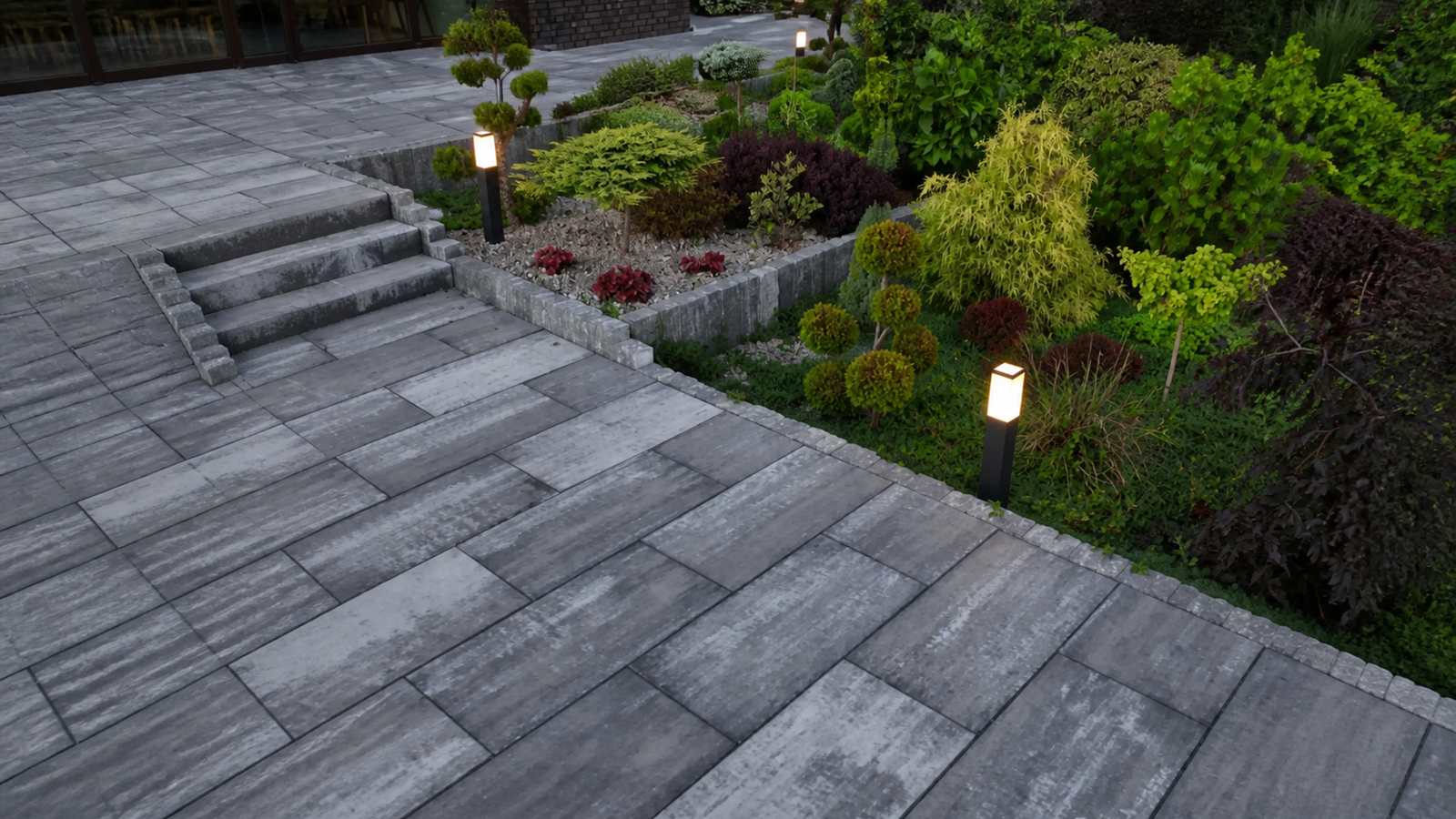
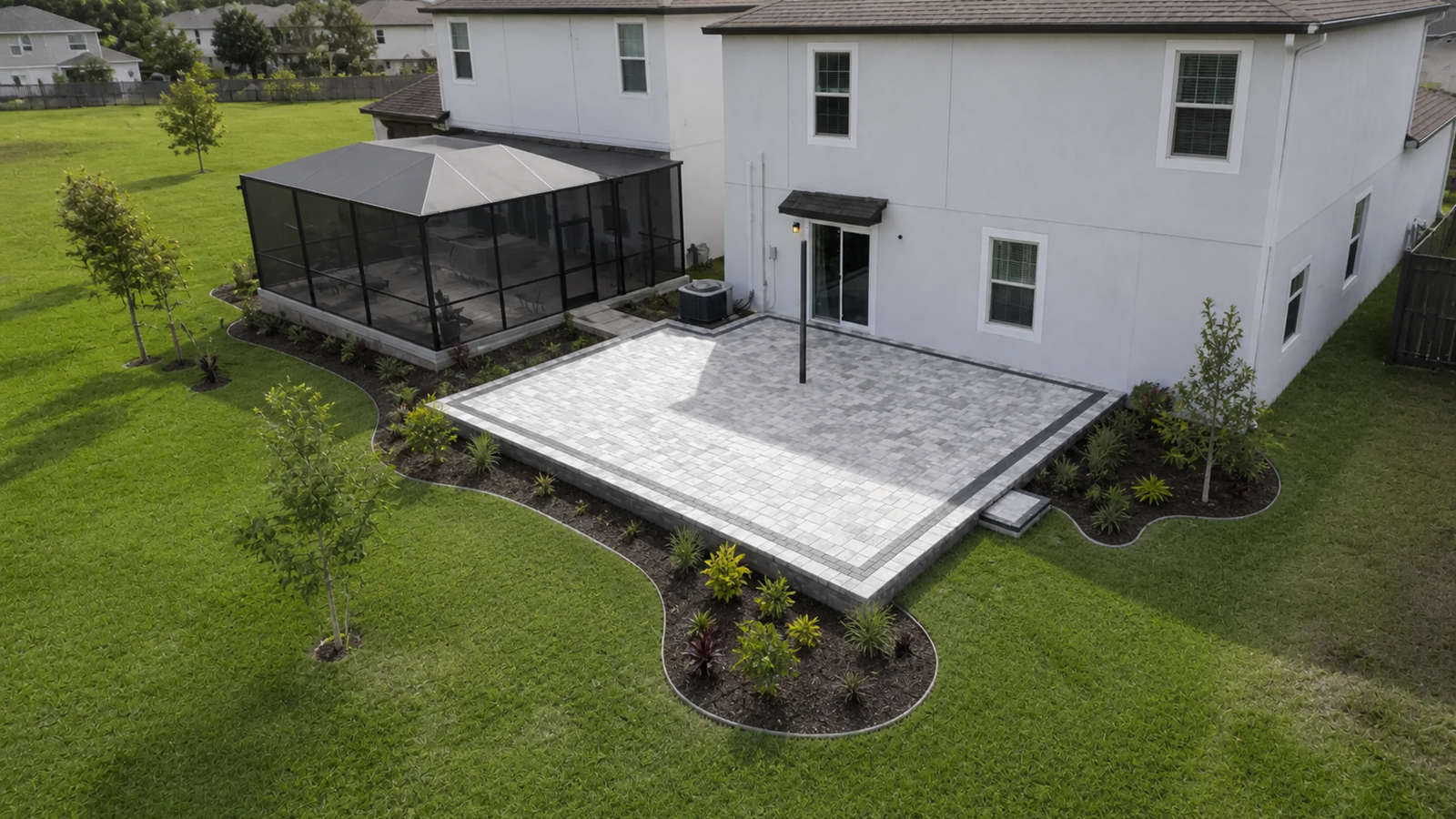
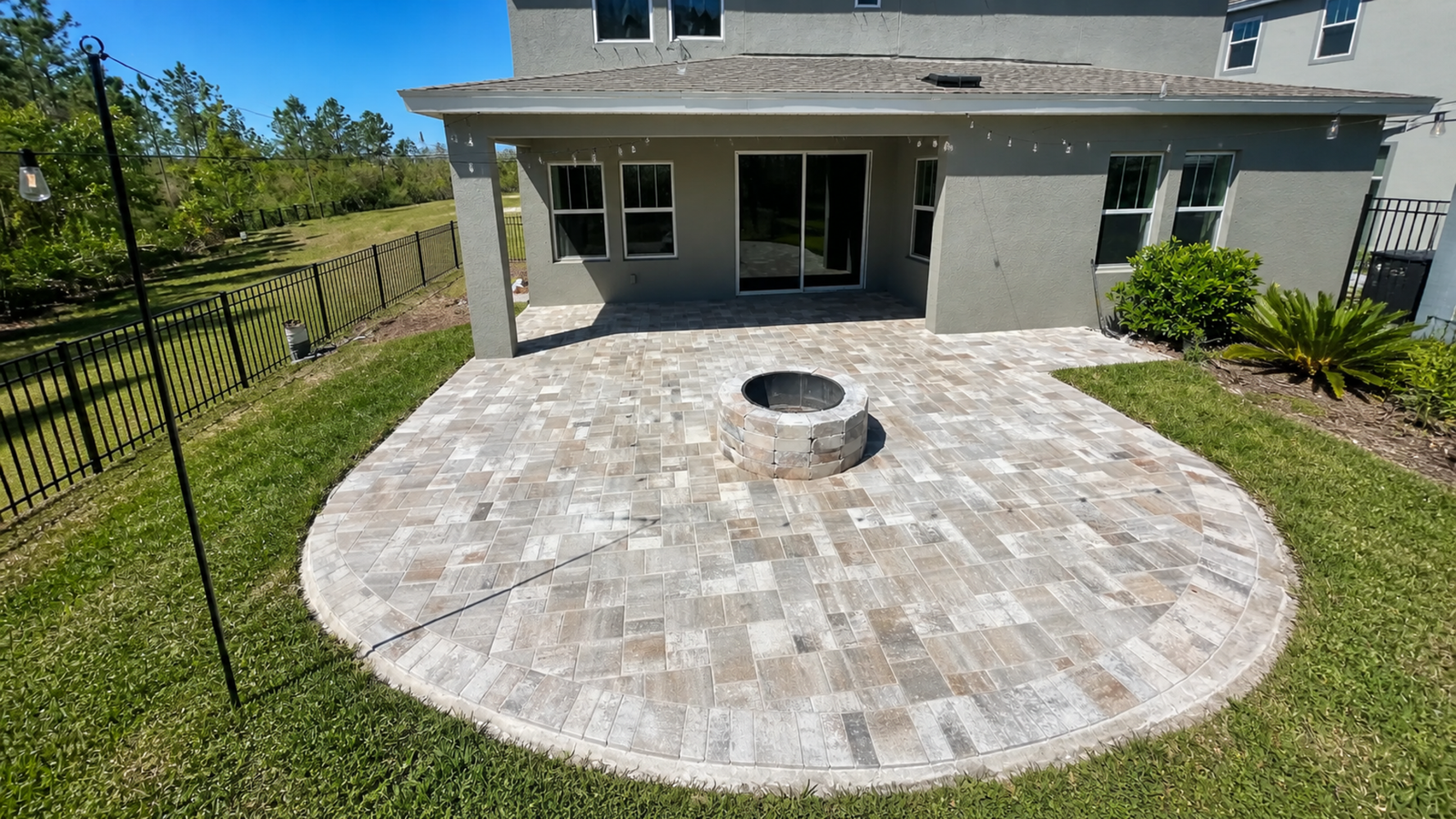
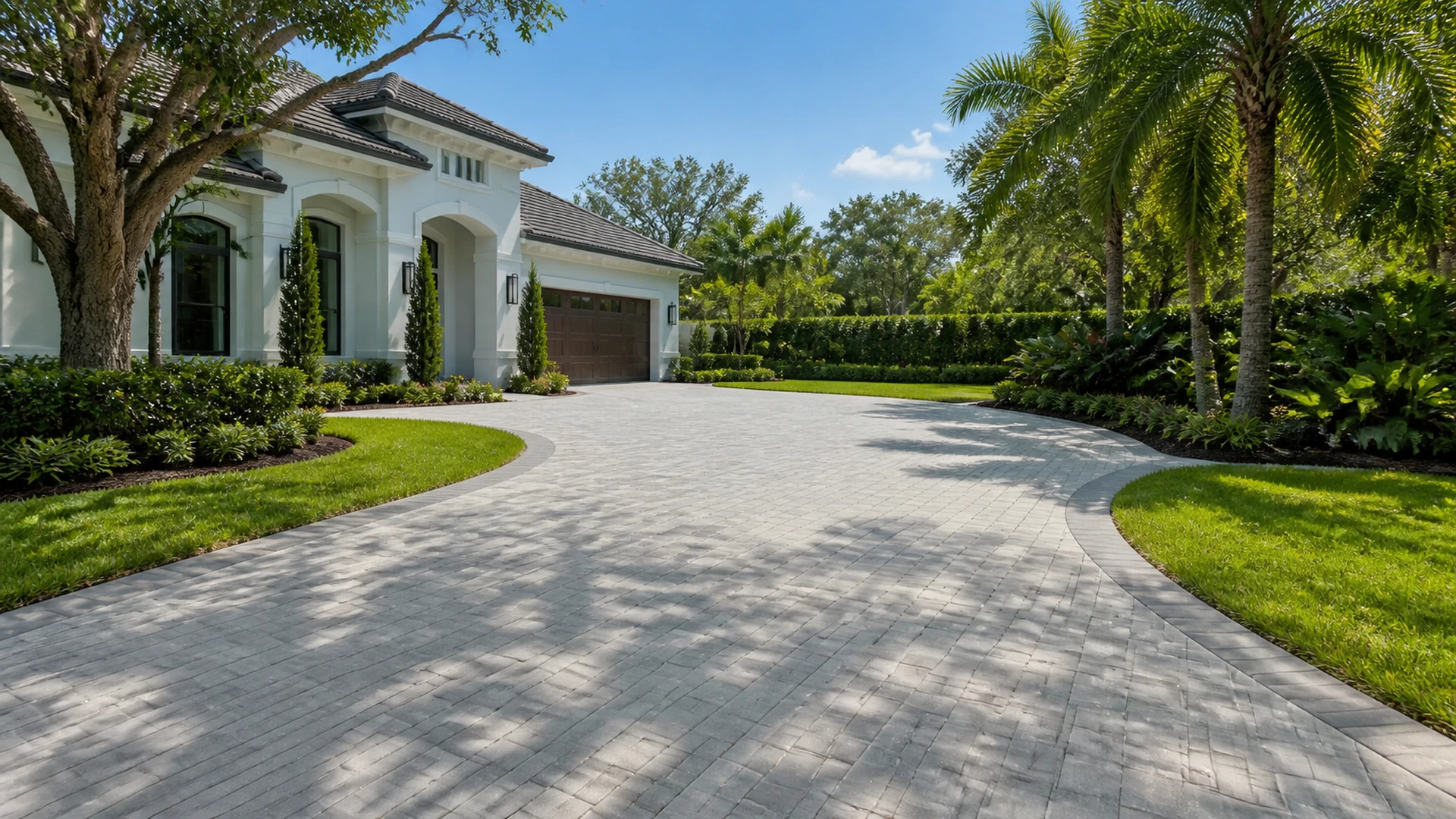
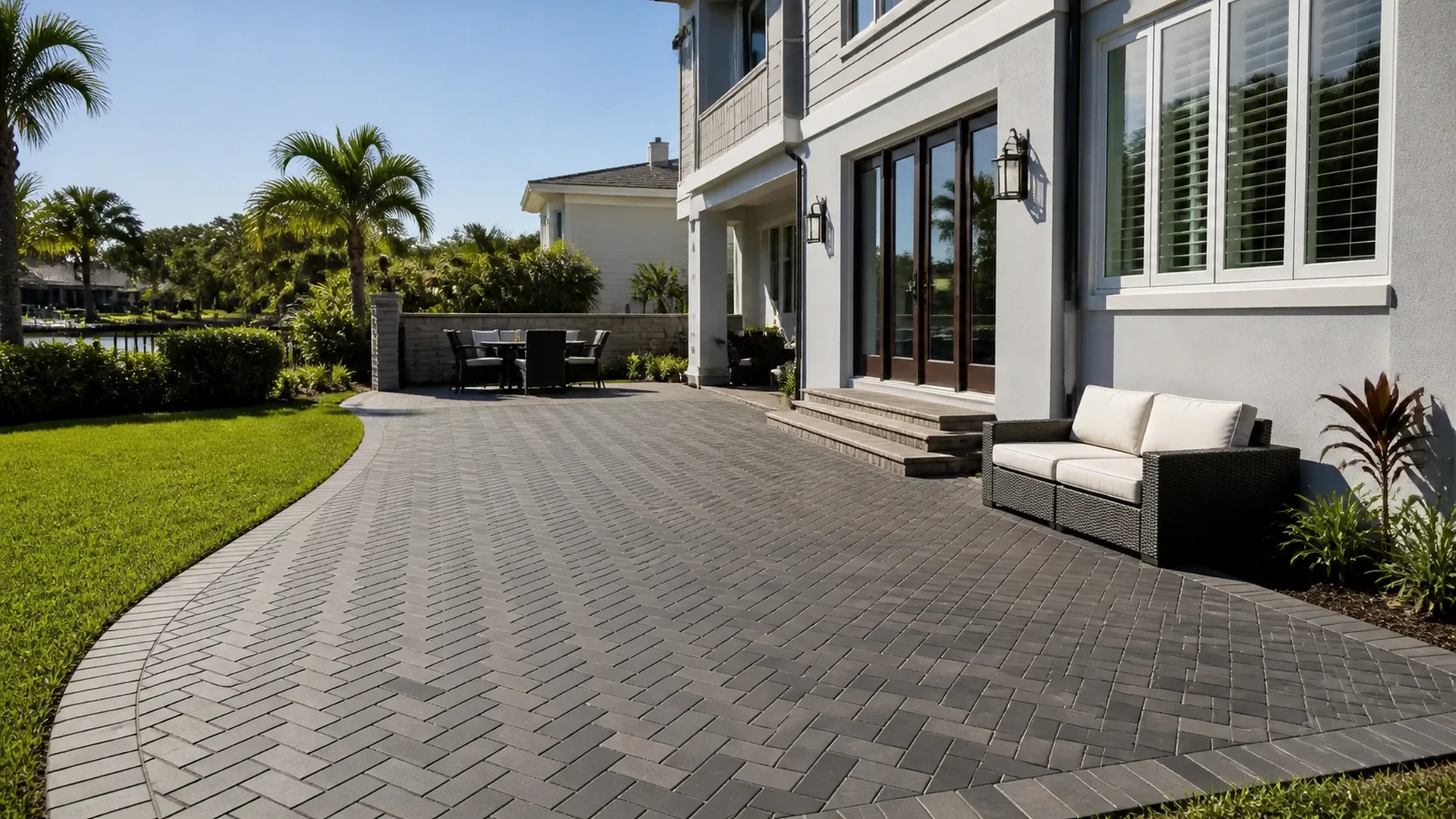
Pattern, color, borders, and curves all affect how much you spend and how much you enjoy the finished space. A simple running bond pattern with a single color typically costs less to install than multi-pattern layouts with inlays and intricate curves. In high-traffic areas, it often makes sense to invest in clean lines, clear transitions, and safe steps rather than elaborate designs that add labor but not much function. In smaller accent spaces, such as a front entry in Land O’ Lakes, a bolder pattern can offer strong curb appeal for a modest area.
Material and base options and how they affect value
Paver thickness, base material, and bedding choices all influence durability and repairability. Driveways usually call for thicker pavers and a deeper, well-compacted base than walkways or garden patios. Some sites may also benefit from adding geotextile fabric under the base to help separate soils and reduce mixing. However, not every project needs every upgrade, so it is important to match the build to the loads and soil conditions on your property.
| Choice | Lower Cost Option | Higher Cost Option | Typical Tradeoff |
|---|---|---|---|
| Paver thickness | Thinner pavers for light foot traffic | Thicker pavers for vehicles | Lower initial cost vs. better load capacity |
| Base depth | Shallower base on stable soils | Deeper base with more compaction passes | Less excavation vs. better long-term stability |
| Layout complexity | Straight lines, few cuts | Curves, inlays, multiple borders | Reduced labor vs. upgraded aesthetics |
Why base work matters more than the paver itself
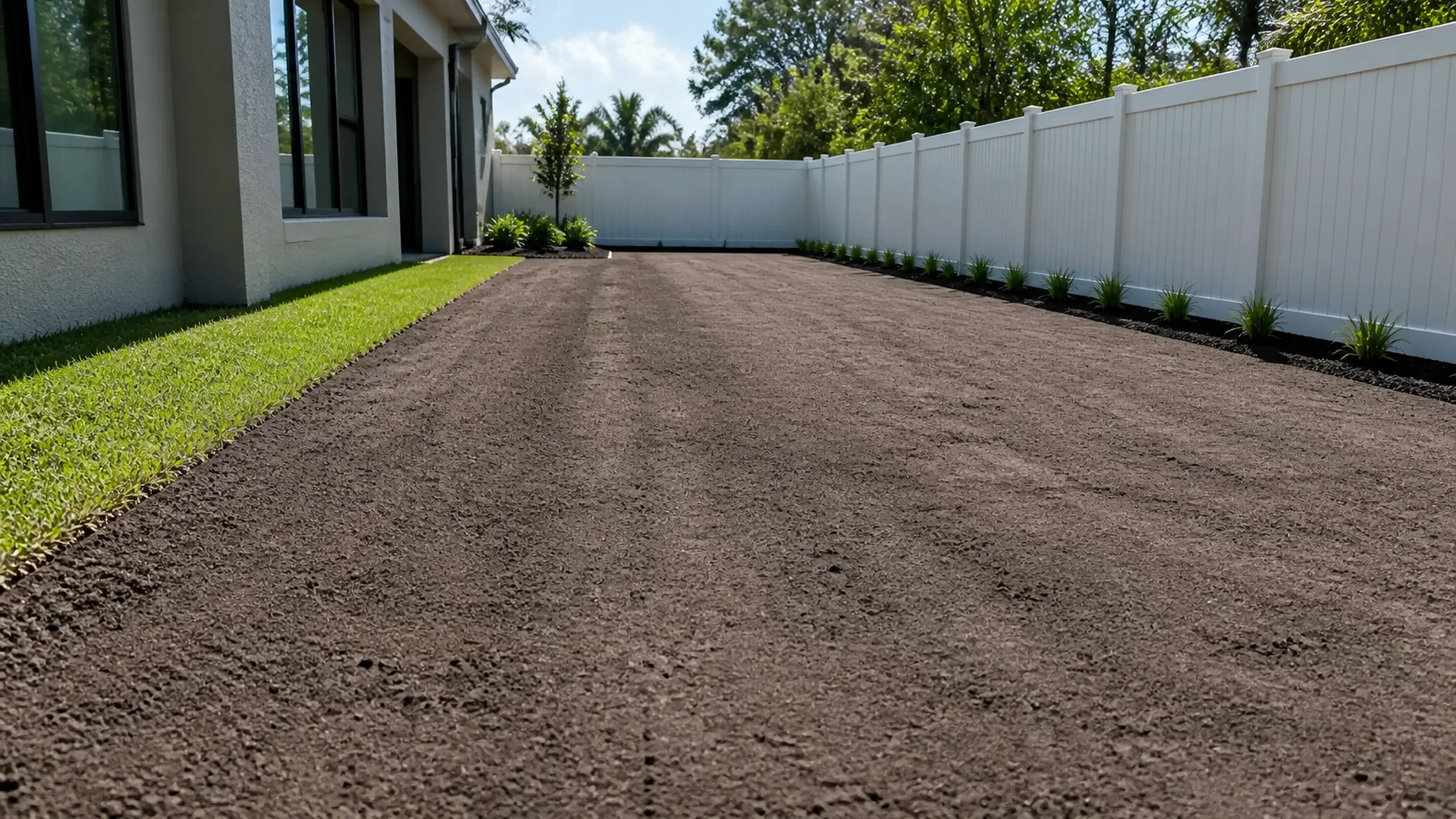
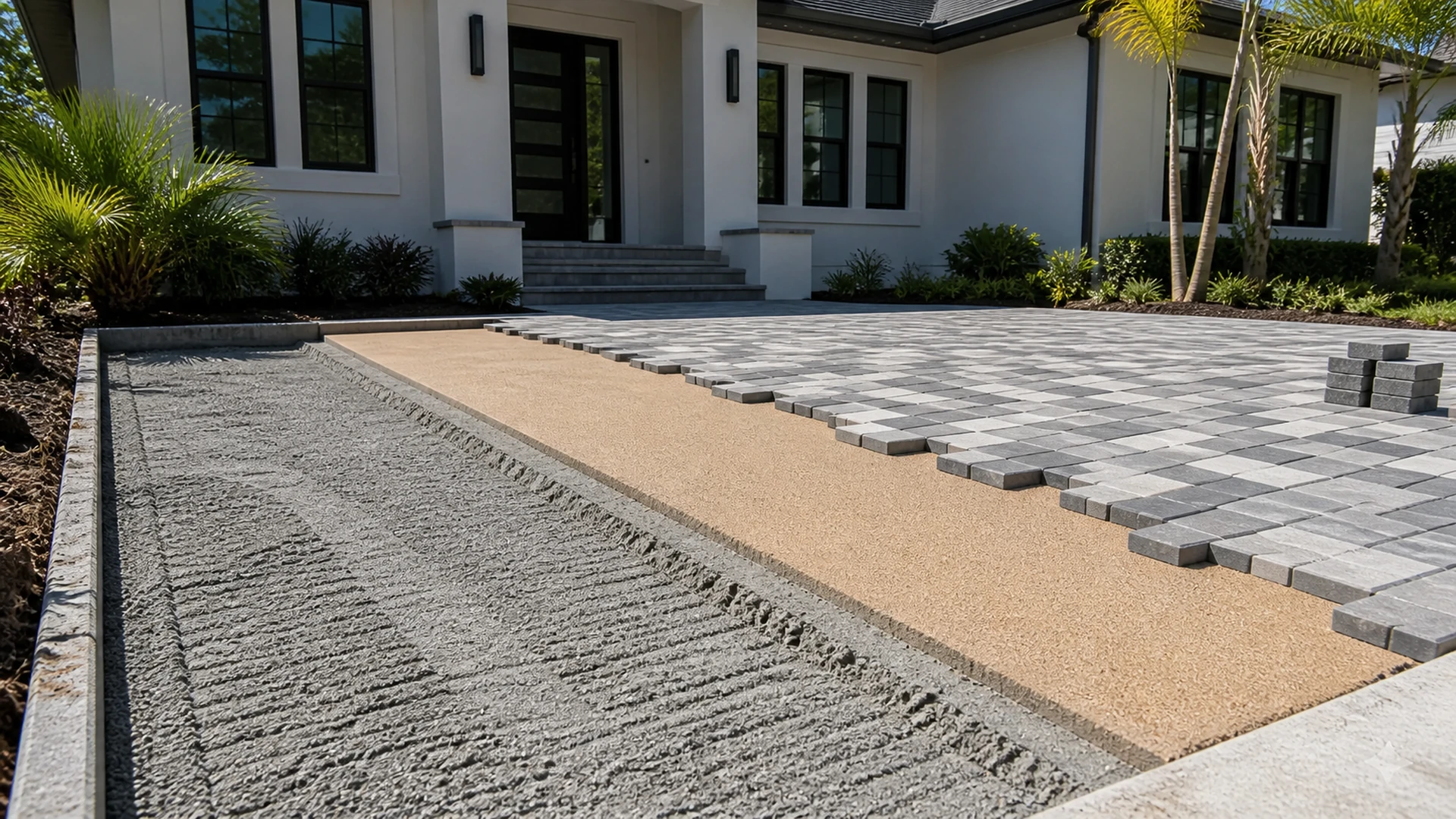
The best-looking paver will not stay level if the base is thin, soft, or poorly compacted. Because of that, base preparation often decides whether pavers end up being worth the money in Tampa Bay conditions. Proper excavation, compaction in layers, and thoughtful water flow planning help minimize future settling and joint sand loss. When you compare bids, it is wise to focus more on how the base will be built than on which paver brand is used.
Florida Climate, Site Conditions, and Local Use Patterns
Heat, sun, and weathering in Tampa Bay
Florida's sun, heat, and summer storms put hardscape materials under constant stress. Dark pavers can become hot under bare feet on pool decks in Wesley Chapel or Palm Harbor, while lighter colors reflect more heat but show dirt faster. Heavy rain can wash out joint sand if slopes are poorly designed or if water concentrates in one area. Because we do not deal with freeze-thaw cycles the way northern states do, cracking from ice is less of a concern, but moisture and UV exposure still matter.
Soils, slopes, and water movement on your lot
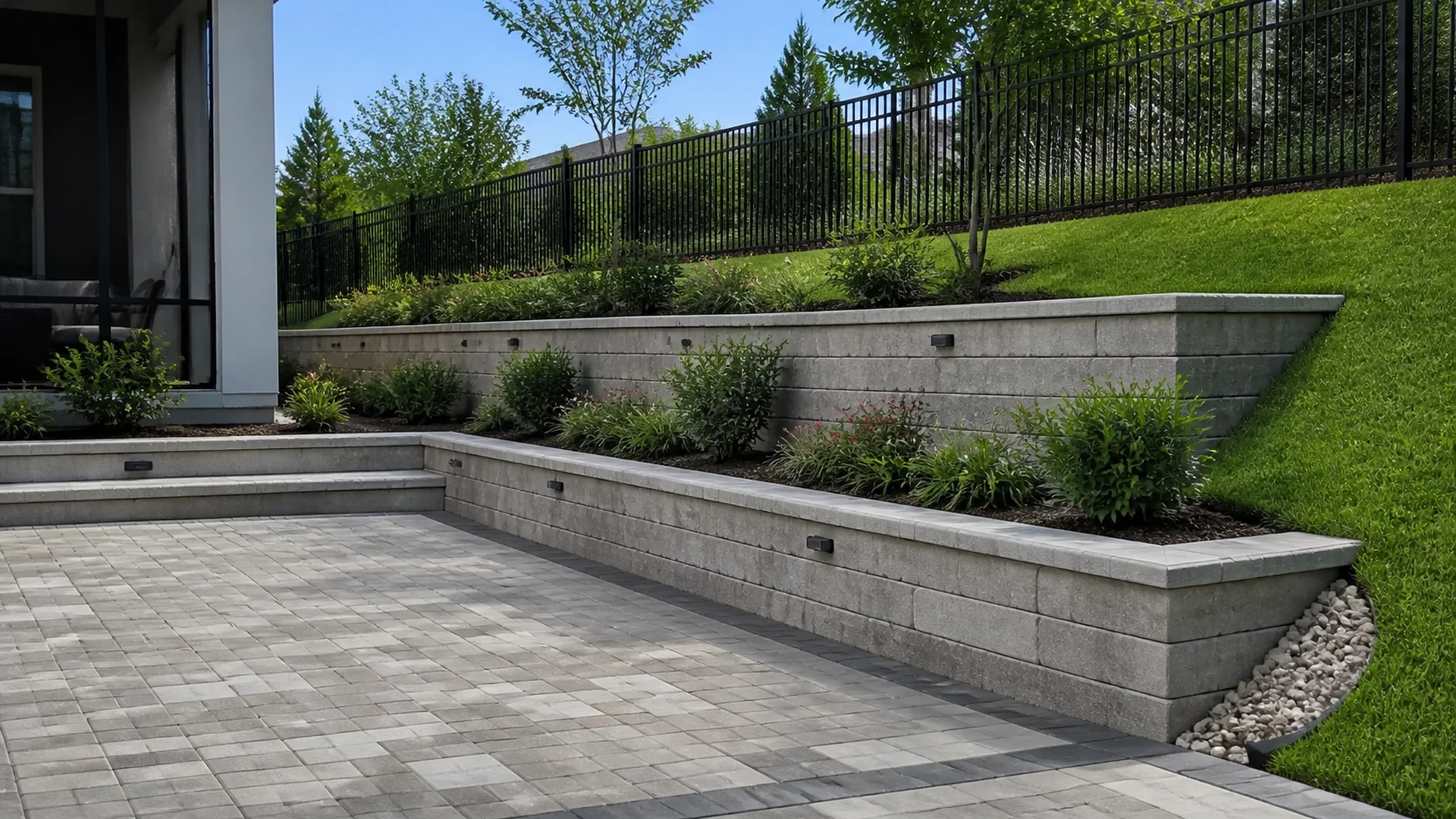
Local soils range from sandy to areas with more organic content, even within the same neighborhood. On sloped driveways in Ruskin or lots near water in Town 'N' Country, managing runoff across the paved surface becomes especially important. The idea is to shape the base and finished surface so water moves away from your home and does not sit under the pavement. That planning should happen before installation, because fixing poor slopes or low spots afterward often costs more than getting it right at the start.
How long you expect to stay in your home
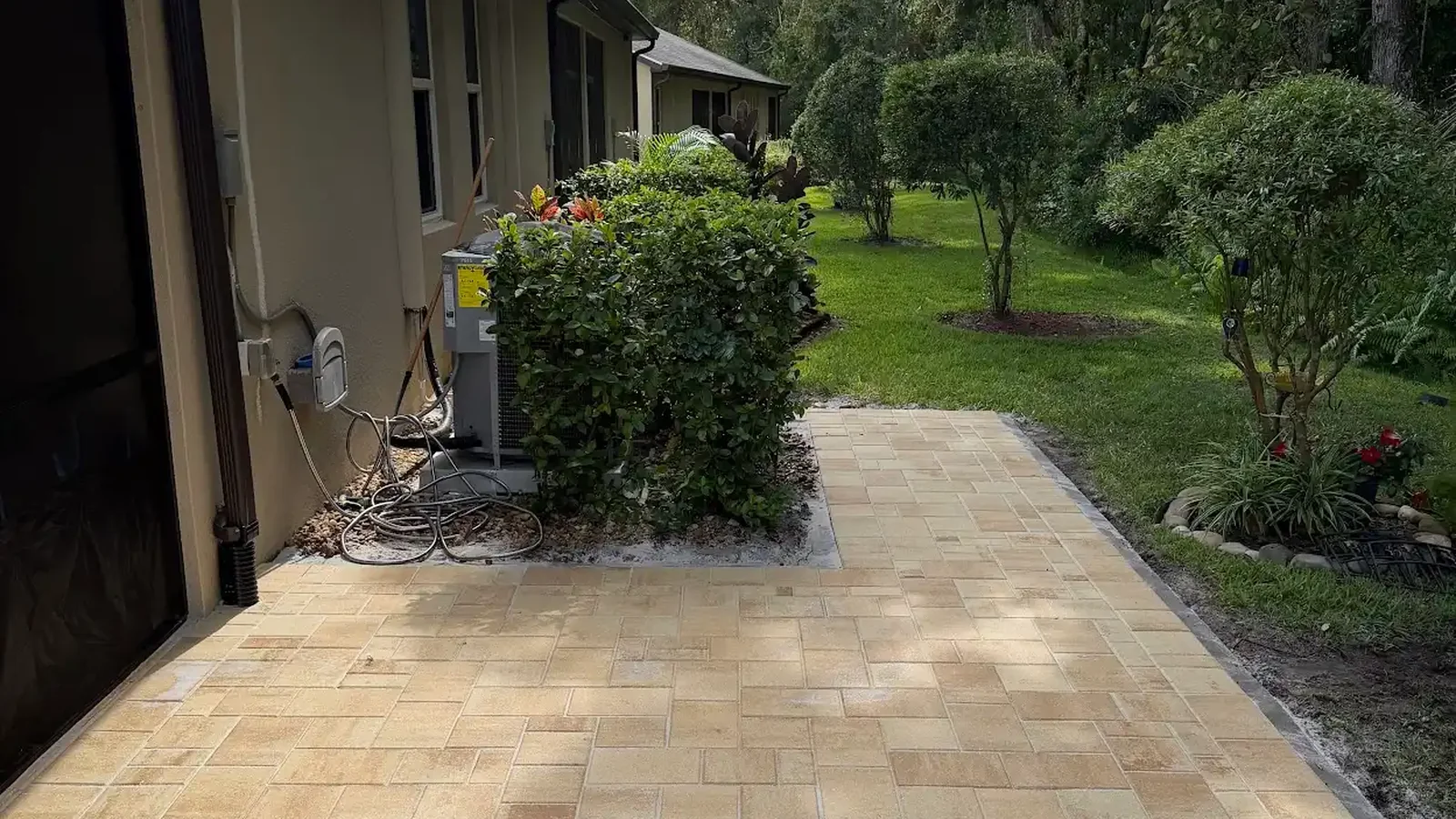
If you expect to move within a few years, you might prefer simple upgrades that show well but demand less investment. In that case, a small paver front walk combined with a standard concrete side path can strike a balance. If you expect to stay longer term in areas like Greater Carrollwood or Thonotosassa, investing in durable paver driveways and patios can make daily life outdoors more comfortable. However, it is still important not to overbuild beyond what your lot and lifestyle truly justify.
Mistakes That Waste Money on Pavers and How to Avoid Them
Overspending on features you rarely use
One of the most common ways to overspend is building more square footage than your family will regularly use. A huge patio that sees guests once a year may not deliver the same value as a smaller, well-furnished space you enjoy every weekend. Likewise, complex inlays or multiple border bands can add hours of labor while giving limited day-to-day benefit. It often pays to prioritize smooth access, shade, and comfort before adding decorative extras.
Underbuilding the base to save on the quote
On the other side, cutting corners on the base can turn a promising paver project into a headache. If crews do not excavate deep enough or skip proper compaction, you may see rutting, puddling, or loose joints sooner than expected. That kind of hidden shortcut is hard to spot on paper, which is why in-person site visits and detailed written scopes matter. Paying for solid prep usually costs less than repairing an underbuilt surface a few years later.
Neglecting simple maintenance tasks
Even well-built paver areas need basic care to hold their value. Regular sweeping, prompt cleanup of leaf stains, and occasional joint sand touch-ups help keep the system tight. In shady or damp areas, keeping organic debris off the surface reduces the chance of algae and weeds. These tasks usually take more time than money, but they protect the investment you already made in your Tampa Bay hardscape.
When Professional Assessment Makes Financial Sense
Situations where DIY planning can backfire
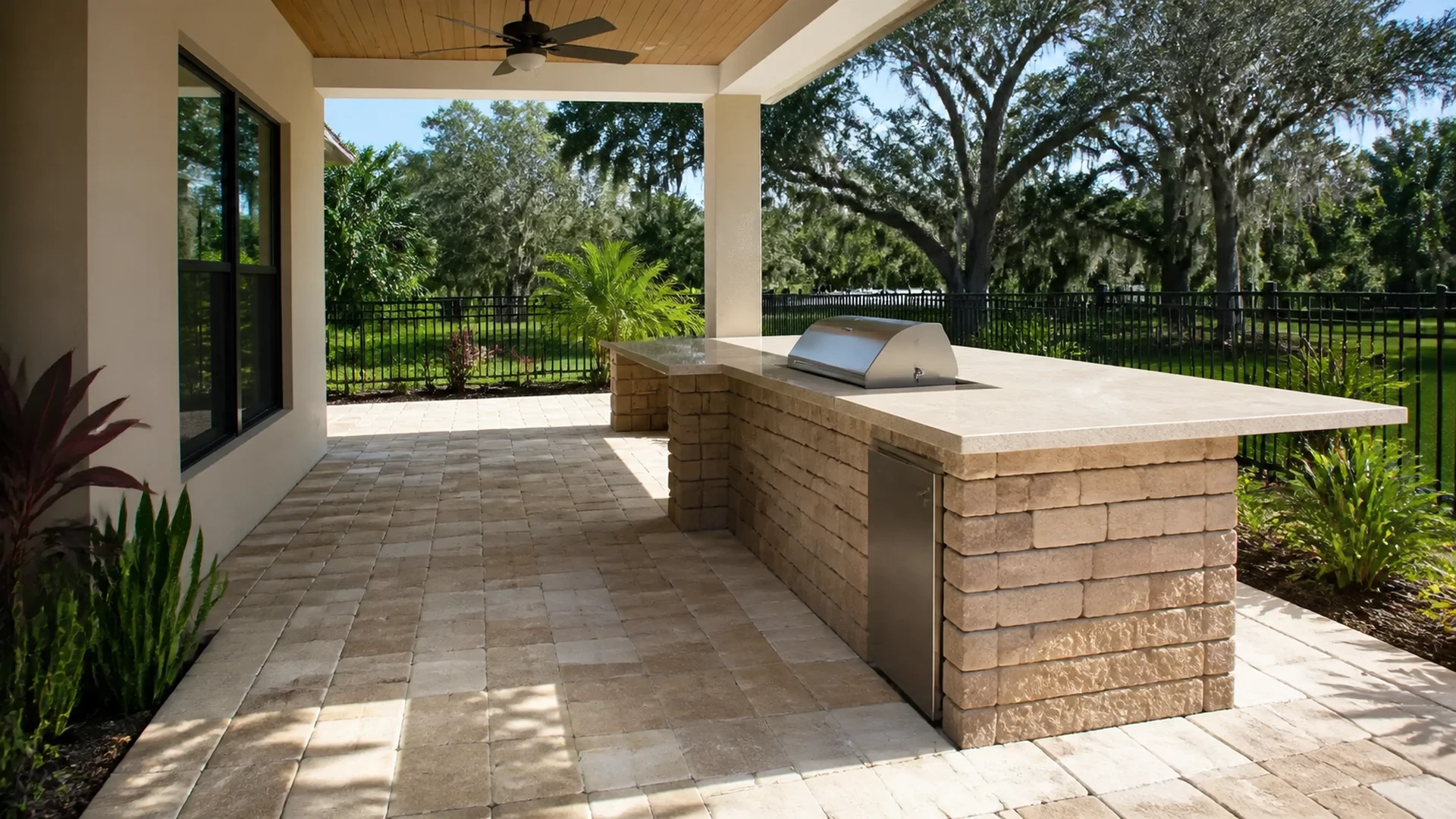
For small garden paths, stepping stones, or a compact grill pad, DIY planning and installation can work if you are patient. However, for driveways, pool decks, and large patios, small planning errors can be expensive to fix later. Misjudged slopes, underbuilt bases, and tight turns for vehicles are common problem areas. In these cases, bringing in an experienced installer to assess the site and loads can protect both your budget and your home.
What a professional looks at during a site visit
During a site visit in Tampa or surrounding communities, a contractor should look at soil type, access for materials, and where water naturally wants to go. They may also consider existing trees, roots, utilities, and how new hardscape will connect to doors, lanais, and screens. This assessment shapes base depths, paver choices, and layout options. Accurate pricing depends on this in-person look, because two properties with the same square footage can require very different levels of work.
How to use professional input without overcommitting
You can still control your budget while taking advantage of professional input. One approach is to ask for a base design and paver layout that can be built in phases, such as starting with the driveway and adding a patio later. You can also discuss where a simpler concrete pad or gravel area might make sense alongside pavers. Resources like the paver installation cost guide for Tampa Bay can help you prepare questions before you invite contractors to visit.
FAQ: Are Pavers Worth the Money in Real Life?
Are pavers worth the money for a Florida driveway?
Pavers can be worth the investment for many Florida driveways, especially where appearance and repairability matter. A properly built paver driveway allows localized repairs if soil settles or a section gets stained or damaged. You can often reset individual units rather than replacing the entire drive. However, for low-visibility, light-use areas, a standard concrete drive may serve your needs at a lower initial cost, so the best choice depends on your budget, vehicles, and how long you plan to stay.
Are pavers worth the money around a pool in Tampa Bay?
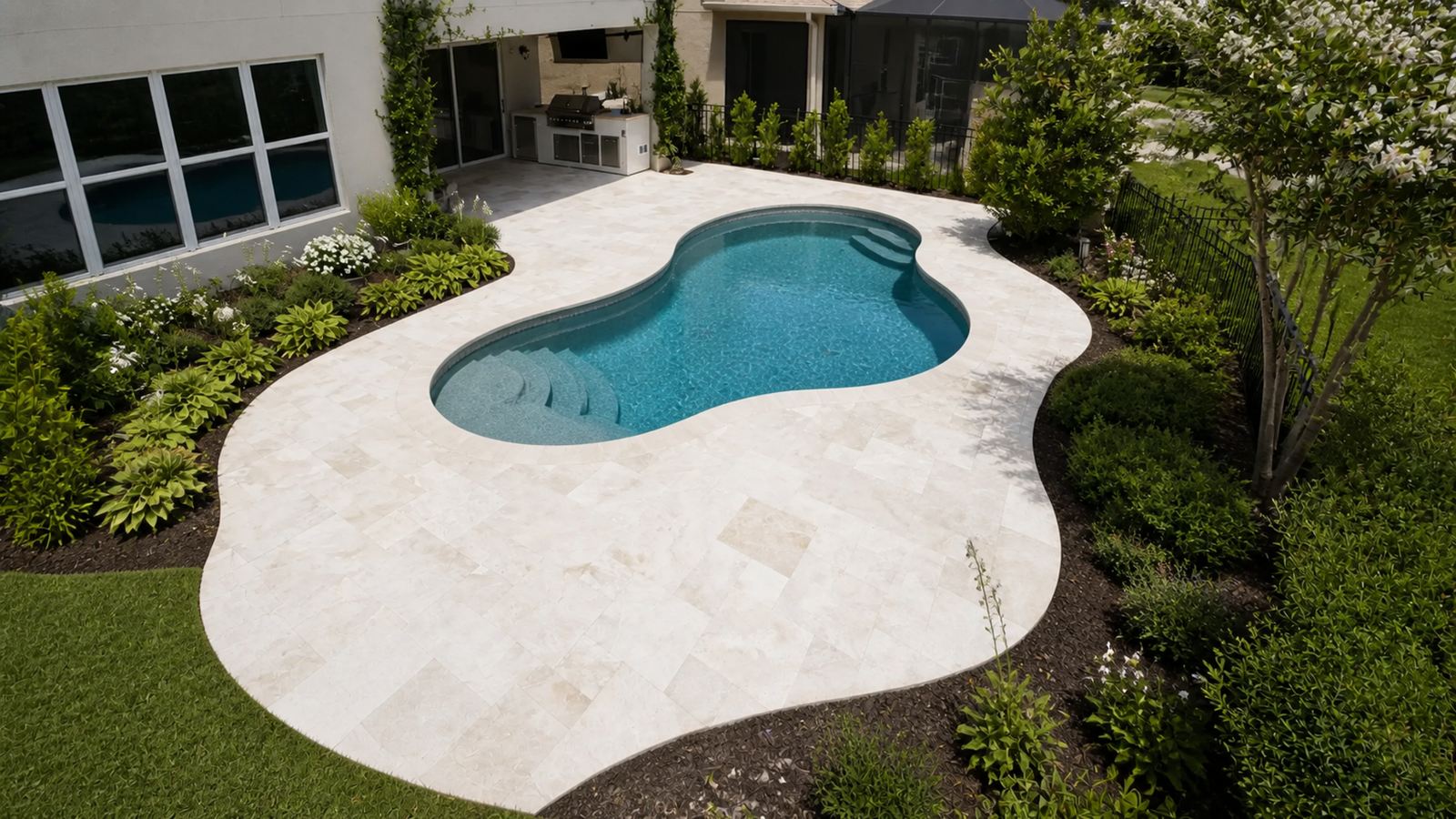
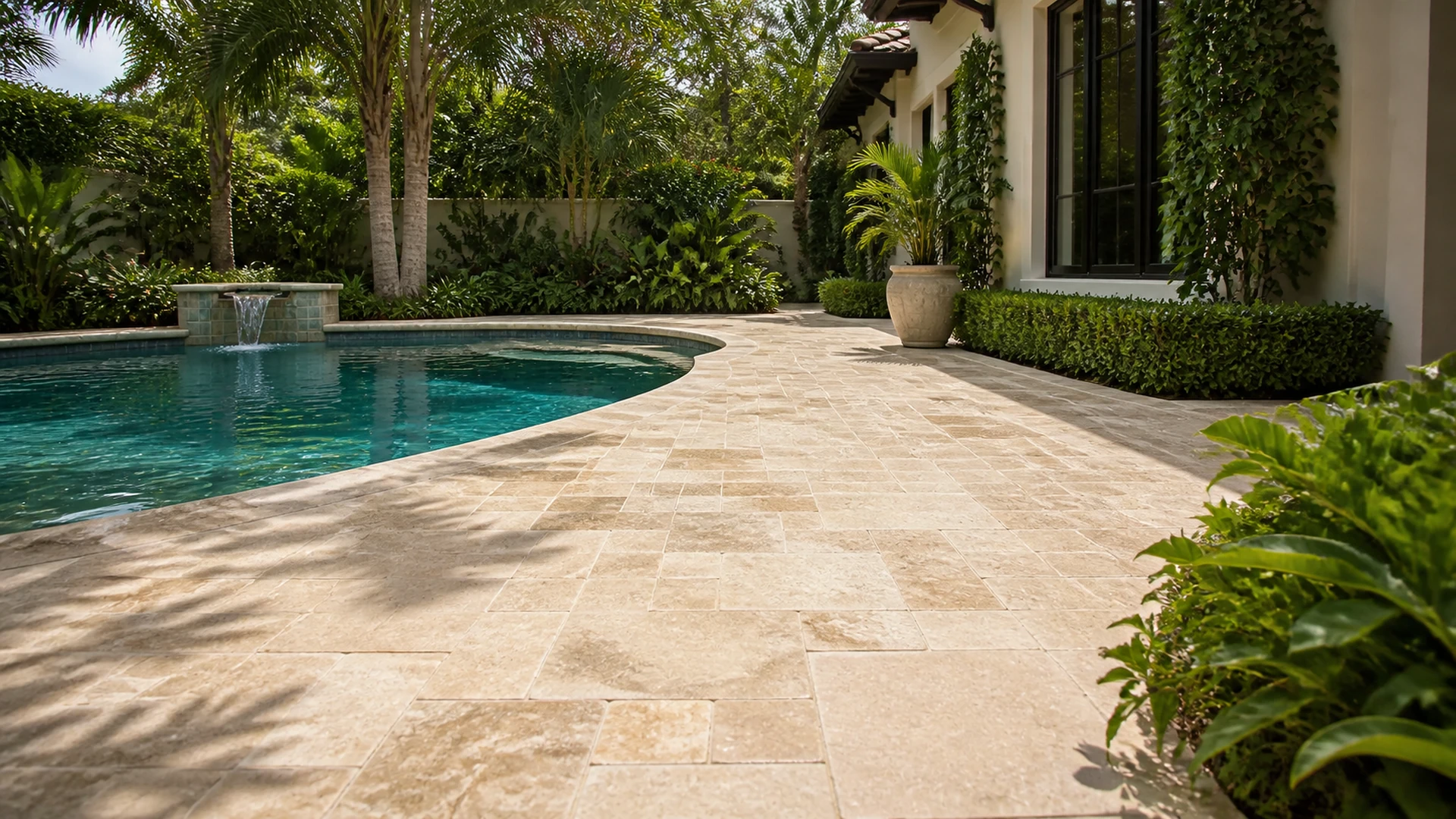
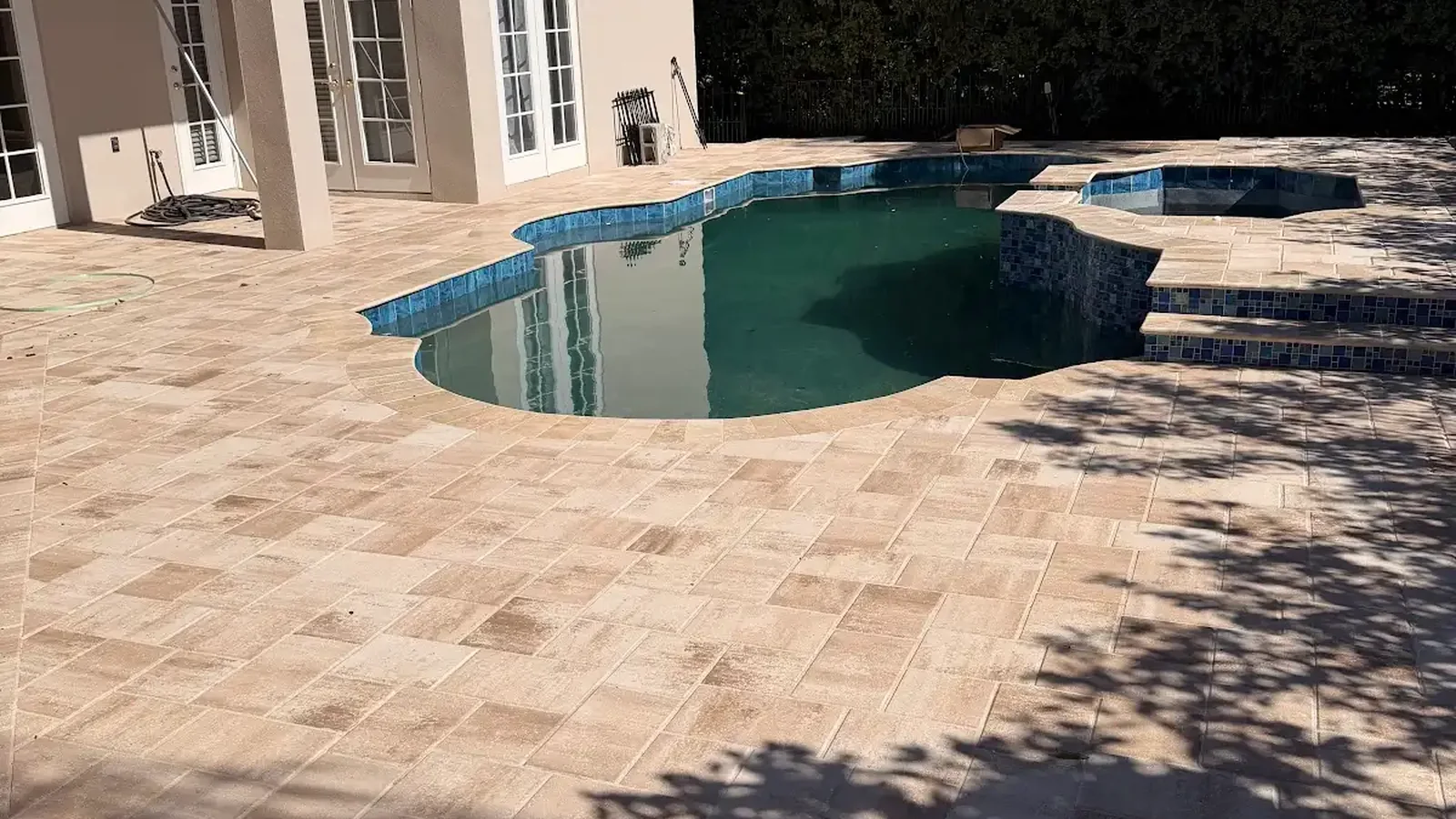
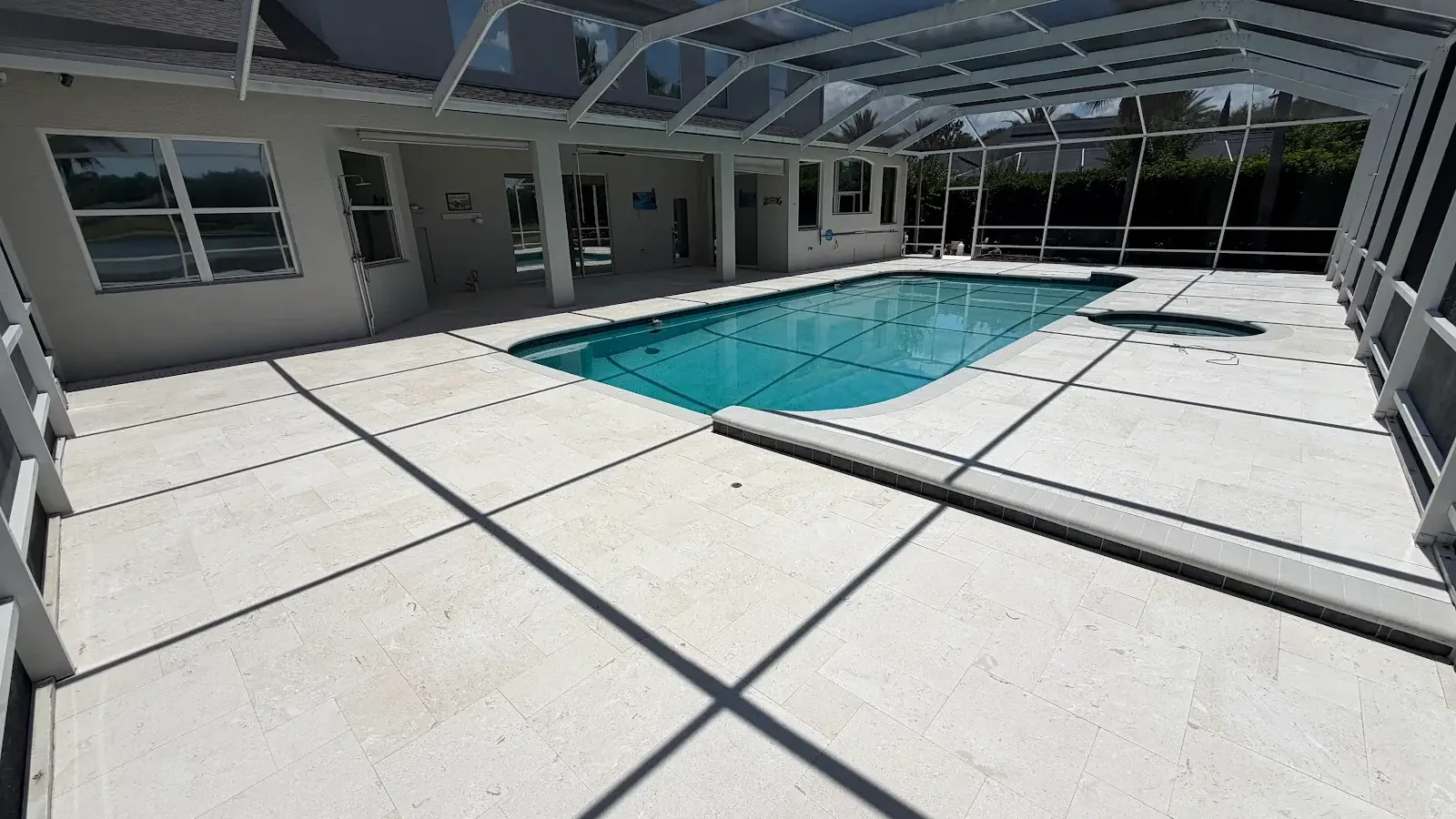
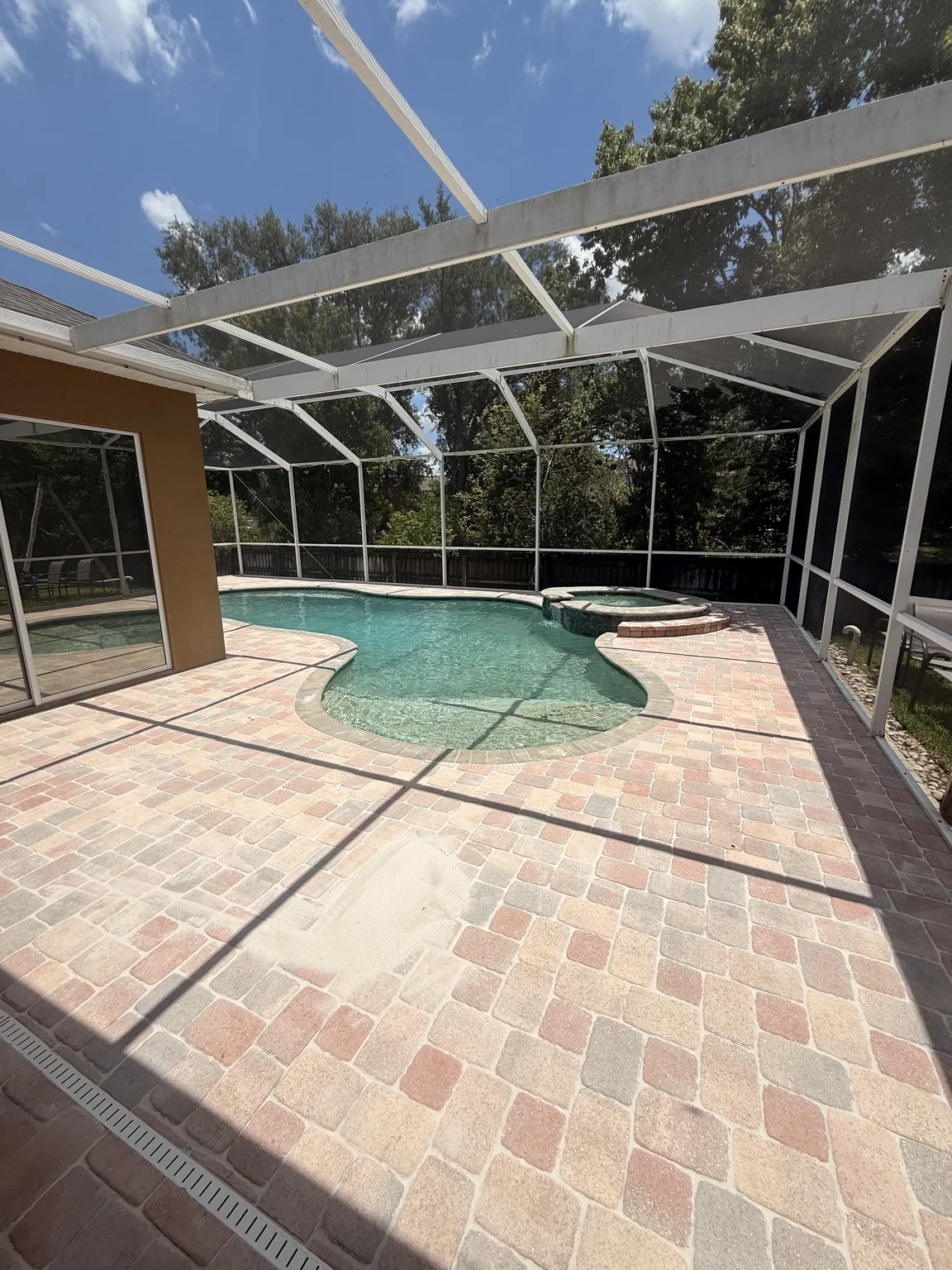
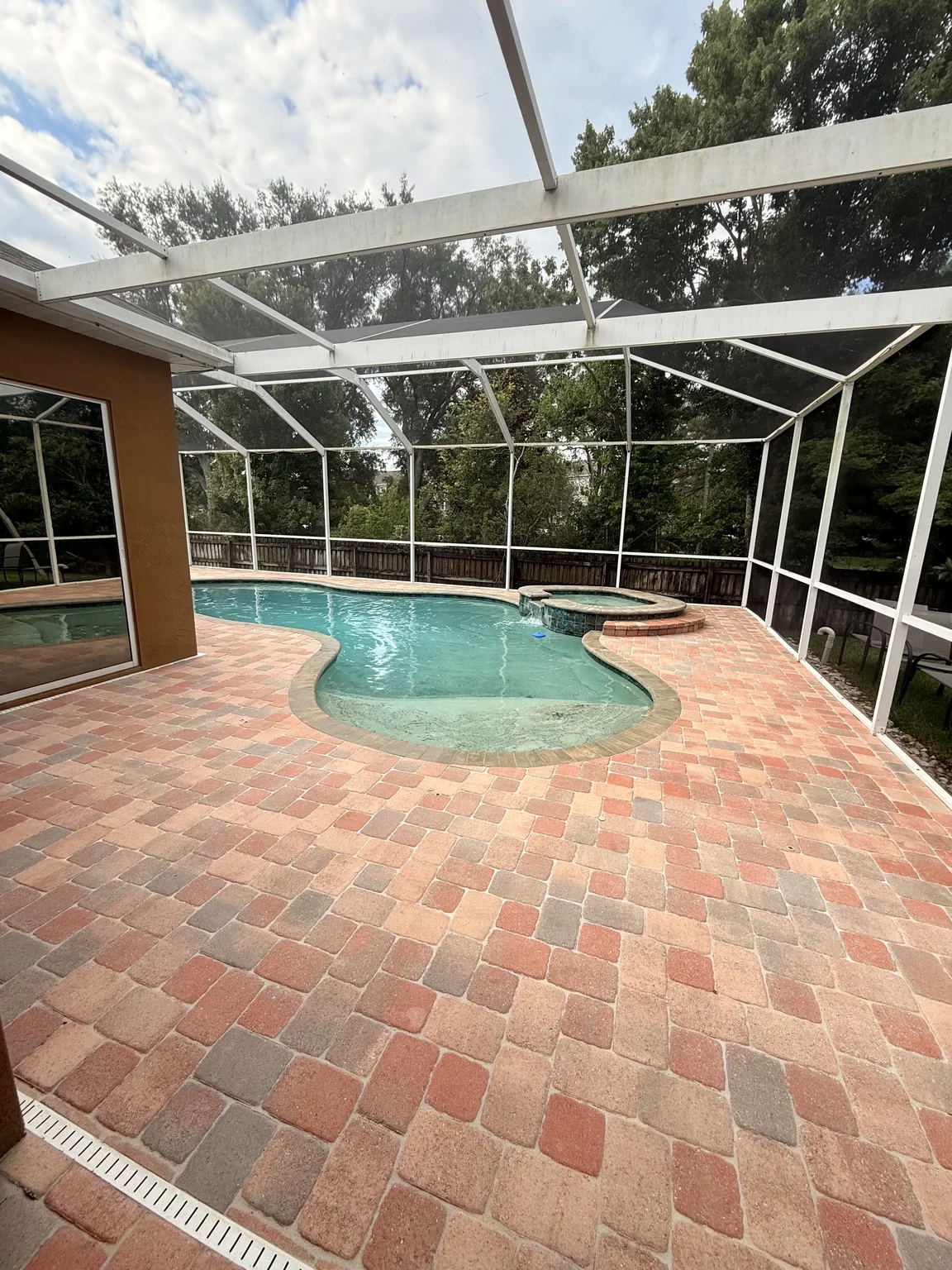
Pool decks in Tampa Bay face chlorinated water, sunscreen, and high foot traffic, so modular pavers offer clear benefits. They provide traction, allow sections to be lifted if access is needed, and come in colors that stay more comfortable under bare feet than darker materials. At the same time, they do require regular sweeping, occasional joint sand maintenance, and attention to coping details around the waterline. If you want a comfortable, flexible pool surround and plan to live in the home for years, pavers often deliver strong day-to-day value compared with plain concrete.
Are pavers worth the money if I am on a tight budget?
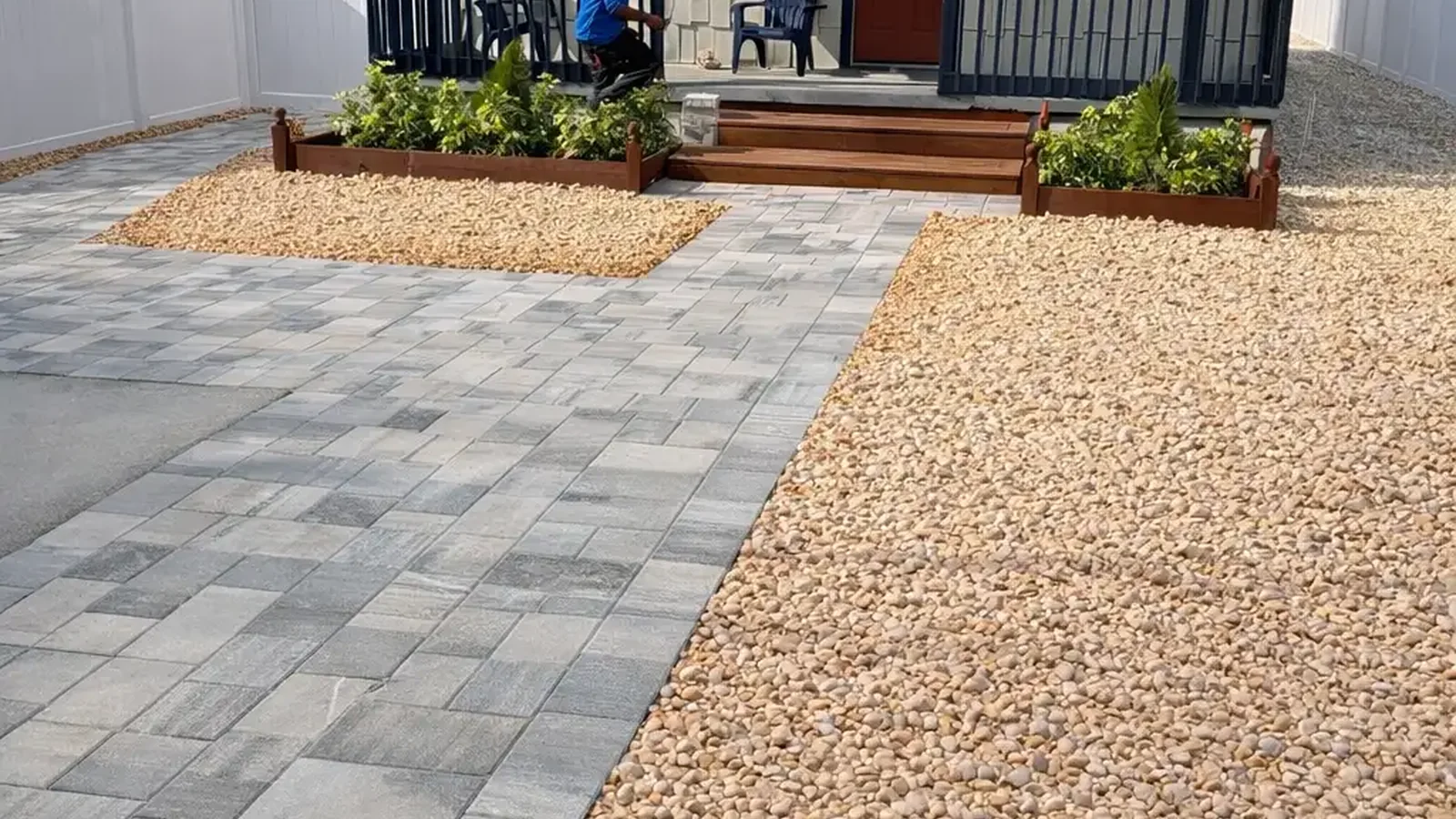
If your budget is tight, pavers can still make sense, but usually in targeted areas rather than across the entire yard. For example, you might choose pavers for the front walk and entry where curb appeal matters most, then use more economical materials on side paths or utility areas. You can also keep patterns simple and limit curves to control labor time. In many cases, phasing projects over a few years helps you spread costs while still gaining the benefits of pavers where they count most.
How long do pavers last compared with concrete?
Service life for both pavers and concrete depends on design, materials, installation quality, and maintenance, so there is no single guarantee. Pavers offer an advantage because individual units can be lifted and reset if the base is corrected, while a damaged slab often needs sections replaced. With proper base work and routine care, many paver installations in Florida remain functional and attractive for a long time. Concrete can also last, but visible cracking and patching may appear sooner, especially where soils move or heavy loads are common.
What maintenance costs should I expect with pavers?
Paver maintenance mostly involves time rather than specialized products. You should plan on regular sweeping or blowing, prompt cleanup of spills, and checking joints for sand loss or weeds. In some cases, you may choose to have the surface cleaned or sand joints refreshed after several years, especially in shady or tree-covered areas. These tasks are usually manageable for homeowners, but you can also hire help if you prefer, and it is wise to discuss likely upkeep during your estimate so you know what to expect.
If you want to see what thoughtful paver design looks like across Tampa Bay properties, you can browse recent projects and read homeowner experiences in the testimonials. For answers to more common questions beyond this article, the company's detailed FAQ and overview of services can help you prepare for a conversation about your own driveway, patio, or pool deck.
When you are ready to discuss whether pavers are worth the money for your specific home in Tampa, Riverview, Ruskin, or nearby areas, you can call +1 (656) 600-4015, text the same number, email drpavers@outlook.com, or reach out via WhatsApp. You can also follow recent work and ideas on Instagram, connect on Facebook, or check the company's location on Google Maps before scheduling a free on-site consultation.