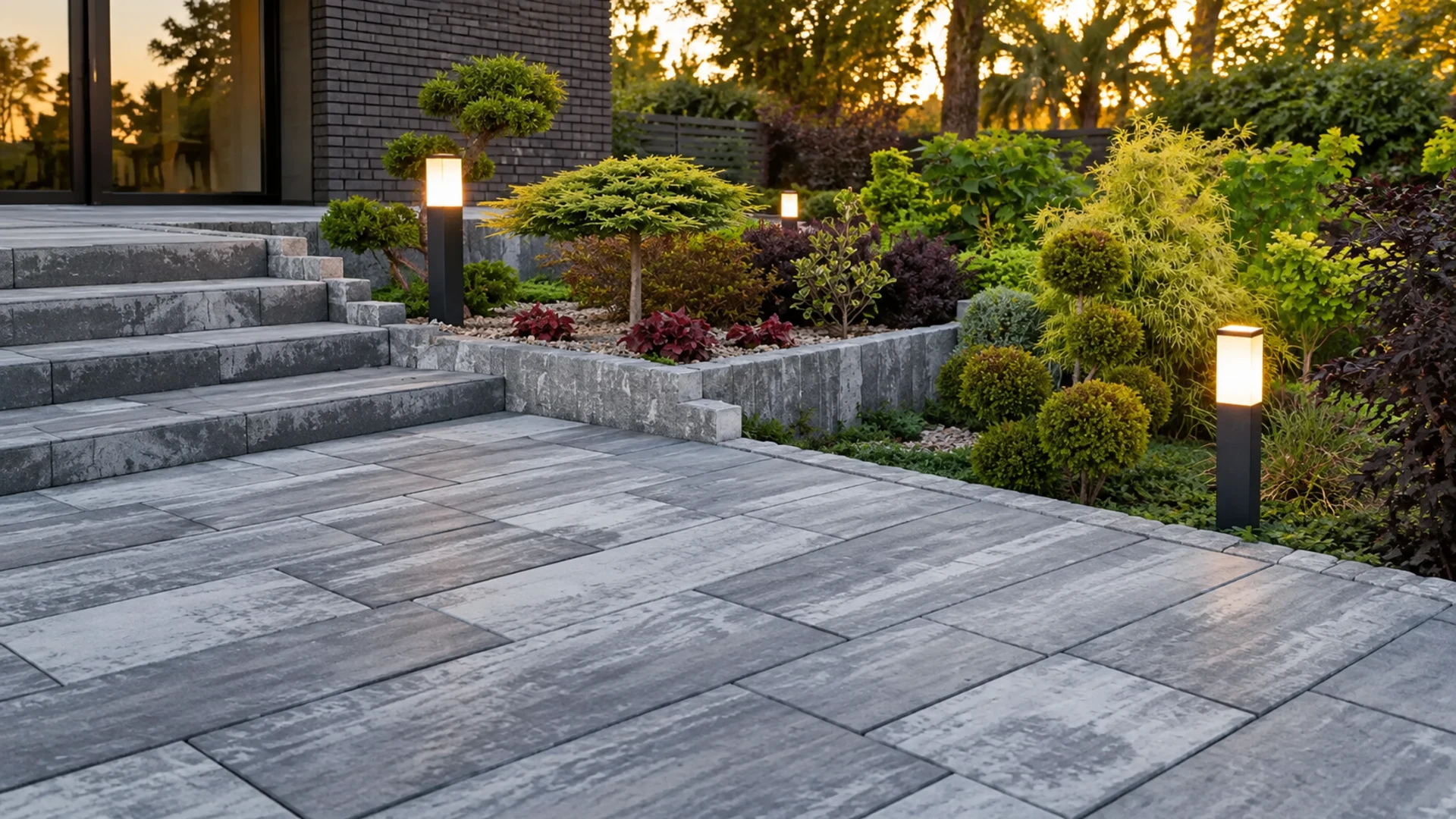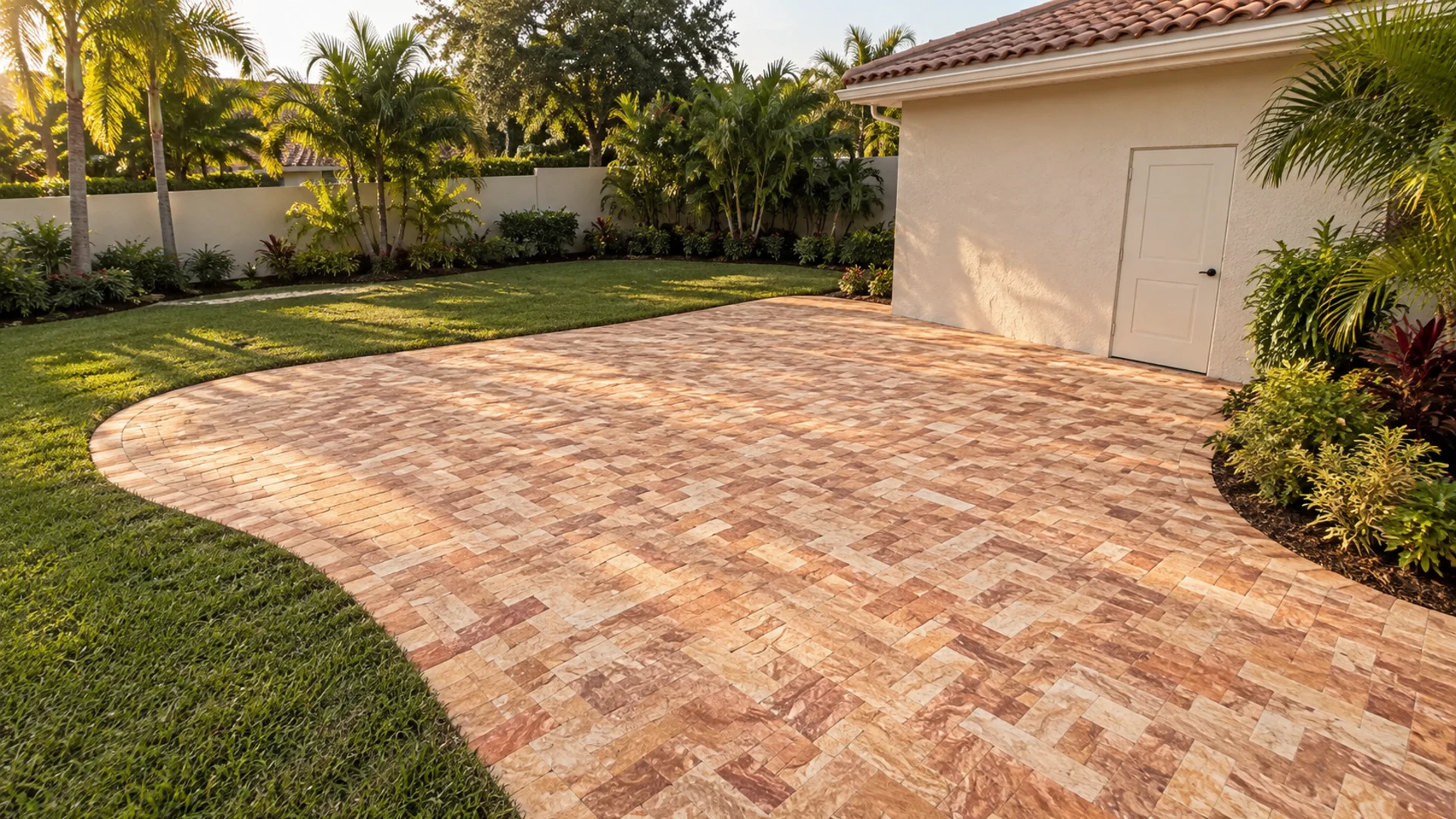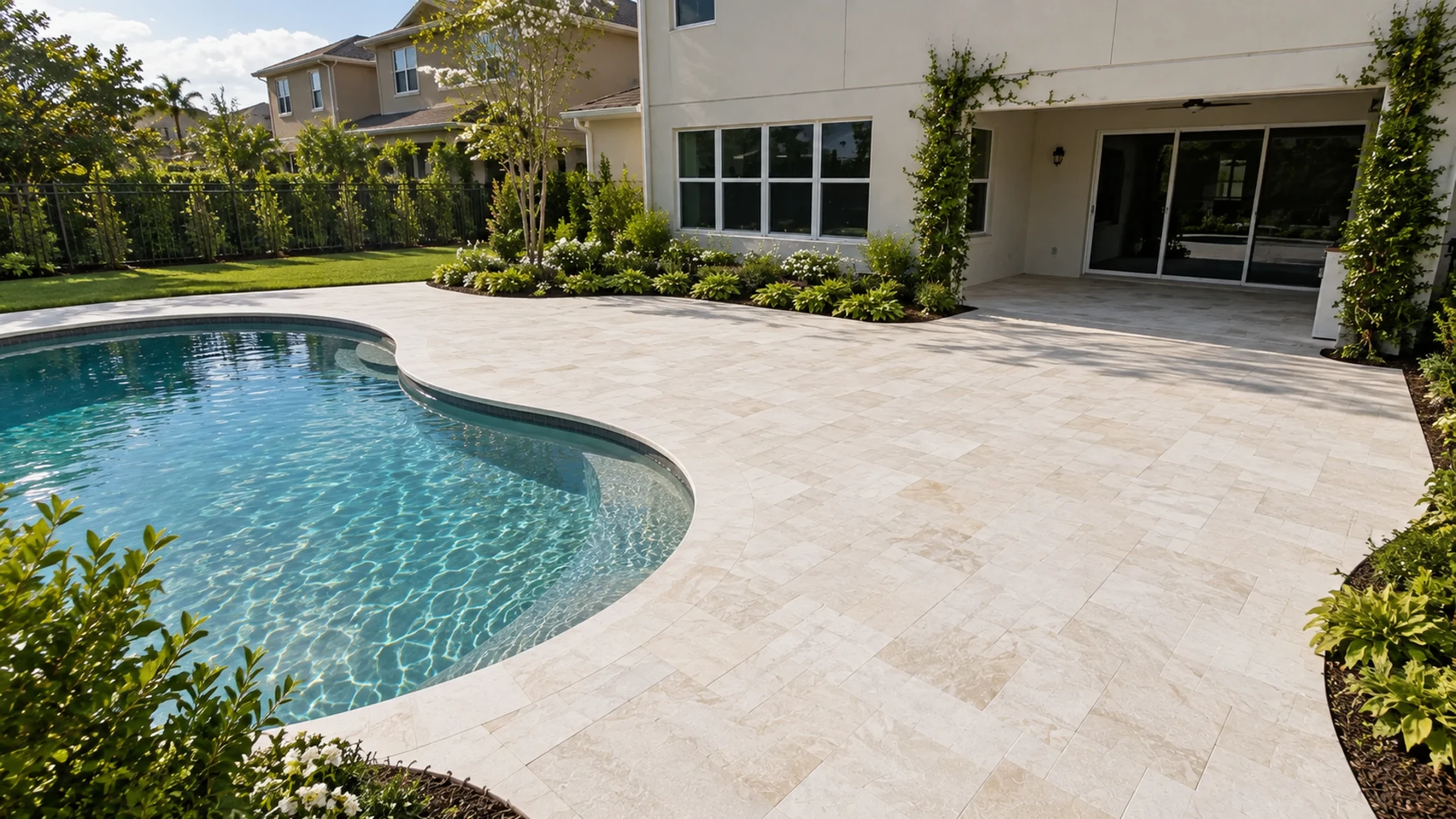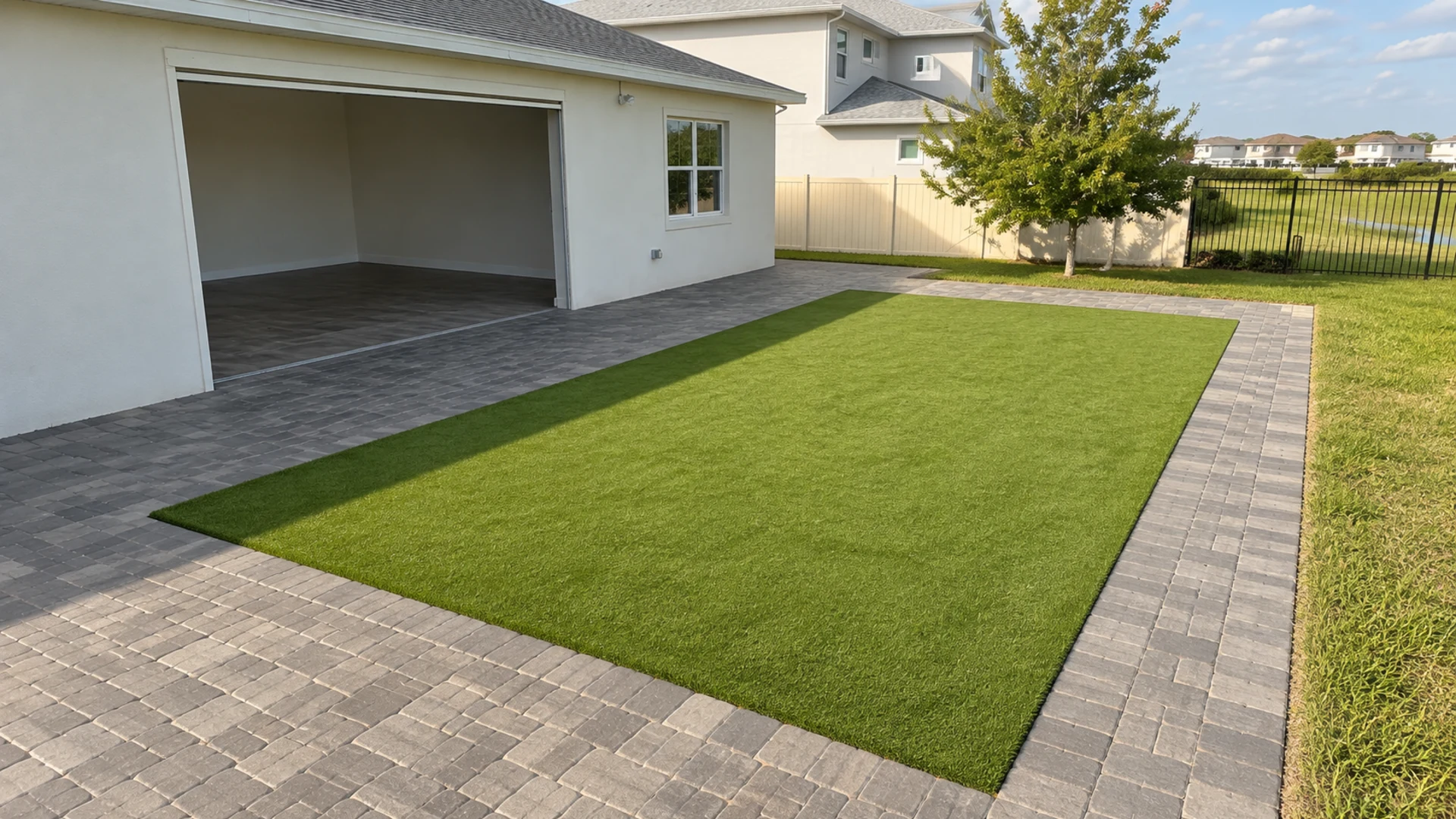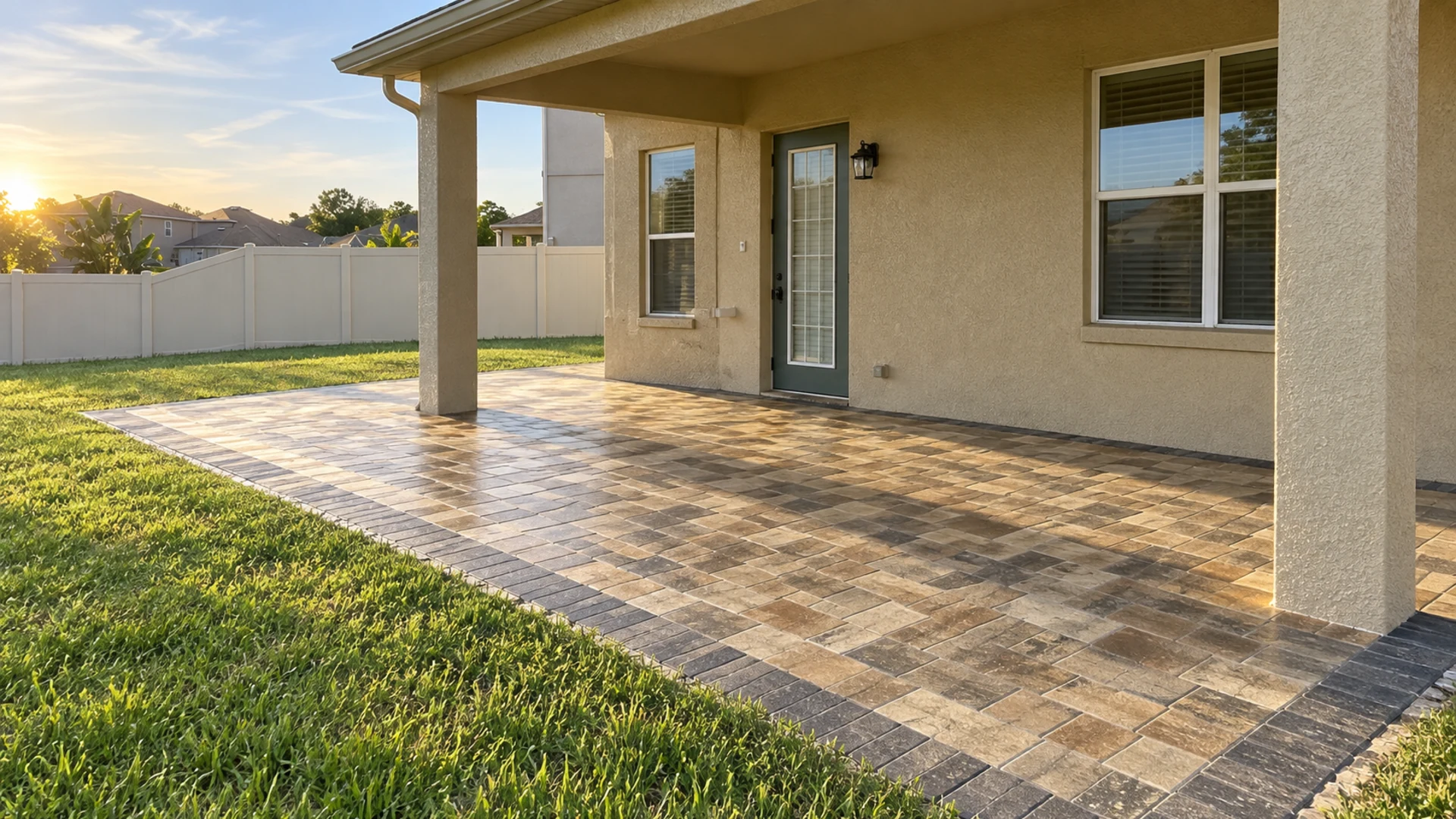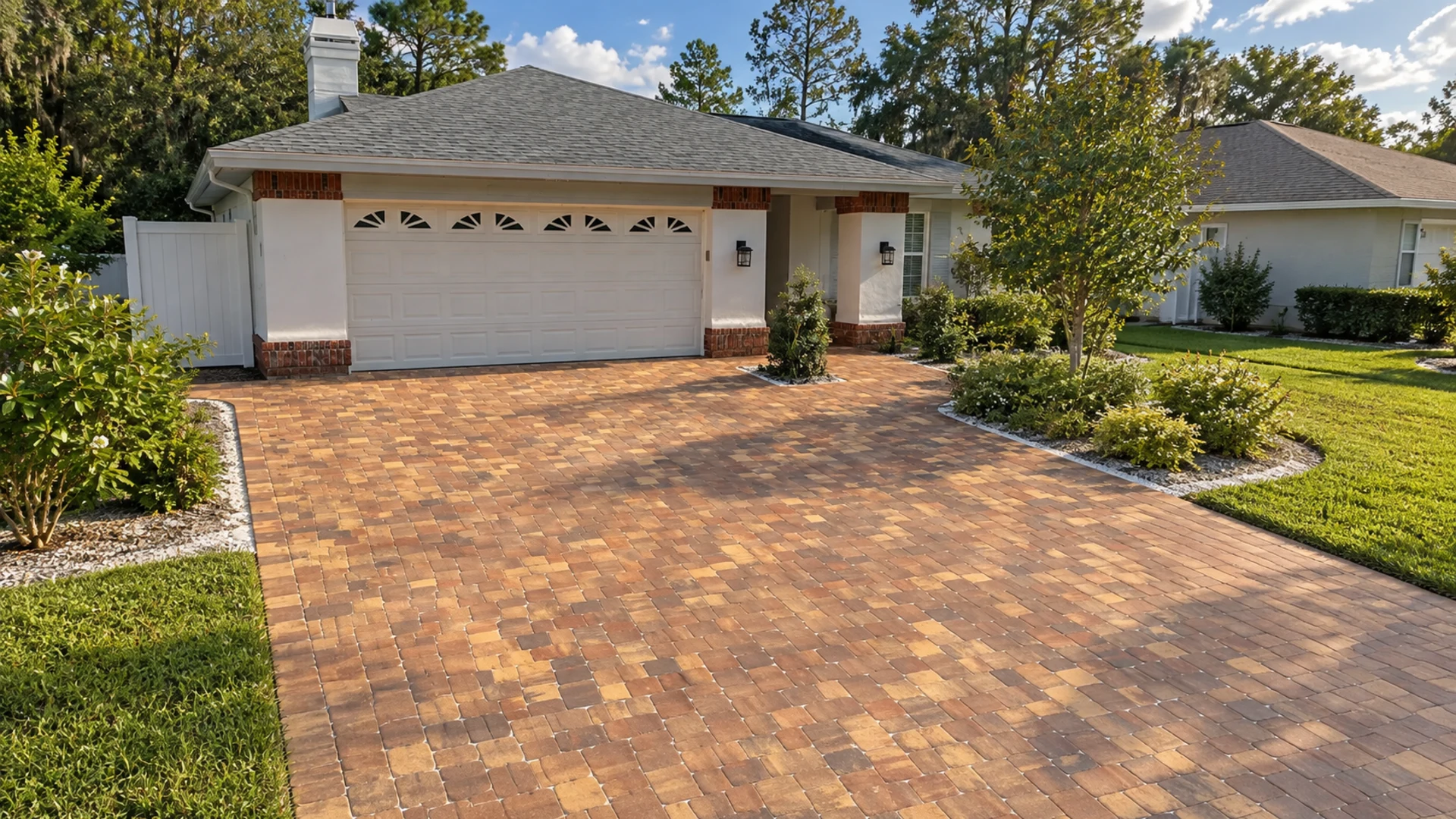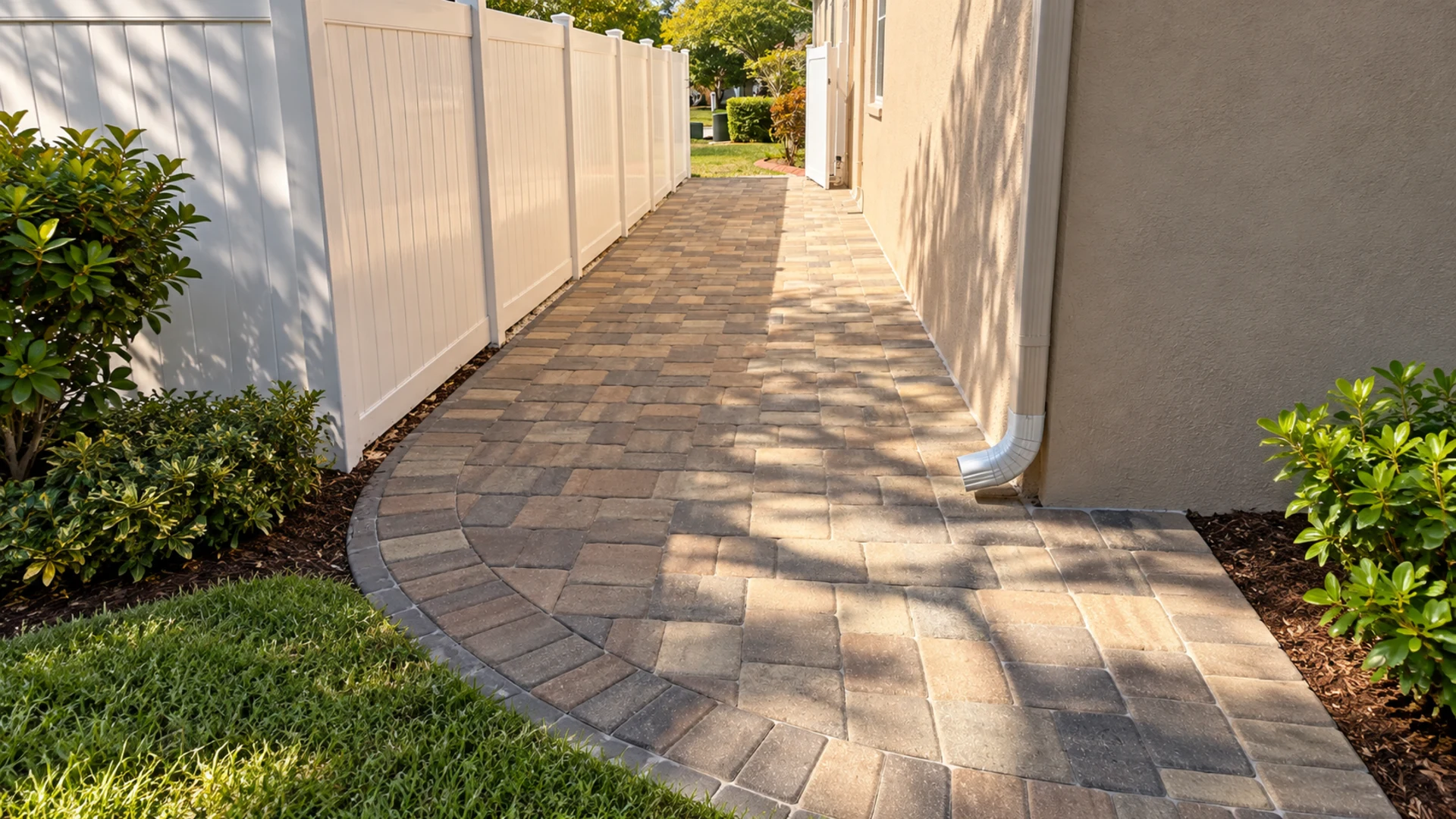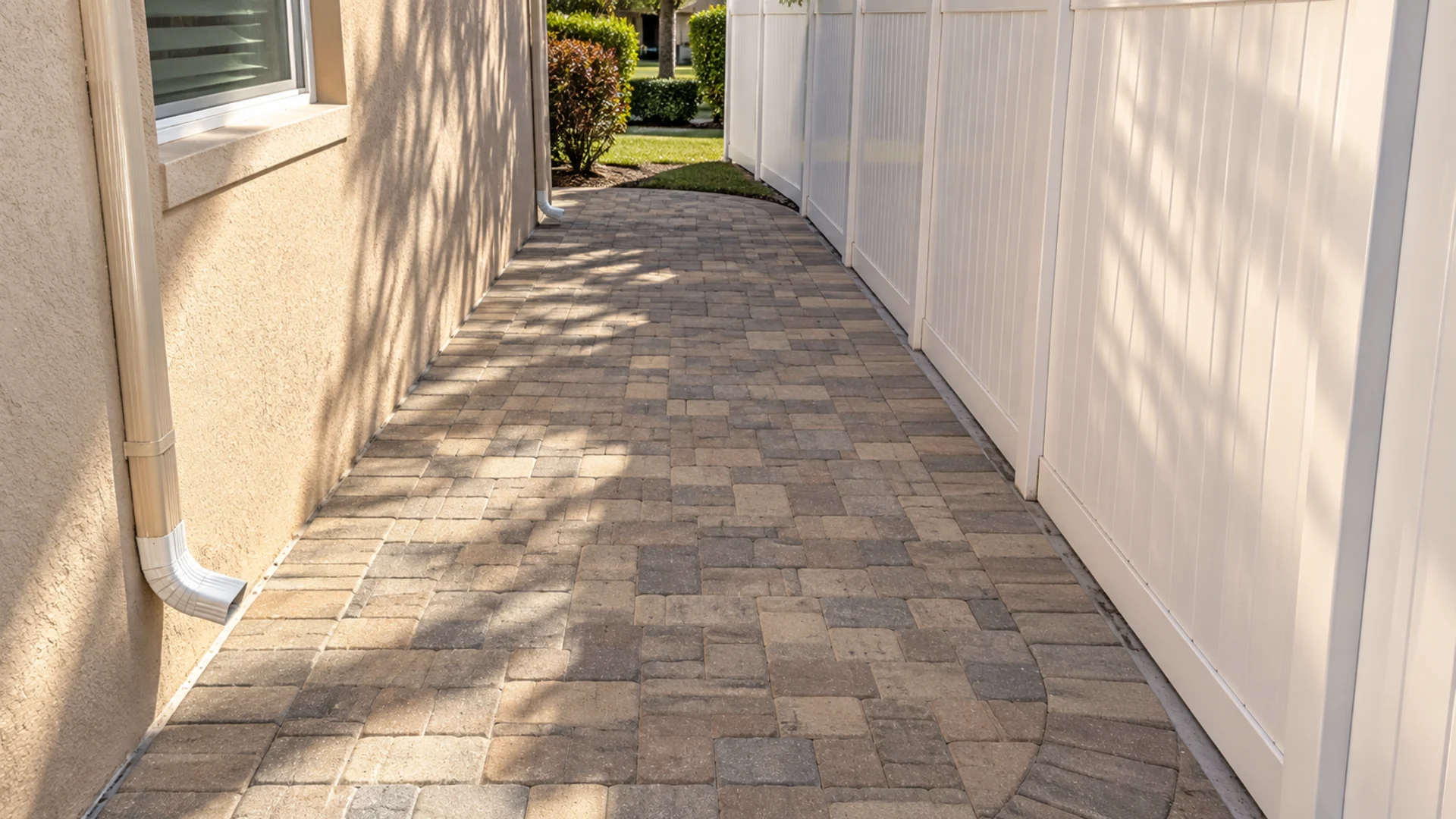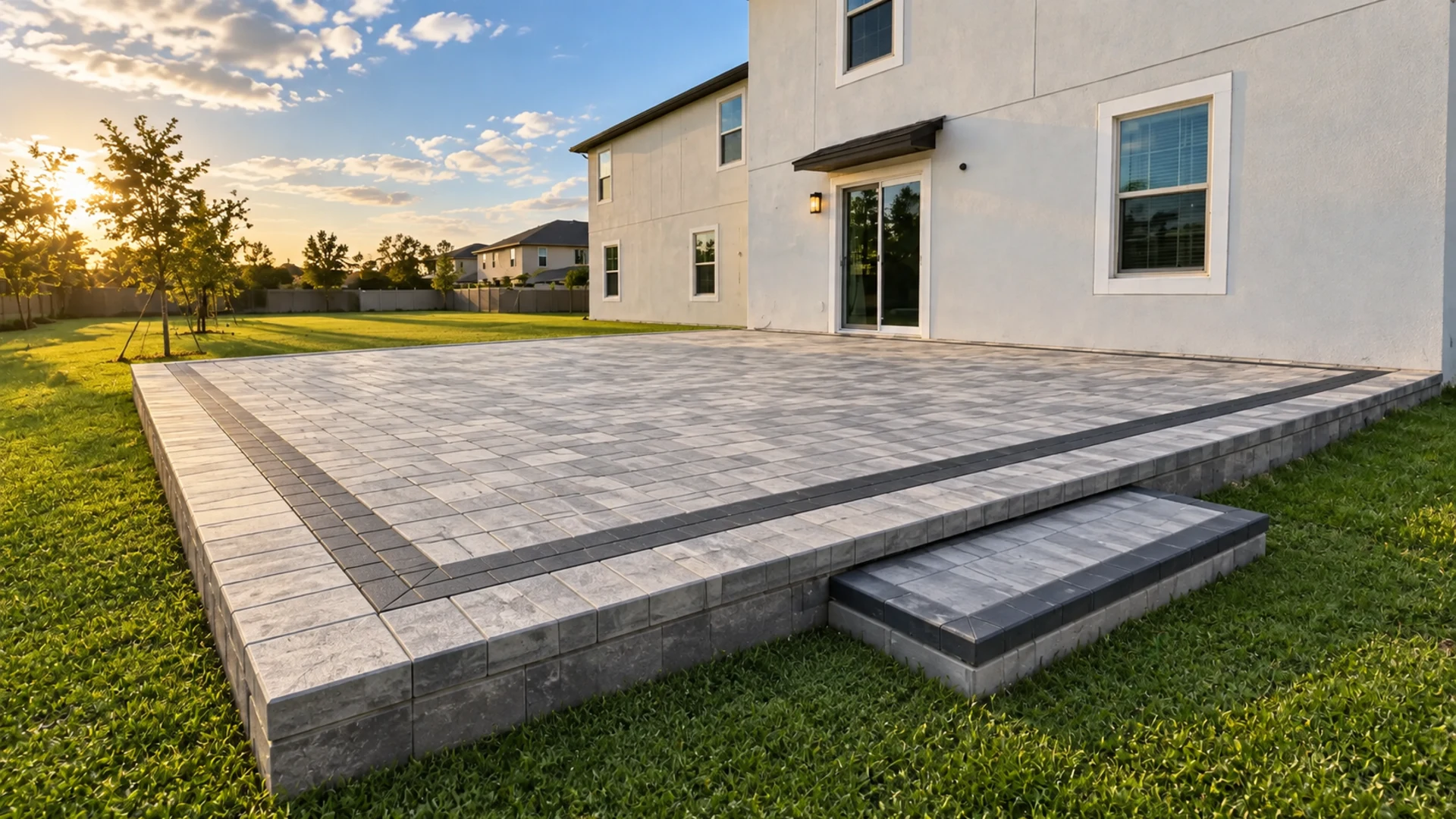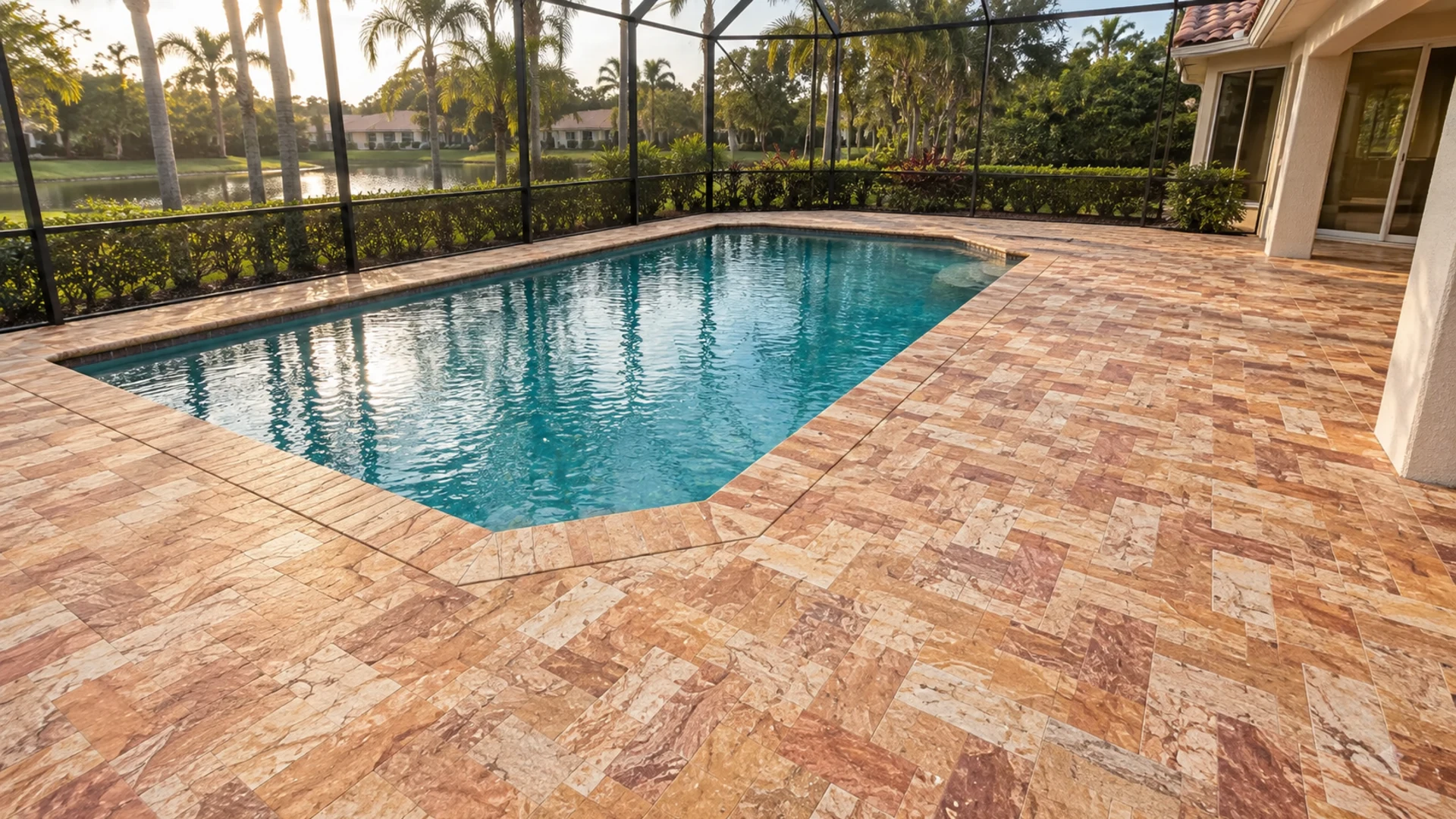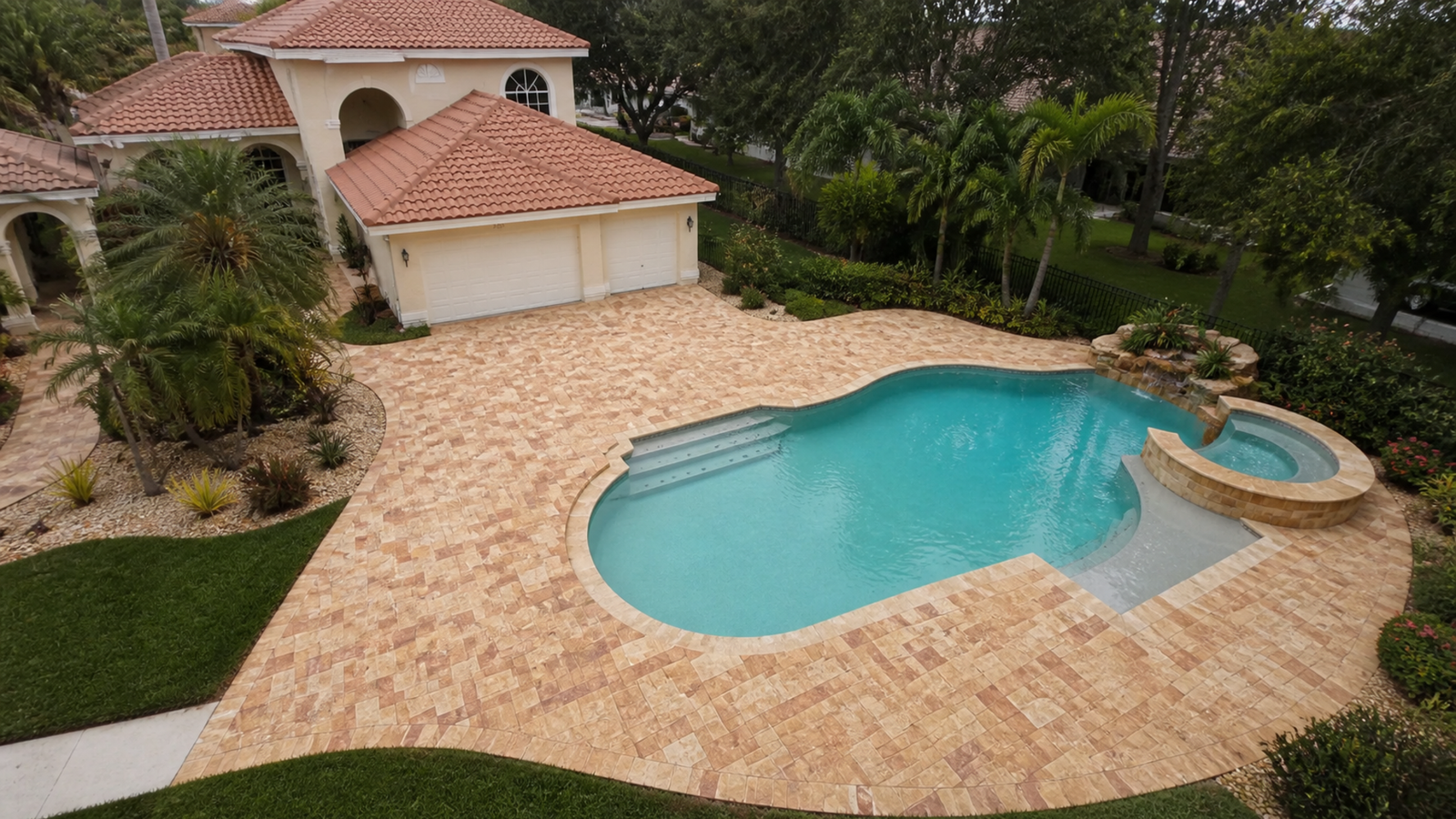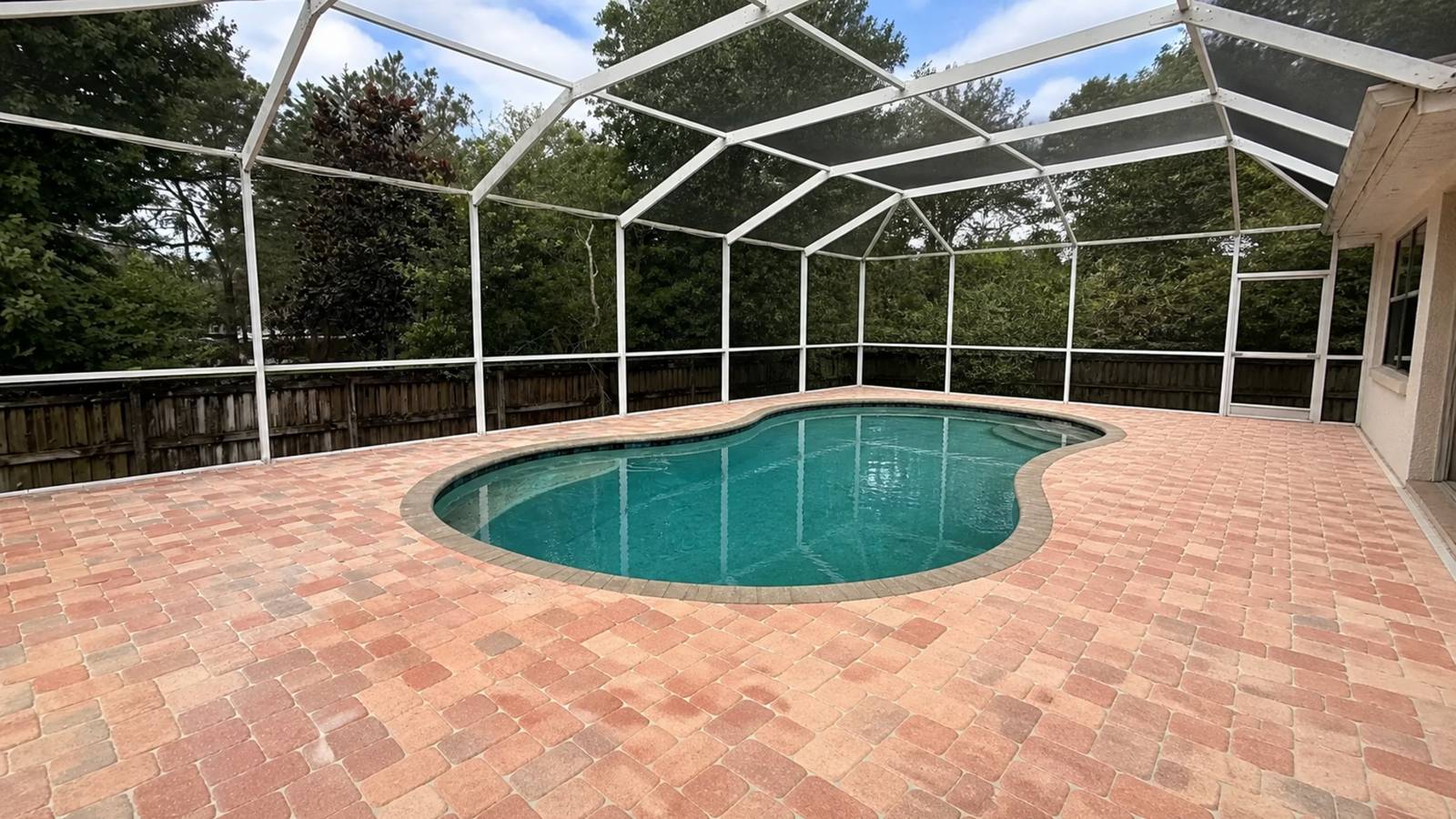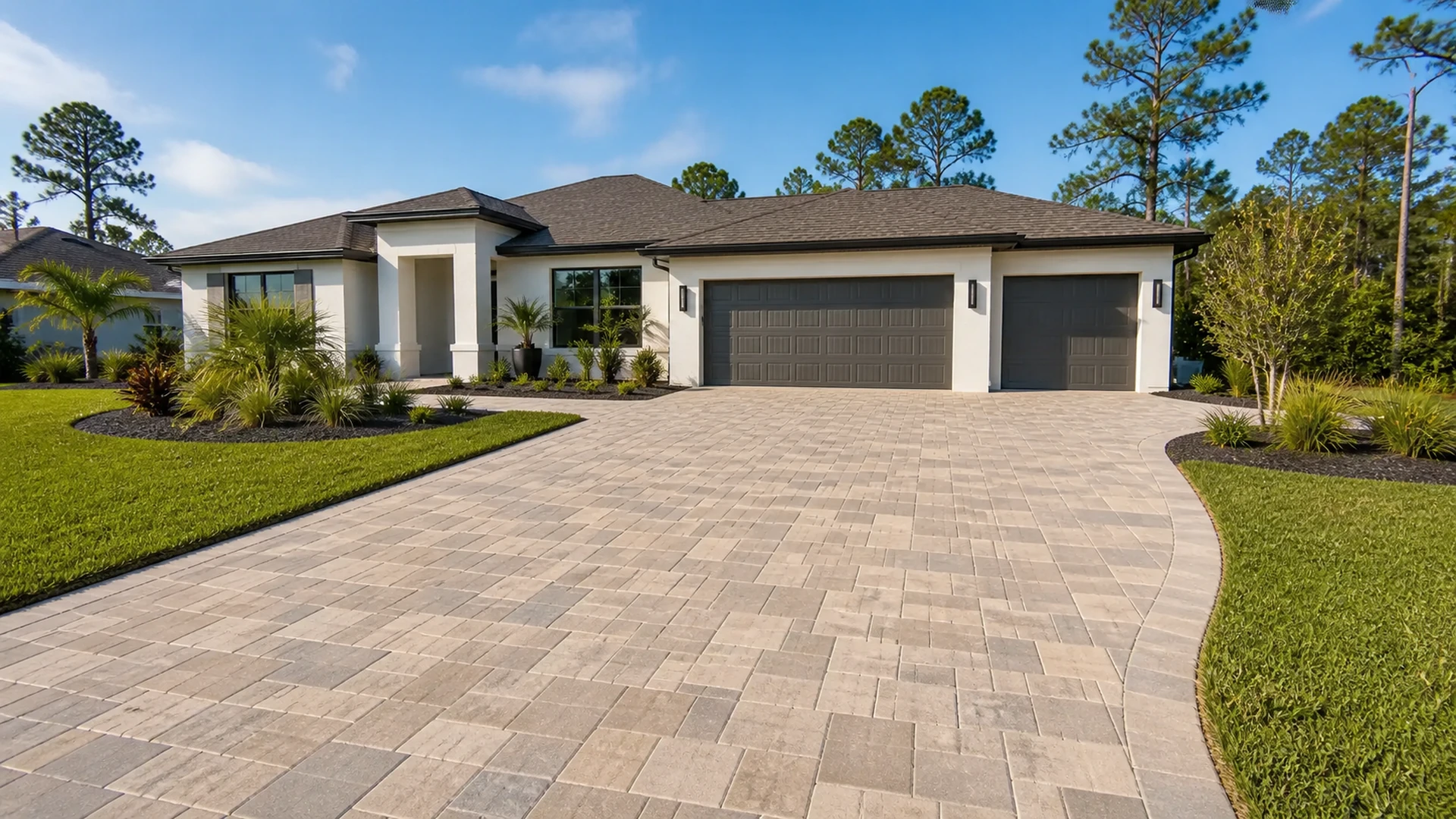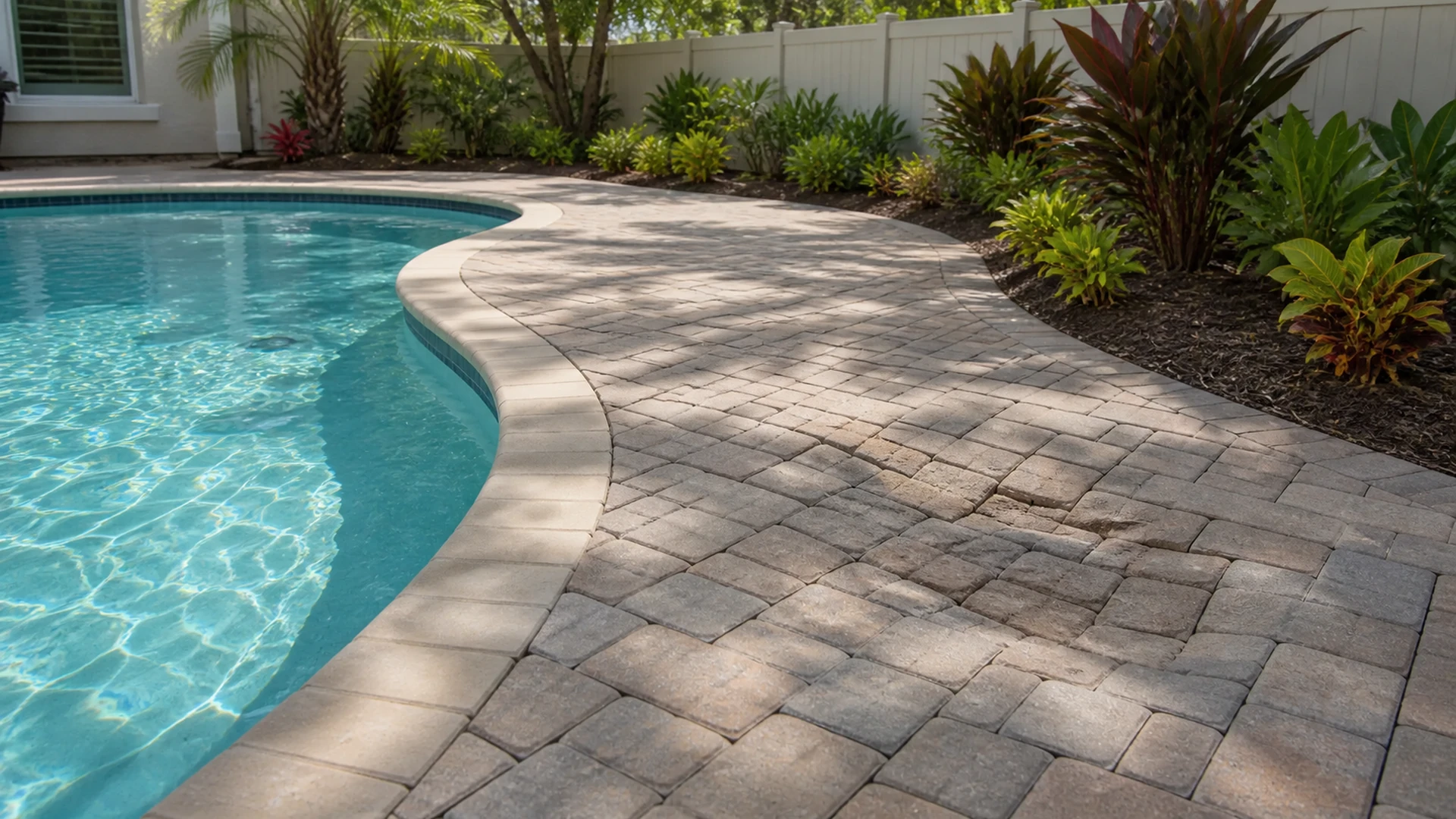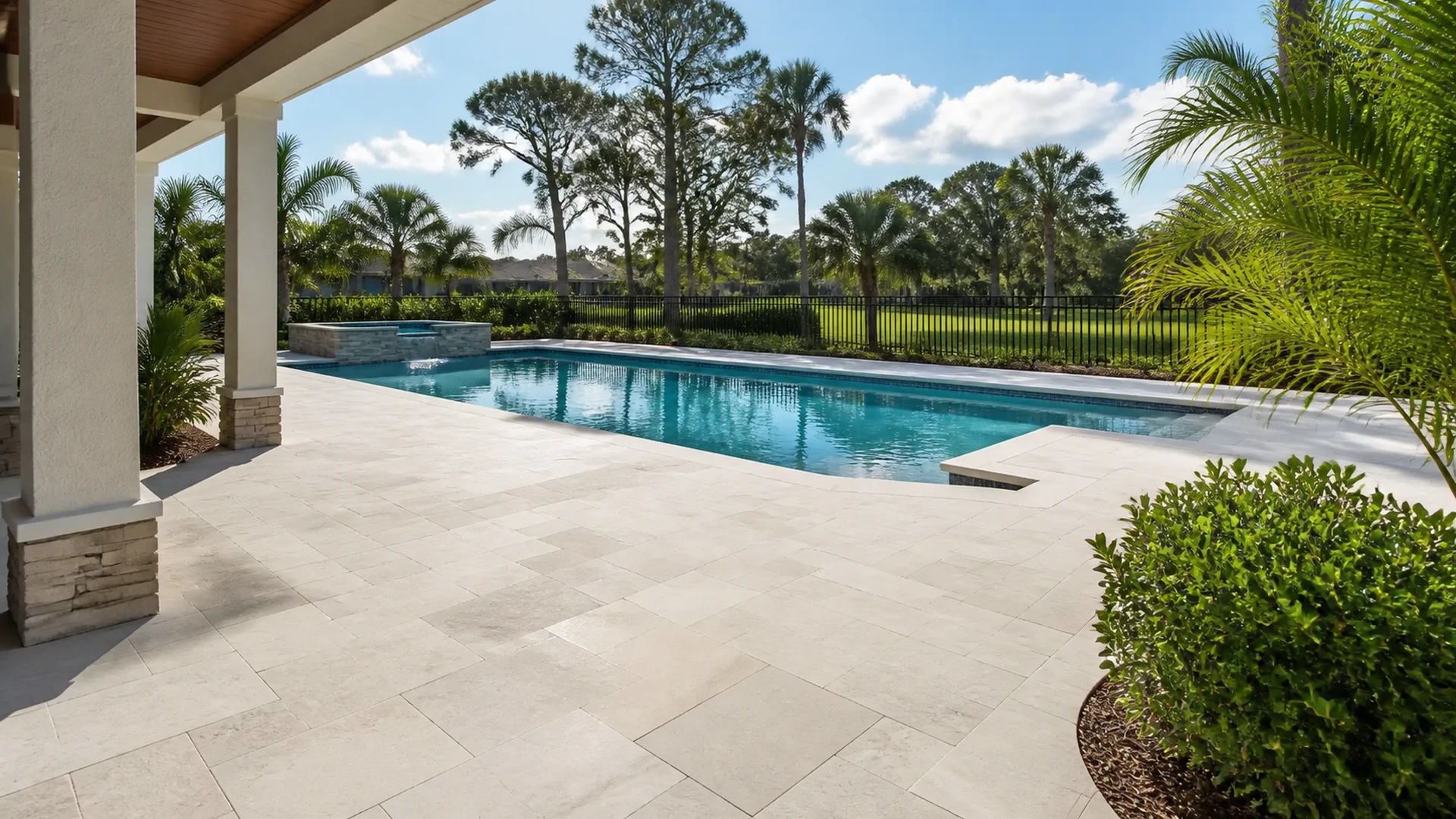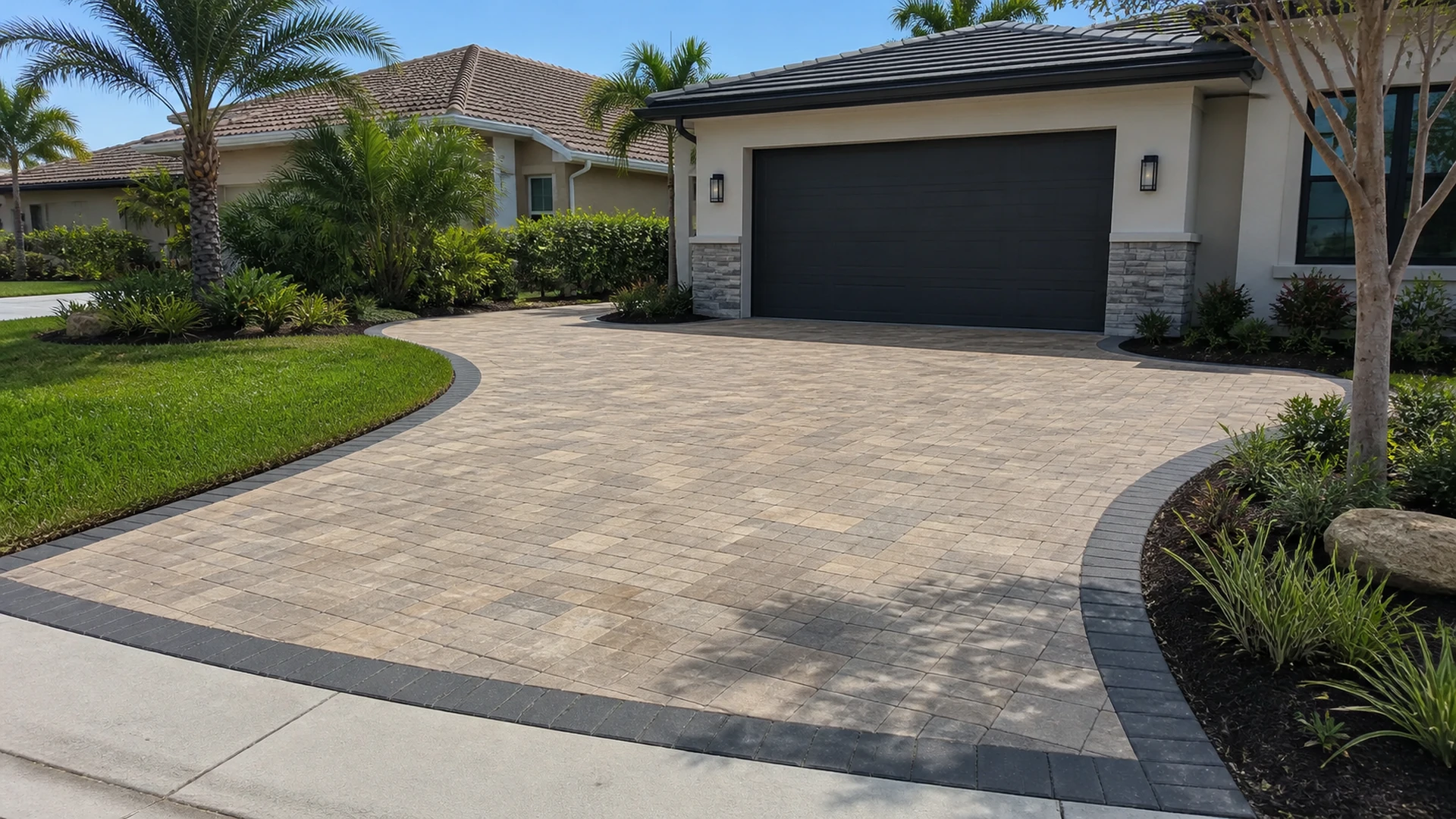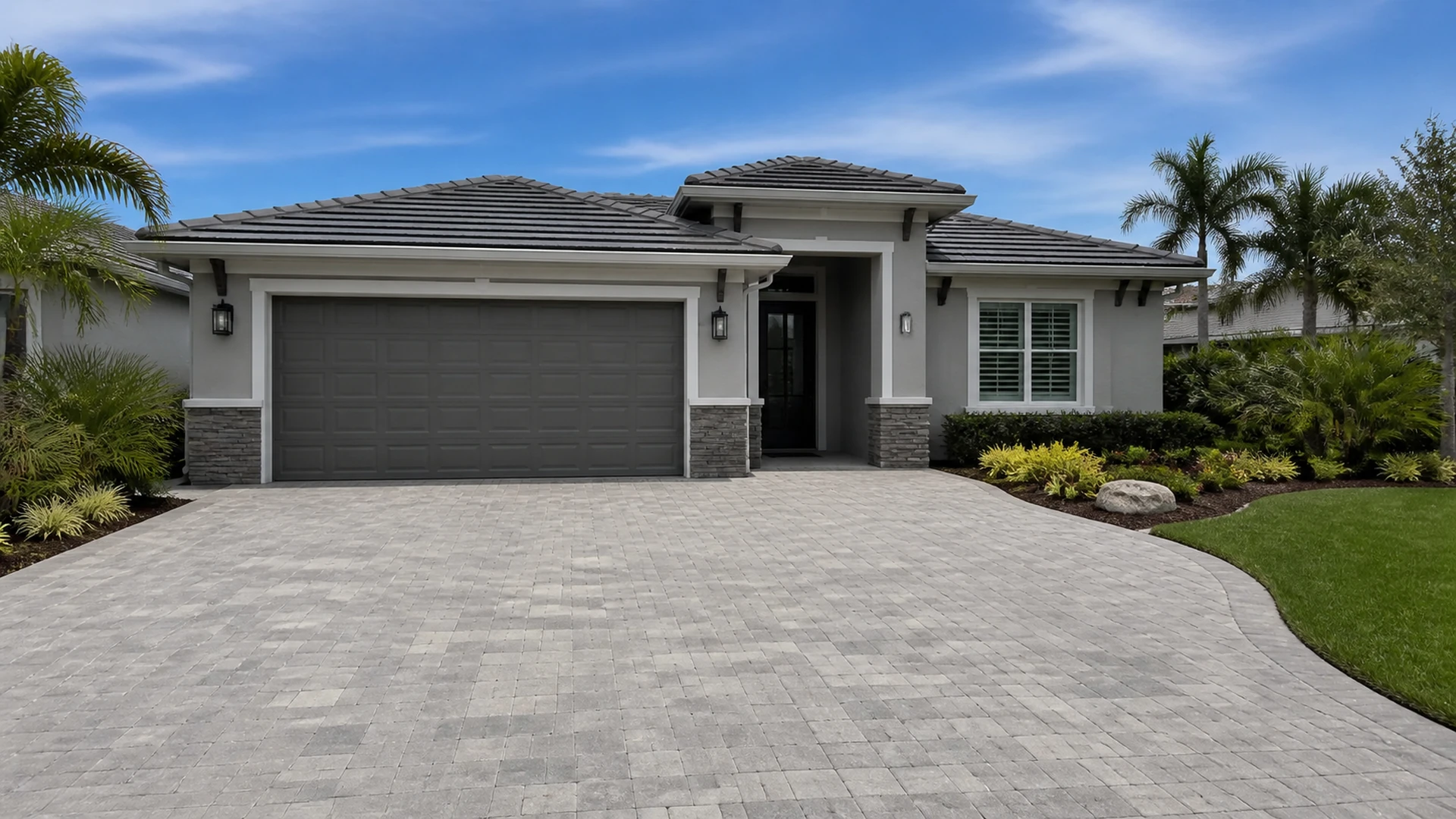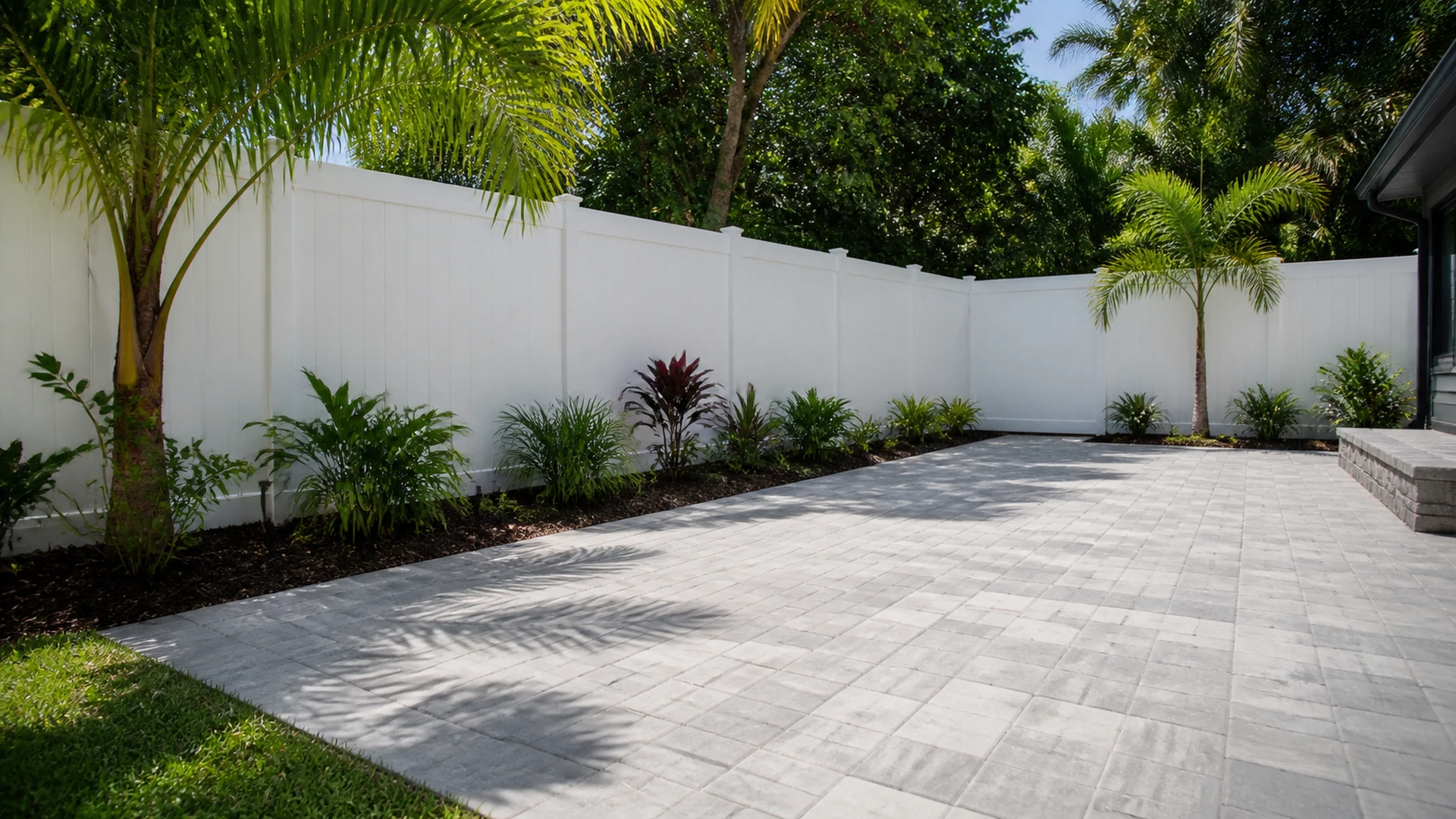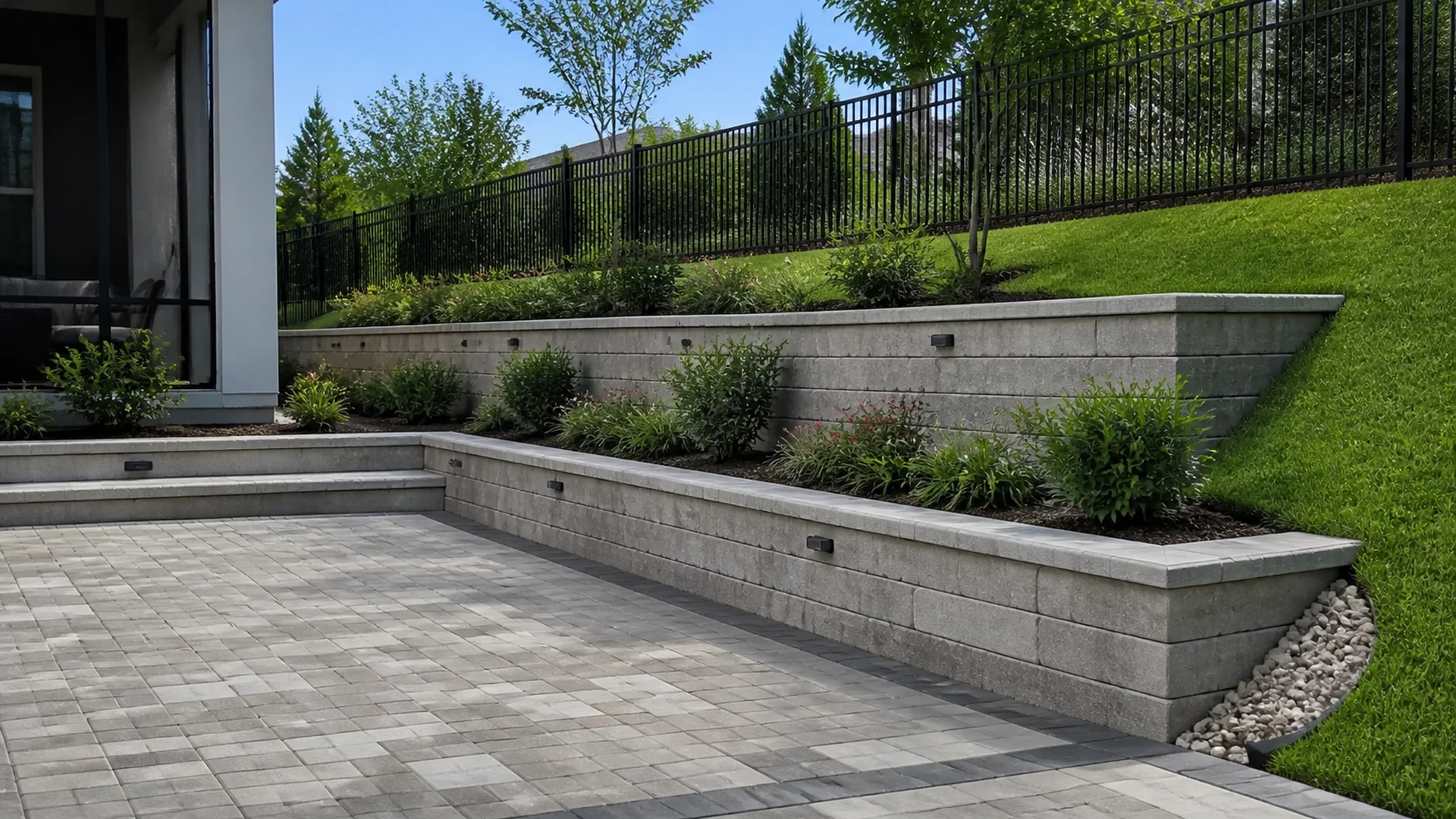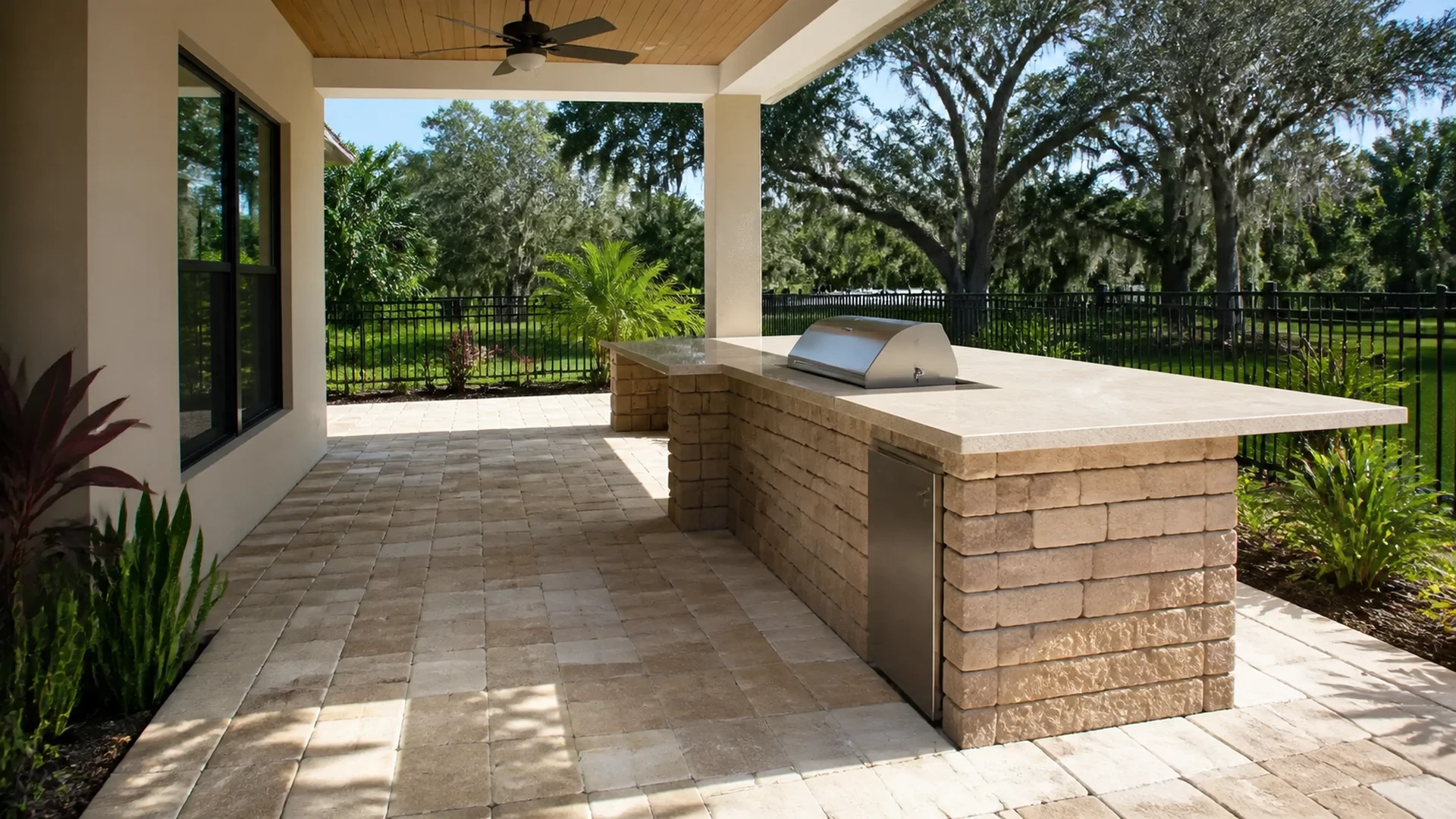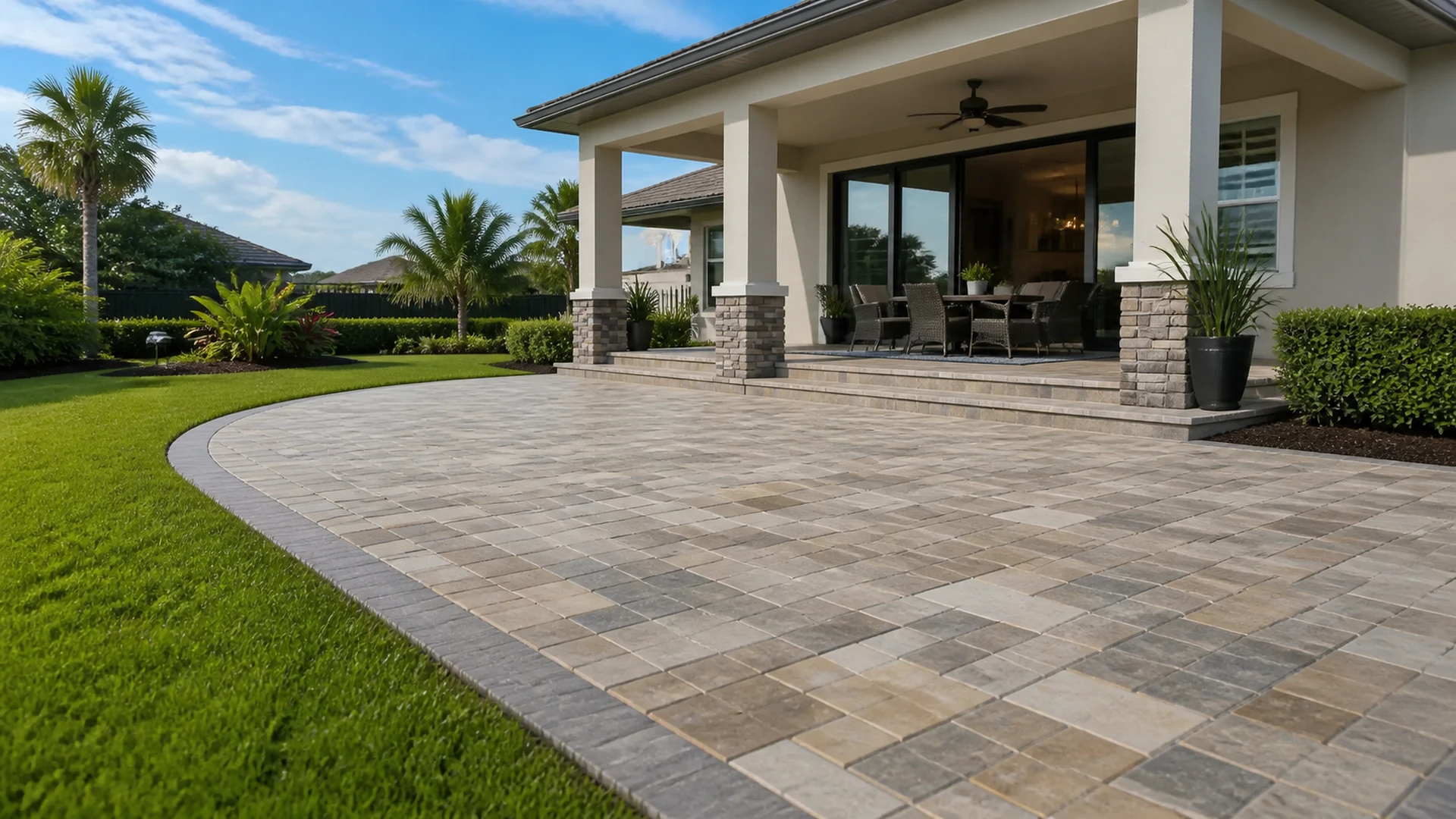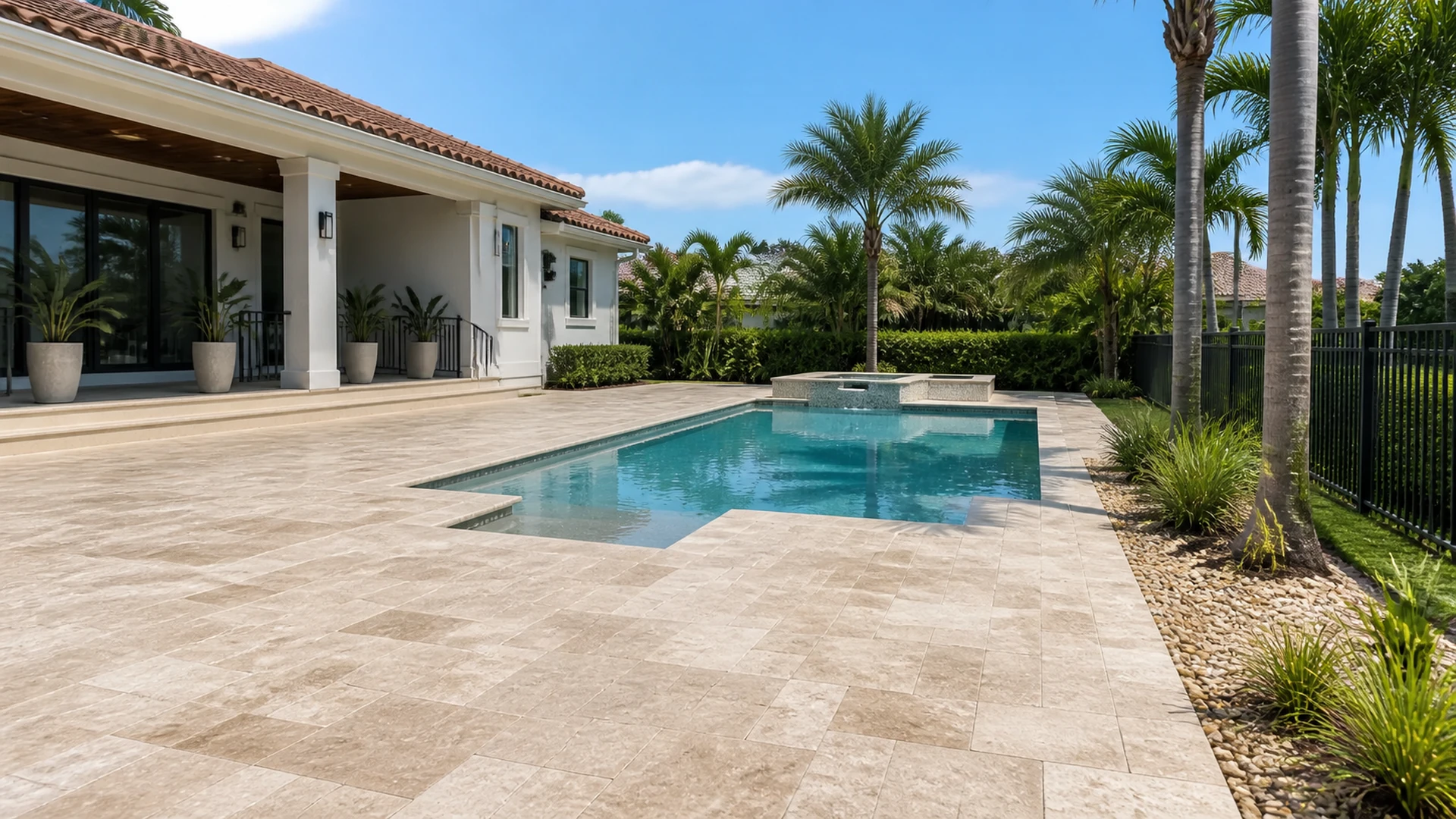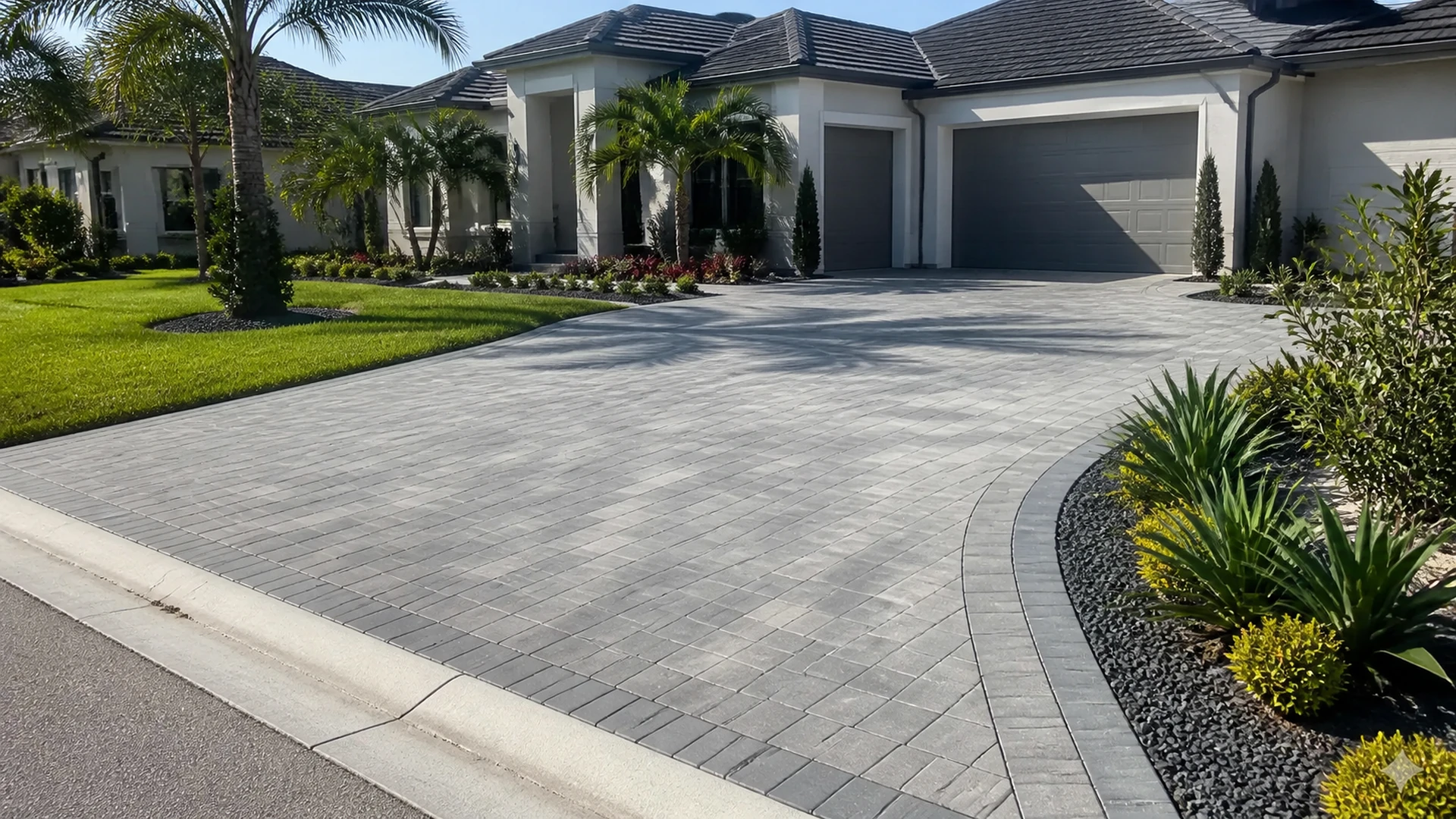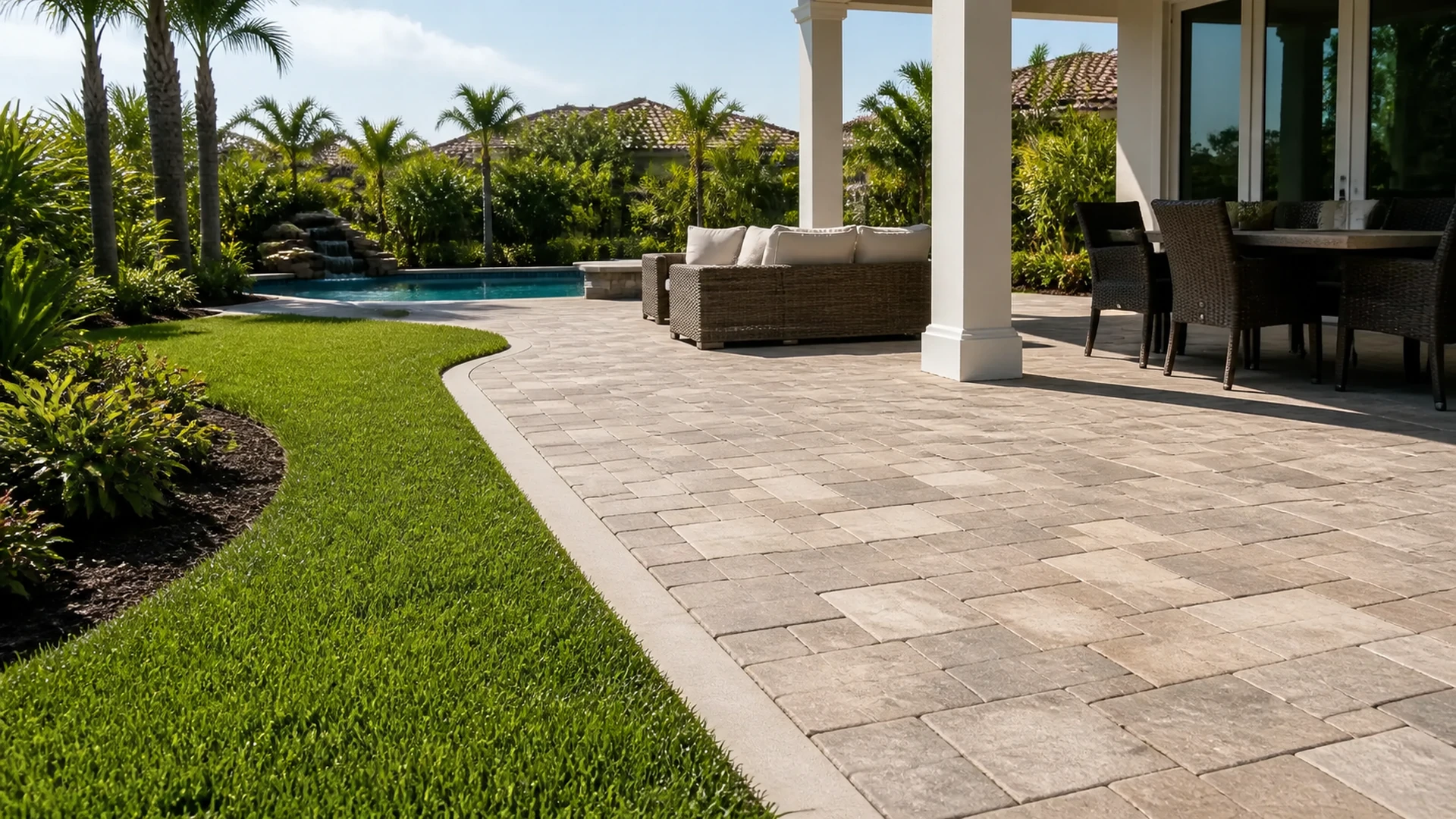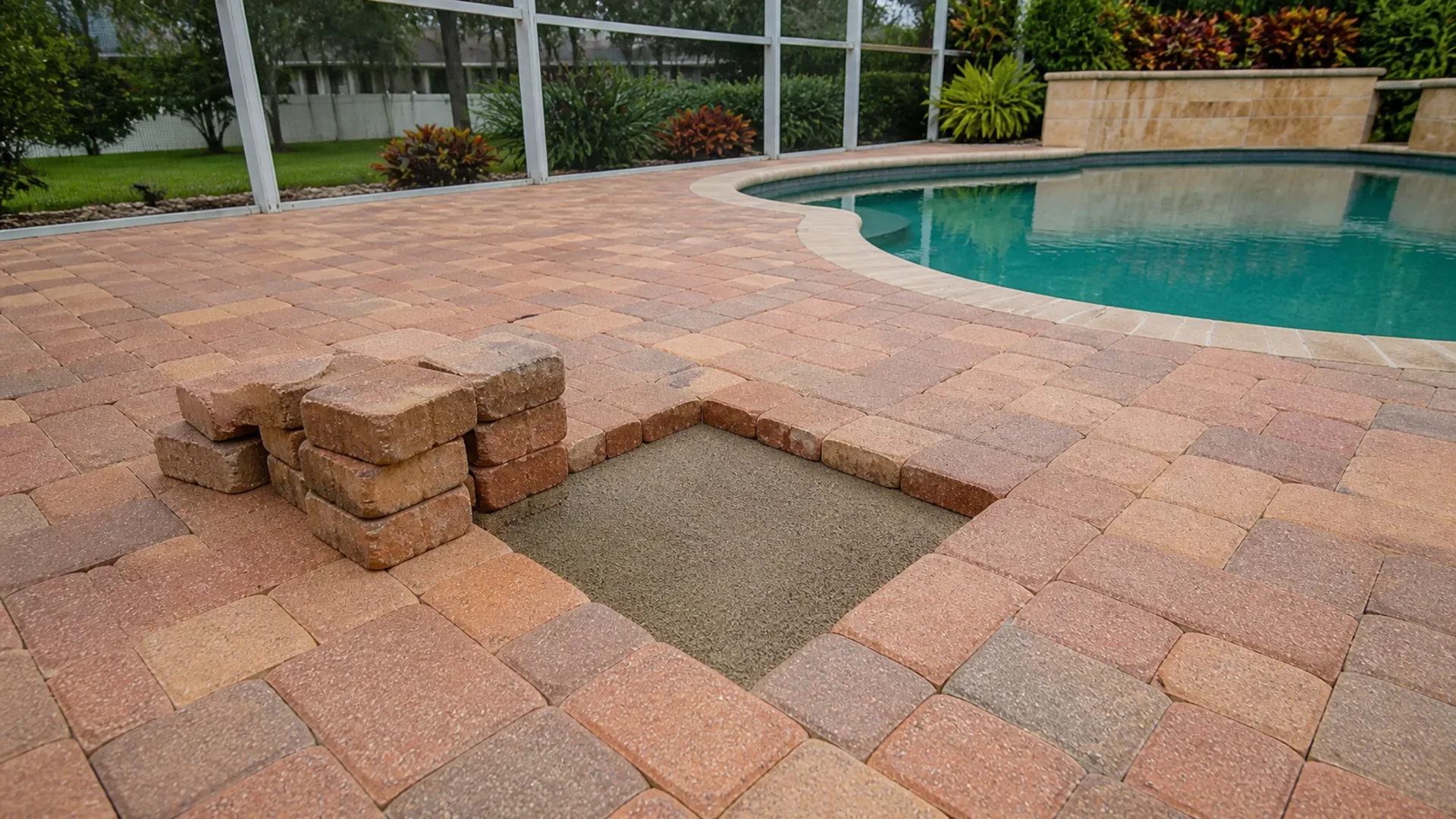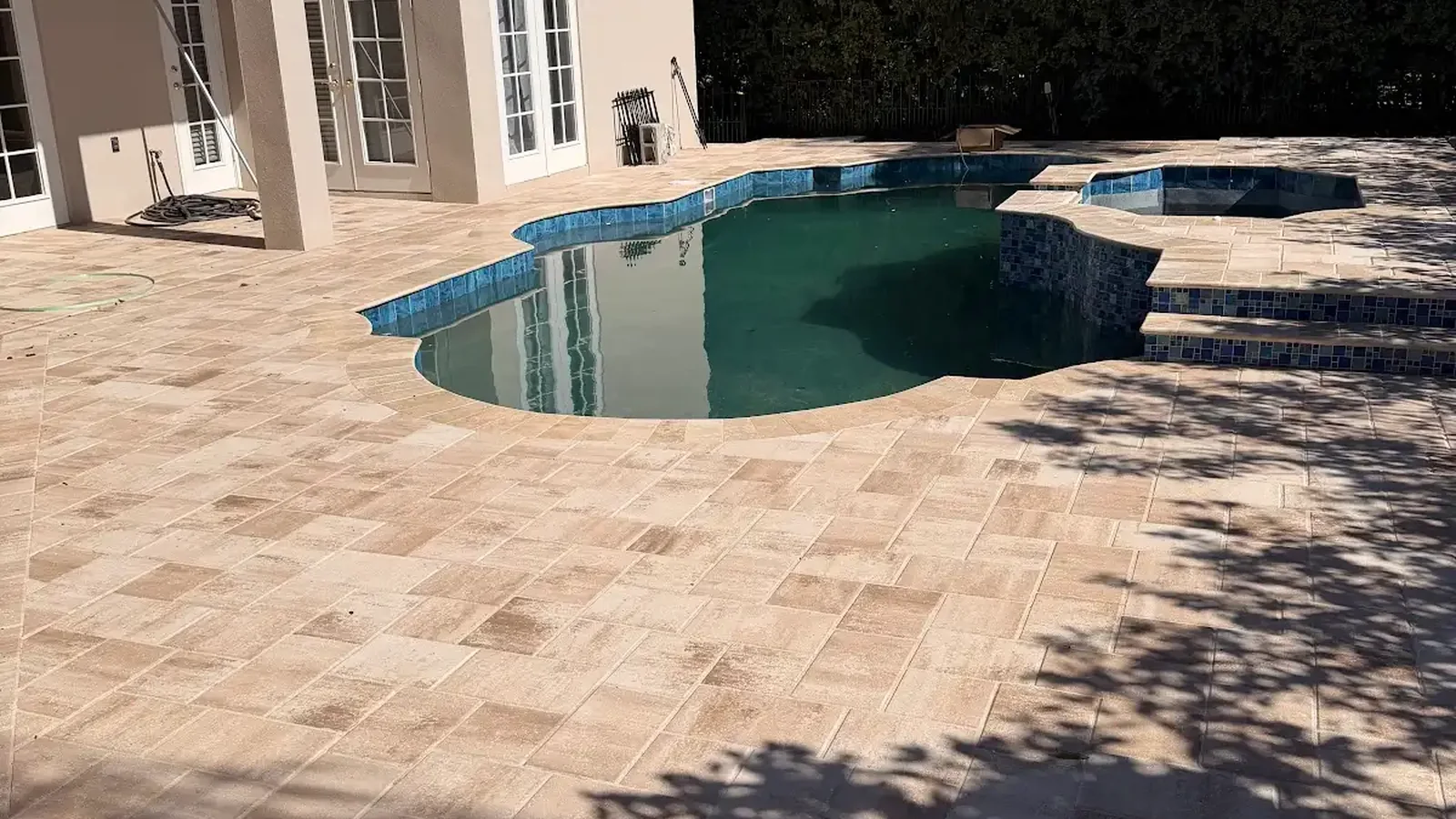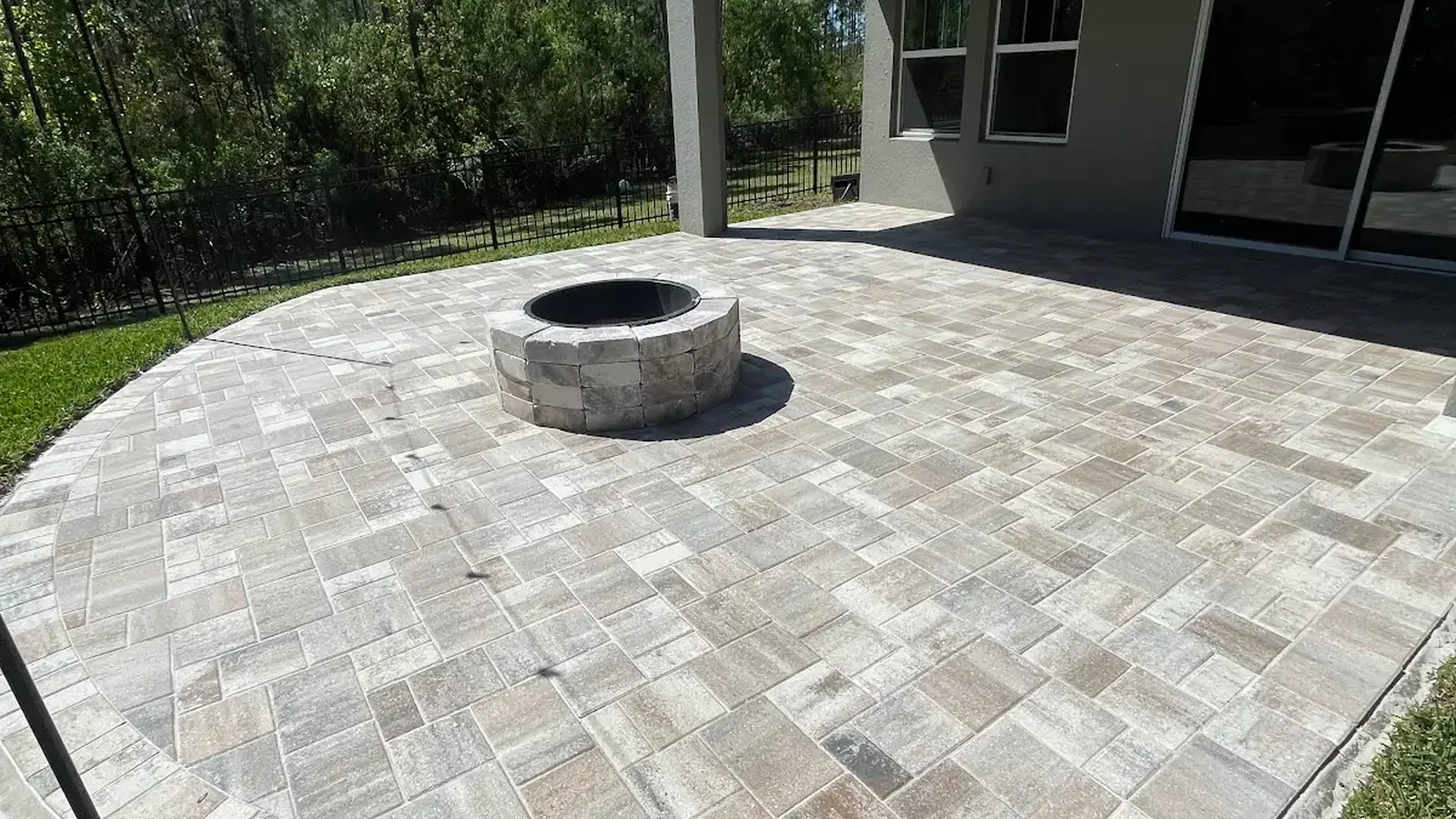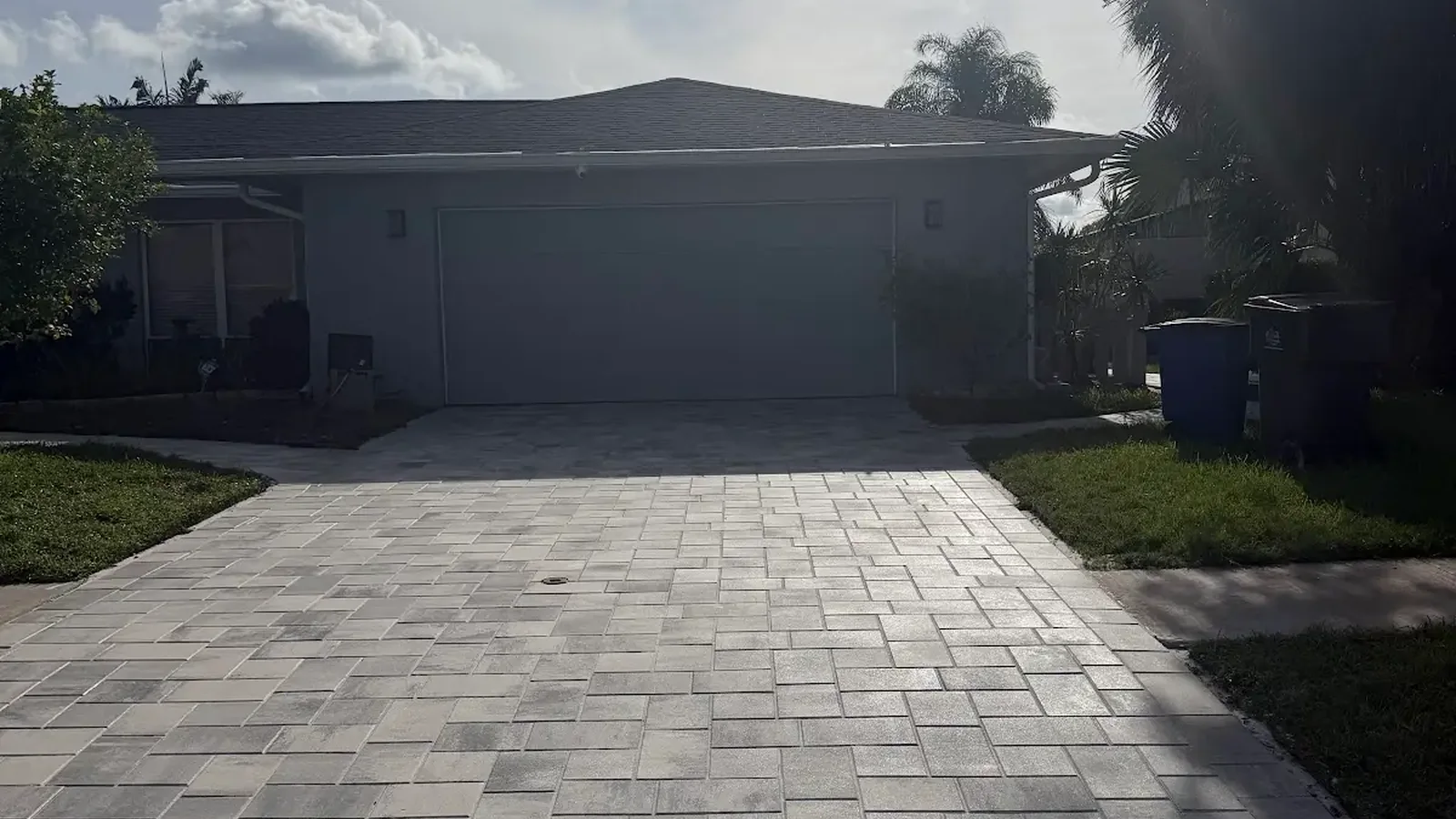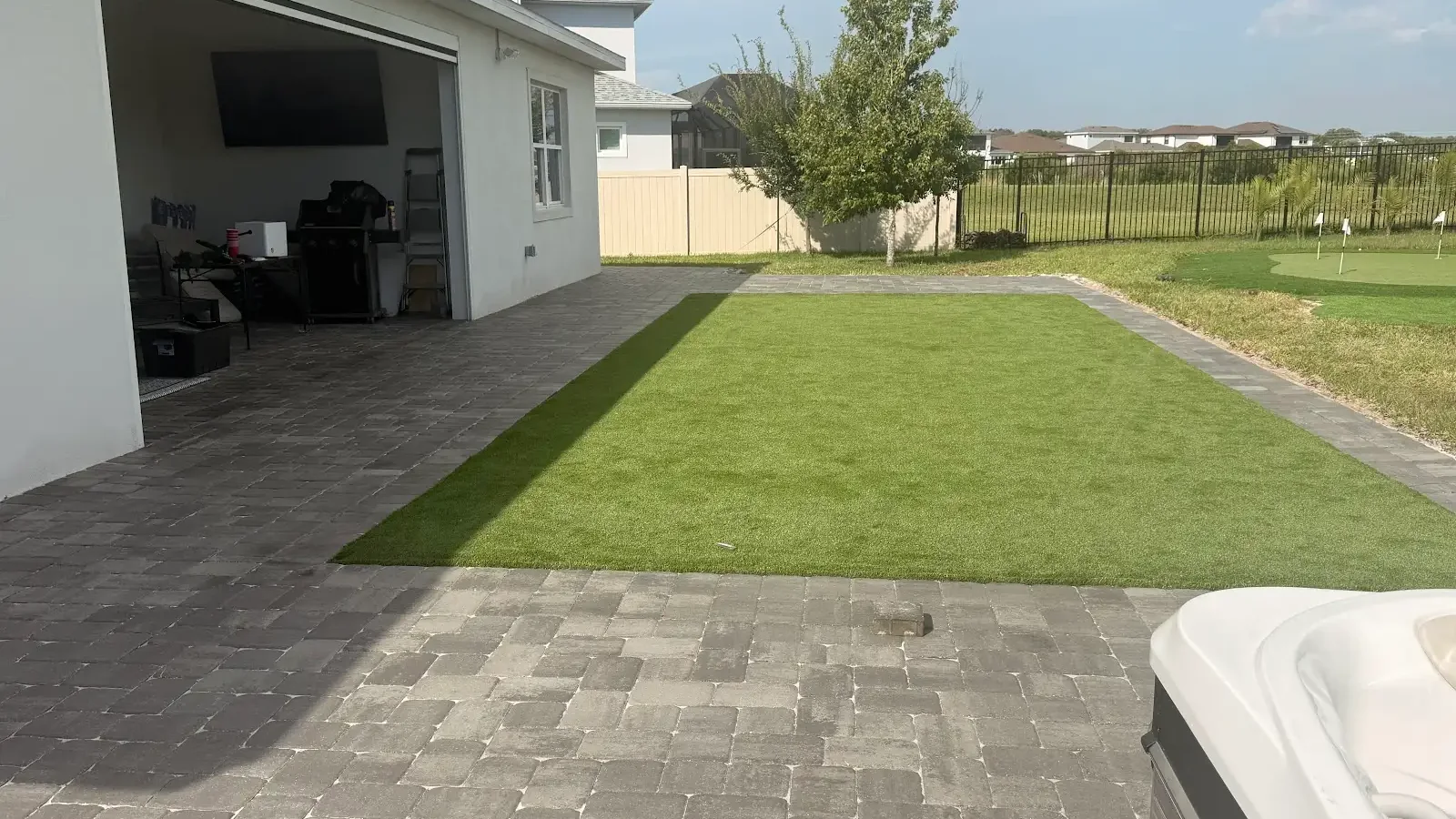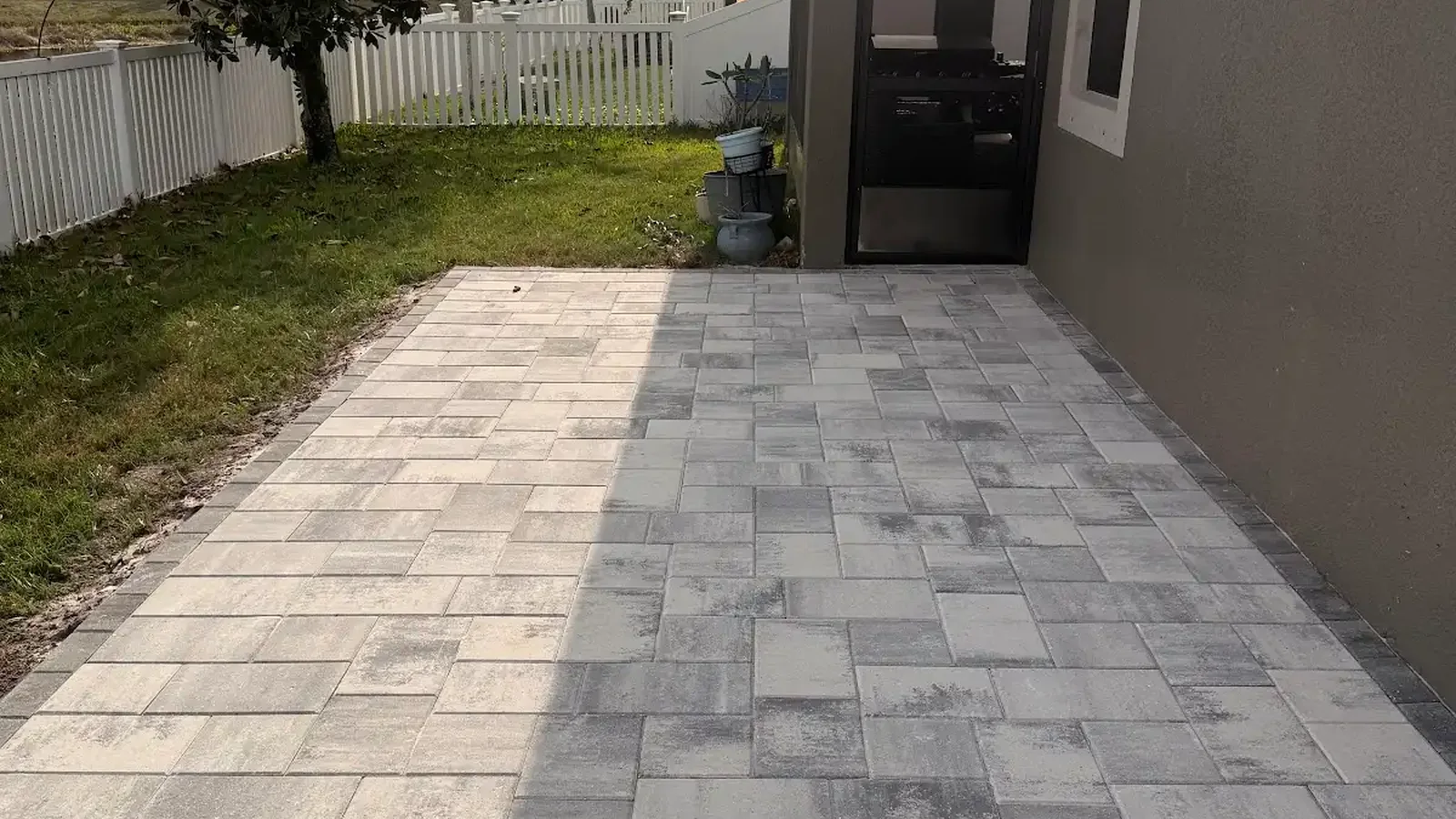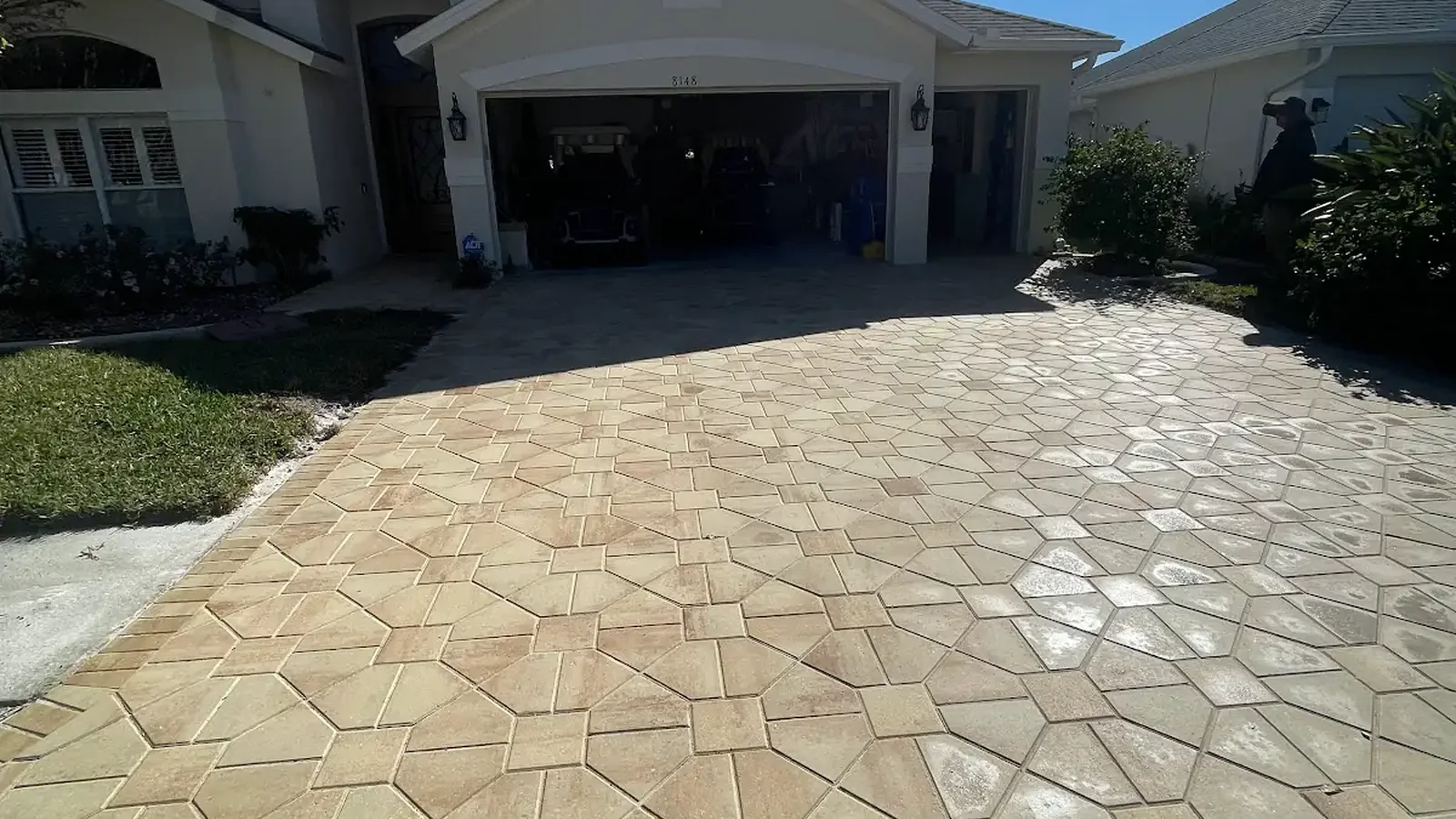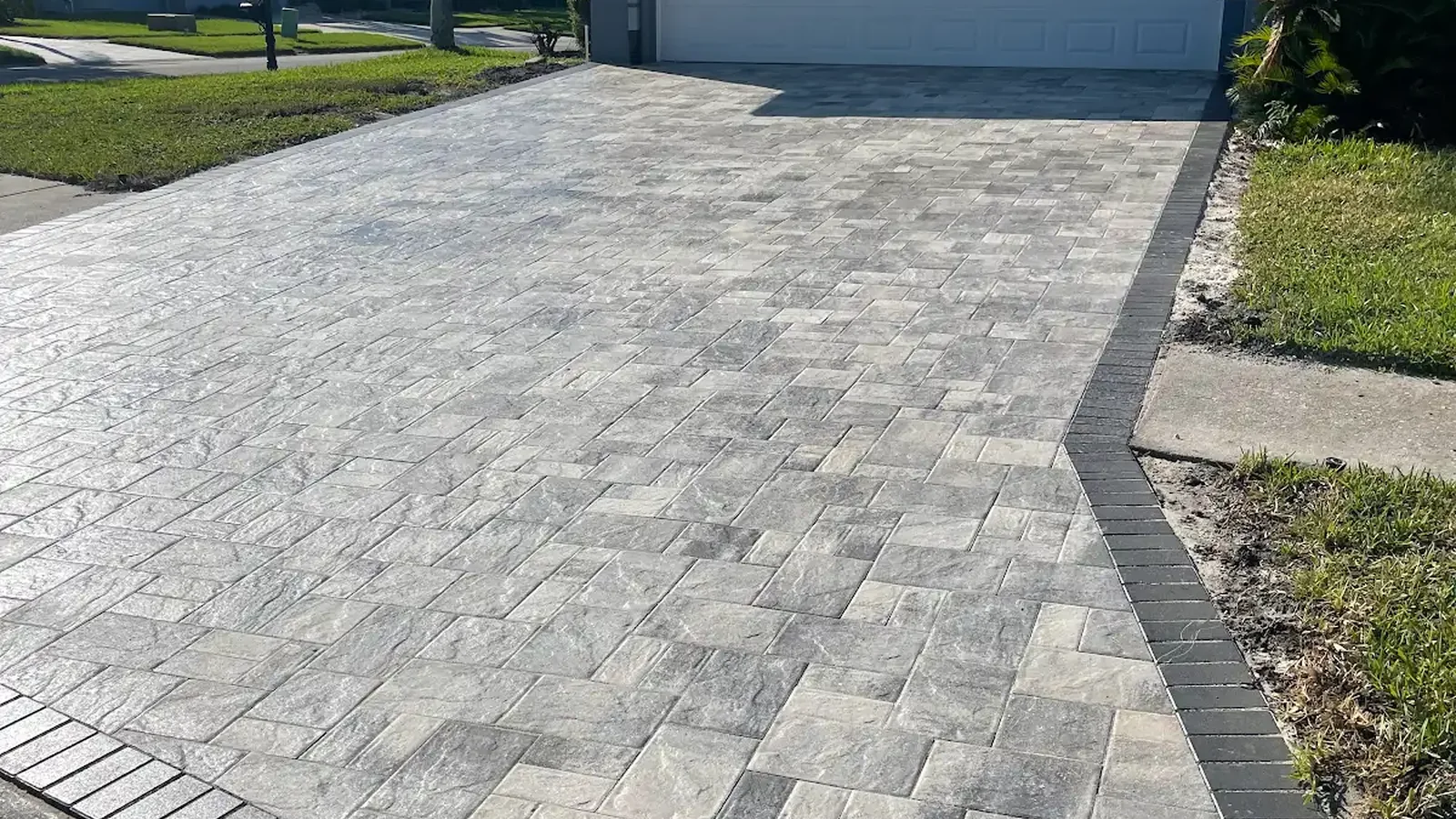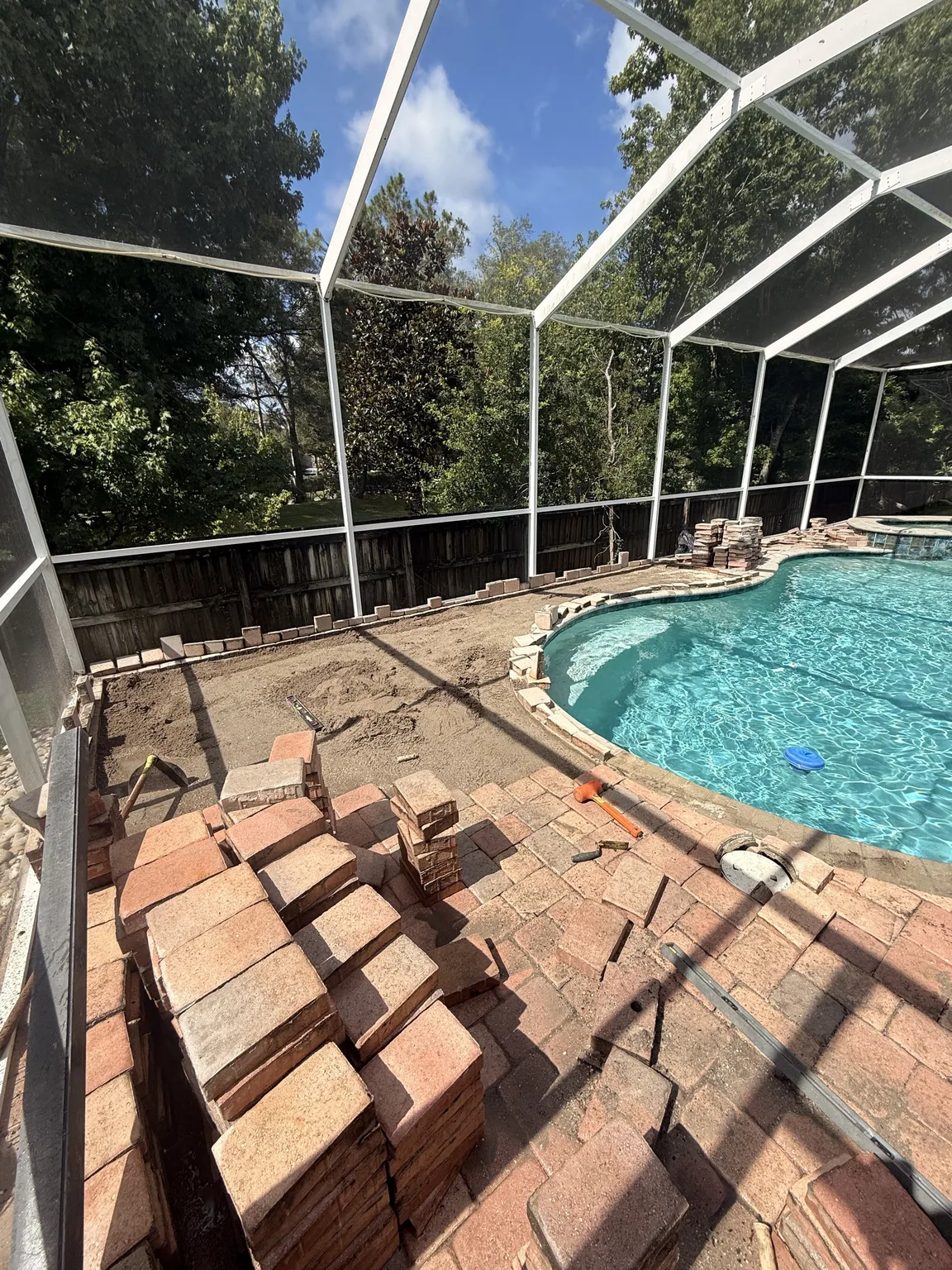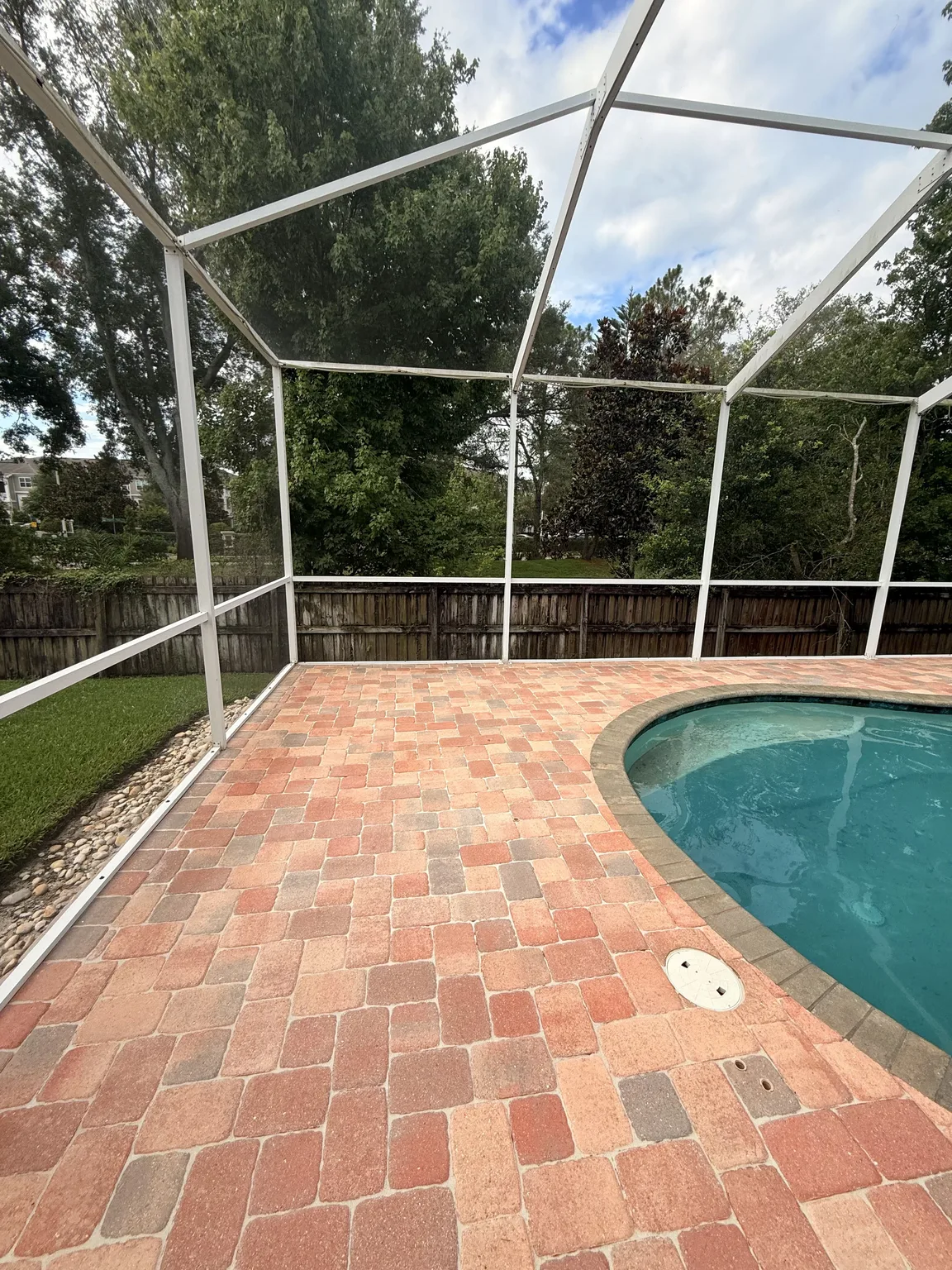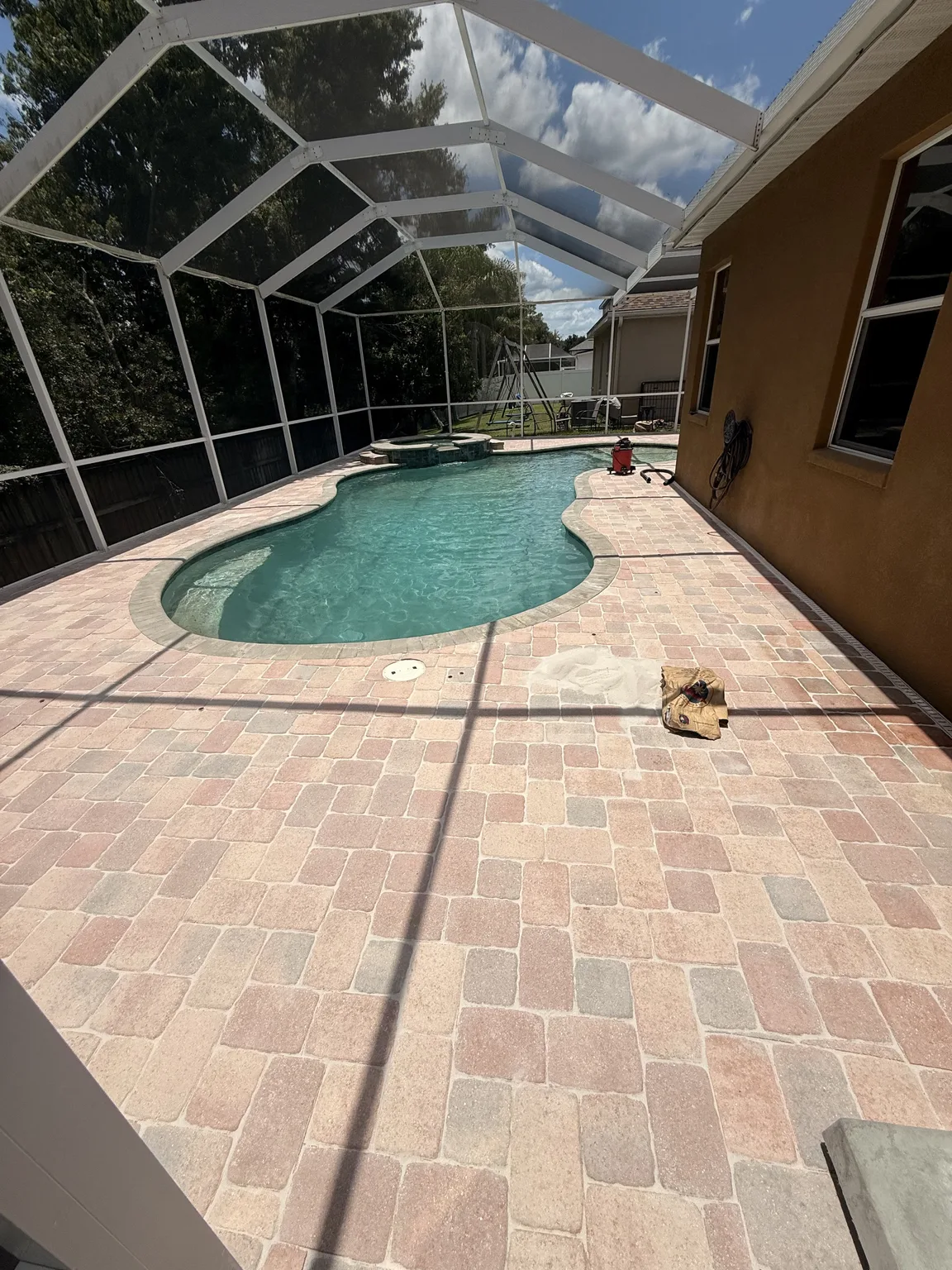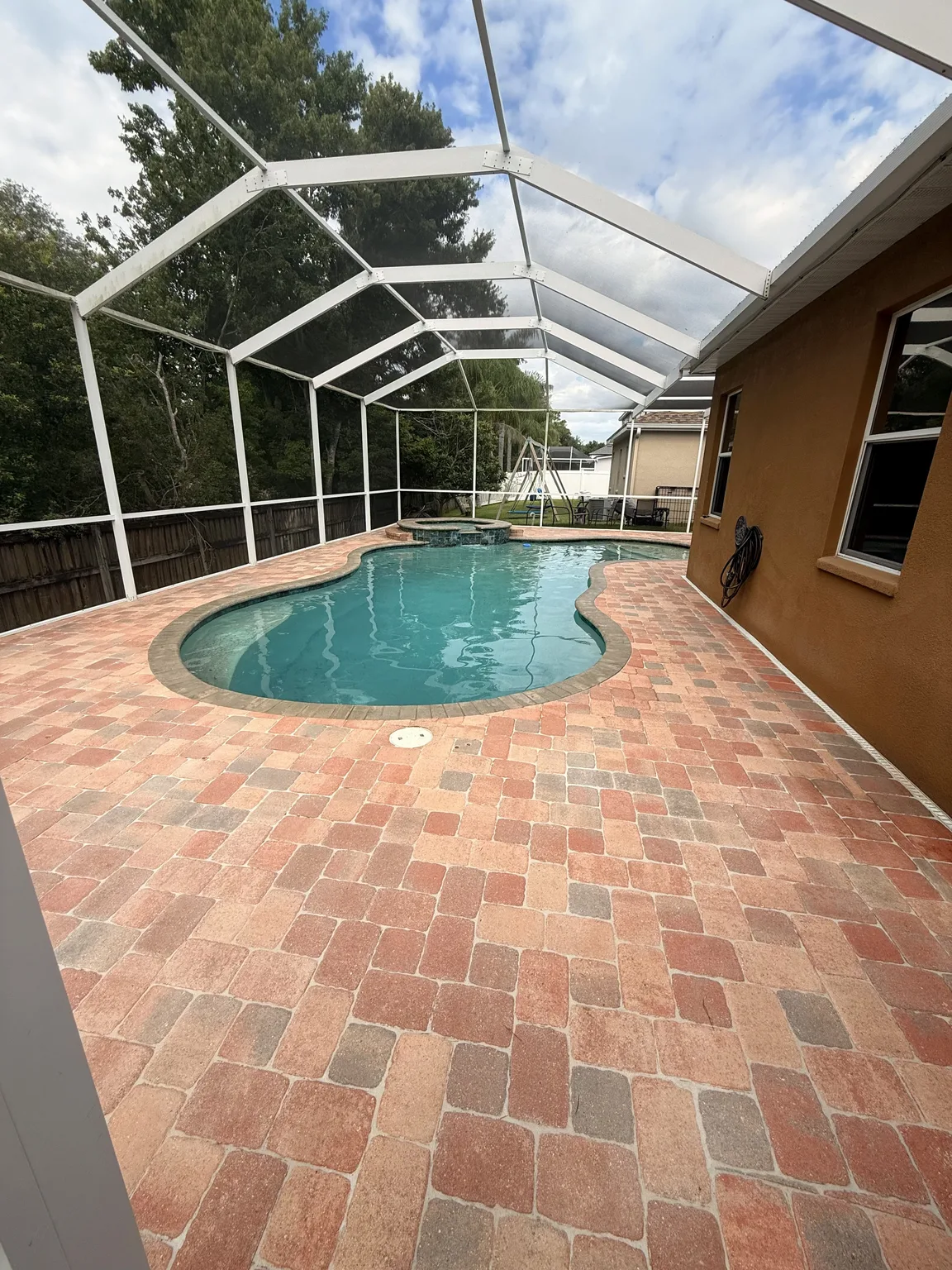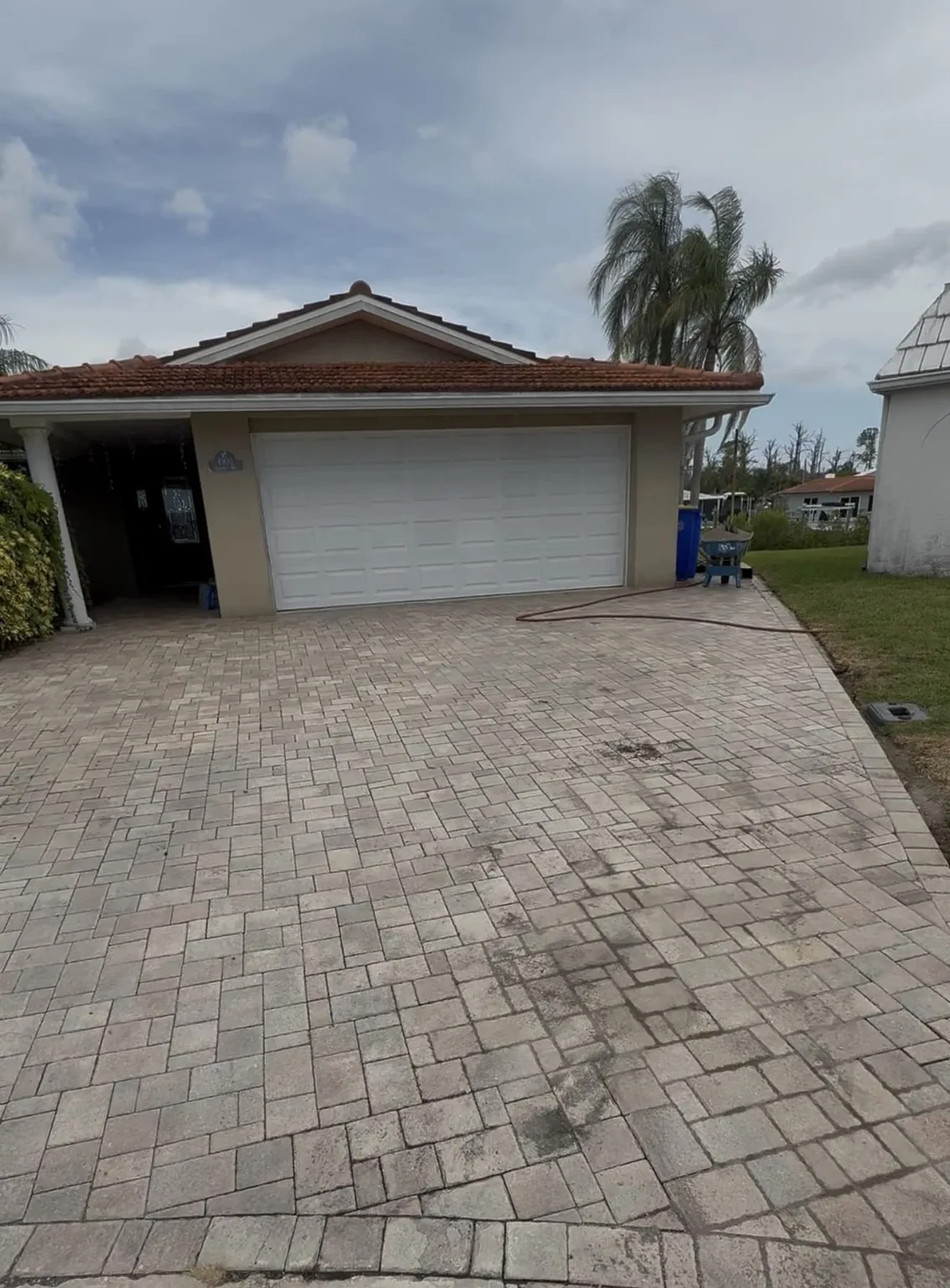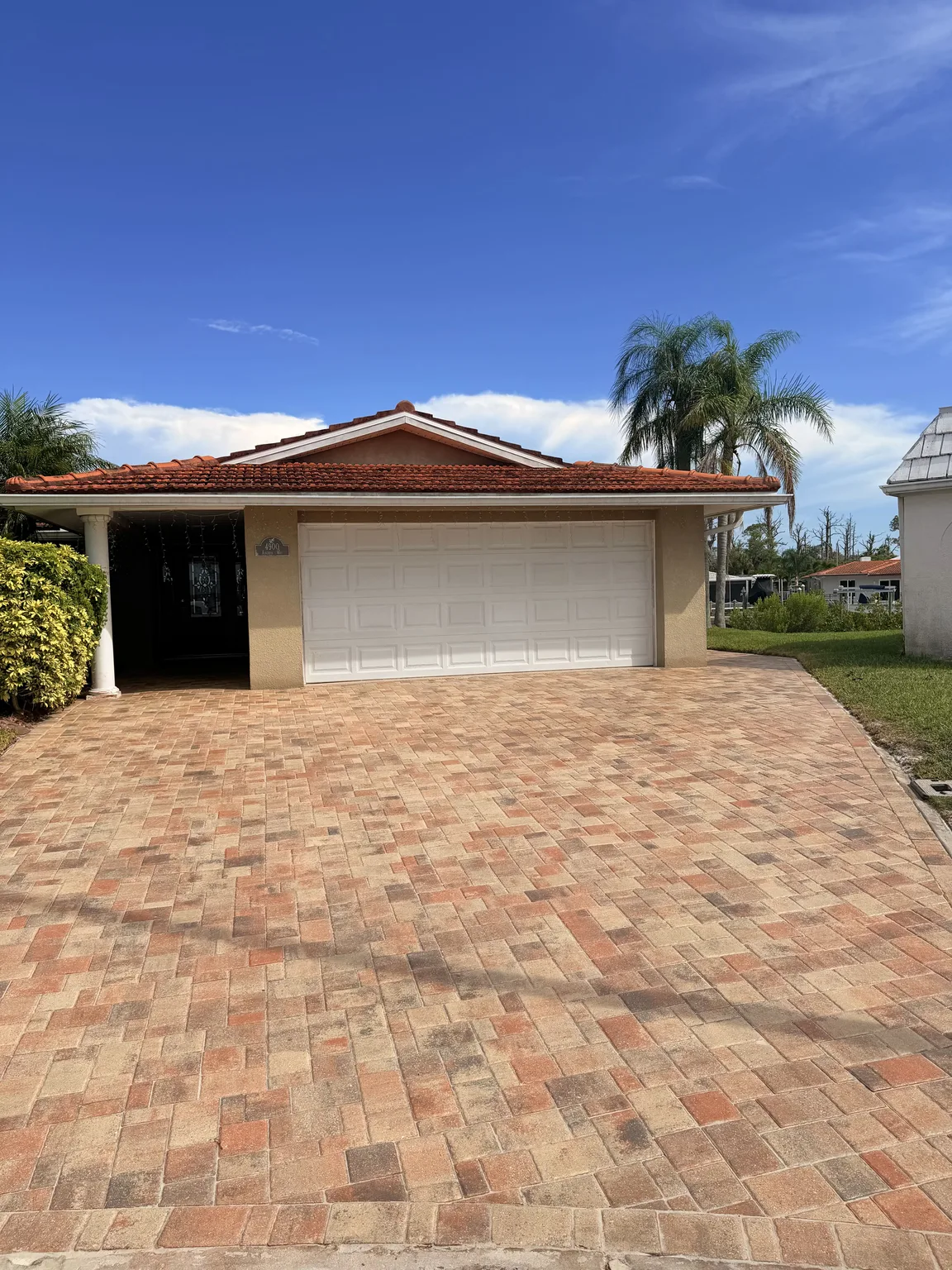
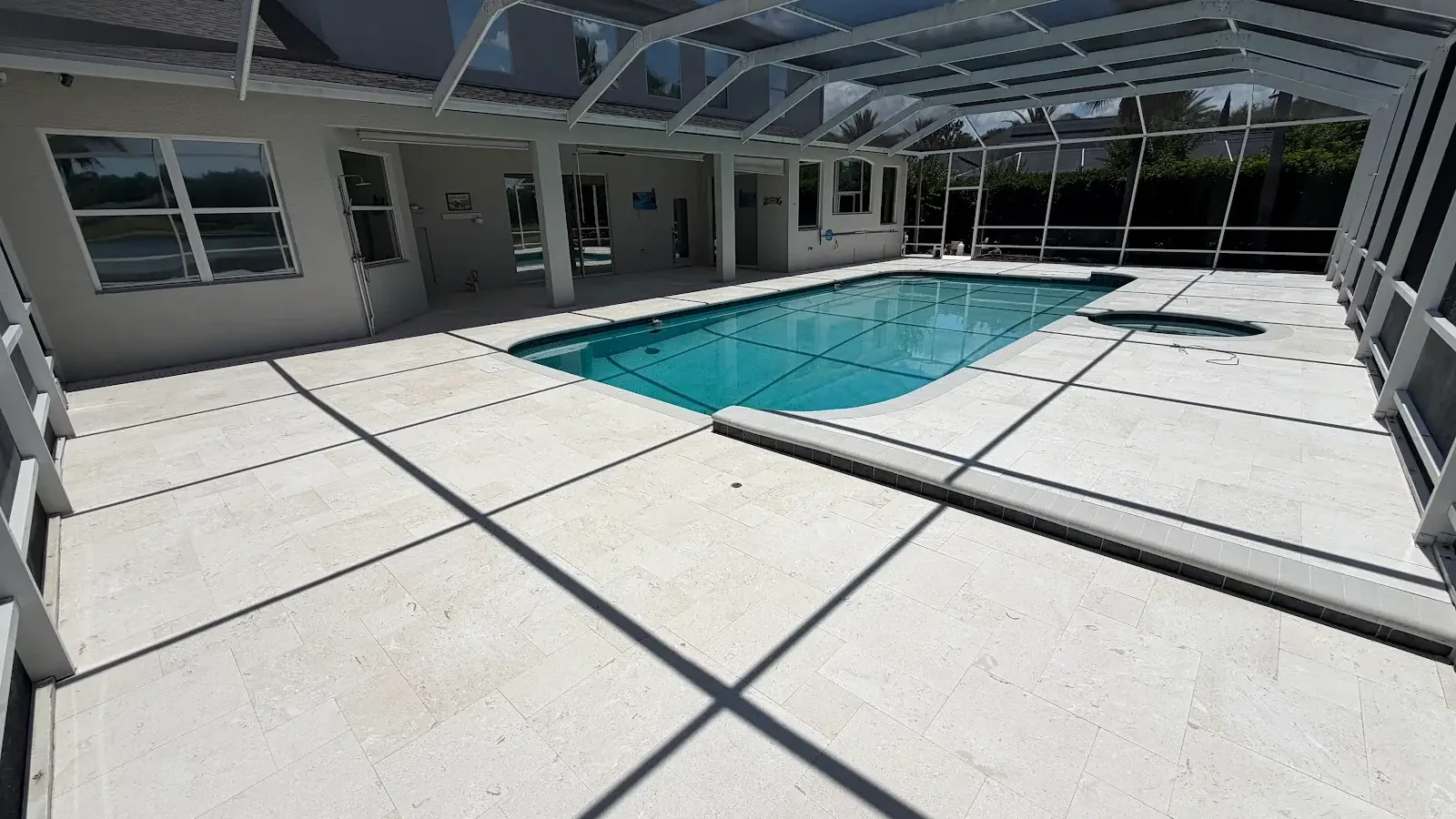
Coolest pavers for bare feet around a Florida pool are not just about color; they depend on how the whole pool deck behaves in sun, shade, and water. In Tampa Bay, bright sun and humidity make some surfaces feel scorching by noon, while others stay more comfortable. However, every material heats up eventually, so expectations and smart design matter. When you understand how color, density, finish, and moisture work together, you can make a better choice. This guide walks you through travertine, concrete, porcelain, and other stones so you can prioritize comfort, traction, and care for your pool area.
Quick Answer: What Are the Coolest Pavers for Bare Feet?
How the coolest pavers for bare feet actually perform
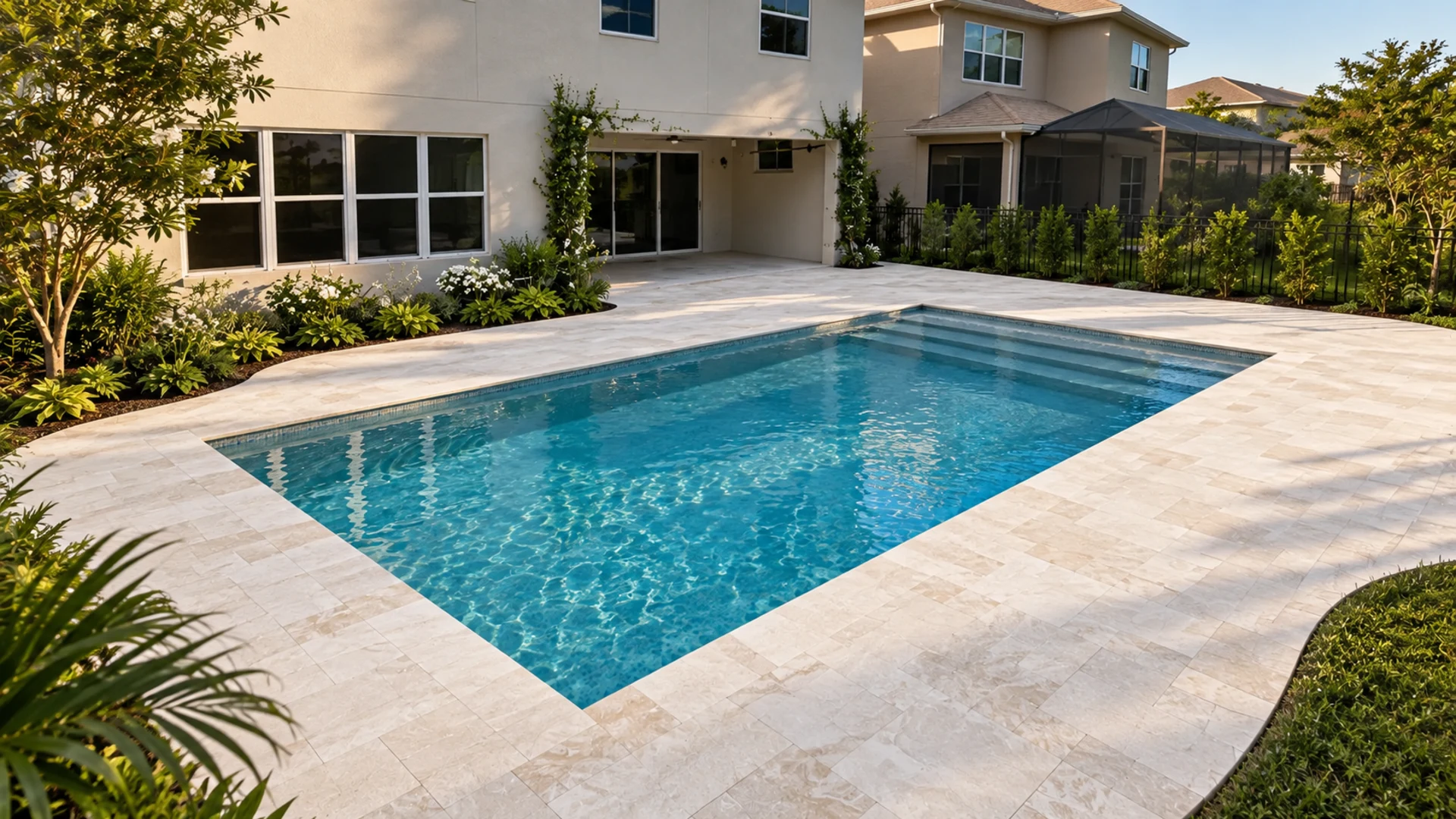
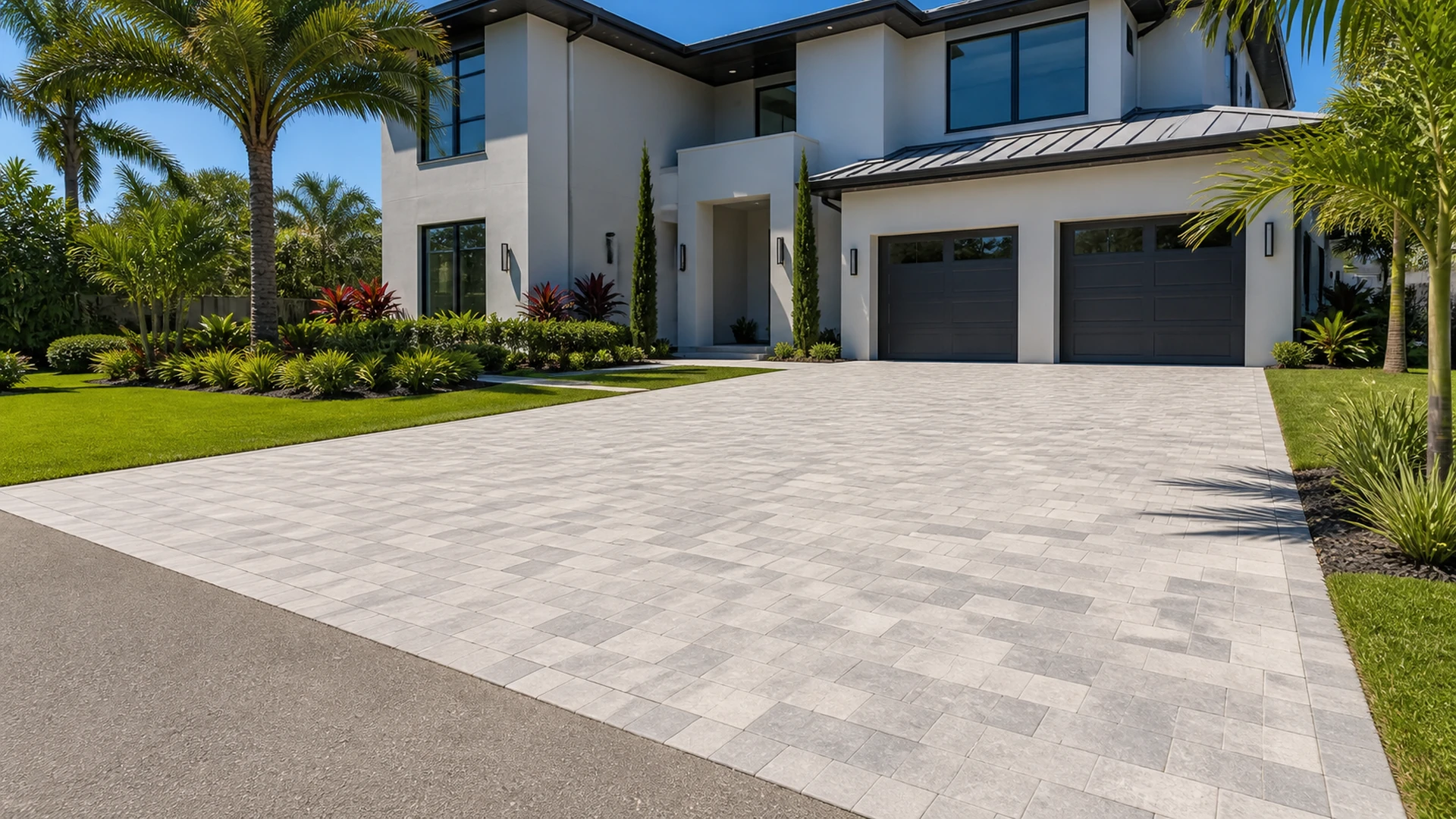
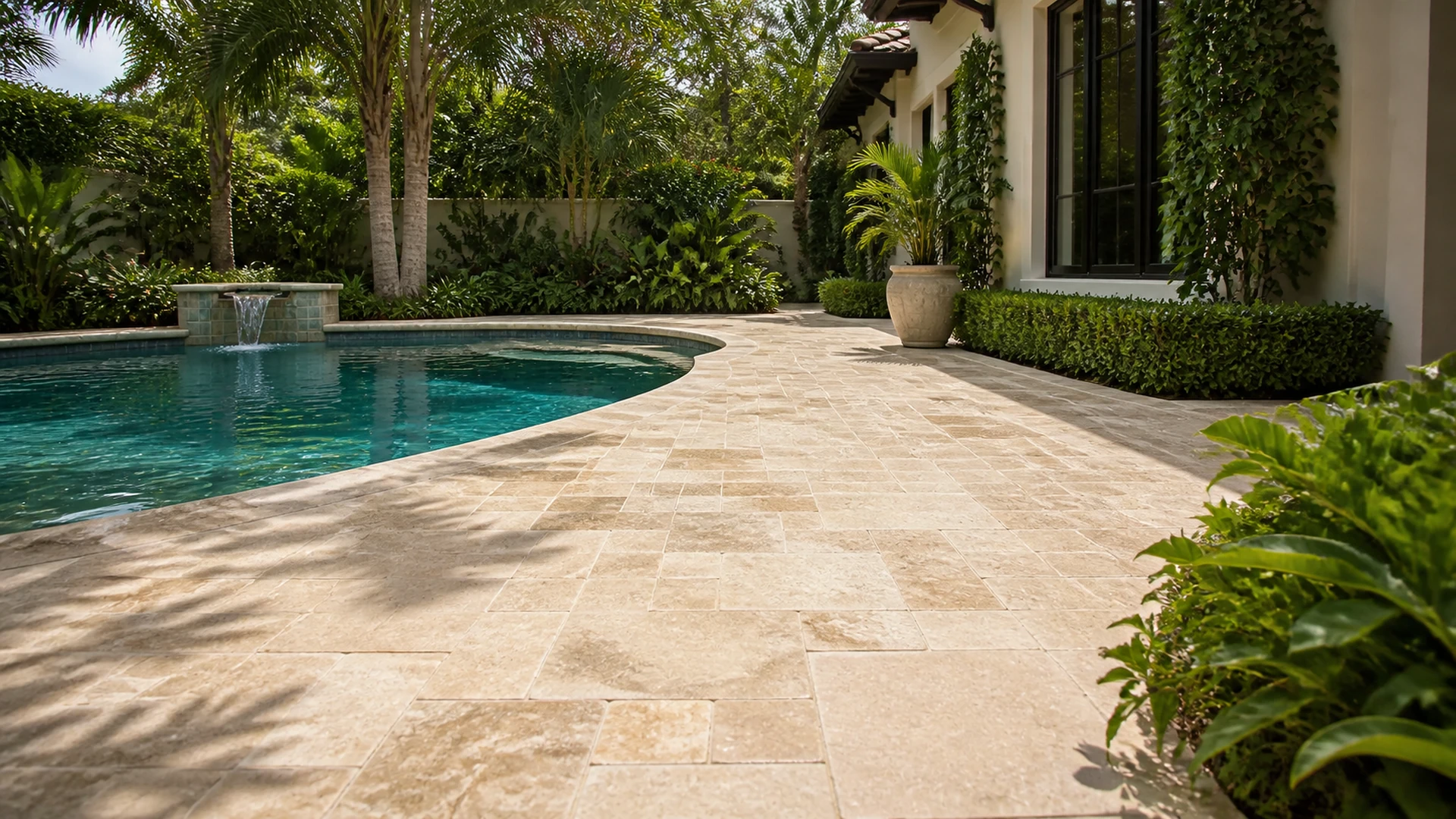
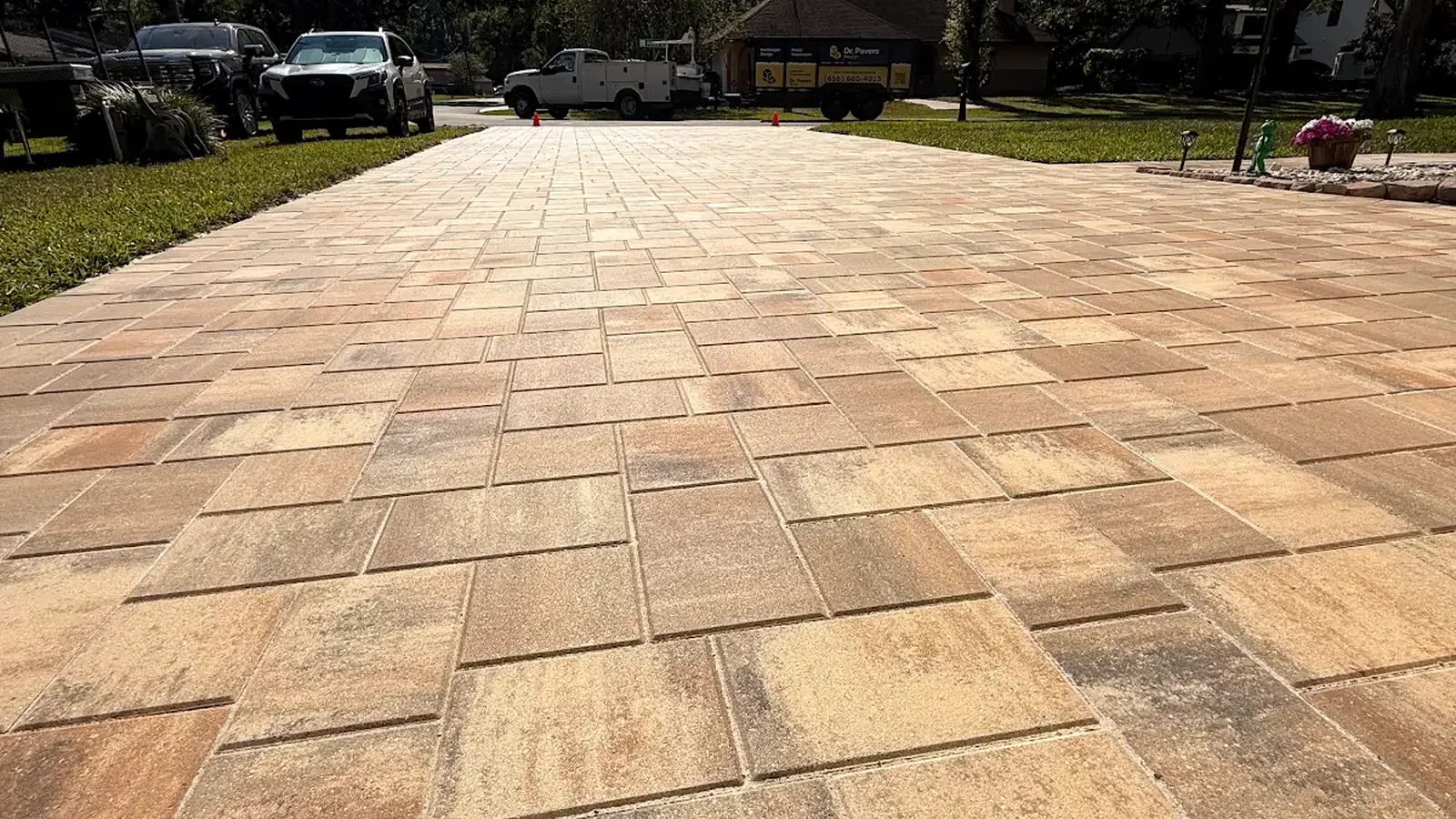
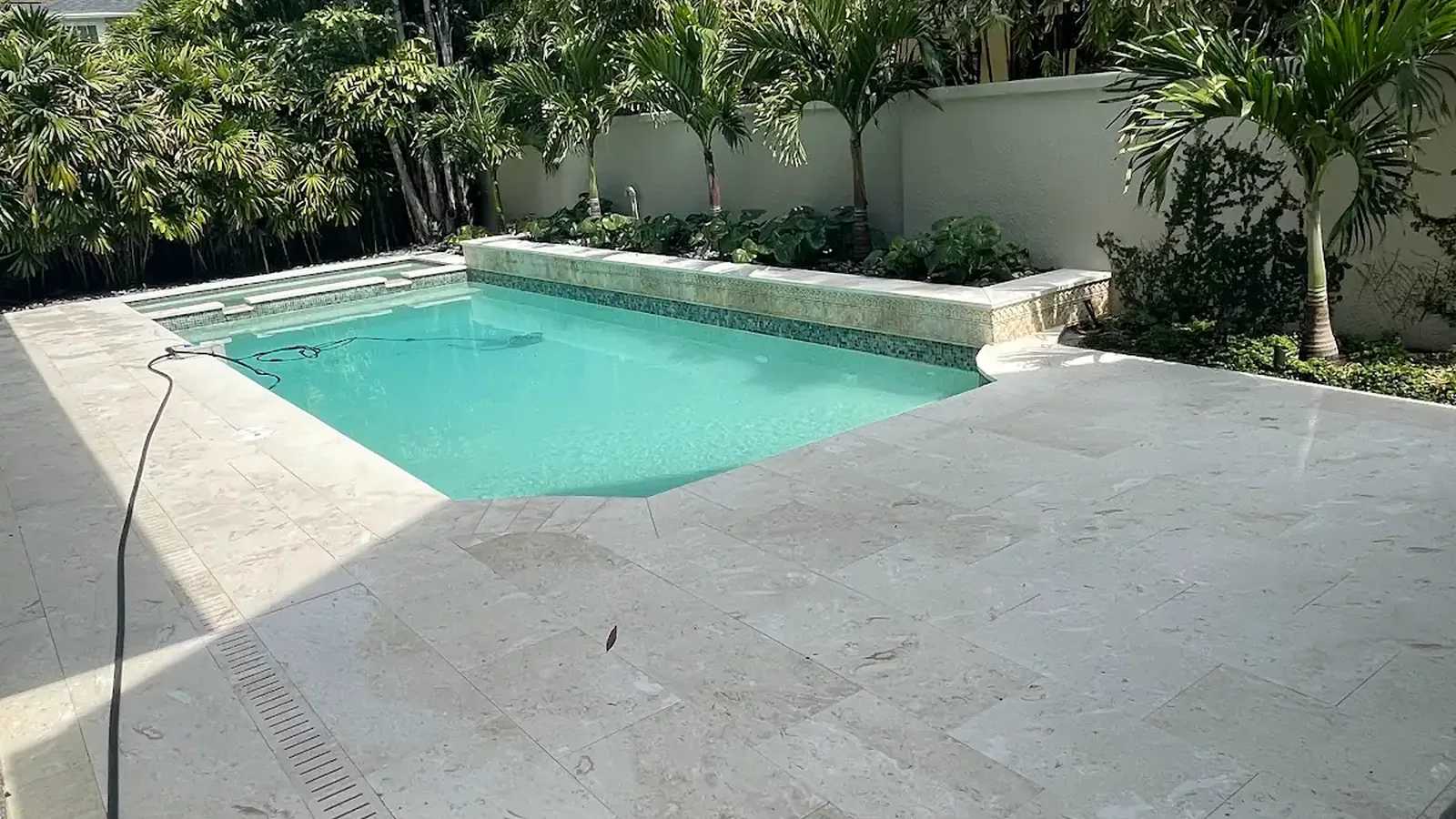
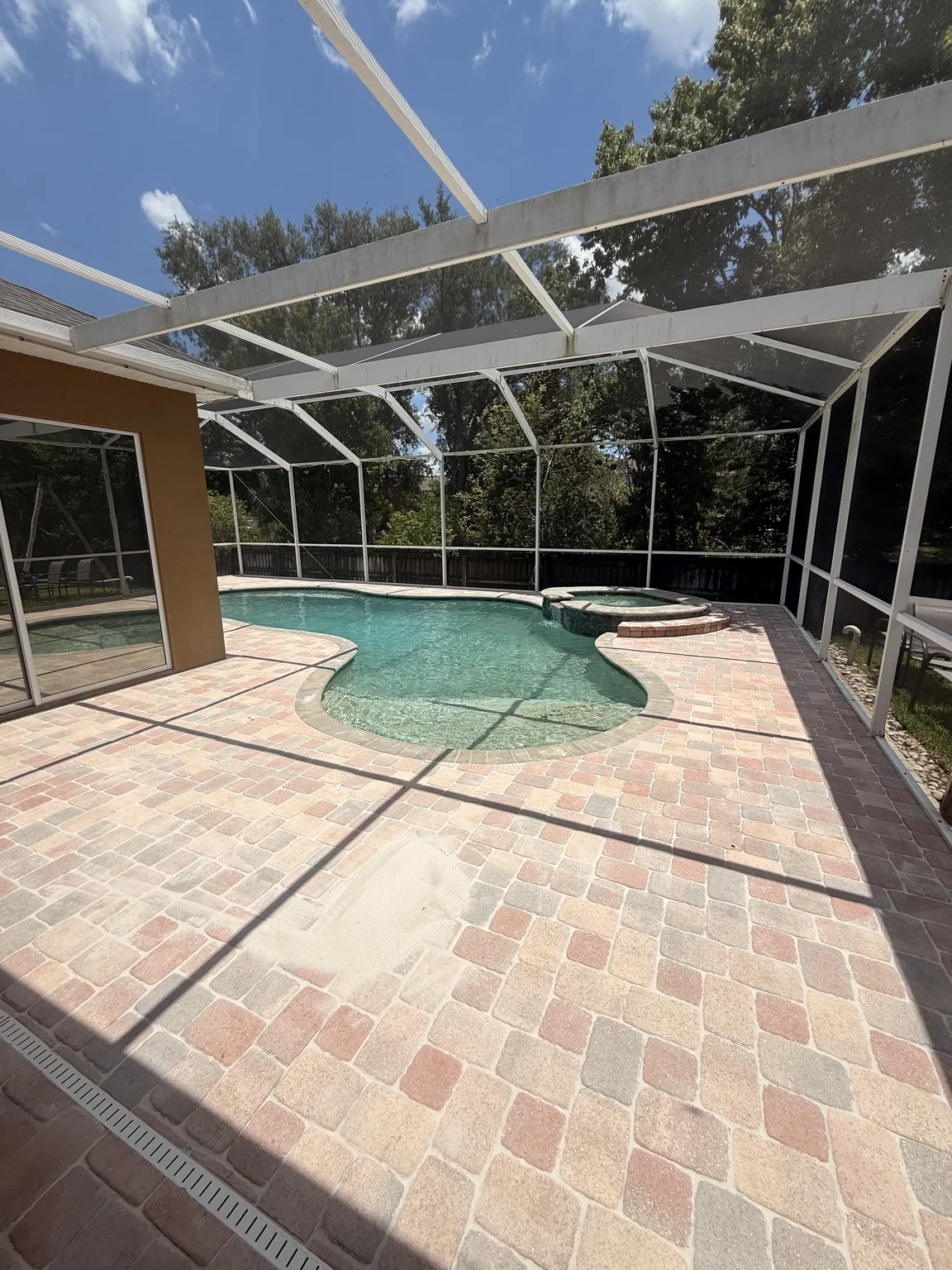
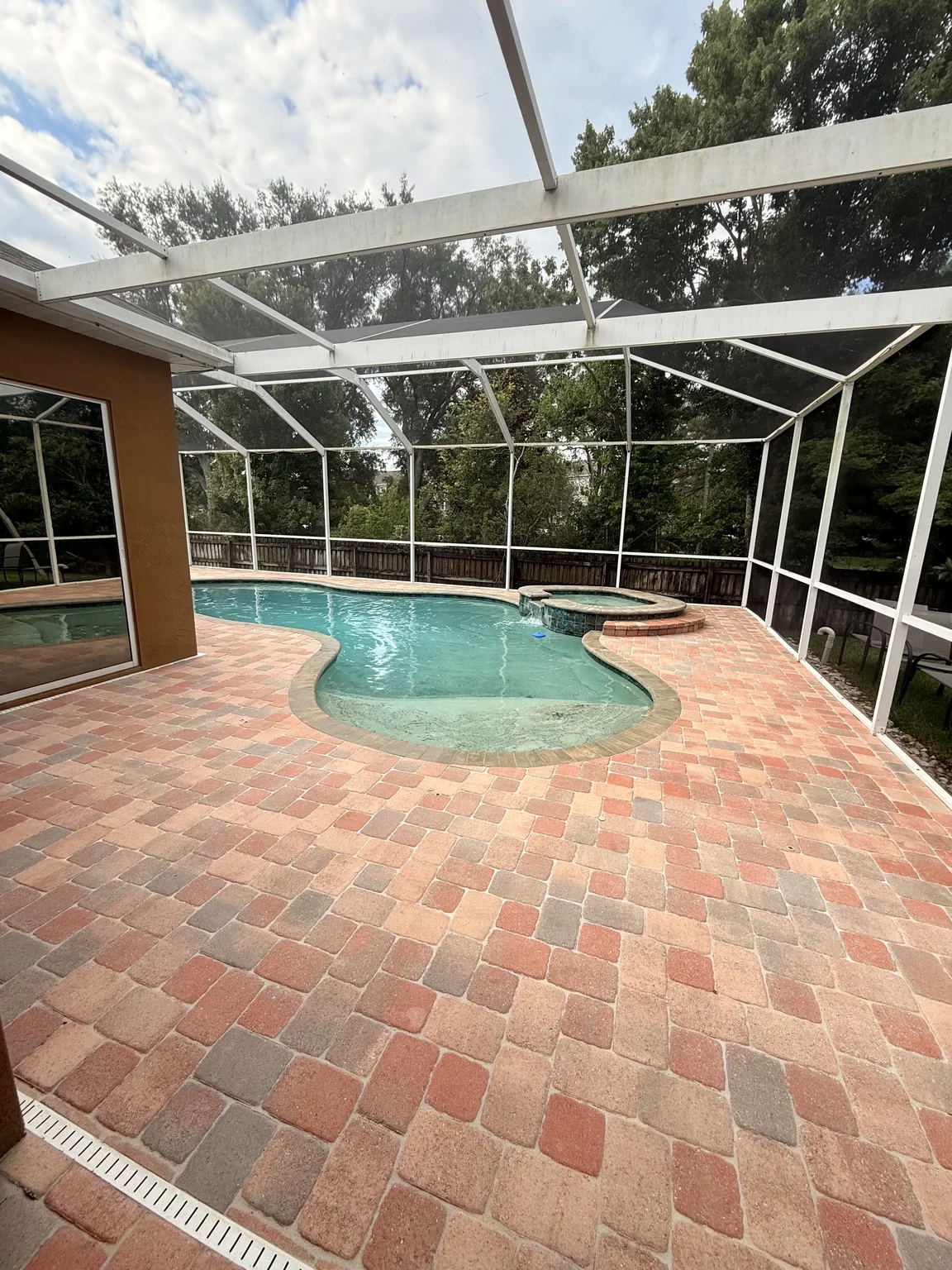
Around Florida pools, light-colored travertine, light concrete pavers, and certain textured porcelains usually run coolest under bare feet. They reflect more sunlight and often have finishes that breathe, so they tend to feel more comfortable at typical swimming times. Dark granite, dark concrete, brick, and smooth porcelain can feel much hotter by midday, especially with full sun exposure. However, even the better options can feel warm in Riverview or Palm Harbor during peak afternoon heat, so design details still matter.
Key tradeoffs among cool-feeling pool pavers
Cooler-feeling pavers are only part of the story; you must balance heat, slip resistance, and upkeep. Light travertine usually offers a good mix of moderate surface temperature, natural texture, and timeless style. Light concrete pavers are versatile, but their surface can warm up faster if the texture is dense and smooth. Porcelain can feel surprisingly comfortable in lighter shades, yet it becomes slick if you choose the wrong finish, especially in Ruskin or Town ‘N’ Country pools that stay wet from splash-over.
When to expect even “cool” pavers to feel hot
No hardscape can ignore Florida sun at 3 p.m. in July. Even light travertine and concrete will feel hot if you have zero shade, reflective pool water, and dense finishes. In Land O’ Lakes and Wesley Chapel backyards with full western exposure, it helps to add shade structures, plantings, and strategic layout. That way, you lower how long surfaces bake, making the same materials feel more comfortable for more of the day.
How Heat Really Works on Pool Deck Pavers
Color and solar exposure
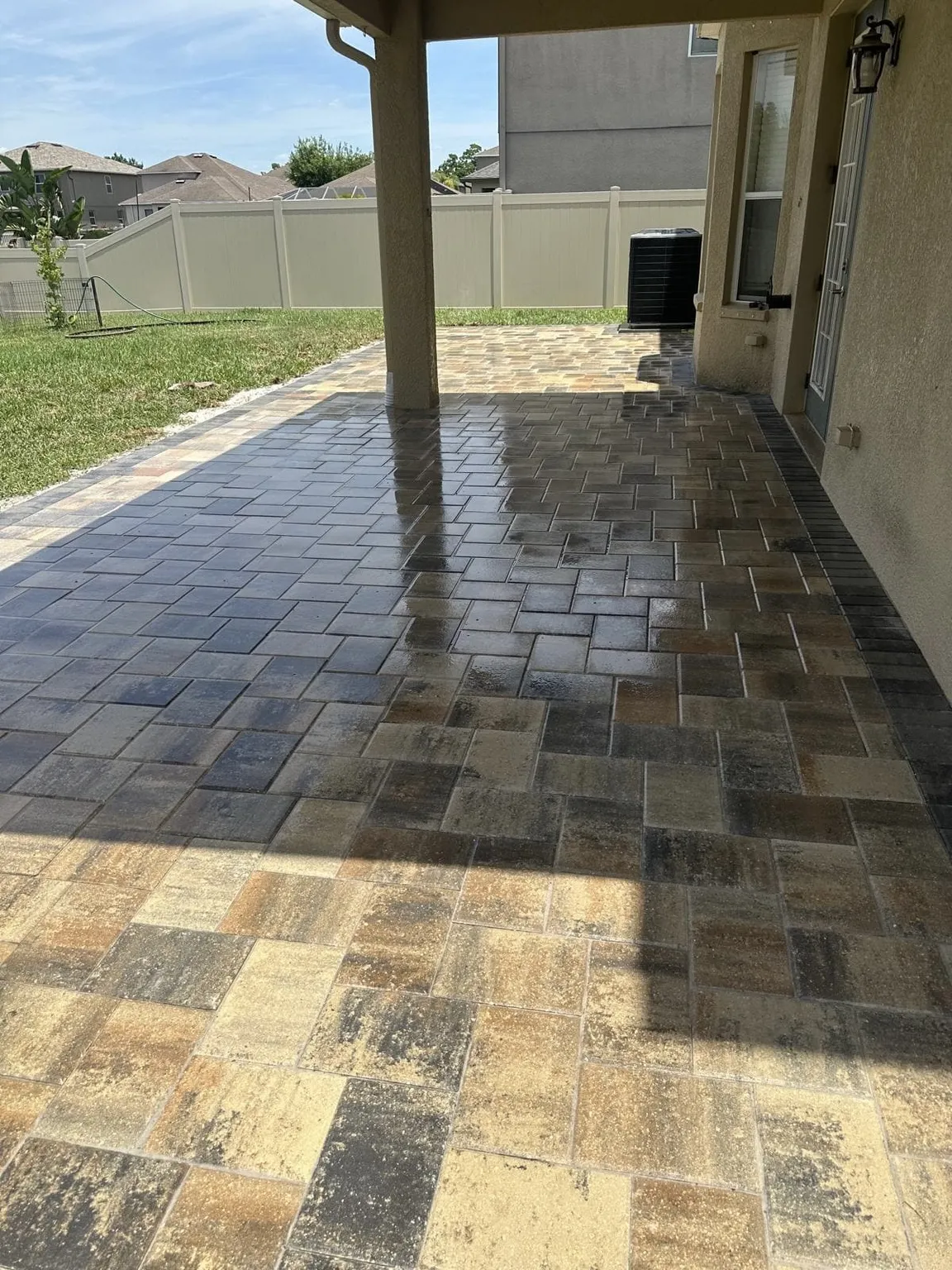
Color plays a major role in how hot your pool deck feels. Light creams, beiges, and soft grays reflect more sunlight, so they tend to stay cooler than charcoals, reds, or blacks. However, the same light paver in deep shade will feel much cooler than it does in full afternoon sun. Therefore, note which areas of your deck in Thonotosassa or Greater Carrollwood get direct sun for more than four to six hours.
Density, porosity, and material structure
Denser materials like granite and some porcelains store more heat, so they can stay hot longer after the sun moves. More porous stones, including many travertines, can sometimes release heat faster and feel less intense underfoot. However, more porosity can also mean more potential for staining or weathering if not properly sealed and maintained. This is why groups like the Natural Stone Institute emphasize proper travertine selection, installation, and care for exterior projects.
Concrete pavers generally fall in the middle for density, which is why their surface finish matters so much. A tumbled or textured finish can break up contact points and feel a bit less hot than smooth finishes. Still, concrete absorbs solar radiation and will heat up, especially in open decks around Ruskin or Seven Springs pools. Matching the right density to your shade pattern helps prevent unpleasant surprises.
Texture, moisture, and time of day
Texture changes how much skin actually touches the surface, which affects how “hot” you feel it. Slightly brushed, tumbled, or lightly textured finishes often feel less intense and provide better wet traction around the waterline. Moisture also cools surfaces slightly, which is why shallow sun ledges and waterline areas can feel different from dry deck zones. As the day progresses, surfaces heat, store, and then release energy, so early-morning swims feel different from late afternoons in Town ‘N’ Country.
Deciding What Feels Comfortable on Your Feet
Walk-test your pool deck areas
Before choosing materials, spend time walking your yard when you actually swim most. In Tampa Bay, that may be late morning on weekends and after work on weekdays. Pay attention to where your feet feel warmest on any existing concrete, coping, or steps. Also note reflected heat from white pool interiors, enclosure screens, or light-colored walls that can intensify hot spots.
A simple framework for choosing materials
Instead of chasing a single “cool” product, rank your priorities. Decide how much you value softer temperature, slip resistance, low maintenance, and style. Many homeowners in Palm Harbor or Land O’ Lakes accept a slightly warmer surface to gain easier cleaning or a preferred modern look. Others prefer a more natural texture and are willing to reseal periodically to support appearance and comfort.
- Compare samples outdoors during the hours when your family normally uses the pool.
- Prioritize wet traction and smooth transitions along with surface temperature.
- Review shade, western exposure, reflected heat, and the location of high-traffic paths.
- Confirm cleaning and sealer requirements for the exact material and finish.
As you narrow options, think about who uses the pool. Kids running, older adults, and pets all need steady traction and smoother transitions. Consider how often you entertain and whether people will walk from a shaded lanai to a sun-drenched deck. Those use patterns help you decide which tradeoffs feel right rather than guessing from samples alone.
Useful questions to ask during a site visit
Because every backyard differs, a site visit is essential for realistic pricing and performance expectations. During that visit, ask how sun paths, nearby trees, and house orientation influence surface temperature. Ask which finishes balance heat and slip resistance for your specific layout. Finally, discuss maintenance steps you must follow, since cleaning methods and sealers can change how surfaces perform over time.
Comparing Travertine, Concrete, Porcelain, and Other Stones
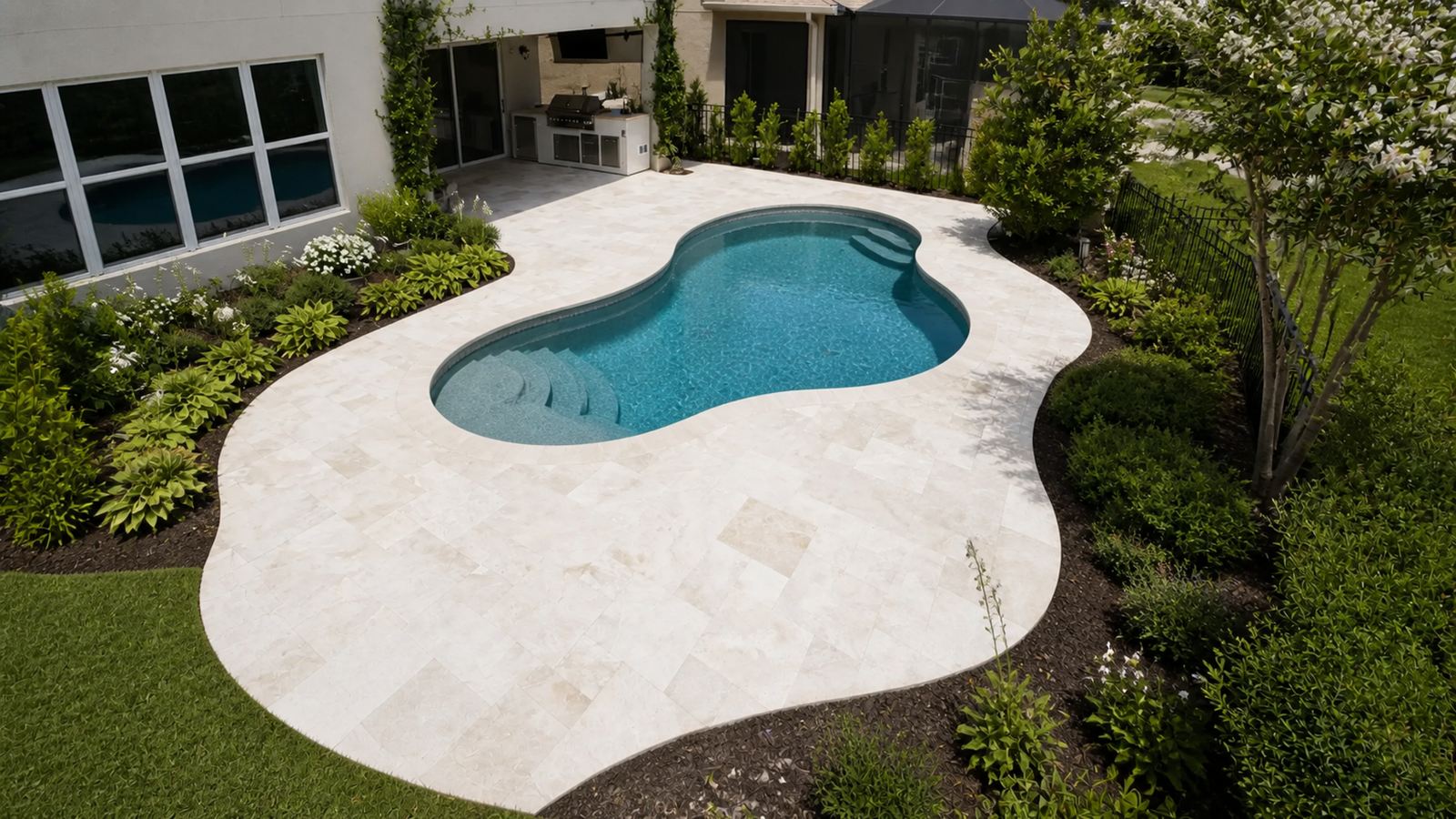
Light travertine around Florida pools
Light travertine is popular in Riverview and Wesley Chapel because it can feel relatively comfortable while looking upscale. Its natural pores and tumbled or brushed finishes help create a pleasant texture under wet bare feet. However, travertine still absorbs heat and requires proper selection and installation to perform outside. The Natural Stone Institute and CMHA both urge realistic expectations about exterior stone, including appropriate maintenance and sealing.
Light concrete pavers and their tradeoffs
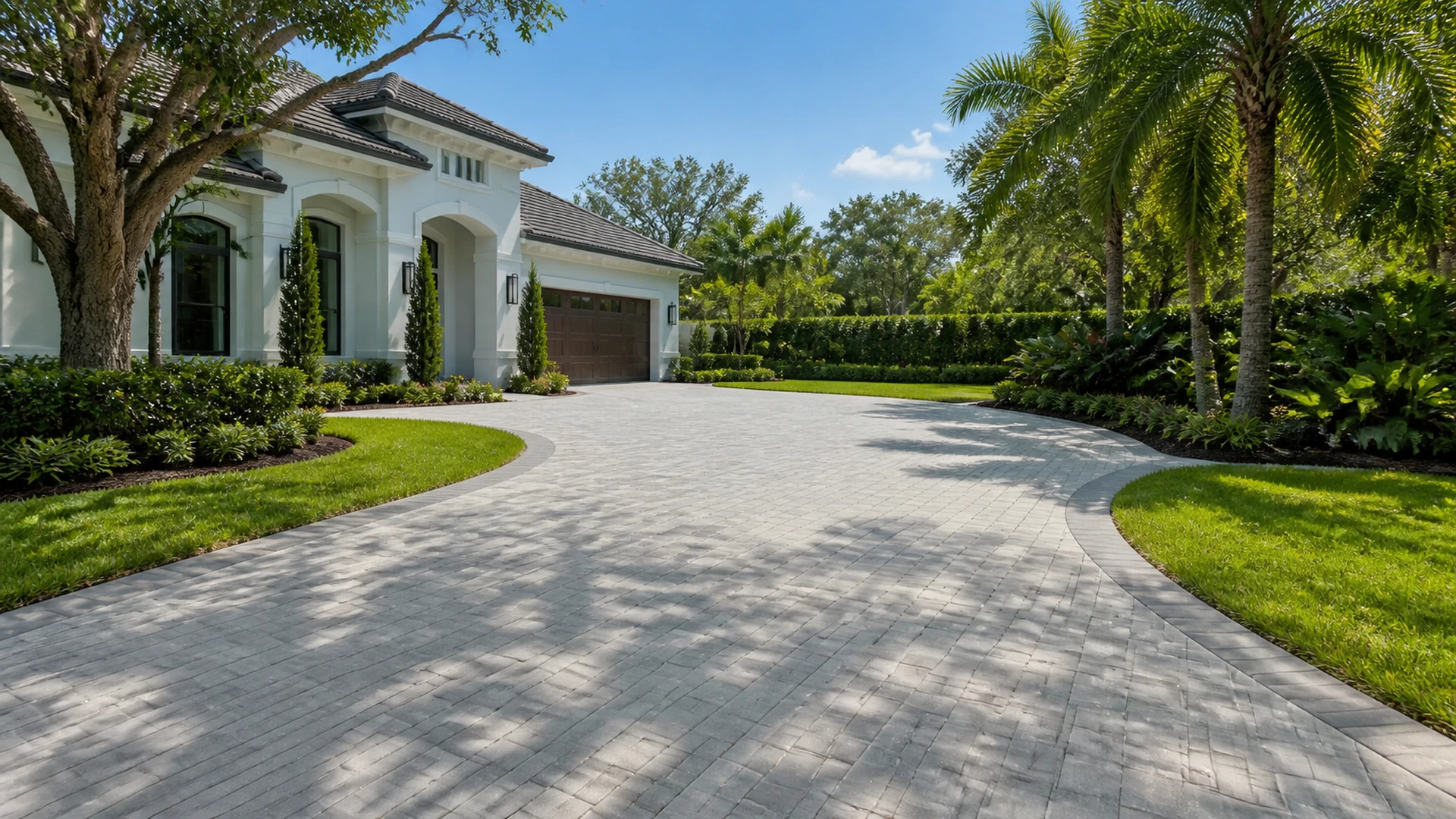
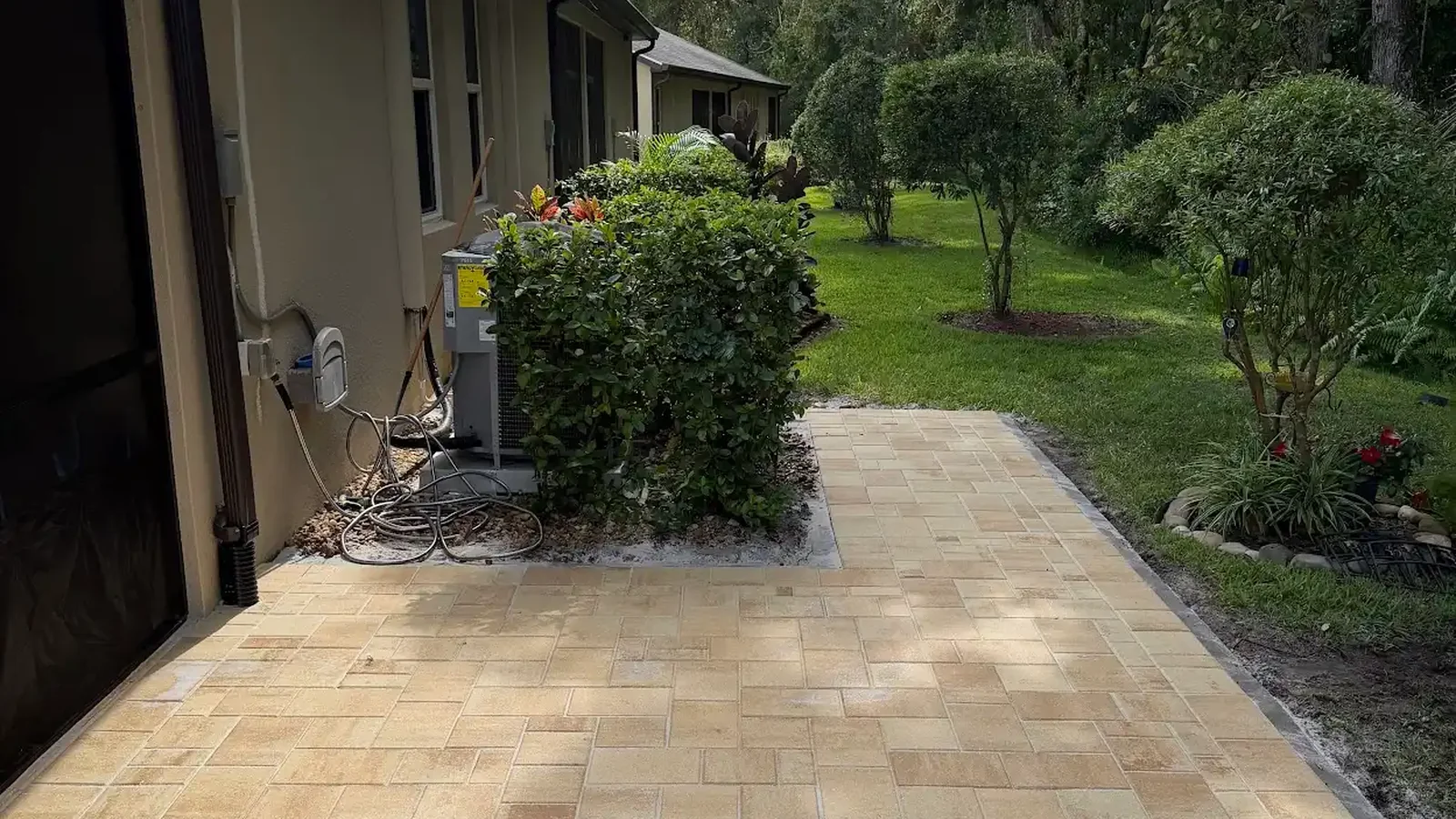
Light-colored concrete pavers can come close to travertine in perceived heat, especially in textured or tumbled finishes. They offer design flexibility, replacement options, and consistent sizes that help with pattern layouts. On the other hand, dense, smooth concrete surfaces may feel hotter at midday and can become slick if you use glossy sealers. Their long-term comfort depends on color, finish, and how much sun the deck actually receives.
Porcelain, shellstone, and other options
Porcelain pavers in light tones can feel surprisingly comfortable, but finish is critical around water. Some outdoor-rated porcelains offer slip-resistant textures, while very smooth tiles can be uncomfortable and unsafe when wet. Shellstone and some limestones can also work well if appropriately chosen for exterior use and sealed correctly. However, these stones vary widely in density and porosity, so you must match the specific product to your pool environment.
Side-by-side comparison table
| Material | Relative Heat Underfoot* | Wet Traction | Typical Care Level |
| Light Travertine | Cooler to moderate | Good with tumbled/brushed | Moderate (sealing, gentle cleaners) |
| Light Concrete Pavers | Moderate | Good with texture | Low to moderate (periodic cleaning, optional sealing) |
| Light Porcelain Pavers | Moderate to warm | Varies by slip rating | Low (regular cleaning) |
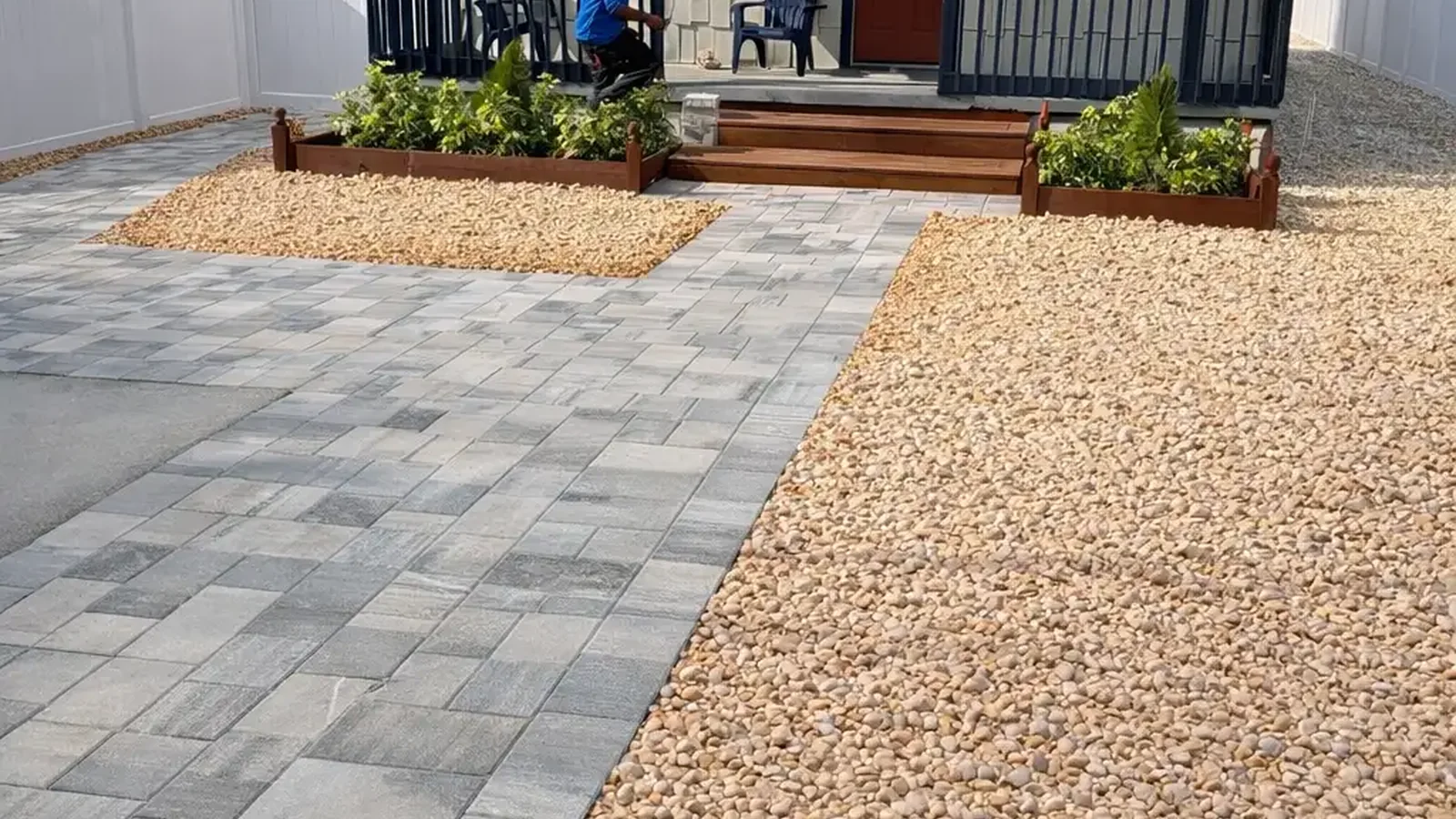
| Dark Stone or Concrete | Warm to hot | Good to fair, depends on finish | Low to moderate |
*Relative heat varies by color, finish, and sun exposure; no material stays cool in all conditions.
Why Finish, Sealer, and Care Change How Hot Pavers Feel
Surface texture and barefoot comfort
Textures that break up contact points often feel less aggressive under the sun. Tumbled or brushed travertine, lightly textured concrete, and slip-rated porcelain finishes usually feel more forgiving on bare feet. Very smooth, honed, or polished surfaces can feel hotter because more skin touches the material. They also may become slick when wet, which is a concern around steps, tanning ledges, and shallow zones.
How sealers affect temperature and traction
Penetrating sealers soak into the surface and usually do not change texture much, so they tend to keep the original barefoot feel. Film-forming or high-gloss sealers can deepen color, increase heat absorption, and reduce traction when water sits on top. Around pools in Town ‘N’ Country or Greater Carrollwood, that extra shine can translate to hotter and slipperier steps. Ask your contractor which sealer type is proposed and how it will influence both heat and safety.
The role of cleaning and long-term maintenance
Dirt, algae, and residues can trap moisture and change how the surface feels. Regular cleaning with appropriate methods helps maintain both traction and appearance. Most pool decks benefit from gentle cleaners and careful rinsing rather than harsh chemicals that etch stone or strip sealers. Follow product-specific guidance, including recommendations from resources like the Natural Stone Institute, so you keep realistic expectations for long-term travertine performance.
Florida Sun, Shade, and Water: Tampa Bay-Specific Factors
Strong sun and reflective pool environments
In Tampa Bay, high UV levels and long pool seasons mean pavers endure intense exposure. Water and bright pool finishes also reflect light onto coping and near-deck zones, adding to localized heating. Even the coolest pavers for bare feet can feel uncomfortable on unshaded southwest-facing decks by mid-afternoon. Therefore, your design must consider exposure patterns as much as material choice.
Shade structures, trees, and screen enclosures
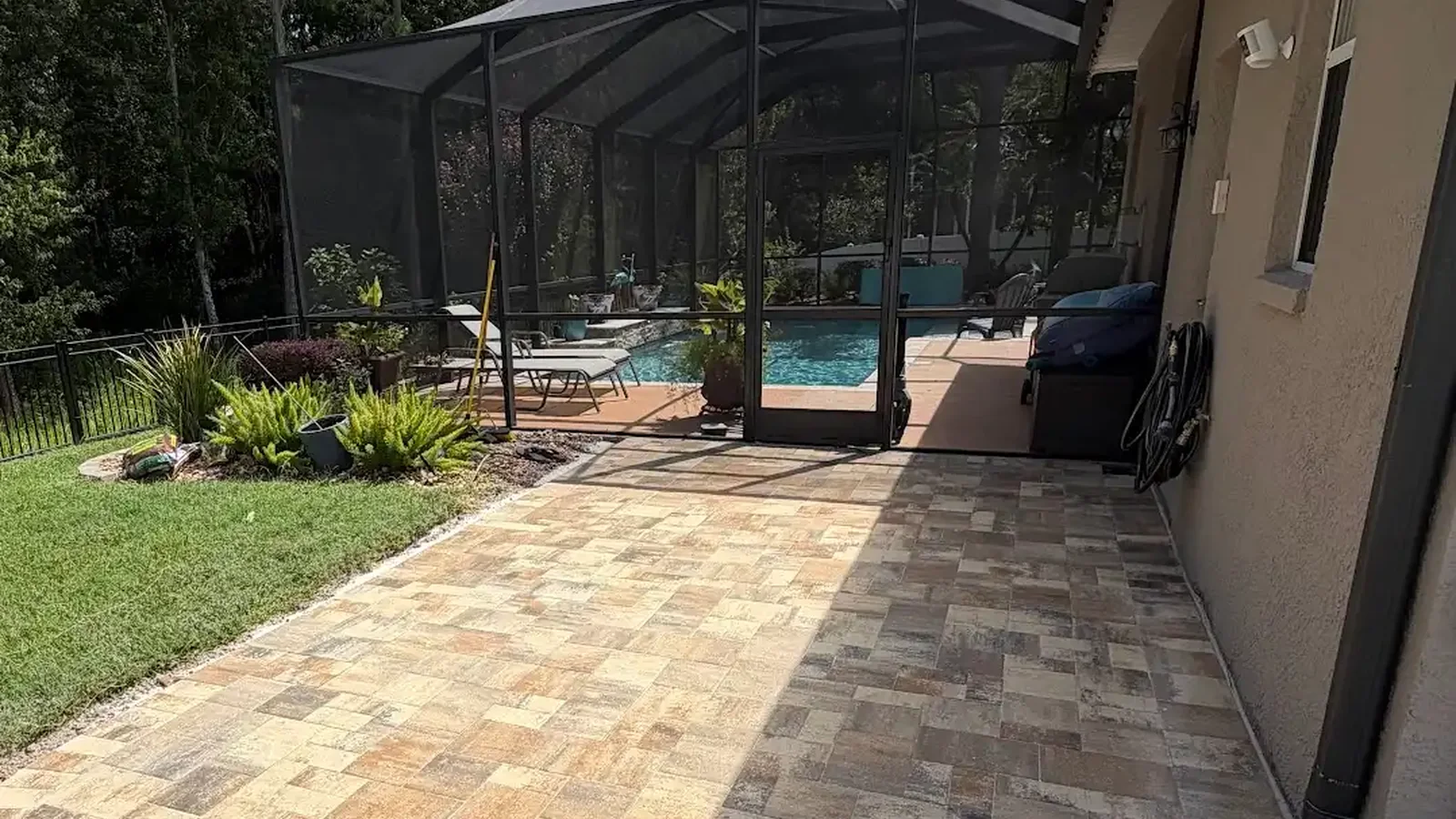
Partial shade can significantly improve comfort, even if you keep the same paver. Pergolas, covered lanais, and strategically placed umbrellas break up solar intensity during peak hours. Screen enclosures in Palm Harbor or Seven Springs can diffuse sunlight and reduce wind-blown debris, which helps keep surfaces cleaner. However, trees bring leaves and roots, so consult a qualified arborist and licensed contractor if you plan major planting near your pool deck.
Moisture, slope, and runoff across the deck
Water movement across your pool deck affects both comfort and safety. Gentle slope away from the pool and house helps limit standing water, which can make surfaces slimy or slick. Around decks in Ruskin or Thonotosassa that see heavy afternoon storms, thoughtful grading and layout are part of the overall hardscape design. A qualified installer should review how water will move across your pavers as they plan the project.
Common Mistakes That Make Pool Pavers Feel Hotter
Choosing color without testing in real sunlight
One frequent mistake is selecting paver colors from photos, showrooms, or shaded samples only. Colors can look much lighter indoors than they do under direct Florida sun. In Wesley Chapel or Town ‘N’ Country, a “medium” tone may read quite dark once installed. Always look at larger samples outdoors at midday and check them when both dry and slightly wet.
Overusing glossy sealers around pools
Glossy sealers may seem attractive, yet they often deepen color and increase heat absorption. They also can create slippery films when sunscreen, body oils, or algae mix with water on the surface. Around steps, tanning ledges, or spa spillways, this combination can be uncomfortable and risky. Instead, discuss lower-sheen options that still protect your materials without changing their barefoot feel too much.
Ignoring how furniture, grills, and paths affect use
Another oversight is focusing only on the waterline and ignoring how people actually move around the space. Loungers, dining sets, and grills shape traffic patterns, which determines which areas see the most bare feet. In Greater Carrollwood or Land O’ Lakes backyards, narrow paths between a lanai and pool often get intense sun and foot traffic. Planning cooler-feeling materials and textures in those “hot corridors” can make daily use much more pleasant.
When to Bring in a Pool Paver Professional
Site conditions that call for expert eyes
Some pool decks are straightforward, but many Tampa Bay yards have slopes, roots, or existing concrete to work around. If your pool sits on a grade, close to the house, or near large trees, professional planning becomes important. A qualified installer can review how sun, shade, runoff, and structures interact with your proposed materials. They also coordinate with licensed pool contractors or engineers when structural or safety questions arise.
Balancing comfort, safety, and code requirements
Pool environments must account for slip resistance, transitions, and any applicable safety rules. A professional can recommend textures and layouts that reduce tripping hazards and awkward step heights. They should also advise you when you need to consult a licensed professional for permits, barriers, or structural changes. While they cannot replace those experts, they can help you avoid designs that conflict with typical guidelines.
Getting realistic pricing and options
Accurate pricing always requires an on-site evaluation because access, demolition, drainage paths, curves, and material choices all affect cost. During a visit in Tampa, Palm Harbor, or Town ‘N’ Country, a contractor can measure, inspect, and discuss your priorities. You can compare light travertine, concrete pavers, and porcelain decks with a better sense of how each will actually perform. Ask for itemized estimates and samples so you understand what you are paying for and how it will feel under bare feet.
Pool Paver Heat & Safety FAQs
Are travertine pavers really cooler than concrete around pools?
Light travertine often feels more comfortable than many standard concrete finishes, but the difference depends on color, finish, and sun exposure. Travertine’s porosity and natural texture can help it release heat a bit faster and reduce contact area with your foot. However, darker travertine tones can still feel hot in full sun, and improper sealing or installation can change performance. Always compare specific samples in your own backyard light before deciding.
Can I keep my existing concrete and just add a cooler paver on top?
Sometimes you can overlay pavers on existing concrete, but only if the slab is stable and properly evaluated. An experienced installer needs to check for cracks, settling, and height transitions to doors, coping, and drains. Added thickness also affects how water moves off the deck, which matters around pools in Ruskin or Seven Springs that already see heavy rain. Have a qualified professional inspect the site before deciding whether an overlay or full rebuild makes more sense.
Which finish gives the best mix of coolness and slip resistance?
For many pool decks, a lightly textured finish offers a solid balance. Tumbled or brushed travertine, textured concrete pavers, and slip-rated porcelain surfaces give more grip without feeling too rough. These textures keep more air between your skin and the surface, which can reduce perceived heat slightly. However, the best option depends on your exact material, sealer choice, and whether the area sits in full sun, partial shade, or under an enclosure.
How do I test which paver will feel coolest in my yard?
Ask for several sample pieces of the materials and colors you are considering. Place them side by side in the sun and shade at the same time of day you usually swim. After an hour or two, step on them with dry bare feet and then with slightly wet feet. This simple test in your Tampa Bay backyard often tells you more than brochures or showroom displays.
What maintenance keeps pool deck pavers comfortable and safe long term?
Consistent, gentle cleaning is the foundation of a safe and comfortable pool deck. Rinse away sand and debris, address algae or mildew promptly, and avoid harsh chemicals that can roughen or discolor surfaces. Follow manufacturer or stone-industry recommendations about sealing schedules and compatible cleaners, especially for travertine and other natural stones. If you notice increased slipperiness or unusually hot spots, ask a professional to review sealers, drainage paths, and any nearby changes that may have altered conditions.
If you want to explore lighter travertine, concrete, or porcelain options for a cooler-feeling pool deck, you can browse local work examples on the project gallery and read homeowner feedback in the testimonials. When you are ready, check the full range of hardscape services and pool deck details, review common questions in the FAQ, or dive deeper into material advice in the Travertine & Natural Stone Guides, including travertine pavers for Tampa Bay.
For a free consultation about your pool deck in Tampa Bay, Riverview, Ruskin, Wesley Chapel, Greater Carrollwood, Thonotosassa, Land O’ Lakes, Town ‘N’ Country, Palm Harbor, or Seven Springs, you can call +1 (656) 600-4015, send a text to the same number, email drpavers@outlook.com, or start a chat on WhatsApp. You can also connect on Instagram, follow along on Facebook, or view the showroom location and reviews on Google Maps before scheduling your visit.