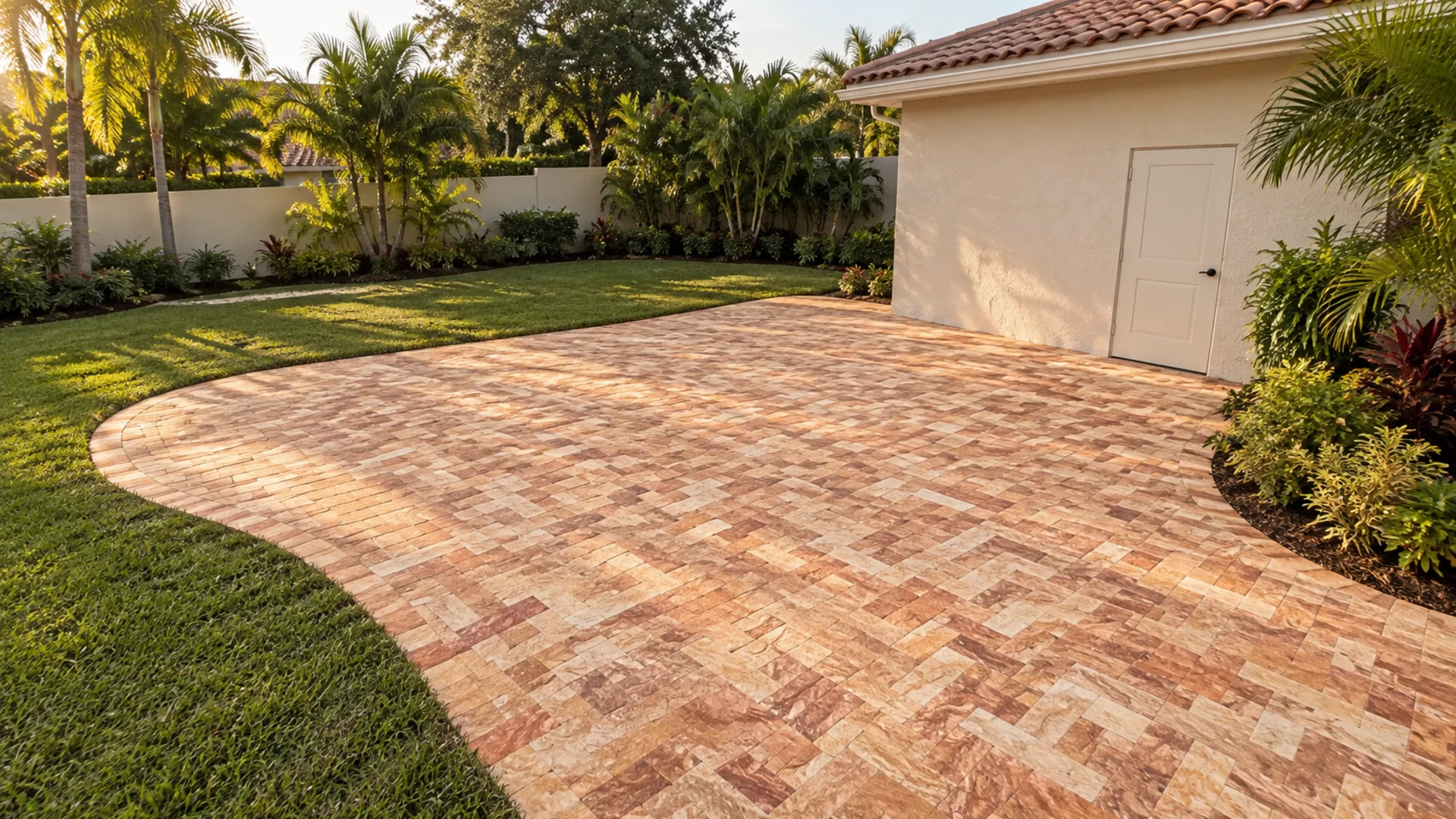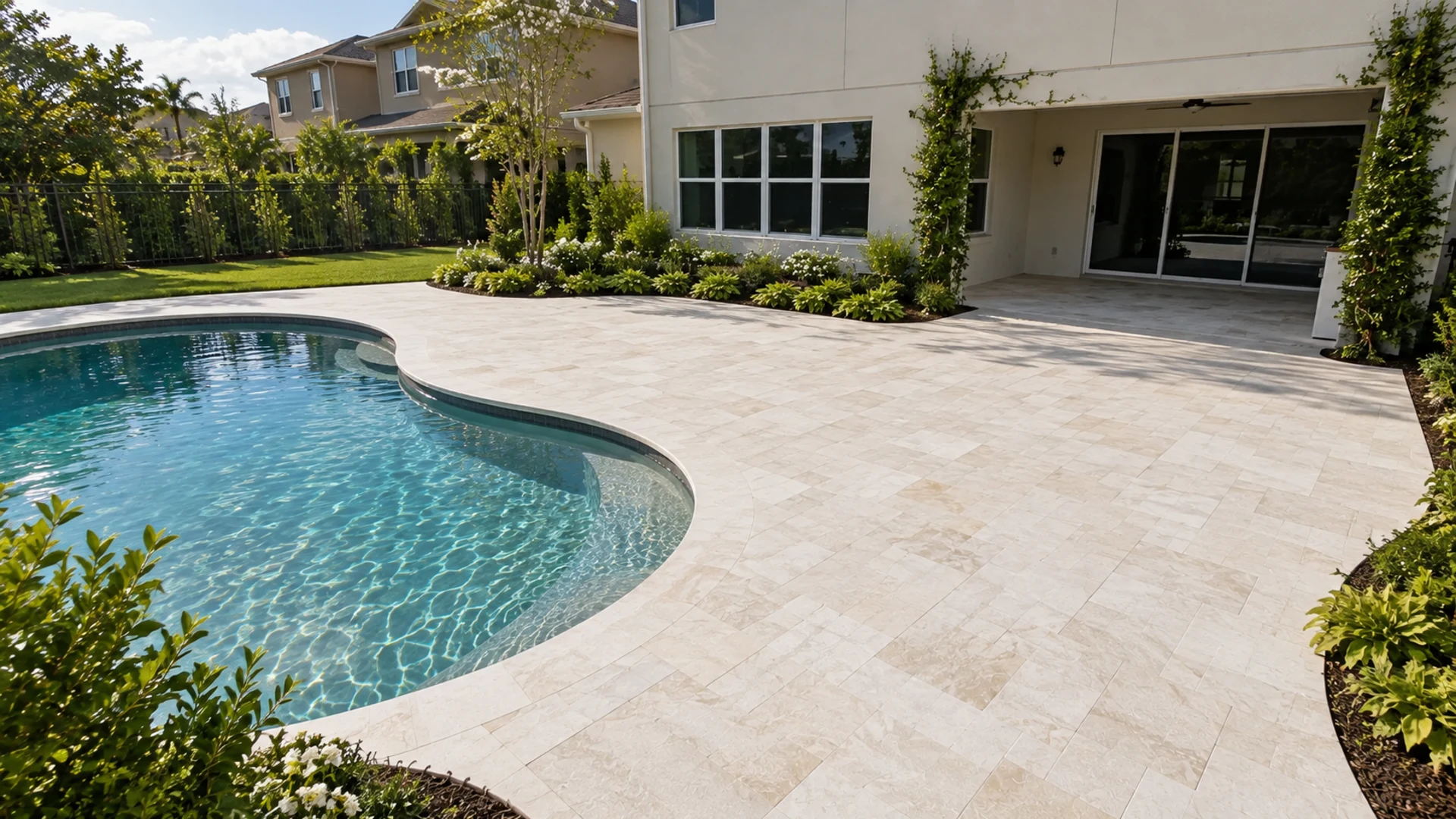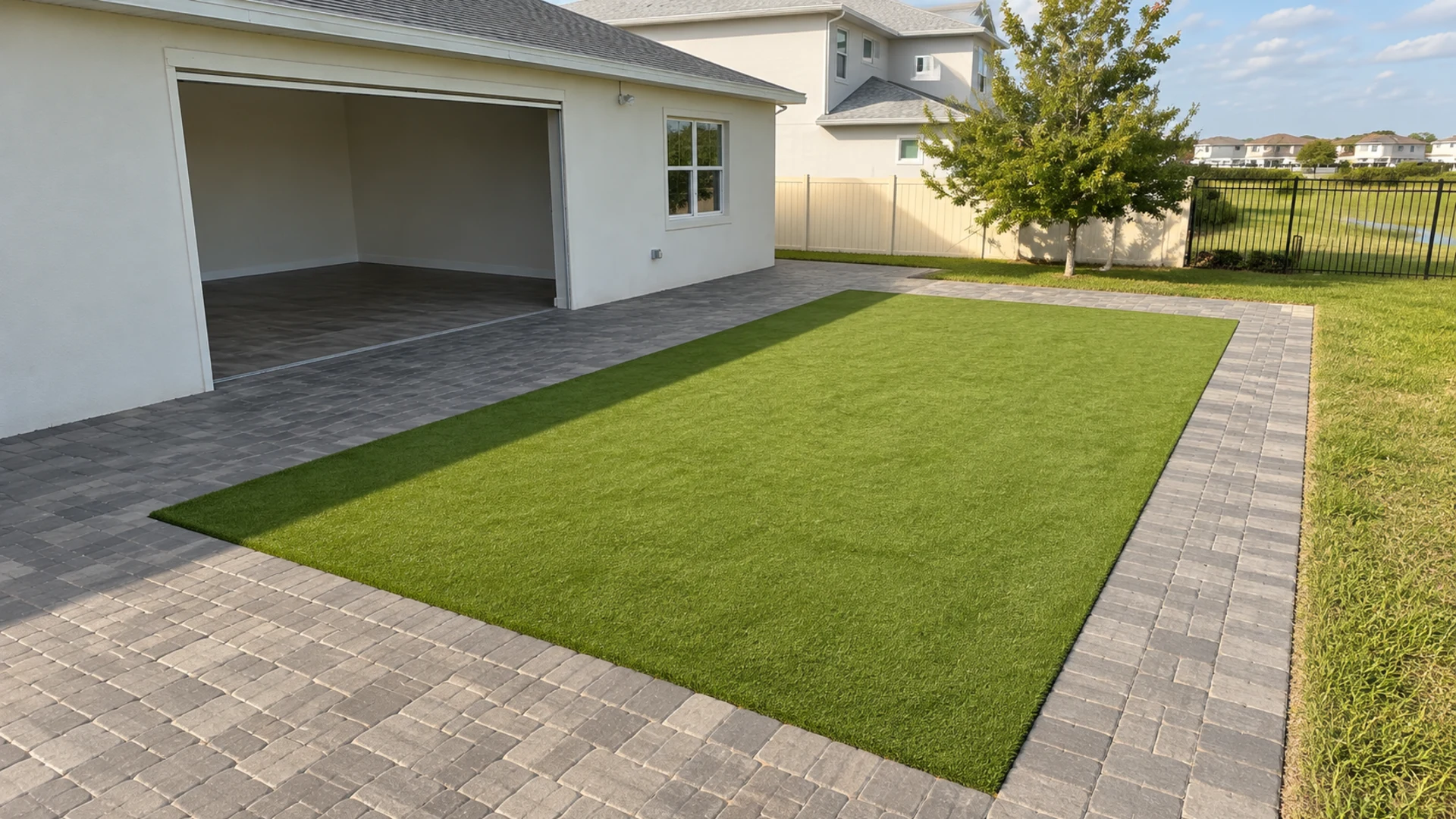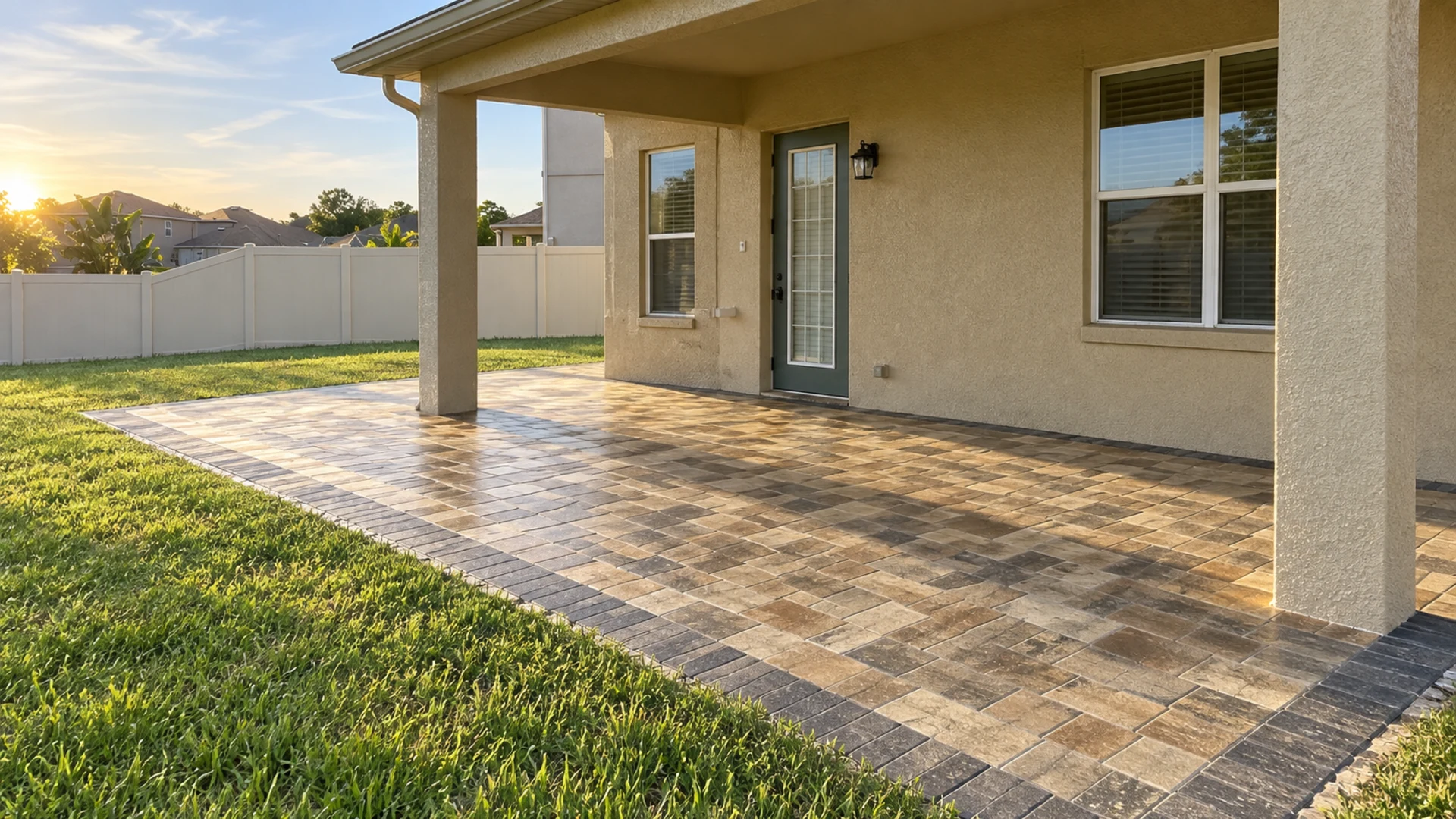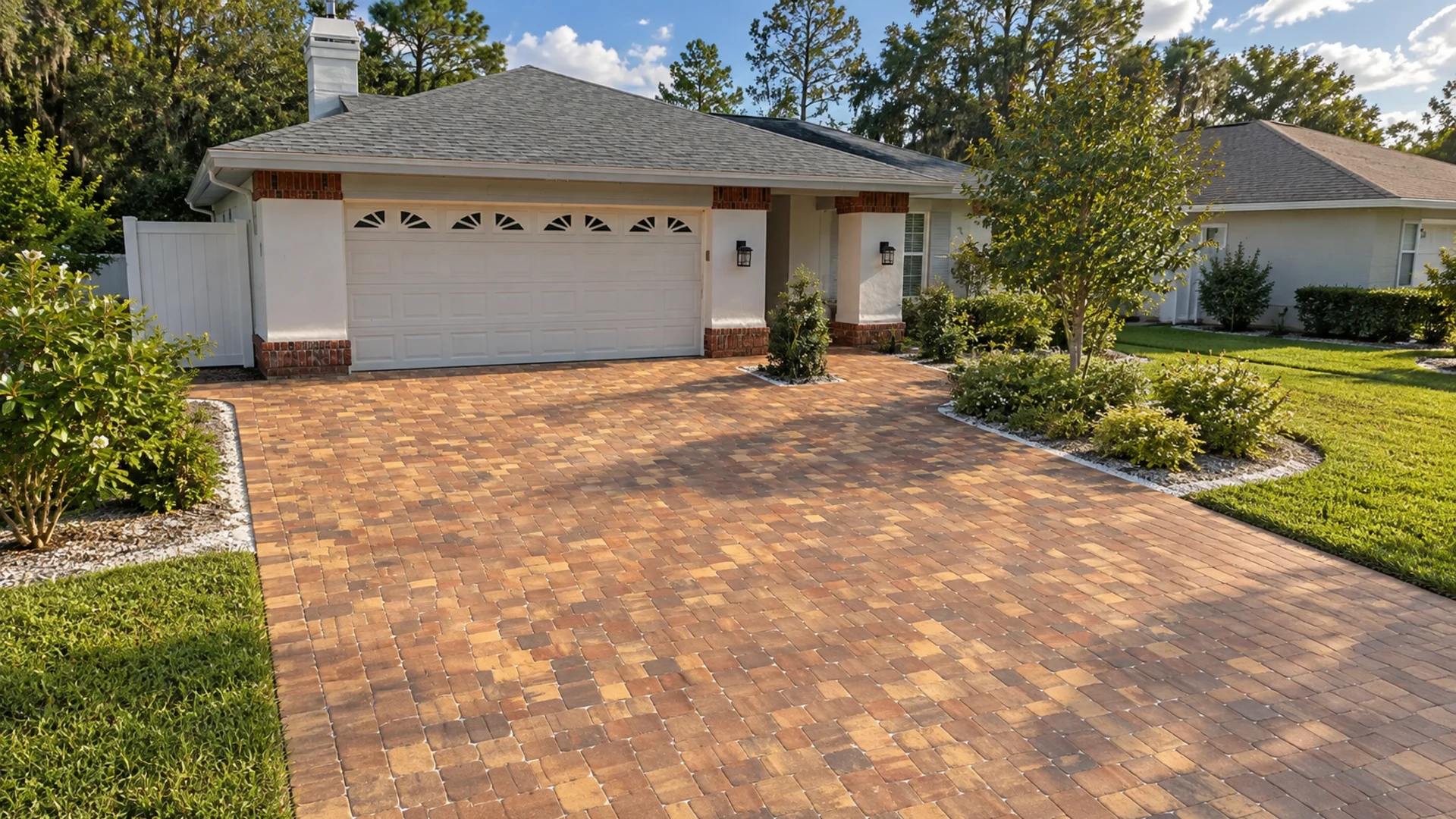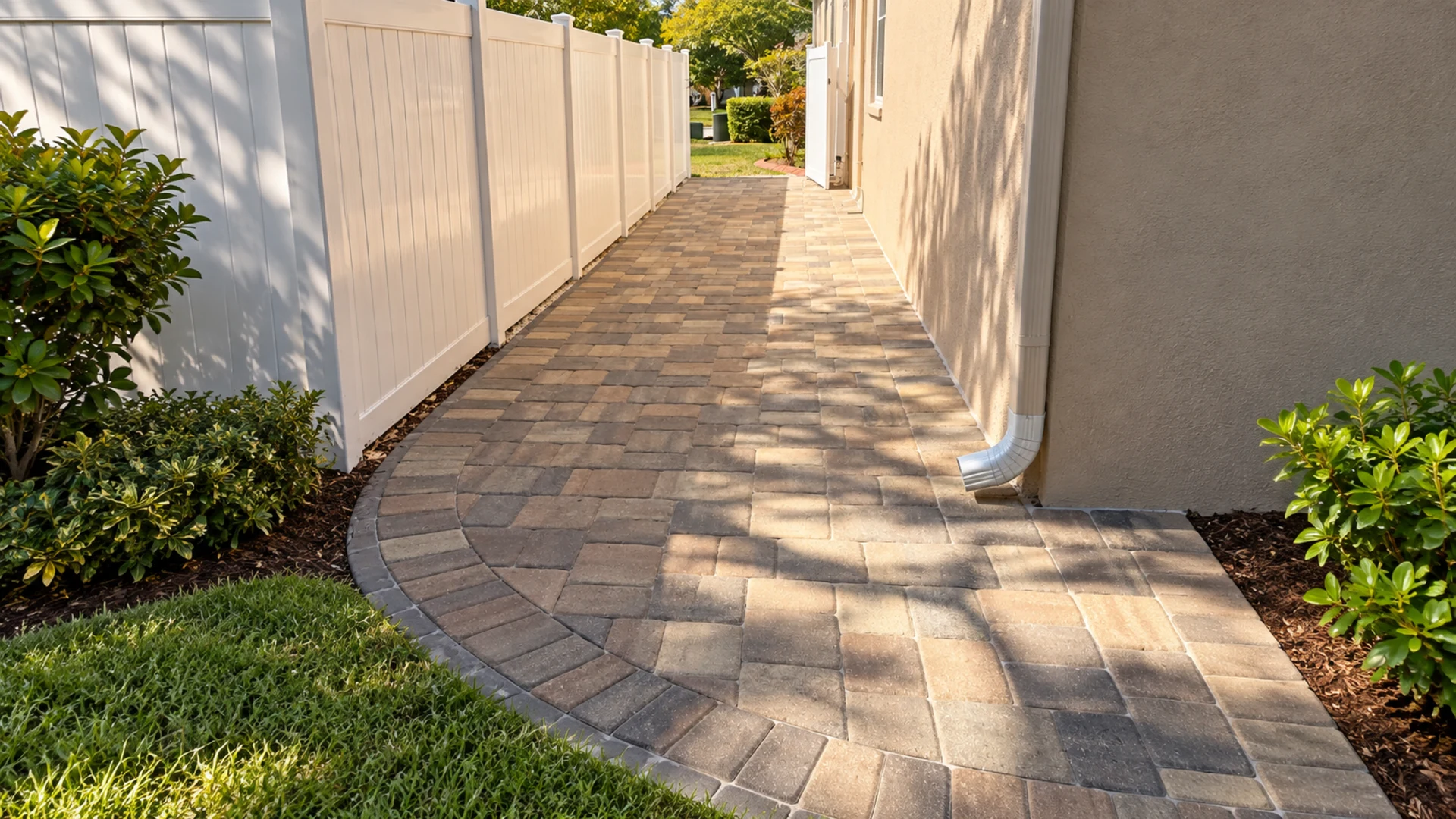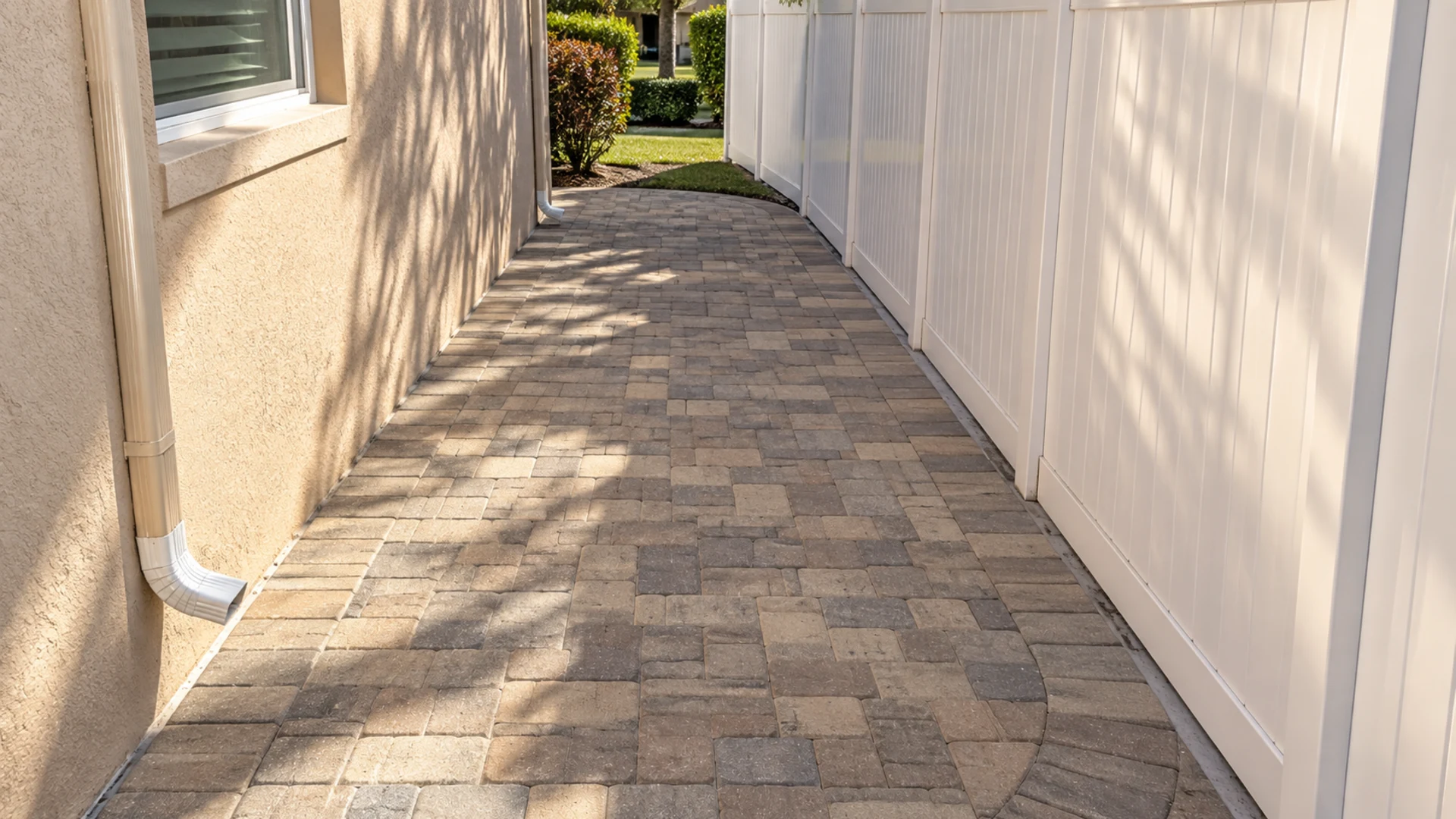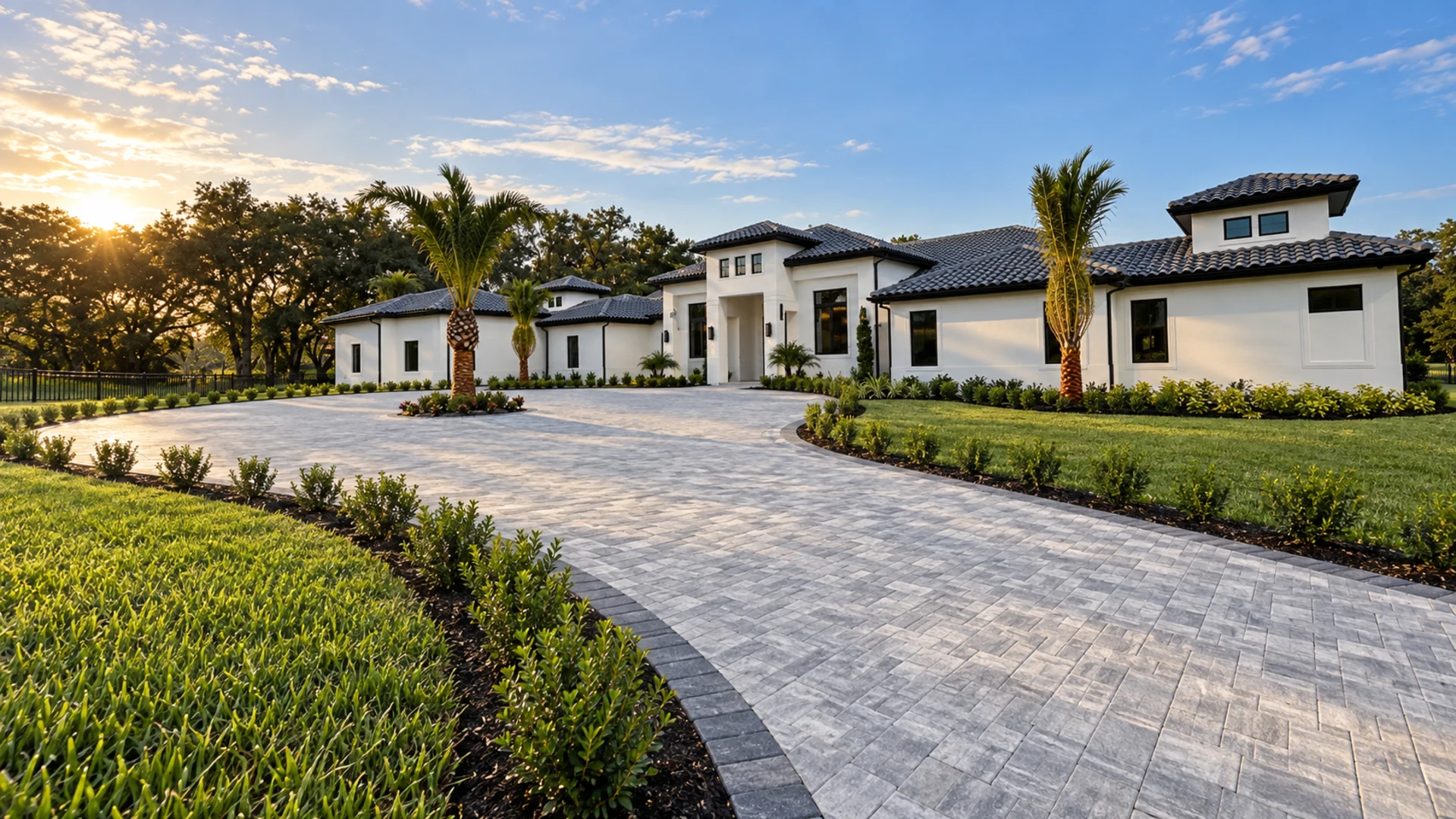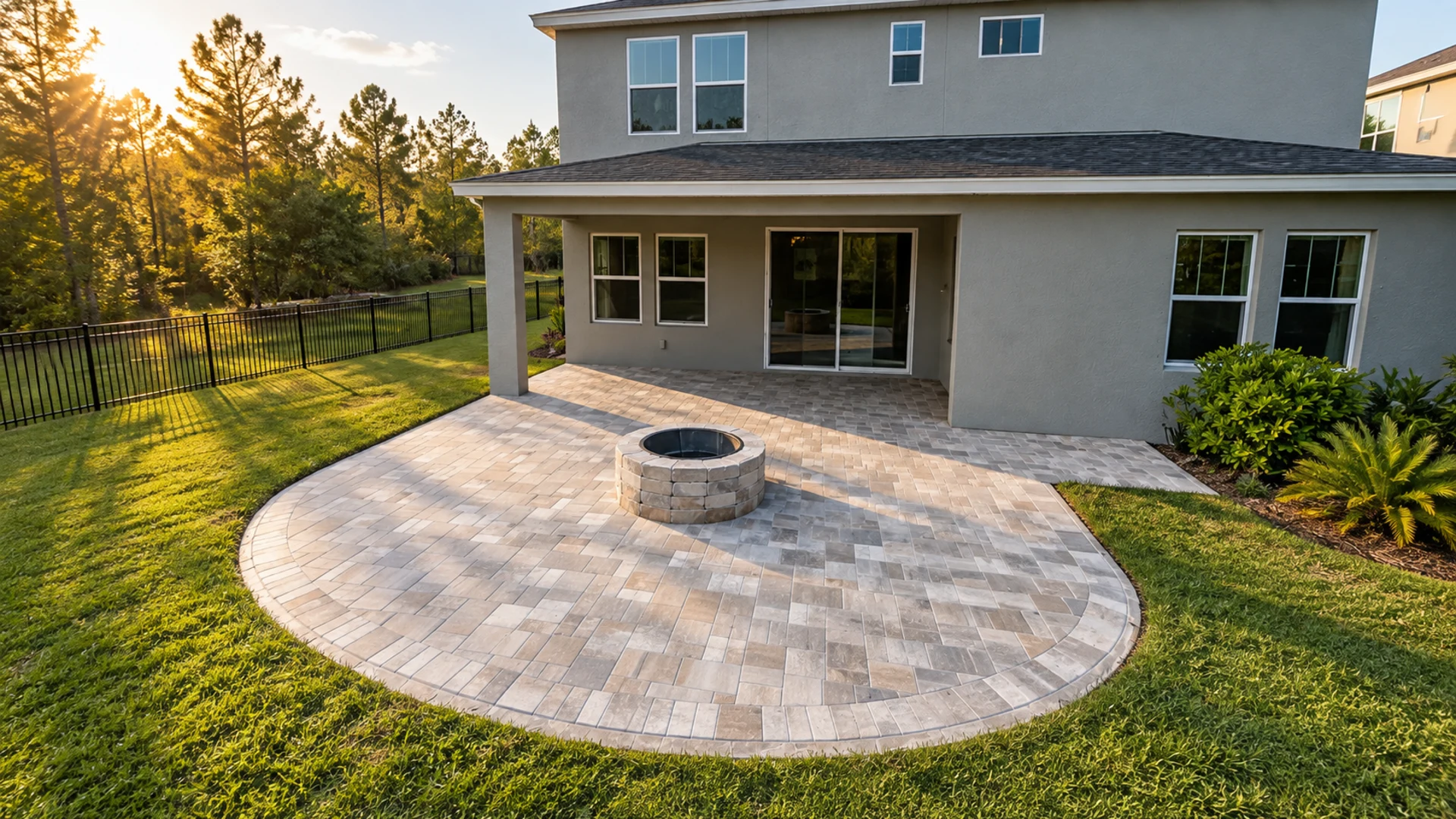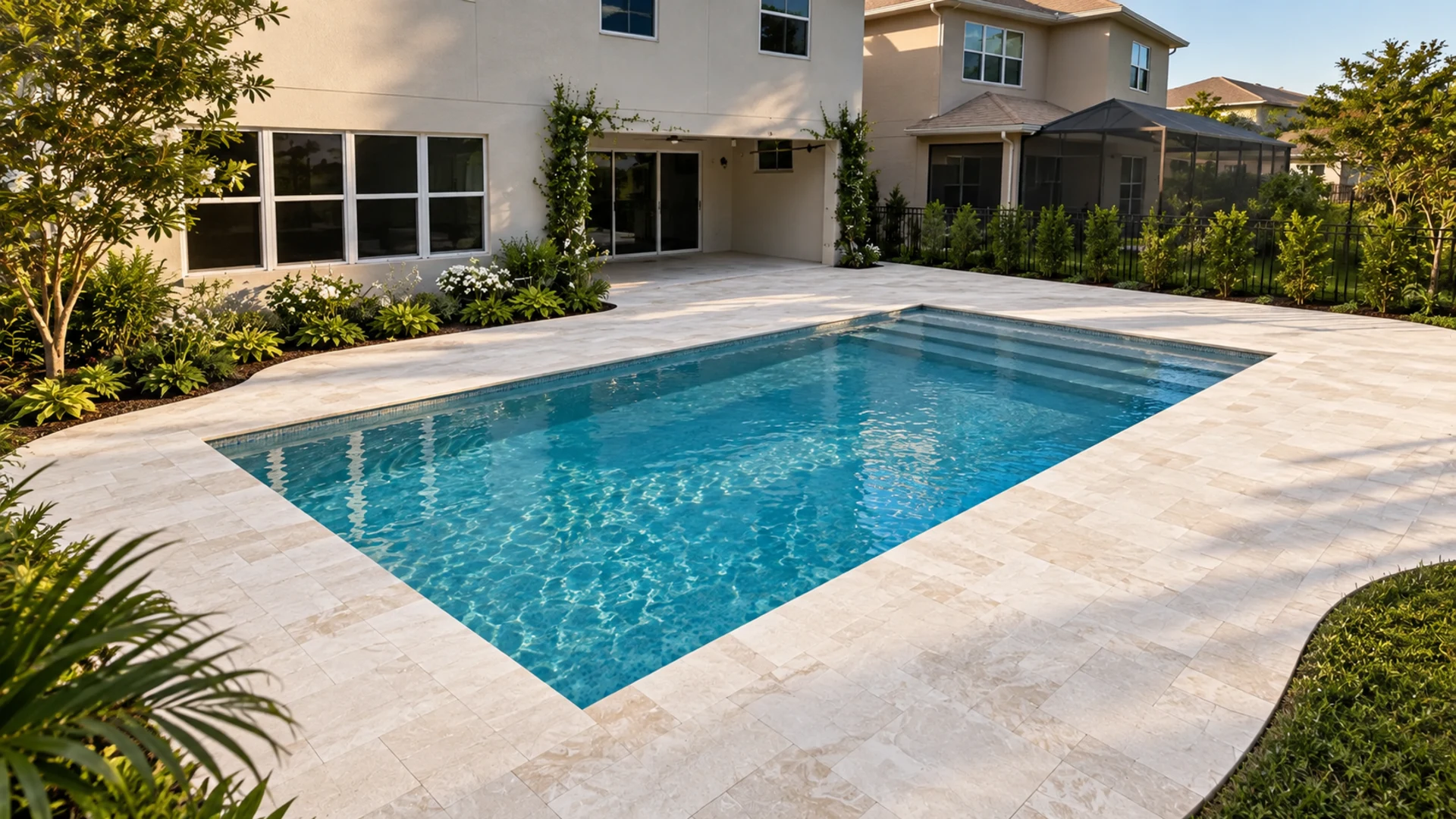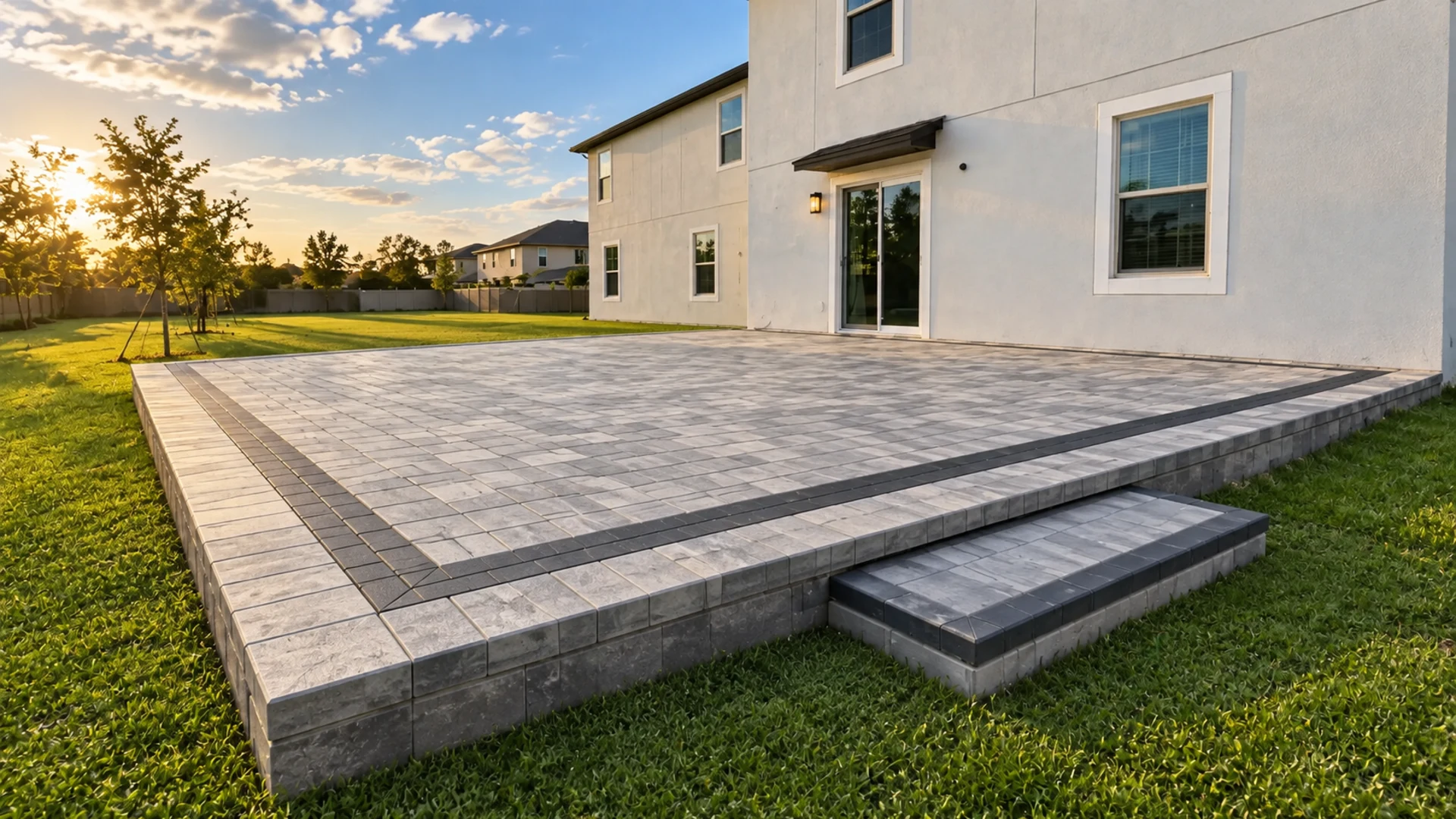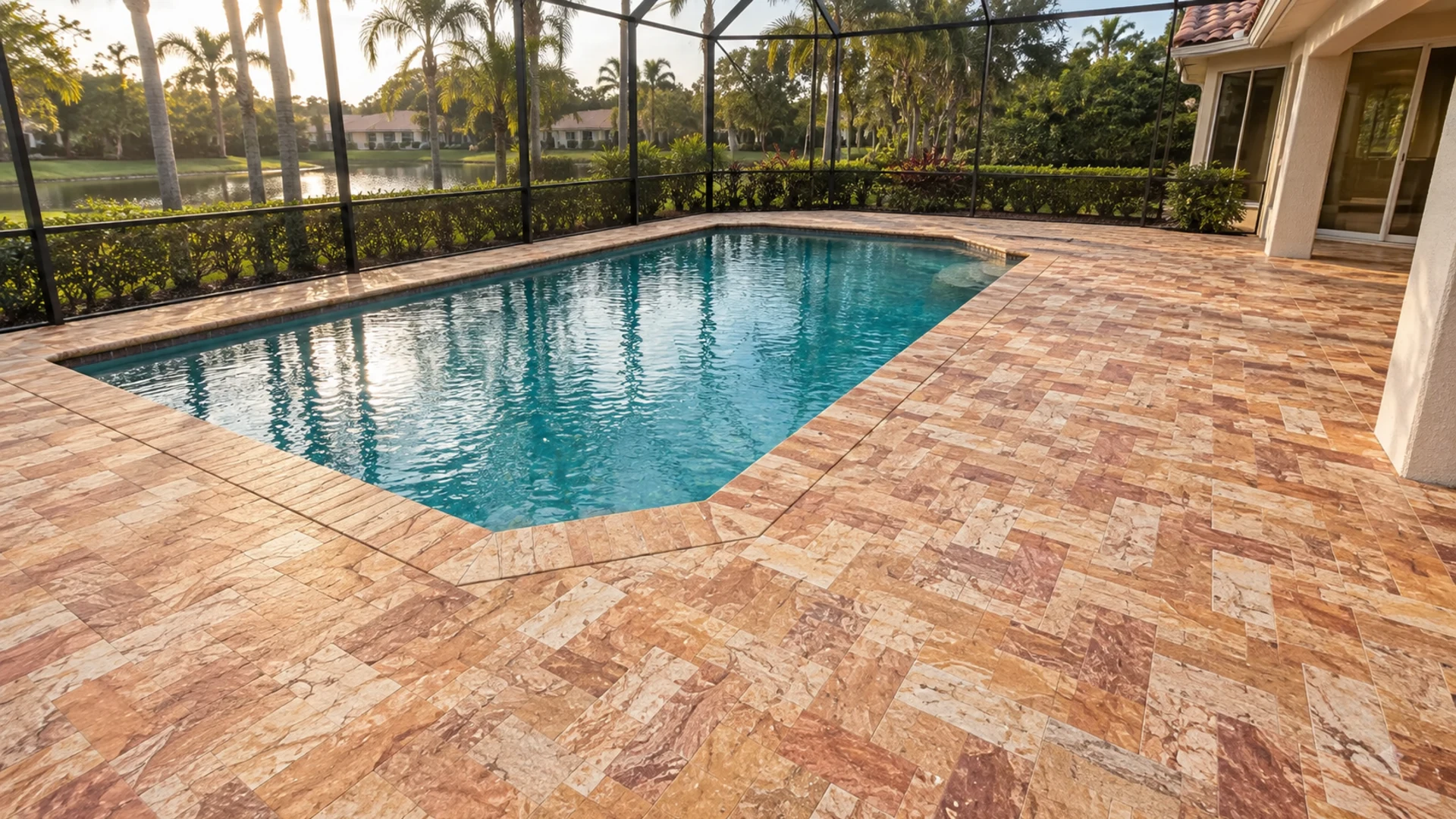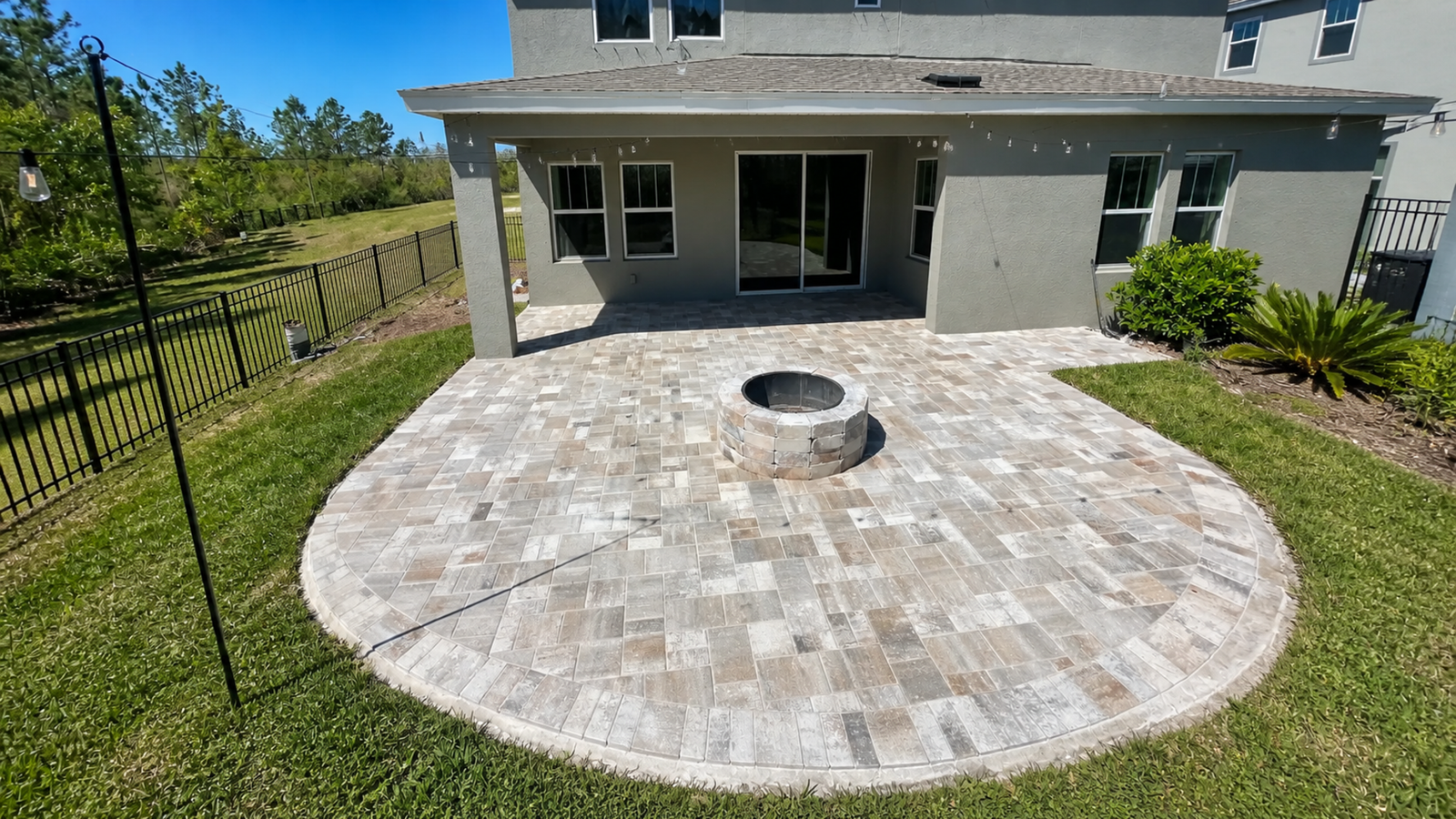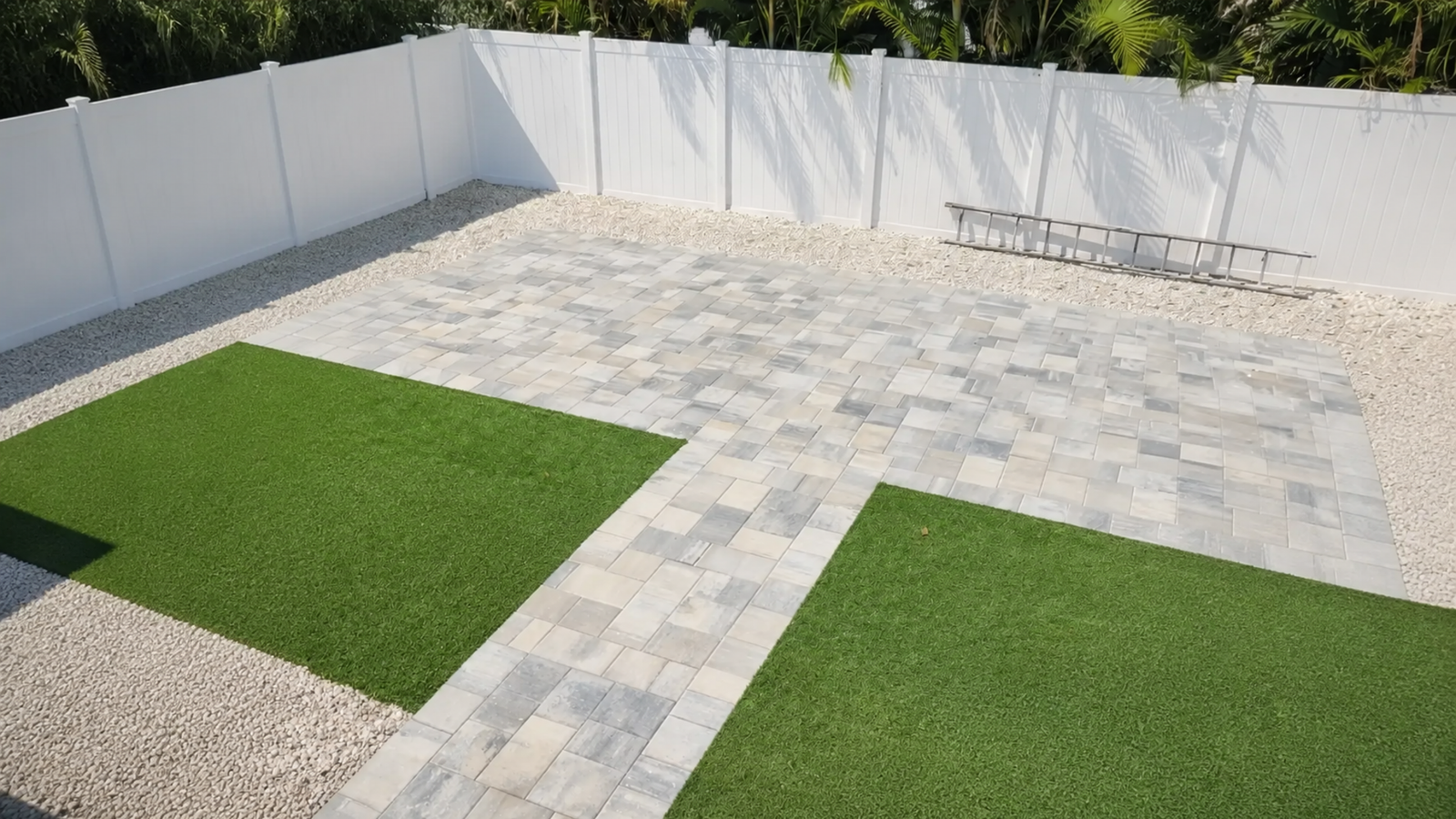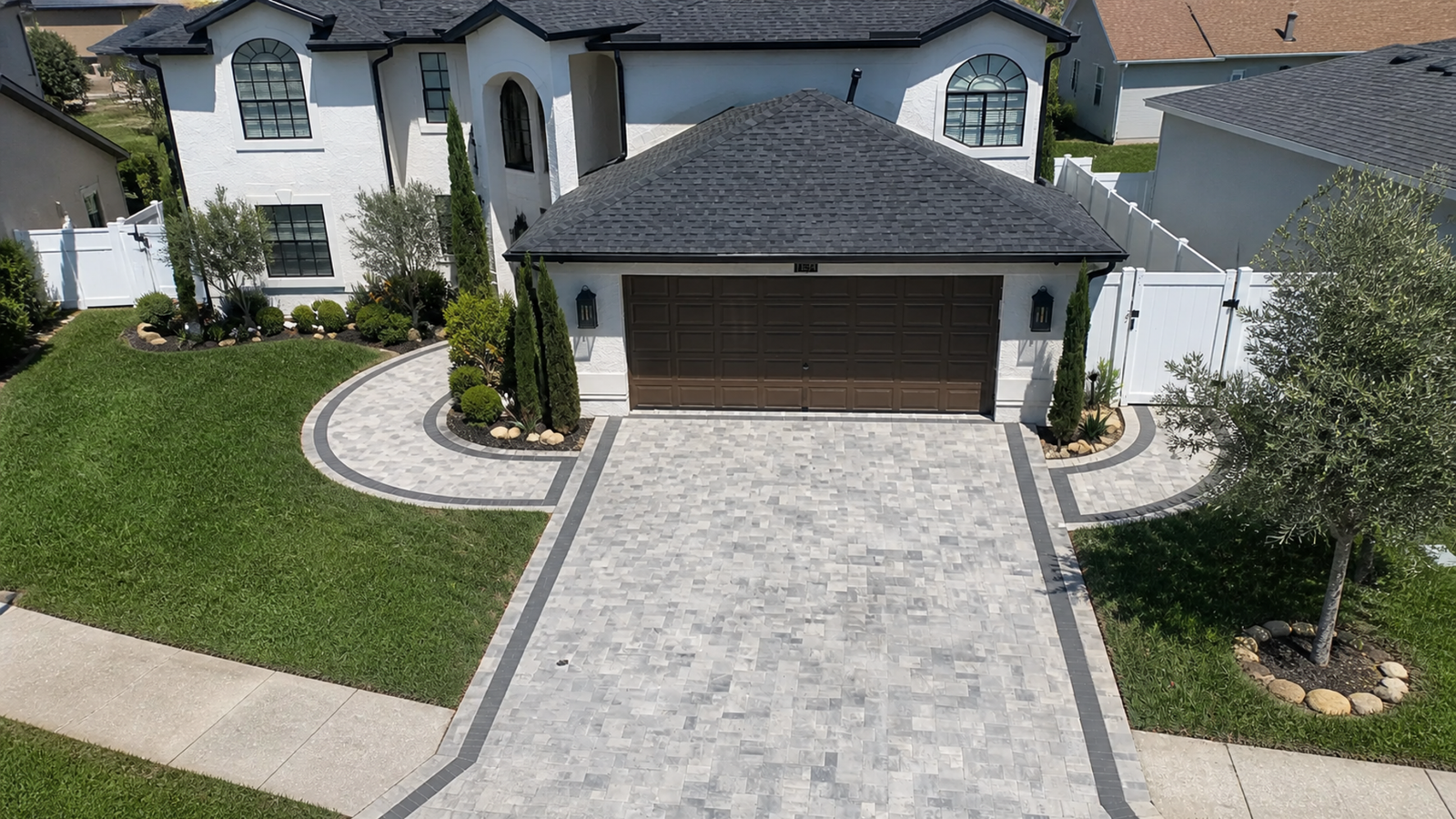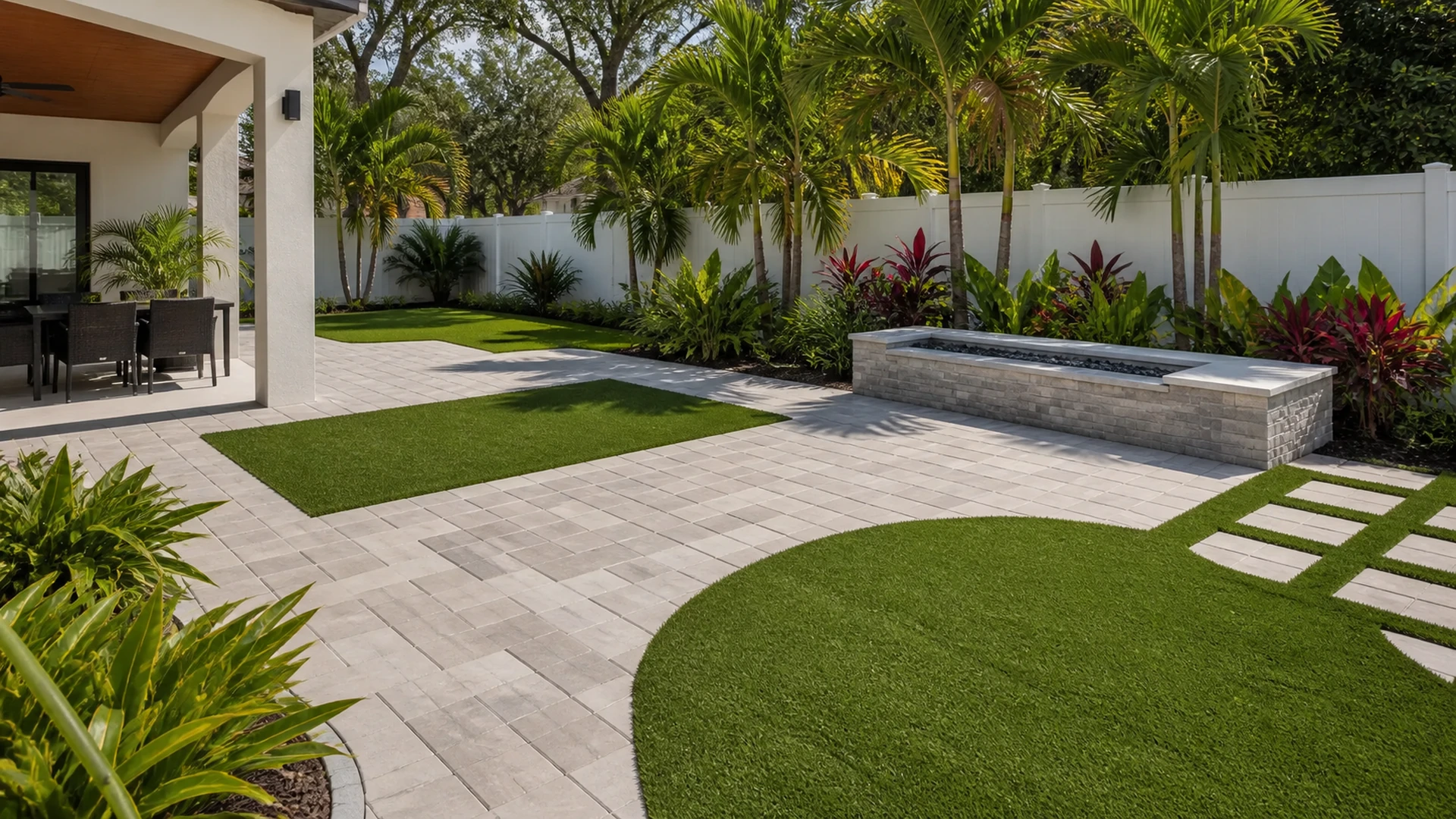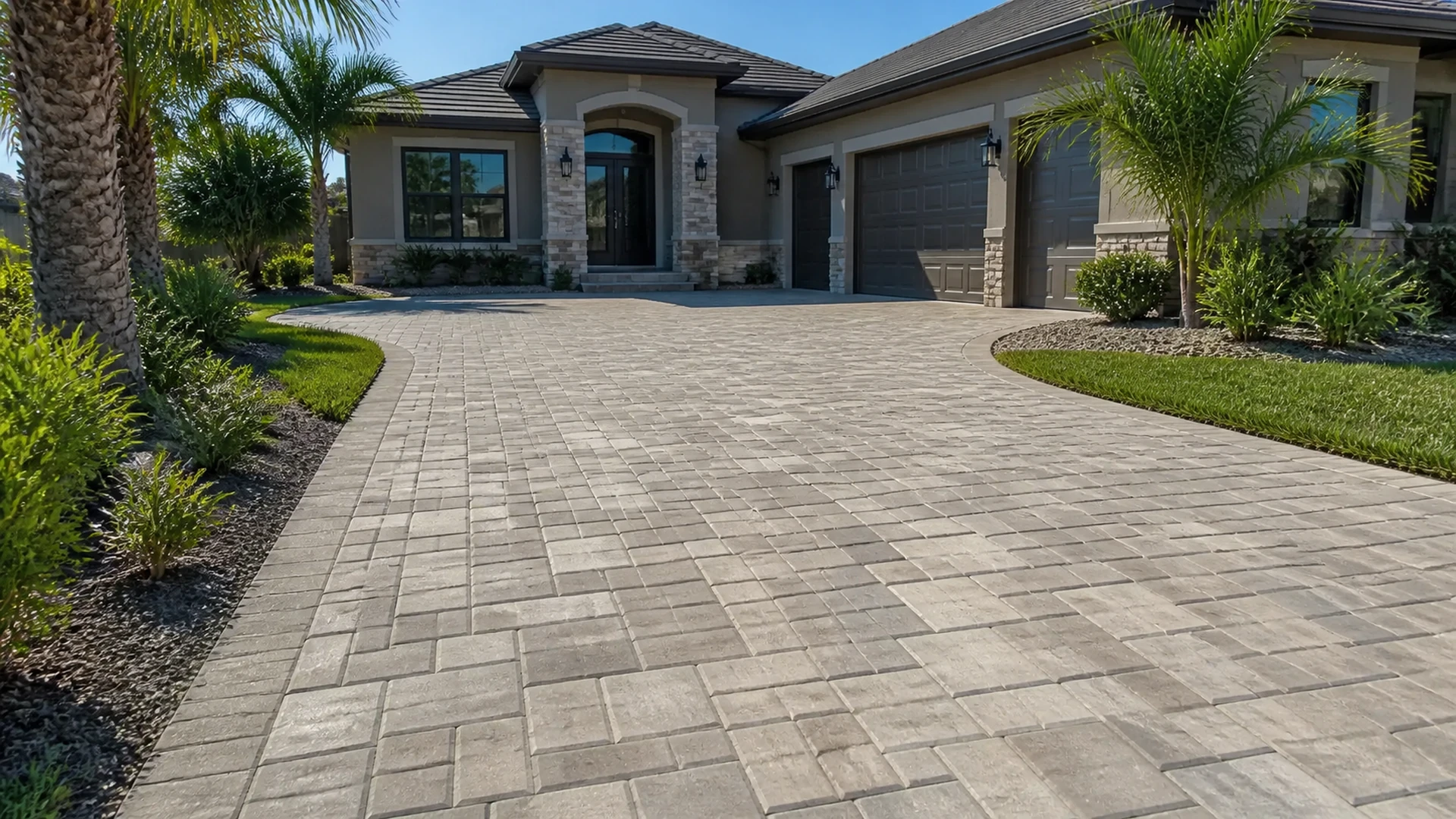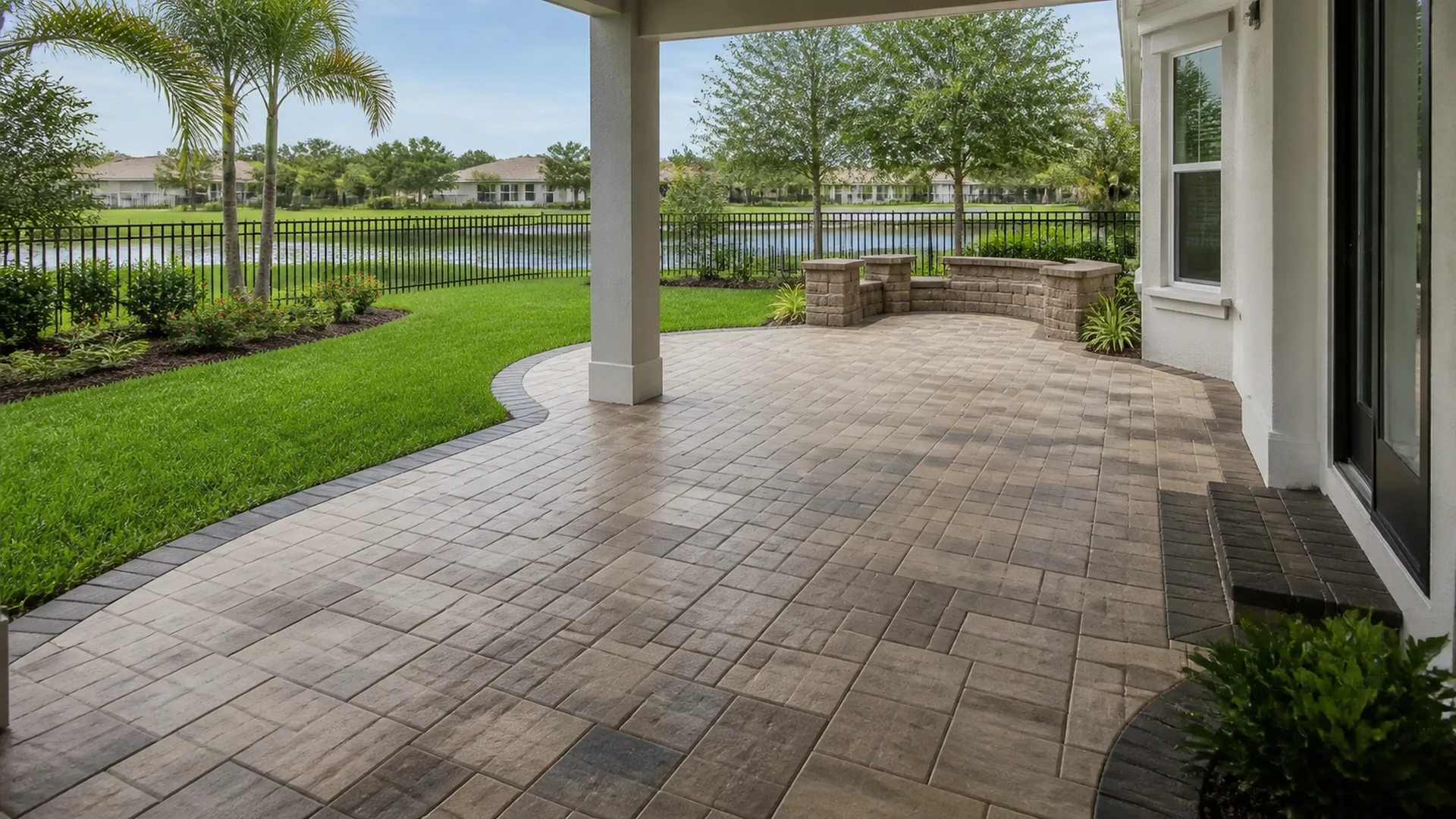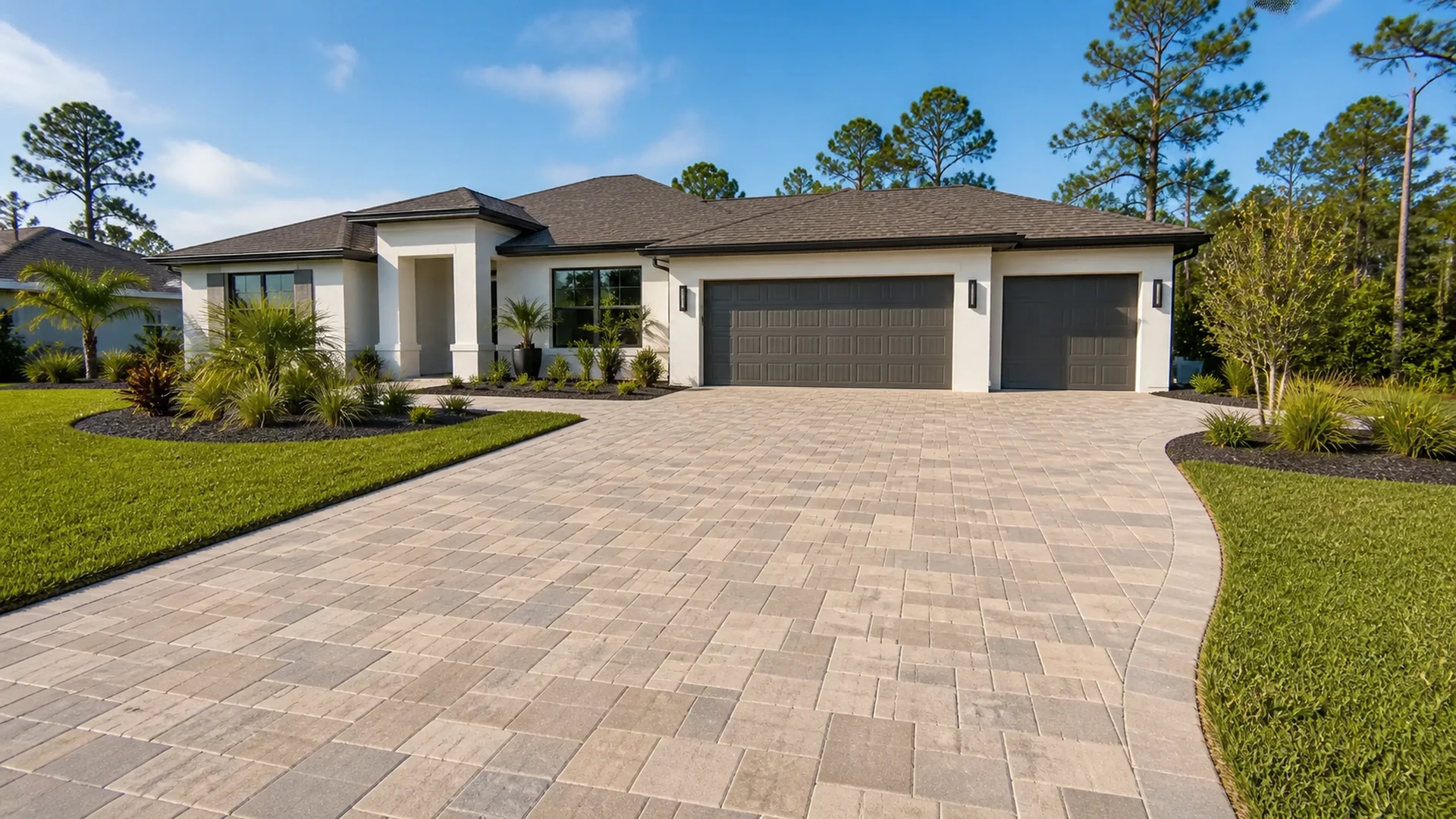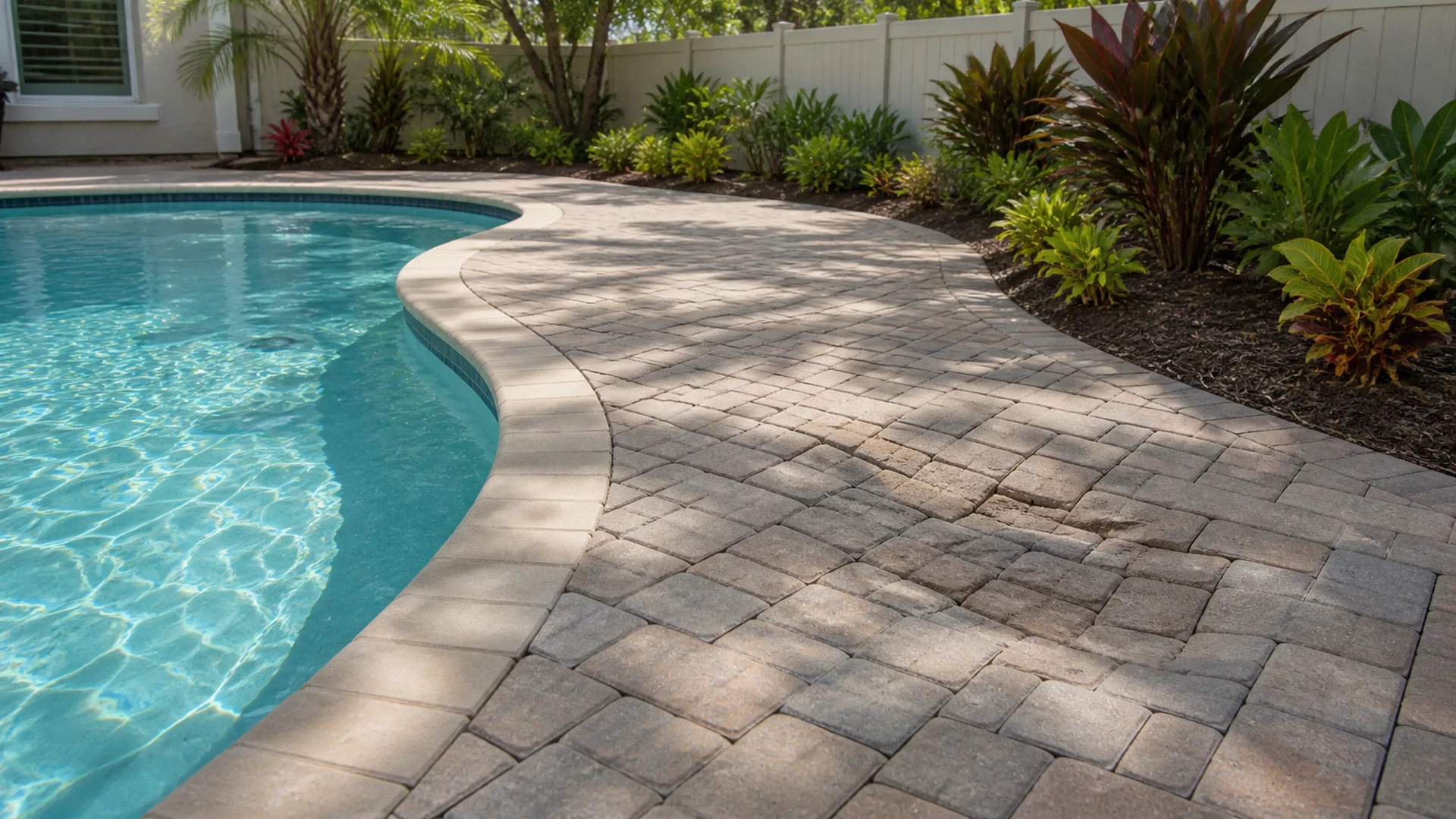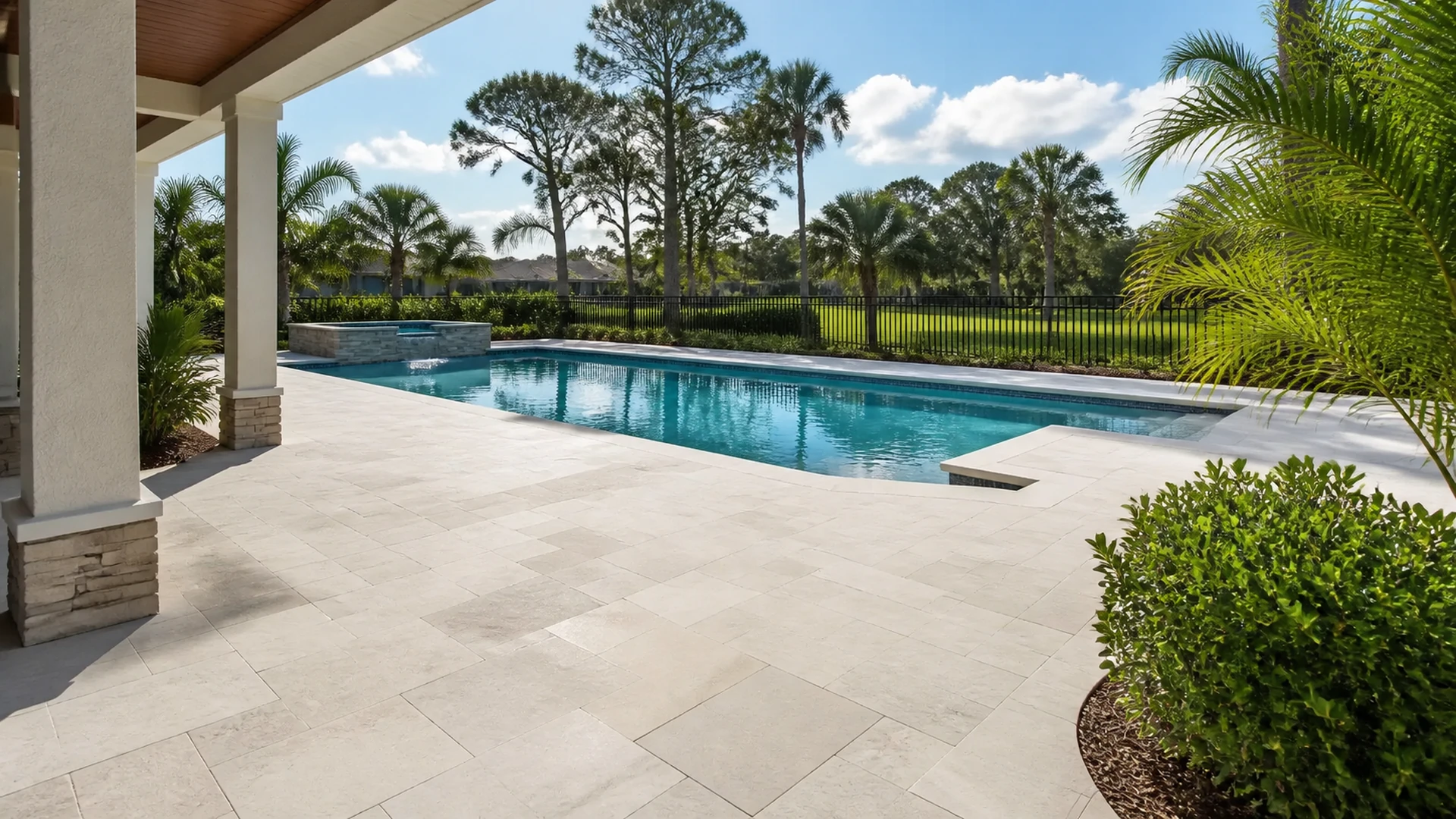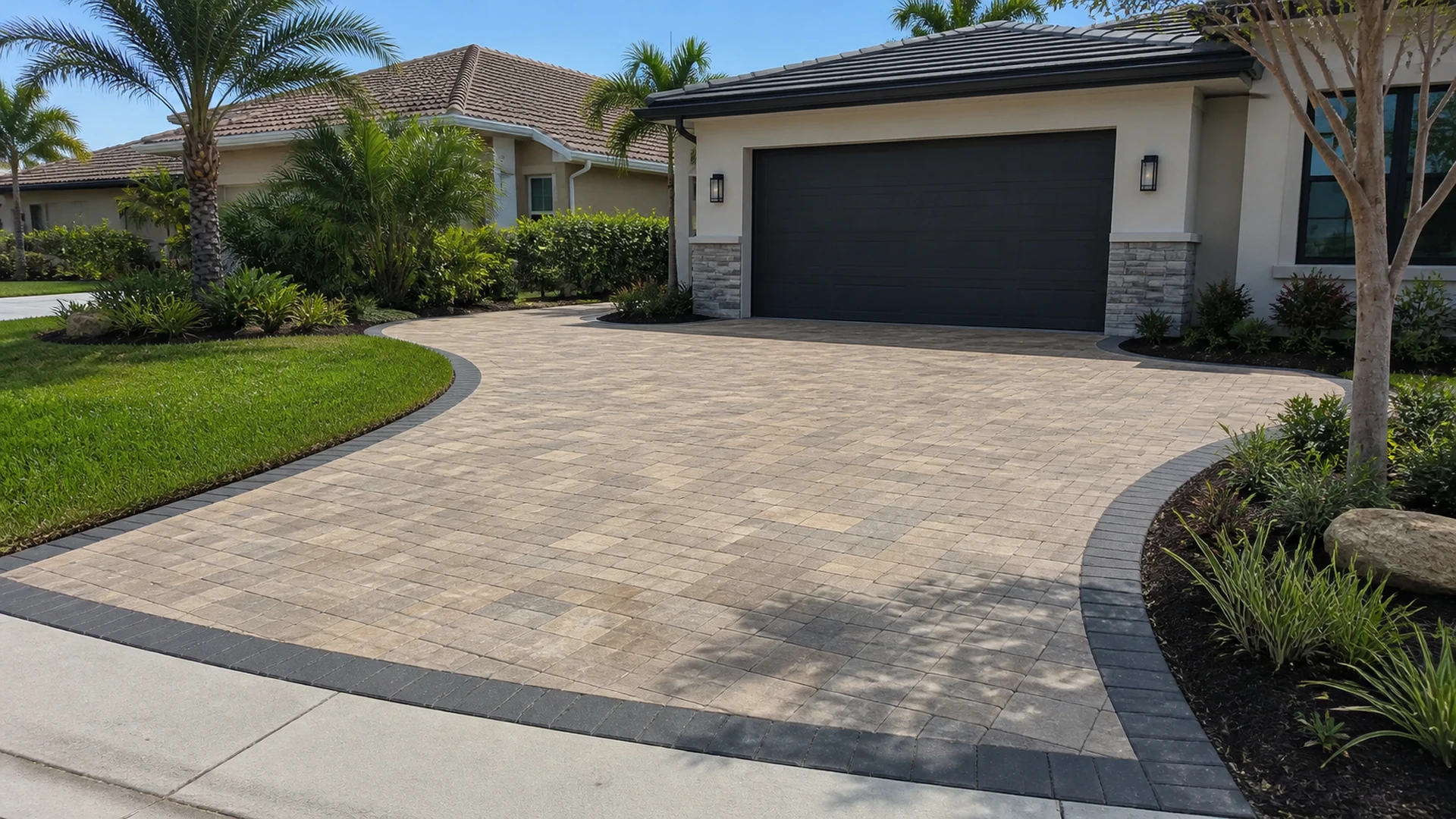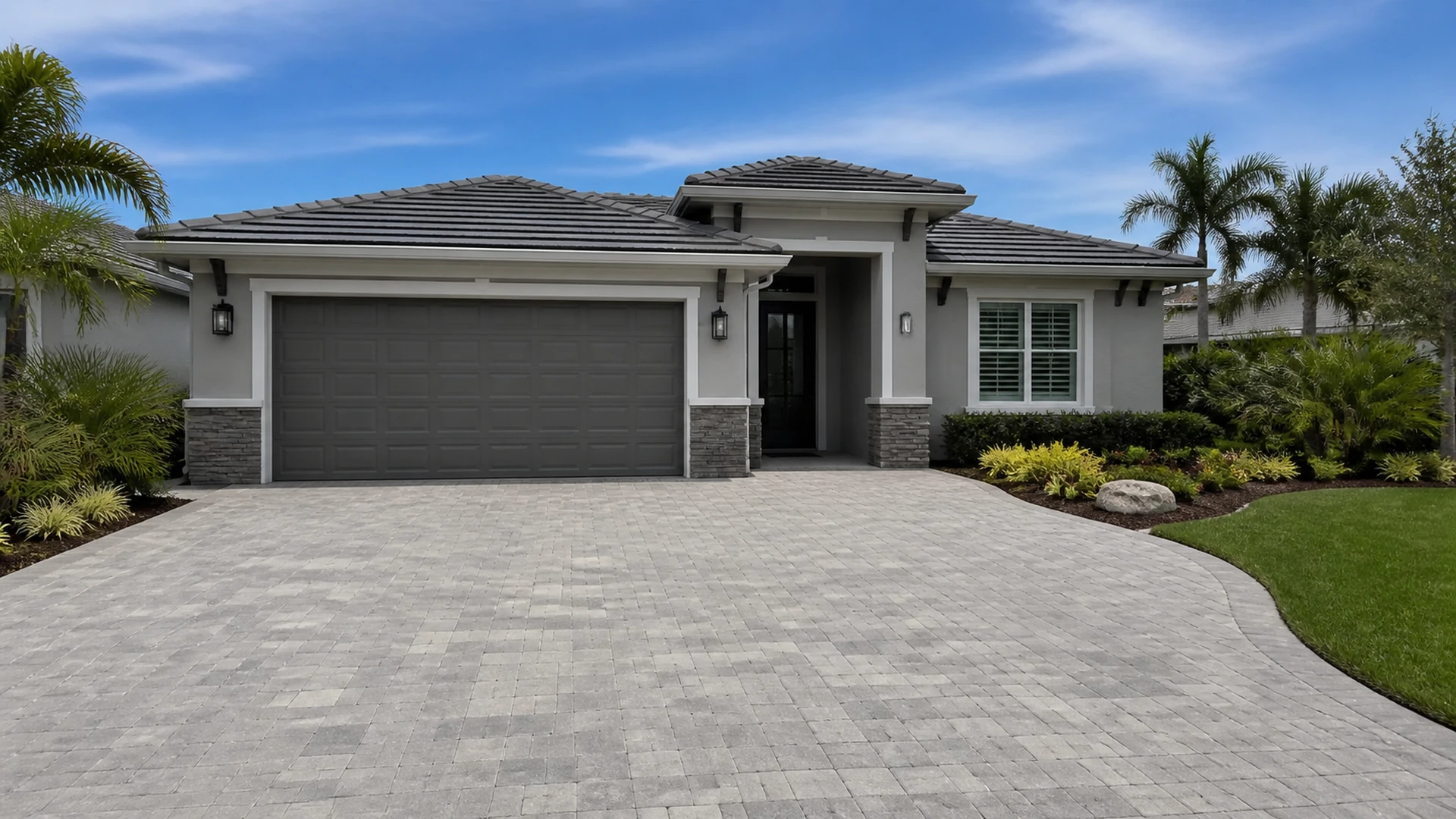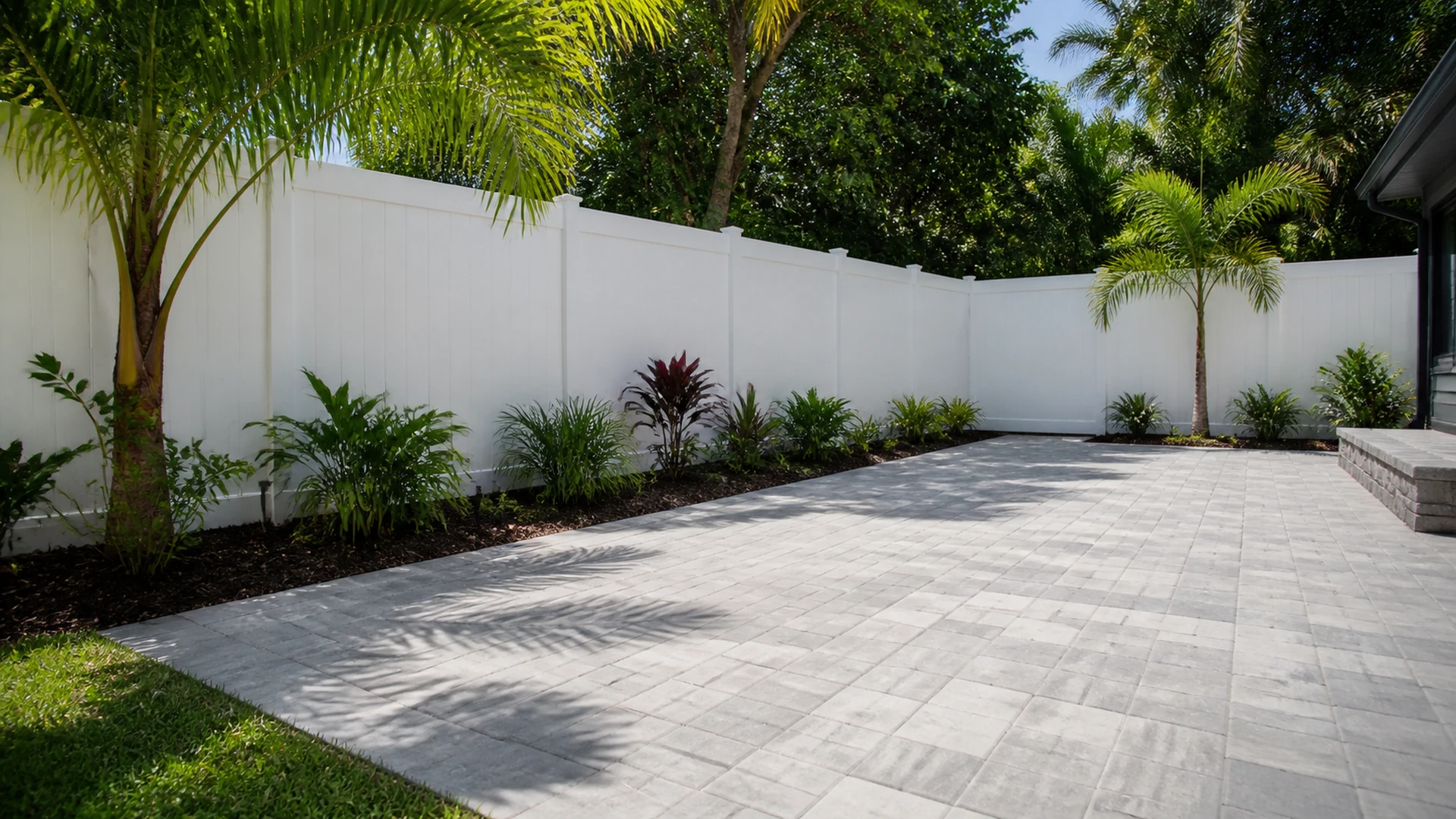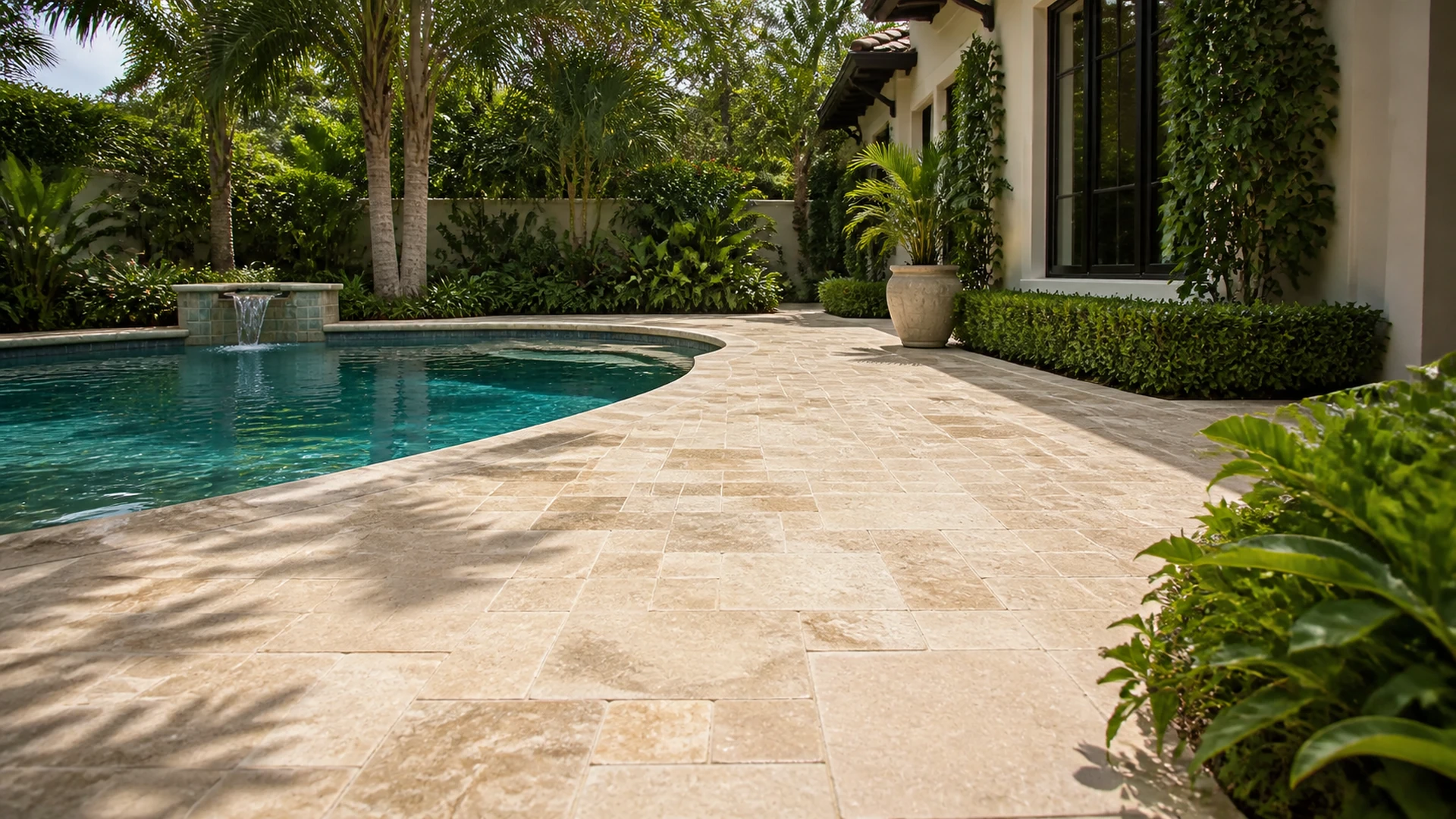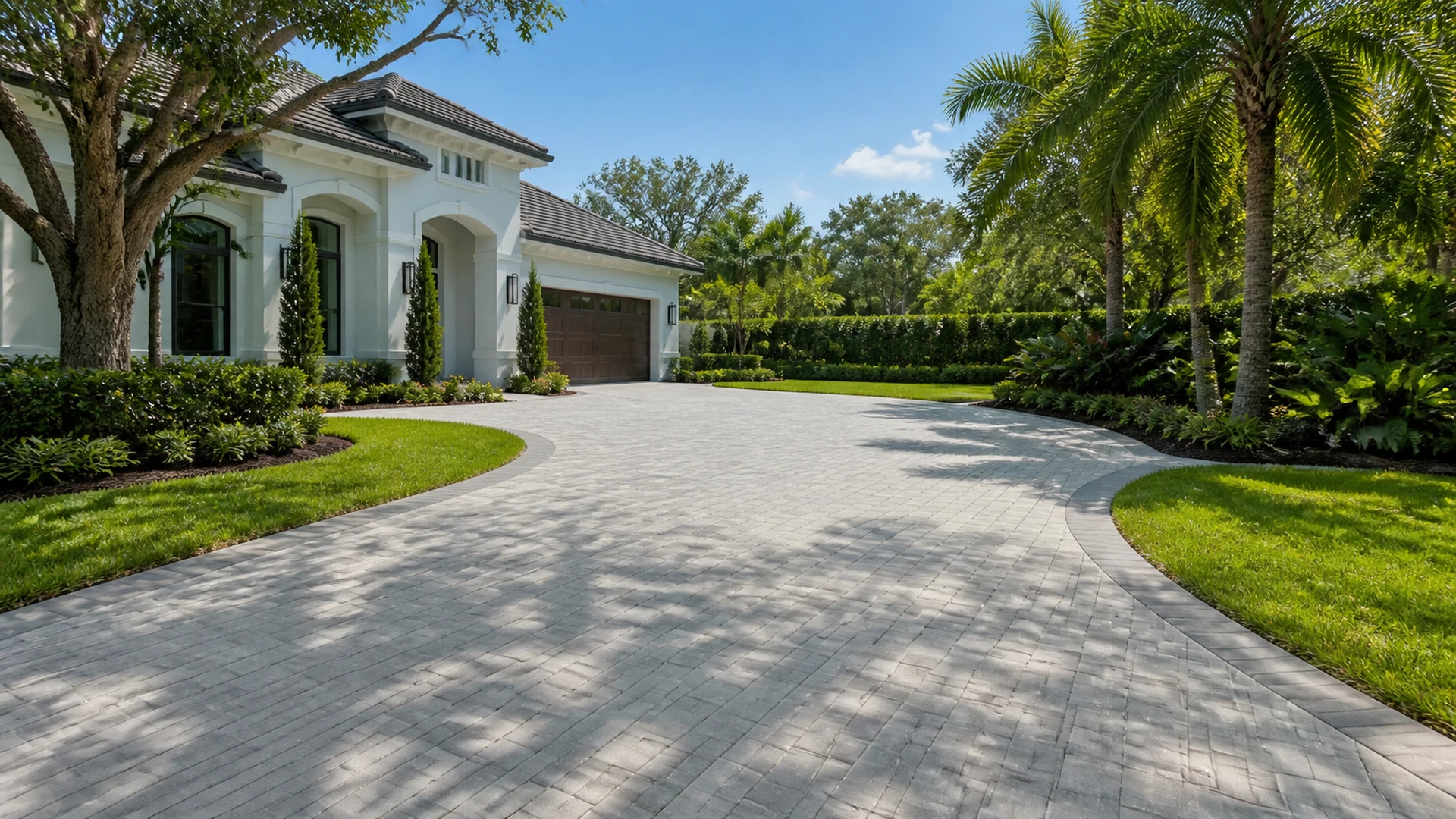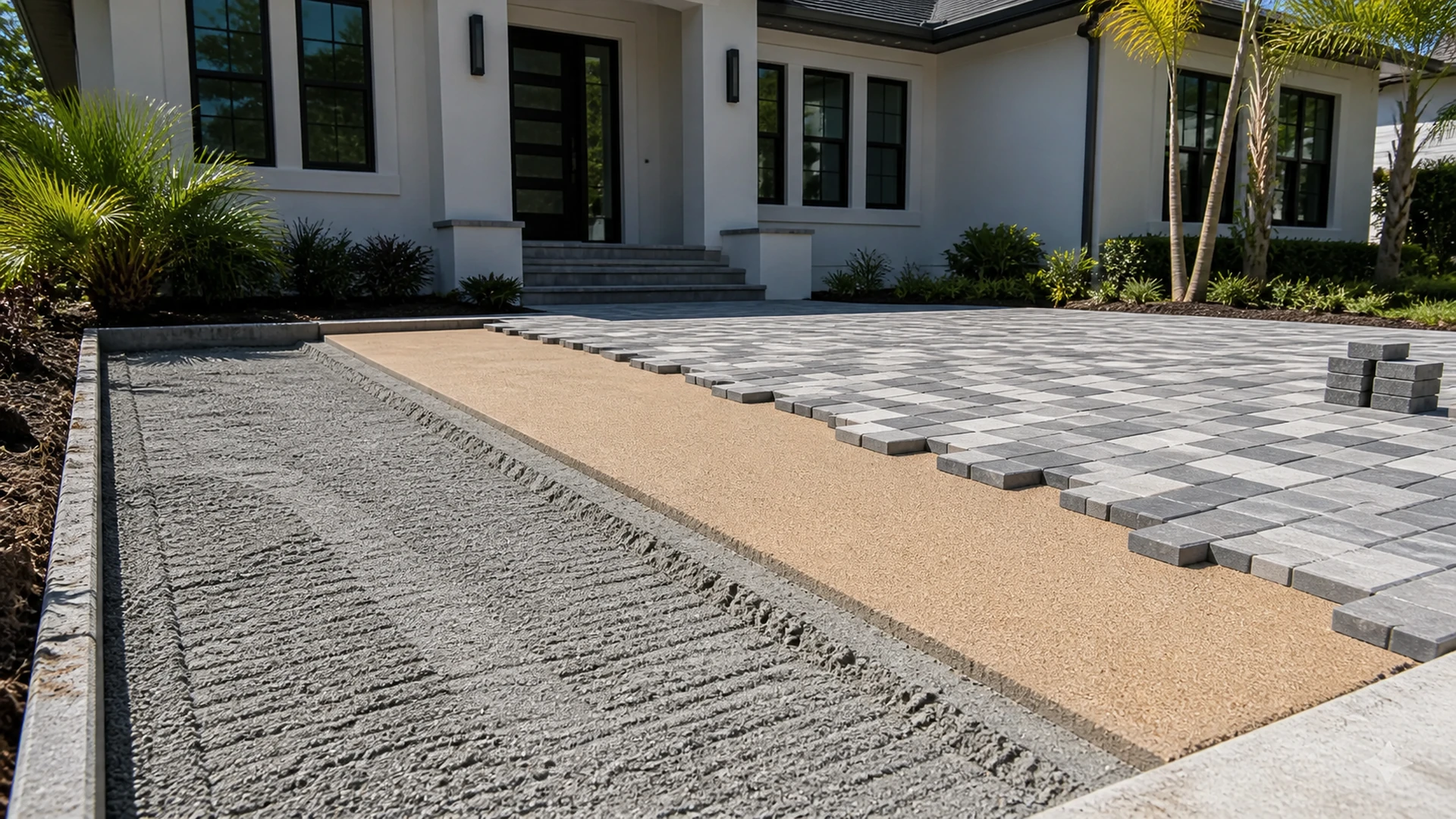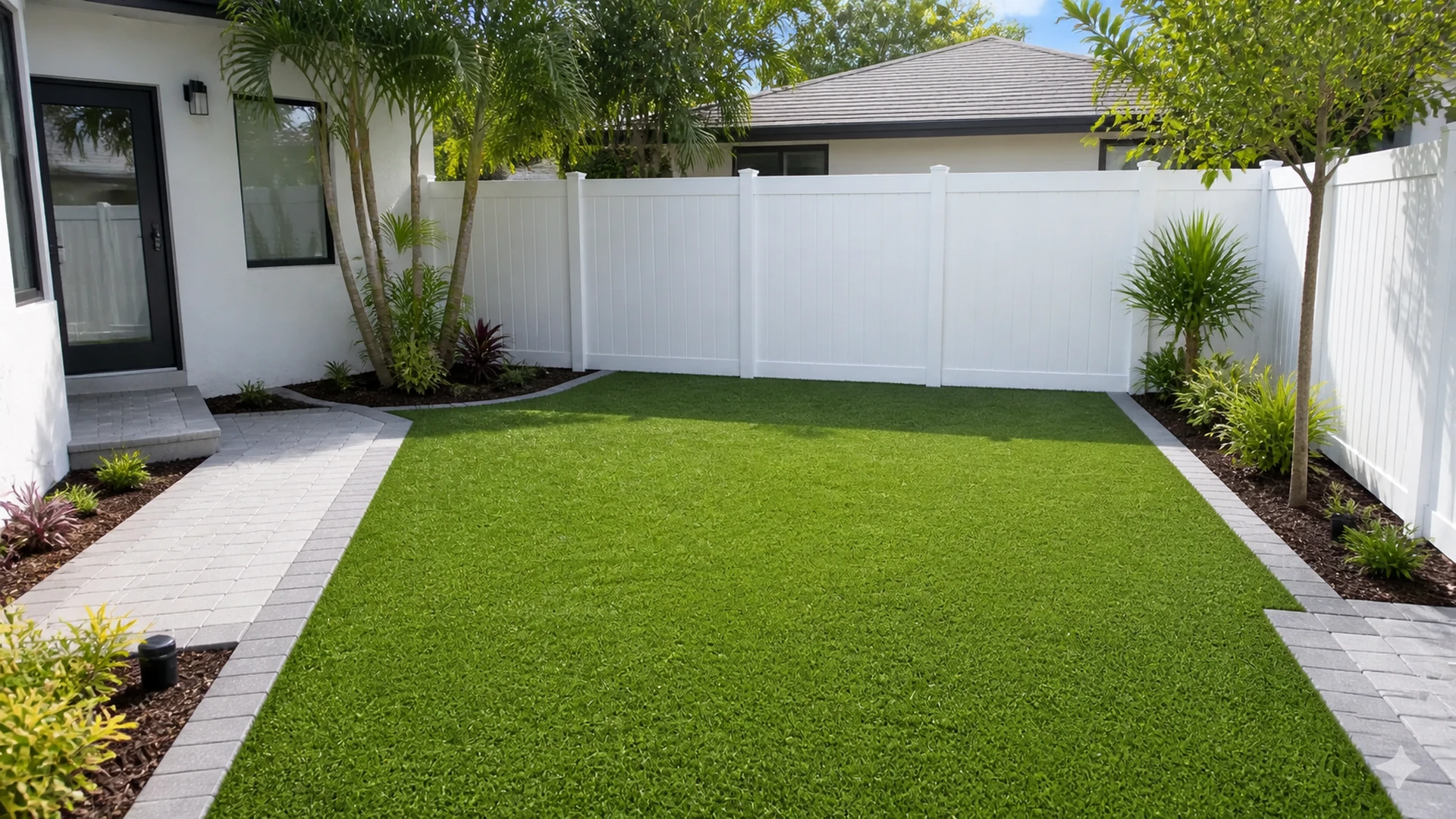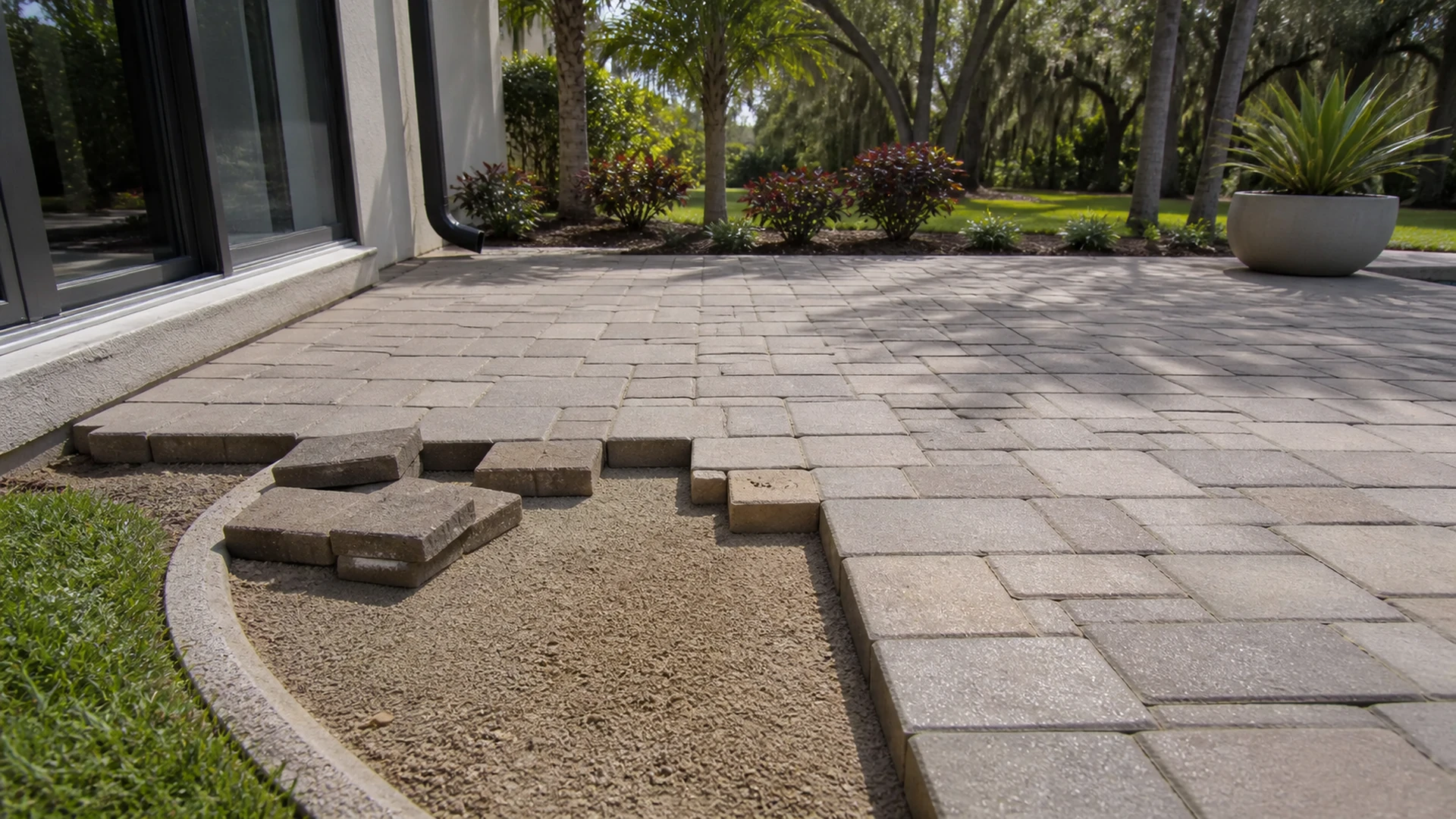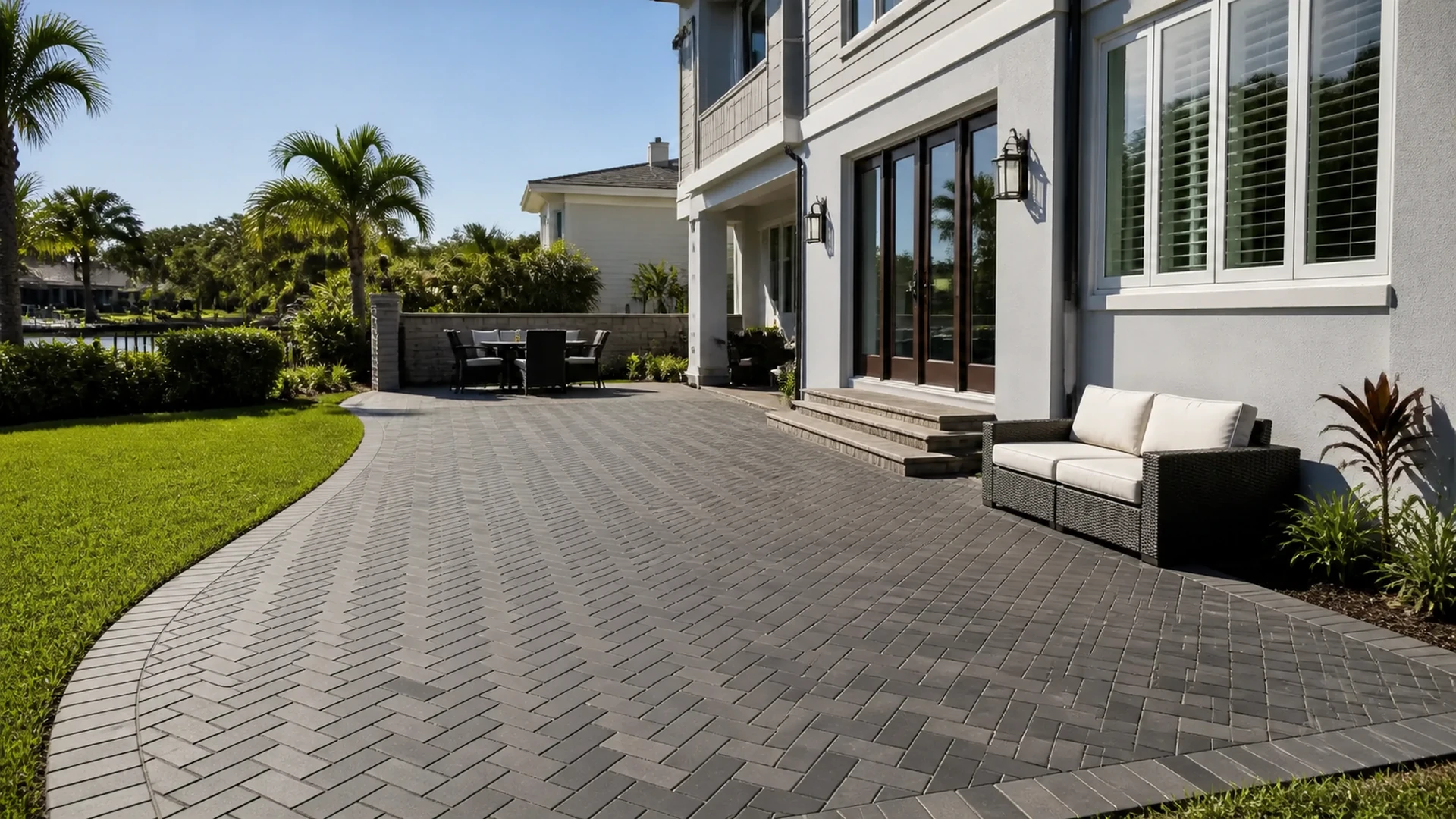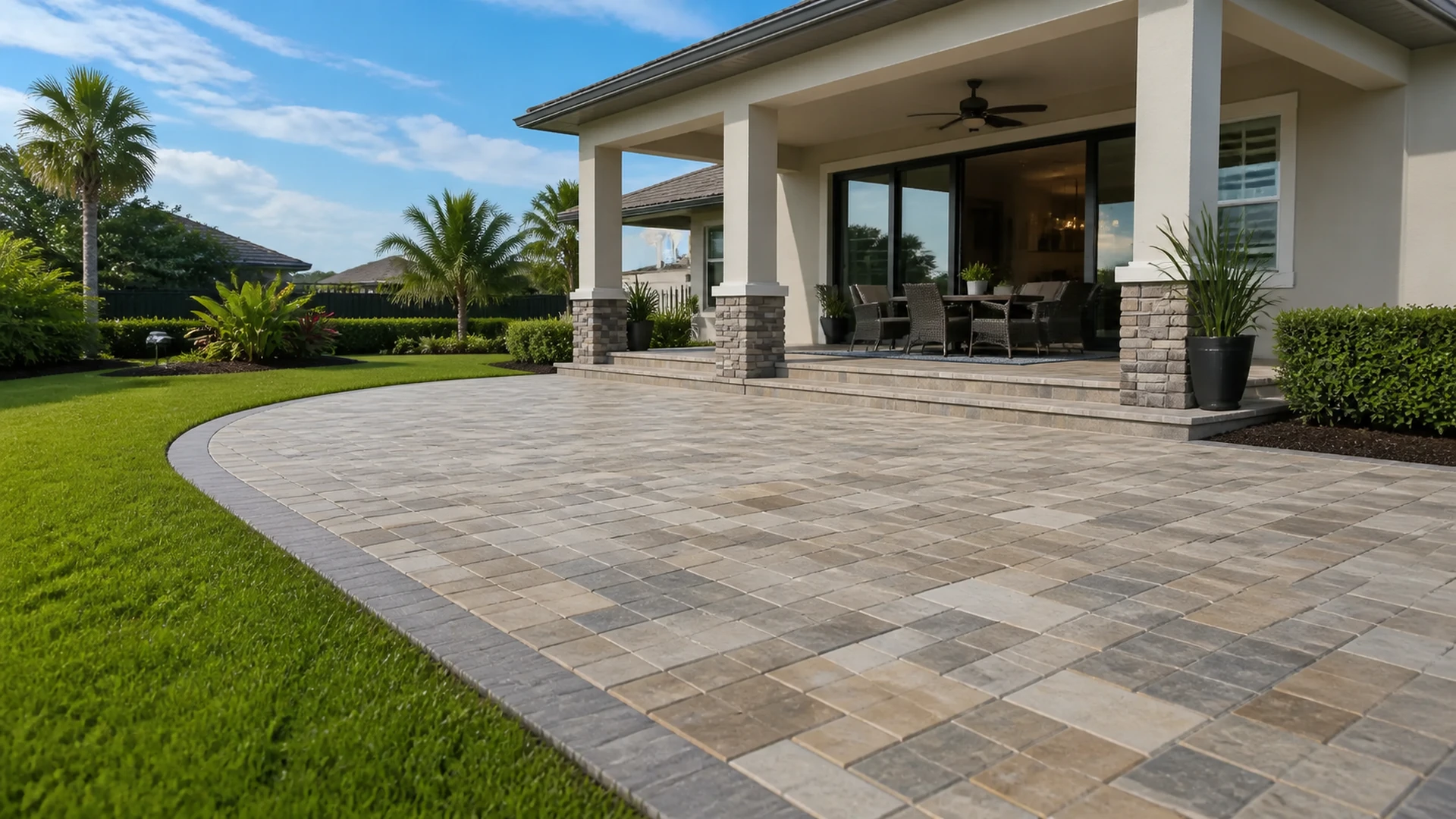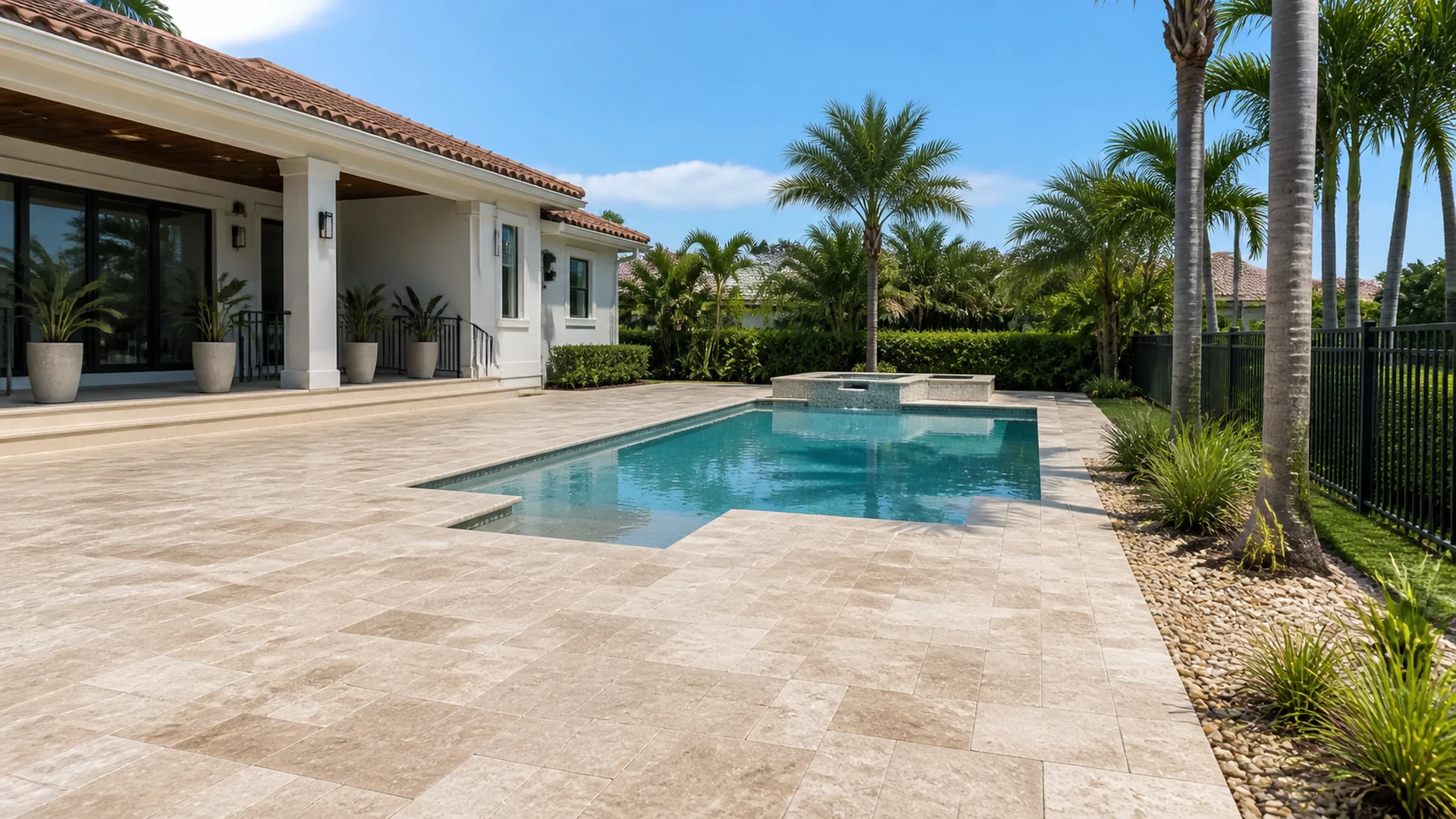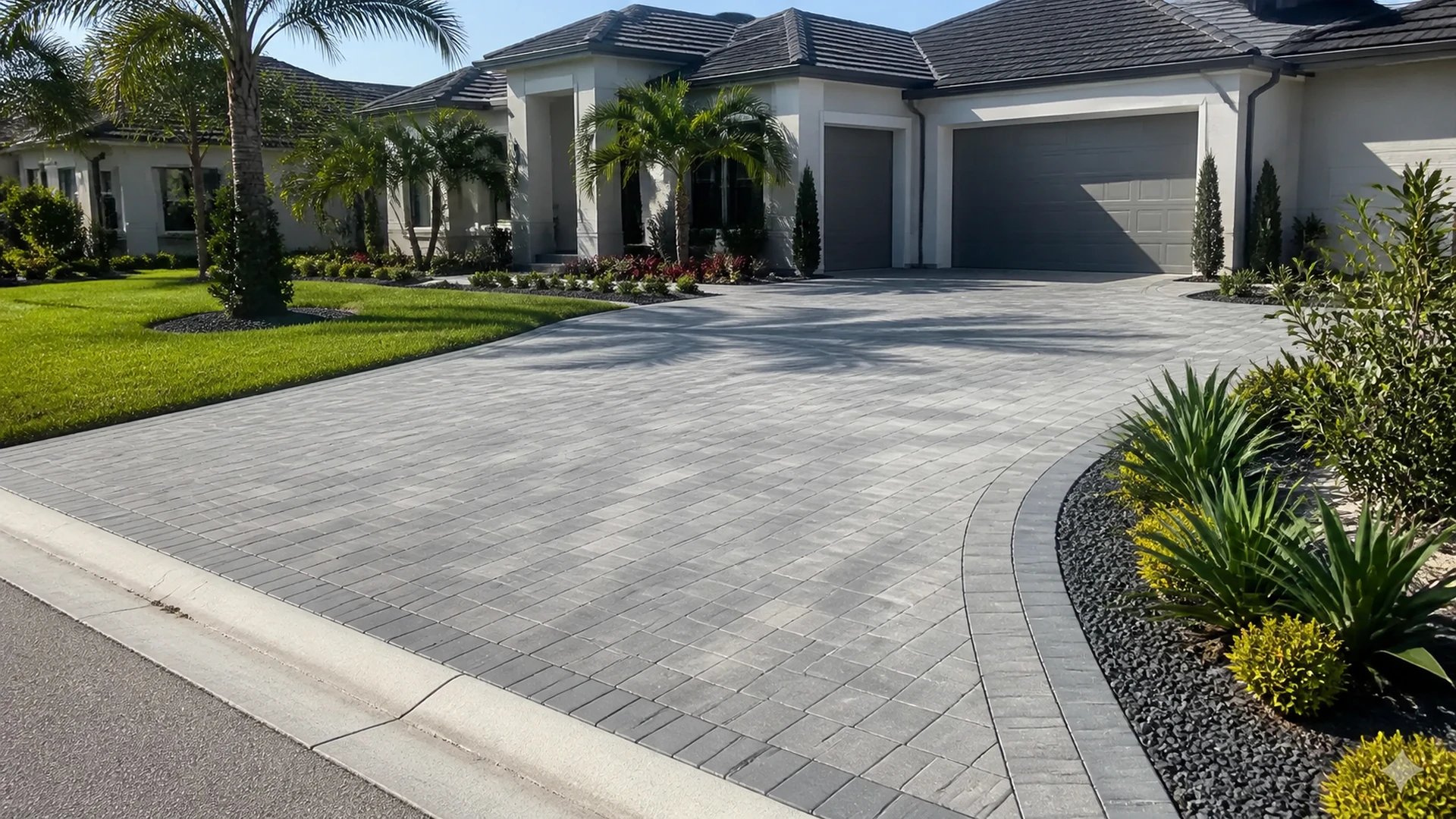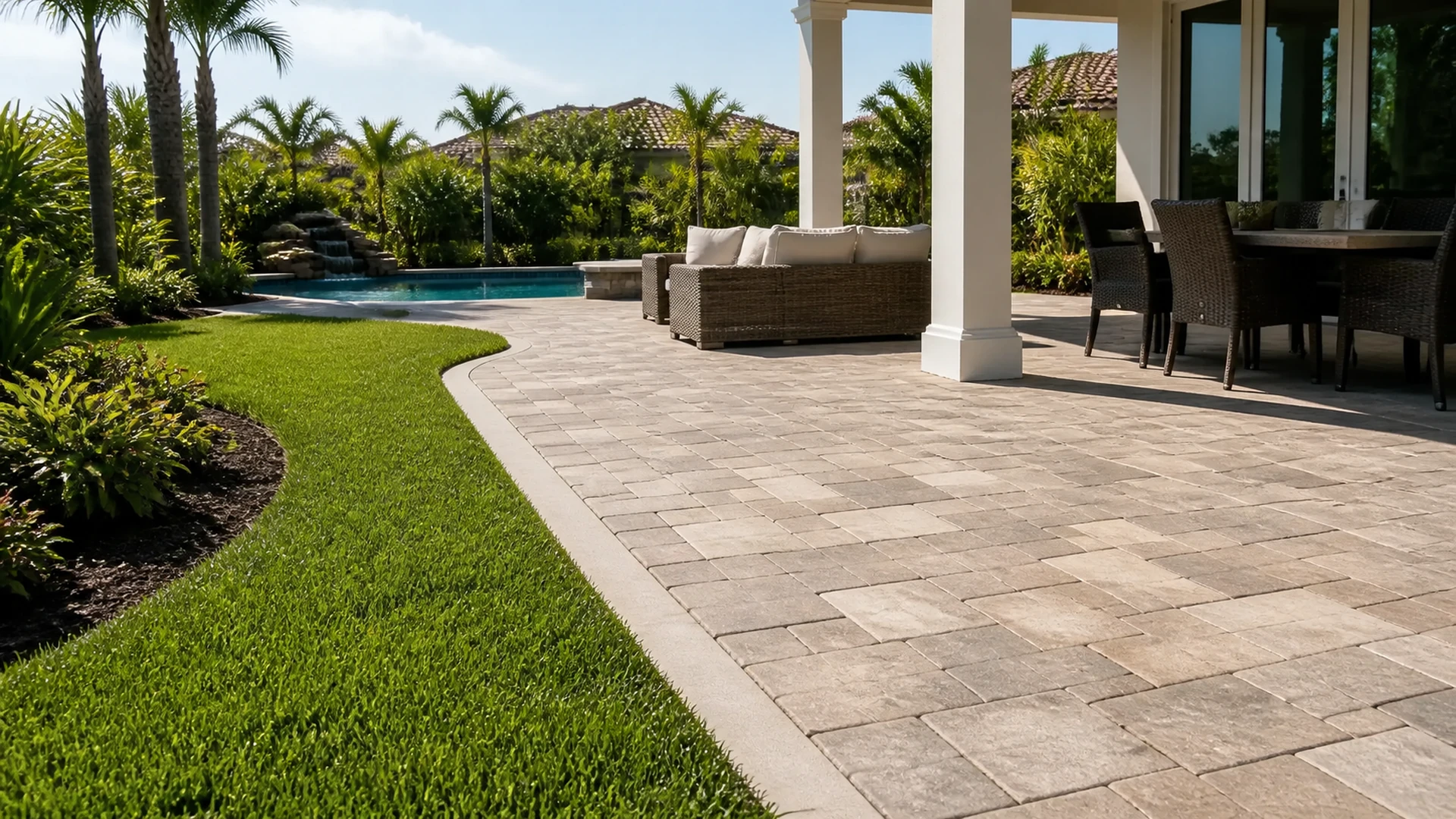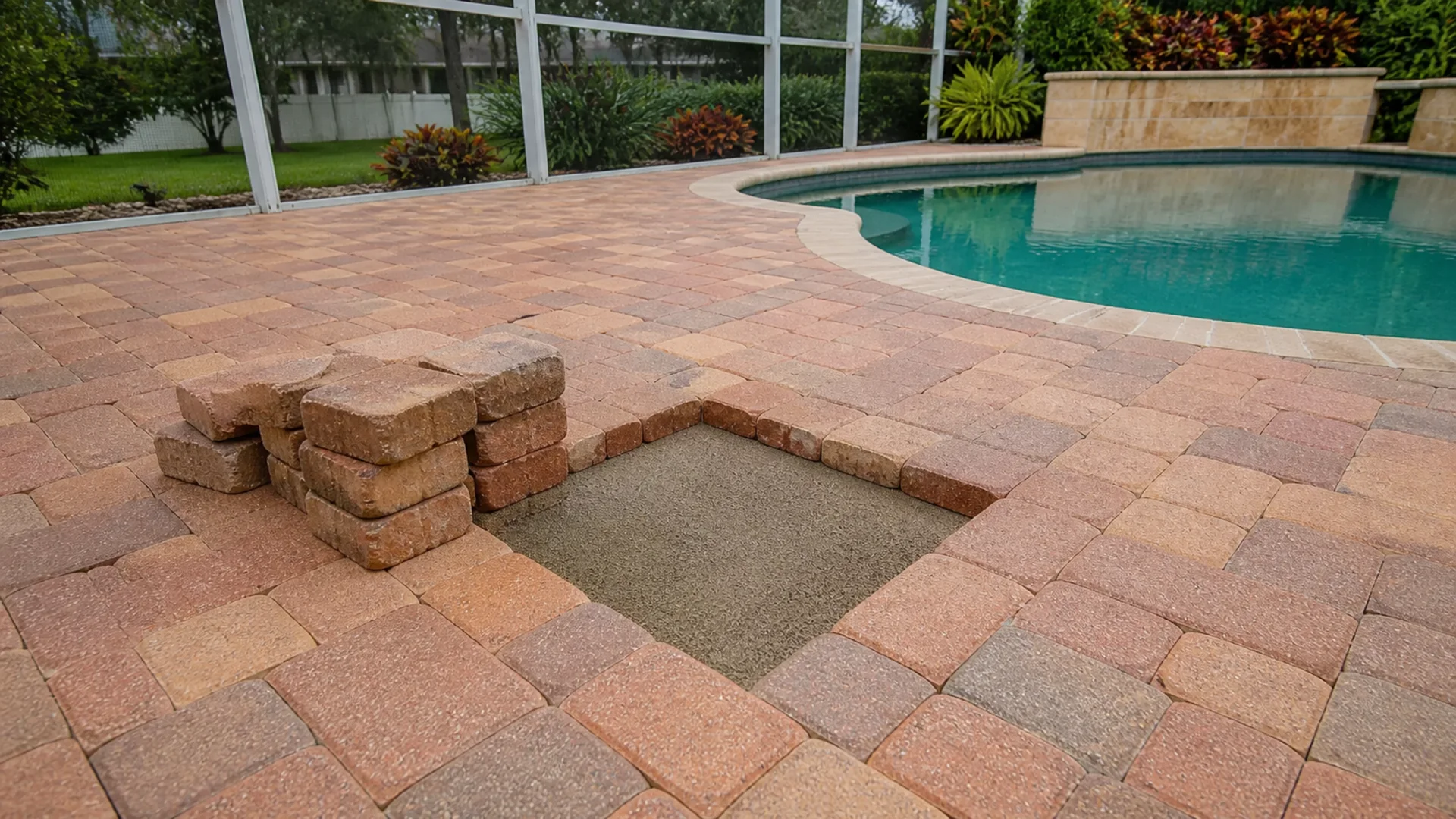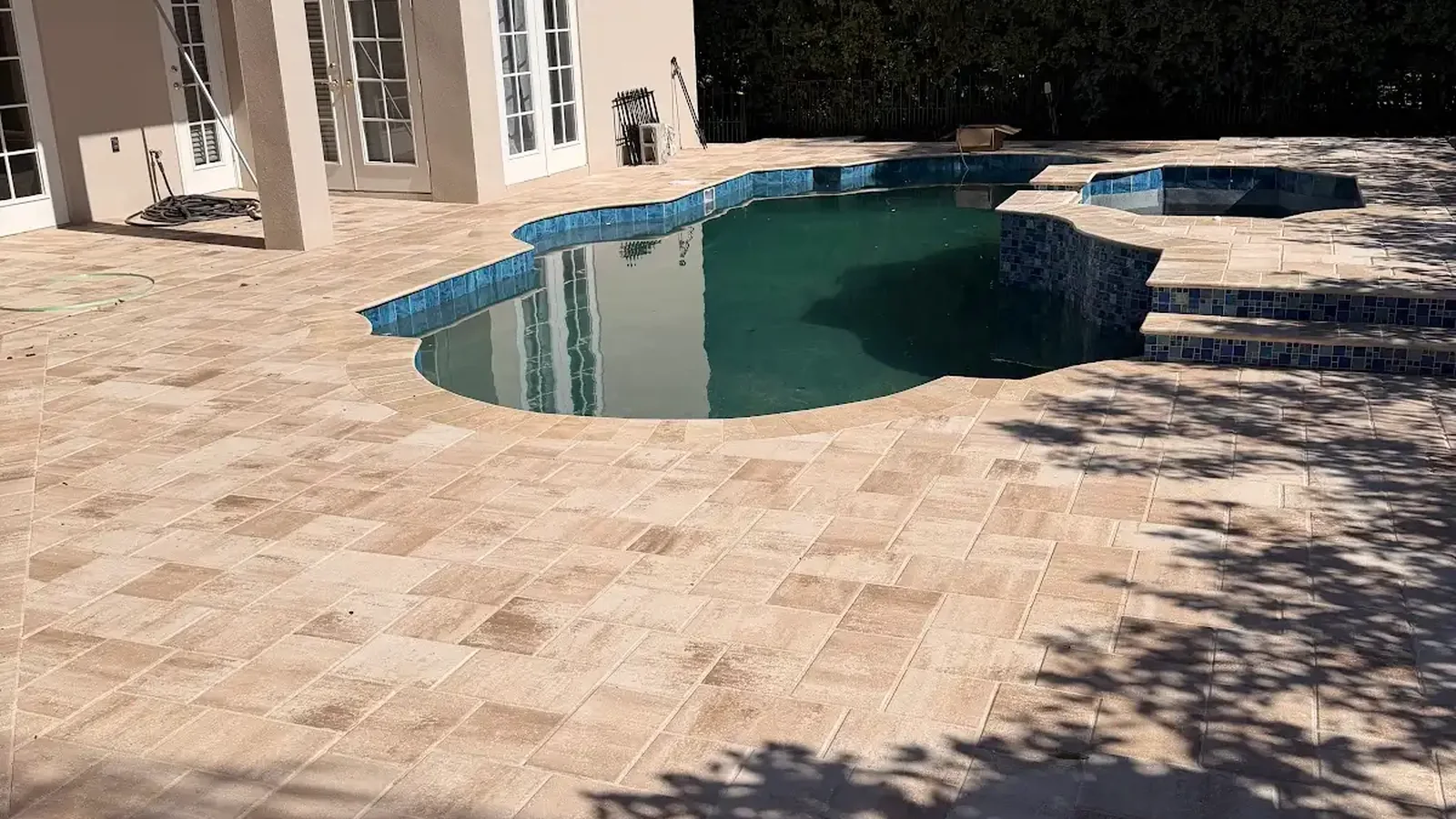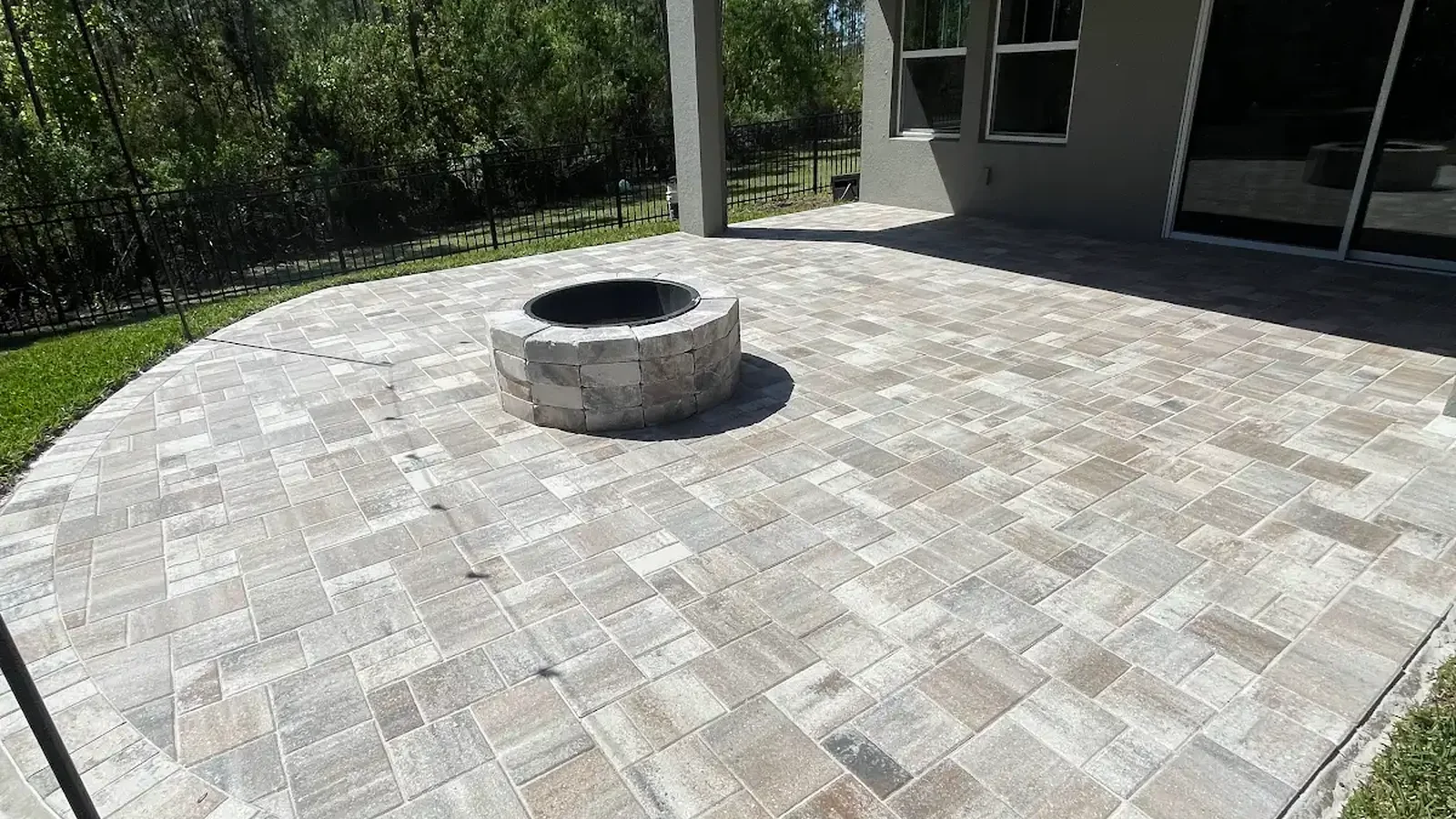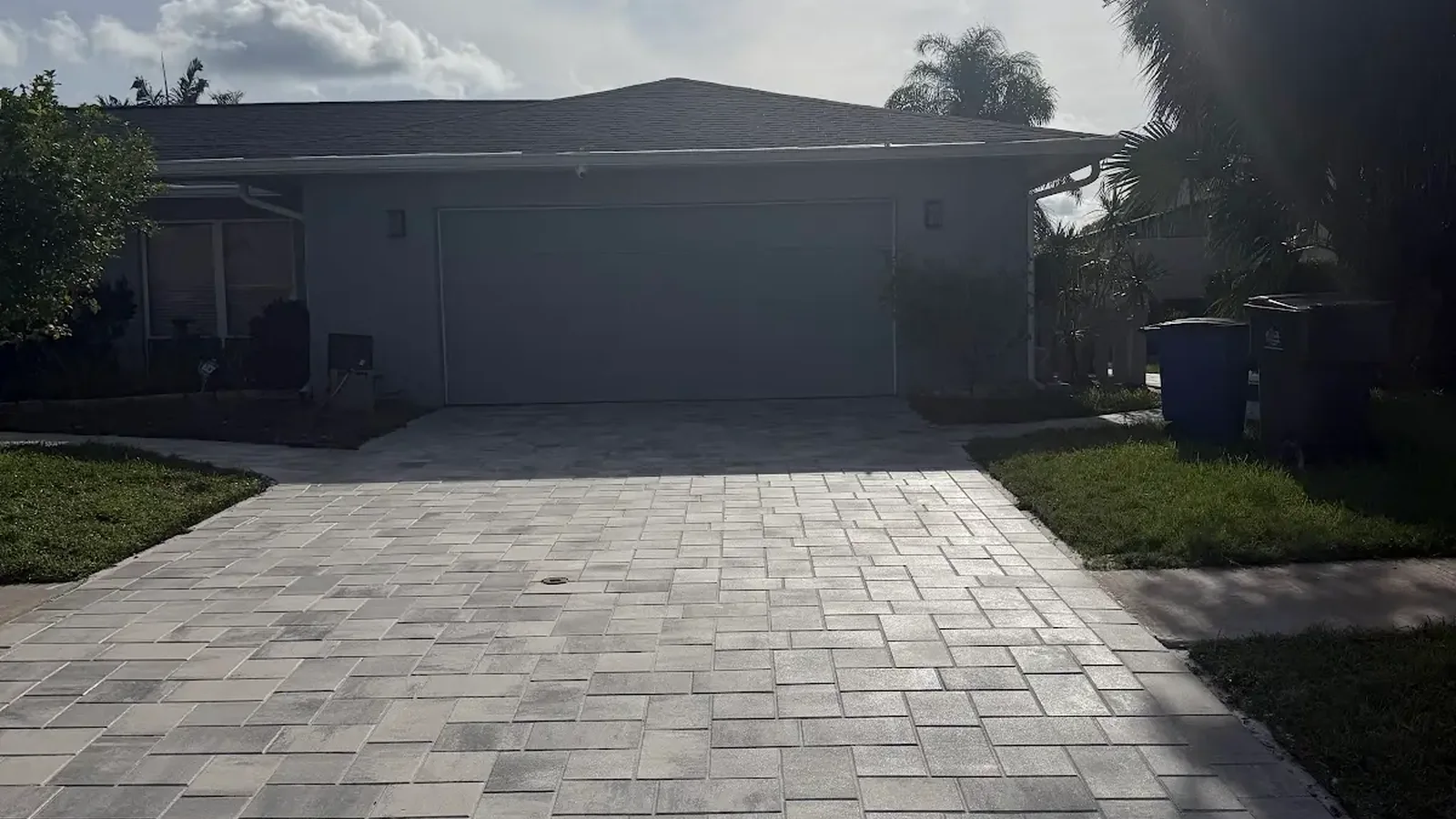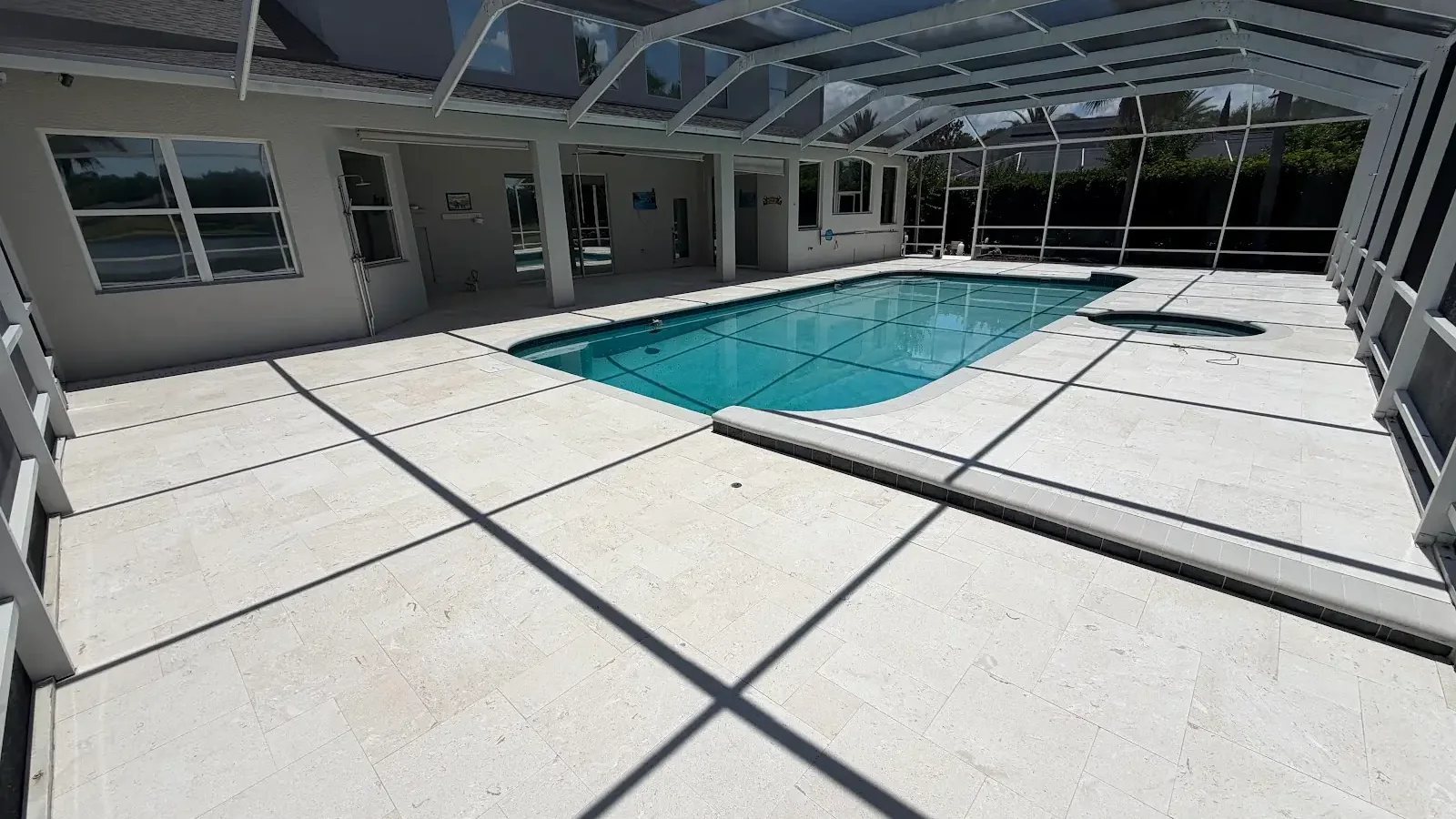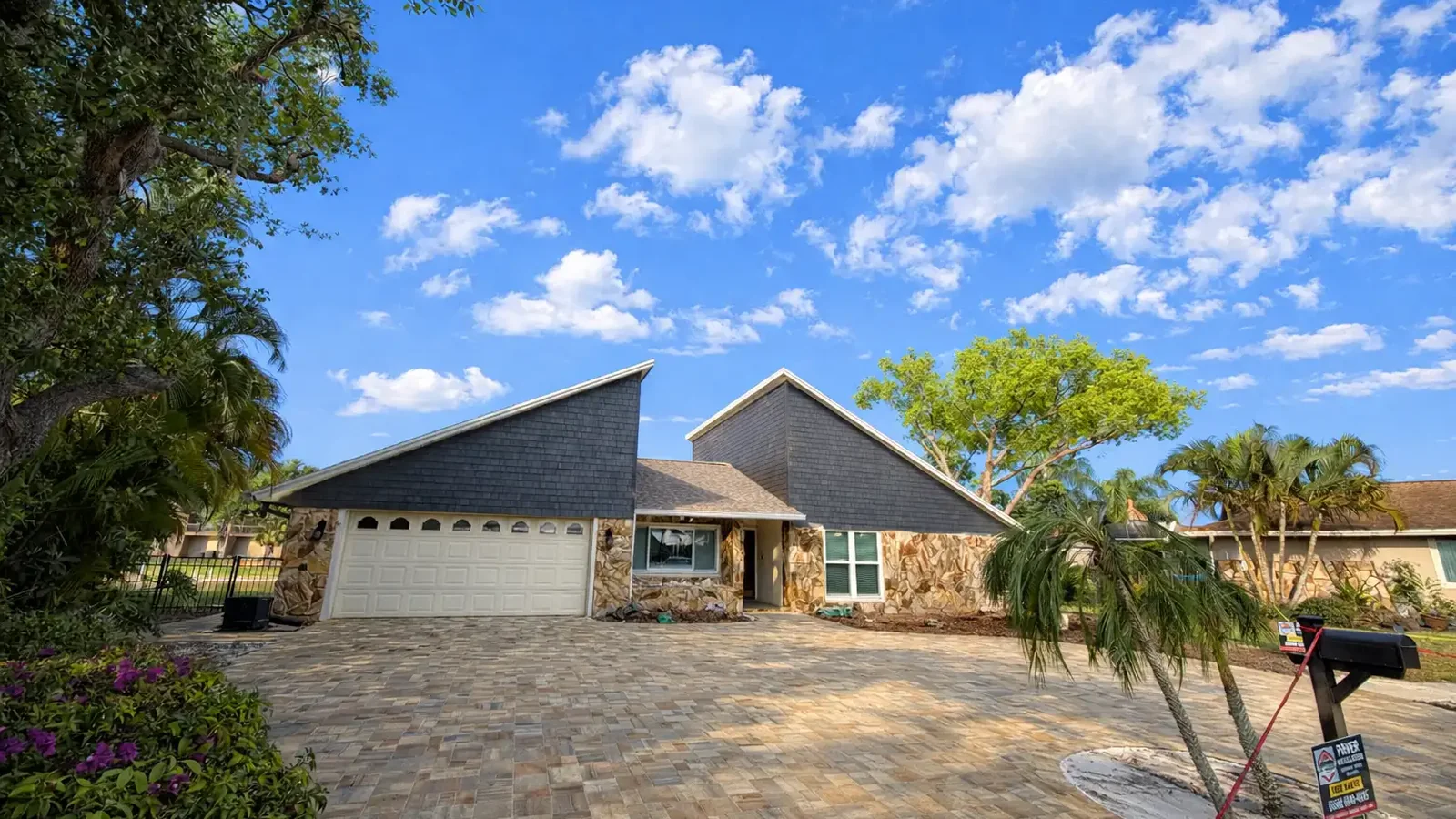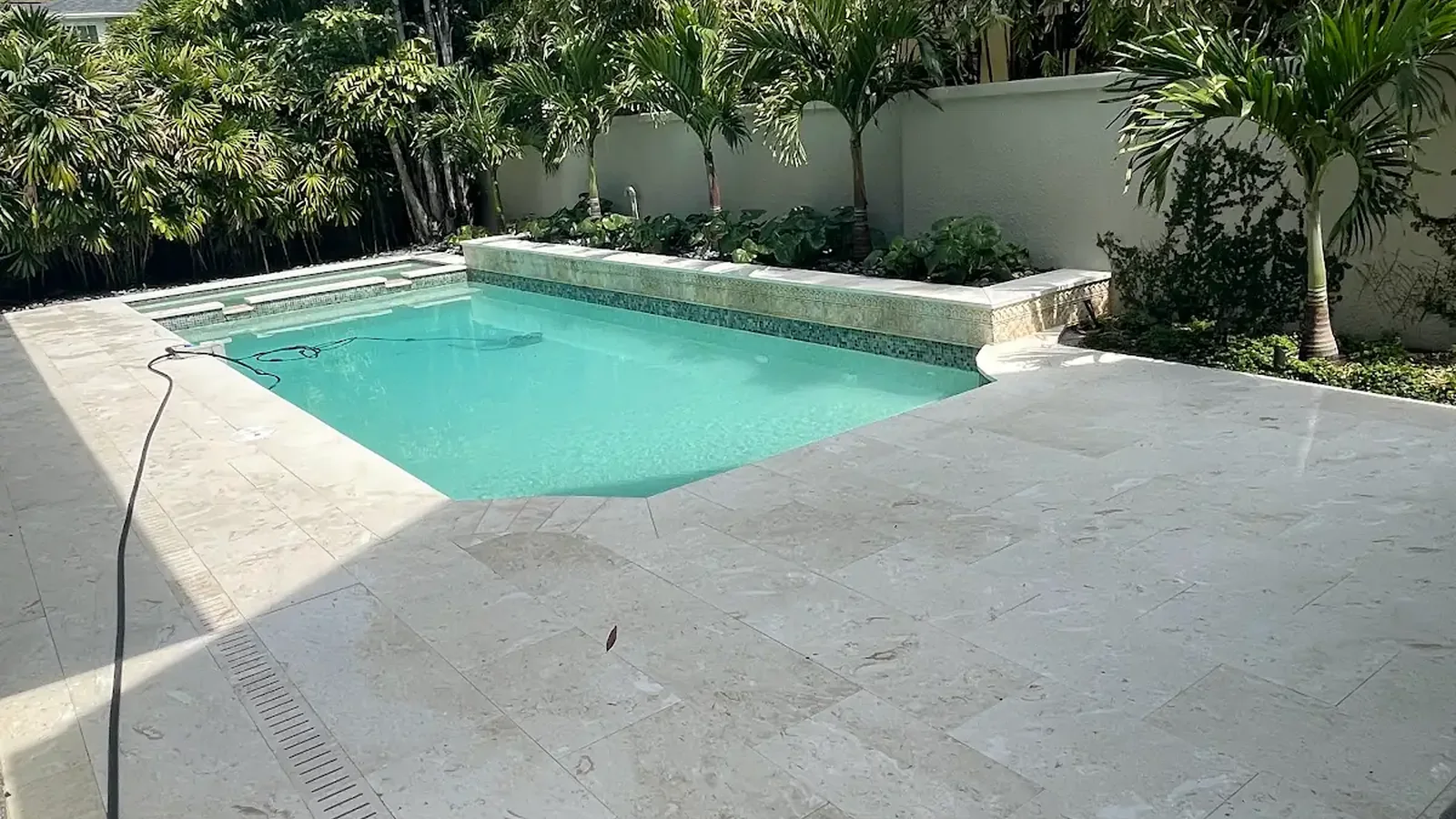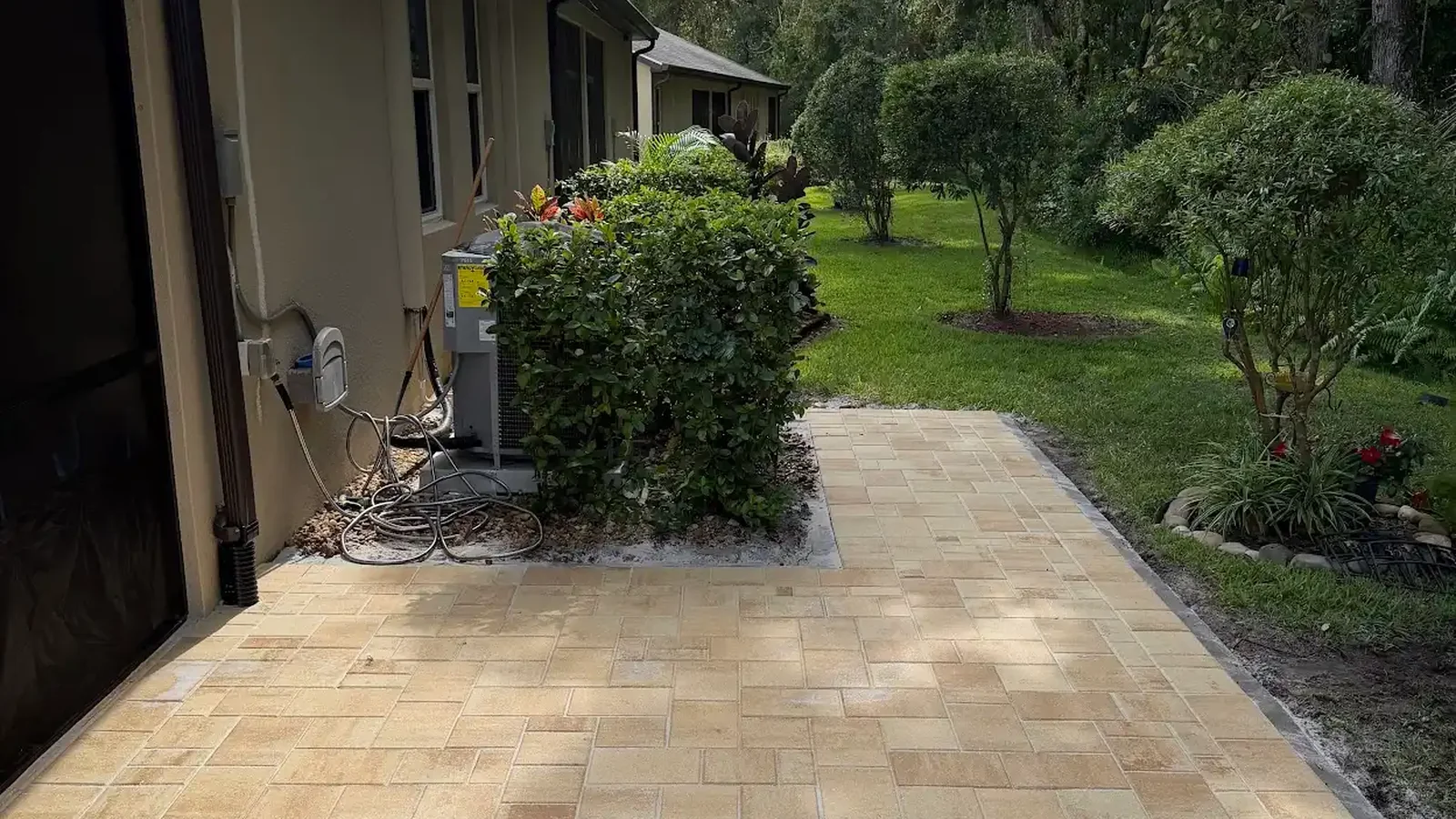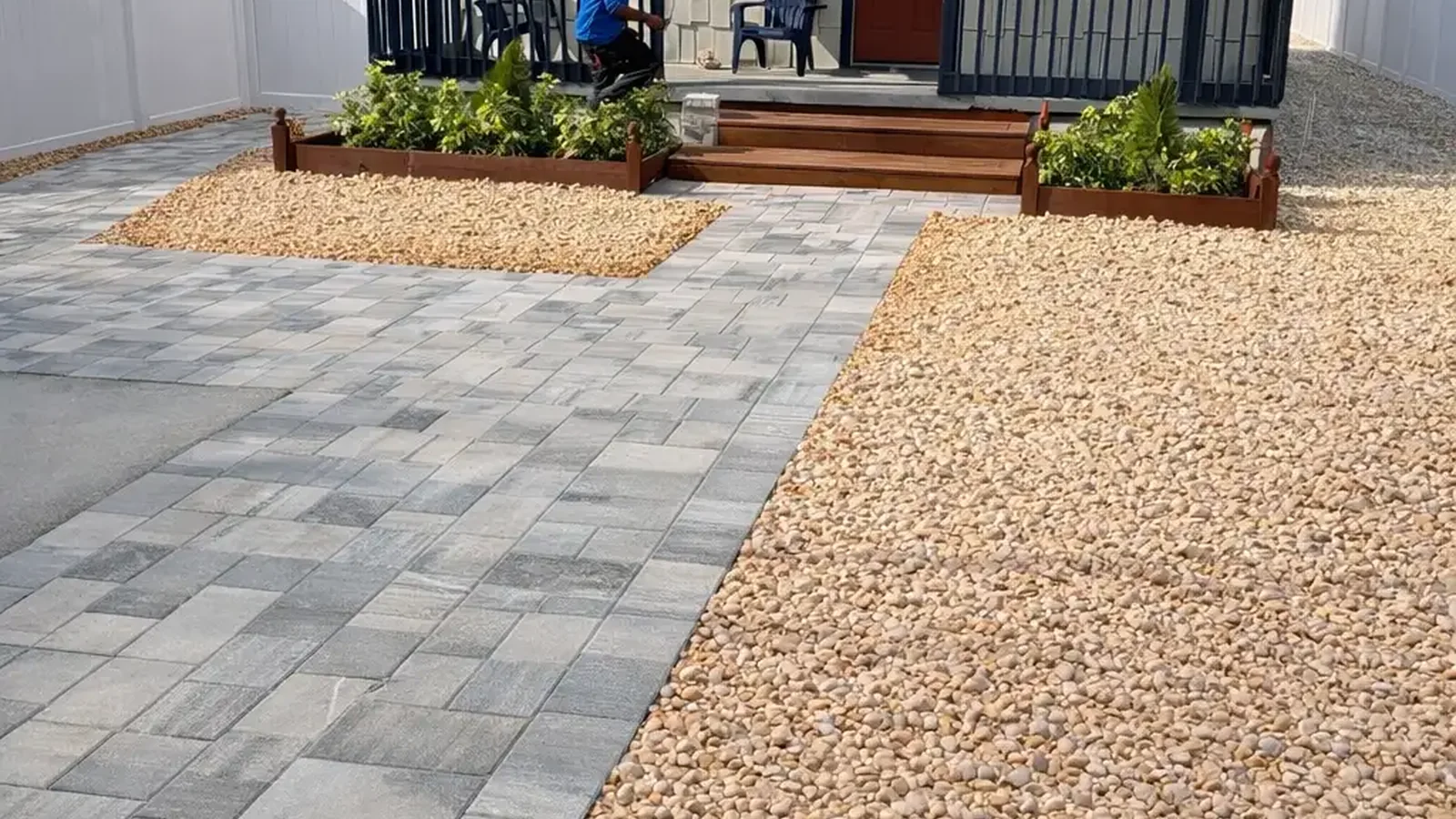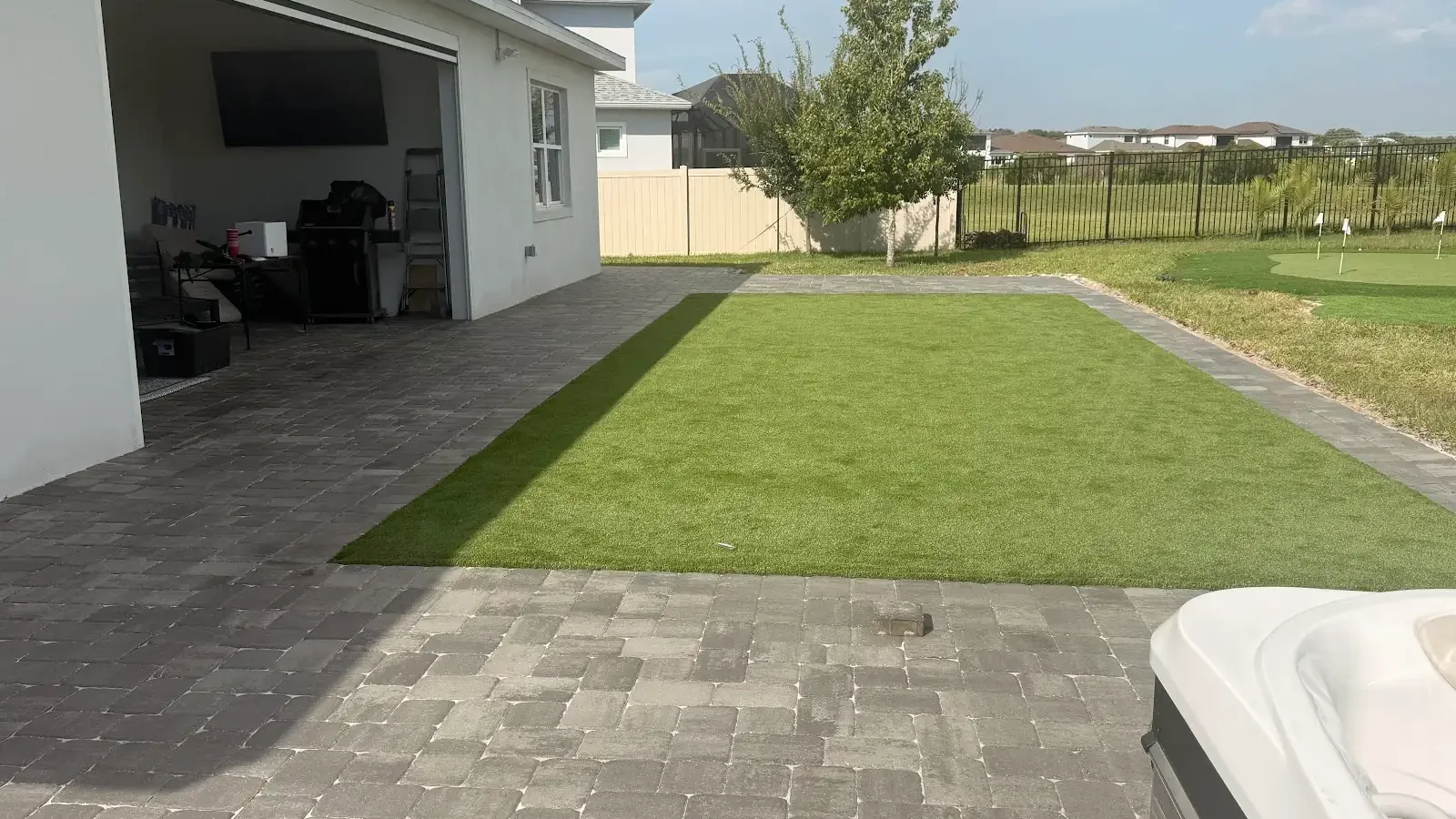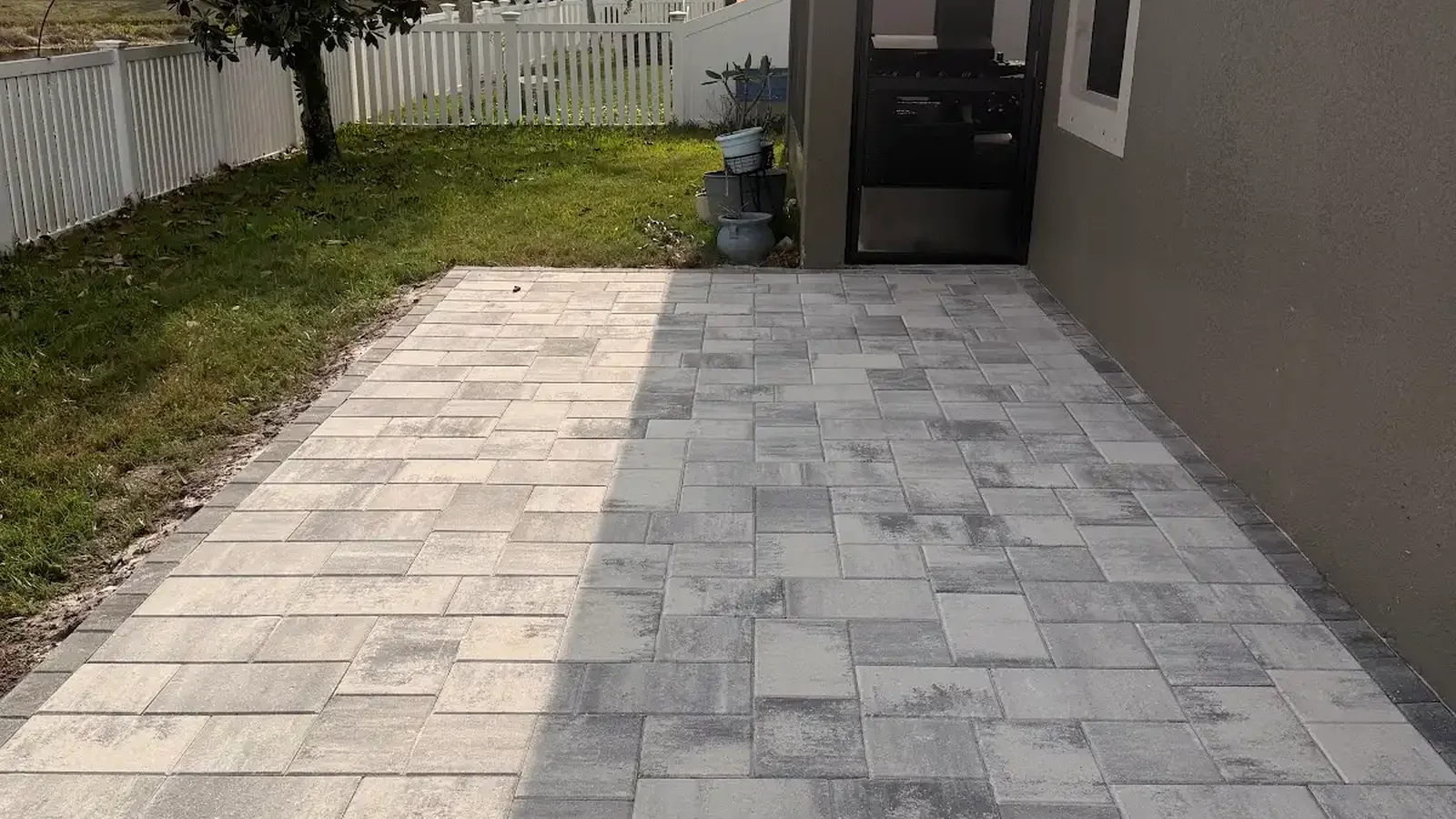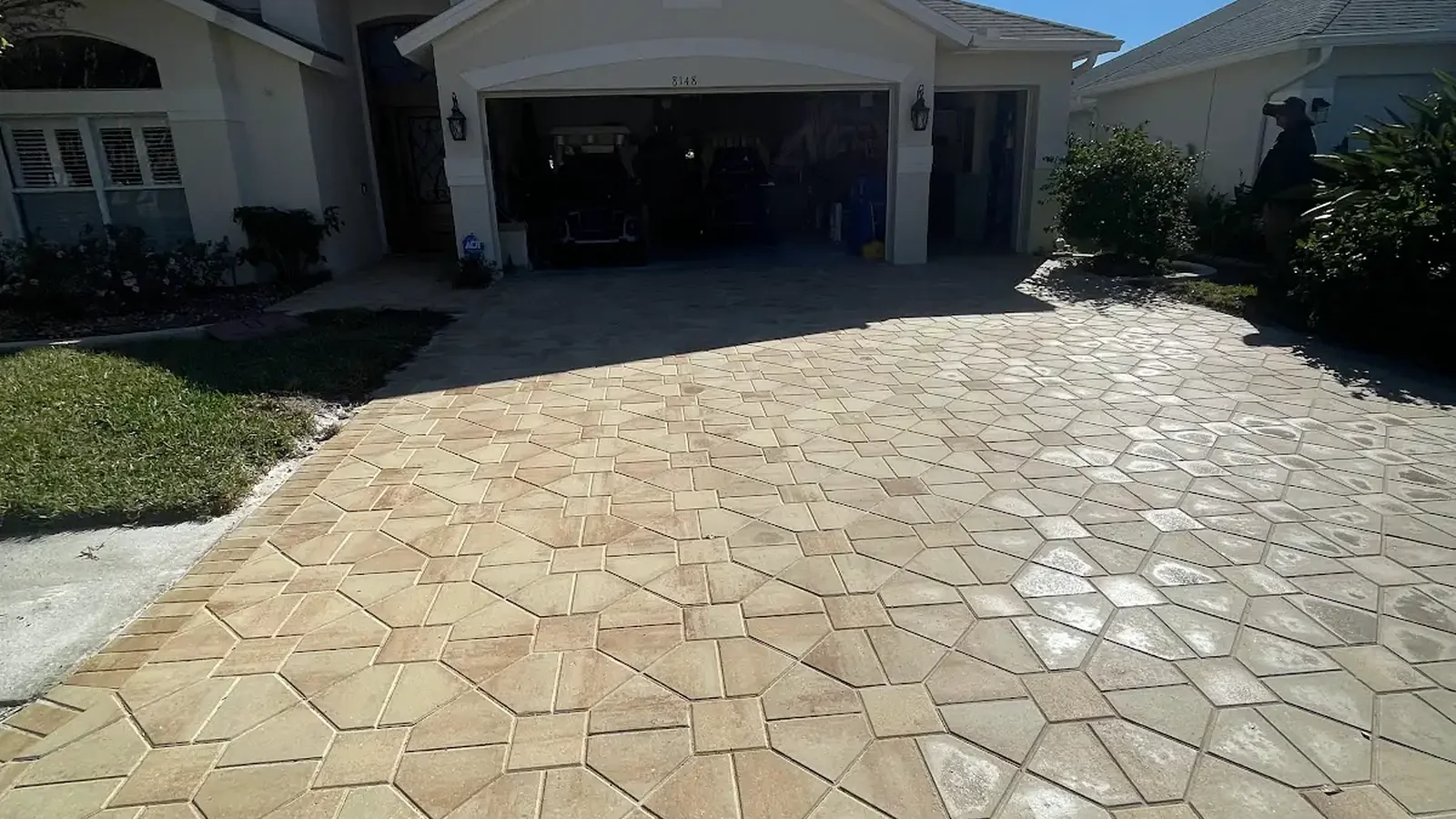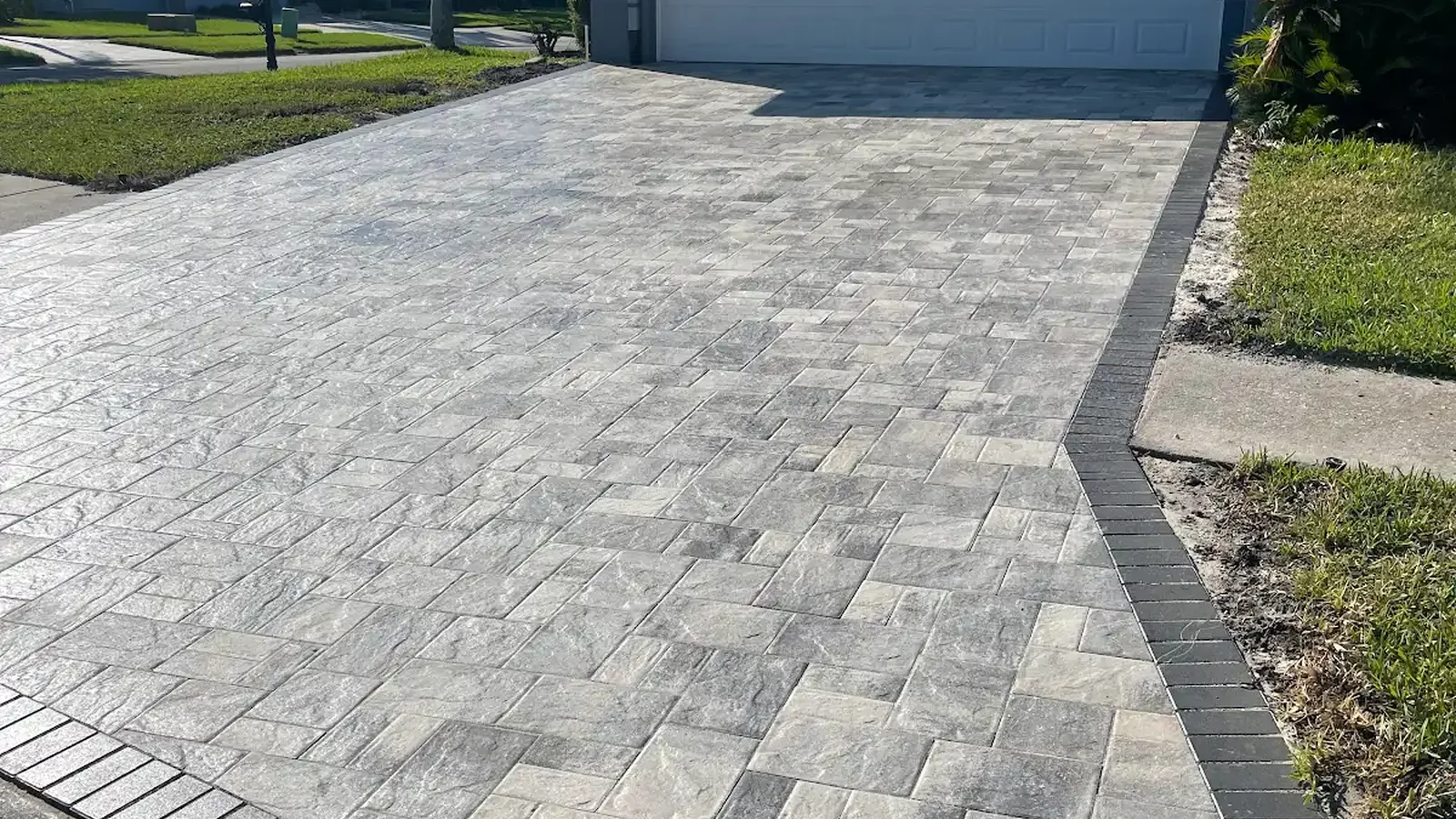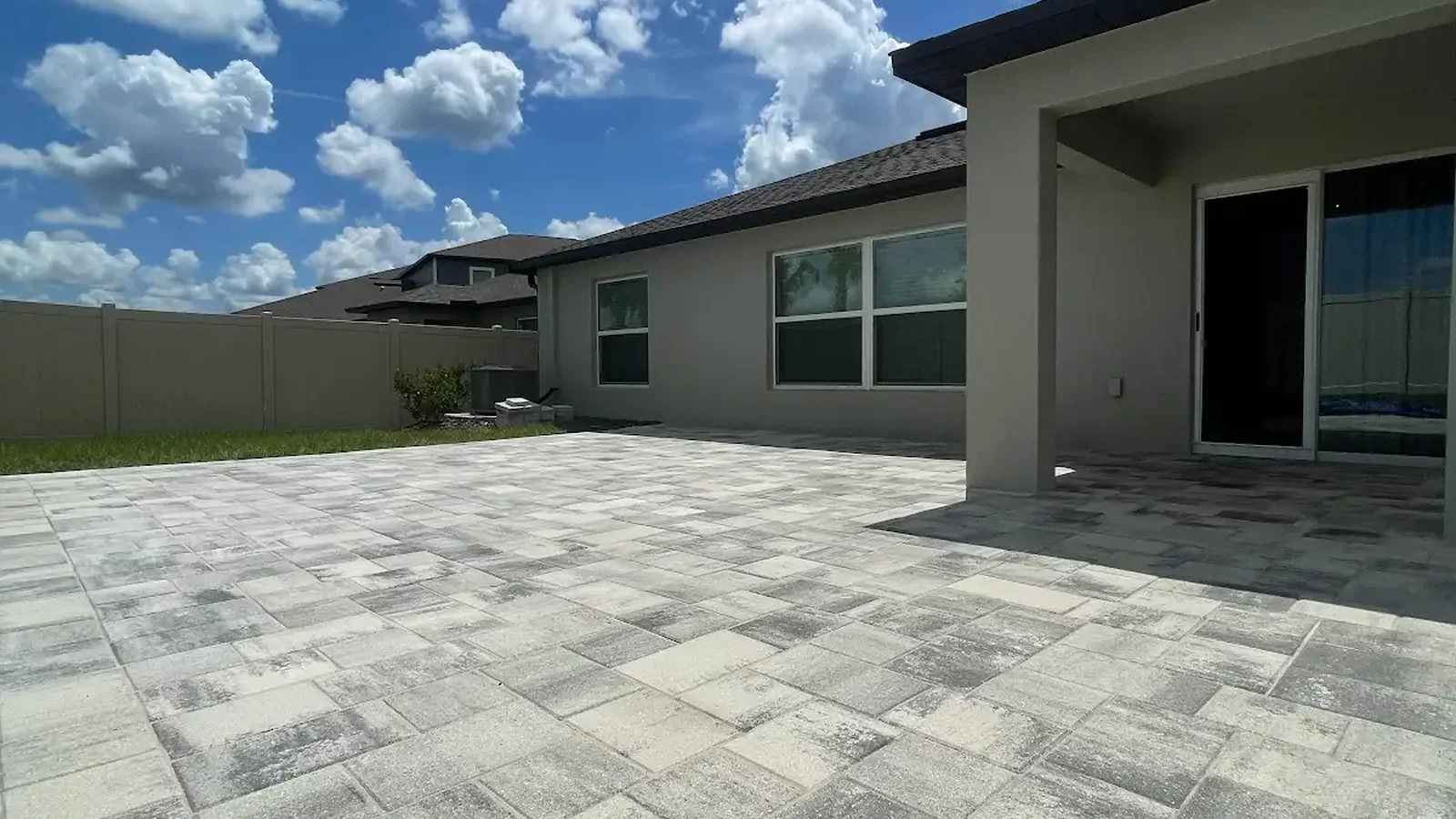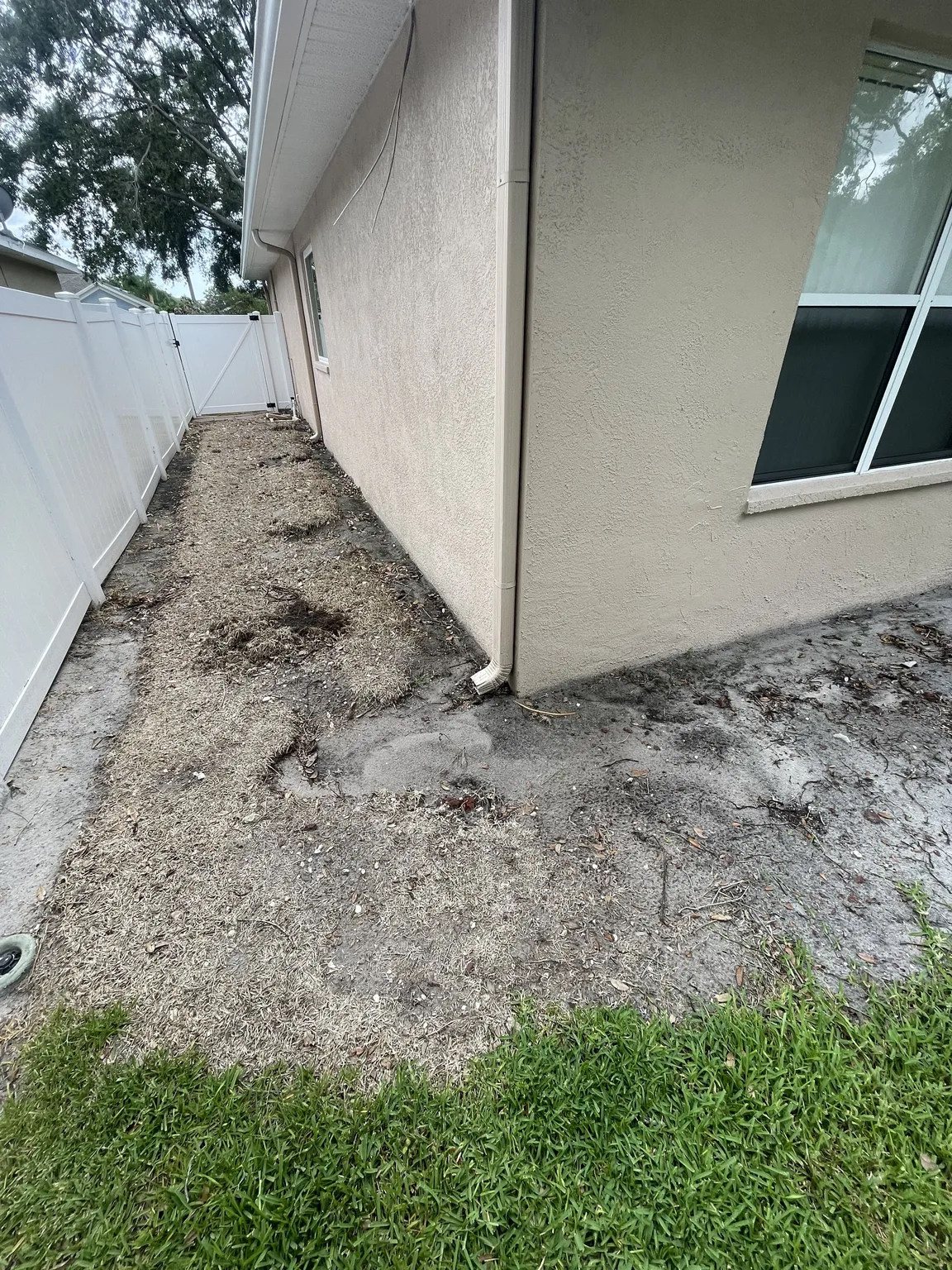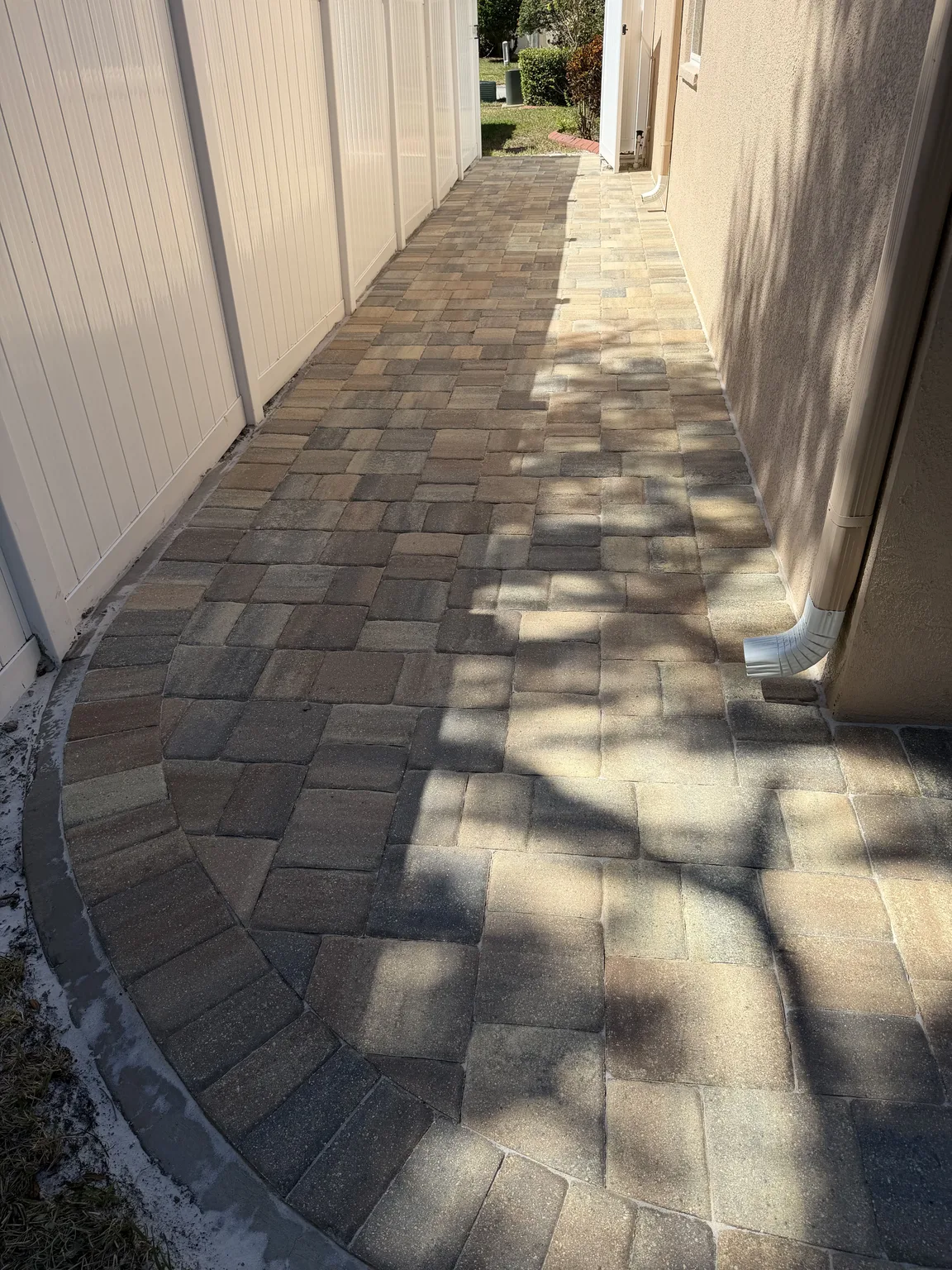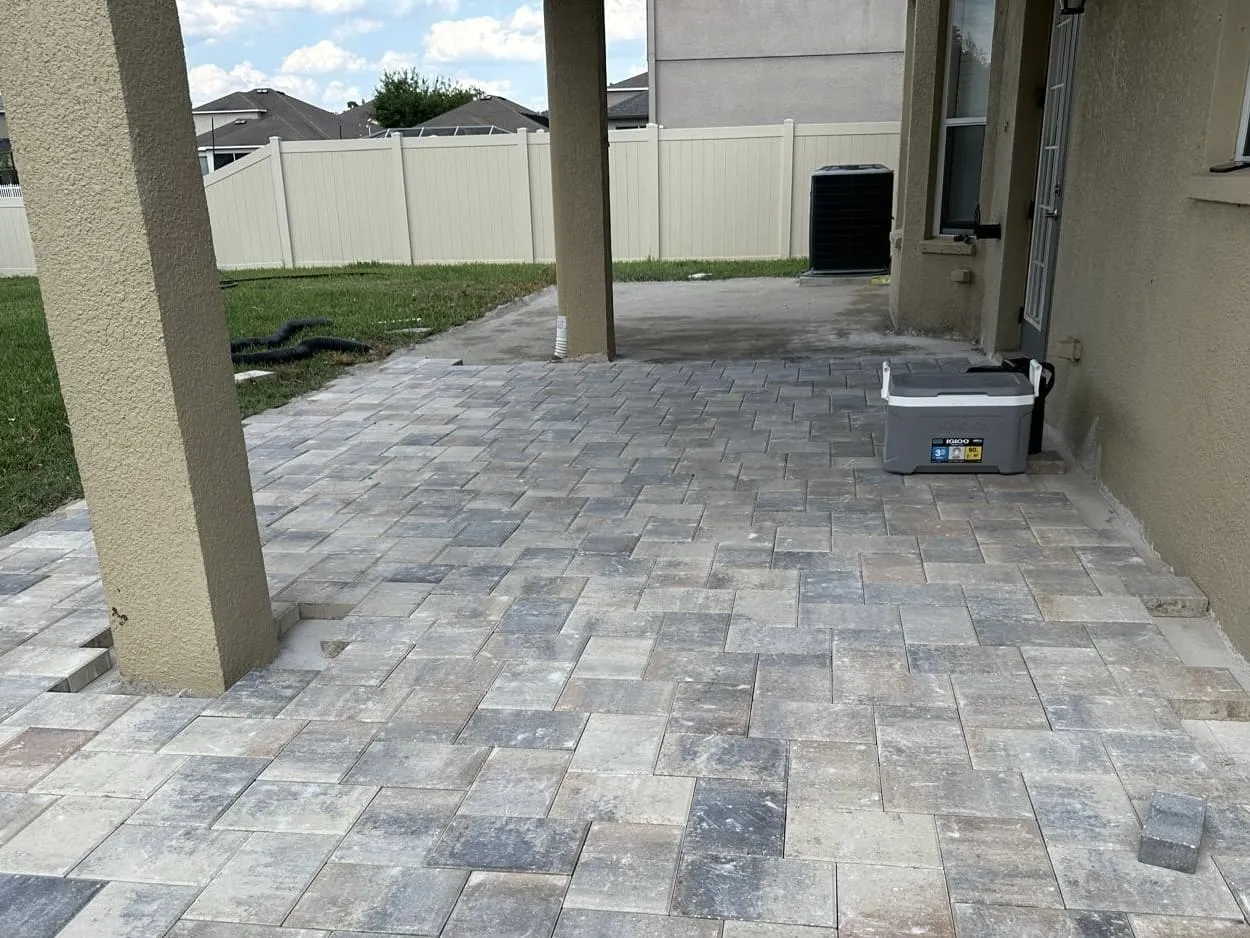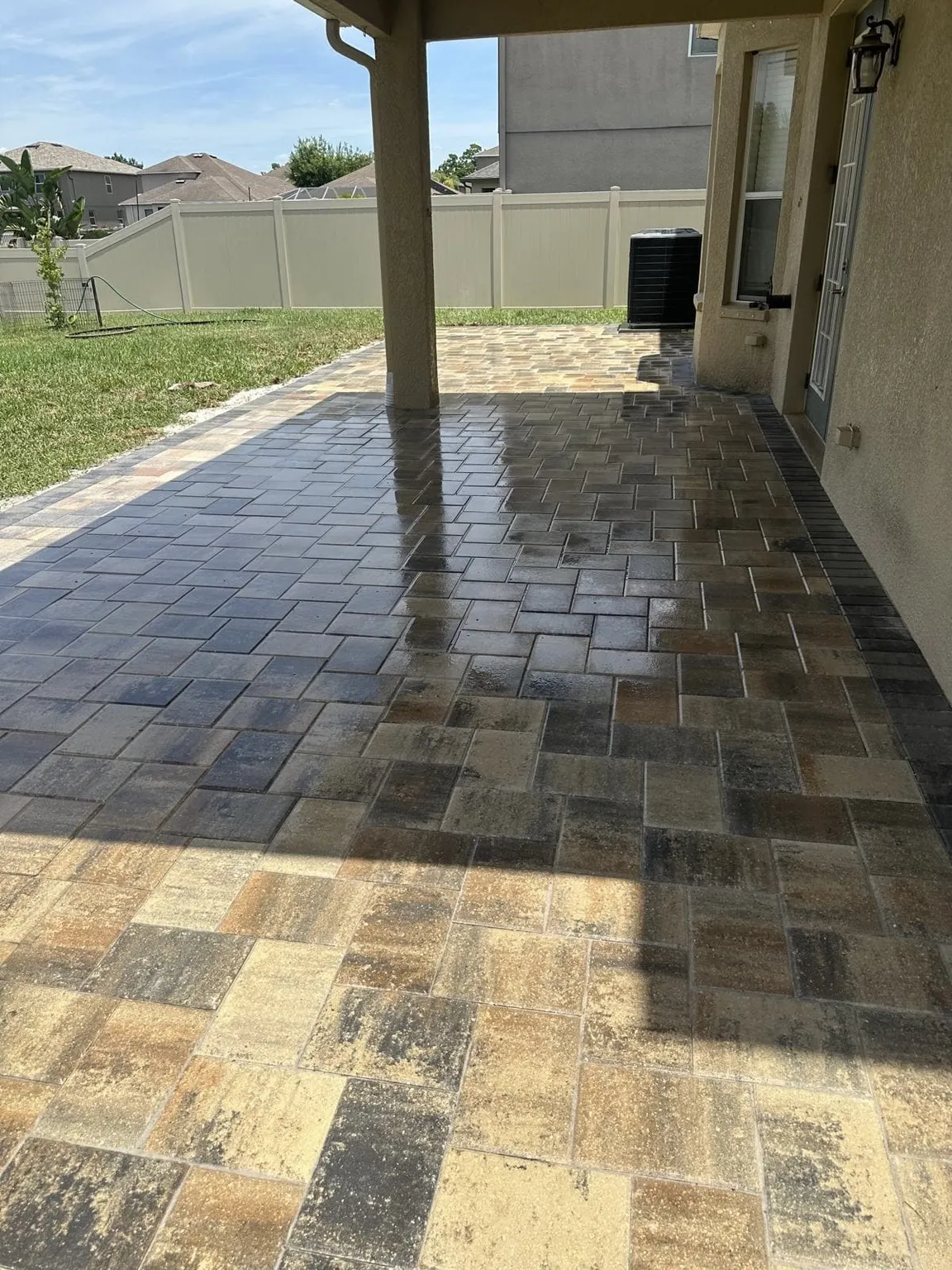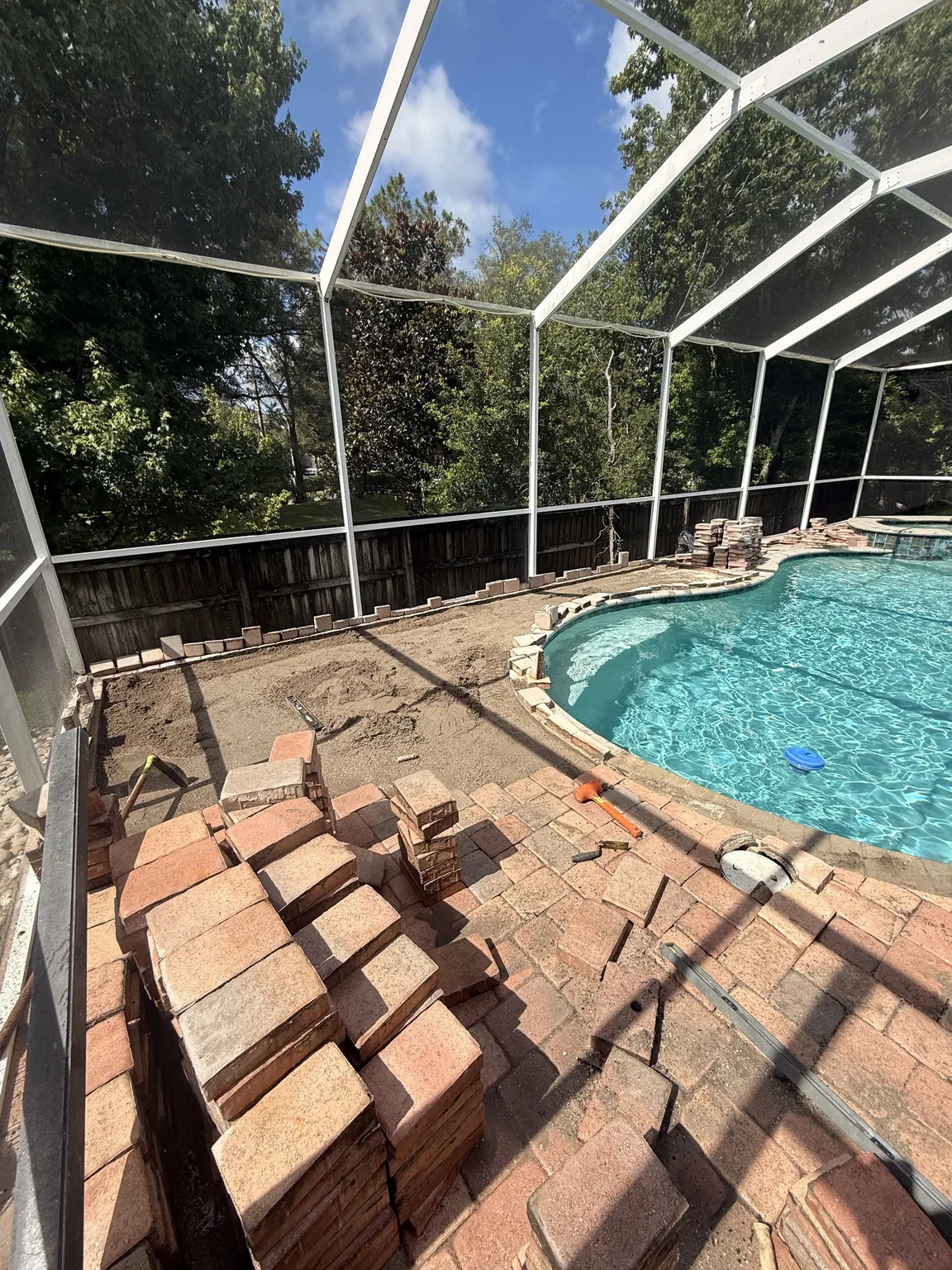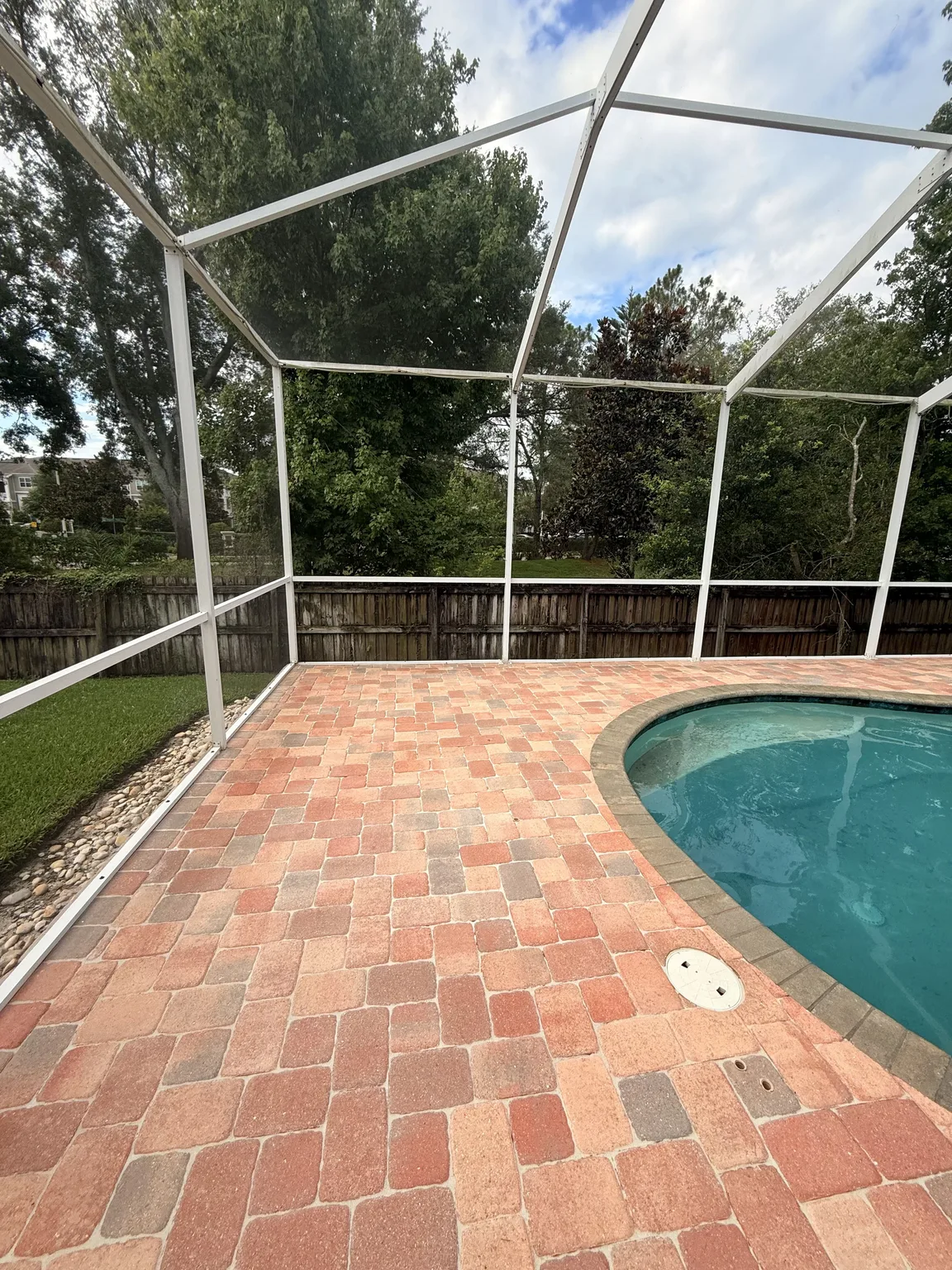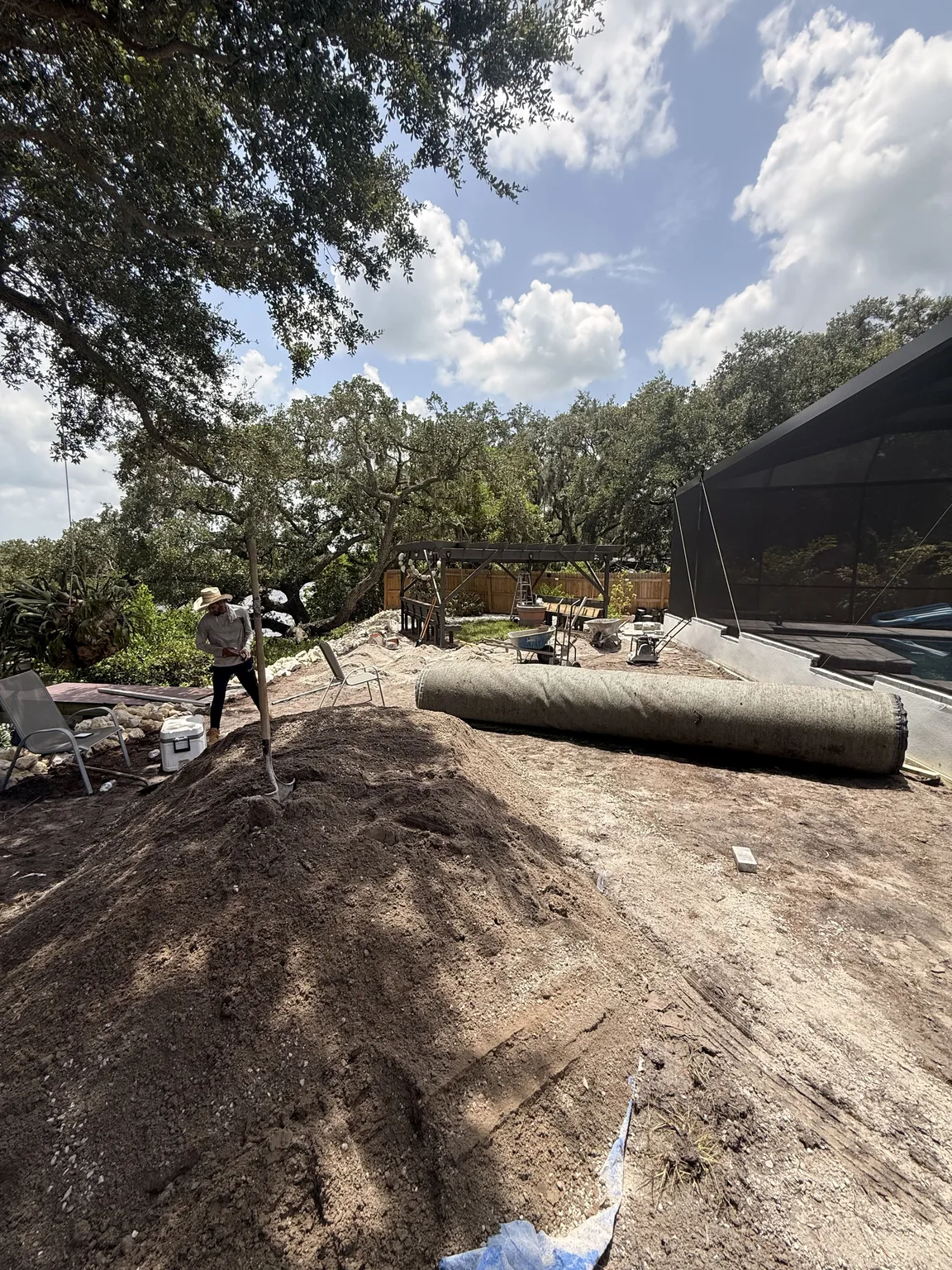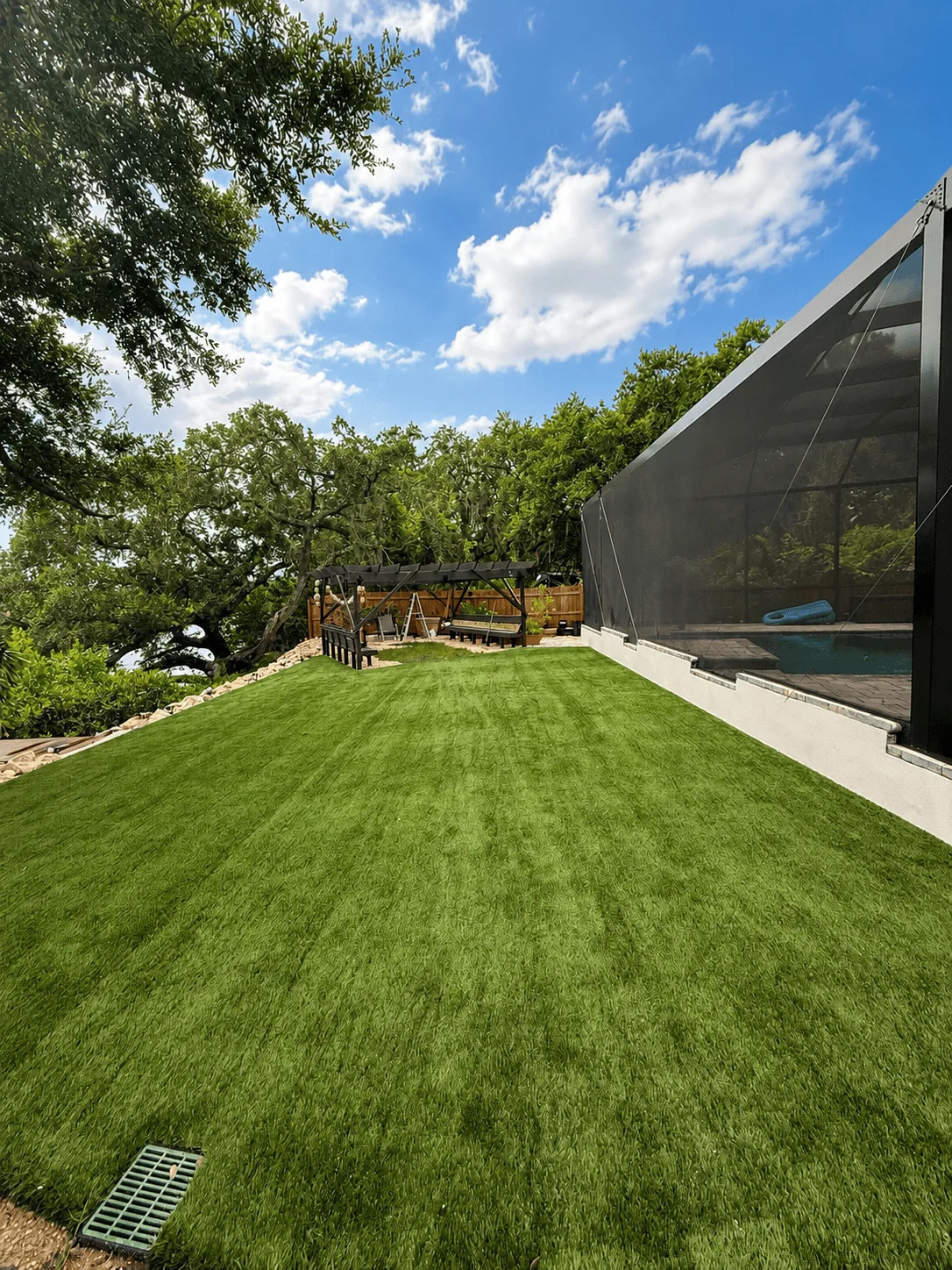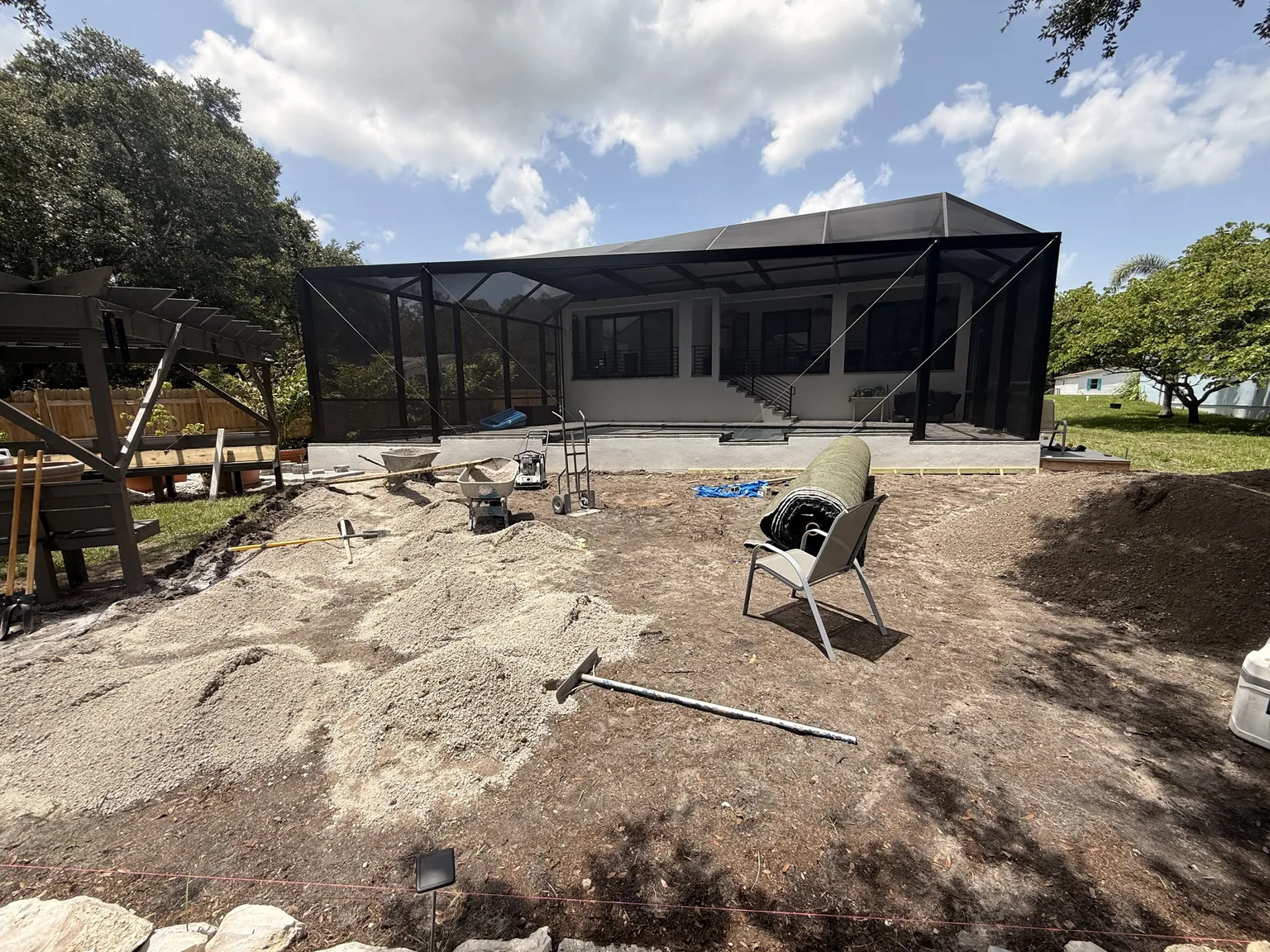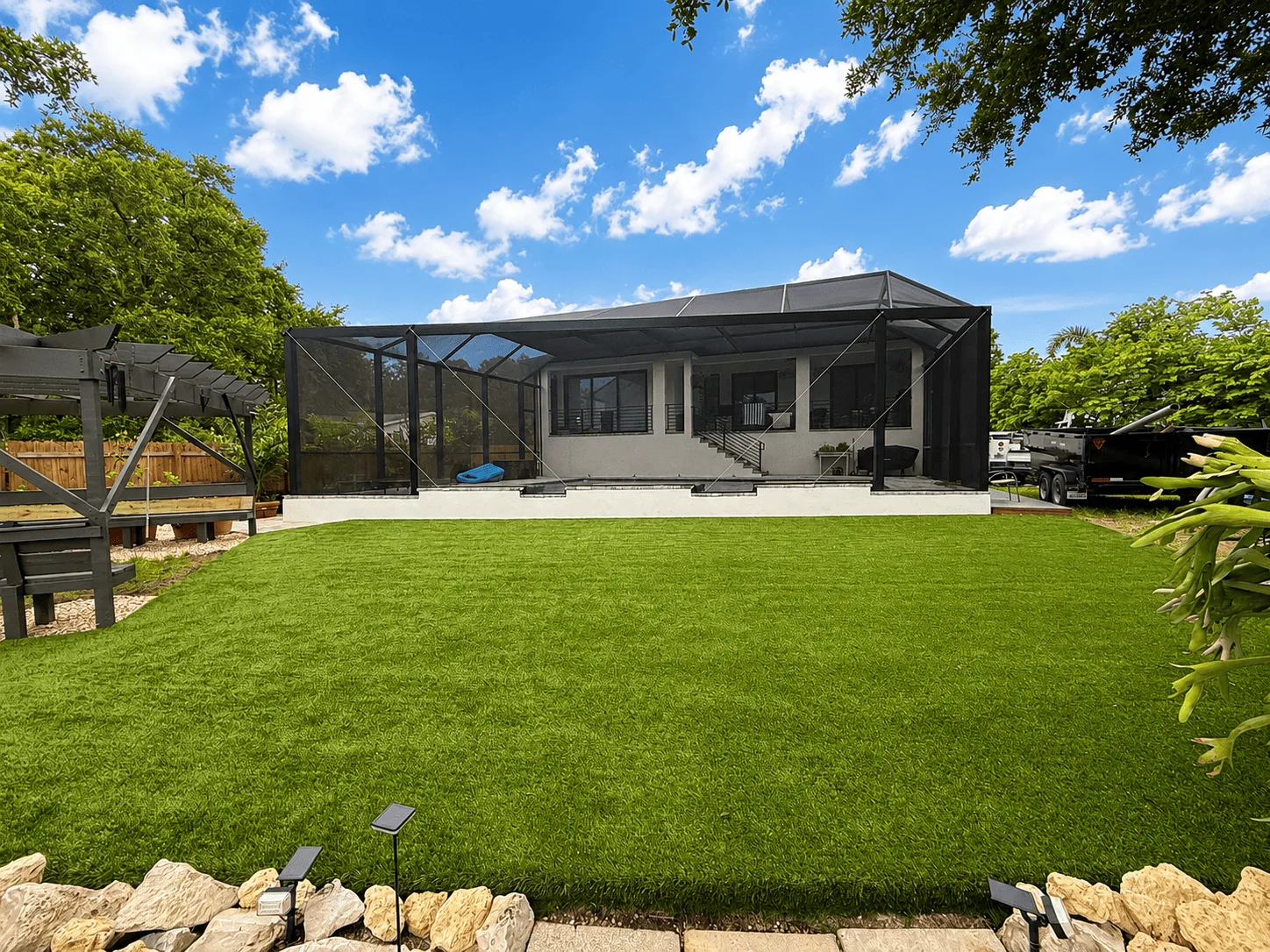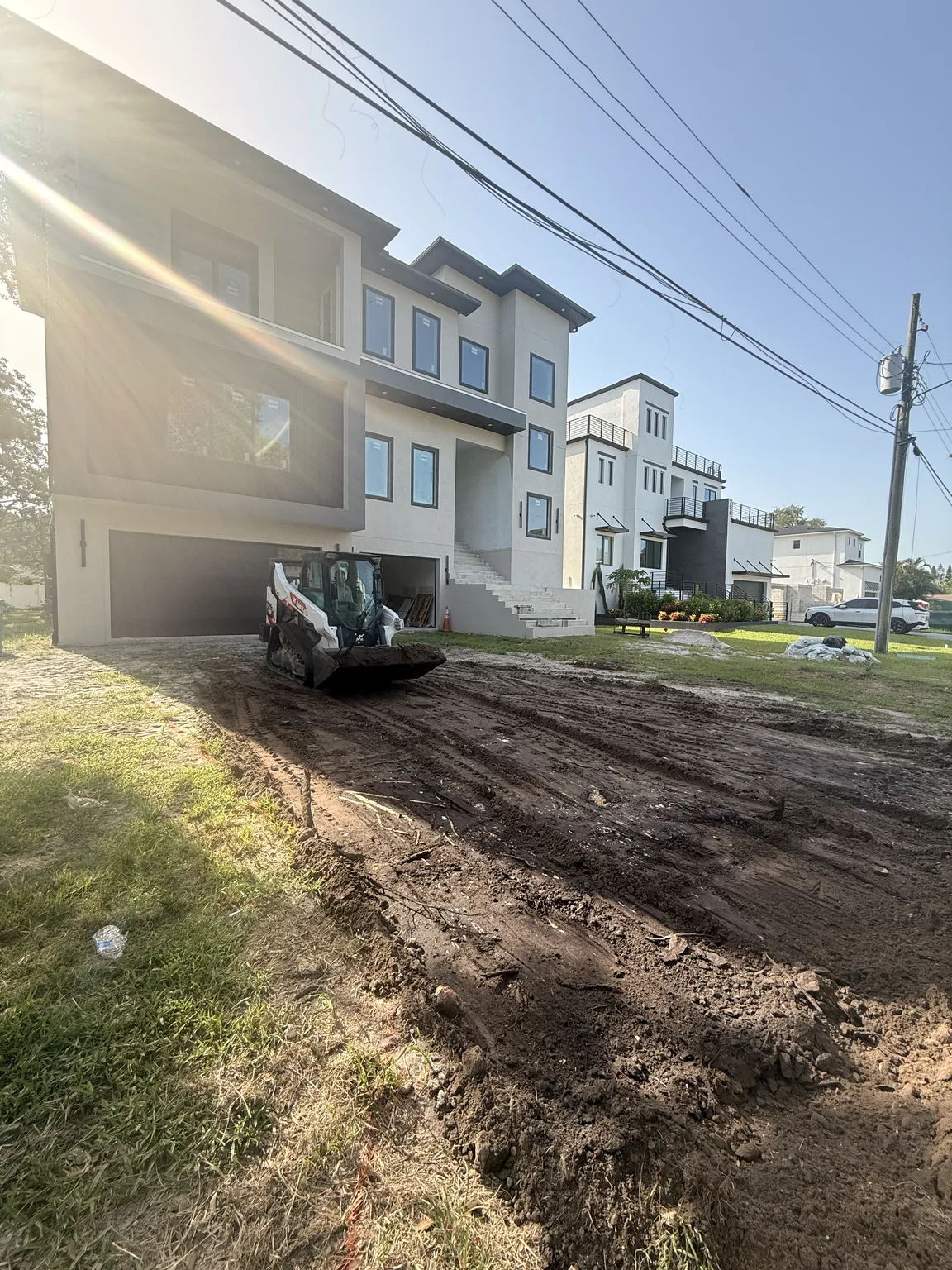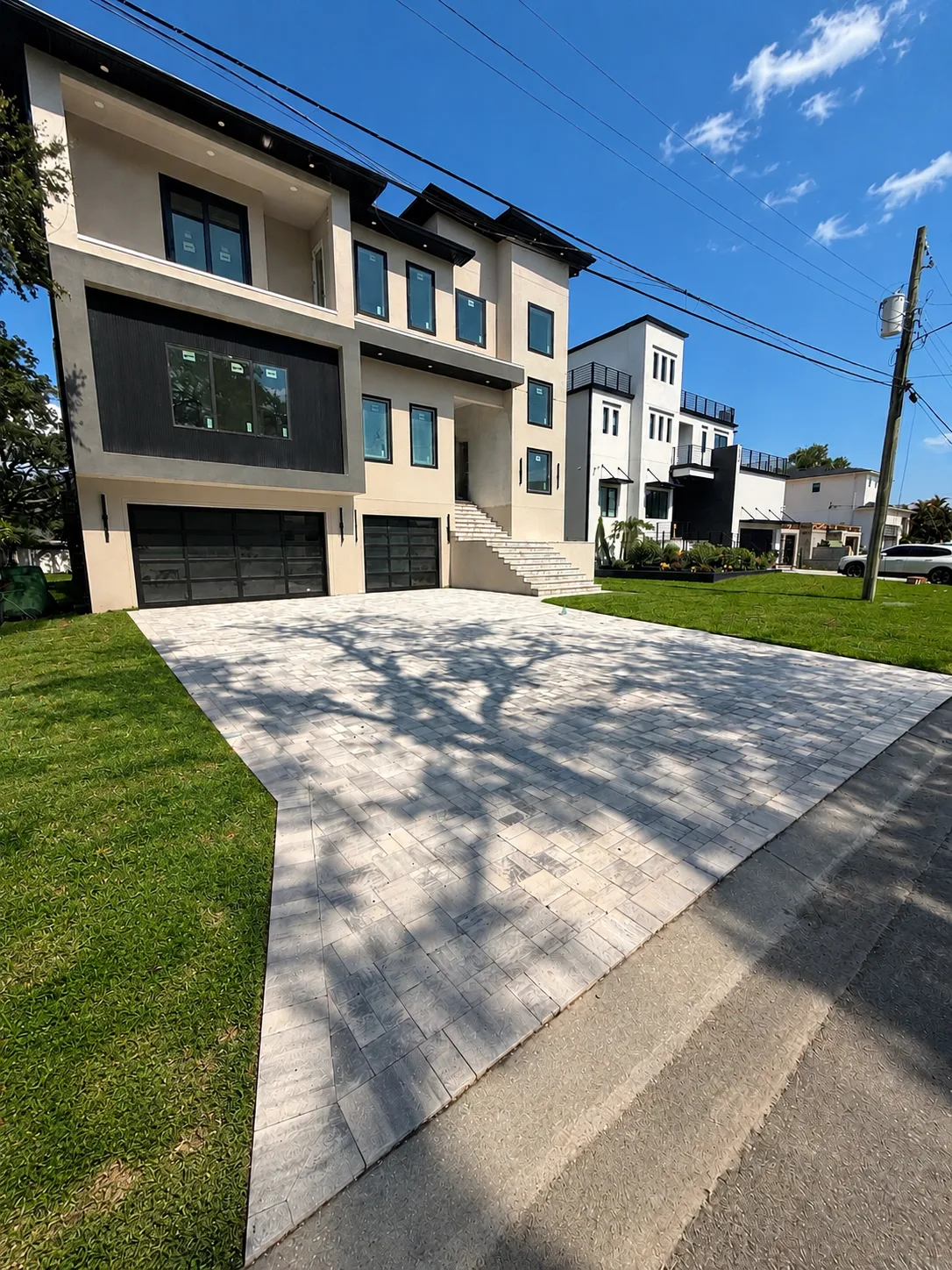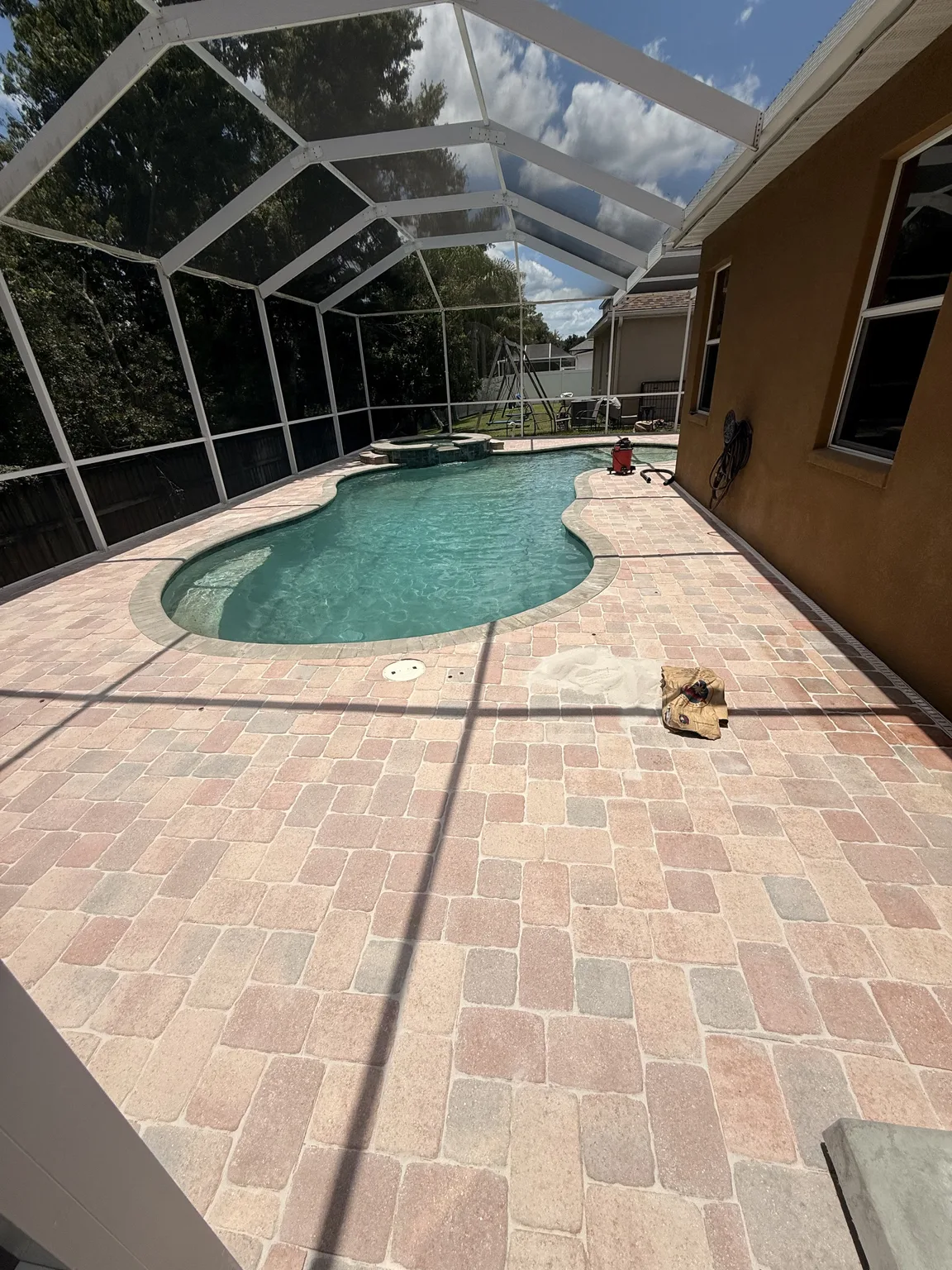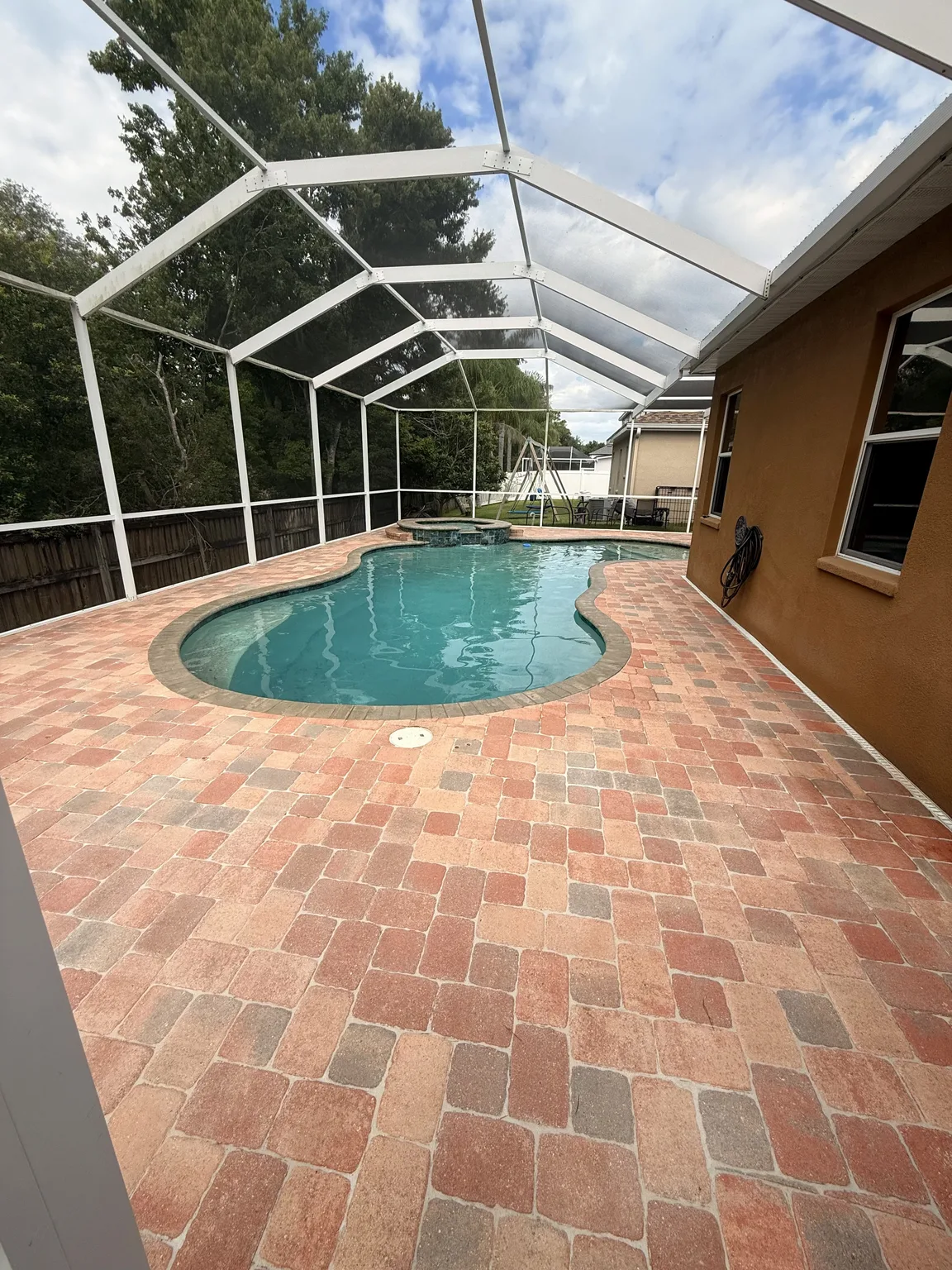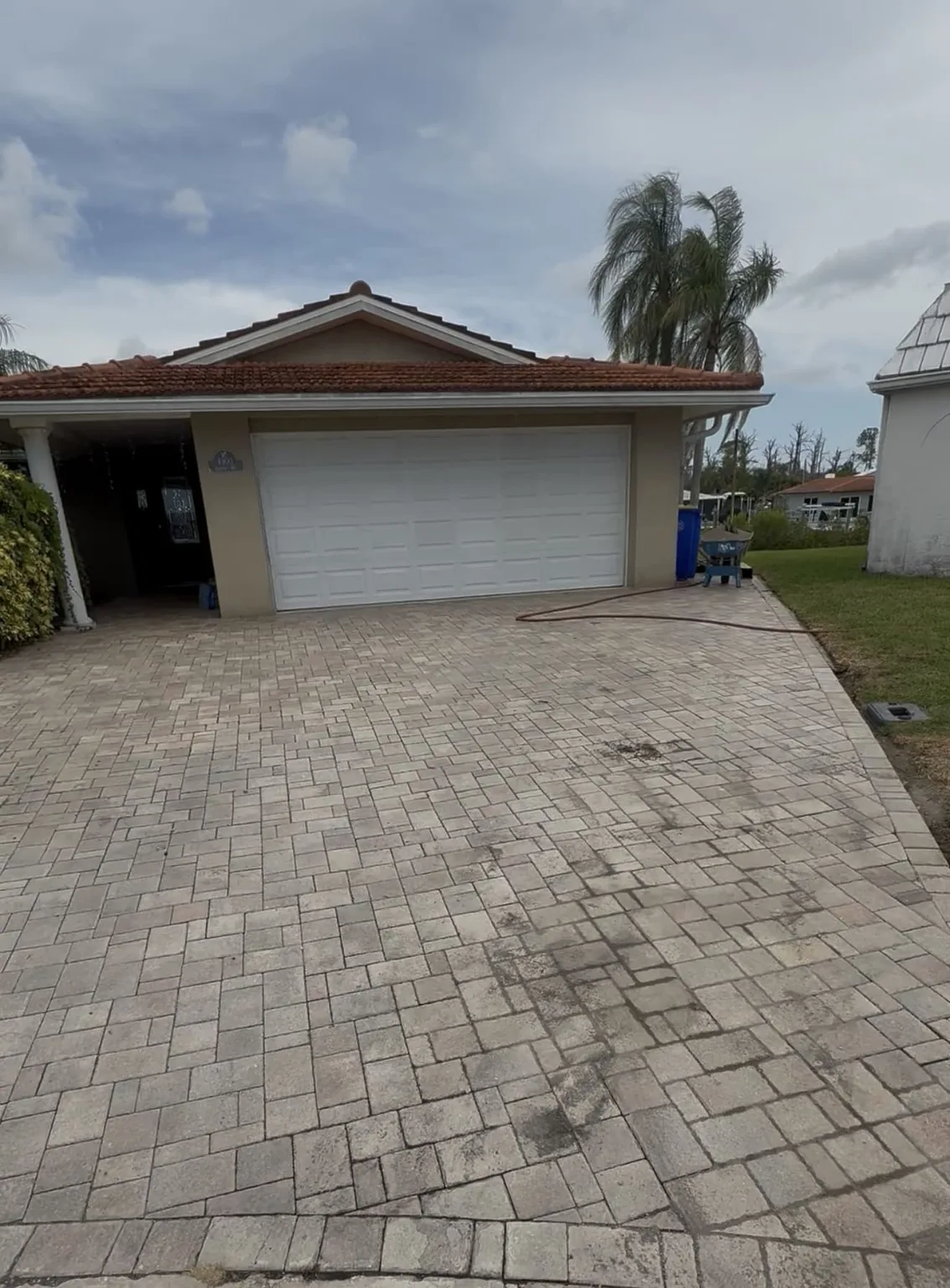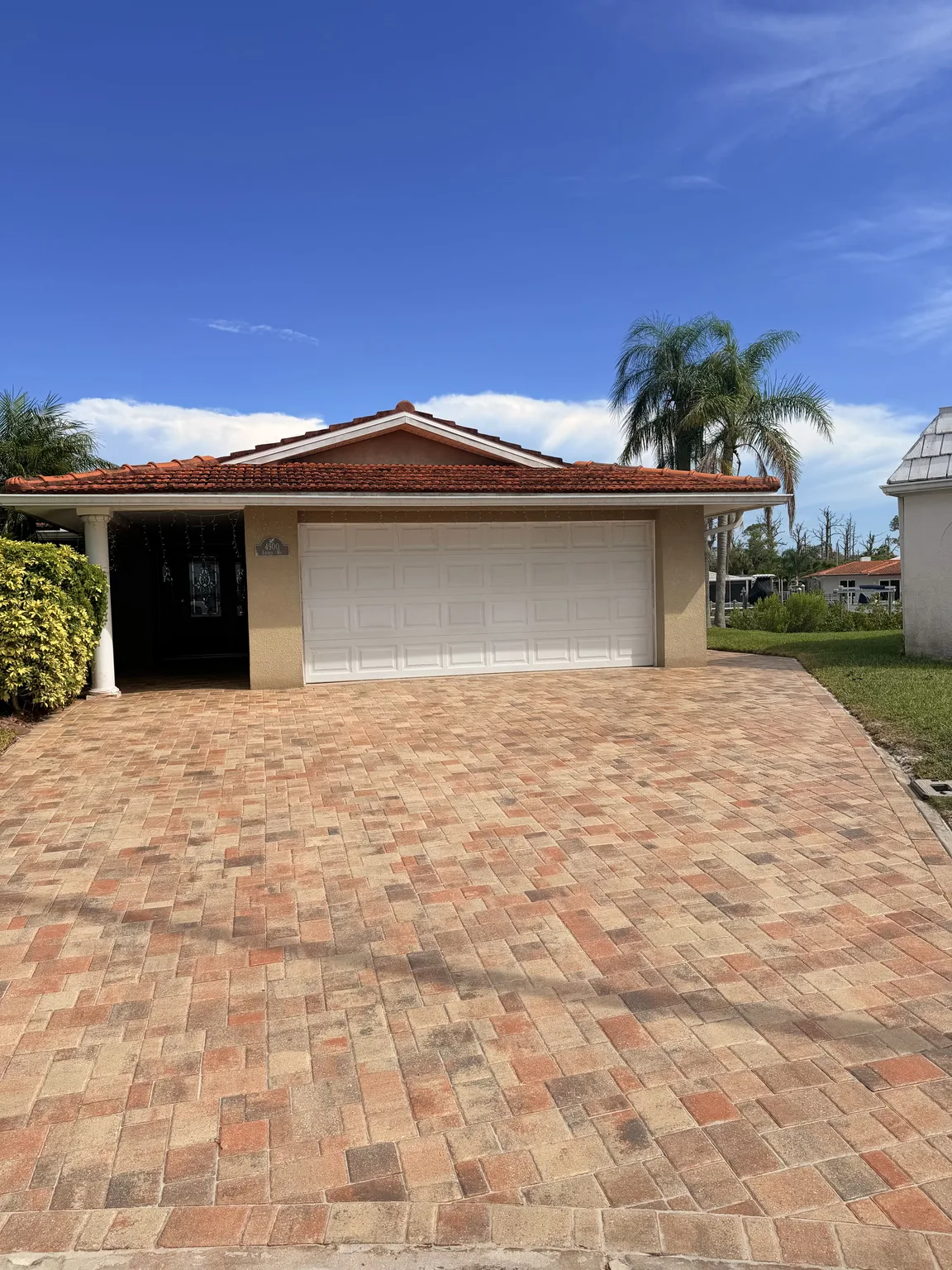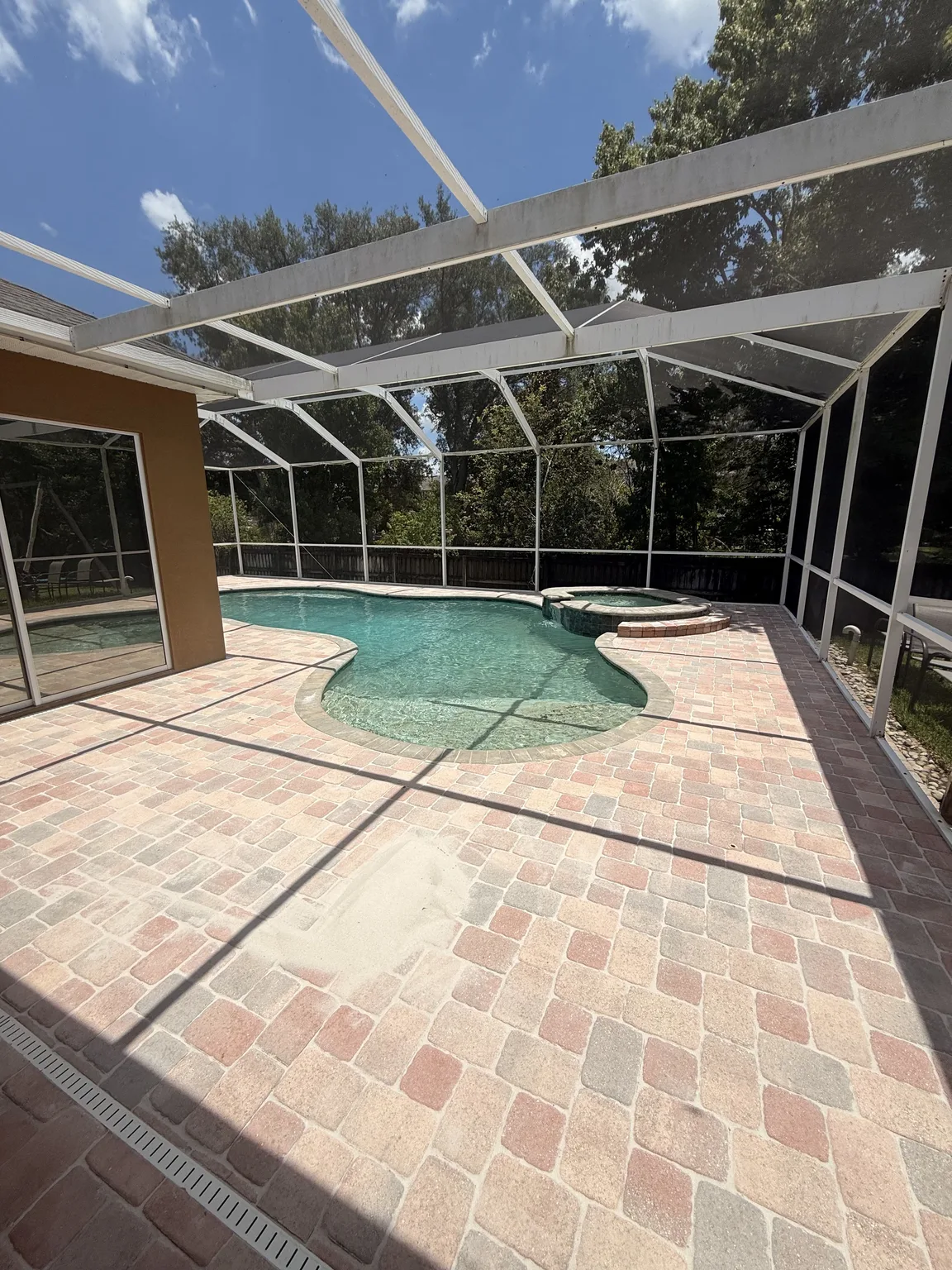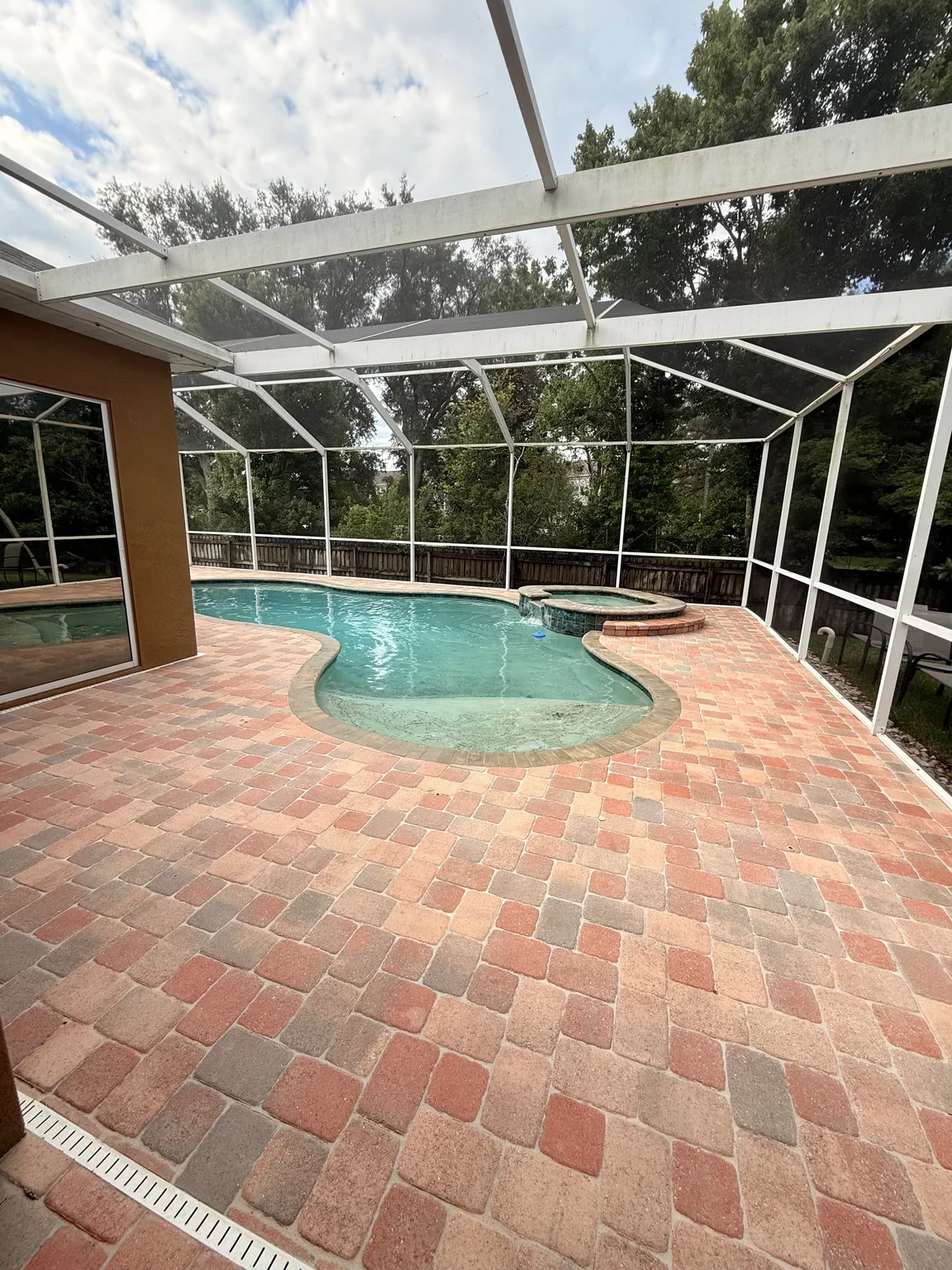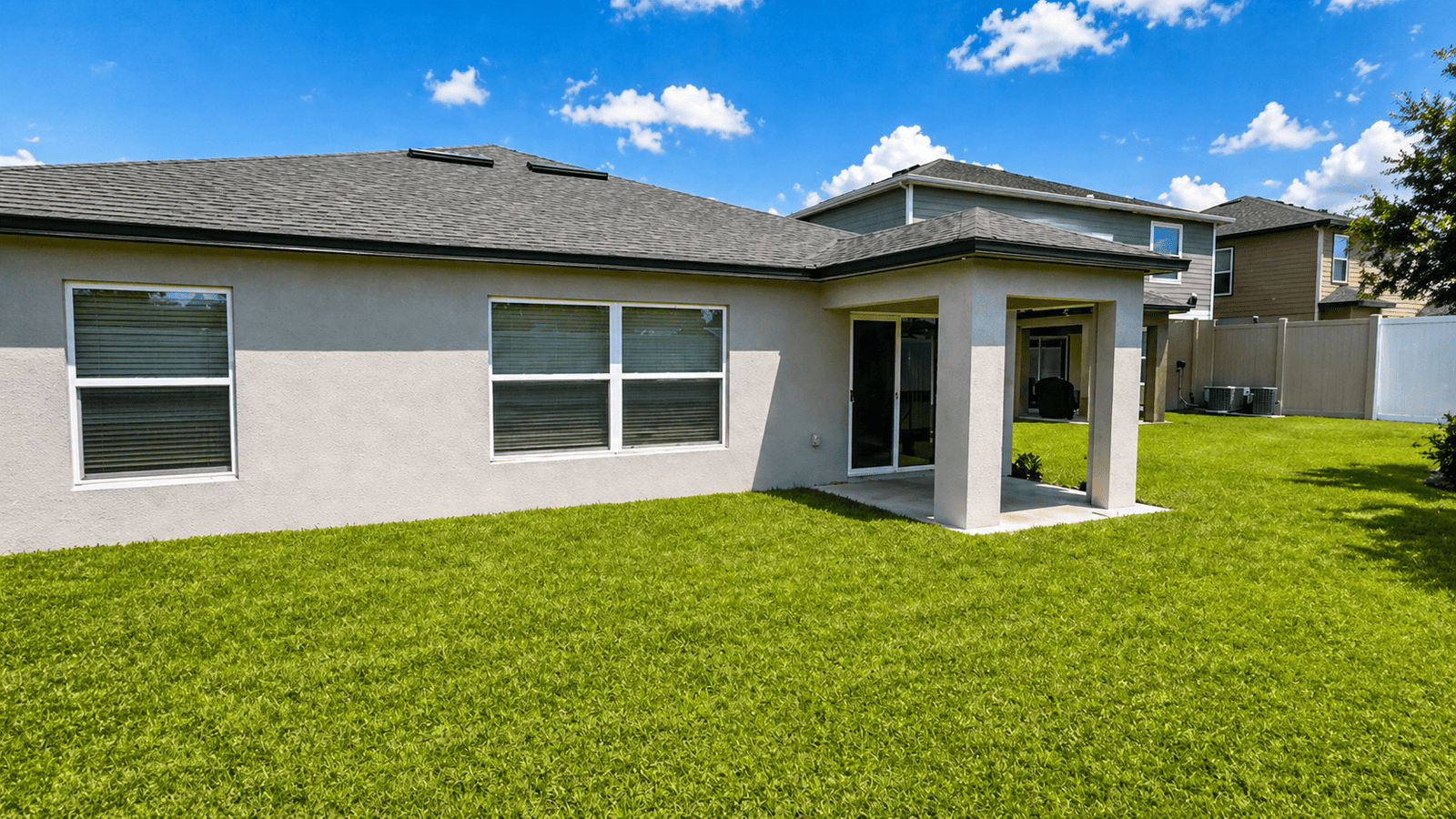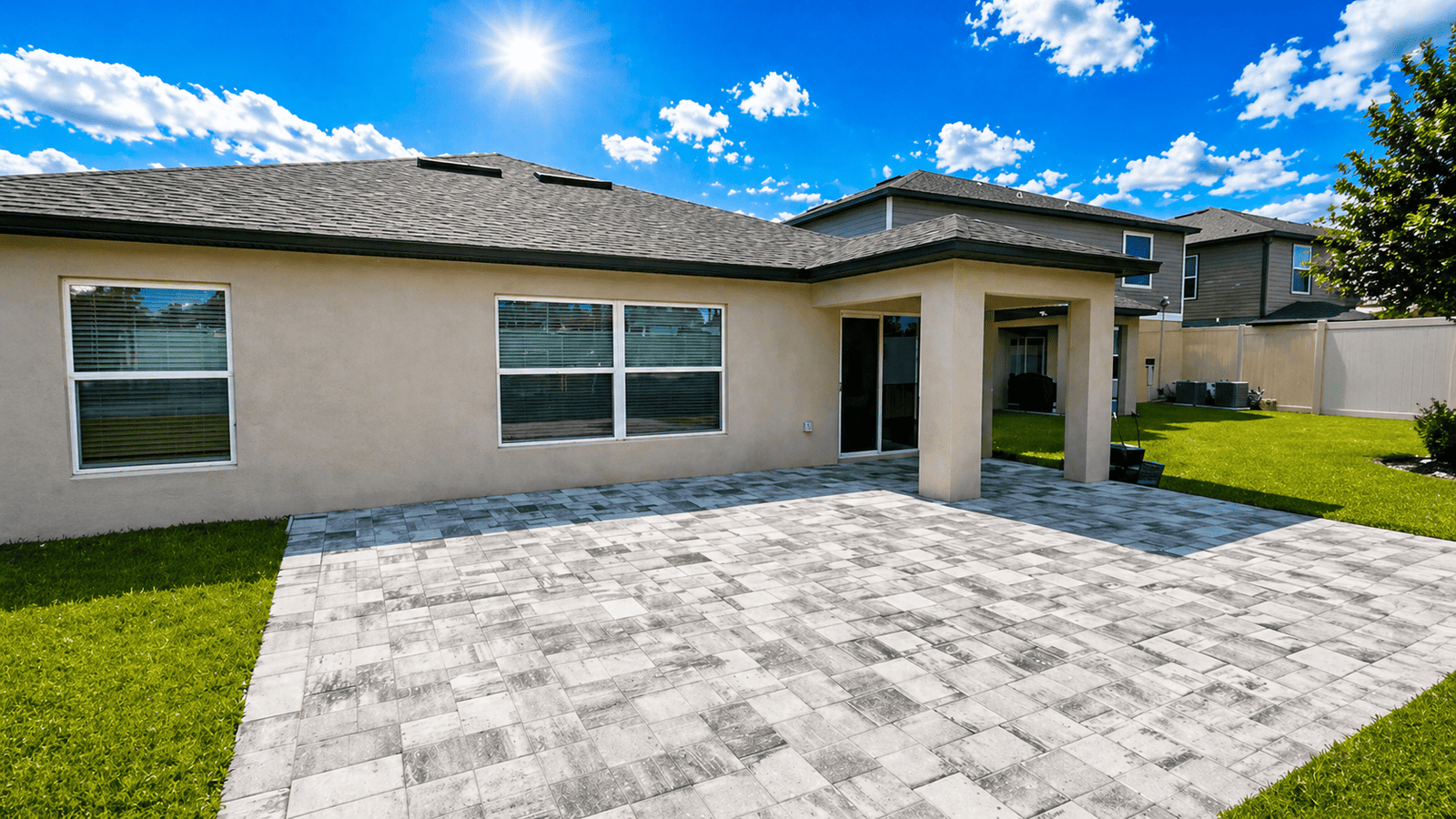
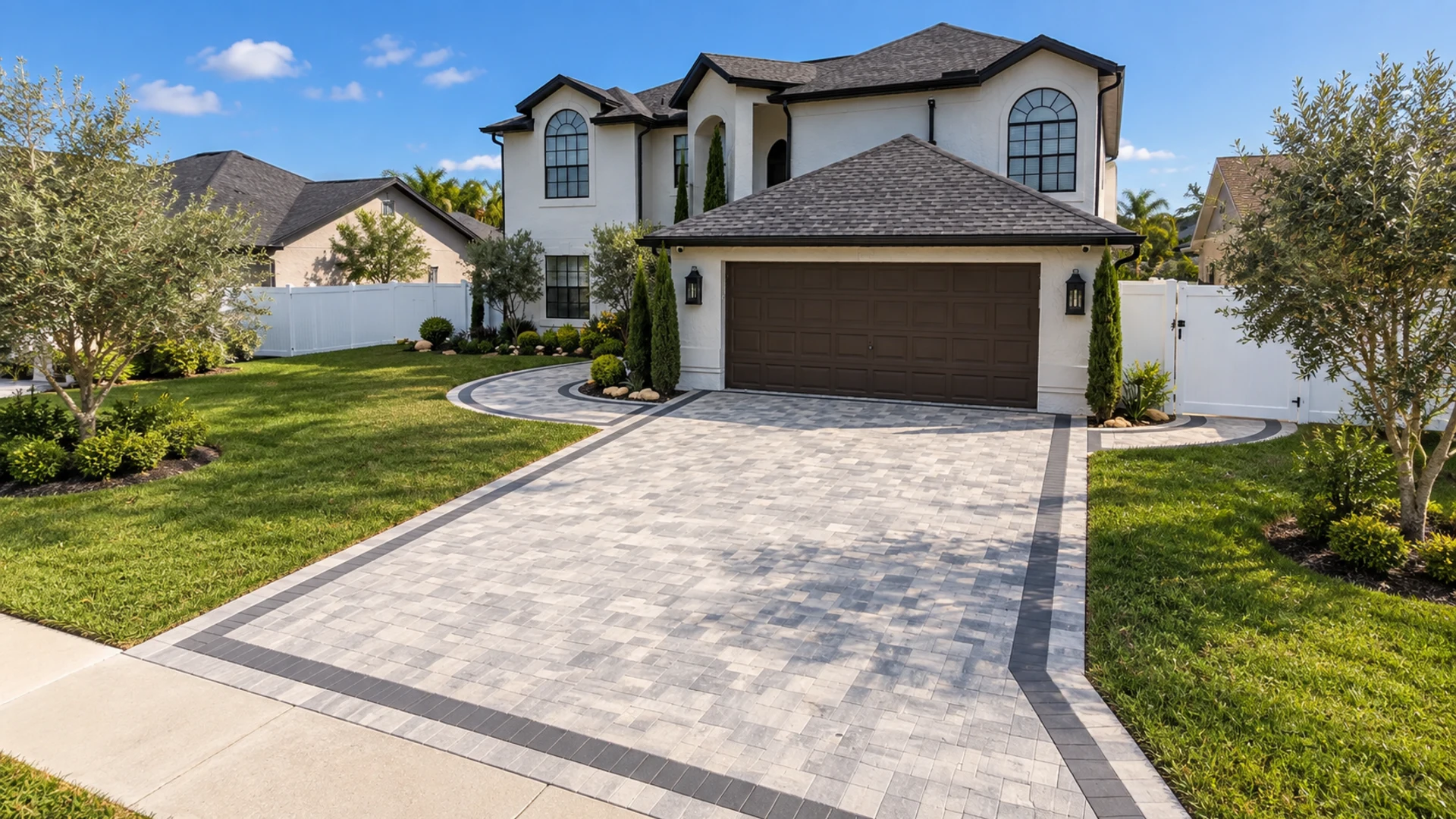
A professional paver estimate should let you see what will be built, what will be removed, what is still unknown, and what would change the price before work begins. The total matters, but it cannot tell you whether one proposal includes access protection, removal, base preparation, edge restraint, cutting, cleanup, or a meaningful final inspection. For Tampa Bay homeowners, a clear estimate is especially valuable where rain, existing drainage paths, established landscaping, and tight side-yard access can affect the scope. Compare the work behind the number, not just the number at the bottom.
Begin with a defined area and a defined boundary
A useful proposal identifies the area in plain terms: a front walk, rear patio, driveway extension, pool-deck section, or repair zone. It should state where the work begins and ends, ideally with measured quantities or a drawing that makes the boundary understandable. Measurements are not a promise that every site condition is visible before work starts, but they prevent an estimate from becoming a vague description such as “install pavers as needed.” If a border, step, transition, or tie-in is part of the design, it should be named so both parties can tell whether it is included.
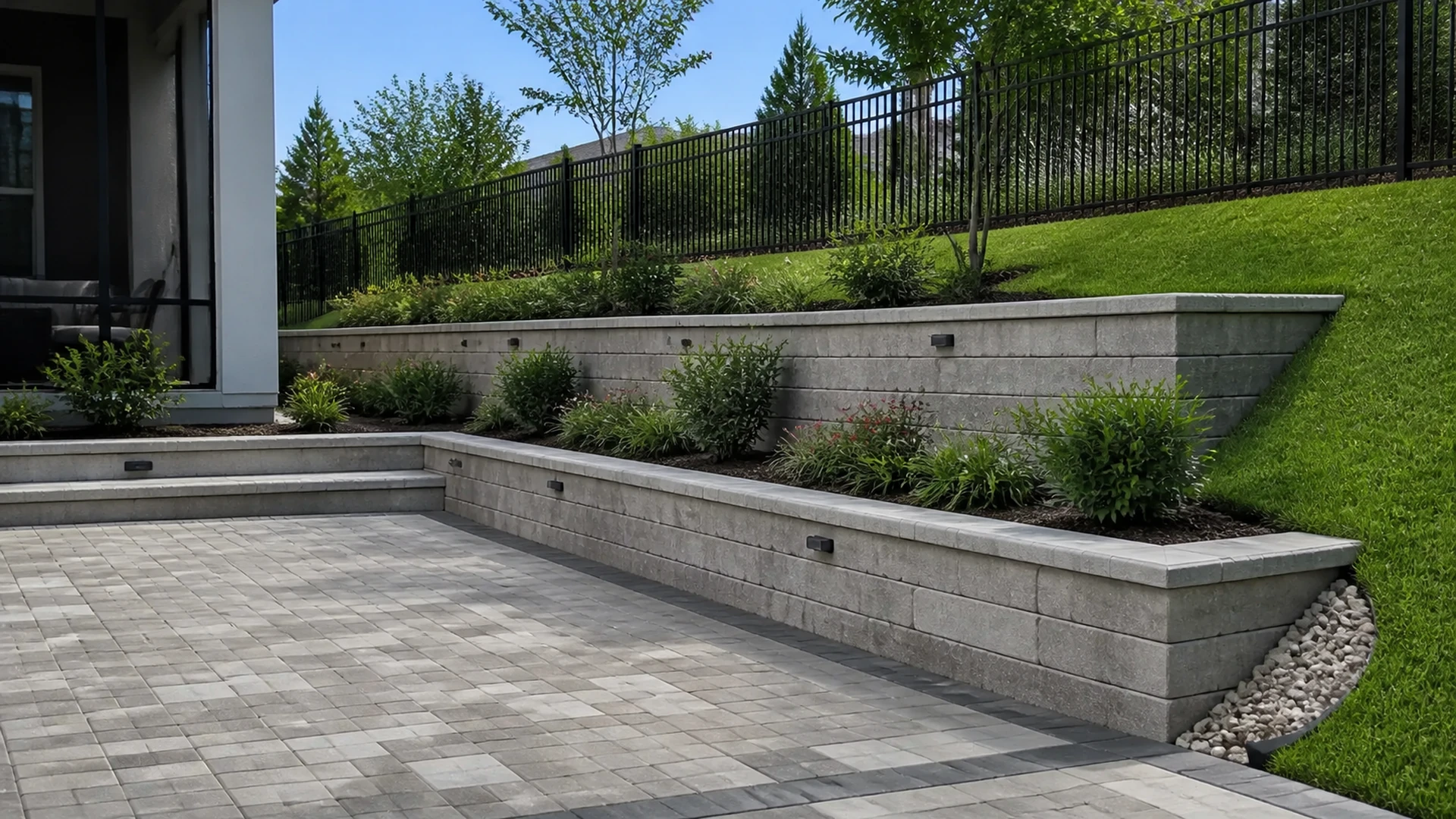
Look for the treatment of adjacent areas. A patio may meet a lawn, screen enclosure, wall, driveway, planting bed, utility cover, or existing concrete. Each connection can affect cuts, elevation, restraint, and cleanup. The estimate does not need to pretend it knows every hidden condition; it should instead separate the known scope from site conditions that will be confirmed during the work. That distinction is more trustworthy than a broad promise that everything is included regardless of what the crew encounters.
What a professional paver estimate should describe line by line
- Layout and quantities: the approximate area, pattern limits, border locations, and any clearly identified features.
- Access and protection: how the work area will be reached and what nearby surfaces or landscape features need reasonable protection.
- Demolition and haul-off: what existing material is being removed, what remains, and whether disposal is part of the stated scope.
- Preparation: the proposed work to establish the supporting layers and the elevation needed for the finished surface.
- Drainage and transitions: how known slopes, outlets, and connections will be considered without guaranteeing unseen subsurface conditions.
- Edges, cuts, and details: restraint, perimeter finishing, field cuts, and special shapes that affect labor and appearance.
- Cleanup and closeout: what will be removed from the site and how the completed area will be reviewed.
Not every project needs the same level of detail in every line. A small localized repair is different from a new driveway or a large outdoor living area. What matters is that the proposal is specific enough for you to recognize the intended work and specific enough for the contractor to explain a difference between the estimate and a later change. When two estimates use different descriptions, ask each contractor to clarify the scope before treating them as interchangeable bids.
Preparation is a scope, not a vague promise
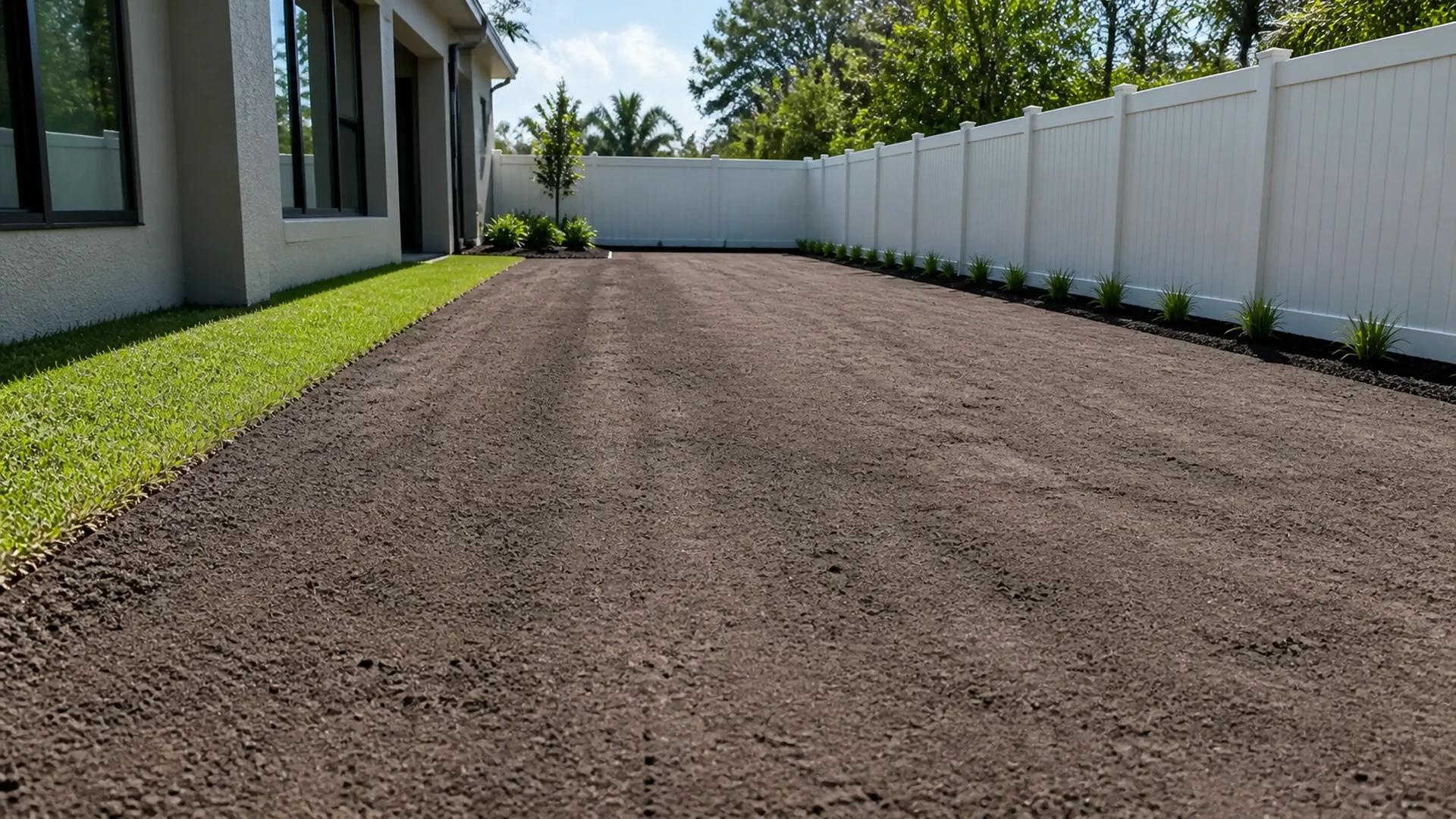
Words such as “base,” “prep,” or “installation” can hide important differences. A professional estimate should describe the preparation proposed for the particular work: removal where needed, grading, supporting material, compaction approach, bedding layer, and elevation control in terms appropriate to the job. It should also explain how the pavers will meet existing surfaces and why the finished height is being considered. Avoid expecting a document to certify conditions below an existing surface before the area is opened. A clear estimate can acknowledge that unknown soil, buried material, or concealed damage may require a documented change rather than silently absorbing the uncertainty into an undefined line item.
Drainage belongs in that same conversation. Florida rain can expose a low point quickly, but no proposal should promise a drainage outcome without evaluating the actual grades, discharge paths, structures, and surrounding property conditions. Look for language that identifies the planned surface slope or the need to maintain an existing flow path, along with any limits on work beyond the defined paver area. If water management requires work on a roof system, underground line, yard grade, or neighboring condition, that should be treated as a separate scope or an explicitly stated exclusion.
Materials should be described without guesswork
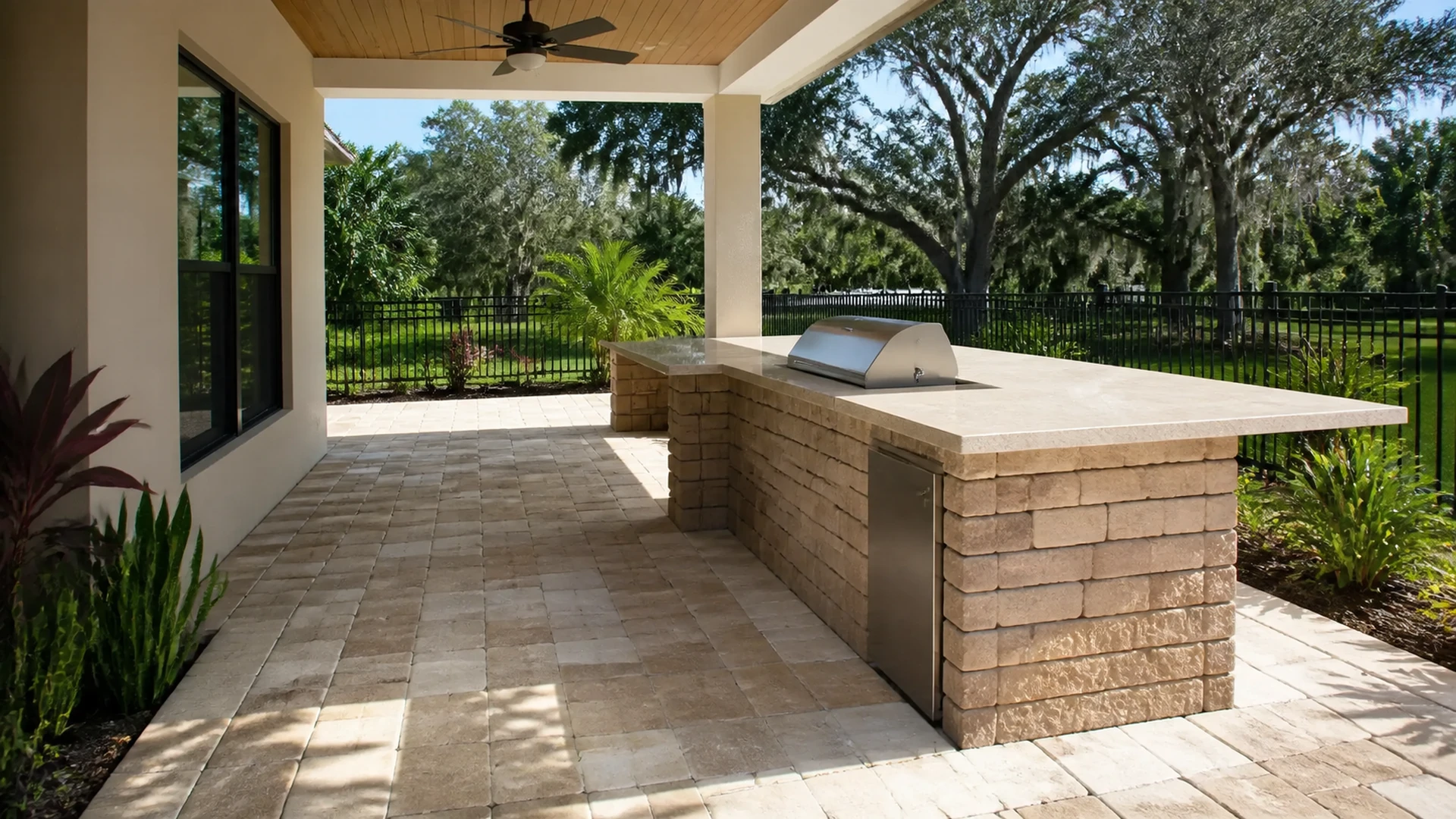
An estimate can describe a concrete paver, natural-stone element, coping, border, or joint material by its visible family, intended use, color range, unit geometry, and finish when those choices are known. It should not invent a manufacturer or imply that a specific blend is available until the selection and supply have been verified. If a homeowner has a sample, photo, or existing installation to match, the proposal should say whether the objective is a coordinated appearance or an exact match. Weathering, prior sealing, and production variation can affect the result, so “match” needs a practical definition rather than a casual promise.
Ask how selections are handled. Some estimates include a stated material choice; others use an allowance while final color, size, or finish is pending. Neither approach is automatically better. The key is knowing what the number assumes and what happens if the final selection differs. A good proposal will make clear whether a border is included, whether cuts are expected, and whether specialty pieces are part of the material scope. You can review Dr Pavers Design project and service information to frame questions around the type of hardscape work being considered.
Allowances, exclusions, alternates, and changes
These four terms protect both sides when they are used plainly. An allowance is a stated placeholder for something not fully selected or measured. An exclusion identifies work that is not included, such as landscape restoration outside the work area, utility relocation, or a condition that requires another trade. An alternate is a separately priced option that you may accept or decline. A change order records a revision to the agreed scope after a new condition, owner choice, or requested addition appears. They should not be buried in fine print or used as a substitute for a thoughtful initial scope.
Read the wording with a practical question in mind: if this condition occurs, who will identify it, what will be documented, and when will the price or schedule be discussed? An estimate that says “additional work if needed” without a process leaves too much room for confusion. A clearer version identifies the uncertainty and says that work beyond the described scope will be presented for approval. That does not eliminate surprises in an existing site; it gives everyone a responsible way to handle them.
Access, demolition, and cleanup affect the real scope
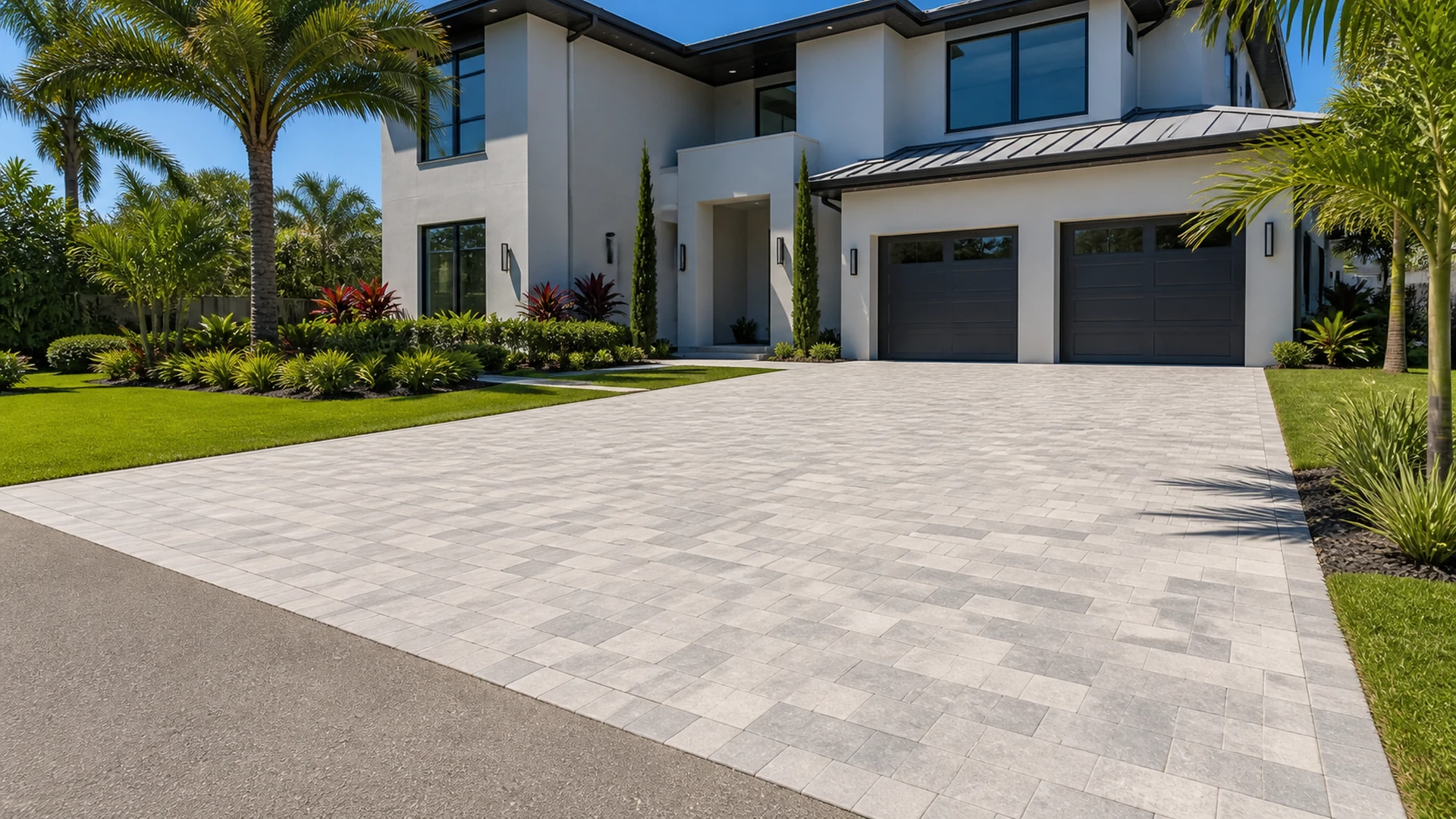
Access shapes how a project is performed. A broad driveway approach, narrow side yard, enclosed pool area, stairs, gates, and nearby utilities can all influence handling and protection. The proposal should not make up a site plan before it has been verified, but it should state known access limits and identify any owner responsibilities, such as clearing movable furniture or providing reasonable entry. If a gate must be removed, a screen opening adjusted, or a landscape feature protected, ask whether that work is included, coordinated, or excluded.
Demolition is equally important. “Remove existing surface” can mean different things depending on whether the area contains pavers, concrete, aggregate, roots, edging, or prior repair material. Ask what will be hauled away, how the transition to remaining surfaces will be handled, and whether disposal is included. Cleanup should address the work area and normal project debris, while recognizing that restoration of unrelated lawn or landscaping may be separate. Clear closeout language is not cosmetic; it sets expectations for the condition of the site when the installation work is complete.
Compare payment stages, care, and warranty language
Payment stages should be easy to follow. Compare the amount and trigger for each stage, not merely the deposit percentage. A proposal may use a deposit, a progress point tied to defined work, and a final payment after completion, but the written sequence should match the scope and local agreement. If materials must be ordered or a custom selection is involved, ask how that is reflected. Do not rely on verbal explanations when the written estimate says something different; request a revised document that both parties can use as the reference.
Warranty and care language deserve the same careful reading. Look for what workmanship or material coverage is described, how a concern should be reported, and what conditions are outside that coverage. Routine care should be realistic: keep joints and edges observed, address spills appropriately, and avoid treatments that conflict with the installed system or a manufacturer’s directions when those are known. A warranty is not a prediction that every future condition is covered. The educational resources from the Concrete Masonry and Hardscapes Association can provide useful context, while the actual proposal should remain the authority for the work being offered.
Ask for the assumptions behind the schedule
A price is easier to evaluate when the estimate also states the assumptions that affect timing. Material selection, site access, weather, owner decisions, and discovery of a condition outside the scope can all influence the work sequence. That does not require a contractor to predict an exact completion date before the site and materials are ready. It does require a useful explanation of the expected order: confirmation of the scope, material coordination, preparation, installation, and closeout. If a proposal gives a schedule range, ask which items need to be settled before the work can be placed on the calendar.
Clarify who is responsible for approvals or information that could hold up the defined work. This might include access arrangements, homeowner-association requirements, selection signoff, or an owner decision about an alternate. An estimate should not claim that a permit or approval will be granted unless that result is actually within the stated and verified scope. It can say whether a known approval process is included, excluded, or to be addressed separately. That level of candor keeps the financial comparison tied to the real administrative responsibilities as well as the visible construction work.
Use one written clarification before choosing
Before you decide, send each bidder a short written list of the same unanswered items. Ask them to confirm the work boundaries, existing-material handling, material assumptions, edge and cut details, drainage limits, exclusions, and change-order process. A responsive answer is not a substitute for the estimate, but it can be added to or reflected in a revised proposal. This step prevents a homeowner from comparing one contractor’s detailed preparation plan with another contractor’s one-line installation price as though they promise the same work.
Do not force false precision when a condition genuinely needs to be uncovered or measured. Instead, ask for the decision point: what will trigger a discussion, what evidence will be shown, and what approval is needed before additional work begins? That framework is useful whether the final choice is a new patio, a driveway repair, a border addition, or a targeted reset of existing pavers. It protects the homeowner’s ability to make an informed decision and gives the contractor a clear instruction not to expand the scope silently.
A fair method for comparing two or three bids
Put the proposals side by side and make one row for each decision point: defined area, removal, haul-off, preparation, drainage consideration, pavers and border, edges, cuts, access, cleanup, allowance, exclusions, changes, payment, warranty, and care. Mark each row as stated, unclear, excluded, or proposed as an alternate. Then send the same concise questions to each bidder. This method makes it easier to see whether a lower total reflects a smaller scope, a pending allowance, or an item that was never addressed.
- Are the work boundaries and quantities comparable?
- Does each proposal say what happens to existing material and debris?
- Is preparation described in a way that fits the stated project?
- Which choices are assumed, which are allowances, and which are not included?
- How will an unforeseen condition or owner-requested change be approved?
- What final review, care guidance, and warranty terms are actually written down?
The best estimate is not automatically the longest document or the highest price. It is the one that makes the intended scope understandable, names the material assumptions, identifies meaningful limits, and offers a workable path for changes. That clarity lets you compare proposals on substance and start a paver project with fewer avoidable surprises.
Finally, when want to understand the scope behind your paver estimate, review the services, see completed projects, read testimonials, and check the FAQ before requesting a free consultation through the contact page. Follow Dr Pavers Design on Instagram and Facebook, or review the company on Google. Open Google Maps, send a WhatsApp message, call +1 (656) 600-4015, send a text message, or email drpavers@outlook.com for a free consultation anywhere in Tampa Bay.