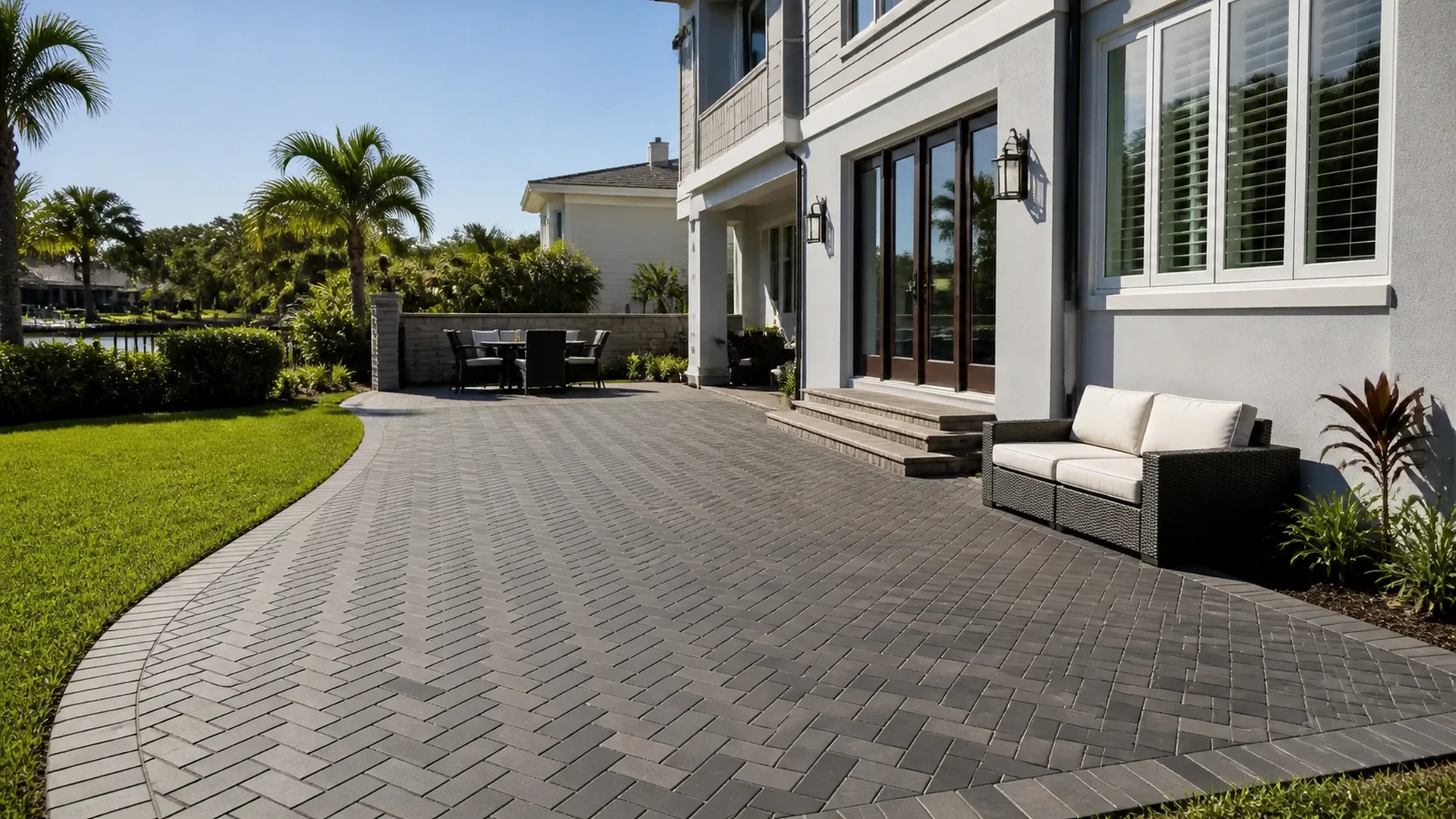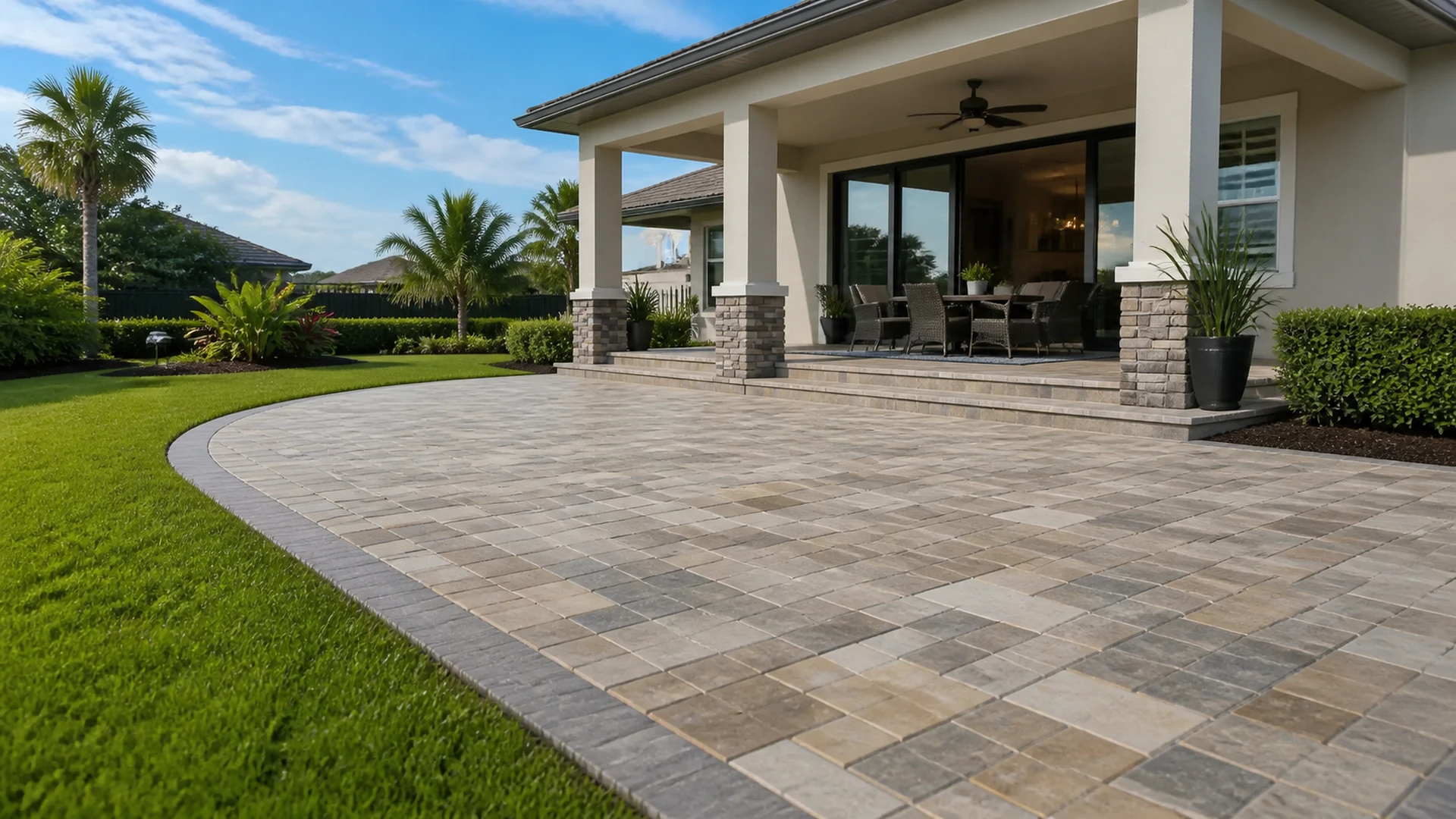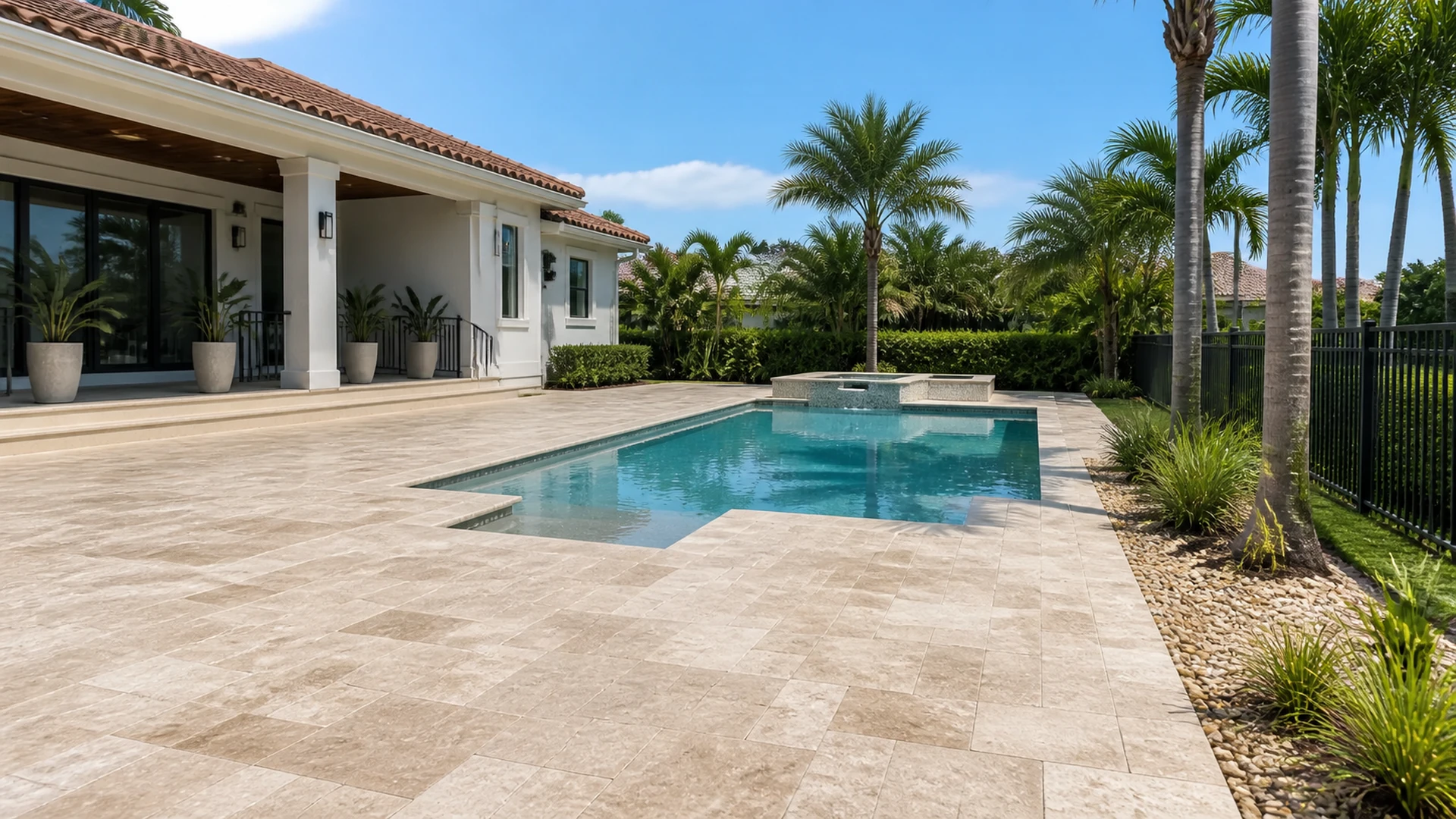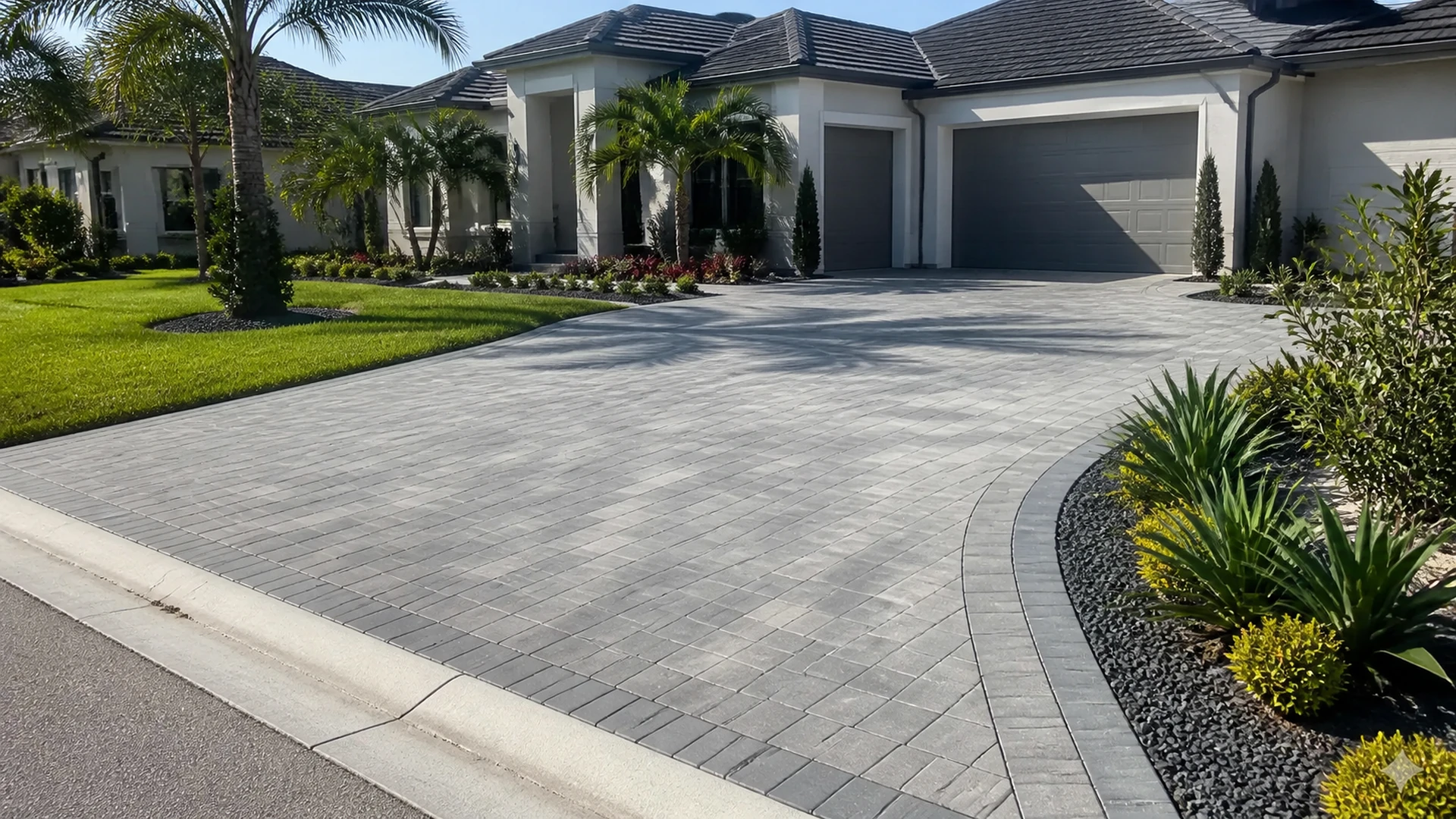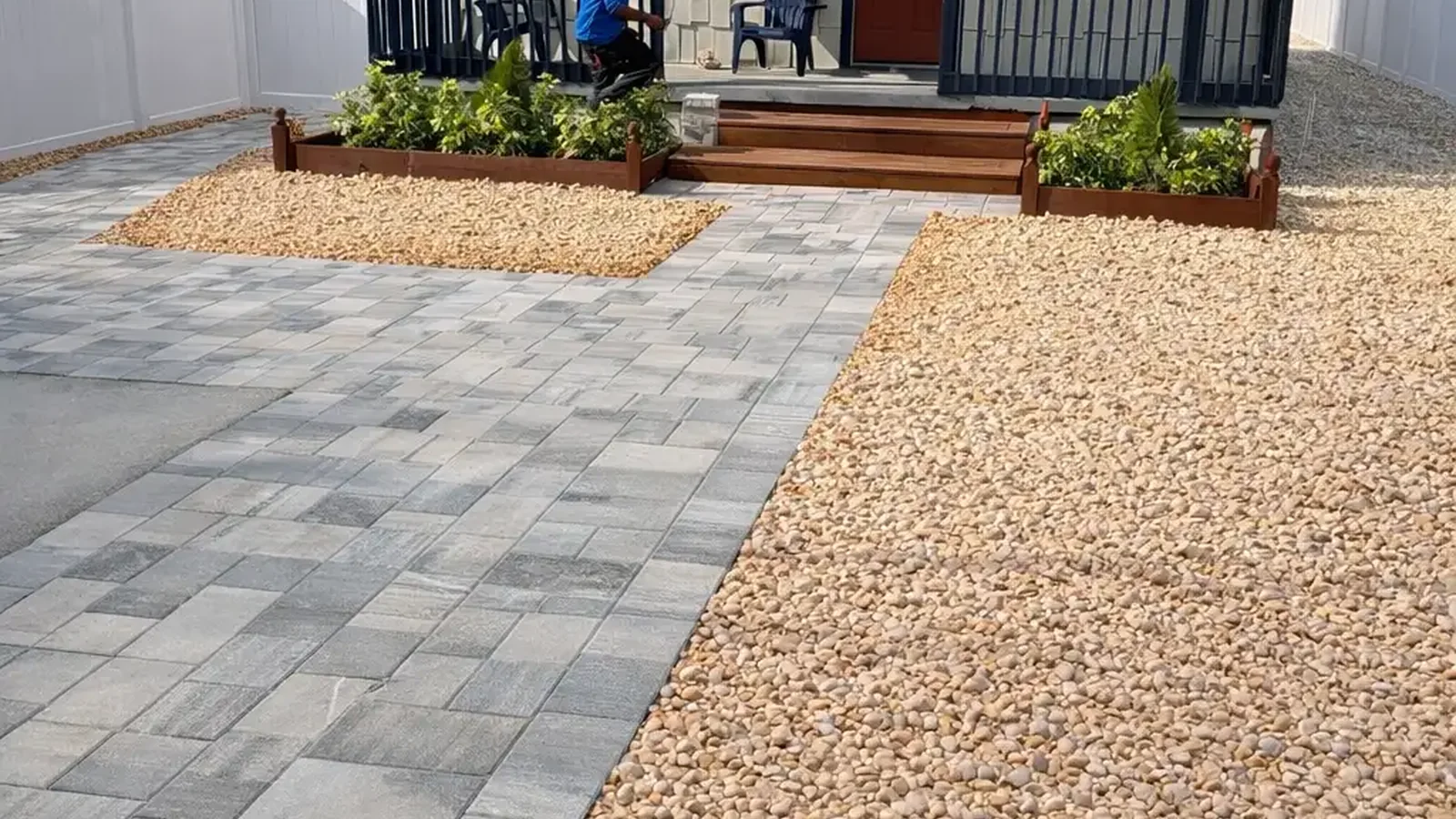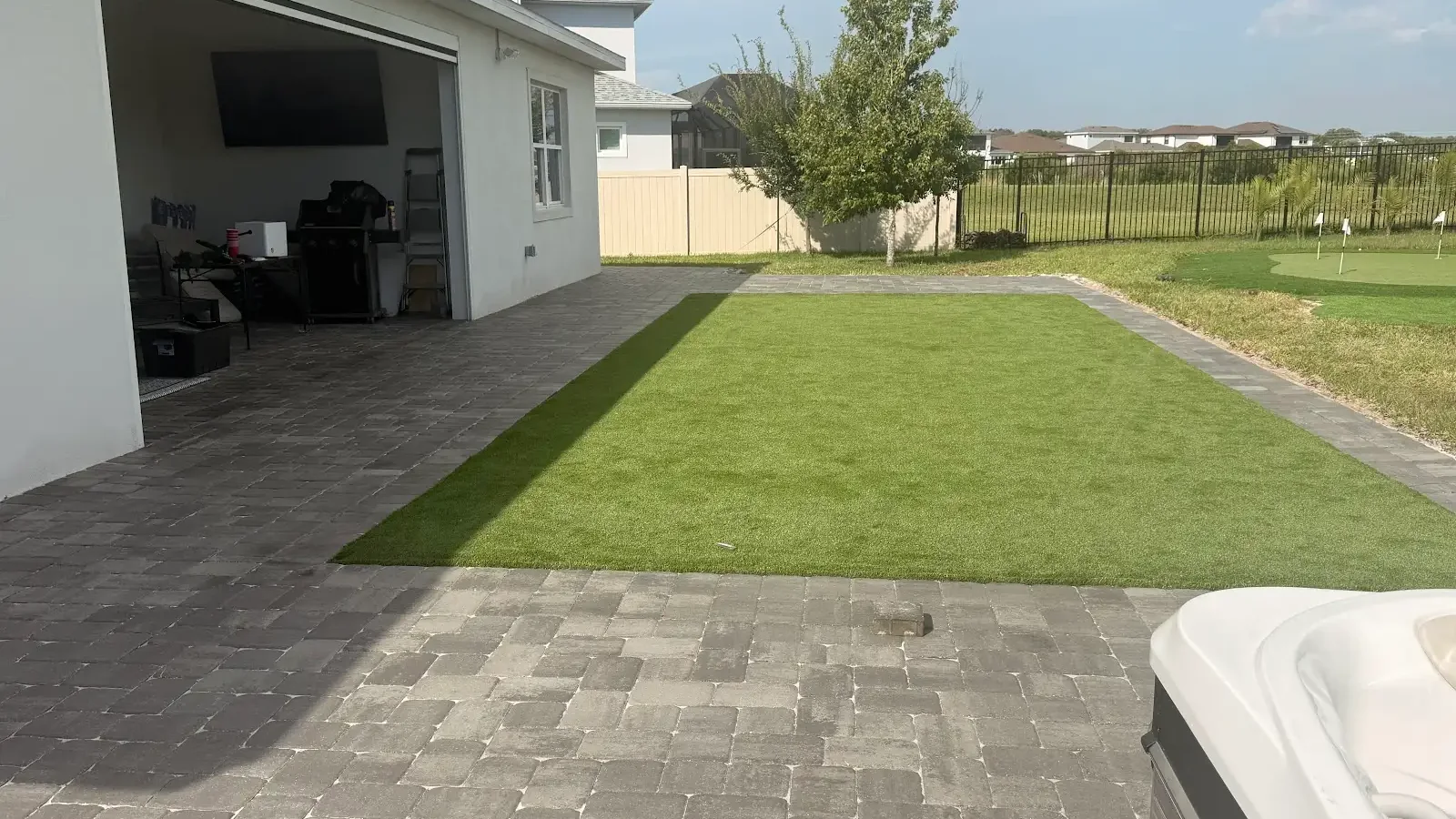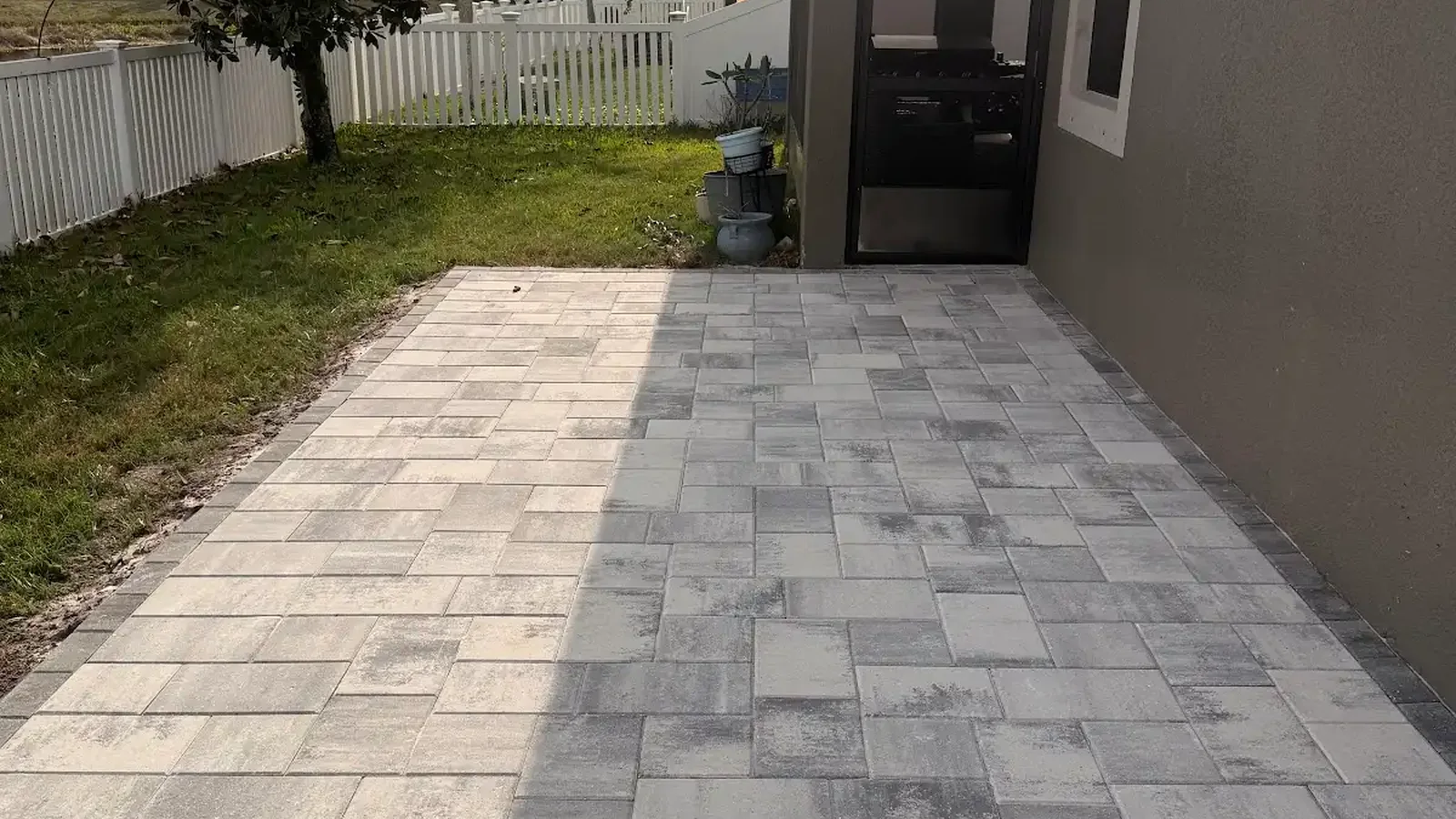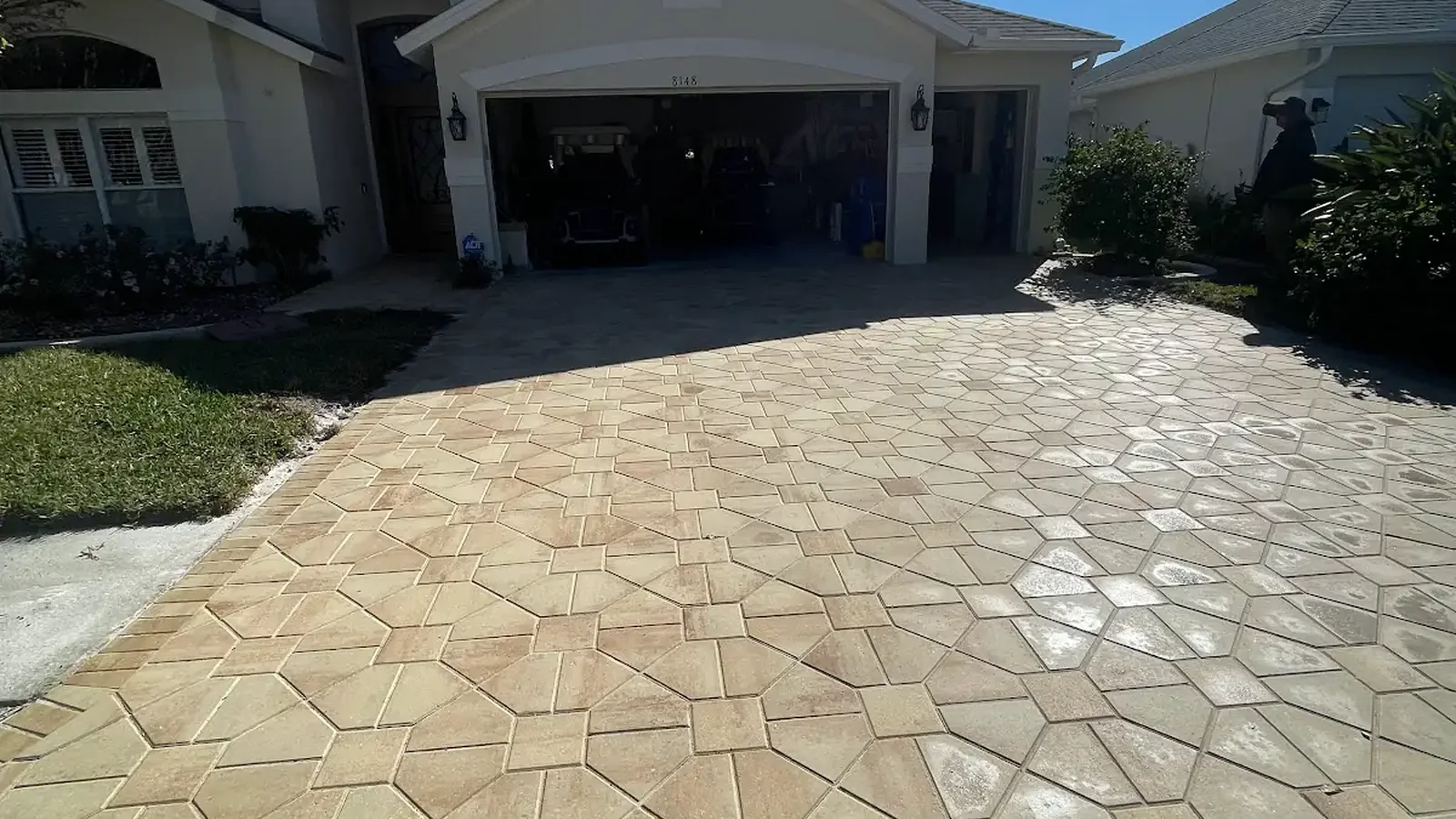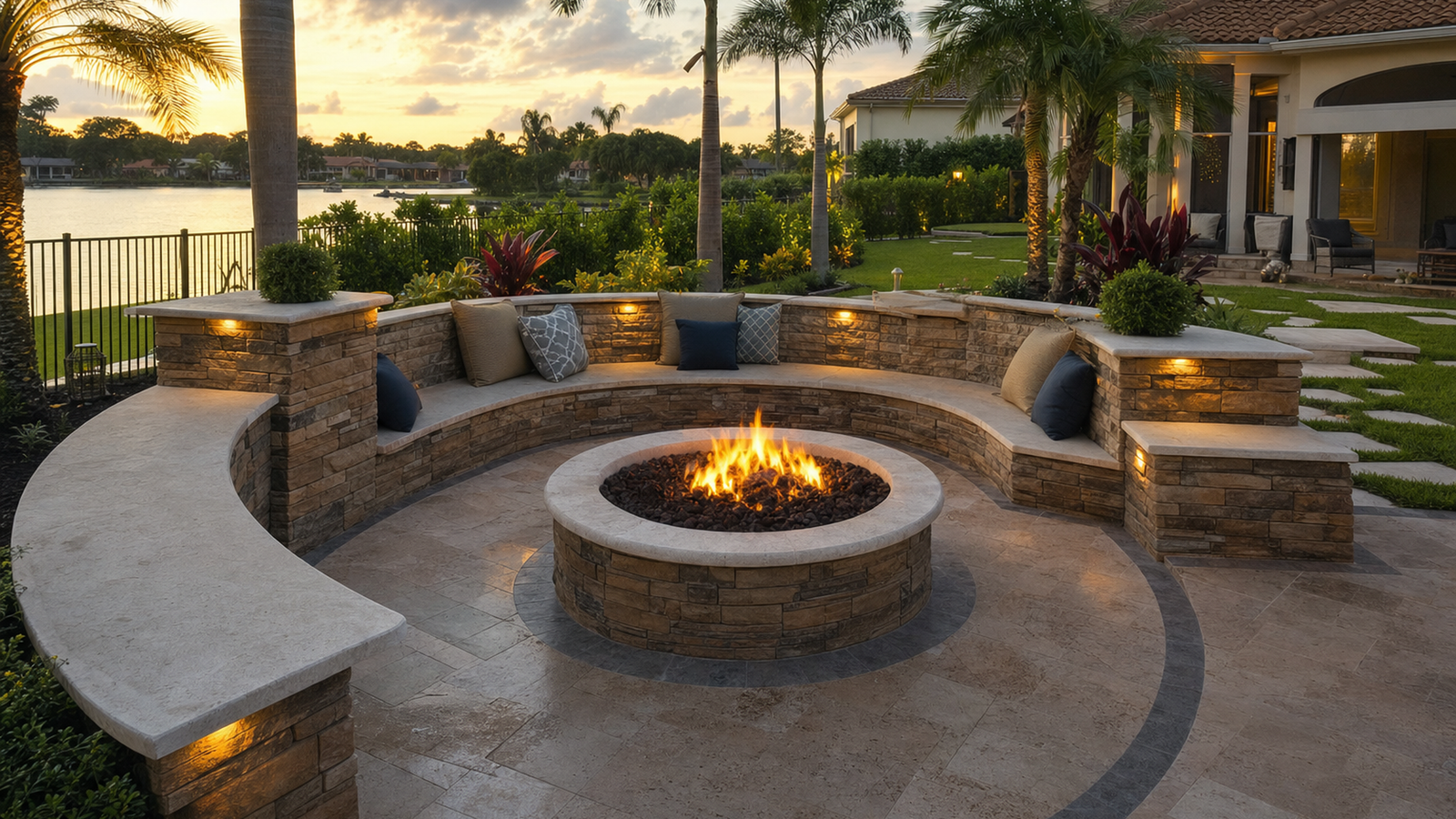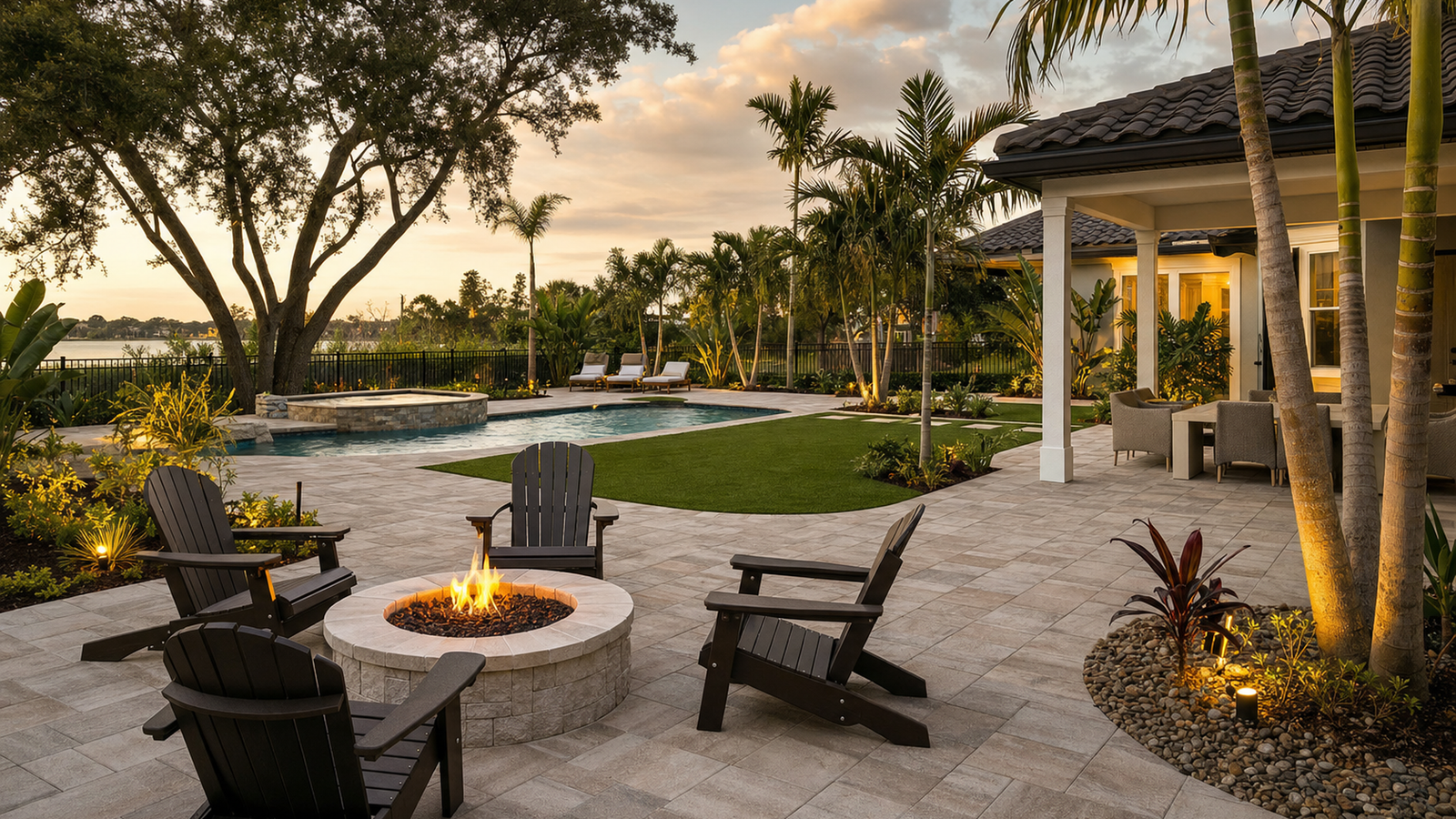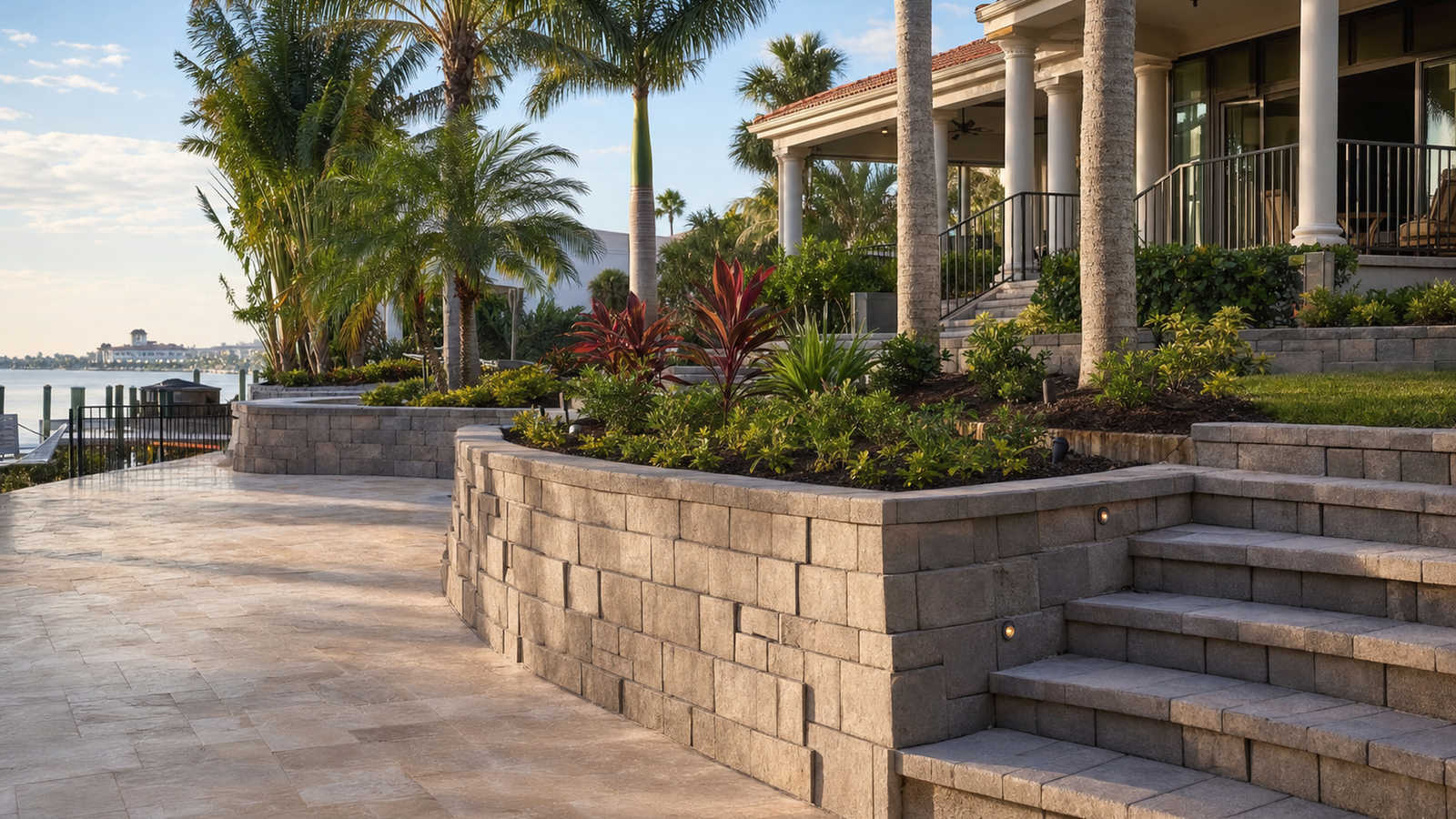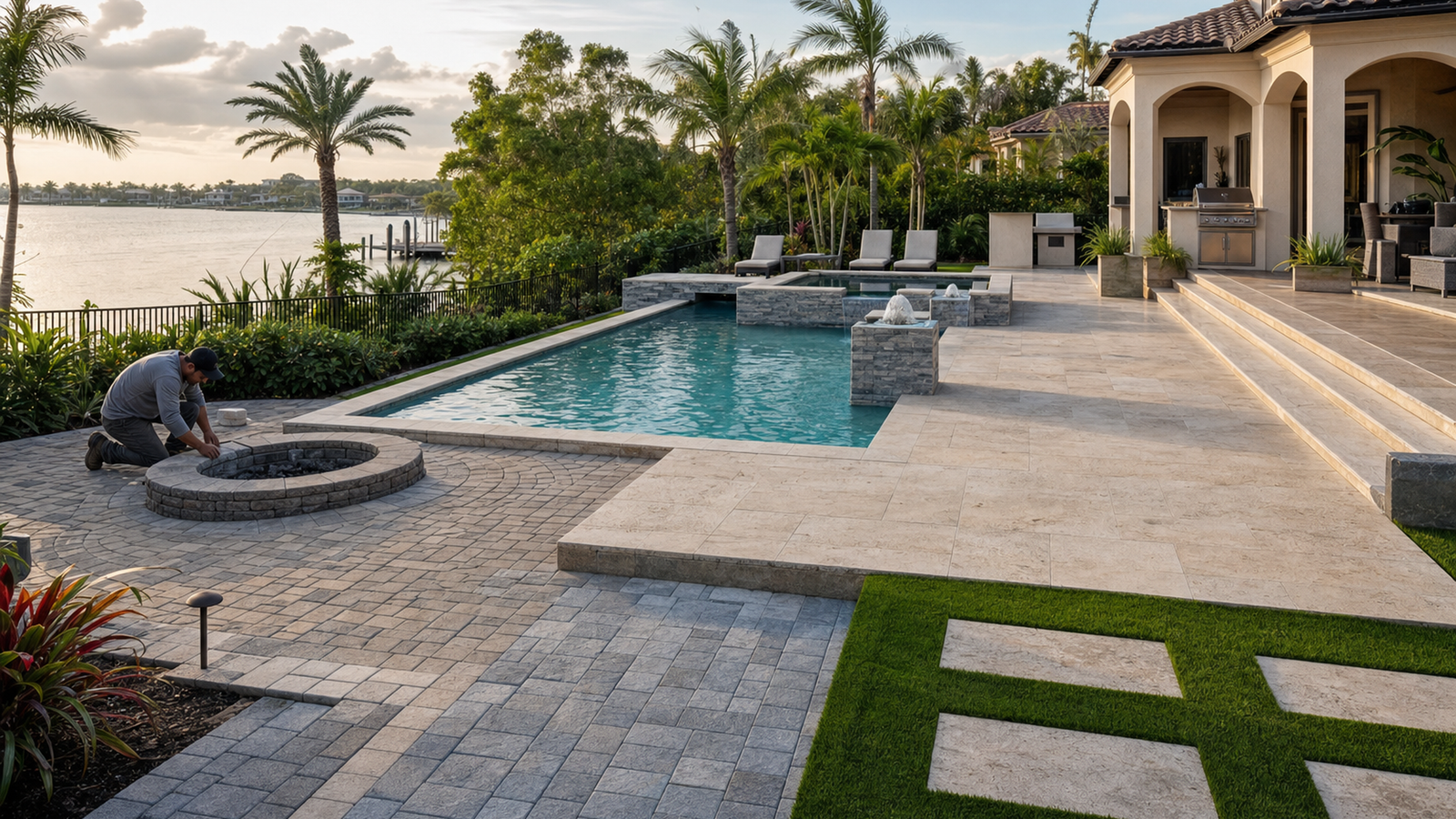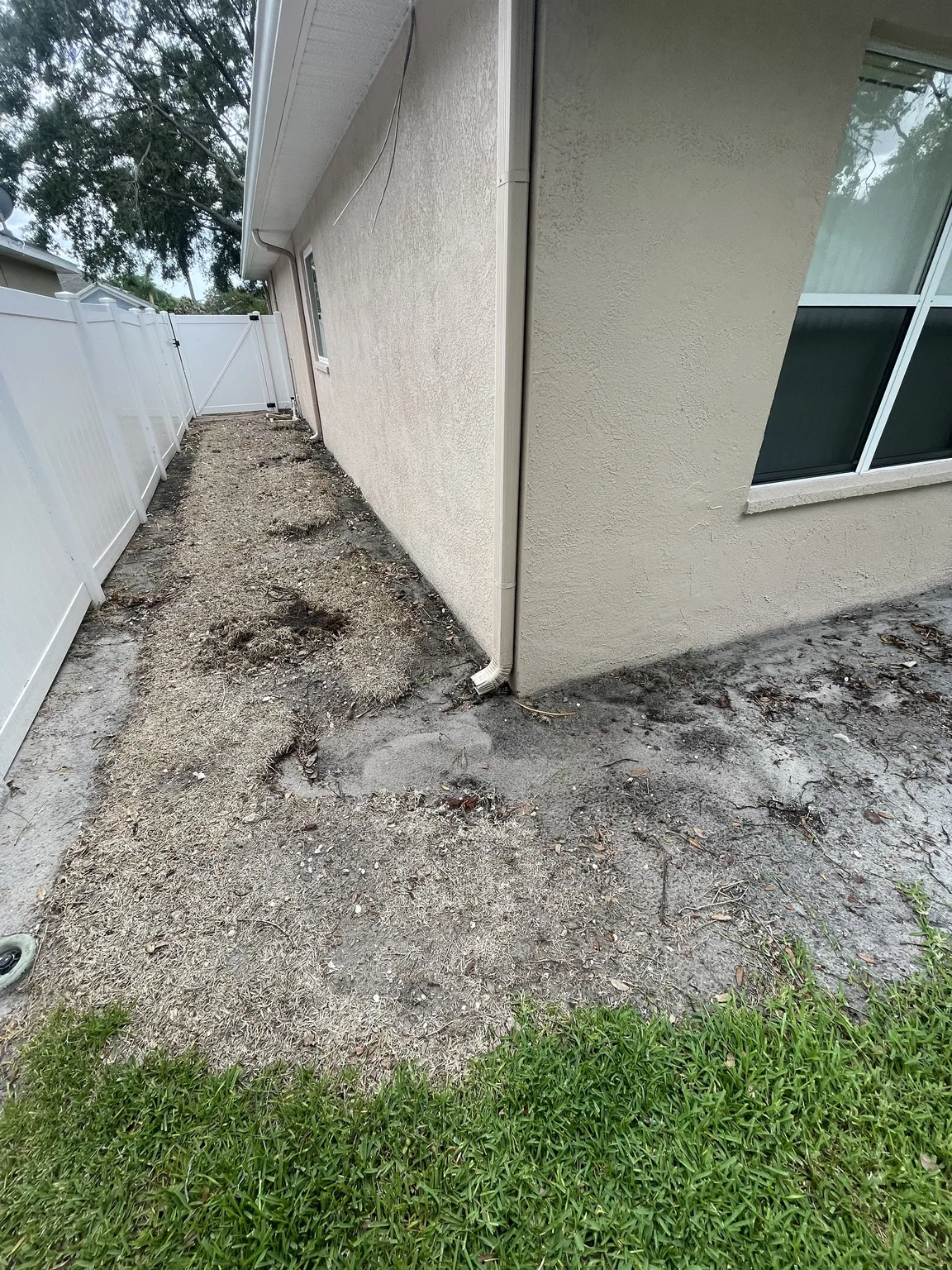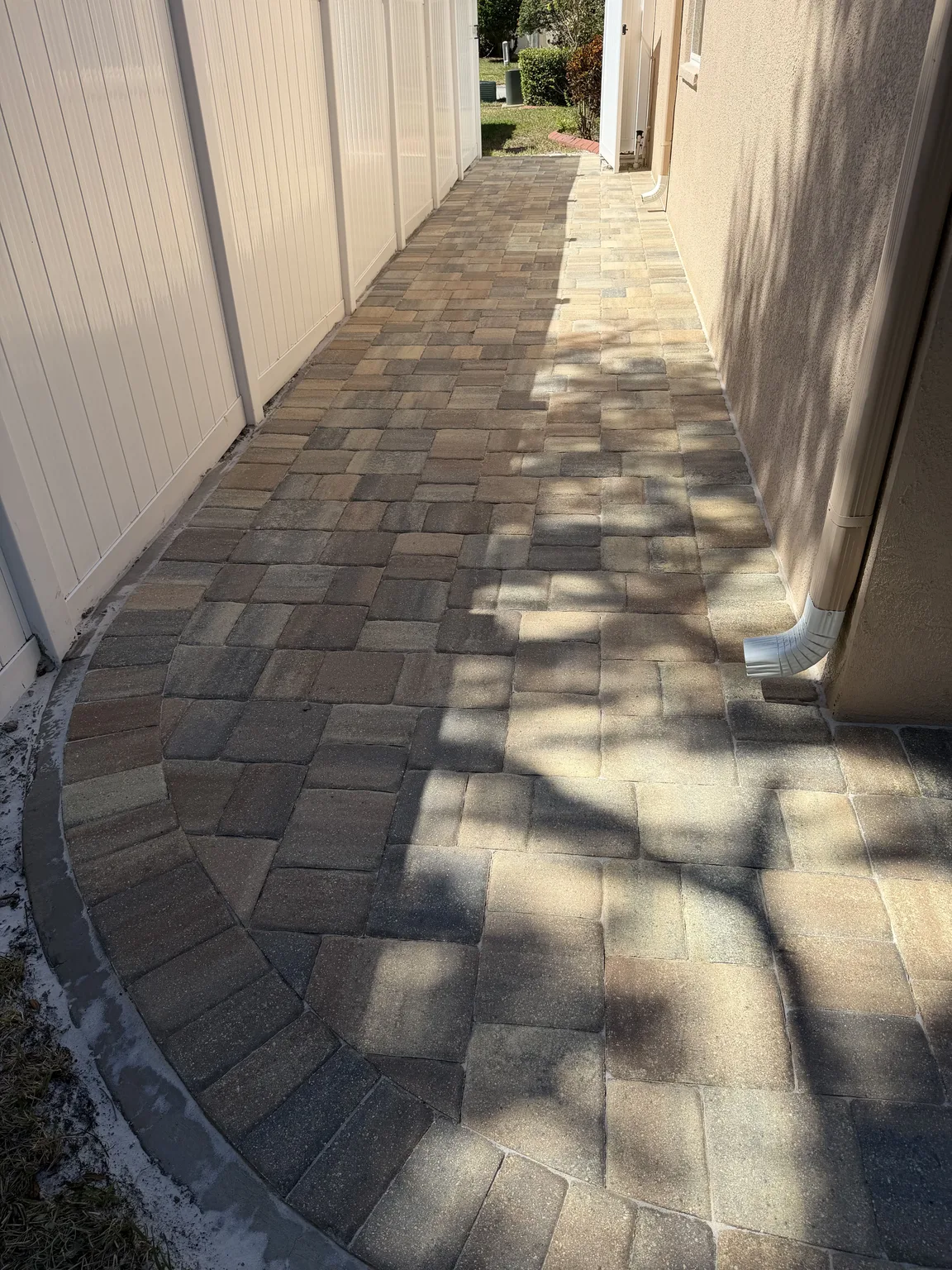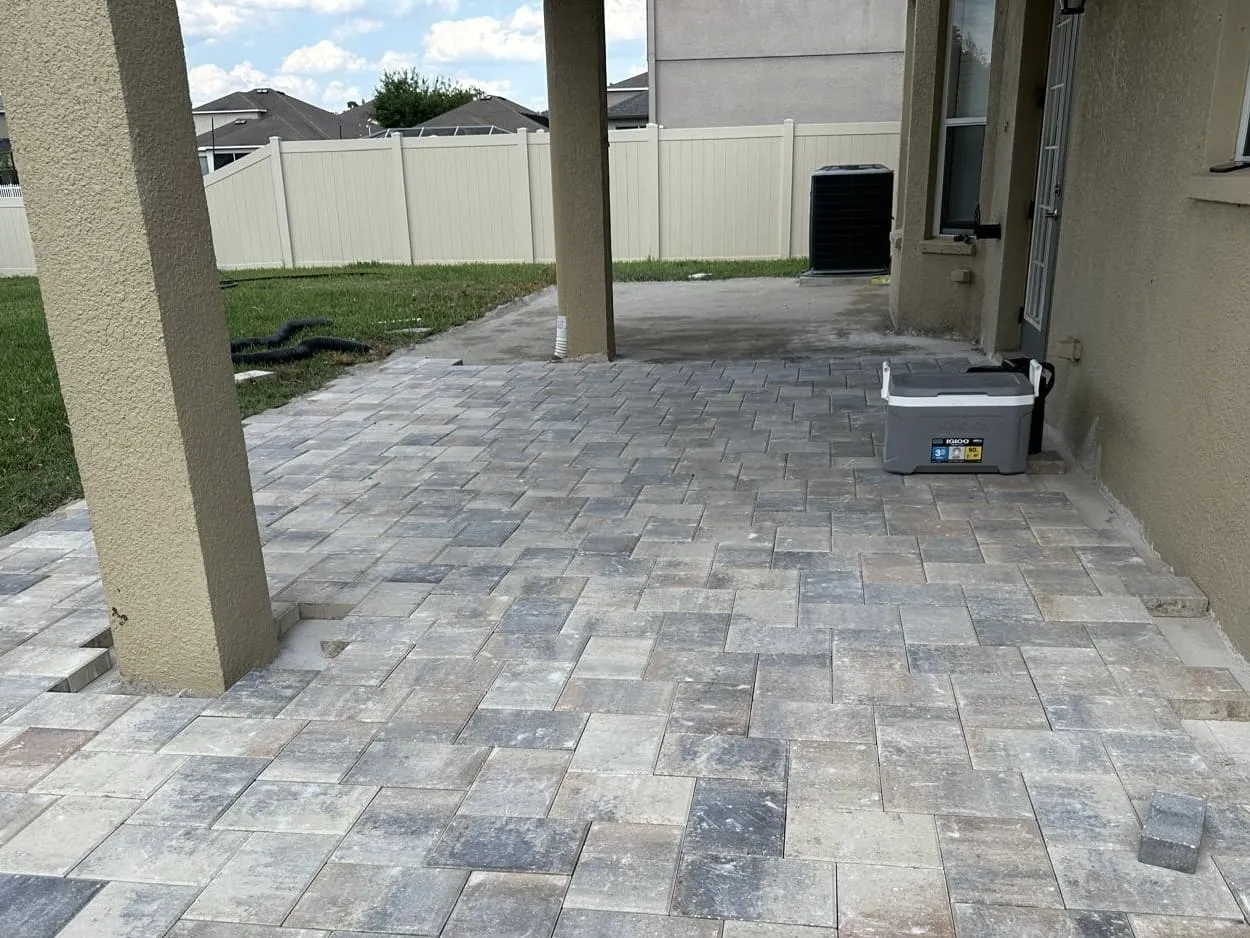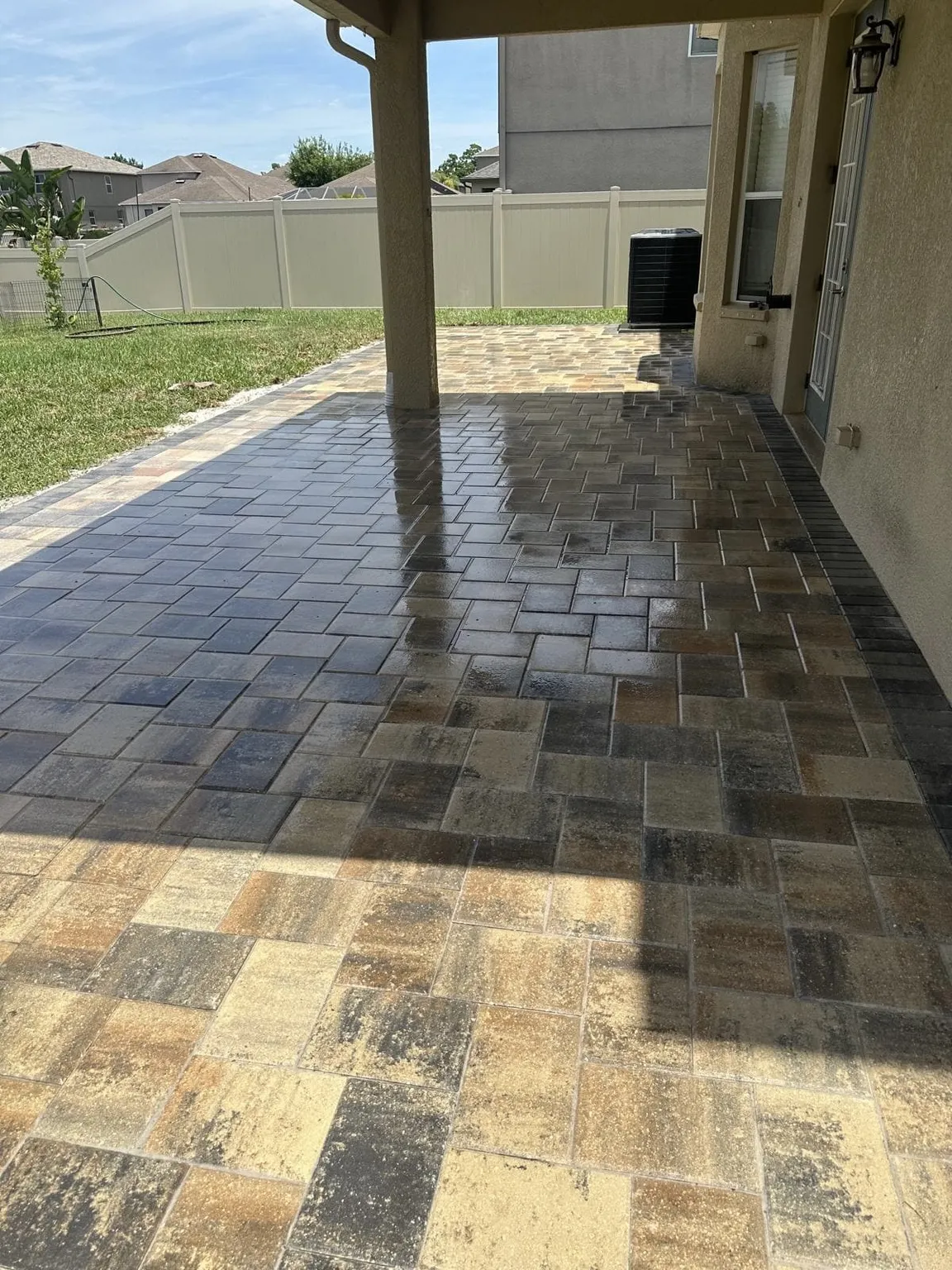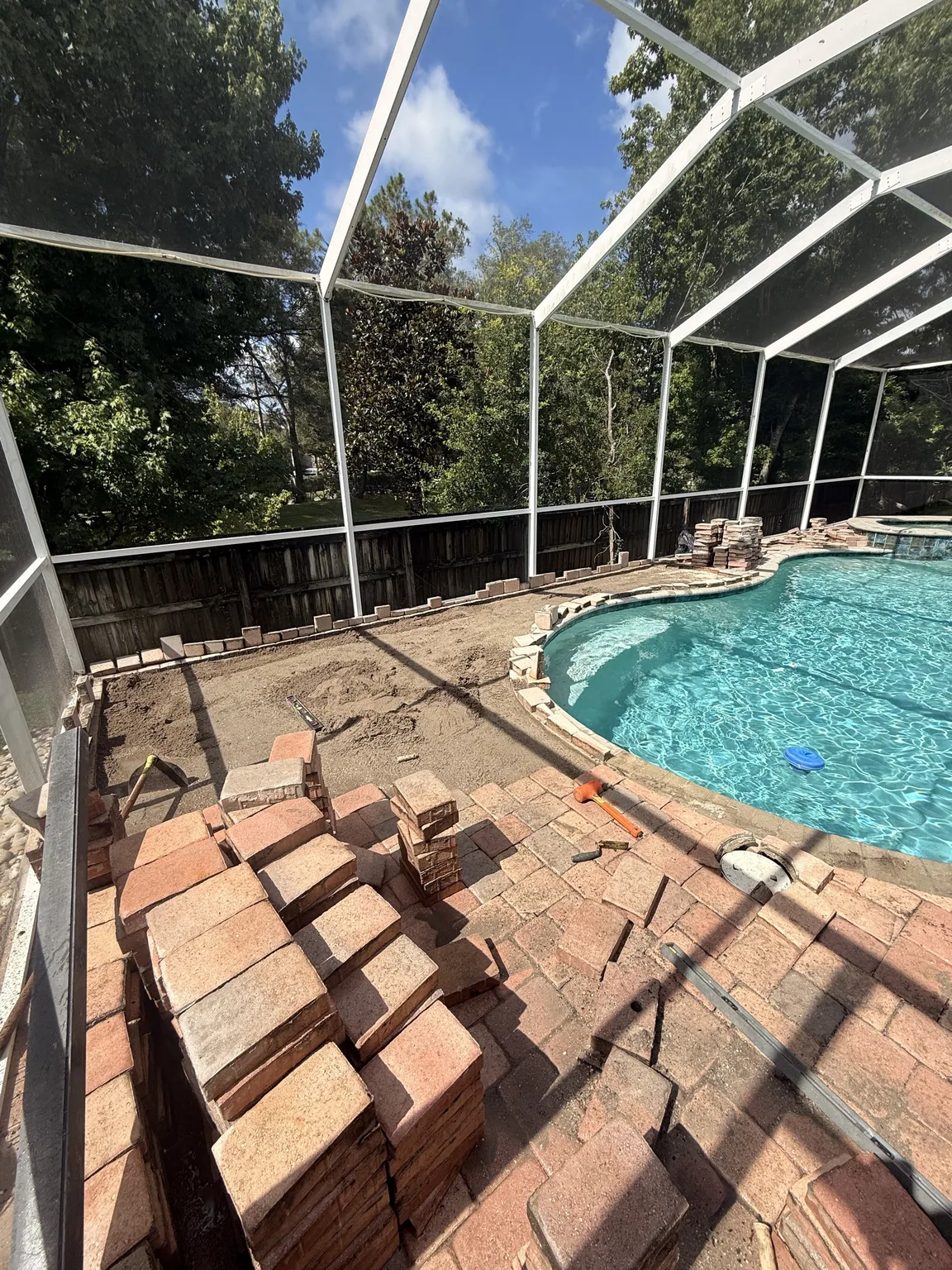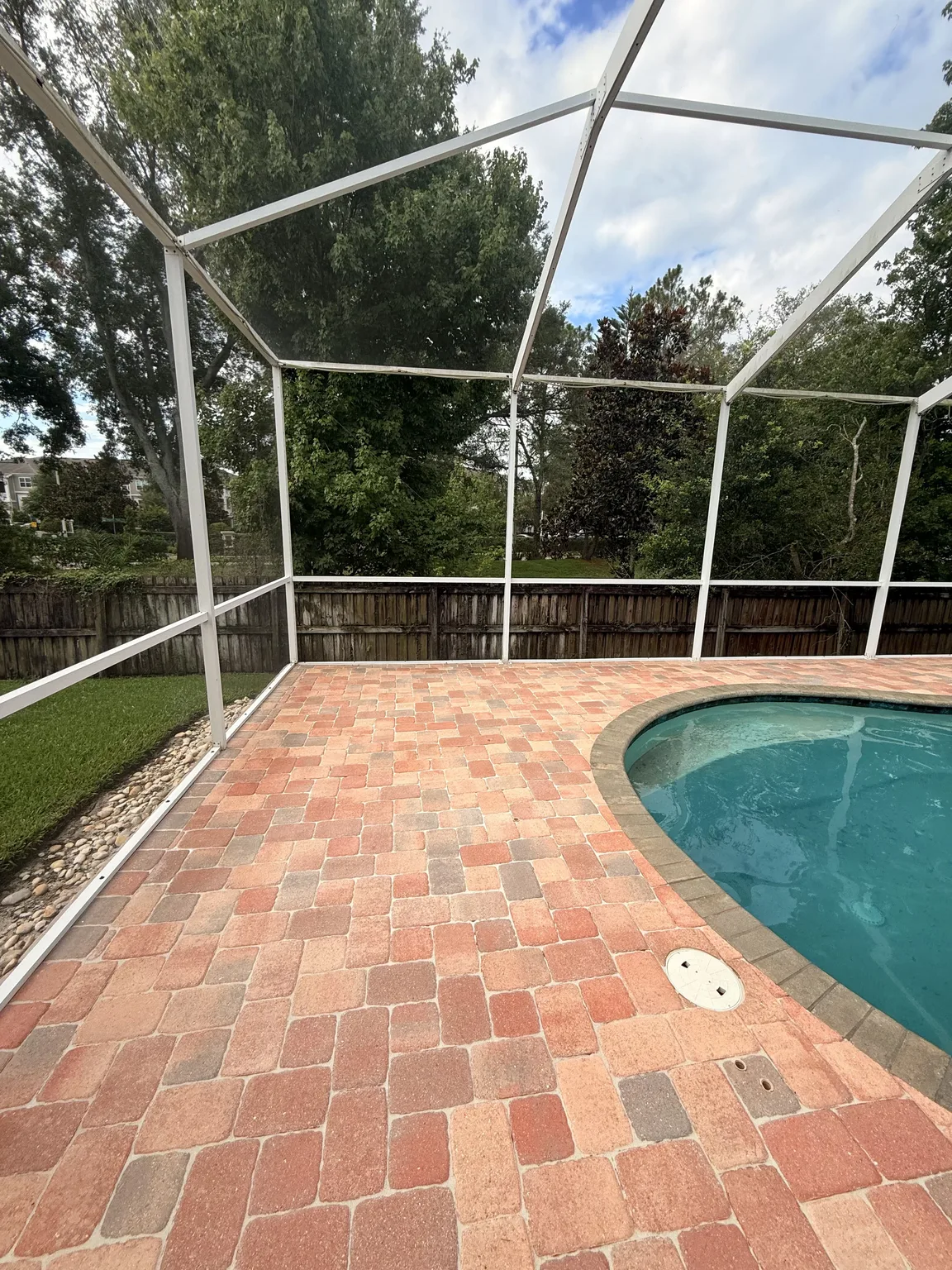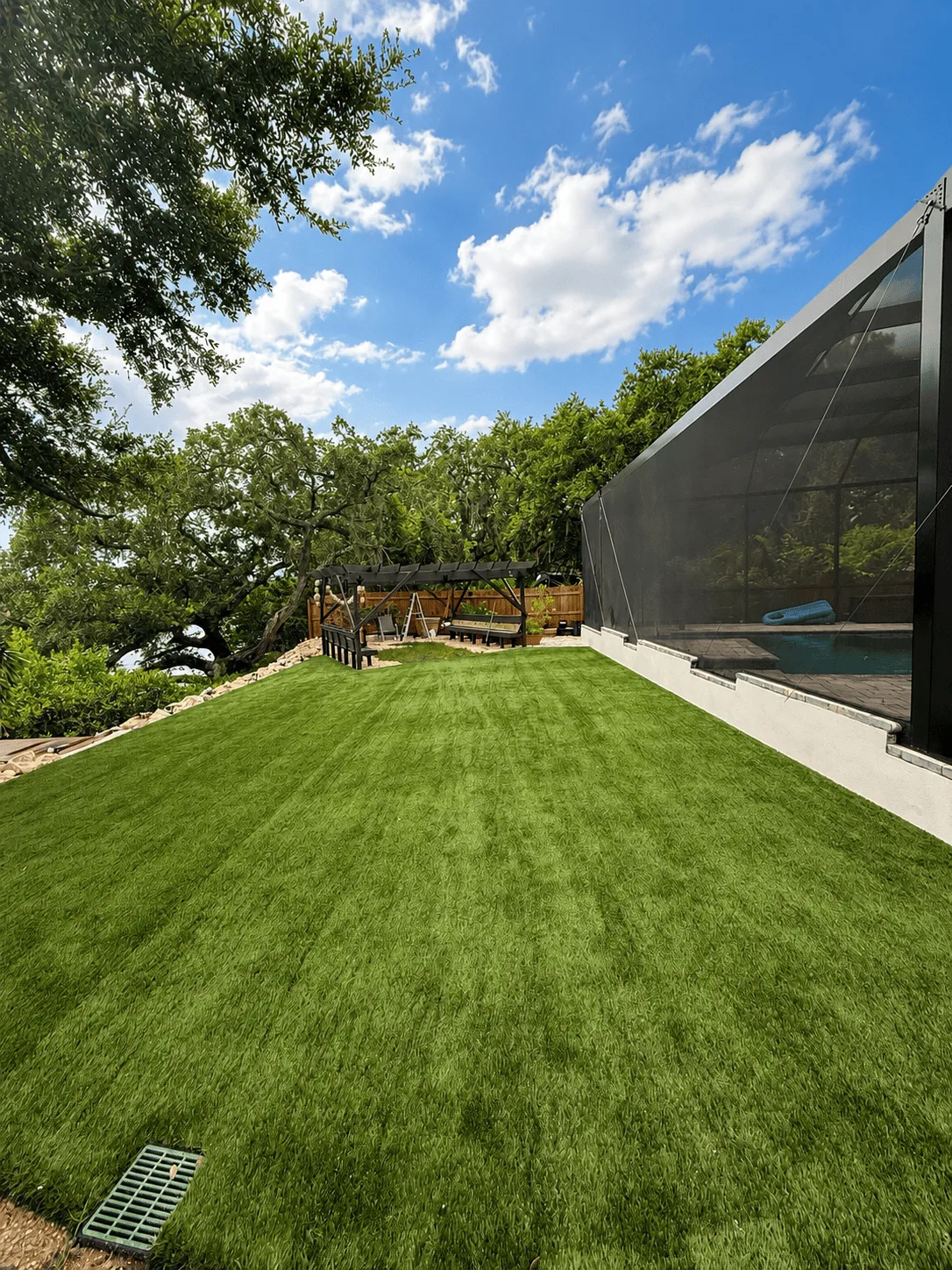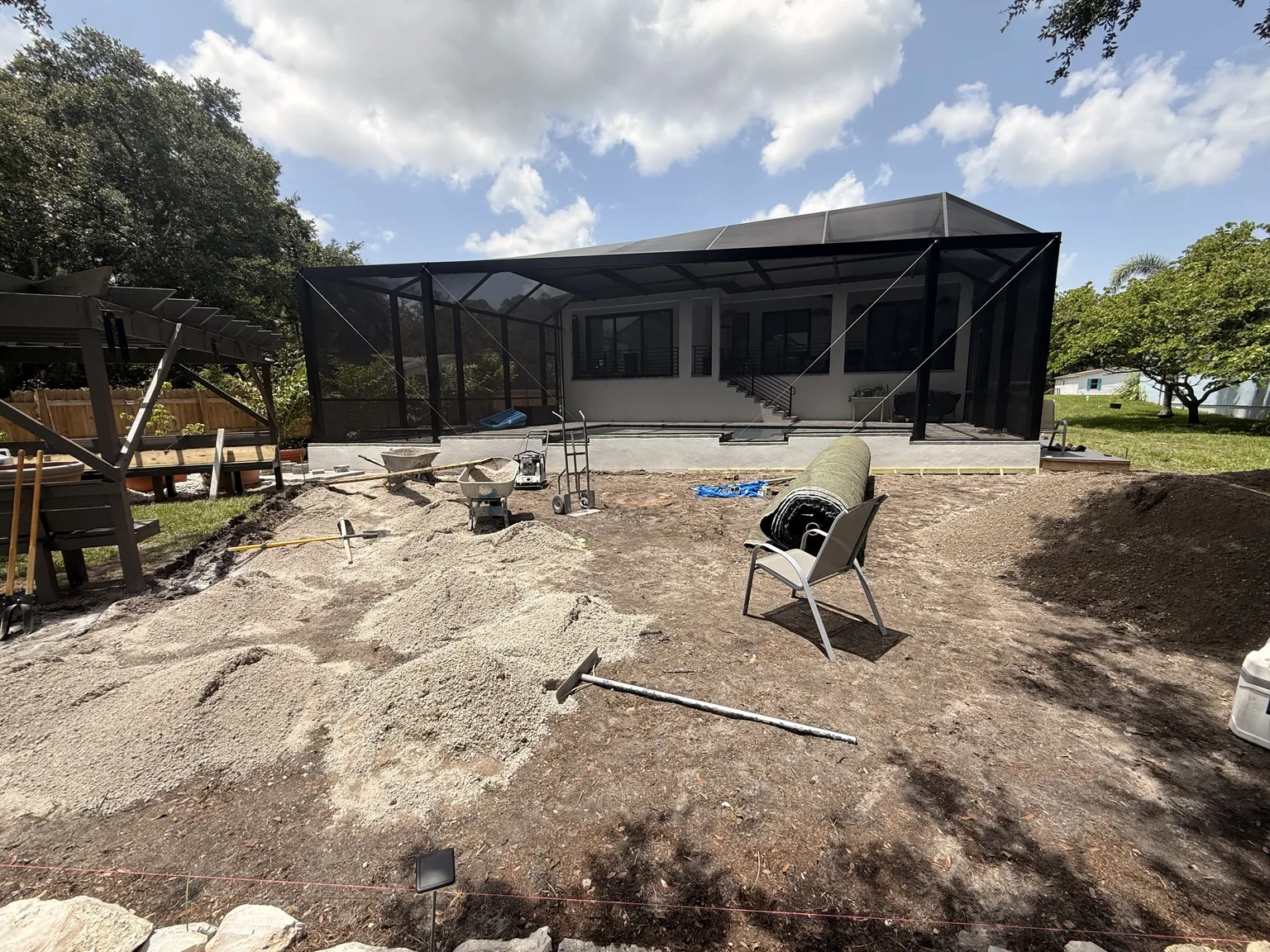
Compare concrete pavers with a scorecard, not a row of logos. Furthermore, First, define where the pavement will go and what it must handle. Then judge each product line against the same practical questions. A famous name cannot rescue the wrong unit, finish, or installation plan.
On a Tampa Bay project, color, texture, supply, and replacement options all matter. However, the visible paver remains one part of an installed system. The base, bedding, joints, cuts, and edges also shape performance. Therefore, product selection and contractor planning must work together.
However, A useful way to compare concrete pavers begins with evidence you can keep. For example, collect current samples, technical sheets, written warranty terms, and itemized proposals. As a result, you can revisit the decision after showroom impressions fade. This method also exposes vague claims before ordering begins.
Compare Concrete Pavers as Complete Installed Systems
Homeowners naturally focus on the top surface because they see it every day. However, a paver must suit traffic, layout, edge conditions, and the planned foundation. Therefore, the first comparison should describe the application in detail. A driveway and a quiet garden path create different demands.
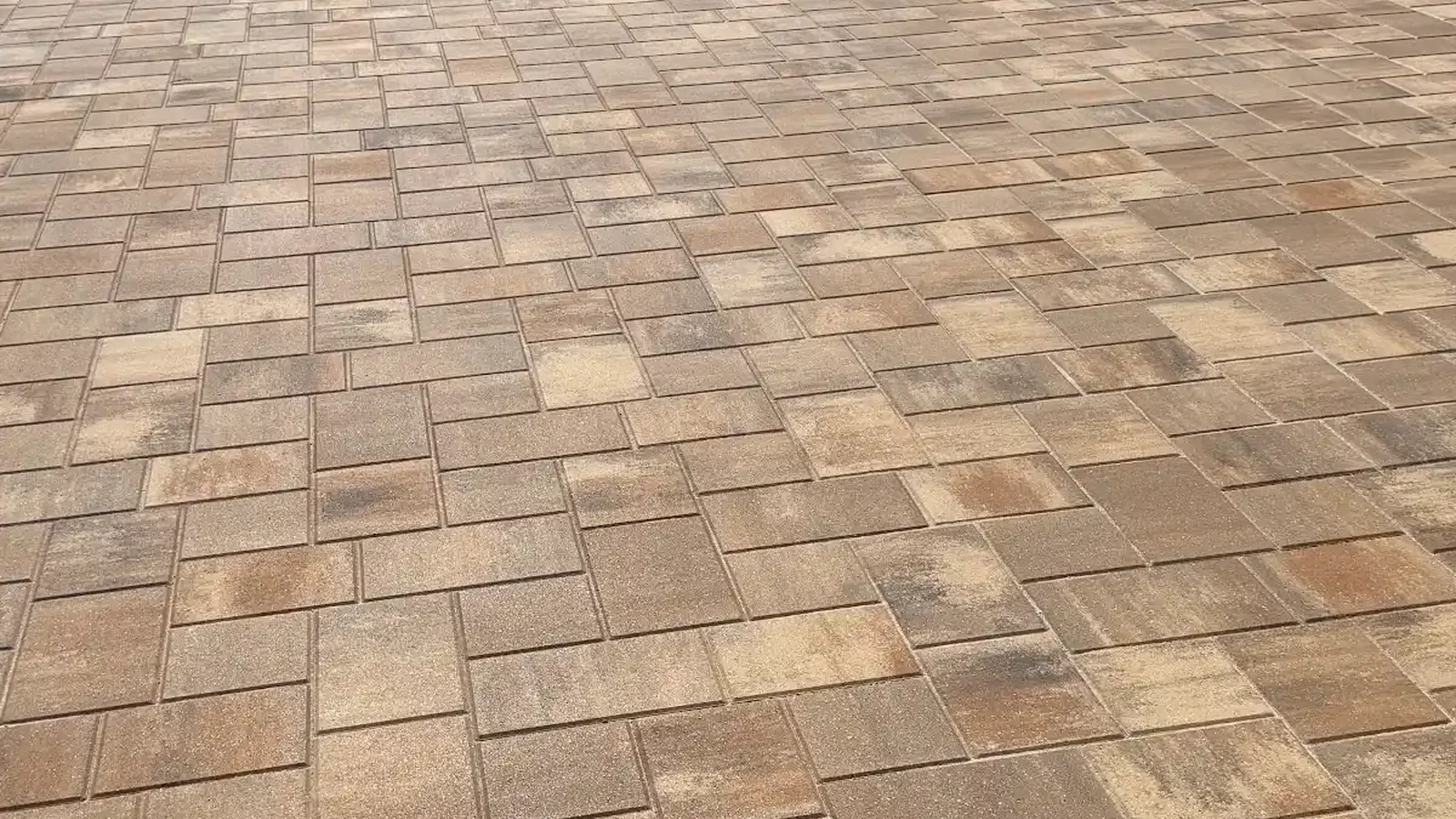
Meanwhile, Next, ask the installer how the selected unit fits the pattern and border. Some dimensions coordinate easily across a modular family. In contrast, mixing unrelated collections can create awkward cuts or joint lines. The best-looking sample still needs a buildable layout.
Use and Loading Set the First Filter
Consequently, Start by labeling the area as a driveway, patio, pool deck, walkway, step, or border. Then tell the contractor about vehicle types, service access, and concentrated loads. Because of this, unsuitable decorative products can leave the shortlist early. Product literature should confirm the intended application.
Thickness alone does not describe the whole pavement system. For instance, unit shape and laying pattern can influence how loads move across a field. Meanwhile, base design responds to soil and use. Therefore, compare concrete pavers within a complete specification instead of one isolated number.
Large-format units deserve special discussion when vehicles will turn or brake on them. However, the answer depends on the exact product and manufacturer guidance. Ask for written confirmation rather than an assumption. Most importantly, the installation plan should respect those published limits.
Product Lines Matter More Than Brand Reputation
One manufacturer may offer several collections with different textures, shapes, and recommended uses. Consequently, when you compare concrete pavers by brand alone, the result can remain too broad. Compare the exact product line, size set, and finish instead. That level produces an honest match.
A premium-looking catalog photo may feature lighting and landscaping unlike your home. Therefore, bring the decision back to a physical sample near your exterior finishes. In addition, ask whether the sample represents the current production run. Printed pages and screens cannot reproduce every color accurately.
Contractor familiarity can add practical insight without replacing documentation. For example, an installer may know how a line cuts, blends, or arrives locally. However, personal preference should come with a clear reason. A homeowner deserves more than a claim that one logo is best.
Florida Exposure Changes the Visual Priorities
Tampa Bay sunlight can make a small sample appear different across the day. Therefore, view shortlisted units outside during morning, midday, and late afternoon. Wet the sample as well if it will surround a pool. That simple exercise reveals color and texture changes indoors cannot show.
Color Families Need Context
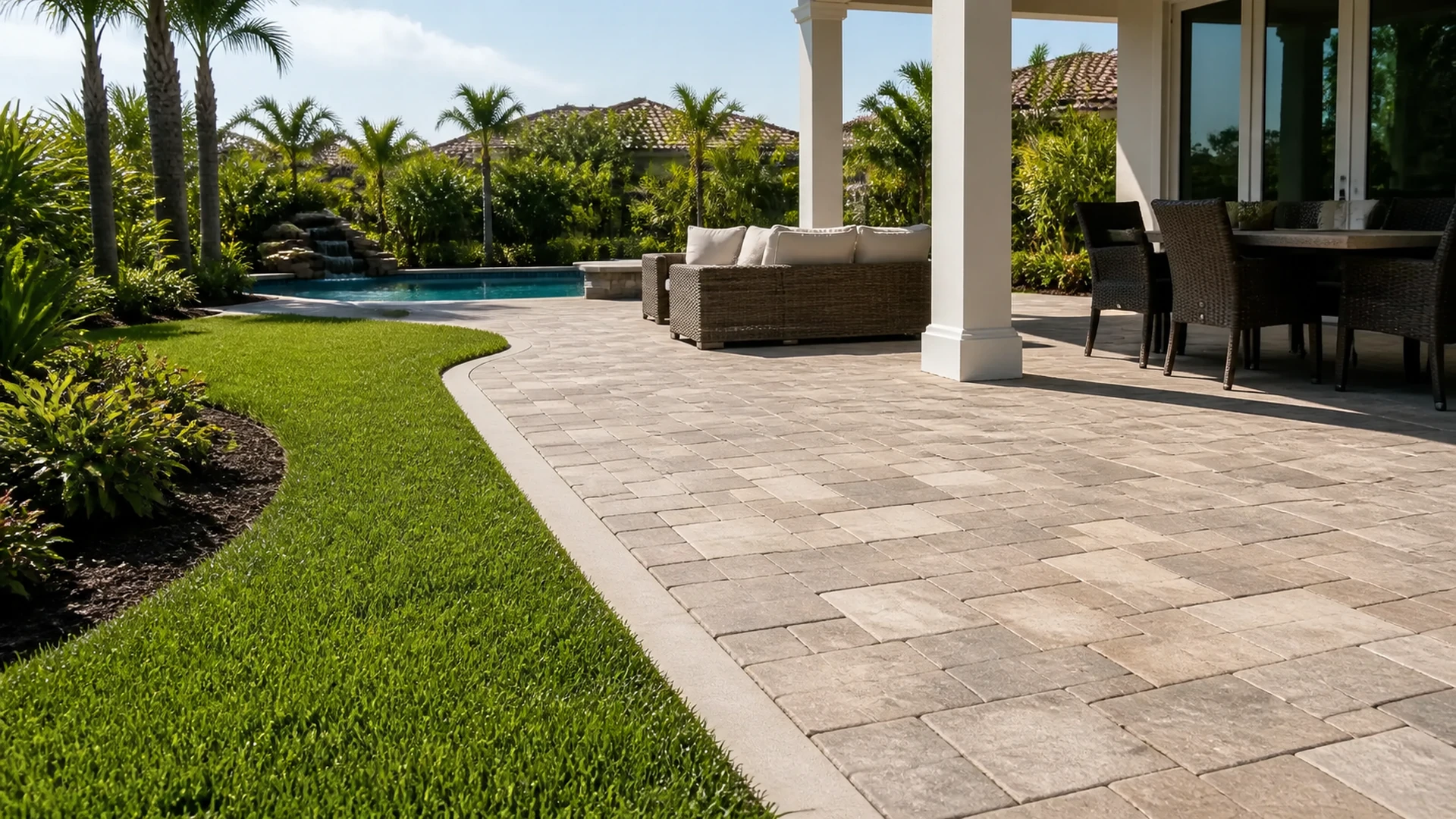
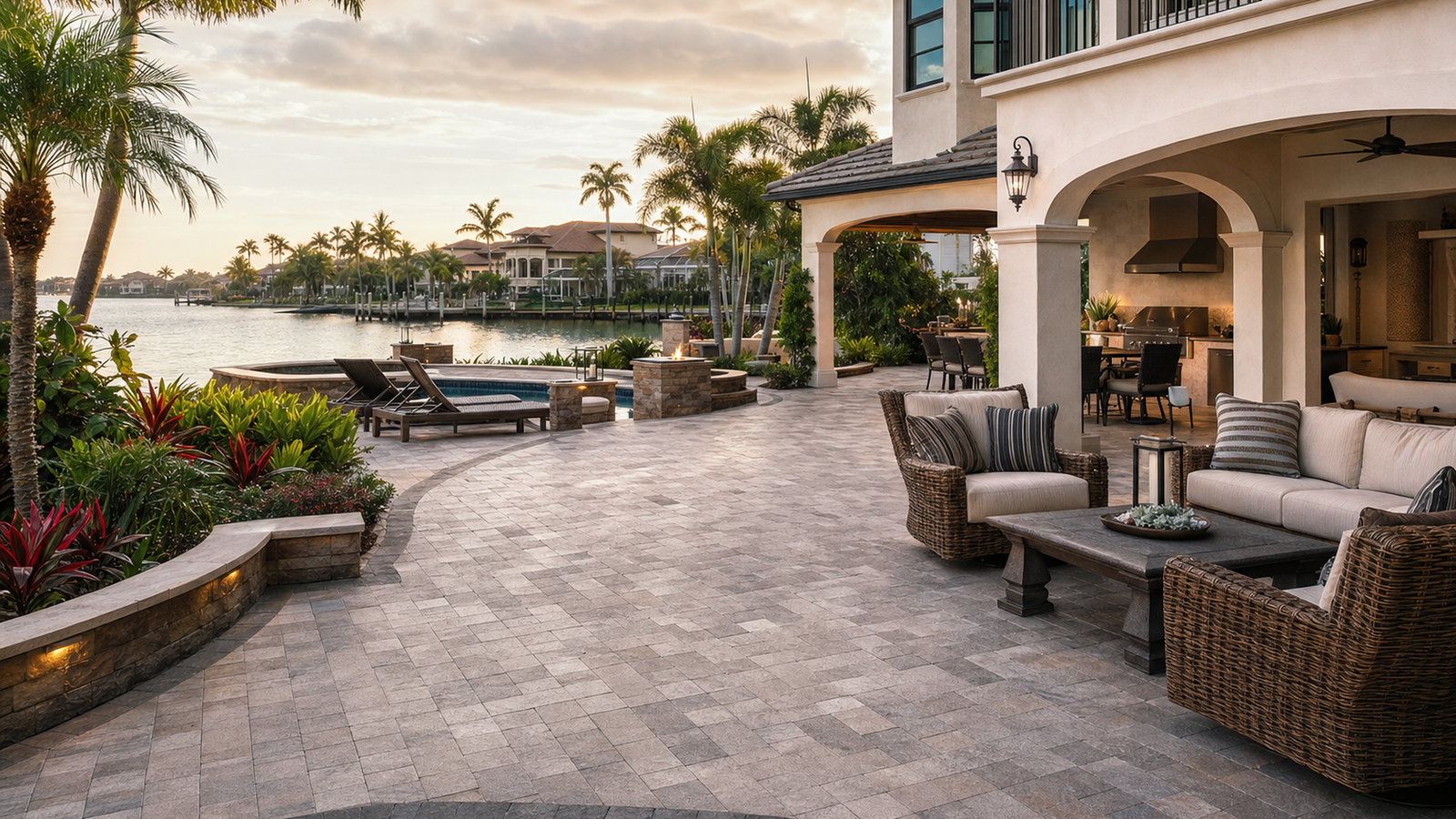
Light colors can support a bright coastal palette, while deeper blends may create stronger contrast. However, color choice should also coordinate with the roof, walls, coping, and landscape. Therefore, compare concrete pavers beside fixed materials rather than alone. A harmonious field often outlasts a short trend.
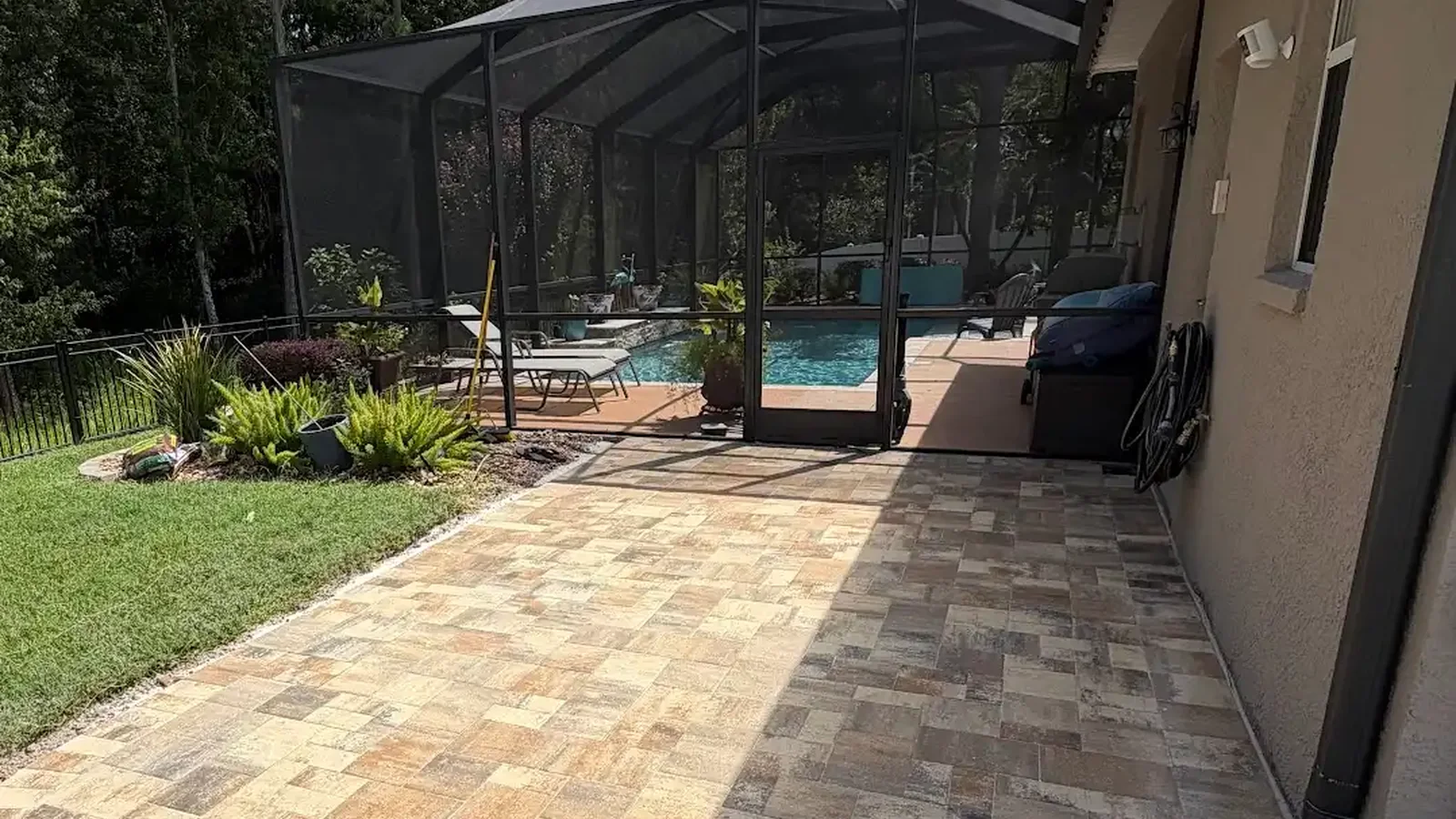
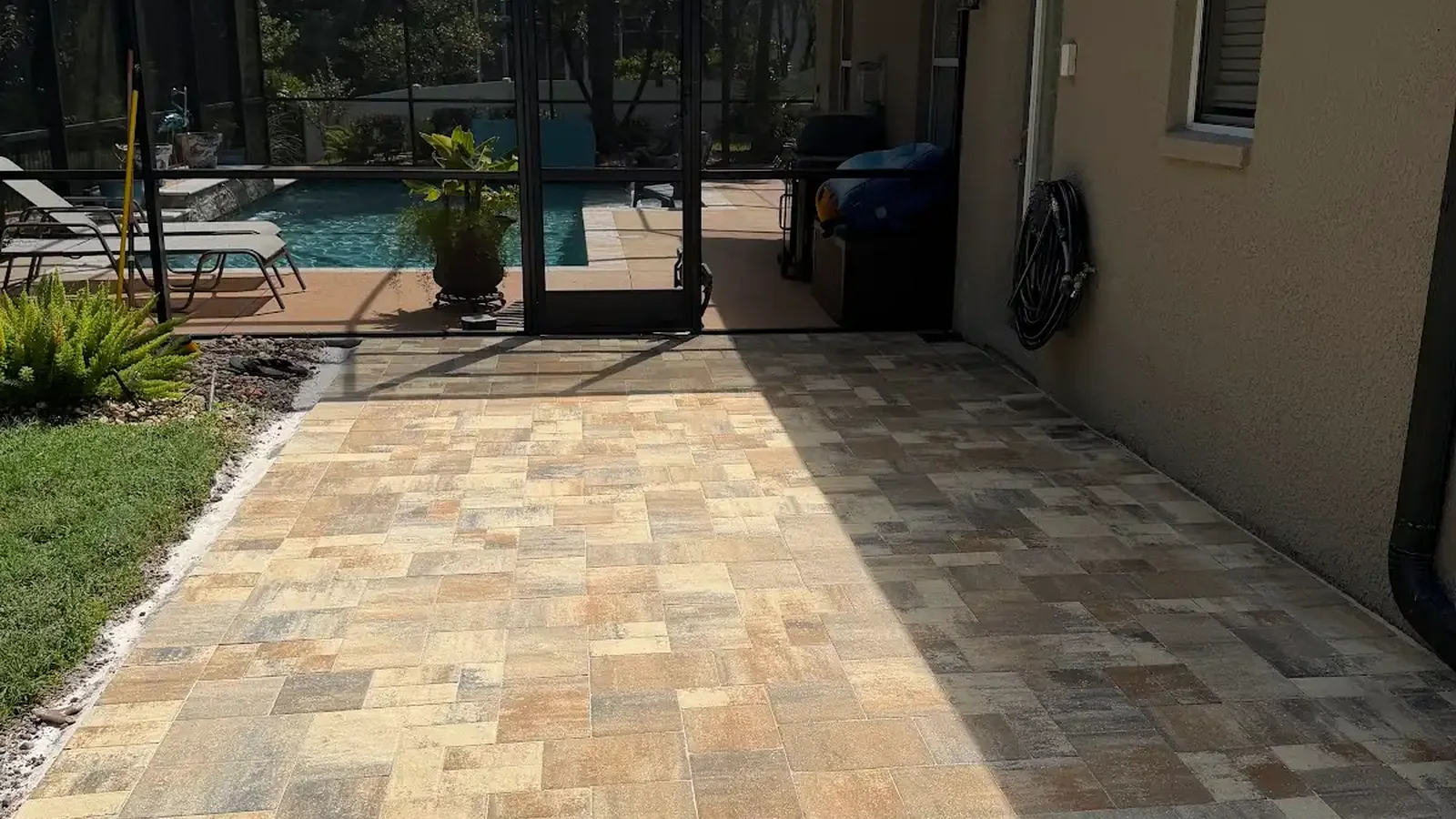
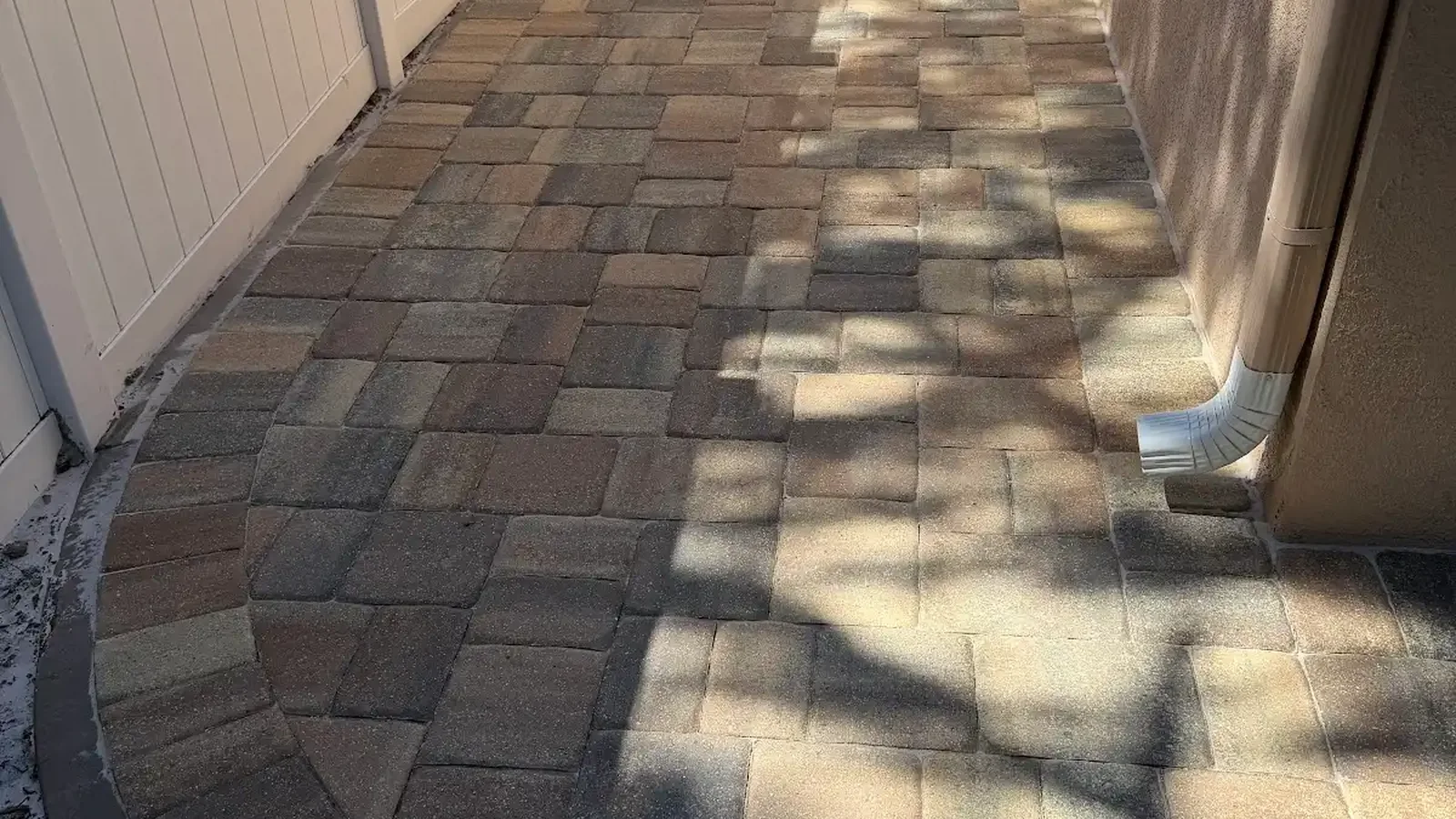
Additionally, Shade from oaks or structures can cool the appearance of the same blend. In contrast, full sun may emphasize warmer tones. As a result, move the sample through the actual project area. One driveway can even contain several light conditions.
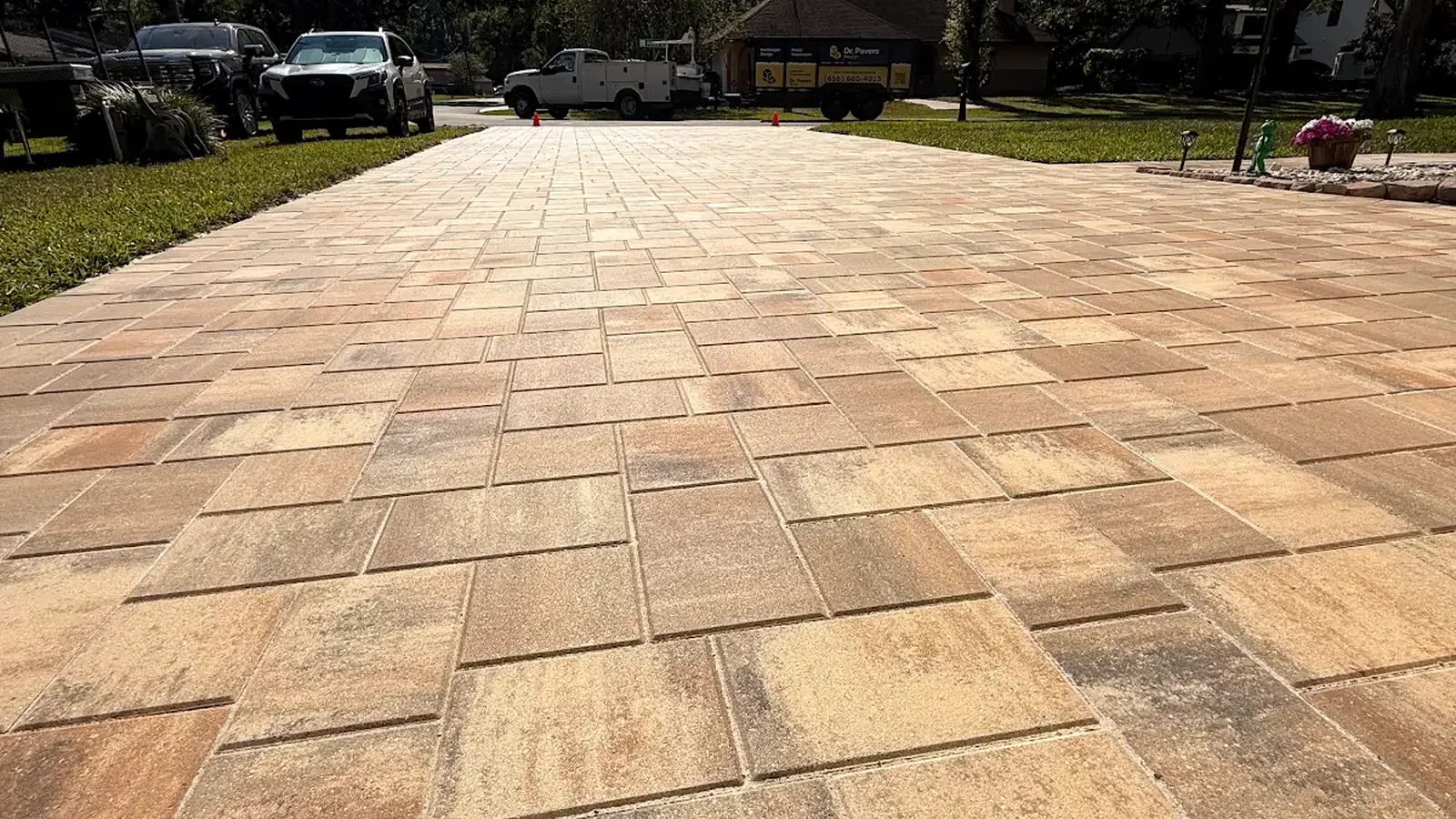
Normal production variation also needs a plan. Therefore, ask how crews blend units across pallets during installation. The goal is a balanced field, not identical pieces. Most importantly, approve the overall color range instead of one favorite paver.
Texture and Finish Affect Daily Use
A deeply textured paver can create rich shadows and a natural character. However, furniture movement, barefoot use, and routine cleaning may favor another surface. Consequently, the right finish depends on the space. Touch the sample and imagine its actual daily use.
Pool areas require special attention to wet conditions and maintenance. Therefore, ask for the exact product’s suitability rather than trusting a general collection label. A sealed sample may also feel different from an unsealed one. Product and sealer compatibility should remain part of the discussion.
Consequently, Edges can be chamfered, crisp, tumbled, or otherwise shaped by design. For example, a pronounced edge may emphasize every joint line. In contrast, another profile creates a quieter field. When you compare concrete pavers, edge character deserves the same attention as face texture.
Dimensions and Manufacturing Consistency Shape Installation
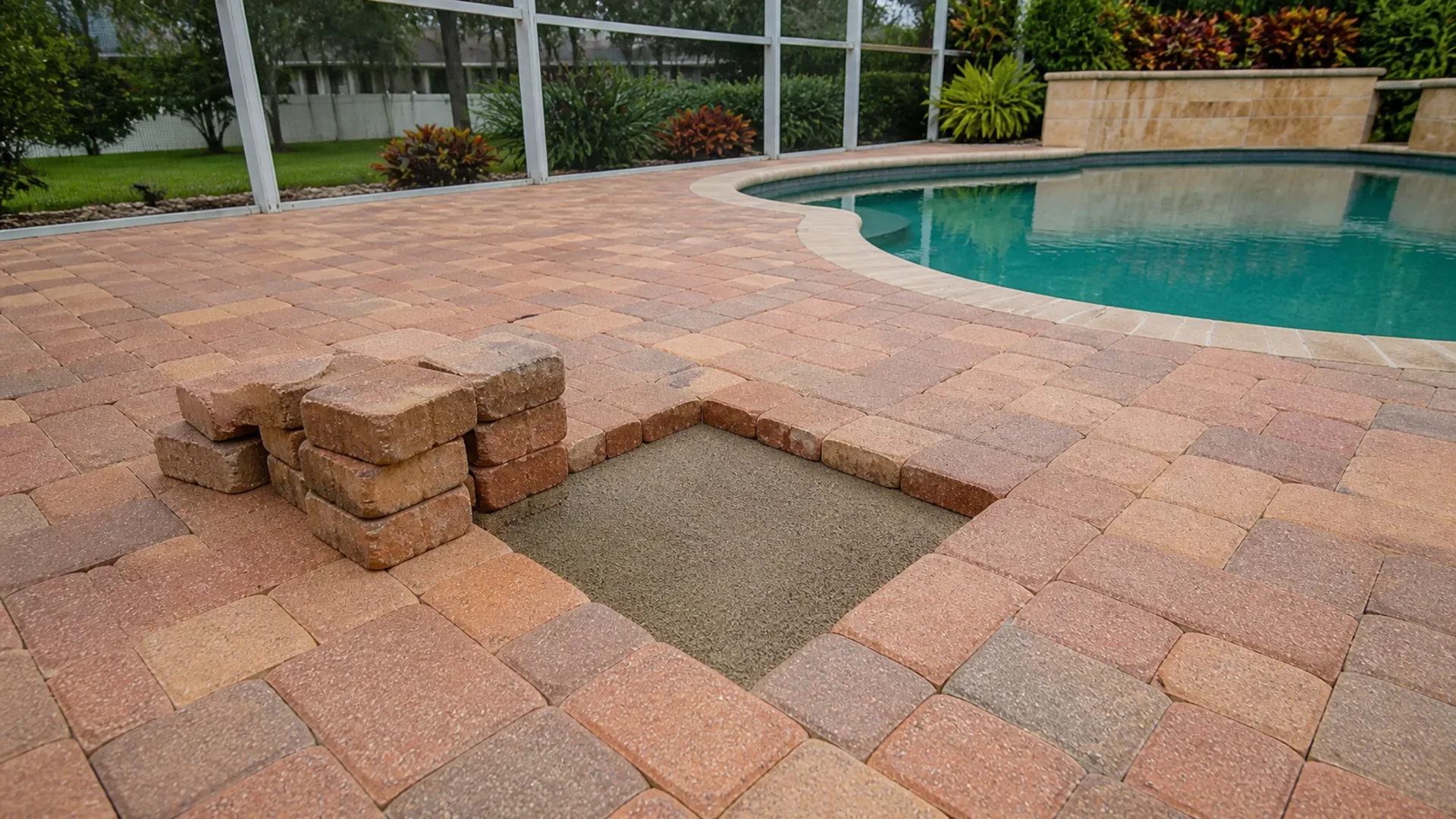
Consistent units help a crew maintain alignment and joint spacing. However, concrete pavers still require knowledgeable handling and layout control. Therefore, ask the installer what tolerances and joint recommendations apply to the product. Technical sheets provide a better reference than visual guesswork.
Compare Concrete Pavers by Size and Pattern
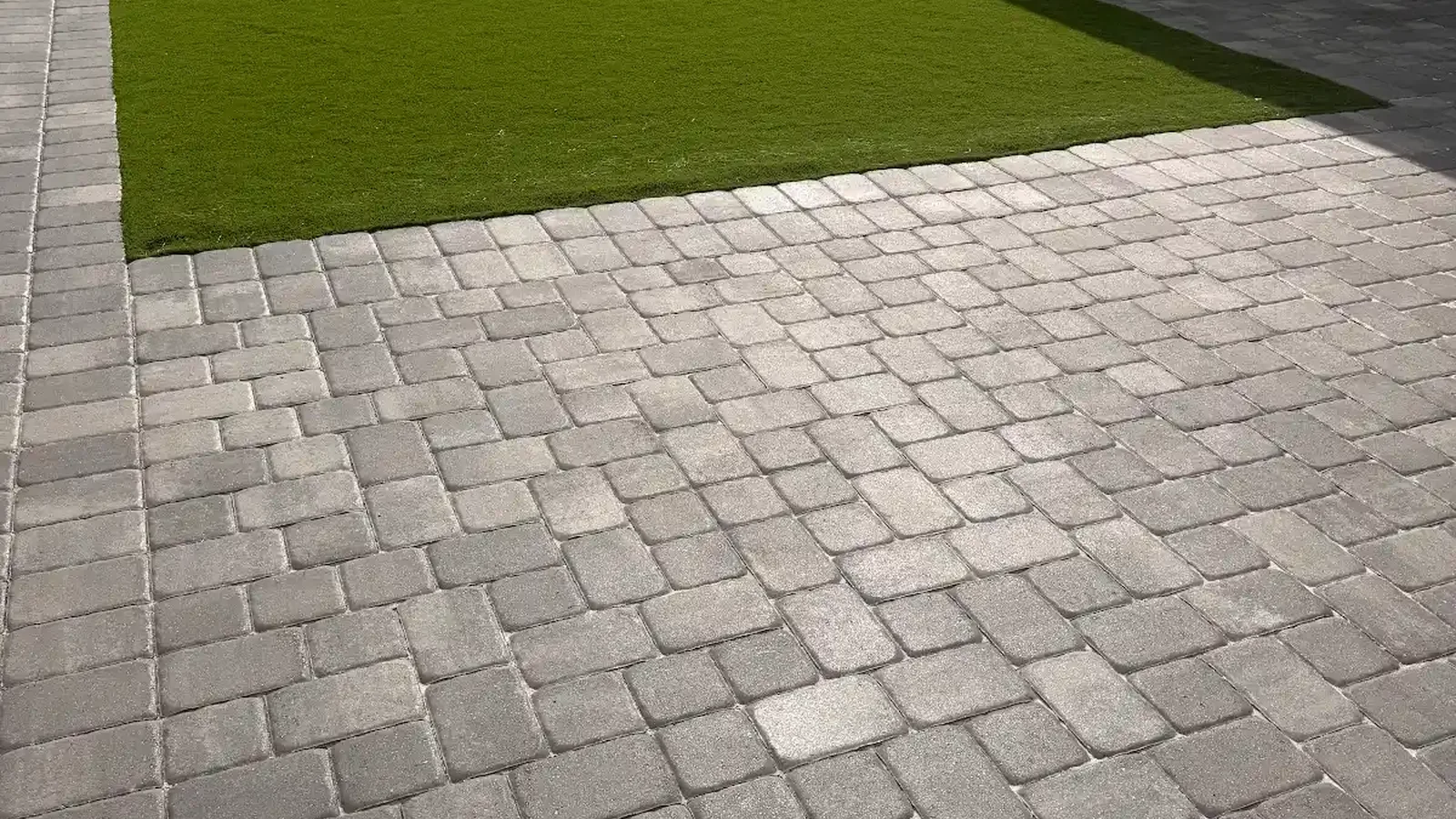
Instead, Modular sets rely on coordinated dimensions and a defined pattern. First, confirm which sizes arrive together and how quantities are packaged. Then check whether the proposed layout uses those ratios effectively. Otherwise, excess pieces or forced substitutions can complicate the field.
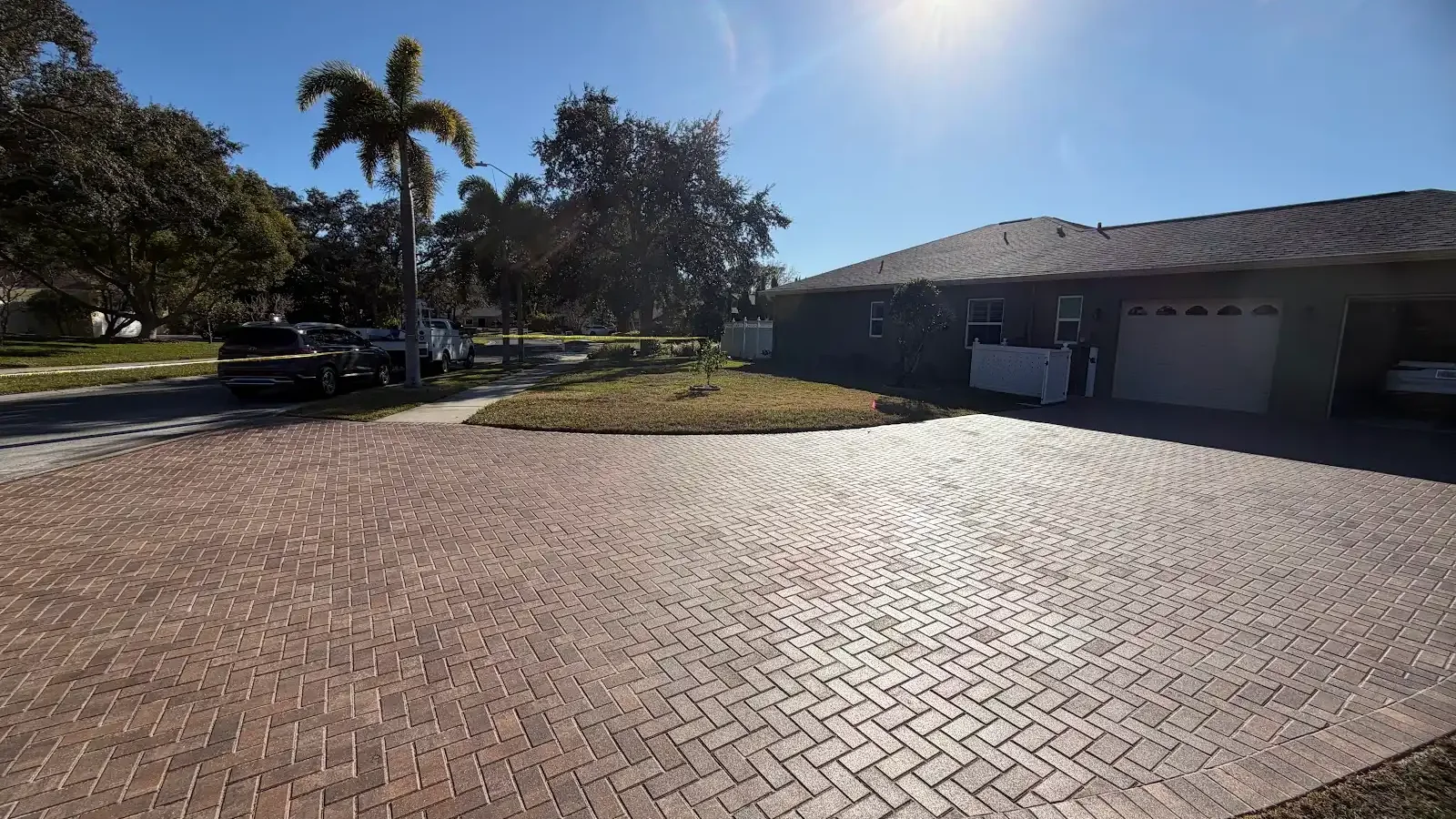
Single-size units can simplify ordering, yet pattern still matters. For instance, herringbone, running bond, and basket arrangements create different cut plans. Therefore, compare concrete pavers with the border and laying direction already considered. A product is only as practical as its layout.
Curves and narrow bands may produce small pieces with some formats. Consequently, the installer should draw or mark critical transitions before final approval. A slight layout adjustment may create cleaner cuts. In turn, the finished edge looks intentional rather than improvised.
Lot Planning Supports a Balanced Field
Ordering must account for the actual pattern, cuts, and appropriate reserve. Therefore, a takeoff should use the selected product’s packaging details. Too little material can interrupt installation. Meanwhile, an unexplained surplus does not benefit the homeowner.
When possible, coordinate material for one field within the planned order. However, normal variation still requires blending during placement. The crew should pull from multiple pallets according to product guidance. As a result, color changes spread naturally rather than forming obvious zones.
Local Availability Has Long-Term Value
A beautiful special-order unit may fit the design perfectly. However, compare concrete pavers for lead time and future access. Therefore, ask whether Tampa Bay suppliers normally stock the line or order it by project. Availability affects scheduling and later repairs.
Discontinued colors can complicate replacement after utility or root work. Consequently, brand stability matters only when the exact line remains supported. No company can promise permanent production. Still, written product identification gives future owners the best starting point.
Document the Exact Product After Installation
However, Keep the manufacturer, collection, color, size, finish, and order information. In addition, save photographs of labels when available. This record helps match a later repair. It also prevents confusion between similar names across product families.
A small reserve can help with isolated future work when storage allows. However, discuss a practical quantity rather than keeping random broken cuts. Therefore, reserve units should be whole, representative, and stored safely. Label them before they disappear into a garage corner.
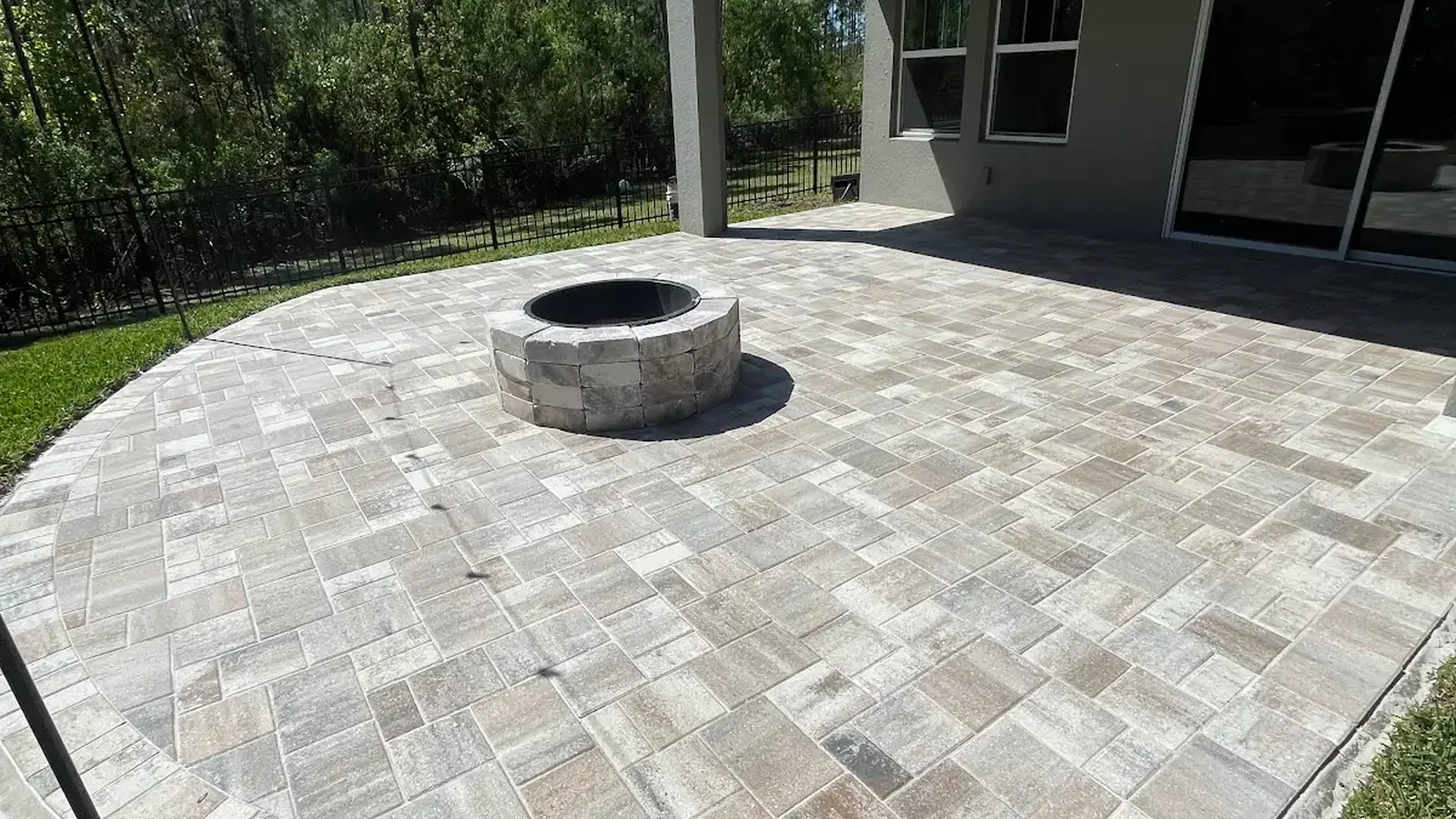
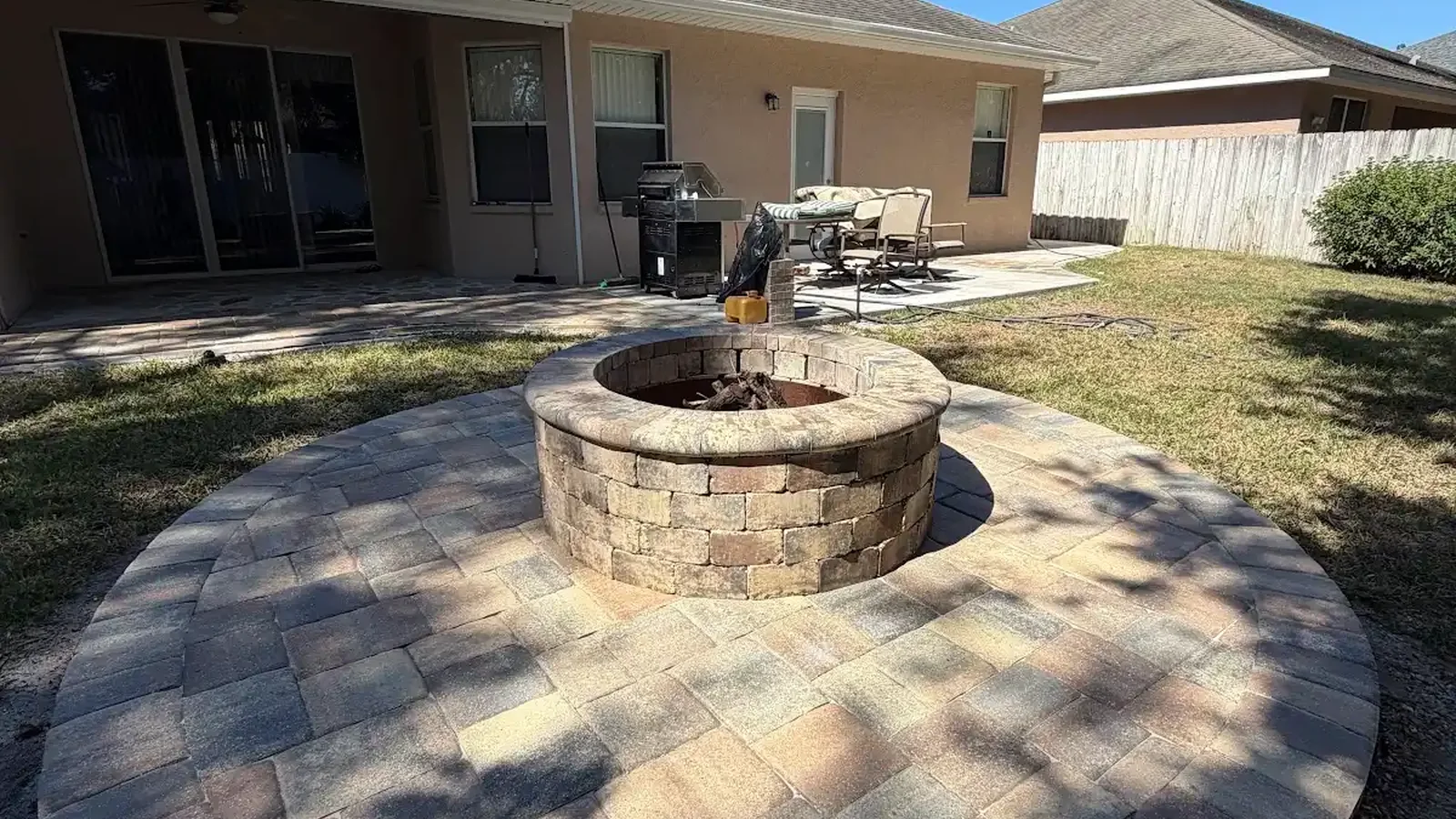
Meanwhile, For a phased backyard, confirm whether future areas need the same product. For example, a patio may later connect to a walkway or fire feature. As a result, compare concrete pavers with the broader property plan in mind. A coordinated family can make expansion easier.
Read Warranties and Technical Sheets Carefully
Warranty length often receives the largest headline. However, coverage, exclusions, registration, ownership rules, and claim procedures matter more. Therefore, read the current written terms for the exact product. A marketing summary should never replace the warranty document.
Moreover, Technical sheets can identify intended applications and installation considerations. In addition, they provide consistent questions for different suppliers. Compare current documents, because product lines may change. Your contractor should also know which guidance applies on the installation date.
A Product Warranty Does Not Cover Every Site Problem
A unit warranty and a workmanship commitment address different responsibilities. Consequently, homeowners should ask who handles each issue. Settlement from inadequate base preparation is not the same as a manufacturing concern. Clear proposal language separates those paths.
Installation records can support either conversation. Therefore, keep approved plans, product details, change orders, and completion photos. Documentation does not guarantee a claim outcome. However, it gives everyone a clearer history of the work.
Match the Paver to the Specific Outdoor Space
A single property may need more than one product decision. For example, the driveway prioritizes turning loads while the pool deck prioritizes wet use. Therefore, compare concrete pavers by zone before forcing one collection everywhere. Coordinating colors can still create a unified design.
Driveways Reward Practical Pattern Choices
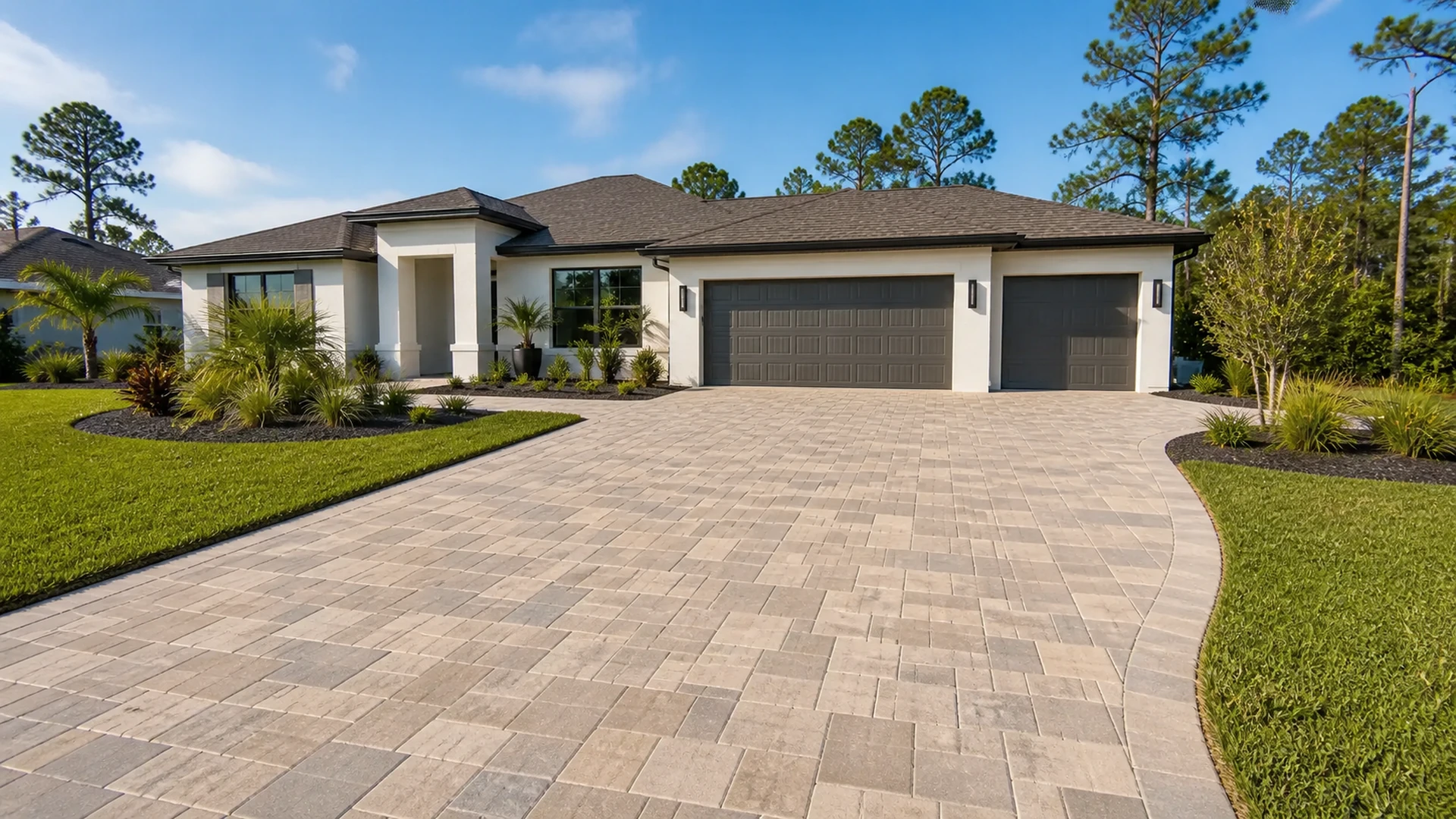
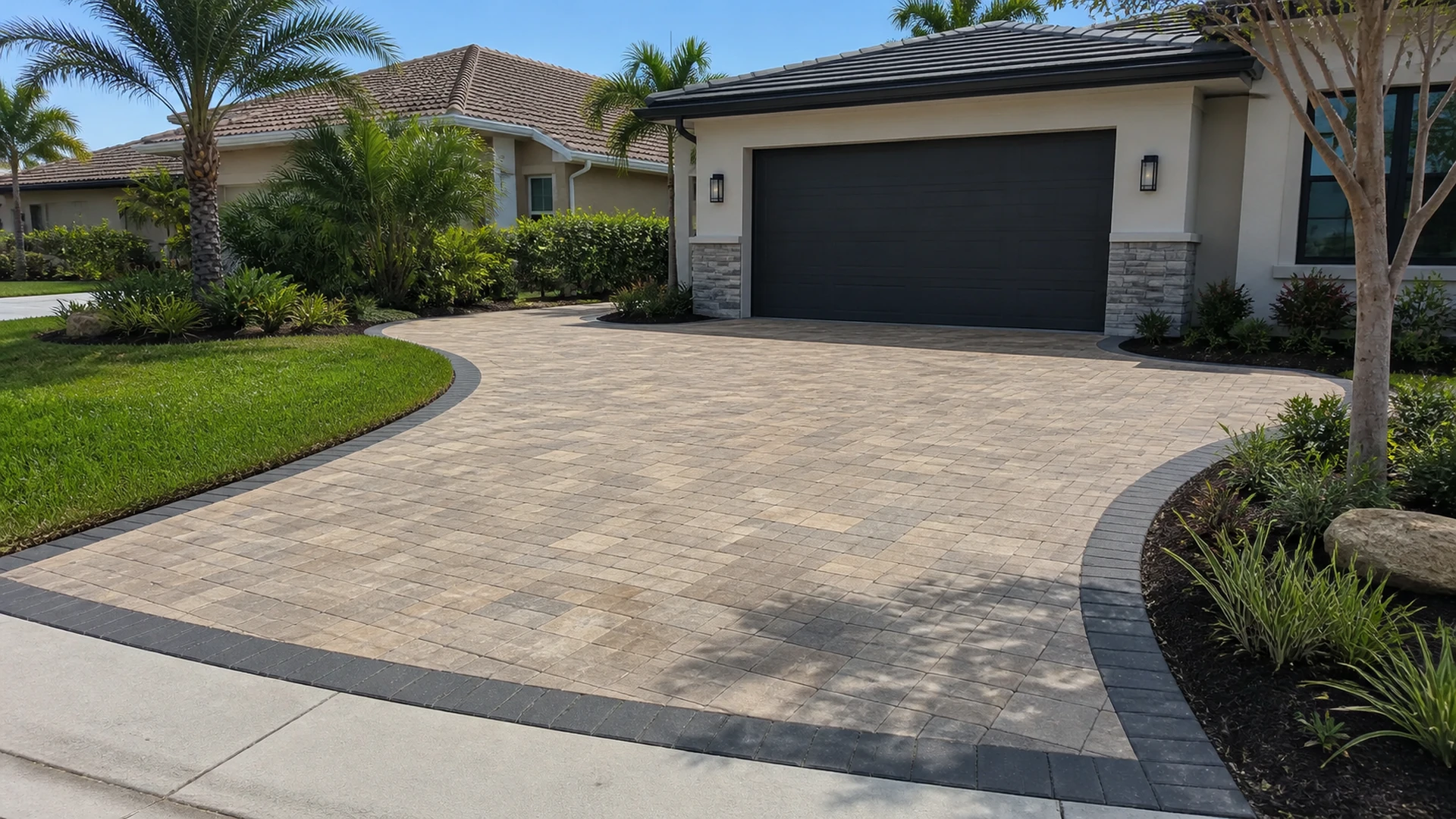
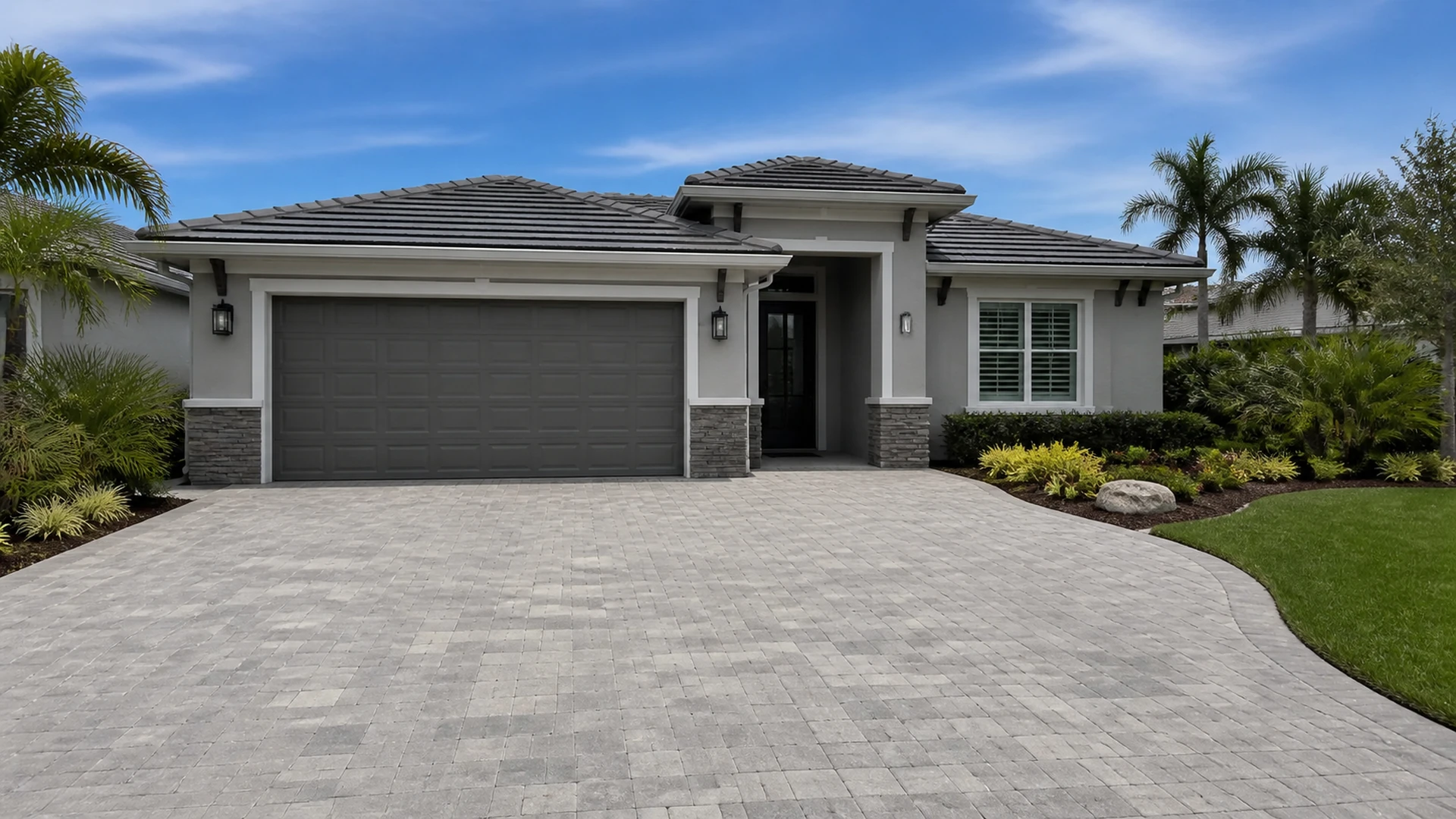
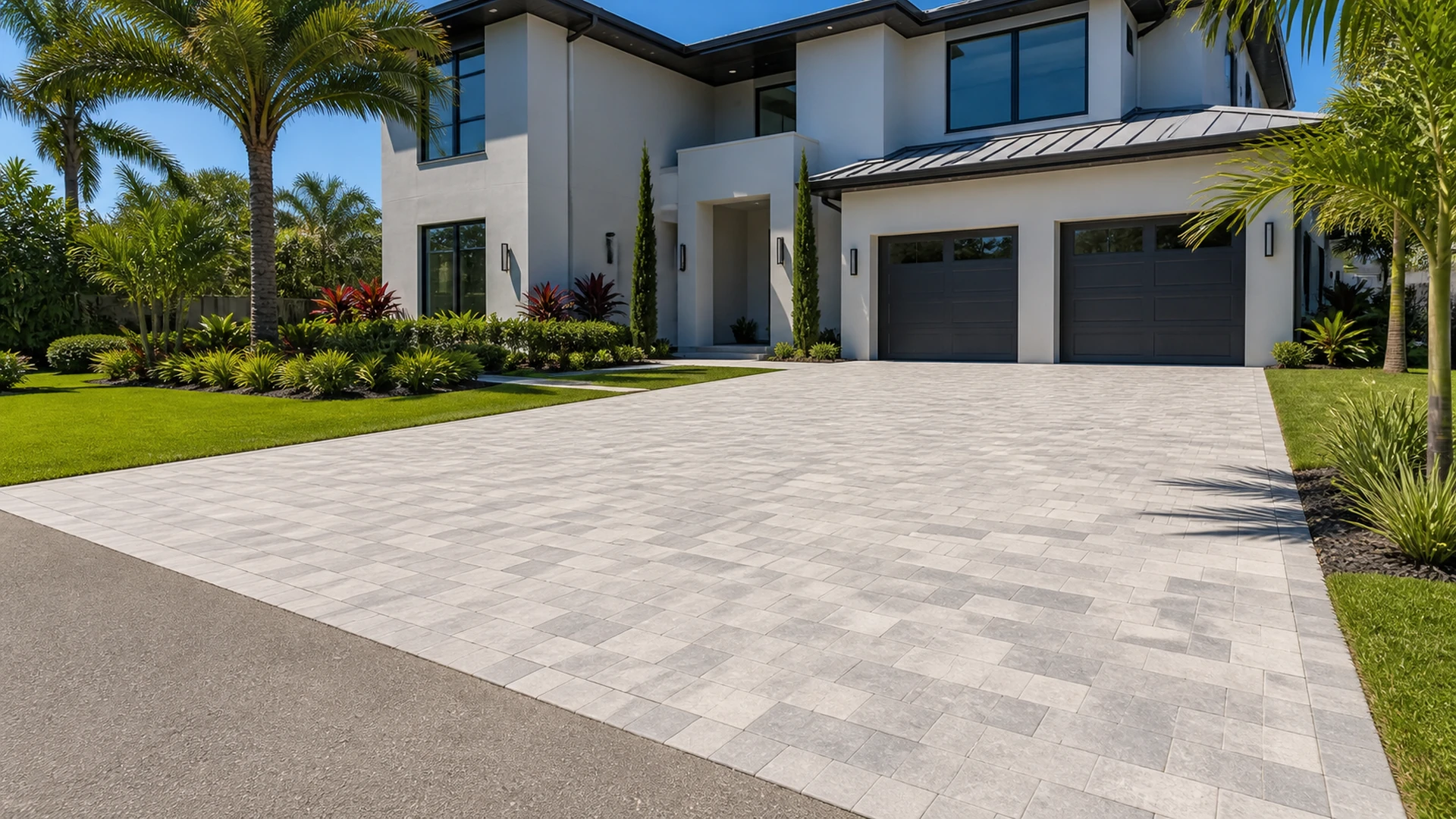
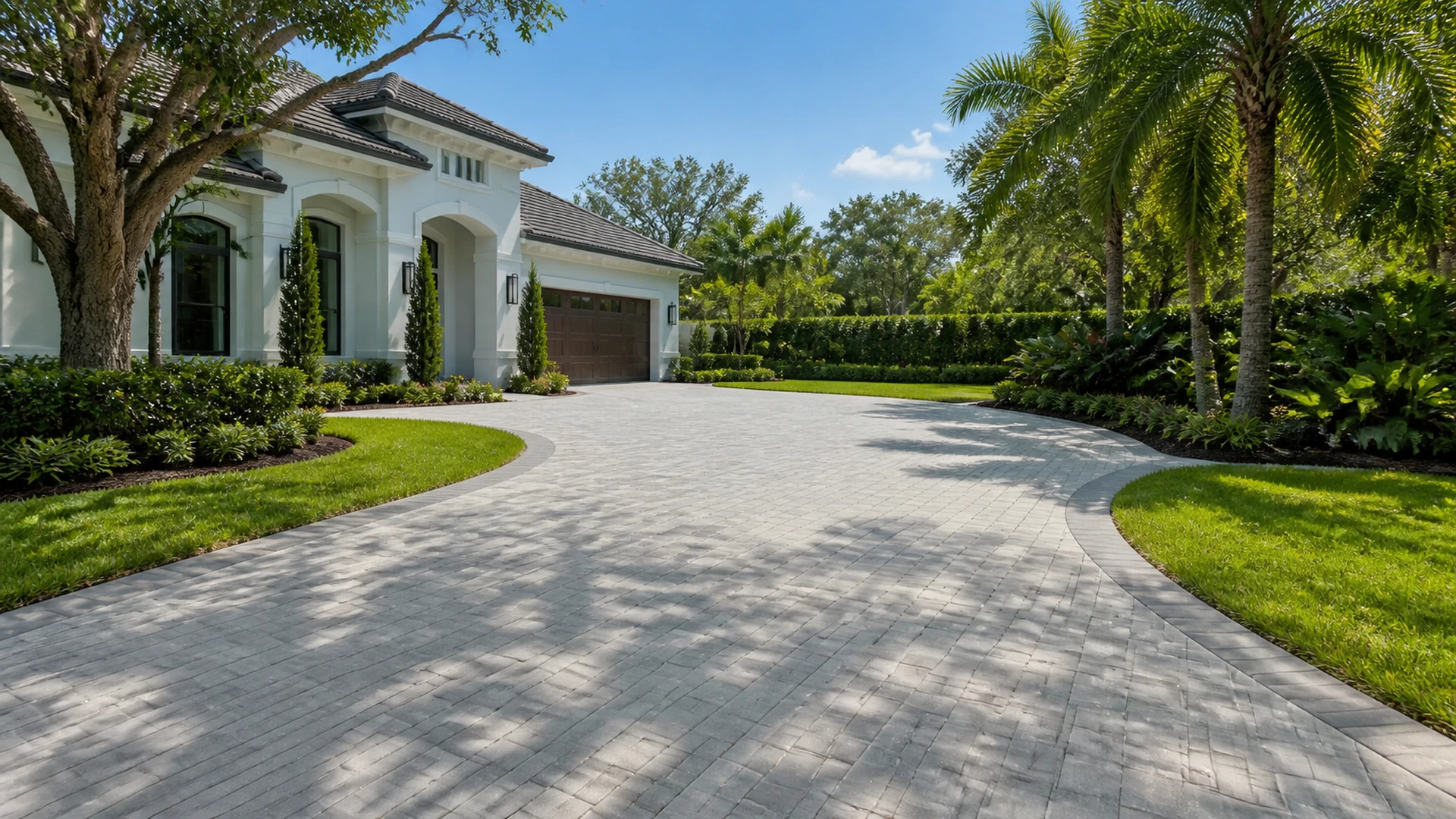
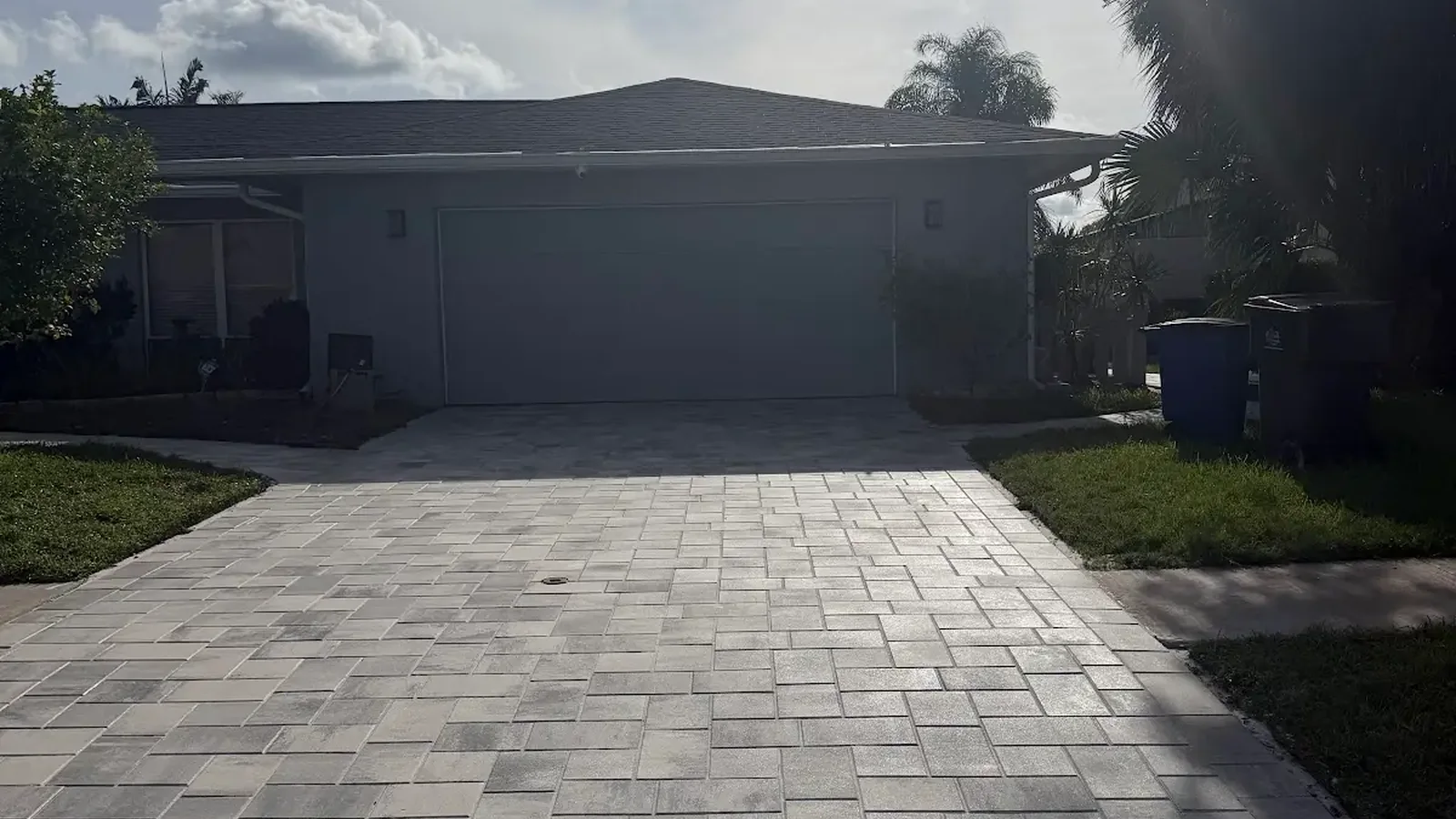
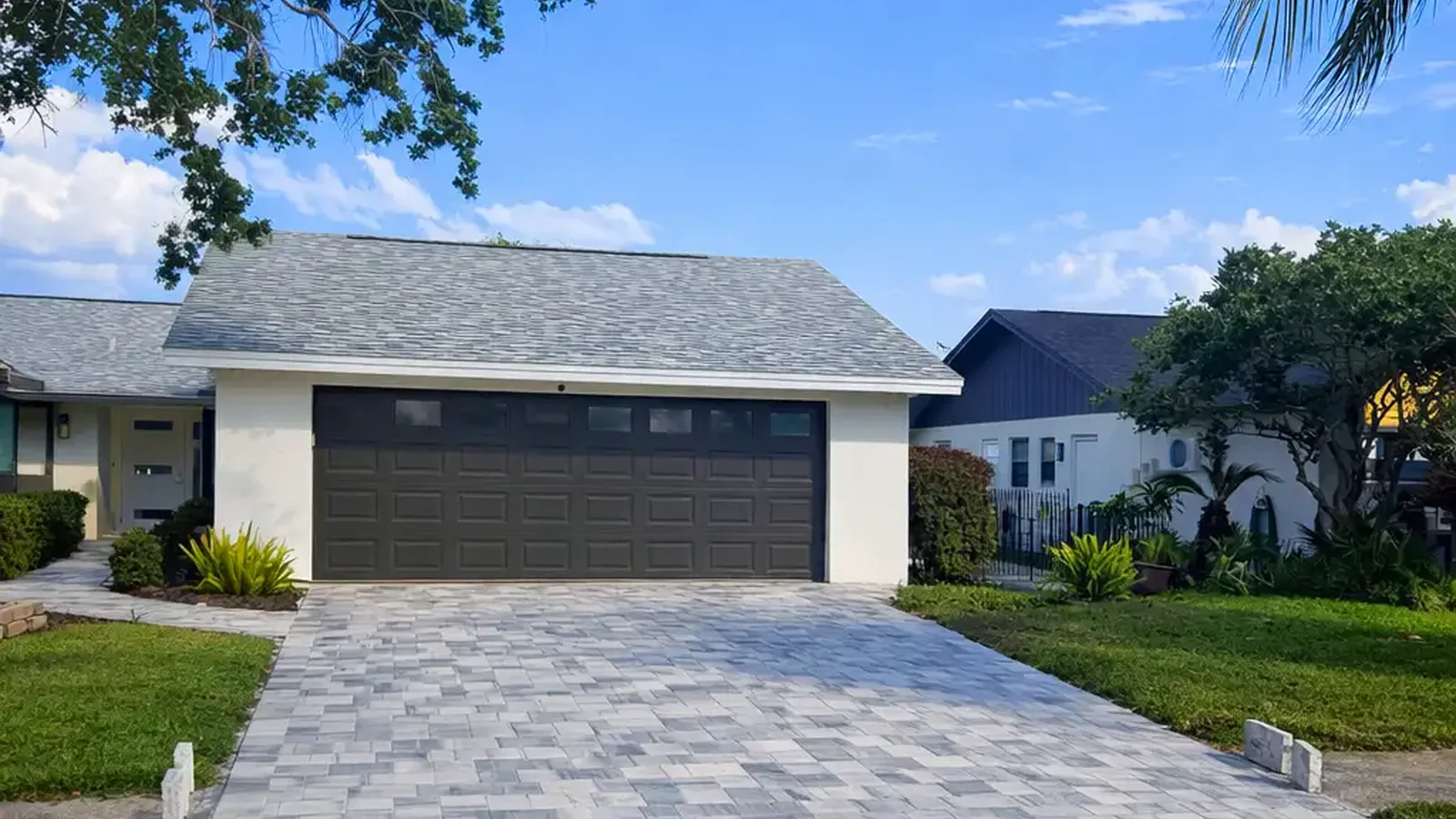
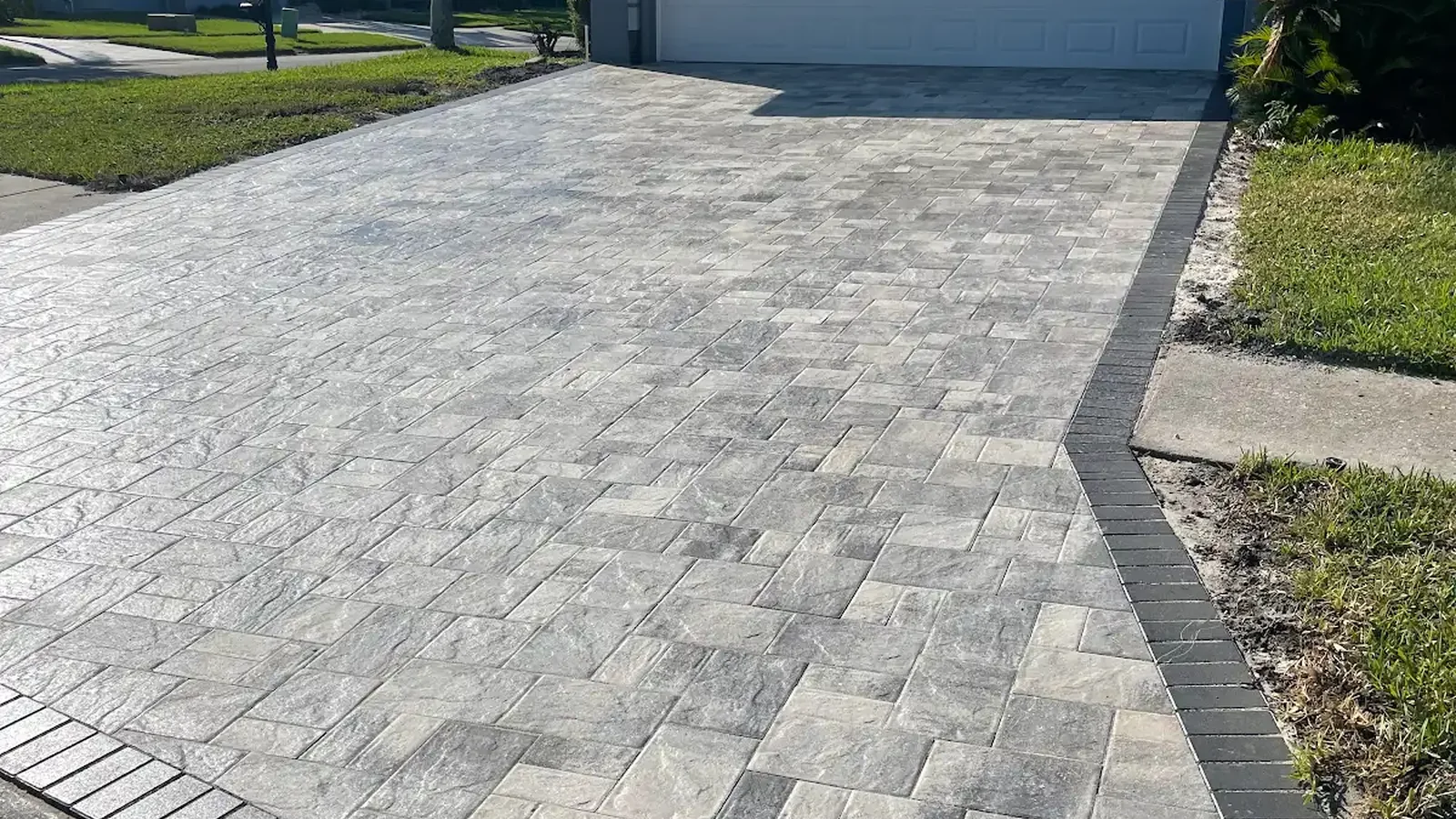
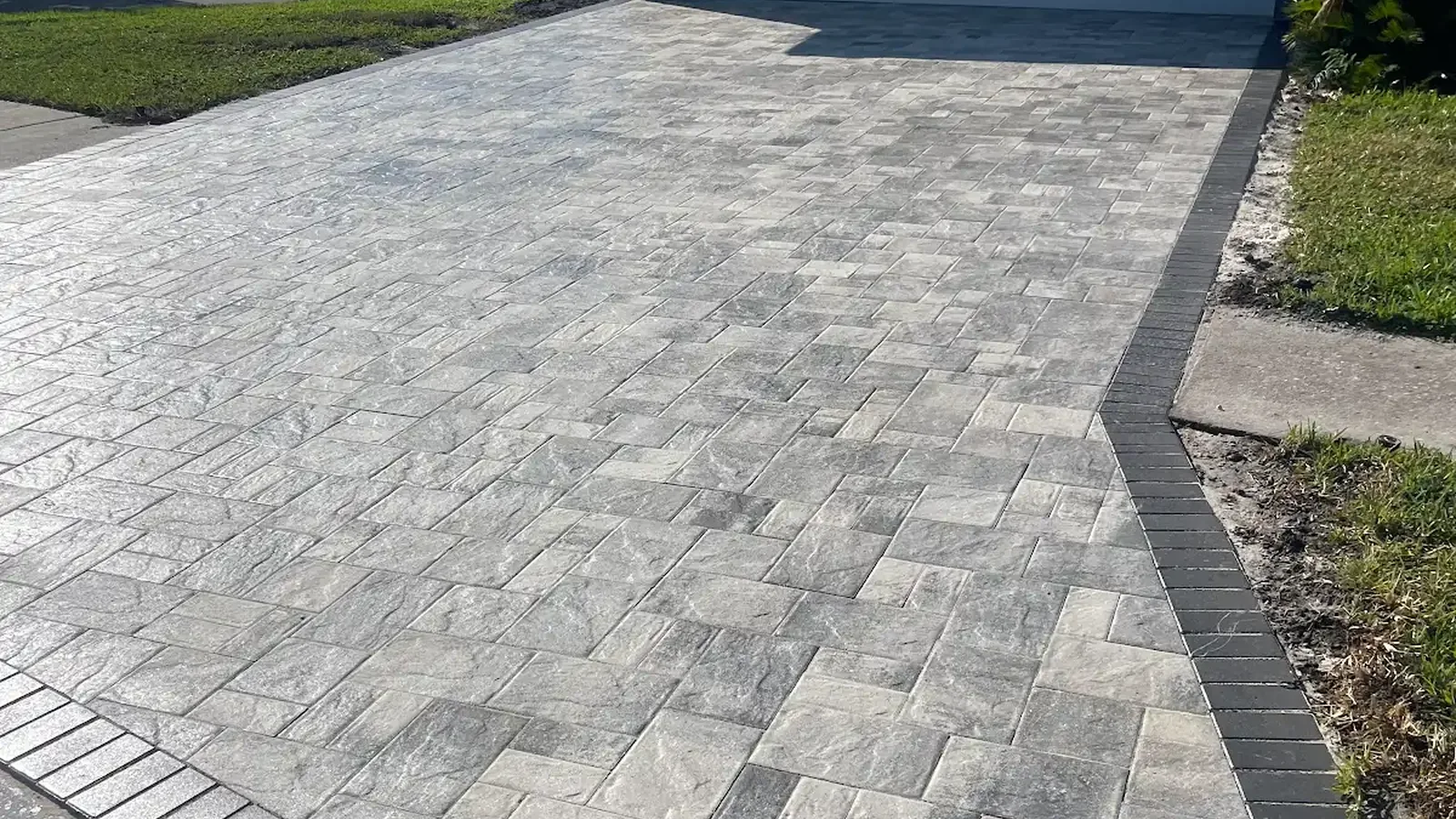
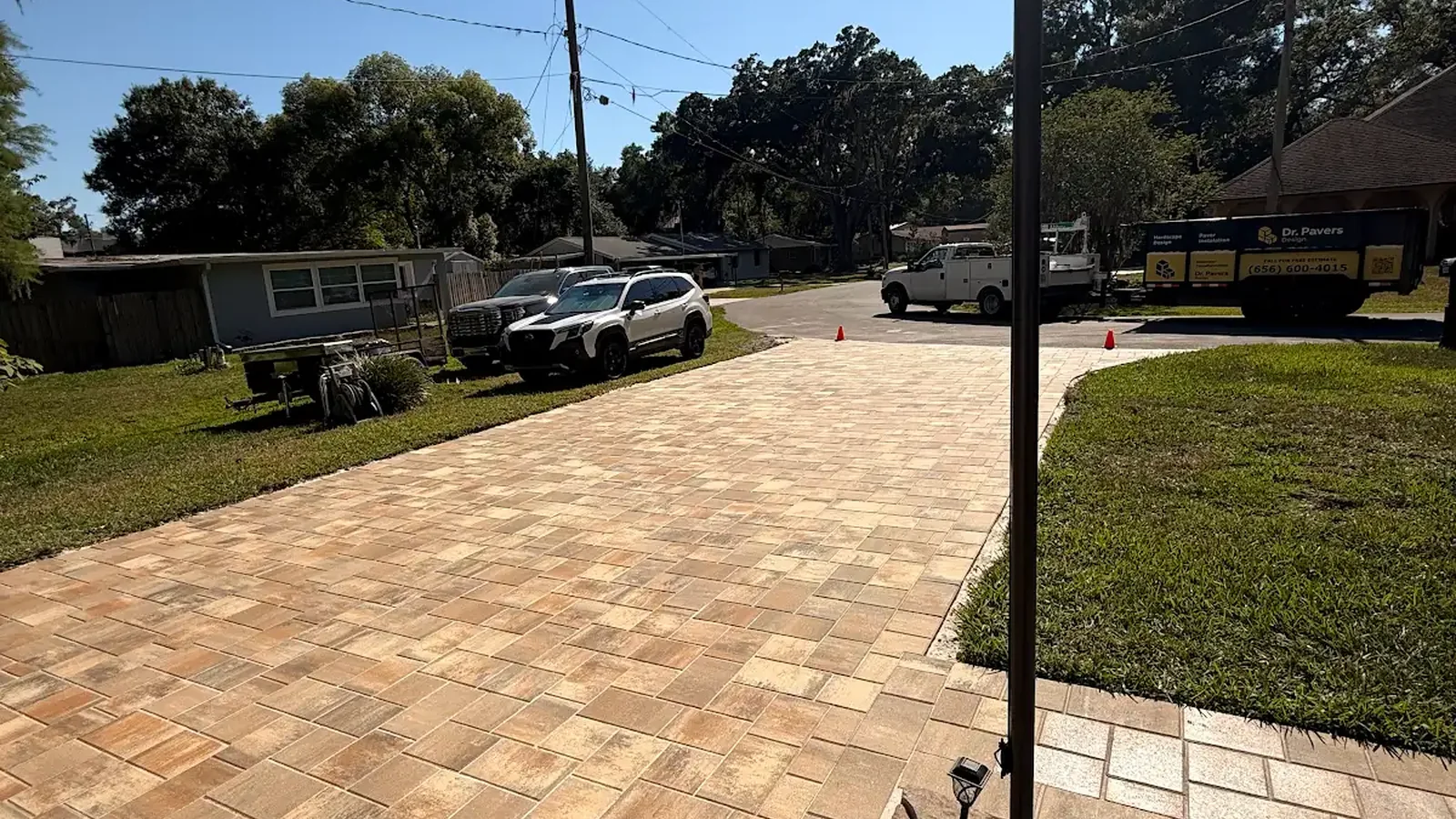
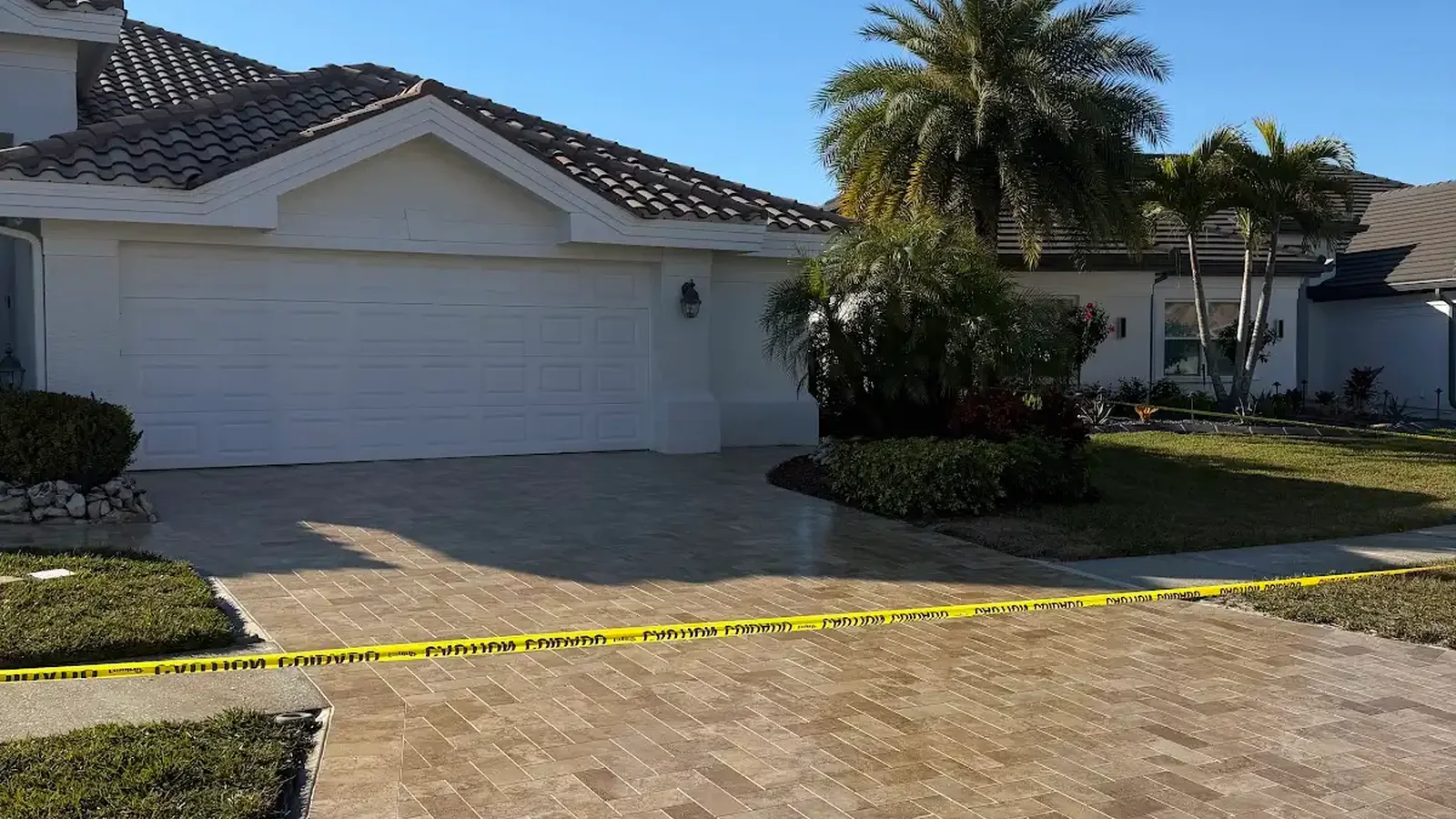
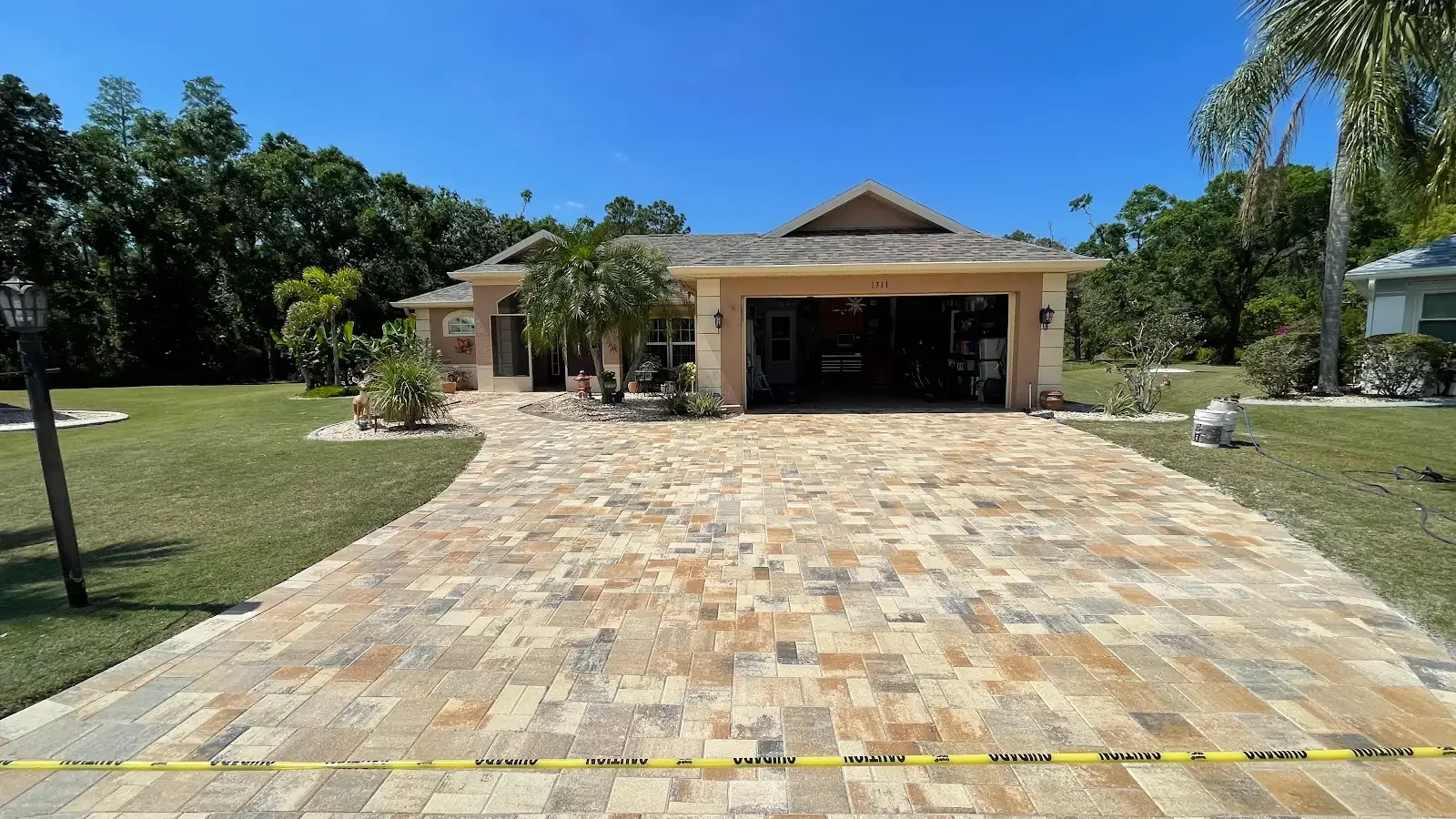
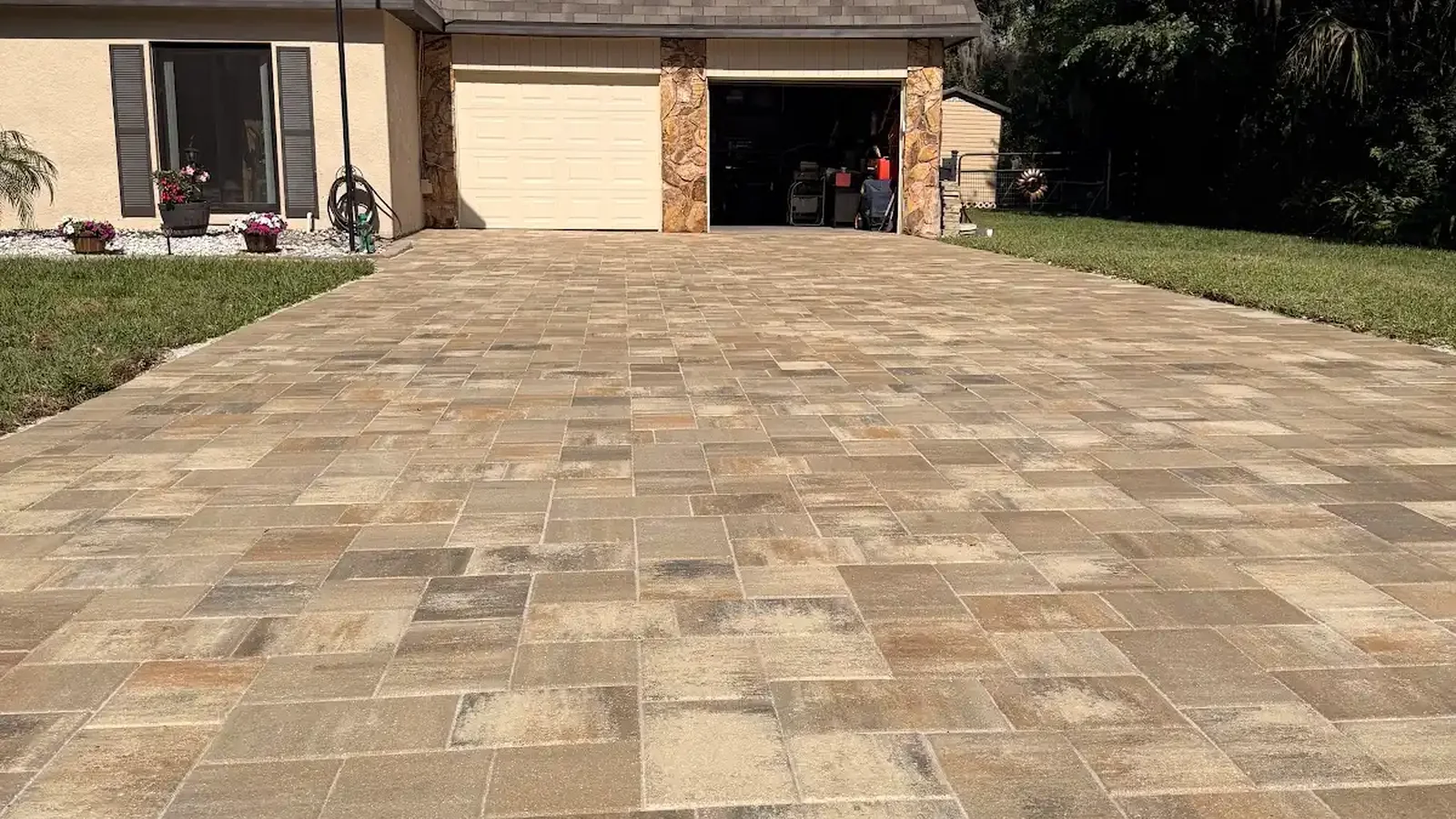
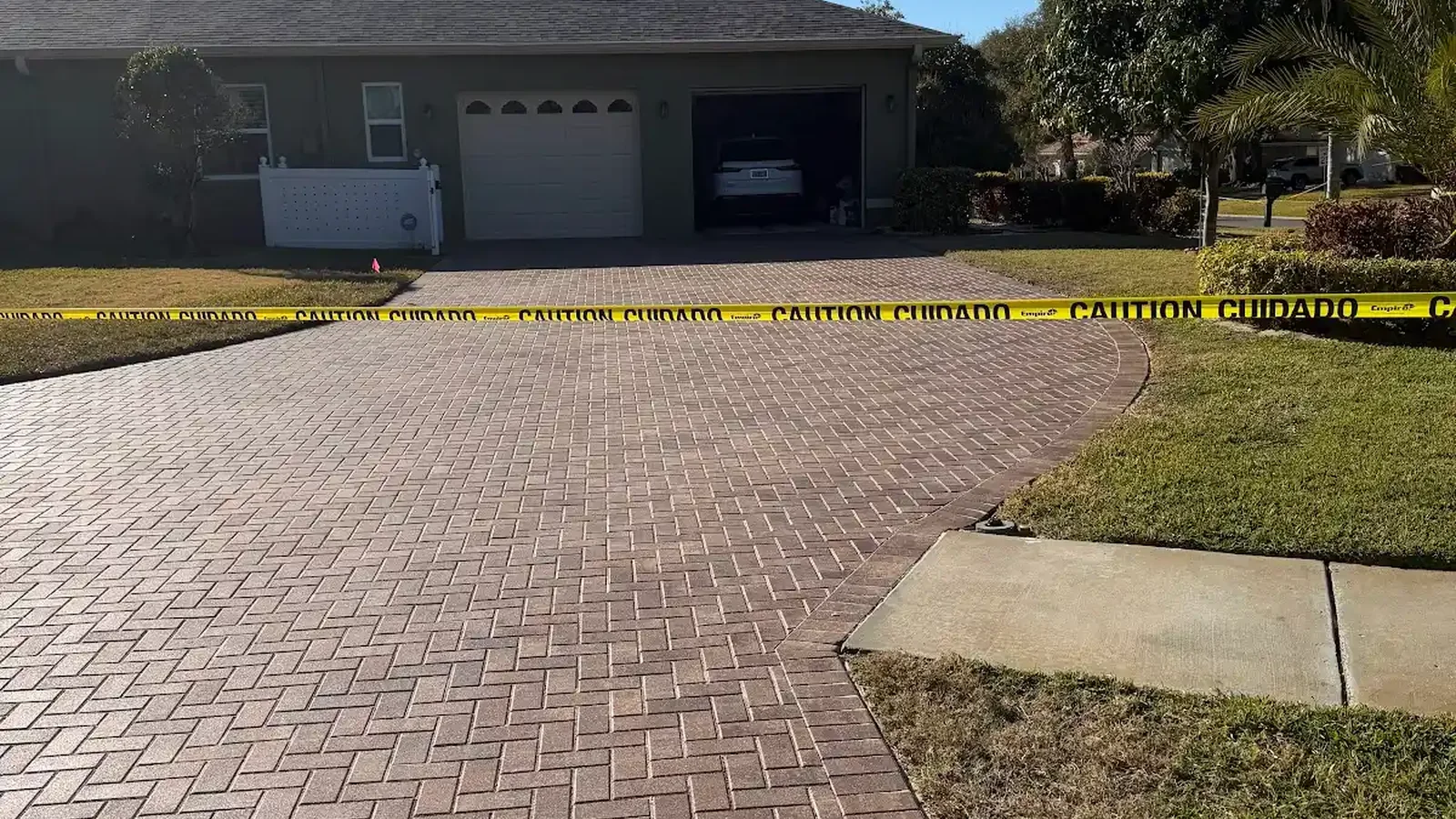
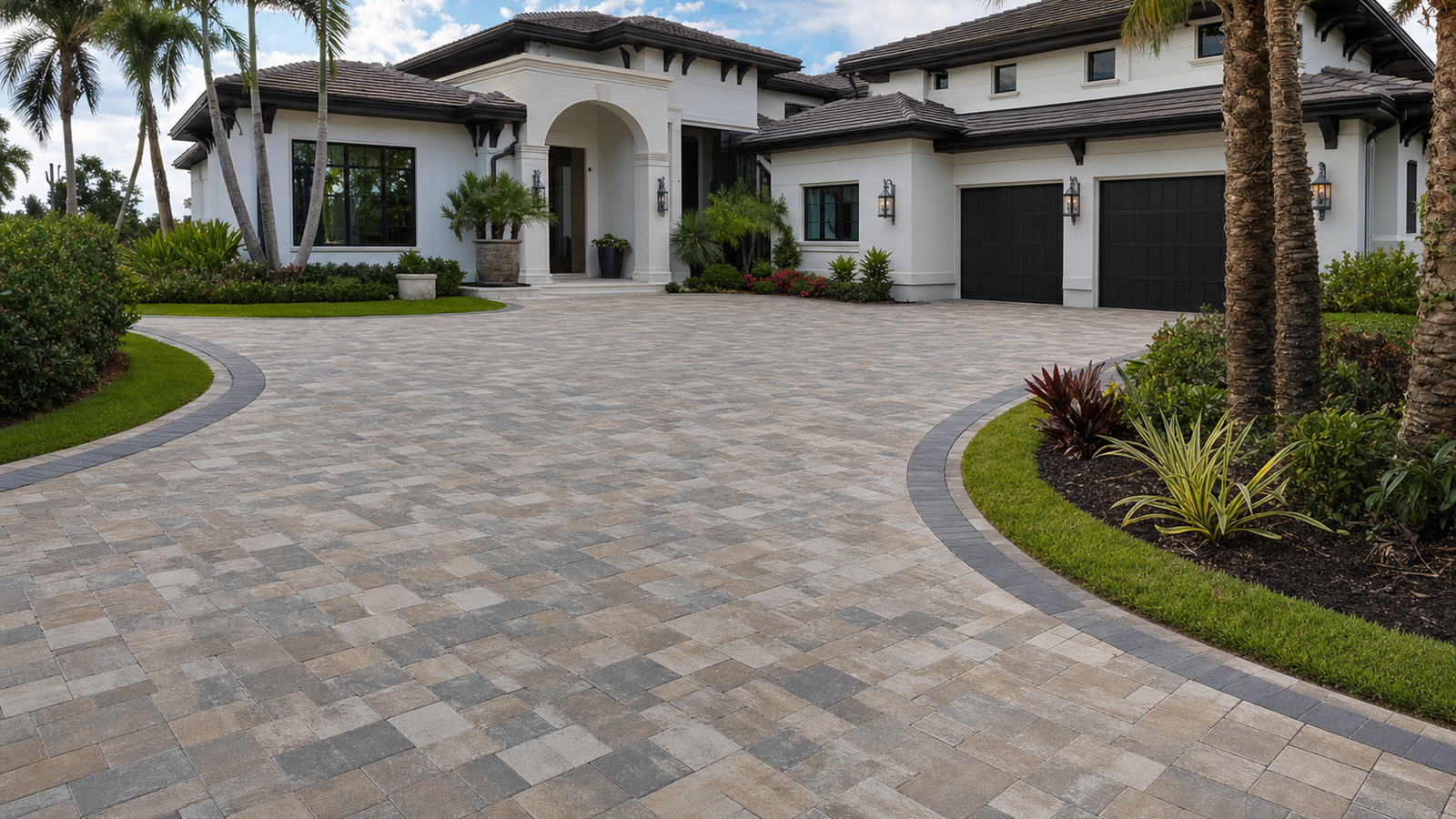
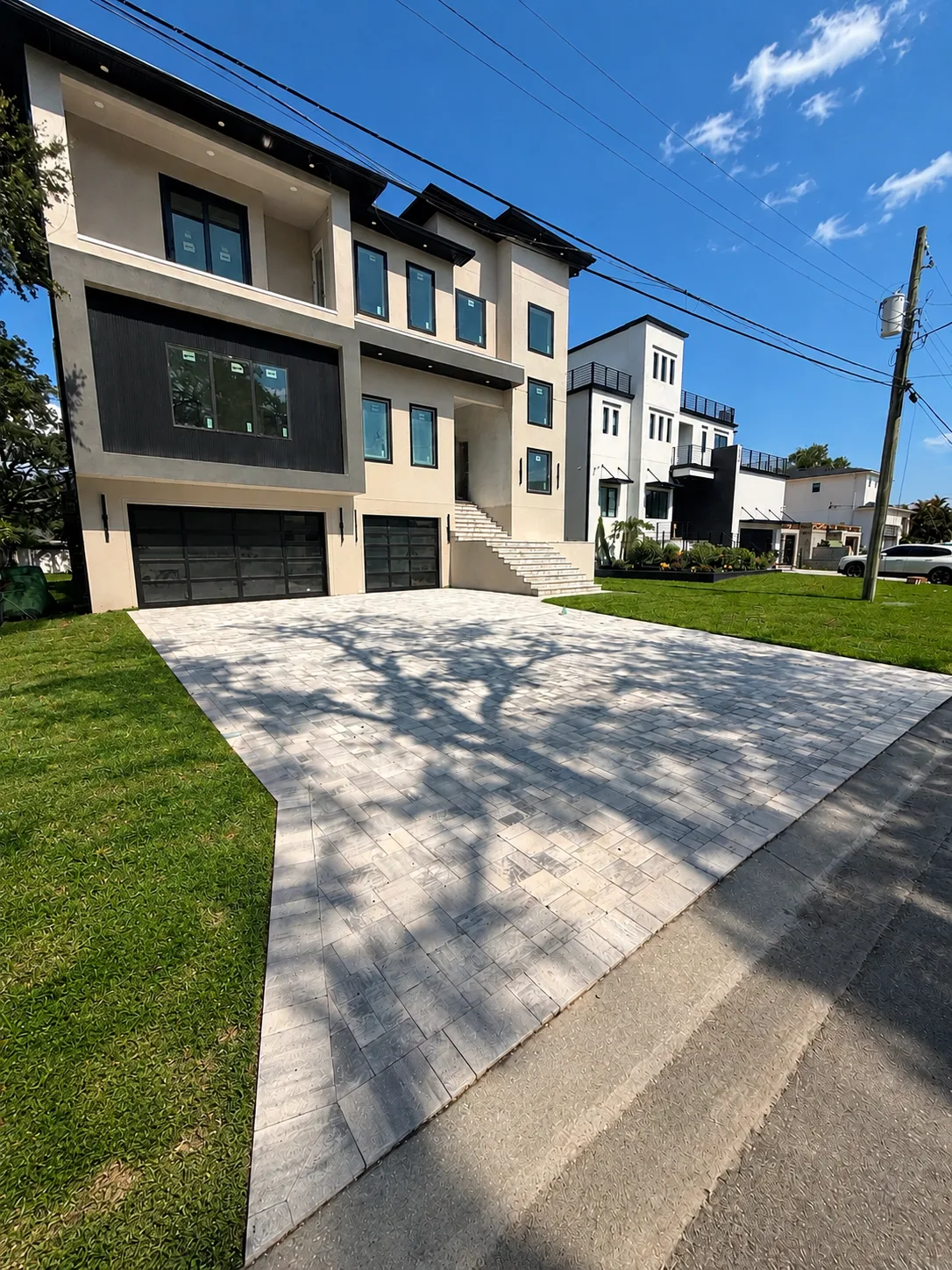
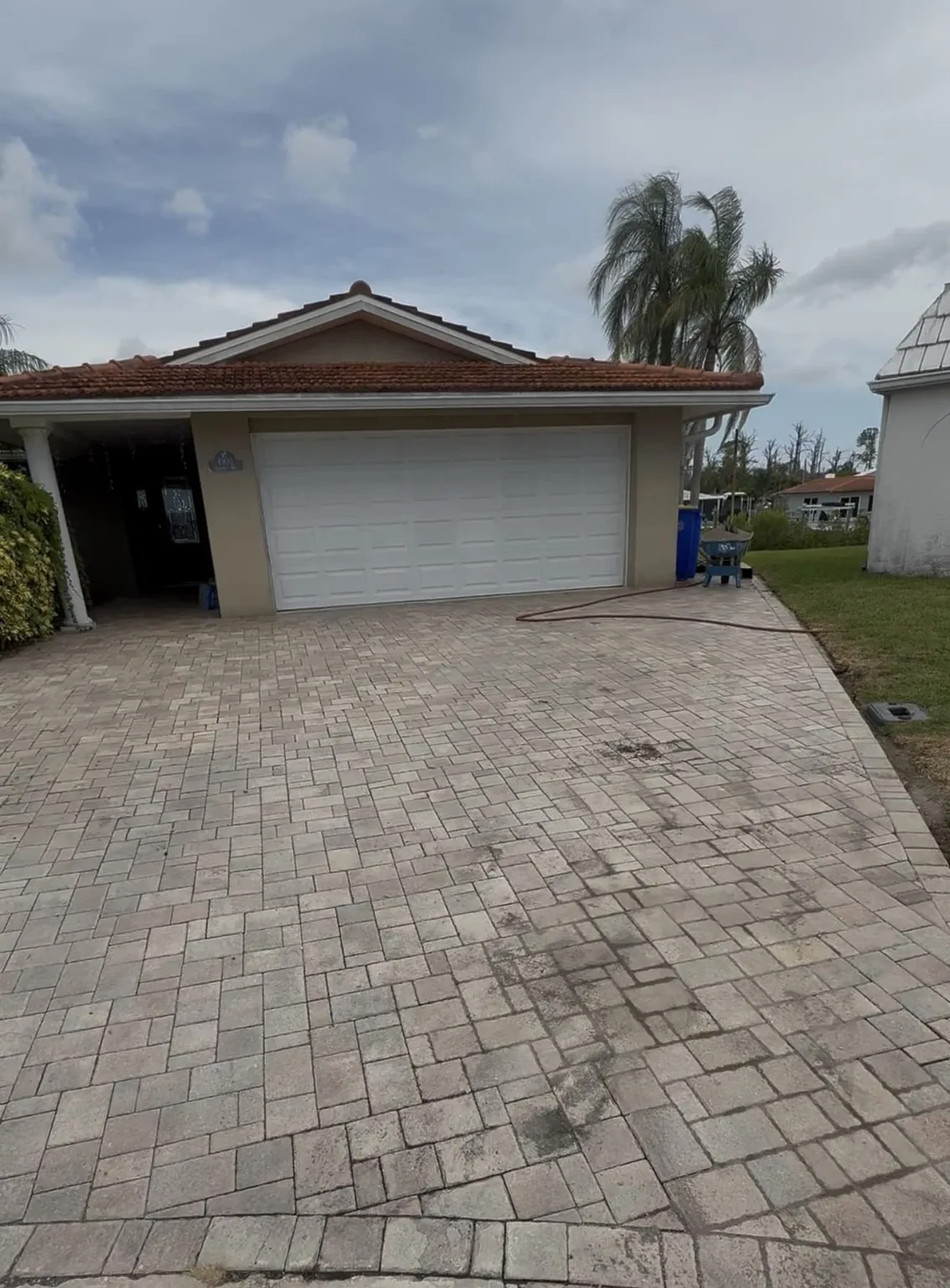
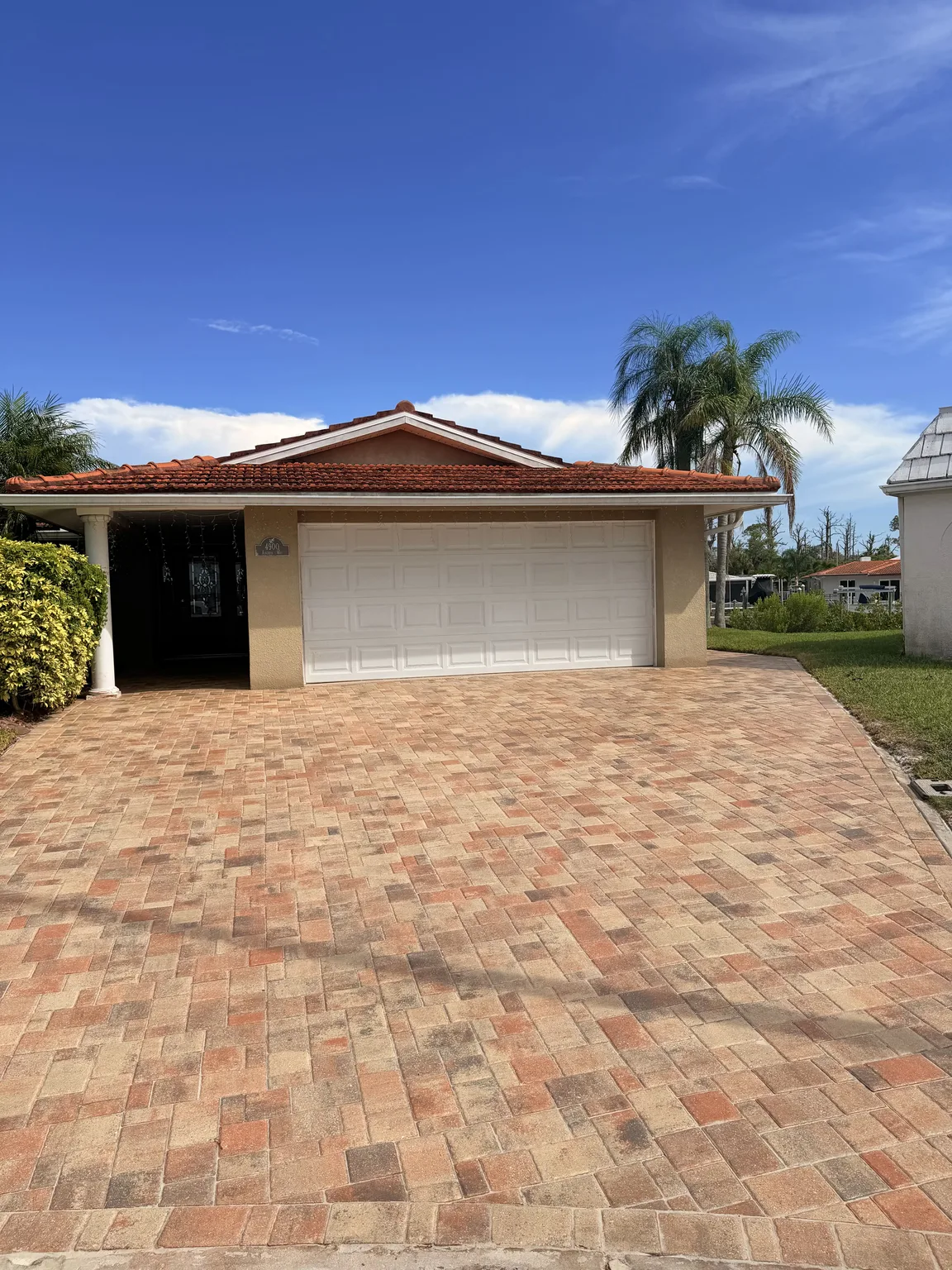
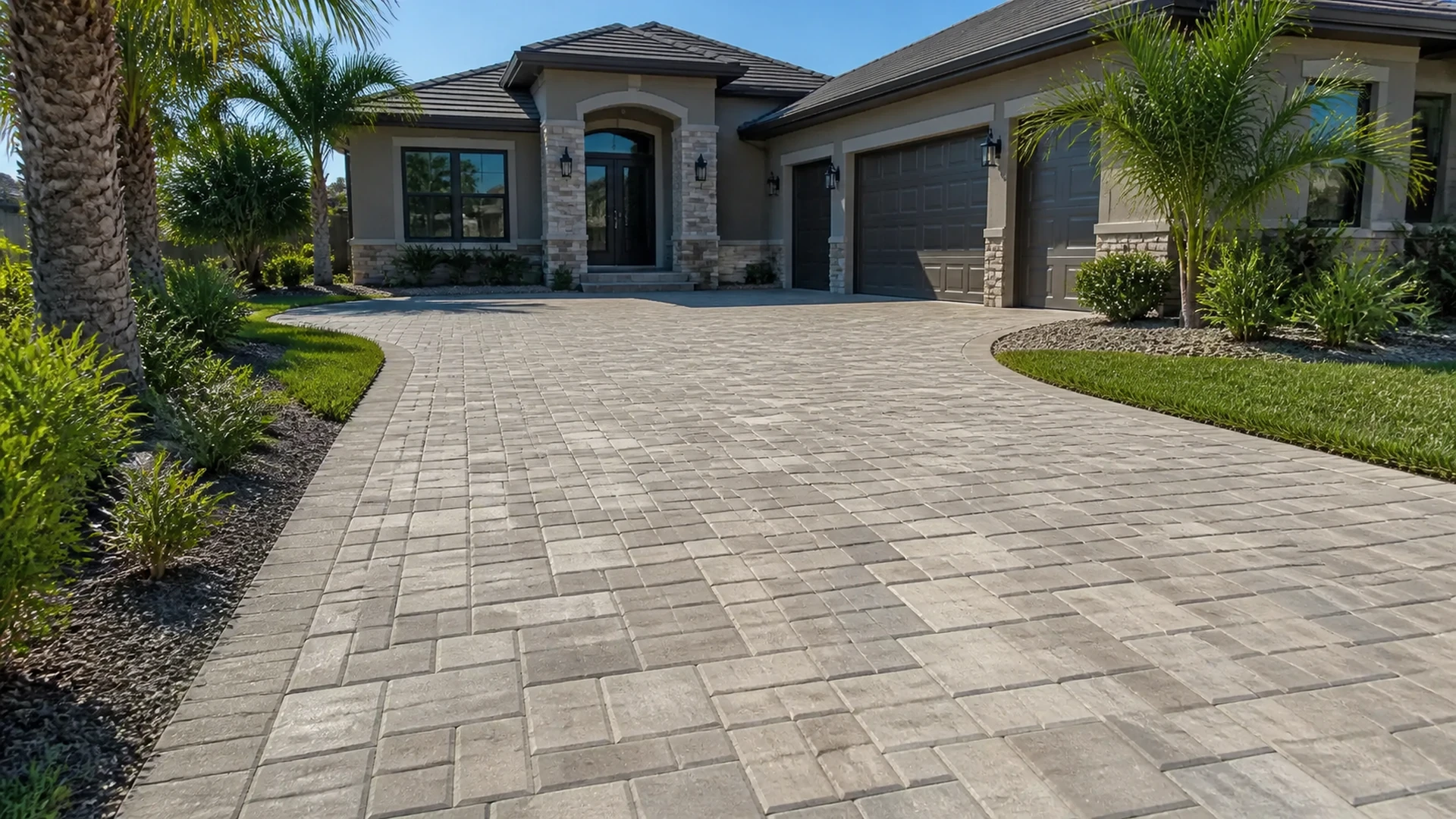
Driveway pavers must suit vehicle traffic and frequent turning near the garage. Therefore, confirm the exact product and pattern for that use. A border can organize the field and manage cuts. However, it should also integrate with edge restraint and adjacent grade.
For a Wesley Chapel home, a blended field might complement a varied roof and light stucco. In contrast, a crisp charcoal border may define the drive strongly. Therefore, compare concrete pavers against the whole elevation. Consequently, view samples from the street and near the garage.
Pool Decks Put Texture in the Foreground
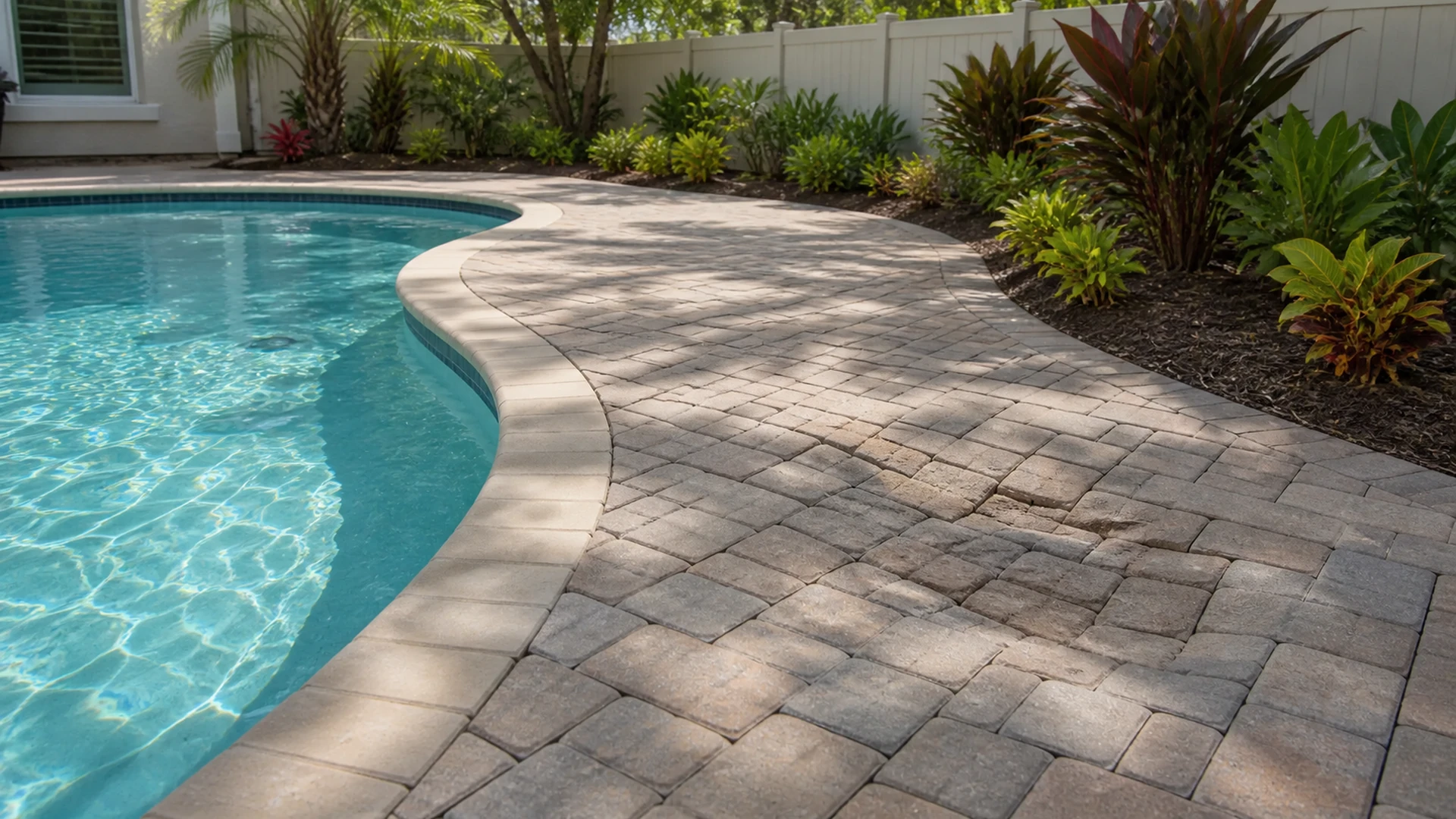
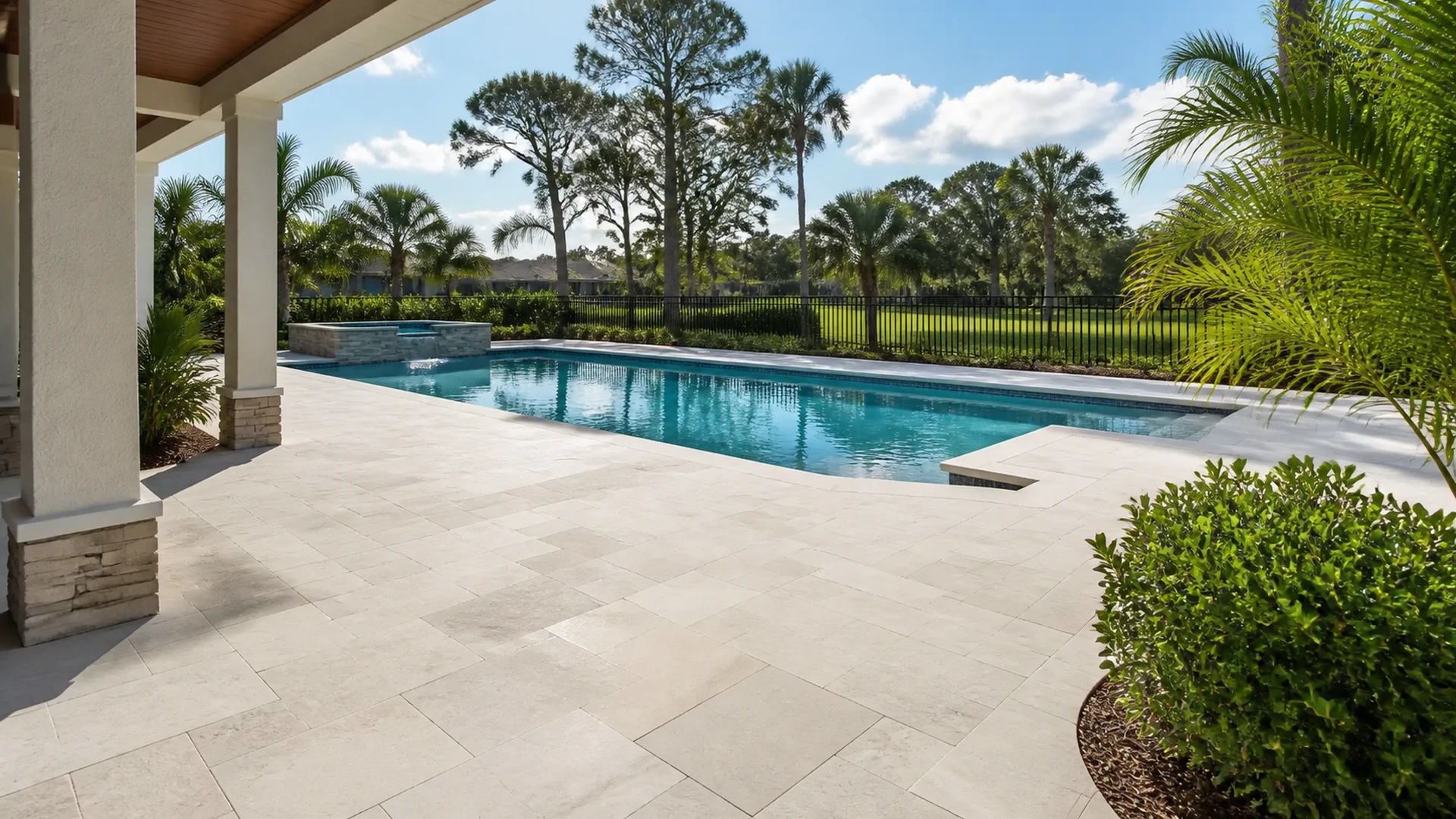
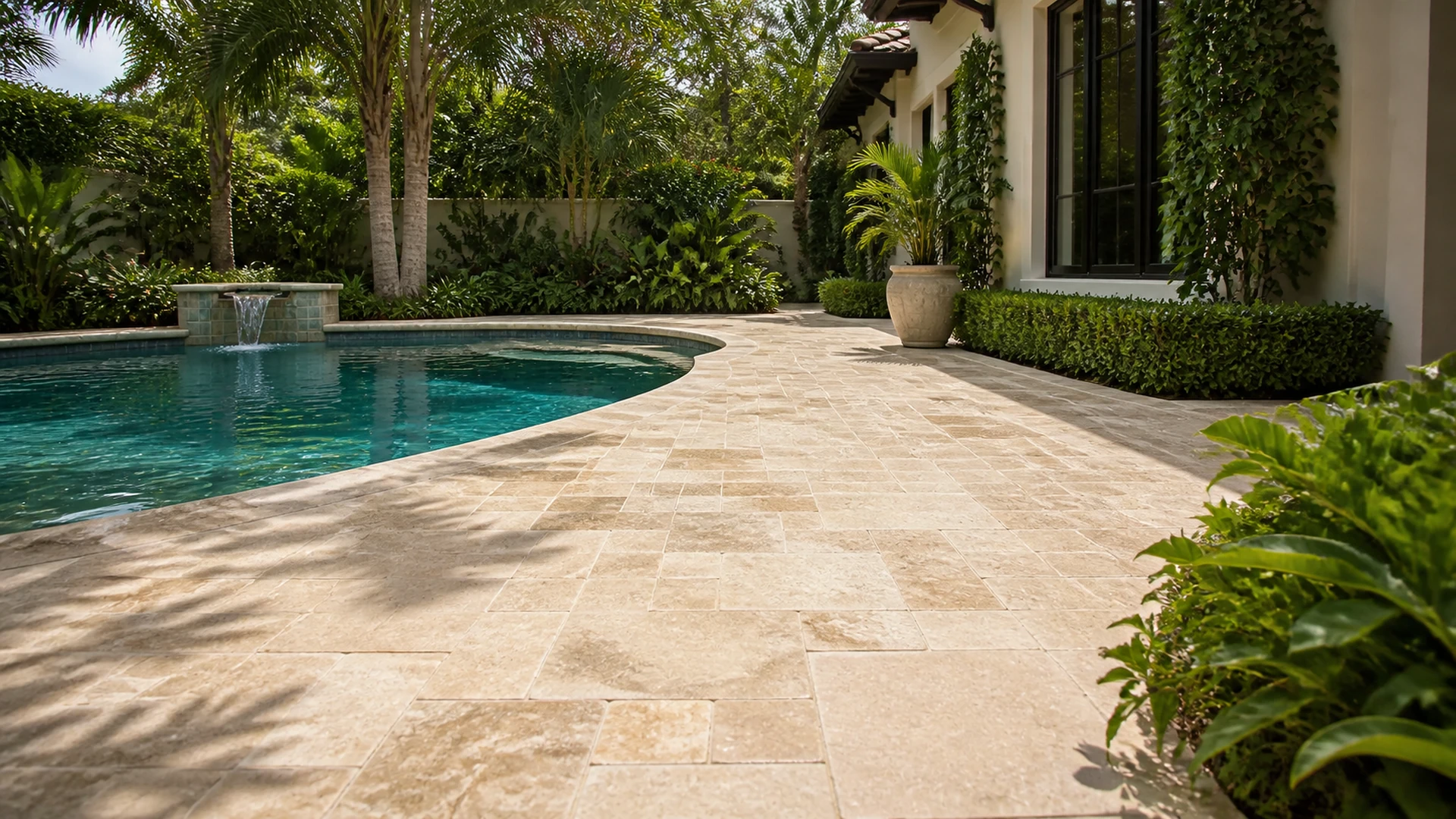
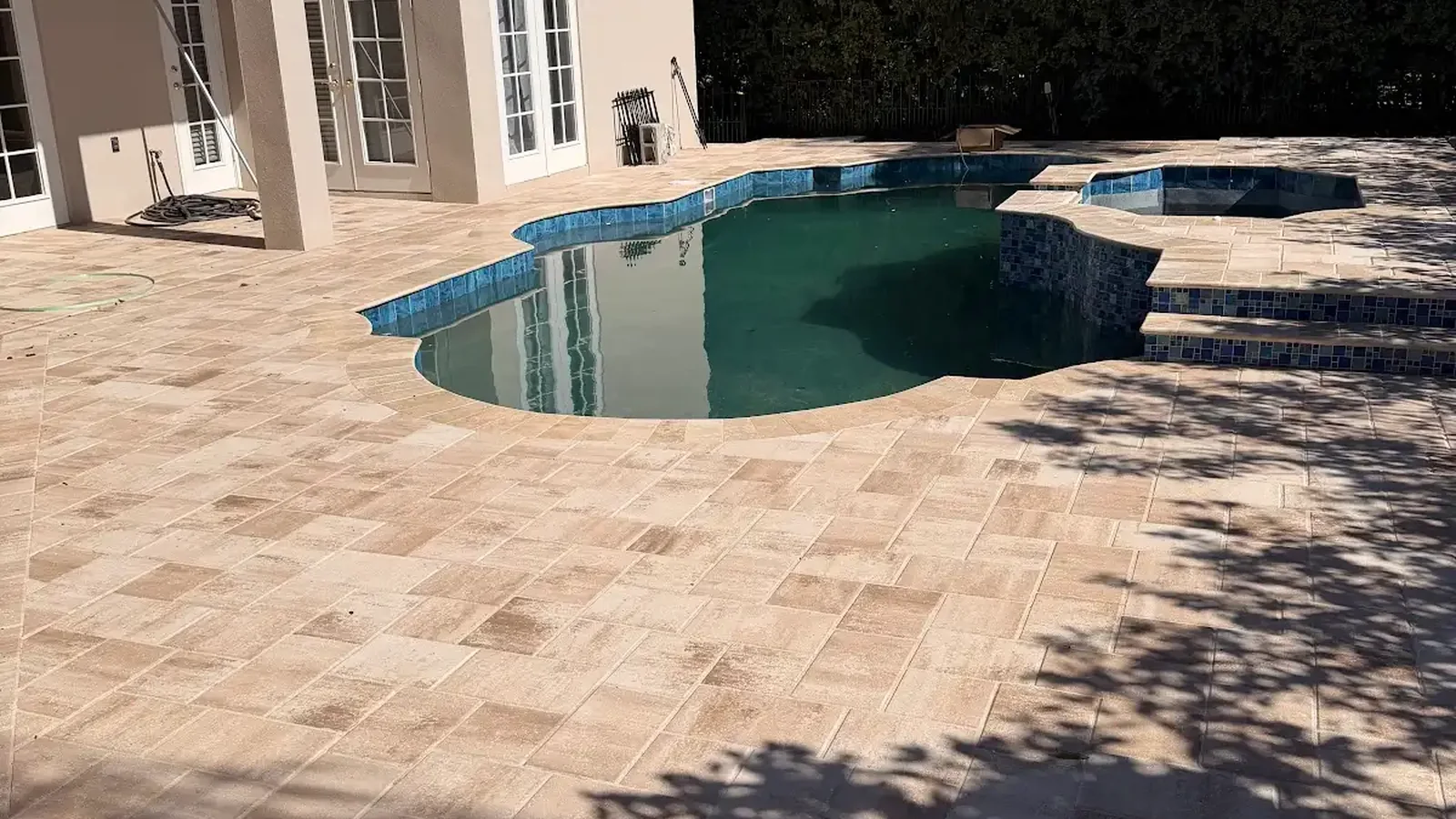
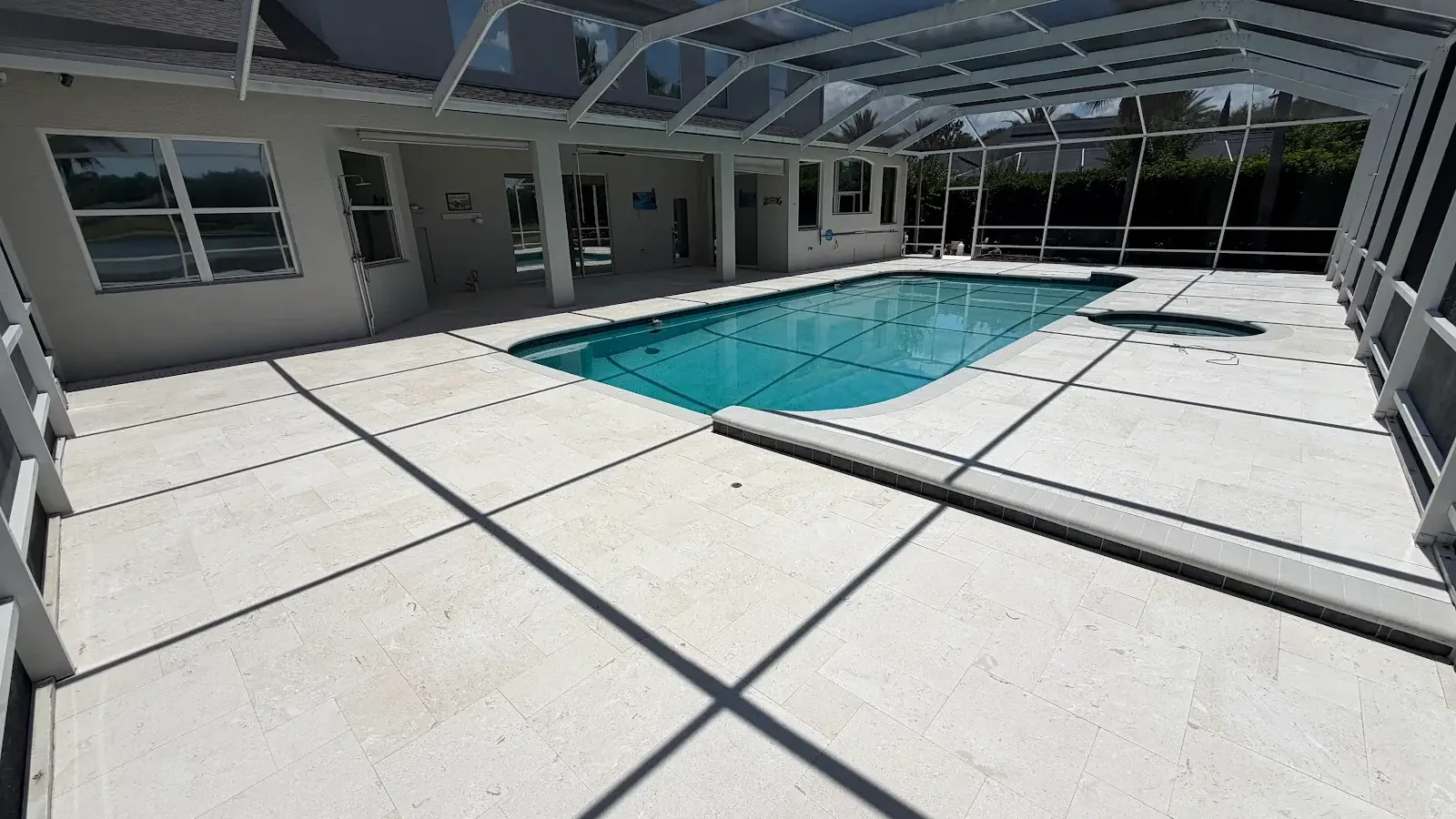
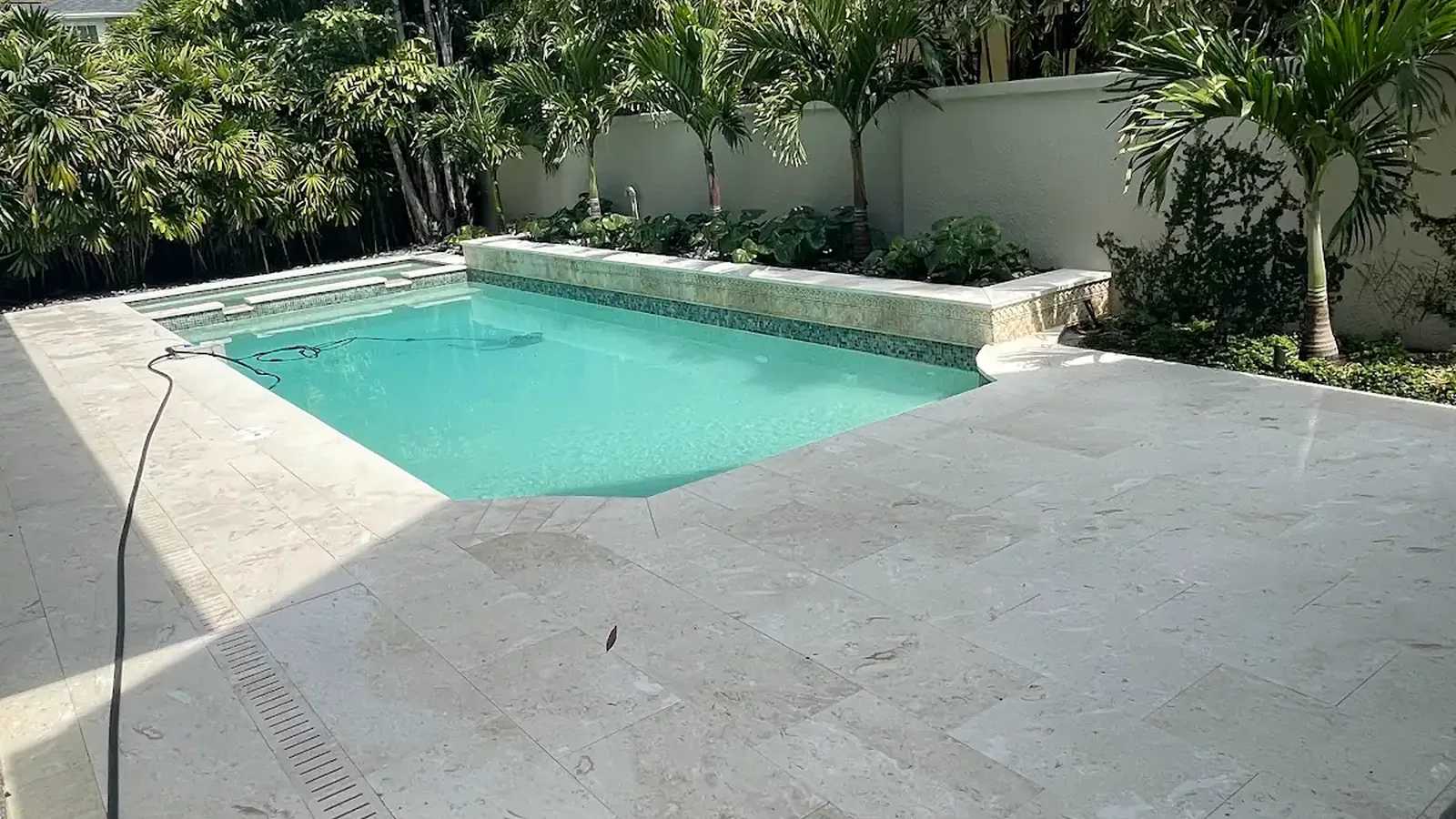
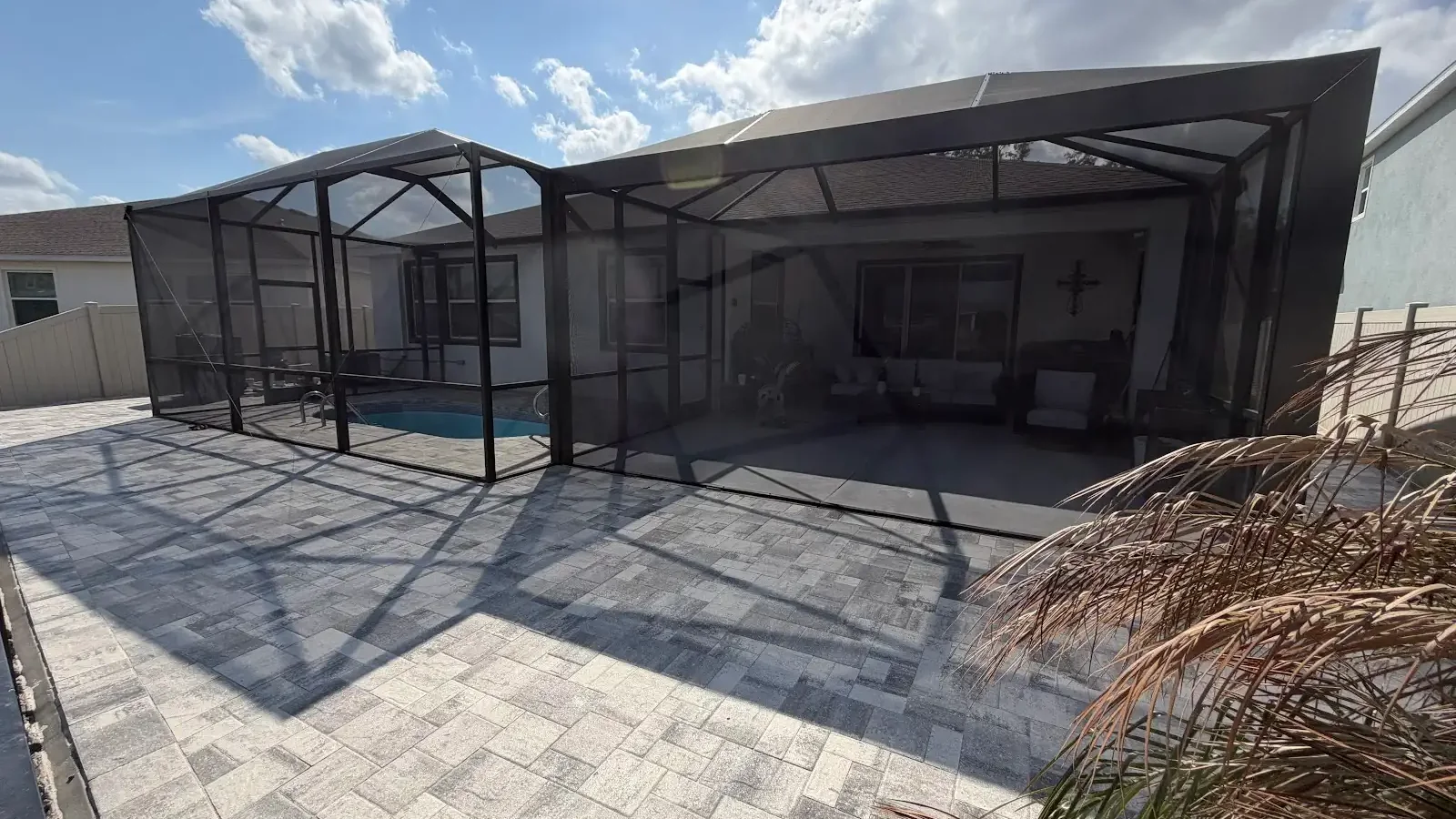
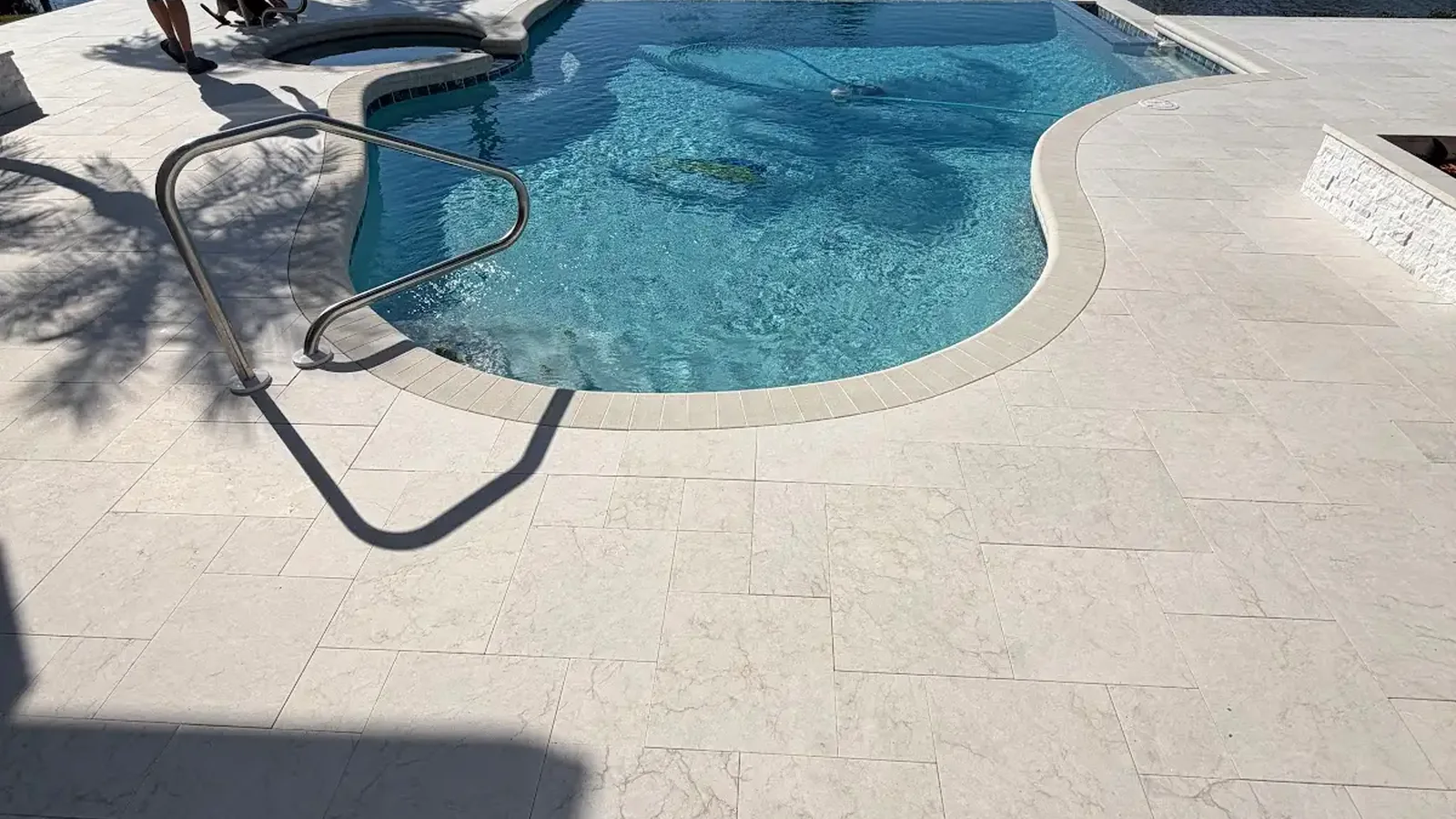
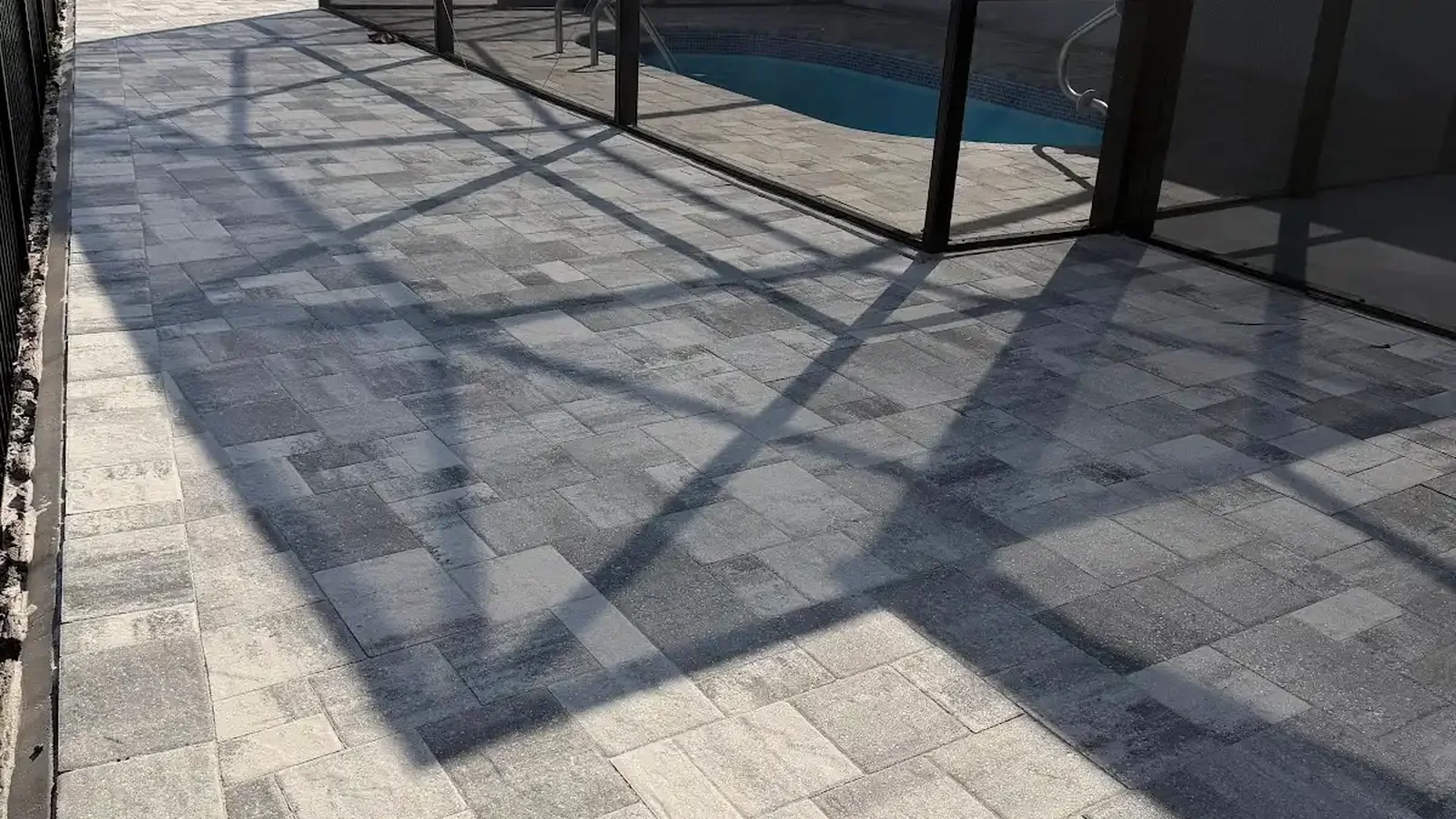
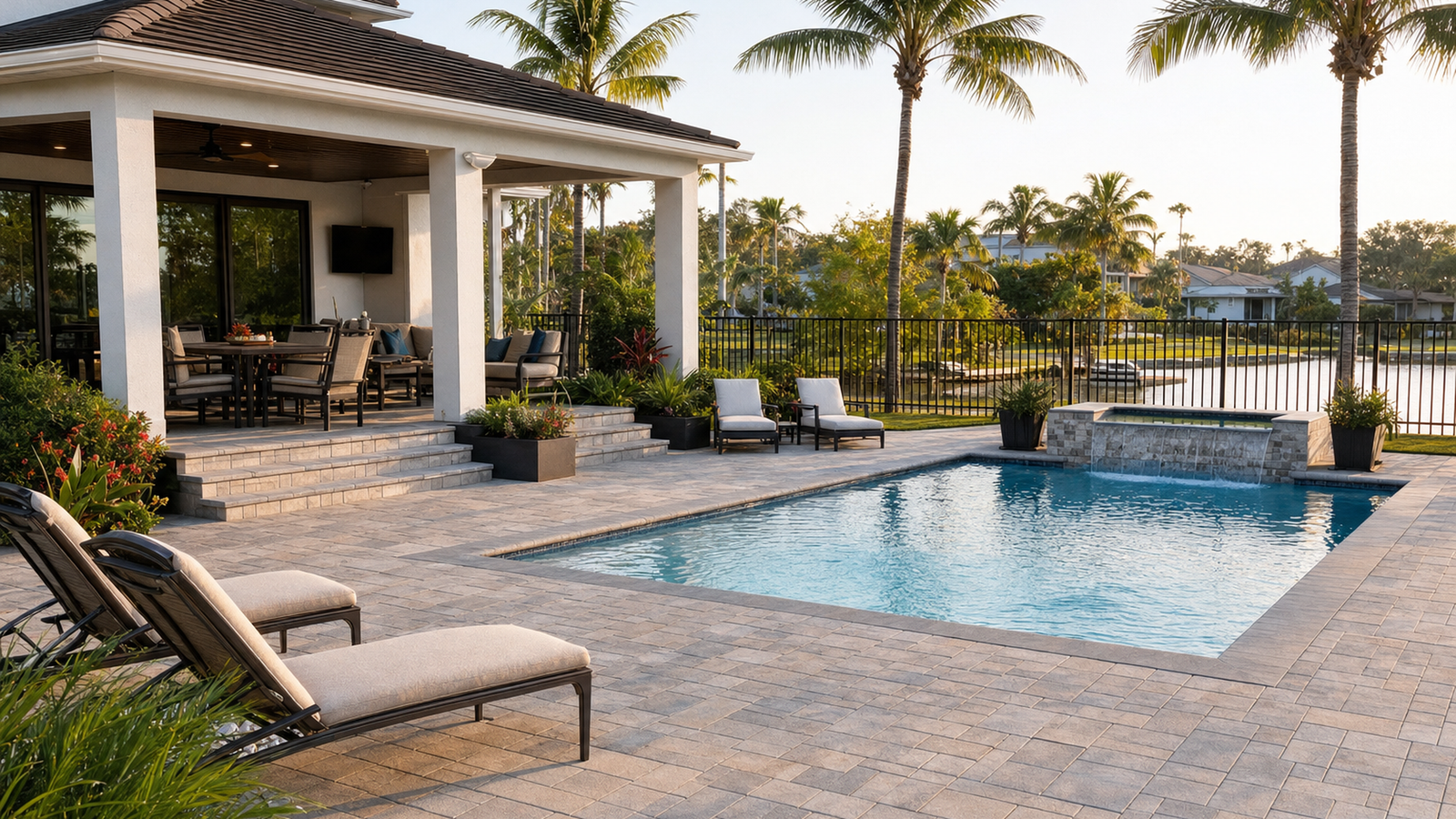
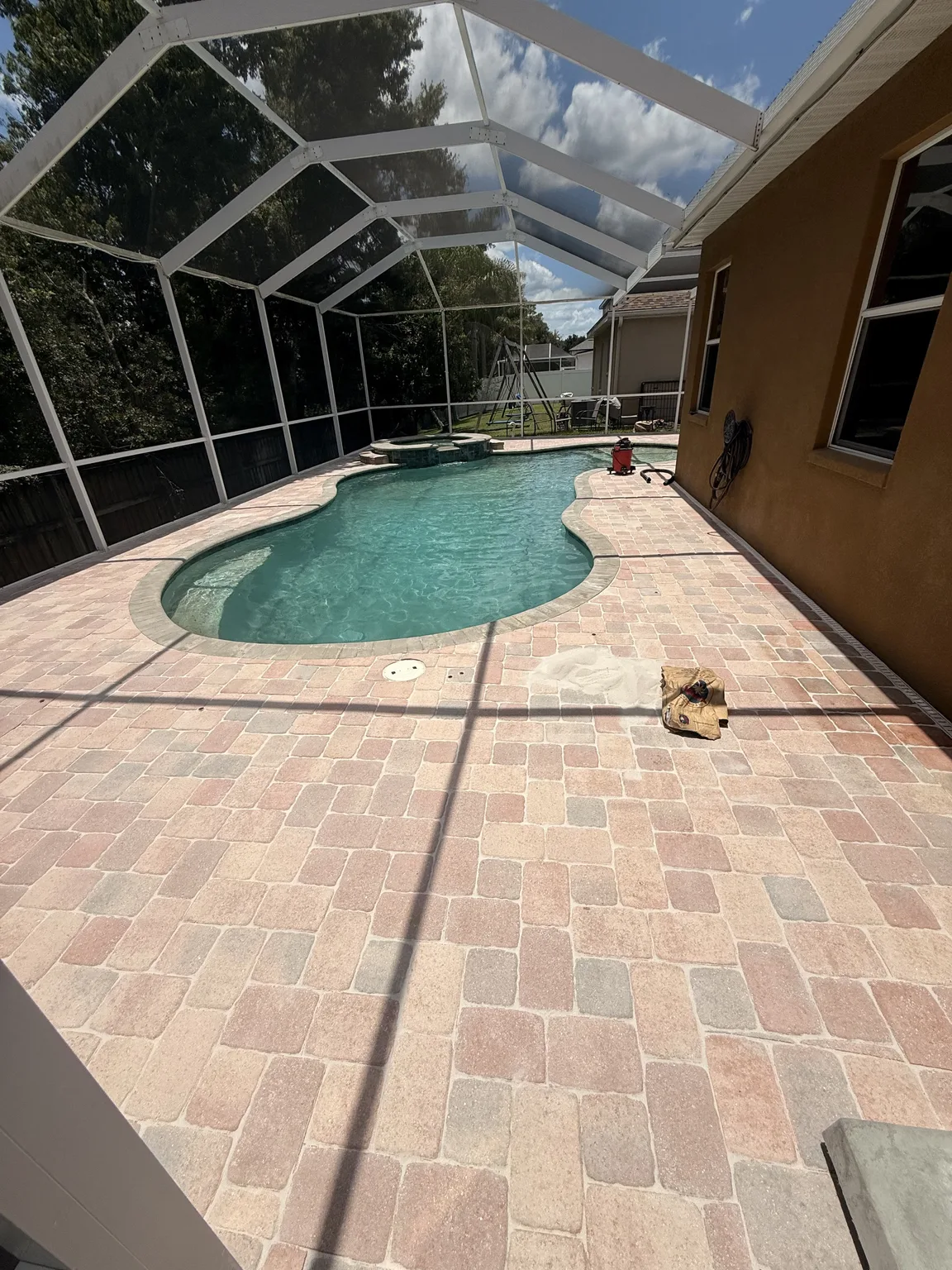
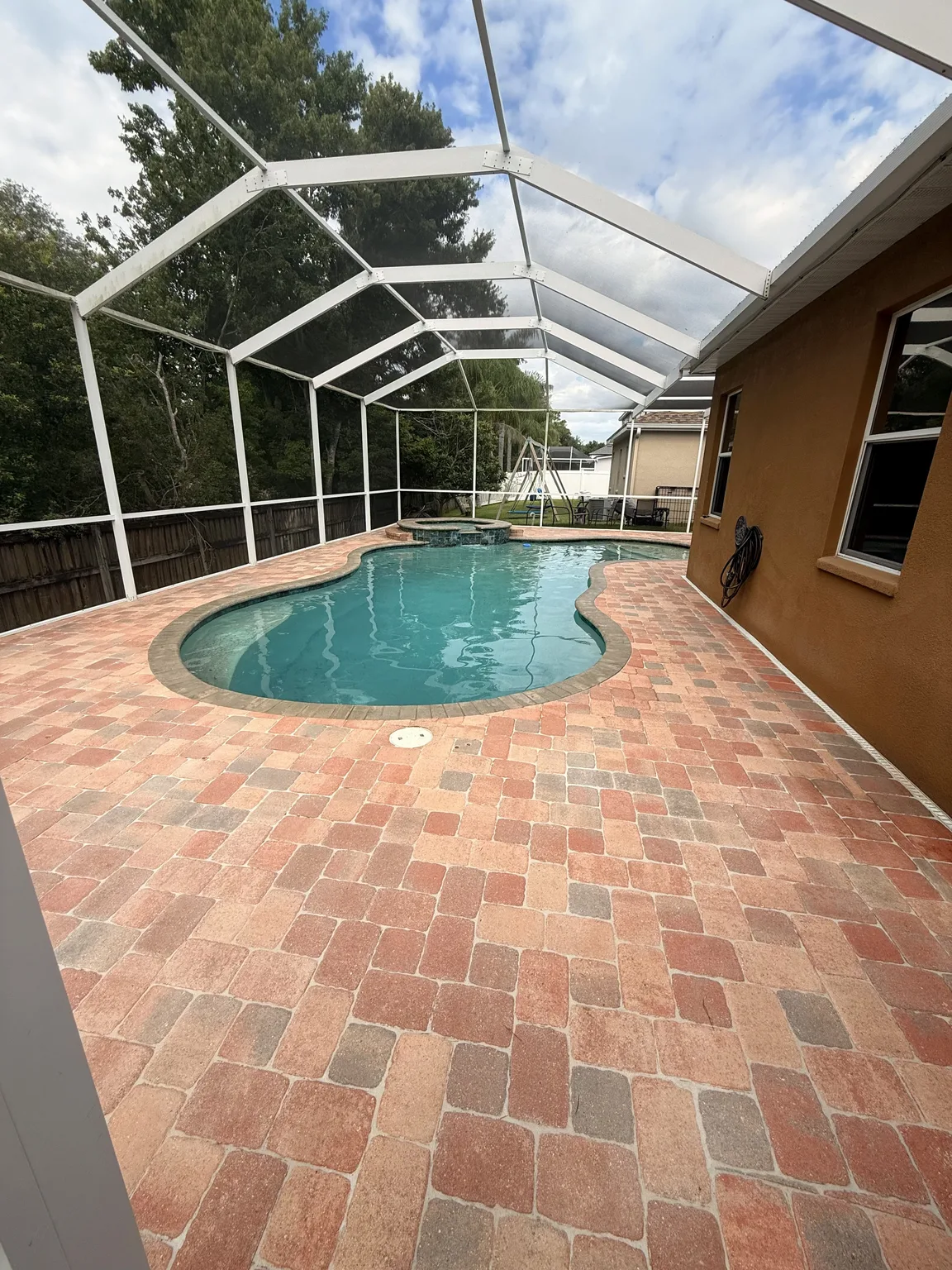
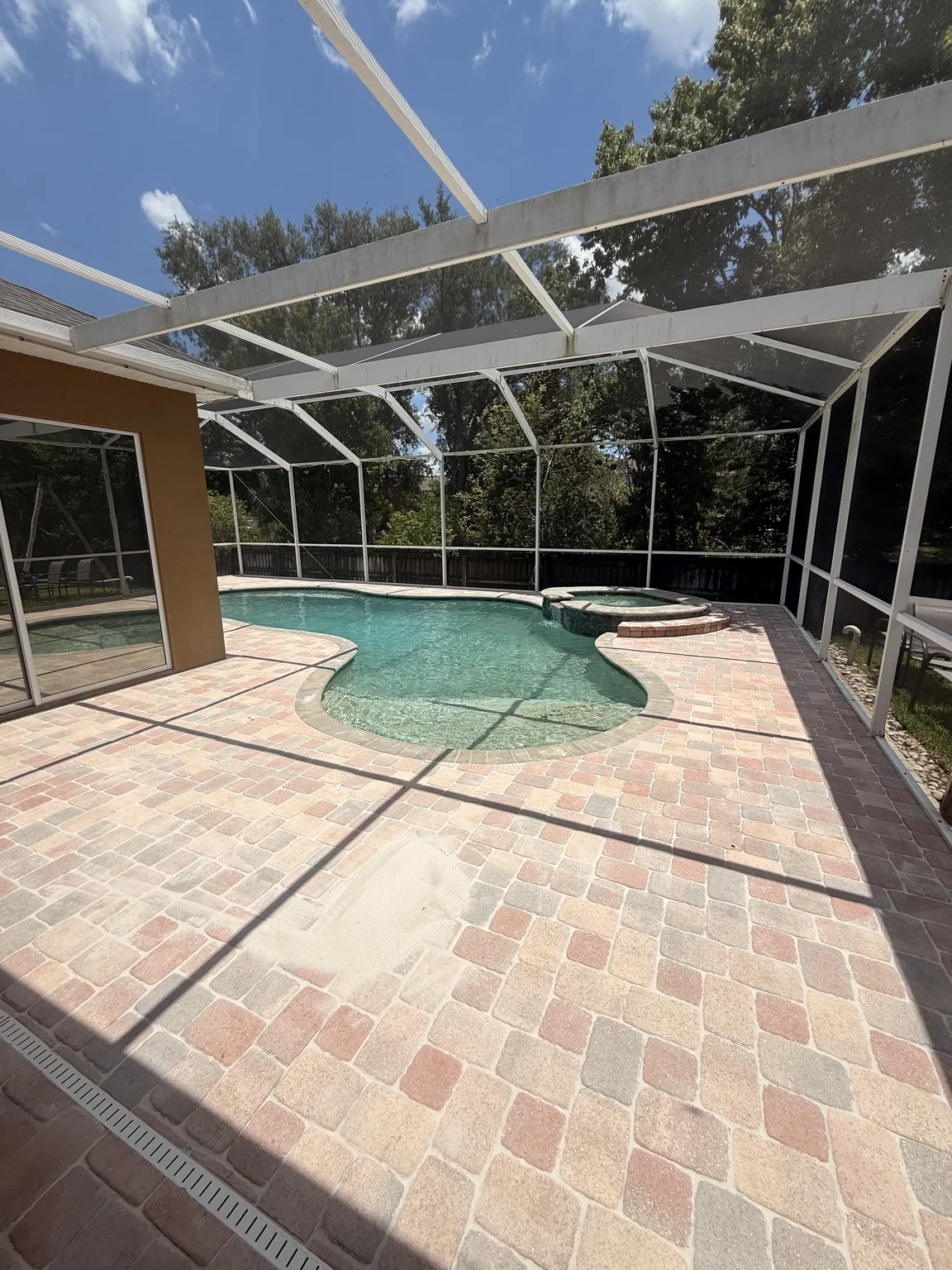
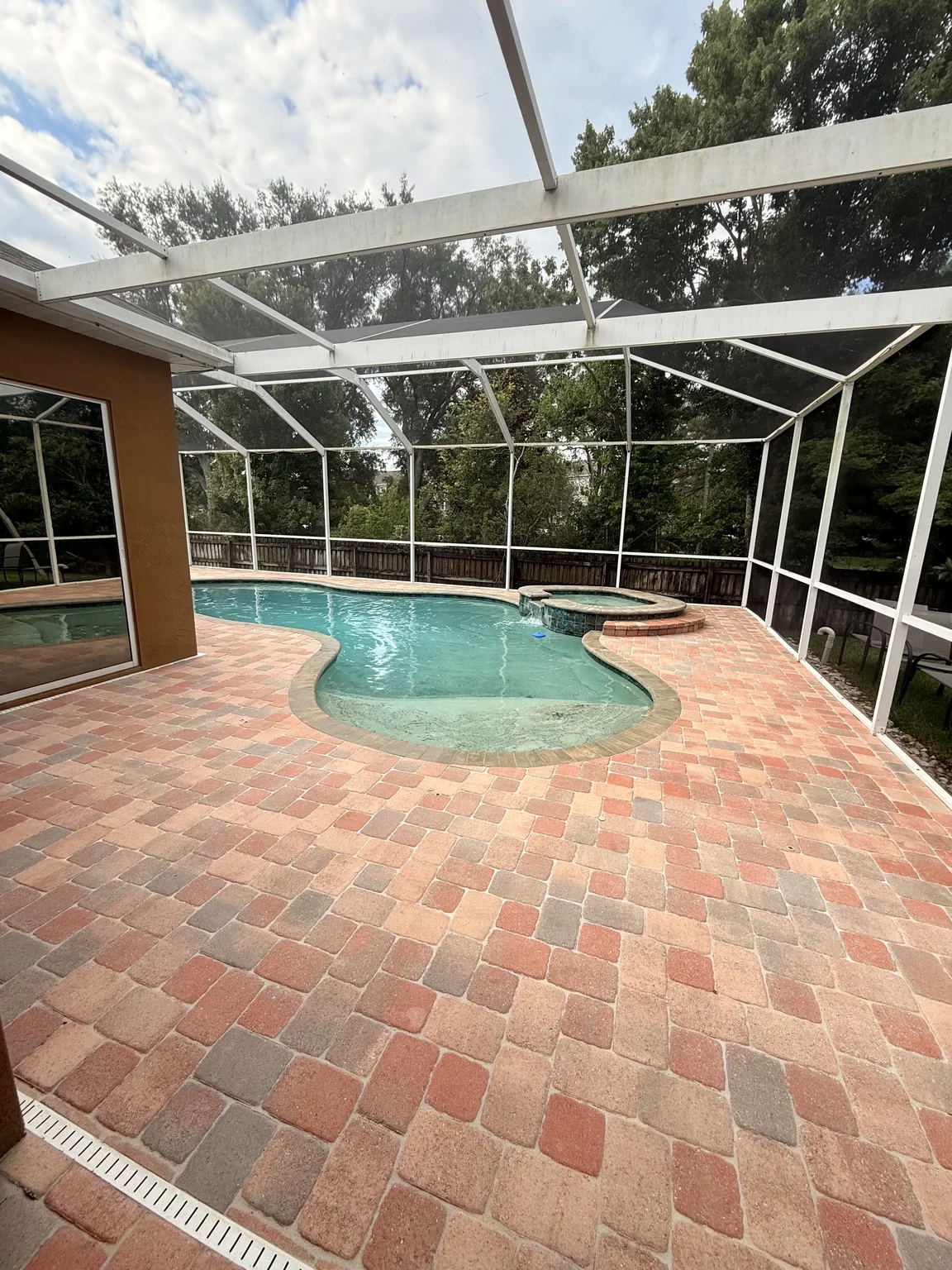
Bare feet, splashed water, coping transitions, and screen posts shape a pool deck choice. Most importantly, the product must suit the intended wet environment. Therefore, evaluate texture and edge comfort directly. A visual-only comparison misses daily contact.
Additionally, A Palm Harbor pool may receive both full sun and afternoon shade. As a result, the same color can look different around the water. Move samples between those zones. Then compare concrete pavers when dry and damp.
Patios Balance Furniture, Pattern, and Scale
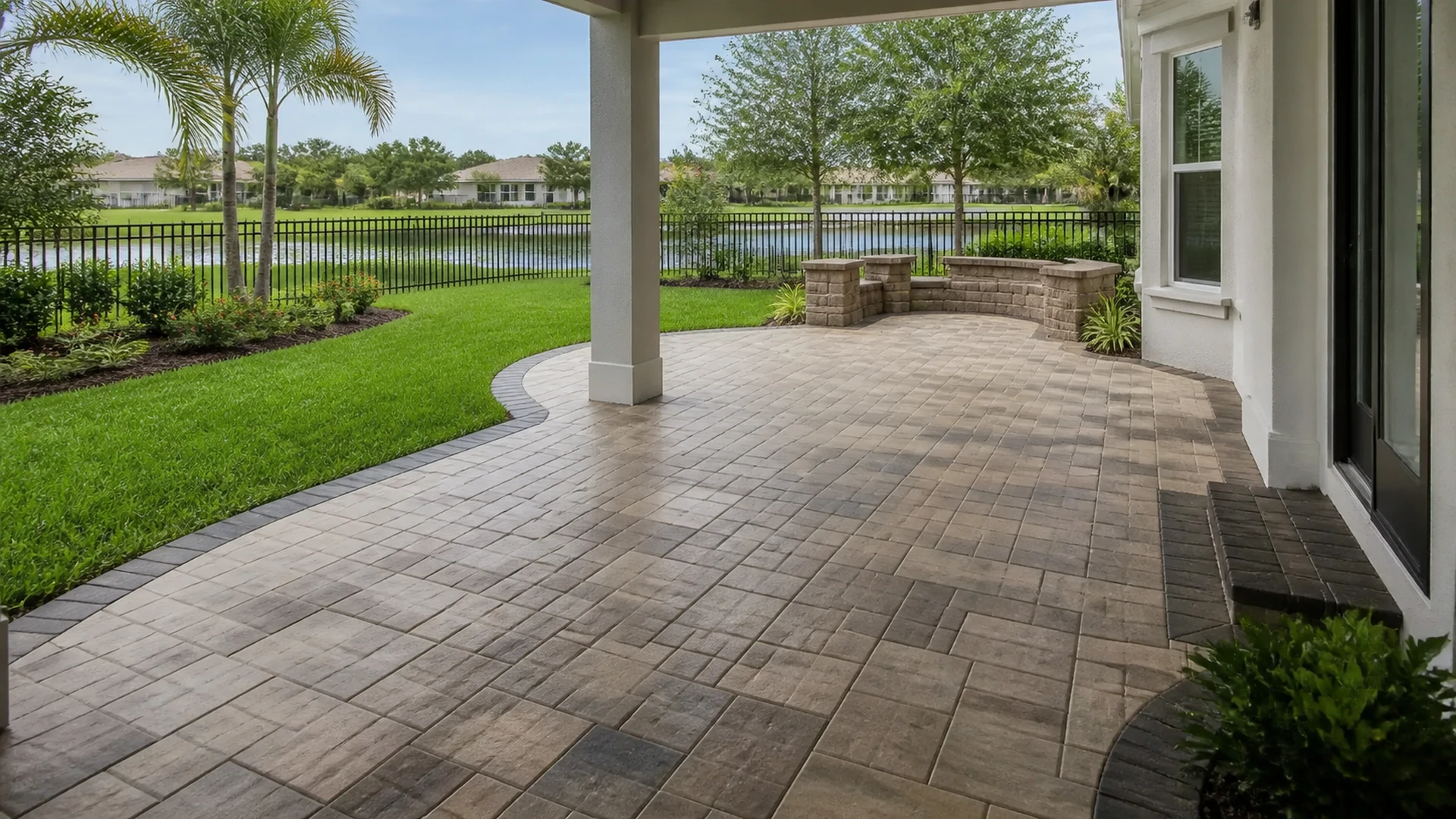
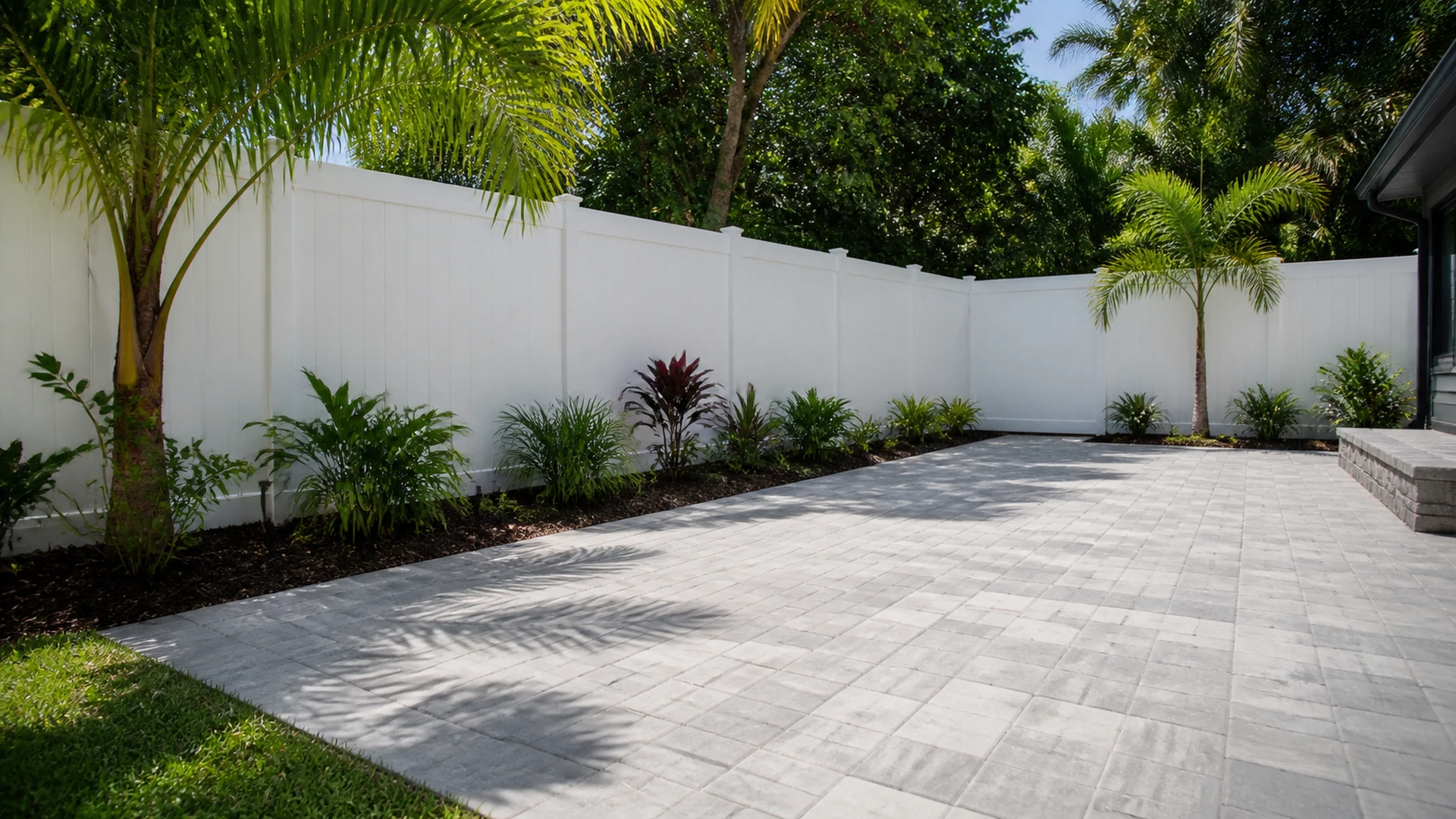
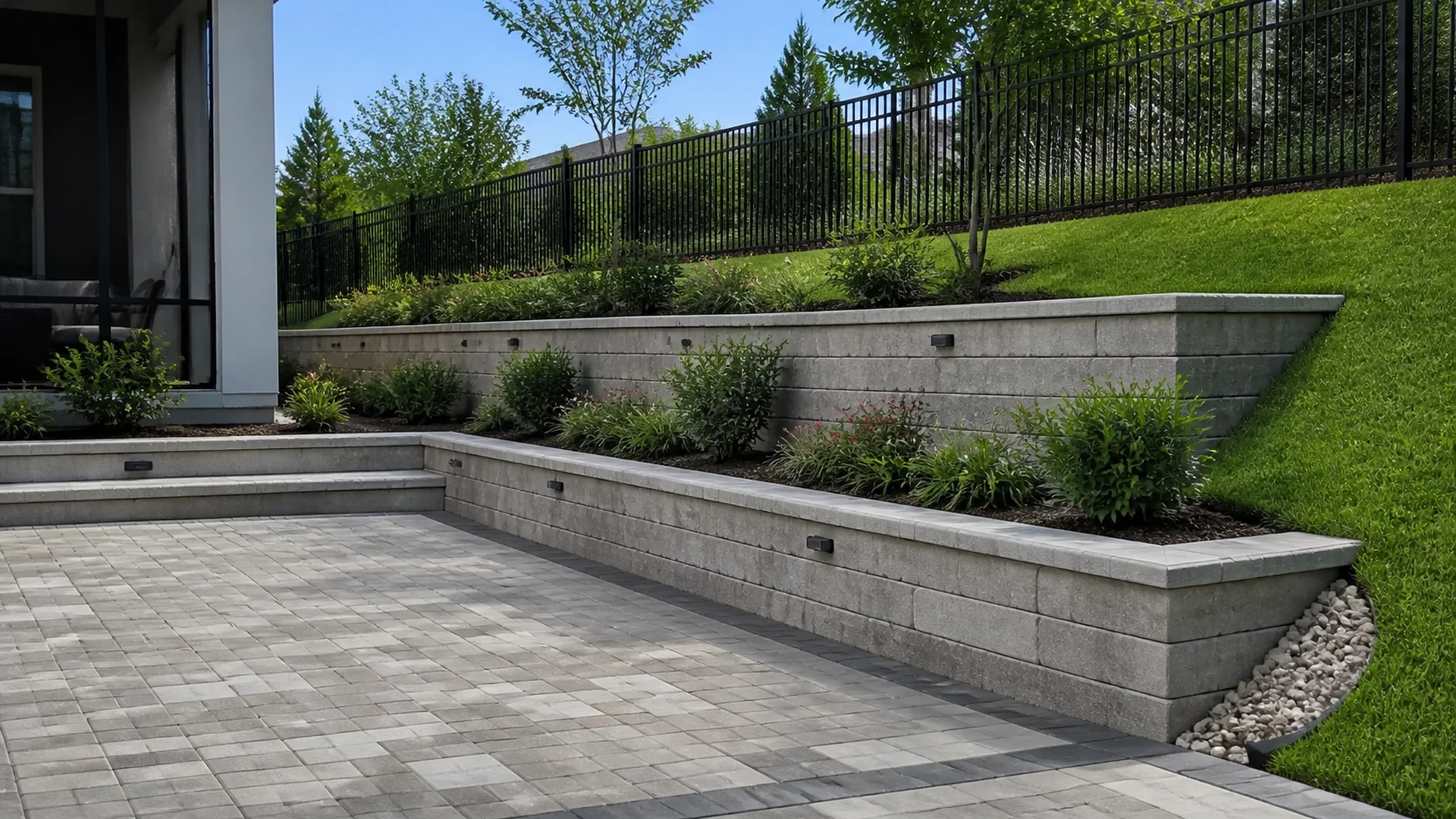
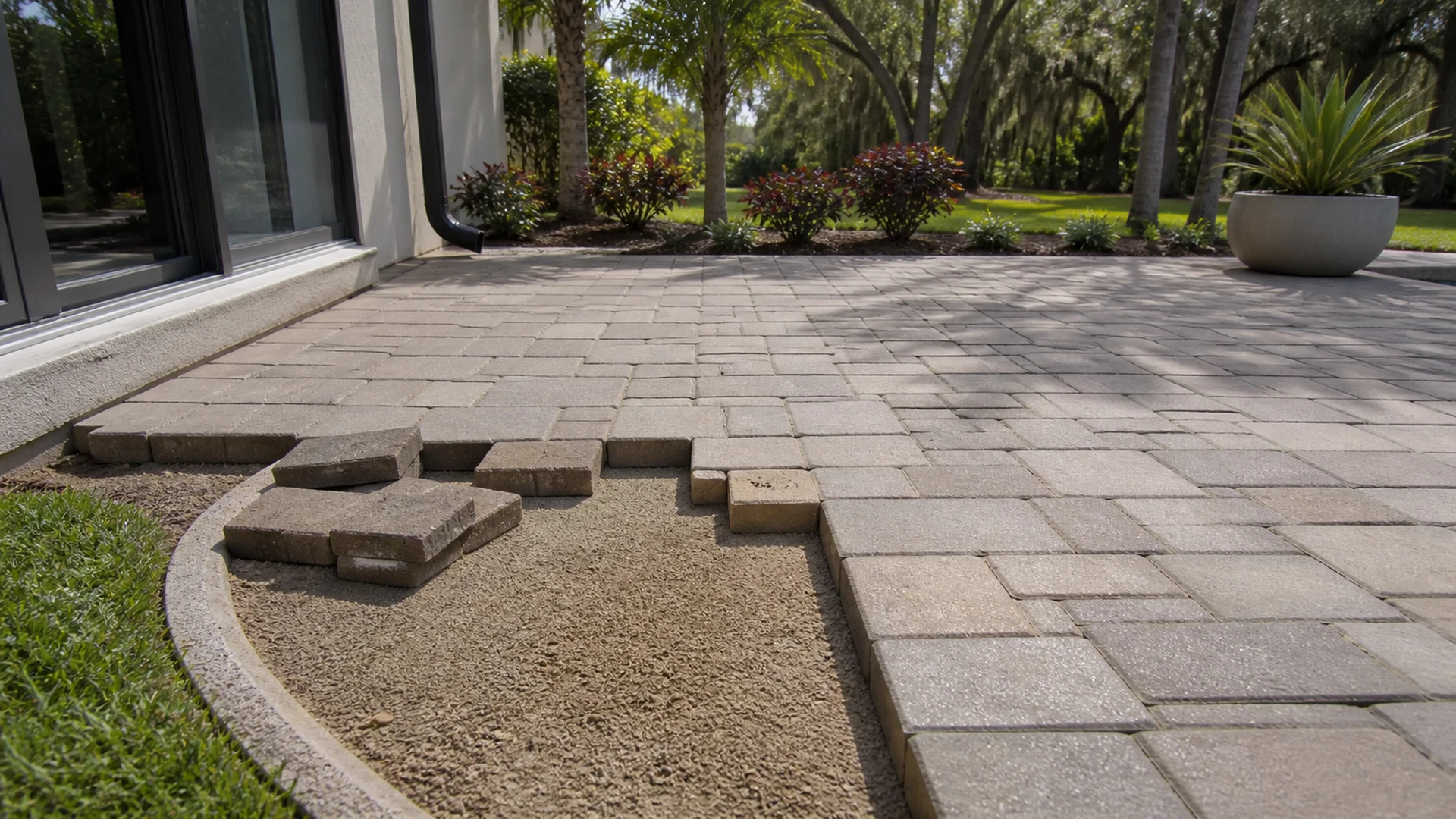
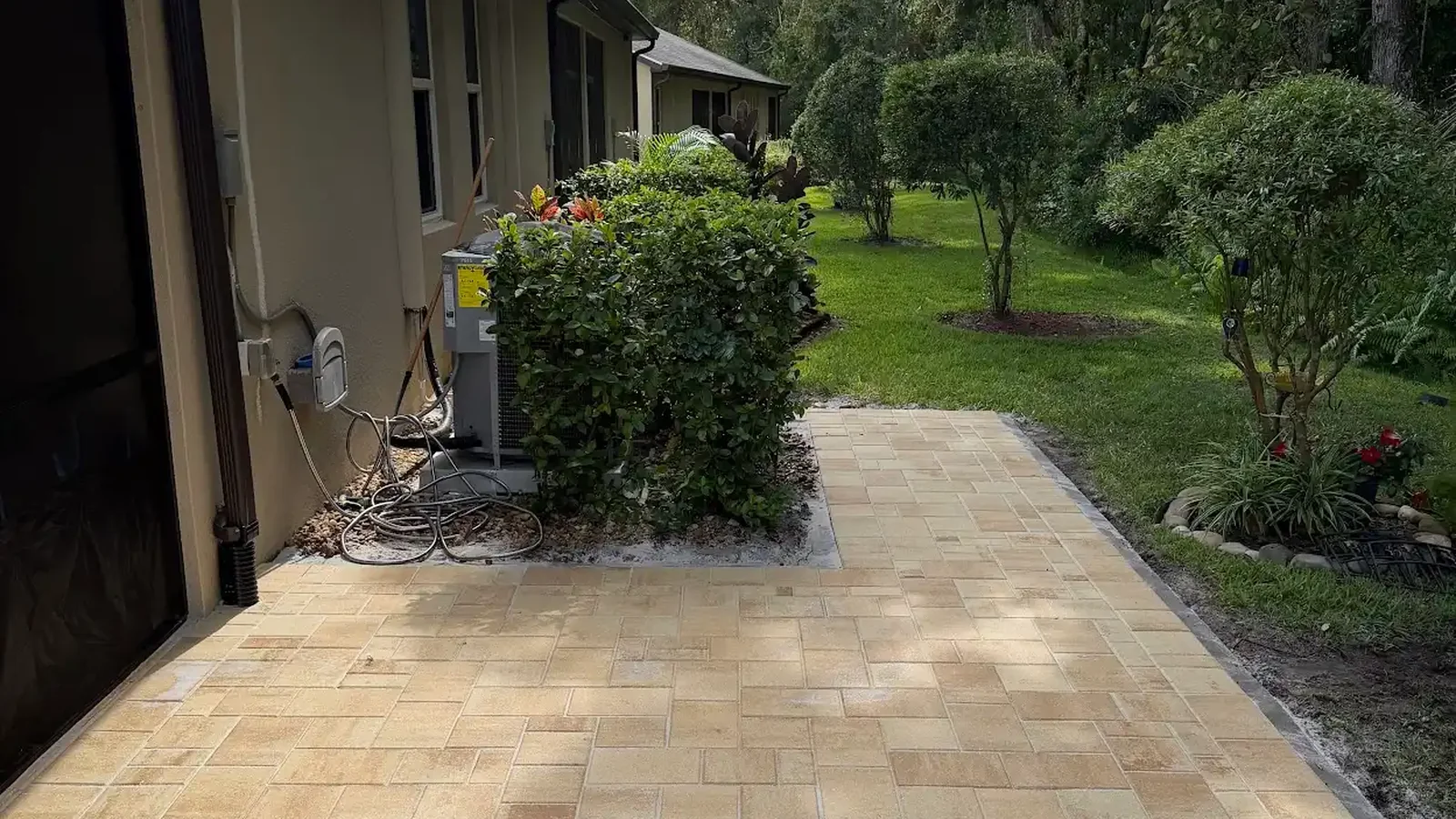
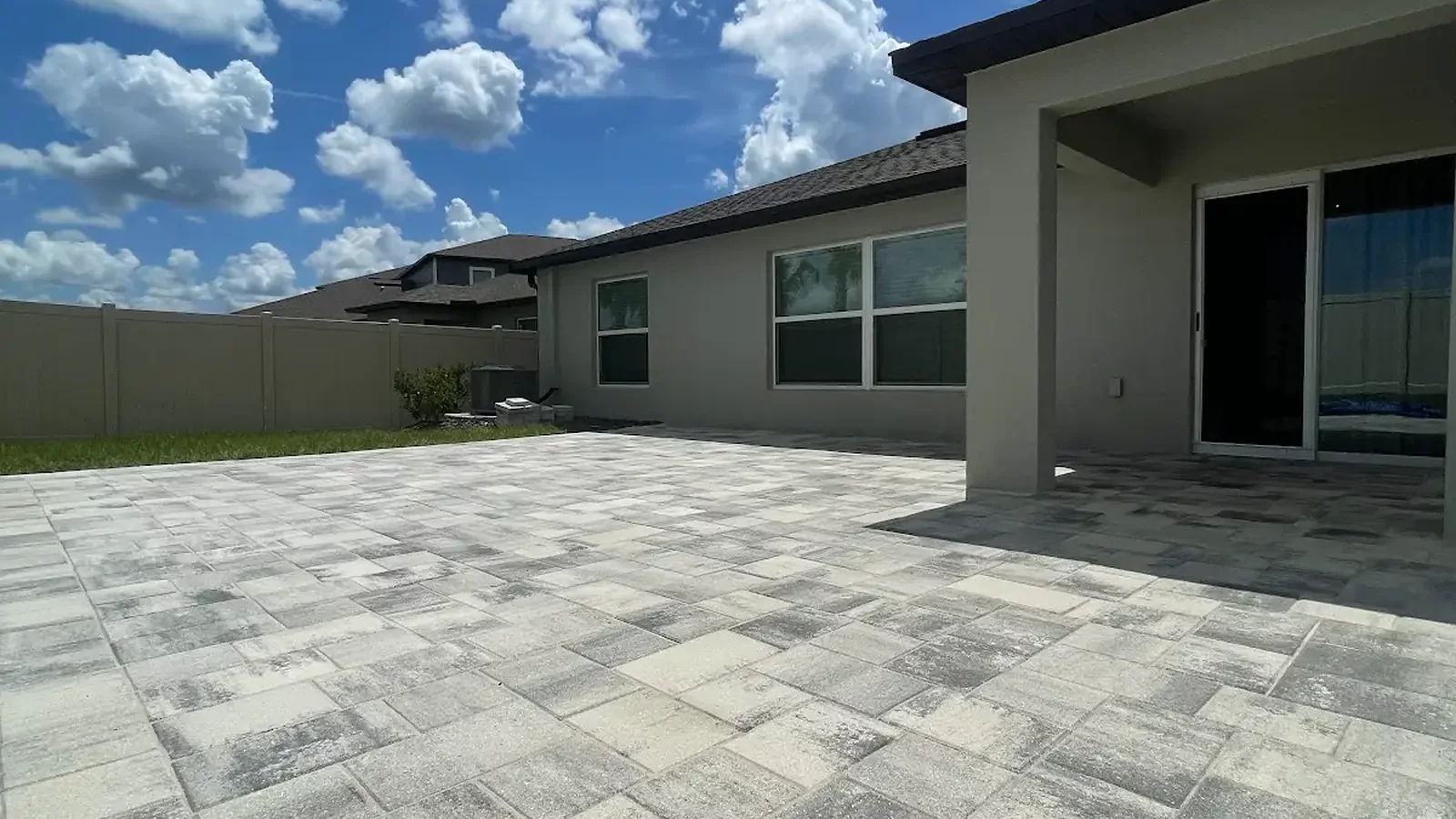
Large formats can create a calm modern field in an open patio. However, a compact yard with many curves may produce numerous small cuts. Therefore, match unit scale to the actual layout. Furniture dimensions and walking paths should guide the pattern.
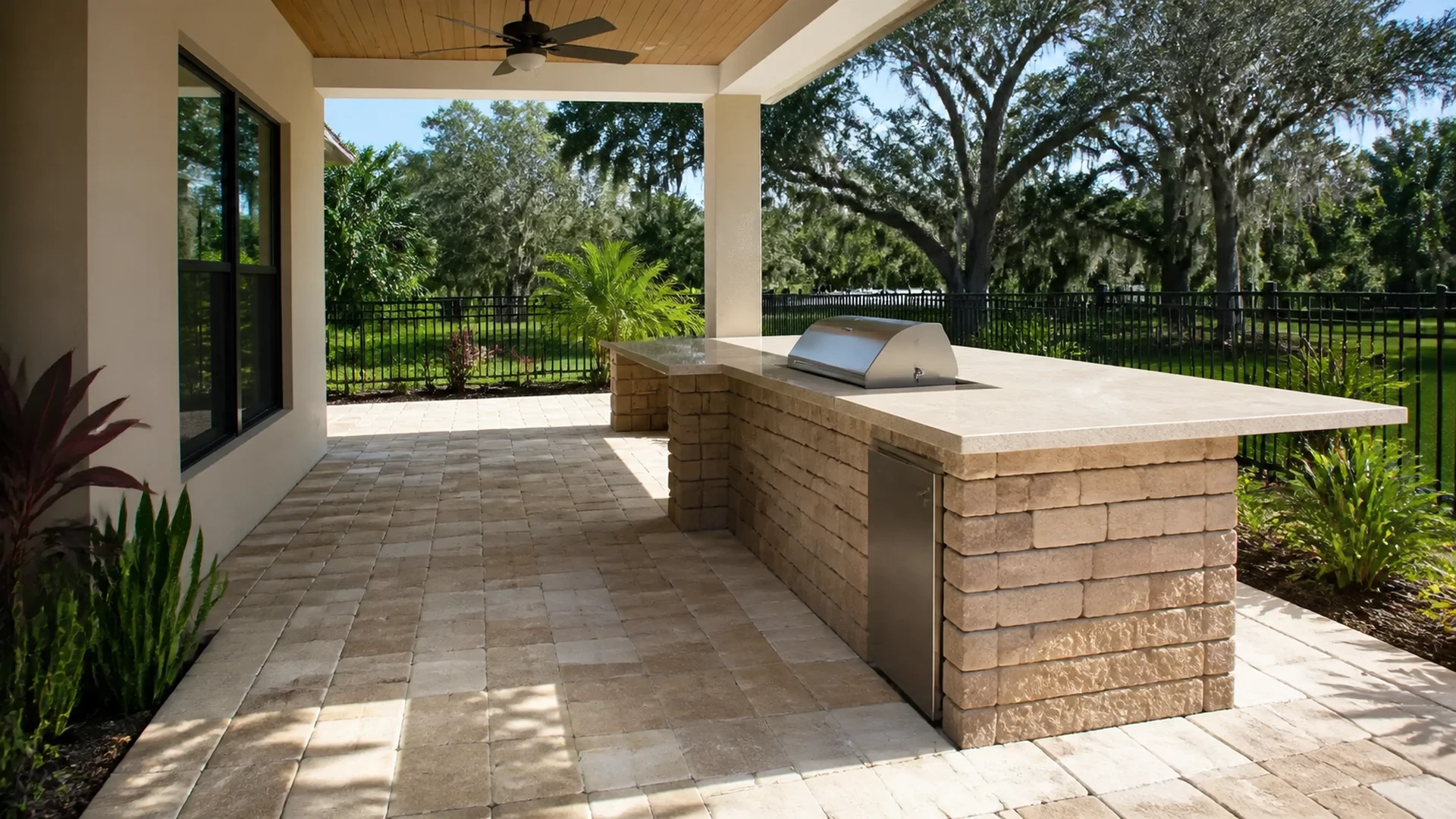
For example, a Town ‘N’ Country dining patio may need a stable border outside chair legs. Because of this, drawing the table zone can improve paver alignment. Therefore, compare concrete pavers for how they support movement. The selected collection should serve that plan.
Turn Samples Into a Real-World Test
Meanwhile, Borrow or purchase current samples when the supplier allows it. Then place them against walls, coping, mulch, turf, and existing concrete. As a result, undertones become easier to see. Keep in mind that one sample cannot show the full blended range.
Next, photograph each option from several distances. However, use the pictures as notes rather than perfect color records. Phone cameras adjust exposure and white balance. Therefore, compare concrete pavers with your eyes on site.
Ask for installed local examples when available and authorized. For instance, an older project may show how the design settles into a landscape. Still, maintenance and exposure affect appearance. Consequently, use examples for context rather than a guaranteed prediction.
Compare Proposals on Equal Terms
Each proposal should name the exact manufacturer, collection, color, size set, finish, and pattern. Otherwise, contractors may price materially different products under similar descriptions. Therefore, compare concrete pavers only after filling those gaps. Clear specifications make value visible.
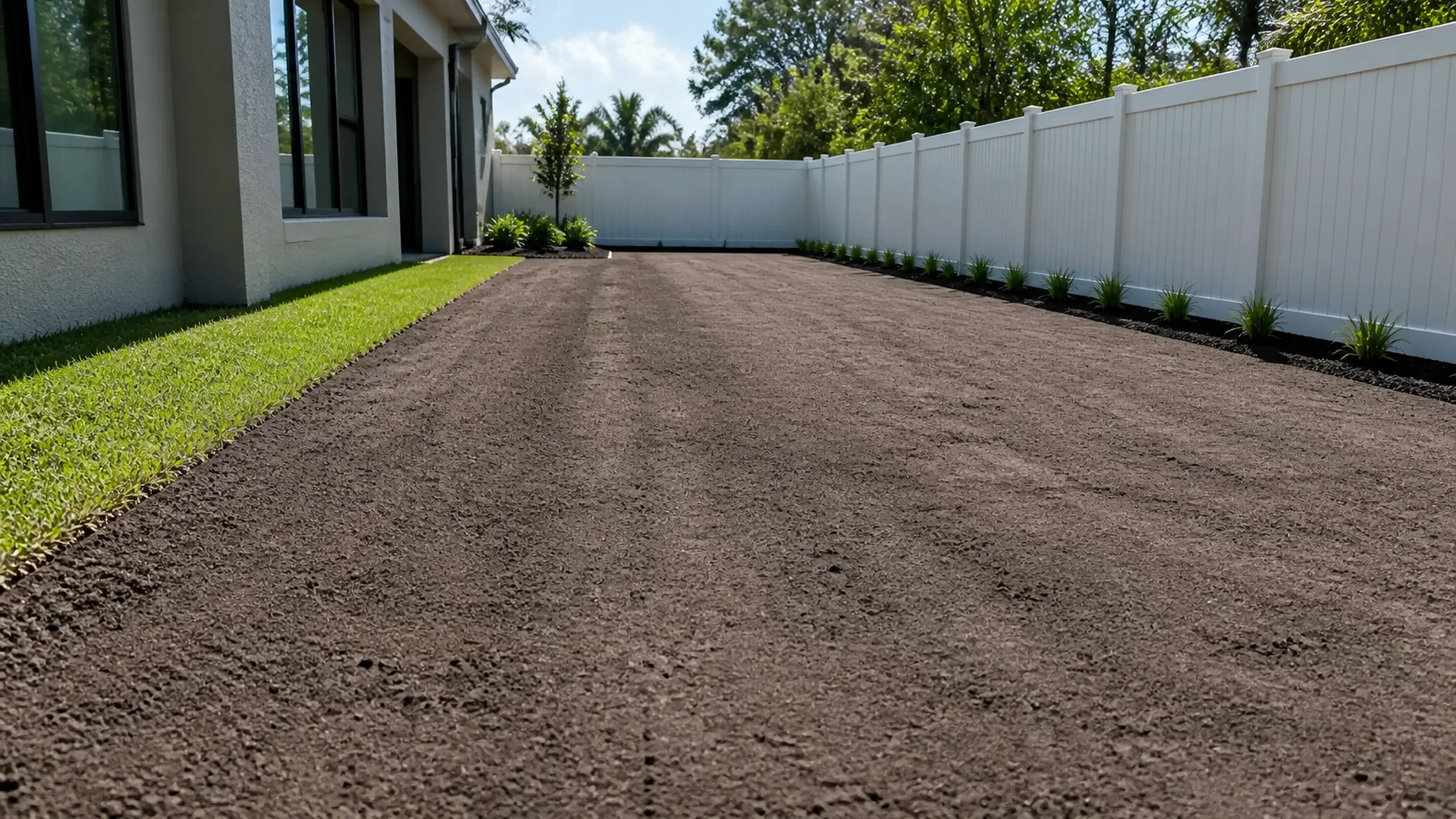
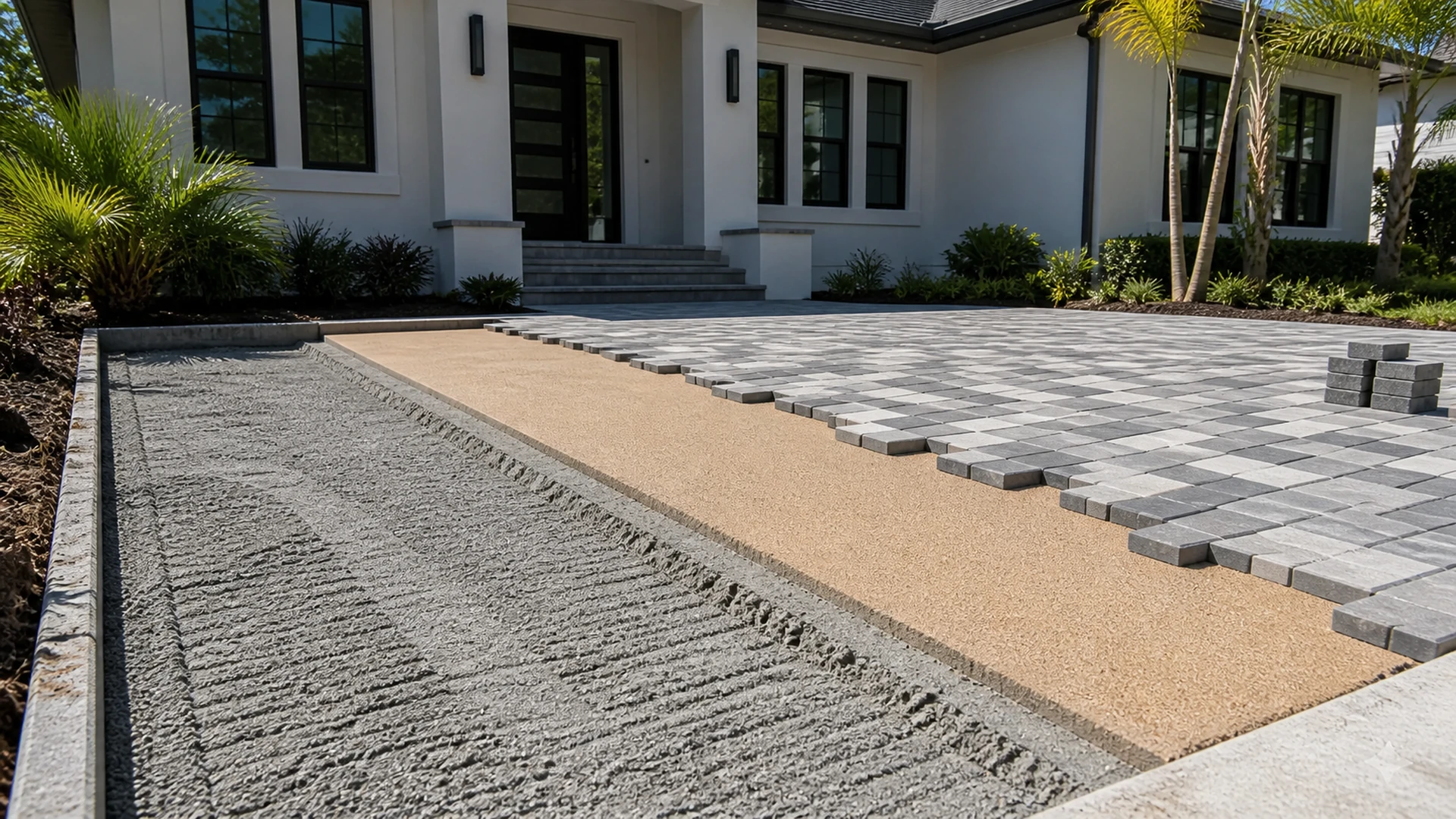
Next, compare the supporting installation scope. Base preparation, bedding, edge restraint, joint material, cuts, cleanup, and access protection all matter. In other words, a product discount cannot offset a weak assembly. Consequently, compare concrete pavers by installed value, materials, and workmanship.
Finally, review availability, expected delivery timing, written warranties, and the change process. However, do not select solely by the shortest lead time. A sound shortlist balances suitability, appearance, documentation, and local support. That balance makes the purchase easier to defend later.
- First, confirm the exact product and approved application.
- Next, compare samples in the real project area.
- Then, verify supply, packaging, and warranty documents.
- Finally, align every proposal with one installation scope.
Nevertheless, For a buildable local scope, explore Dr Pavers Design’s outdoor improvement services. In addition, bring exterior colors, dimensions, and priorities. A site review can then test access, scale, and layout.
For industry information about manufactured concrete hardscape products, visit the Concrete Masonry & Hardscapes Association. Therefore, you can build vocabulary for product and installation discussions. Always verify the current documents for your selected line. General guidance does not replace project-specific specifications.
Finally, ready to compare concrete pavers for a Florida driveway, patio, or pool deck? Open our contact page, then study common questions, project examples, homeowner feedback, and service options. Additionally, gather ideas through Instagram and Facebook, or find our Google reviews and Maps profile. Then share your shortlist on WhatsApp, call us, or send an SMS. Alternatively, email Dr Pavers Design with your project type and preferred style.