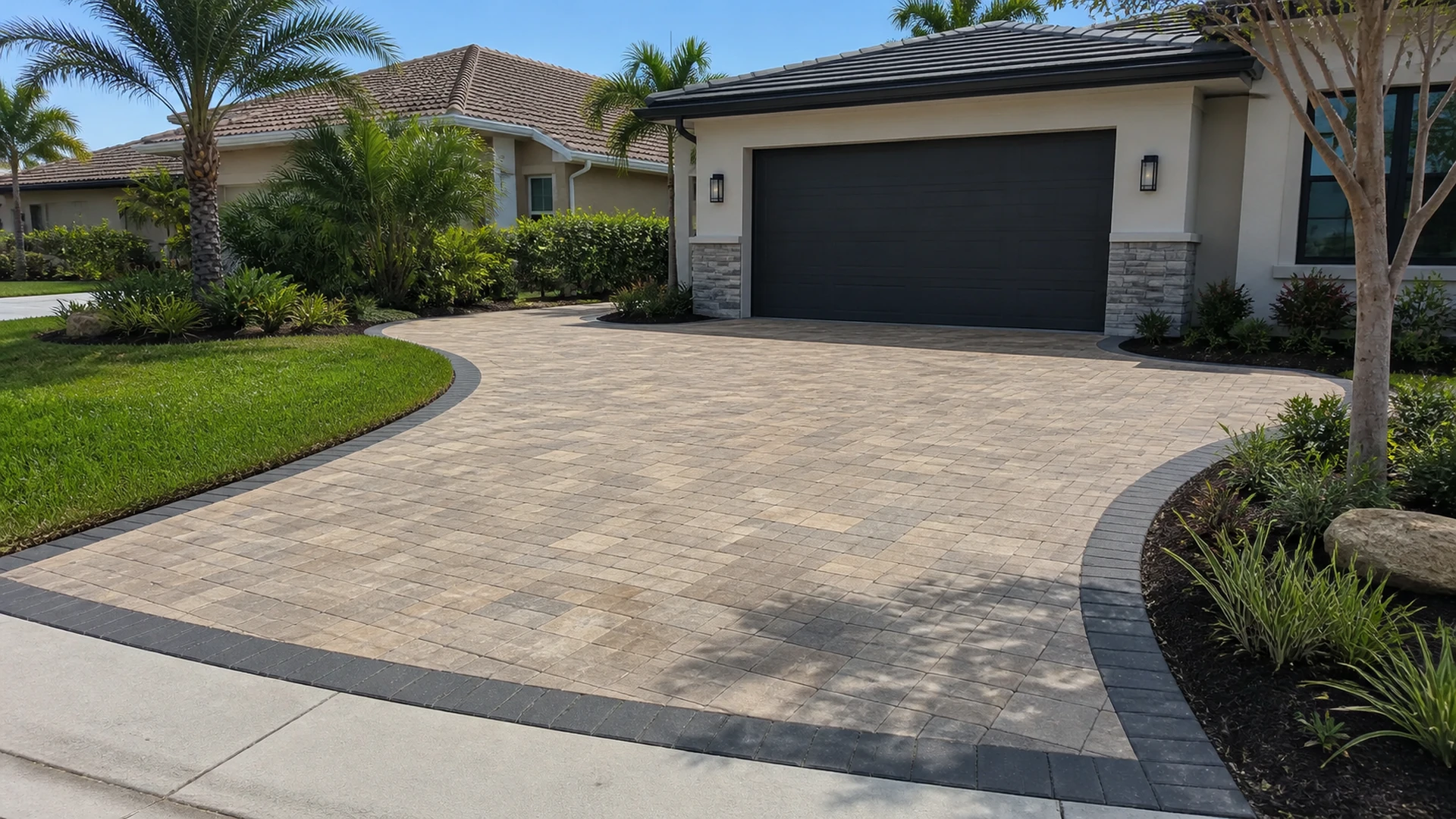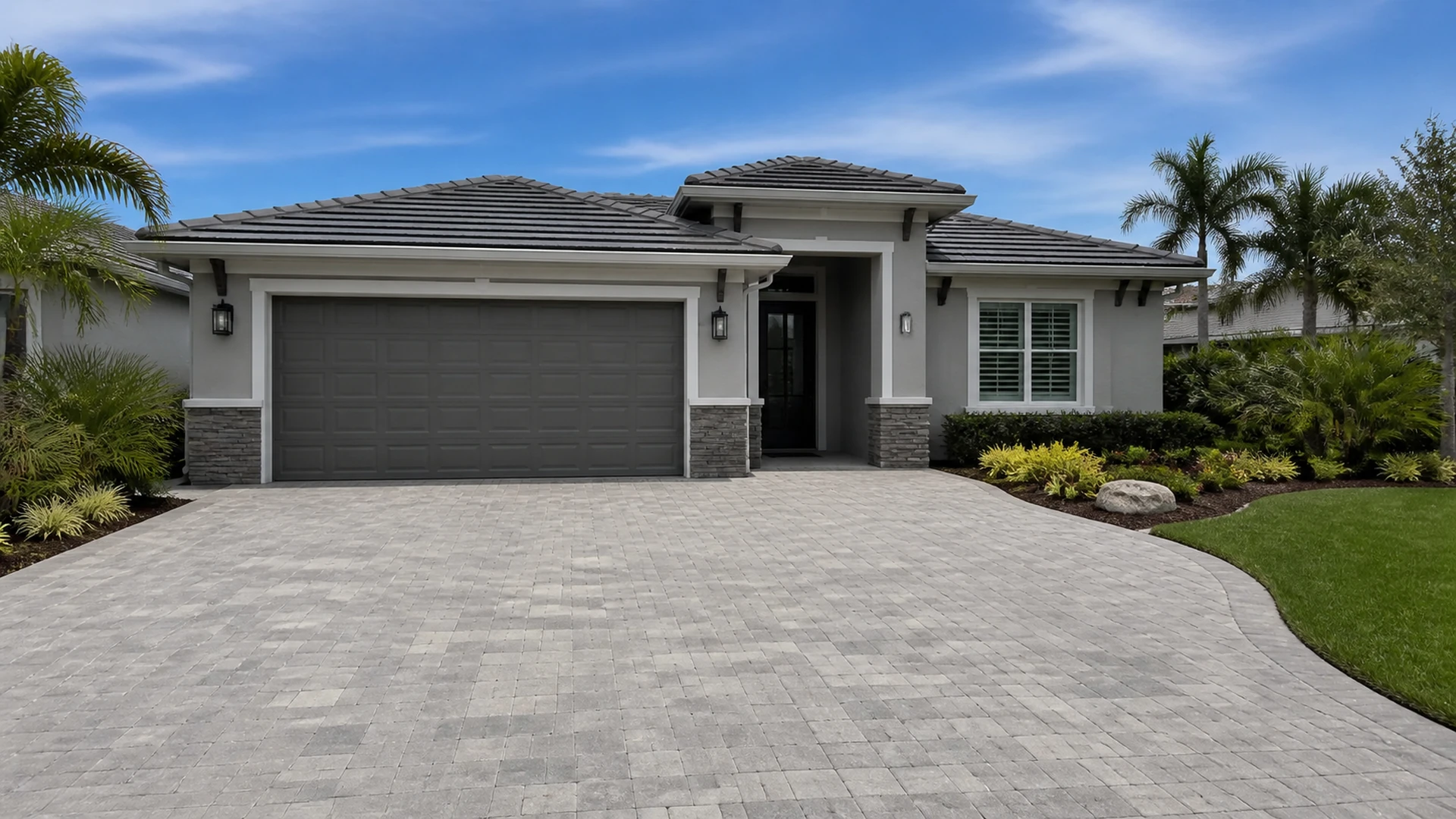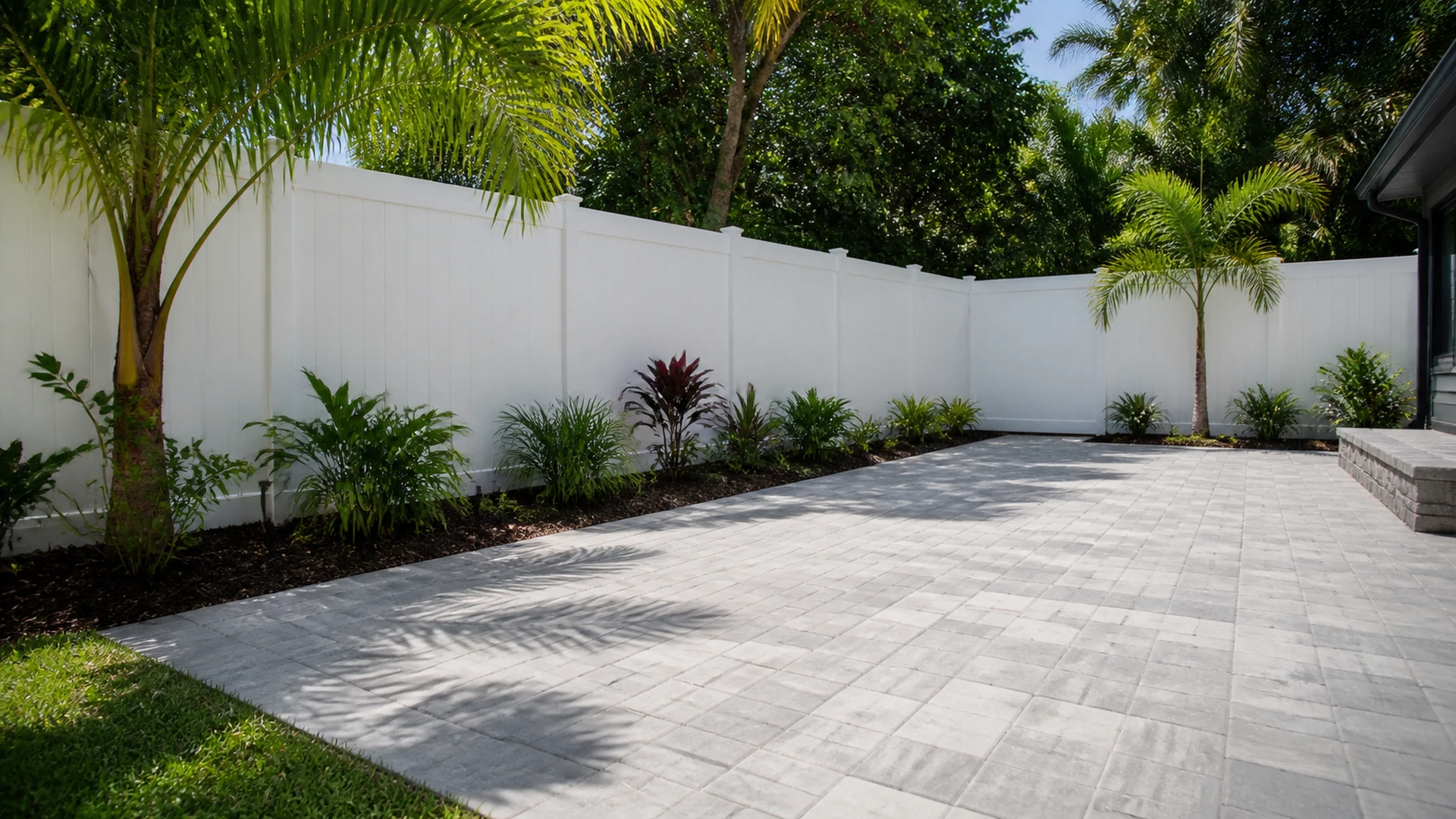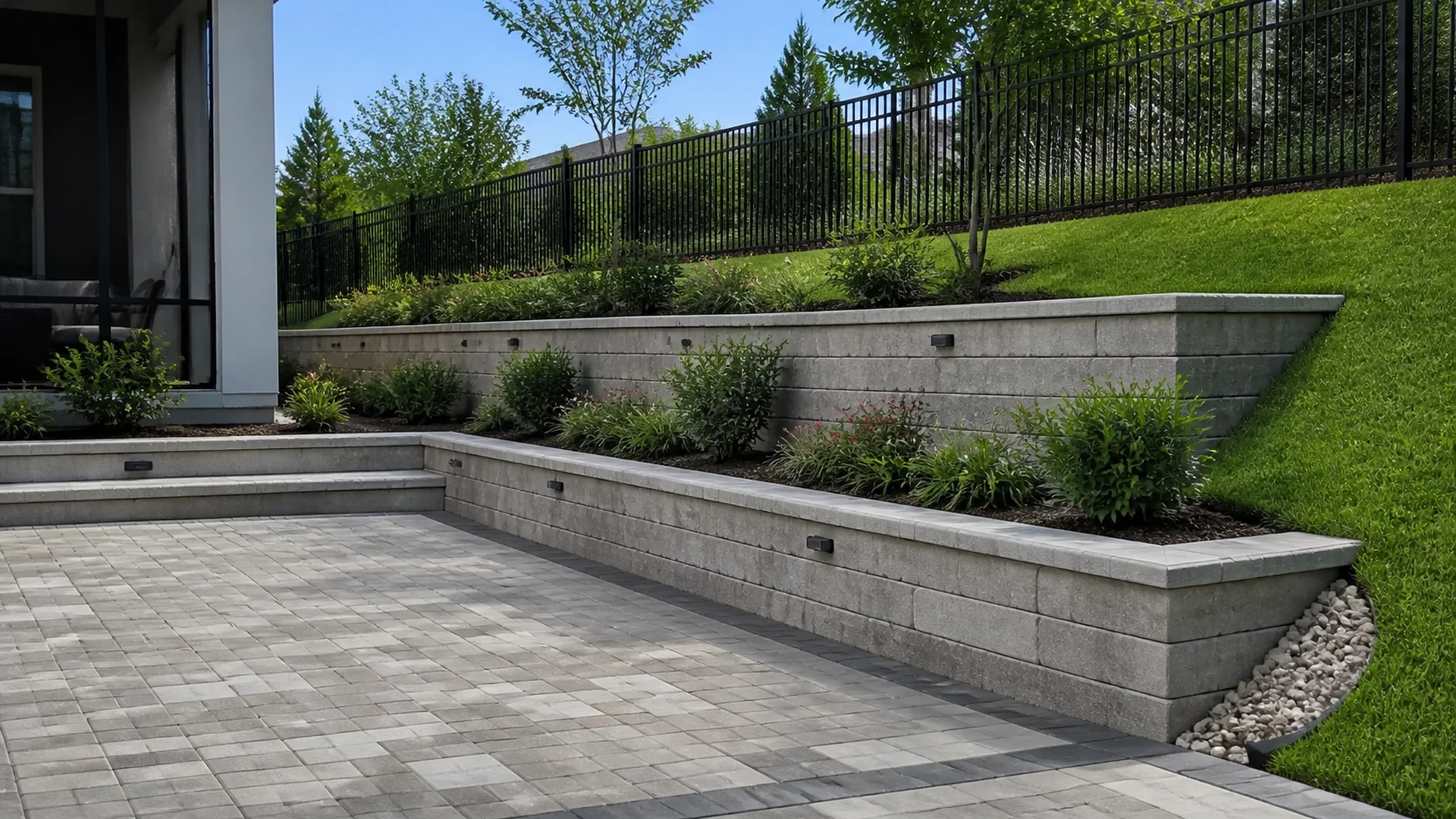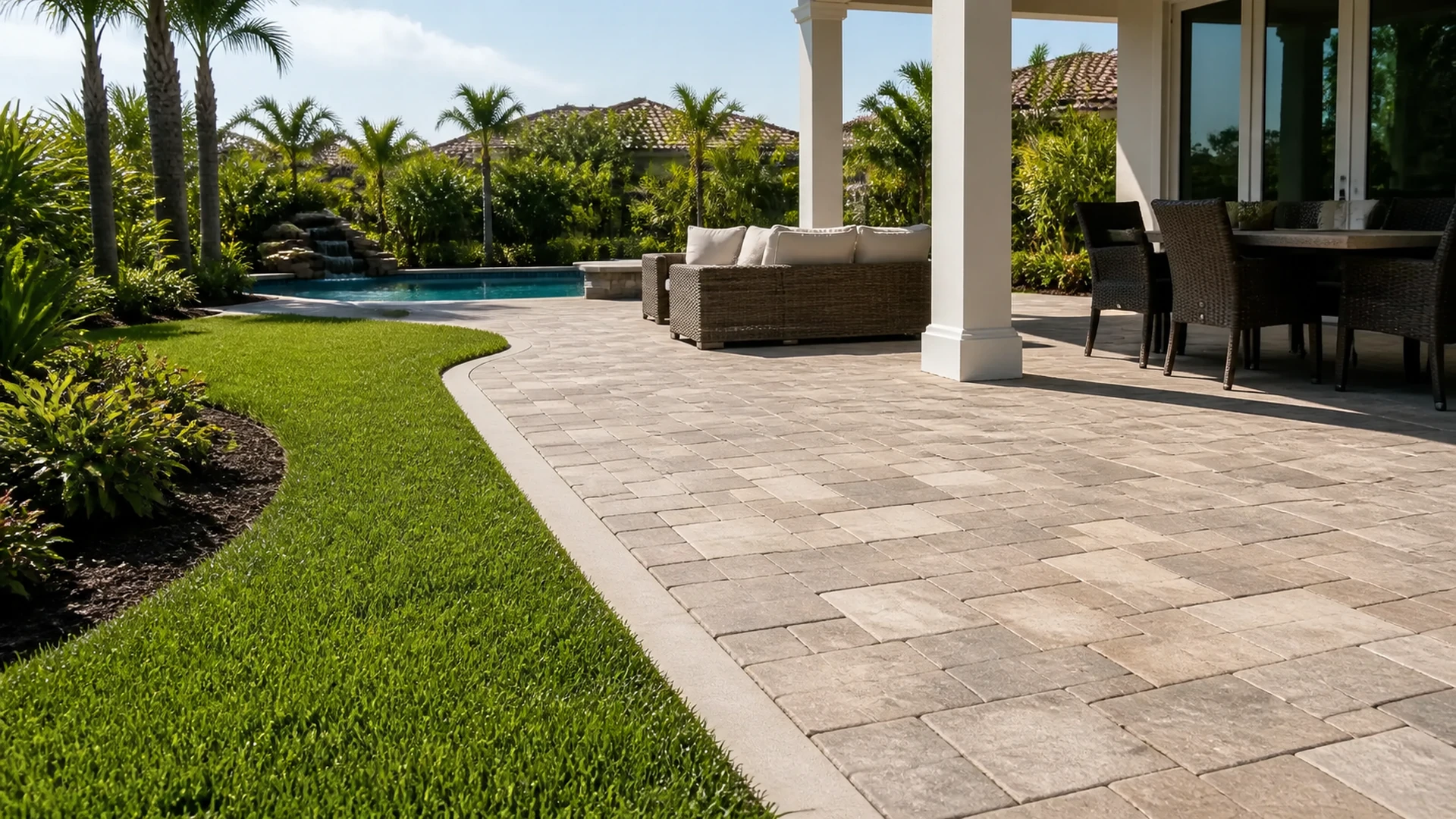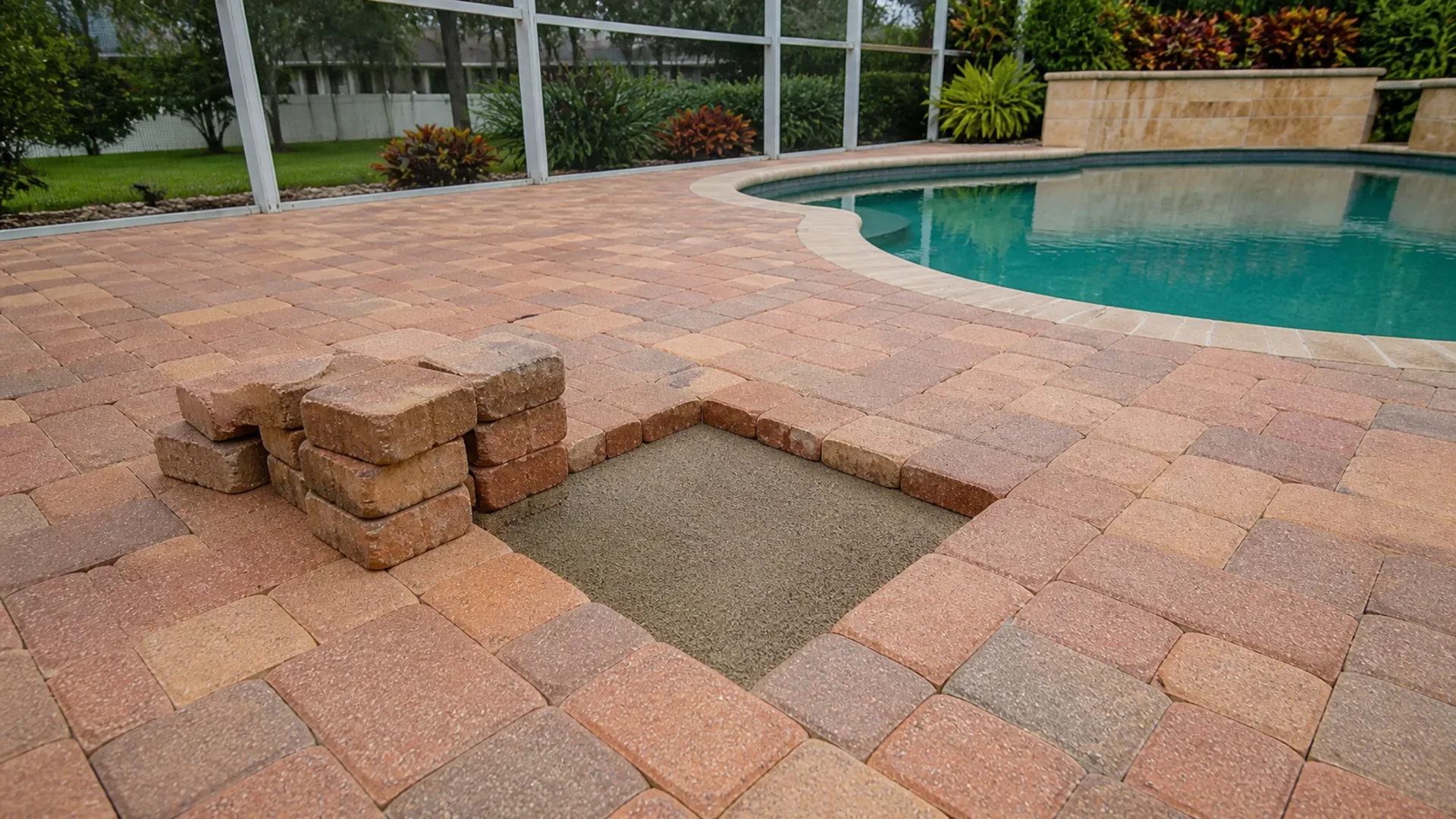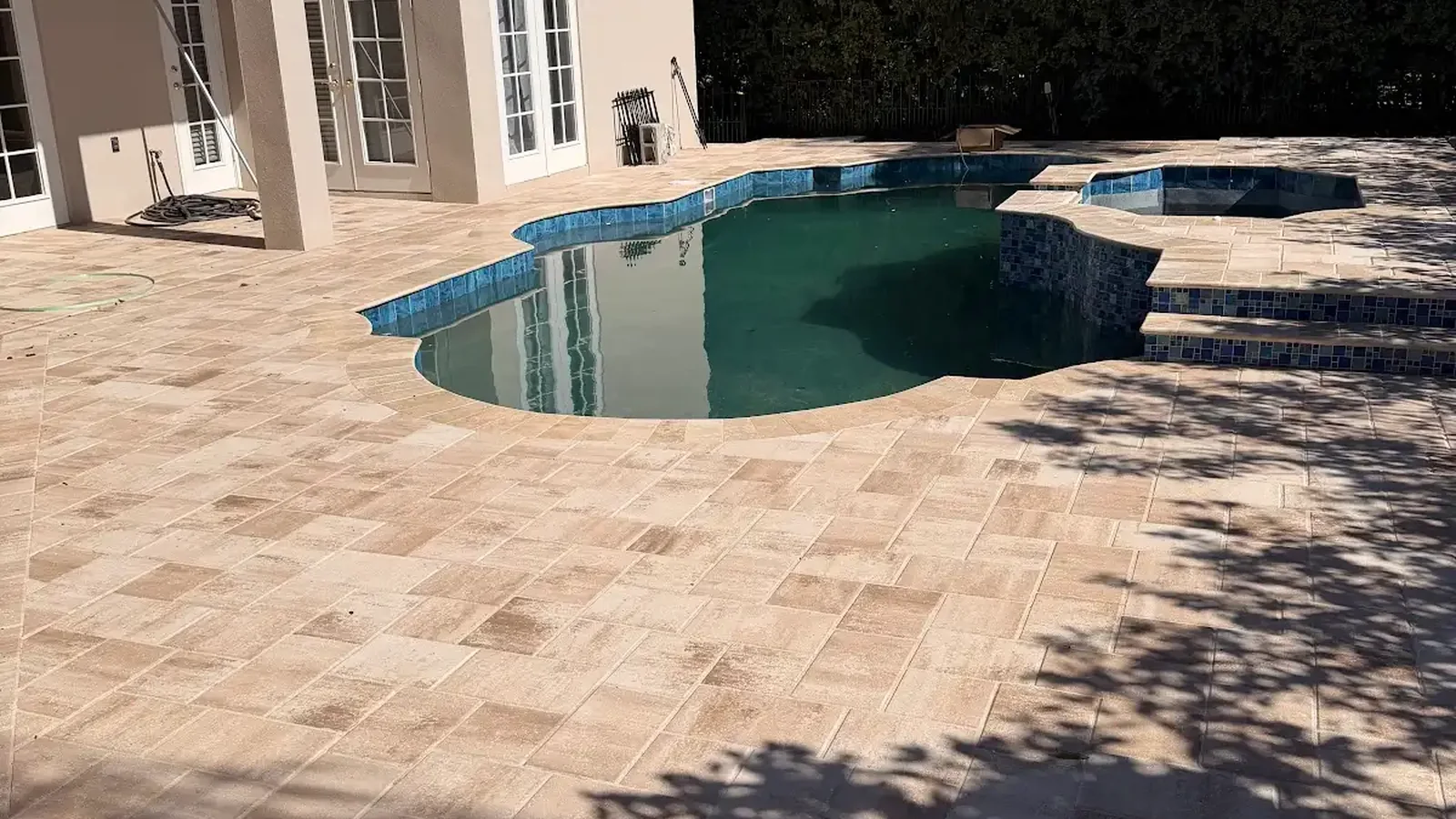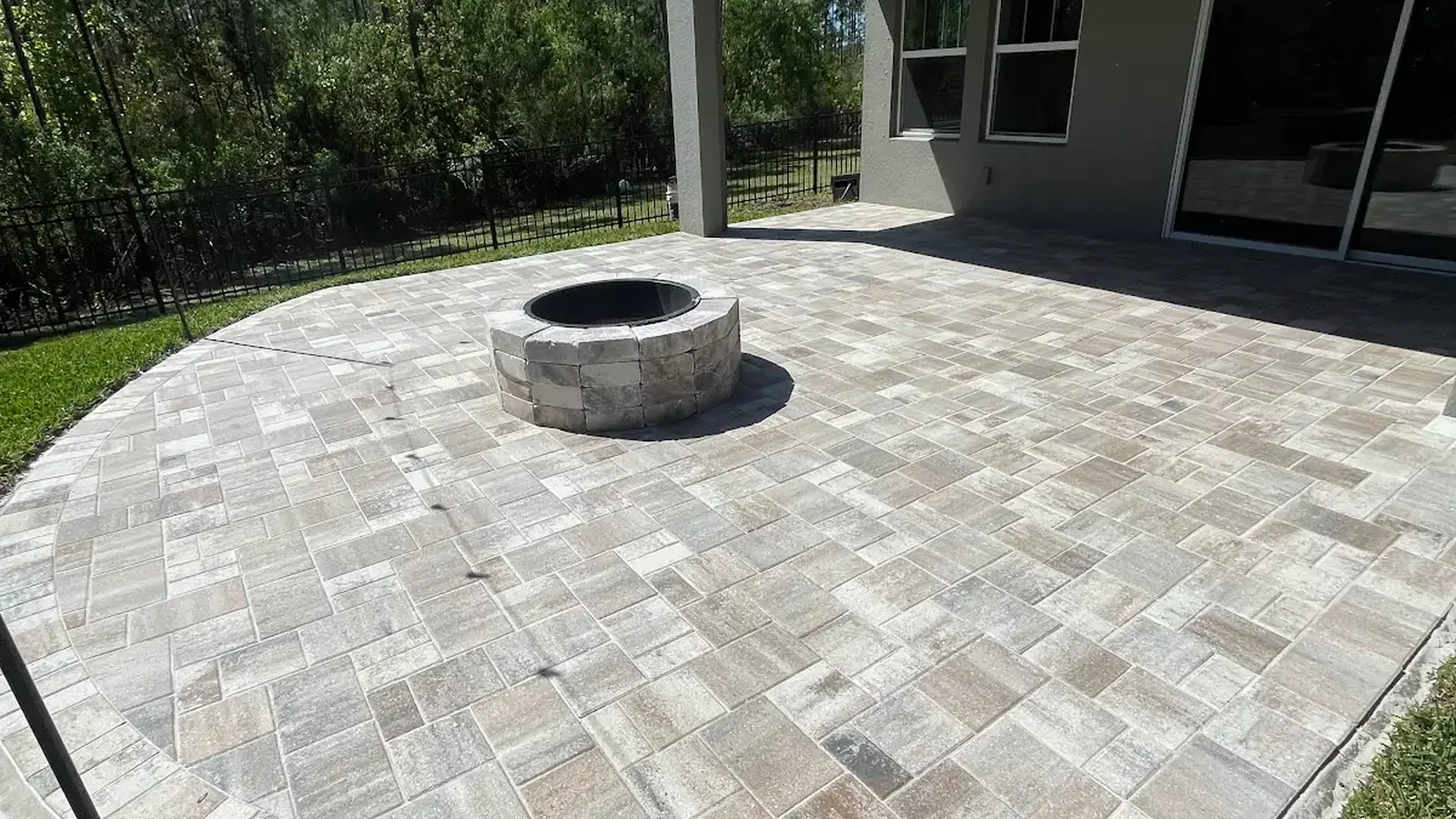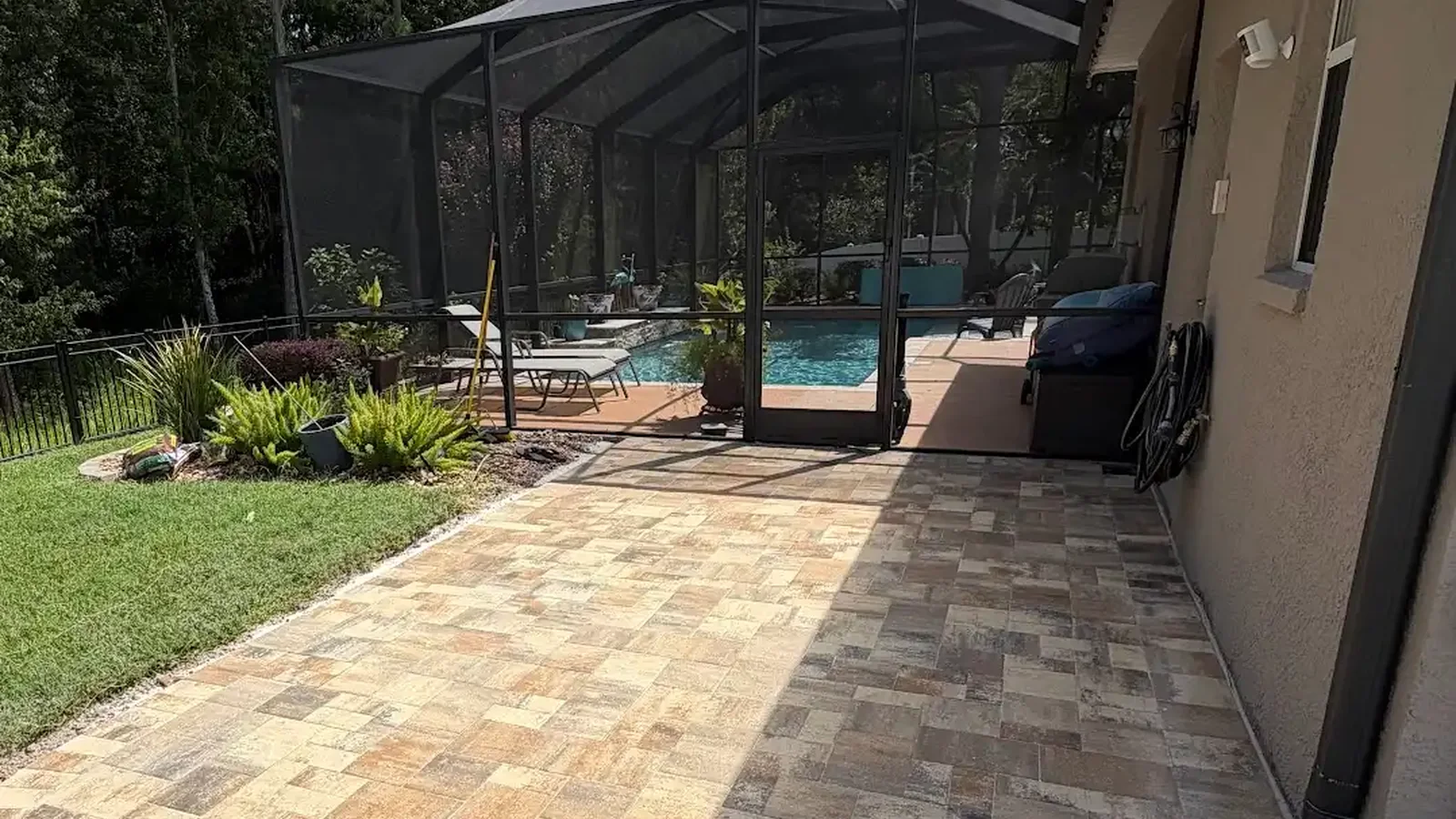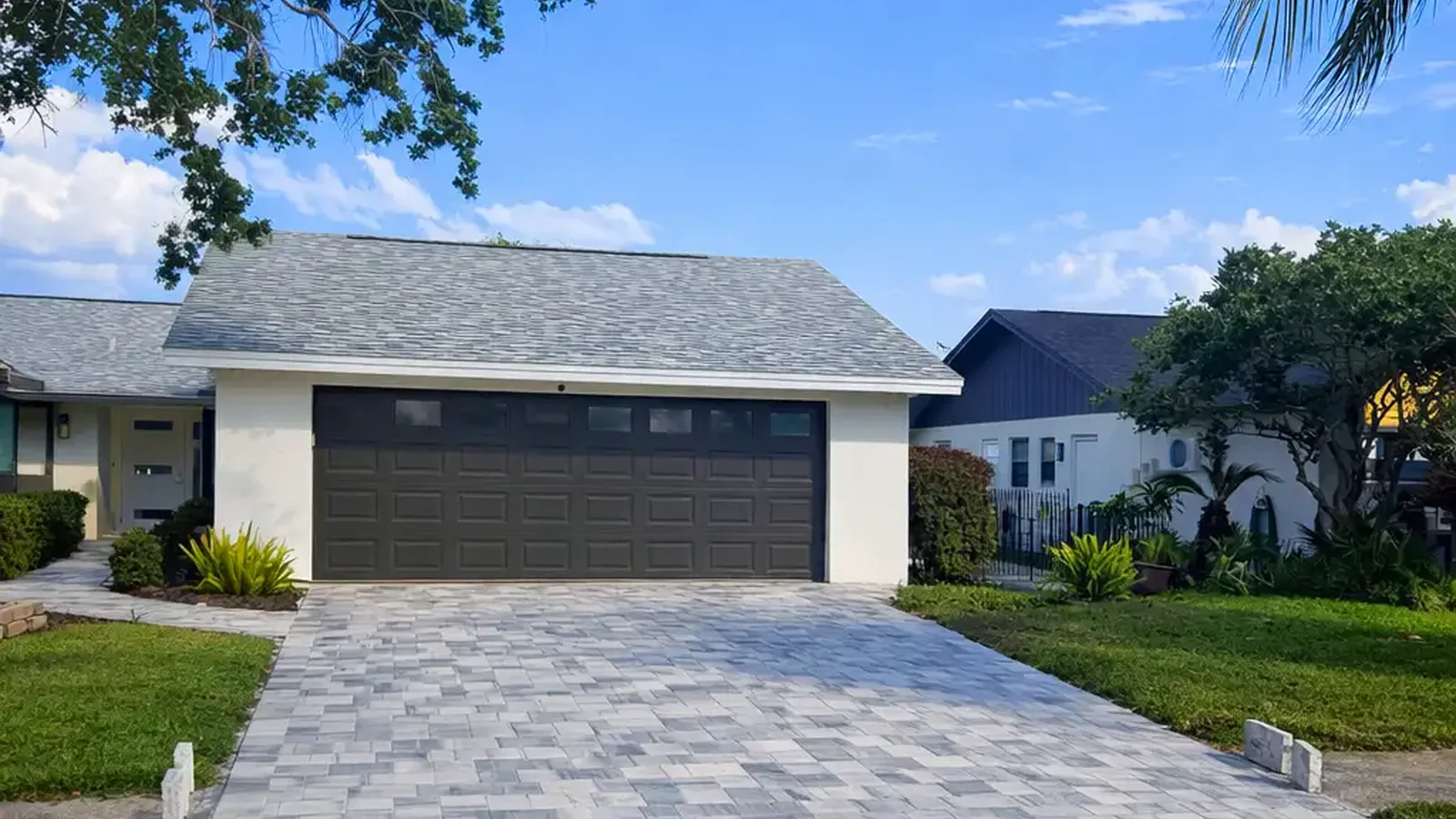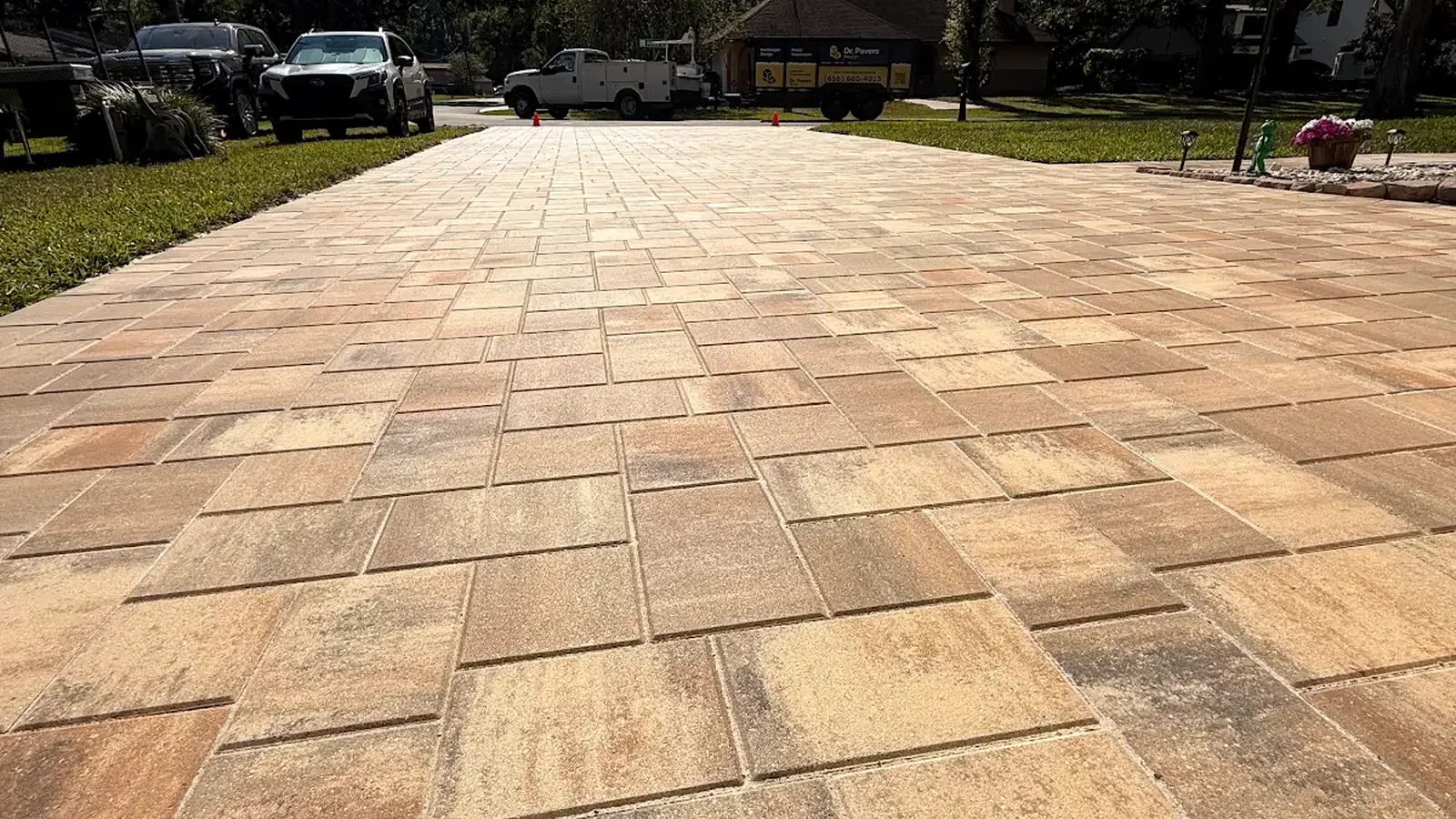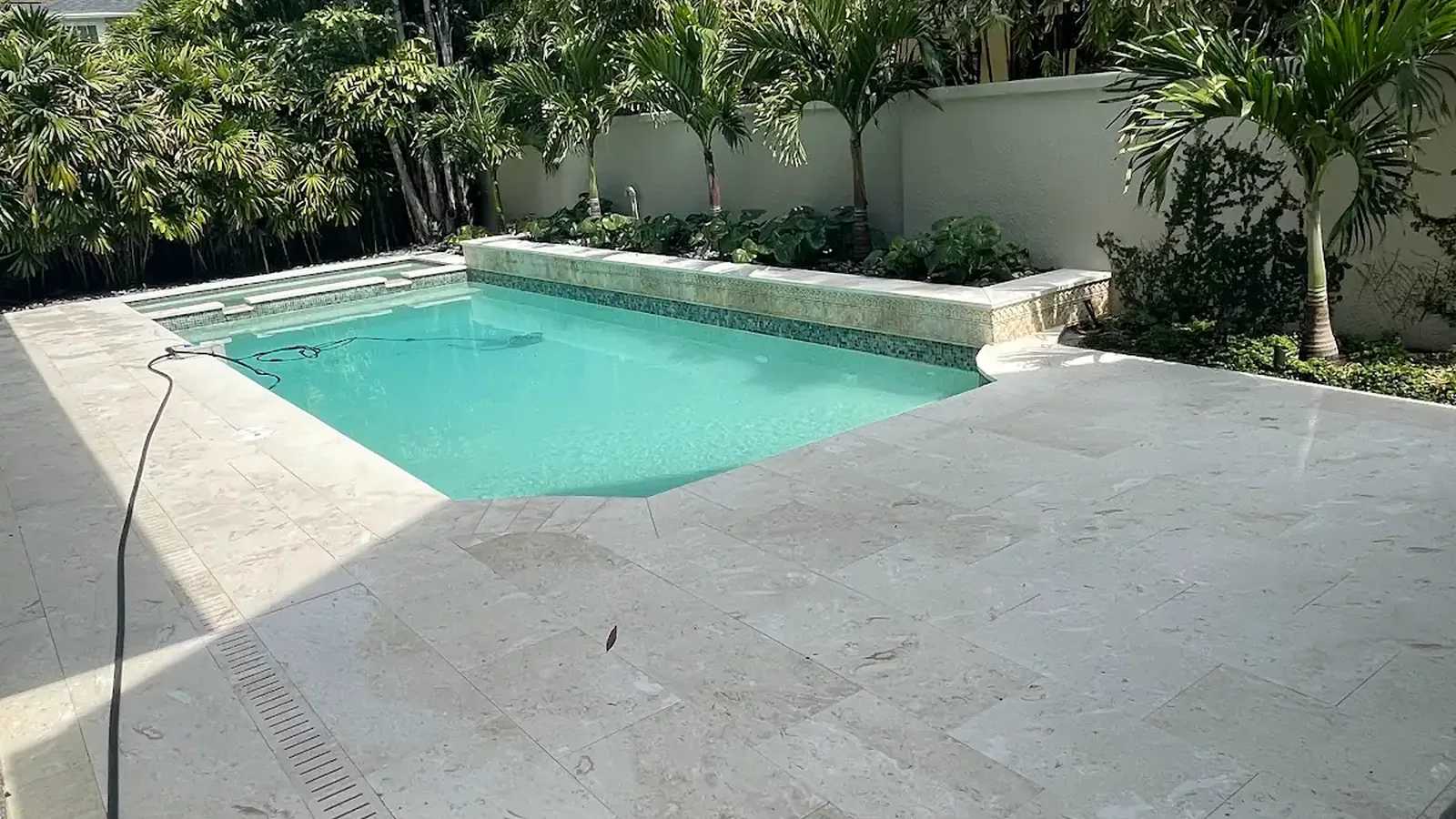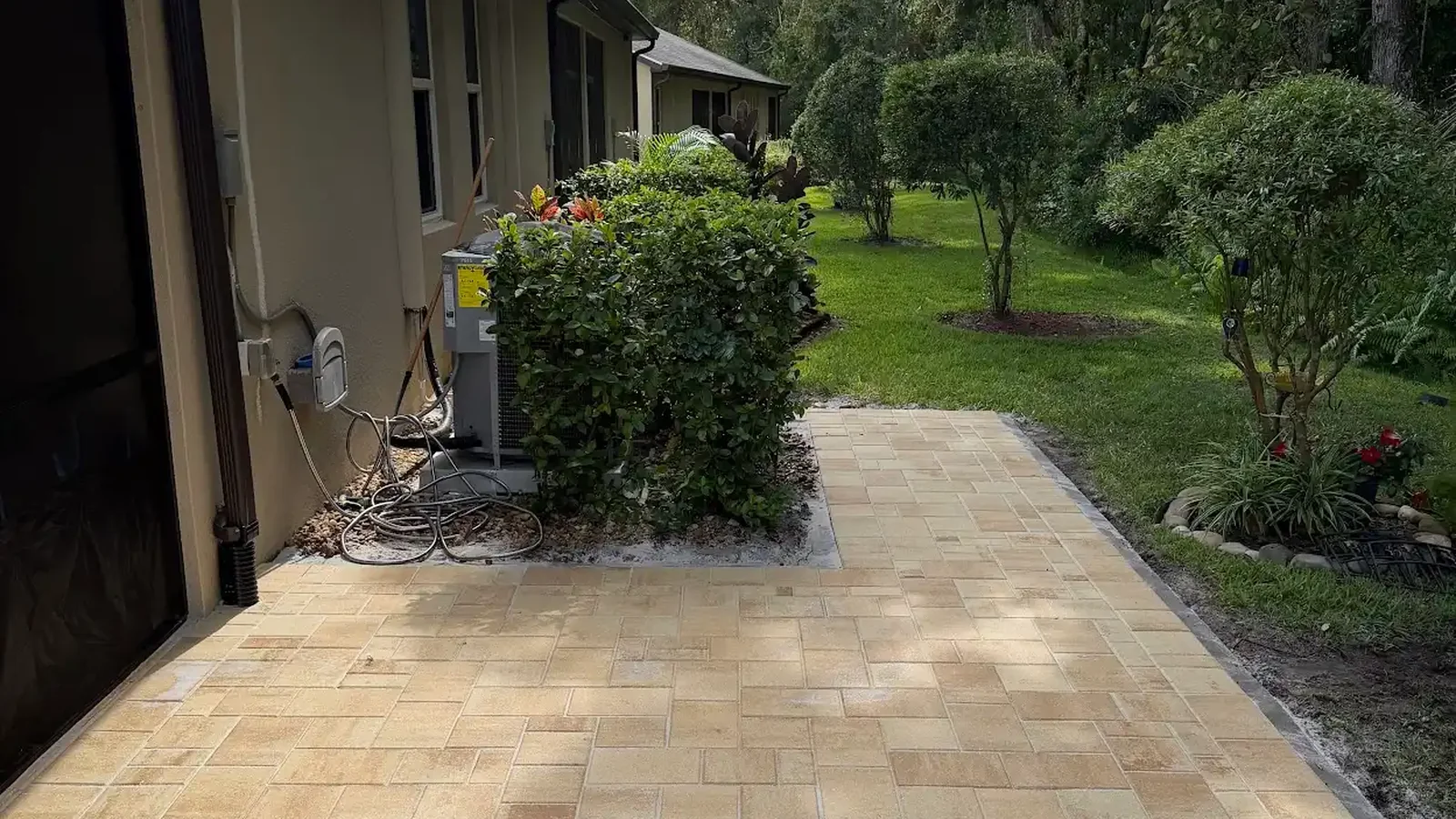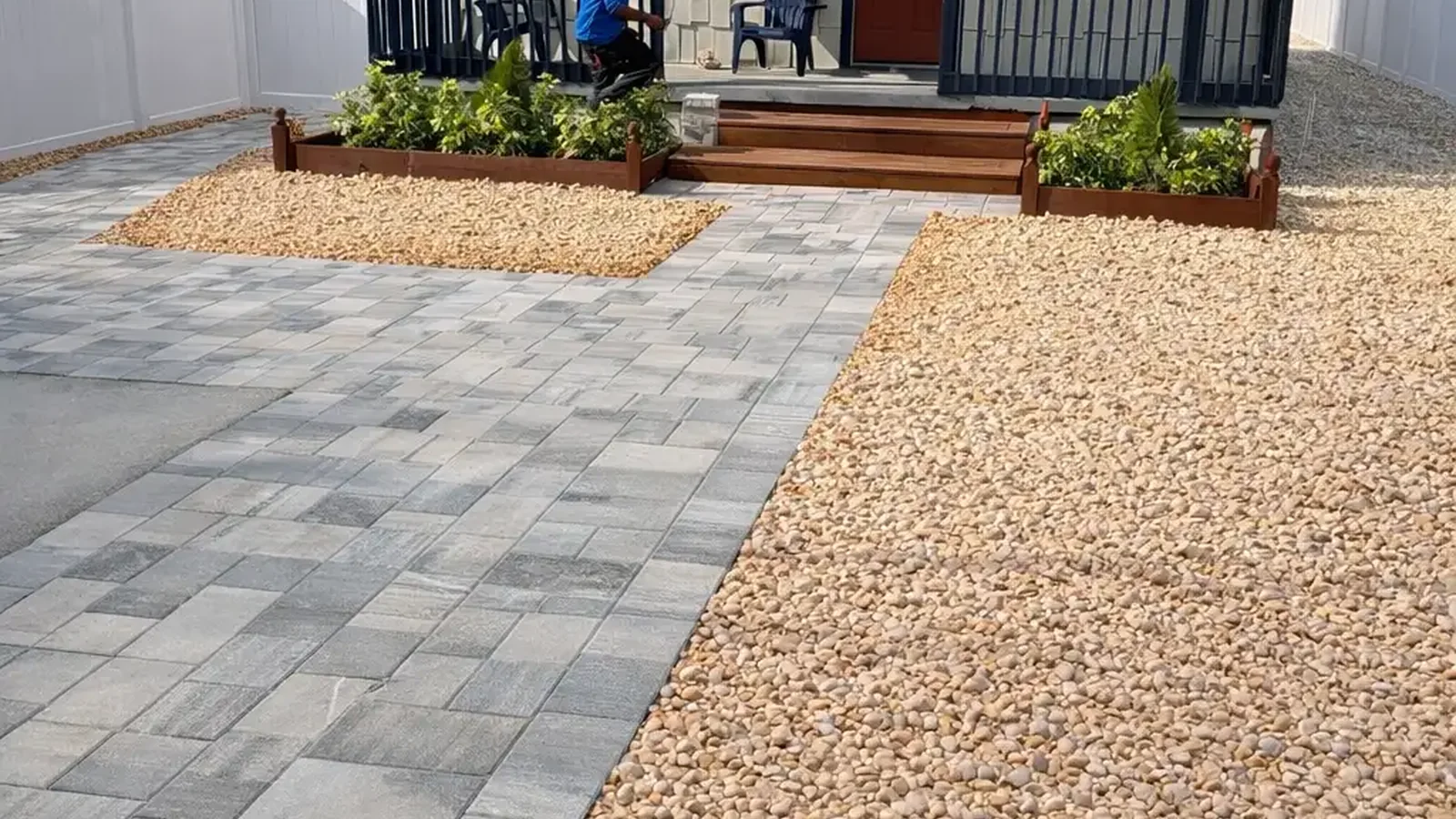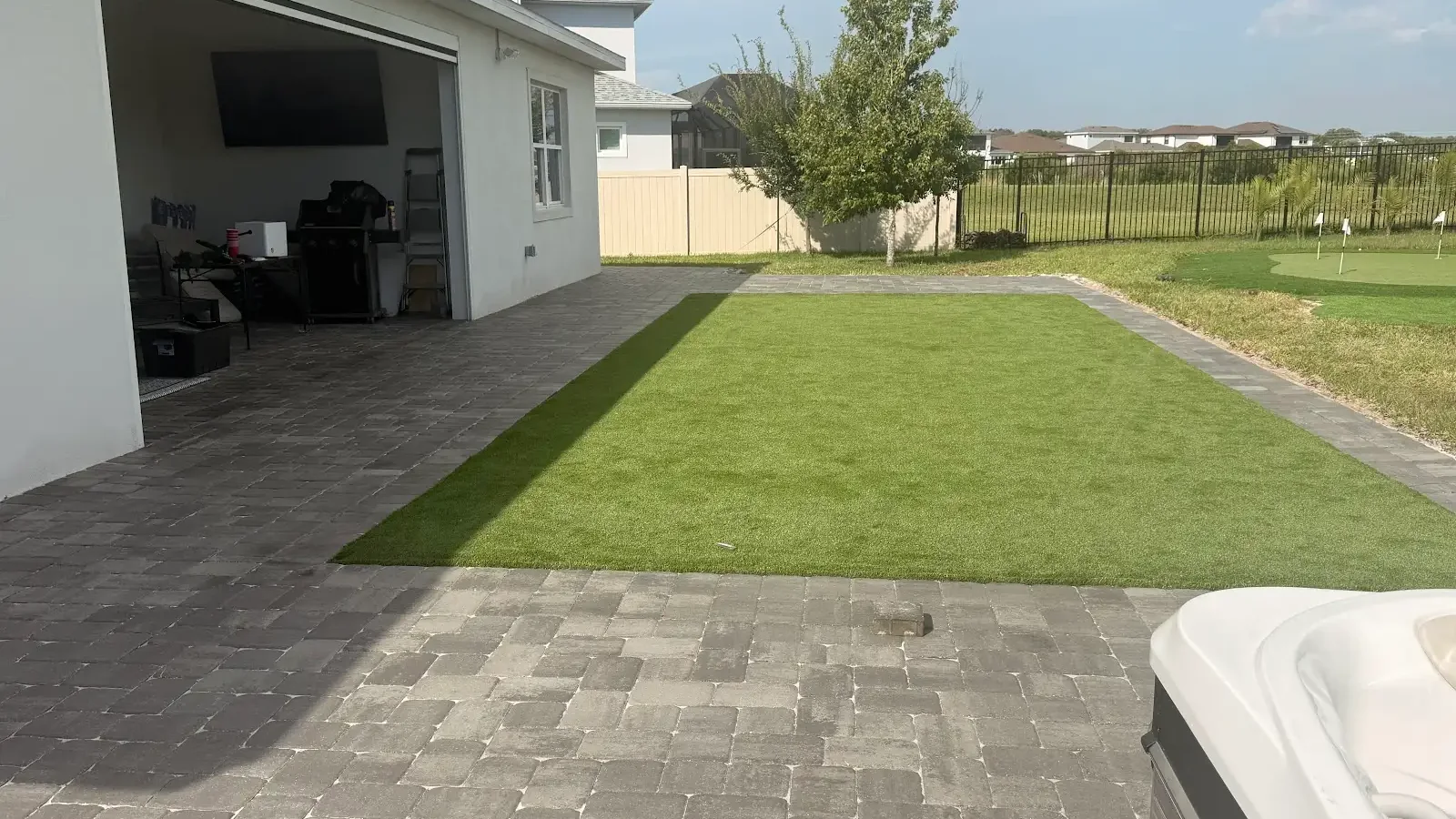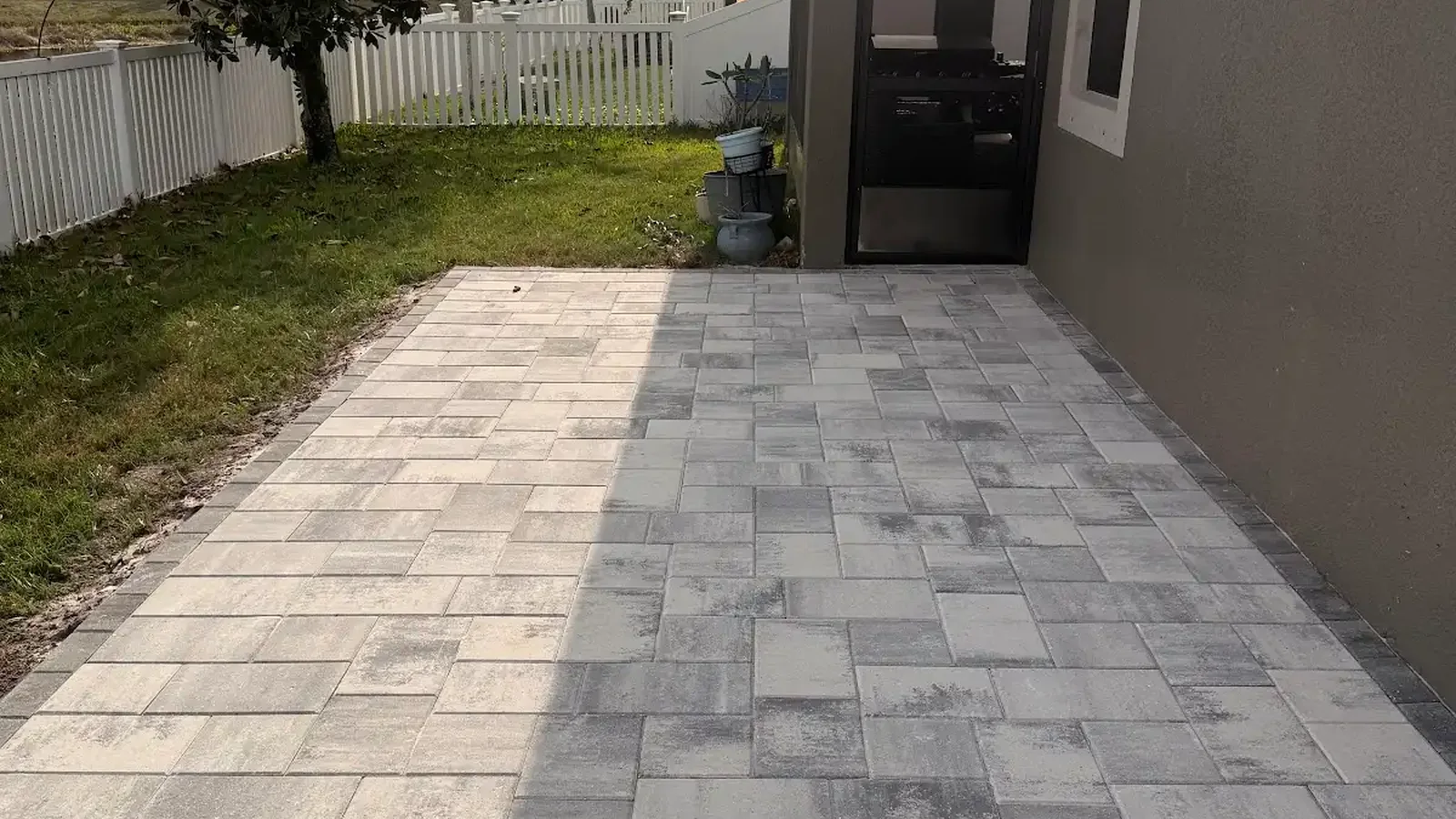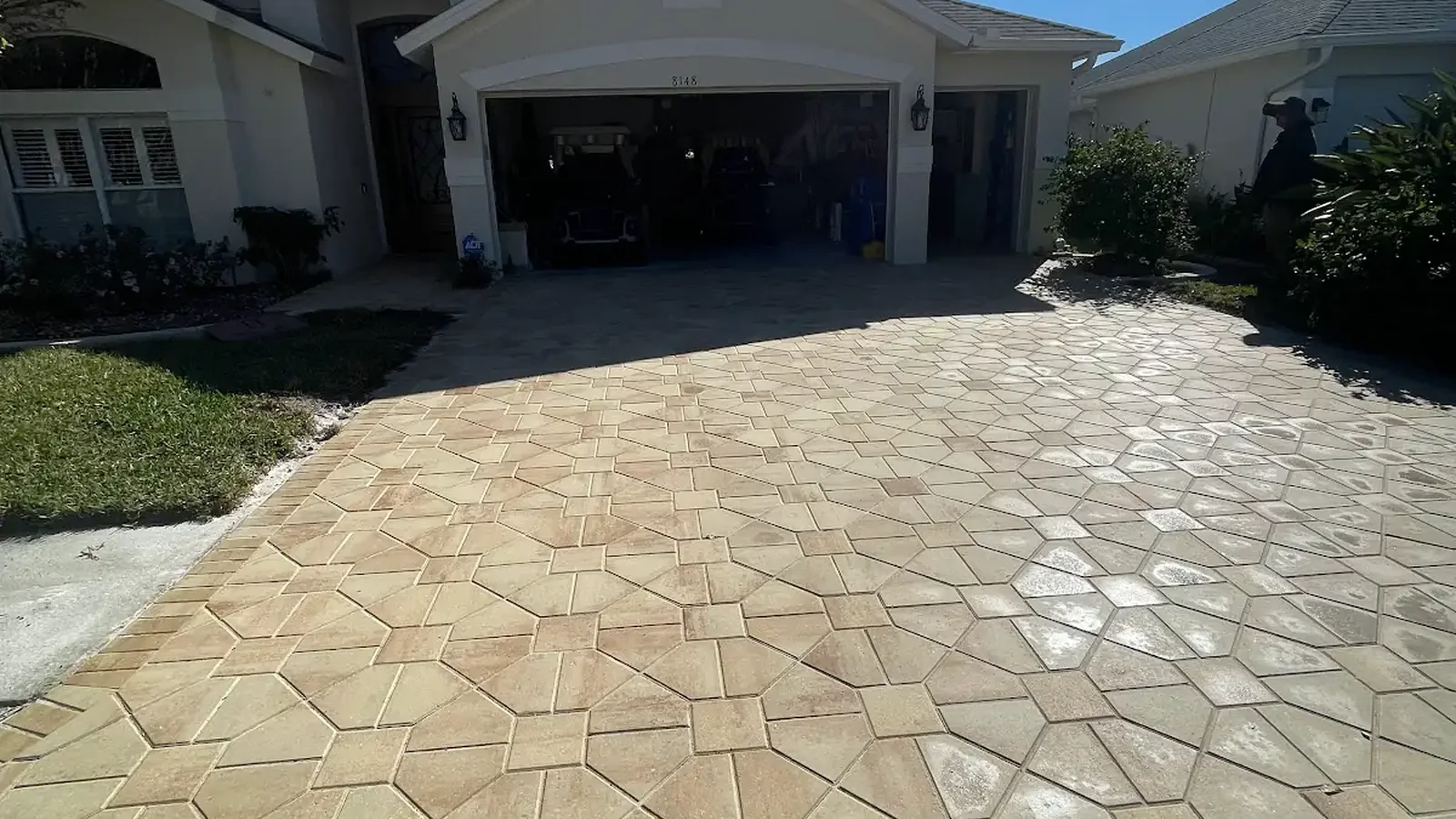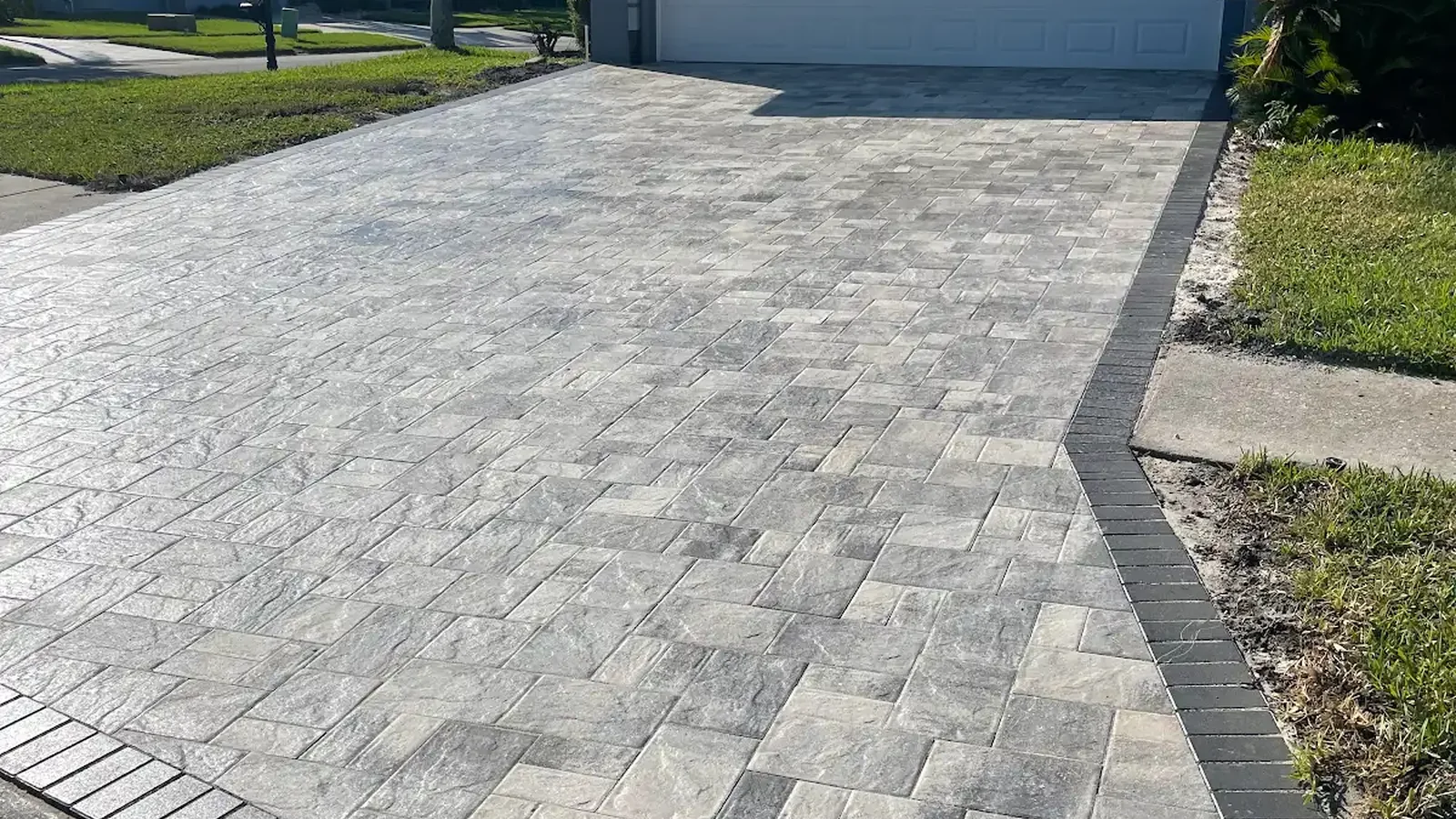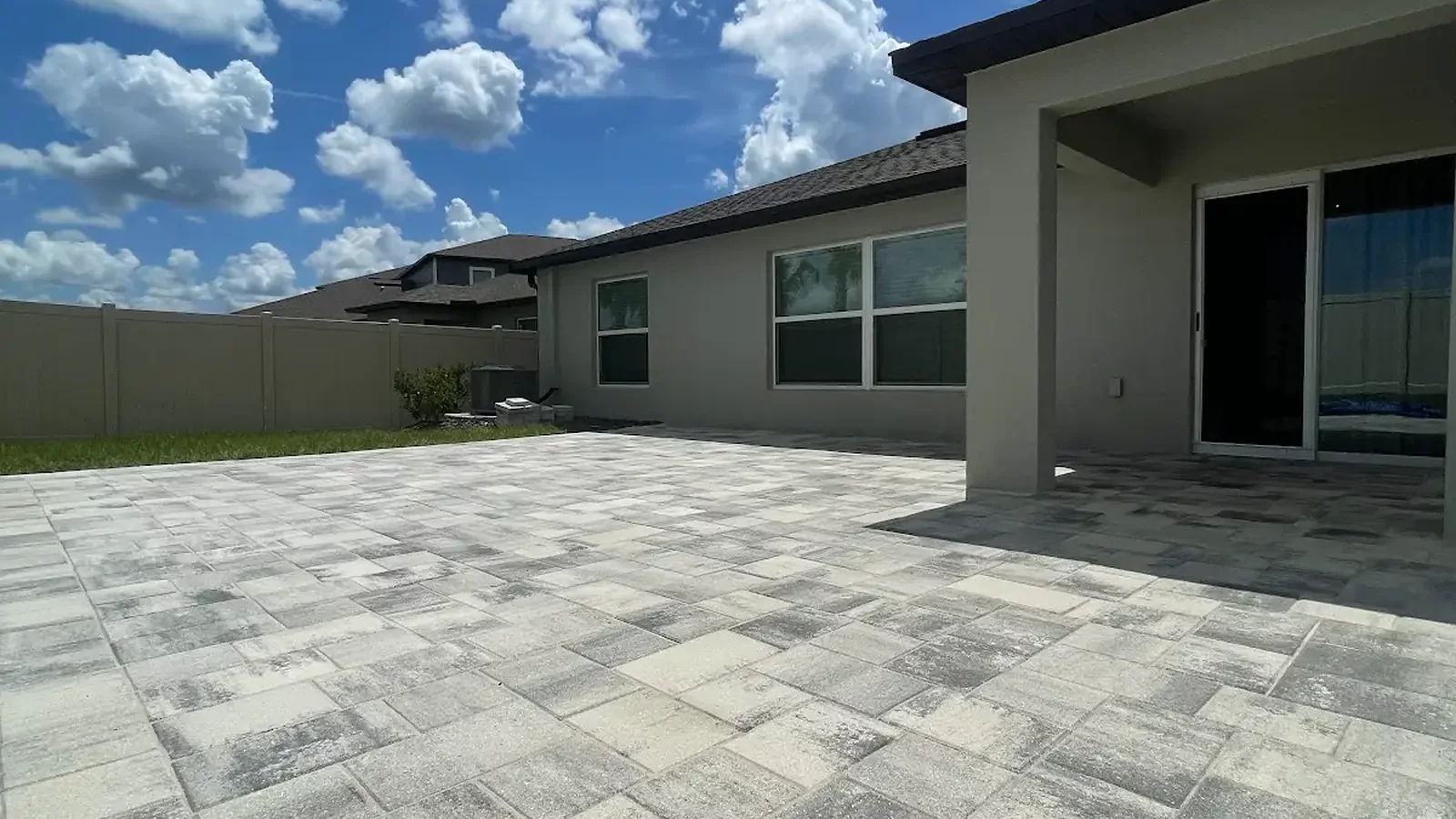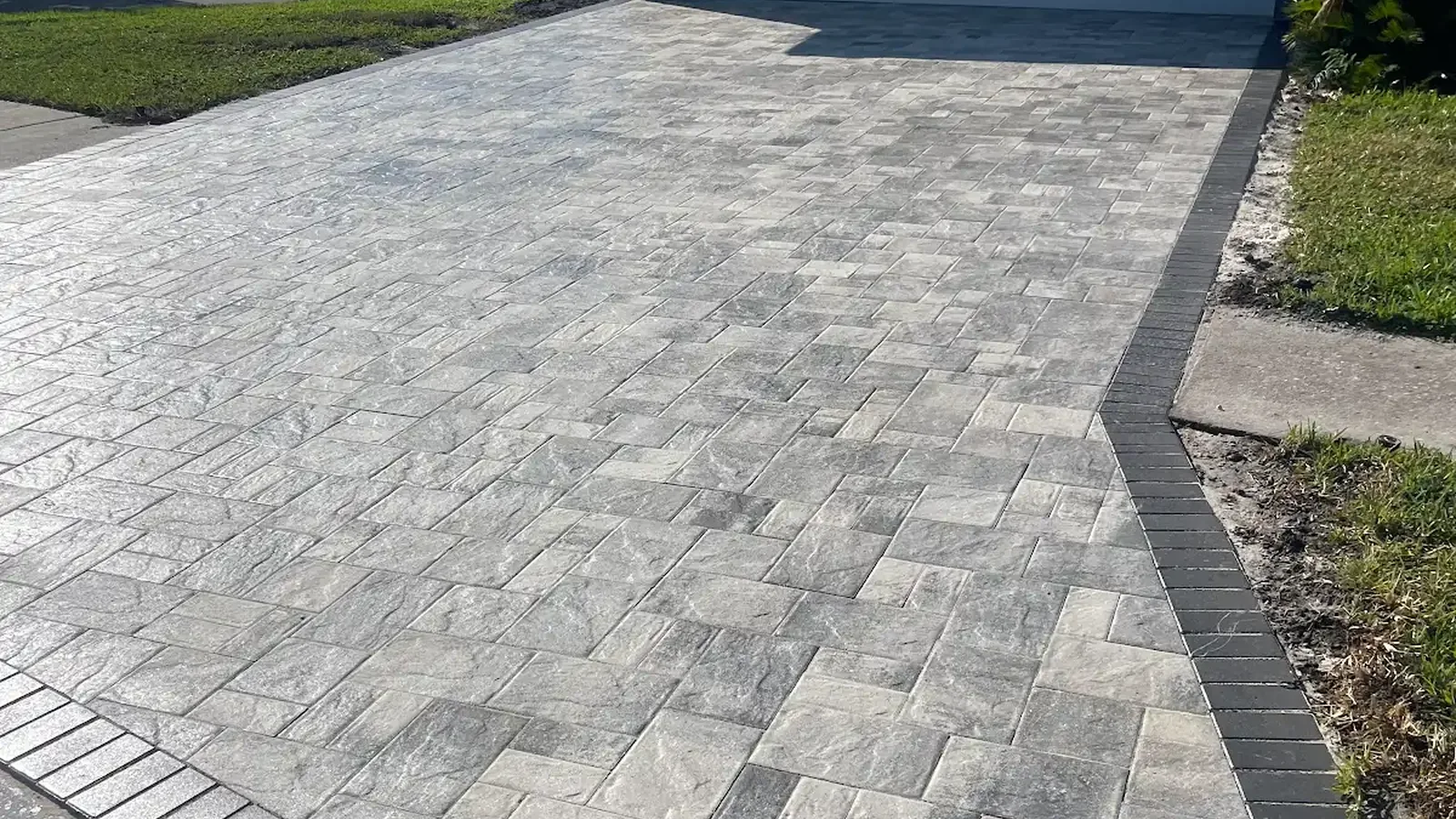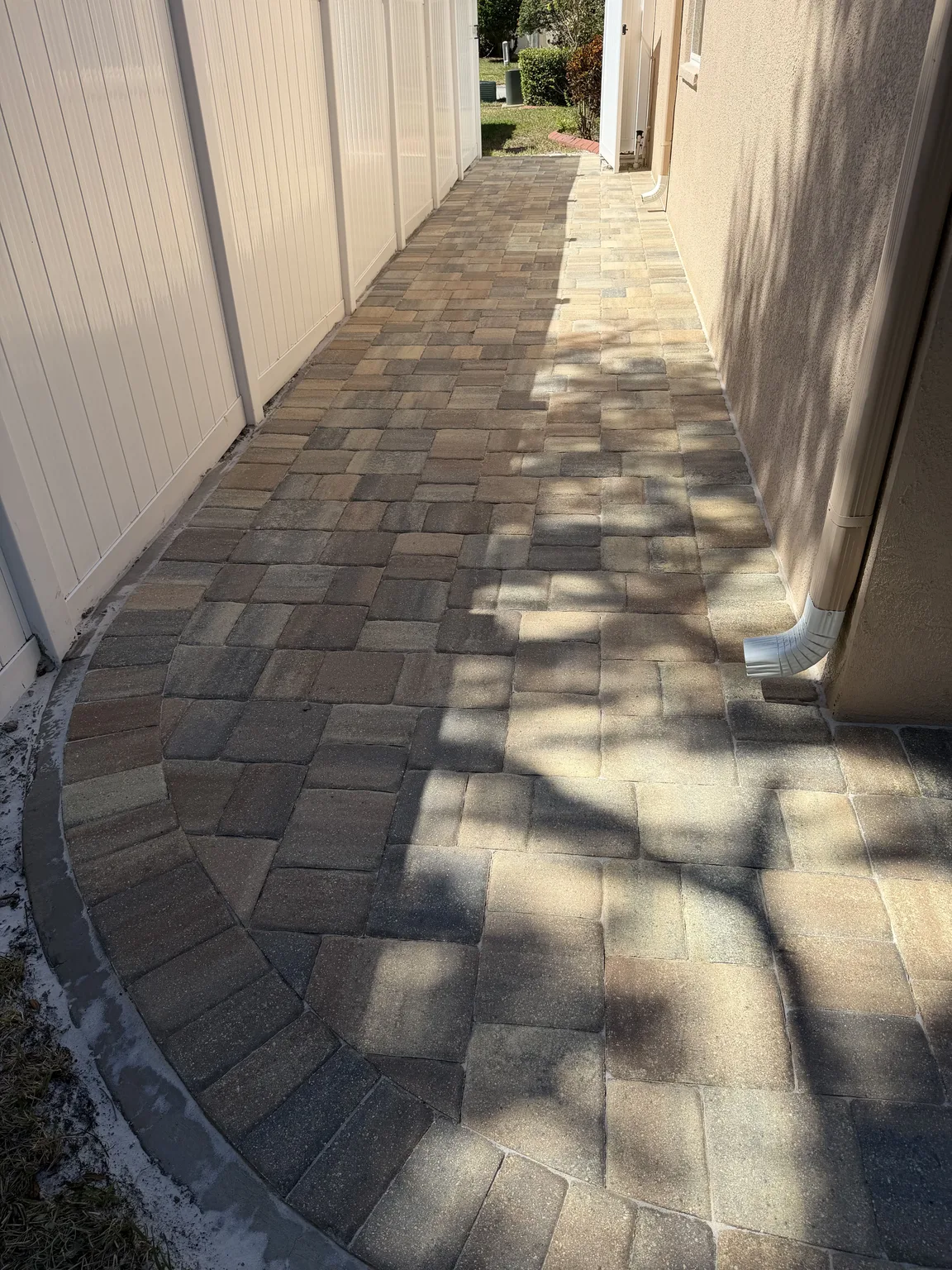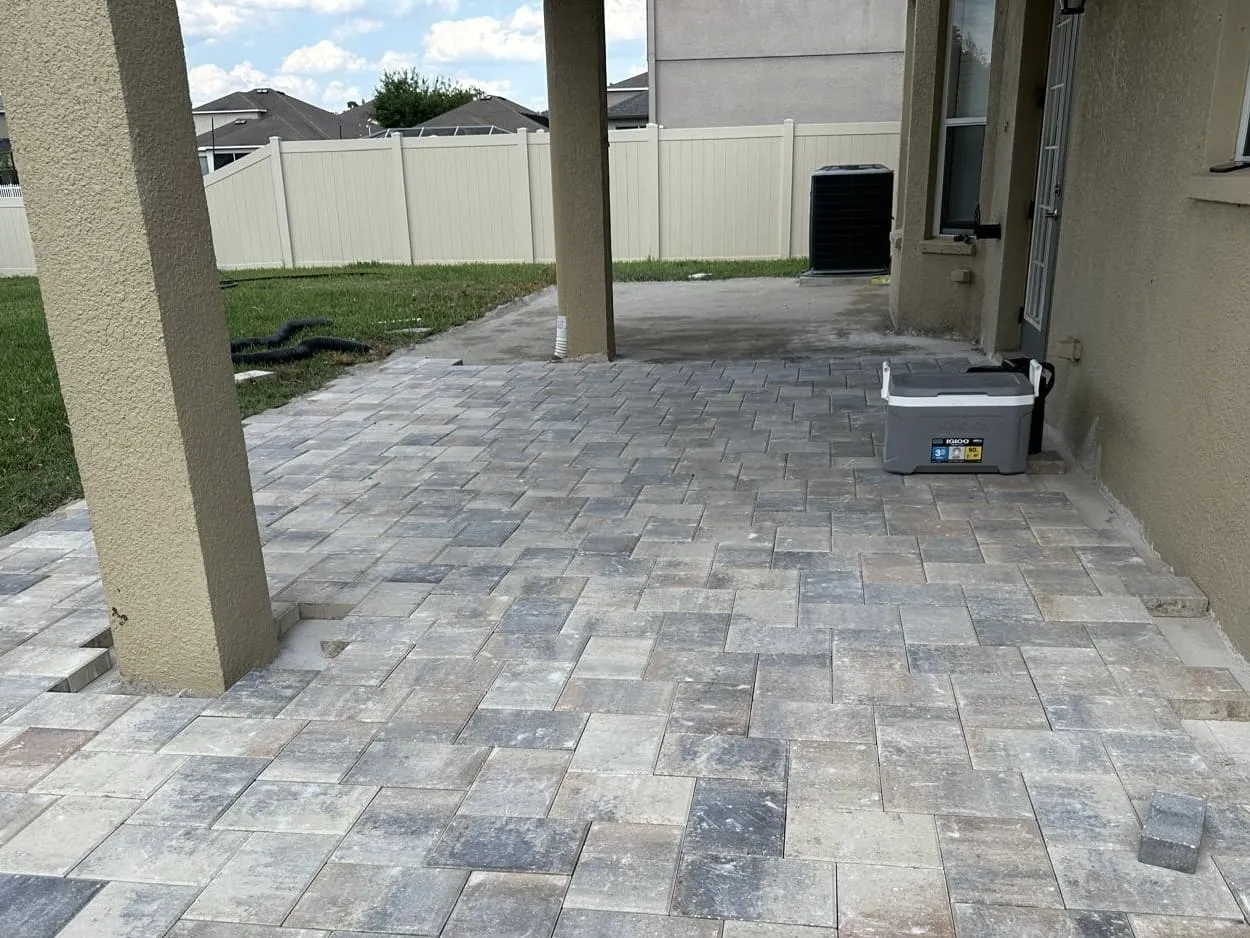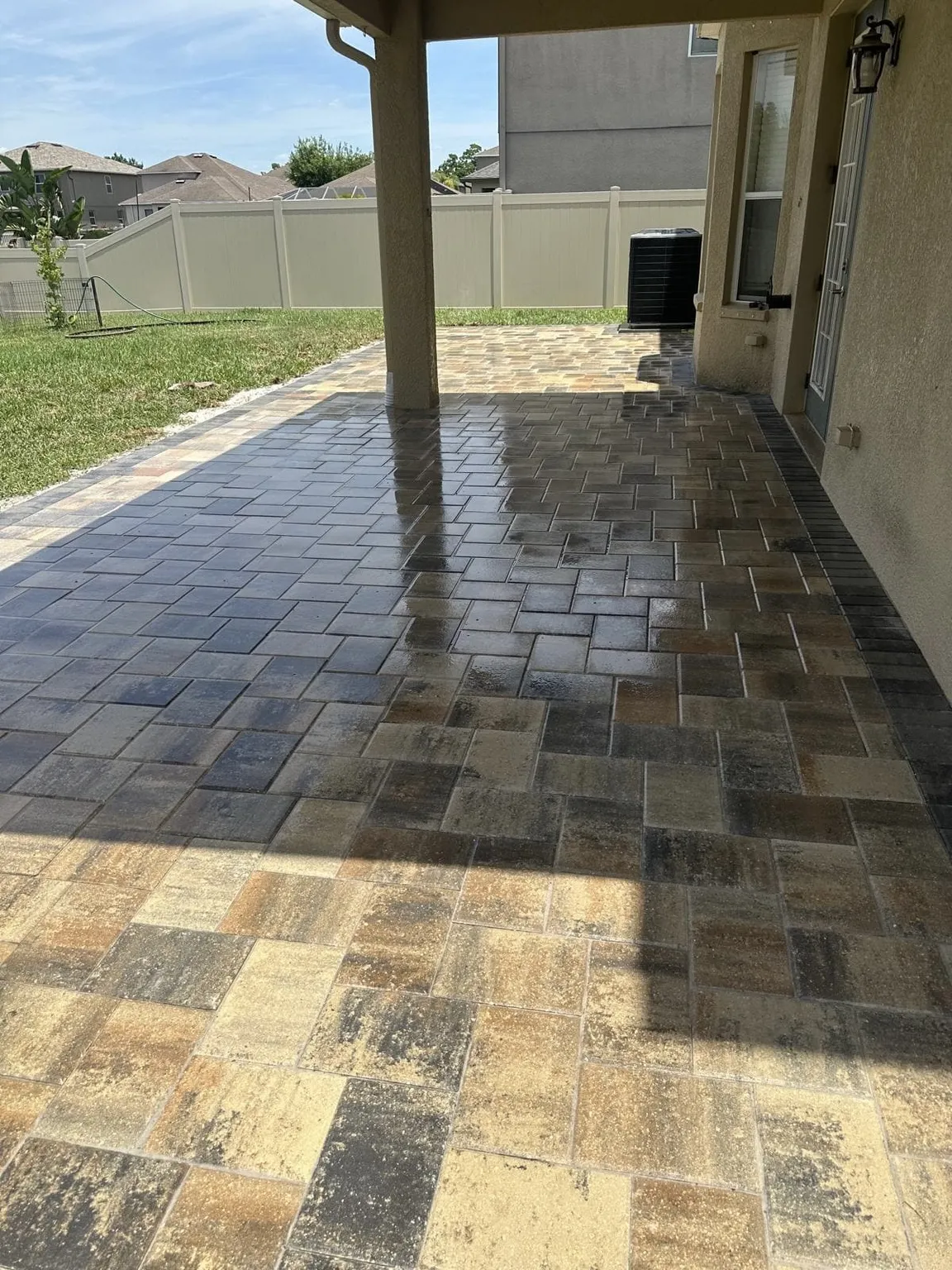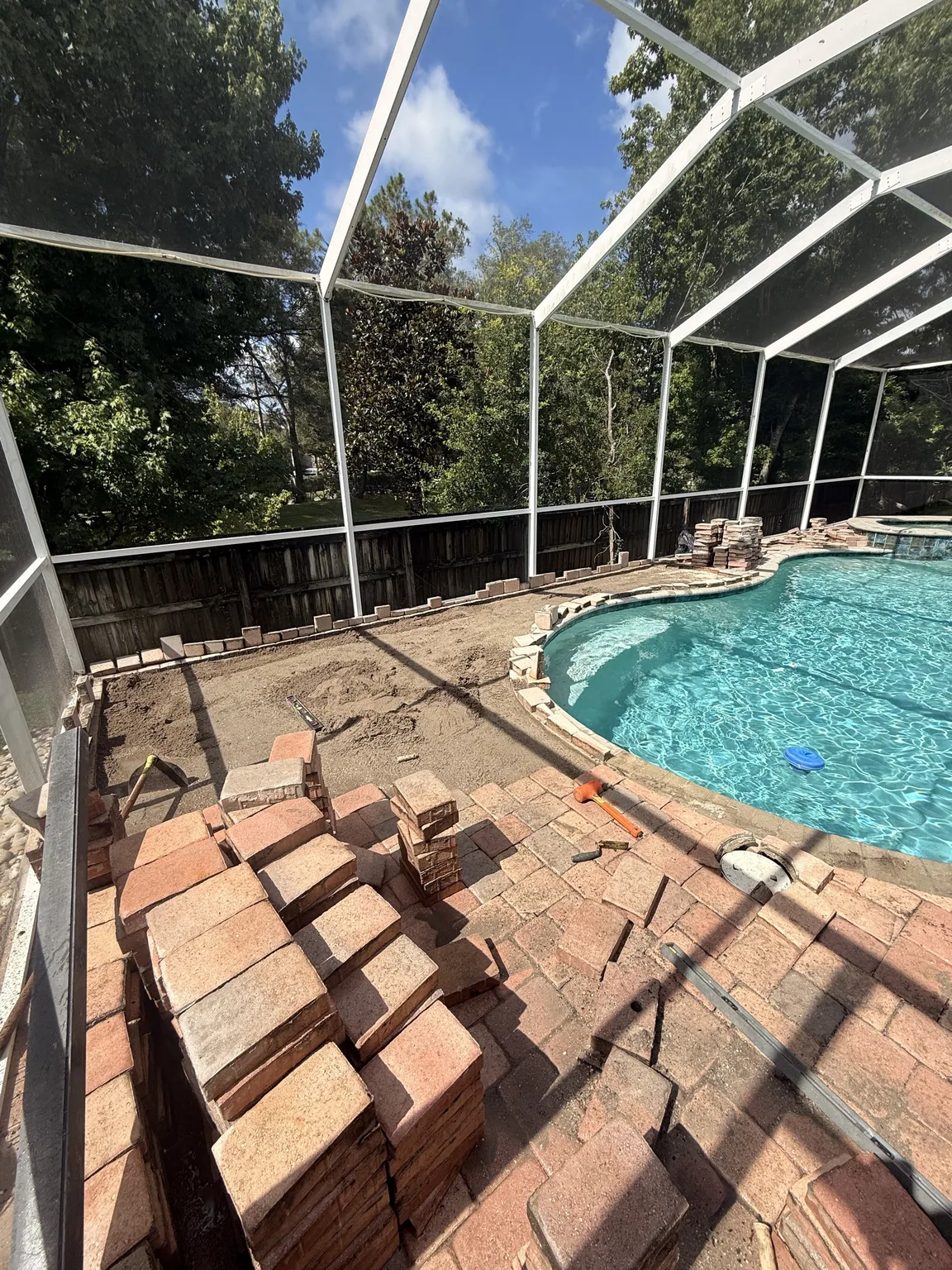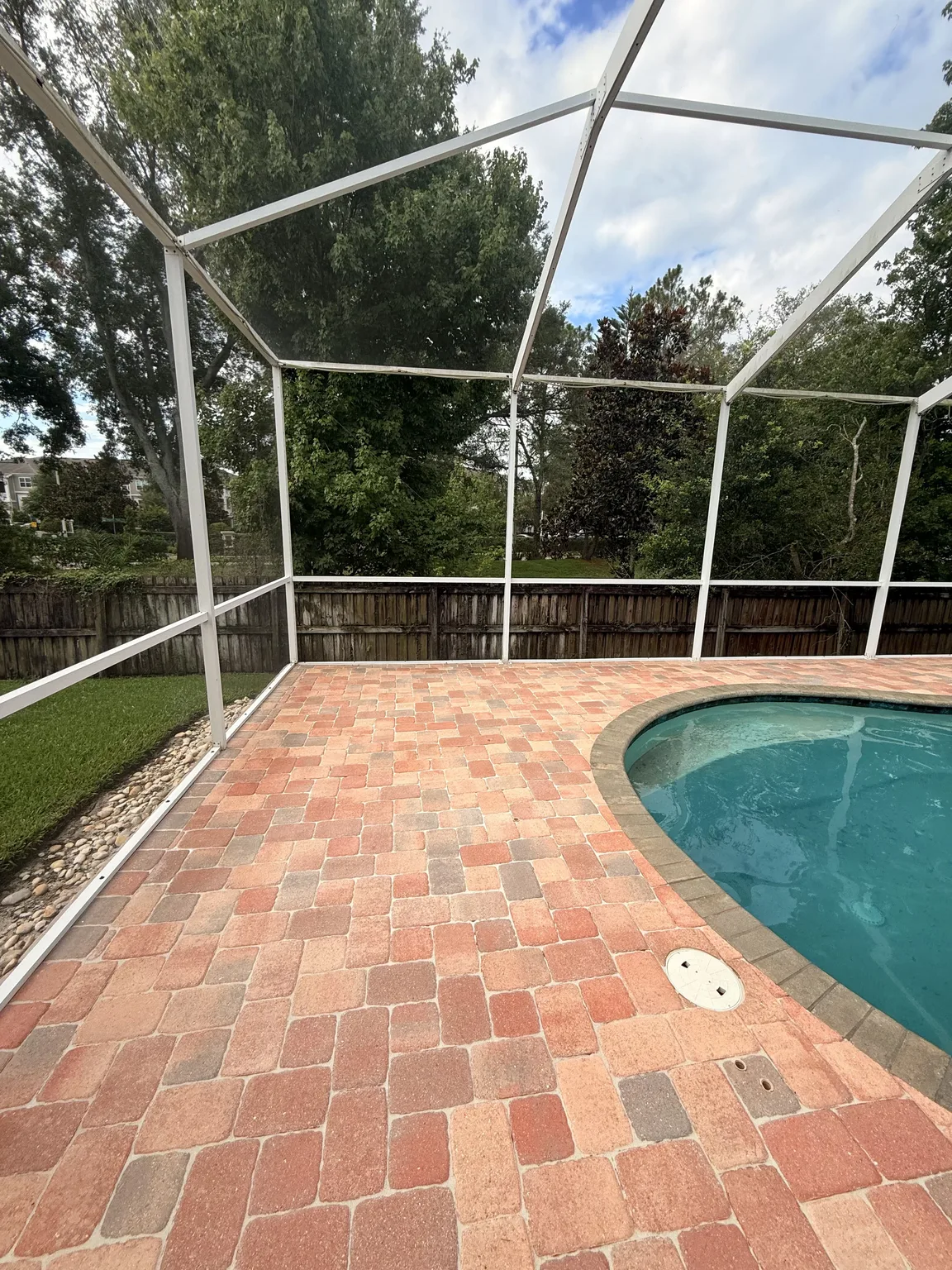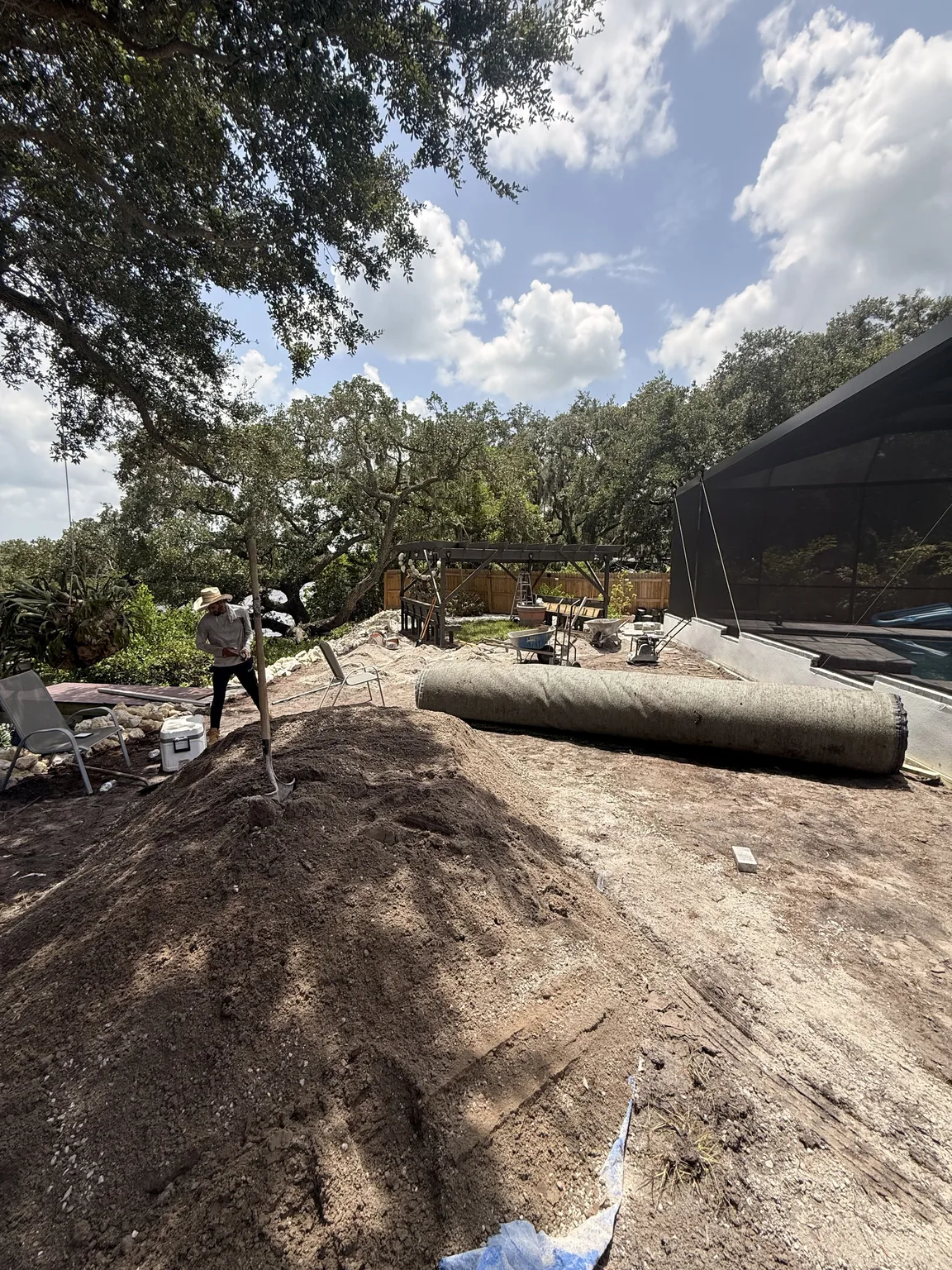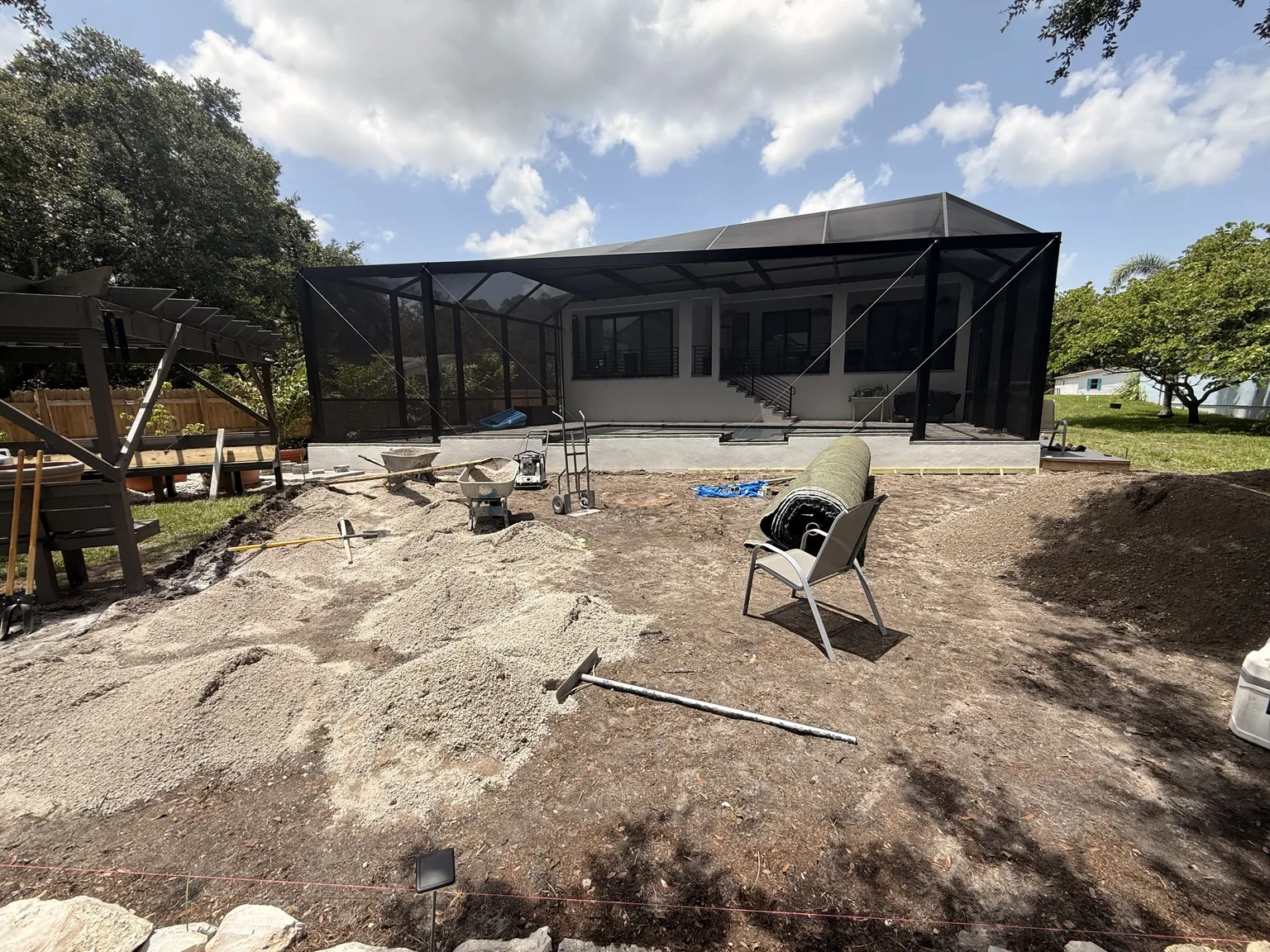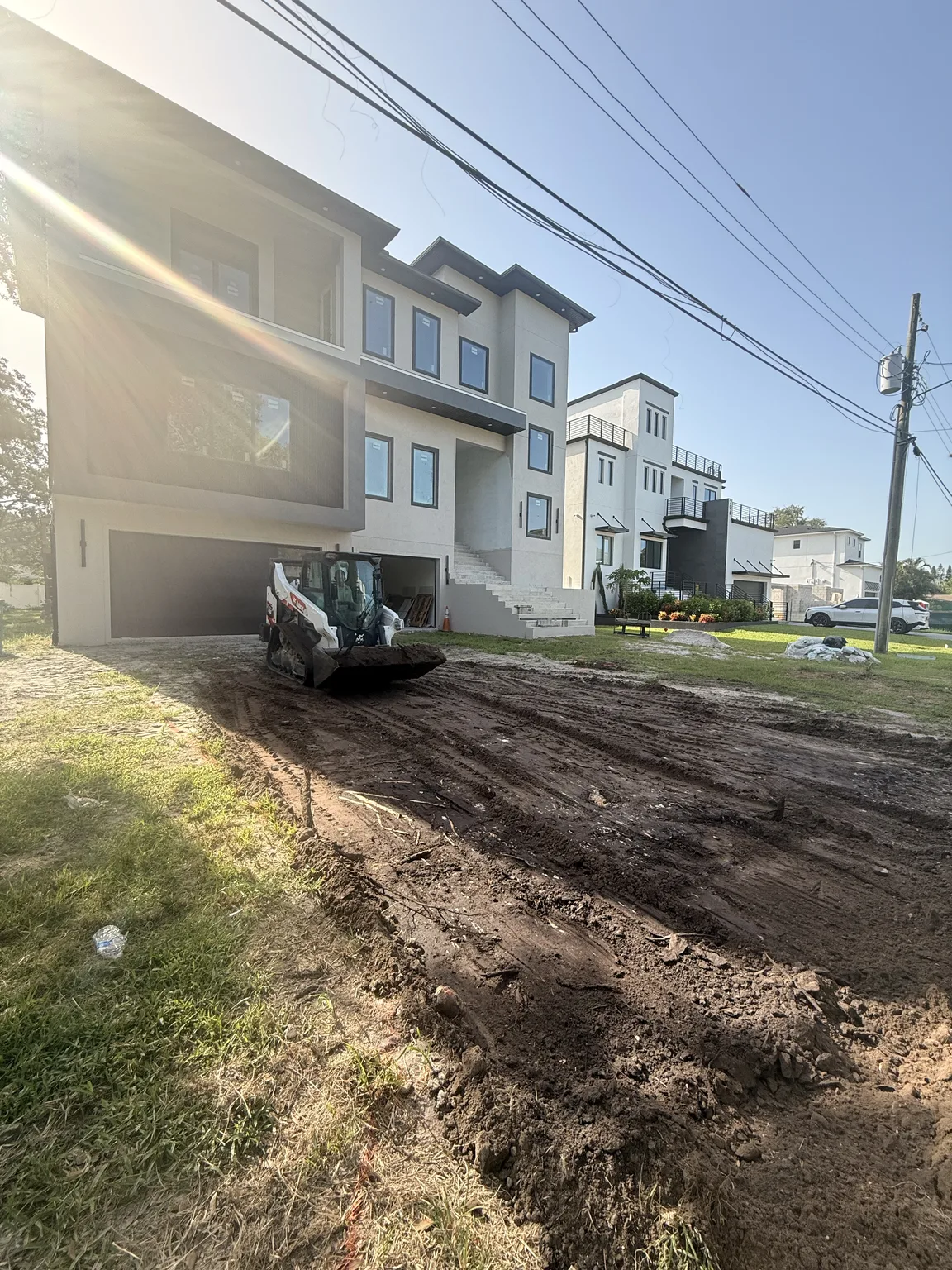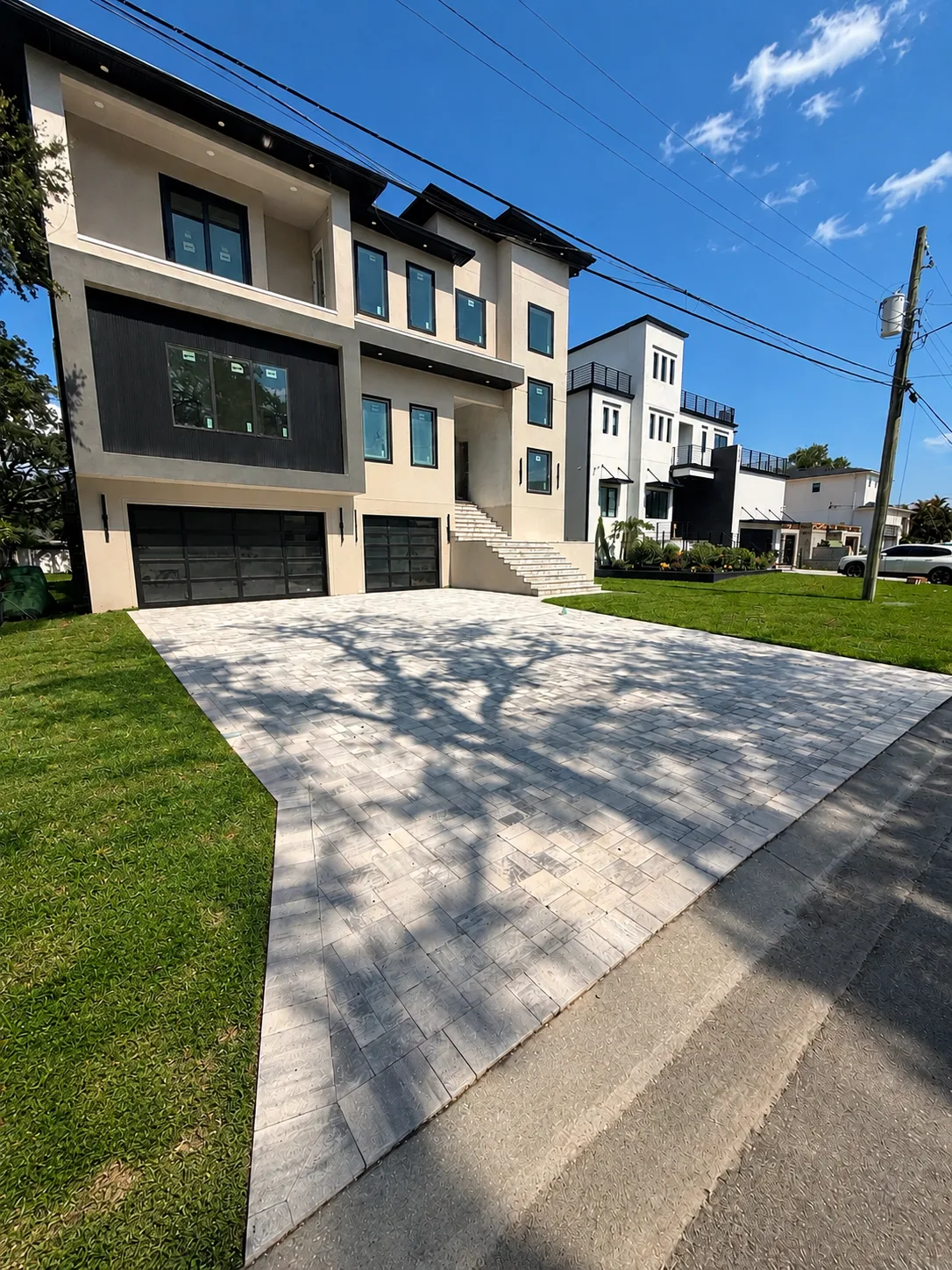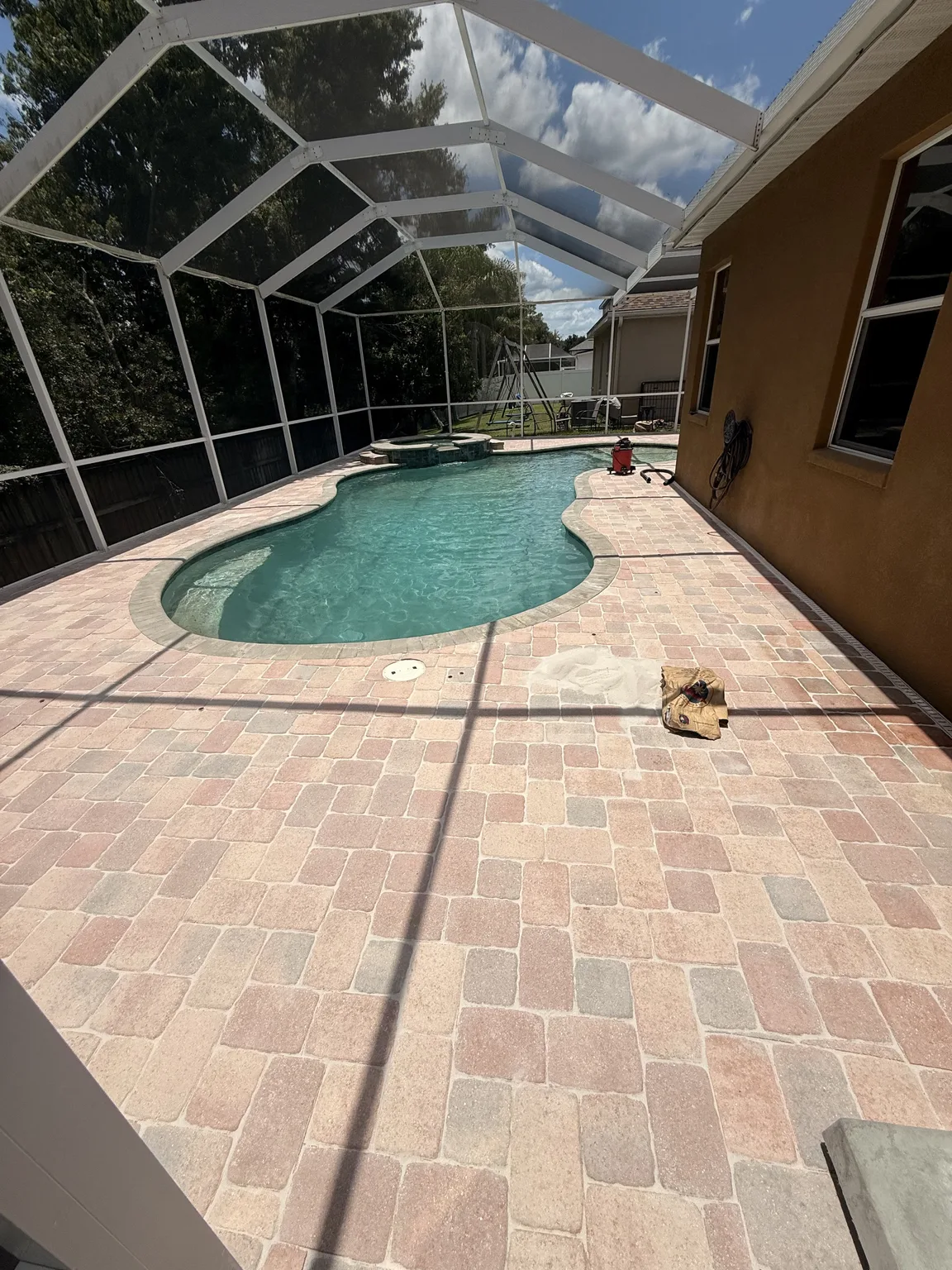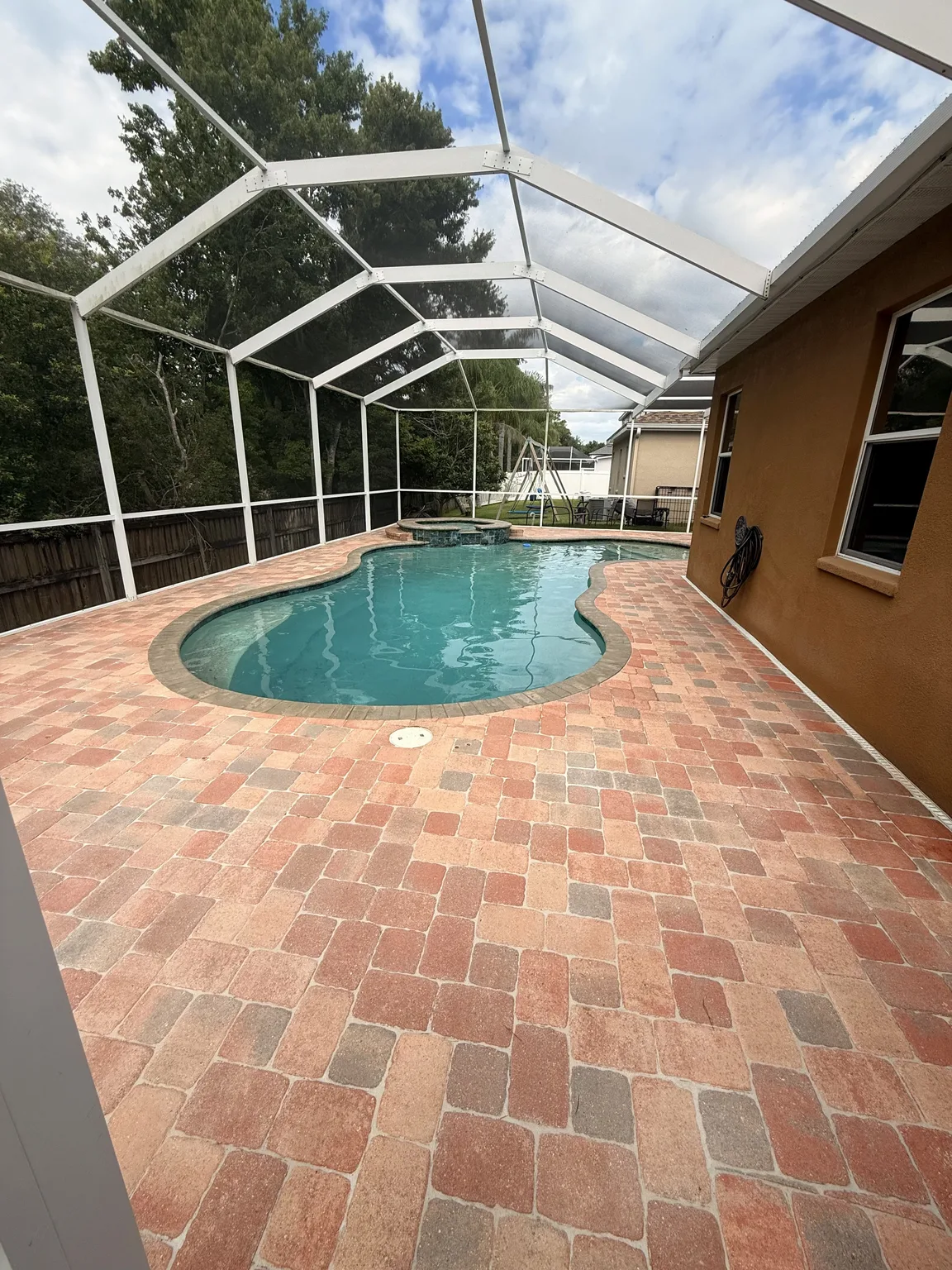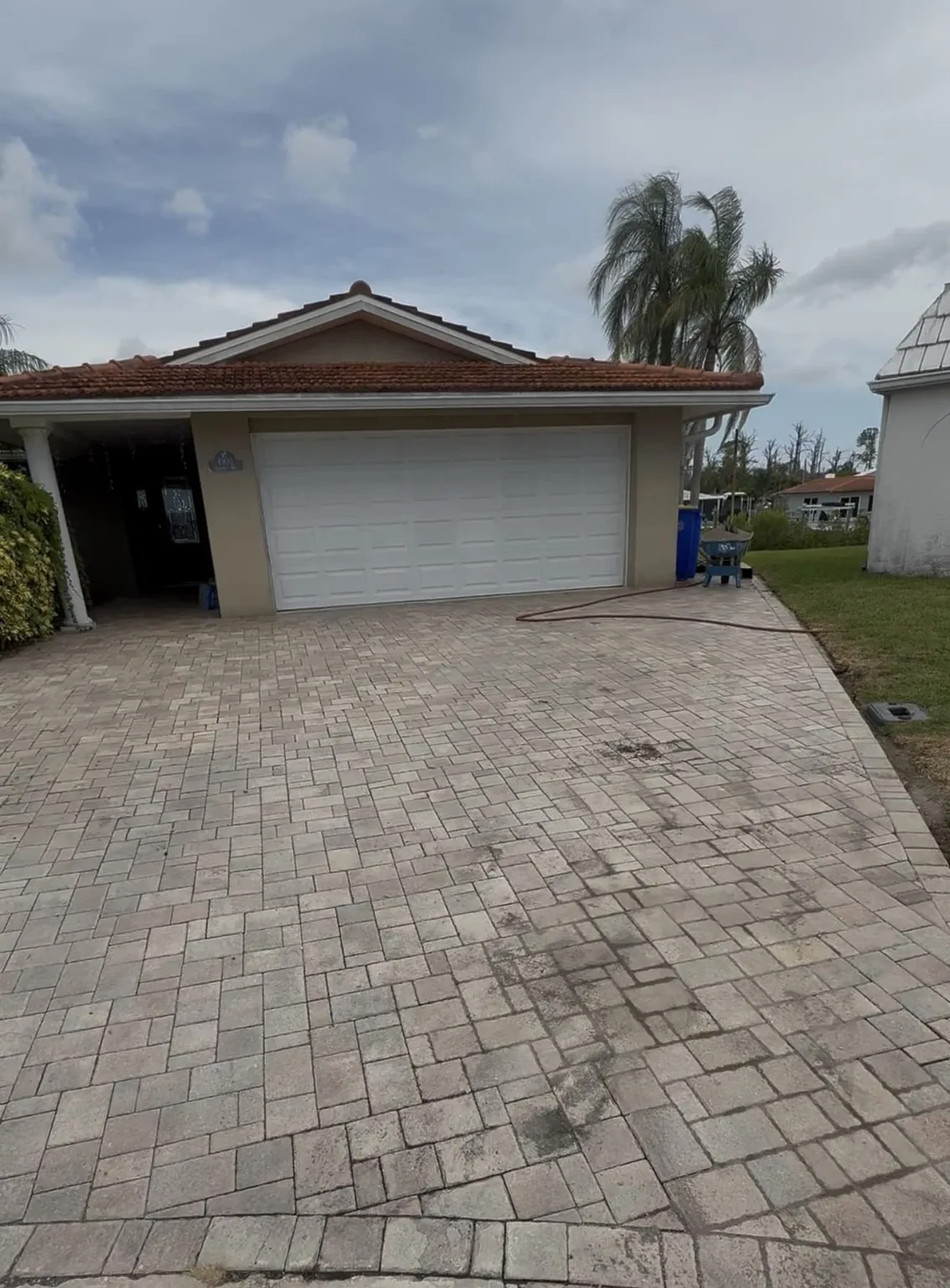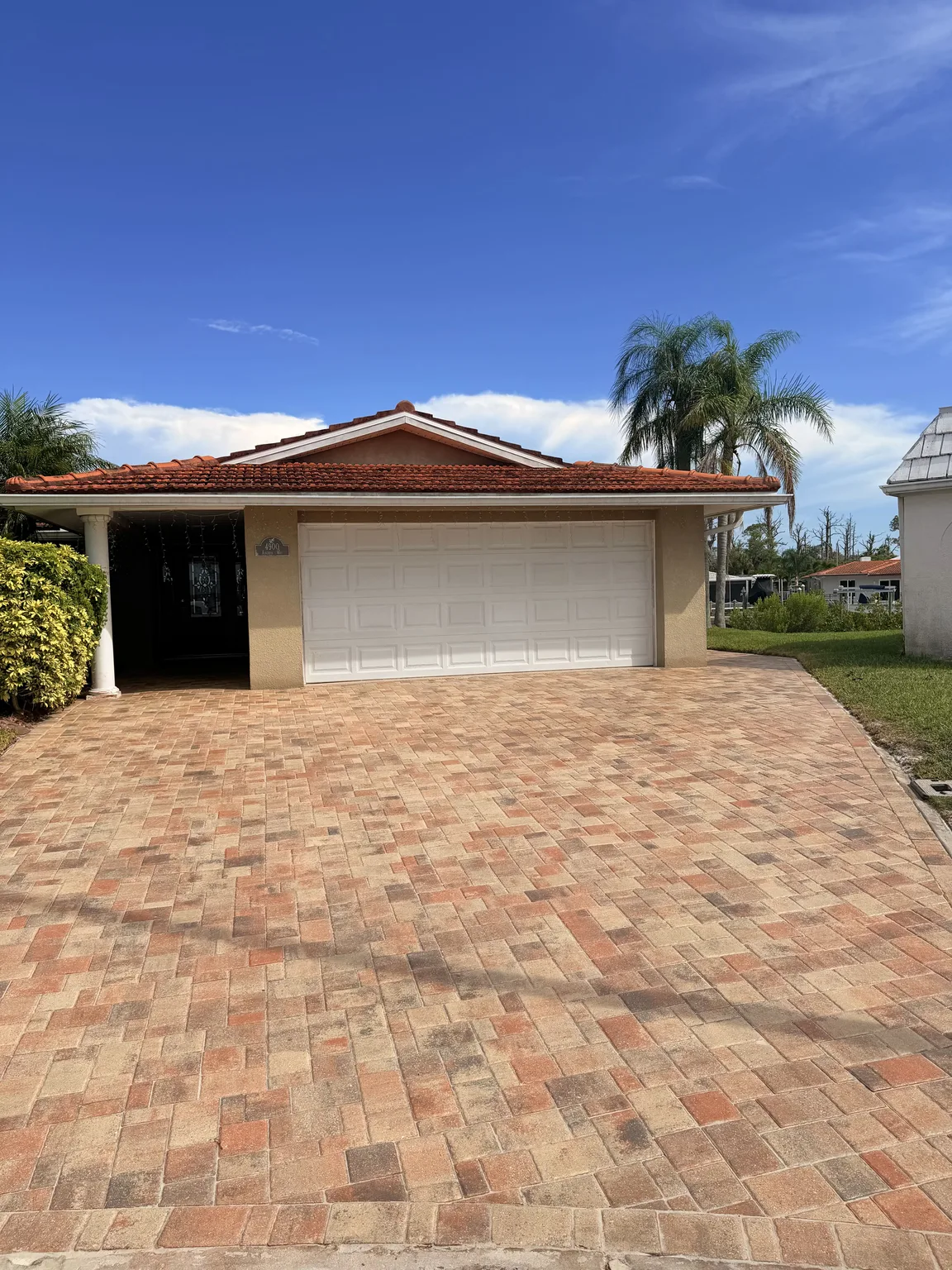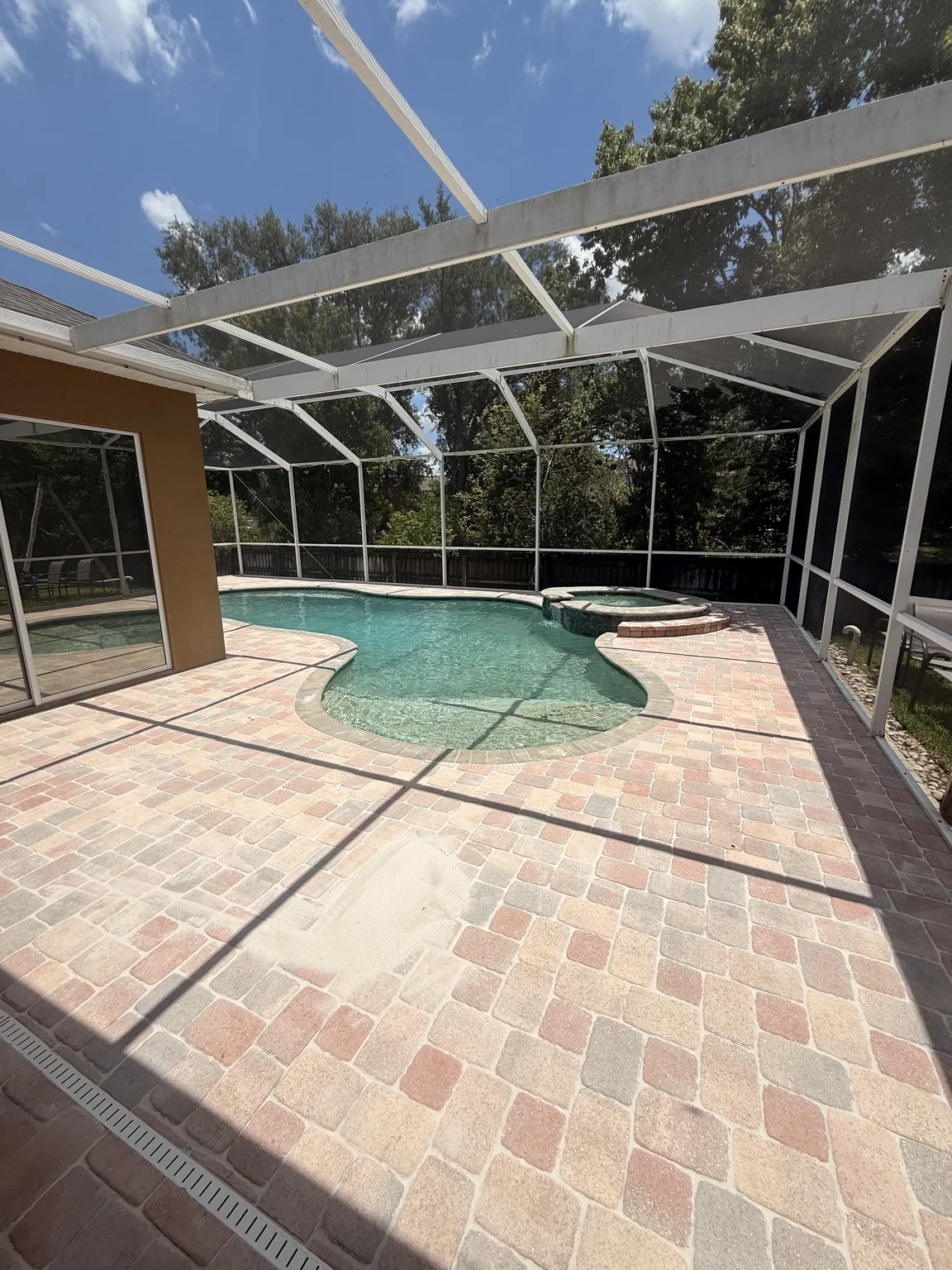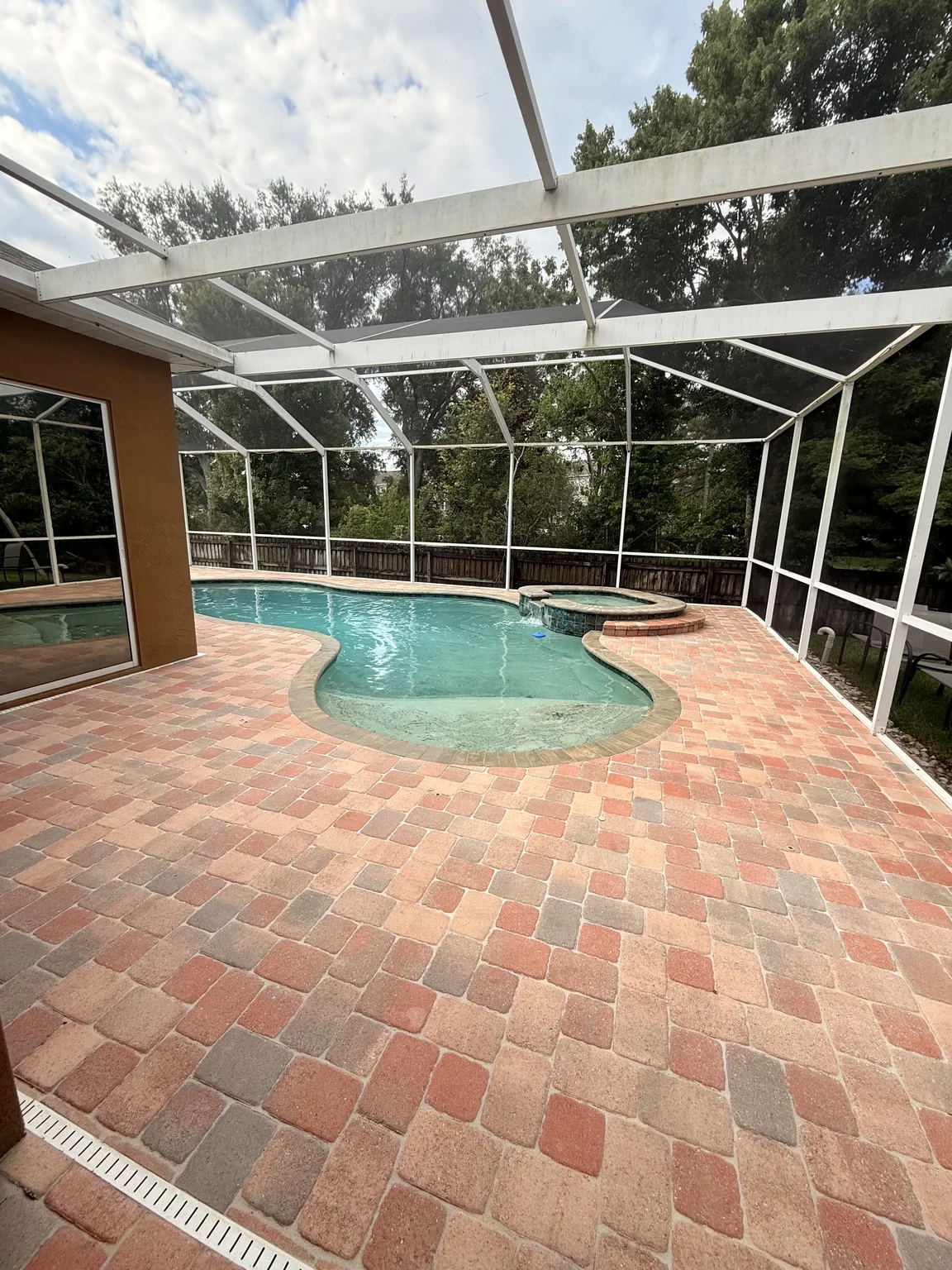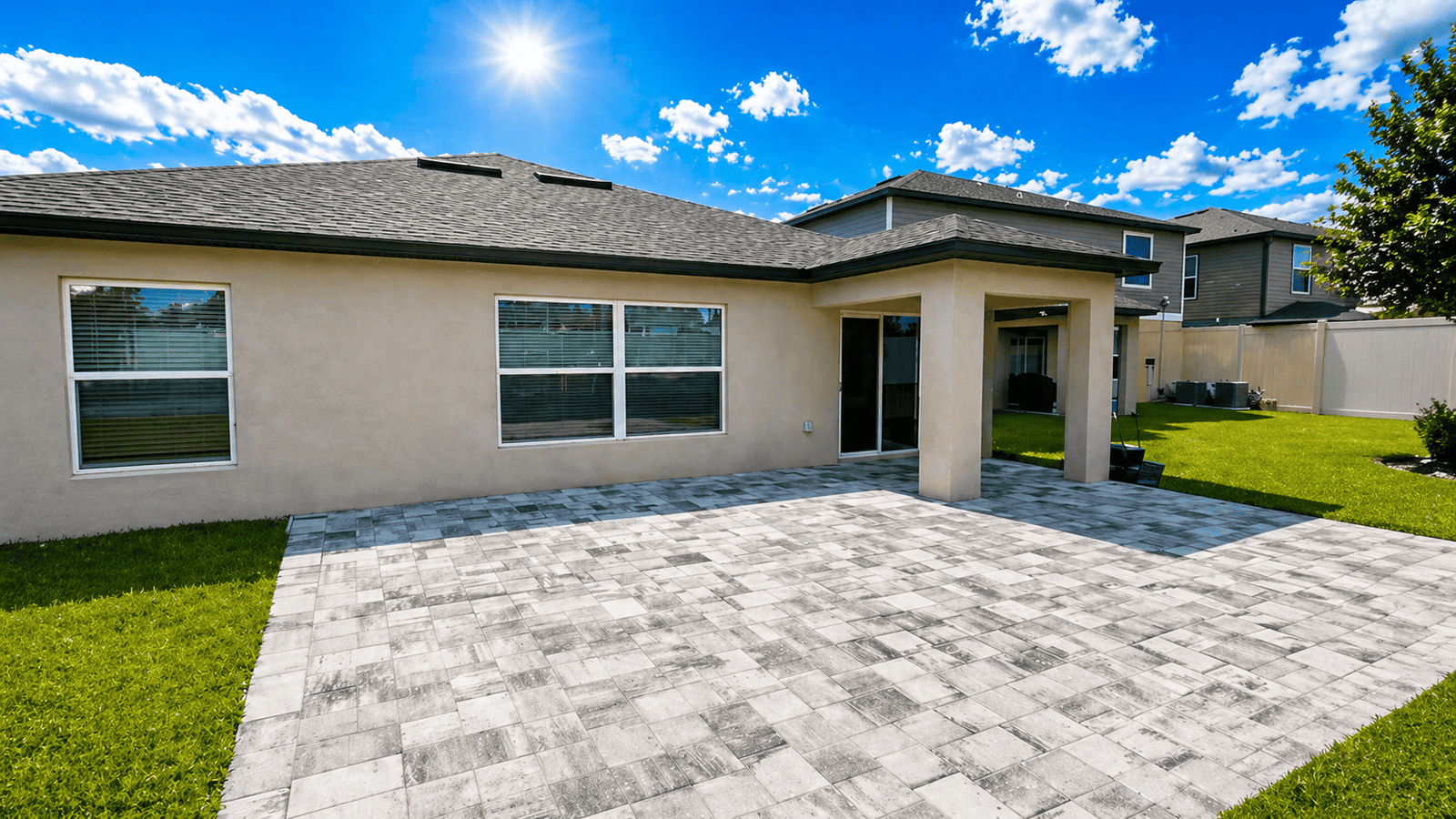
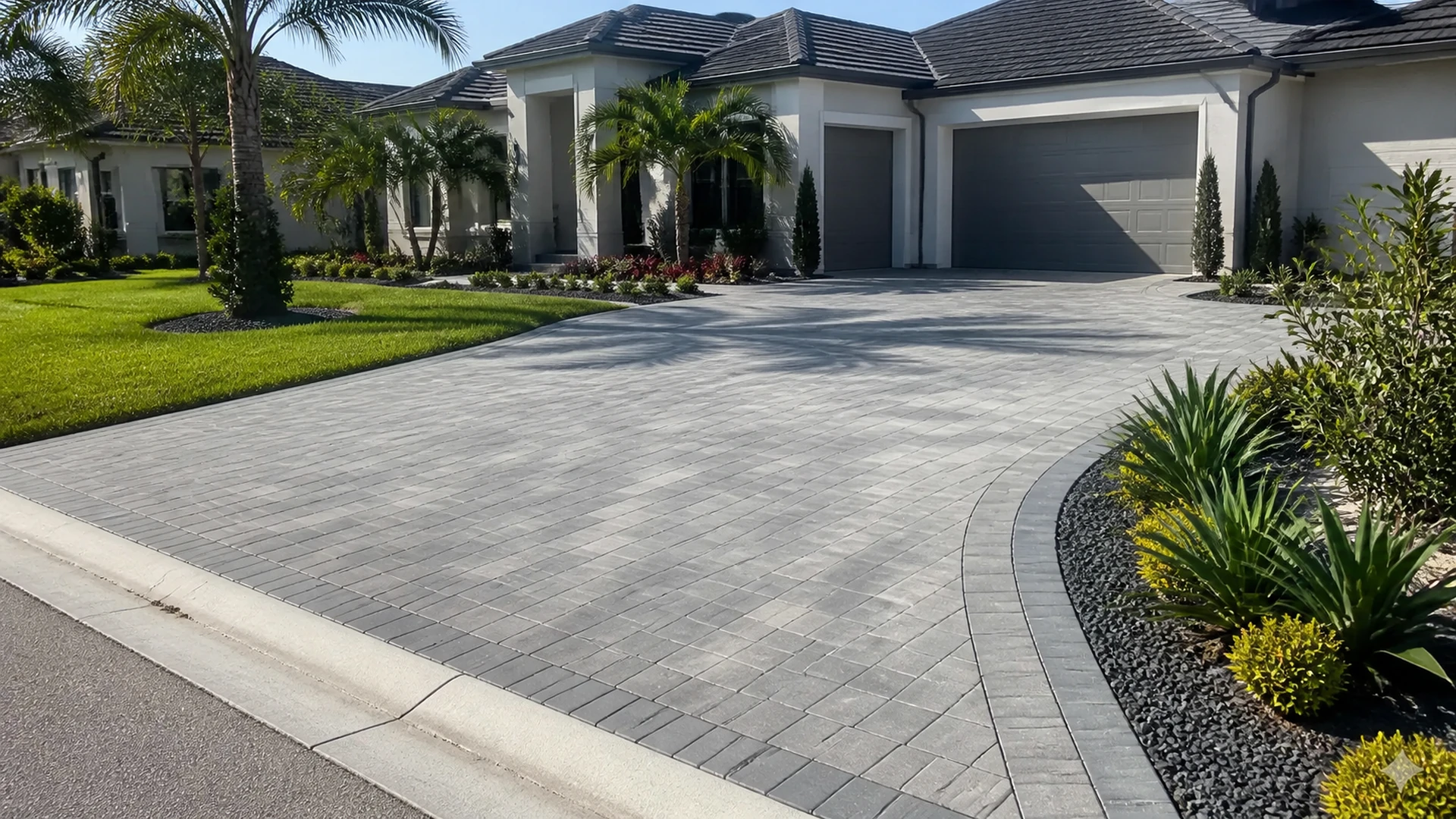
A paver permit Tampa question has no reliable answer until the property and project scope are identified. Tampa Bay includes multiple local authorities, and a Tampa mailing address does not always mean City of Tampa jurisdiction. Moreover, a patio, driveway connection, poolside change, or retaining feature can raise different reviews. Start by locating the property before relying on a general answer.
Permit requirements can also change with work beyond the pavers themselves. For example, grading, access to a public street, utilities, or another regulated feature may affect the review path. Therefore, this guide explains a verification process rather than promising a universal exemption or requirement. The responsible answer comes from the authority having jurisdiction and the documented scope.
Begin the paver permit Tampa process with the correct jurisdiction
First, confirm whether the parcel is inside Tampa city limits or in another municipality or unincorporated county area. Postal city names can be misleading. Consequently, searching only for paver permit Tampa information may lead to the wrong office. A parcel lookup or direct confirmation from the relevant authority is a better starting point.
Next, write down the property address exactly as it appears in official records. Also record any parcel identifier available through the local property information system. This preparation helps staff locate the site and discuss the correct rules. Meanwhile, avoid sharing private account details when only location confirmation is needed.
If the home is in a managed community, association approval may be separate from government review. However, one approval does not replace the other. Private standards can address colors, patterns, working hours, or submittals. Therefore, a complete paver permit Tampa checklist may include both public and community contacts.
Separate the mailing address from the reviewing authority
Ultimately, Many homeowners describe the broader area as Tampa even when another local government serves the parcel. As a result, internet discussions may combine rules from different places. The project should follow the authority tied to the actual property. That distinction prevents a paver permit Tampa search from becoming a substitute for jurisdiction confirmation.
Nevertheless, A contractor can help organize the question, but official direction should come from the responsible office. Likewise, verbal guidance should be recorded with the date, department, and scope described. If written resources are available, save the relevant page or reference number. This record supports consistent follow-up when the design changes.
Define the whole project before asking about permits
Afterward, Describe more than the finished paver surface. Include whether the work is new, expanded, replaced, or repaired. In addition, note existing concrete, planned excavation, and any change in use. A paver permit Tampa inquiry becomes more useful when staff can understand what will physically change.
Dimensions and location are equally important. Therefore, prepare an approximate length, width, and distance from recognizable property features. Mark driveways, sidewalks, pools, structures, easements, and visible utility equipment. A simple site sketch can expose questions that a material sample never would.
Also explain where water currently travels and whether finished elevations will change. However, do not present assumptions as engineered conclusions. The reviewer or contractor may request more information. The purpose is to make the paver permit Tampa conversation specific enough to identify the next step.
Use a one-page scope summary
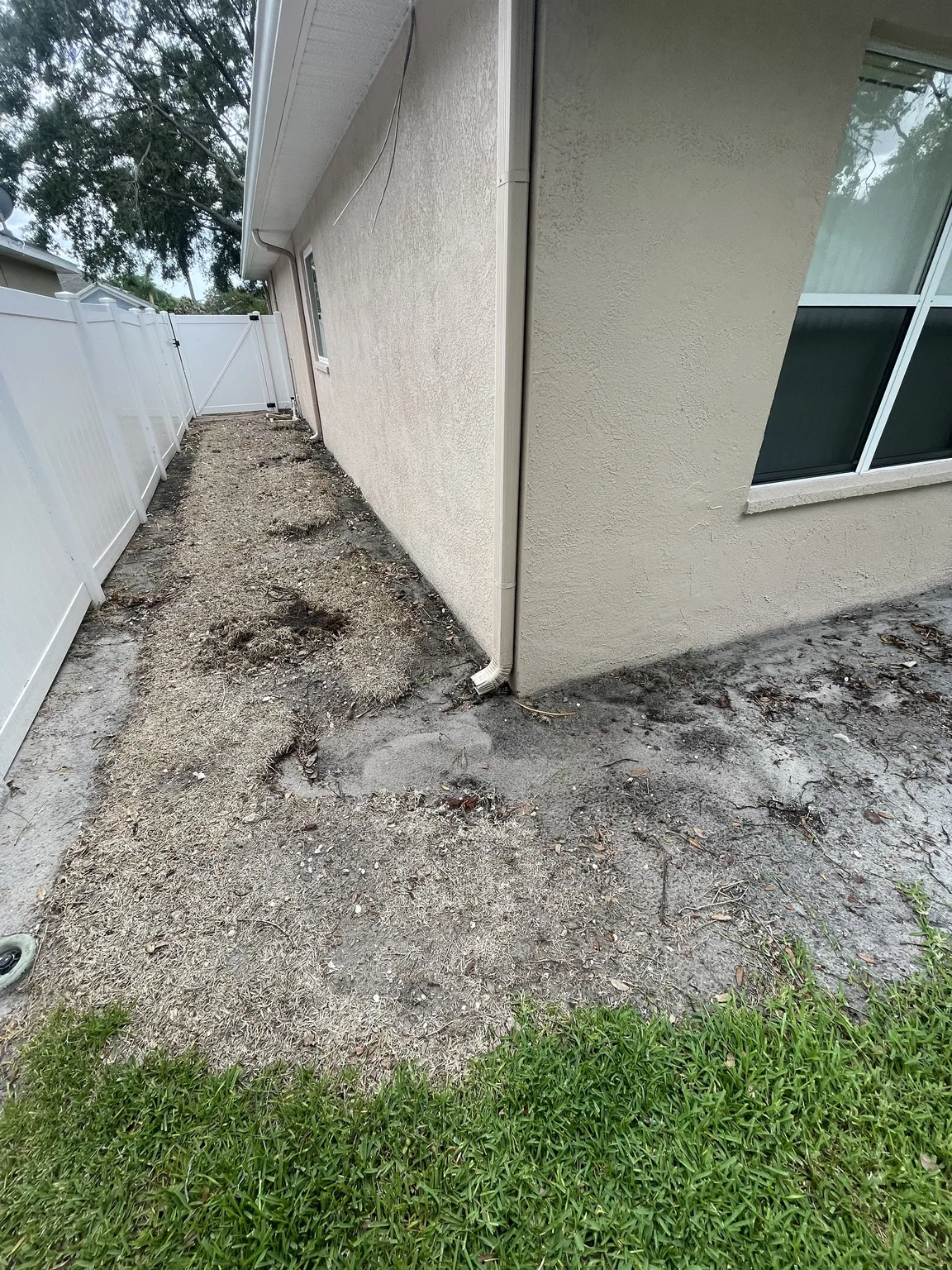
However, A concise summary can list the address, jurisdiction, surface type, approximate area, current condition, and intended use. Next, attach several labeled photos from different directions. Include the route from the street to the work area. This format helps officials and contractors notice access or boundary issues early.
Therefore, Keep uncertain details marked as pending rather than guessing. For example, a buried line or recorded easement may need separate verification. As a result, the paver permit Tampa file remains accurate as information develops. Clear unknowns are easier to resolve than confident but unsupported statements.
Recognize project features that deserve separate questions
A driveway can involve more than paving within the private lot. The connection near a street, curb, sidewalk, or public right of way may require distinct review. Therefore, describe exactly where the proposed work starts and stops. Do not assume that an existing driveway connection automatically covers a wider or relocated design.
Poolside work can also interact with barriers, gates, equipment, and established deck elevations. Meanwhile, a patio near the house may affect thresholds or other building interfaces. Those related features should remain visible in planning. A narrow paver permit Tampa question about surface material may miss the condition that actually drives review.
Walls, steps, outdoor structures, and substantial grade changes should be described separately. In addition, electrical, plumbing, or gas work can involve other trades and processes. A paver contractor should not blur those responsibilities. Instead, the project team can identify which professional handles each connected scope.
Let scope changes trigger a new paver permit Tampa check
Designs often evolve after measurements or demolition reveal new information. However, an earlier answer may no longer fit a larger patio or changed driveway alignment. Recheck guidance when location, dimensions, use, or adjacent work changes. This habit keeps the paver permit Tampa record connected to the project that will actually be built.
Document who approved each revision within the project team. Then, update the sketch and notes before requesting further direction. Version dates prevent an outdated plan from circulating. Consequently, homeowners, contractors, and reviewers can discuss the same scope.
Check property constraints before scheduling construction
Property lines and easements can affect where work is practical or allowed. For that reason, use reliable records and obtain professional help when boundary certainty is necessary. A fence or maintained lawn edge is not always a legal boundary. Paver permit Tampa planning should therefore avoid treating visual cues as verified survey information.
Underground and overhead utilities also need attention. Before excavation, the responsible parties should follow the appropriate locating and coordination process. Irrigation and private lines may require additional planning. Meanwhile, equipment access should avoid damaging marked facilities or neighboring property.
Trees and protected landscape conditions may introduce other questions. Similarly, waterfront, environmental, or special district conditions can change which contacts are relevant. Do not infer an answer from a nearby project. Each parcel and scope should be checked on its own facts.
Use official sources without overreading a webpage
Furthermore, Official pages are the best starting point for current contacts, forms, and process explanations. Accordingly, City parcels can begin with the City of Tampa permitting page. Read the page in the context of the defined scope. Then, contact the department when the published material does not address the exact condition.
A webpage can change, and a search snippet can omit important context. Therefore, note the date when you review paver permit Tampa guidance. Follow links to the relevant department rather than relying on third-party summaries. If staff provide a case or reference number, keep it with the project notes.
However, Ask focused questions that can be answered clearly. For example, state the jurisdiction, type of surface, exact location, dimensions, and connected work. Also ask what plans, contractor information, or inspections would apply if review is required. This approach is more productive than asking whether all pavers need permits.
Avoid treating informal answers as project approval
Neighbors and online forums can describe useful experiences, but their projects may differ. Moreover, past treatment does not establish current requirements for another parcel. Use informal information to create questions, not conclusions. A paver permit Tampa decision should rest on current official direction tied to the described work.
Meanwhile, Contractor experience is valuable for preparing documents and anticipating common coordination points. Still, the proposal should state who confirms requirements and who submits any necessary materials. Written responsibility reduces confusion. It also helps the homeowner understand which steps must finish before site work begins.
Coordinate the contractor, owner, and any specialists
Consequently, At the estimate stage, share the one-page scope and every official response already received. Then, ask whether the contractor sees missing dimensions or related trades. A site visit may reveal thresholds, access limits, or grade conditions that need clarification. This review strengthens the paver permit Tampa inquiry before a schedule is promised.
If plans or technical documents are requested, identify who is qualified to prepare them. Likewise, decide who will answer reviewer comments and track revisions. The same person does not need to perform every task. However, ownership of each task should be visible to everyone involved.
Homeowners should receive copies of relevant submissions, approvals, and conditions for their records. In addition, the construction team should work from the accepted version. A permit number alone may not communicate every limitation. Therefore, keep associated plans and correspondence together.
Build schedule flexibility around review
Do not order an inflexible sequence based on an unverified assumption. Instead, place jurisdiction and scope confirmation before demolition or material commitments that depend on approval. Review timing can vary with project details and agency workload. A realistic paver permit Tampa plan therefore leaves room for questions and revisions.
Weather and site access still matter after administrative steps are complete. Meanwhile, other trades may need to finish first. Coordinate those dependencies in writing. This practical schedule reduces the chance that one resolved permit question hides an unresolved construction issue.
Confirm conditions before the first paver is removed
Nevertheless, Before work starts, compare the field layout with the latest documented plan. Mark limits, protect nearby finishes, and confirm access. Also verify that required notices, approvals, or inspections are scheduled as applicable. This final check connects the paver permit Tampa file to actual site conditions.
Afterward, If the layout no longer fits, pause and clarify the change. For example, an unexpected obstruction may shift the border or alter grading. The team should decide whether revised guidance is needed before proceeding. A short pause can prevent the project from drifting beyond the reviewed scope.
Furthermore, Photograph the starting condition and retain measurements of key boundaries. Subsequently, document concealed conditions that affect approved work. These records support accurate communication without replacing any required inspection. They also help explain why a field adjustment was requested.
Keep material planning separate from approval status
Additionally, A permit determination does not choose the paver color, pattern, or edge detail for the homeowner. Likewise, a material selection does not confirm that the site plan is acceptable. Keep those decisions in connected but separate records. This distinction prevents a paver permit Tampa answer from being mistaken for a complete construction review.
Material samples can still support design coordination. For example, paver thickness and layout may affect elevations, transitions, and quantities. Share relevant specifications with the contractor and any reviewer who requests them. However, avoid assuming that a product brochure answers property-specific questions.
Meanwhile, keep the selected product name, finish, and proposed location with the working file. If the choice changes, update those notes before the next paver permit Tampa discussion. This small step prevents old samples from being confused with the current plan.
Changes made for availability should return to the scope check when dimensions or installation details also change. Meanwhile, a simple color substitution may have no regulatory effect but could still need association approval. Ask the appropriate party instead of combining the decisions. The paver permit Tampa record should show only guidance received from the responsible authority.
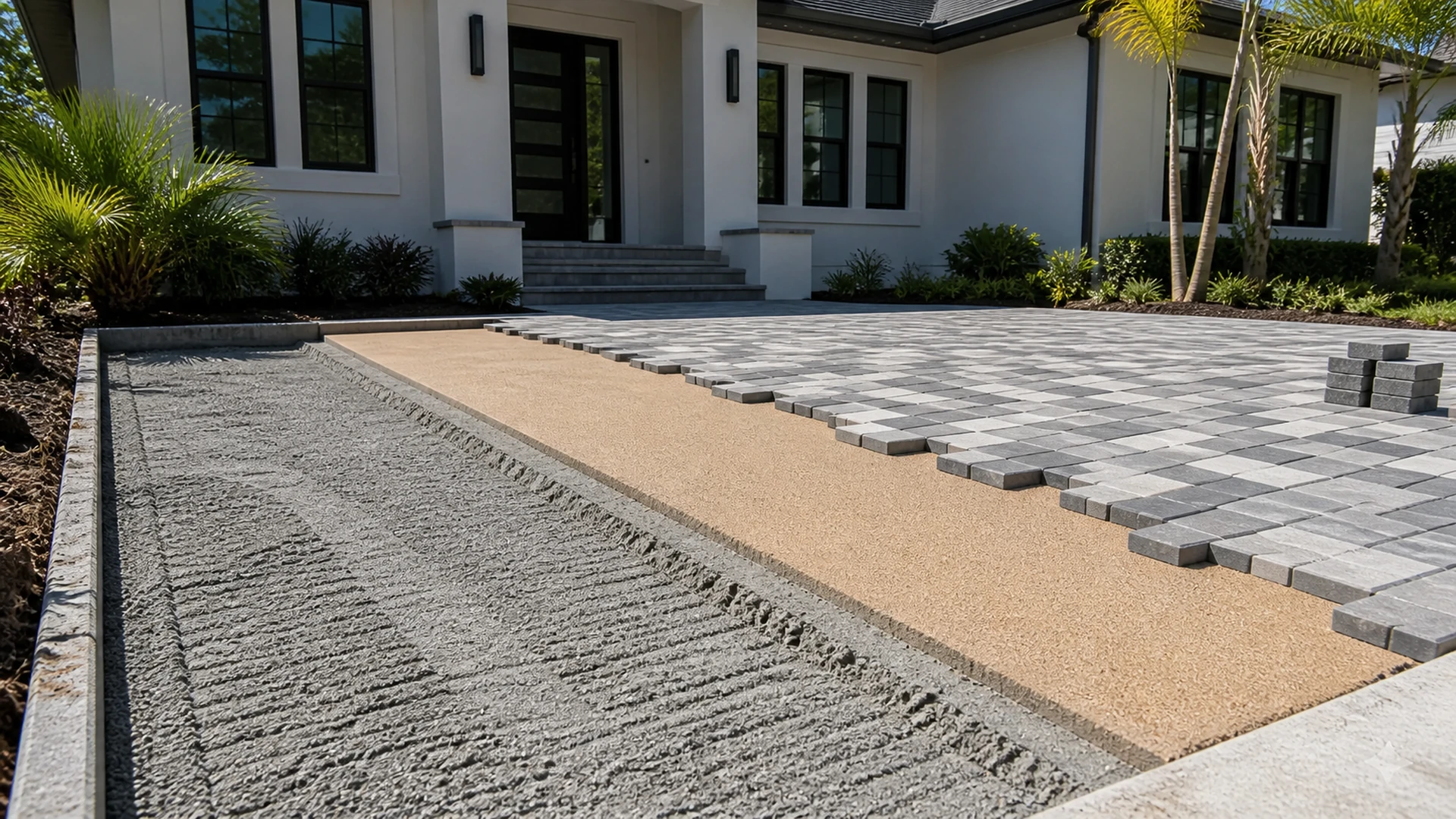
Installation planning also covers base preparation, border support, staging, and protection of nearby surfaces. Therefore, the contractor should explain these tasks even when no permit submittal is required. Regulatory status and workmanship are not interchangeable. A clear proposal keeps both responsibilities visible.
Moreover, If review conditions refer to an accepted plan or specific construction feature, carry that information into the field set. Next, confirm that the crew can identify the applicable detail. Questions should be raised before work covers the condition. This handoff keeps the paver permit Tampa process connected to construction without overstating what approval guarantees.
Close the project with organized records
Instead, After completion, keep final approvals, project photos, plans, and contractor information together. In addition, record any maintenance instructions for the paver system. Organized records can help with future repairs or property questions. They also preserve the reasoning behind the original paver permit Tampa determination.
Finally, inspect the finished layout against the agreed scope and note any unresolved item promptly. Permit closure and workmanship review are related but distinct responsibilities. Therefore, confirm both through the appropriate channels. DR Pavers Design’s services overview can help homeowners frame the hardscape portion before requesting a site-specific discussion.
For a property-specific next step, gather your address and scope notes, then use contact or the FAQ before reviewing similar projects, customer testimonials, and available services. Meanwhile, follow field work on Instagram and Facebook, find the team on the map, and consult Google reviews. Afterward, share the verified jurisdiction and proposed dimensions by WhatsApp, phone, text, or email so your paver permit Tampa discussion begins with useful facts.