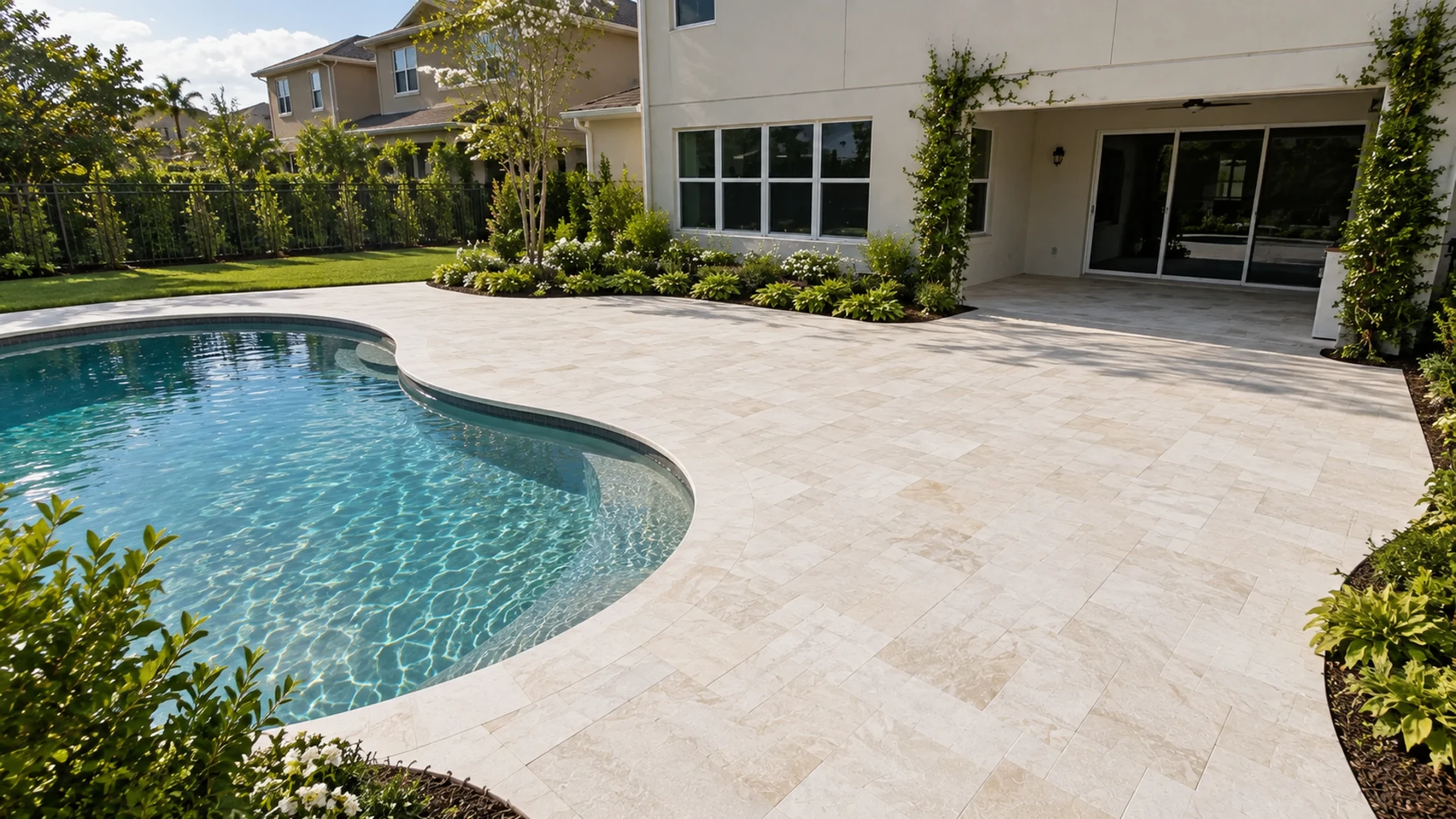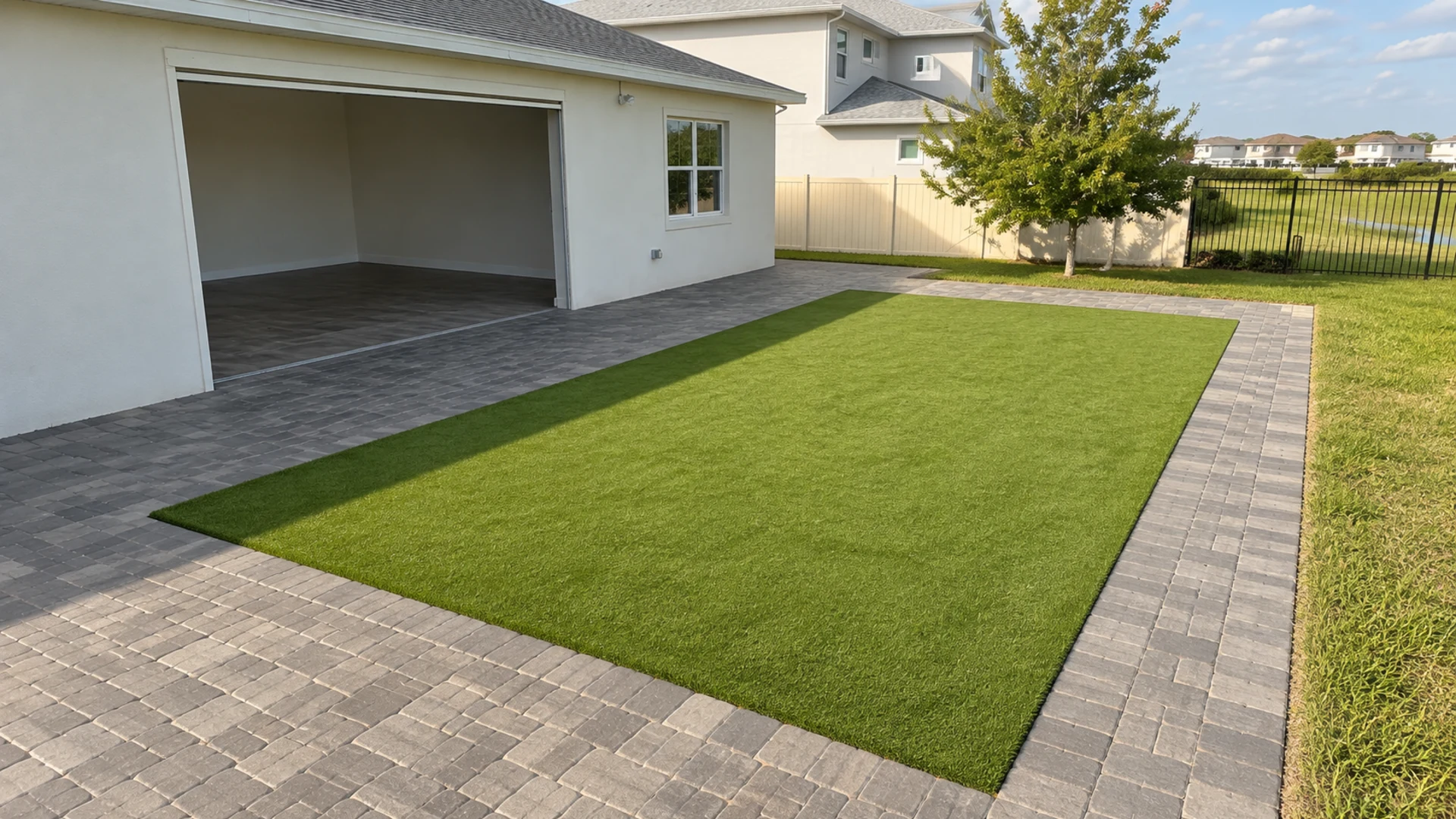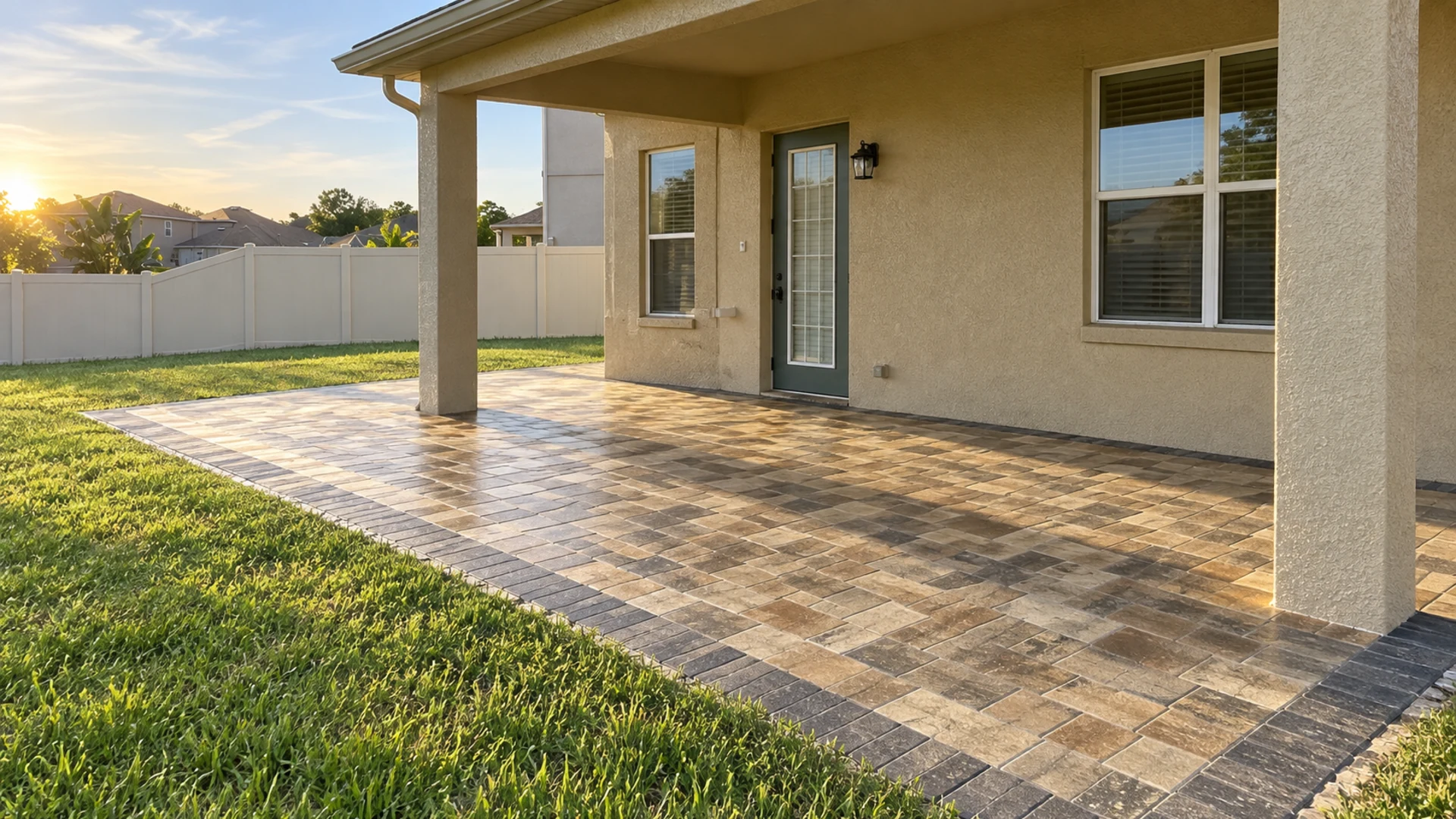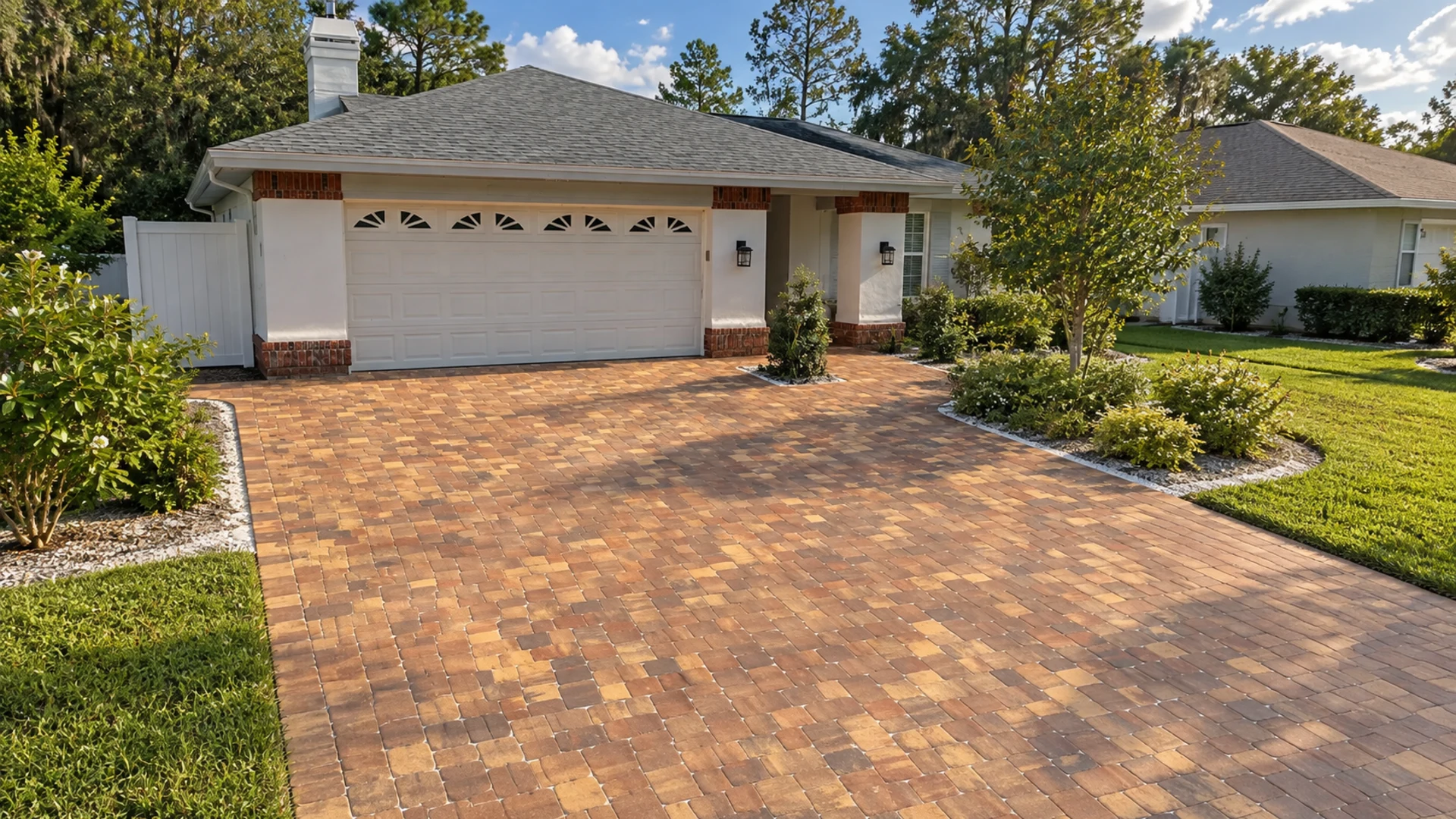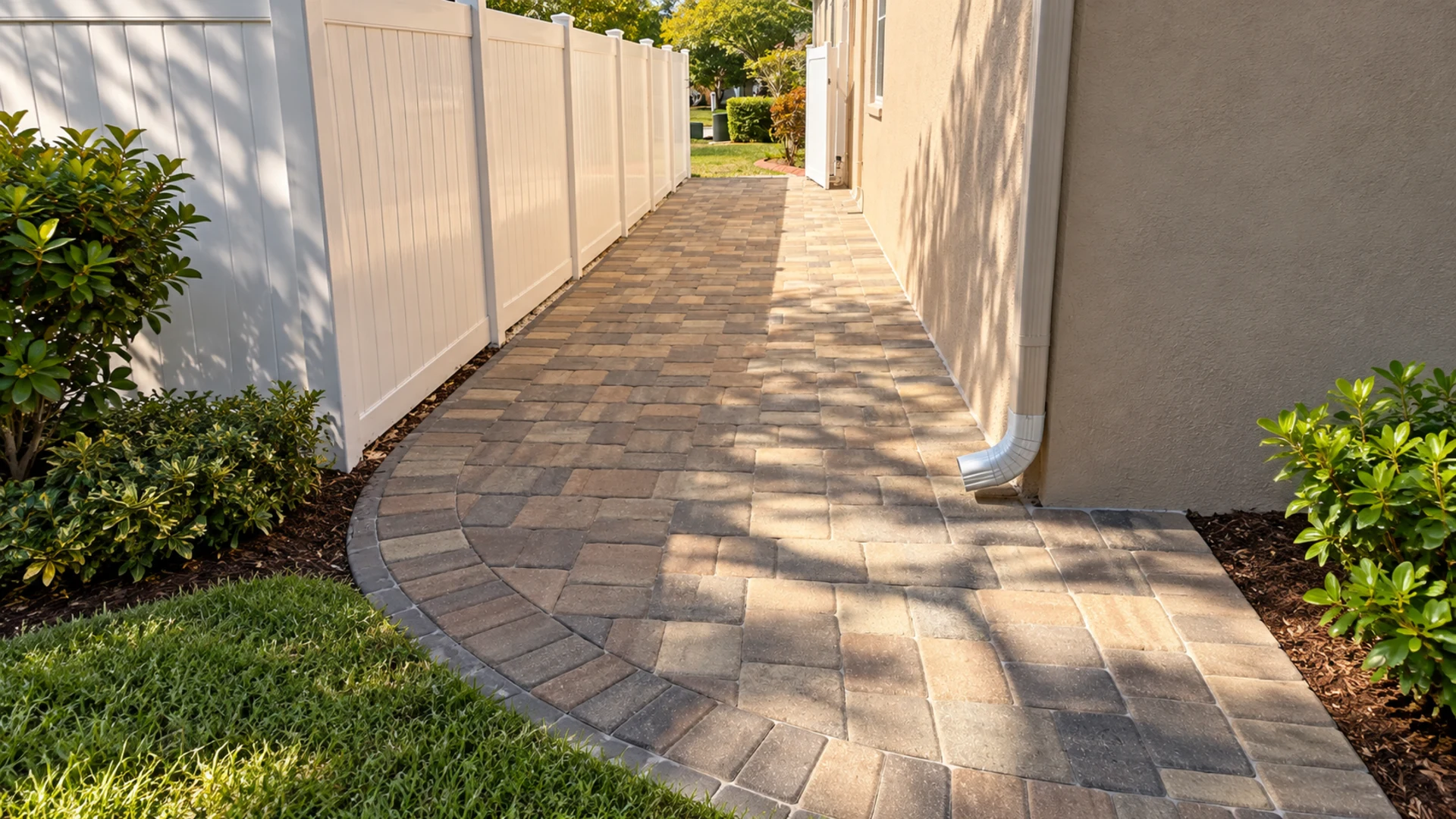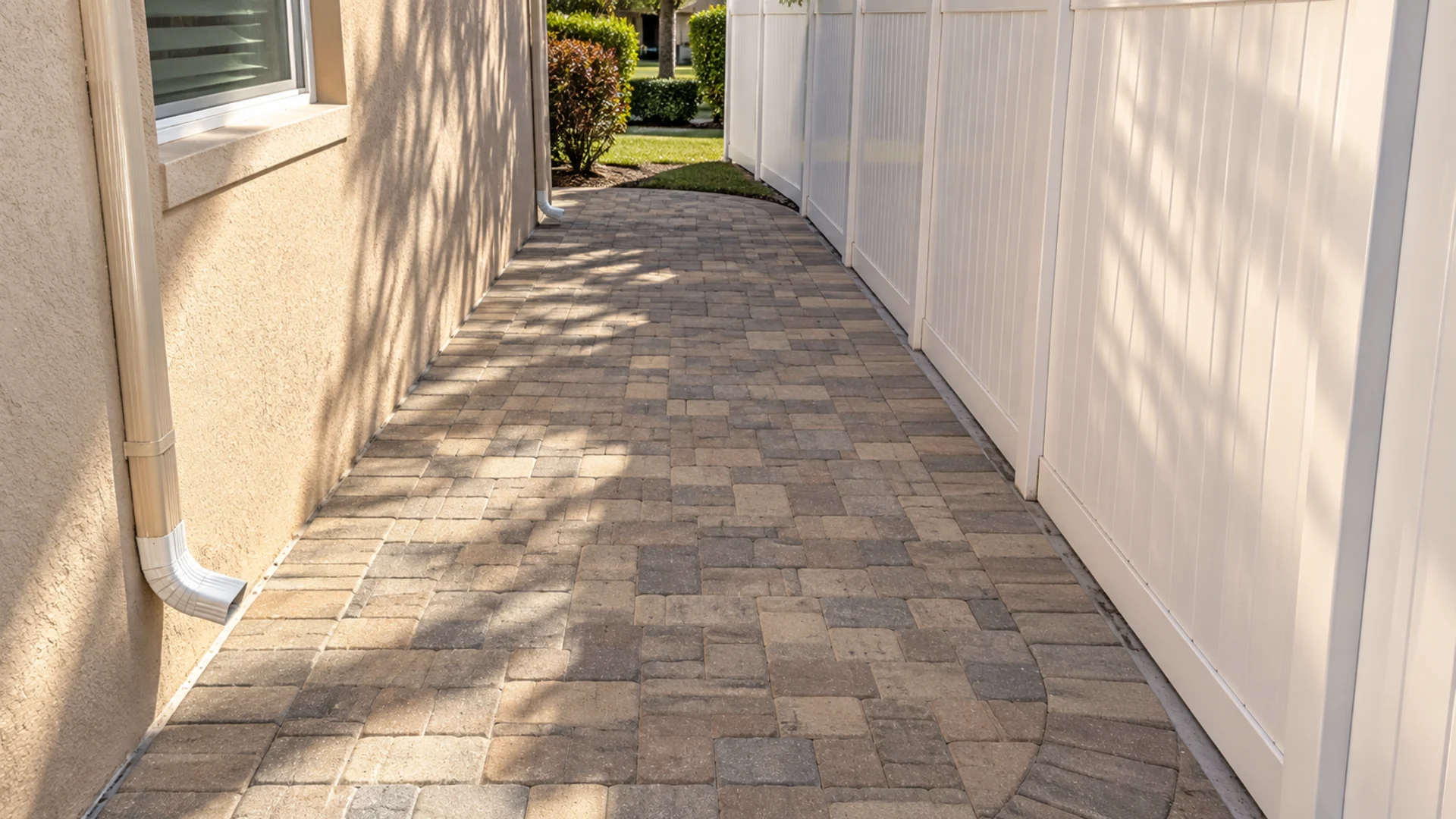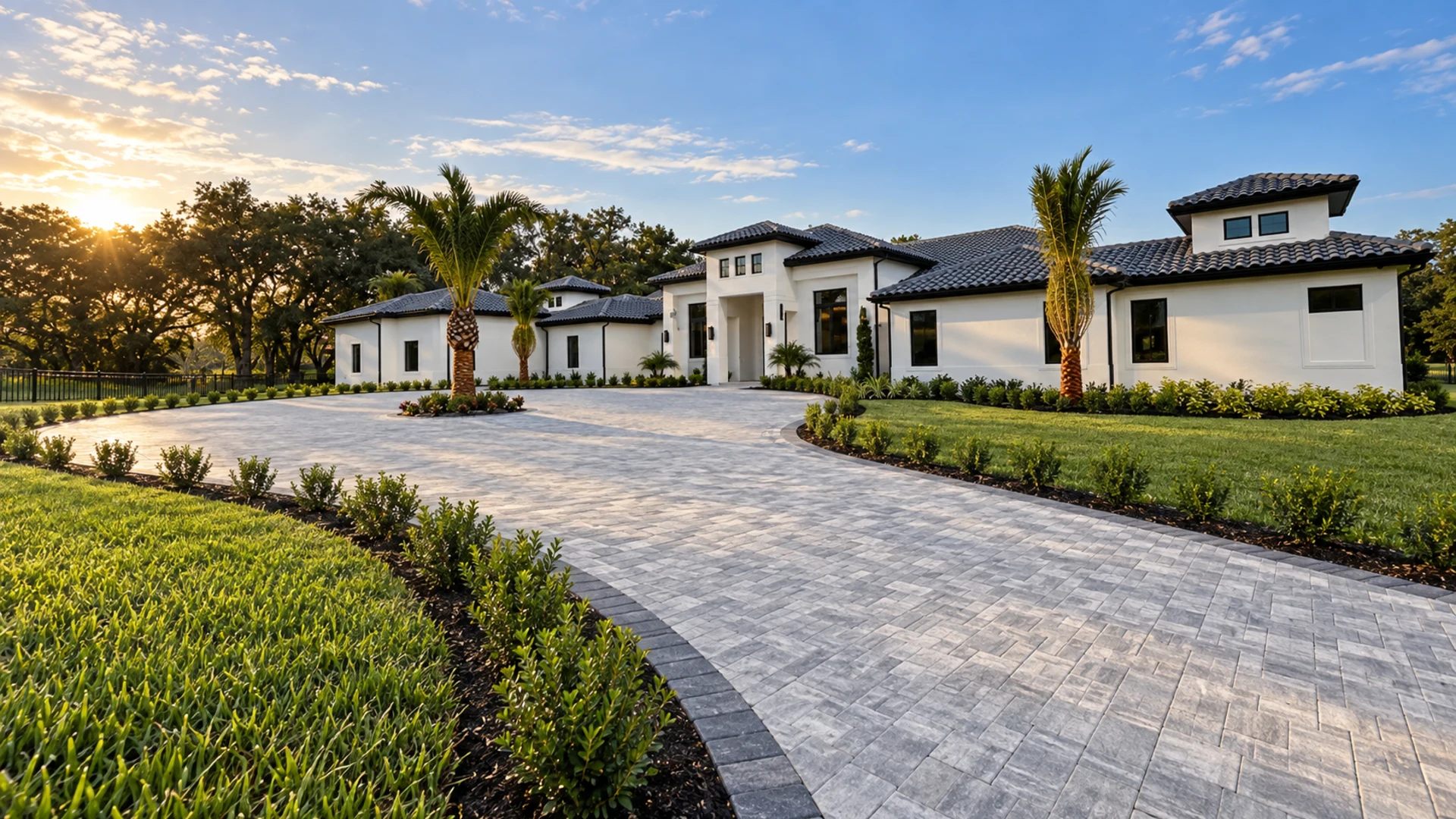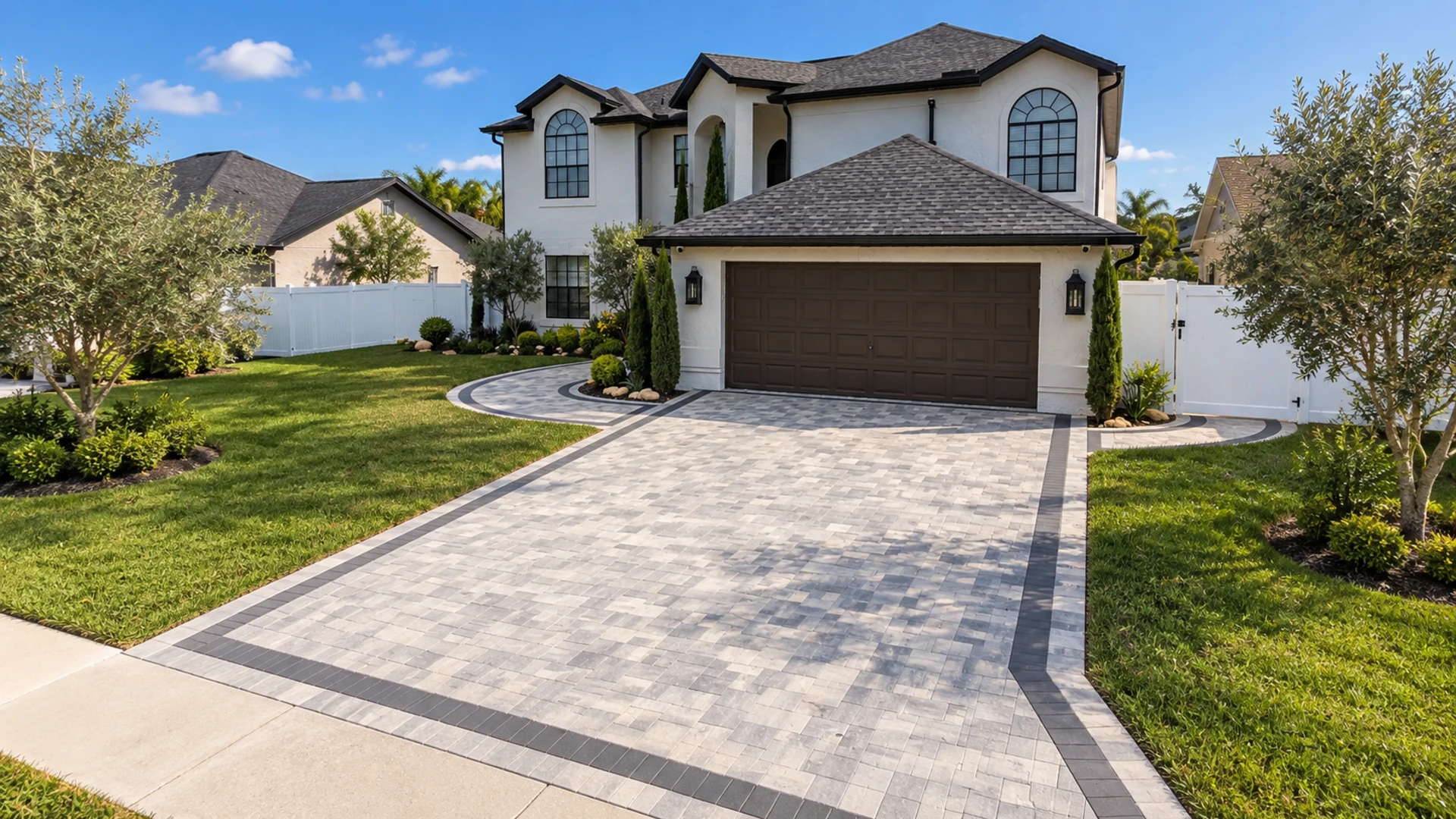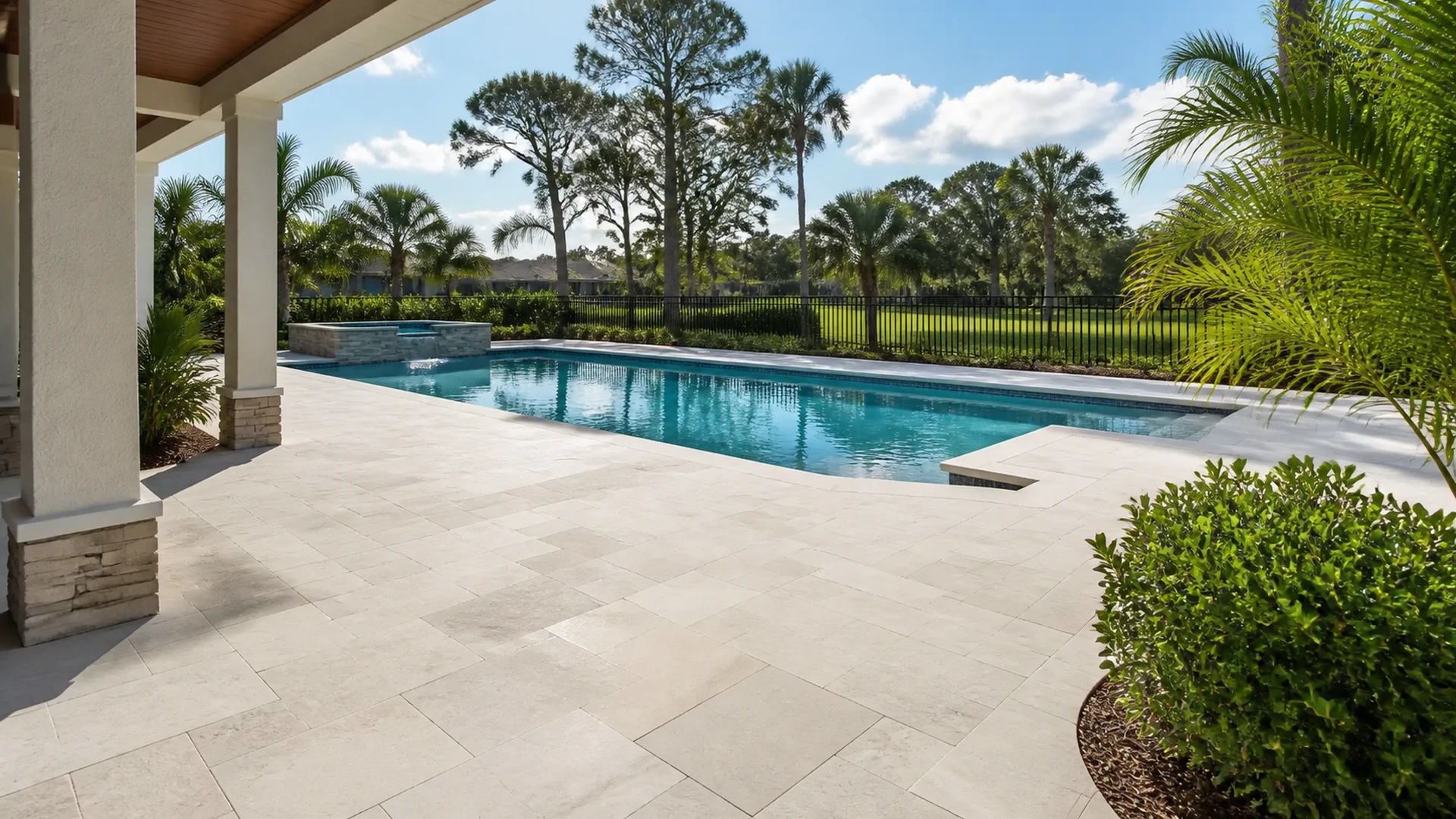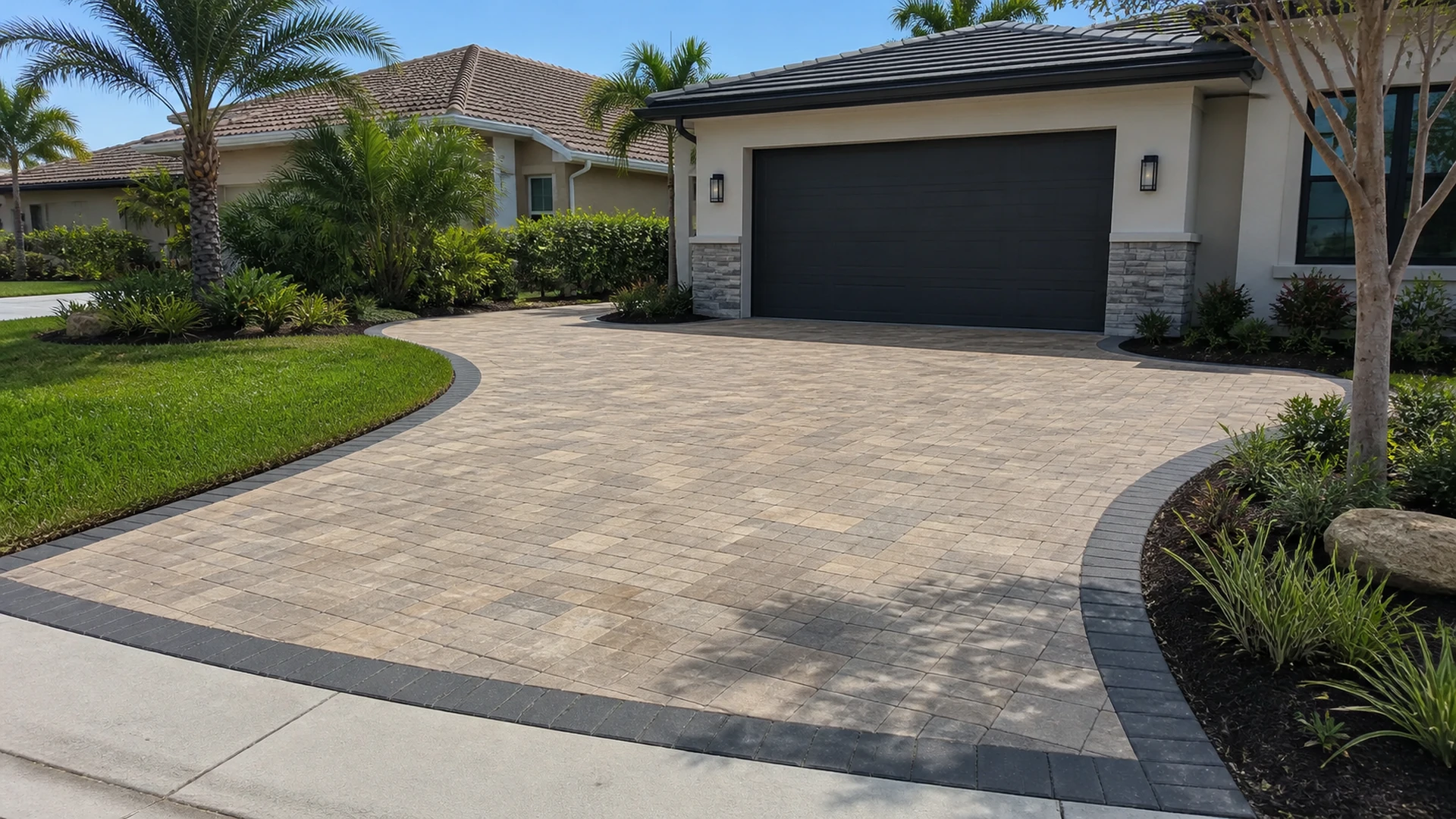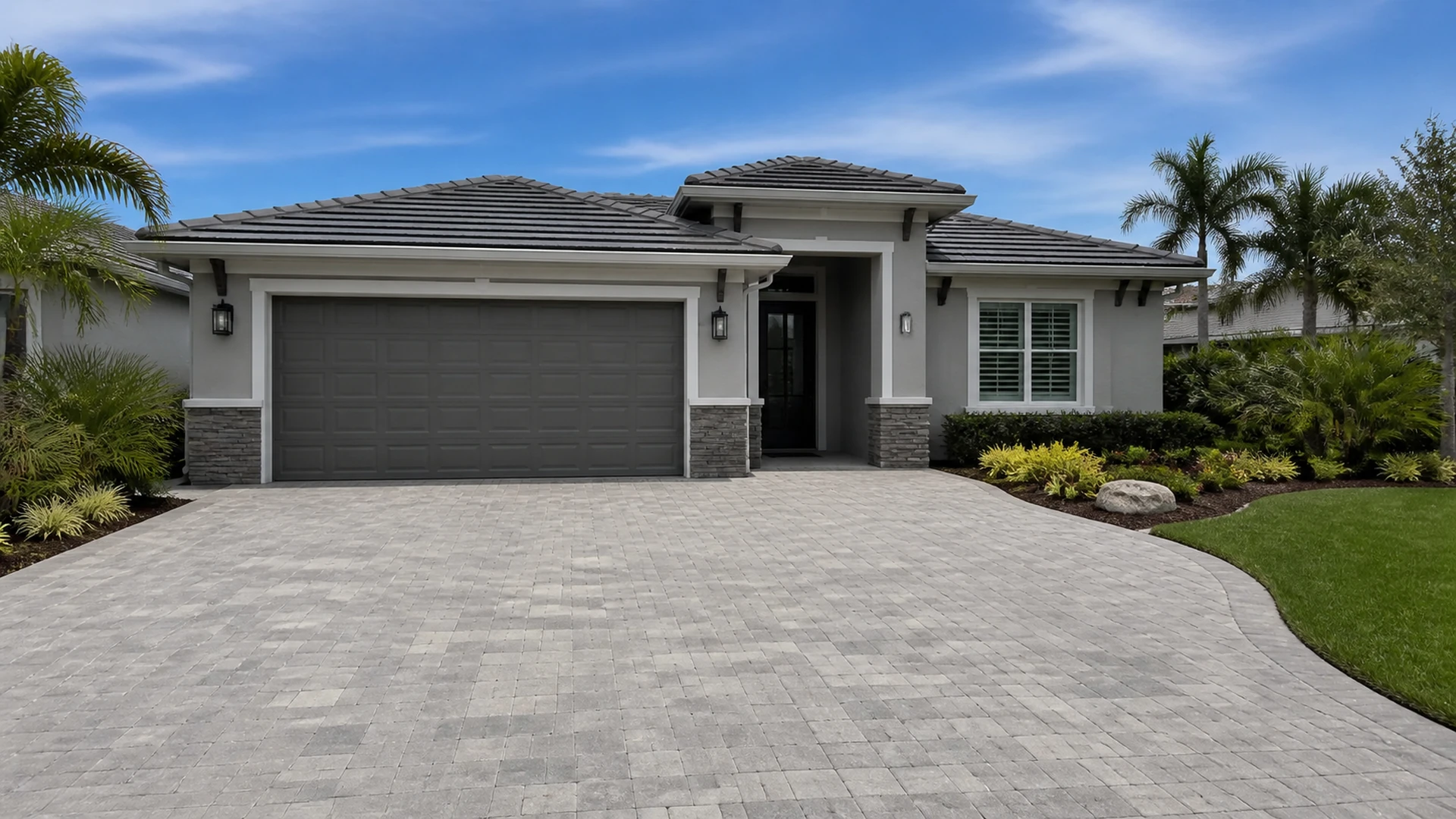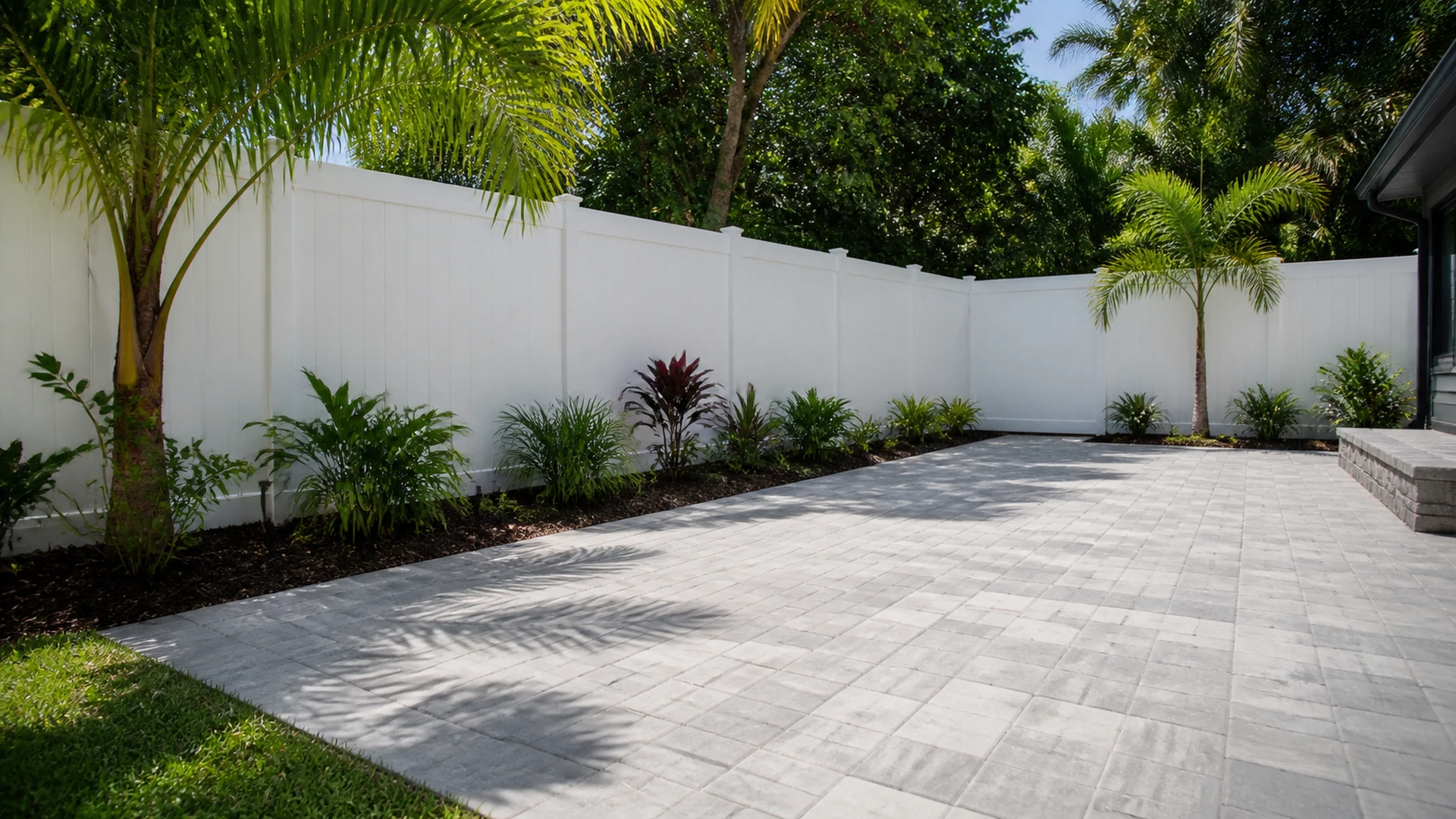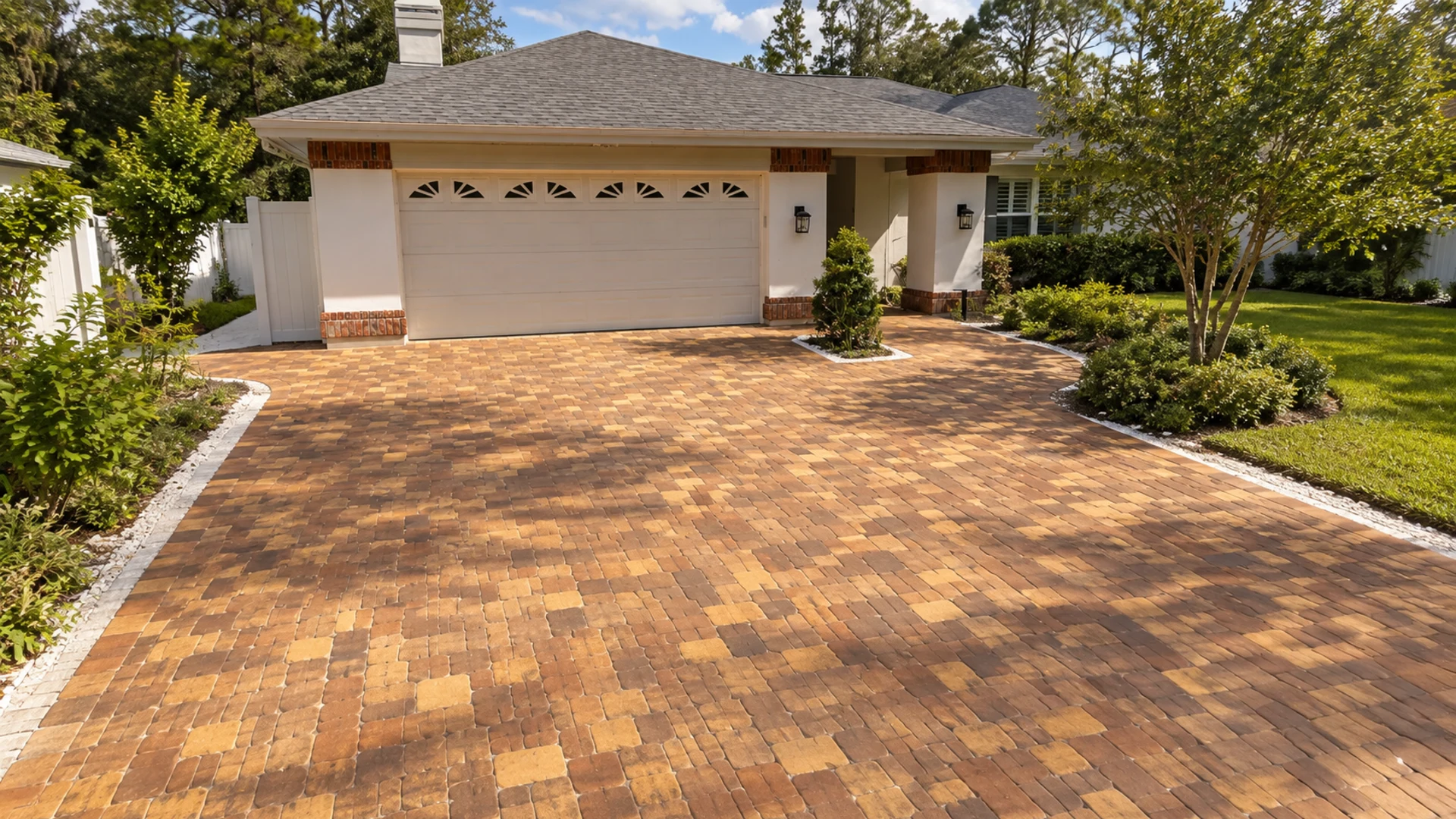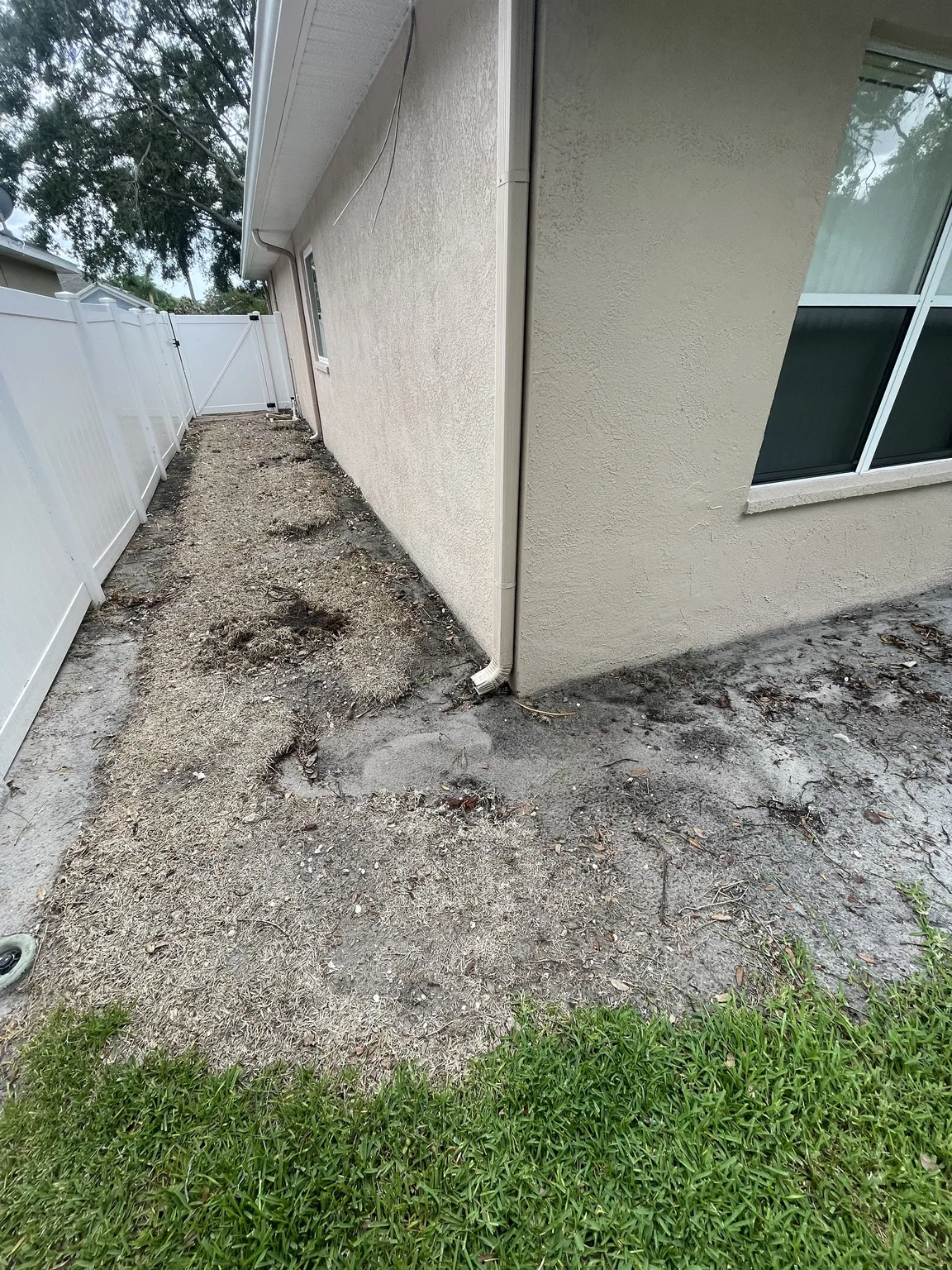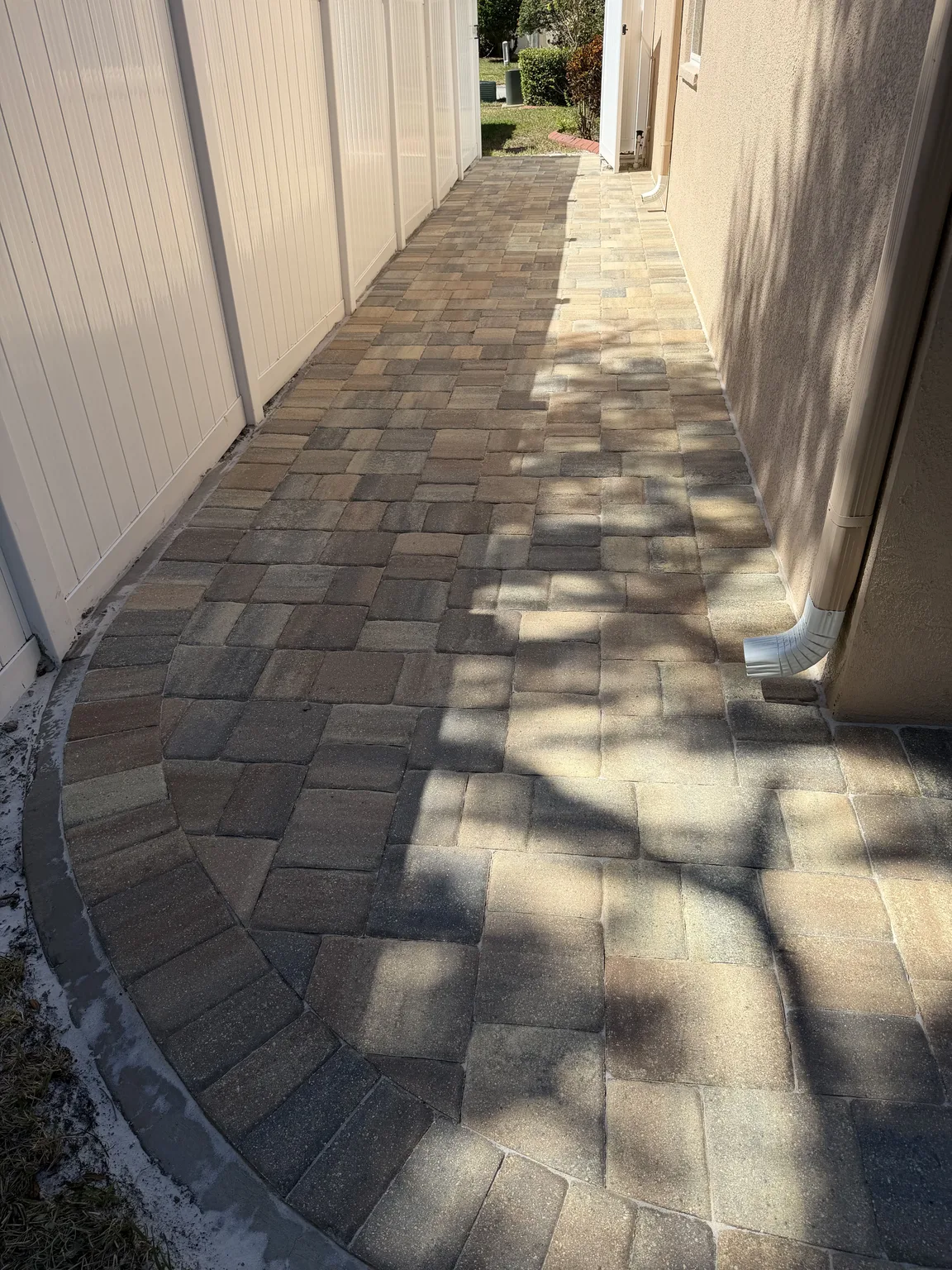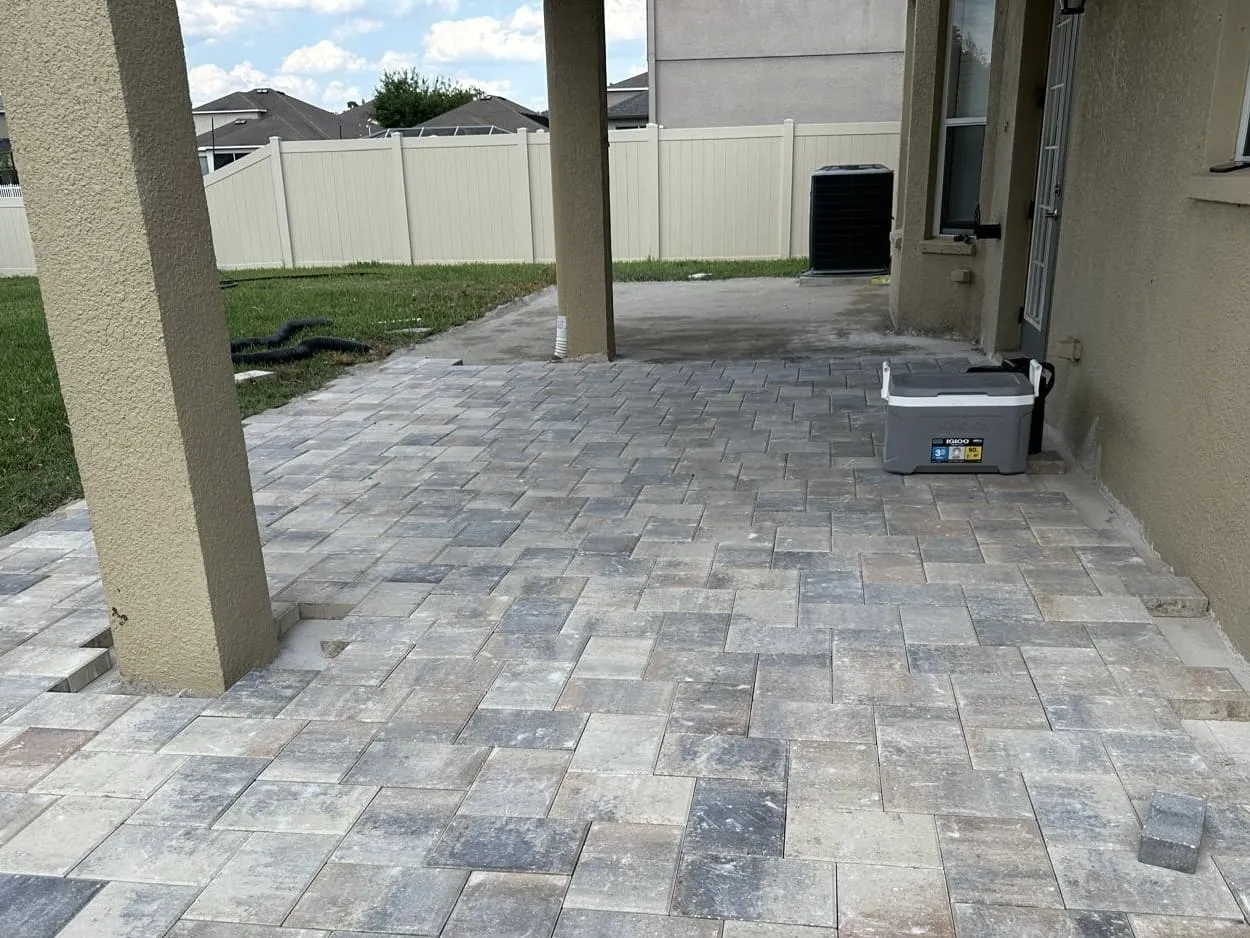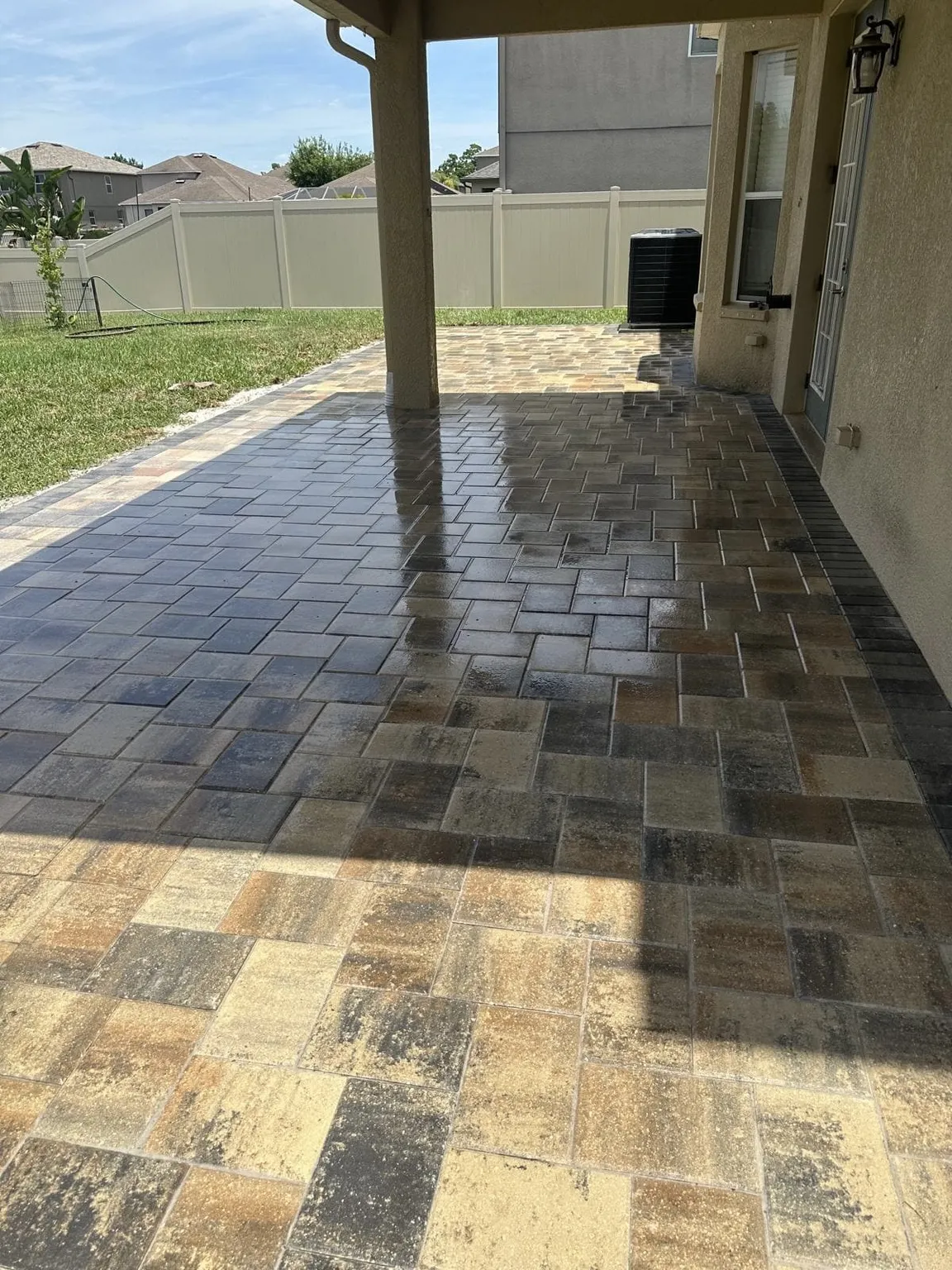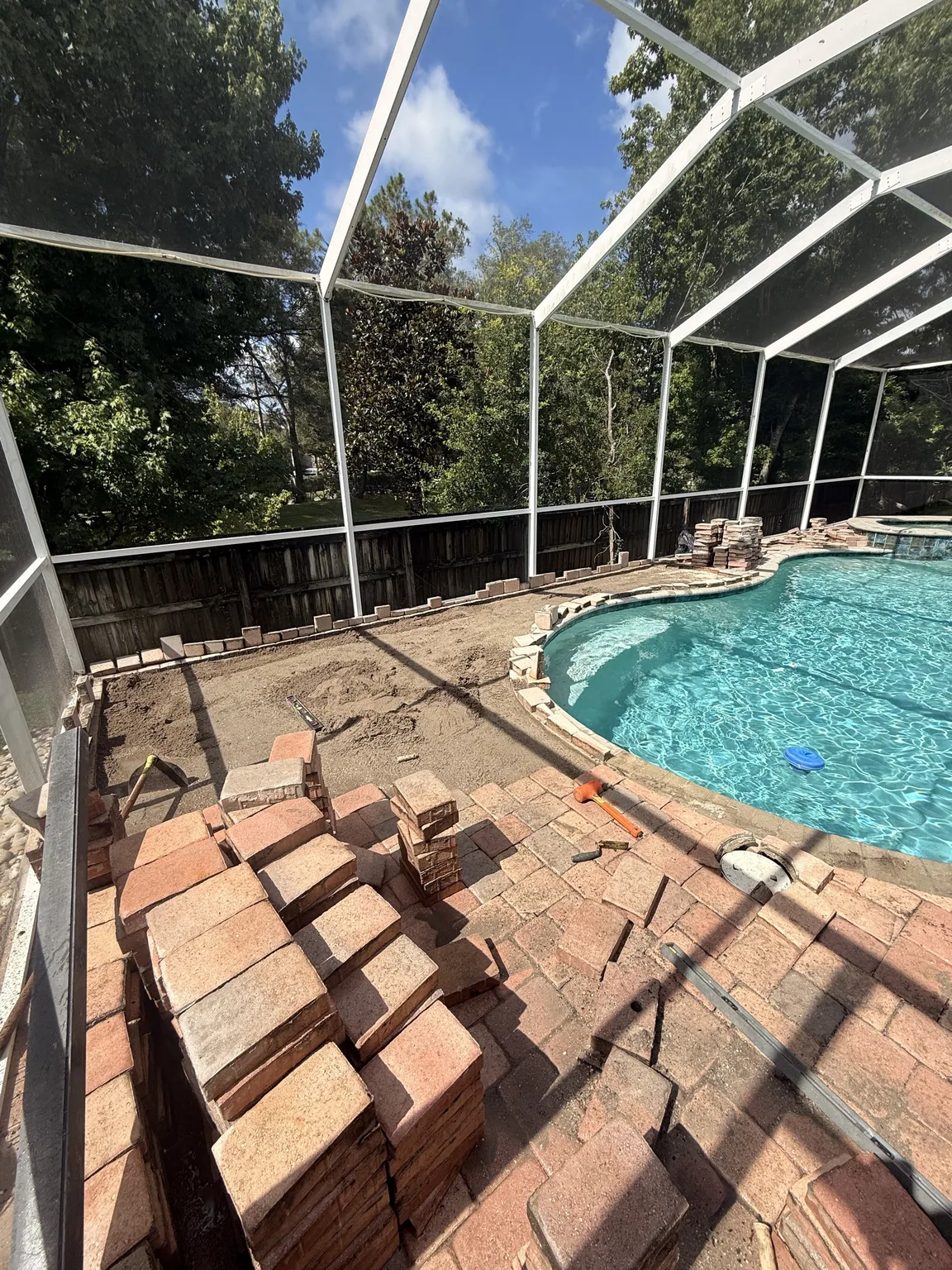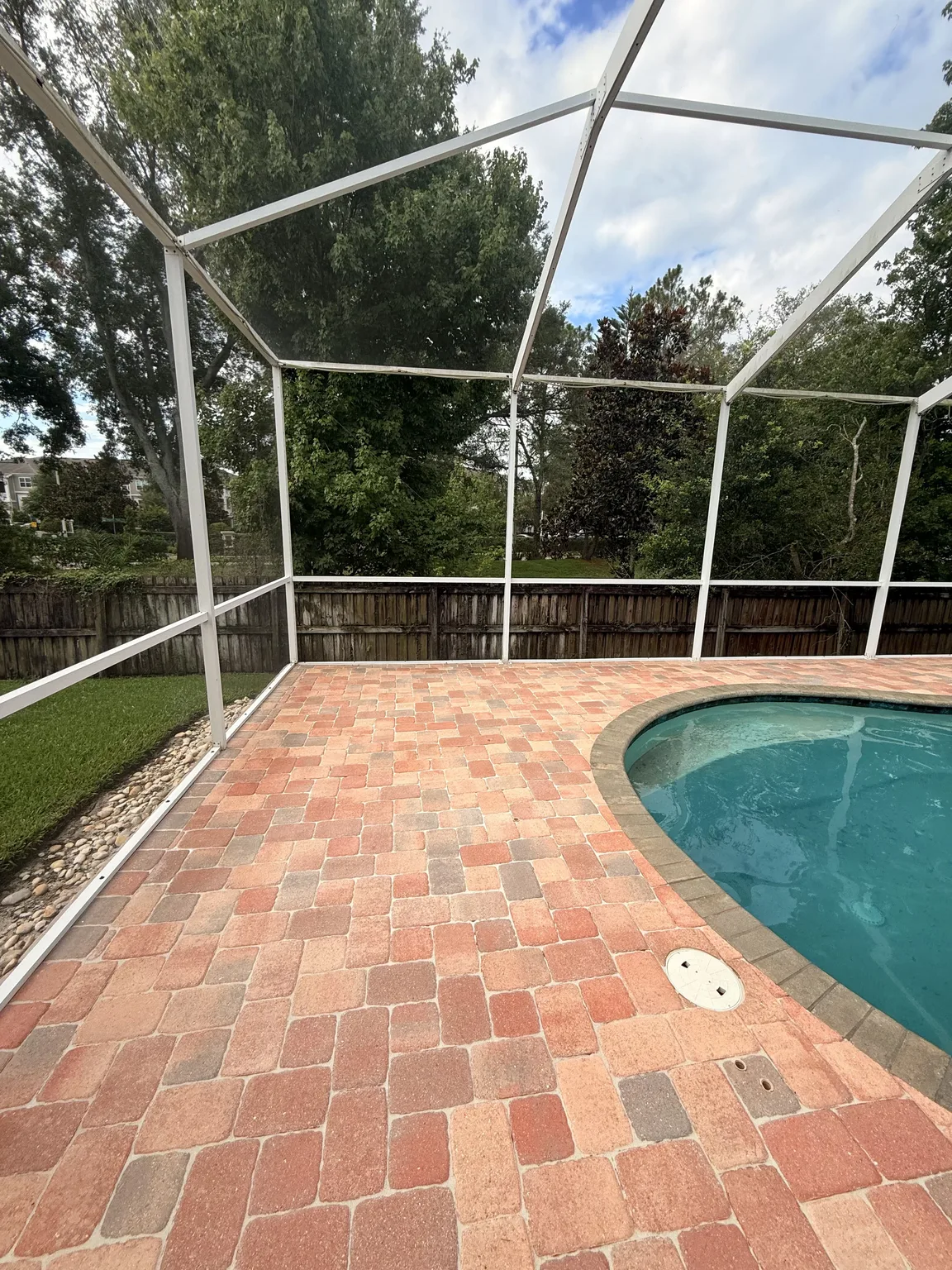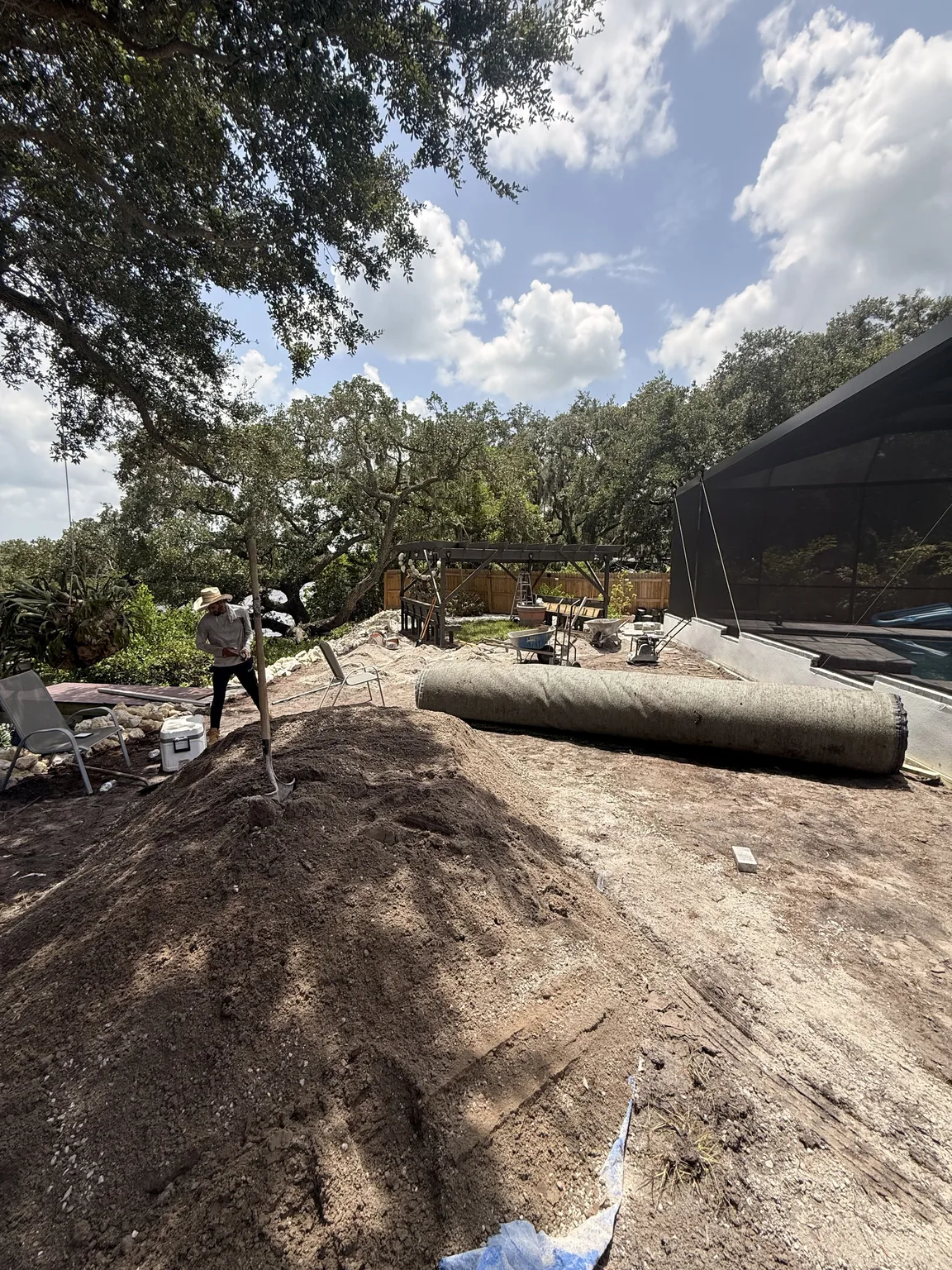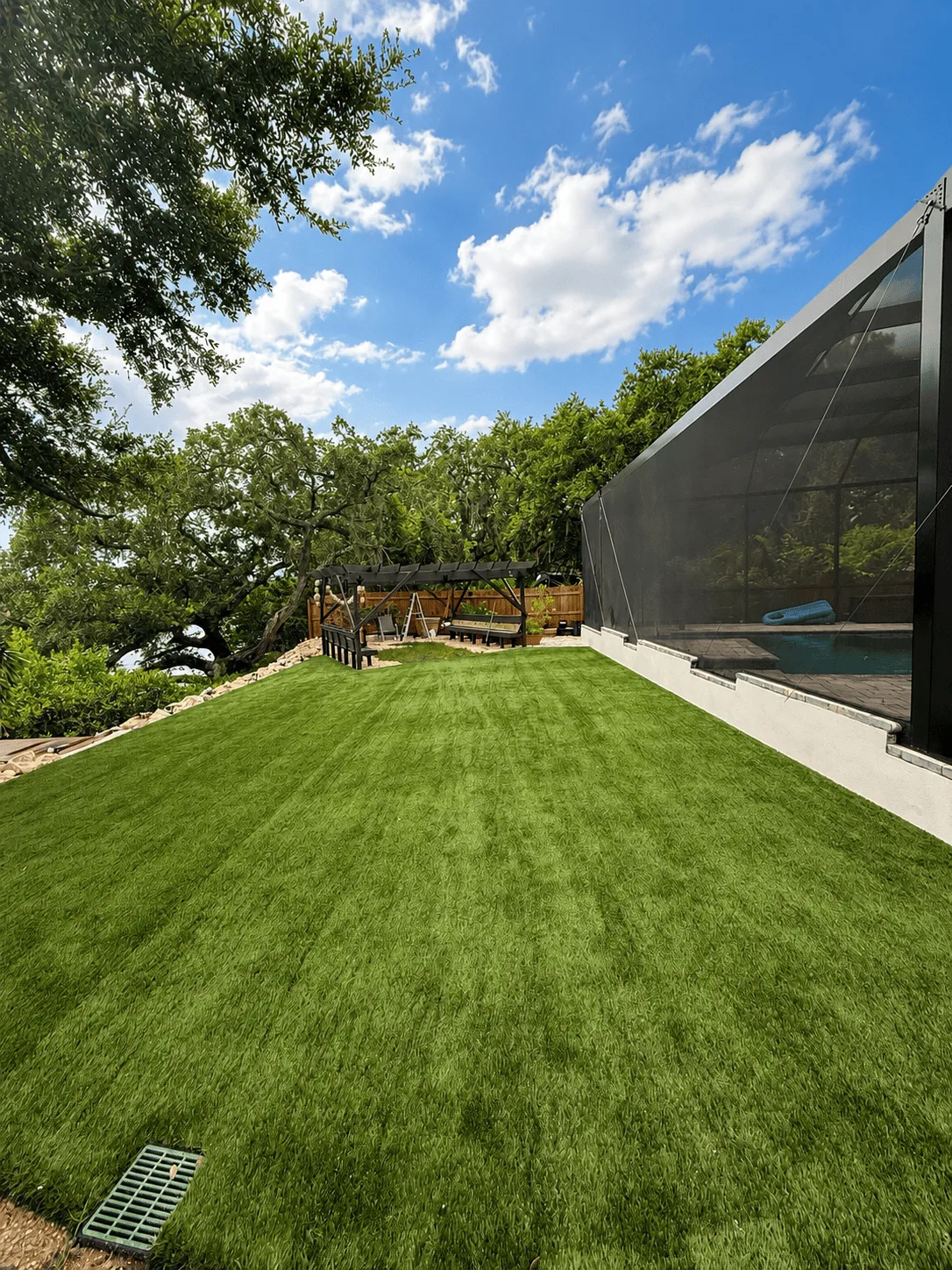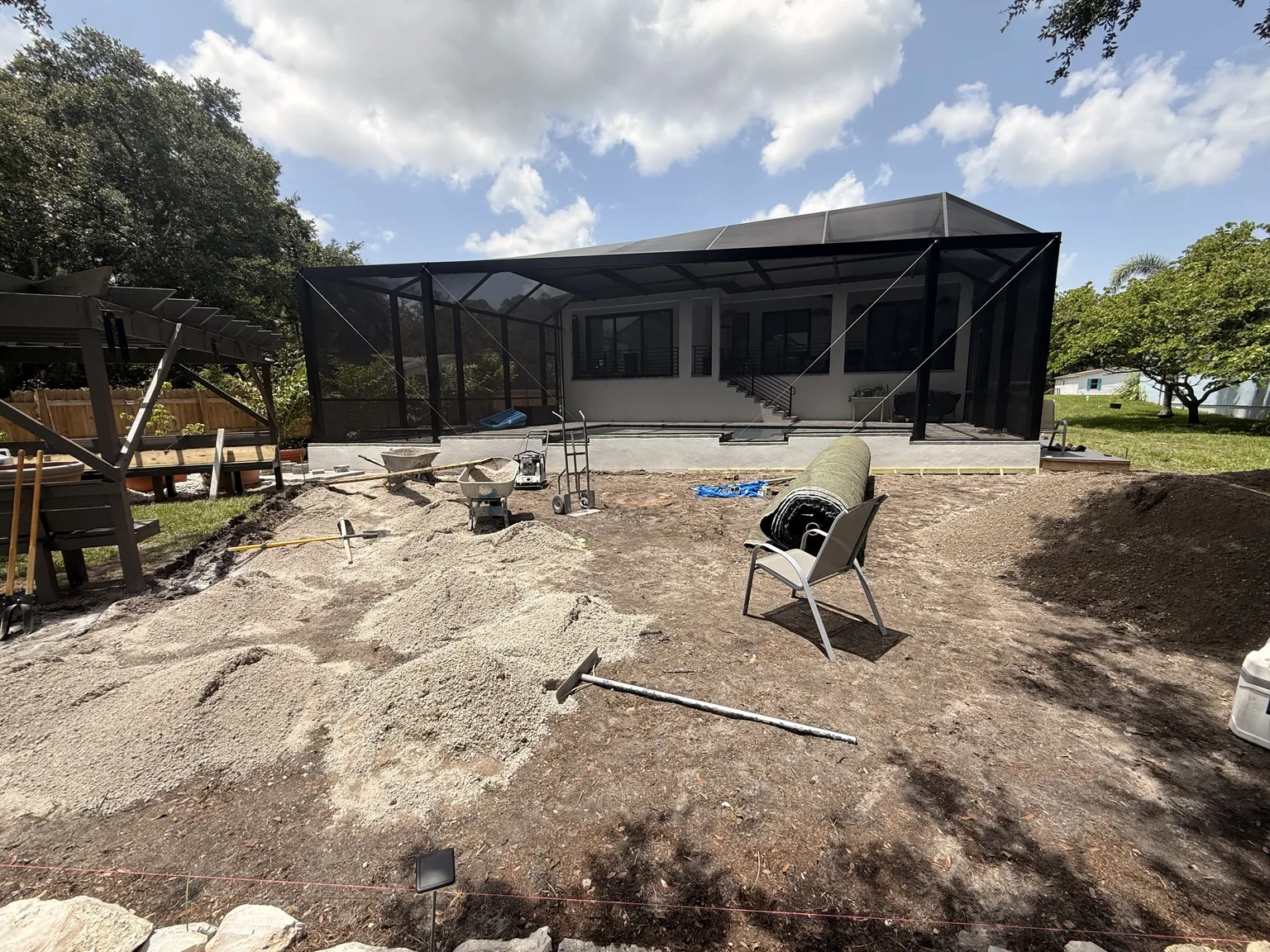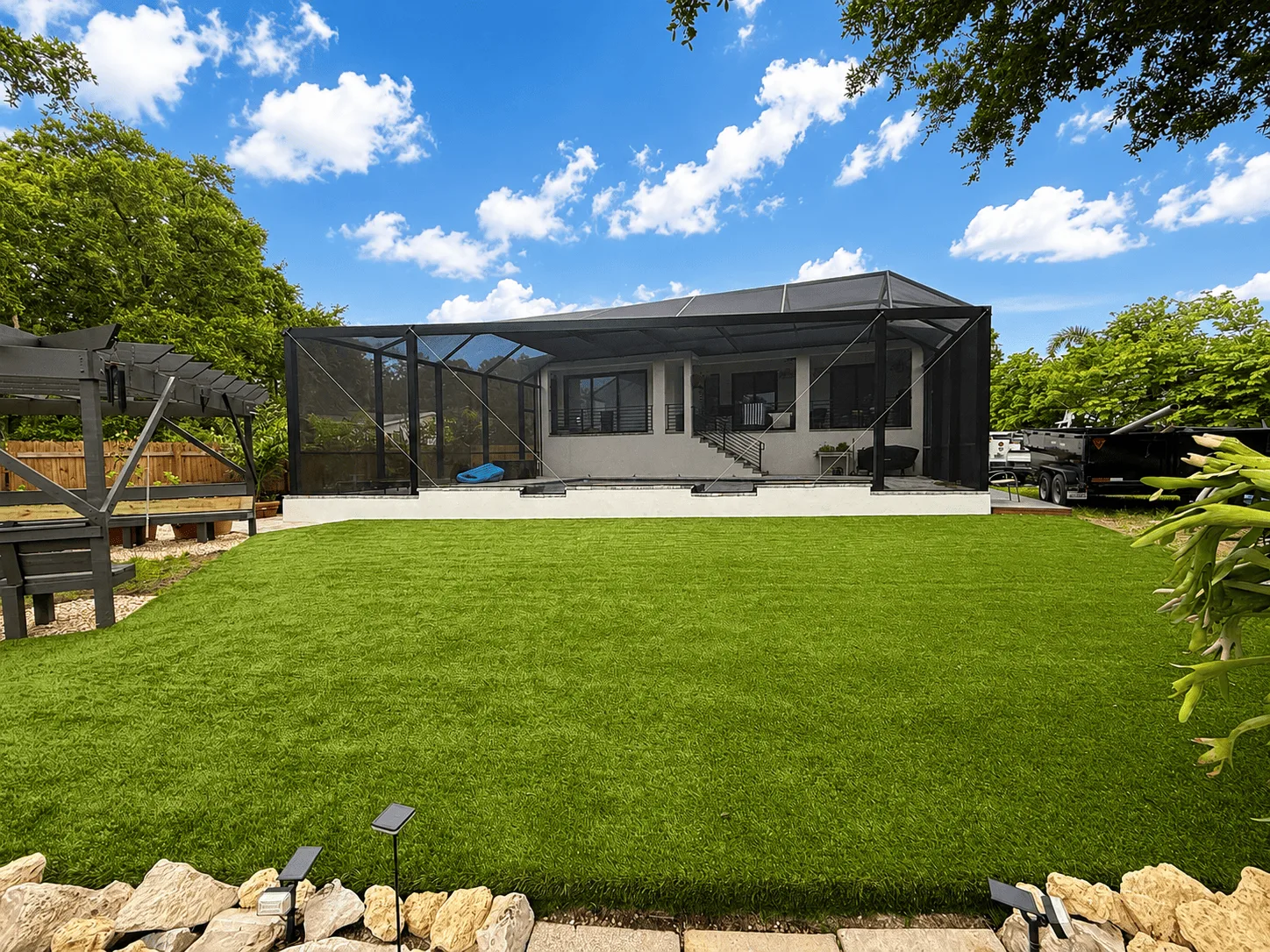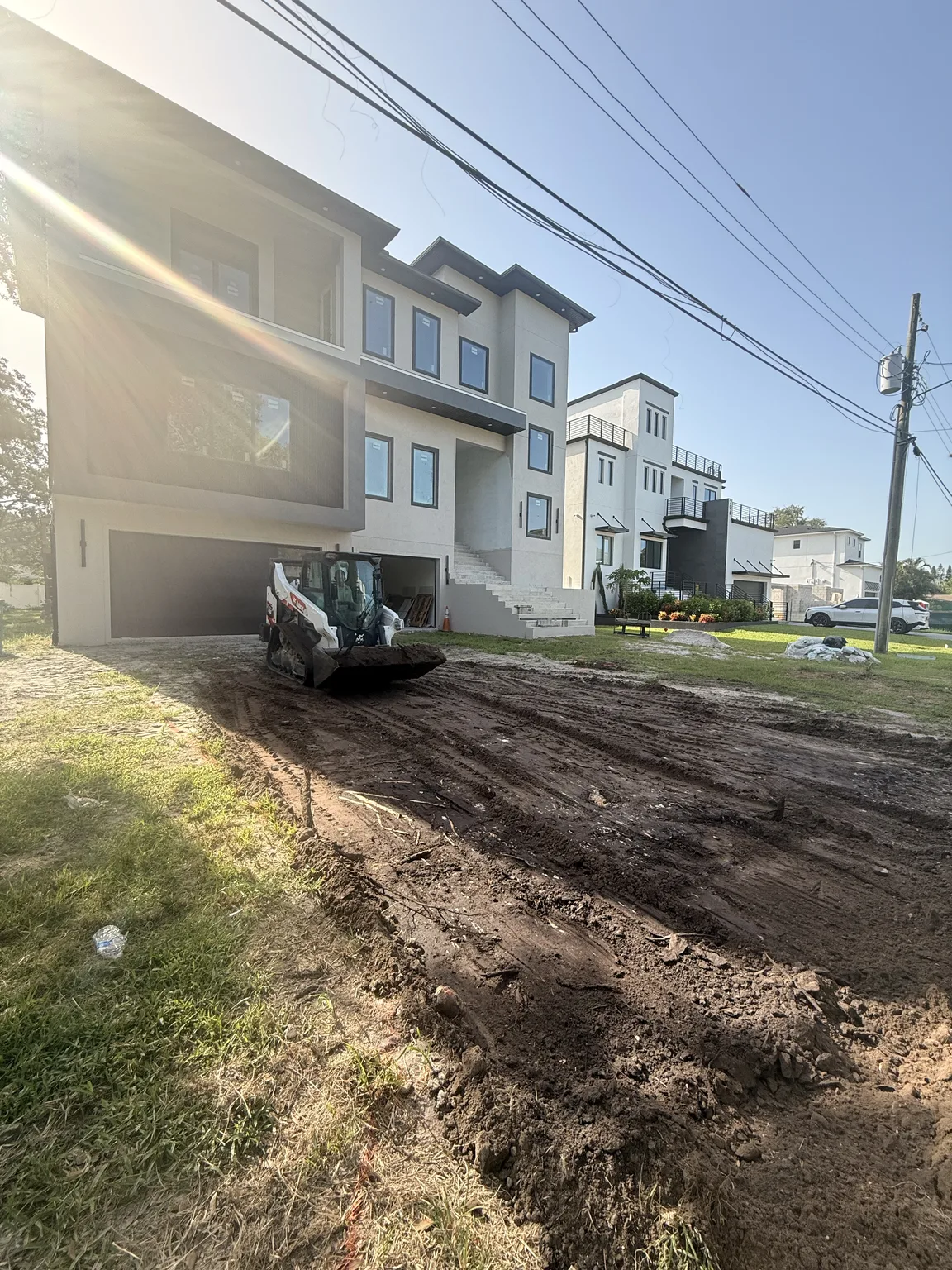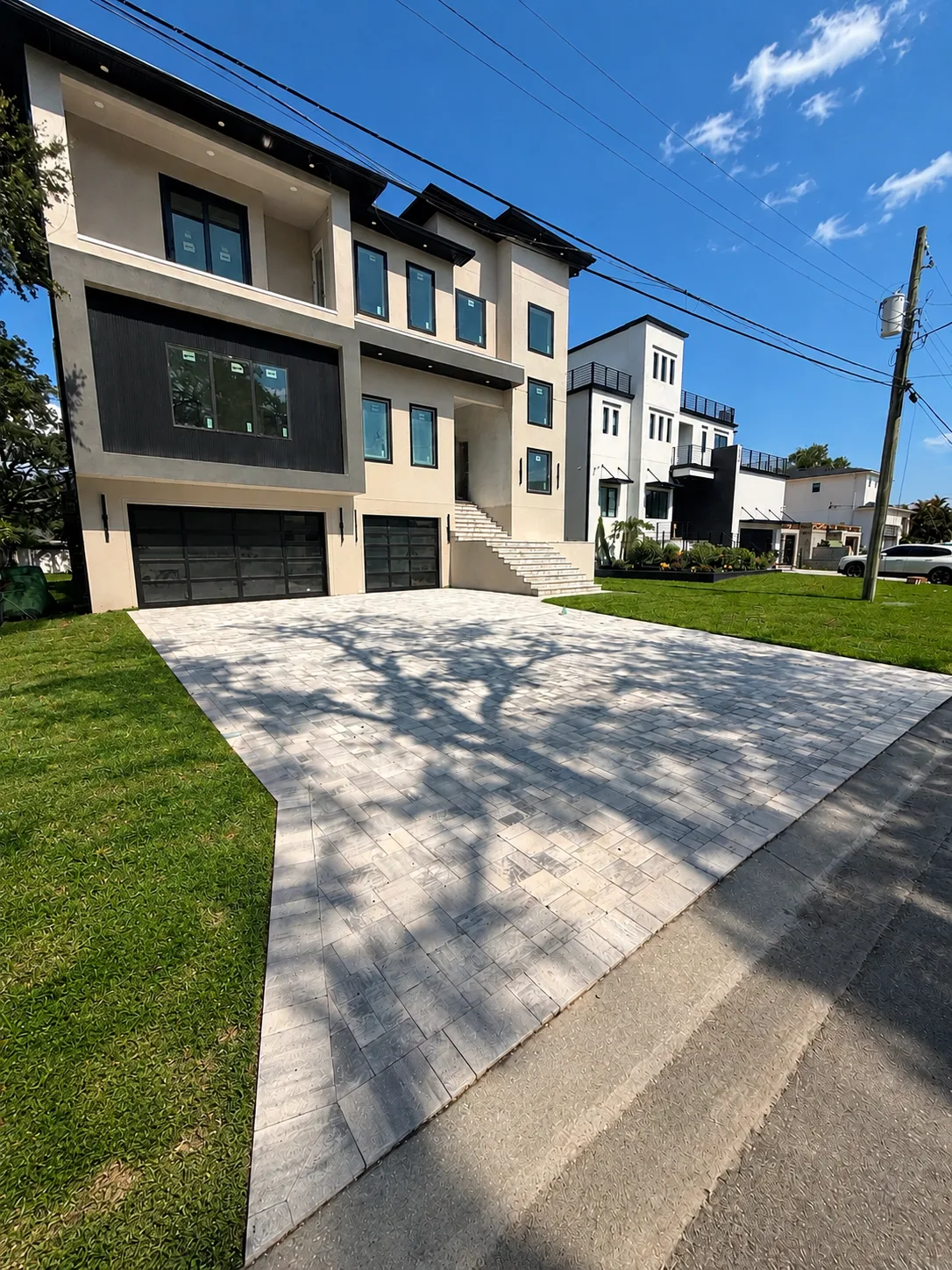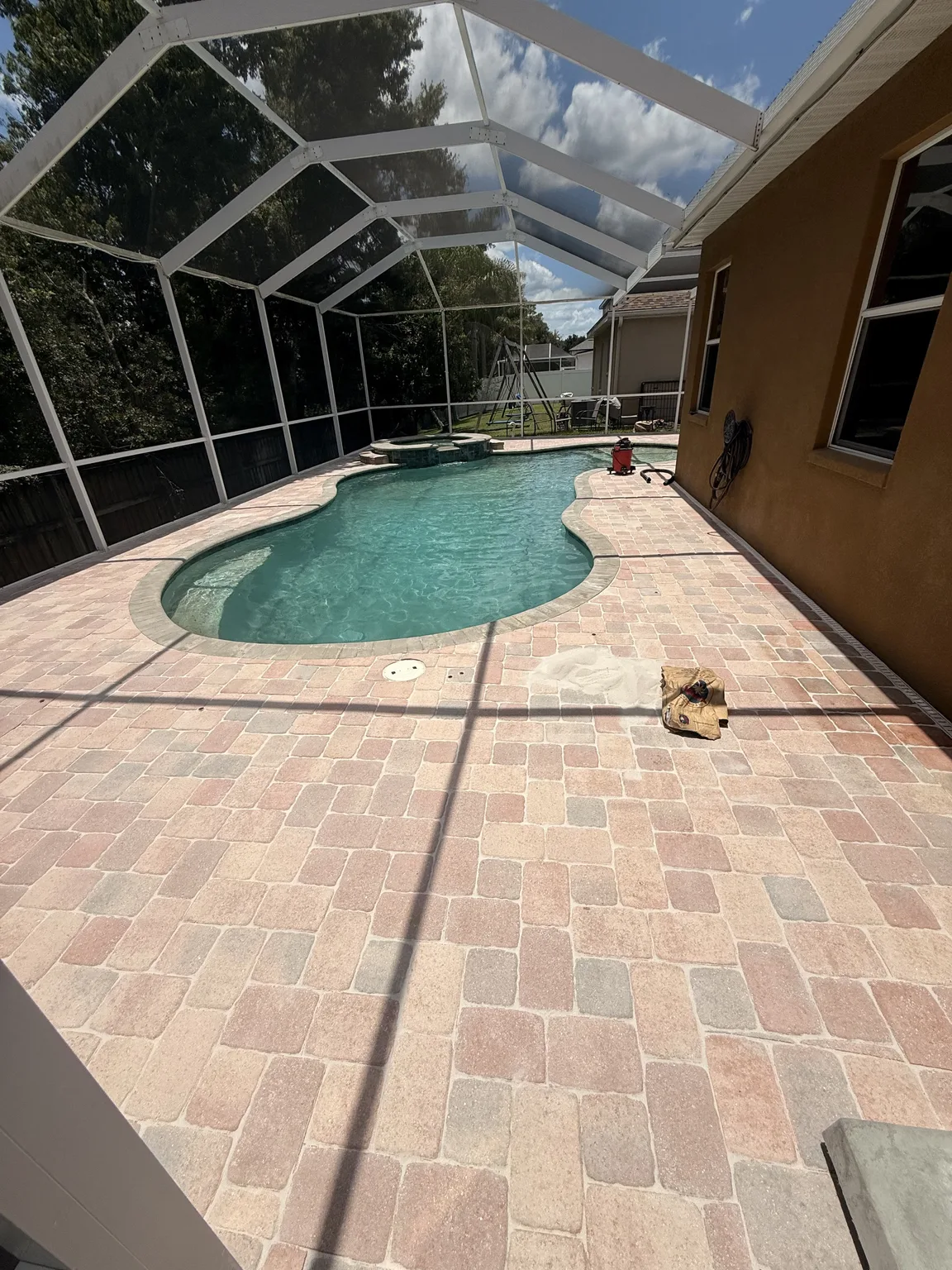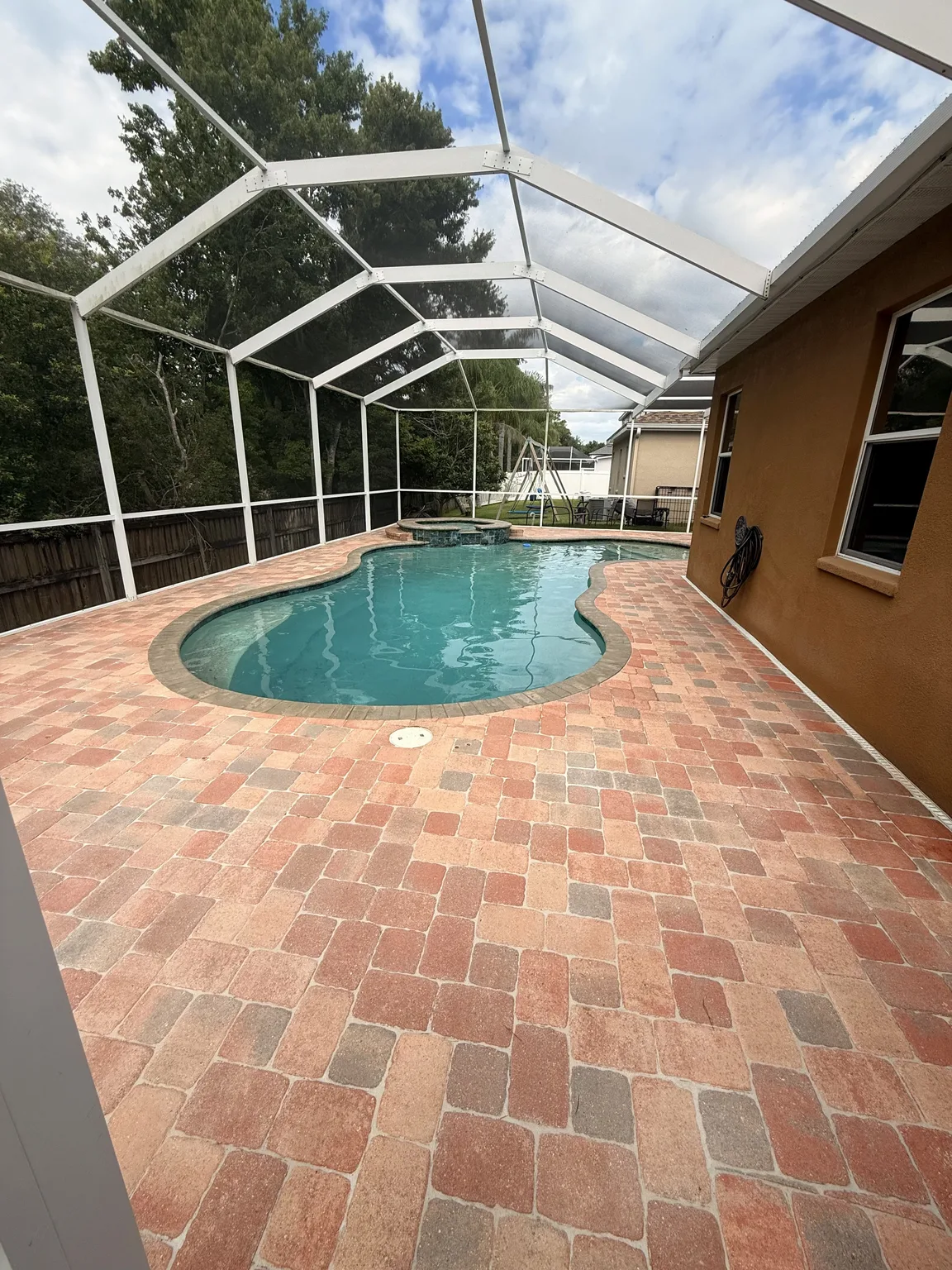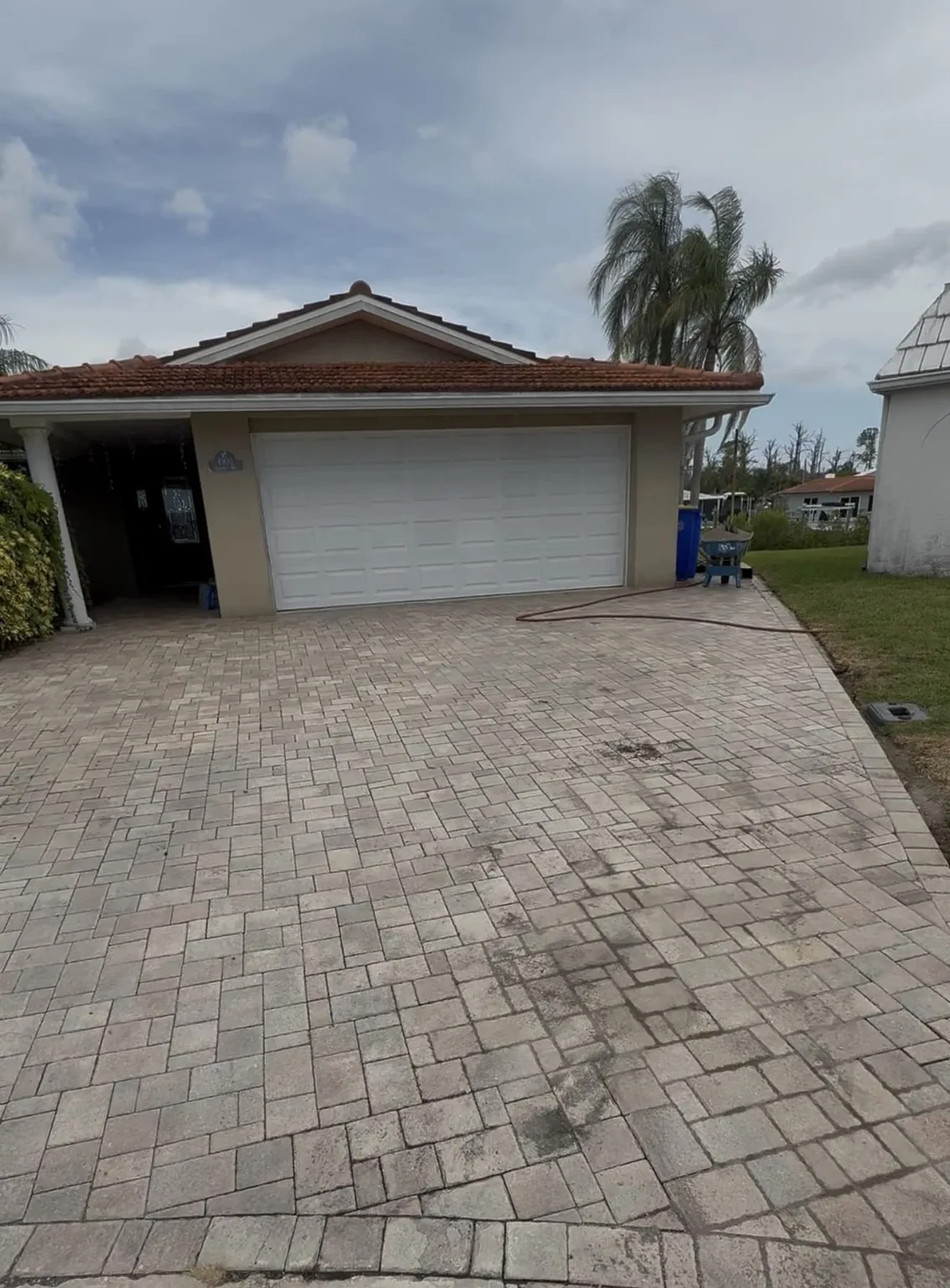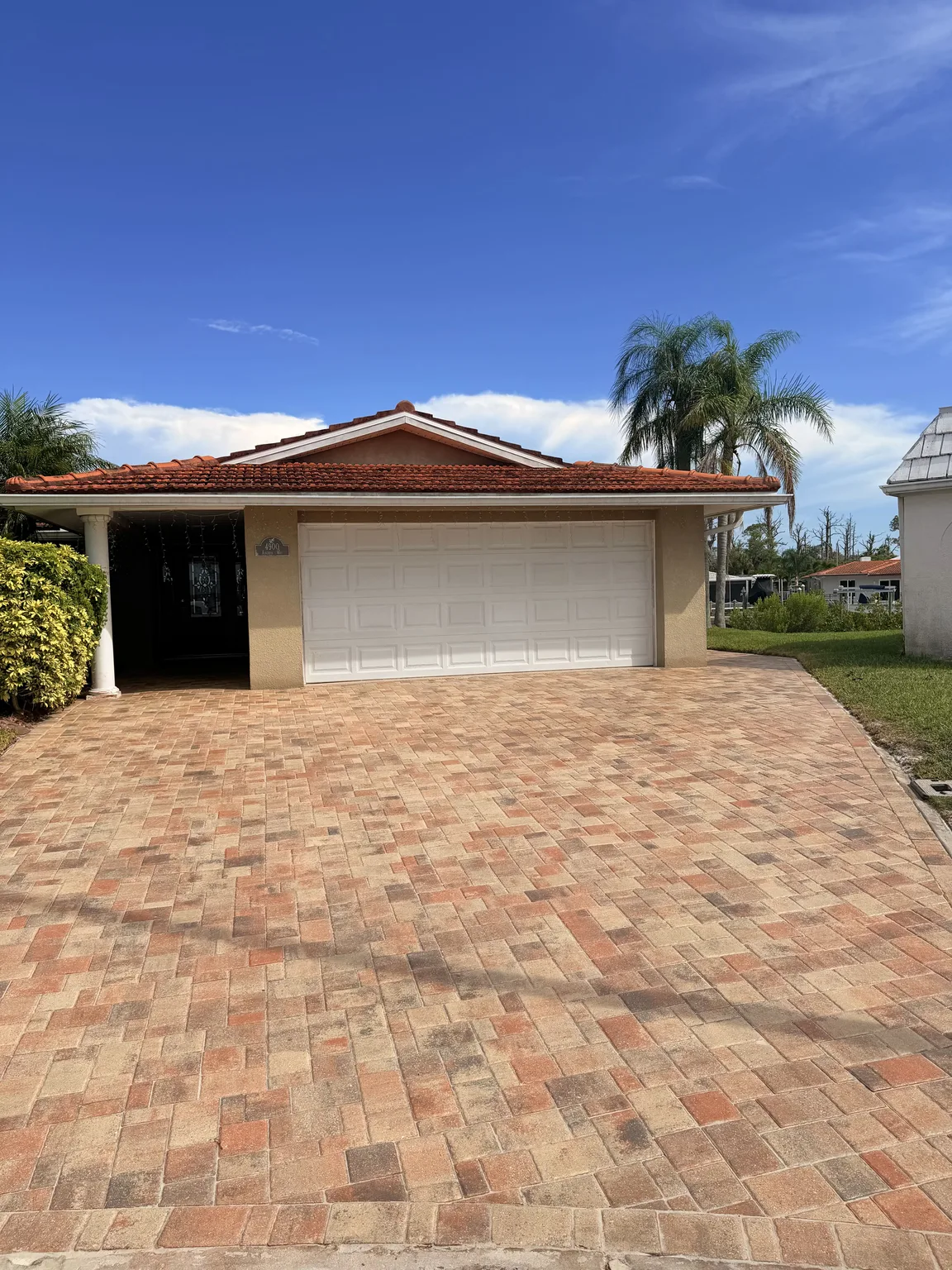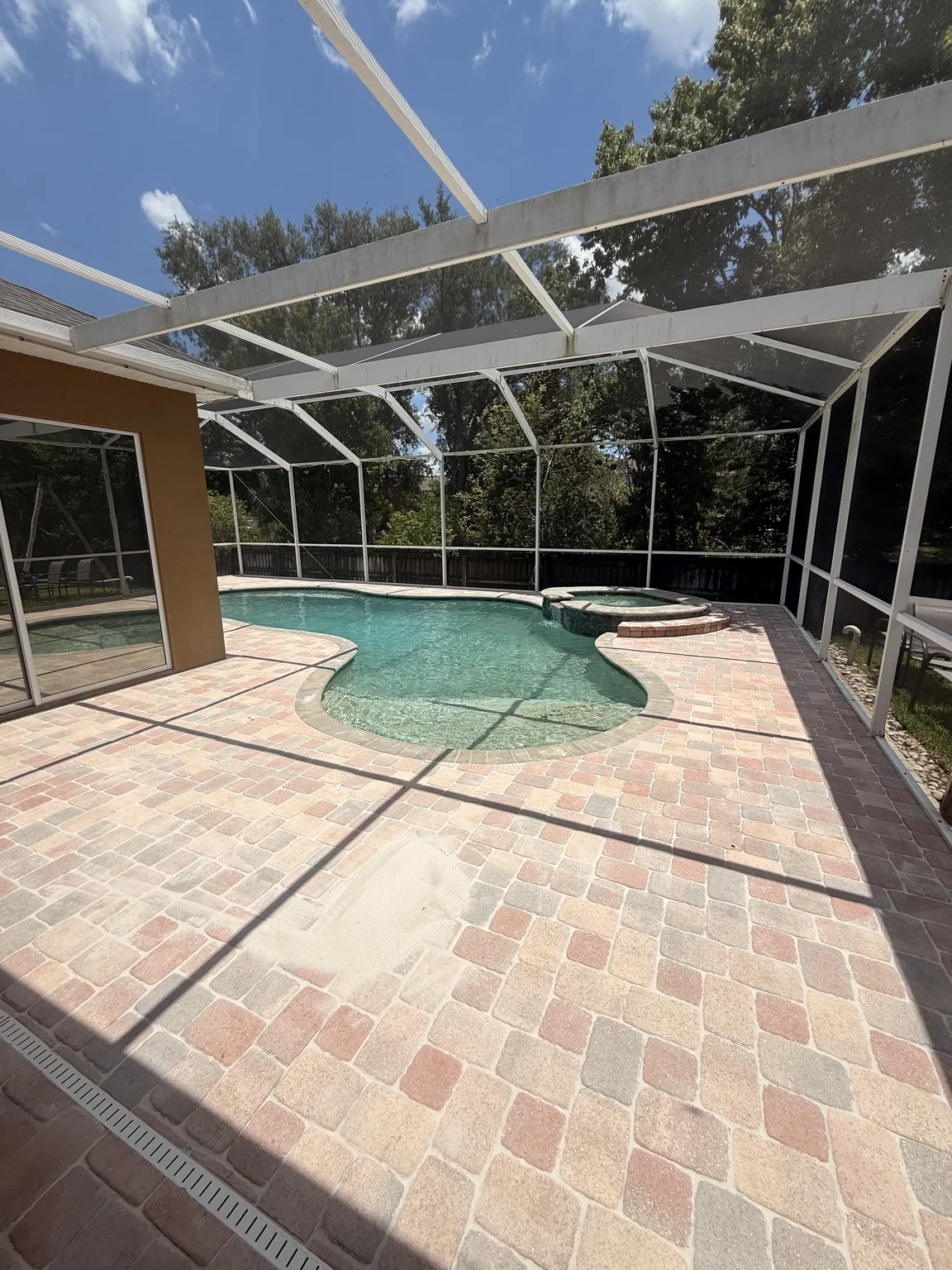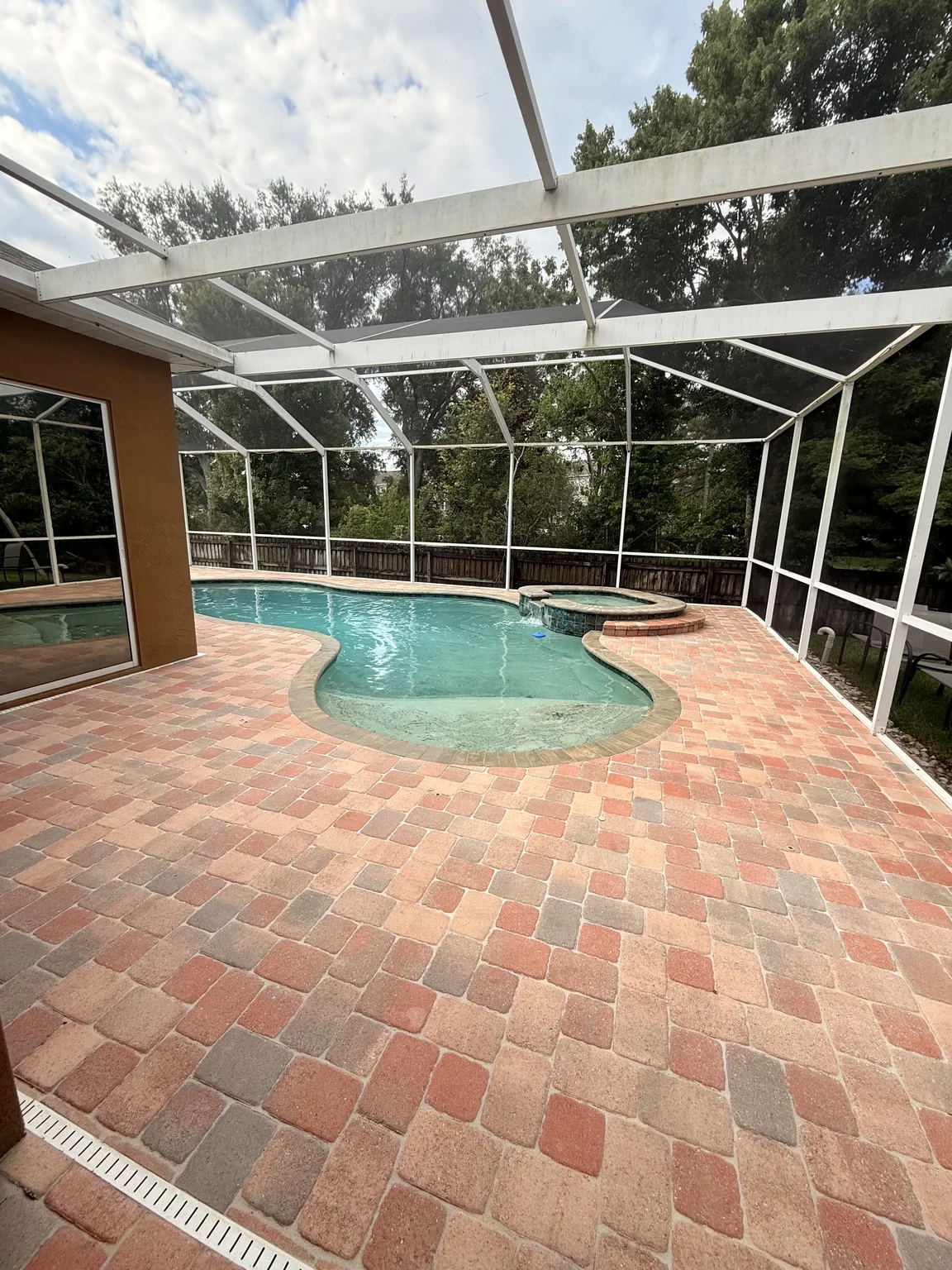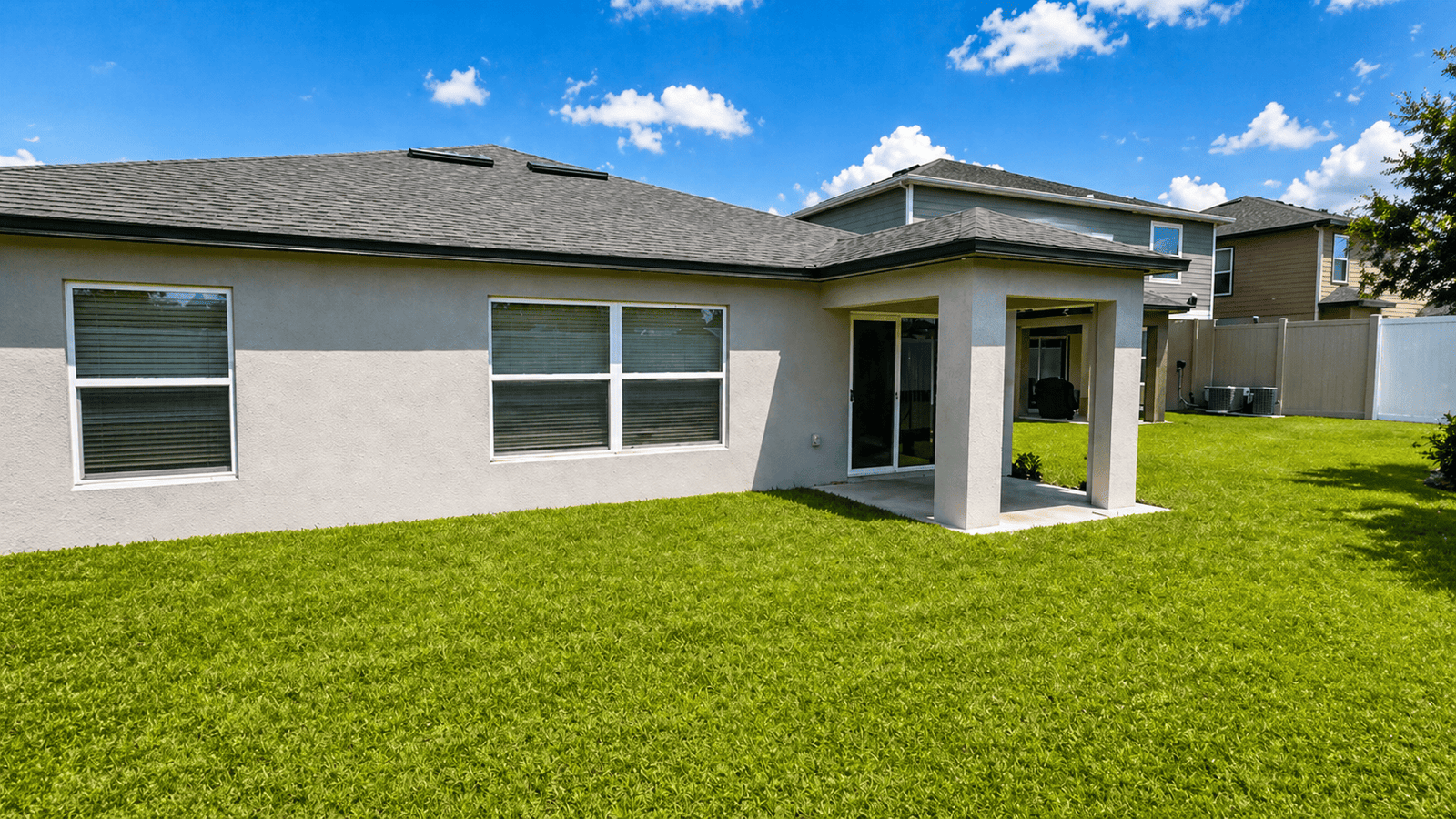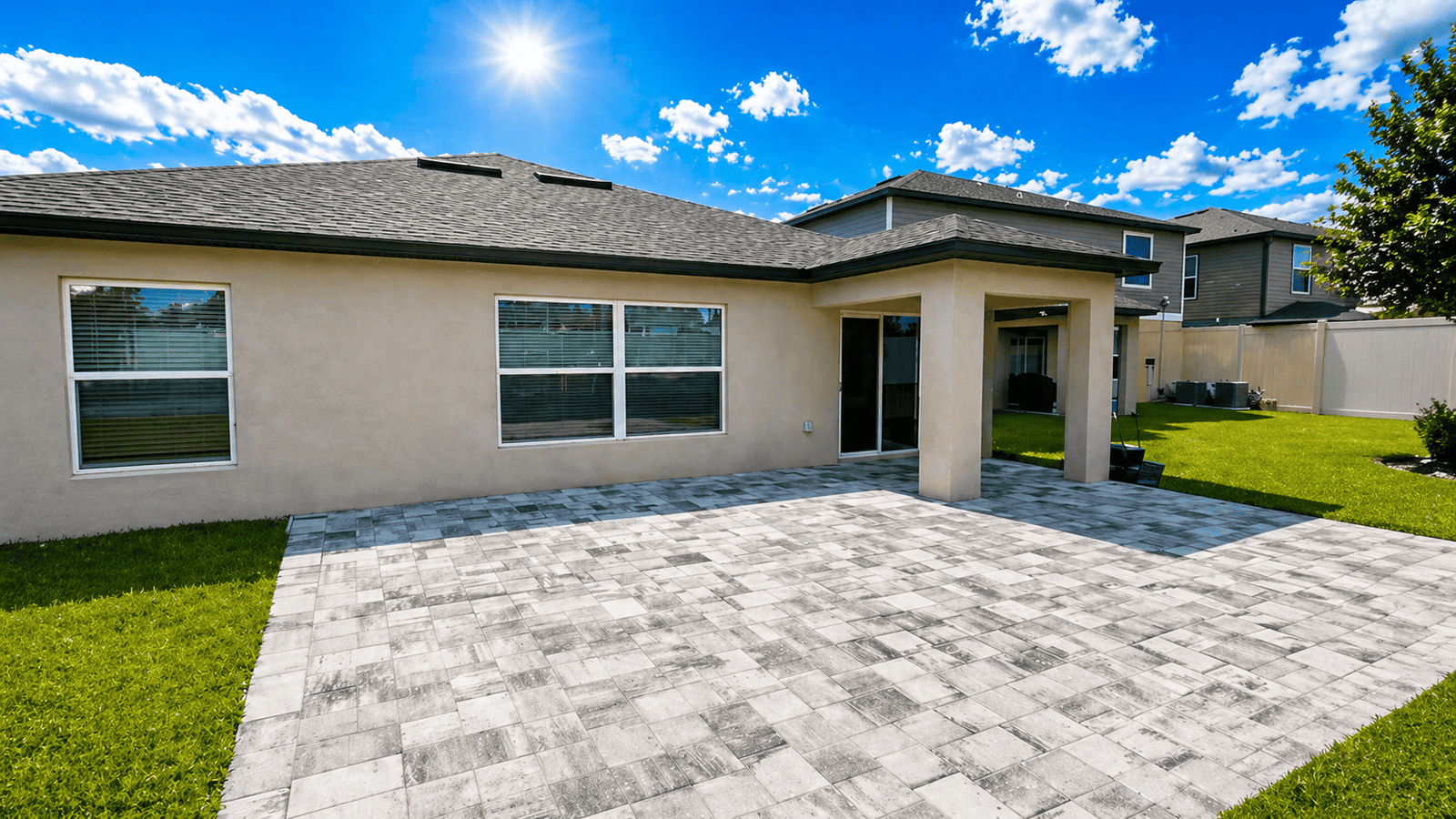
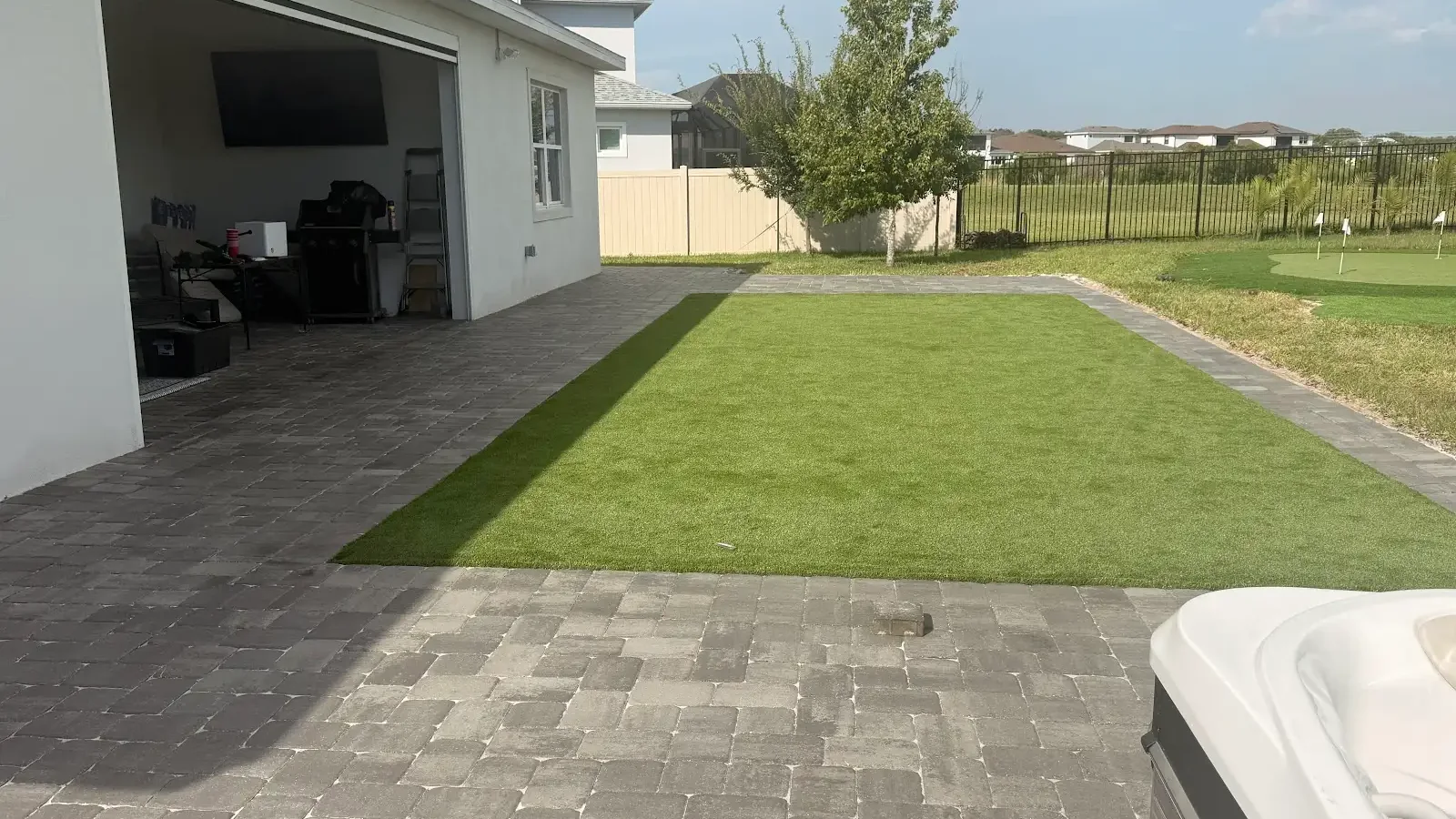
Artificial turf cost Tampa homeowners consider for their yards depends on far more than the price of the grass roll. The real number comes from how much preparation, base work, and detail your property needs. Therefore, two yards with similar square footage in Riverview and Palm Harbor can receive very different quotes. Installers in the Tampa Bay area also look at access, existing irrigation, and how your turf will meet patios, pavers, or pool decks. Because of these variables, you need a site visit instead of guessing from online averages.
Quick look at artificial turf cost Tampa homeowners ask about
When people ask about artificial turf cost Tampa projects, they usually want a simple number per square foot. However, a realistic budget must look at your yard as a complete system. Contractors will assess demolition, grading, base depth, turf type, and details like seams, borders, and transitions. Each item pushes your quote up or down, even when the turf itself stays the same.
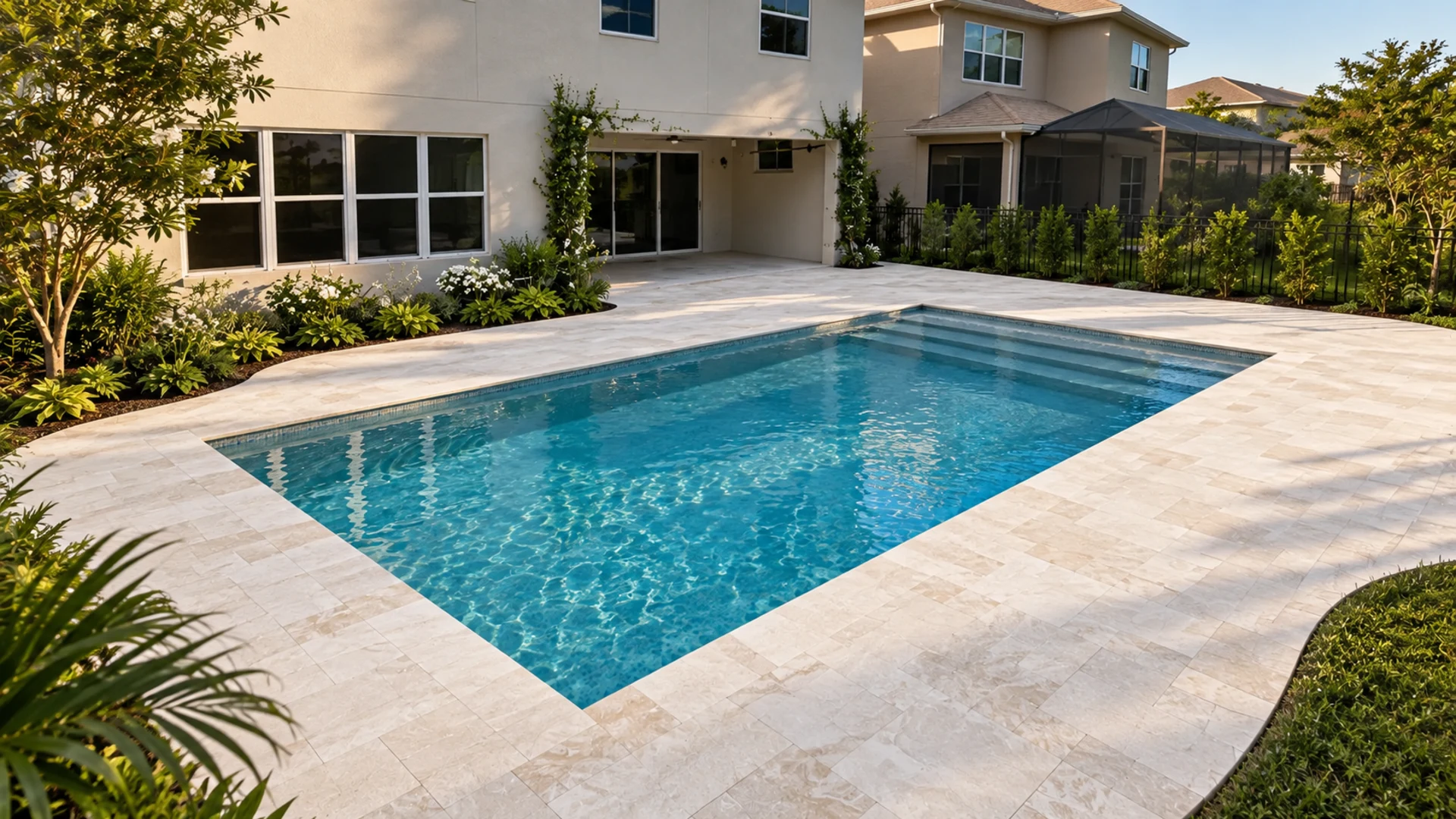
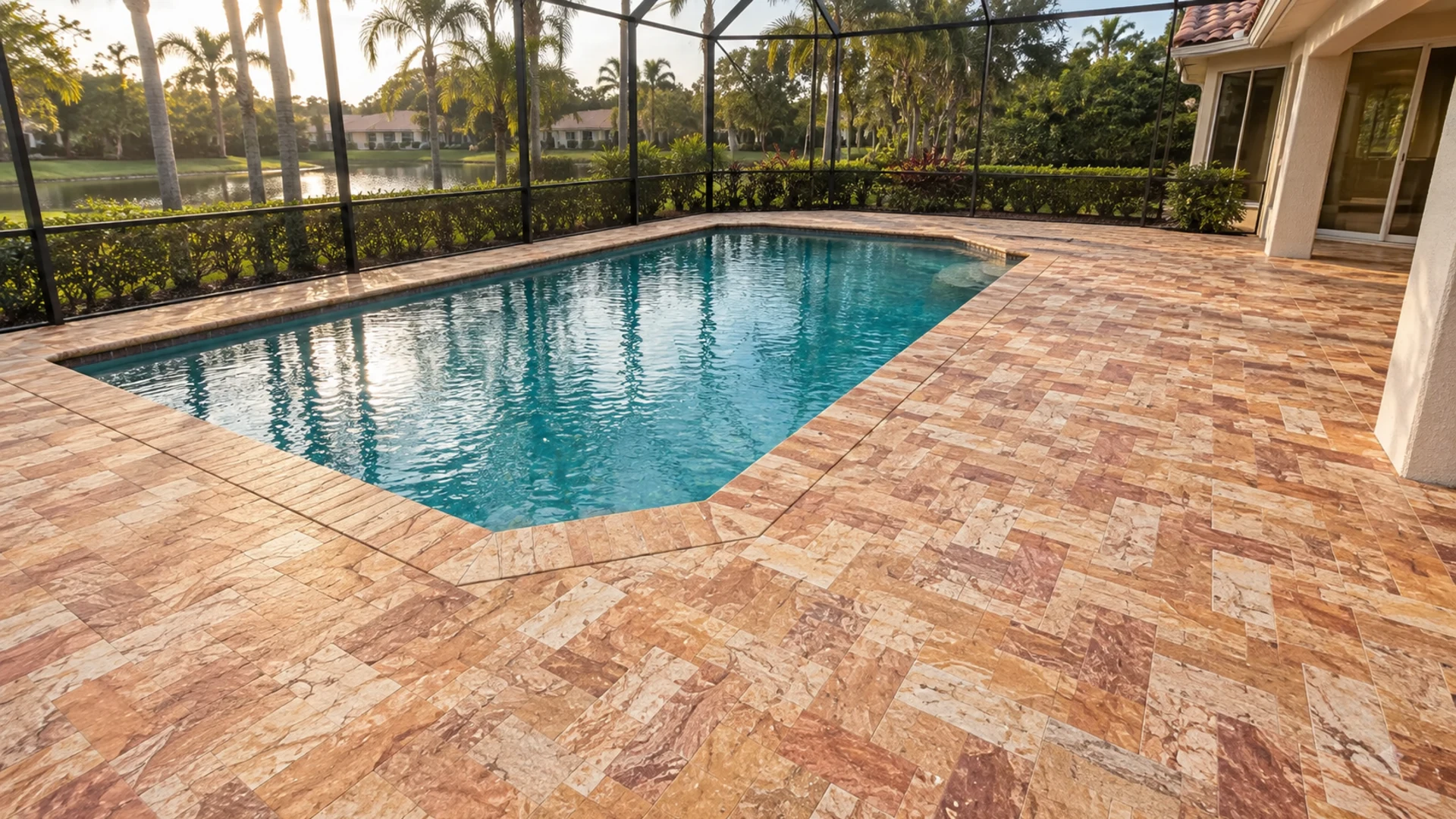
Square footage is the starting point, but it is not the only driver. Tight access, slopes, tree roots, and wet or sandy soils add labor and materials. Pet systems, specialty infills, and cooling upgrades also change your total. Therefore, a flat, open Wesley Chapel side yard with basic turf will usually price differently than a curvy Thonotosassa pool surround with paver borders and pet use.
Because yards and expectations vary, Tampa Bay installers typically visit your home before quoting. They can measure, check drainage paths, and discuss how you plan to use the space. During that visit, ask what is included in the base, what turf models they recommend, and how they handle seams and edging. That way, you can compare quotes on similar scope instead of chasing the lowest number.
How synthetic turf systems are built in Tampa Bay
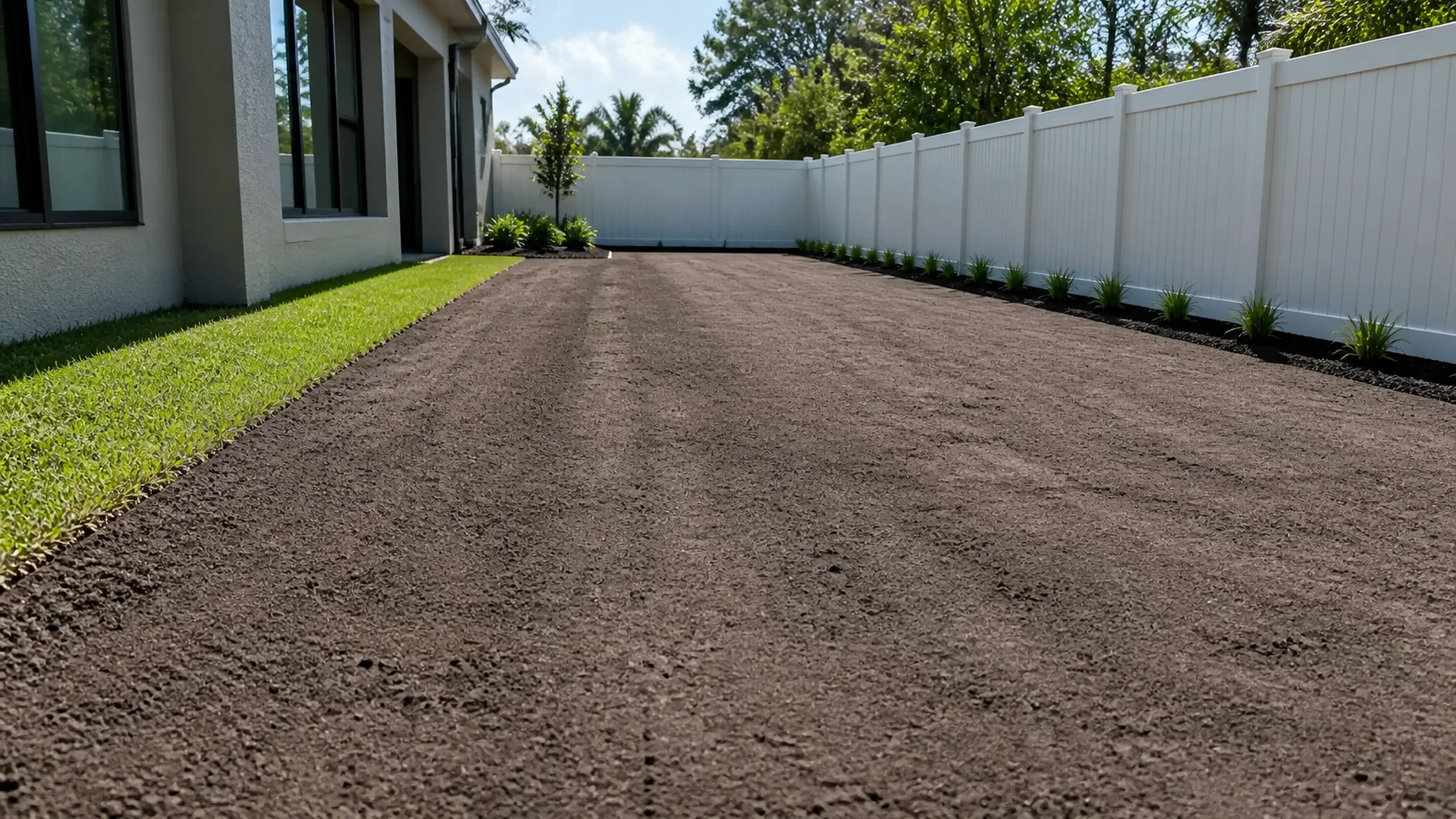
To understand artificial turf cost, it helps to know how a modern turf system is assembled. First, installers remove existing grass, roots, and organic soil down to a stable layer. On many Tampa Bay properties, that means getting through soft sand or pockets of fill until they reach firmer material. This step affects labor time and disposal fees, especially on large Ruskin or Land O’ Lakes lots.
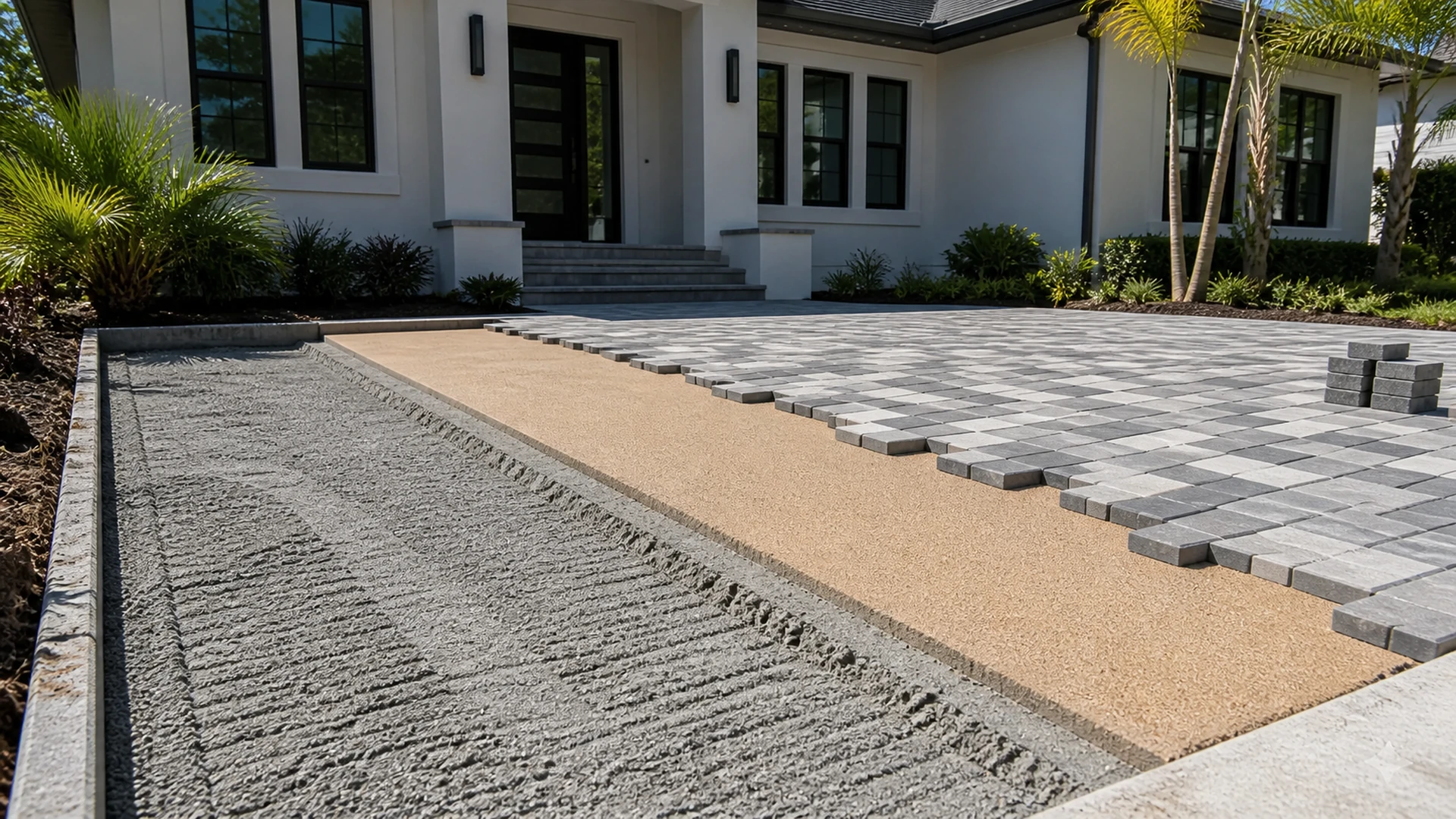
Next, they shape and compact an aggregate base, often in multiple lifts. The base supports the turf and helps move water away from the surface. Depth, type of rock, and compaction effort all influence durability and how the yard feels underfoot. Therefore, a driveway-adjacent strip that sees carts or trash bins may need a stronger base than a light-use side yard.
After the base, installers roll out the turf, cut it to fit, and join seams with tape and adhesive. They secure edges against pavers, concrete, or edging materials, then brush and add infill to support the blades. Each step takes time and skill, particularly around curves, drain covers, and existing hardscapes. More complexity usually increases cost, but it can also make the finished space look more natural and work better with your paver patios or walkways.
Site inspection factors that shape your turf quote
A careful site inspection helps explain why artificial turf quotes differ so much across Tampa, Town ‘N’ Country, and Greater Carrollwood. During a visit, a crew will note access points, gate widths, slopes, and anything that blocks material deliveries. Limited access often means more time moving rock and turf by wheelbarrow instead of with machinery. That extra labor shows up in your proposal.
They will also look at how water currently moves across your yard. Standing water, downspout discharge, or low spots near patios can affect the base design. UF/IFAS encourages homeowners to think about heat, runoff, and site conditions before choosing synthetic turf. Their UF/IFAS guidance on synthetic turf notes that living grass provides cooling and filtration benefits that turf does not. Therefore, it is important to consider where turf makes sense and where natural landscaping may still be better.
Existing features also play a role in price. Removing old concrete, tree roots, or thick St. Augustine sod can require extra equipment. Protecting pool decks, screen enclosures, or nearby plantings may slow work. Additionally, your installer will check irrigation, lighting, and utility locations to avoid damage. All of these inspection items lead to a more accurate quote and fewer surprises during installation.
Turf materials, infill, and pet system choices
The turf product you select is another major driver of artificial turf cost Tampa homeowners see in their quotes. Different lines use different blade shapes, pile heights, and backing systems. Some prioritize softness, while others focus on resilience or a more natural mix of blade colors. Higher-end products often use more yarn per square foot, which can add cost but improve density.
Infill choice also matters. Traditional silica sand infill tends to cost less but can retain more heat and moisture. Alternative infills, such as coated sands or organic blends, may help with cooling or pet odors, but they usually add to the price. Installers may recommend one option for a front yard in Palm Harbor and another for a high-traffic dog run in Seven Springs.
For pet-focused yards, you may hear about pet systems that include specific turf, drainage mats, and odor-control infills. These packages aim to handle frequent washing and waste cleanup. They can improve performance for dogs but often increase material and labor costs. When you compare bids, ask which turf models, infills, and optional layers are included so you can see how each choice affects your budget and long-term expectations.
Design details: seams, curves, paver transitions, and edging
Beyond square footage, design details often separate a basic turf job from a more complex installation. Straight, rectangular areas usually waste less material and require fewer seams. However, most Tampa Bay backyards have curves, trees, pool decks, or existing paver patios. Cutting turf to snake around these features takes extra time and can produce more offcuts.
Seam placement and quality also influence both appearance and cost. Long seams across high-visibility areas require careful cutting and adhesion so they blend. Shorter, hidden seams may take less precision. Edging choices matter too. Some projects use existing concrete or pavers as the perimeter, while others need new bender board, concrete curbing, or steel edging to keep the base and infill contained.
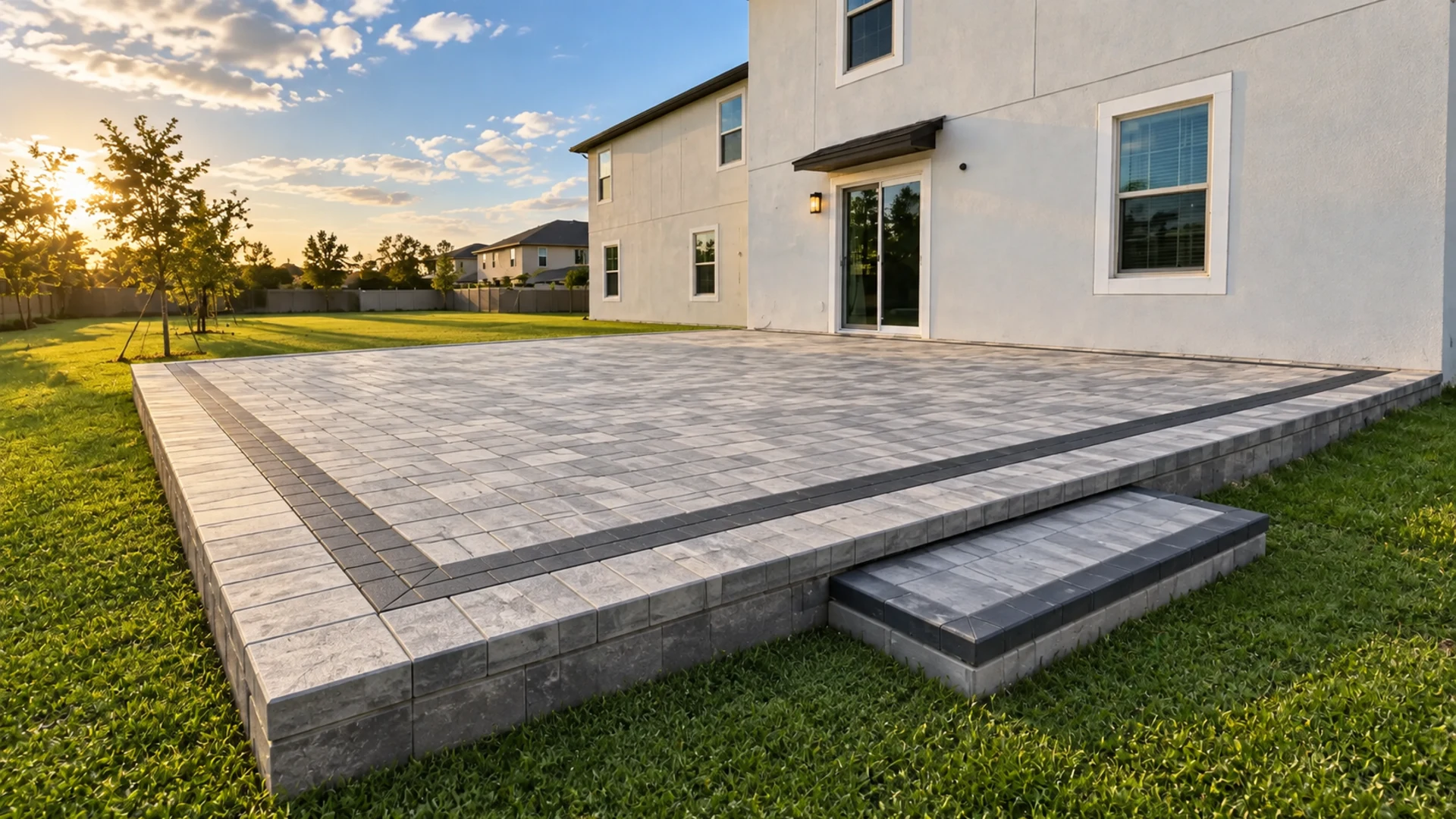
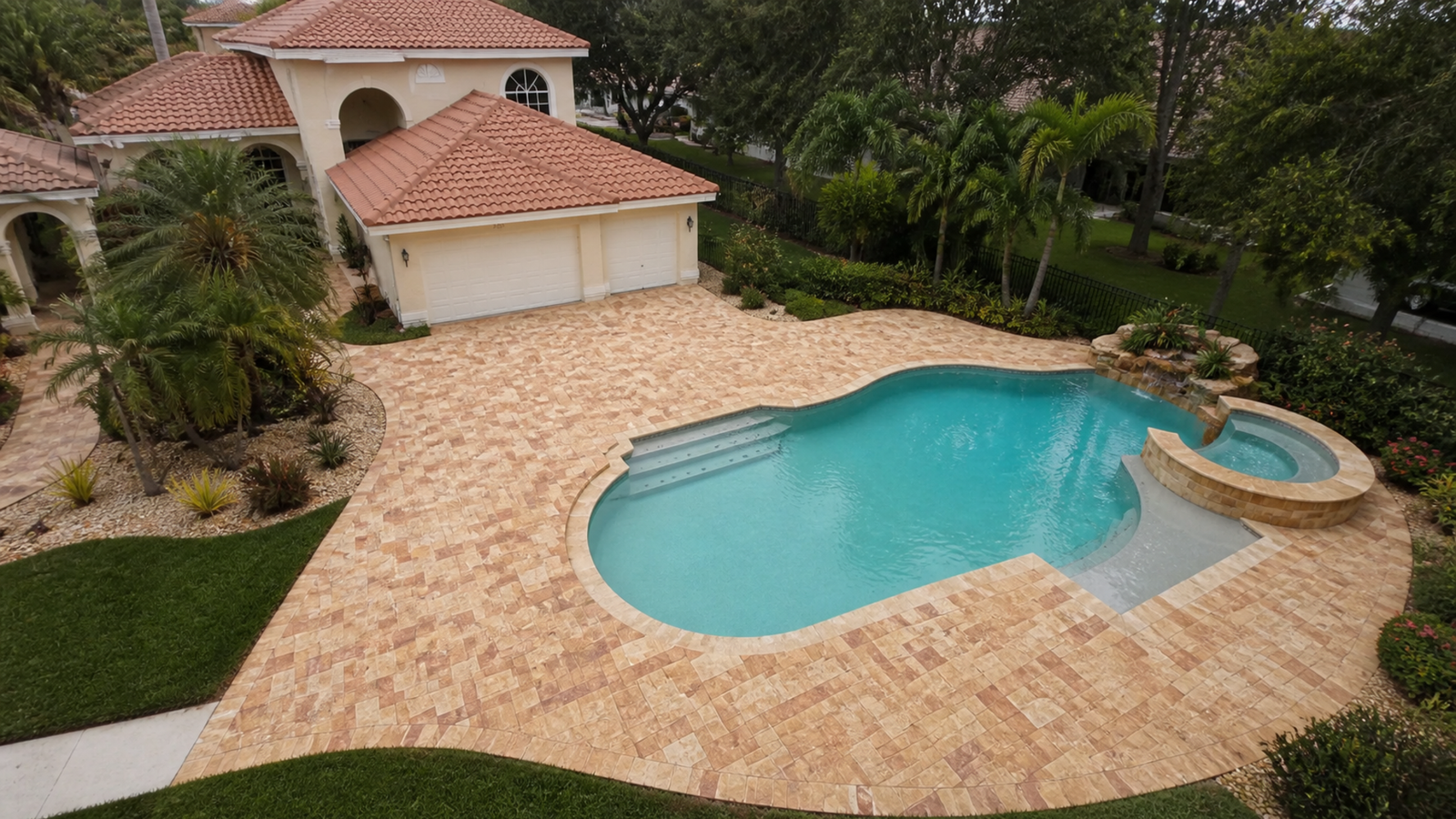
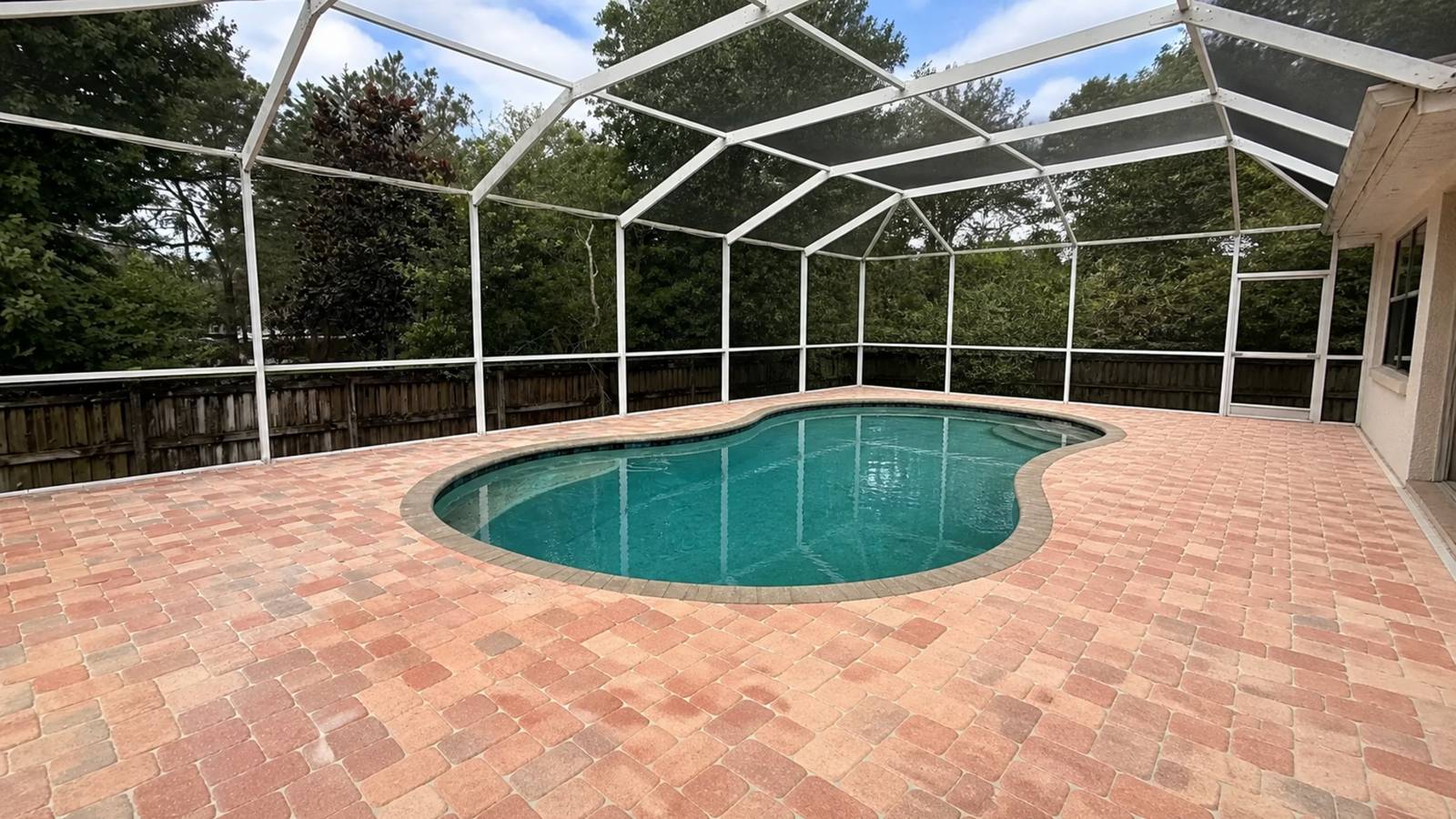
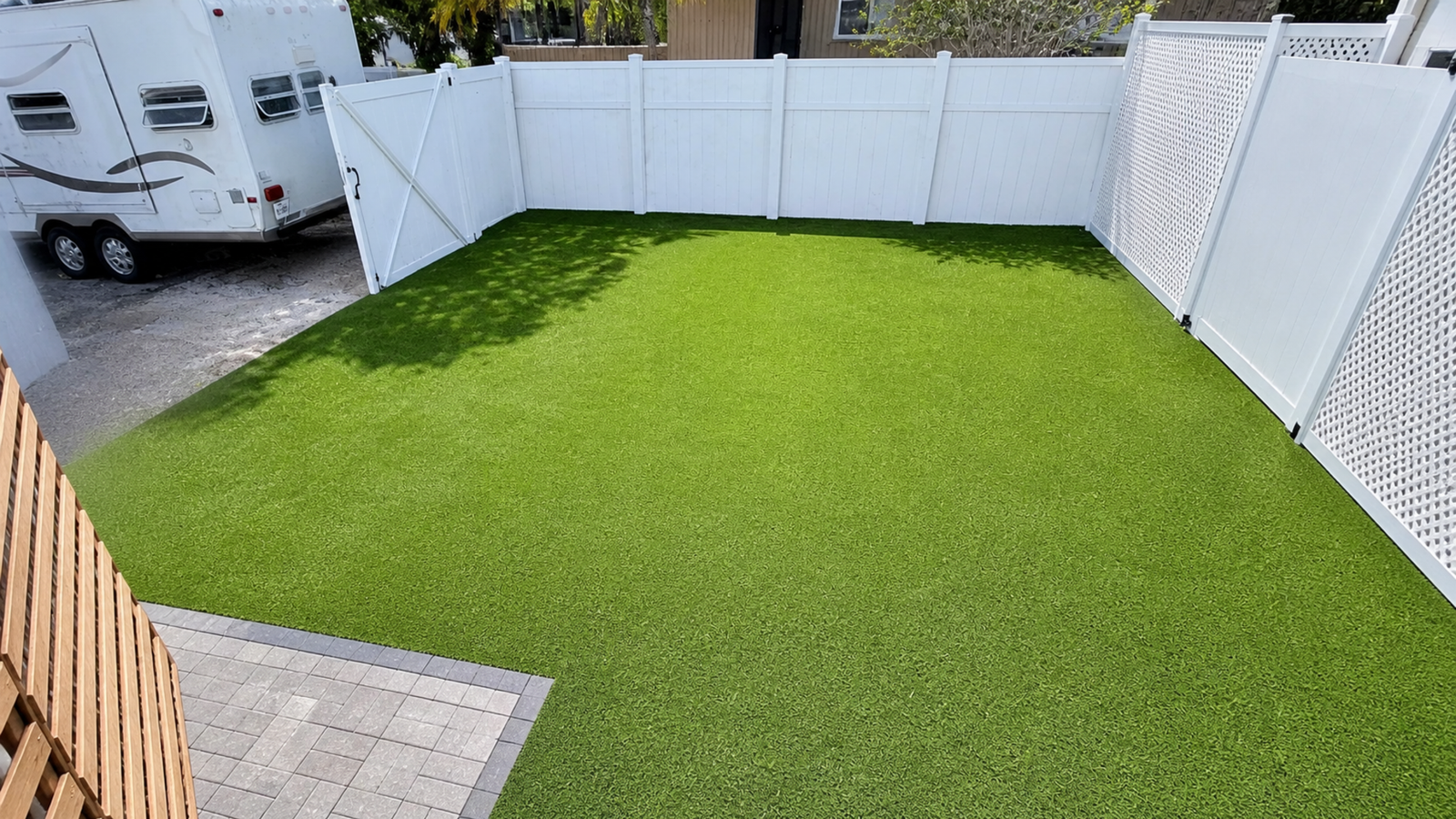
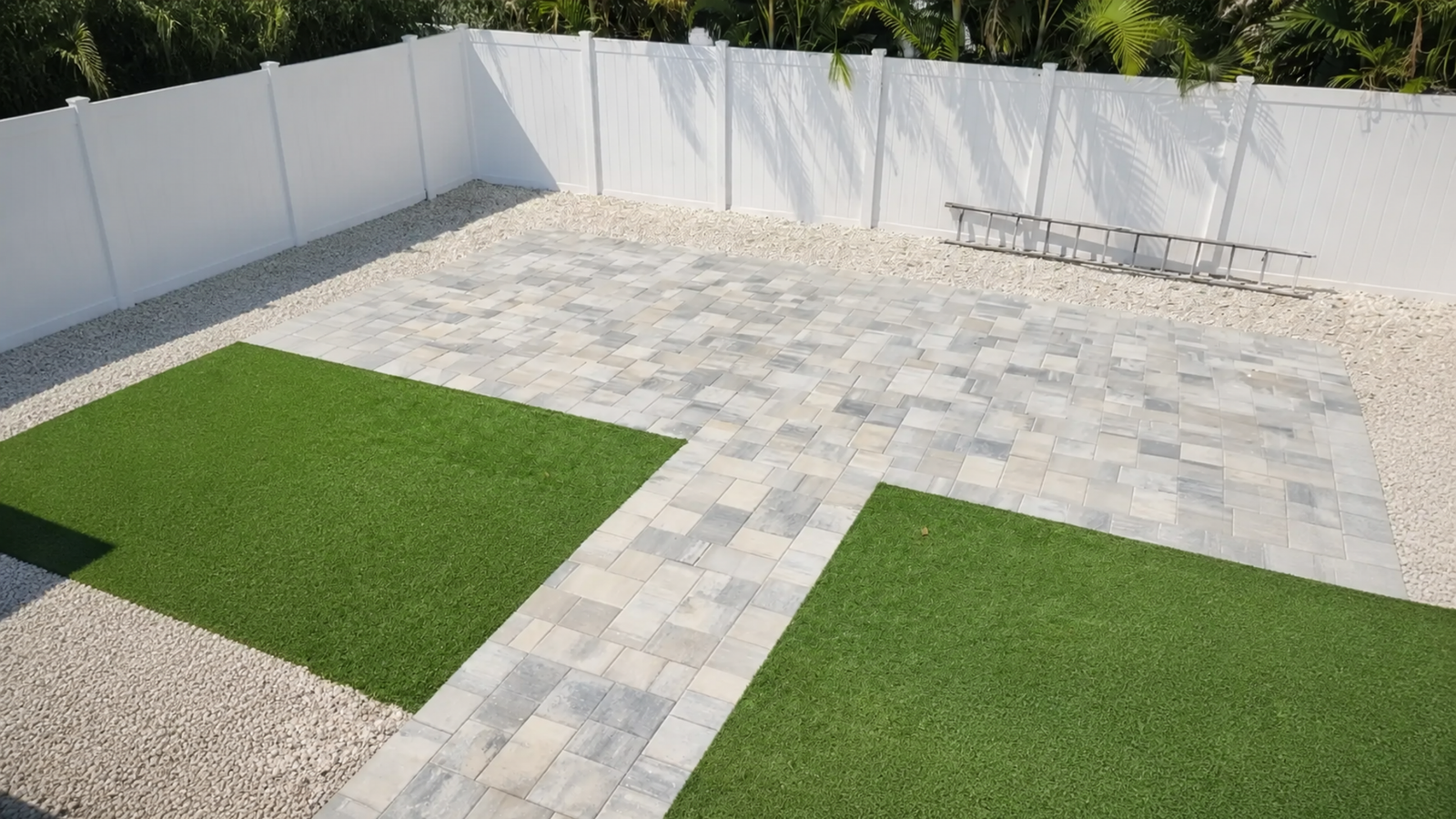
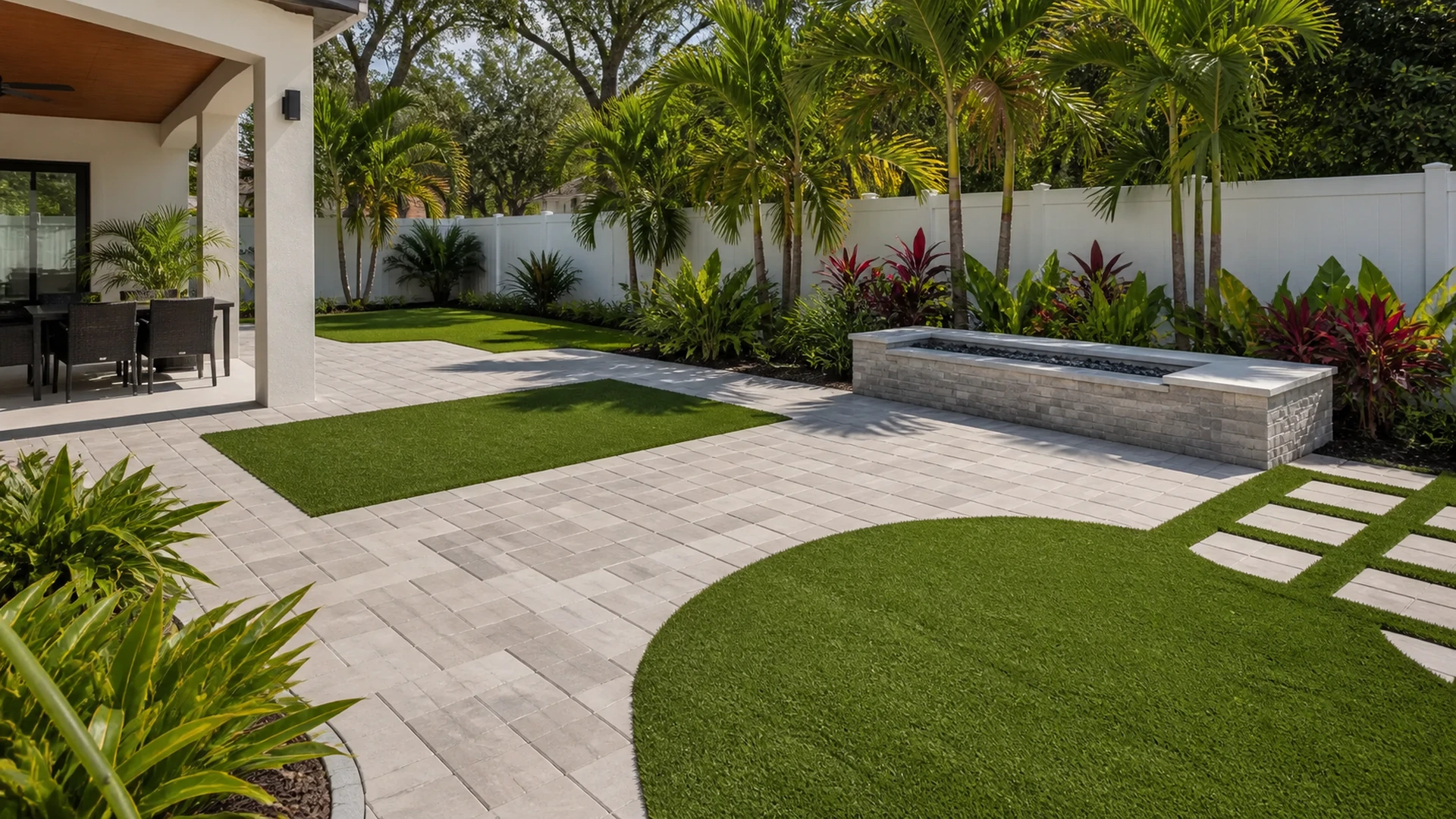
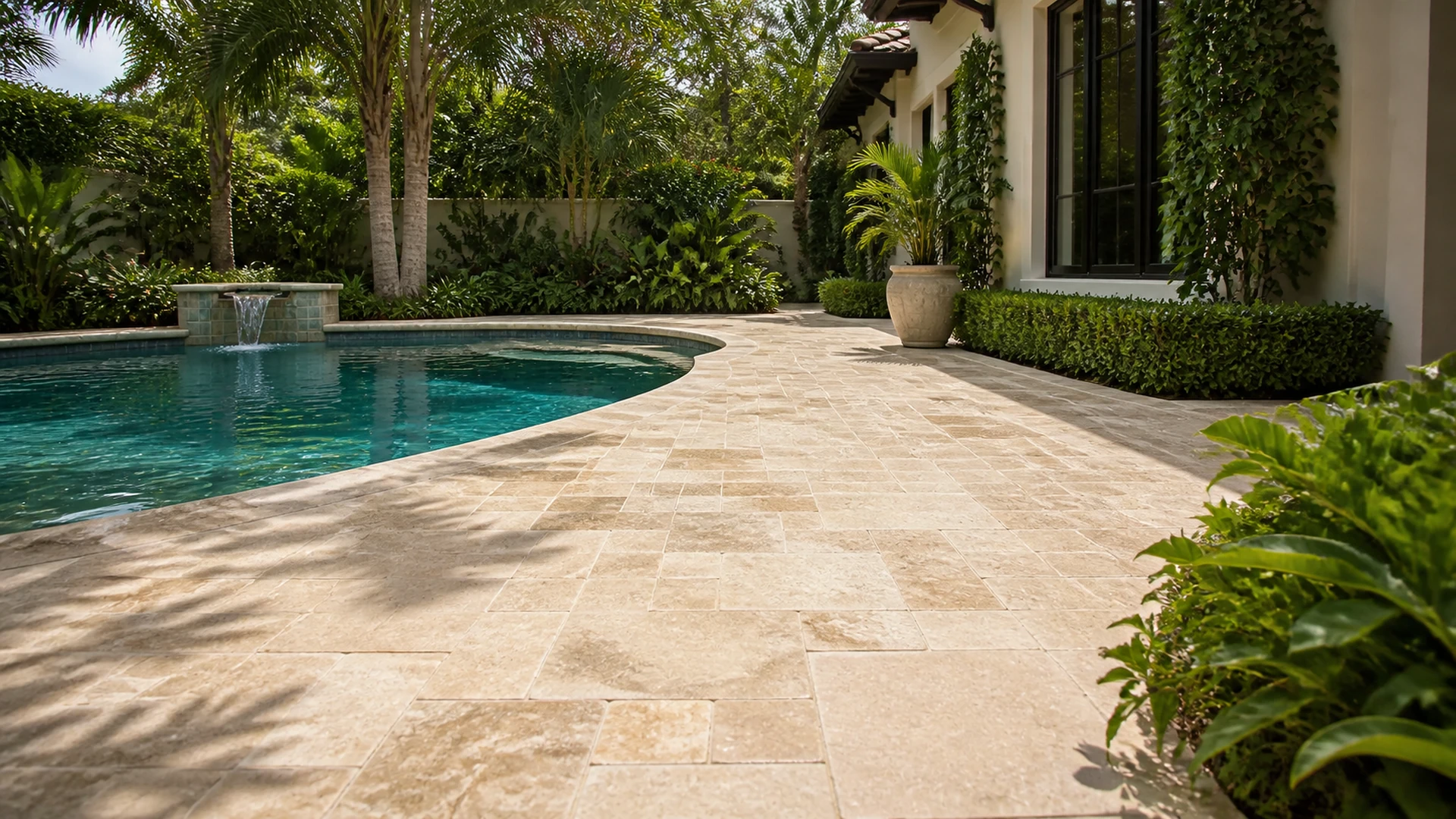
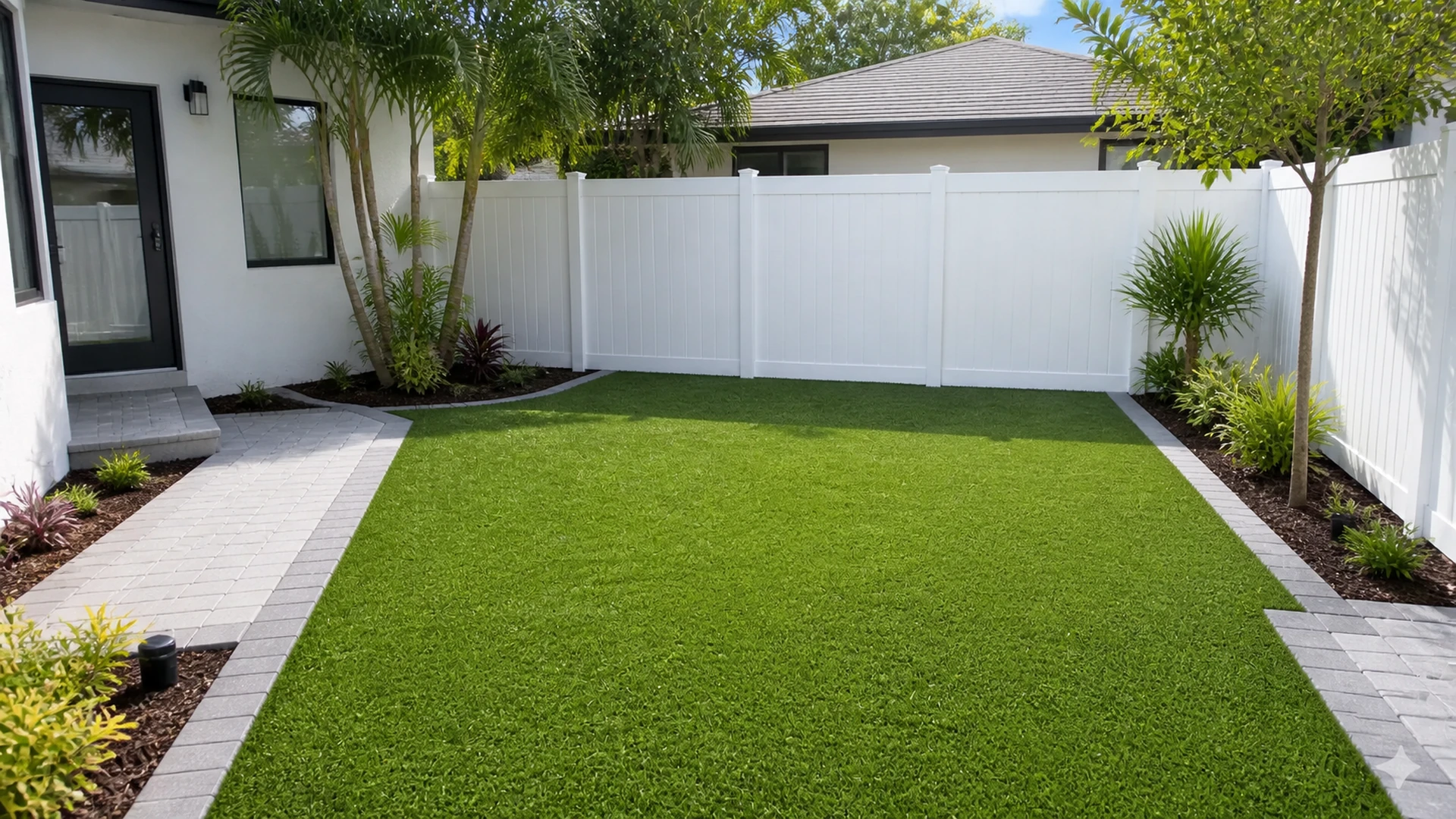
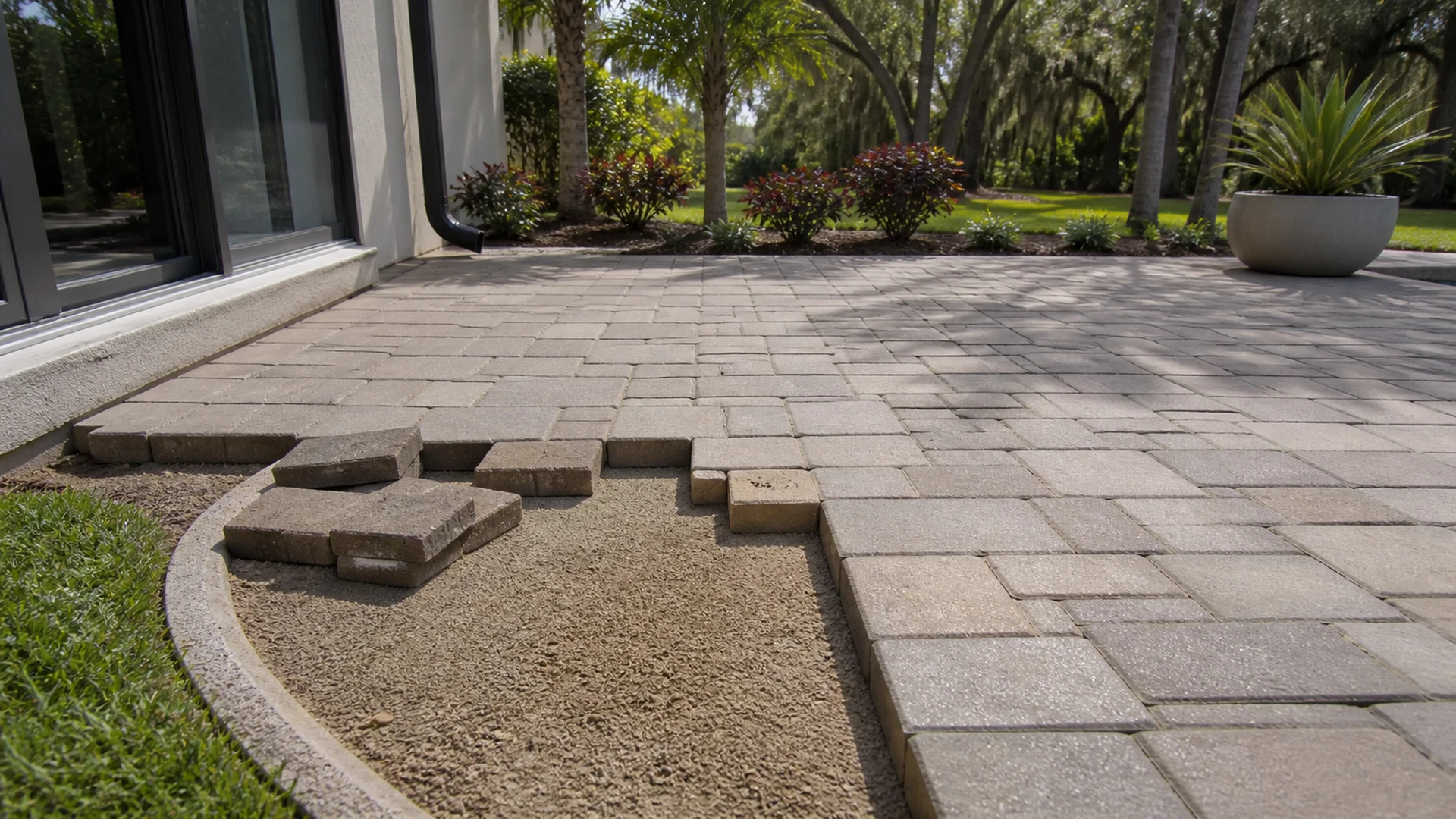
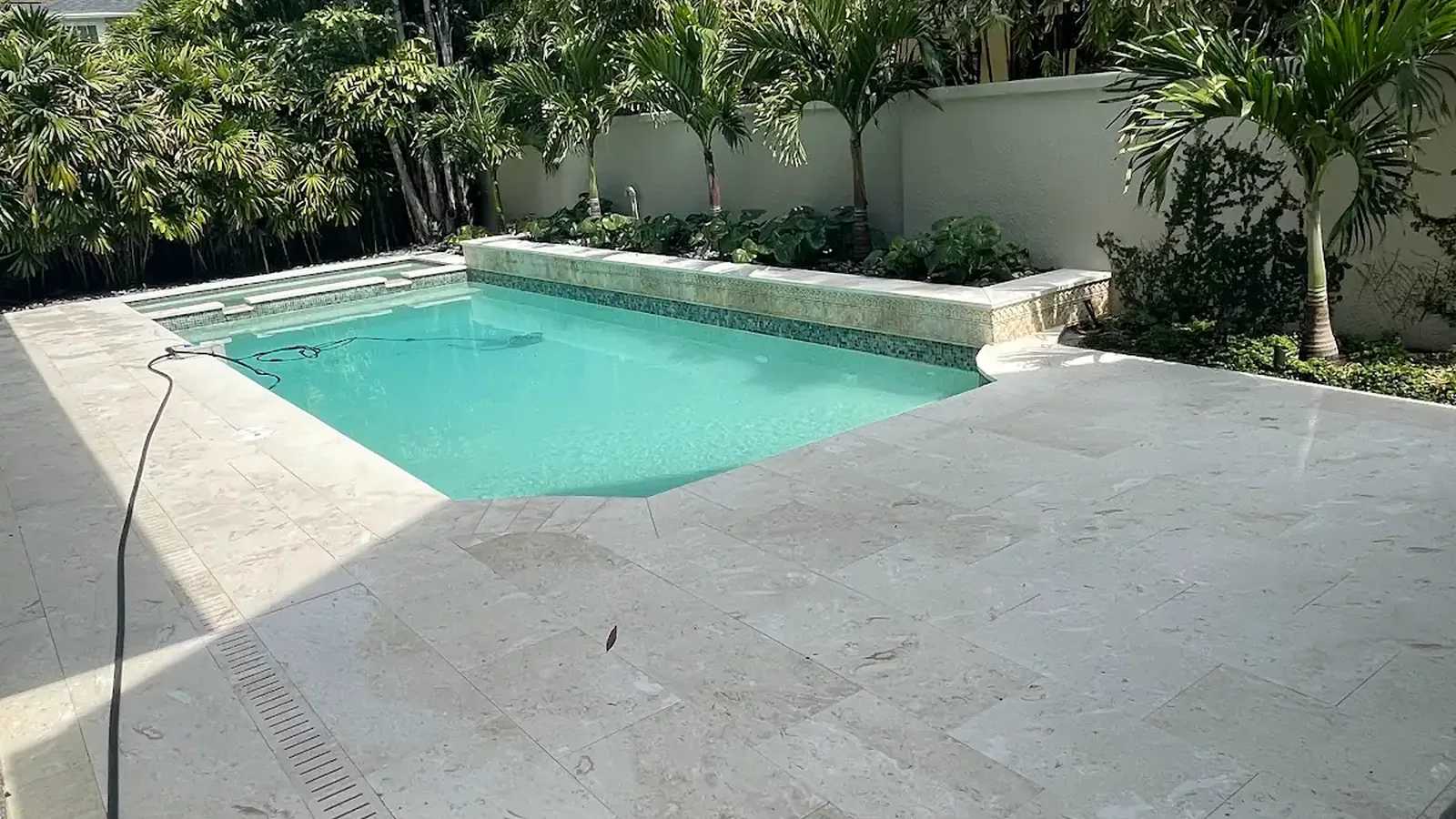
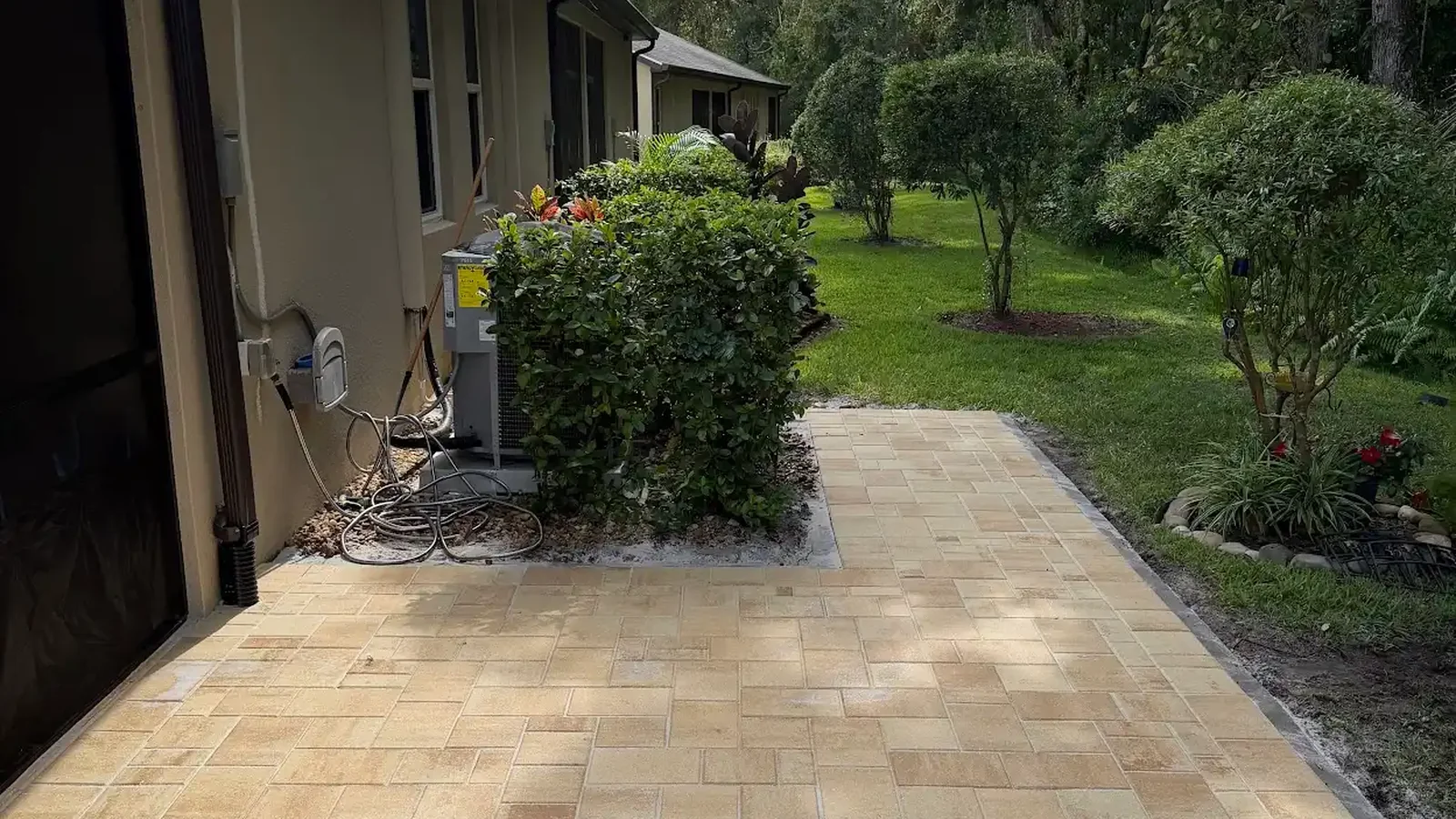
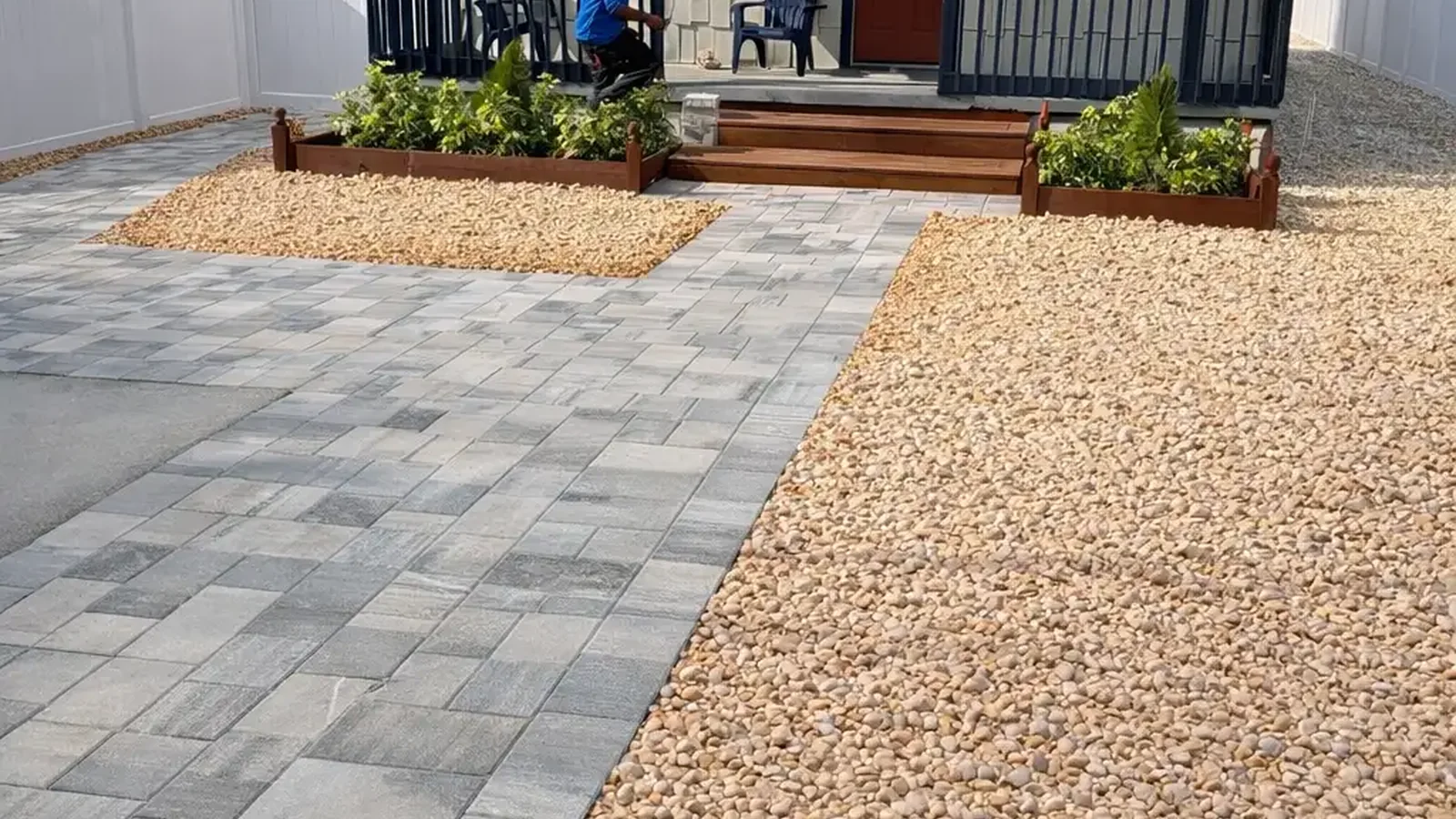
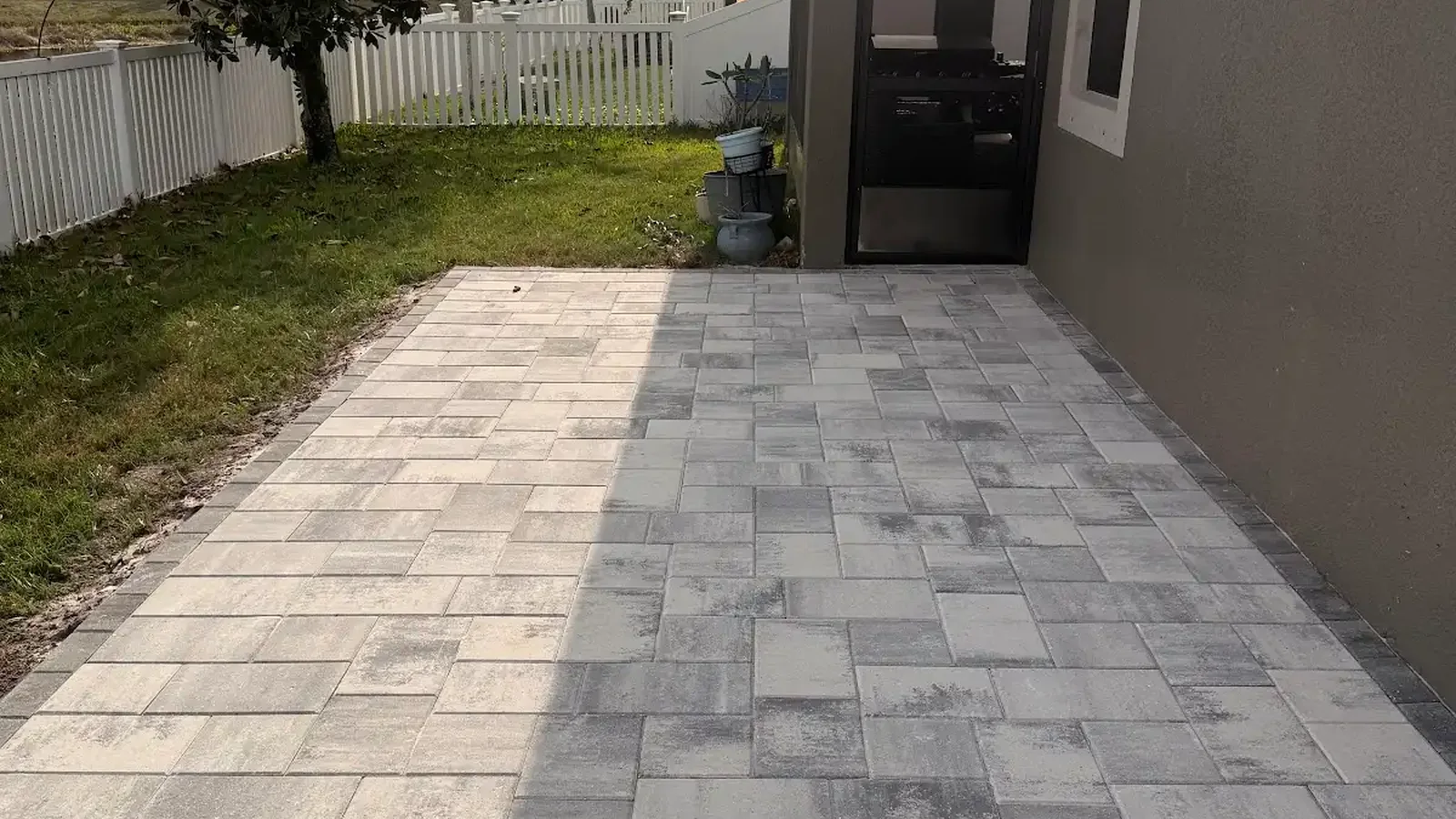
Where turf meets pavers, installers may adjust elevations so surfaces sit flush and feel safe underfoot. This transition work can include extra base shaping or edge restraints. The more transitions between turf, pavers, and planting beds, the more layout and cutting time your project needs. When you review a proposal, look for notes on seams, edging, and how the turf will tie into your current hardscape, not just the square footage line.
| Design focus | Impact on cost | Typical use |
| Straight lines, few seams | Lower complexity | Side yards, simple strips |
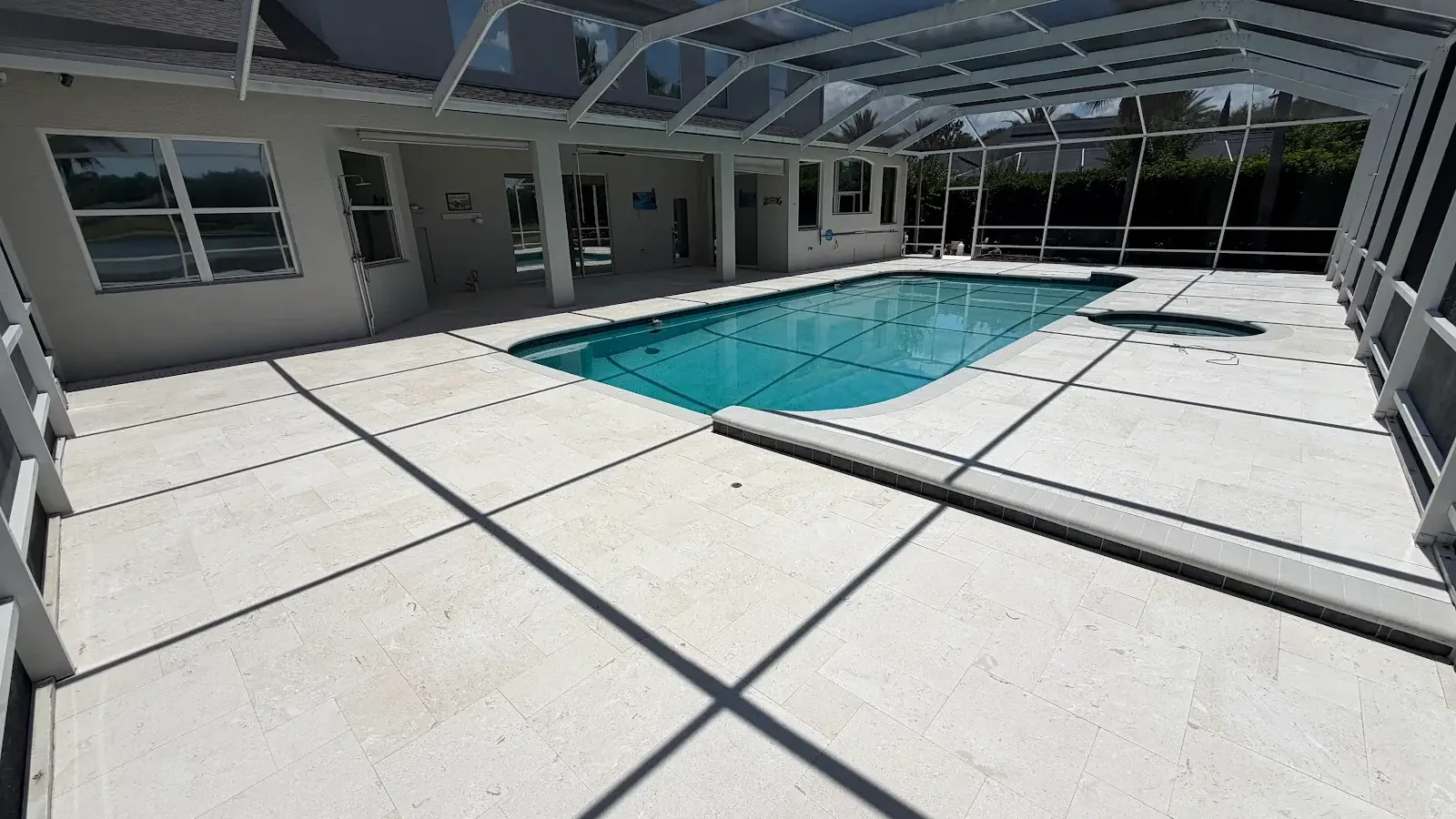
| Curves and cutouts | More labor, more waste | Pool decks, around trees |
| Many paver transitions | Extra layout and edging | Patio borders, walkways |
| Pet-focused design | Special materials and layers | Dog runs, backyards |
Florida heat, runoff, and maintenance realities
Florida weather adds its own layer of considerations to artificial turf projects. Synthetic turf can become hot in direct sun, especially on summer afternoons in Riverview or Ruskin. Some products and infills stay cooler than others, and shading or light colors nearby can help. However, no synthetic turf in full sun will feel as cool as healthy natural grass.
Runoff is another important topic. Turf backing and compacted bases shed water differently than soil and grass. The CMHA and UF/IFAS both emphasize thinking about how hardscape and landscape choices affect stormwater. Before installing turf, discuss how existing slopes, downspouts, and neighboring lots will interact with your new surface. In some cases, you may need coordination with a qualified professional to address grading or larger site drainage concerns.
Maintenance needs differ from natural grass but do not disappear. You avoid mowing and regular fertilizing, but you still need to brush, rinse, and sometimes disinfect the surface. Leaves, pollen, and dust build up and can affect appearance and drainage through the turf. Pet areas require more frequent cleaning. Therefore, when you weigh artificial turf cost, also consider the time and tools you are willing to invest in ongoing care.
Mistakes to avoid and when to call a turf pro
Certain shortcuts can create problems that cost more to fix than doing the job carefully from the start. One common mistake is skimping on base depth or compaction to save money. In Tampa Bay’s sandy soils, that often leads to dips, wrinkles, or uneven feel underfoot. Another pitfall is ignoring how water already moves across your yard before covering parts of it with turf.
DIY installations sometimes underestimate seam work and edging. Poorly aligned seams can stay visible, and weak edges can lift over time. Likewise, choosing turf only by color, without considering traffic, pets, or cleaning, can leave you disappointed. When a quote seems far lower than others, ask which steps or materials are different instead of assuming all bids include the same work.
- Ask what base thickness and materials your quote includes.
- Confirm how many seams the plan shows and where they will run.
- Have the installer explain their edging and transition details.
- Discuss how you will clean and maintain the turf over time.
- Request clarification on pet use, furniture, and heavy traffic areas.
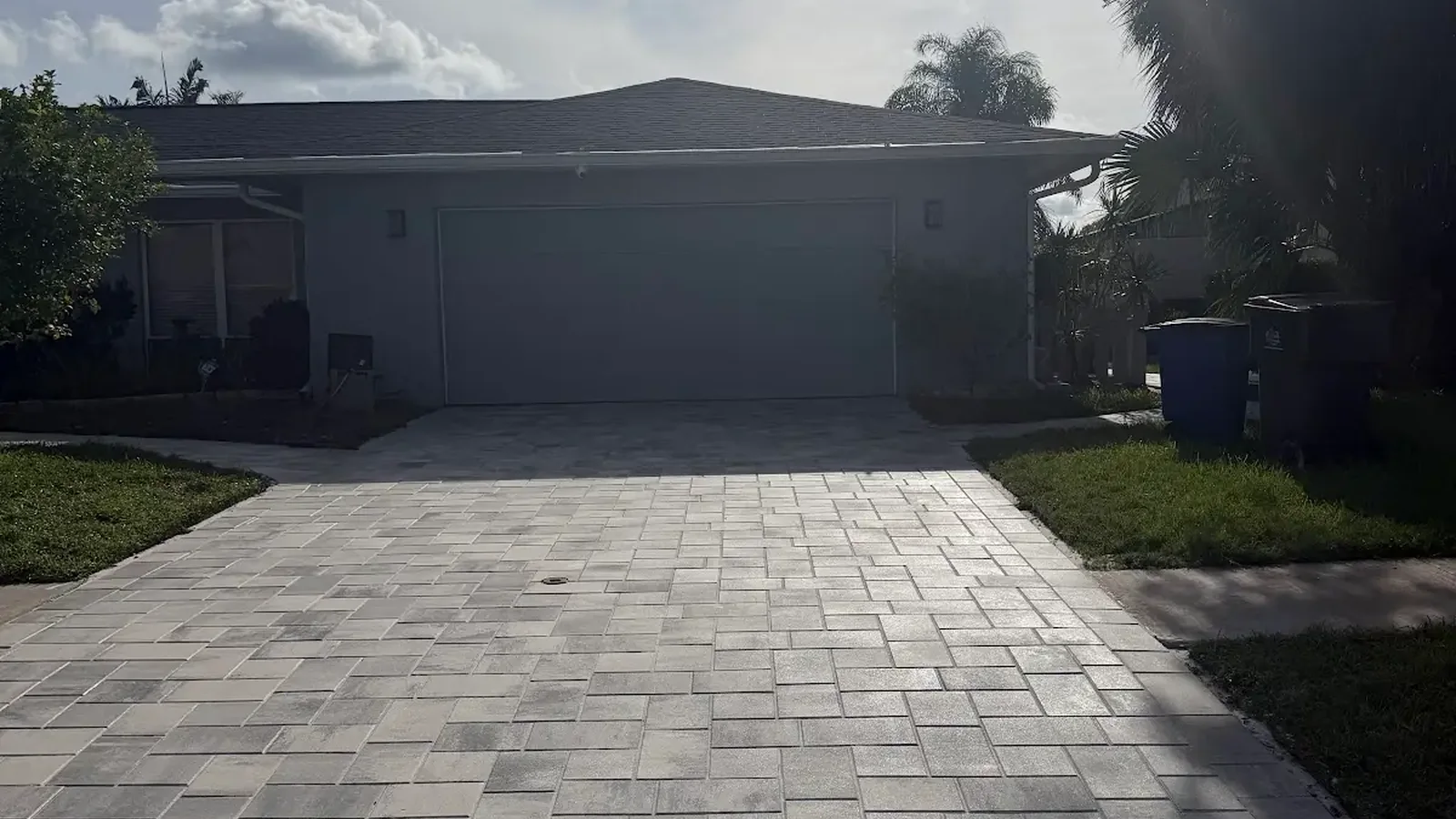
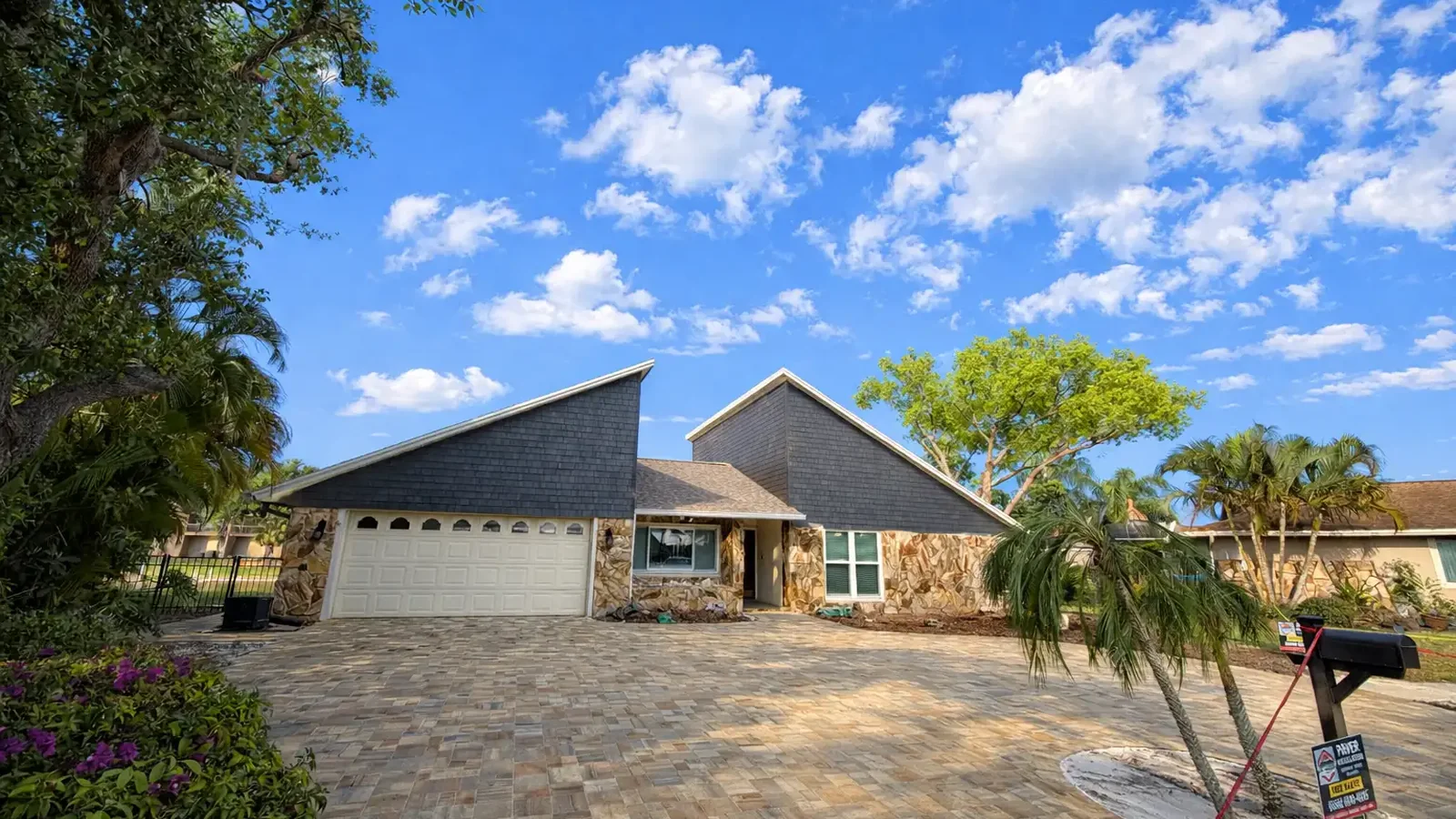
In many cases, a professional installer is worth involving early, even if you are still comparing options. They can point out grade issues, high-wear spots, or places where natural grass or different hardscapes may perform better. If your project ties into paver patios, driveways, or pool decks, a contractor who handles both hardscape and turf can help coordinate elevations and transitions more smoothly.
When artificial turf fits with your paver and hardscape plans
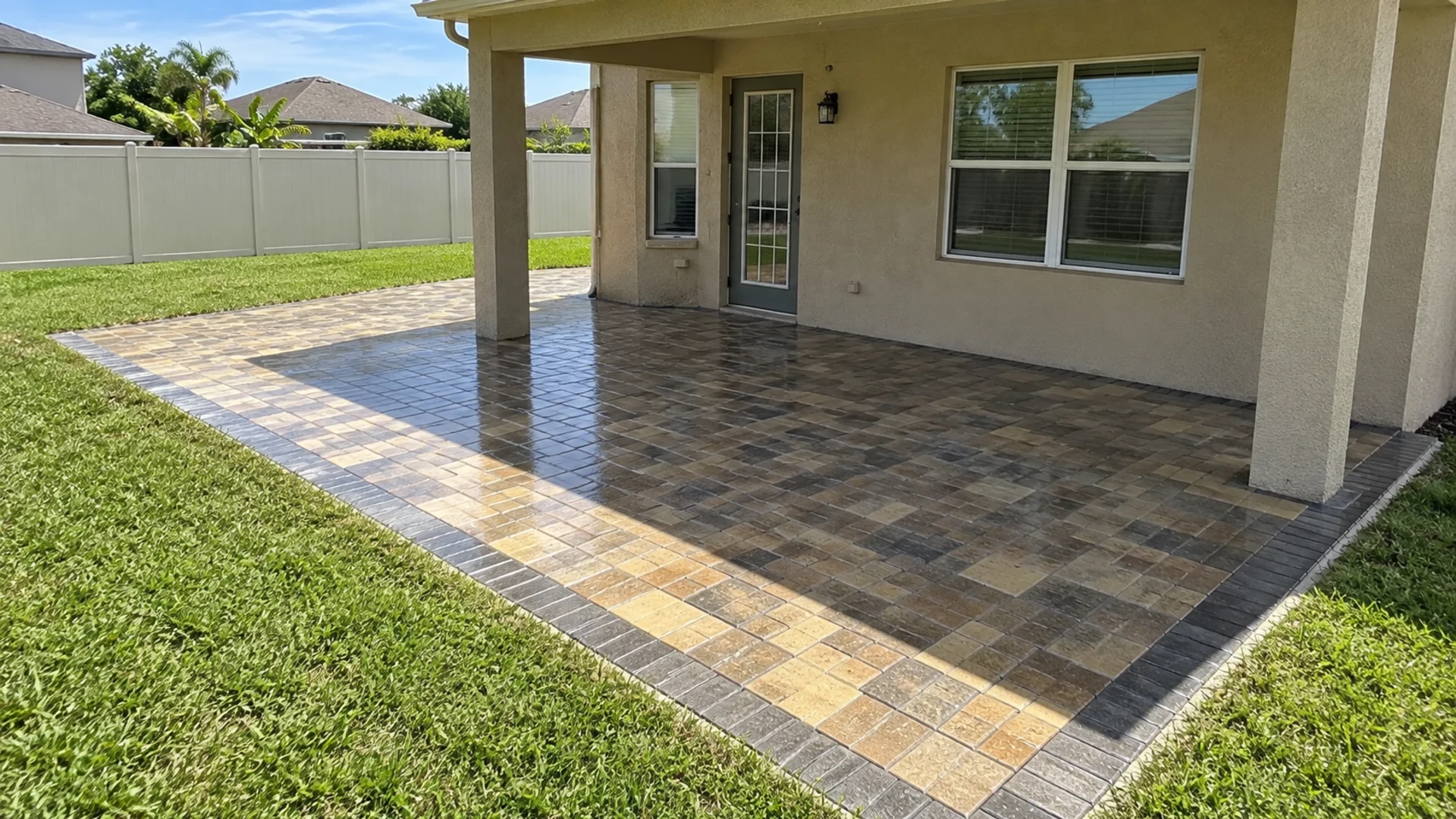
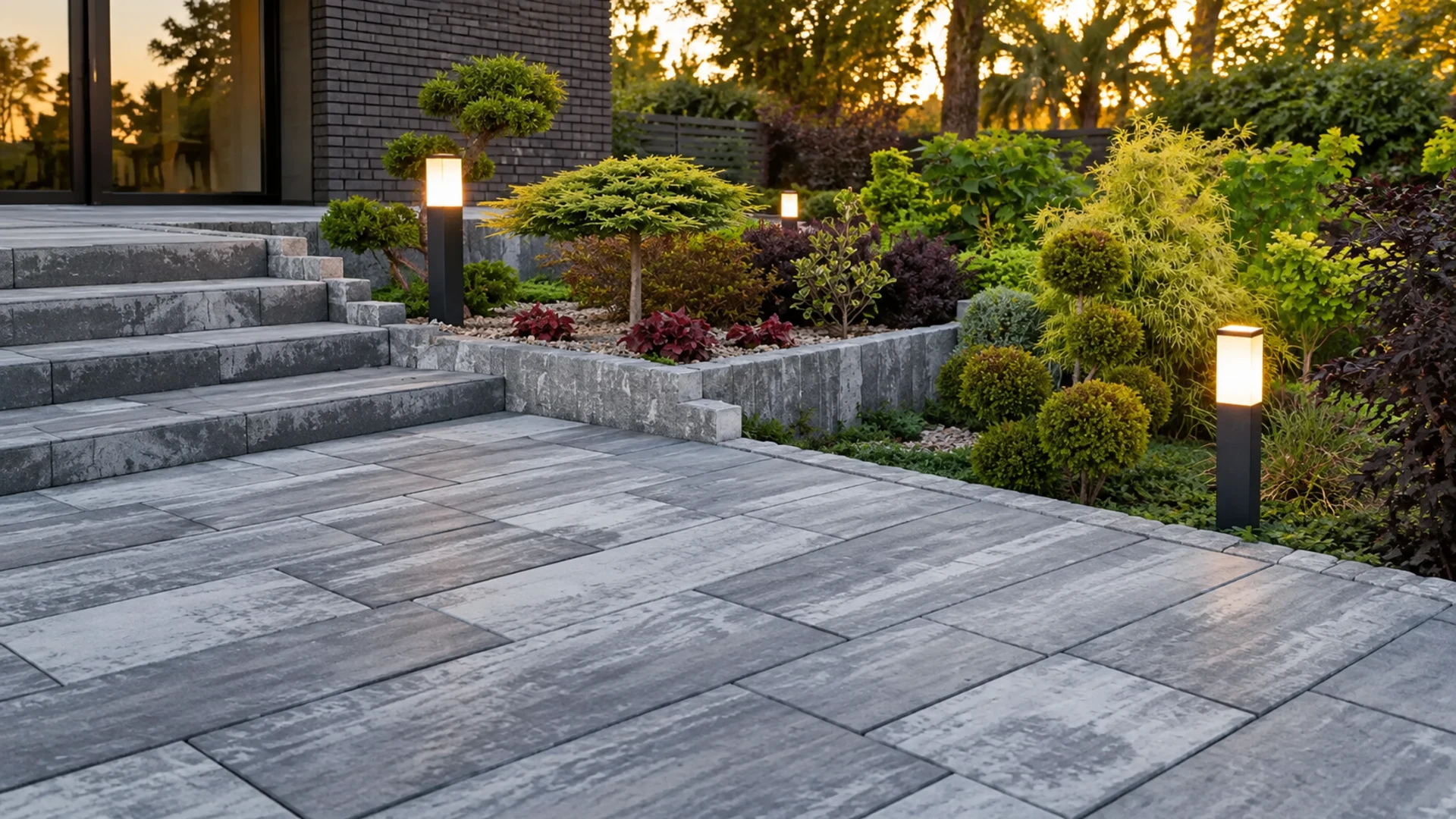
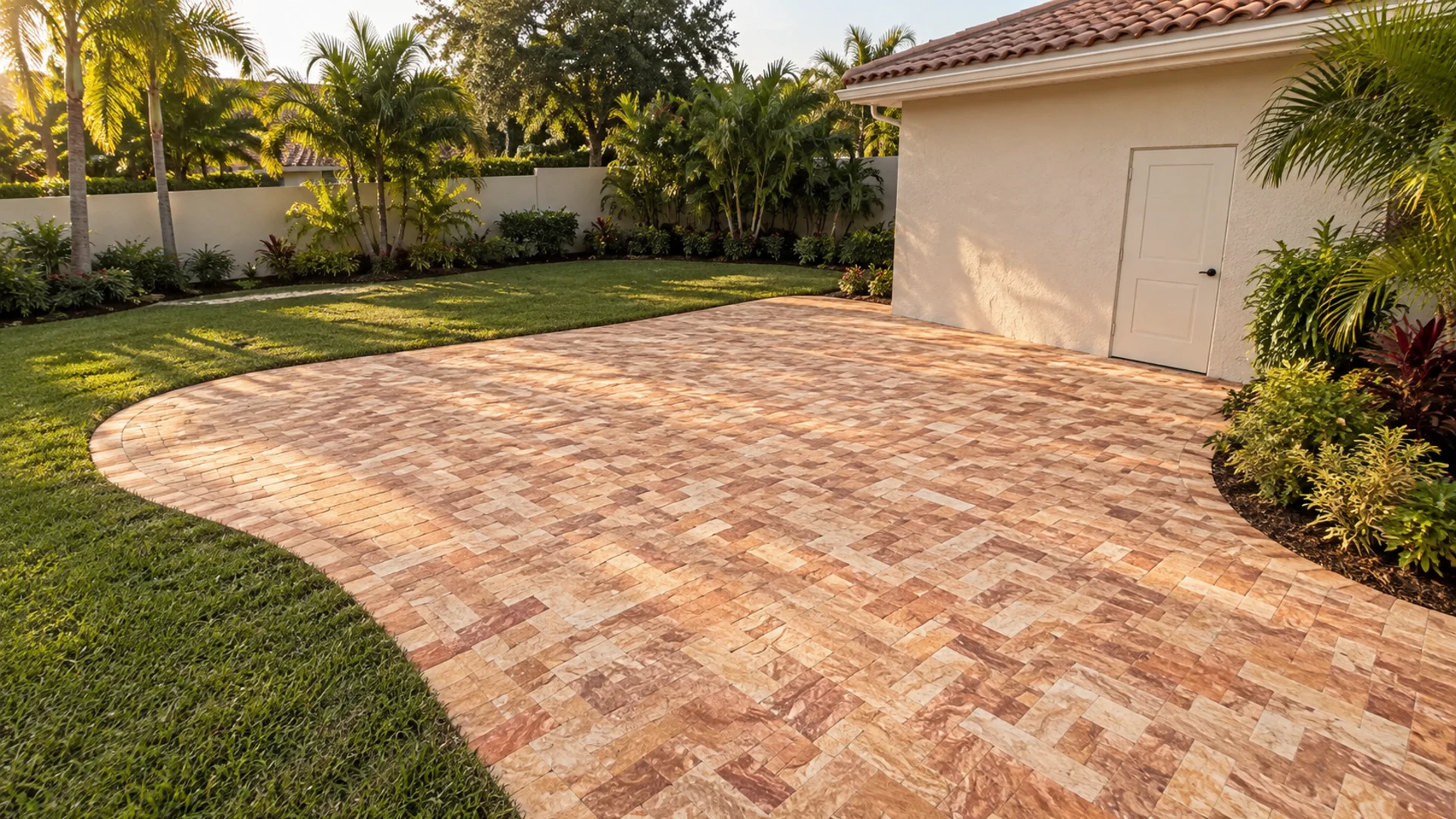
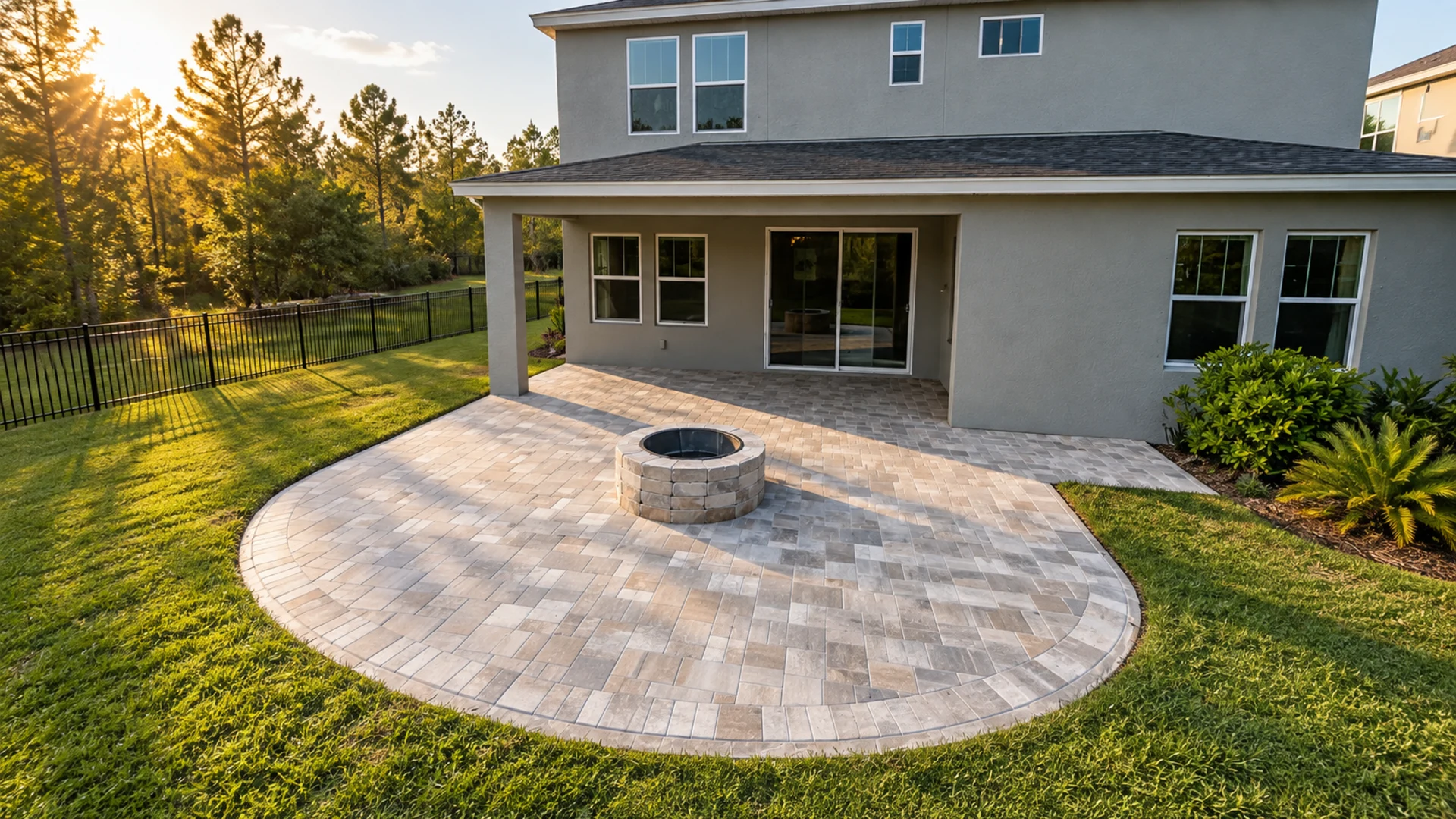
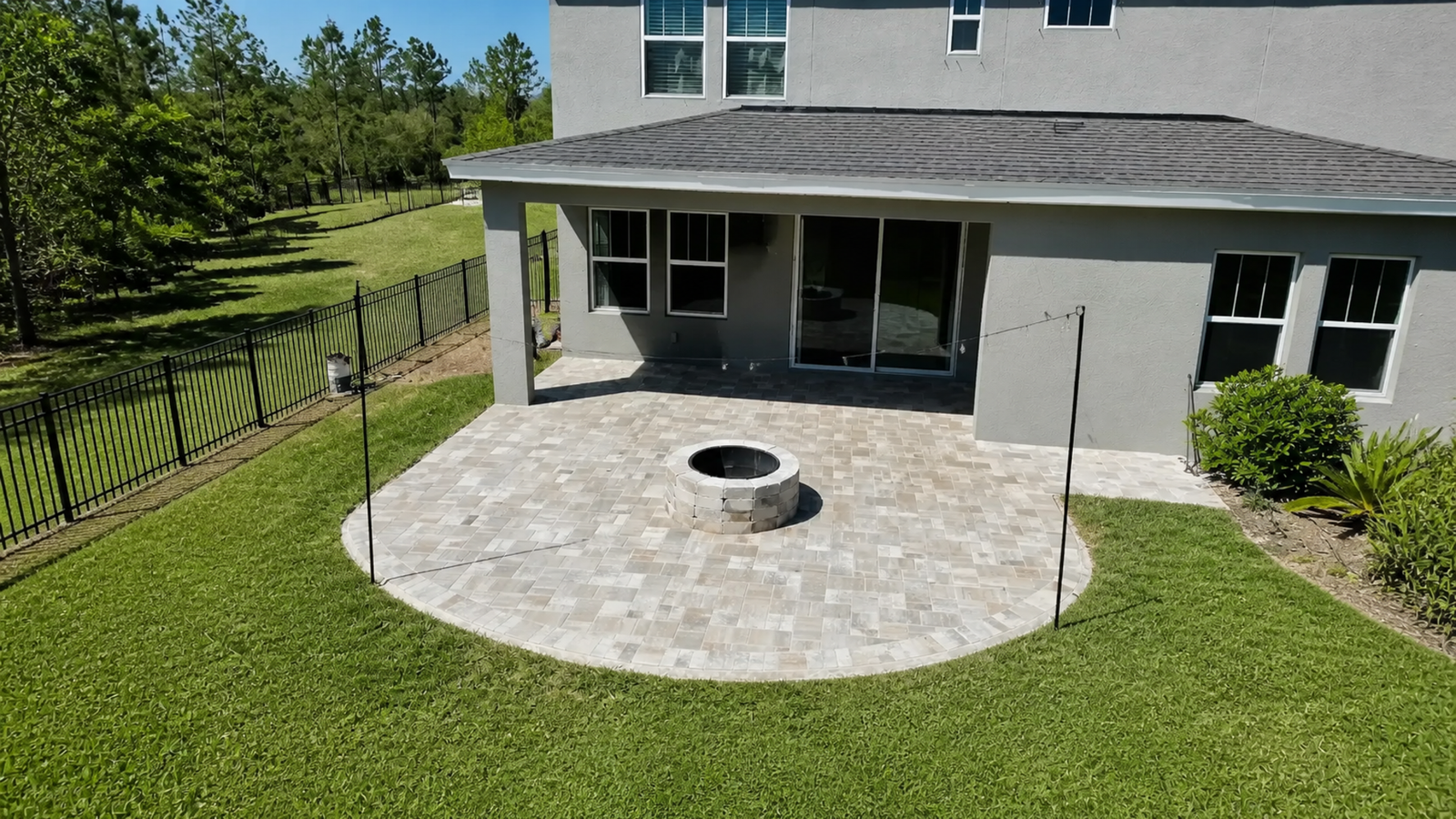
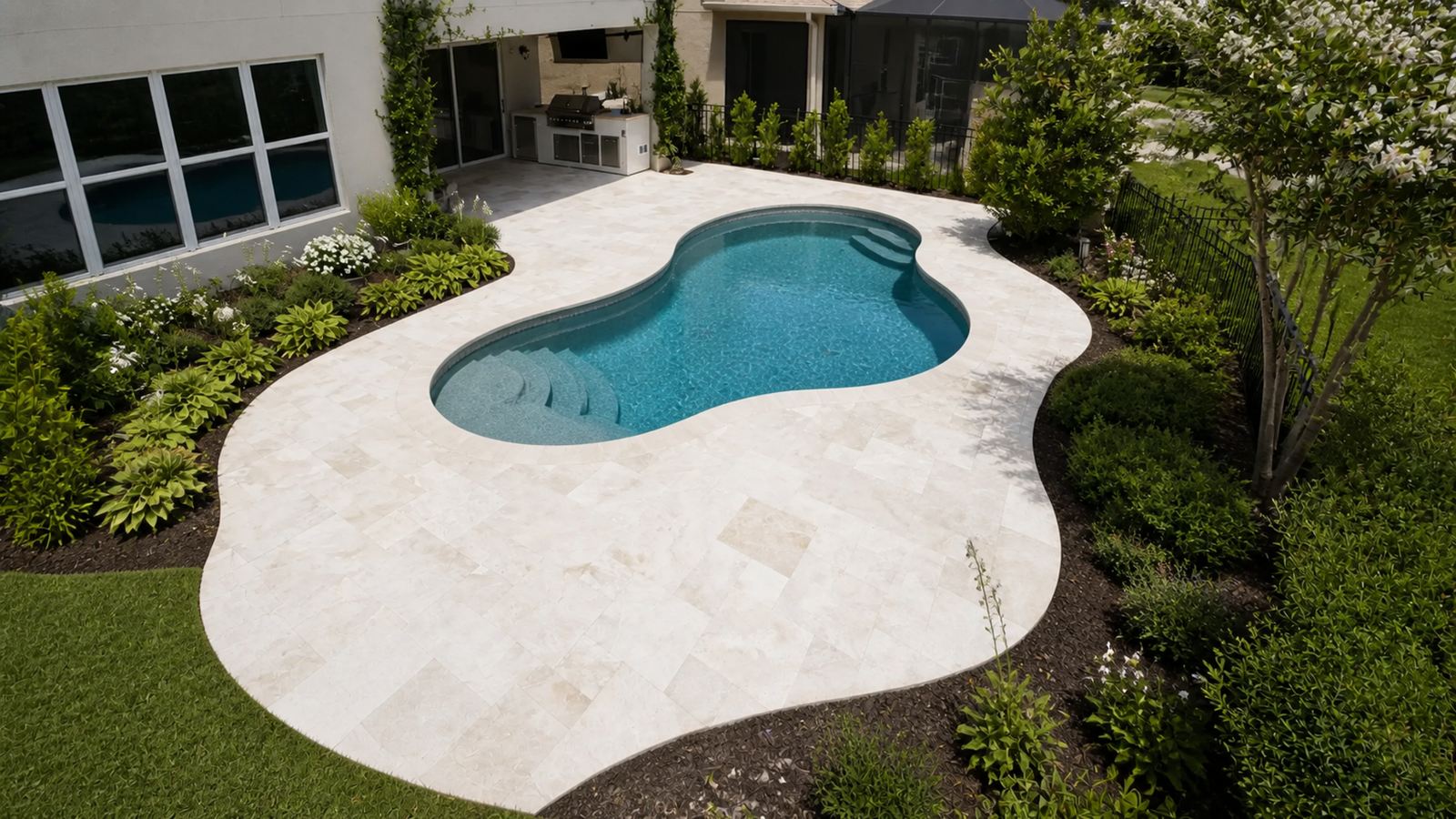
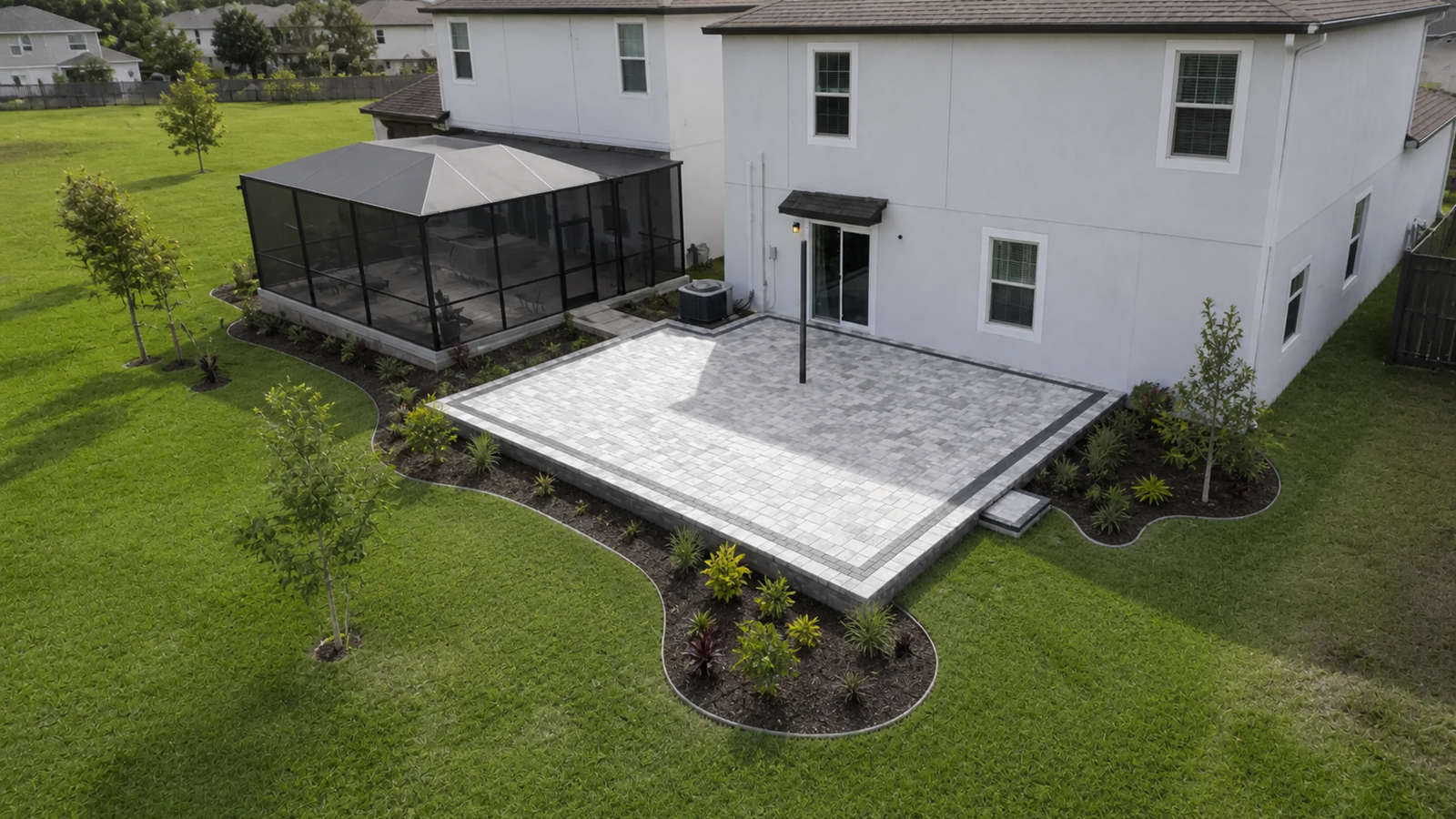
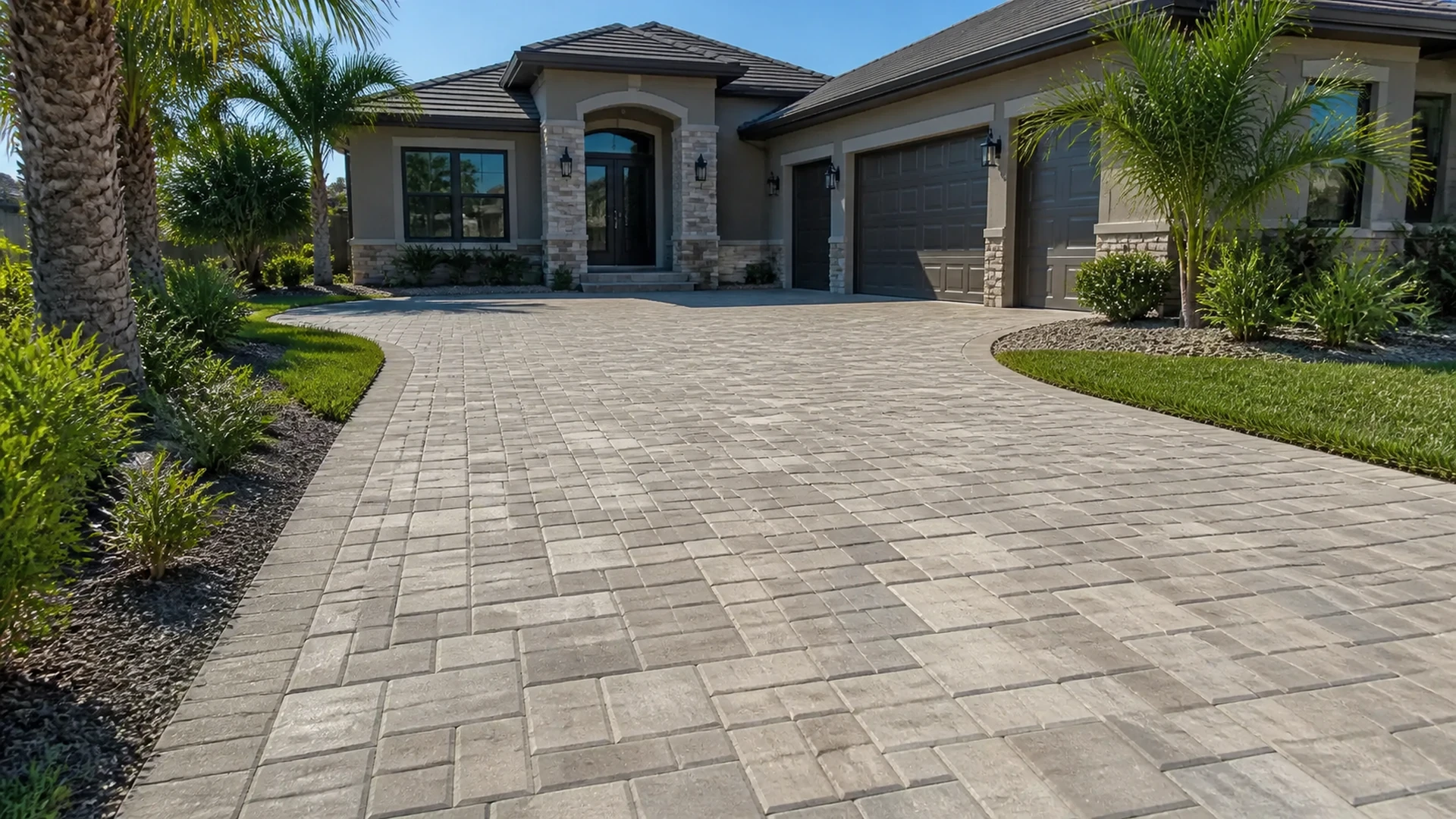
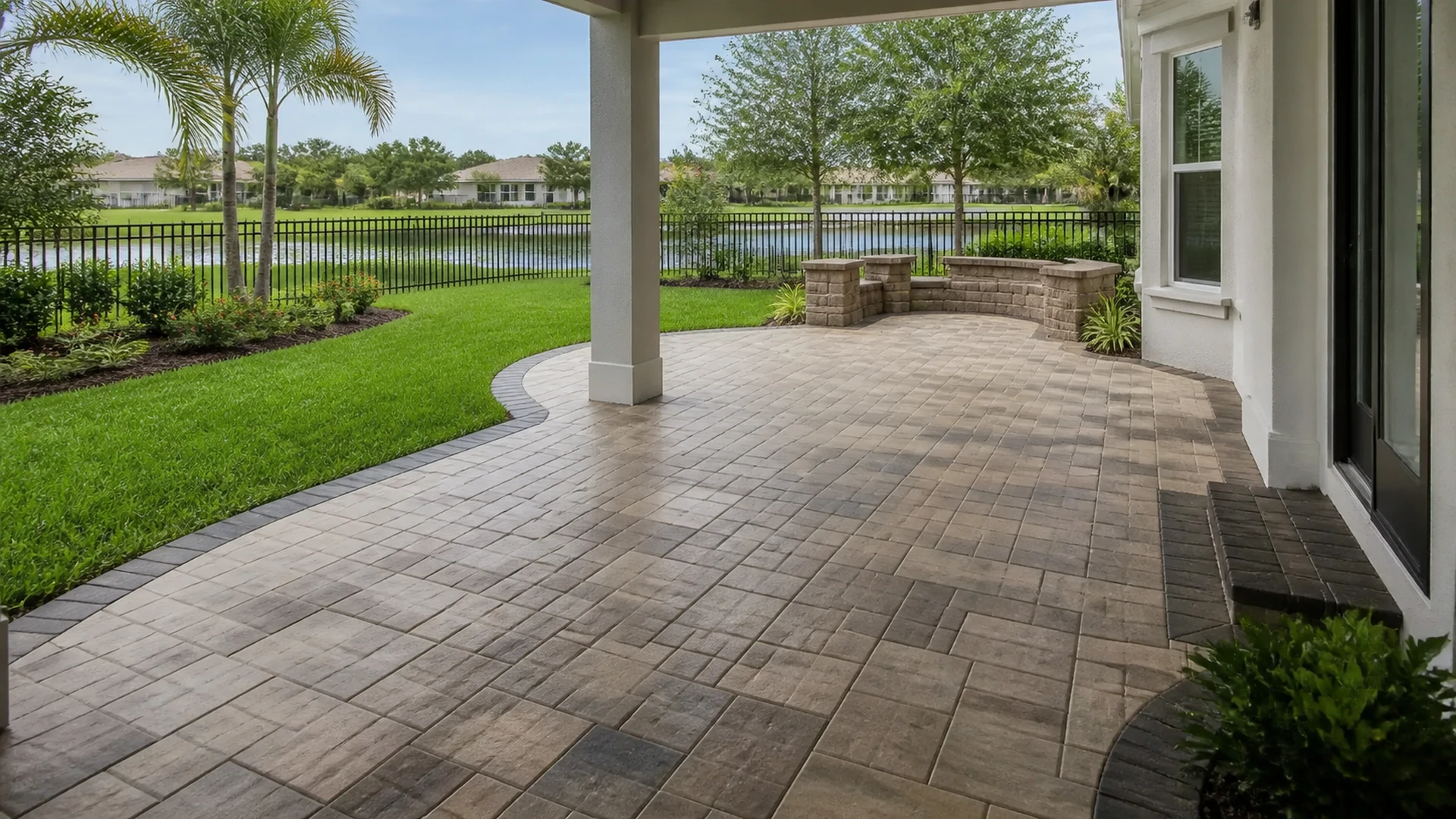
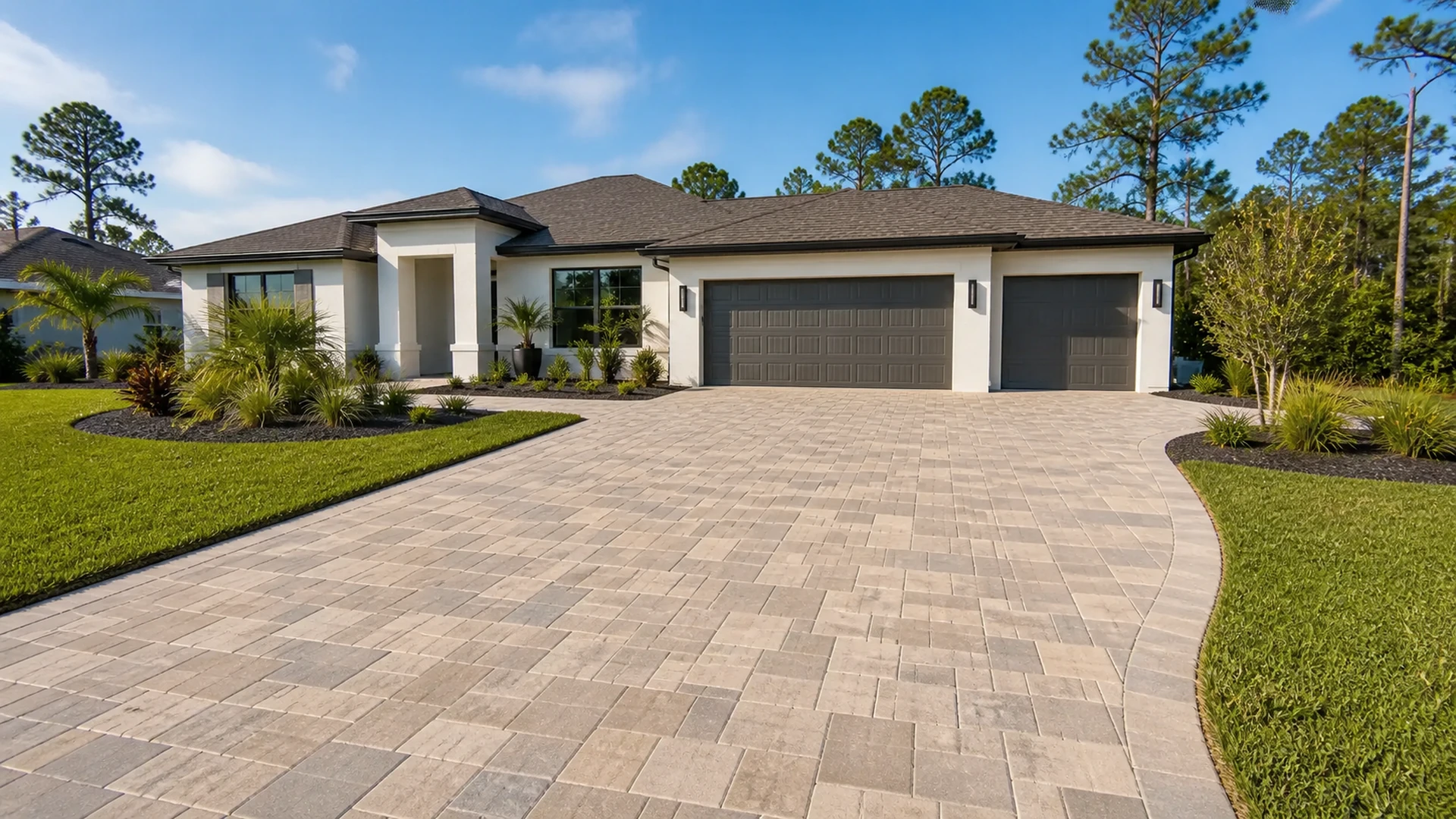
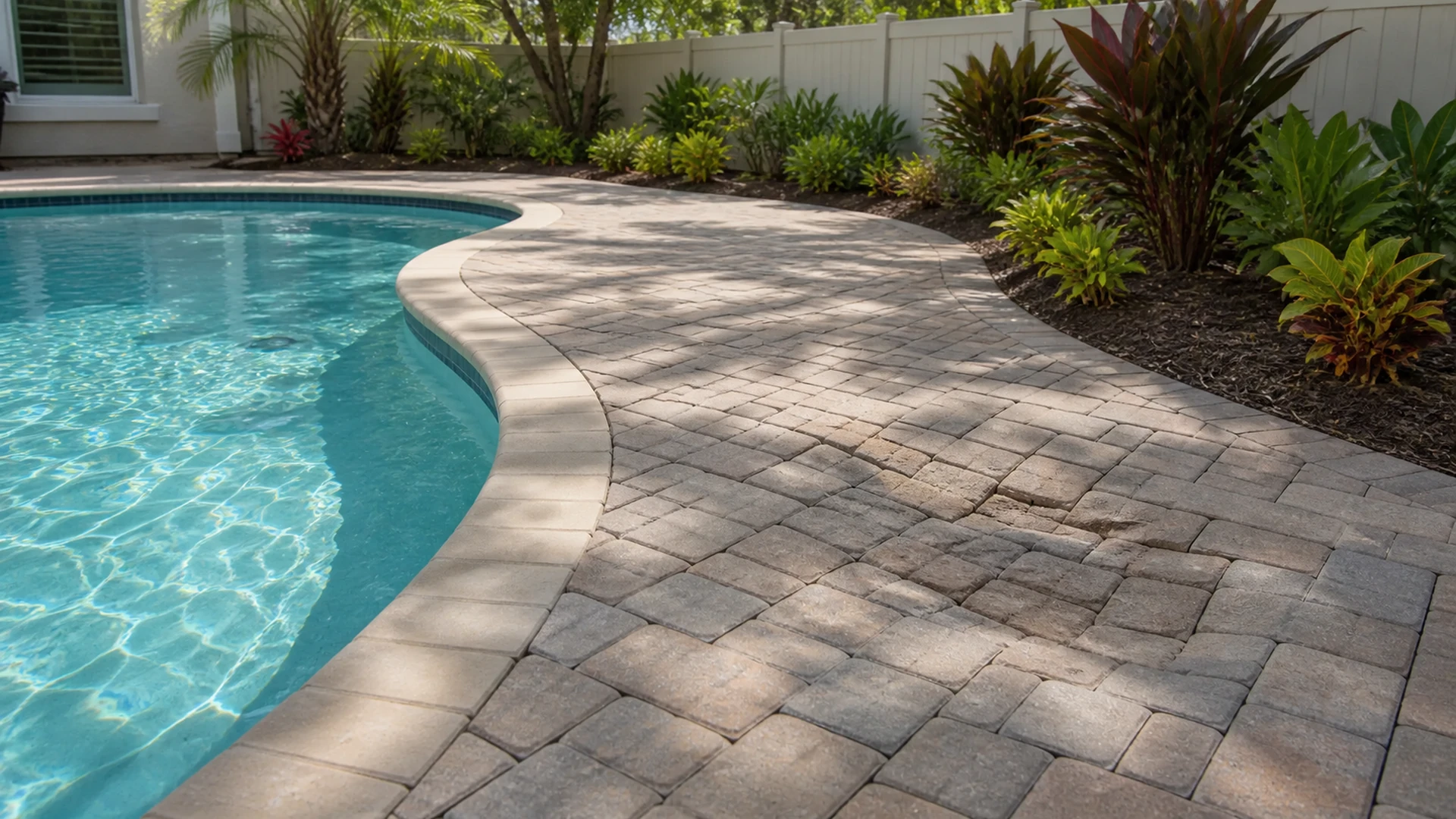
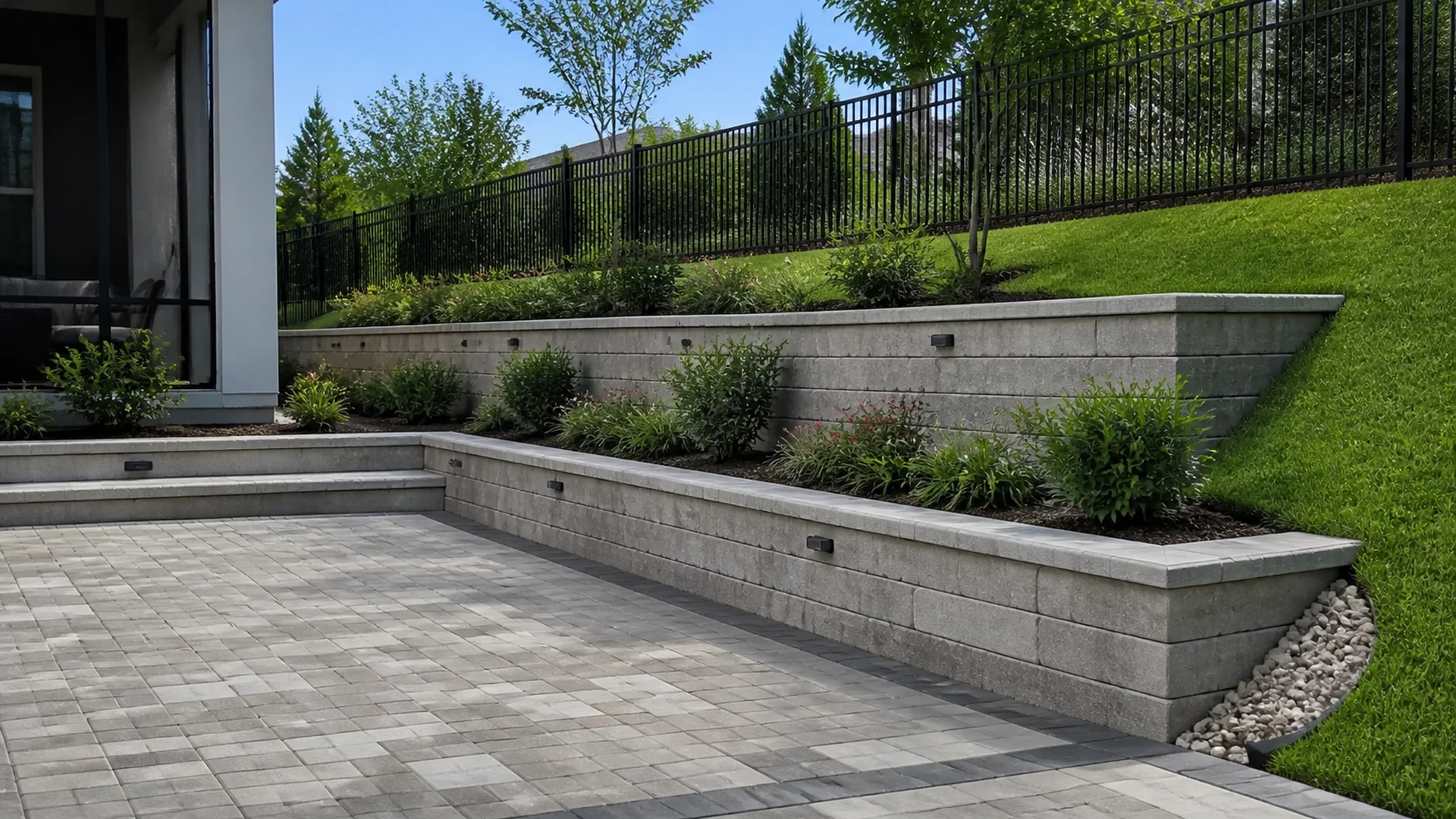
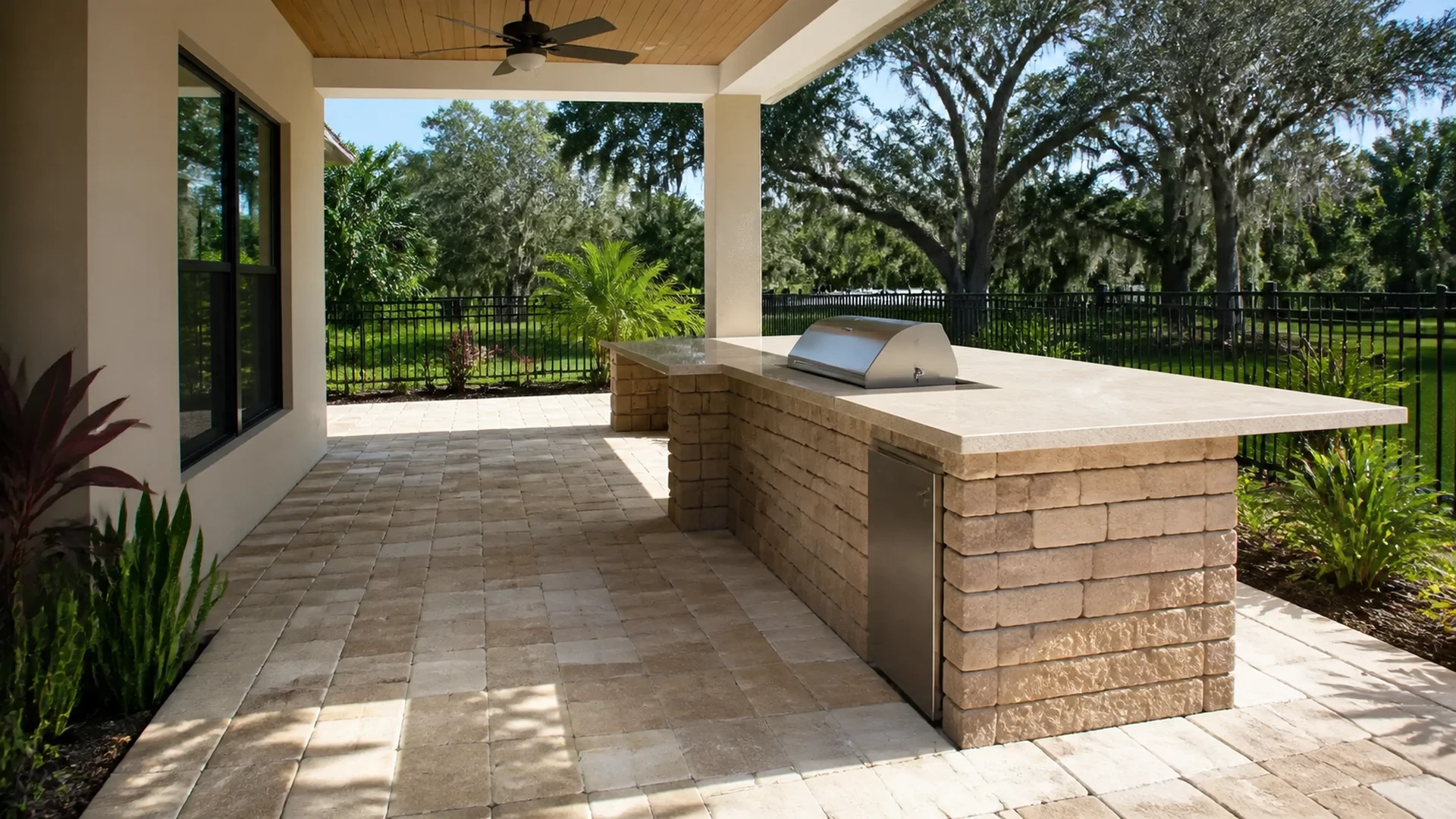
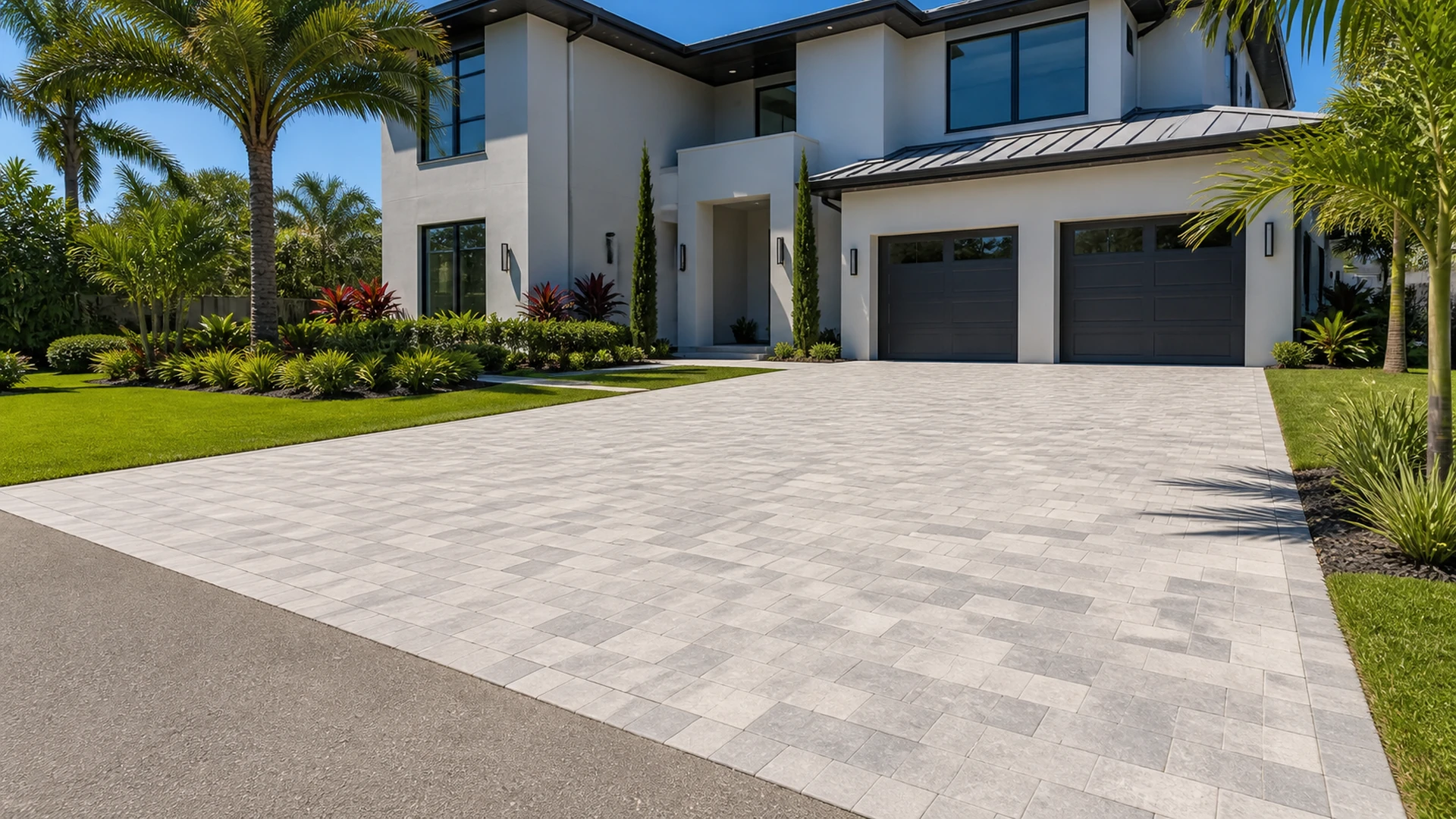
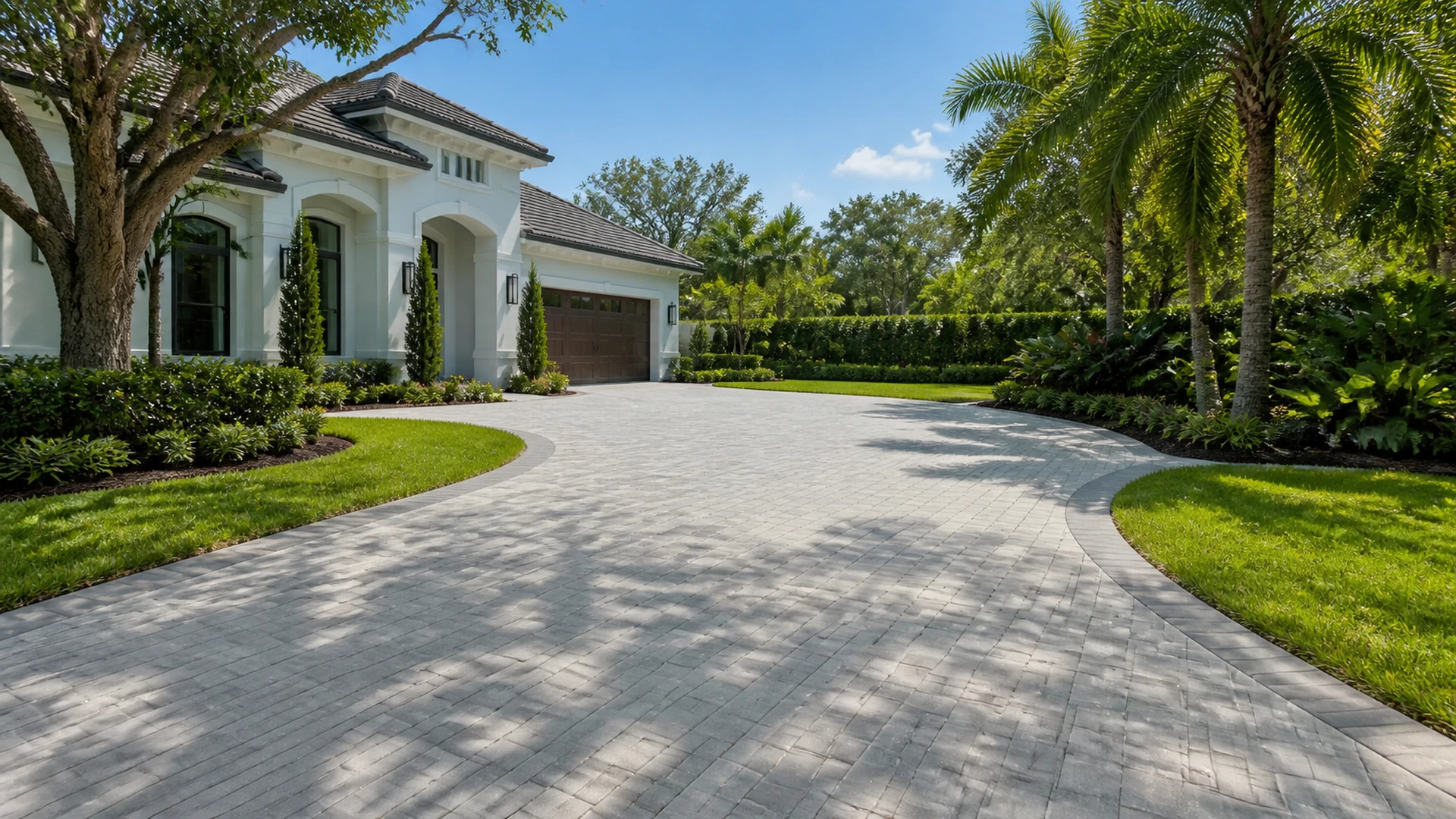
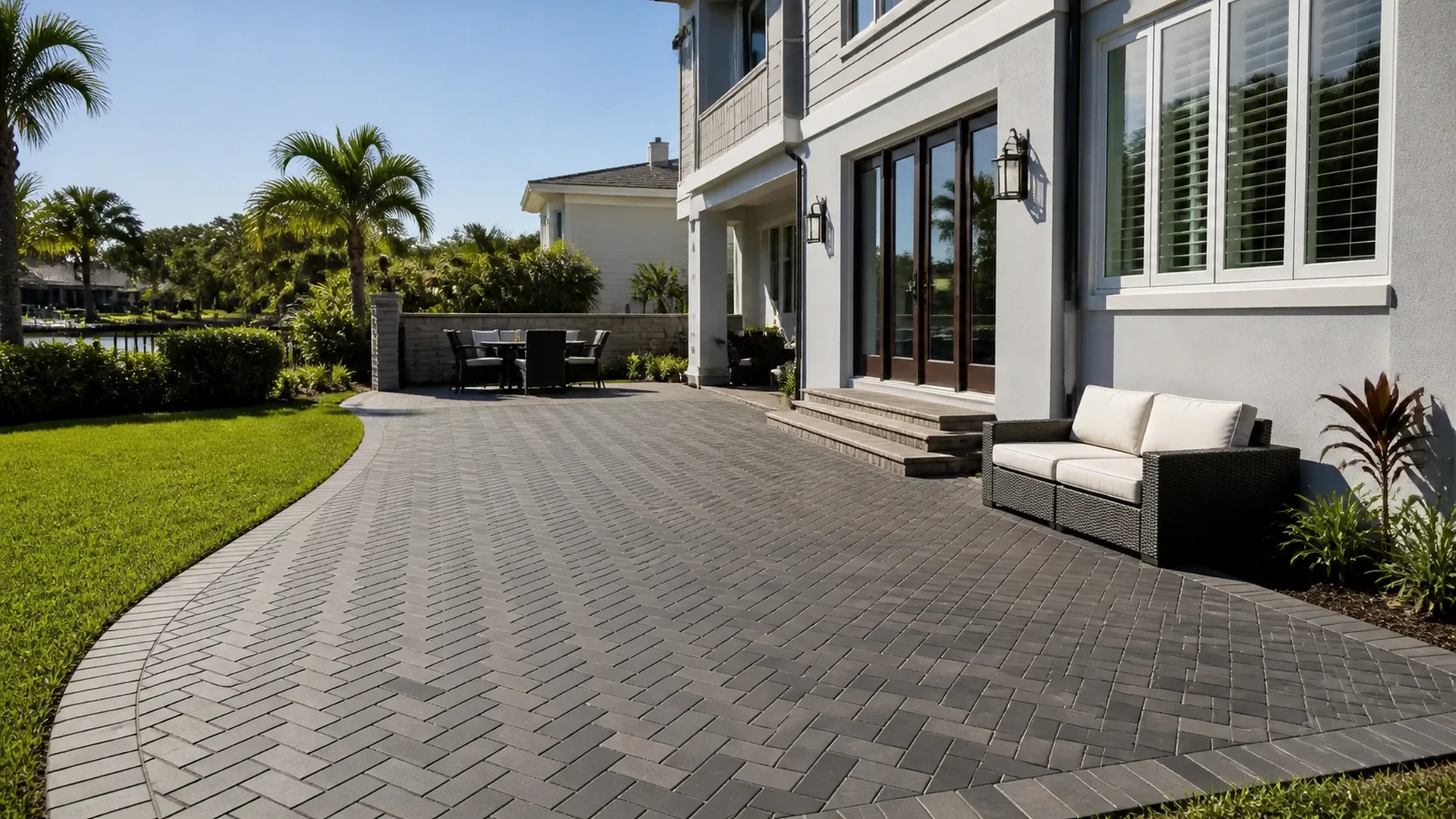
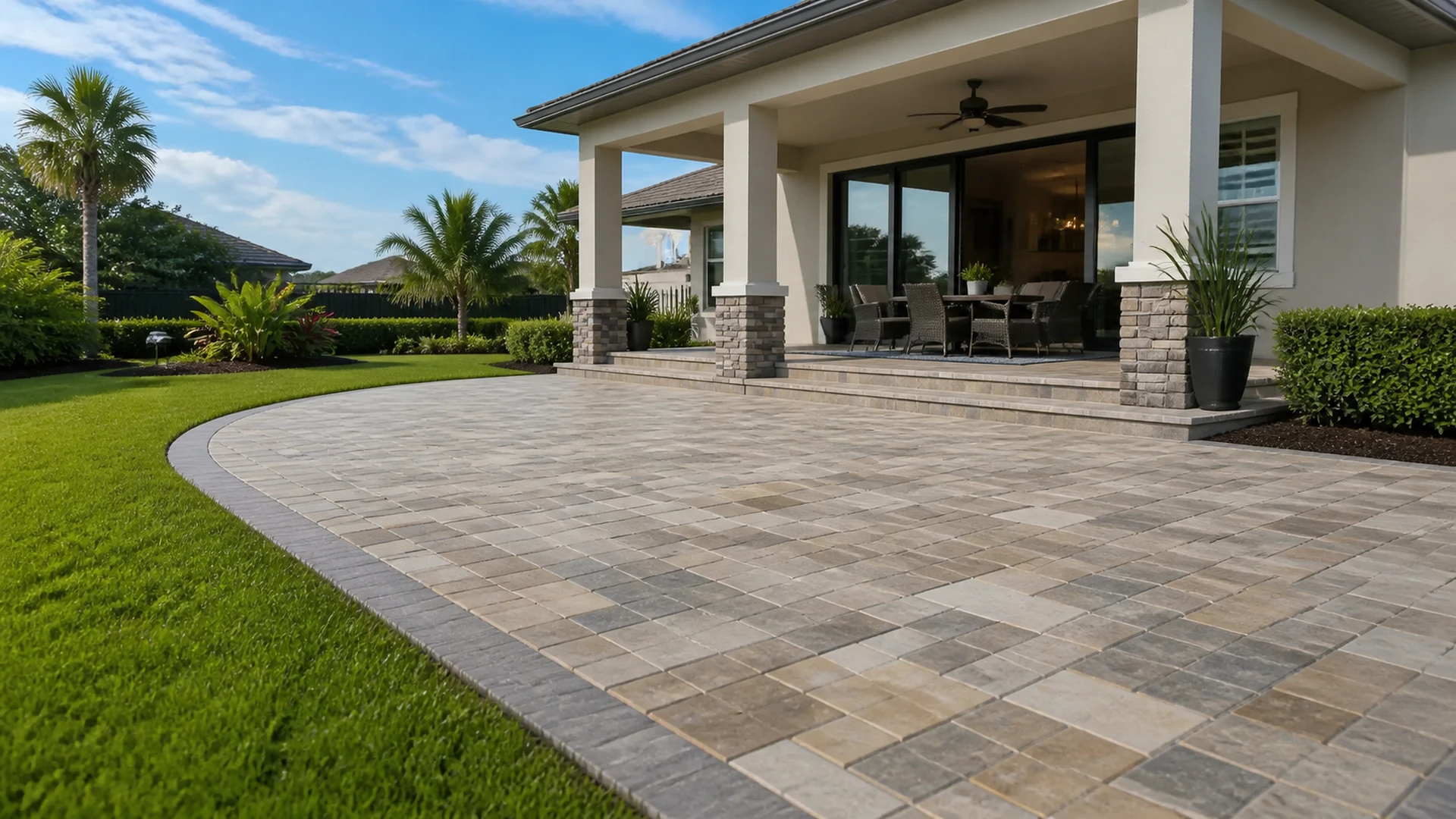
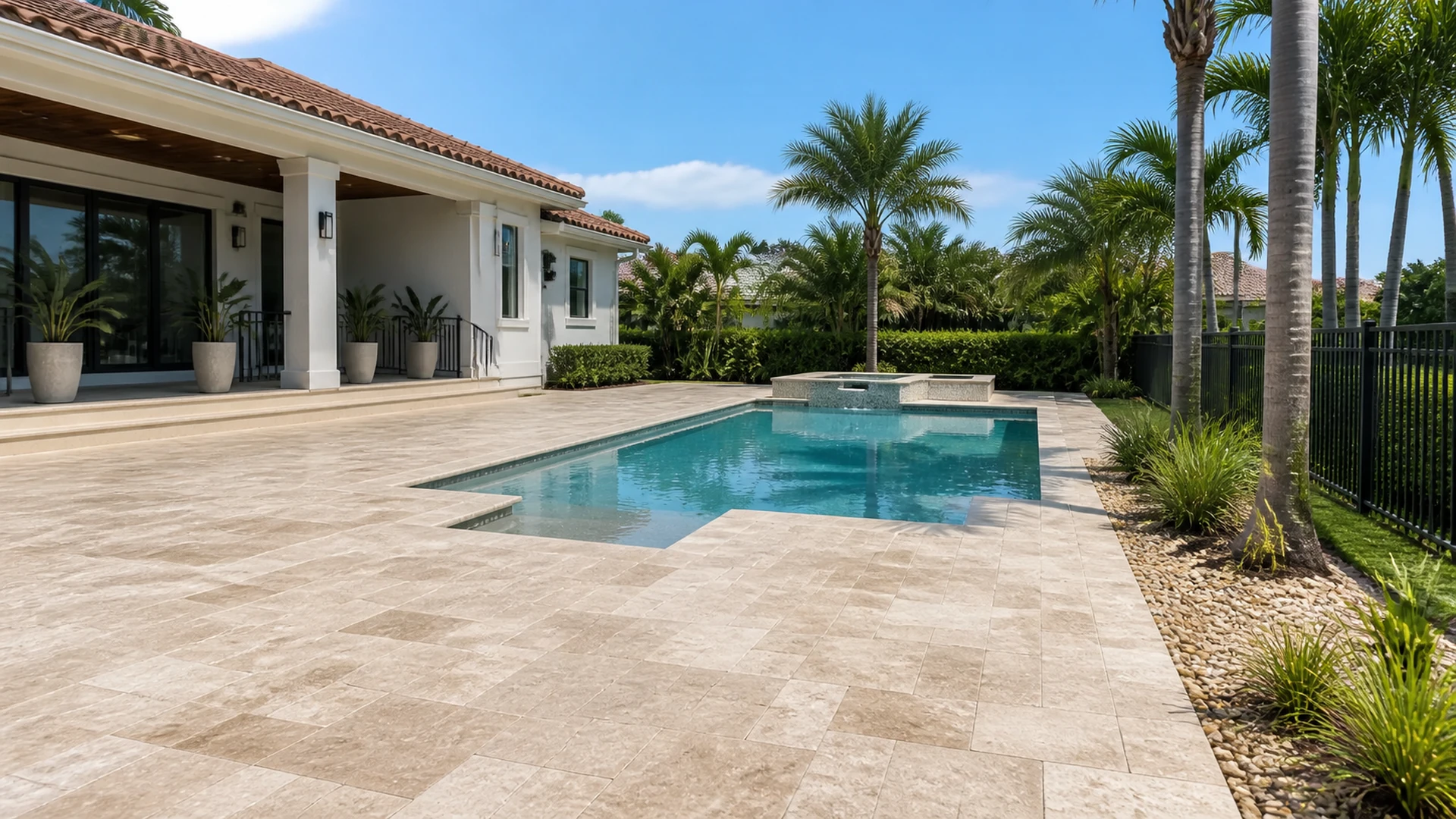
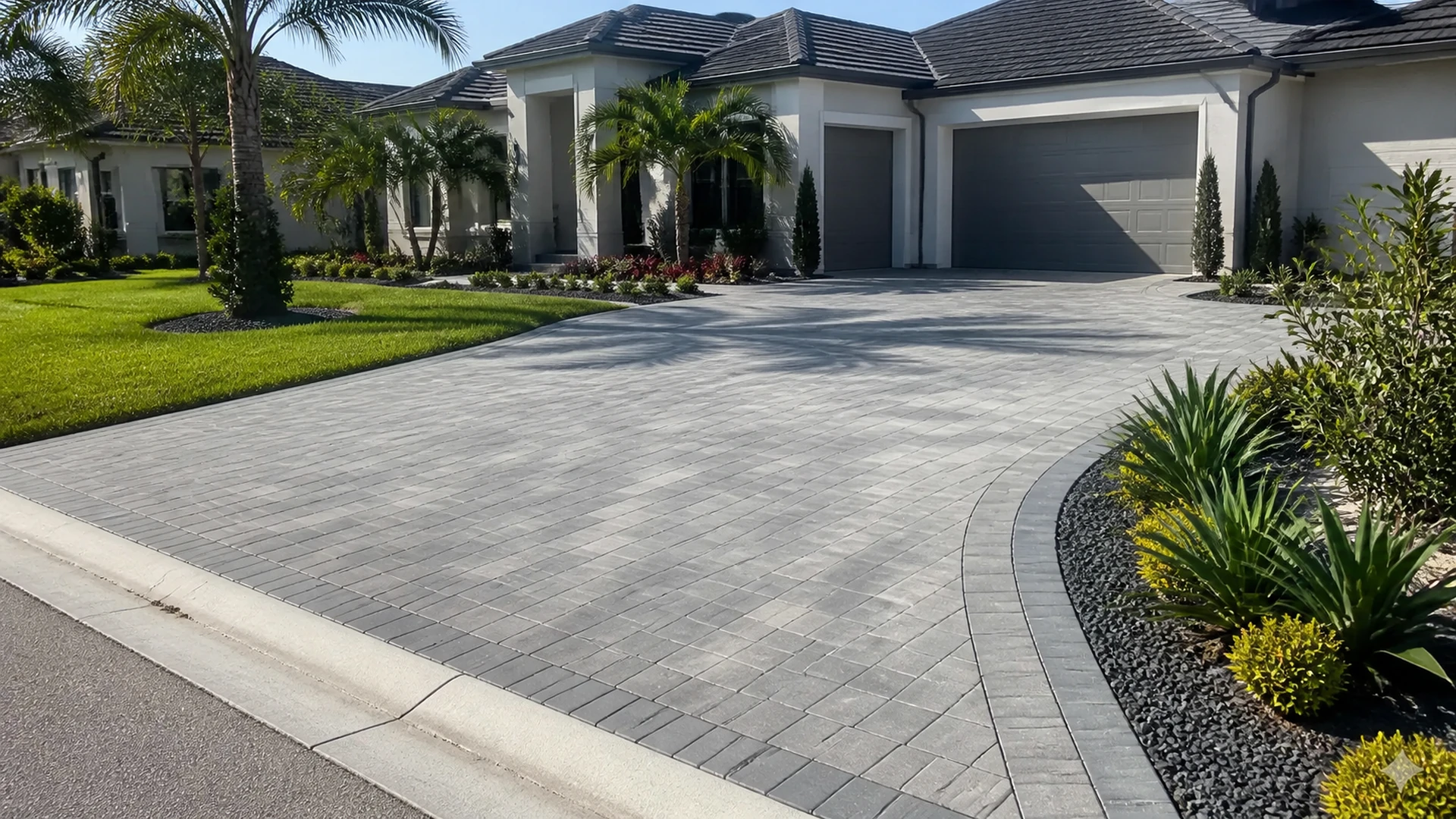
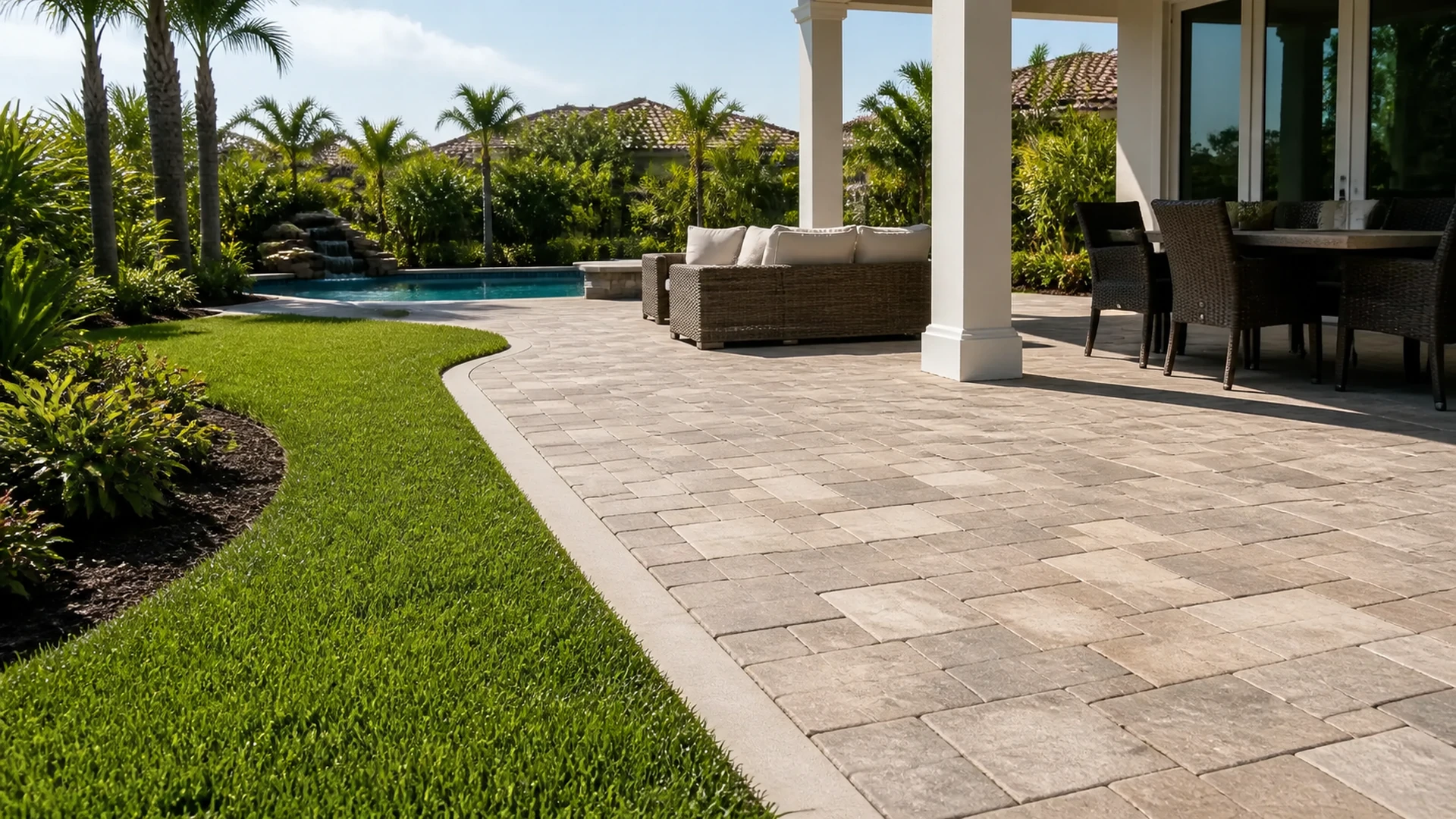
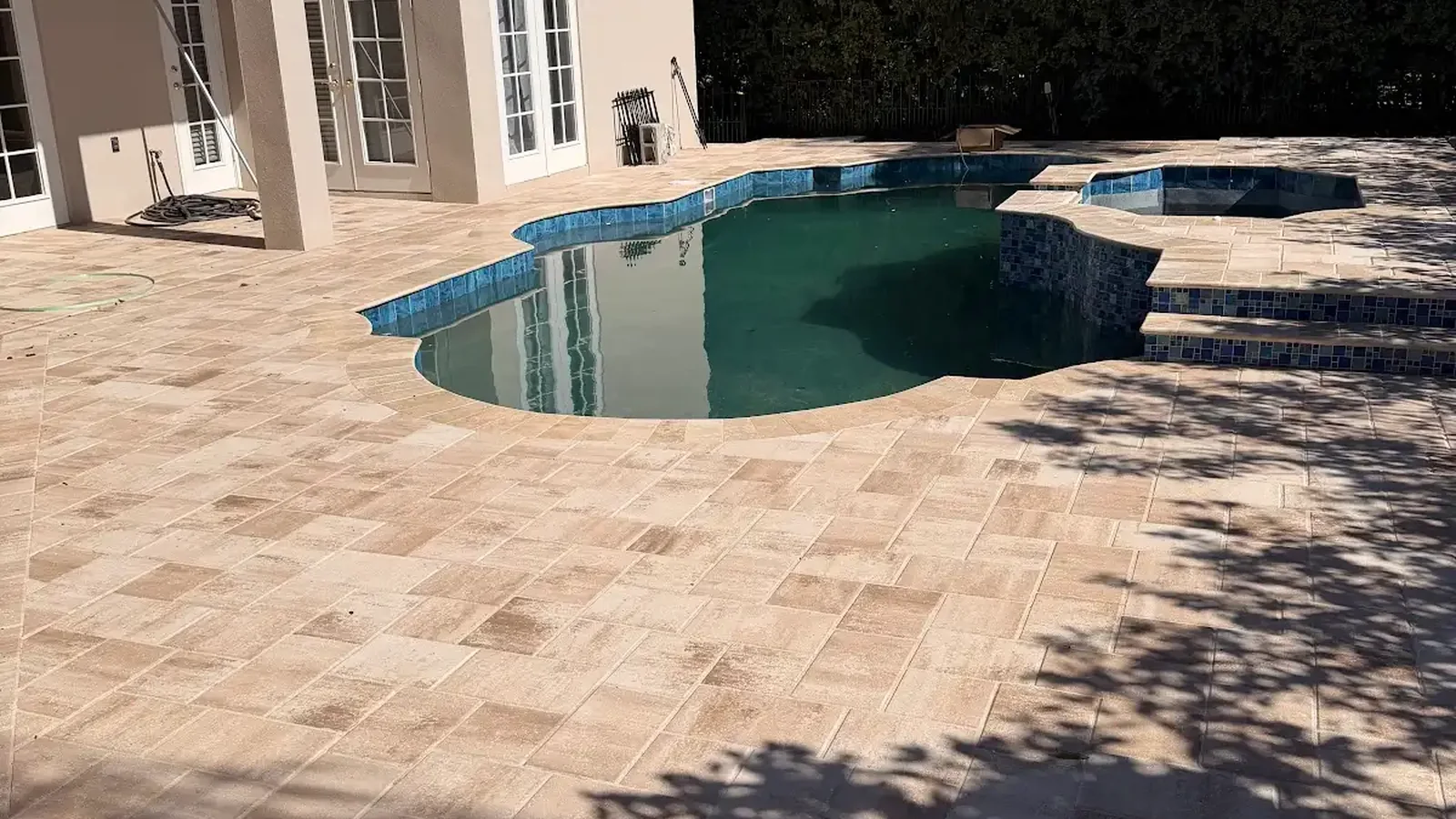
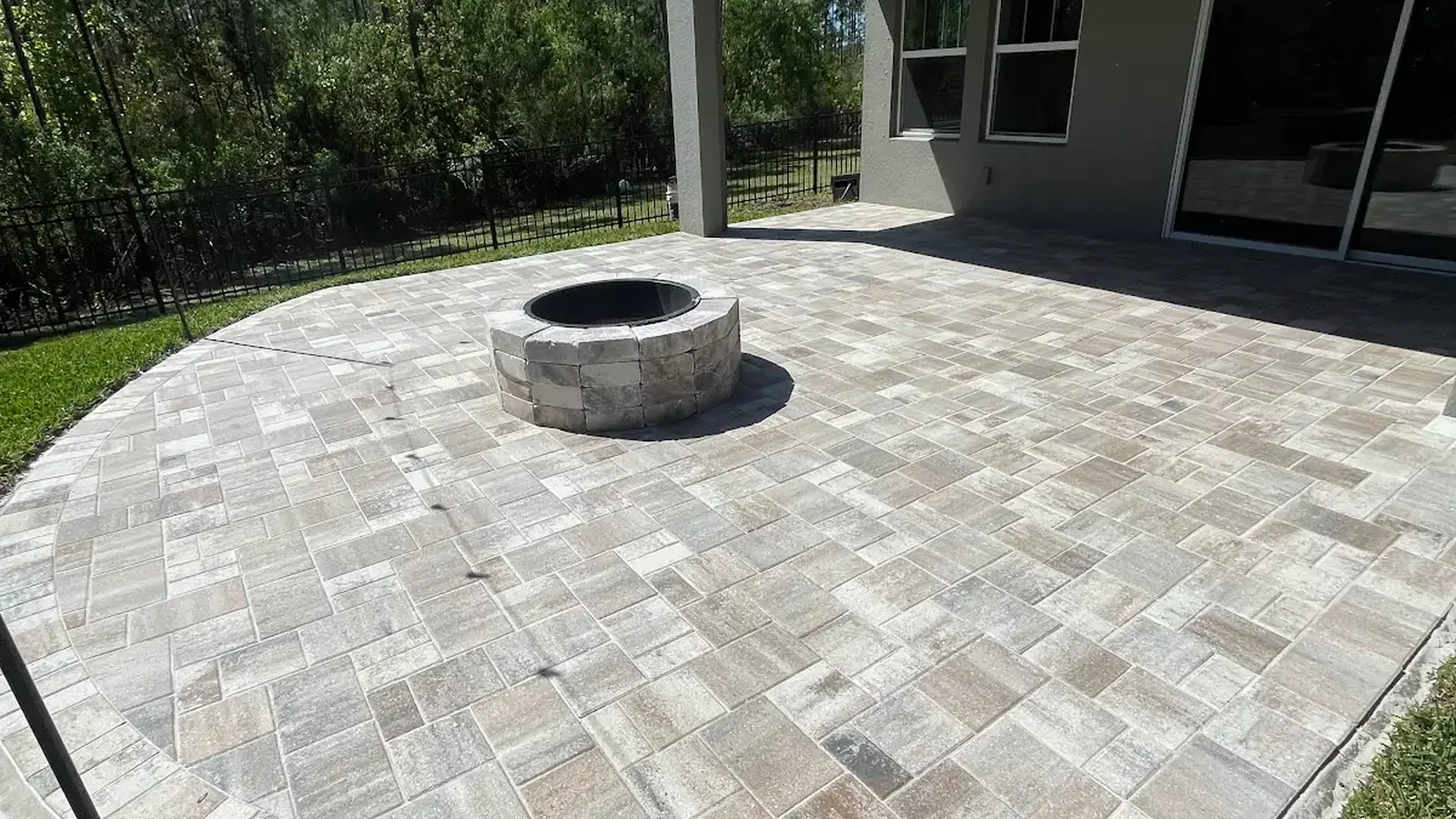
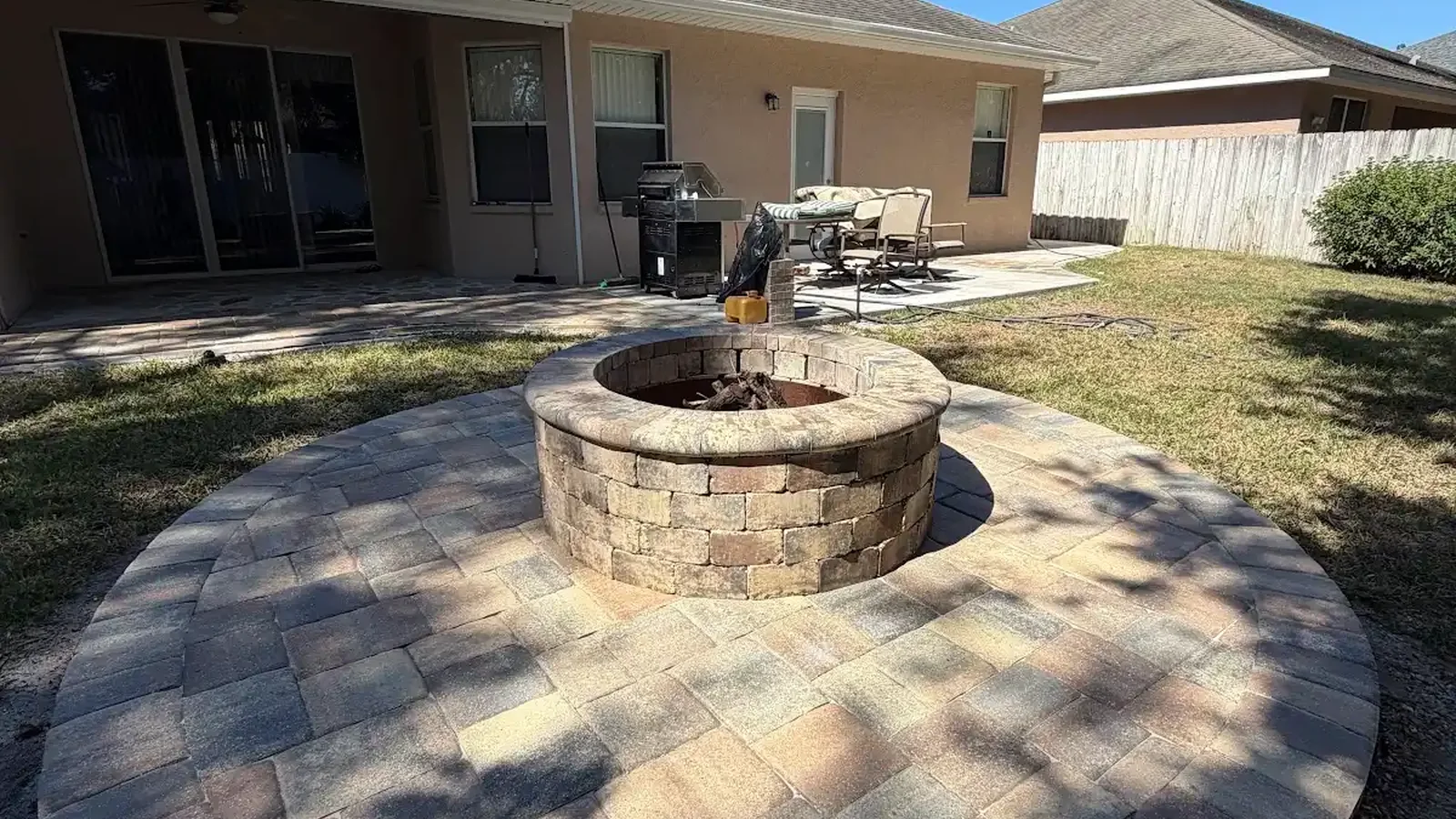
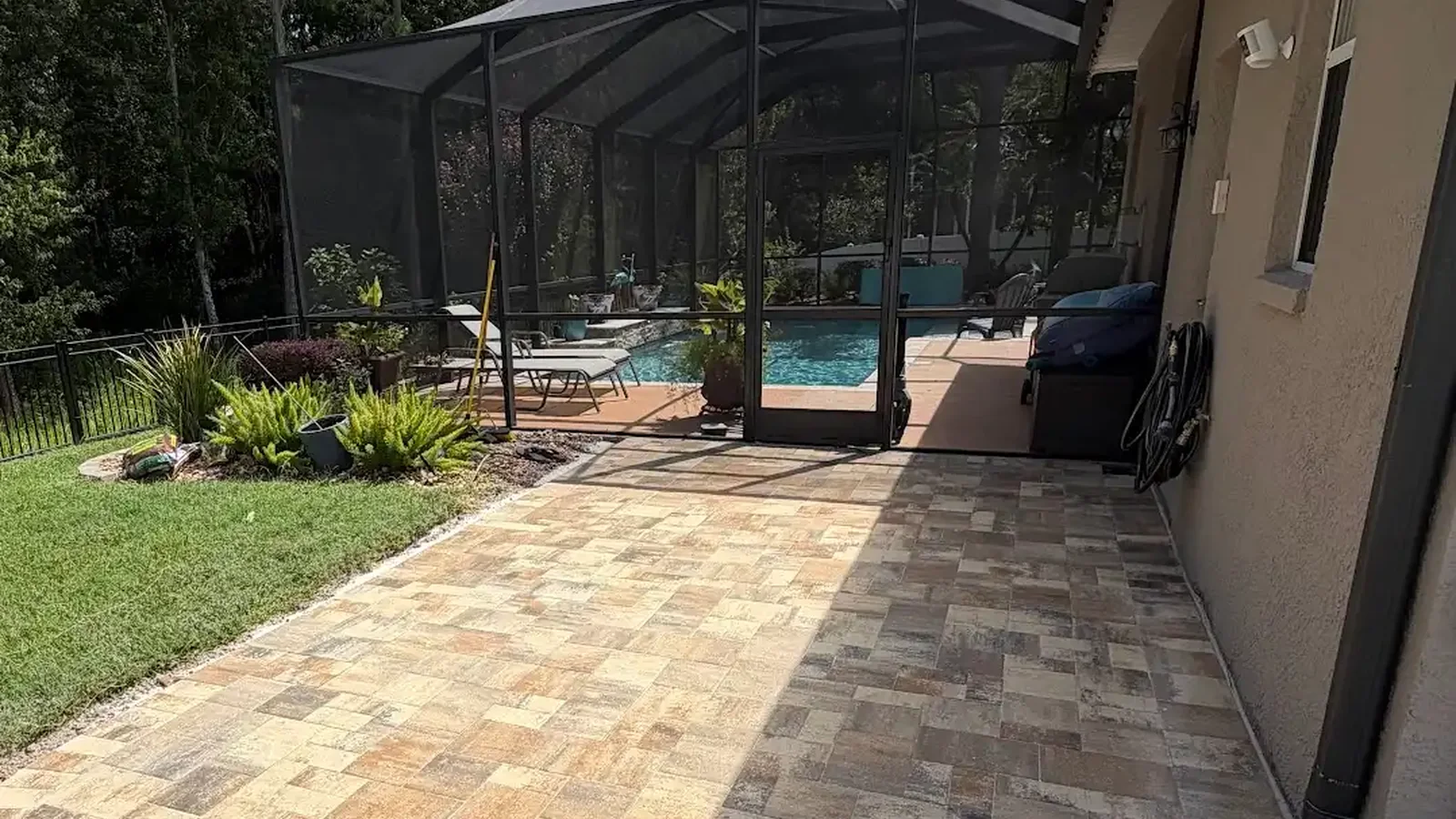
Artificial turf often works best when you view it as one piece of a larger outdoor plan. Many Tampa Bay homeowners combine turf with paver patios, pool decks, and walkways. Thoughtful design can reduce waste, limit awkward seams, and create comfortable paths between living areas. For example, turf between paver pads in a Land O’ Lakes courtyard may need a different approach than a full turf lawn beside a driveway.
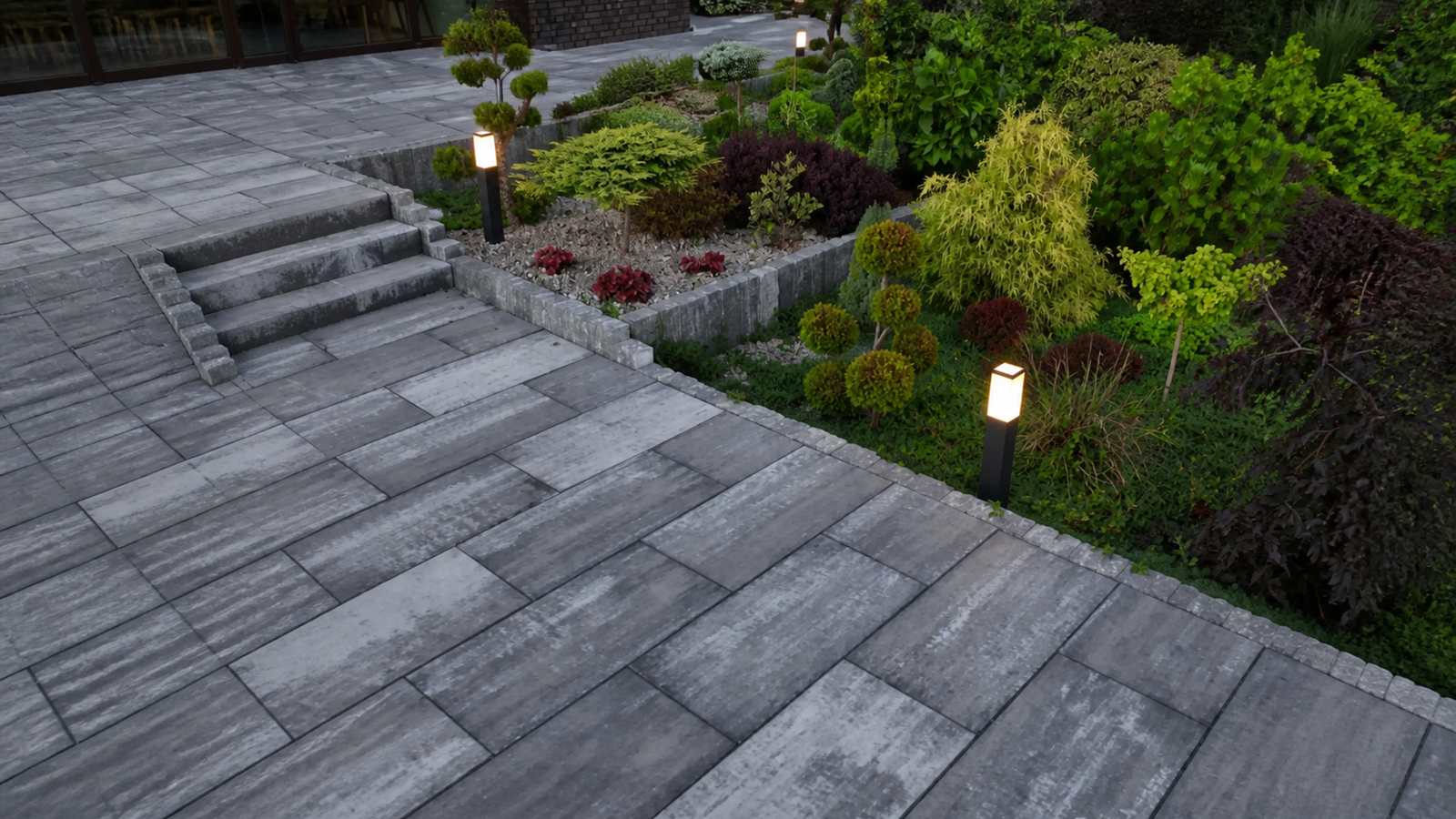
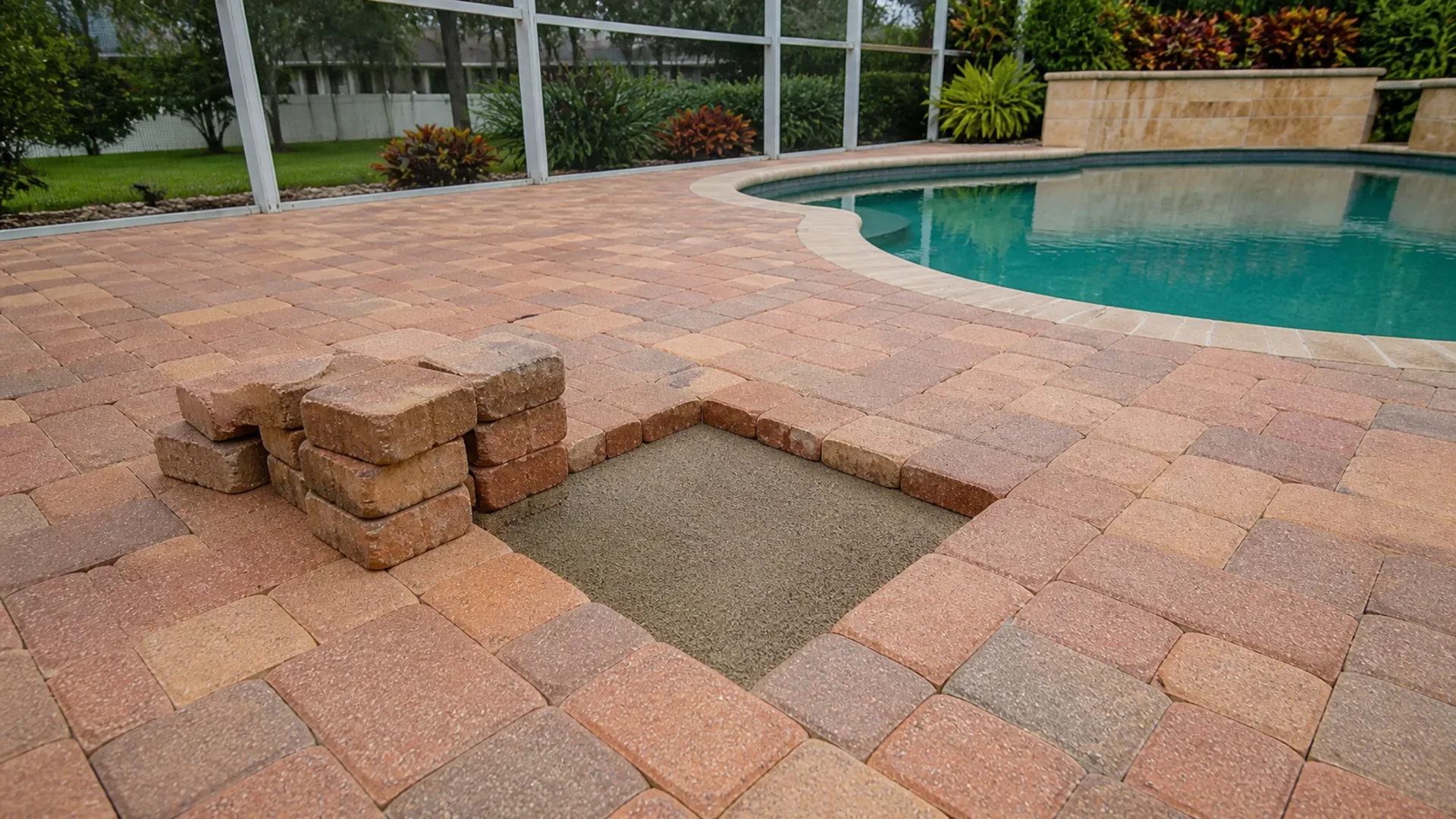
If you already have pavers, the installer will look at their elevation and condition. Uneven or settling pavers can affect how turf edges align and feel. In some cases, limited paver repairs or adjustments may make sense before or during turf work. There is also an opportunity to reshape planting beds and add borders that give turf clean, low-maintenance edges.
Planning ahead also helps coordinate your budget. When you view turf, pavers, and other hardscape features together, you can prioritize phases and avoid redoing work later. Reviewing galleries and service descriptions on your installer's site, such as the artificial turf Tampa Bay page, can give you ideas about how different materials pair. If you find yourself weighing many options, a design consultation can help you narrow the choices to what supports your daily use and long-term upkeep comfort.
Artificial turf cost Tampa FAQ
How does artificial turf cost Tampa projects for small yards versus large?
Smaller Tampa Bay yards often see higher cost per square foot because fixed expenses spread over fewer feet. Mobilization, minimum material orders, and setup time remain similar whether the project is 300 or 800 square feet. Larger yards benefit from economies of scale, but they may need more extensive removal, grading, or access planning. Therefore, total project size matters, but site conditions still strongly influence your final number.
What should I look for in an artificial turf quote besides the bottom line?
Look for clear notes on removal depth, base thickness, and material types. The quote should describe the turf model, infill, and any pet system or drainage layers. It should also explain how seams, edges, and transitions to pavers, concrete, or planting beds will be handled. Finally, ask about anticipated maintenance, cleaning expectations, and what is not included so you can compare proposals fairly.
How do Tampa's heat and storms affect synthetic turf performance over time?
Tampa's sun and humidity can stress synthetic materials, especially in open, unshaded spaces. UV exposure, high surface temperatures, and frequent wetting and drying all influence how turf ages. Quality products are designed for these conditions, but they still respond differently than natural grass. UF/IFAS reminds homeowners to weigh heat, runoff, and material lifespan when deciding between turf and living lawns, particularly in wide-open or low-lying areas.
Can artificial turf work well in shaded or partially shaded areas?
Shaded or partially shaded yards in neighborhoods like Greater Carrollwood or Town 'N' Country can sometimes favor turf because natural grass struggles. However, shade also slows drying after rain or cleaning, so installers may adjust base design and infill choice. Tree roots, falling leaves, and debris can also affect maintenance. A site visit helps determine whether trimming, root management from a qualified arborist, or design changes make sense before installing turf.
Is artificial turf maintenance-free once it is installed?
No, artificial turf is not maintenance-free, even though it removes mowing from your routine. You still need to brush the fibers, remove leaves, and rinse the surface, especially after heavy use or storms. Pet areas may require more frequent cleaning and targeted products to control odors. Planning for realistic upkeep from the start helps you choose materials and layouts that match the time and effort you feel comfortable investing.
If you are exploring artificial turf for your Tampa Bay home and want to see how turf pairs with pavers, walkways, and pool decks, you can browse recent work on the project gallery and read homeowner feedback on the testimonials page. When you are ready to dig into details, the services overview and FAQ section outline how design, preparation, and installation fit together on real Tampa, Riverview, and Wesley Chapel properties.
To talk through artificial turf cost and layout ideas for your specific yard, you can call +1 (656) 600-4015, send a text to the same number, email drpavers@outlook.com, or reach out on WhatsApp. You can also connect on Instagram, Facebook, or check the Tampa location on Google Maps to schedule a free consultation and walk your property in person.