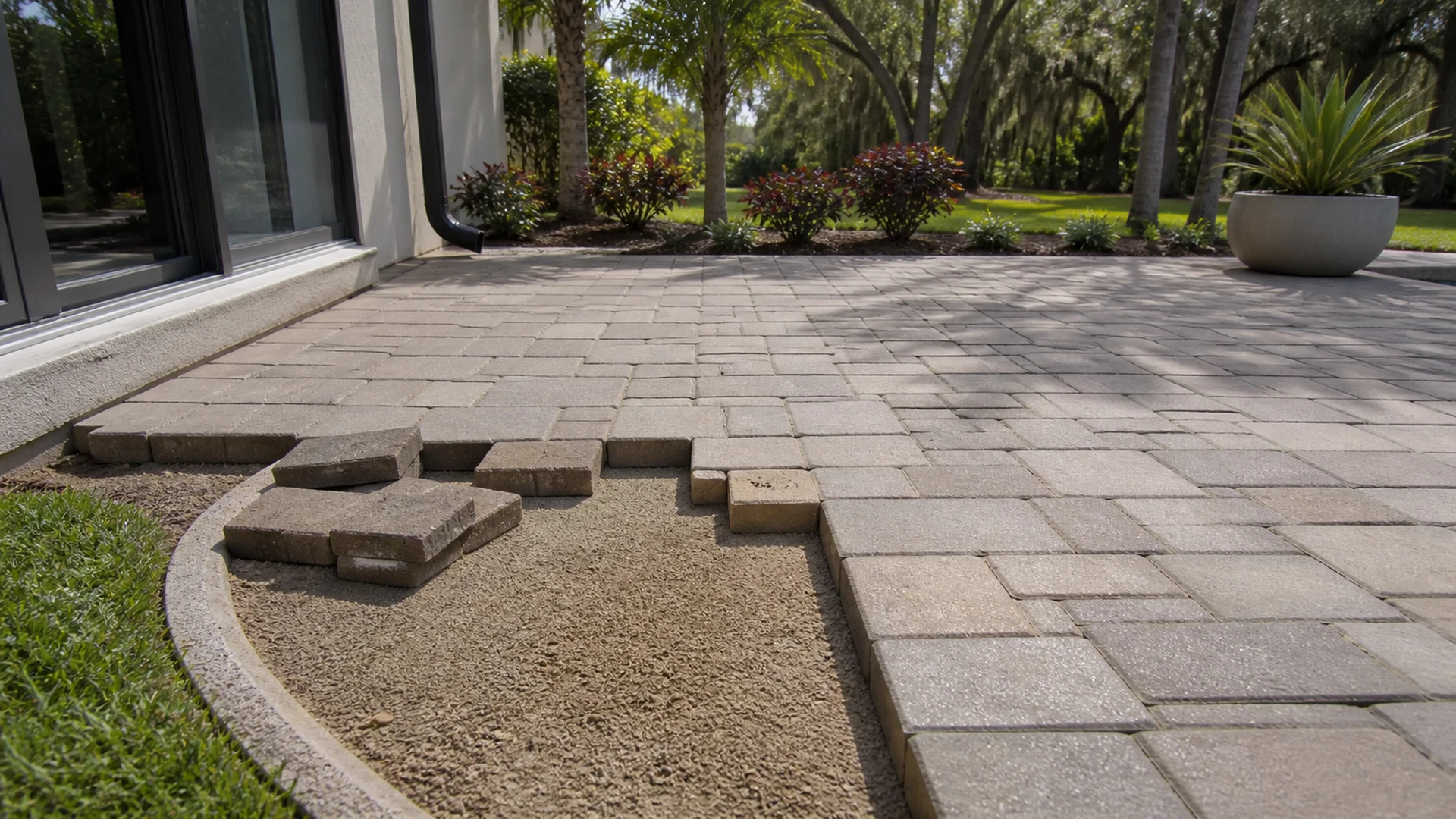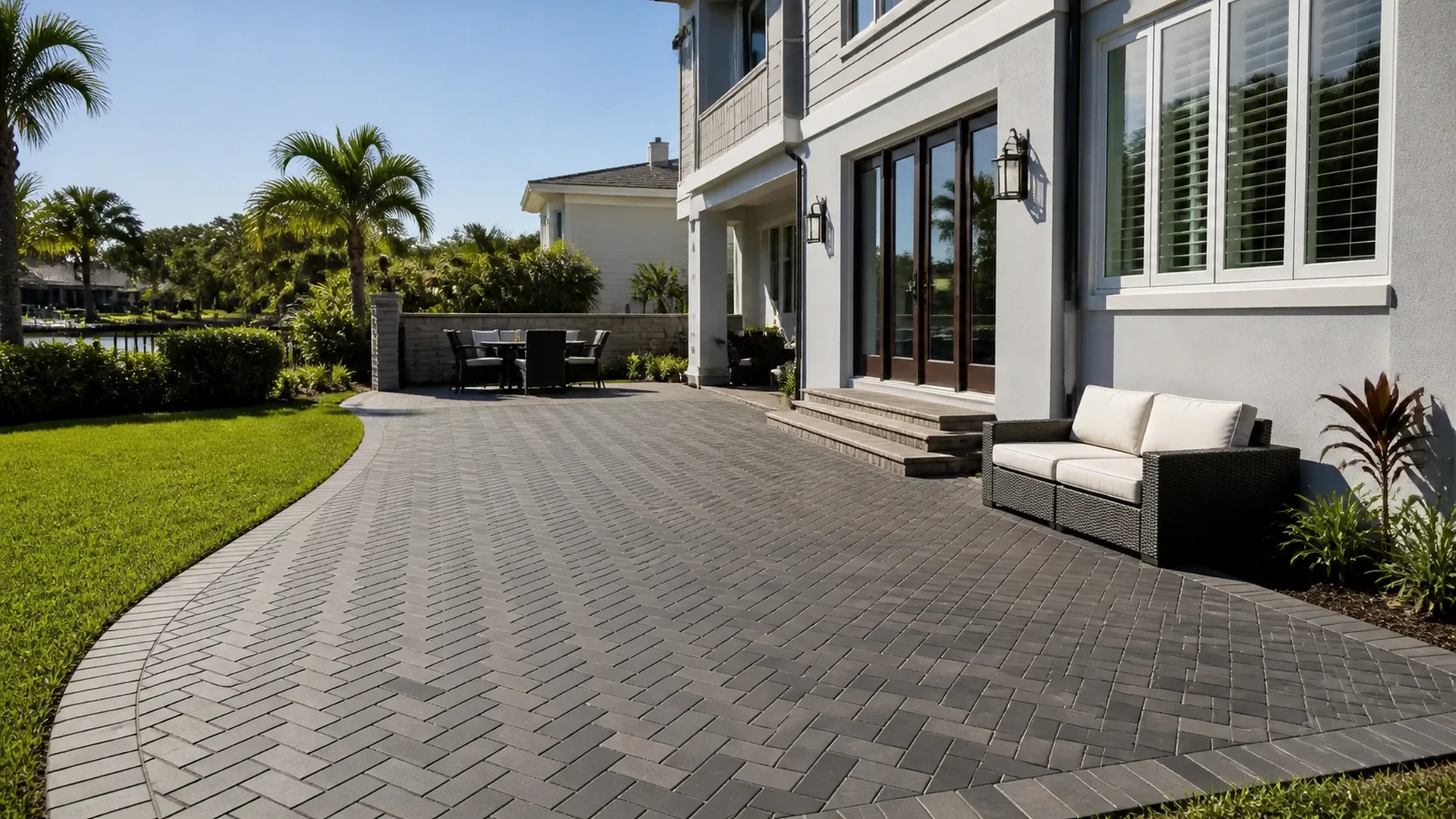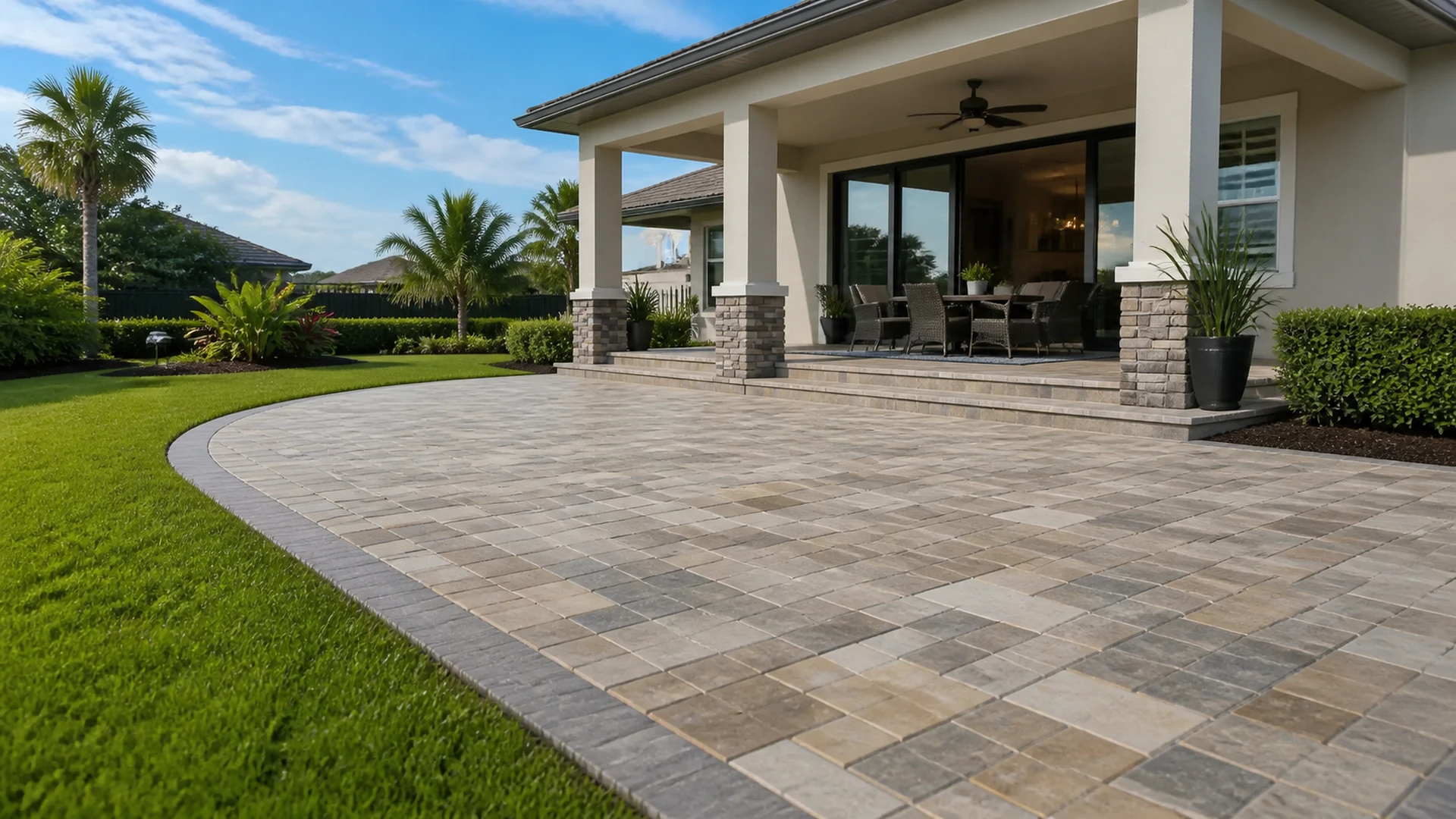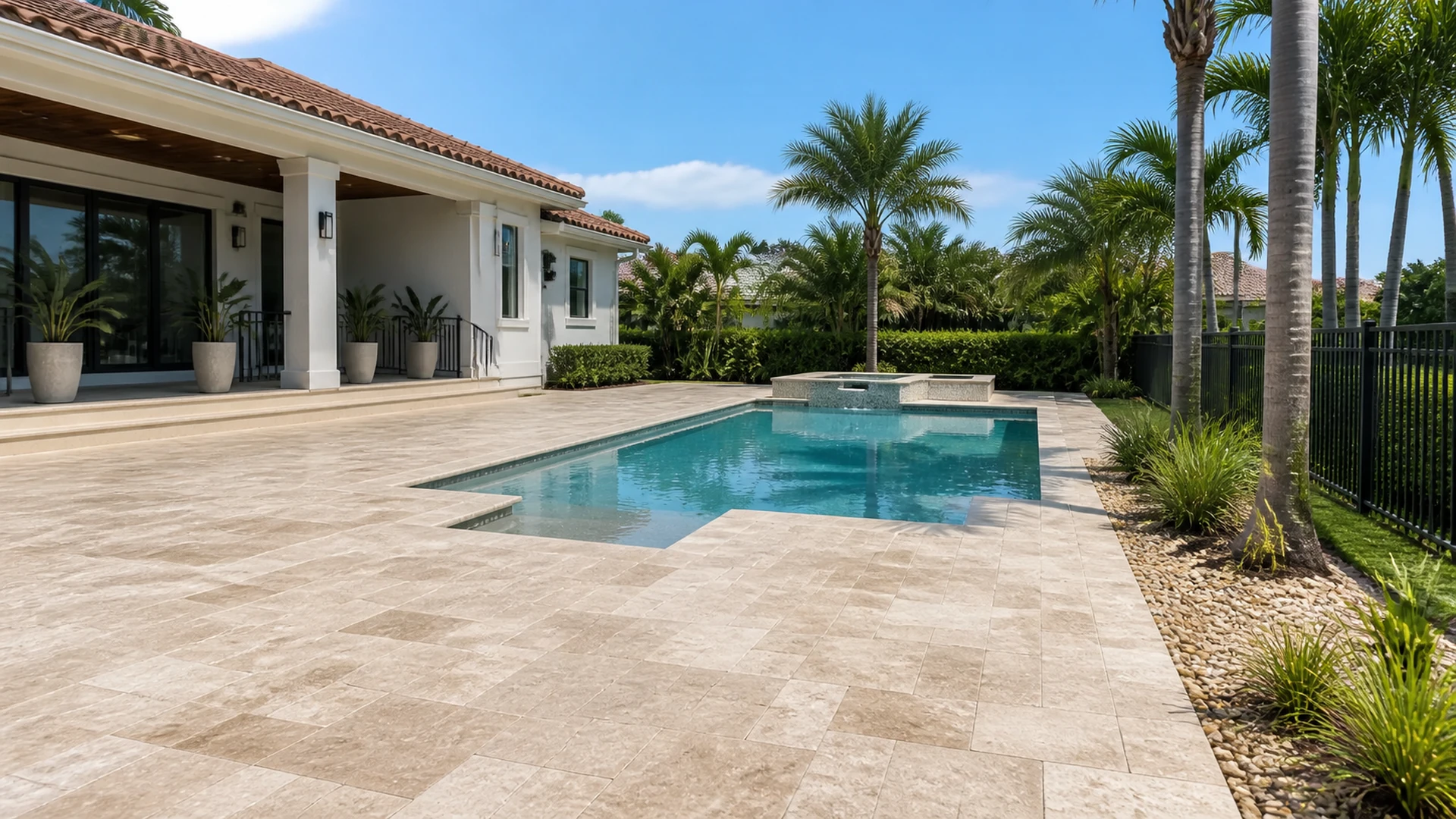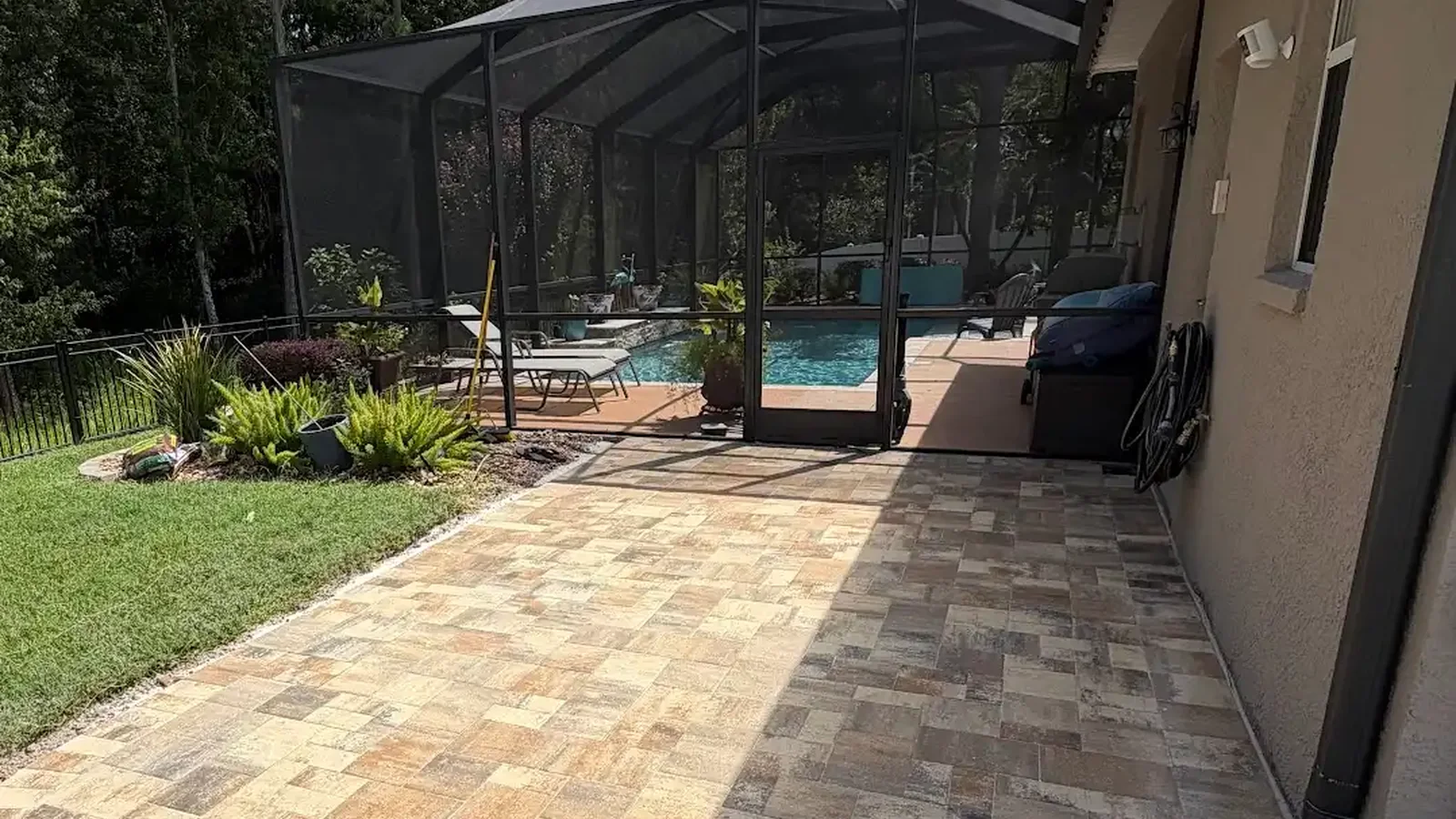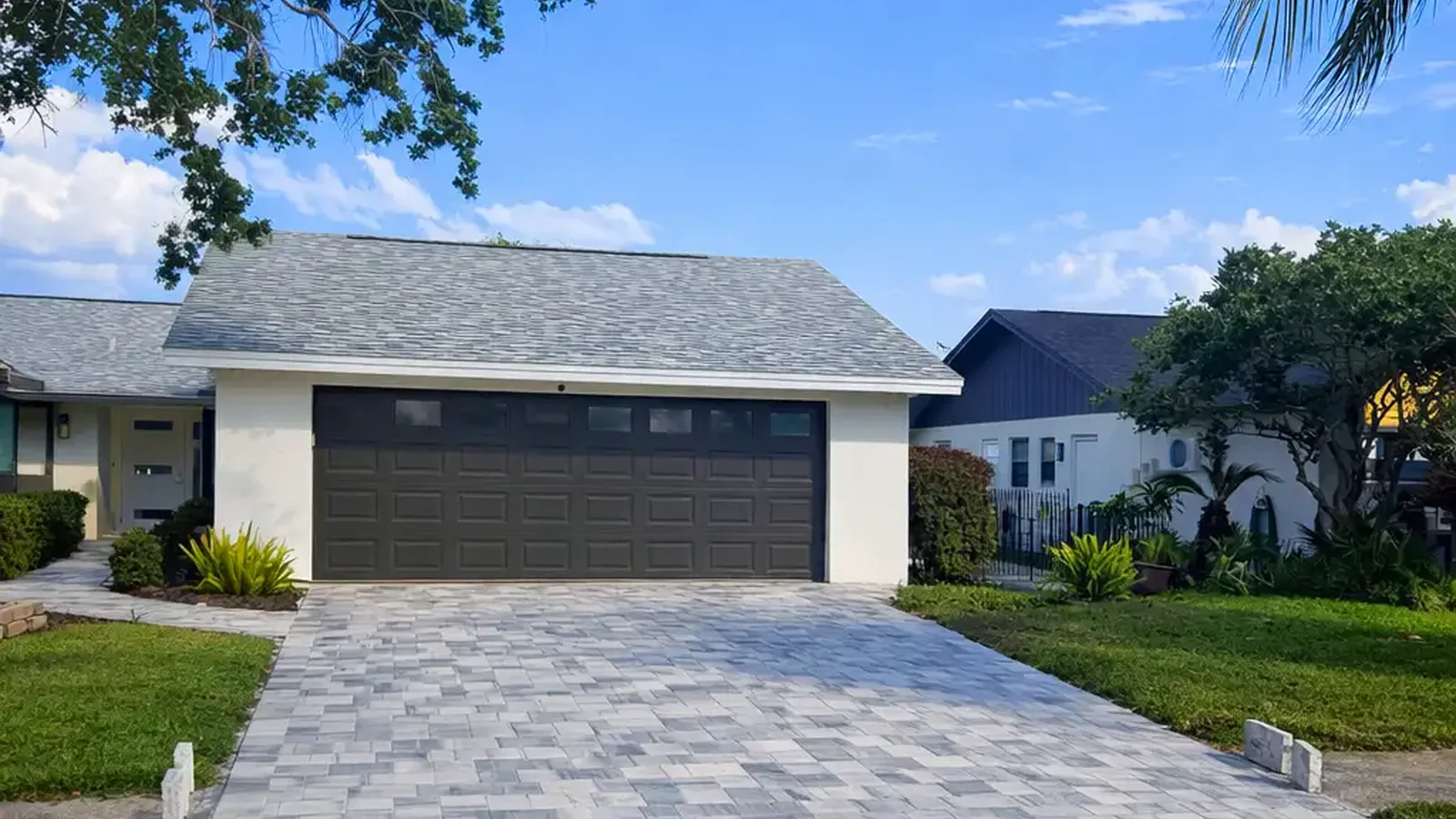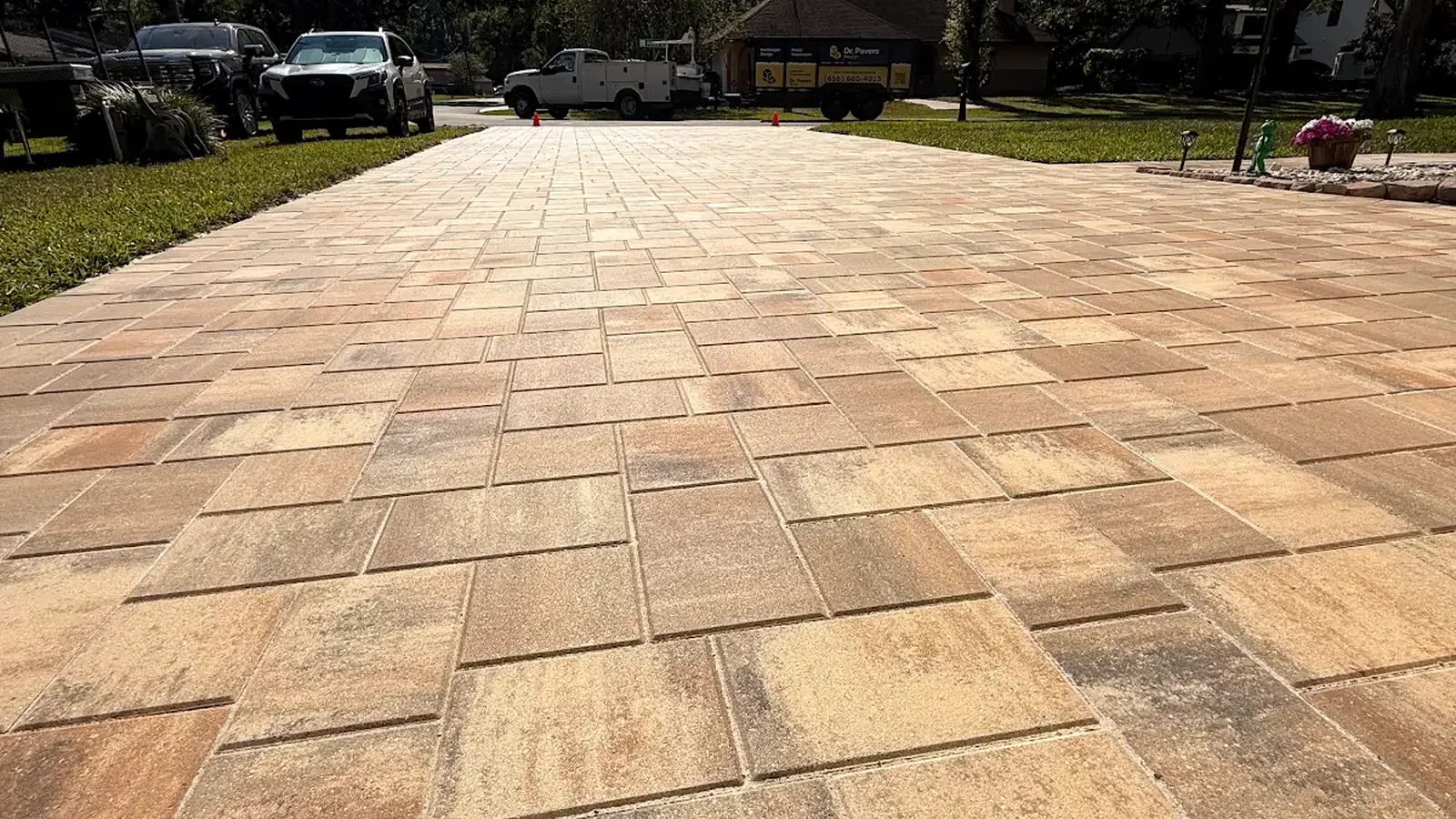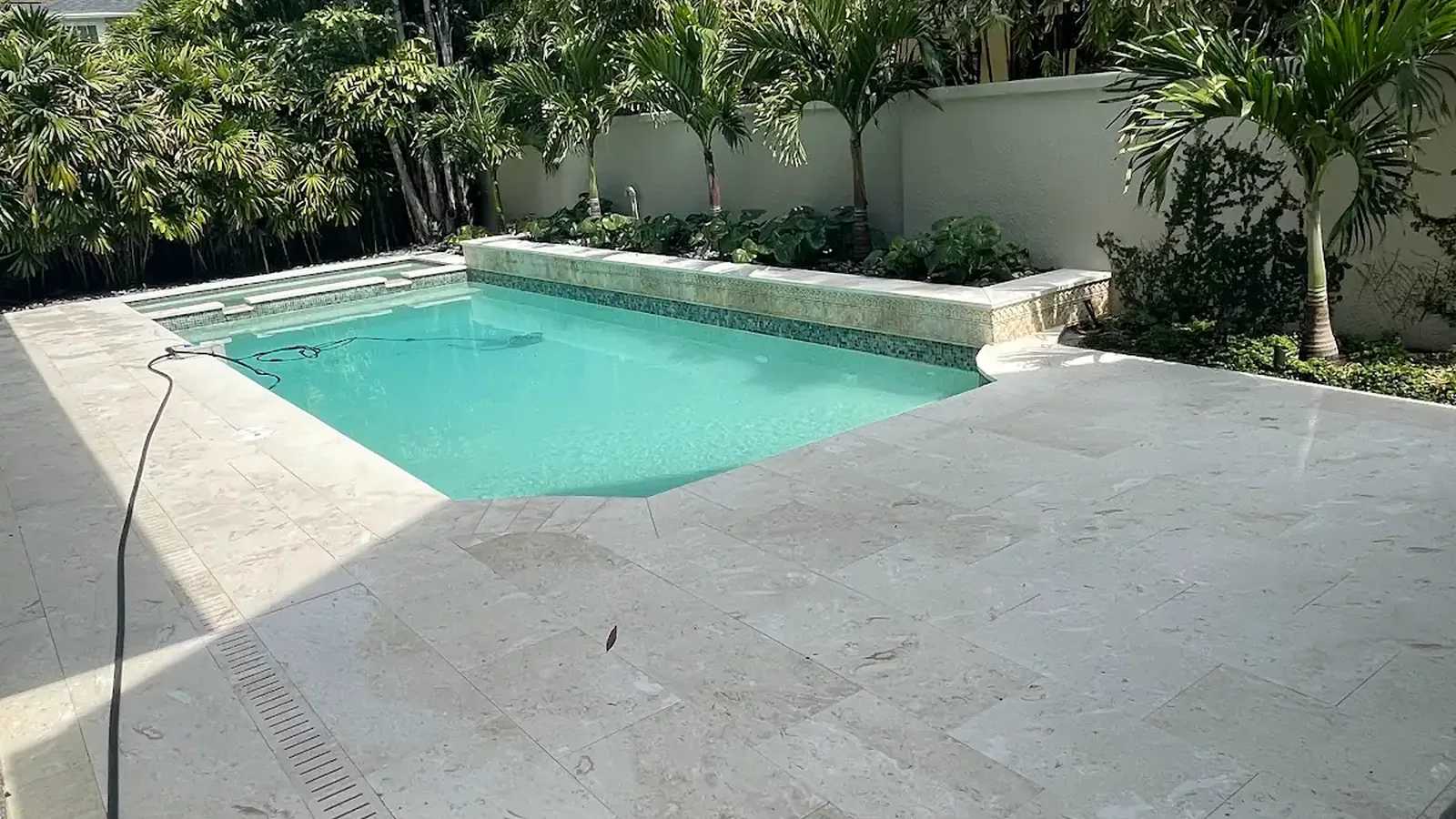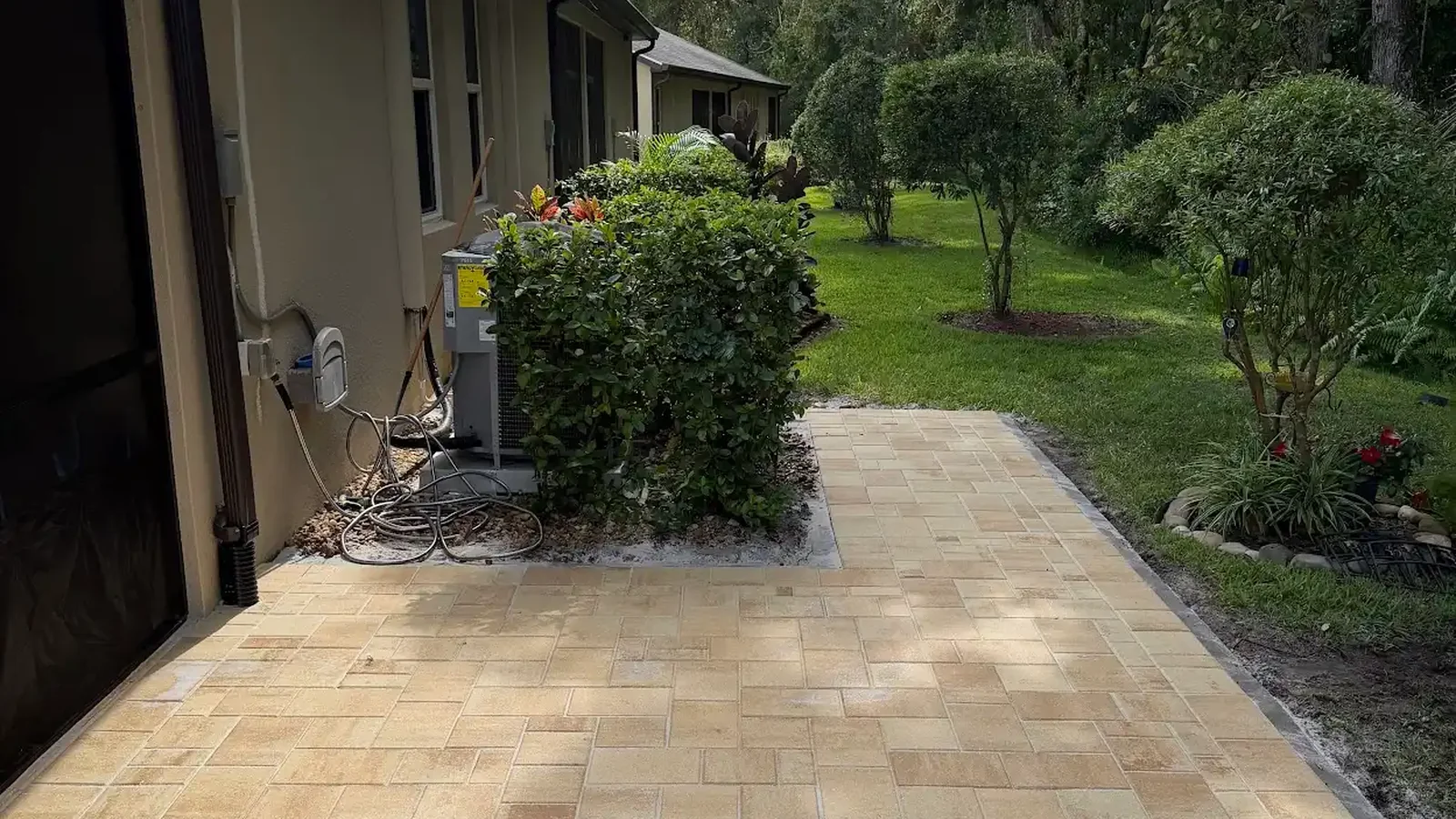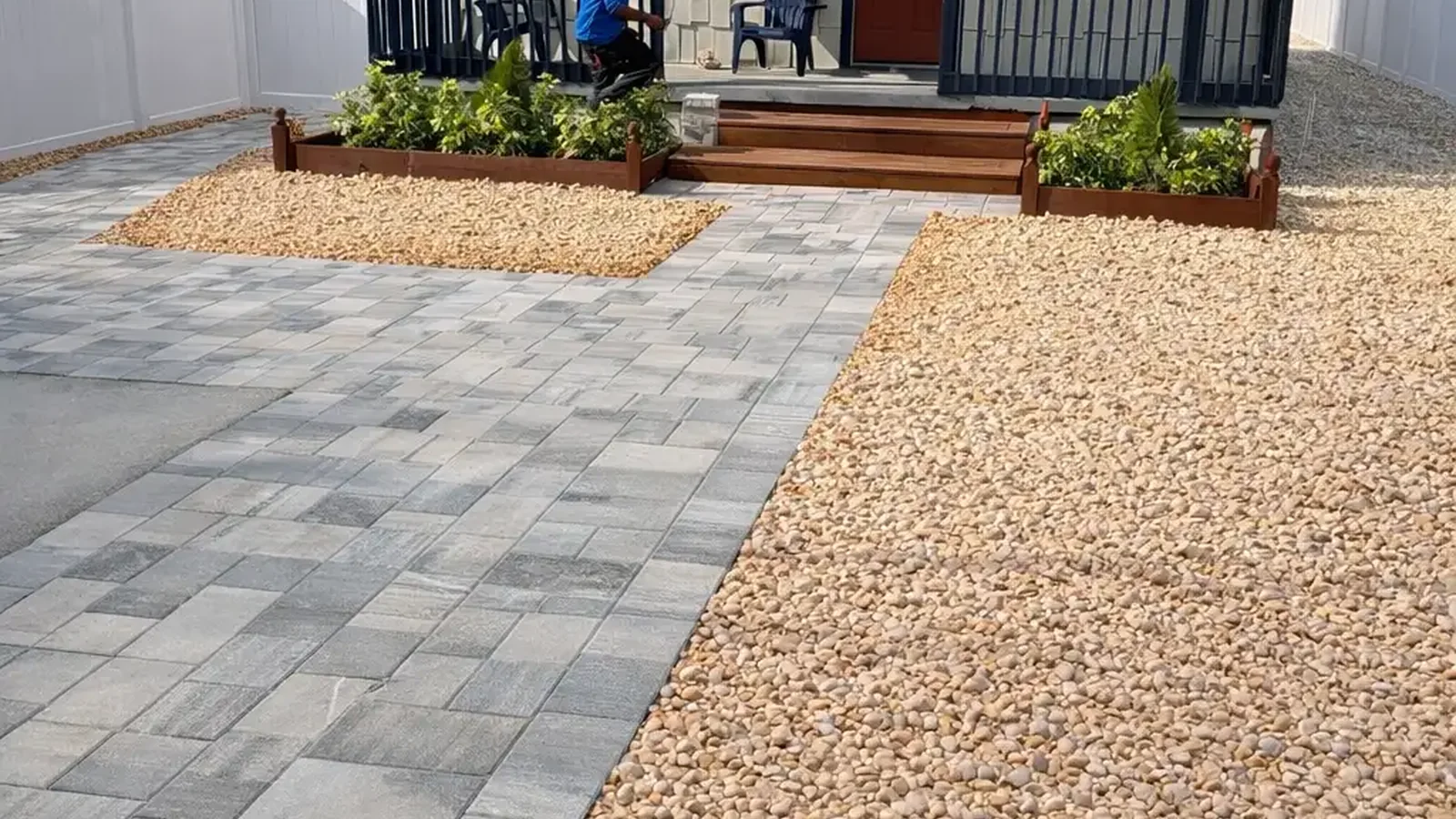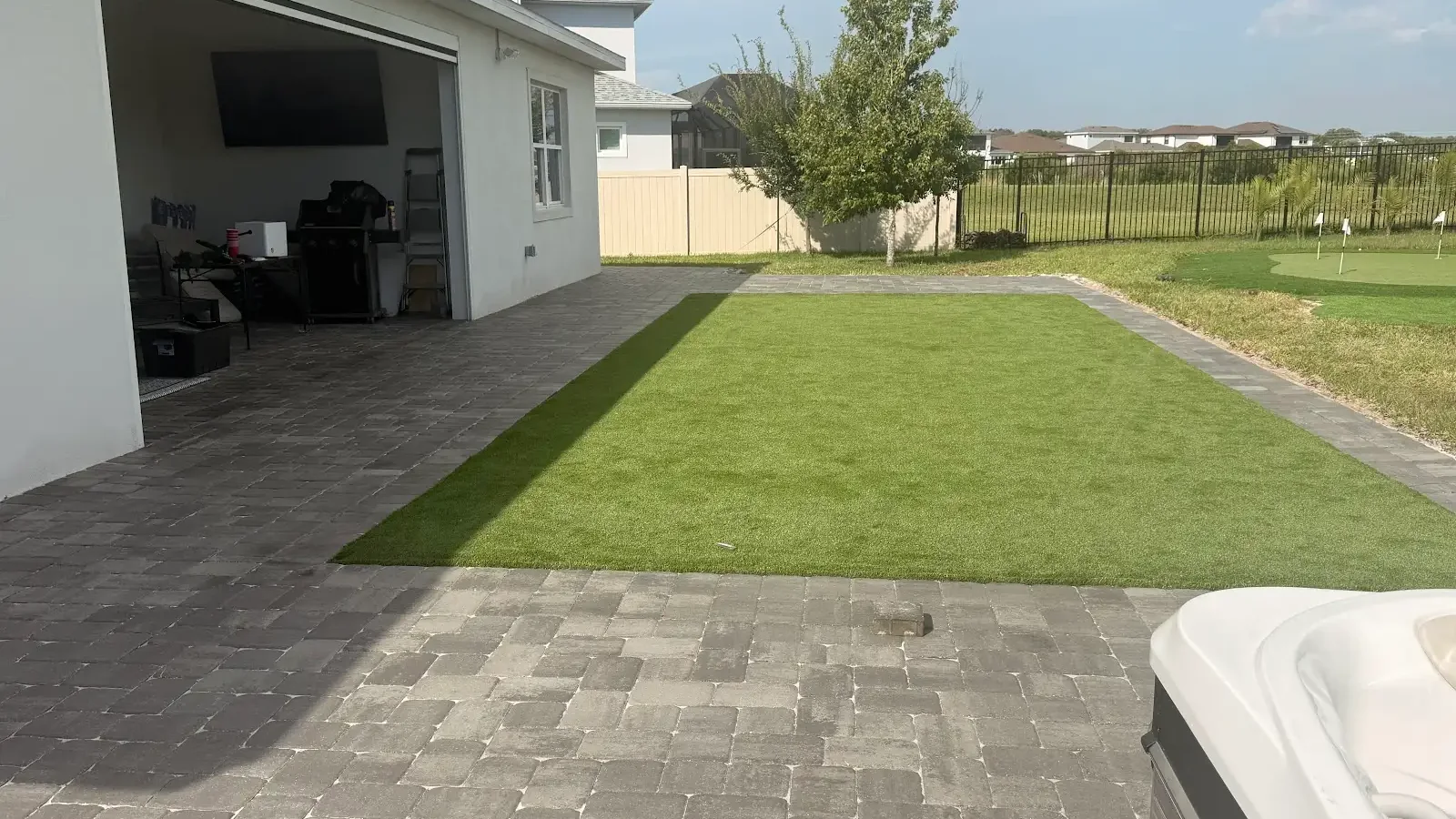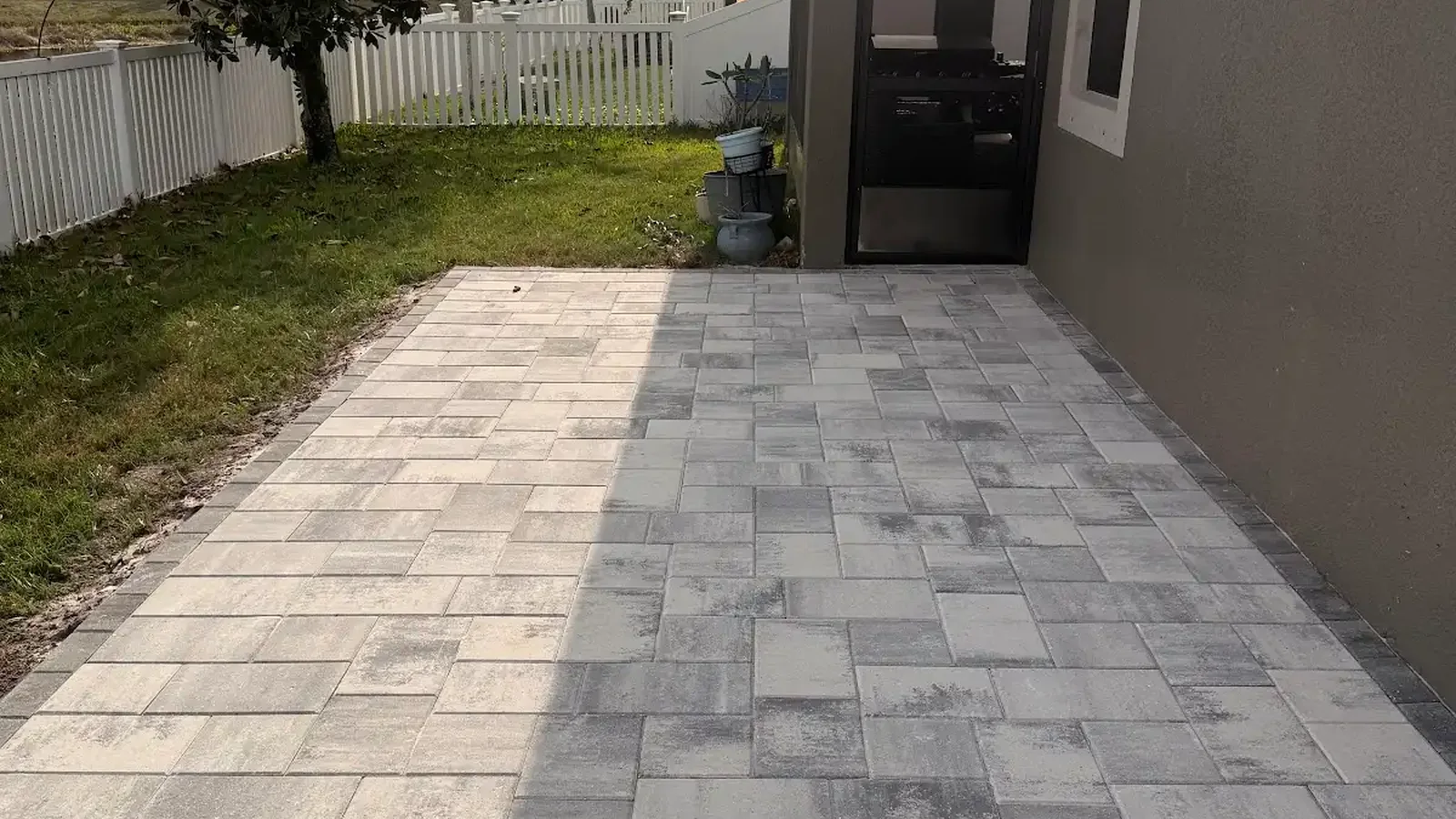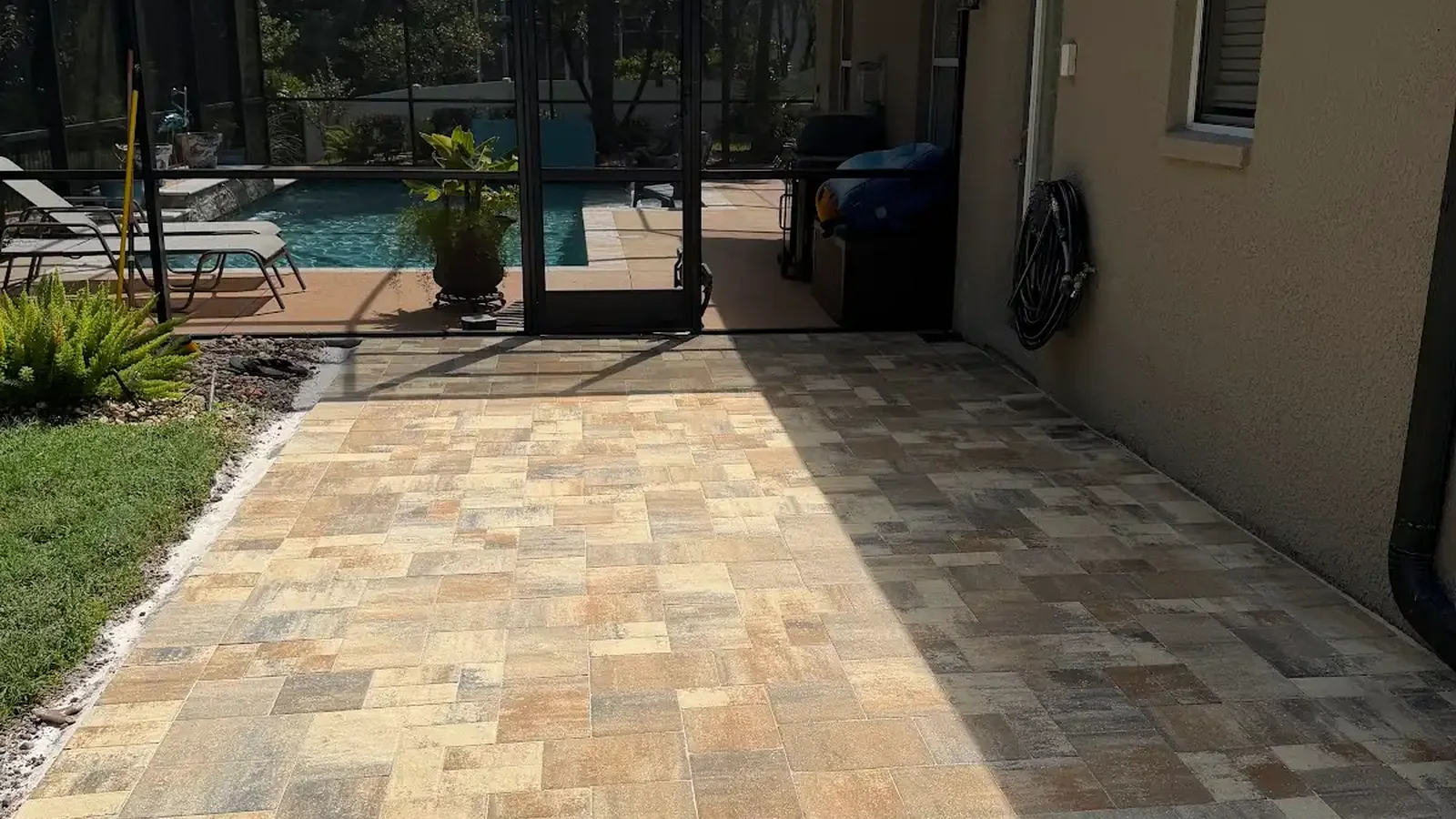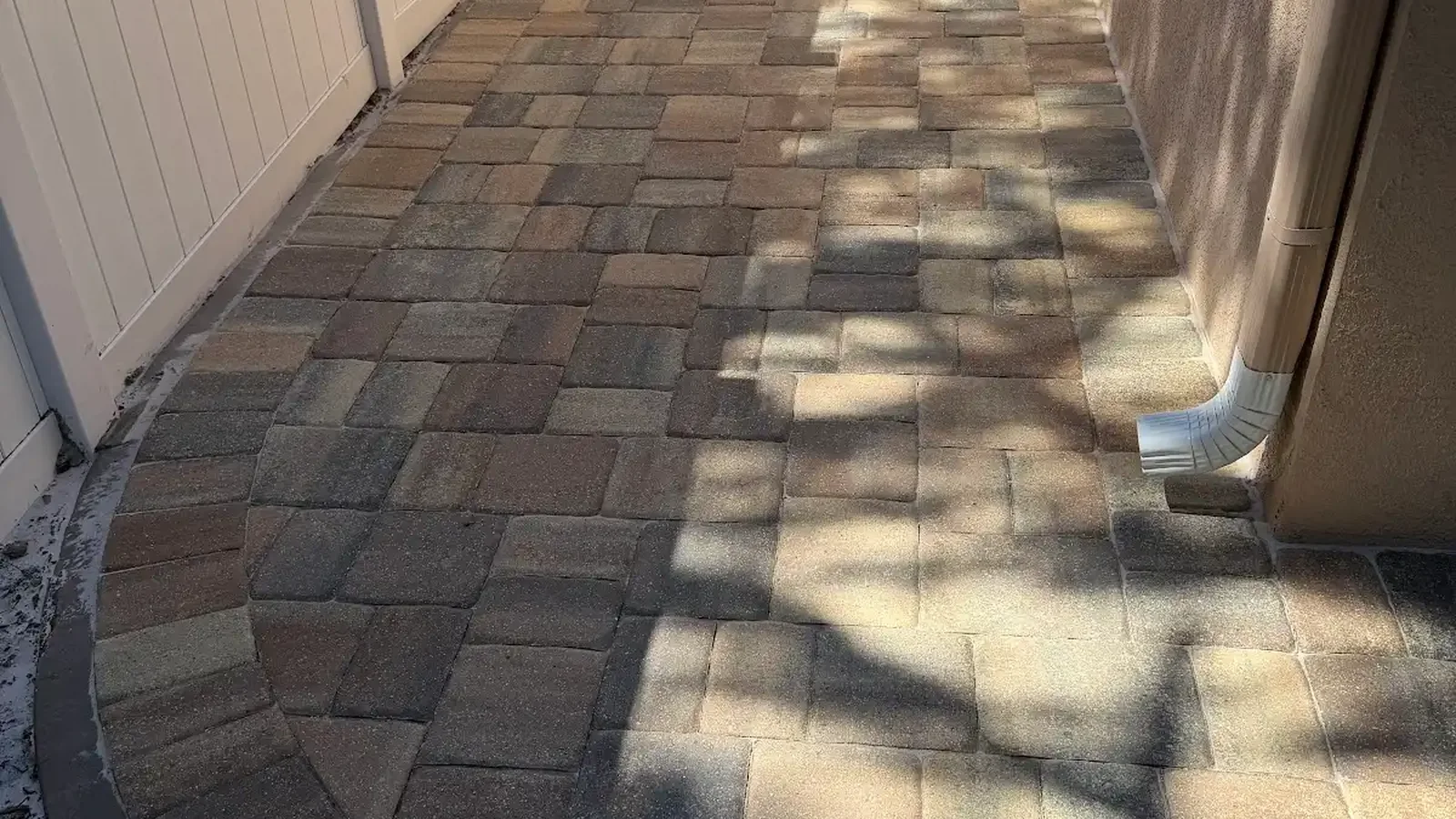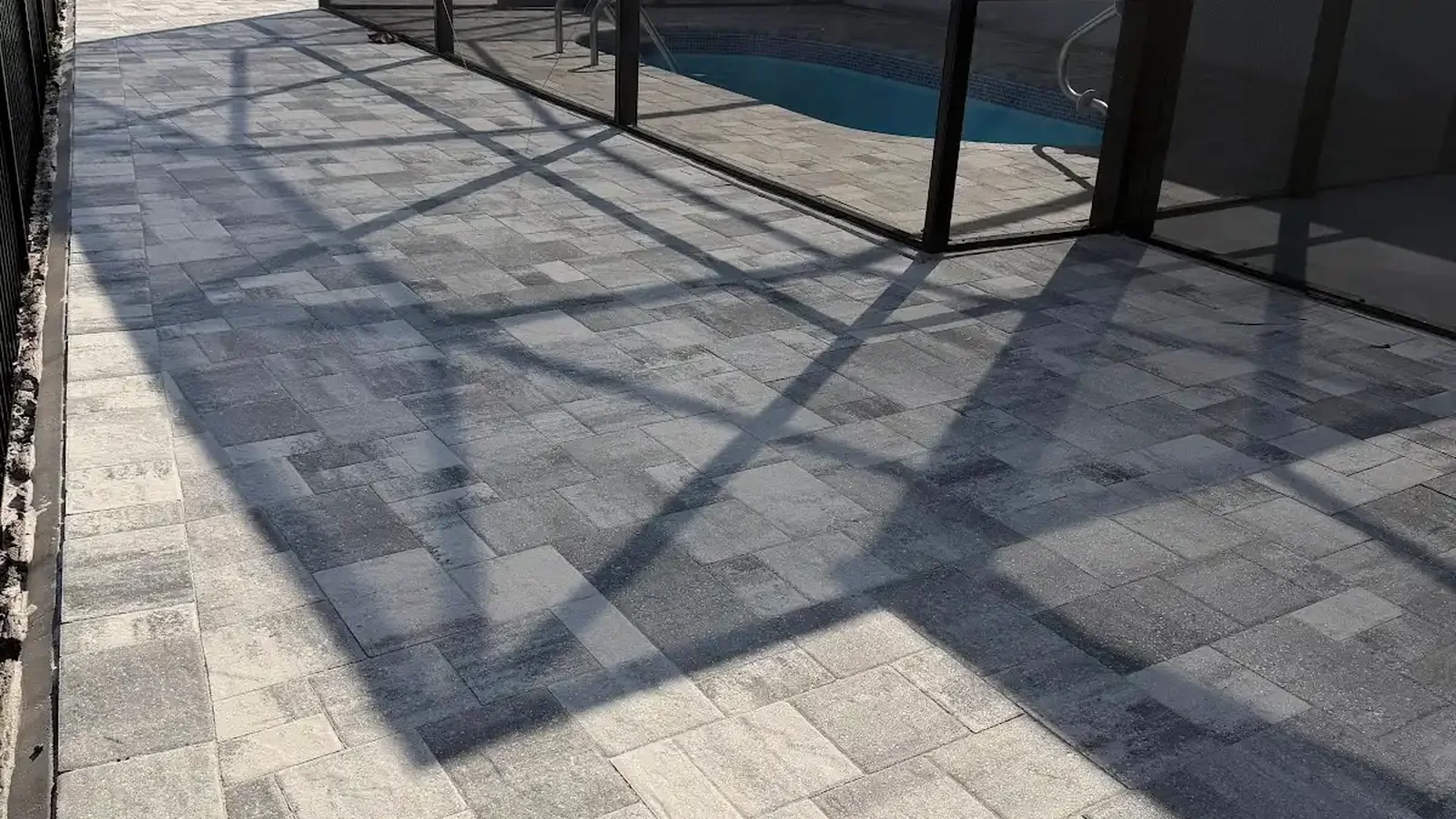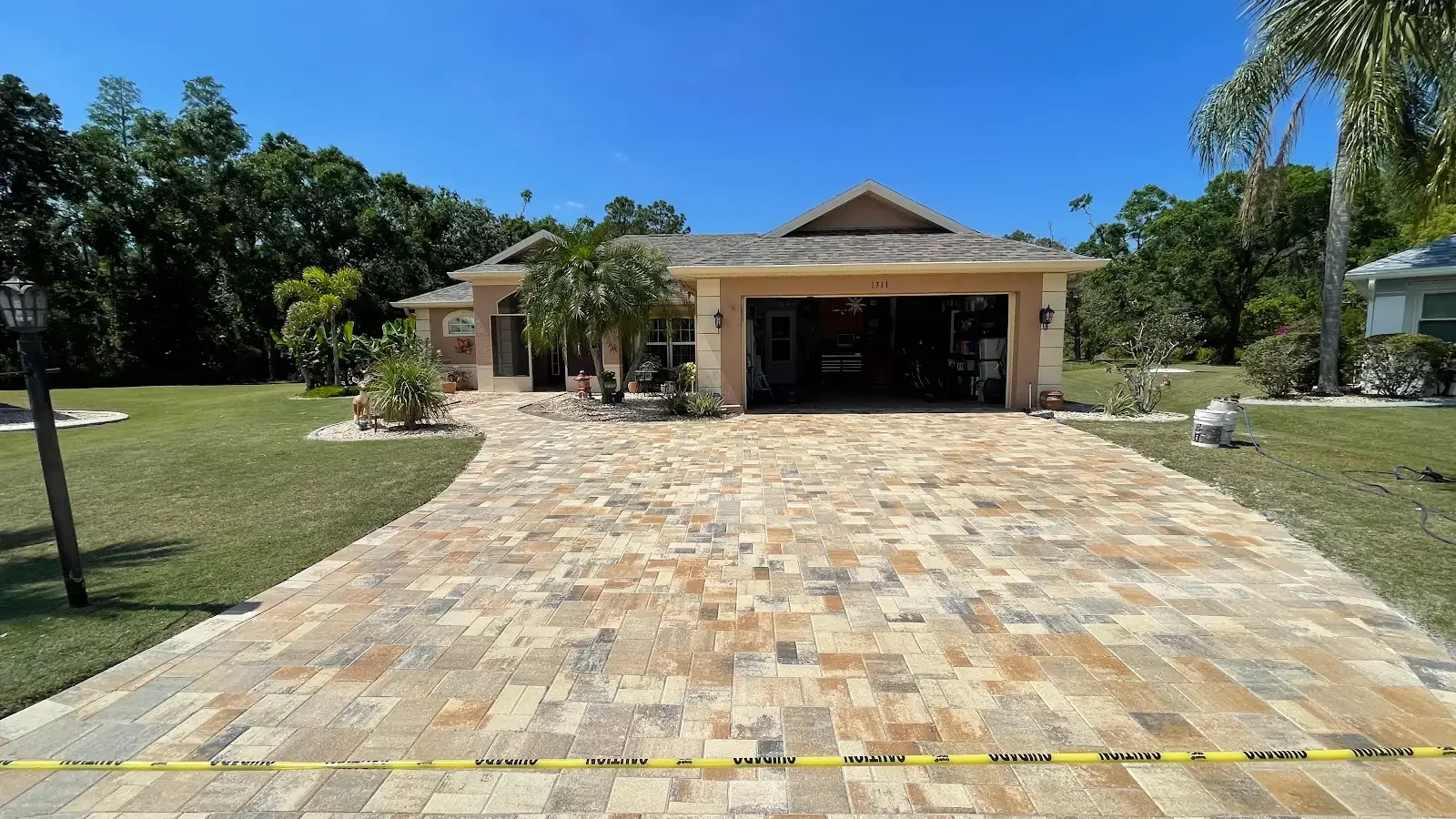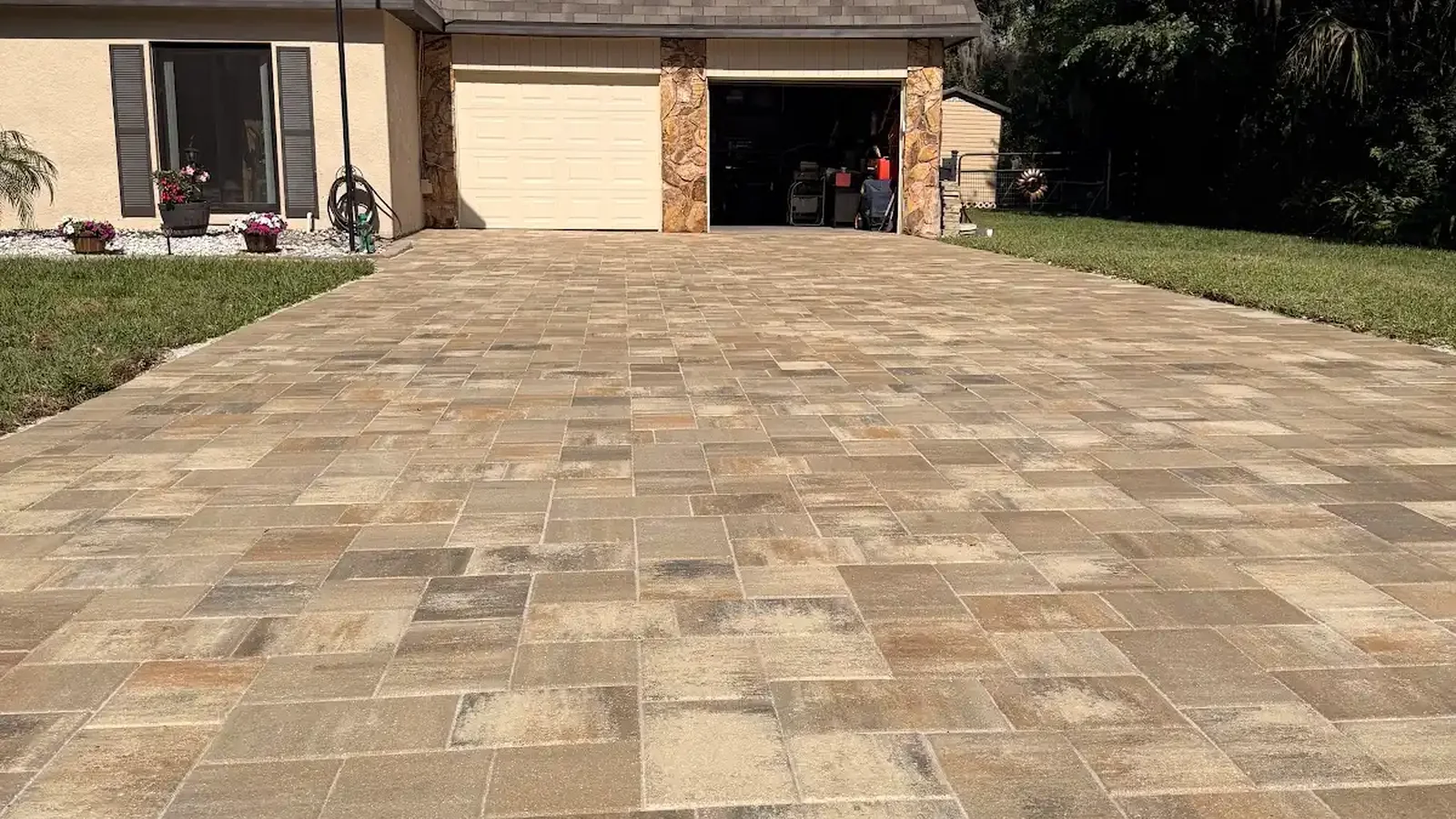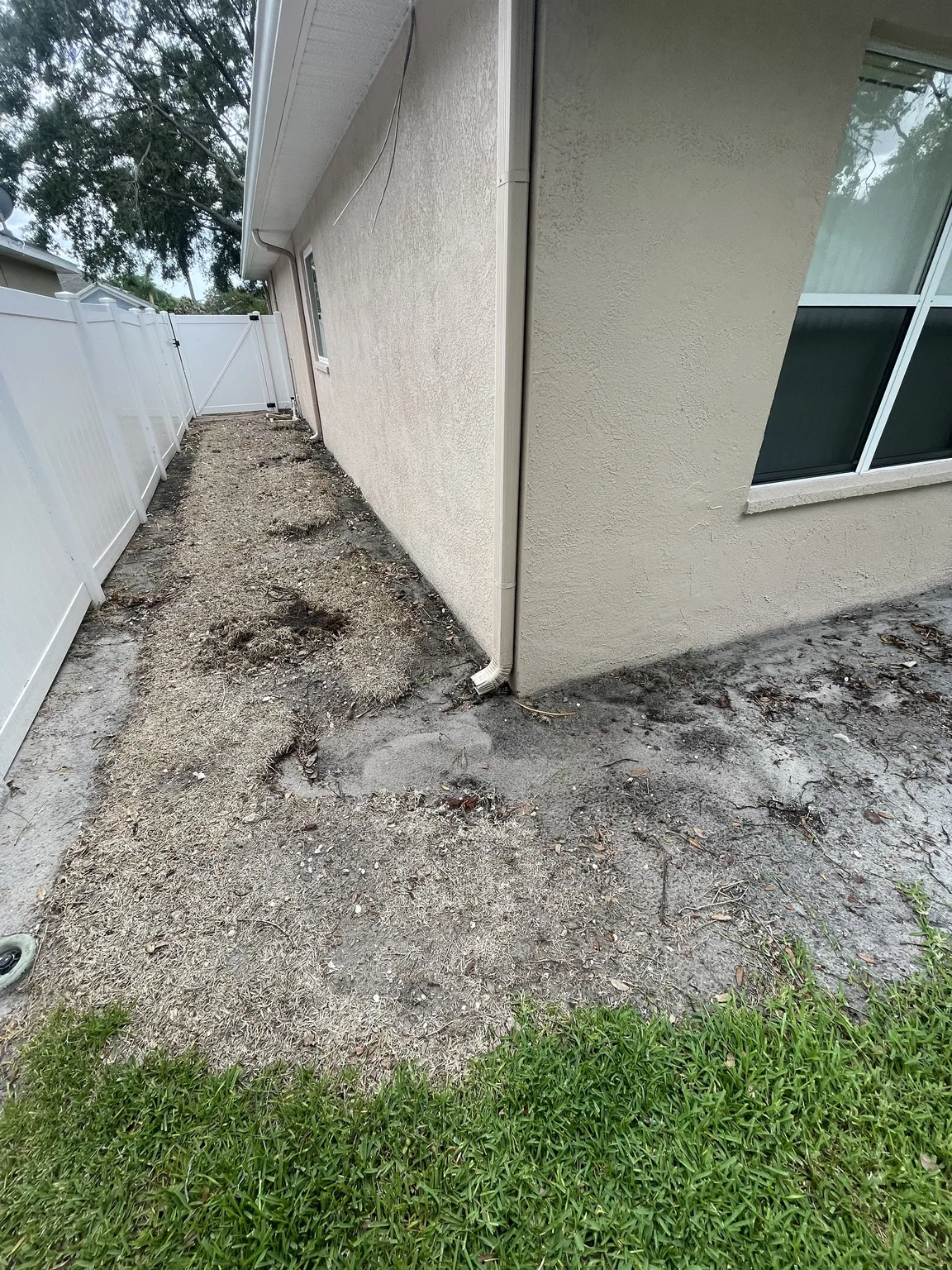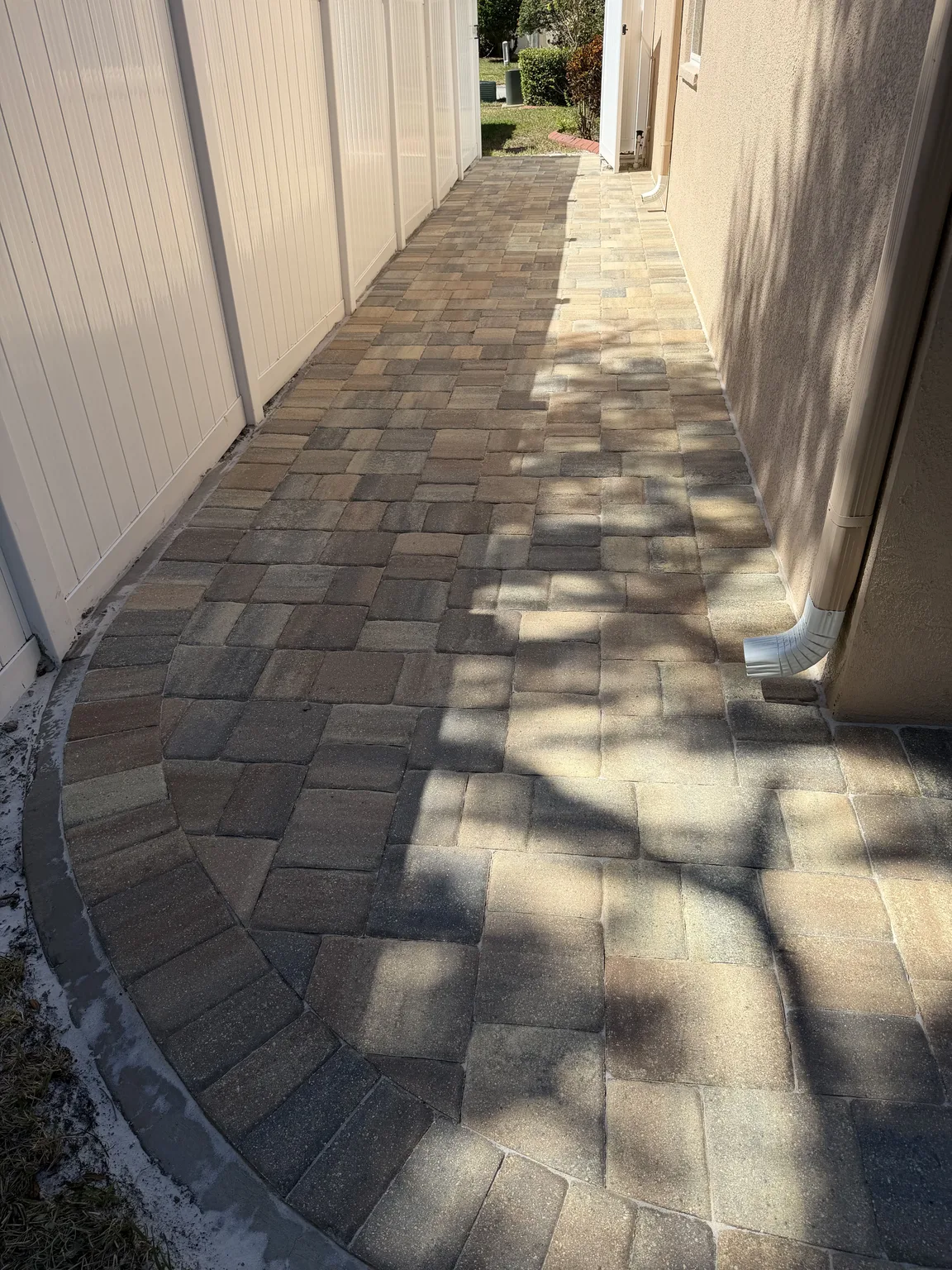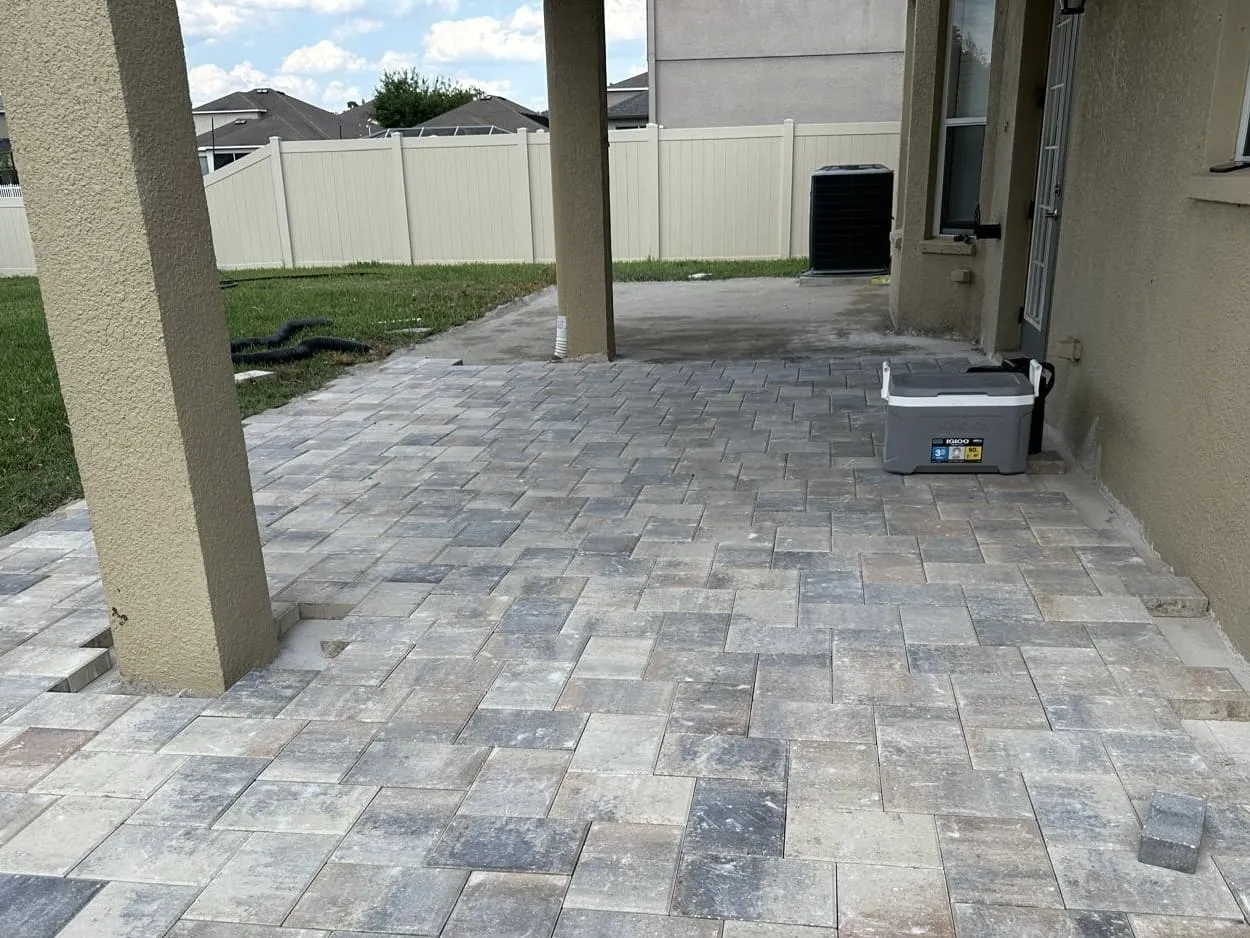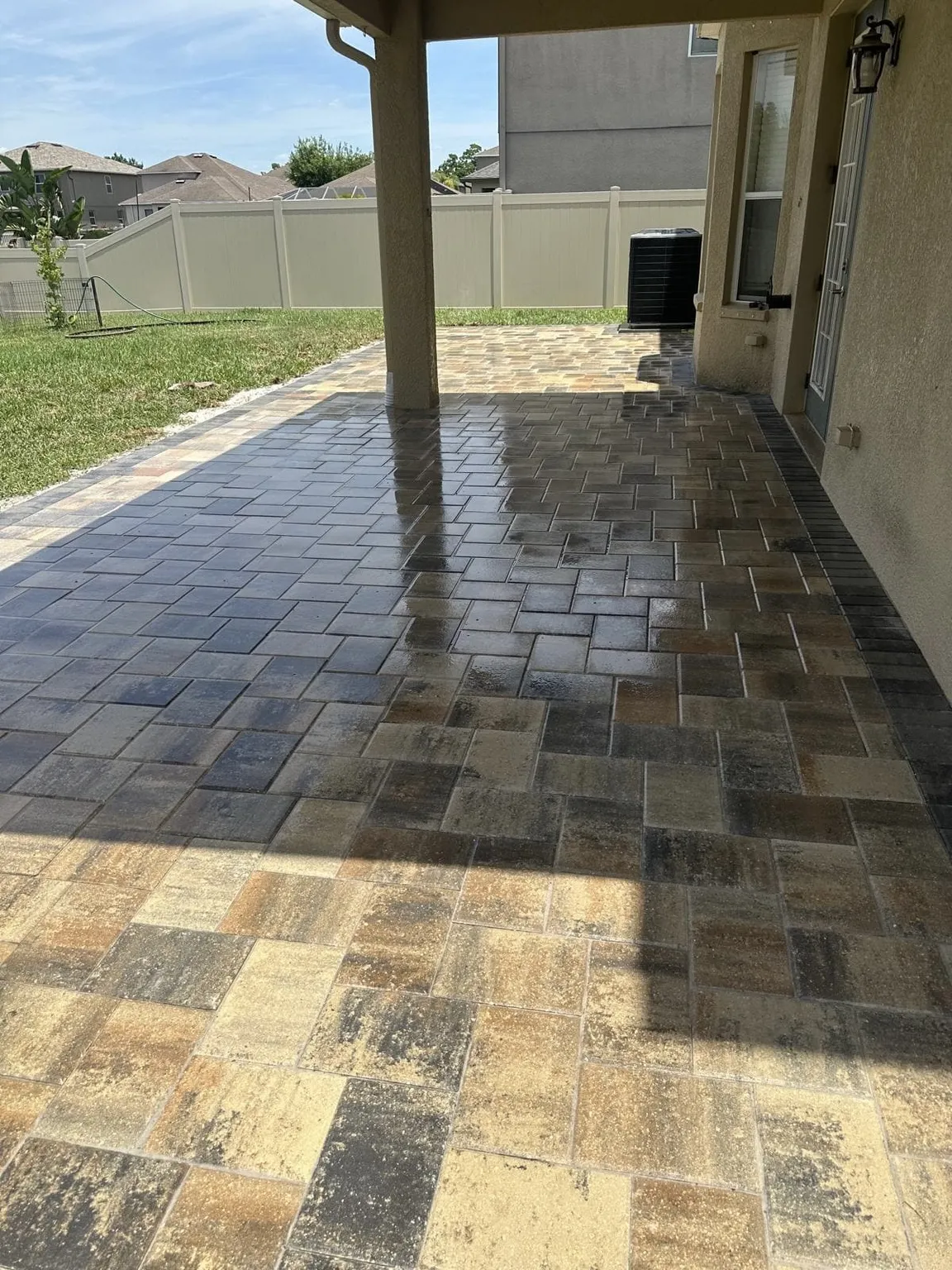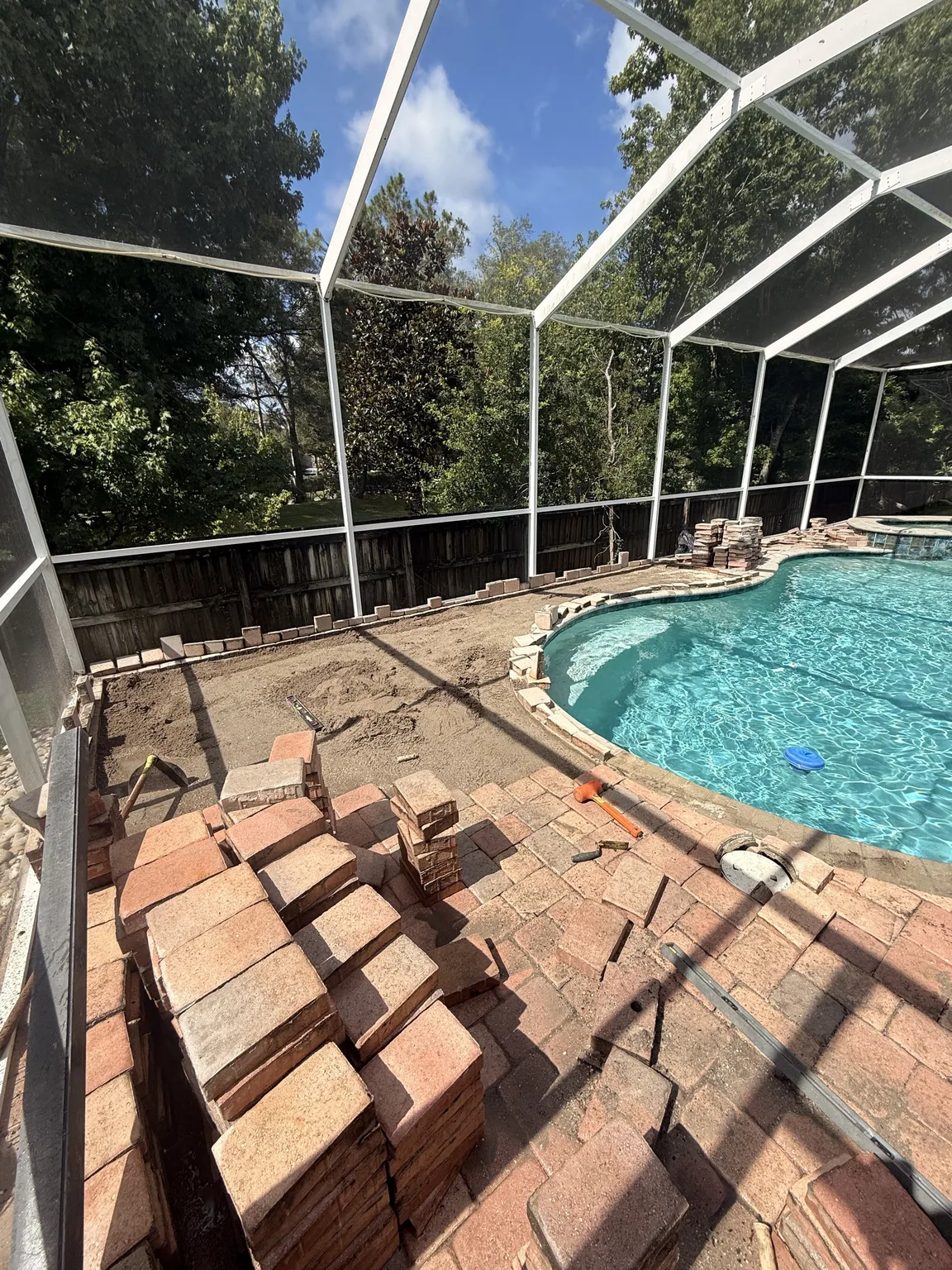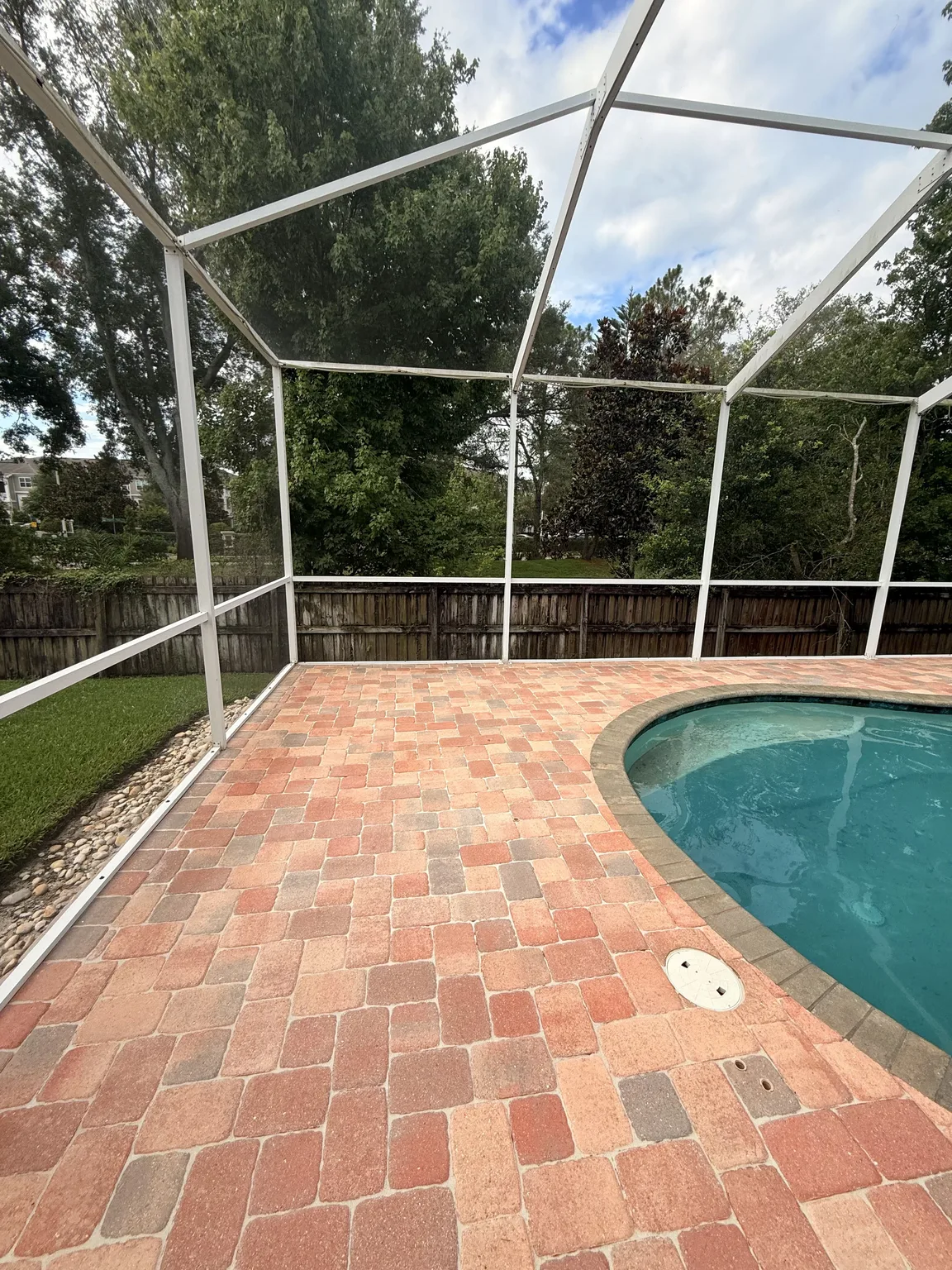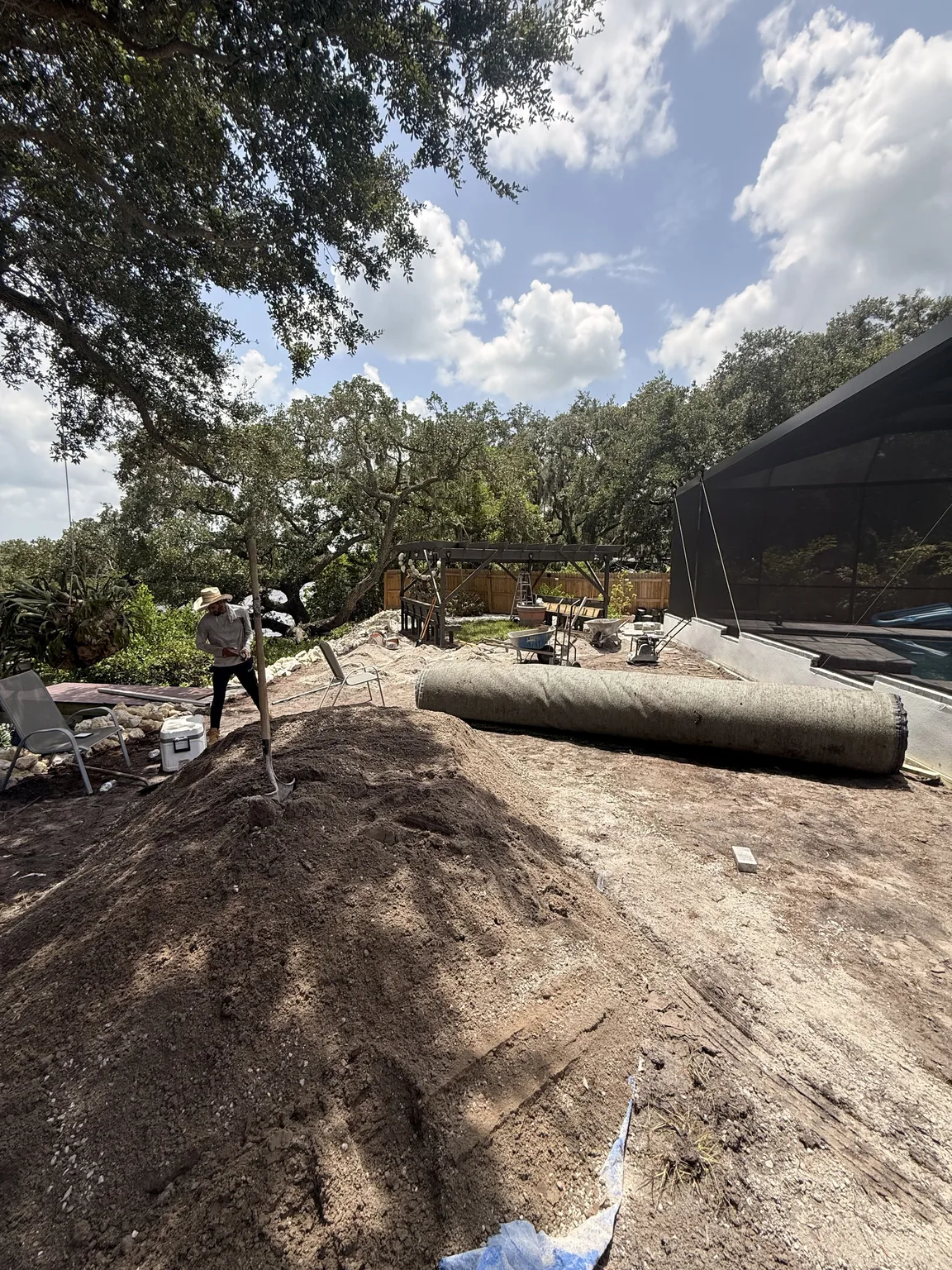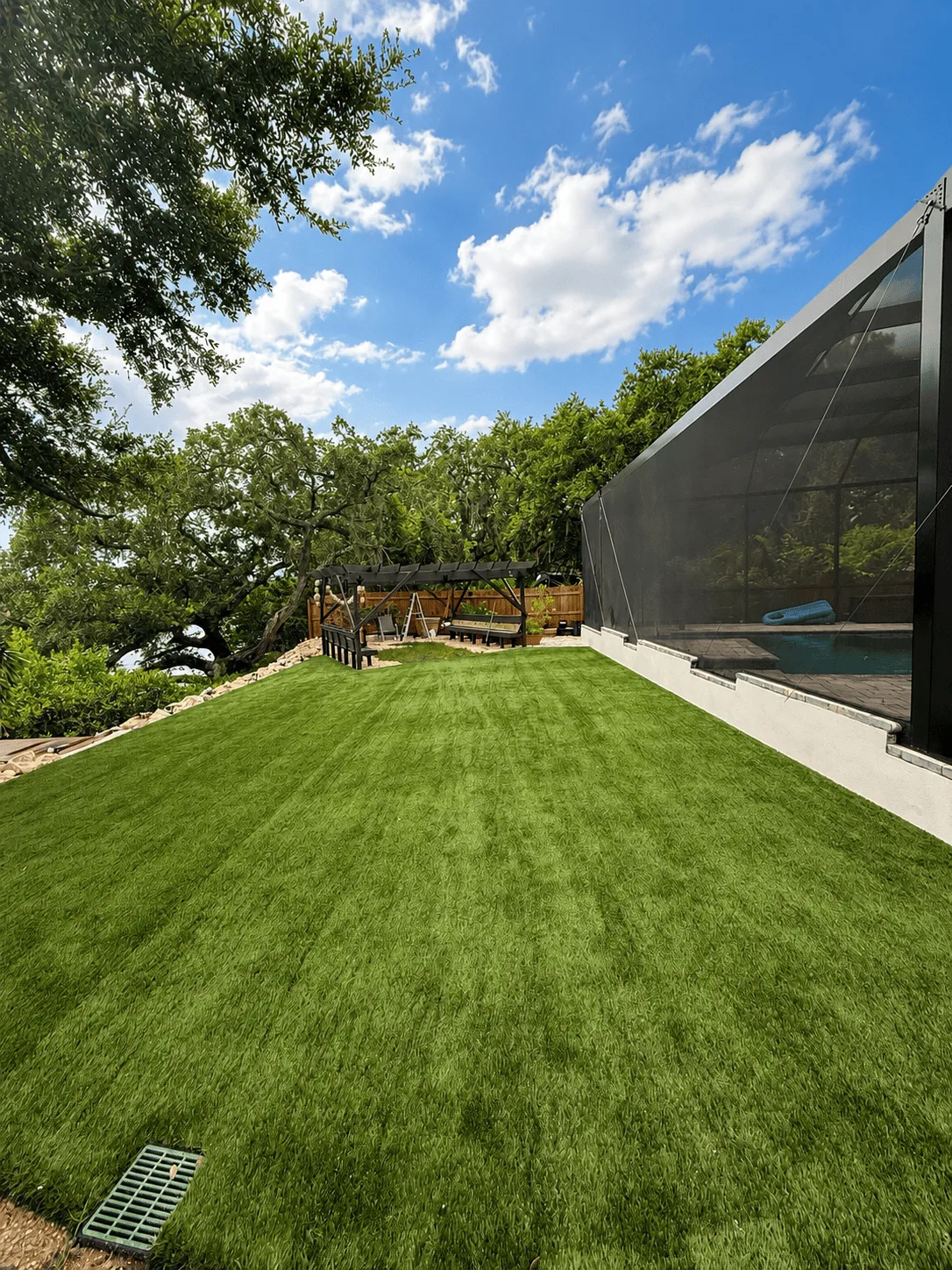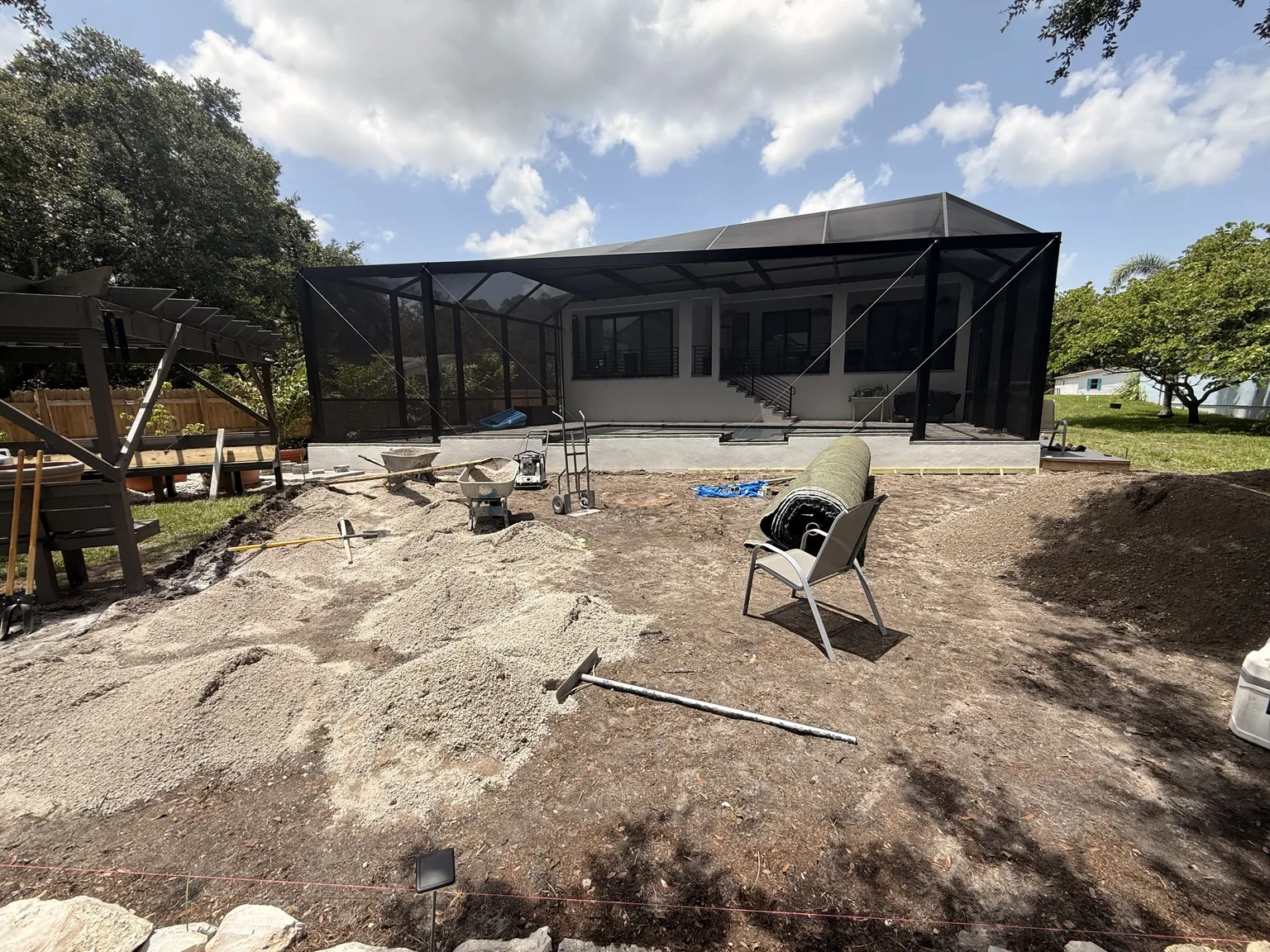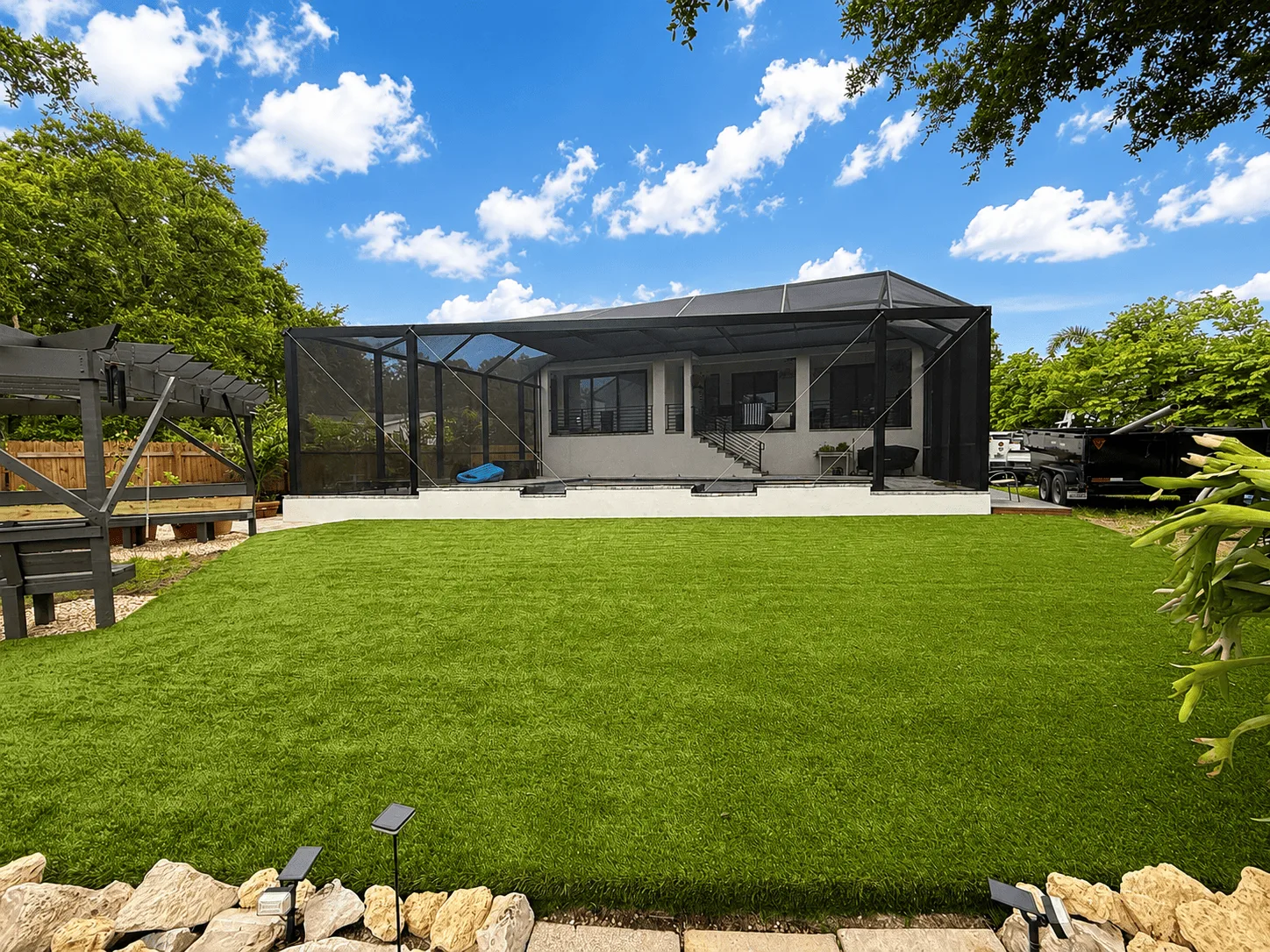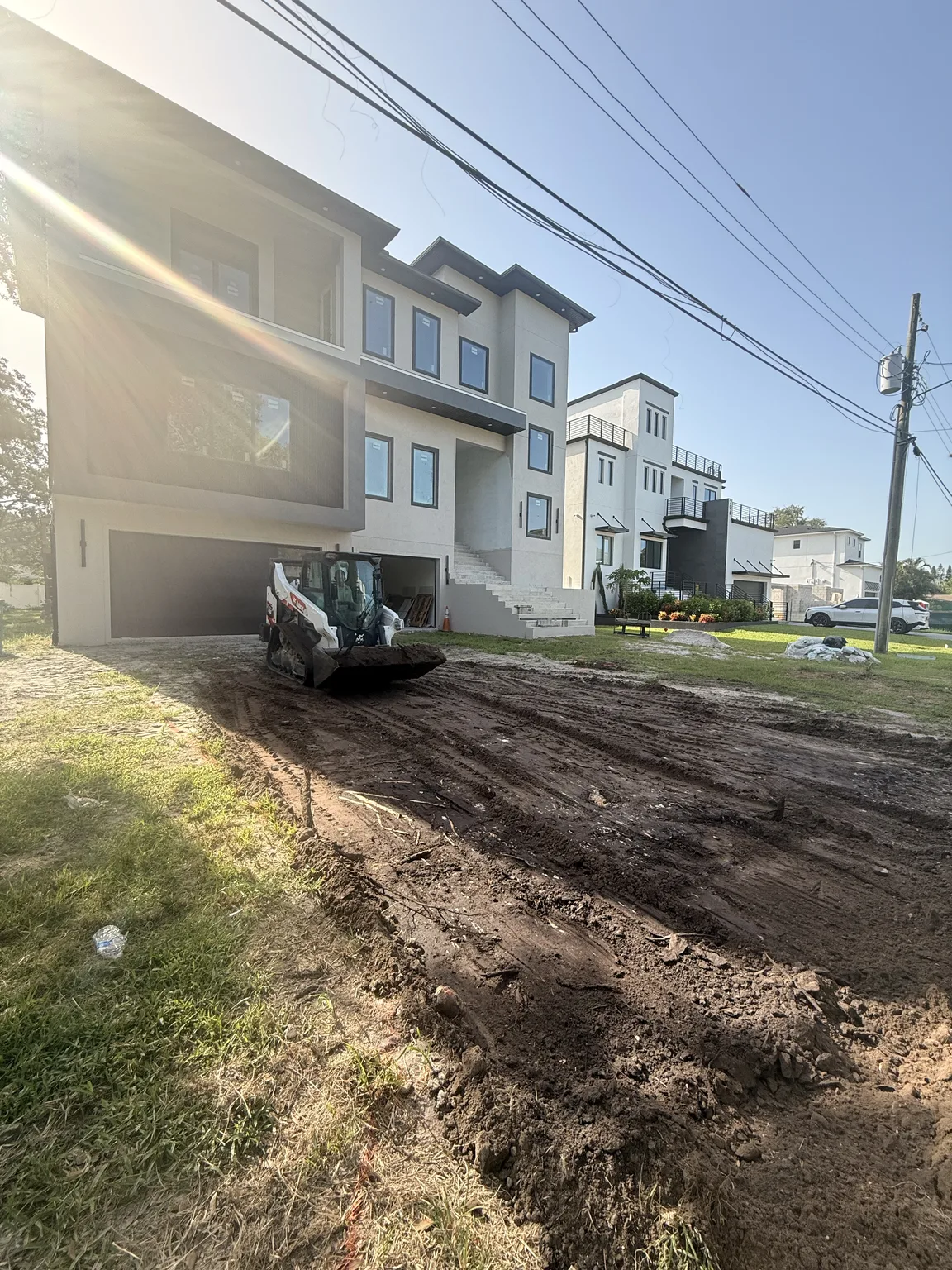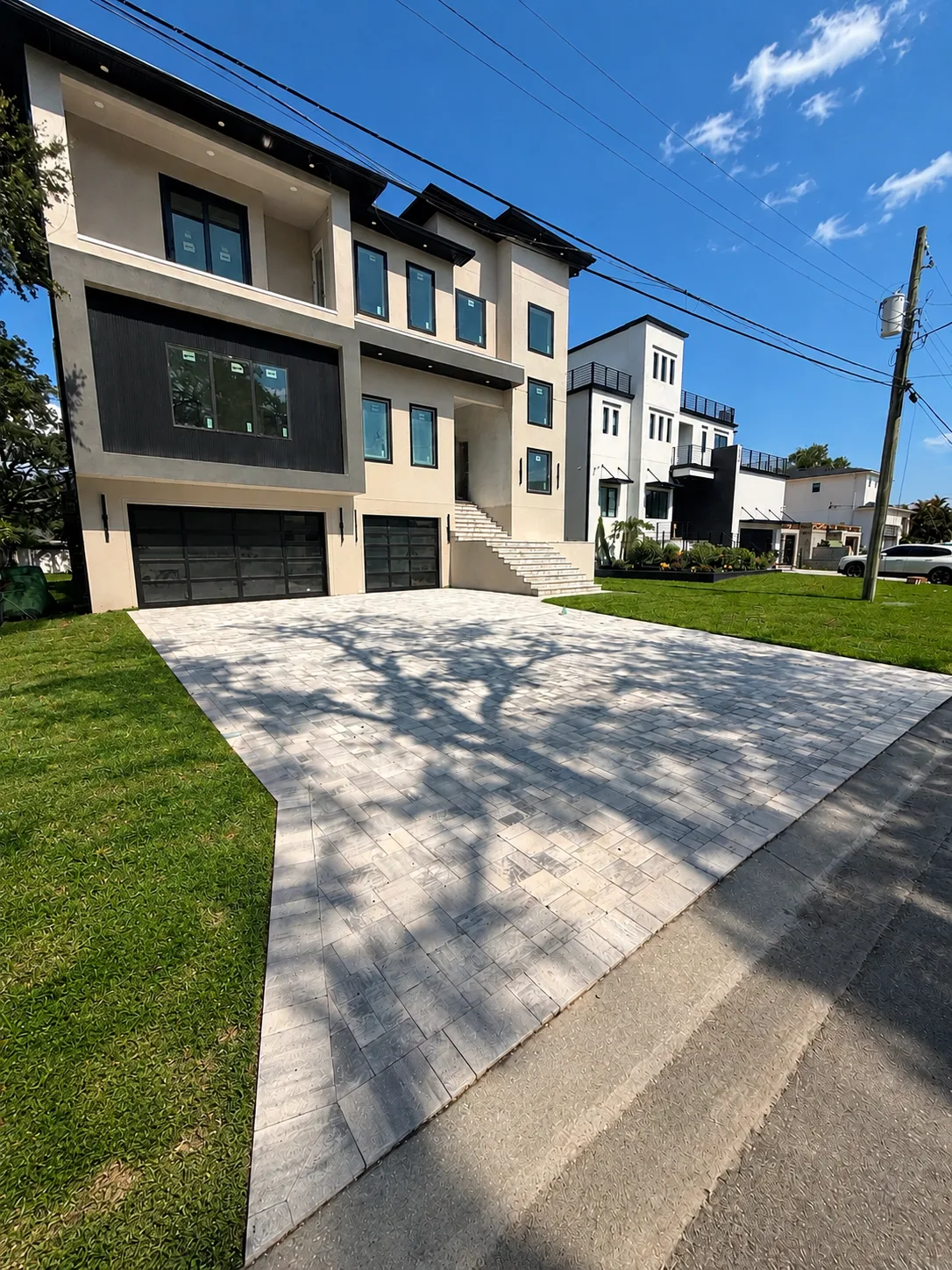
Paver installation time becomes easier to predict when the plan reflects your actual property. First, a straight patio with open access moves differently from a curved pool deck. However, square footage tells only part of the story. Base conditions, cuts, weather, and site protection also shape the calendar.
In Tampa Bay, homeowners often want one firm number before a contractor sees the yard. Instead, a dependable schedule starts with measurements and a close look below the surface. Therefore, we separate productive workdays from curing, inspection, or weather pauses. That distinction prevents a short estimate from creating unrealistic expectations.
Furthermore, For example, two driveways with the same area may require very different preparation. One may have clean access and stable soil, while the other needs careful demolition beside landscaping. As a result, paver installation time should follow the scope rather than a generic online chart. A professional timeline explains what happens and why.
What Controls Paver Installation Time in Florida?
First, the installer evaluates size, layout, elevations, and intended use. A driveway needs a base built for vehicle loads. In contrast, a garden walkway may involve lighter traffic but many detailed cuts. Therefore, paver installation time reflects both production volume and technical difficulty.
Moreover, a complete scope includes more than laying visible units. Crews must protect the property, excavate, move material, compact layers, set edges, cut pavers, sweep joints, and clean. Consequently, a schedule that skips preparation may look fast but hide important work. Durable results begin before the first paver reaches the field.
A Site Review Establishes the Real Paver Installation Time
Before scheduling, we check gates, slopes, irrigation, utilities, downspouts, and nearby structures. In particular, narrow access can limit the machines that reach the work area. Therefore, crews may move excavated soil and base material in smaller loads. That extra handling affects the daily production rate.
Meanwhile, Next, existing surfaces reveal the likely demolition effort. Concrete, old pavers, compacted shell, and soft soil require different equipment and disposal plans. For example, a sound removable paver field differs from a thick slab beside a screened enclosure. Because of this, preconstruction inspection protects both the calendar and the property.
Finally, elevations must work with doors, garage slabs, pool coping, and neighboring grade. A crew cannot simply raise a surface to avoid excavation. Instead, it must create the correct finished height and positive surface movement. Paver installation time grows when those fixed points demand careful transitions.
Materials, Patterns, and Access Change the Pace
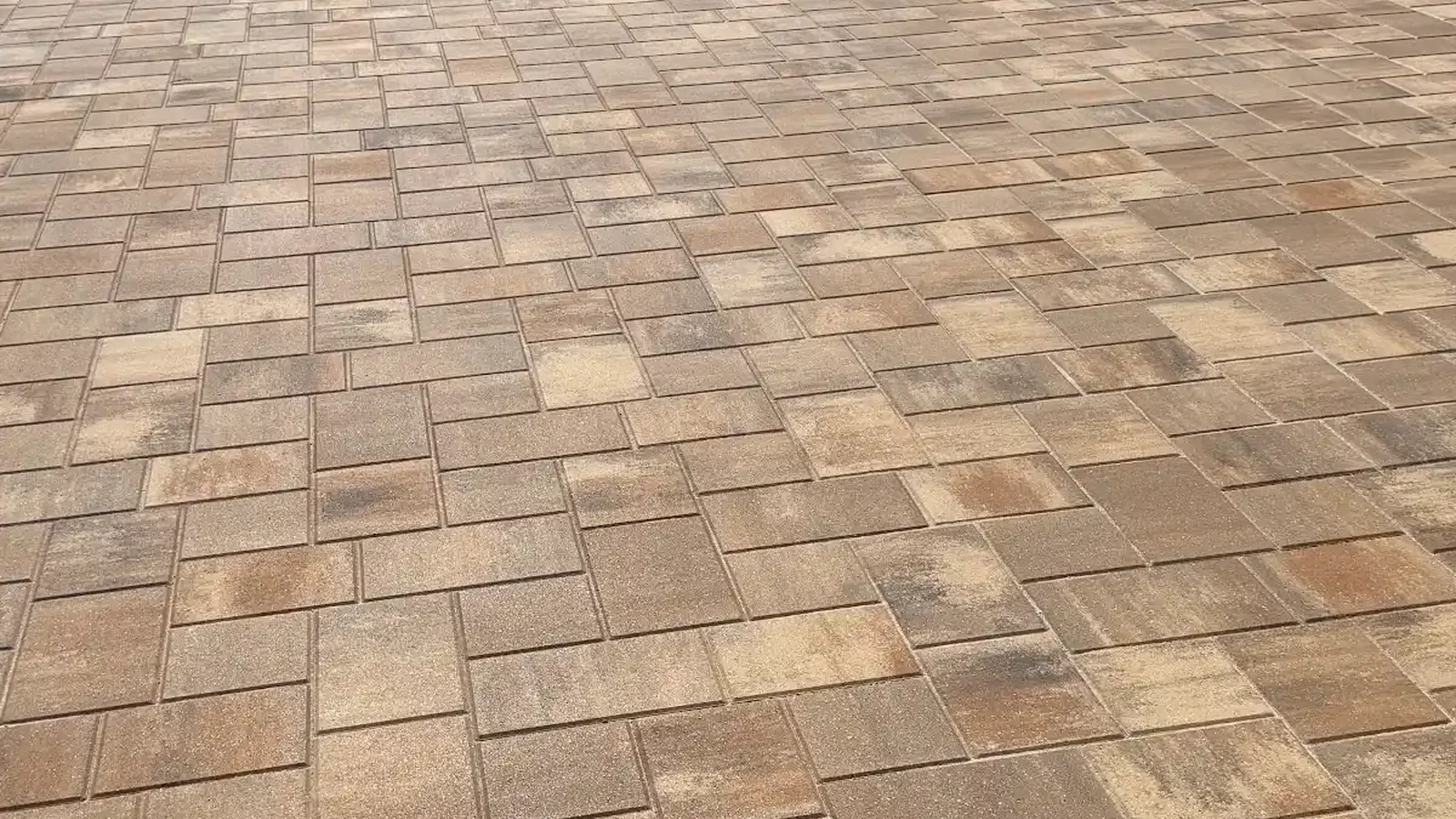
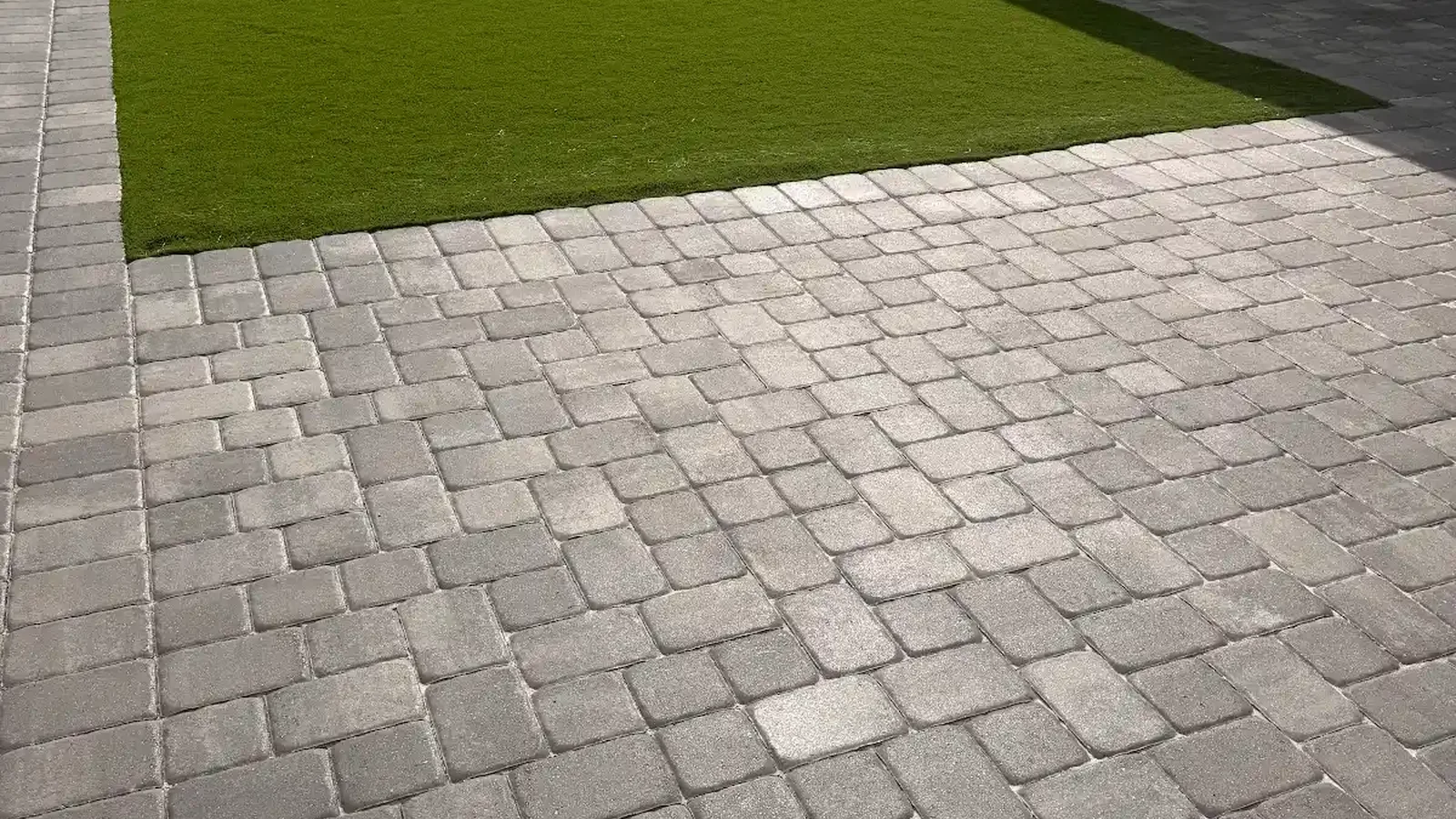
Material selection influences handling and cutting. For instance, a modular pattern uses several sizes and requires organized placement. However, a single-size running bond may advance more steadily across an open rectangle. The chosen layout should fit the space rather than chase speed alone.
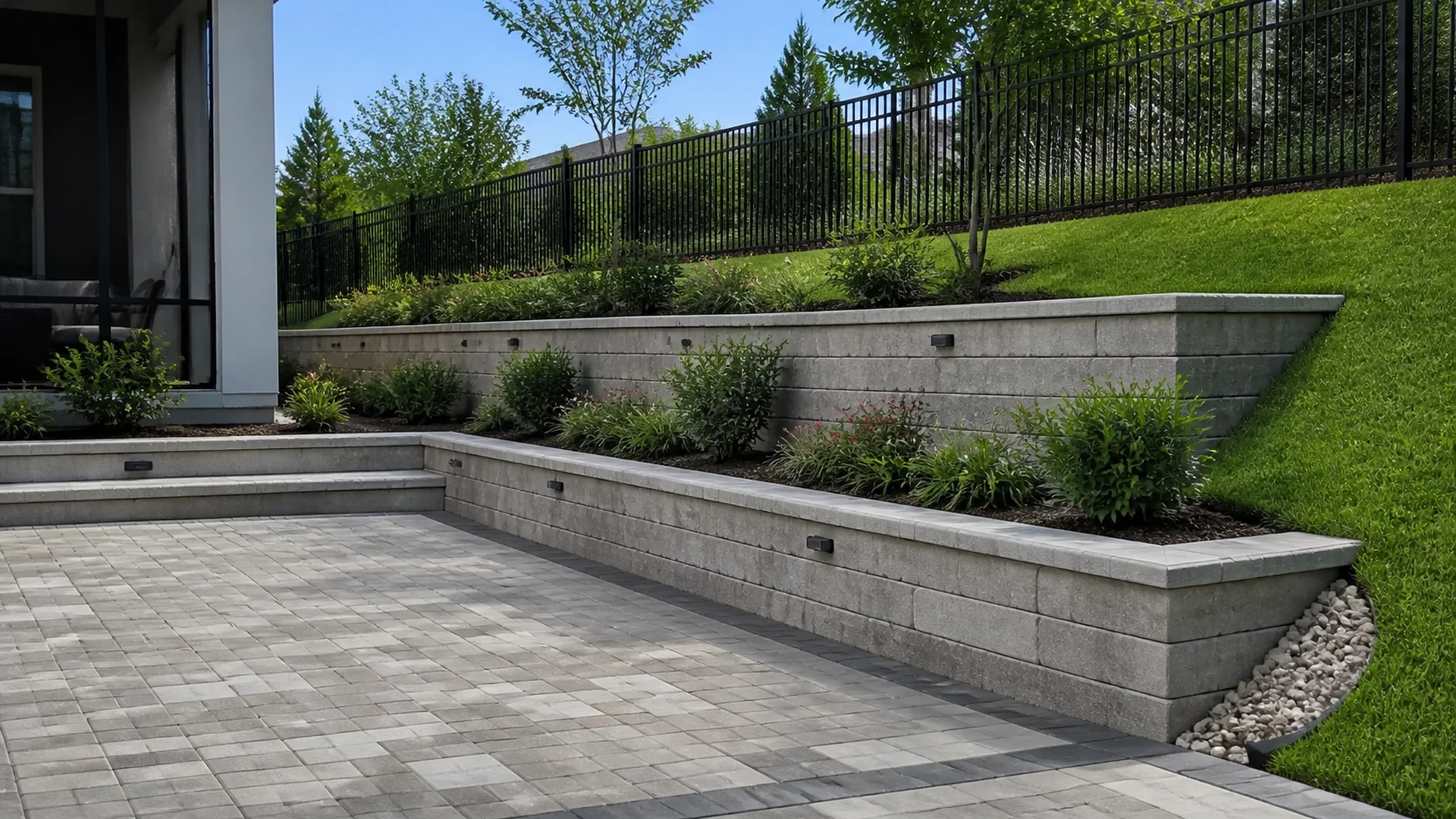
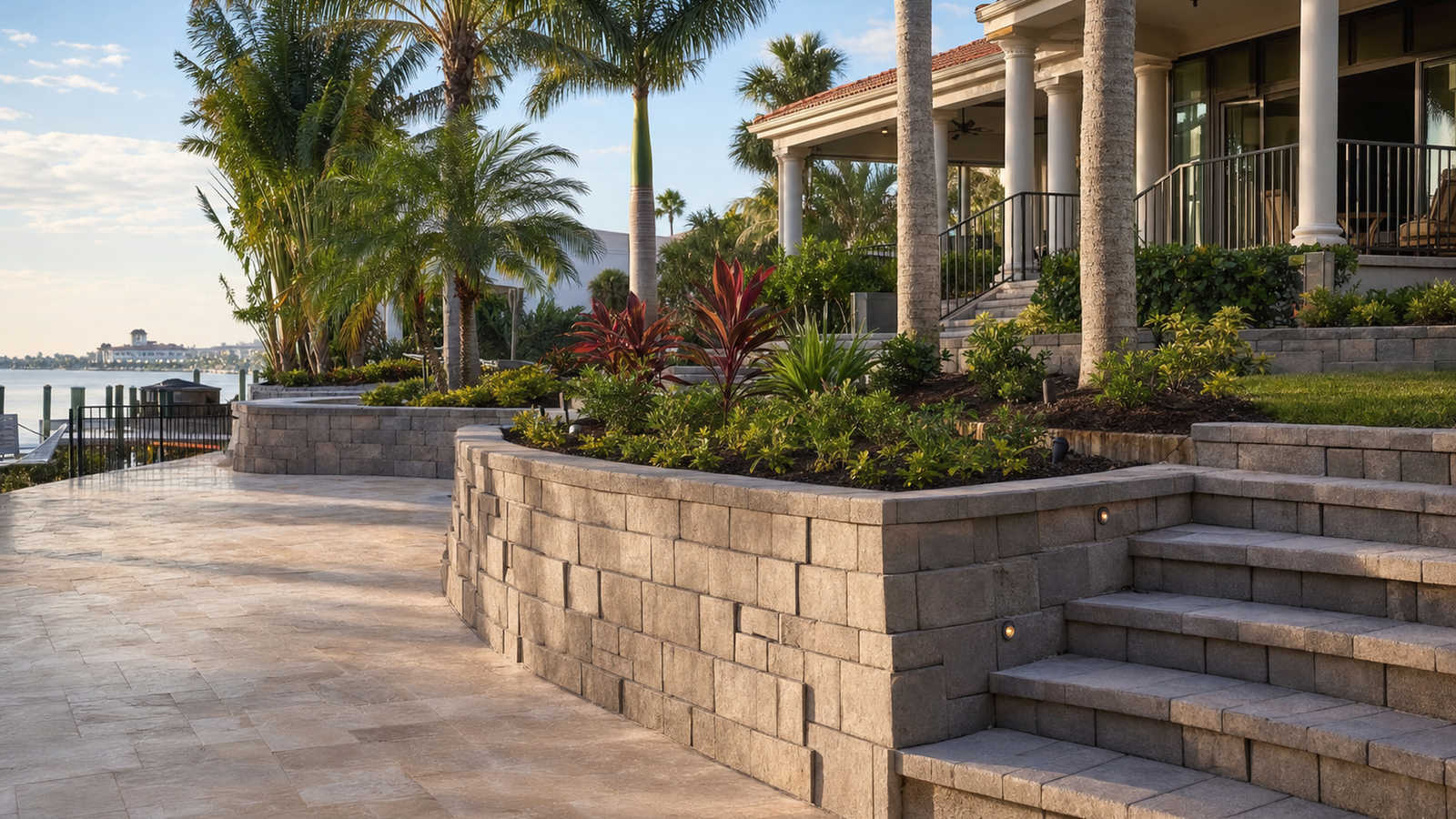
Instead, Borders, inlays, steps, and curves add craftsmanship at edges. As a result, paver installation time can increase even when the total area stays modest. Straight interior fields usually progress quickly. In contrast, precise detailing concentrates labor within fewer square feet.
Material availability also belongs in the planning conversation. Therefore, confirm the selected color, size, and quantity before demolition begins. A physical sample should represent the approved product, yet normal color variation may still occur. Most importantly, staged delivery keeps pallets available without blocking safe access.
A Field Sequence for Paver Installation Time
A useful calendar follows the construction sequence instead of promising an arbitrary finish date. First, each phase must leave the site ready for the next crew activity. Therefore, the timeline should identify preparation, base construction, surface installation, and closeout. This structure also helps homeowners plan parking and yard access.
Layout, Protection, and Excavation
At mobilization, the crew confirms boundaries and protects adjacent finishes. Next, equipment routes and material zones keep movement organized. However, landscaping, air-conditioning equipment, or a pool cage may restrict those routes. Clear staging reduces unnecessary trips across the property.
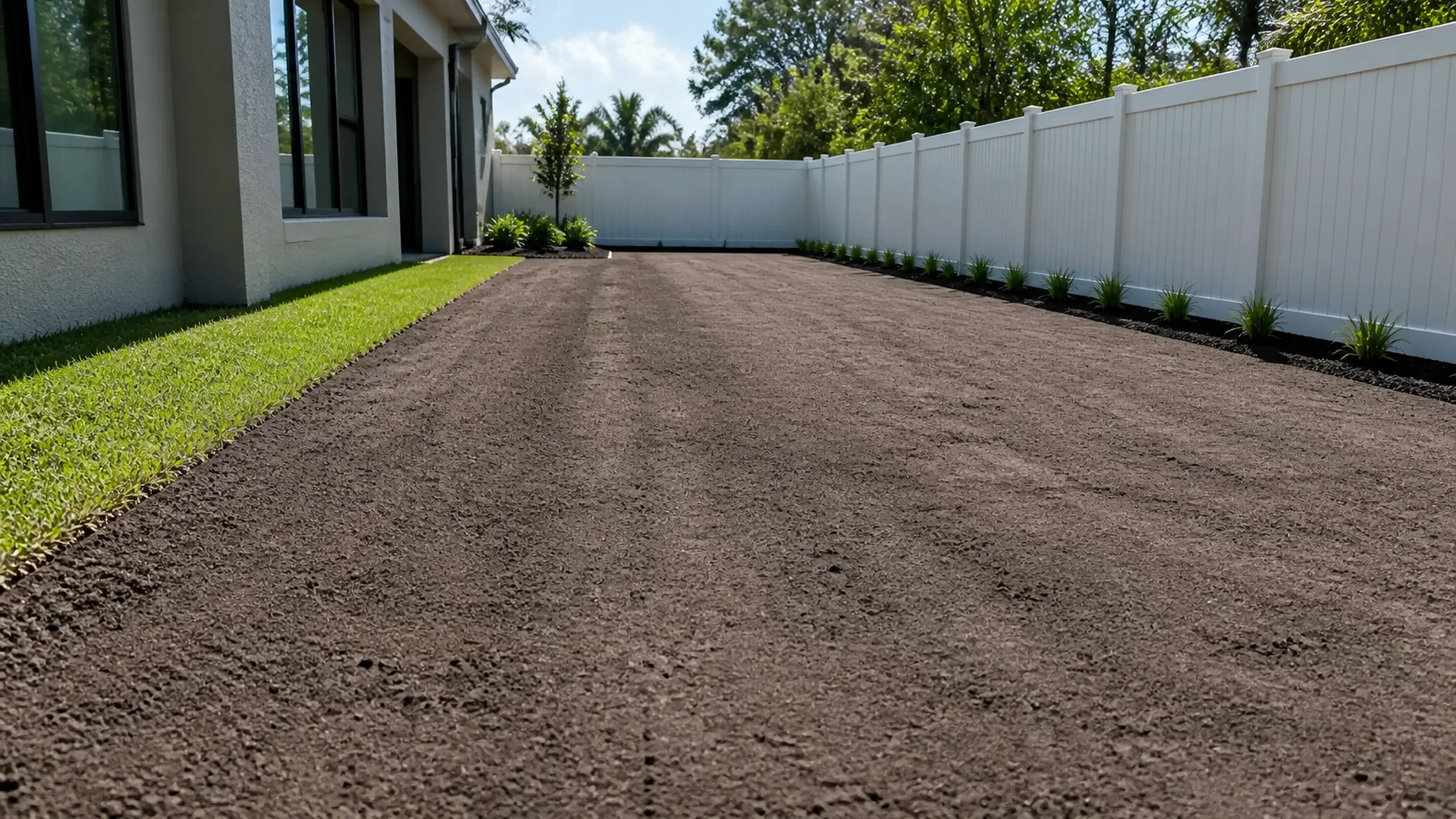
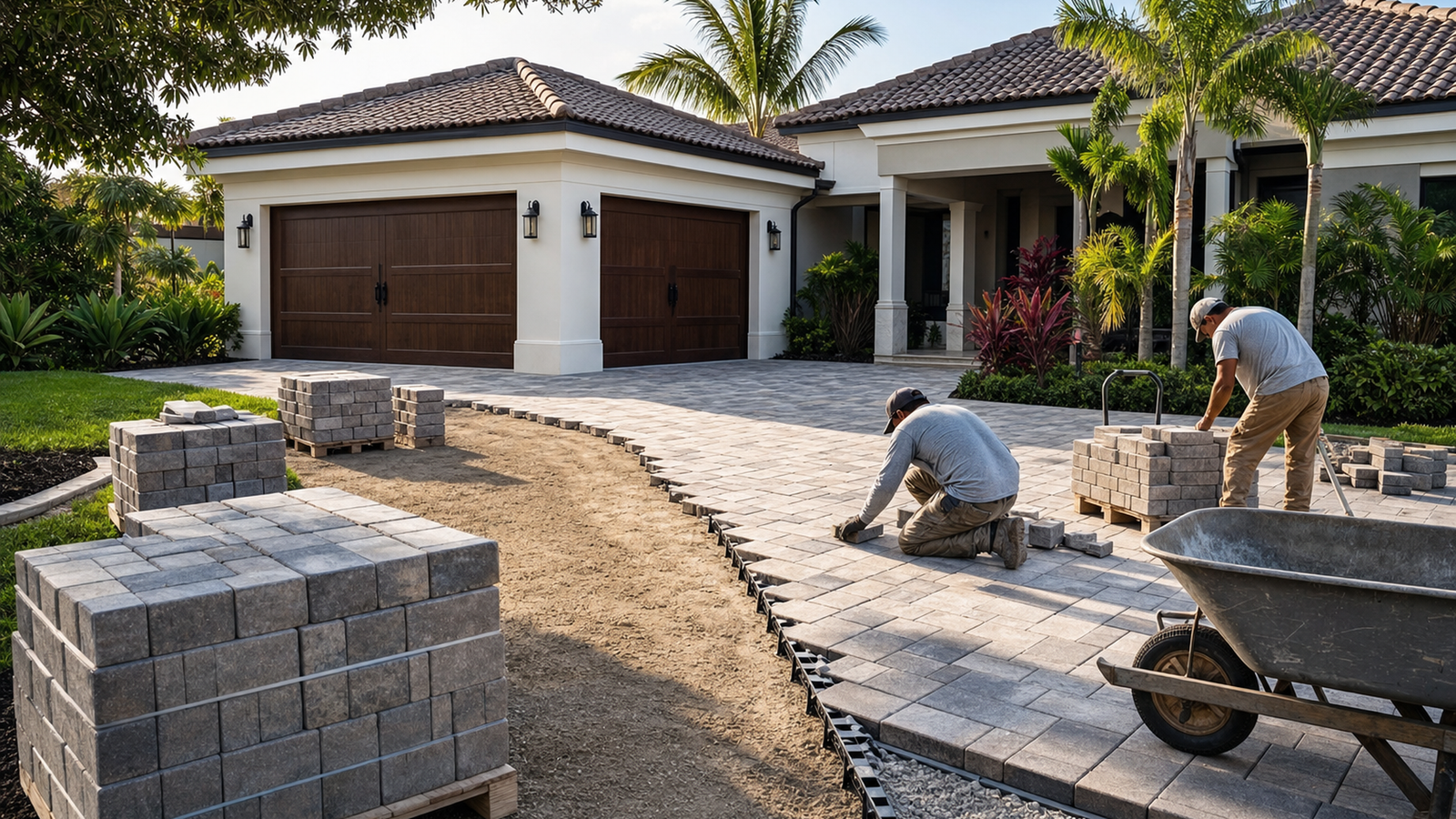
Excavation then creates room for the designed pavement system. In particular, workers remove unsuitable material rather than hiding it under new base. Consequently, unexpected roots, buried debris, or weak pockets can extend paver installation time. A responsible contractor documents the condition and explains the correction.
Base Placement and Compaction
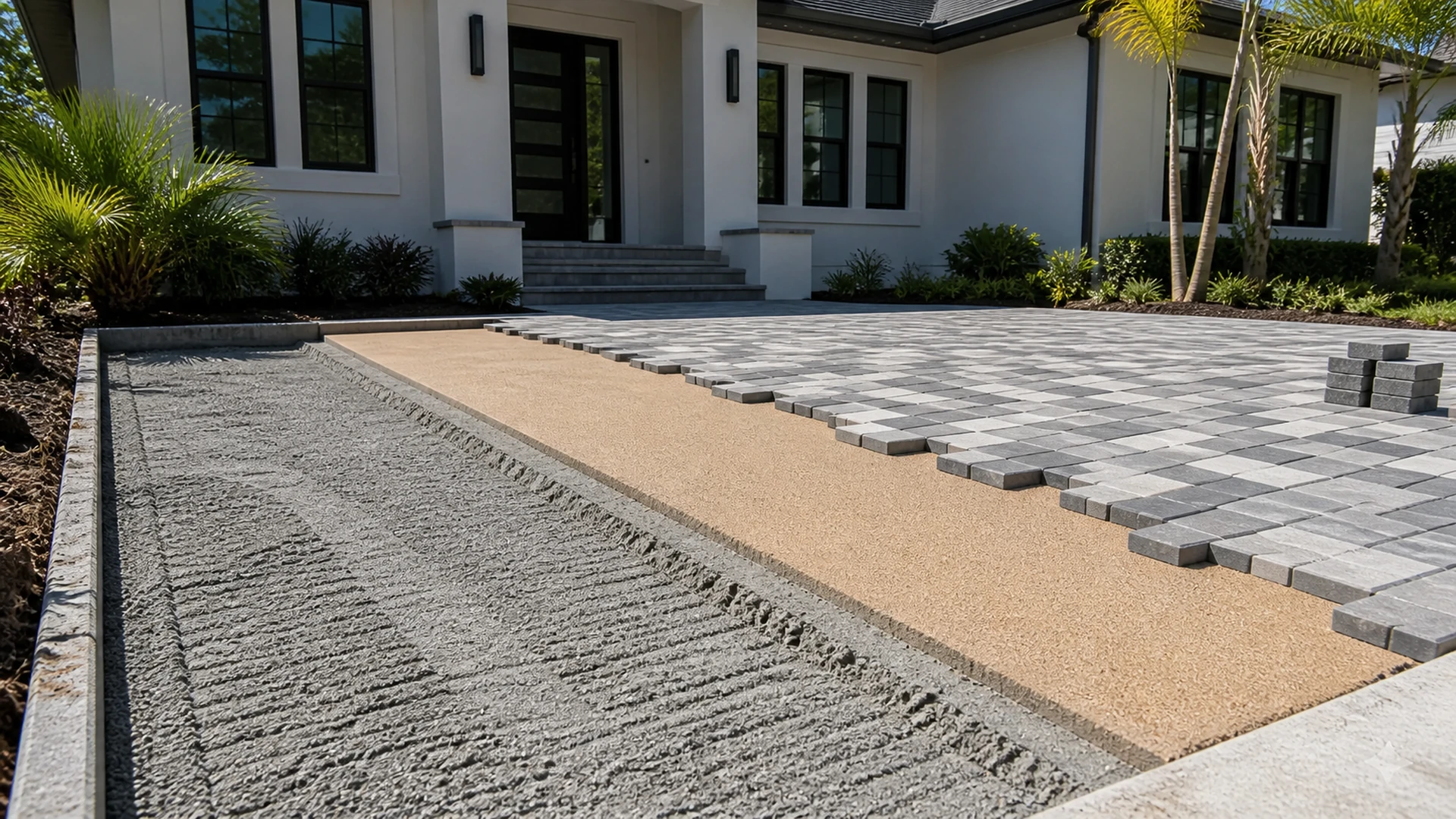
The base carries traffic and supports an even surface. Therefore, crews place suitable aggregate in controlled lifts and compact each layer. One thick loose layer does not compact like several managed lifts. Most importantly, this phase should never become the shortcut used to recover a delayed day.
Next, the installer verifies pitch and finished elevations throughout the field. For example, a driveway must meet the garage cleanly without creating a raised lip. Similarly, a patio must respect thresholds and surrounding grade. These checks take time now but prevent disruptive corrections later.
Bedding preparation follows the compacted base. However, crews should open only an area they can control and cover properly. Sudden Florida rain can disturb exposed bedding. As a result, paver installation time may include brief recovery work after intense weather.
Laying, Cutting, and Edge Work
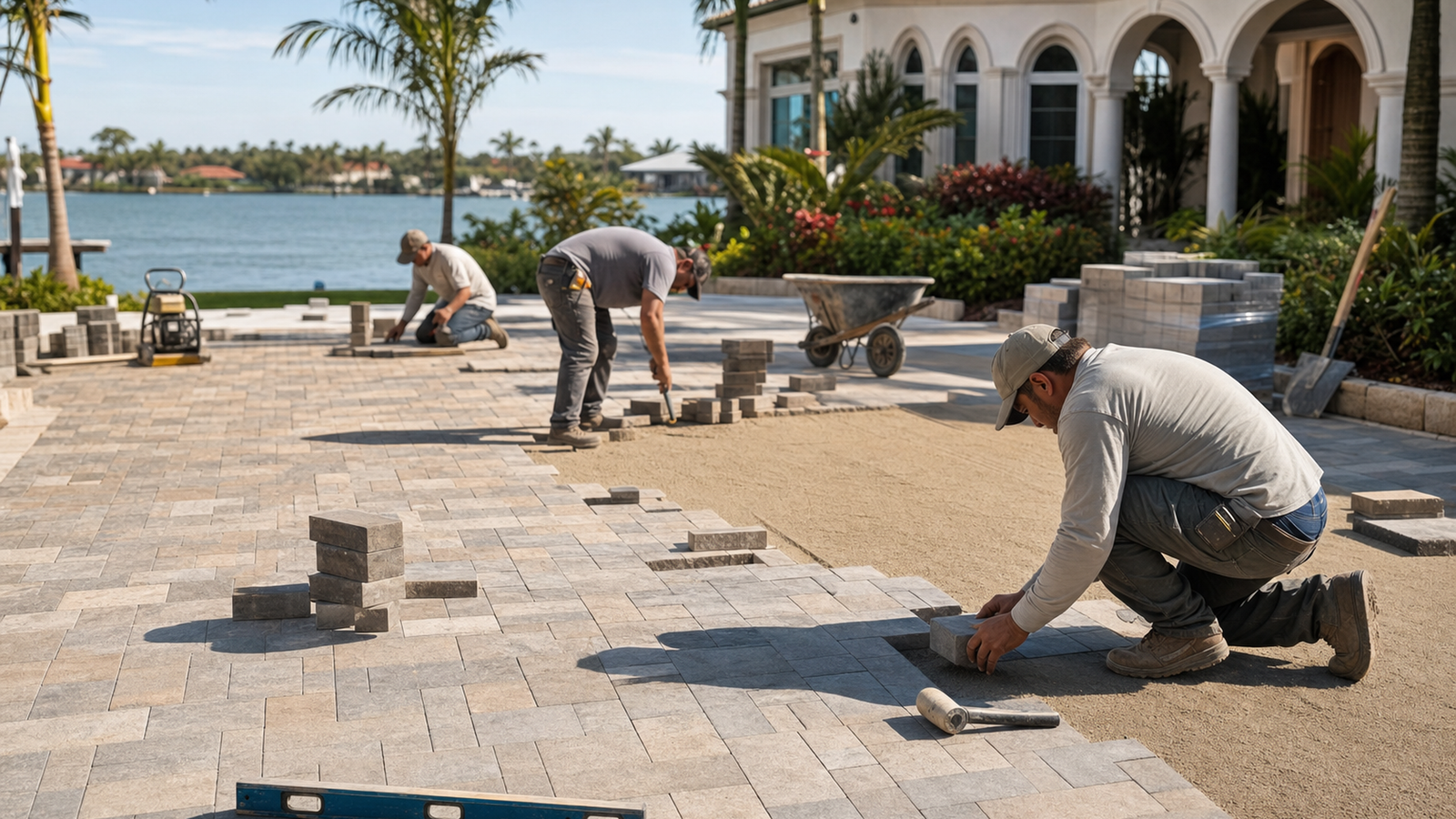
Once the bed is ready, installers establish straight reference lines. Then they place the field while watching alignment, color blending, and pattern sequence. Because of this, experienced crews check often instead of correcting a large area later. Steady control usually protects both pace and appearance.
Cutting concentrates around curves, structures, borders, and utility covers. For example, a pool deck can contain many small transitions within a compact footprint. Therefore, square footage alone cannot predict paver installation time for detailed spaces. Clean cuts and useful piece sizes matter more than raw speed.
Edge restraint keeps the perimeter from spreading under use. In addition, it must suit the location and remain compatible with the surrounding landscape. The crew also checks that border lines stay consistent. Consequently, careful edge work supports the entire paved field.
Joint Filling, Final Compaction, and Cleanup
Near completion, the installer prepares the surface for joint material. First, the pavers and joints must meet the product requirements. Then controlled compaction helps seat the field and settle material into joints. Therefore, weather and surface moisture can influence closeout timing.
Instead, Finally, cleanup includes unused material, access paths, and adjacent surfaces. A walkthrough should also address care instructions and any protected areas. As a result, paver installation time ends with an orderly handoff, not the last cut. Homeowners should understand when regular use can resume.
How Project Type Changes the Calendar
Different outdoor surfaces create different sequencing needs. Therefore, a homeowner should compare timelines only among projects with similar use, access, and detail. A large open field may move faster per square foot. In contrast, a smaller feature-rich space may require more concentrated labor.
Driveways Need Traffic-Ready Preparation
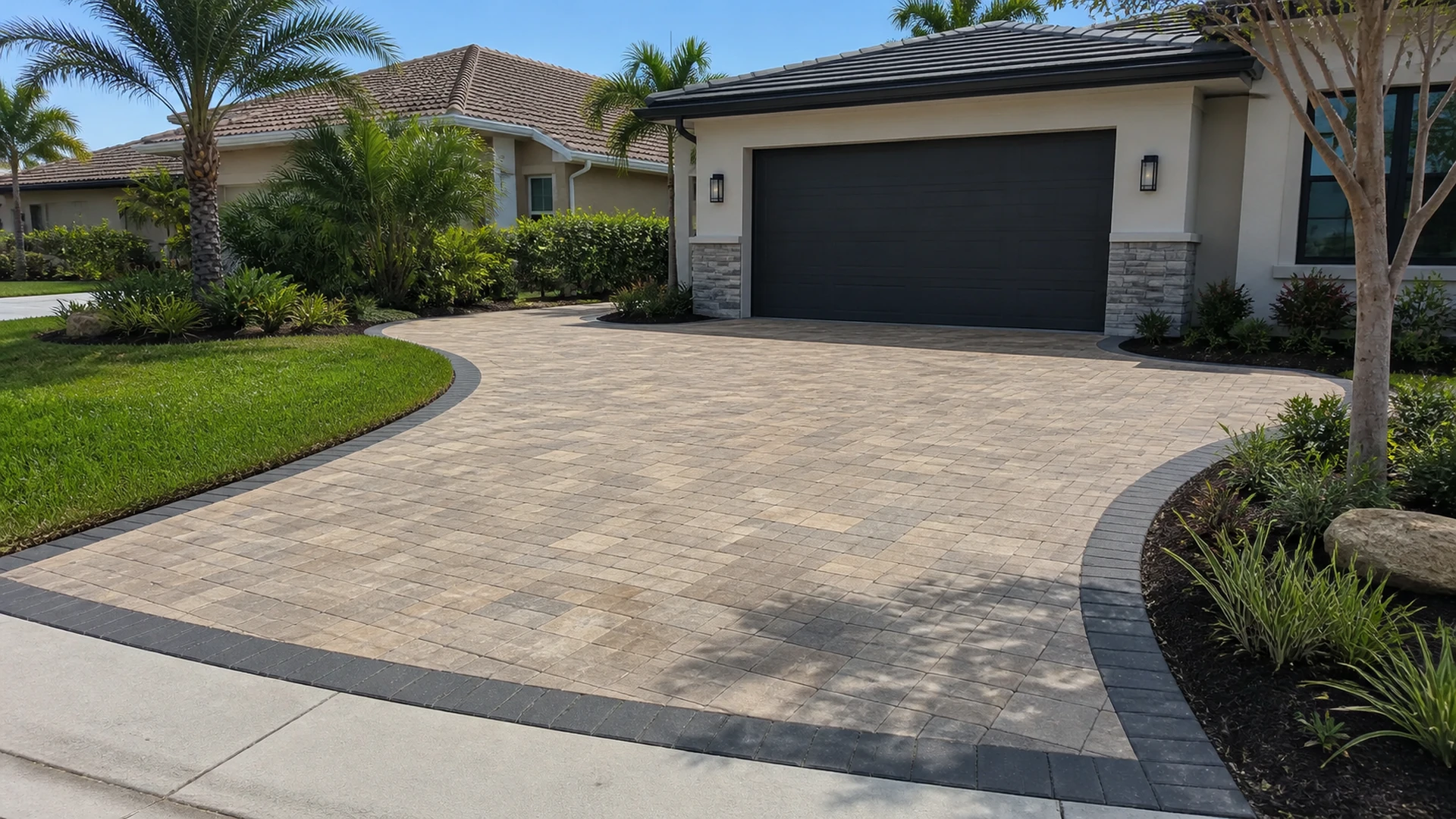
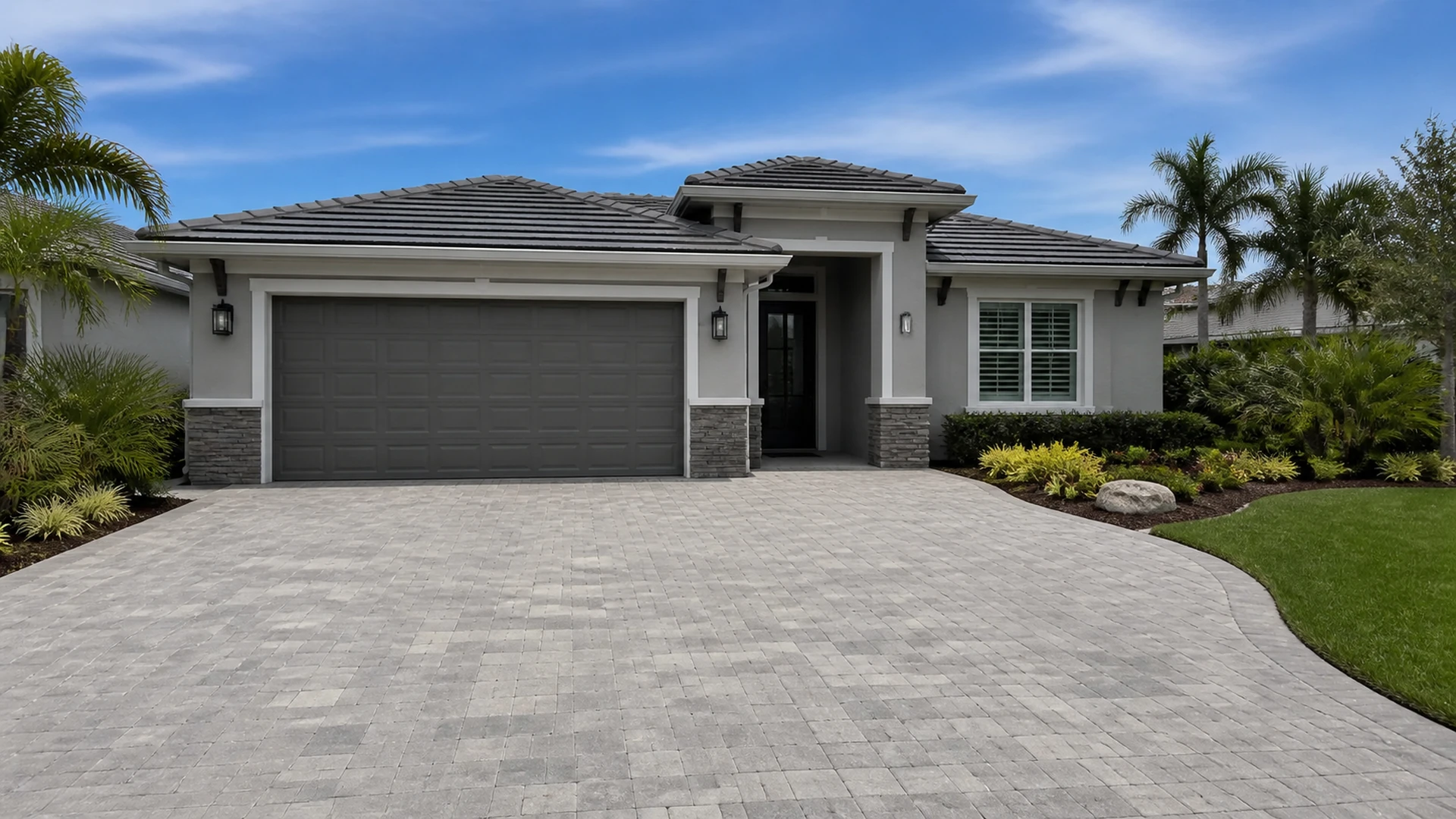
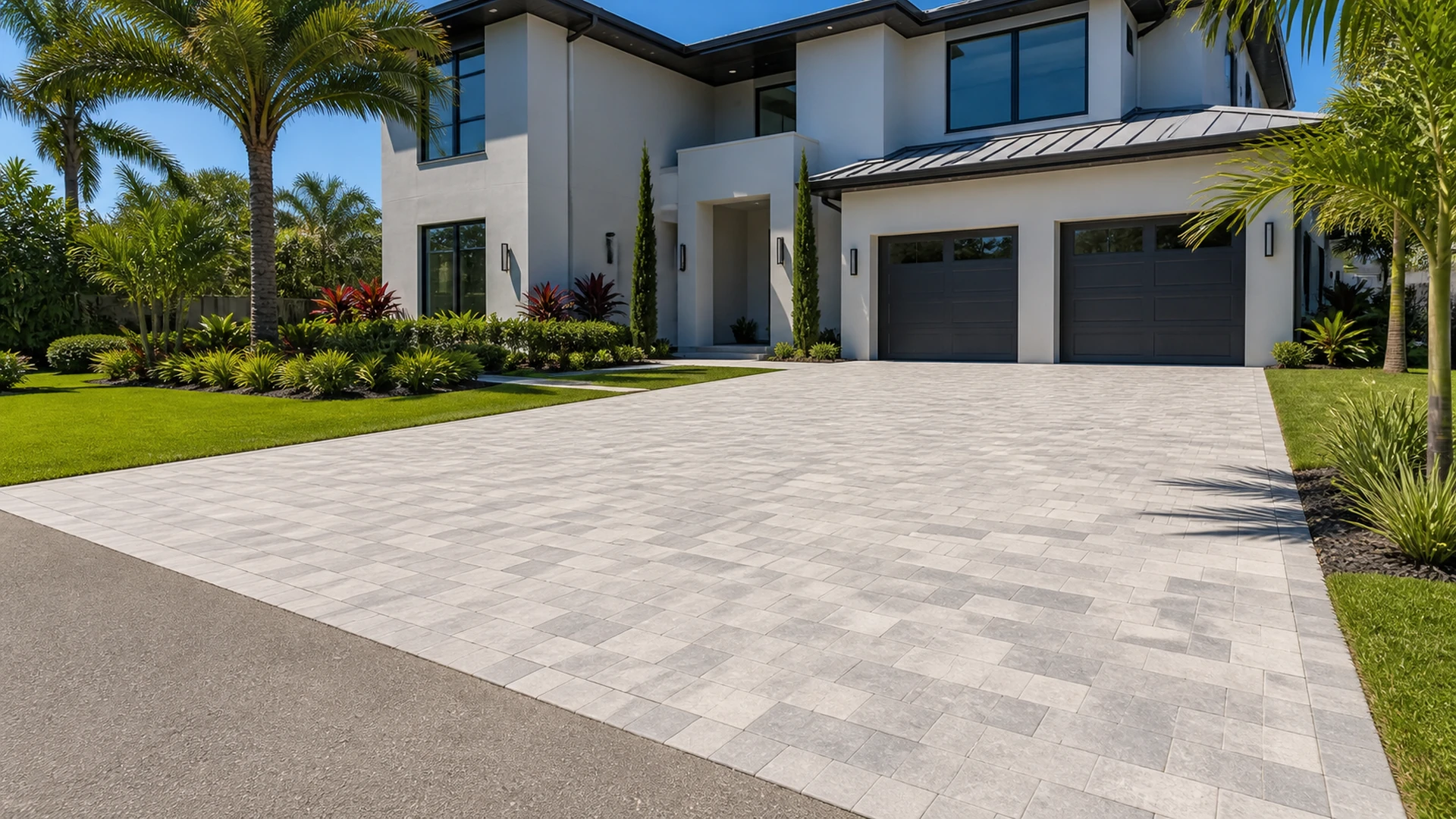
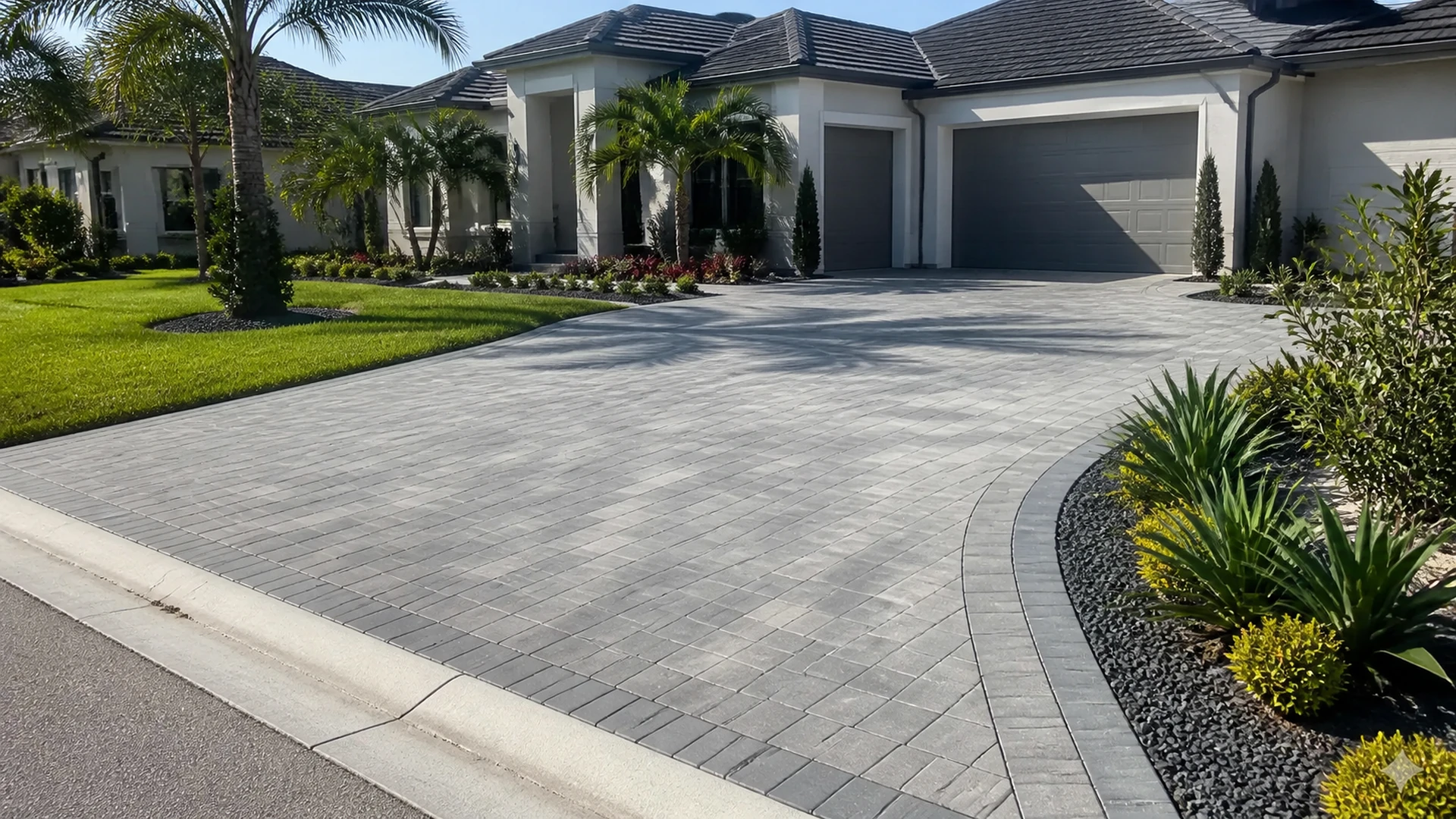
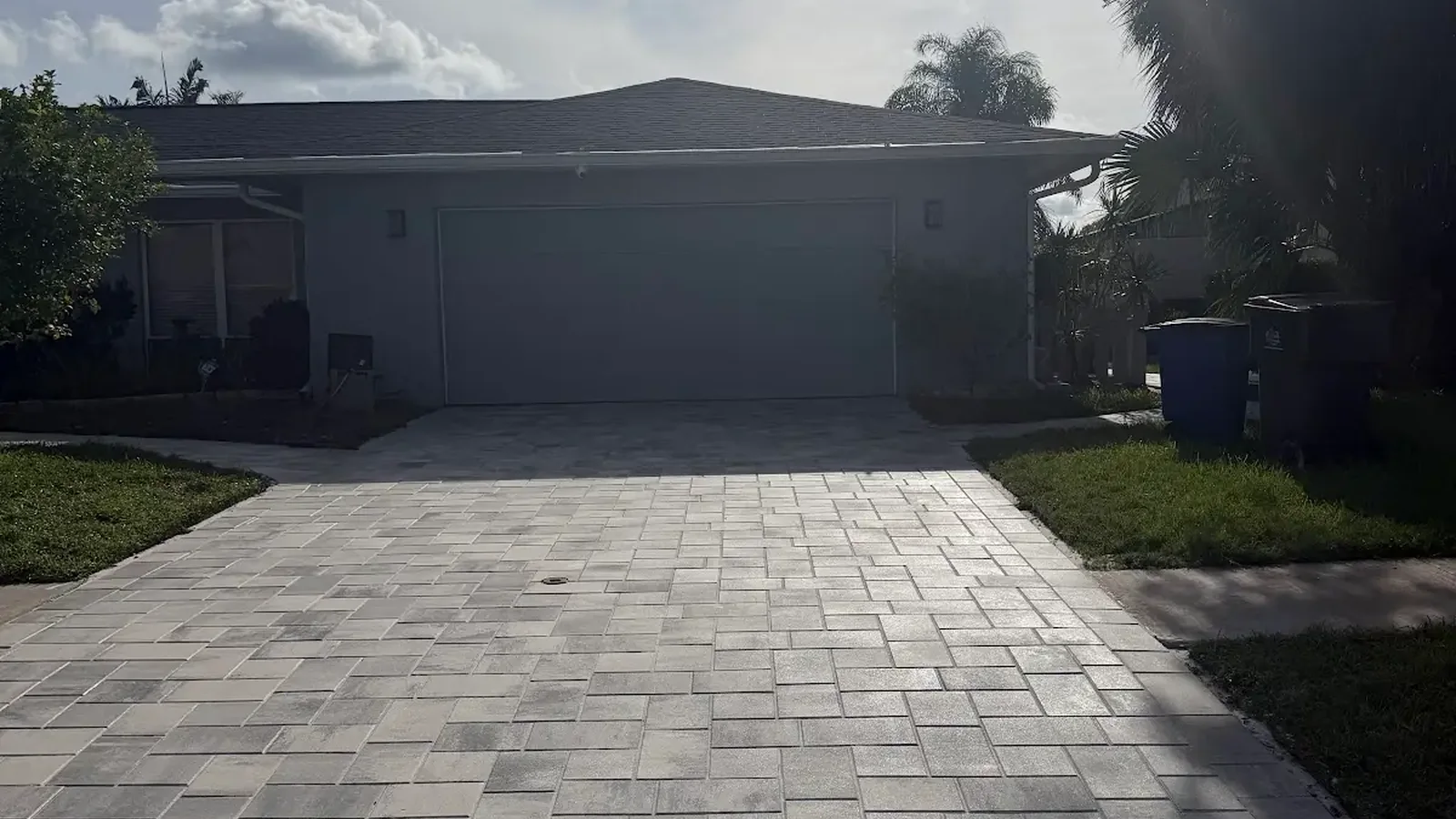
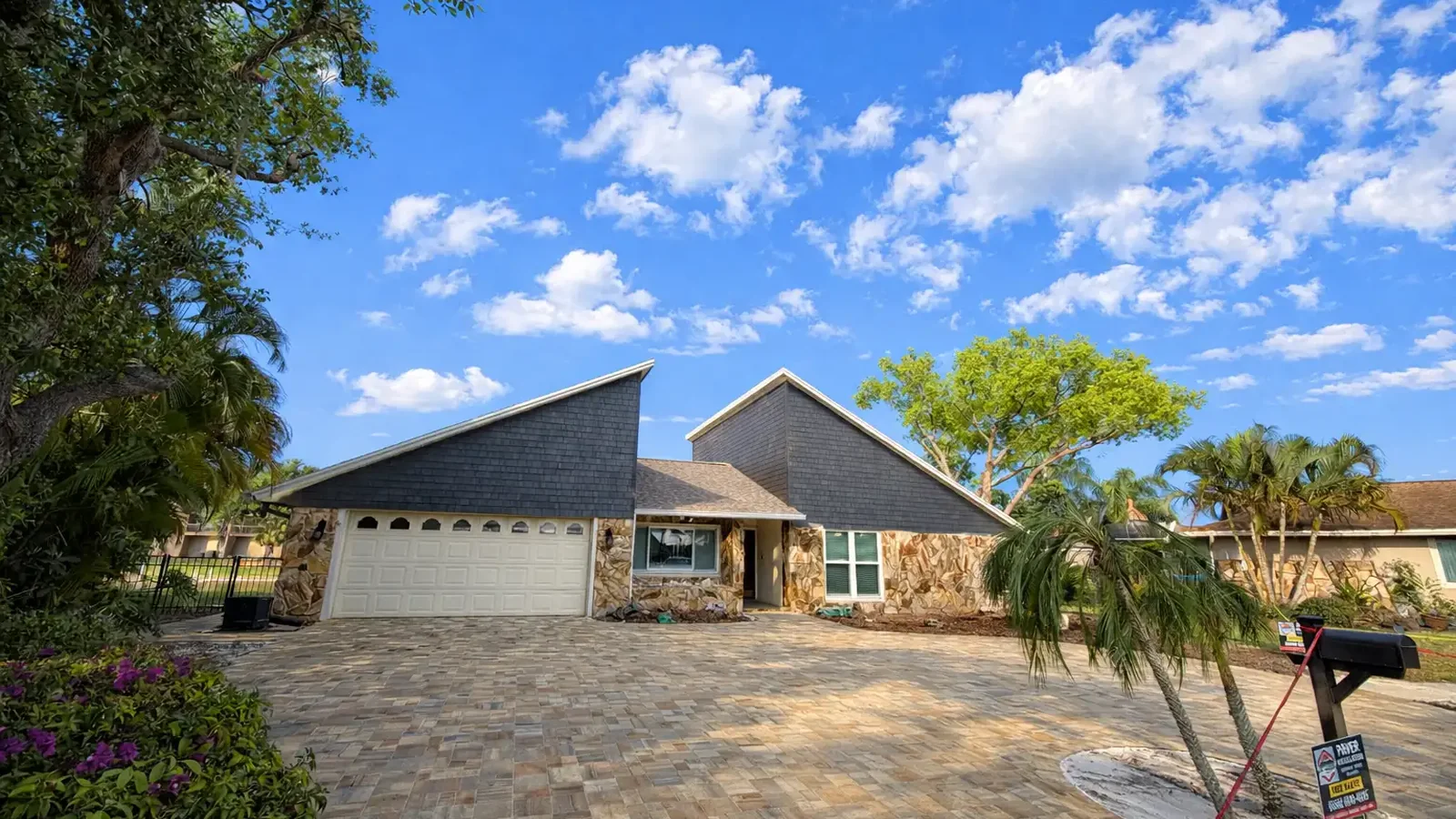
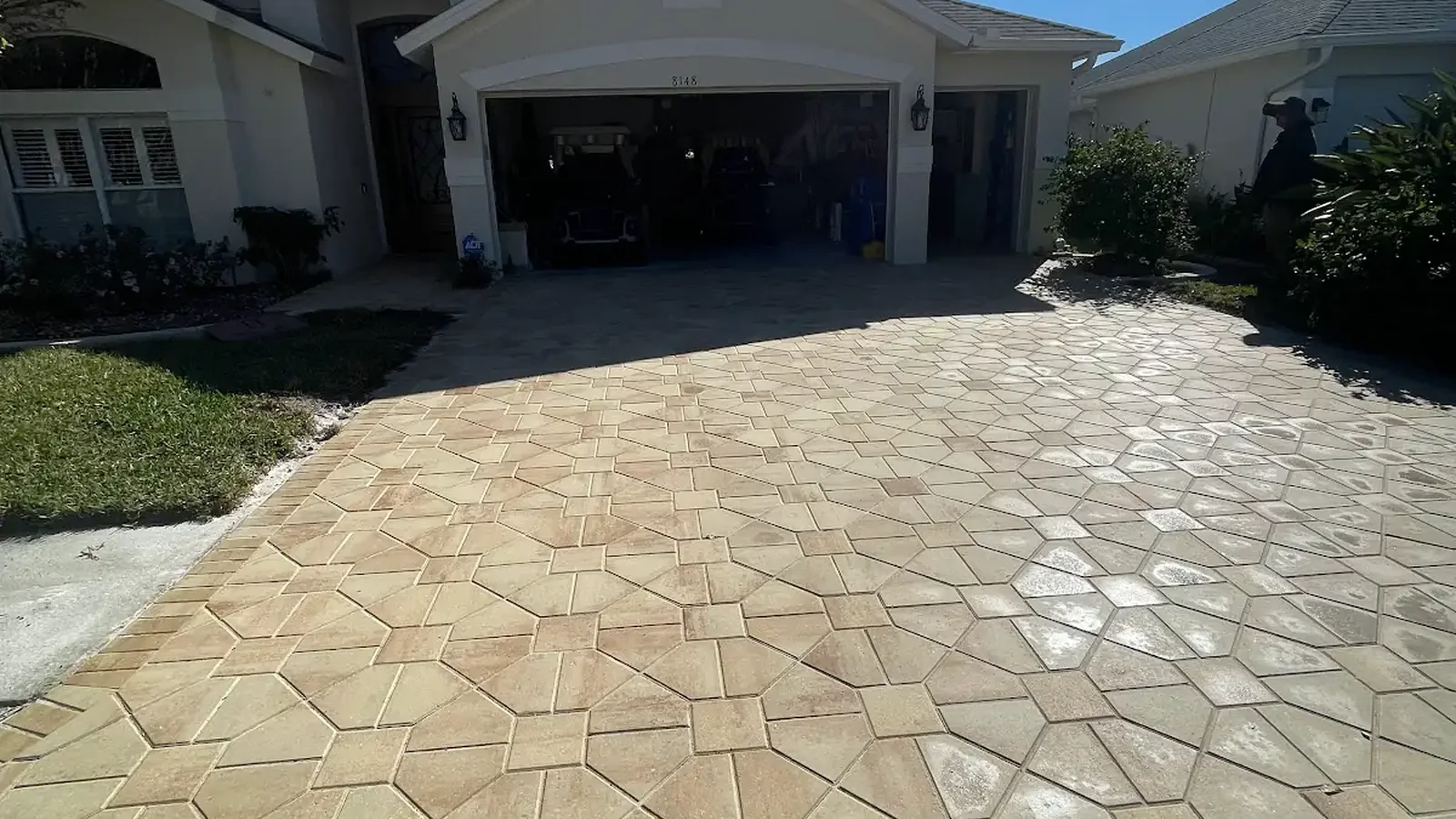
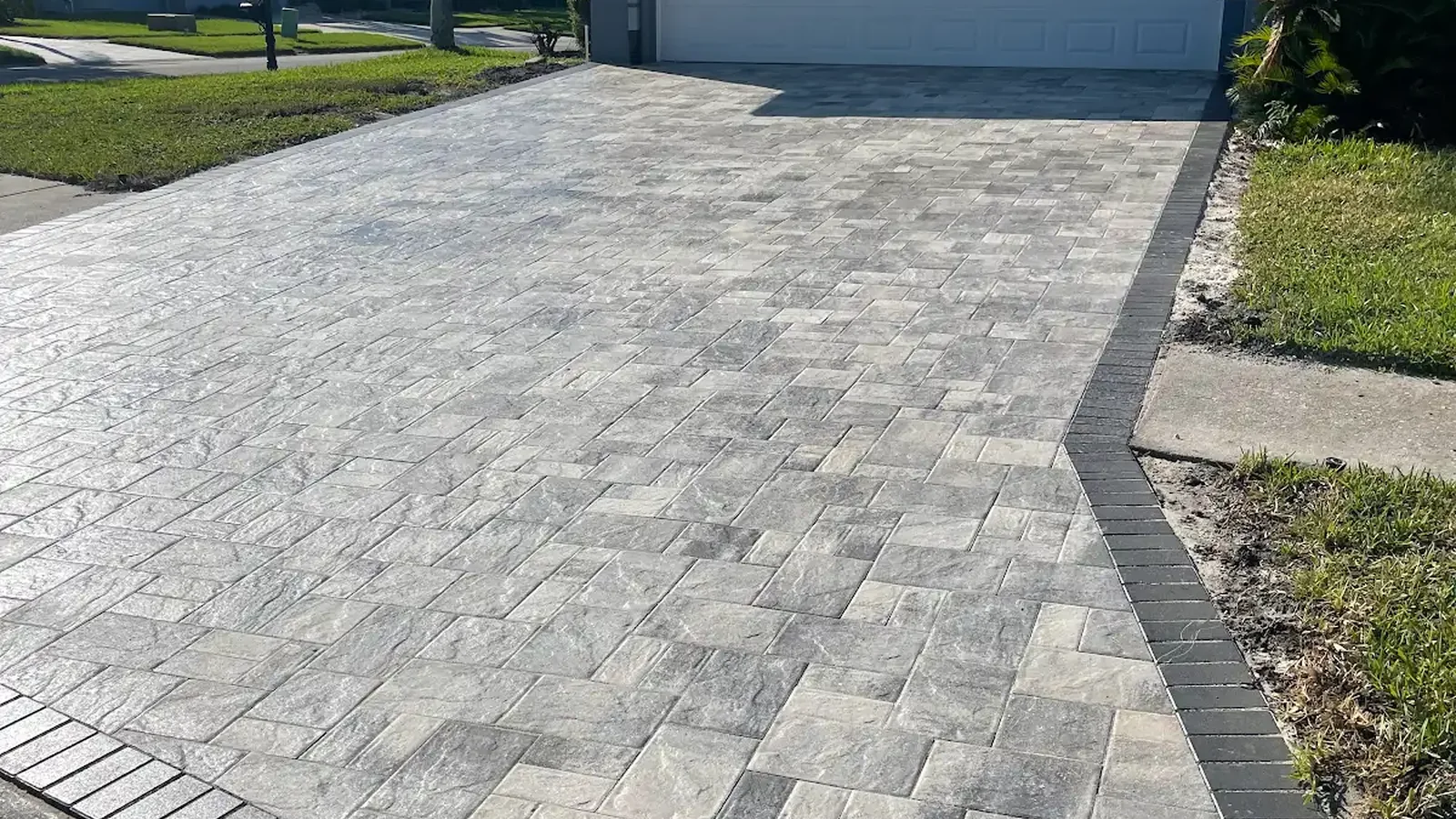
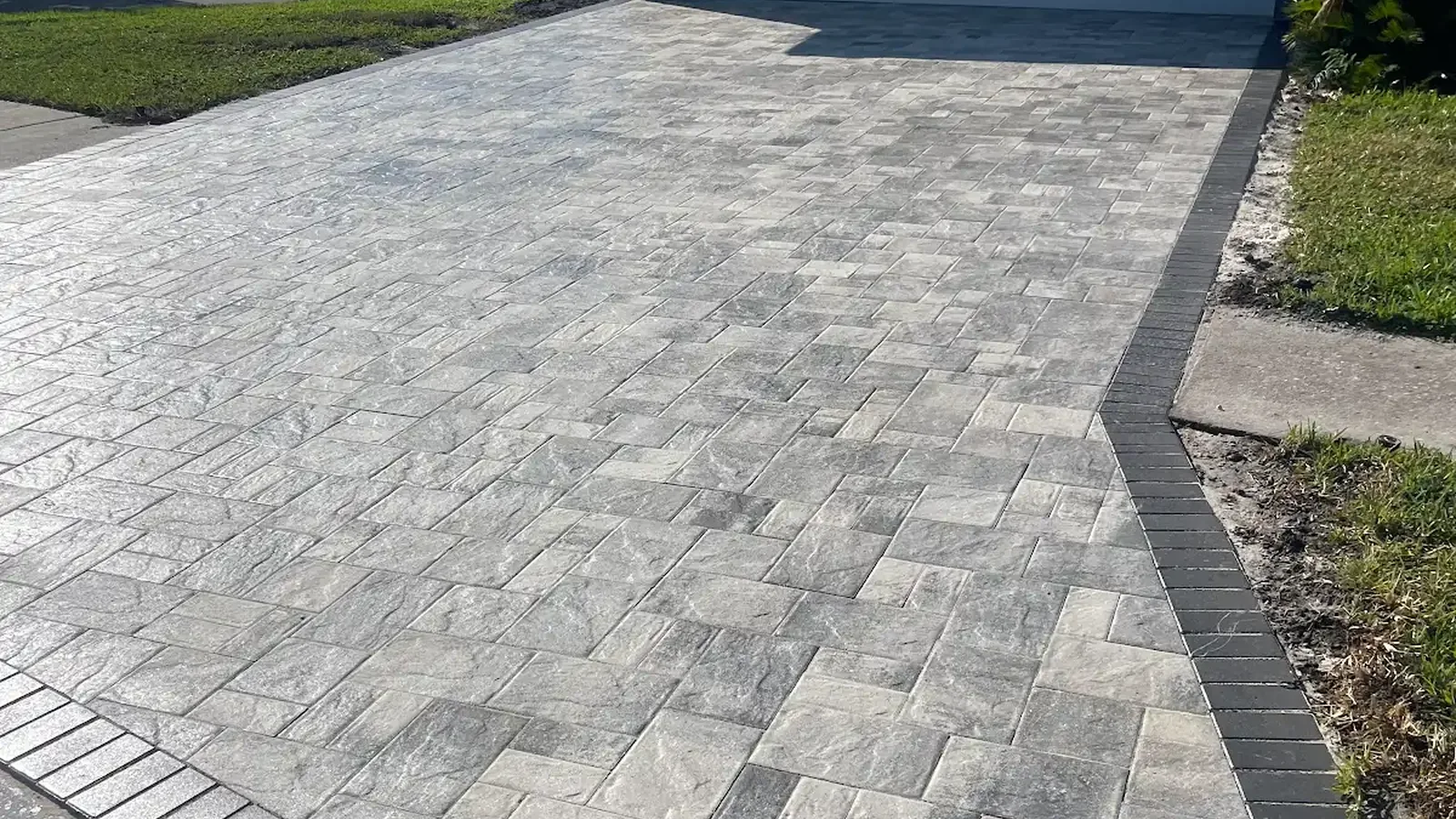
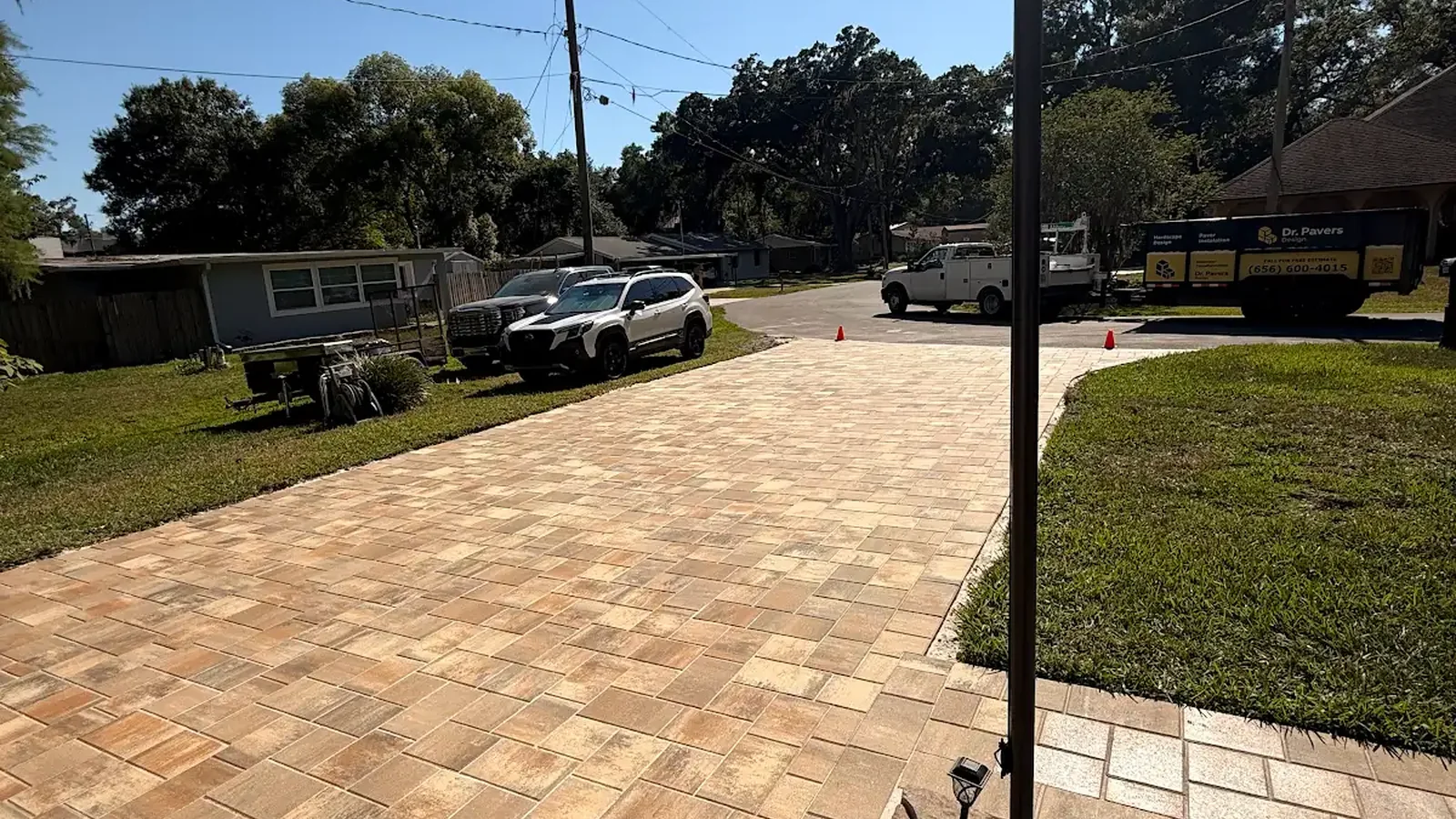
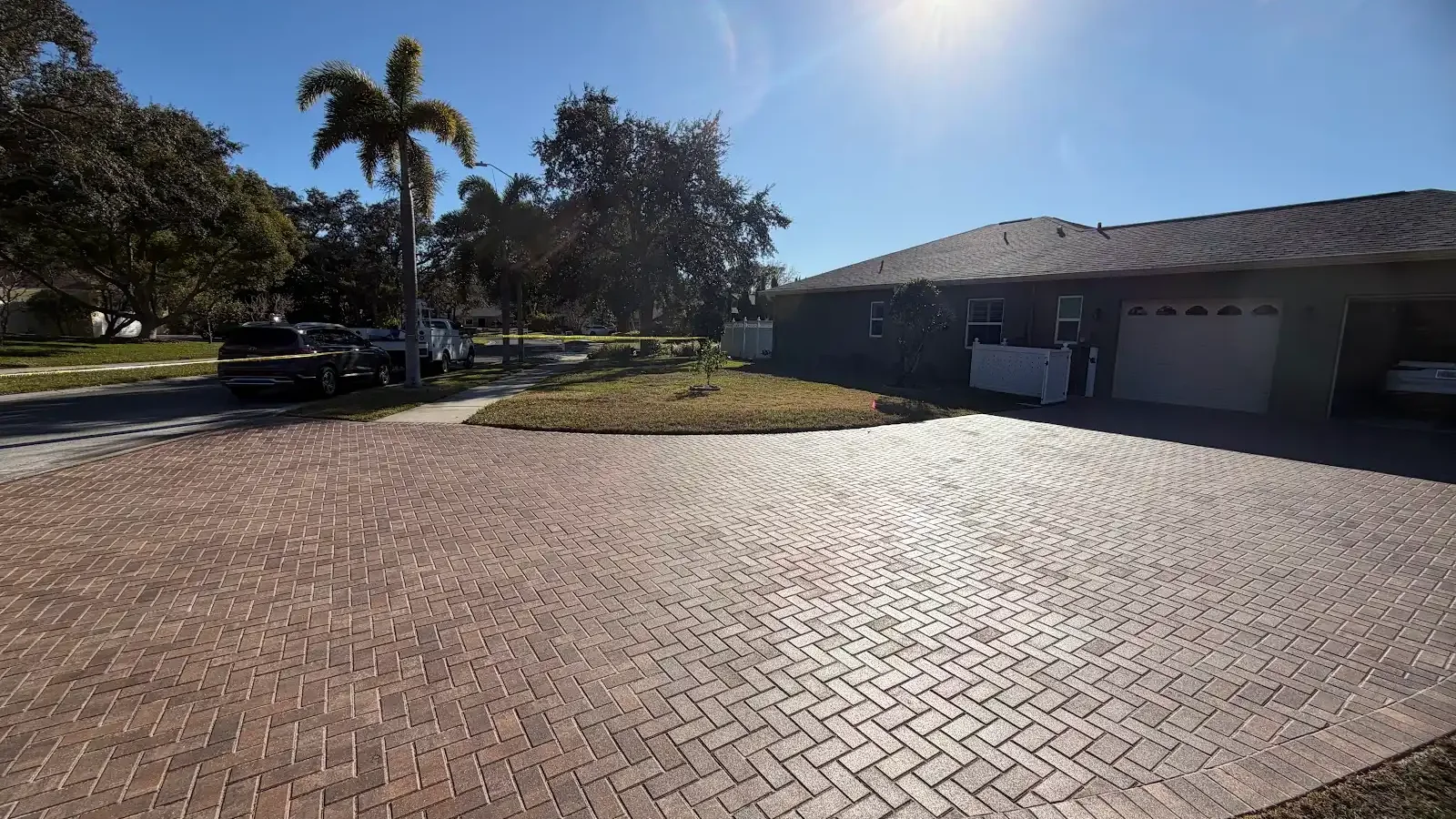
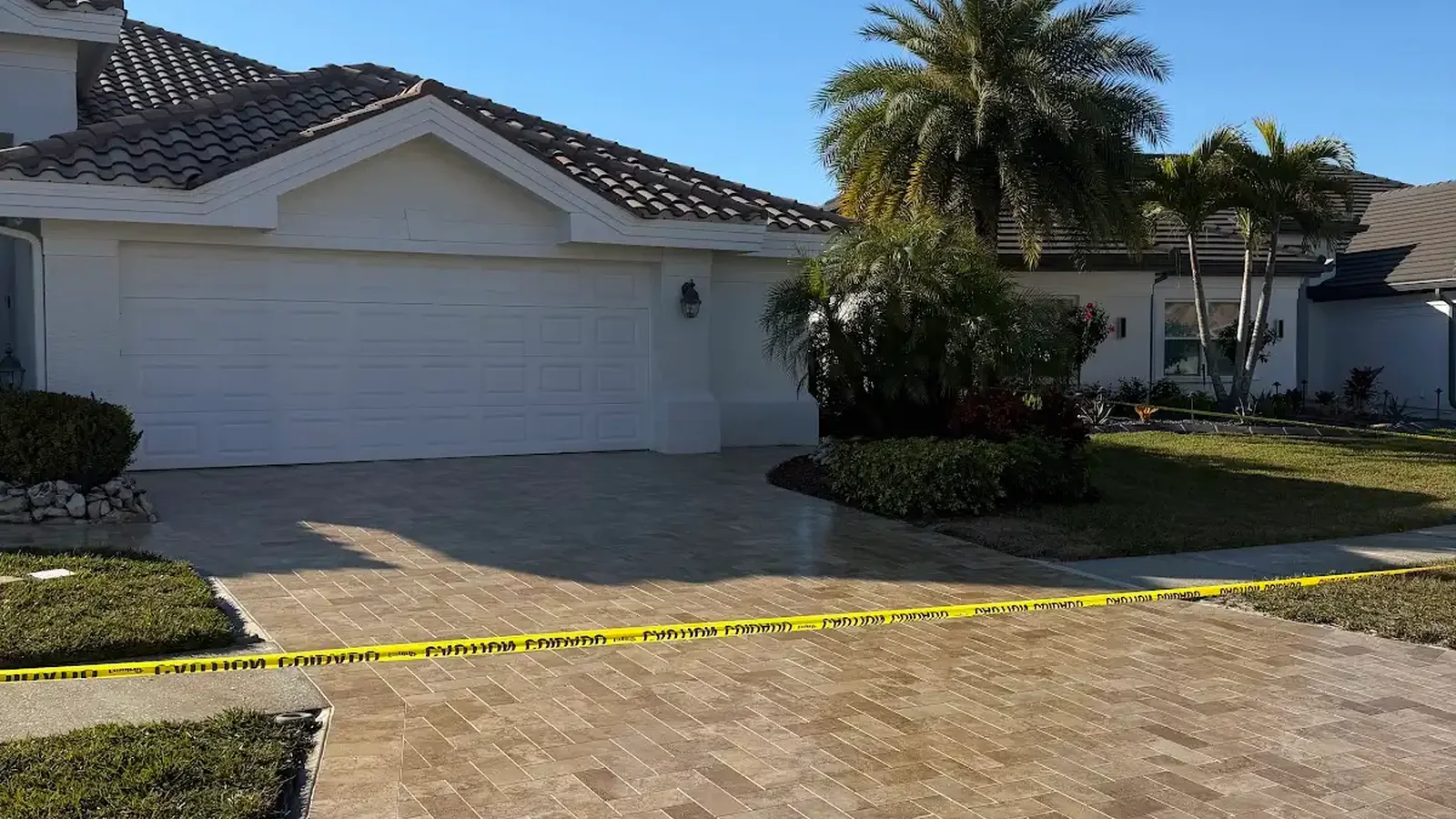
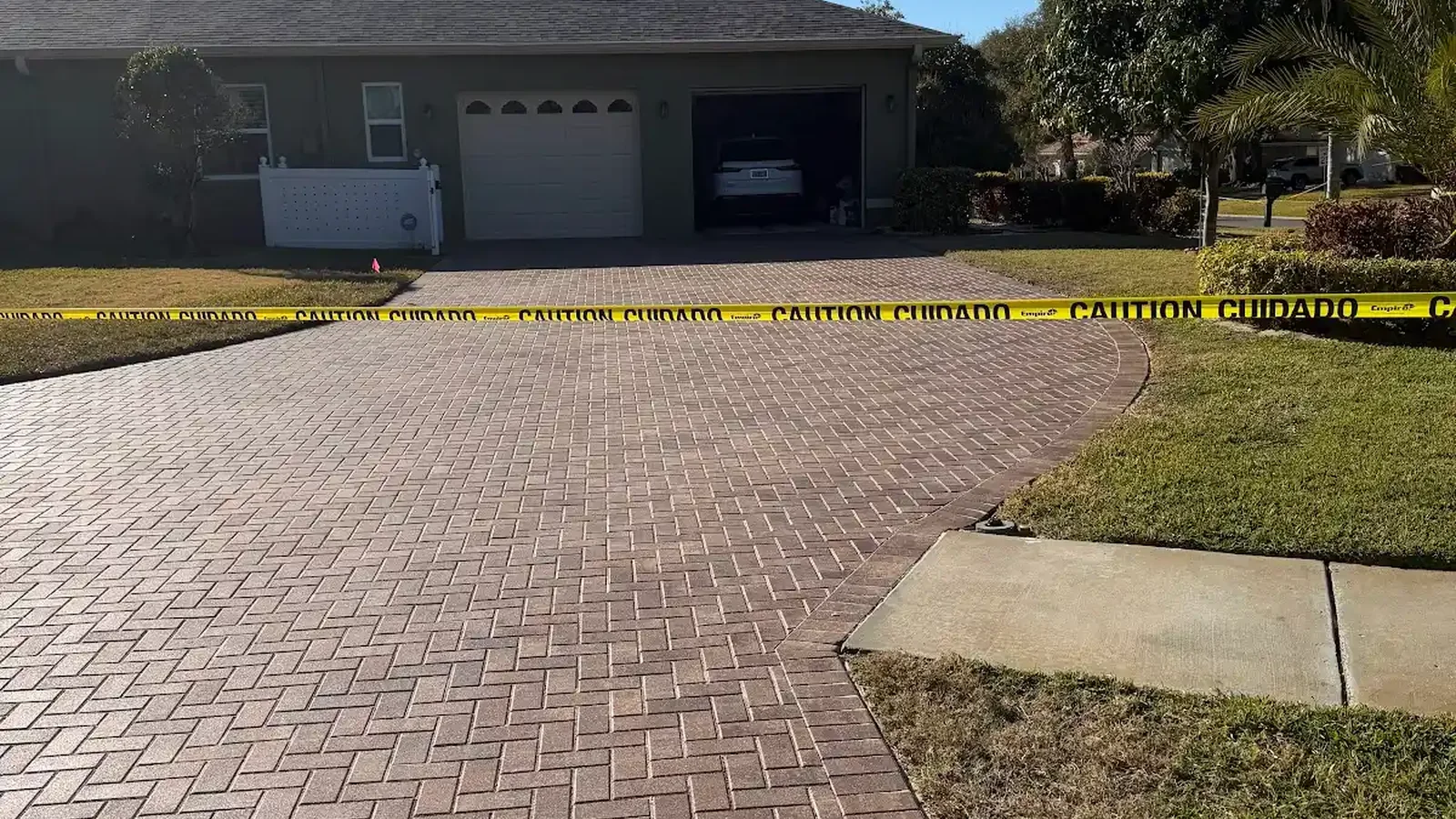
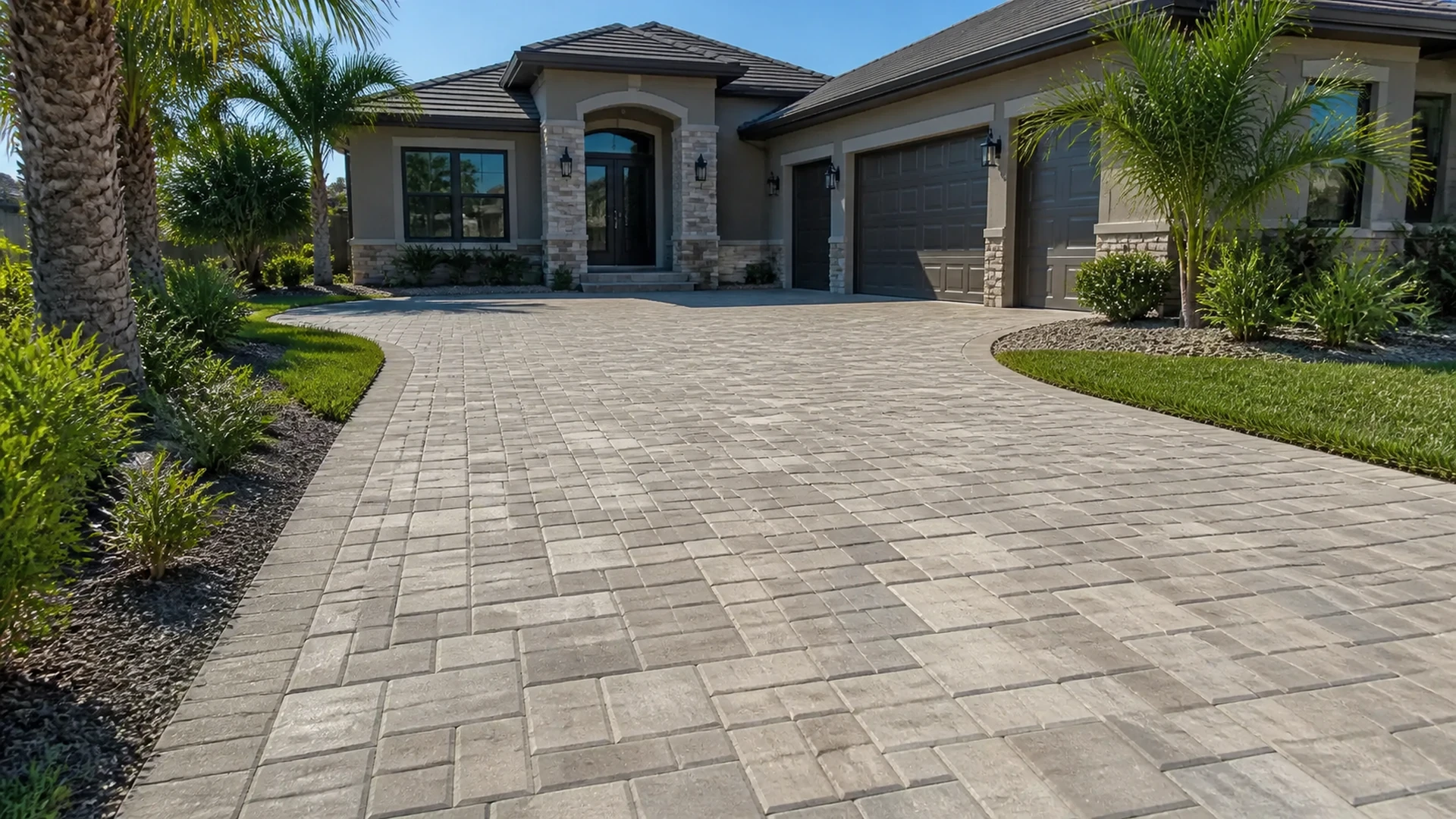
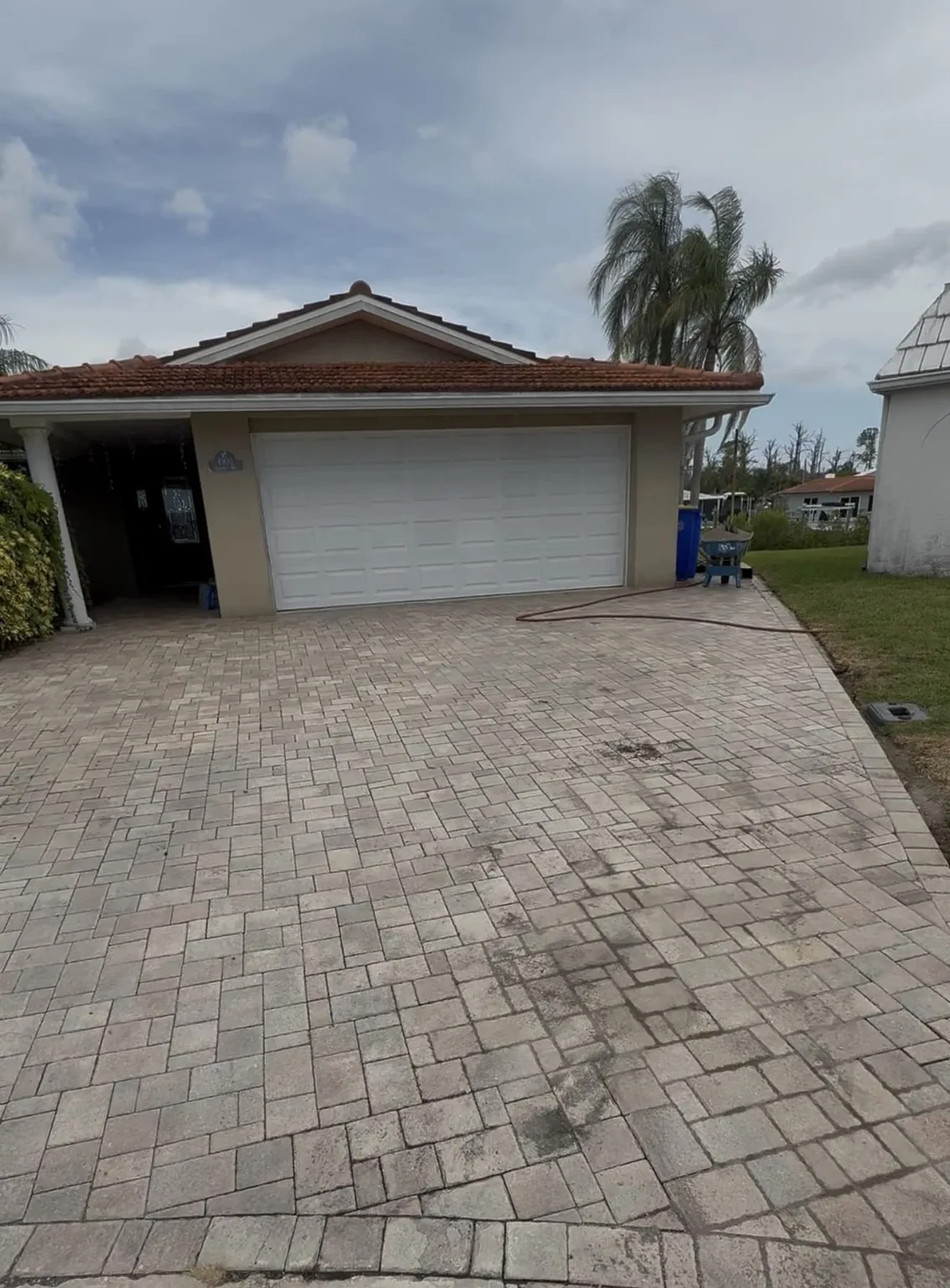
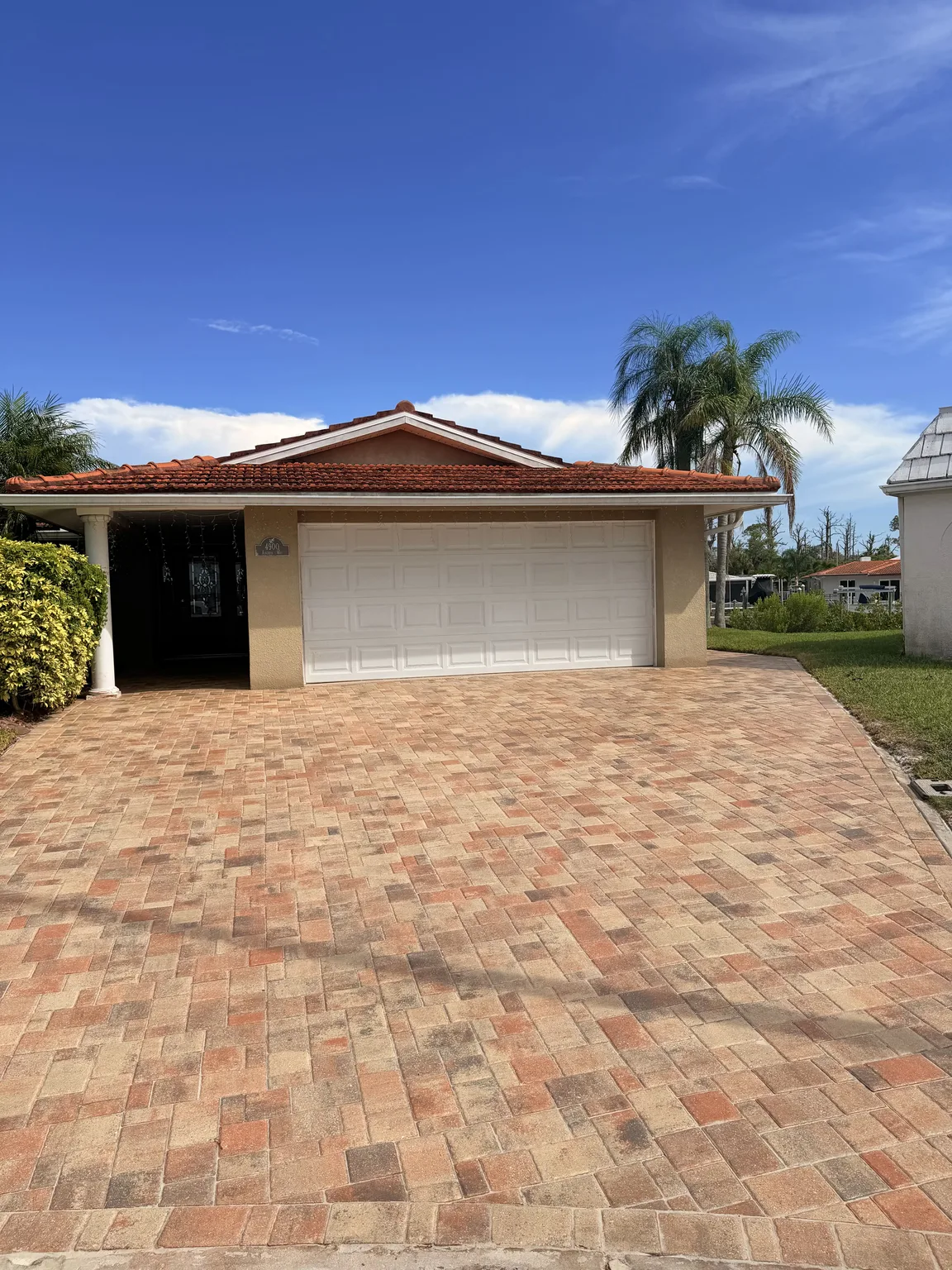
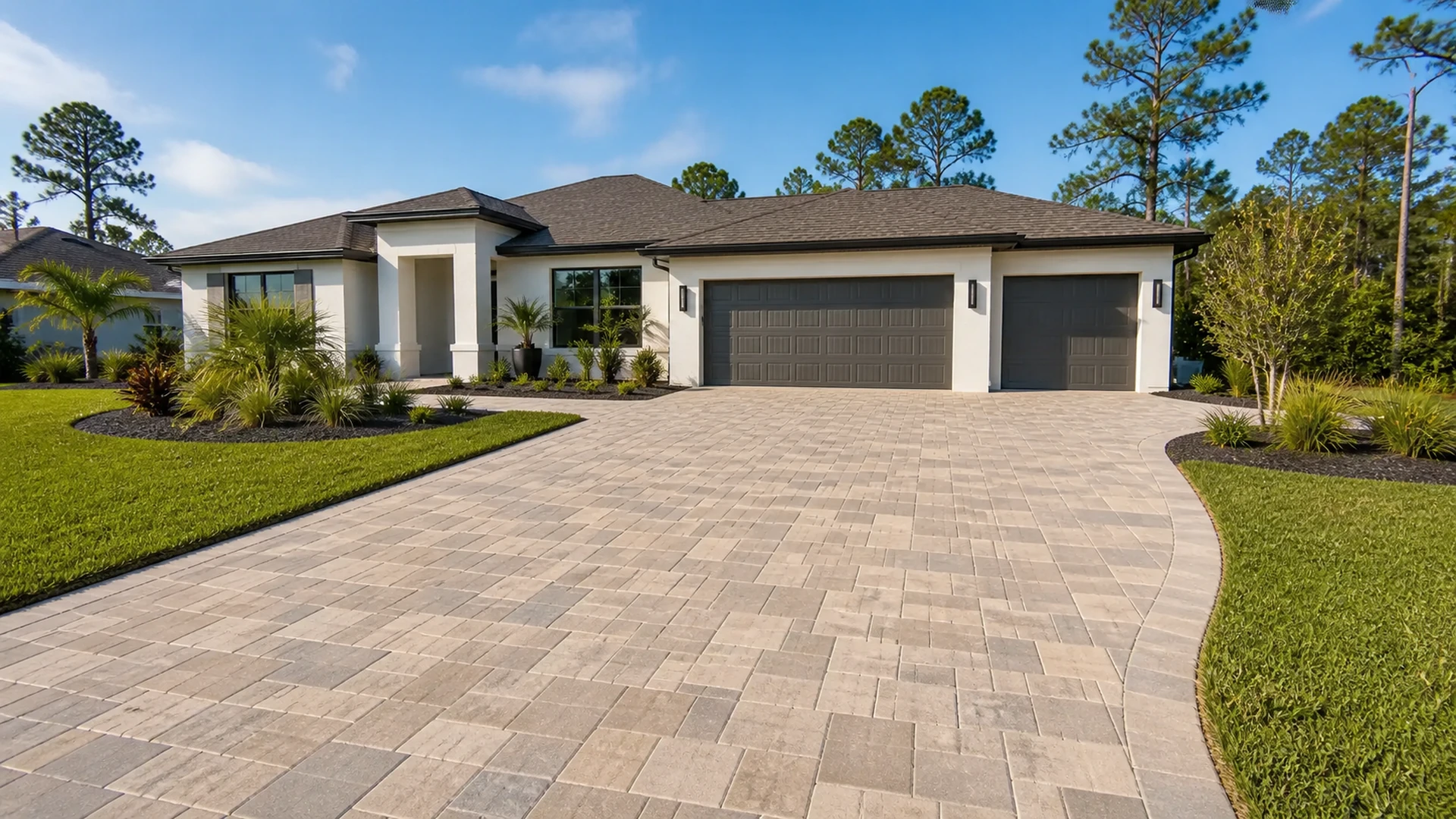
A driveway often combines demolition, hauling, robust base work, and garage transitions. Consequently, paver installation time must account for vehicle-bearing preparation. Crews also need enough room for equipment and pallets. Meanwhile, homeowners need a temporary parking plan.
For a Riverview example, imagine a wide straight drive with clear street access. First, demolition and delivery can flow without crossing a fenced yard. However, a matching extension beside irrigation zones adds layout and protection work. The second scope may take longer despite similar dimensions.
Patios Concentrate Design Details
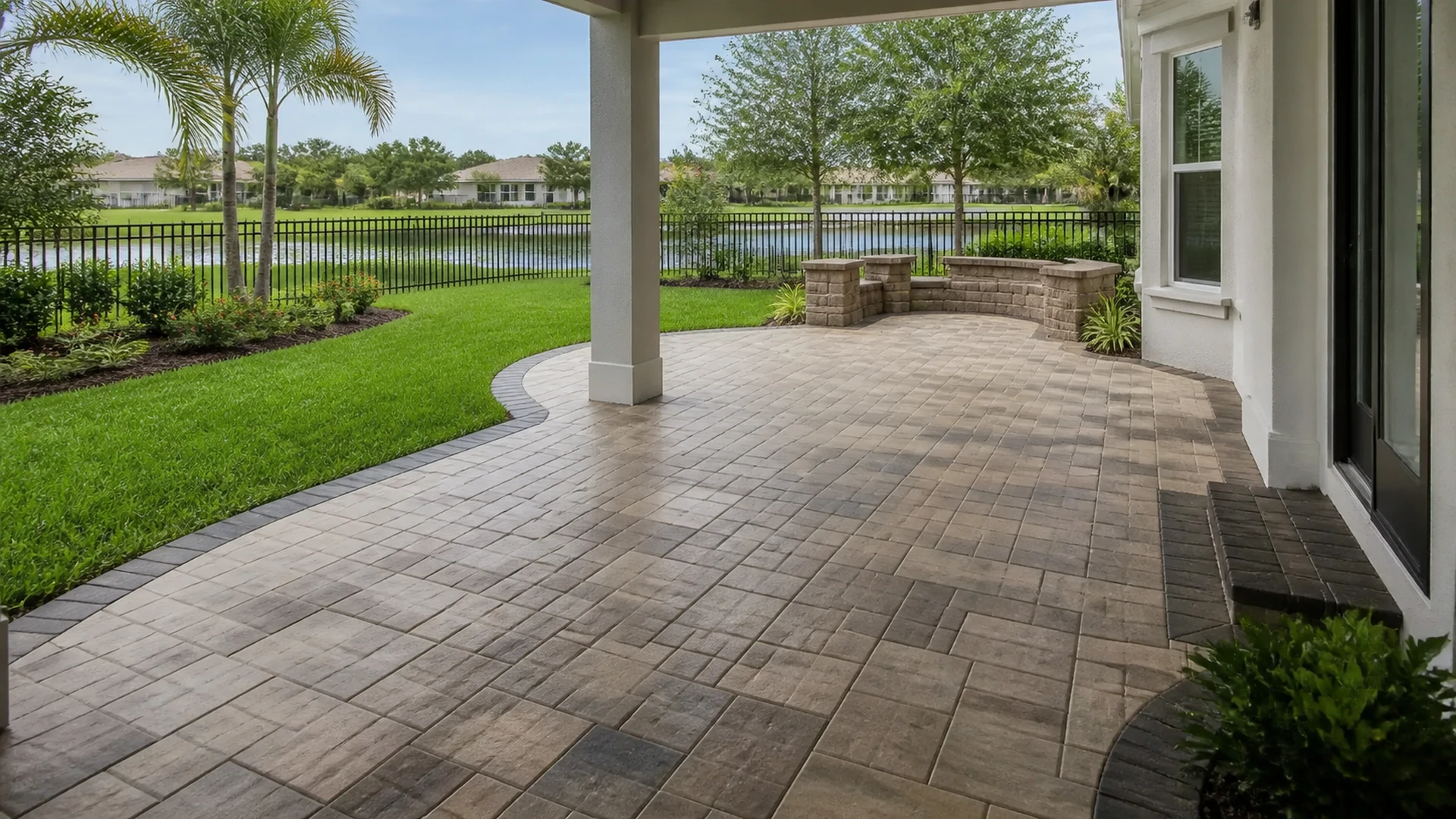
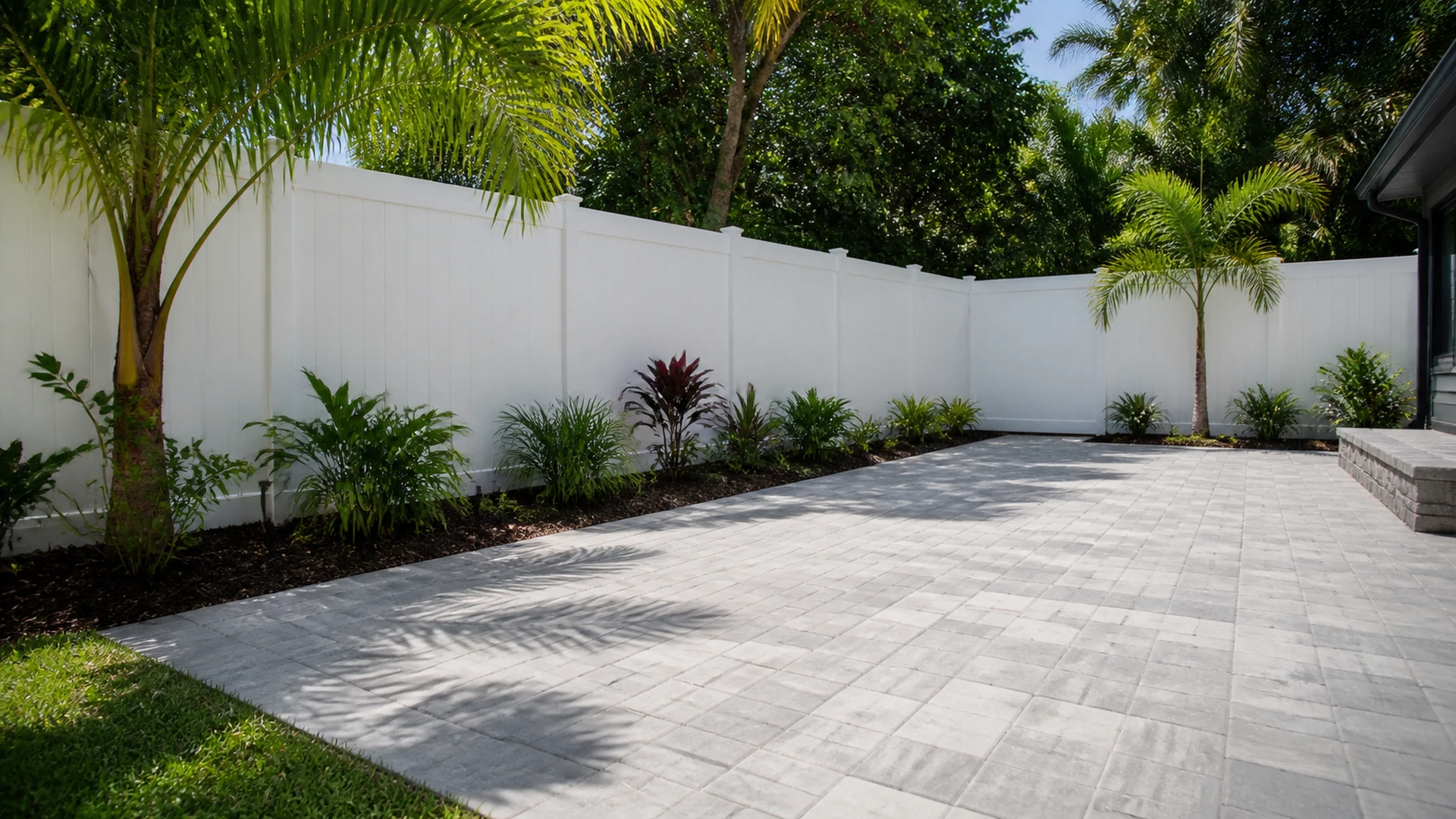
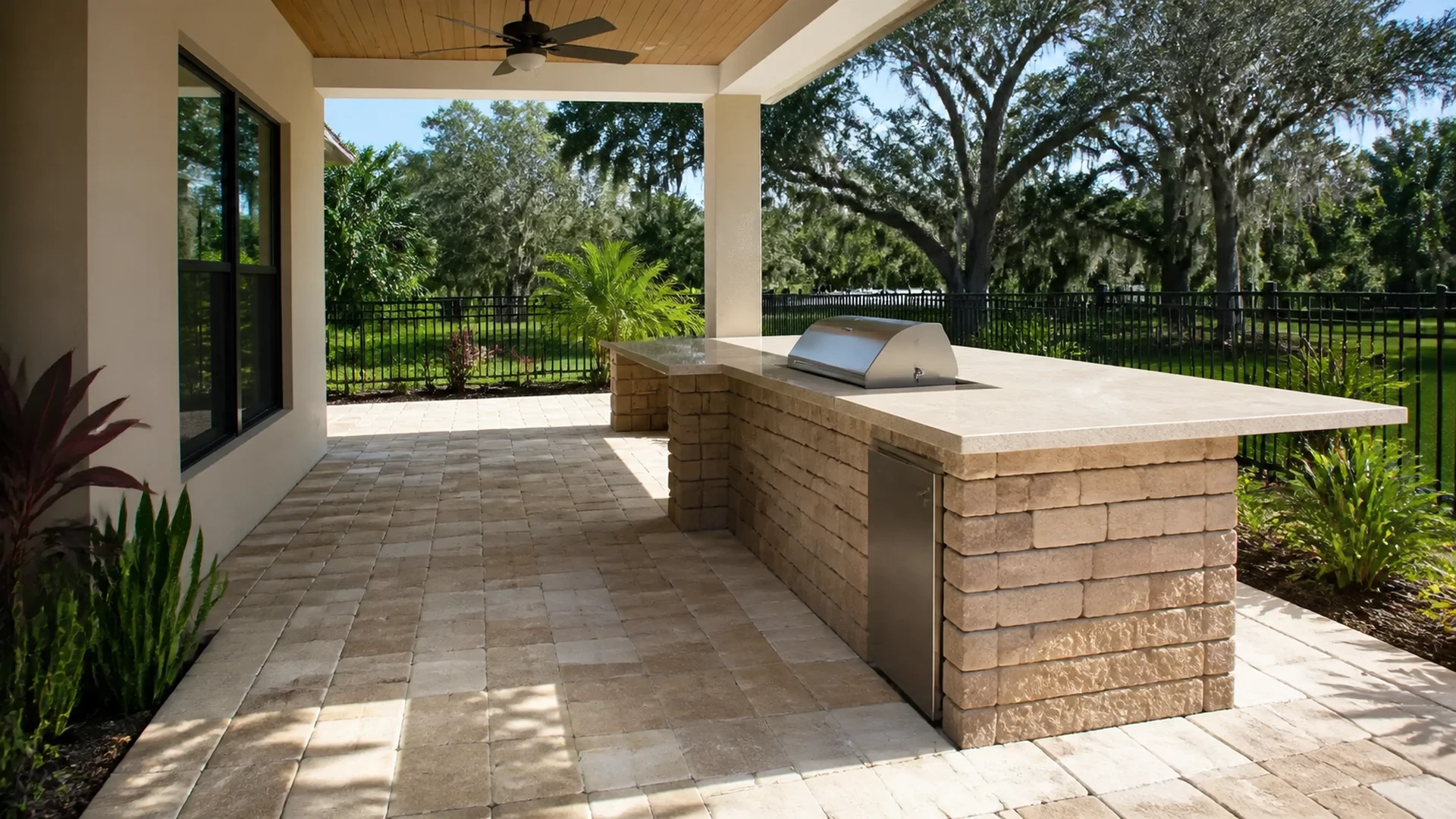
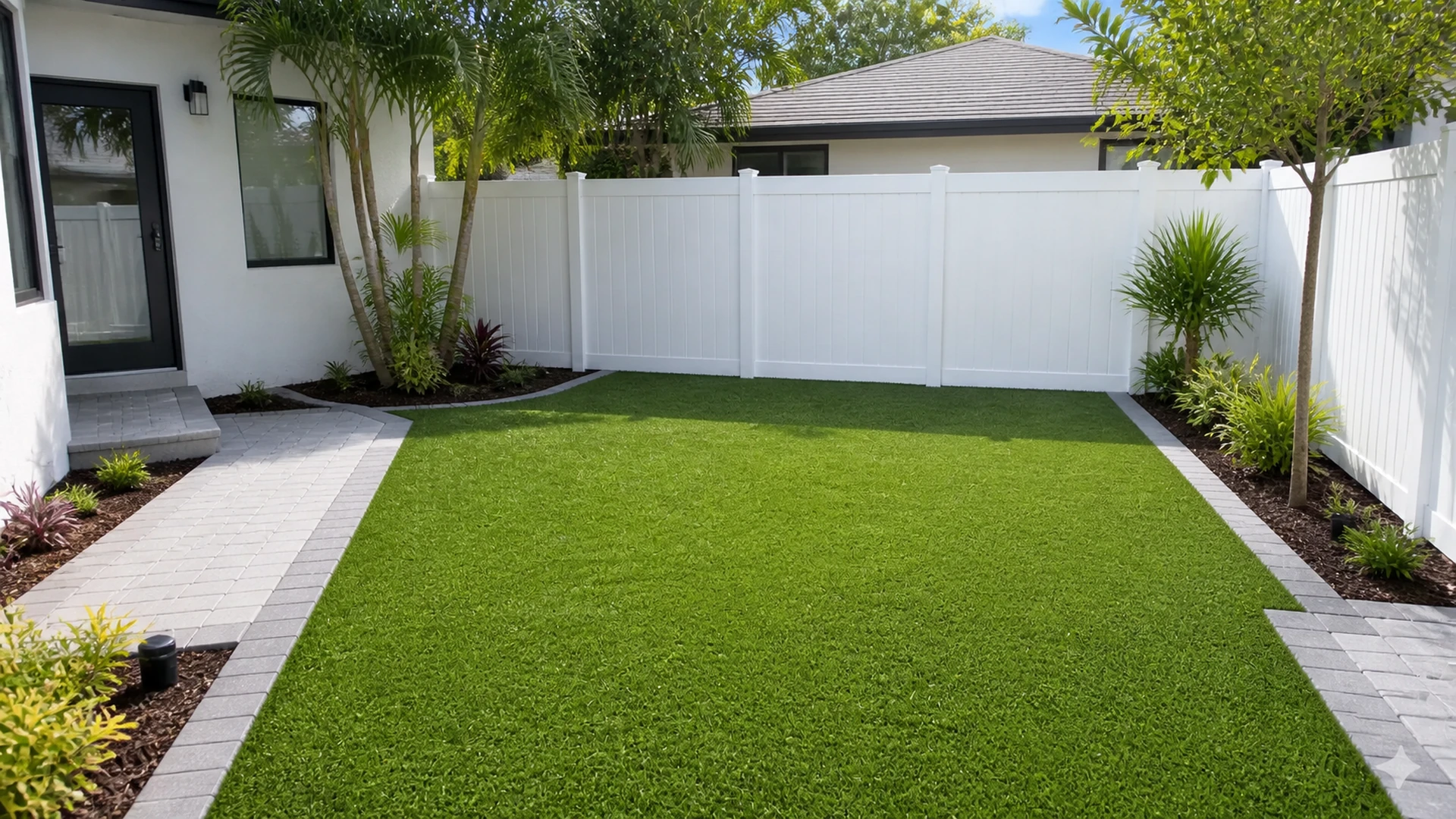
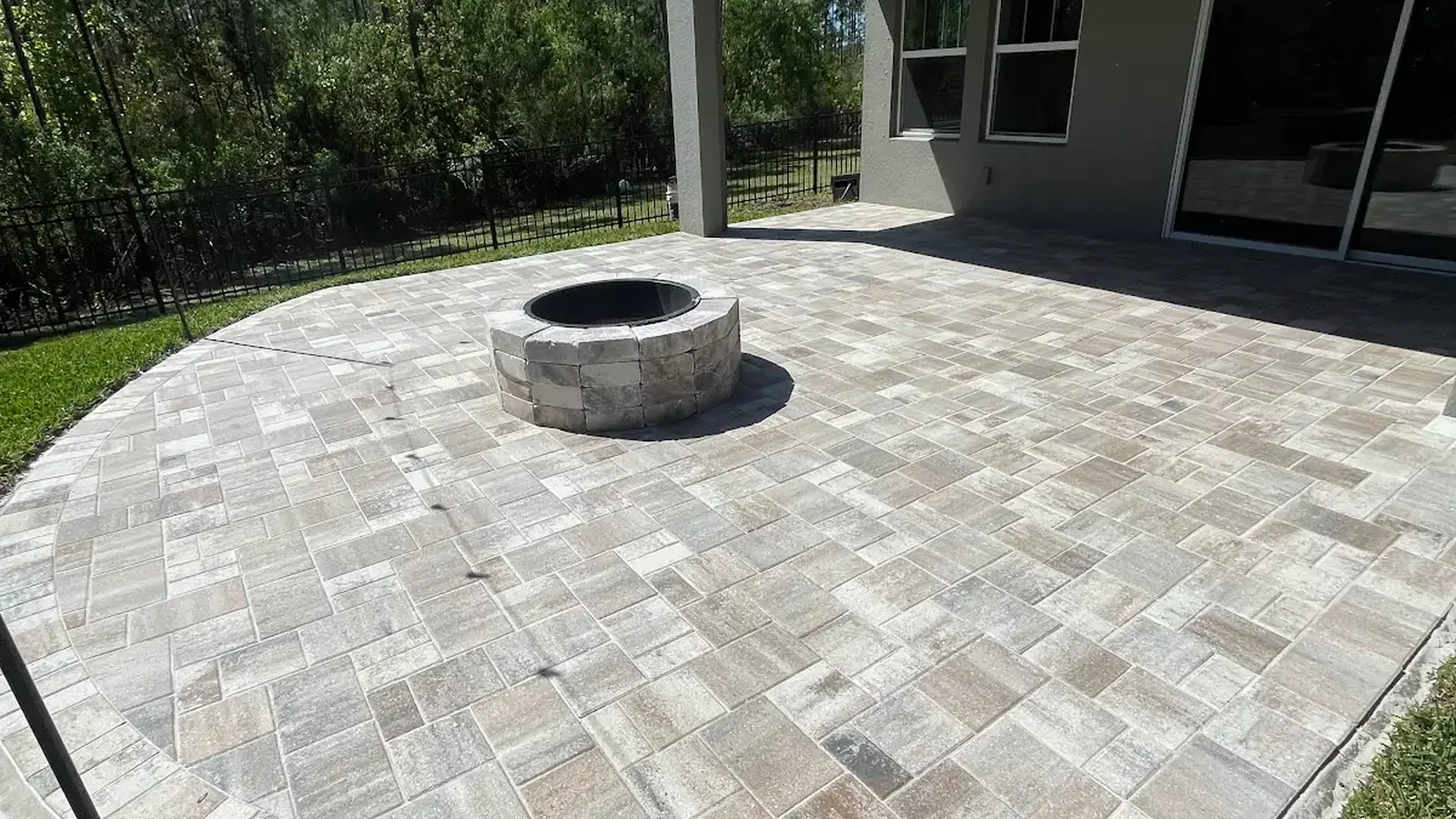
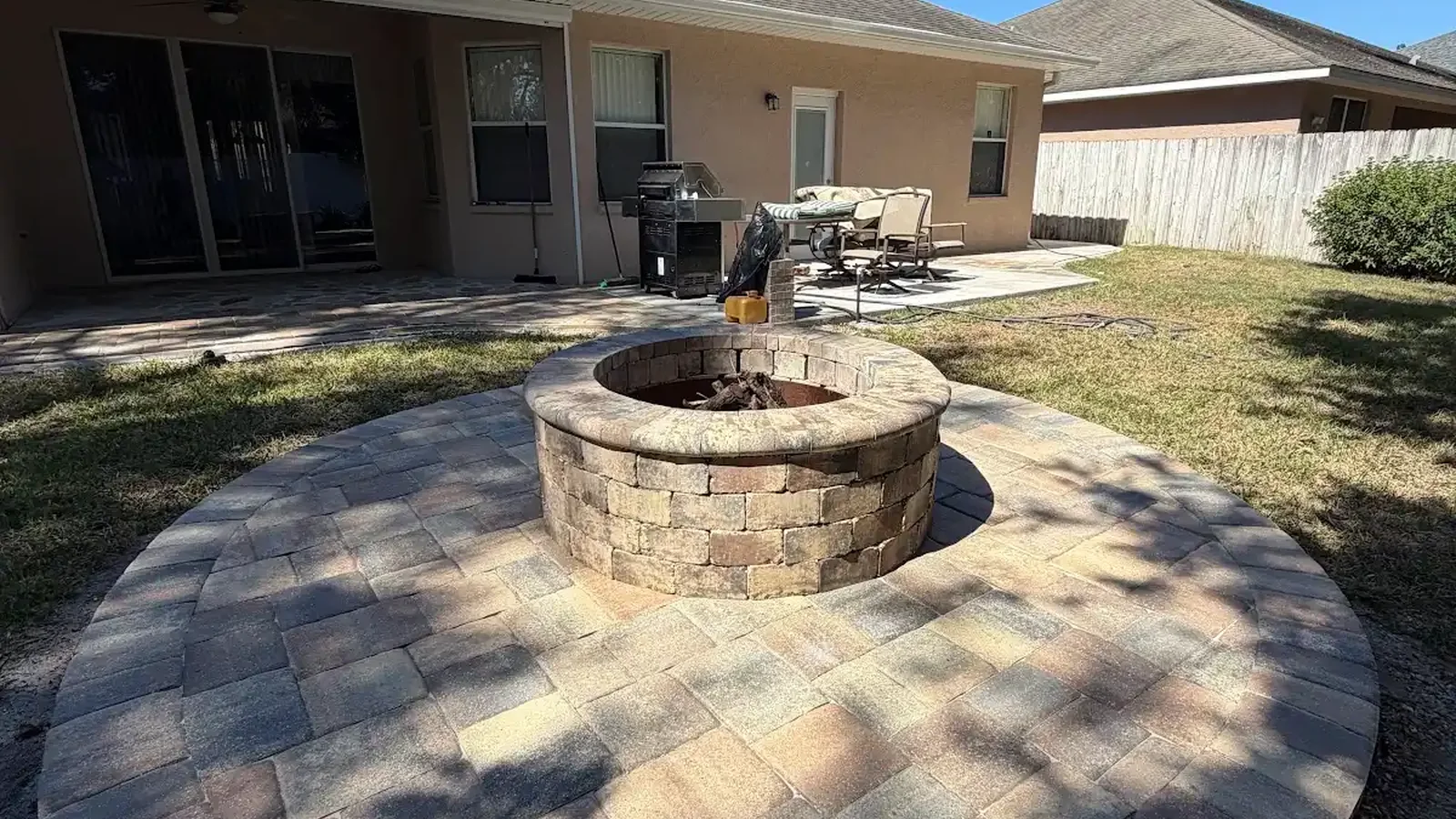
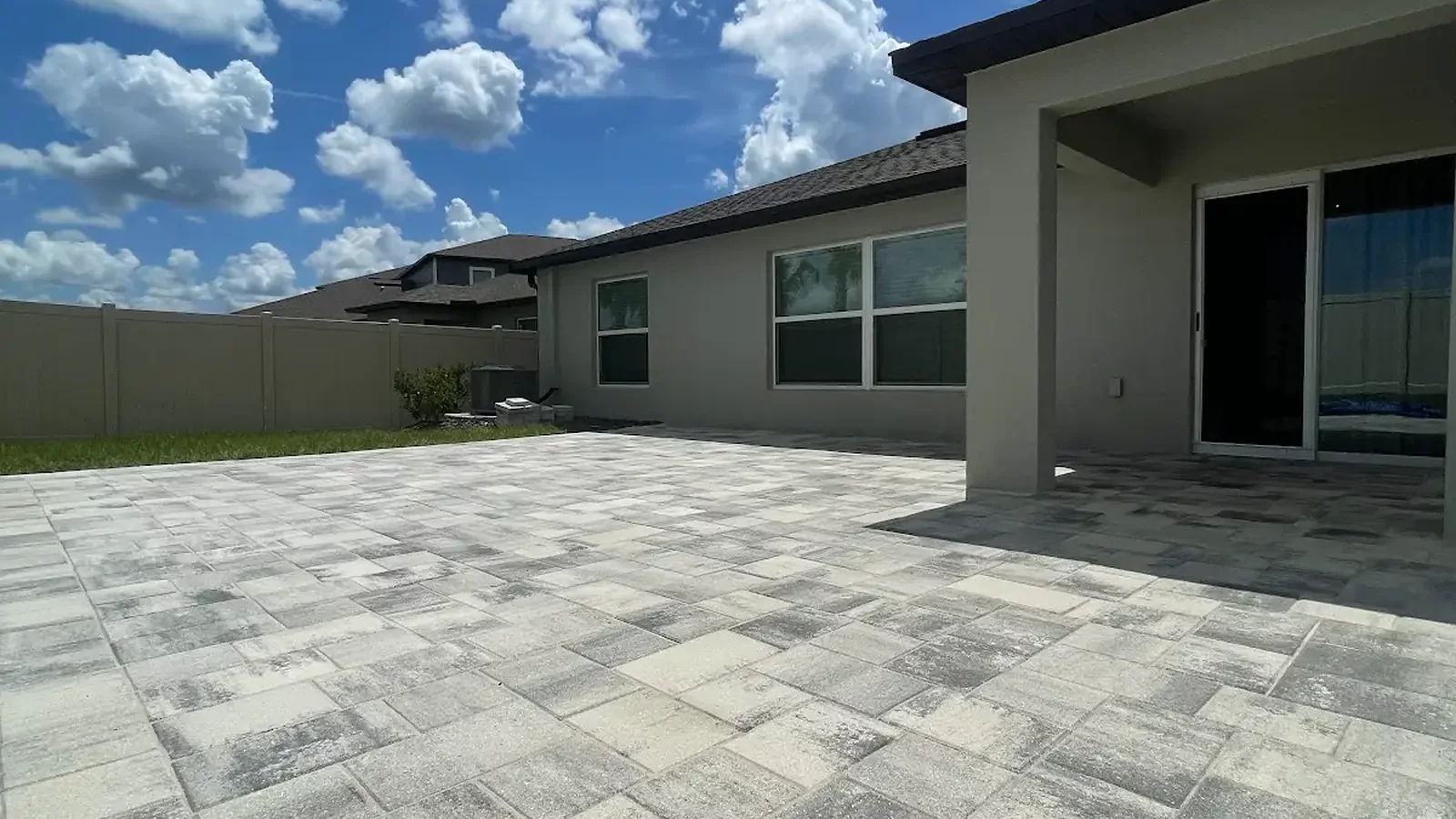
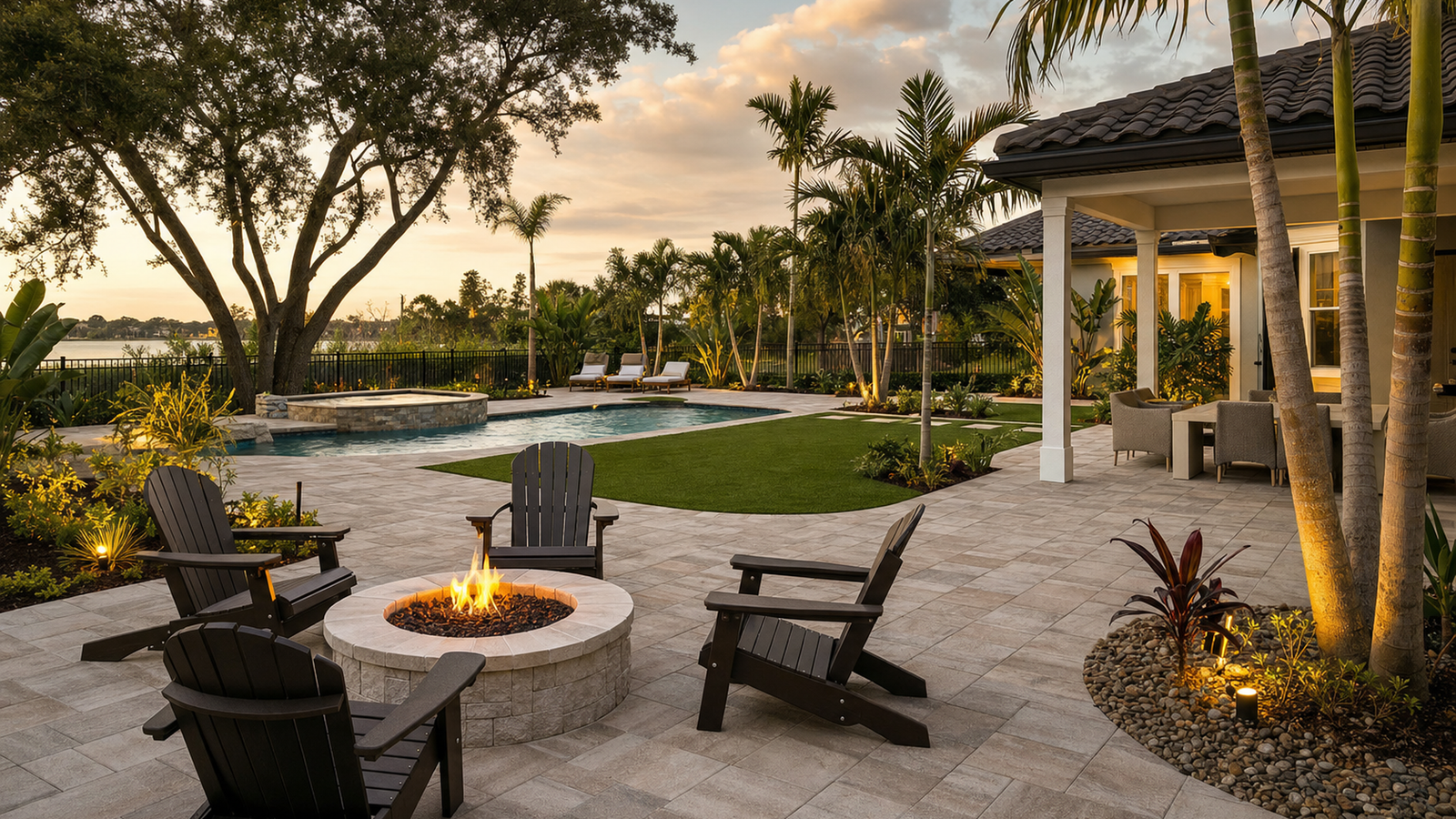
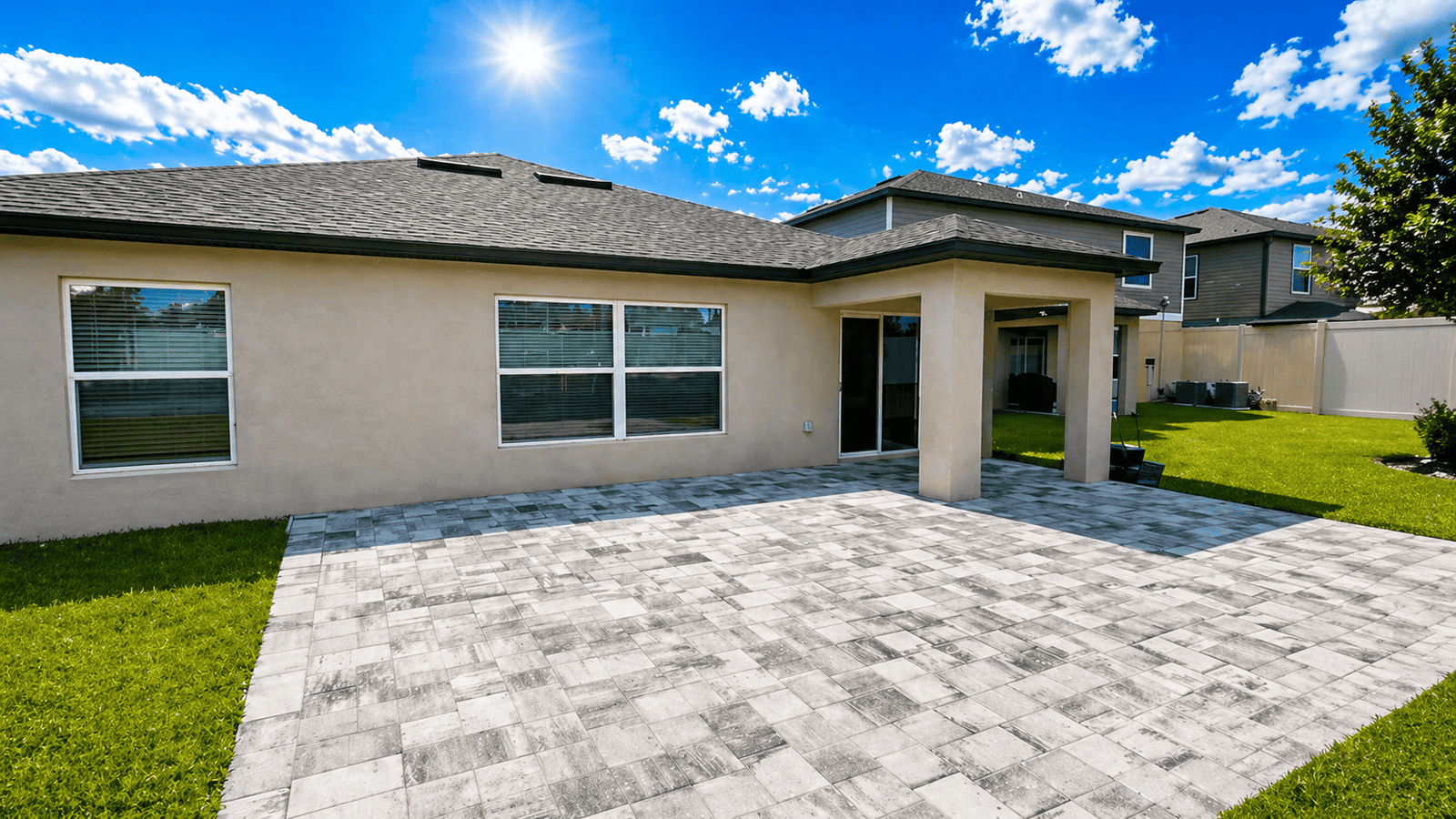
Patios often connect doors, steps, columns, grills, and landscape beds. Therefore, installers manage numerous edges within the living area. A simple rectangle in Land O’ Lakes can progress efficiently. In contrast, a curved layout around planters creates more cuts and layout checks.
Furthermore, Furniture plans also affect useful dimensions and border locations. For example, a dining zone needs stable chair clearance near the edge. Because of this, design review before excavation can prevent field revisions. Late layout changes always disrupt paver installation time.
Pool Decks Require Careful Interfaces
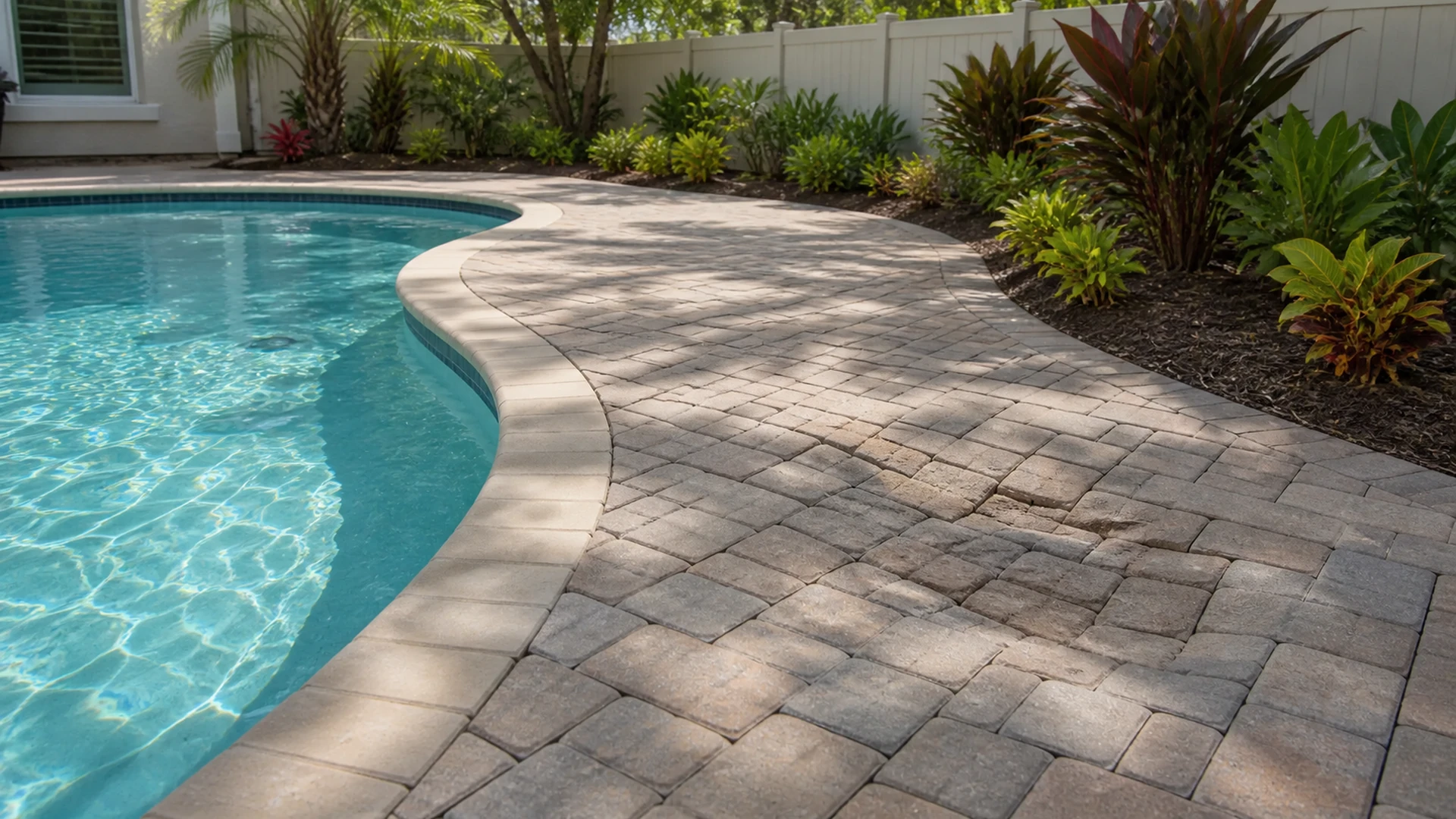
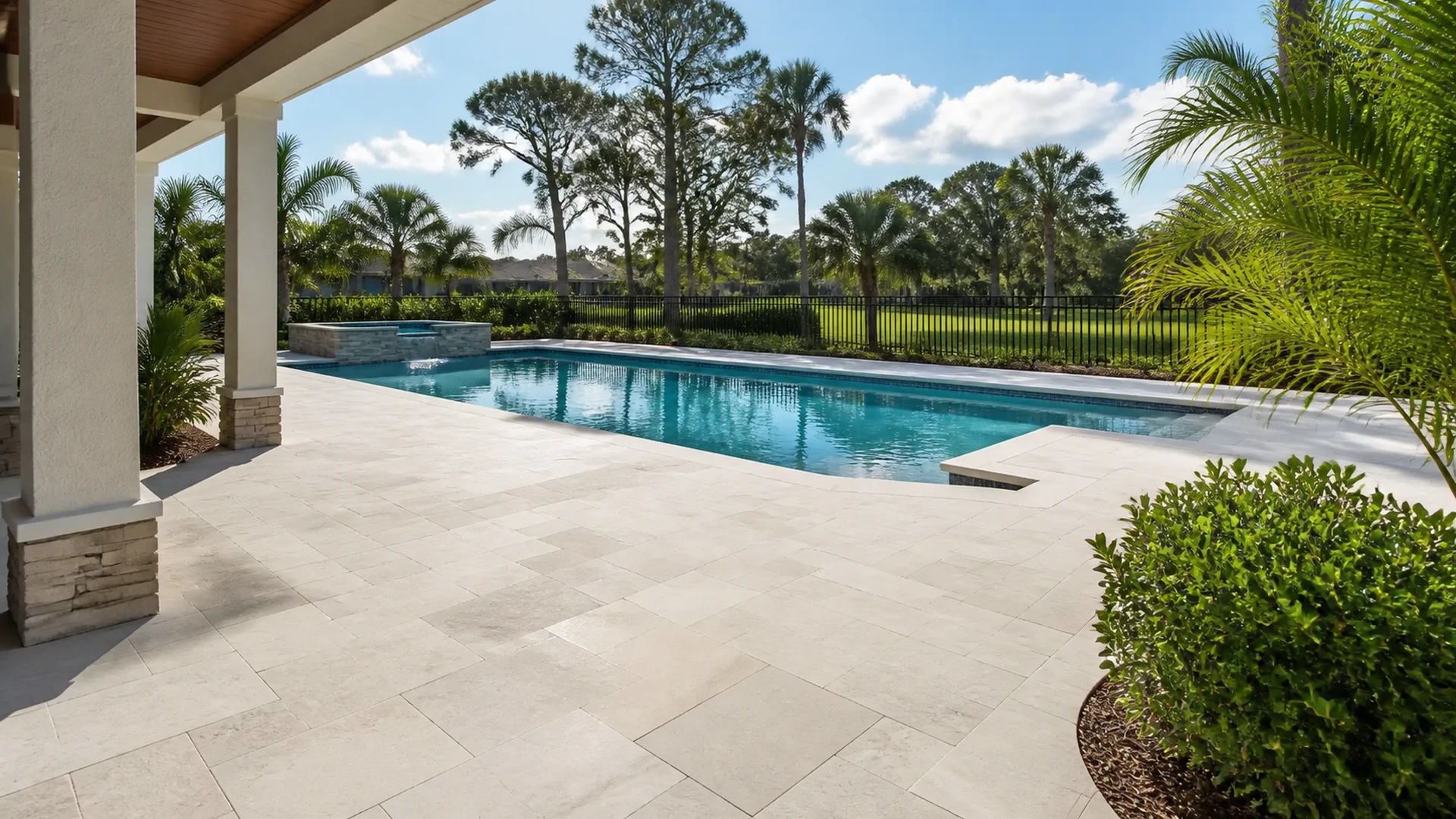
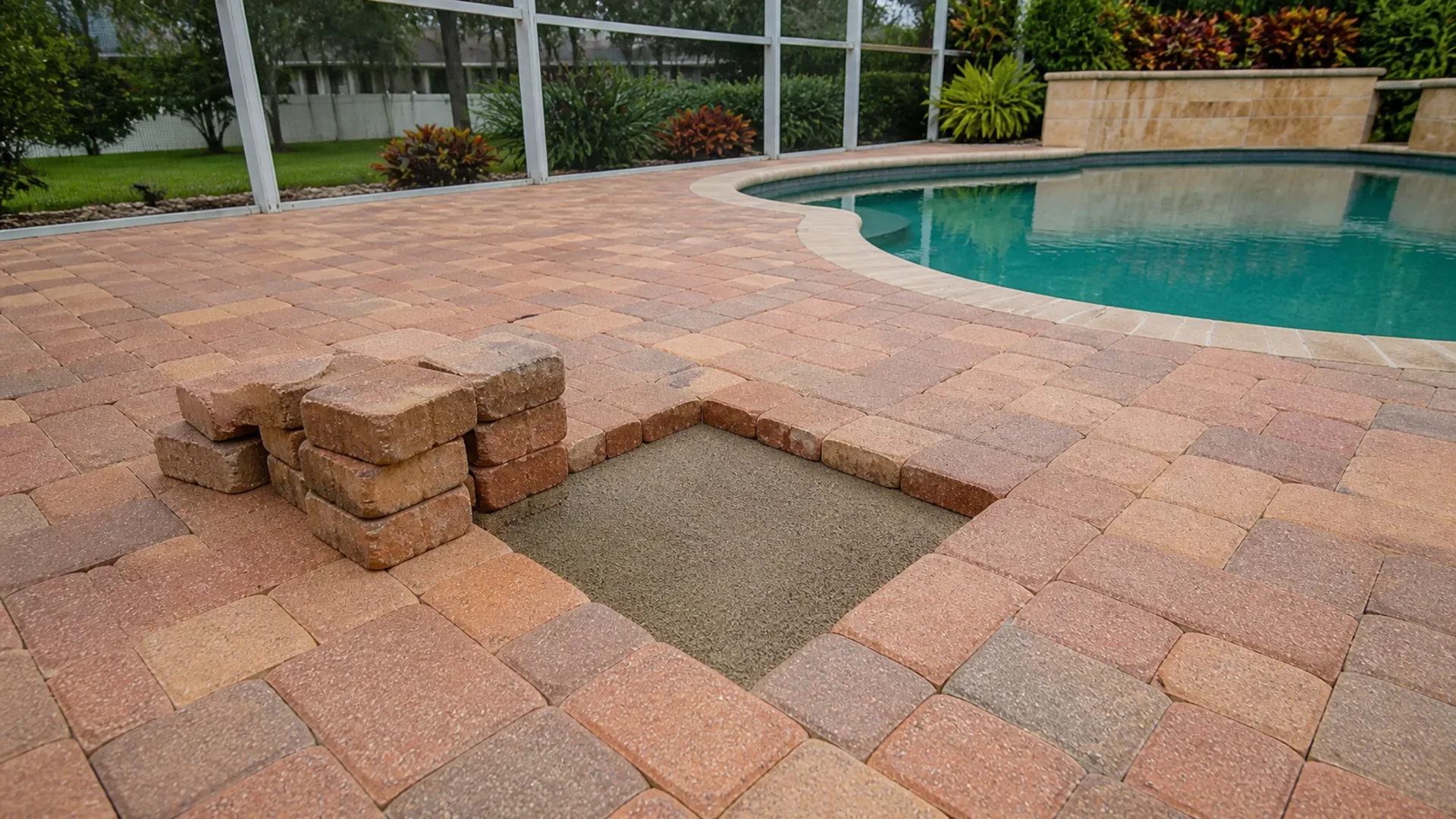
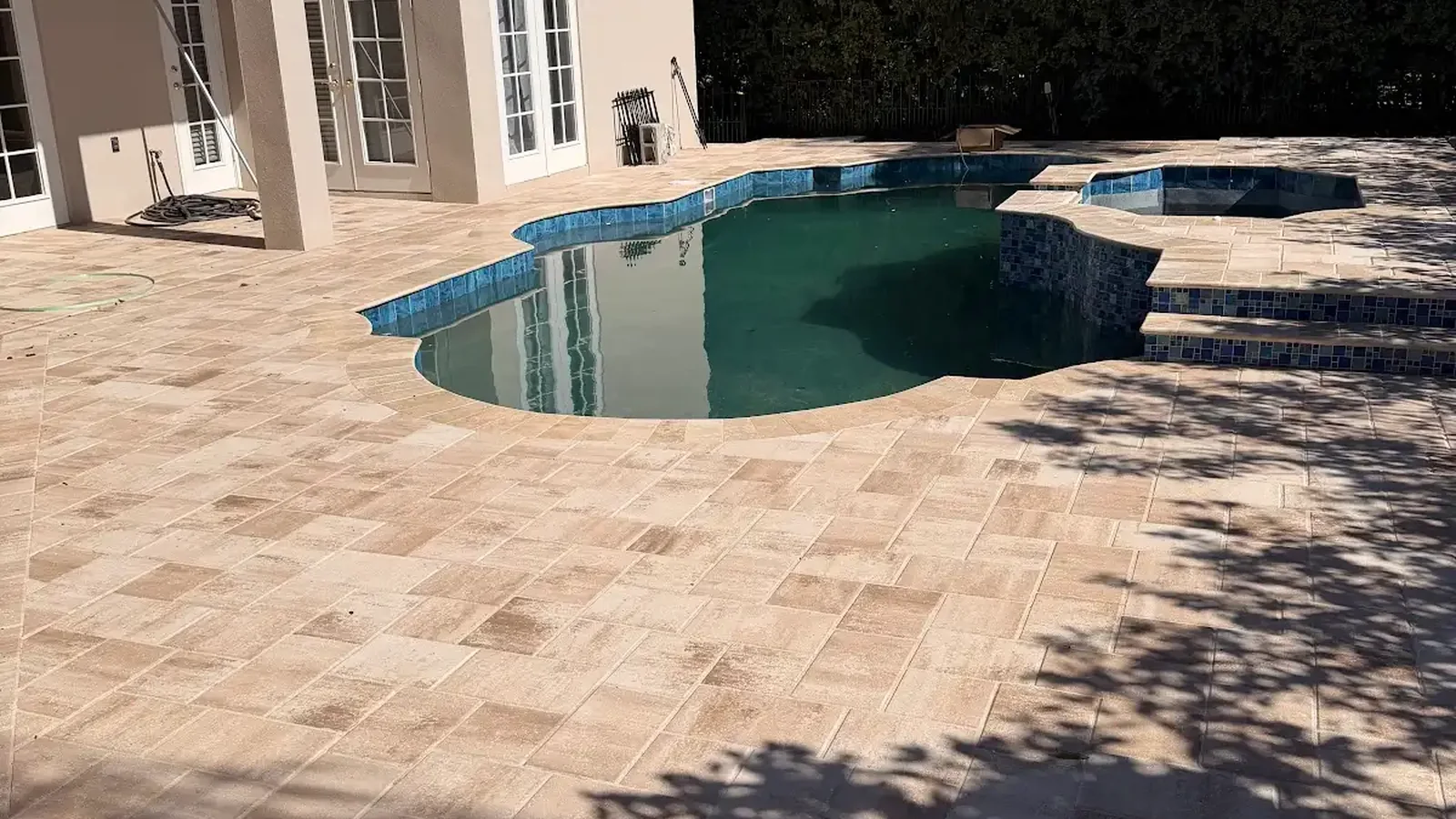
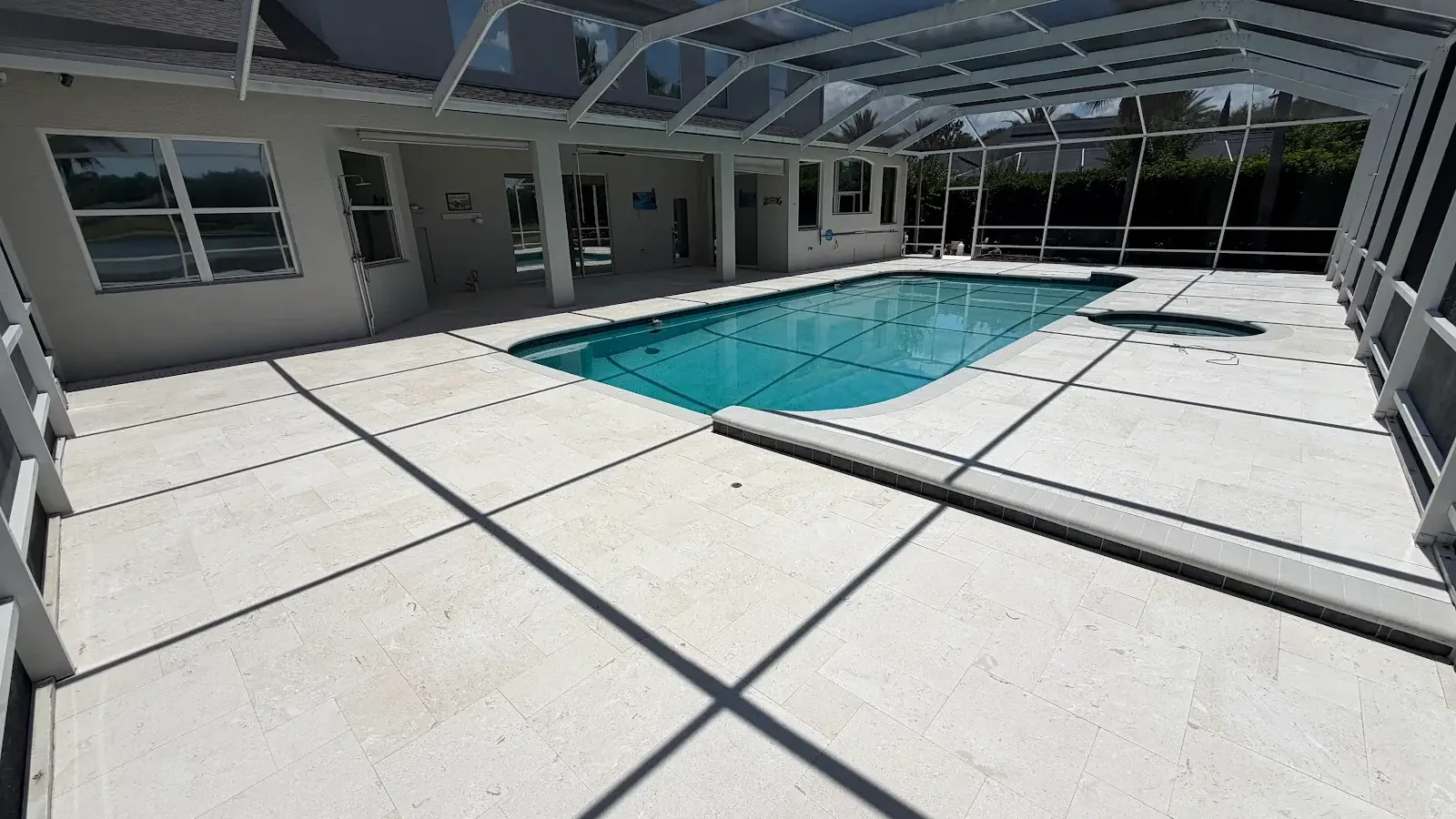
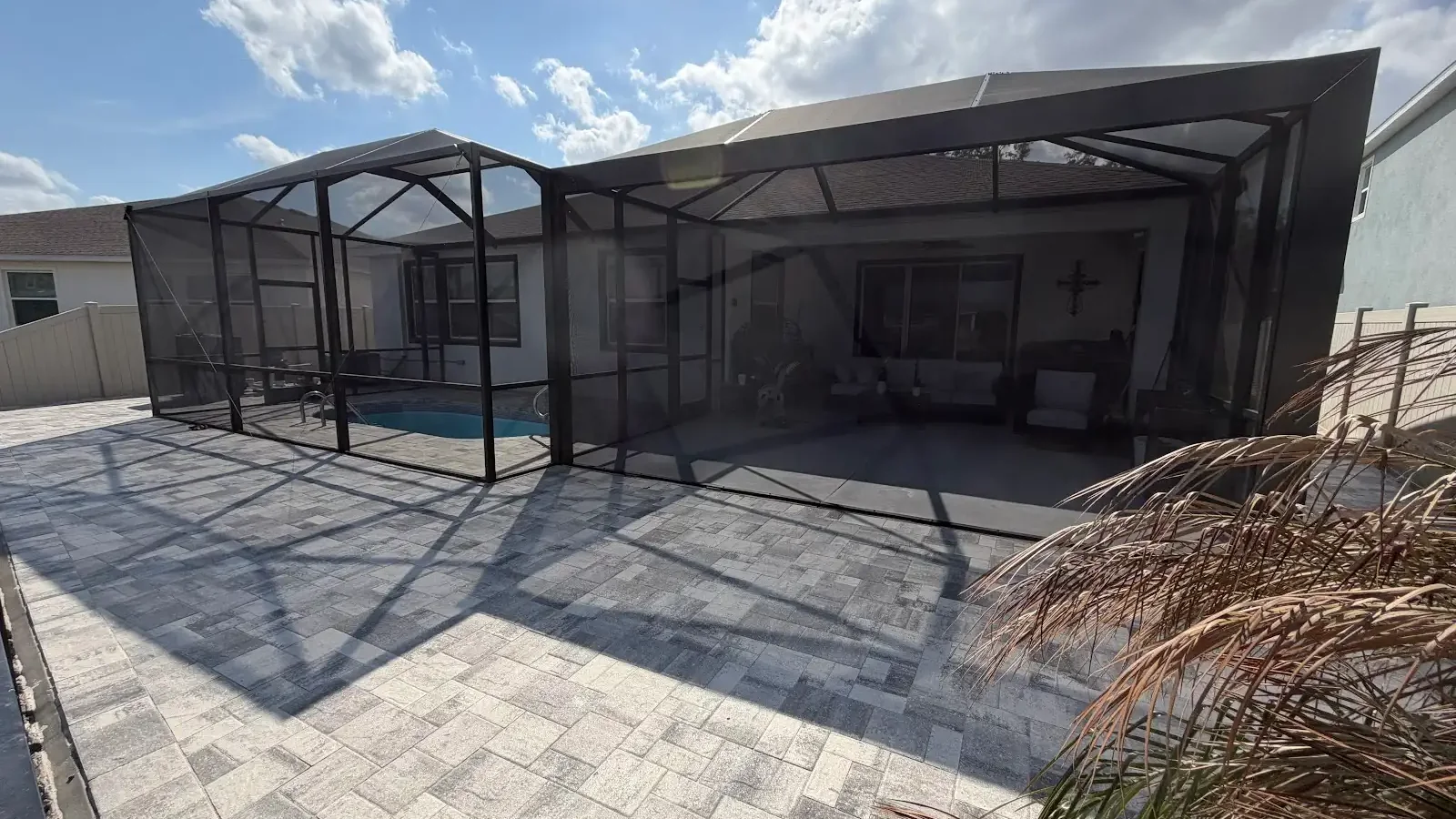
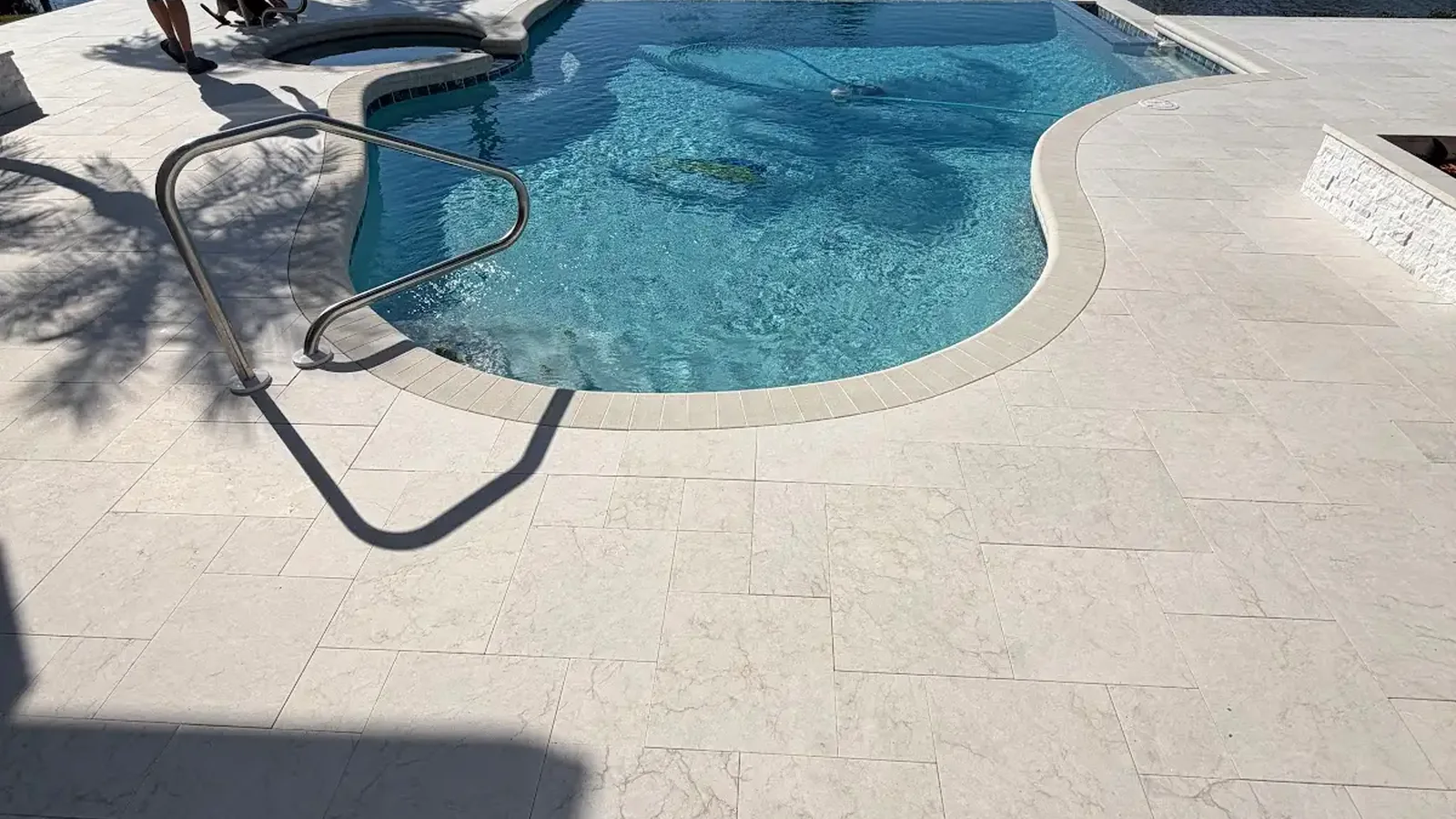
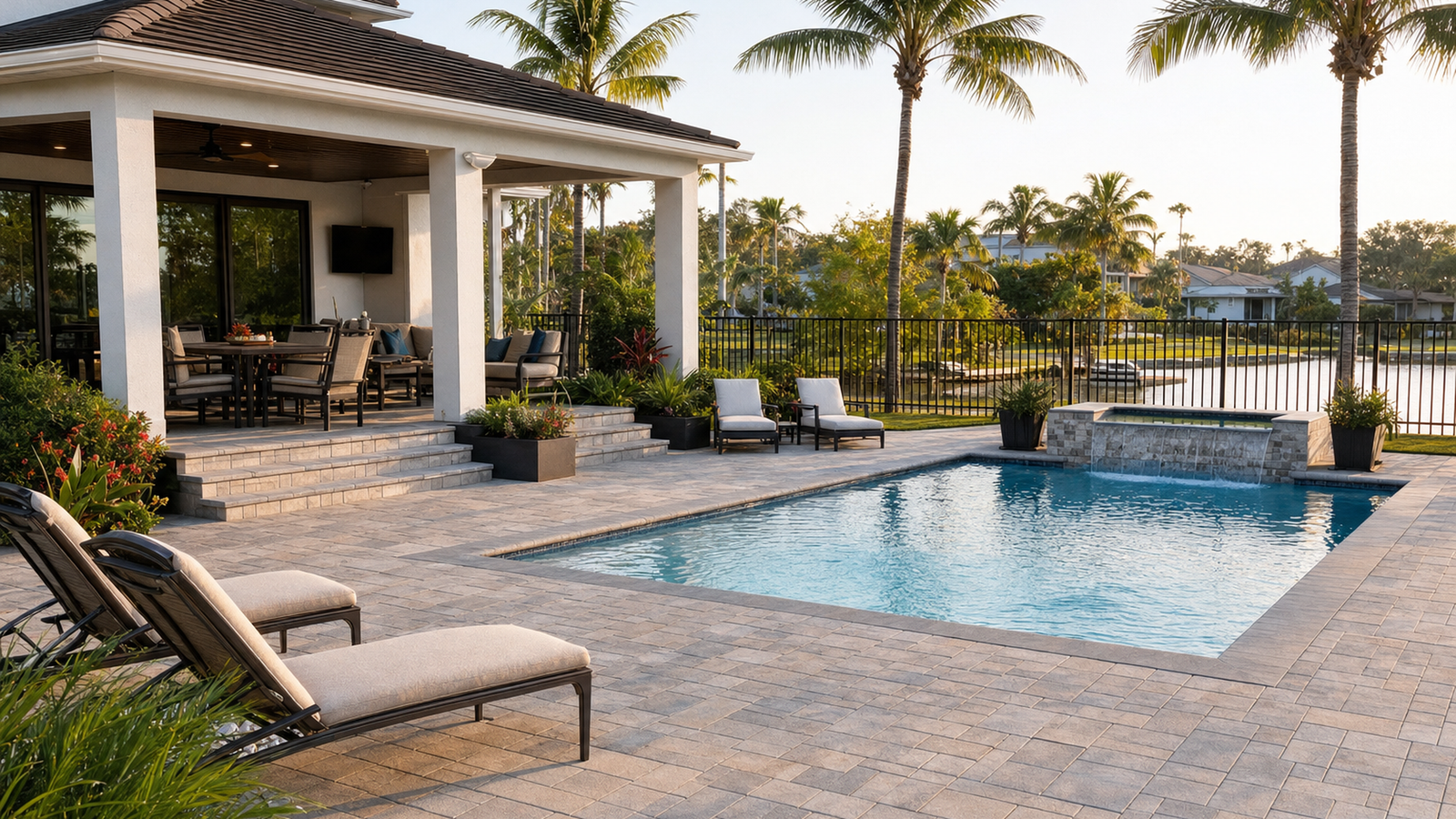
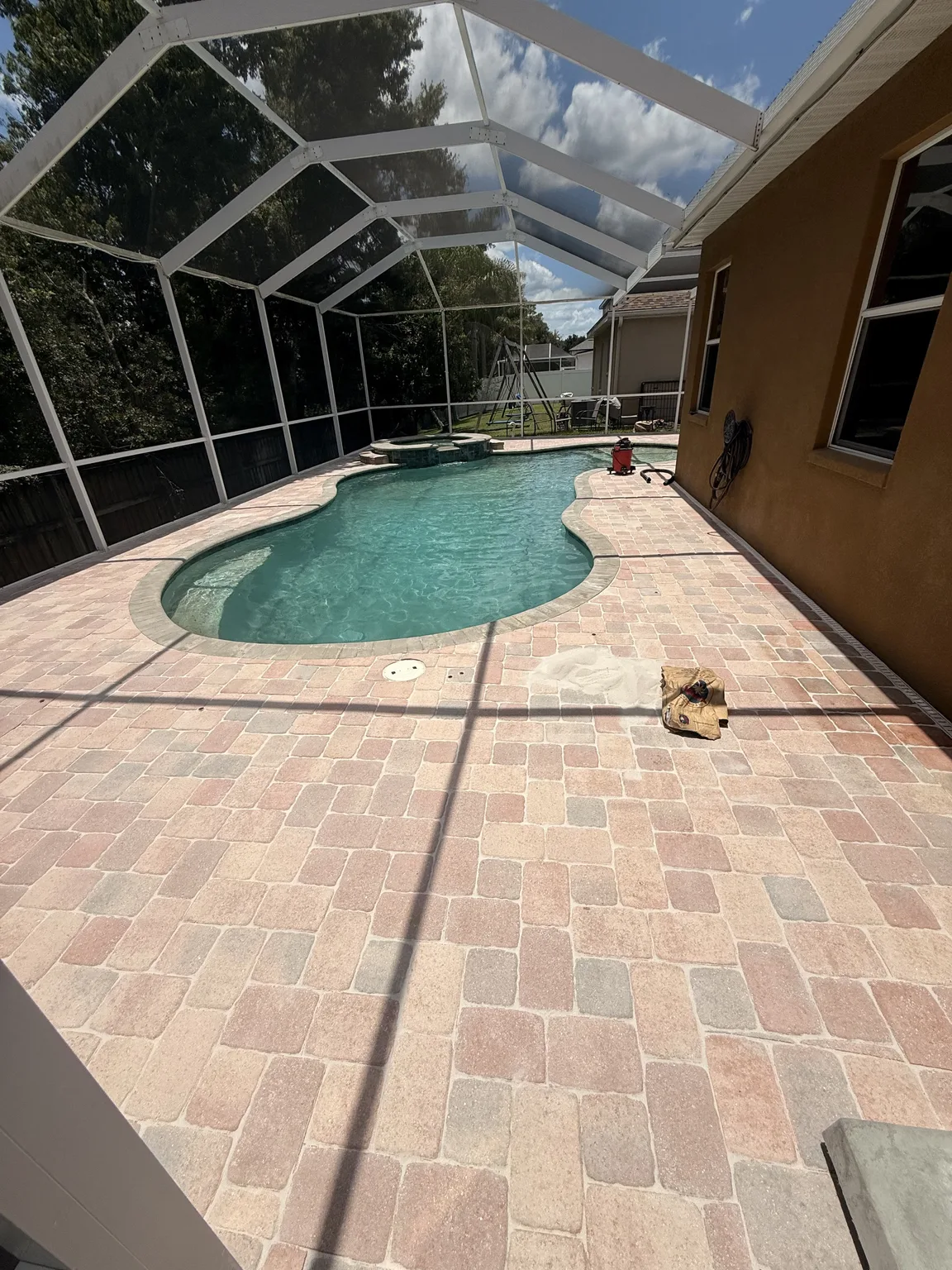
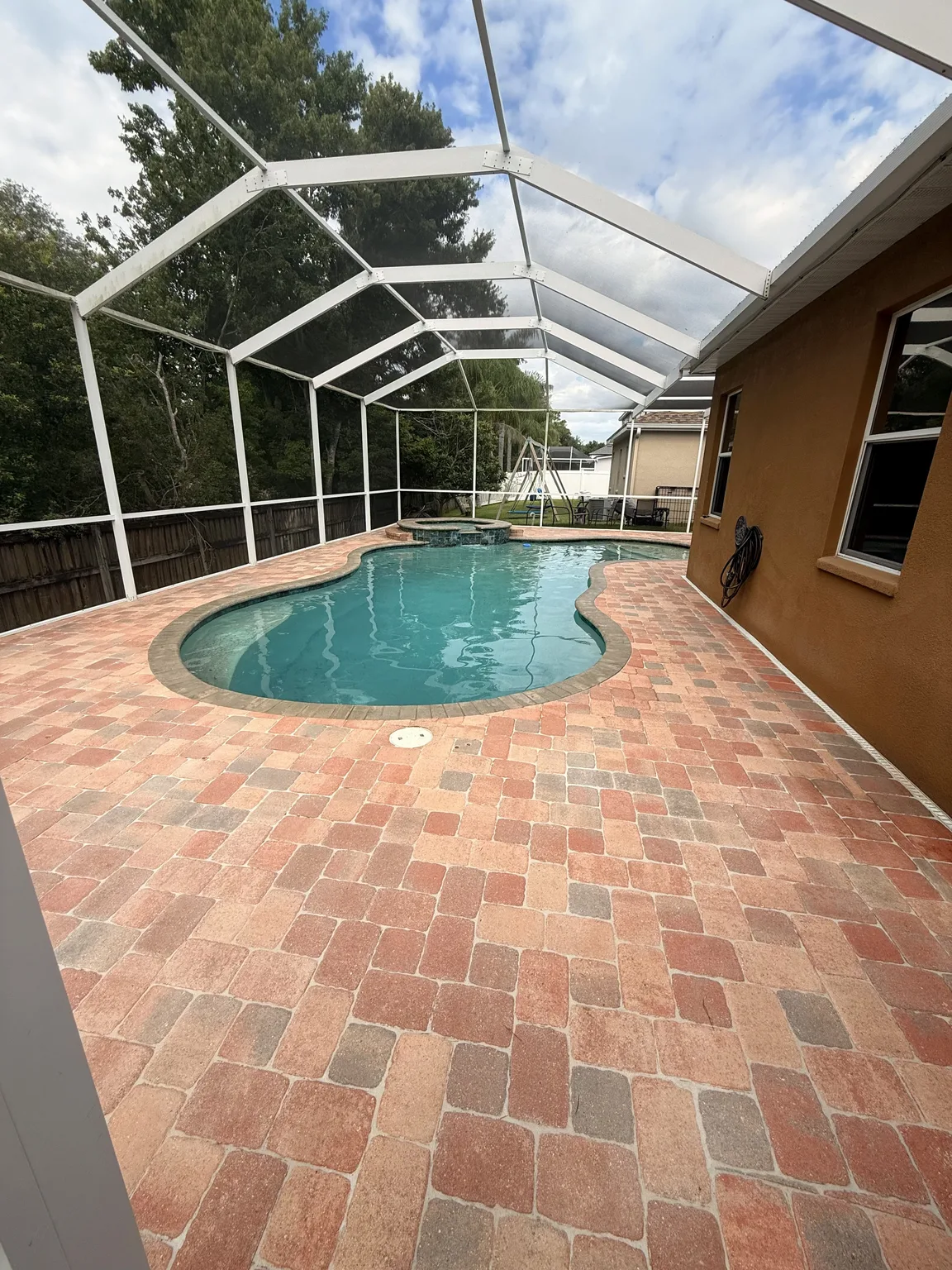
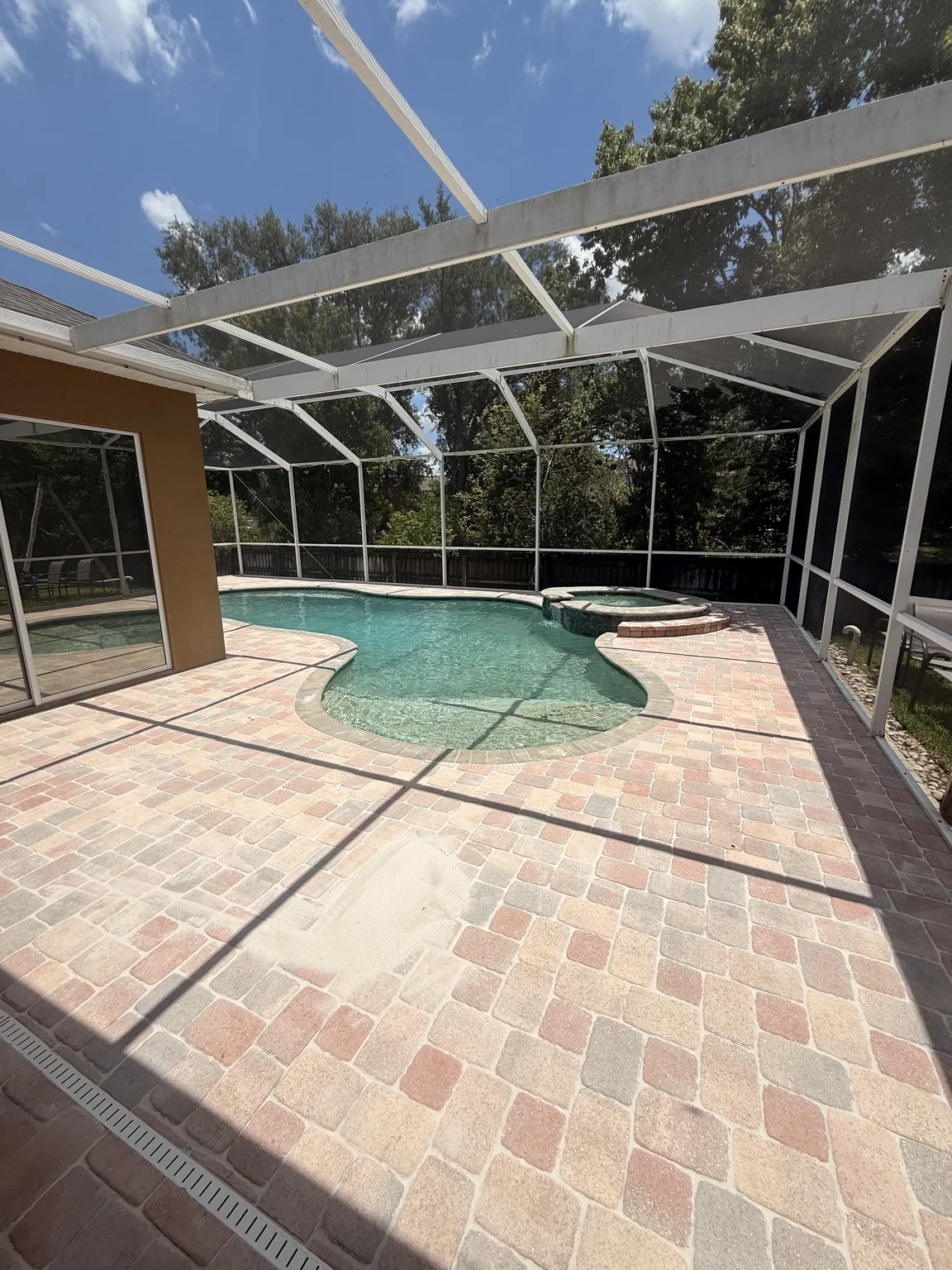
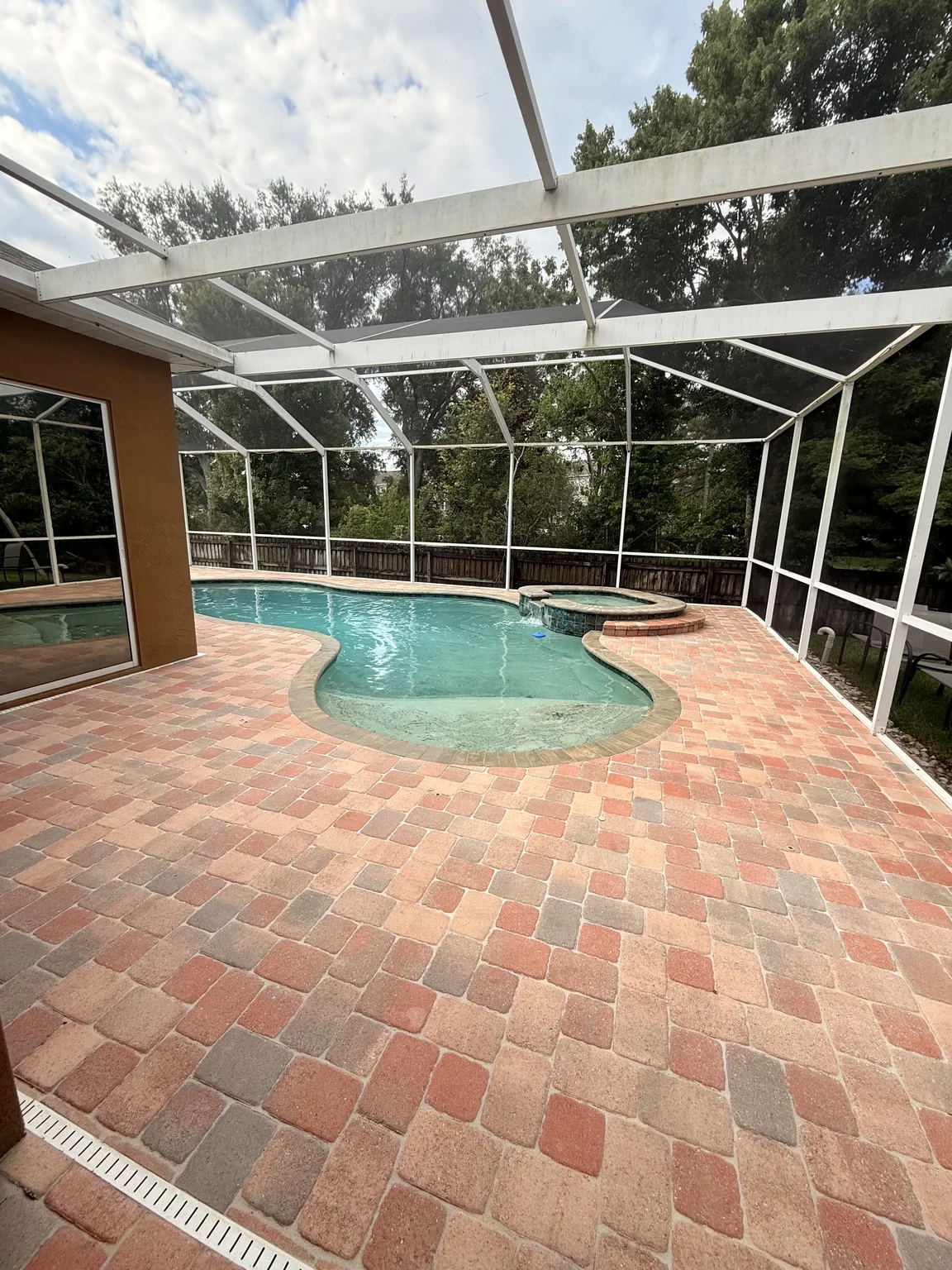
Pool decks involve coping, drains, screens, equipment, and waterline surroundings. Most importantly, crews must protect the pool and maintain clean work habits. Therefore, cutting and elevation work can be exacting. Tight access through an enclosure may also slow material movement.
However, For instance, a Palm Harbor deck may include several rounded corners and narrow side yards. As a result, paver installation time rises through handling and detail rather than sheer area. An open new-build pool presents another workflow. Accordingly, site conditions remain the better predictor.
Florida Conditions That Can Shift Paver Installation Time
Tampa Bay weather deserves a real place in the schedule. However, contractors should not use climate as a vague excuse. A sound plan identifies weather-sensitive tasks and protects exposed work. Therefore, updates should explain what paused and what can continue safely.
Heat, Rain, and Wet Ground
Summer storms can arrive quickly and saturate an open work zone. Consequently, crews may delay bedding or joint-material steps until conditions improve. Some other tasks can continue. However, protecting base elevations matters more than forcing visible progress.
Heat also changes how a crew organizes labor and hydration. Therefore, staging materials close to the field supports safe, consistent production. Short planned breaks are better than fatigue-driven errors. In turn, an orderly site helps the team maintain quality through a long Florida day.
Approvals, Utilities, and Product Readiness
Moreover, Before mobilization, homeowners should resolve applicable association or permit requirements. Otherwise, an approval gap can stop work before it starts. In addition, utility locating and private-system information deserve attention. Paver installation time should not absorb preventable administrative delays.
Product readiness matters just as much. For example, a backordered border can hold up a complete pattern. Therefore, the contractor should confirm material status and delivery logistics before opening the site. Substituting color or size during installation rarely produces the best decision.
Why the Fastest Promise May Cost More Later
A very short promise sounds convenient, yet missing scope often creates that speed. For instance, a quote may overlook removal depth, compaction lifts, edge details, or cleanup. Therefore, compare the described process before comparing finish dates. A realistic paver installation time protects essential steps.
Rushing can also move decisions into the field. However, crews work better when colors, borders, and elevations are settled beforehand. Last-minute uncertainty interrupts production and increases the chance of compromise. In other words, planning creates speed without sacrificing control.
Nevertheless, Good scheduling includes communication when the site reveals something hidden. As a result, the contractor can show the condition and propose a clear response. Homeowners then understand any calendar change. Most importantly, honest updates preserve trust while the team solves the actual problem.
How Homeowners Can Keep the Work Moving
Afterward, First, remove vehicles, furniture, planters, toys, and fragile decorations from the work area. Then provide clear gate access according to the agreed plan. Because of this, the crew can start safely without spending production time relocating belongings. Pets should also remain away from equipment routes.
Next, confirm who can approve field questions during working hours. For example, a border direction may need a quick visual confirmation. Therefore, one available decision-maker can protect paver installation time. Multiple conflicting answers usually create avoidable pauses.
Finally, discuss parking, deliveries, irrigation, and pool service before mobilization. In addition, tell the contractor about private lighting wires or shallow landscape lines. Those details may not appear in public utility markings. Consequently, early information helps the crew plan careful excavation.
- First, approve the final layout, pattern, border, and color.
- Next, clear access and identify fragile property features.
- Then, arrange temporary parking or alternate yard use.
- Finally, keep one contact available for site decisions.
Build a Timeline You Can Actually Use
Ask the estimator to explain phases rather than offer one unexplained duration. For example, learn when demolition starts, when deliveries arrive, and when access returns. Therefore, the proposed paver installation time becomes a planning tool. It should also identify known dependencies.
Next, ask what could legitimately change the calendar. Hidden base conditions, weather, access limits, and approved scope changes are reasonable examples. However, vague scheduling without updates is not helpful. A contractor should communicate progress in terms a homeowner can verify.
Meanwhile, For a tailored sequence, review Dr Pavers Design’s outdoor installation services and match the scope to your property. In addition, photos and measurements can prepare the first conversation. A site visit can then confirm details that images cannot show. This process creates a more dependable plan for Tampa Bay conditions.
For technical industry context, the Concrete Masonry & Hardscapes Association provides resources about segmental concrete pavement. Therefore, homeowners can use established terminology when reviewing proposals. Product requirements still vary by system and site. Most importantly, the installed assembly should follow applicable manufacturer guidance.
Finally, ready to plan a realistic paver installation time in Tampa Bay? Start with our contact page, then review FAQs, projects, testimonials, and services. Additionally, follow Instagram and Facebook, or check our Google reviews and map location. Then message us on WhatsApp, call, or send a text. Alternatively, email our team and tell us where your Florida project stands.