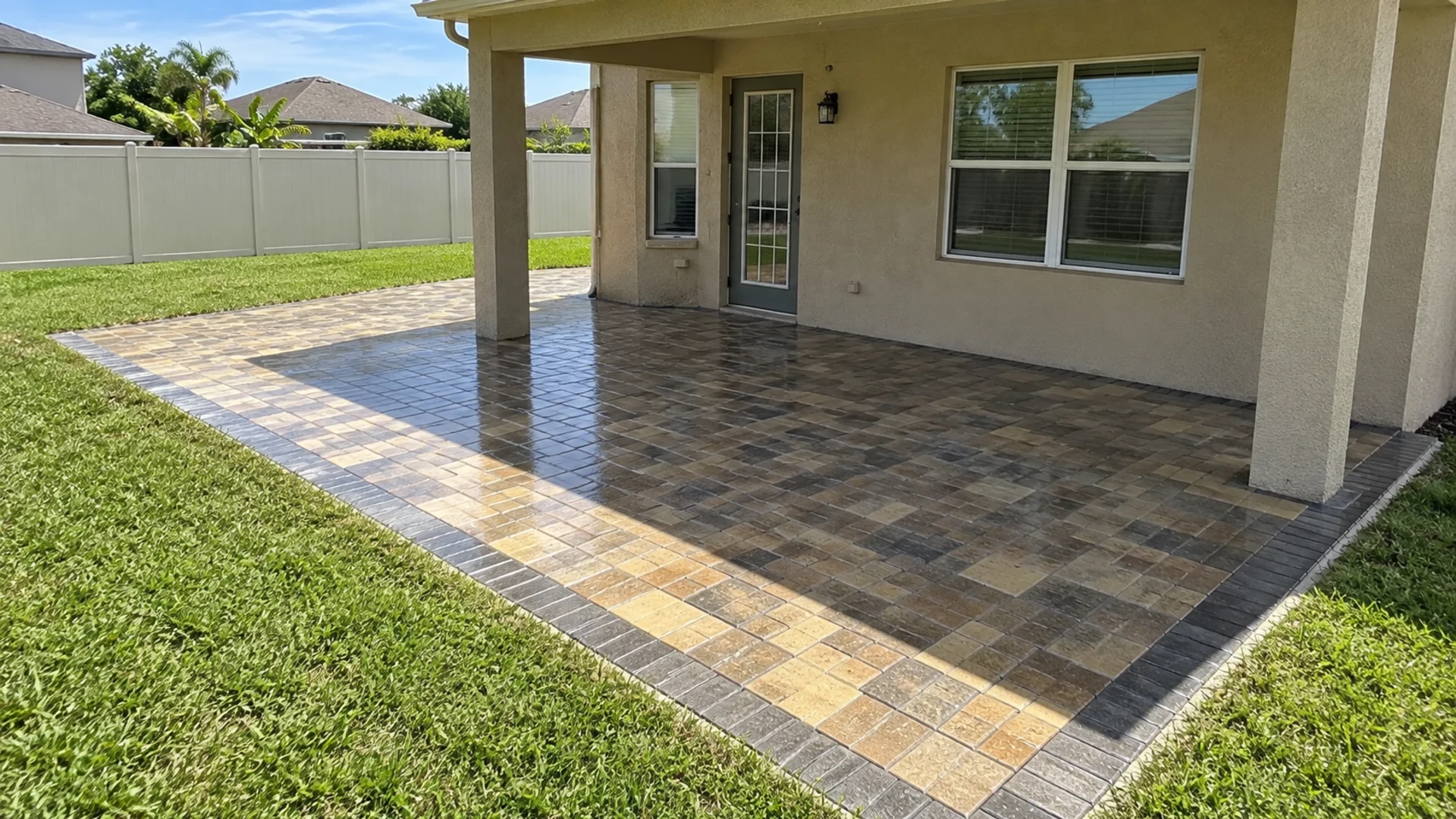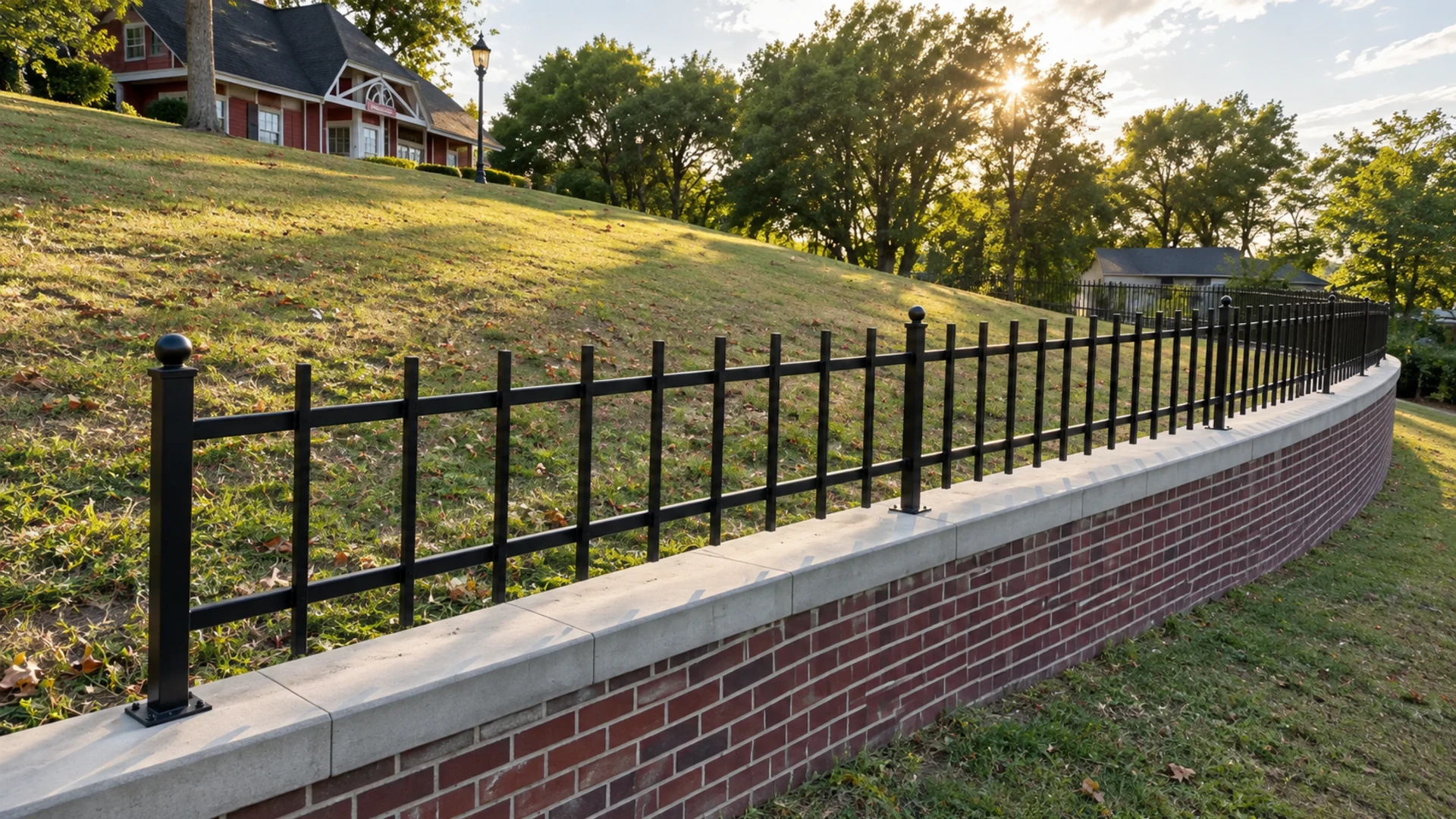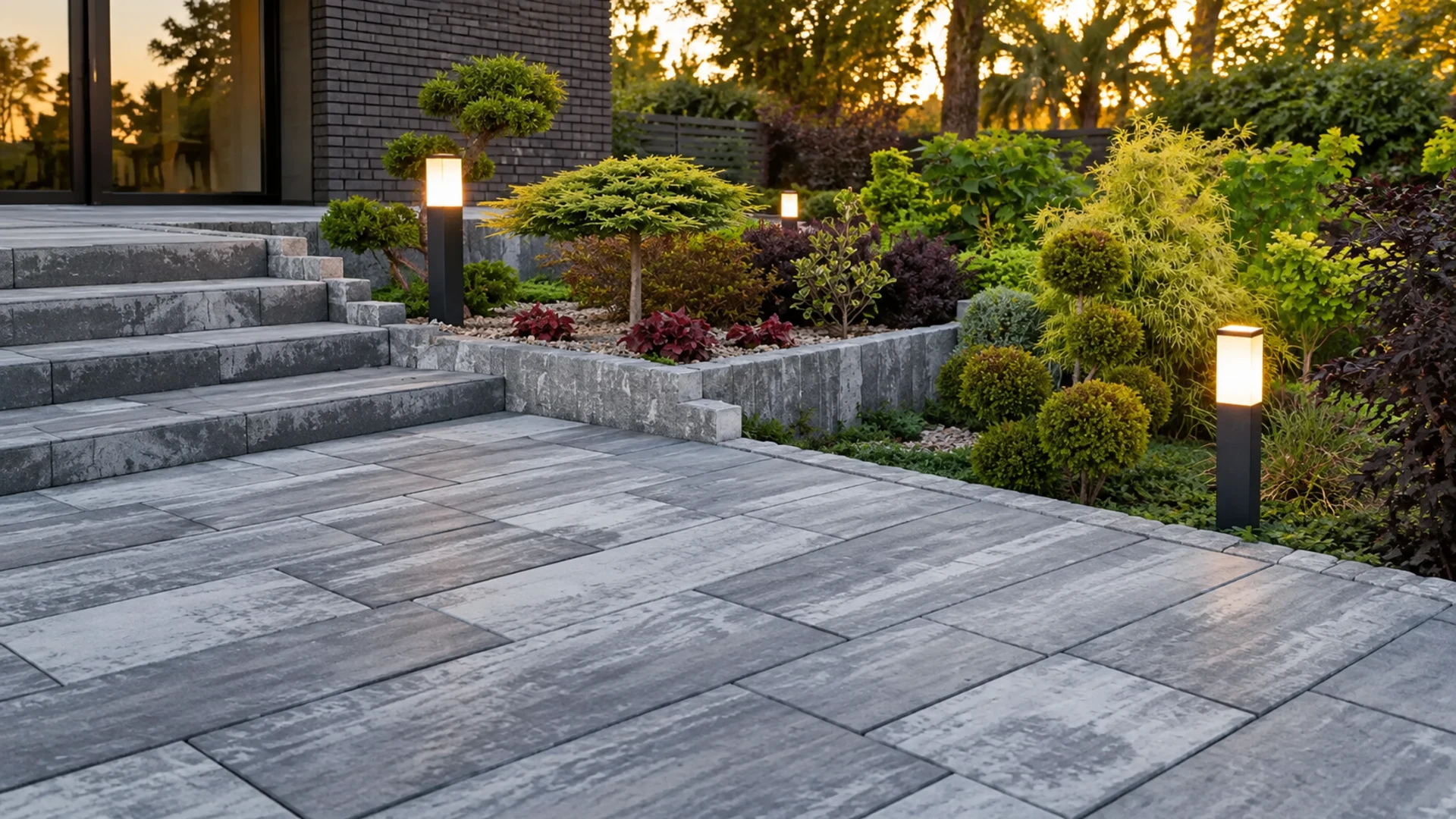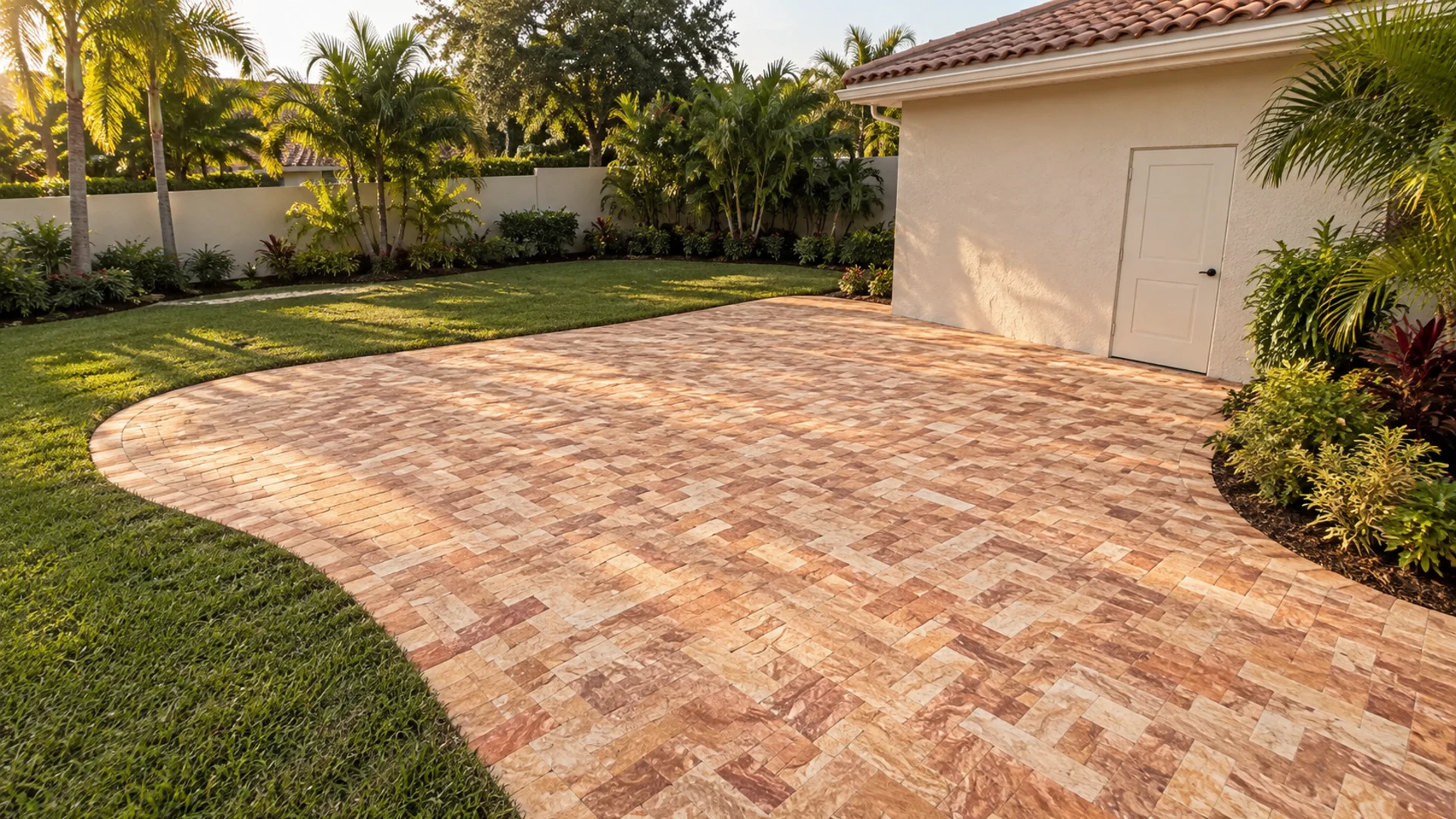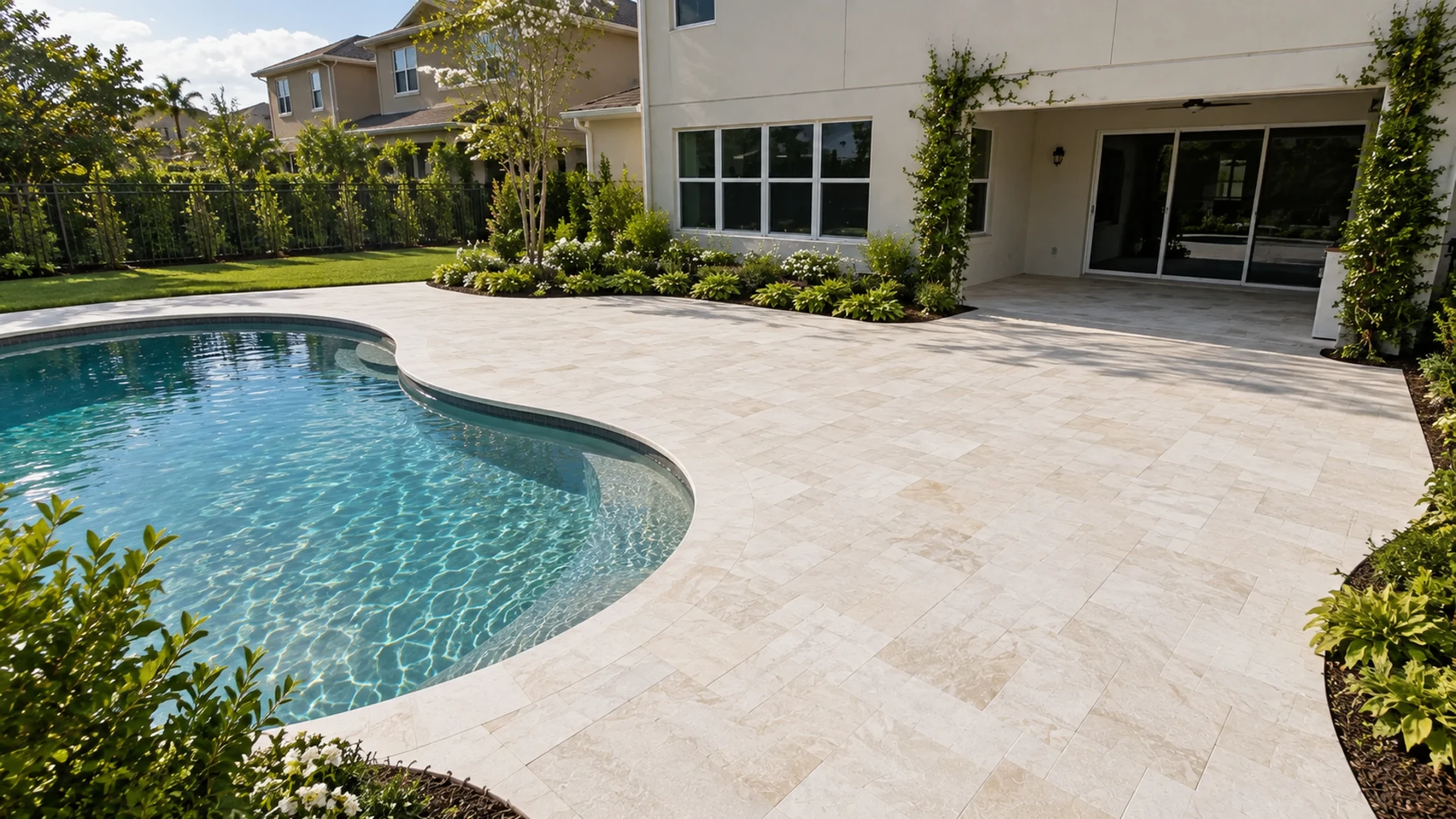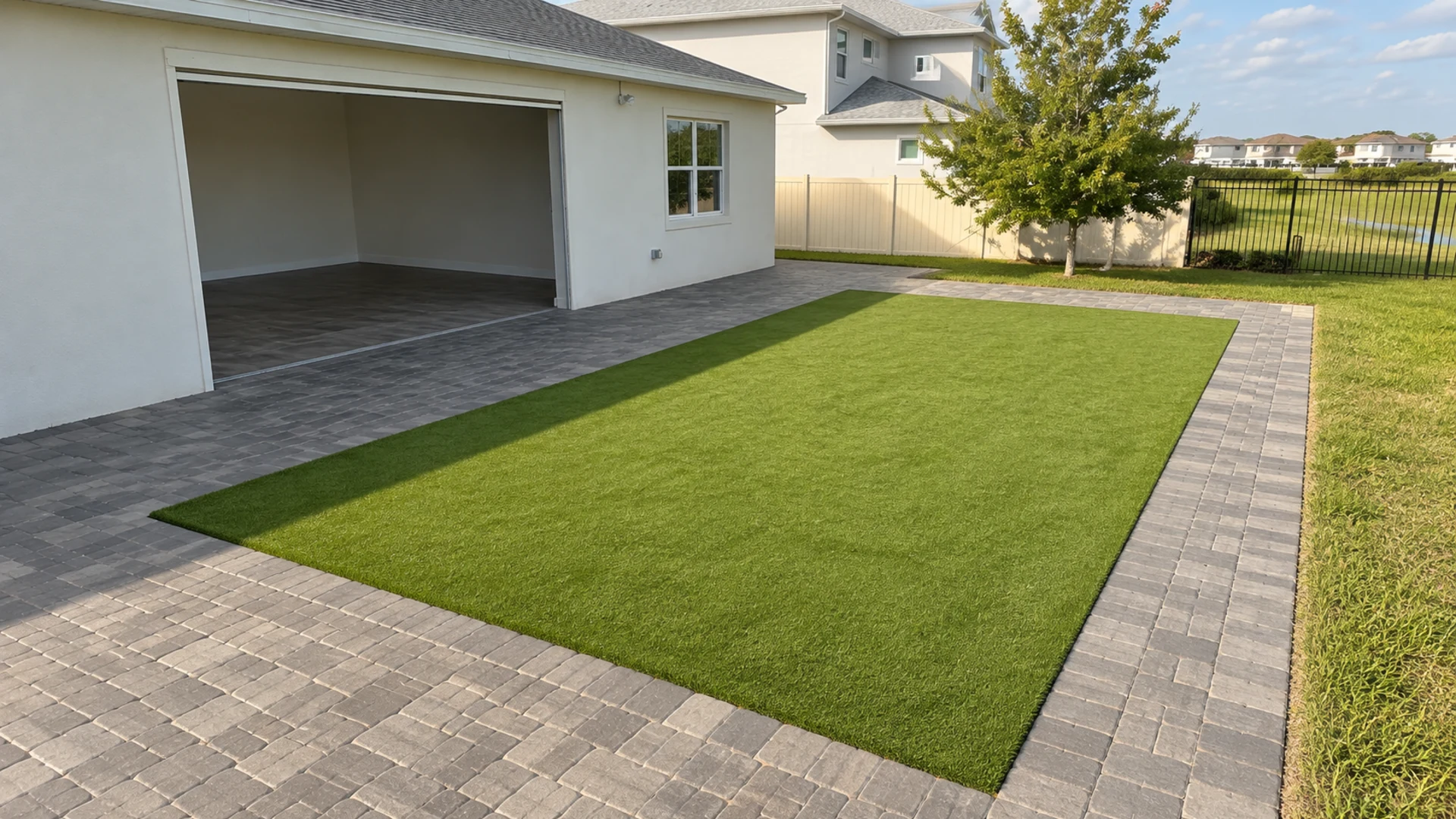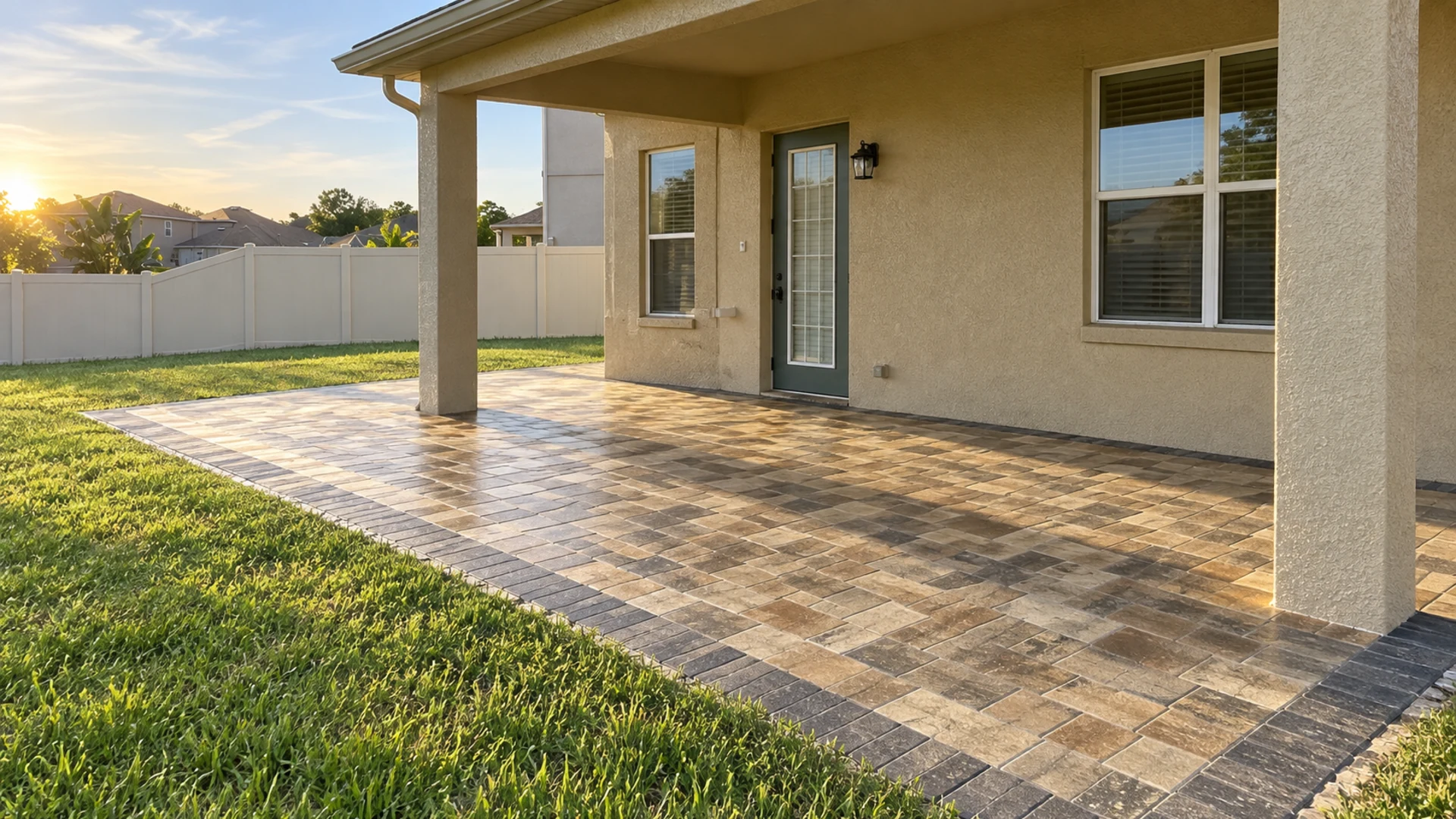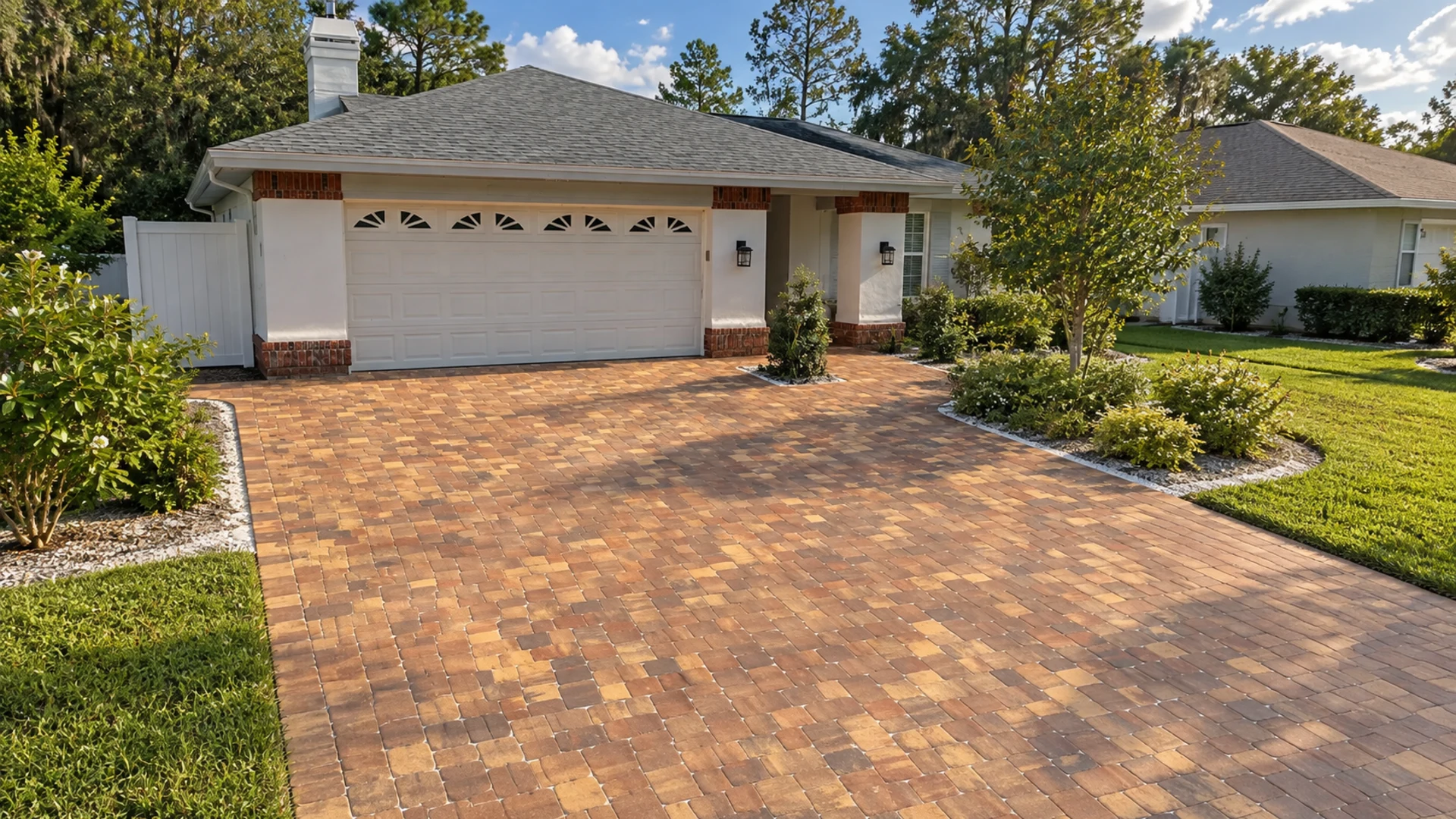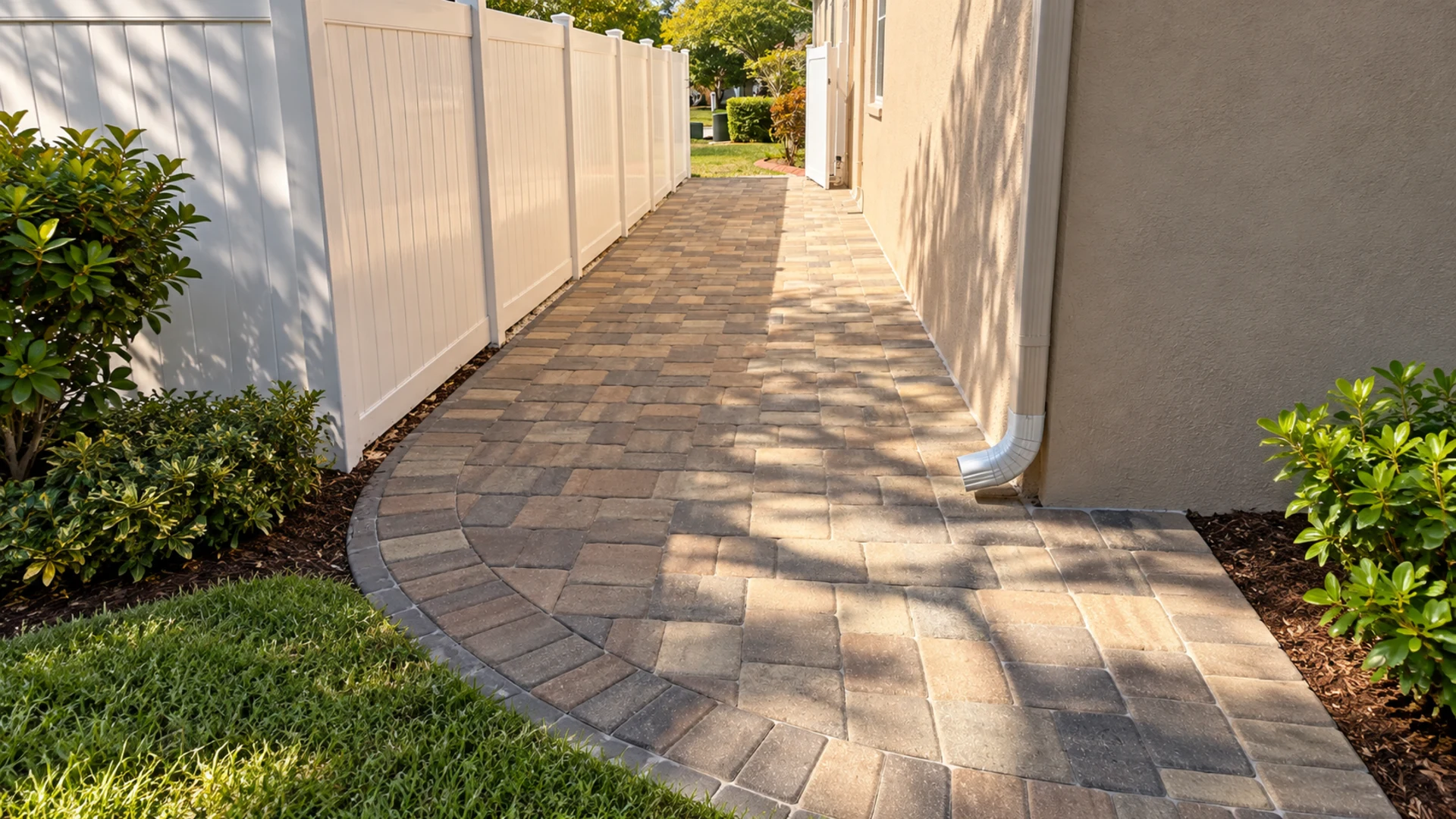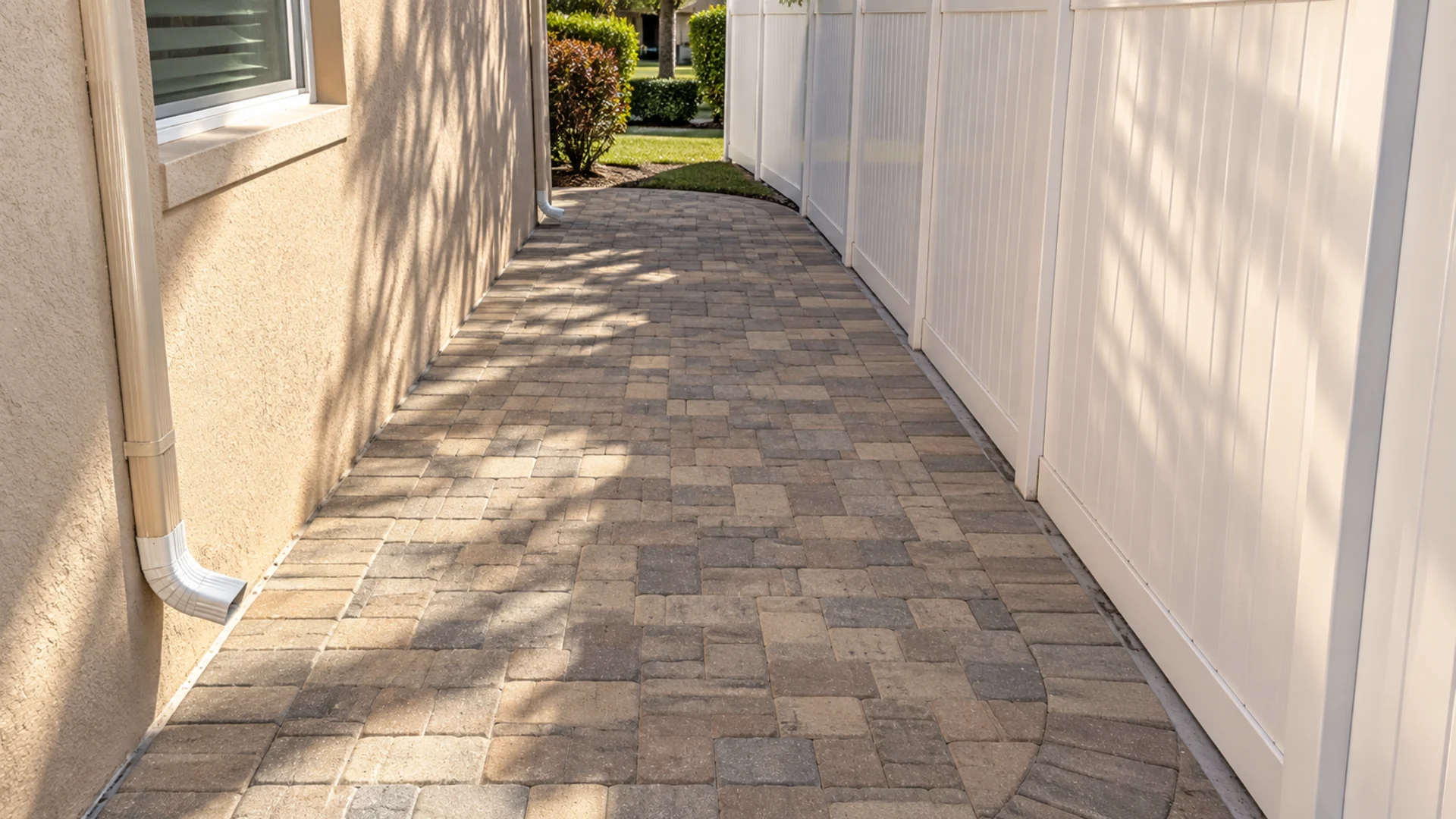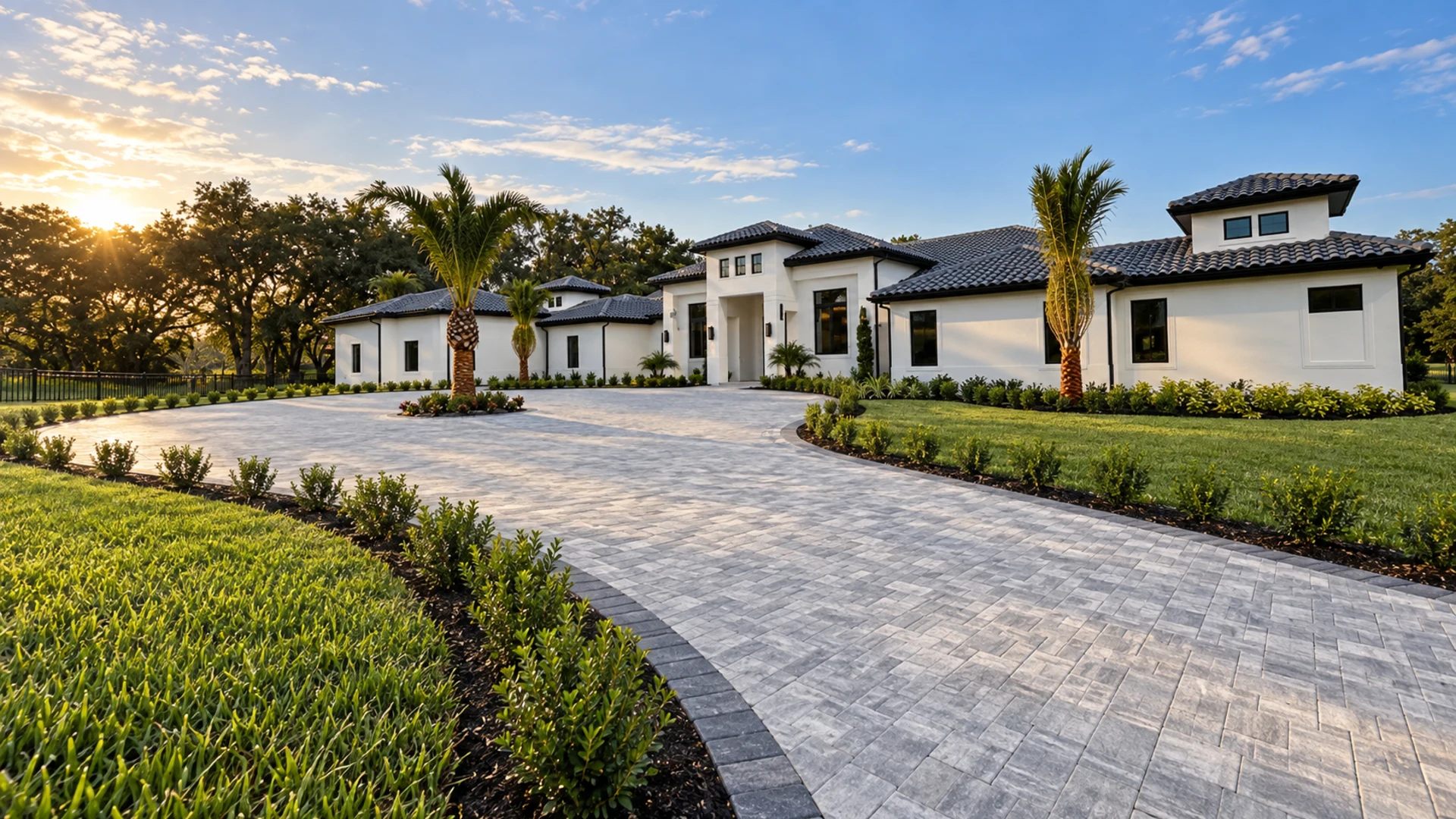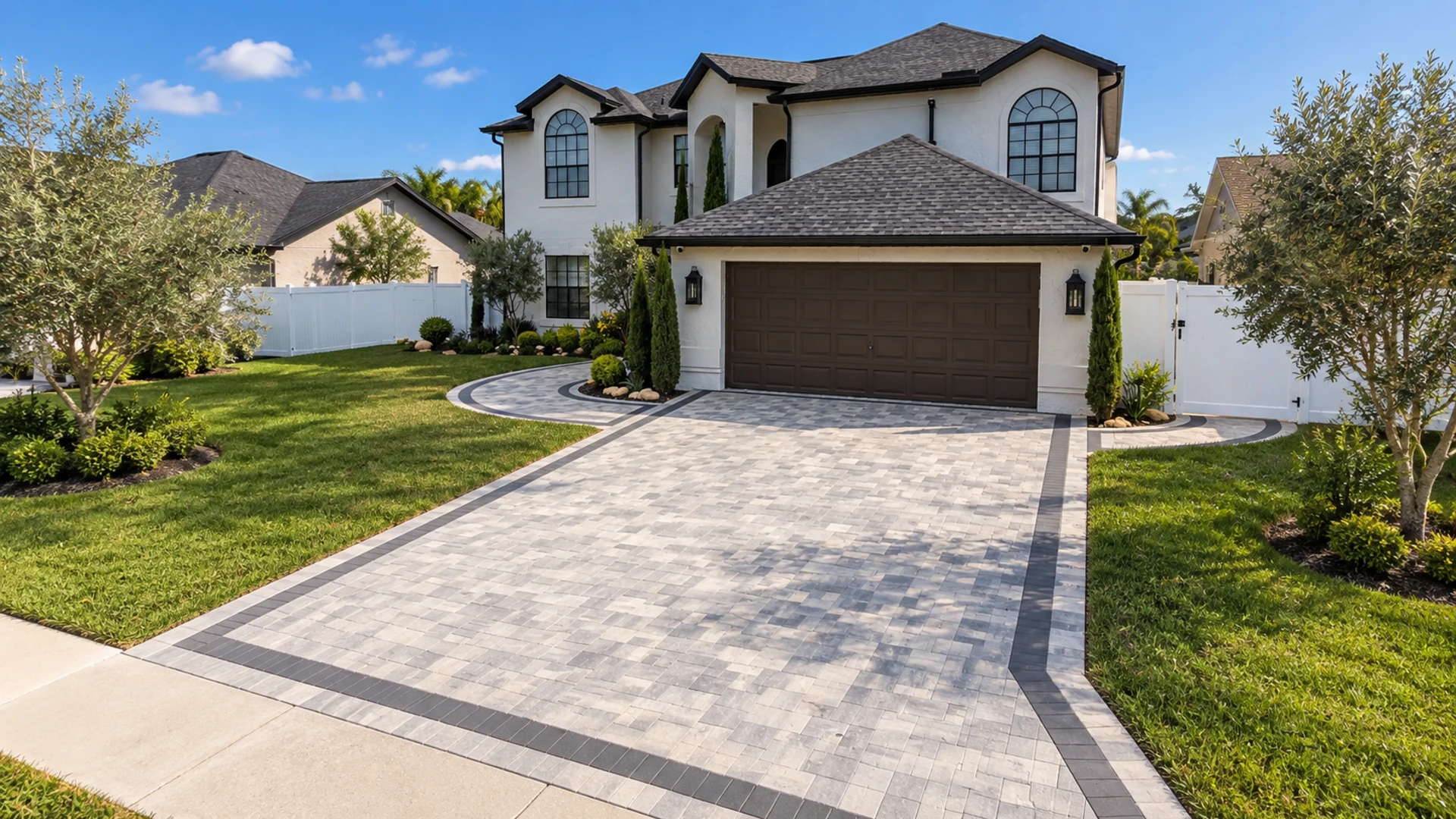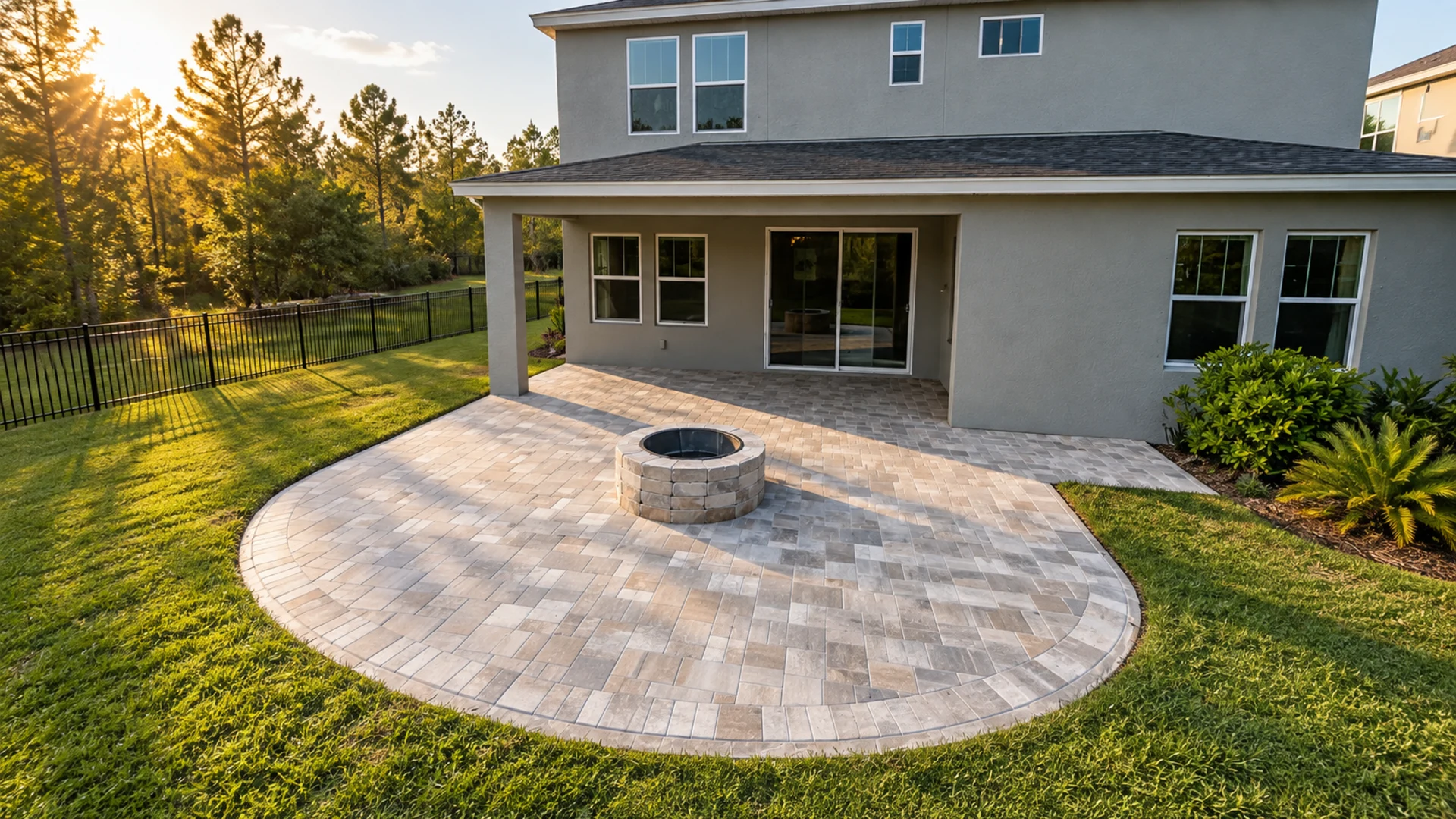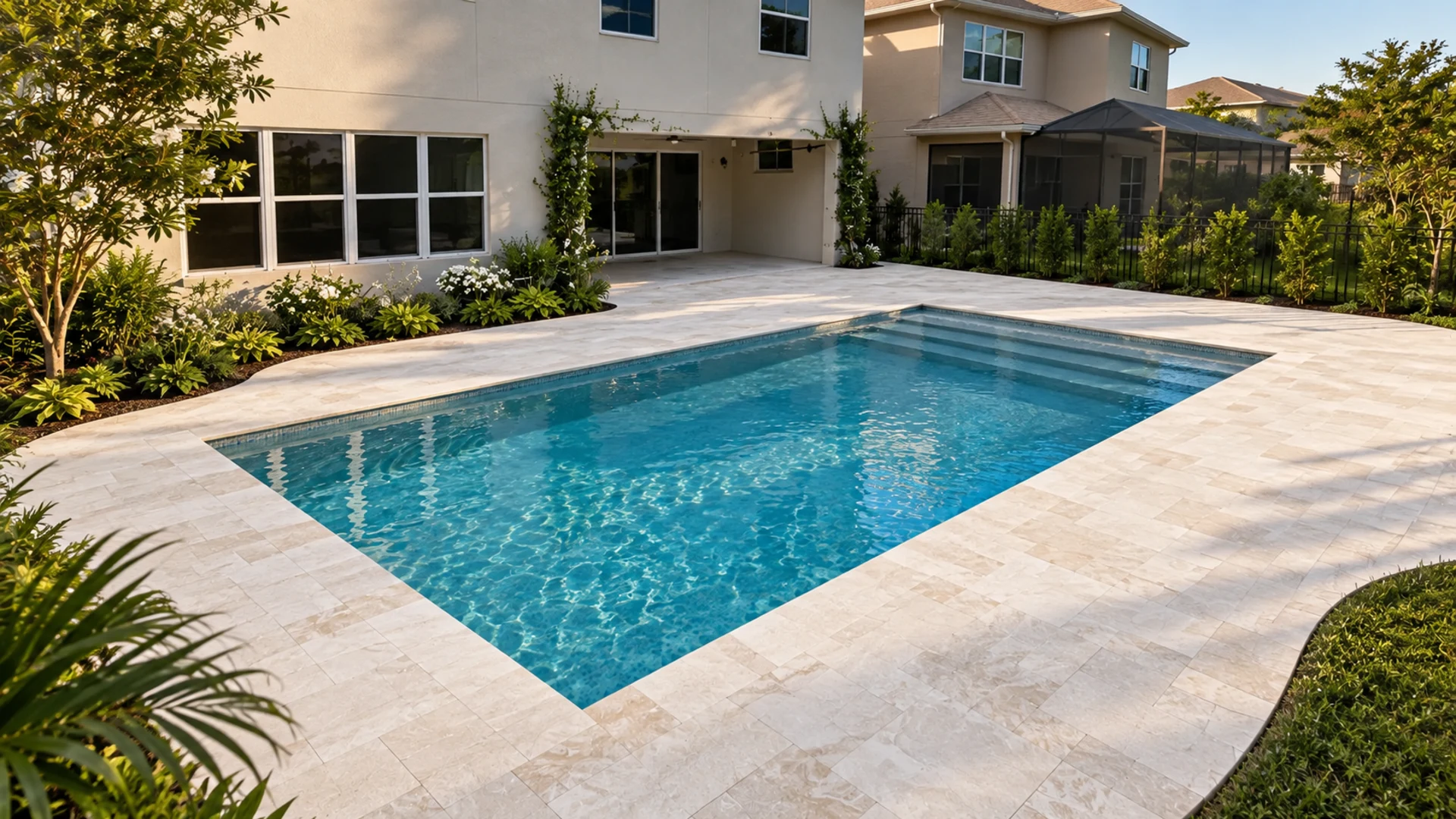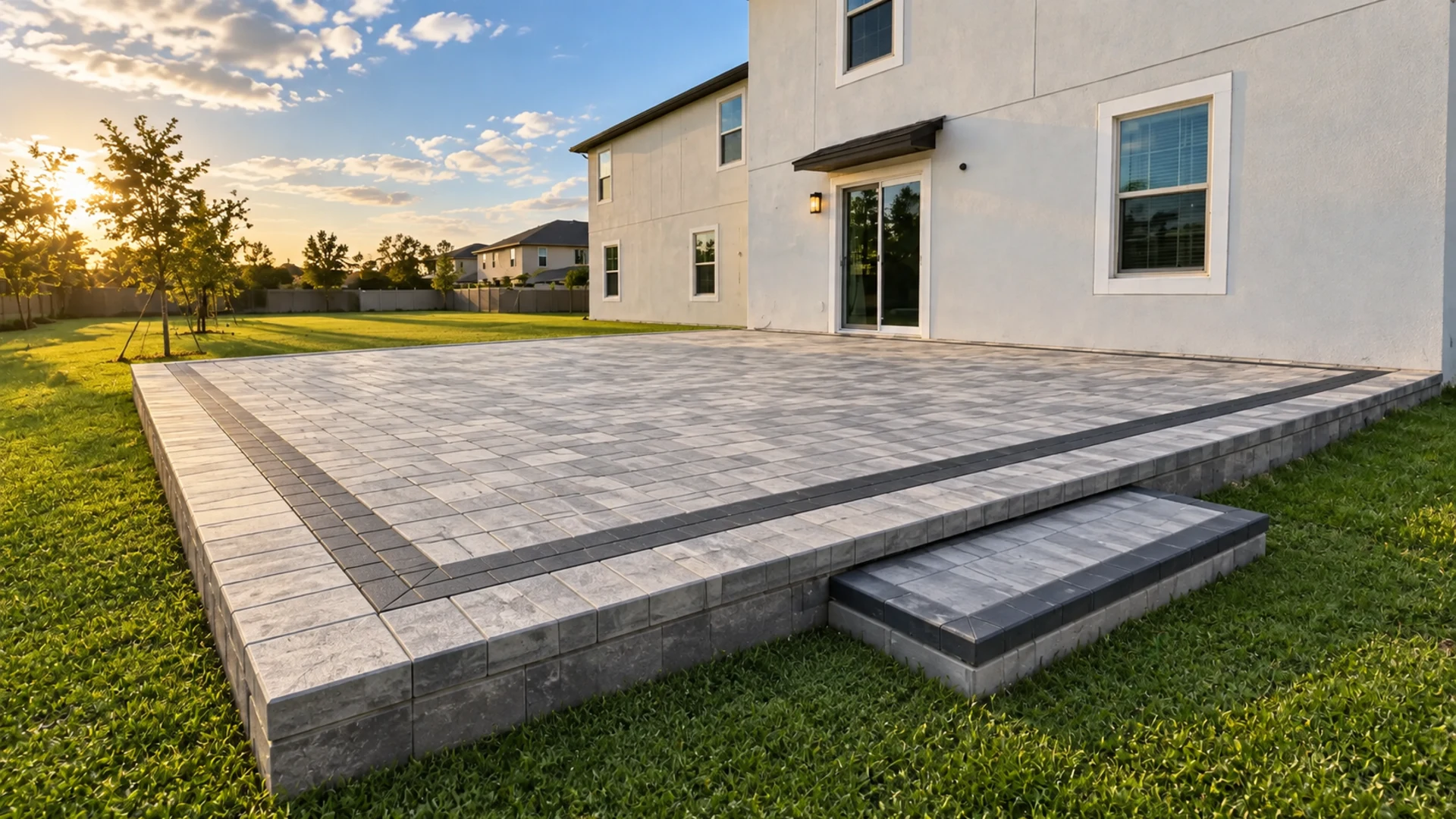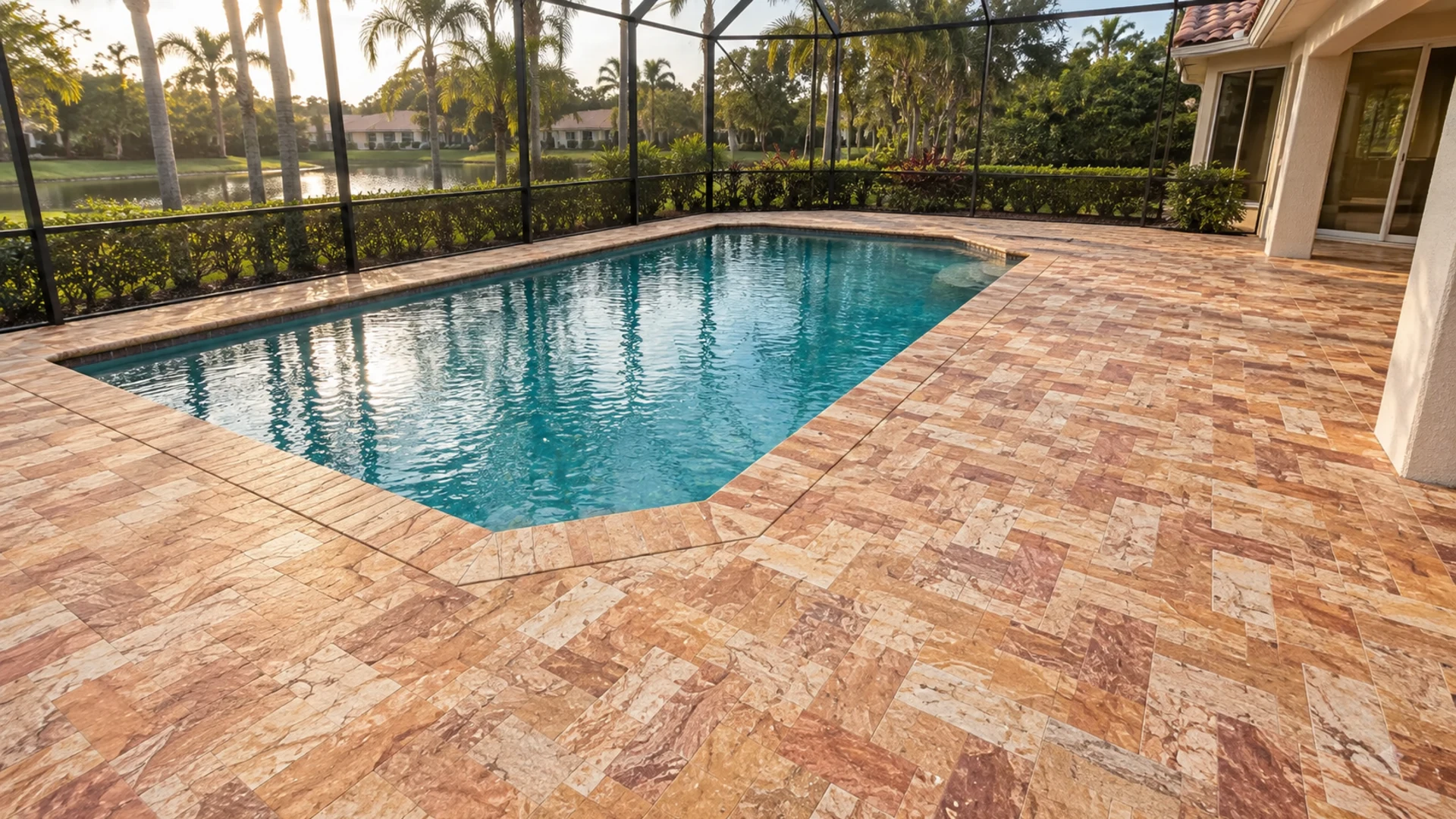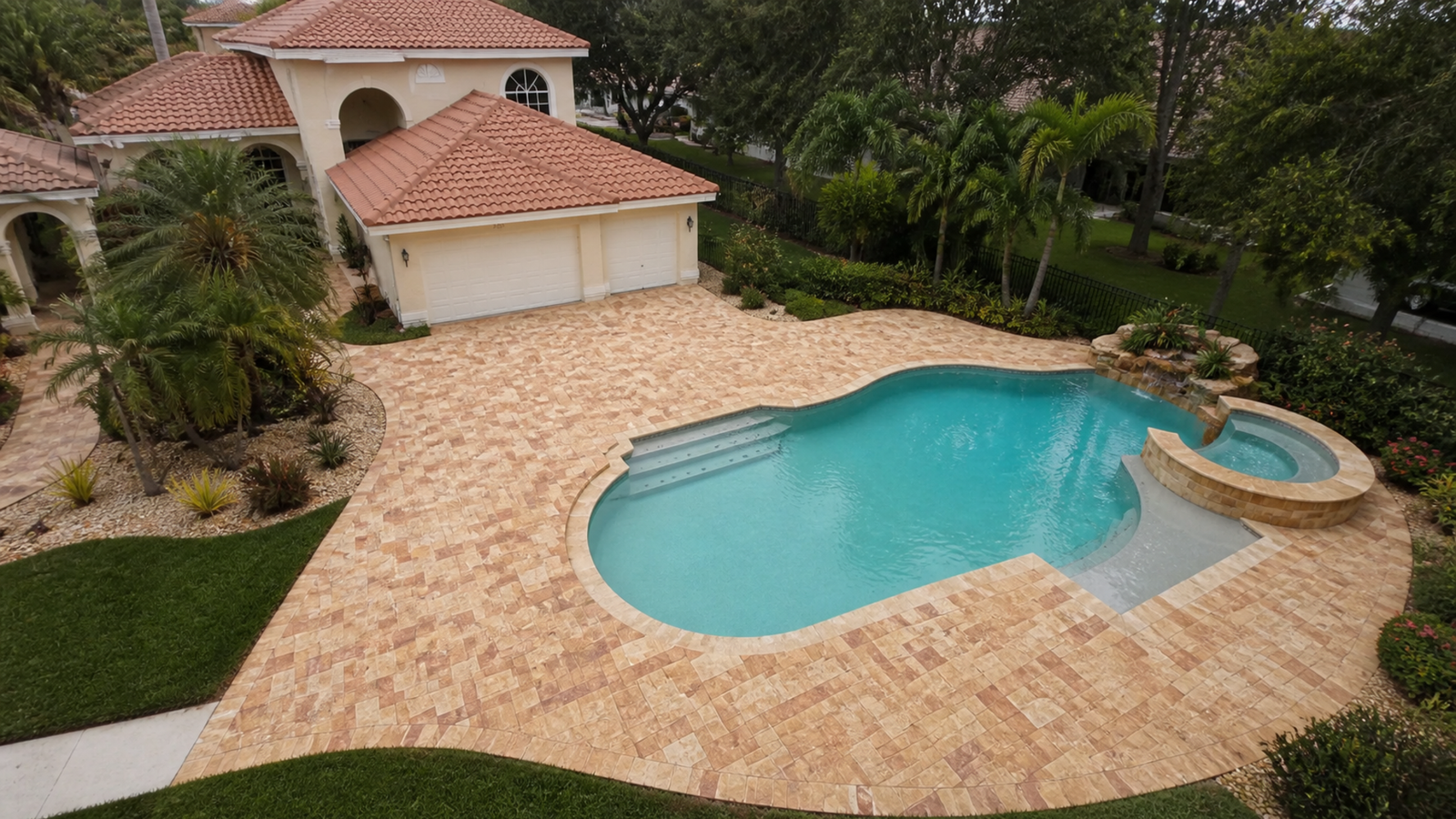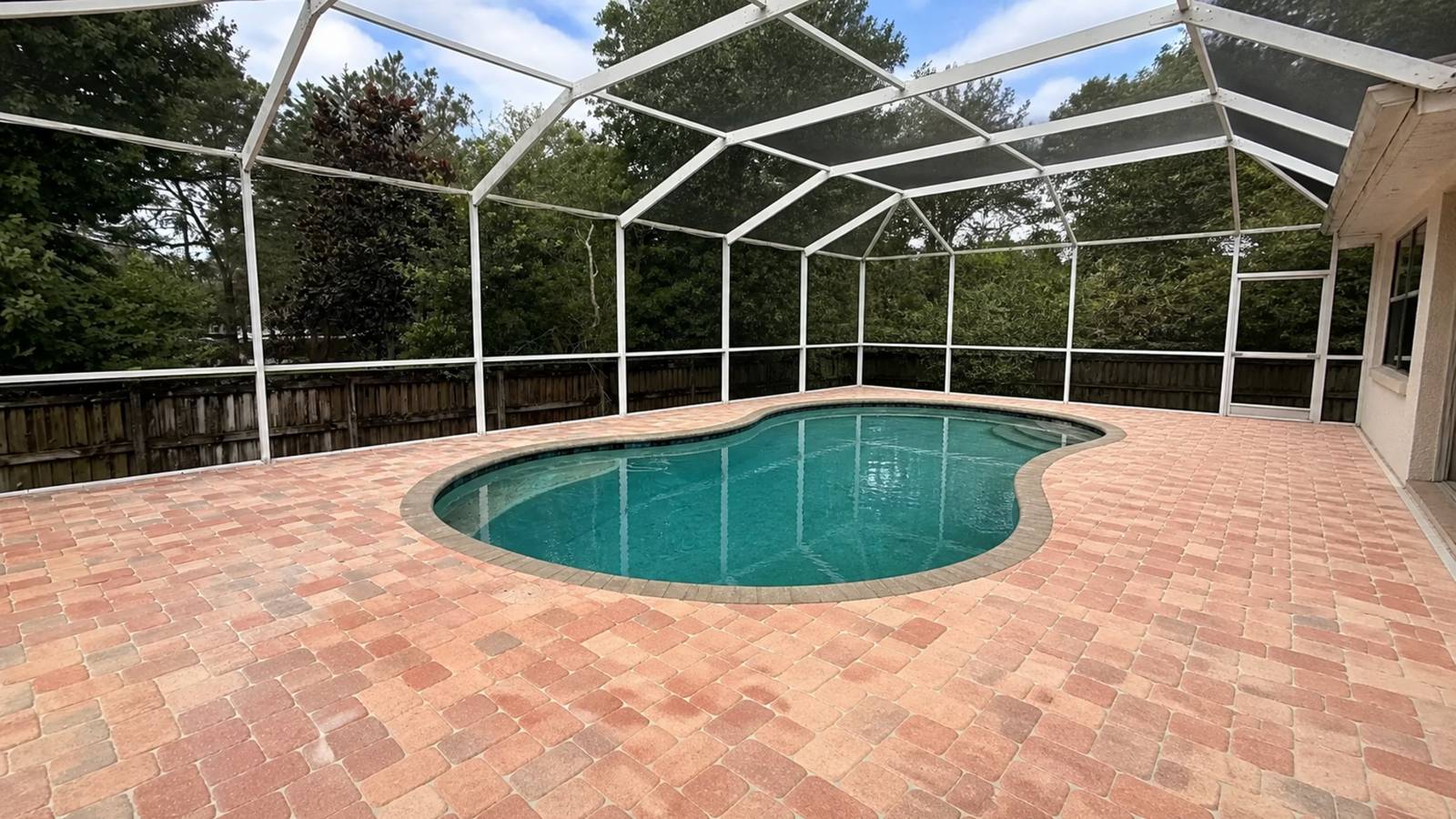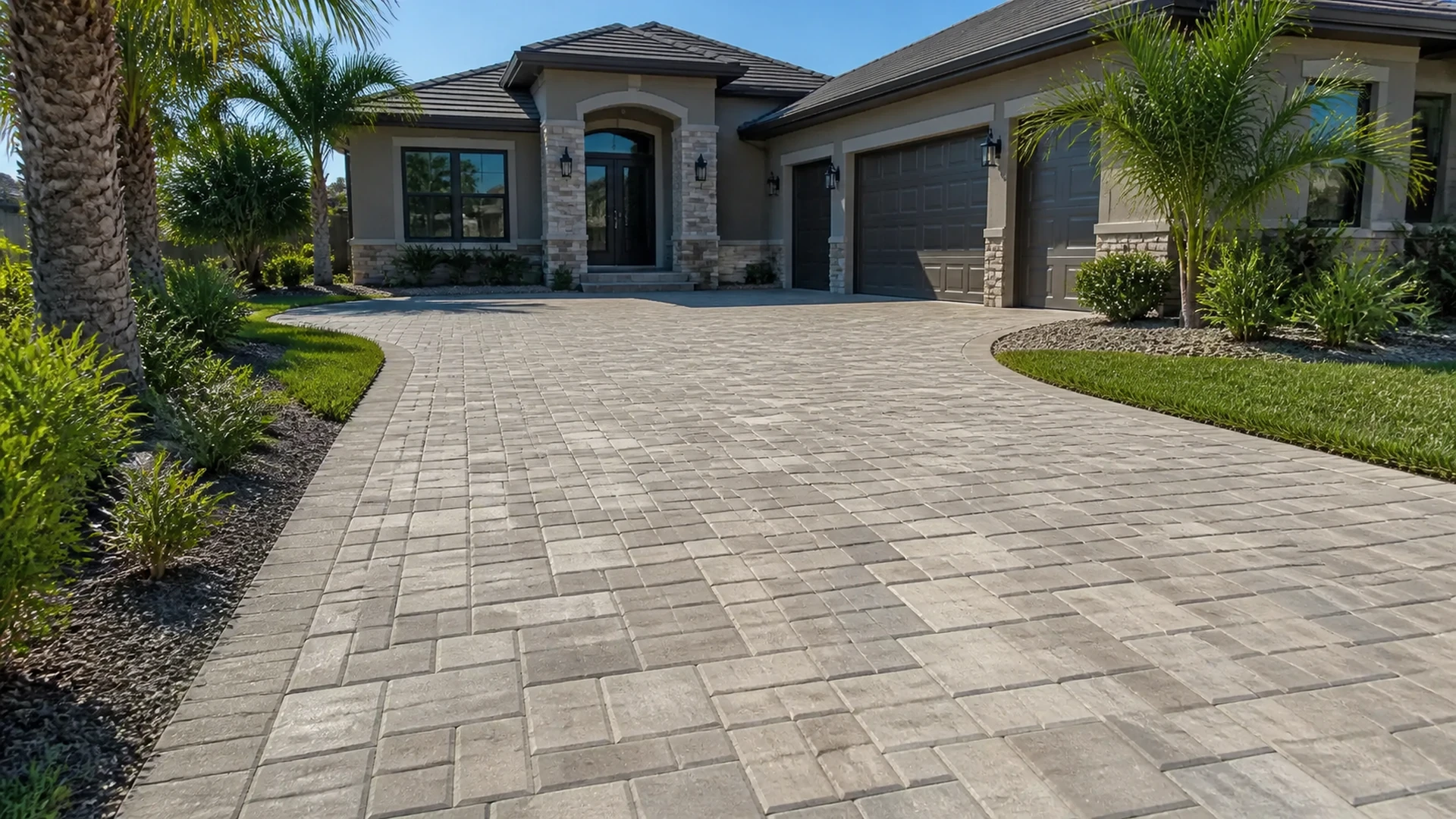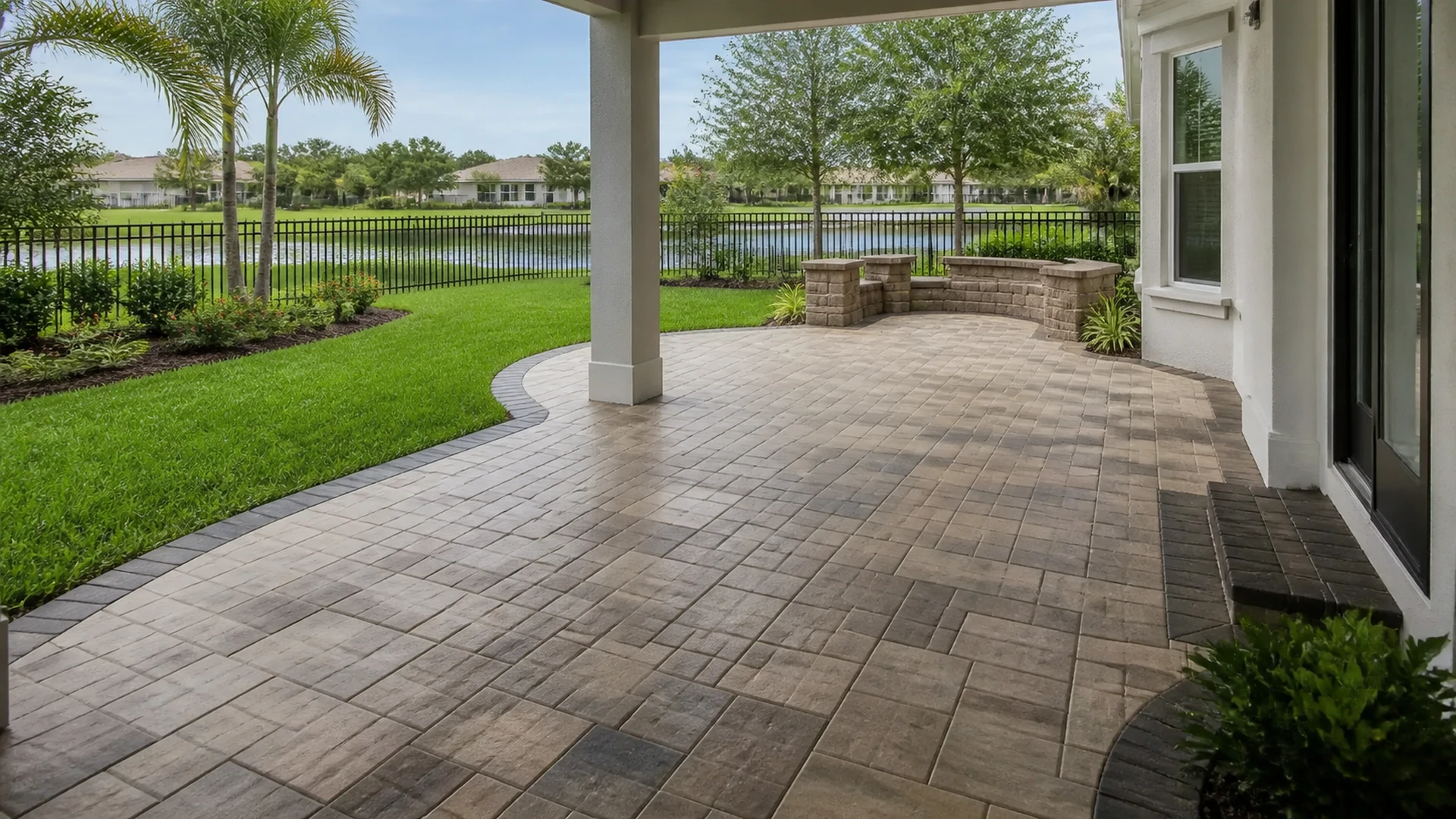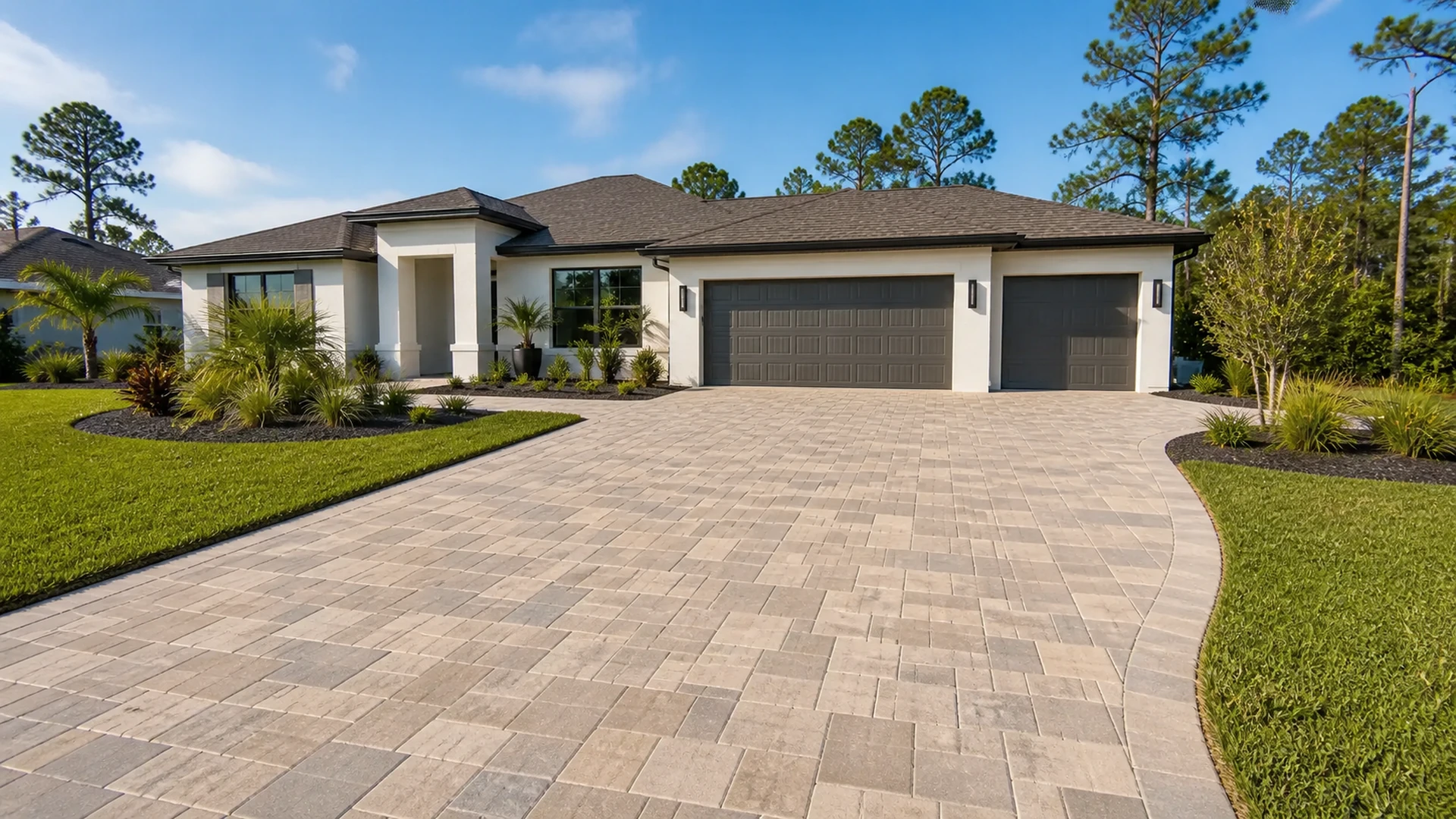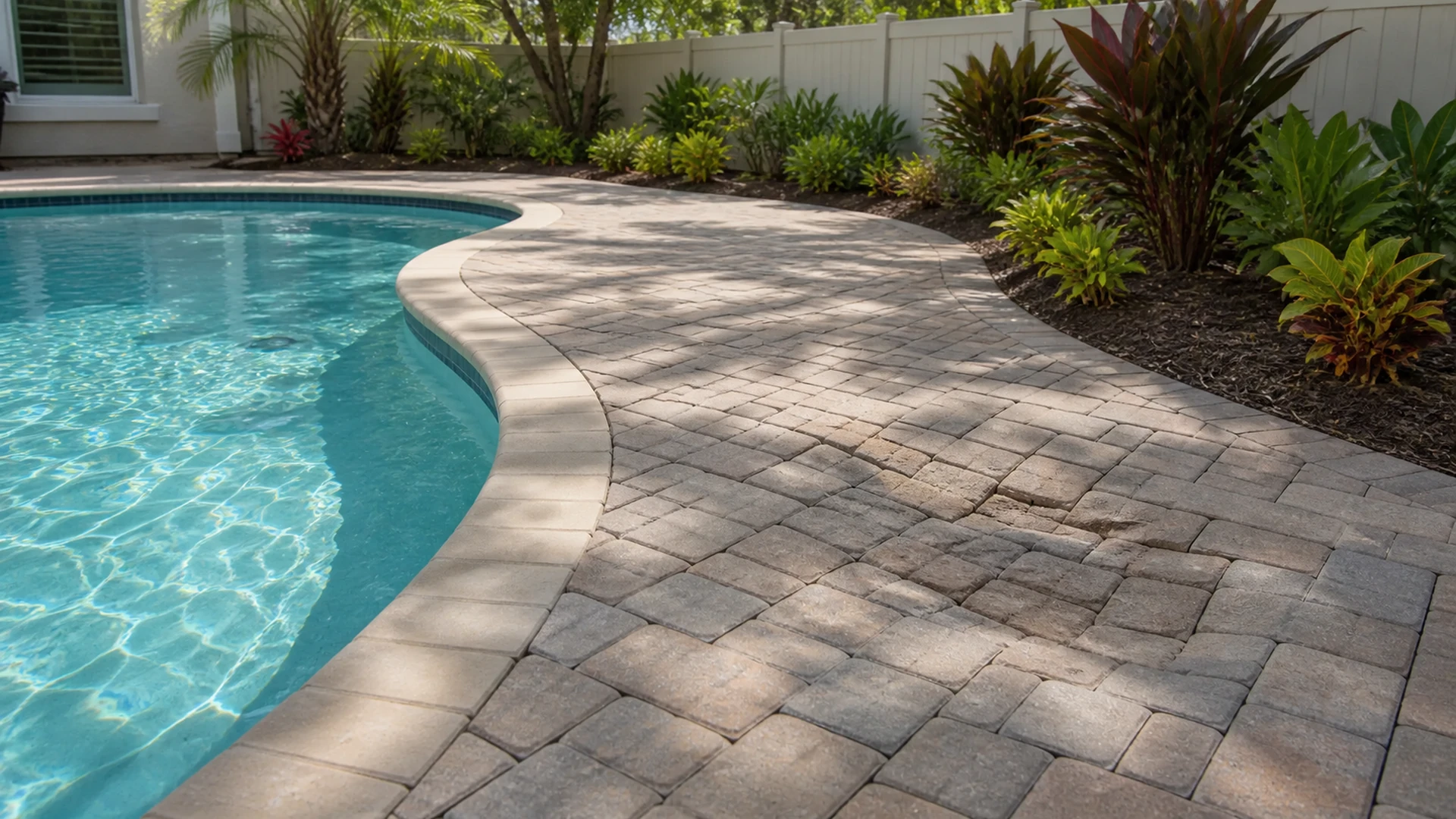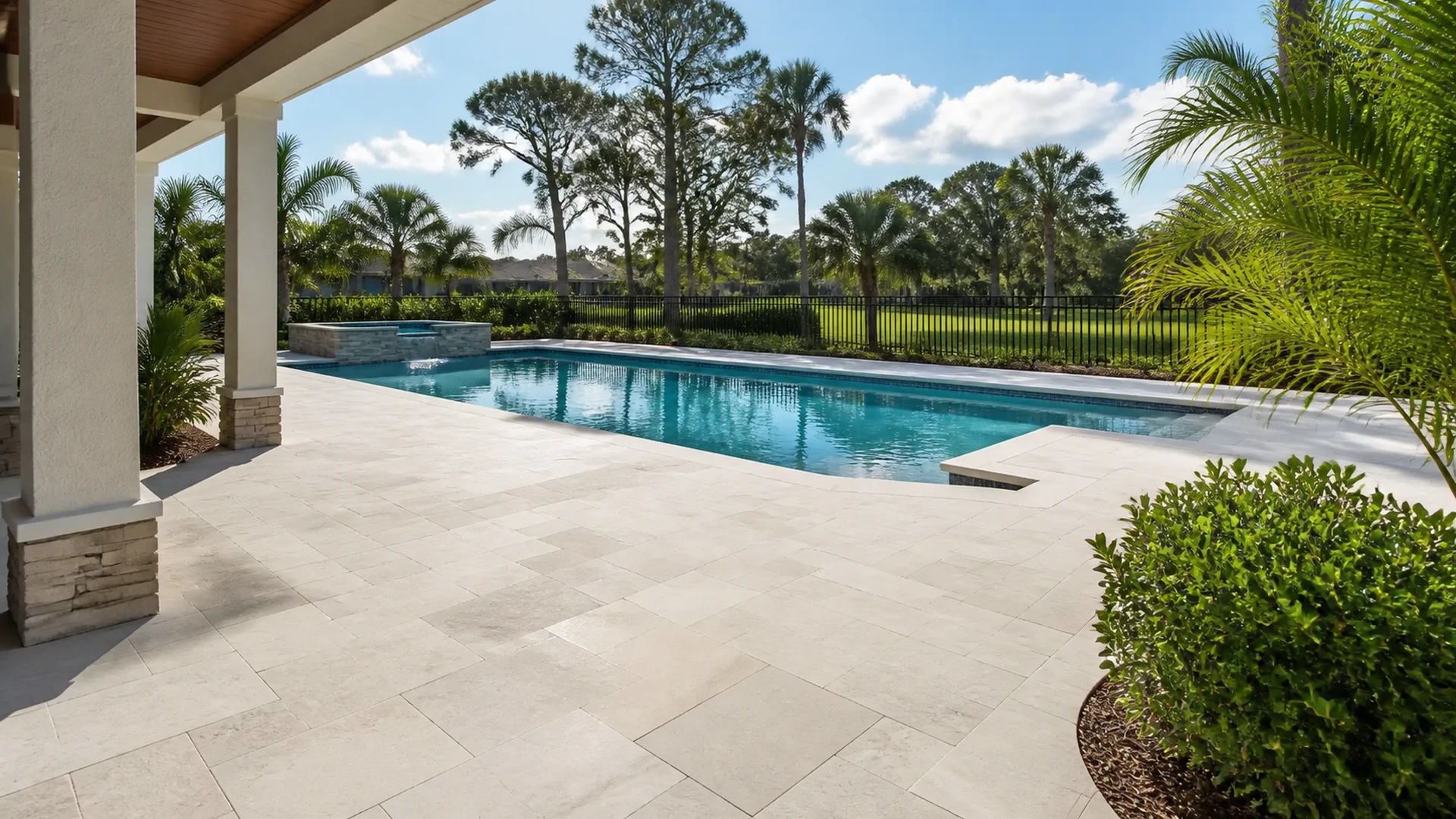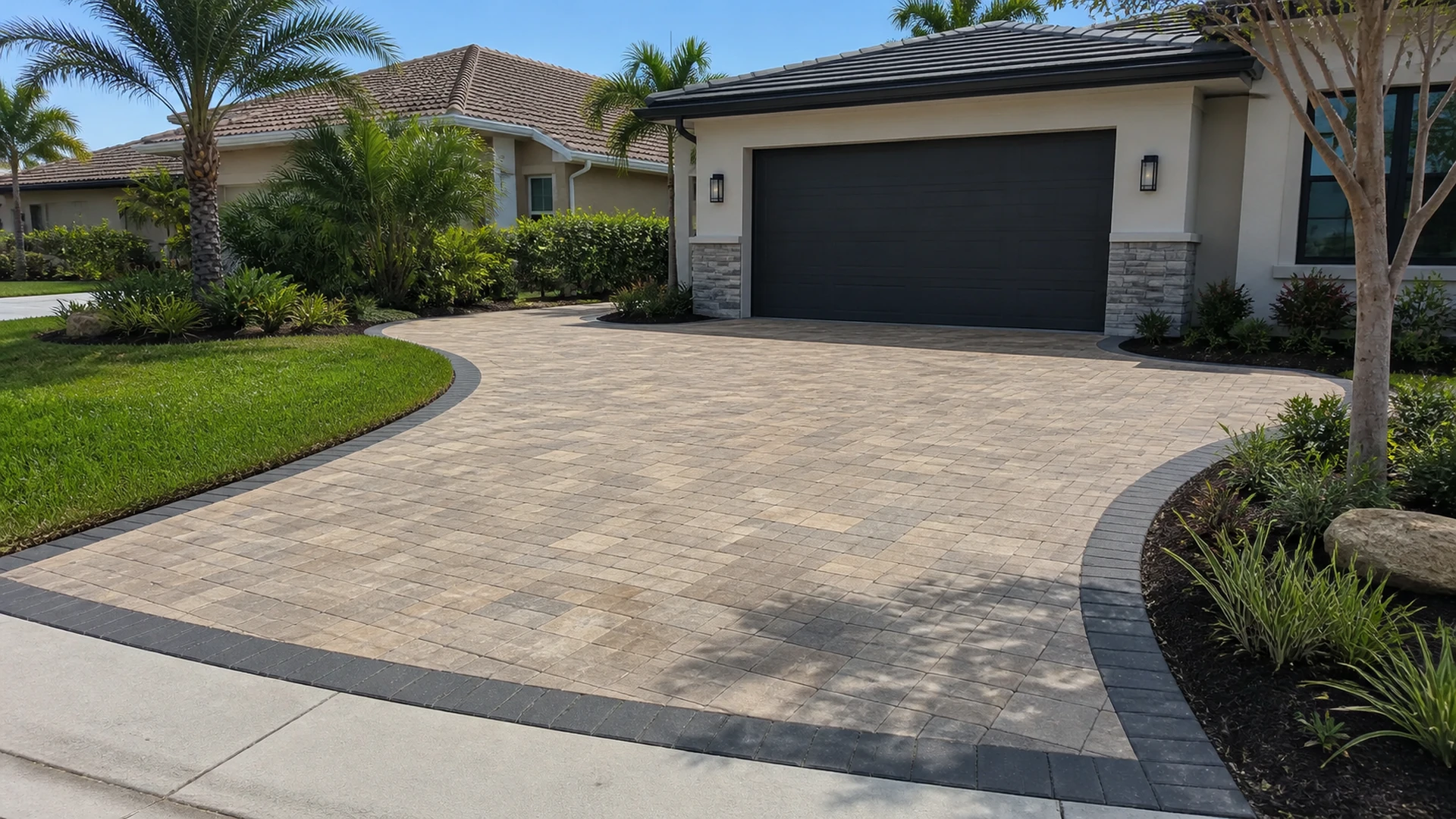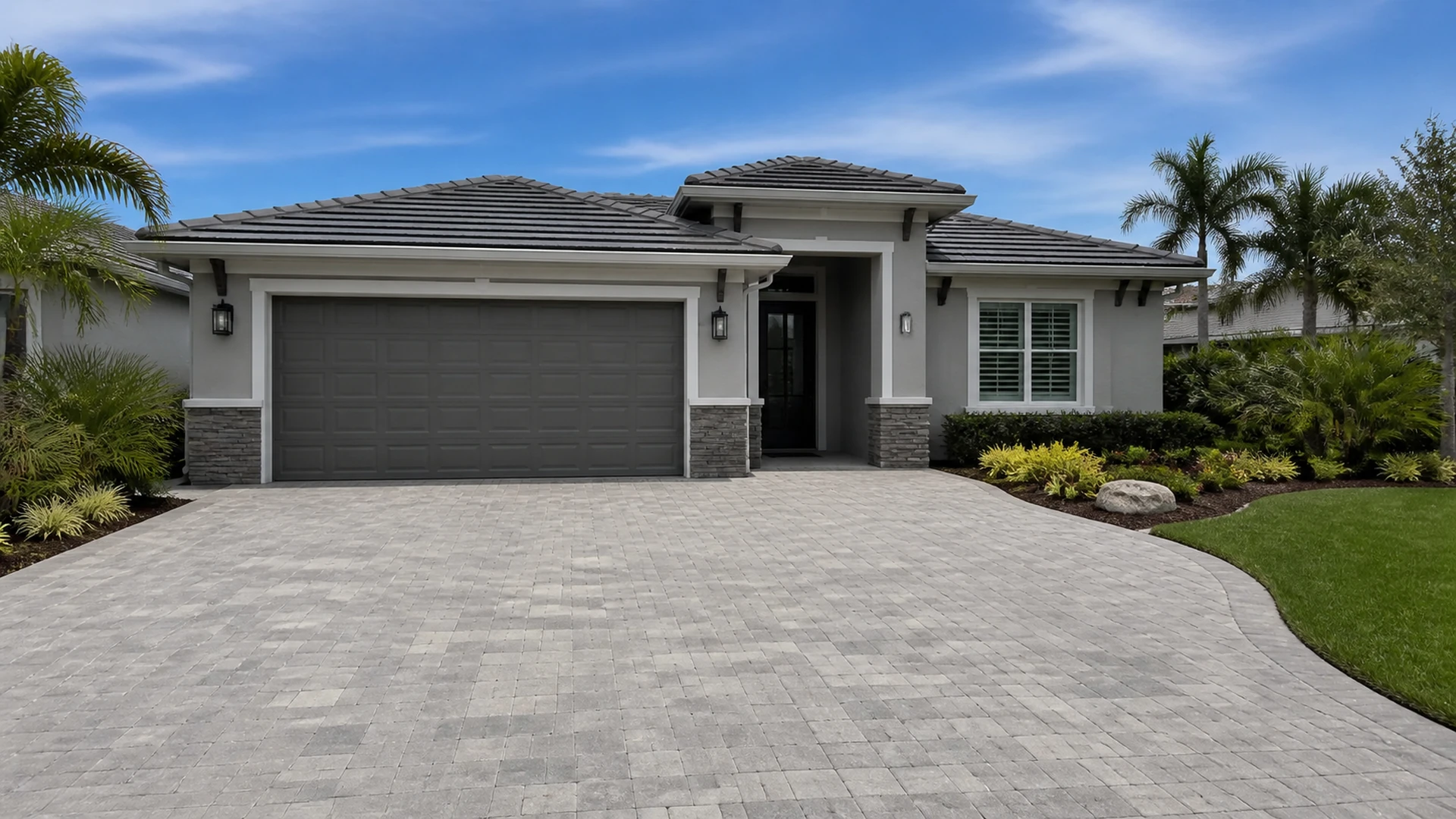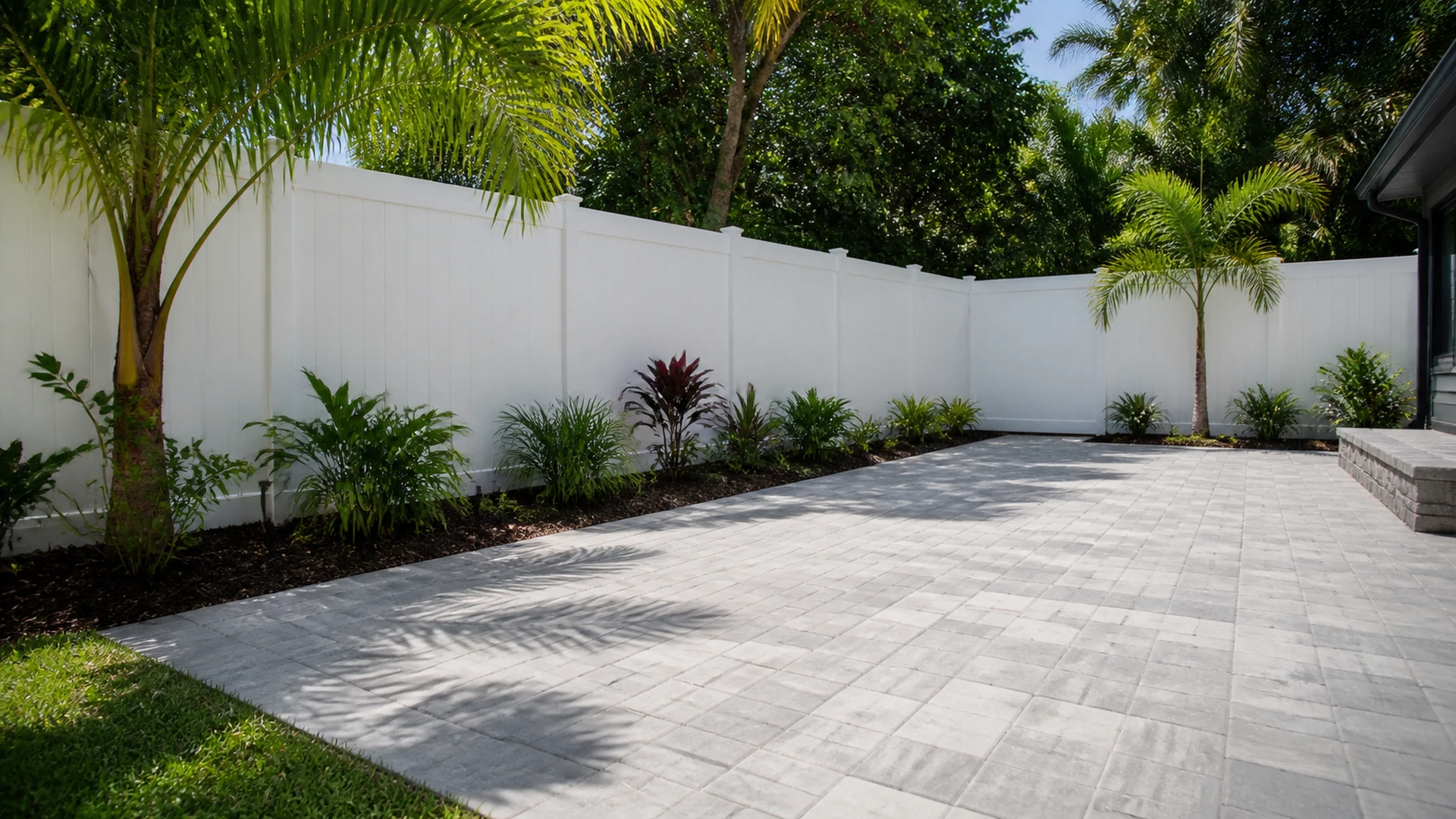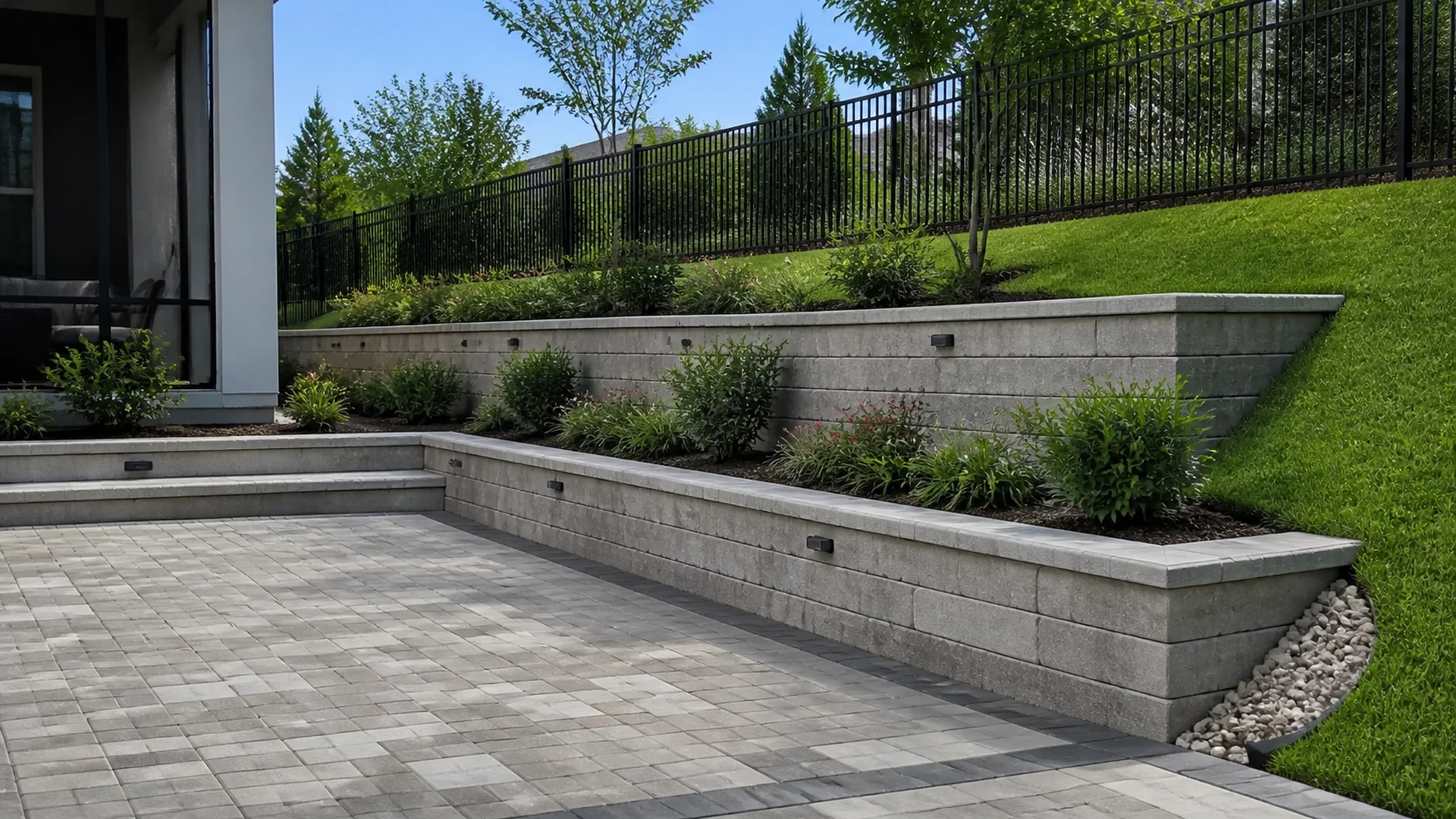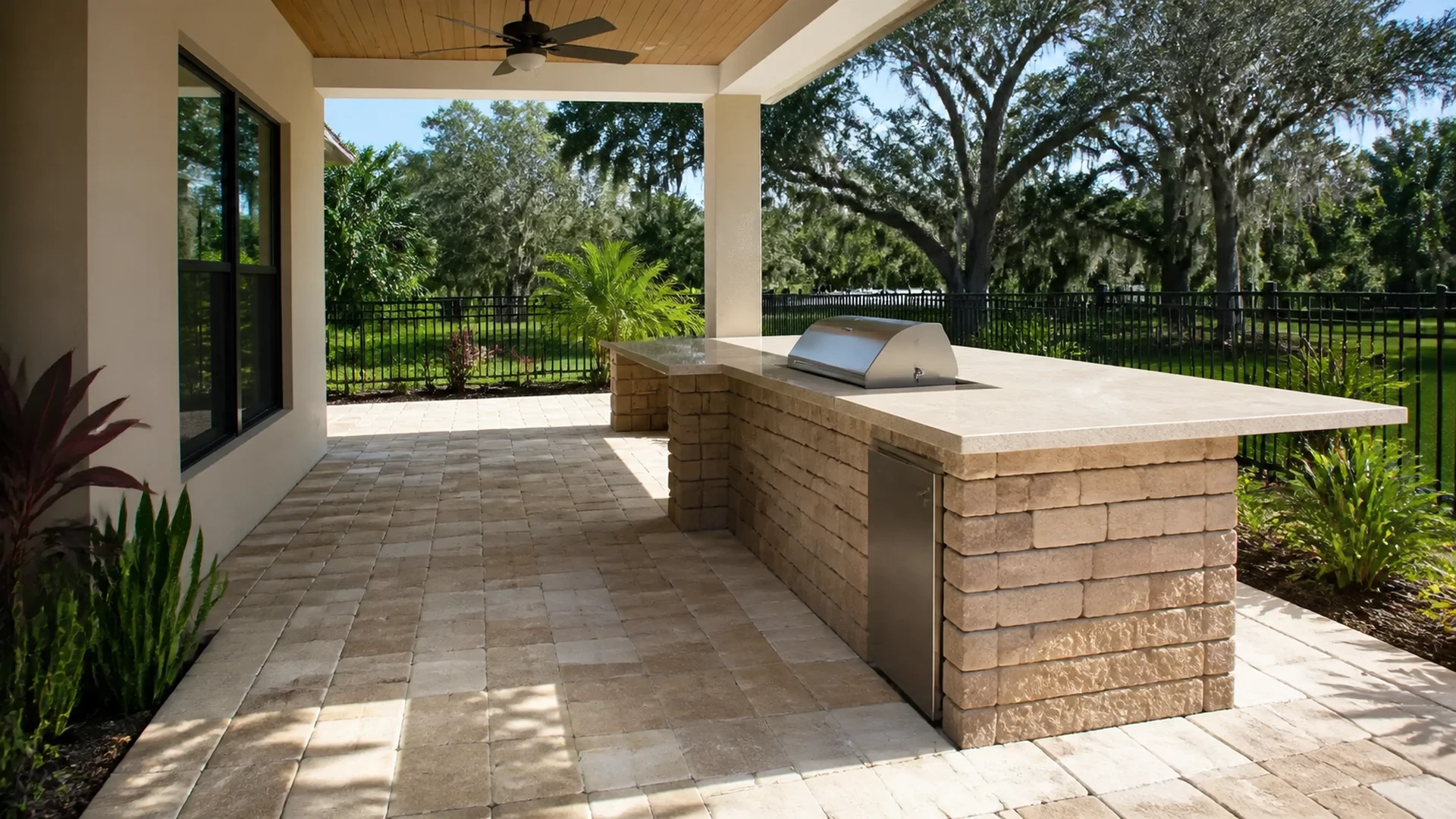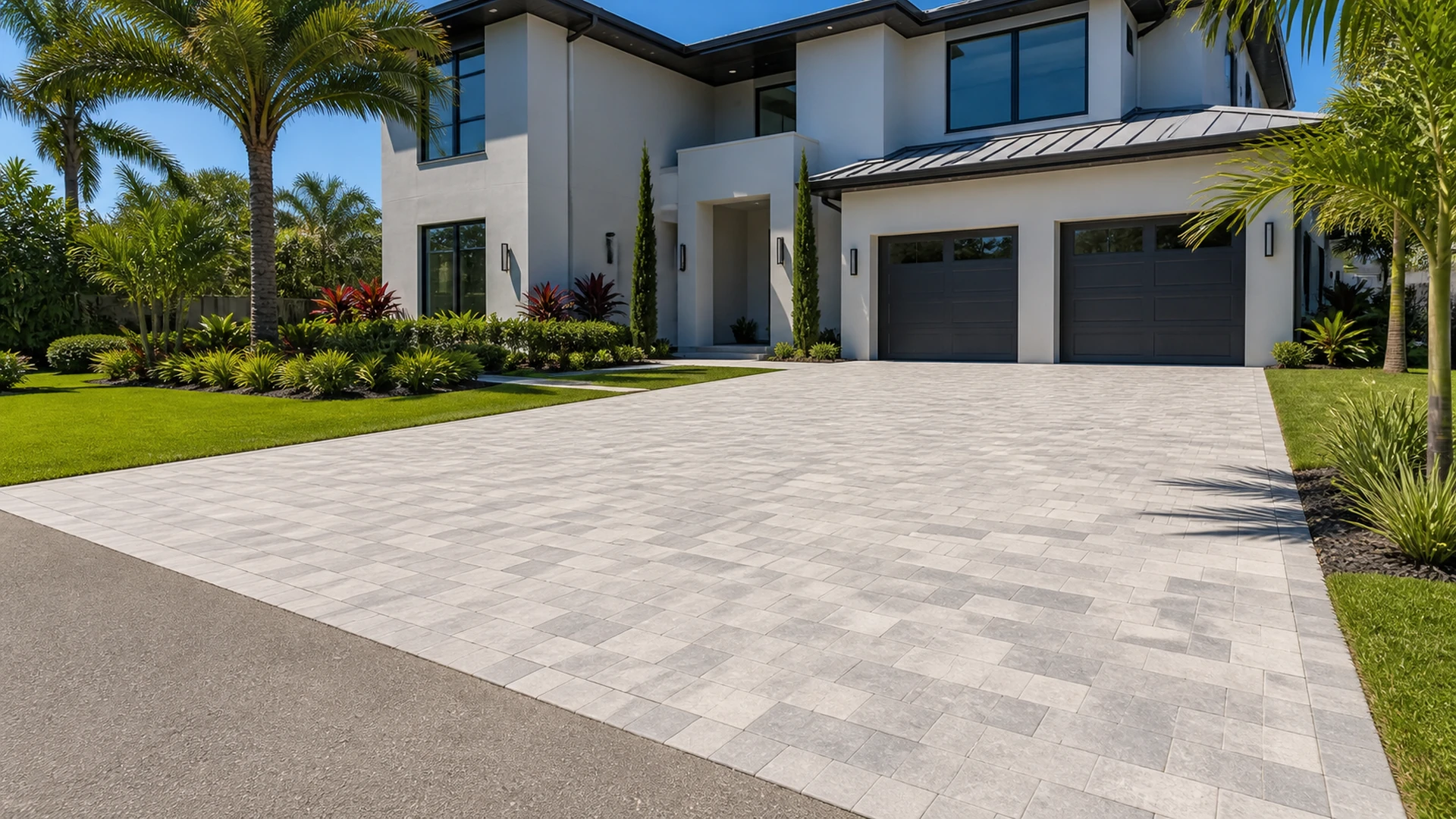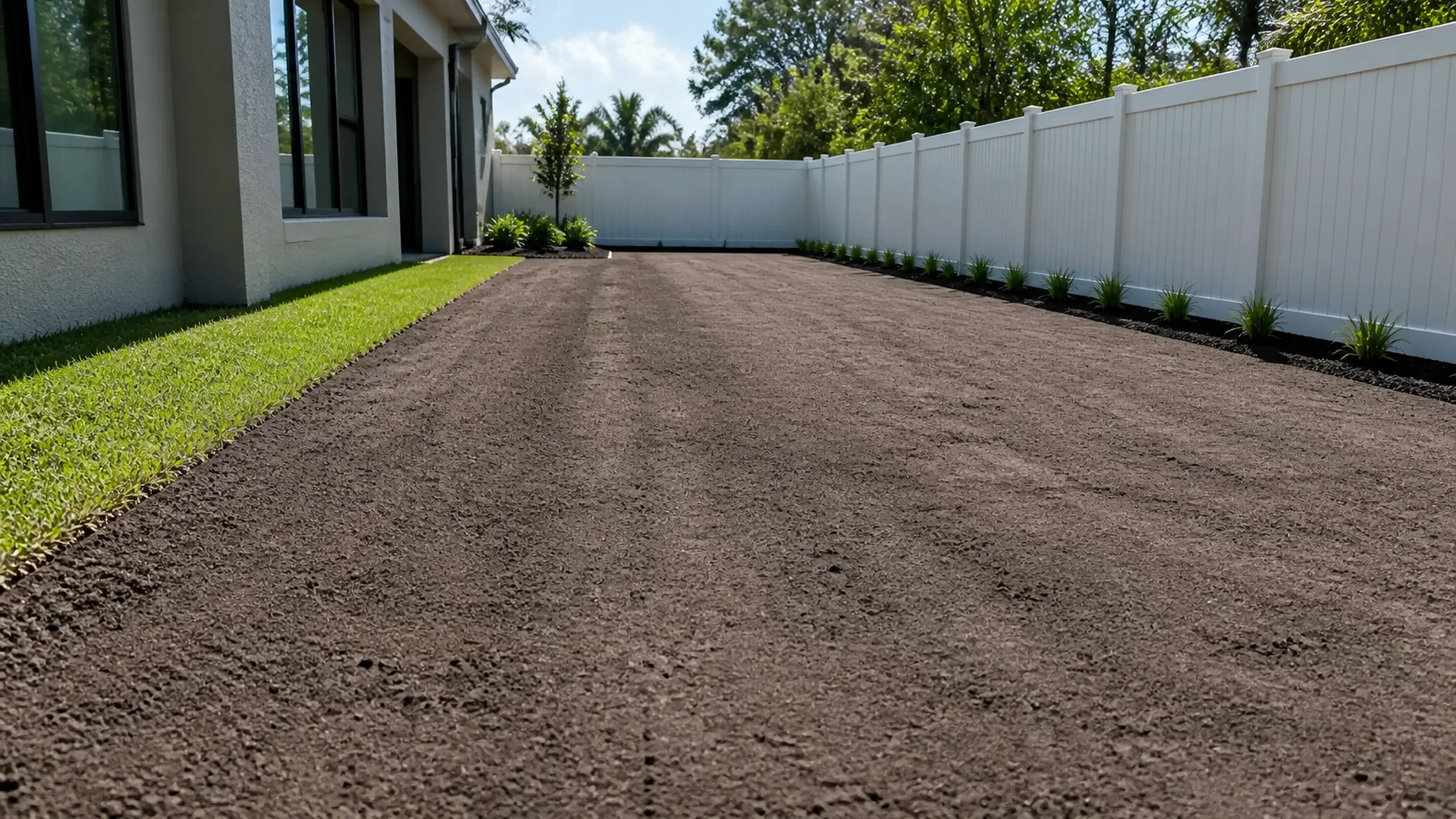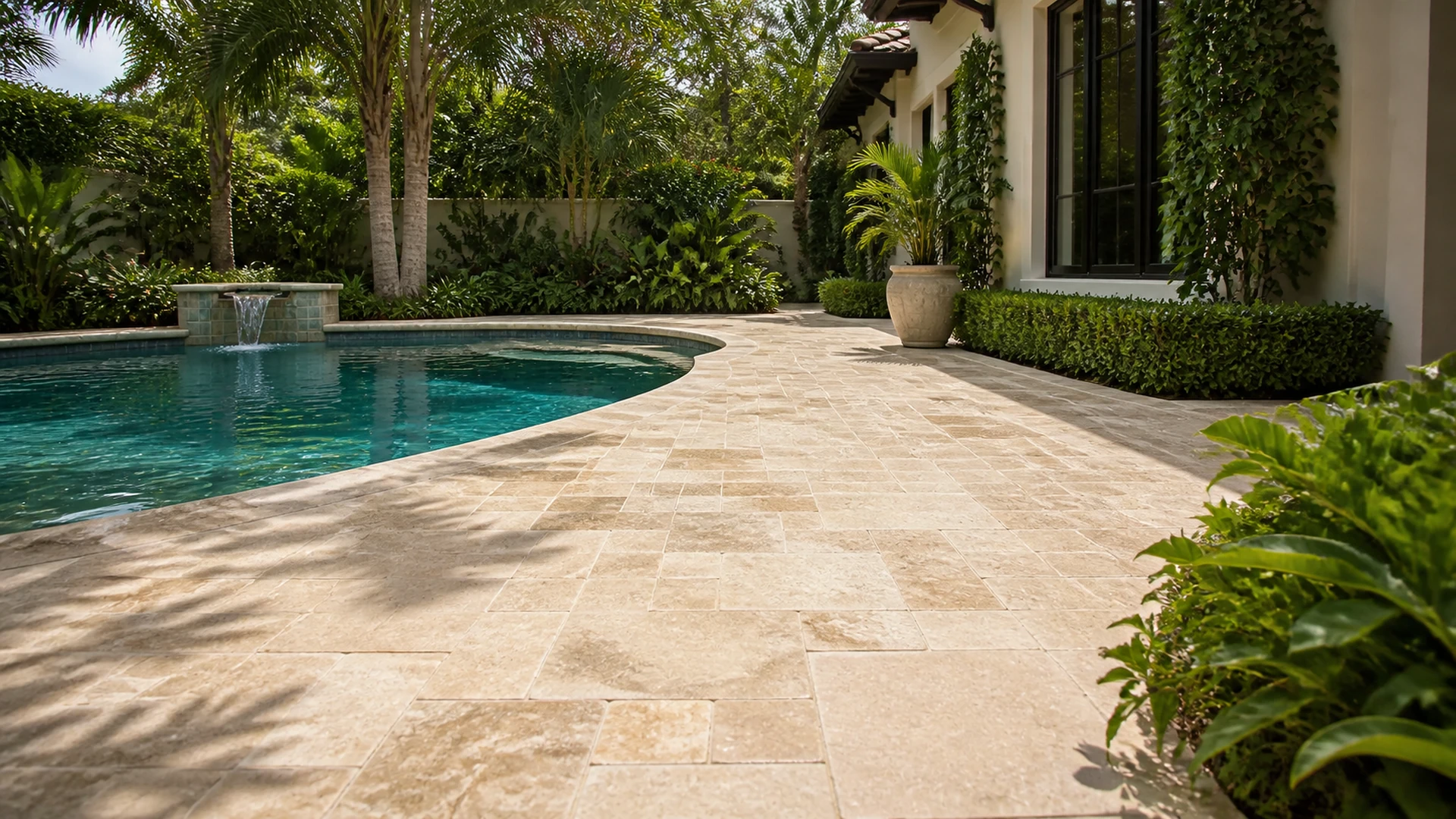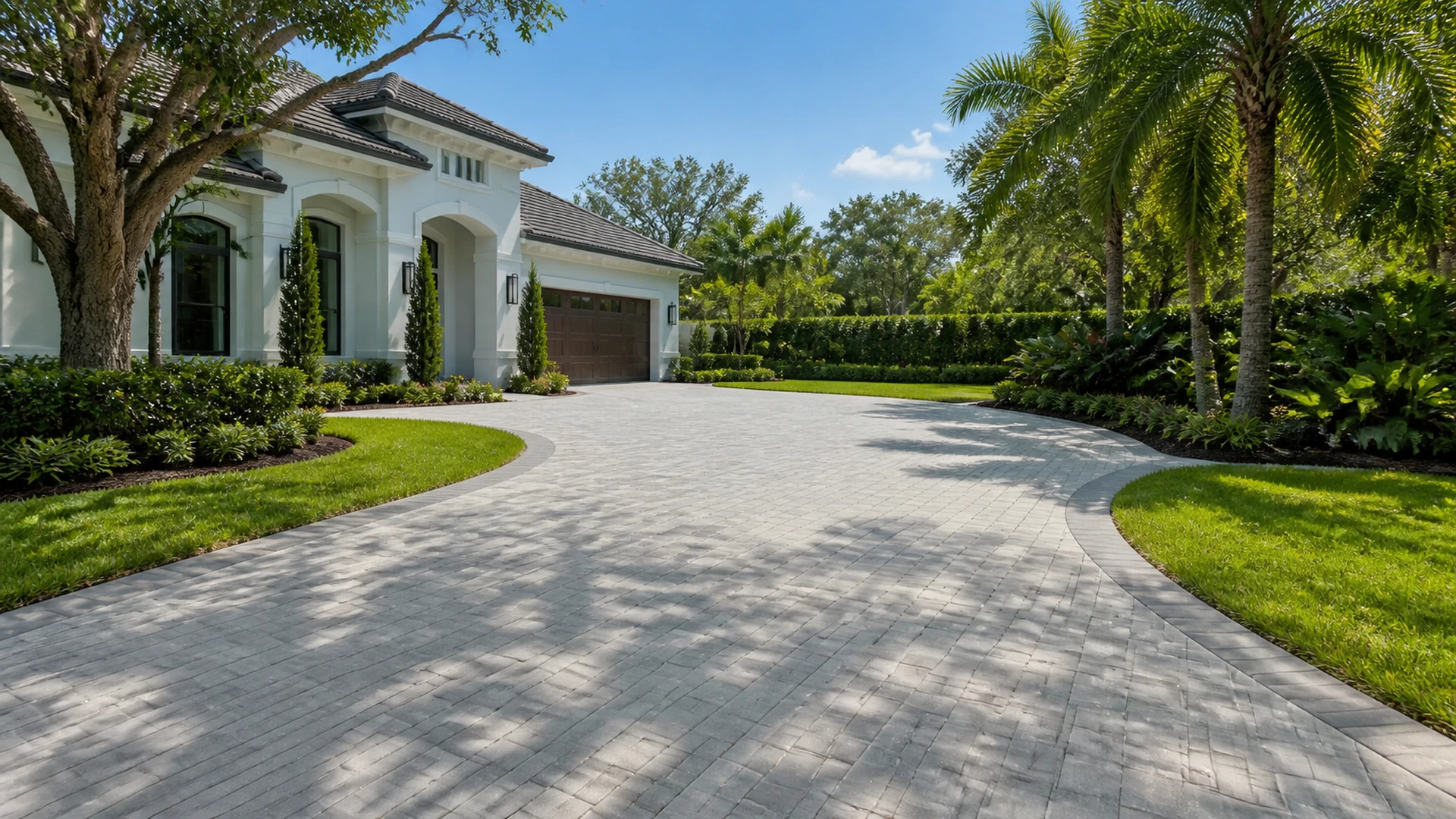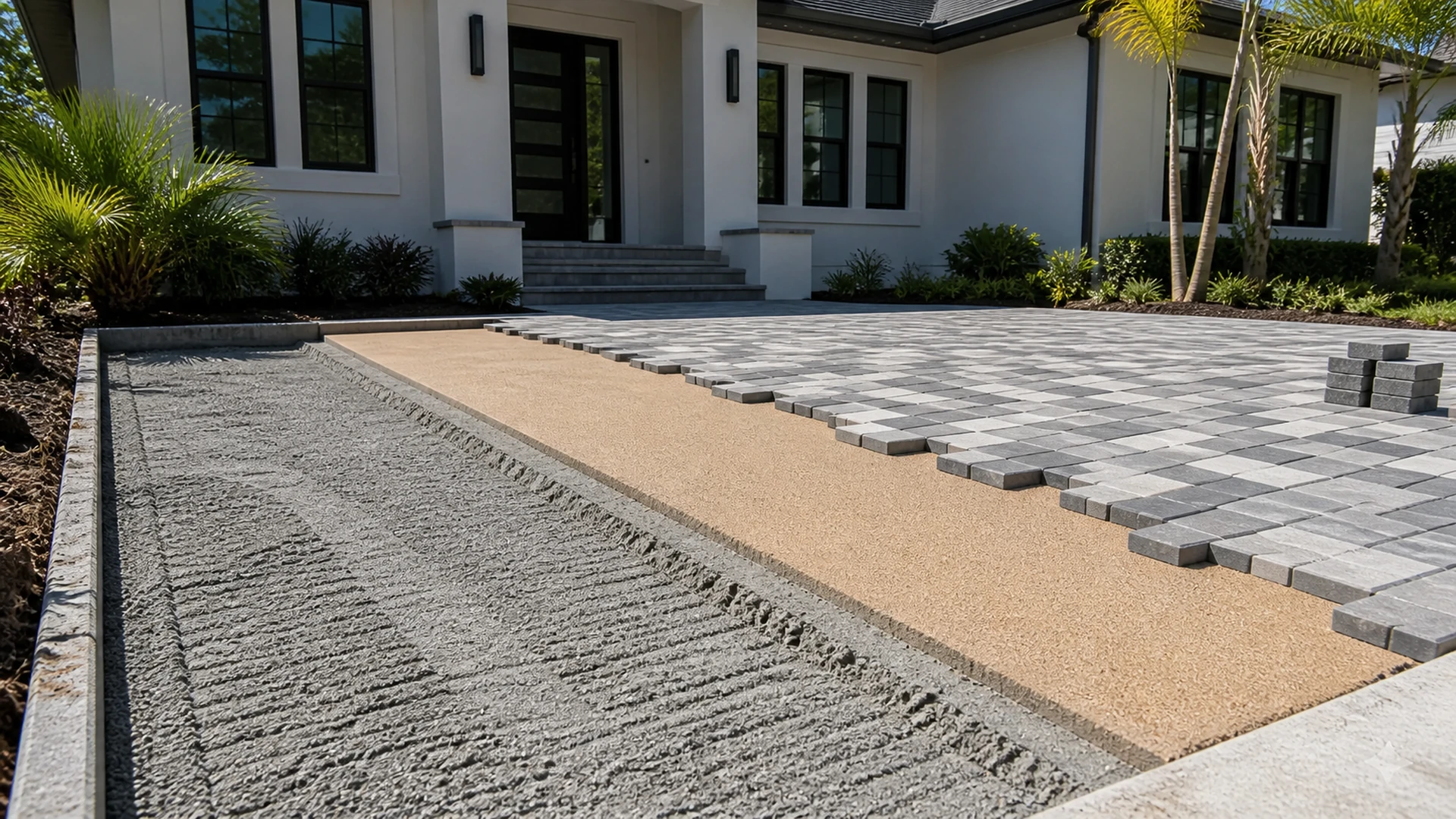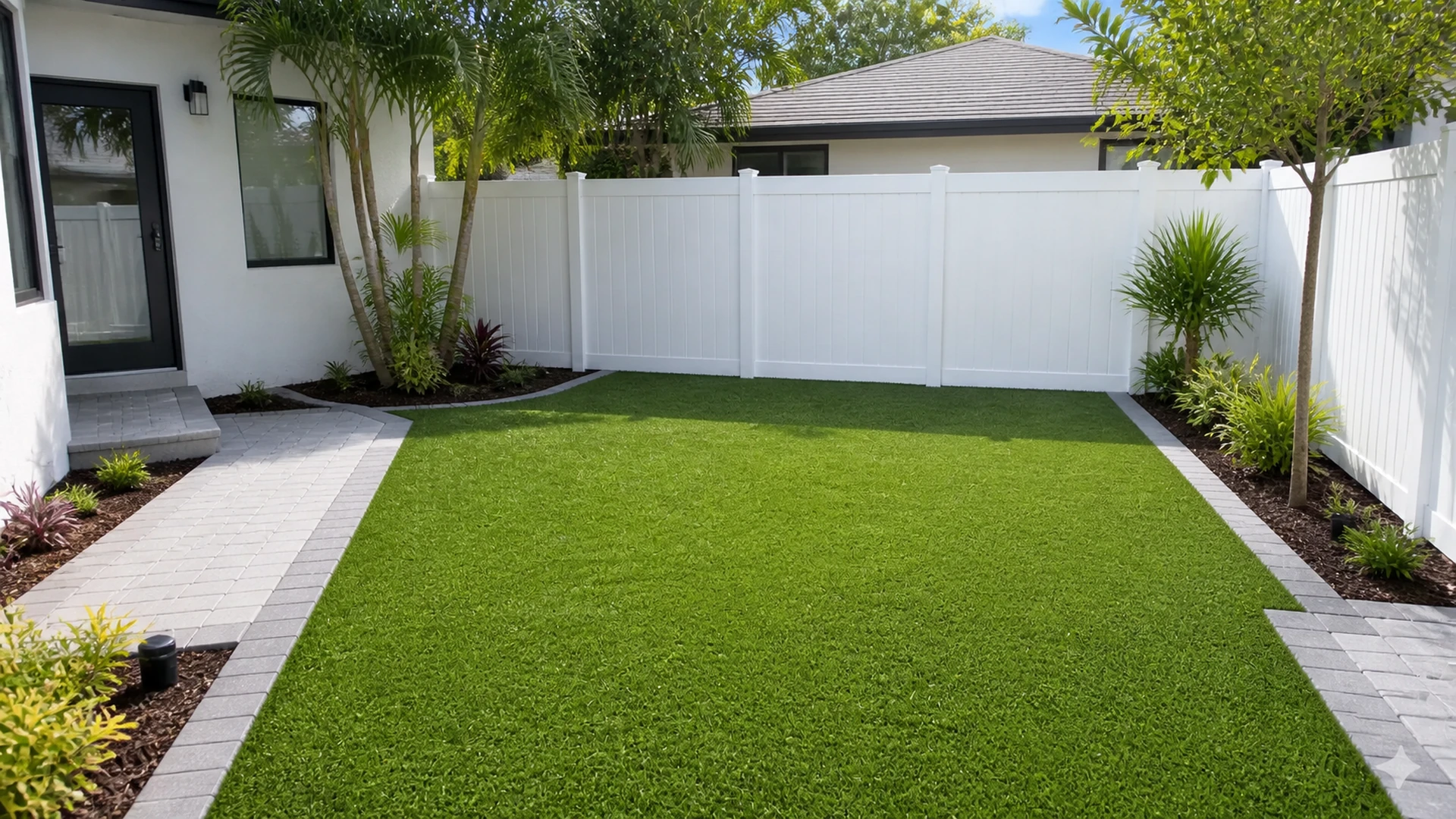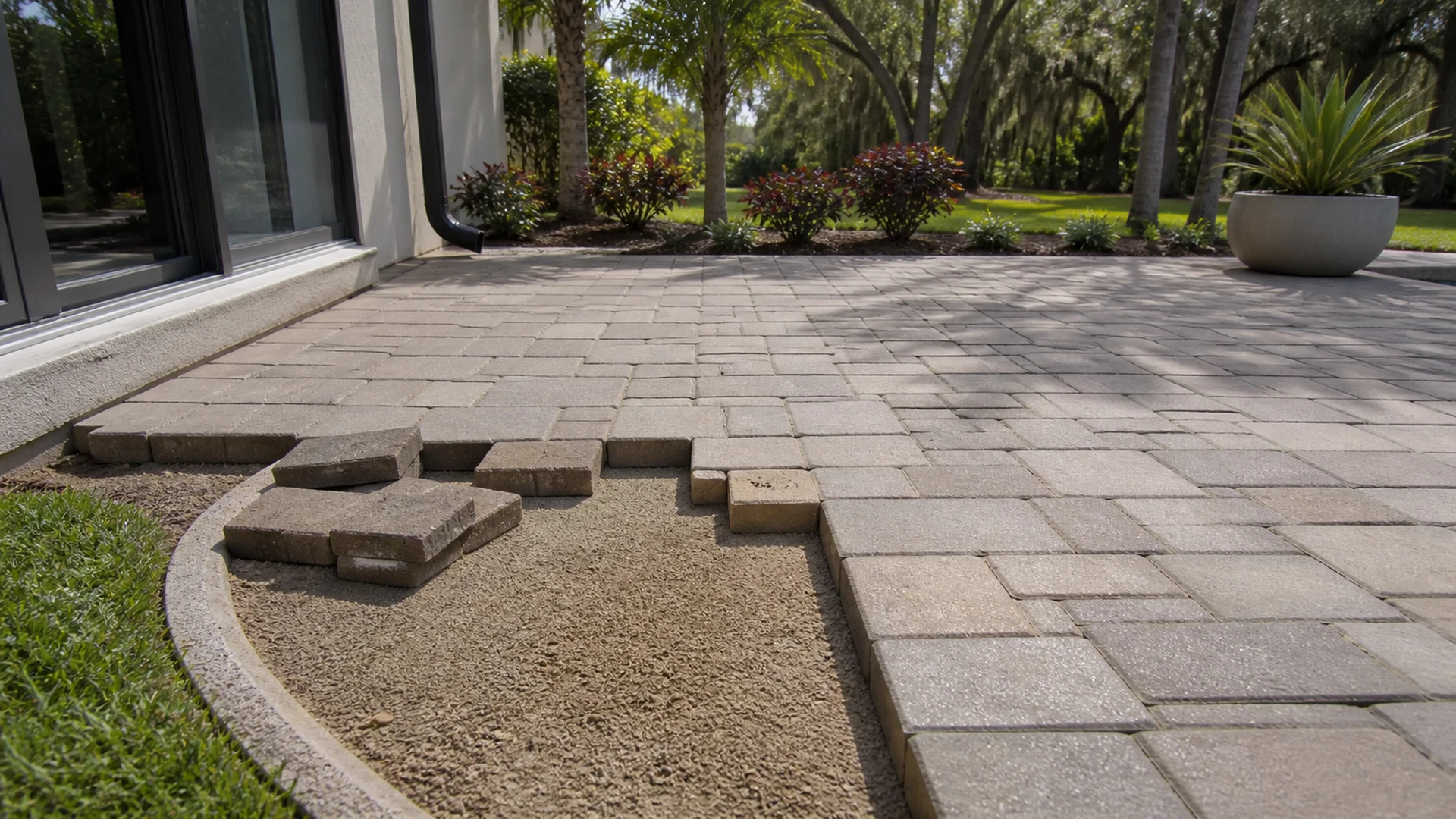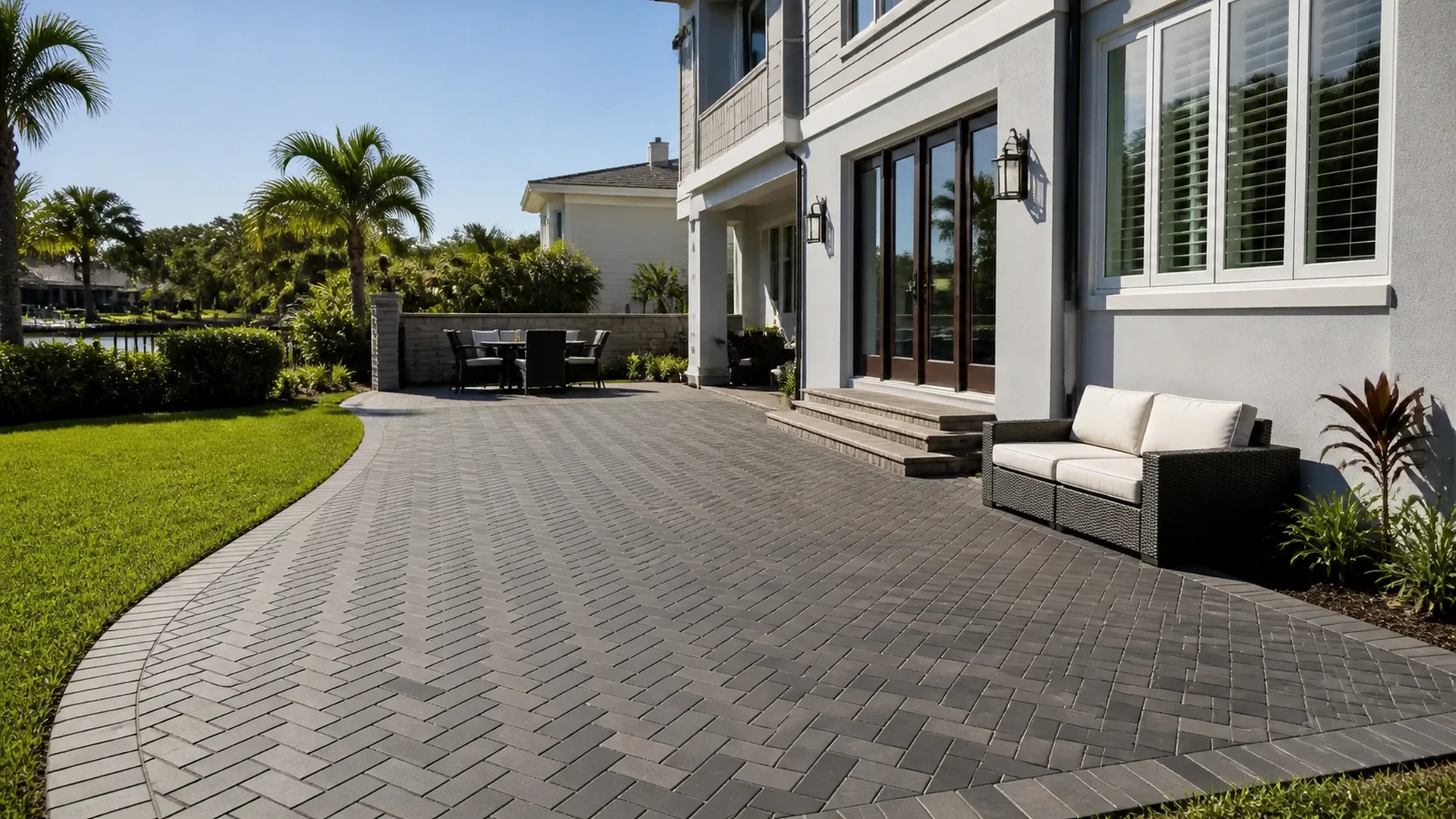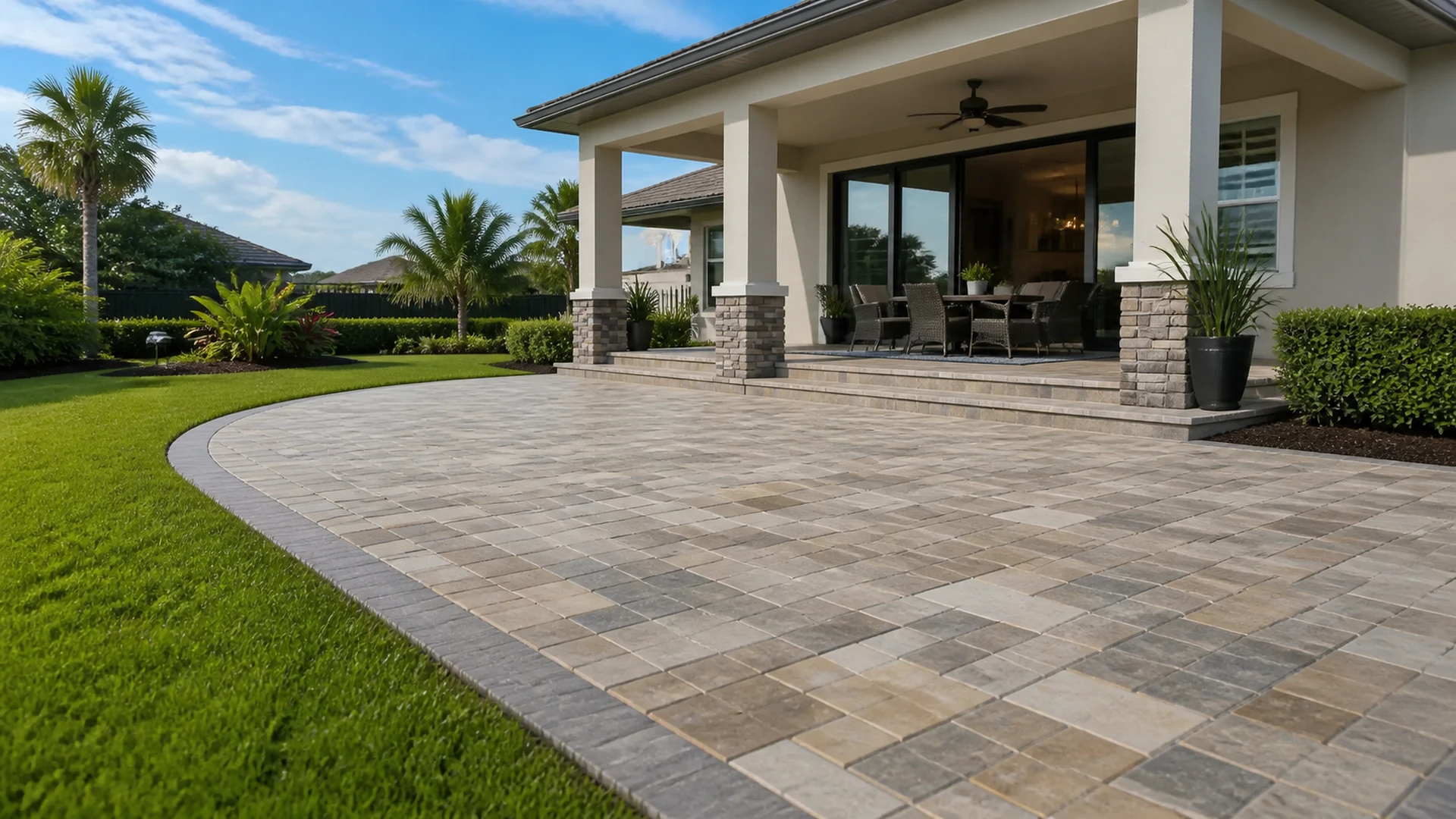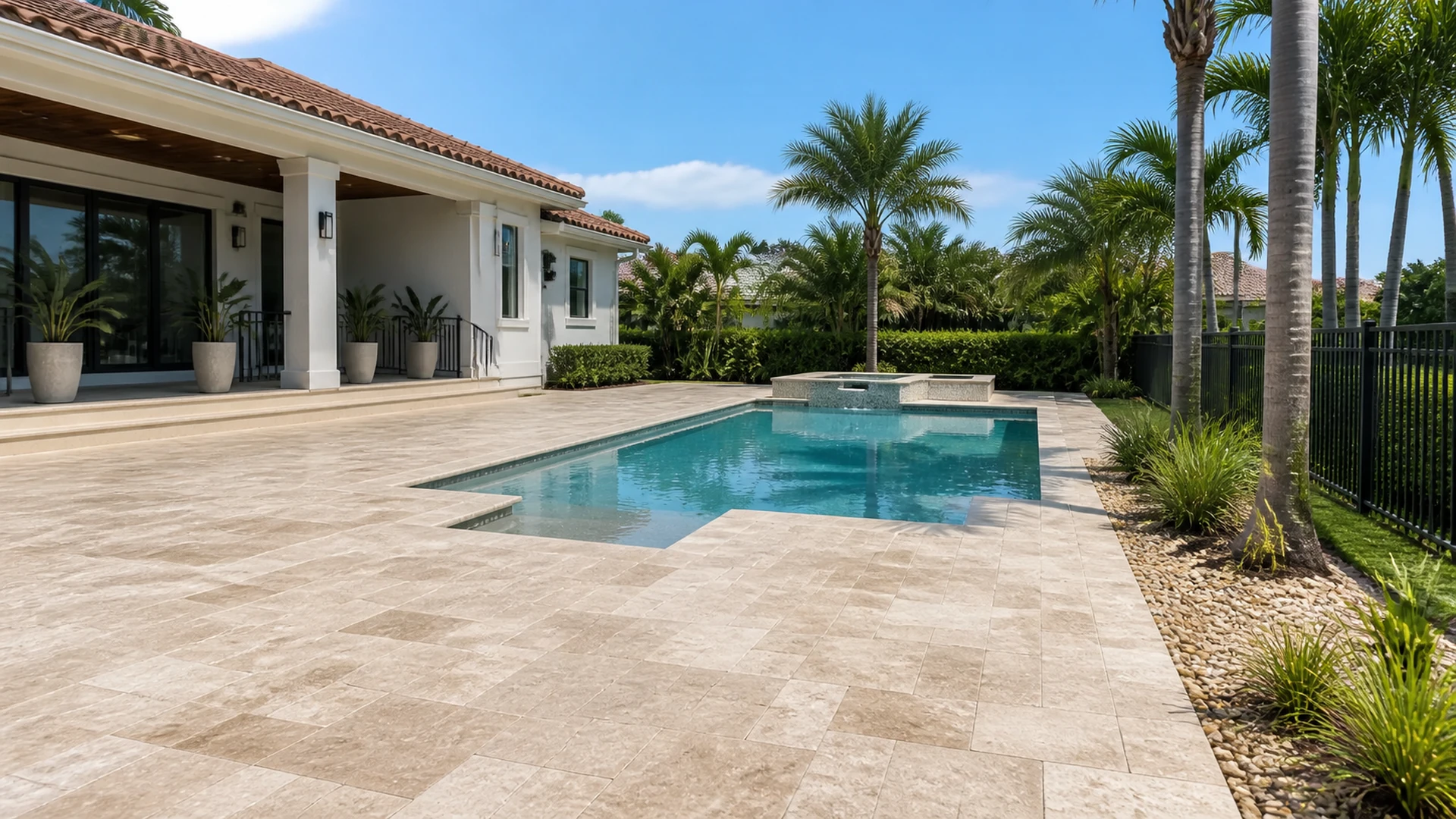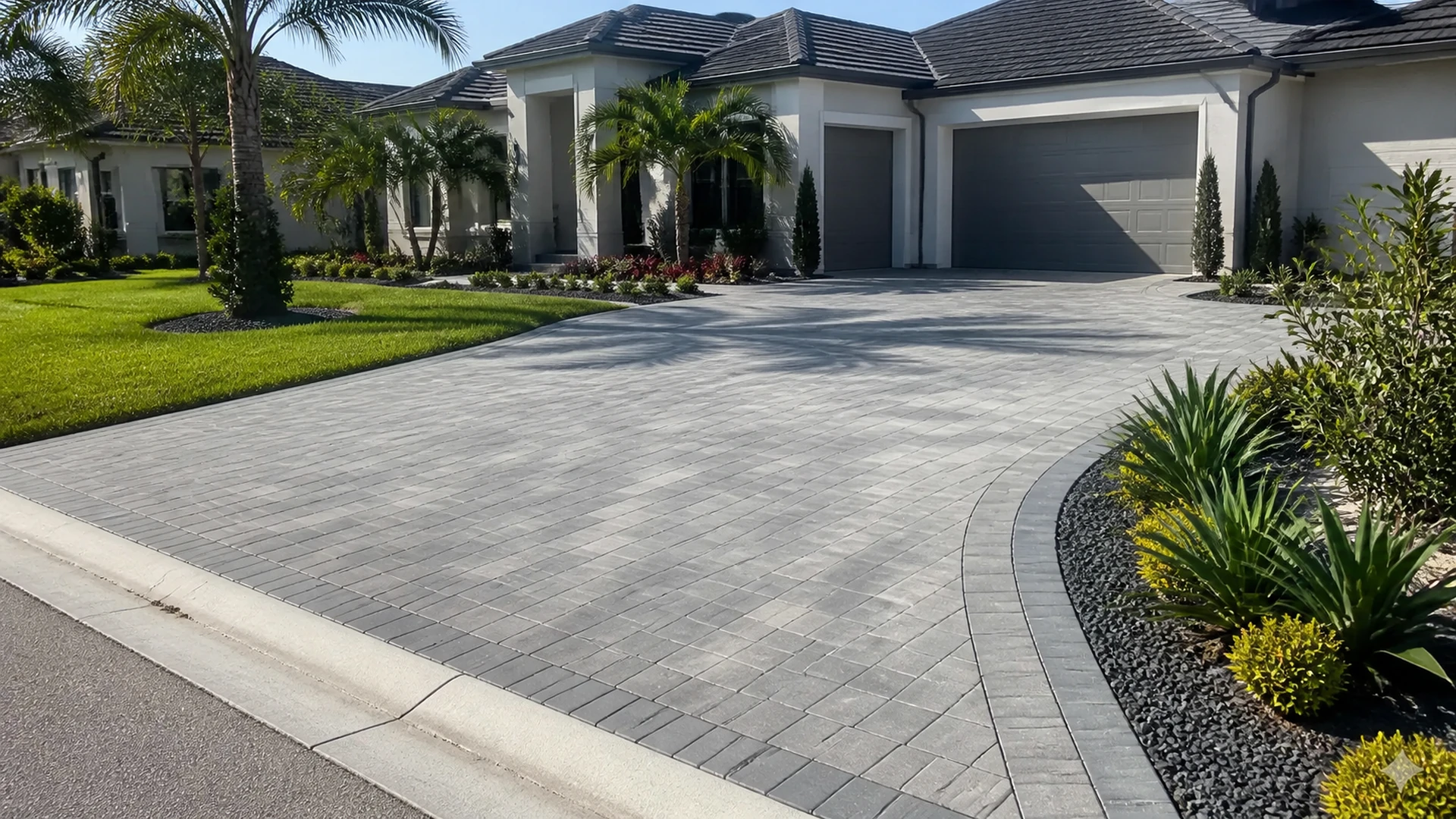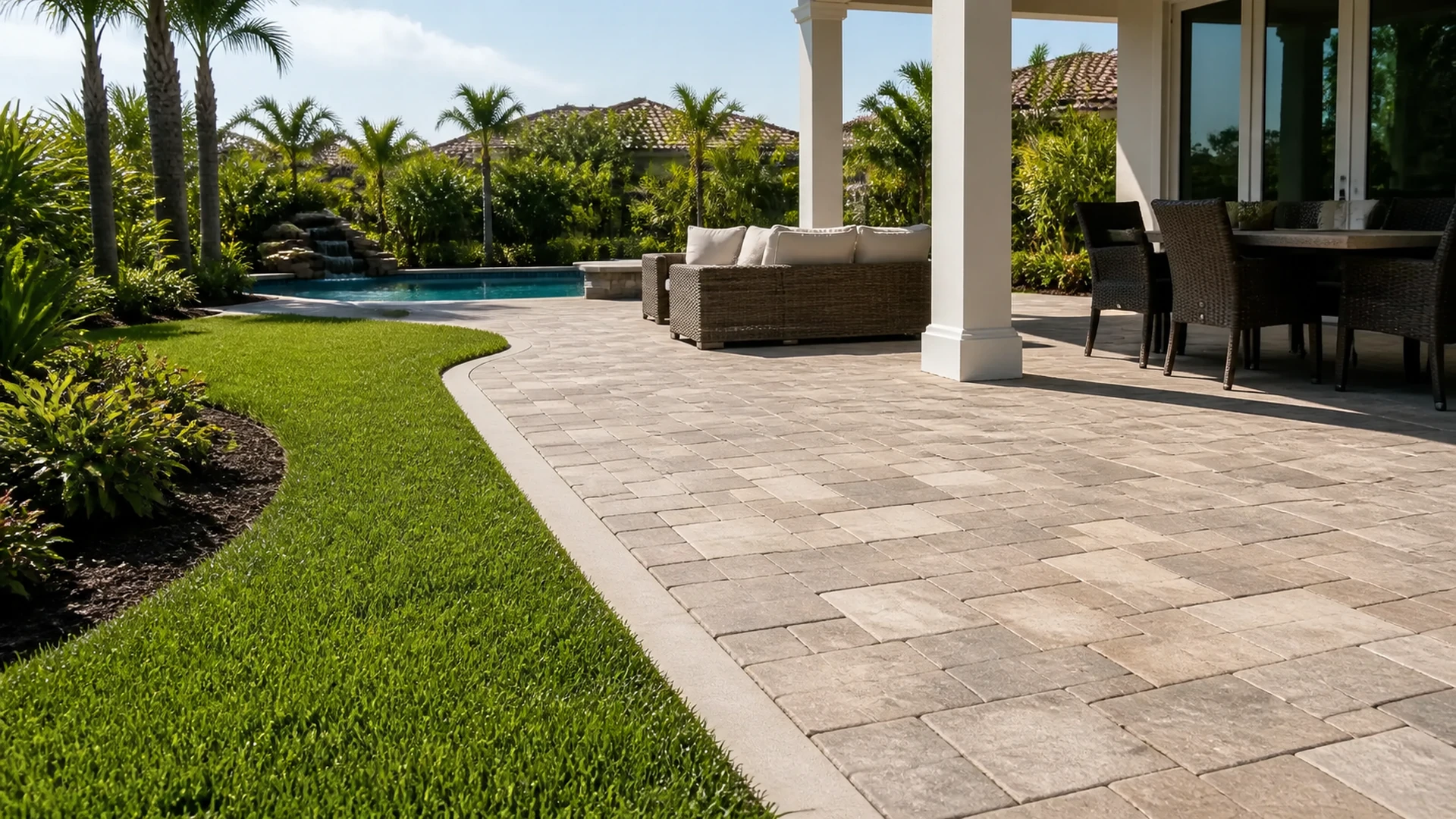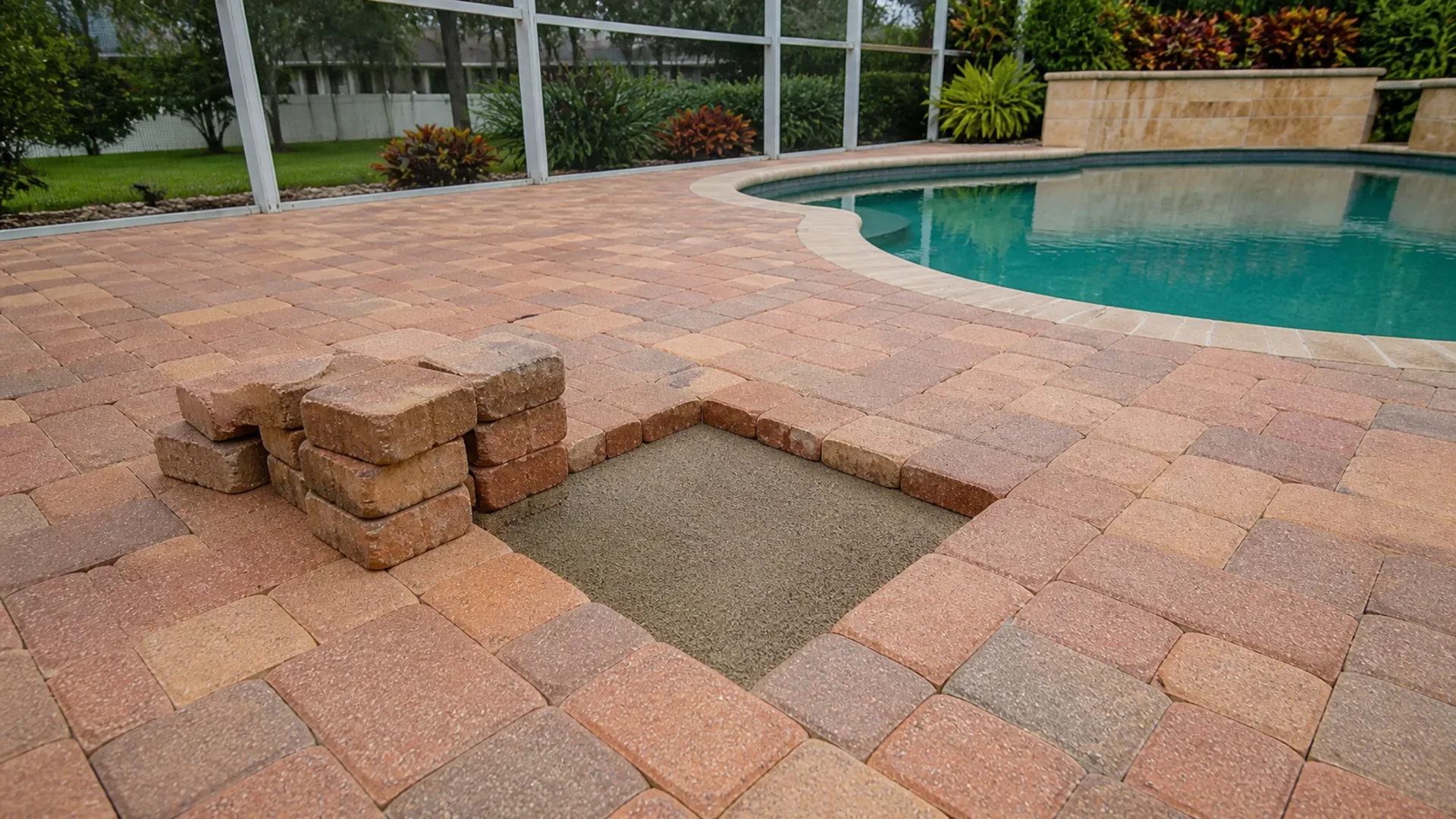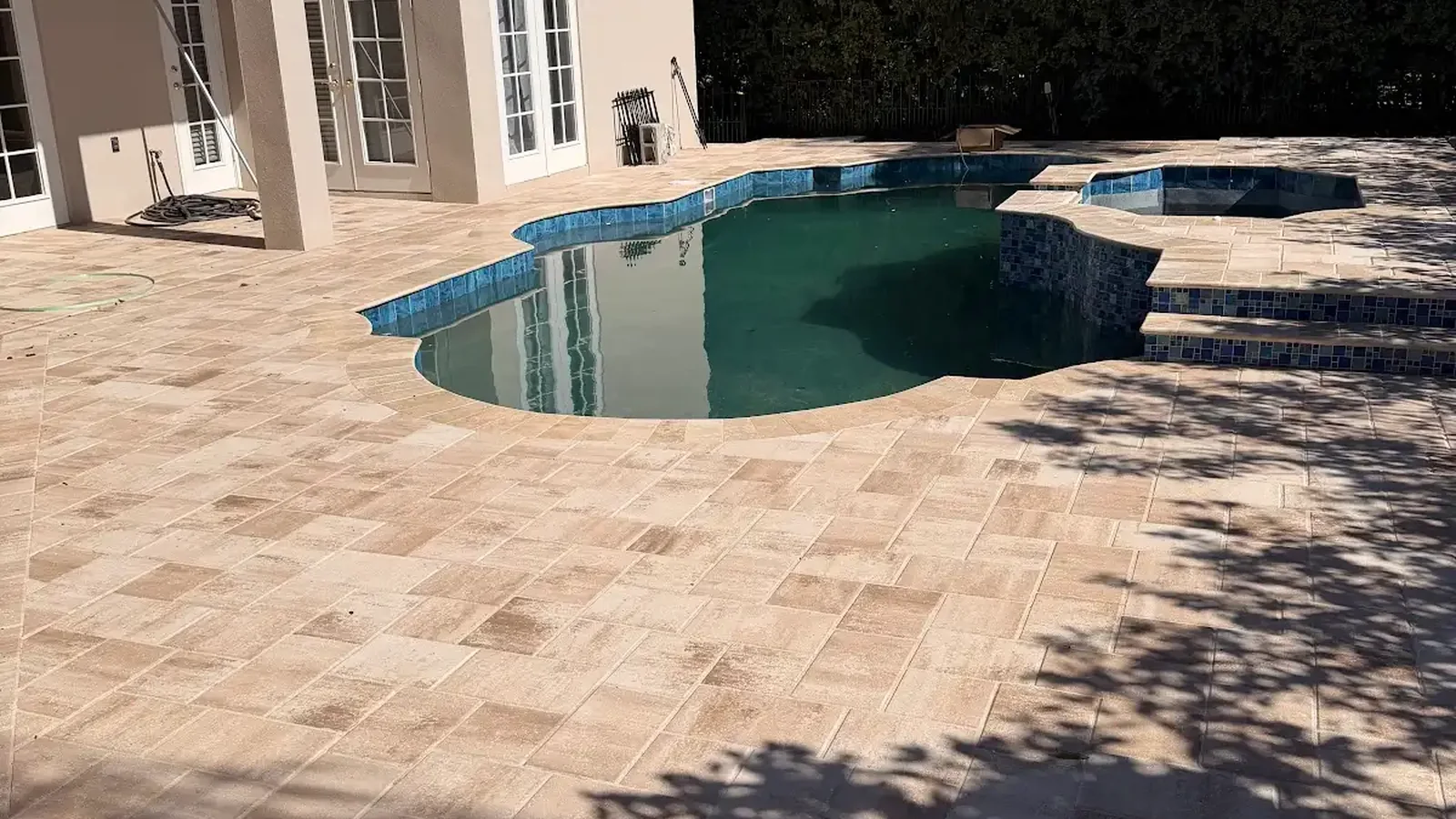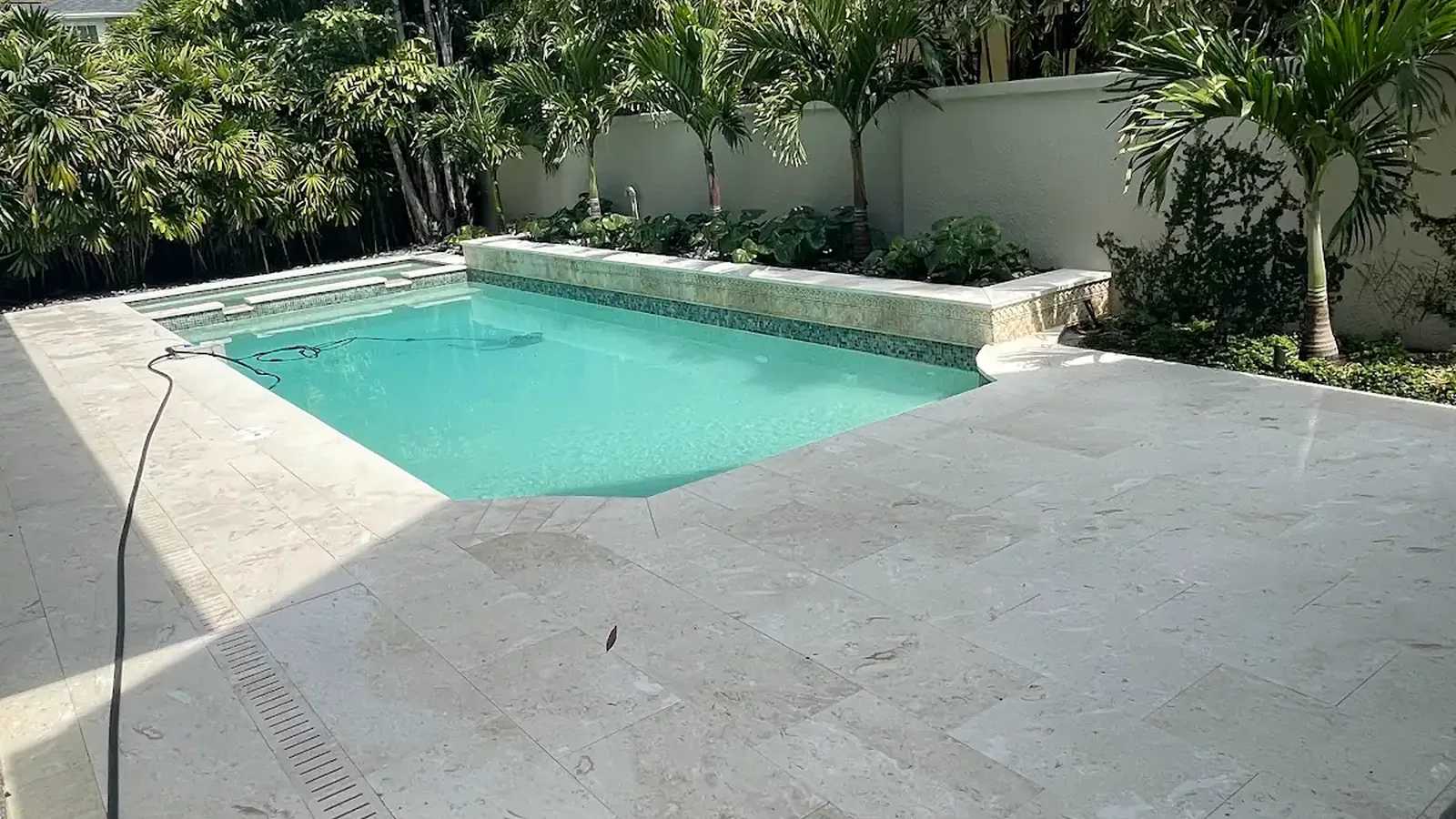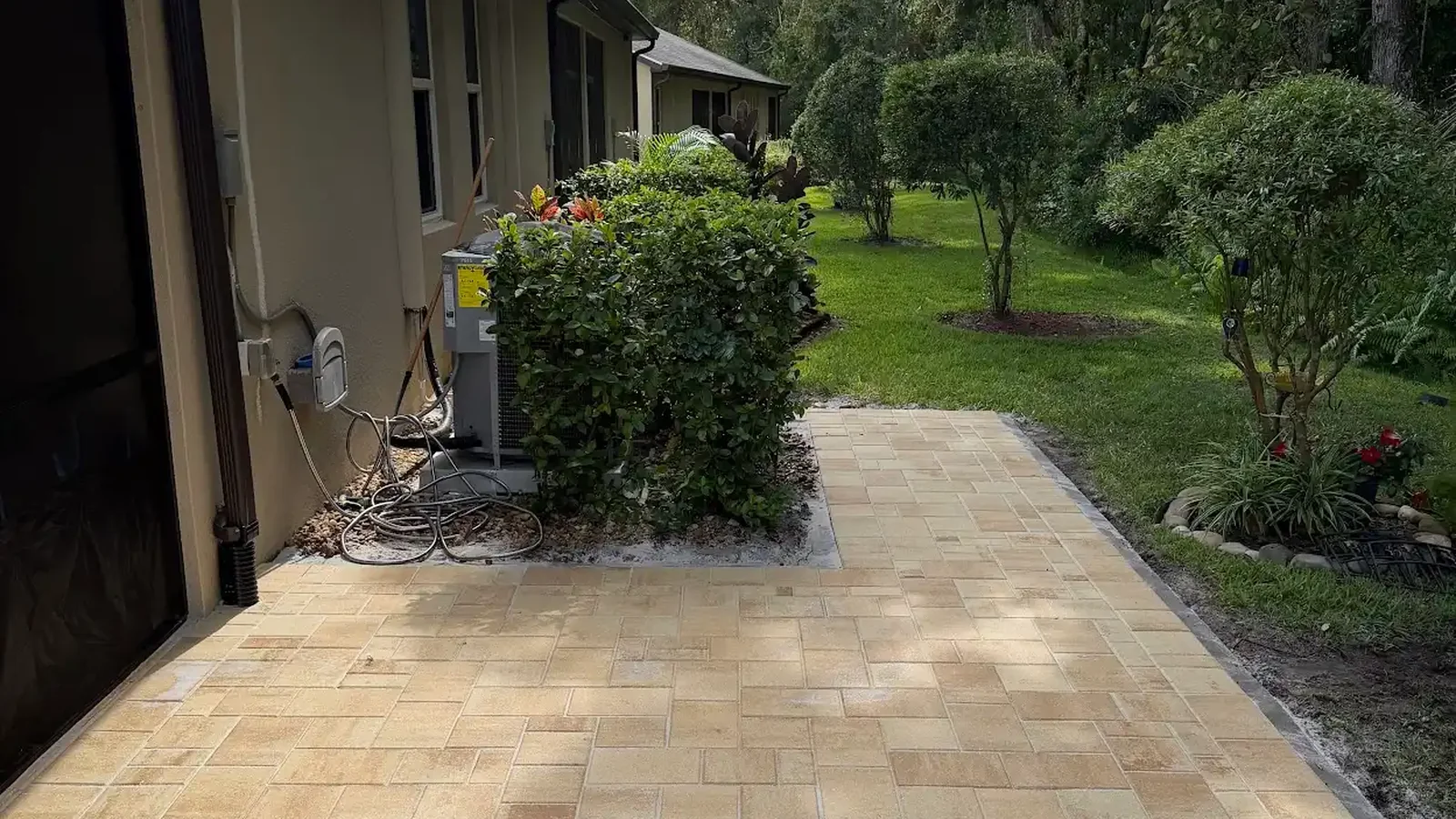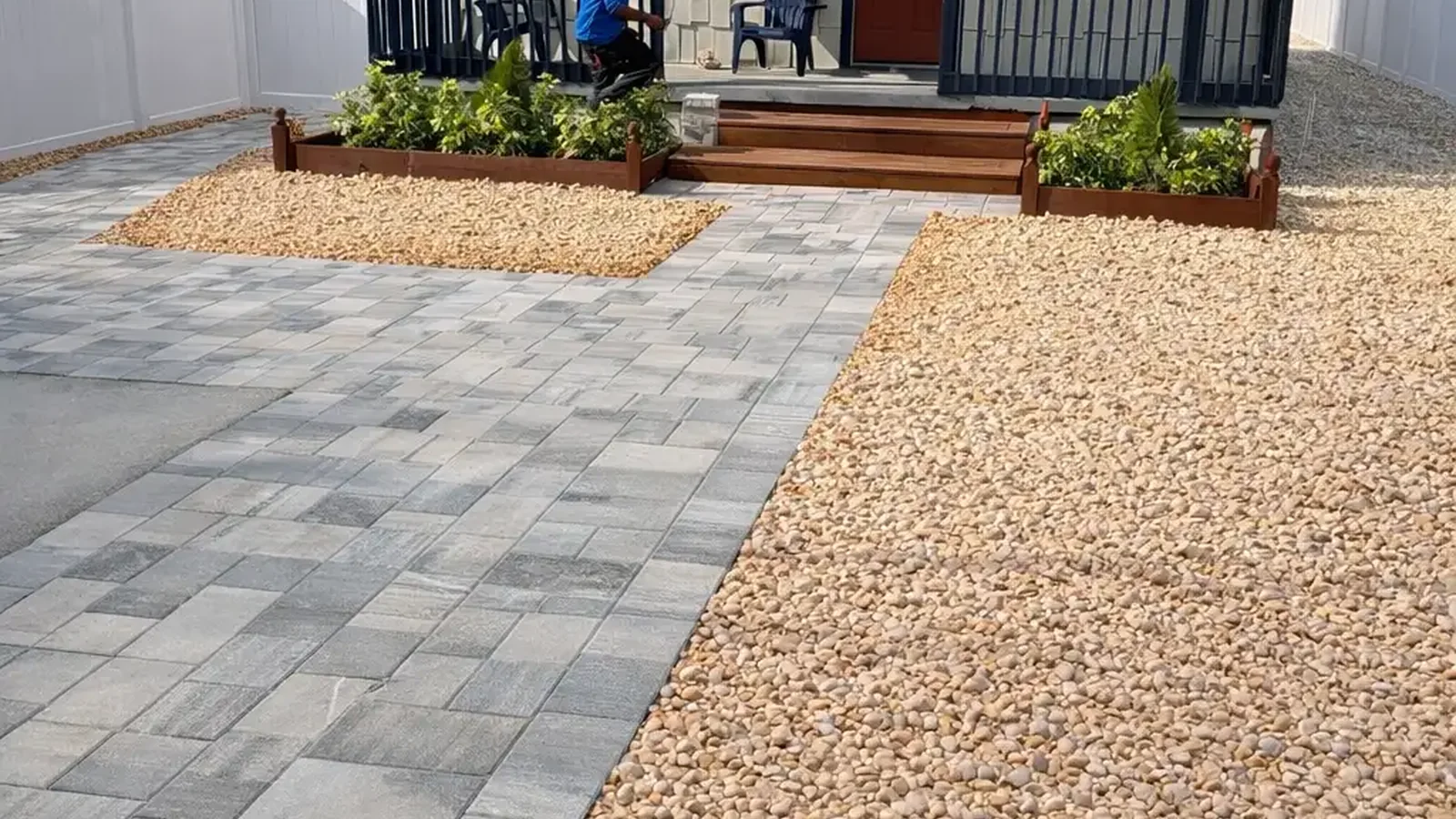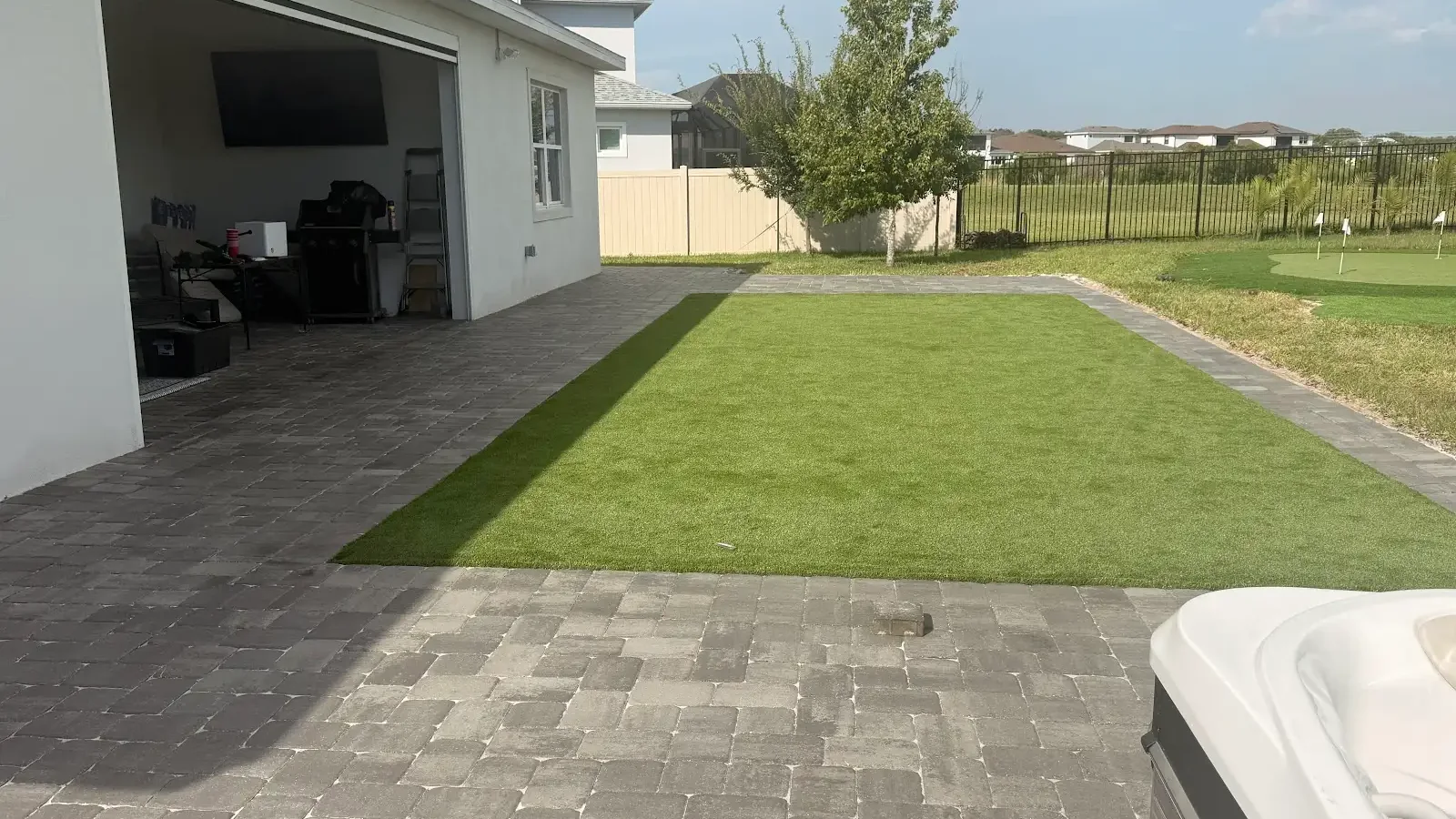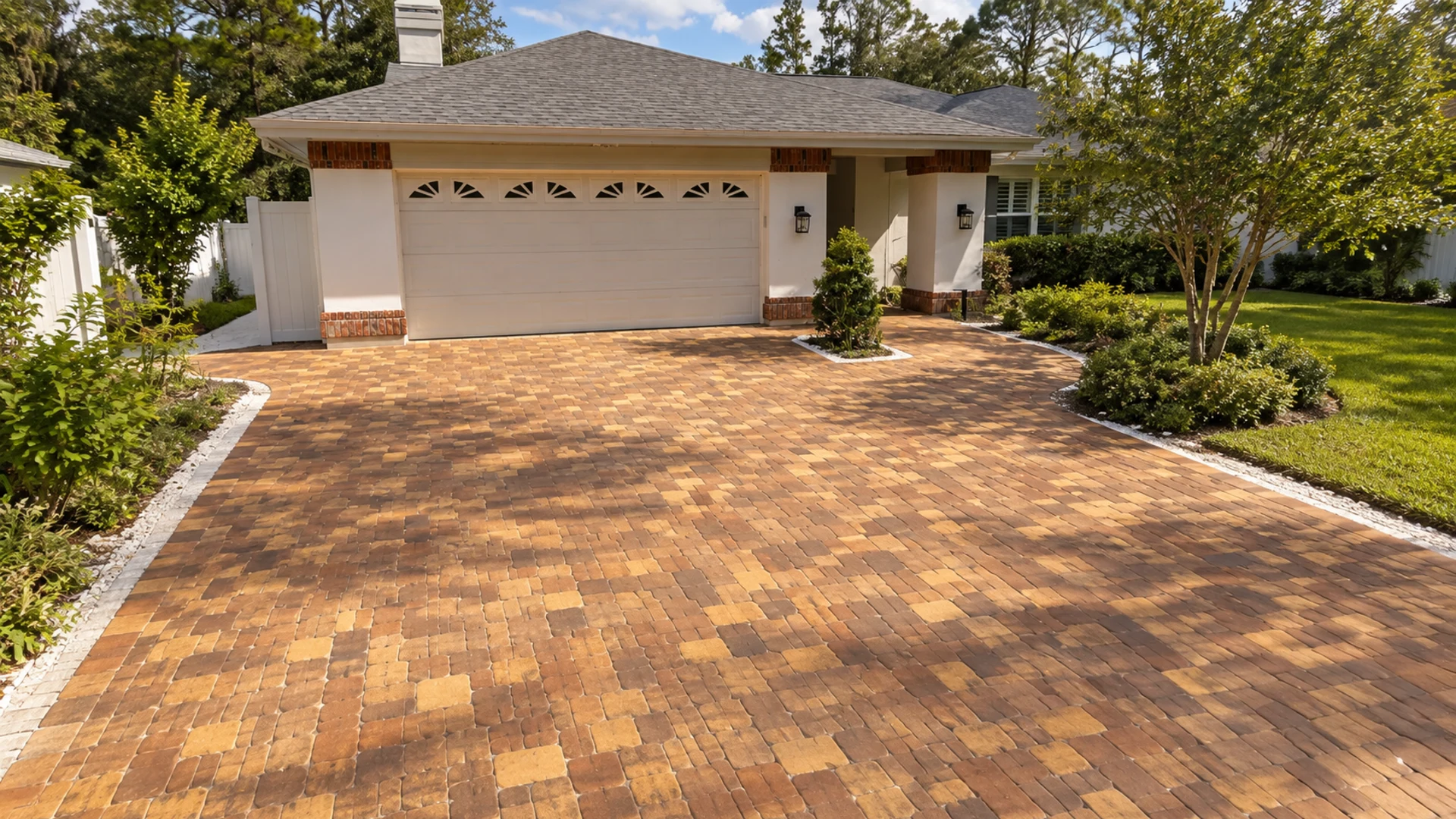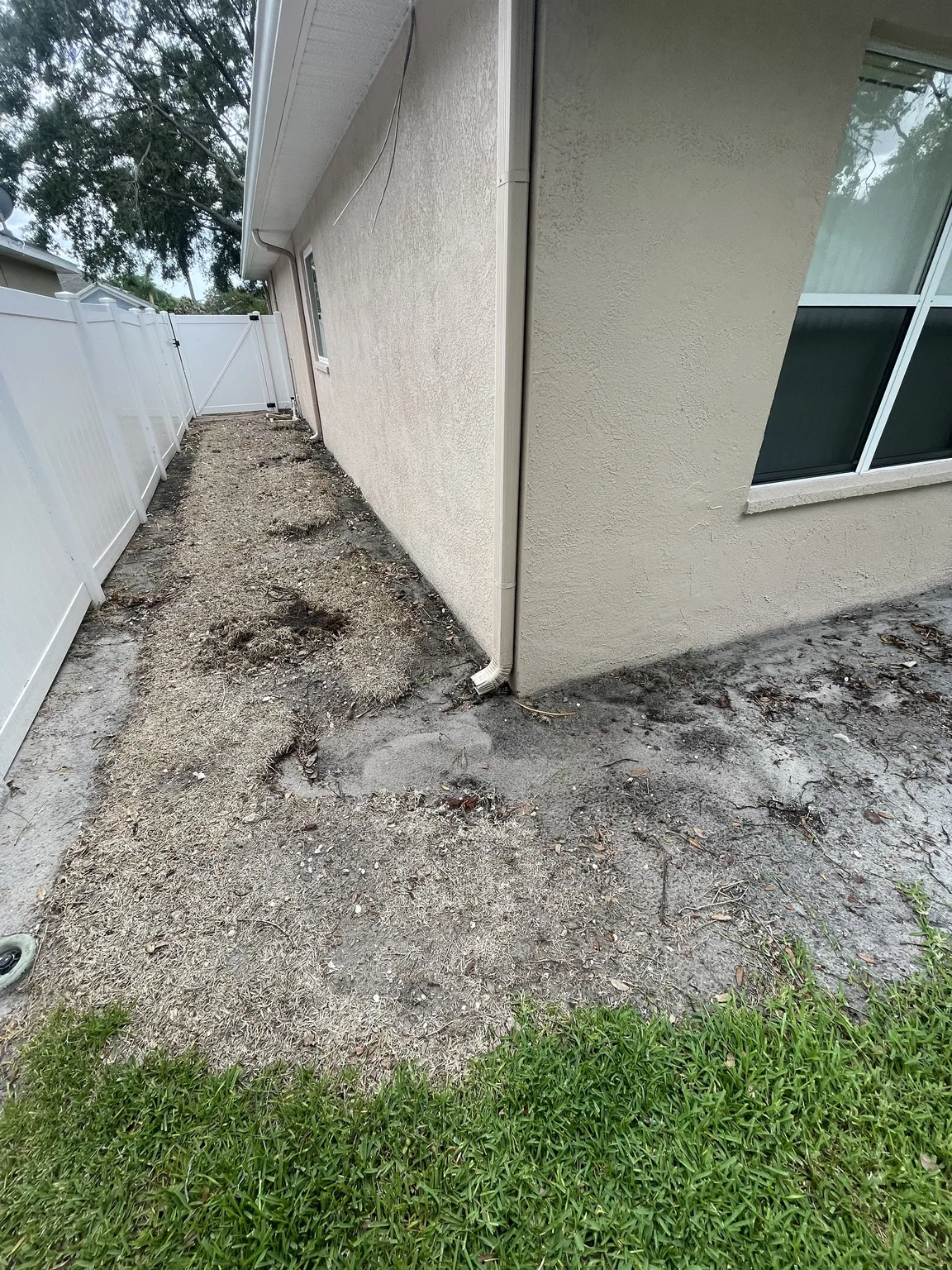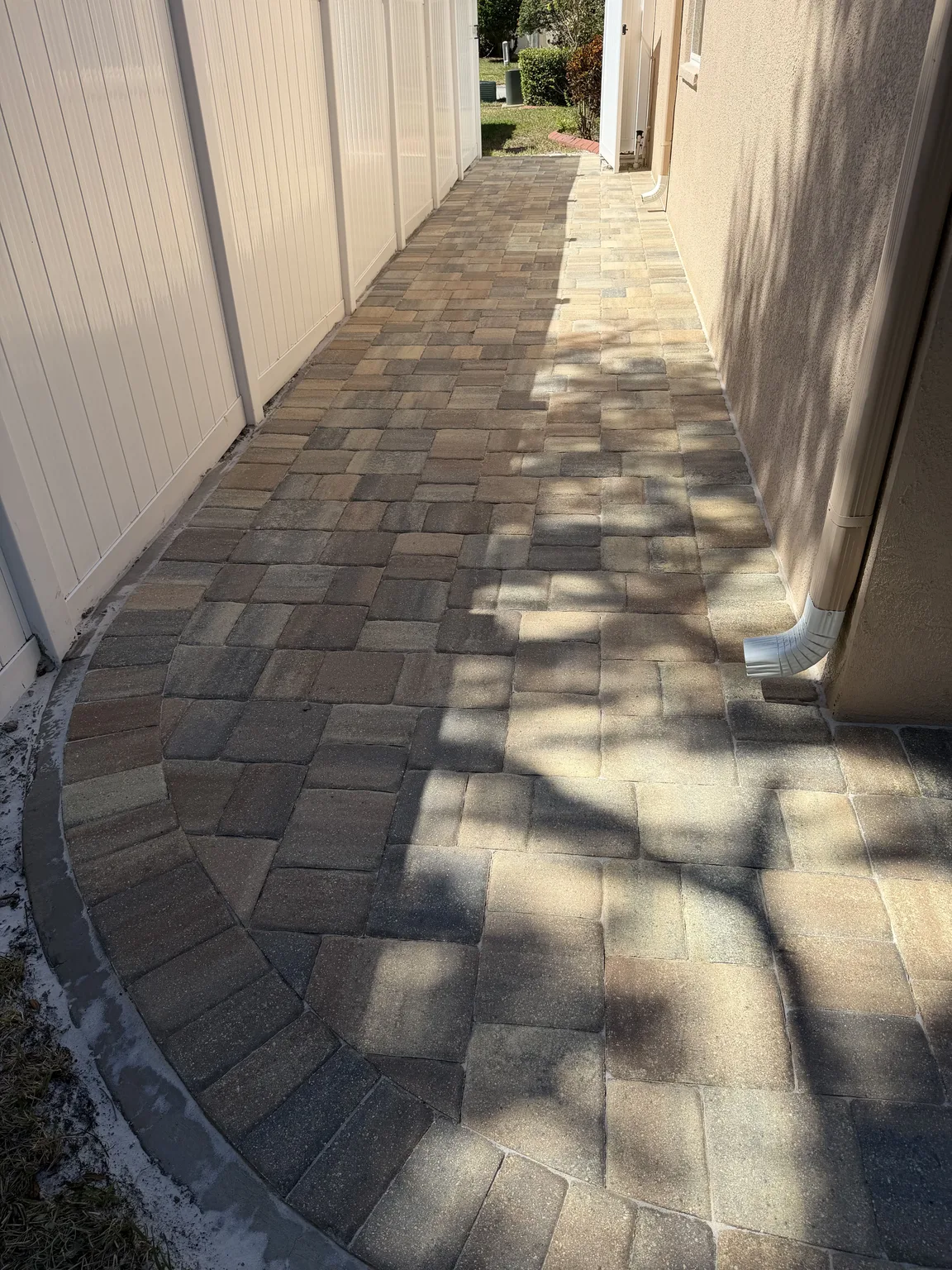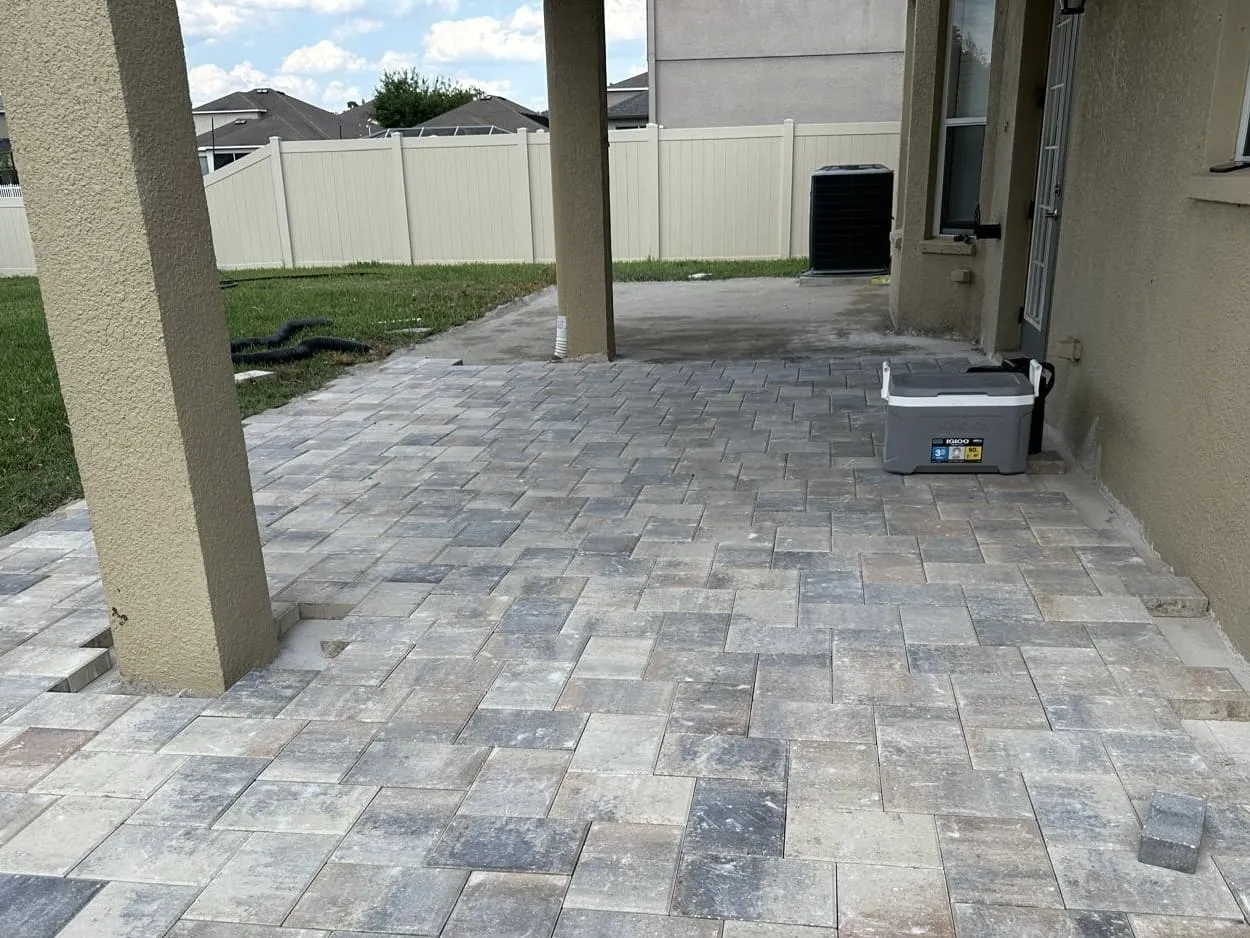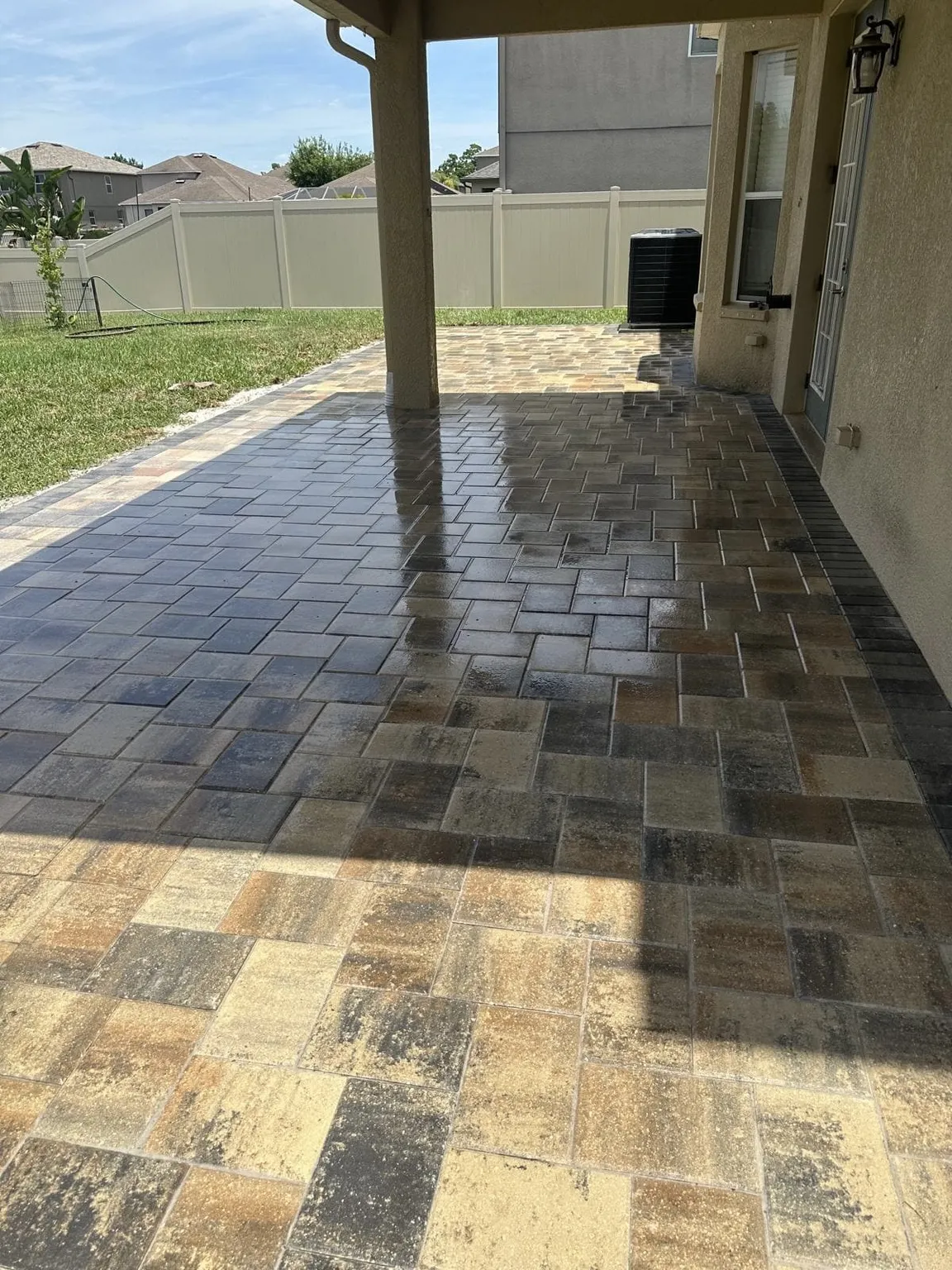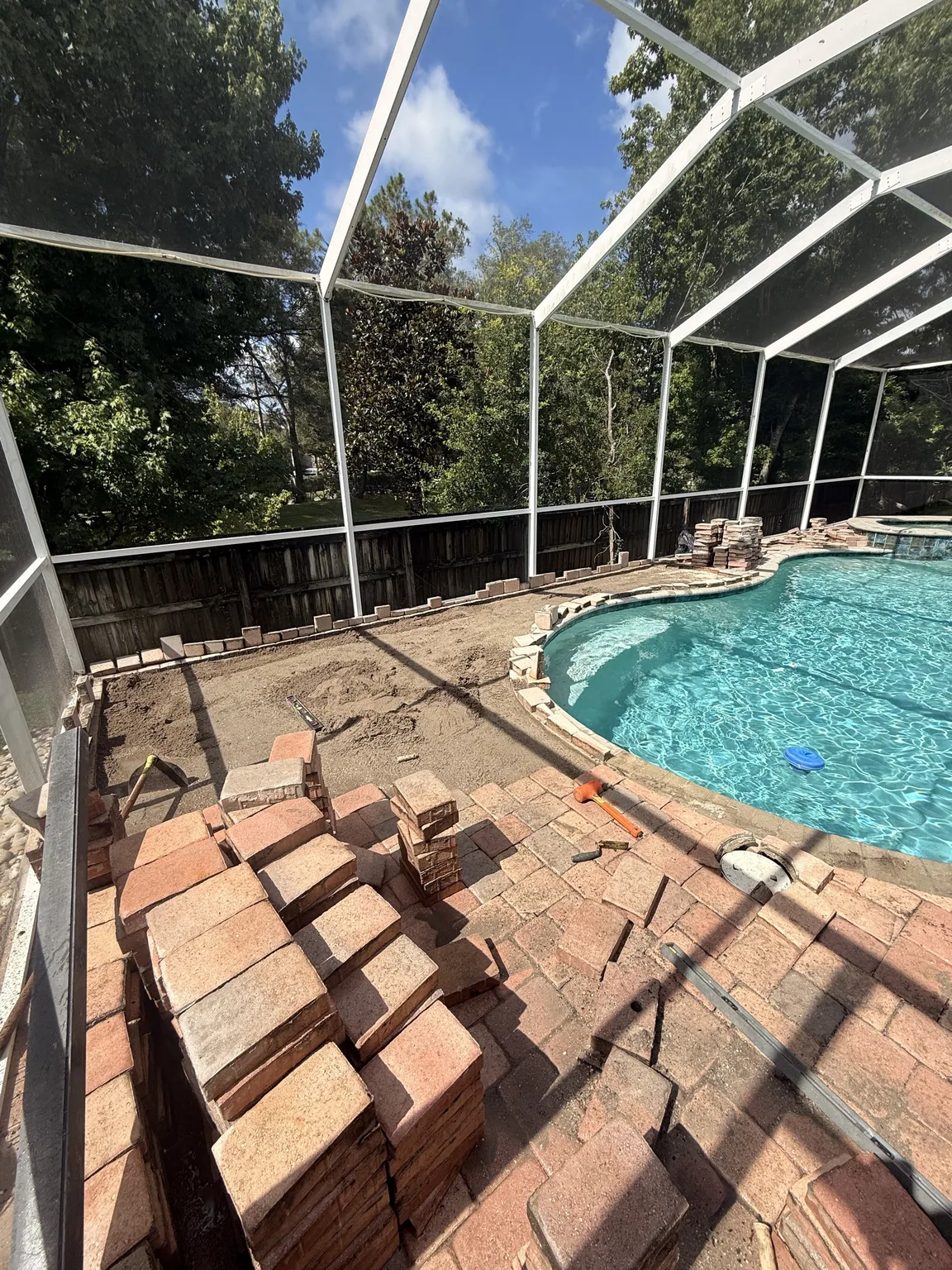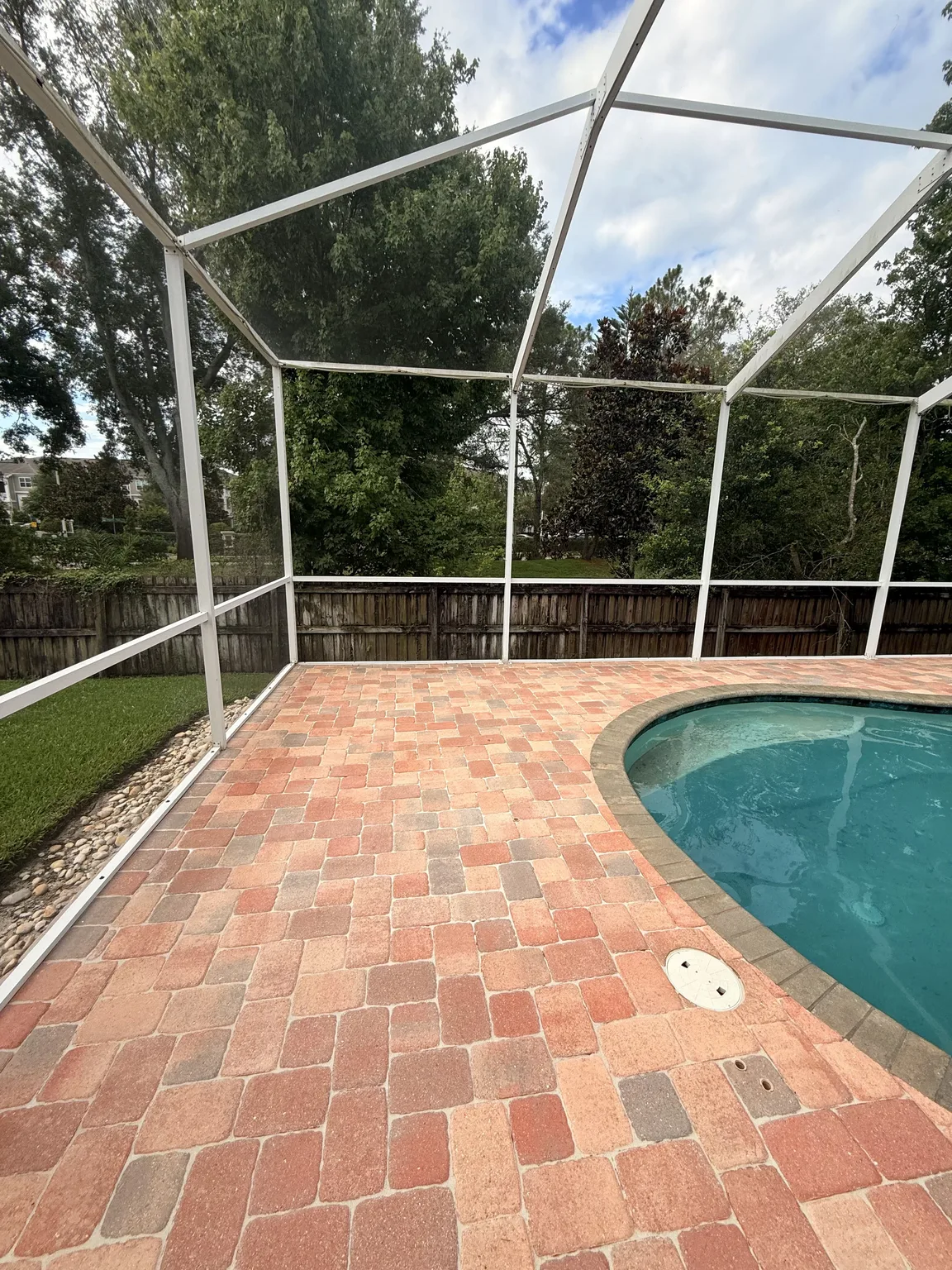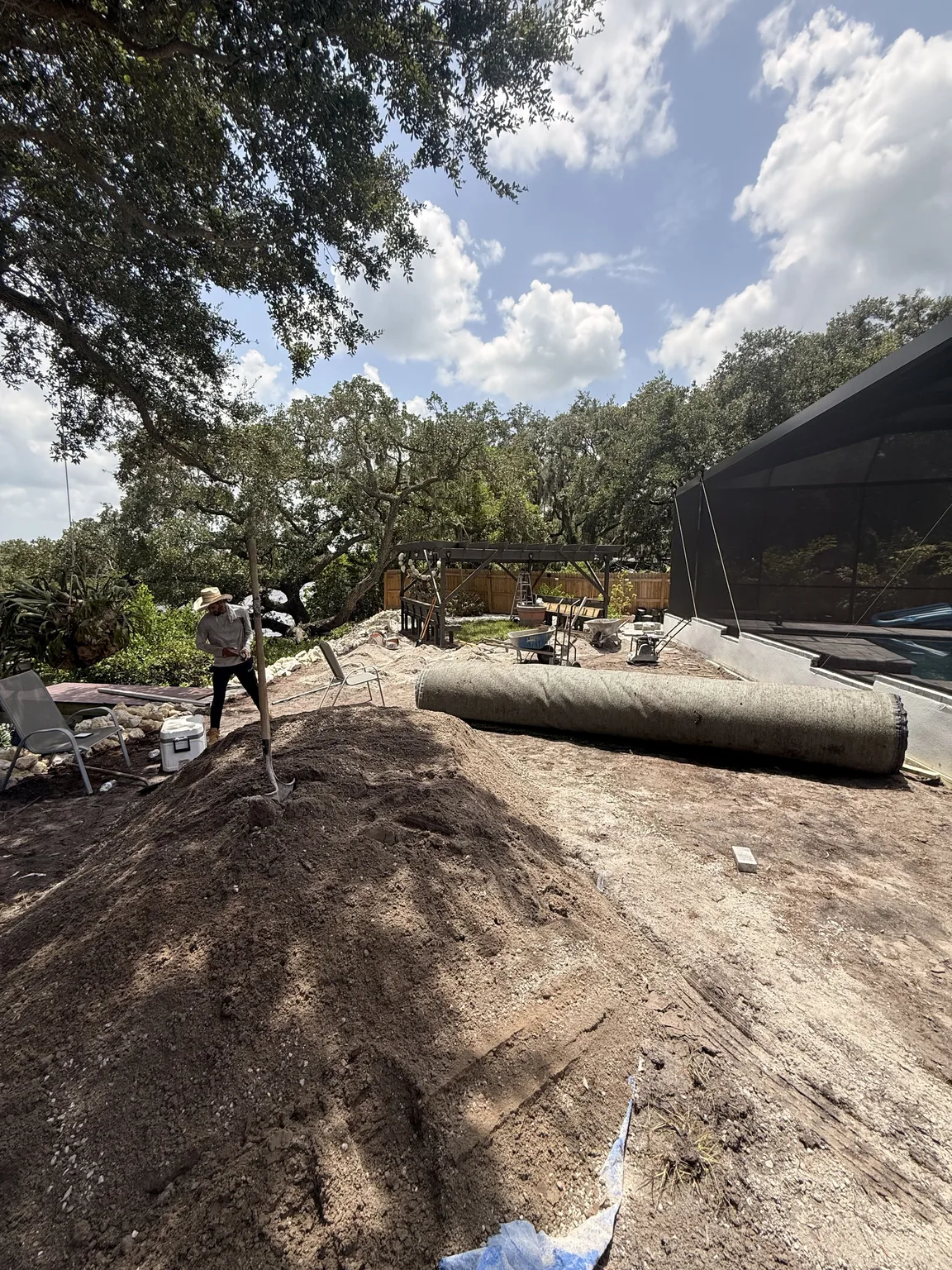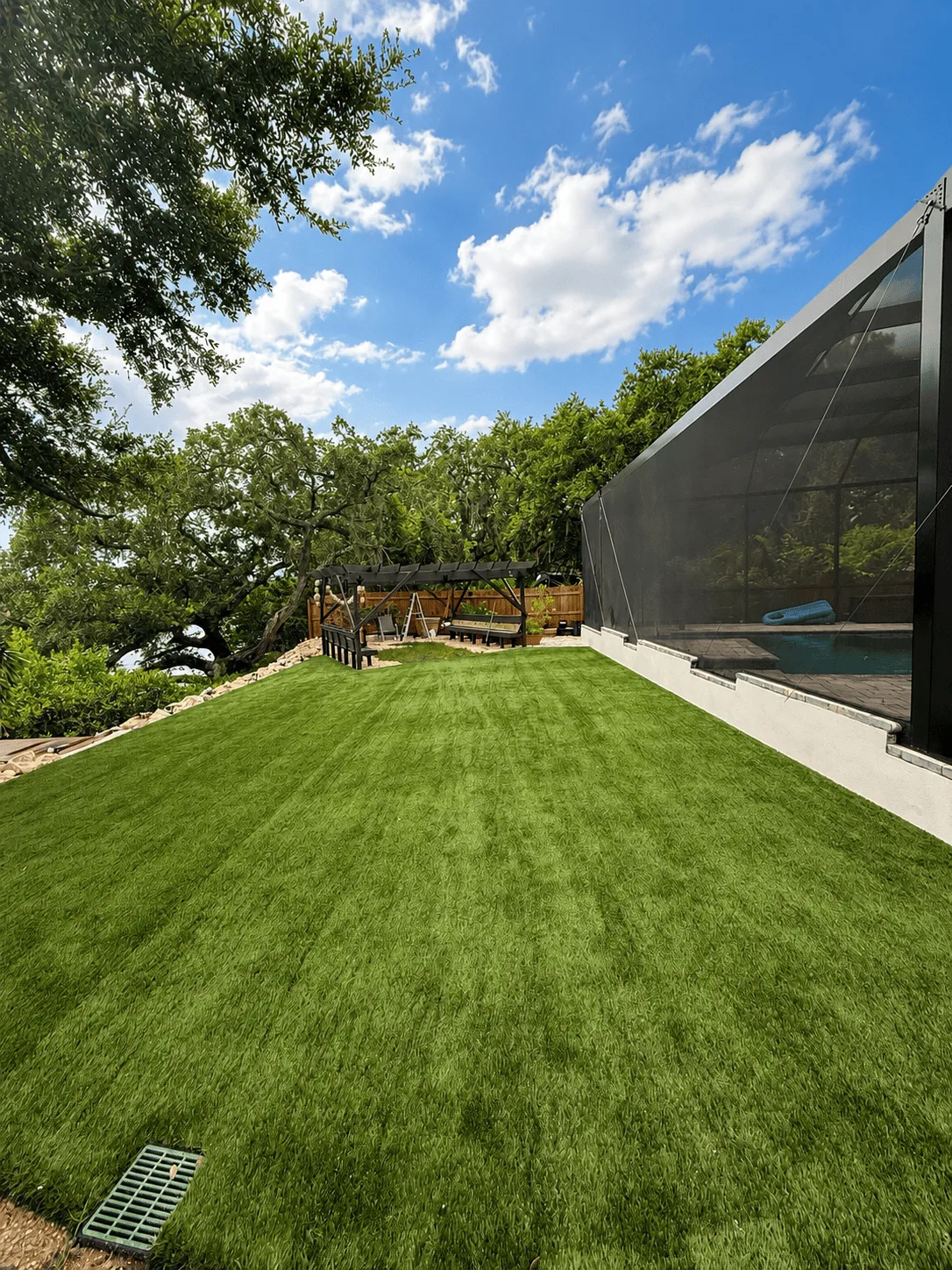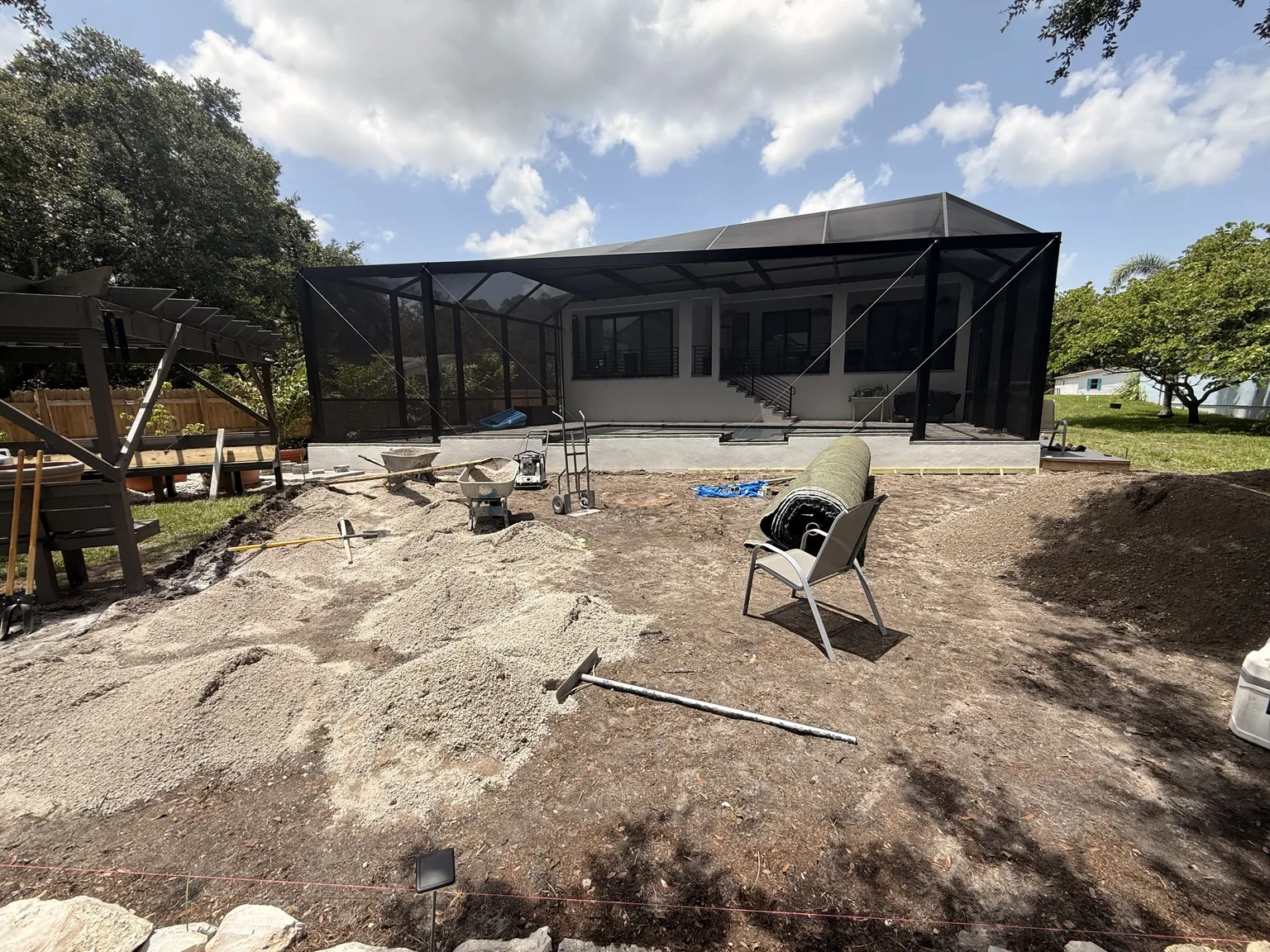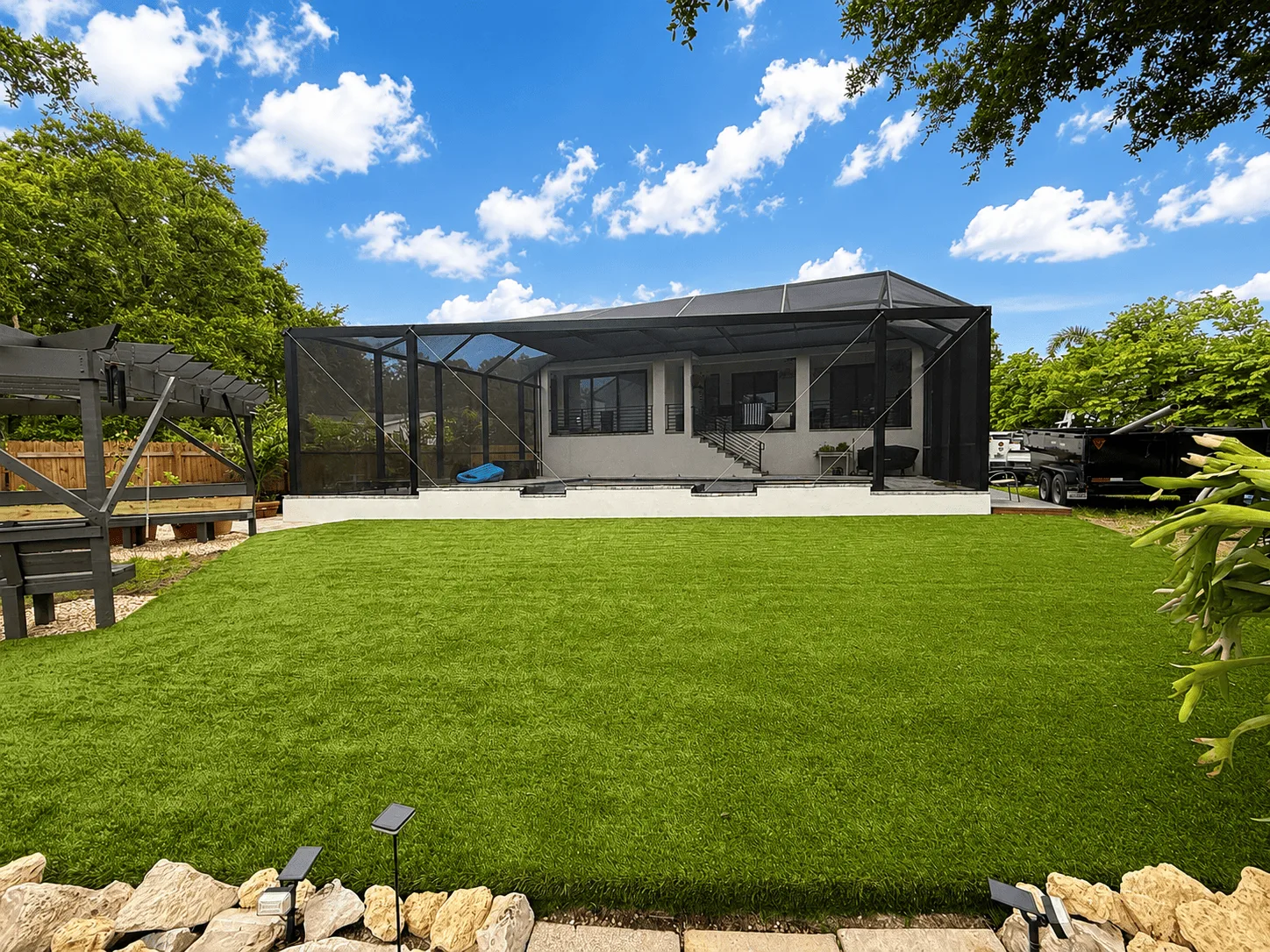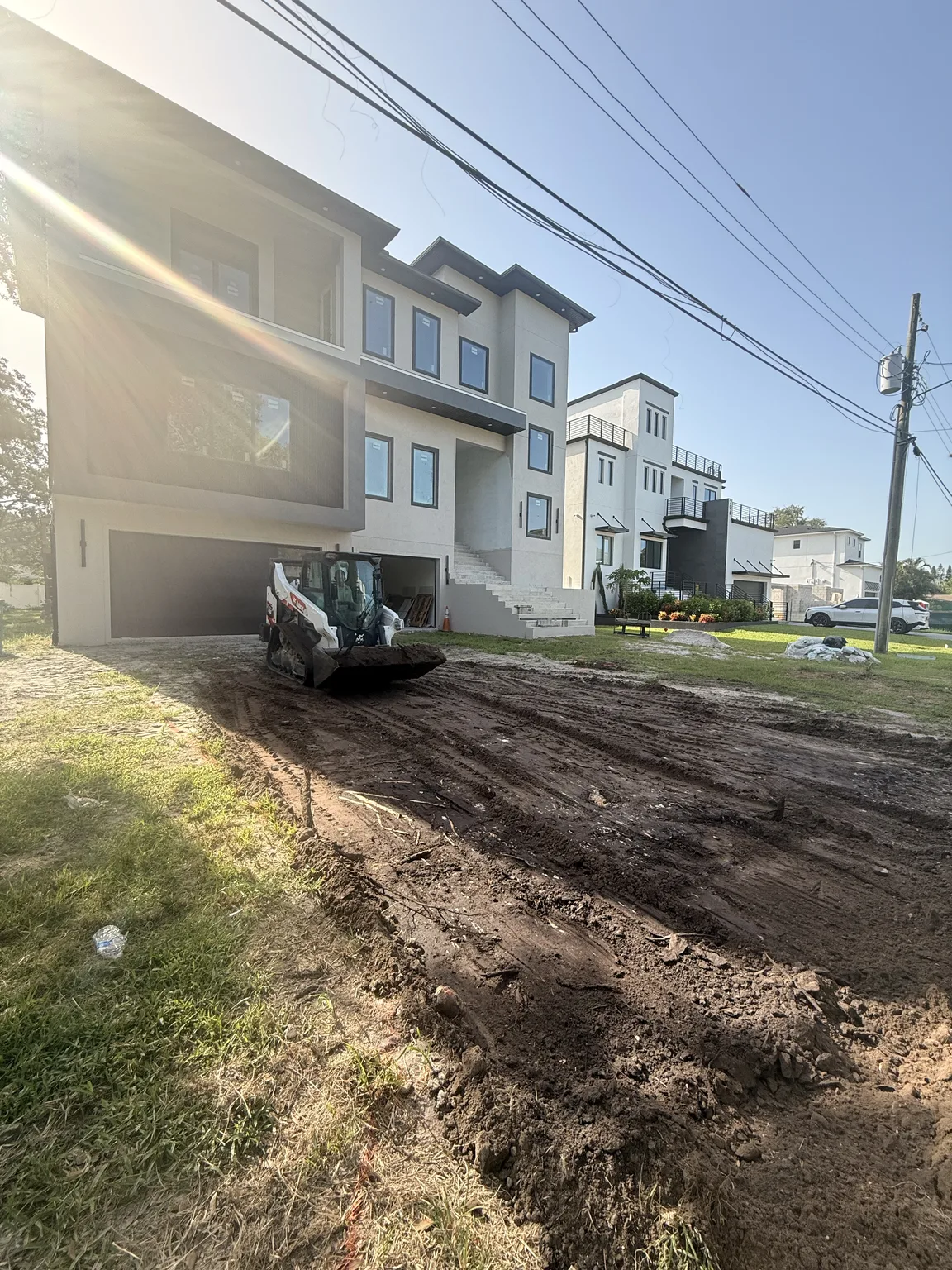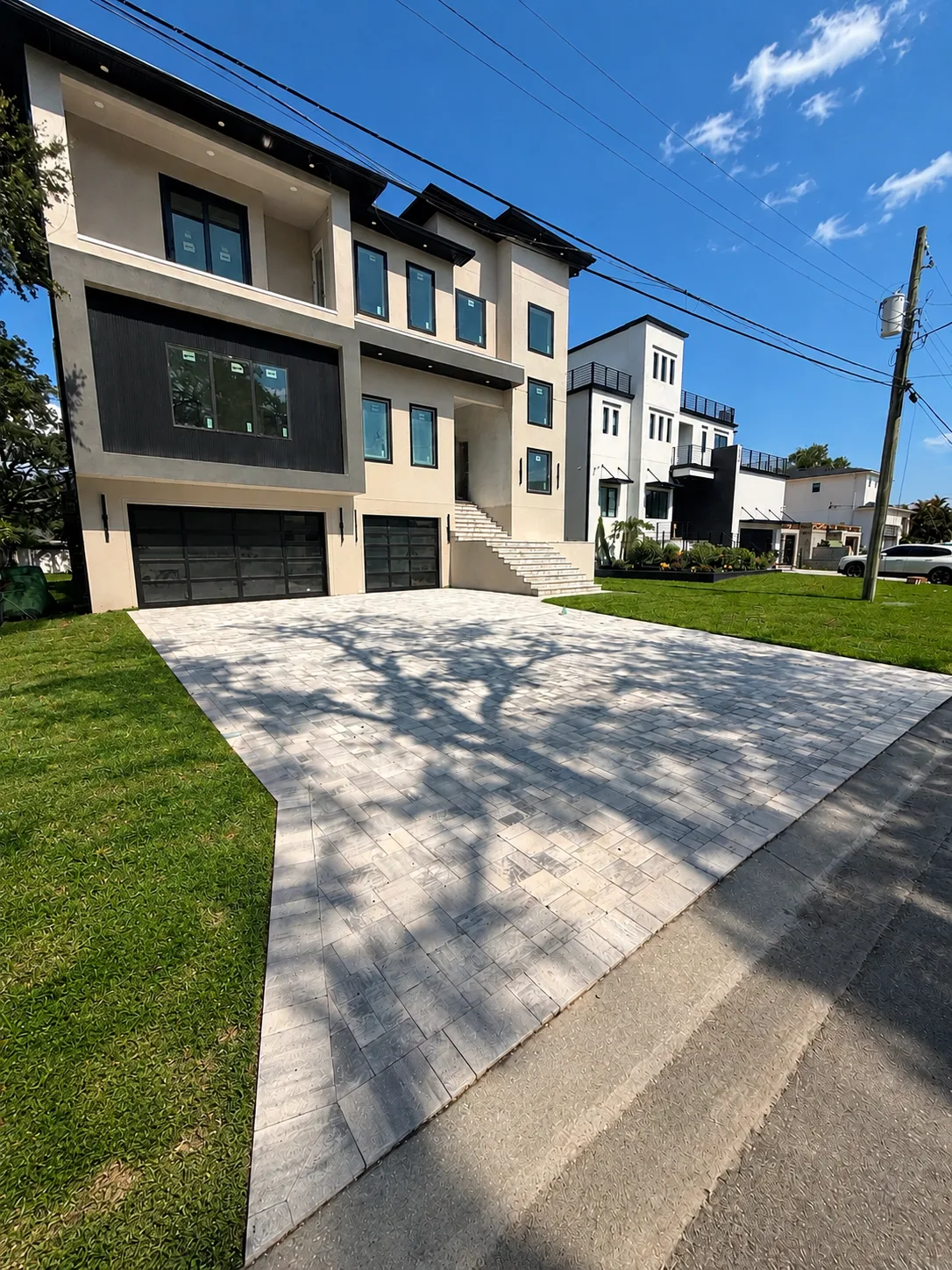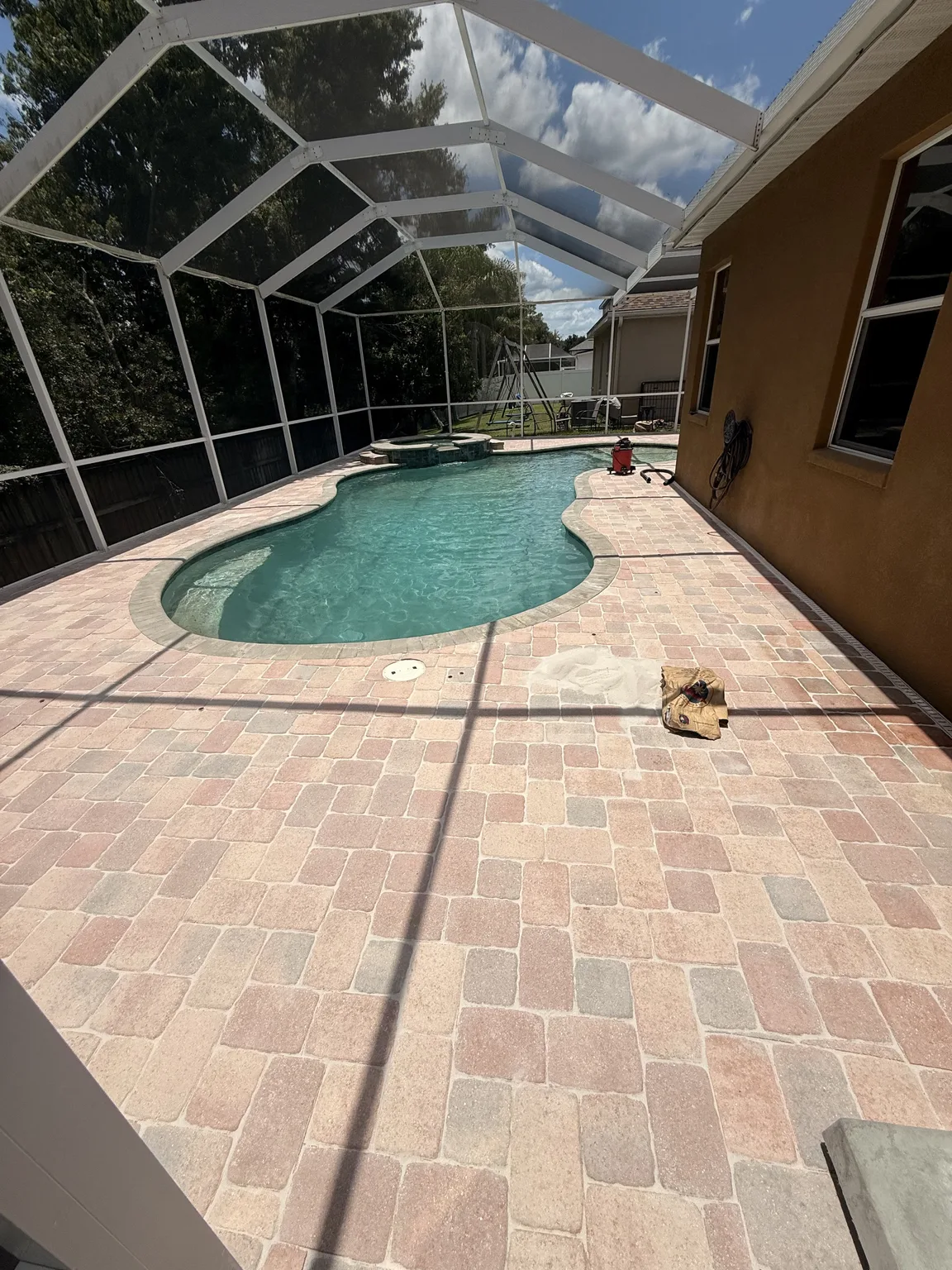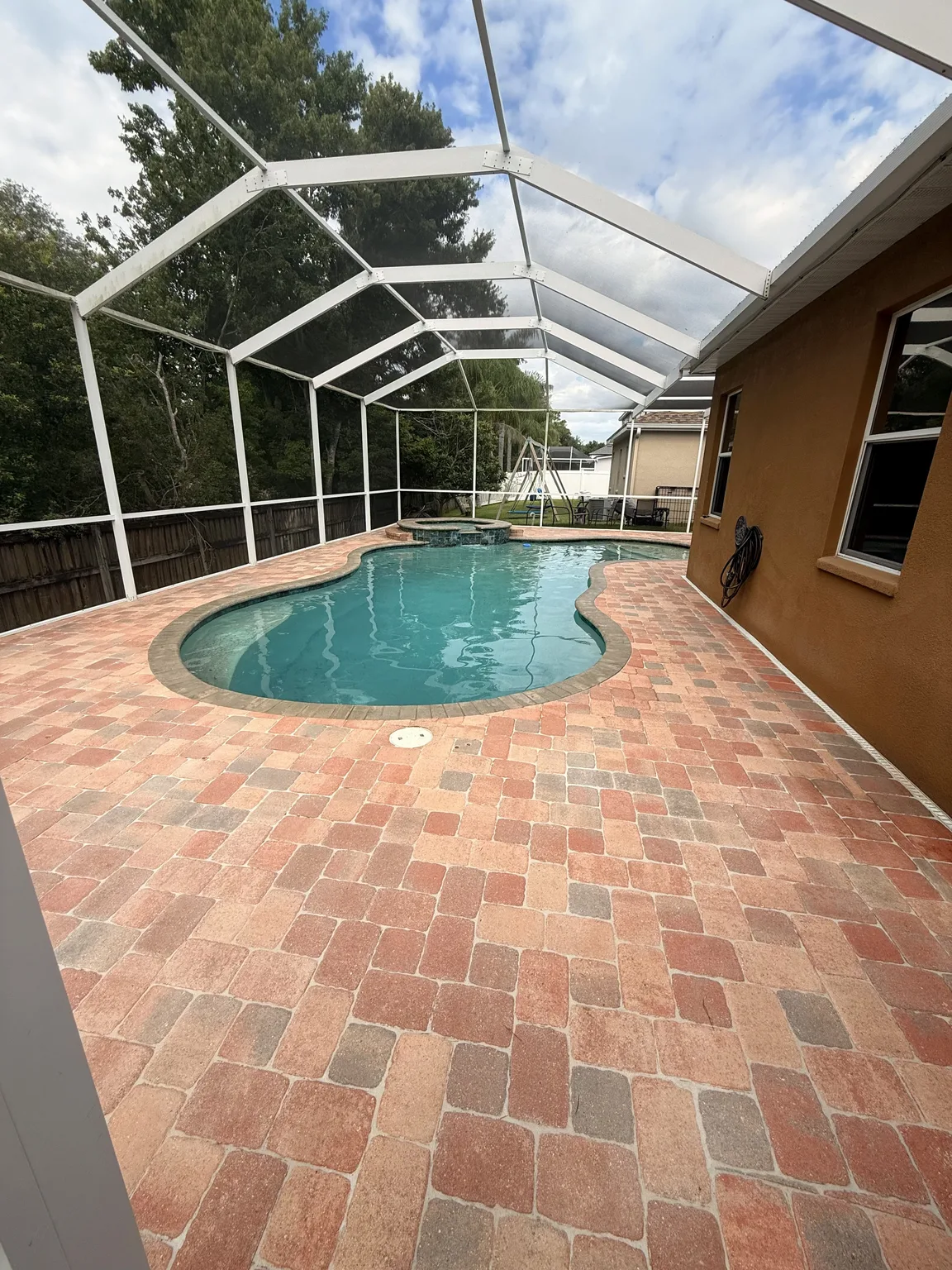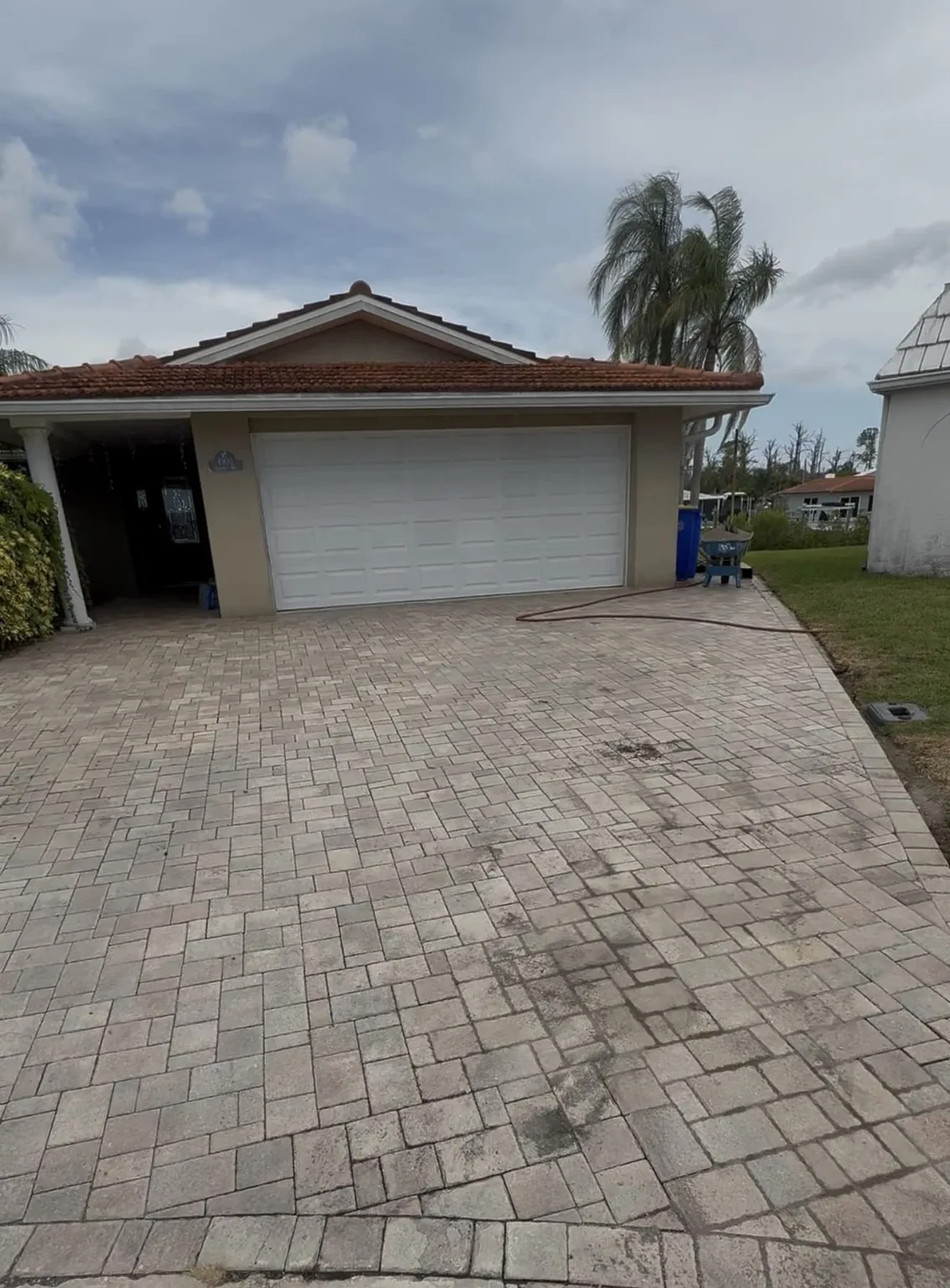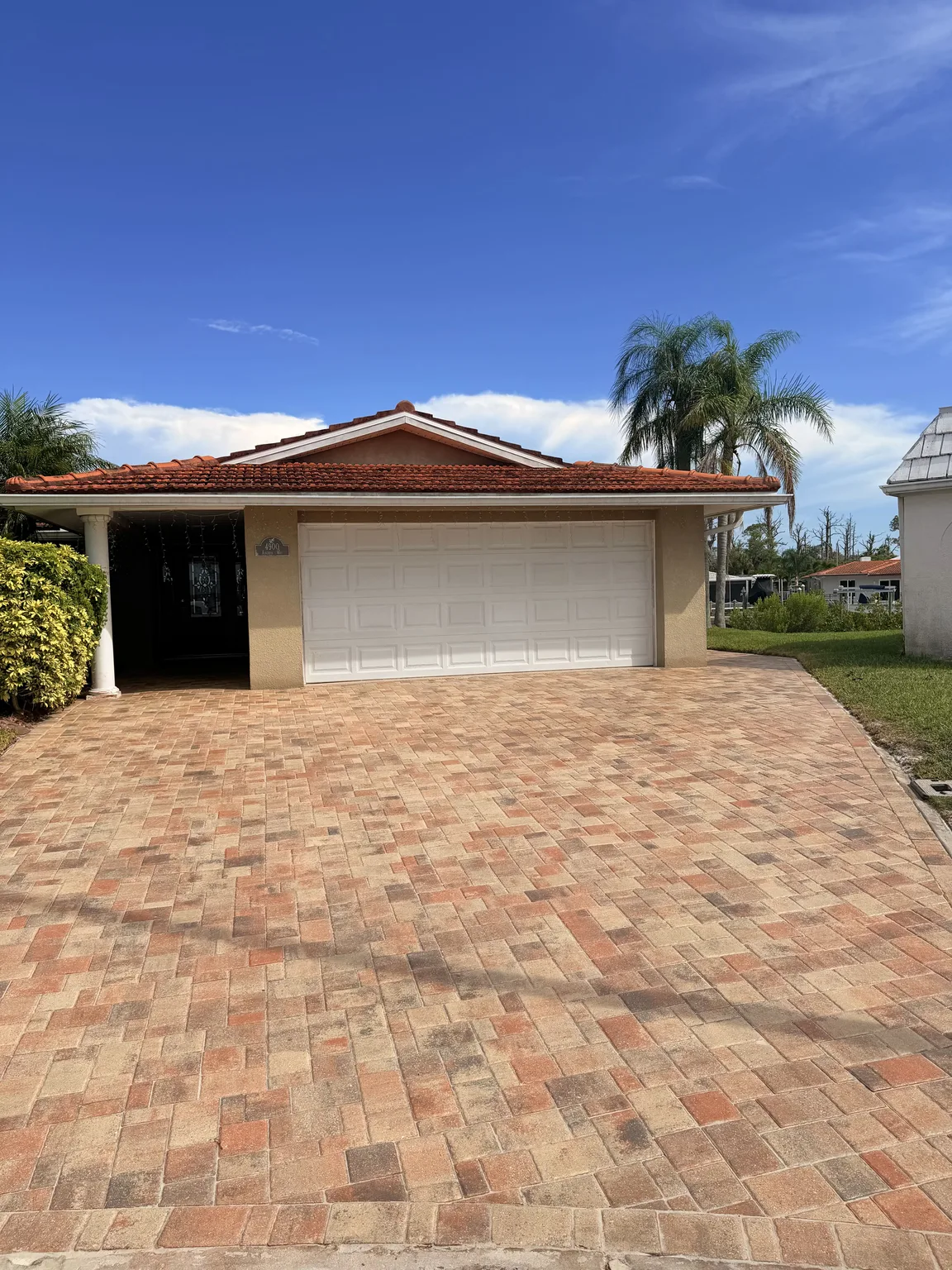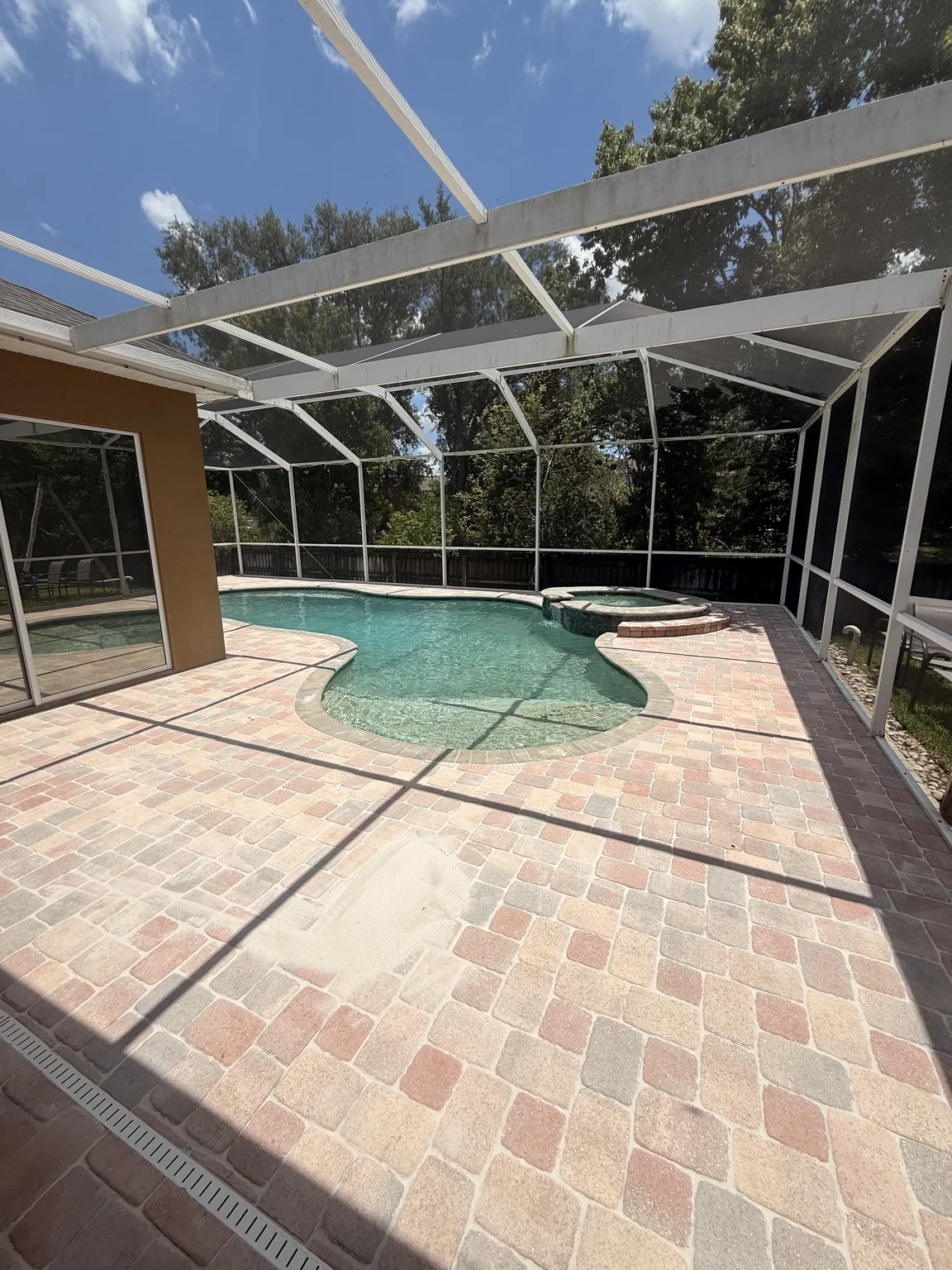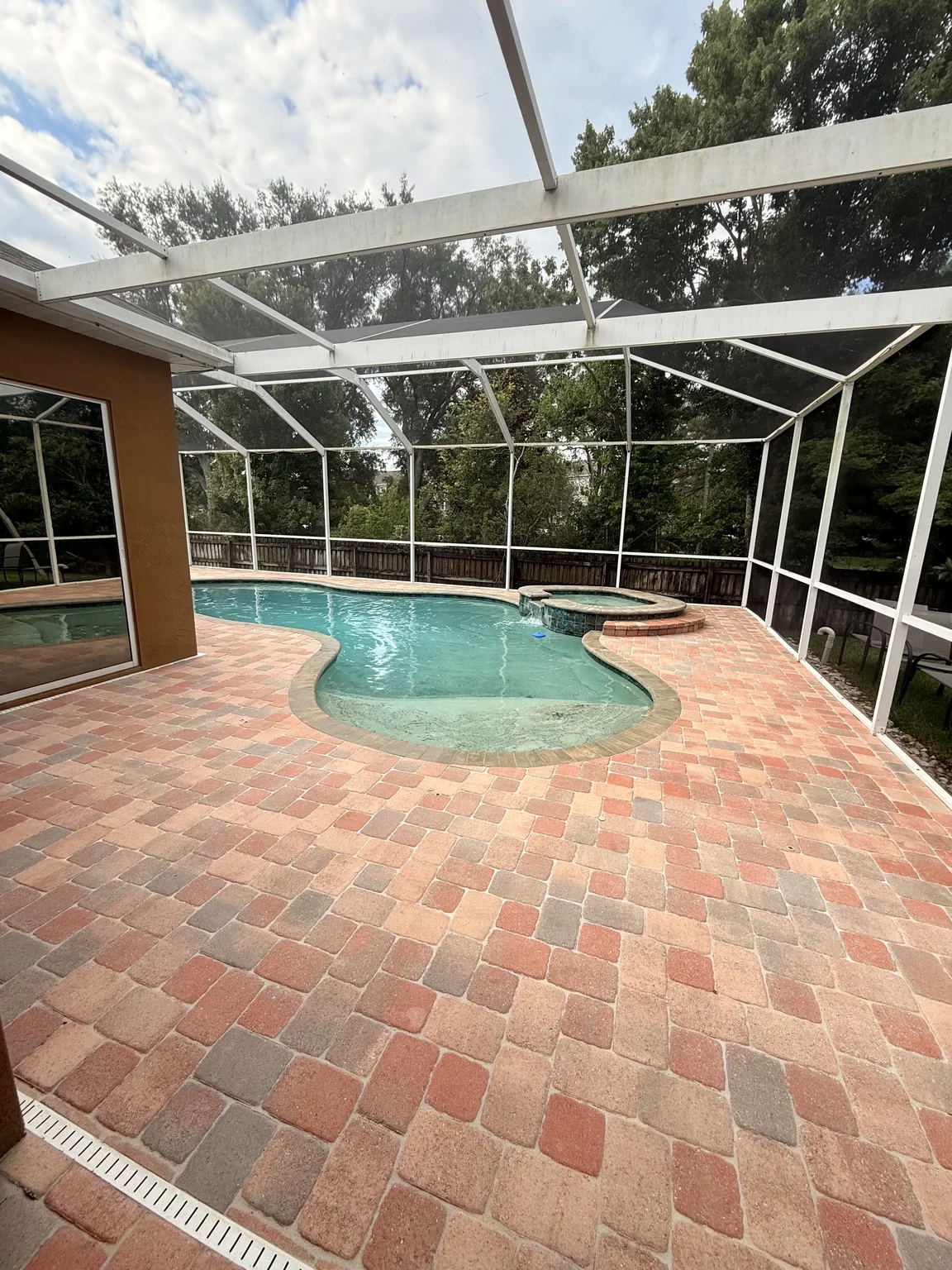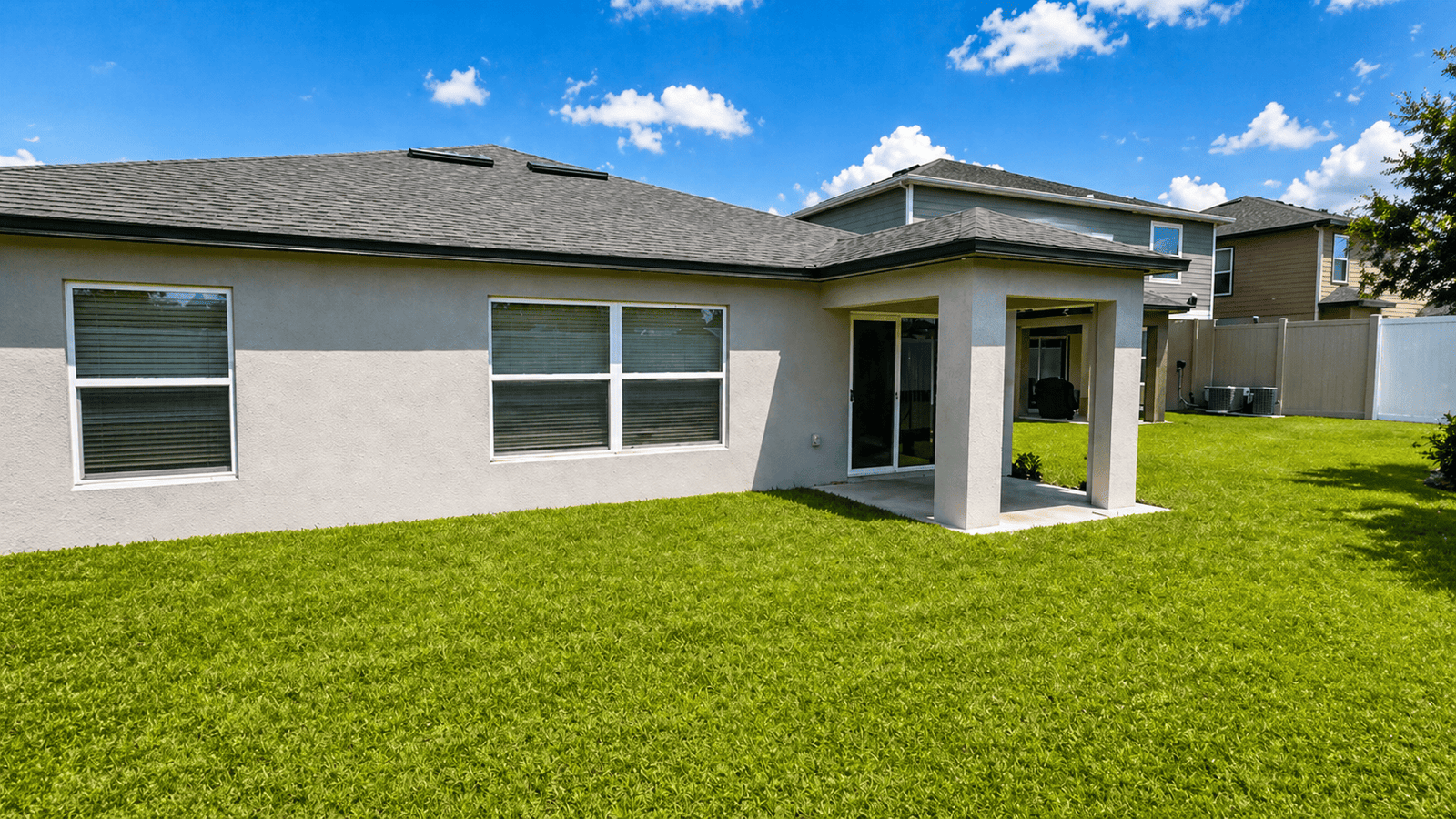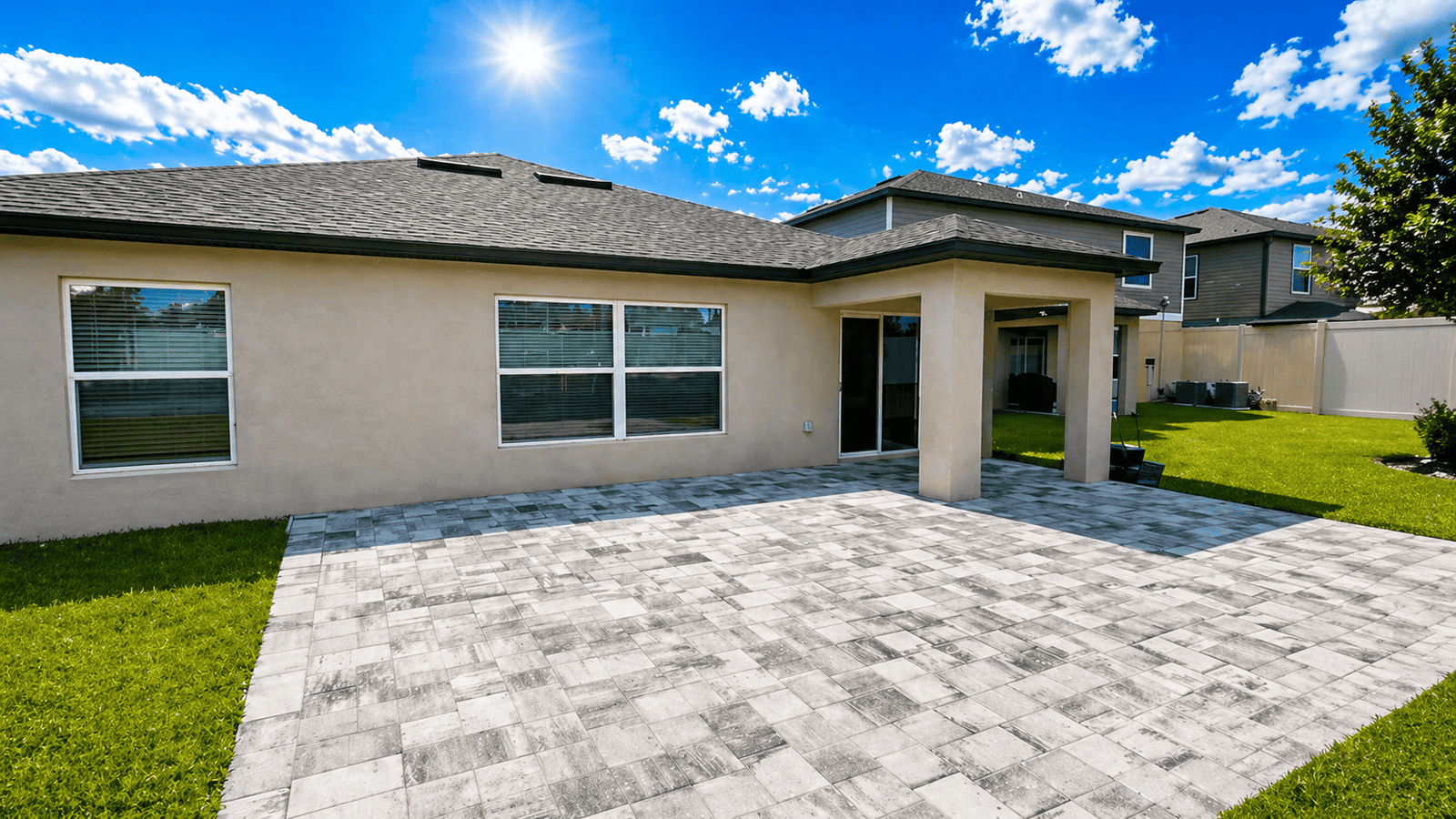
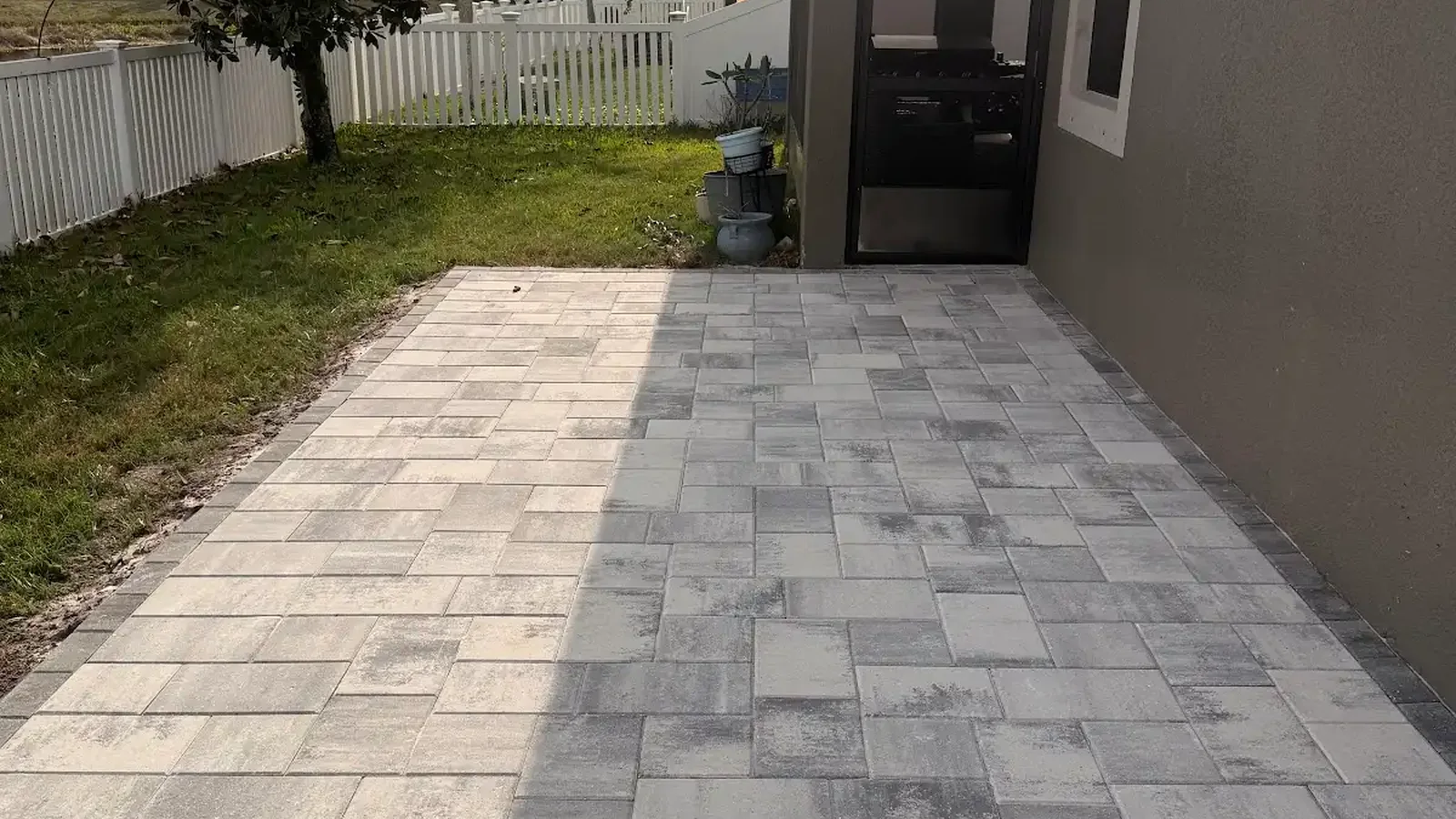
Small backyard patio ideas work best when every square foot in your Tampa Bay outdoor space earns its keep. With smart layout, scaled-down features, and materials that handle Florida weather, you can turn even a tight yard into an inviting place to relax, grill, or entertain a few friends without feeling crowded.
Instead of forcing a big design into a compact space, you plan in layers: clear traffic paths, right-sized furniture, storage that doubles as seating, and planting that softens edges while still leaving room to move. Whether you live in Tampa, Riverview, Wesley Chapel, or Palm Harbor, the right mix of pavers, shade, and greenery can make a small yard feel surprisingly open and comfortable.
Small Backyard Patio Ideas: Quick Wins That Make Spaces Feel Bigger
The most effective small backyard patio ideas focus on clear zones, light colors, and simple shapes. When you keep furniture compact, leave walking room, and guide the eye on a diagonal, even a narrow yard in Town ‘N’ Country or Land O’ Lakes can feel more generous than it is on paper.
Start by deciding what matters most right now: a cozy lounge spot, a small dining nook, or a grilling area. Then, plan one primary “hero” zone and one secondary zone instead of trying to squeeze in everything at once. This approach reduces clutter, keeps your budget under control, and still lets you expand later.
Right-size your patio to your daily life
Think about how many people actually sit outside on a regular weeknight. Design for that number first, and let extra guests overflow into the lawn only when needed. A compact table for two or four, a small sectional, or a pair of lounge chairs often makes more sense than a big dining set you rarely fill.
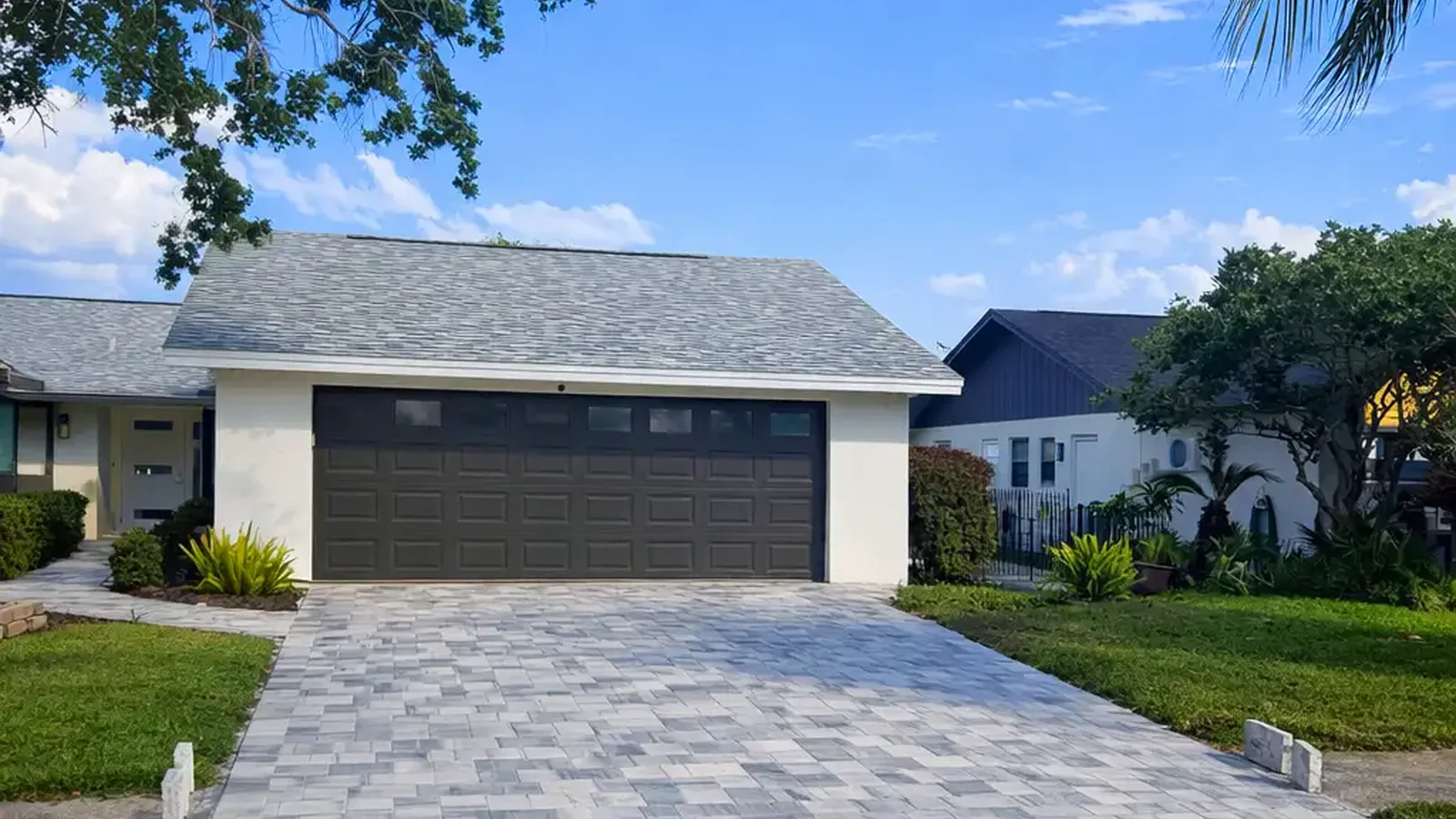
Additionally, choose lighter paver colors that reflect sunlight and feel cooler underfoot, especially in Ruskin or Thonotosassa where full sun can be intense. Simple border details and a clean pattern keep the design calm, while a few vertical elements, like a slim planter or a low seat wall, add interest without hogging space.
Use these small backyard patio ideas as a starting checklist
- Pick one primary use (lounging, dining, or grilling) and design around it.
- Leave comfortable walking space around furniture and doors.
- Choose scaled-down pieces instead of full-size outdoor sets.
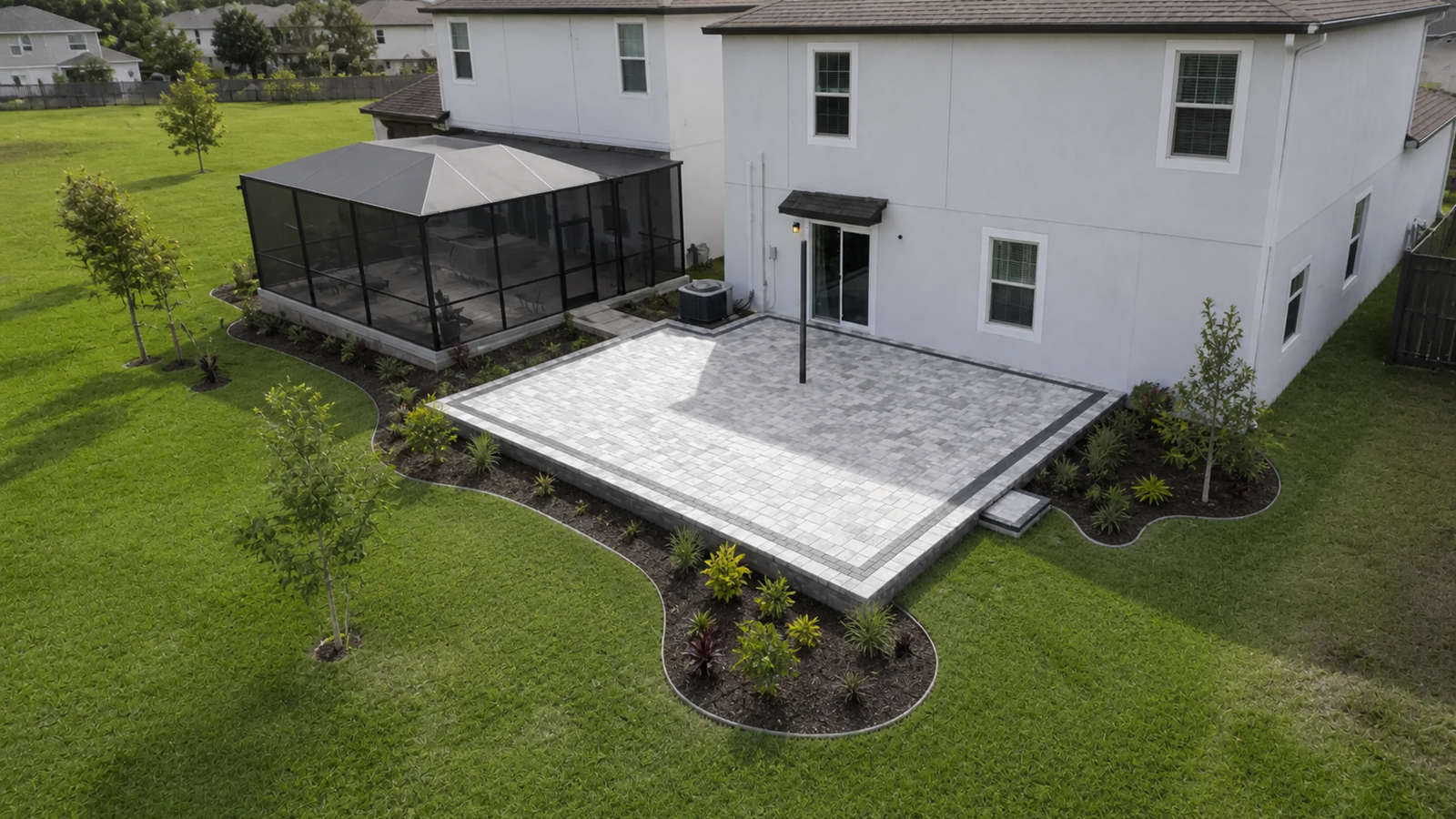
- Keep patterns simple and use borders to define edges.
- Add flexible features, like benches with storage or movable stools.
Fundamentals: Zones, Clearances, And How Much Patio You Really Need
Before you shop for furniture or pavers, measure the area and think in zones. In a small Tampa backyard, you usually want one main social zone, a clear route from the house to that area, and a little room for grilling or a container garden.
Plan around clear walking paths first
Good clearances keep a compact patio comfortable instead of cramped. As a general rule of thumb, many designers like to leave enough room for an adult to walk around chairs and tables without turning sideways. Before committing, you can lay out painter’s tape or cardboard where the patio and furniture will go, then “test walk” from the back door to the seating area, grill, and side yard gate.
Doors and sliders need extra breathing room so they open fully and do not hit chairs or planters. Stair landings, AC units, and access to hose bibs and pool equipment also affect how much hardscape you can comfortably add in Wesley Chapel, Greater Carrollwood, or Seven Springs lots with tight side yards.
Match patio size to each zone
Instead of aiming for a single large rectangle, think about how much space each activity actually needs. A bistro dining zone might only need a small circle or square, while a lounge grouping needs a bit more depth for legroom and end tables. If you want both, you may decide to give the lounge more square footage and use stools or folding chairs when you need extra dining seats.
When you map those footprints, you will see quickly whether everything fits or something should stay on the wish list for a future phase. This exercise also helps your contractor suggest efficient layouts for patio pavers in Tampa Bay that align with real-life use instead of guesswork.
Layout Tricks: Diagonal Sightlines, Borders, And Light Paver Colors
Small yards often benefit from layouts that pull your eye across the longest diagonal, instead of straight at the back fence. When you set pavers, furniture, or even a narrow seat wall on a slight angle, the patio can feel deeper, which works well in narrow Ruskin or Town ‘N’ Country lots.
Use patterns and borders to stretch the space
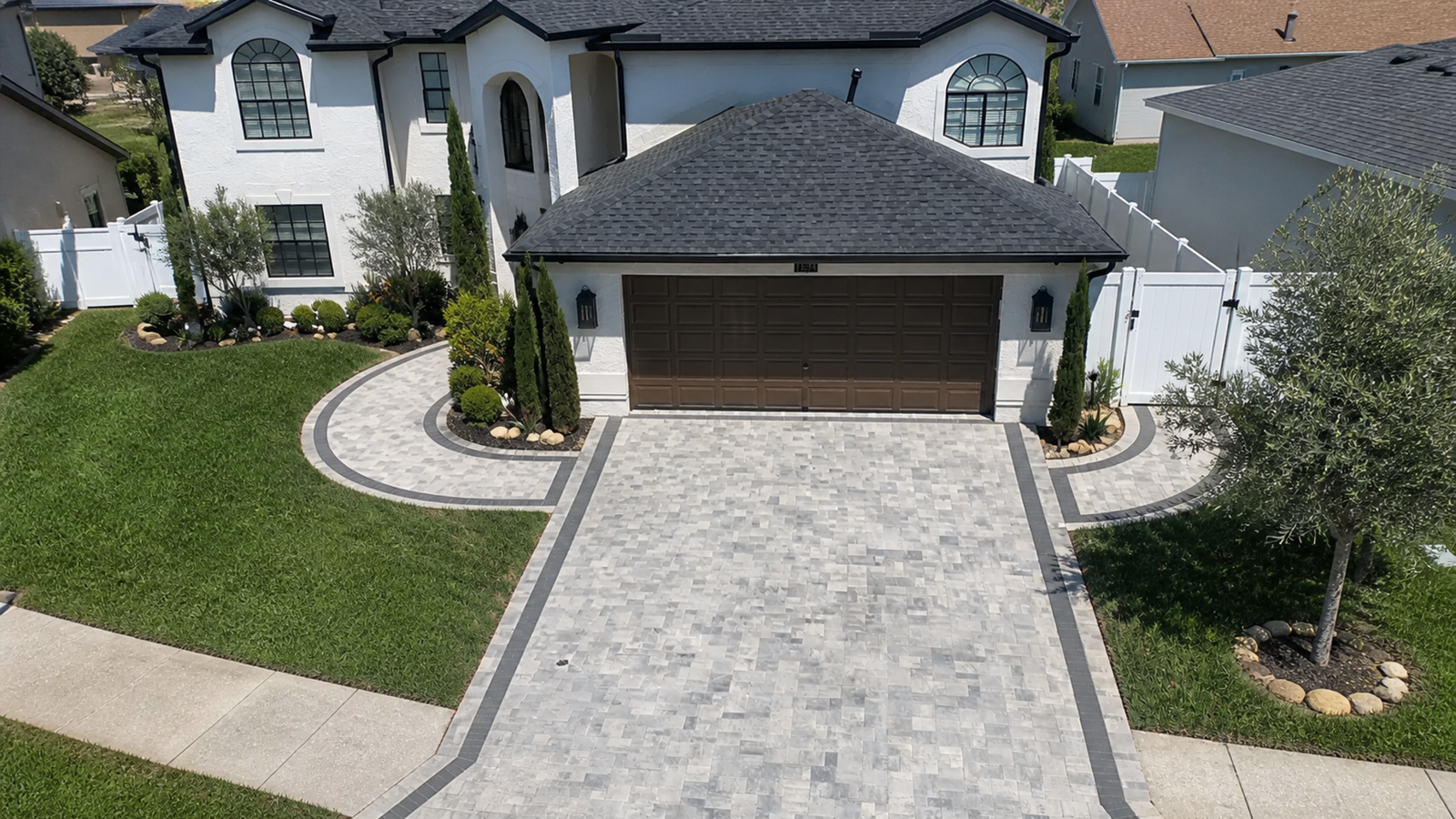
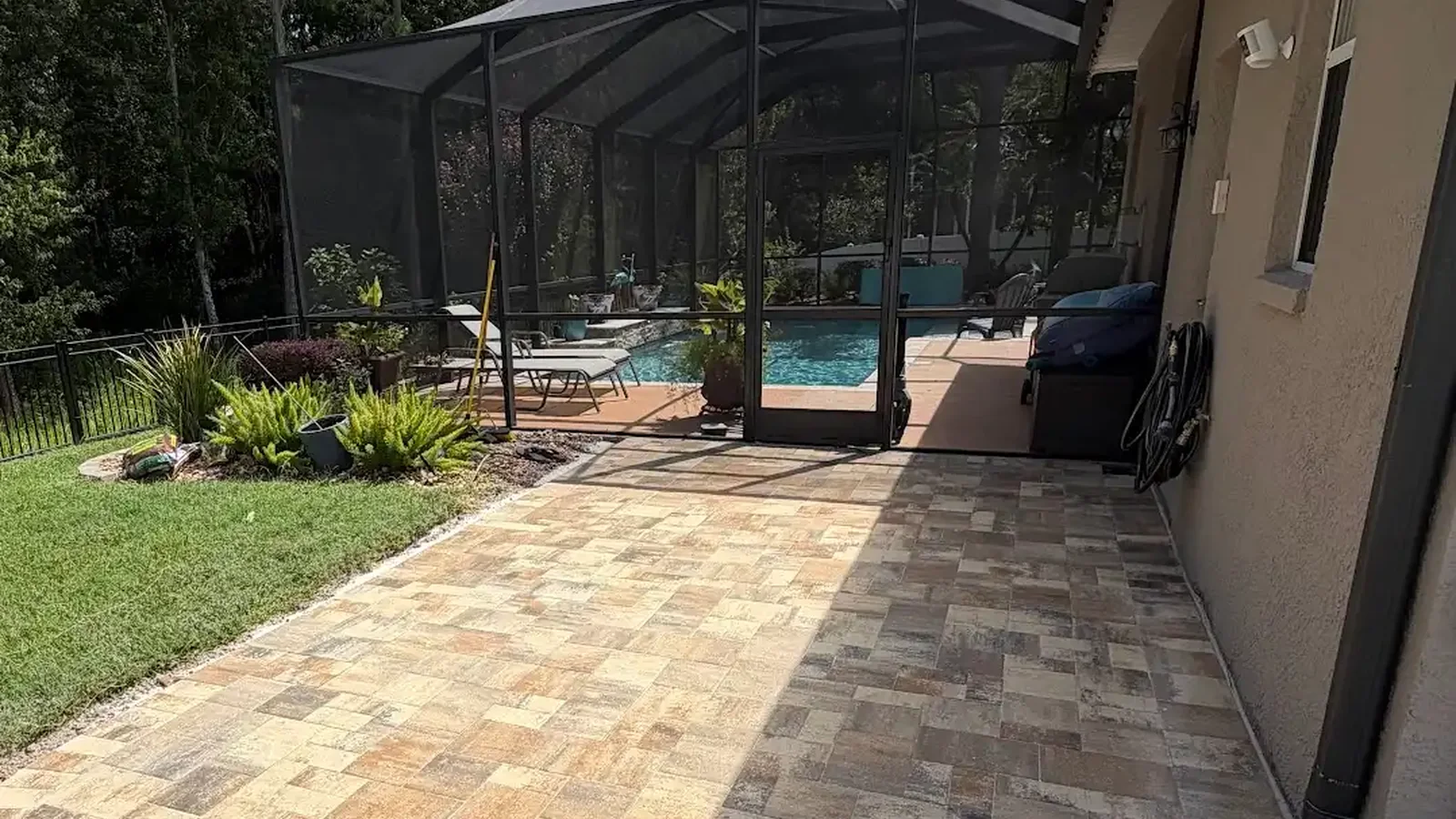
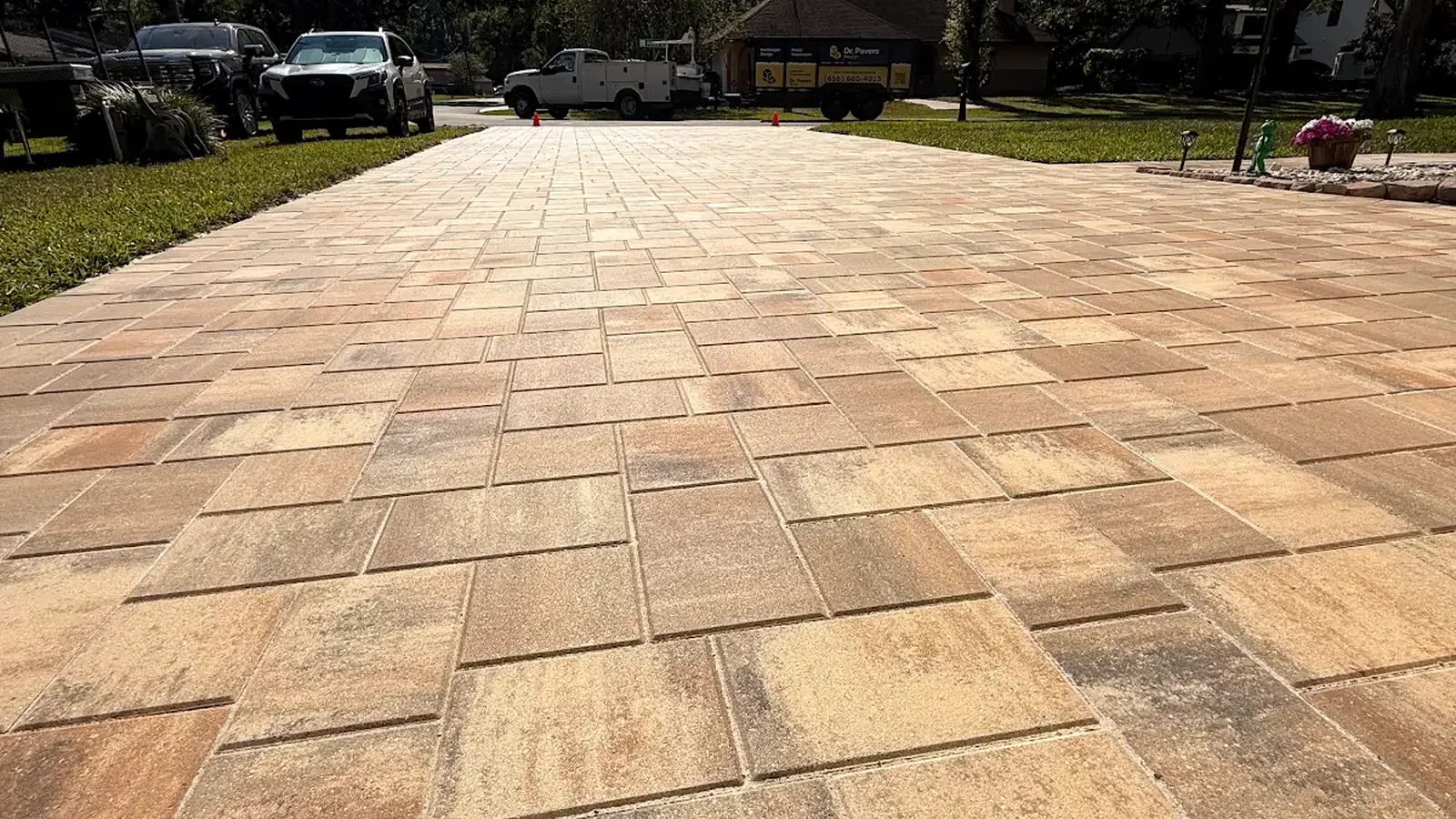
Light to medium paver tones typically make a patio feel more open under Florida sun. You can then frame the area with a slightly darker border to define the edge without feeling boxed in. Running the main paver pattern on a 45-degree angle to the house is a classic trick in small backyards because it visually widens the area.
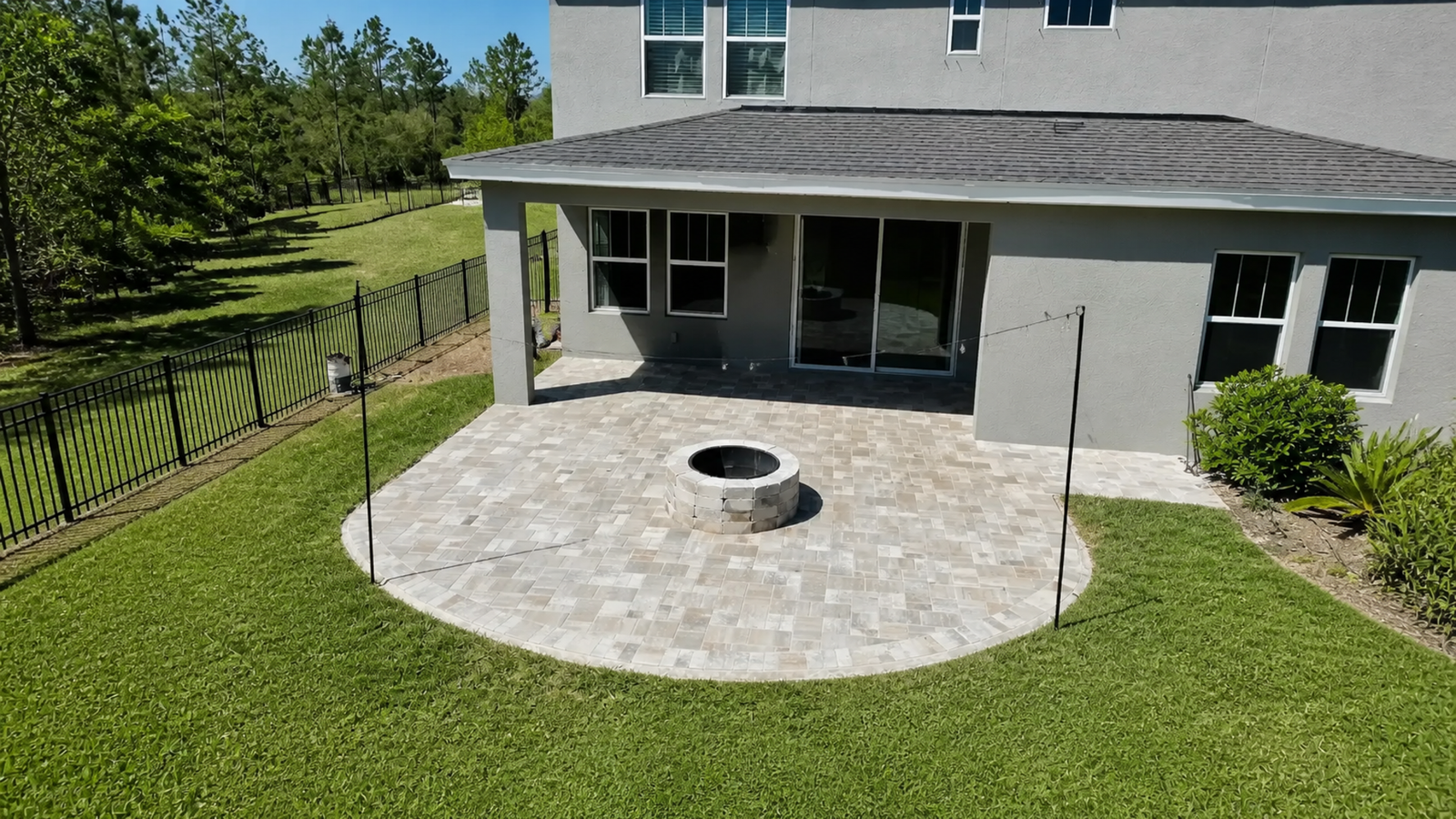
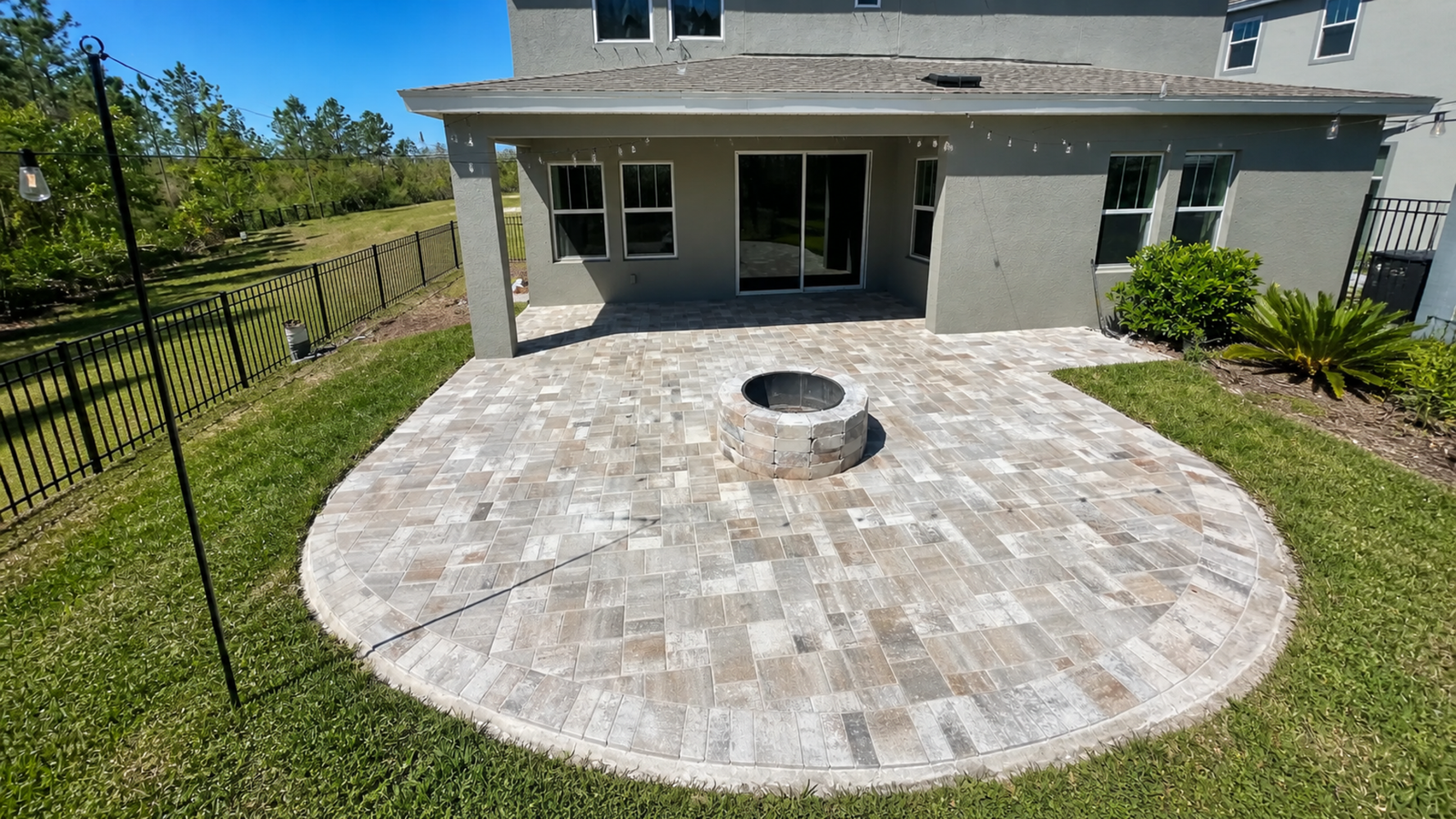
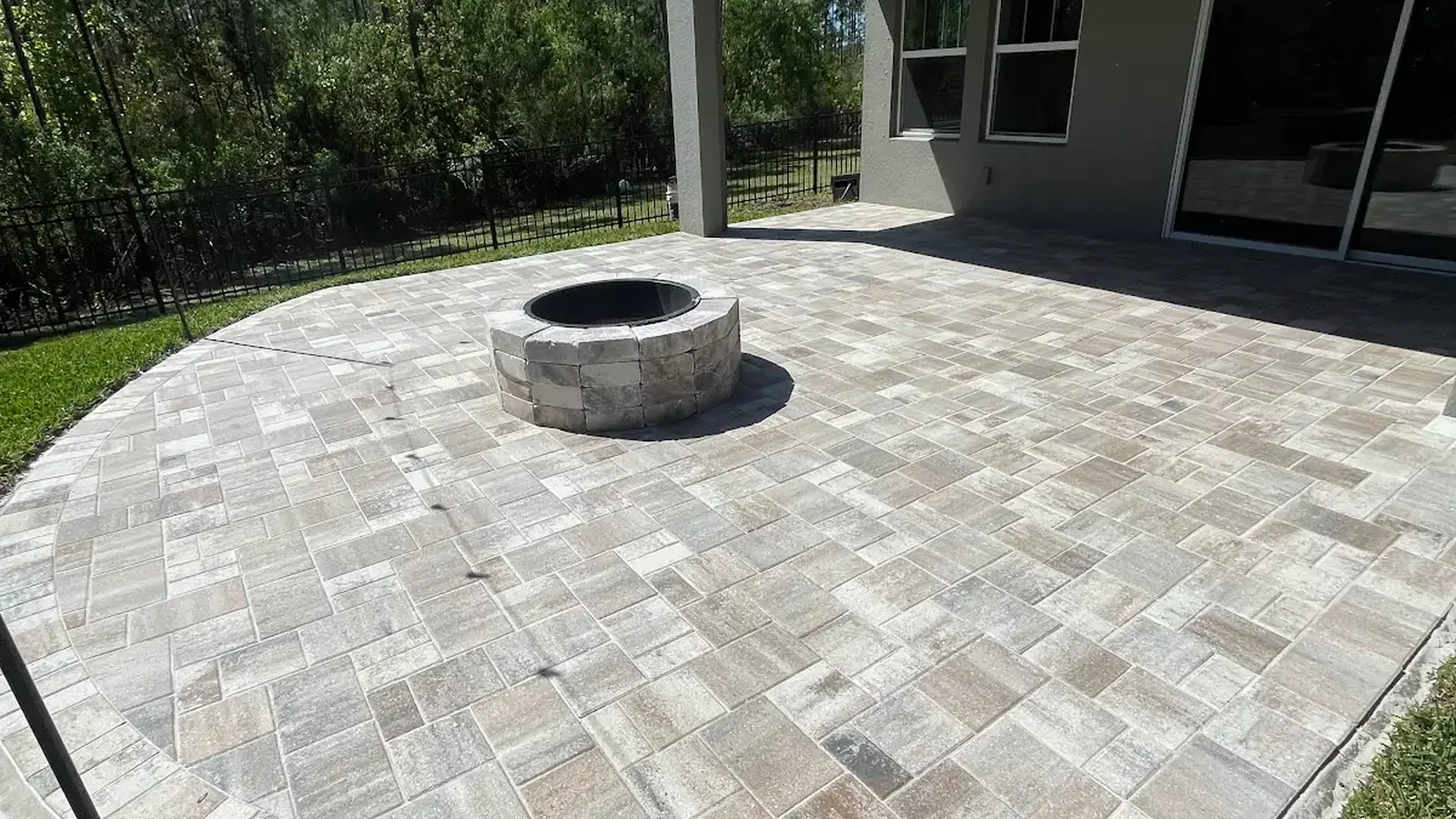
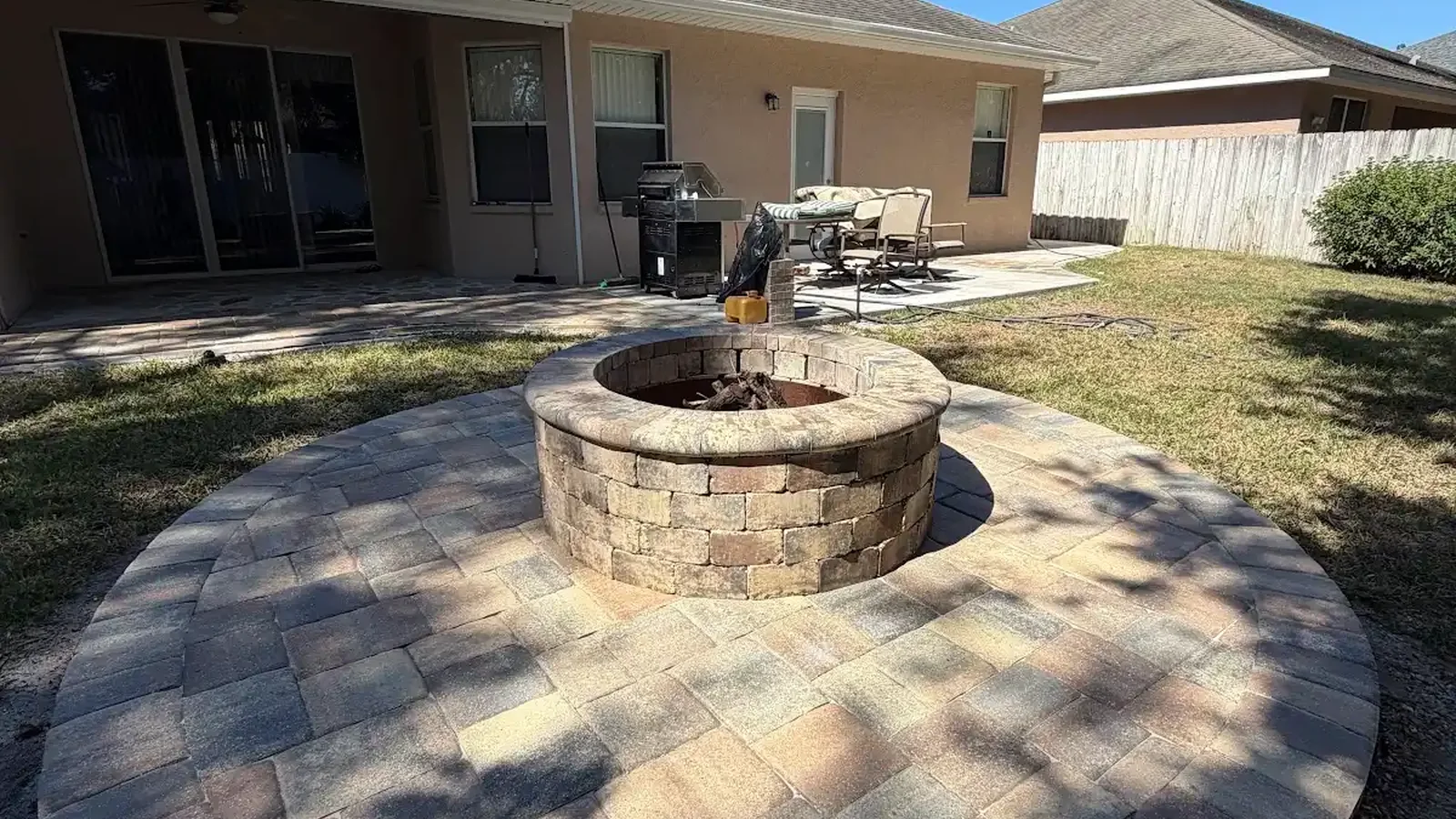
However, busy inlays or too many different patterns can work against you in a compact yard. It is usually better to pick one main texture, one accent band, and possibly a small feature area, like a circle around a fire pit, so the design feels clear rather than crowded.
Compare layout approaches for tight Tampa yards
| Layout Style | Best For | Tradeoffs |
|---|---|---|
| Simple rectangle | Budget-friendly builds and straight, modern homes | Efficient to install, but can highlight short yard depth |
| Rectangle with angled furniture | Townhomes and narrow lots | Uses standard paver cuts, adds visual interest with minimal cost |
| Angled paver field with border | Homeowners wanting a “custom” look | Feels larger, but can add labor time and waste |
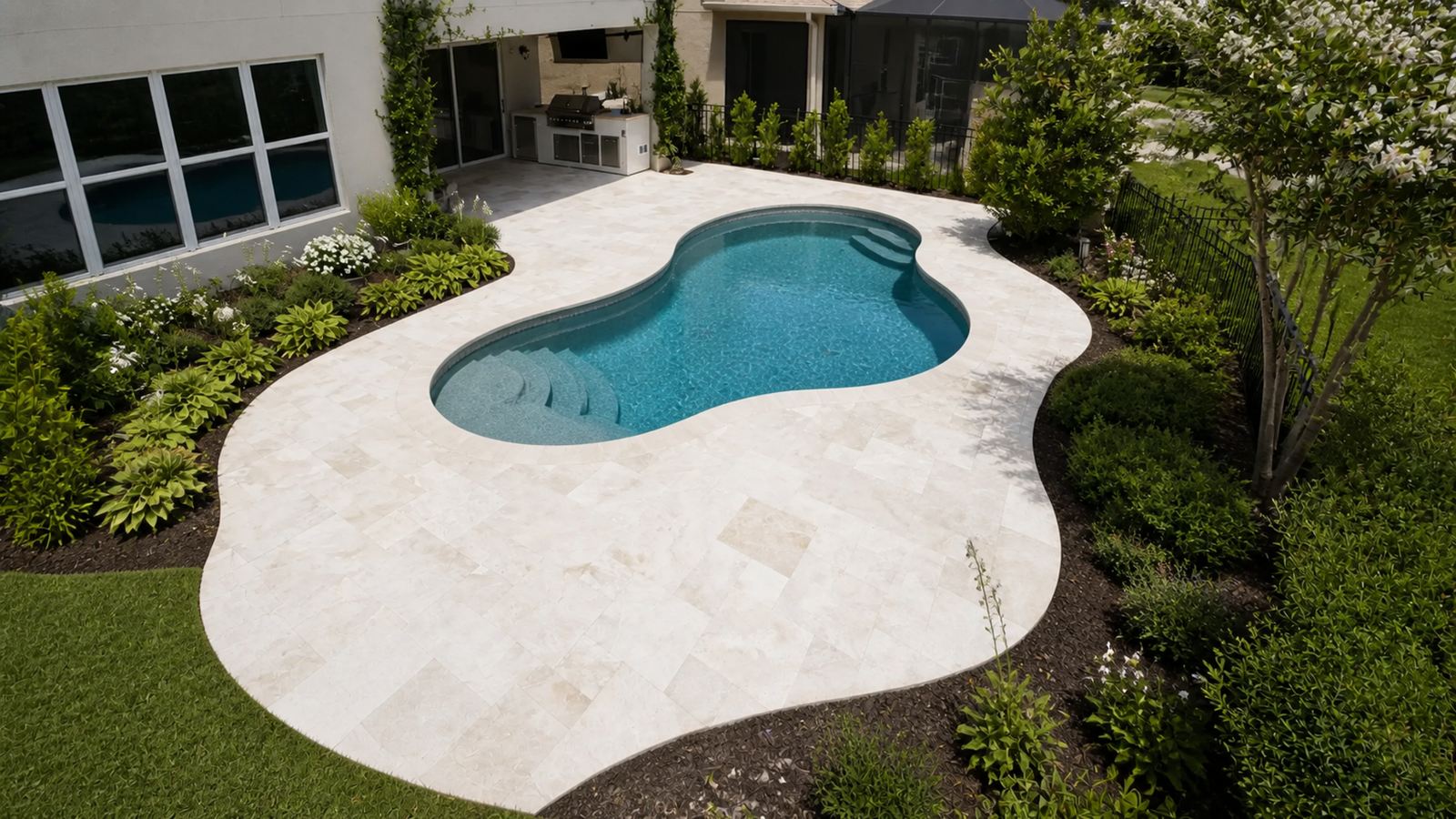
| Curved edge off one side | Softening fences or tying into planting beds | Organic look, though curves may need more cutting |
Discuss these patterns with your hardscape contractor so they can balance scale, budget, and your home’s architecture. Together, you can settle on a layout that makes the most of your particular yard in Tampa, Palm Harbor, or Land O’ Lakes.
Compact Features: Seat Walls, Small Fire Elements, And Grilling Stations
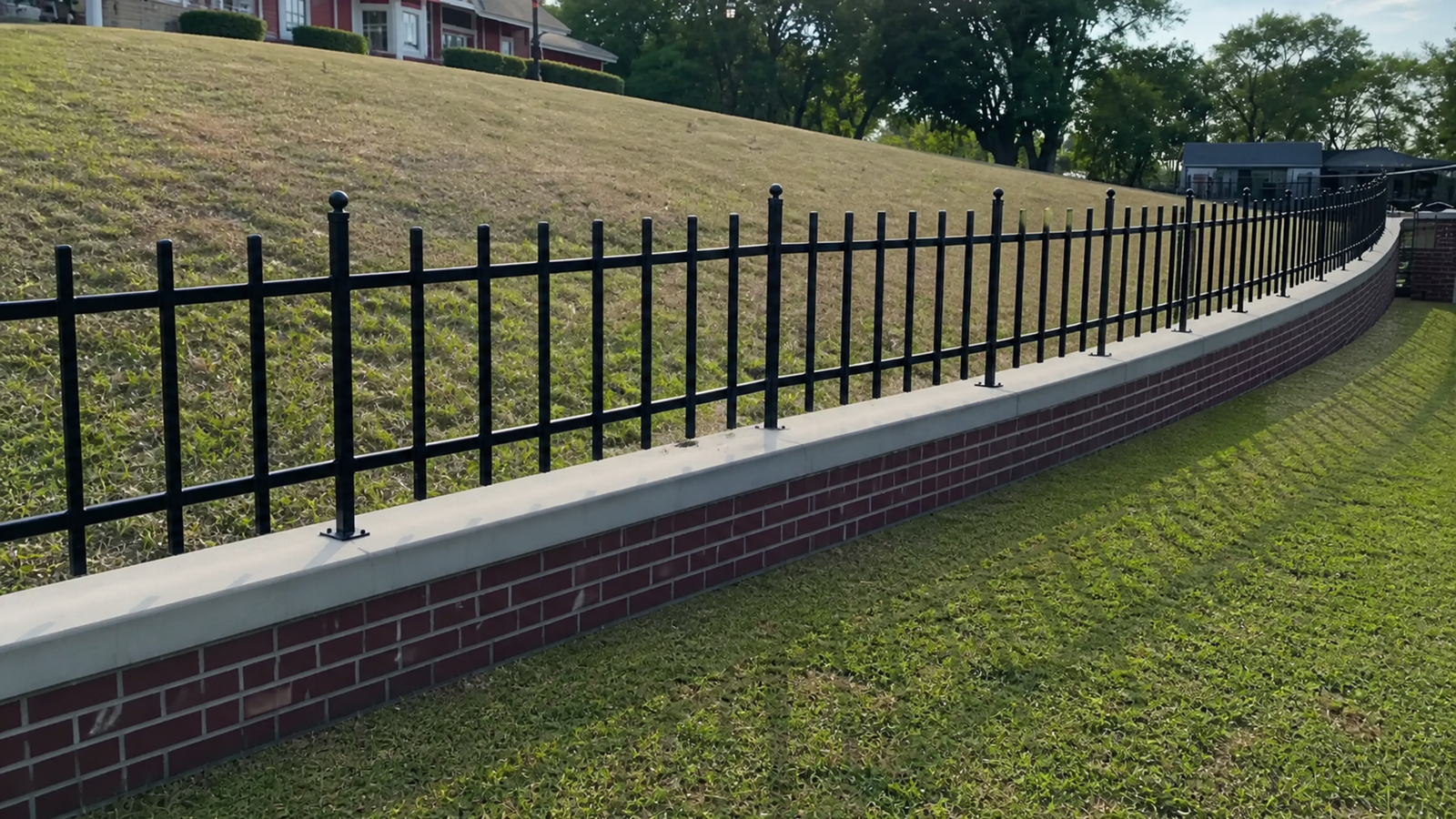
Built-in features can save space in a small backyard because they do double duty. A low seat wall provides both casual seating and a secure edge, while a compact fire feature or simple grilling station adds function without dominating the patio.
Seat walls and benches for flexible seating
Seat walls typically work best on the outer edge of a patio so they do not block walkways or doors. In a tight Riverview or Seven Springs yard, they can replace bulky outdoor sofas and still offer spots for guests to perch. You can integrate a narrow cap that works as a ledge for drinks or lanterns so you need fewer side tables.
Freestanding benches, especially those with storage under the seat, give you more flexibility. You can slide them along the border, tuck them under a table, or move them when you set up a small inflatable pool or lawn game.
Small backyard patio ideas for fire and cooking
Instead of a full outdoor kitchen, many homeowners in Tampa Bay opt for a simple grilling pad or a short counter area near a standard grill. This keeps prep space handy but preserves most of the patio for seating. Mobile or cart-style grills can tuck against a wall when not in use, which helps traffic flow.
Similarly, a scaled-down fire element, such as a compact gas fire bowl or a CMHA-compliant small fire pit kit, often suits small yards better than a large masonry fireplace. Always check local fire codes and your insurance requirements, and consult the appropriate licensed professional before installing gas lines or permanent fire features.
Shade, Lighting, And Cooling Strategies For Tampa Heat
Because Tampa Bay summers run hot and bright, shade and evening lighting become just as important as the pavers themselves. Even modest shade can make a compact patio more usable from late morning through sunset.
Scalable shade for small patios
Umbrellas, cantilevered shades, and simple fabric sails often work better than large, permanent structures in tight yards. You can angle them to block midday sun, then rotate or remove them when storm season approaches. In some cases, a narrow pergola against the house line provides overhead shade without eating into valuable floor space.
When you add shade, think about how wind and rain move across your property. A qualified contractor or structural professional can help you understand mounting hardware, loads, and attachment requirements, especially around rooflines, stucco, or masonry walls.
Lighting that keeps a small yard comfortable at night
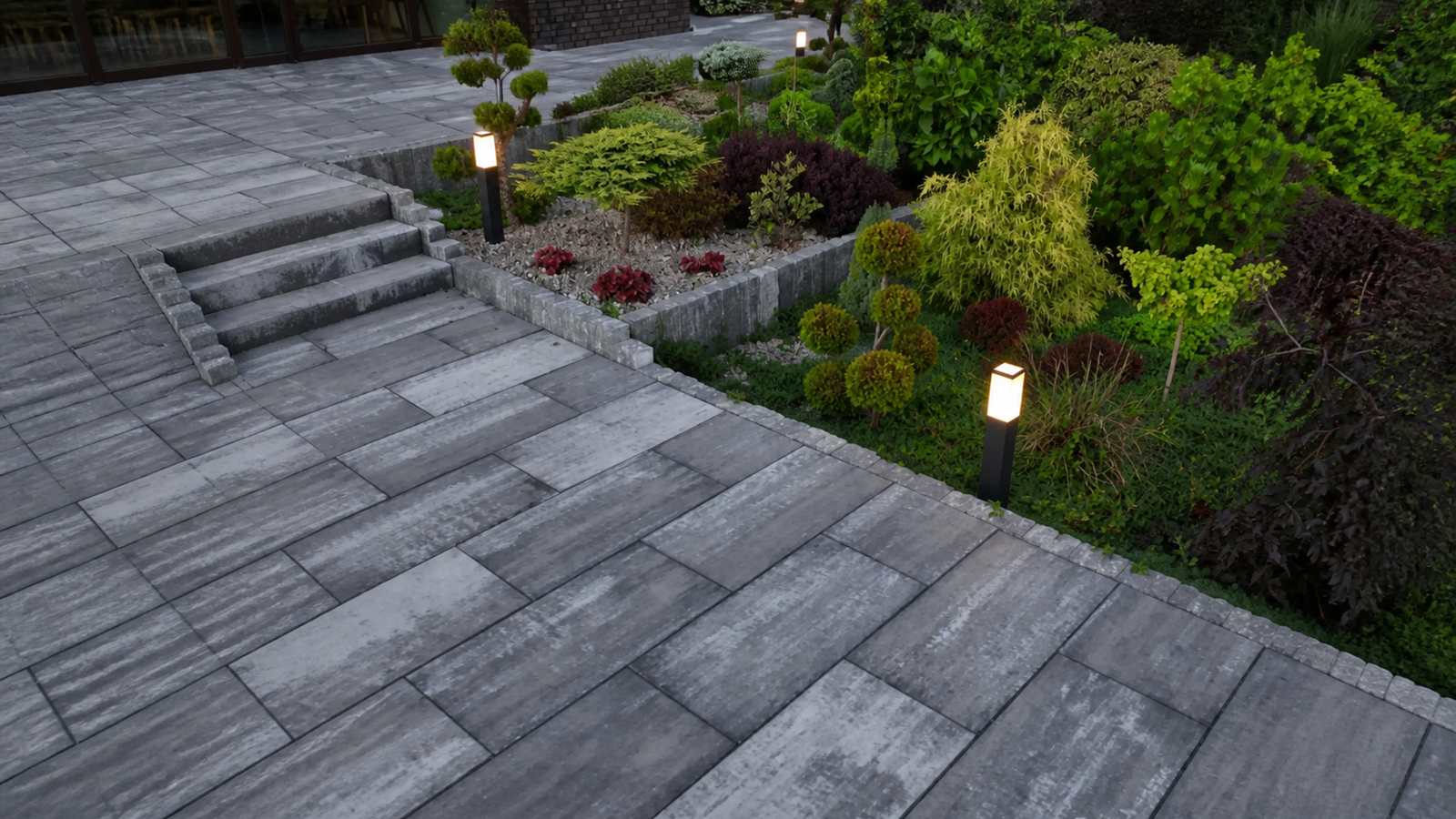
Soft, layered lighting makes a compact patio inviting after dark and reduces trip hazards along steps or edges. String lights overhead, low-voltage paver lights along the border, and a few warm wall sconces or path lights can handle most needs. It usually helps to avoid very bright single fixtures, which can create harsh glare in a small area.
Because outdoor wiring near pools, spas, or wet areas must follow safety standards, involve a licensed electrician for new circuits or fixtures. They can suggest fixtures rated for Florida humidity and corrosion, which is important near coastal neighborhoods like Palm Harbor or Town ‘N’ Country.
Greenspace: Turf Accents, Planters, And Low-Maintenance Planting
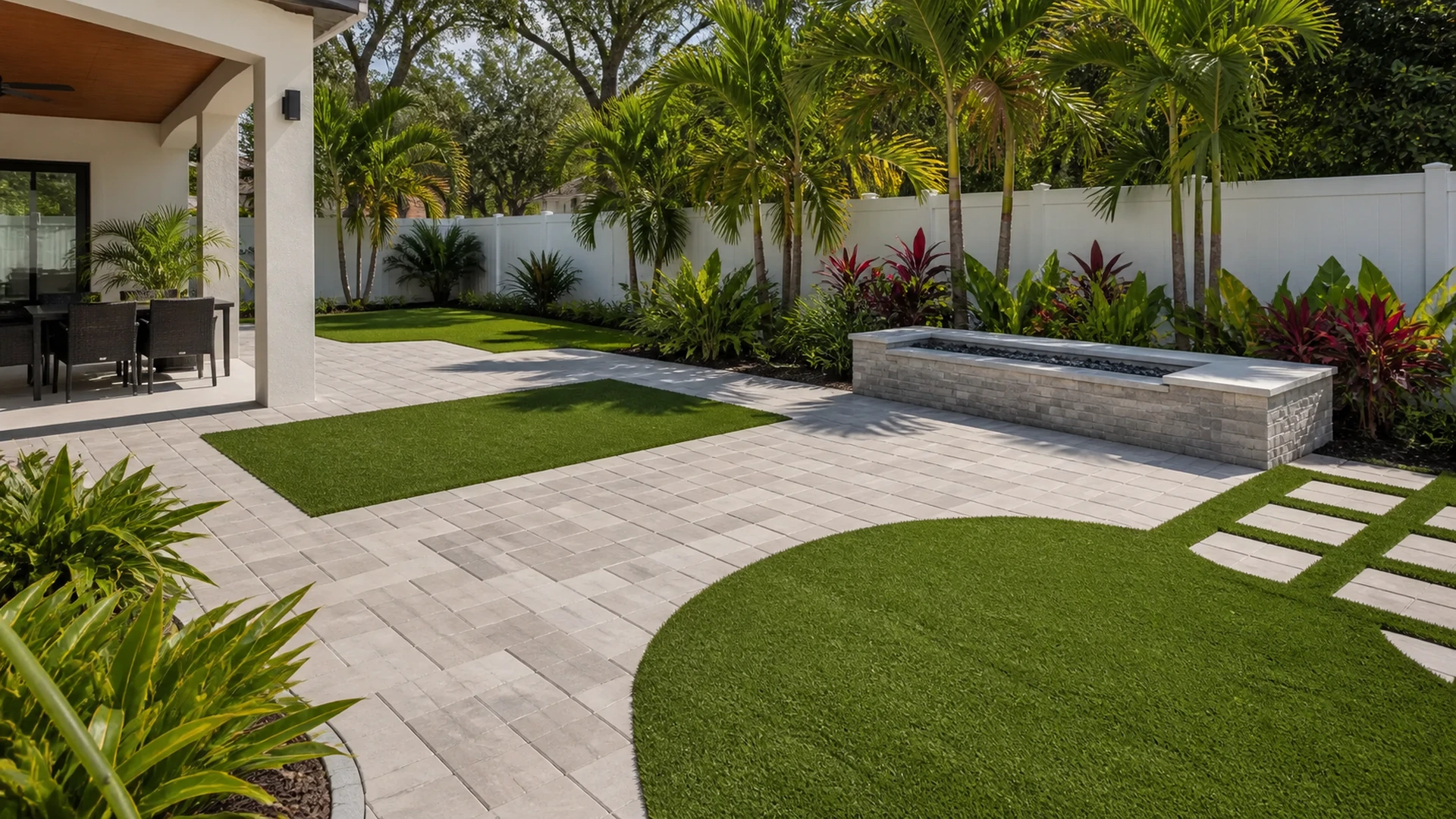
Small patios usually look best when they balance hardscape with at least a little greenery. You might not have space for big planting beds, but a narrow strip of turf, a few large planters, or a planted corner can soften the edges and help your space feel relaxing.
Use turf and planting to frame, not crowd
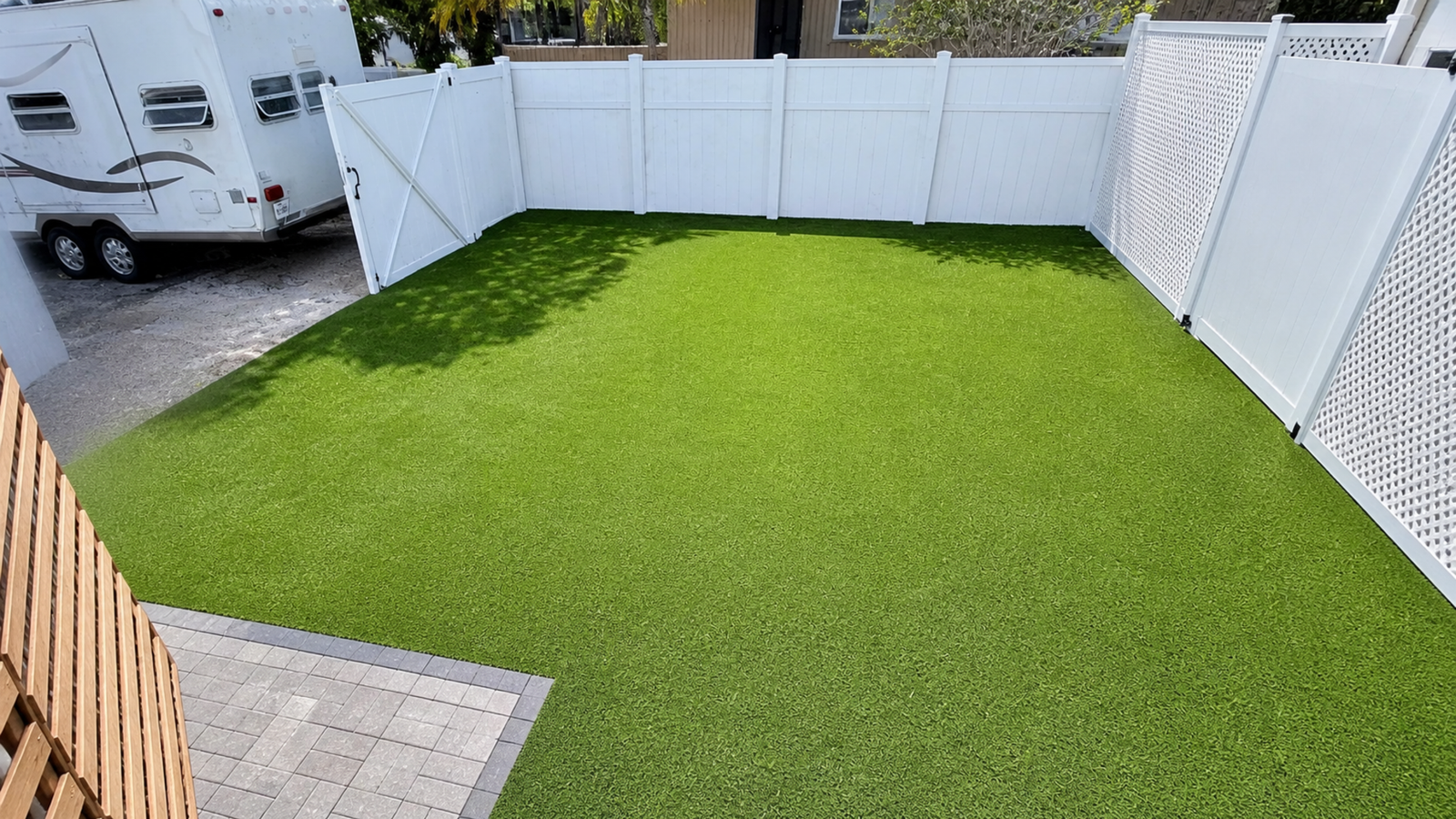
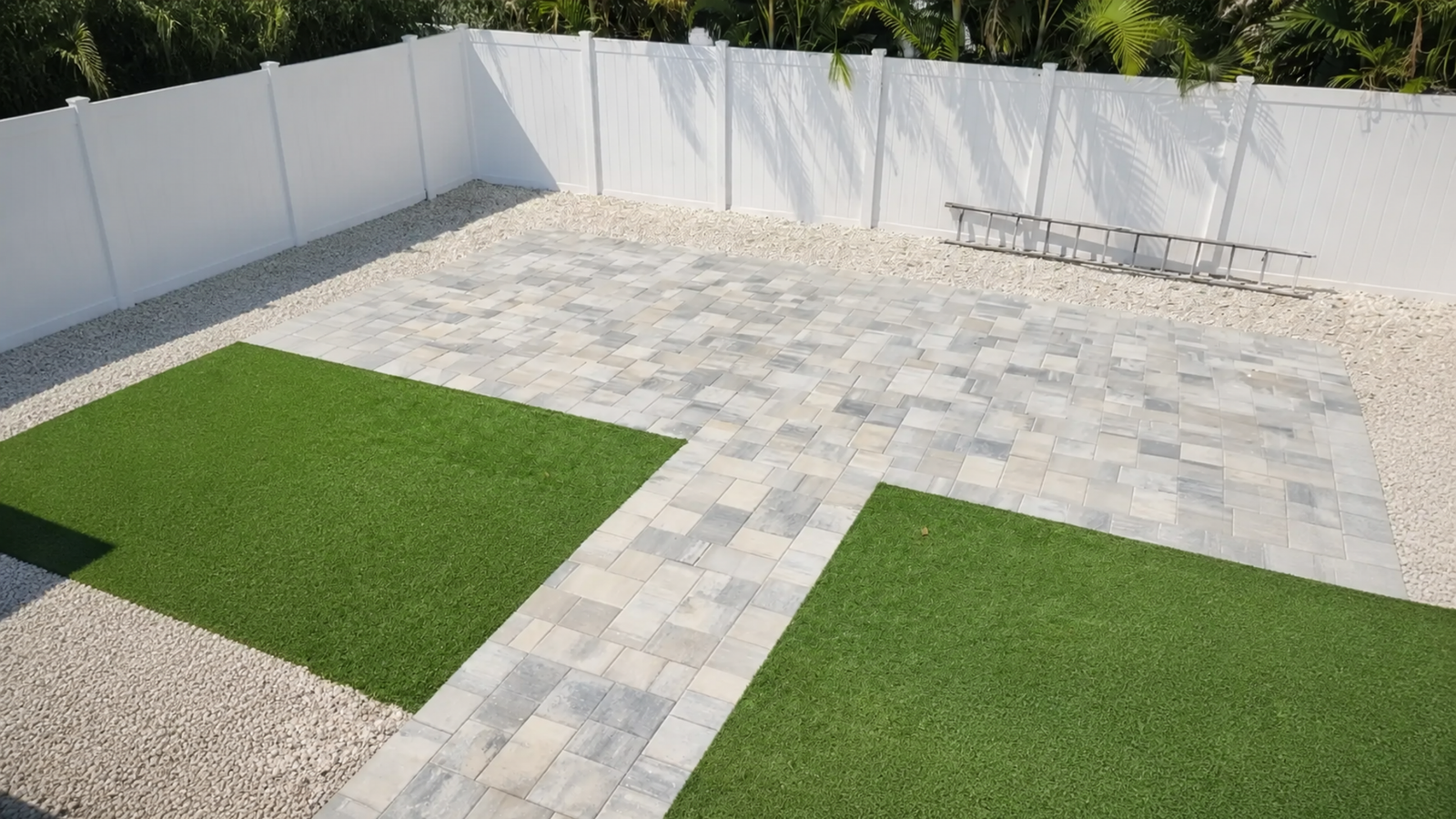
In many Tampa Bay backyards, a thin band of natural grass or synthetic turf around the patio acts like a visual buffer. It lets you sit on a firm paver surface while enjoying the look of a small lawn. This works especially well in Land O’ Lakes, Wesley Chapel, or Greater Carrollwood where you may want a play space or a spot for pets next to the seating area.
Planters can also deliver height and color without taking over the floor. Choose a few larger containers instead of many small pots so the patio feels organized. Position them at corners, near seat walls, or by privacy screens to draw the eye up and away from fences.
Pick plants that suit Florida conditions
Compact shrubs, ornamental grasses, and heat-tolerant perennials often work better than fast-growing trees in tight yards. They provide texture and seasonal interest but are easier to manage around pavers and fences. Since roots, branches, and canopy spread affect structures and utilities, consult a qualified landscape designer or arborist before planting anything large near your home or pool.
Additionally, think about irrigation lines and runoff when you combine planting with a hardscape project. Your hardscape contractor and irrigation pro can coordinate slopes and spray patterns so excess water does not pool on the patio surface or against your foundation.
Storage, Privacy, And Keeping Clutter Under Control
Small backyard patios in Tampa quickly feel crowded when toys, cushions, and tools sit out all week. Built-in or tucked-away storage helps you keep surfaces clear, which makes the whole area feel larger.
Discreet storage that doubles as furniture
Benches with lift-up lids, storage coffee tables, and narrow deck boxes along the fence line all provide a place to stash cushions, lanterns, and grilling tools. When closed, they act like normal furniture. Look for materials that handle Florida humidity, and confirm how much airflow they provide so items can dry between uses.
If you add a small shed or storage cabinet, try to align it with the house or fence so it reads as part of the structure instead of floating in the middle of the yard. In some communities, exterior additions and shed heights fall under HOA or municipal rules, so check with the proper authority before building.
Privacy without making the yard feel boxed in
Privacy screens, lattice panels with vines, or tall planters can shield close neighbors without closing off a small yard. A staggered pattern, where some sections are solid and others more open, usually feels lighter than one continuous wall. In Palm Harbor, Ruskin, or Town ‘N’ Country neighborhoods with two-story homes around you, angled slats or trellises high on the property line can block direct views while still letting breeze and light through.
When privacy structures tie into your patio, talk with your contractor about foundation needs, attachment points, and permitted heights. A licensed contractor or engineer should advise on structural supports, especially if you want tall screens that stand up to Gulf Coast winds.
Phased Projects, Budget Questions, And When Pros Add Value
Many Tampa Bay homeowners build their ideal small patio in stages instead of all at once. This approach lets you get the foundation right, then layer in features as your time and budget allow, which is often easier than trying to change a finished hardscape later.
Smart phases for small backyard patio ideas
In phase one, you might focus on the main paver area, basic grading, and enough lighting to move safely at night. Phase two could add a seat wall, shade structure, or small fire feature once you have used the space for a season and know what you really want. Final phases might include upgraded furnishings, more planting, or additional accents like borders and inlays.
When you plan phases, tell your contractor about long-term goals. They can often prepare for future utilities, footings, or expansion joints during the initial build so upgrades create less disruption later.
Budget drivers and the role of professional help
Project cost for a small backyard patio depends on factors like access to the yard, preparation work, paver type, layout complexity, and optional features such as seat walls or built-in steps. Soil conditions, existing concrete, and how far materials must travel across your property also matter. Because these details vary from home to home in Tampa, Riverview, and Greater Carrollwood, a site visit is necessary for accurate pricing.
Professional hardscape contractors can help you balance ideas with practical needs like slope, runoff away from the house, and long-term maintenance. For lighting, gas, or structural shade, you should also involve the appropriate licensed electrician, plumber, or structural professional. When you think about potential resale, the National Association of Realtors notes in its outdoor remodeling report that curb appeal and outdoor features matter to buyers, although actual cost recovery depends on design, quality, and local market conditions.
FAQ: Small Backyard Patio Ideas For Tampa Bay Homes
What is the best first step when planning small backyard patio ideas?
Start with a simple sketch of your yard that shows property lines, doors, windows, existing trees, AC units, utilities, and any slopes. Then mark off your ideal main zone, whether that is a lounge area, dining space, or grilling corner, and draw clear walking paths from the house and side gates. This rough plan gives you and any contractor a shared starting point for discussing size, layout, and materials.
How can I avoid making my small patio feel crowded with furniture?
Choose fewer, more versatile pieces instead of complete matching sets. For example, a small sectional with a storage coffee table and a couple of stackable stools often serves more situations than eight identical dining chairs. Before buying anything, tape out the footprint on your existing patio or grass and walk around it to confirm you still have comfortable clearance.
Are light or dark pavers better for a small Tampa backyard?
Light or medium paver colors usually help a small space feel larger and stay more comfortable under Florida sun. They reflect more light and pair well with darker borders or accents. Darker pavers can look dramatic but may feel warmer and show salt or sand more, so many homeowners in Tampa Bay reserve them for small accent bands or steps instead of the entire patio.
Can I add a fire feature or grill to a very small patio safely?
Many compact patios can accommodate a modest fire feature or grill if you prioritize clearances and safety from the start. You will need enough room to walk around the unit, keep heat away from siding, railings, and screens, and maintain safe distances that meet manufacturer guidelines and local fire rules. Always confirm requirements with the proper local authority and work with qualified trades for gas, electrical, or structural work.
What maintenance should I expect with a small paver patio in Tampa Bay?
Paver patios generally benefit from occasional sweeping or rinsing, keeping joints topped with appropriate sand, and checking for settling or shifting after heavy rains. In shaded or damp corners, you may need to address algae or mildew with approved cleaners and soft brushes. Your hardscape contractor can explain recommended care for the specific pavers and joint materials used at your Tampa, Wesley Chapel, or Palm Harbor home.
If you are ready to see what your own small backyard could become, you can browse recent project photos, read homeowner testimonials, and review common questions in the FAQ. Then, when you want to talk through options, you can request a free consultation through the services page, call +1 (656) 600-4015, text the same number, or email drpavers@outlook.com with a few photos of your Tampa Bay yard.
For homeowners who like to follow along on social or map things out, you can reach out on WhatsApp, see recent patio and outdoor living ideas on Instagram and Facebook, or pull up the Tampa Bay location on Google Maps. You can also explore more planning tips in the Patio & Outdoor Living Guides category whenever you are ready to refine your ideas.