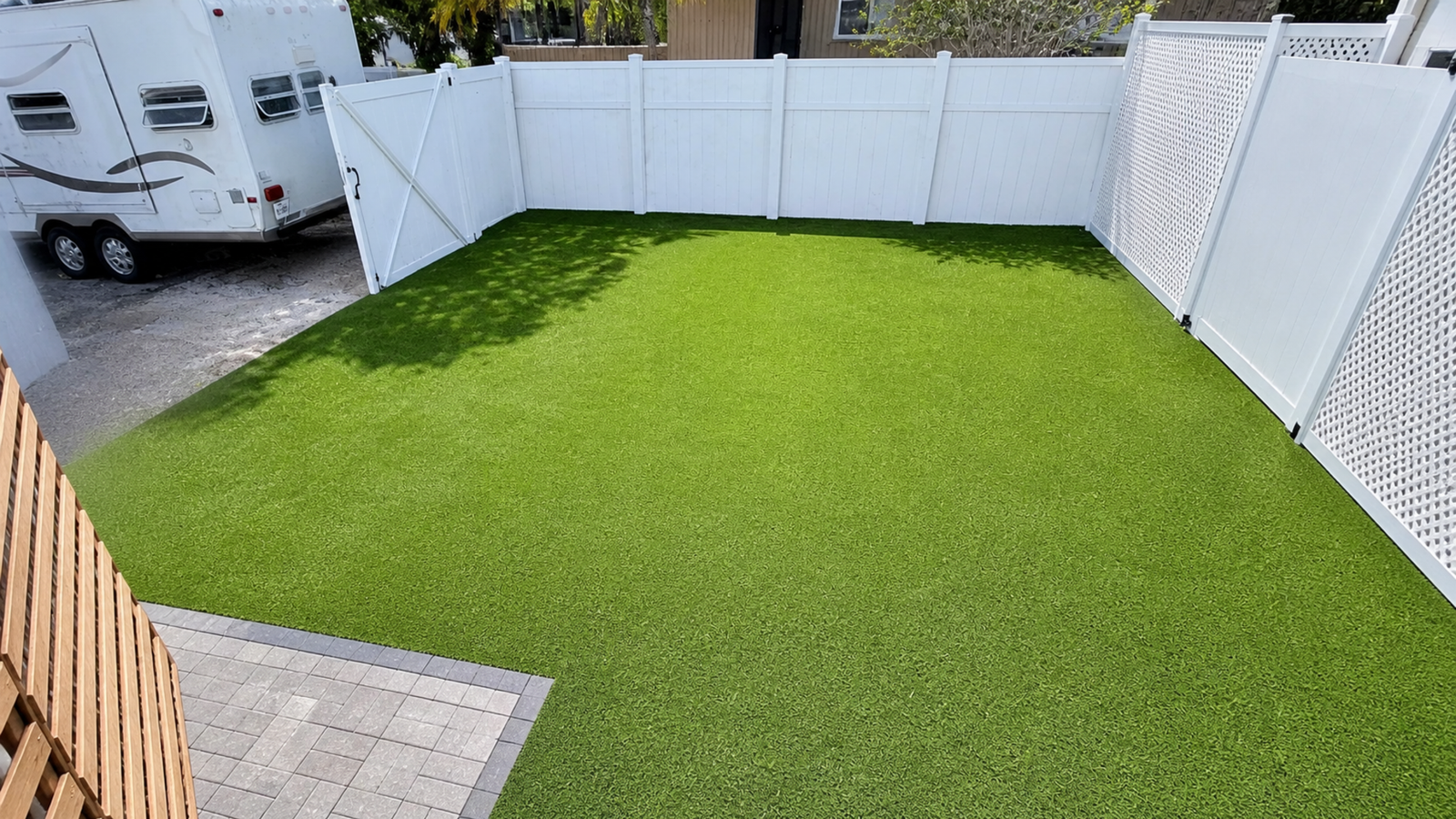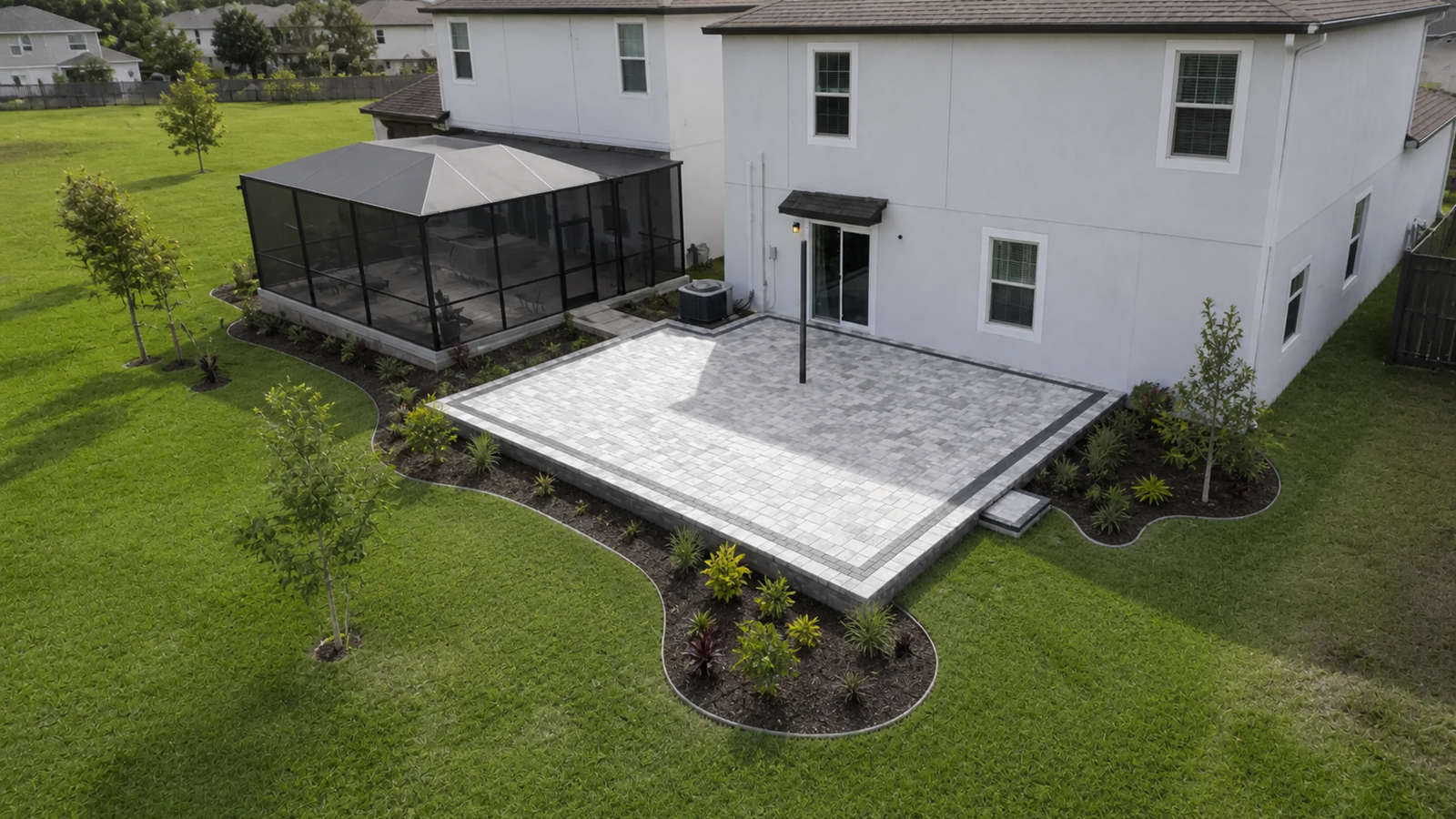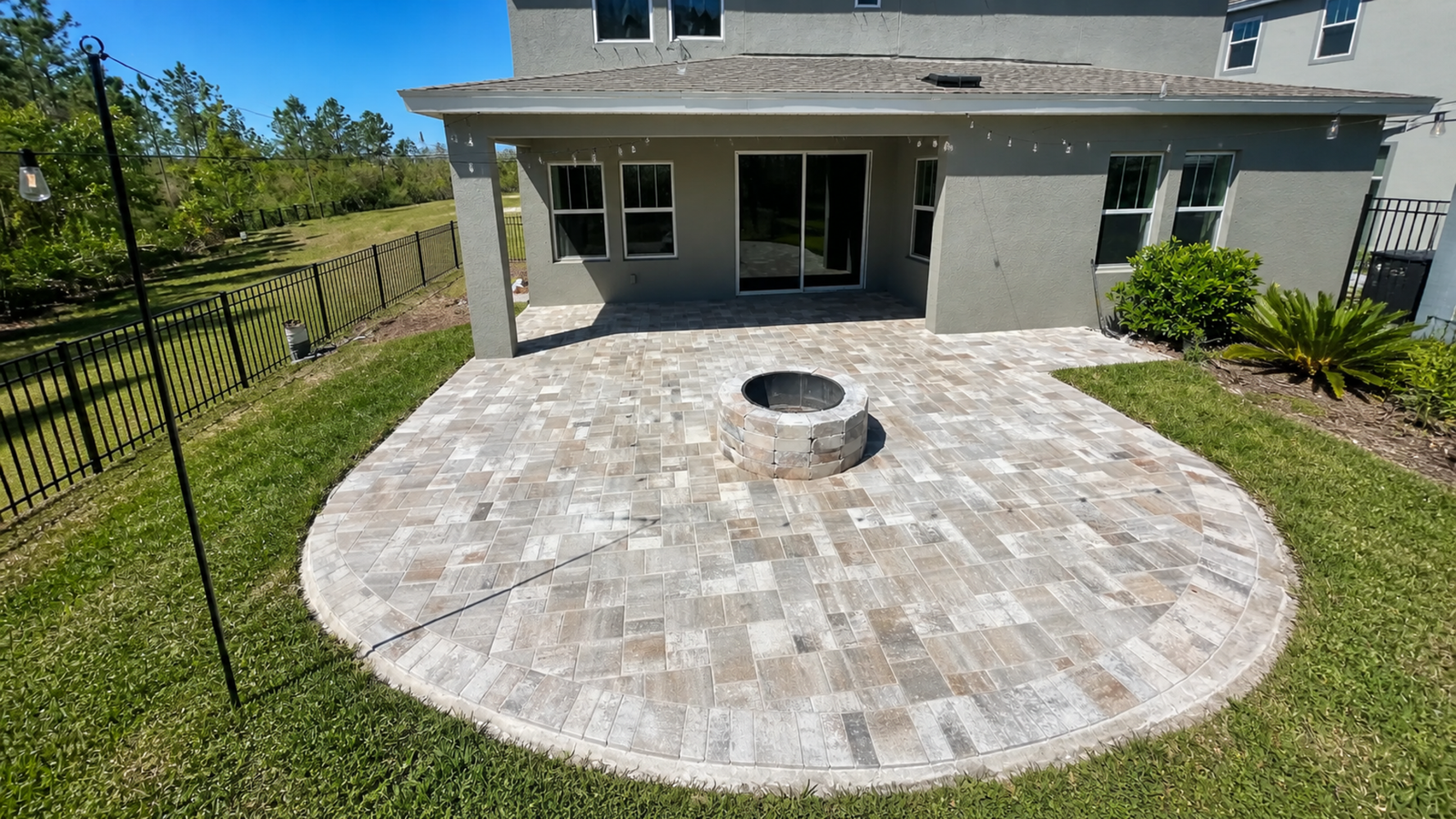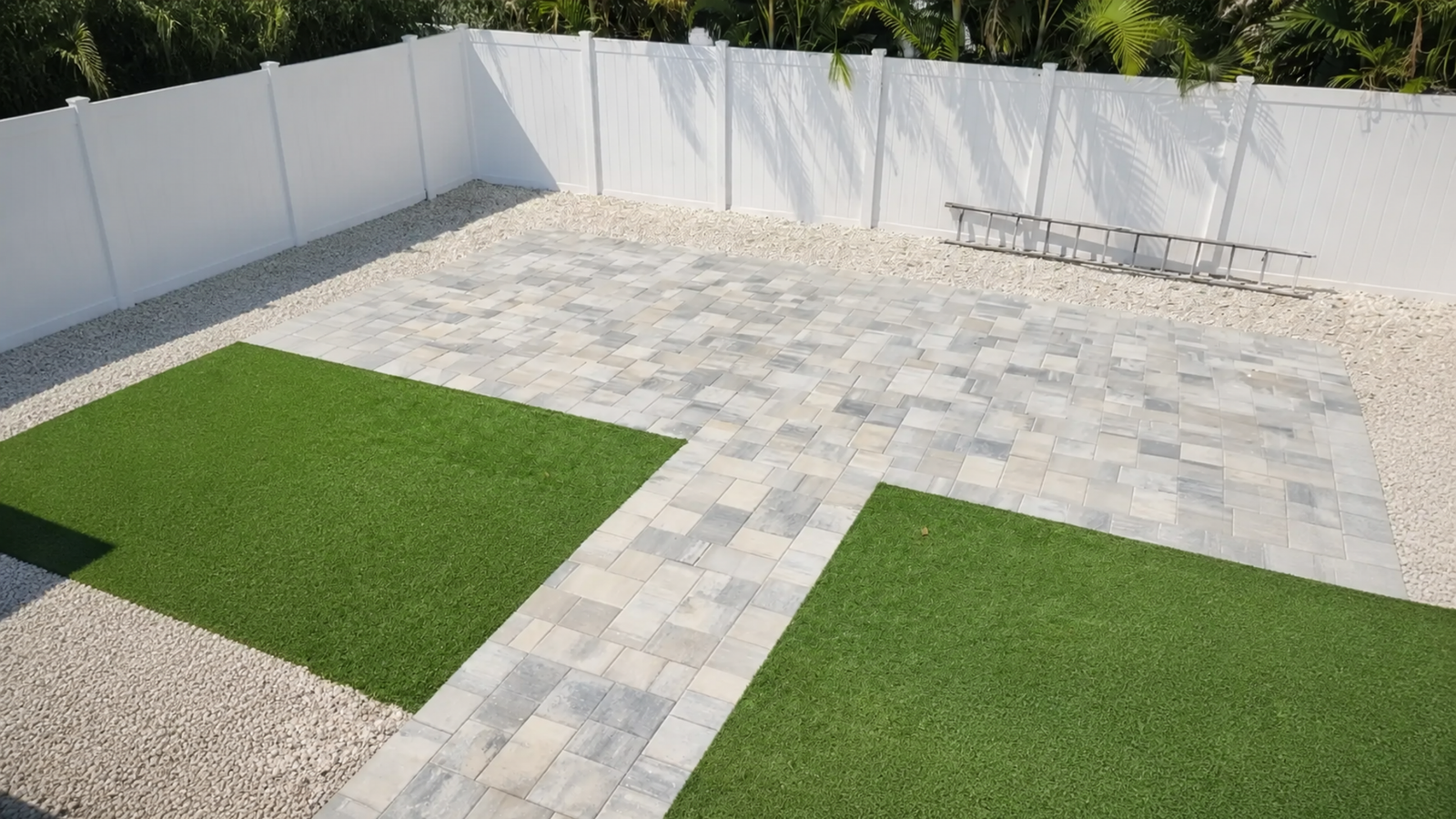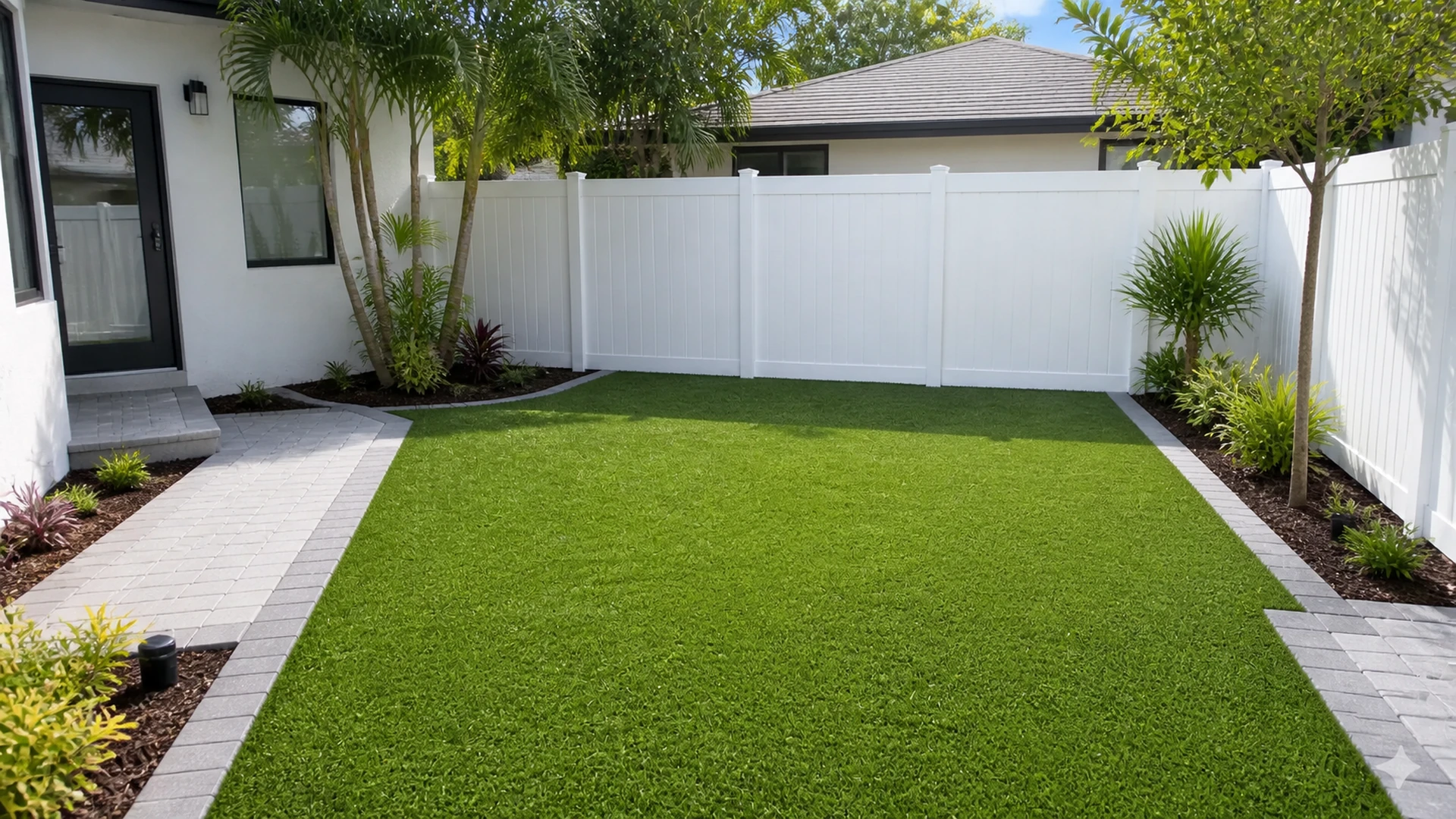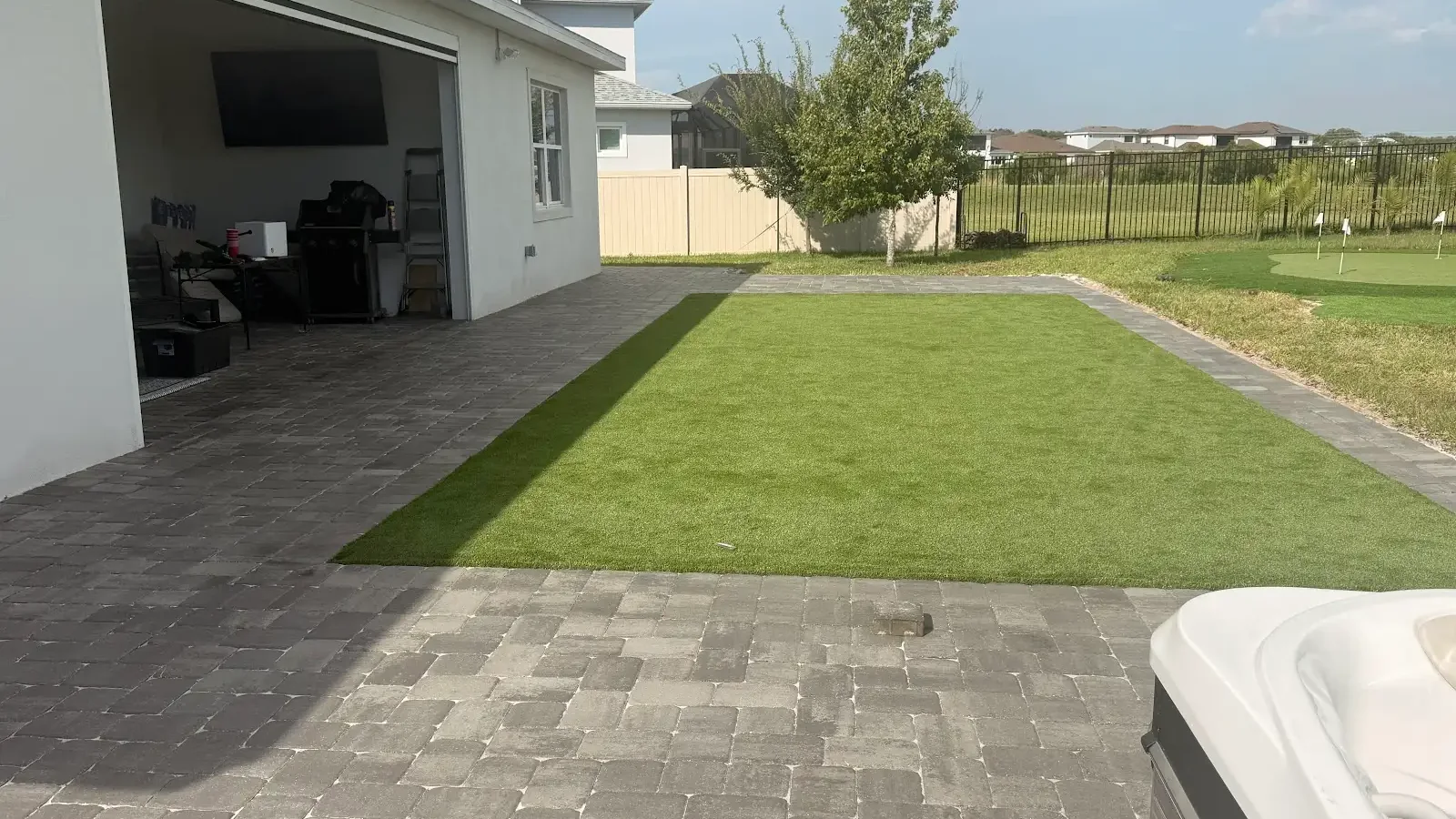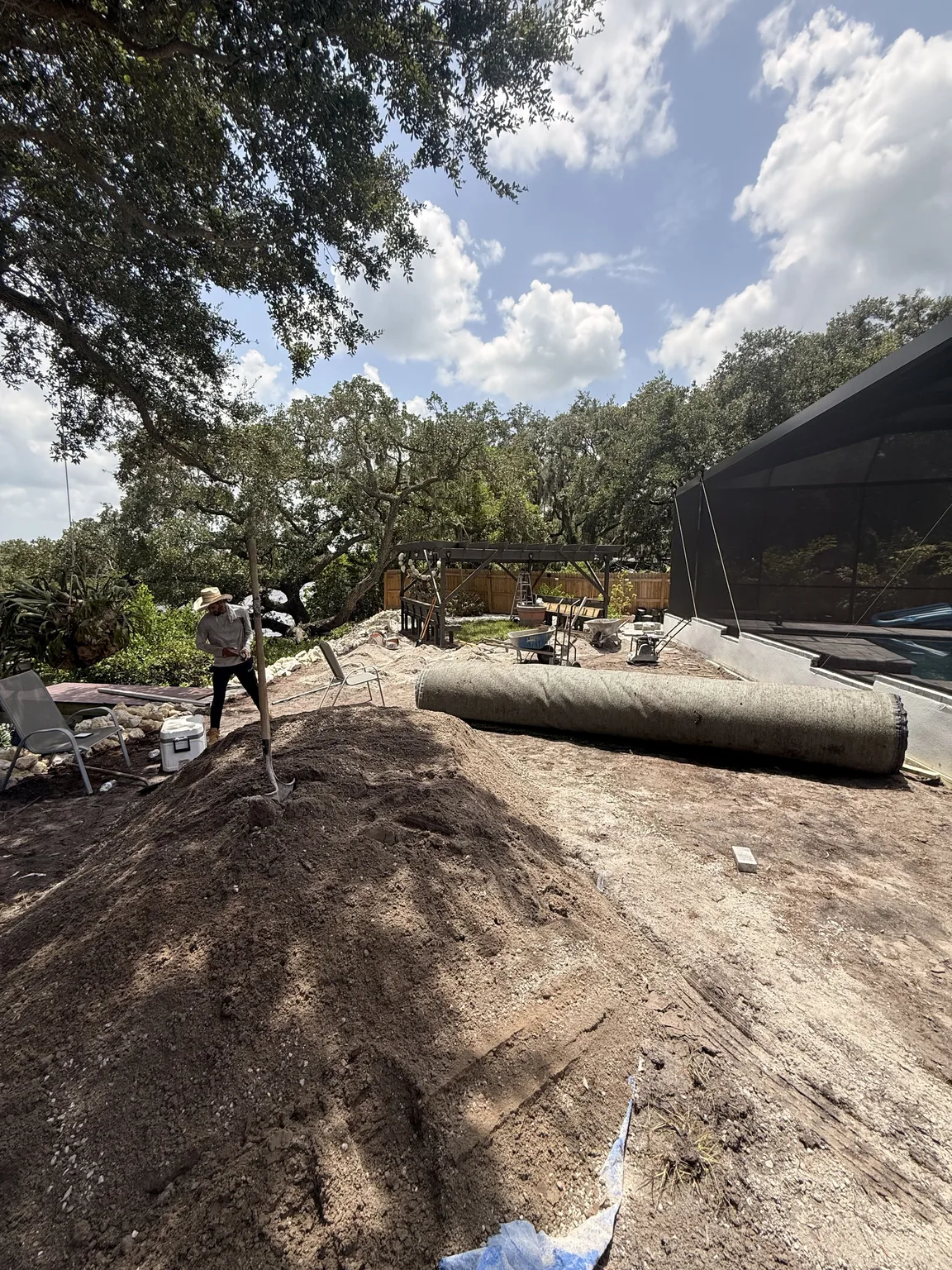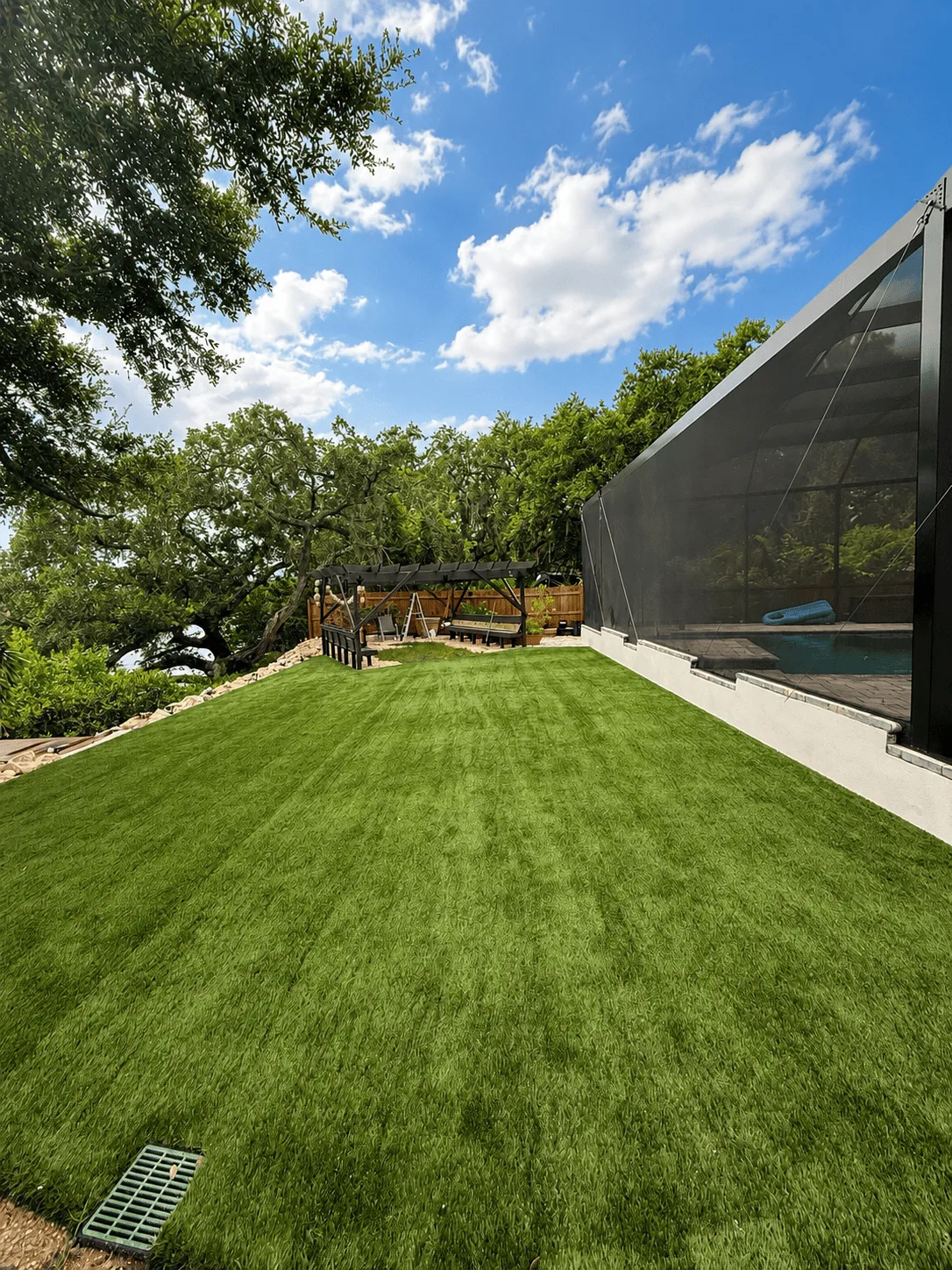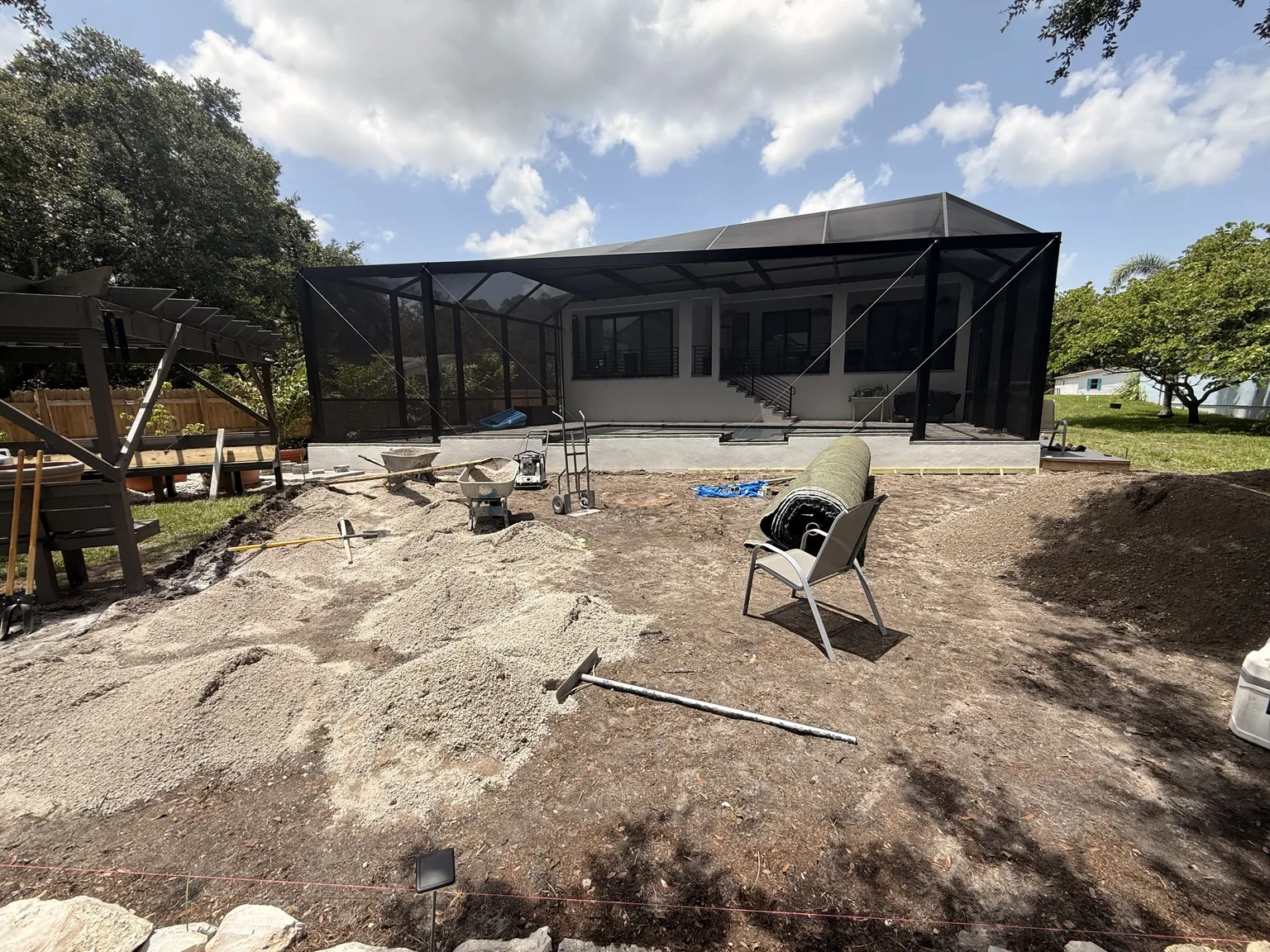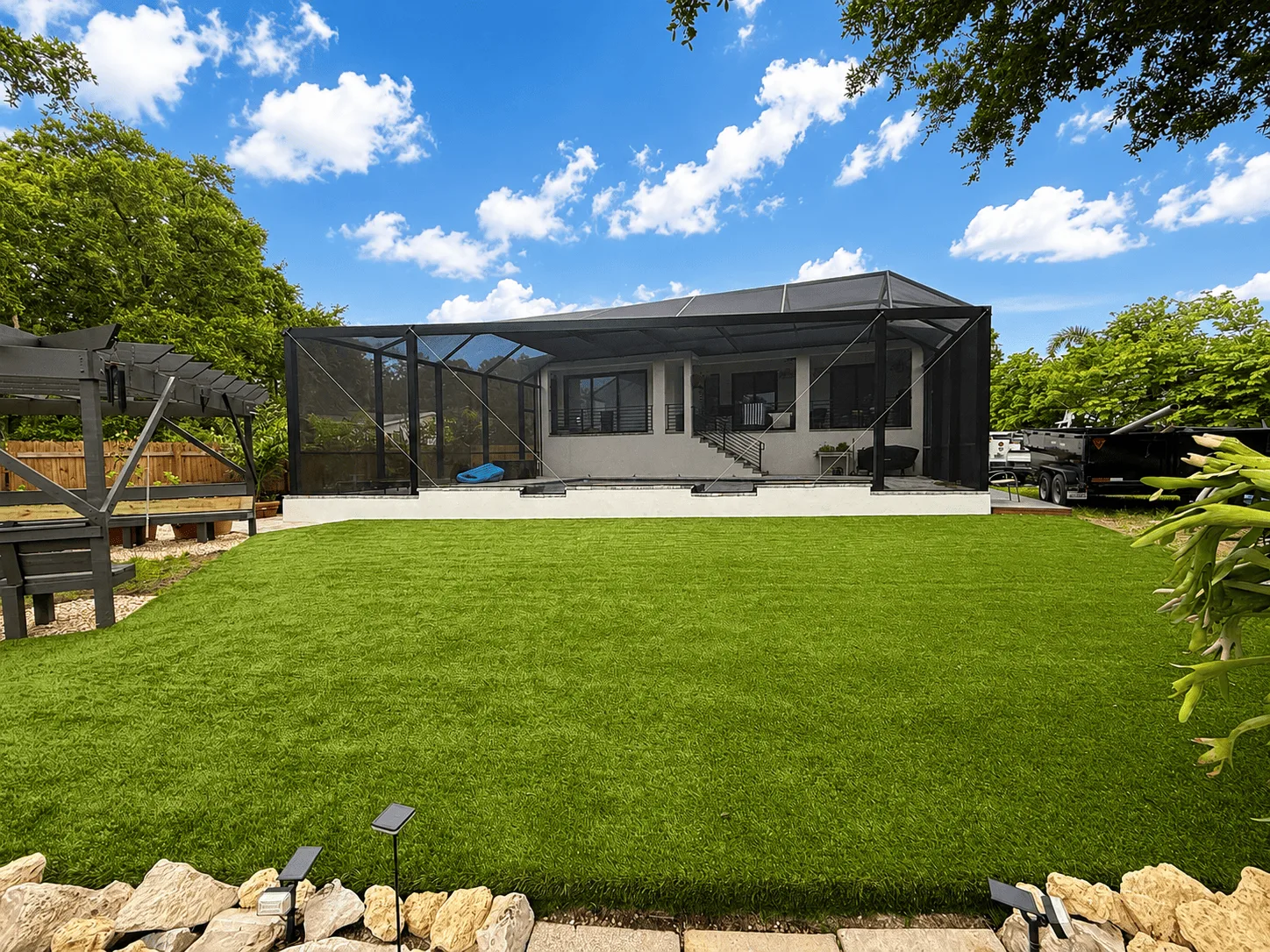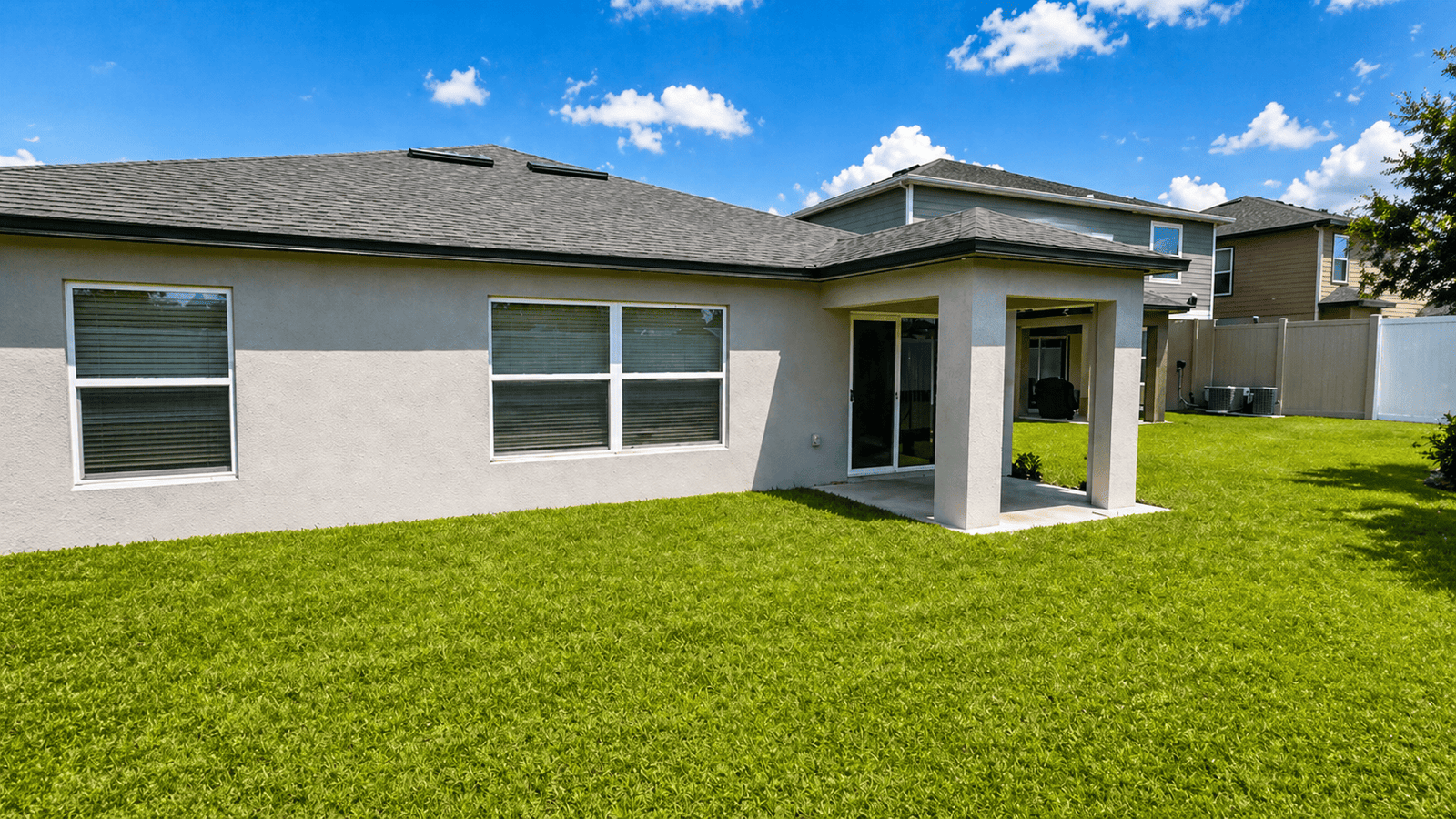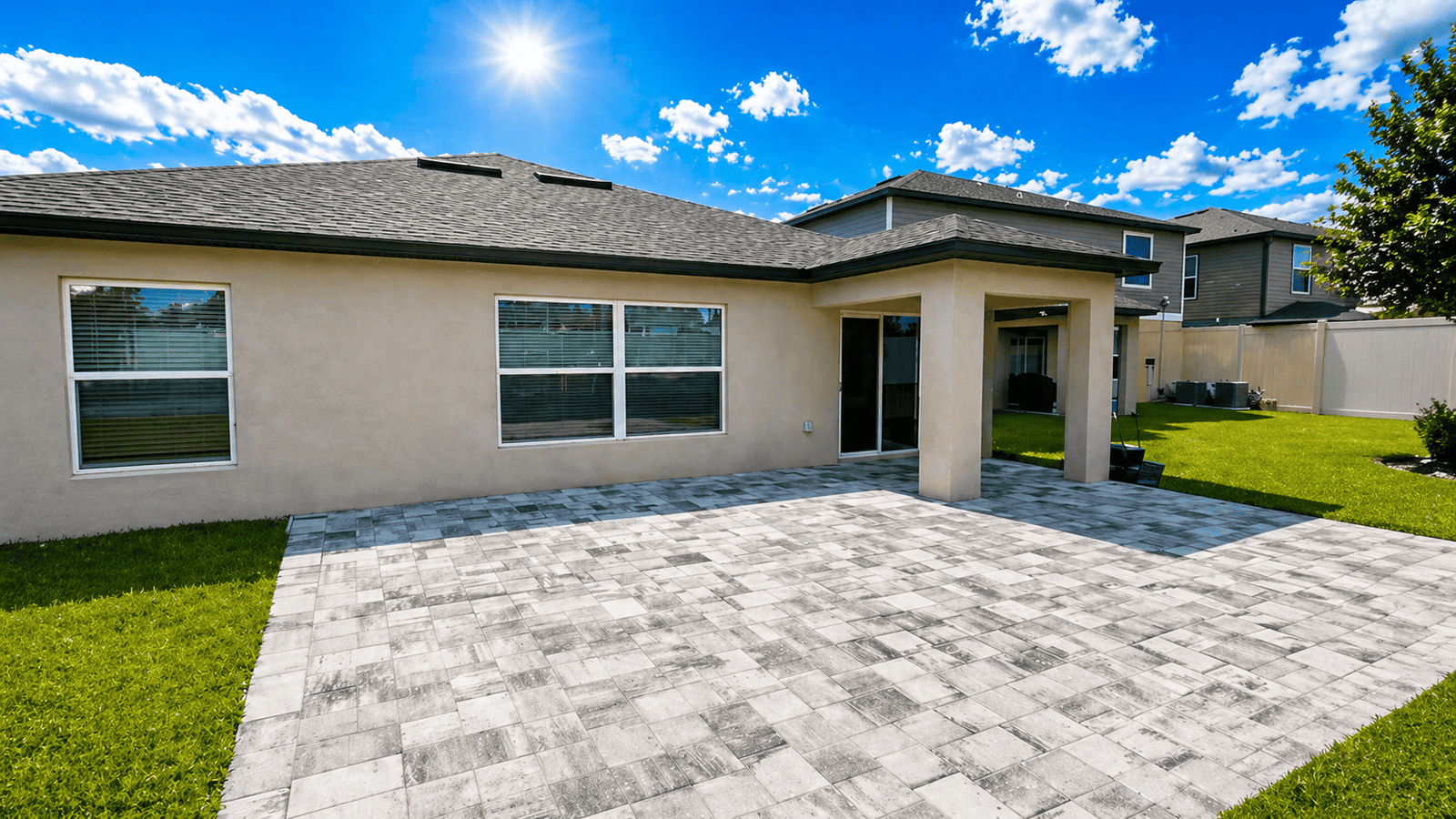

artificial turf maintenance protects a Florida yard from the wear caused by debris, pets, storms, traffic, and constant outdoor use. Therefore, a simple routine matters more than occasional aggressive cleaning. Tampa Bay homeowners can keep fibers upright, edges secure, and surfaces comfortable with timely care. In addition, regular observation catches small changes before they spread.
Unlike natural grass, synthetic turf does not need mowing or fertilizing. However, it still collects leaves, dust, pollen, spills, and organic material. artificial turf maintenance removes those materials without damaging the backing or disturbing the infill. As a result, the lawn looks consistent and remains easier to use.
Build an artificial turf maintenance rhythm
First, divide care into quick observation, routine cleaning, and occasional detailed work. A short walk across the lawn can reveal lifted edges, matted fibers, or blocked flow paths. Therefore, homeowners should inspect high-use areas more often than decorative corners. artificial turf maintenance should match actual use instead of an arbitrary calendar.
Next, keep tools simple and suitable for synthetic material. For example, a plastic leaf rake, soft broom, hose, and manufacturer-approved cleaner cover many ordinary tasks. However, metal tines and harsh chemicals can create unnecessary risk. Consequently, the right tool often prevents damage better than extra effort.
An artificial turf maintenance walk-through
artificial turf maintenance begins with a slow walk from one edge to the other. Meanwhile, look for debris pockets, low spots, seam movement, pet areas, and fibers leaning in one direction. Then, note anything that changed after weather or heavy use. This sequence creates a useful baseline without making care complicated.
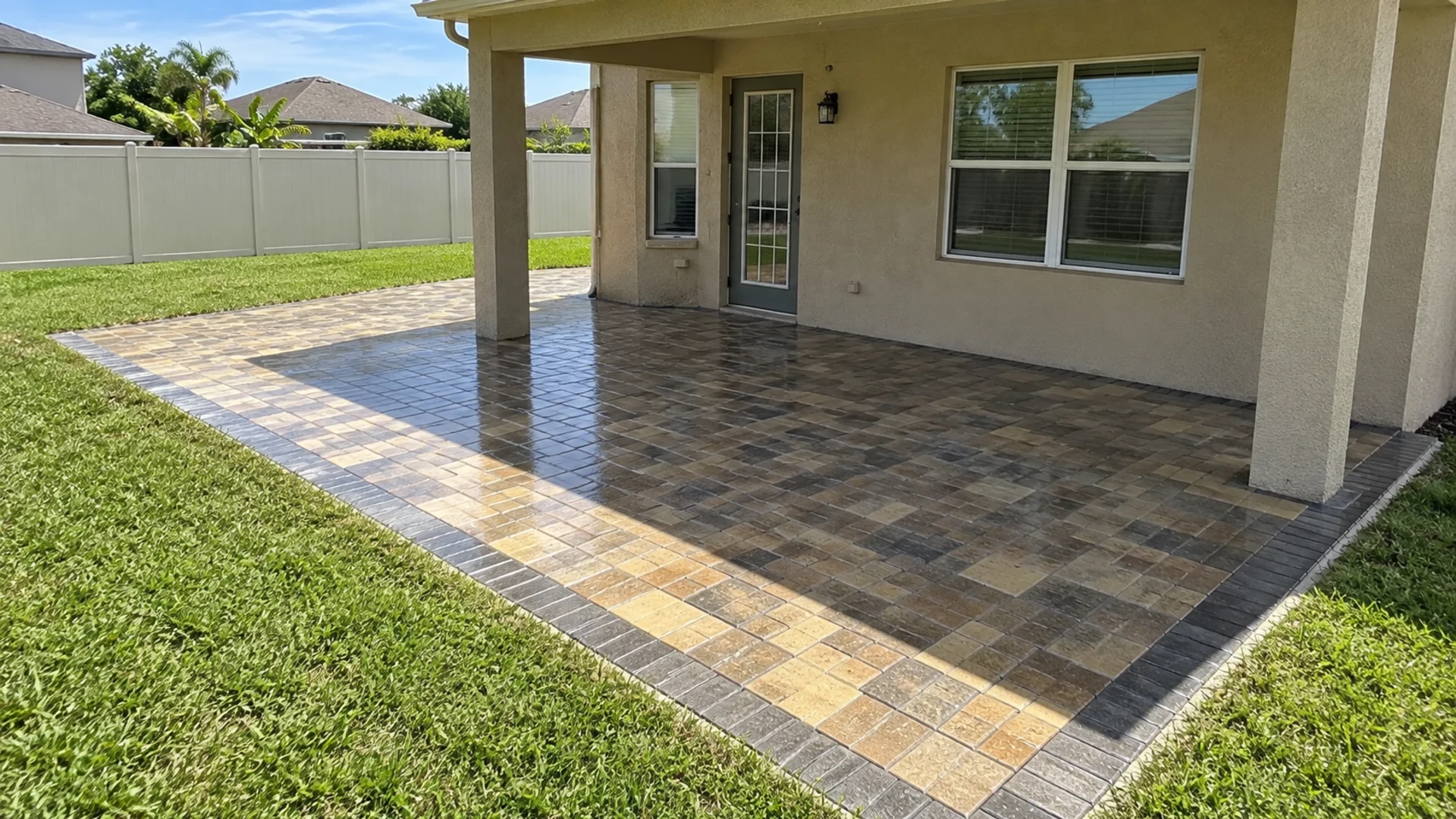
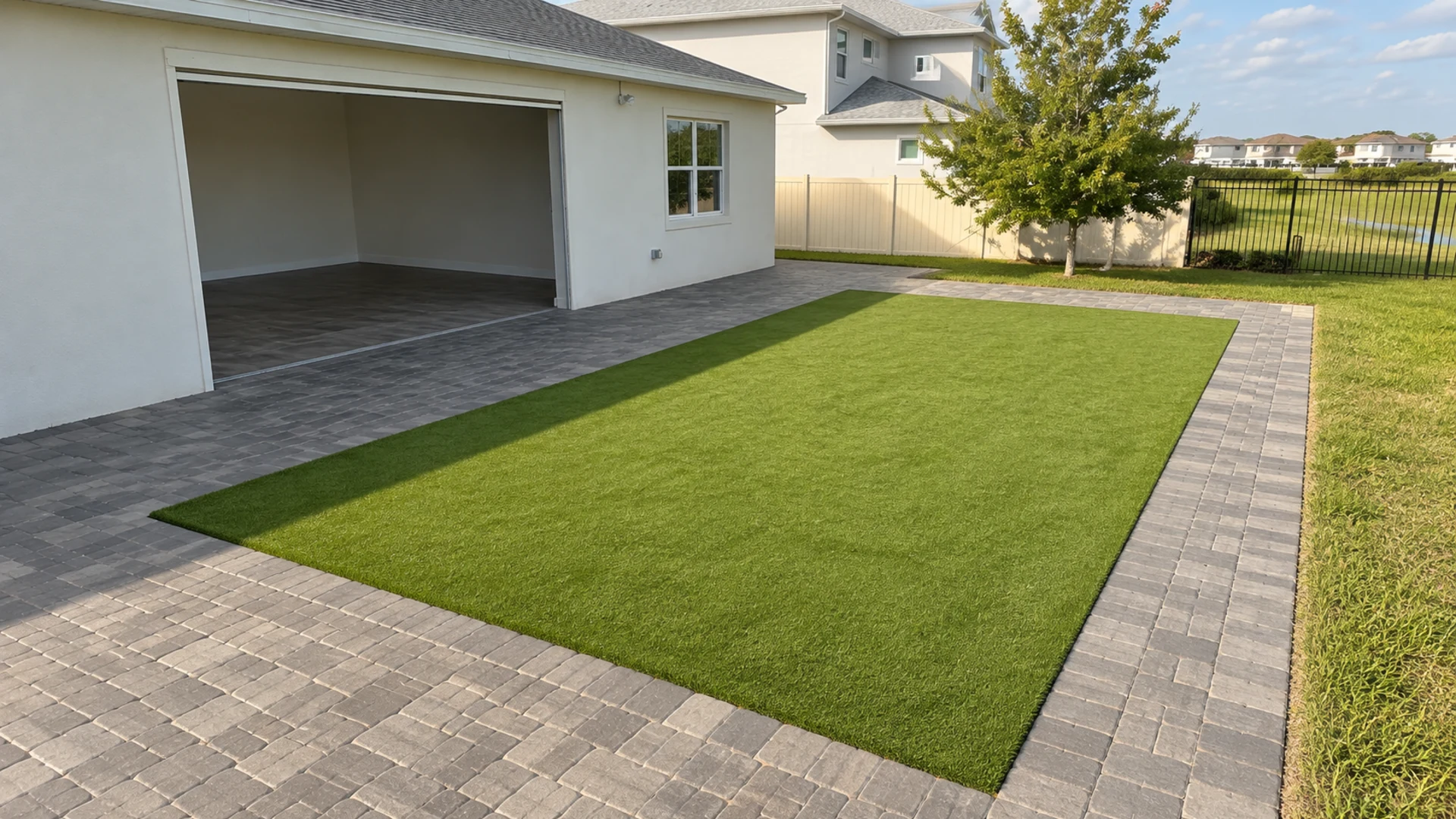
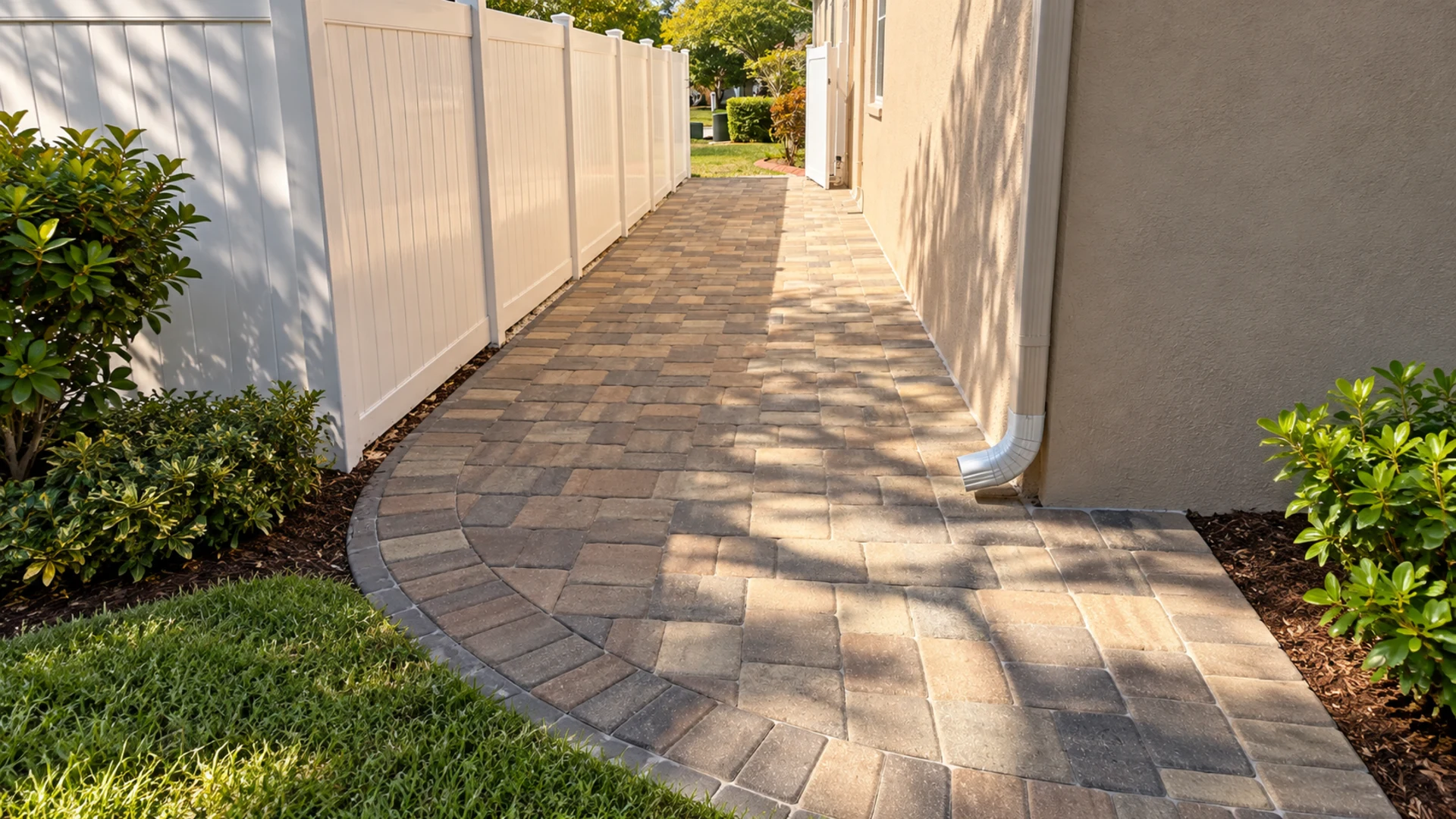
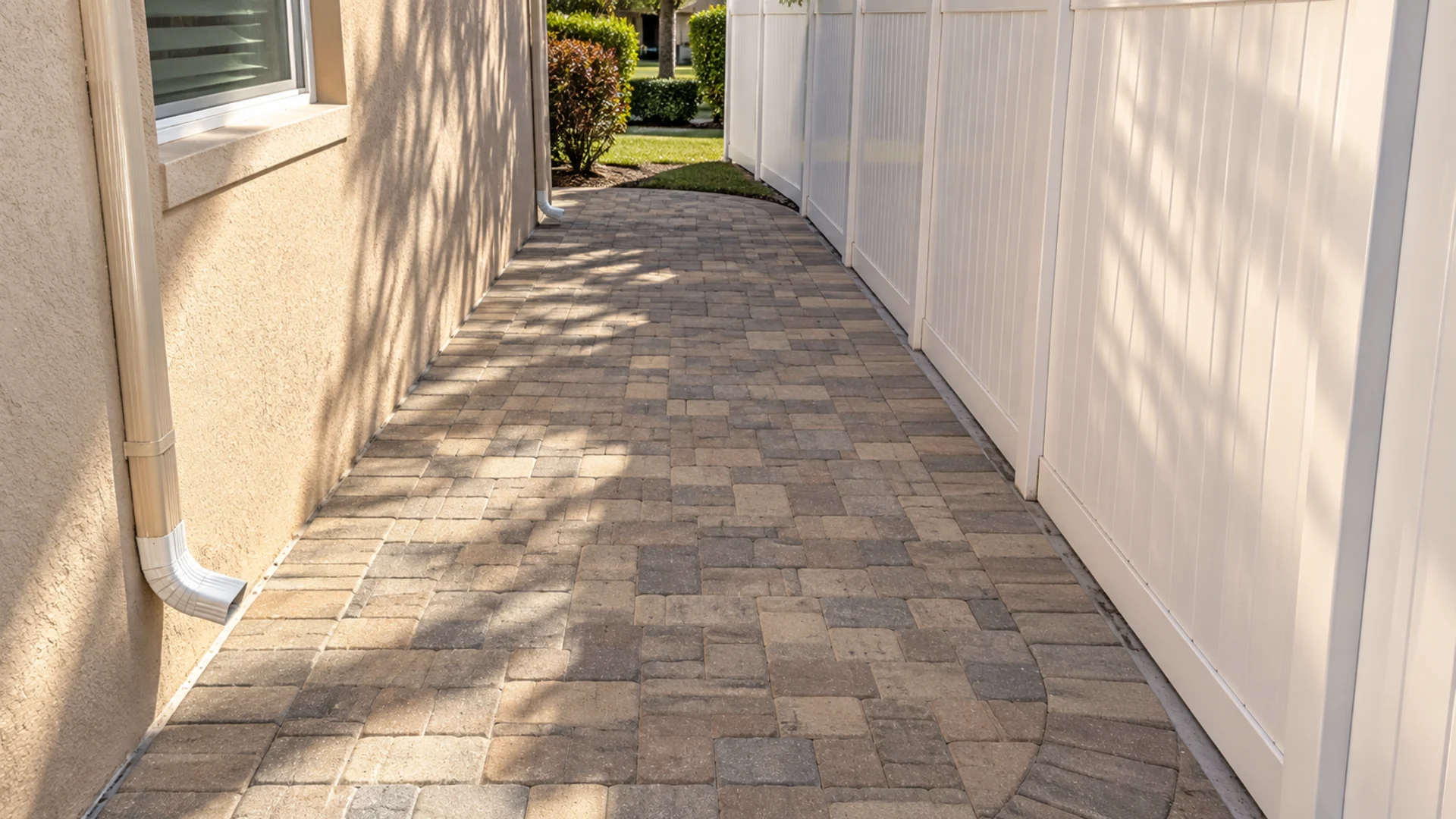
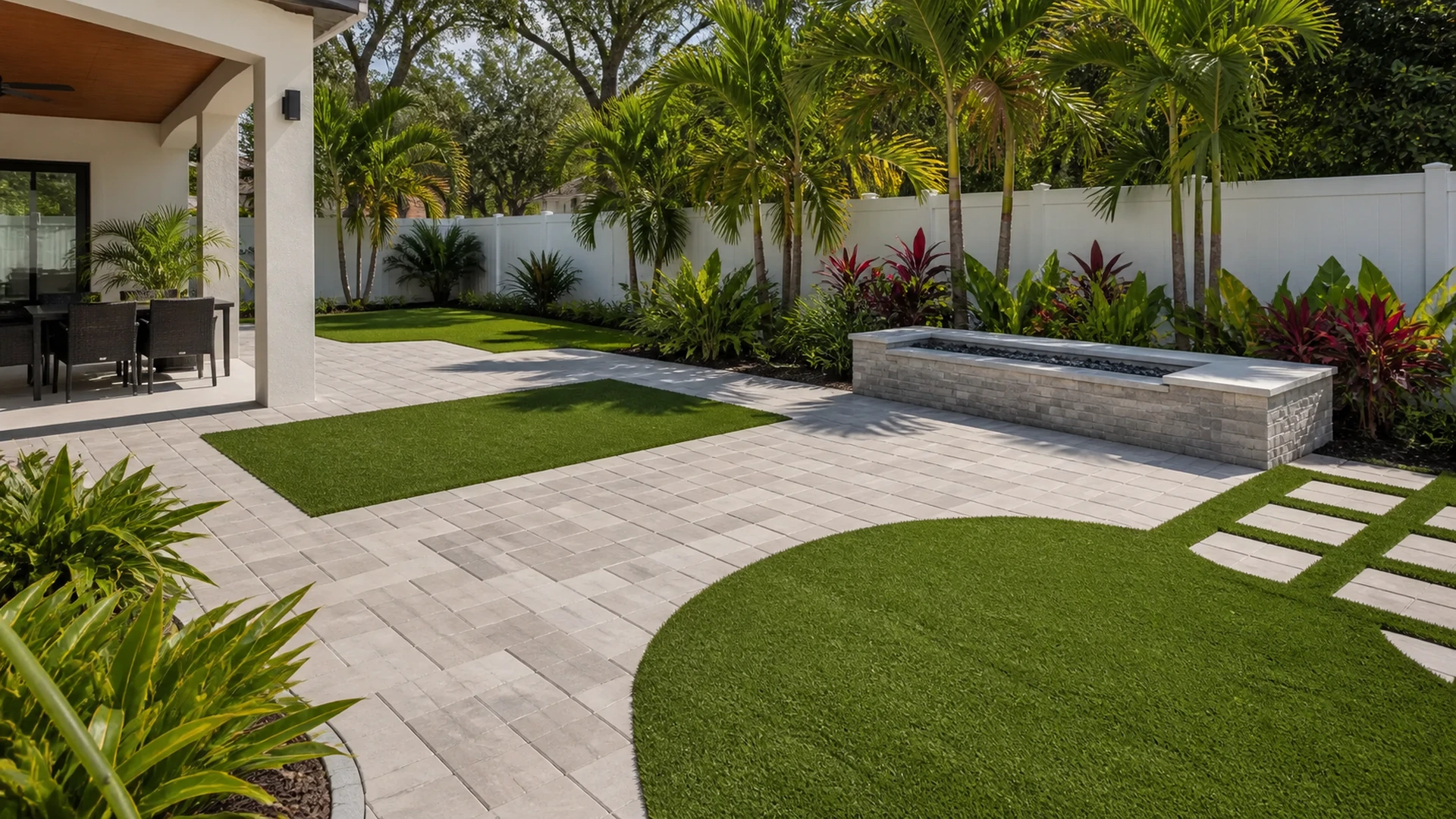
In addition, inspect the transition between turf and pavers, walls, beds, or fences. A secure perimeter supports a clean appearance and reduces tripping concerns. However, homeowners should avoid pulling or cutting an edge before understanding why it moved. Therefore, document the location and contact an installer when the cause is unclear.
- First, remove branches, leaves, seed pods, and other loose debris.
- Next, check seams, corners, borders, and transitions for movement.
- Meanwhile, identify pet zones, spills, and areas with concentrated traffic.
- In addition, confirm that water can leave the surface after rain.
- Finally, brush flattened fibers only with a turf-safe tool.
Reset the surface after Florida storms
Summer storms can drop twigs, palm material, leaves, and windblown litter across a yard. Therefore, remove larger debris before it breaks into smaller pieces. artificial turf maintenance after severe weather should also include the perimeter and nearby hardscape. As a result, organic material has less time to settle into the fibers.
However, standing water or repeated slow drying deserves closer attention. Turf systems depend on preparation, base conditions, and unobstructed routes beneath the visible surface. In addition, surrounding grades and downspouts may influence what homeowners see. Consequently, repeated wet areas call for diagnosis instead of repeated surface cleaning.
Clean first, then evaluate changes
Nevertheless, After a storm, debris can hide a seam or edge that needs review. First, clear the area gently and let the surface return to normal. Then, compare the spot with surrounding turf. artificial turf maintenance works best when homeowners separate temporary storm effects from actual movement.
Similarly, a few flattened fibers may recover after drying and brushing. However, a depression that remains visible may point to a base issue. Therefore, avoid adding random material through the surface. A qualified installer can determine whether the area needs localized correction.
Remove dry debris before rinsing
Dry leaves and small clippings usually come up more cleanly before water enters the process. Therefore, use a blower on a controlled setting or gather debris with a soft tool. Keep the airflow directed away from seams and loose landscape material. In addition, artificial turf maintenance should prevent debris from moving into neighboring beds or pools.
Next, rinse only when dust, pollen, or residue makes it useful. A moderate hose flow can refresh the surface without turning routine care into pressure cleaning. However, direct high pressure at close range may disturb infill or stress connections. As a result, gentle coverage gives homeowners more control.
Brush traffic lanes against the lean
Foot traffic can make fibers lean around gates, play areas, and favorite seating. Therefore, brush those places against the direction of the lean with a turf-safe broom. artificial turf maintenance does not require constant brushing across the entire yard. Instead, targeted work can restore a more even appearance.
Moreover, brushing frequency should reflect activity and fiber response. A lightly used side yard may need little attention, while a pet run changes faster. However, aggressive scrubbing can roughen the surface or move infill unevenly. Consequently, use several light passes rather than one forceful pass.
Handle pet areas with a repeatable process
Meanwhile, Pet households benefit from prompt pickup and consistent rinsing. First, remove solid waste with a dedicated tool. Then, rinse the affected area according to the turf maker’s guidance. artificial turf maintenance becomes easier when family members follow the same simple process.
However, odor should not lead to random chemical mixing. Some cleaners leave residue, affect materials, or create a smell that only masks the source. Therefore, choose a product labeled for synthetic turf and pet use. In addition, test it in a small, discreet area first.
Track recurring pet odor instead of covering it
A recurring odor may indicate that residue reaches the same concentrated zone repeatedly. Therefore, widen the rinse area and review how quickly the surface dries. artificial turf maintenance can also include a suitable enzymatic product when the system manufacturer allows it. As a result, cleaning addresses organic material rather than adding fragrance.
In addition, persistent problems may involve infill condition, base performance, or restricted movement below the turf. A surface spray cannot correct every underlying cause. However, an installer can inspect the system without unnecessary removal. Consequently, professional review may save repeated cleaning effort.
Treat spills according to the material
Spills respond best when homeowners act before residue dries. First, blot liquids with an absorbent cloth instead of rubbing them deeper. Then, lift removable material with a dull plastic tool. artificial turf maintenance should use the mildest effective method.
For example, plain water may handle light dirt, while a turf-safe soap may help with food residue. However, solvents, bleach blends, and petroleum products can threaten fibers or backing. Therefore, follow both the turf manufacturer’s instructions and the cleaner label. In addition, rinse away approved soap after treatment.
Keep weeds and volunteer growth from taking hold
Weeds do not always grow up from beneath synthetic turf. Instead, seeds can settle in windblown soil and organic debris near the surface. Therefore, regular debris removal remains an important part of artificial turf maintenance. It reduces the small pockets where volunteer growth can start.
However, pulling a weed roughly may disturb nearby fibers or edges. Remove small growth carefully, and avoid digging through the turf system. In addition, address accumulated soil along borders and between adjacent pavers. Consequently, the perimeter stays cleaner and easier to inspect.
Watch beds, tree wells, and paver transitions
Landscape beds can send mulch, soil, and roots toward the turf boundary. Therefore, maintain a clear transition and keep loose material from spreading onto the lawn. artificial turf maintenance should include those neighboring surfaces because they influence the turf. As a result, cleanup starts at the source.
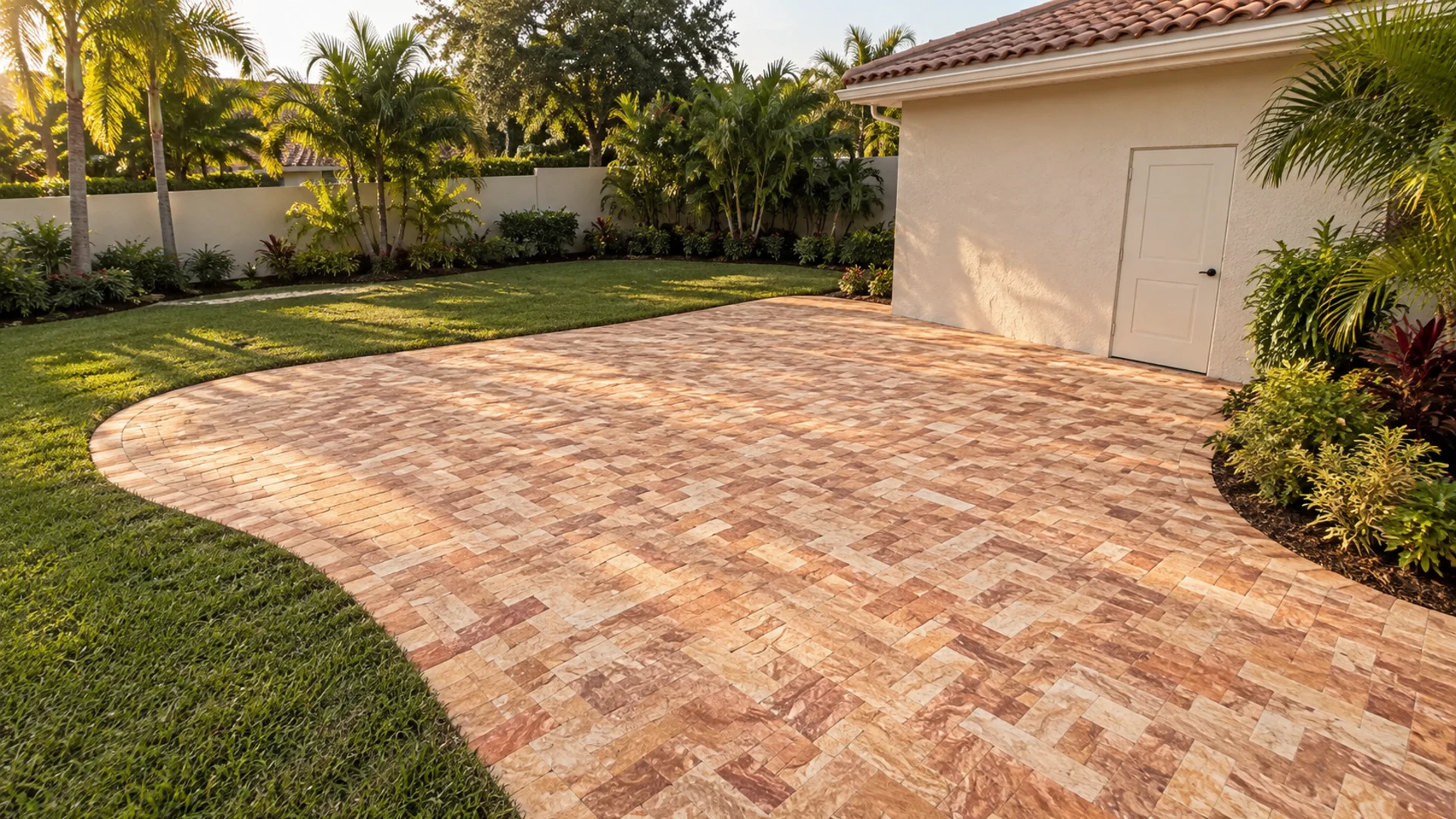
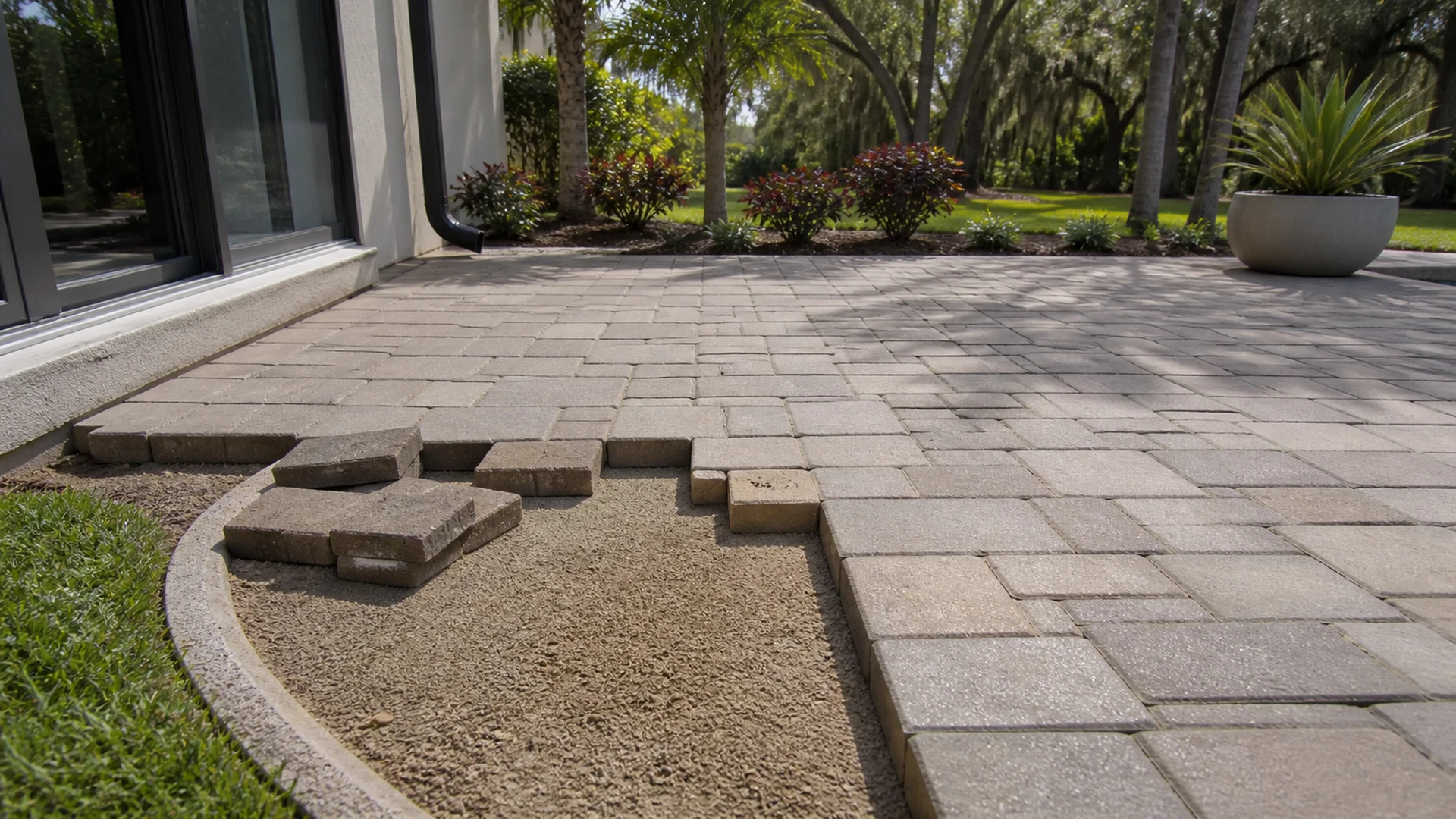
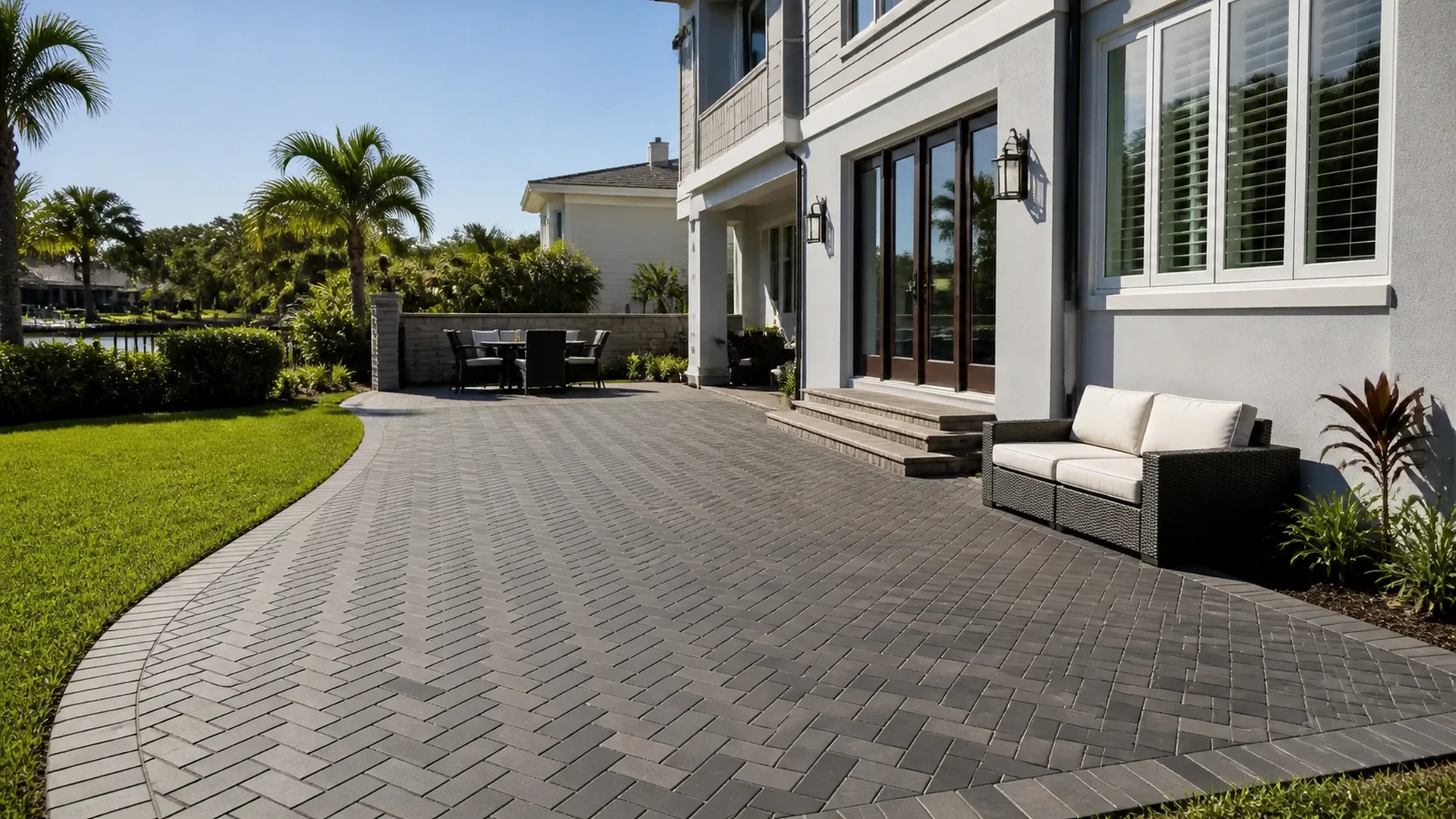
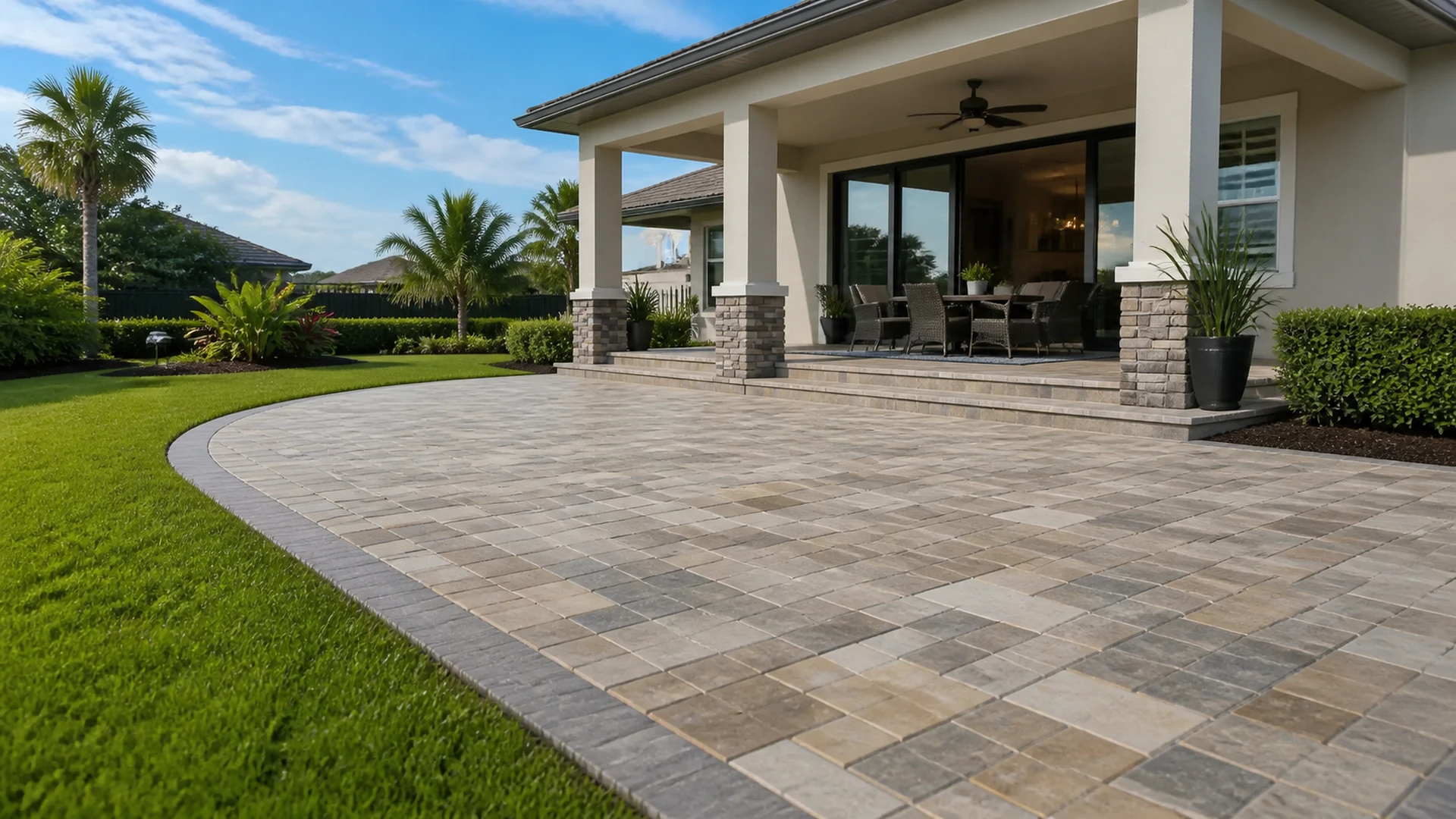
Similarly, sand and joint material can migrate from an adjoining patio during sweeping or rain. A gentle broom can redirect loose particles before they settle. However, repeated loss from a paver joint may require separate hardscape attention. Therefore, do not treat every particle as a turf problem.
Protect turf from concentrated heat
Florida sun warms every outdoor surface, but reflected or concentrated heat can create unusual hot spots. For example, certain windows may focus sunlight onto one narrow area. Therefore, artificial turf maintenance includes watching for localized curling, shine, or discoloration. Those signs deserve prompt investigation.
In addition, grills, fire features, and hot equipment need proper separation from synthetic fibers. Falling embers and radiant heat can cause permanent damage. However, moving a hot item after damage starts will not restore the material. Consequently, prevention should guide furniture and appliance placement.
Use water where it helps, not by habit
Synthetic turf does not need irrigation for growth. However, occasional rinsing can remove dust or support pet-area cleaning. artificial turf maintenance should use water for a clear purpose and allow the system to dry afterward. Therefore, an automatic schedule rarely makes sense for the turf itself.
Meanwhile, nearby trees and planting beds may still need irrigation. Sprinkler overspray can carry soil, minerals, or landscape material onto the turf. In addition, a broken head can create repeated saturation in one place. As a result, homeowners should inspect irrigation patterns around the synthetic lawn.
Adjust the schedule through the year
Spring pollen, summer storms, fall leaf drop, and winter dry periods create different cleaning needs. Therefore, artificial turf maintenance should change with the season. A fixed weekly routine may waste effort during quiet periods. Instead, observe what the yard actually collects.
For example, a shaded yard under oaks may need frequent debris removal but little dust rinsing. In contrast, an open pet area may need regular rinsing and targeted brushing. Consequently, homeowners can use a short monthly inspection while adjusting individual tasks. That approach keeps care efficient.
Move furniture without stressing the turf
Chairs, planters, play equipment, and portable grills can press fibers in repeated patterns. Therefore, lift movable items instead of dragging them across the lawn. artificial turf maintenance should also include checking beneath broad bases where debris or moisture can collect. In addition, small position changes can reduce concentrated wear.
However, heavy objects need stable support and a placement plan that respects the installed system. For example, narrow legs may leave deeper impressions than a wide base. Therefore, ask the installer before adding a large structure or anchored feature. Consequently, homeowners protect both the visible fibers and the work below.
Use an artificial turf maintenance reset after gatherings
Nevertheless, A busy cookout can leave crumbs, drink residue, shifted furniture, and flattened traffic lanes. First, remove food and loose debris before it attracts pests or works deeper into the fibers. Then, inspect the route between seating, doors, and hardscape. artificial turf maintenance after an event should remain gentle and targeted.
In addition, let any rinsed areas dry before returning rugs or solid-bottom containers. Trapped moisture and hidden debris make later cleanup harder. However, a temporary fiber lean usually needs only light brushing after the area clears. As a result, the yard can recover without unnecessary products or force.
Avoid maintenance methods that shorten turf life
Pressure washers, metal rakes, sharp tools, and unapproved chemicals can turn a small issue into material damage. Therefore, artificial turf maintenance should favor controlled force and compatible products. Avoid parking hot equipment or dragging heavy furniture across fibers. In addition, protect the surface during nearby construction or painting.
However, gentle care does not mean ignoring visible changes. Loose seams, raised edges, persistent depressions, and recurring wet areas need timely review. As a result, homeowners should photograph changes and note when they appeared. That information helps an installer diagnose the cause efficiently.
Know when professional artificial turf maintenance helps
Professional artificial turf maintenance can help when brushing no longer restores high-traffic zones or odors keep returning. In addition, an installer can evaluate infill distribution, seams, edges, and base behavior. The goal is not to sell unnecessary replacement. Instead, a focused inspection should identify the smallest appropriate response.
Homeowners planning service can review DR Pavers Design’s artificial turf service for installation context and local support. Meanwhile, photographs and notes about the affected area can make the first conversation more productive. artificial turf maintenance improves when the contractor understands use, pets, weather, and site history. Therefore, share those details clearly.
For Florida-specific horticultural guidance around the rest of the yard, consult the University of Florida IFAS Extension. In addition, its resources can help homeowners coordinate nearby plants, soils, and seasonal care with a synthetic lawn. artificial turf maintenance still depends on the installed system’s own instructions. Therefore, combine authoritative landscape information with product-specific guidance.
Ready to make artificial turf maintenance easier through every Tampa Bay season? First, compare our services, see finished projects, read client testimonials, and check the FAQ for planning details. Next, use the contact page, call +1 727-564-6877, send an SMS, message us through WhatsApp, or write to drpavers@outlook.com. Meanwhile, find practical updates on Instagram and Facebook, review our work through Google reviews, and open our Google Maps location. Finally, we can help you turn artificial turf maintenance observations into a clear next step.