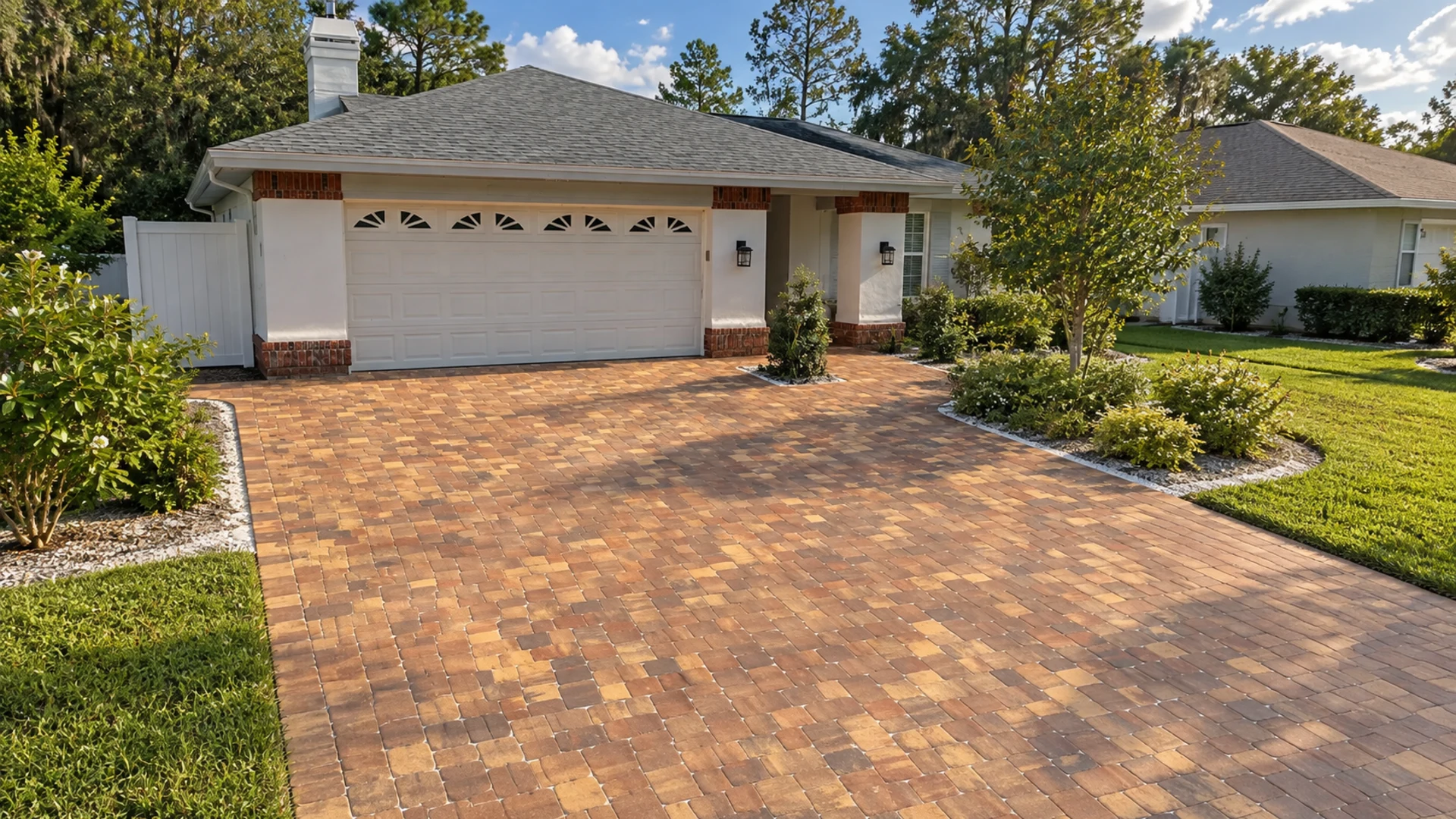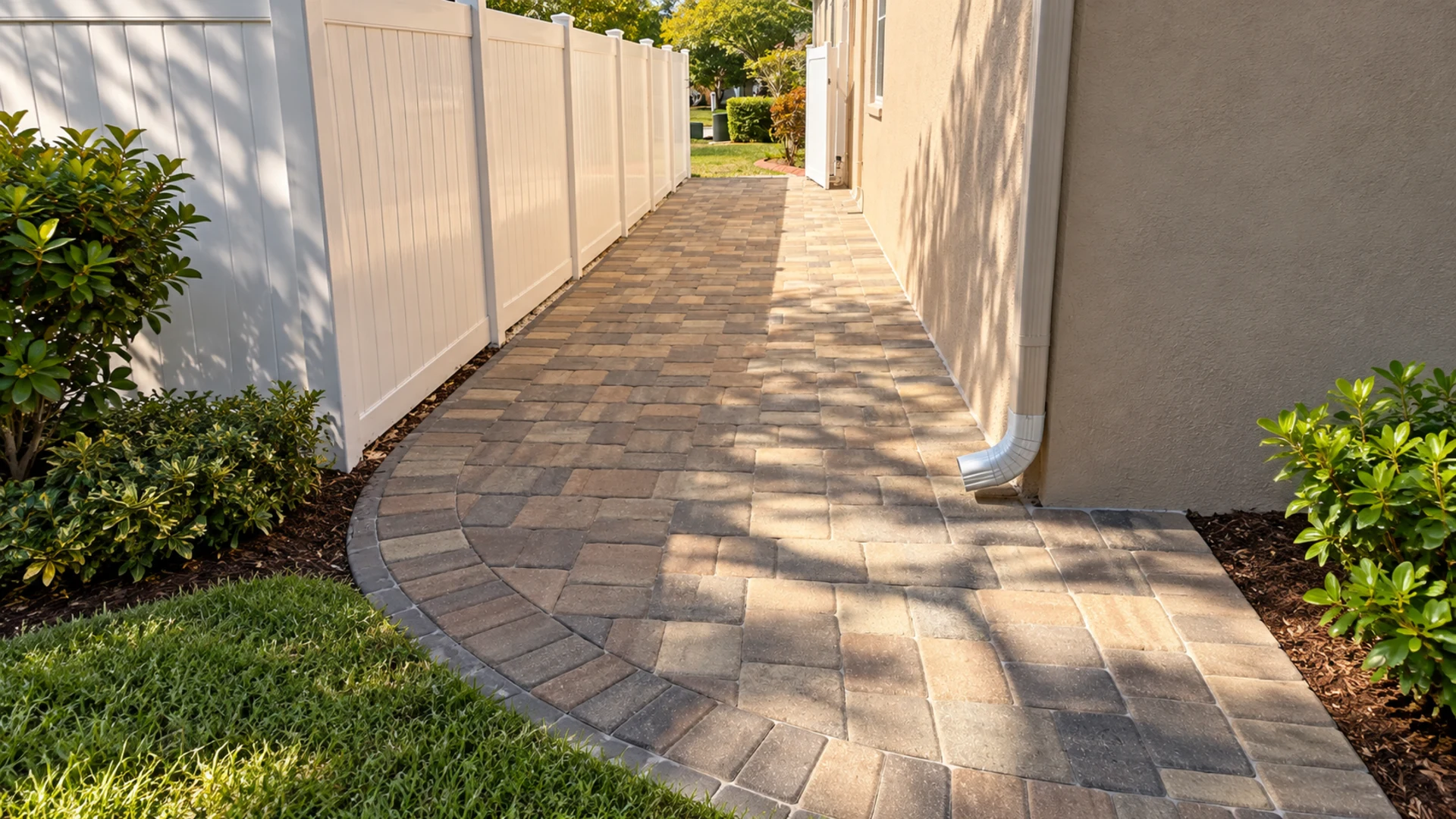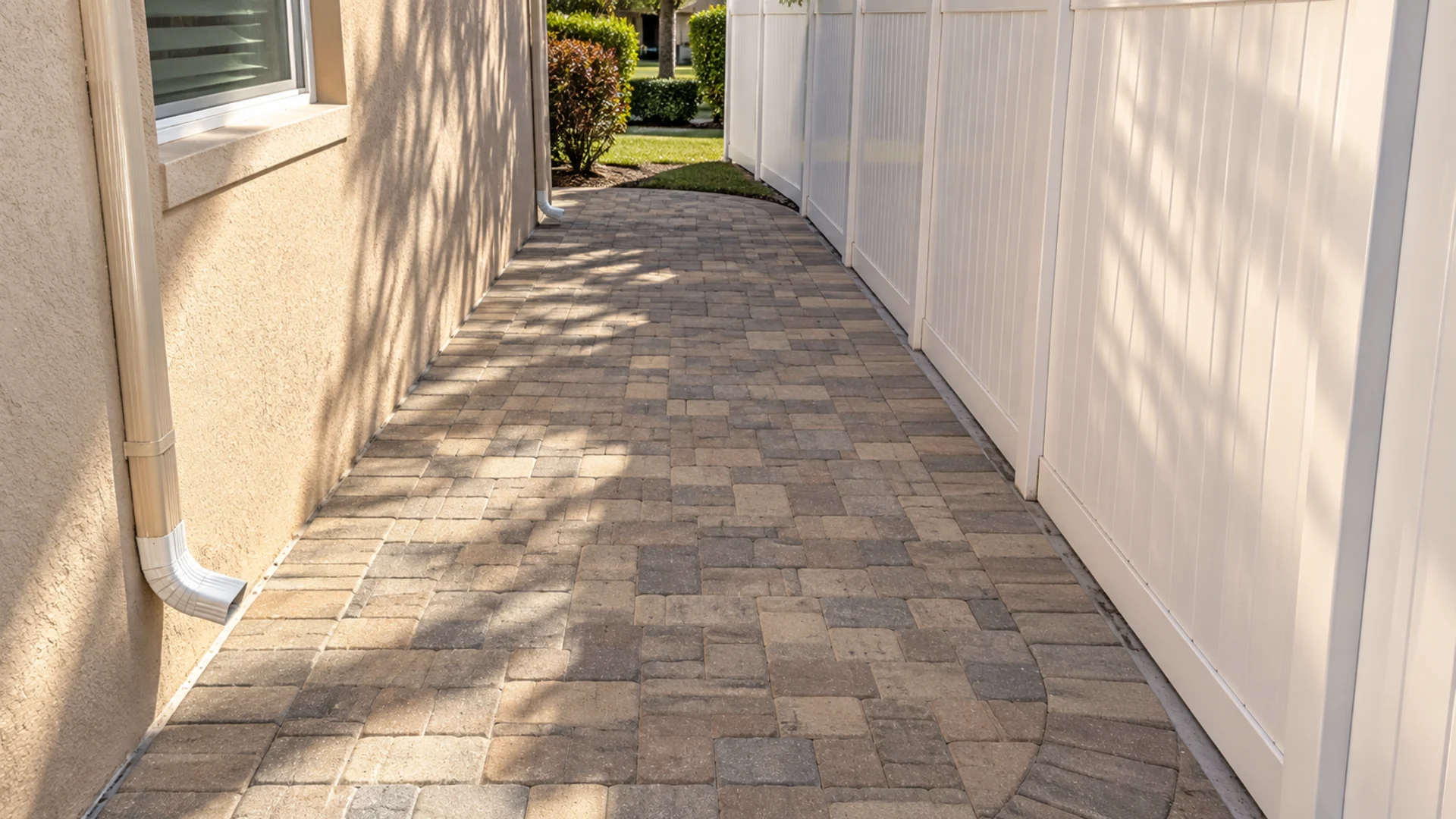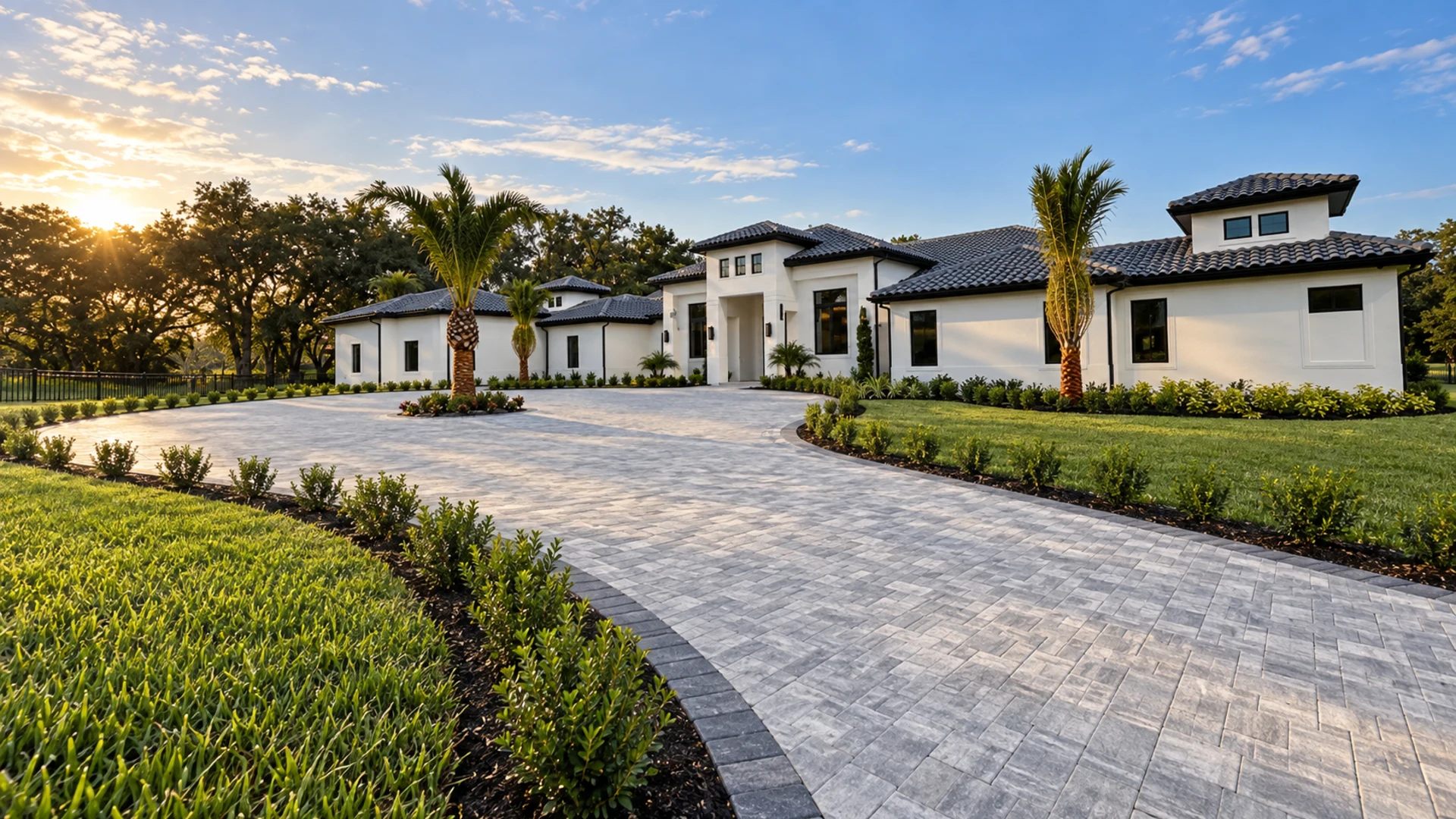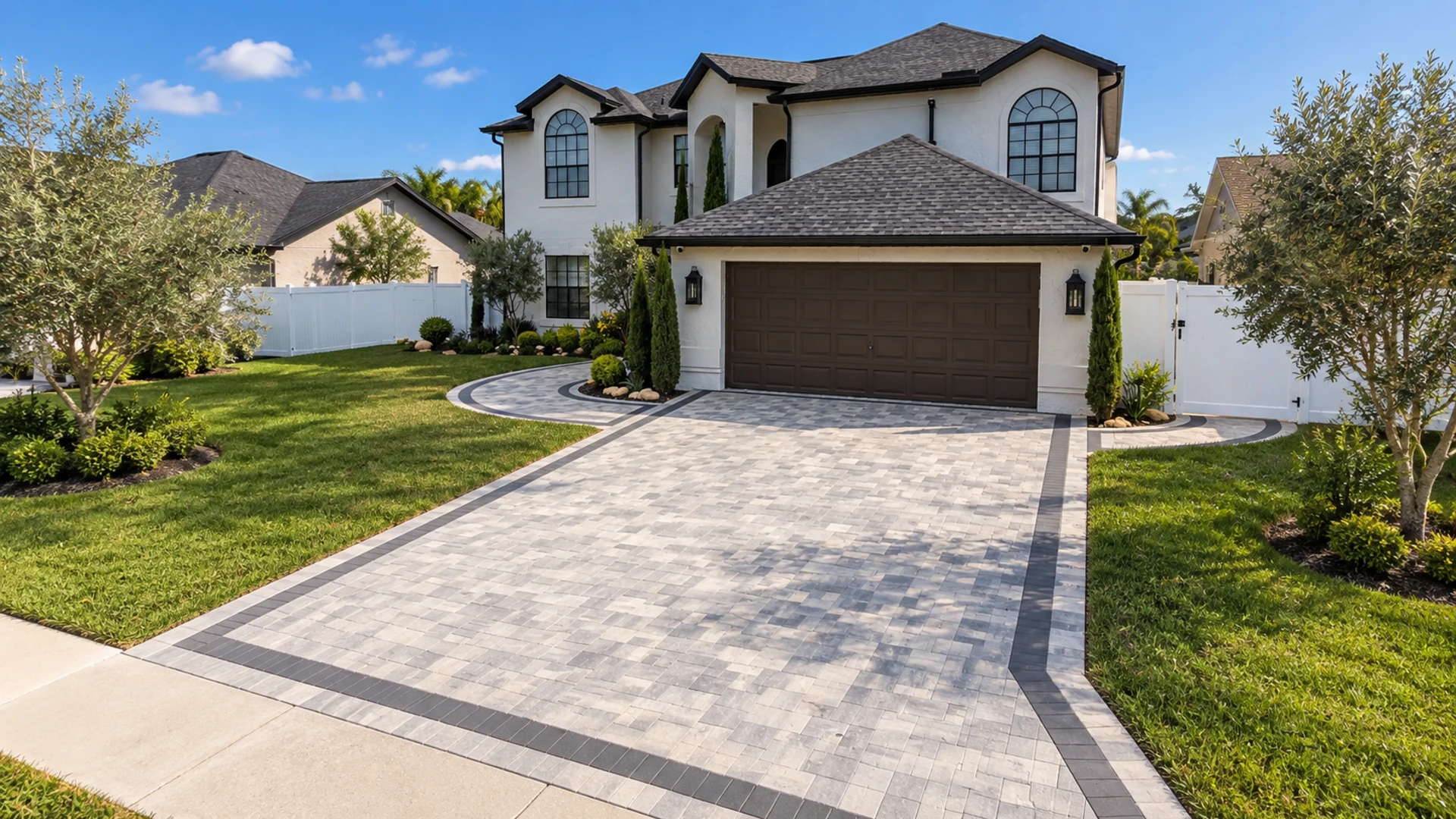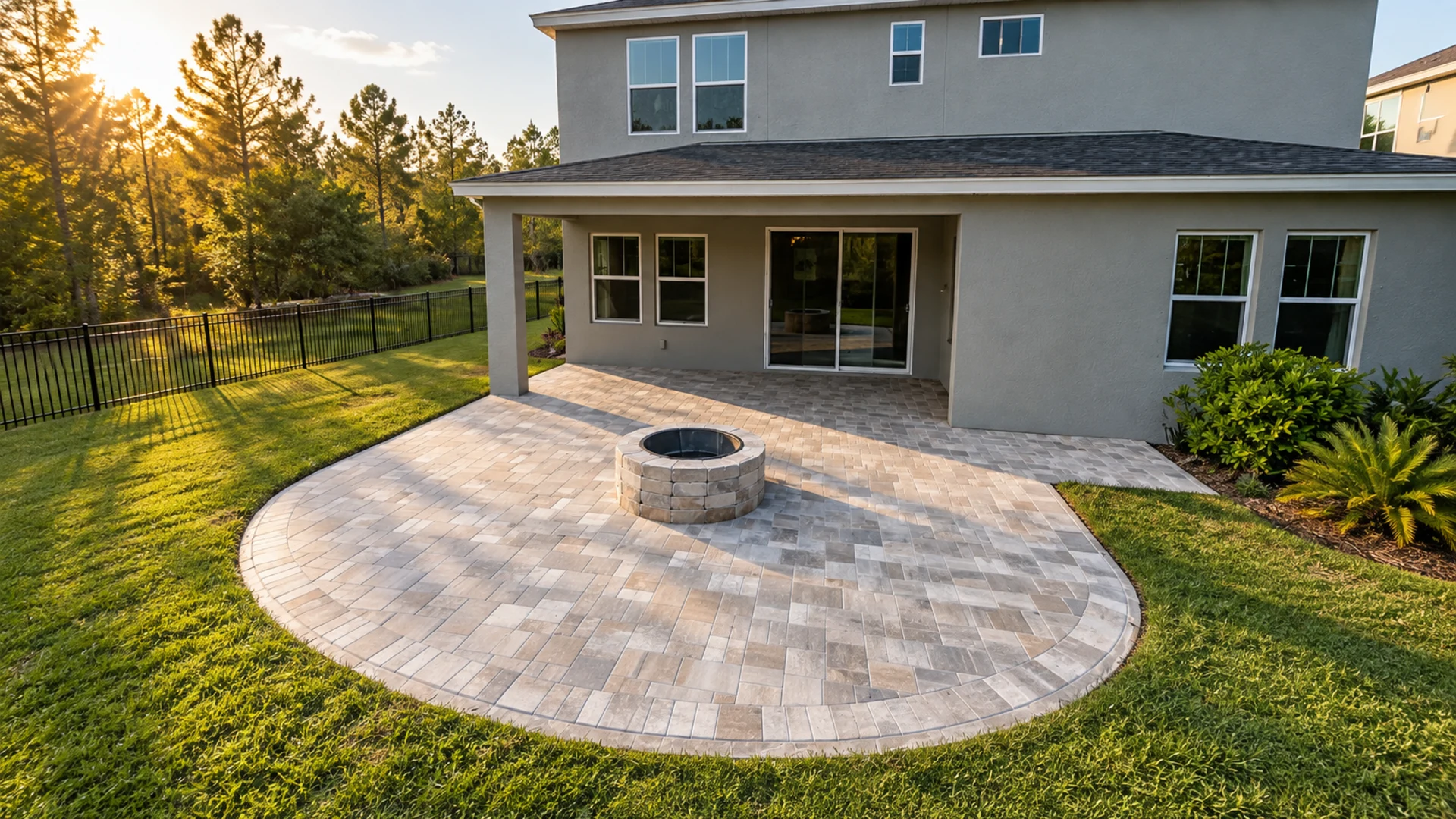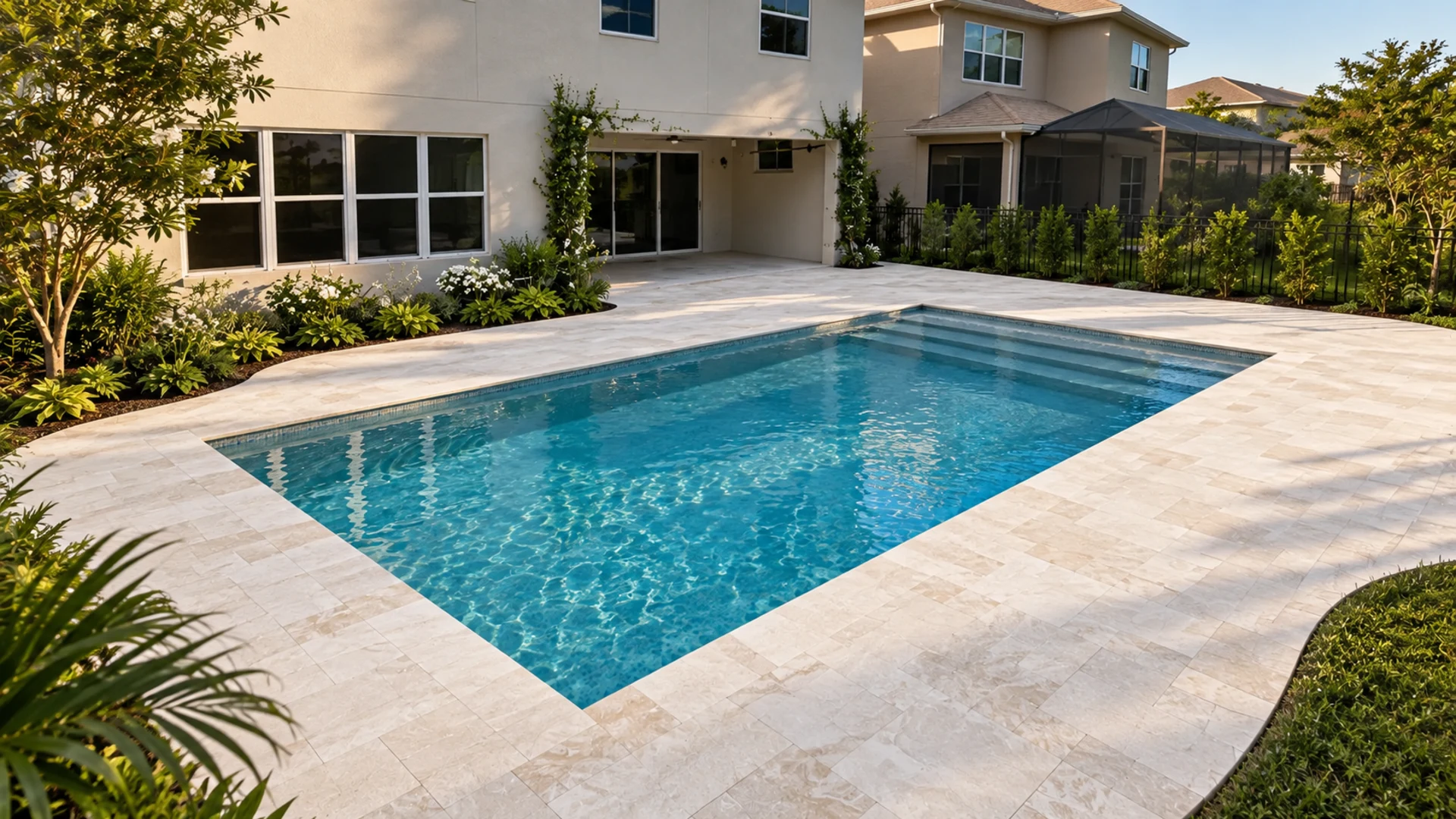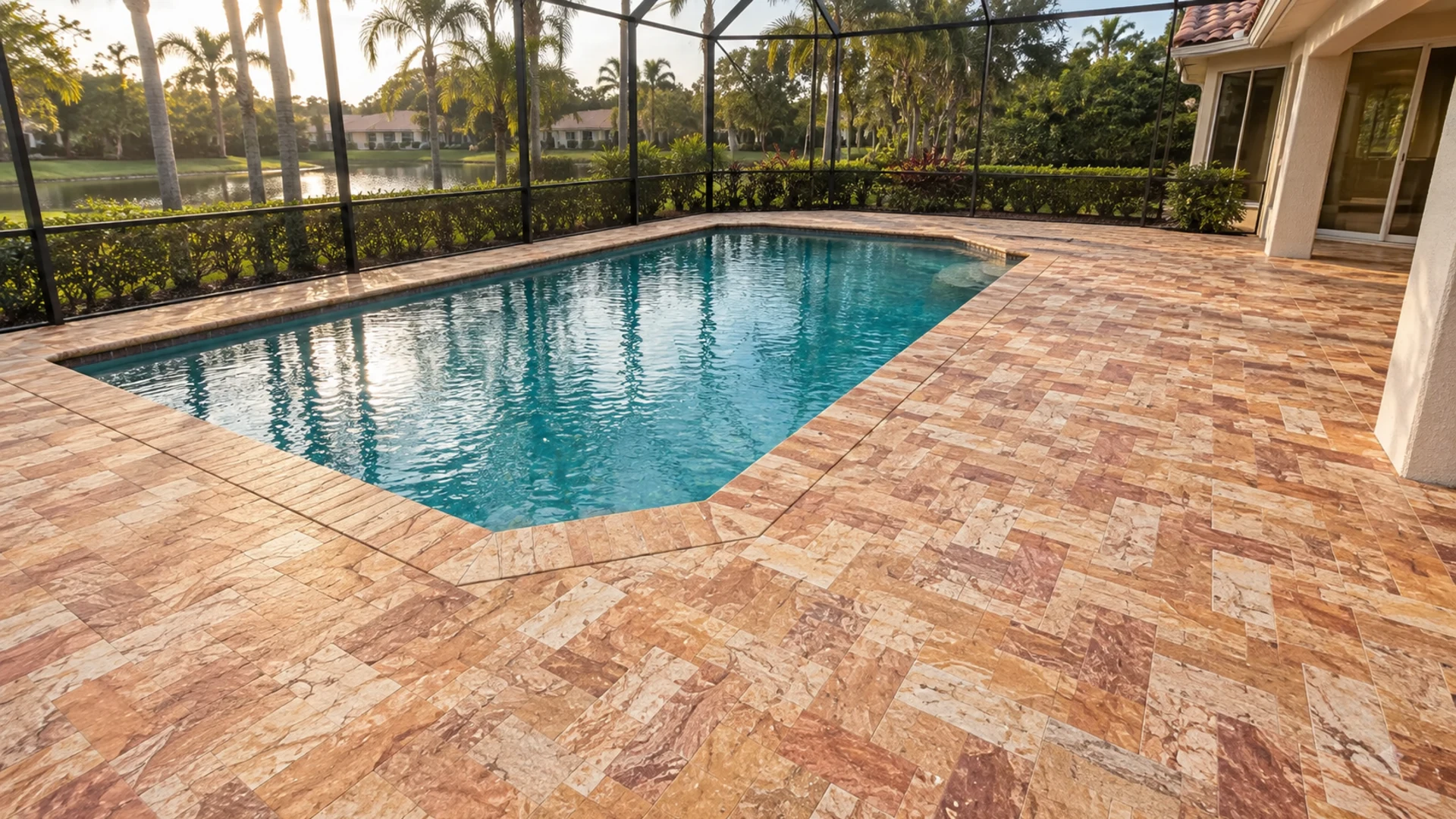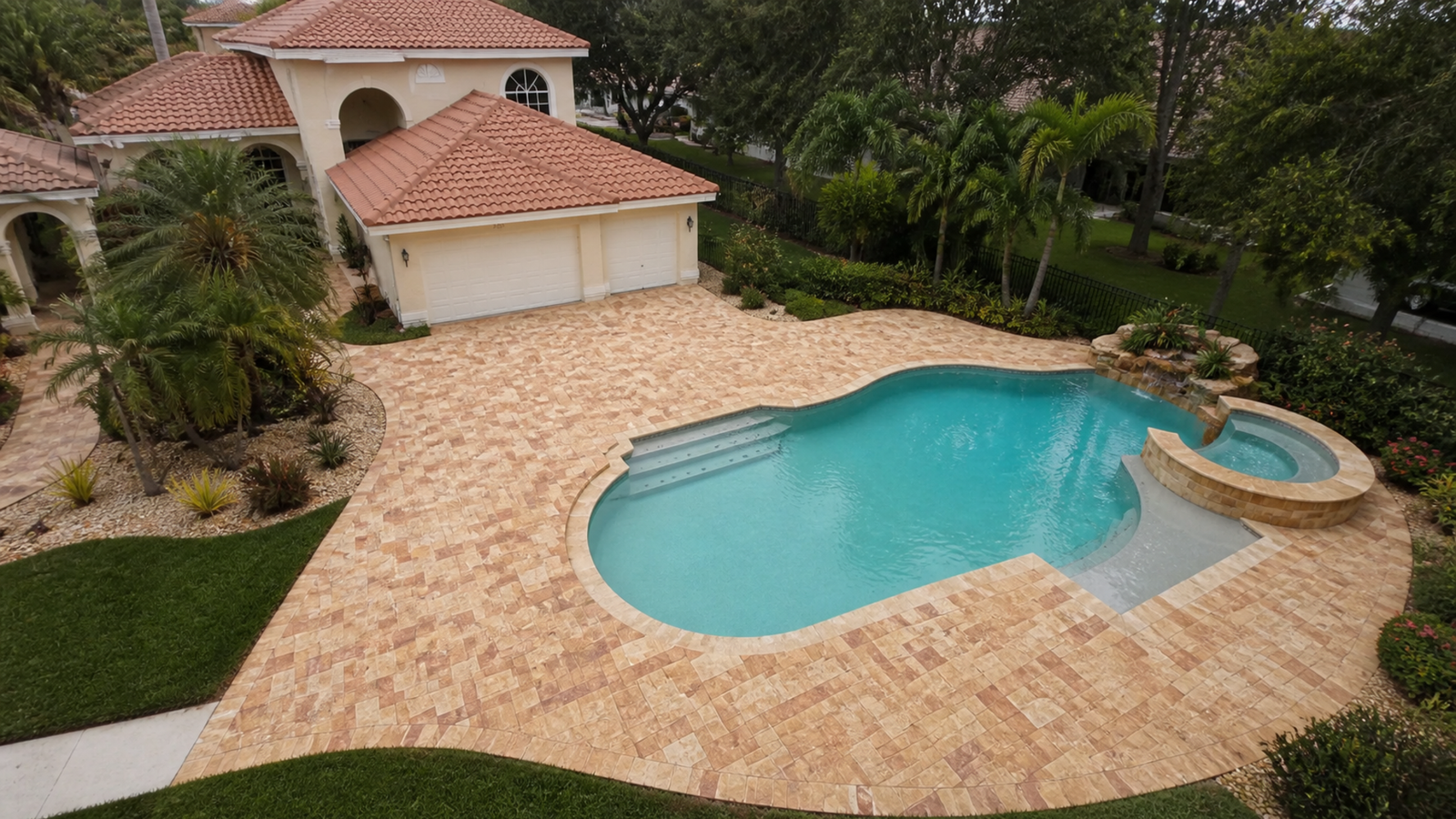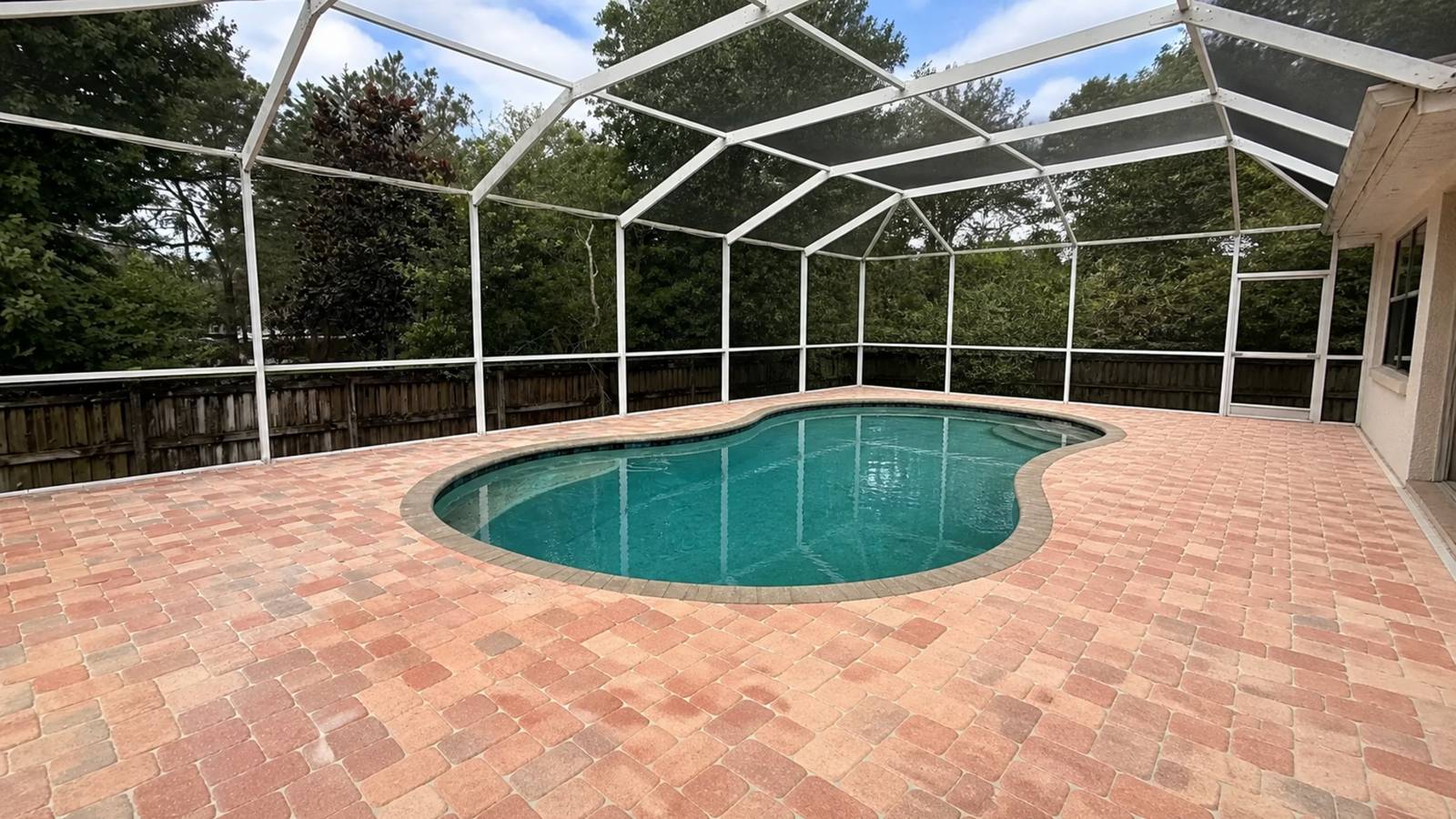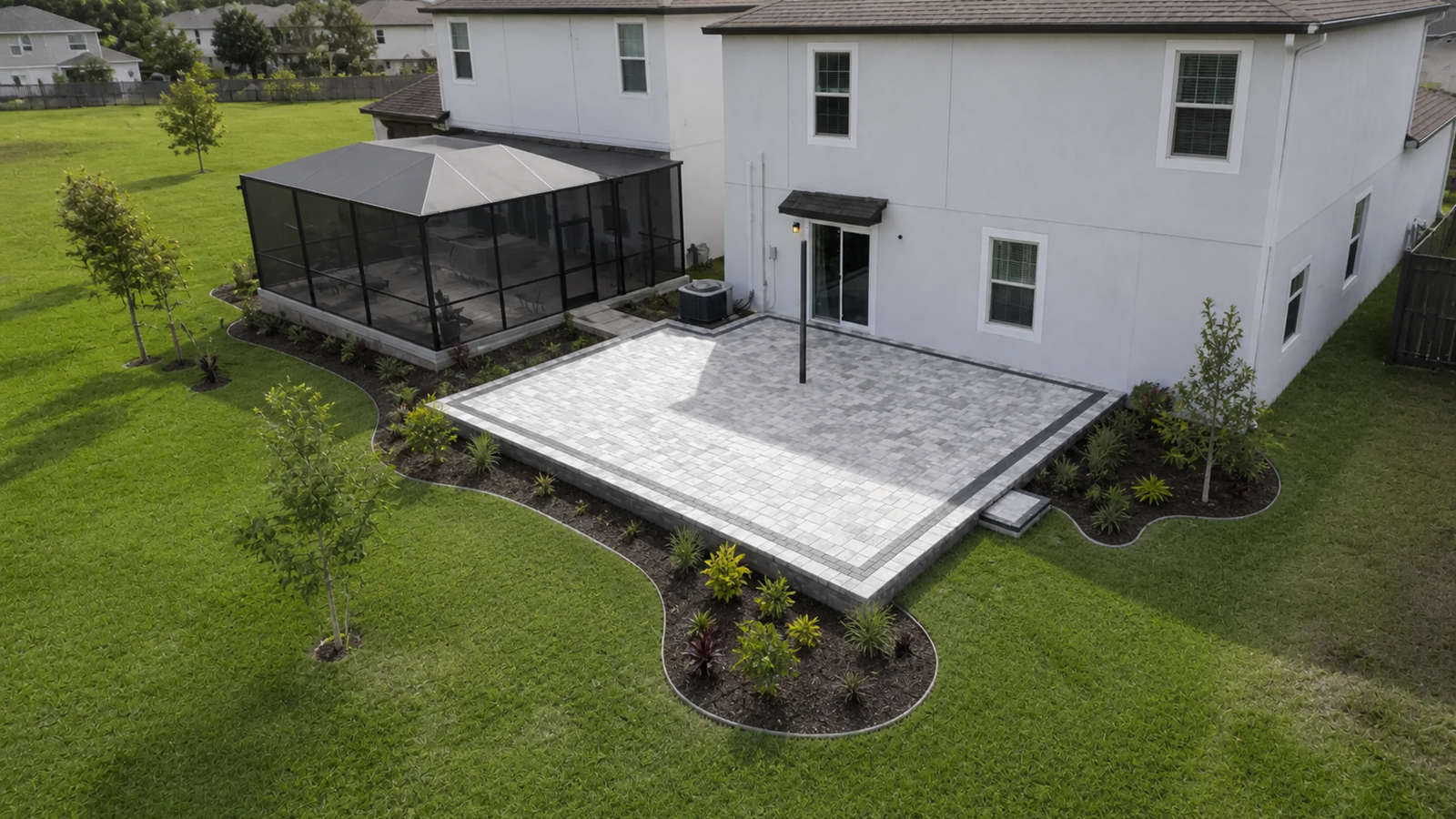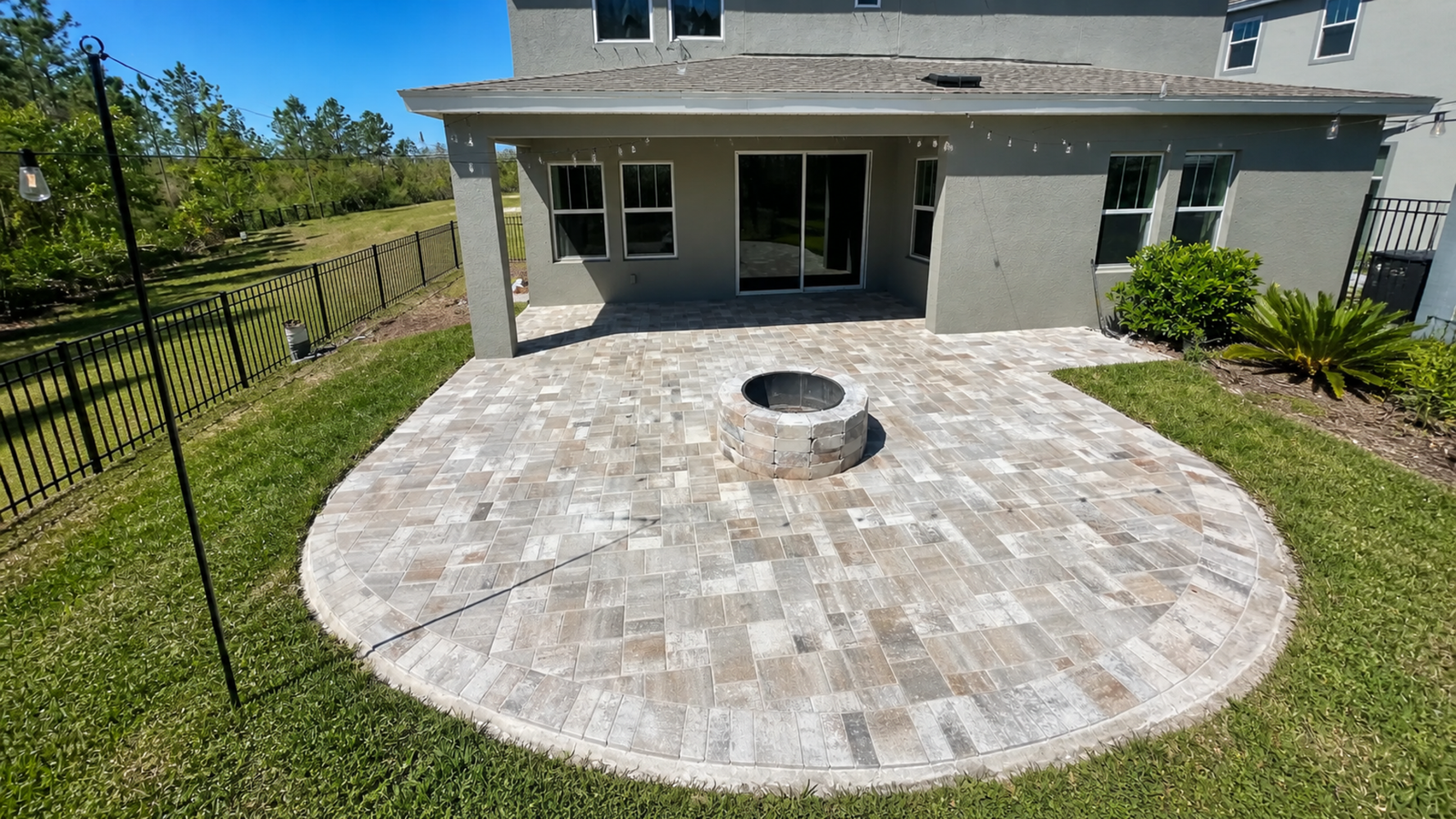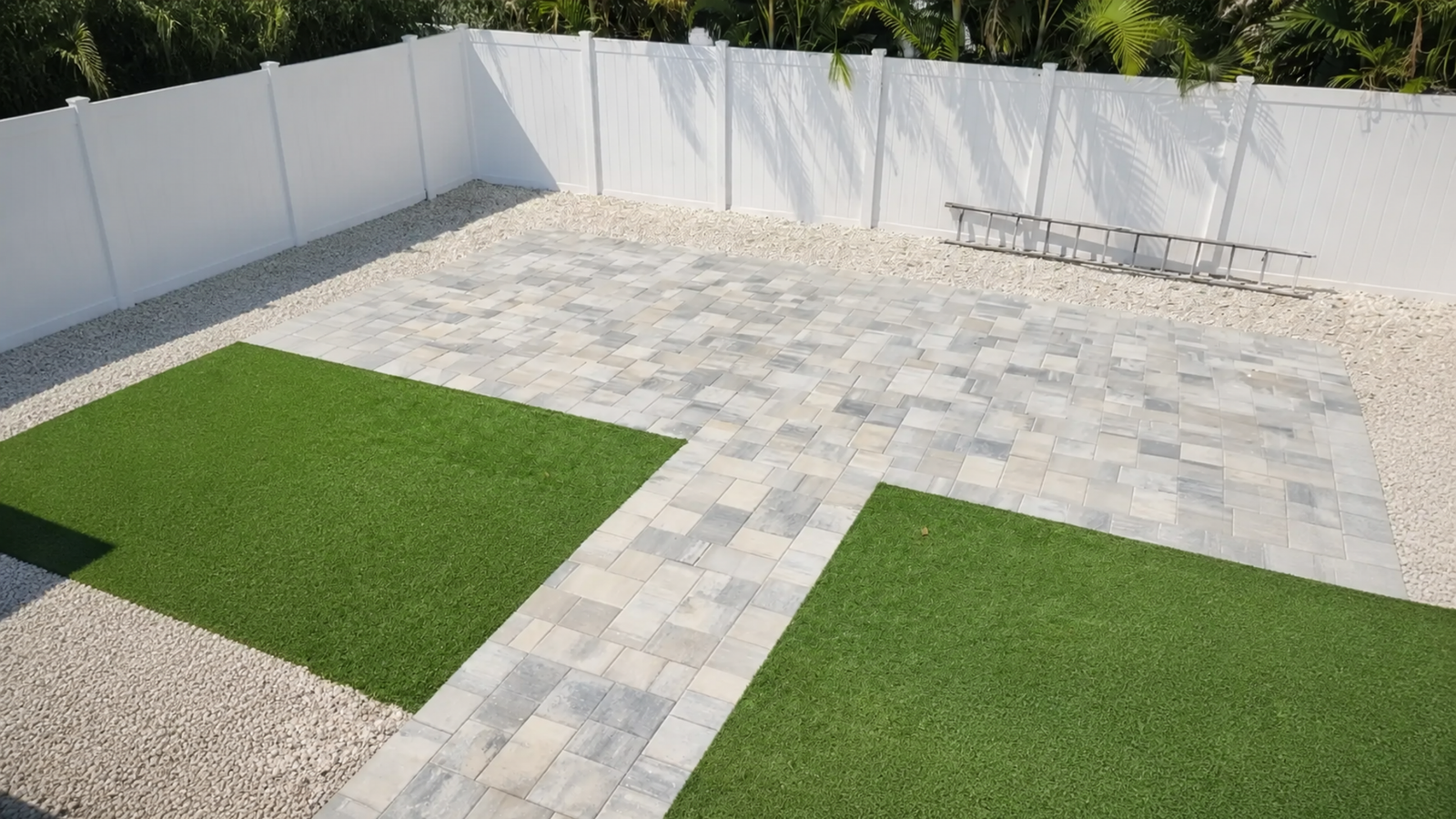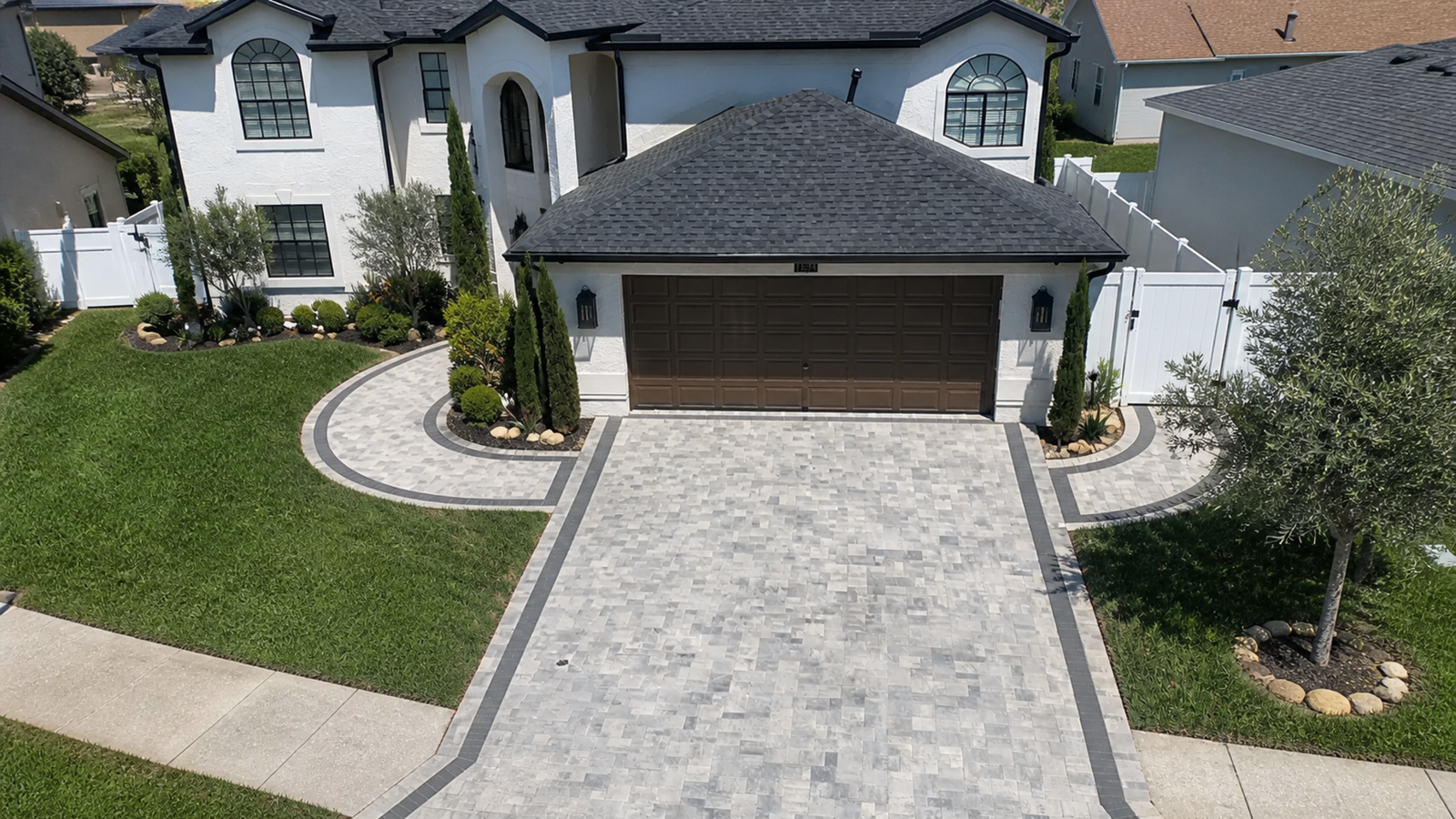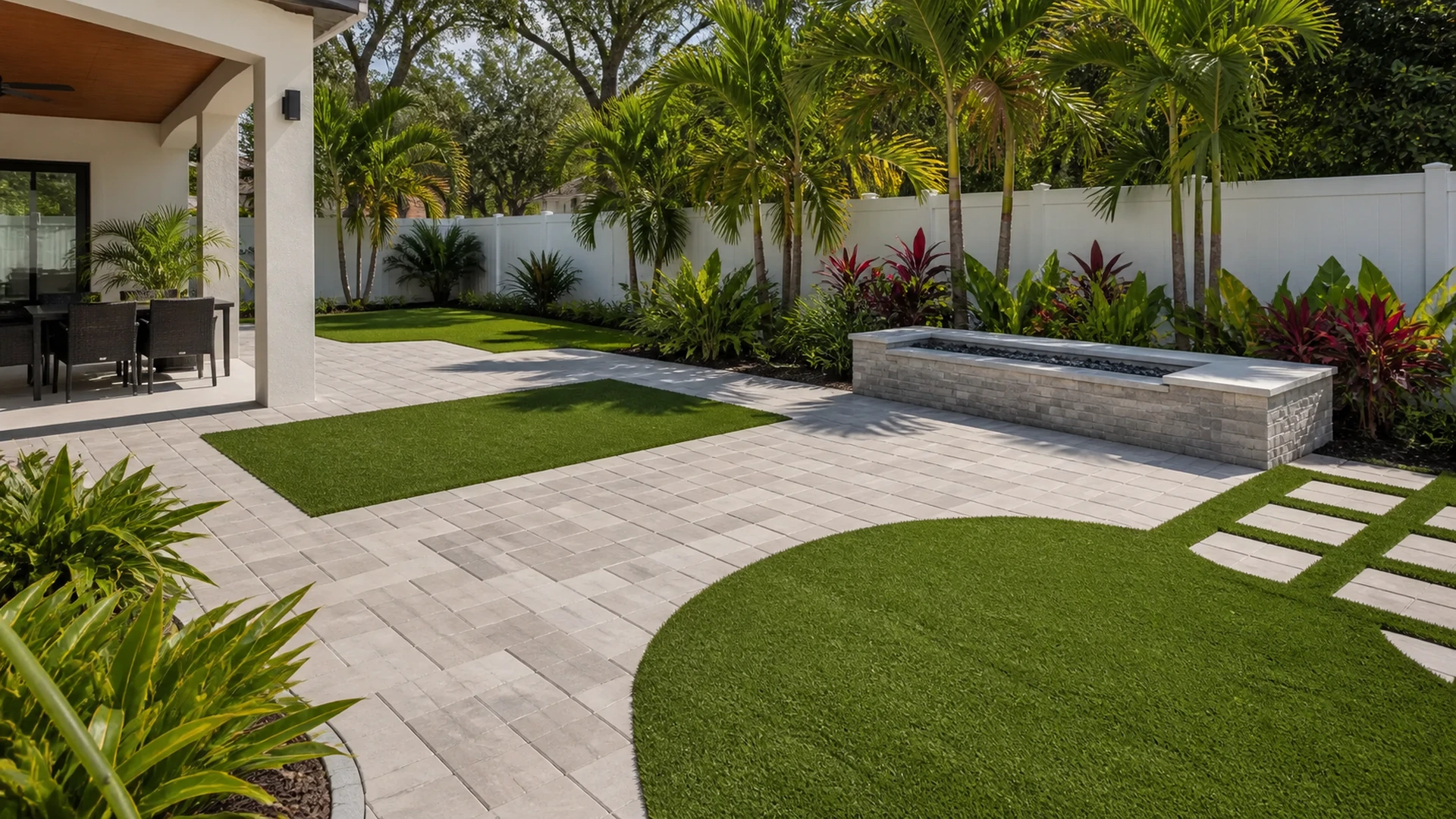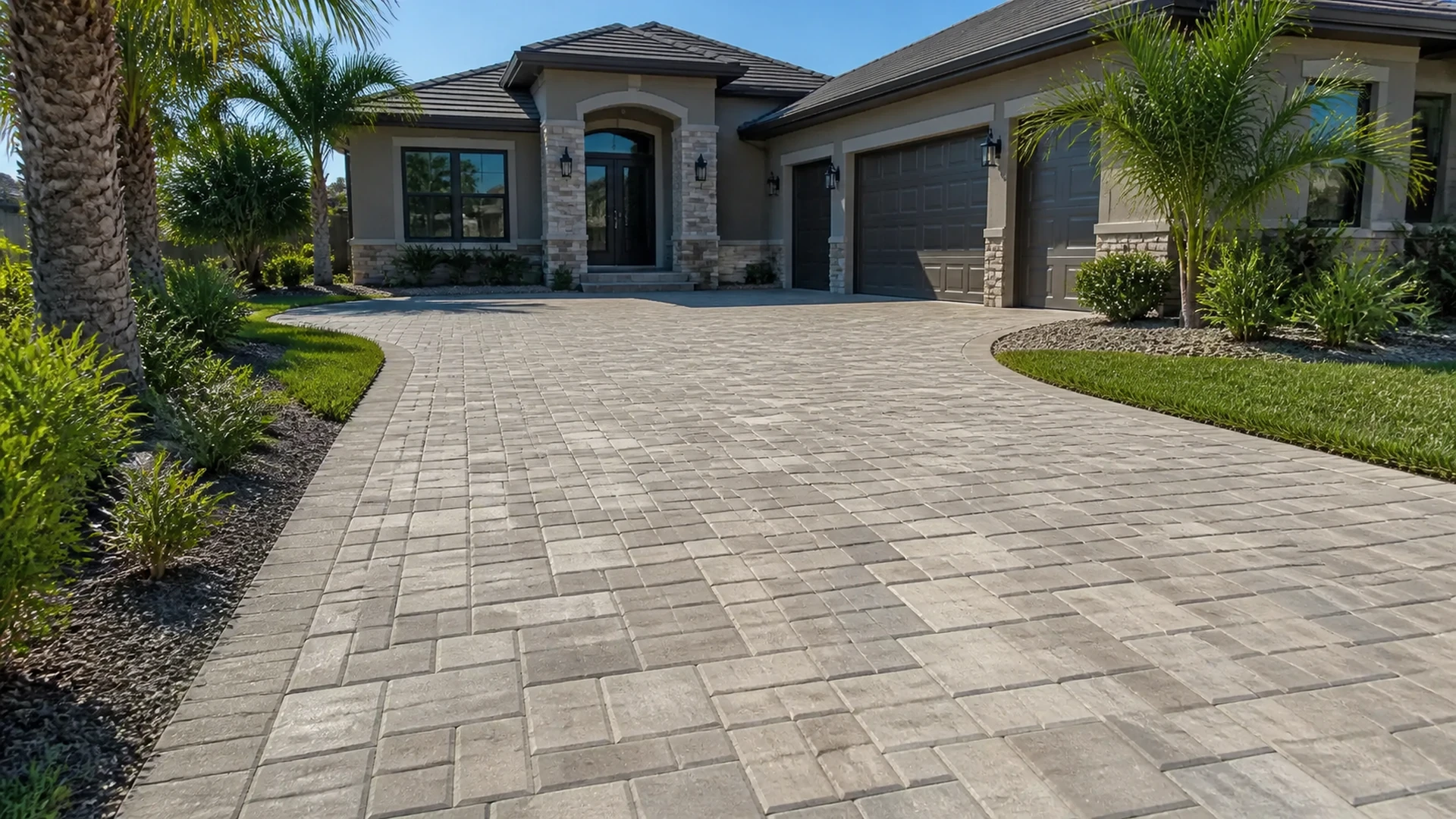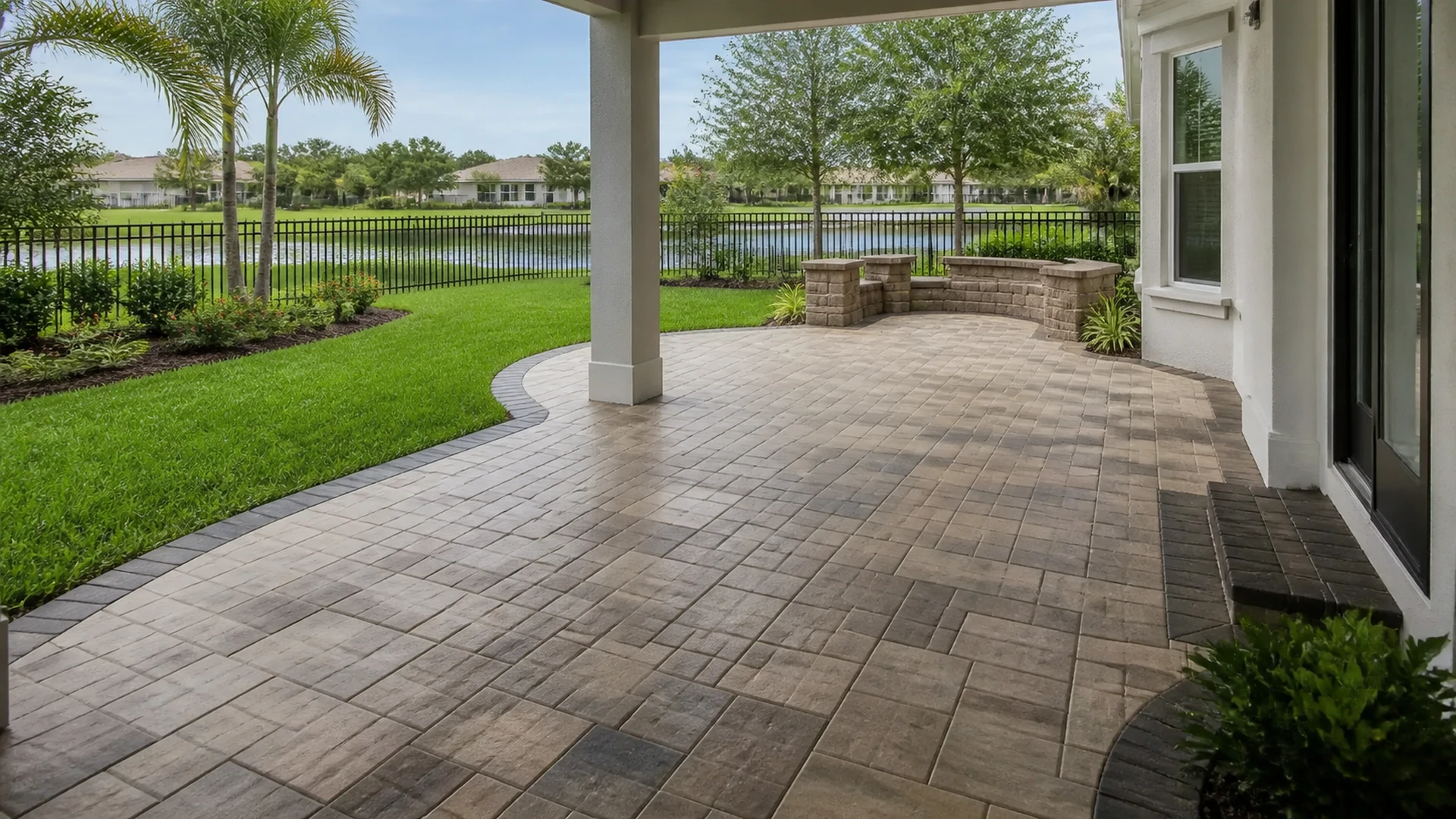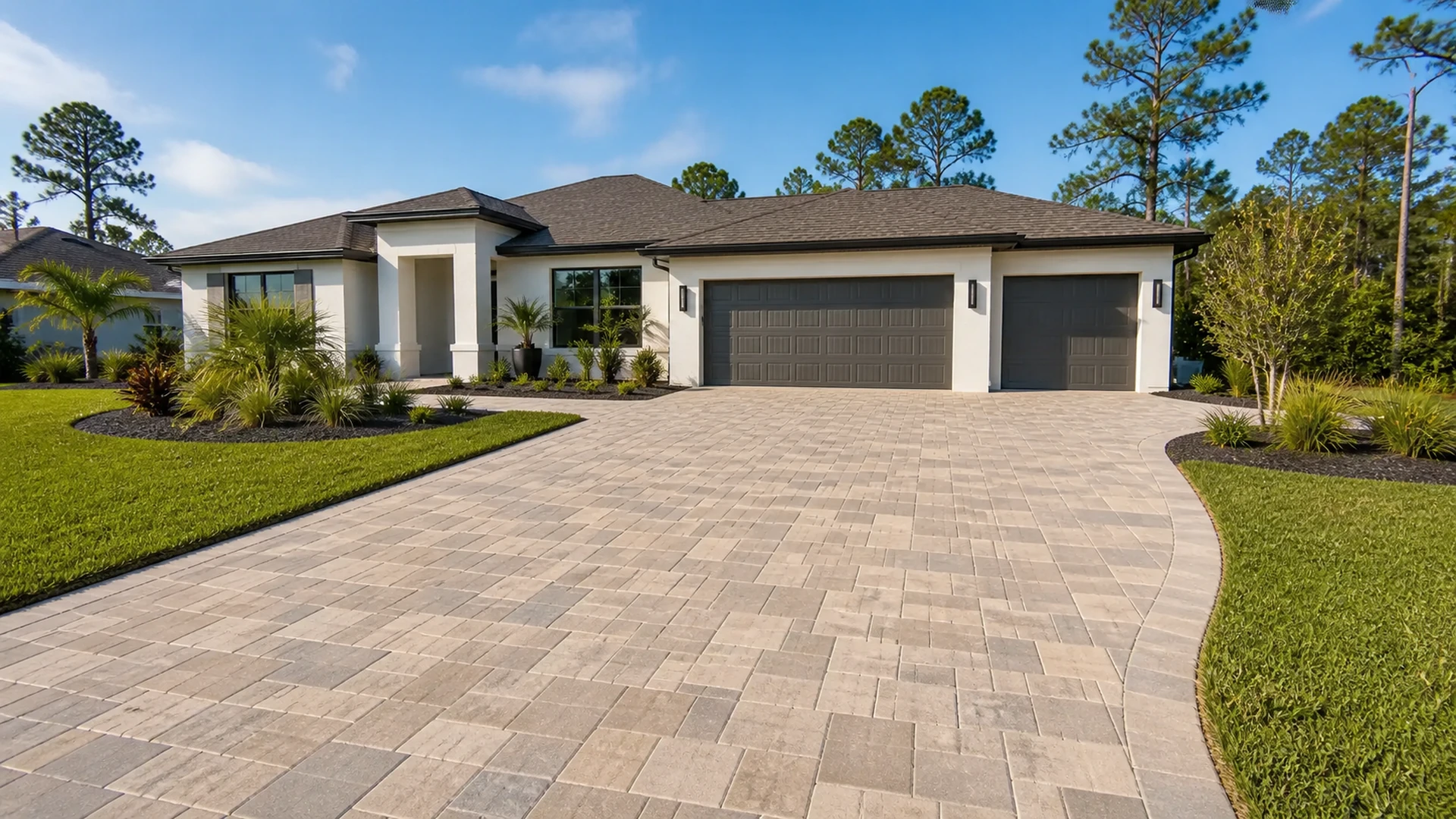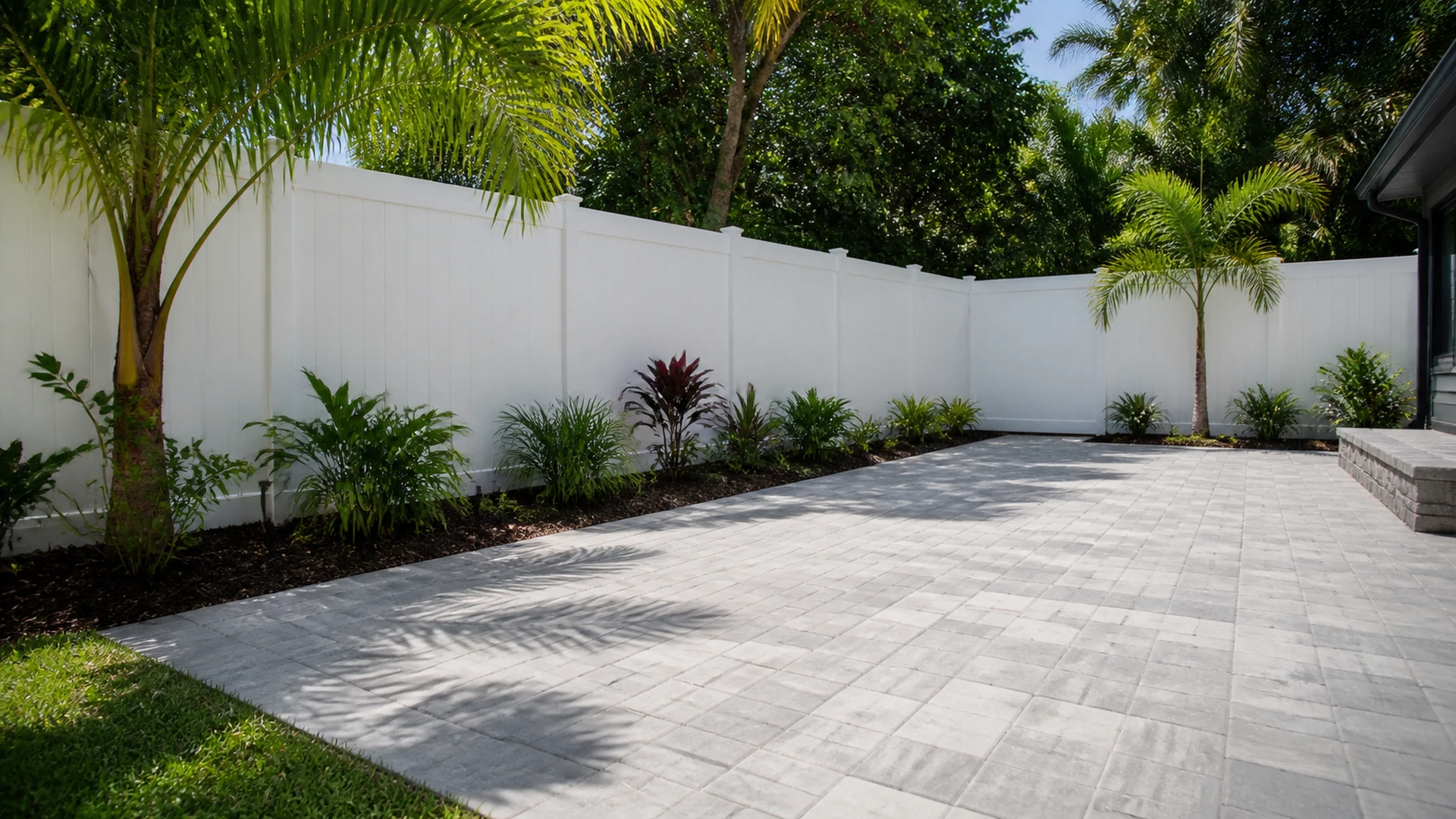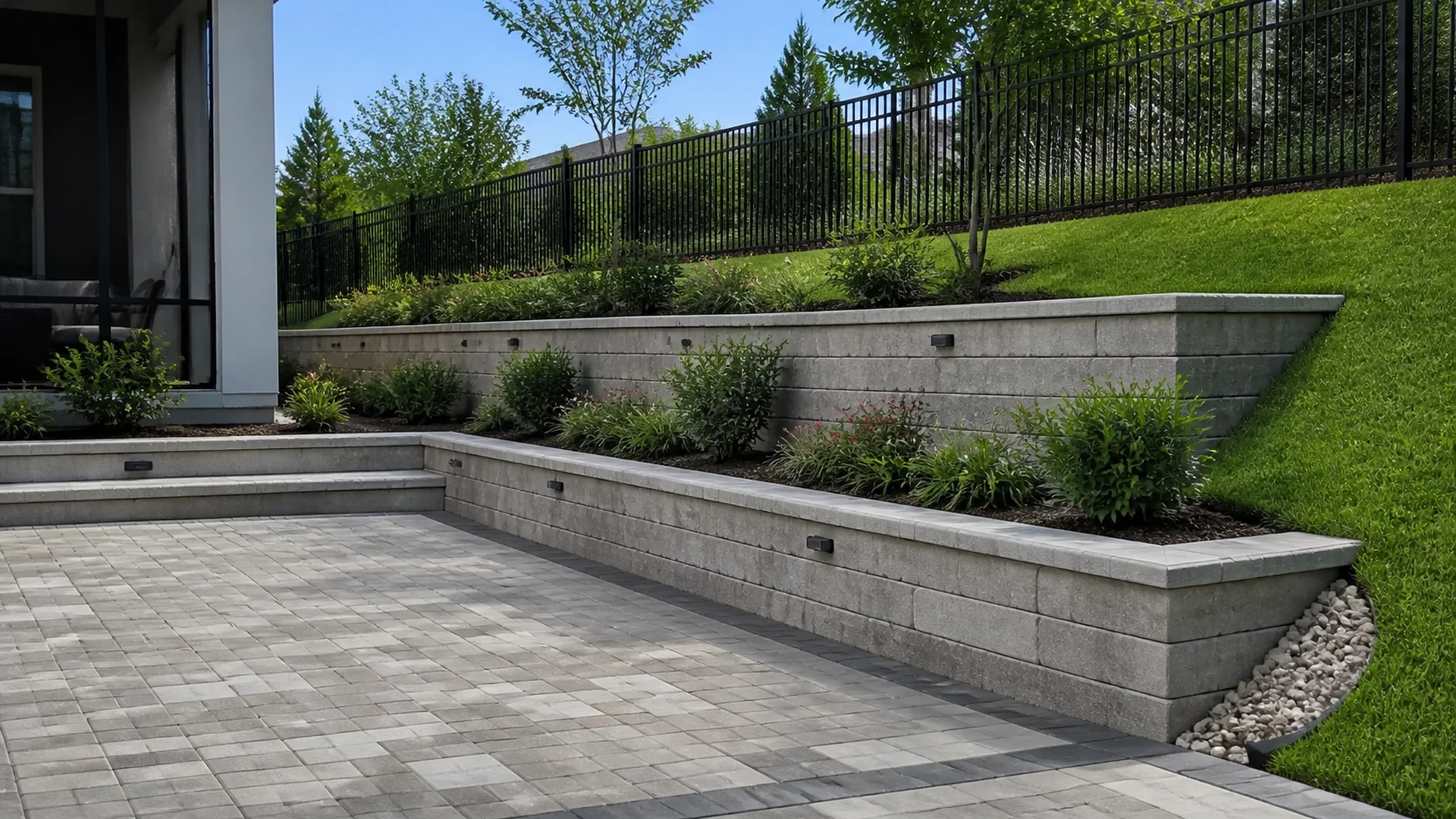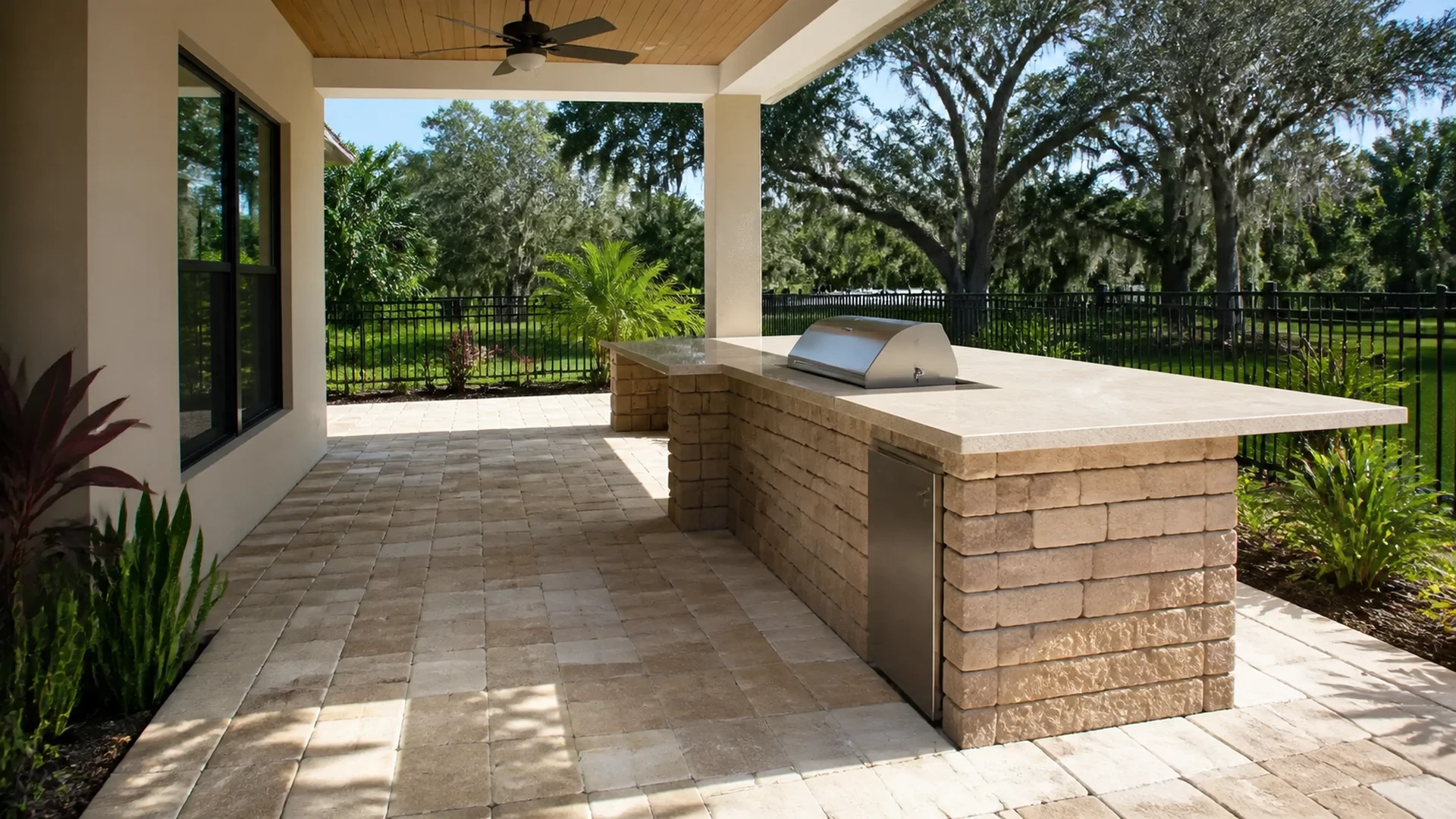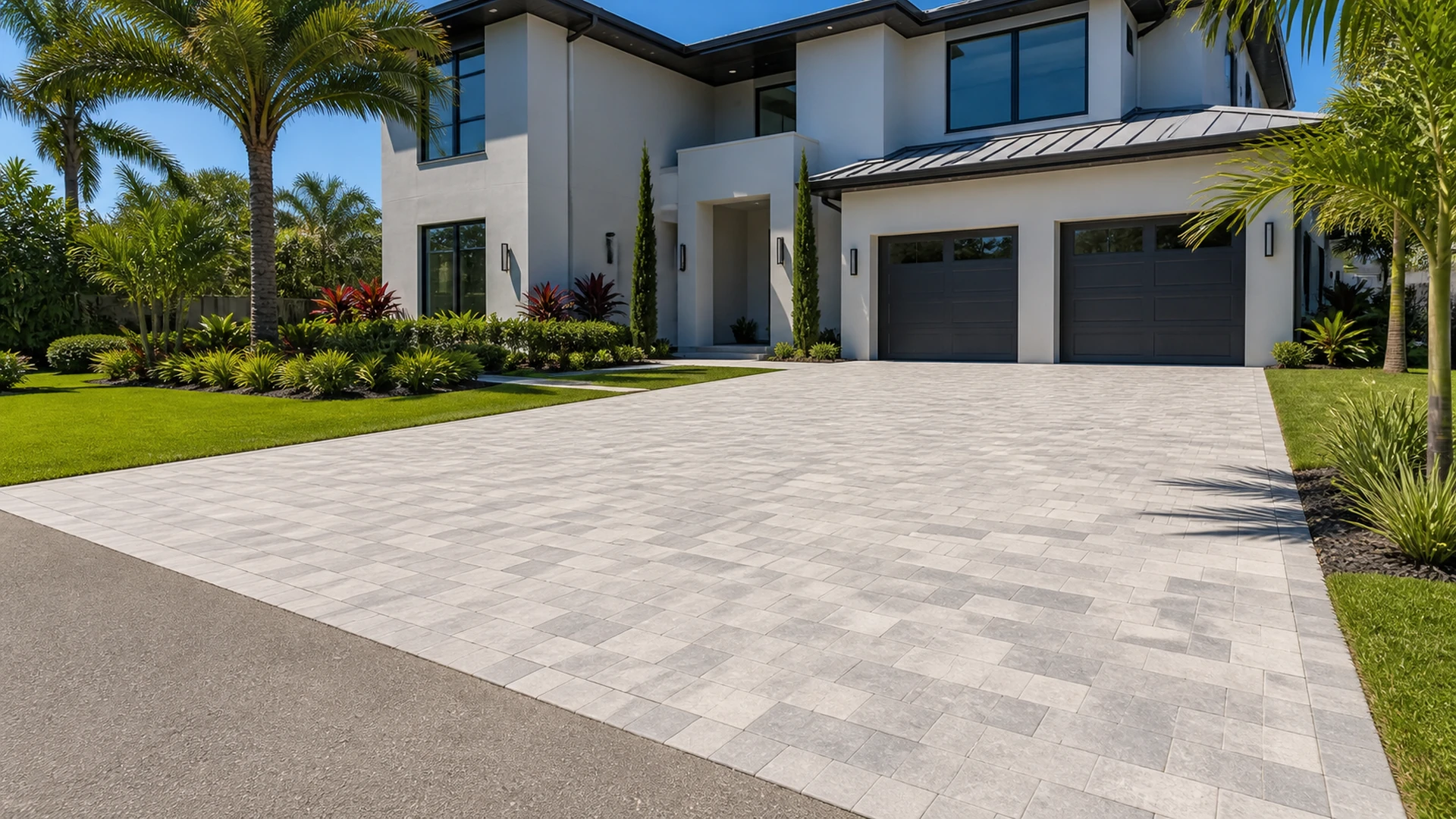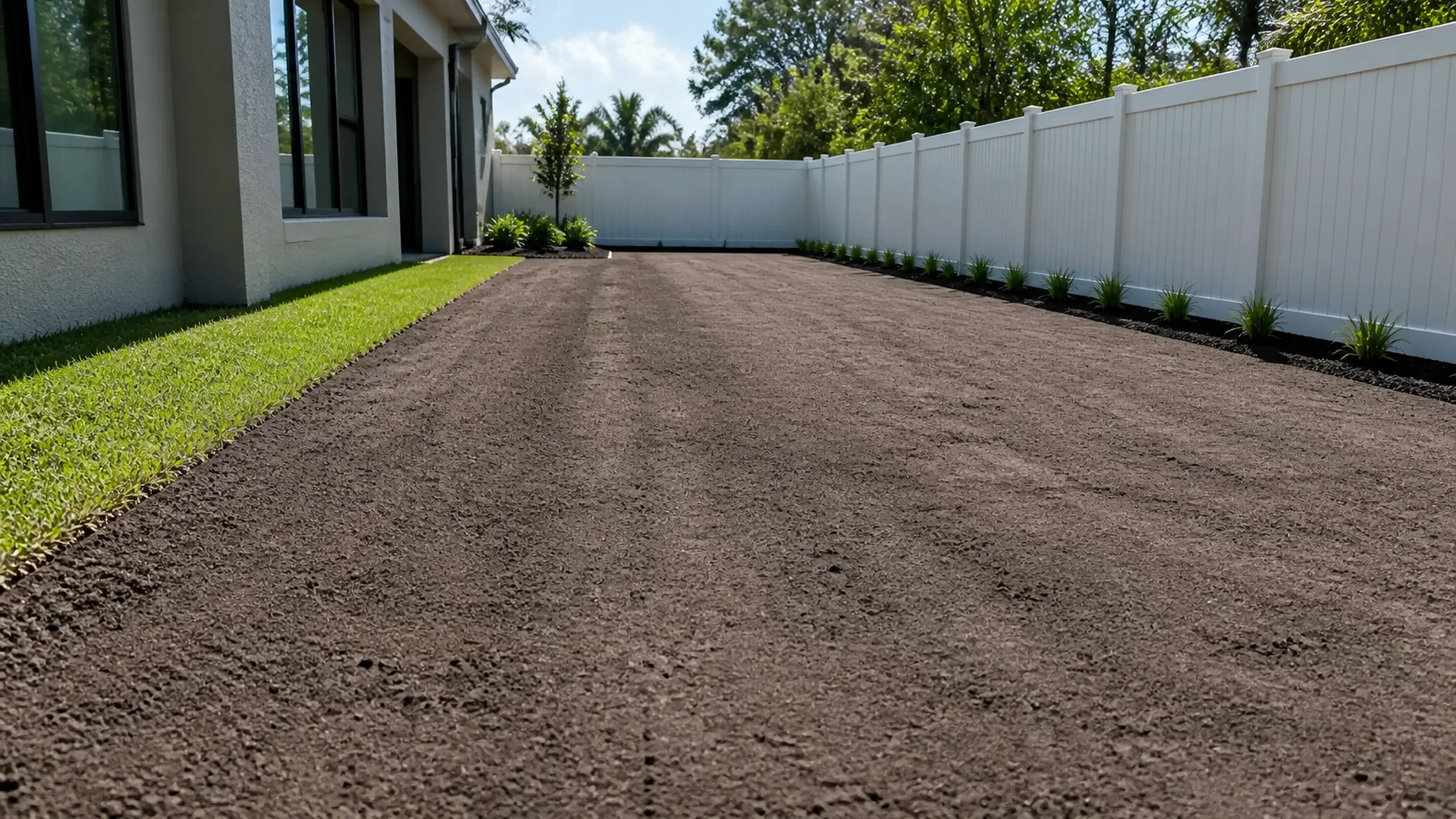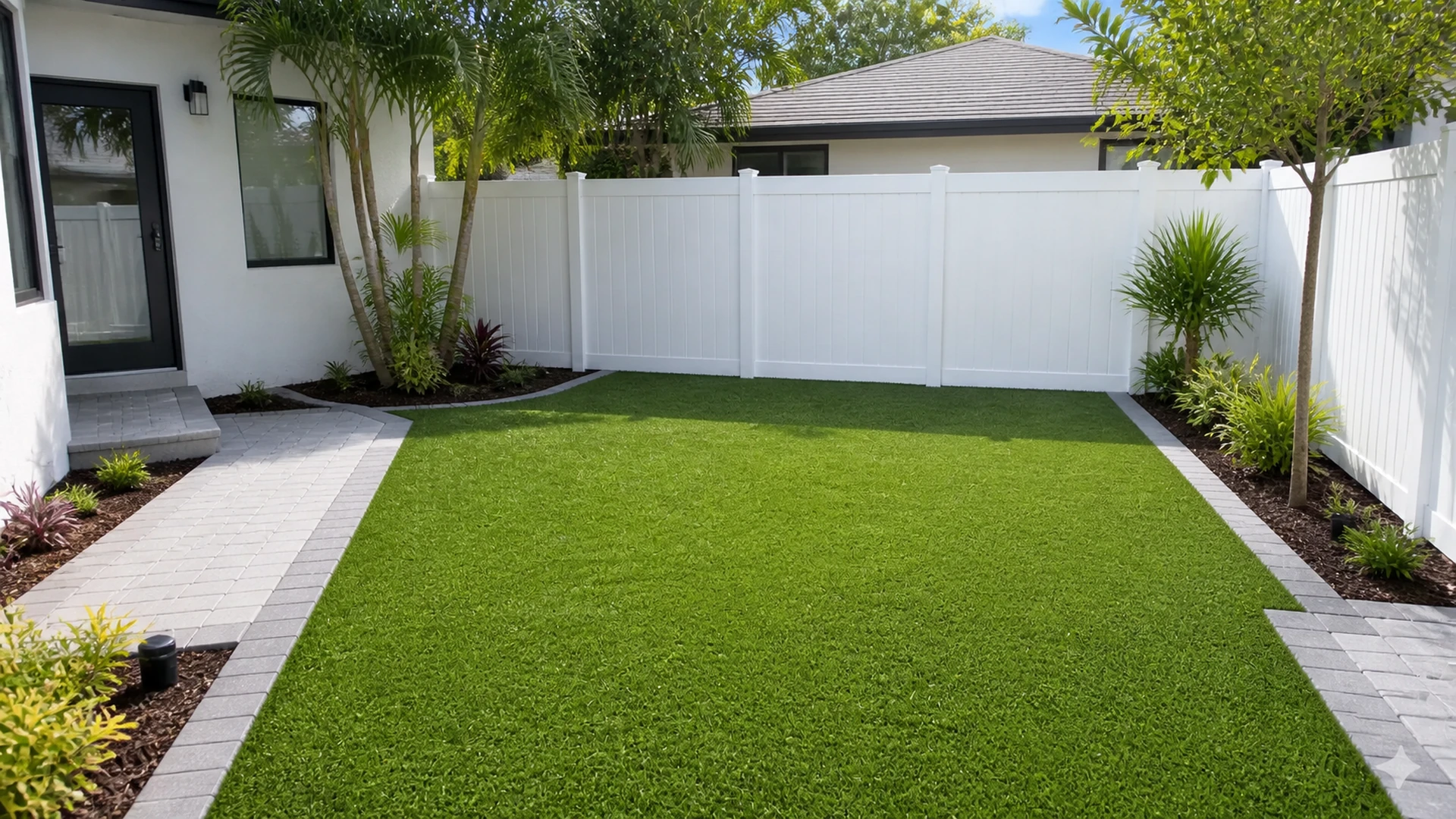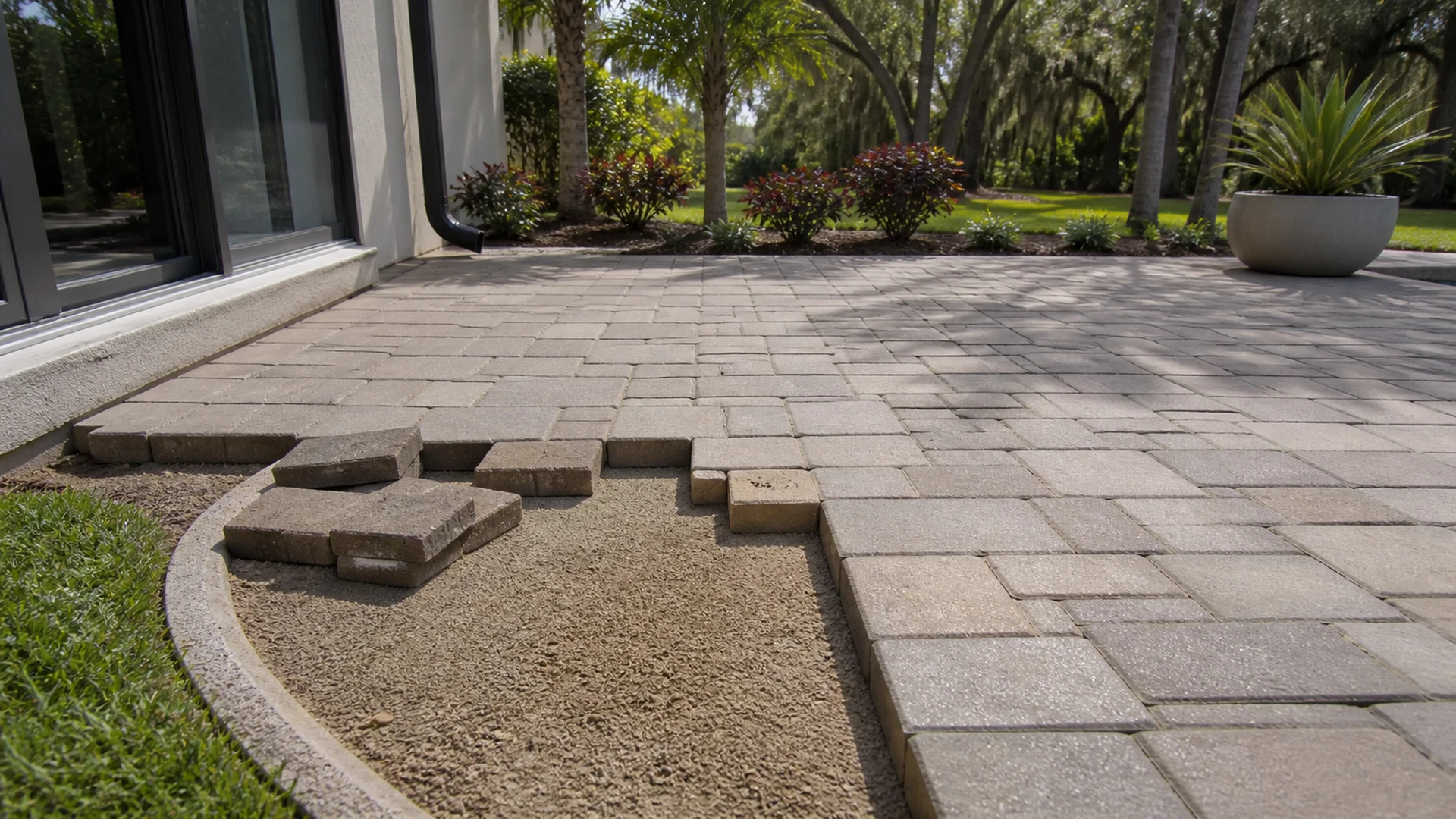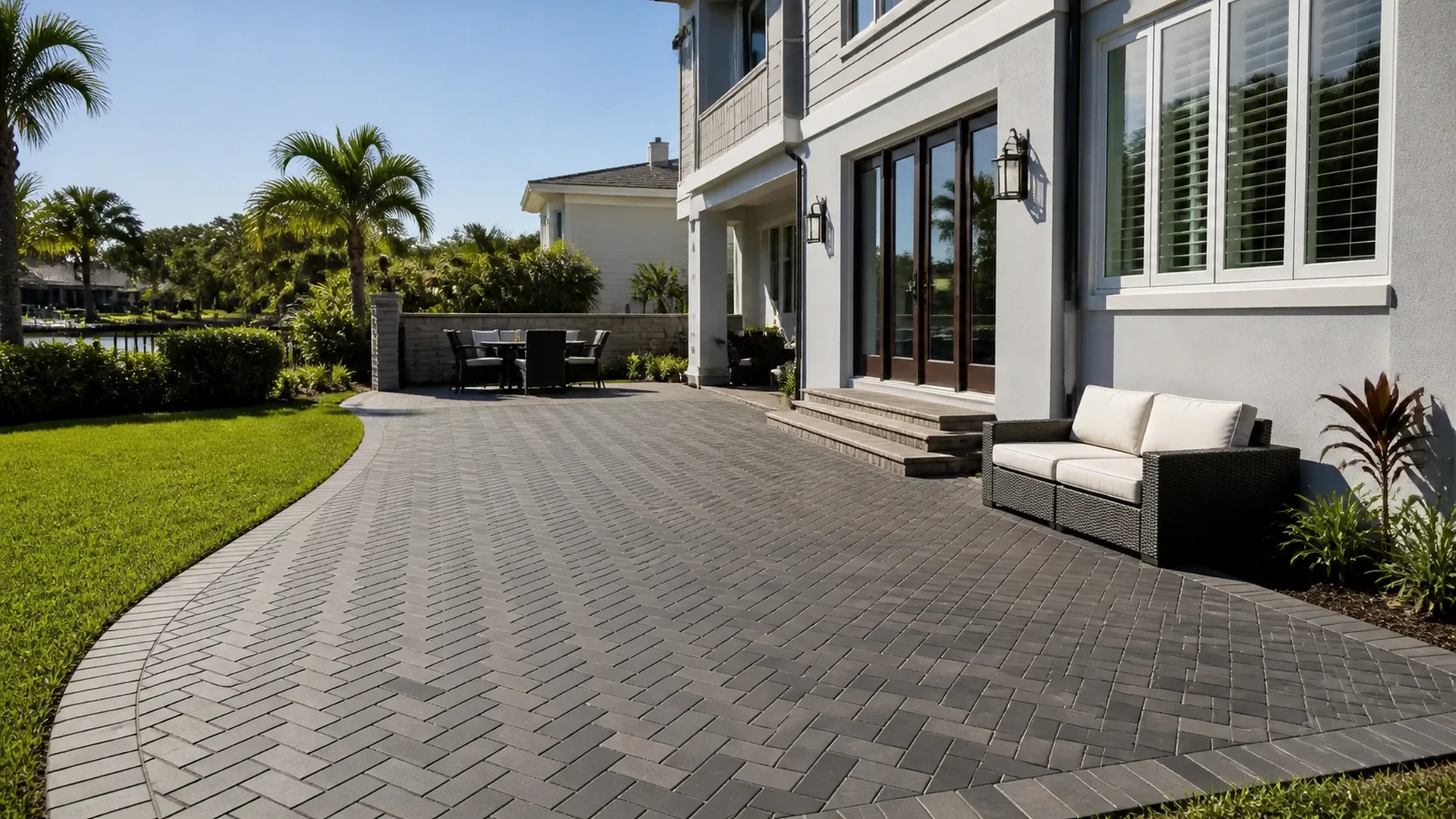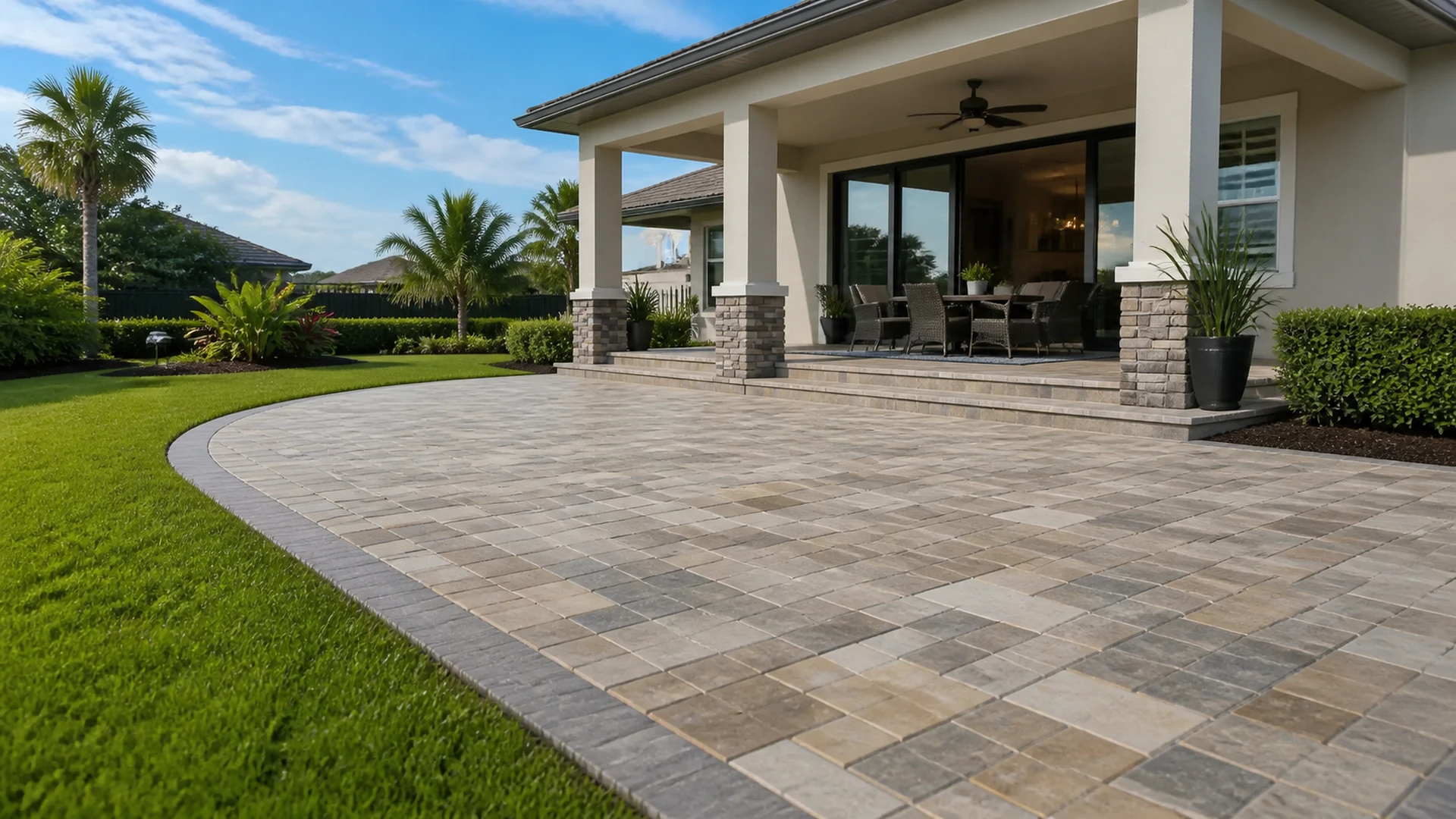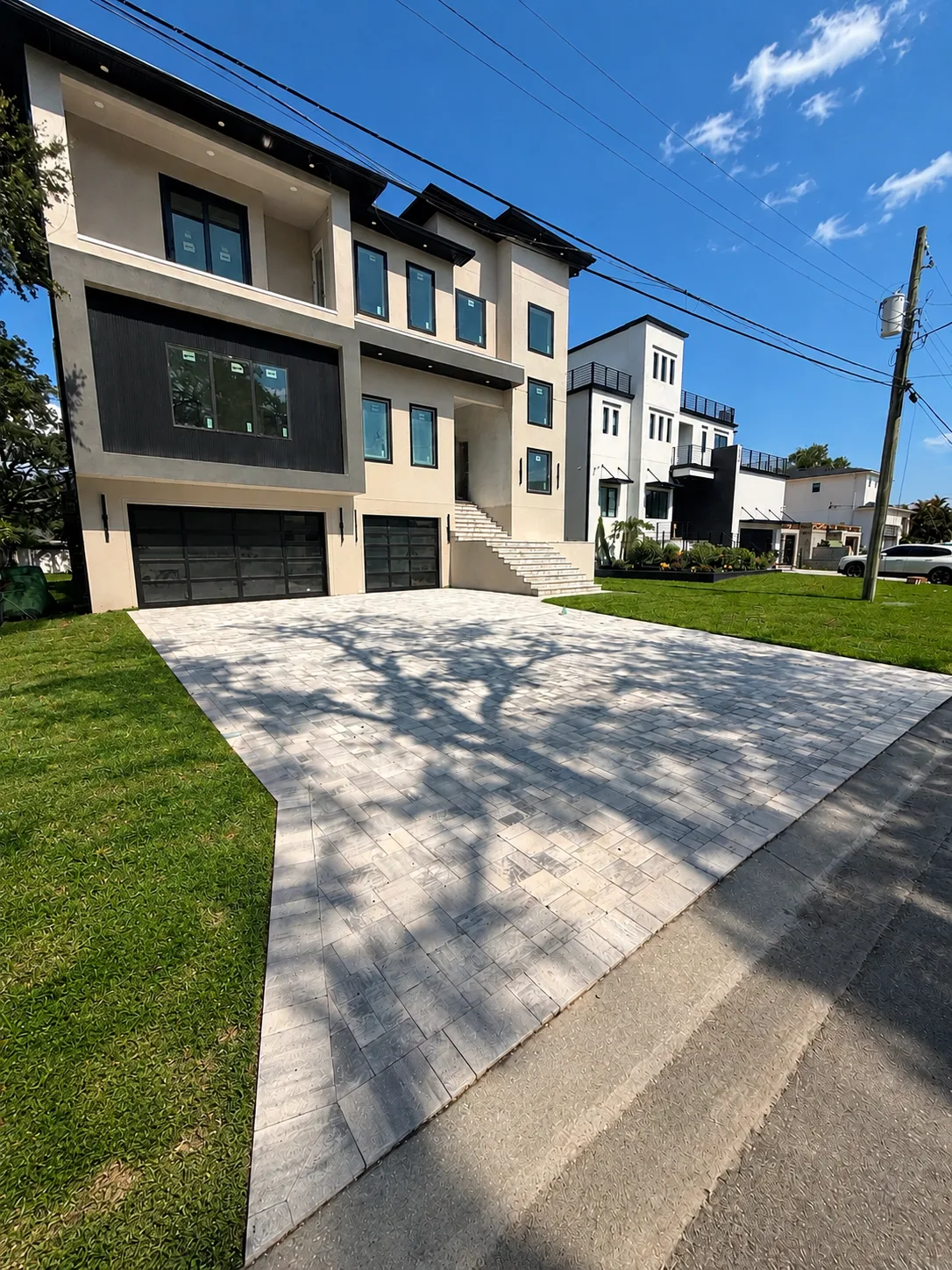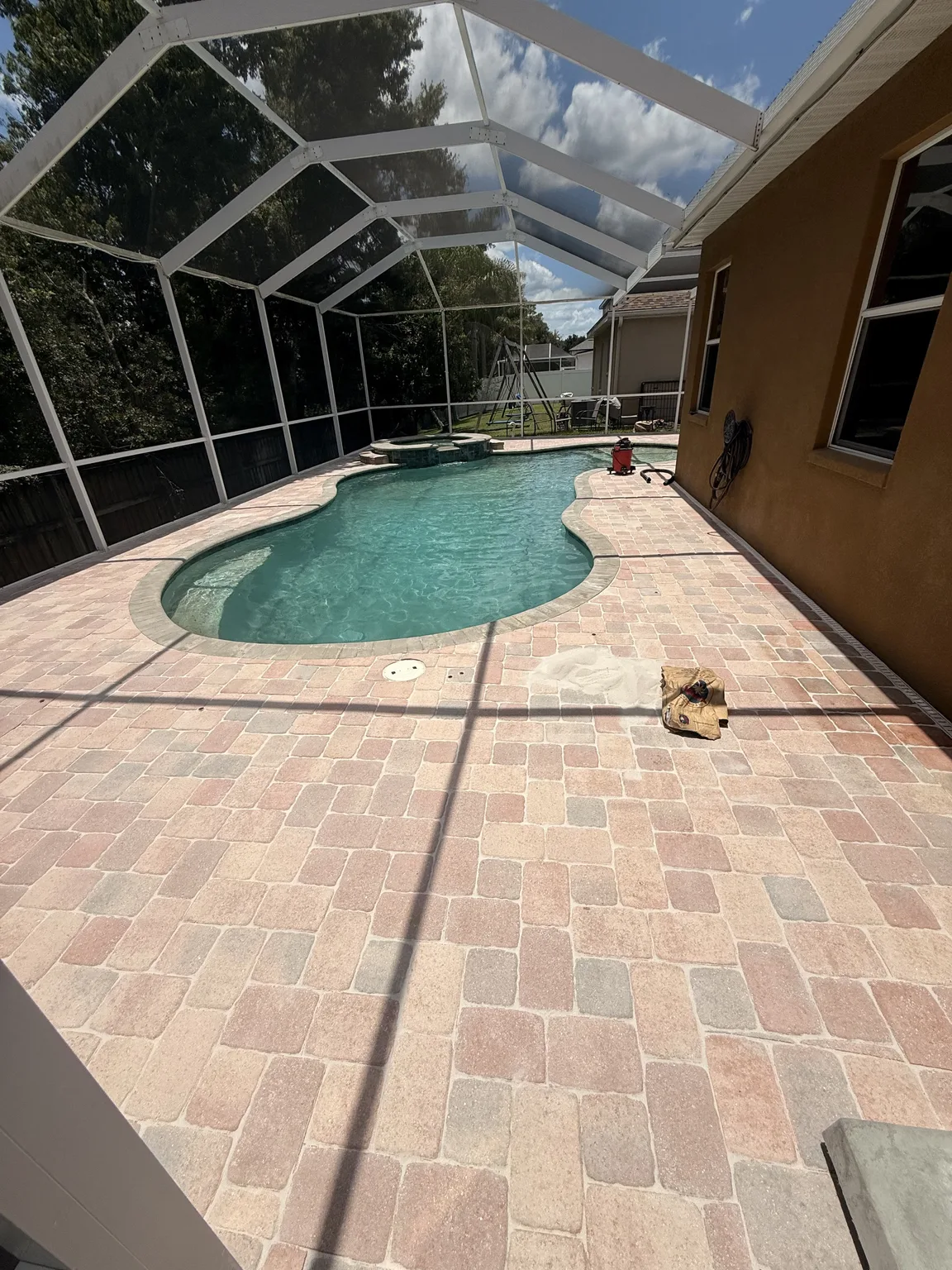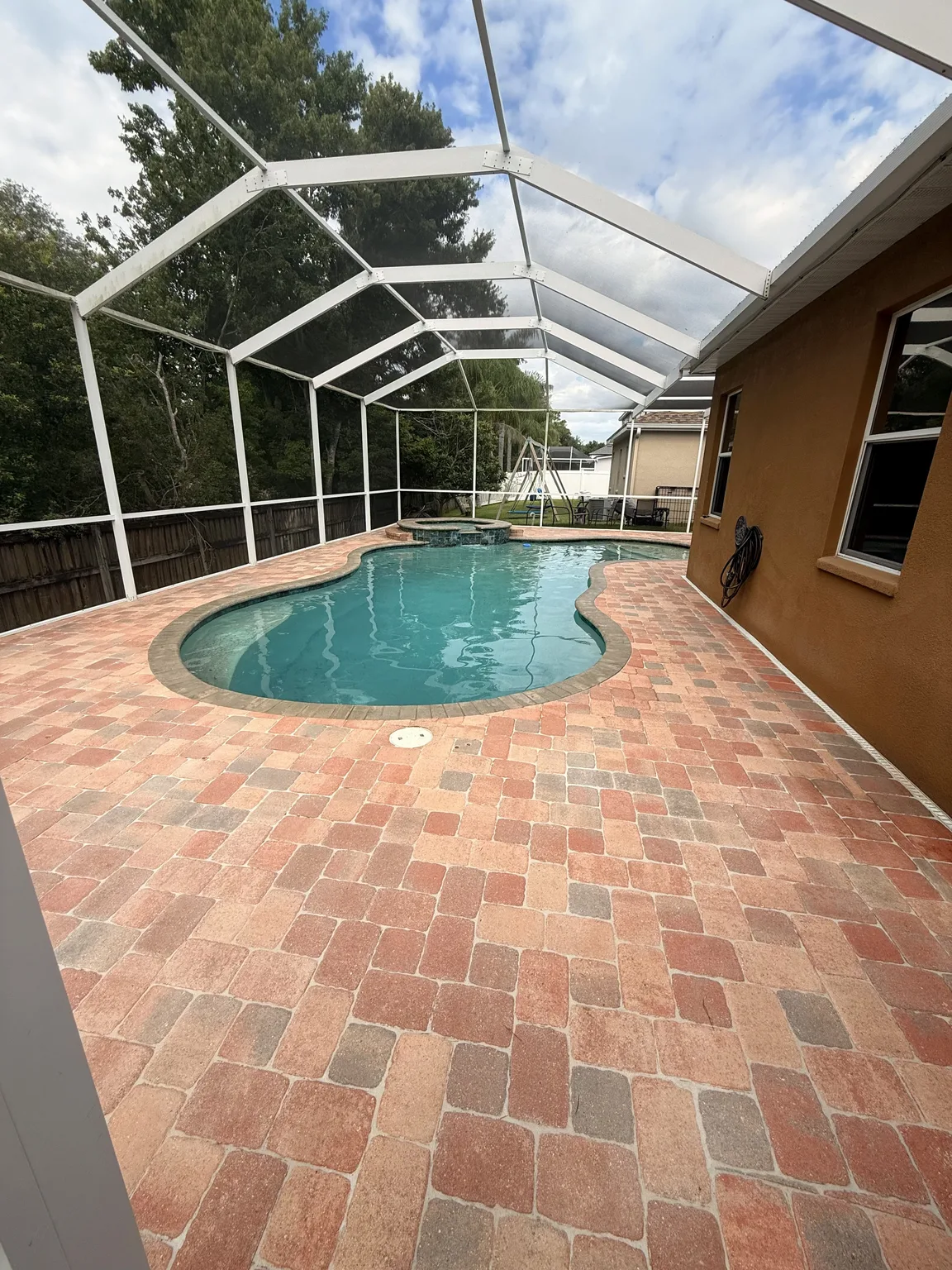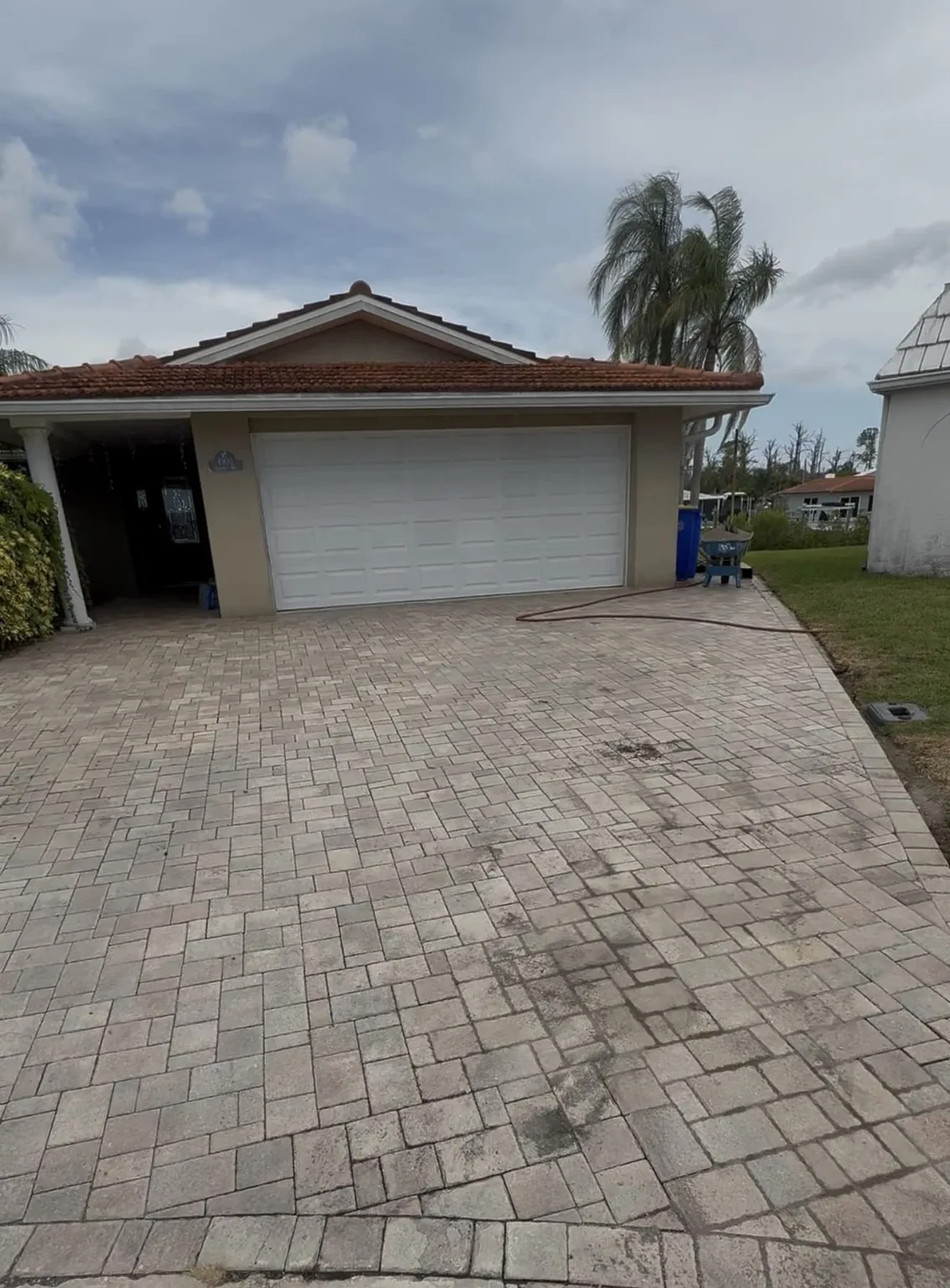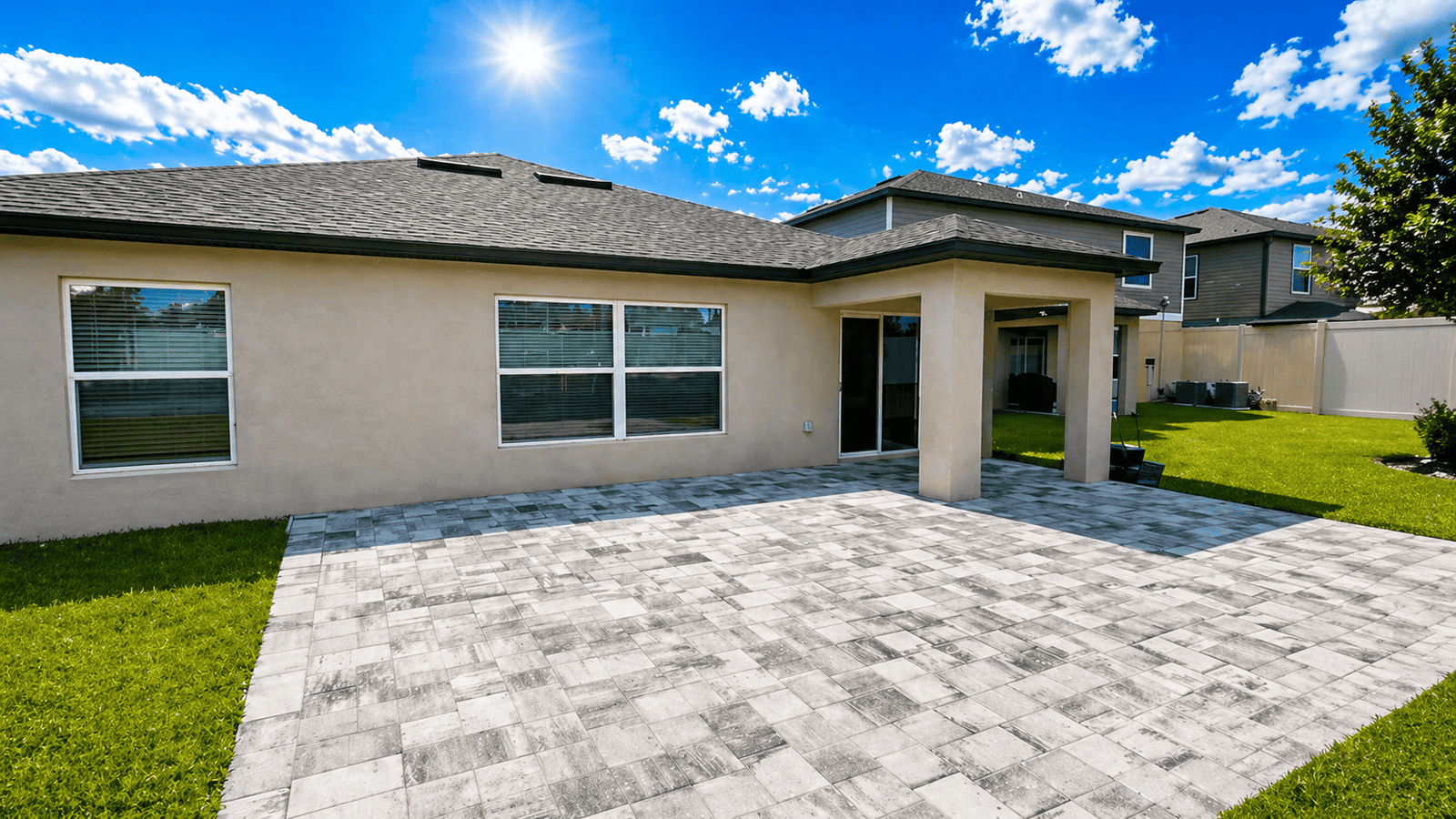
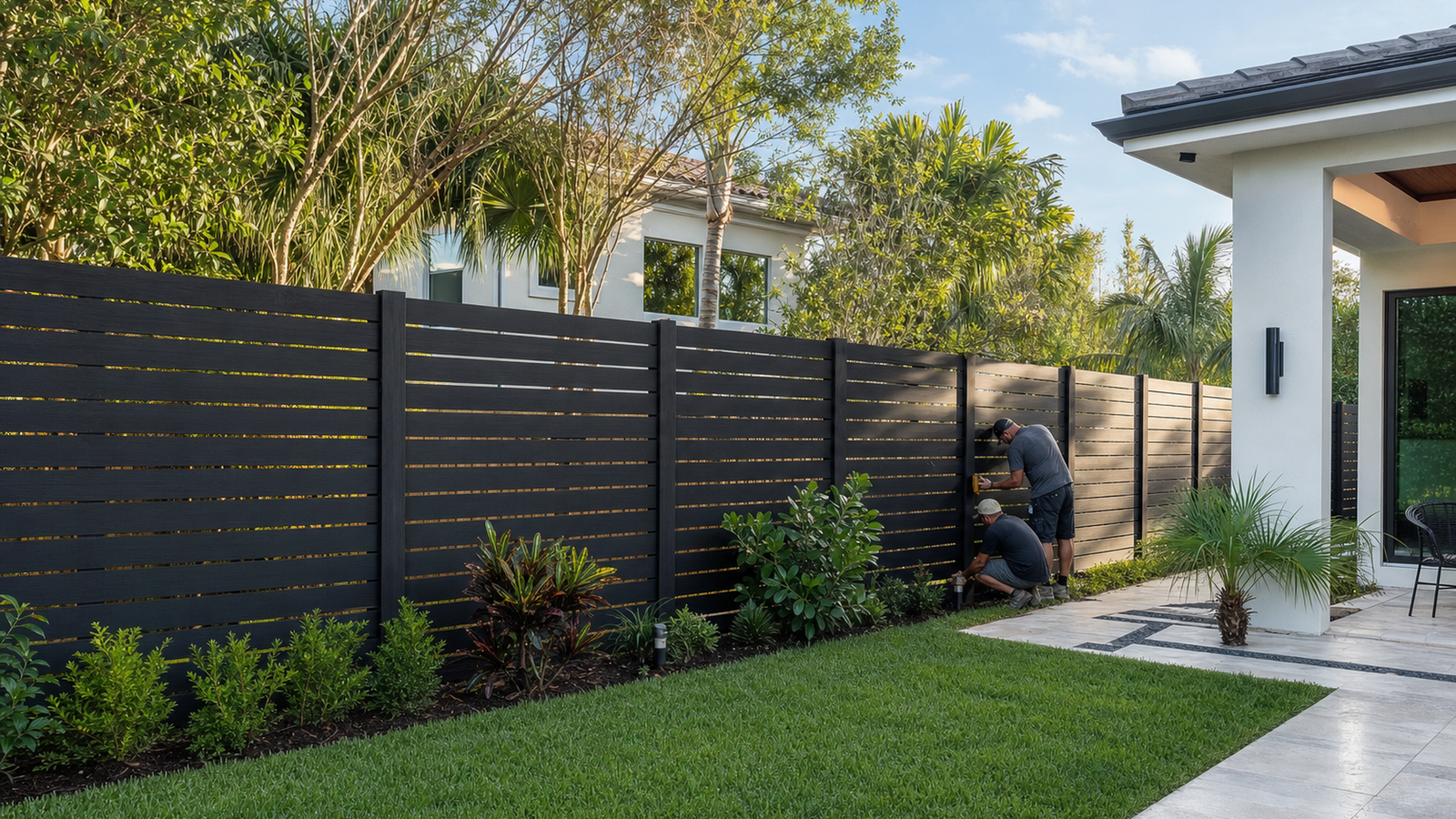
Fence installation Tampa Bay defines property boundaries while providing privacy and security. In addition, quality fences enhance curb appeal and property value significantly. Therefore, homeowners across Tampa Bay, Riverview, Ruskin, Wesley Chapel, Greater Carrollwood, Thonotosassa, Land O’ Lakes, Town ‘N’ Country, Palm Harbor, and Seven Springs invest in professional fencing. Most importantly, however, proper fence installation Tampa Bay withstands Florida’s heat, humidity, and hurricane-force winds effectively.
Why Professional Fence Installation Tampa Bay Matters
Professional installation ensures fences meet code requirements and last decades. First, proper post spacing and depth prevent wind damage. Furthermore, experienced installers understand Tampa Bay building codes. As a result, professional work passes inspections smoothly. In addition, quality installation includes proper drainage and foundation preparation.
Meeting Hurricane Wind Requirements
Tampa Bay requires fences to withstand 140+ mph wind loads. Consequently, post depth and concrete volume exceed standard practices. Moreover, proper bracing prevents panel failure during storms. Therefore, professional installers follow wind-rated specifications. Beyond that, engineered designs ensure long-term structural integrity.
Navigating Permit Requirements
Most Tampa Bay jurisdictions require permits for fences exceeding 6 feet. Furthermore, setback requirements vary by location. Consequently, understanding regulations prevents costly violations. However, professional contractors handle permitting processes. Therefore, hiring experts simplifies compliance significantly.
Property Line Accuracy
Fence installation on incorrect property lines creates legal disputes. Moreover, surveys establish exact boundaries legally. Consequently, professional surveys prevent neighbor conflicts. However, survey costs add $300–$600 to projects. Therefore, accurate boundaries justify survey expenses easily.
HOA Compliance Considerations
Homeowner associations regulate fence materials, heights, and colors. Furthermore, HOA approval precedes installation typically. Consequently, submitting plans early prevents delays. However, some HOAs prohibit certain materials completely. Therefore, verifying restrictions before planning proves essential.
Best Materials for Fence Installation Tampa Bay
Several fence materials suit Tampa Bay’s climate and aesthetic preferences. Therefore, understanding material properties guides selection. In particular, durability and maintenance requirements matter most. However, budget considerations also influence material choices.
Vinyl Fence Installation
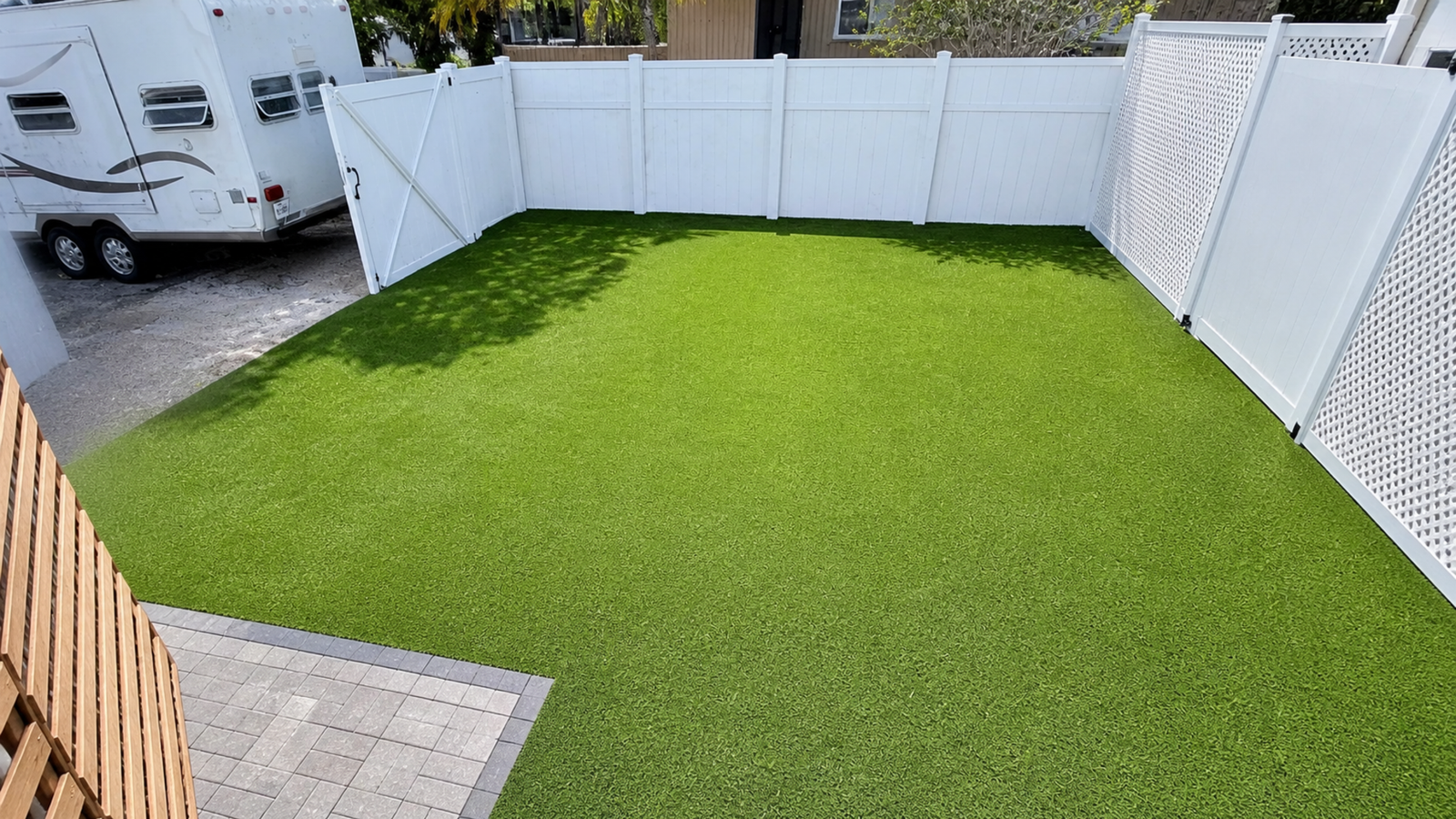
Vinyl fencing delivers maximum durability with minimal maintenance. First, vinyl never requires painting or staining. Furthermore, it resists Tampa Bay’s humidity and salt air perfectly. As a result, vinyl represents the most popular fence material. In addition, vinyl comes in privacy, picket, and semi-privacy styles. However, quality varies significantly between manufacturers.
Aluminum Fence Installation
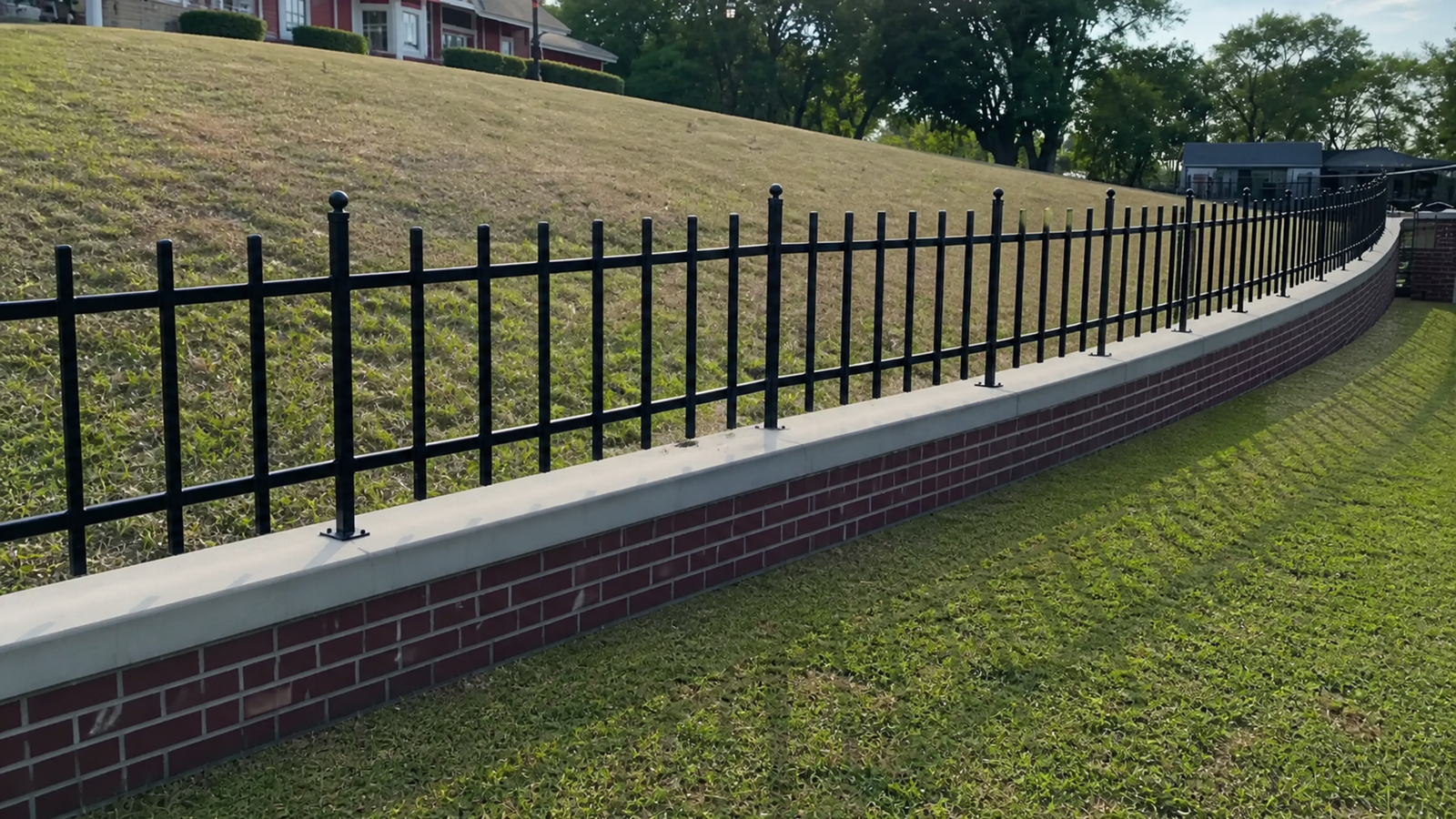
Aluminum fences provide elegant security without blocking views. Moreover, powder-coated finishes resist corrosion excellently. Consequently, aluminum suits pool enclosures and decorative applications. However, aluminum offers less privacy than solid panels. Therefore, aluminum works best for open boundaries and pool safety.
Wood Fence Installation
Wood fencing offers natural beauty and traditional appeal. Furthermore, cedar and pressure-treated pine resist rot effectively. Consequently, wood suits custom designs and rustic aesthetics. However, wood requires staining every 2–3 years. Therefore, wood demands more maintenance than vinyl or aluminum.
Chain Link Fence Installation
Chain link delivers affordable security and durability. Moreover, vinyl-coated chain link resists rust completely. Consequently, chain link suits large properties and utility areas. However, chain link provides minimal privacy. Therefore, privacy slats become necessary for screening.
Fence Installation Tampa Bay: Cost Breakdown
Fence costs vary based on materials, height, and linear footage. Therefore, accurate budgeting requires detailed measurements. In addition, site conditions affect installation complexity. As a result, costs differ significantly between properties.
Material Costs by Fence Type
Material selection represents the largest cost variable. First, chain link offers the most affordable option. On the other hand, vinyl privacy fencing commands premium pricing. Therefore, material choice significantly impacts total budget.
- Chain link fence (4–6 feet): $8–$15 per linear foot installed
- Wood fence (6 feet privacy): $15–$30 per linear foot installed
- Aluminum fence (4–6 feet): $20–$35 per linear foot installed
- Vinyl fence (6 feet privacy): $25–$45 per linear foot installed
Labor and Installation Costs
Professional installation accounts for 40–50% of total cost typically. Furthermore, difficult terrain increases labor expenses. Consequently, rocky or sloped properties cost more. However, experienced installers complete projects efficiently. Therefore, quality installation justifies professional pricing.
Permit and Survey Costs
Building permits add $50–$200 to projects. Similarly, property surveys cost $300–$600 typically. Furthermore, HOA review fees may apply. Therefore, administrative costs increase total expenses by $400–$1,000. Beyond that, permit compliance prevents future legal problems.
Additional Feature Costs
Gates add $200–$800 depending on size and material. Moreover, automatic gate openers cost $800–$2,500 installed. Furthermore, decorative caps and finials increase material costs. Therefore, customization adds to base fence pricing. In addition, removal of existing fencing costs $3–$8 per linear foot.
Privacy Fence Options for Tampa Bay Properties
Privacy fences create secluded outdoor living spaces. Therefore, understanding privacy options guides design. In addition, different styles balance privacy with airflow. As a result, selecting appropriate designs ensures satisfaction.
Solid Panel Privacy Fences
Solid vinyl or wood panels provide maximum privacy completely. Furthermore, they block noise from adjacent properties effectively. Consequently, solid fences create truly private yards. However, solid panels catch more wind than open designs. Therefore, reinforced posts become necessary for hurricane resistance.
Semi-Privacy Fence Designs
Semi-privacy fences alternate solid and spaced pickets. Moreover, this design allows airflow while maintaining privacy. Consequently, semi-privacy balances screening with wind resistance. However, visibility gaps may concern some homeowners. Therefore, picket spacing determines privacy level.
Horizontal Slat Privacy Fences
Horizontal slat designs create modern contemporary aesthetics. Furthermore, controlled spacing provides privacy and airflow. Consequently, horizontal fences suit contemporary architecture perfectly. However, horizontal designs cost more than vertical panels. Therefore, horizontal fences fit premium project budgets.
Lattice Top Privacy Fences
Lattice panels above solid sections add decorative interest. Moreover, lattice increases total height attractively. Consequently, 6-foot panels with lattice reach 7–8 feet total. However, lattice sections reduce complete privacy. Therefore, lattice suits decorative applications primarily.
Fence Installation Process for Tampa Bay
Proper installation follows proven methods for durability. Therefore, understanding processes ensures quality results. In addition, Tampa Bay conditions require specific techniques. As a result, local experience proves invaluable.
Property Survey and Layout
Installation begins with verifying exact property boundaries. First, survey stakes mark corners accurately. Furthermore, string lines establish fence alignment. Consequently, layout prevents encroachment issues. However, utilities require location before digging.
Post Hole Digging and Spacing
Posts install 6–8 feet apart typically for residential fences. Moreover, holes extend 24–36 inches deep in Tampa Bay. Consequently, proper depth prevents wind damage. However, rocky soil may require augering equipment. Therefore, soil conditions affect installation methods.
Post Setting and Concrete
Posts set in concrete provide maximum stability. Furthermore, concrete cures 24–48 hours before panel installation. Consequently, rushing concrete curing compromises strength. However, quick-set concrete accelerates timelines. Therefore, project schedules influence concrete selection.
Panel or Picket Installation
Panels attach to posts with brackets or screws securely. Moreover, maintaining consistent height creates professional appearance. Consequently, string lines guide panel positioning. However, sloped terrain requires racking or stepping panels. Therefore, terrain affects installation complexity significantly.
Fence Height and Design Regulations Tampa Bay
Local regulations govern fence heights and placement. Therefore, understanding rules prevents violations. In addition, requirements vary between jurisdictions. As a result, checking local codes proves essential.
Front Yard Height Restrictions
Most Tampa Bay areas limit front yard fences to 4 feet. Furthermore, open picket designs may be required. Consequently, solid privacy fences typically prohibit in front yards. However, corner lots face additional restrictions. Therefore, verifying regulations early prevents problems.
Backyard and Side Yard Heights
Rear and side yard fences typically allow 6–8 feet maximum. Moreover, some areas permit taller fences with variances. Consequently, privacy fences install in rear yards primarily. However, height limits protect neighbor views. Therefore, regulations balance privacy with community standards.
Pool Enclosure Requirements
Pool fences require minimum 4-foot height with self-closing gates. Furthermore, vertical pickets must prevent child passage. Consequently, pool safety codes mandate specific designs. However, decorative fences meeting requirements exist. Therefore, safety and aesthetics combine successfully.
Setback and Easement Rules
Fences must set back from property lines in some areas. Moreover, utility easements prohibit permanent structures. Consequently, verifying easements prevents future removal orders. However, easement locations appear on property surveys. Therefore, surveys reveal restriction areas clearly.
Fence Maintenance for Tampa Bay Climate
Regular maintenance extends fence life and appearance. Therefore, establishing care routines protects investments. In addition, Tampa Bay’s climate demands specific attention. As a result, maintenance requirements vary by material.
Vinyl Fence Care
Vinyl fences need occasional washing with soap and water. Furthermore, mildew removes easily with bleach solution. Consequently, annual cleaning maintains pristine appearance. However, vinyl requires no painting or staining ever. Therefore, vinyl delivers truly low-maintenance performance.
Wood Fence Maintenance
Wood fences require staining or sealing every 2–3 years. Moreover, Tampa Bay humidity accelerates wood deterioration. Consequently, consistent maintenance prevents rot and warping. However, quality stains extend protection periods. Therefore, premium products reduce maintenance frequency.
Aluminum Fence Care
Aluminum needs periodic washing to remove salt and dirt. Furthermore, powder coating resists corrosion excellently. Consequently, aluminum requires minimal maintenance. However, scratches may need touch-up paint. Therefore, addressing damage promptly prevents rust.
Seasonal Inspection Tasks
Inspecting fences after storms reveals damage early. Similarly, checking posts for stability prevents failures. Furthermore, tightening loose fasteners maintains structural integrity. Therefore, seasonal attention catches problems before escalation. Beyond that, professional inspections ensure long-term performance.
Homeowners planning comprehensive outdoor improvements benefit from understanding how fences integrate with landscape design and hardscape features. Fence installation guides provide additional insights into coordinating fencing with patios, pools, and outdoor living areas that create cohesive private outdoor spaces.
The American Fence Association establishes industry standards for residential fence installation and materials. Their guidelines ensure fences meet structural and safety requirements. Visit AFA’s official website for comprehensive resources on fence design, installation best practices, and contractor certification programs.
Conclusion: Creating Privacy and Security with Fence Installation Tampa Bay
Fence installation Tampa Bay defines property boundaries while providing privacy and security effectively. In addition, quality materials withstand Florida’s climate and hurricane winds. Furthermore, professional installation ensures code compliance and structural integrity. Therefore, fences represent valuable property investments. Most importantly, however, proper fence installation Tampa Bay enhances outdoor living while increasing property value significantly.
Vinyl fencing delivers maximum durability with minimal maintenance perfectly. On the other hand, wood offers natural beauty and traditional appeal. Consequently, material selection balances aesthetics with practical requirements. Nevertheless, all quality fences require proper installation for longevity. Beyond that, professionally installed fences provide decades of privacy, security, and property definition while creating beautiful outdoor boundaries.
Ready to install your new fence? 📞 Contact Dr Pavers Design at +1 (656) 600-4015 or email drpavers@outlook.com for a free consultation anywhere in Tampa Bay. Check out our completed fence installation projects, read customer testimonials, or browse our frequently asked questions to learn more about our process. Follow us on Instagram and Facebook for design inspiration, or leave a review on Google. Prefer instant messaging? Text us at +1 (656) 600-4015 or message us on WhatsApp. Visit our services page to explore all our outdoor living solutions, and find us on Google Maps to see our location and service areas.