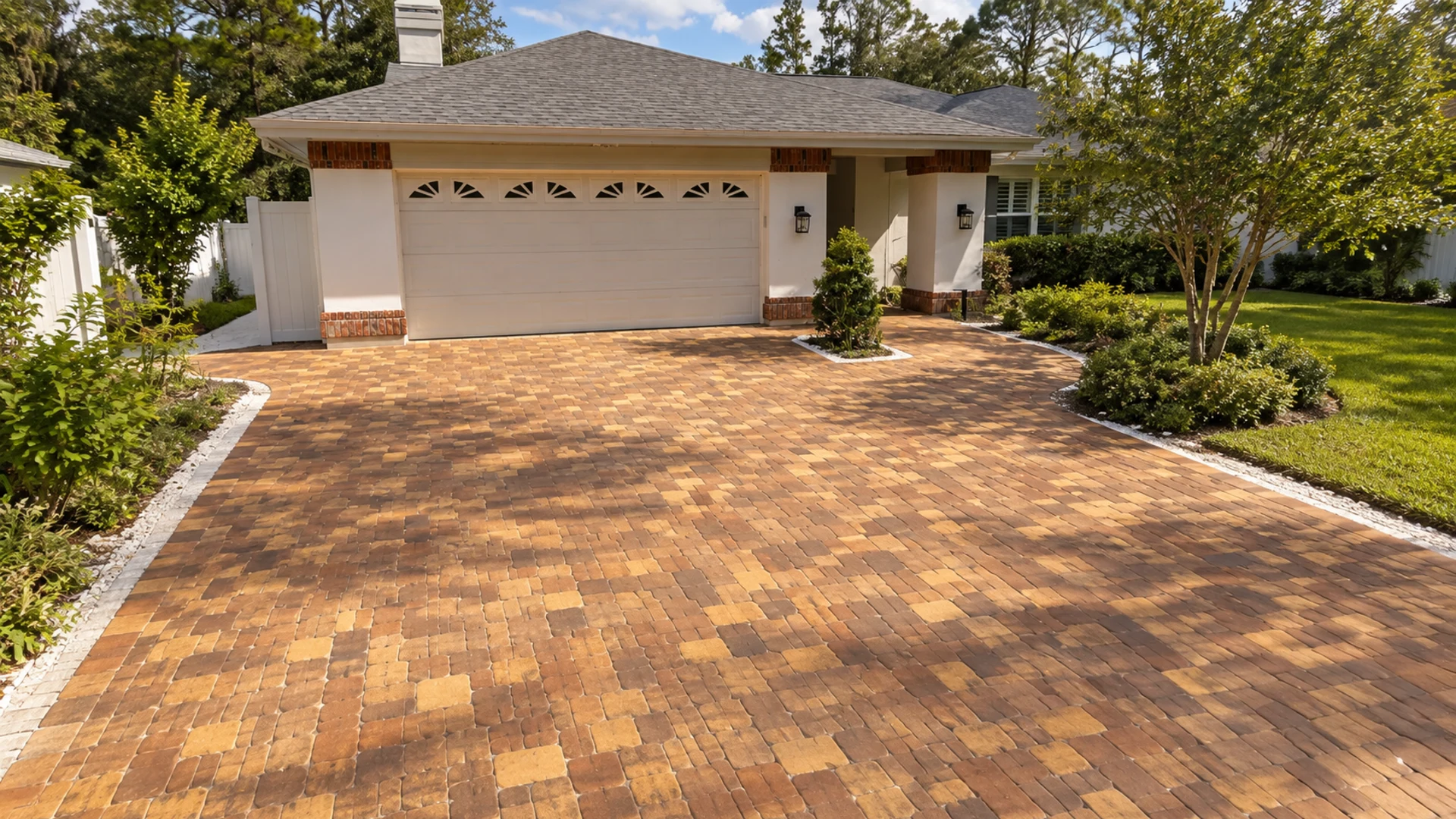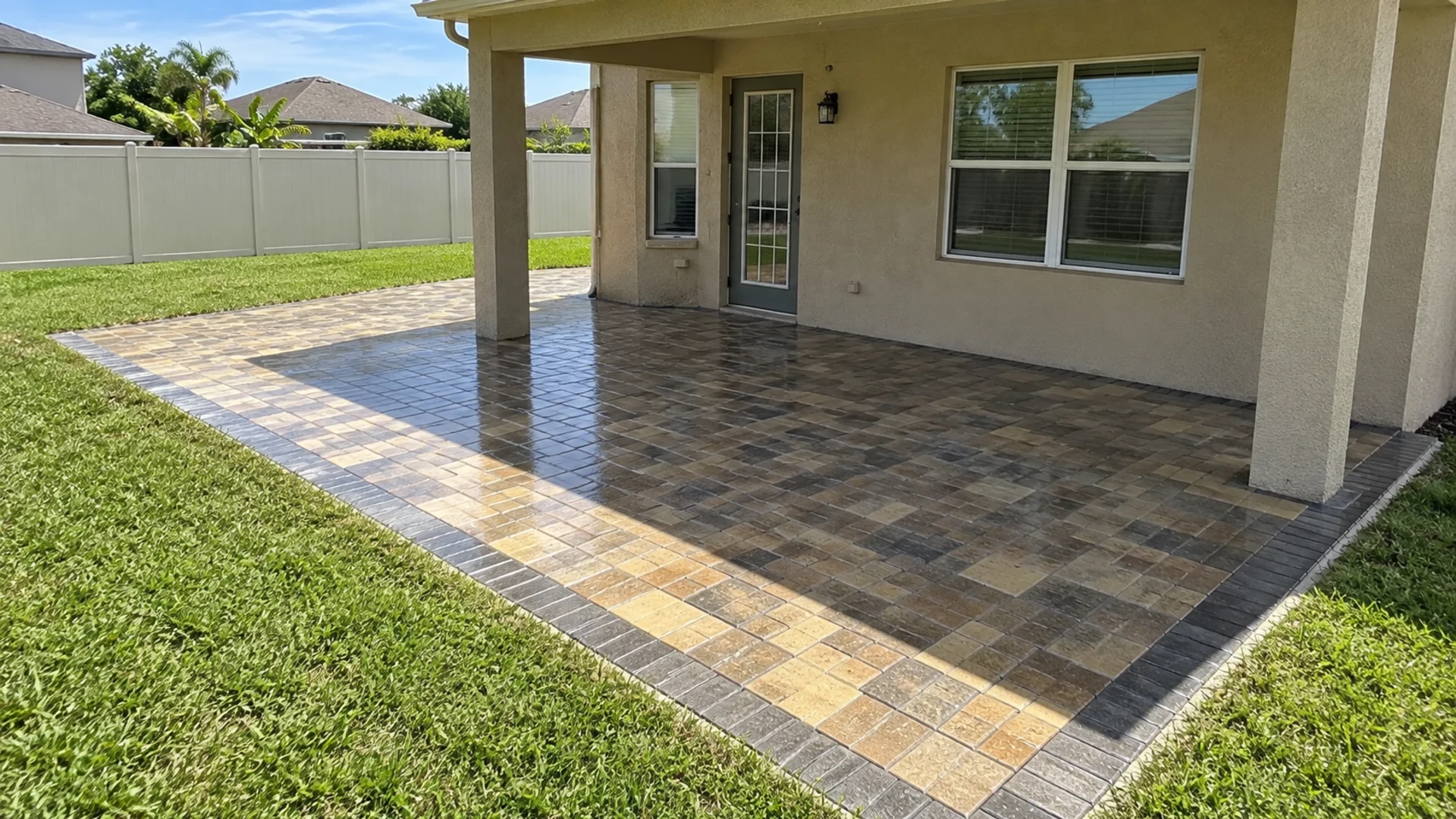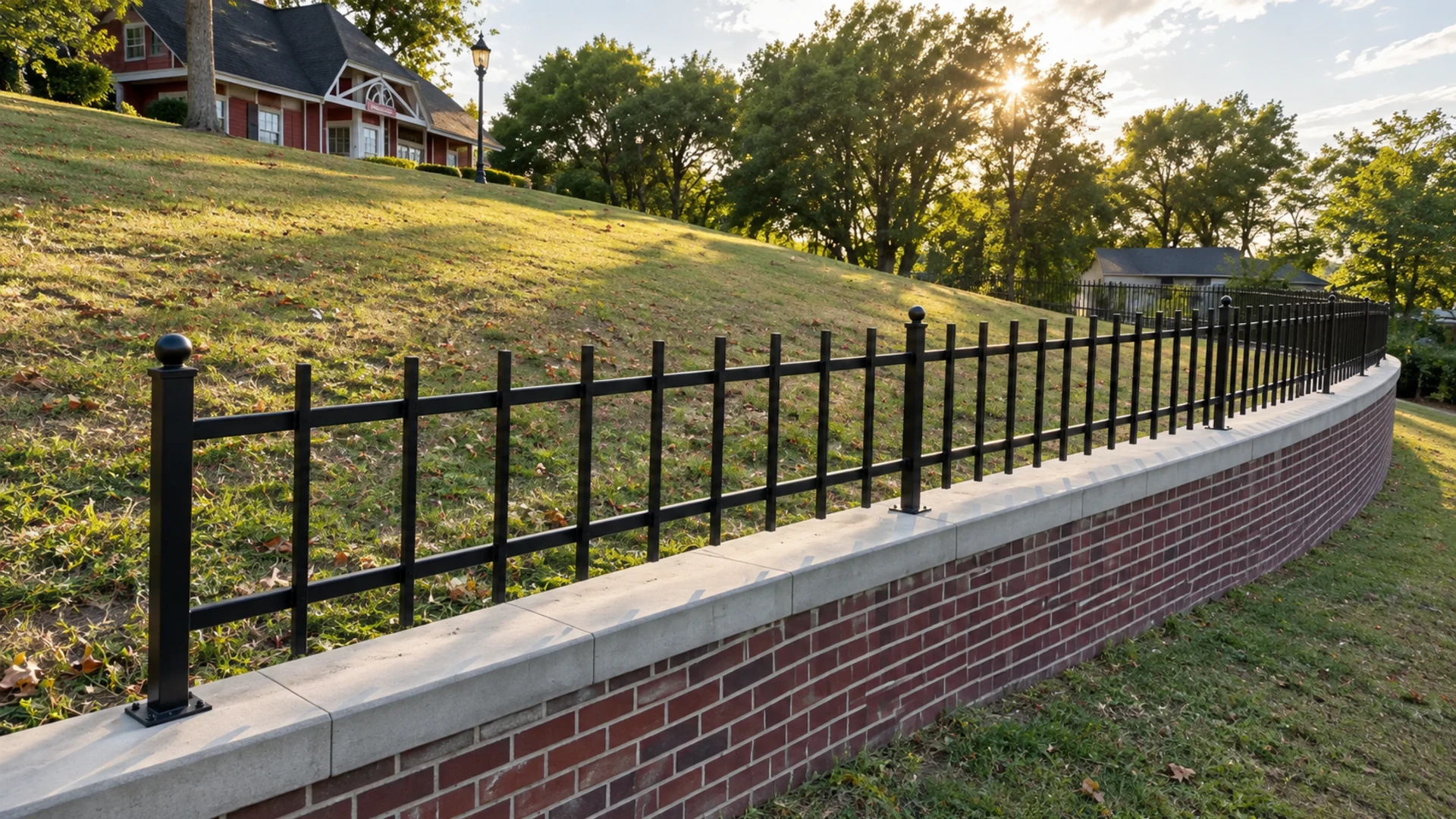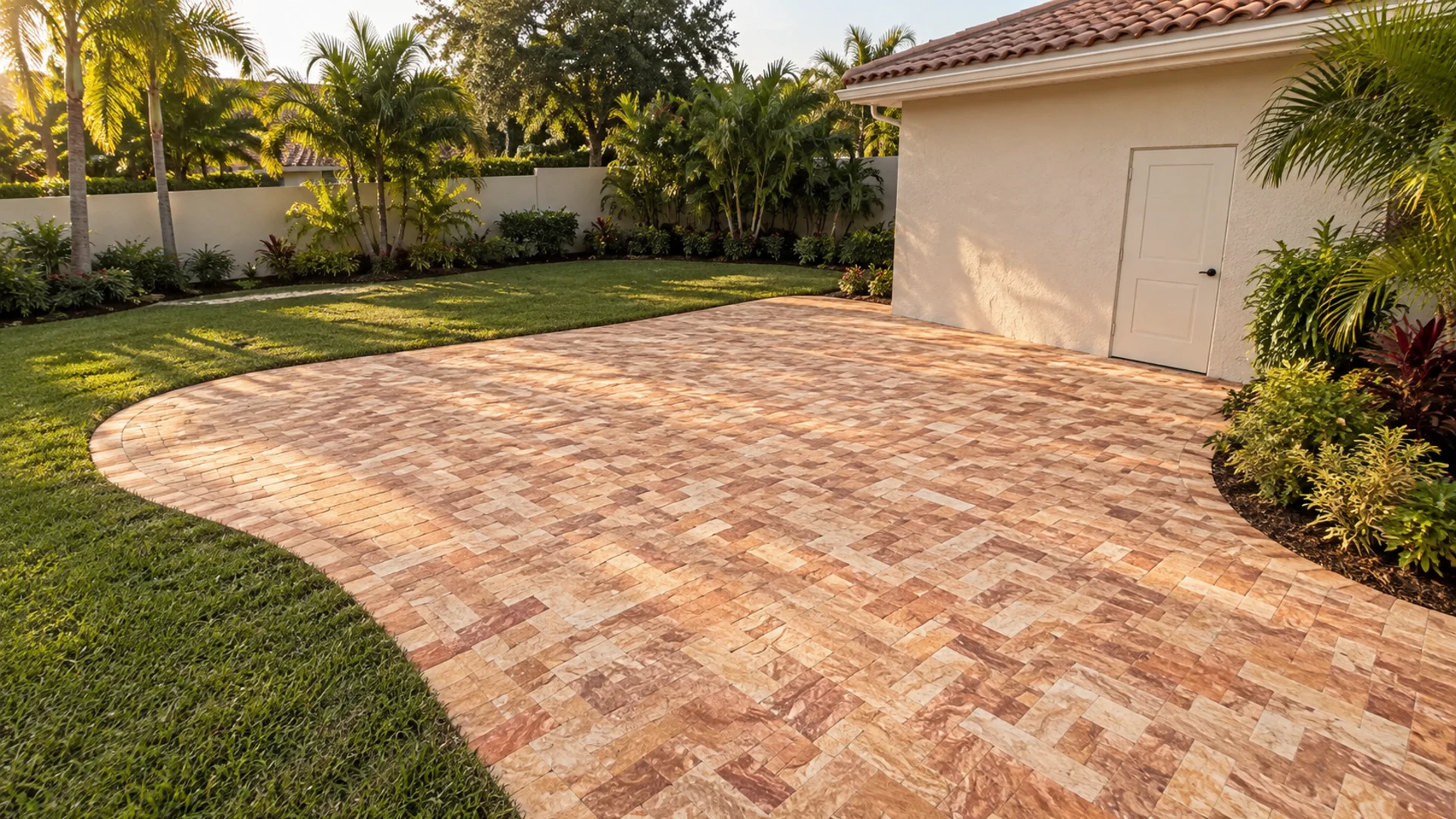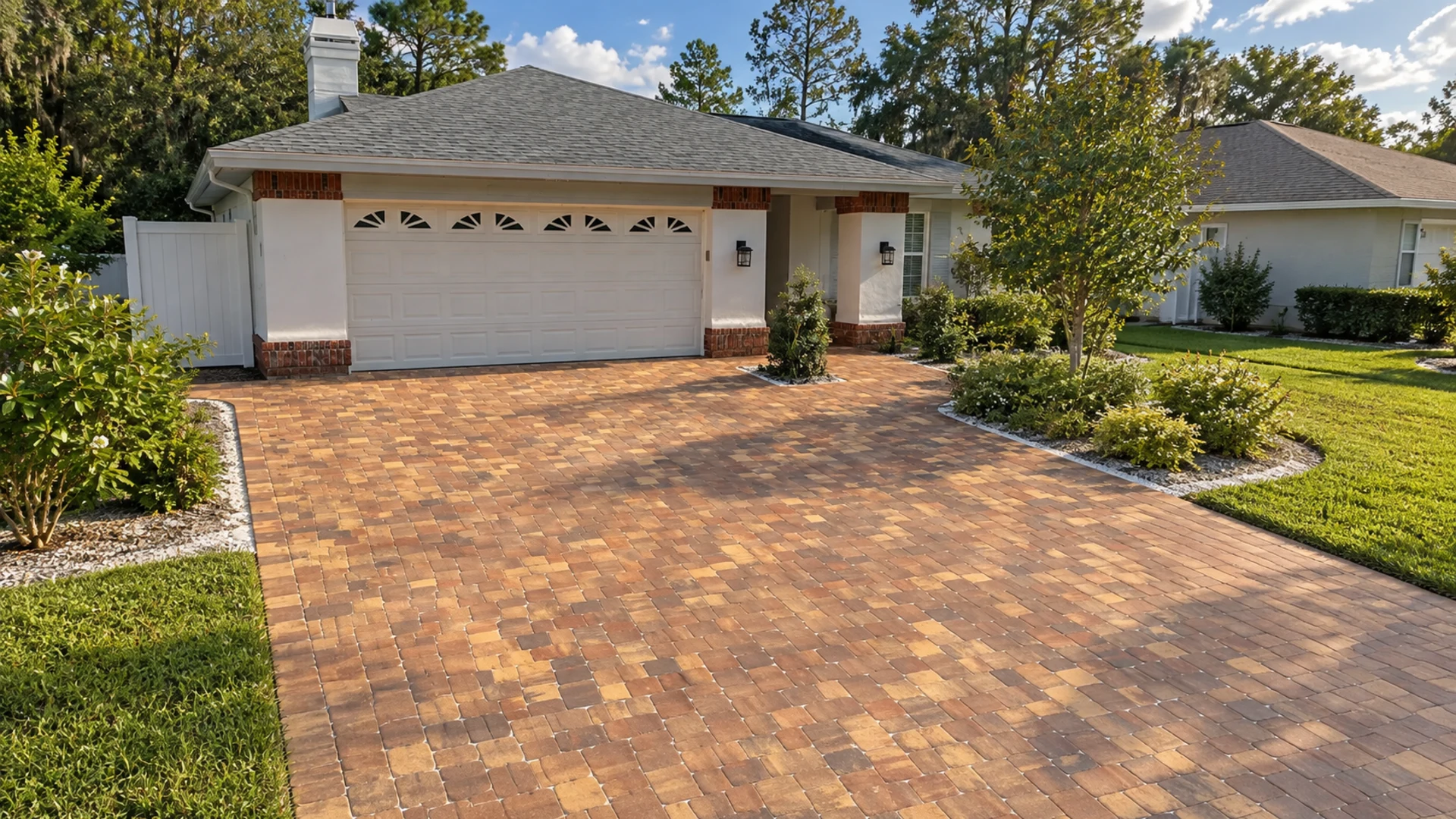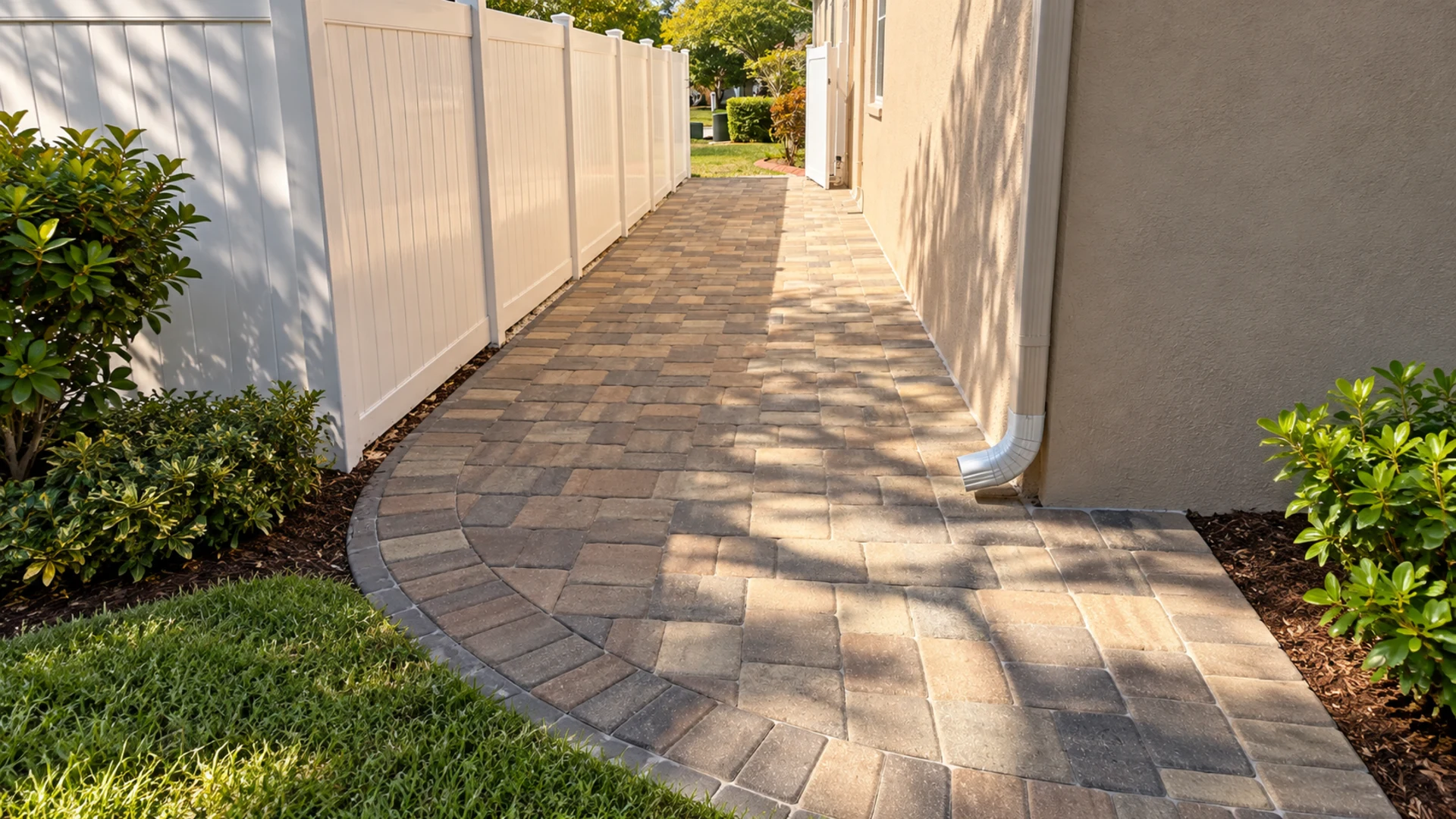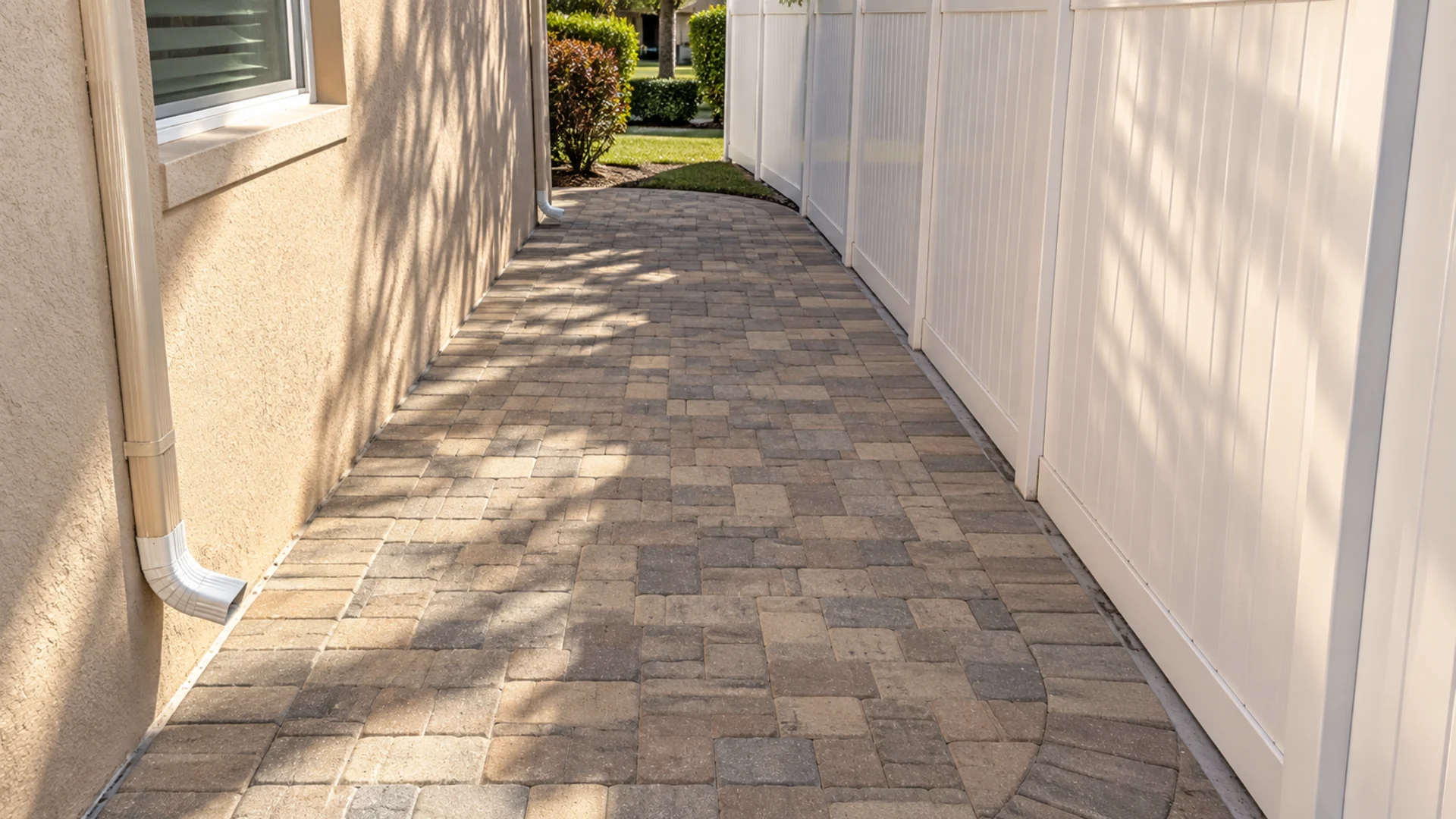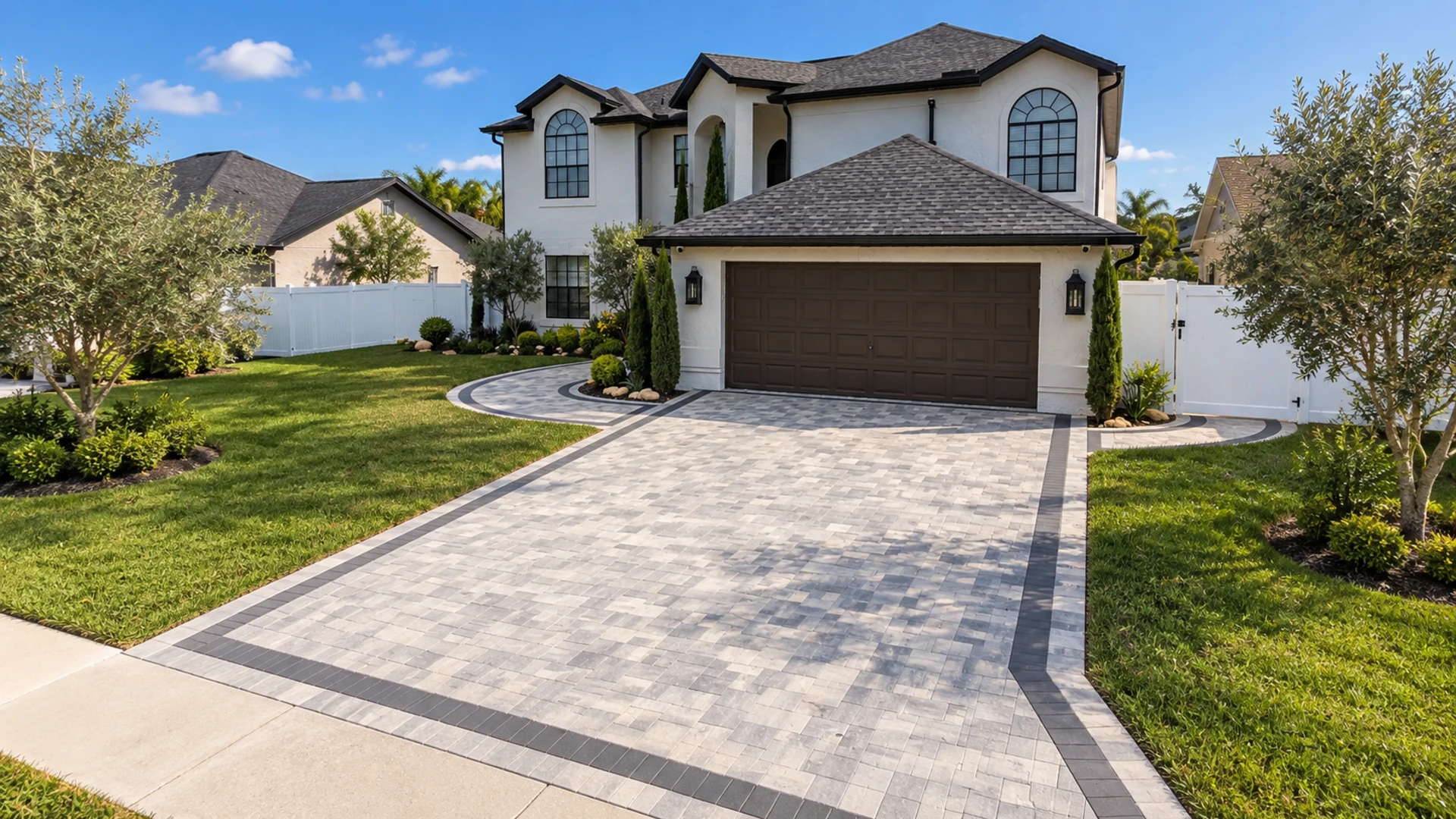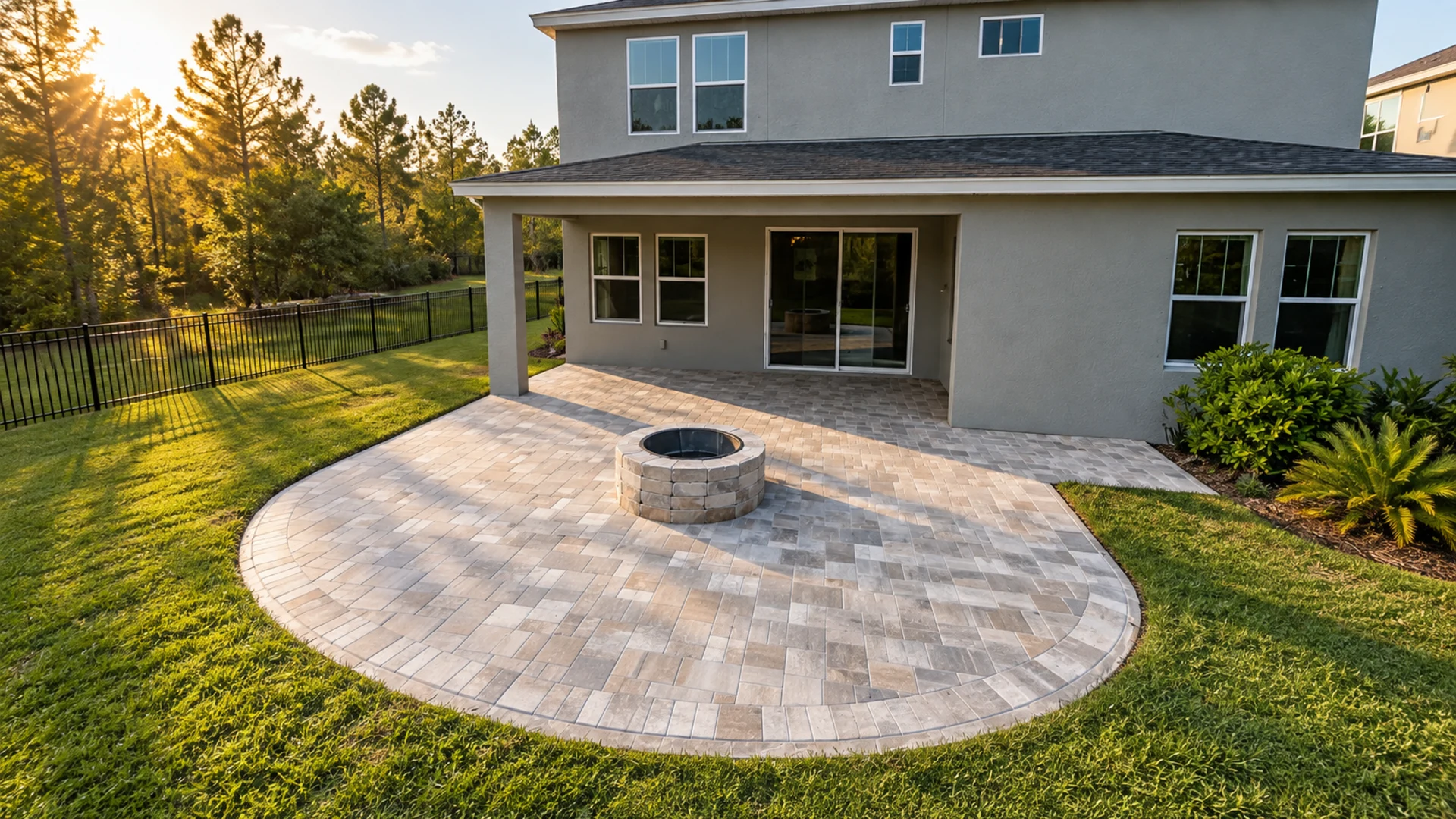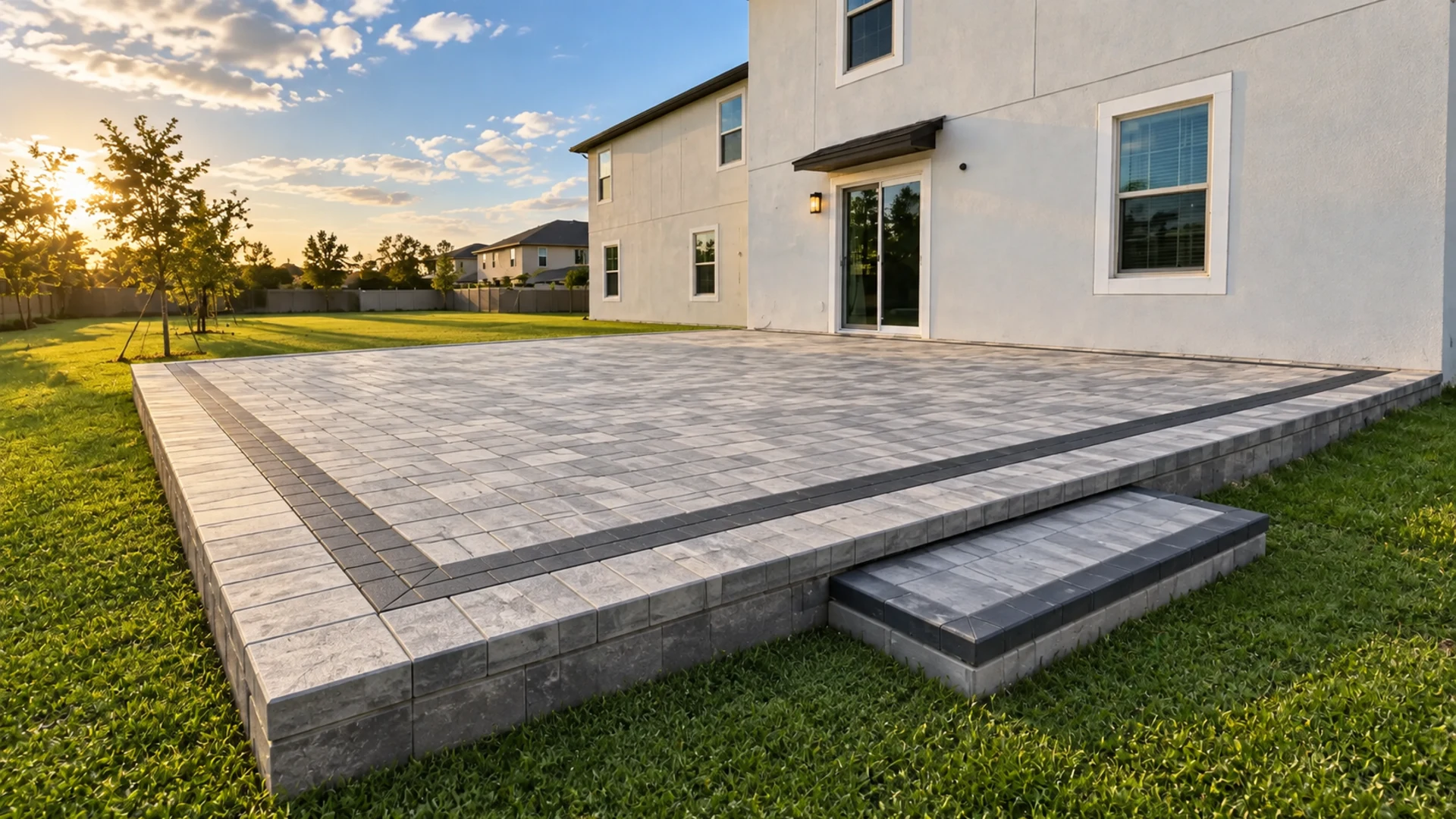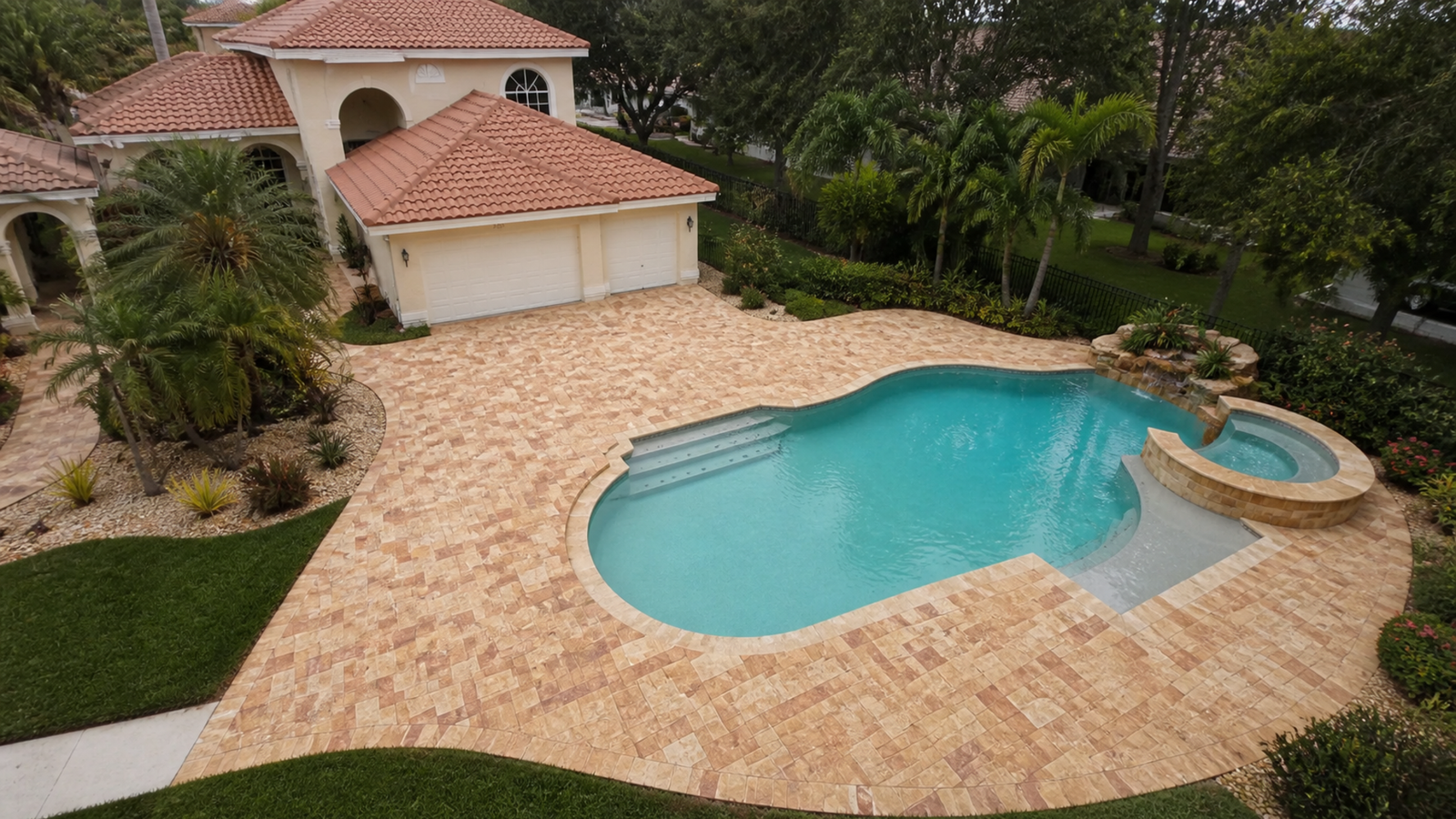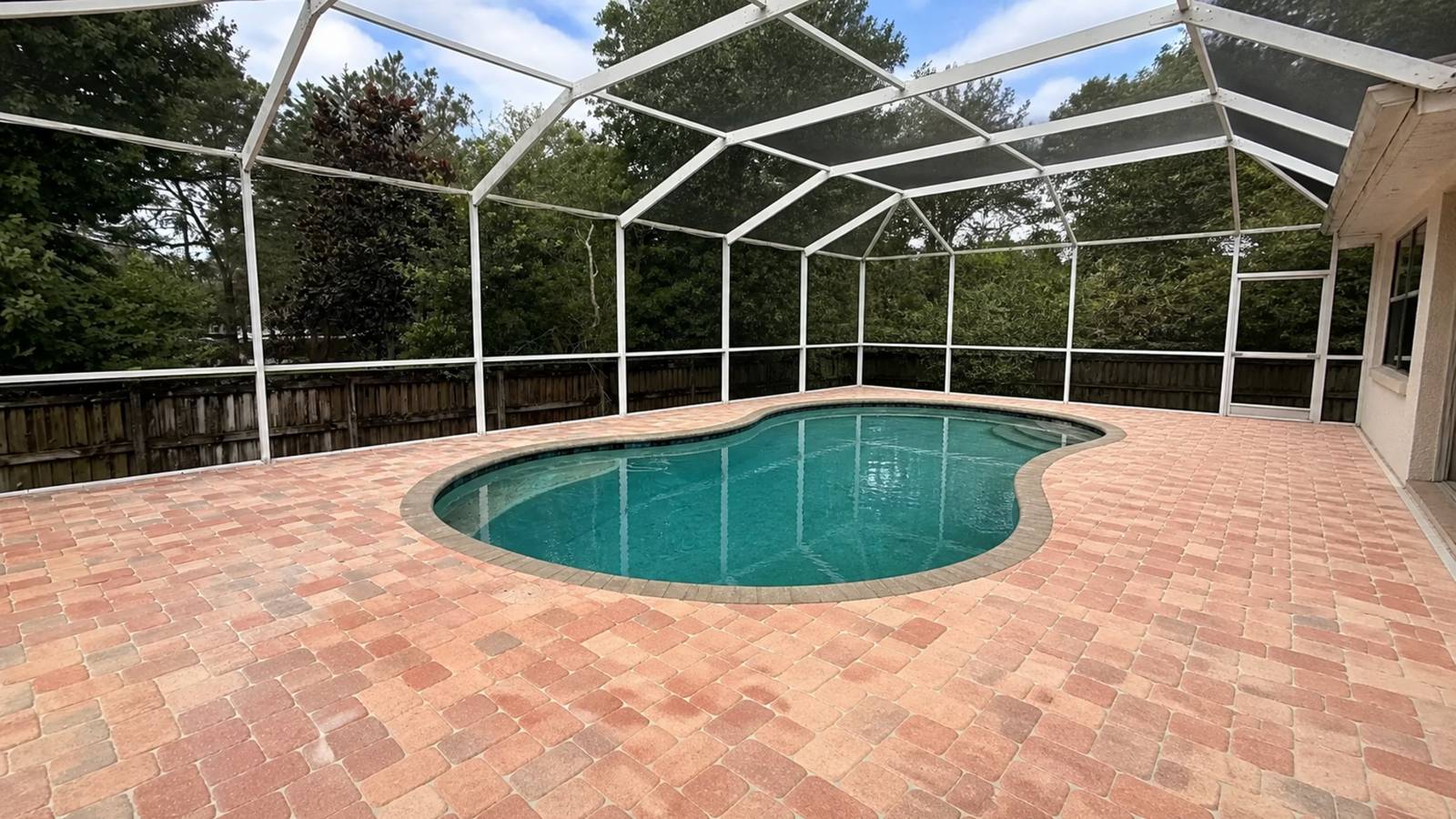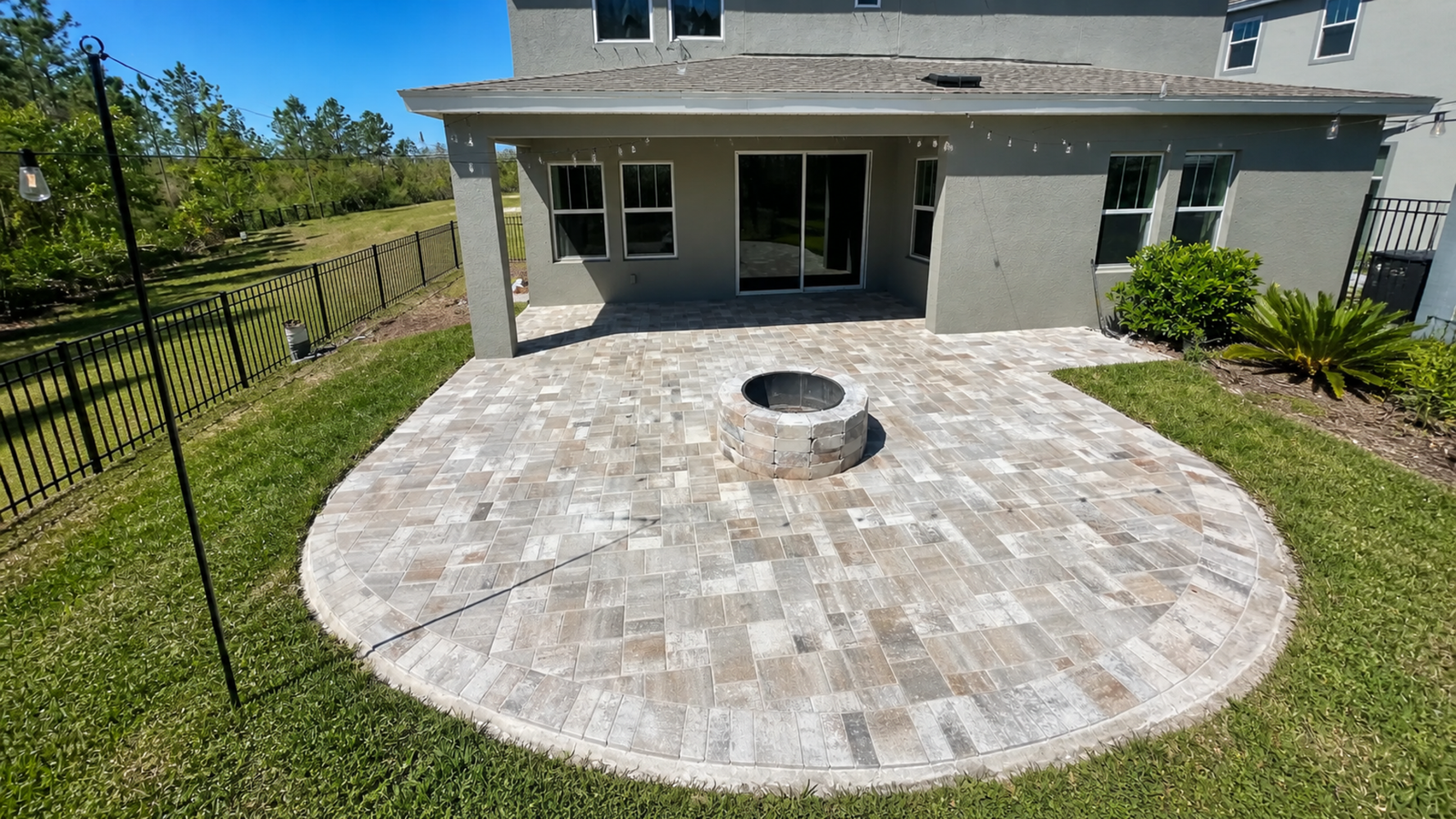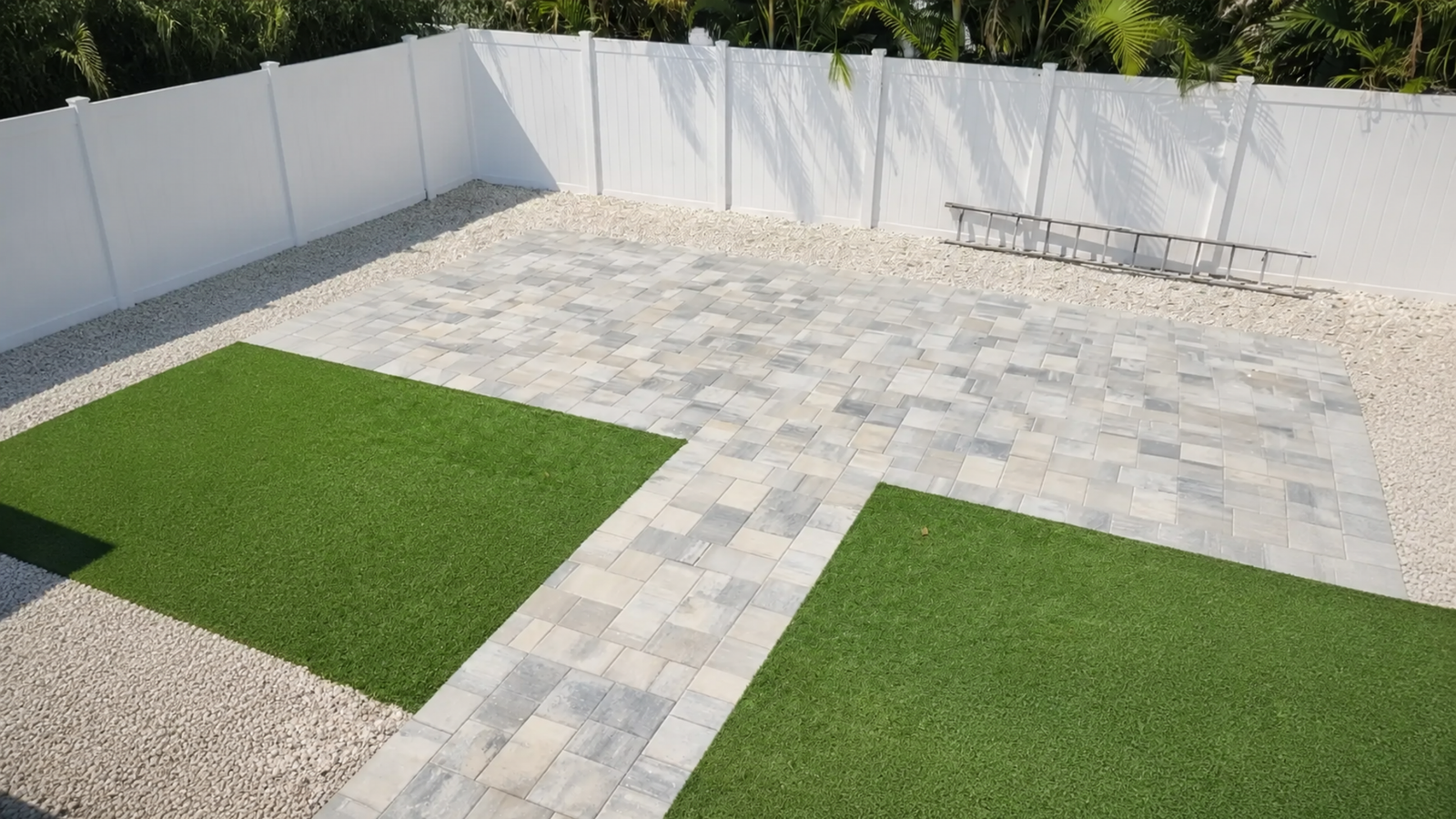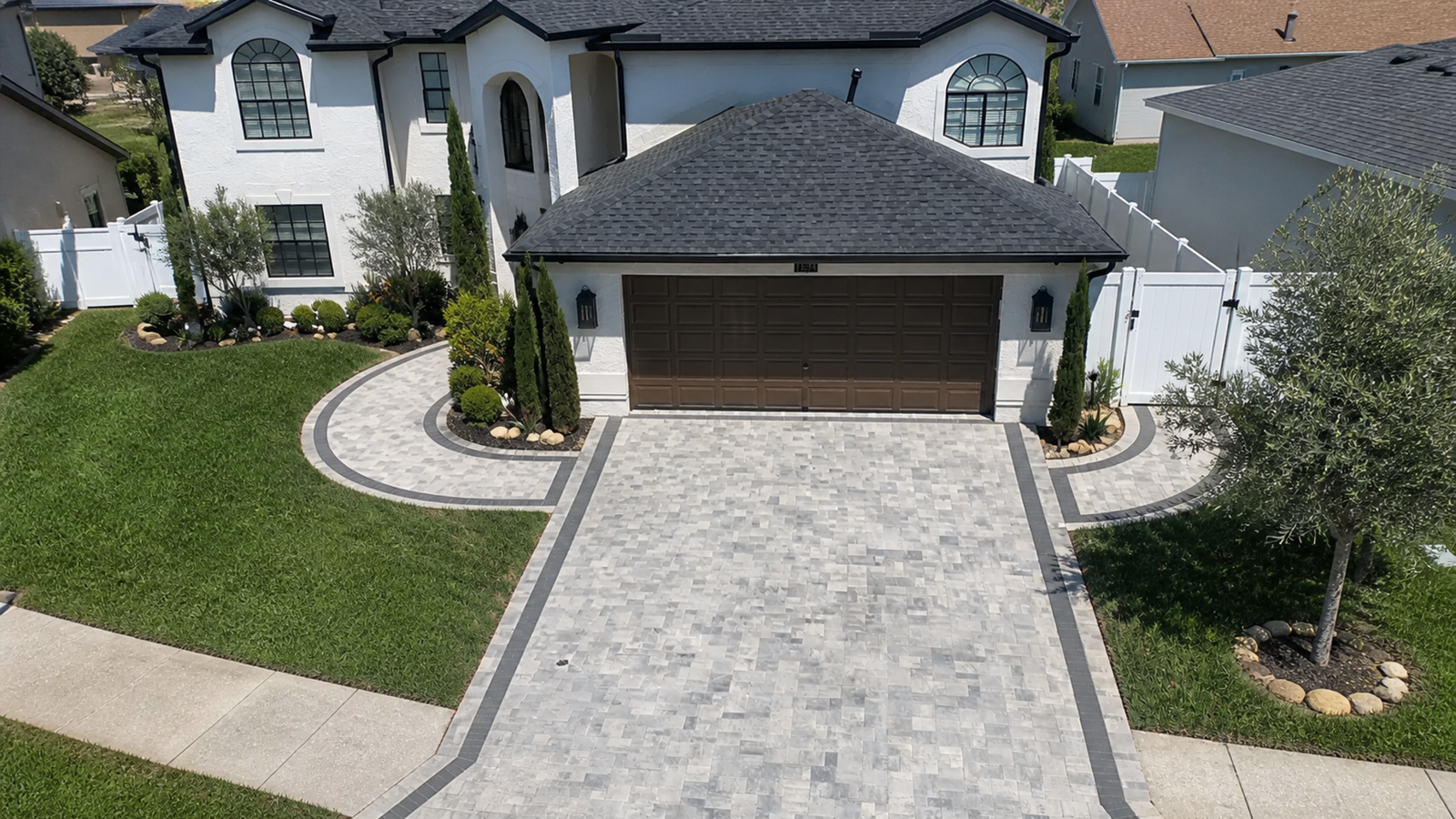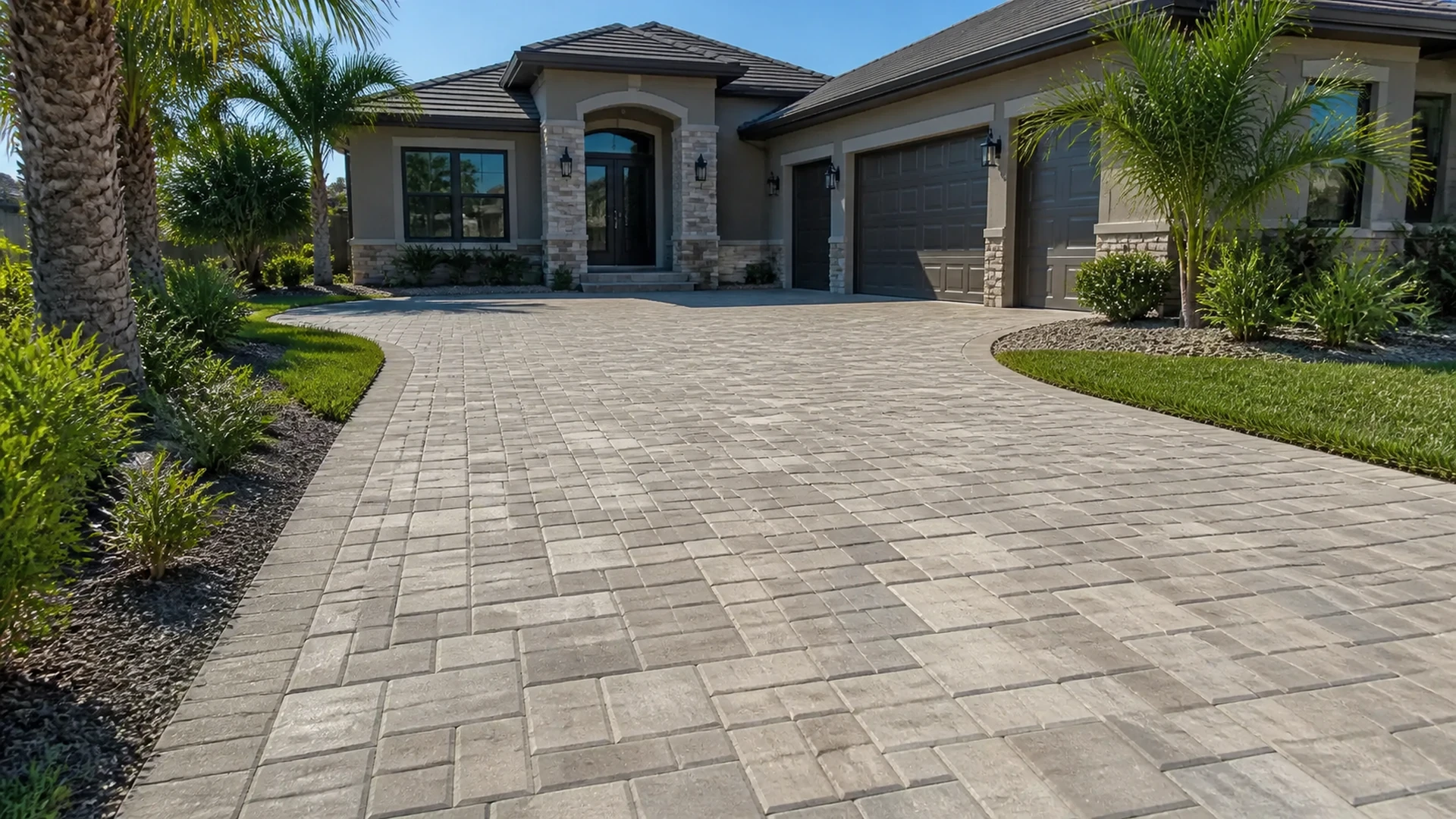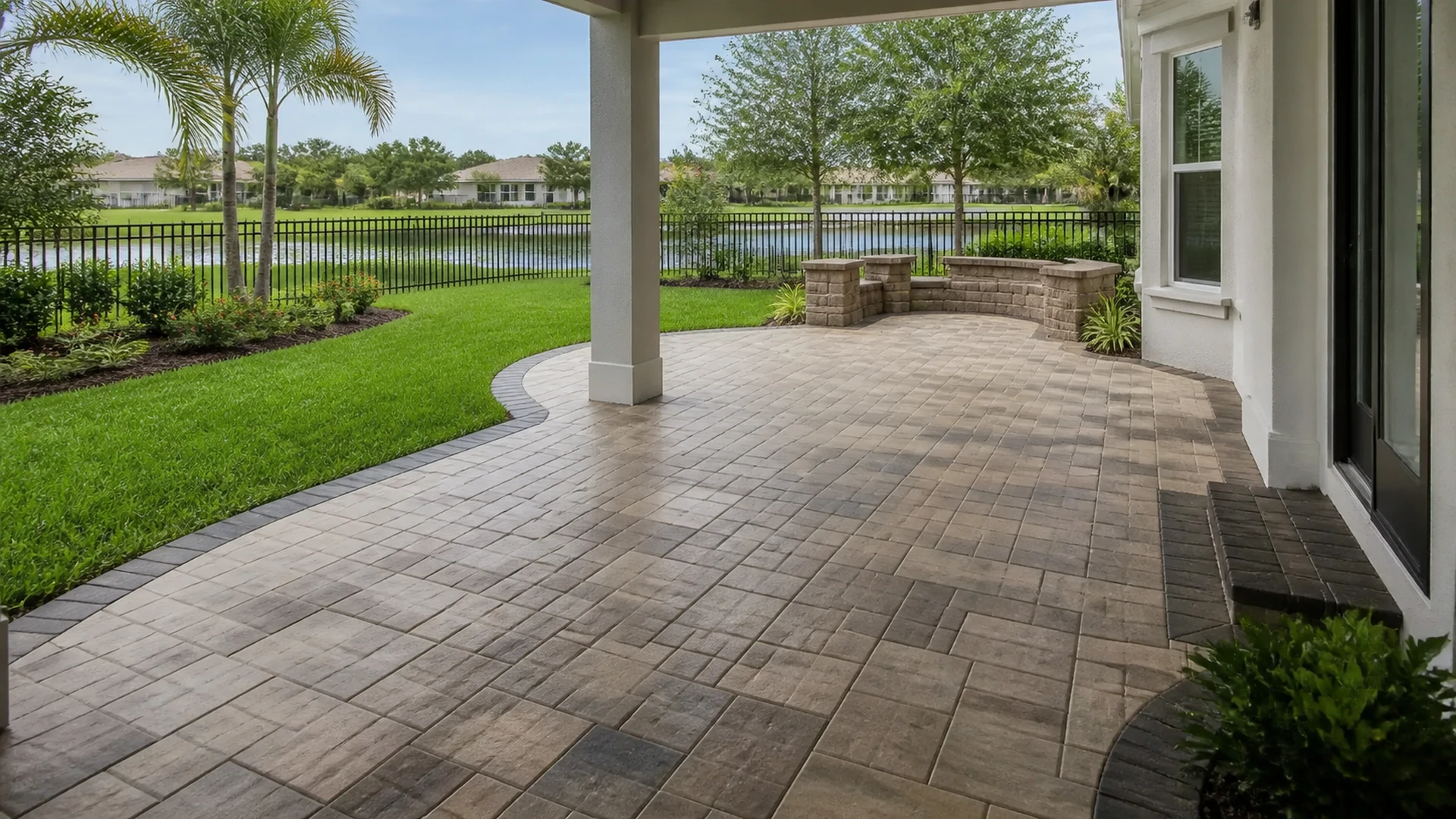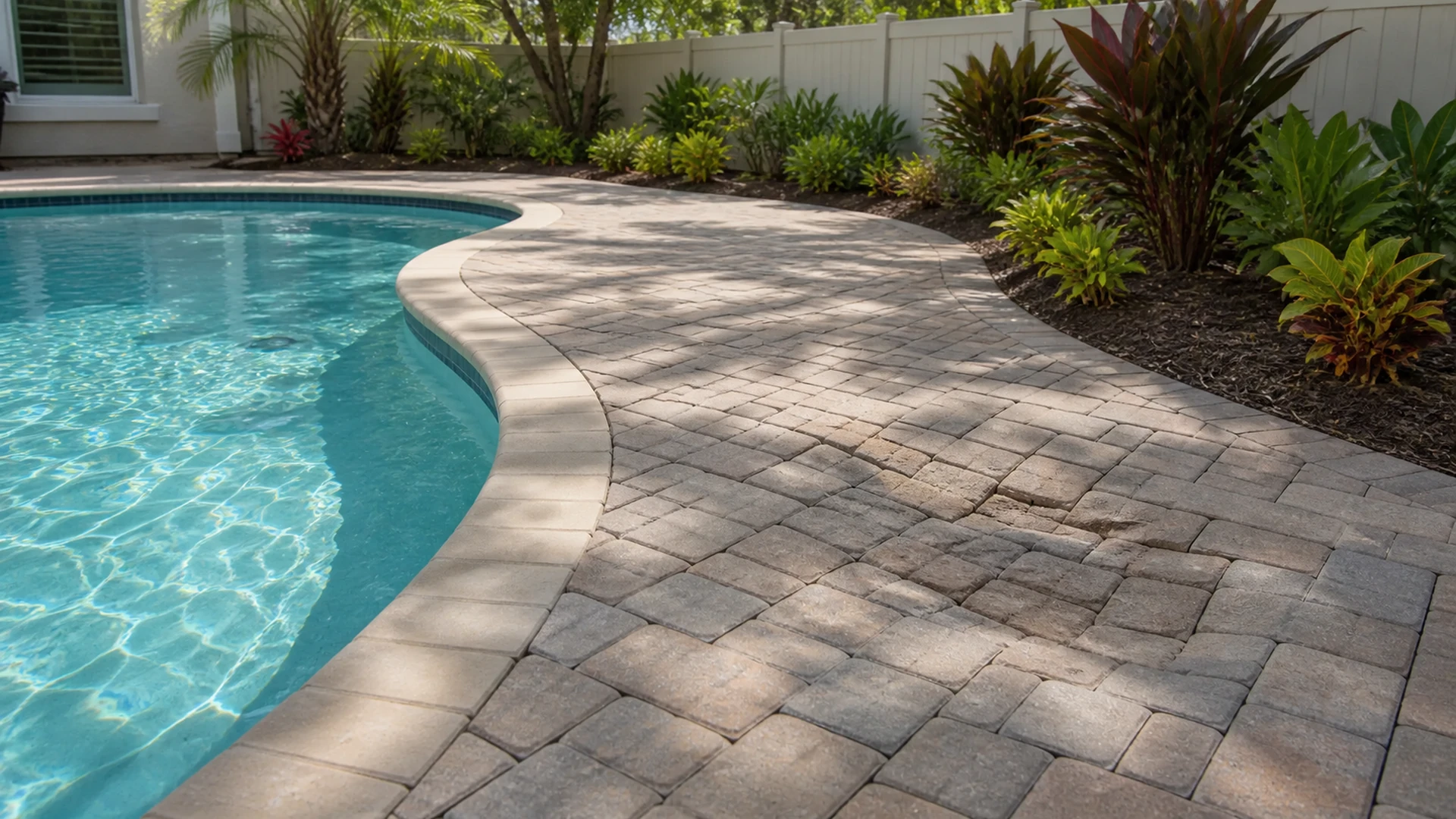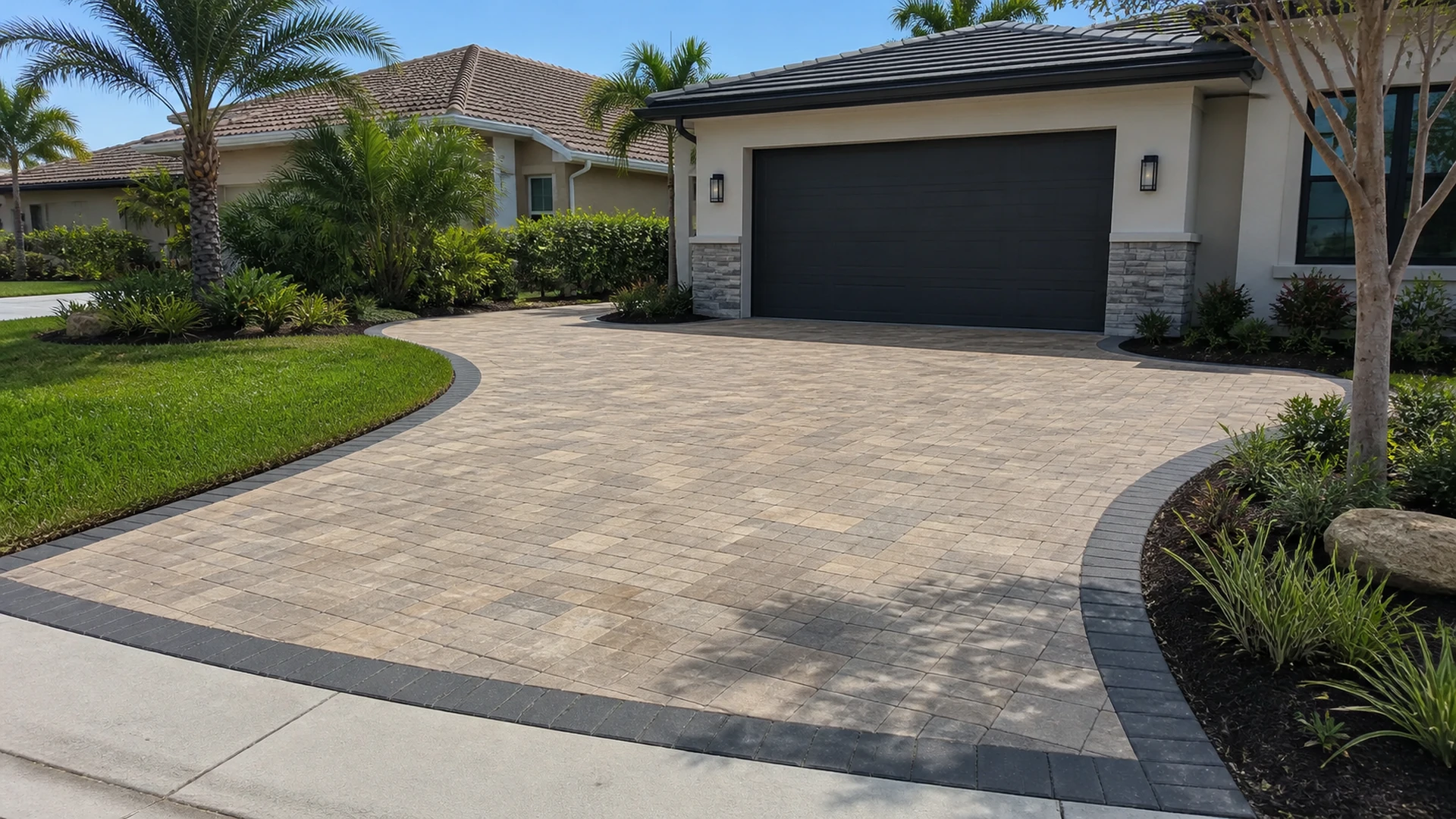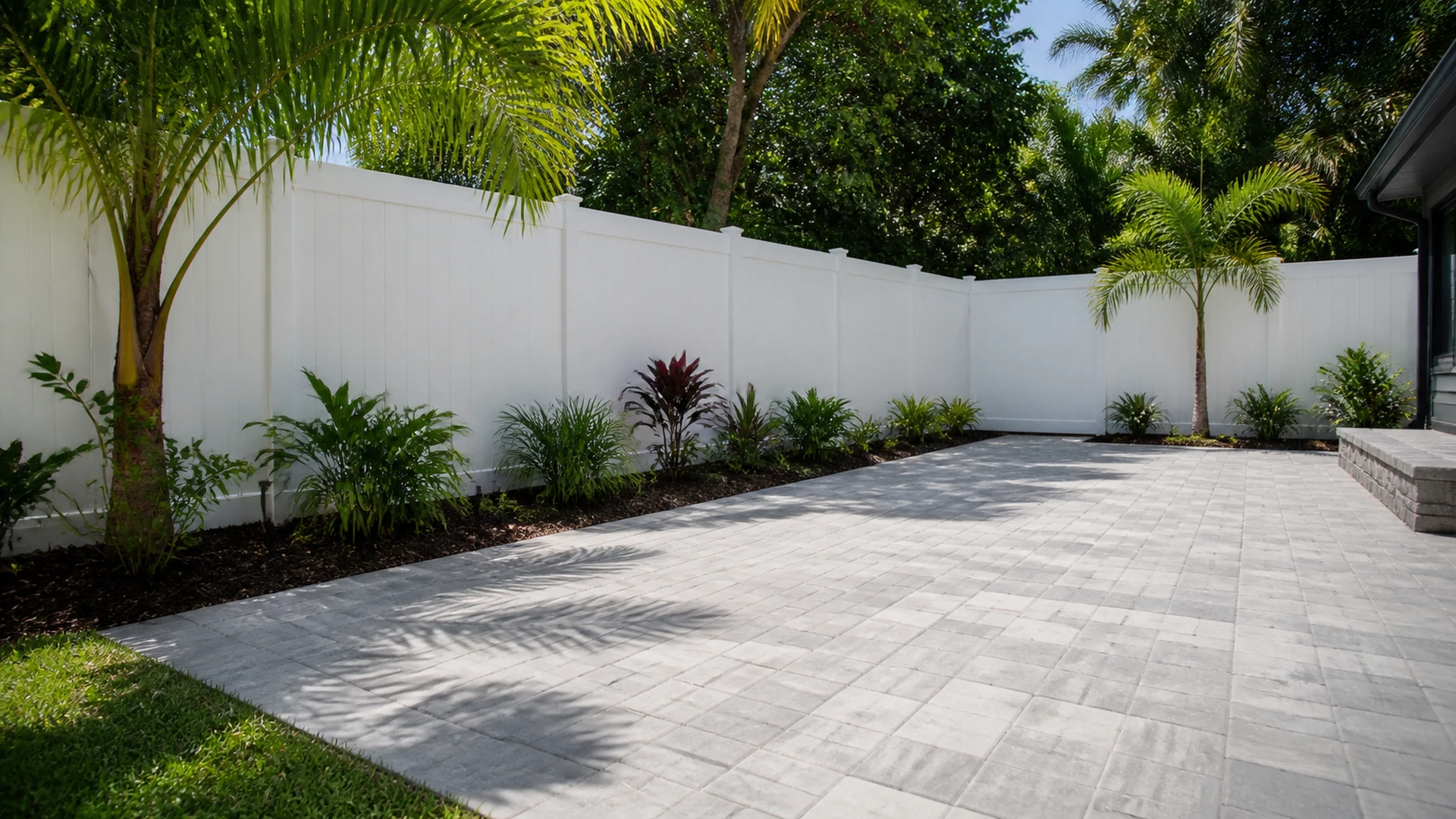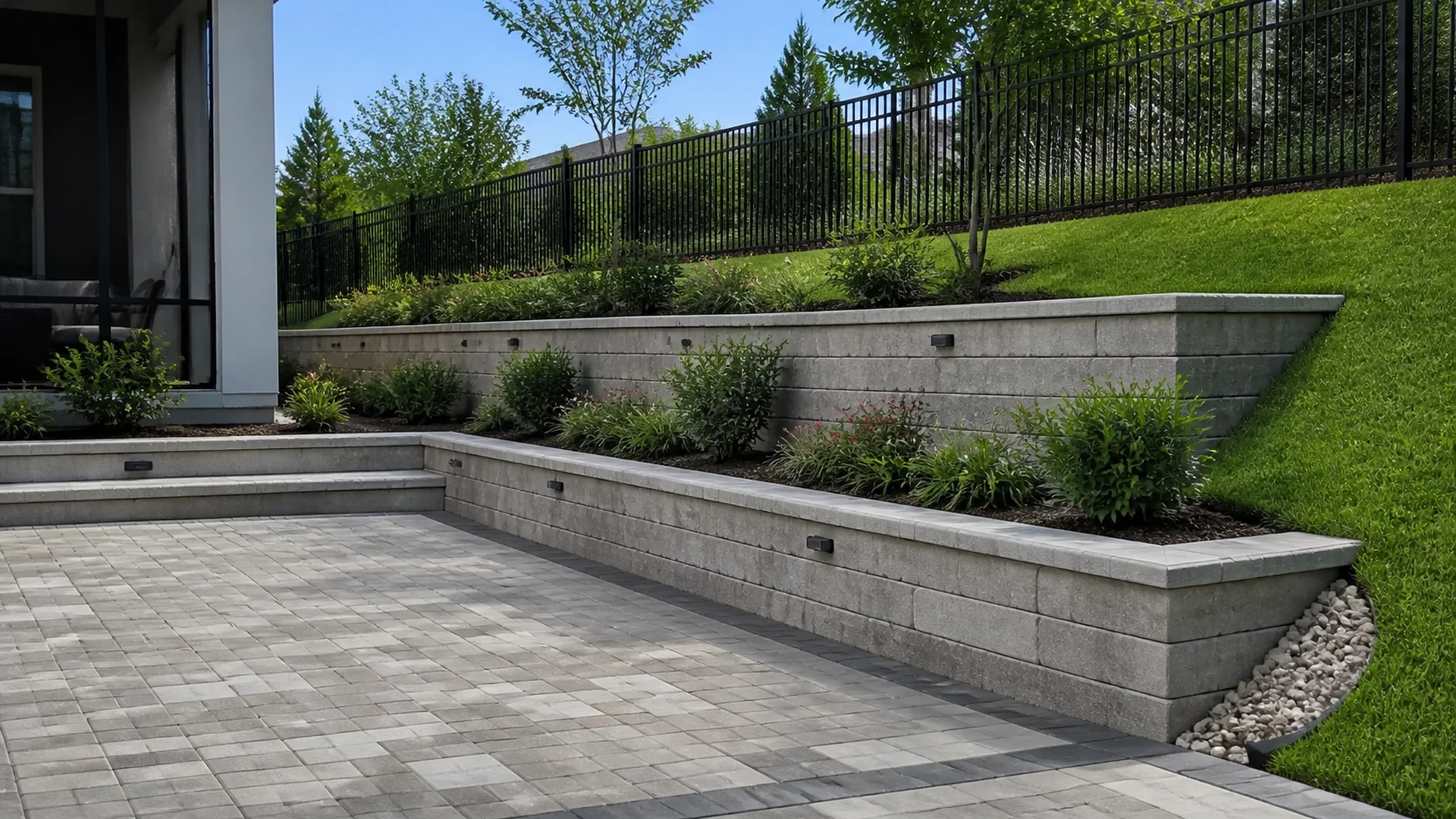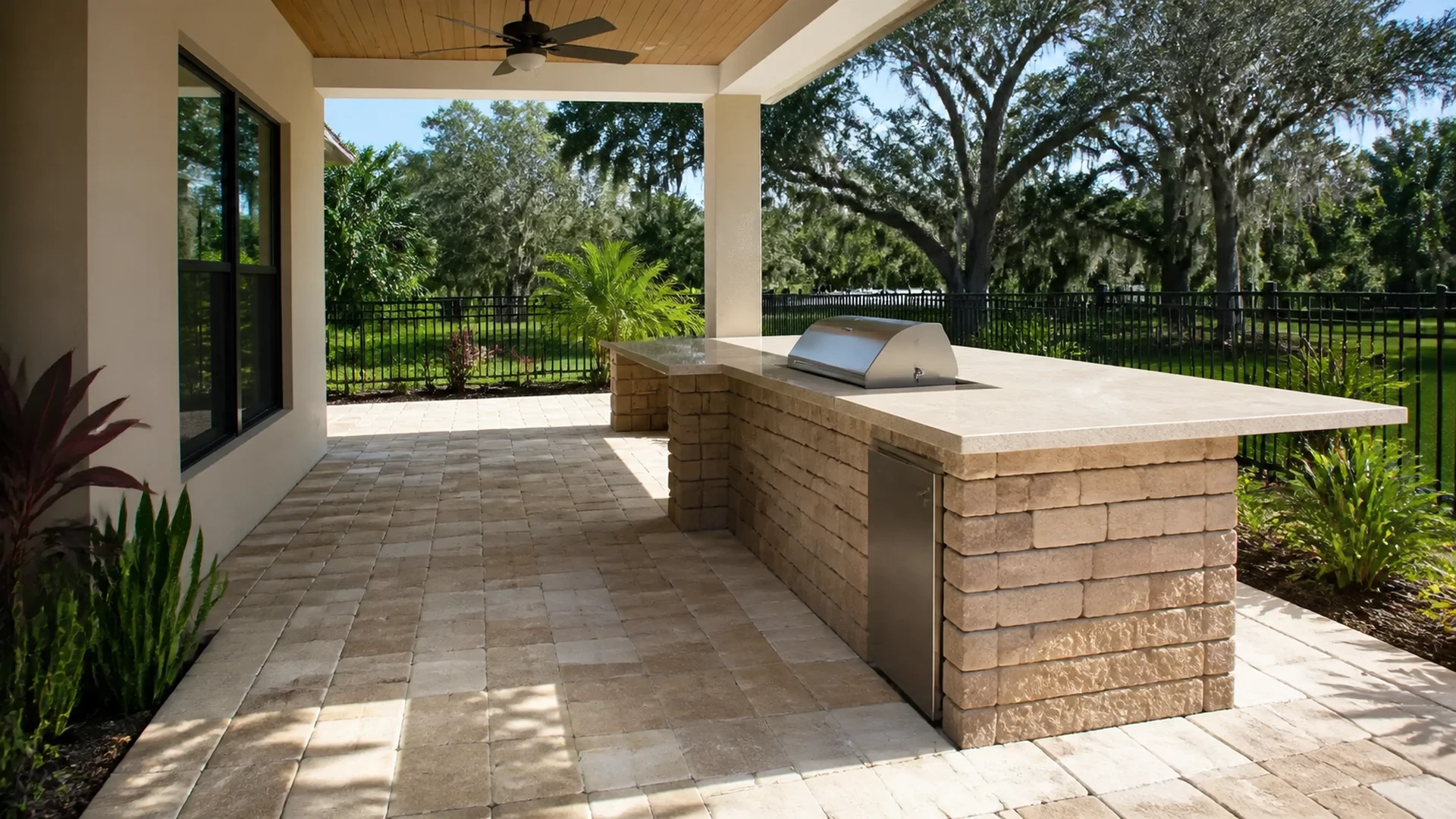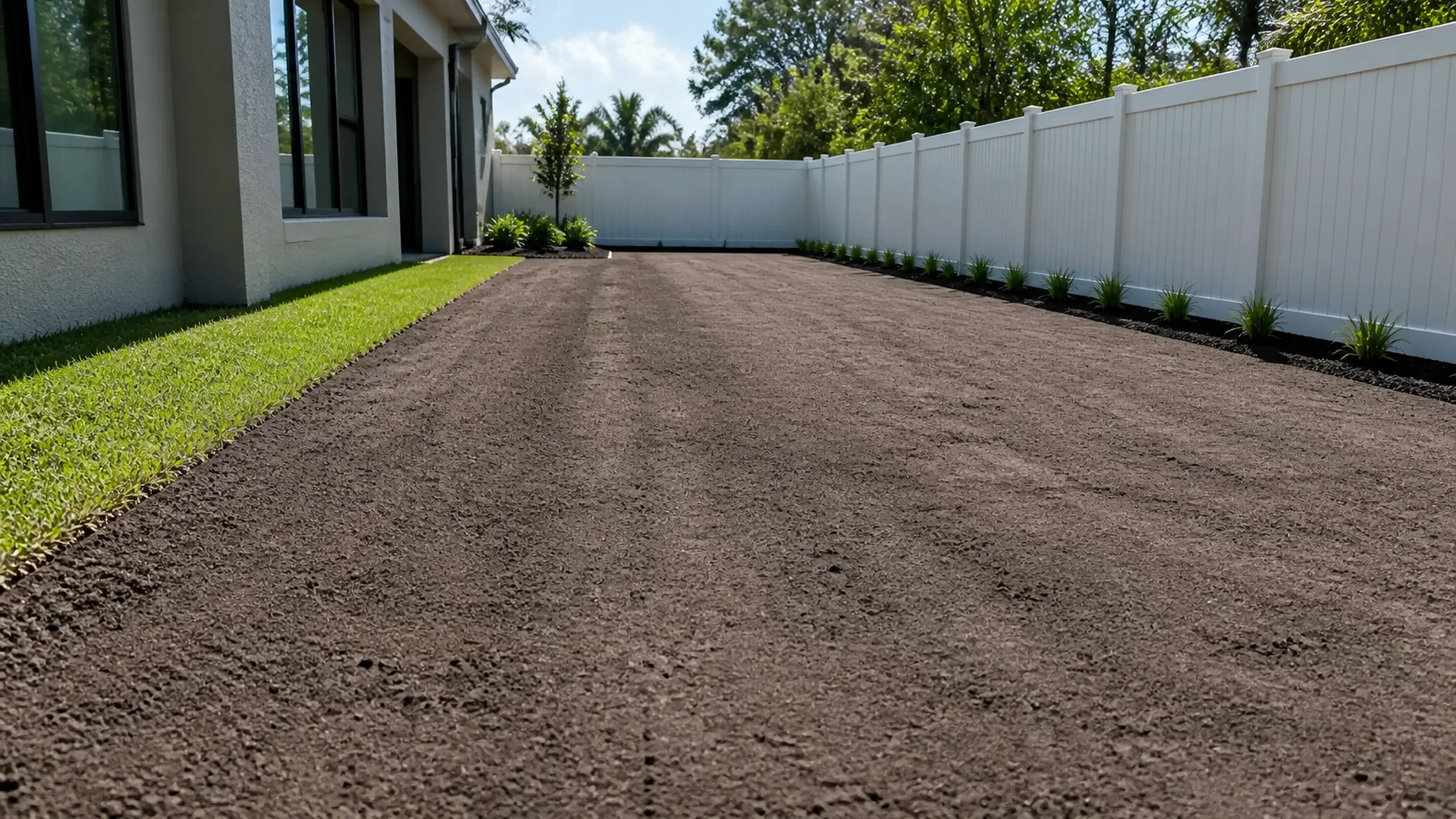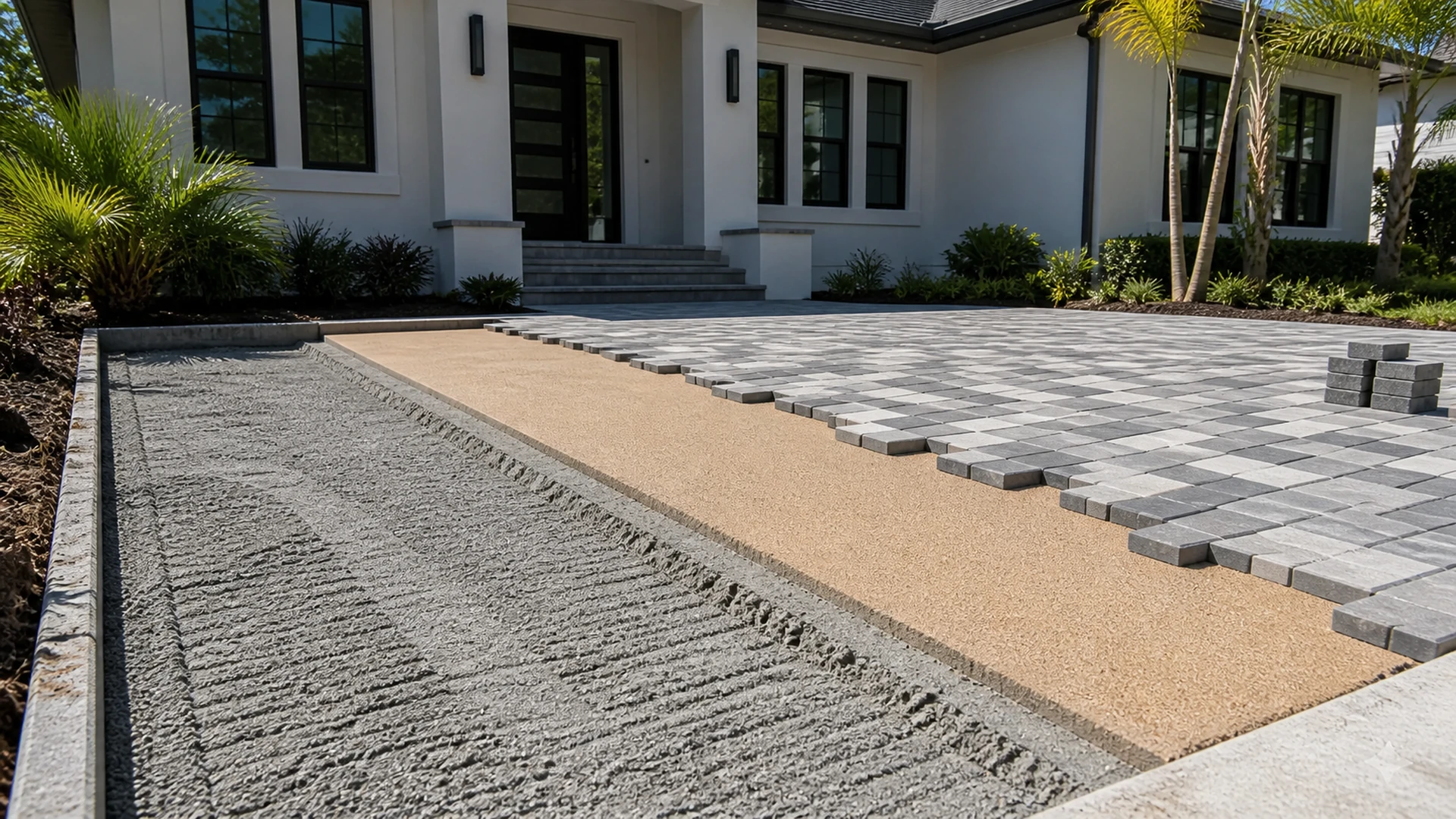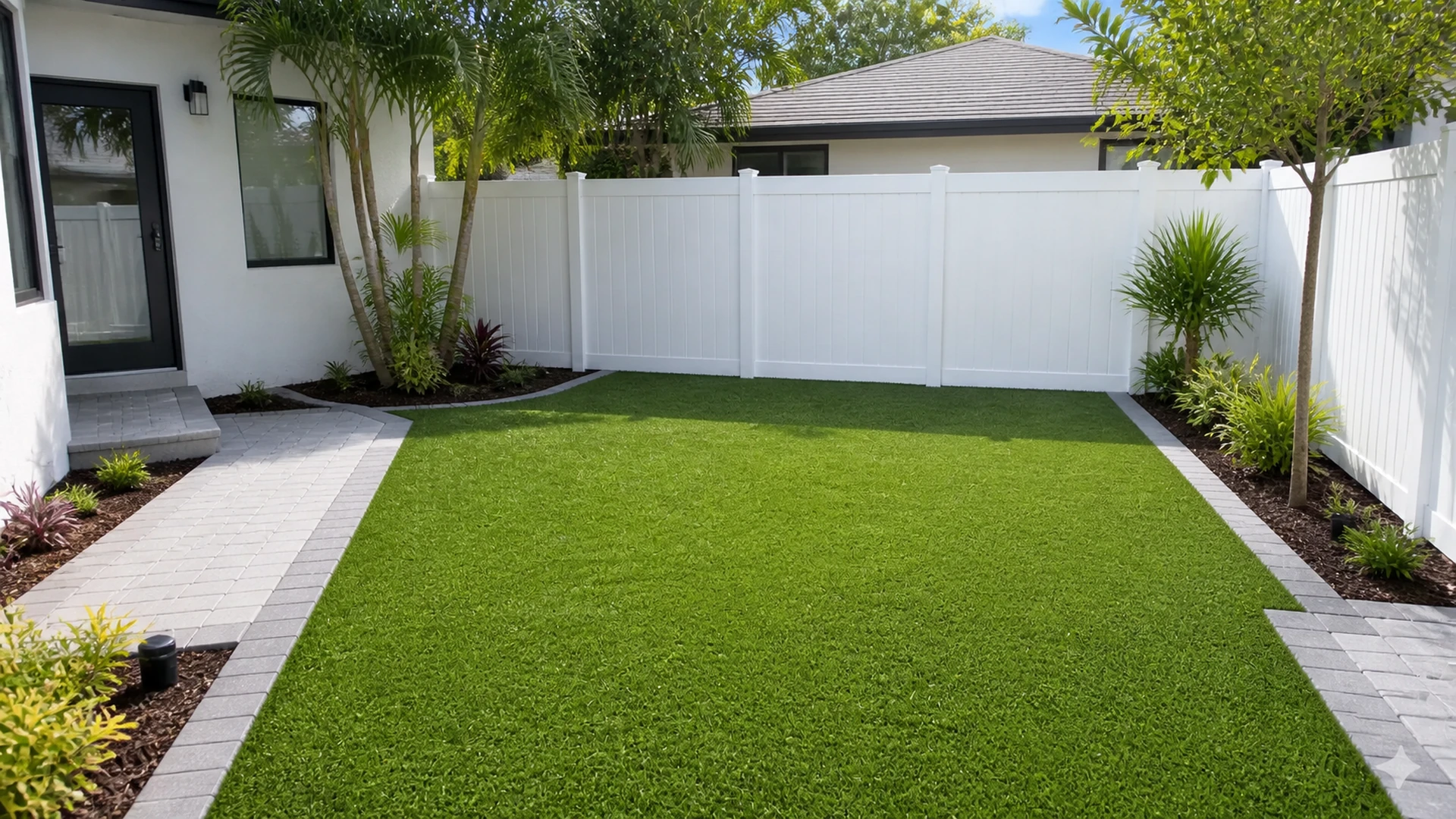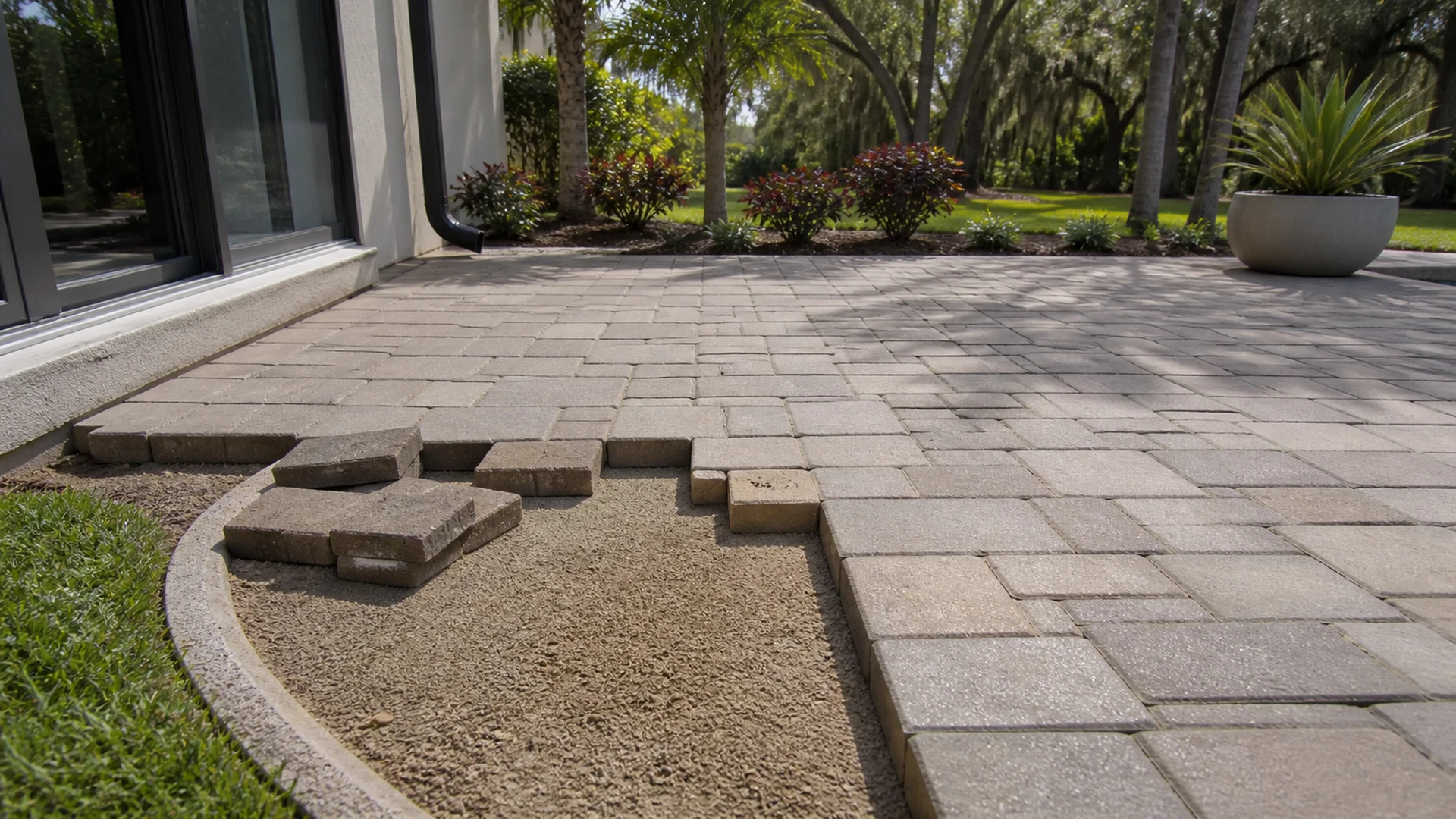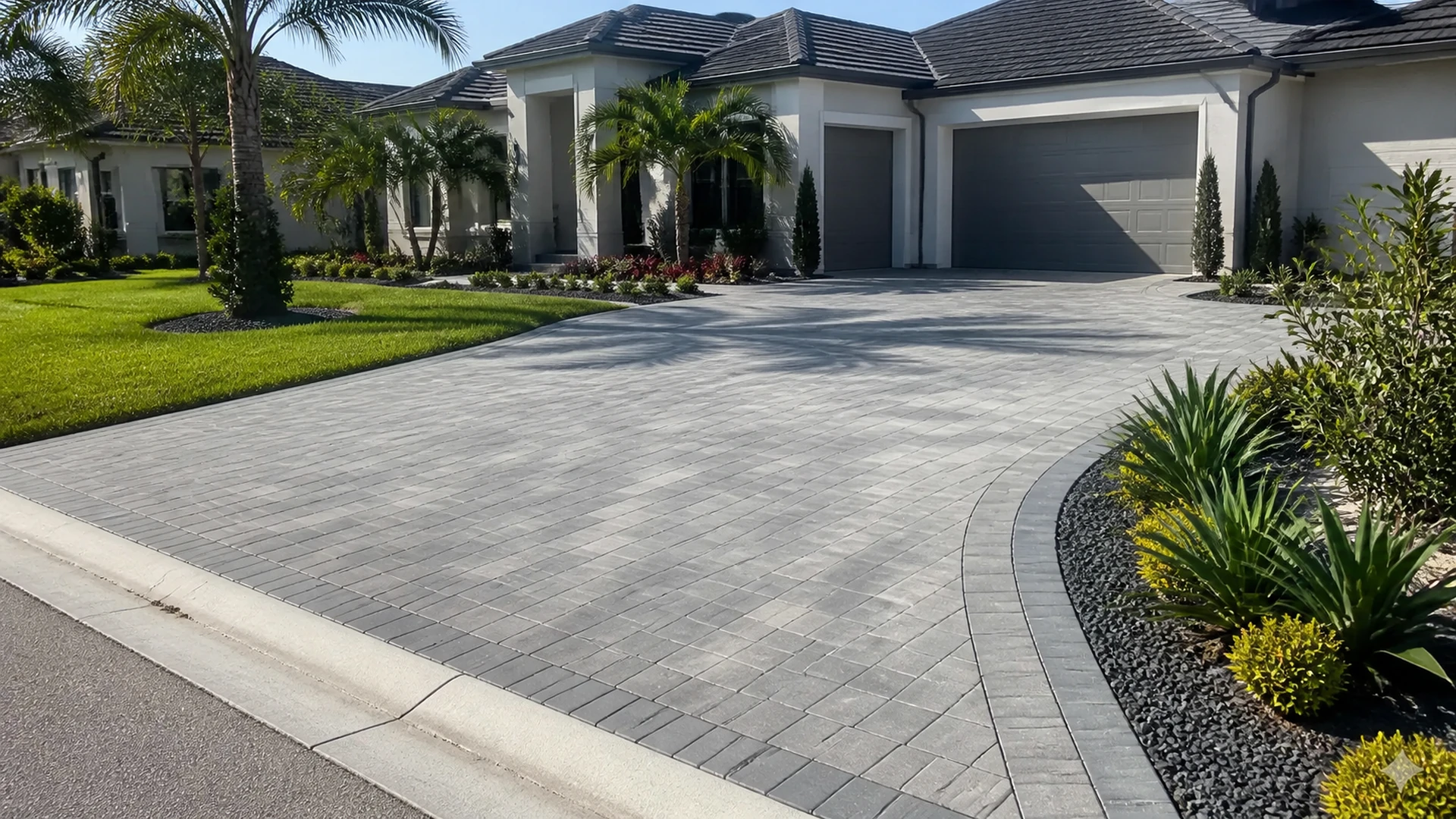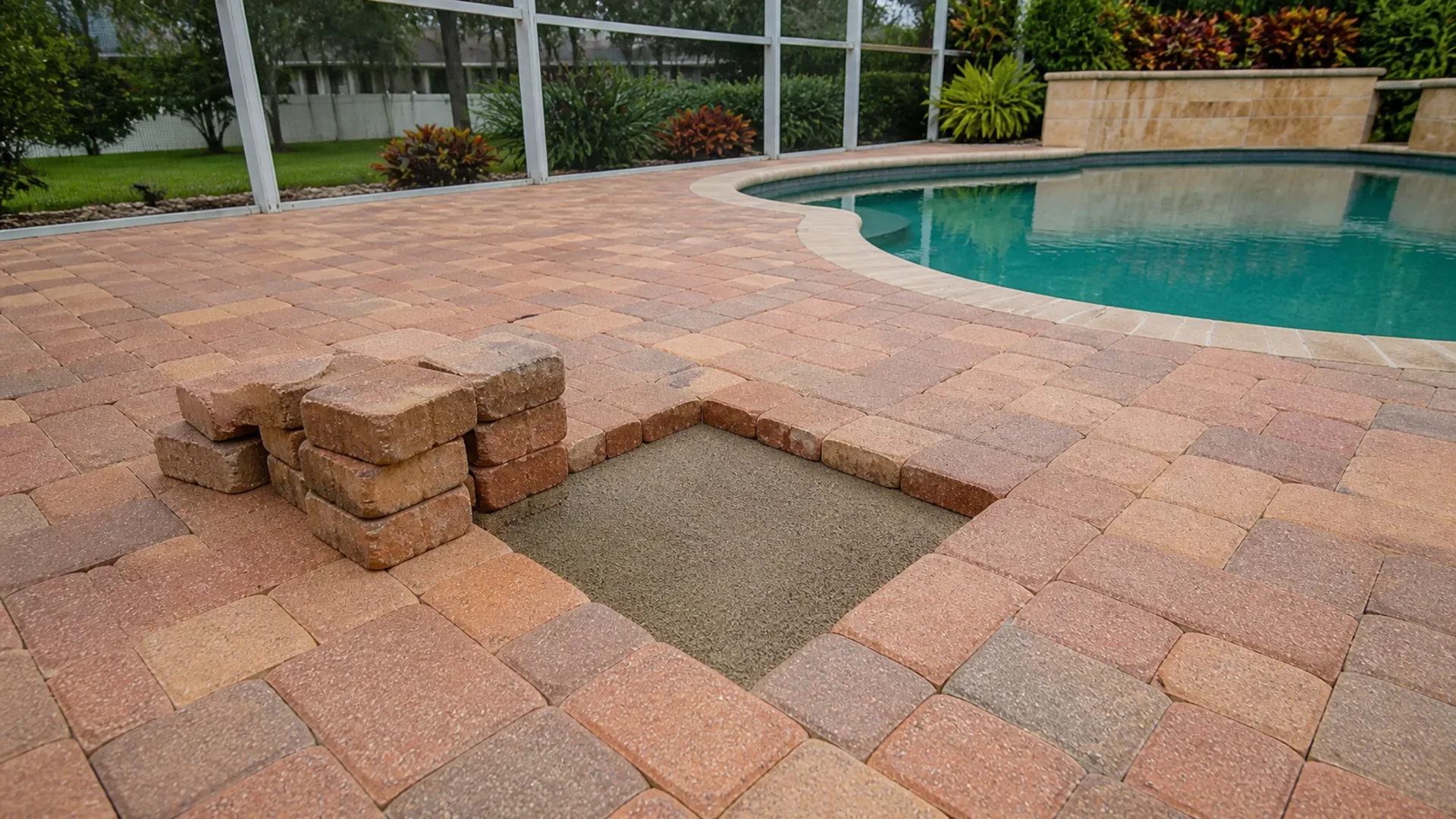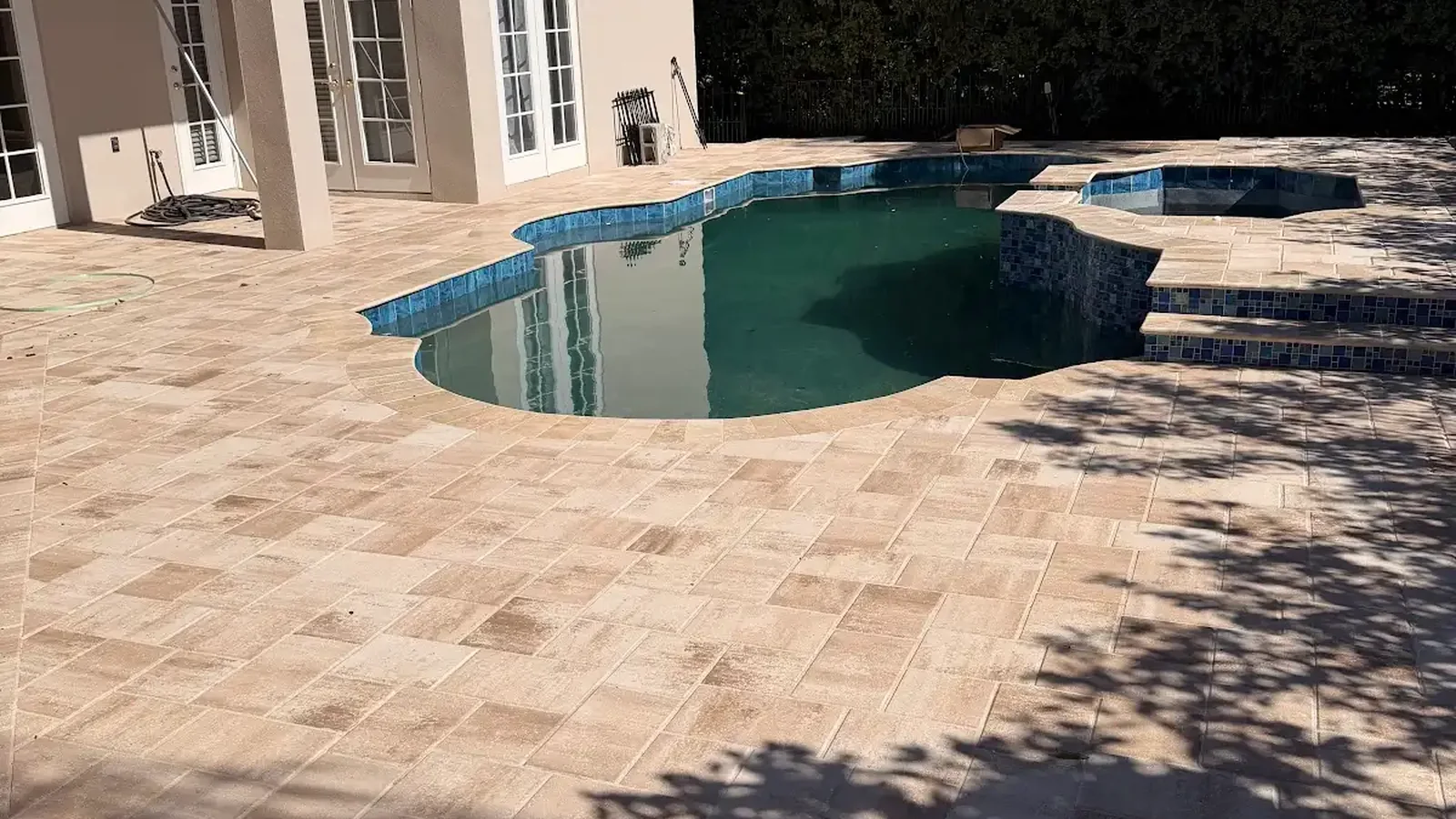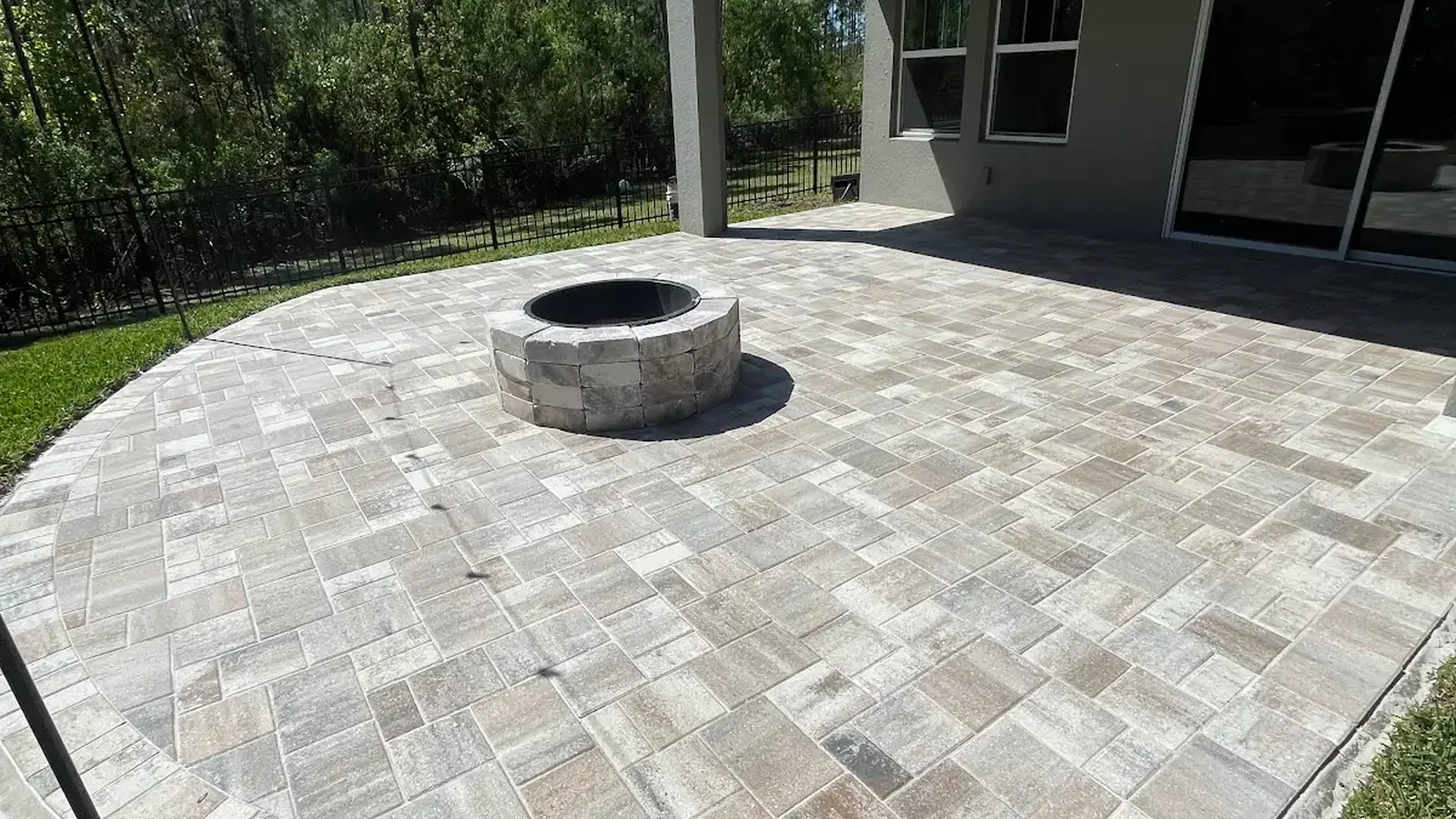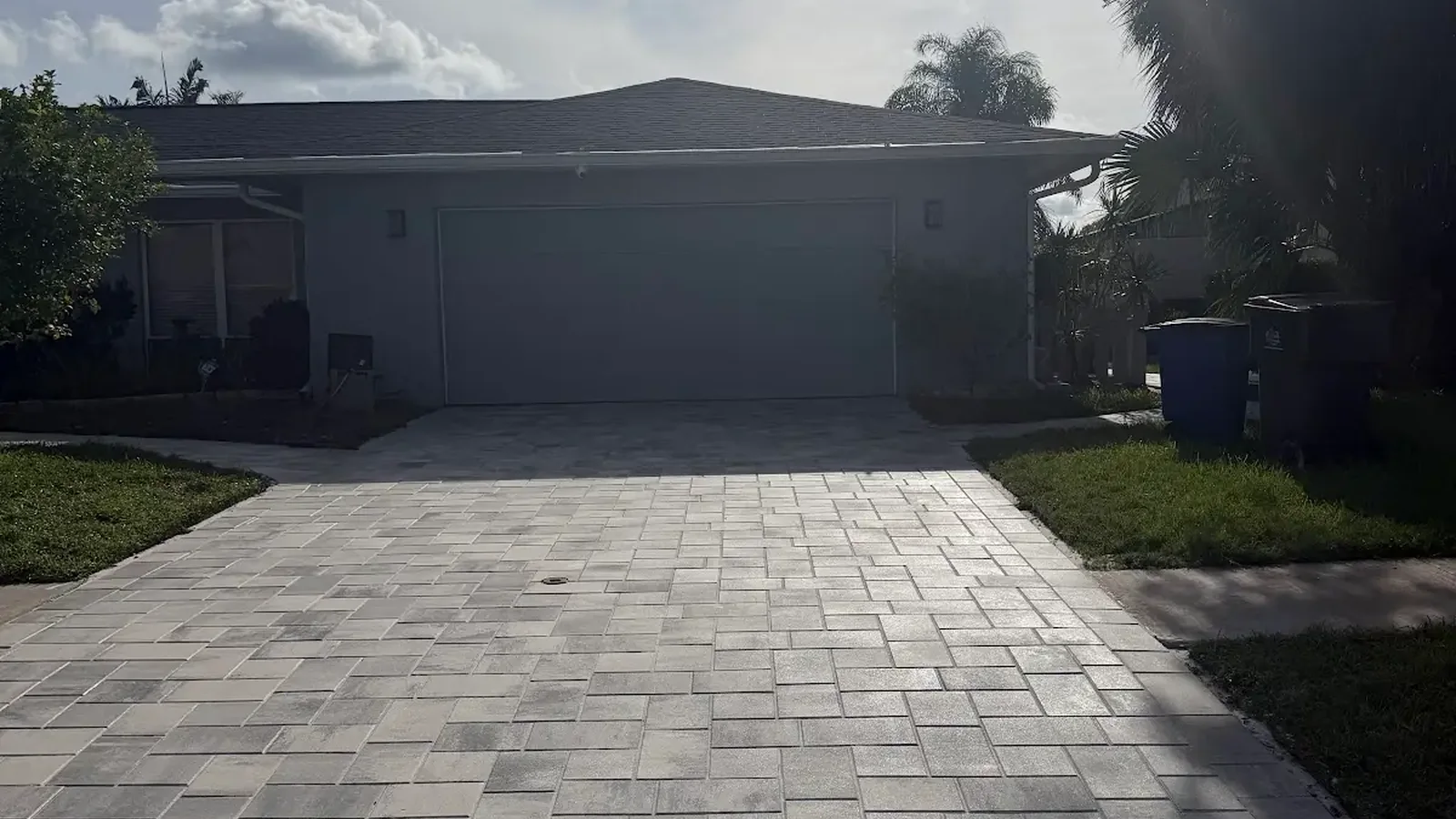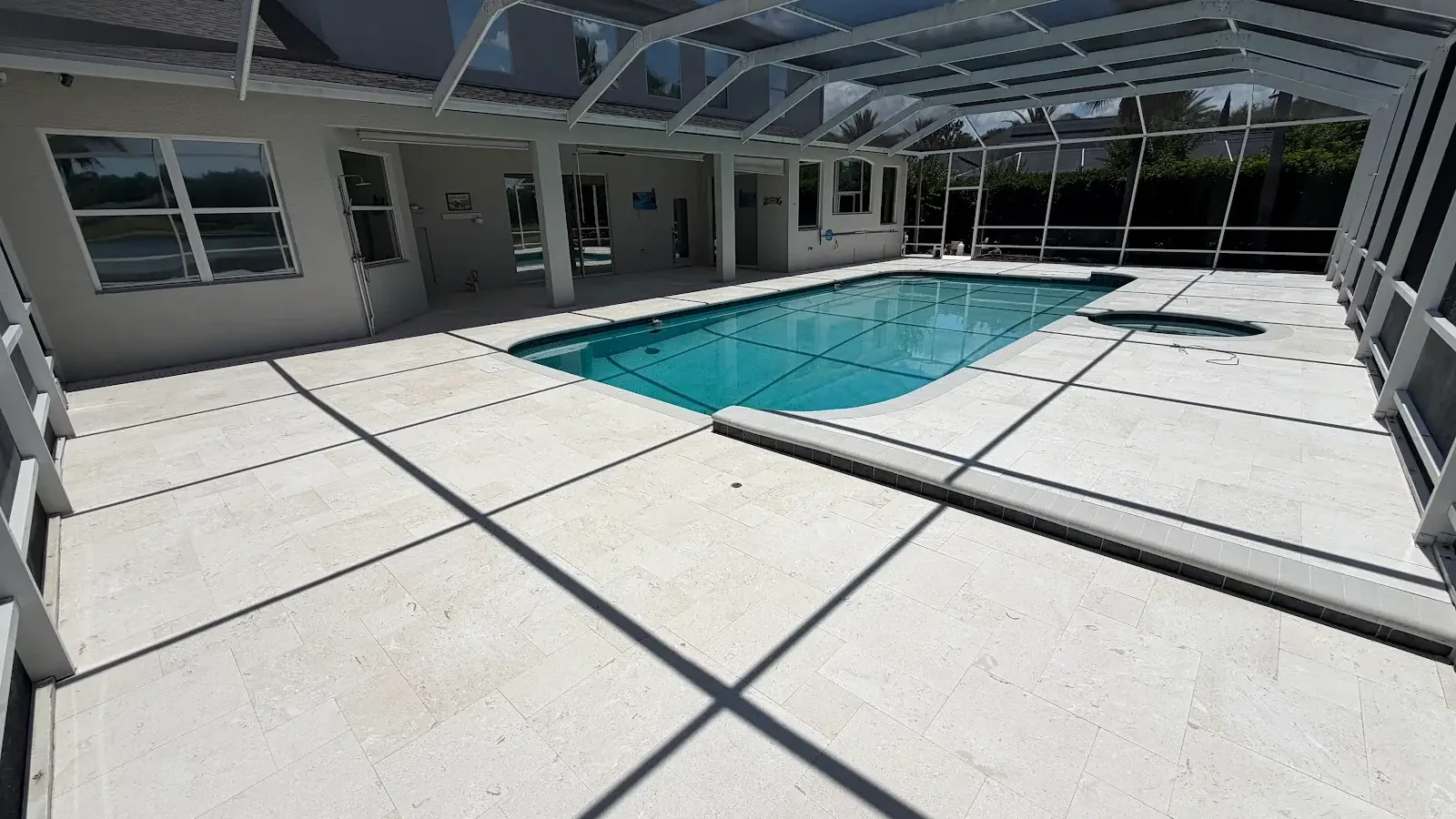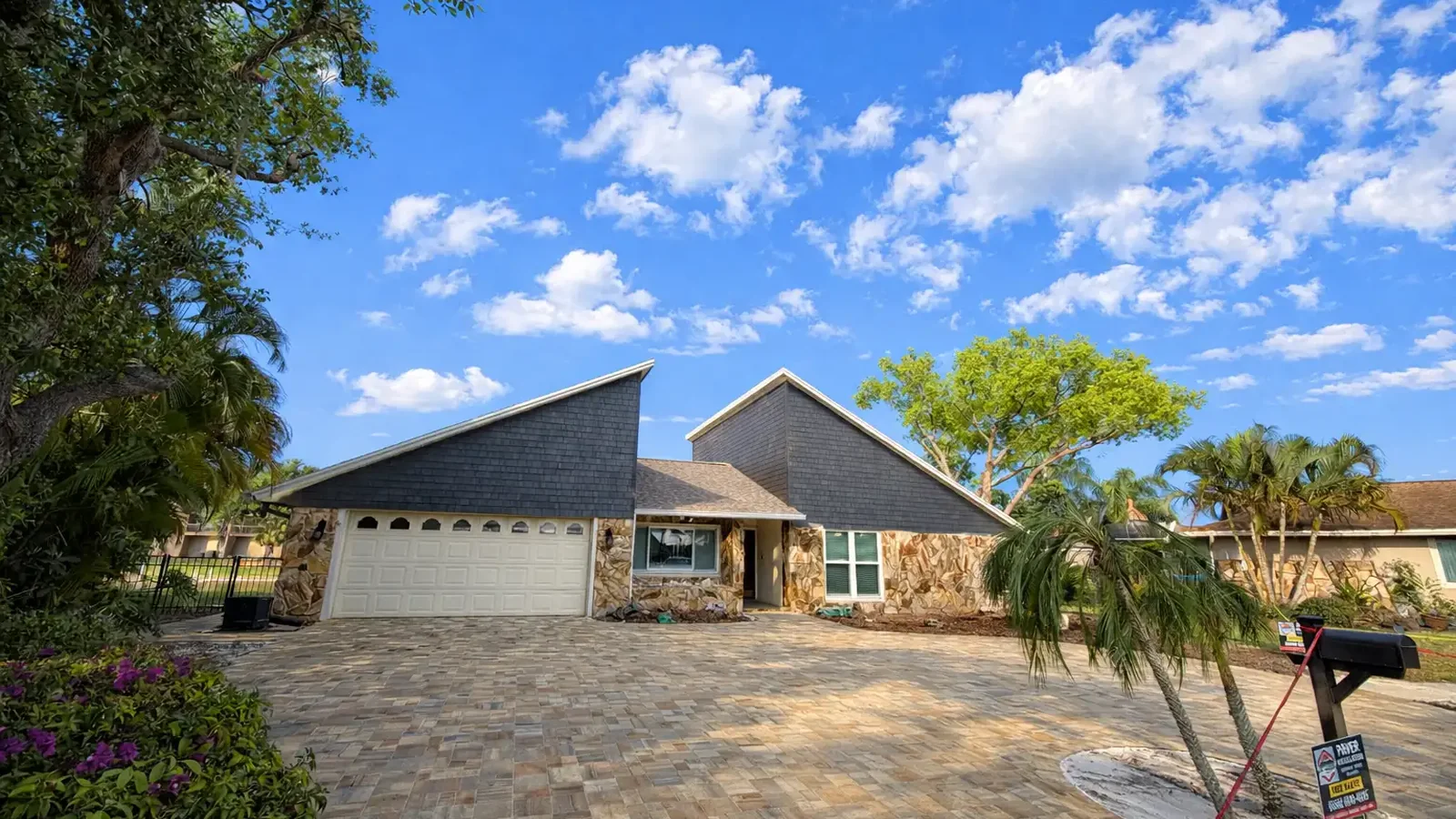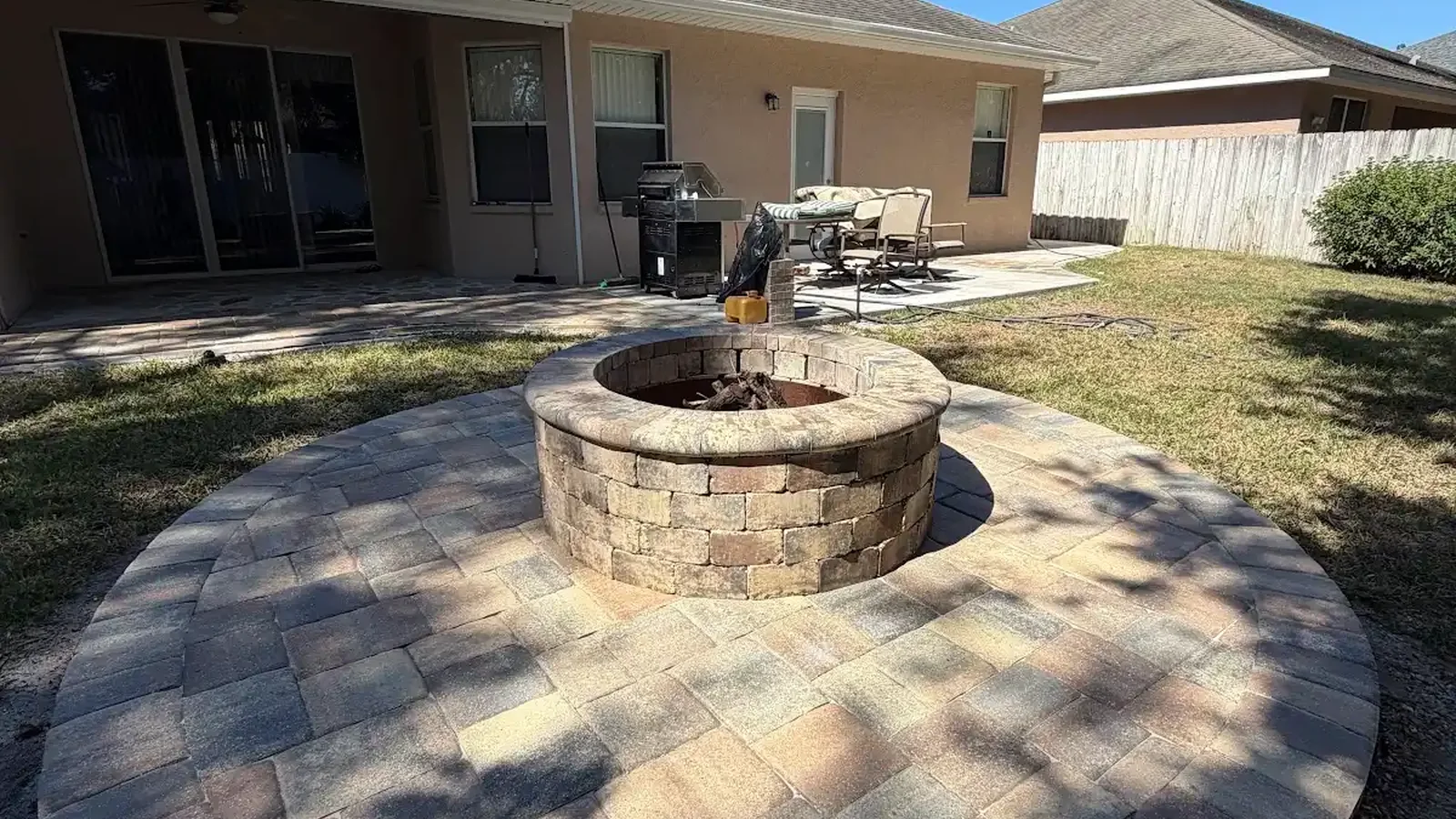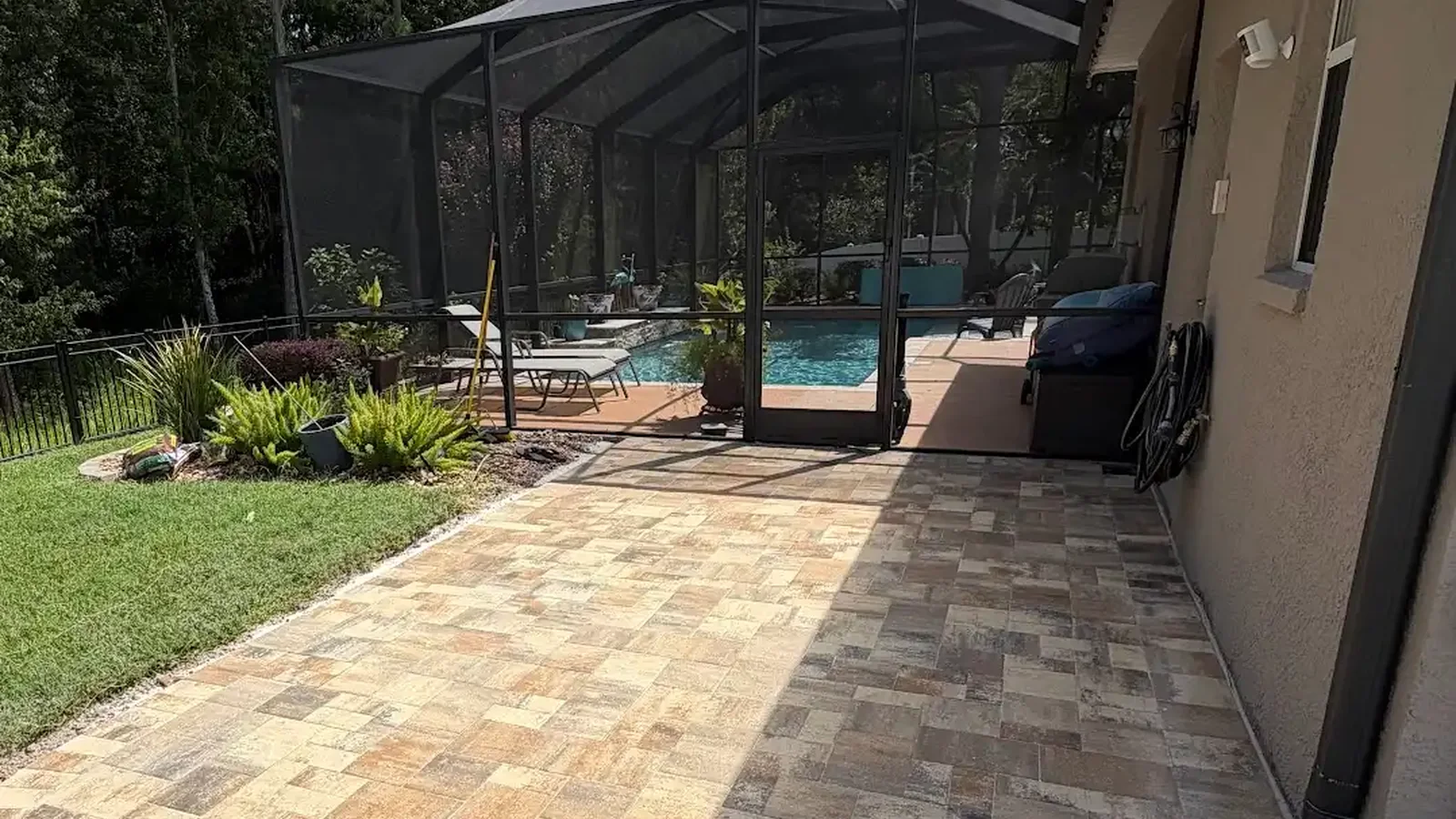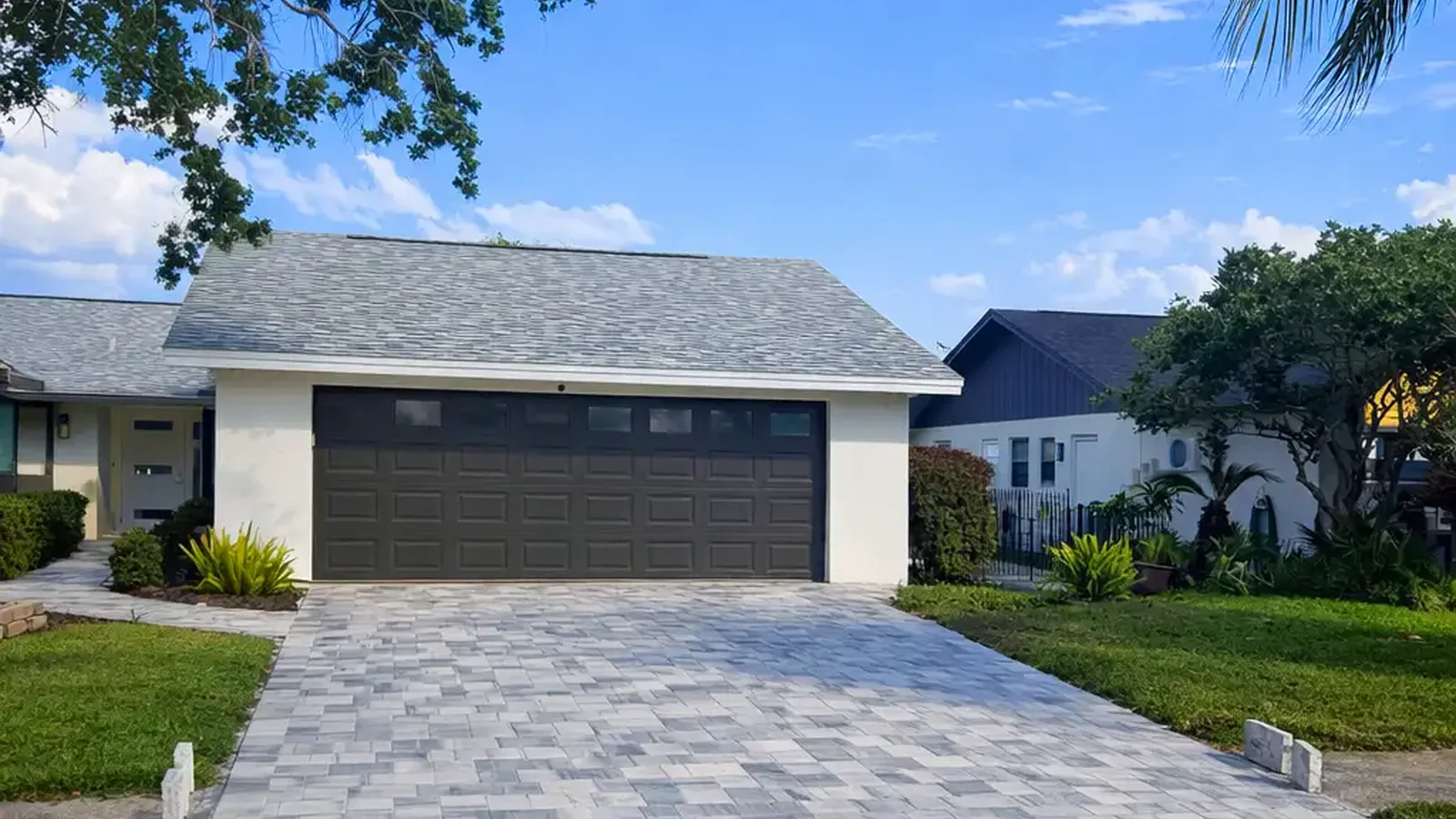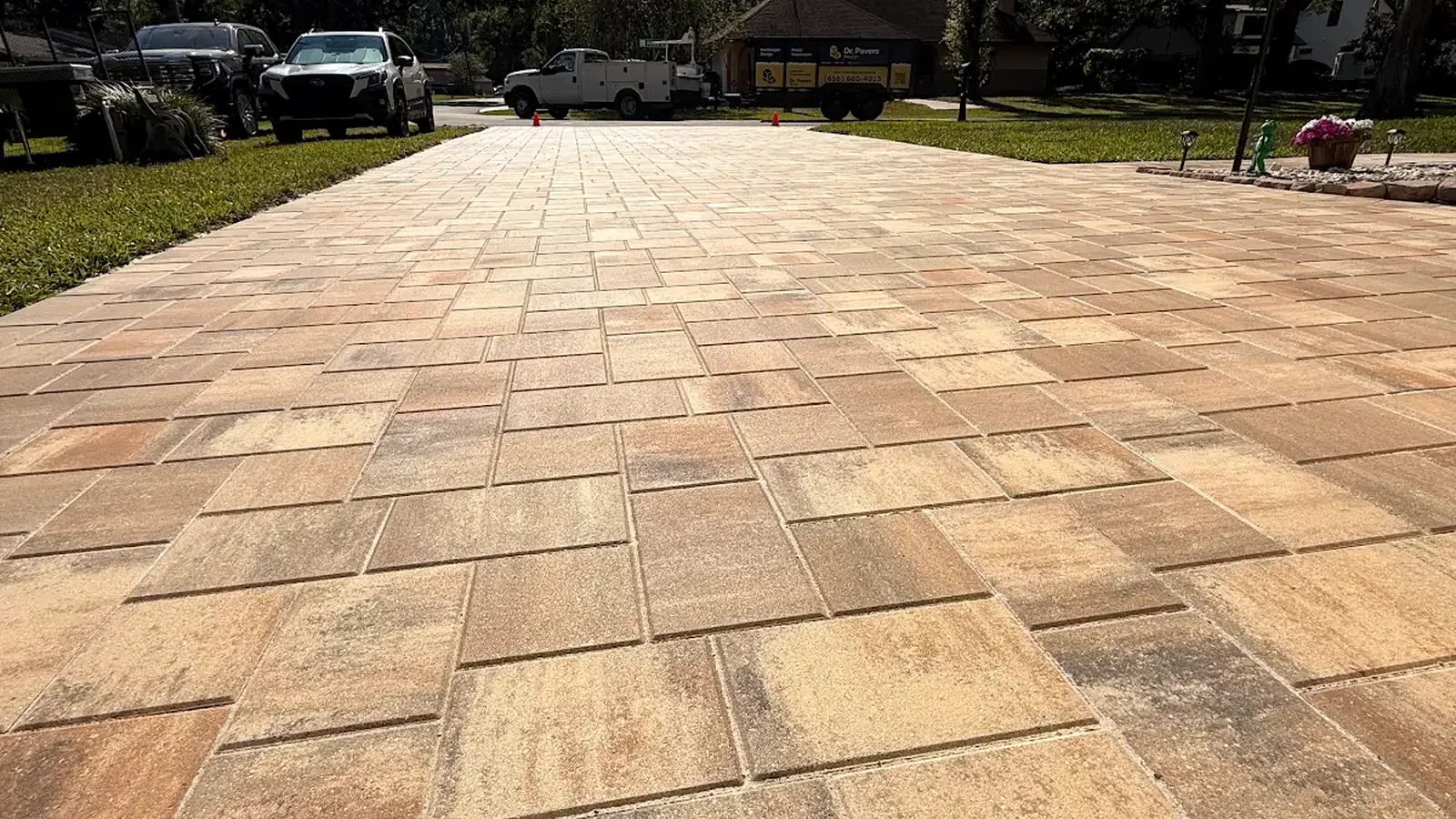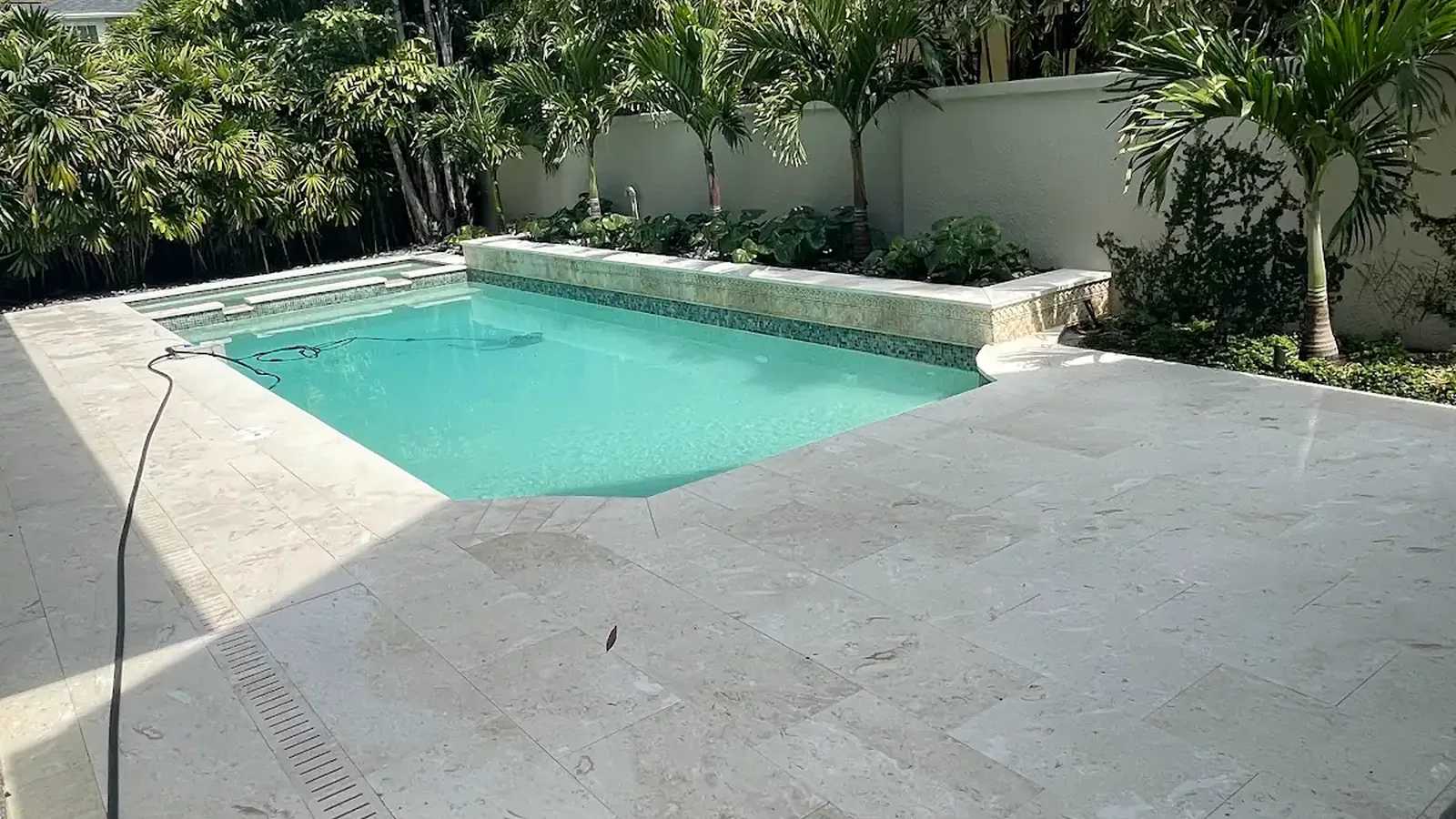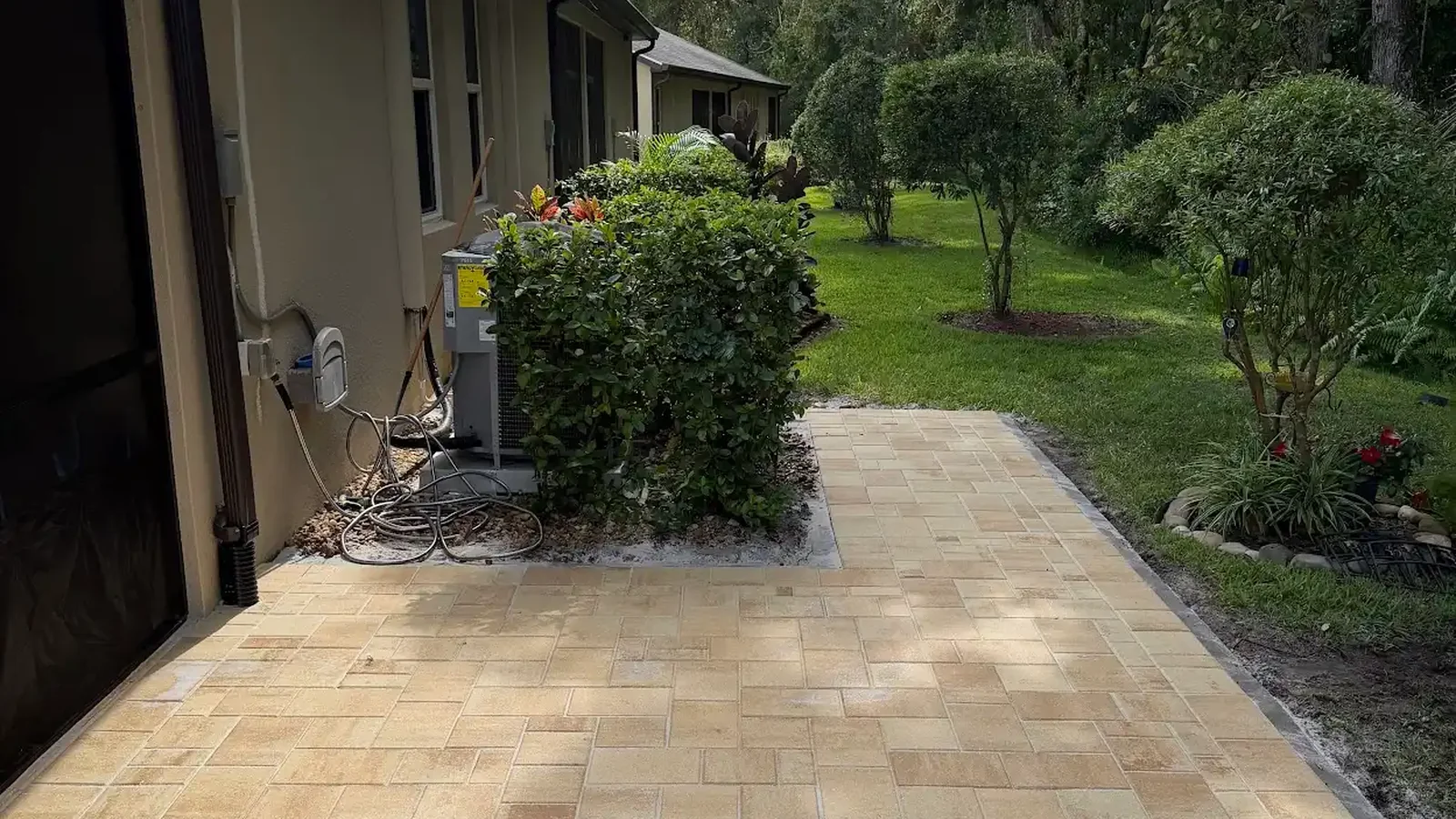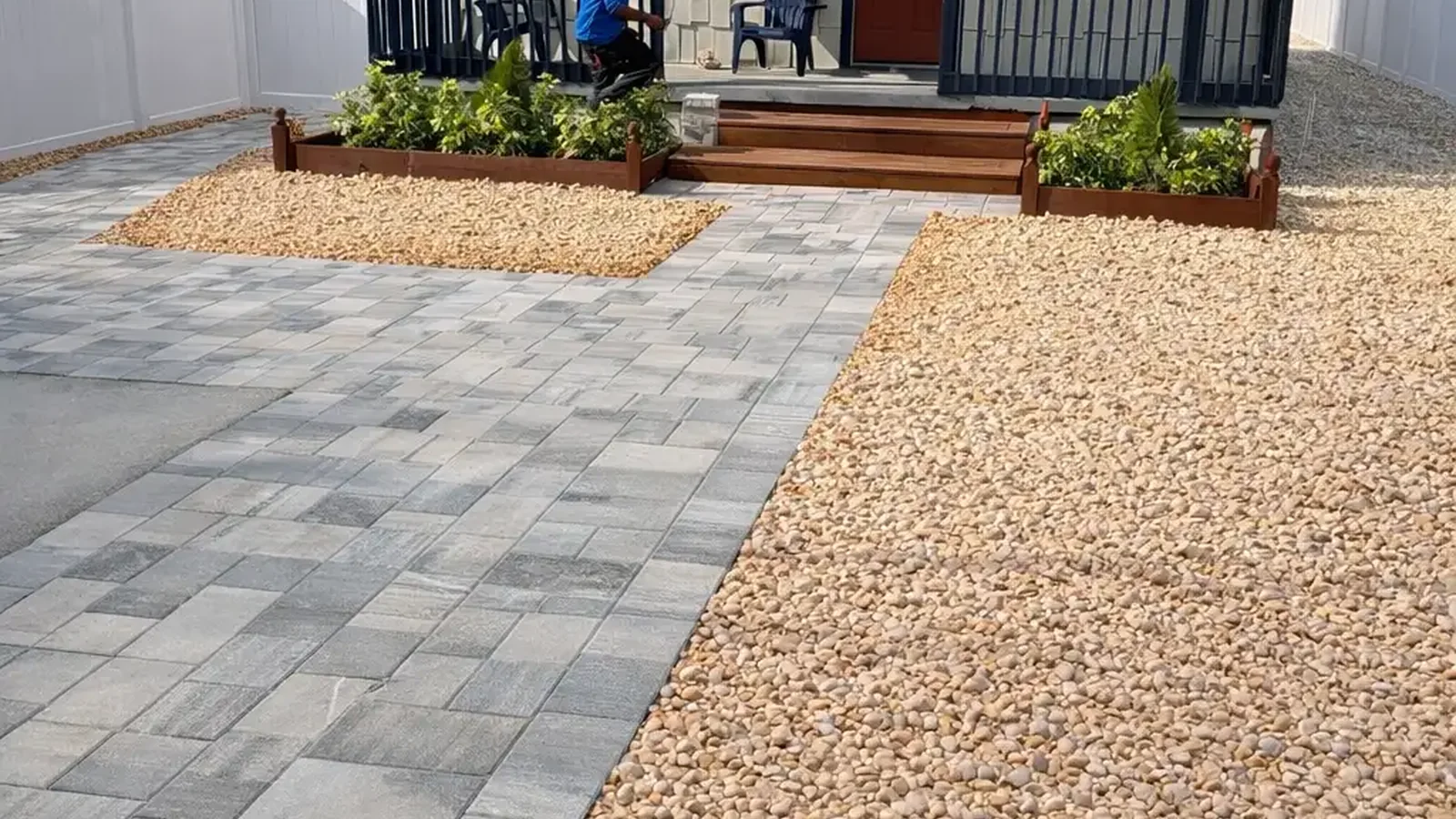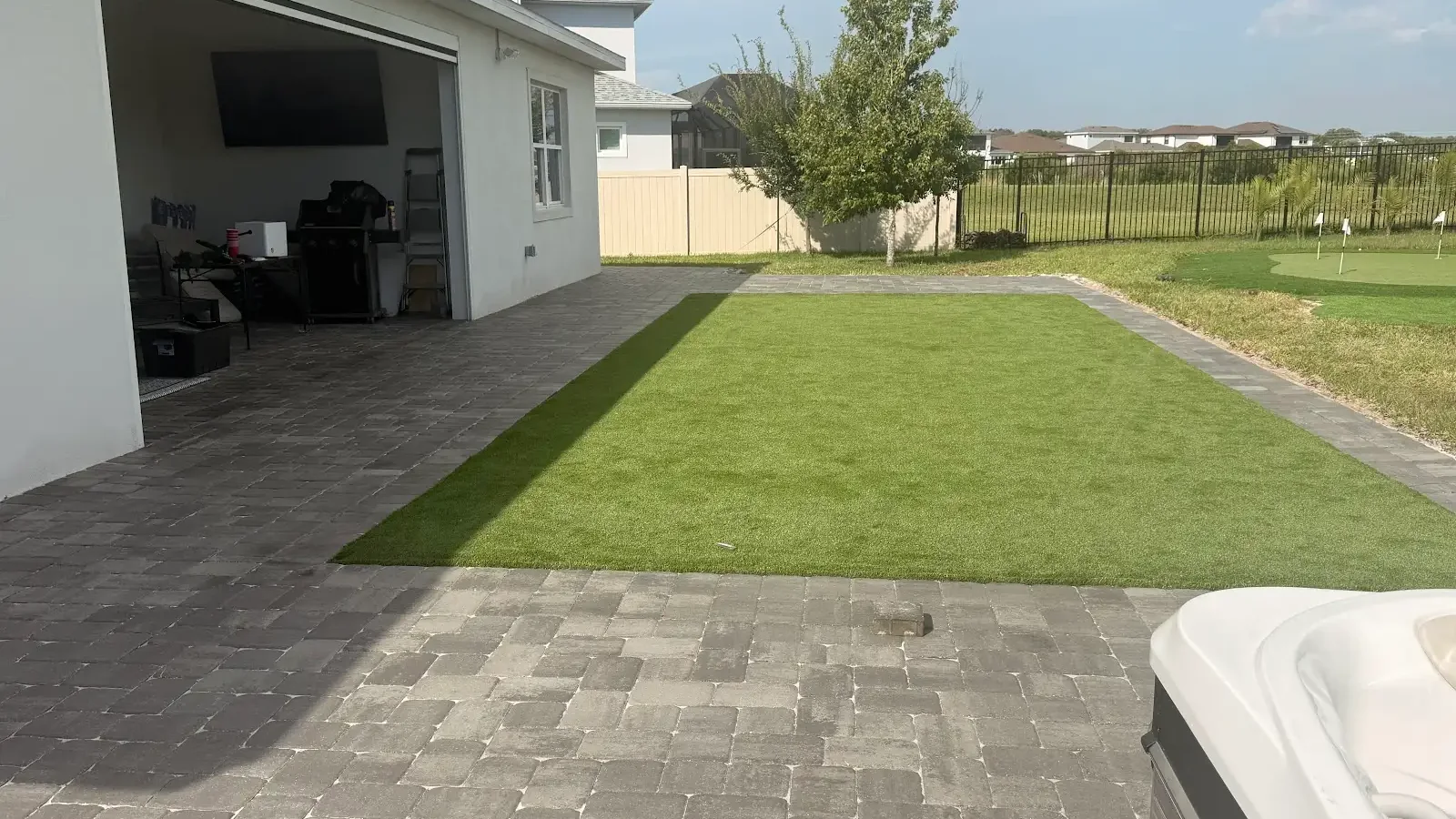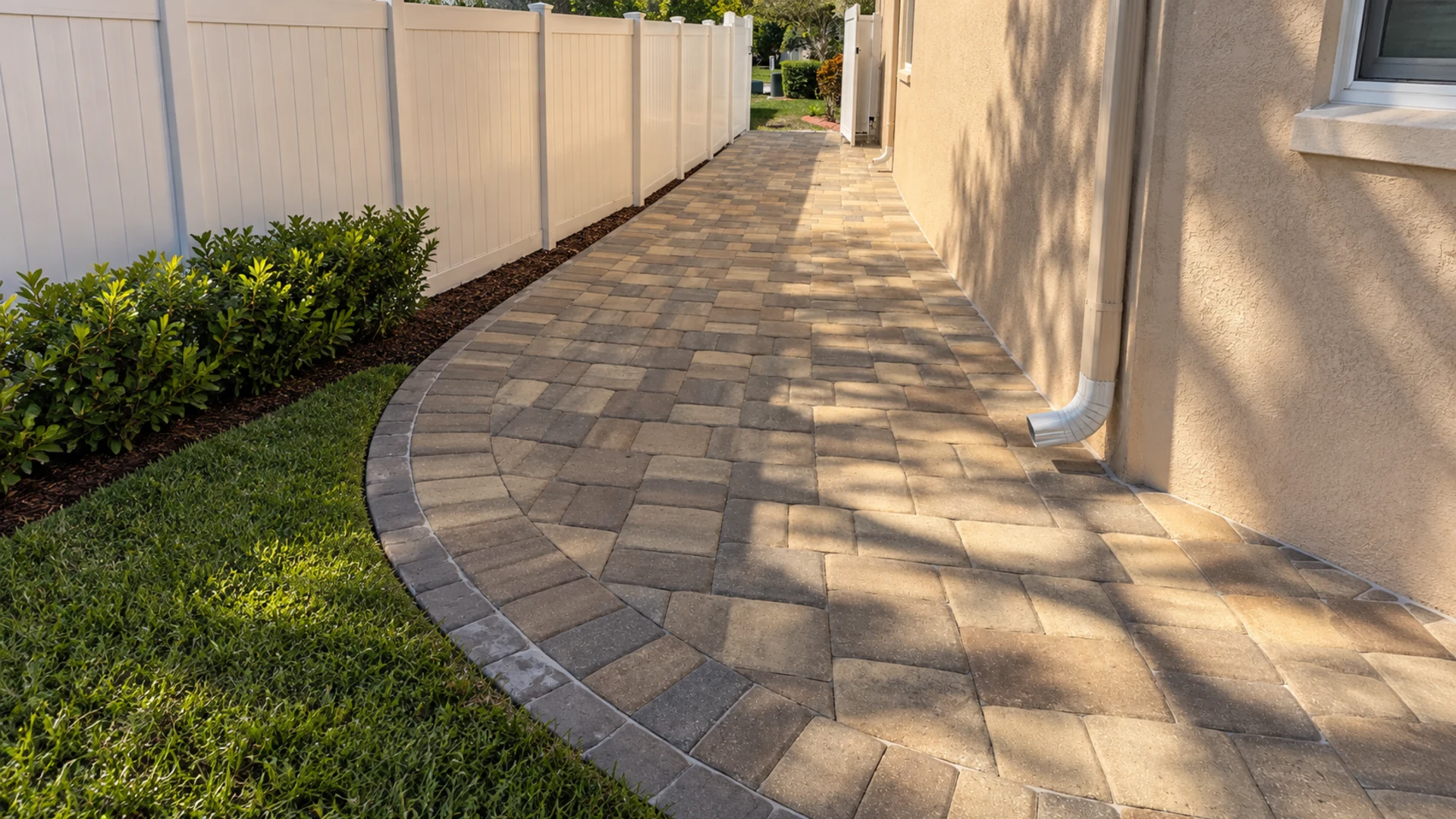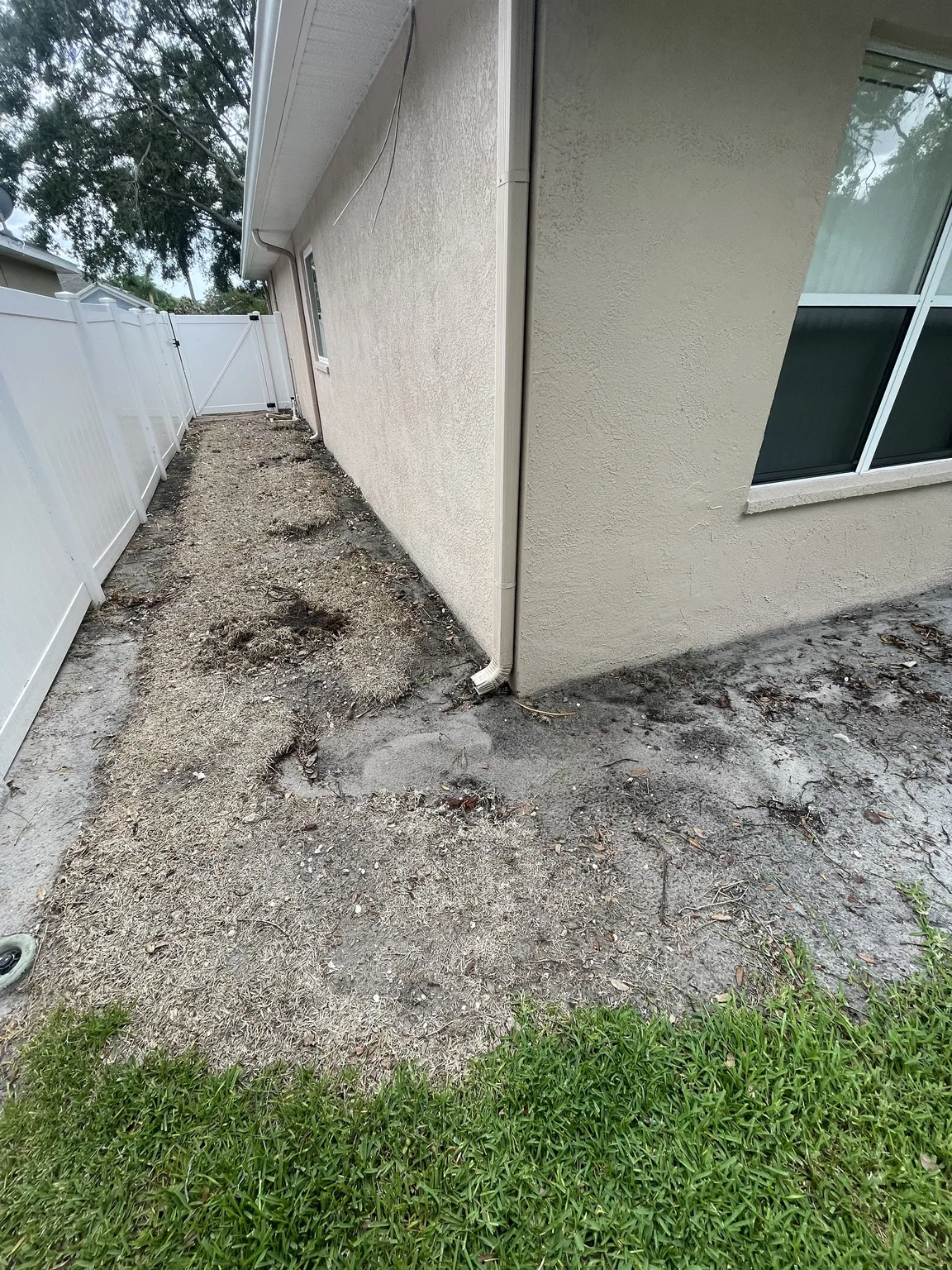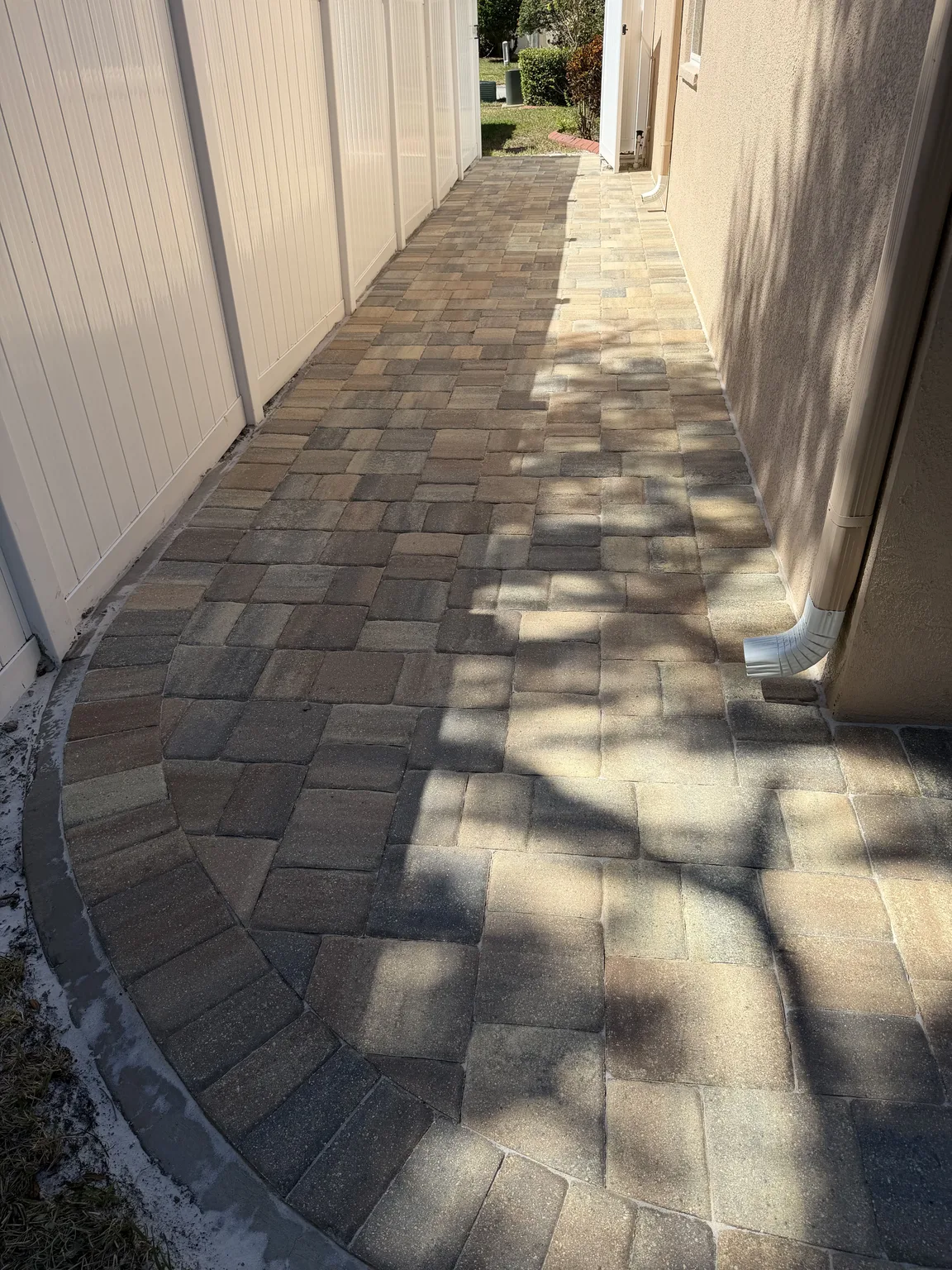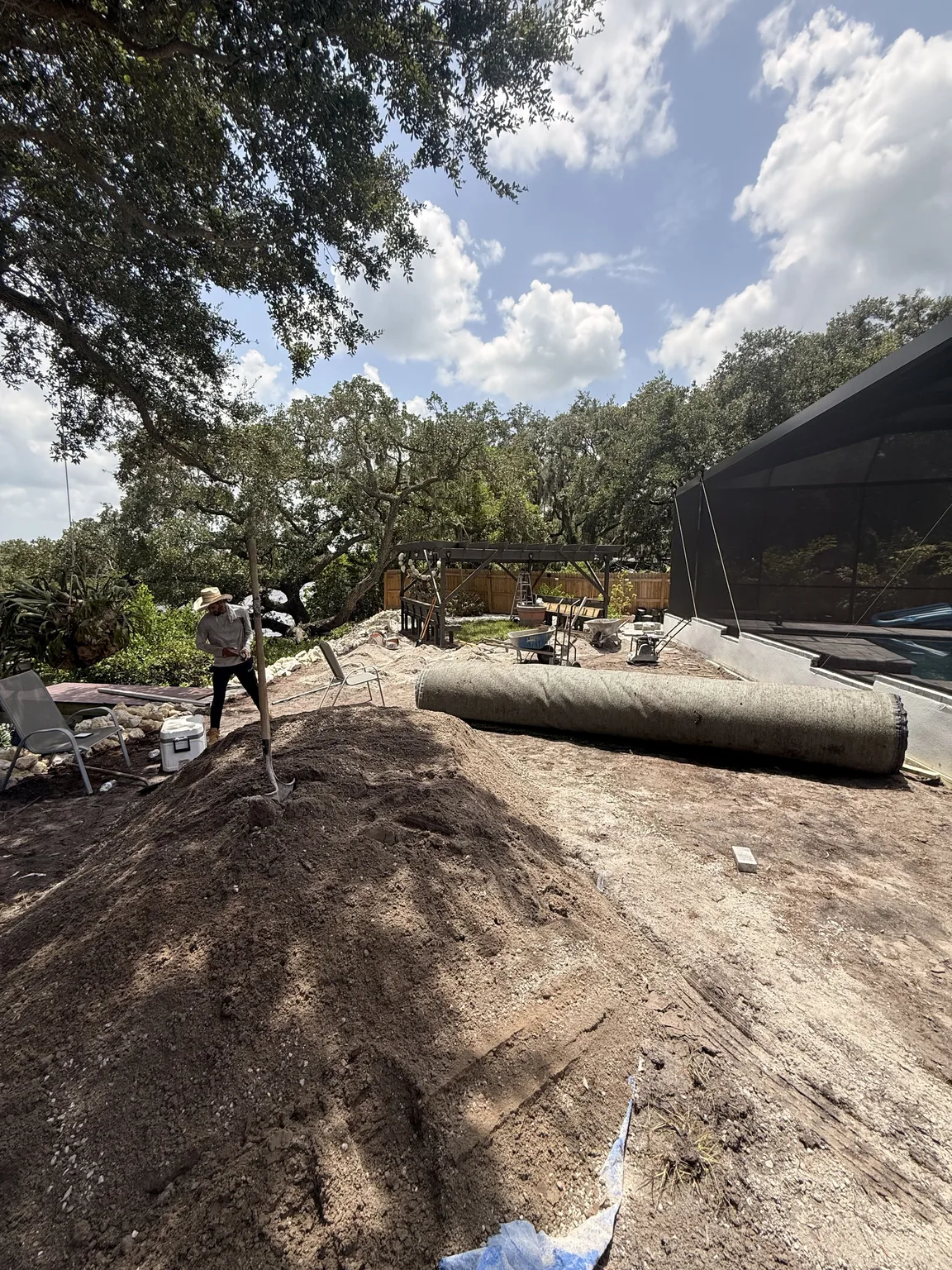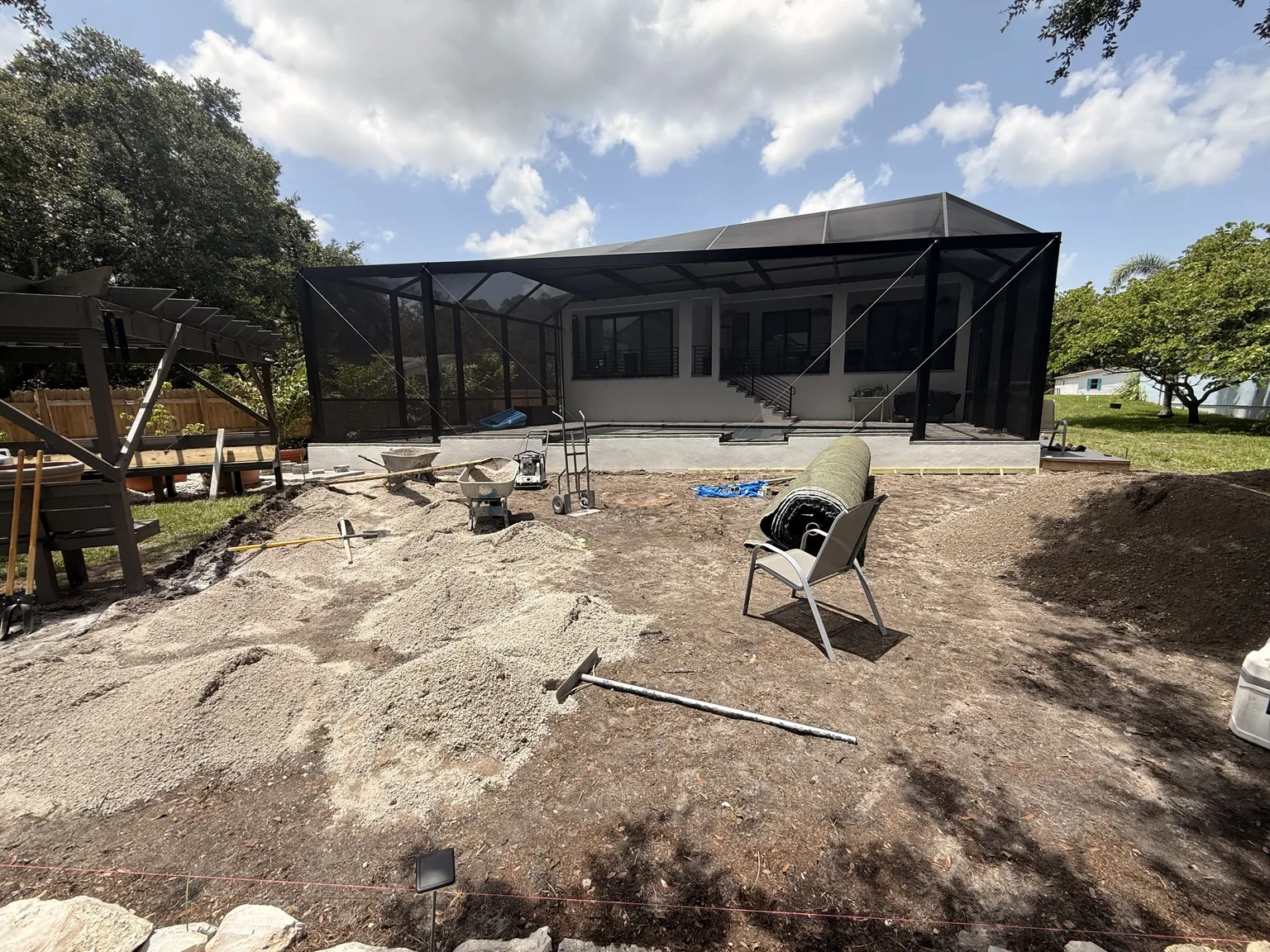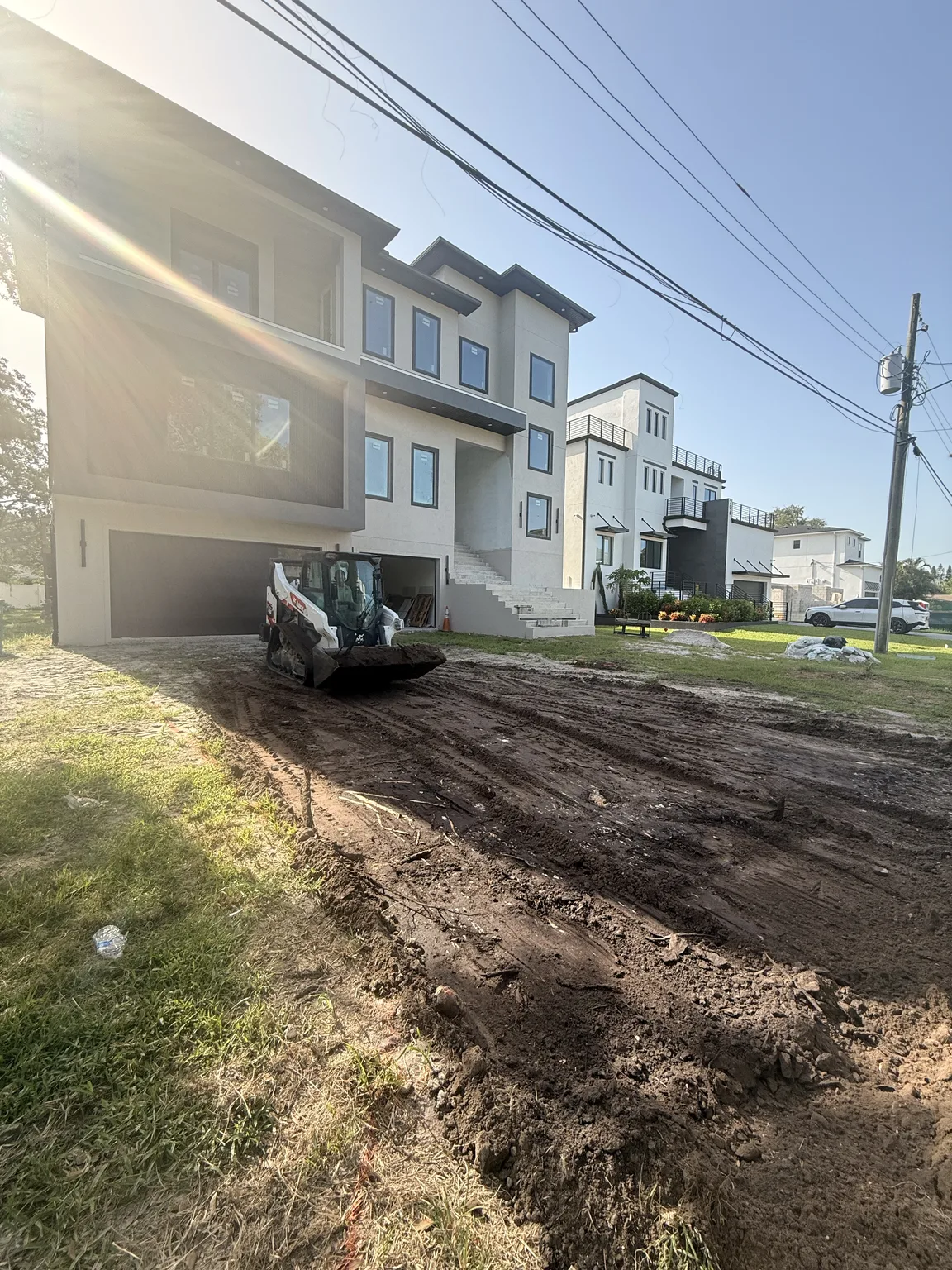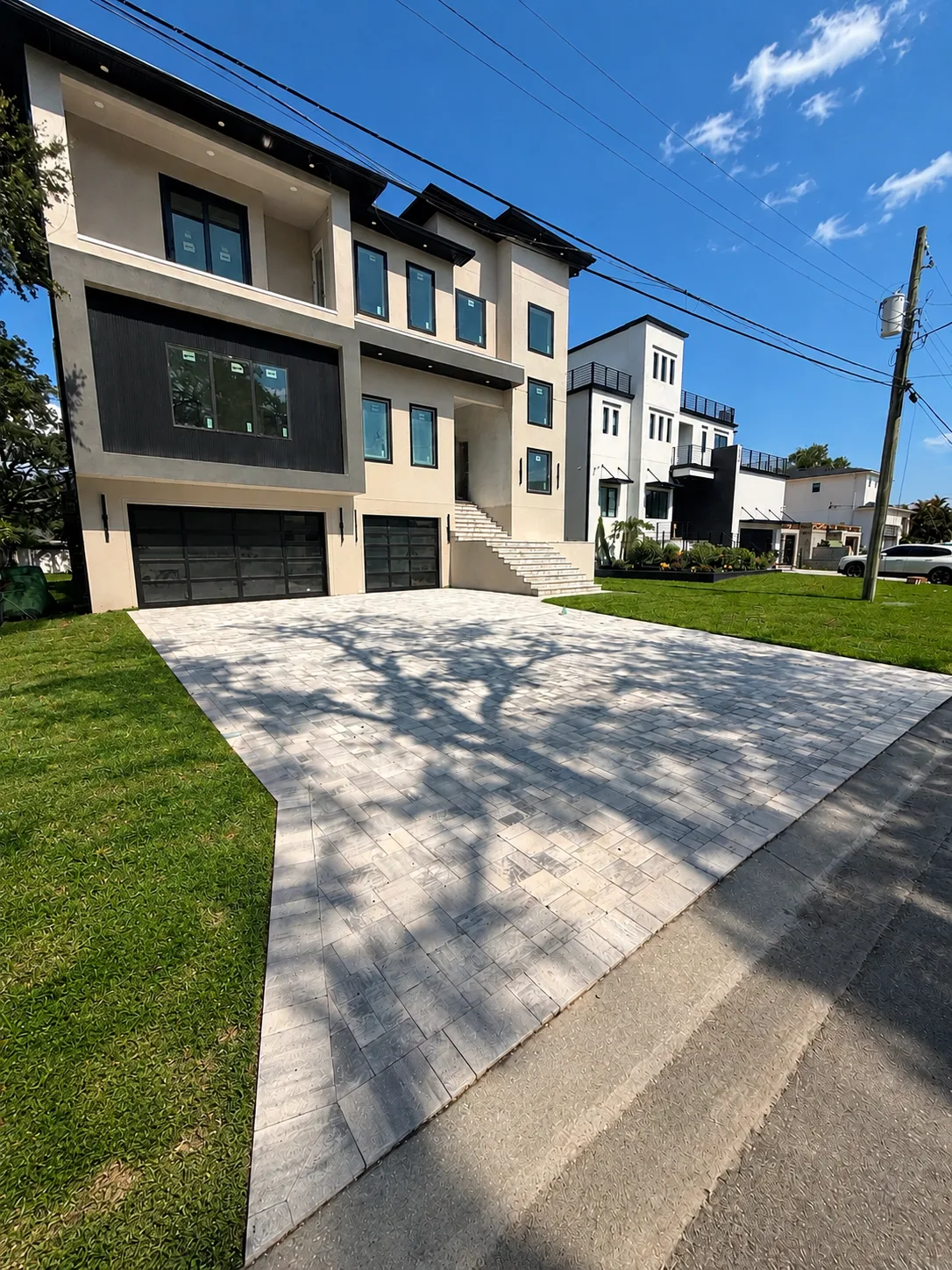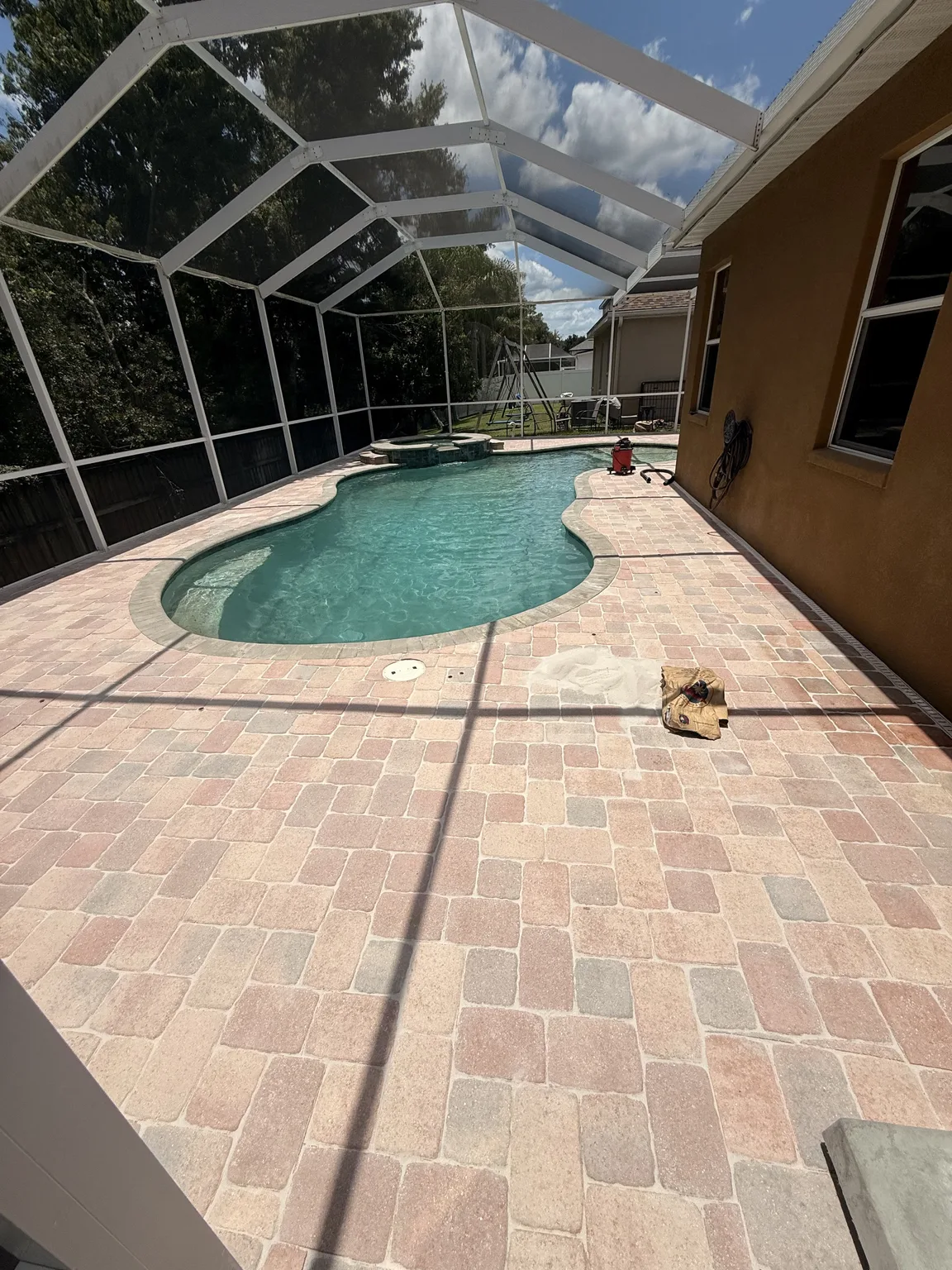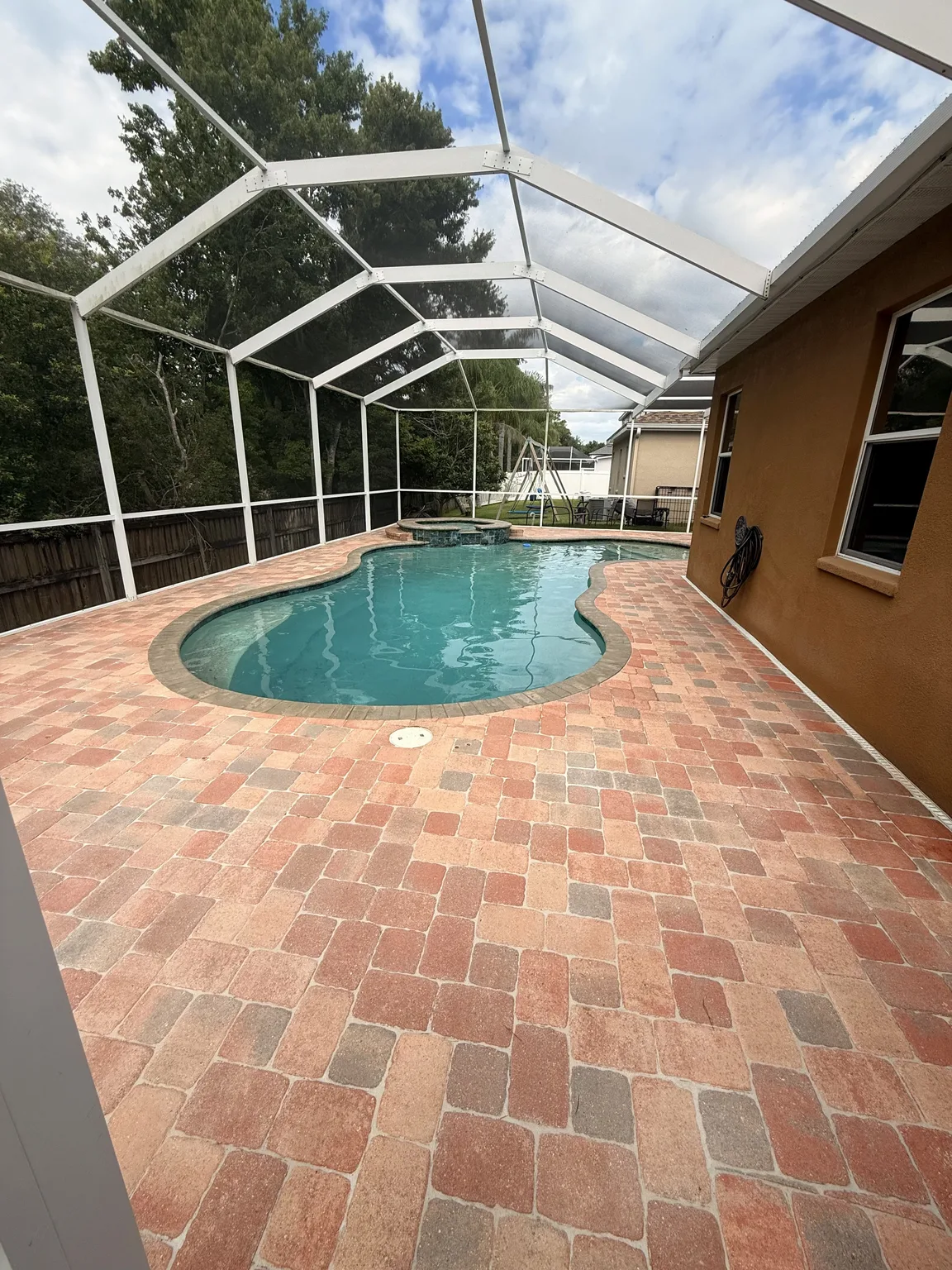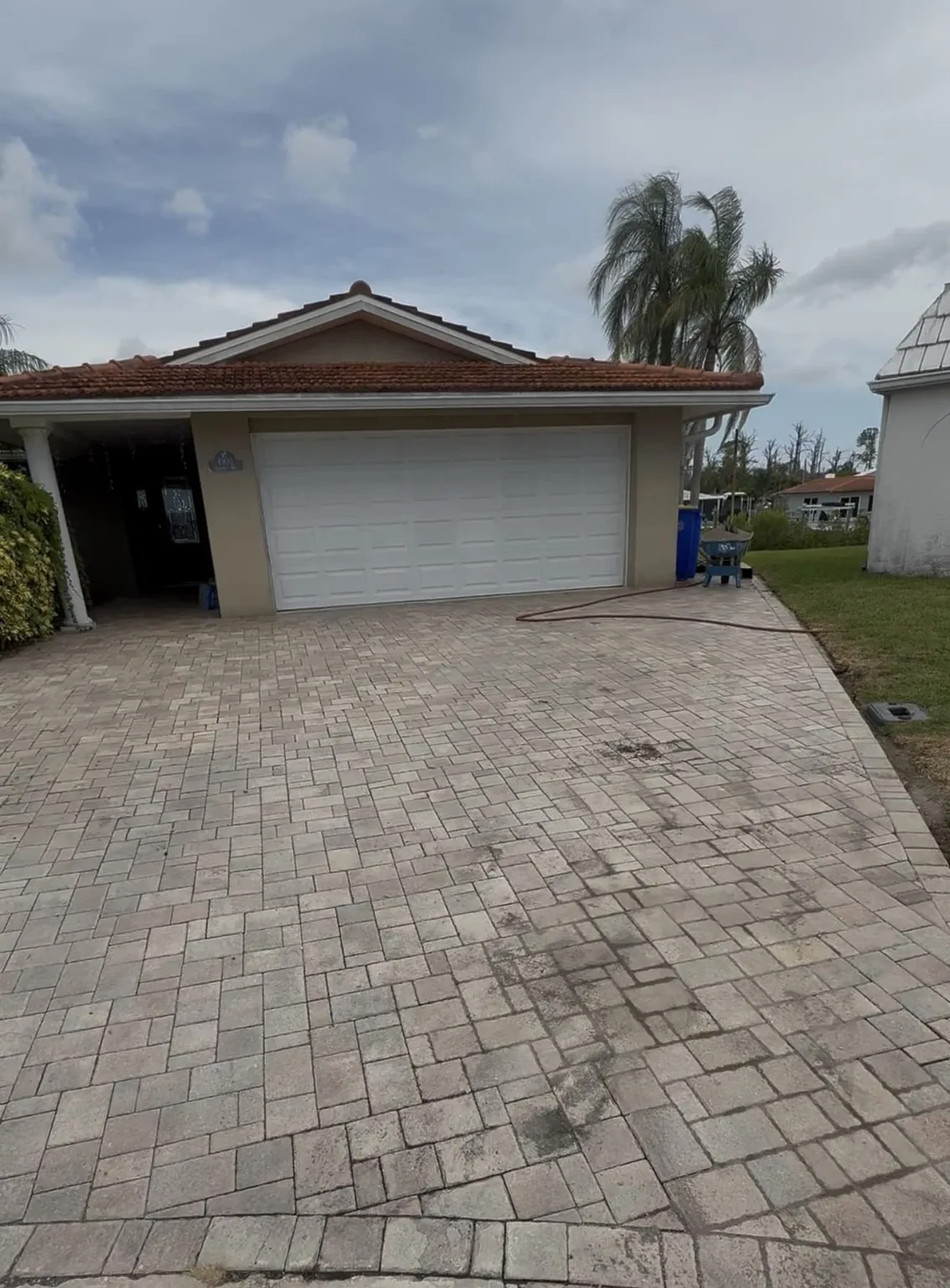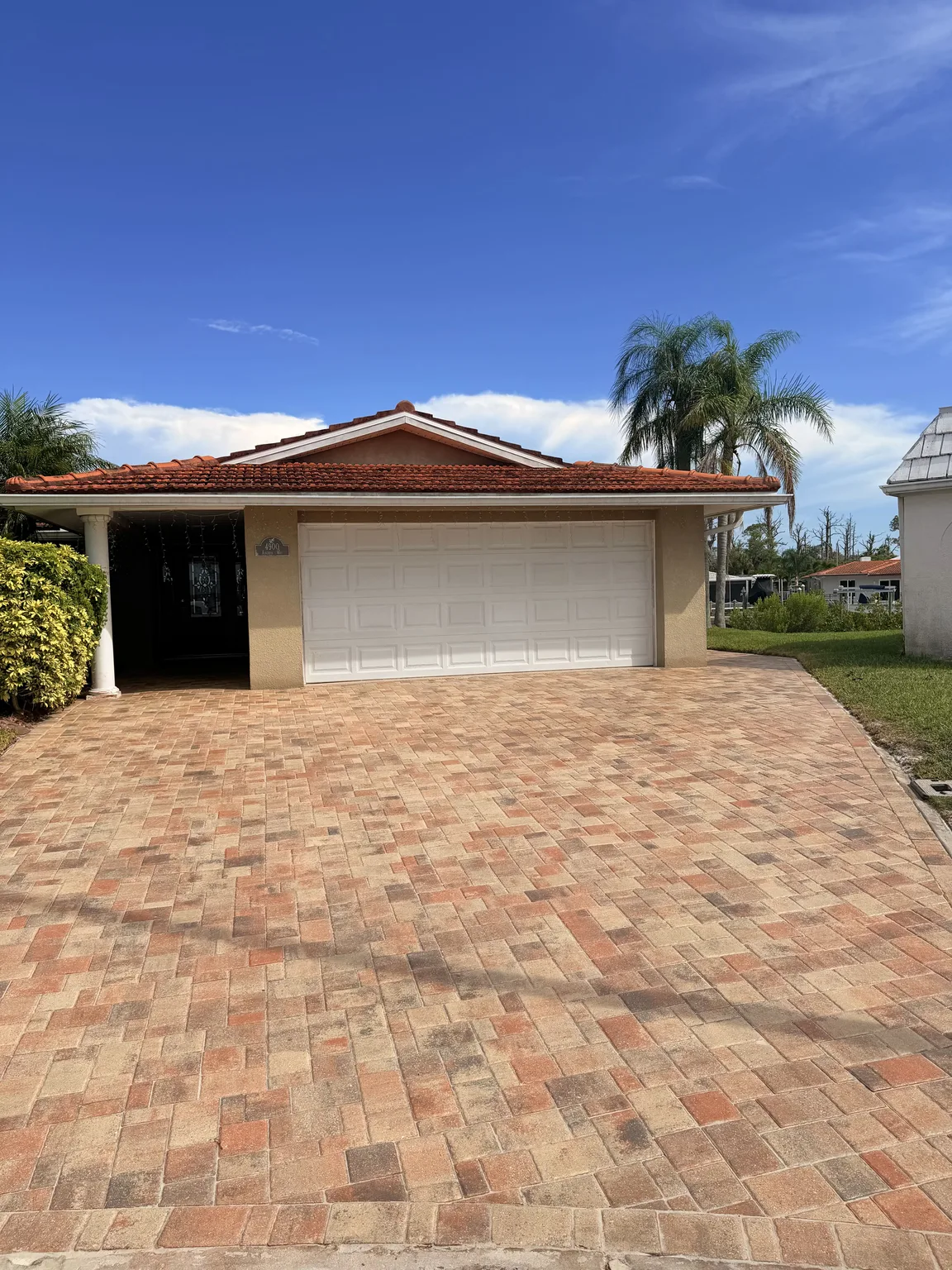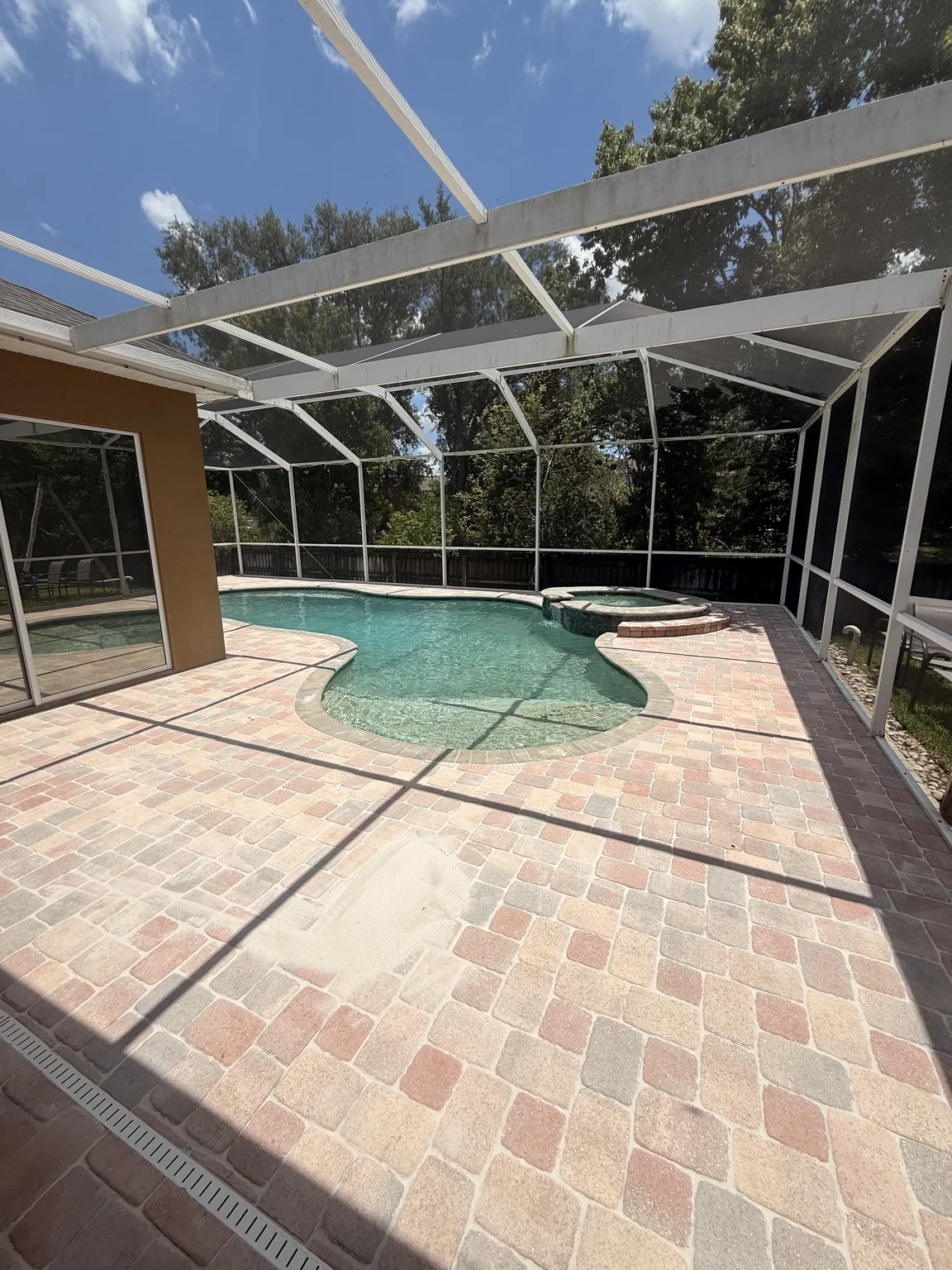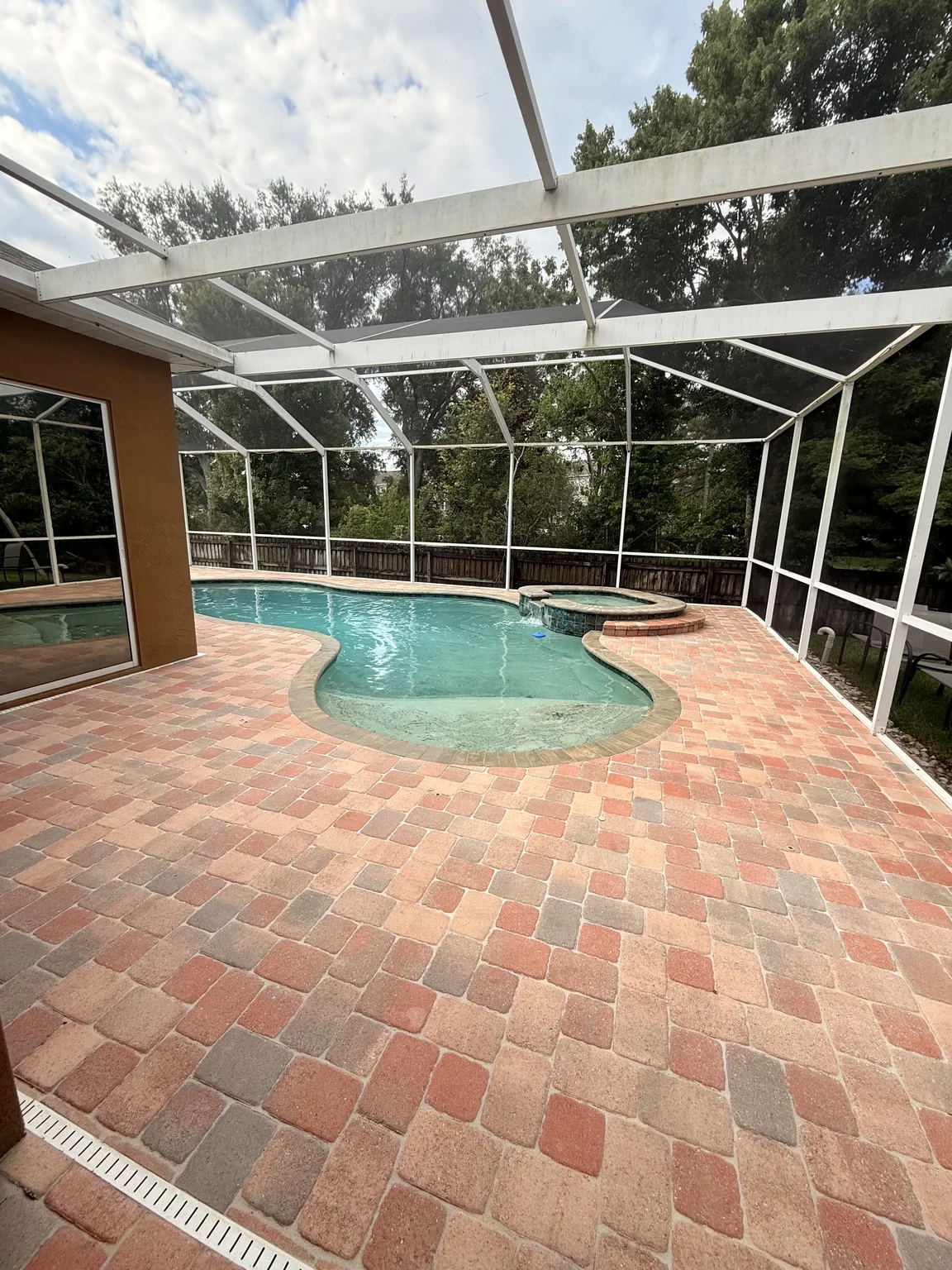

Driveway Pavers Separating deserves a careful site-based review before anyone recommends a repair, product, or redesign. First, local property owners should document what changed, when it appeared, and how weather or daily use affects it. In addition, the finished surface tells only part of the story. This guide keeps the discussion practical without turning a general article into a one-size-fits-all answer.
For example, start with a complete view of the property rather than one isolated close-up. The review should connect vehicle loads, turning zones, edge support, surface pitch, and the visible pattern of the installed field. A pattern across several locations often means something different from one small, stable mark. Because of this, dates, wide photos, and notes after rain provide better evidence than memory alone.
As a result, the goal is not to label every condition as urgent. Instead, use driveway pavers separating as a framework for deciding what to monitor, what to maintain, and what deserves a professional visit. A qualified contractor can then compare the observed pattern with base conditions, grades, transitions, and prior work. That sequence protects the client from a cosmetic fix that misses the cause.
Driveway Pavers Separating: what the real property needs to confirm
Moreover, the topic behind “Why Are Driveway Pavers Separating?” cannot be settled by one photograph. A homeowner needs to compare the documented starting point with routine use, recent storms, irrigation, and nearby landscape changes. The most useful observations include gaps growing along the outer course, movement in vehicle turning areas, and joint loss near the garage. Together, those clues help separate appearance from active movement or performance loss.
In contrast, document the boundaries of the visible pattern. Mark where it begins, where it ends, and whether it follows an edge, joint, drain, step, gate, or traffic path. Then compare that map with edge restraint movement and settlement at pavement transitions. This simple record gives a contractor a much stronger starting point for an on-site assessment.
What homeowners can inspect without disturbing the work
Consequently, begin with a safe visual inspection in dry daylight. Do not lift units, open walls, remove coatings, excavate edges, or apply an unfamiliar chemical. Instead, look for gaps growing along the outer course, joint loss near the garage, and water concentrating beside the driveway. Those observations preserve the precondition and reduce the chance of hiding useful evidence.
- Create wide and context photos that show gaps growing along the outer course.
- Record how movement in vehicle turning areas changes after rain, irrigation, or routine use.
- Check whether joint loss near the garage follows an edge, transition, or traffic route.
- Note the location of edge restraint movement without disturbing the material already in place.
- Compare settlement at pavement transitions across at least two different days.
- Tell the evaluator about water concentrating beside the driveway and any recent landscape or utility work.
Most importantly, include one fixed reference in each photo, such as a doorway, pool edge, wall corner, or landscape border. That reference makes dimensions and changes easier to compare over time. Avoid placing loose samples or tools in the scene because they can obscure joints and edges. For homeowners researching driveway pavers separating, a clean, complete view supports a more accurate discussion.
Common drivers behind driveway pavers separating
How to interpret gaps growing along the outer course
Beyond that, gaps growing along the outer course can have more than one explanation. An evaluator should relate it to vehicle loads, turning zones, edge support, surface pitch, and the visible pattern of the installed field before naming a cause. For example, the same visible result can develop from localized use, surrounding runoff, prior maintenance, or movement below the finished surface. Therefore, the nearby grades and transitions matters as much as the close detail.
However, ask whether the visible pattern is stable, seasonal, or expanding. A stable area around gaps growing along the outer course may call for monitoring, while repeated change can justify a deeper review. The project evaluator should explain which evidence supports the recommendation. Most importantly, the proposal should distinguish confirmed facts from possibilities that require opening the work.
How to interpret movement in vehicle turning areas
However, movement in vehicle turning areas can have more than one explanation. An evaluator should relate it to vehicle loads, turning zones, edge support, surface pitch, and the visible pattern of the installed field before naming a cause. For example, the same visible result can develop from localized use, surrounding runoff, prior maintenance, or movement below the finished surface. Therefore, the nearby grades and transitions matters as much as the close detail.
Therefore, ask whether the visible pattern is stable, seasonal, or expanding. A stable area around movement in vehicle turning areas may call for monitoring, while repeated change can justify a deeper review. The project evaluator should explain which evidence supports the recommendation. Most importantly, the proposal should distinguish confirmed facts from possibilities that require opening the work.
How to interpret joint loss near the garage
Therefore, joint loss near the garage can have more than one explanation. An evaluator should relate it to vehicle loads, turning zones, edge support, surface pitch, and the visible pattern of the installed field before naming a cause. For example, the same visible result can develop from localized use, surrounding runoff, prior maintenance, or movement below the finished surface. Therefore, the nearby grades and transitions matters as much as the close detail.
In addition, ask whether the visible pattern is stable, seasonal, or expanding. A stable area around joint loss near the garage may call for monitoring, while repeated change can justify a deeper review. The project evaluator should explain which evidence supports the recommendation. Most importantly, the proposal should distinguish confirmed facts from possibilities that require opening the work.
How to interpret edge restraint movement
In addition, edge restraint movement can have more than one explanation. An evaluator should relate it to vehicle loads, turning zones, edge support, surface pitch, and the visible pattern of the installed field before naming a cause. For example, the same visible result can develop from localized use, surrounding runoff, prior maintenance, or movement below the finished surface. Therefore, the nearby grades and transitions matters as much as the close detail.
For example, ask whether the visible pattern is stable, seasonal, or expanding. A stable area around edge restraint movement may call for monitoring, while repeated change can justify a deeper review. The project evaluator should explain which evidence supports the recommendation. Most importantly, the proposal should distinguish confirmed facts from possibilities that require opening the work.
How Tampa Bay weather changes the assessment
For example, Tampa Bay combines intense rain, strong sun, humidity, irrigation, and fast landscape growth. These conditions can change moisture, joint appearance, surface temperature, vegetation, and edge support within a short period. Because of this, driveway pavers separating should be reviewed across both wet and dry conditions. One observation immediately after a storm rarely describes the full pattern.
As a result, coastal exposure also varies from one neighborhood to another. A shaded yard in Greater Carrollwood behaves differently from an open property in Ruskin or Palm Harbor. Likewise, lot elevation and neighboring runoff can change how water reaches a driveway, patio, pool deck, wall, fence, or turf area. Therefore, local context should guide any review of driveway pavers separating without becoming an unsupported claim.
Moreover, homeowners should note recent weather and maintenance. Record how settlement at pavement transitions behaves after a storm, a cleaning, a landscape change, or normal traffic. That timeline can prevent an evaluator from relying on the wrong assumption. It also helps the contractor choose the least disruptive way to confirm the site conditions.
A step-by-step driveway pavers separating assessment plan
- Define the exact area and record wide, middle, and close views.
- Compare the visible pattern in dry weather and after normal rain or irrigation.
- Map nearby edges, slopes, drains, downspouts, trees, gates, and traffic paths.
- Review prior repairs, cleaning, sealing, installation, or landscape work.
- Ask a qualified contractor to explain the evidence behind each recommendation.
- Preserve photos and the written scope before any repair begins.
In contrast, this sequence keeps the inspection proportionate. It does not require homeowners to dismantle the work or buy a diagnostic product. Instead, it organizes gaps growing along the outer course, edge restraint movement, and water concentrating beside the driveway into a useful site record. That documentation also creates a practical preimage for comparing a future repair.
Consequently, request a clear written proposal that identifies the area, intended result, exclusions, and validation method. A clear scope might define the limits of a reset, the edge to be rebuilt, the surface to be cleaned, or the layout to be installed. However, it should not promise a hidden condition before inspection. Clear exclusions protect both the client and the contractor.
Choosing between monitoring, maintenance, repair, and redesign
When driveway pavers separating may only need monitoring
Most importantly, monitoring can make sense when the visible pattern is small, stable, safe, and fully documented. Set a review date and repeat photos from the same positions. If movement in vehicle turning areas does not expand, the record may support a measured maintenance plan. Nevertheless, safety concerns or rapid movement require faster professional attention.
When targeted work may be appropriate
Beyond that, targeted work should match a defined cause and a limited area. The project description needs to explain how it will address joint loss near the garage or edge restraint movement and how the result will be checked. A targeted repair should also protect the neighboring installation. Otherwise, a small scope can create a new transition problem.
When a broader plan deserves consideration
However, broader work may become reasonable when several areas share the same pattern or prior spot repairs keep failing. At that point, the assessment should revisit vehicle loads, turning zones, edge support, surface pitch, and the visible pattern of the installed field. The homeowner can then compare options based on how the driveway should manage repeated loads without overstating what a visual inspection can prove. Most importantly, the recommended scope should remain tied to observed evidence.
What a useful estimate should explain
Therefore, a useful estimate describes more than square footage. It identifies preparation, protection, materials already verified, disposal, access, transitions, cleanup, and final checks. For driveway pavers separating, it should also explain how the scope responds to gaps growing along the outer course and settlement at pavement transitions. That detail makes competing proposals easier to compare.
- The exact work area and the surfaces that remain untouched.
- Preparation steps and any assumptions about hidden conditions.
- How adjacent pavers, coping, walls, turf, lawn, fences, or landscaping will be protected.
- The verified material, pattern, finish, or system included in the scope.
- How edges, joints, pitch, transitions, and cleanup will be checked.
- A process for documenting and approving any newly discovered condition.
In addition, price changes when access, removal, preparation, or hidden conditions change. Therefore, this article does not provide a remote quote. An on-site review focused on driveway pavers separating lets the contractor measure the work and identify constraints. Homeowners should compare the proposed process, not only the final number.
Mistakes to avoid with driveway pavers separating
For example, the first mistake is treating a symptom before documenting it. Aggressive cleaning, added sand, surface coatings, loose fill, or quick edge patches can hide the original evidence. In addition, those actions may change edge restraint movement without solving the underlying condition. Preserve the documented precondition for driveway pavers separating before trying a remedy.
As a result, another mistake is copying a solution from a different property. A photo online cannot prove the same base, grade, stone, paver, coating, drainage route, or traffic. Consequently, driveway pavers separating needs an answer grounded in the real site. Use inspiration for questions, not as technical proof.
Moreover, avoid choosing a product by color alone. Similar-looking pavers and natural stones can need different cleaners, sealers, repair methods, or installation details. The same caution applies to fence materials, turf systems, wall units, and fire features. Therefore, verify what is installed before specifying treatment.
Maintenance and documentation after the work
In contrast, photograph the completed work from the same positions used before service. Save the scope, product information, care instructions, and the date of completion. Then monitor movement in vehicle turning areas and settlement at pavement transitions through the next normal weather cycle. The saved project history about driveway pavers separating supports warranty discussions and future maintenance.
Consequently, routine care should match the verified surface and system. Keep runoff paths visible, remove organic debris gently, and report small changes before they spread. However, do not assume every color change or wet spot means failure. Compare the finished work with the documented baseline first.
Most importantly, schedule a review after unusual storms, landscape changes, heavy vehicle access, utility work, or a new irrigation pattern. Those events can alter edges, grades, joints, and moisture. As a result, a short follow-up can protect the investment behind driveway pavers separating. Early documentation often keeps a correction smaller and clearer.
Frequently asked questions about driveway pavers separating
Can I diagnose driveway pavers separating from photos alone?
Photos help map the visible pattern, but they cannot confirm hidden base, soil, moisture, attachment, or prior-treatment details. A field evaluation connects the image evidence with grades, edges, loads, and the existing assembly. Therefore, use photos to prepare the visit rather than replace it.
Should I try a quick repair before requesting an estimate?
Preserve the visible pattern first. A quick change can hide gaps growing along the outer course or alter edge restraint movement. Instead, take wide and close photos, note the weather, and ask the evaluator what should remain untouched before the visit.
How long should I monitor the visible pattern?
The answer depends on safety and rate of change. A stable cosmetic issue may allow scheduled comparison, while rapid movement, sharp edges, unstable steps, persistent slippery areas, or expanding damage deserves prompt review. Most importantly, do not delay when routine use feels unsafe.
Will one solution work across the whole property?
Not necessarily. The property can contain different bases, exposures, ages, materials, and traffic zones. In addition, joint loss near the garage may need a different response from water concentrating beside the driveway. A written scope should separate those conditions.
What should I ask during a professional visit?
Ask what the contractor observed, what remains uncertain, how the proposed work addresses the evidence, which adjacent areas need protection, and how the result will be validated. Also ask how newly discovered conditions will be documented before the scope changes.
Beyond that, review Dr Pavers Design project and service information to prepare examples and questions for an on-site conversation. The page can help you describe the area and intended result. However, the material already in place and site conditions still need direct confirmation.
However, Concrete Masonry and Hardscapes Association provides authoritative background related to the broader topic. Use that source to understand terminology and prepare questions. Local property conditions, manufacturer instructions, and applicable rules still govern the final plan.
Build a practical driveway pavers separating plan
Therefore, a practical plan begins with the visible pattern that exists today. Document gaps growing along the outer course, joint loss near the garage, and water concentrating beside the driveway, then compare them with weather, use, and prior work. Next, request an on-site explanation that separates confirmed facts from assumptions. This approach keeps the scope focused and reversible until hidden conditions become clear.
In addition, driveway pavers separating should lead to a measurable result, not a vague promise. Define what will look, feel, drain, align, or function differently after the work. Then preserve before-and-after evidence and care instructions. That closeout supports long-term value for a Tampa Bay outdoor project.
Finally, when you are ready to upgrade your driveway, review the services, see completed projects, read testimonials, and check the FAQ before requesting a free consultation through the contact page. Follow Dr Pavers Design on Instagram and Facebook, or review the company on Google. Open Google Maps, send a WhatsApp message, call +1 (656) 600-4015, send a text message, or email drpavers@outlook.com for a free consultation anywhere in Tampa Bay.