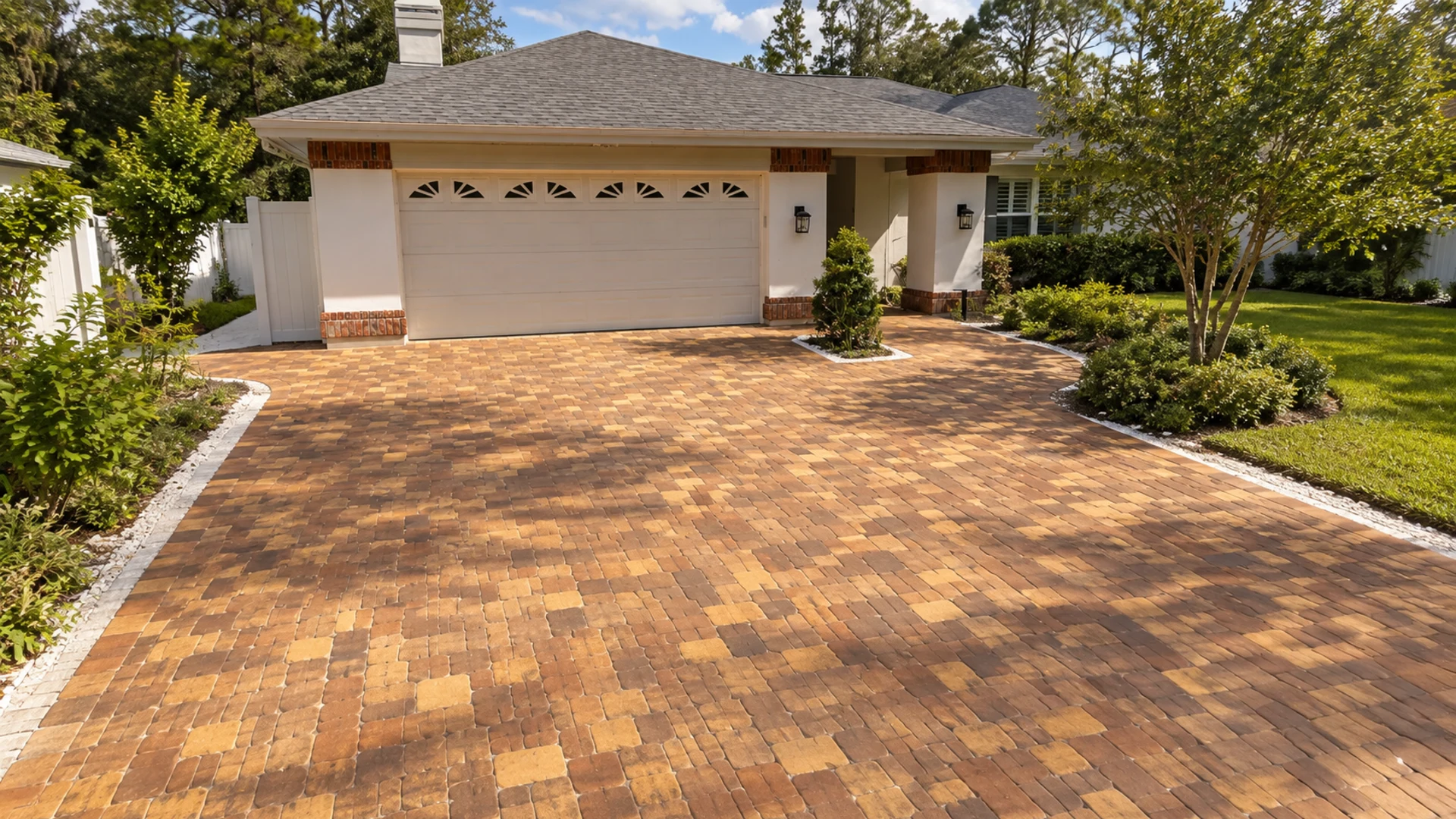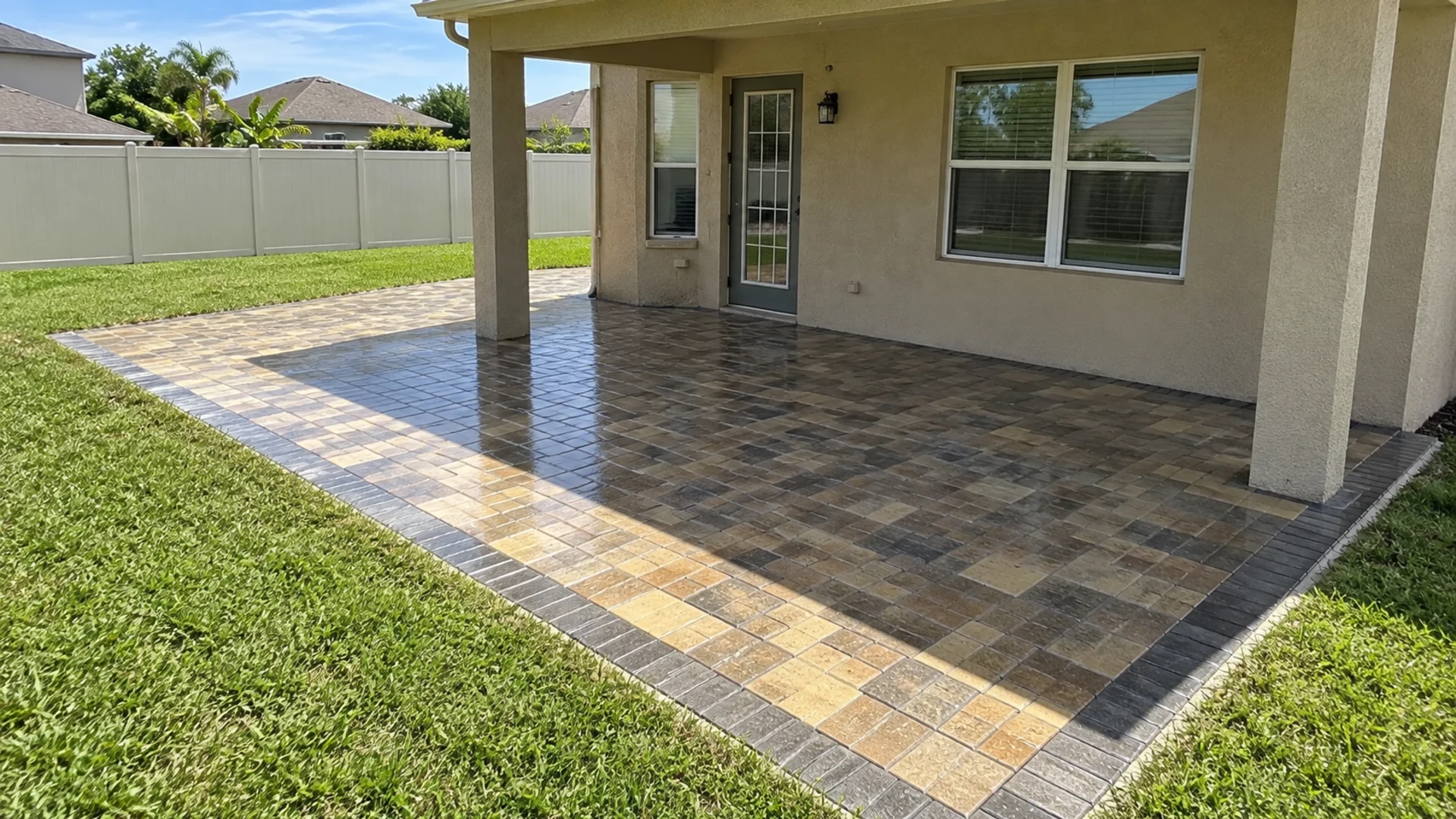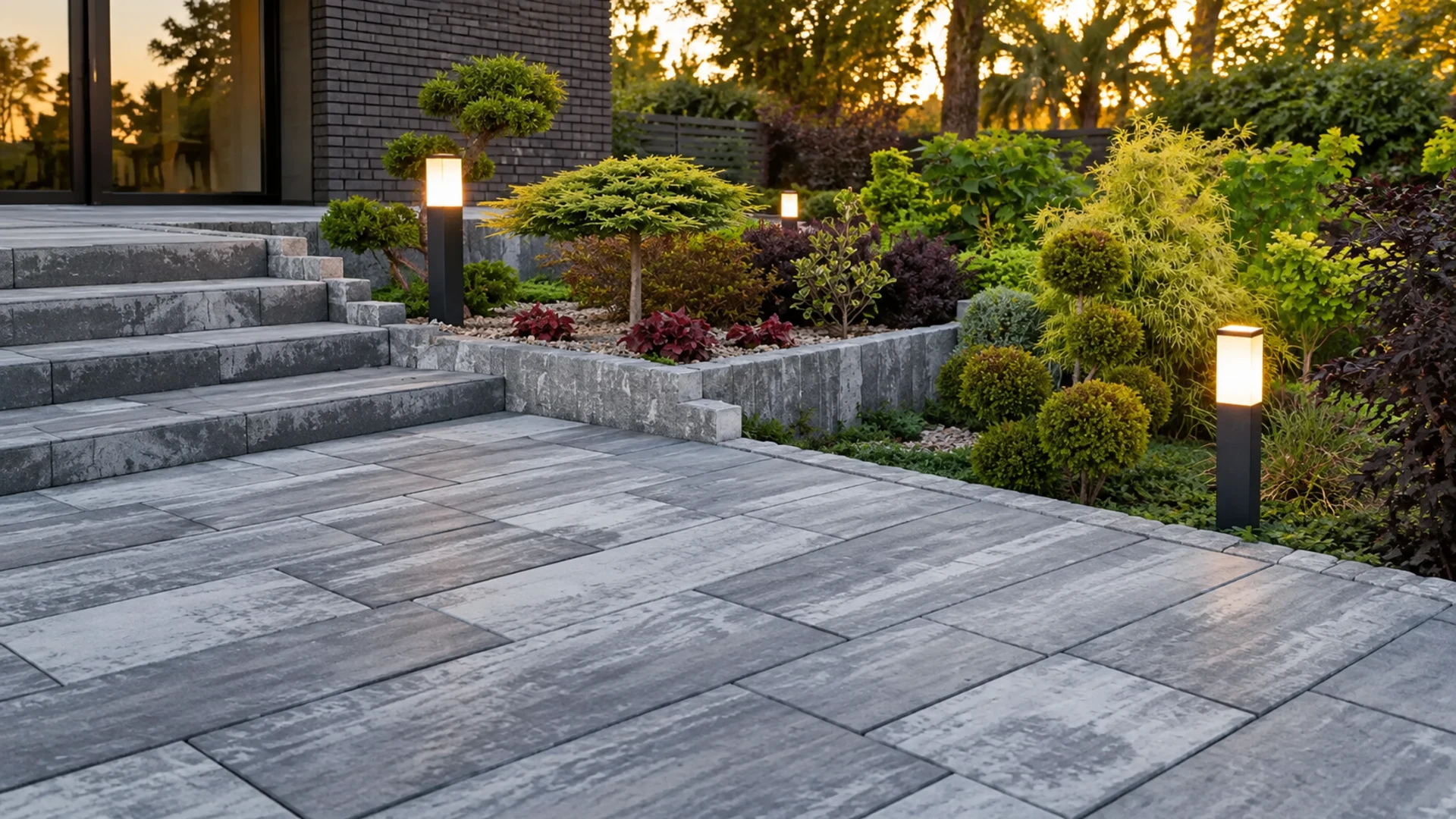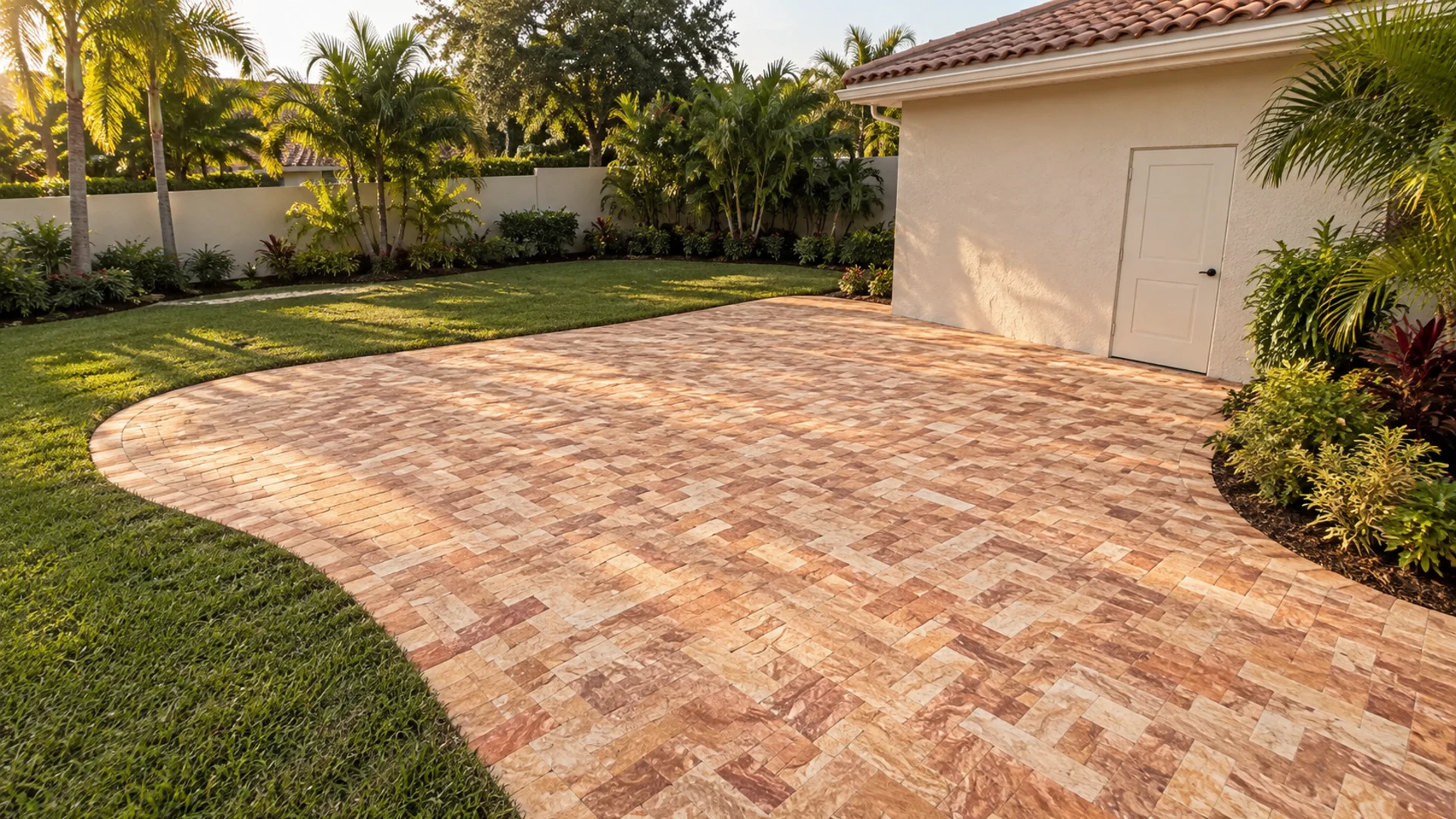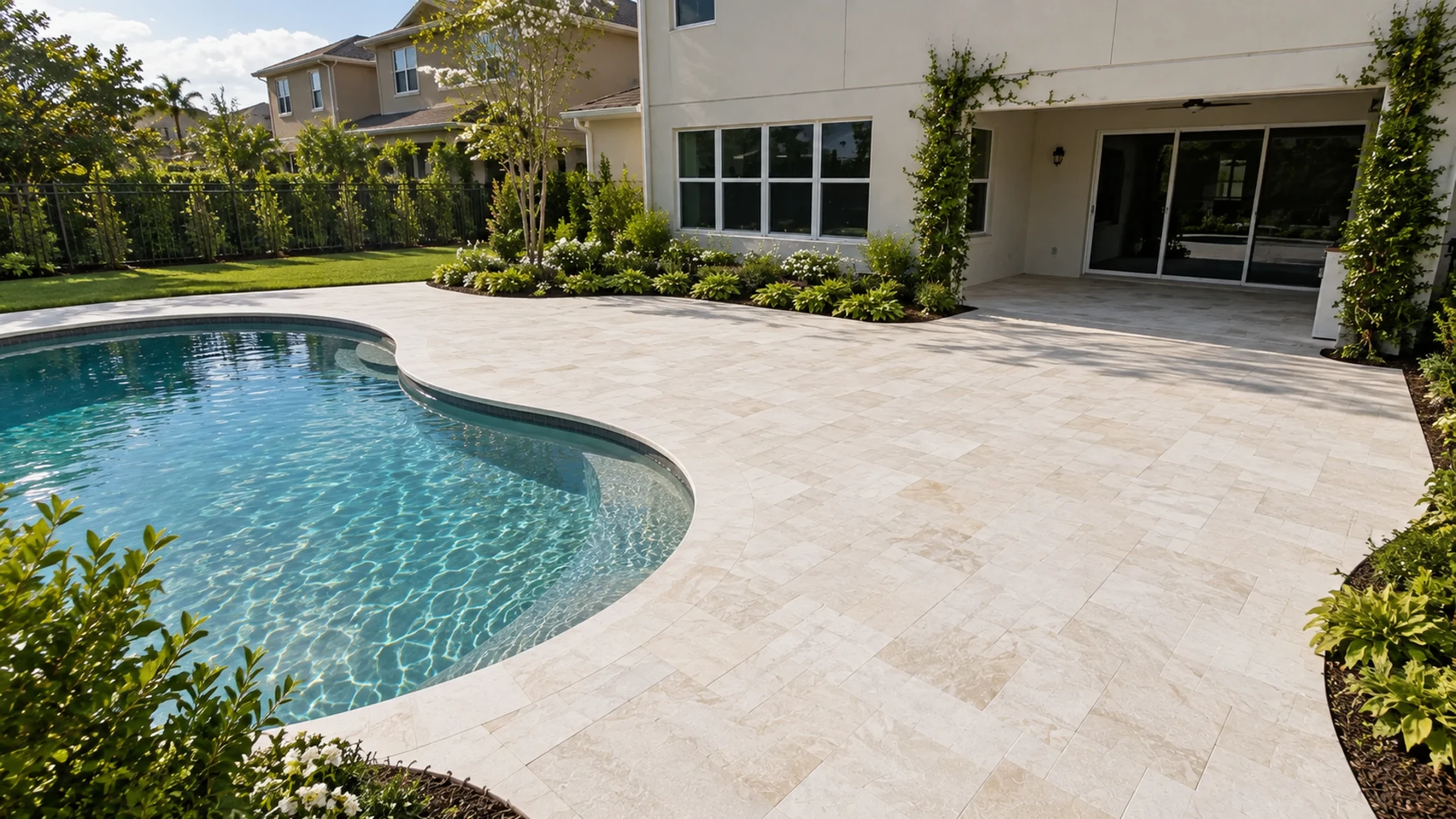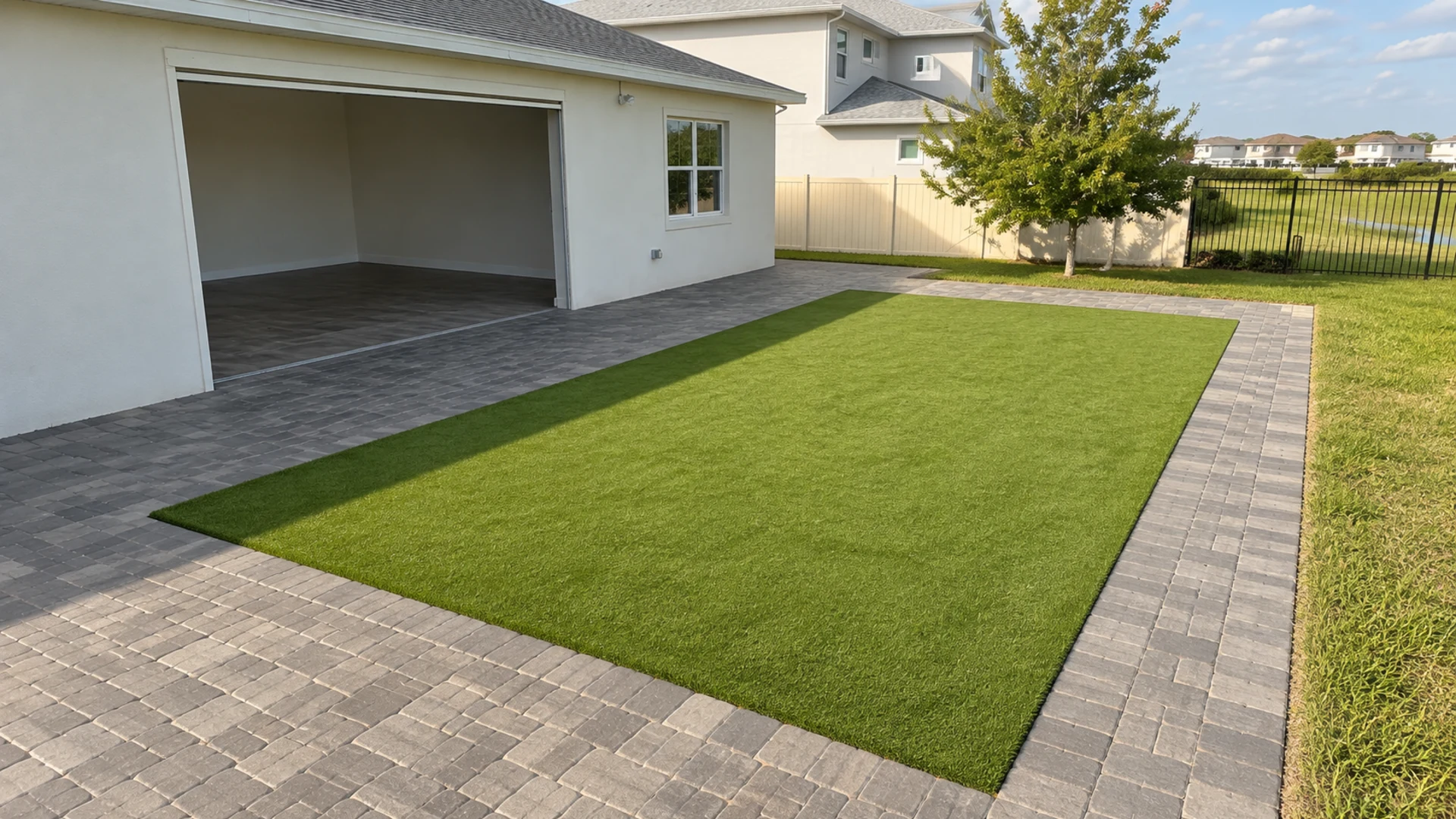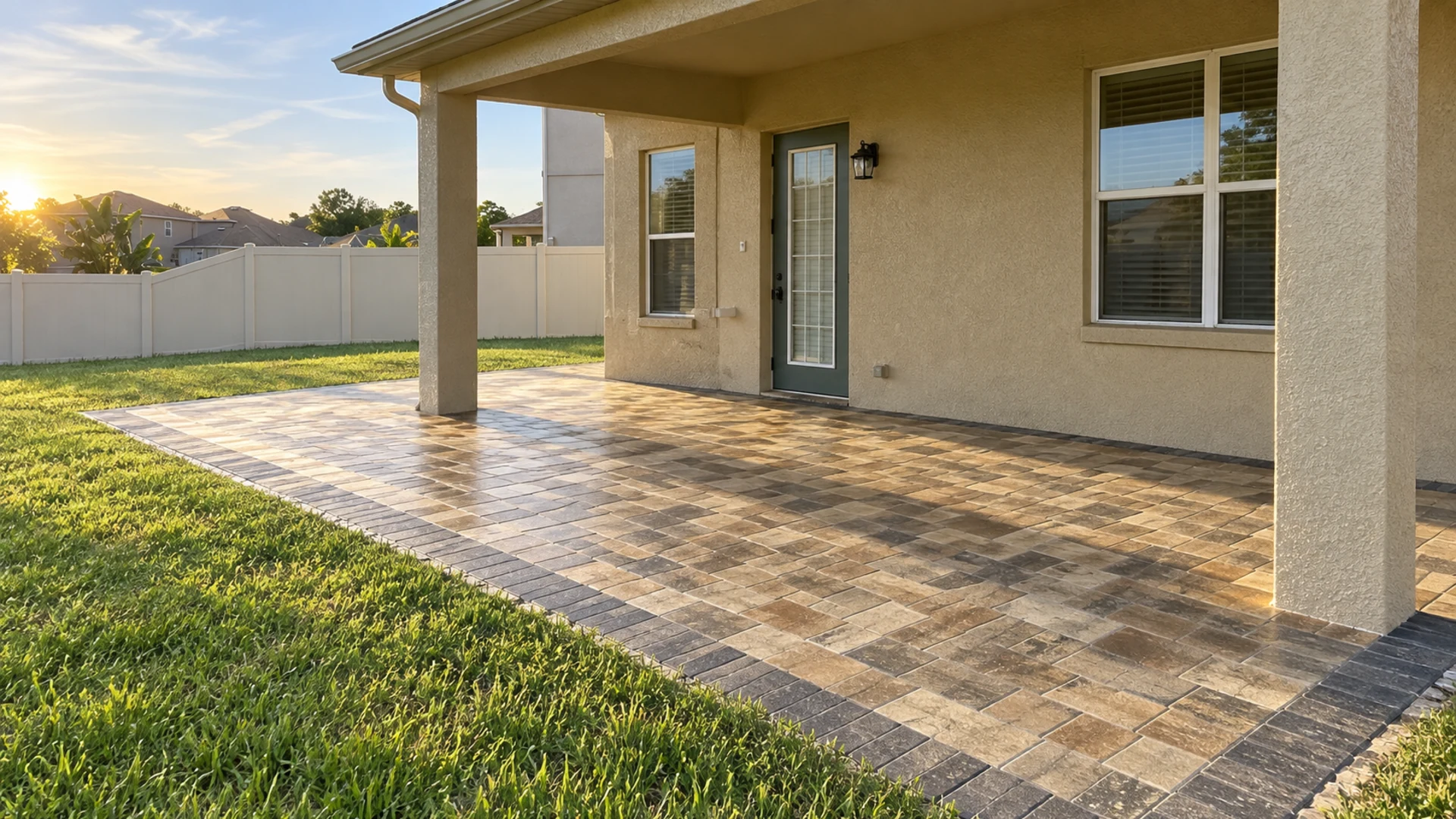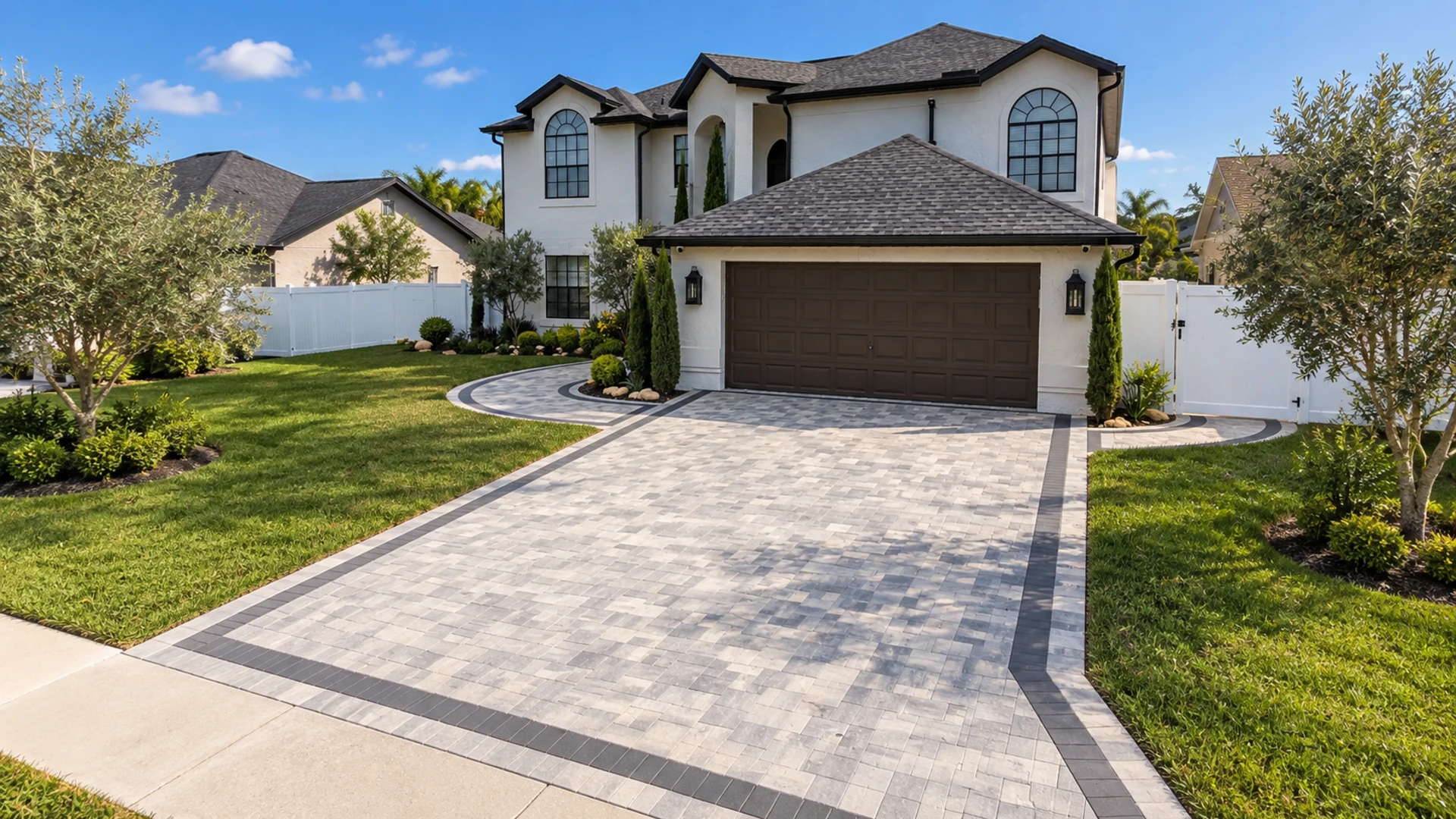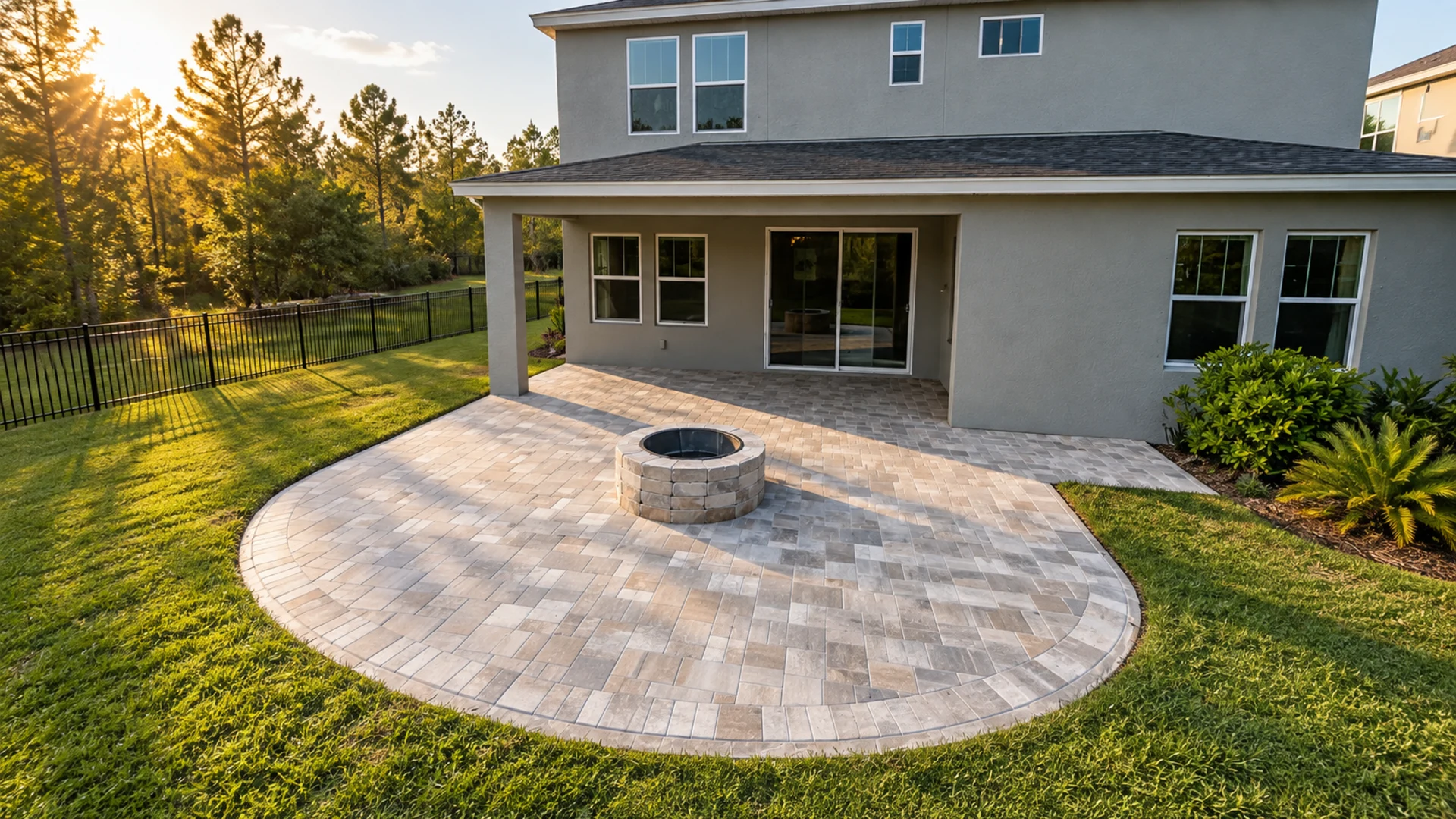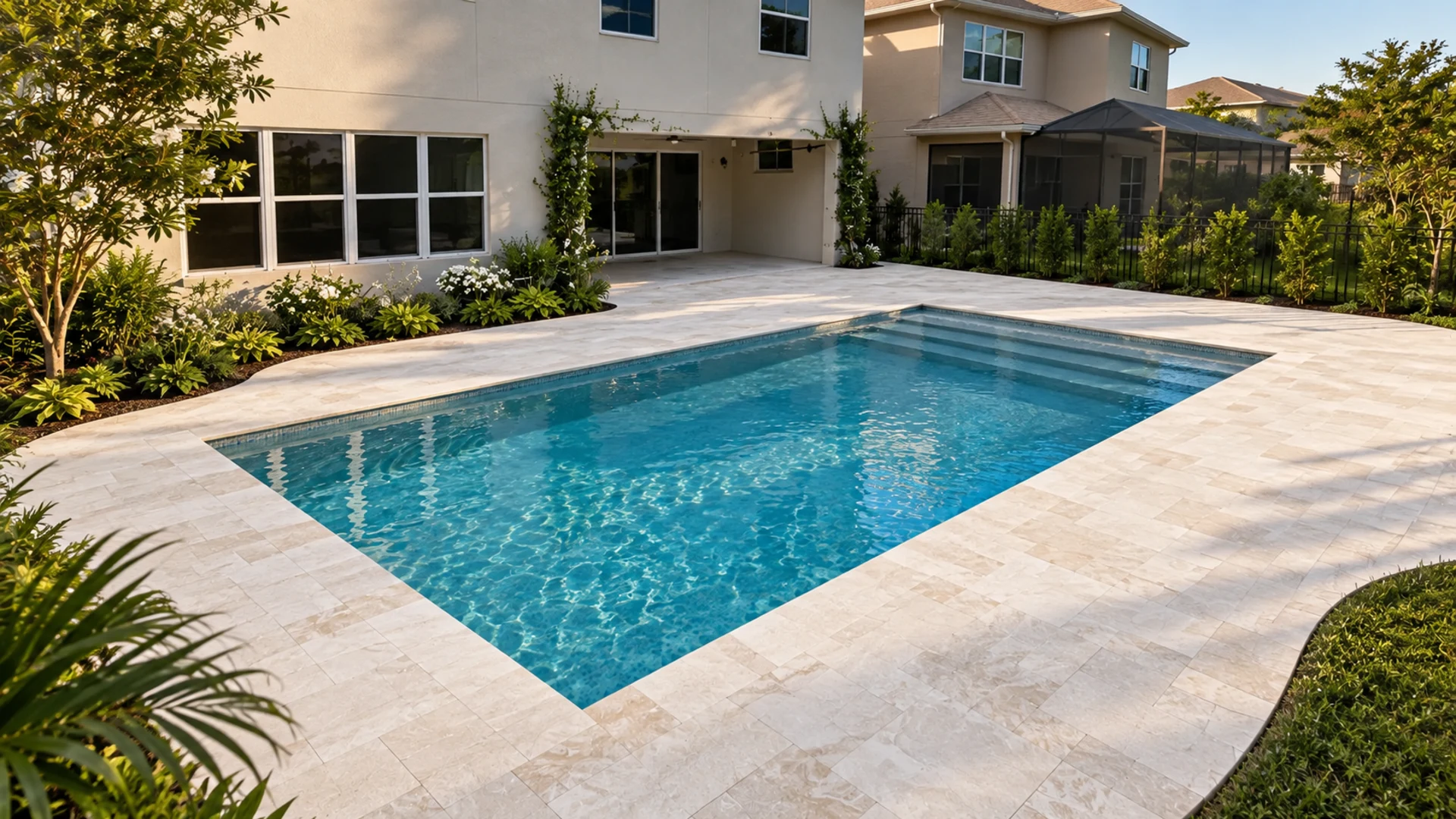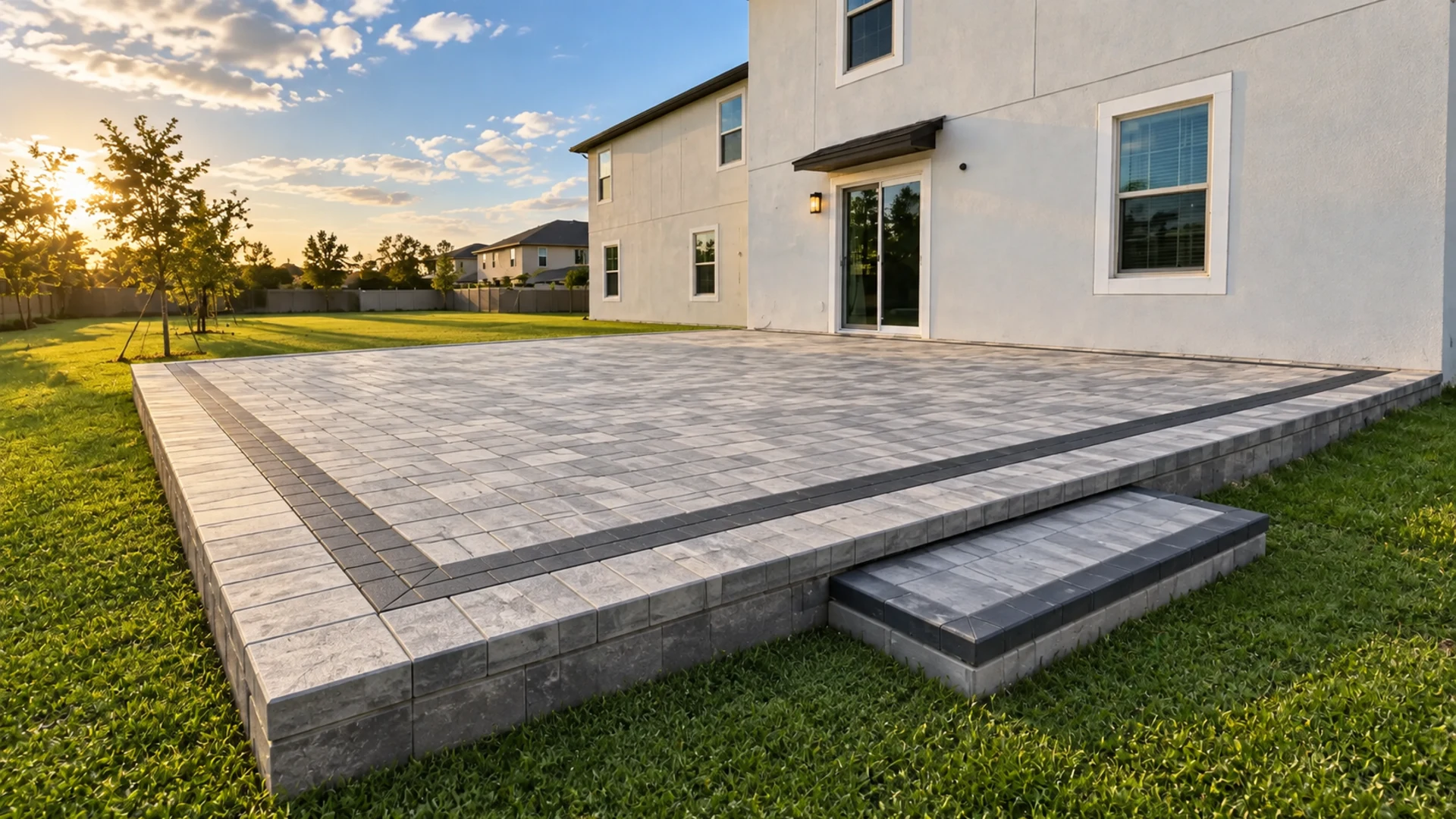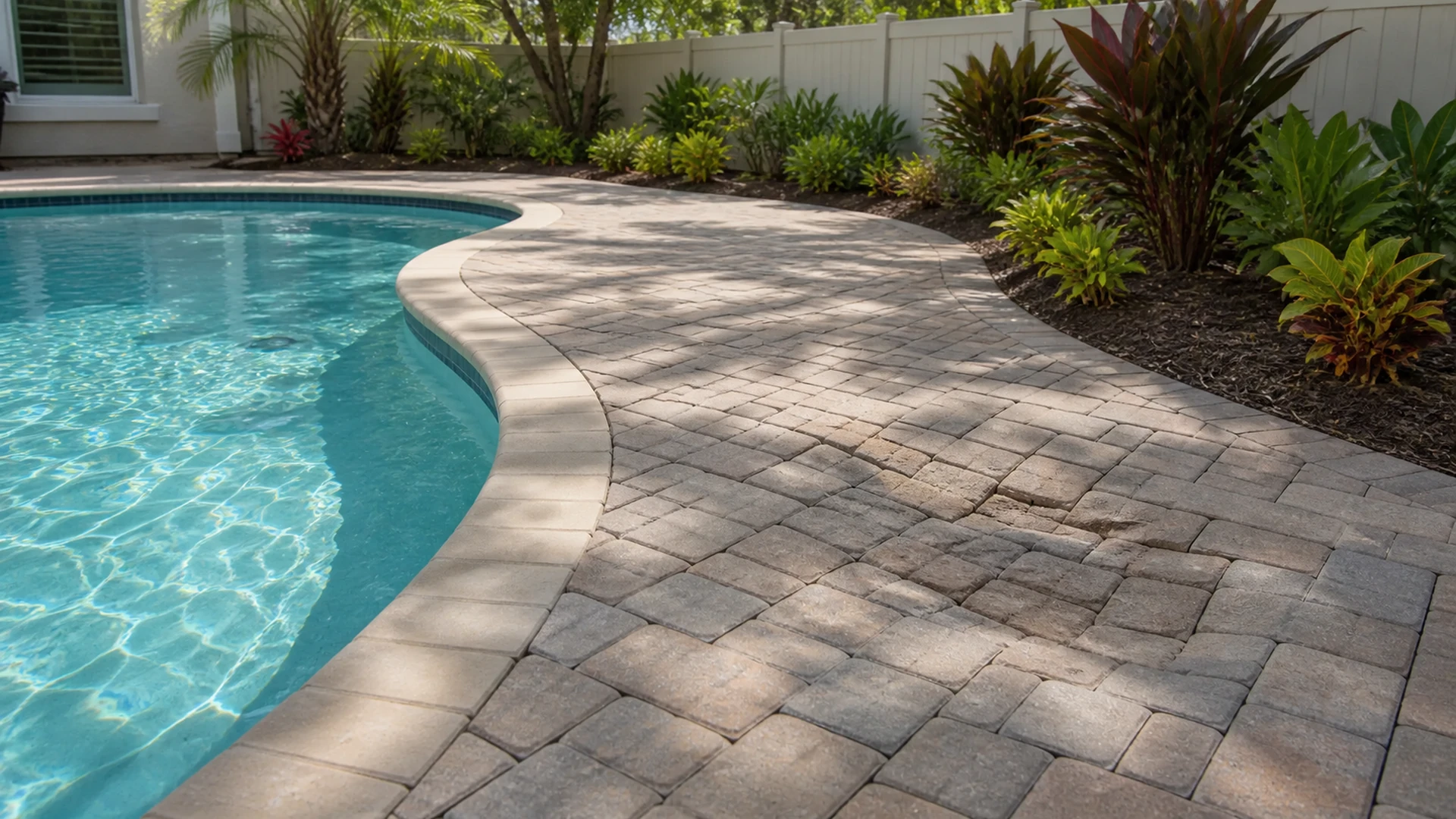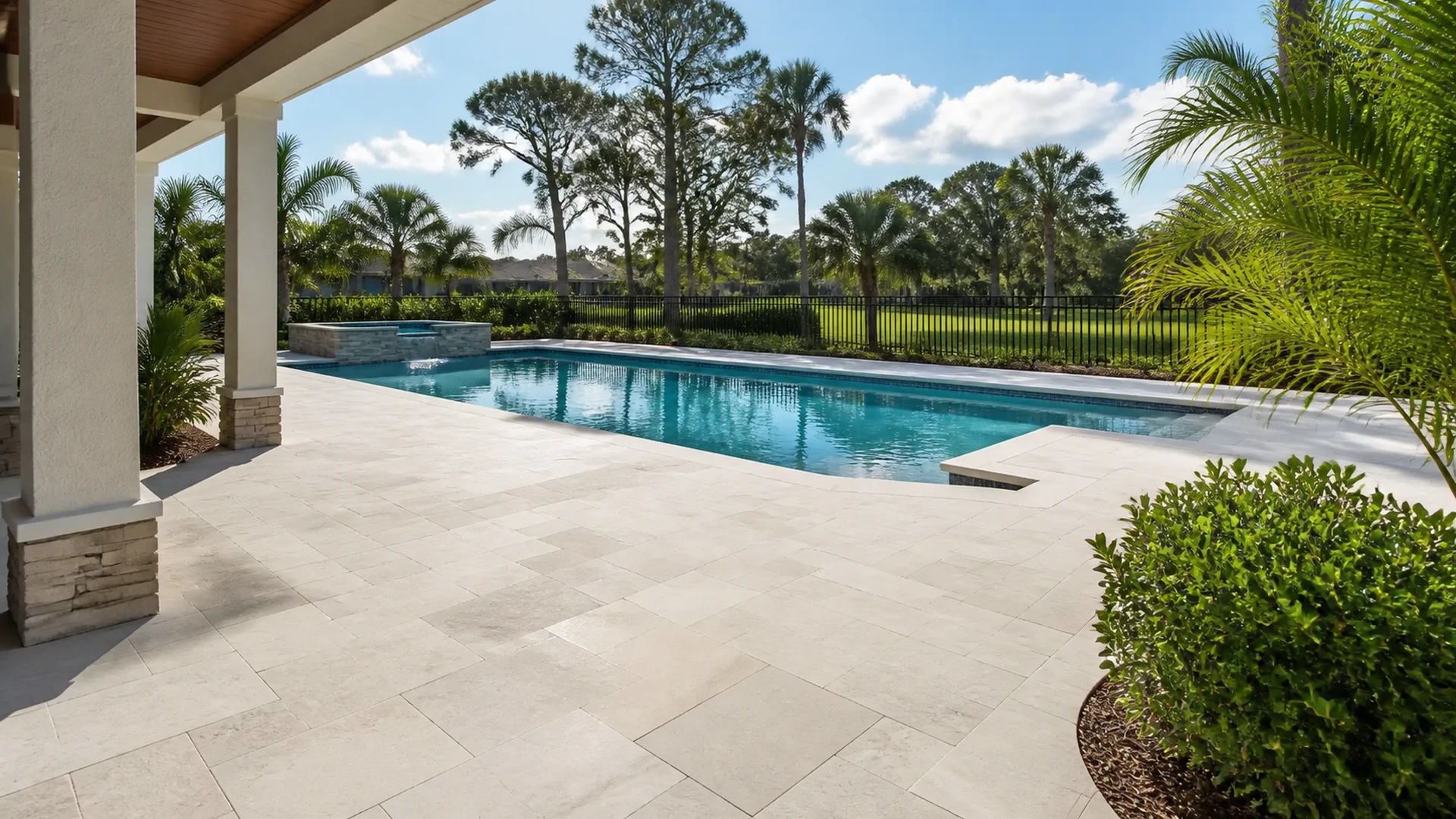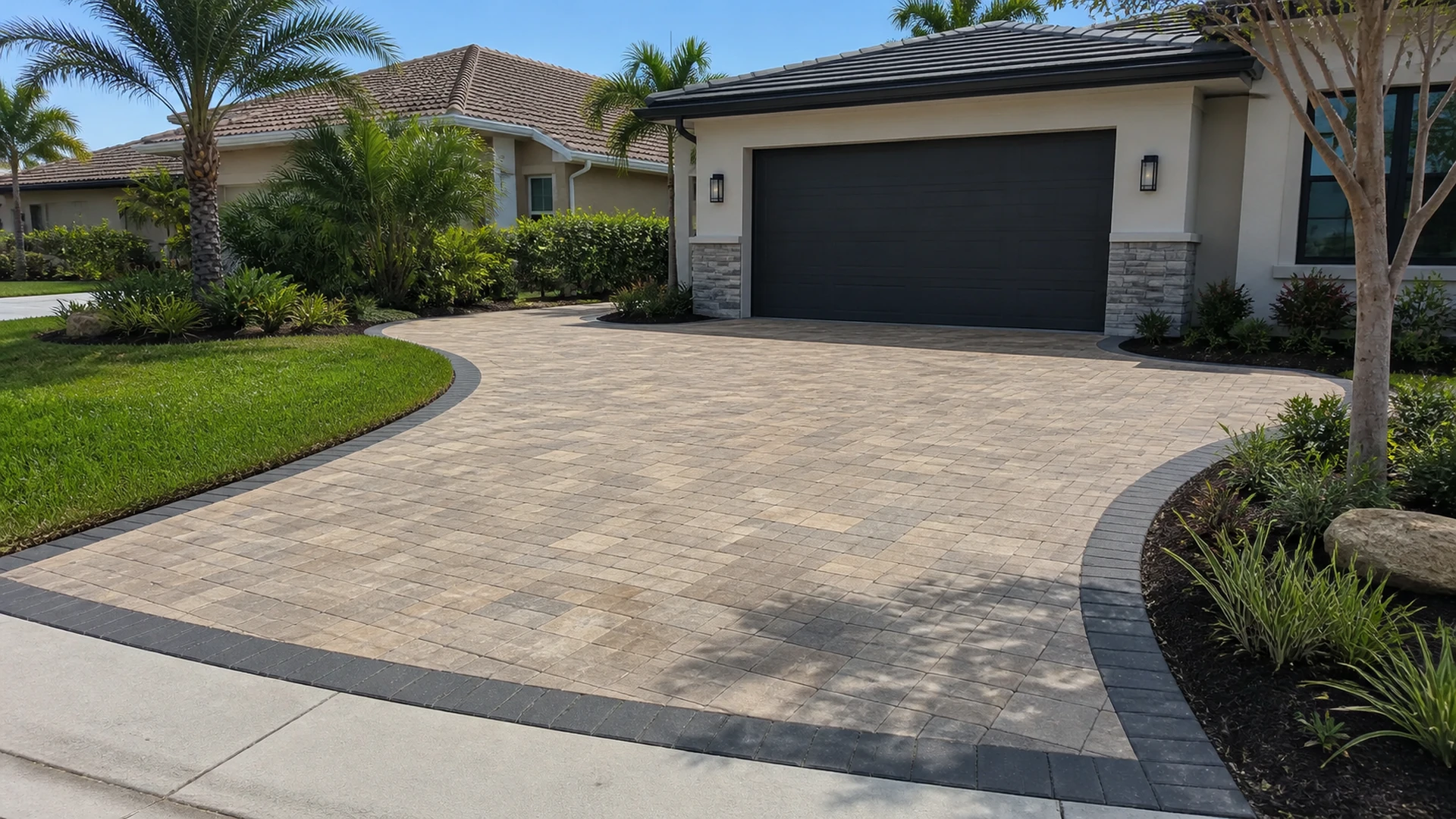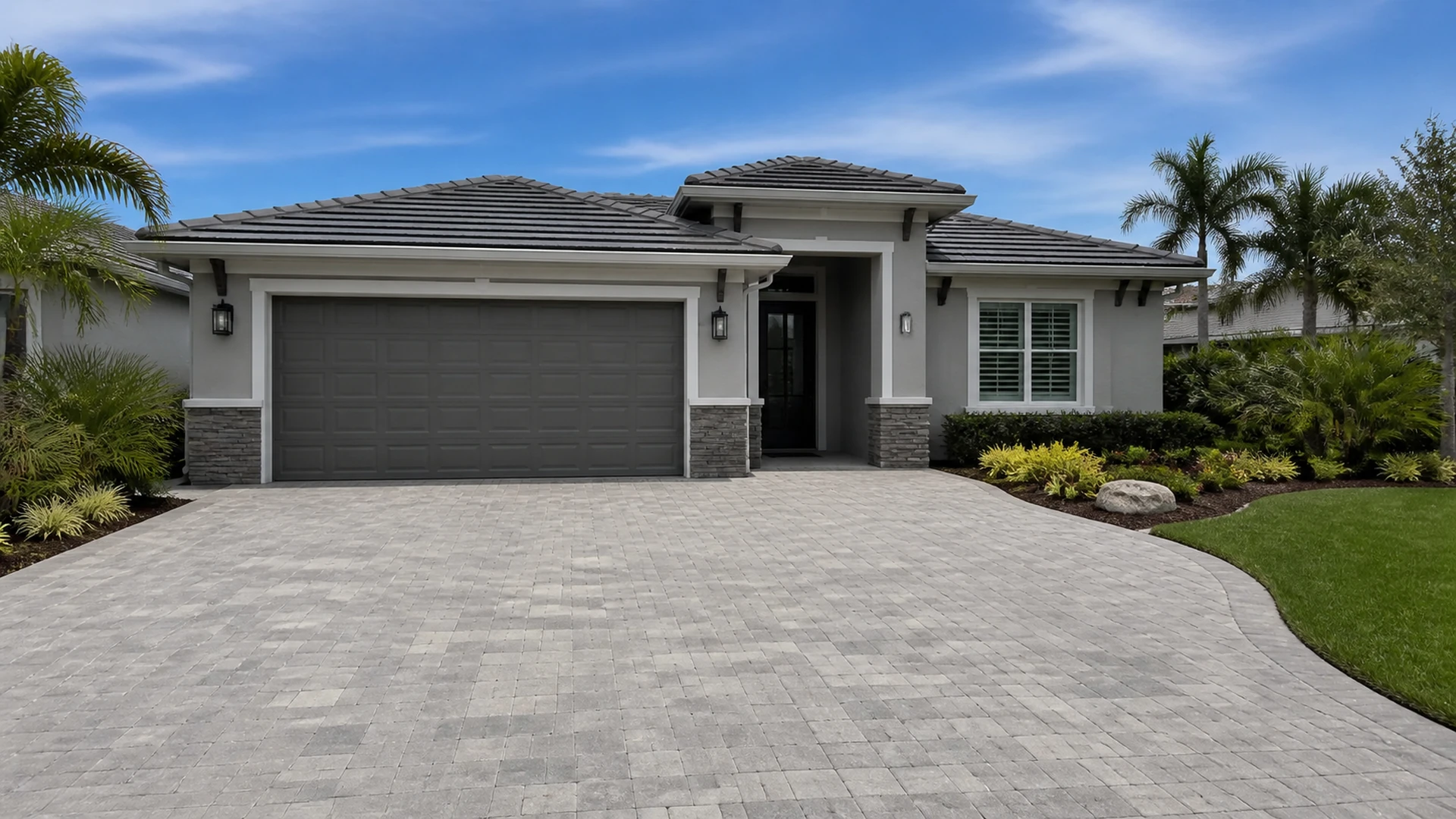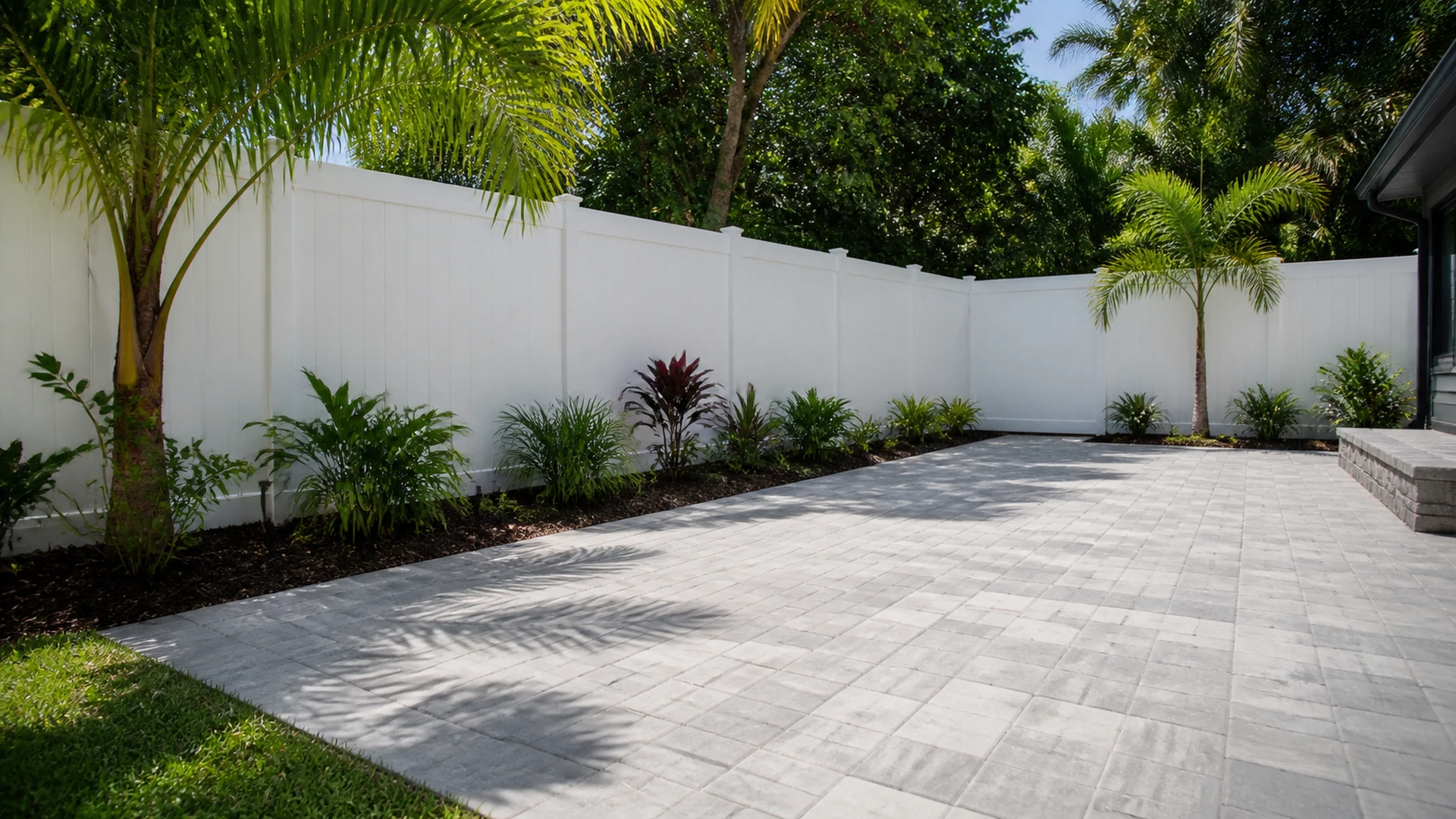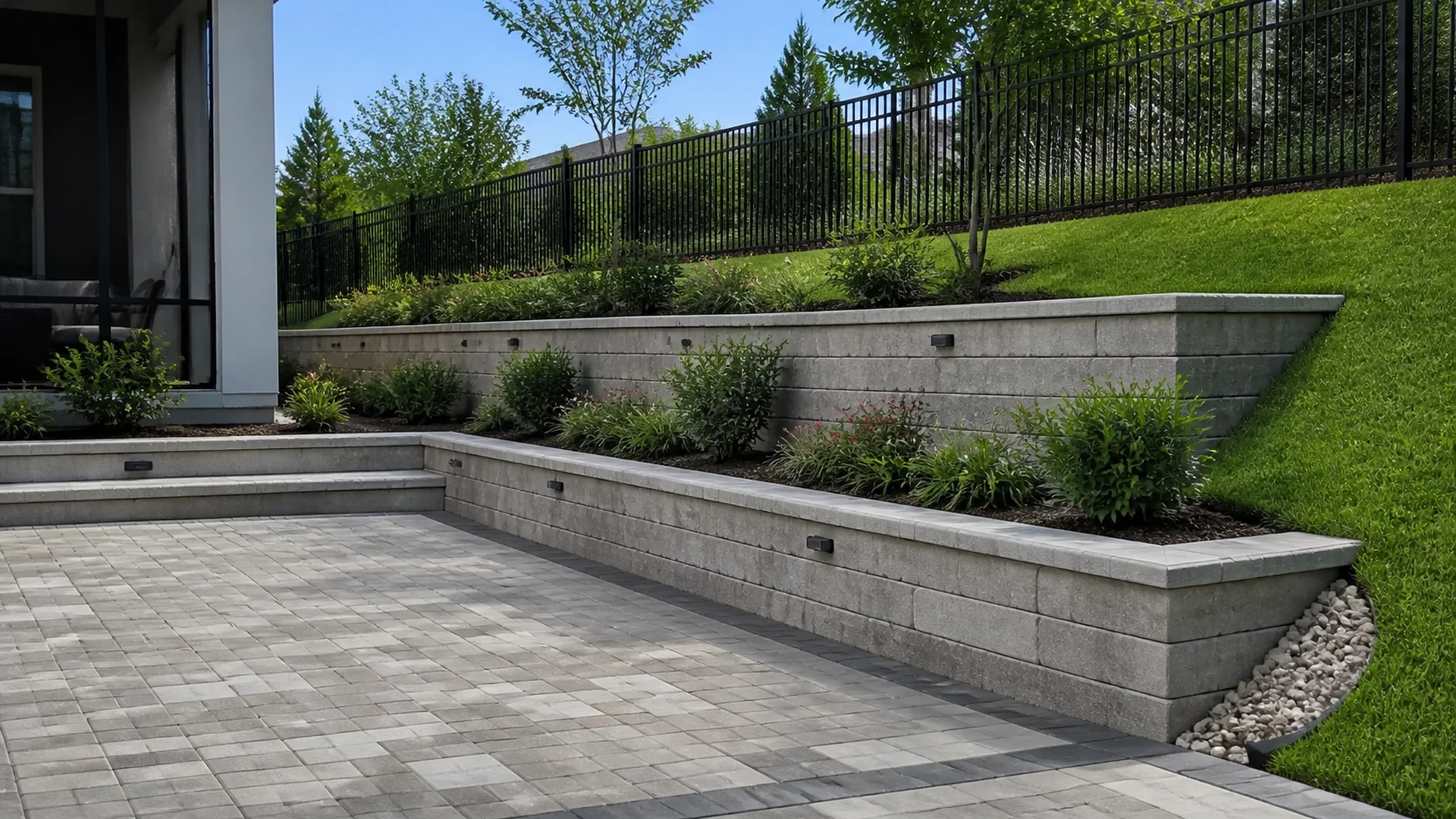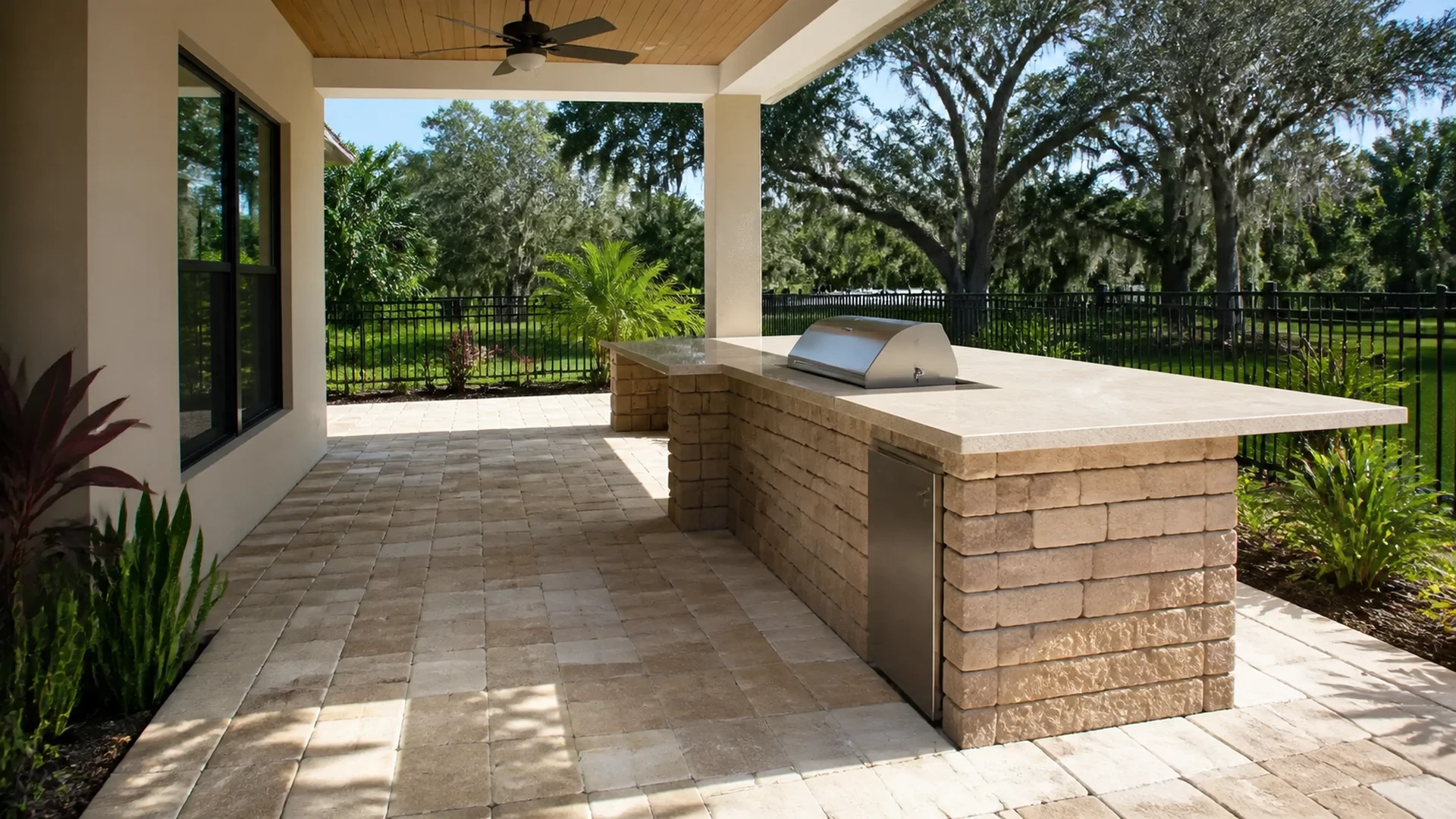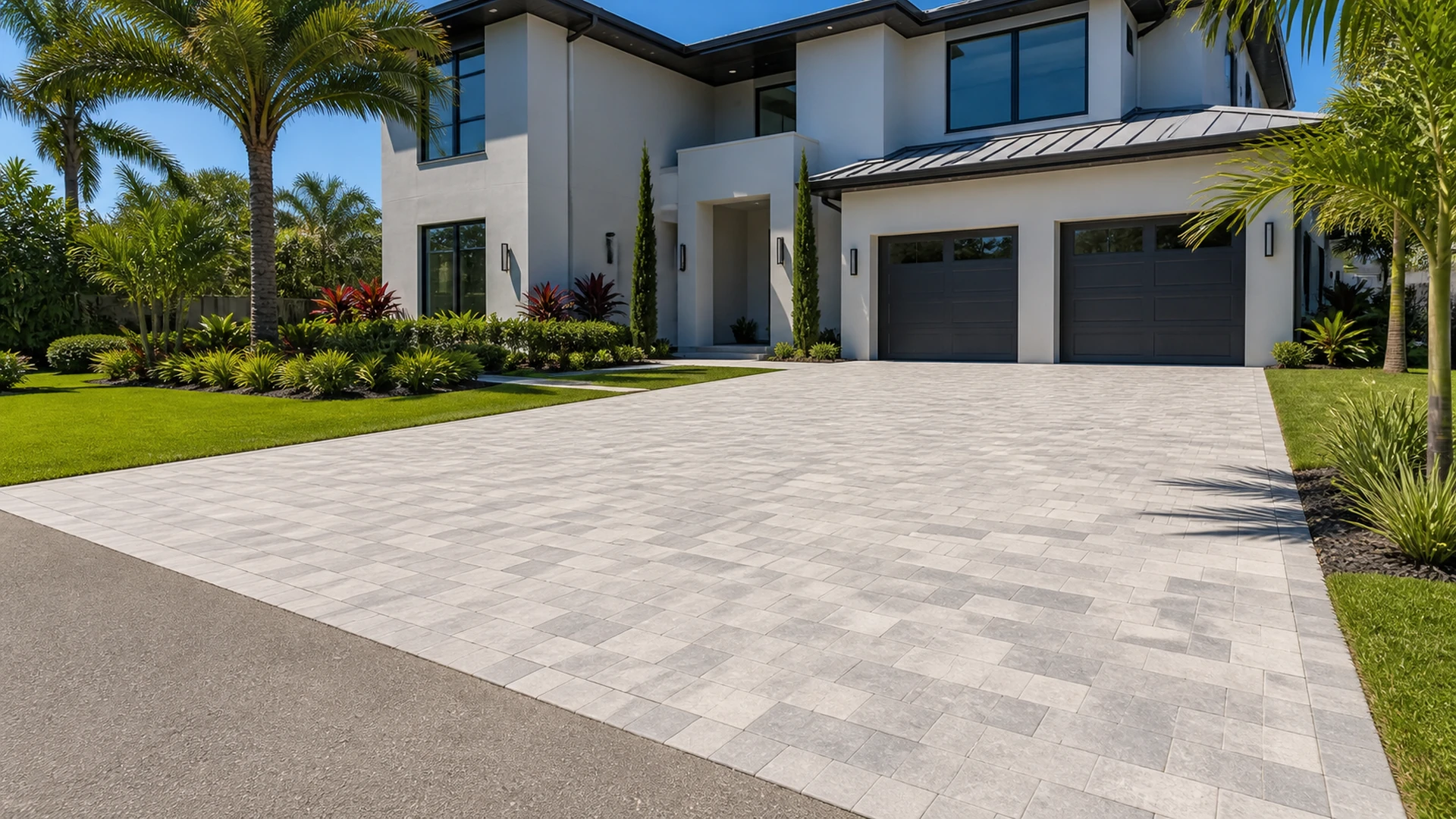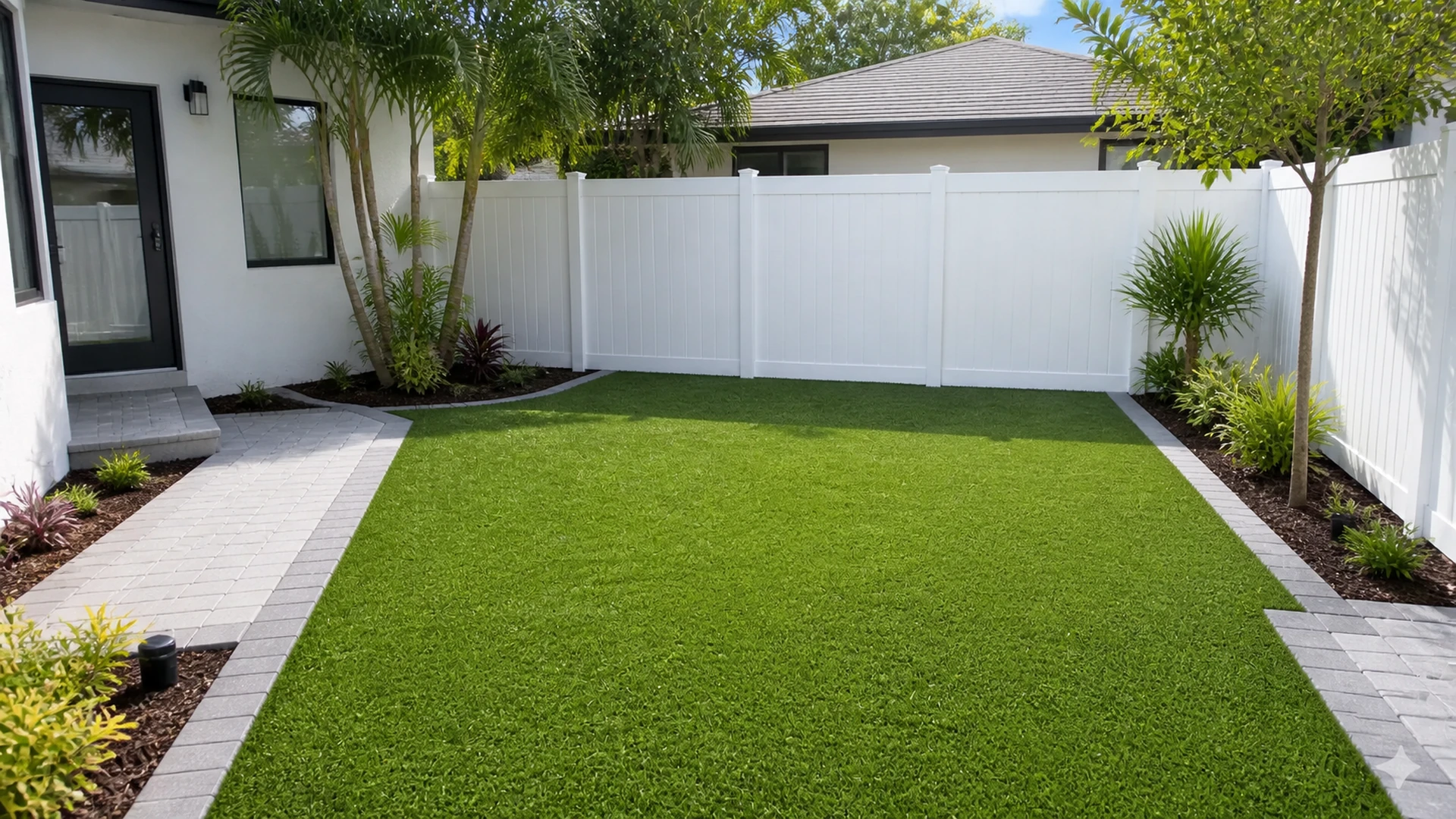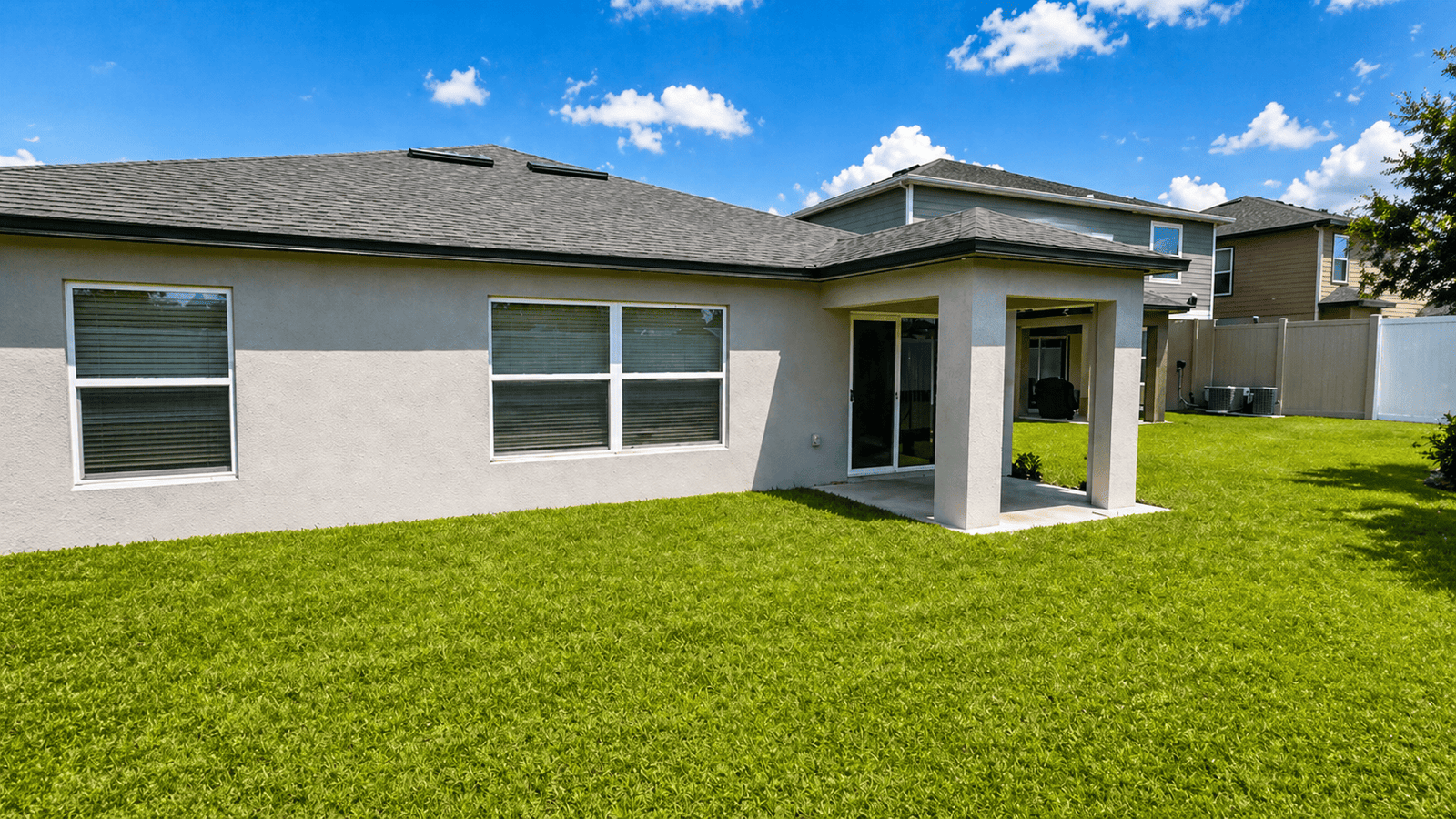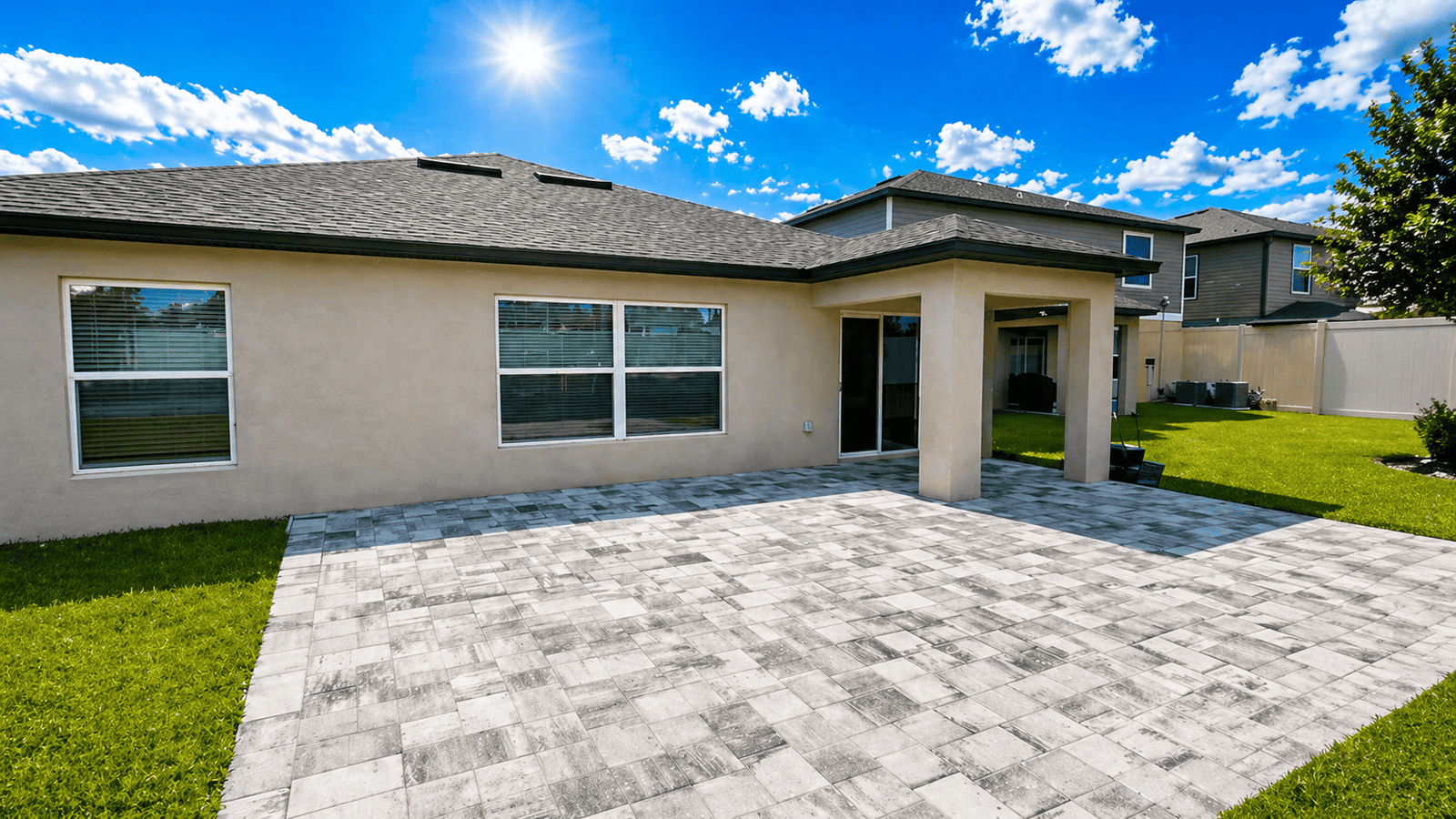

best sod for Tampa depends on sunlight, traffic, salt exposure, soil preparation, irrigation, and the upkeep a household can provide. Therefore, no single grass fits every Tampa Bay property. A front lawn in full sun faces different demands from a shaded backyard near mature trees. In addition, coastal influence and pet activity can change the decision.
Homeowners often begin with color or softness, yet site conditions should lead the comparison. However, even a suitable grass can struggle over poor grading or unprepared soil. best sod for Tampa combines the right species with careful installation and realistic maintenance. As a result, selection and preparation belong in the same conversation.
Choose the best sod for Tampa by site conditions
First, map direct sun across the lawn during the growing season. A label such as full sun or partial shade should reflect actual hours and intensity. Therefore, note shadows from the house, fence, screen enclosure, and trees. best sod for Tampa must receive enough light in its weakest zone.
Next, identify how the lawn will be used. For example, a decorative side yard does not handle the same wear as a pet route or play area. Meanwhile, mowing access and irrigation coverage affect long-term care. Consequently, lifestyle helps narrow the list before appearance does.
A best sod for Tampa property checklist
A practical best sod for Tampa checklist records sun, shade, foot traffic, soil condition, slope, and water availability. In addition, it notes salt spray, pets, children, and nearby hardscape. This overview prevents one attractive sample from controlling the decision. Therefore, the chosen lawn supports the whole property.
However, the checklist should also include homeowner expectations. Some grasses look refined but need closer mowing or more frequent attention. Others accept a simpler appearance with less intensive care. As a result, maintenance capacity becomes a design factor rather than an afterthought.
- First, count useful hours of direct sun in each lawn zone.
- Next, mark pet routes, play spaces, gates, and repeated foot traffic.
- In addition, review irrigation reach, pressure, and overspray onto hardscape.
- Meanwhile, note compacted soil, low spots, slopes, and exposed roots.
- Finally, define the mowing height and care level the household can sustain.
Start the comparison with St. Augustinegrass
St. Augustinegrass is common across Florida because it creates broad blades and a dense, recognizable lawn. Moreover, certain cultivars handle some shade better than many sun-focused choices. best sod for Tampa often includes St. Augustinegrass when a property mixes sunny and moderately shaded areas. However, cultivar details still matter.
Traffic expectations deserve attention because repeated wear can thin stressed areas. Therefore, a busy dog path or play zone may need layout changes or recovery time. In addition, mowing and irrigation should support the selected cultivar rather than follow a generic schedule. The lawn responds to conditions, not the neighborhood calendar.
Match the St. Augustinegrass cultivar to the yard
Different cultivars can vary in texture, color, growth habit, and shade response. Therefore, homeowners should confirm the exact sod, not only the species name. best sod for Tampa decisions become clearer when suppliers identify the cultivar and provide current care guidance. In addition, compare samples under outdoor light.
However, shade tolerance does not mean success in deep darkness. Tree canopy, roof lines, and fencing can reduce light beyond a grass’s workable range. As a result, pruning, bed expansion, or another ground treatment may serve some zones better. A contractor should not promise dense sod where light remains inadequate.
Consider zoysiagrass for dense texture and traffic
Zoysiagrass can create a dense lawn with a fine to medium texture, depending on the cultivar. In addition, many homeowners value its finished appearance and ability to handle reasonable use. best sod for Tampa may point toward zoysiagrass on sunny properties with consistent care. However, it is not a maintenance-free option.
Thatch, mowing practices, and irrigation management deserve ongoing attention. Therefore, owners should understand the recommended mower type and height for their cultivar. Meanwhile, dense growth can make edges look crisp beside pavers when maintained well. Consequently, zoysiagrass suits households prepared for deliberate upkeep.
Evaluate recovery, mowing, and seasonal color
A lawn choice should account for how quickly damaged areas recover from concentrated wear. For example, the same route from a patio to a gate can stress any turf repeatedly. Therefore, best sod for Tampa planning may include stepping surfaces or a wider circulation path. That change protects the grass rather than asking it to solve traffic alone.
In addition, warm-season grasses can change color as temperatures and growth patterns shift. Homeowners should discuss that seasonal appearance before installation. However, color alone does not indicate a failed lawn. As a result, realistic expectations prevent unnecessary watering or treatment.
Use bermudagrass where strong sun and activity dominate
Bermudagrass favors strong sunlight and can support active areas when maintenance matches its growth habit. Therefore, it may suit open yards with little shade. best sod for Tampa can include bermudagrass for sports-like use or frequent traffic. However, its vigorous growth and mowing needs require commitment.
Edges also need attention because runners can move into beds or joints. In addition, shaded corners may not match the density of sunny sections. Consequently, the property should have enough consistent light before selecting this grass. A mixed-exposure yard may need a different strategy.
Understand when bahiagrass fits a simpler lawn
Bahiagrass often supports larger, sunny areas where a less formal texture is acceptable. Moreover, it can fit homeowners who value utility over a carpet-like finish. best sod for Tampa may include bahiagrass when site goals and appearance expectations align. However, seed heads and open texture are part of its character.
Therefore, compare a mature lawn instead of judging only fresh sod pieces. In addition, discuss mowing, establishment, and how the grass will meet borders. A practical choice should feel acceptable during ordinary growth, not only installation week. As a result, expectations stay grounded.
Compare grass by household scenario
A shaded family yard may begin with a suitable St. Augustinegrass cultivar, while a sunny active lawn may justify zoysiagrass or bermudagrass. However, best sod for Tampa still depends on the specific cultivar and site. For example, salt exposure can matter in communities closer to coastal influence. Therefore, broad labels should never replace local observation.
Similarly, a low-traffic lawn with a practical appearance may make bahiagrass worth discussing. A showcase front yard may prioritize density and texture instead. In addition, homes with several distinct conditions may need separate lawn zones. Consequently, one property does not always require one answer everywhere.
Review salt exposure and microclimates
Salt influence varies across Tampa Bay and even within a single neighborhood. Therefore, note direct spray, wind exposure, reclaimed water conditions, and roadside effects. best sod for Tampa should reflect the actual exposure rather than a citywide assumption. In addition, walls and buildings can create protected pockets.
Heat also changes across a yard. For example, reflected sun from glass, pale walls, or paved areas can stress a narrow strip more than the open lawn. Meanwhile, roof runoff can concentrate water along another edge. As a result, small microclimates deserve attention before sod arrives.
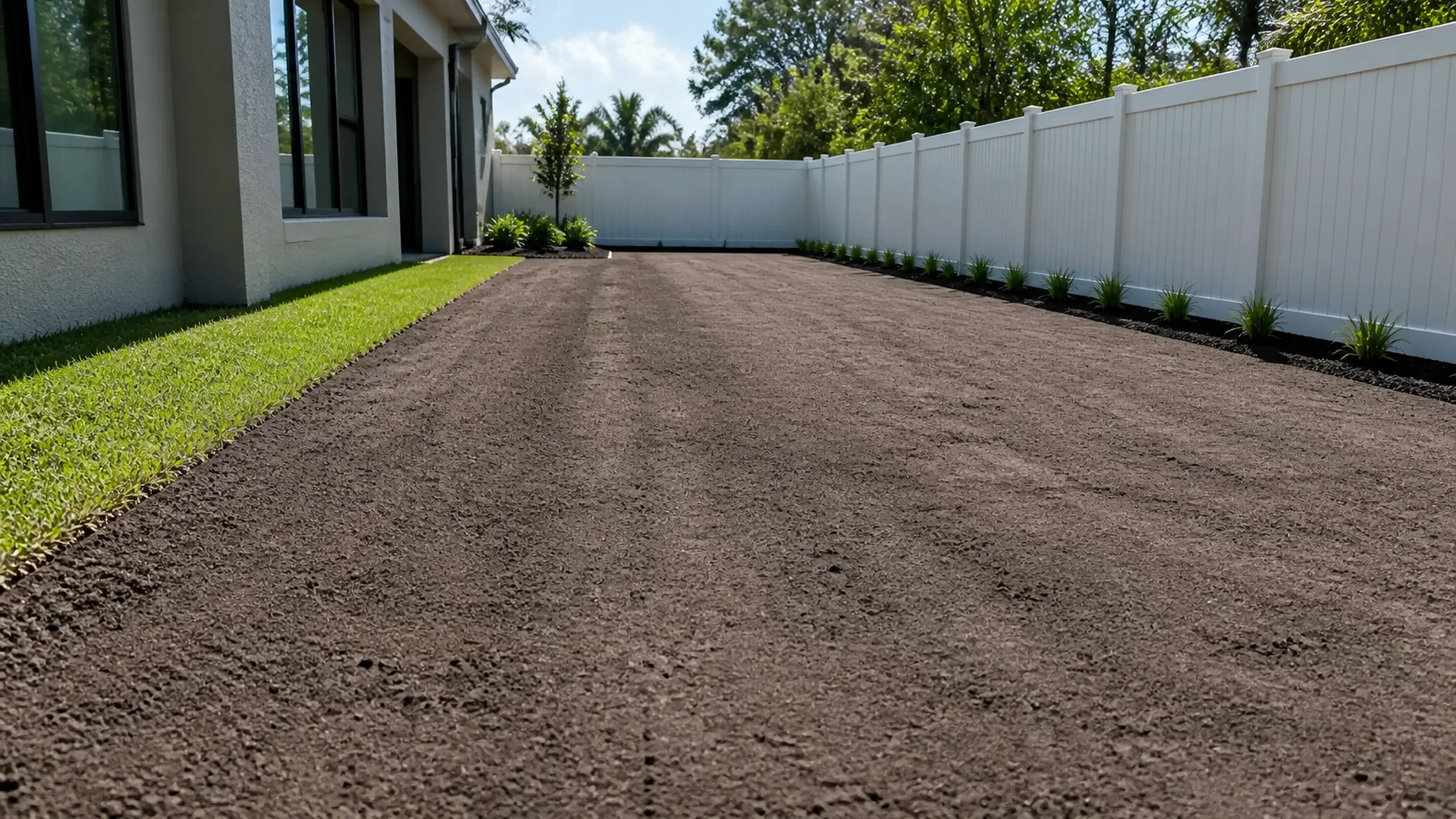
Prepare soil and grade before delivery
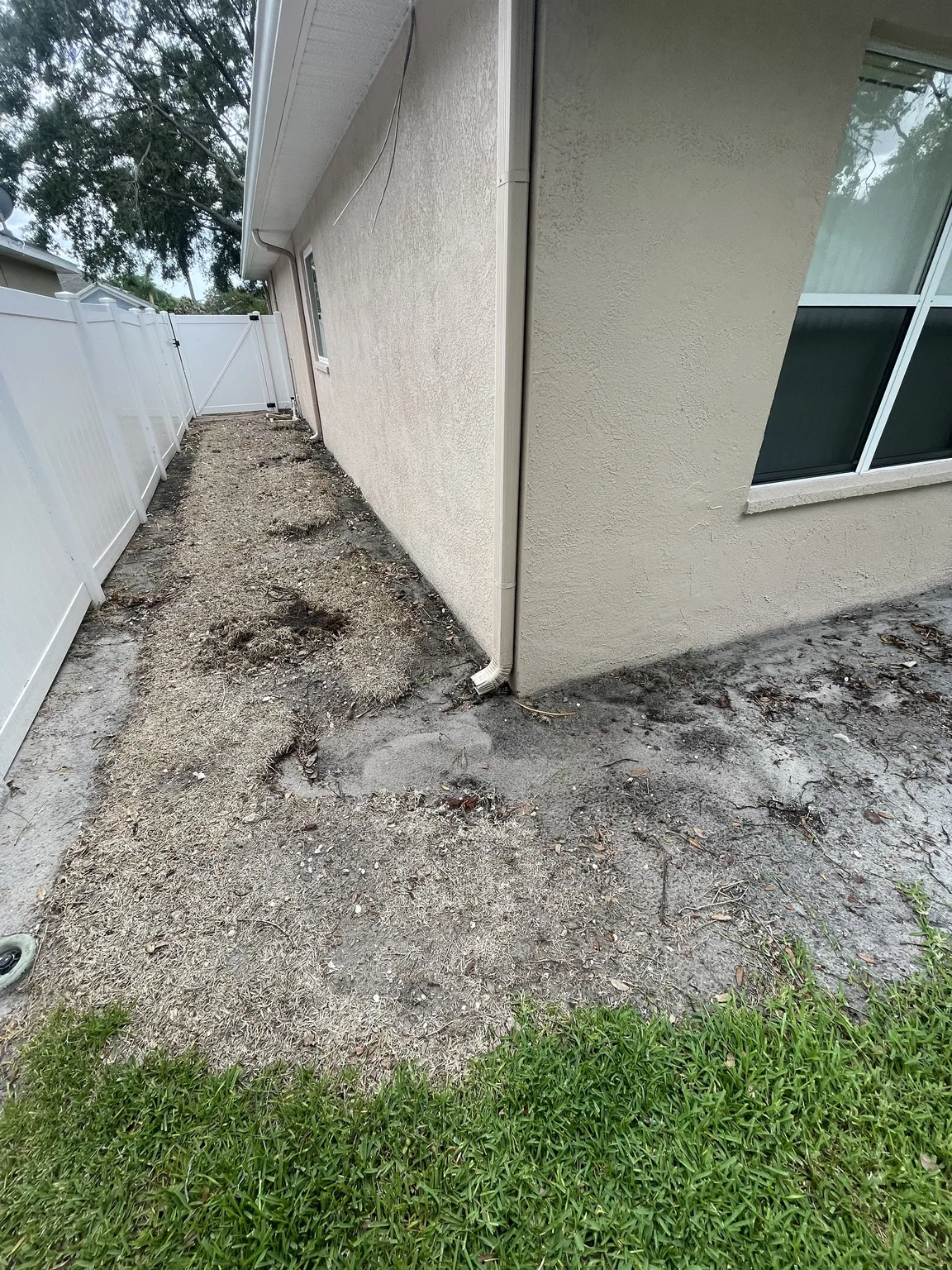
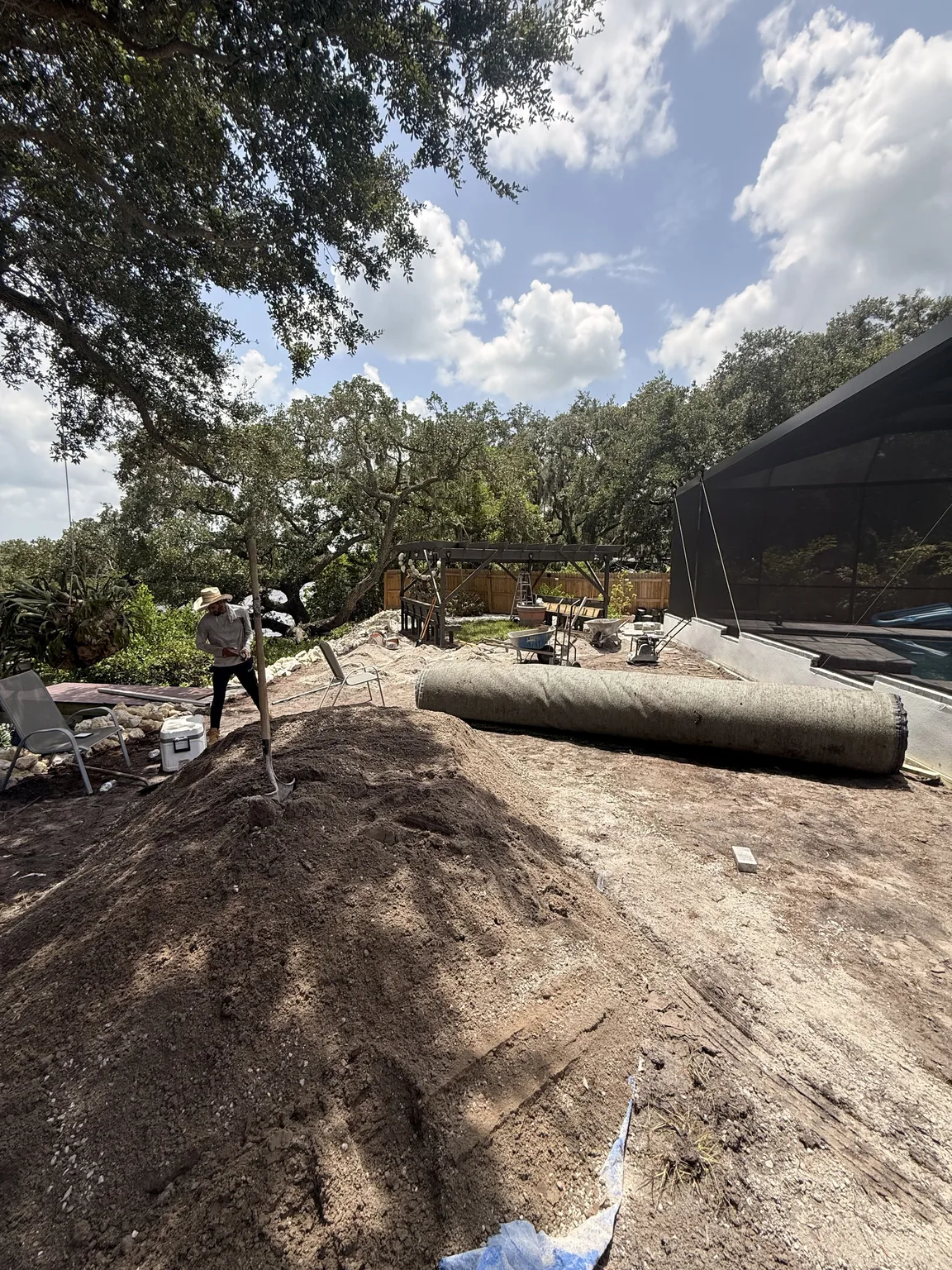
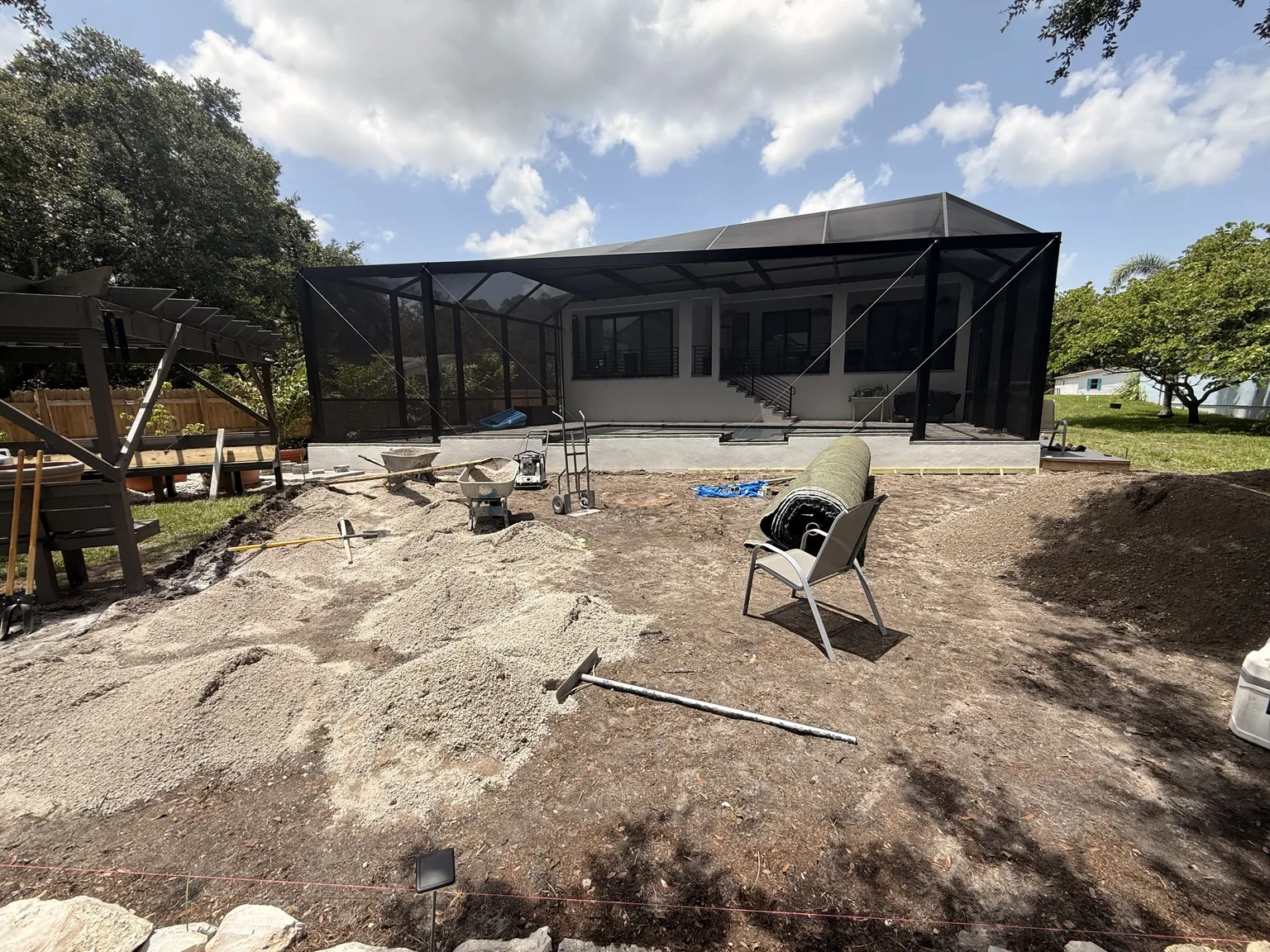
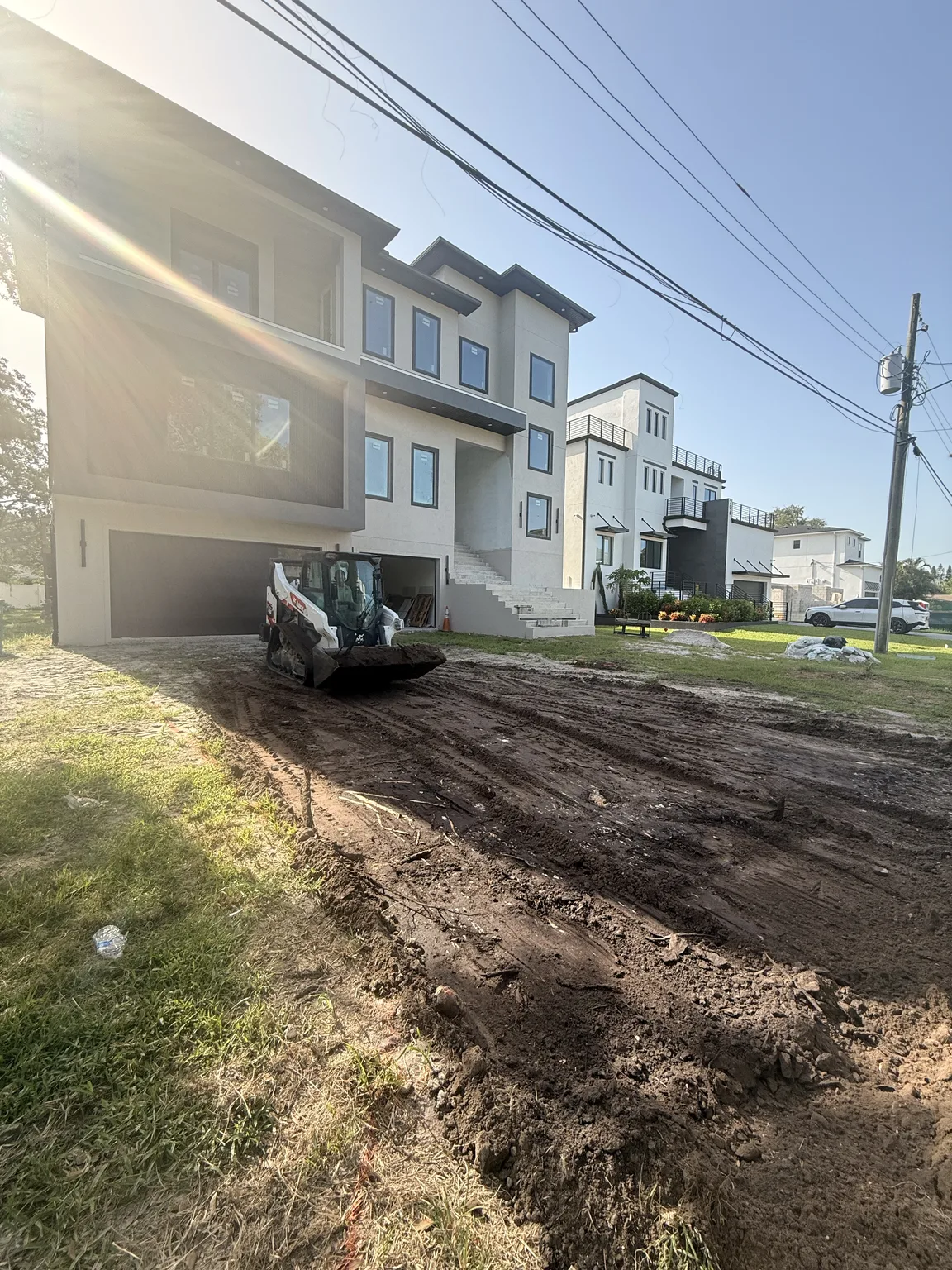
Even the best sod for Tampa cannot hide poor preparation for long. First, crews should remove unsuitable growth, debris, and unstable material. Then, they should establish a smooth, firm surface at the correct elevation. Therefore, preparation creates the conditions roots need to contact the soil evenly.
However, grading must coordinate with foundations, patios, gates, sidewalks, and neighboring property. Low areas can stay wet, while high areas may scalp during mowing. In addition, abrupt slopes make irrigation and maintenance harder. Consequently, crews should shape the site before setting the first piece.
Protect hardscape and define finished elevations
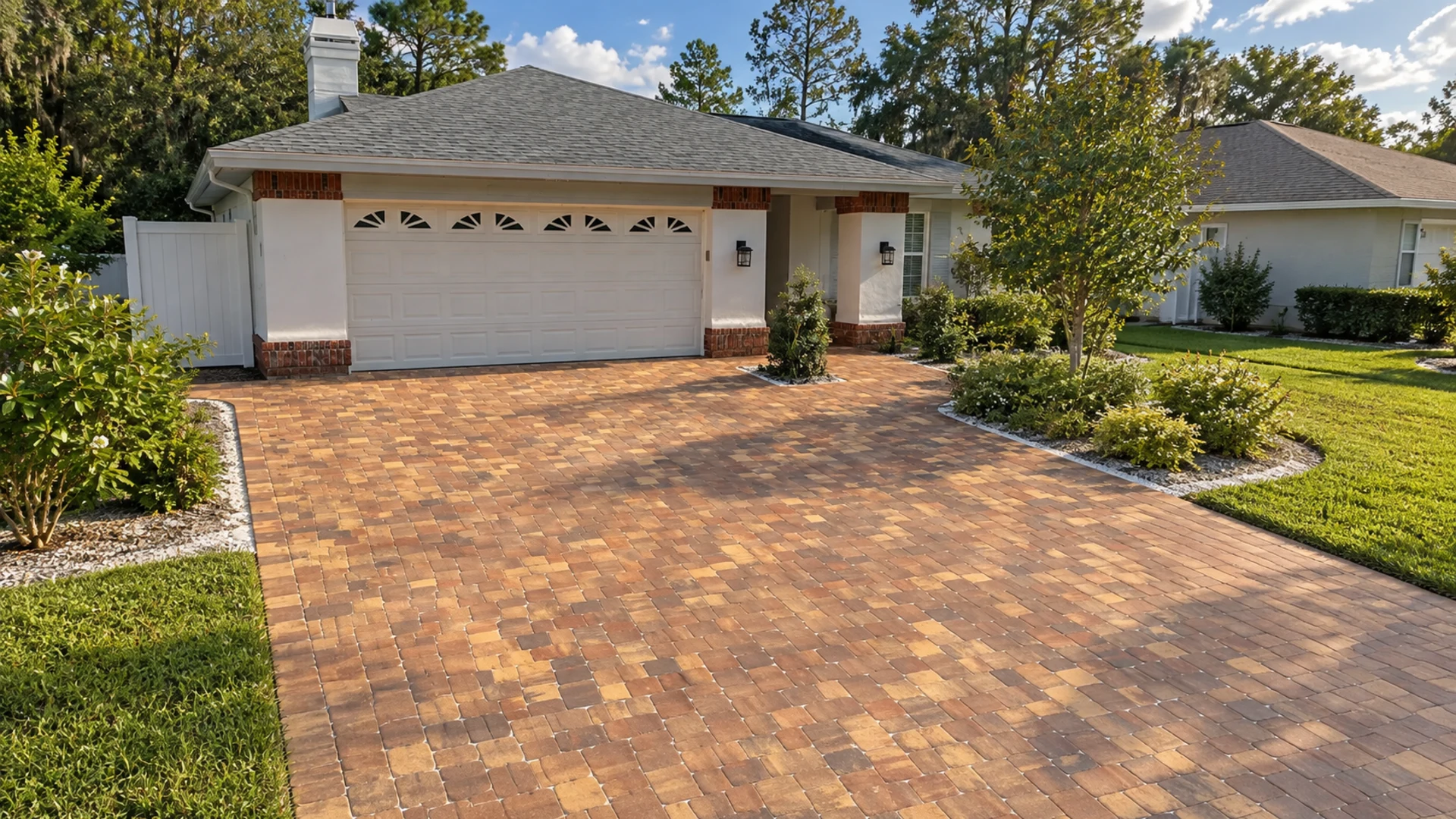
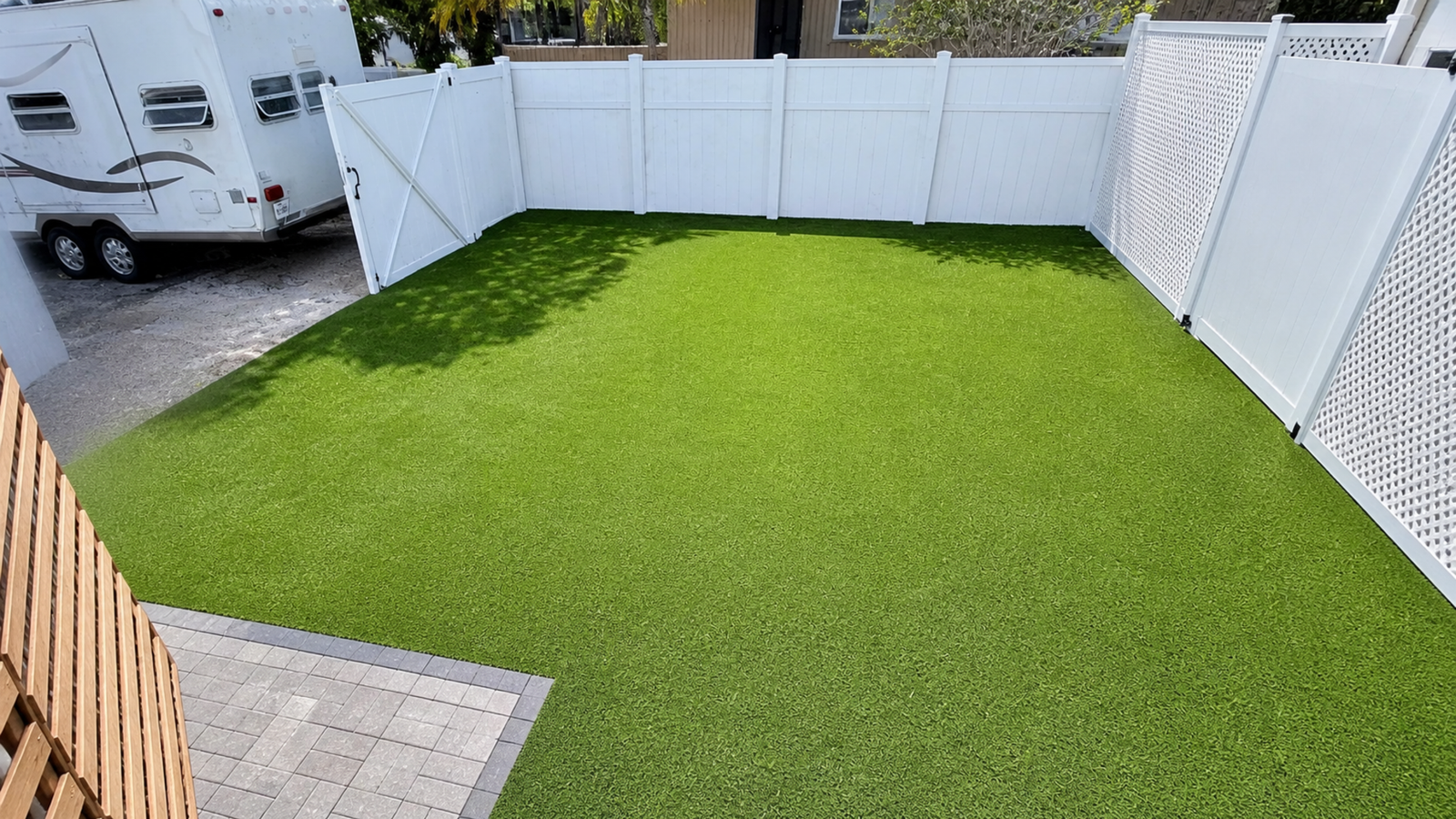
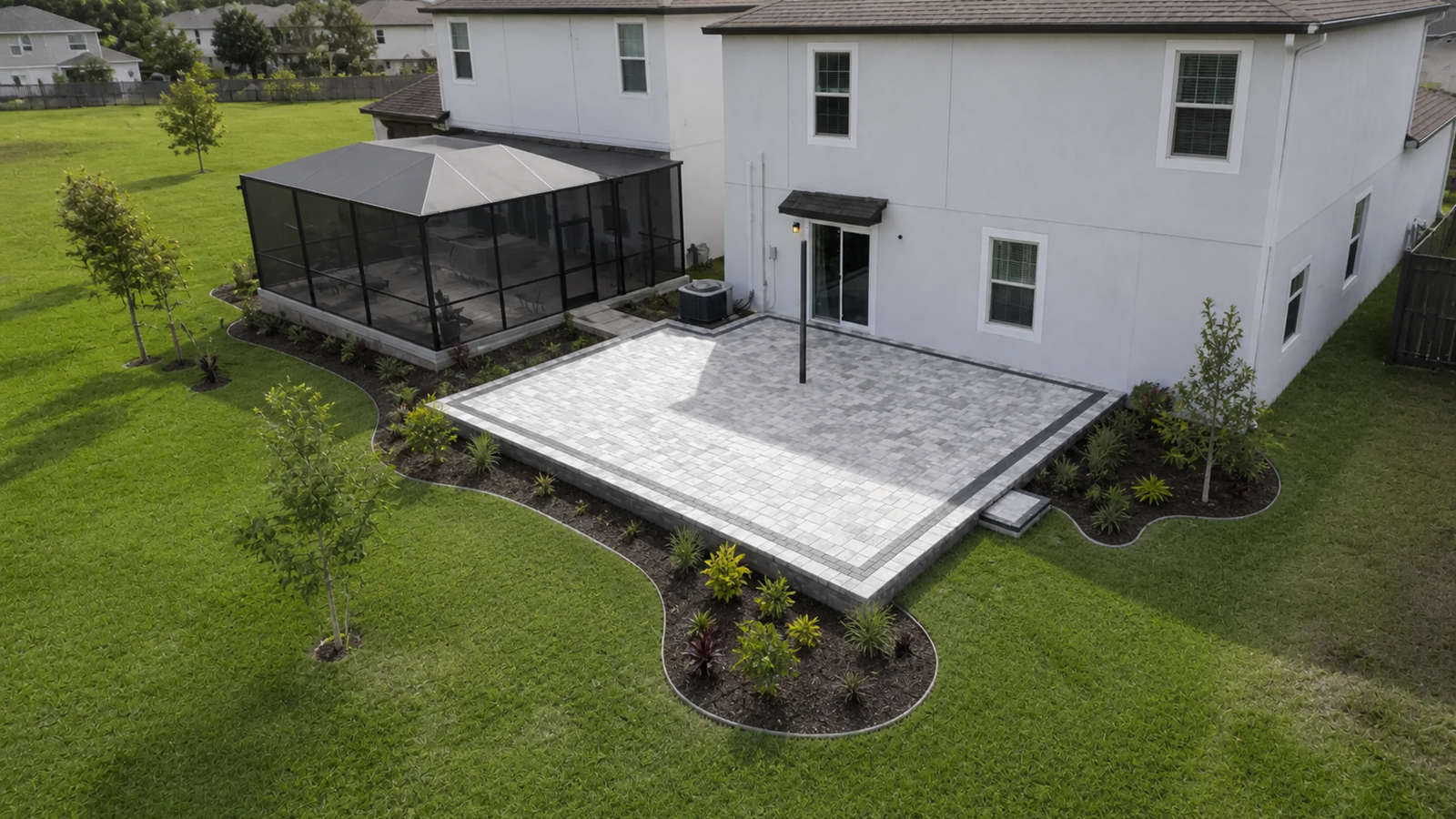
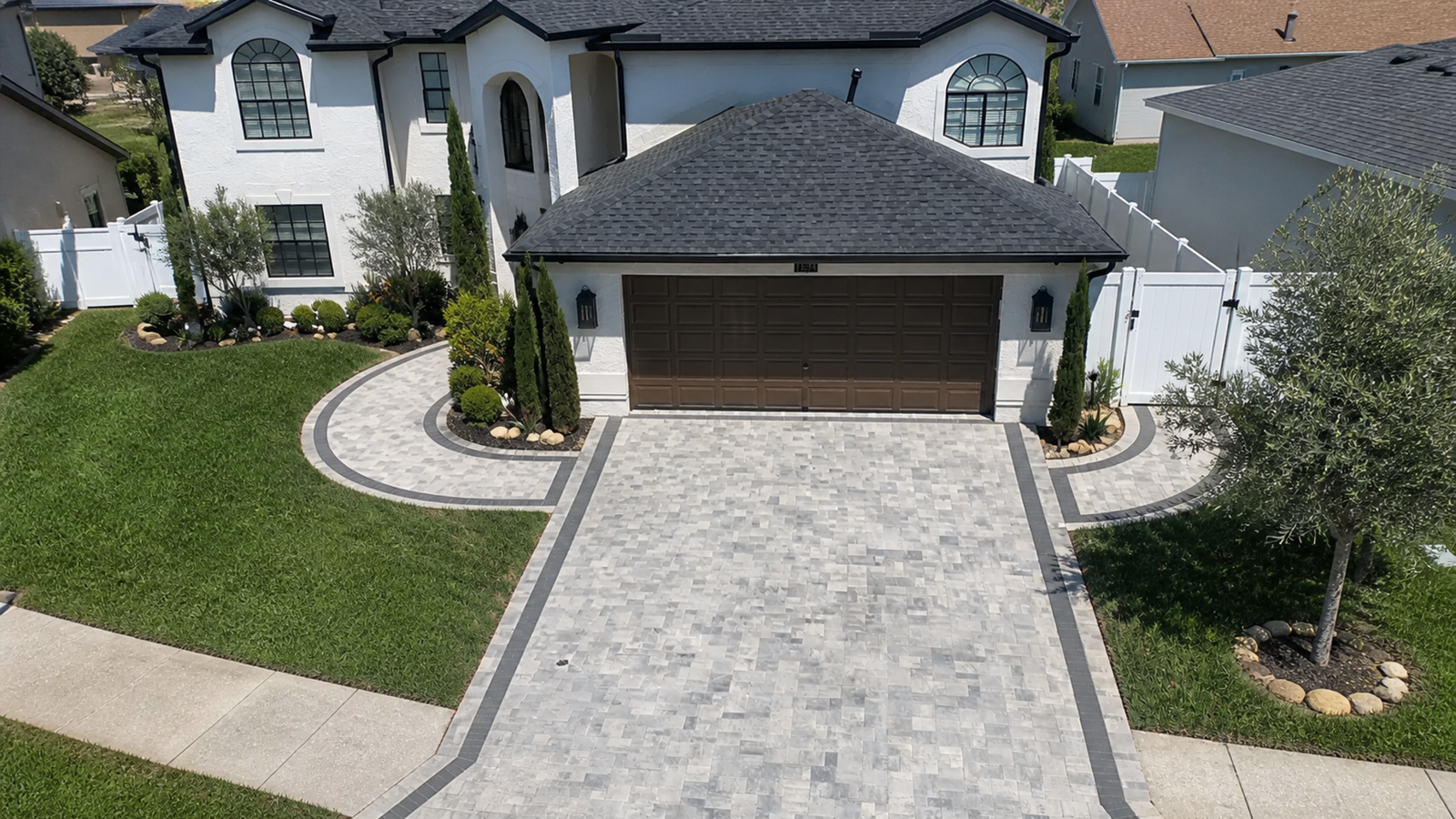
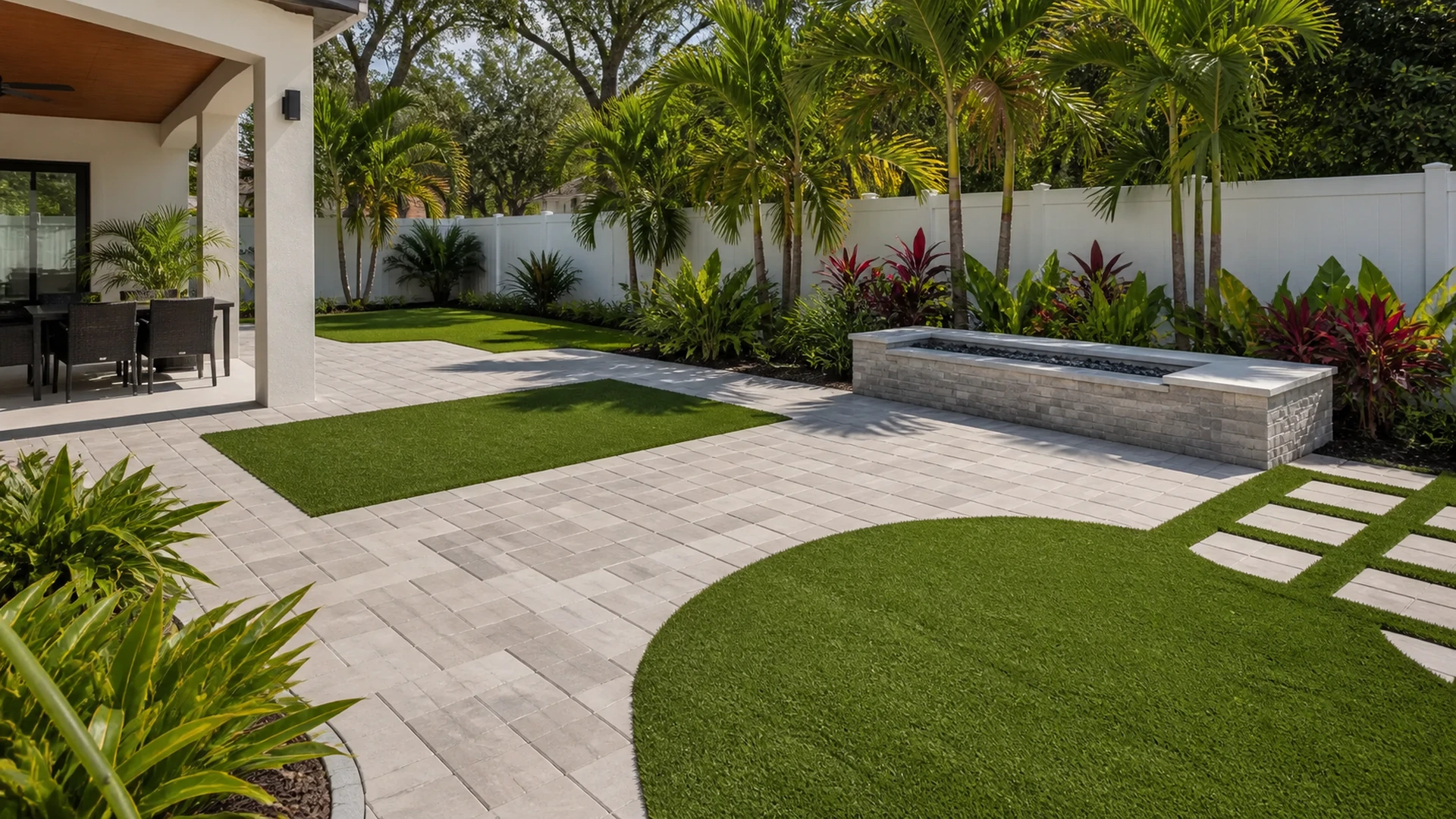
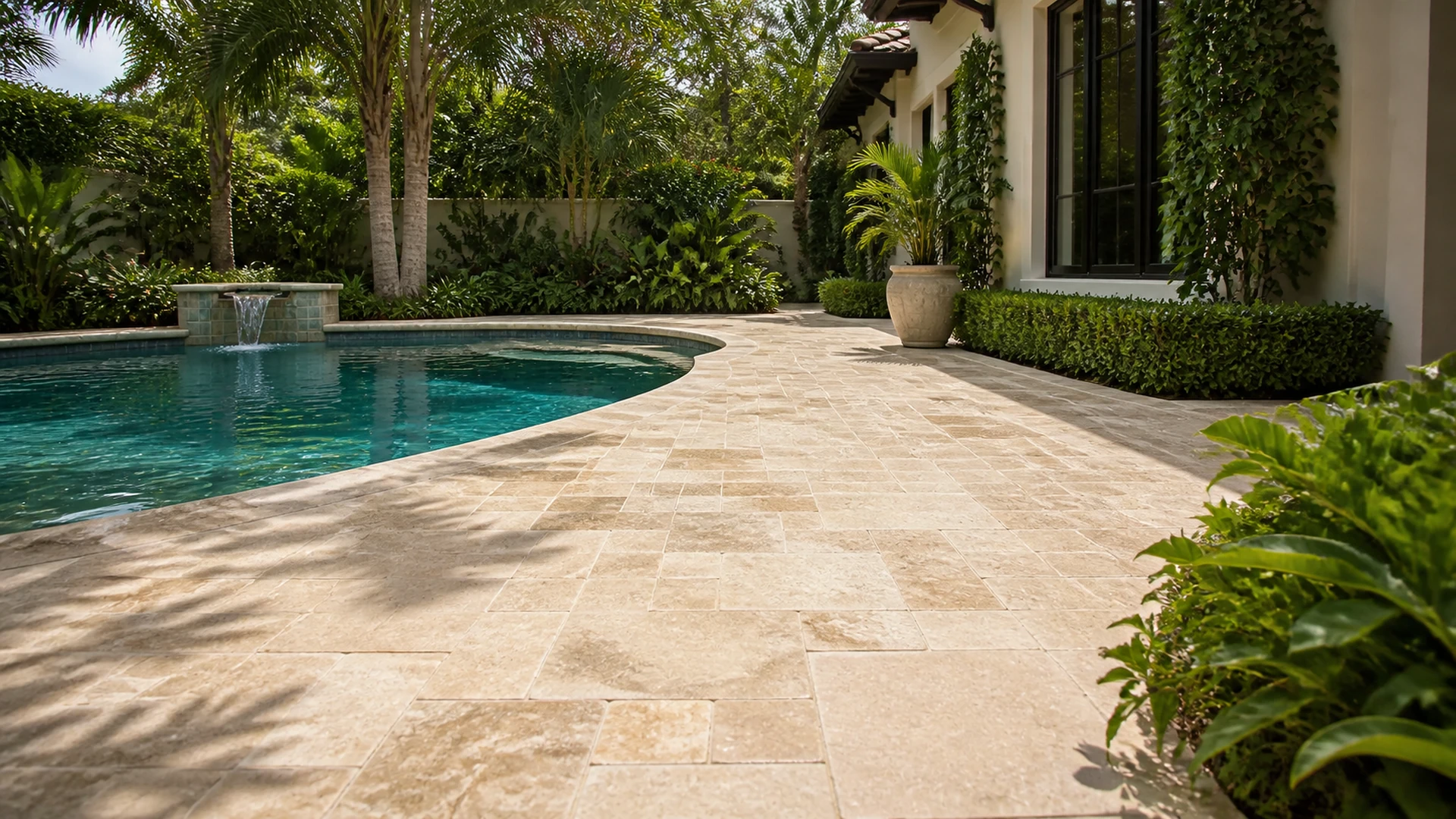
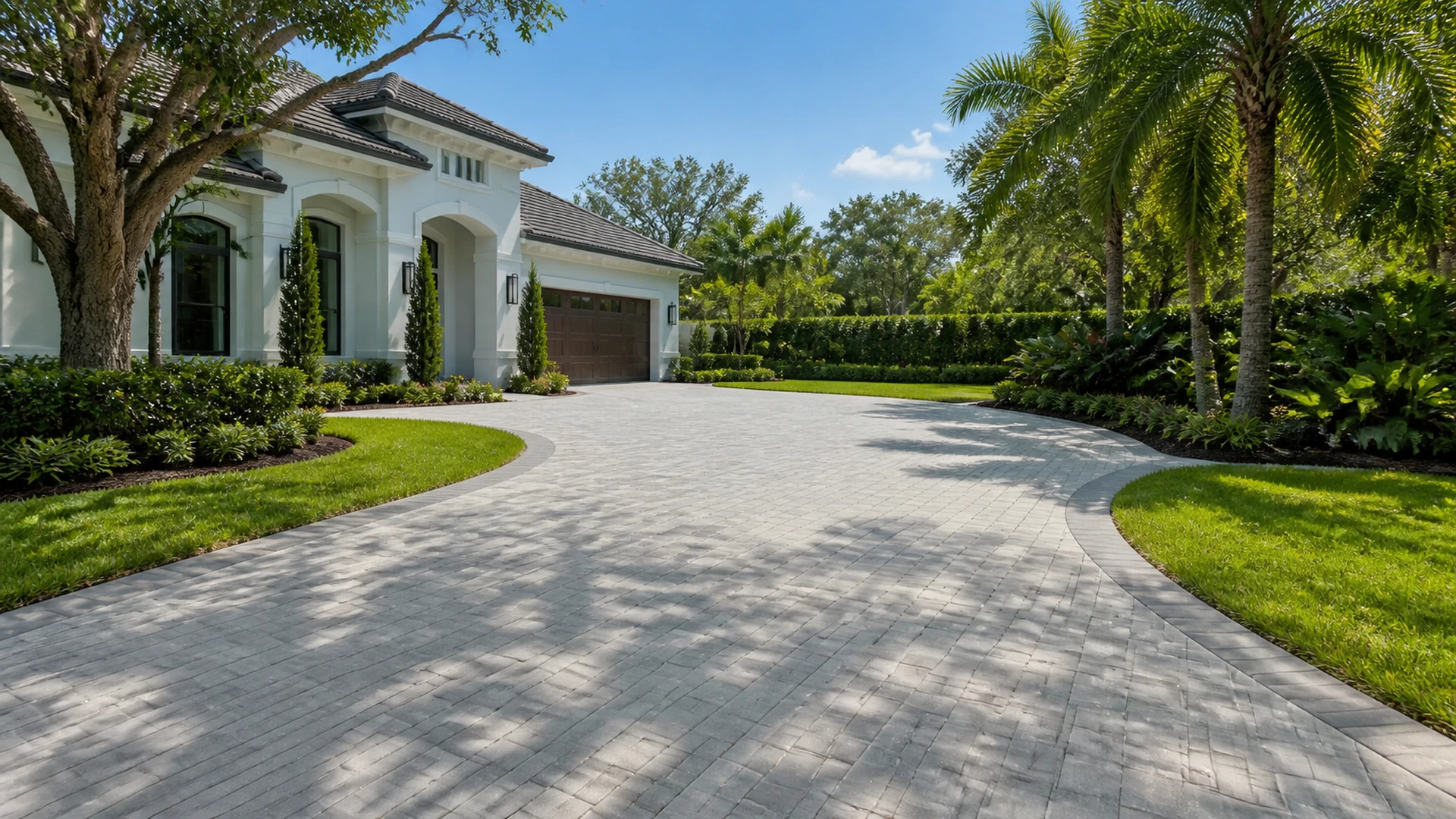
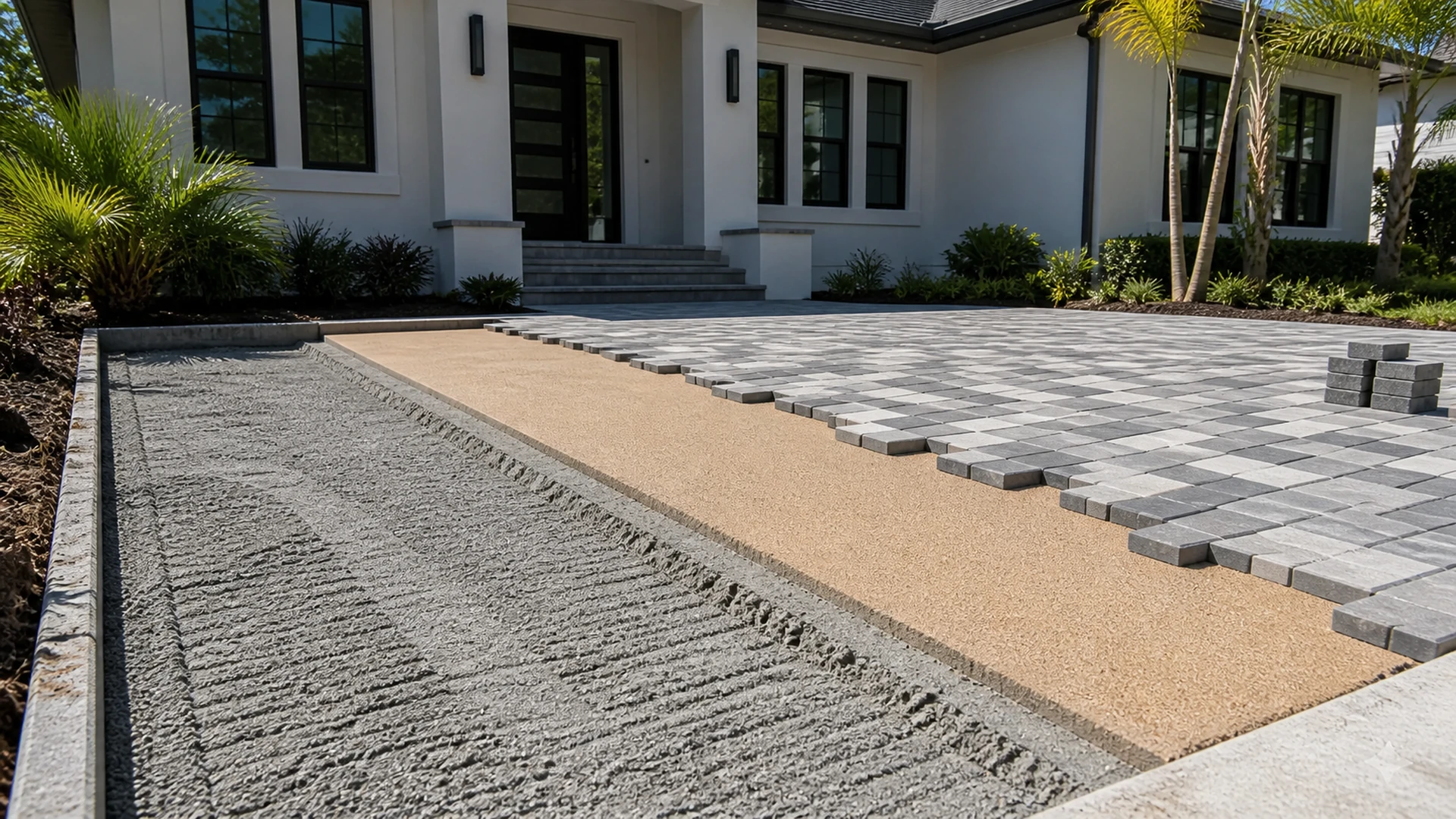
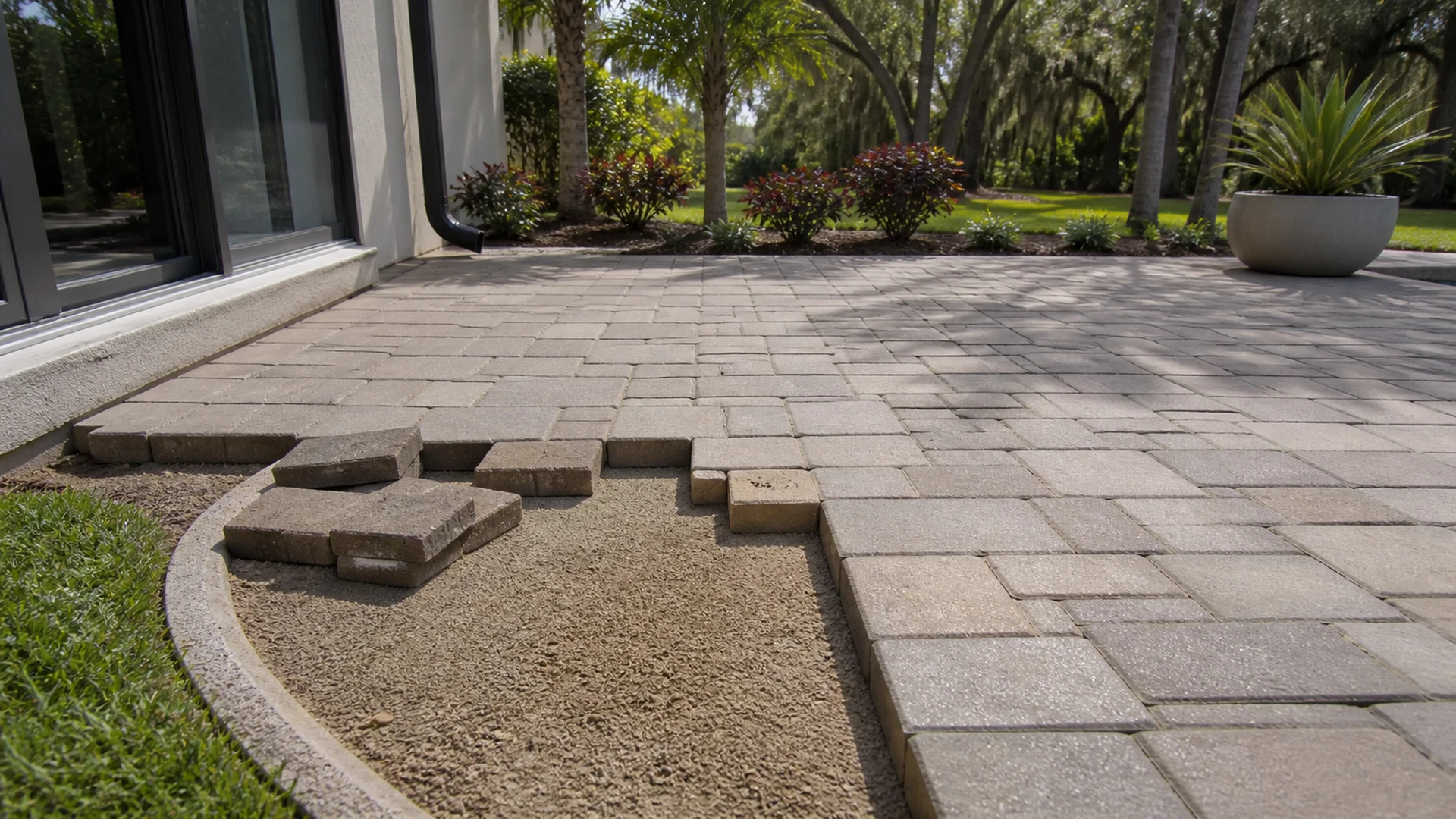
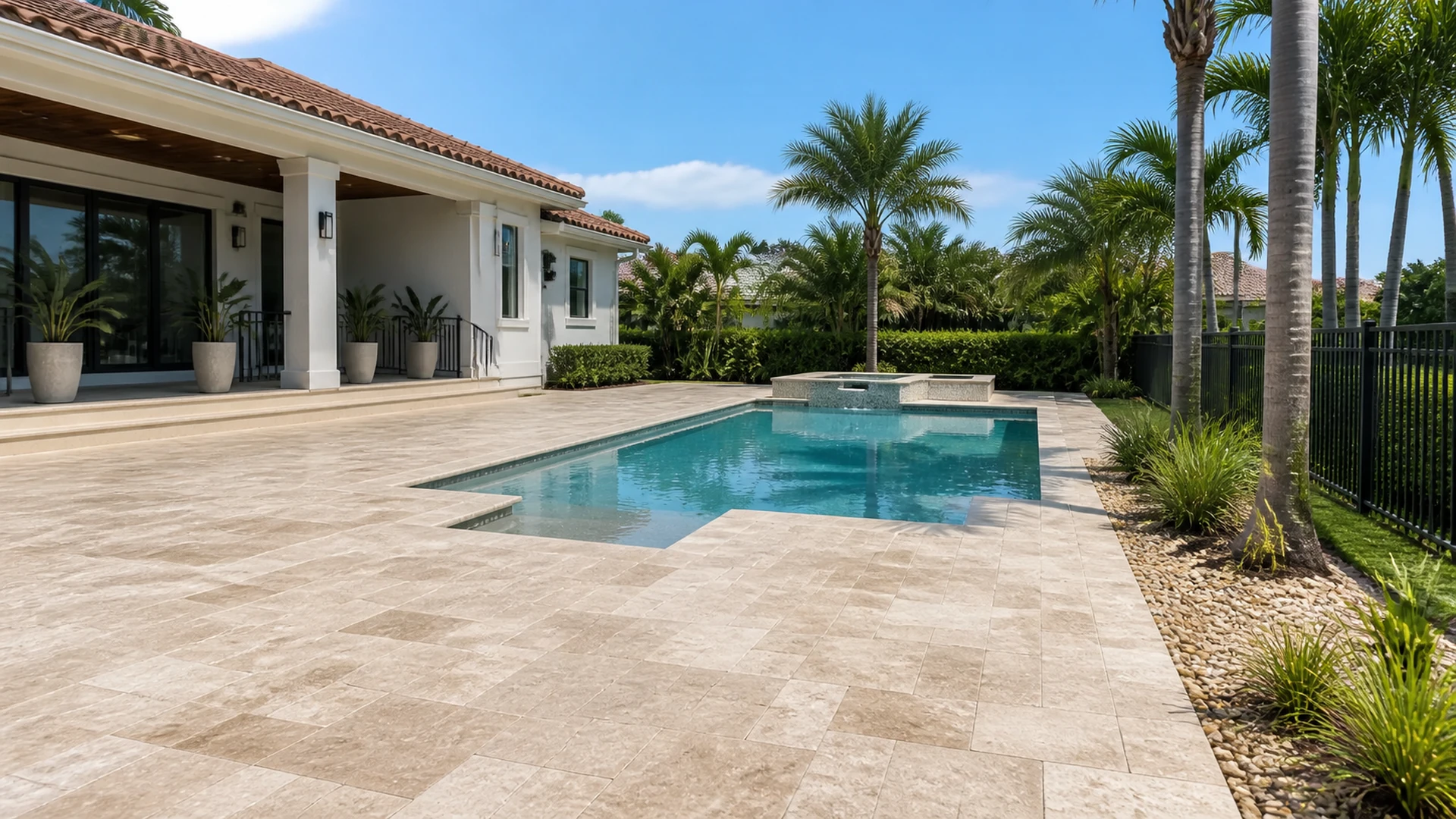
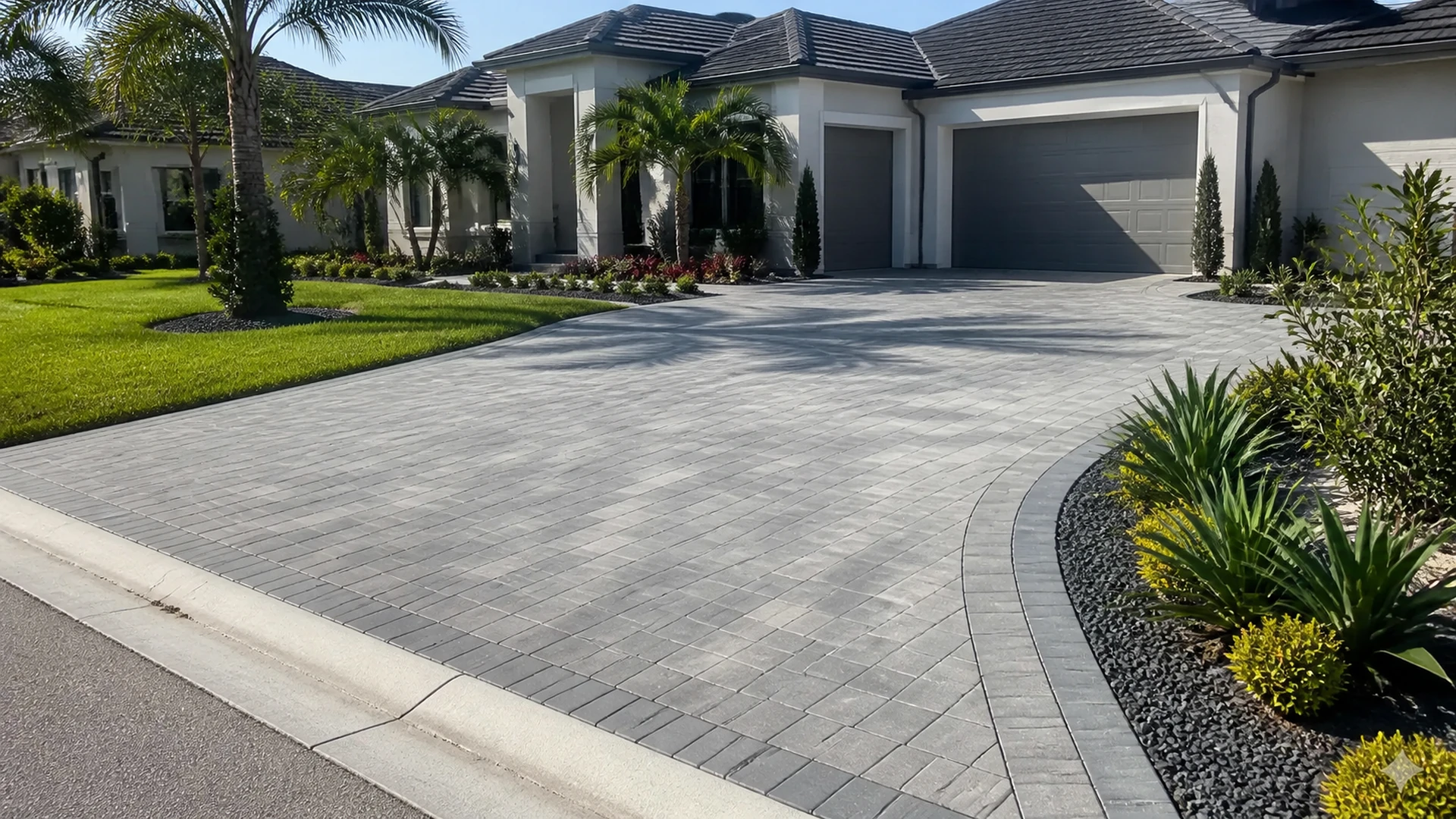
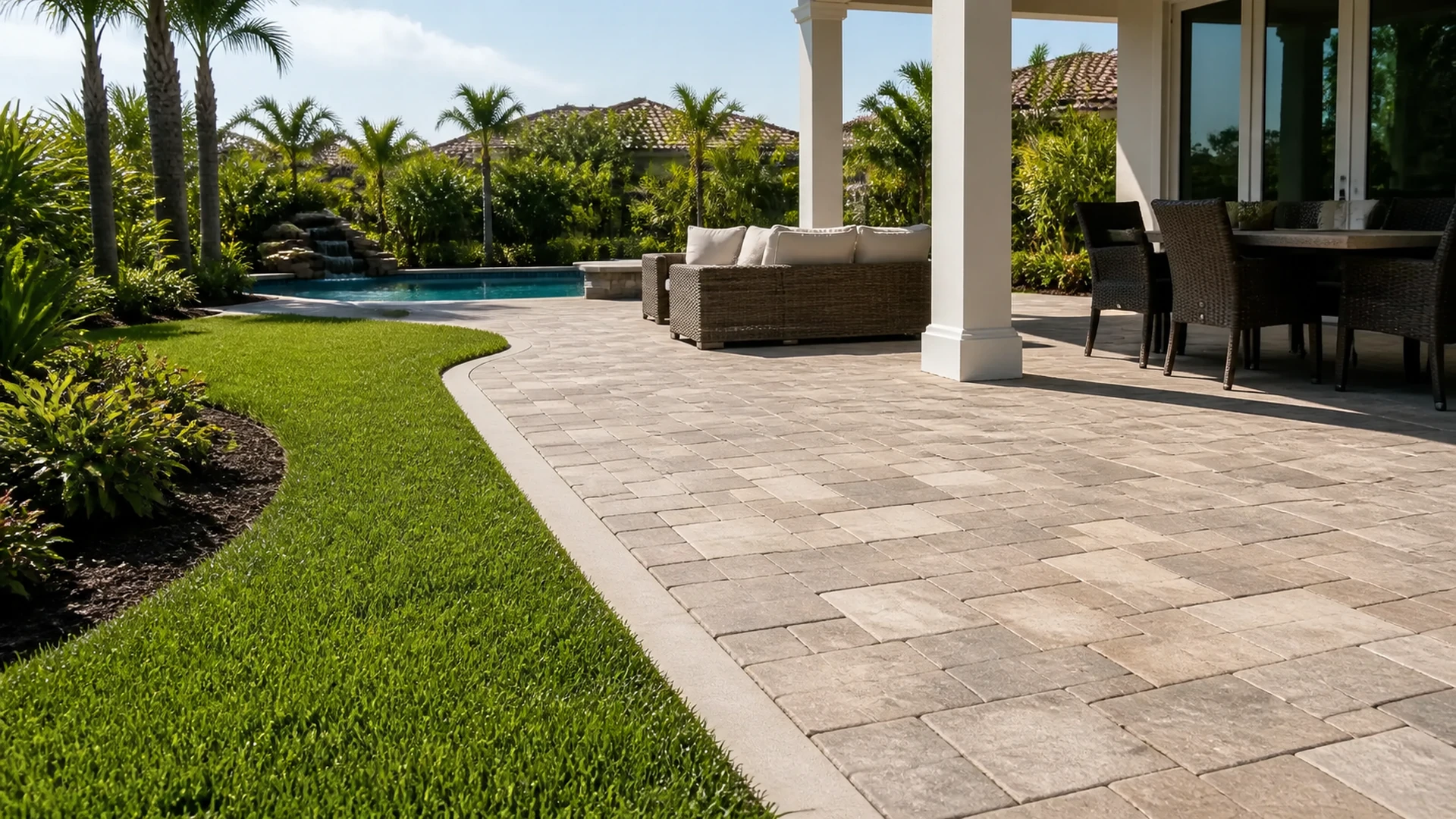
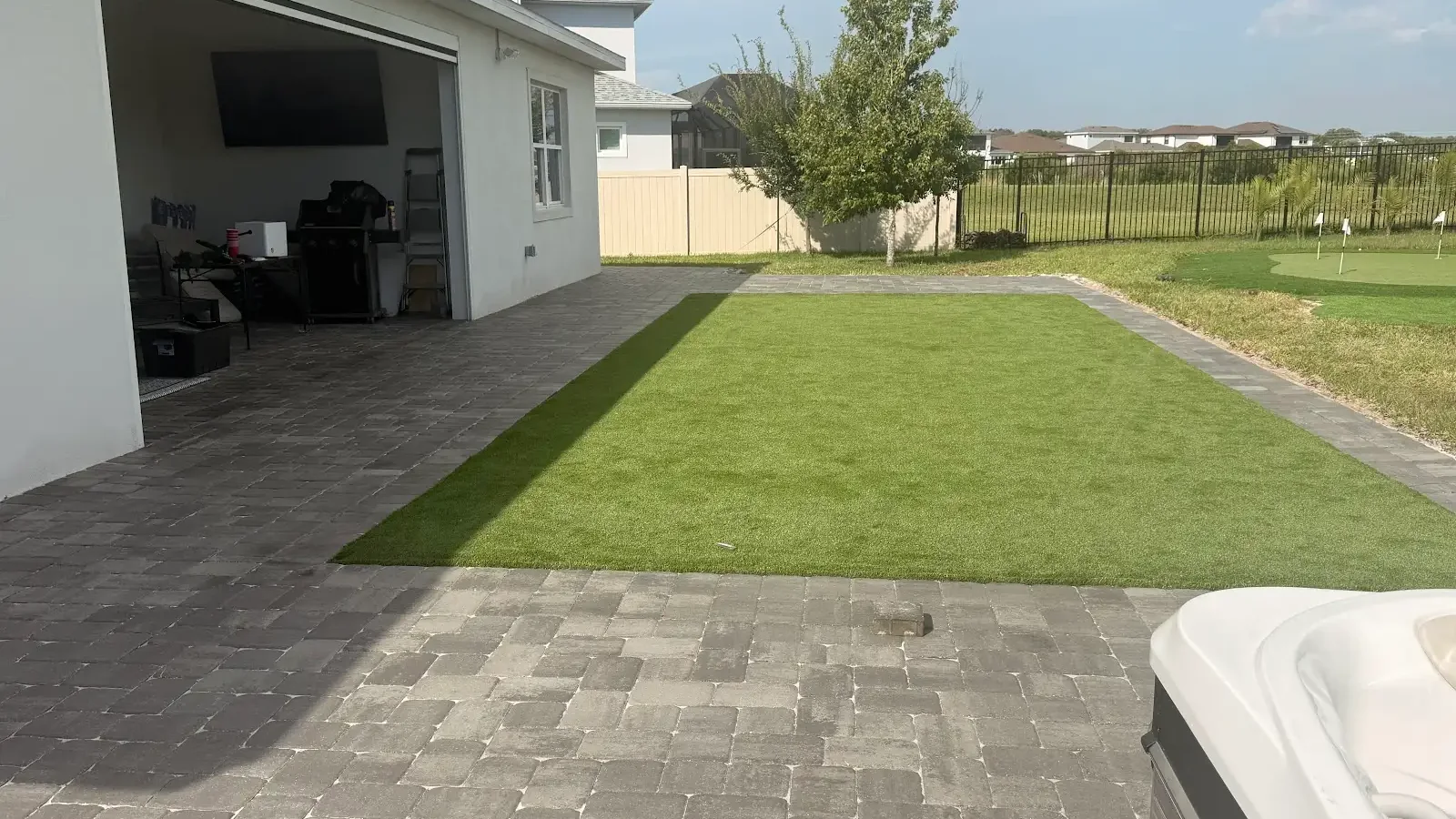
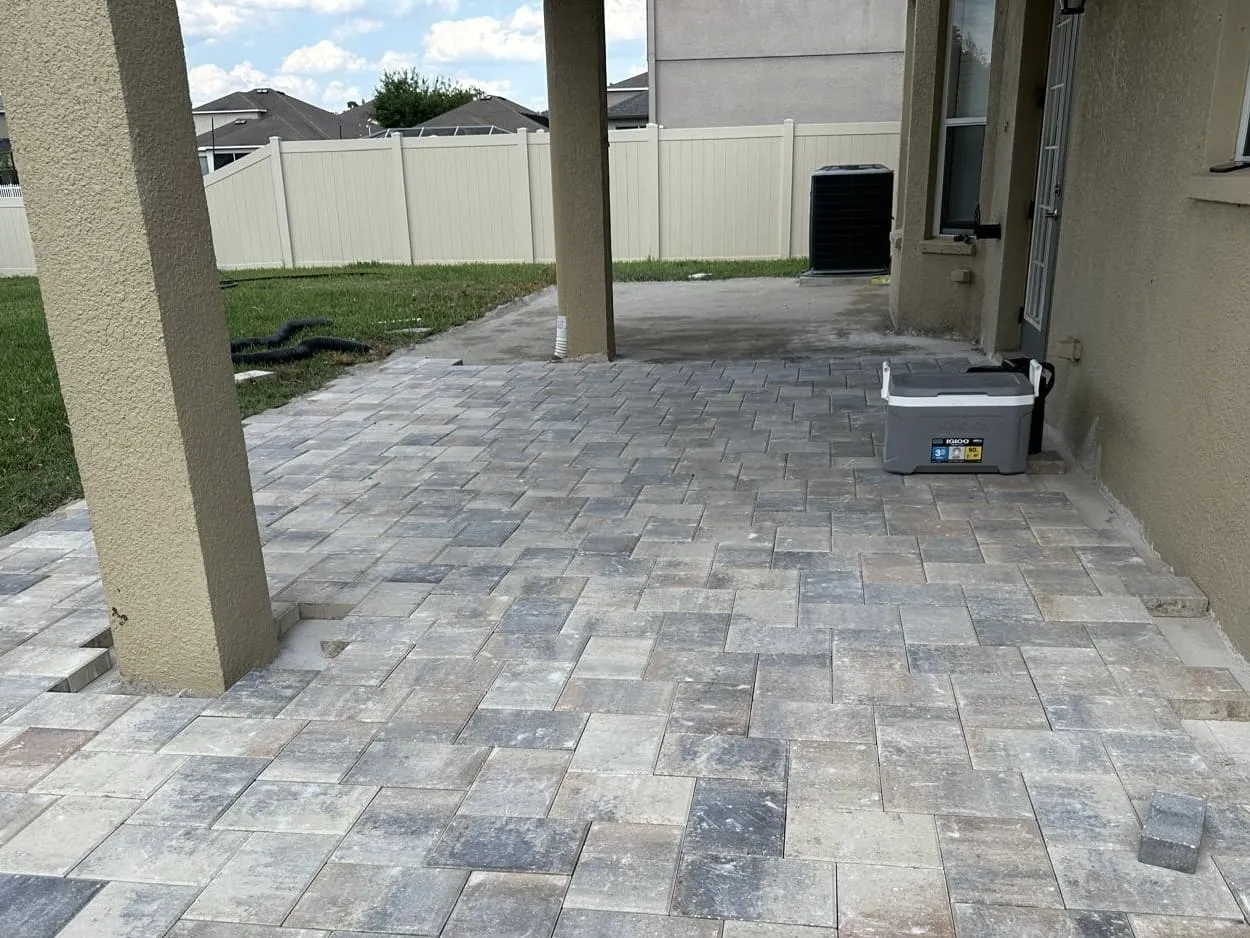
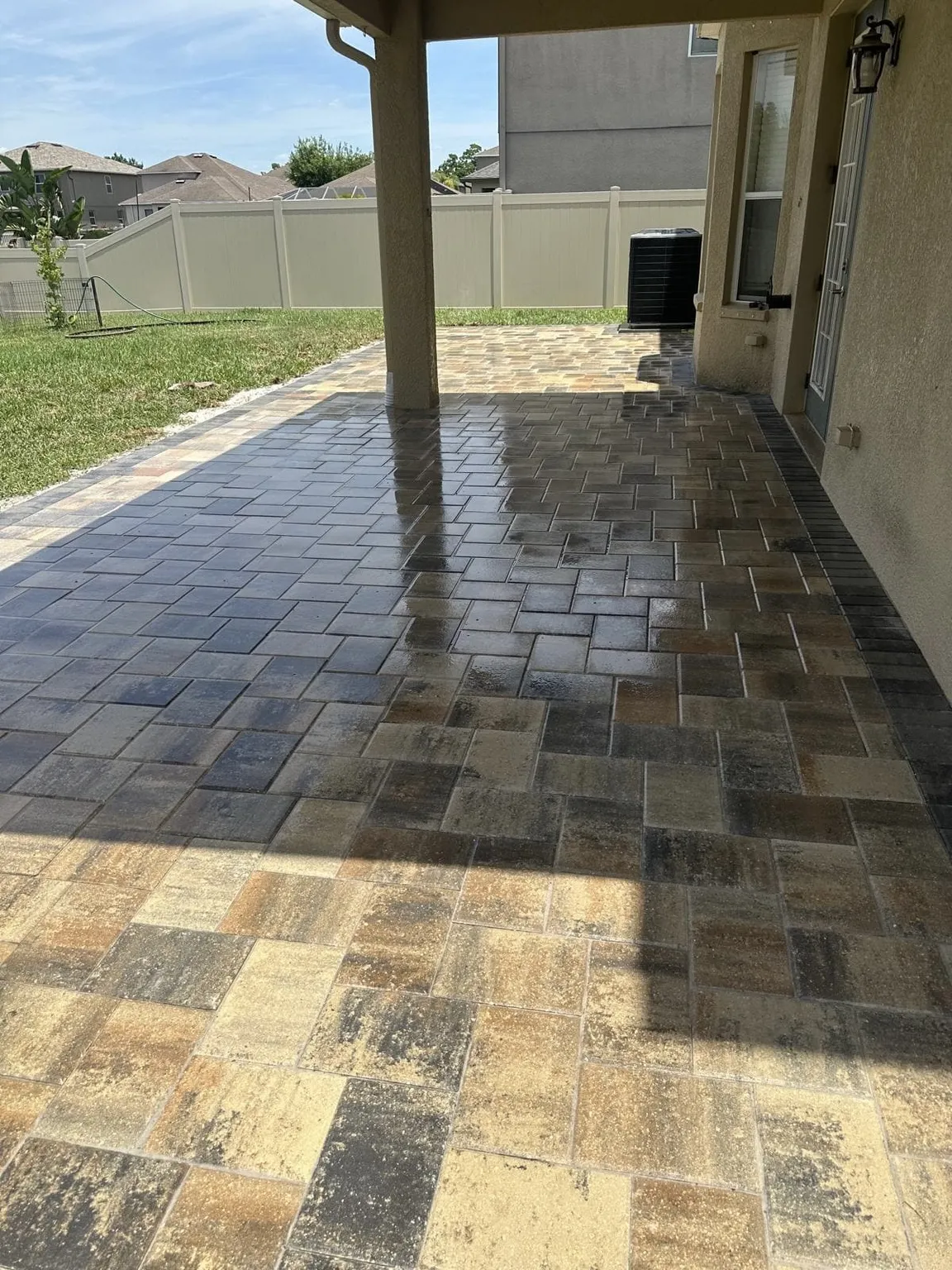
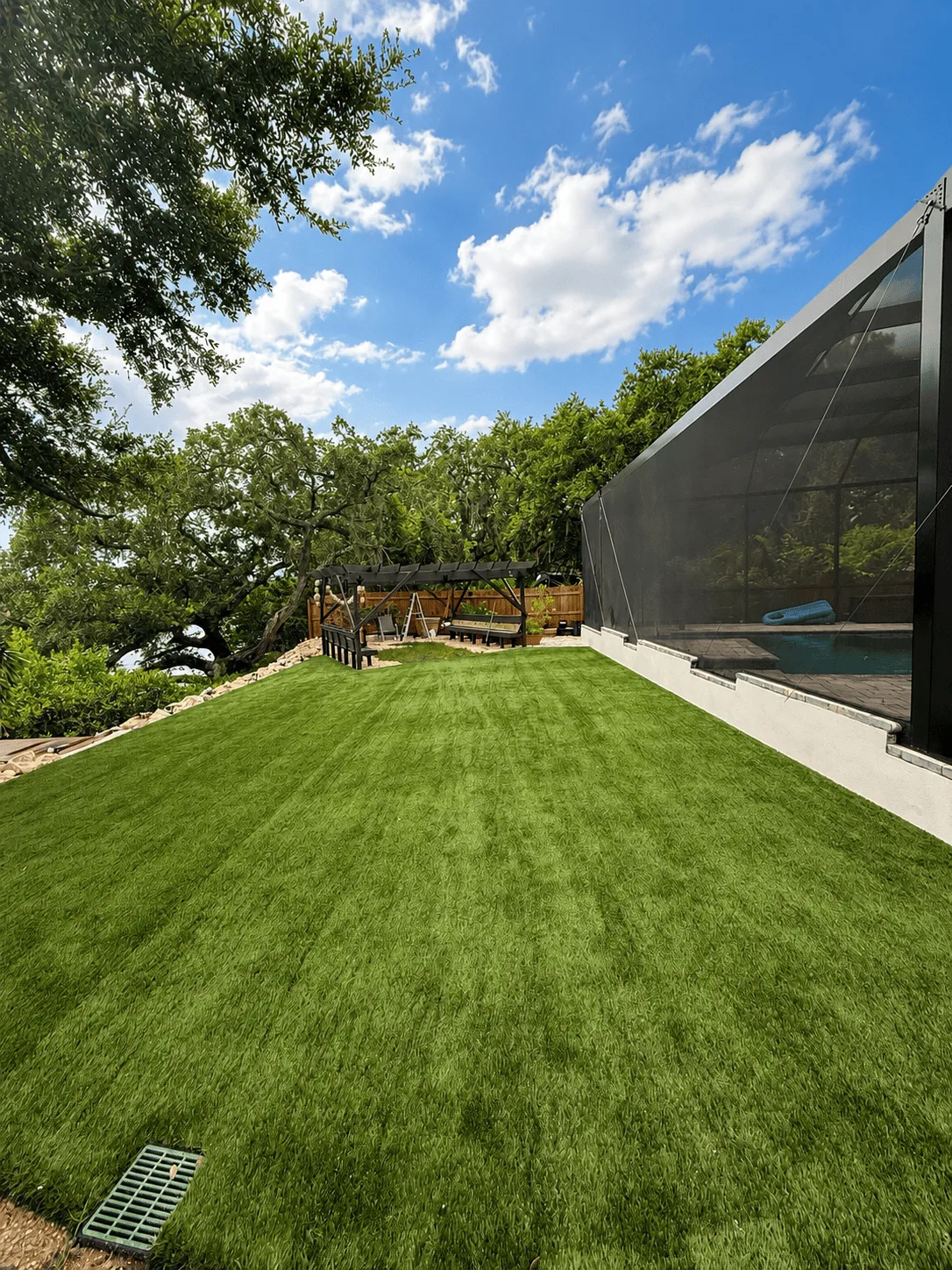
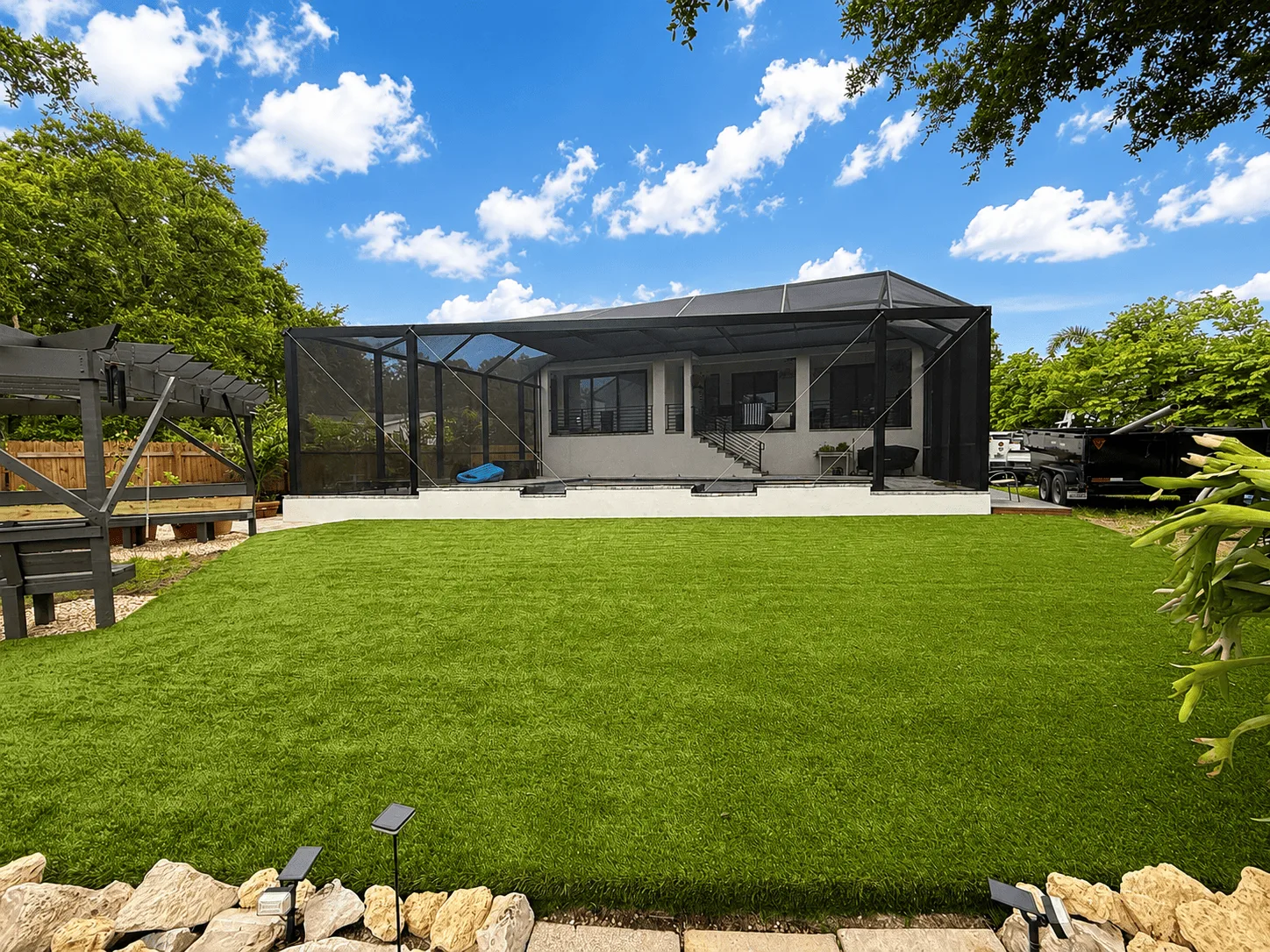
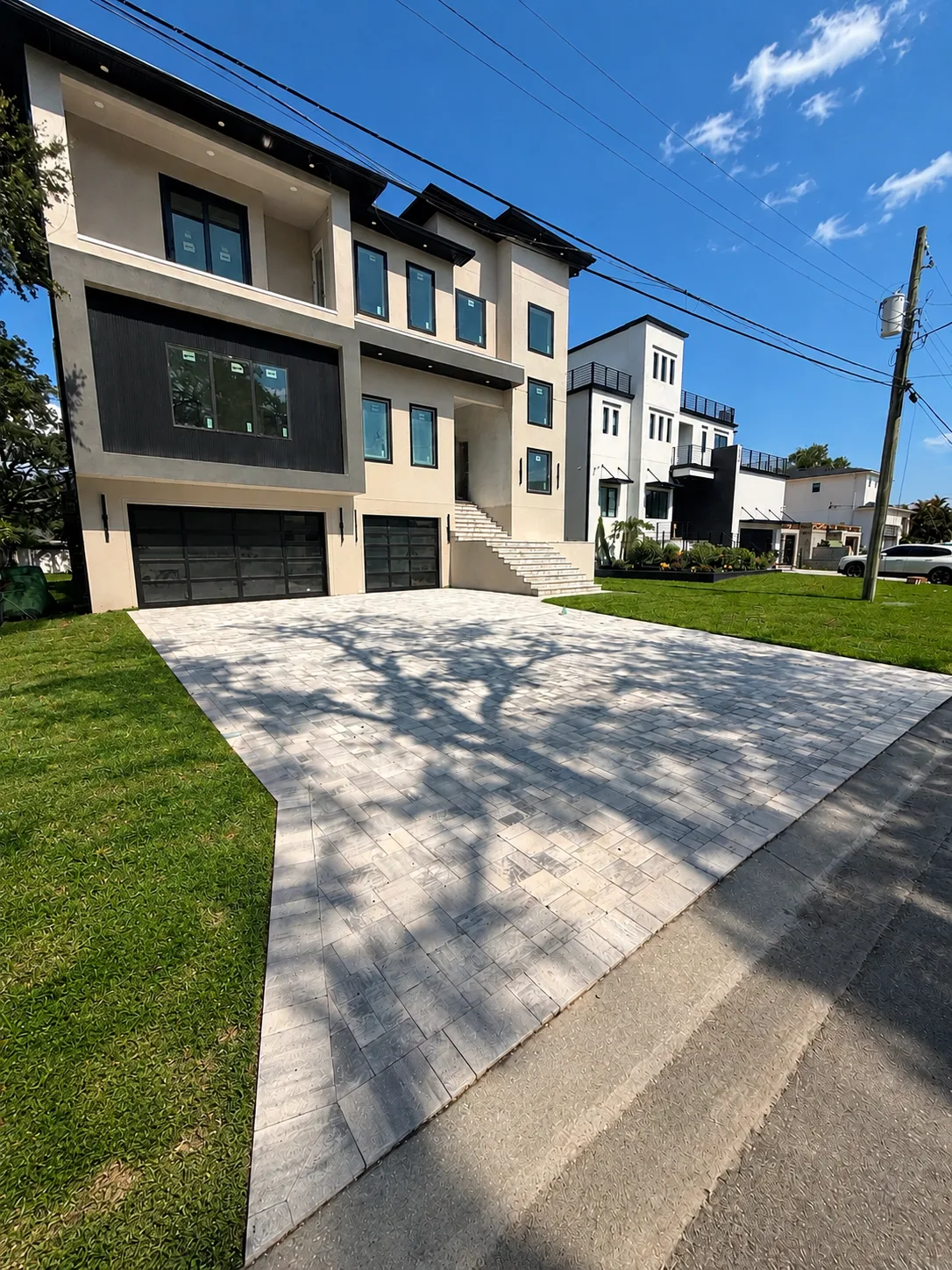
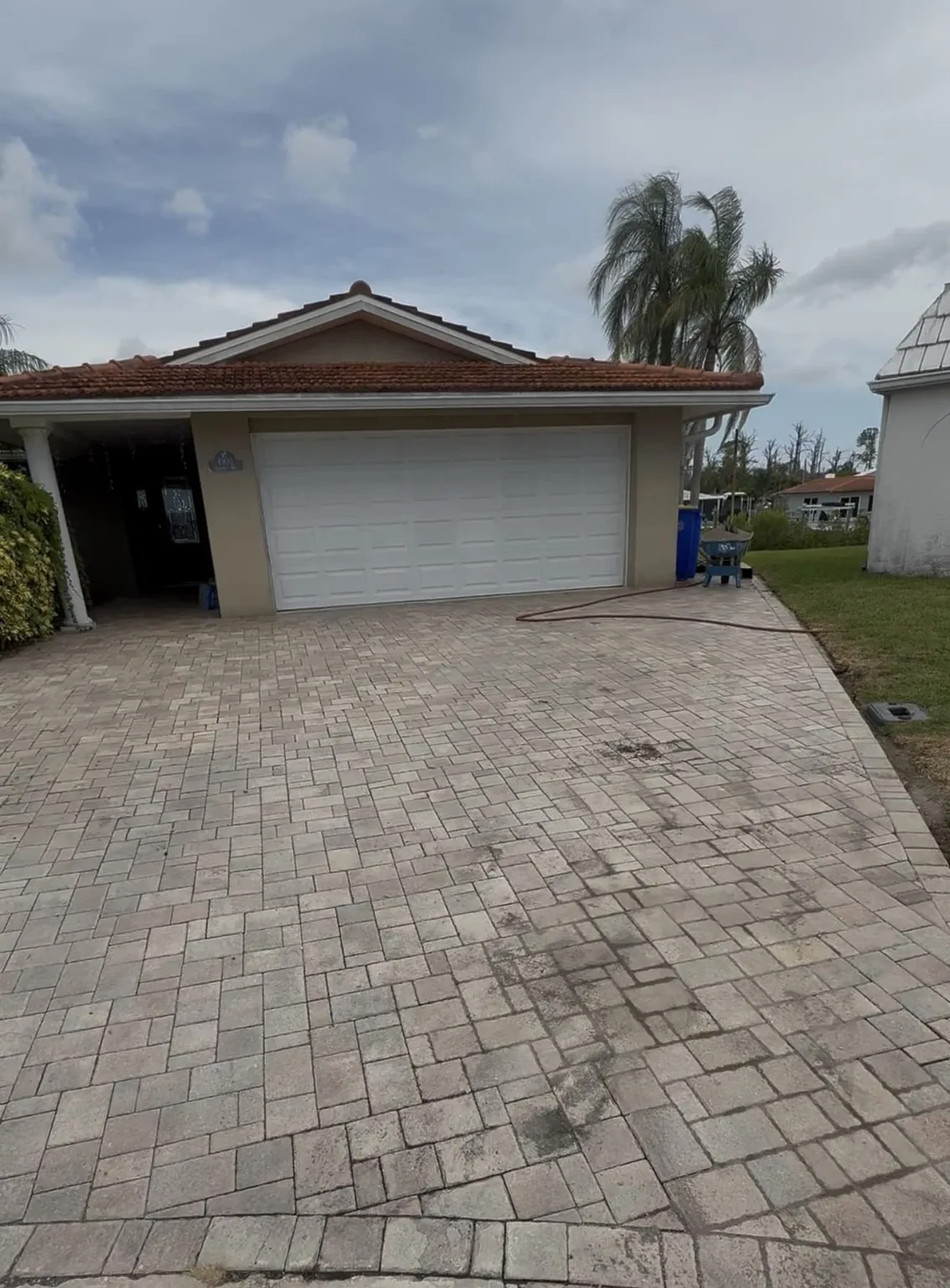
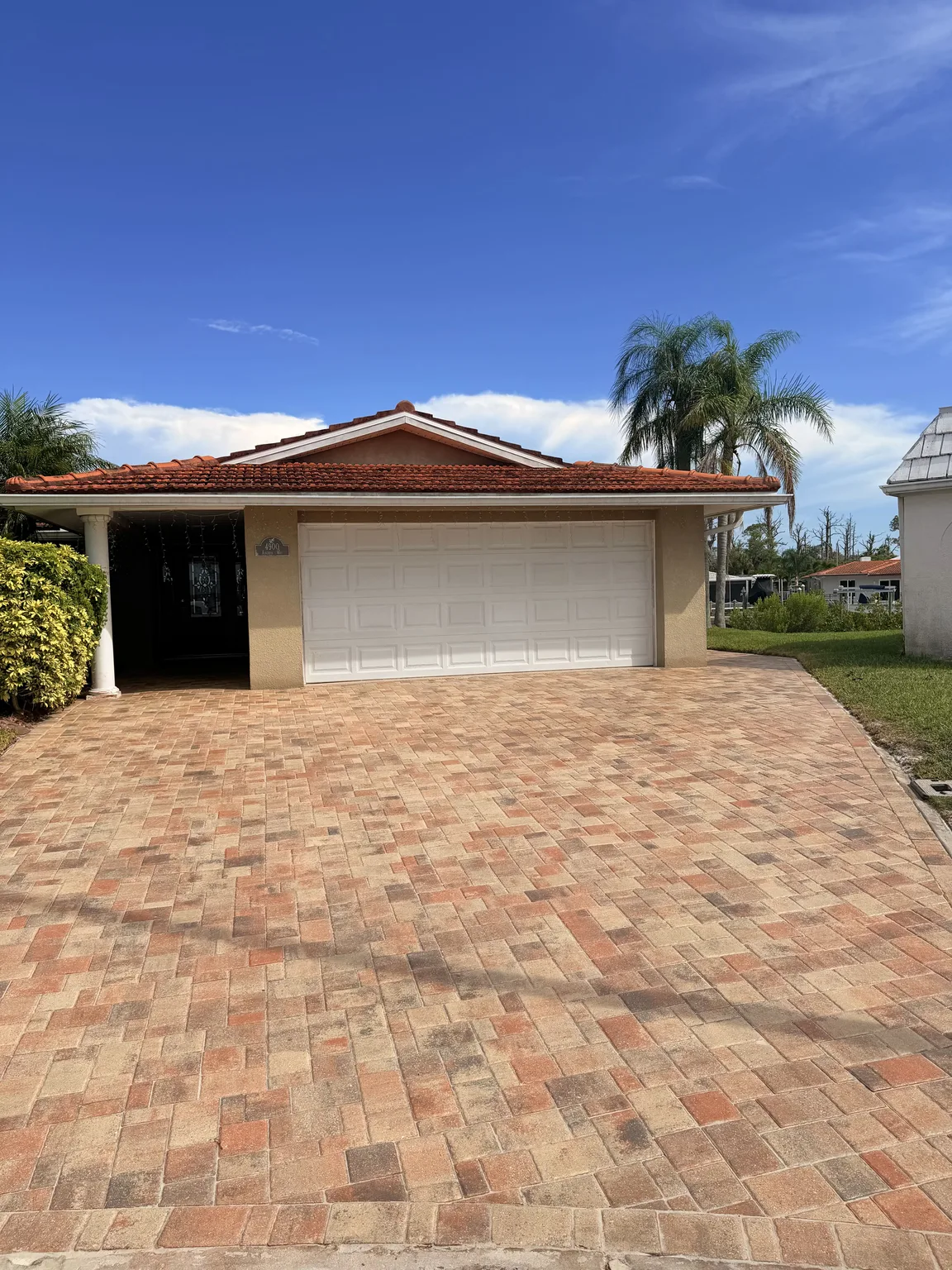
Sod should meet pavers and concrete at a practical height for mowing and clean transitions. Therefore, installers need to account for soil depth and sod thickness in advance. best sod for Tampa projects look finished when edges lie flat and predictable. In addition, proper elevations reduce loose soil washing across hardscape.
Meanwhile, irrigation heads should sit correctly for the finished grade. A head set too low may provide poor coverage, while one set too high can face mower damage. As a result, irrigation review belongs before installation. This coordination avoids disturbing new roots later.
Inspect sod quality when it reaches the property
Fresh sod should arrive as the planned species and cultivar, with consistent pieces and viable roots. Therefore, confirm the order before installation spreads across the yard. best sod for Tampa can still perform poorly if material dries excessively before placement. In addition, crews should organize delivery and labor to reduce delay.
However, normal variation does not mean every piece will look identical. Color and moisture can shift during harvest and transport. Consequently, the installer should identify genuinely weak or damaged pieces instead of chasing perfect uniformity. The final lawn improves as roots establish and growth resumes.
Install tightly without forcing the pieces
Instead, Crews should place sod in a staggered layout with close joints and full soil contact. First, they fit each piece without stretching it. Then, they trim cleanly around curves, heads, and borders. best sod for Tampa installation avoids narrow scraps where practical because small pieces dry quickly.
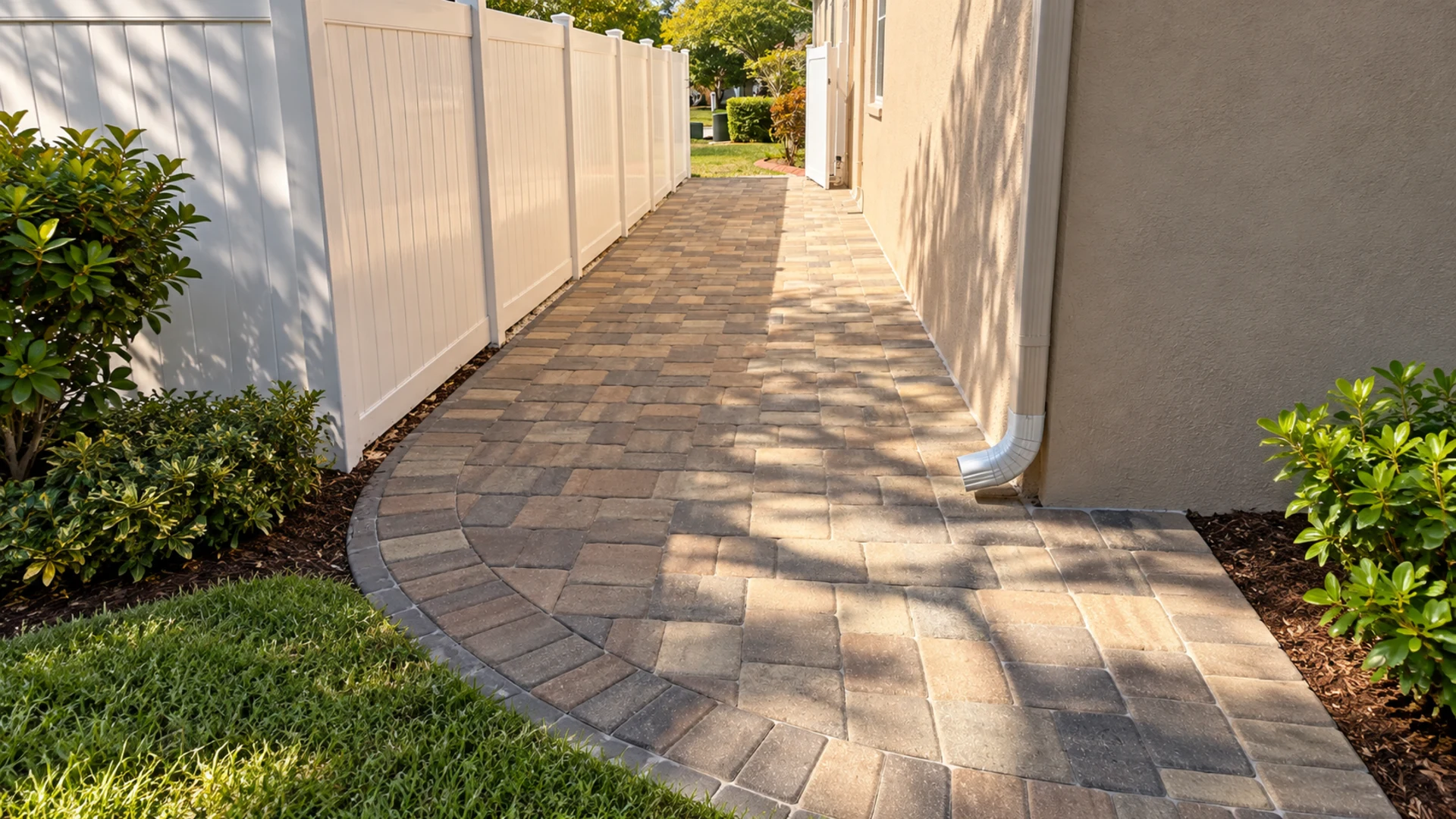
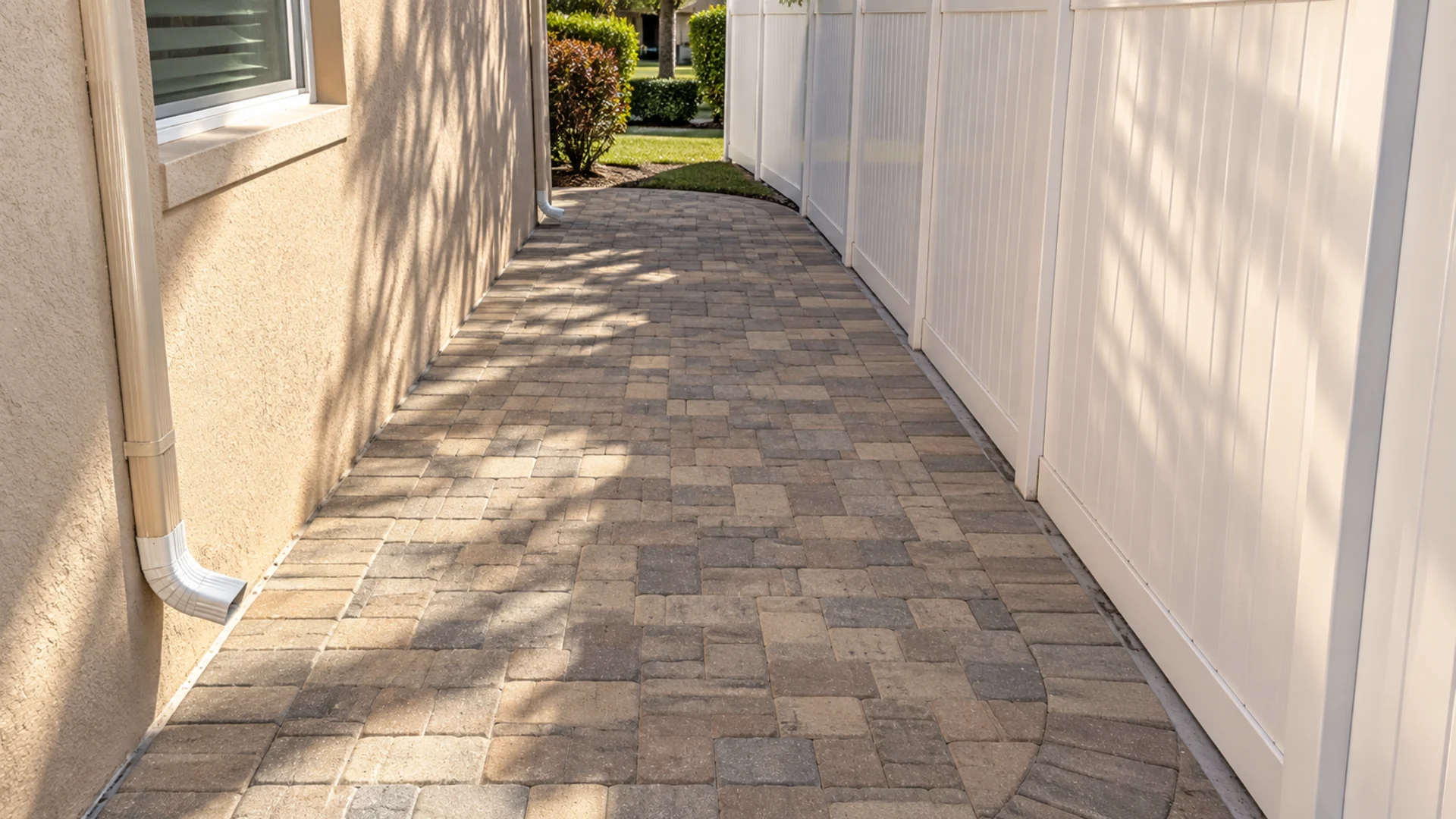
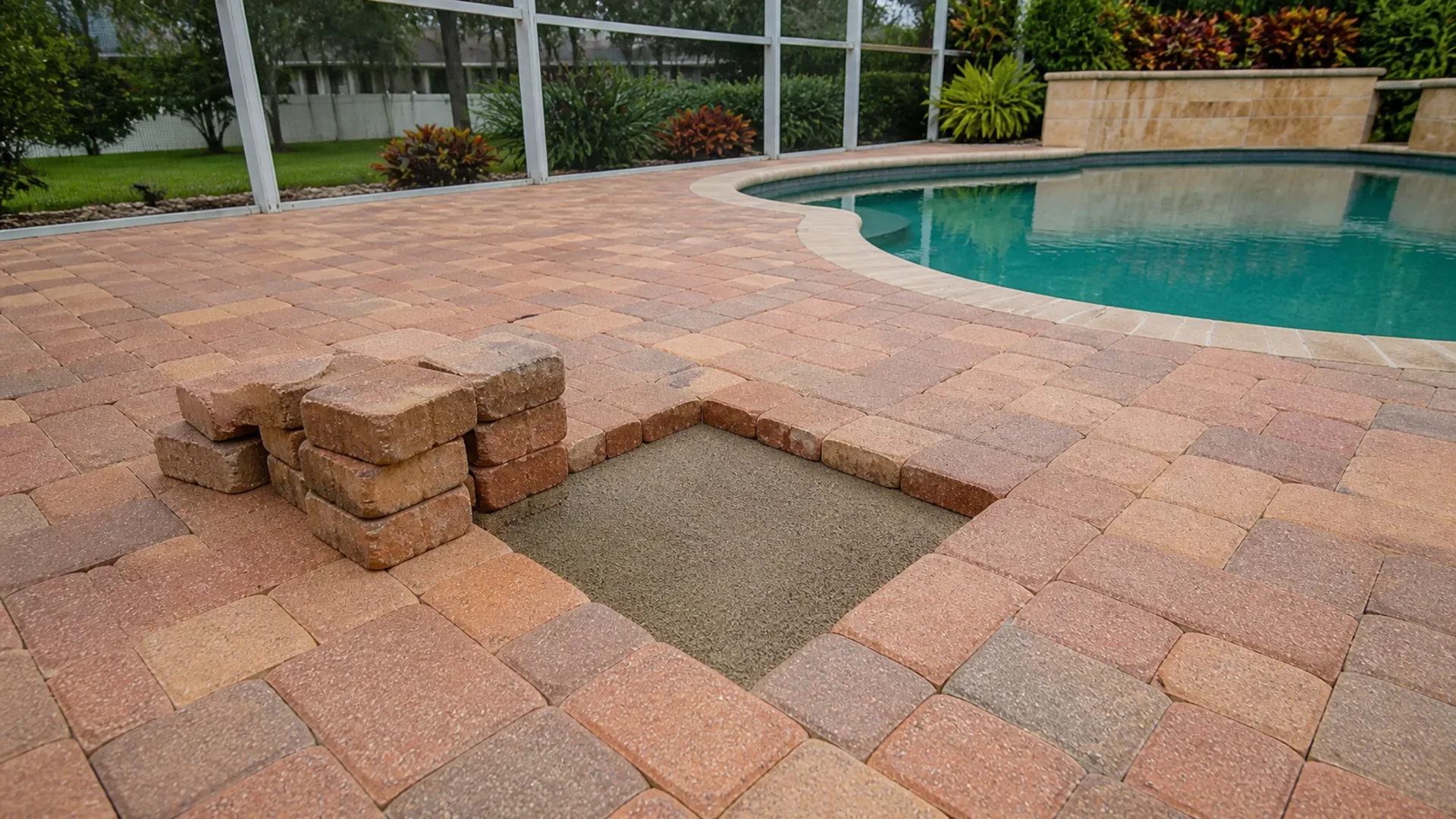
In addition, installers should keep soil and mud off adjacent pavers as work progresses. Clean edges make it easier to inspect joints and elevations. However, washing excess soil into paver joints creates another problem. Therefore, controlled cleanup protects both surfaces.
Water for establishment, then transition carefully
New sod needs consistent moisture while roots begin connecting with prepared soil. Therefore, the installer should provide a clear establishment schedule based on current weather and grass type. best sod for Tampa guidance must adjust when heavy rain or unusual heat changes conditions. In addition, homeowners should watch the lawn rather than follow timers blindly.
However, constant saturation can create its own stress and discourage strong rooting. As establishment progresses, watering should shift toward the appropriate long-term pattern. Meanwhile, irrigation coverage must reach corners and narrow strips. Consequently, early observation matters as much as the initial schedule.
Delay heavy traffic and mowing until the lawn is ready
Fresh pieces can shift before roots hold them in place. Therefore, limit pets, play, furniture, and repeated walking during early establishment. best sod for Tampa needs time to become one connected lawn. In addition, use alternate routes when possible.
The first mowing should follow grass-specific guidance and occur only when conditions support it. However, removing too much leaf at once can stress new sod. Consequently, a sharp mower and appropriate height matter. Homeowners should avoid improvising based on a neighboring grass type.
Maintain the lawn you selected
Long-term success comes from matching mowing, irrigation, nutrition, and pest observation to the grass. Therefore, best sod for Tampa is not simply the toughest product on delivery day. It is the grass a household can care for correctly. In addition, seasonal changes require measured adjustments.
However, more water or fertilizer does not automatically create better turf. Overreaction can waste resources and mask the real issue. For example, shade, compaction, mower damage, or irrigation gaps may cause similar visual symptoms. Consequently, diagnosis should come before treatment.
Reassess weak zones before replacing sod
If the same area declines repeatedly, replacing it with identical sod may repeat the outcome. Instead, review sunlight, traffic, soil firmness, water coverage, and nearby roots. best sod for Tampa decisions can change as trees grow or property use evolves. Therefore, solve the condition before installing another patch.
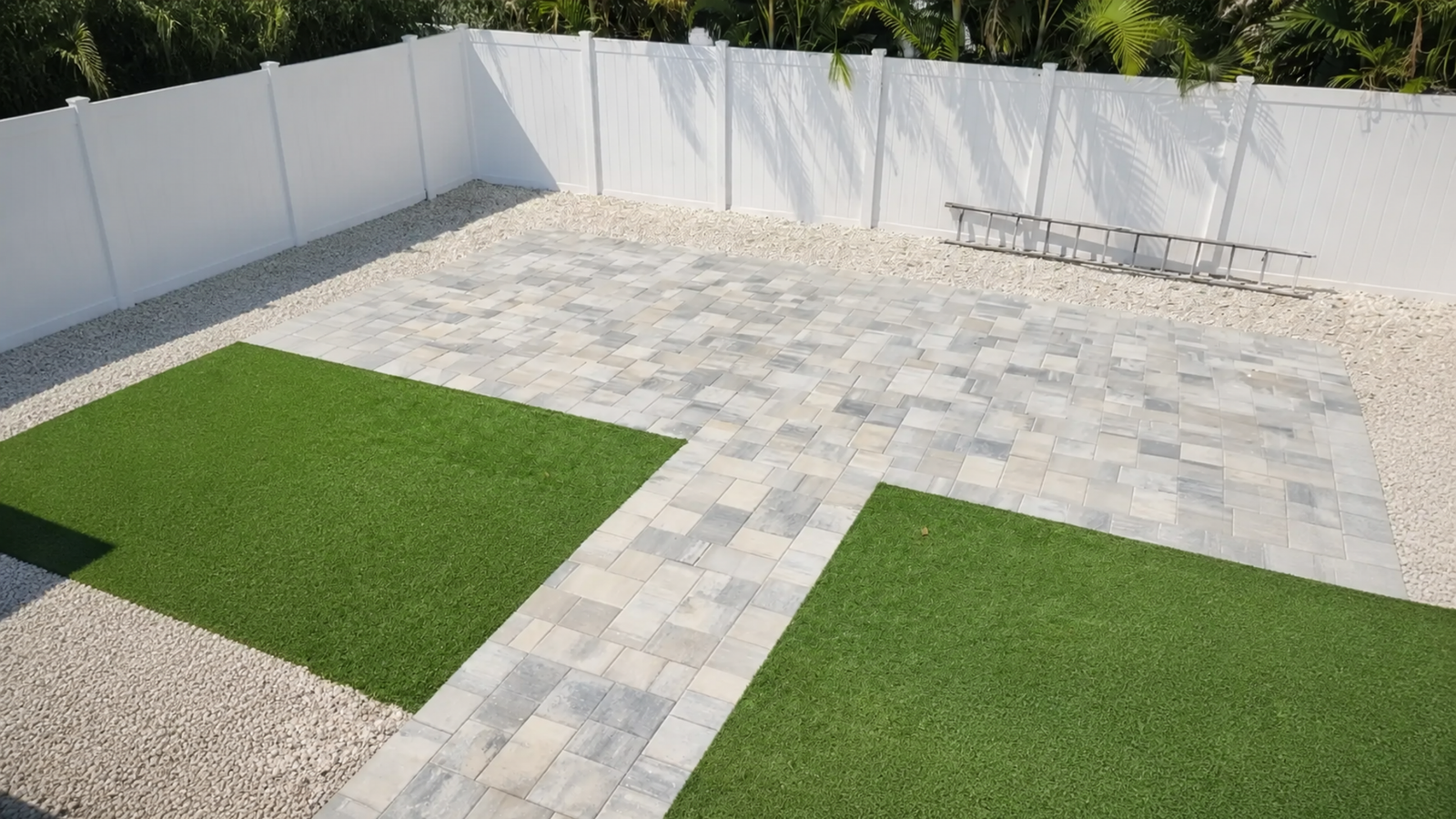
In addition, consider whether the zone should remain lawn at all. A path, planting bed, or properly planned hardscape transition may handle concentrated use better. However, the new element should connect with the yard’s overall layout. As a result, the property becomes easier to maintain.
Plan professional sod installation around the whole yard
A professional scope should identify removal, preparation, grading, sod type, irrigation coordination, cleanup, and establishment guidance. Therefore, homeowners can compare what each proposal actually includes. best sod for Tampa is only one line in that scope. In addition, the installer should explain property-specific risks.
DR Pavers Design outlines local lawn preparation through its sod installation and grading service. Meanwhile, photos of sun patterns, wet spots, and traffic routes can support a more useful site discussion. best sod for Tampa should emerge from those observations. Consequently, the recommendation becomes easier to understand and maintain.
For detailed Florida turfgrass information, homeowners can use the University of Florida IFAS Extension as an authority. In particular, its educational resources help compare species, cultivars, and care practices for Florida conditions. However, local grading and property use still influence the installation plan. Therefore, use best sod for Tampa guidance together with an on-site assessment.
Similarly, Ready to replace a tired lawn with sod chosen for your actual Tampa Bay property? First, review our services, walk through recent projects, read customer testimonials, and prepare with the FAQ. Then, use contact, call +1 727-564-6877, text us, open WhatsApp, or email drpavers@outlook.com. In addition, see lawn and hardscape updates on Instagram and Facebook, read our Google reviews, and locate the team with Google Maps. Finally, we can identify the best sod for Tampa conditions on your site and build the preparation plan around it.