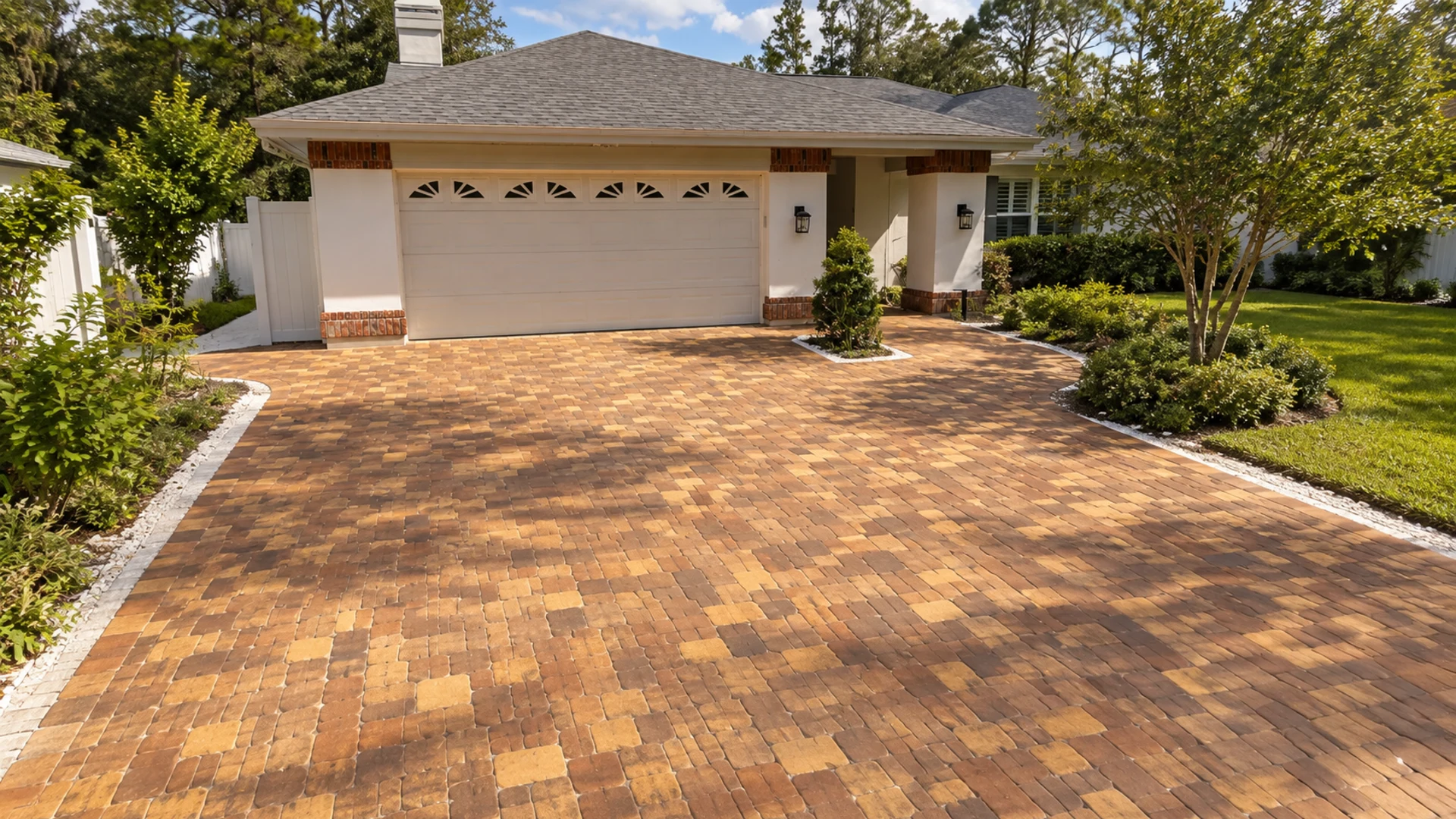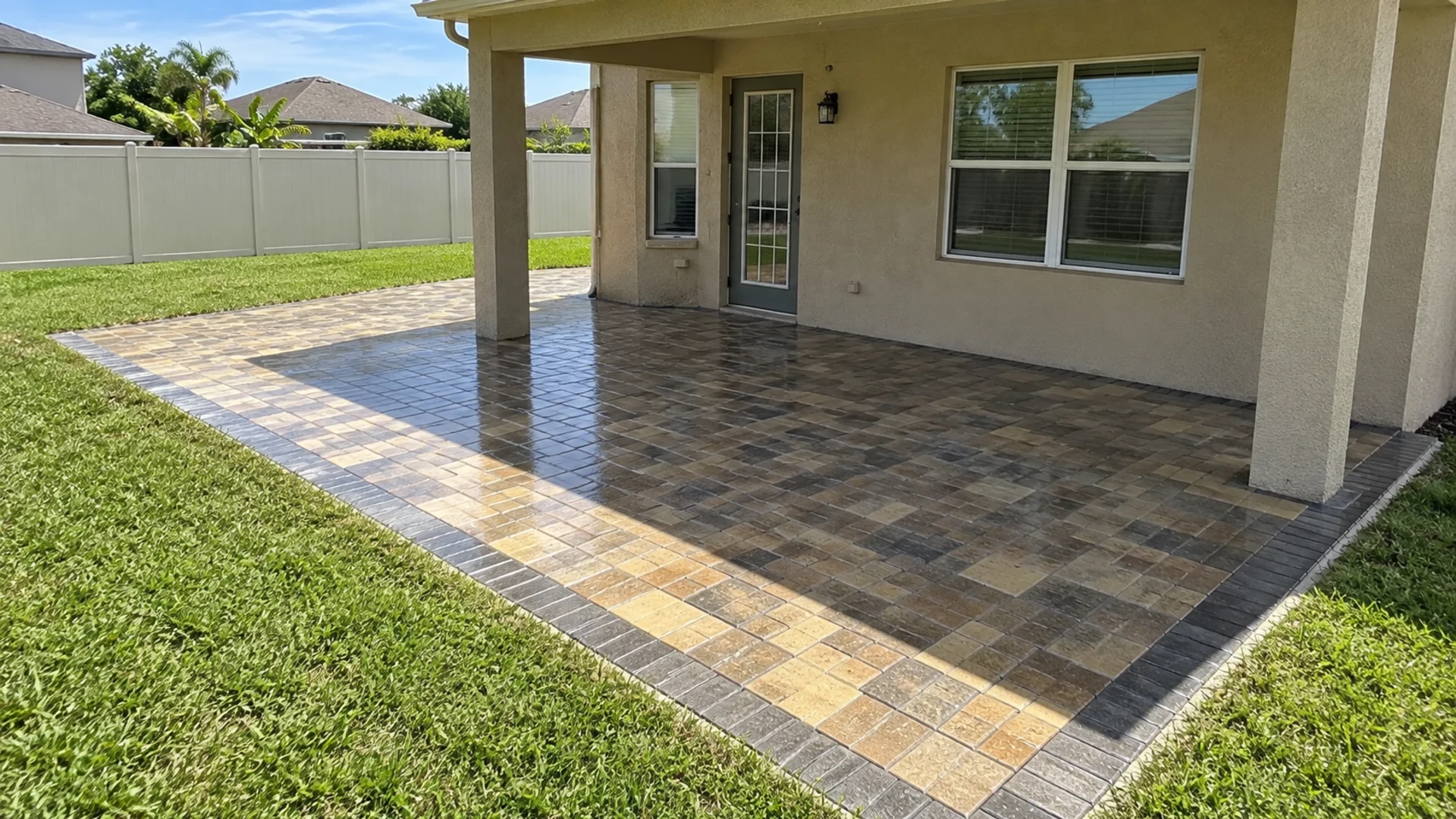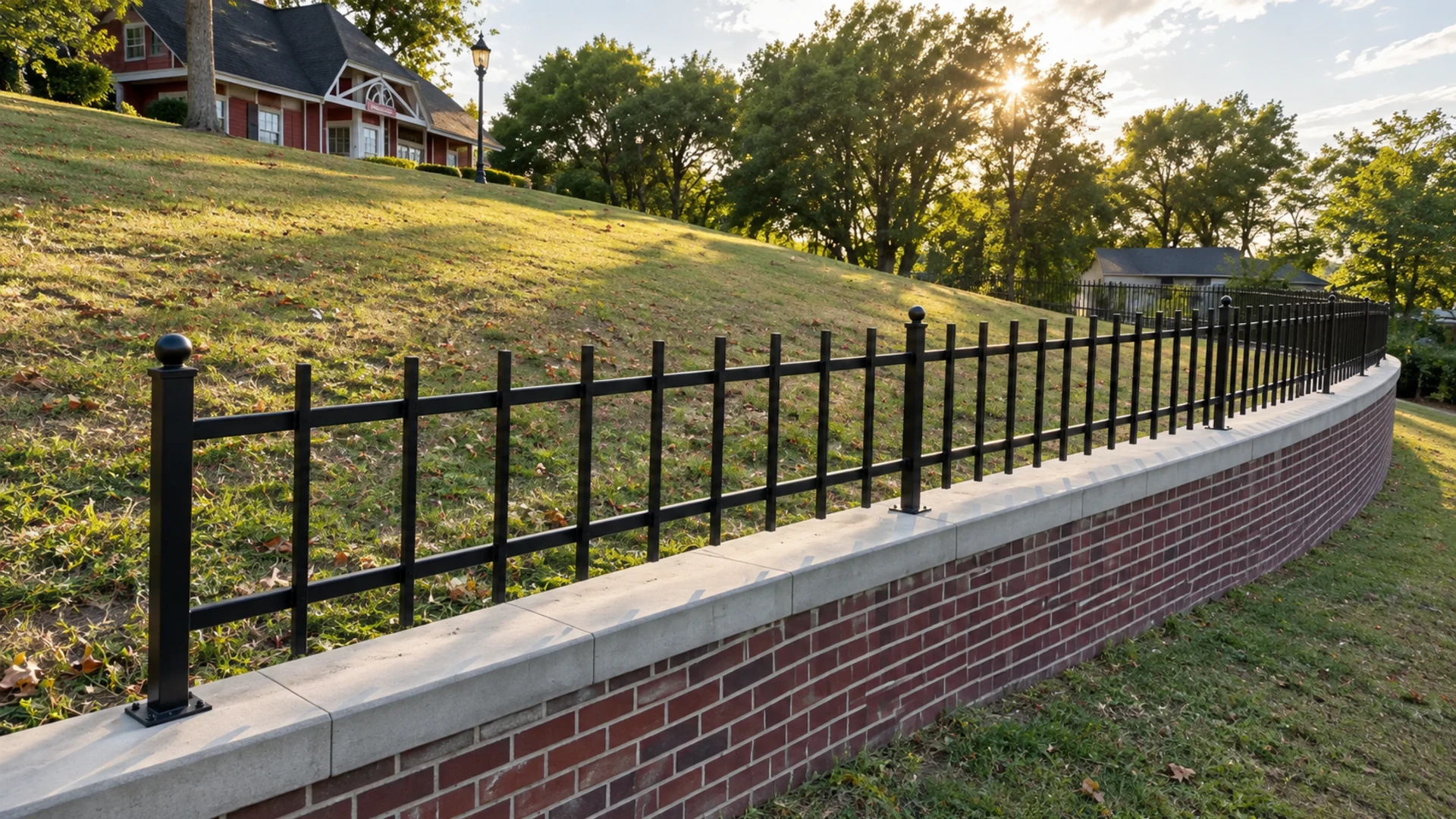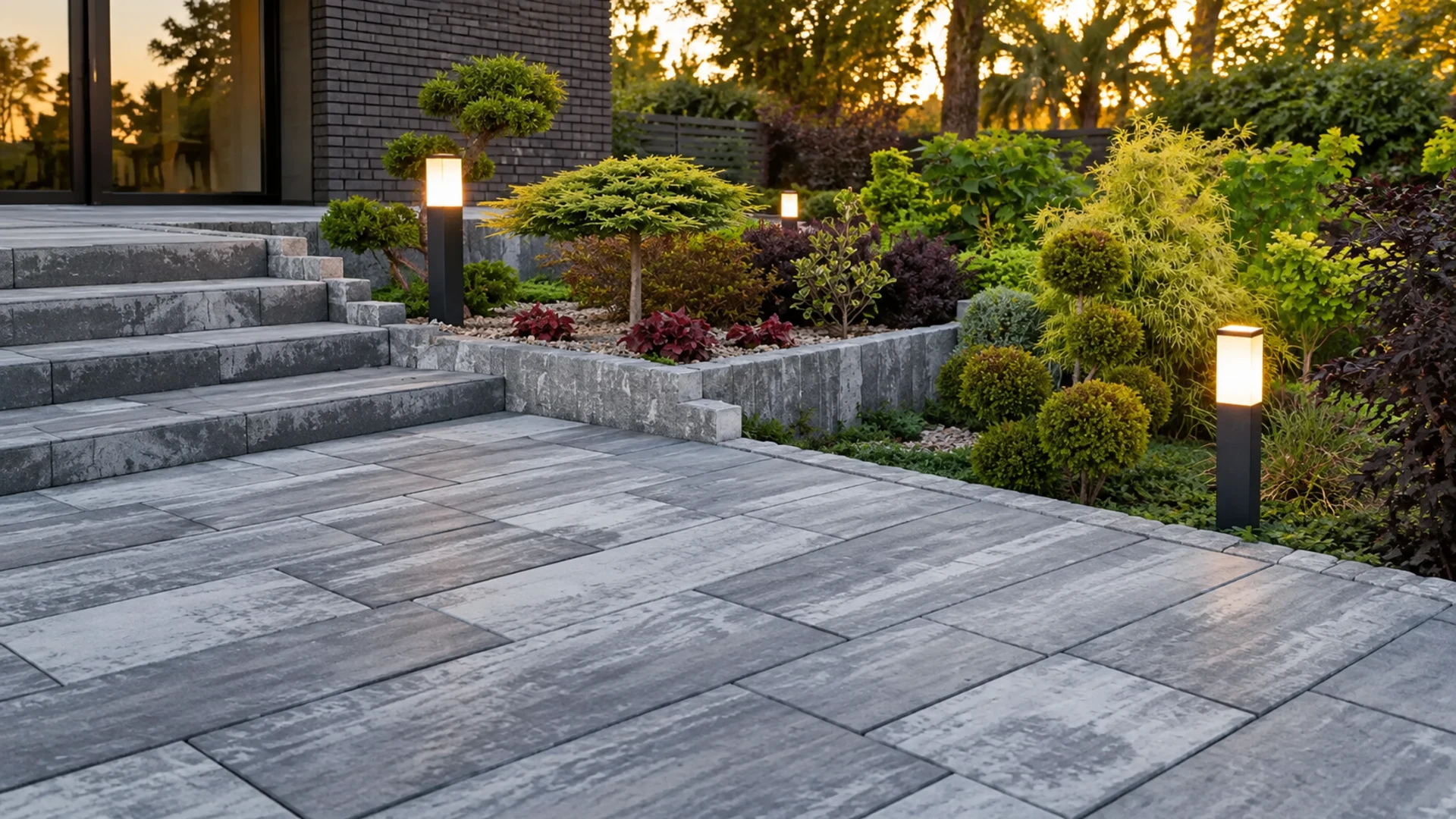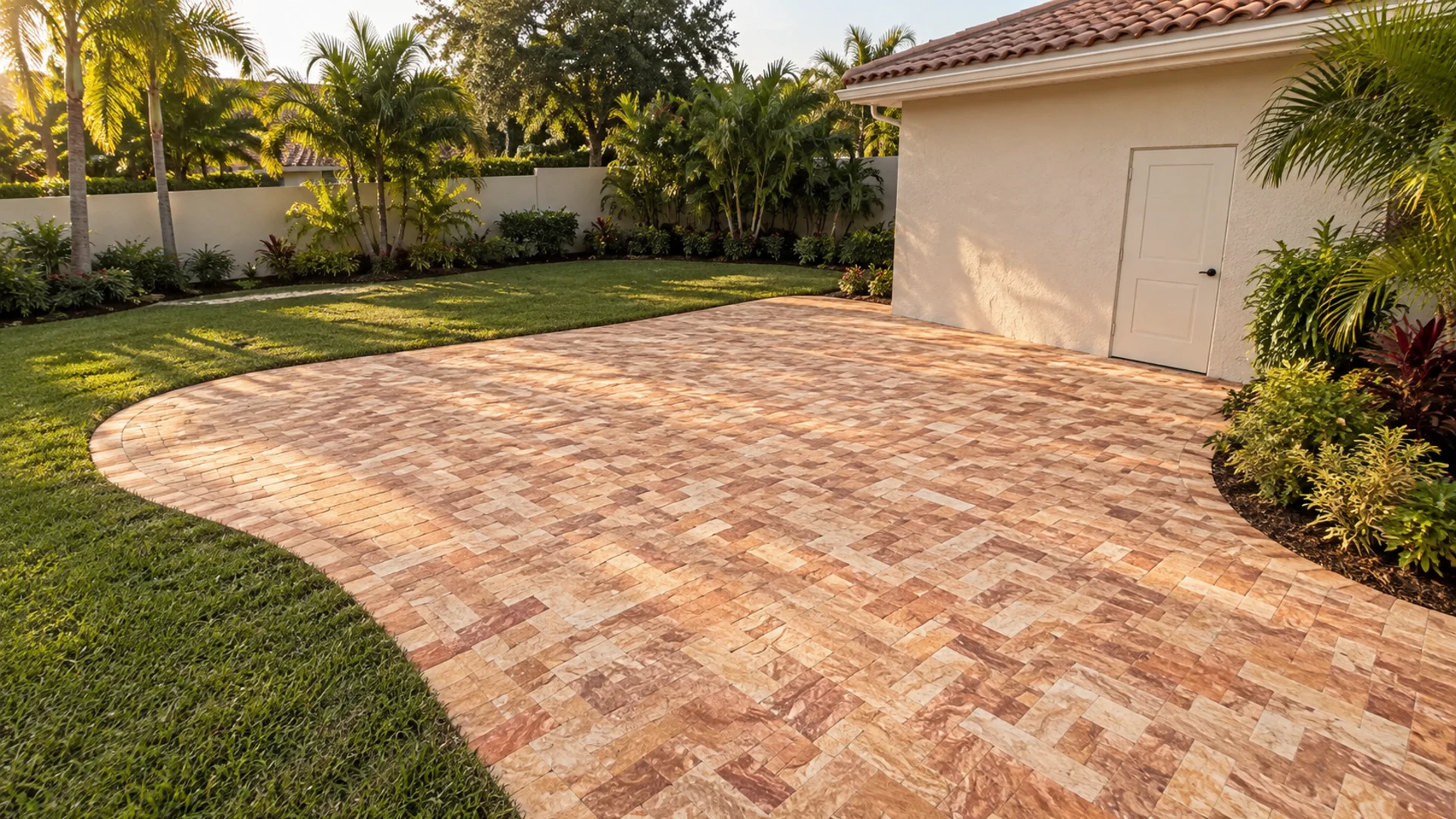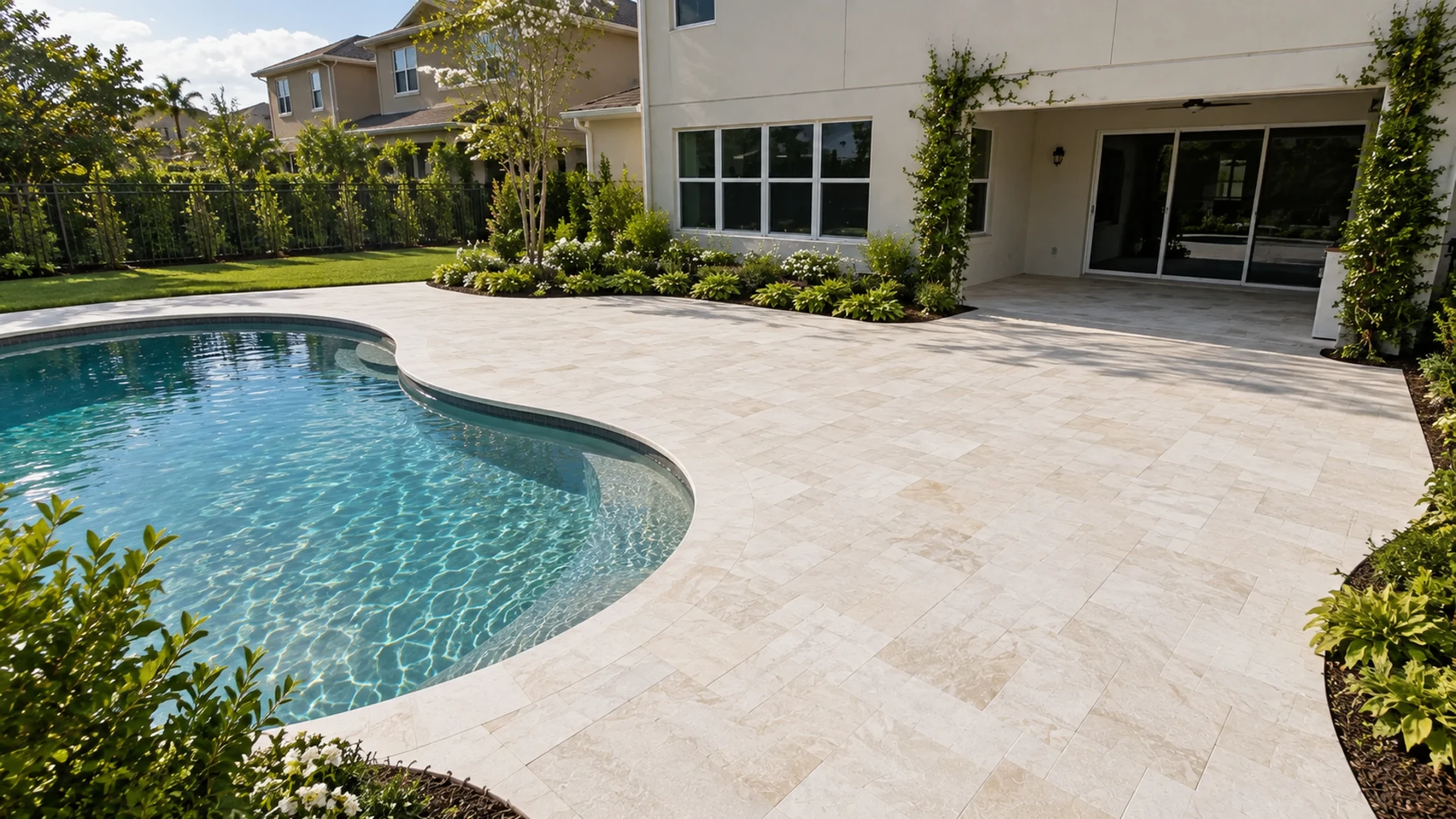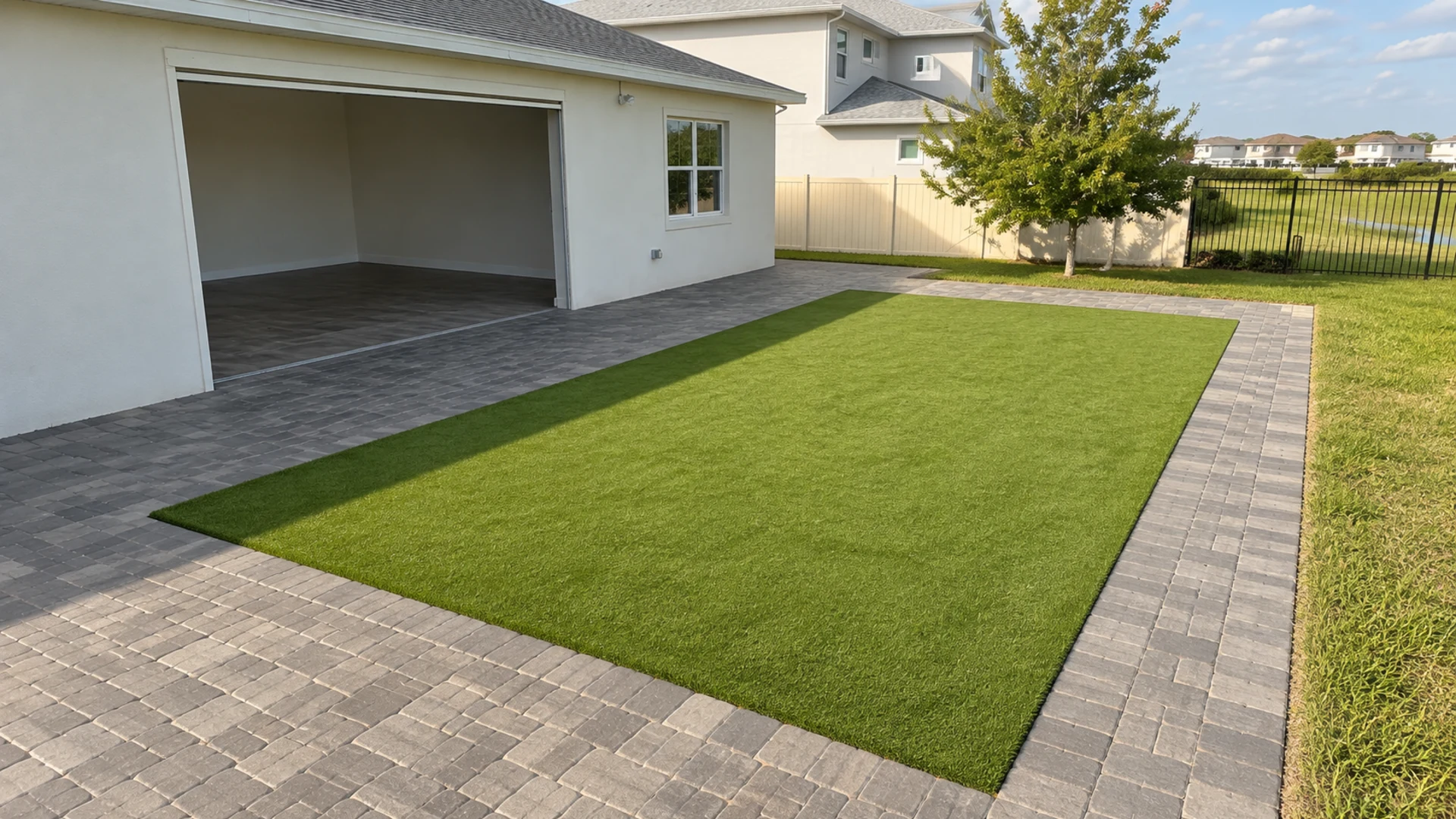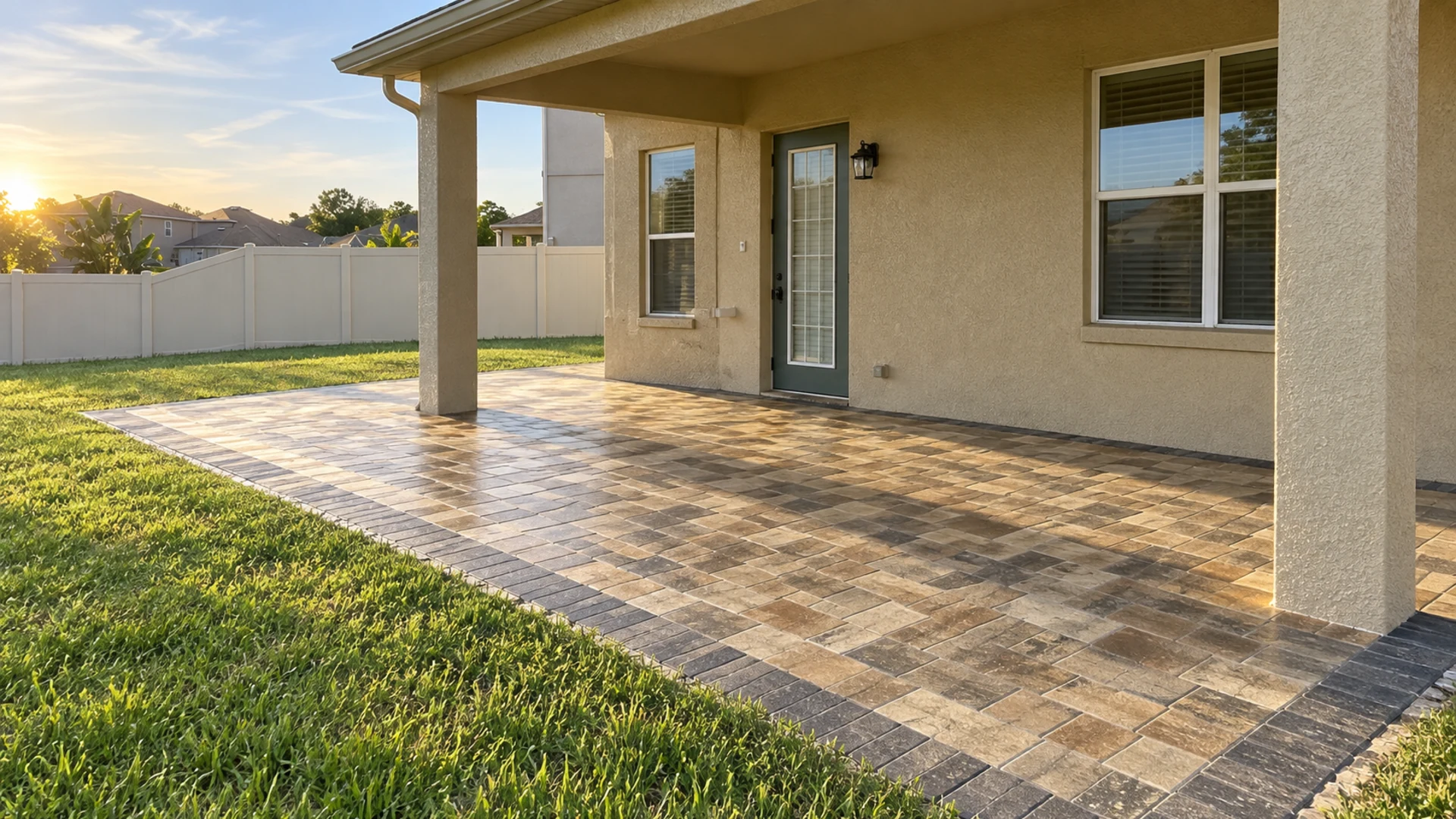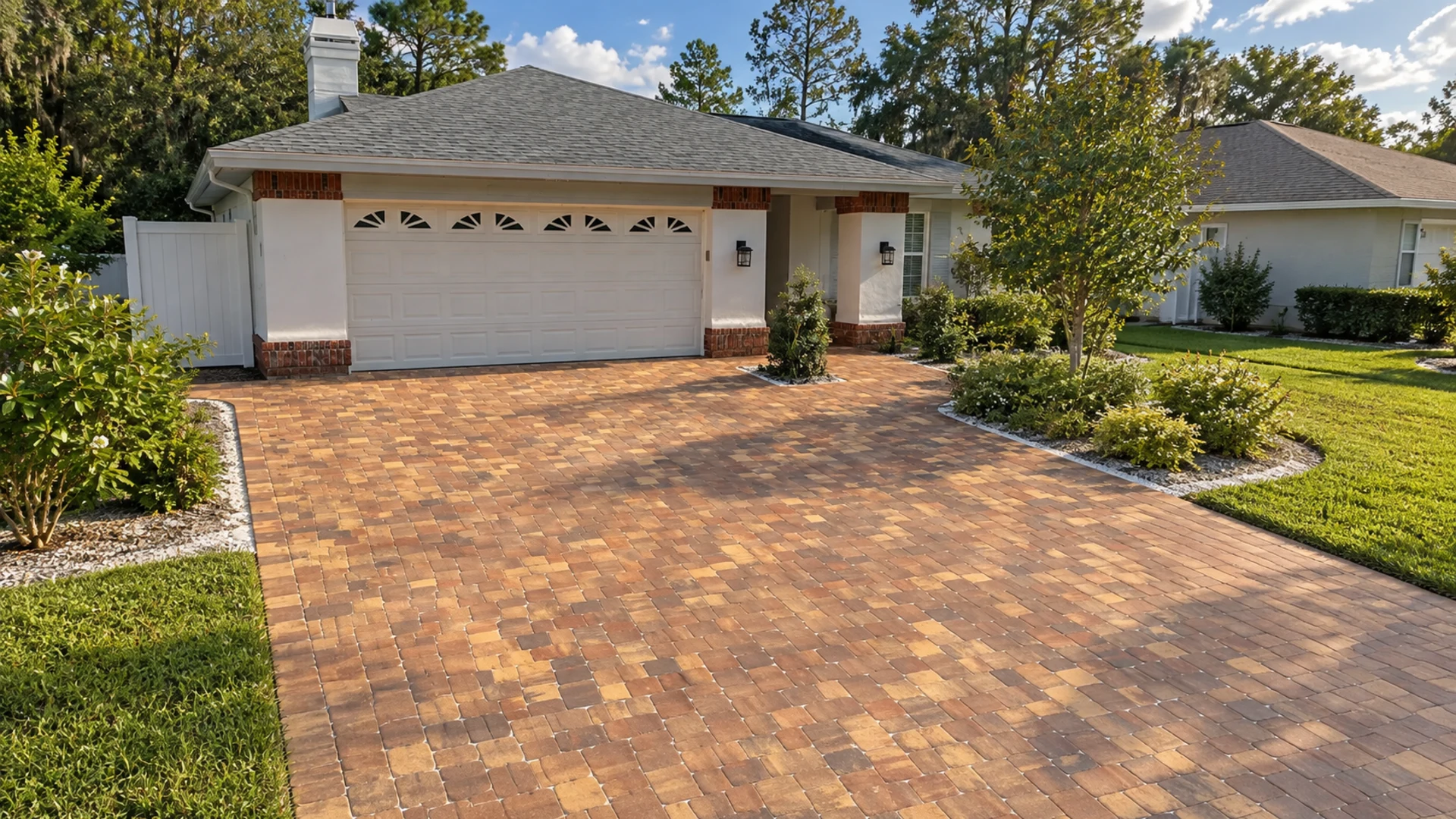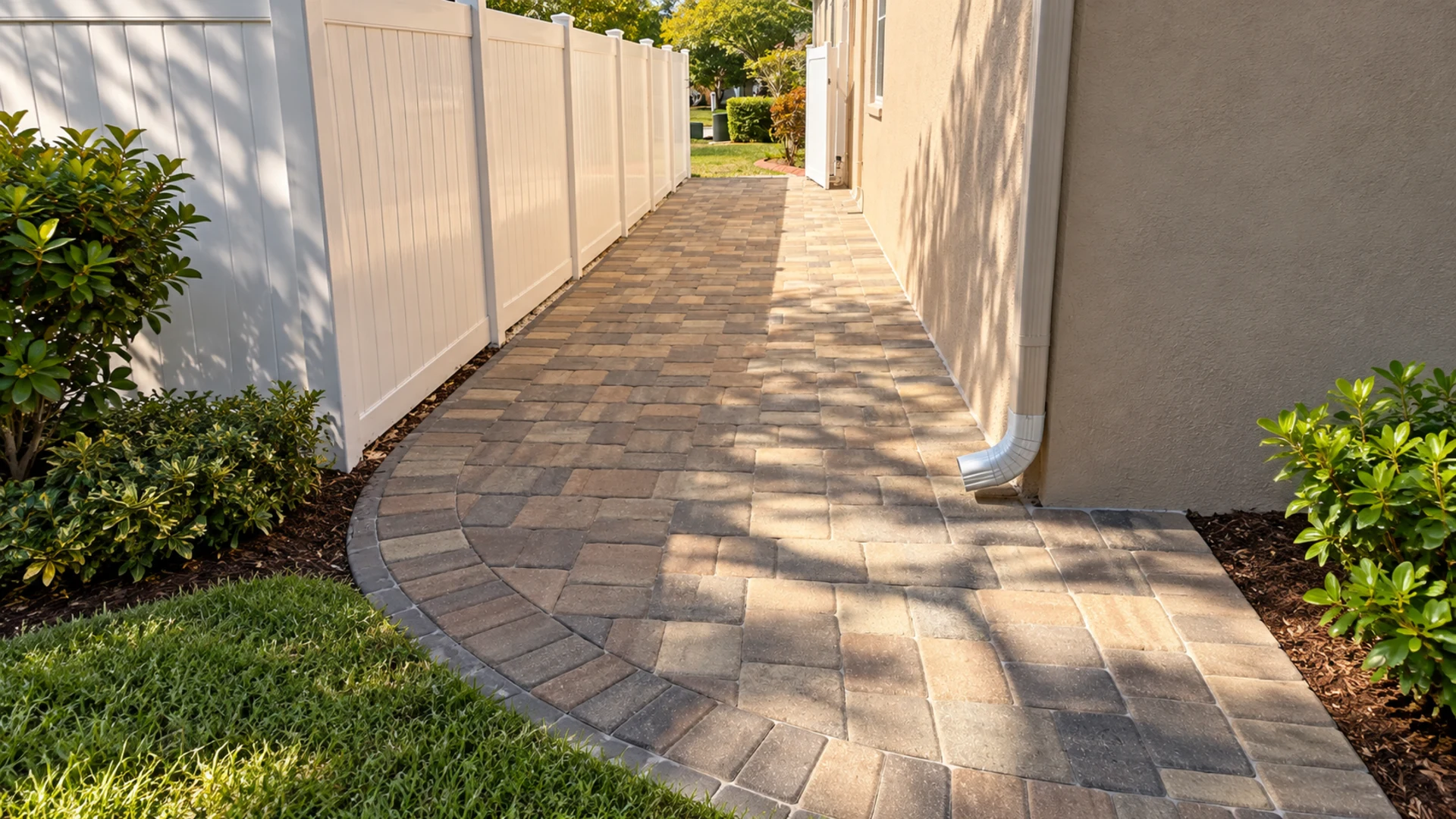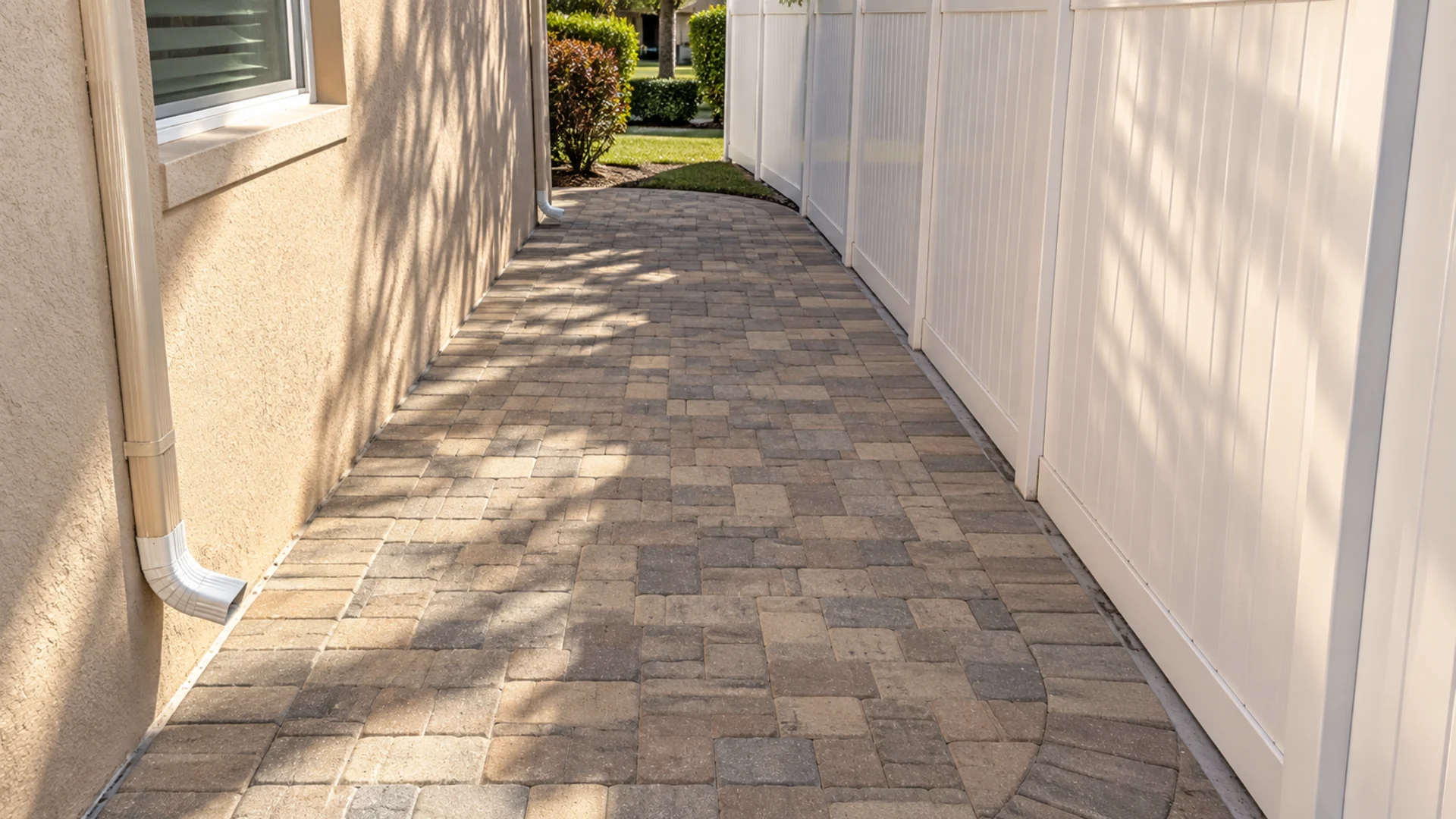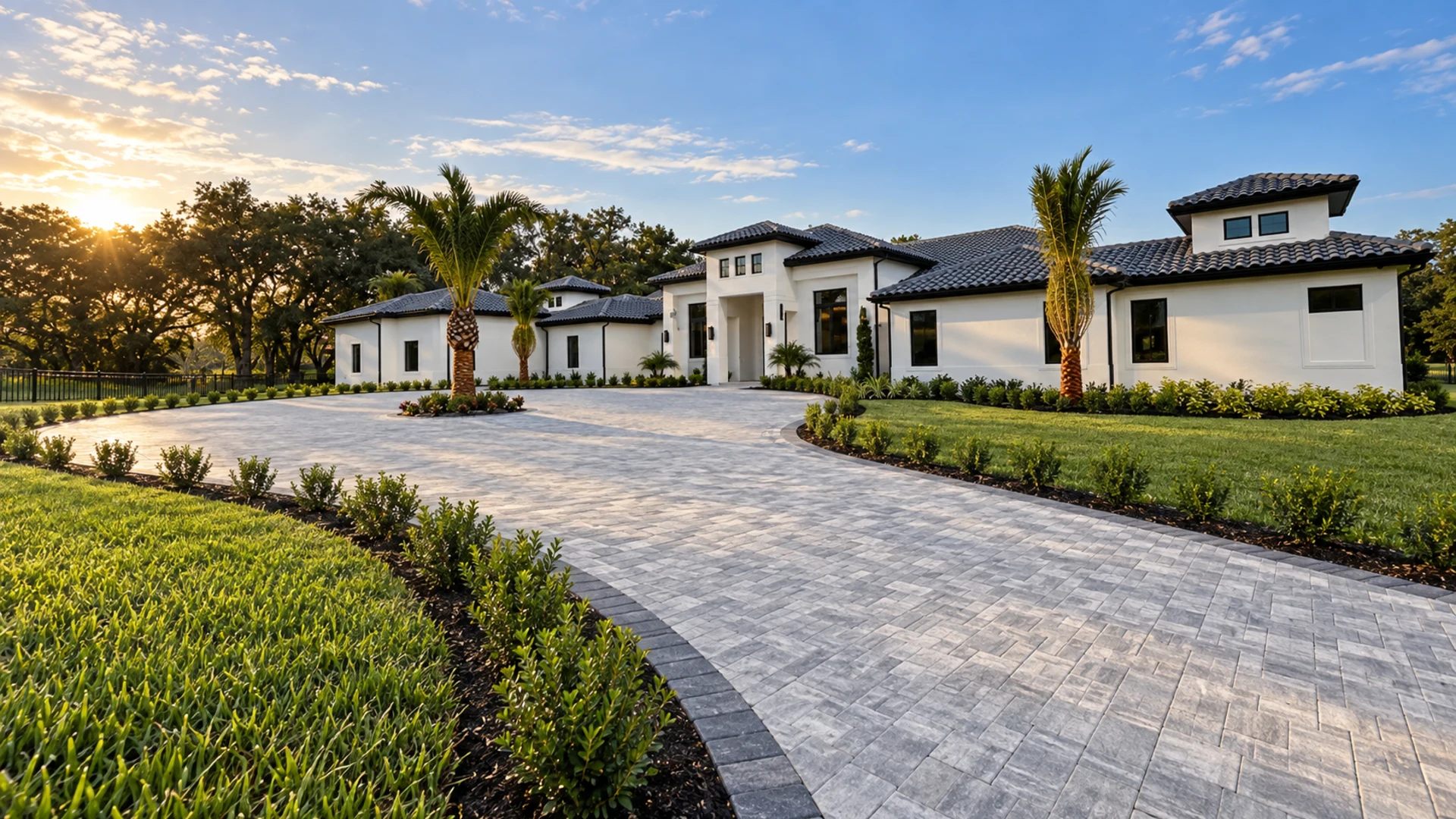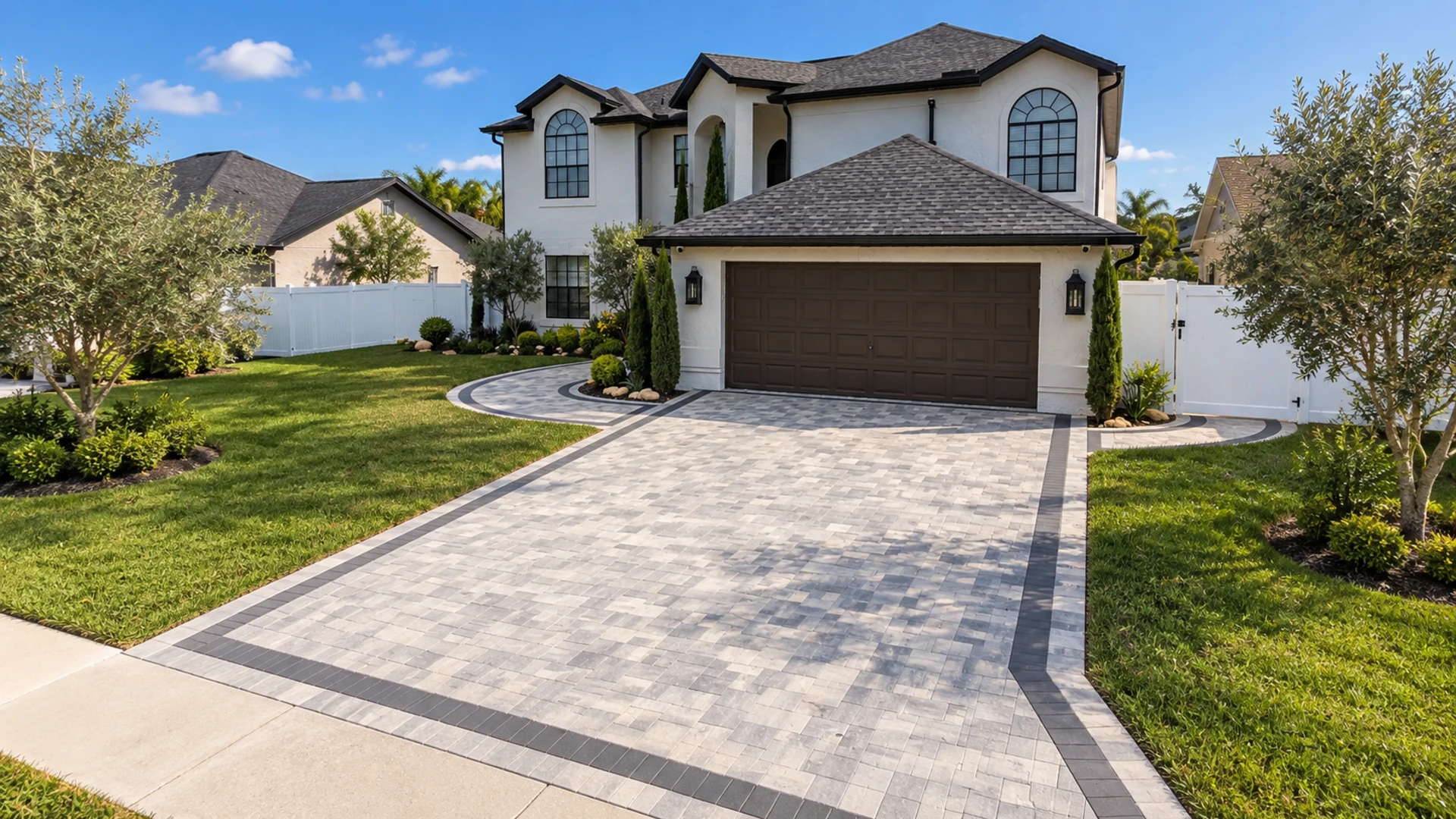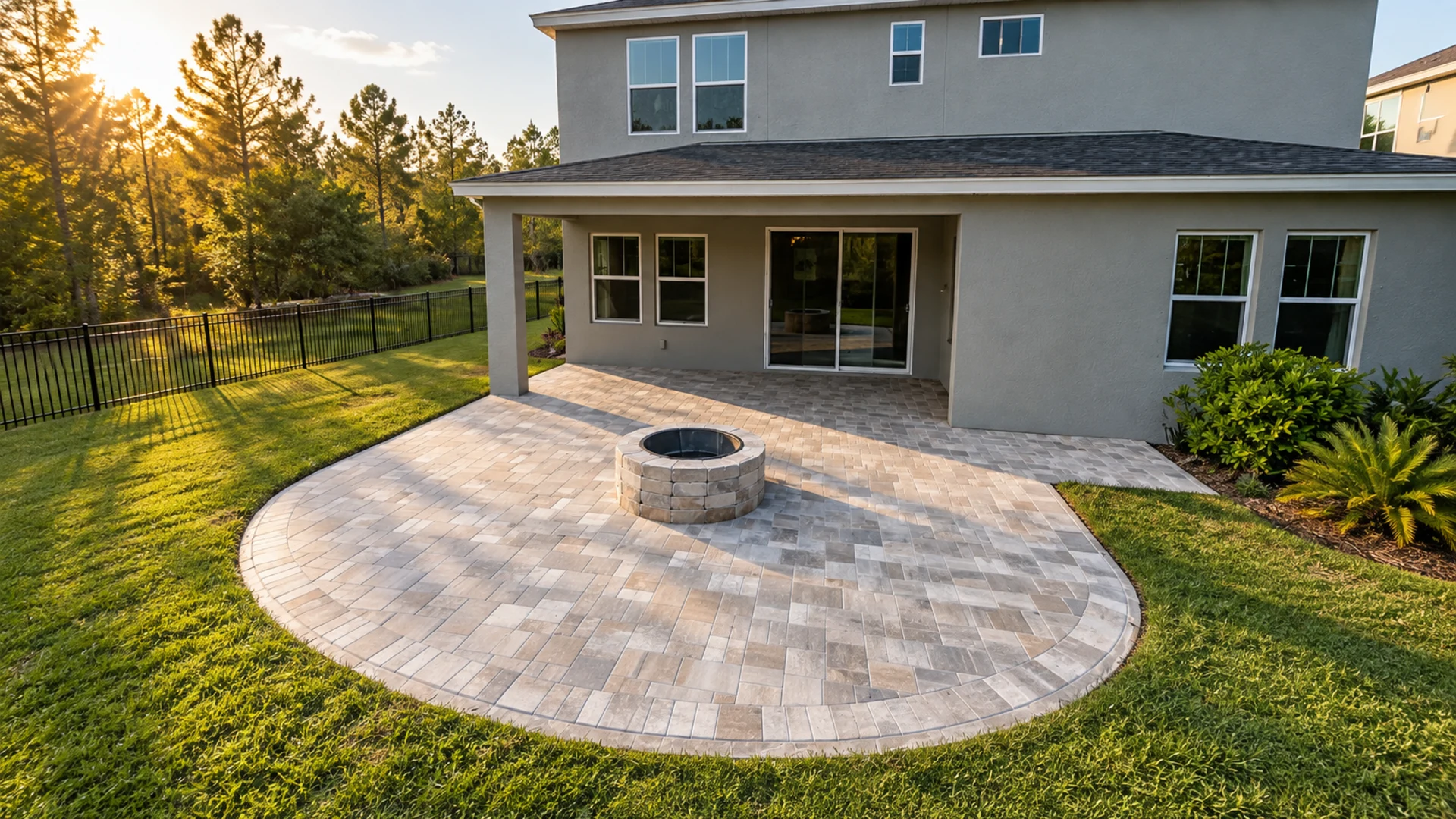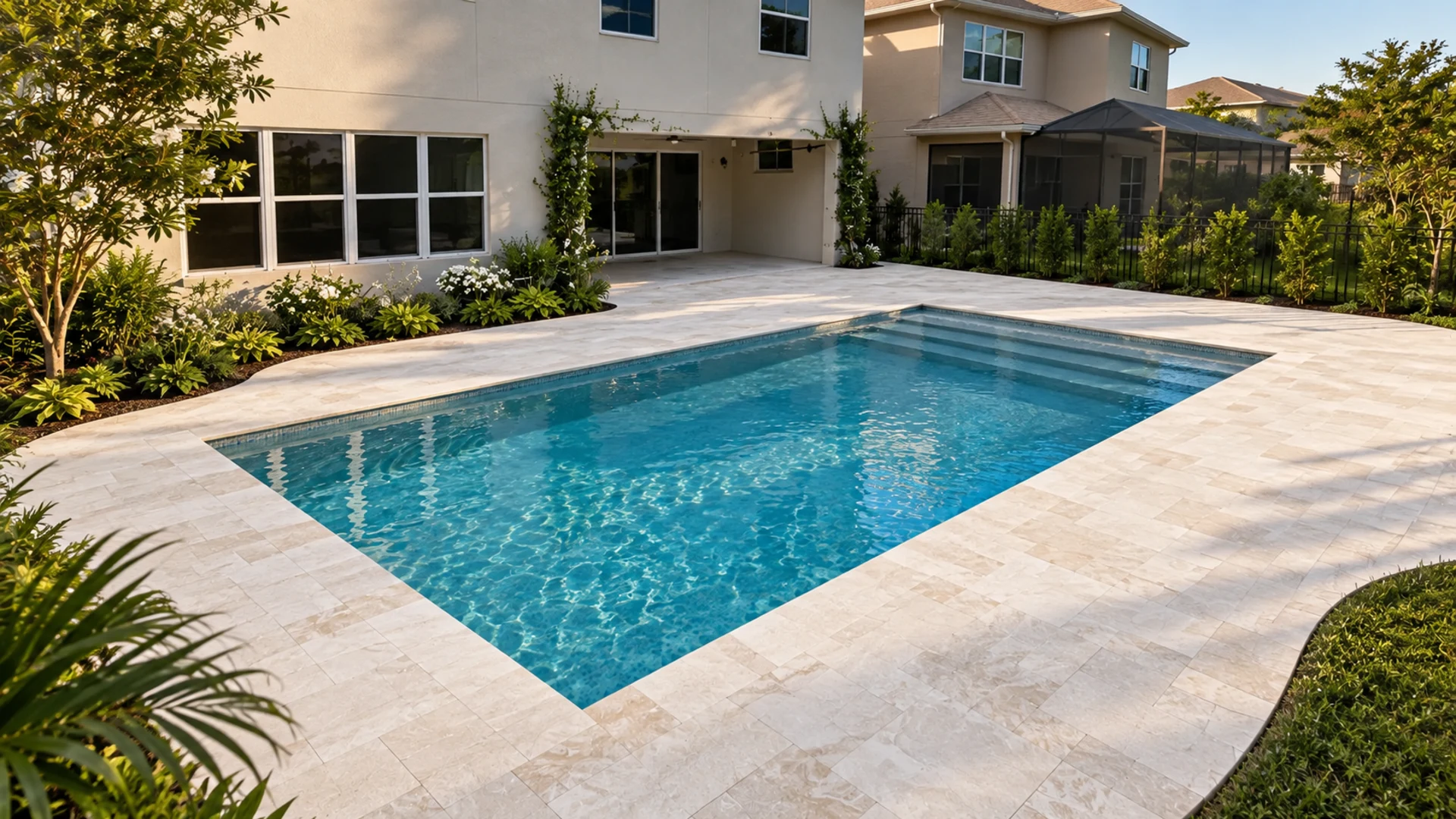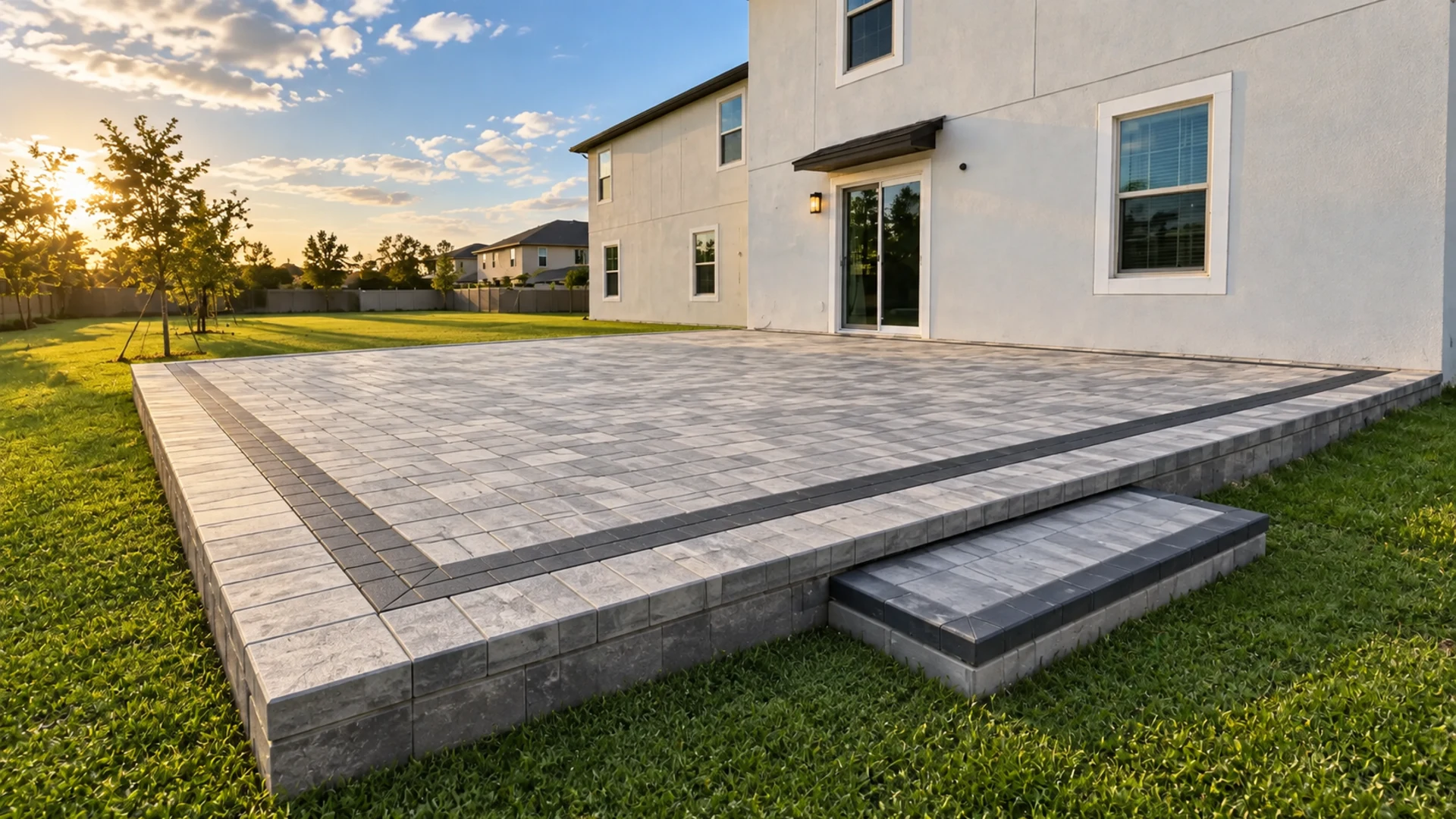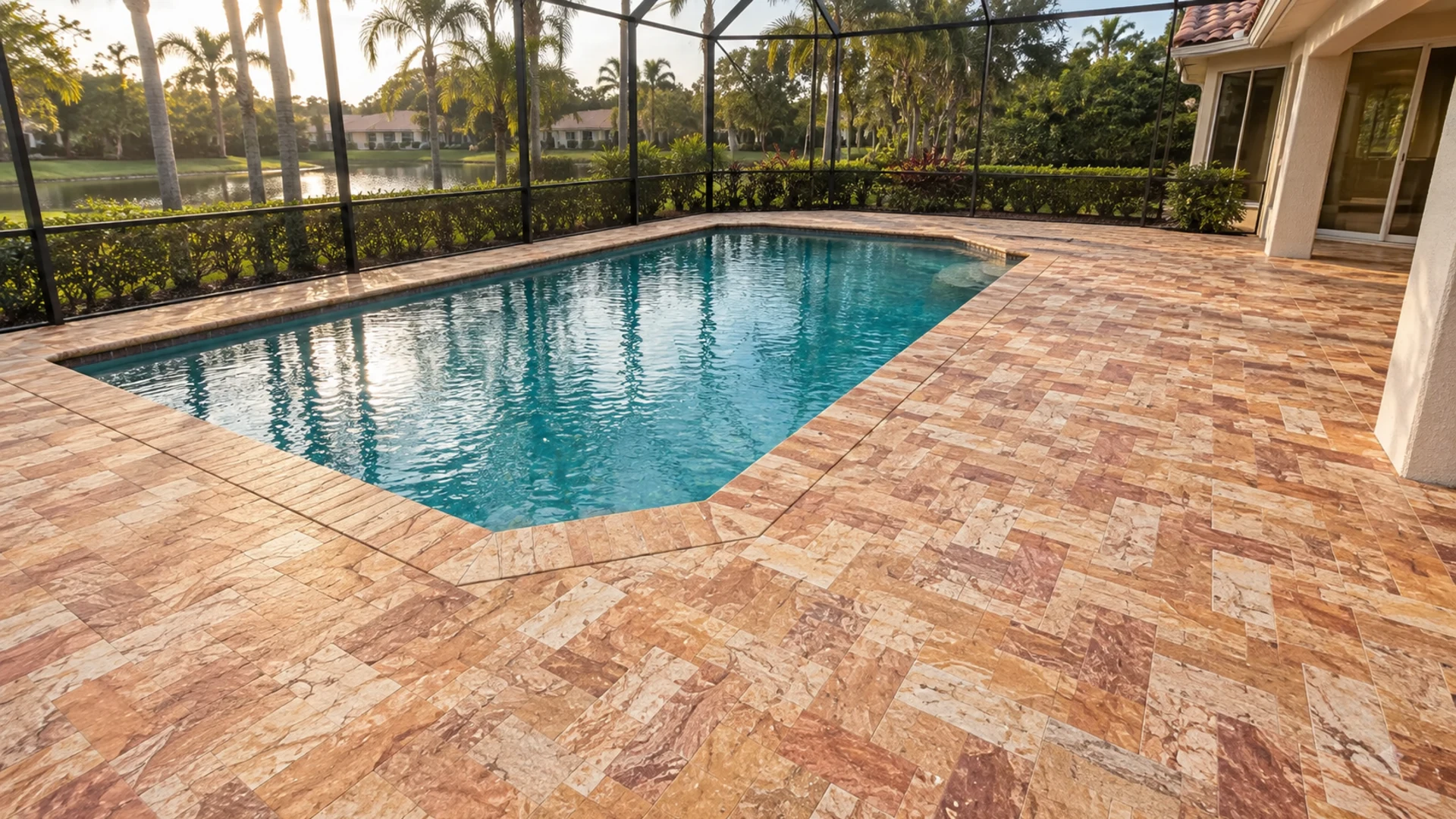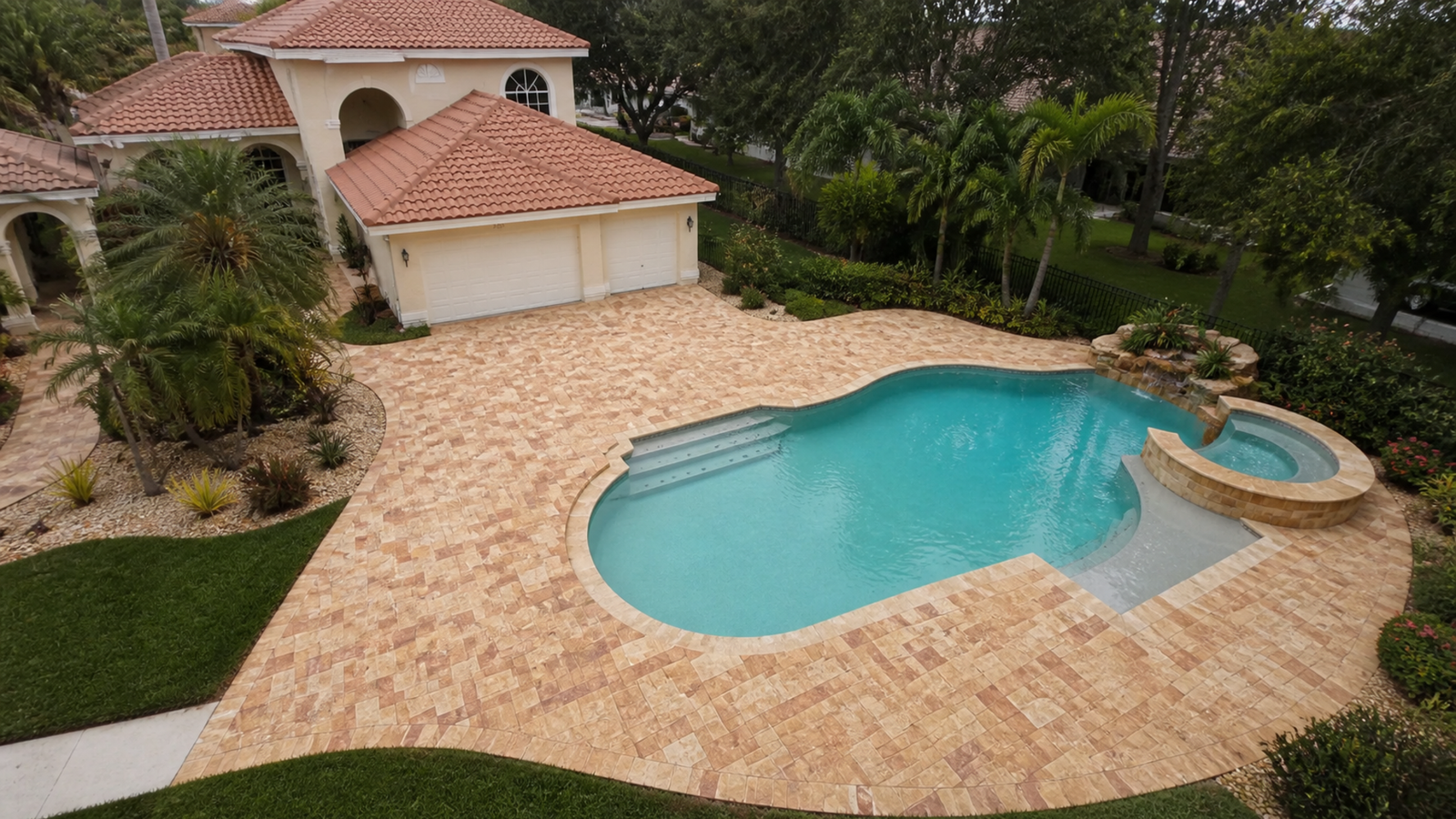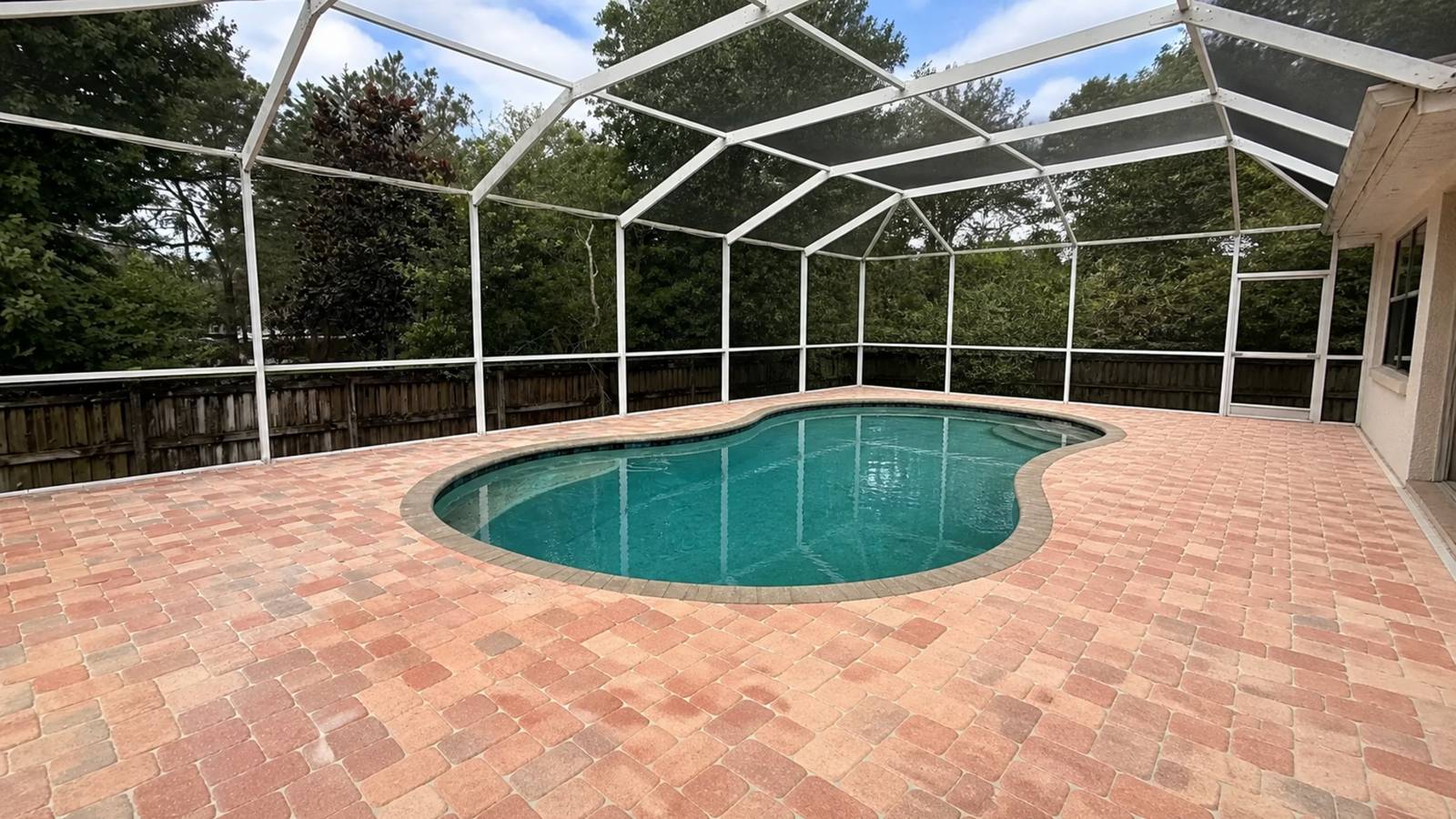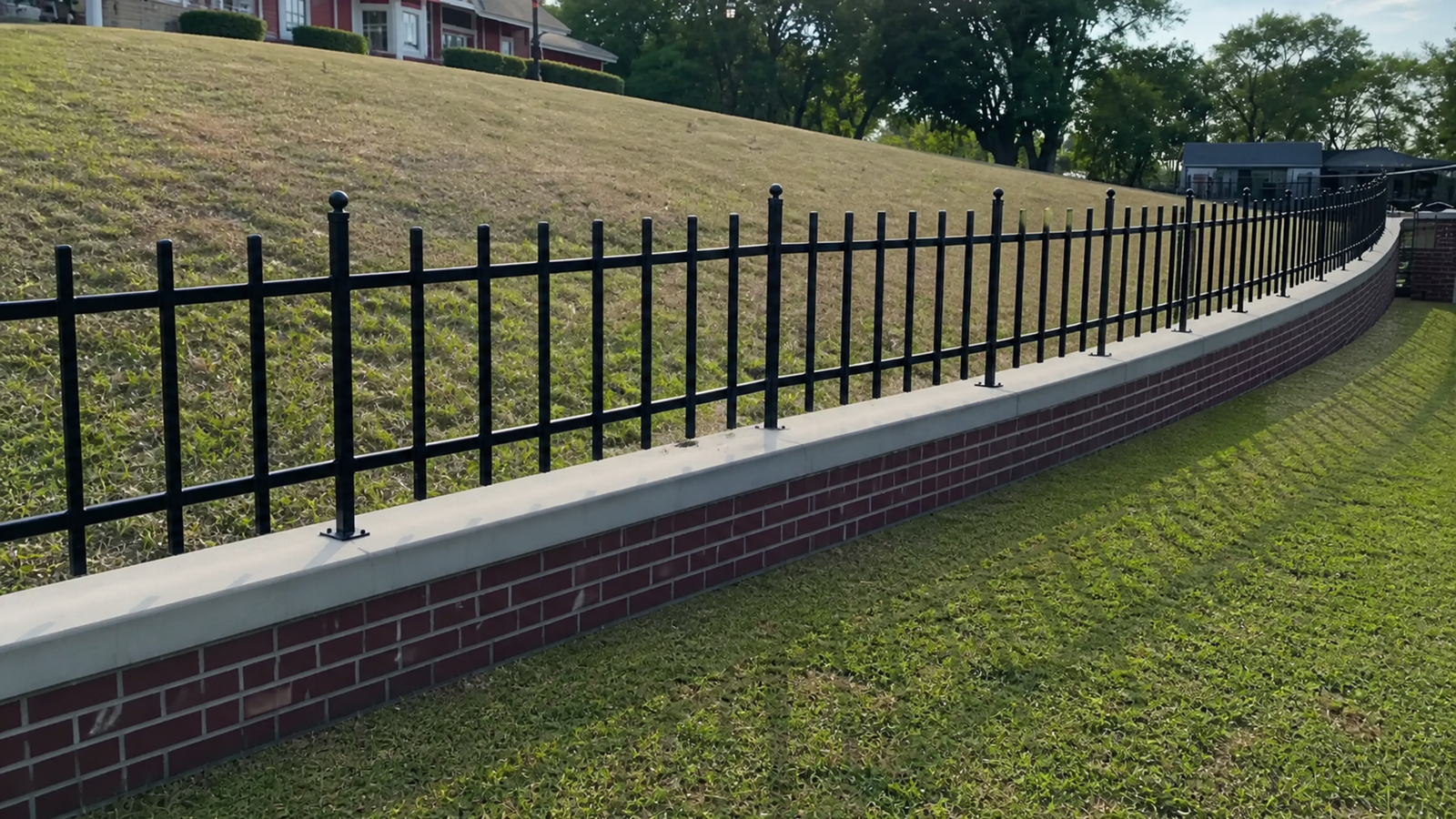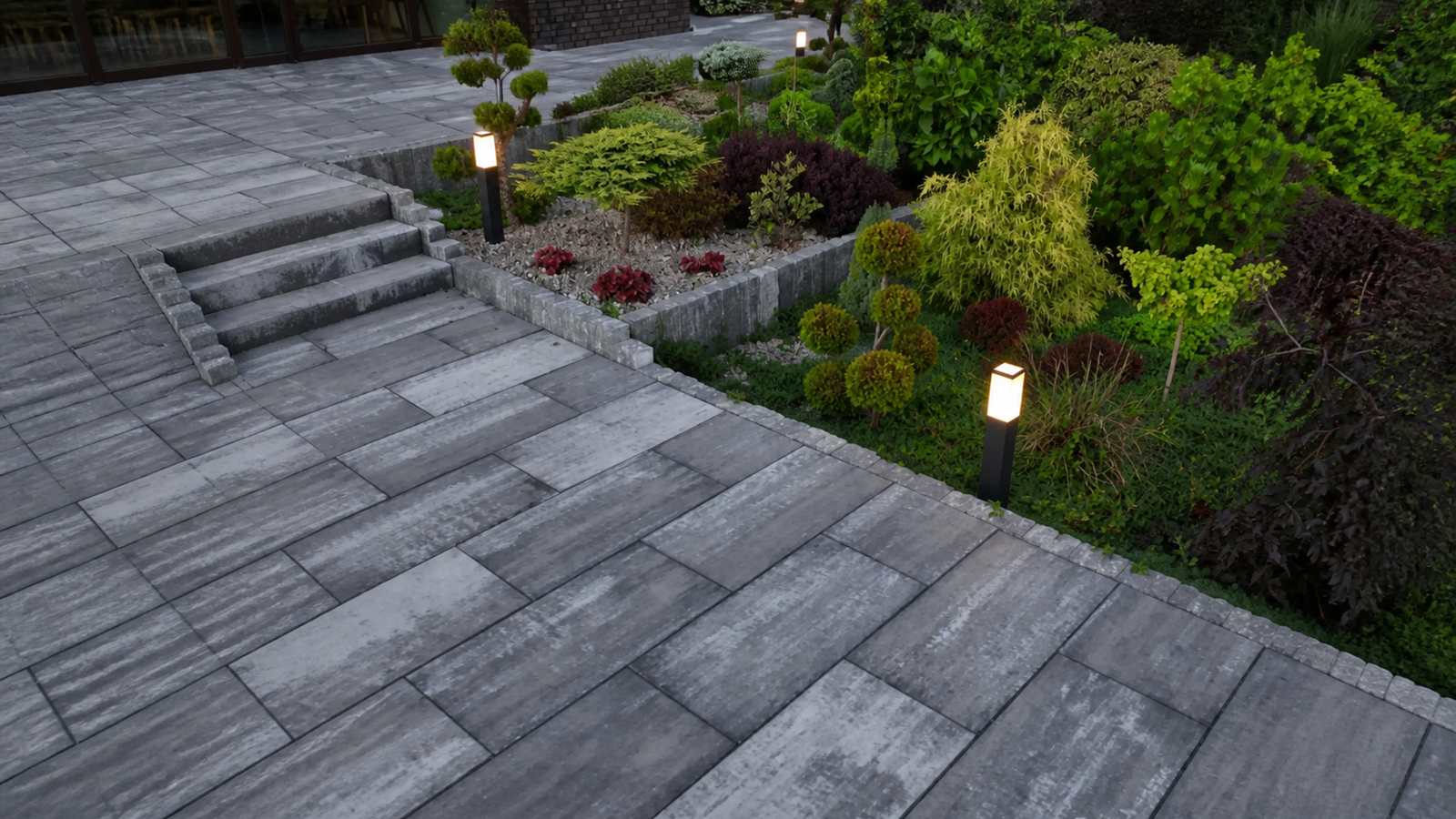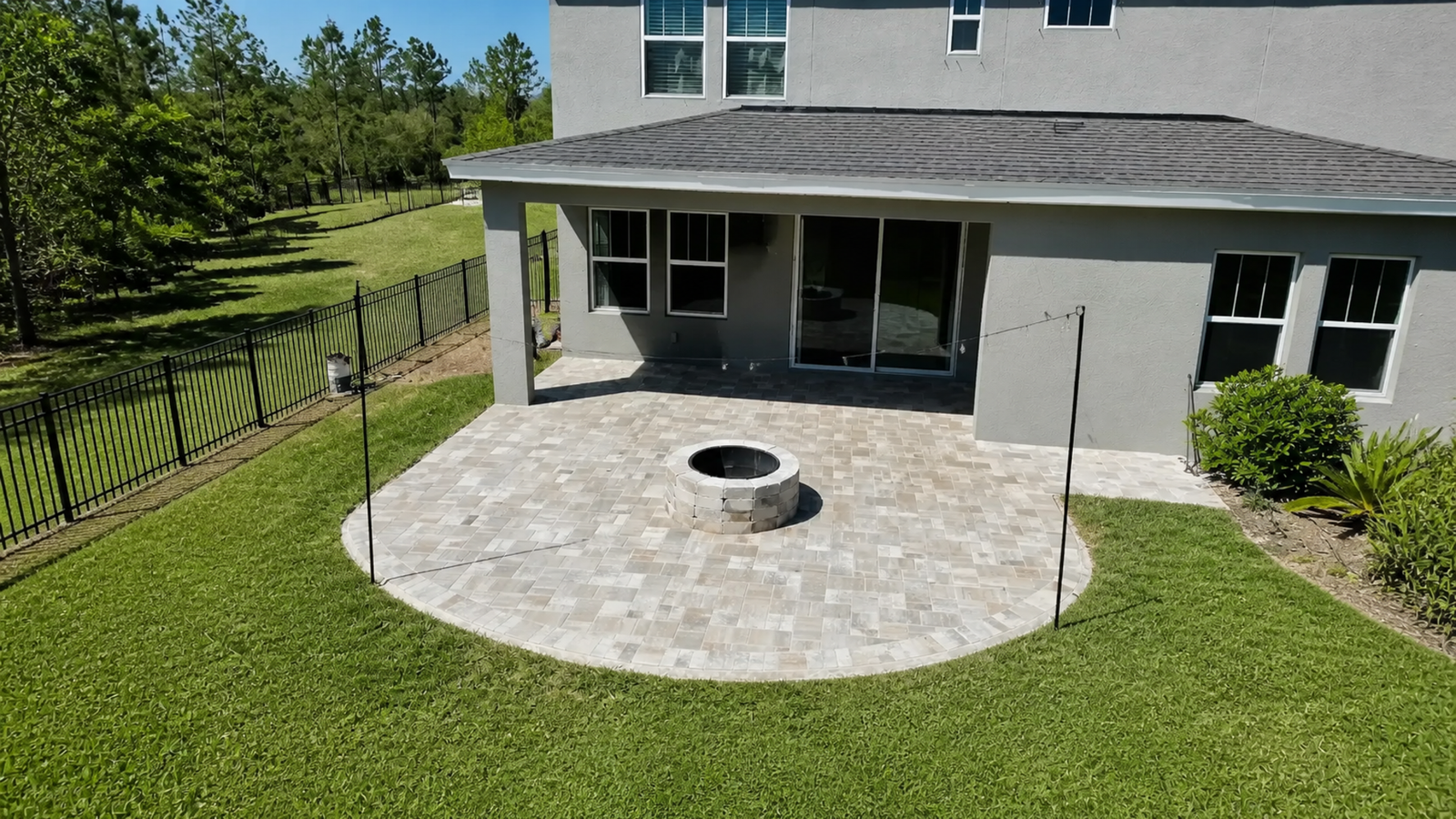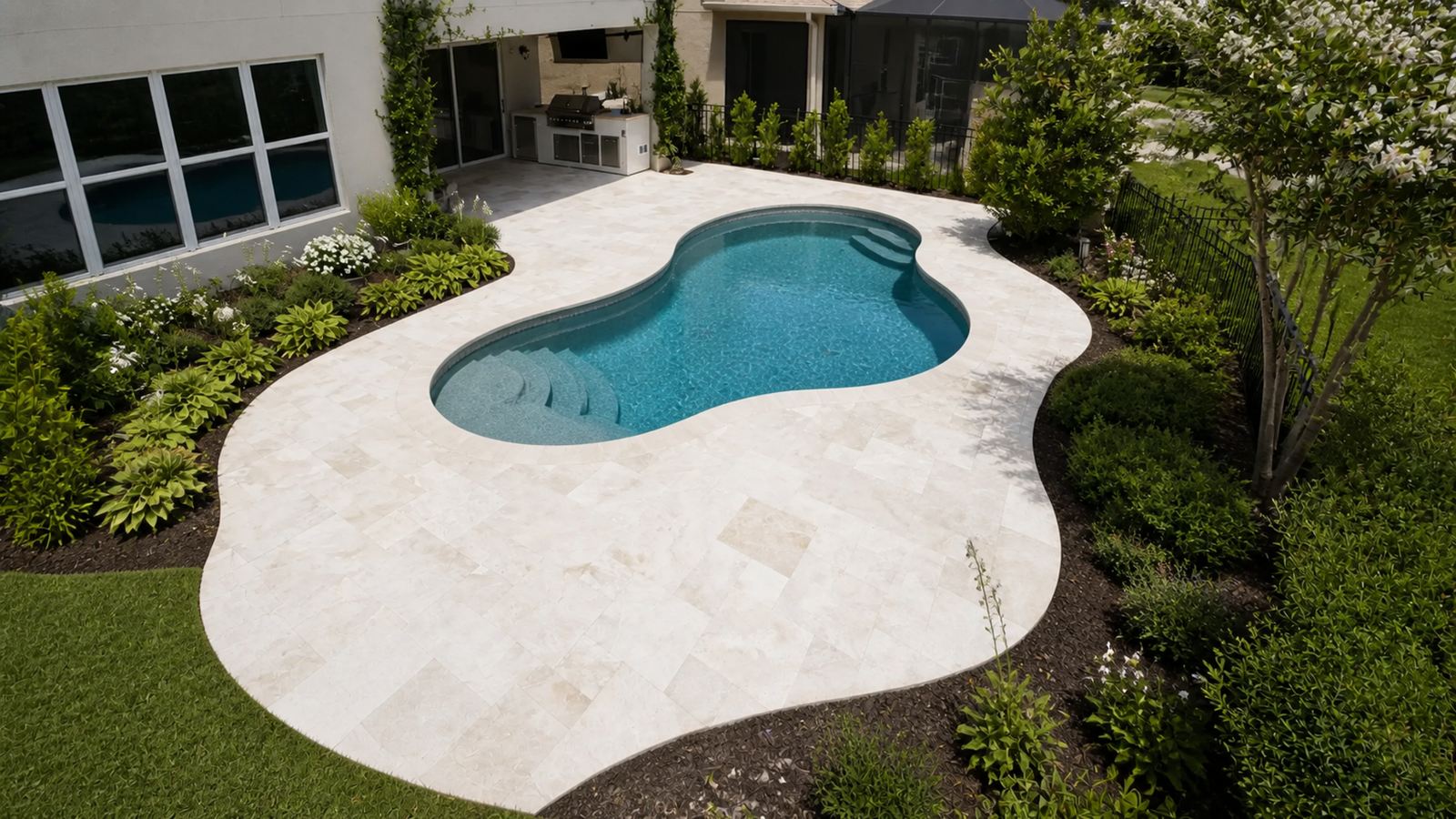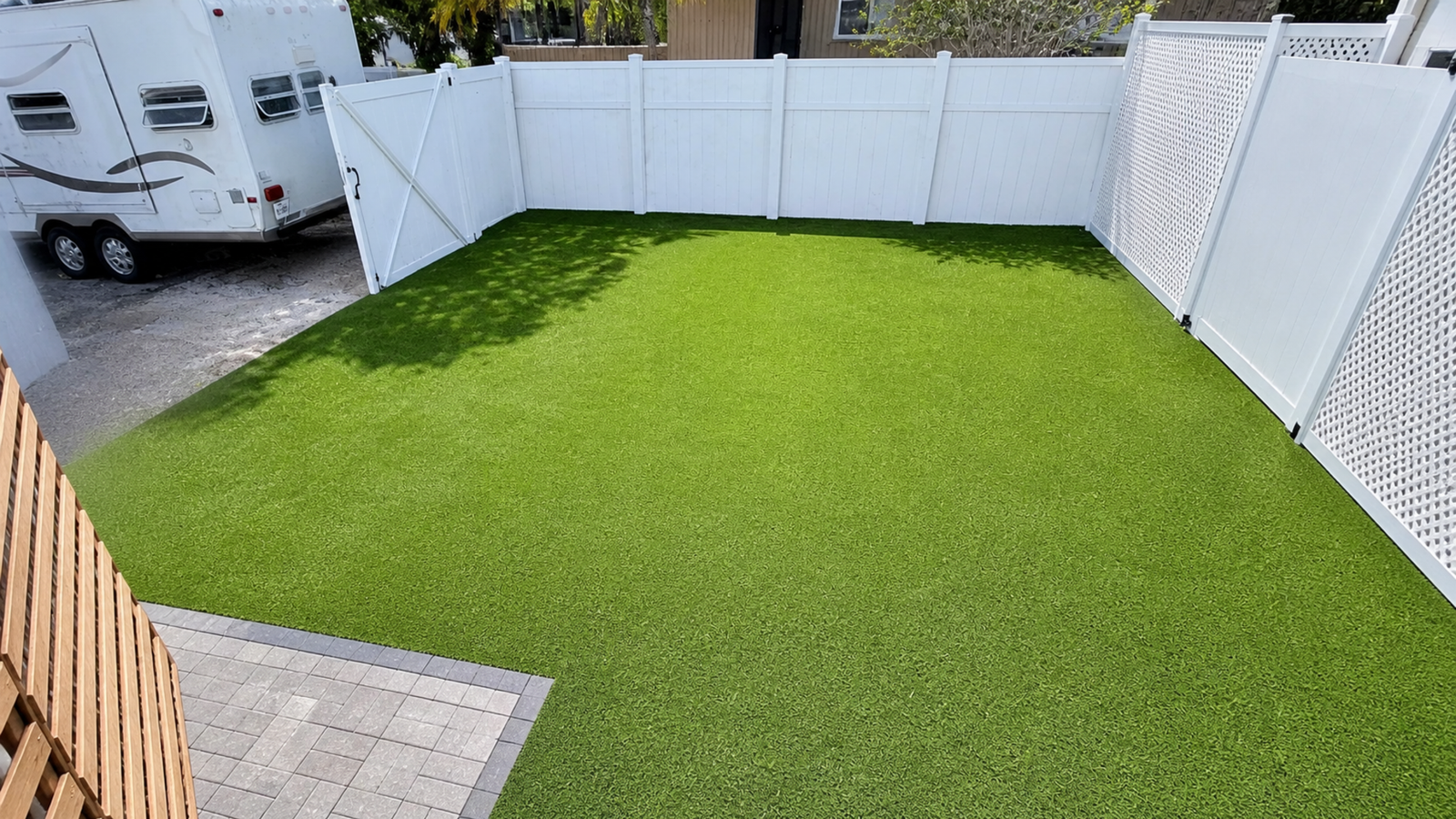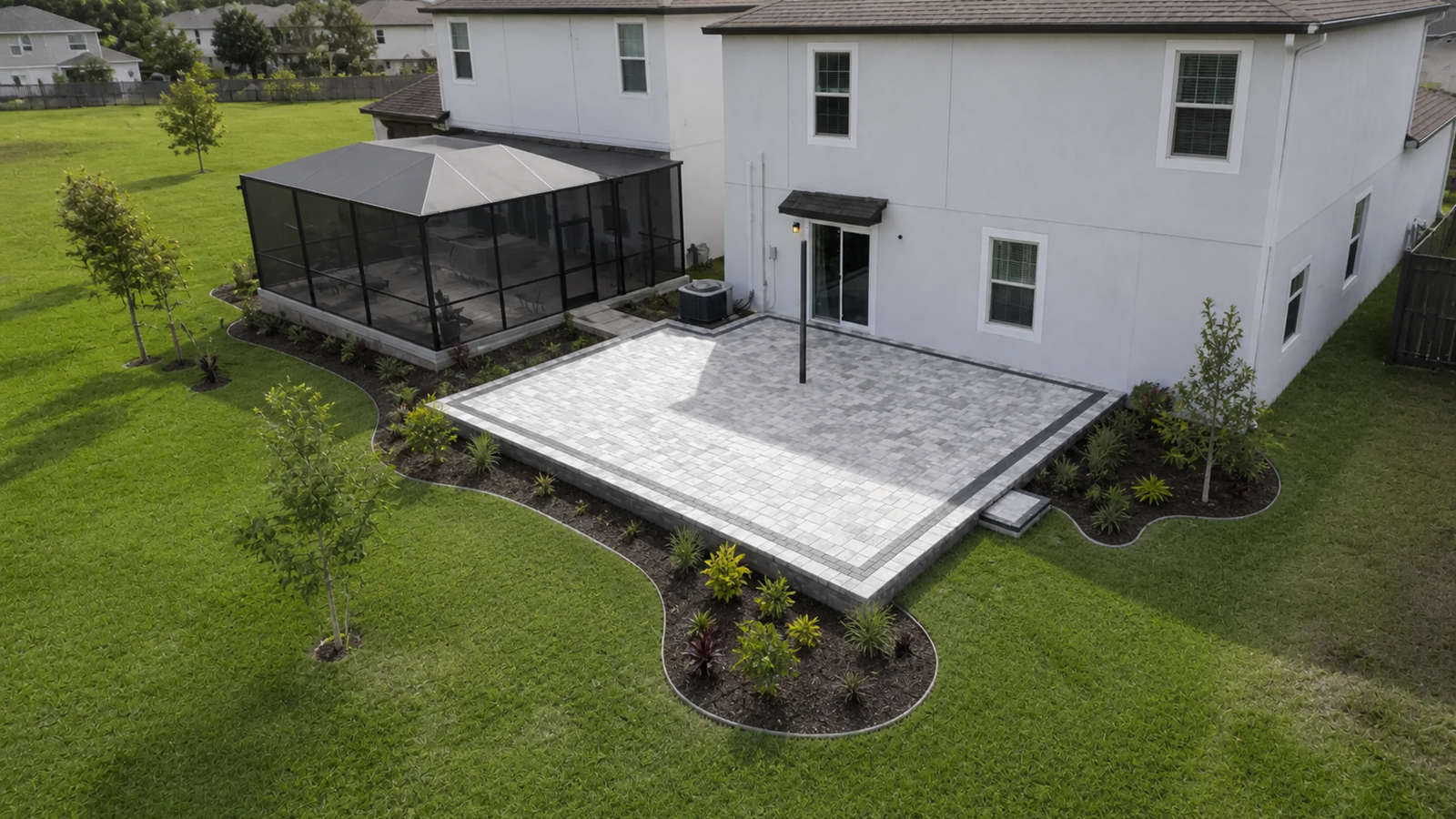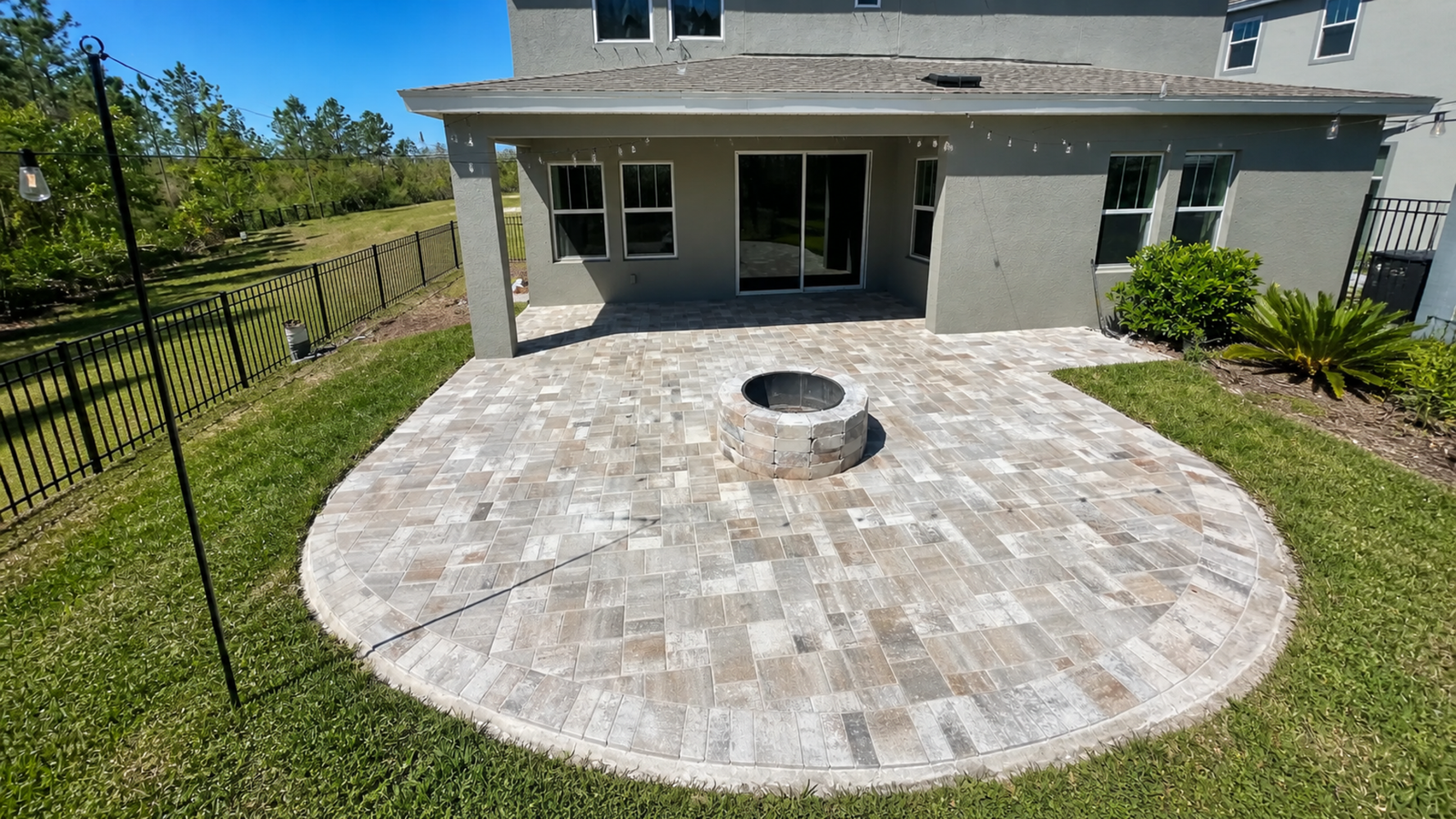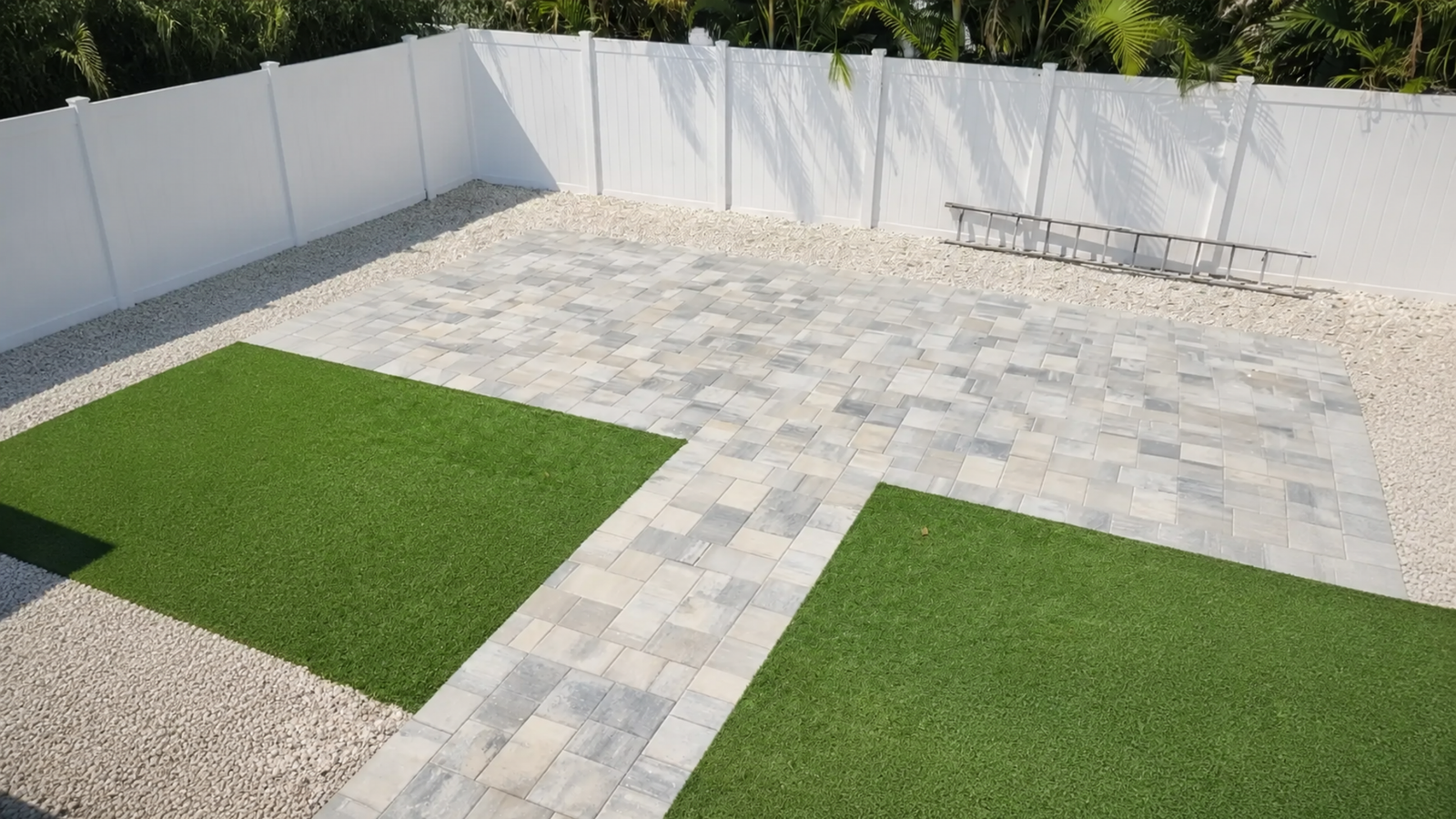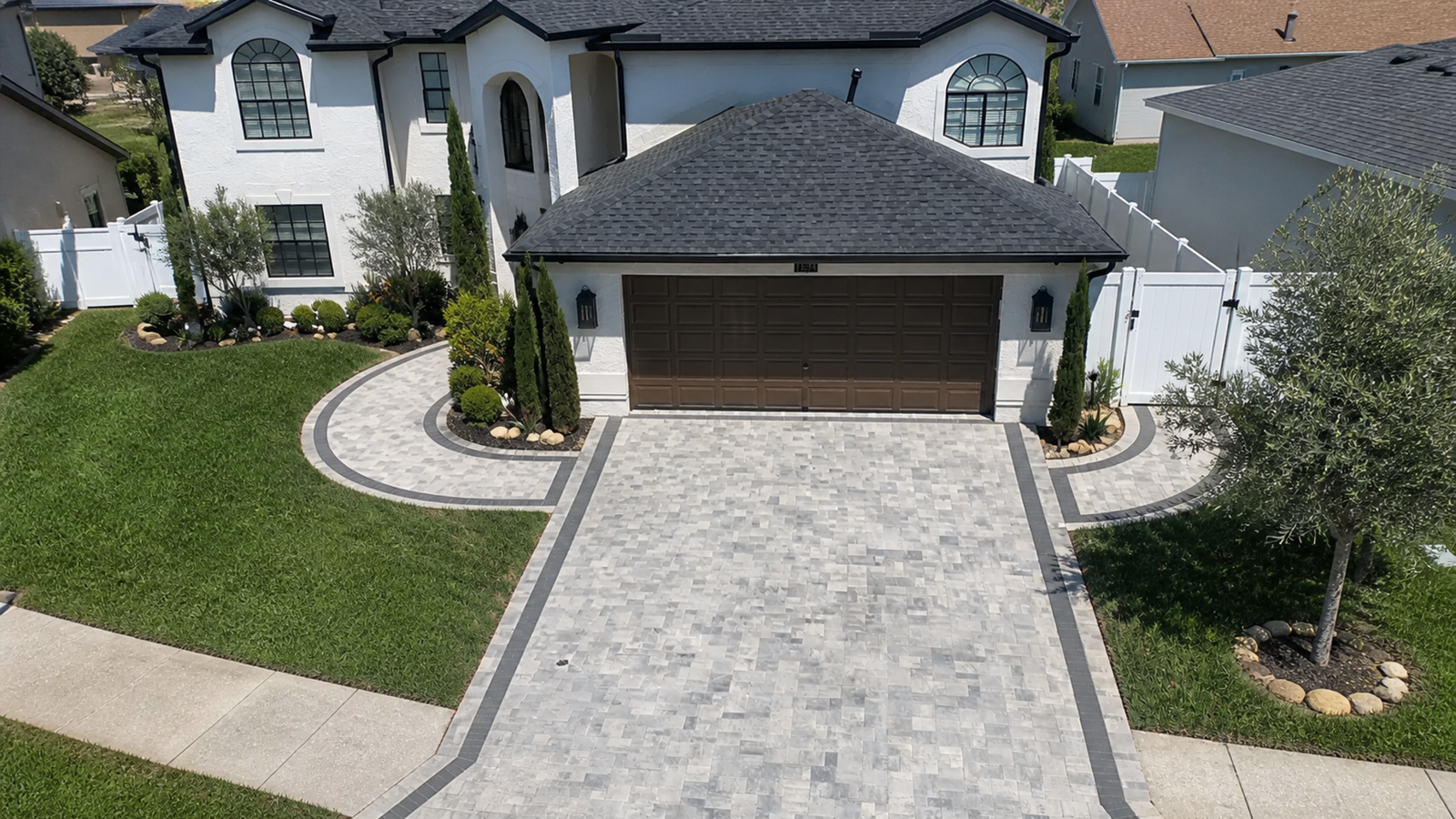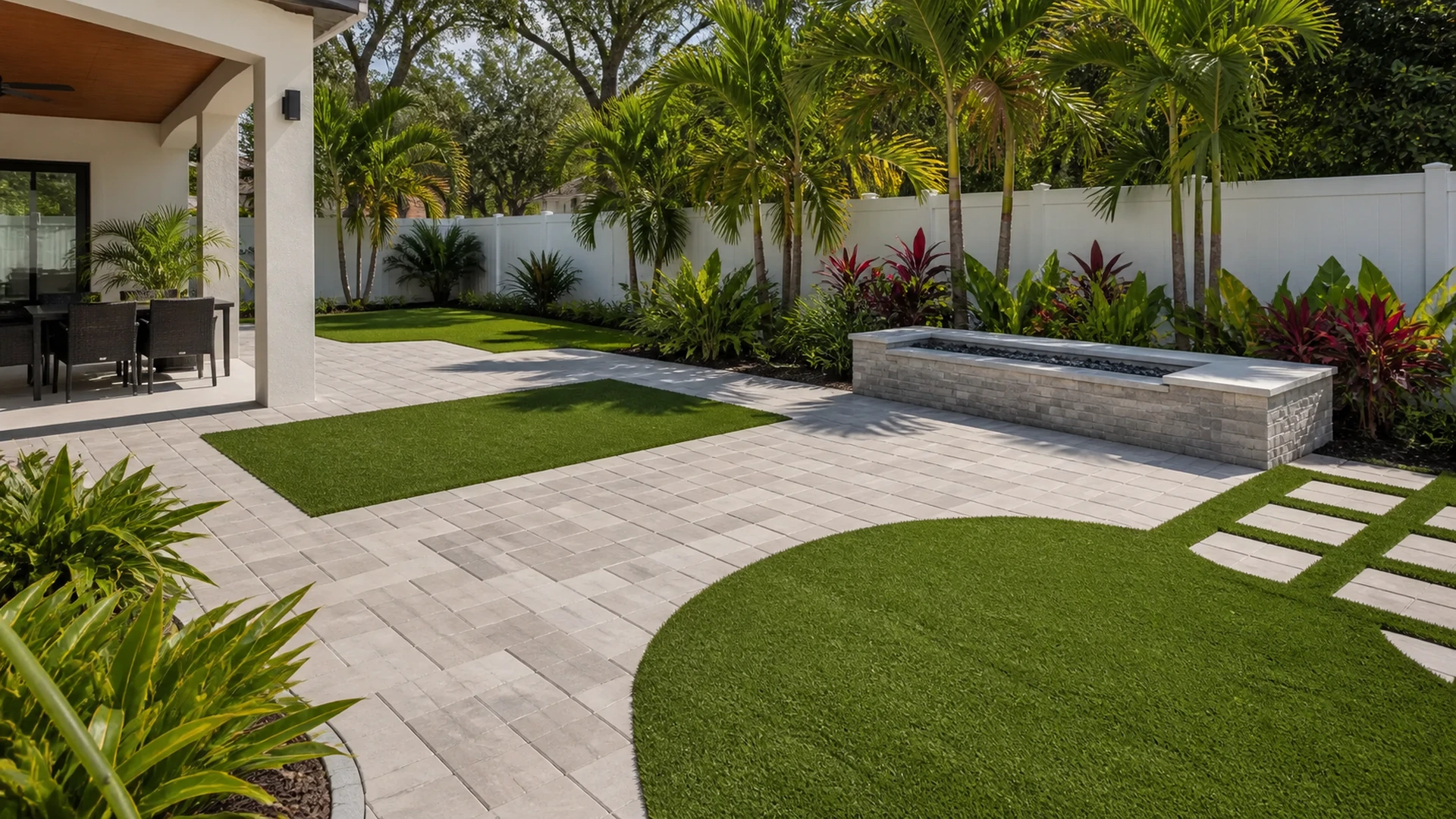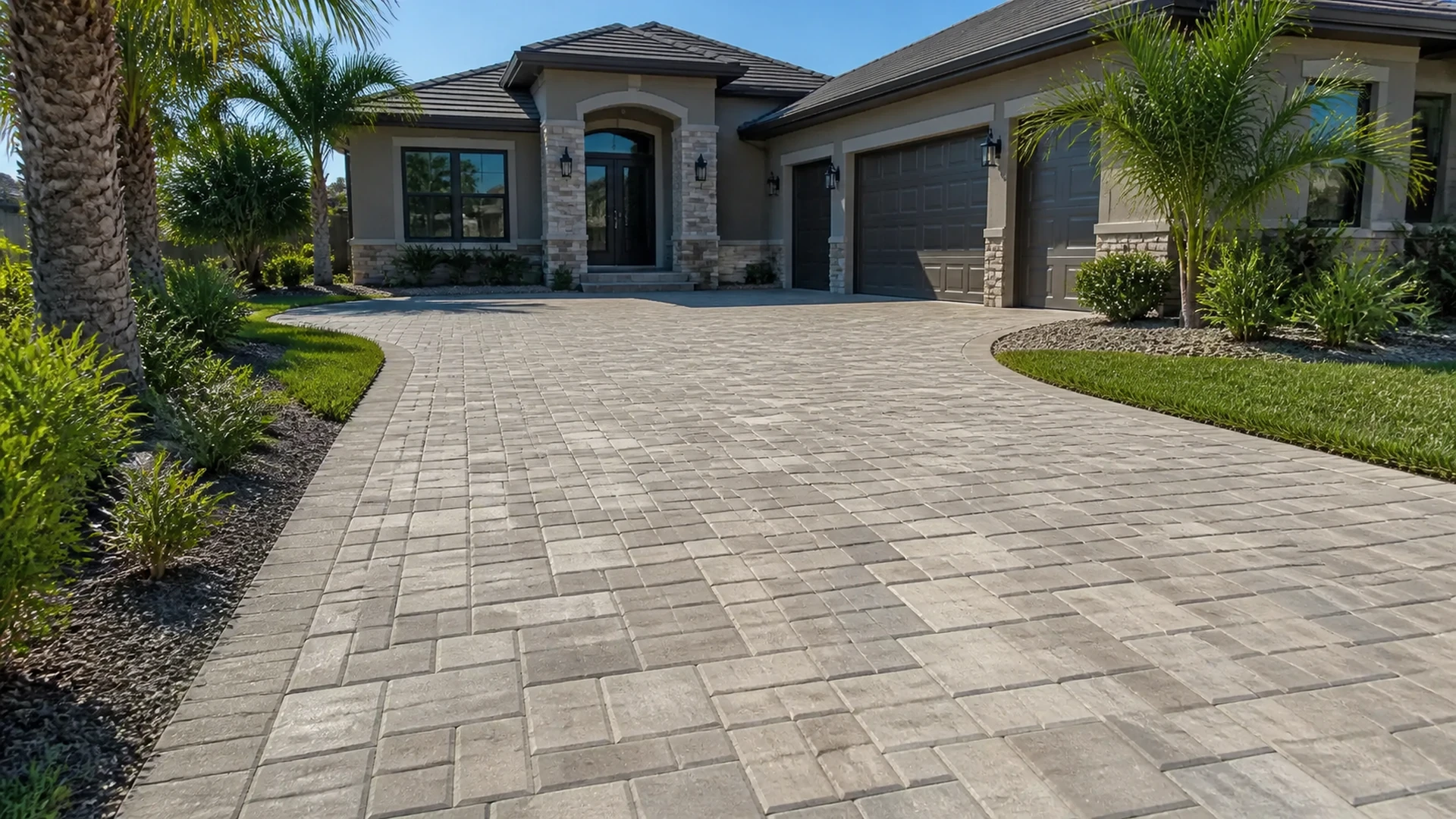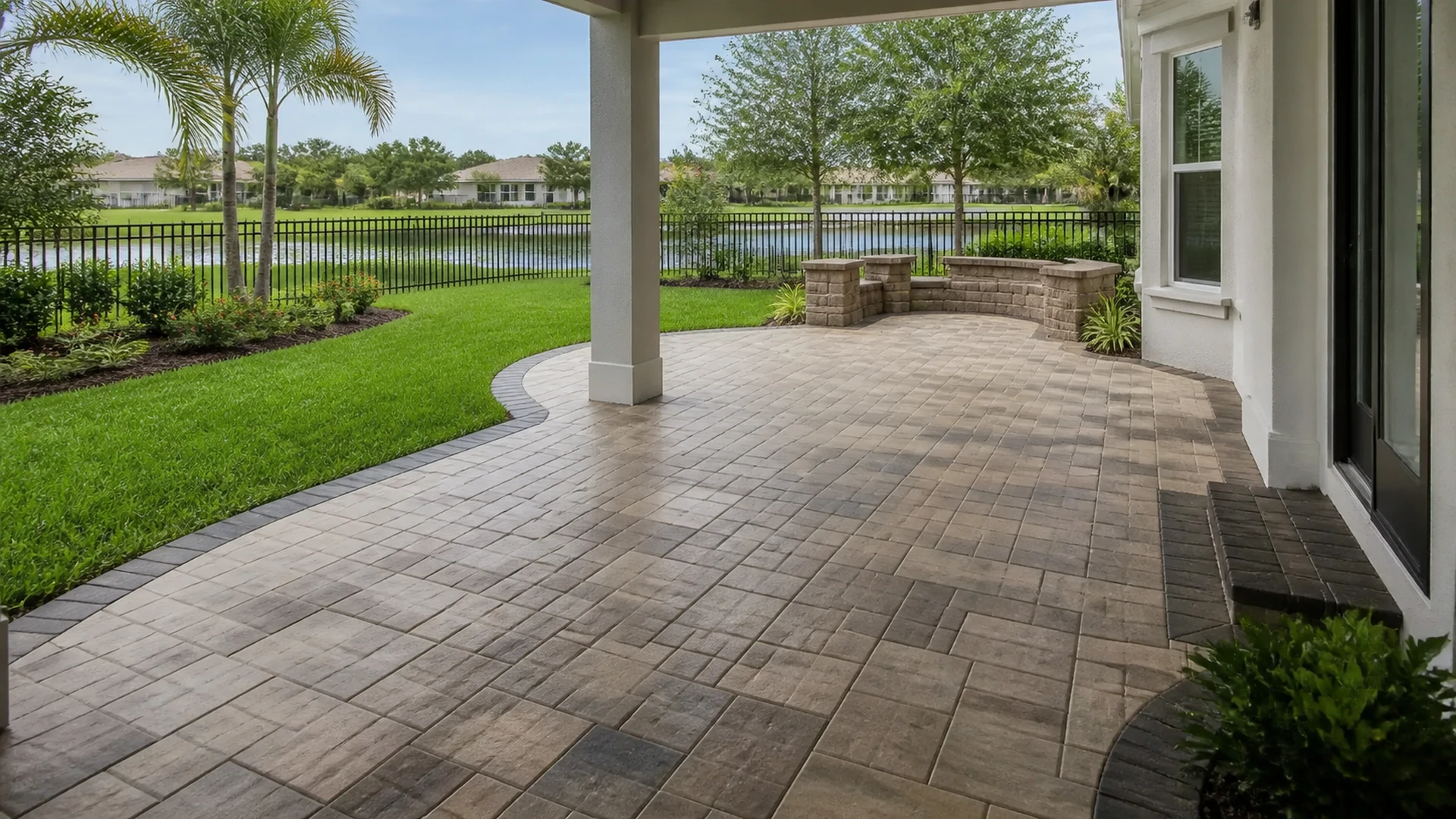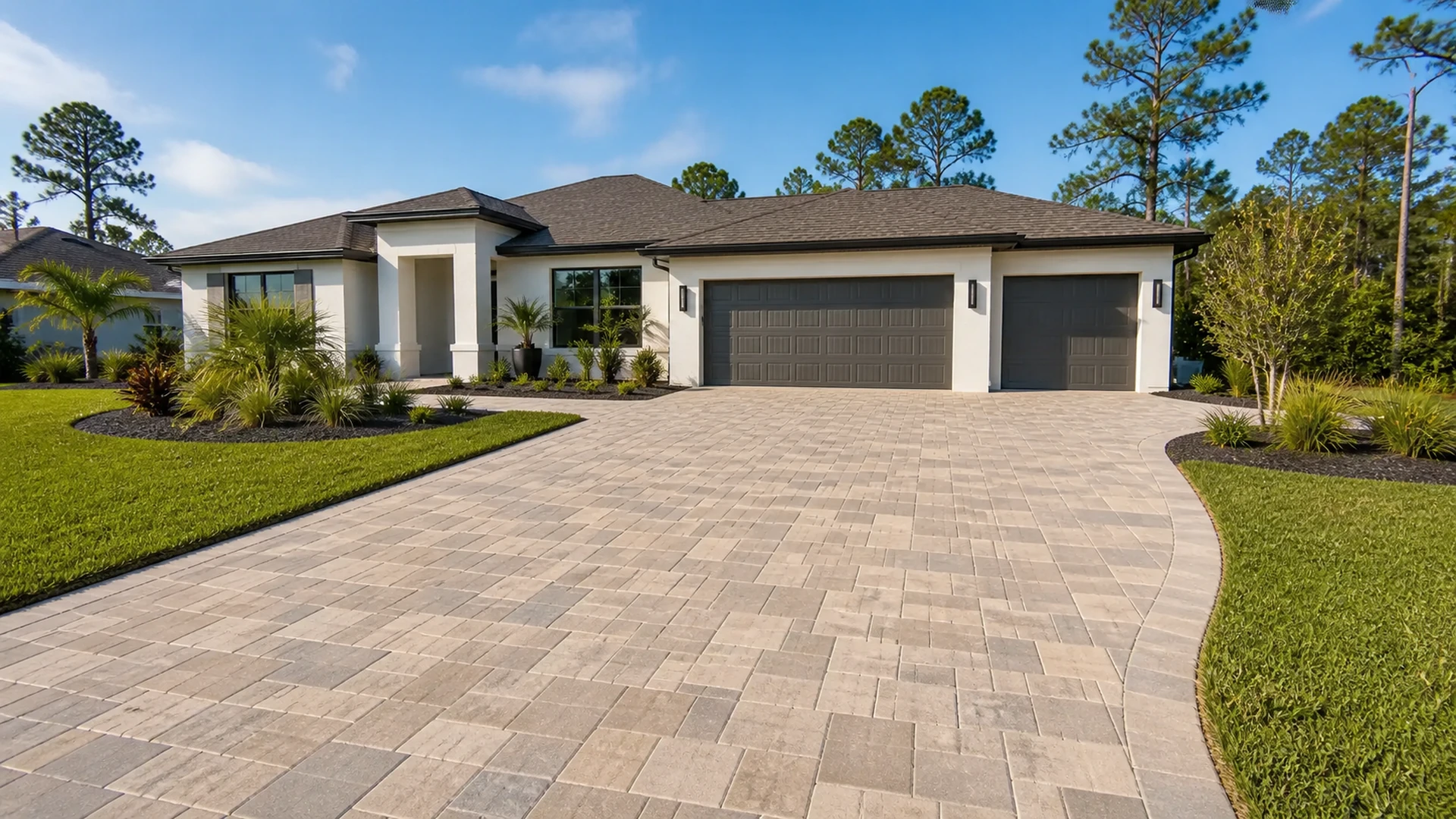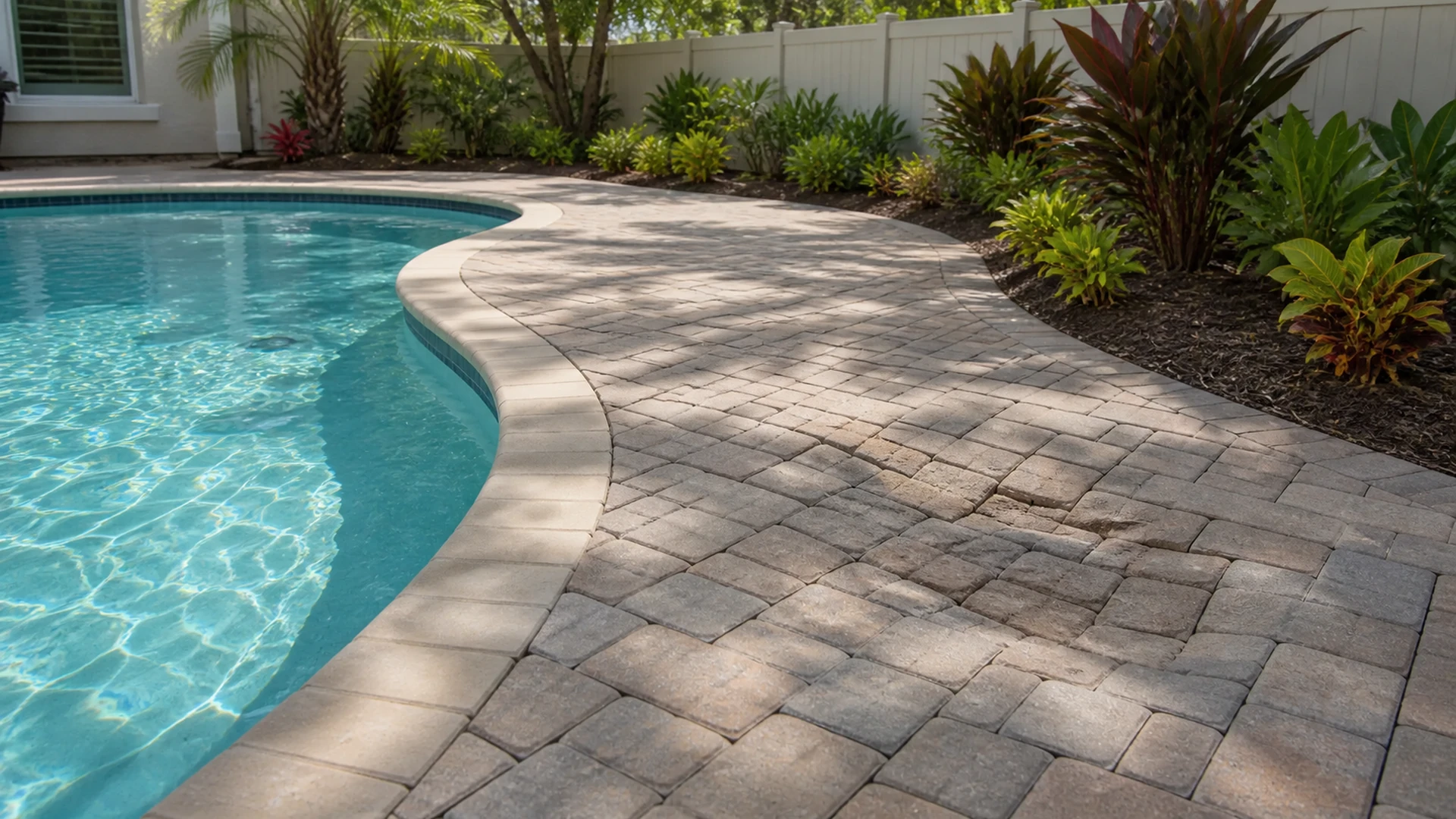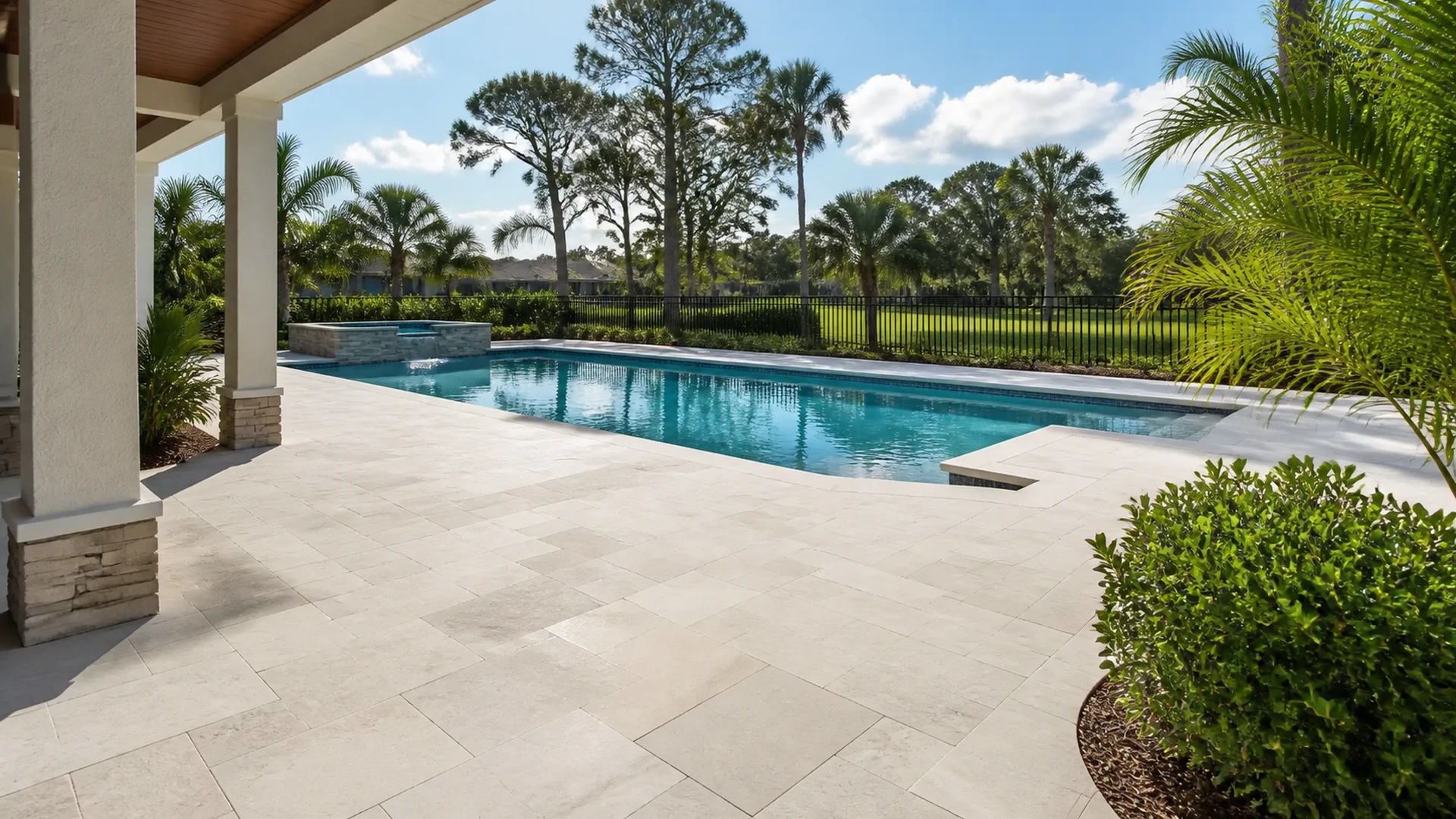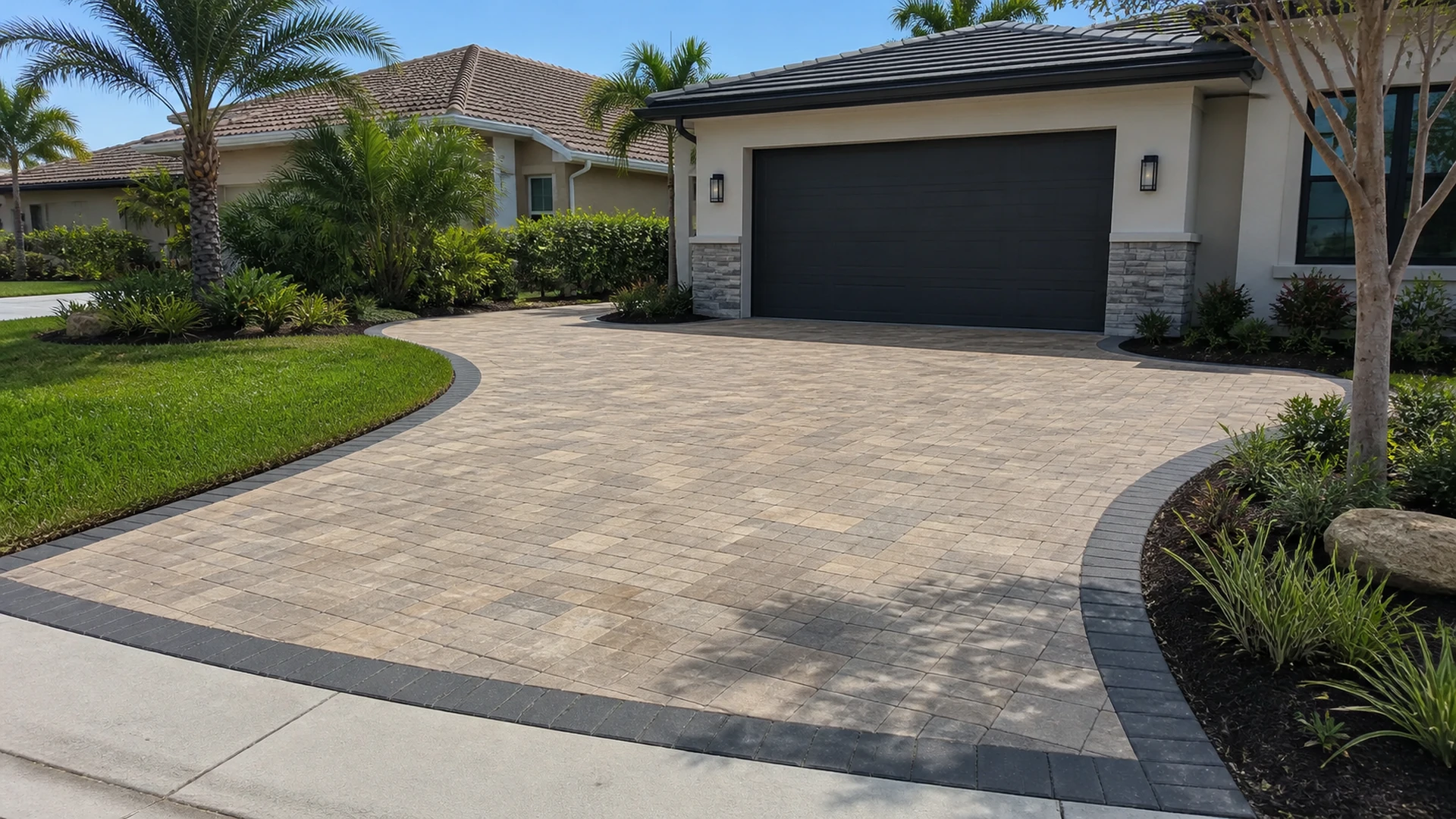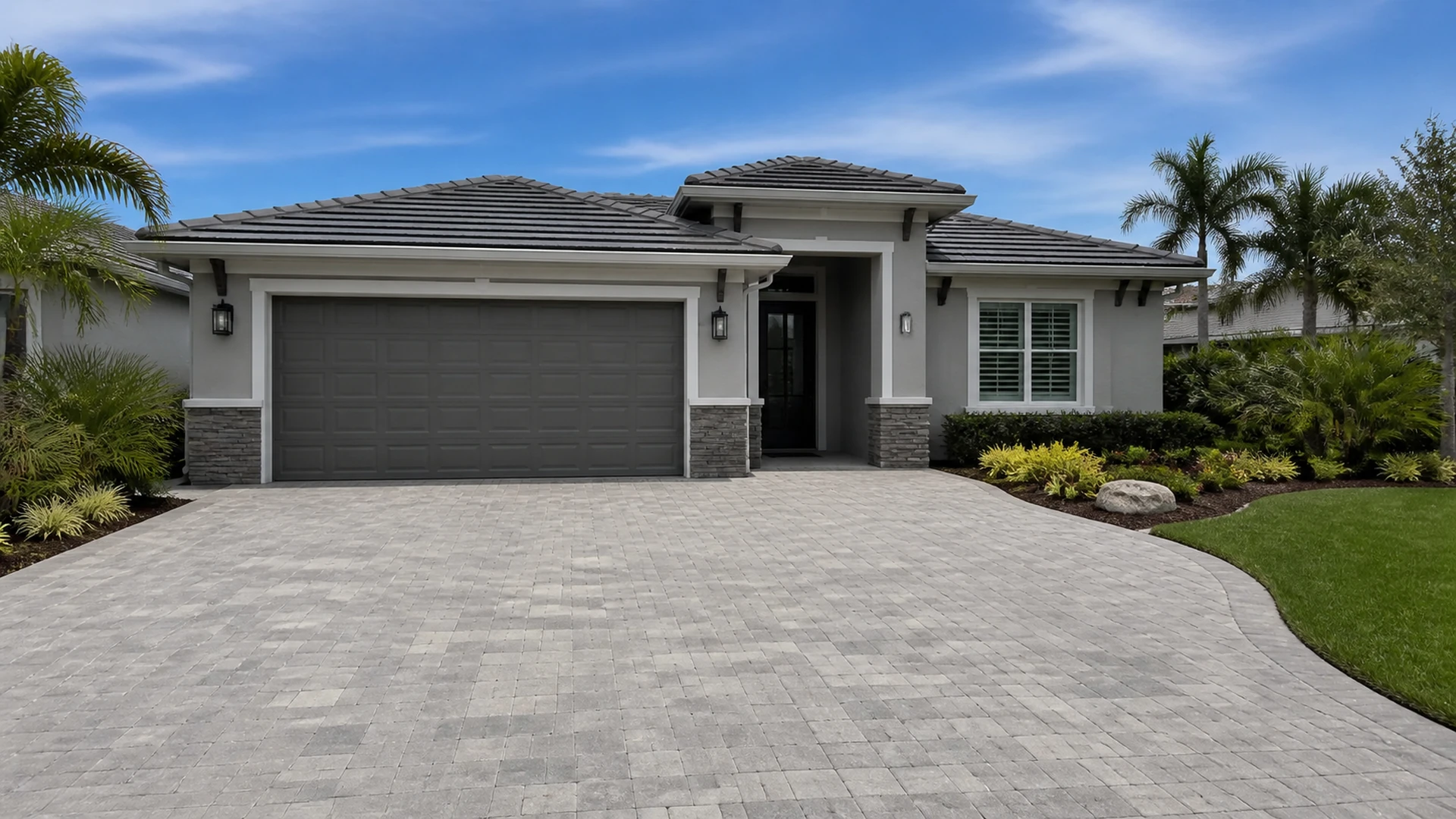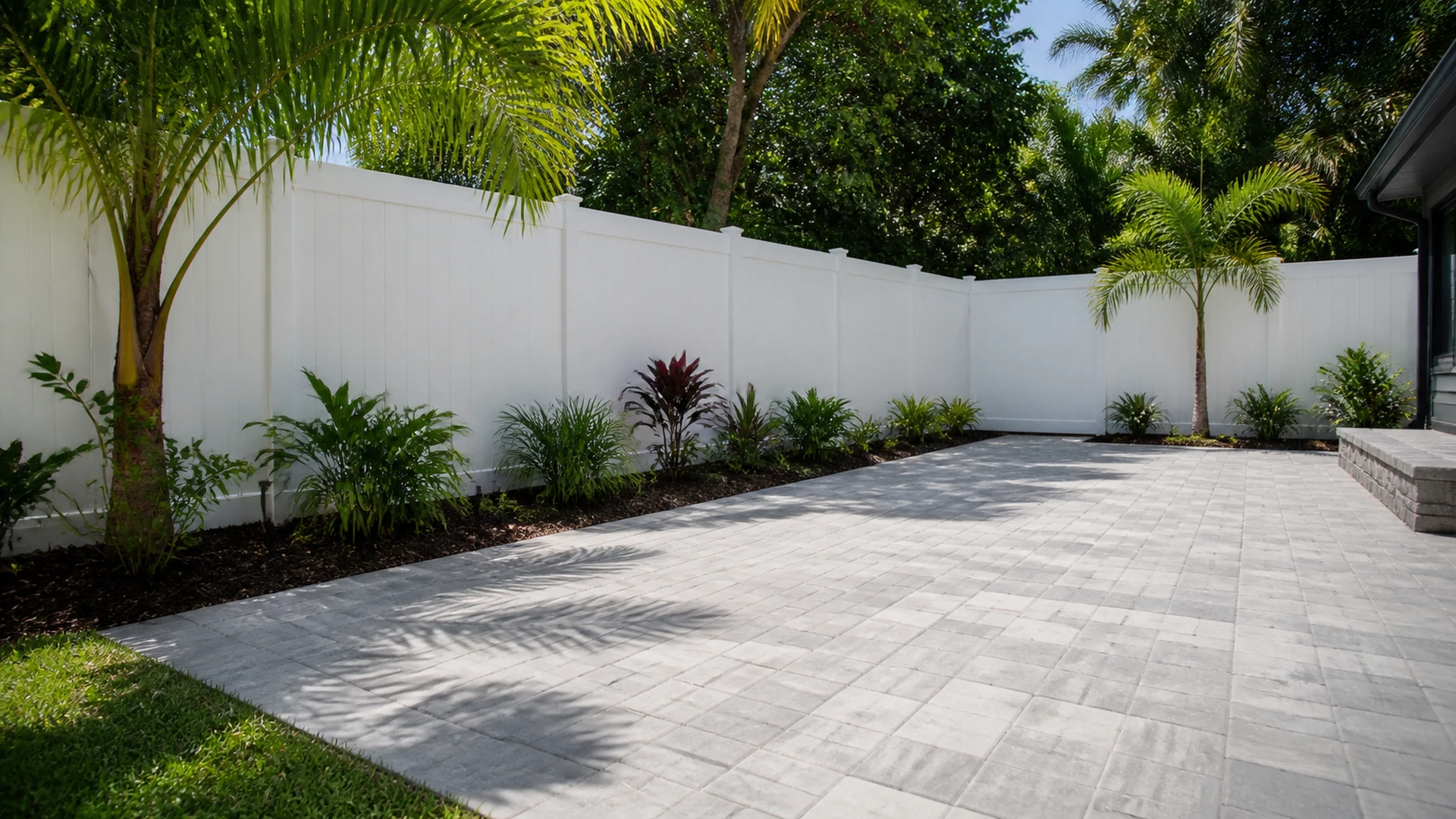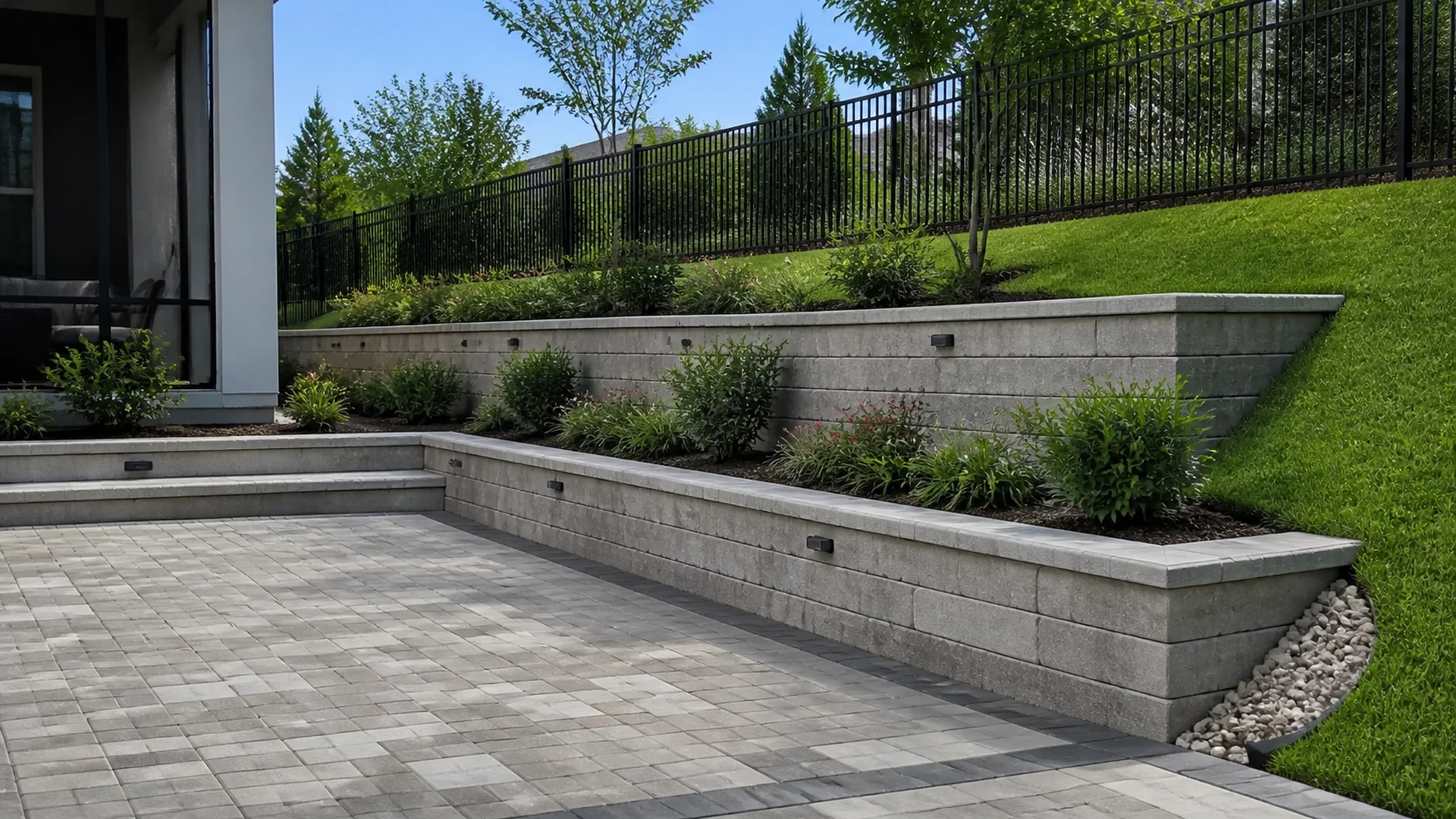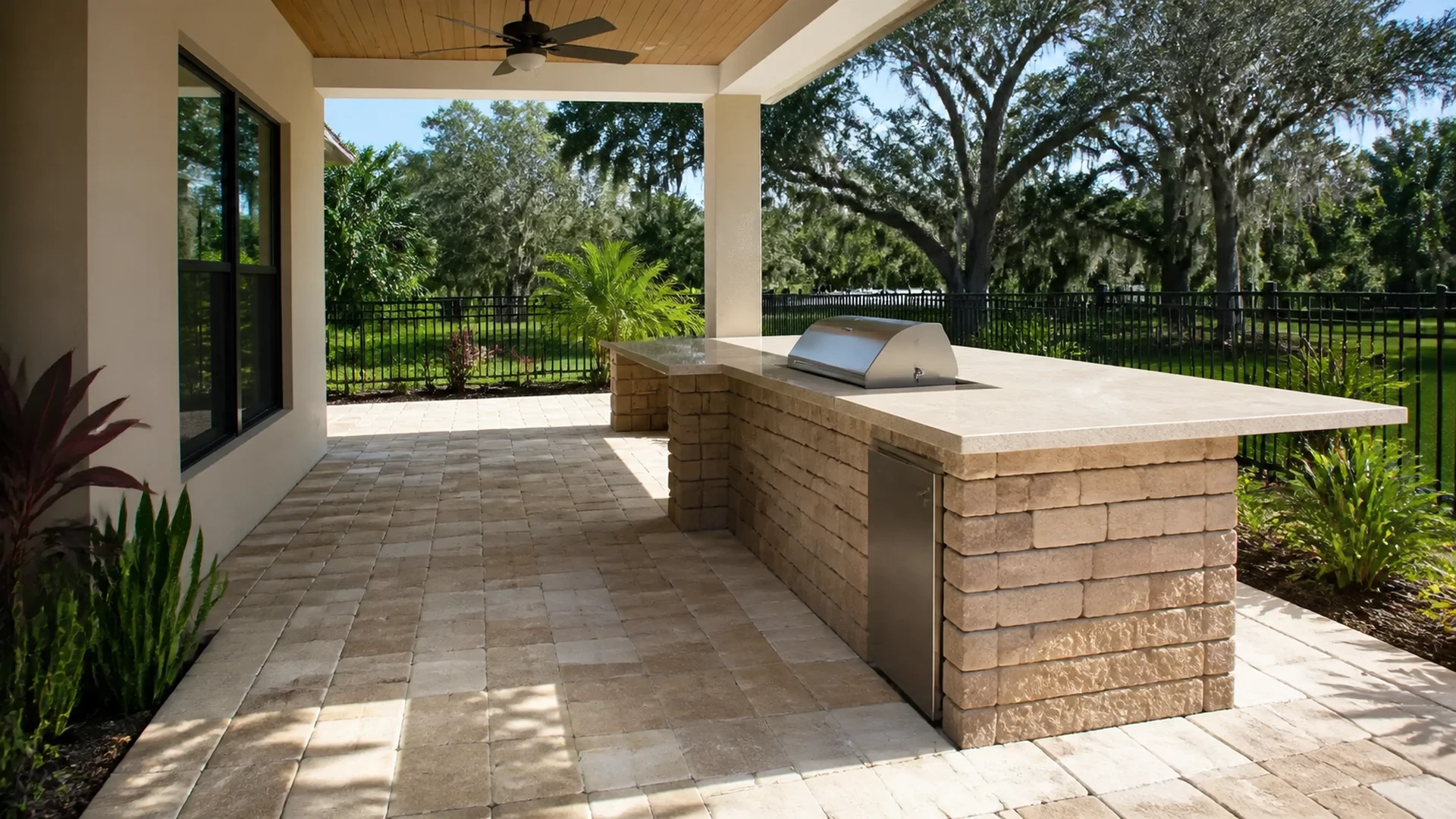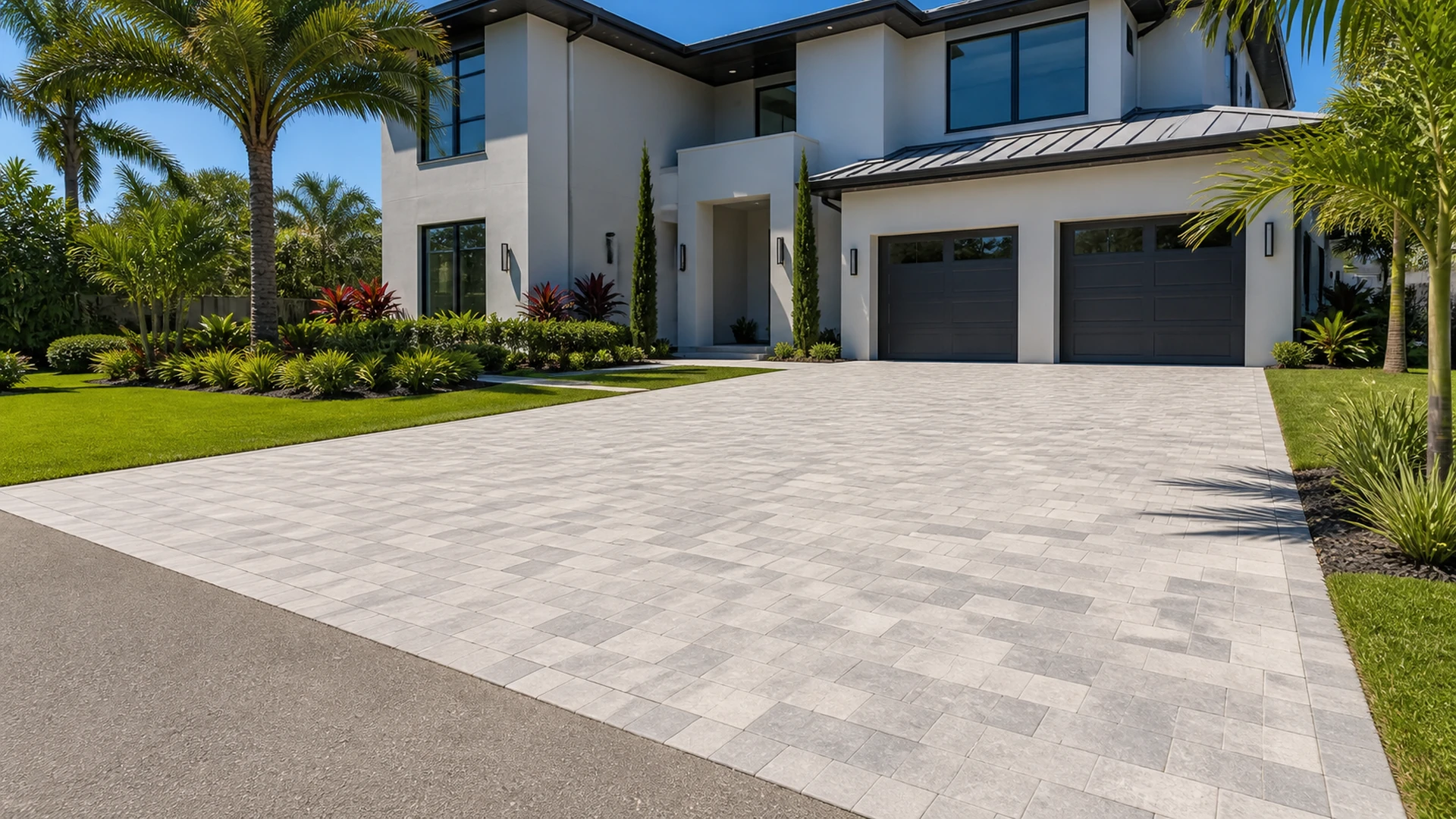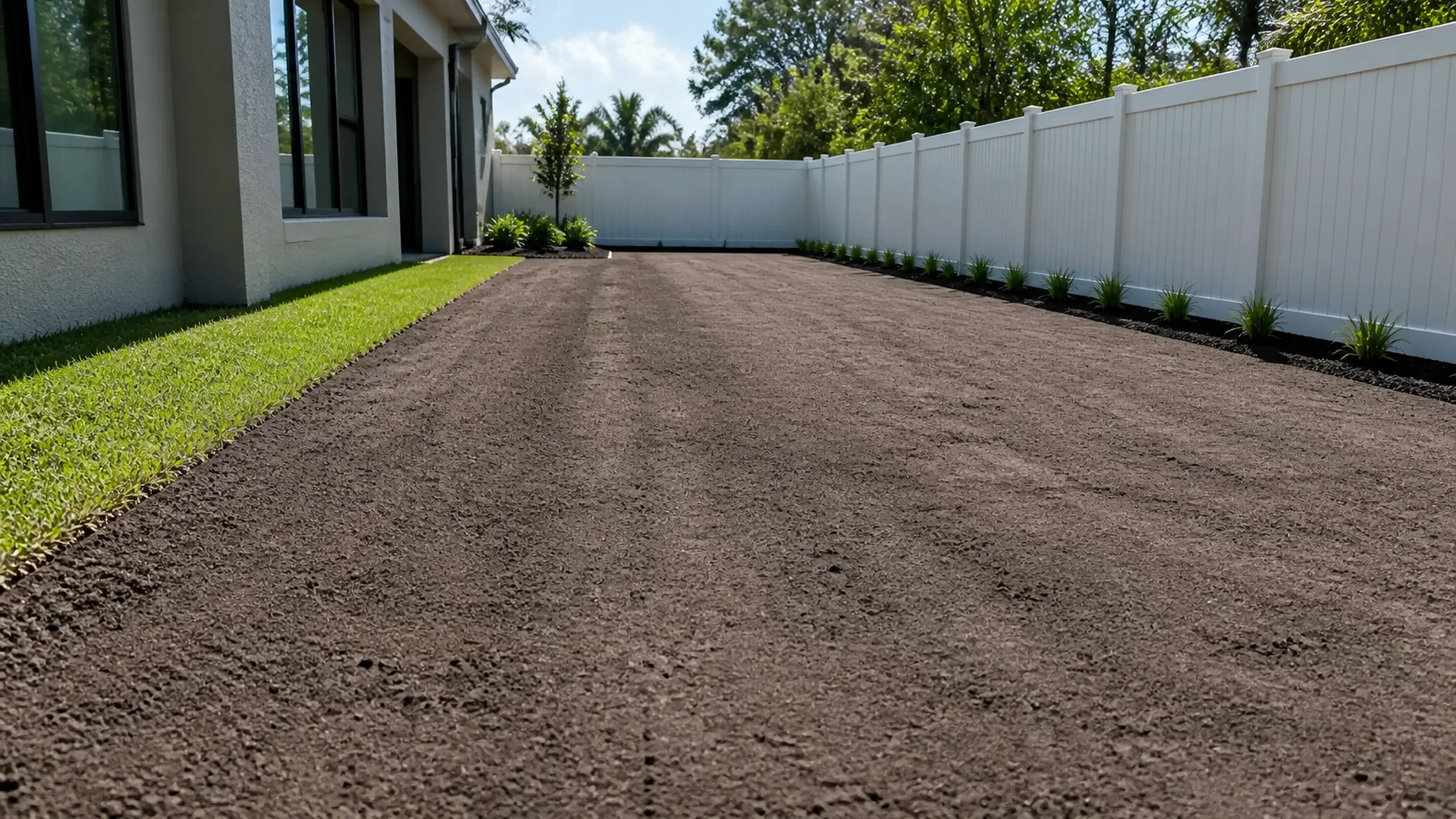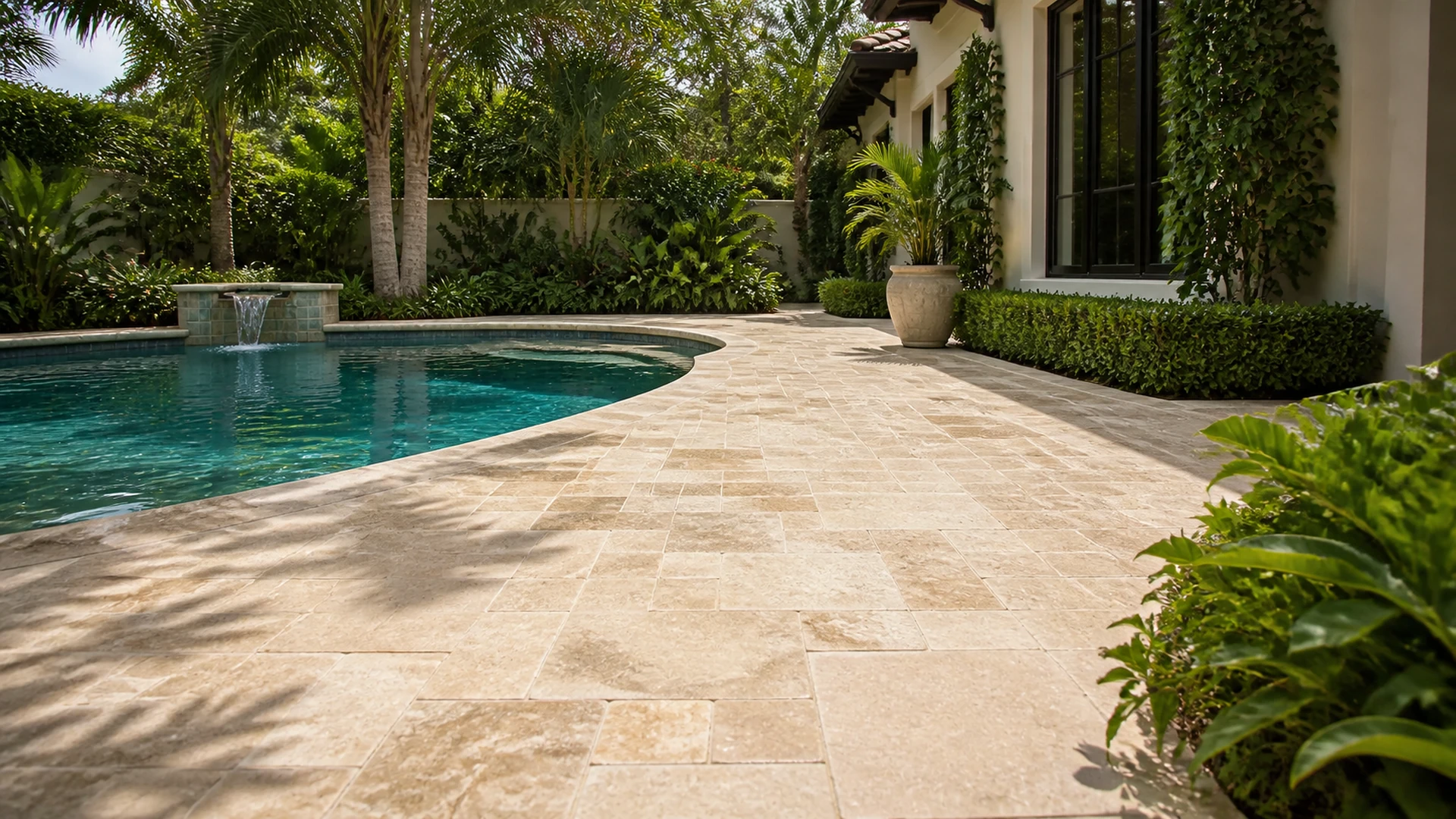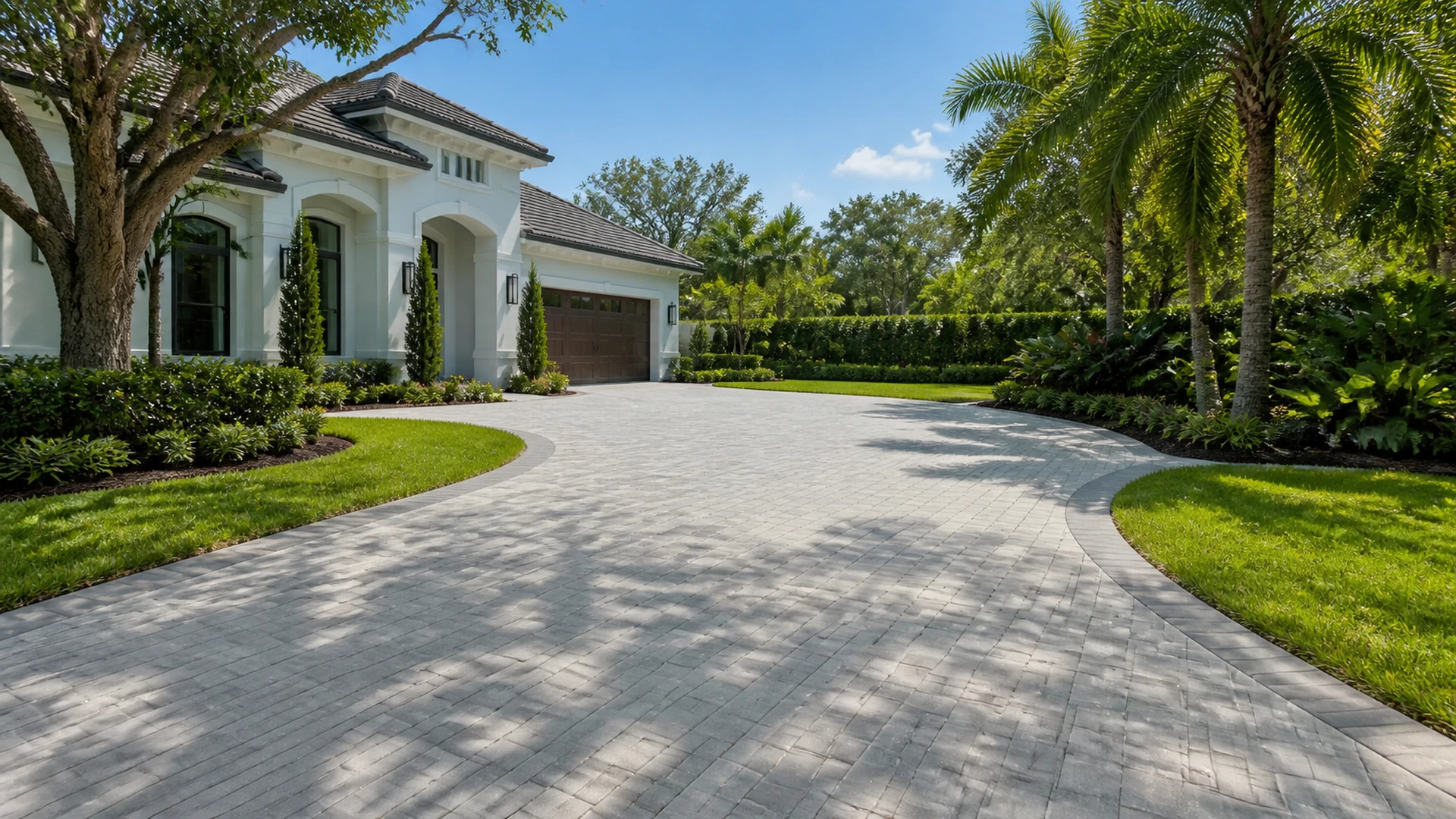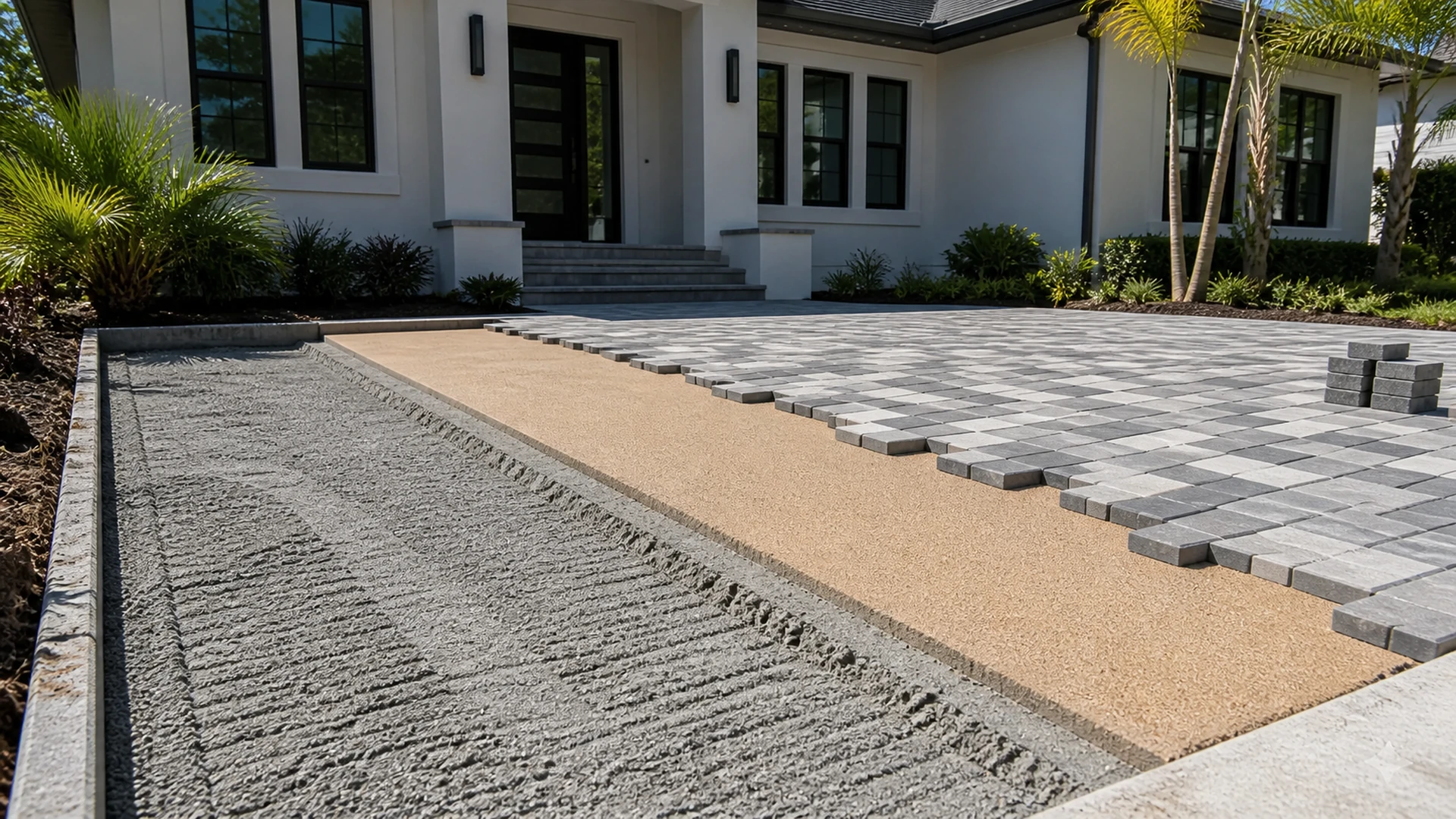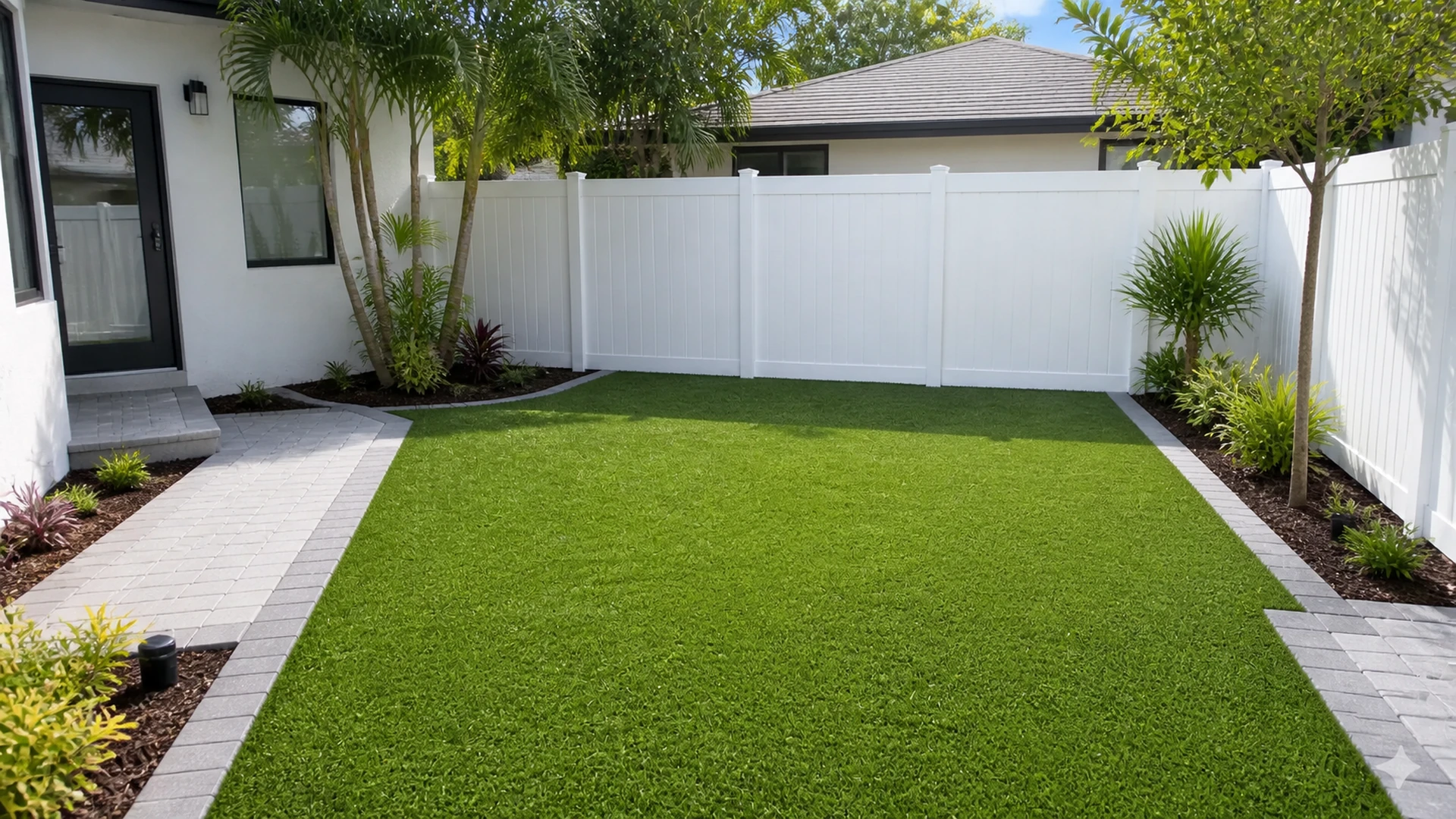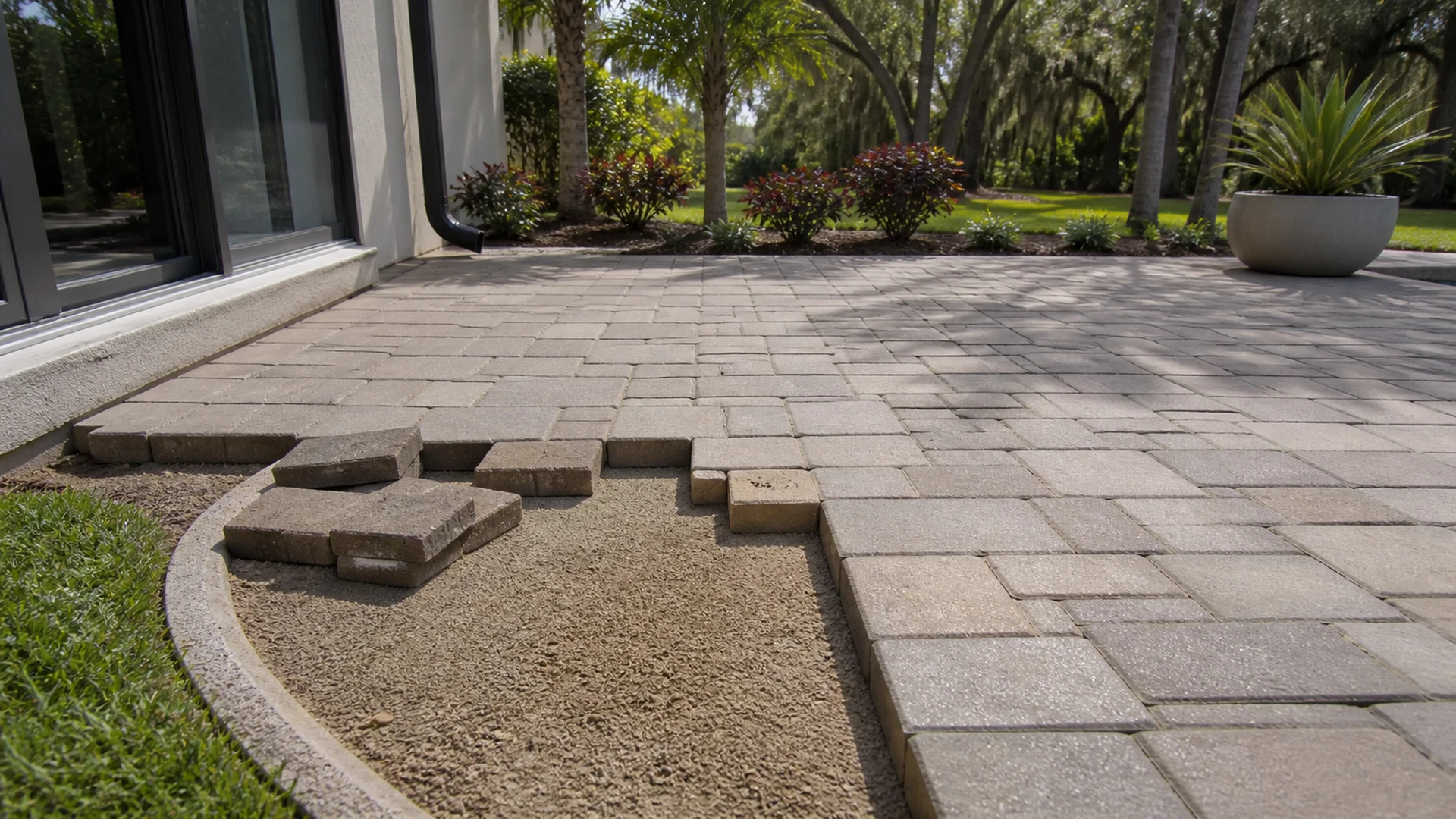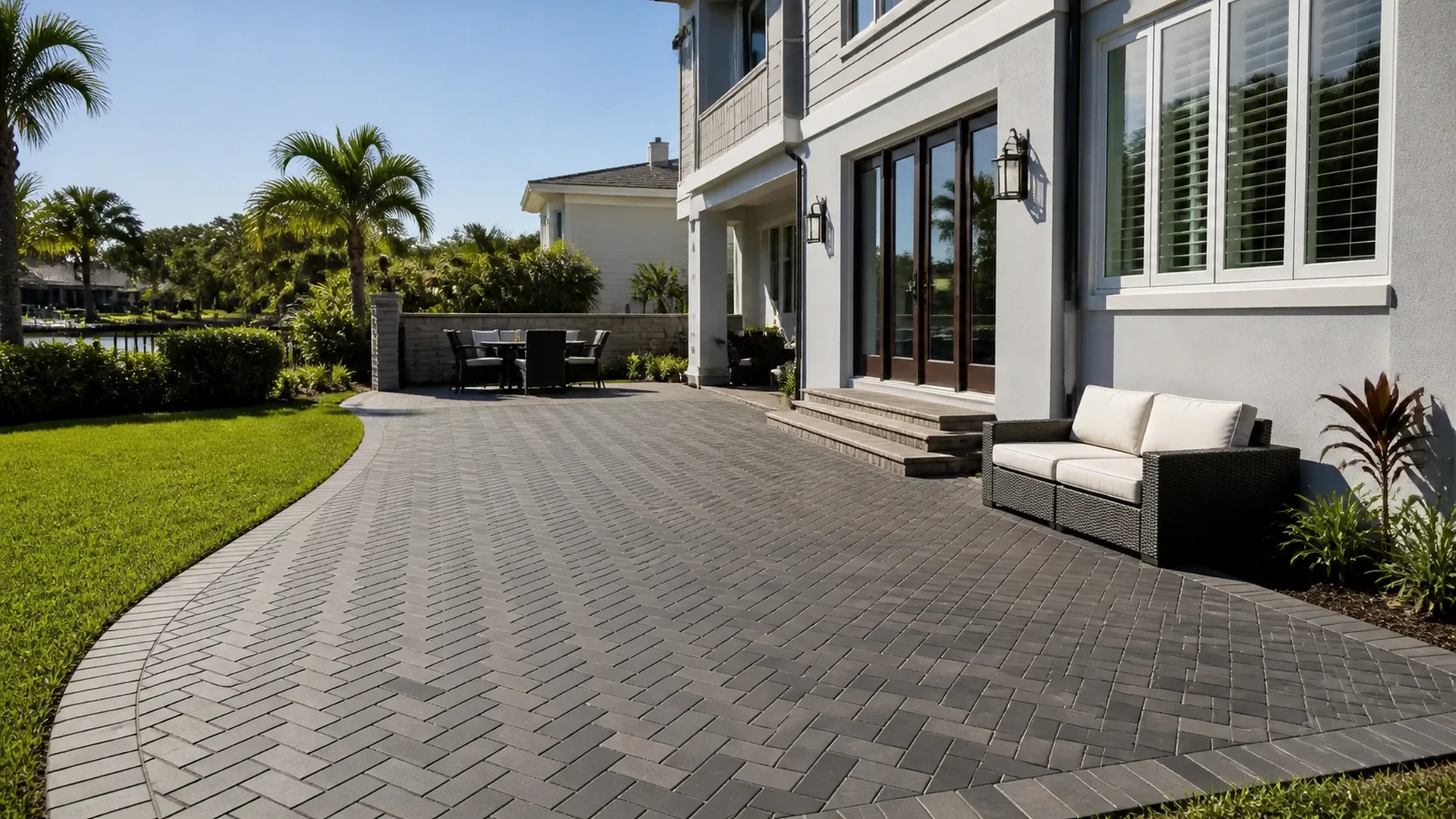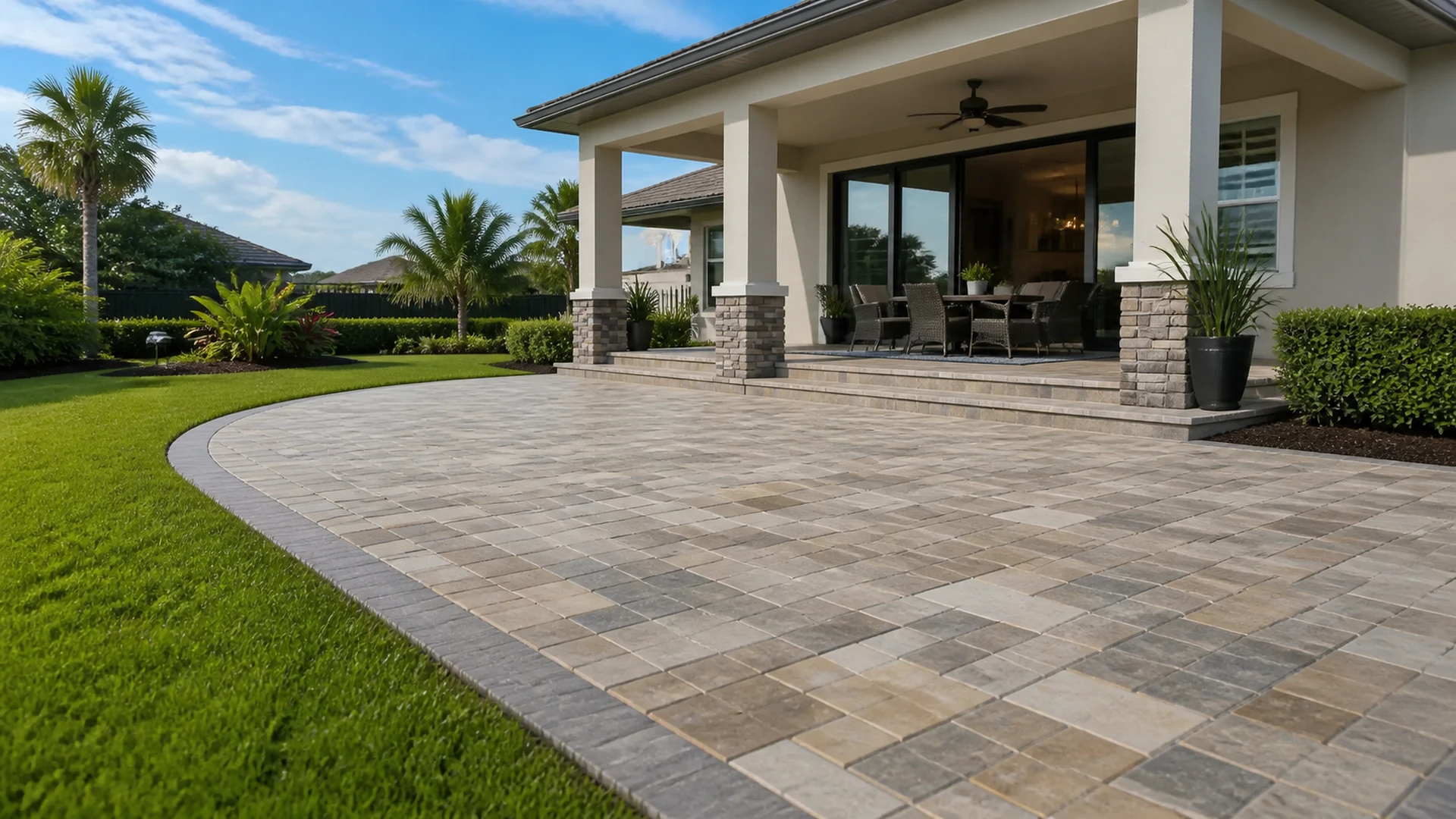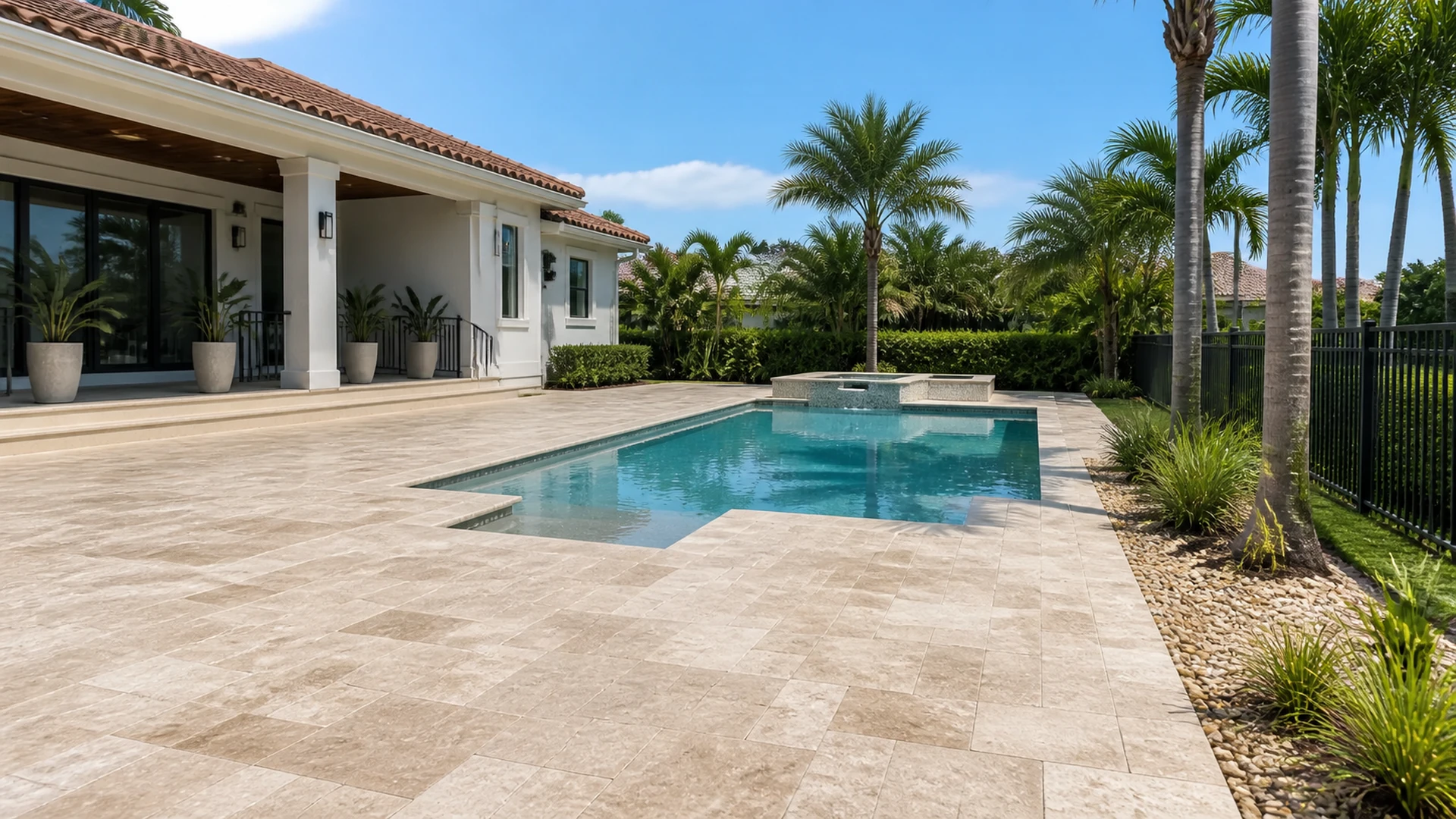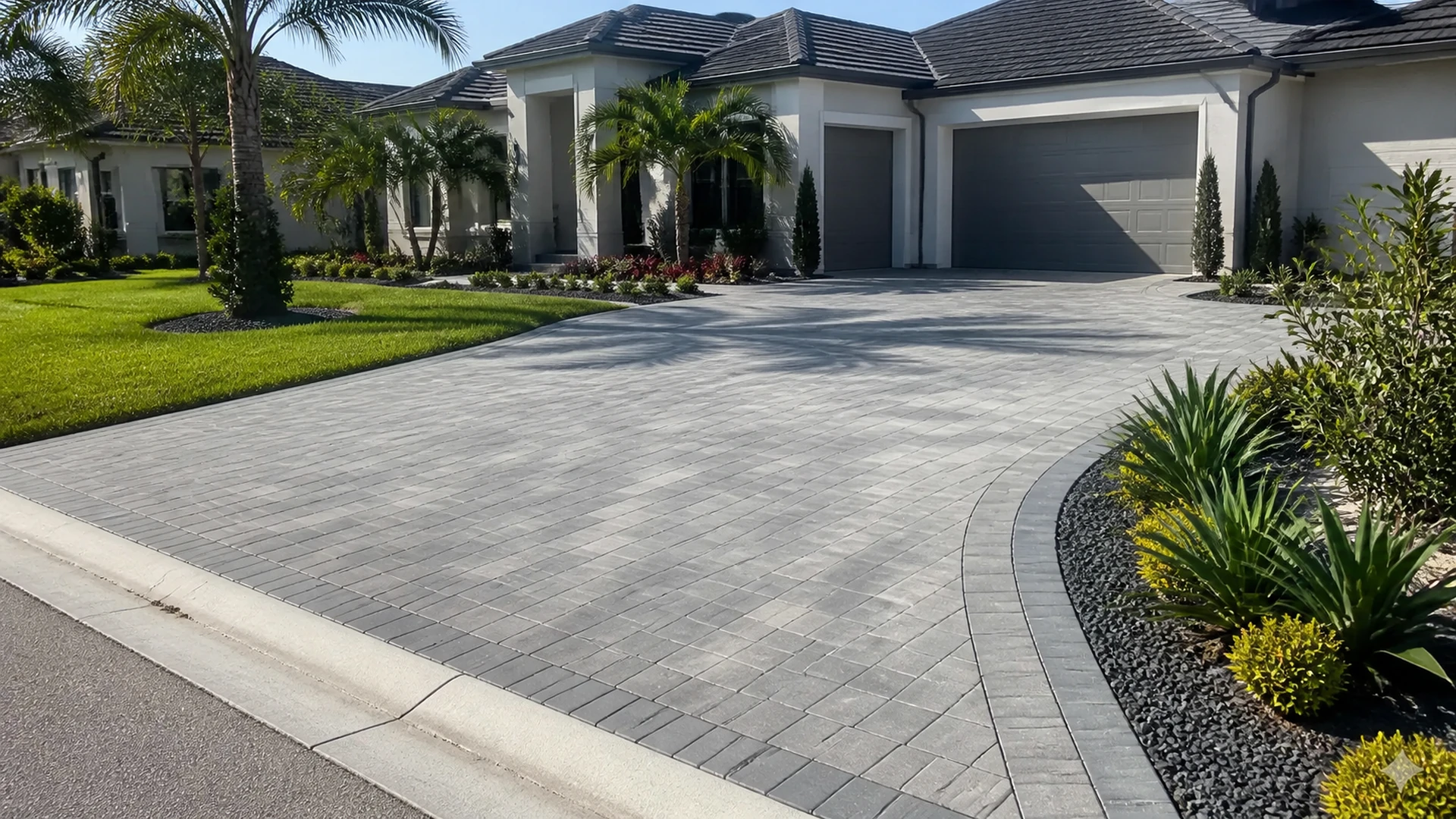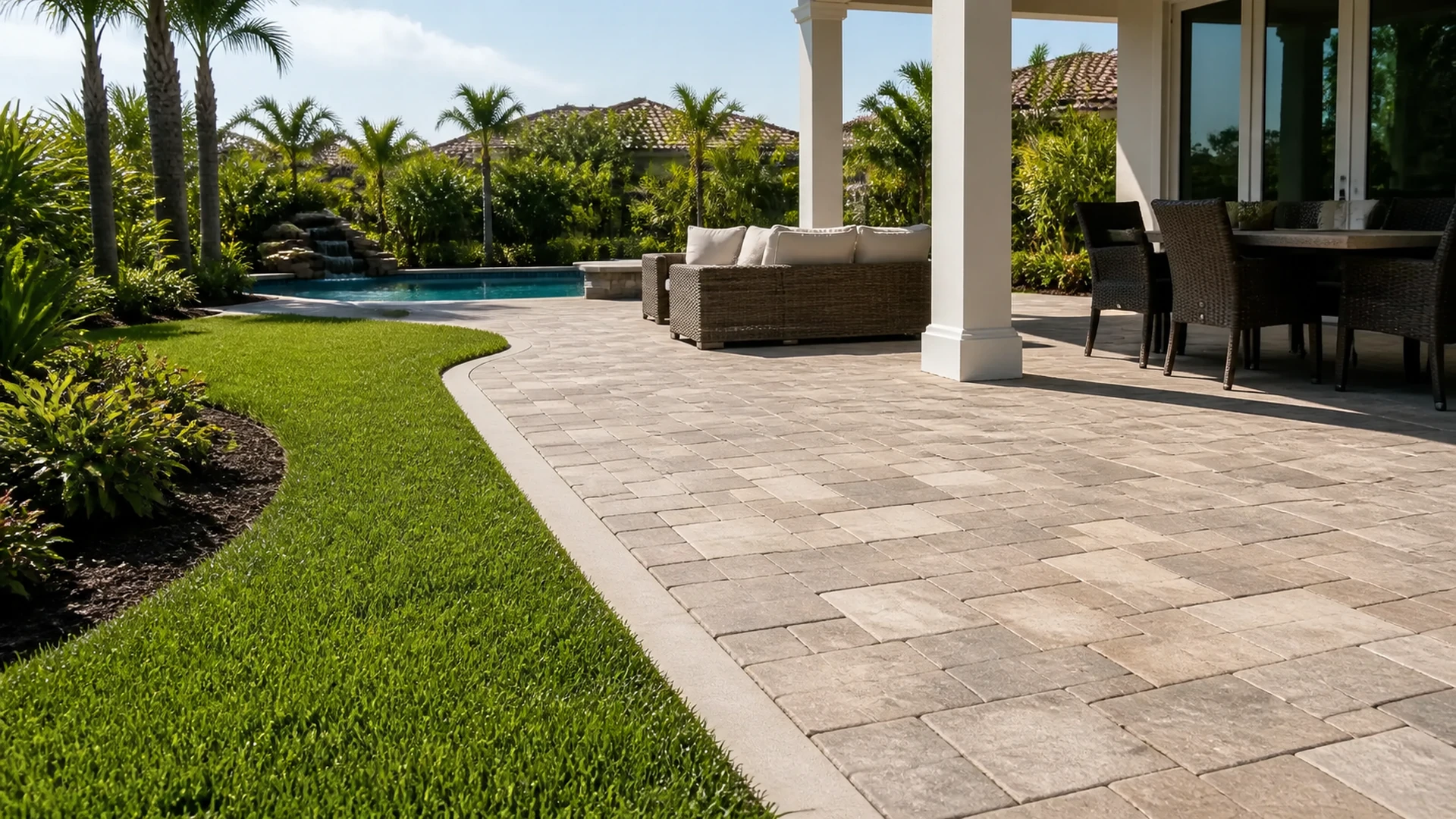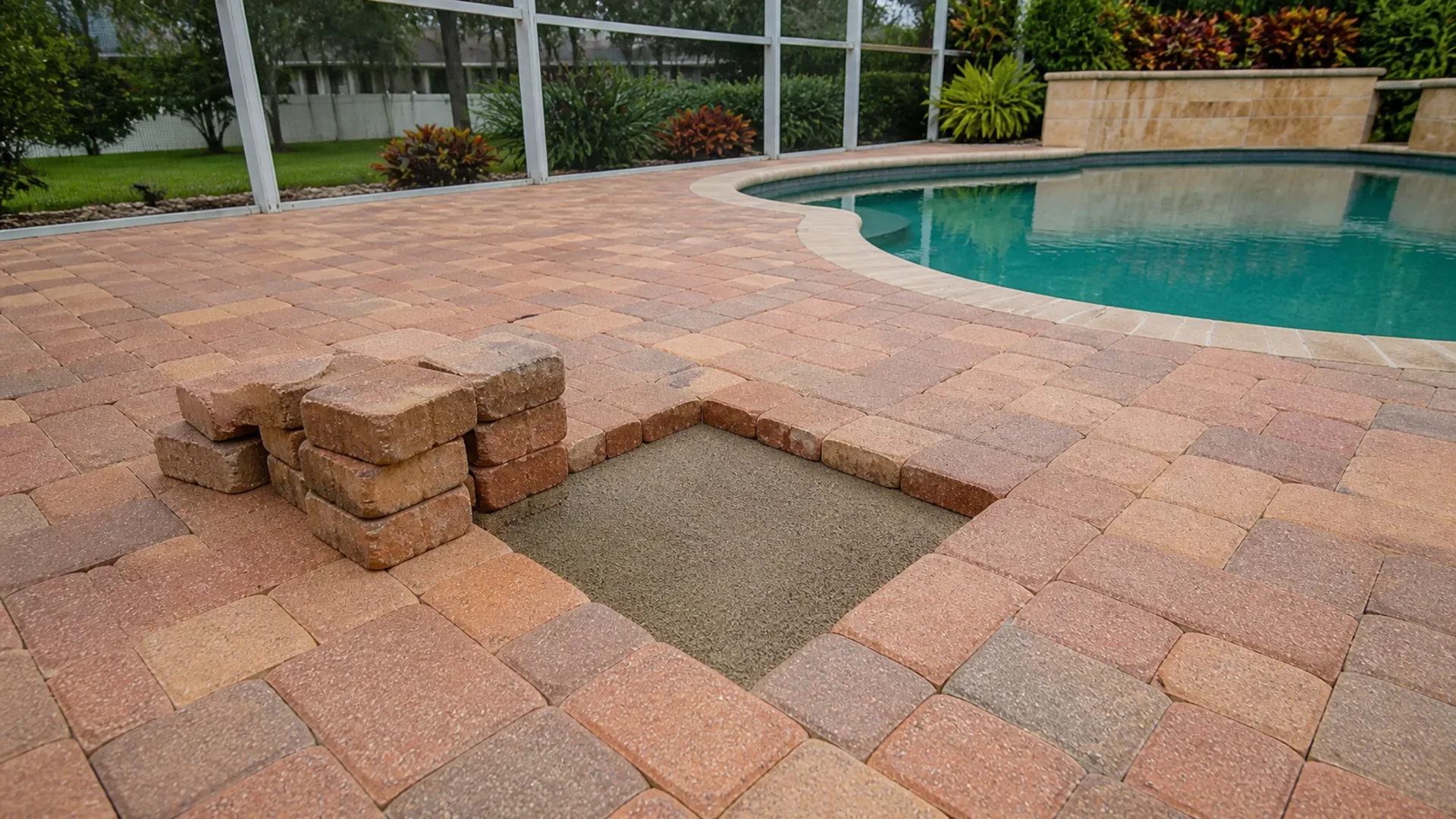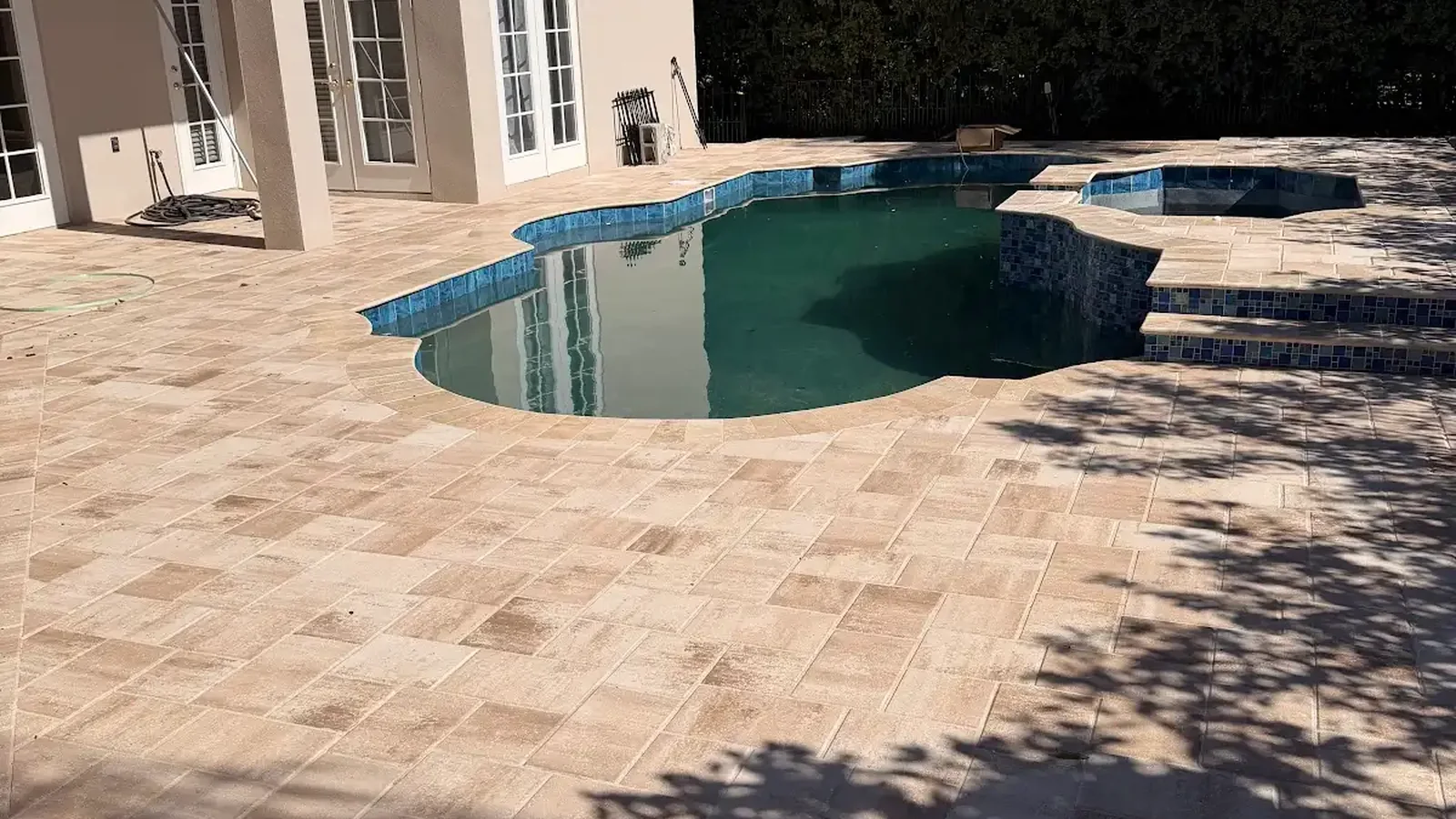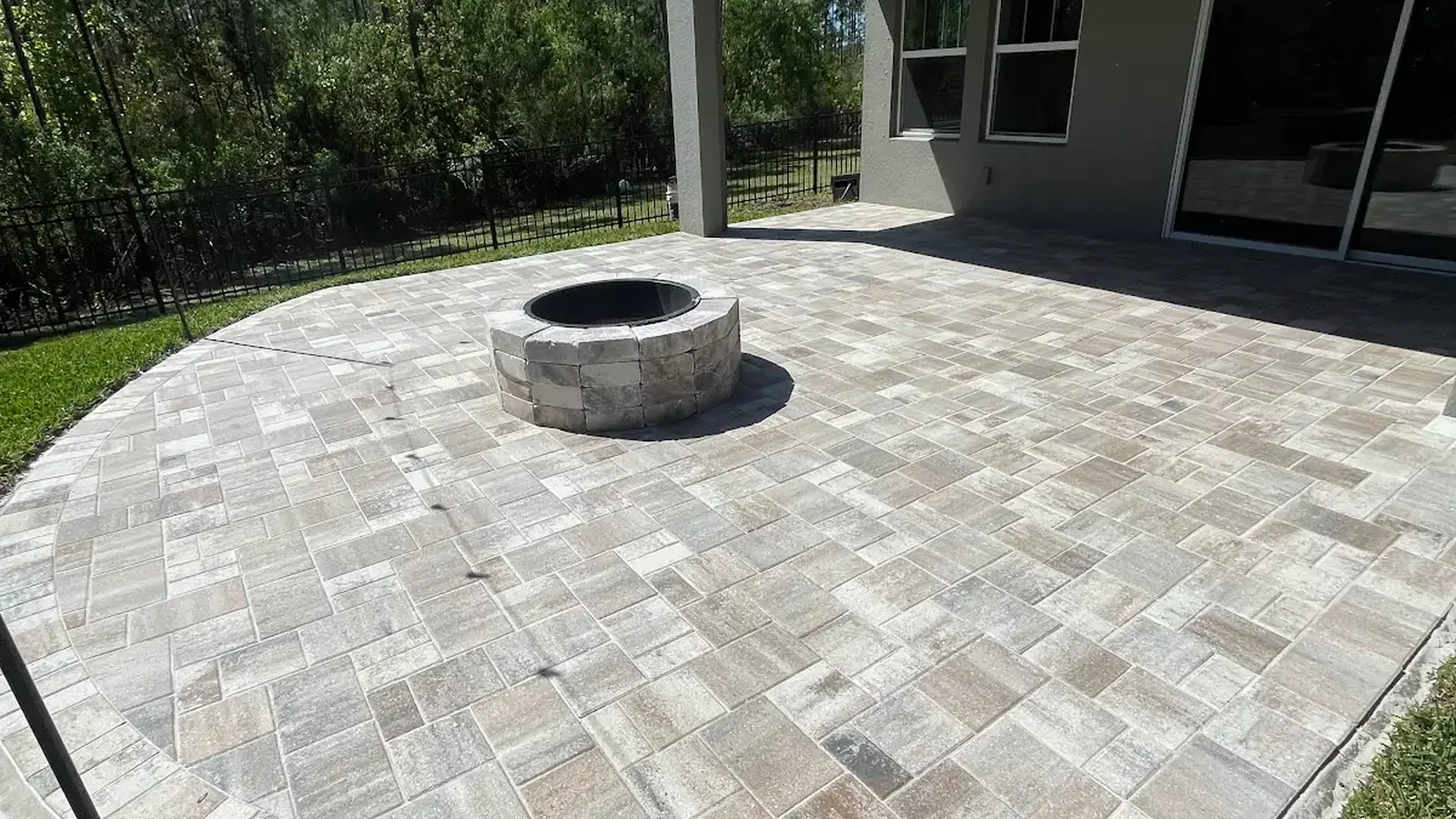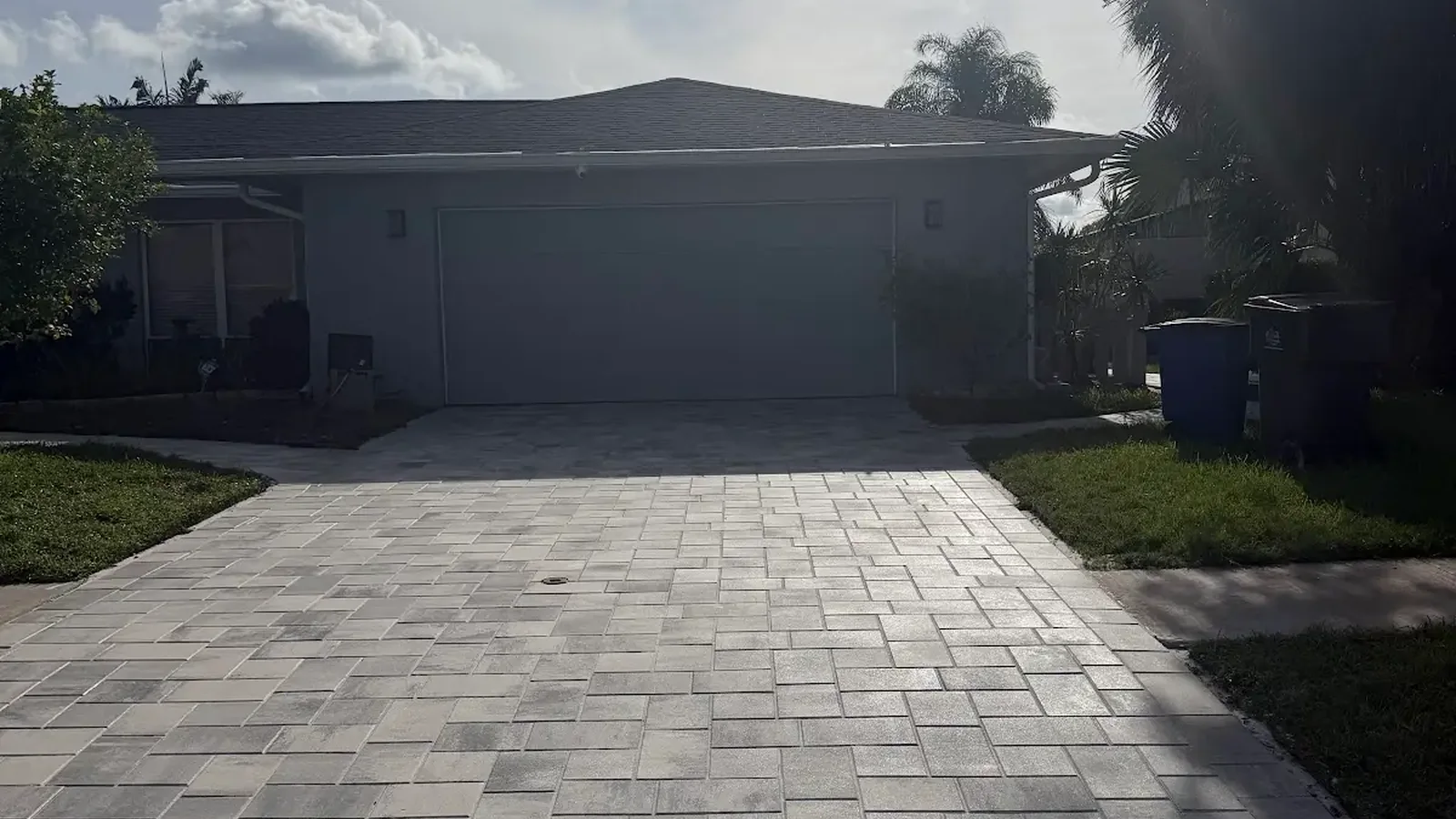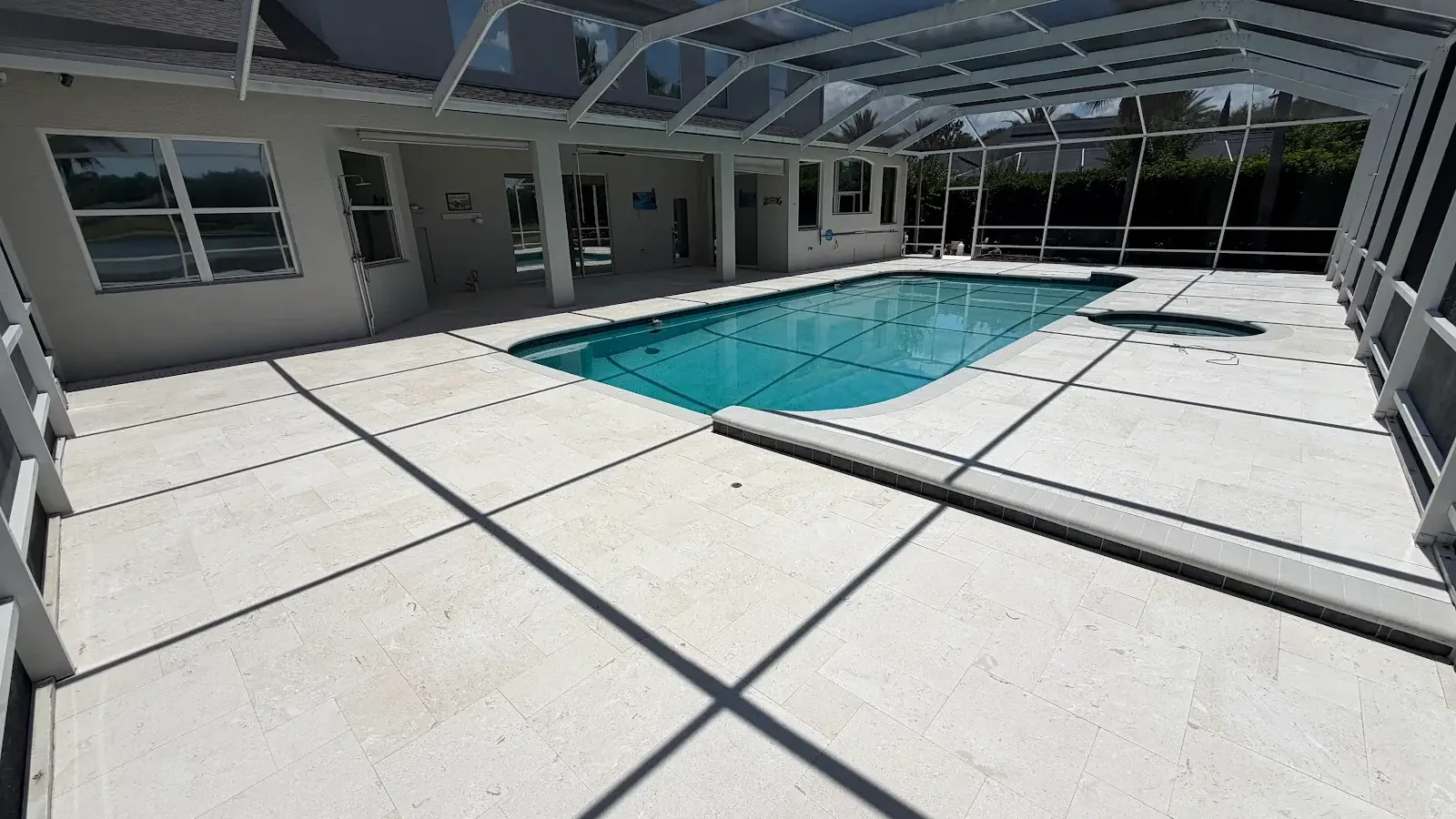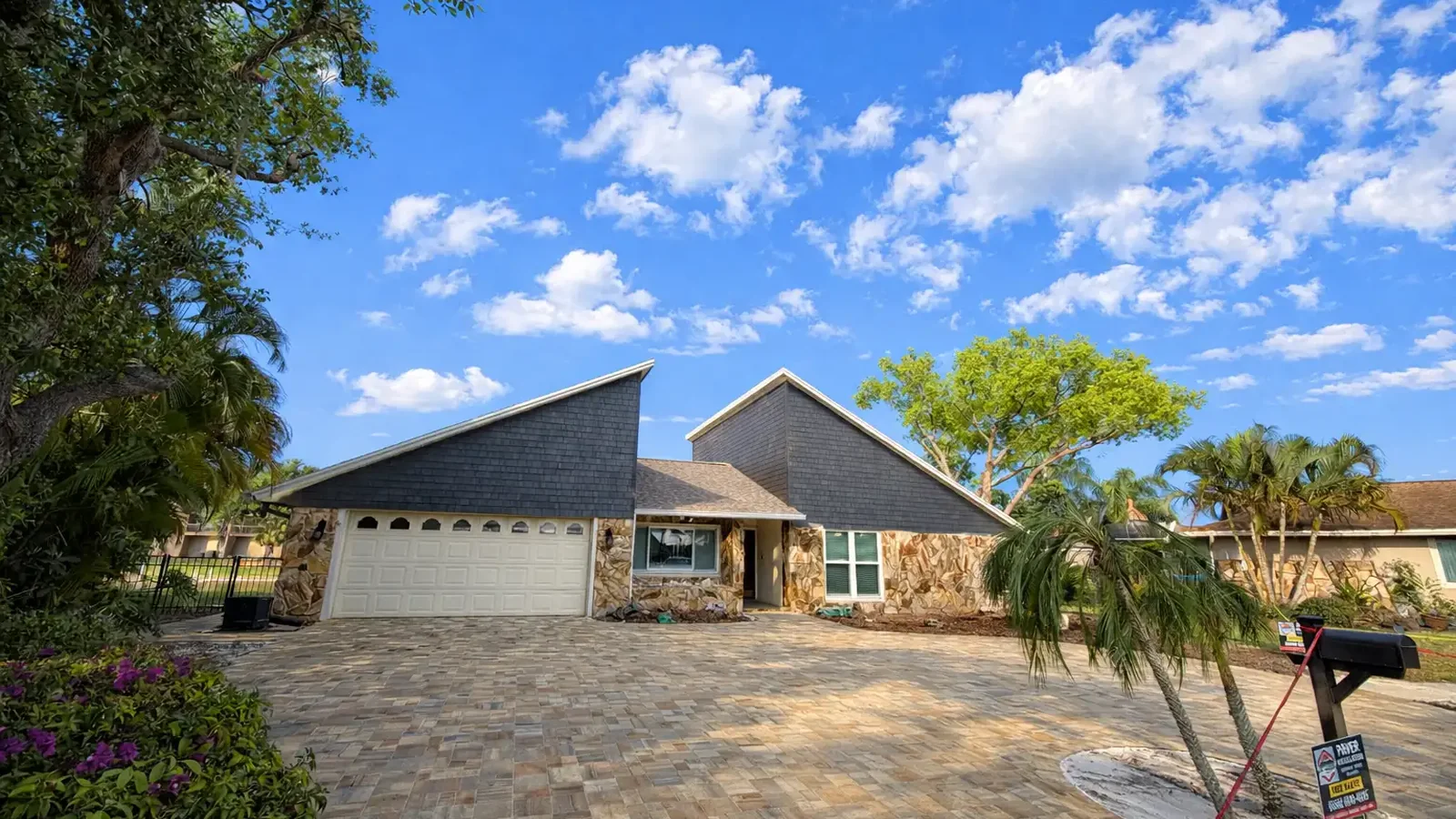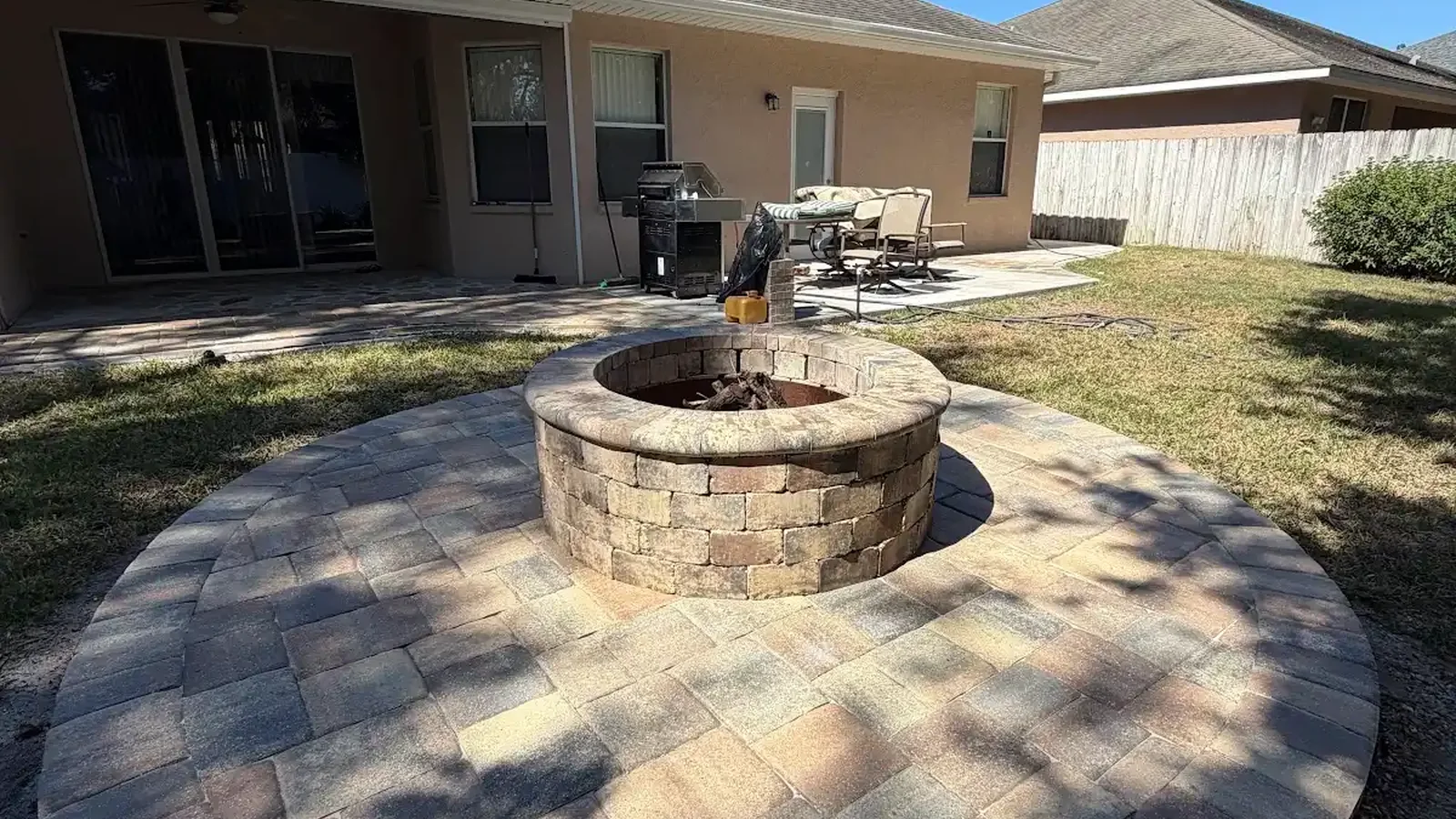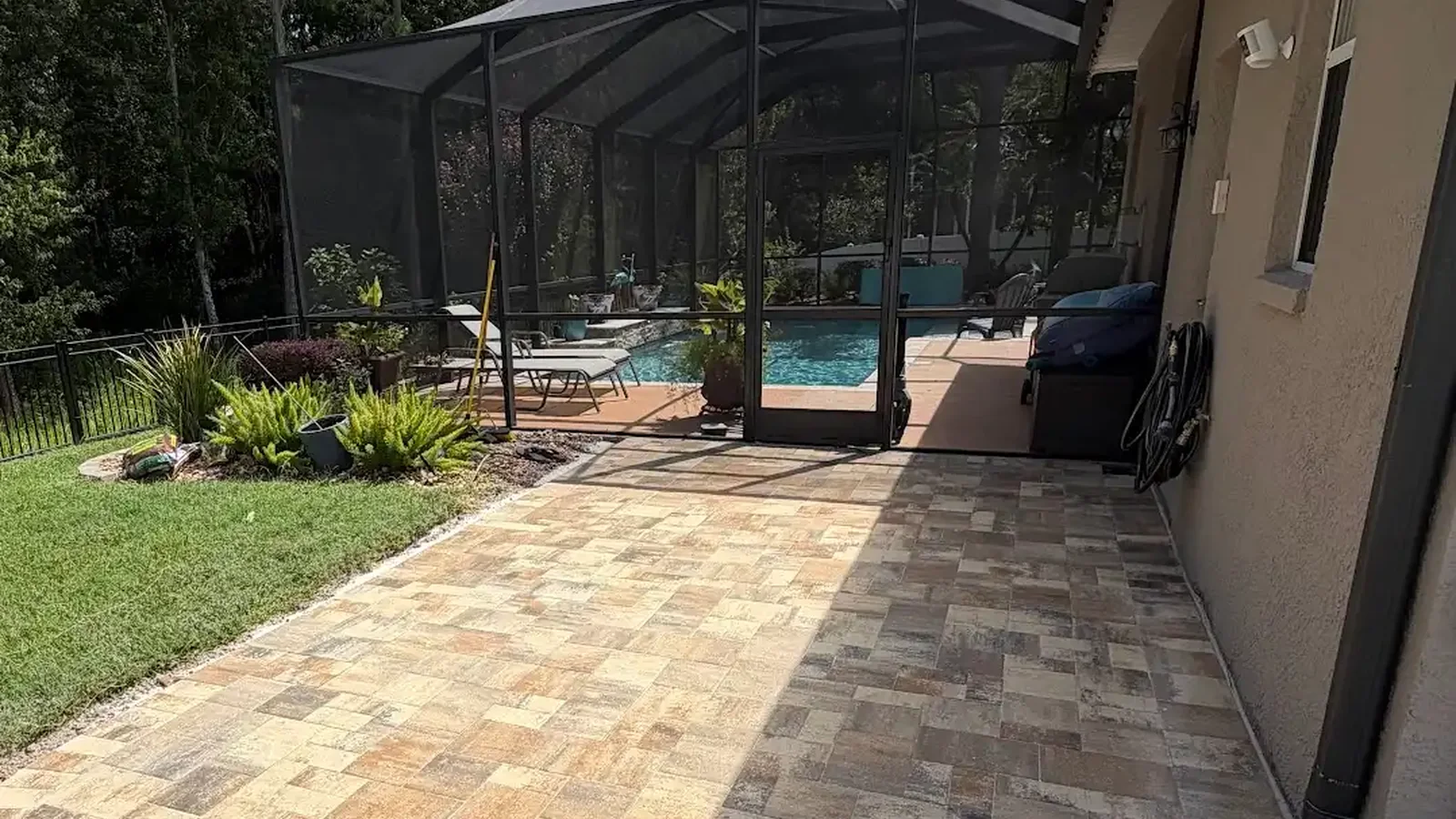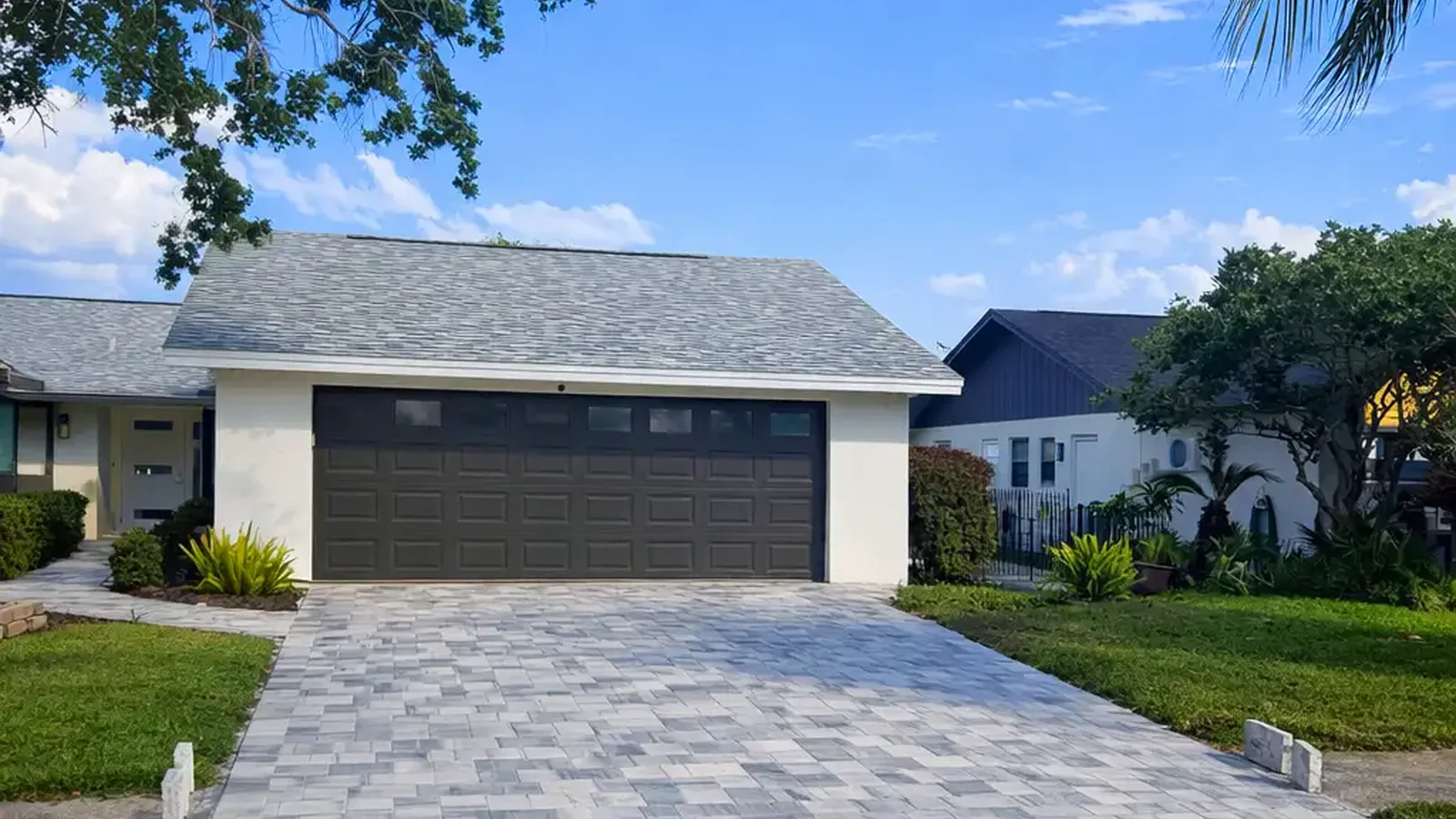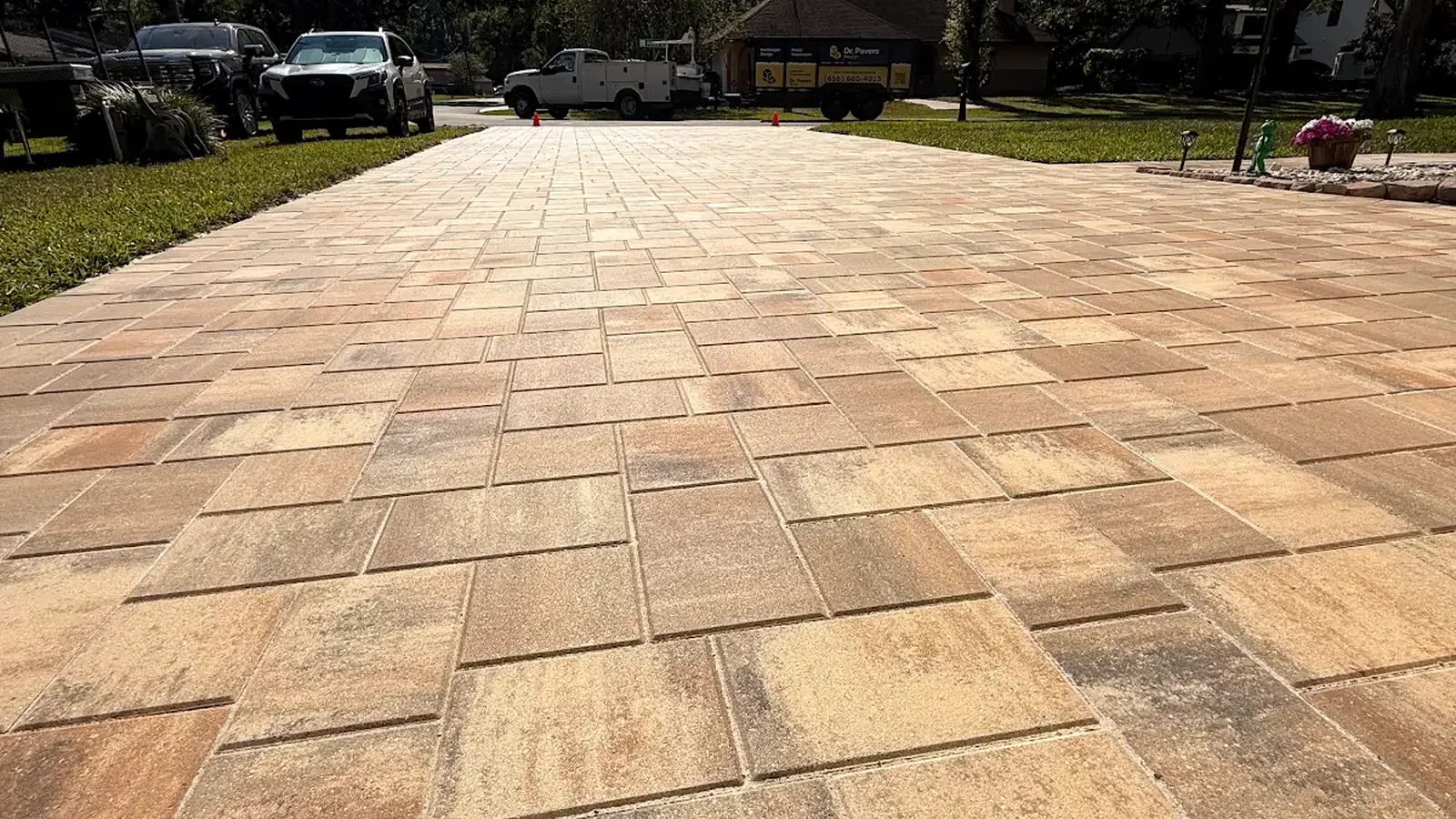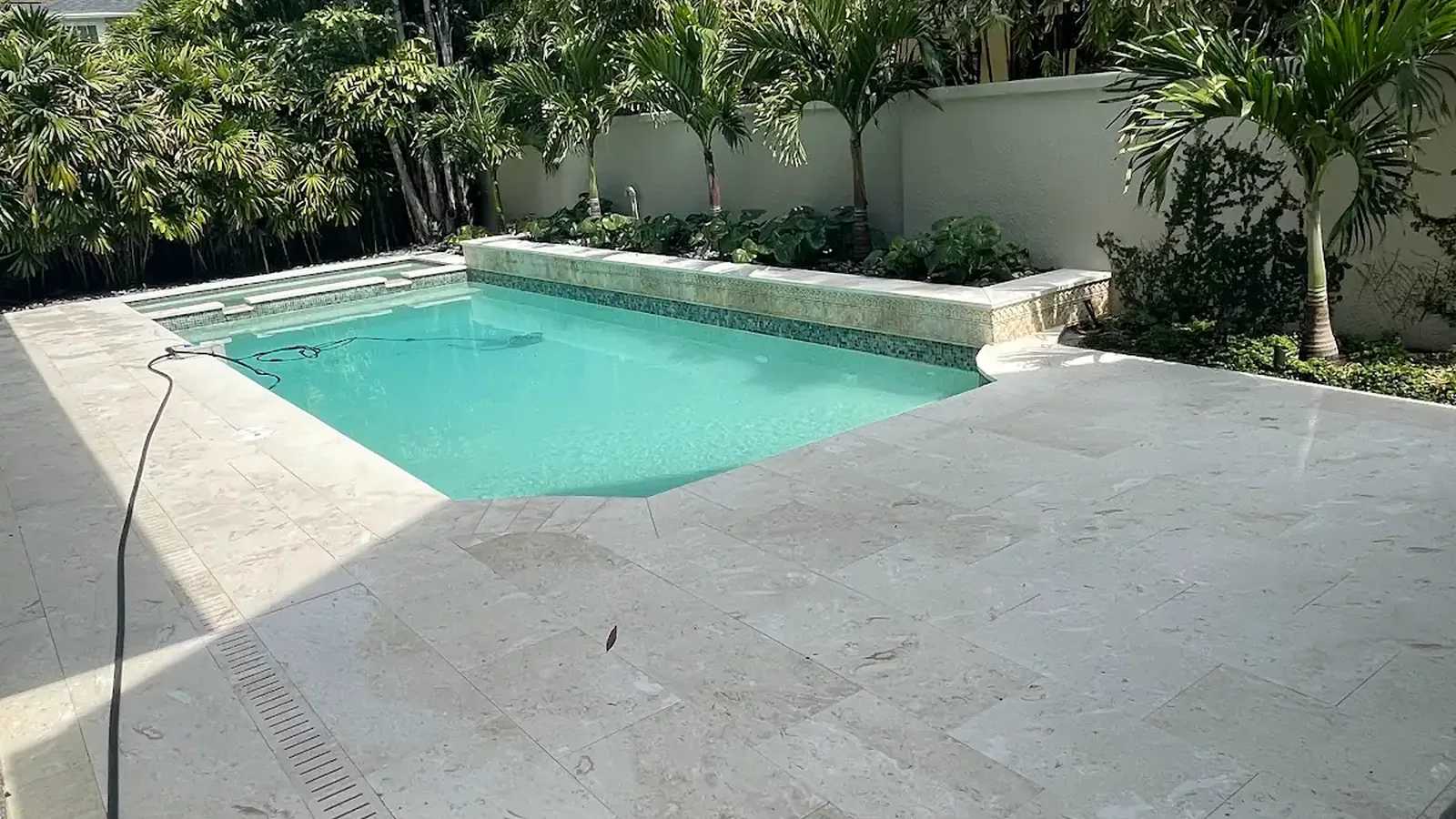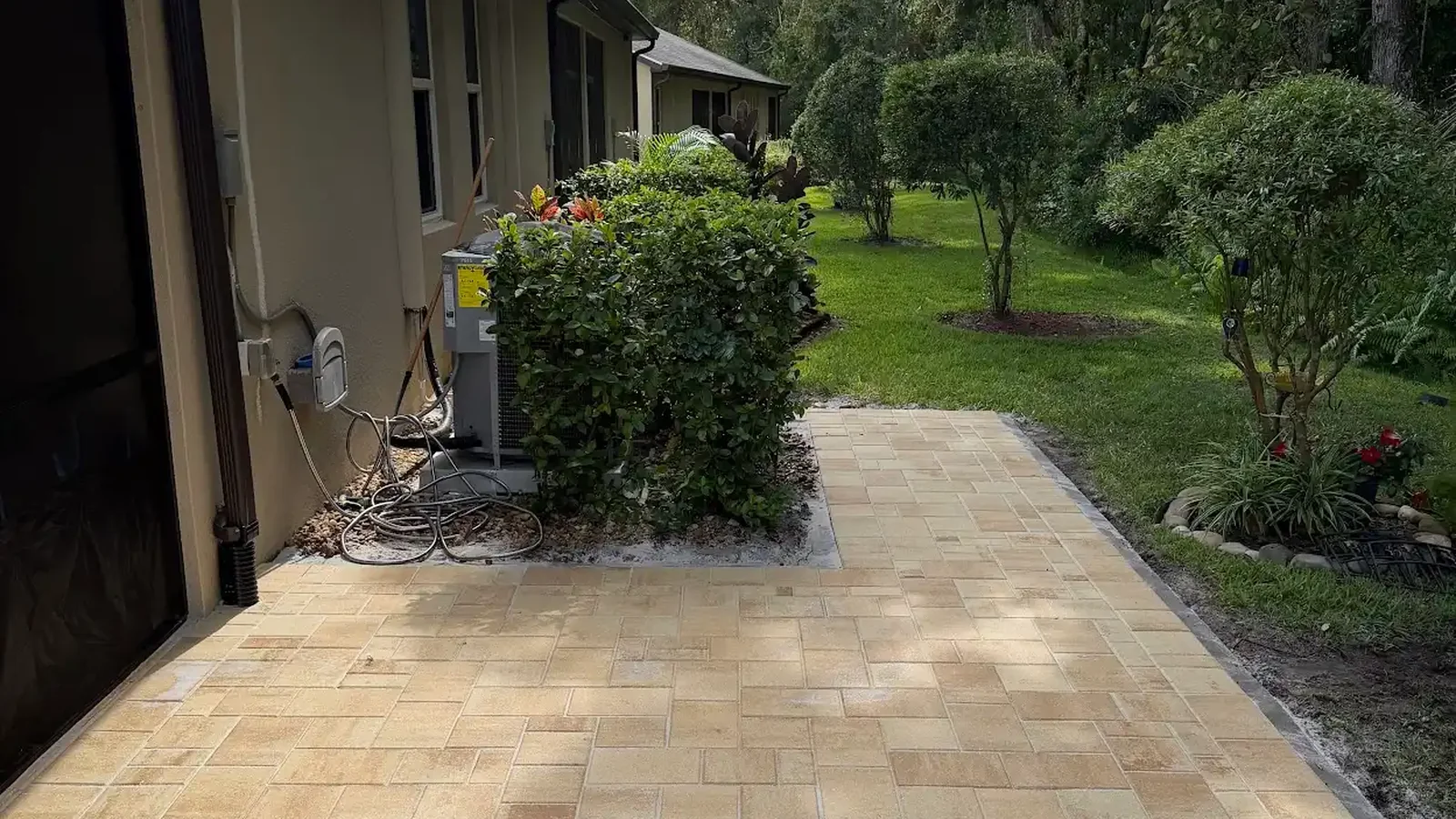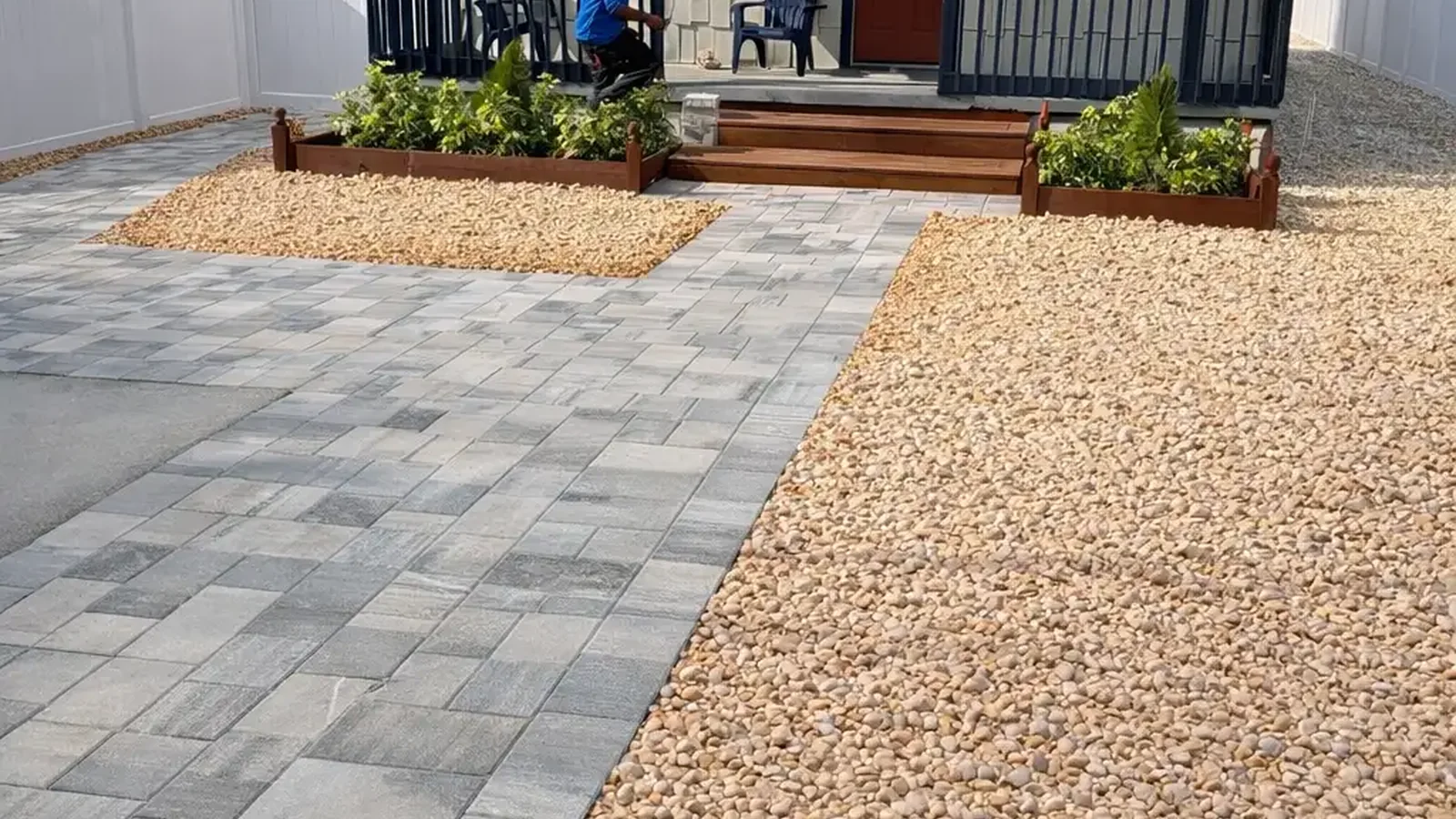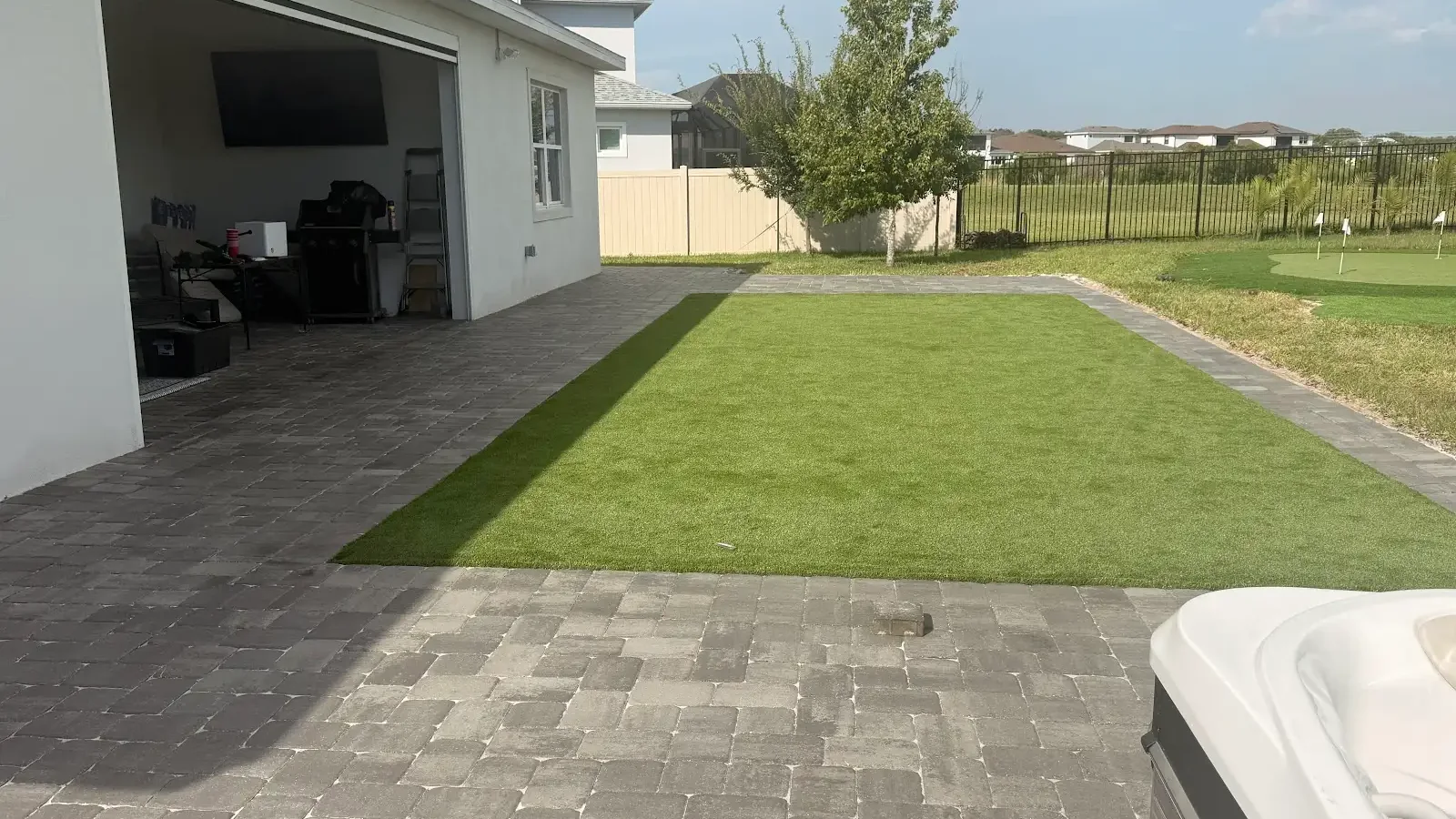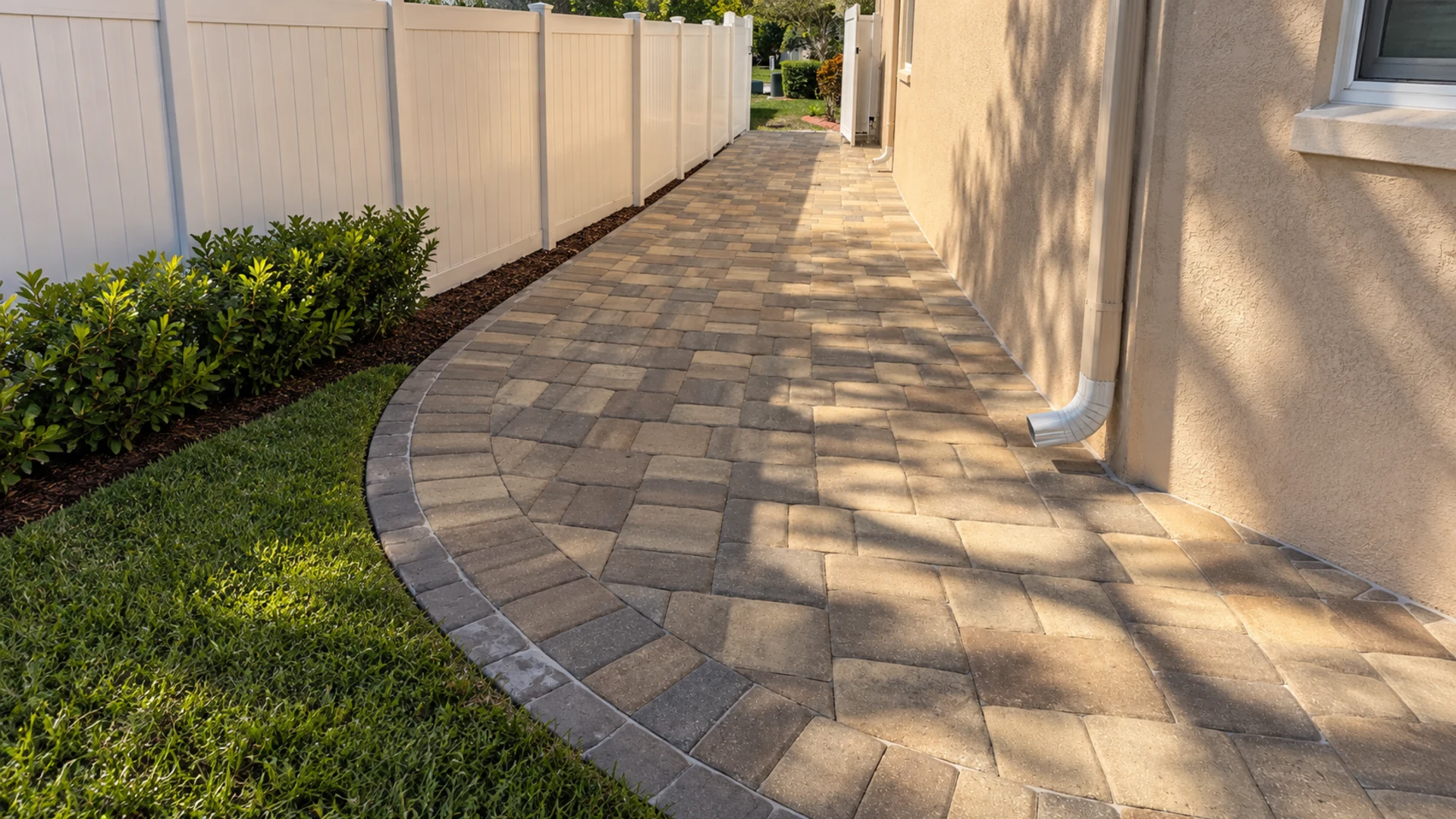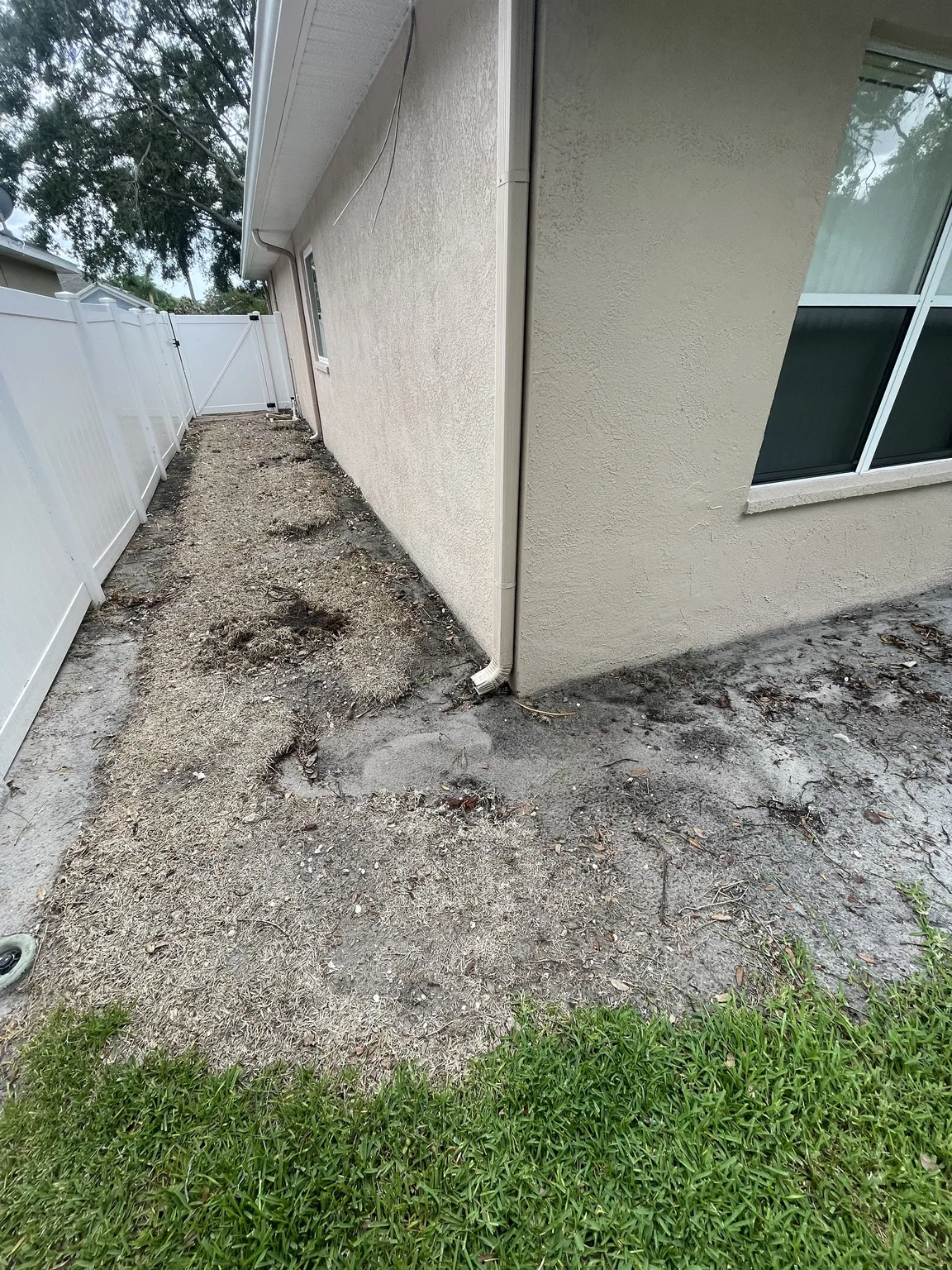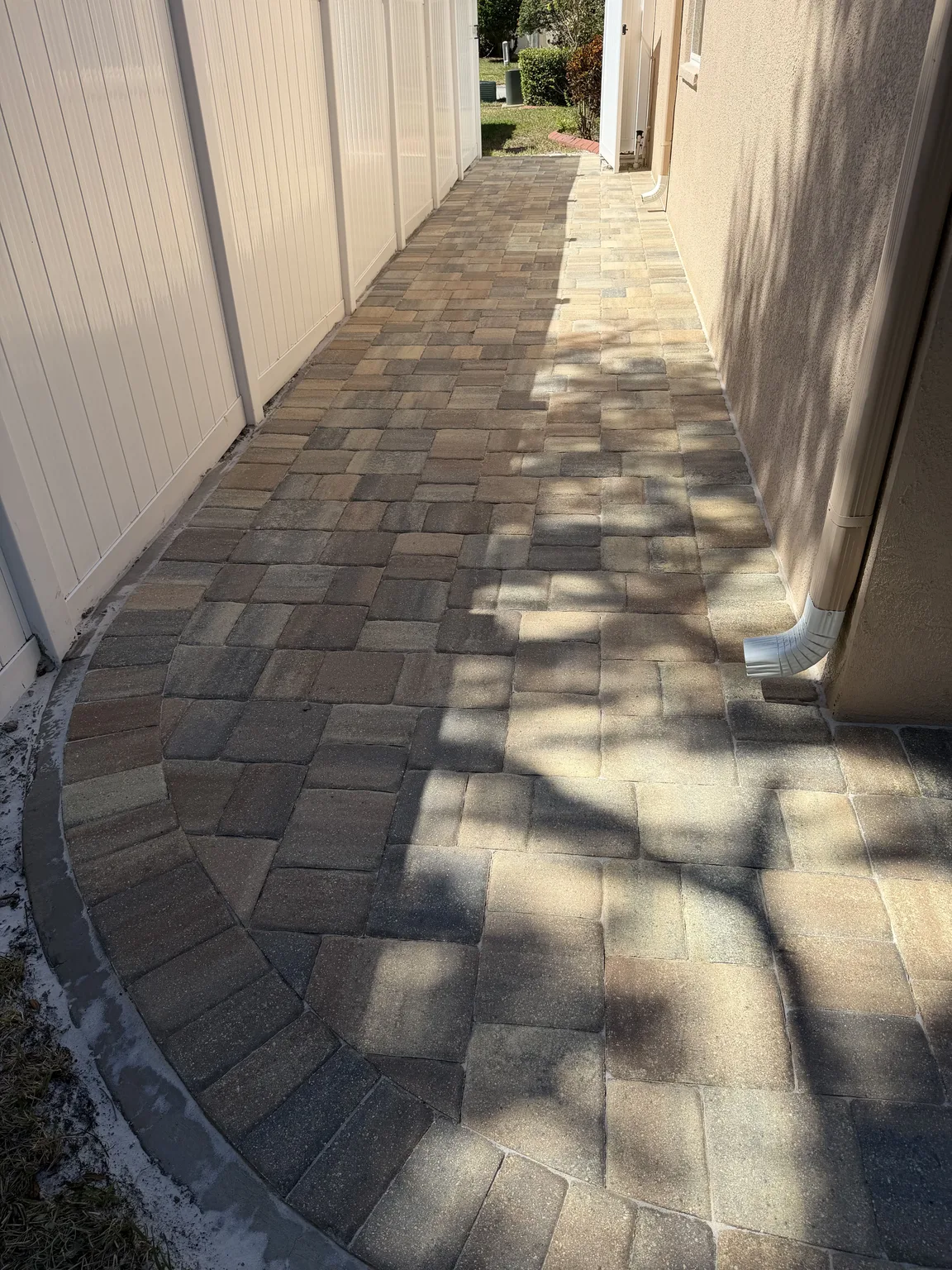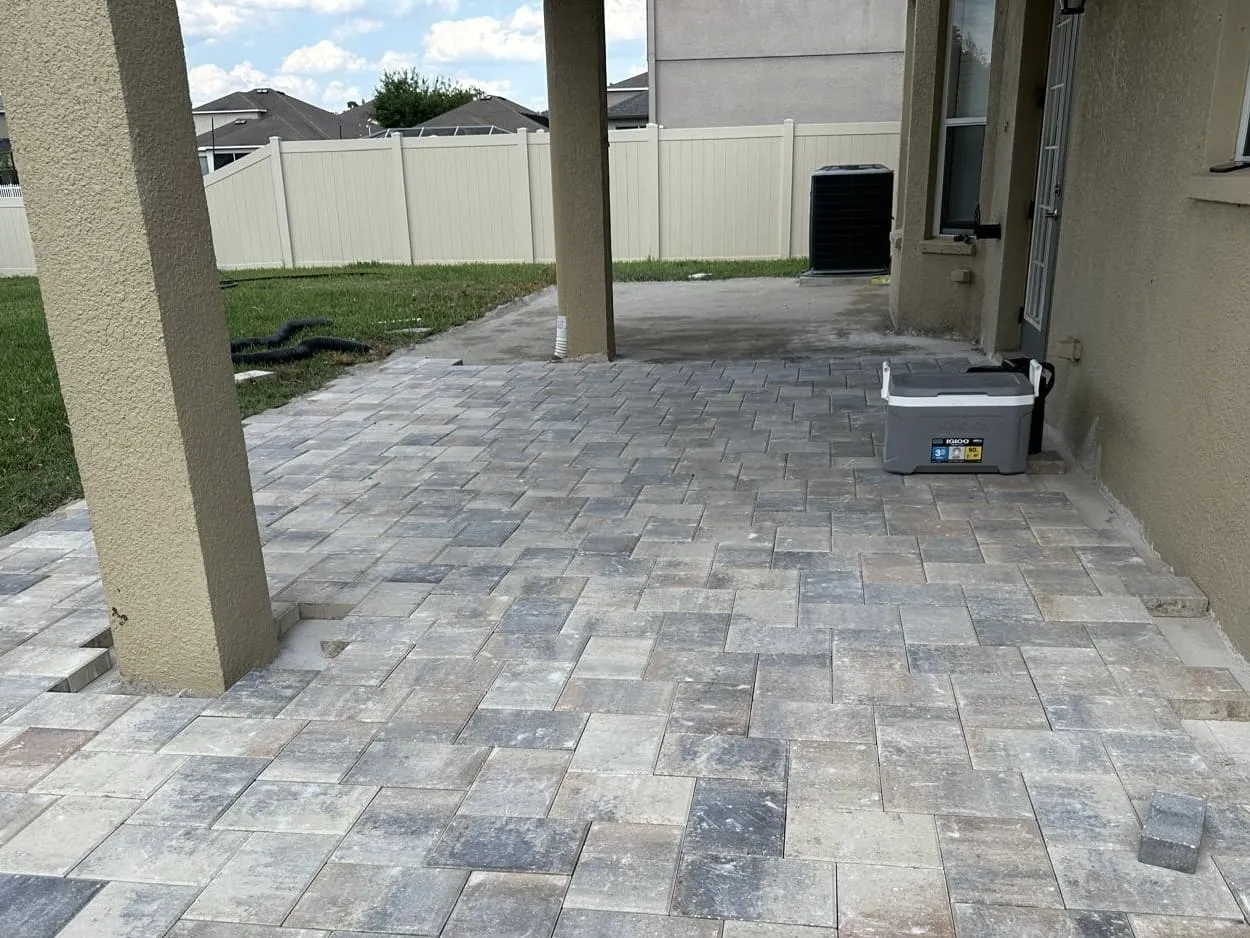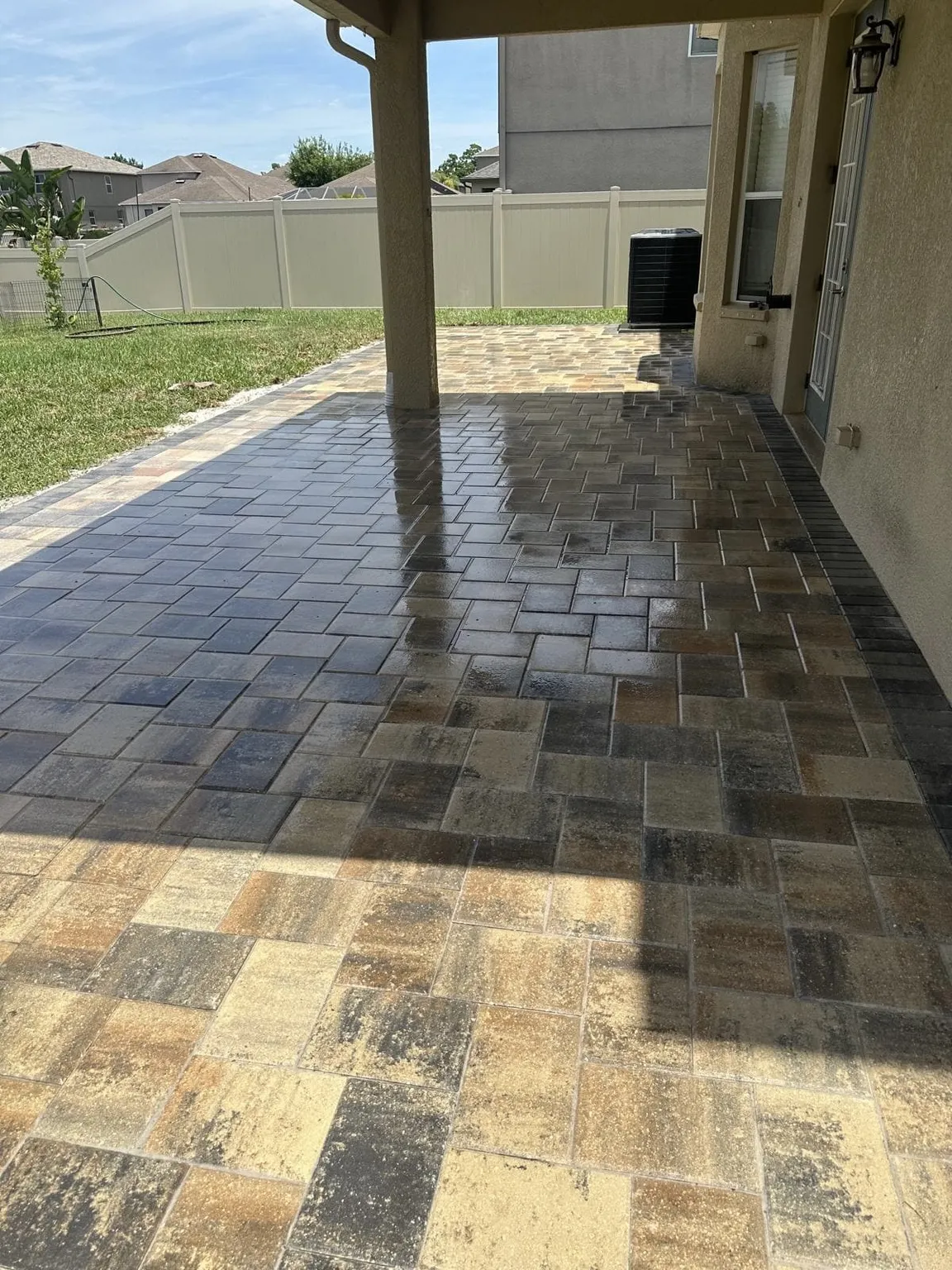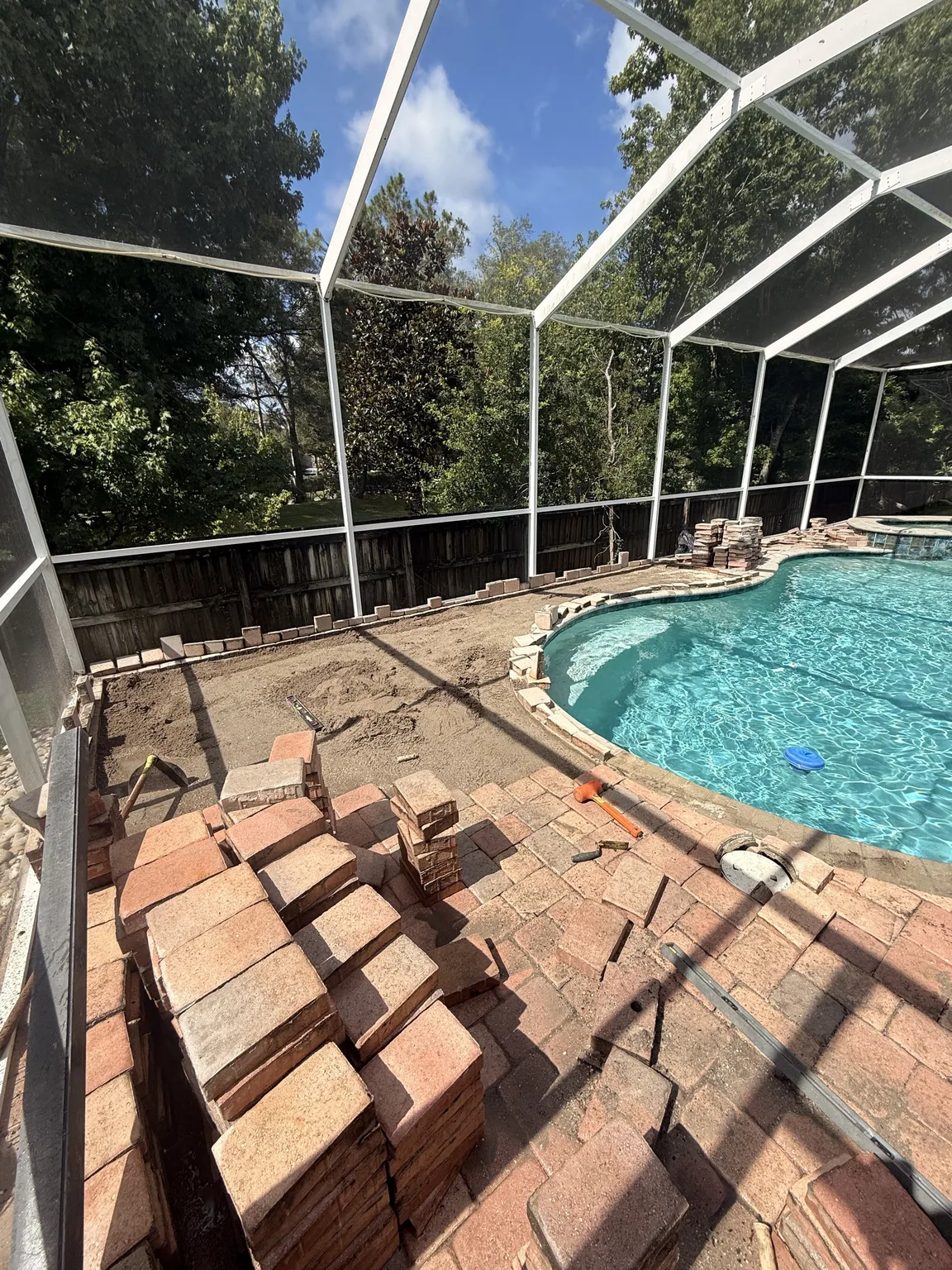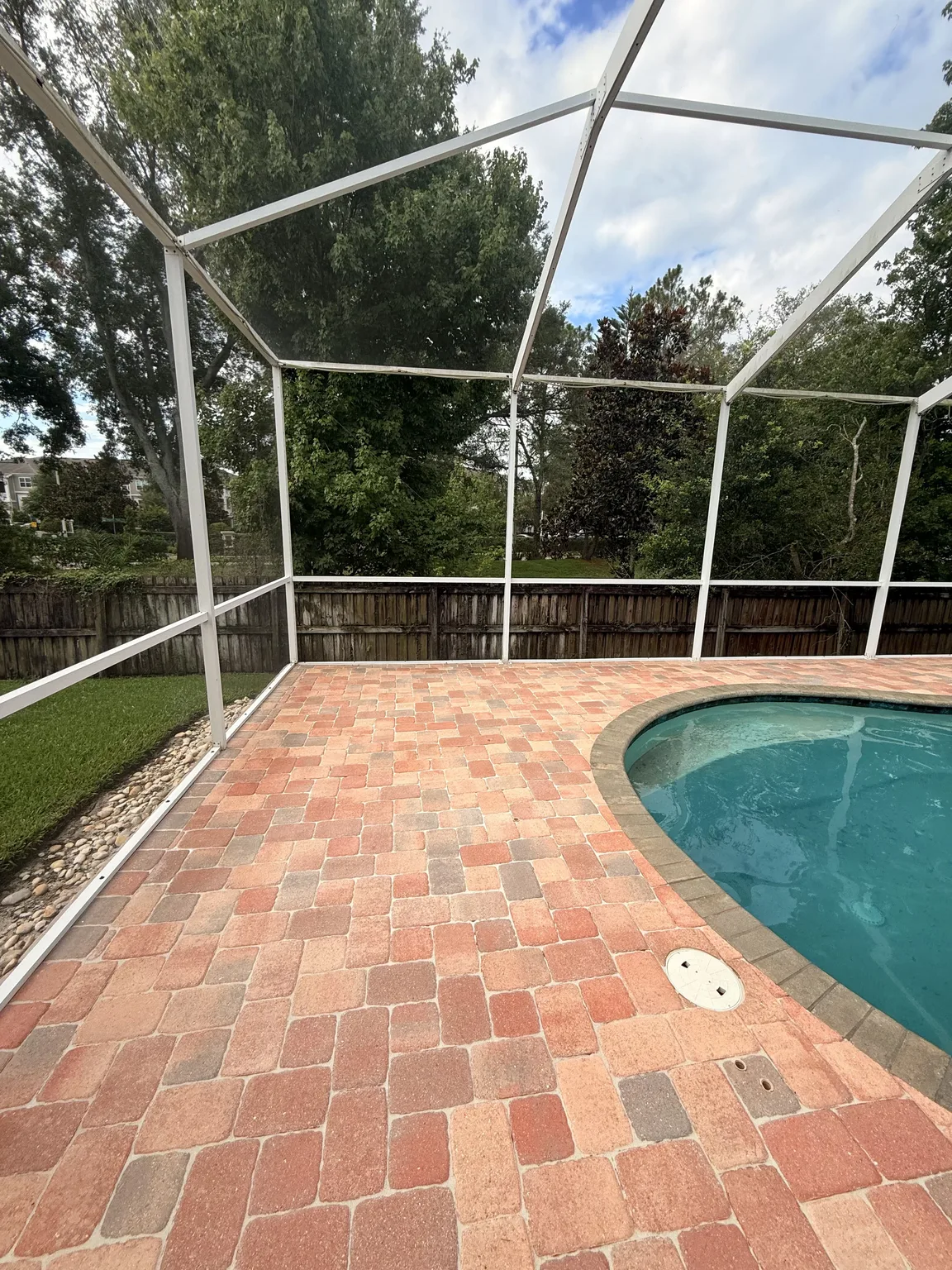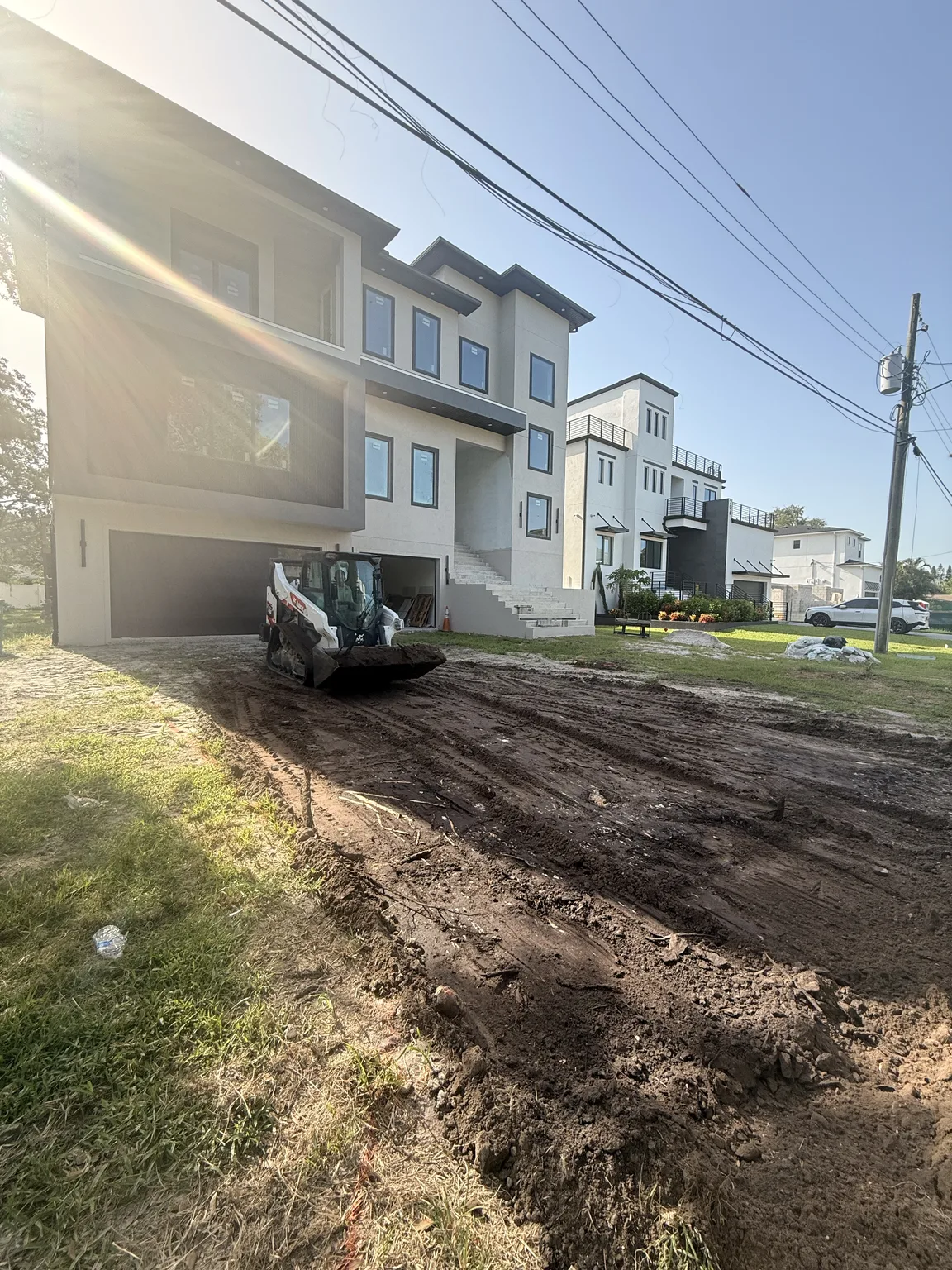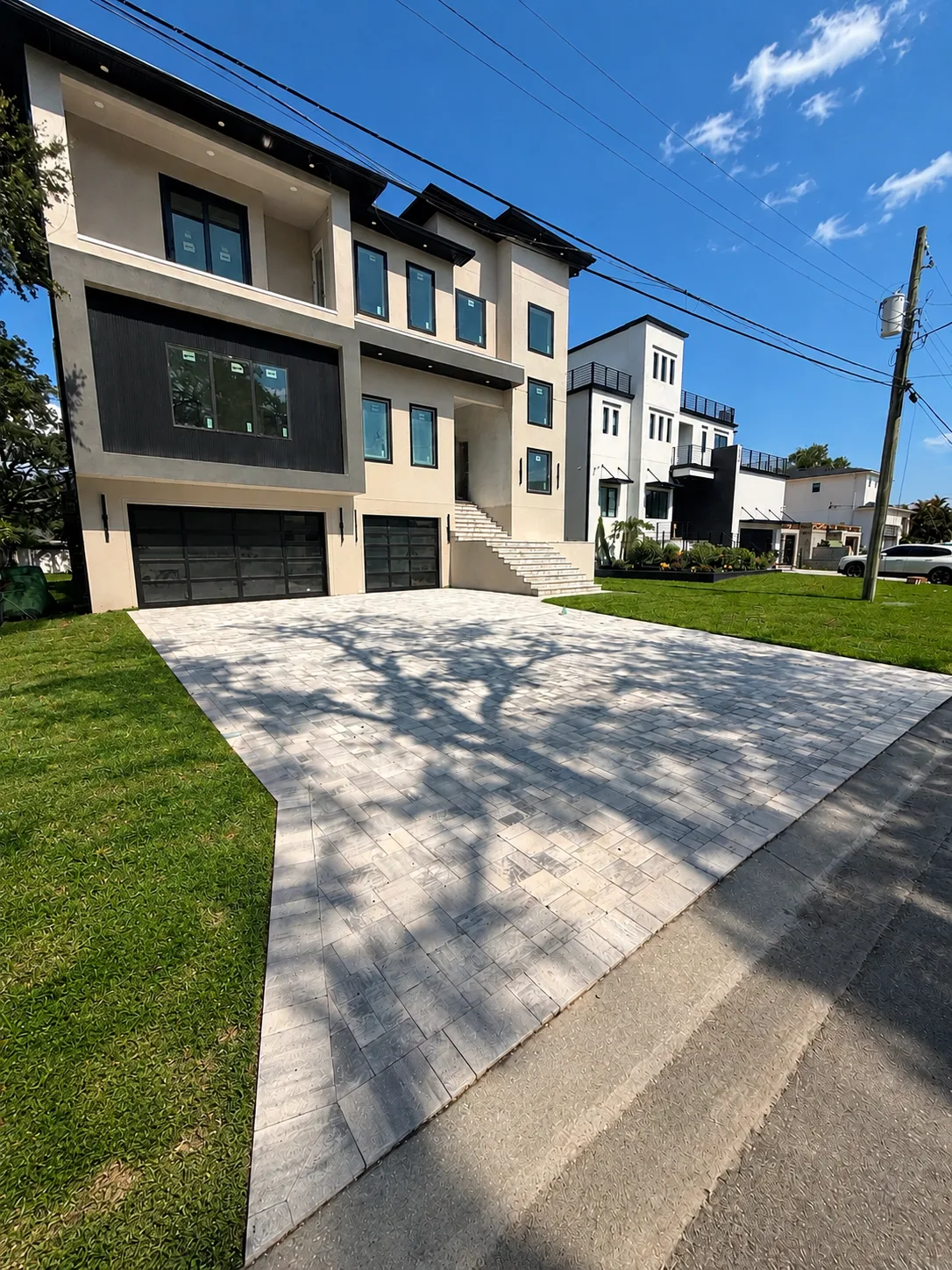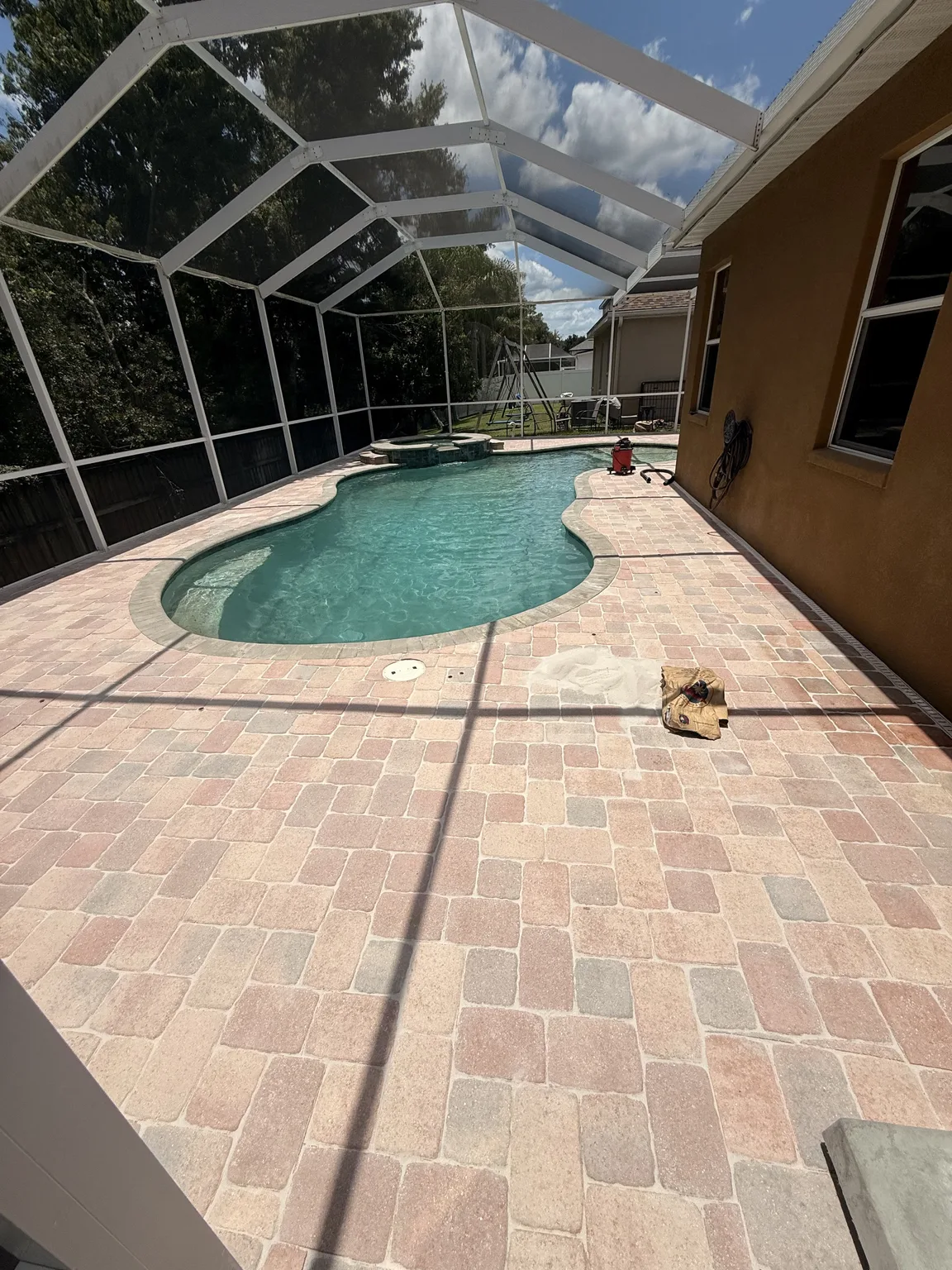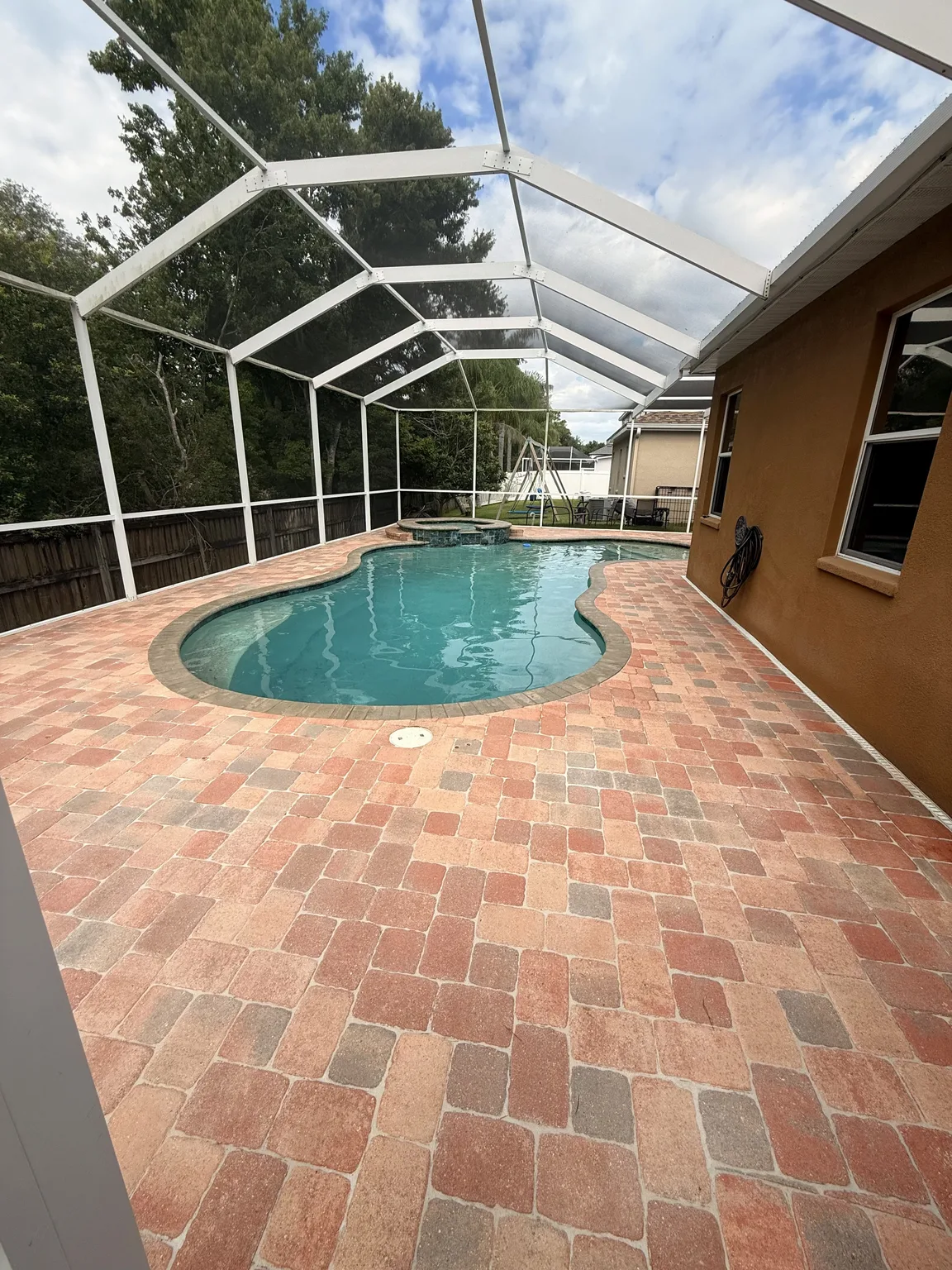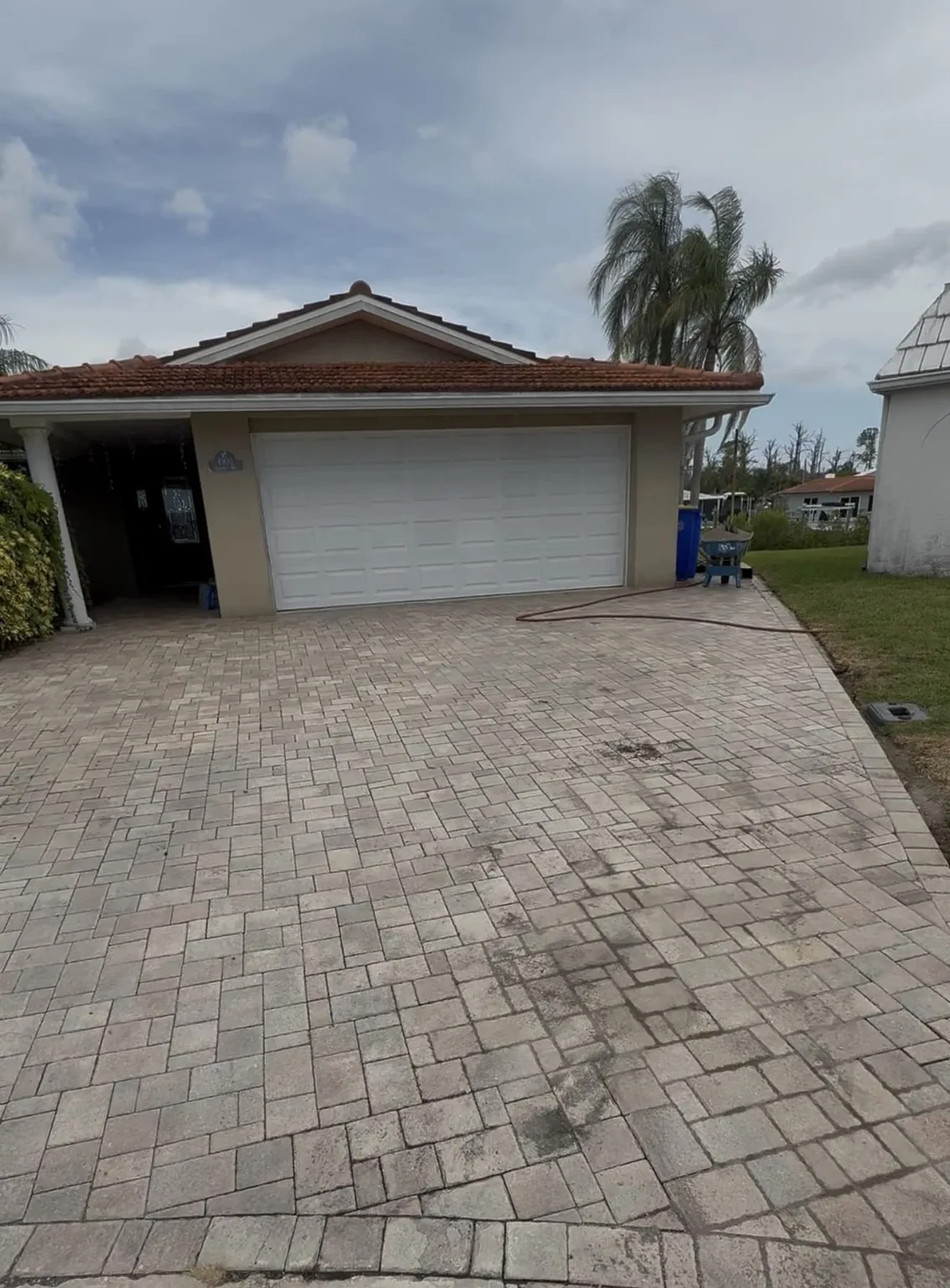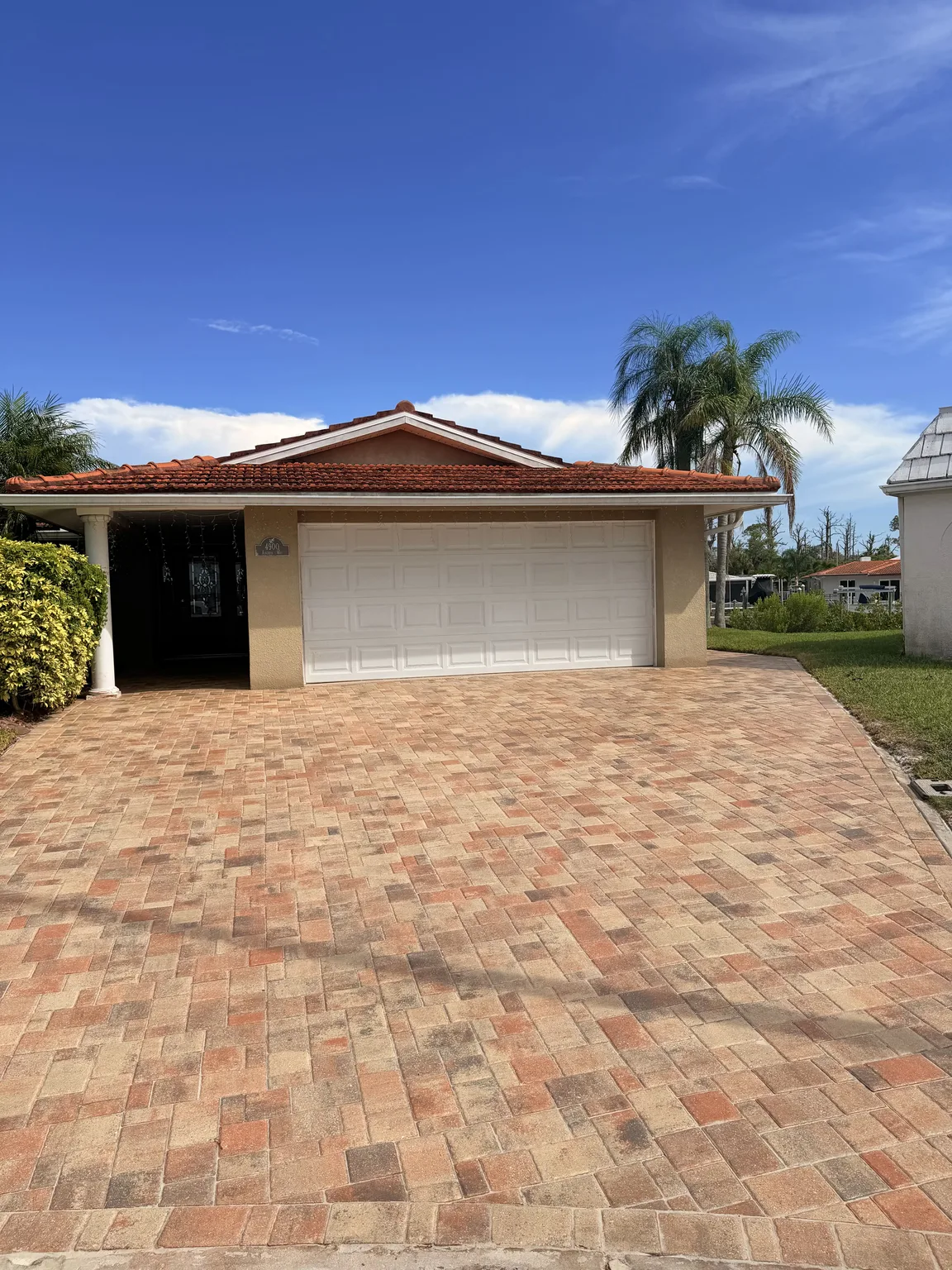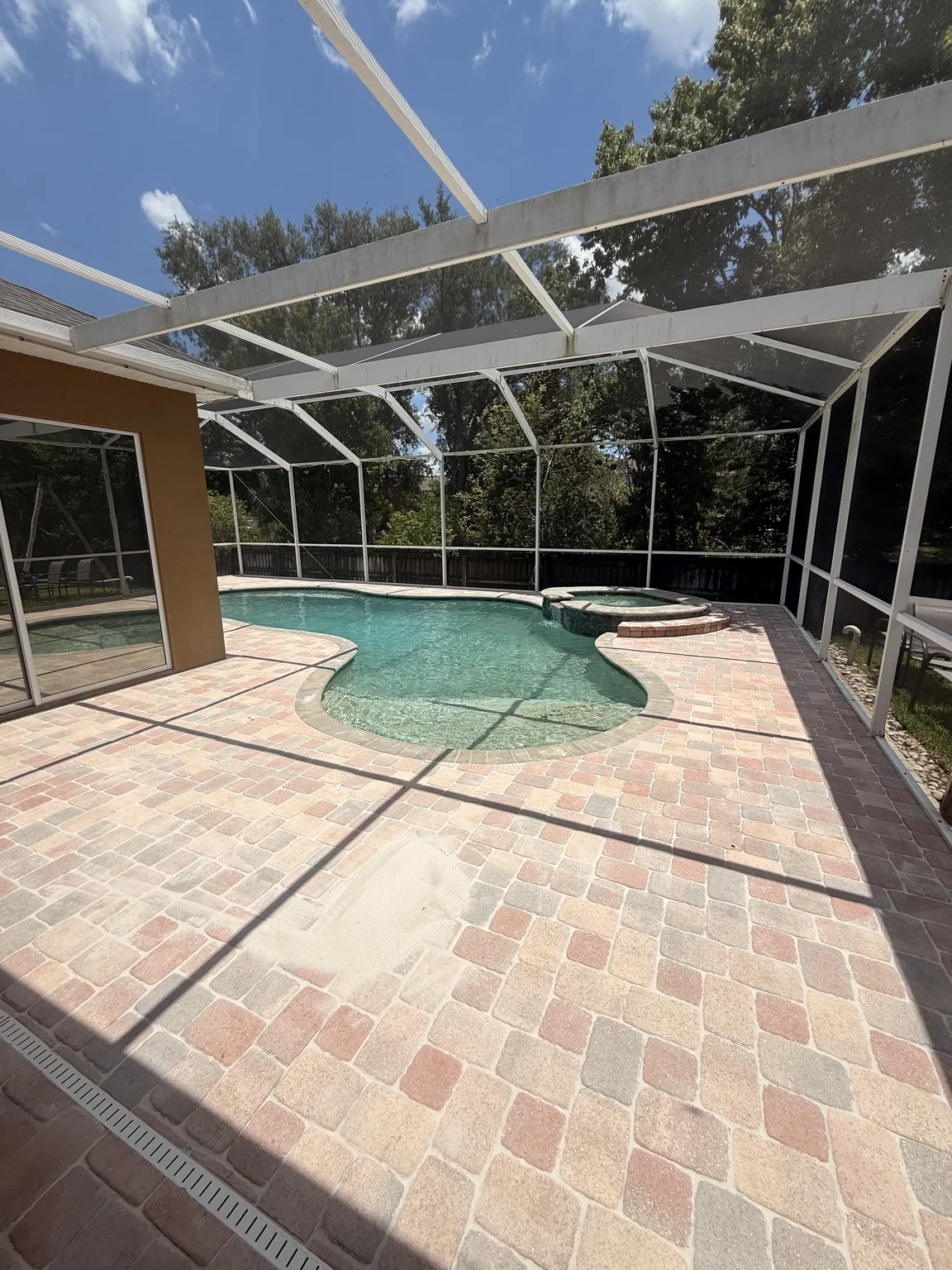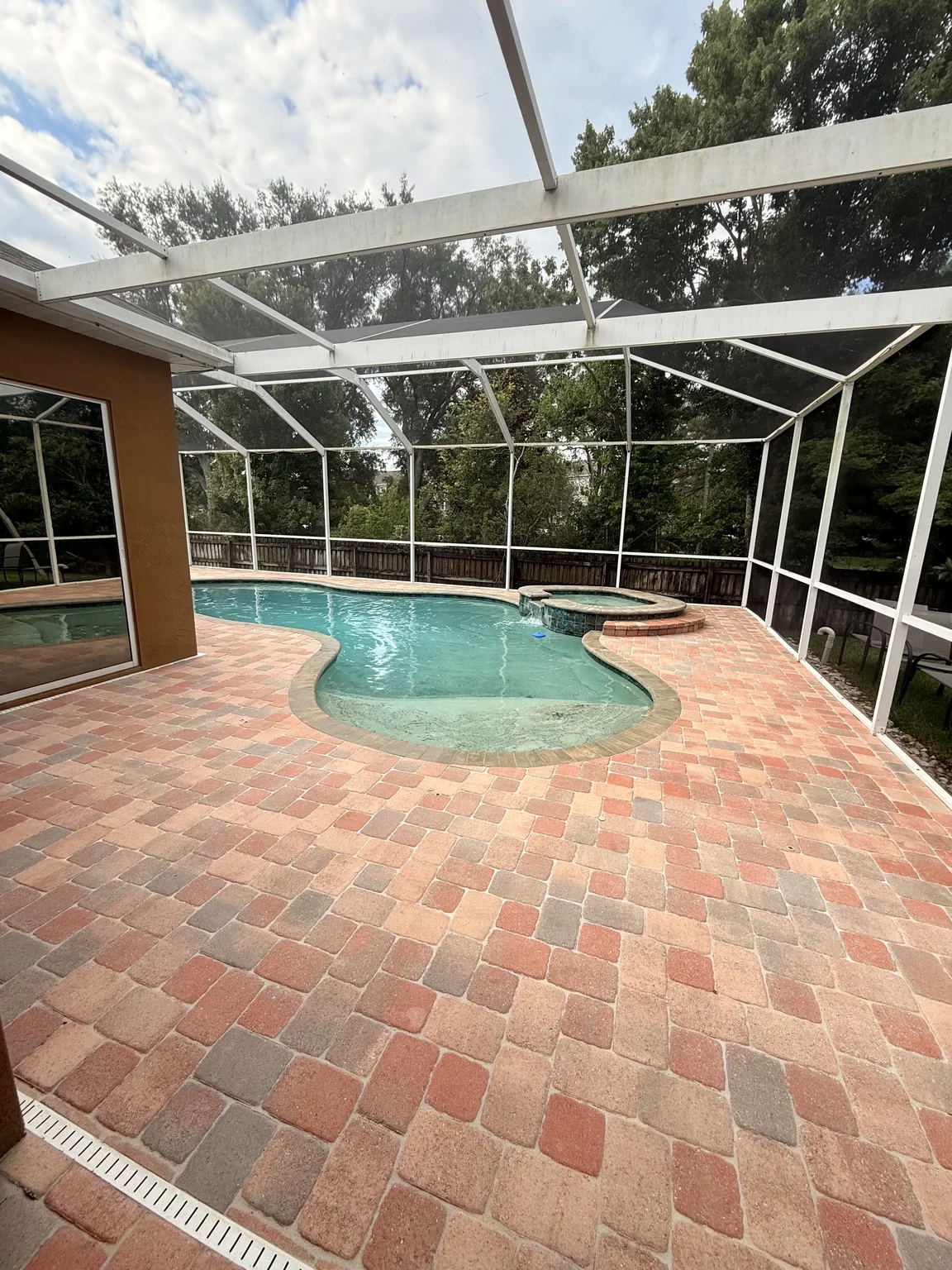
How long do pavers last in Florida depends on how the entire system is built and cared for. Pavers themselves can stay strong for decades, but their performance in Tampa Bay heat, storms, and sandy soils comes from how the layers under and around them work together. The base, bedding sand, joint sand, edge restraints, and nearby trees or water all play a role. When you understand these pieces, you can tell the difference between normal aging and early failure and decide whether cleaning, minor repairs, or a larger rebuild makes sense for your Riverview, Wesley Chapel, or Palm Harbor home.
How Long Do Pavers Last in Florida, Really?
Homeowners usually want a simple number, but paver life in Tampa Bay works more like a range. With good design, quality installation, and basic care, concrete or clay pavers can often perform well for several decades, while poorly built systems may show serious issues in only a few years. The key difference is not the paver alone but how the whole system handles traffic, water, and tree roots over time.
Understanding cosmetic aging versus structural failure
Over time, you should expect cosmetic changes such as color fading, a slightly rougher surface, or light stains. These usually do not mean the system has failed and can often be managed with cleaning, joint sand refills, or sealer. Structural problems are different and include large depressions, tripping lips, rocking pavers, or sections that move under vehicles. When you see these issues, the base, bedding, or edge support may no longer be doing its job.
Why paver systems age at different speeds
Two driveways in Ruskin and Land O’ Lakes can age very differently even with the same paver. Heavier vehicle loads, poor original compaction, or constant irrigation overspray may shorten service life. On the other hand, thoughtful grading, well-compacted base material, protected tree roots, and timely maintenance can extend practical life and delay any need for major work. Therefore, instead of chasing a guaranteed number of years, focus on how well your current system is performing and how to support it.
What Makes a Paver System Last or Fail?
Paver performance comes from the system, not just the face you see. Each layer contributes: the soil subgrade, the compacted base, the bedding sand, the paver units, the joint sand, and the edge restraints. When any piece is undersized, poorly compacted, or saturated for long periods, you may see settling, spreading, or joint loss long before the pavers themselves wear out.
Subgrade, base, and bedding layers
The subgrade is your native soil or engineered fill. In much of Greater Carrollwood, Town ‘N’ Country, and Thonotosassa, looser or organic soils need careful preparation and compaction. Above that sits a compacted aggregate base of appropriate depth for the load, and a screeded bedding sand layer that is uniform and not too thick. If these layers were rushed or underbuilt, you may see dips, humps, or ponding water as the system settles unevenly.
Interlock, joints, and edge restraints
Interlocking pavers work because they share loads through contact and joint sand, rather than acting like isolated tiles. According to CMHA, a properly designed system uses vertical, horizontal, and rotational interlock so the units resist spreading and twisting. Edge restraints, whether concrete, plastic, or other materials, help keep the field locked together. When joints erode or edges shift, the interlock weakens, and individual pavers begin to move, rock, or crack under stress.
Water, roots, and loading
Even in well-built systems, excessive moisture and uncontrolled roots can shorten usable life. Standing water along the edge of a patio or driveway may soften the base or wash out joint sand. Tree roots from large oaks or pines can slowly lift or tilt areas, especially where the original design did not anticipate growth. In busy driveways, turning wheels and parking in the same spots every day can accelerate rutting if the base was not designed for that level of use.
How to Judge the Condition of Your Pavers
A simple visual and touch inspection helps you tell whether your pavers only need routine care or something deeper. Walk the whole surface in different directions and pay attention to how it feels underfoot. Look at how water behaves after rain and how vehicles or furniture use the space. This quick approach works for pool decks, walkways, and driveways across Tampa Bay.
A step-by-step home inspection framework
Start with safety: look for edges or lips over about a quarter inch that could catch a toe or wheel. Then scan for surface damage such as spalling, deep stains, or broken corners. After that, look for patterns of movement or settlement, like long low spots, rocking corners, or gaps opening between pavers. Finally, note where irrigation, downspouts, or planters might be keeping the base constantly wet.
Warning signs of system distress
Some symptoms point more strongly toward base or bedding problems instead of simple aging. You may see repeating depressions along tire paths, edges pulling away from the field, or whole sections that flex when a vehicle passes. In shady areas with heavy roots, the pattern may be heaving rather than sinking. When multiple warning signs appear together, that usually means the system needs more than a surface refresh.
When how long do pavers last becomes a safety question
Loose steps, wobbly landings, and uneven pool coping deserve quick attention, even if everything still looks attractive from a distance. Trip hazards near doorways or steep driveways create obvious risk for family and guests. In those cases, it makes sense to bring in an experienced paver contractor to investigate the base and edges, rather than only pressure washing or sealing. If you suspect deeper soil movement or structural concerns, consult an appropriate licensed professional.
Quick checklist for homeowners
Because paver surfaces in places like Seven Springs or Palm Harbor see daily traffic, a quick annual review helps catch small issues early. You do not need special tools, just a patient walk-through and a willingness to look closely. Use this list as a starting point for that inspection and write down what you find so you can track changes over time.
- Look for standing water after rain or irrigation runs.
- Test several spots for rocking or loose pavers.
- Check for edges that have shifted, sunk, or lifted.
- Note heavy weed growth or washed-out joint sand.
- Scan for cracking, flaking, or crumbling units.
- Watch how vehicles enter, turn, and park on driveways.
- Inspect near tree trunks and major roots for lifting.
Design and Material Choices That Affect Lifespan
Design decisions made on day one directly influence how long a paver system performs. Pattern, thickness, and color matter, but so do layout, transitions, and how the surface handles vehicle or furniture loads. In driveways and front entries, thoughtful planning can reduce concentrated stresses that cause early rutting or edge failures. In pool decks and patios, design choices affect comfort, slip resistance, and long-term appearance more than structural life.
Patterns, interlock, and traffic
Patterns change how loads move through the surface. CMHA notes that herringbone patterns are especially effective where vehicles turn and brake because they enhance rotational interlock between units. You can review this concept in CMHA guidance at this technical interlock resource. For light walkways, running bond or basketweave patterns may perform well, but busy driveways or commercial-style entrances often benefit from stronger patterns combined with a well-designed base.
Paver thickness, color, and texture
Thicker units usually offer better support for heavier loads, but they also change transitions at garages and thresholds. Lighter colors stay cooler under Florida sun but may show dirt or tire marks more easily. Darker tones hide stains better yet can feel hotter under bare feet, especially around pools. Textured surfaces may provide more grip when wet but may require different cleaning methods than smoother pavers.
Comparing options for different areas
Each part of your property has different demands, so you might choose one combination for the driveway and another for the pool or patio. This simple comparison shows how priorities can shift by area, even when you use the same family of pavers across the whole home. Use it as a conversation starter when planning a new project or a partial renovation.
| Area | Key Priority | Helpful Choices |
| Driveway | Load resistance | Thicker pavers, strong interlock pattern, reinforced edges |
| Pool deck | Barefoot comfort | Lighter colors, slip-conscious textures, cooler surface materials |
| Patio | Furniture and grilling | Durable surface finish, thoughtful layout under table legs and grills |
| Walkways | Trip-free transitions | Smooth grading, clean edging, minimal pattern cuts at steps |
Florida Climate and Tampa Bay Site Conditions
Central Florida conditions shape how long pavers last more than many homeowners realize. Intense sun, heavy downpours, occasional tropical systems, and sandy or fill soils all press on the paver system in different ways. In areas like Riverview and Ruskin near the coast, salt exposure and higher groundwater may also influence material choices. Understanding these local factors helps you set realistic expectations and plan maintenance that actually matters.
Heat, UV, and moisture cycles
UV exposure gradually lightens color pigments, especially in darker concrete pavers. Afternoon sun also expands the surface, while nighttime cooling contracts it, day after day. Heavy rains can drive water into joints and bedding sand, then strong sun dries everything quickly, creating cycles that test joint stability. Because of this, joint sand quality and edge restraint performance are especially important in the Tampa Bay region.
Sandy soils, fill, and nearby structures
Many Land O’ Lakes and Wesley Chapel properties sit on sandy or mixed fill soils. These can drain quickly but may also shift under repeated loading if not compacted well during construction. Paver systems next to pools, screen enclosures, or foundation walls need careful transitions so water shed from roofs and decks does not concentrate along one edge. When water repeatedly saturates just one side of a patio or driveway, that side often settles sooner.
Trees, roots, and landscape features
Mature oaks and palms add beauty and shade, but their roots keep growing after pavers go in. Roots that run just under the base layer can gradually lift sections or tilt edges. Raised planters, beds, and lawn borders can also trap water right against the paver edge if they do not allow for gentle runoff. When planning new work, it is wise to consult an appropriate tree or landscape professional about root behavior near large hardscapes.
Cleaning, Sealing, and Everyday Care
Everyday care does not change how your subgrade behaves, but it can slow surface wear and preserve joint performance. Regular sweeping, careful rinsing, and thoughtful use habits often do more good over time than aggressive pressure washing. In Town ‘N’ Country and Greater Carrollwood, where leaves and pollen collect quickly, routine cleaning also keeps organic buildup from holding moisture against the surface.
Smart cleaning habits for long-term performance
Start with the least aggressive method that will do the job, such as sweeping and low-pressure rinsing. Use cleaning solutions designed for pavers when treating rust, tannin, or mildew stains, and always test a small area first. Very high pressure, tight nozzles, or holding the wand too close can gouge joint sand or etch the paver surface. That damage may not cause immediate failure but can shorten useful life by weakening interlock or exposing aggregates.
Sealing: benefits and tradeoffs
Sealers can enhance color, add sheen, help stabilize joint sand, and provide some stain resistance. However, they also change how the surface looks and behaves, may need periodic reapplication, and must match the site conditions. In shaded or frequently wet areas, some sealers may become slippery or show whitening if moisture gets trapped. Because paver types, existing coatings, and site moisture vary widely, it is wise to test carefully or consult a knowledgeable contractor before committing.
Everyday use and simple prevention
Small habits add up over many years. Try not to drag heavy metal furniture across the surface, and use pads under grills, planters, or fire features when possible. Clean up spills from oil, food, or pool chemicals soon after they occur rather than waiting. Also, watch how your irrigation sprays; reducing overspray onto driveways and patios can help keep joints and base materials from staying constantly damp.
Repair, Releveling, and When to Call a Pro
One advantage of interlocking pavers is their repairability. Instead of tearing out an entire slab, many issues can be addressed by lifting, adjusting, and reinstalling sections. However, there is a point where ongoing patching stops making sense and a deeper rebuild becomes the better long-term choice. Knowing where you are on that spectrum helps you get more value from your existing installation.
Spot repairs and releveling
Localized sinking near a gutter, a few loose edge courses, or small tree-root humps can sometimes be reset by removing pavers, adjusting the base and bedding, then reinstalling the units. This work can restore smooth transitions and improve interlock in that area. For handy homeowners, very small areas may be manageable, but matching patterns, maintaining slopes, and compacting properly can be challenging without experience. When in doubt, consider bringing in a paver professional for at least part of the work.
When larger renovation is worth considering
If widespread settlement, rutting, or edge failure appears across a driveway or patio, repeated spot fixes may not last. At that point, the limiting factor is usually the subgrade or base, not the individual pavers. Many systems in older parts of Tampa Bay can be updated by carefully lifting and reusing existing pavers over a new base design, sometimes blending in new units where needed. A site visit is essential to decide whether reuse, partial replacement, or a full reset makes the most sense.
Why professional assessment matters
Paver contractors see patterns of failure that are easy to miss during a quick look. They can identify whether movement comes from shallow bedding issues, deeper soil conditions, or how vehicles or water interact with the surface. When your questions move beyond simple cleaning or minor joint refills, it is helpful to have an experienced eye on site. For concerns that may involve structural supports, pool shells, or large trees, also involve the appropriate licensed or qualified professionals.
How Long Do Pavers Last: Common Questions and Answers
Homeowners across Tampa Bay, from Thonotosassa to Town ‘N’ Country, often ask similar questions about paver lifespan. These answers focus on how paver systems behave in our climate, rather than promising a specific number of years. Use them as a starting point for conversations about your own driveway, patio, or pool deck.
How long do pavers last compared with poured concrete?
Interlocking pavers and poured concrete can both serve for many years when properly designed and installed. Pavers typically offer easier spot repairs and adjustments, since individual units can be lifted and reset without demolishing a whole slab. Poured concrete may show fewer joints at first but can crack in ways that are difficult or costly to patch invisibly. The better choice depends on your site conditions, budget, and preference for appearance and repair options.
Do sealed pavers last longer than unsealed pavers?
Sealing mainly affects appearance, stain resistance, and in some products joint sand stability, rather than the basic strength of the paver unit. In practice, a well-chosen and well-maintained sealer can help pavers look better for longer and may reduce surface wear in harsh environments. However, sealing does not correct a weak base, poor grading, or ongoing root issues. An unsealed but well-built system often outperforms a sealed but poorly constructed one over the long term.
When should I consider replacing instead of repairing my pavers?
Replacement or full reset is worth considering when problems are widespread, recurring, or tied to deeper soil behavior. If you fix one area and another fails right away, or if slabs, curbs, and nearby structures are also moving, the underlying conditions may have changed significantly. At that point, evaluating the whole system, including subgrade and base design, usually gives better results than repeated small patches. A detailed site visit helps clarify whether reuse, partial replacement, or a new layout makes sense.
Can I extend paver life by adding more sand to the joints?
Refilling joints with suitable sand helps maintain interlock and reduce weed growth or ant activity, so it is a useful maintenance step. However, joint sand alone cannot fix a soft base, poor compaction, or root-related movement. If joints empty quickly after refill, or if pavers still rock after topping up, deeper issues are likely present. In those cases, inspecting edges, bedding thickness, and how water moves across and under the surface is important.
How does Florida weather affect warranty and lifespan expectations?
Florida weather introduces more intense UV exposure, heavier rain events, and longer warm seasons than many other regions. These conditions mean surfaces may show color change or organic growth sooner, and joints may need attention more often. Any specific warranty or service expectation will depend on the product, installer, and written terms, which you should review directly with the provider. Instead of relying only on a year count, consider how the system is performing under the actual sun, rain, and traffic it sees.
If you want help evaluating an existing surface or planning a new installation, you can explore recent work on the Dr Pavers Design projects page and see homeowner feedback on the testimonials page. For more detail about services, visit our services, review common questions at the FAQ page, or learn how we handle paver installation in Tampa Bay and nearby communities.
When you are ready for a free consultation about your driveway, patio, or pool deck, you can call +1 (656) 600-4015, text the same number, email drpavers@outlook.com, or message us on WhatsApp. You can also connect on Instagram, Facebook, or find our location on Google Maps and explore more paver installation guides tailored to Tampa Bay homeowners.