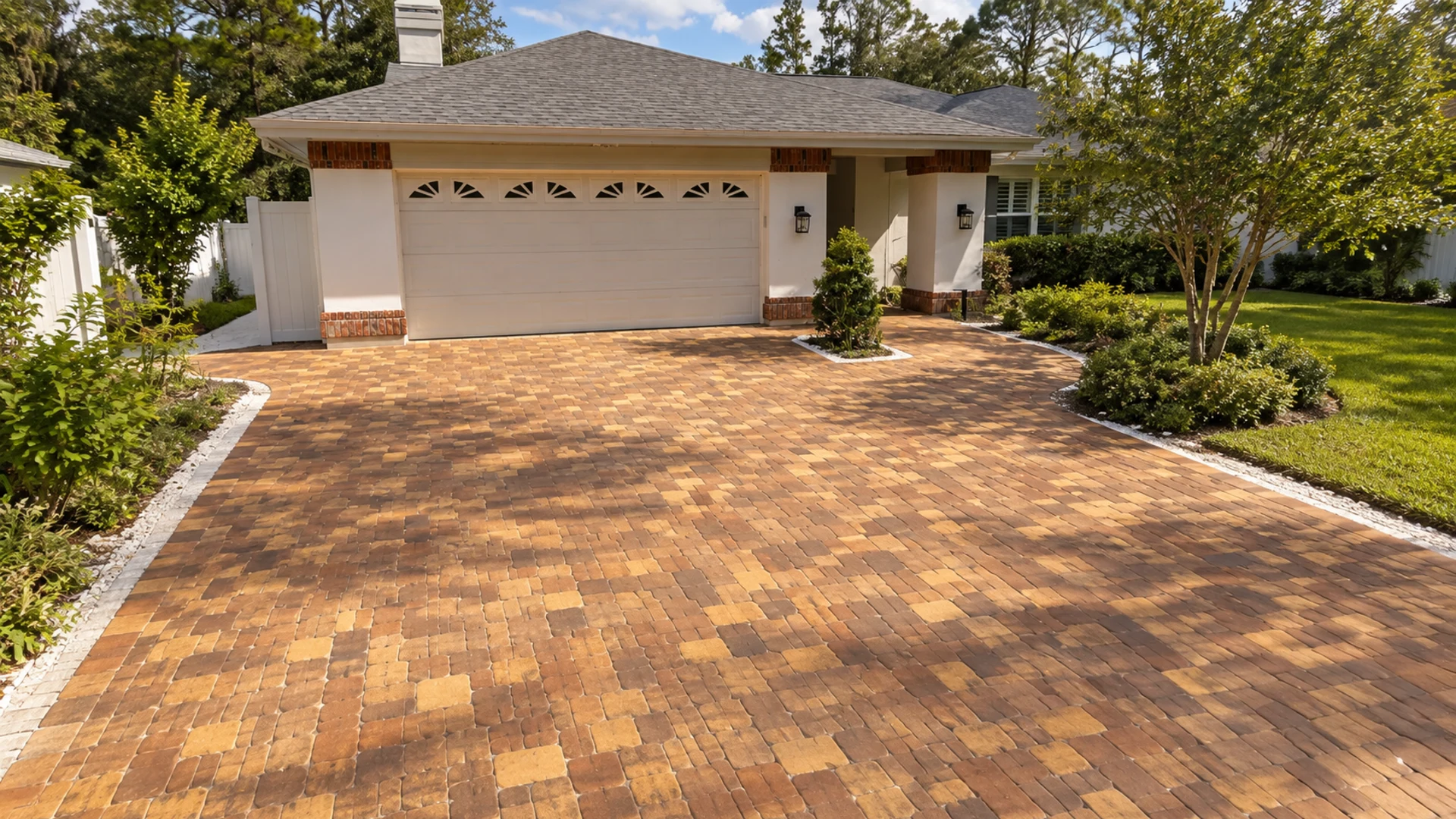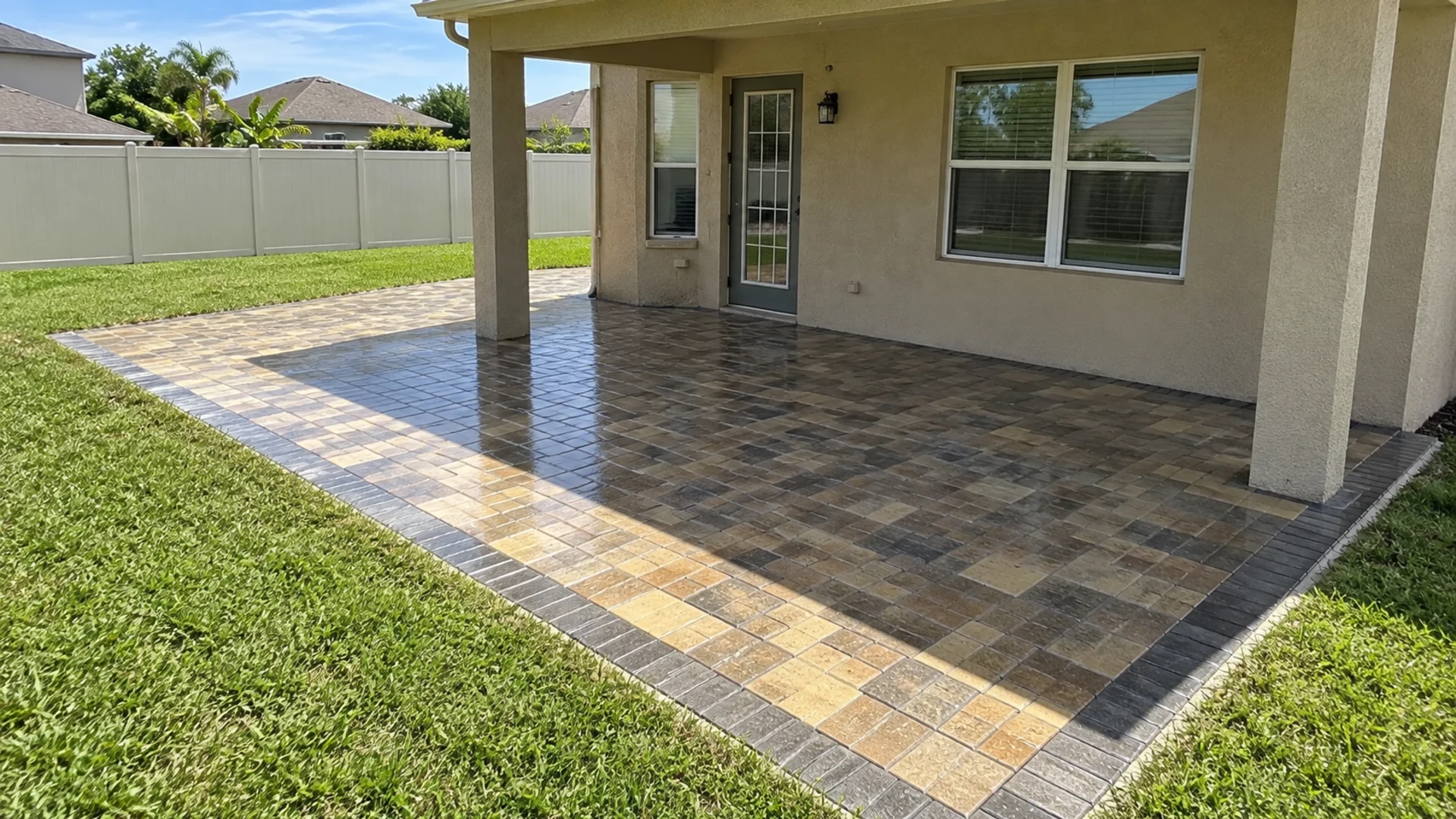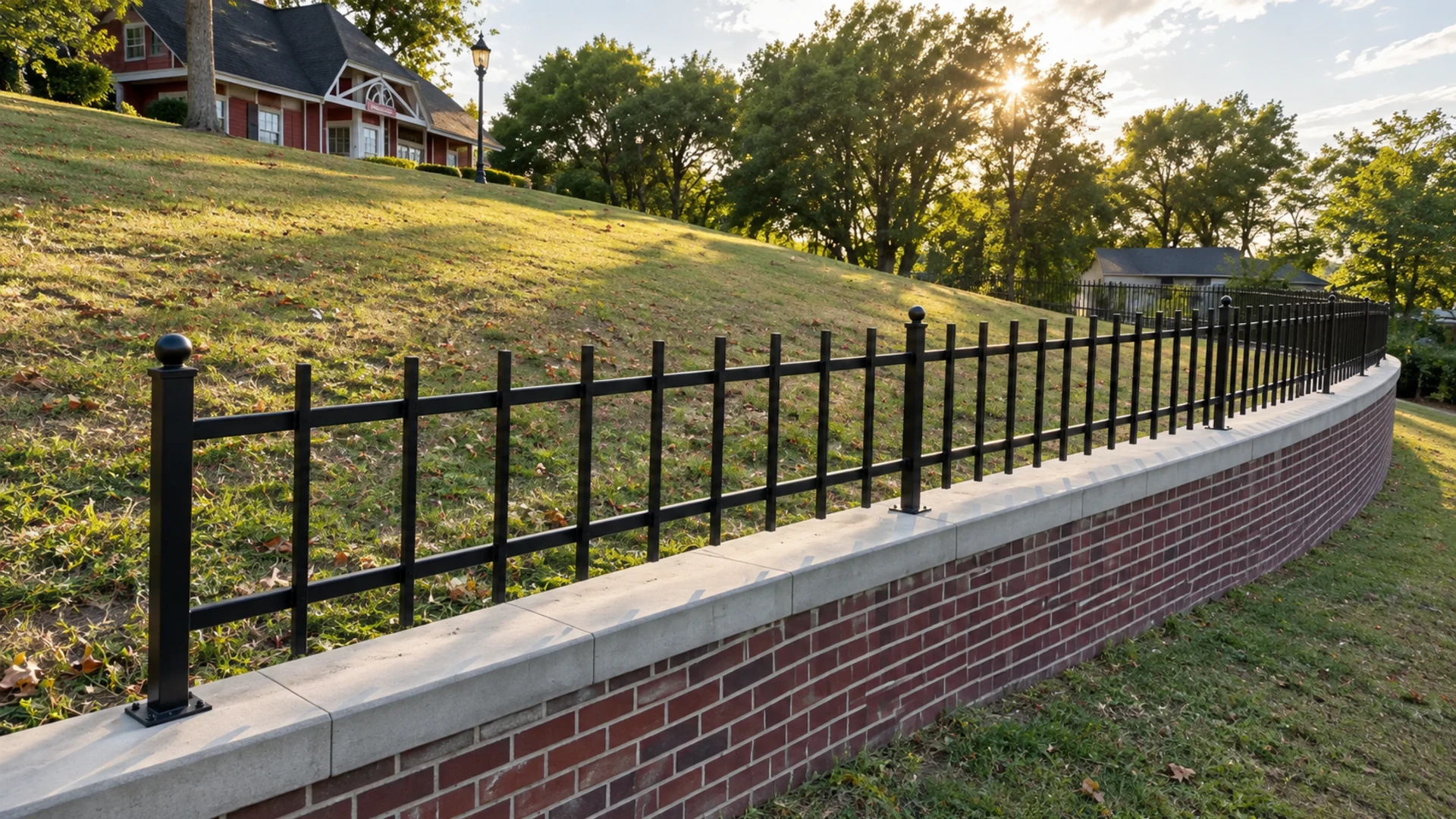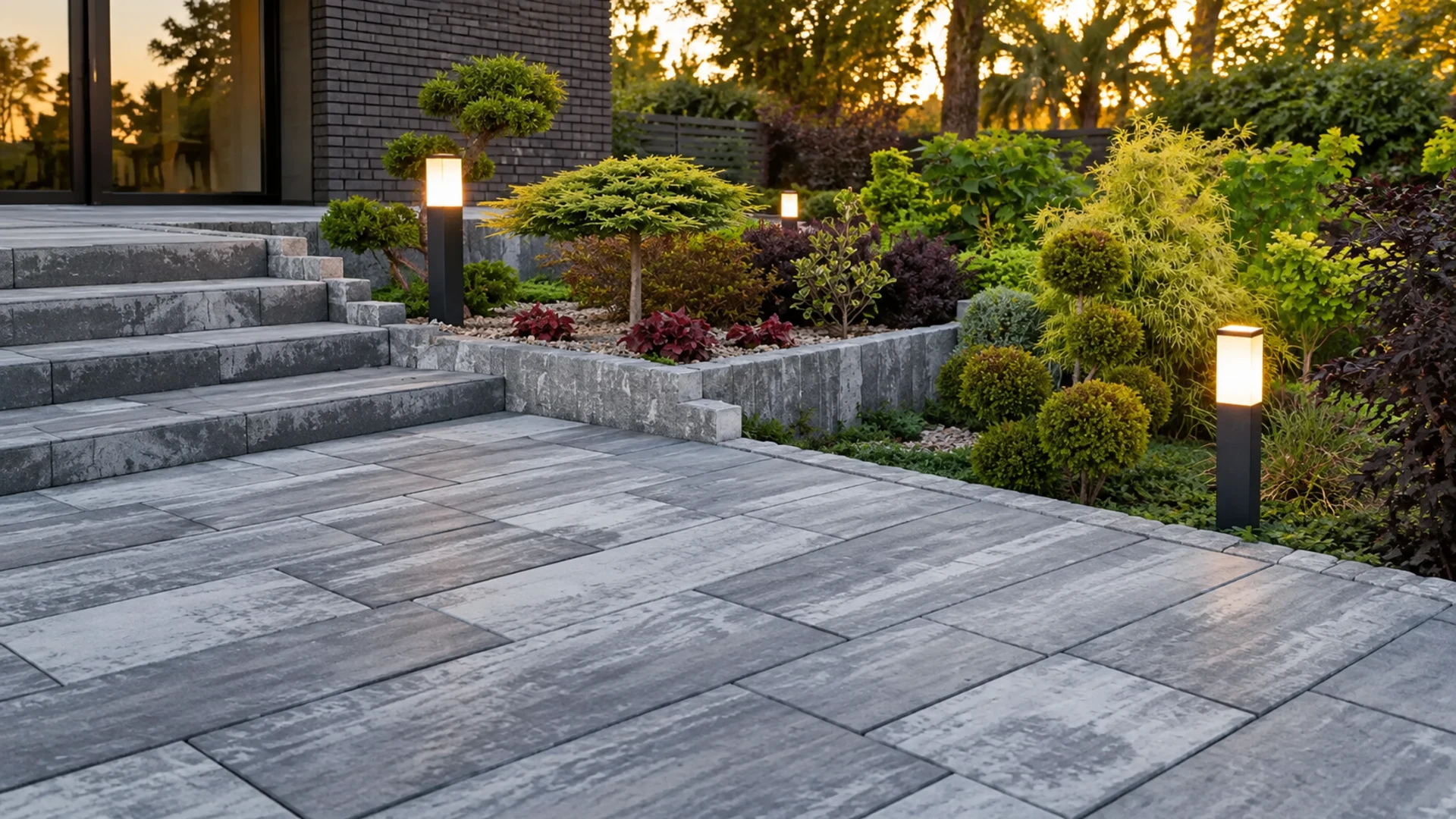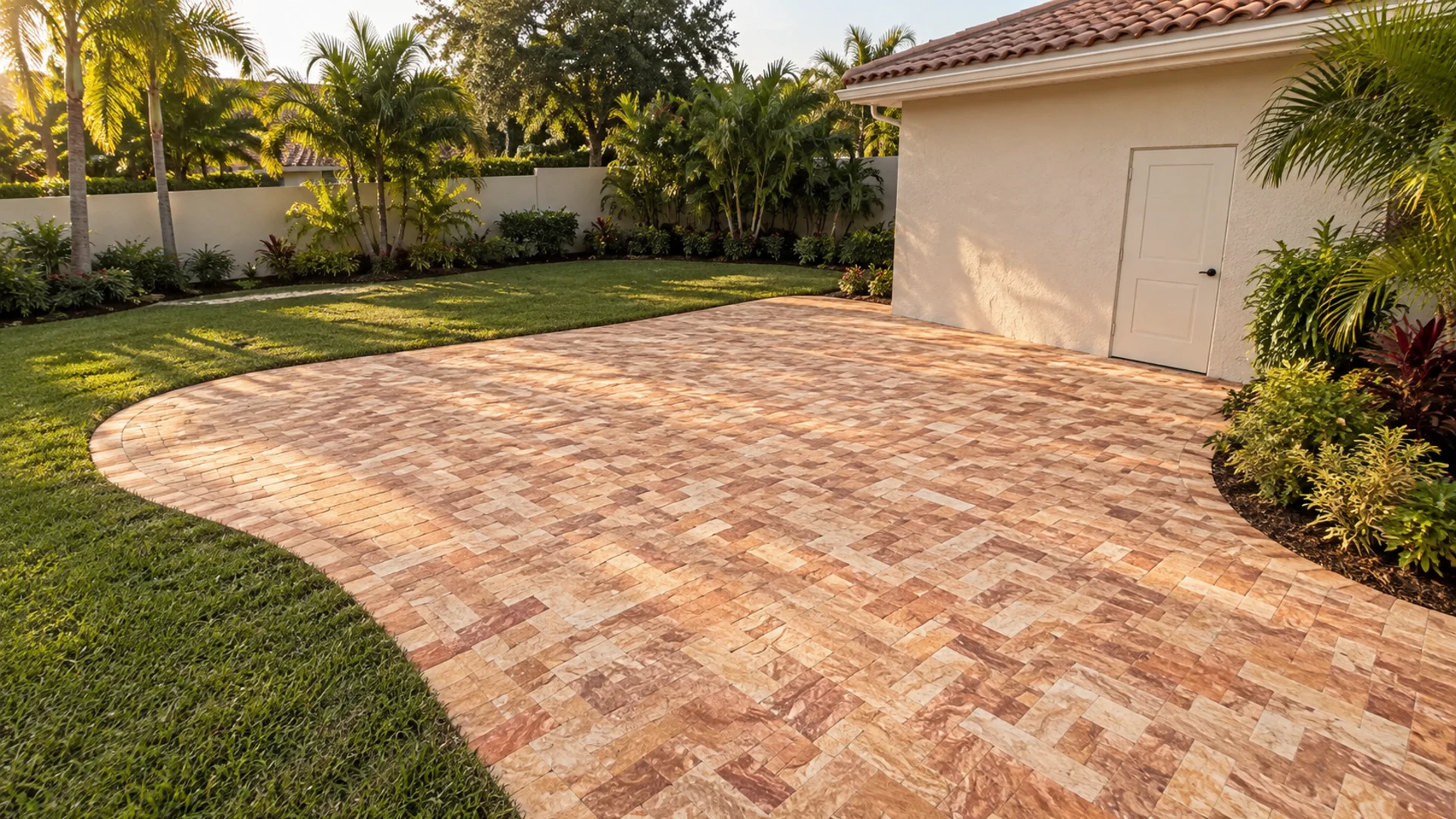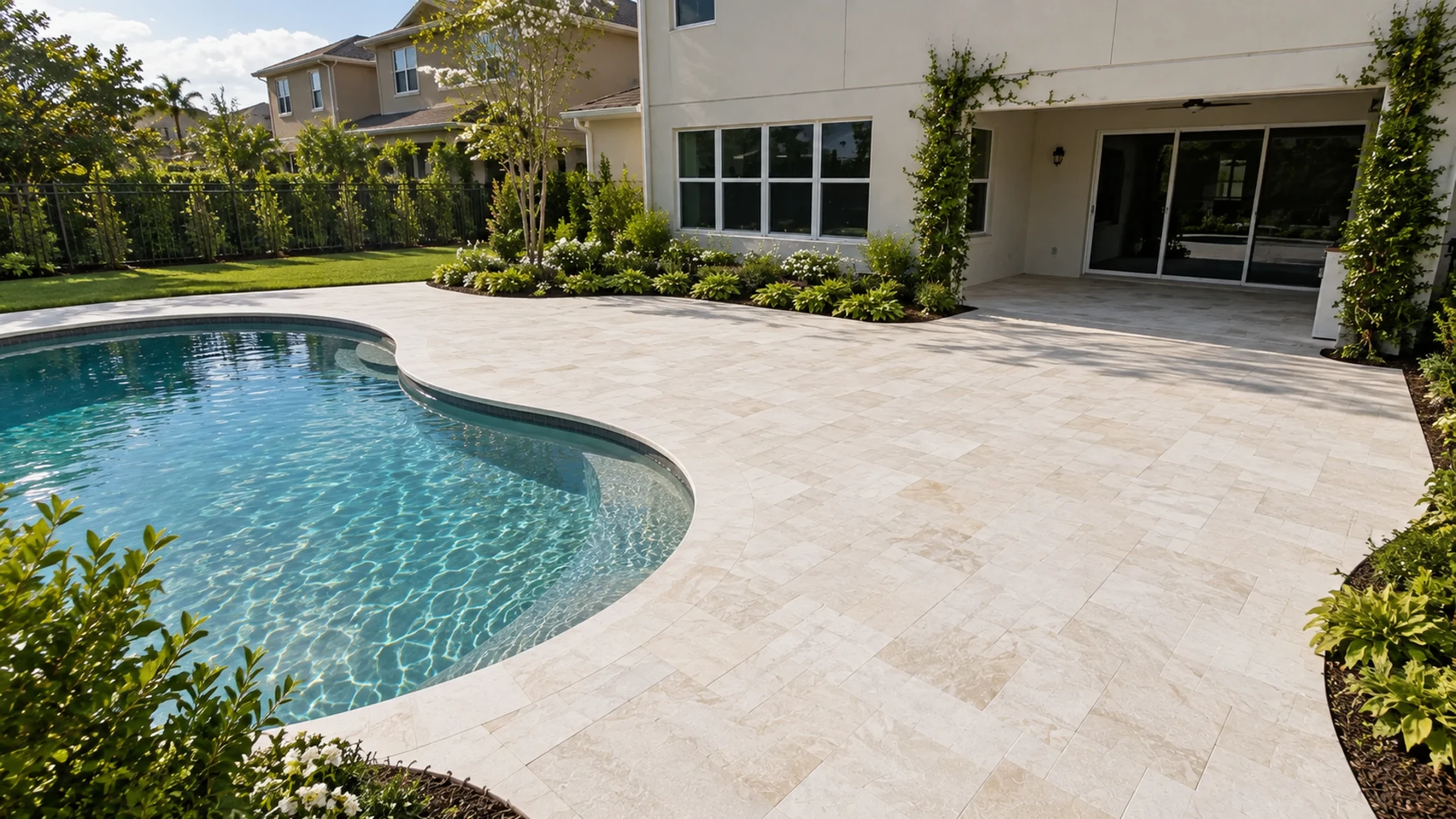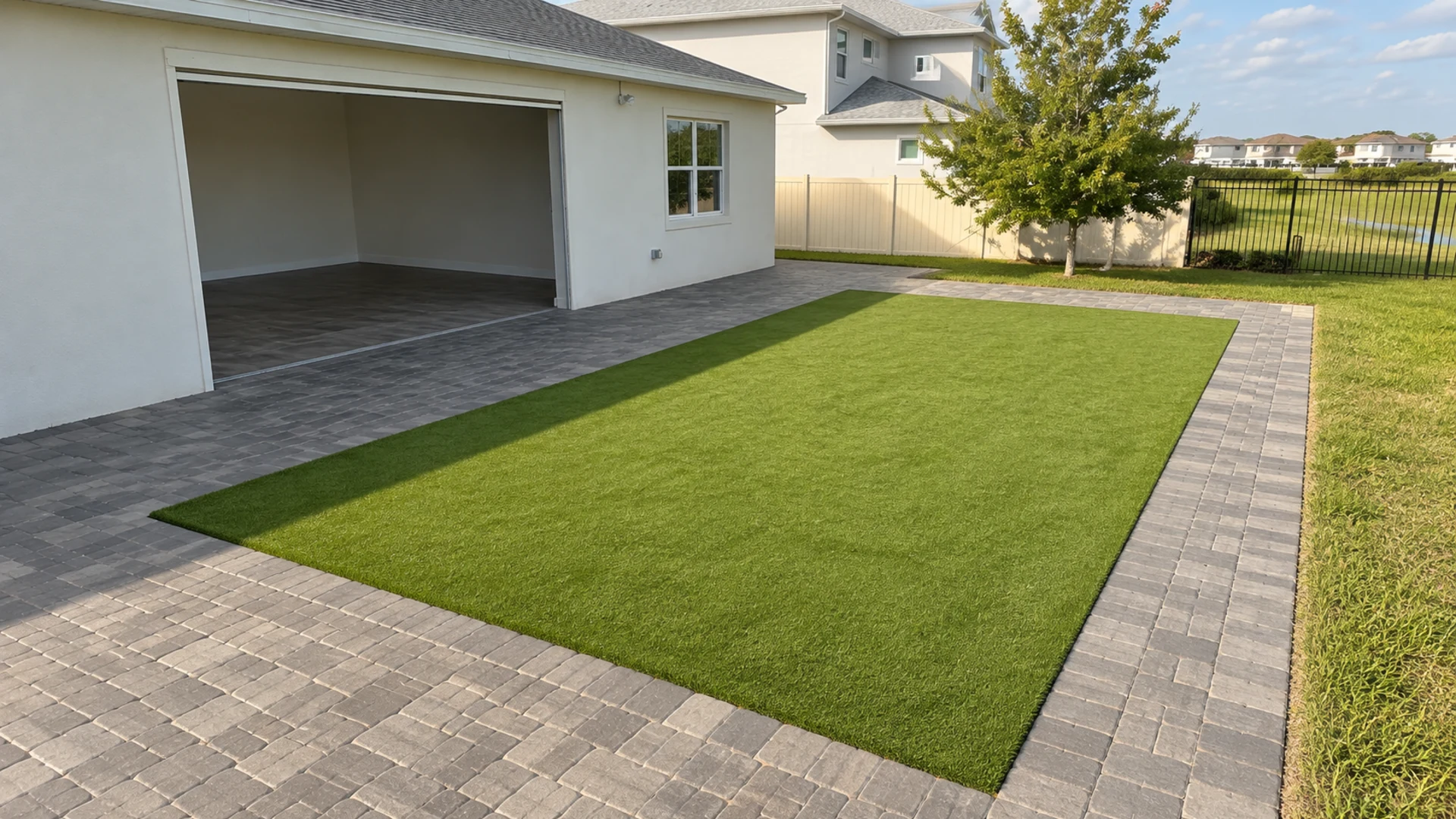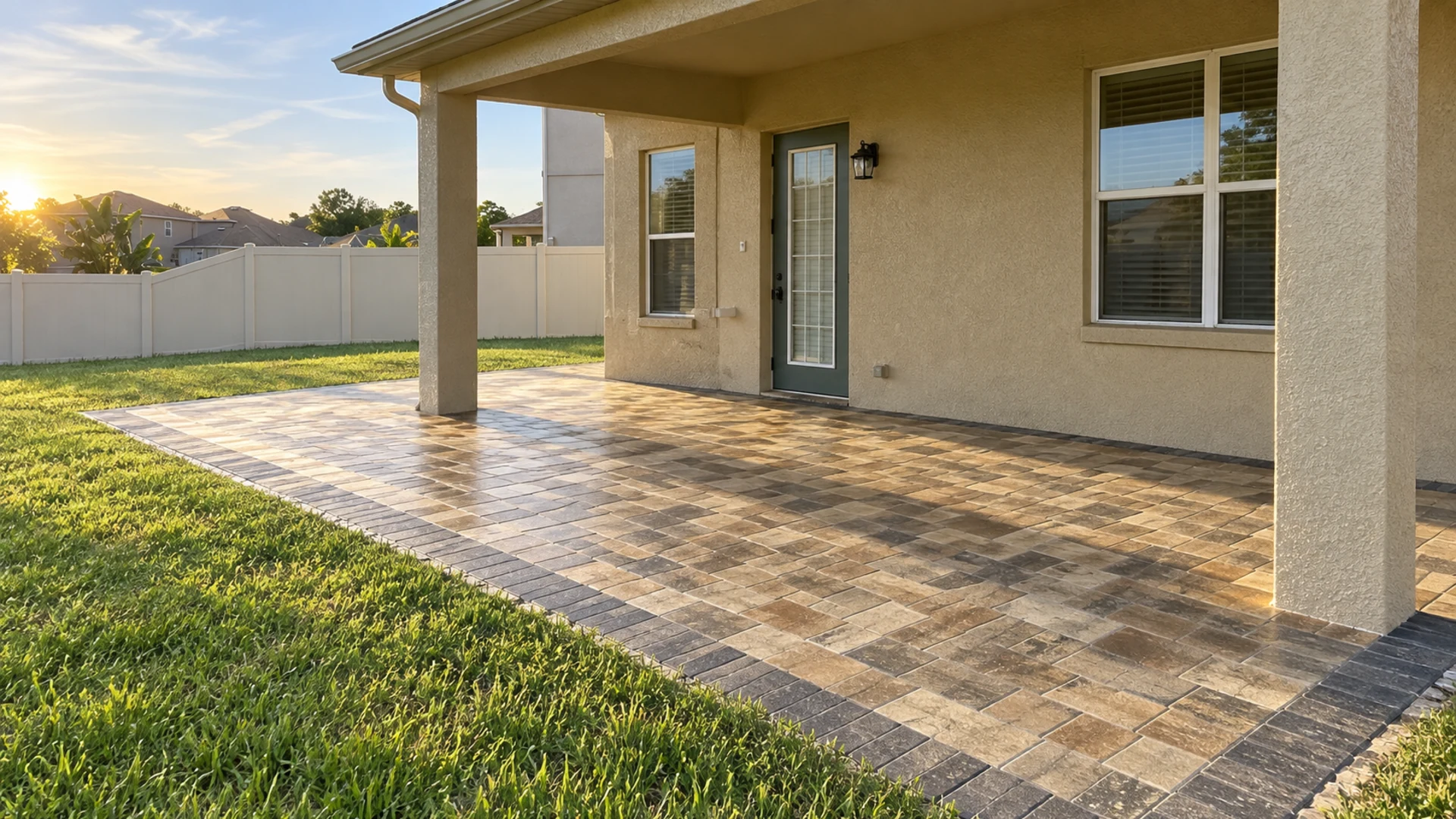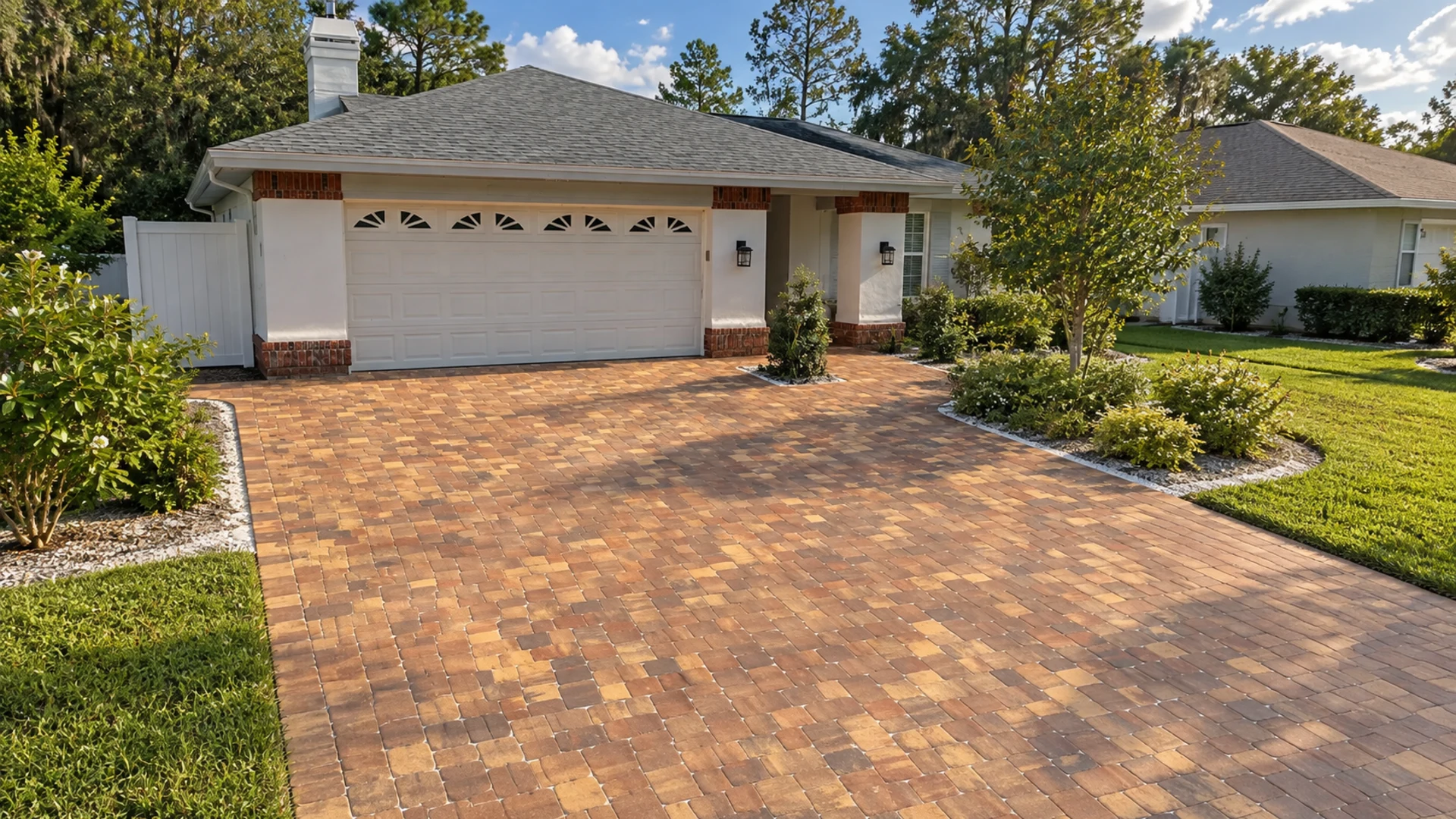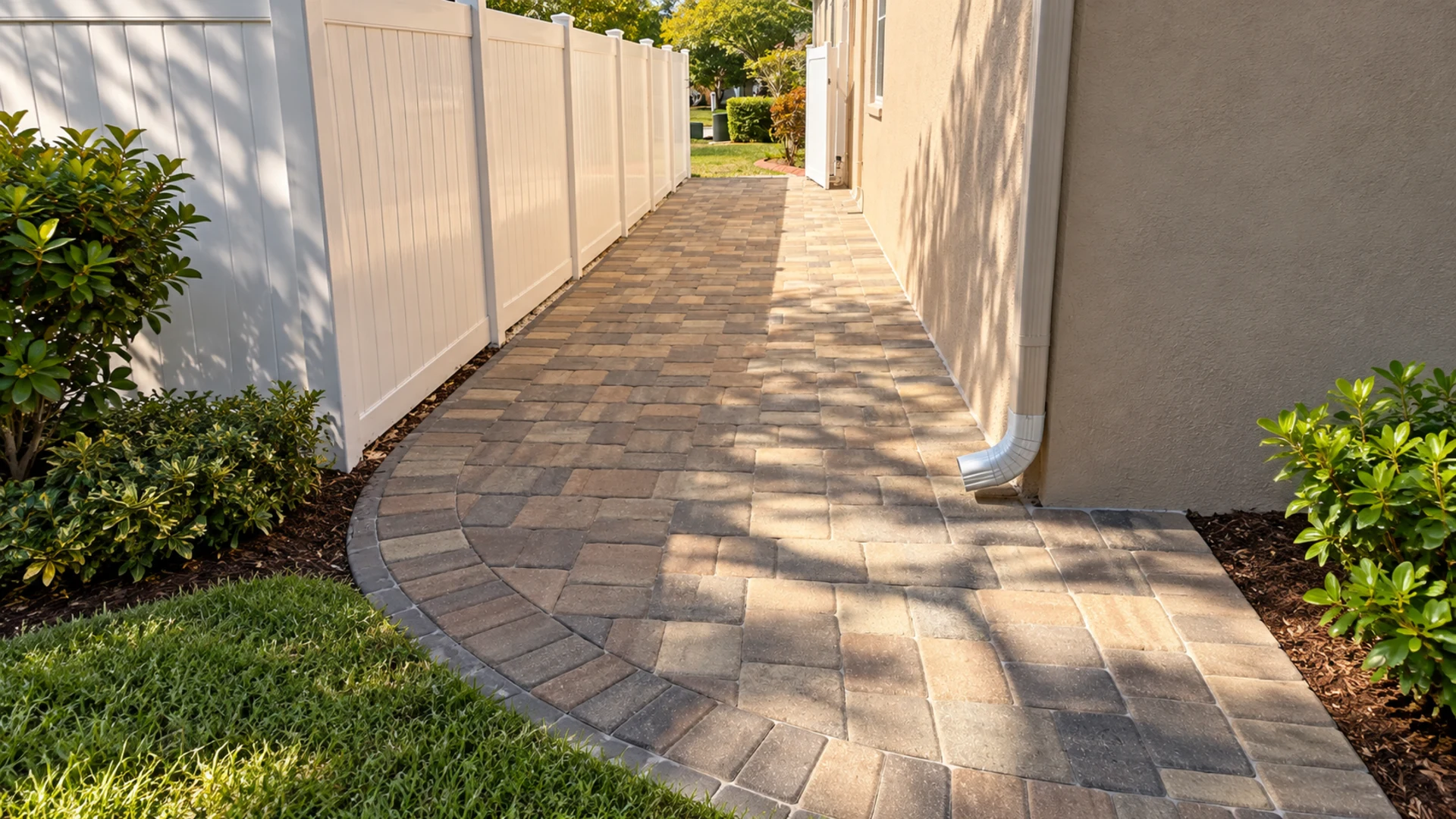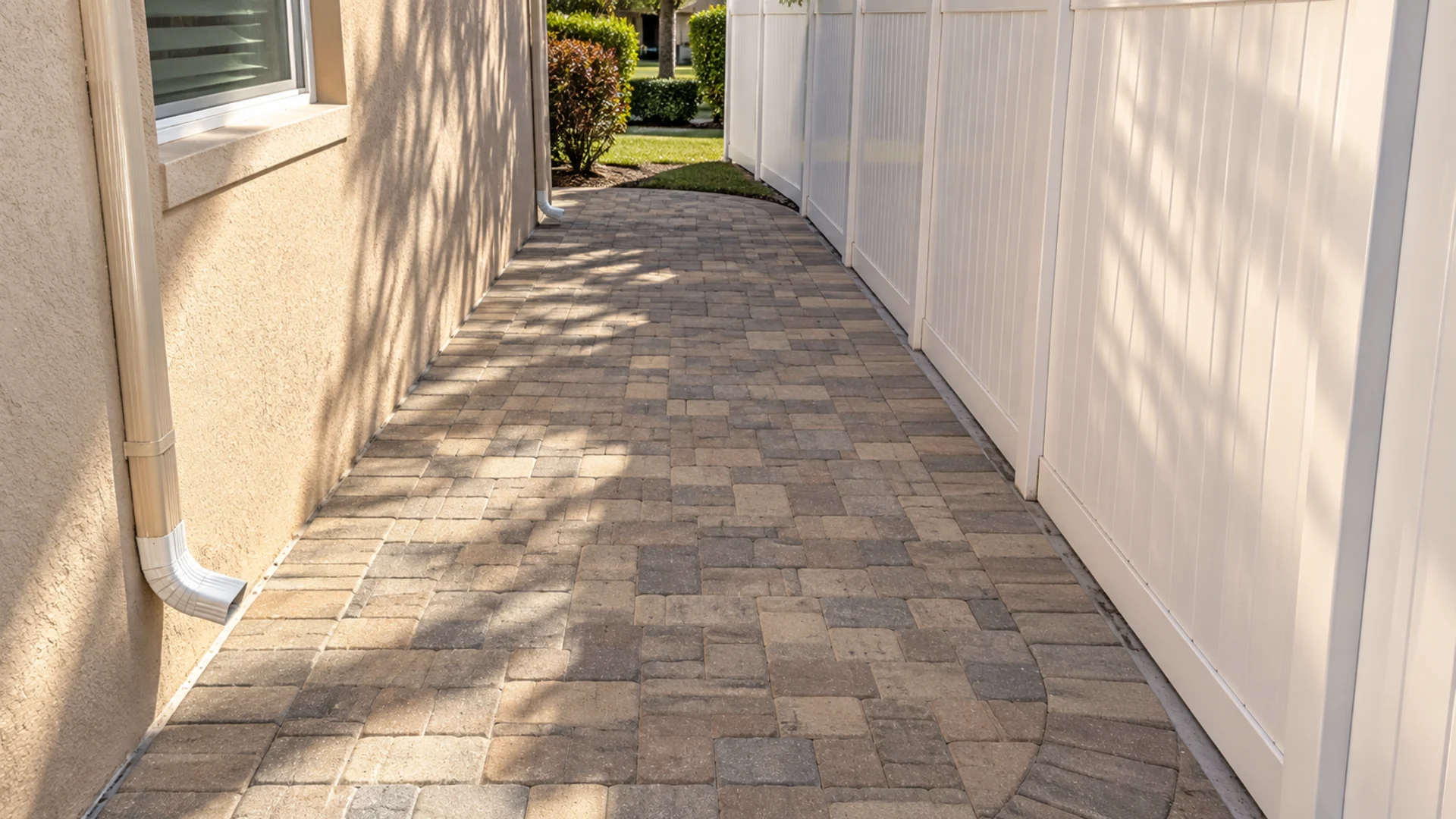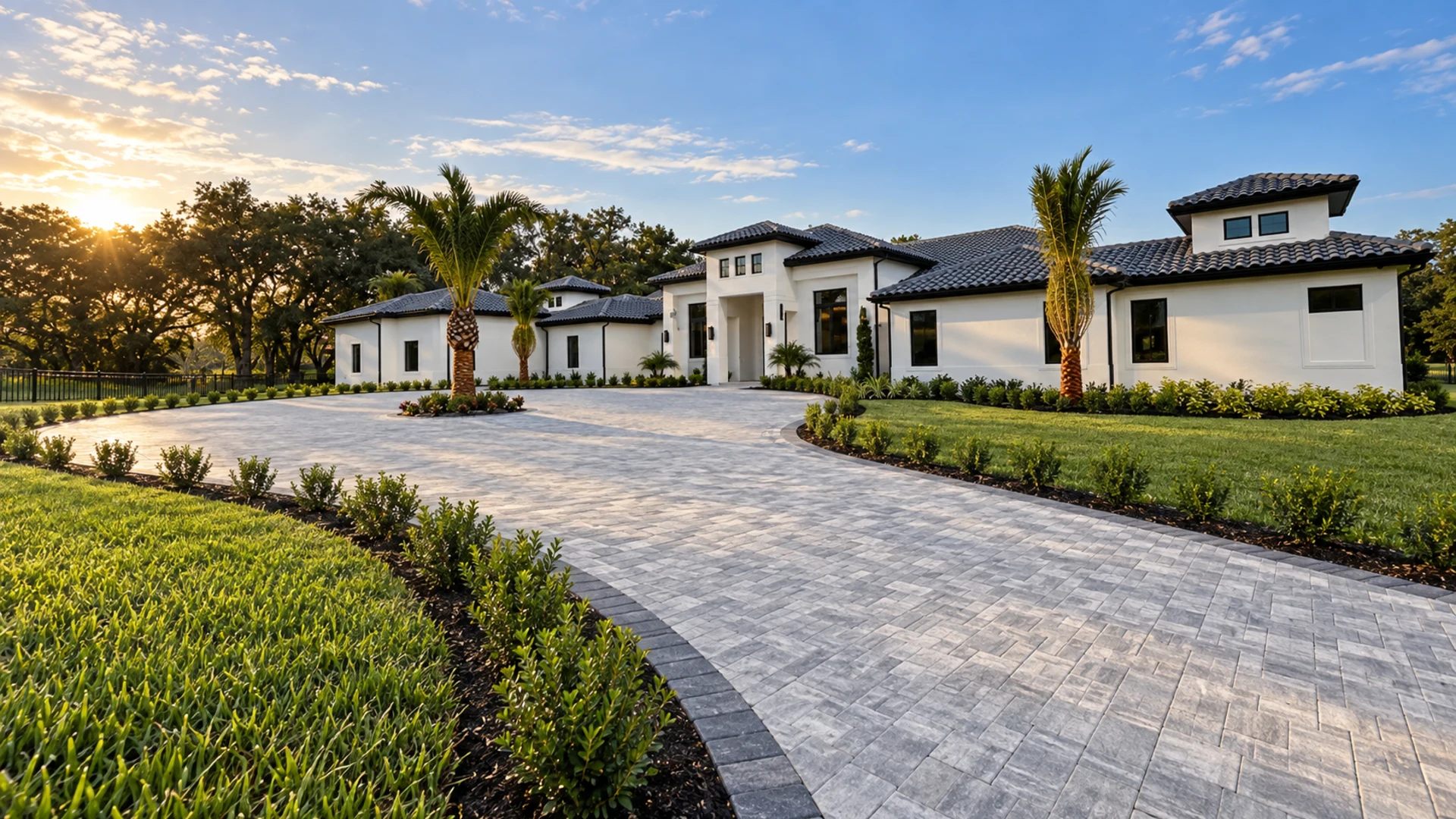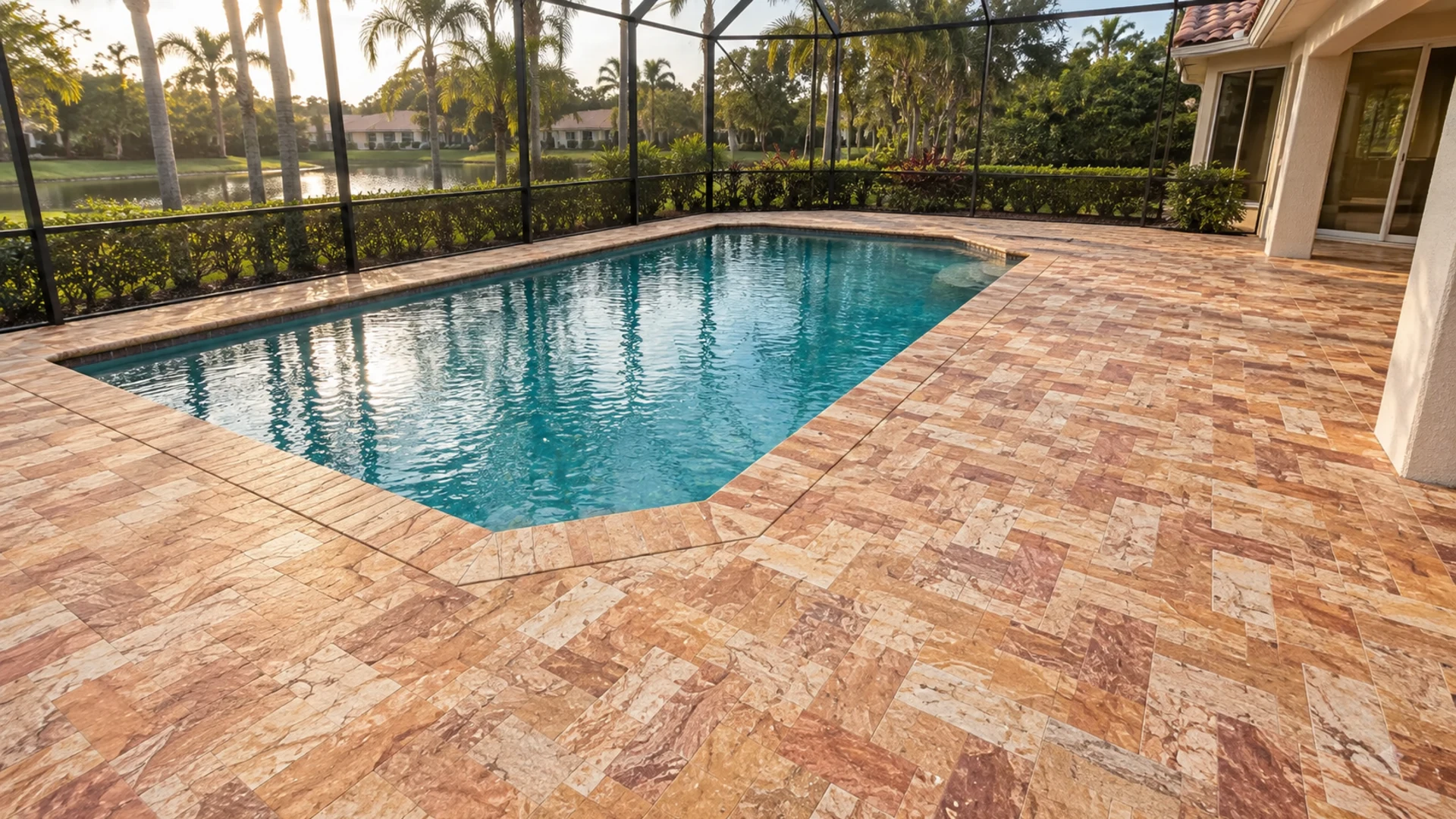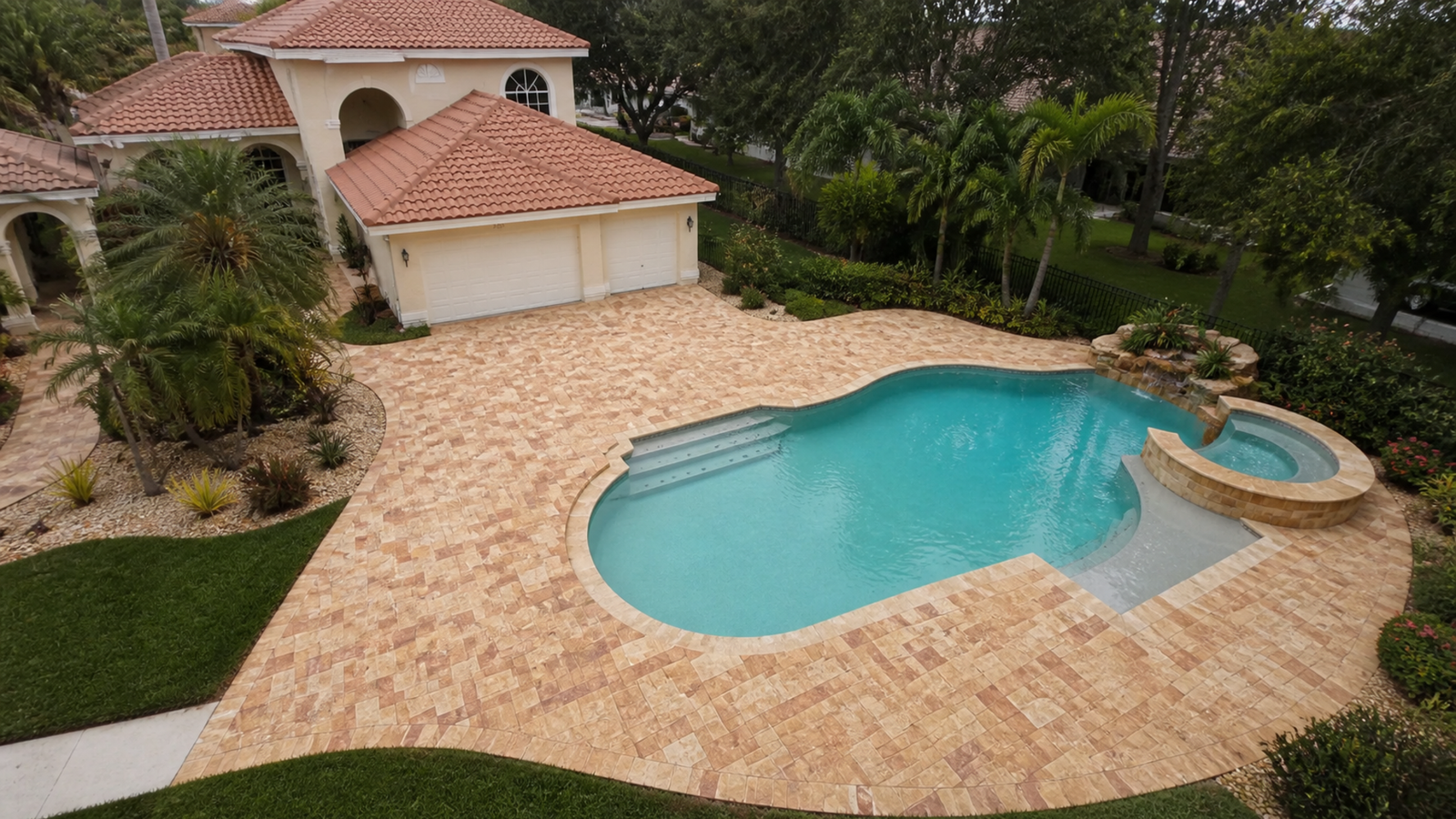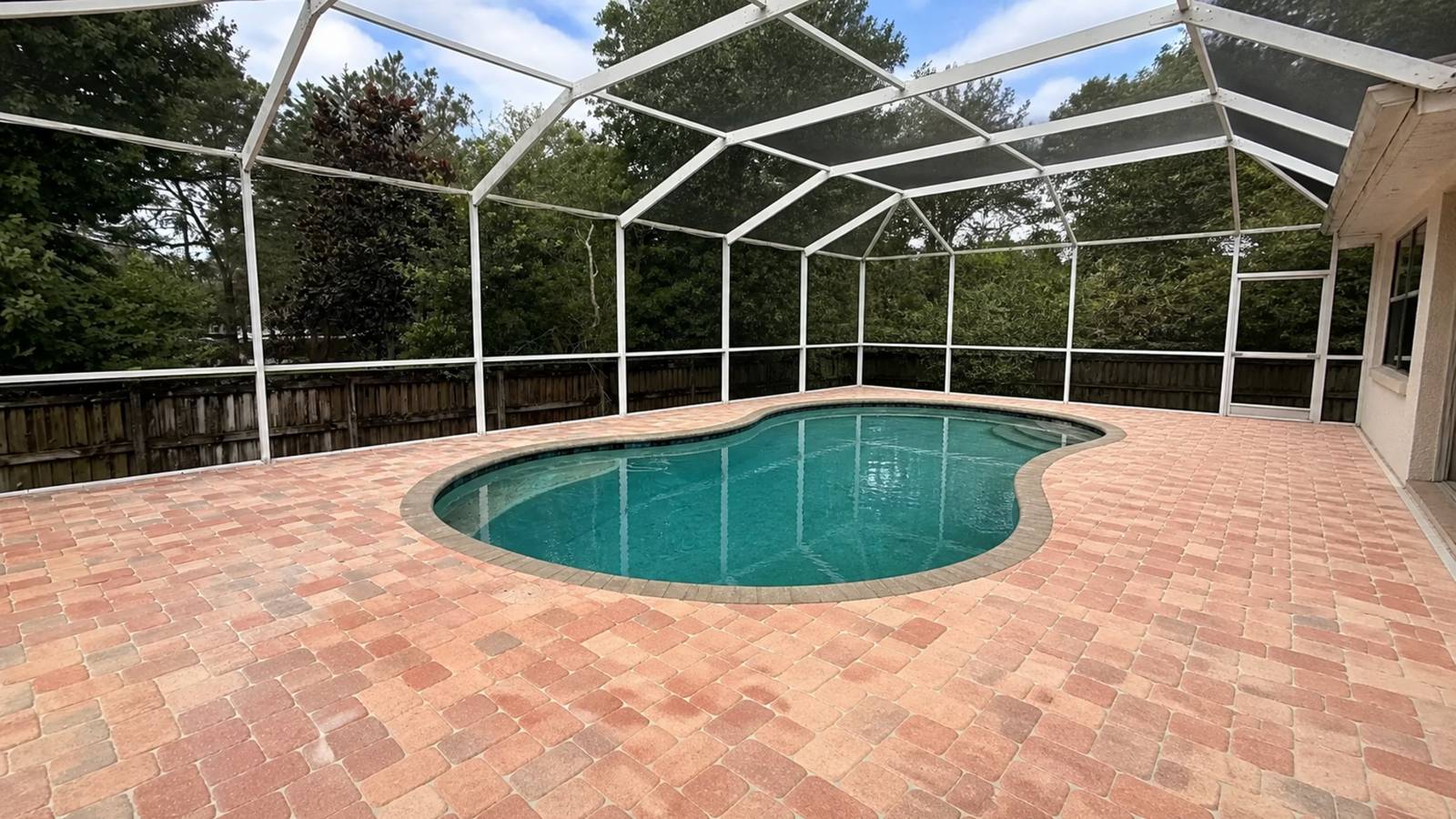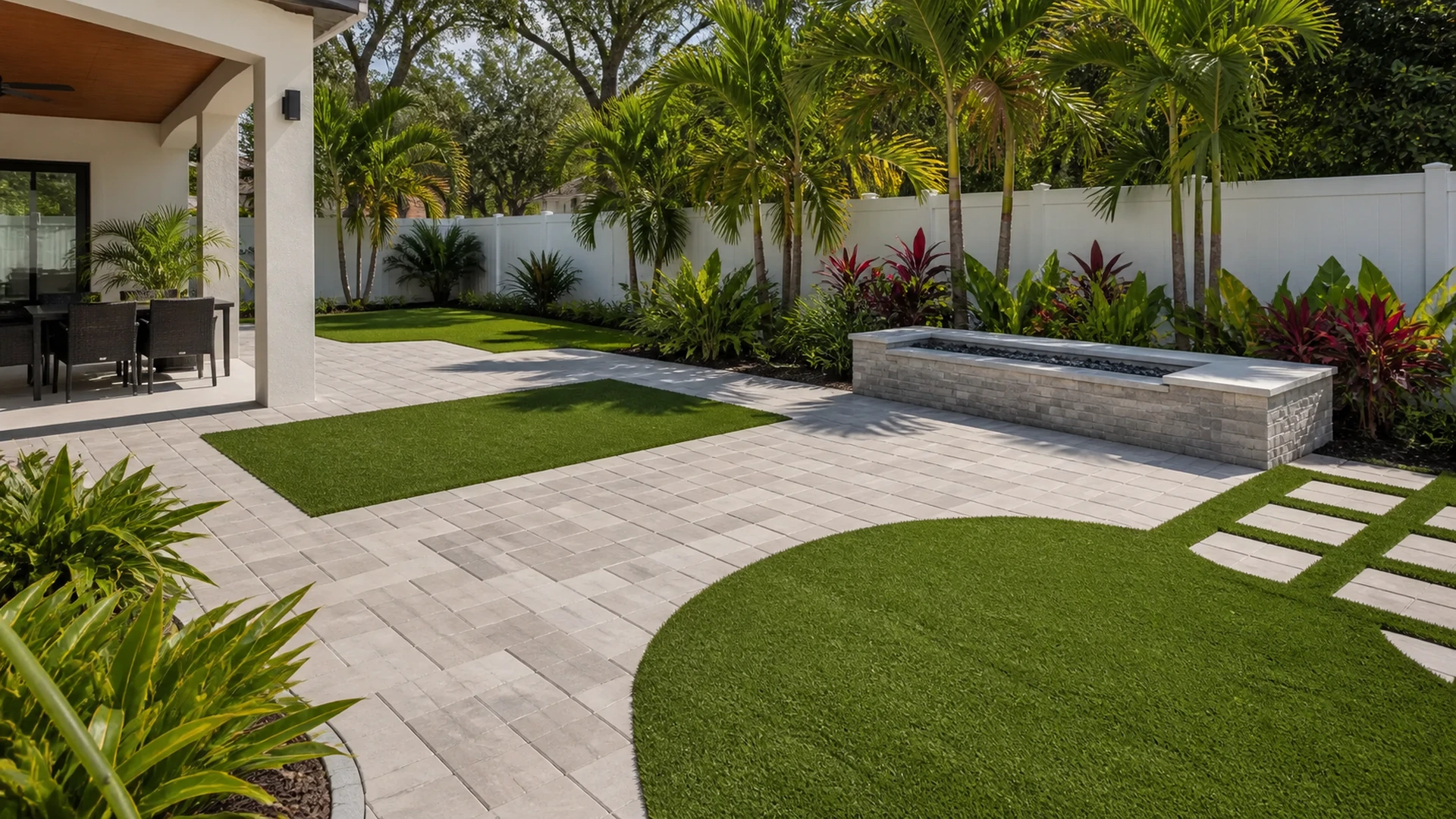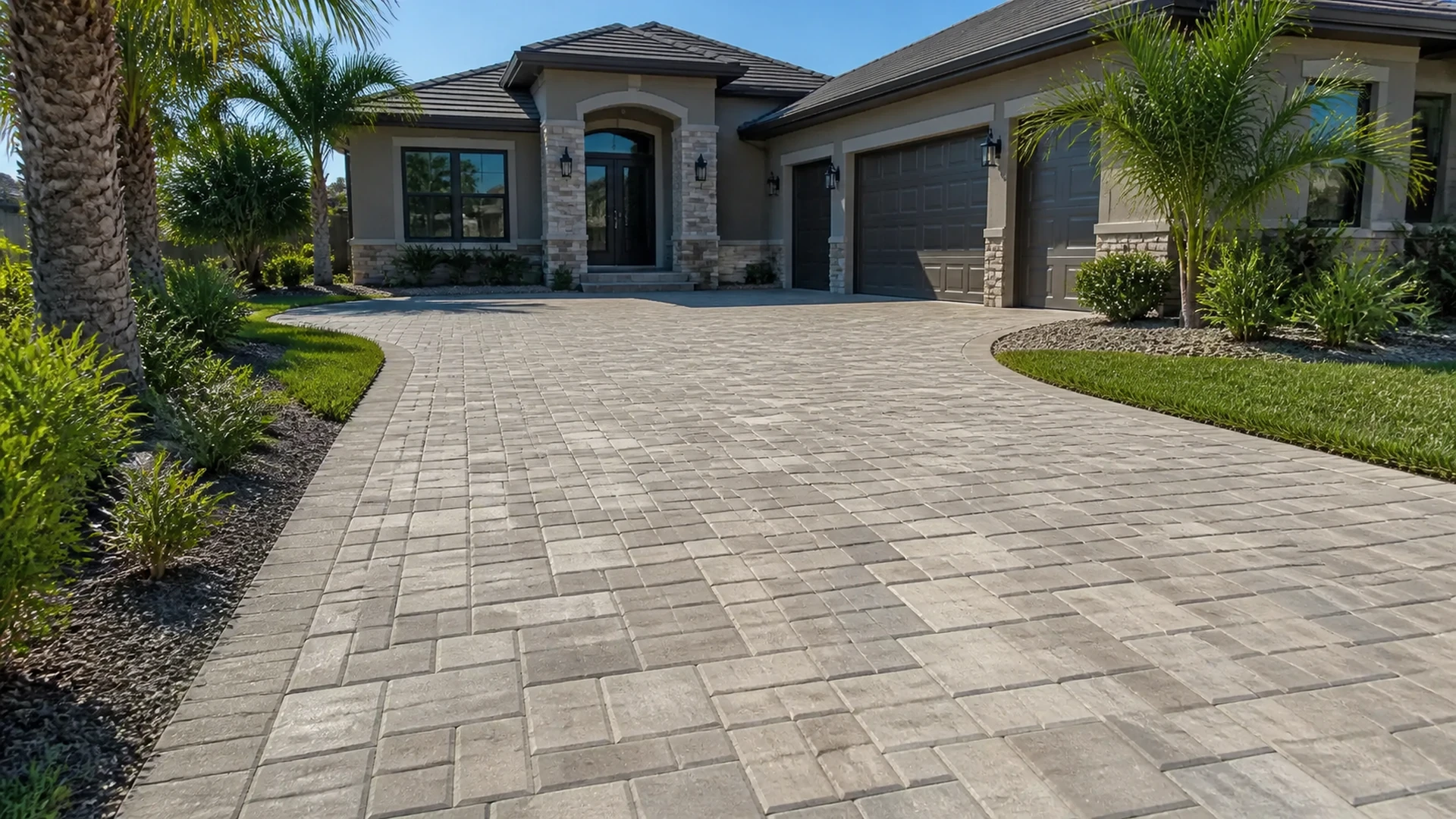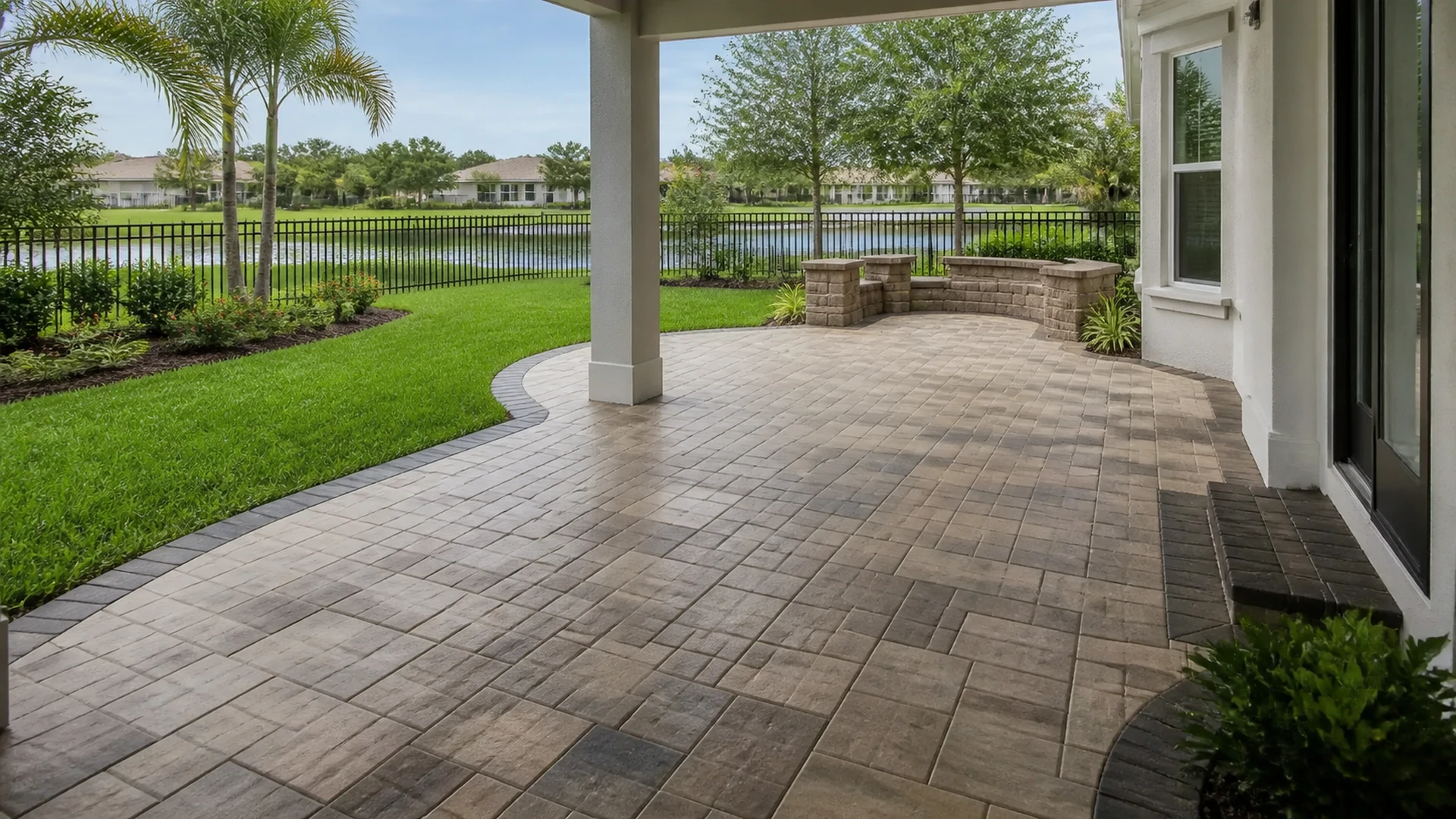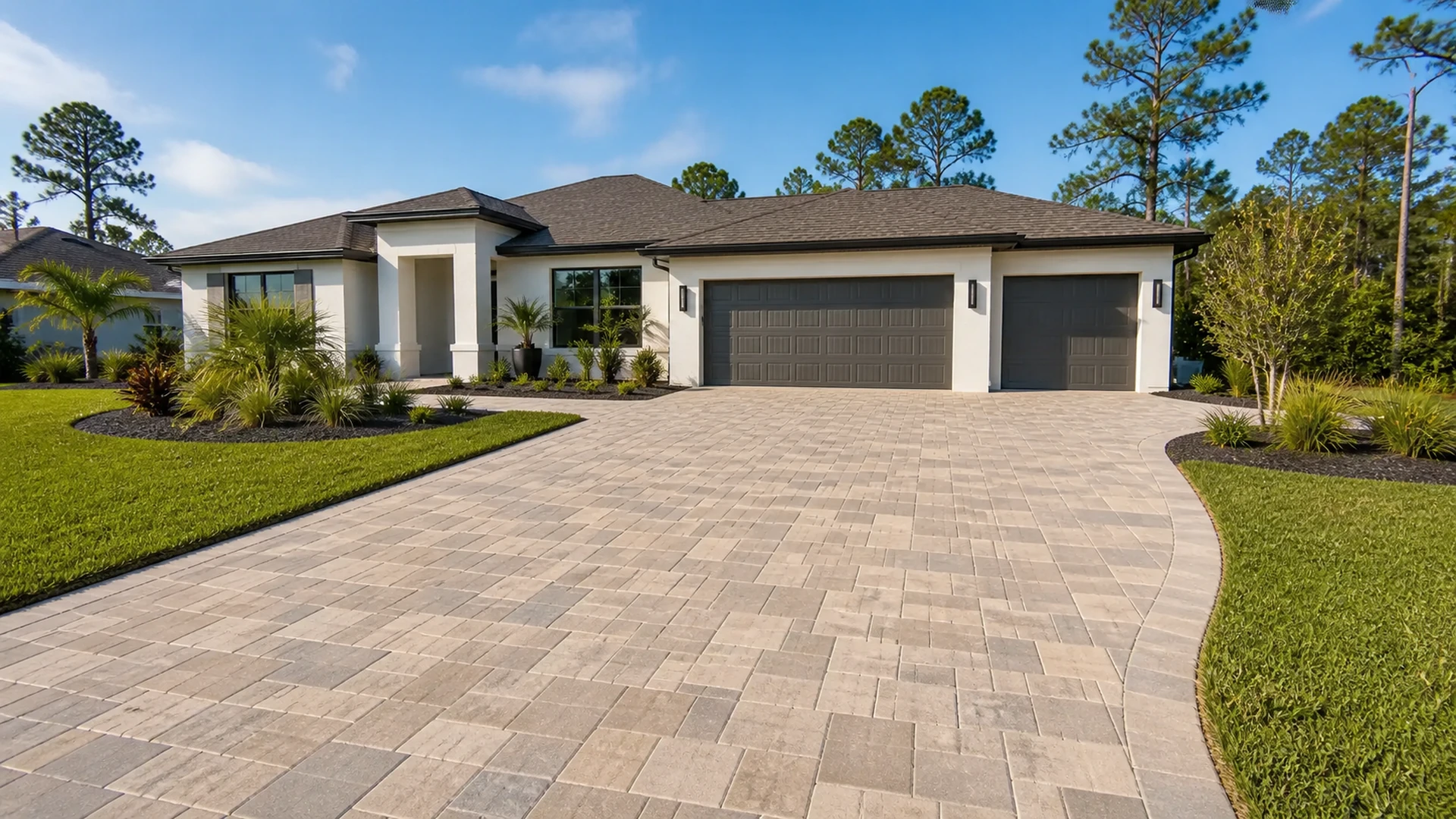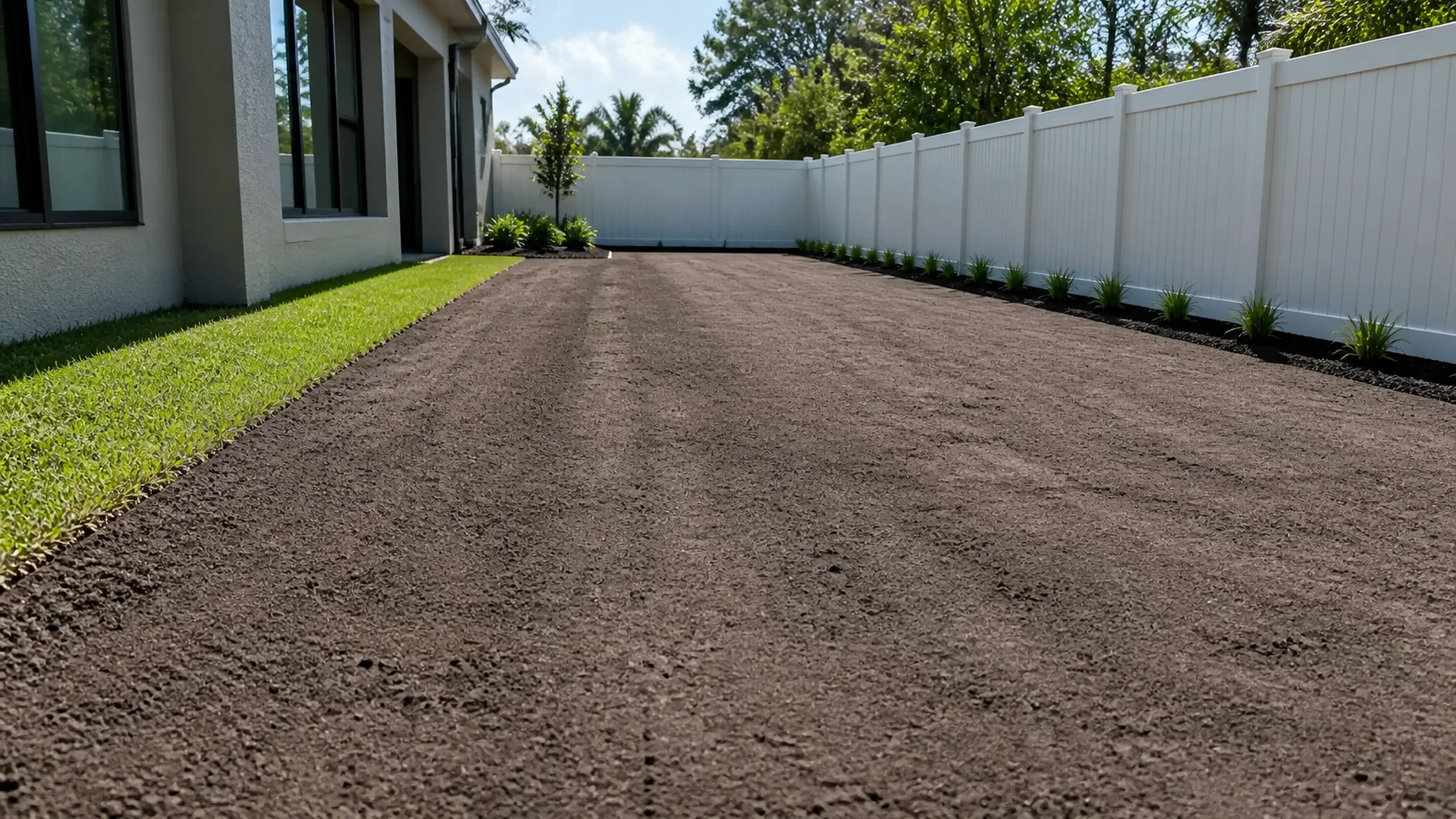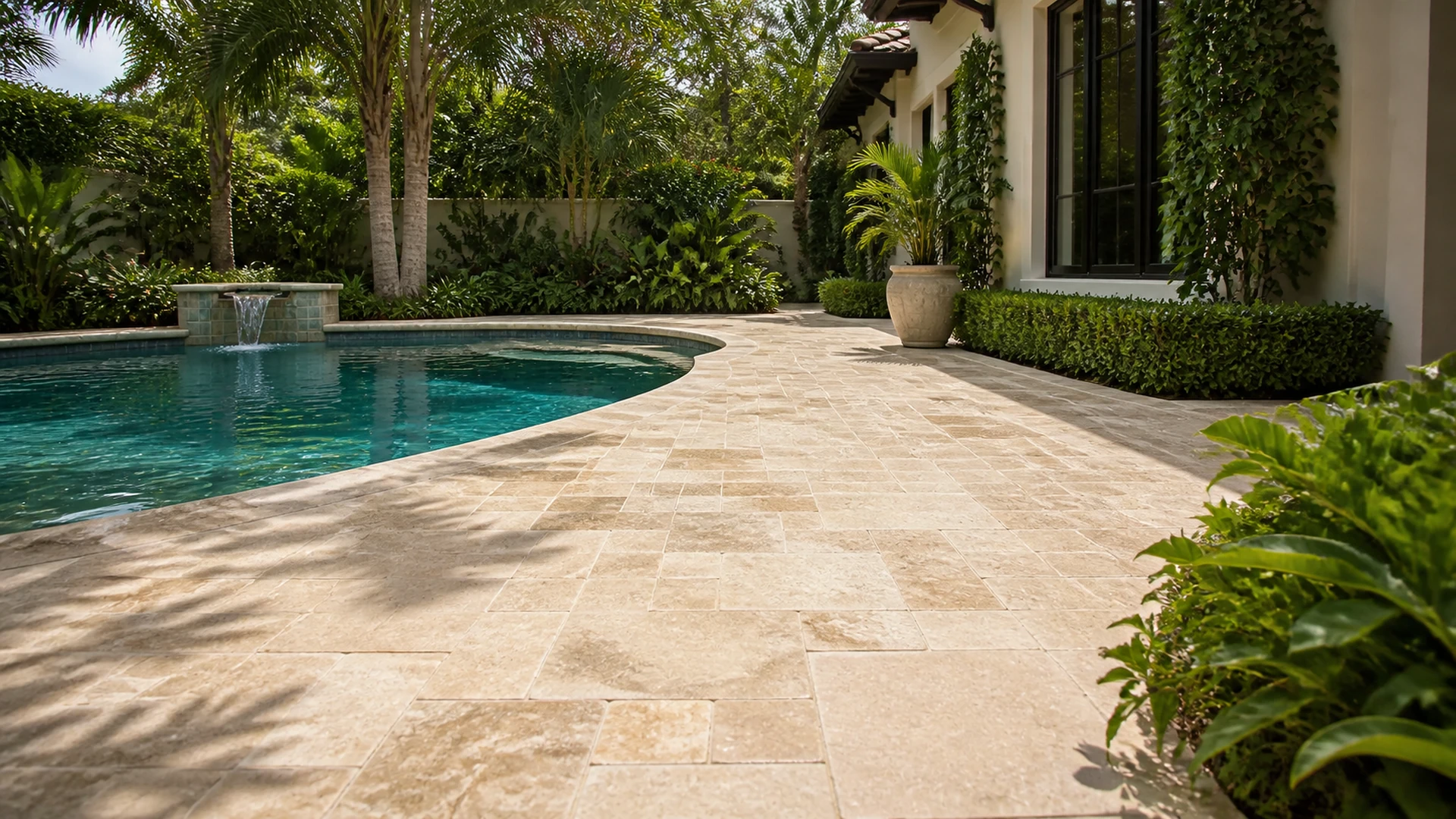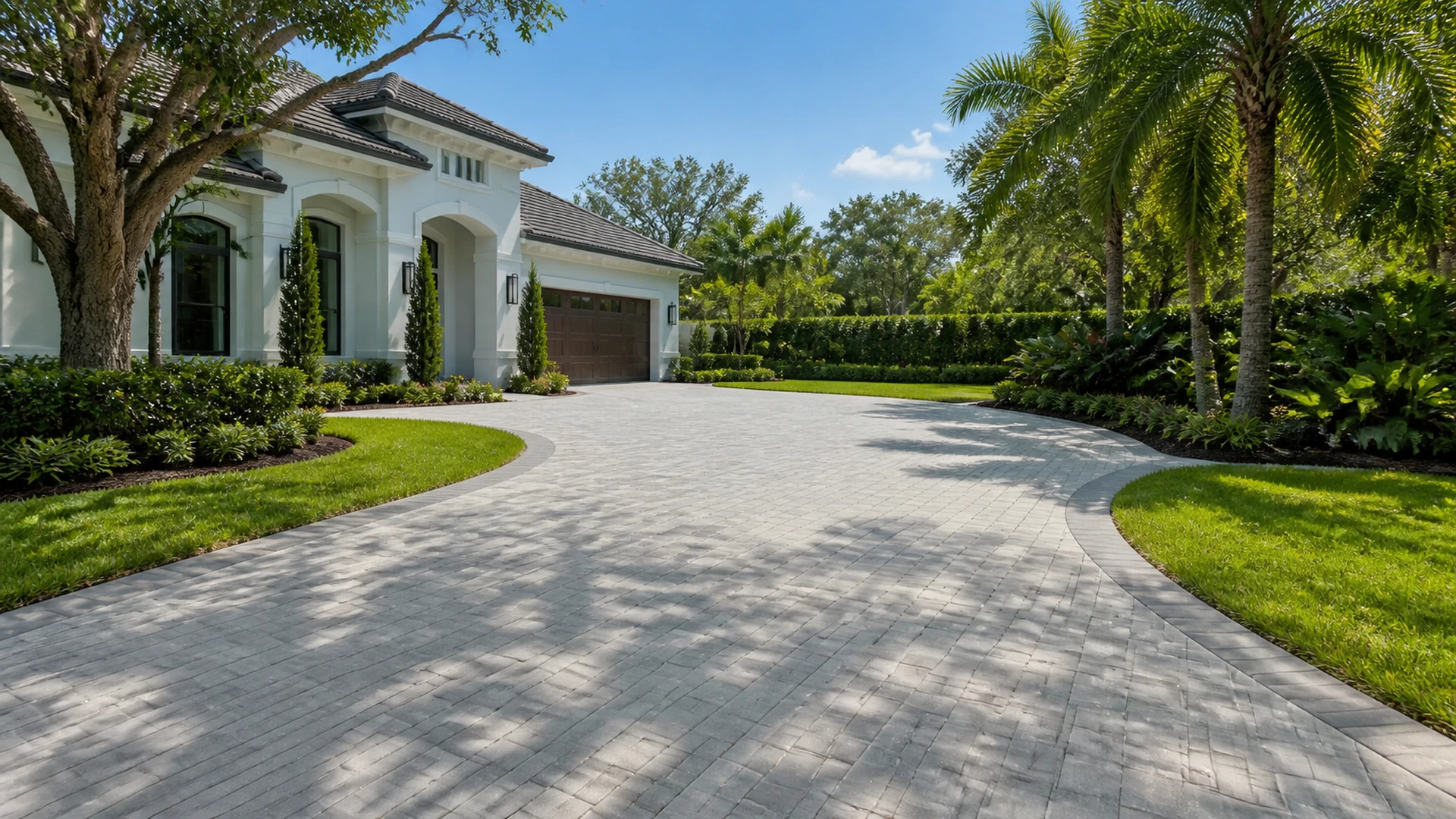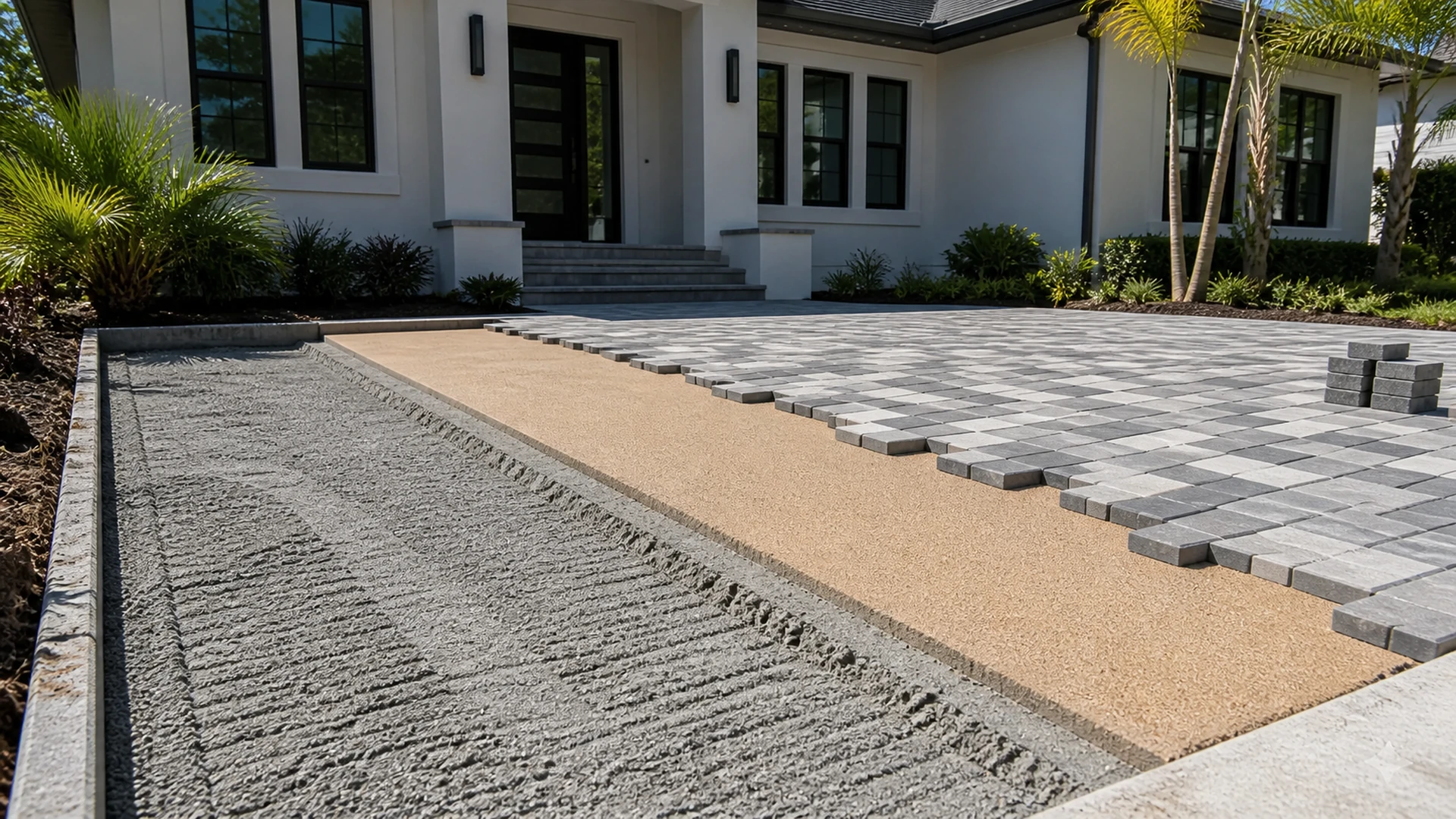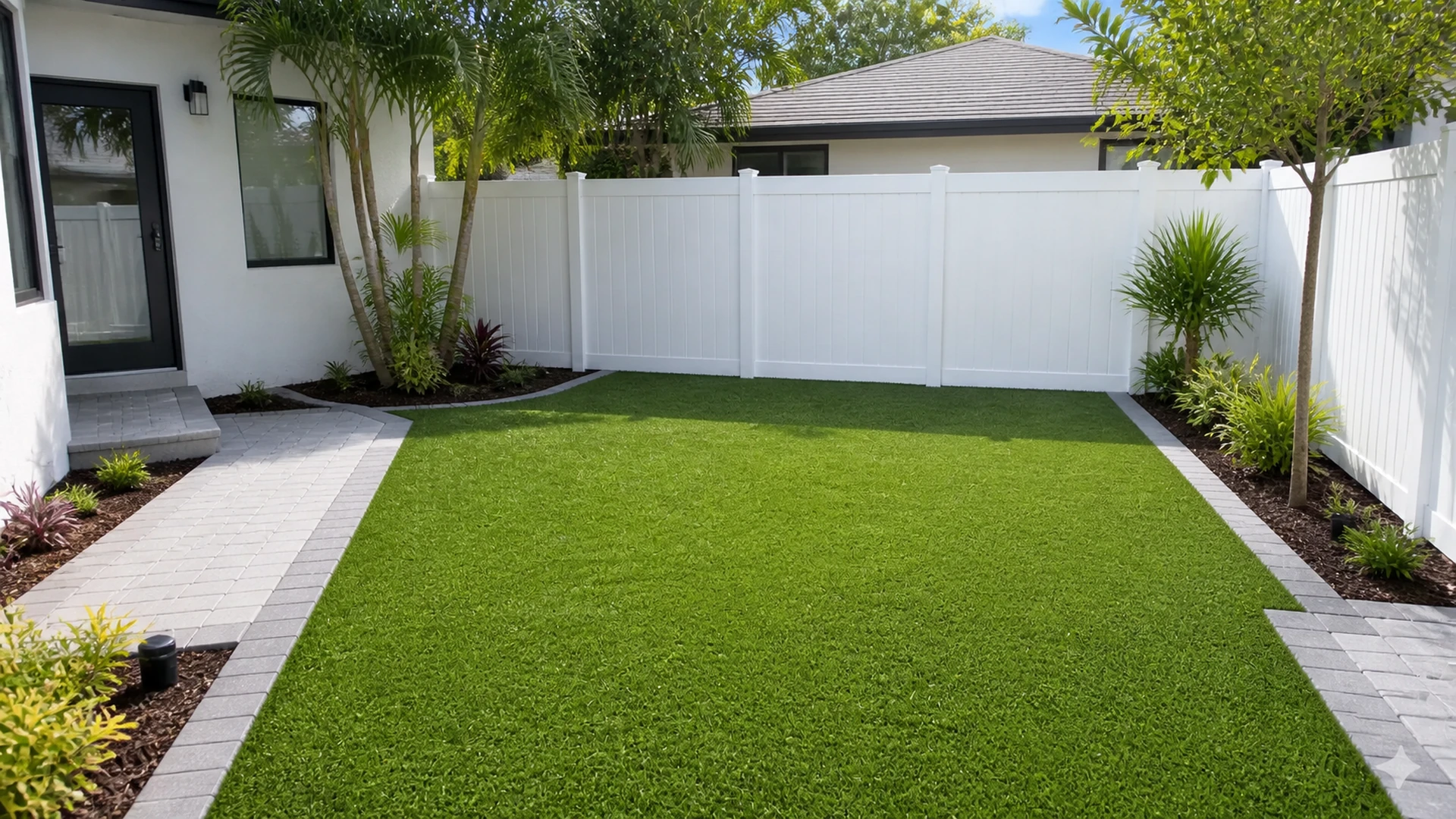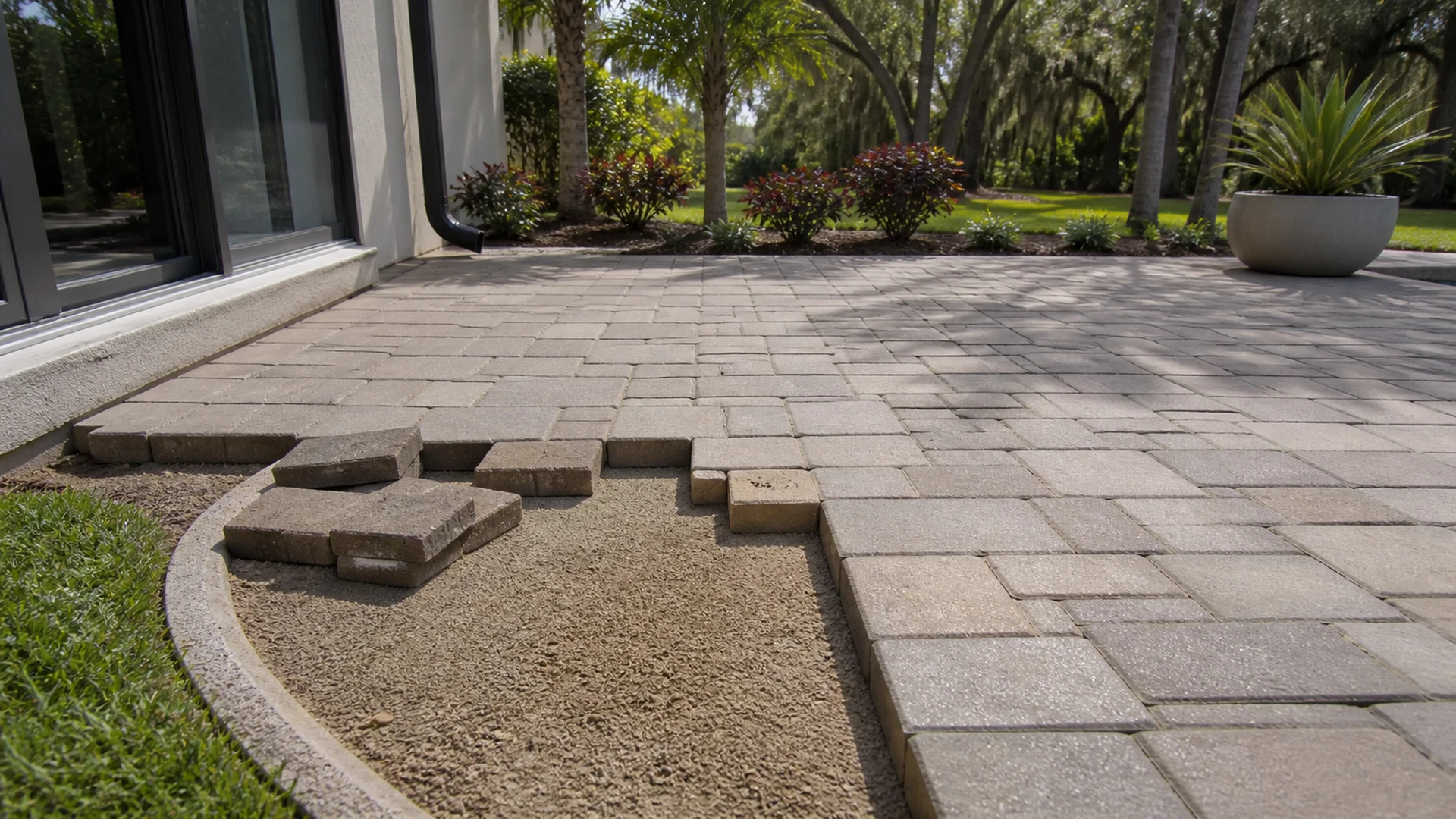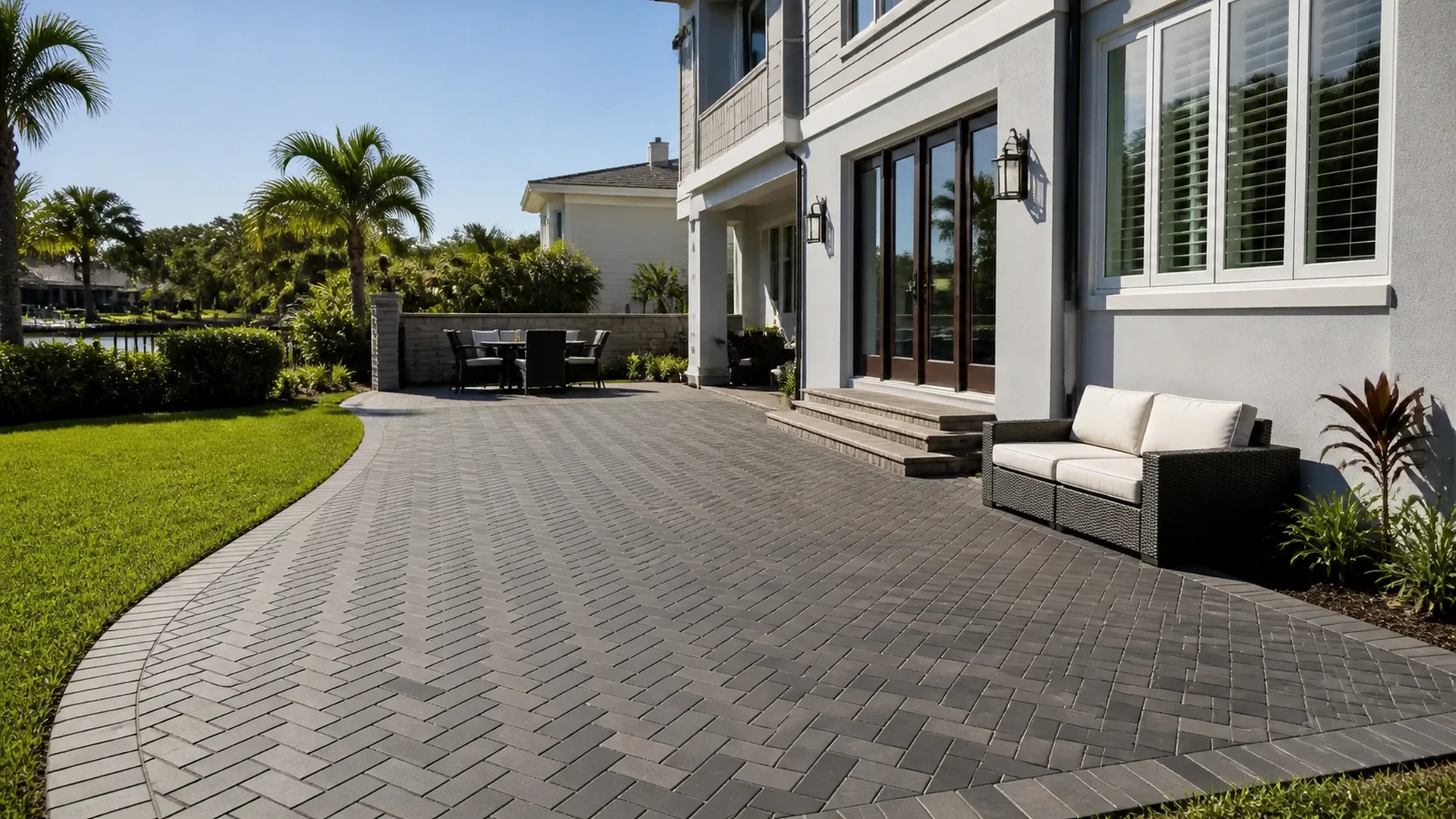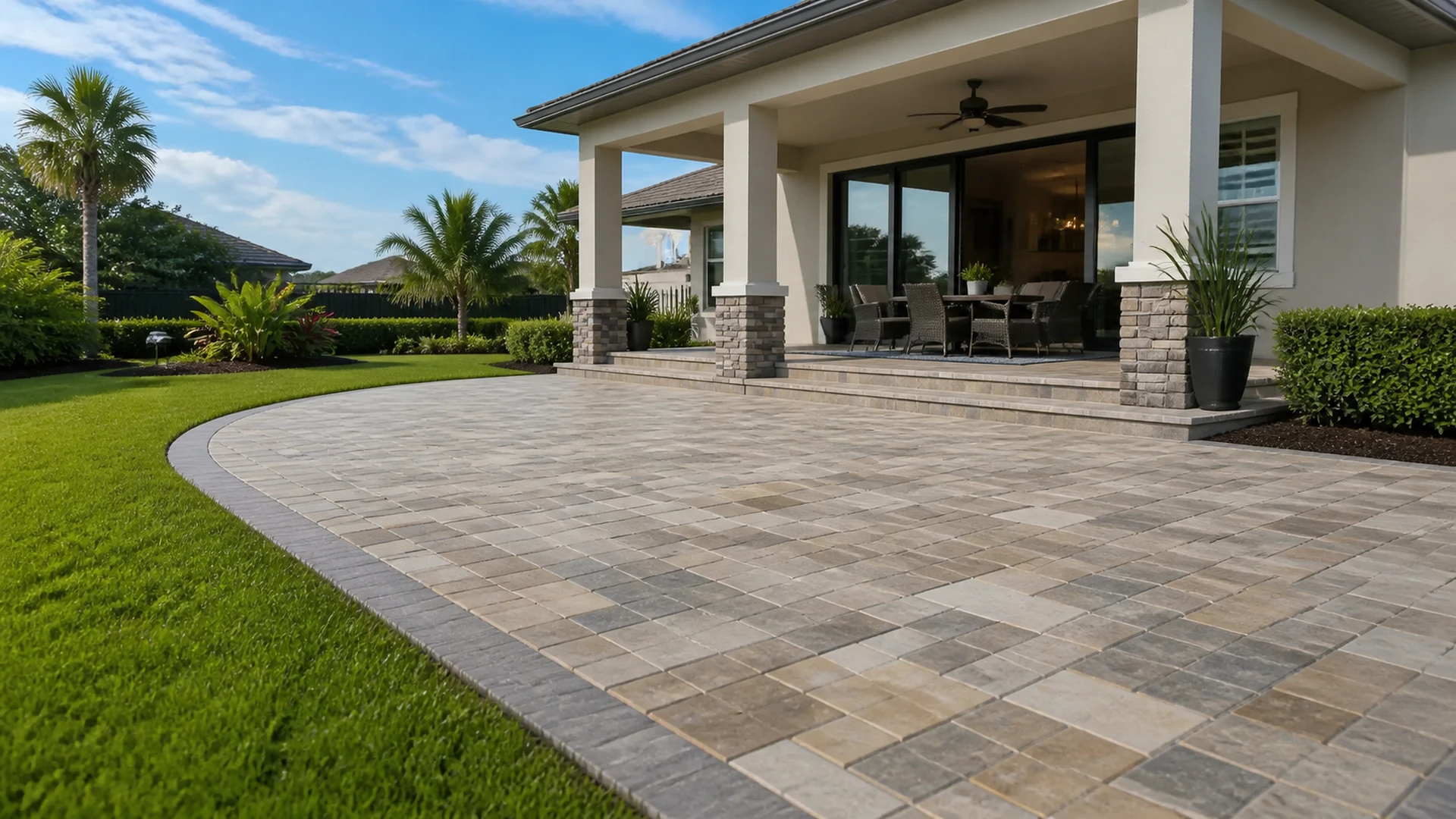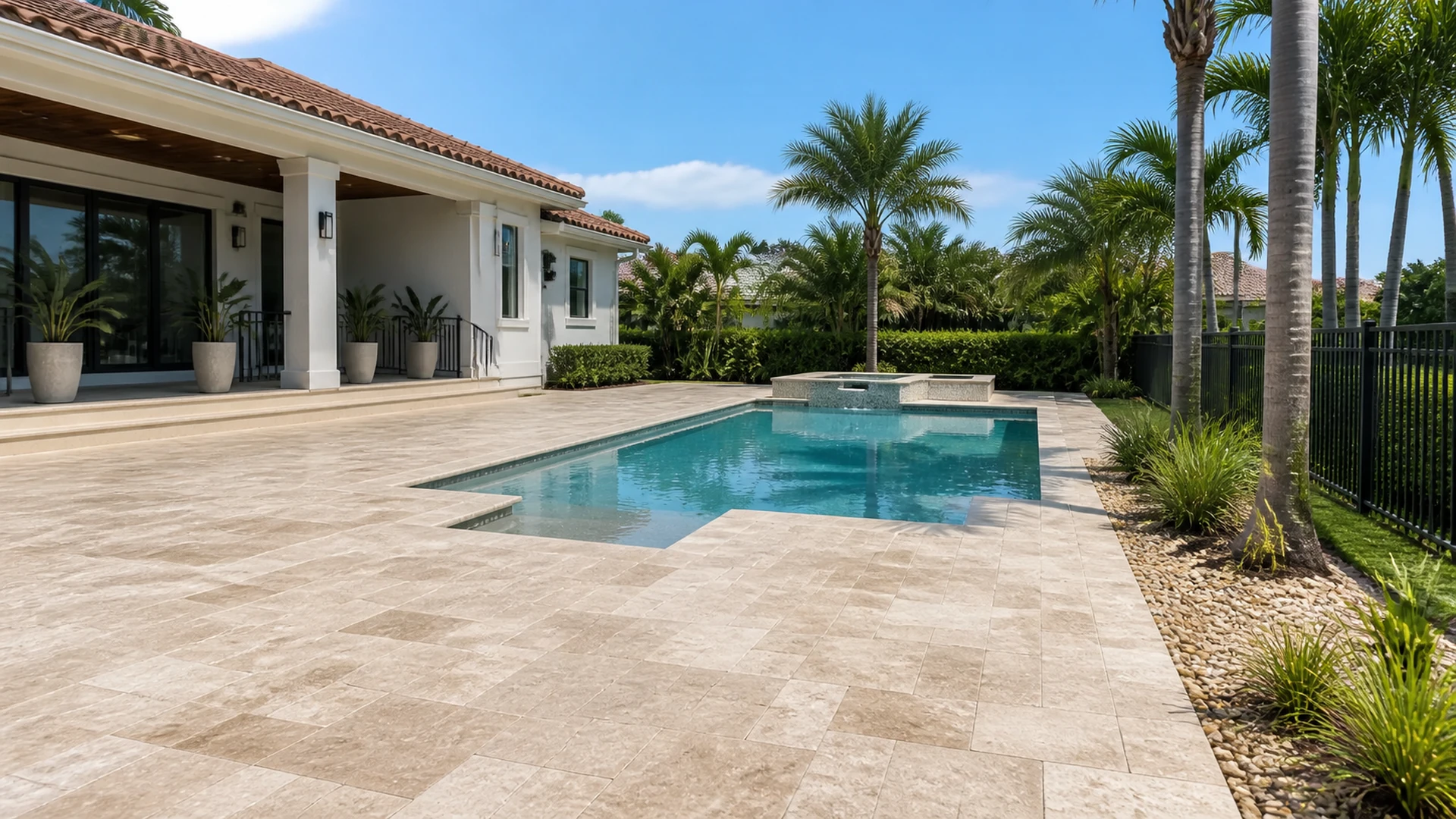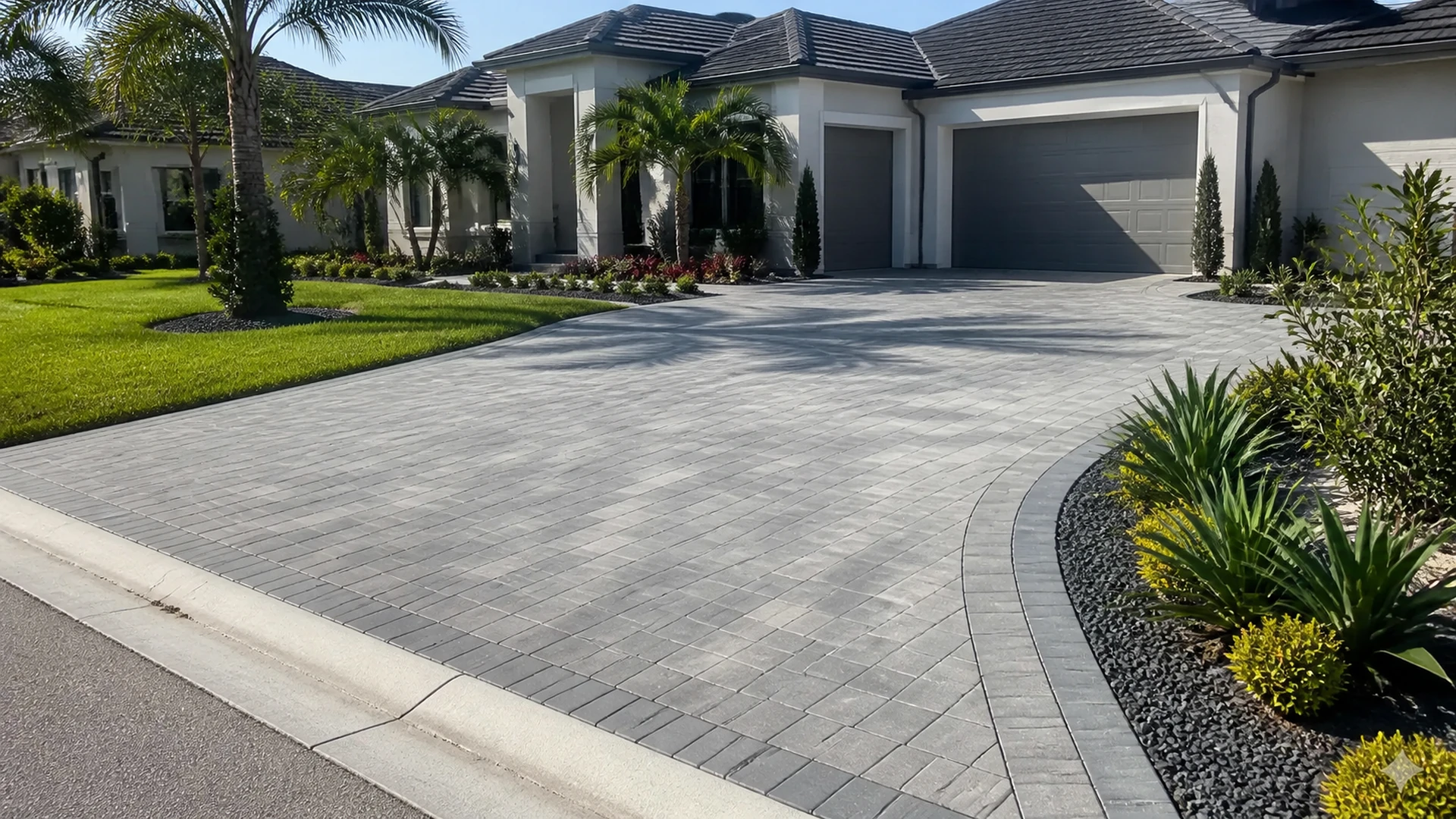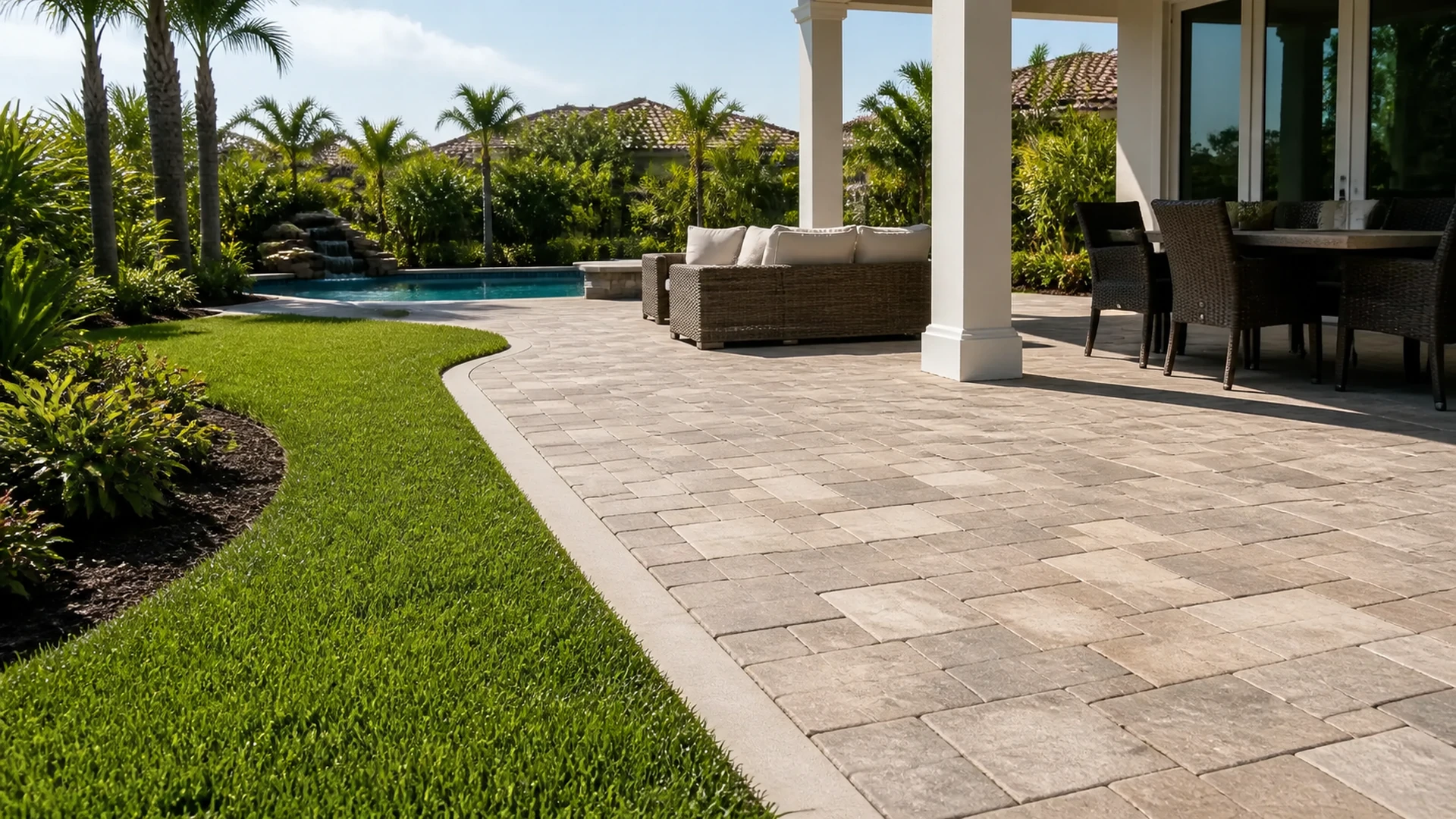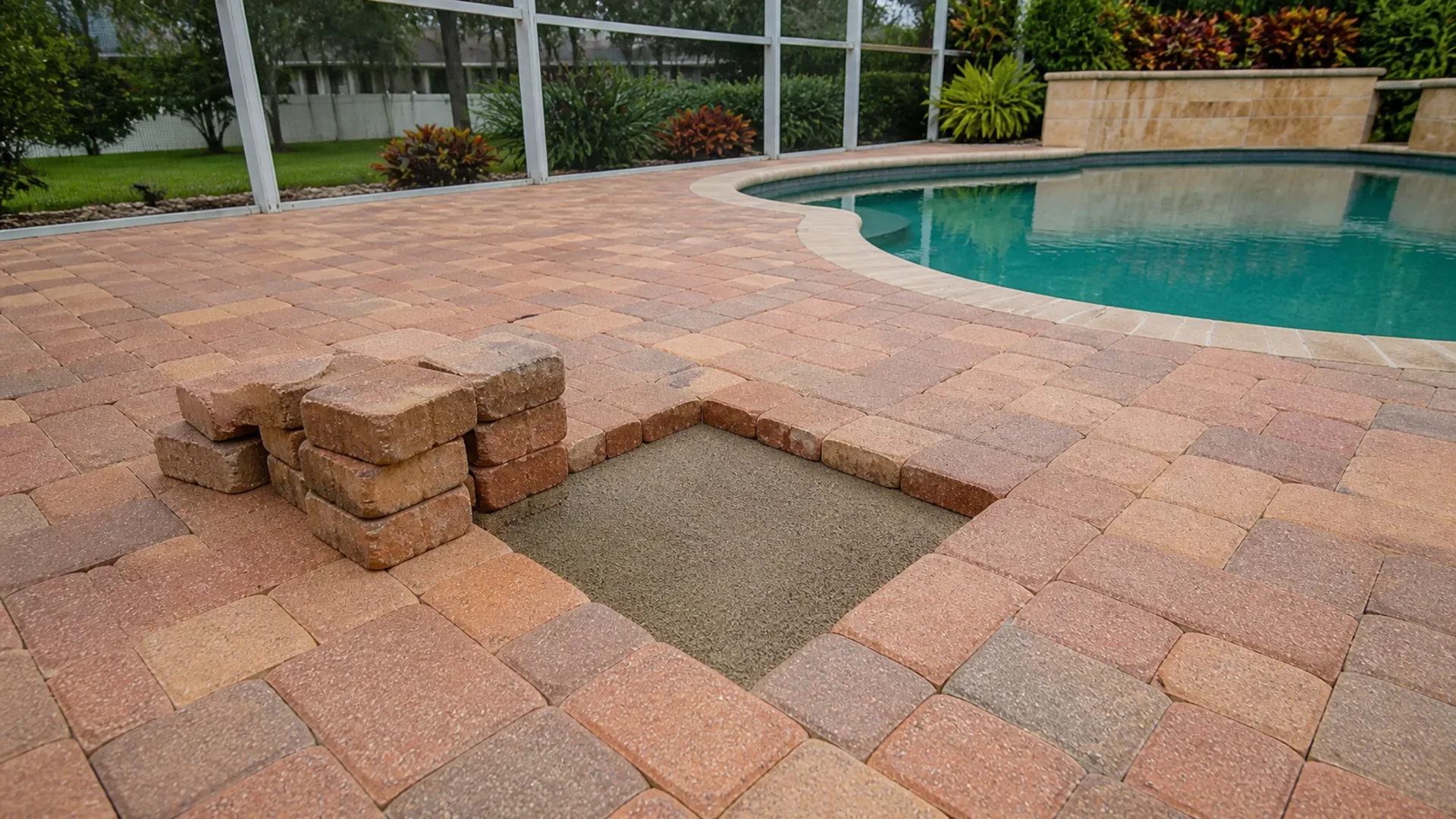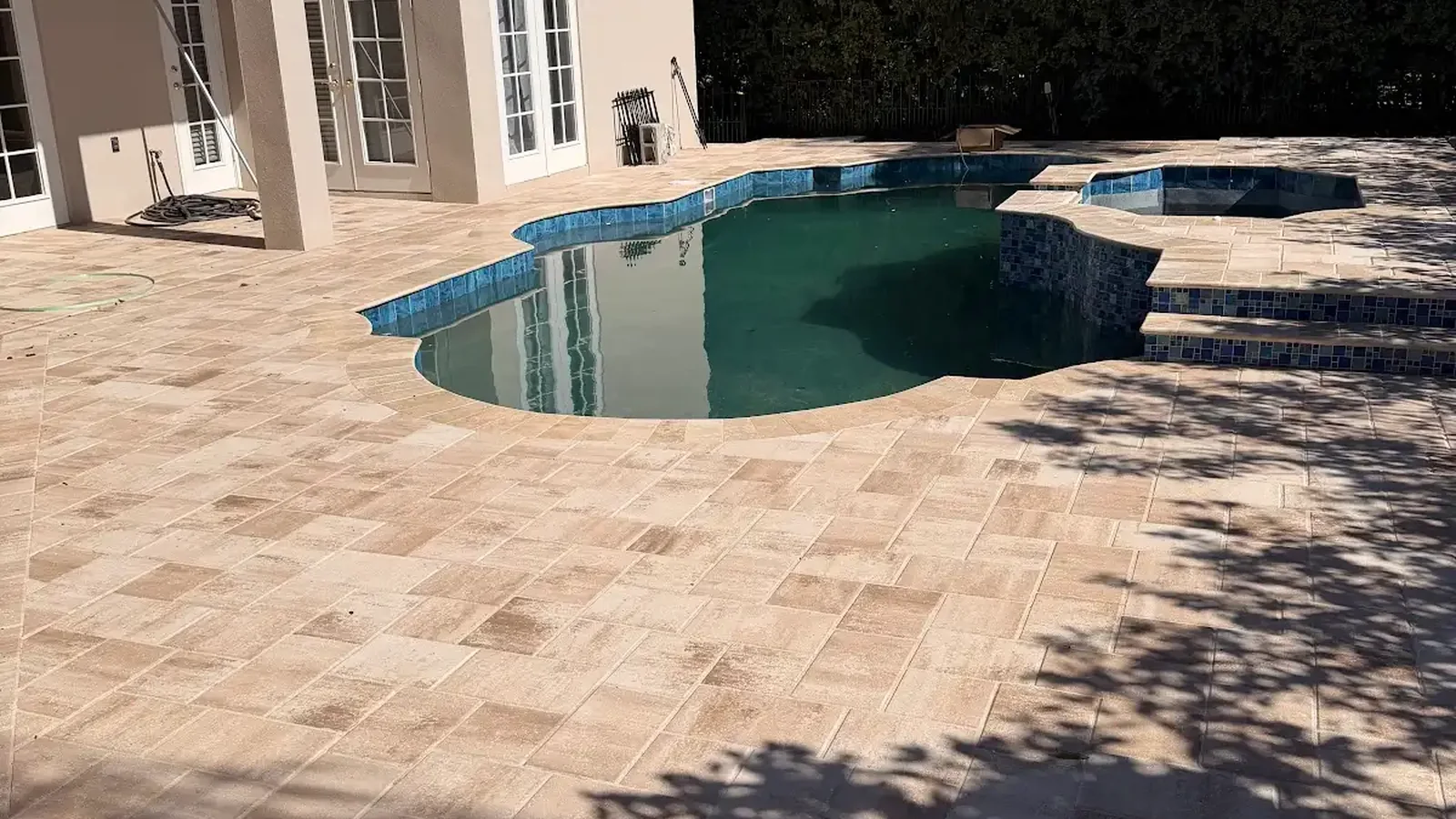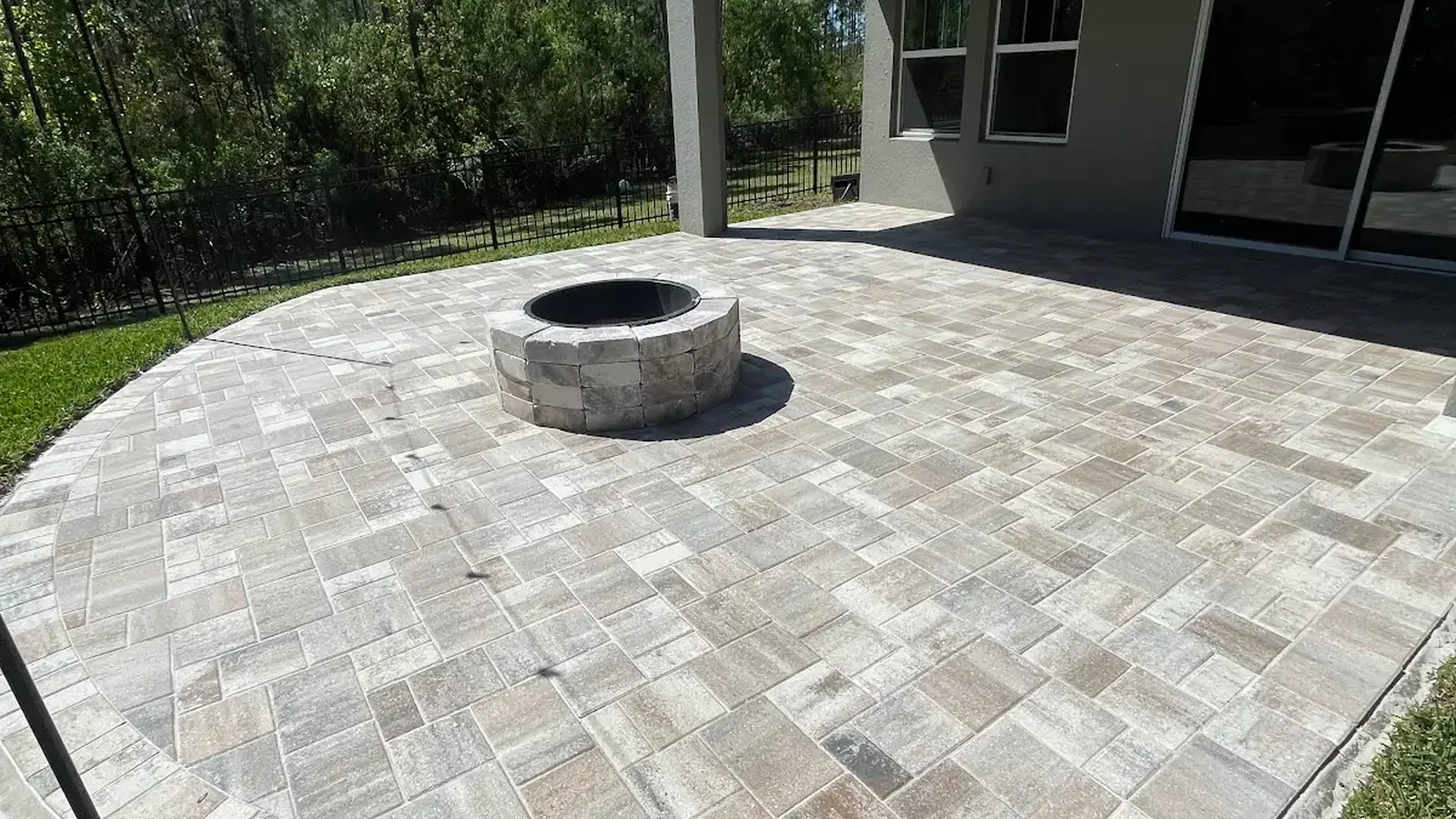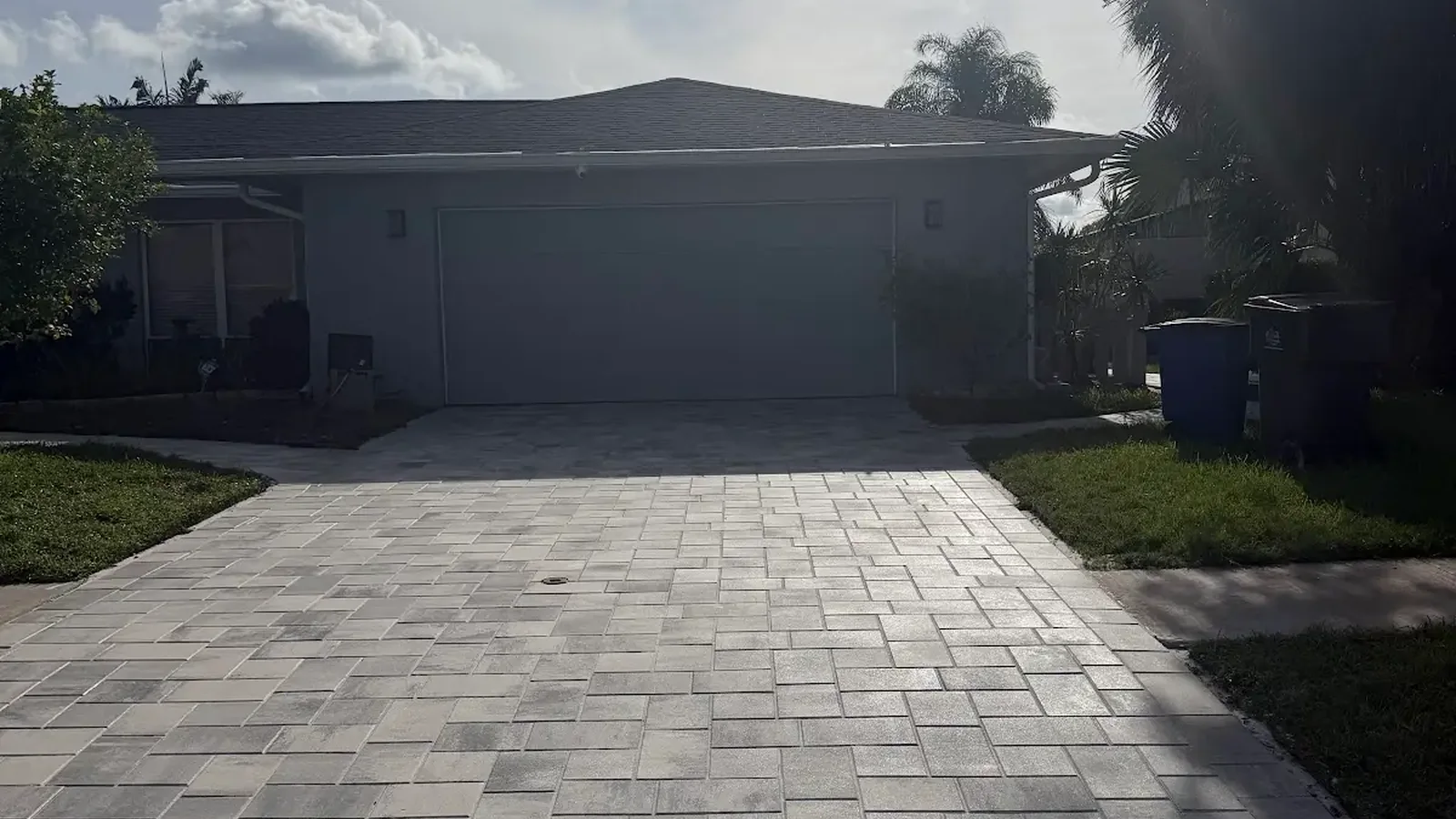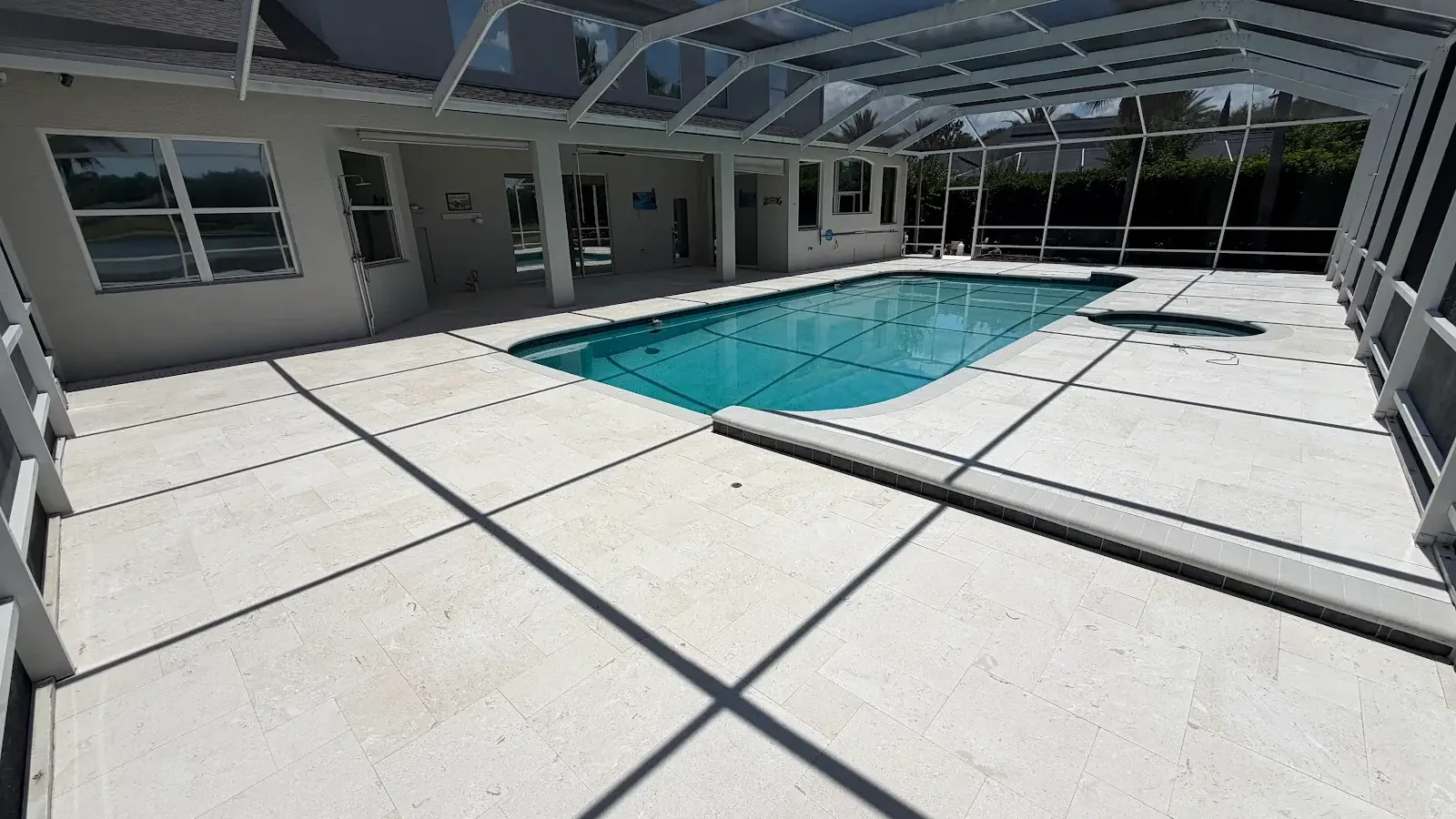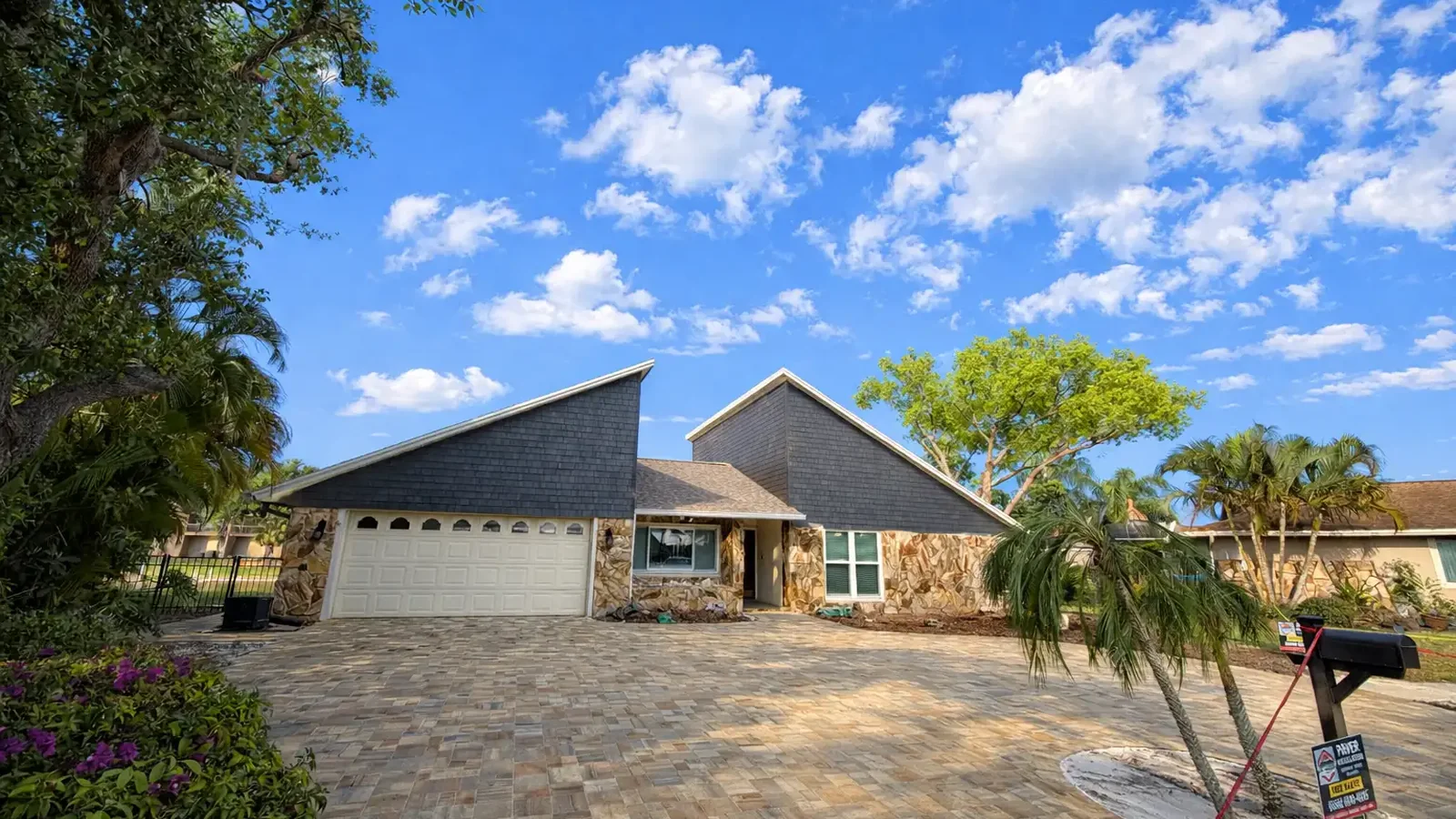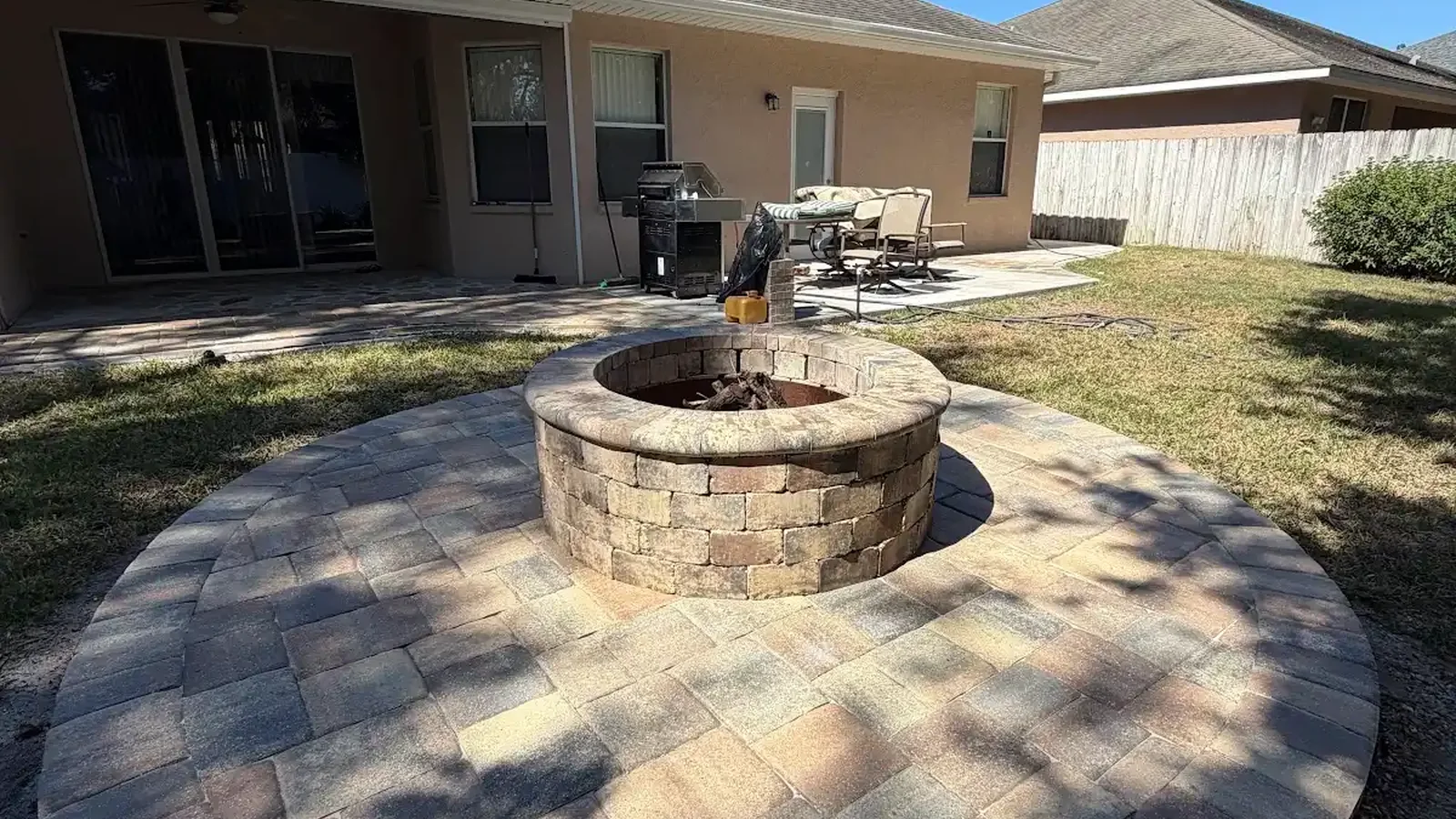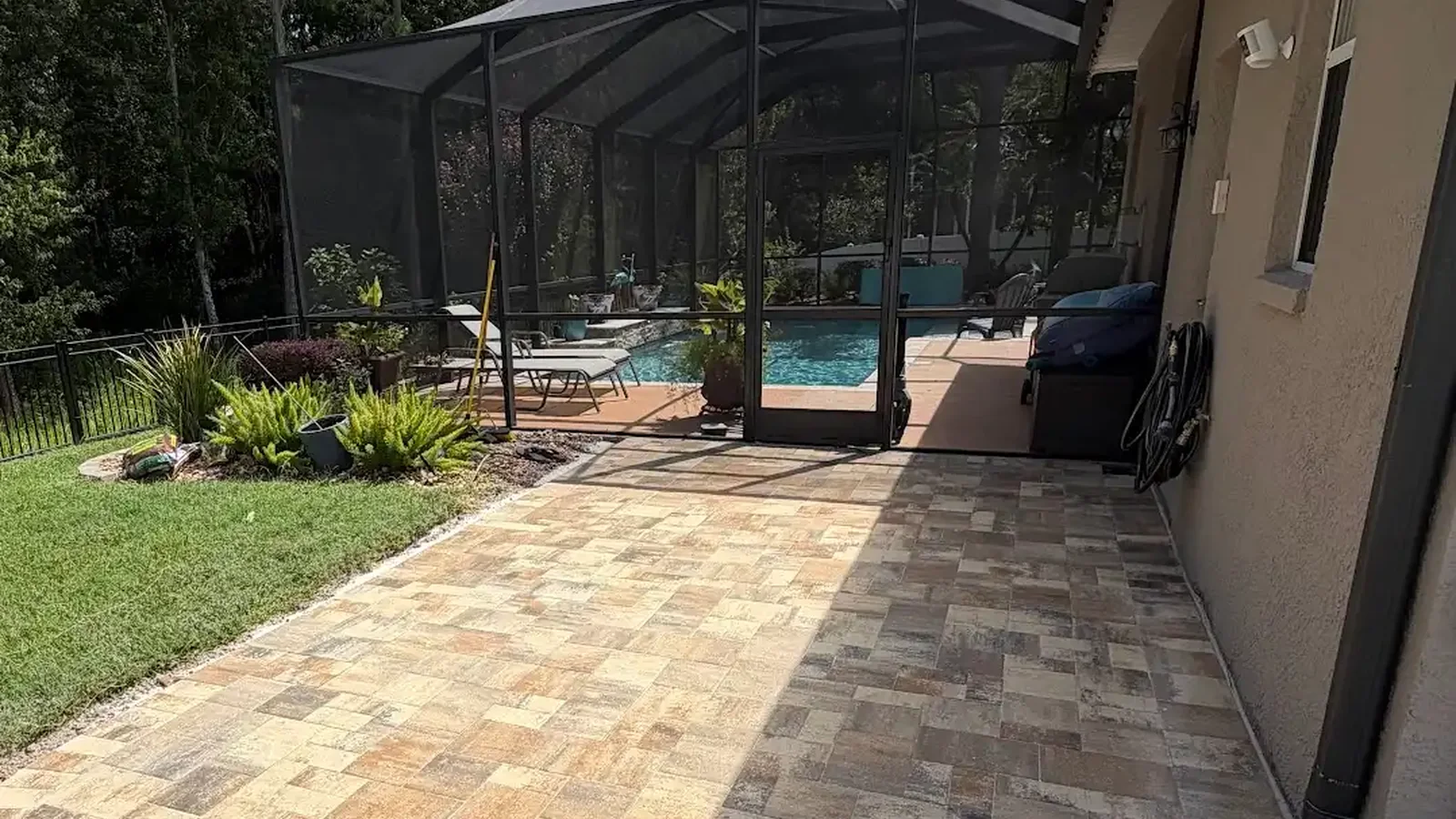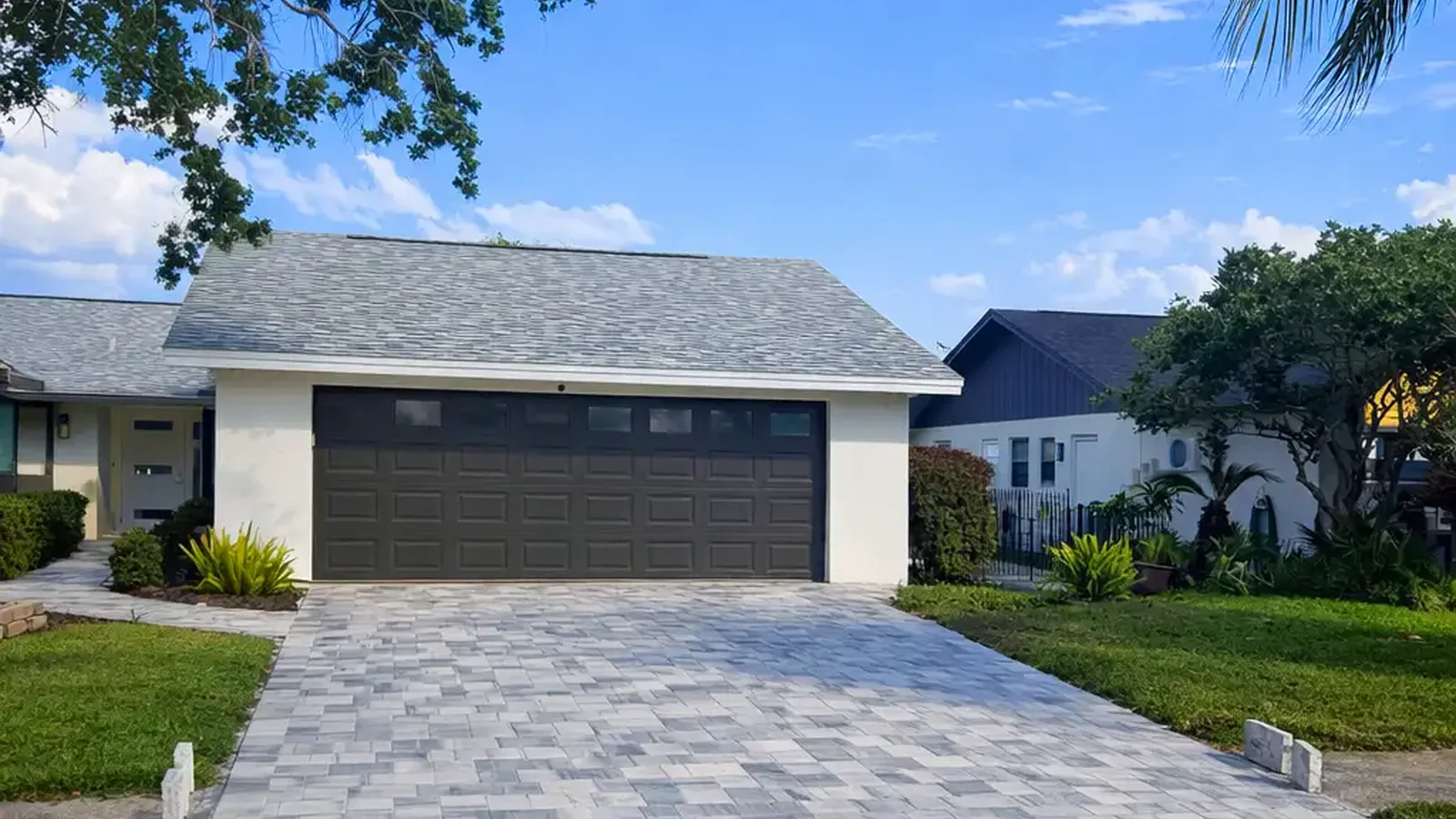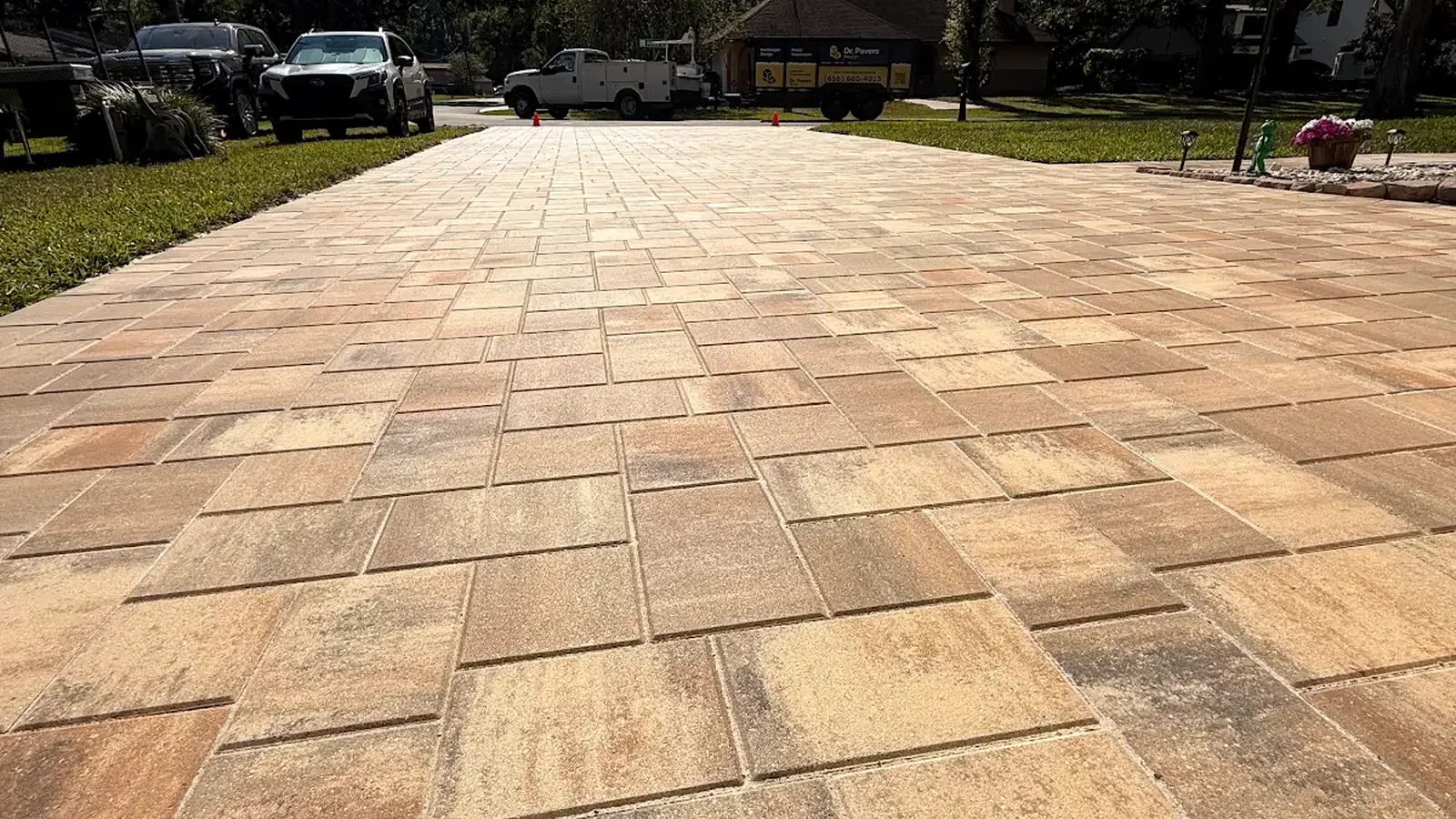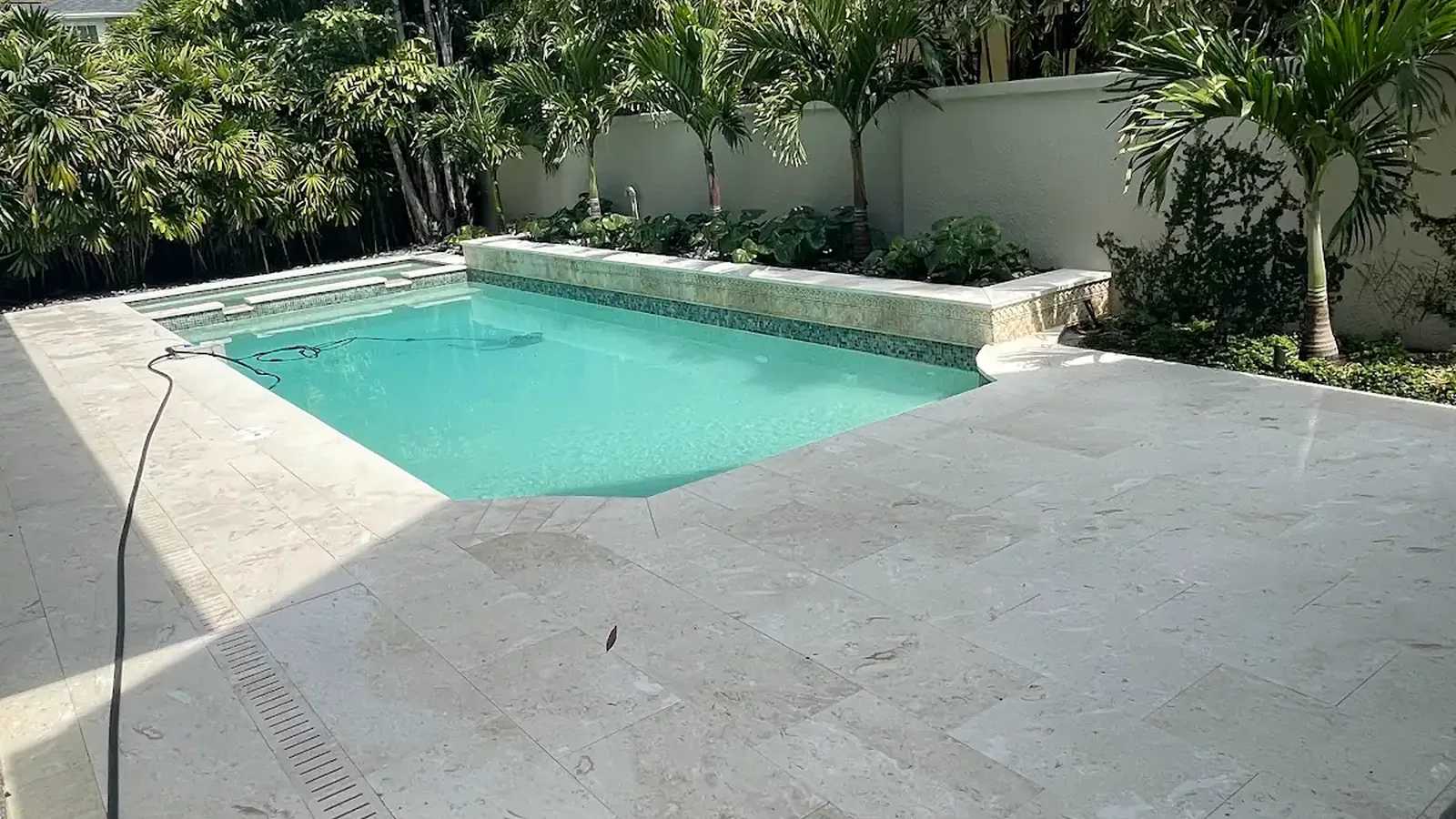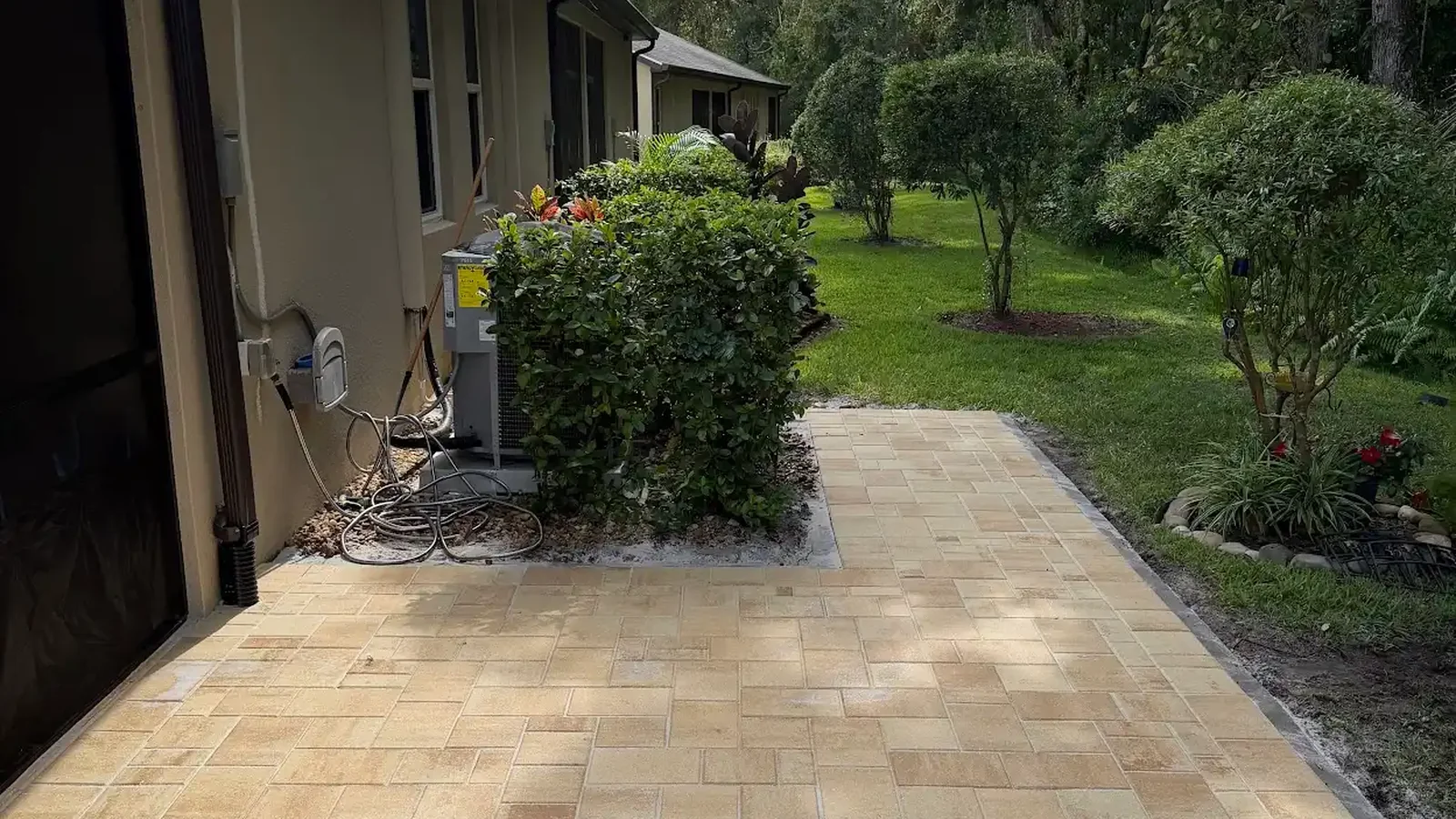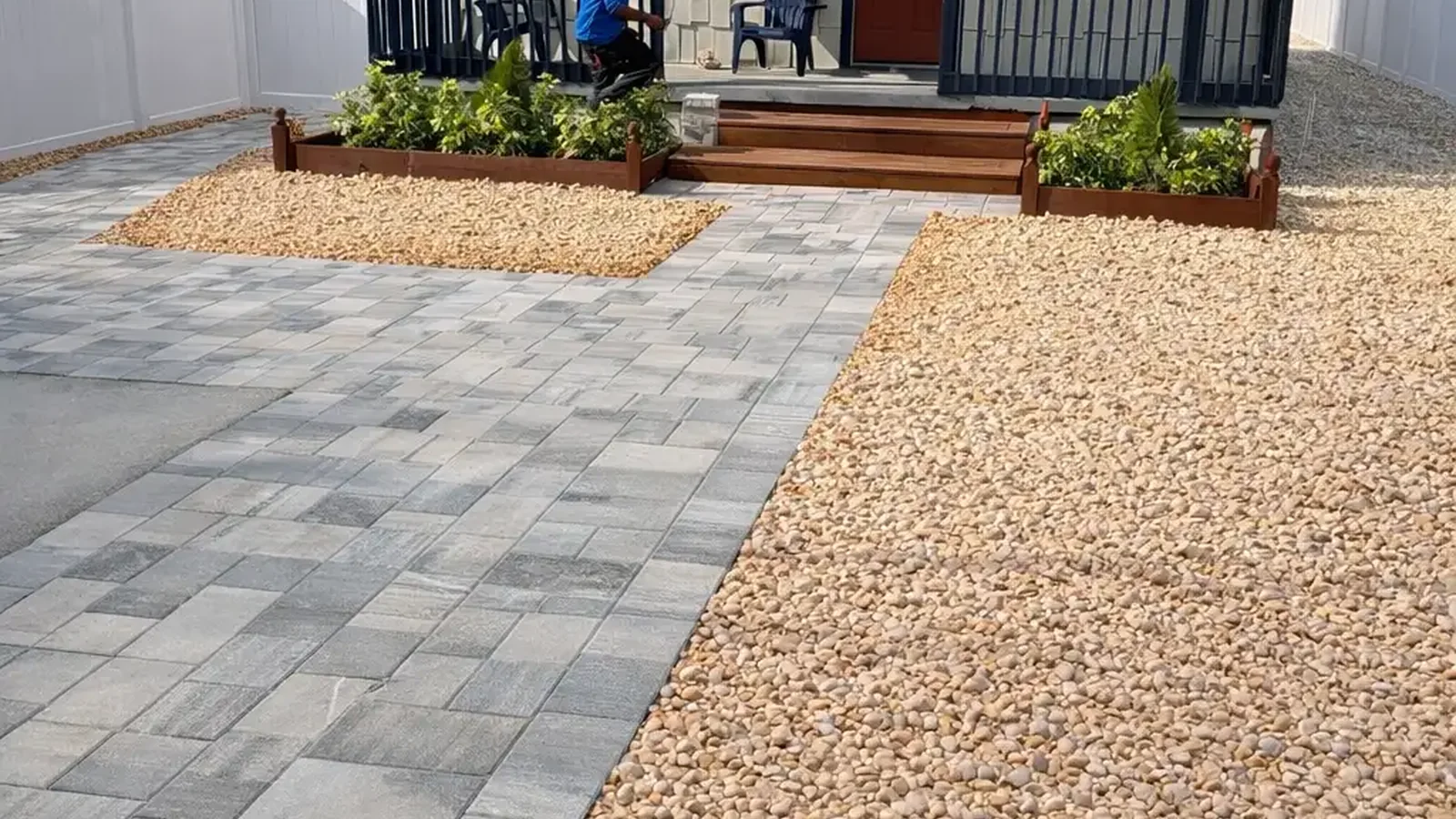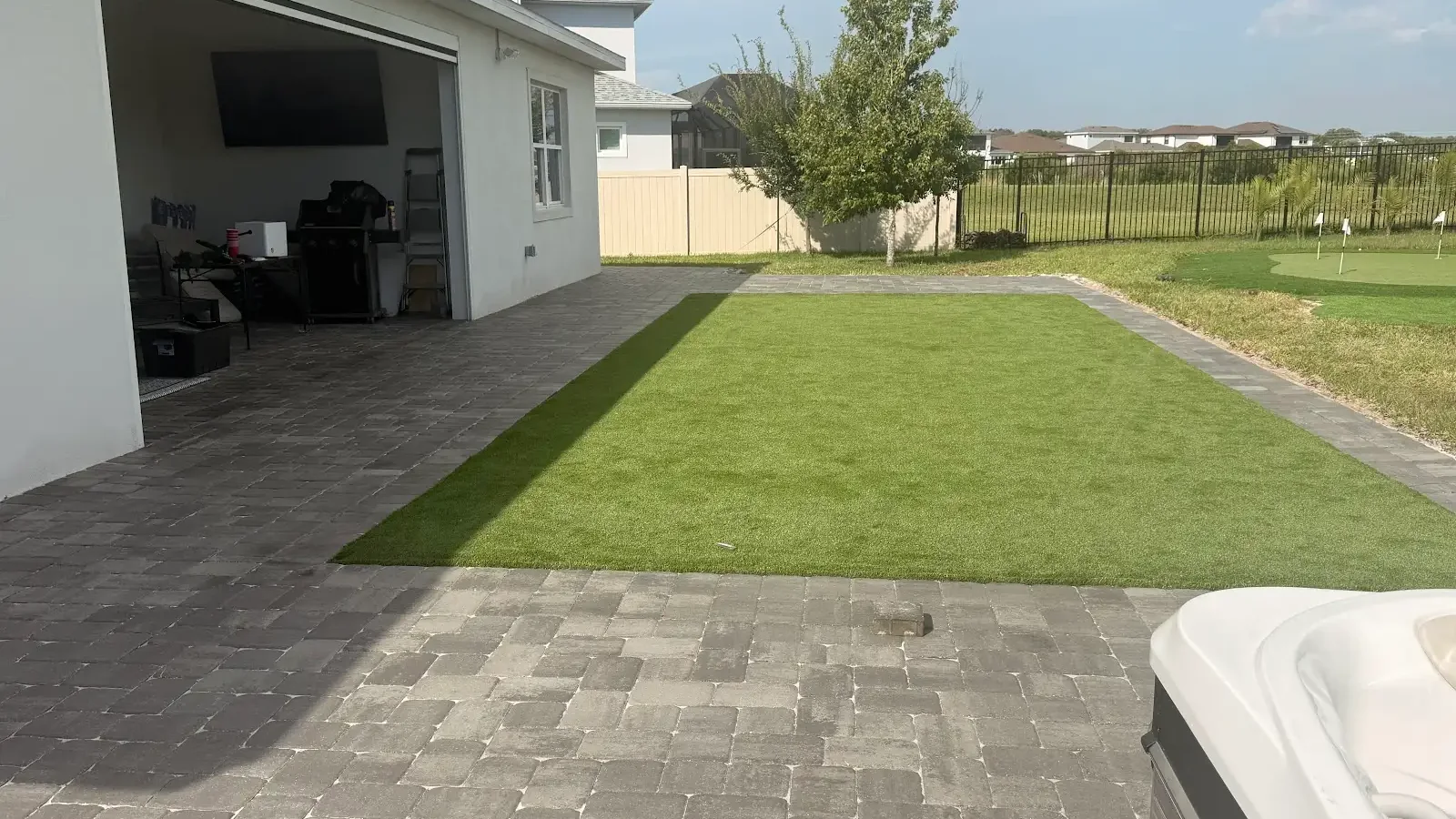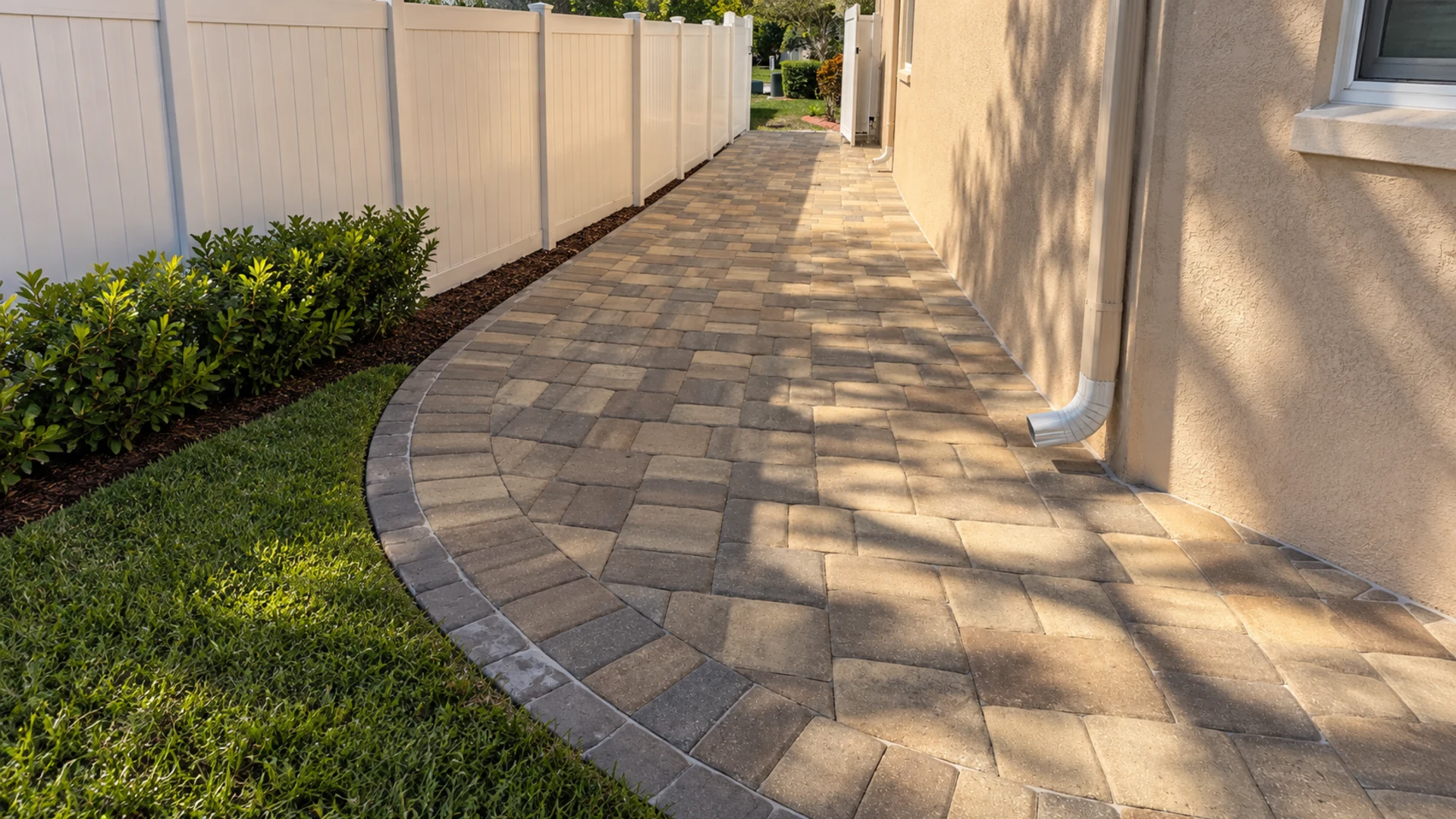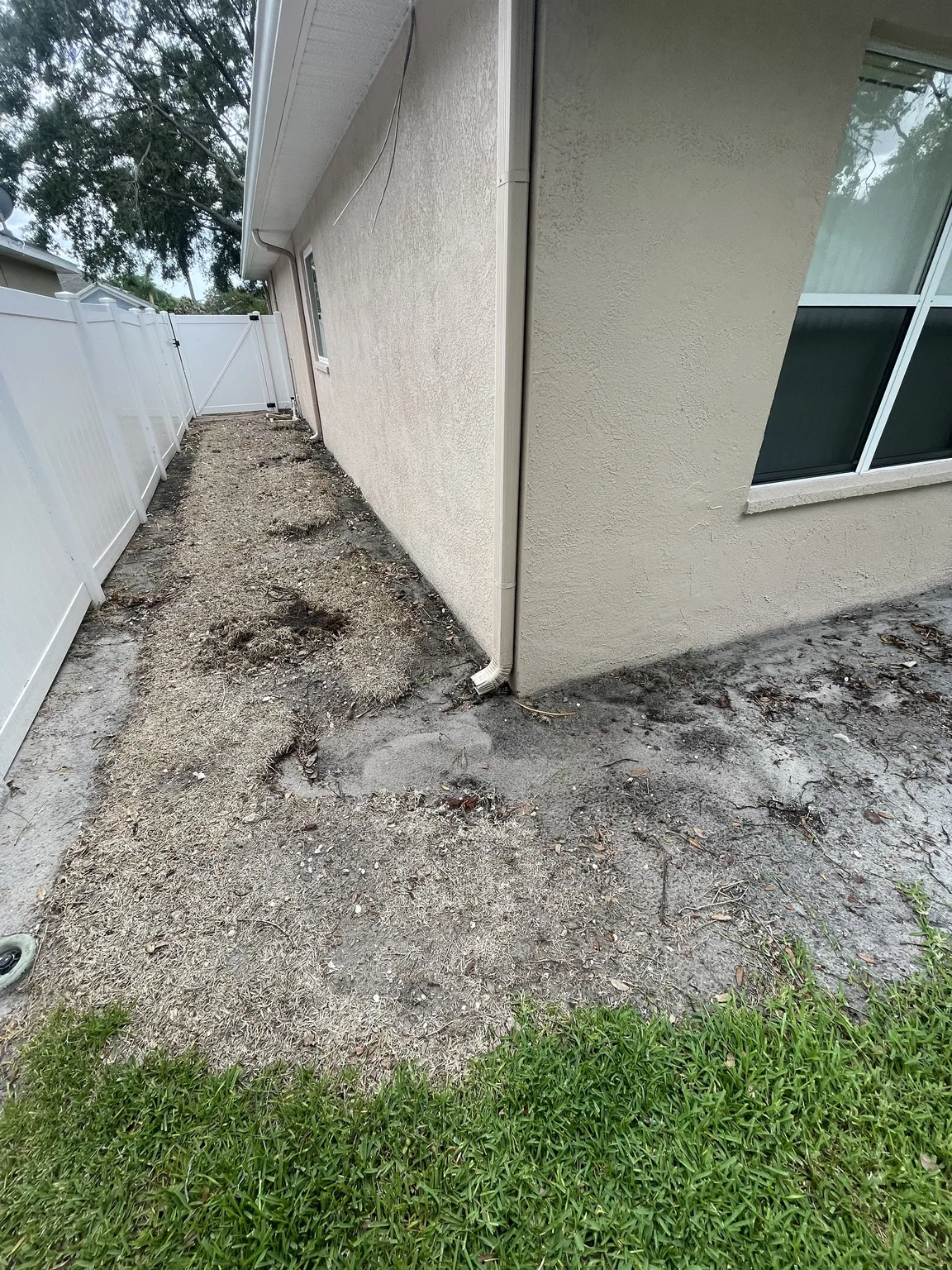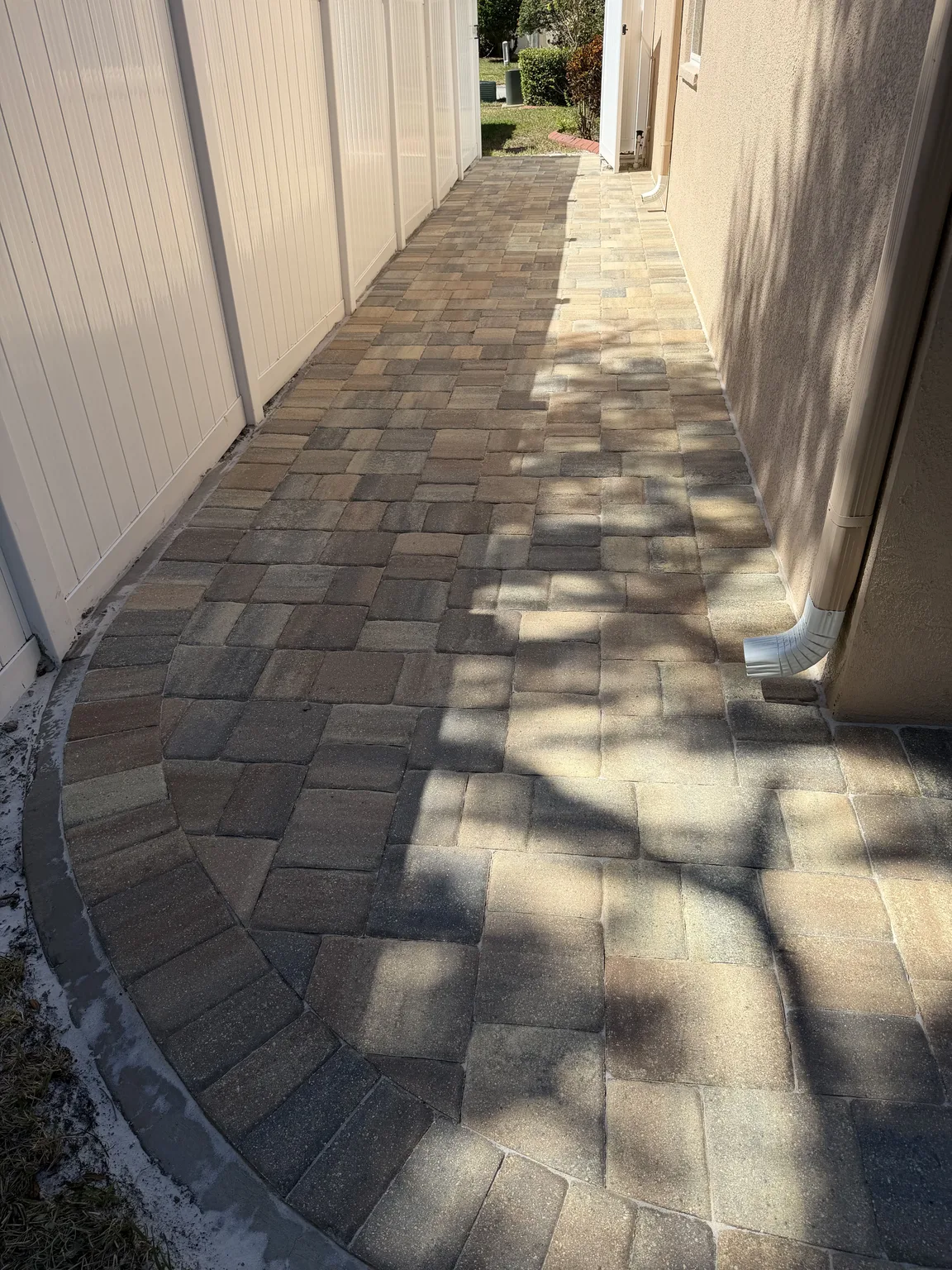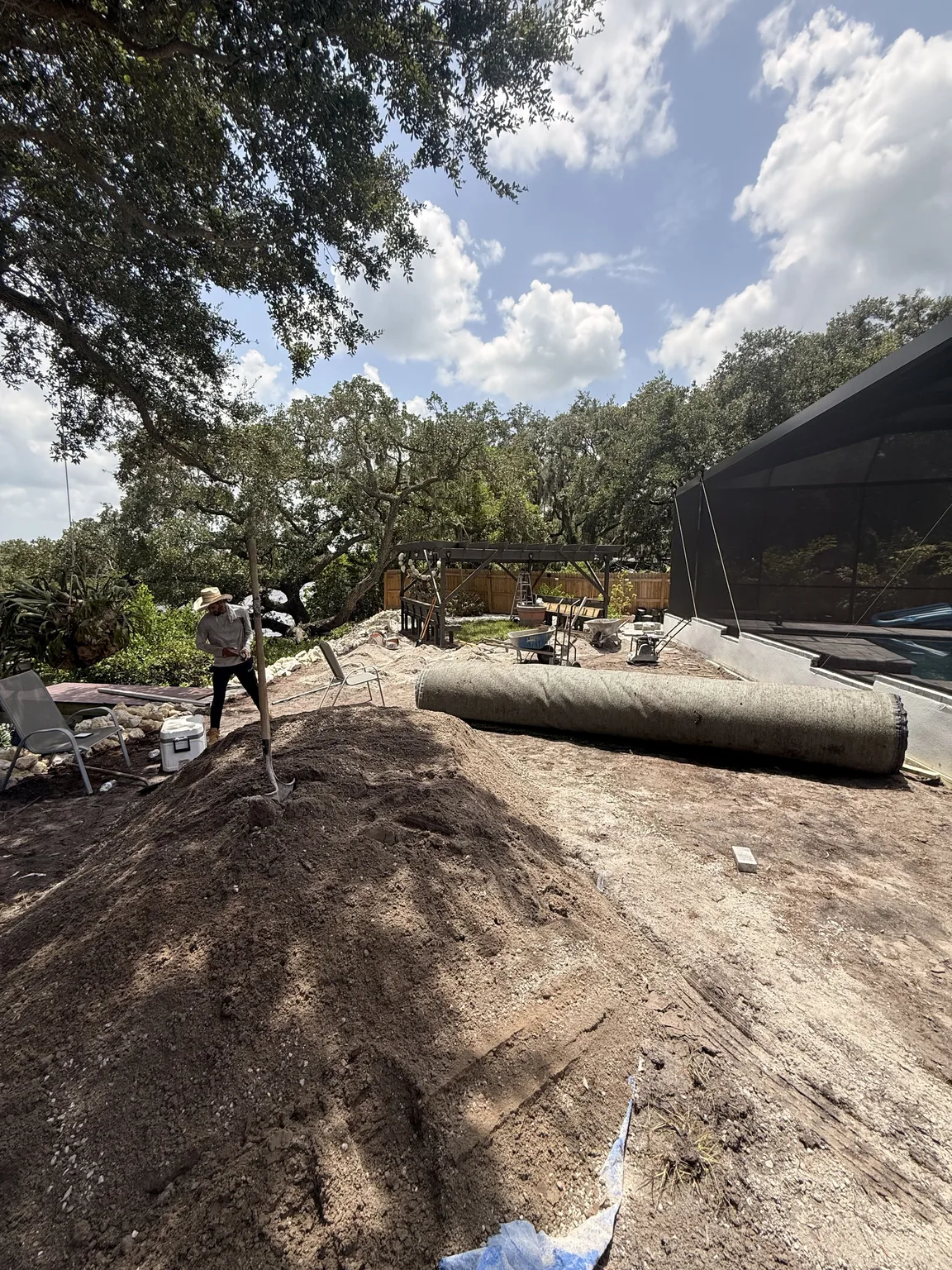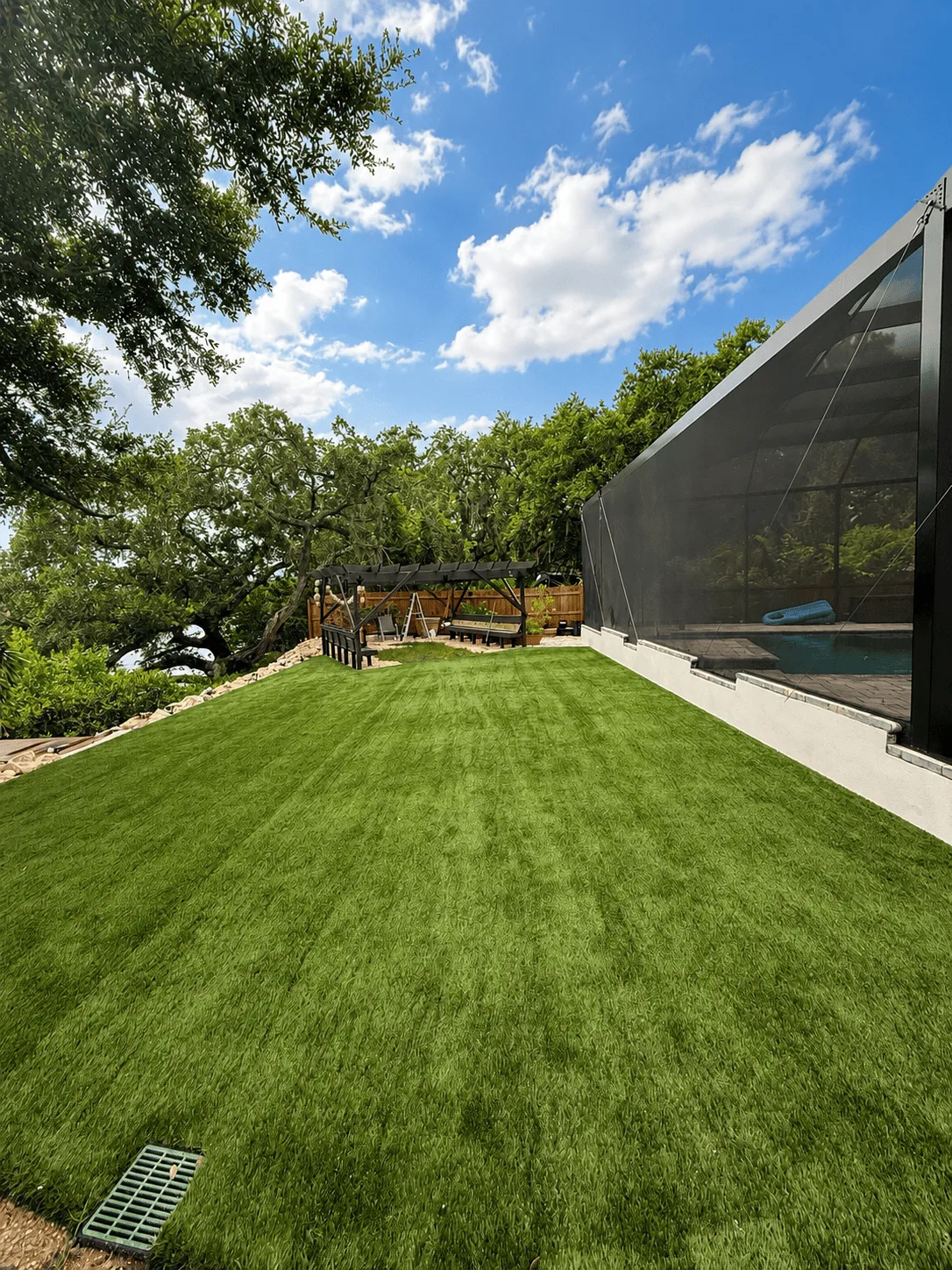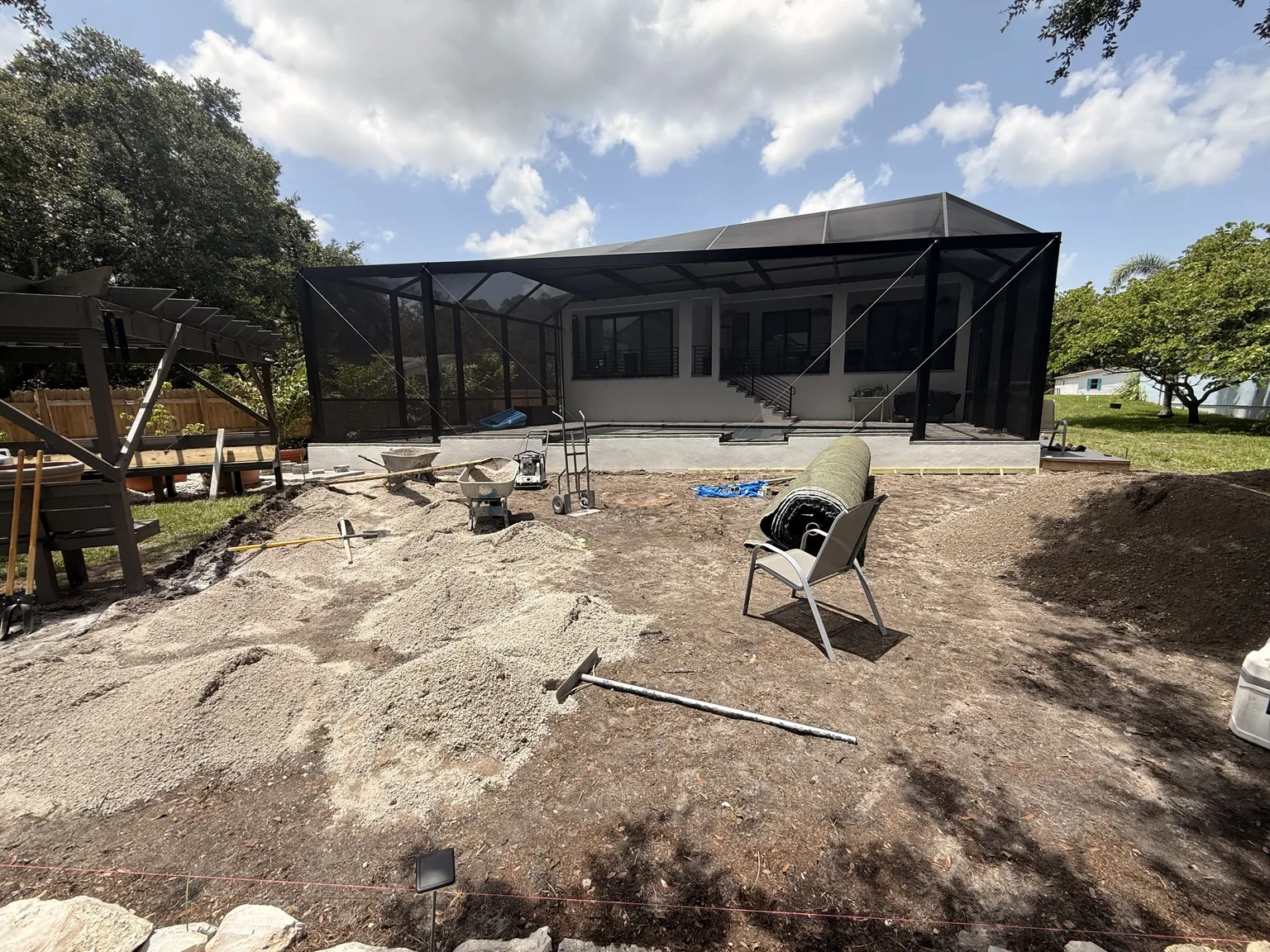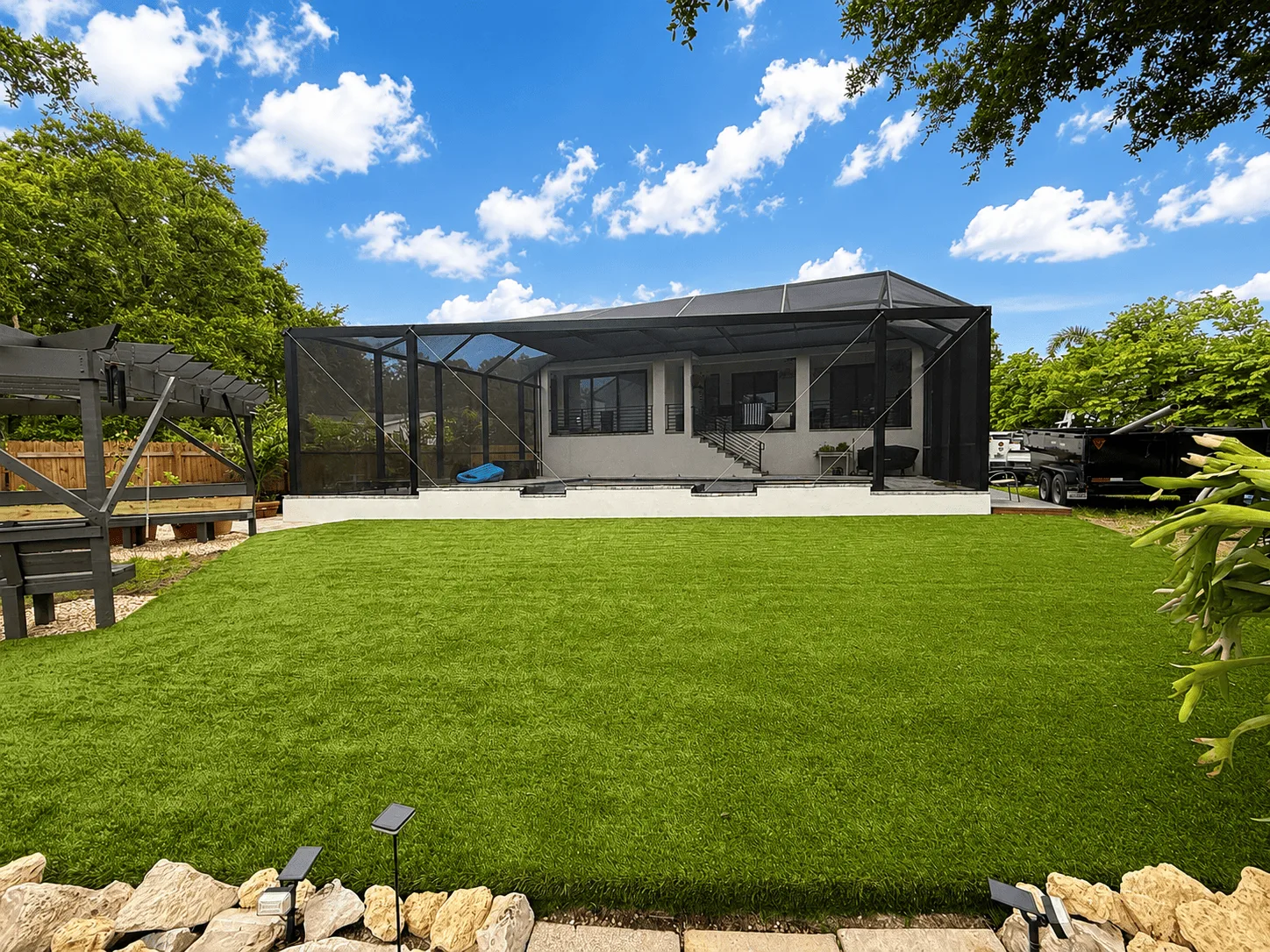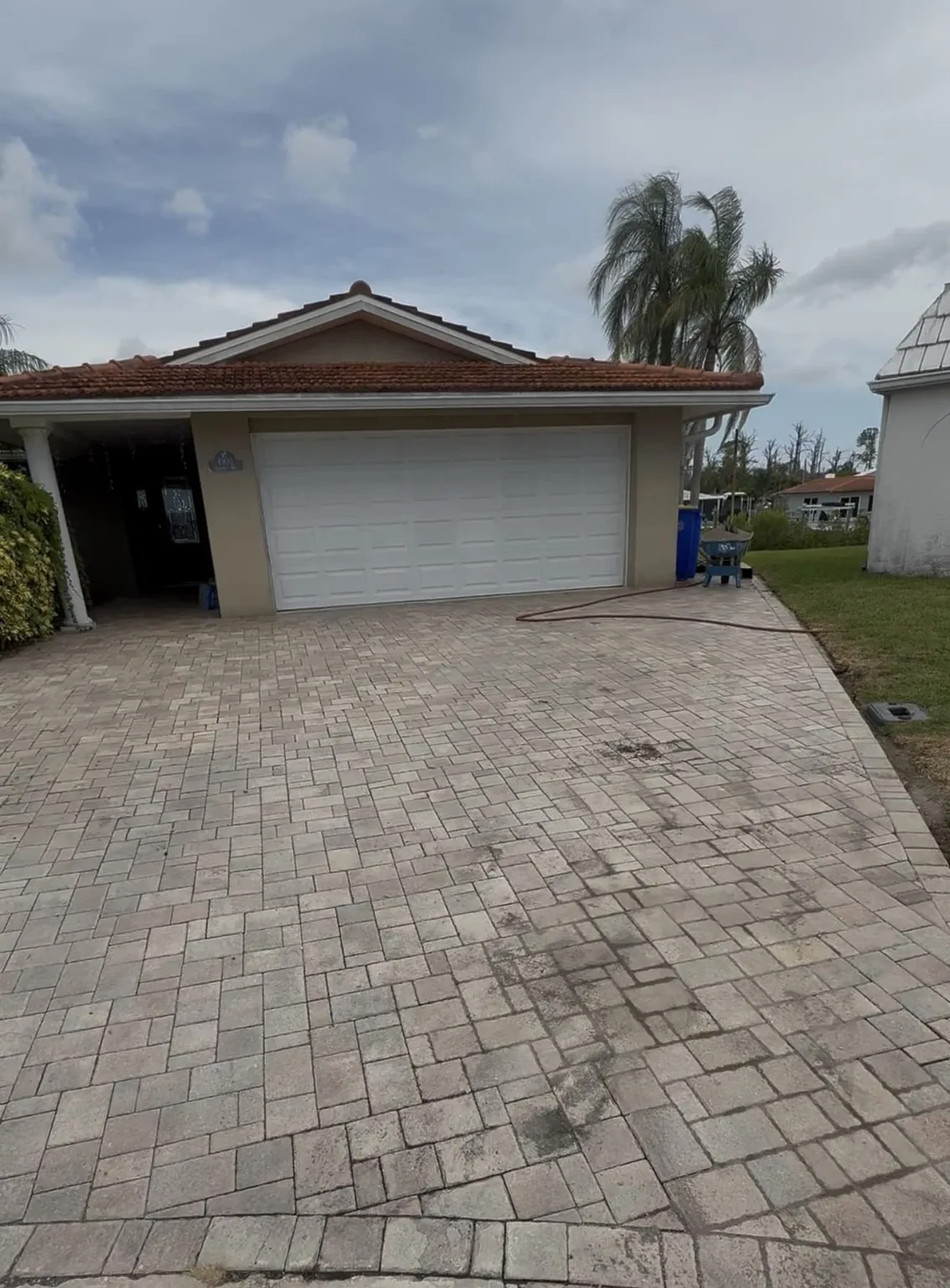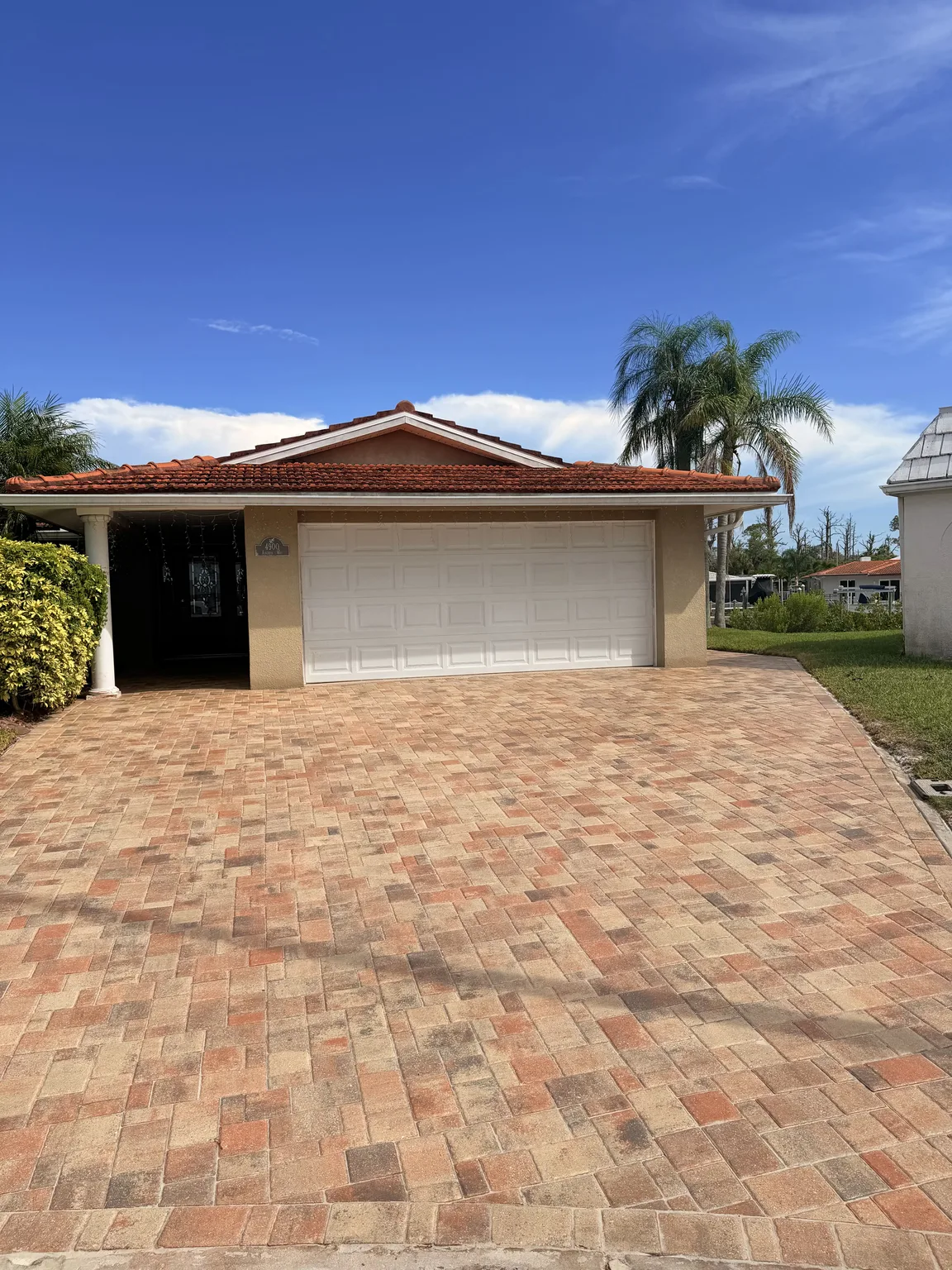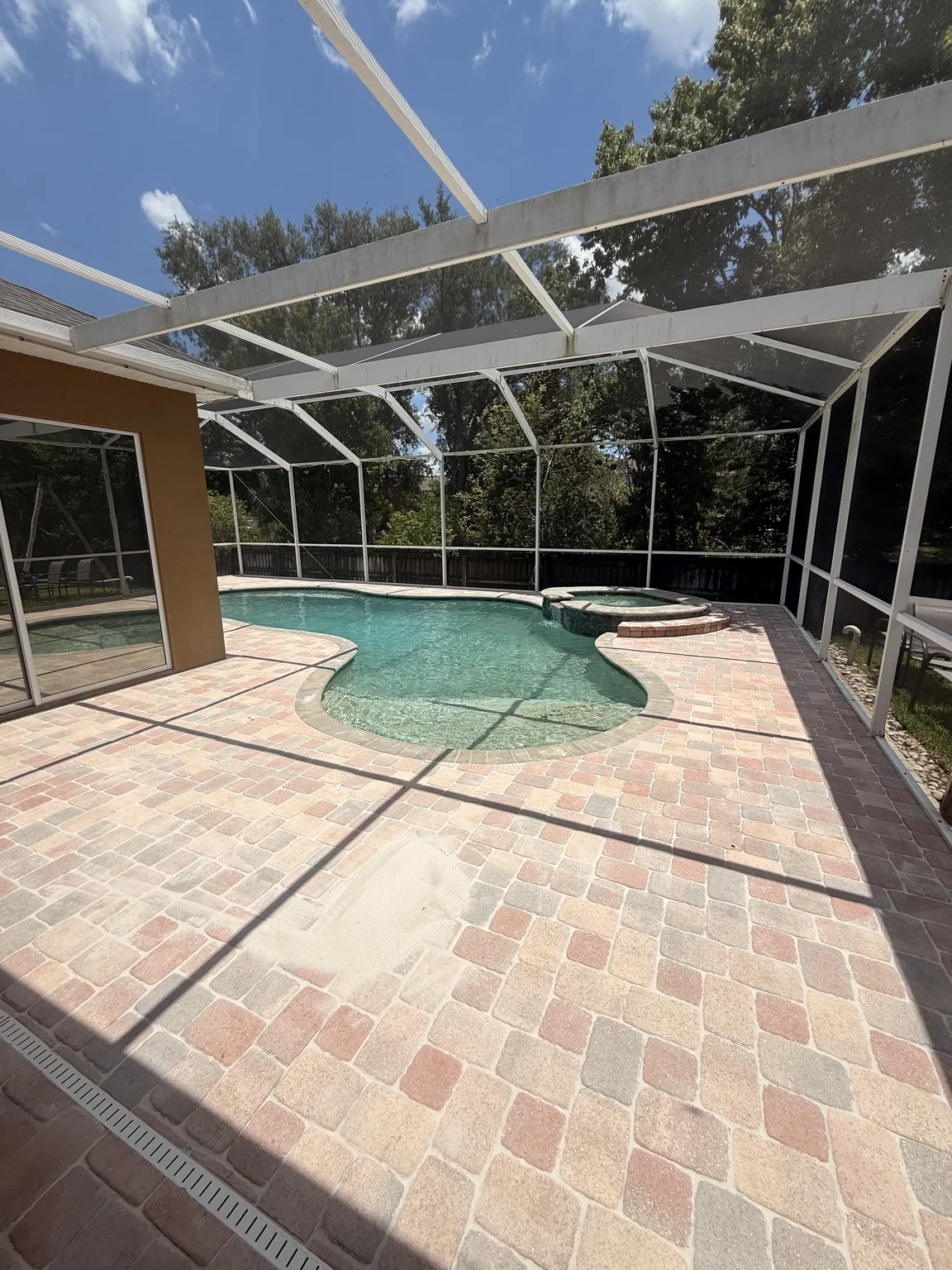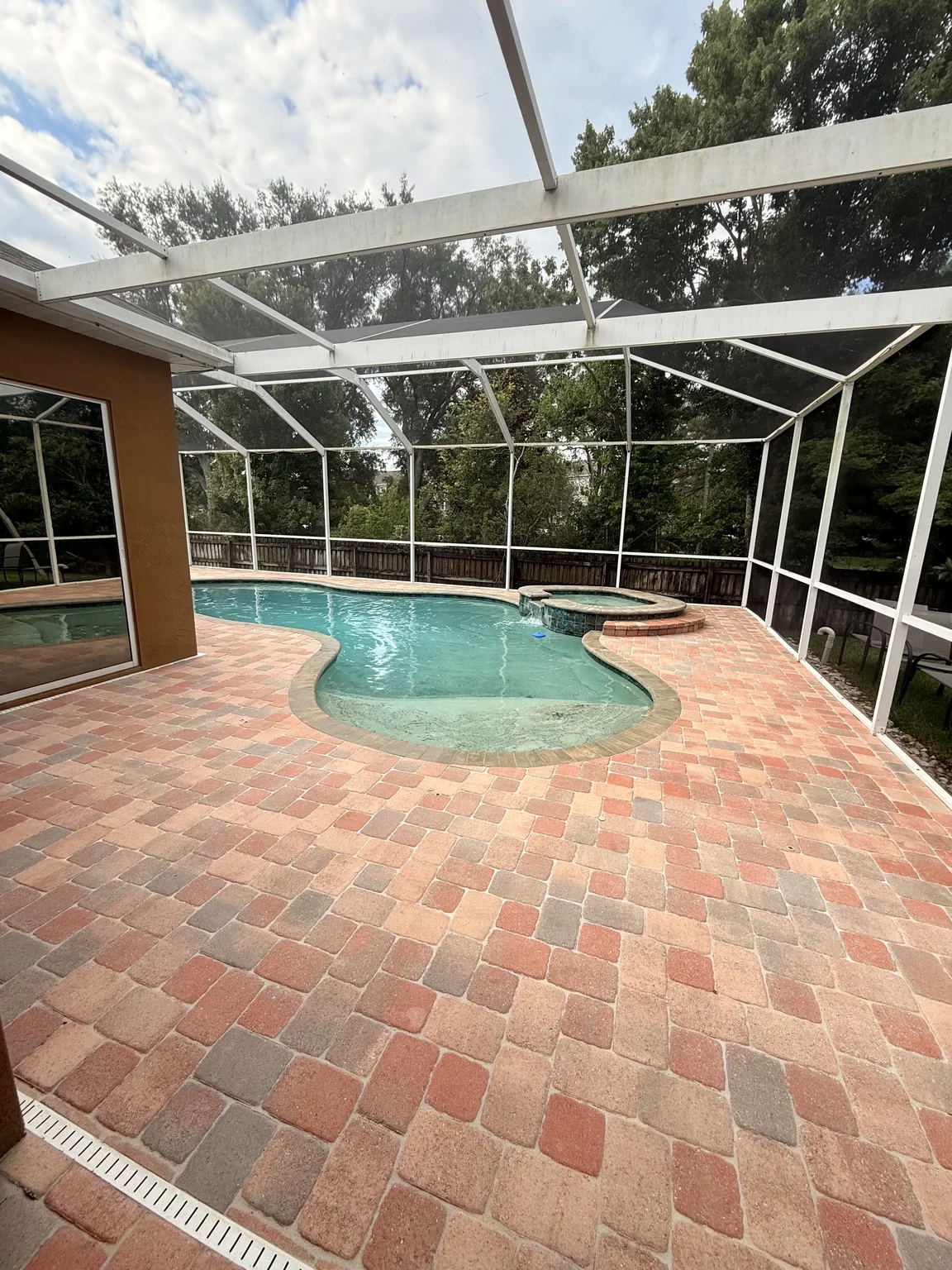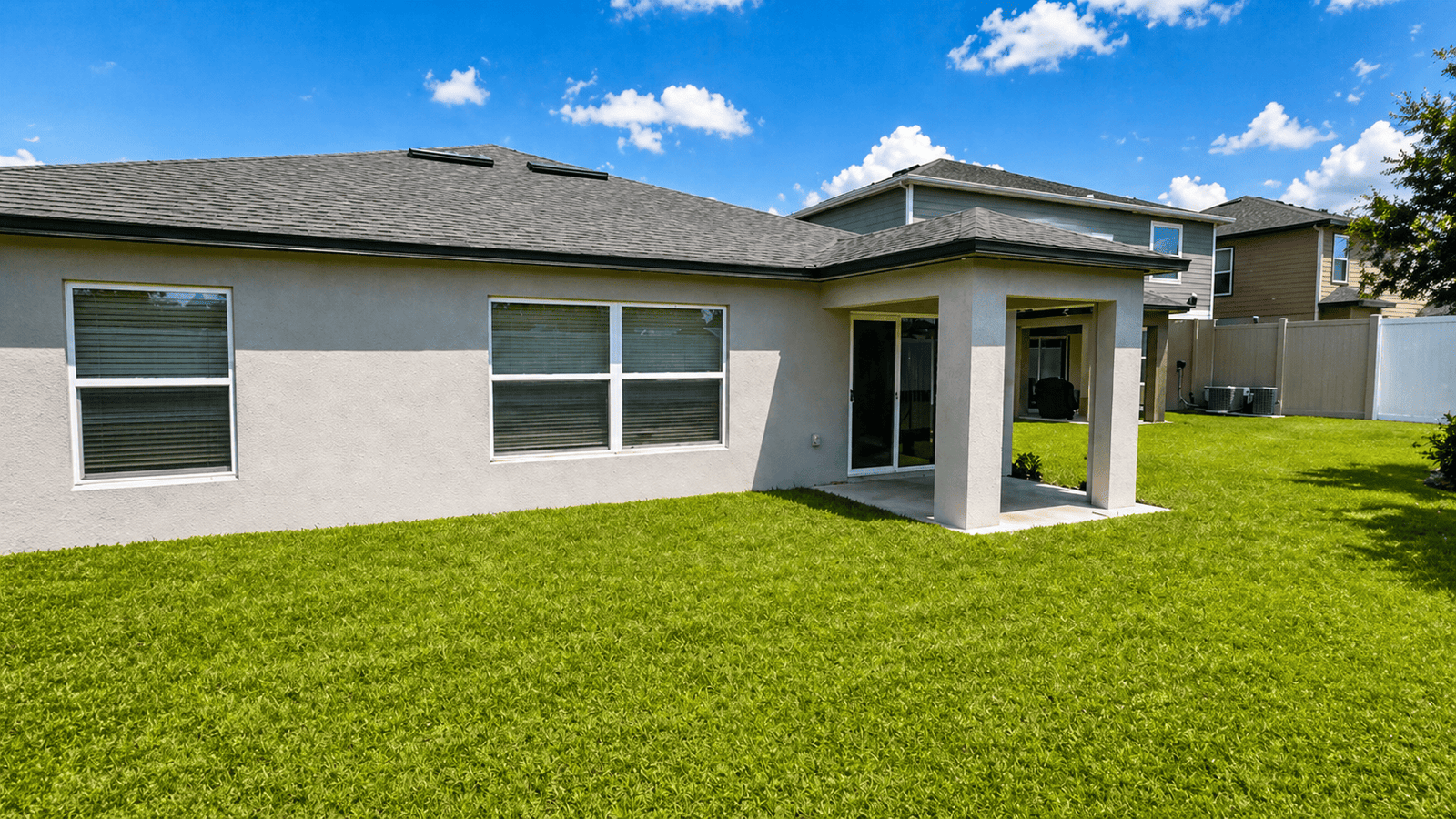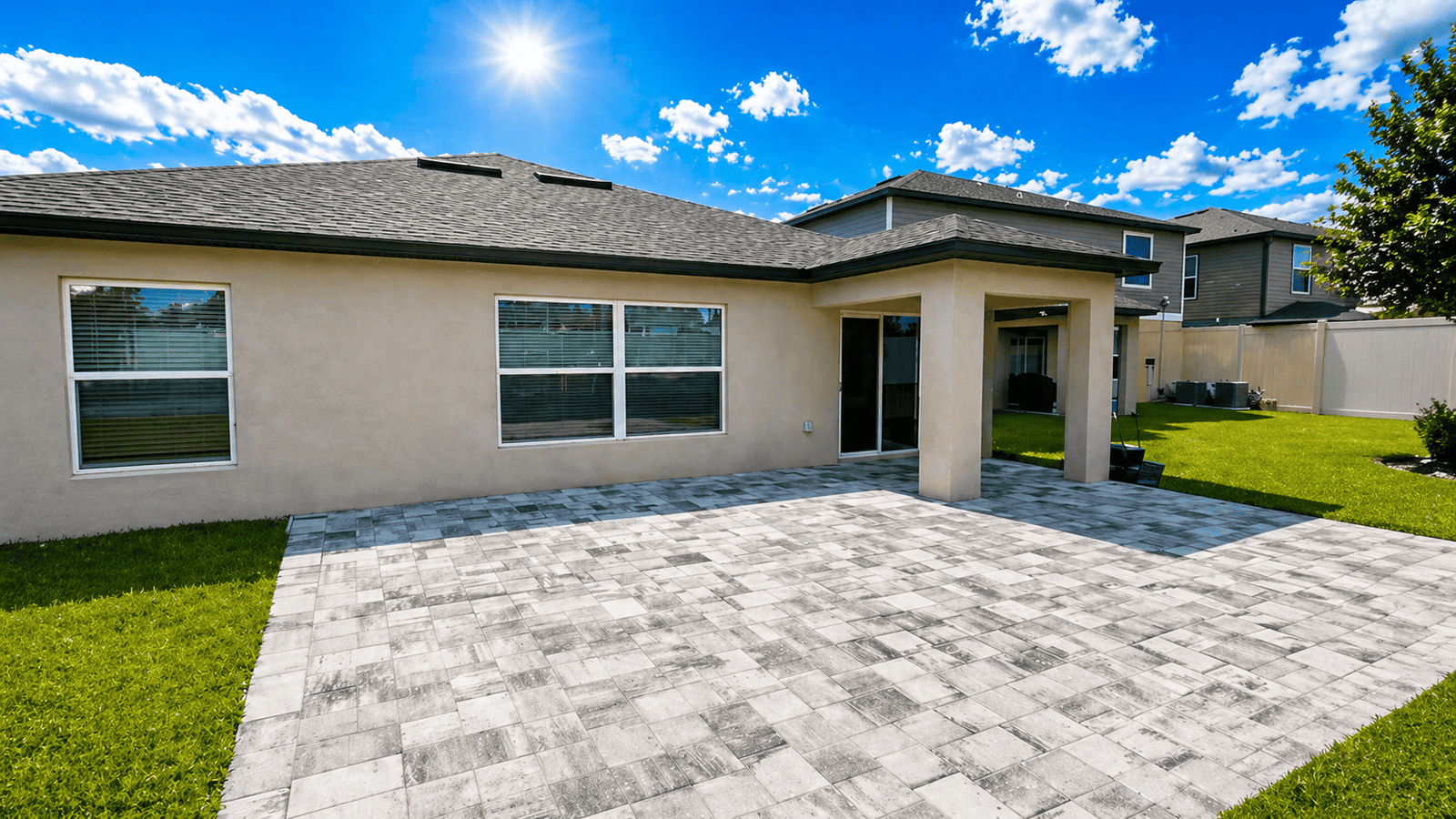
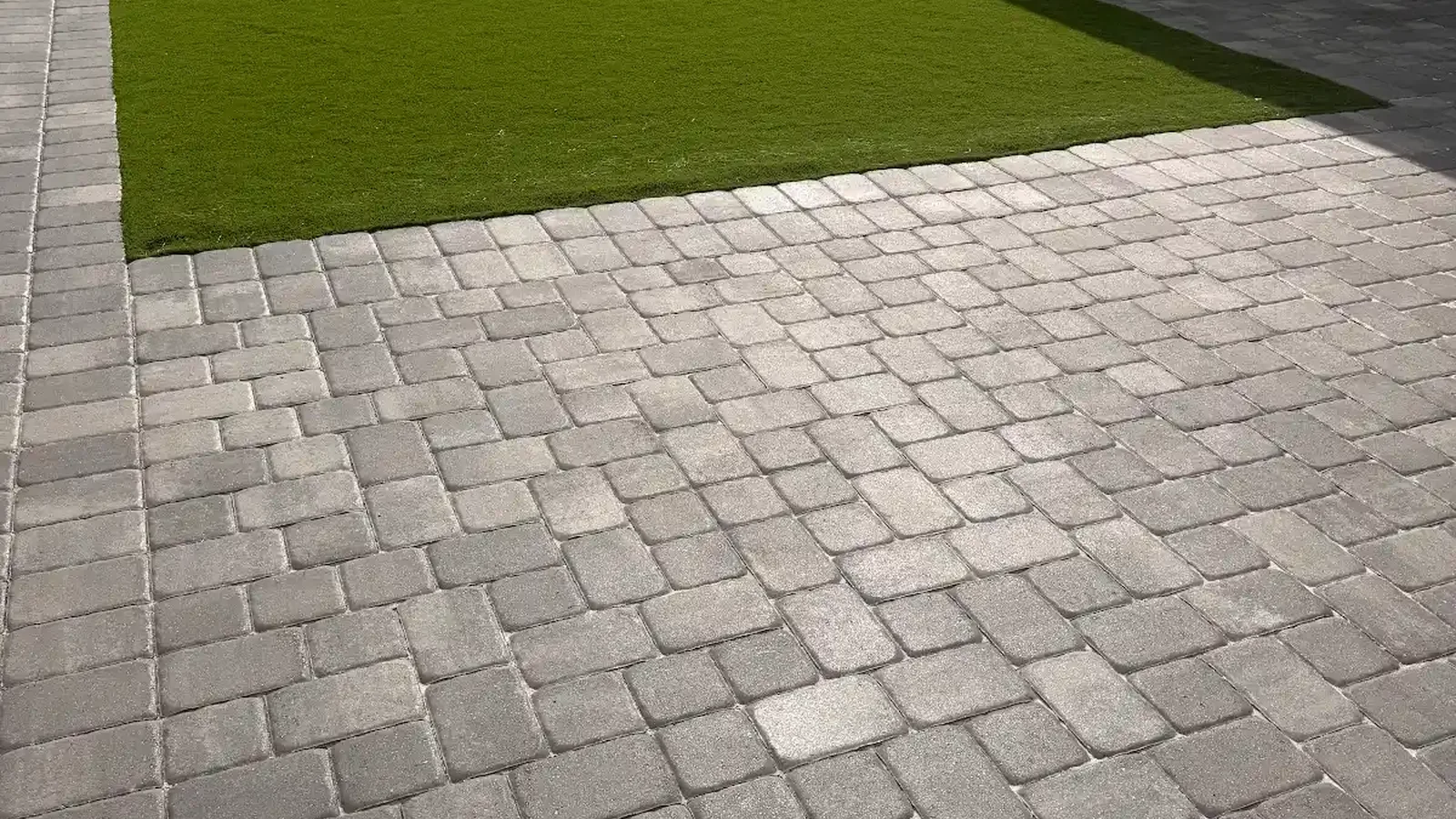
Artificial turf vs natural grass is a big decision for Florida homeowners who want a good-looking, usable yard year-round. In Tampa Bay, long growing seasons, intense sun, heavy rains, and sandy soils all affect how turf and grass perform. However, no single choice works best for every property. You need to weigh heat, shade, pets, runoff, mowing, irrigation, and long-term upkeep before you commit. This guide walks through those tradeoffs so you can tailor your yard in Riverview, Ruskin, Wesley Chapel, or beyond to how you actually live outdoors.
Artificial Turf vs Natural Grass: Direct Answer for Florida Homes
How the two options compare overall
For most Tampa Bay homes, neither turf nor grass wins every category. Natural grass can feel cooler under bare feet, help filter water, and support soil life. However, it usually needs regular mowing, irrigation, and pest management to stay healthy in Florida. Artificial turf reduces mowing and watering, and it can stay green in shade or high-traffic areas where grass struggles.
Yet synthetic turf can get much hotter in full sun than living grass, especially around pavers and pool decks. It also has a finite lifespan, and it needs cleaning to manage odors, pollen, and debris. According to UF/IFAS guidance, homeowners should weigh heat, runoff, cleaning, material lifespan, and site conditions for their specific yard.
Best uses for each in Florida yards
In Land O’ Lakes or Palm Harbor, natural grass often makes sense for larger, open yards where you want cooling, shade trees, and some wildlife value. However, it tends to thin out in dense shade, under heavy play, or beside driveways and patios. Artificial turf often works better in smaller, high-use zones such as dog runs, narrow side yards, or putting areas.
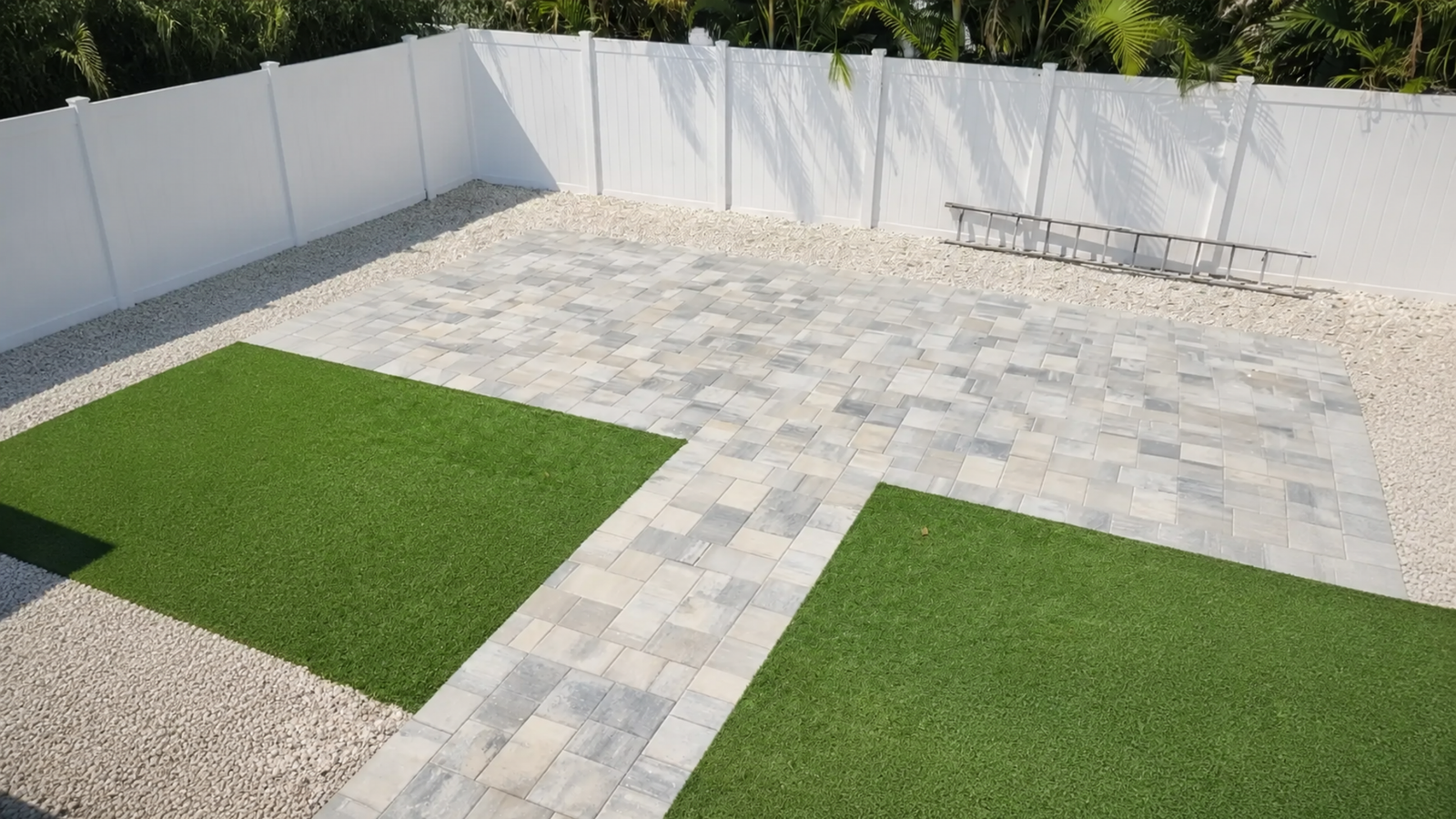
Many Tampa-area homeowners end up with a blended layout. They keep natural grass where it thrives and add turf where grass fails or becomes a muddy mess. This mixed approach helps balance cooling, maintenance, and long-term durability without overcommitting to either option.
Quick comparison snapshot
| Factor | Artificial Turf | Natural Grass |
|---|---|---|
| Heat in full sun | Gets hotter, especially near hardscape | Generally cooler underfoot |
| Shade tolerance | Stays green where grass may thin | Varies by species; can decline in heavy shade |
| Water use | No routine irrigation, but needs cleaning | Regular irrigation usually required |
| Mowing | No mowing, but brushing and upkeep | Frequent mowing in growing season |
| Lifespan | Finite; depends on materials and care | Ongoing; can recover with maintenance |
Fundamentals of Florida Lawns and Synthetic Turf
Climate, soil, and drainage basics
Florida lawns deal with intense UV, long summers, and frequent thunderstorms, so conditions change quickly. Sandy soils in places like Thonotosassa and Town ‘N’ Country drain fast, yet low spots can still hold water after heavy rain. Natural grass can help filter and slow runoff, but it may also suffer root issues if areas stay soggy. Synthetic turf relies on its base and infill design to move water away.
Therefore, any turf or grass plan should start with how water moves across your yard, patios, and paver walkways. You want surface grading that directs water away from your home while avoiding concentrated flows that erode soils. For complex slopes or structures, a qualified professional should review the site before you invest in large landscape changes.
How you use your yard day to day
Daily use matters as much as climate. If kids play soccer every afternoon or pets run the fence line in Seven Springs, natural grass may wear thin and form bare patches. However, a lower-traffic lawn where you mostly relax or garden can often support natural turf with regular care. Artificial turf shines where you expect repeated play, tight turns, or constant foot traffic.
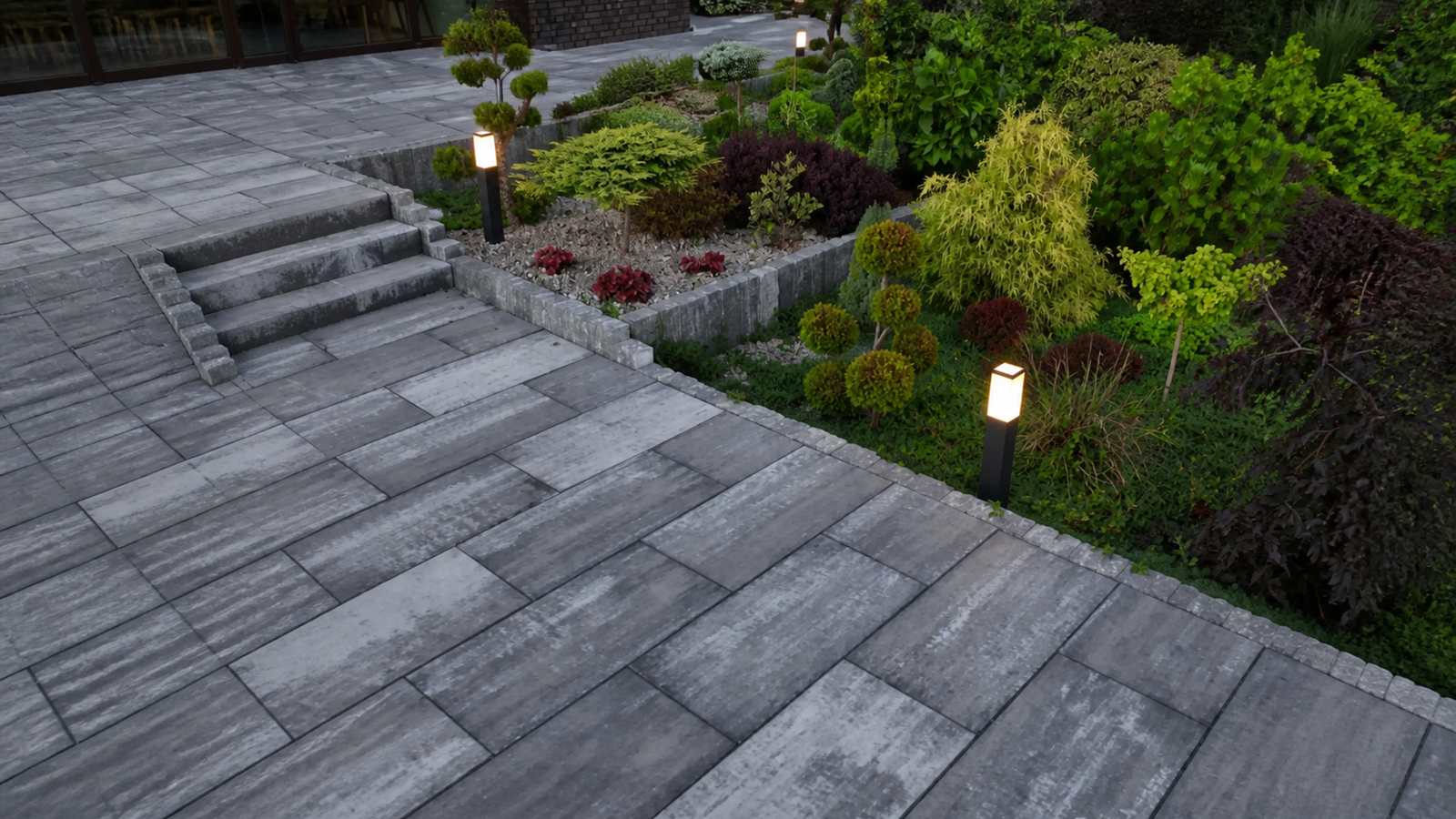
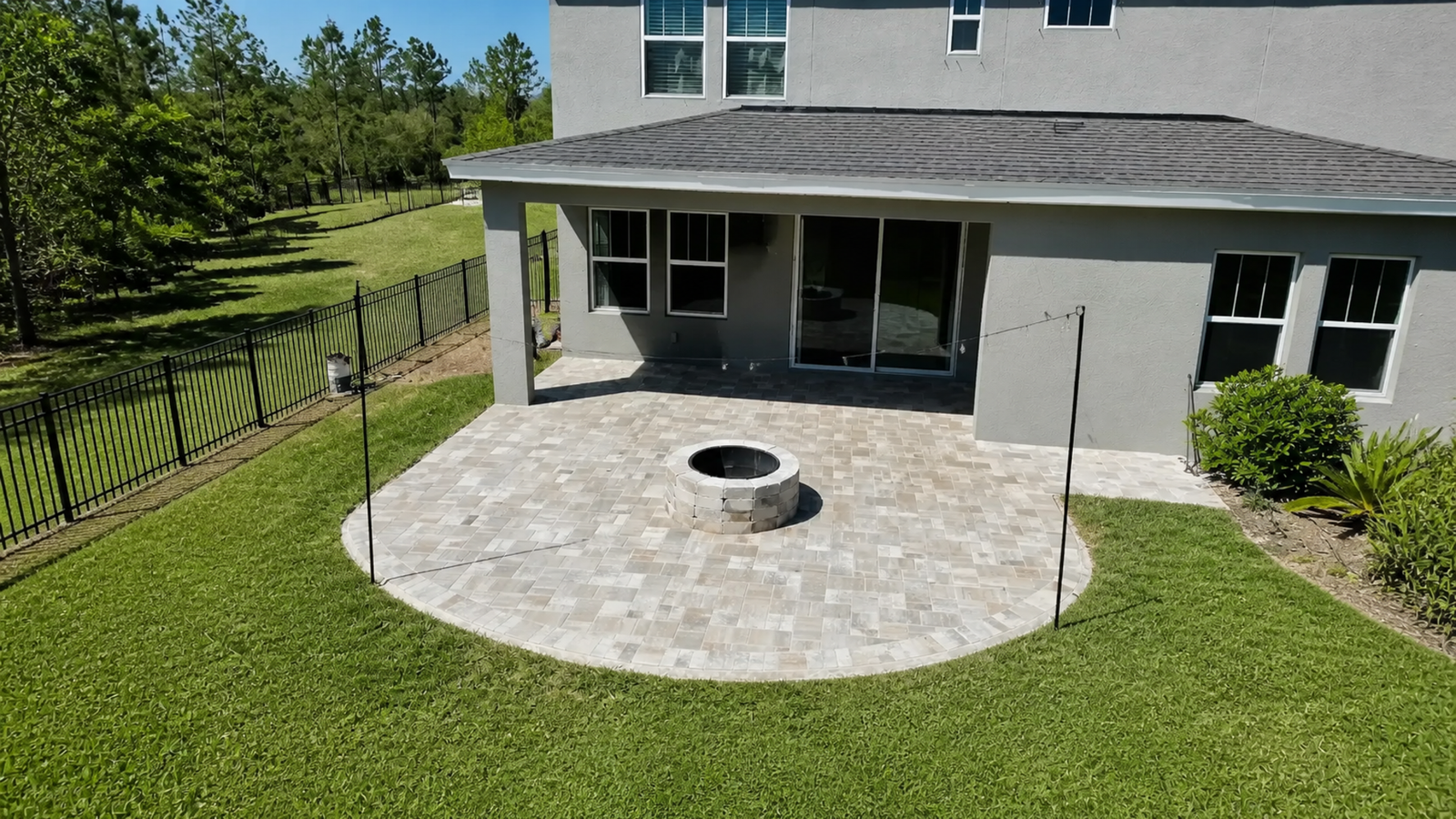
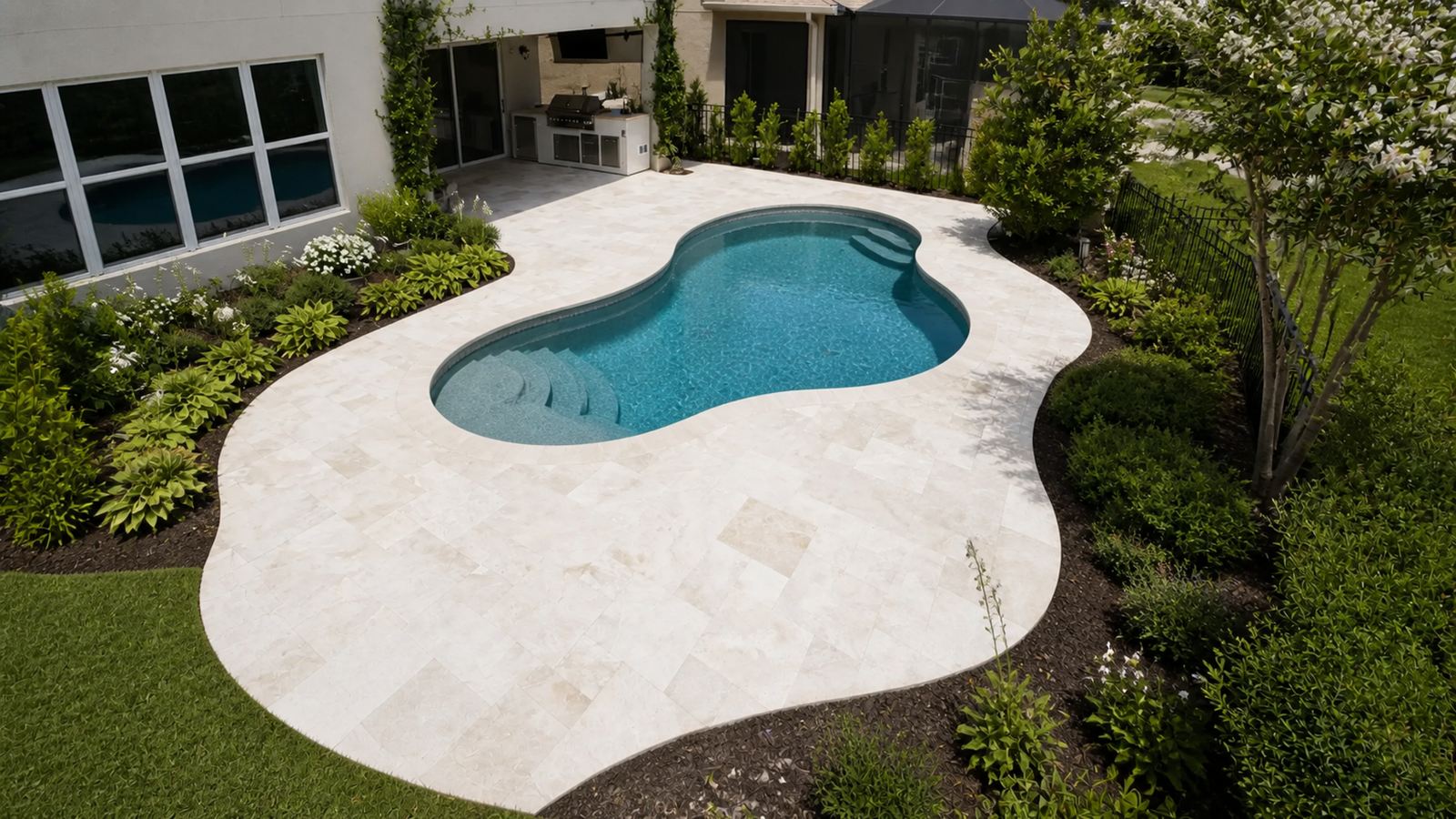
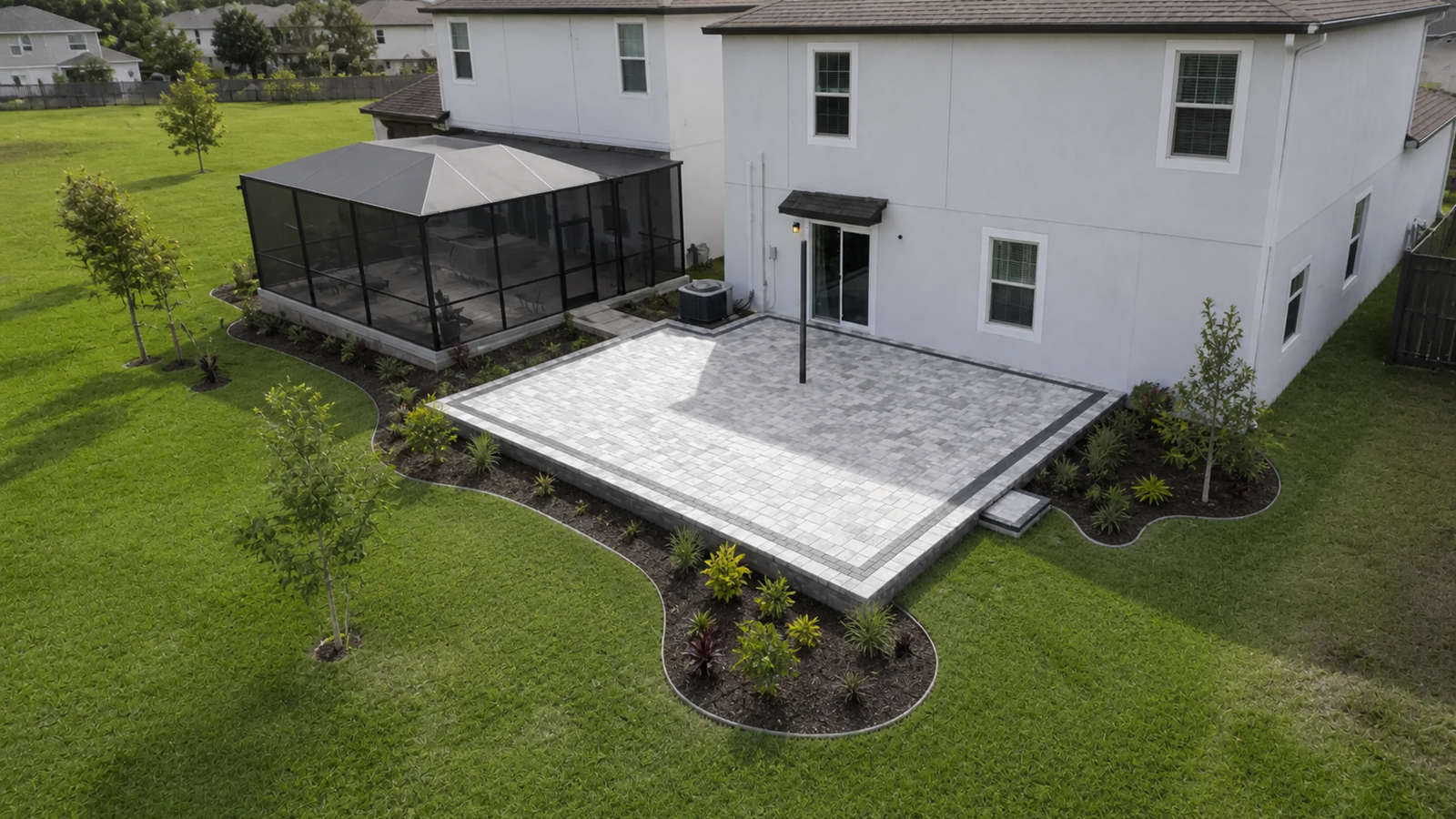
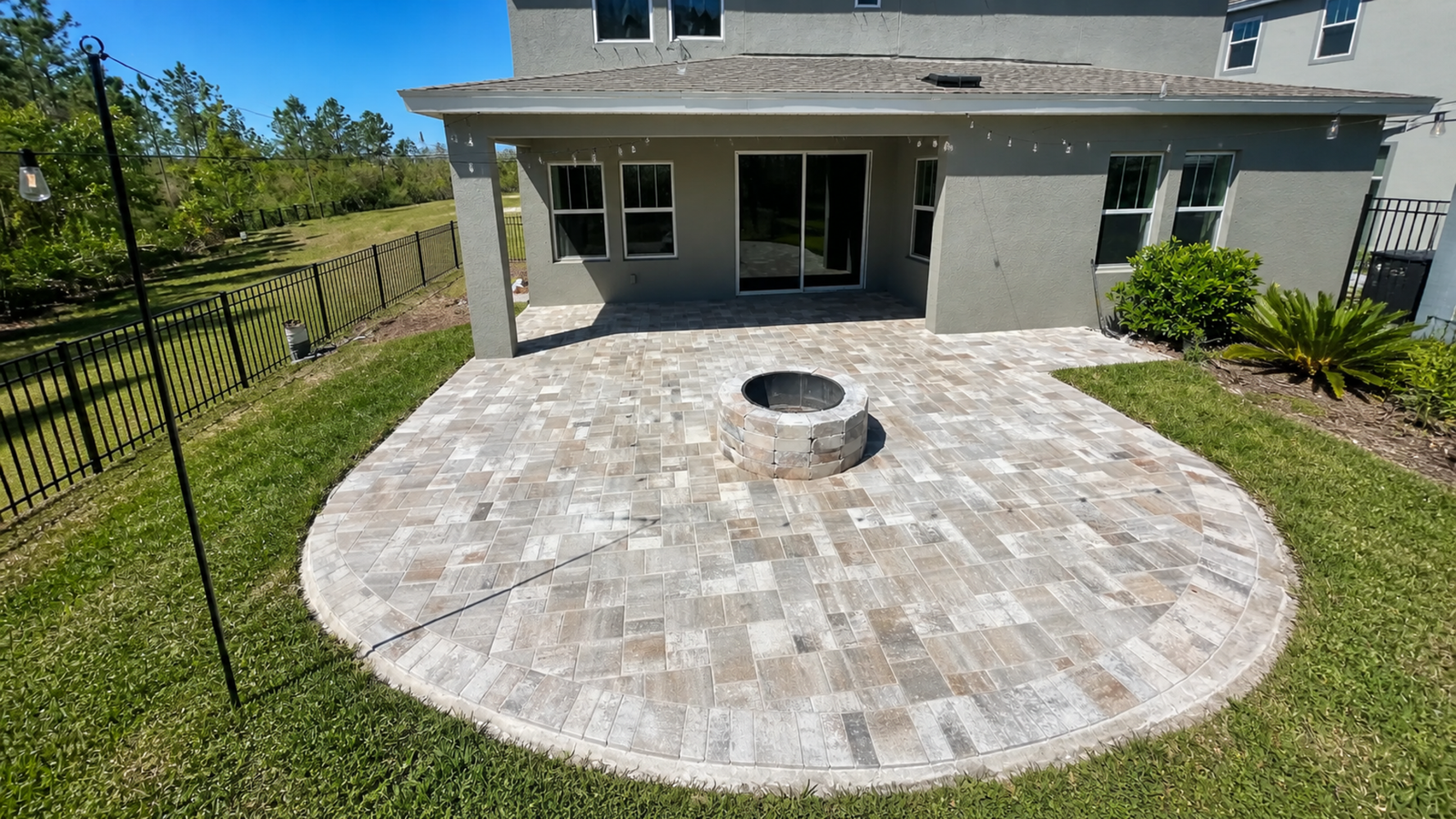
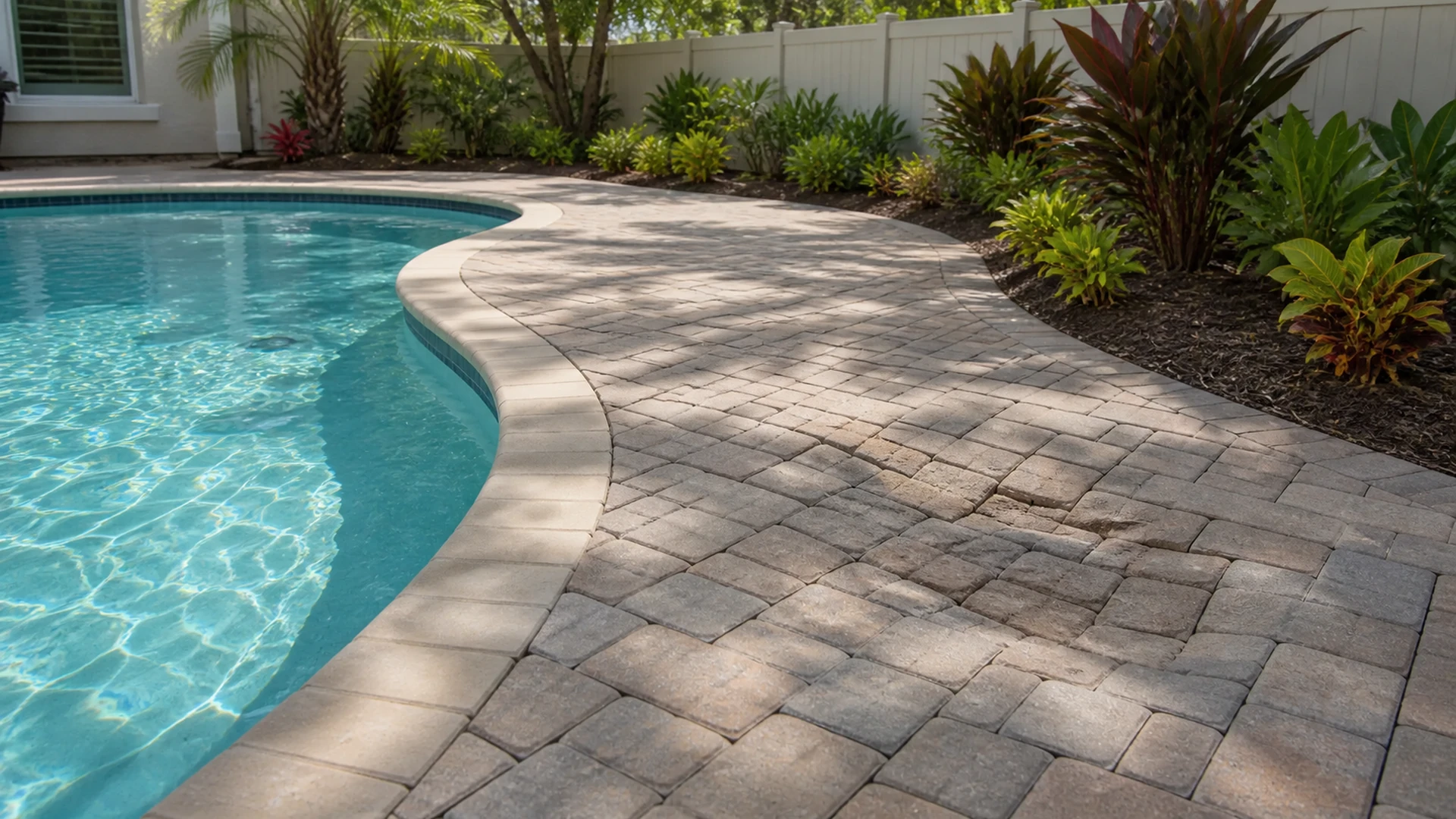
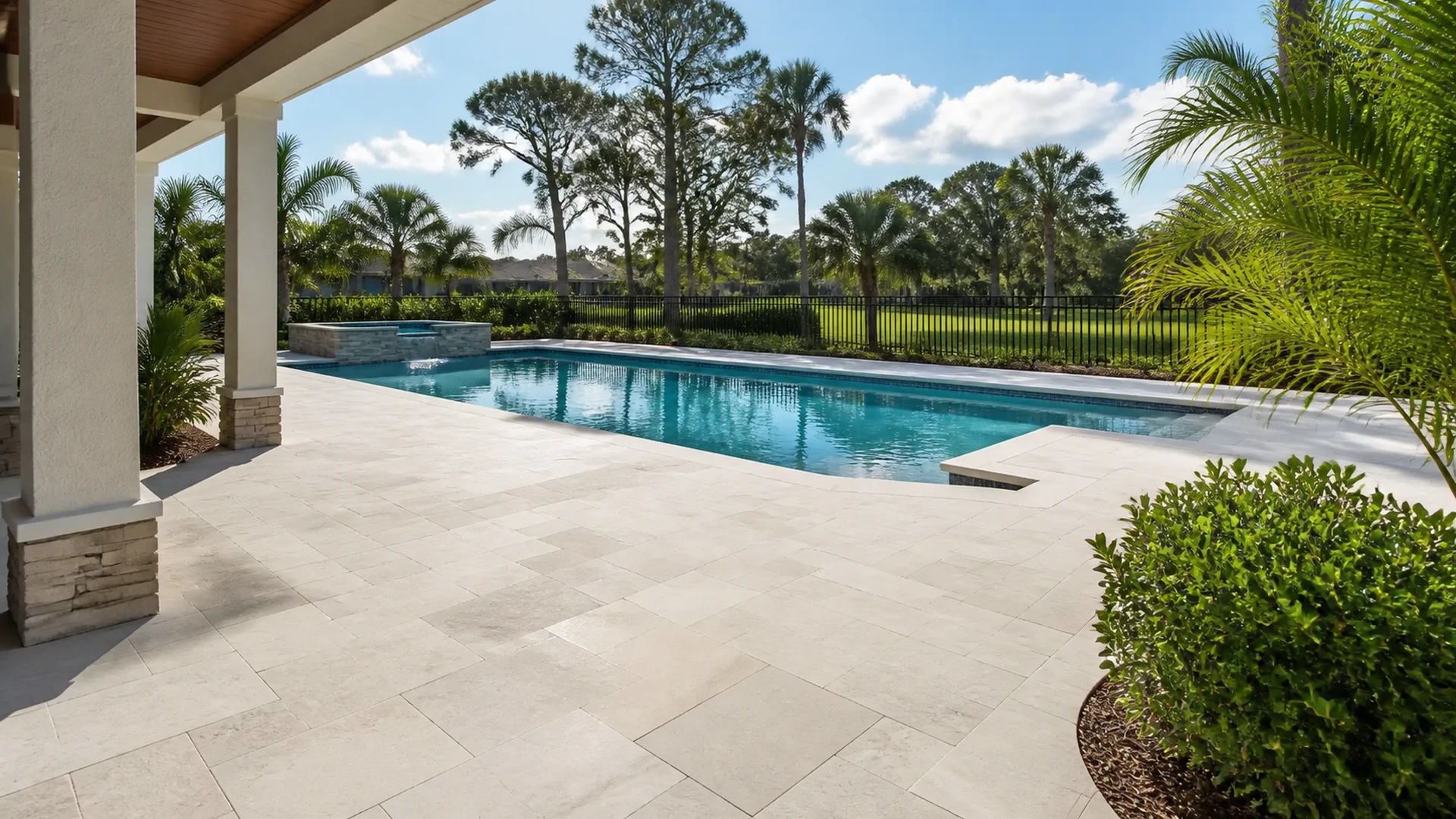
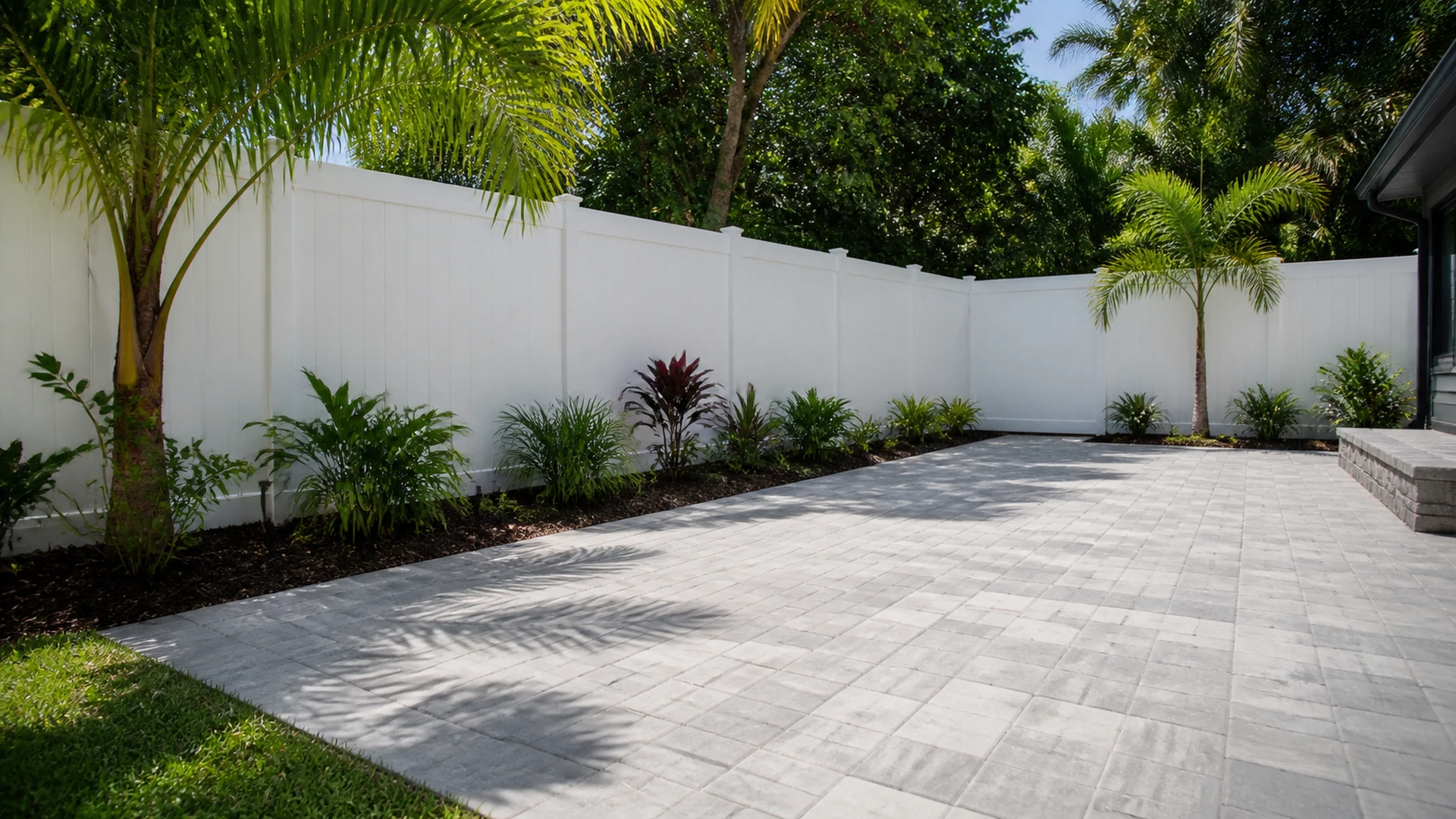
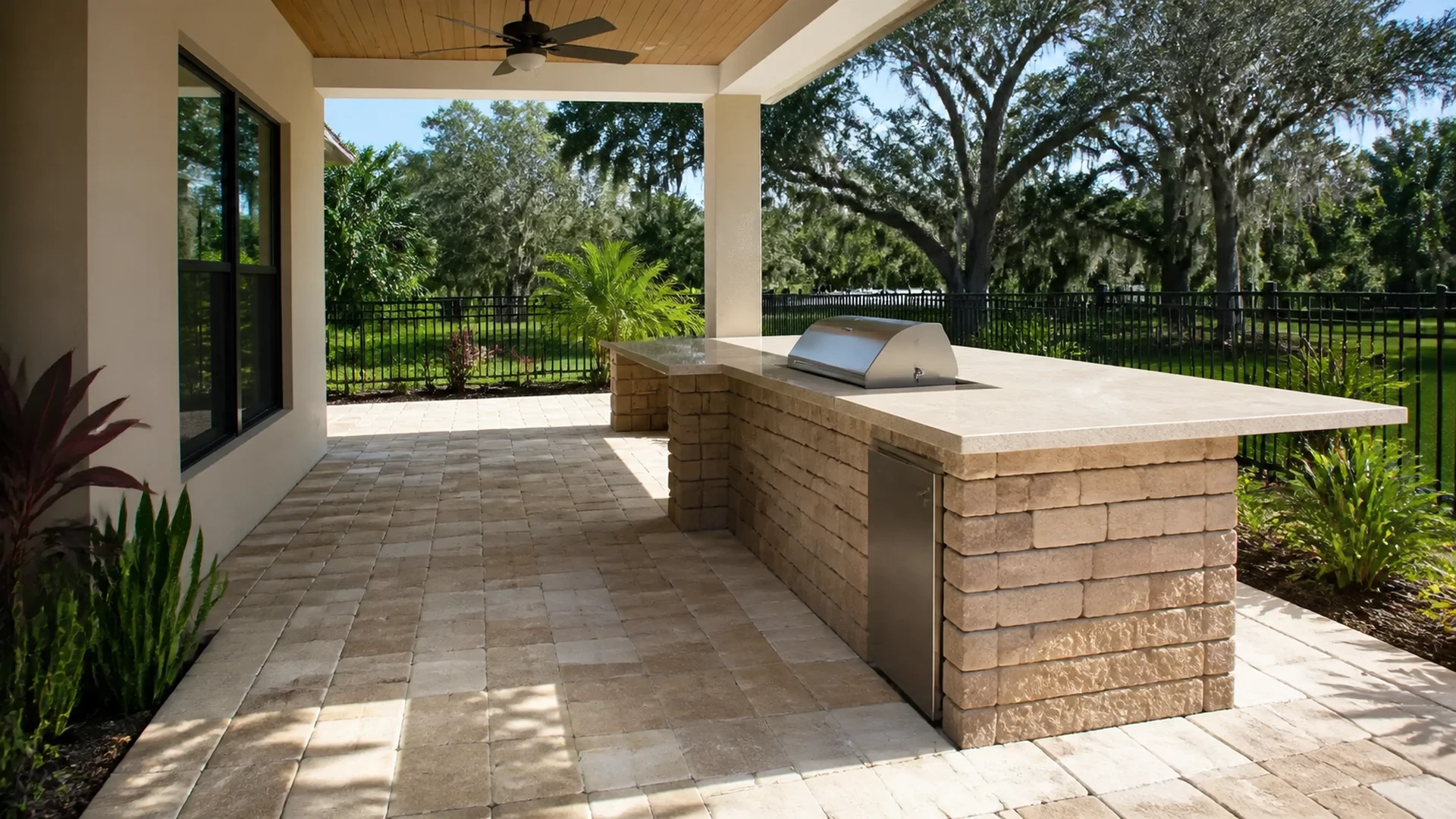
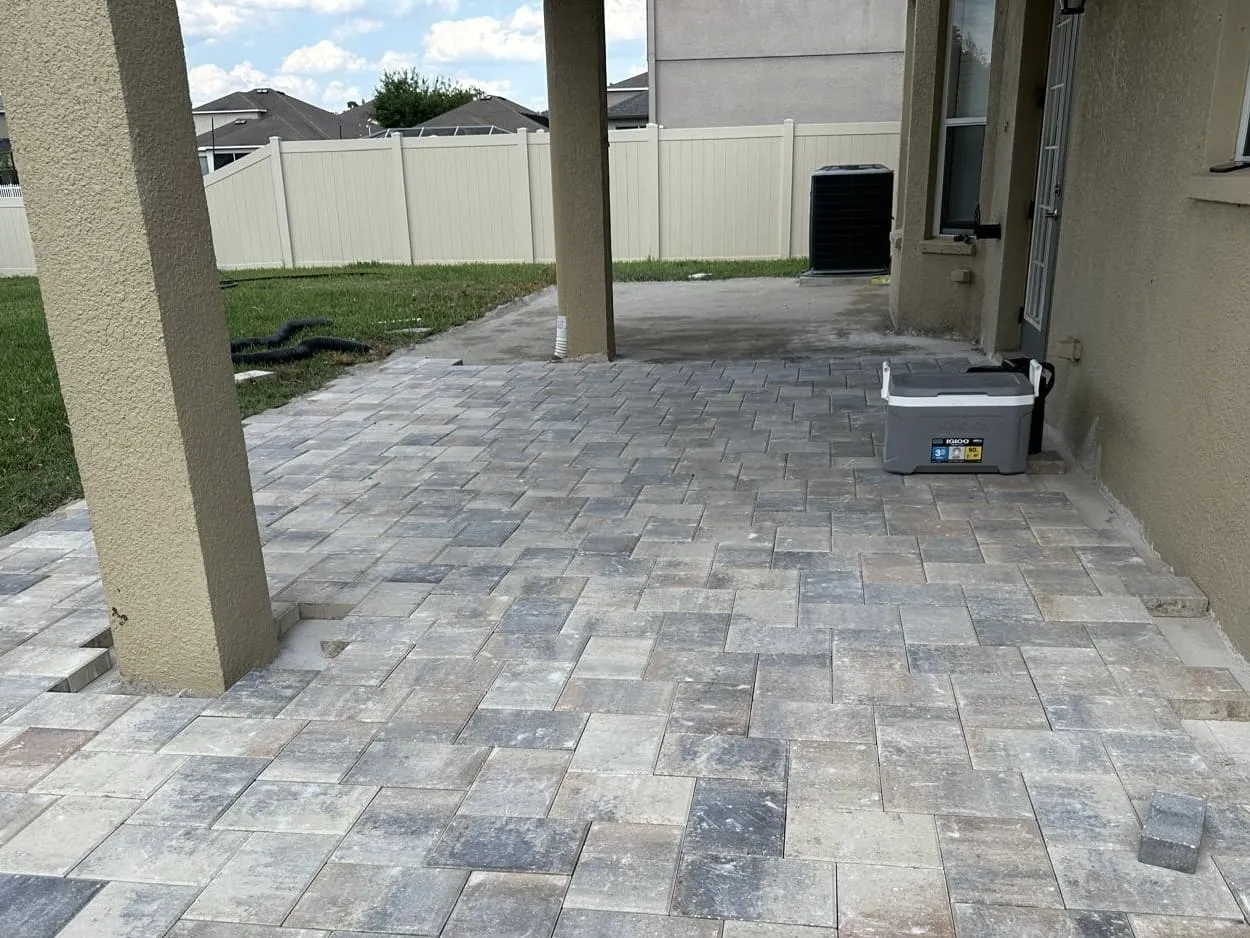
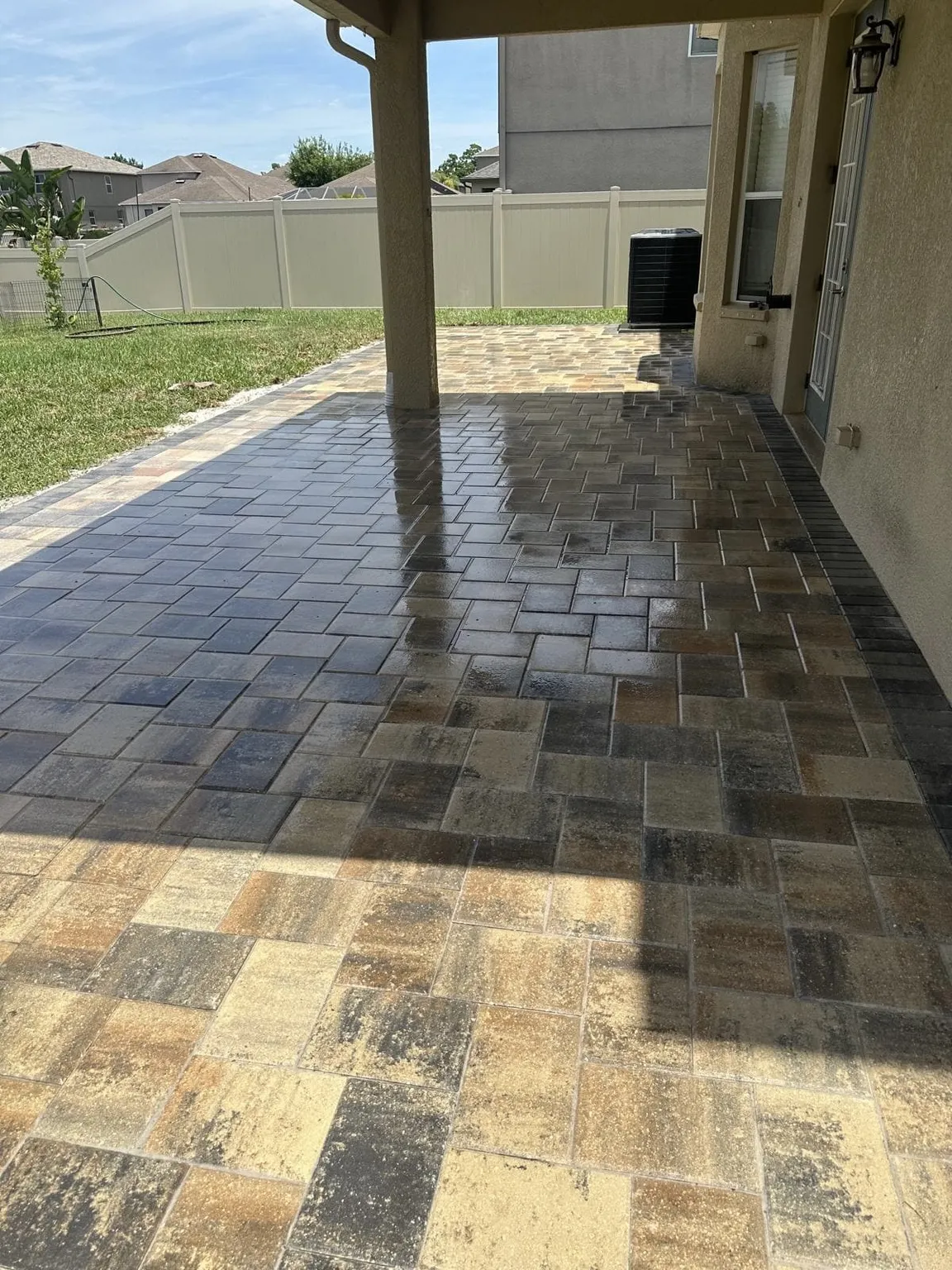
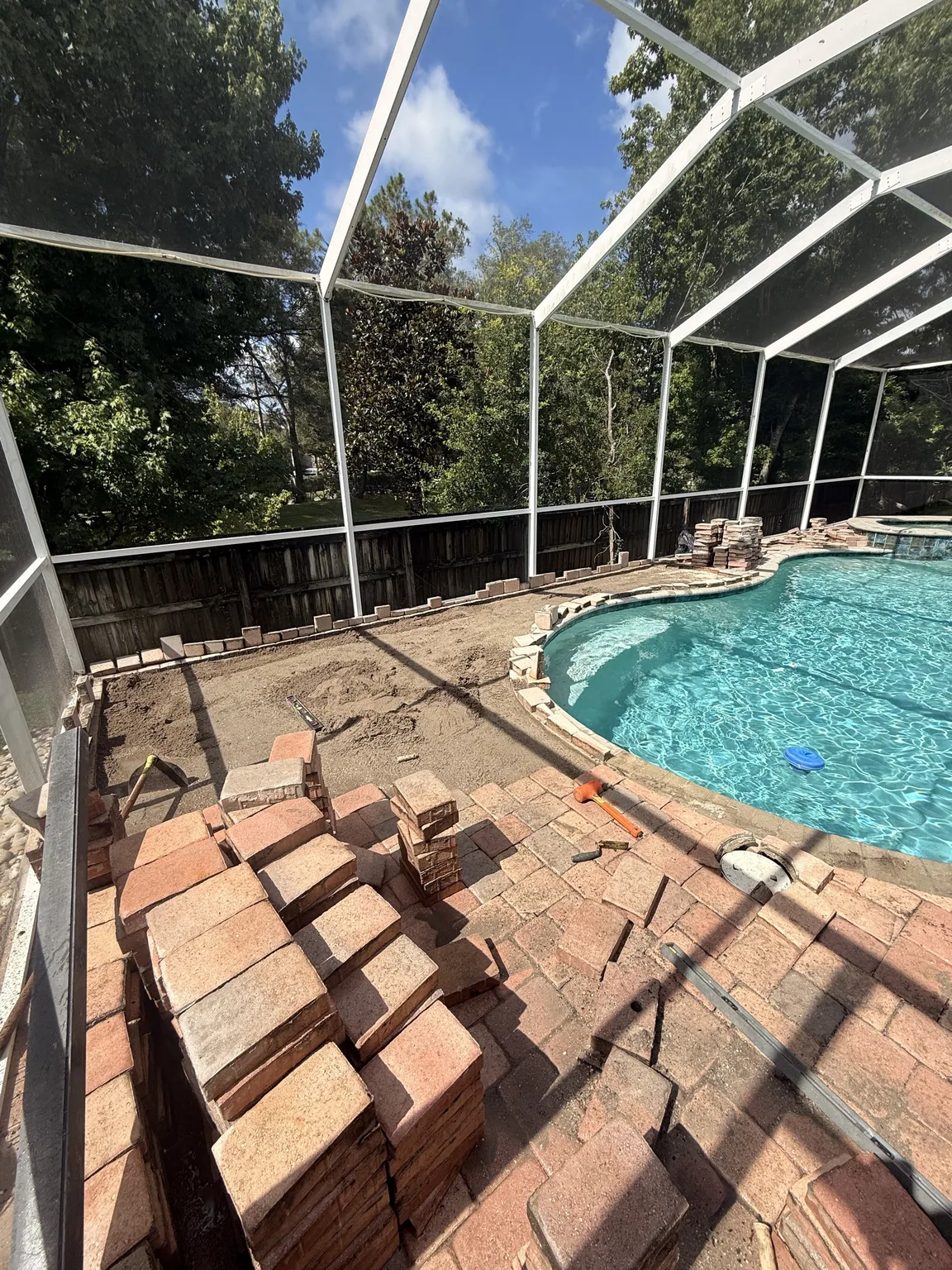
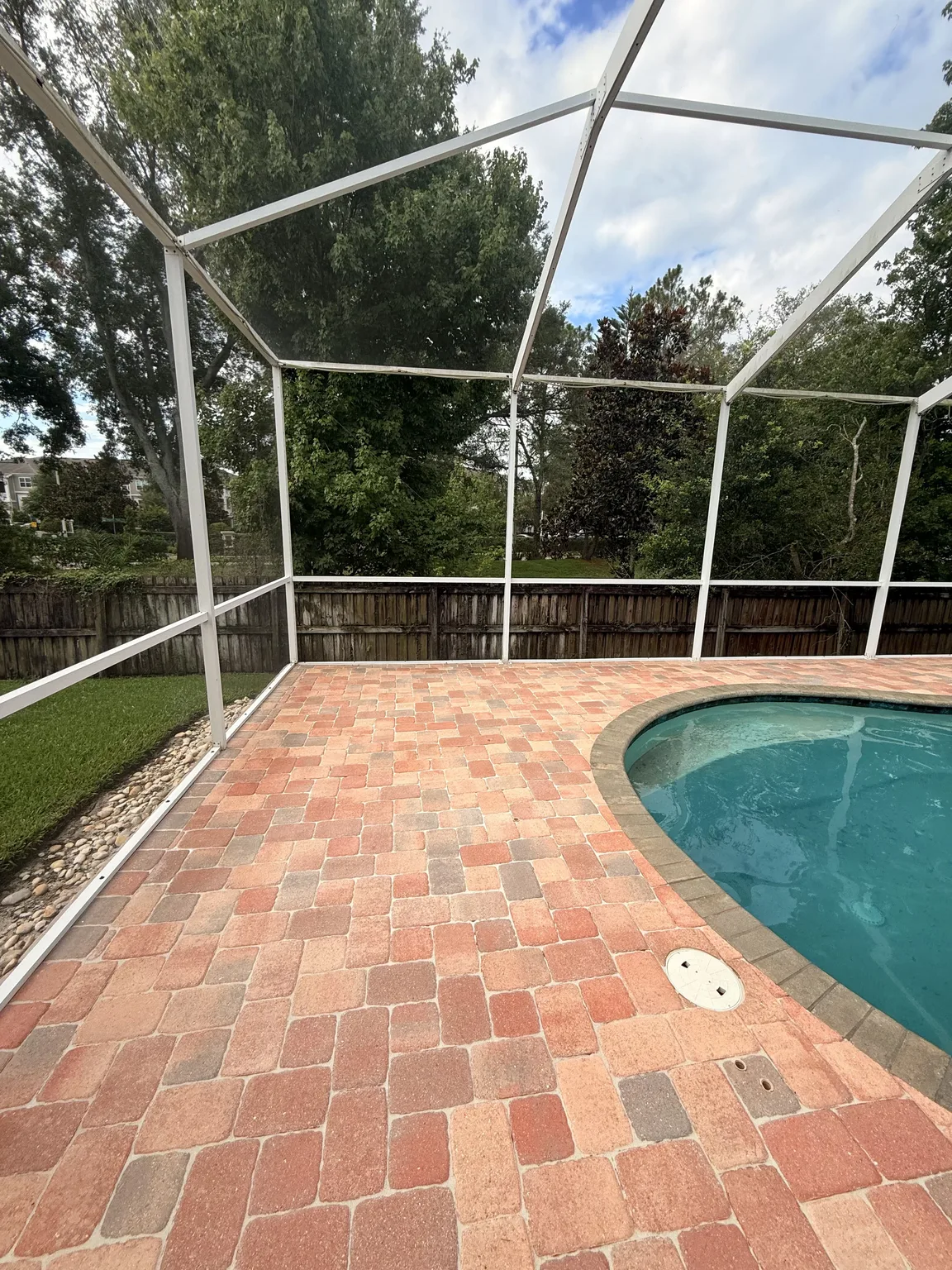
Additionally, you should consider how you entertain. Backyard kitchens, fire pit zones, and pool decks often work well with a mix of pavers and turf. In these cases, edging details and transitions between surfaces become just as important as turf or grass selection.
Environmental tradeoffs to keep in mind
Living grass helps cool the ground, capture some dust and pollen, and support soil organisms. However, traditional lawns can also require fertilizers, herbicides, and irrigation, which carry their own impacts when used improperly. Artificial turf reduces mowing and some lawn products, but it is made from manufactured materials and has a set lifespan.
UF/IFAS notes that homeowners should weigh the heat, runoff, cleaning needs, and material lifespan of synthetic systems against the cooling and filtration benefits of living turf. You can read their homeowner-focused guidance here on the UF/IFAS site. With that context, many Tampa Bay homeowners choose smaller, intentional lawn areas instead of wall-to-wall grass.
How to Evaluate Your Yard for Artificial Turf vs Natural Grass
A simple on-site inspection checklist
Before you choose artificial turf vs natural grass, walk your yard and take notes. Look for sunny zones, deep shade, and spots that stay damp or muddy after storms. Note where kids, pets, or guests usually walk, run, and gather. Also, pay attention to where water flows off roofs, patios, and driveways in your Tampa or Riverview neighborhood.
- Where does water collect or run fast after heavy rain?
- Which areas feel hottest in the afternoon sun?
- Where does existing grass stay thin or bare?
- Do tree roots or utilities limit digging in certain zones?
- How close are play or pet areas to doors and hose bibs?
These notes will help you and any contractor visualize which surfaces belong where. They also flag places that may need grading adjustments or different materials to perform well over time.
Deciding what should be turf, grass, or hardscape
Next, sketch a basic plan that divides your space into use zones. For instance, you might pair paver walkways with turf strips near a pool, while leaving a natural grass area along the back fence. In Ruskin or Greater Carrollwood, narrow side yards or shaded strips beside the house often become good candidates for synthetic turf instead of struggling grass.
Additionally, you should identify where trees, utilities, or existing patios limit what you can dig or change. When you overlap this map with your earlier notes about heat, water, and traffic, patterns emerge. High-use, hard-to-irrigate, or consistently muddy spots often favor turf or pavers, while broader, cooler areas can remain natural lawn.
Questions to ask before you commit
Before you finalize a turf-heavy design, ask how you will clean and access every area. You need reachable hose connections for rinsing synthetic turf, and safe ways to cross it with wheelbarrows or furniture. Natural grass areas, meanwhile, need mower access and space to turn equipment. If any of these basics become difficult, rethink the layout.
It also helps to talk through expectations about color, feel, and durability in each season. A thoughtful plan acknowledges that both artificial and natural surfaces can show wear or need repair over time. When you plan for that from the start, your yard in Town ‘N’ Country or Palm Harbor is more likely to age gracefully.
Turf Products, Grass Types, and Repair Choices
Common synthetic turf features for Florida yards
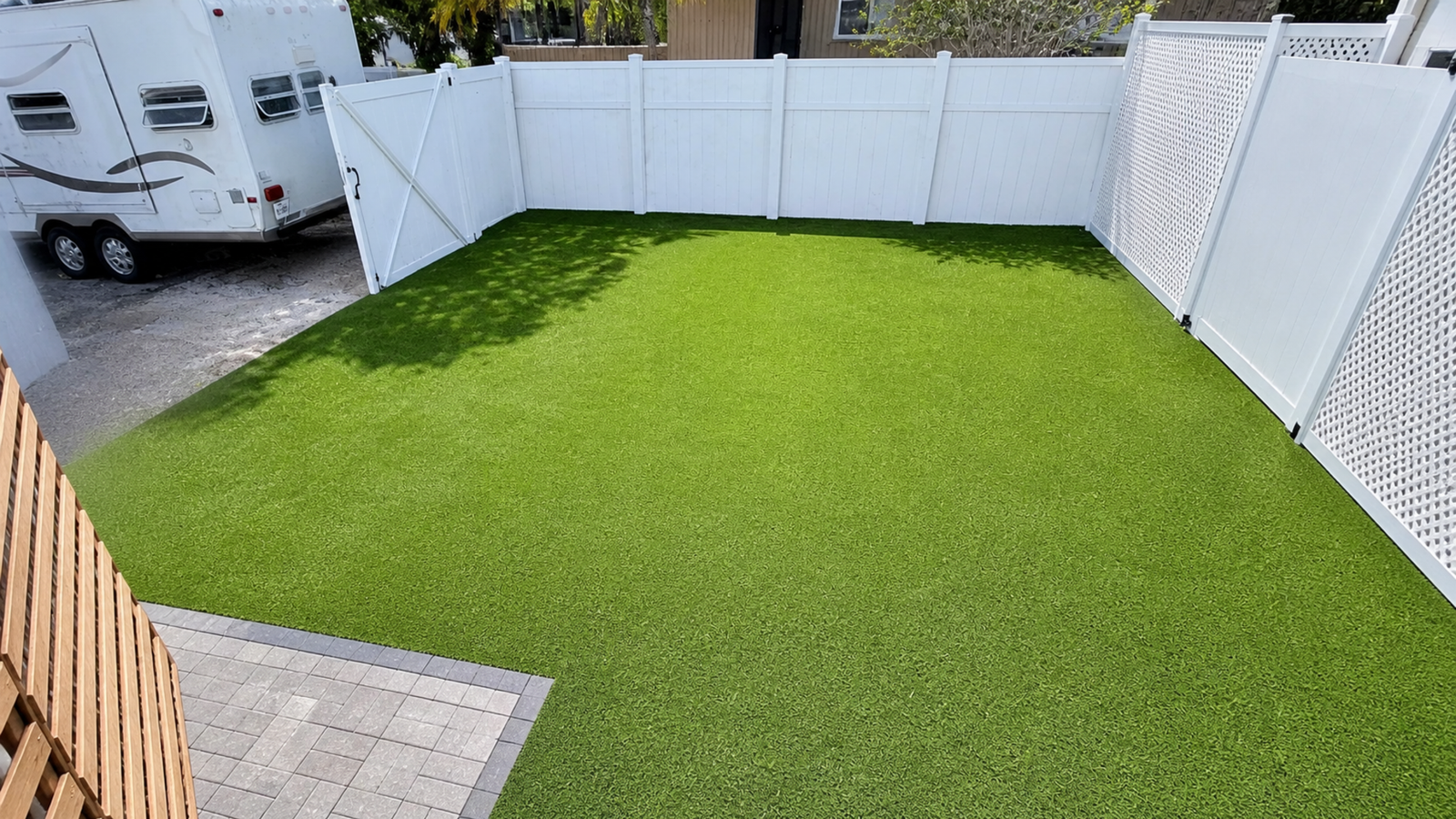
Synthetic turf products vary in fiber shape, pile height, backing materials, and infill. Some options emphasize a softer, more grass-like feel underfoot, while others prioritize durability for pets or sports. In Tampa Bay, many homeowners choose shorter, dense turf with good drainage capacity beneath, especially around paver patios or pool decks.
However, you should remember that all synthetic materials will change over time due to sun exposure and wear. Brushing, rinsing, and occasional infill top-ups can help maintain appearance and performance. When you compare products, ask how the backing, seams, and edges are handled, because these details affect long-term stability and drainage.
Natural grass options suited to Florida
Warm-season grasses such as St. Augustinegrass, zoysiagrass, bahiagrass, and bermudagrass commonly appear in Florida neighborhoods. Each has different strengths for shade, salt tolerance, and wear. For example, some varieties handle foot traffic better, while others offer more shade tolerance for older tree-lined yards. Your irrigation setup, soil, and maintenance habits should guide that choice.
Additionally, turfgrass must be mowed at correct heights, watered appropriately, and monitored for pests and diseases. If skipping those tasks is likely, synthetic turf may better match your lifestyle in certain areas. However, many homeowners still prefer at least one natural lawn zone where it can thrive with straightforward care.
Repairing and refreshing each surface
Natural grass repairs often involve resodding bare patches, aerating compacted zones, or adjusting watering and mowing practices. Over time, you can usually thicken a thin lawn with overseeding, soil amendments, and better traffic patterns. These steps require patience but allow gradual improvement rather than full replacement.
Artificial turf repairs typically focus on seams, edges, or localized wear spots. Smaller issues may be fixable by lifting and resetting sections or adjusting infill. However, when synthetic turf reaches the end of its useful life, broader replacement may be needed. Therefore, you should factor future access and disposal logistics into your initial design.
Heat, Rain, and Runoff in Tampa Bay Lawns
Managing surface temperature around hardscape
Florida sun can make many surfaces hot, but synthetic turf often warms faster than natural grass. Around paver patios, pool decks, or driveways, reflected heat may further increase turf temperatures. Therefore, shading strategies, lighter surrounding materials, and thoughtful layout all matter. In some cases, you might keep natural grass or groundcovers in the hottest zones.
Additionally, you can plan circulation paths so bare feet spend less time on the warmest areas. Designers sometimes break up large synthetic expanses with paver bands, planting pockets, or shade structures. These details do not make turf “cool,” but they can help moderate how hot the space feels in afternoon sun.
Drainage, storms, and runoff behavior
Tampa Bay storms can drop a lot of water quickly, so runoff deserves attention. Natural grass and healthy soil help slow and absorb some rainfall, although saturated ground will still shed water. Synthetic turf systems, by contrast, depend on the base materials and drainage design beneath the surface. If water cannot pass through or move away, puddles and odors may develop.
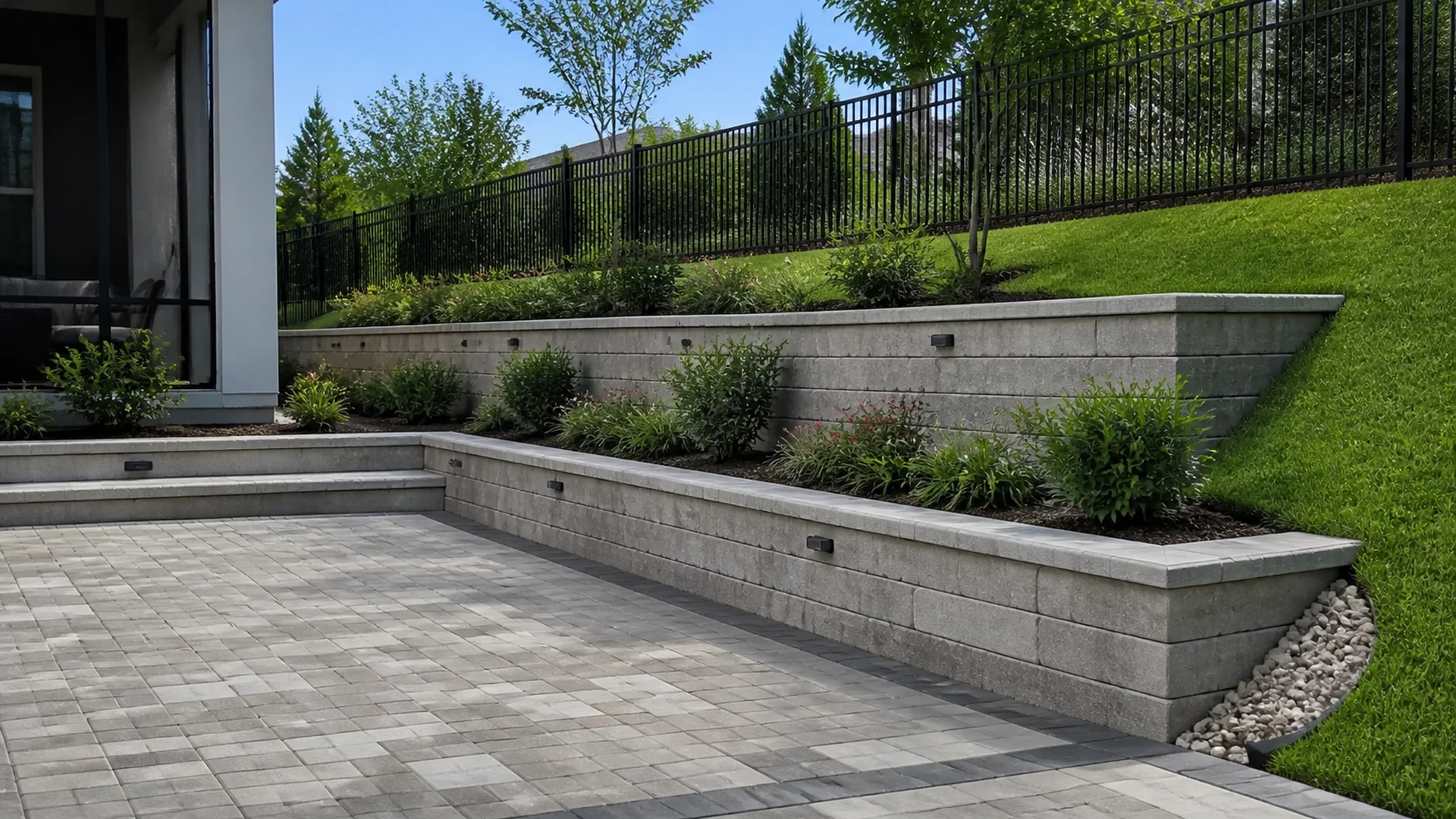
When you combine turf with pavers or other hardscape, you should look at how the entire surface works together. You want slopes that direct water away from your home and toward allowed discharge areas. For complex grading, retaining walls, or nearby structures, consult qualified professionals so you do not create new water problems while upgrading your yard.
Florida rain, pollen, and cleaning needs
Natural lawns in Wesley Chapel or Greater Carrollwood often benefit from summer rains, although they may still need irrigation in dry spells. However, rain alone usually will not keep synthetic turf clean enough for pets or play. You should expect to rinse debris, address pet waste, and occasionally wash turf more thoroughly, especially during high pollen seasons.
Additionally, UF/IFAS reminds homeowners to weigh cleaning and maintenance requirements as part of any synthetic turf decision. If regular rinsing or brushing seems unrealistic, focus turf in smaller, easy-to-reach zones. That way, you maintain hygiene and appearance without adding more upkeep than you intended.
Common Mistakes and How to Avoid Them
Overpromising “no maintenance” lawns
One of the biggest misunderstandings is assuming synthetic turf means zero maintenance. In reality, turf needs brushing, debris removal, and periodic rinsing to look and perform its best. Pet areas, in particular, may need more frequent cleaning to manage odors. Natural grass, likewise, will decline if you skip mowing, watering, or basic care.
To avoid disappointment, match the surface to your willingness and ability to maintain it. Smaller turf areas near patios or putting greens in Palm Harbor may feel manageable, while a full-yard conversion could feel overwhelming over time. Clear expectations at the start lead to better long-term satisfaction.
Ignoring shade, traffic, and heat
Another mistake is choosing materials without respecting site conditions. Installing shade-loving grass in full sun or high-traffic zones usually ends in bare spots. Likewise, covering the entire sunny backyard in turf can create a very warm environment in Land O’ Lakes summers. You should instead use each material where it performs best.
Additionally, many homeowners underestimate how much wear dogs and kids apply to narrow side yards or corners. Planning for those traffic patterns with turf, pavers, or reinforced grass up front prevents constant patch repairs later. Observing your yard for a few weeks before deciding often pays off.
Overlooking edges, transitions, and access
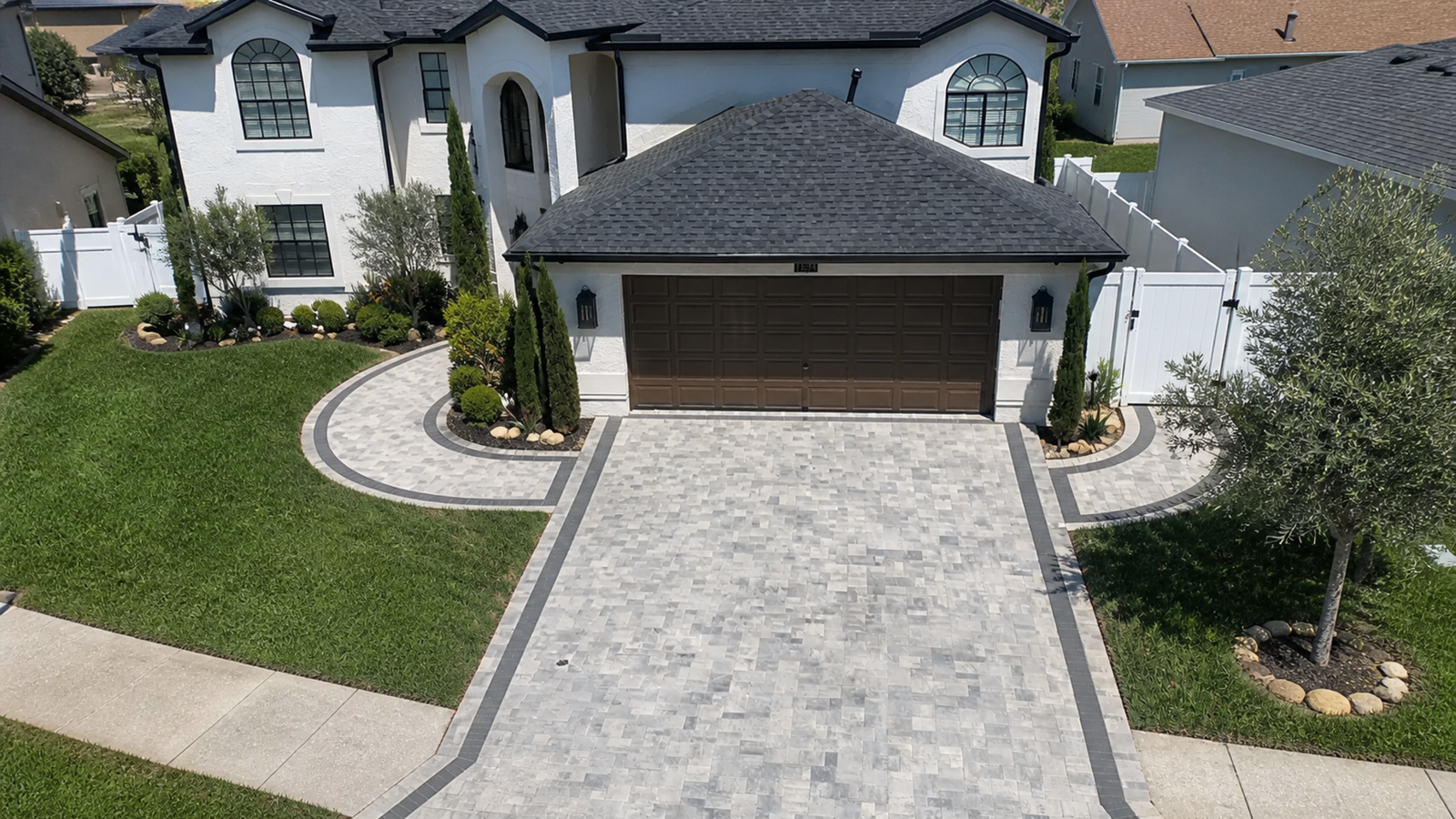
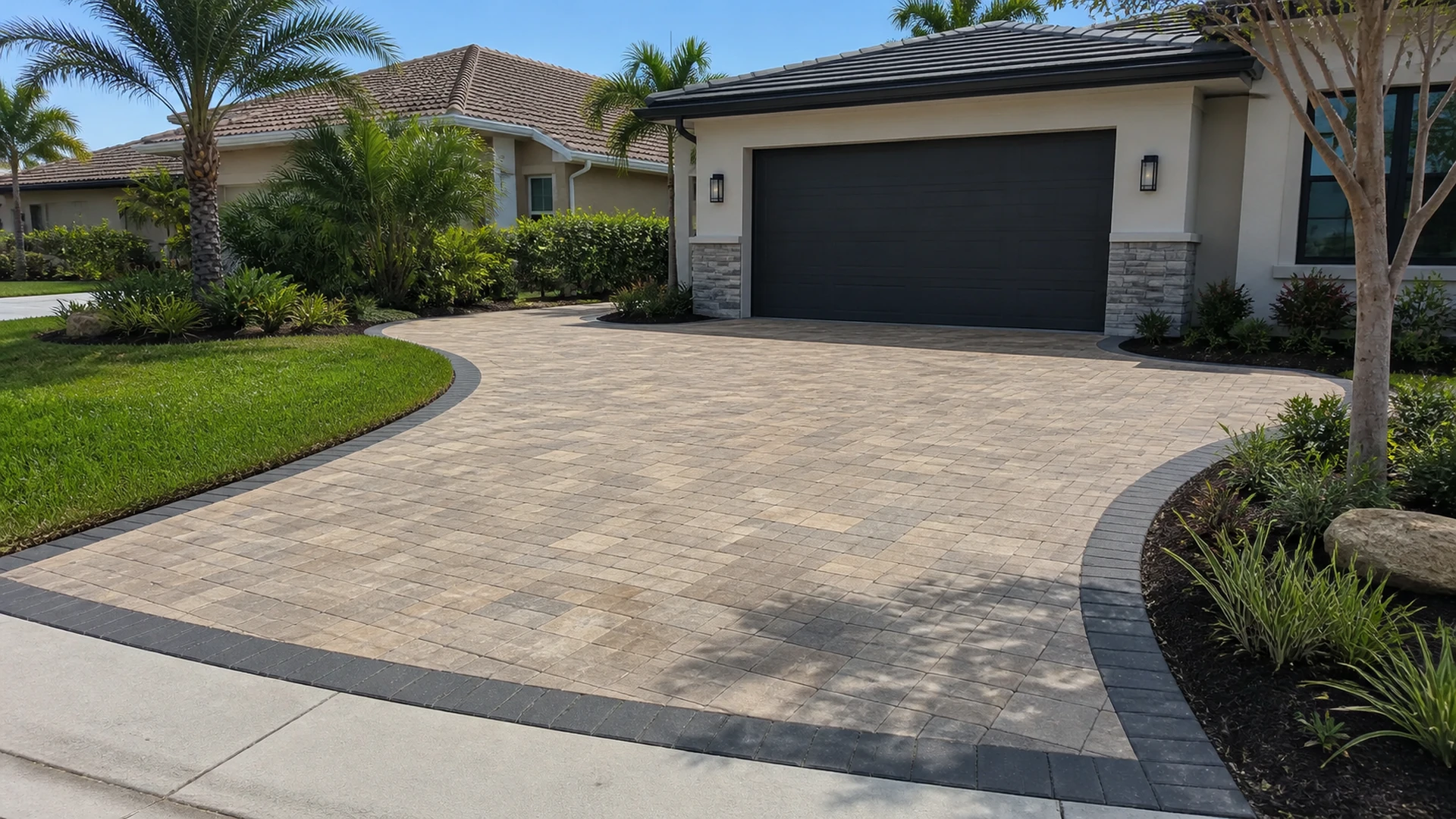
Edges where turf meets pavers, concrete, or planting beds can make or break a project. Poorly secured borders may lift, create trip points, or allow infill to escape. Natural lawns also need clean transitions to hardscape so mowers and trimmers can operate safely and neatly. Therefore, edge design should be part of the first conversation, not an afterthought.
Access is also critical. In Thonotosassa or Town ‘N’ Country, narrow gates or tight corners may complicate equipment and material delivery. Planning paths for installation and future repairs helps keep your yard usable and makes future updates less disruptive.
When to Involve Pros in Your Lawn and Hardscape Plans
Projects that benefit most from professional help
Small turf panels for a balcony or a single pet zone may be manageable as DIY for some homeowners. However, larger projects that combine pavers, turf, and planting beds usually benefit from professional design and installation. When your yard in Ruskin or Seven Springs has slopes, existing patios, or a pool, coordinating all those pieces gets more complex.
Additionally, professional crews have tools to compact base materials correctly, cut clean curves, and create reliable seams. These details can affect how turf drains and wears over time. For natural lawns, landscape professionals can help select appropriate grass species and recommend irrigation layouts that match local conditions.
When to consult engineers or other specialists
Some situations call for more than a lawn or hardscape contractor. Steep slopes, retaining walls, or significant changes near your home’s foundation may warrant input from a licensed engineer. Likewise, if you plan substantial work near large trees, an ISA-certified arborist can advise on protecting roots. For pool areas, you should follow guidance from qualified pool and safety professionals.
It is also wise to ask your local building or permitting office about any requirements that could apply to major changes. While a contractor can share experience, only the relevant authority can provide official interpretations. Getting clarity early helps you avoid surprises later.
Choosing a contractor for mixed turf and hardscape projects
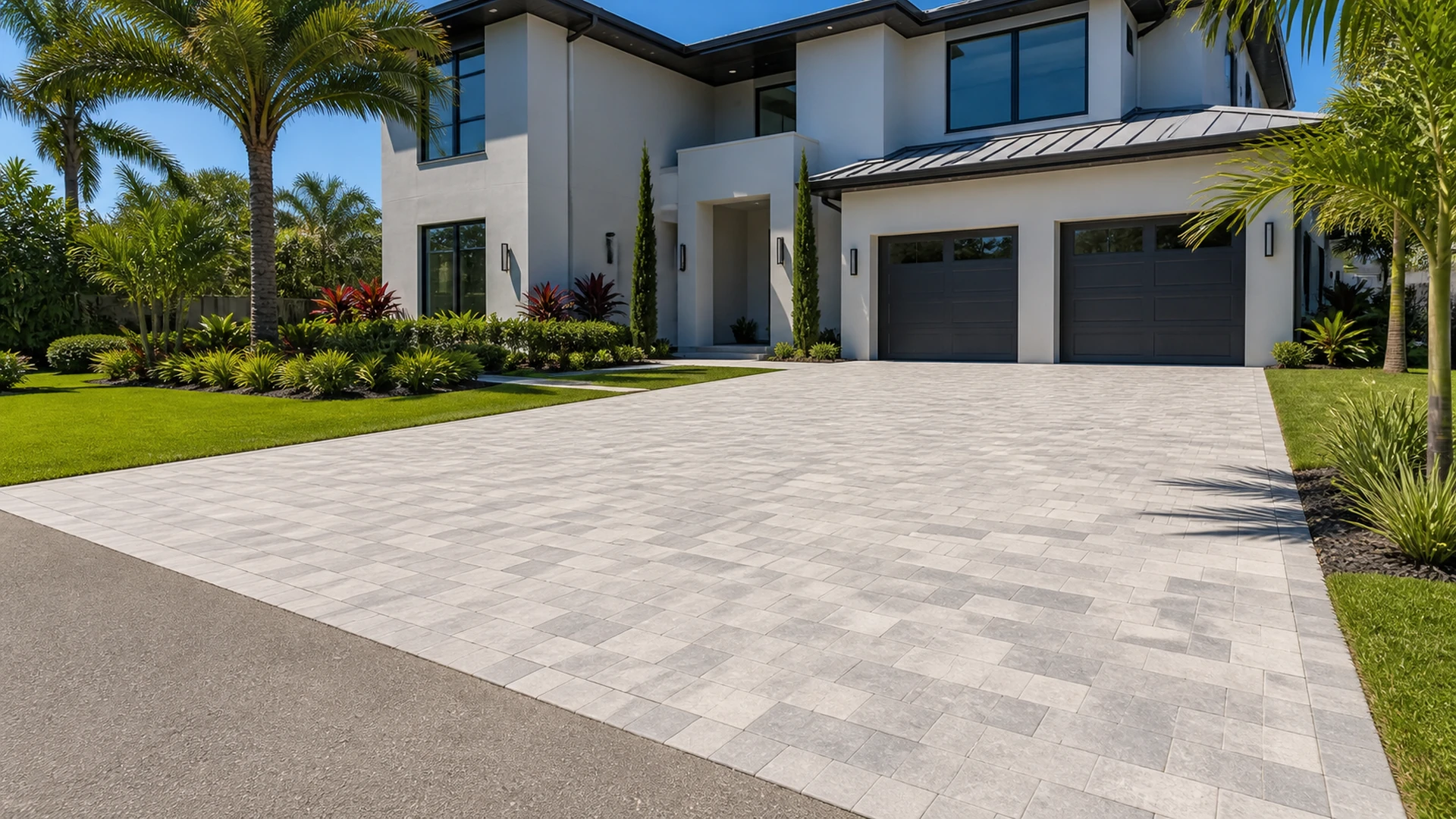
When you interview companies, ask about their experience blending turf with pavers, driveways, and pool decks. You want a team that understands base preparation, edging, and how all materials interact. Review past work, ask about cleaning and care expectations, and discuss how they handle runoff in Florida’s heavy rains.
You can also learn a lot by walking through one of their previous installations, either in person or through detailed project photos. As you compare options, a site visit is essential for accurate pricing and a realistic design proposal. For ideas, you can explore artificial turf in Tampa Bay or browse related topics in the Artificial Turf Guides section.
Artificial Turf vs Natural Grass FAQ
Is artificial turf vs natural grass better for pets?
Both can work for pets in Tampa Bay, but they behave differently. Natural grass can stay cooler and offers a familiar surface, yet heavy pet traffic may create worn, muddy zones and recurring bare patches. Pet-friendly synthetic turf can handle repeated use and makes waste cleanup more predictable, but it needs regular rinsing and attention to odors.
Additionally, you should consider how often pets use the space and whether you can easily reach it with a hose. Some homeowners keep a smaller, dedicated turf pet run and maintain natural grass elsewhere for cooling and variety.
Which option handles Florida shade better?
Heavy shade challenges many warm-season grasses, especially under dense oaks or around closely spaced homes. Even shade-tolerant varieties may thin if sunlight stays limited for much of the day. Synthetic turf does not rely on sunlight, so it can stay green in those locations if the base and drainage are designed well.
However, shaded areas can also stay wetter longer after storms. That means you need to pay attention to how water drains when placing turf in low-light spots. In some yards, a mix of shade-tolerant plants, pavers, and smaller turf panels creates the best balance.
How long does synthetic turf typically last in Florida?
Synthetic turf does not last forever, and its lifespan depends on product quality, installation, sun exposure, and how hard you use it. Areas that see constant play, pet activity, or strong afternoon sun usually age faster than lighter-use zones. Good base work, appropriate infill, and regular upkeep can help maximize usable years, but eventual replacement is part of the long-term picture.
Natural grass, on the other hand, can often be renewed over time with overseeding, resodding, and improved care. When you compare the two, think in terms of ongoing maintenance versus periodic replacement, rather than looking for a “set and forget” option.
How do mowing and irrigation needs compare?
Natural grass in Tampa, Riverview, or Wesley Chapel usually requires frequent mowing during the growing season, along with irrigation tailored to your soil and weather. Proper scheduling helps encourage deep roots and a healthier lawn, but it does take time and attention. Synthetic turf does not need mowing or routine watering for growth.
However, artificial turf still needs care. You should plan on brushing fibers, removing debris, and rinsing surfaces, especially where pets or trees contribute waste and pollen. When you weigh both options, consider whether you prefer steady weekly tasks or occasional, more focused cleaning sessions.
Can I mix artificial turf and natural grass in one design?
Yes, many Tampa Bay homeowners combine turf, grass, and hardscape to match how each part of the yard is used. For example, you might choose pavers and synthetic turf near a pool, with a natural lawn farther out for cooling and a softer feel. This approach takes advantage of turf’s durability in high-traffic areas while keeping the environmental benefits of living grass elsewhere.
When you mix surfaces, pay special attention to transitions, grades, and access for future maintenance. A thoughtful plan can make mowing, cleaning, and repairs easier over the long term. It also lets you adjust specific sections later without redoing your entire yard.
If you are considering a new mix of turf, grass, and hardscape in Tampa Bay, Dr Pavers Design can help you explore layout ideas and practical details. You can review past projects, browse common questions in the FAQ, and see what neighbors have shared on the testimonials page. When you are ready, reach out by phone at +1 (656) 600-4015, text at the same number, email at drpavers@outlook.com, or WhatsApp at this link to request a free consultation.
During your visit, you can discuss services, see more photos on Instagram and Facebook, and look over the installation area together on-site. A walk-through at your Tampa, Riverview, or Land O’ Lakes home allows the team to consider shade, runoff, and how your family uses the space before suggesting specific combinations of artificial turf, natural grass, and pavers. You can also check location details and directions on Google Maps before your appointment.