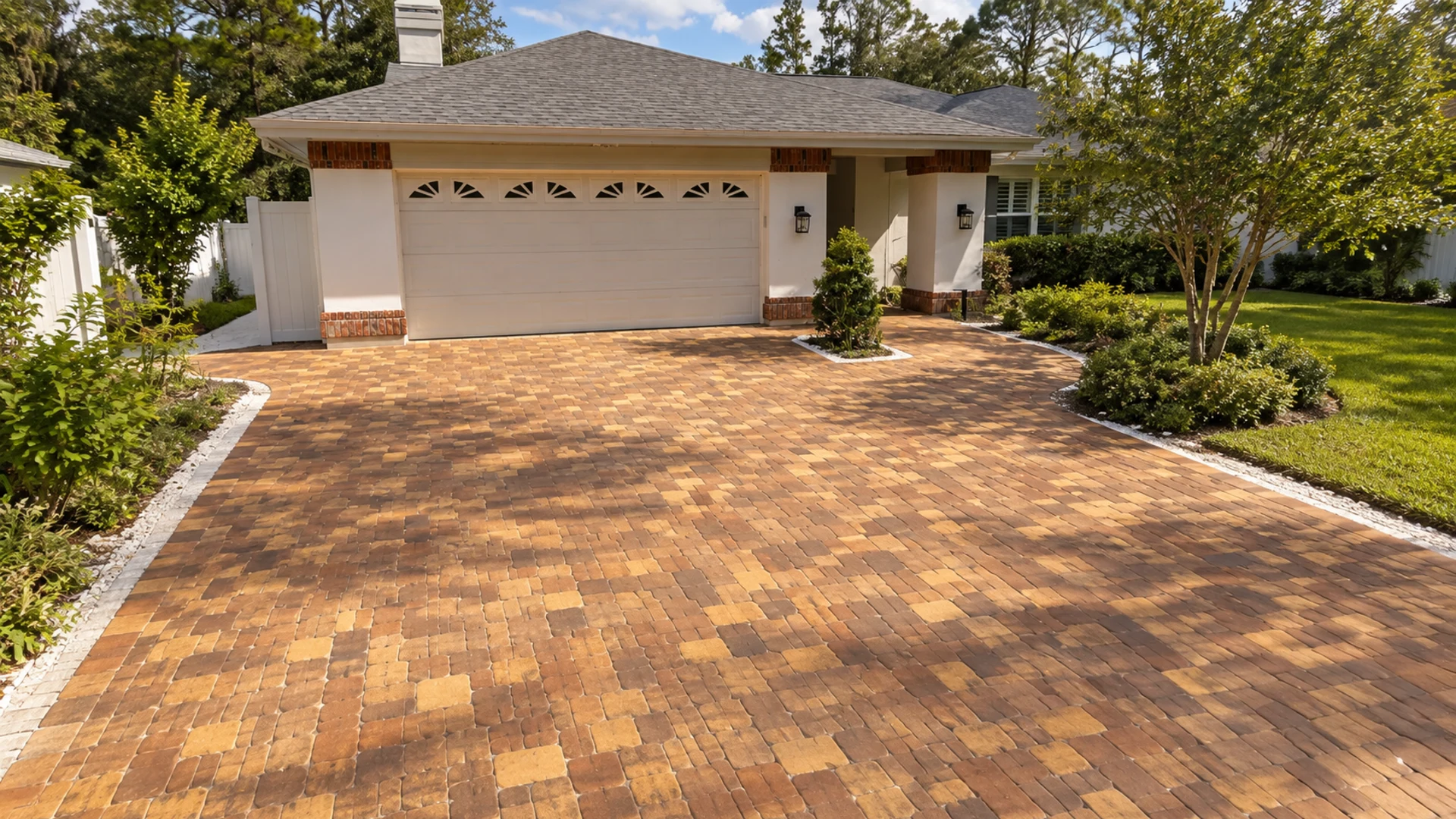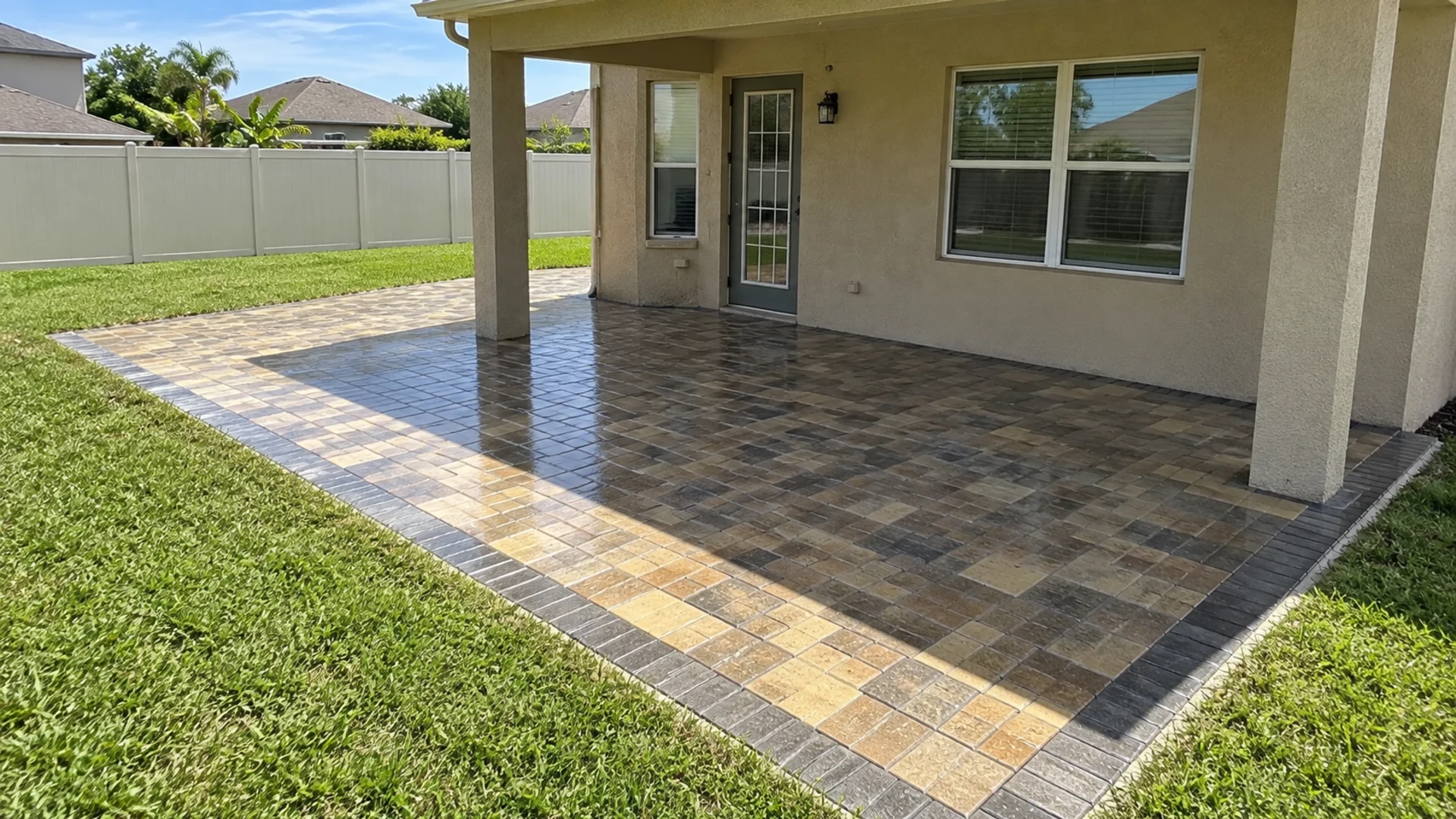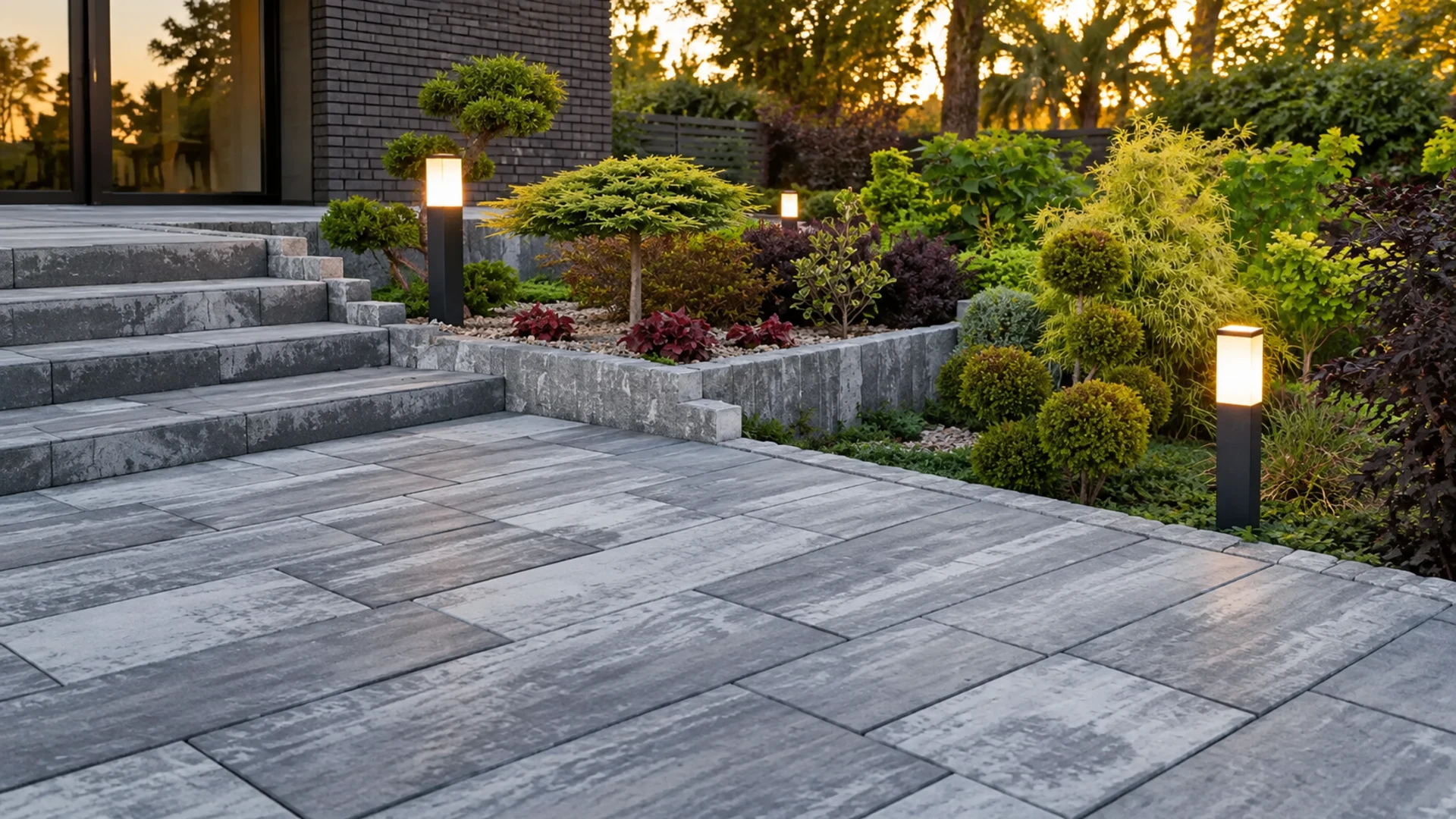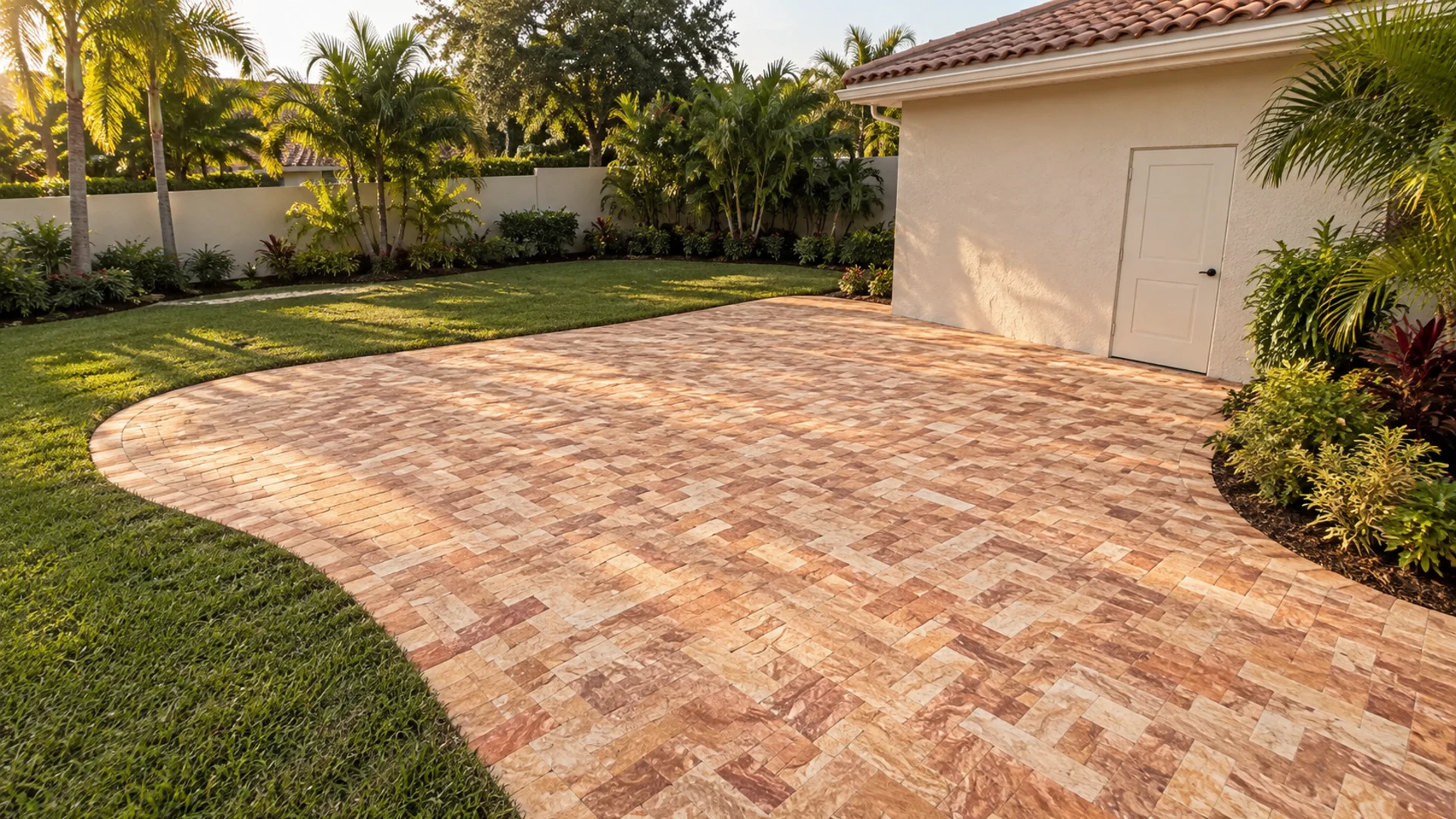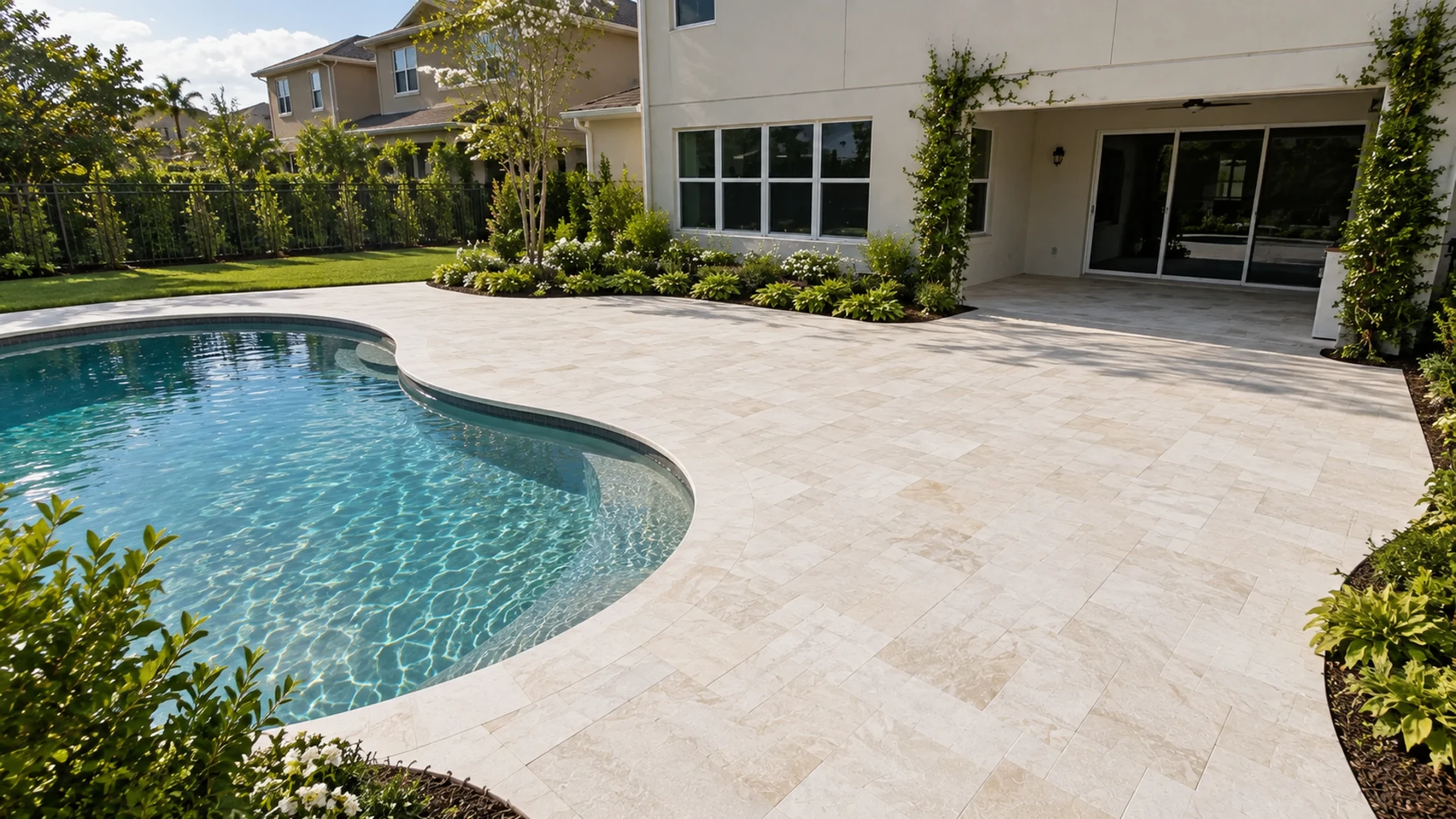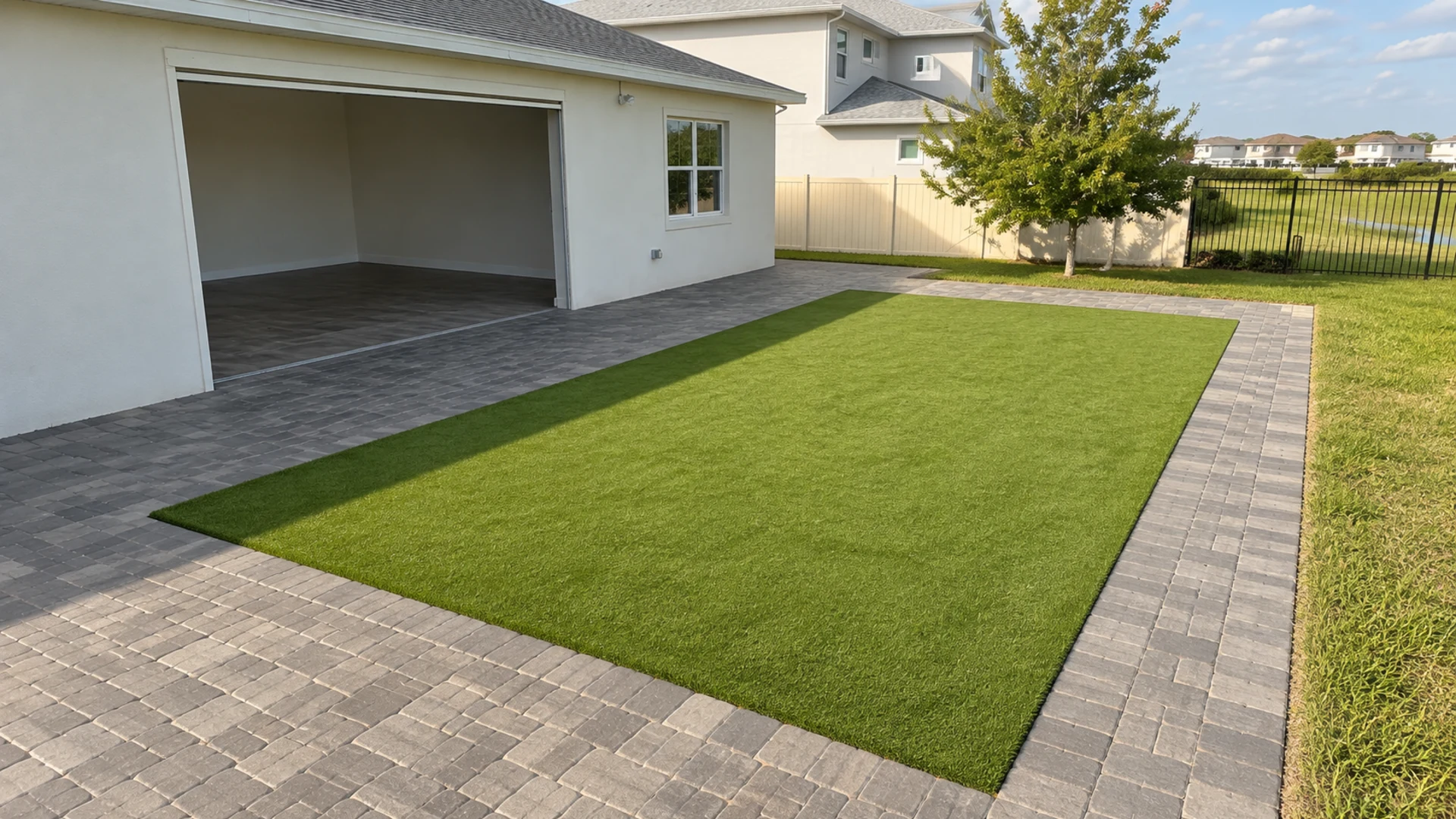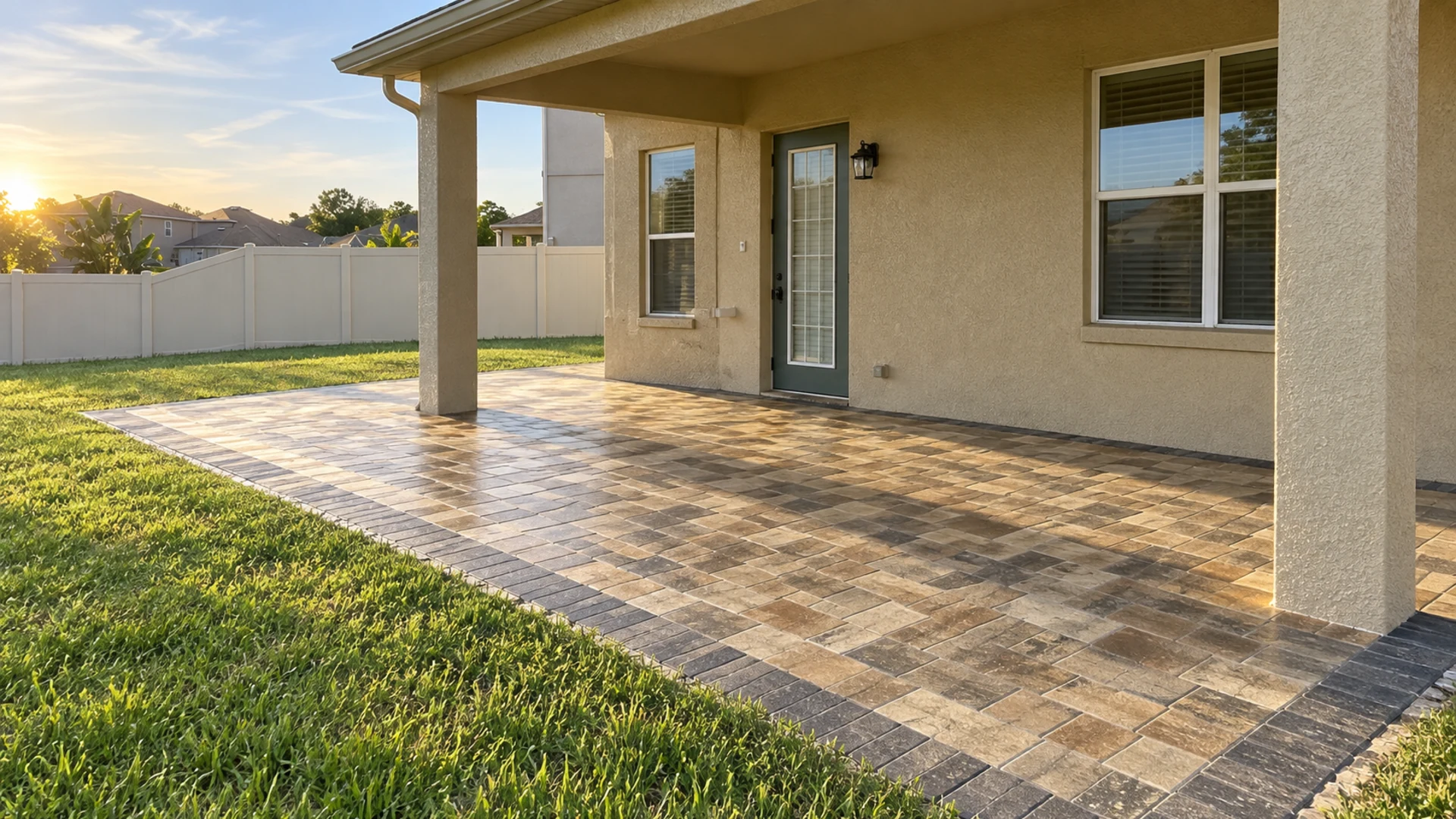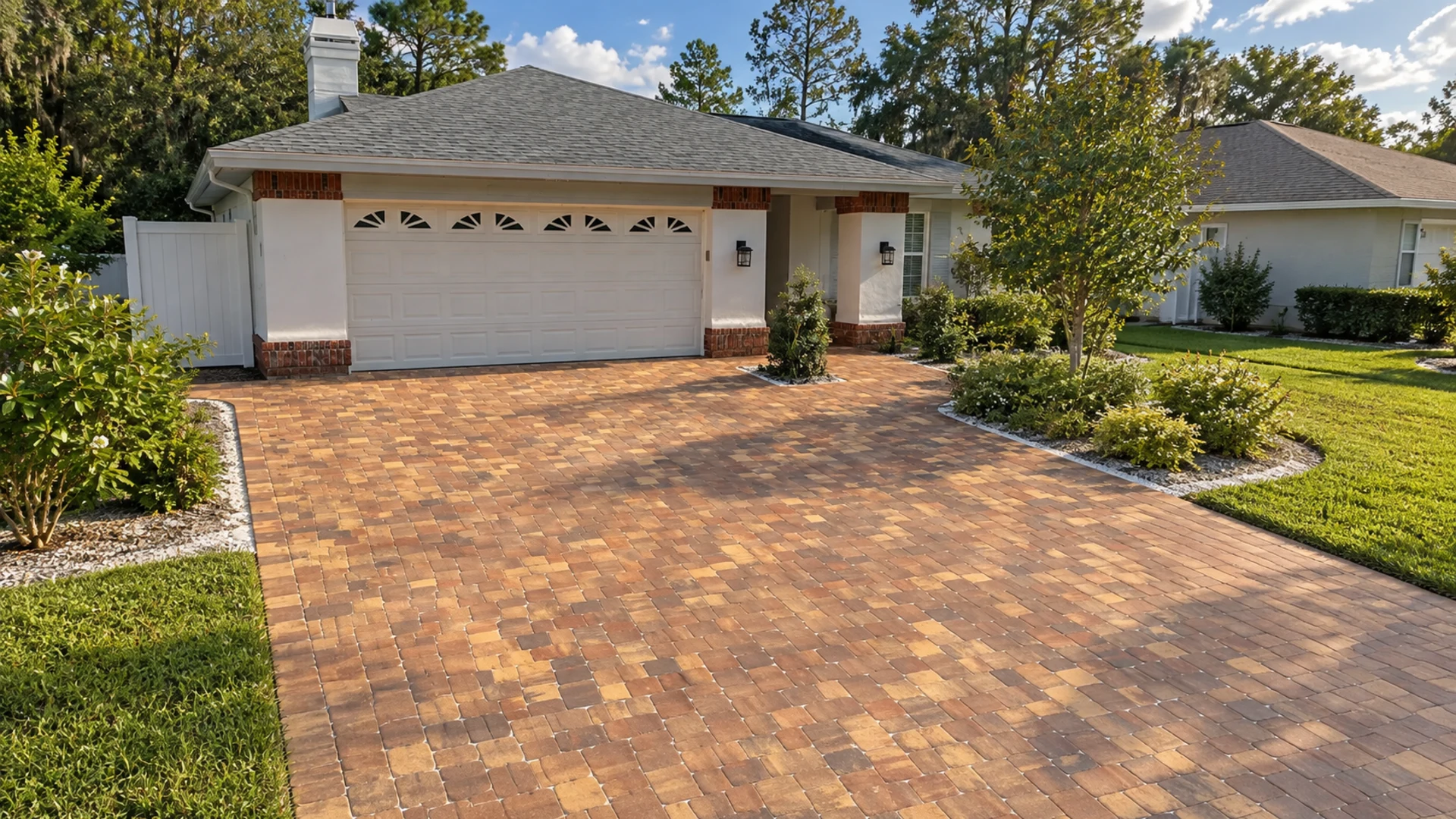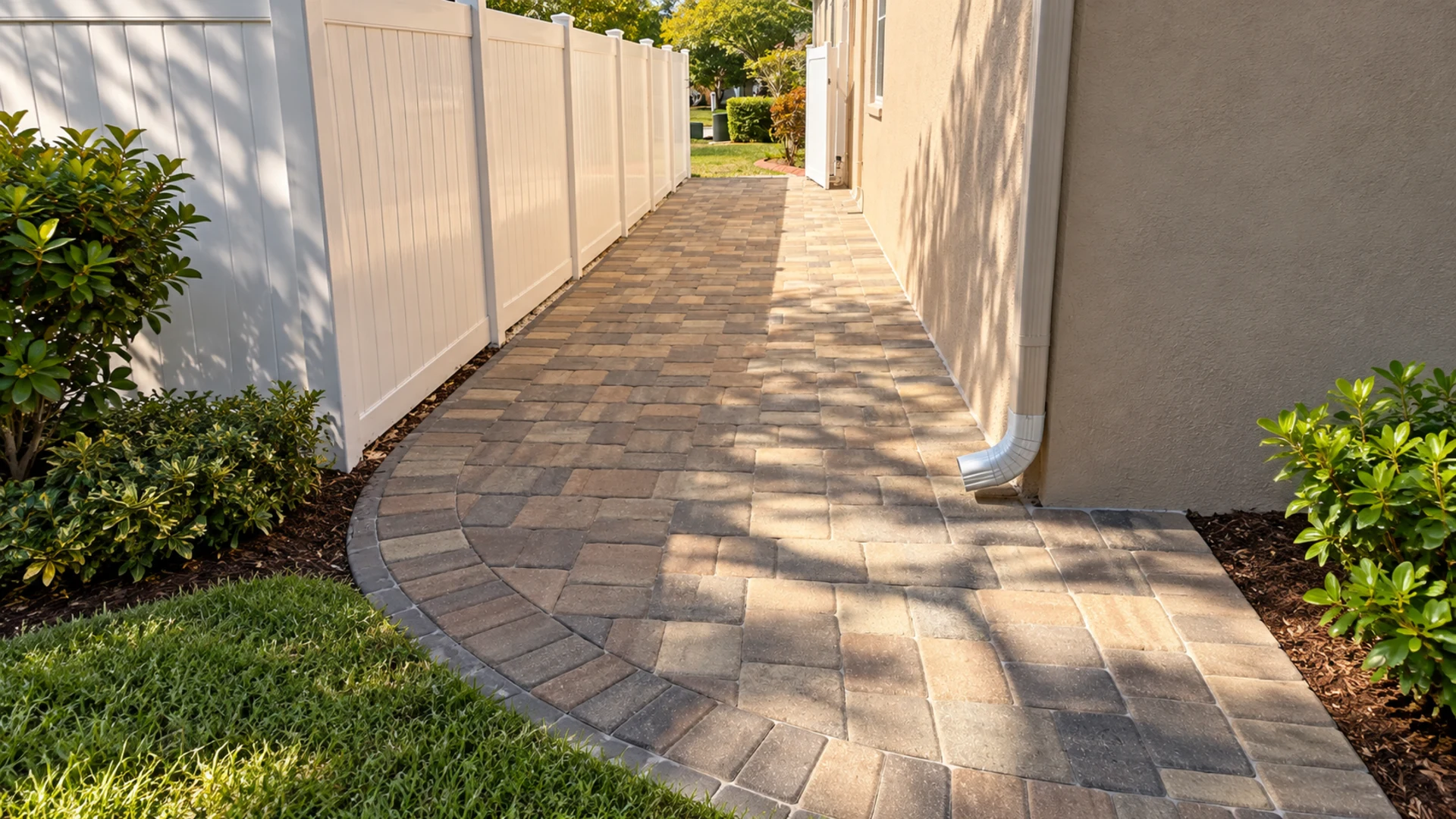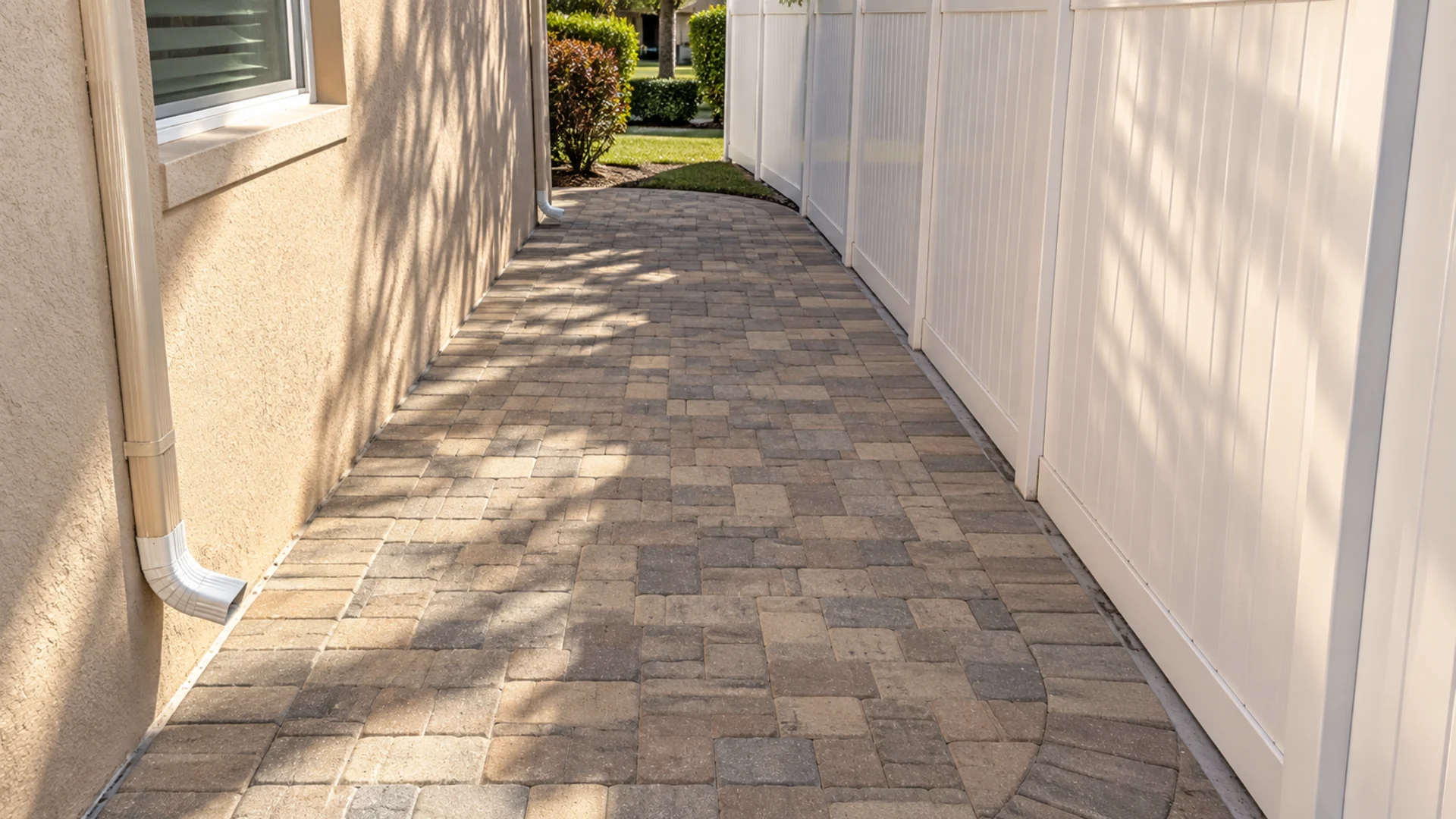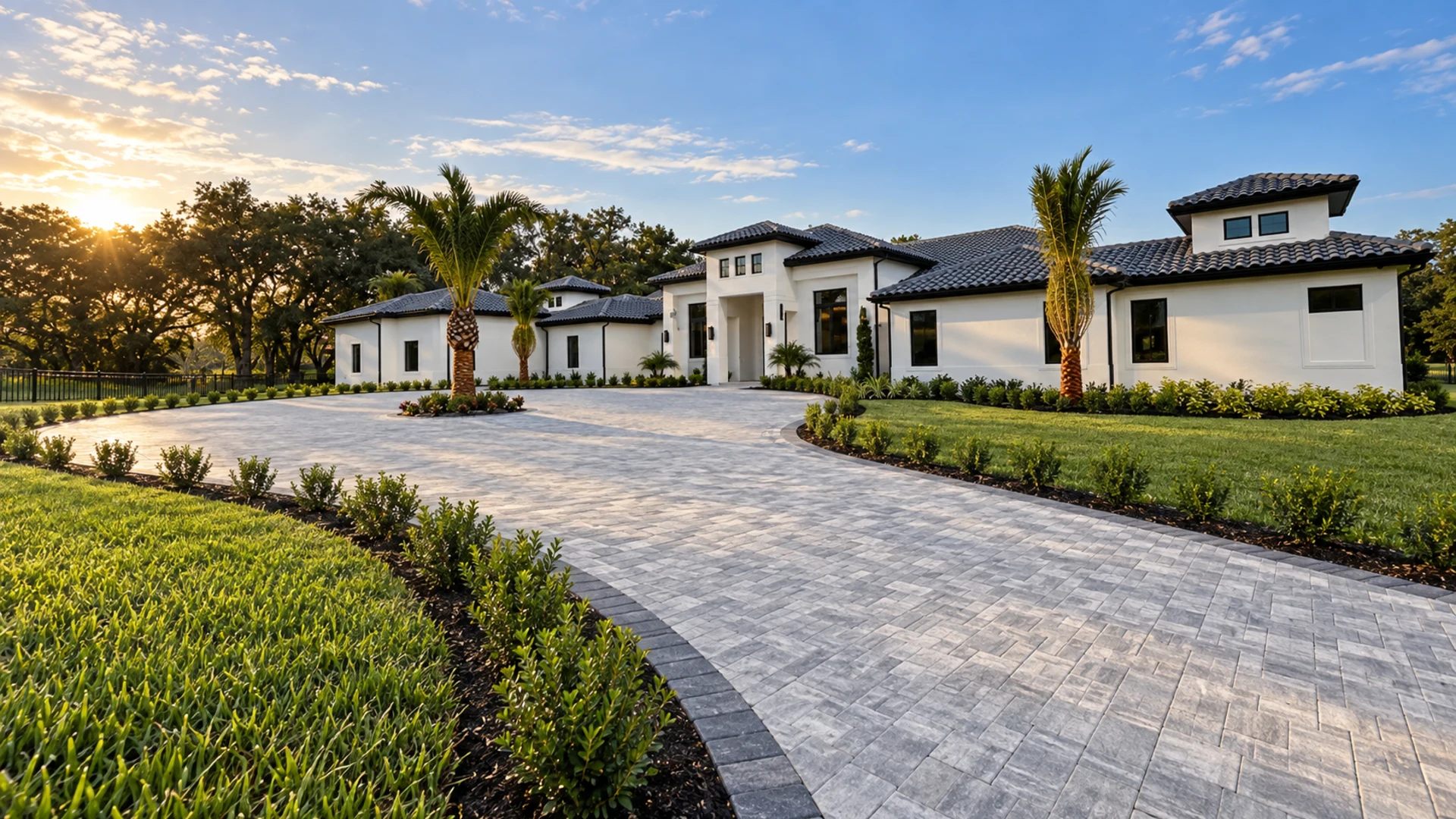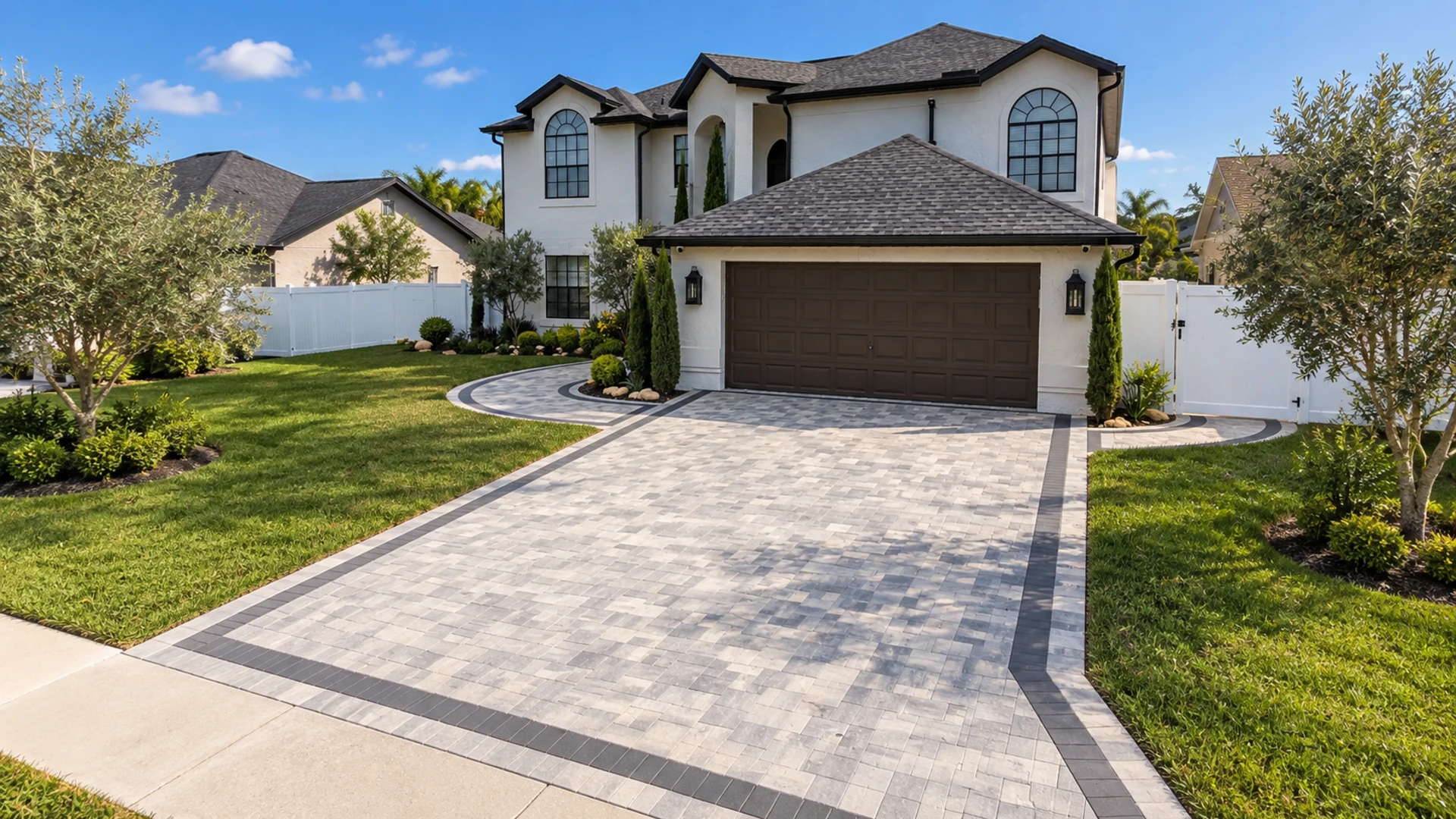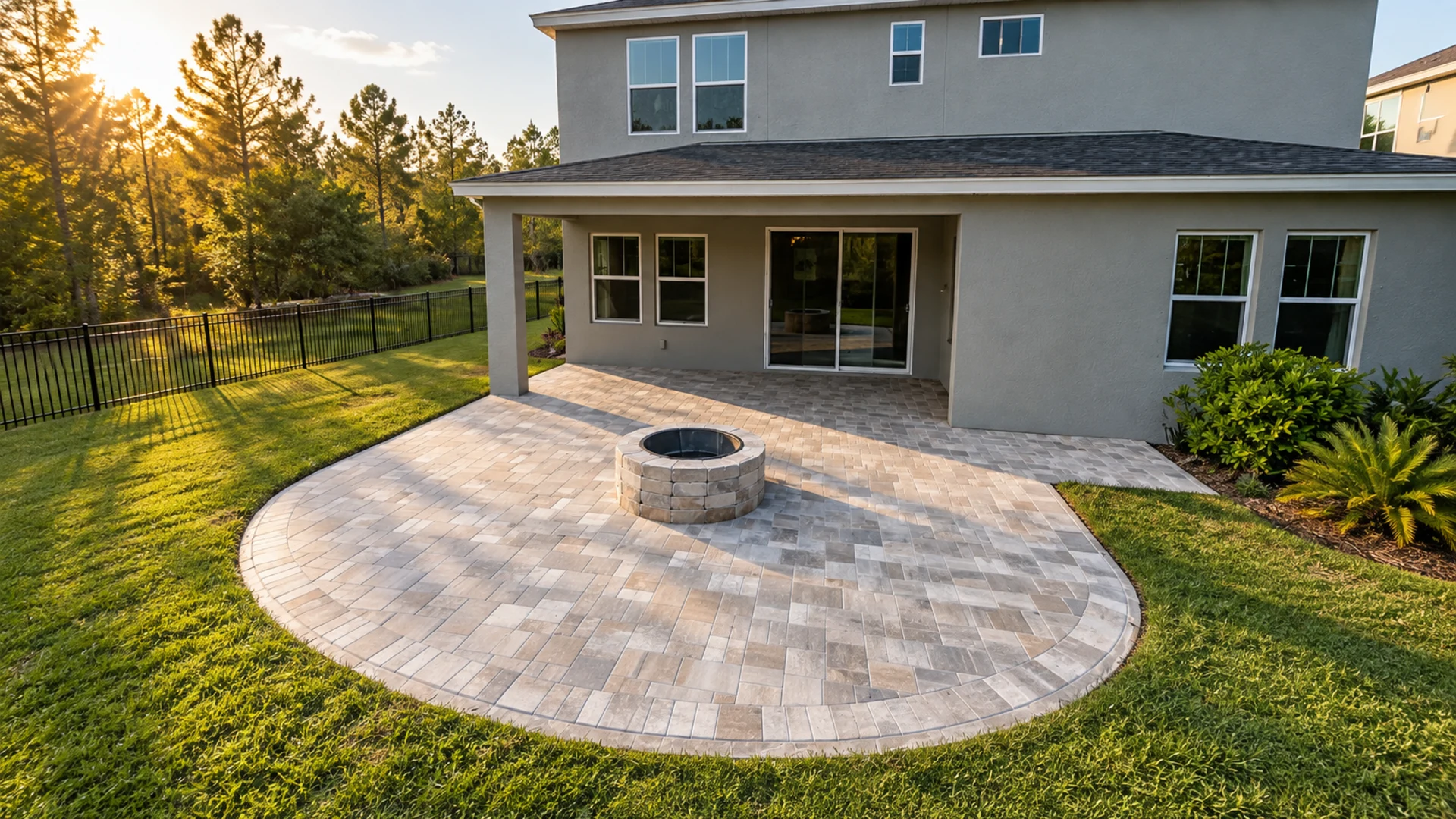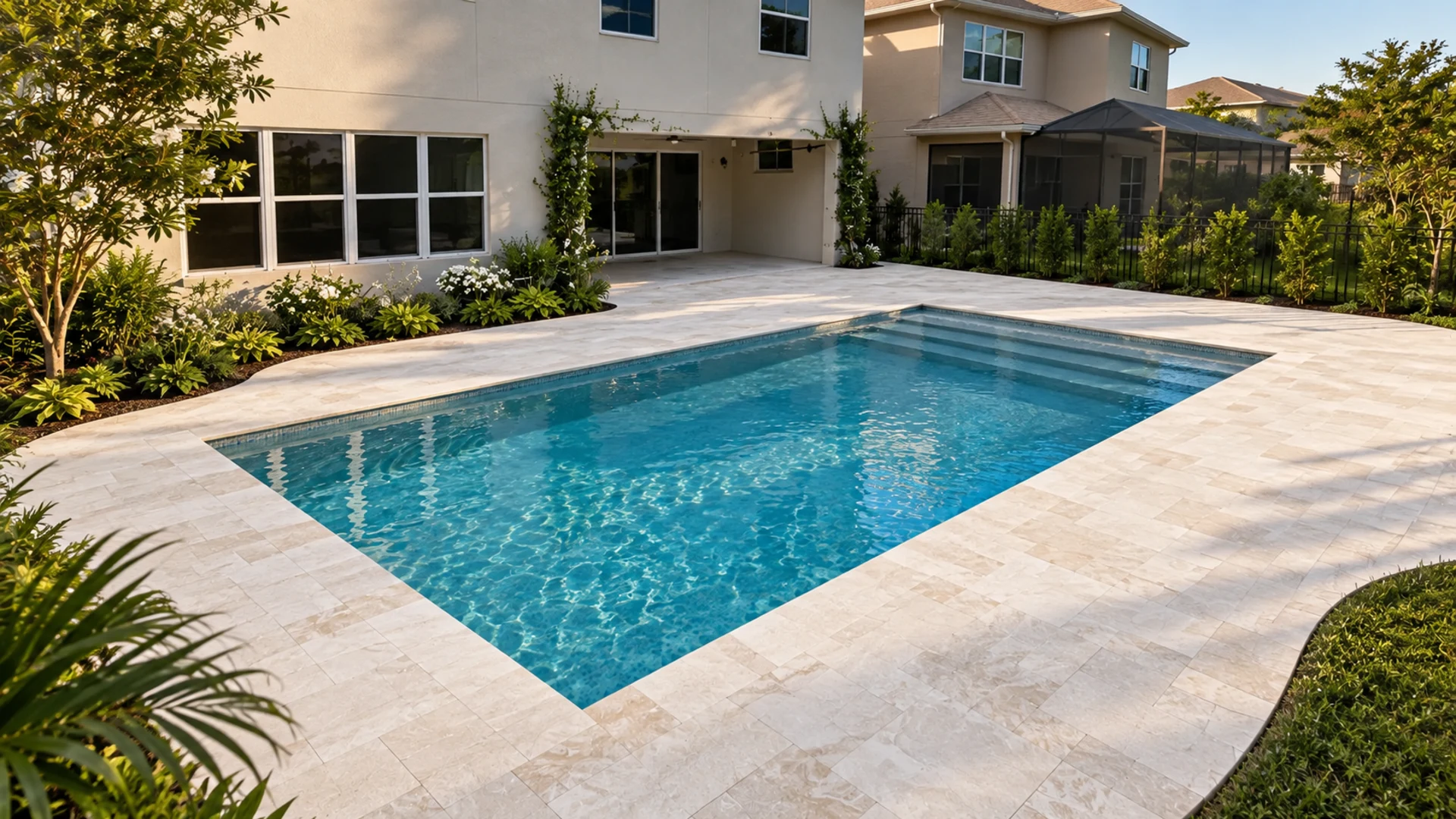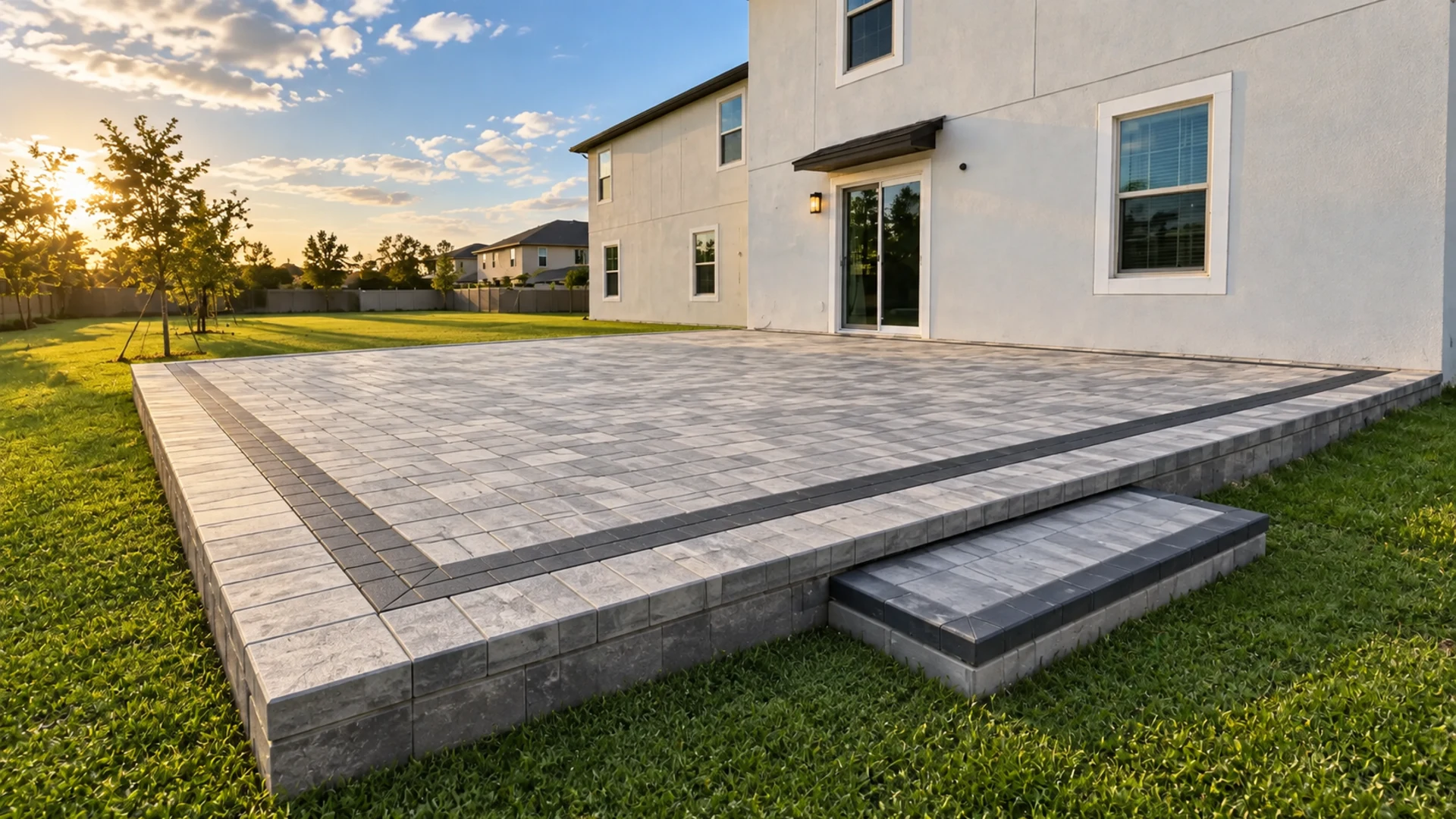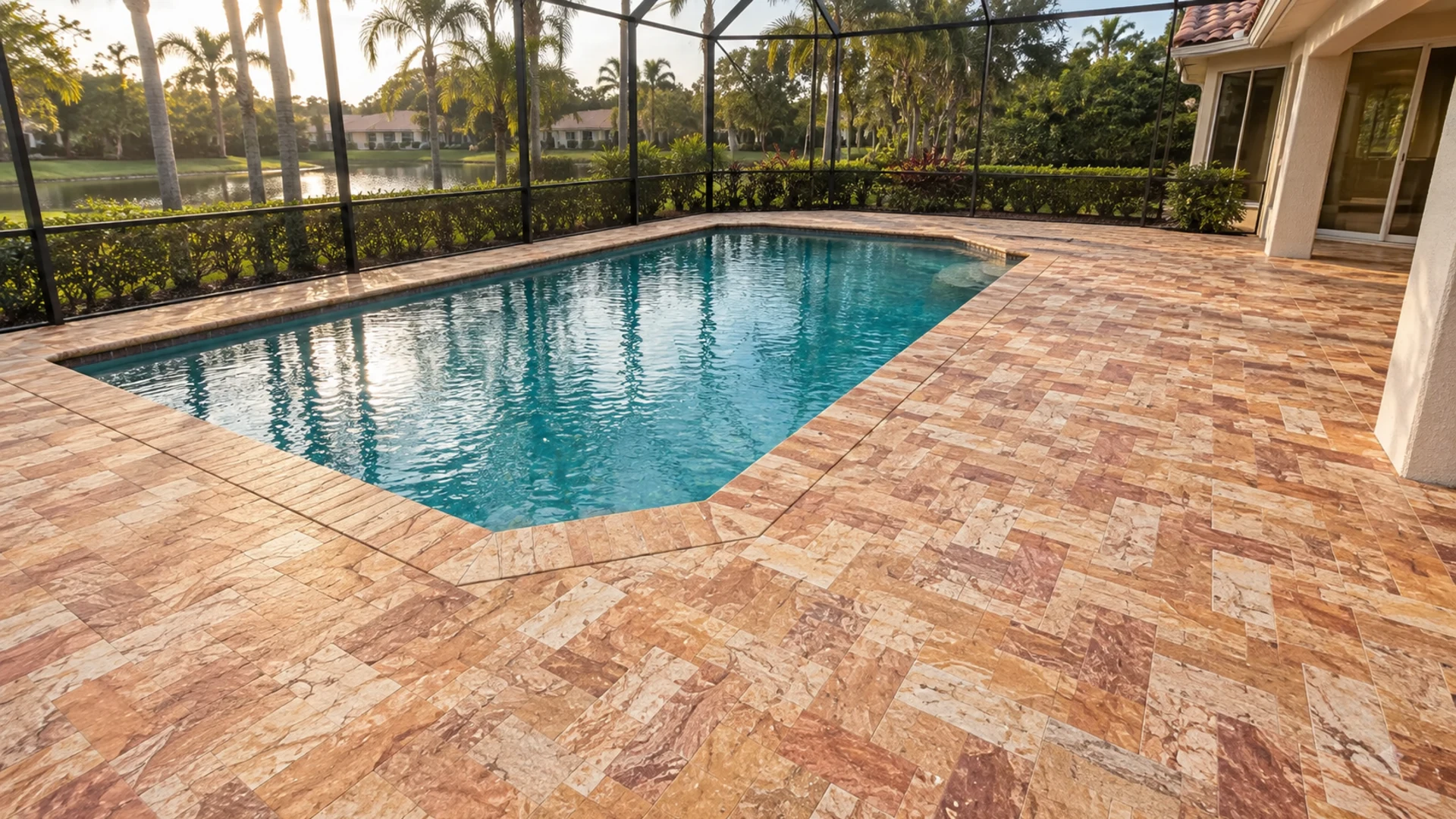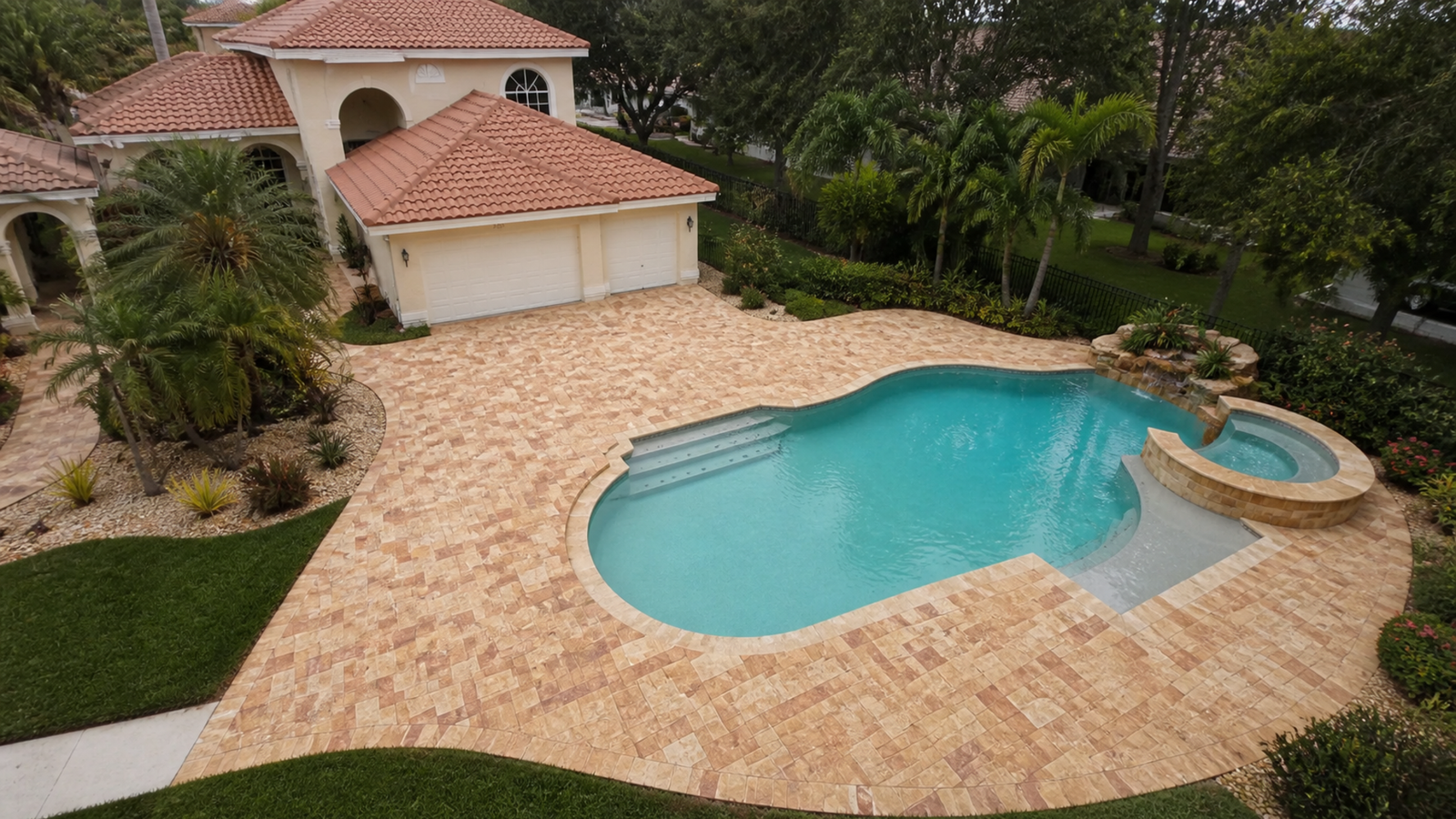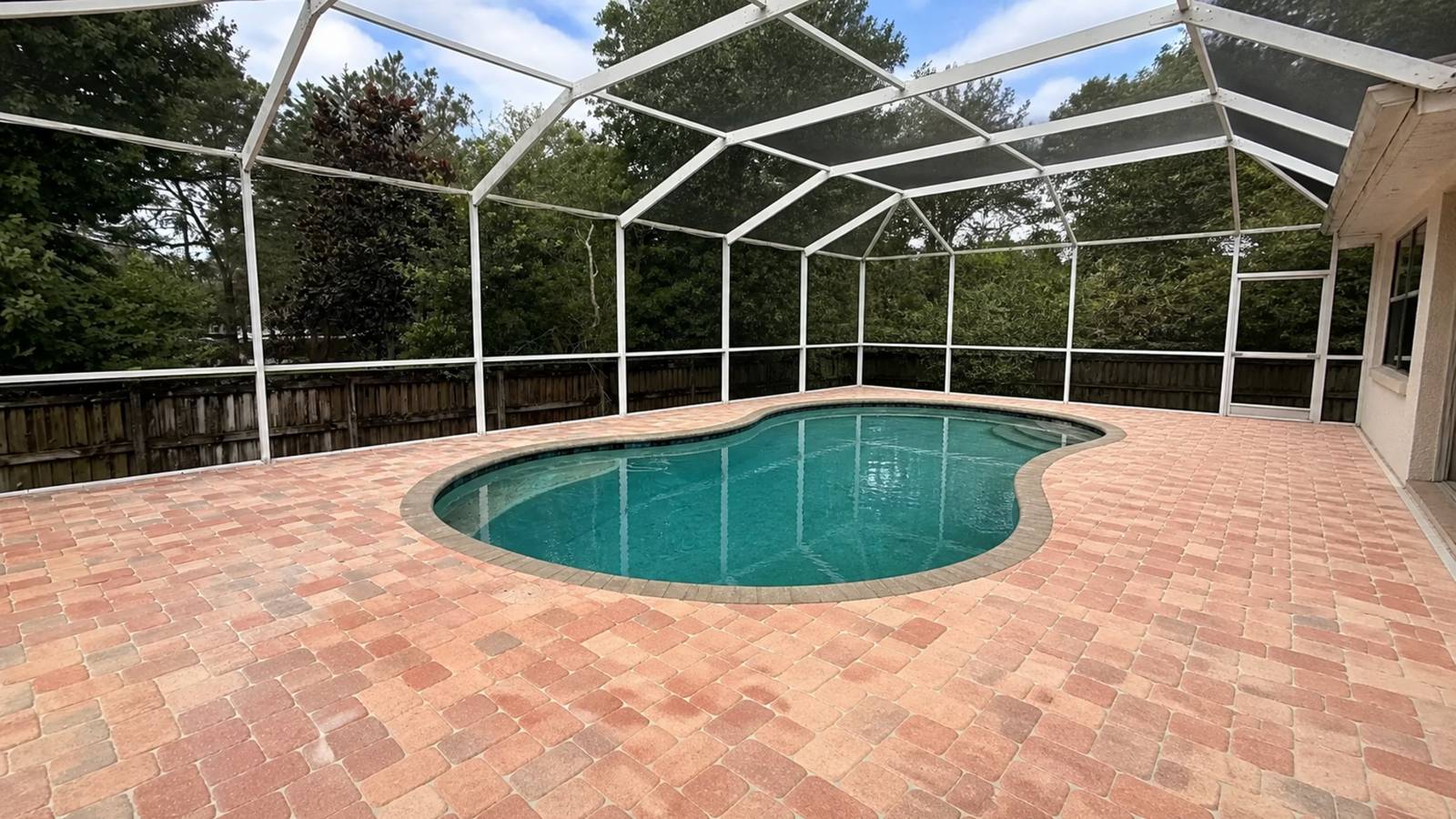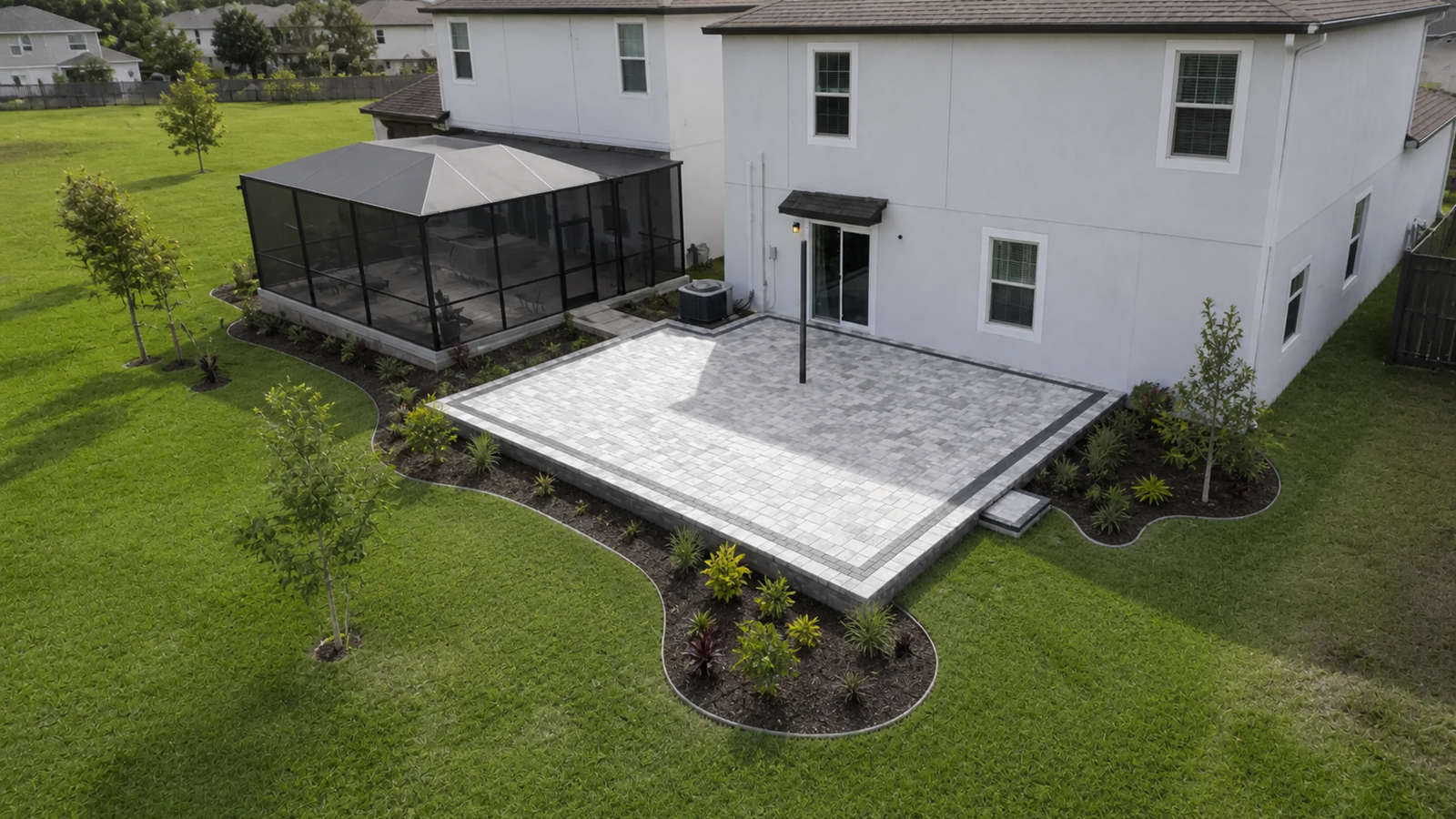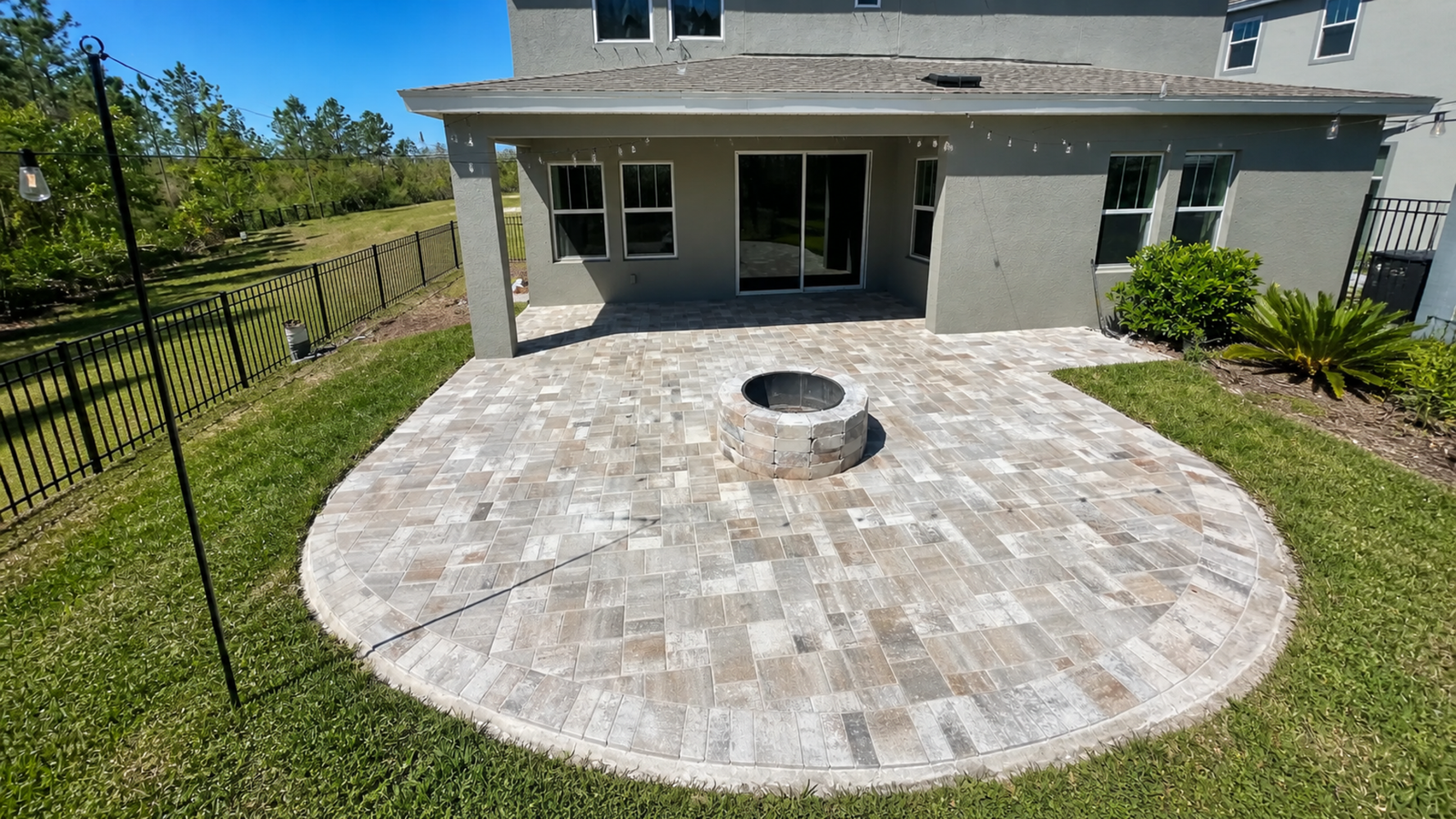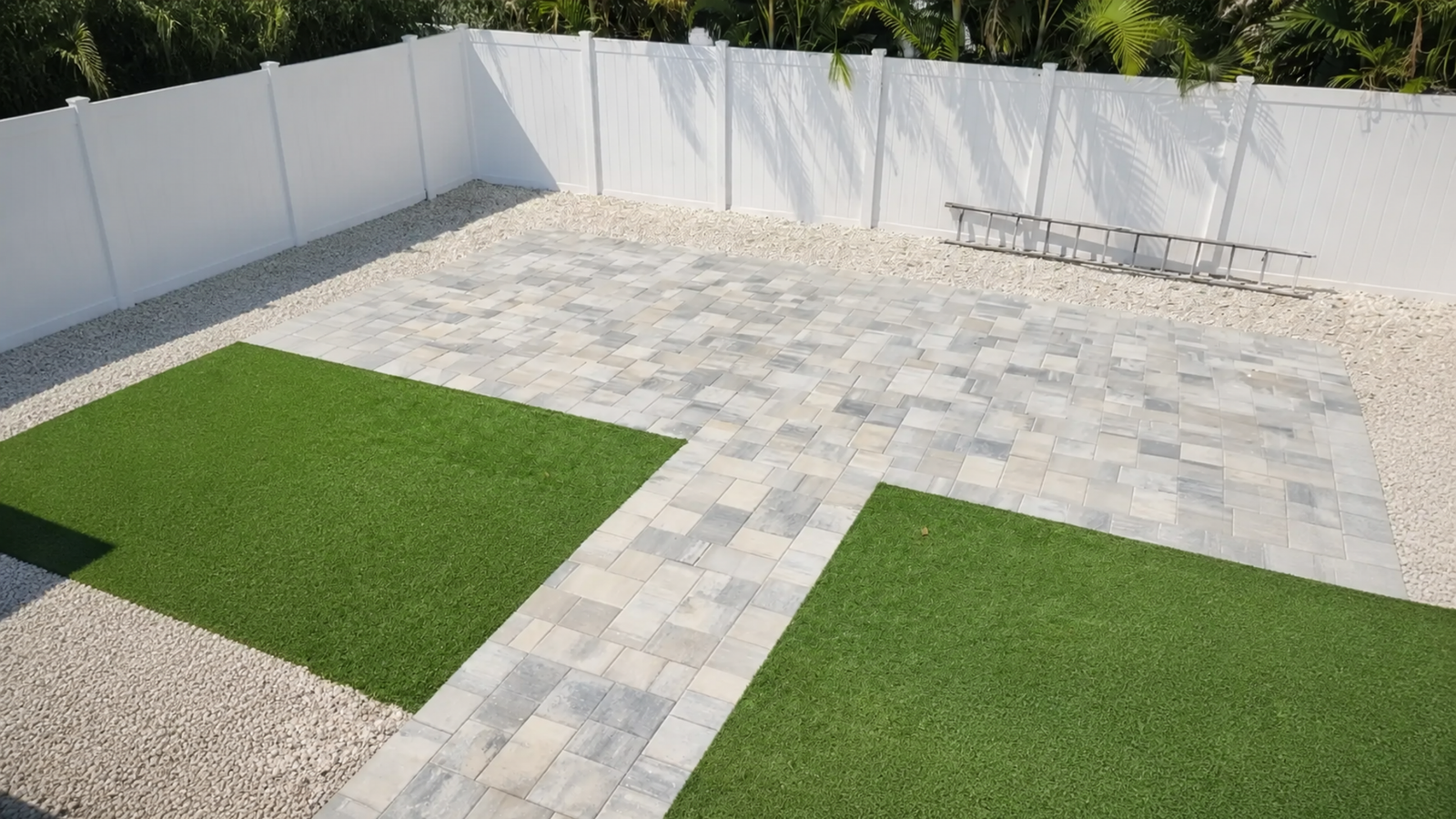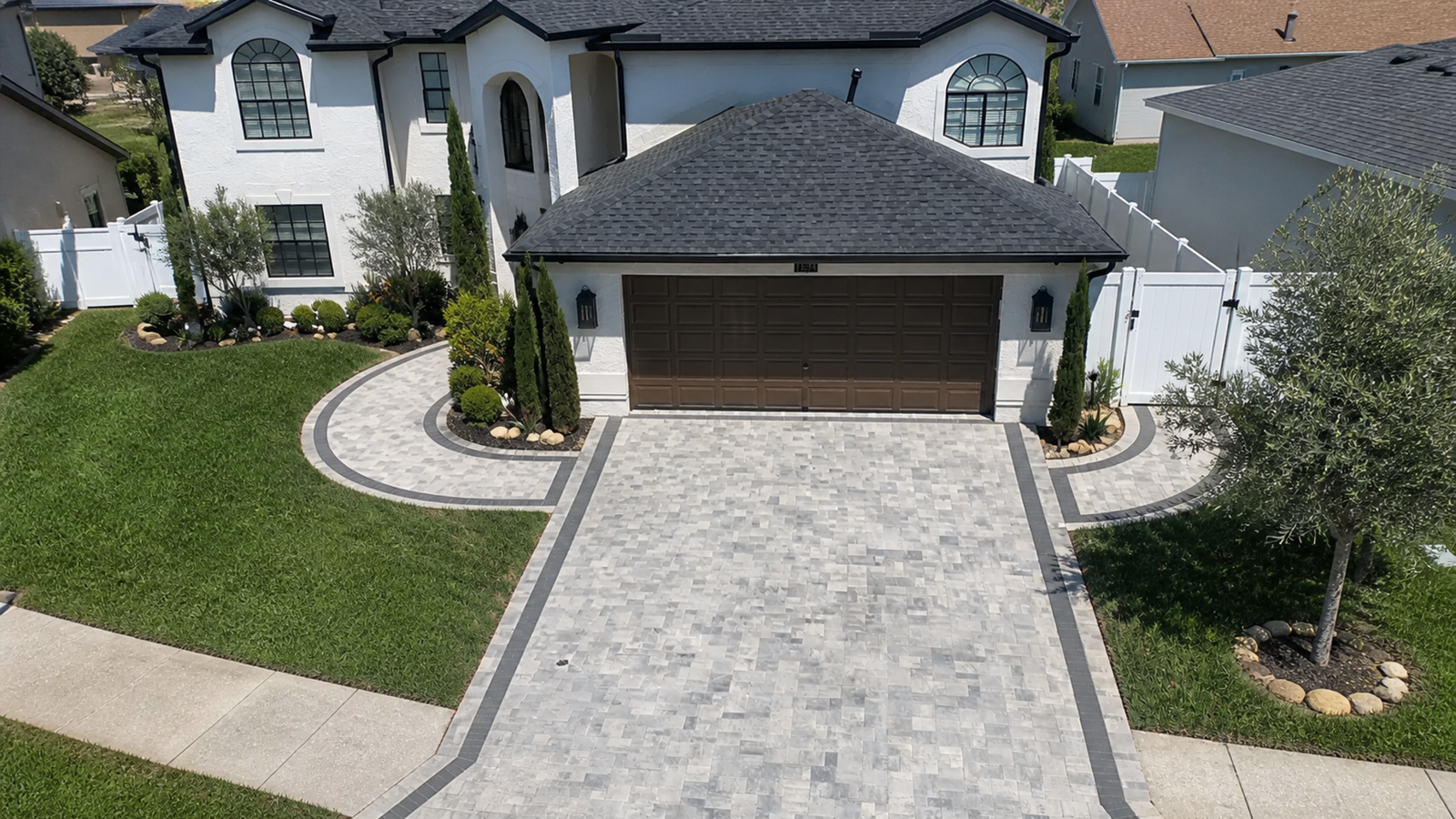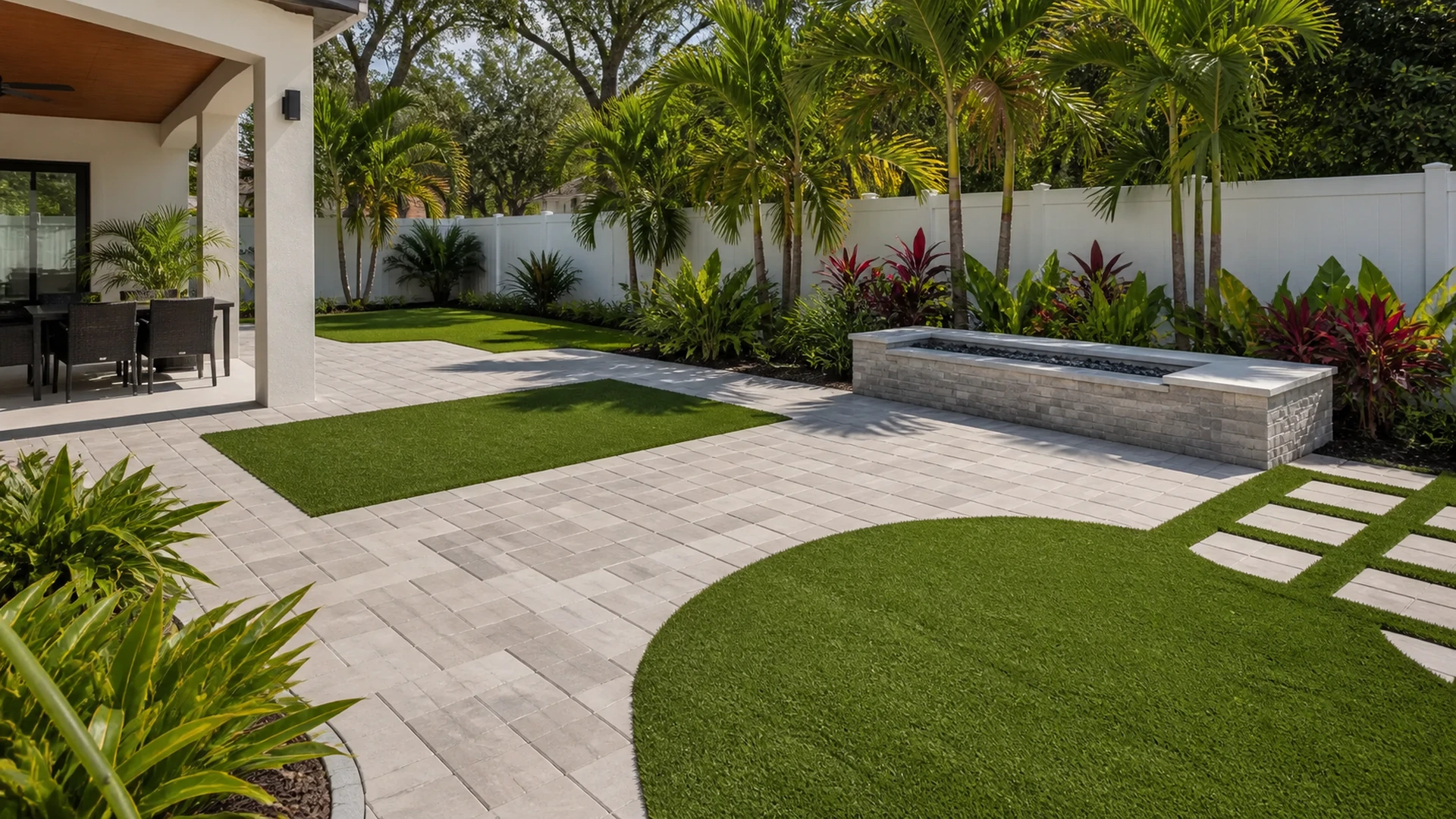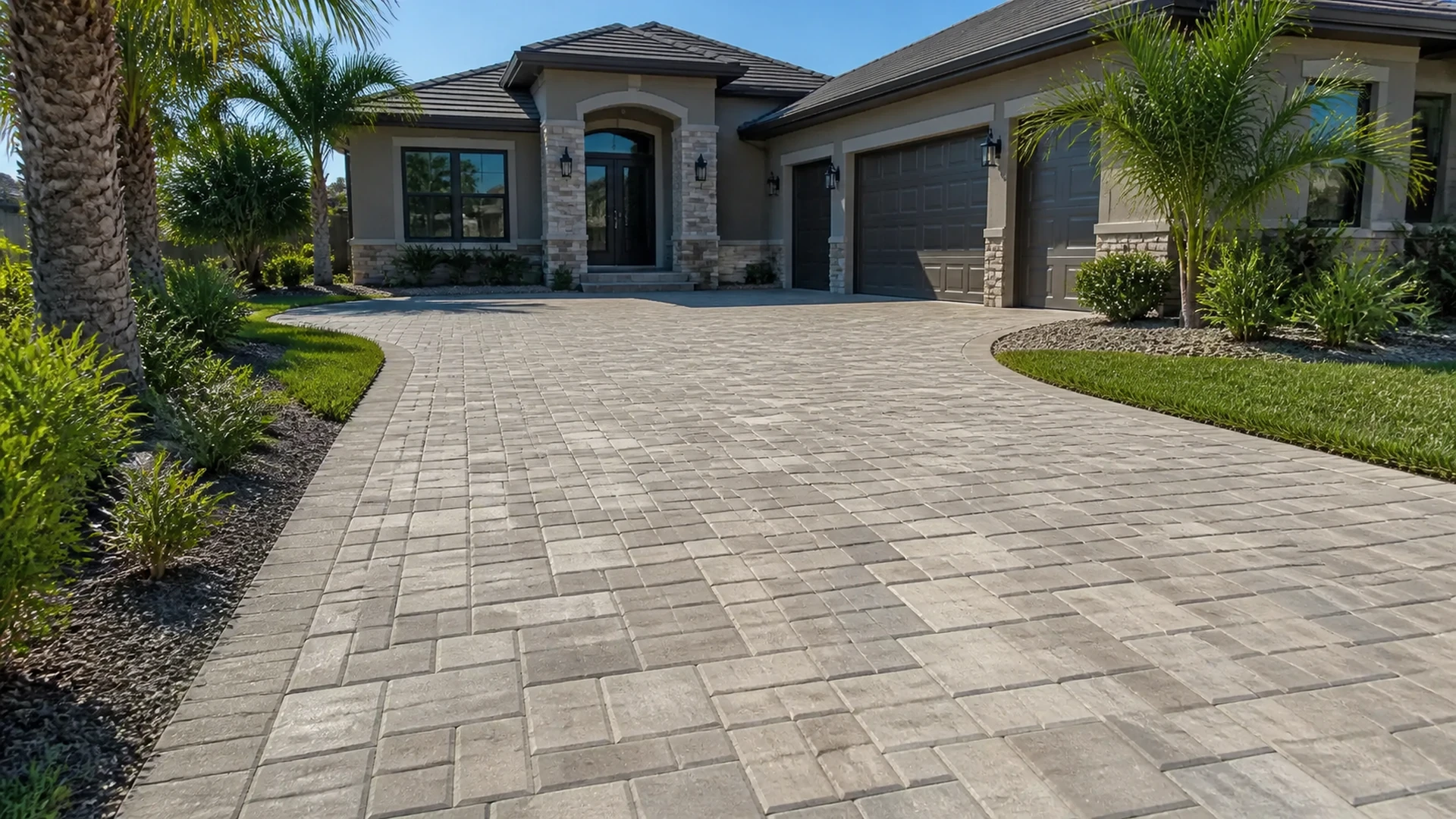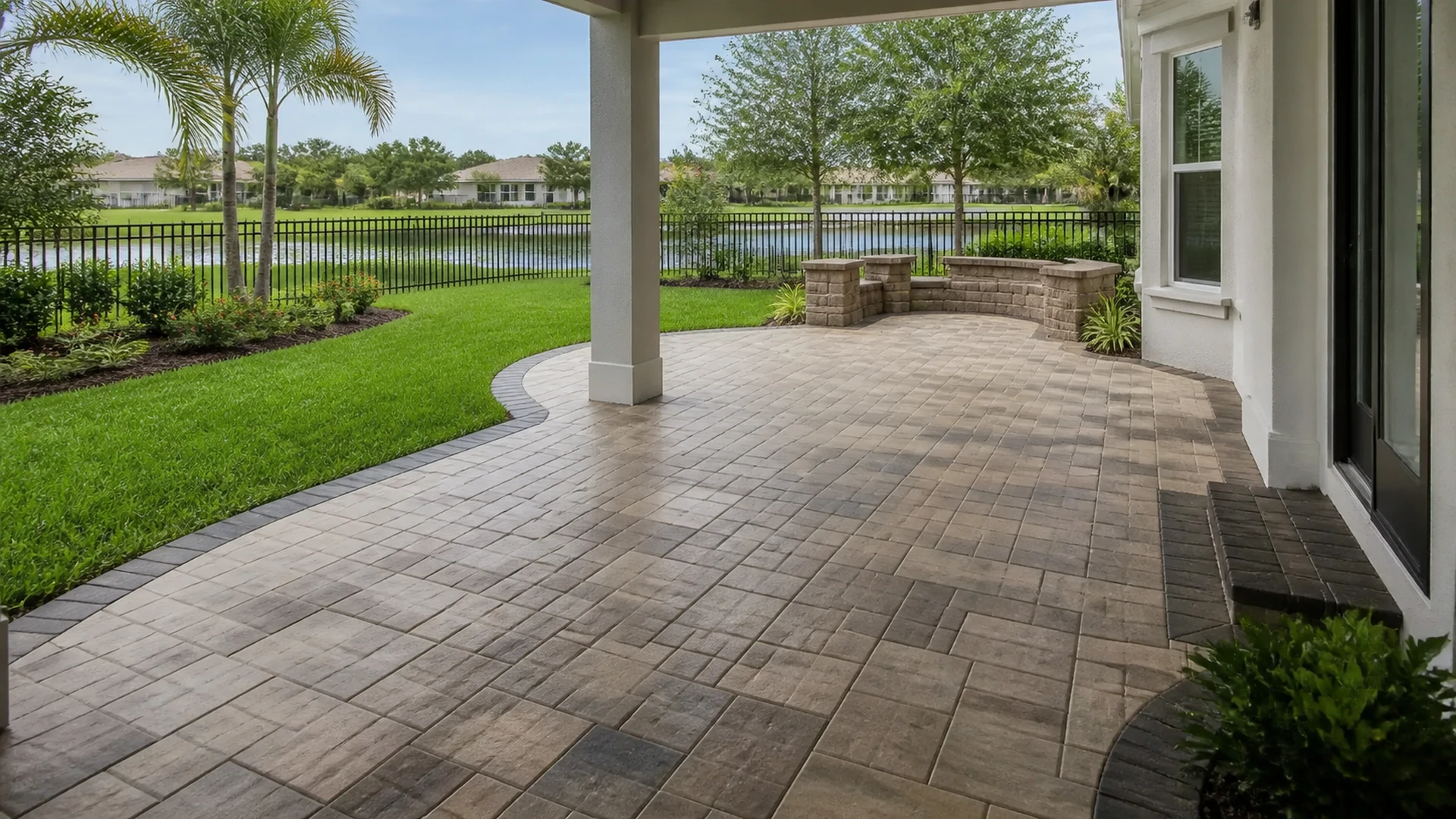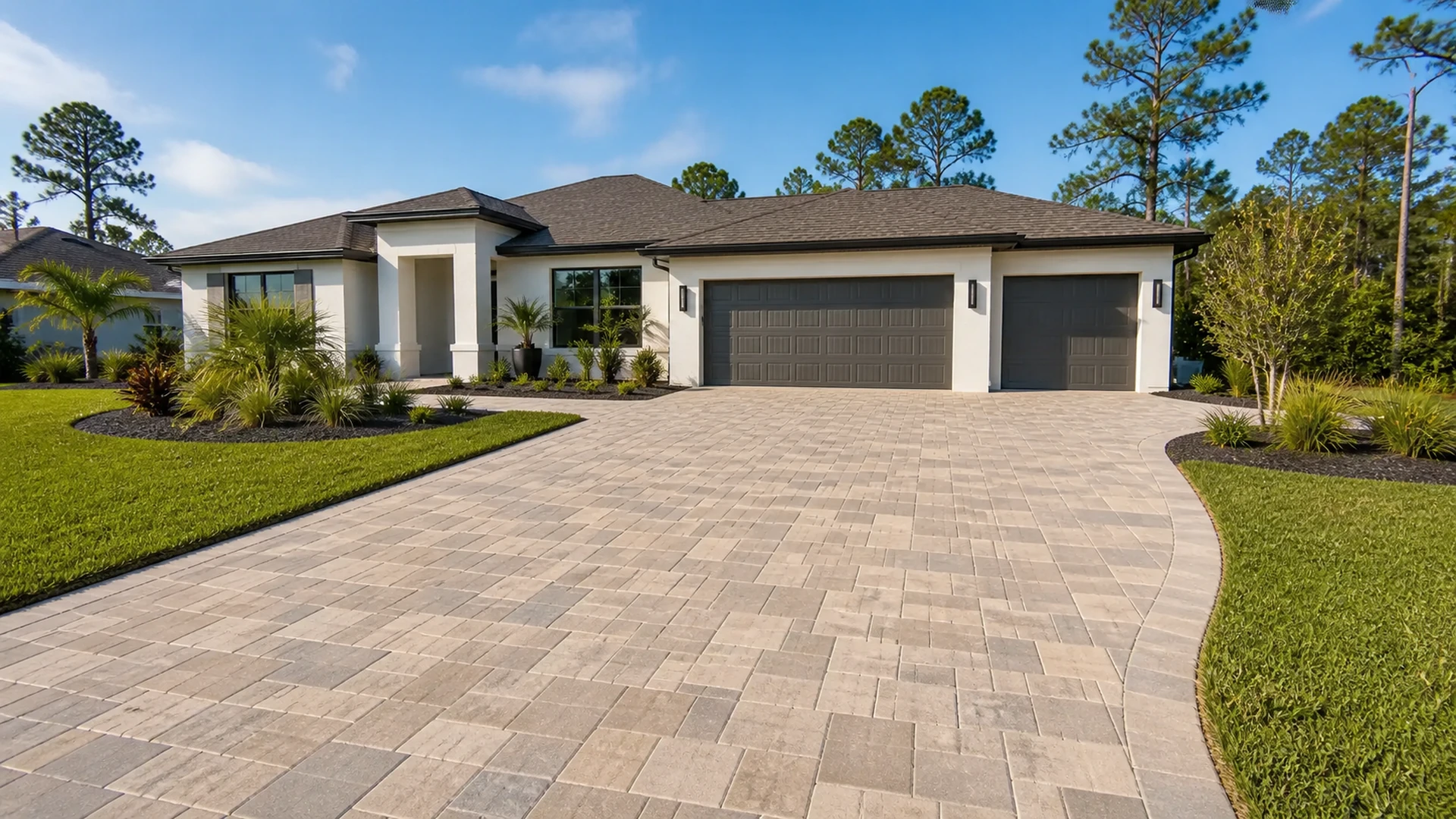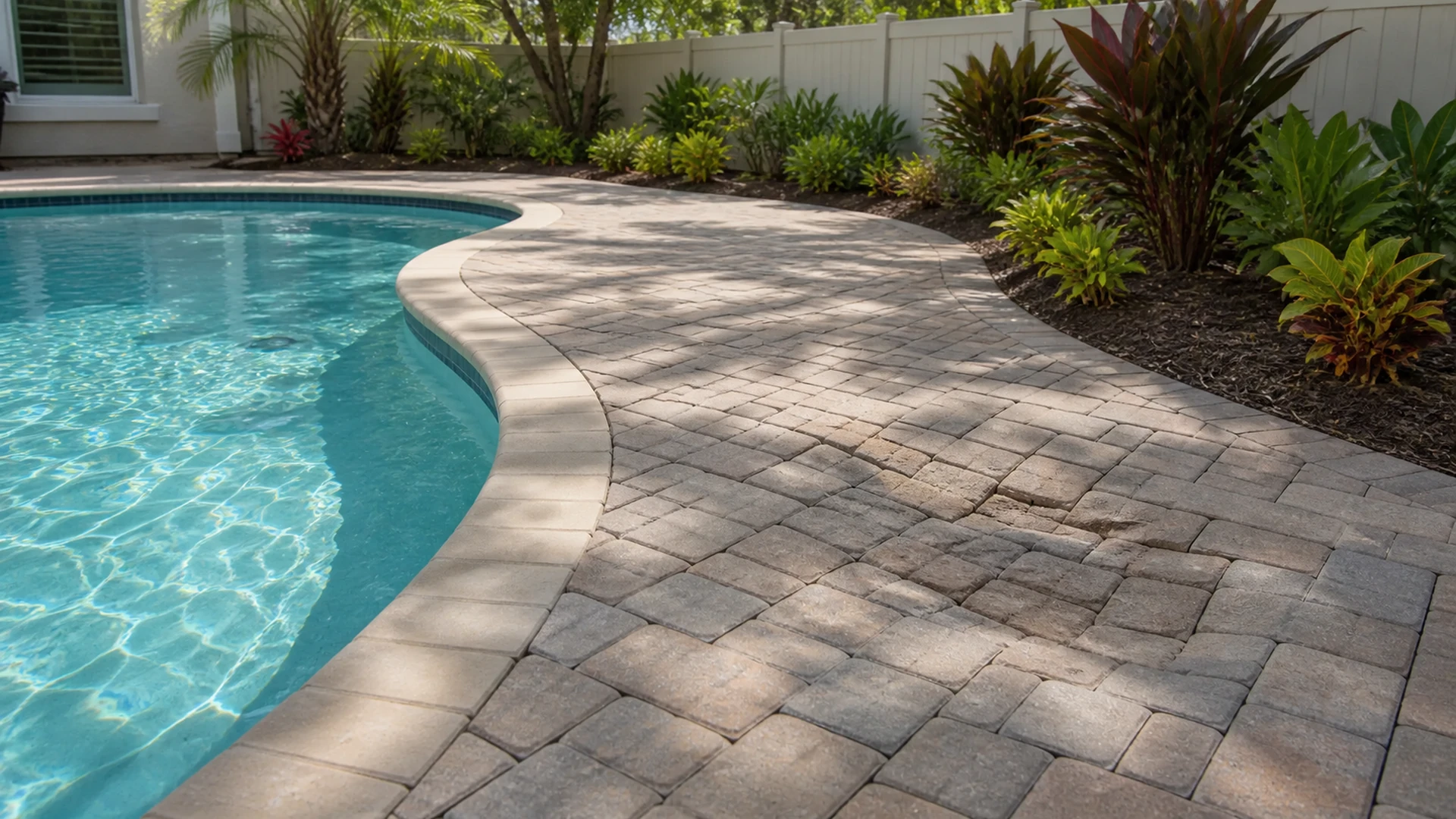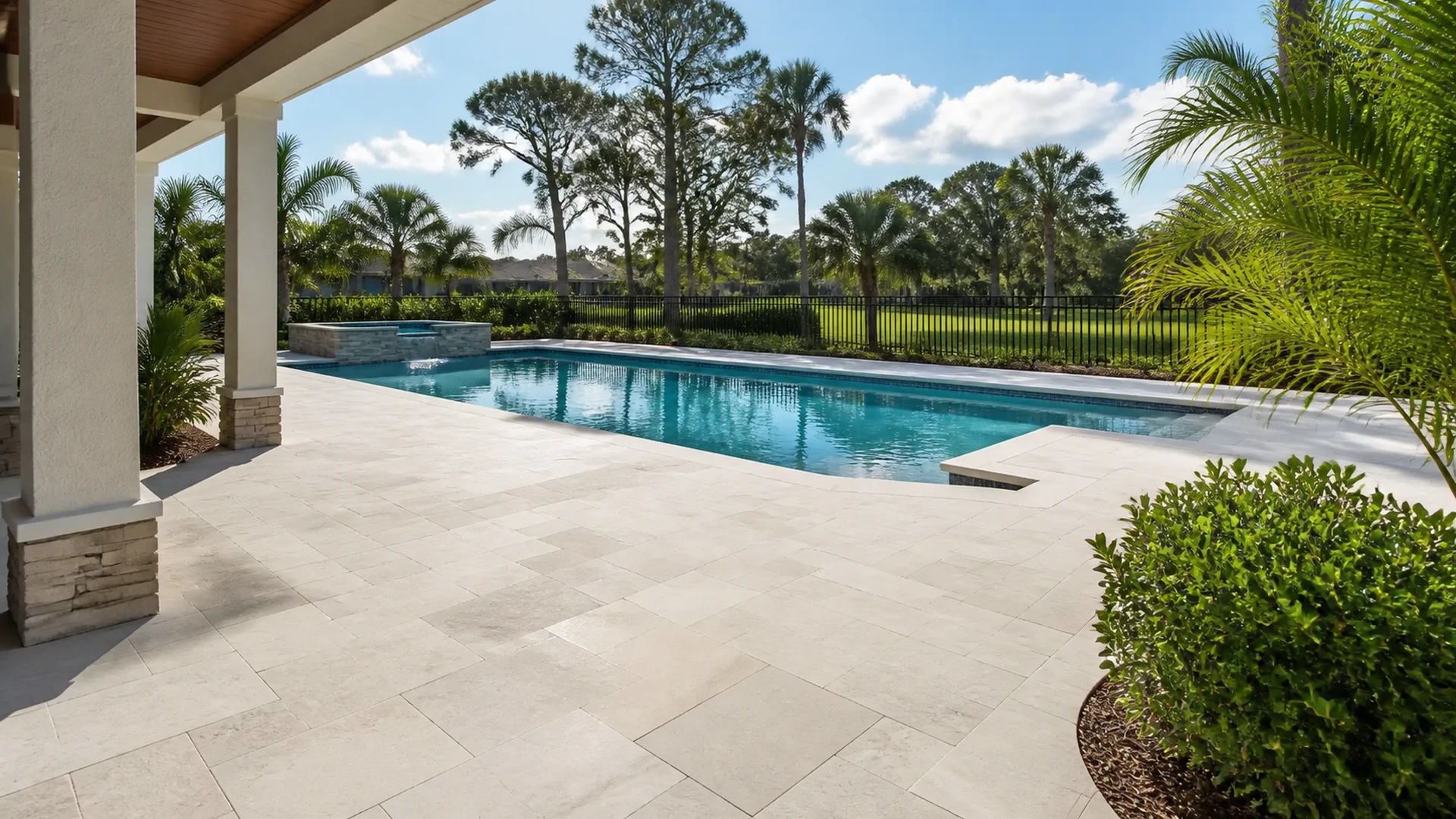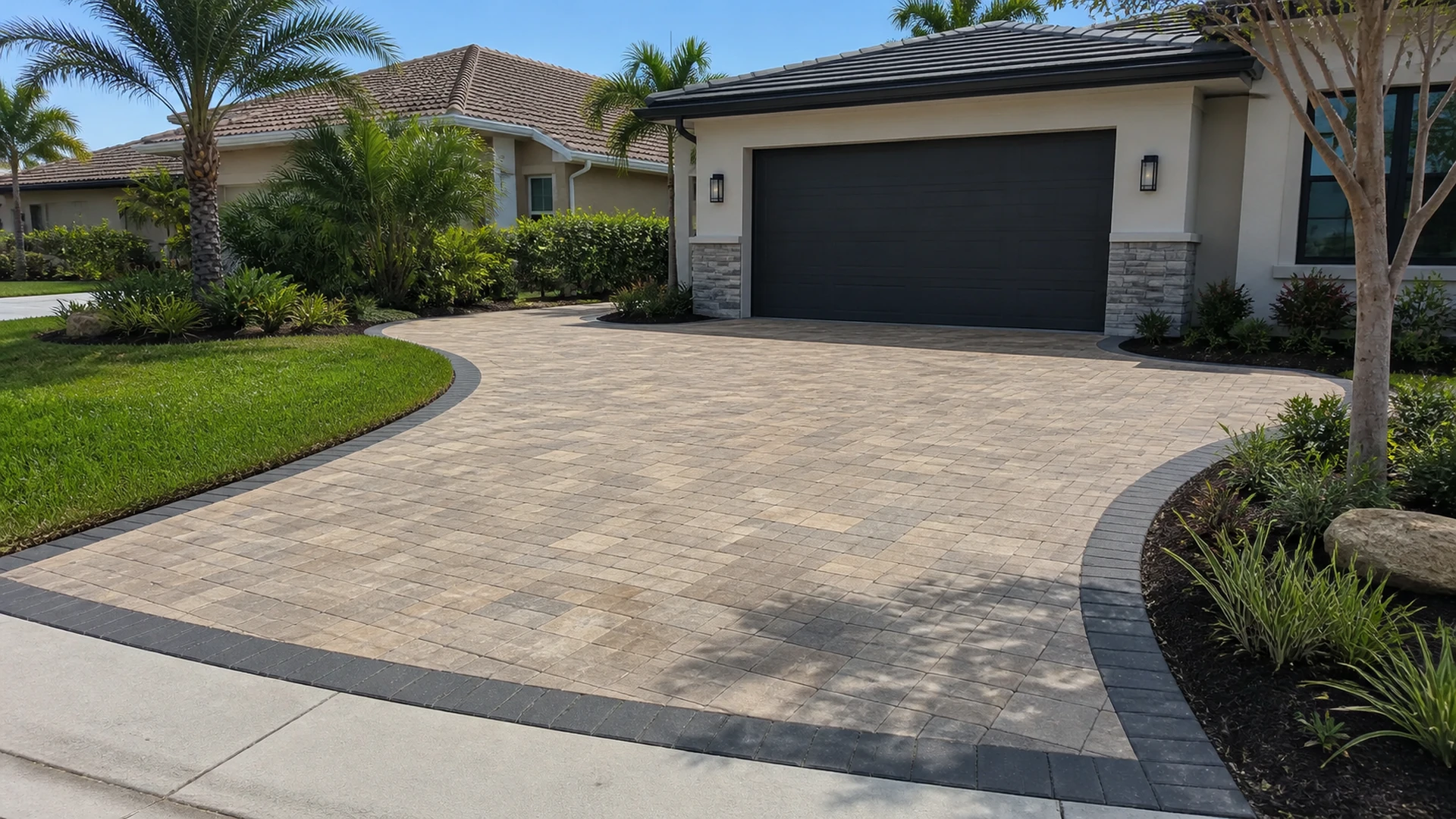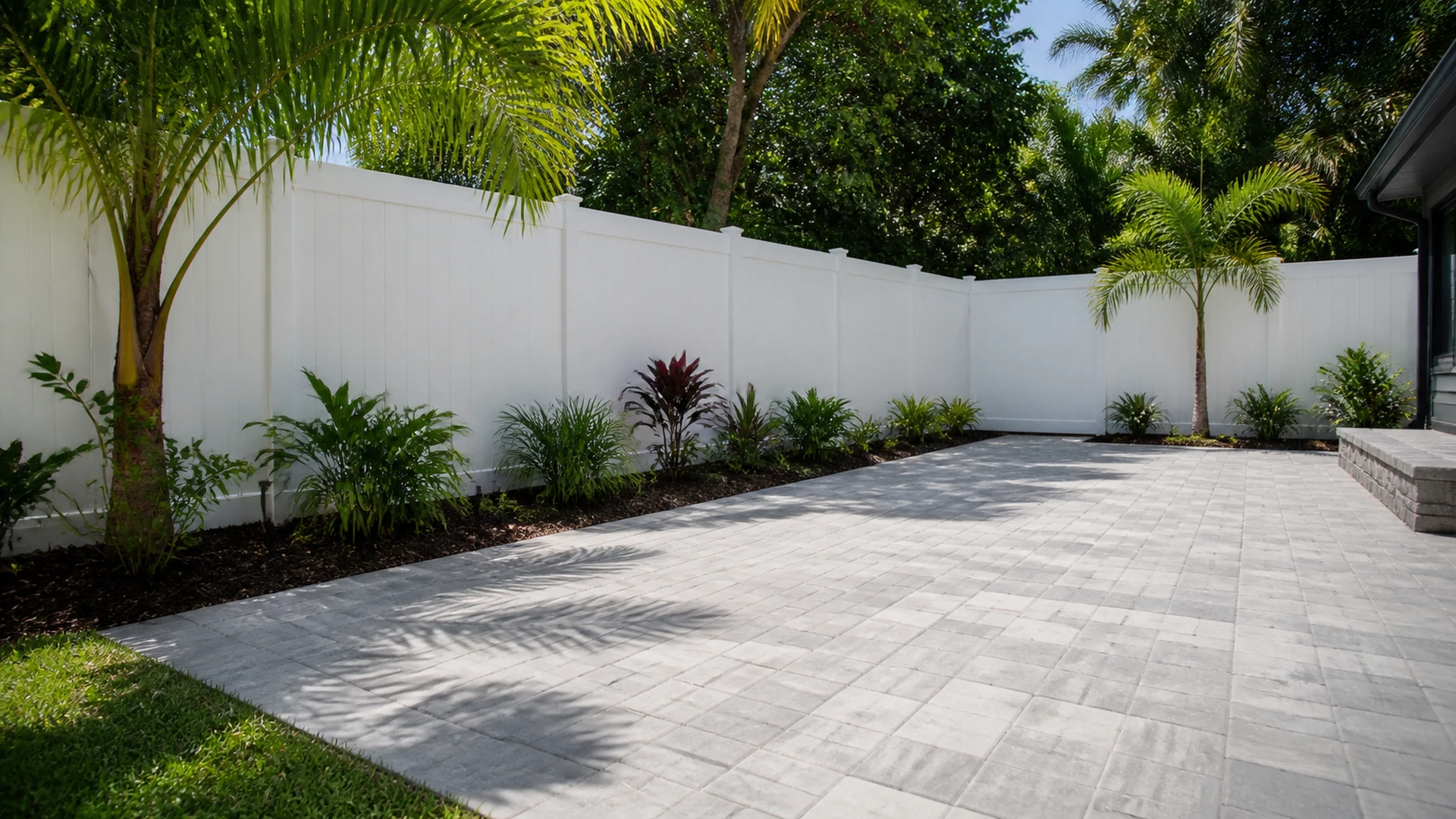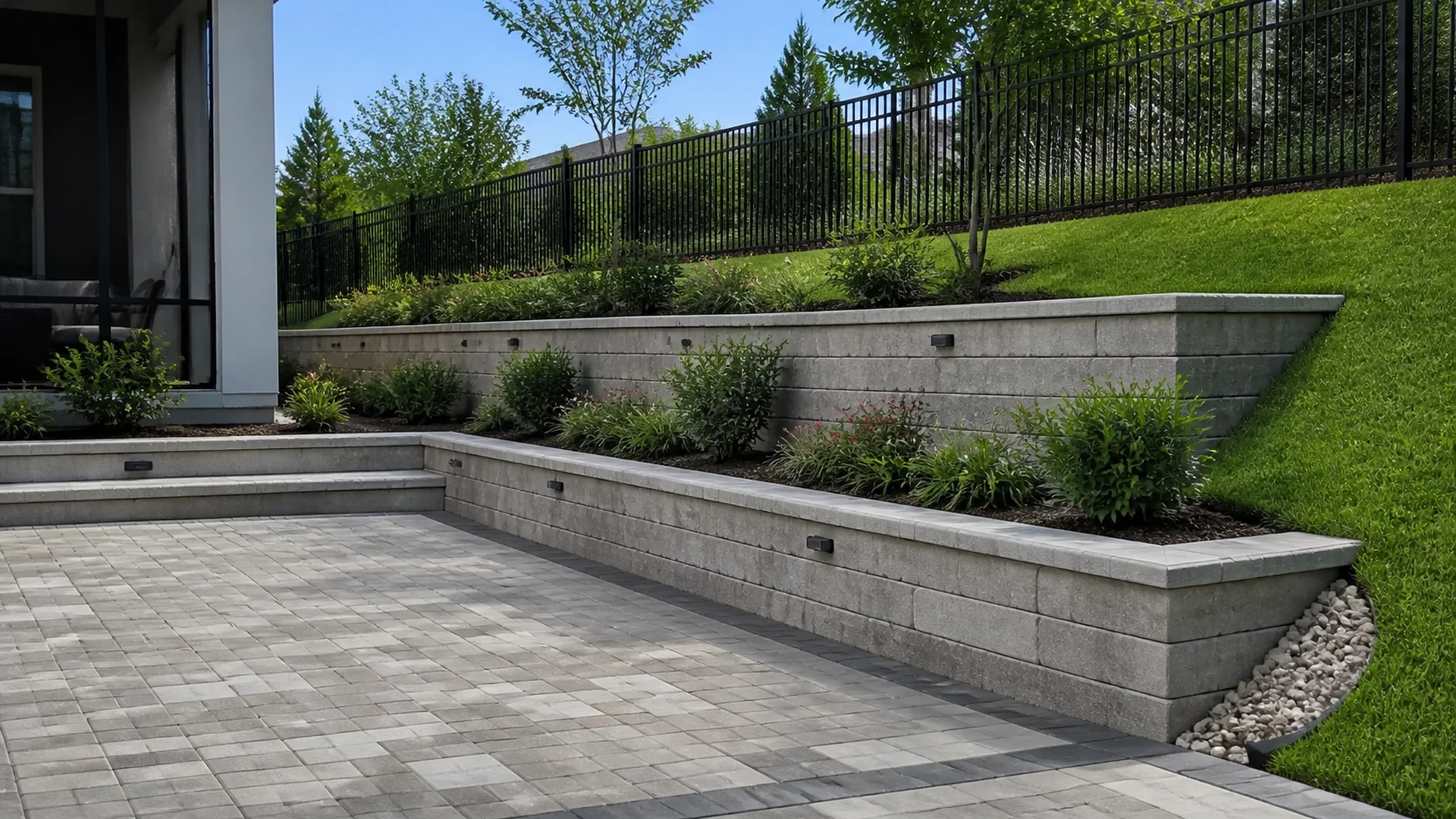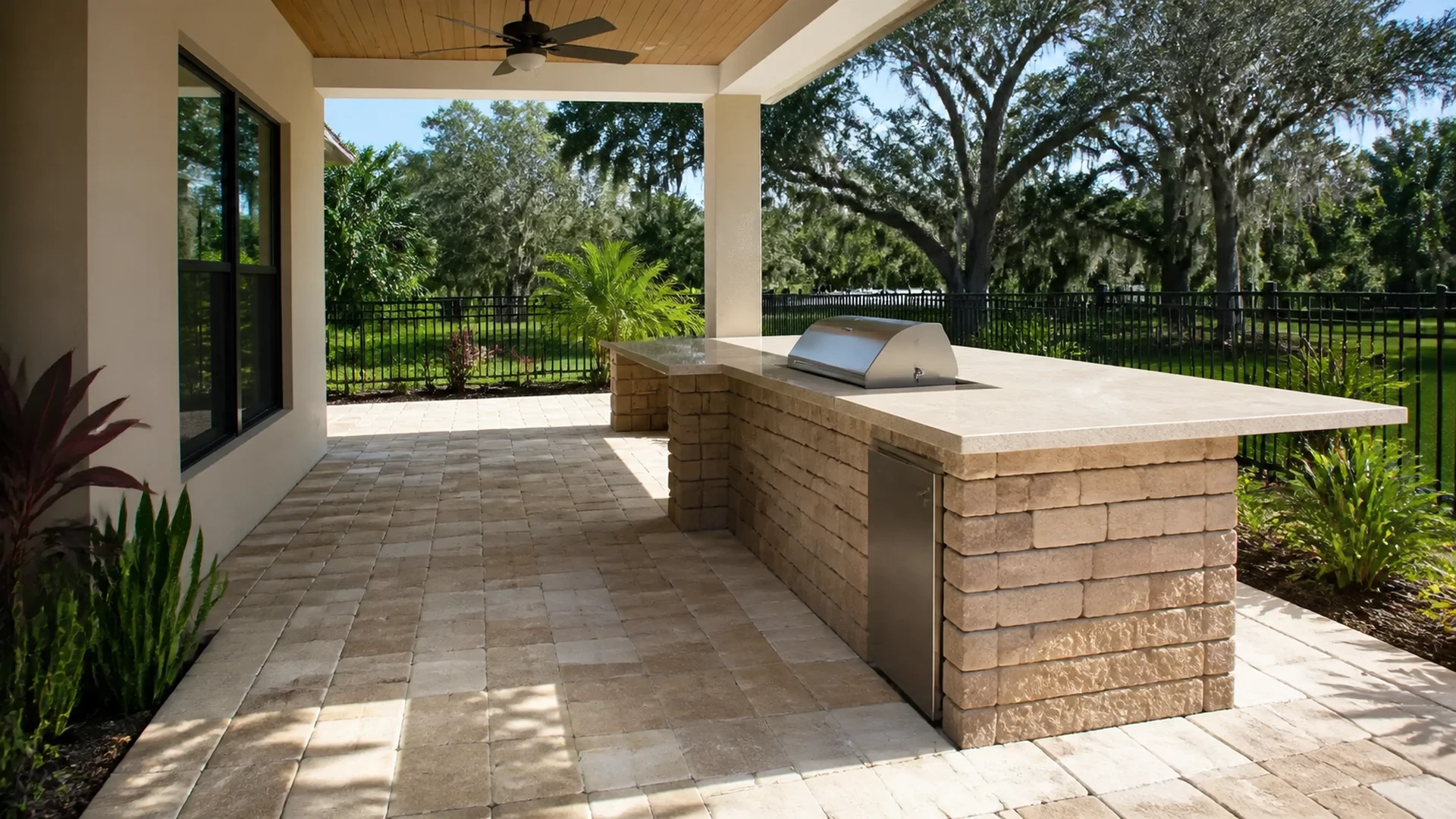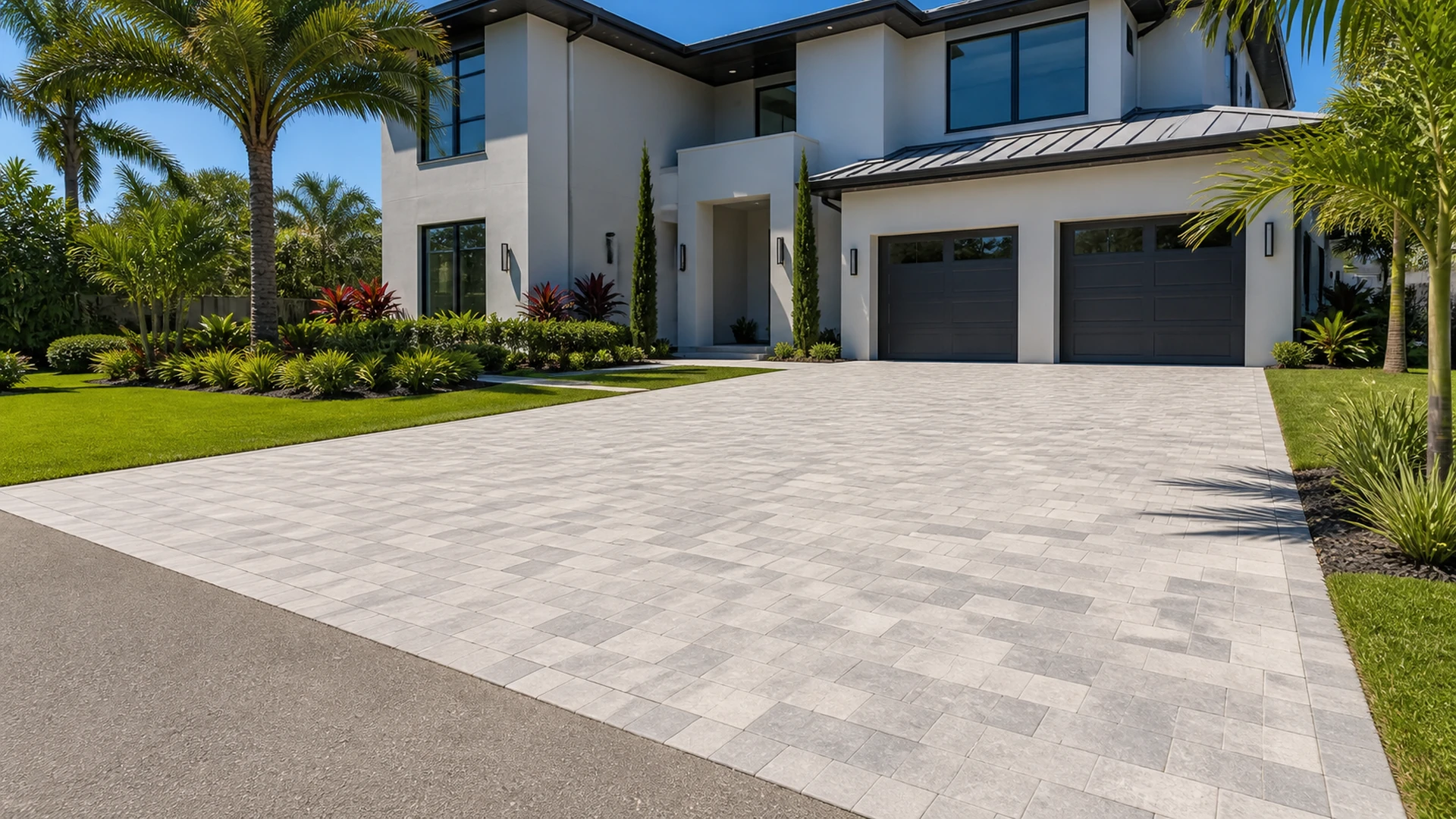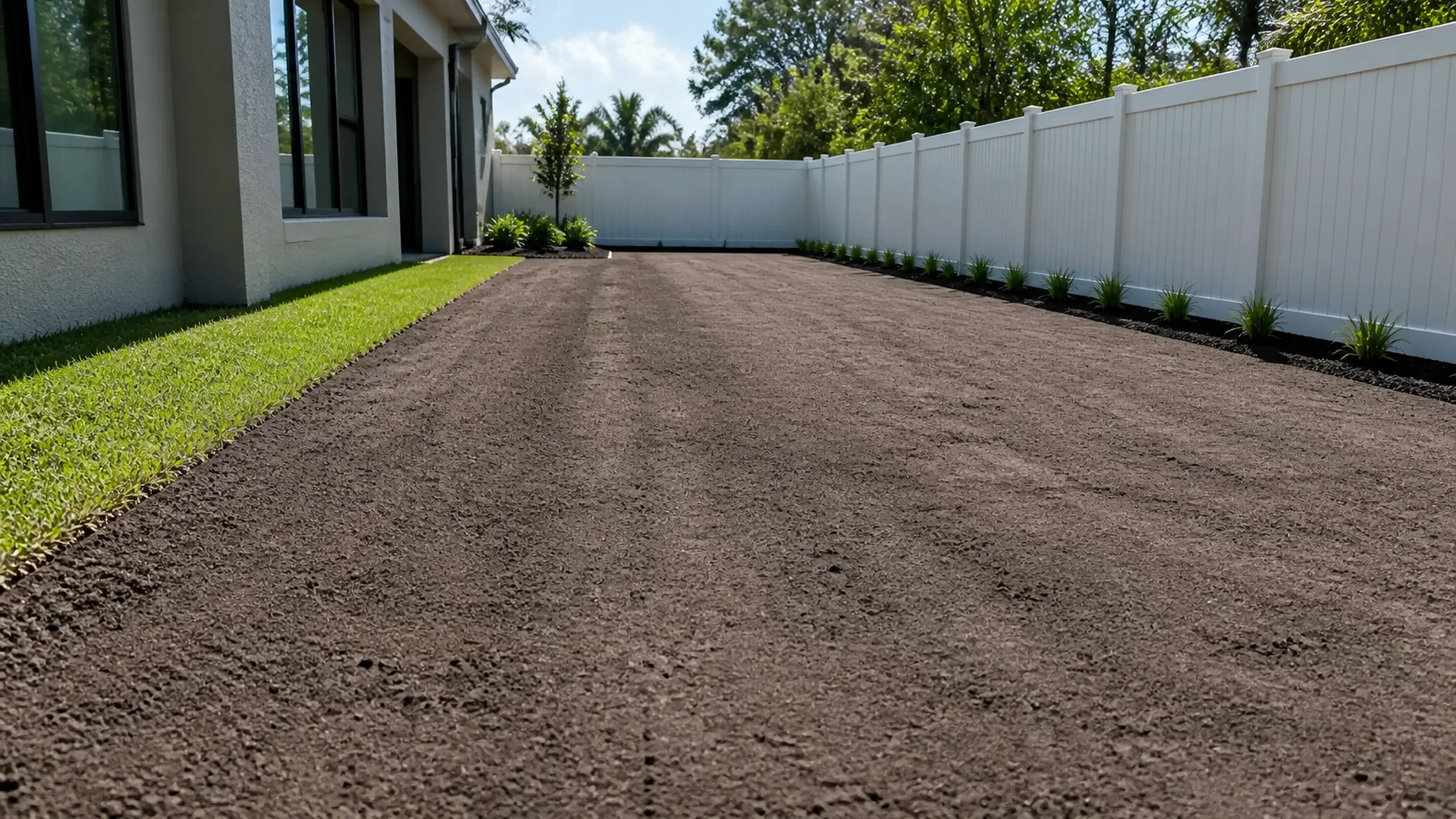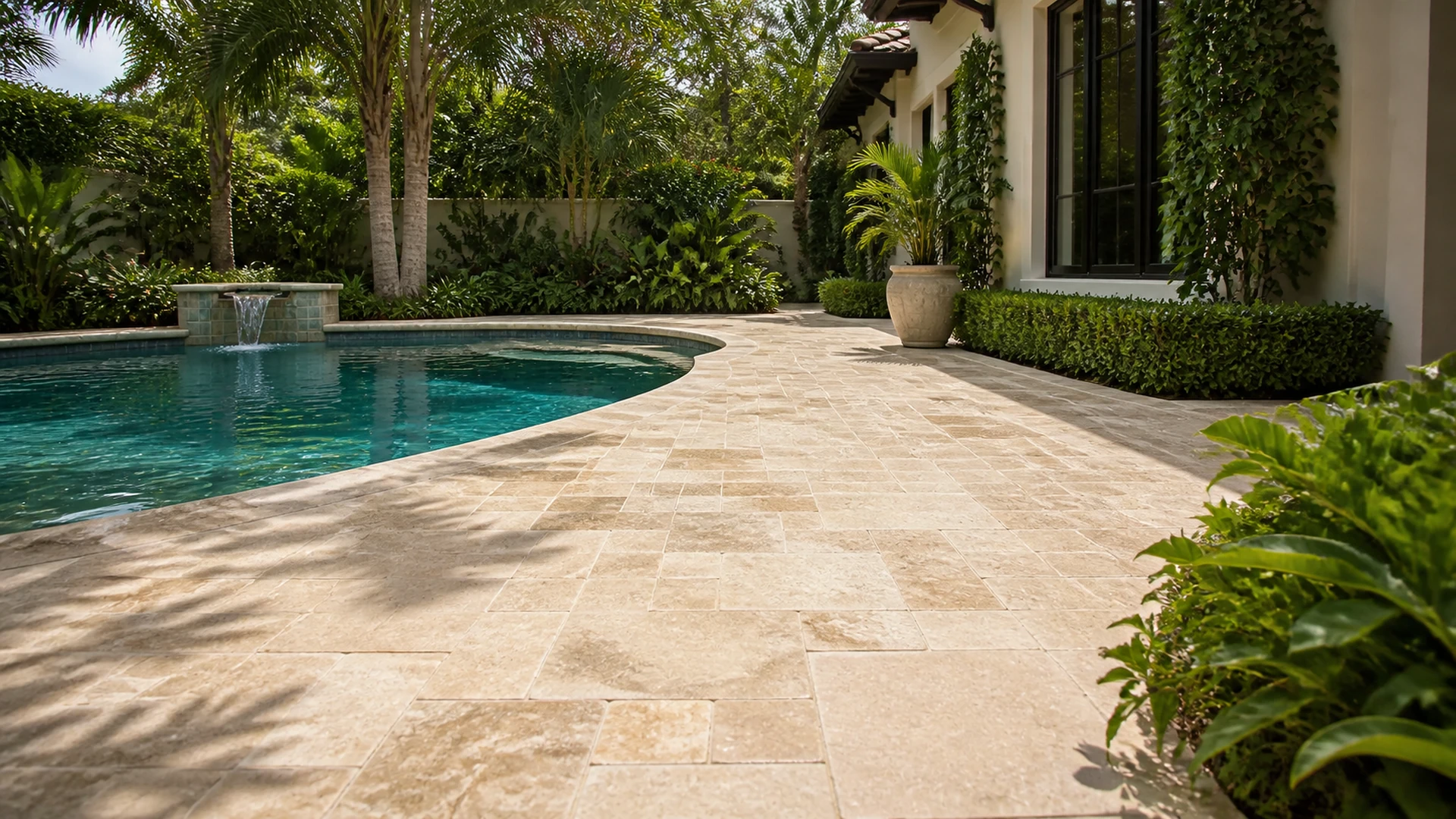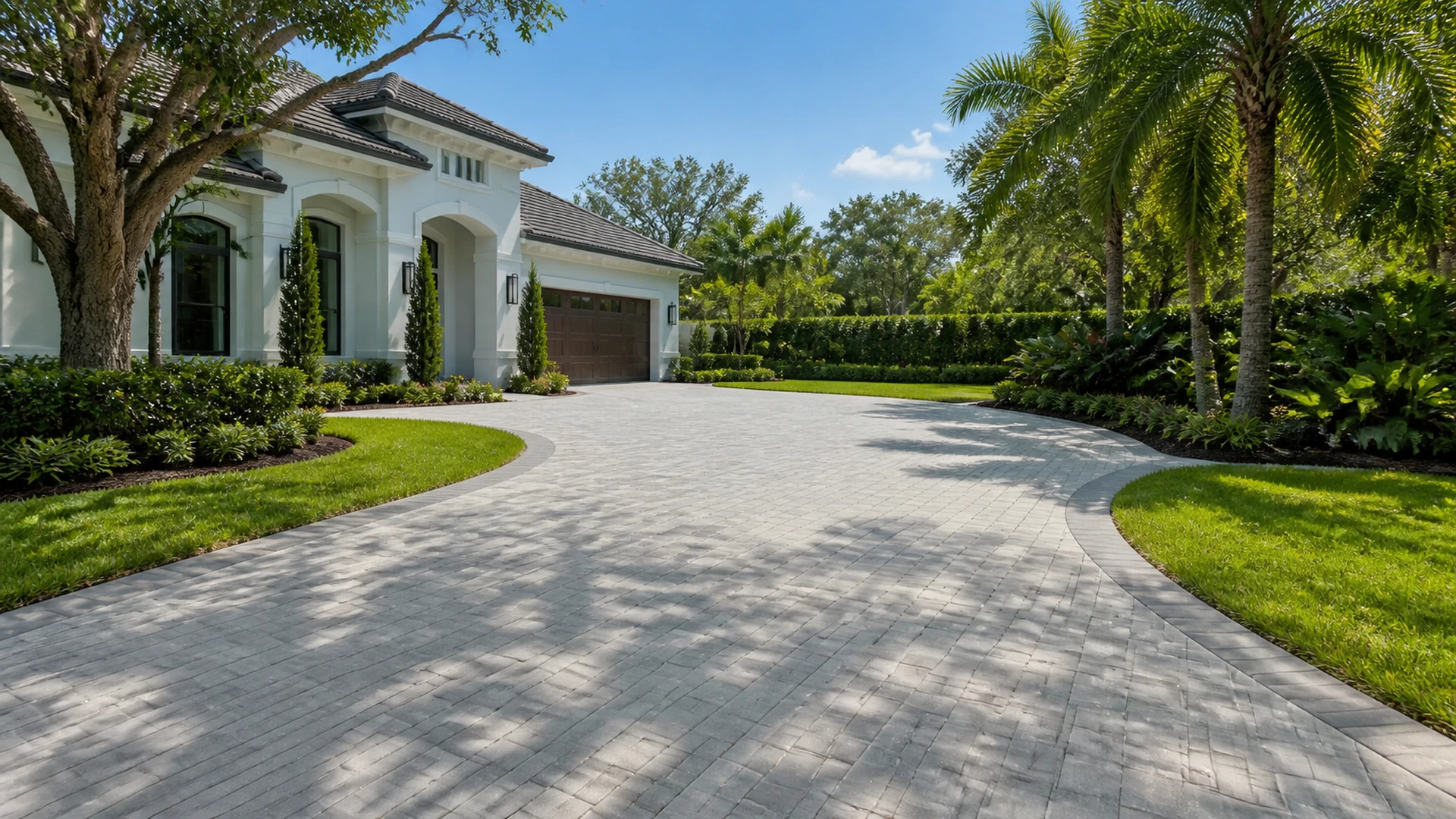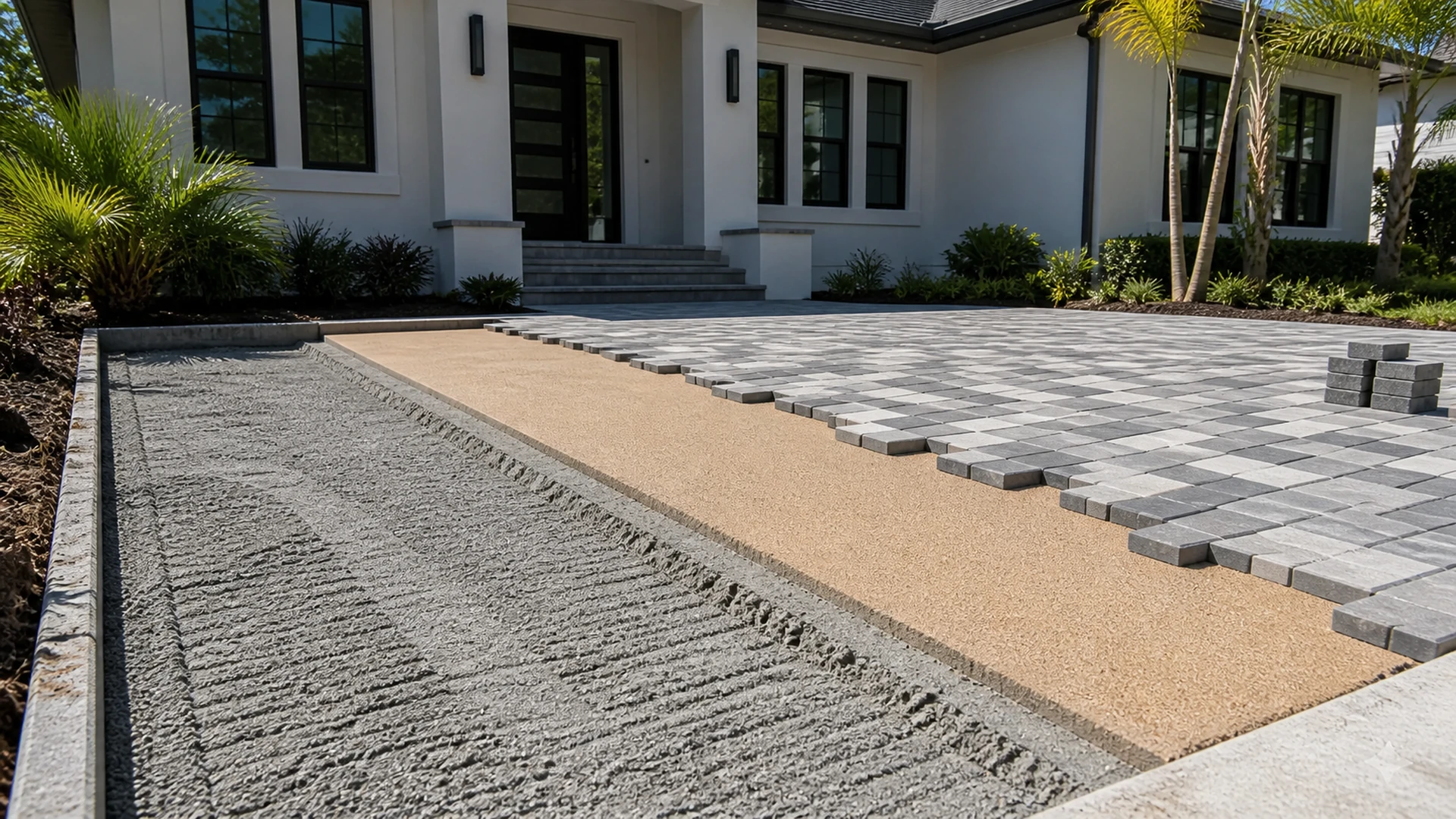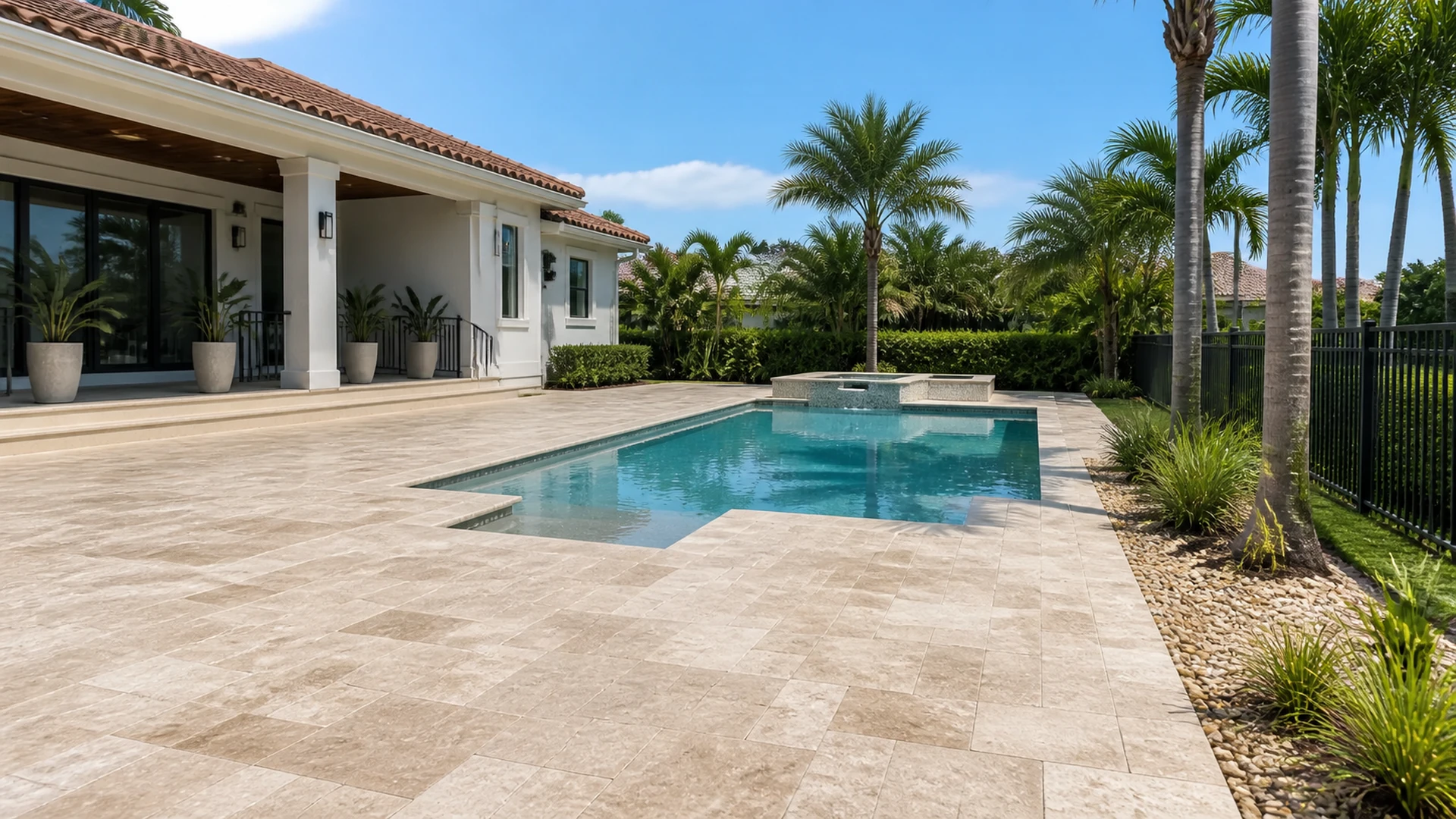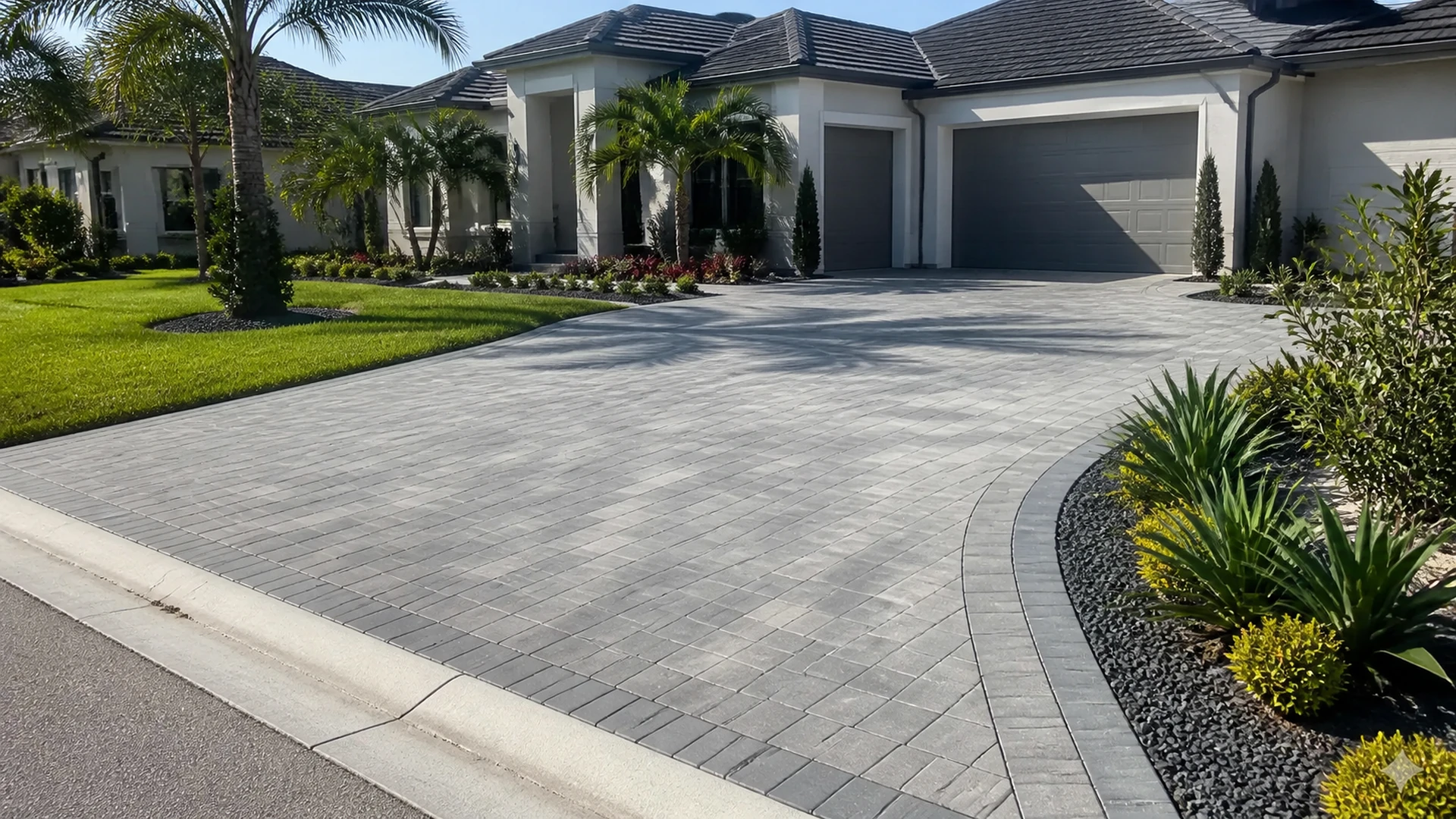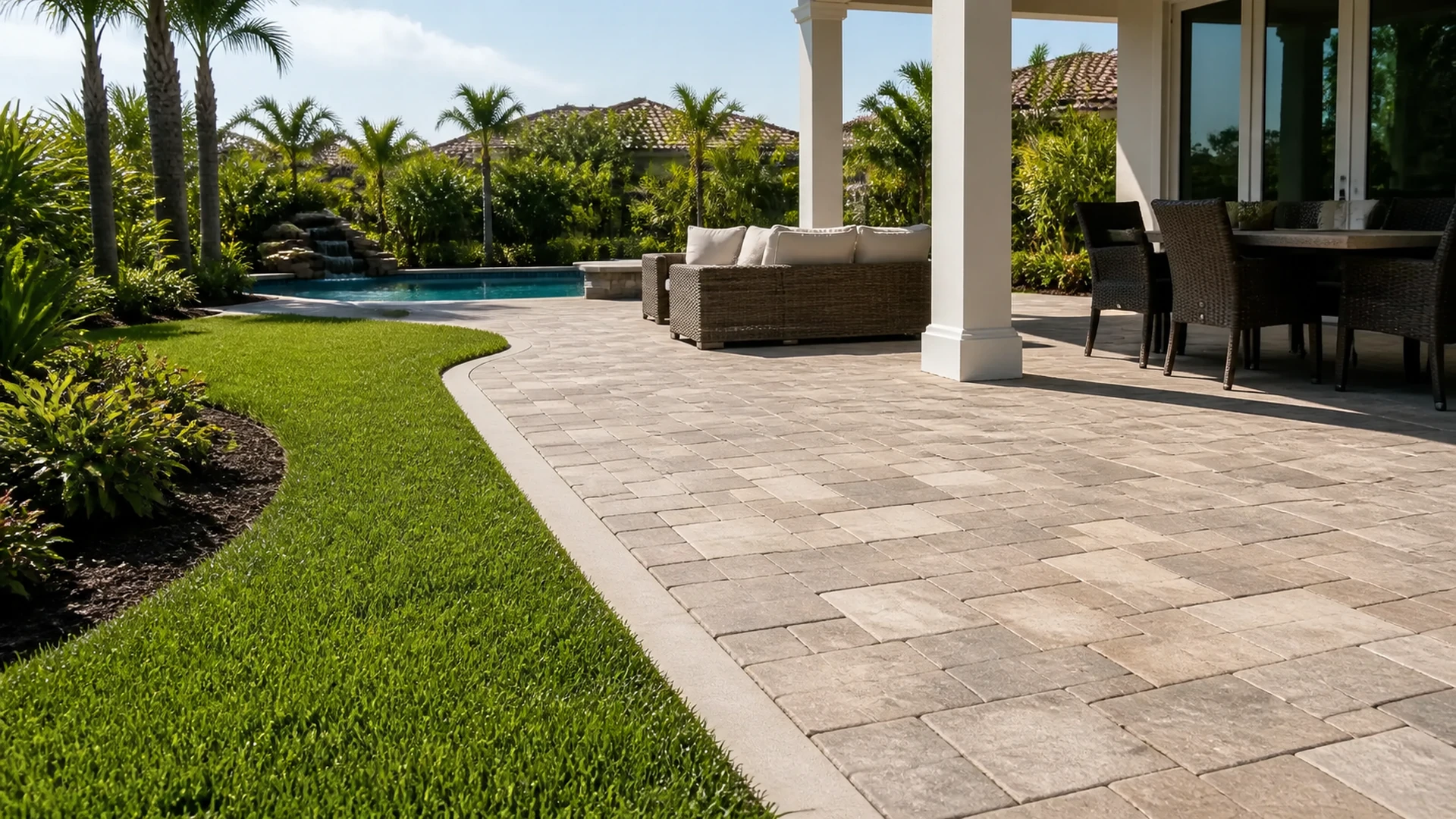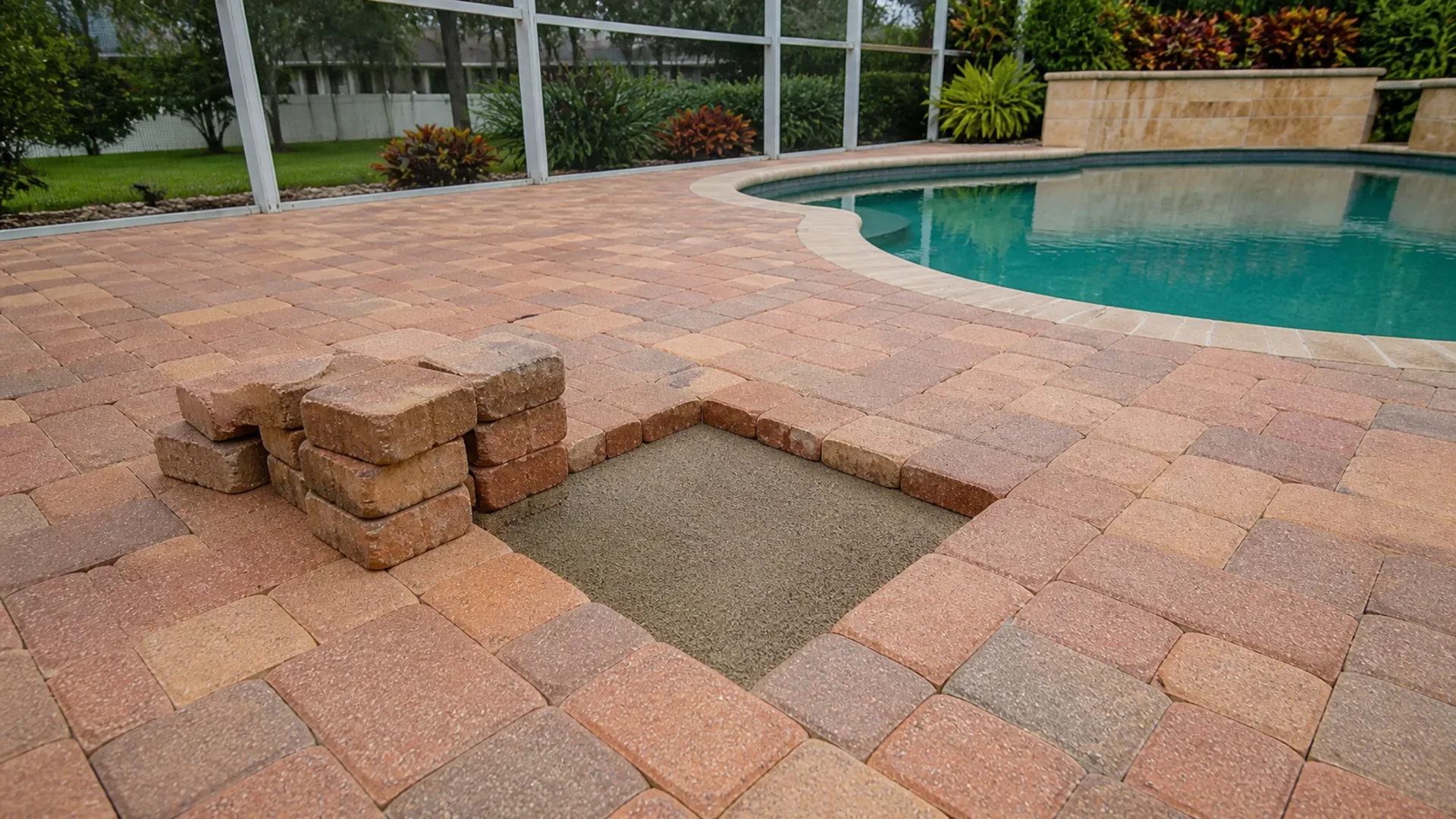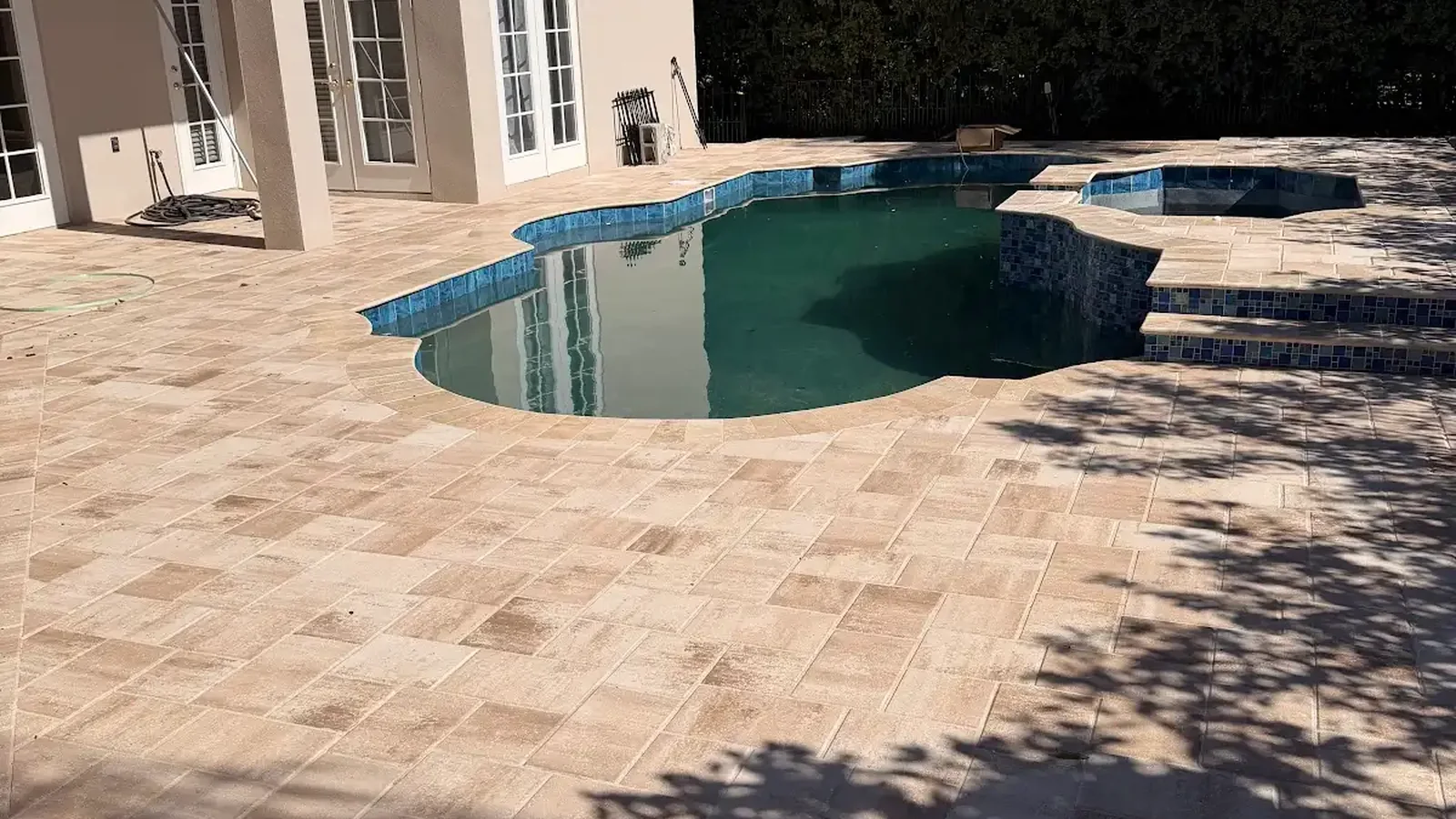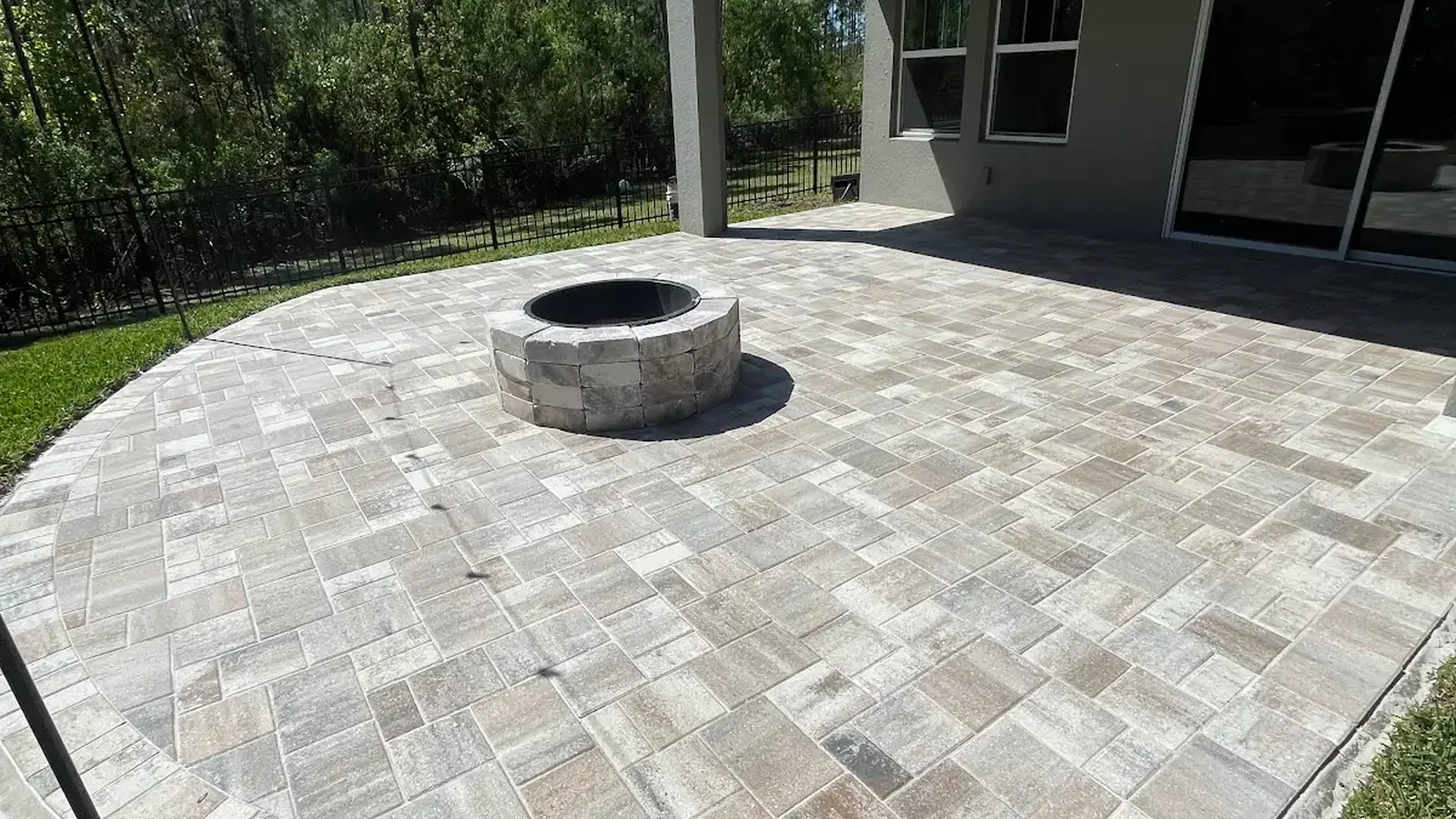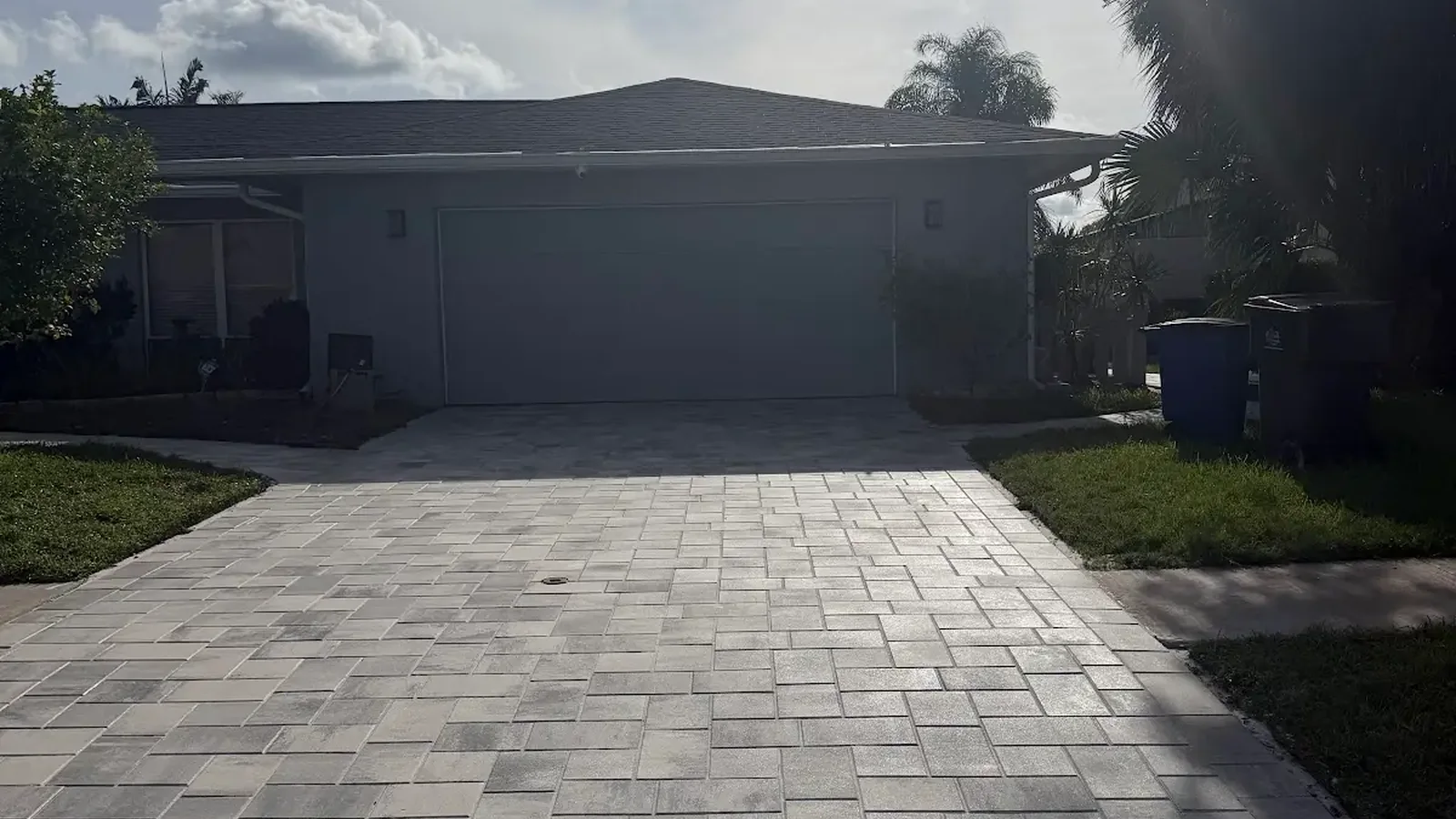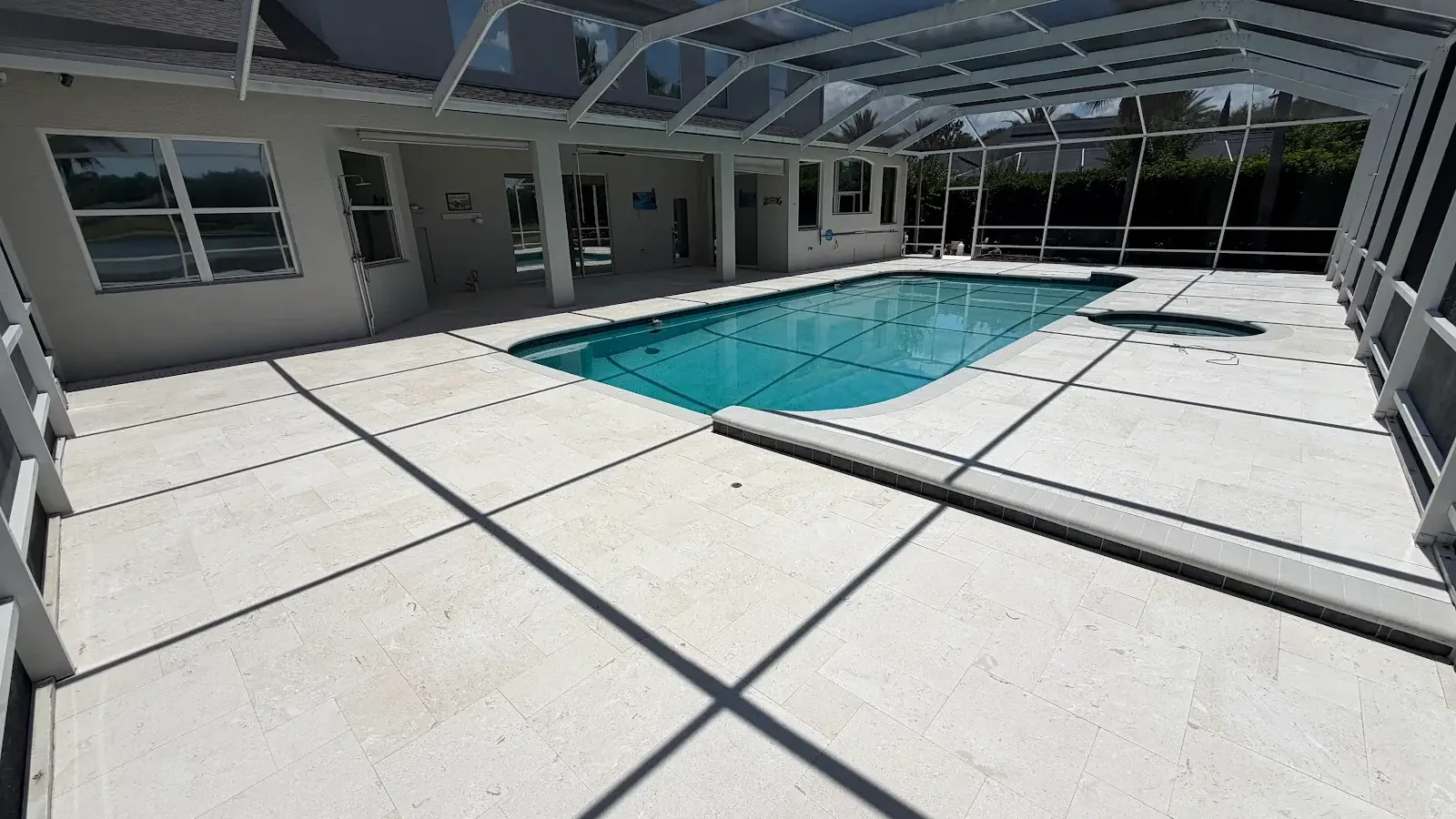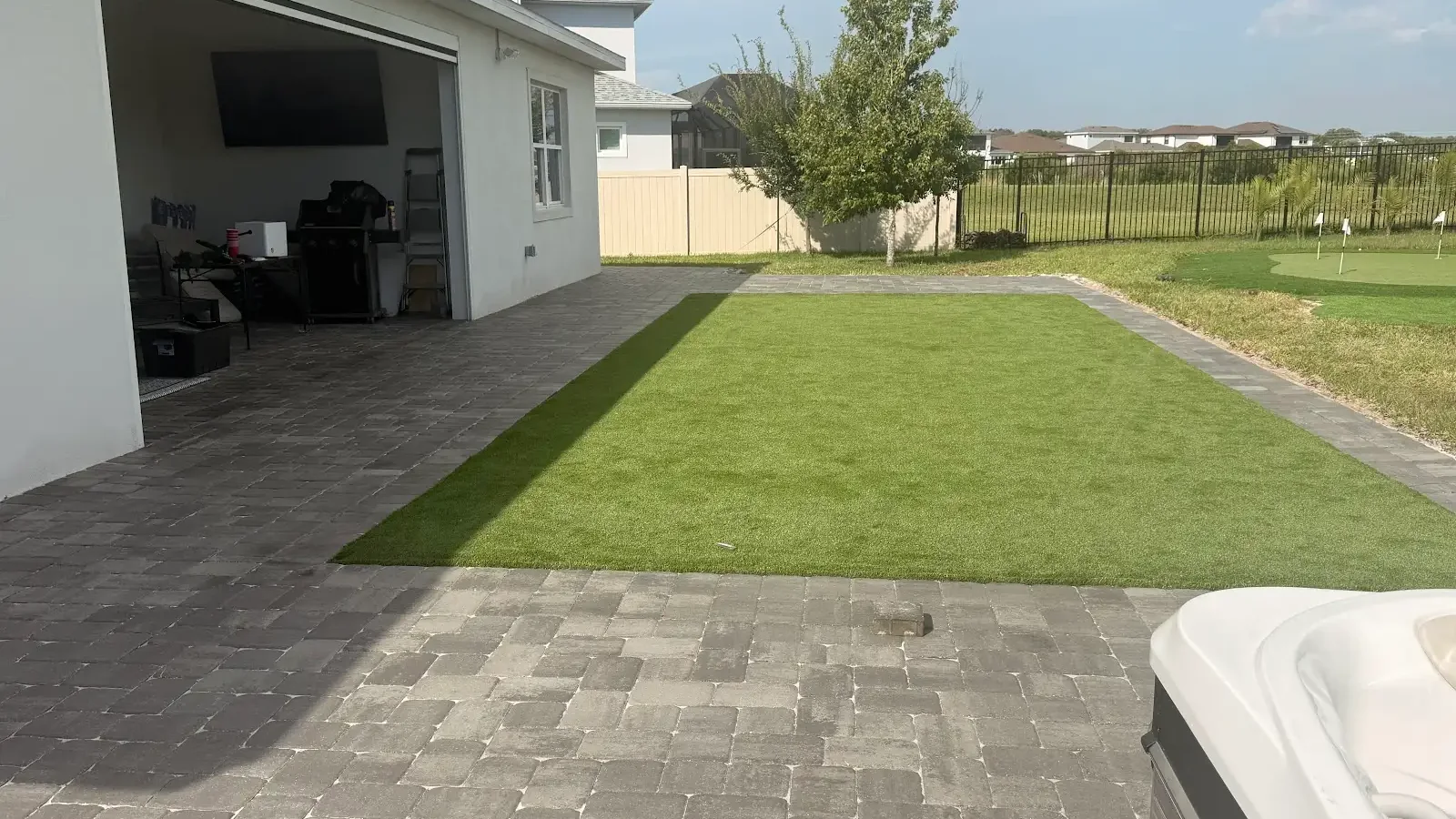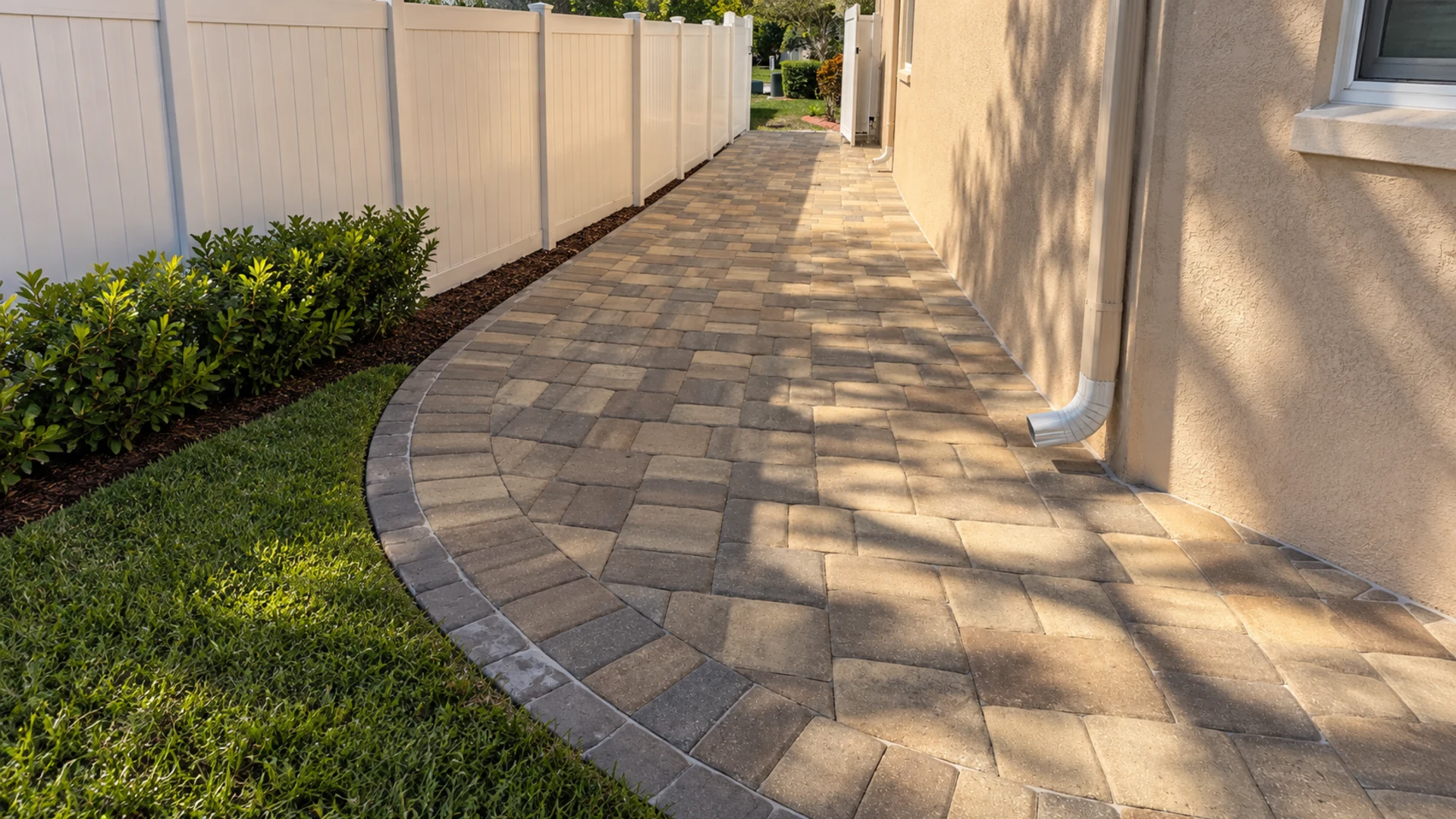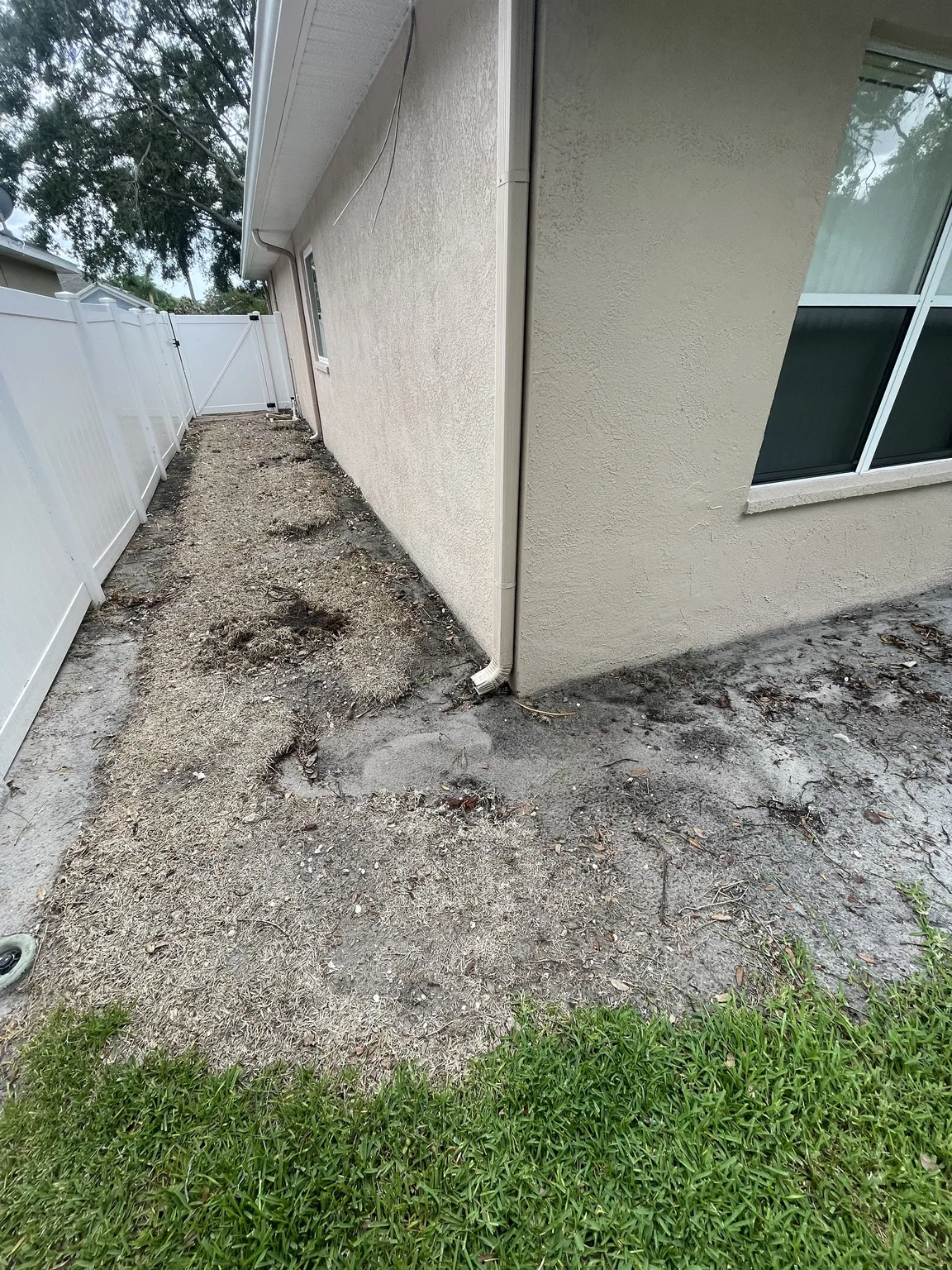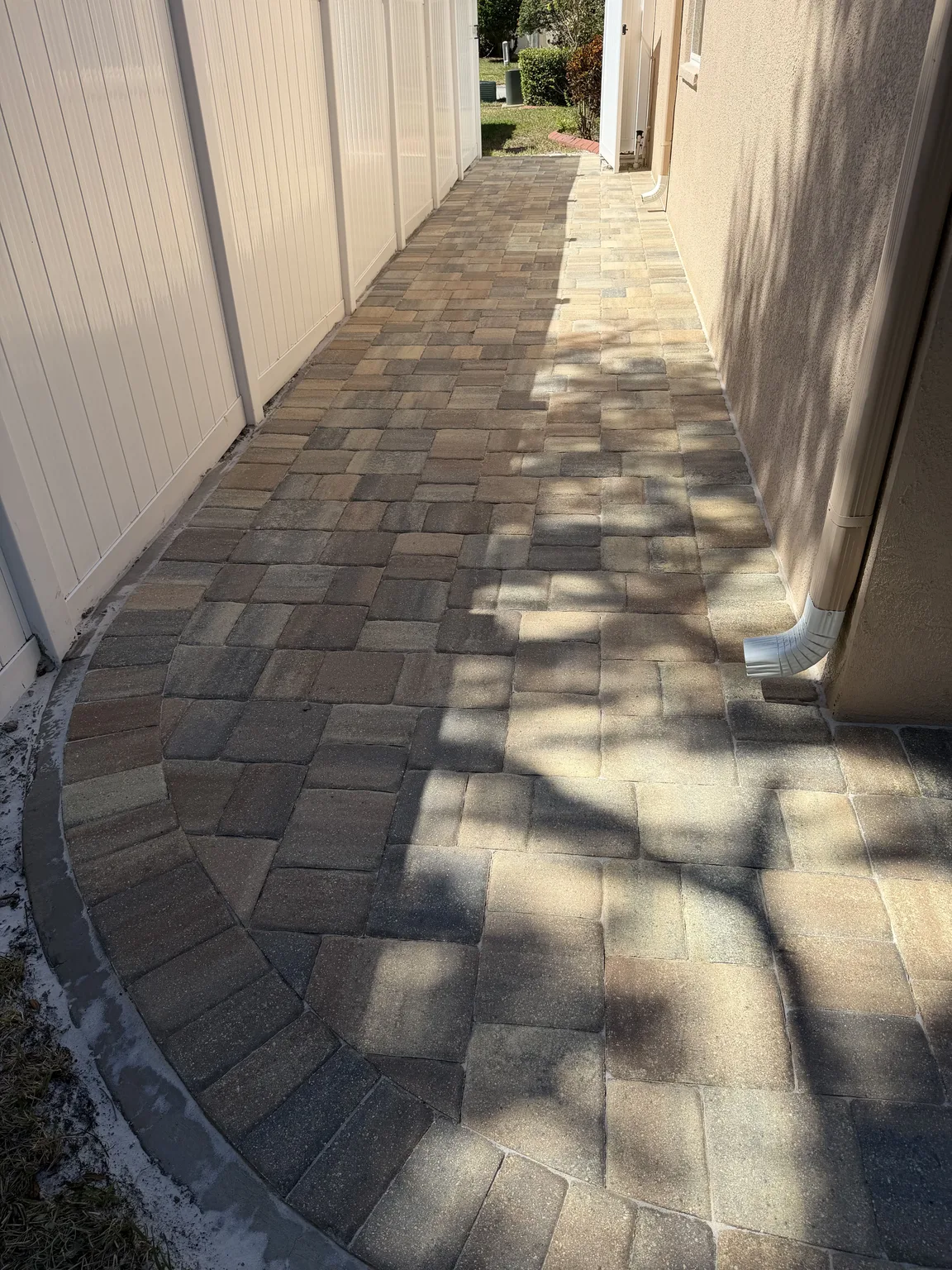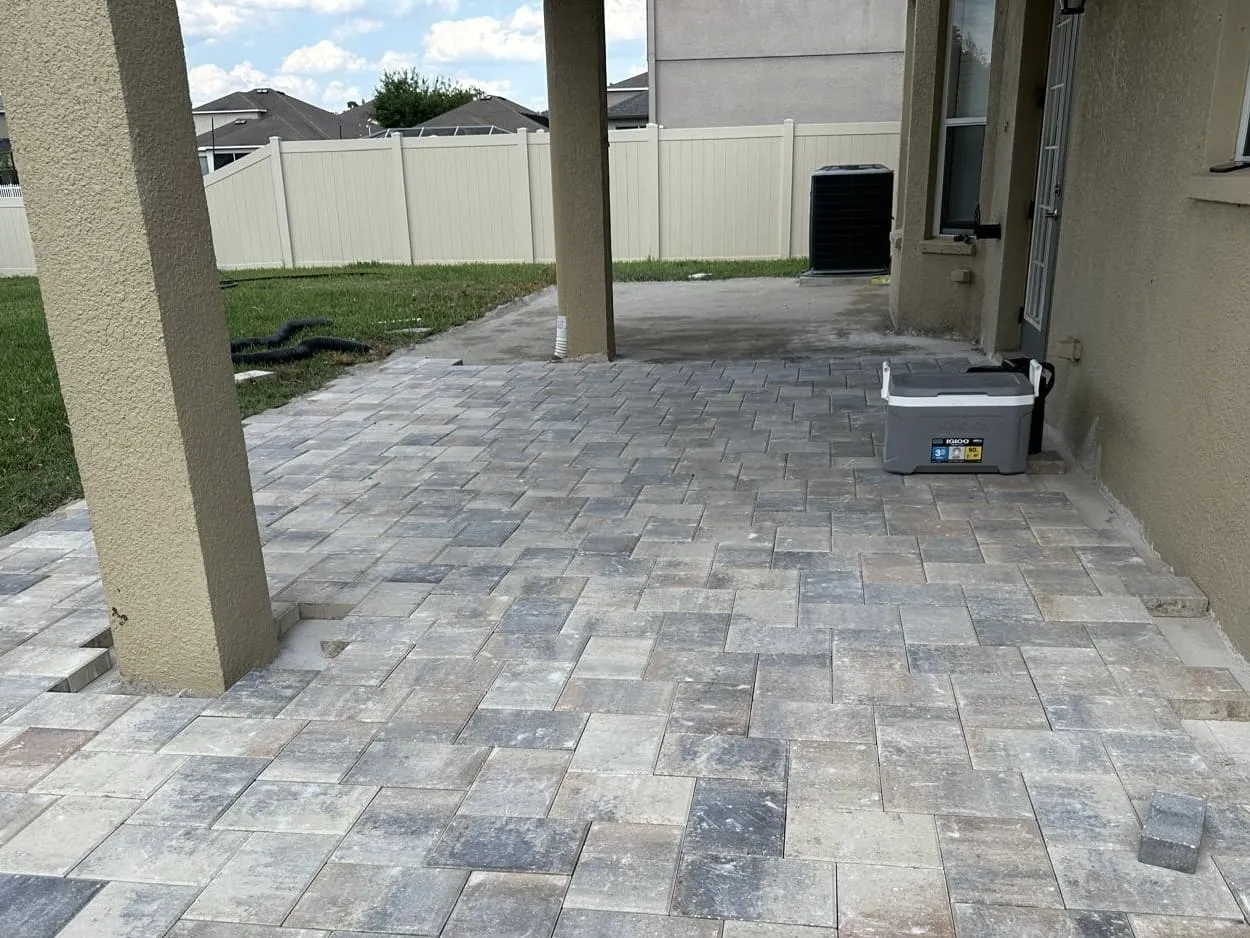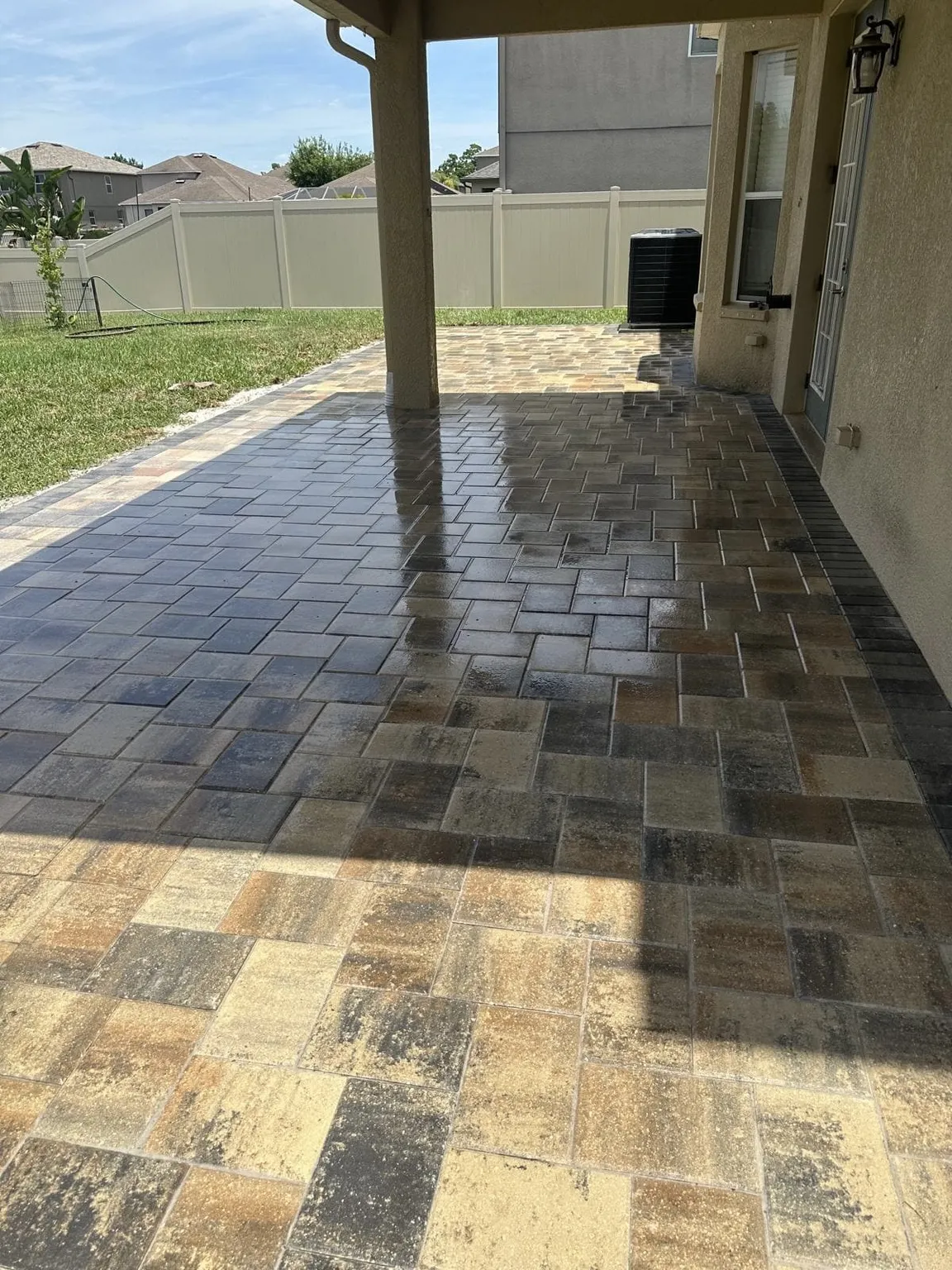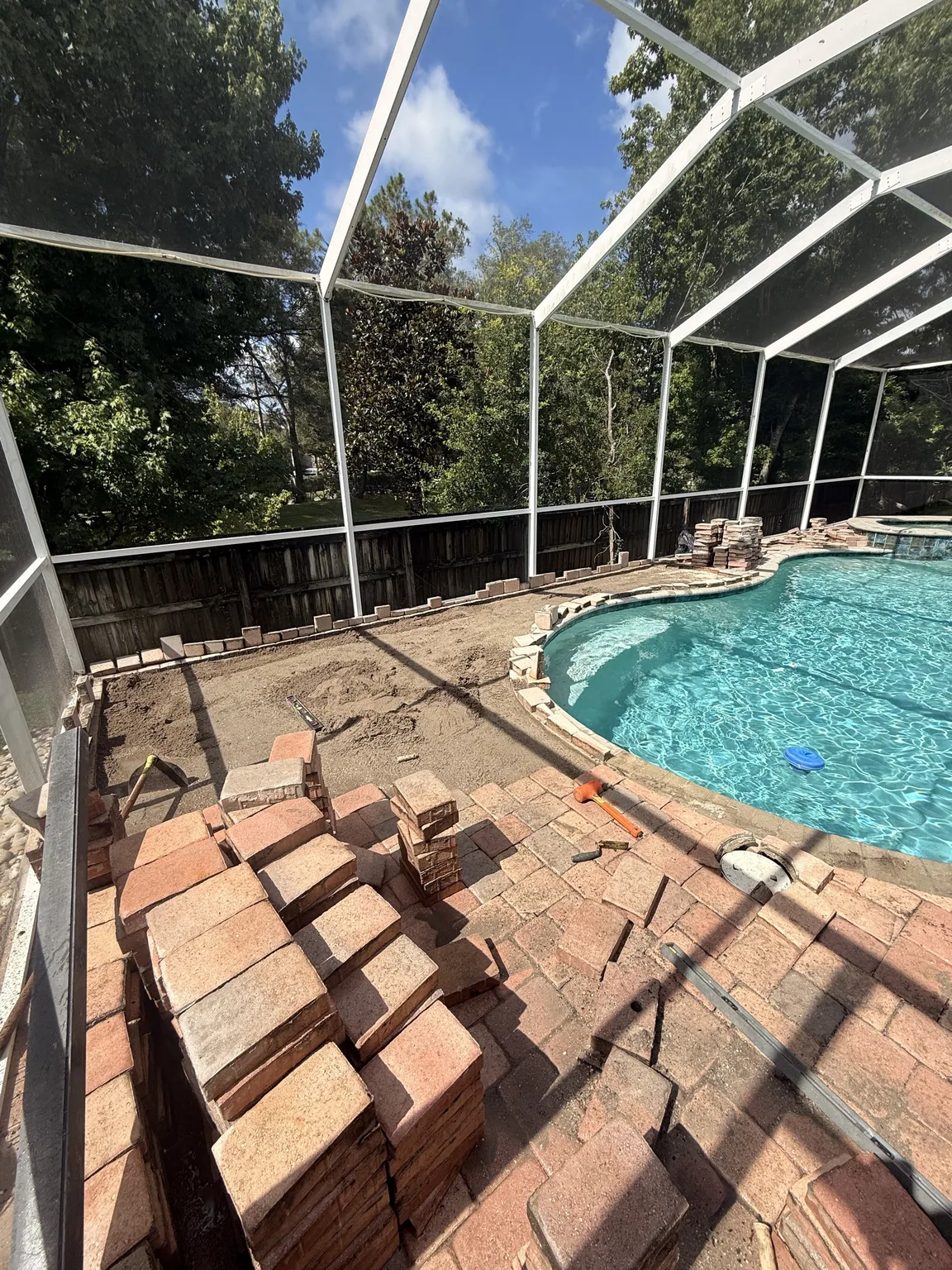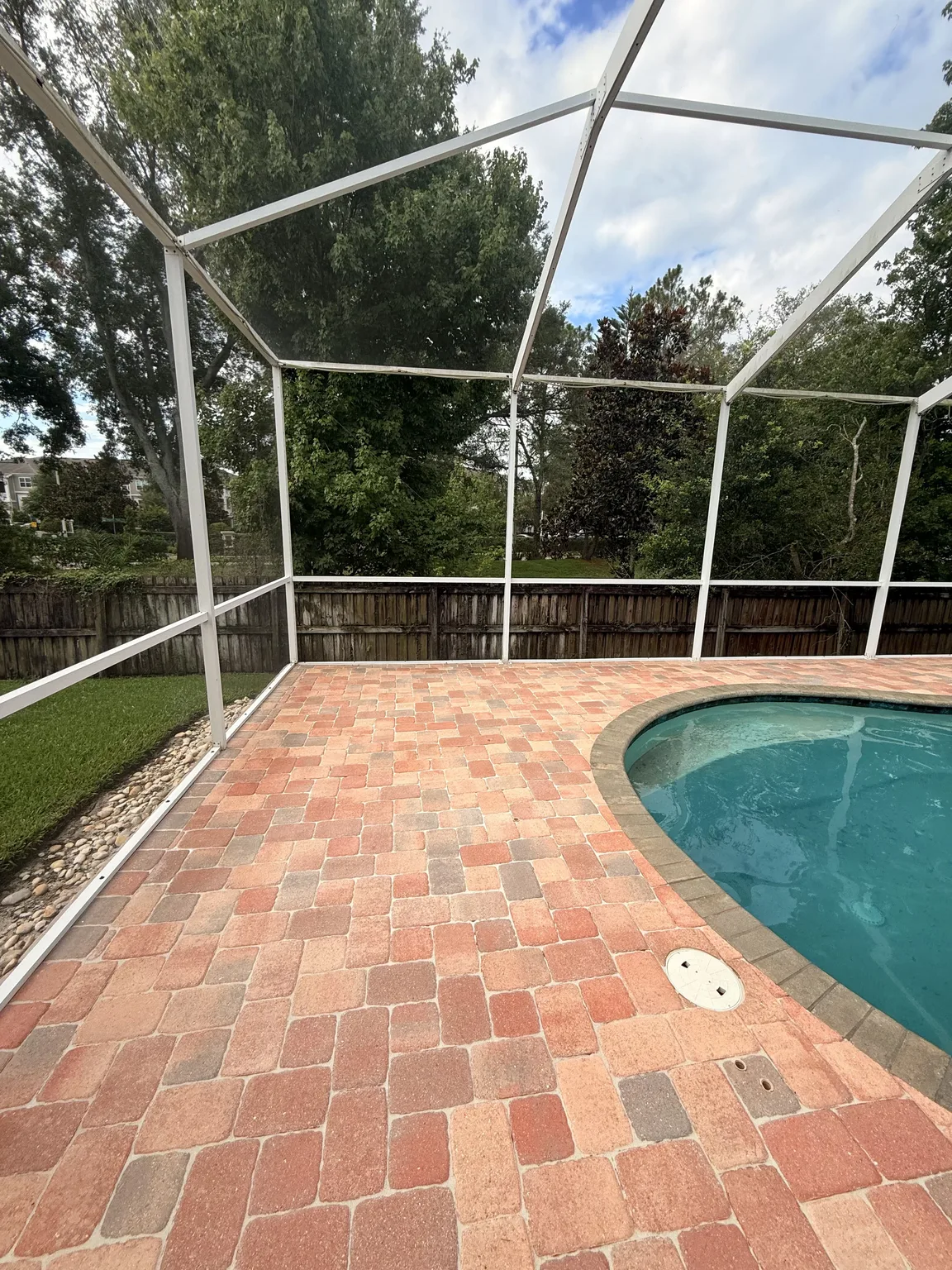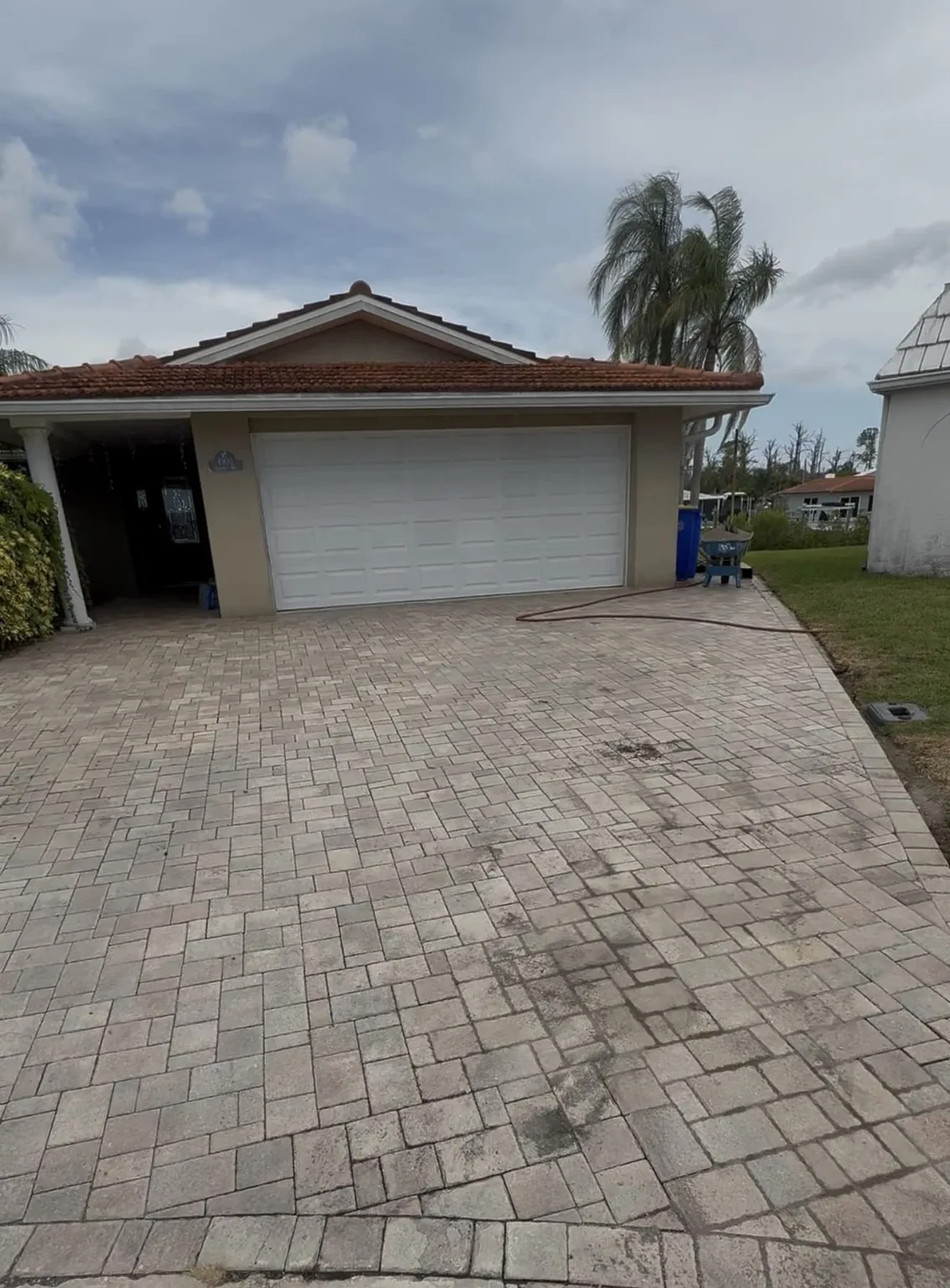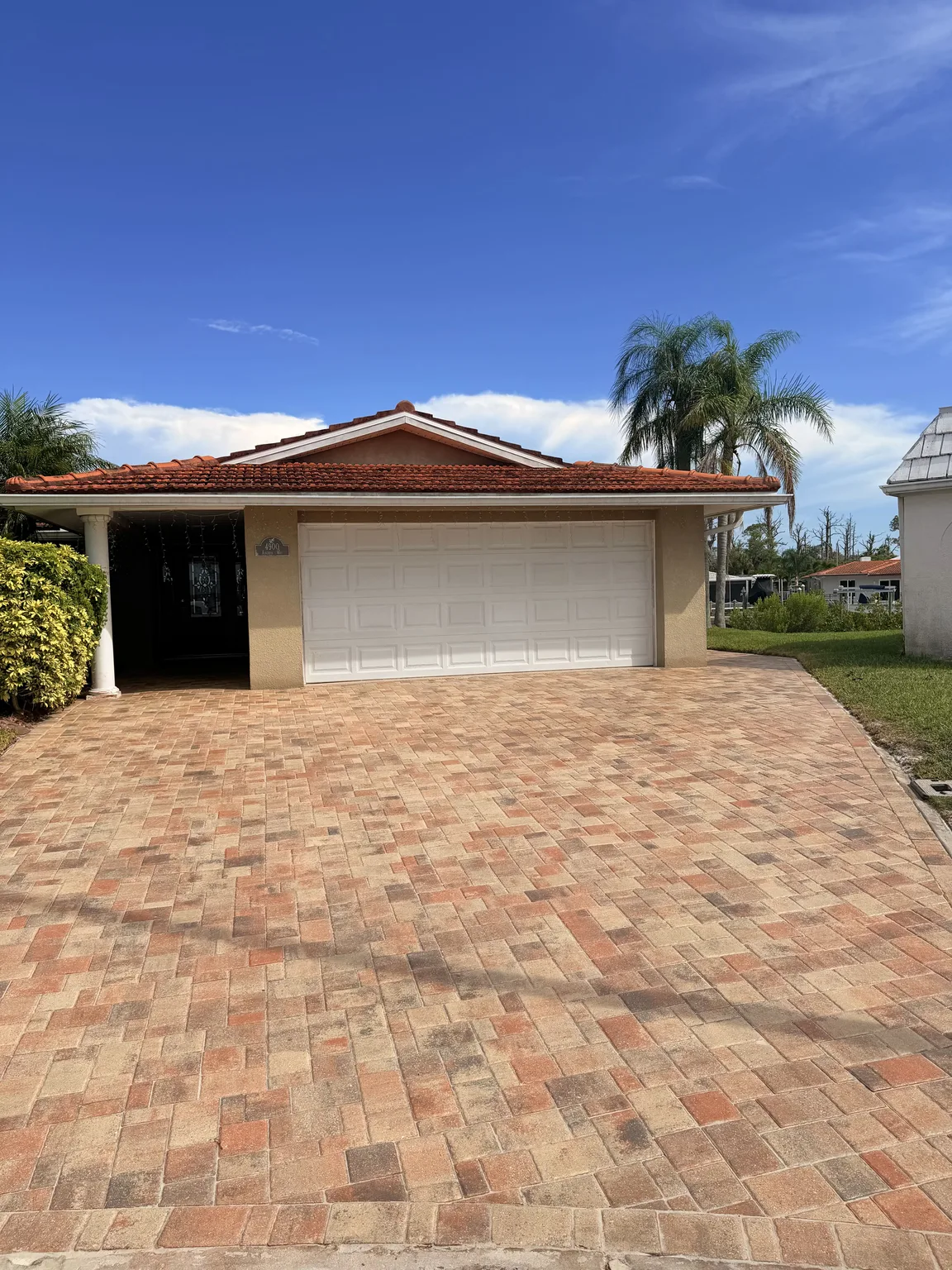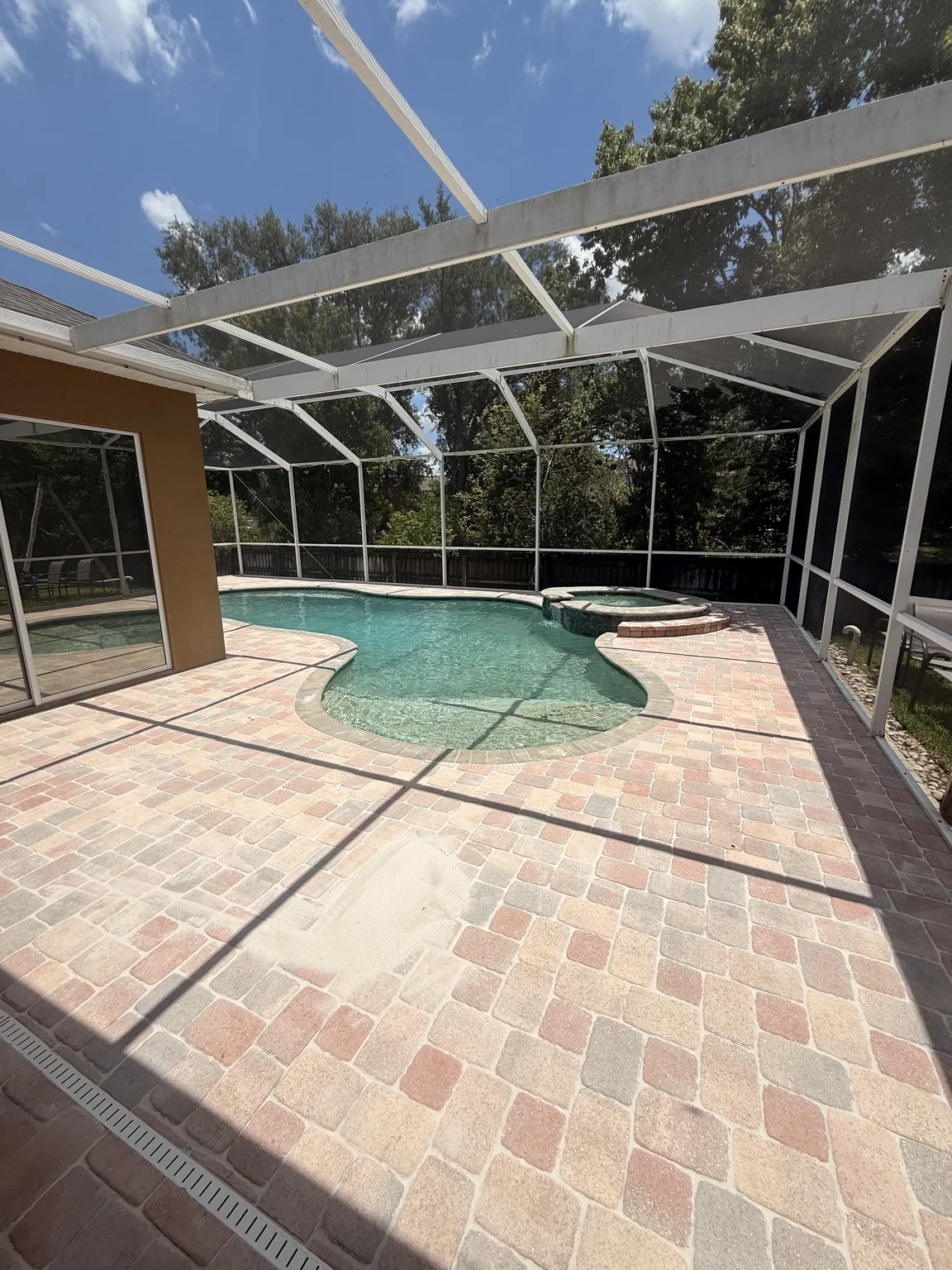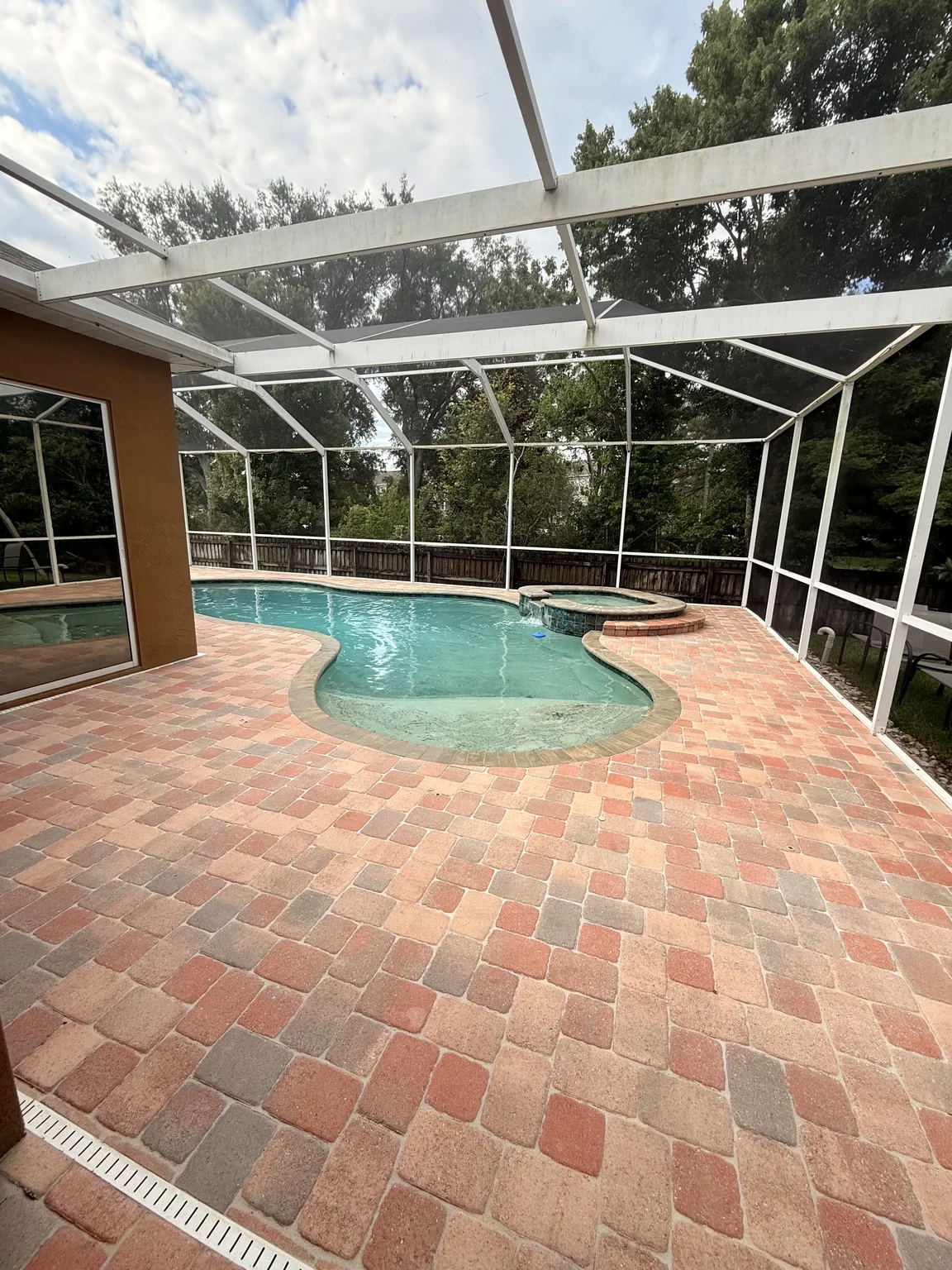
Pool deck slippery surfaces can turn a fun swim day into a fall risk, especially when kids, guests, or older family members use the area often. In Tampa Bay and nearby communities like Riverview, Ruskin, and Palm Harbor, heat, humidity, and heavy rain all work against safe traction around pools. Most of the time, a slick deck comes from several smaller issues that add up instead of just one big problem. When you understand those causes, you can plan safer, realistic fixes without expecting a perfectly slip-proof surface.
This guide walks through the main reasons your deck feels slick, how to inspect it step by step, and which repair or redesign paths usually make sense. You will see where simple cleaning helps and where surface texture, joint alignment, or sealers may need attention. You will also learn when calling a qualified hardscape or pool contractor is worth it for your family’s safety. Use these ideas as a conversation starter, not as a substitute for on-site professional advice.
Why Is My Pool Deck Slippery? Direct Answer and First Steps
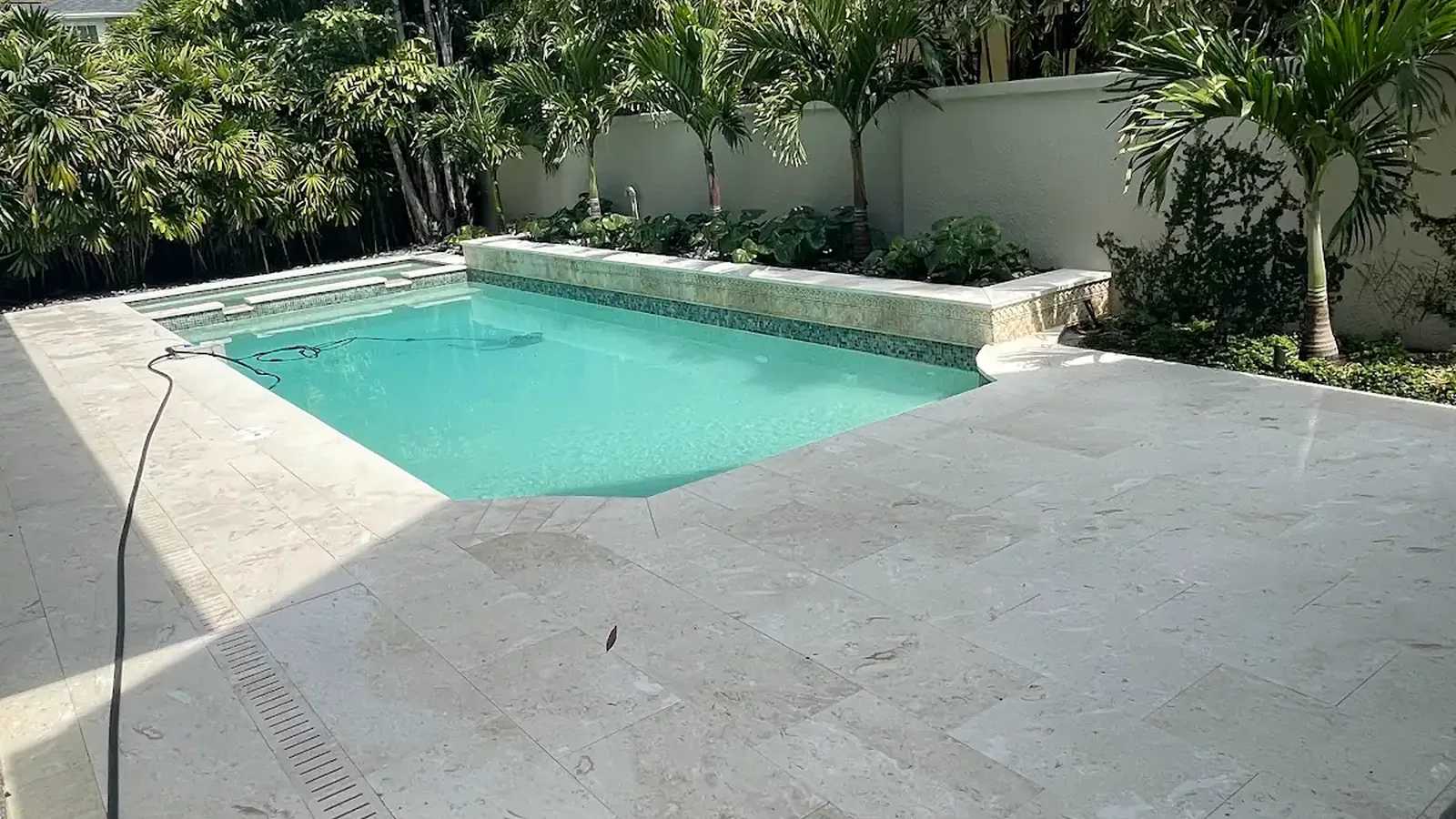
In most Tampa Bay backyards, a pool deck becomes slippery when water, body oils, sunscreen, and organic growth sit on a relatively smooth surface. Even pavers with a light texture can feel slick if grime, algae, or worn sealers create a thin film underfoot. According to CMHA guidance, surface texture, wetness, contaminants, footwear, joint width, and vertical alignment between pieces all influence how likely someone is to slip. That means several details, not just one, usually drive your traction problems.
Your first move should be a safety check, not a cosmetic fix. Walk the deck slowly when it is damp, wearing the same sandals or bare feet you normally use. Notice where it feels most slick, and look closely for algae, standing water, or uneven edges that might catch toes. Mark any trouble spots in chalk or tape so you can focus later cleaning, repair, or resurfacing work on the highest-risk areas.
Next, think about how the surface has changed since it was new. Has the sealer worn off in traffic paths, or does it look glossy where oils build up? Do pavers or tiles feel smoother than you remember, or do joints look wider or more uneven? These clues help you and a professional decide whether cleaning and minor repairs seem reasonable, or whether you should consider a more substantial texture upgrade.
Fundamentals: How Surfaces and Contaminants Make a Pool Deck Slippery
To deal with a slippery pool deck, it helps to understand what makes a wet surface feel safe enough to walk on. CMHA notes that texture plays a big role because tiny ridges and valleys interrupt the water layer under your foot. When that micro-texture wears down from years of use, sealing, or pressure washing, water and oils can spread into a continuous film. That film reduces friction and makes it easier for feet to slide.
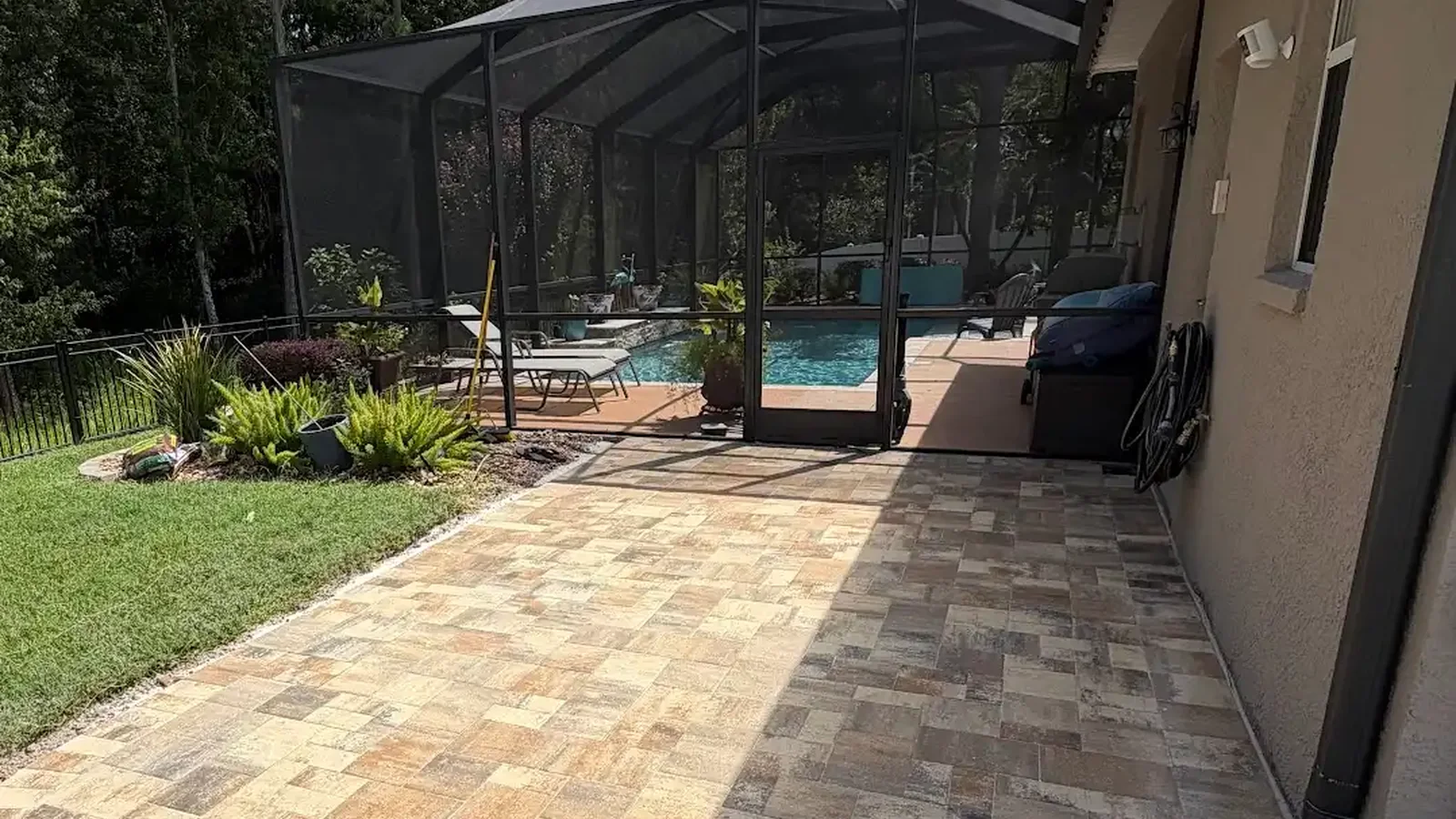
Wetness itself matters as well, especially in humid places like Wesley Chapel, Land O’ Lakes, and Town ‘N’ Country. Light splashes that dry quickly usually cause less trouble than standing puddles or constantly damp shaded corners. When moisture stays on the surface, it encourages algae, mildew, and a slimy biofilm that feels especially slick under bare skin. Shade from screens, trees, or enclosure framing can keep those zones from drying out between swims.
Contaminants add another layer to the problem. Sunscreen, tanning oil, spilled drinks, leaves, and soil all leave behind residues that mix with water. Over time, those residues work into pores and joints, making each cleaning a little less effective. Footwear choices and bare feet then interact with that surface; some sandals and smooth flip-flops provide very little grip on a marginal deck, while textured water shoes or rugged soles usually perform better.
Safety-First Inspection: Ranking Your Biggest Slip Risks
A structured walkthrough helps you move from vague worry to a realistic plan. Start with how people actually use the space in your Tampa or Palm Harbor backyard. Note where kids run, where adults climb in and out using the ladder or tanning shelf, and where guests usually gather. Those traffic paths deserve extra attention because even a mild slickness there can cause a serious fall.
Then, inspect the surface features that CMHA highlights: texture, wetness, contaminants, joints, and vertical alignment. When the deck is lightly damp, feel the surface in several spots with your bare hand. Compare shaded corners, sun-baked sections, and areas near return jets or waterfalls. Smooth, glassy areas, slimy patches, and standing water all rank higher on your risk list than clean, lightly textured zones.
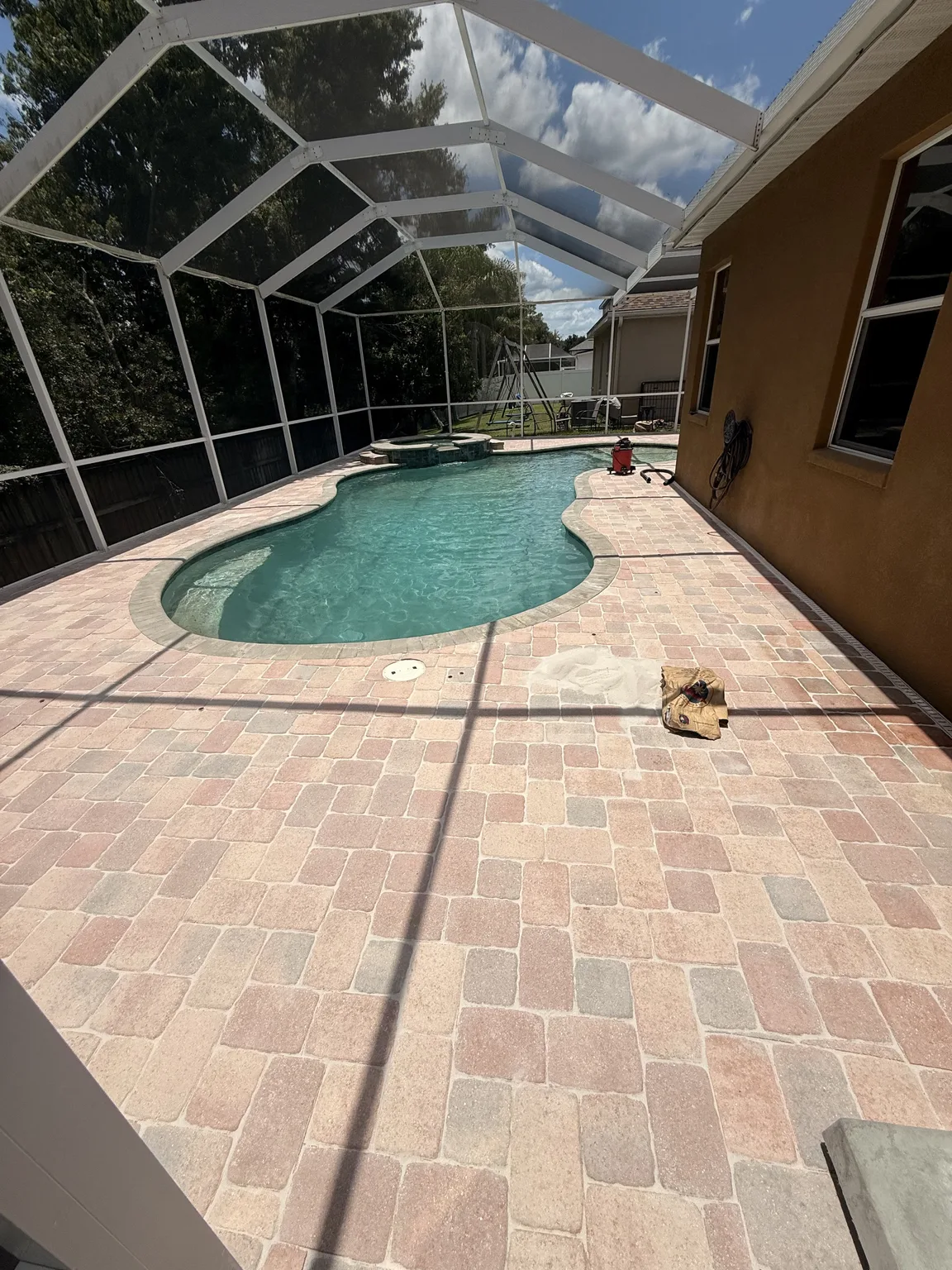
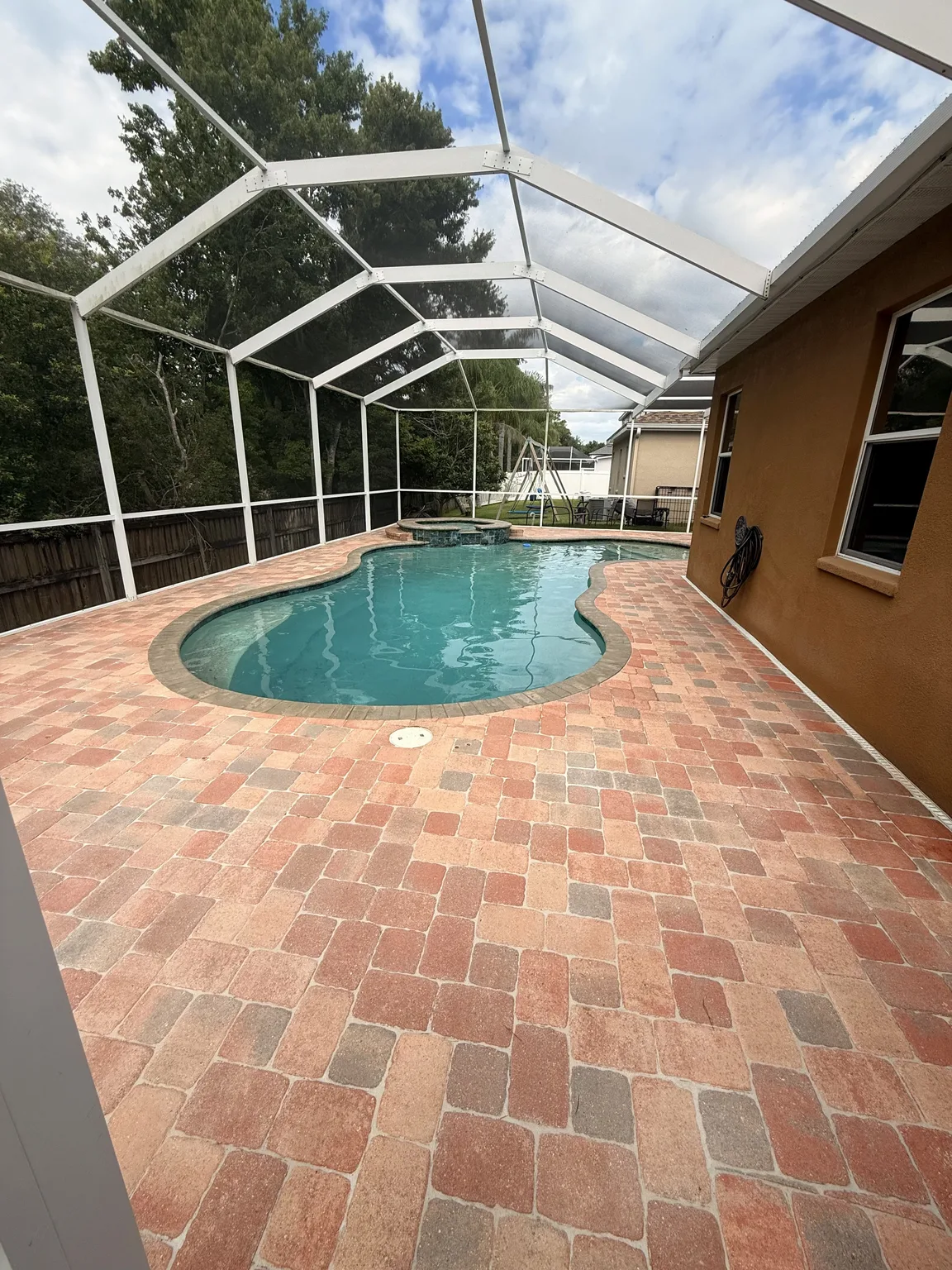
Next, study the joints and edges between pavers, coping, or tiles. Look for lippage, which means one piece sits higher than the adjacent one, along with sunken blocks that collect water. Wider or irregular joints may trap grime and algae, while tight joints can help break up water films if the surface texture still has some bite. Use your phone to take photos so you can show a contractor problem spots if you decide to ask for a proposal.
- Mark the slickest zones during a normal swim day.
- Check shaded, always-damp areas for algae or slimy film.
- Run fingers over the surface to compare smooth and textured patches.
- Look closely at paver joints for lippage or sunken pieces.
- Note where water tends to sit after you hose or backwash.
This simple checklist gives you a hierarchy of hazards instead of a vague sense that the whole pool deck is dangerous. That way, you can focus cleaning, repairs, or upgrades on the highest-priority areas first. It also helps you ask better questions if you invite a professional to inspect your pool deck slippery sections in more depth.
Common Tampa Bay Causes: Algae, Oils, Sealers, and Lippage
In Tampa Bay neighborhoods from Greater Carrollwood to Seven Springs, moisture and organics build up quickly. Algae and organic film form when shade, standing water, and spores meet warm surfaces. Shady sides of screen enclosures, the back of raised spas, and spots behind planters often stay greener and slicker than open areas. Even light green staining under your feet can feel more slippery than it looks.
Sunscreens, lotions, and body oils wash into the deck every time swimmers dry off or sit on coping. Those oily residues cling to pavers and concrete, then collect dust and pollen. Over time, the mix can create a thin, waxy layer that basic rinsing does not remove. Some older sealers can also soften slightly in heat, so they hold onto that film and gradually reduce surface traction.
Sealer mismatch is another frequent contributor. A glossy, film-forming sealer that looks attractive in photos may not suit an already smooth pool deck. When applied too heavily or without enough surface prep, it can fill texture and create a more uniform, slick shell. On the other hand, worn or patchy sealer creates inconsistent traction, where some stones feel grippy and others surprisingly slick.
Lippage and uneven joints also affect how your feet interact with the surface. Slight height differences between pavers can catch toes or heels, especially near drains and skimmer lids. Sunken pieces collect small puddles that never quite dry, feeding more algae growth. CMHA specifically calls out vertical alignment and joint conditions as important factors in pedestrian slip and trip resistance, which aligns with what homeowners see around aging pools.
Fixing a Slippery Deck: Cleaning, Repairs, and Resurfacing
Addressing a pool deck slippery problem usually starts with cleaning, then moves to repairs or resurfacing if needed. However, blasting the surface with maximum-pressure washing can remove valuable texture or damage joints. Instead, many homeowners in Riverview and Ruskin choose a gentler wash, combined with cleaners rated for algae and organic film on hardscapes. Always test a small, hidden section first and follow manufacturer instructions.
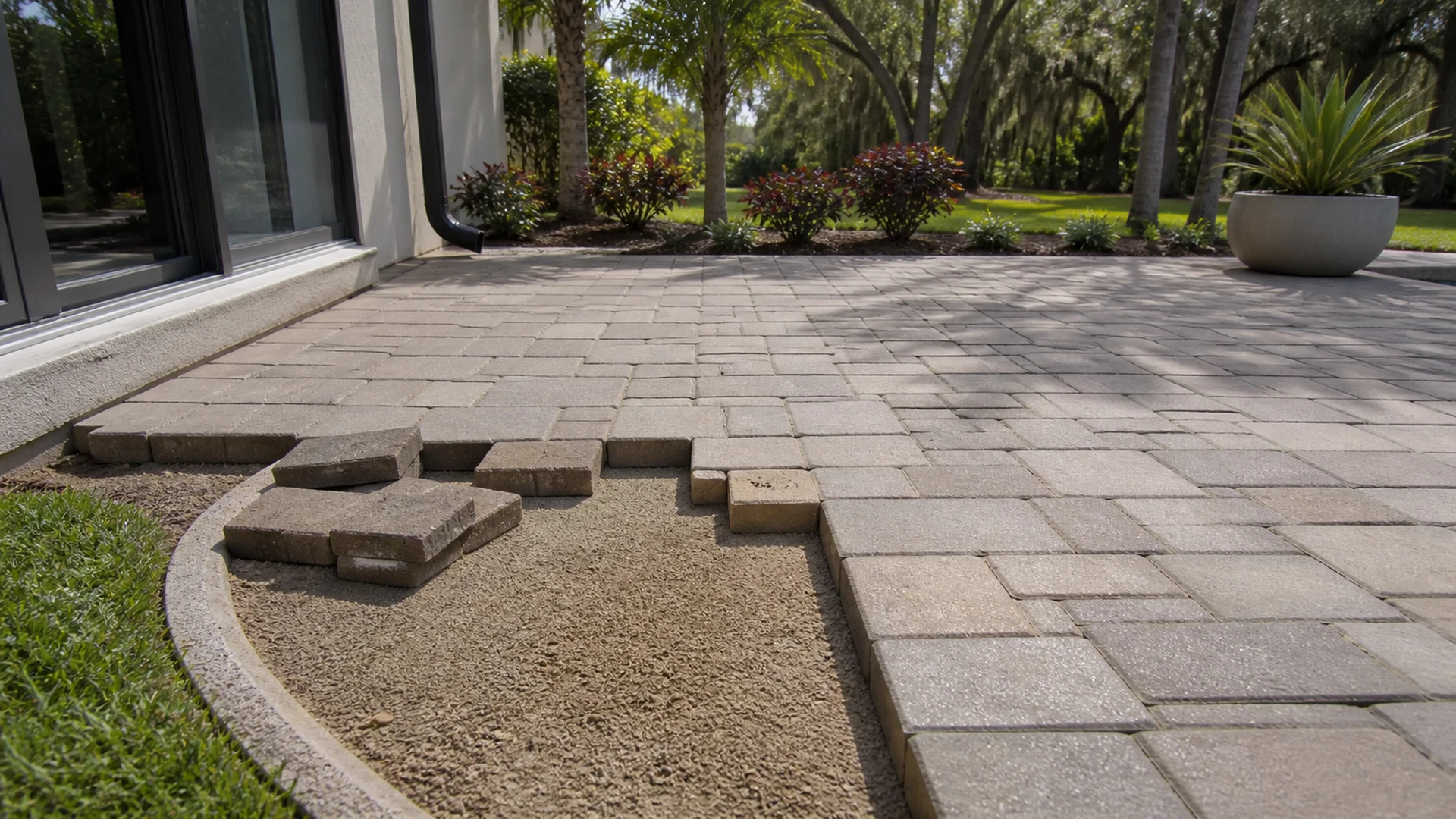
After a thorough clean, re-evaluate traction on a damp surface. If the deck already feels noticeably better, ongoing maintenance may be your main tool: regular brushing, occasional gentle washing, and quick removal of leaves and puddles. But if the surface still feels slick where people walk most, you might look into re-sanding paver joints, spot-leveling settled stones, or replacing damaged units. Correcting lippage can reduce both slip and trip risks, especially around ladders and steps.
Resurfacing or resealing may come next when cleaning and minor repairs do not help enough. Some products claim to add grip with textured additives, while others refresh color and protect against stains. Each option has tradeoffs in appearance, maintenance, and longevity, and not every product suits every material or climate. A qualified installer should match the product to your existing pavers, concrete, or tile, and Tampa’s sun and rain patterns, rather than using a one-size-fits-all approach.
Because costs depend heavily on deck size, material, access, existing damage, and product selection, only a site visit can provide reliable pricing. During that visit, ask how each recommended method handles wet traction, cleaning effort, and future touch-ups. Also ask which steps focus on safety improvements versus mostly cosmetic upgrades. That way, your investment goes toward changes that matter most when people step out of the water with wet feet.
Design and Material Choices That Support Better Wet Traction
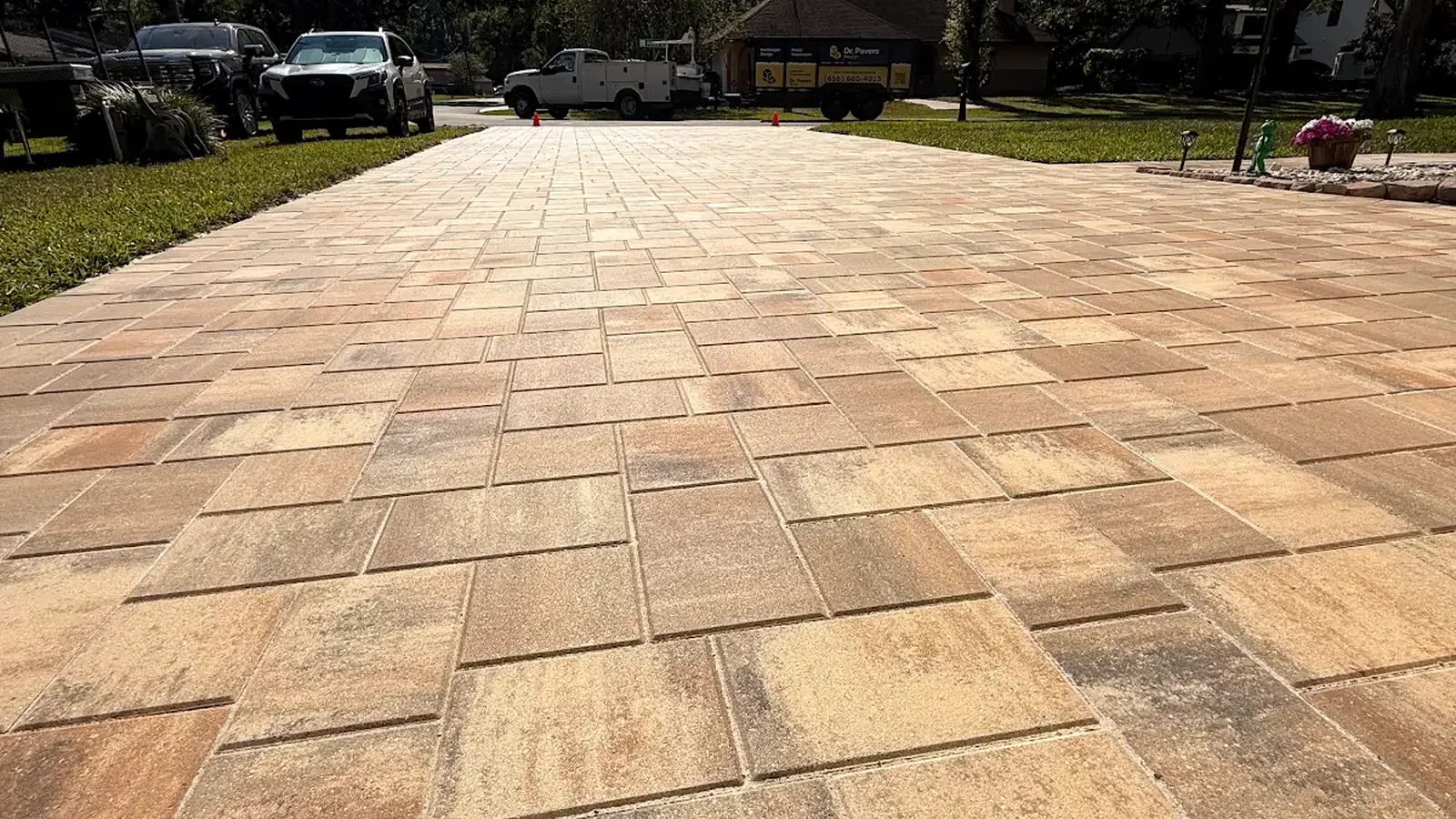
When repairs alone cannot overcome a chronically slick surface, some Tampa Bay homeowners consider partial or full deck upgrades. CMHA guidance confirms that surface texture and joint design influence slip resistance, so any new work should keep those fundamentals in mind. For example, many modern pool deck pavers include subtle textures or cleft patterns that interrupt water films while staying comfortable under bare feet. Wider, properly filled joints can add micro-edges that improve grip without feeling sharp.
However, every material involves tradeoffs. Highly textured surfaces may trap more dirt and require more frequent cleaning, while smoother options look sleek but demand more attention to cleaning routines and contaminant control. Color can also affect how hot the deck feels, which indirectly changes how homeowners use it. People naturally avoid very hot zones, which can push more traffic into shaded, potentially slicker sections.
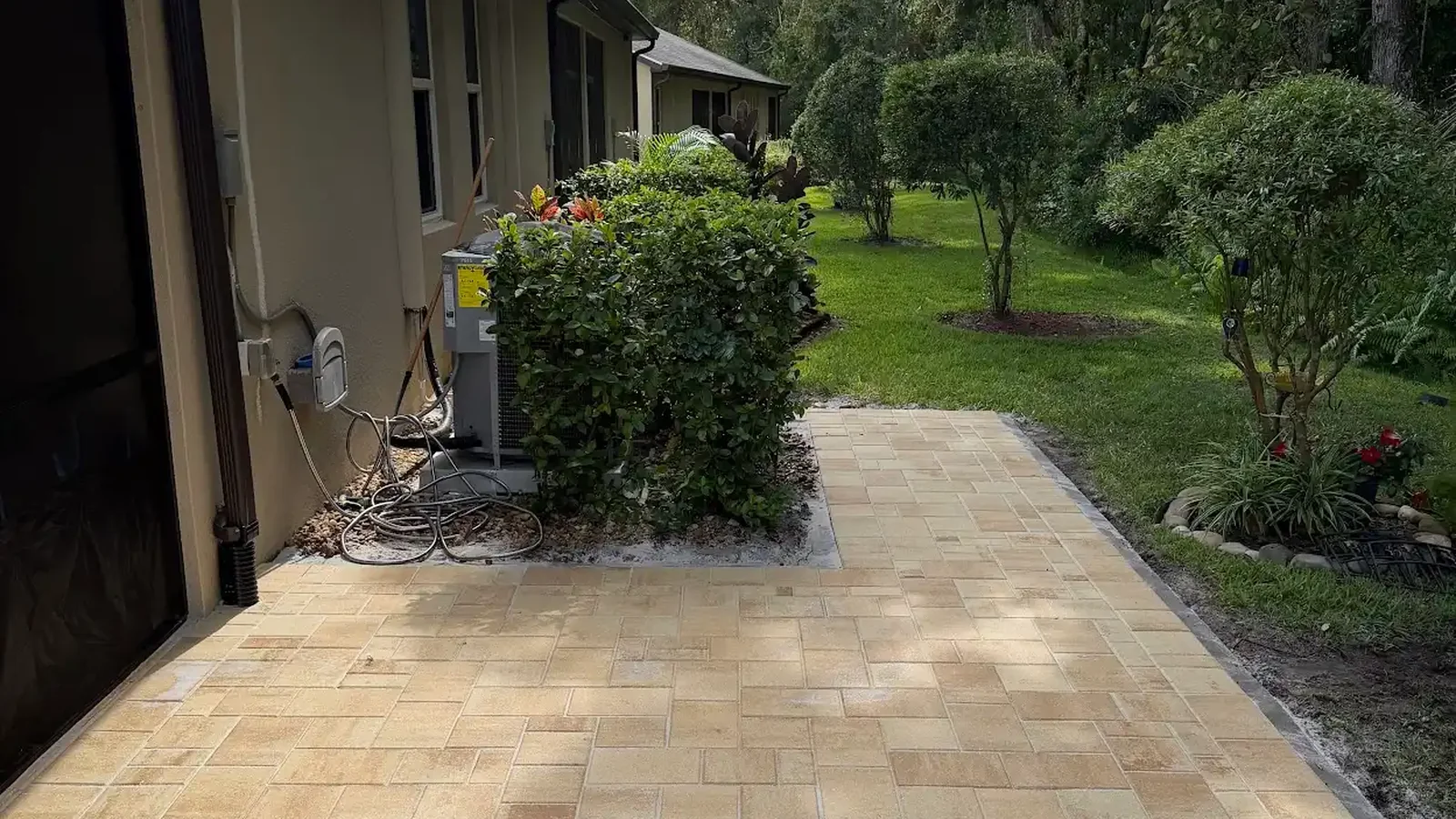
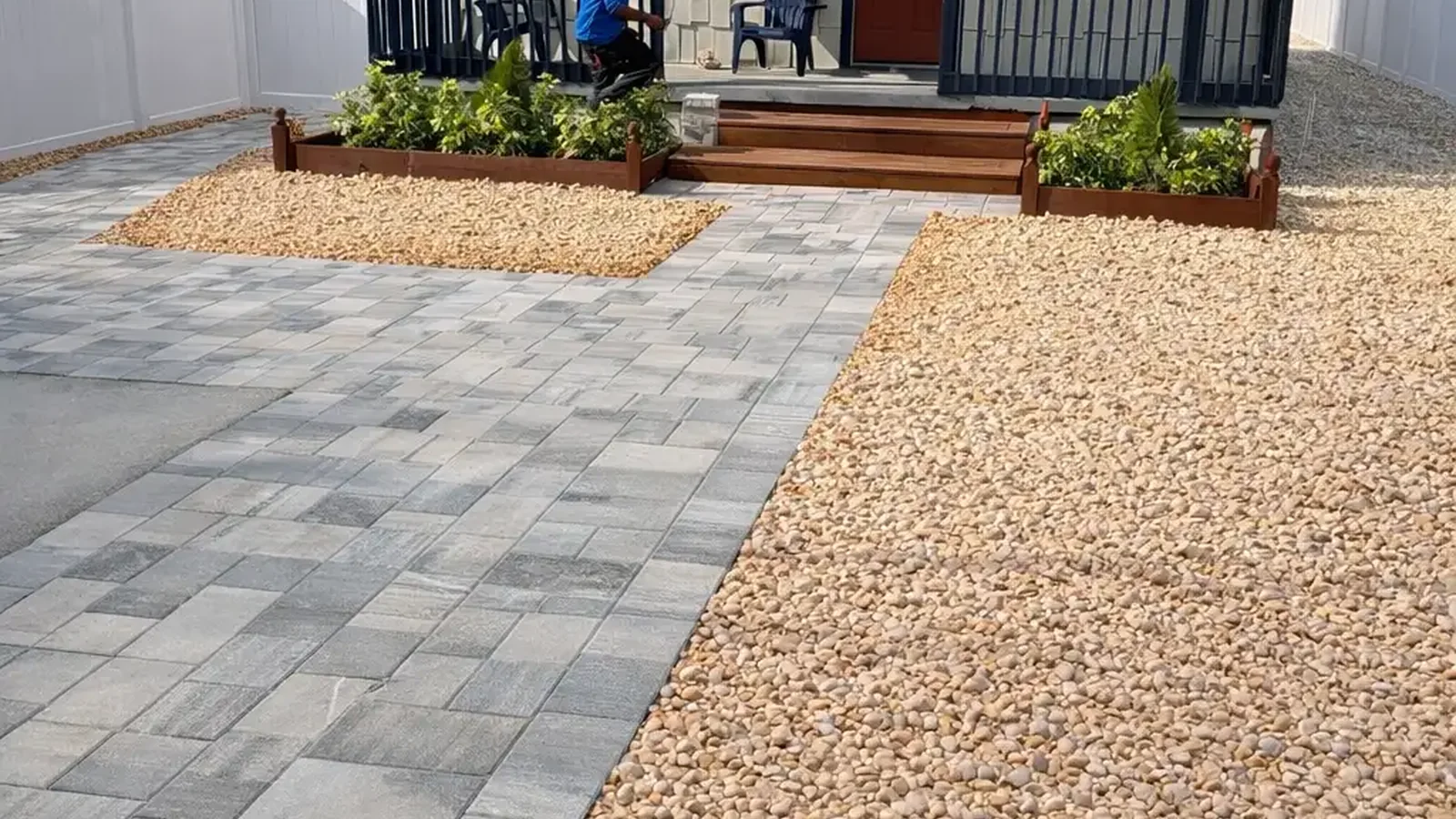
Even within paver options, choices like shape, size, and pattern change how water moves and dries. Longer units may bridge water differently than smaller ones, and running bond layouts handle runoff differently than herringbone patterns. Perimeter details also matter; flush transitions and properly aligned coping edges help reduce trip risks as people move from deck to steps, raised walls, or built-in seating. Because your pool, enclosure, and yard grade are unique, a local contractor familiar with Tampa-area conditions can help align design and safety goals.
| Approach | Pros | Considerations |
|---|---|---|
| Deep clean and maintenance plan | Lowest disruption, preserves existing look, targets contaminants | May not fix worn or overly smooth surfaces |
| Spot repairs and re-leveling | Improves lippage and puddling in key areas | Requires skilled labor to avoid new uneven spots |
| Resealing with traction-focused products | Can balance appearance, stain resistance, and grip | Product choice and prep are critical; results vary by surface |
| Partial or full deck renovation | Opportunity to reset texture, layout, and style | Higher cost and disruption; needs careful design |
Each path sits on a spectrum from least to most invasive. Many homeowners combine them, starting with cleaning and repairs before committing to major updates. If you decide to explore new paver options around your pool, you can review ideas and process details on the pool deck pavers Tampa Bay page and bring your questions to a consultation.
Florida-Specific Factors: Weather, Water, and Everyday Habits
Florida’s climate plays a big part in why a pool deck slippery issue shows up sooner than you might expect. Long humid seasons keep surfaces damp for hours after a quick splash or passing shower. Afternoon thunderstorms can soak the deck several times a week in summer, while warm nights encourage algae and mildew growth. In shaded Land O’ Lakes and Thonotosassa yards, morning dew may linger almost until lunchtime.
Pool chemistry and backwash habits also influence traction. Water that regularly splashes or spills in the same areas can leave mineral deposits, etched spots, or chalky residue. Backwashing too close to the deck edge can force fine dirt and chemicals into joints, where they support organic growth. In screened enclosures, limited air movement often means the deck dries more slowly, even though it collects less windblown debris.
Everyday use patterns matter as well. Families who host frequent gatherings may leave more sunscreen, food, and drink spills behind, especially near seating and outdoor kitchens. Pets that run the perimeter or jump in and out of the pool track extra dirt and hair across the deck. Although you cannot control Florida weather, you can adjust habits by rinsing high-use zones more often, sweeping leaves promptly, and occasionally scrubbing corners that never see direct sun.
Because these local factors overlap, two Tampa Bay pool decks built the same year can age very differently. When you discuss options with a contractor, share how your family actually uses the space throughout the year. That context helps them suggest cleaning routines, minor adjustments, or material changes that reflect your specific climate and lifestyle, rather than a generic plan.
Mistakes to Avoid and Practical Prevention Tips
When trying to fix a pool deck slippery surface, some common missteps can quietly make things worse. Overusing high-pressure washing can erode texture, open joints, and drive water under pavers or tiles. Using harsh cleaners not rated for your surface may etch finishes or leave residues that attract more dirt. Additionally, applying any sealer without considering texture and product compatibility can accidentally create a glossier, slicker finish.
It also helps to avoid treating the entire deck as identical. Often, only certain zones truly need aggressive traction improvement. Heavy-grit additives or very rough finishes near lounge chairs, for example, might feel uncomfortable for bare feet but suit steps or entries. By matching treatments to use patterns, you minimize side effects while prioritizing higher-risk paths between house, pool, and seating.
For prevention, steady, light maintenance usually beats rare, intense cleaning sessions. Regular sweeping and quick rinsing reduce the organic food sources algae love. Promptly brushing any hint of green or dark film keeps it from rooting deeper into pores and joints. Checking for settled or raised pavers once or twice a year gives you a chance to correct issues before they become major trip and slip hazards.
Finally, plan ahead before any new work around your pool, including coping replacement, screen enclosure changes, or nearby landscaping. Ask how new materials, irrigation overspray, and shade patterns might affect deck dryness and cleaning access. A little forethought can help you avoid trapping moisture in new corners or directing water across areas that already stay damp too long.
When to Involve a Professional About Your Slippery Pool Deck
Some issues behind a pool deck slippery feeling stay hidden until a trained eye inspects the site. If you see widespread lippage, cracking, loose coping, or repeated puddling, a qualified hardscape or pool contractor should evaluate the structure and layout. They can check base conditions, joint integrity, and how the deck interacts with the pool shell and nearby features. If there is any sign of structural movement, you may also need input from an engineer or other licensed professional.
Professional help also makes sense when earlier DIY fixes did not hold up. For example, if pressure washing seems to make the surface slicker over time or algae keeps returning quickly, a contractor can reassess the materials and cleaning methods you are using. They may recommend adjusted routines, different cleaners, or selective joint and paver repairs. In some cases, they may suggest phasing in upgrades, starting with the highest-traffic, highest-risk sections first.
Before hiring anyone, ask questions about their experience with pool decks in the Tampa area, not just general paving or concrete. Request to see photos of similar projects, learn which products they typically use, and discuss how they balance safety, appearance, and maintenance. You can also review education-focused articles in the Pool Deck Paver Guides category so you arrive at the consultation with a clear list of concerns and priorities.
If a contractor proposes significant changes to your deck structure, pool shell, or nearby walls, confirm whether you should consult a licensed engineer or building professional about code and safety impacts. For changes affecting pool barriers, gates, or alarms, speak with qualified pool-safety and code professionals before proceeding. This layered approach protects both your family and your investment.
FAQ: Pool Deck Slippery Questions Tampa Bay Homeowners Ask
Why is my pool deck slippery even after I just cleaned it?
If your pool deck still feels slippery right after cleaning, the problem may run deeper than surface dirt. Worn texture, older sealers, or long-term buildup inside pores and joints can continue to reduce traction. In humid Tampa Bay, surfaces also stay damp longer, which lets a thin film of water, oils, or algae remain underfoot. A professional may need to evaluate whether gentler but more targeted cleaning, joint work, or resurfacing would help.
Can I make my pool deck completely slip-proof?
No, you should not expect any hardscape around a pool to be completely slip-proof. Water, bare feet, children running, and changing weather always involve some risk. However, you can often reduce that risk by improving texture, addressing lippage, managing standing water, and keeping contaminants under control. CMHA’s guidance on surface texture, wetness, and contaminants can help frame realistic goals for safer, but not perfectly safe, walking conditions.
Do certain sealers make a pool deck more slippery?
Yes, some sealer types and application methods can make a pool deck more slippery, especially when wet. Glossy, film-forming products applied too thickly or on already smooth surfaces may fill in texture and create a more uniform, slick finish. On the other hand, some sealers include fine aggregates or are formulated to maintain more surface profile. Because performance varies by product and surface material, it is important to discuss options with an installer who understands both your deck and Florida conditions.
How often should I clean my pool deck to prevent algae and slick spots?
Cleaning frequency depends on shade, trees, enclosure type, and how heavily you use the pool. Many Tampa Bay homeowners find that light, regular maintenance works better than infrequent heavy cleaning. That could mean sweeping several times a week during leaf-heavy seasons and rinsing or gently scrubbing problem areas every few weeks. If you see algae or dark film start to form, addressing it quickly usually takes less effort and helps preserve the surface texture you already have.
Should I replace my entire deck if only some areas are slippery?
Not necessarily. Often, you can focus on the worst sections first, especially where people enter and exit the pool or walk most. Targeted cleaning, joint repairs, re-leveling, or selective resurfacing can significantly improve safety in those zones. A full replacement tends to make sense only when the surface, base, or layout has widespread issues that spot fixes cannot reasonably address. A professional site visit helps you weigh the cost and disruption of partial versus full upgrades.
For deeper background on how multiple factors affect traction, you can review CMHA’s slip and skid resistance guidance at this technical resource. It explains how texture, contaminants, and vertical alignment work together so you can ask more targeted questions during a consultation.
If your pool deck feels slick in key walking paths or you are planning a larger backyard update, the team at Dr Pavers Design can walk you through practical options. You can browse real-world project photos, read homeowner testimonials, and review common FAQ answers before you reach out. When you are ready, explore our core services, then contact us for a free, no-pressure consultation that focuses on how you actually use your pool and outdoor spaces.
You can call +1 (656) 600-4015, send a text to the same number, email drpavers@outlook.com, or message us on WhatsApp. If you prefer social or maps, you can connect on Instagram or Facebook, or save our location on Google Maps before we visit your home in Tampa Bay, Riverview, Wesley Chapel, or nearby communities.