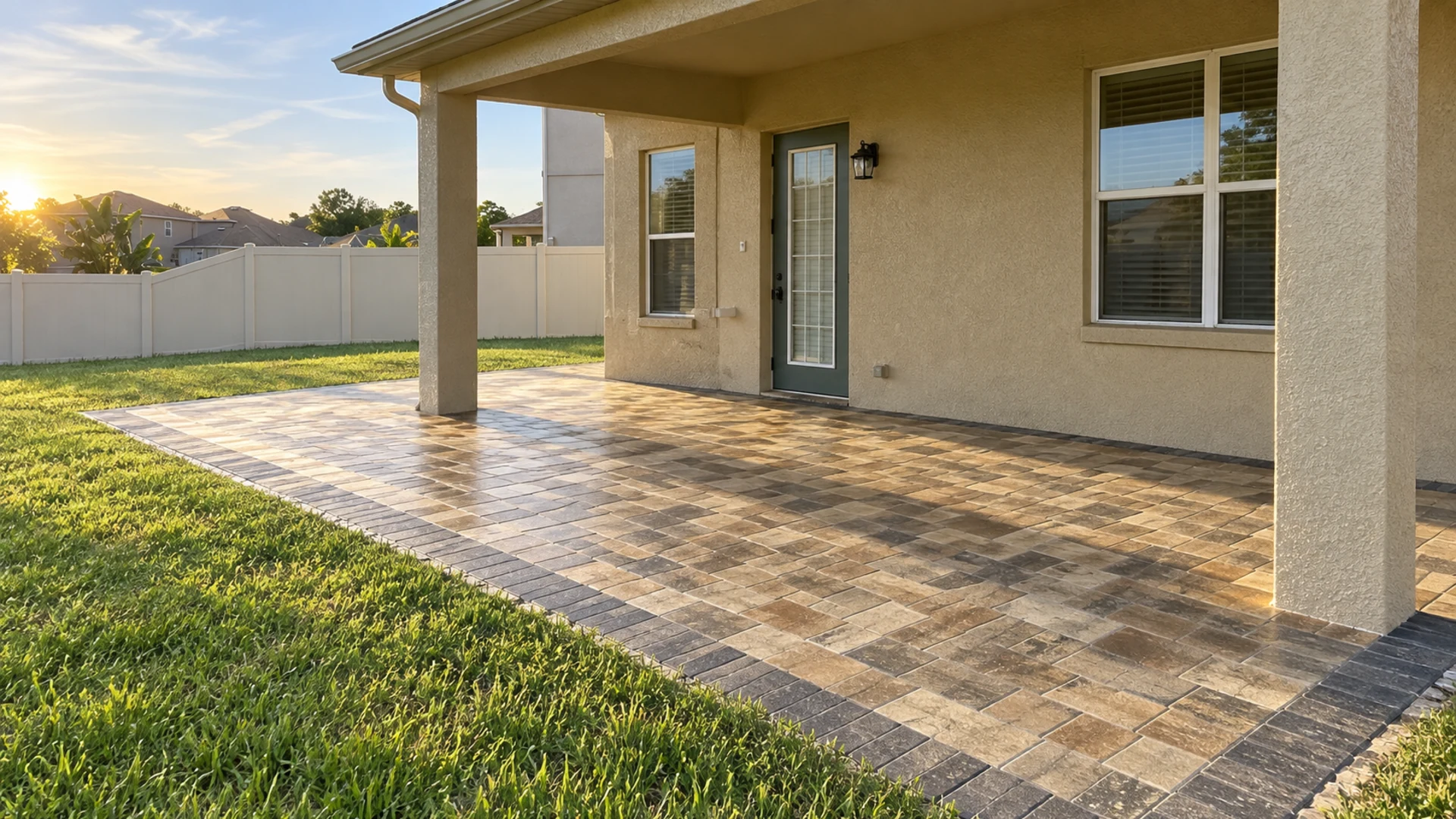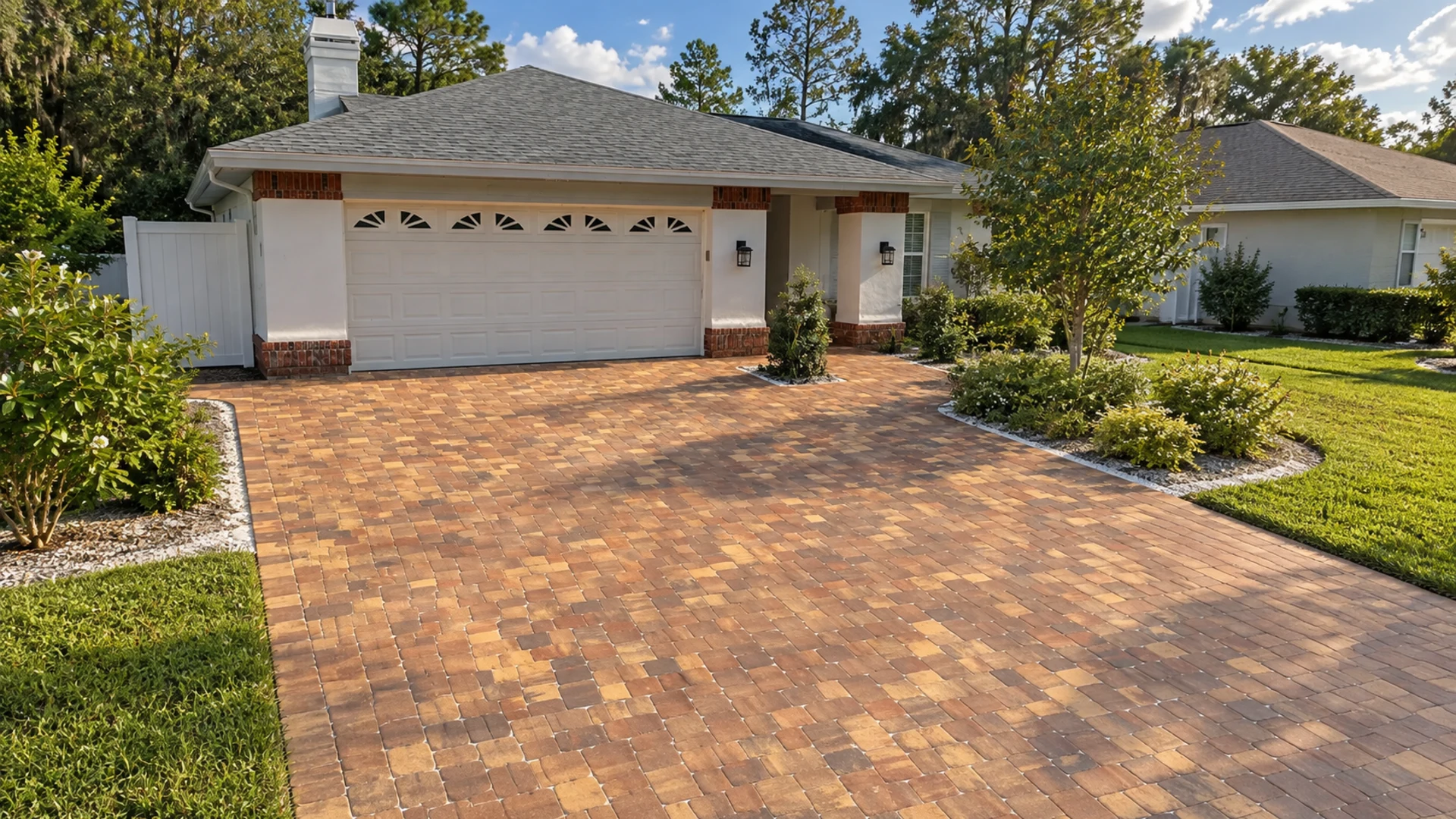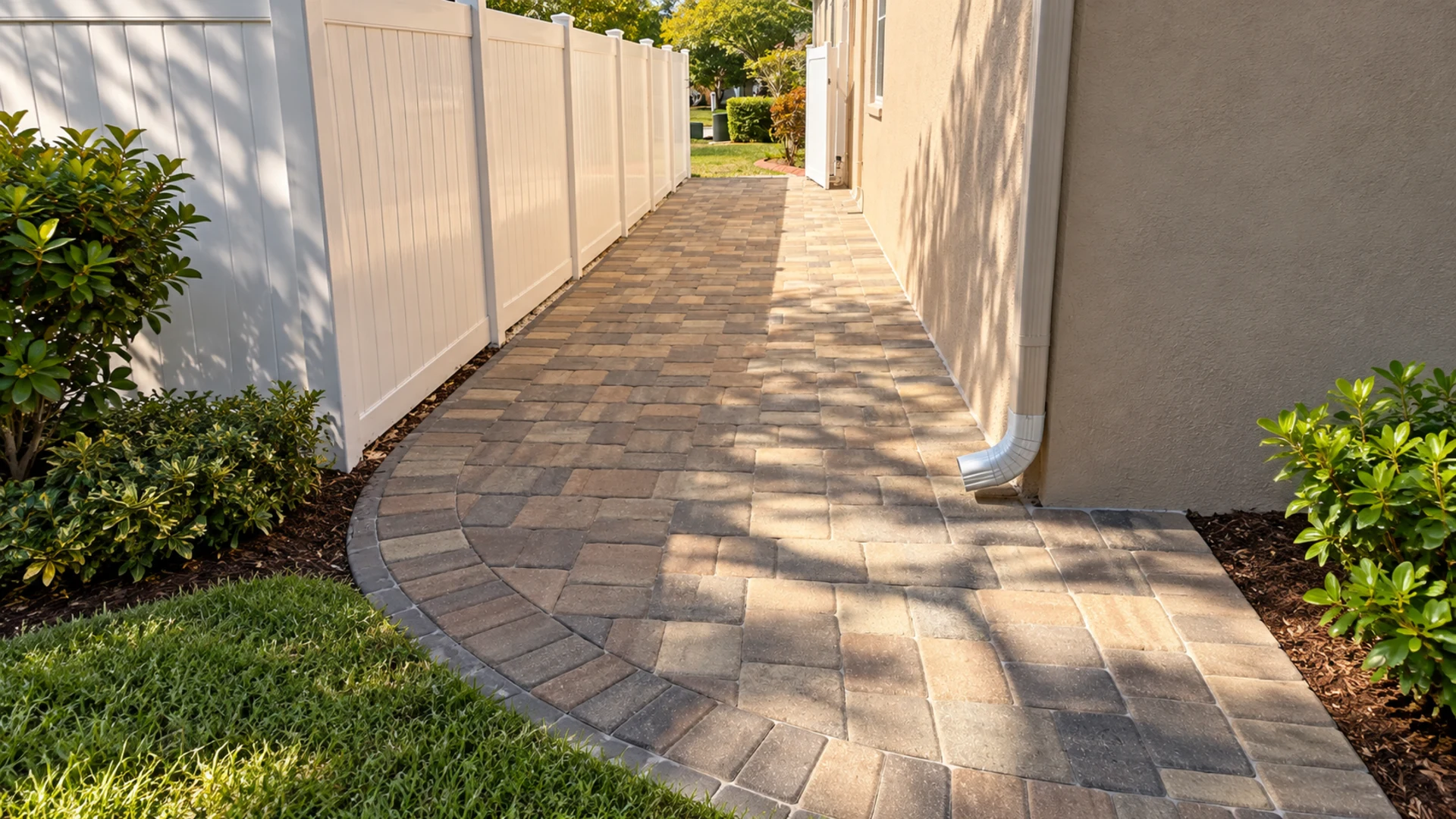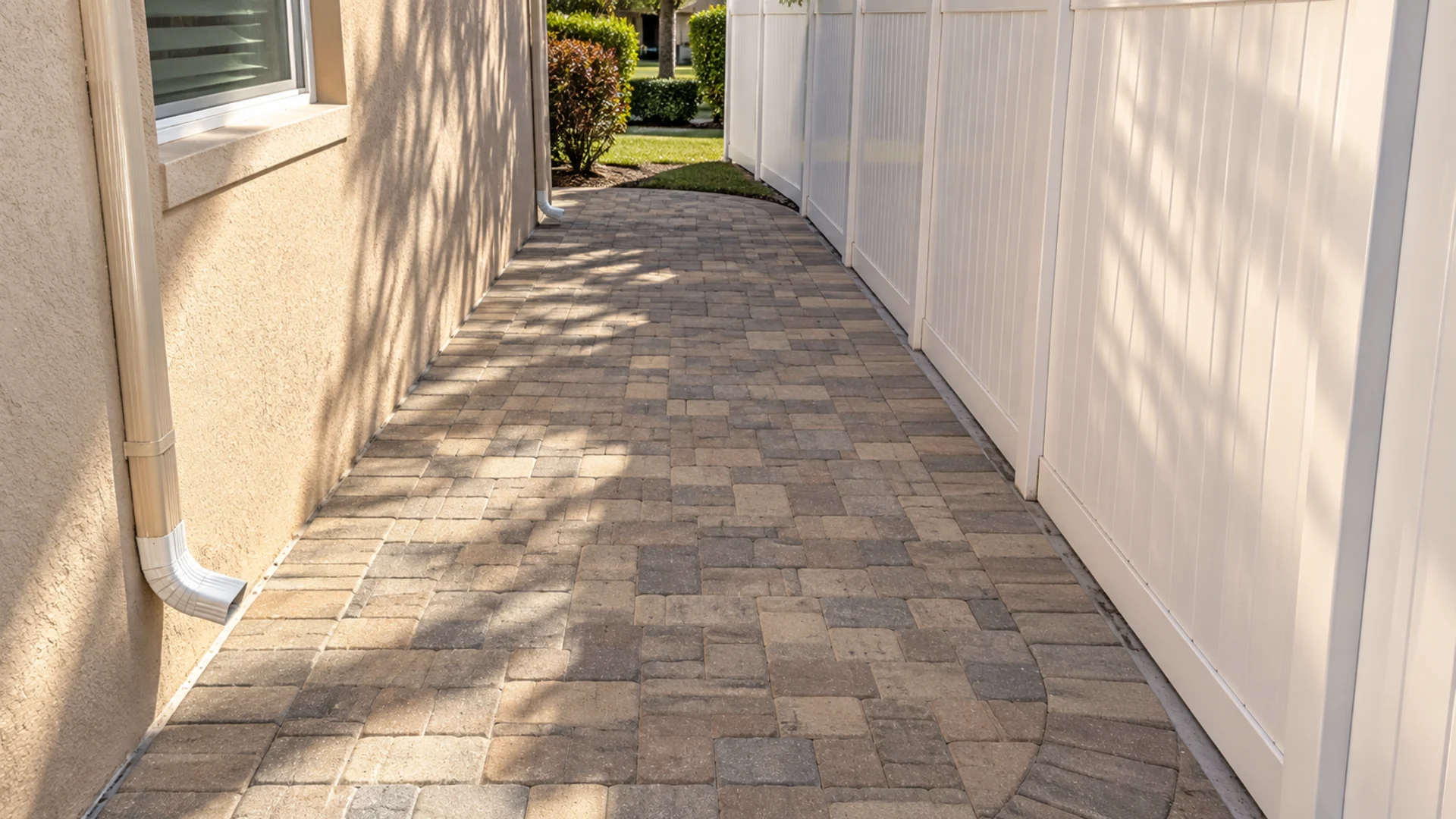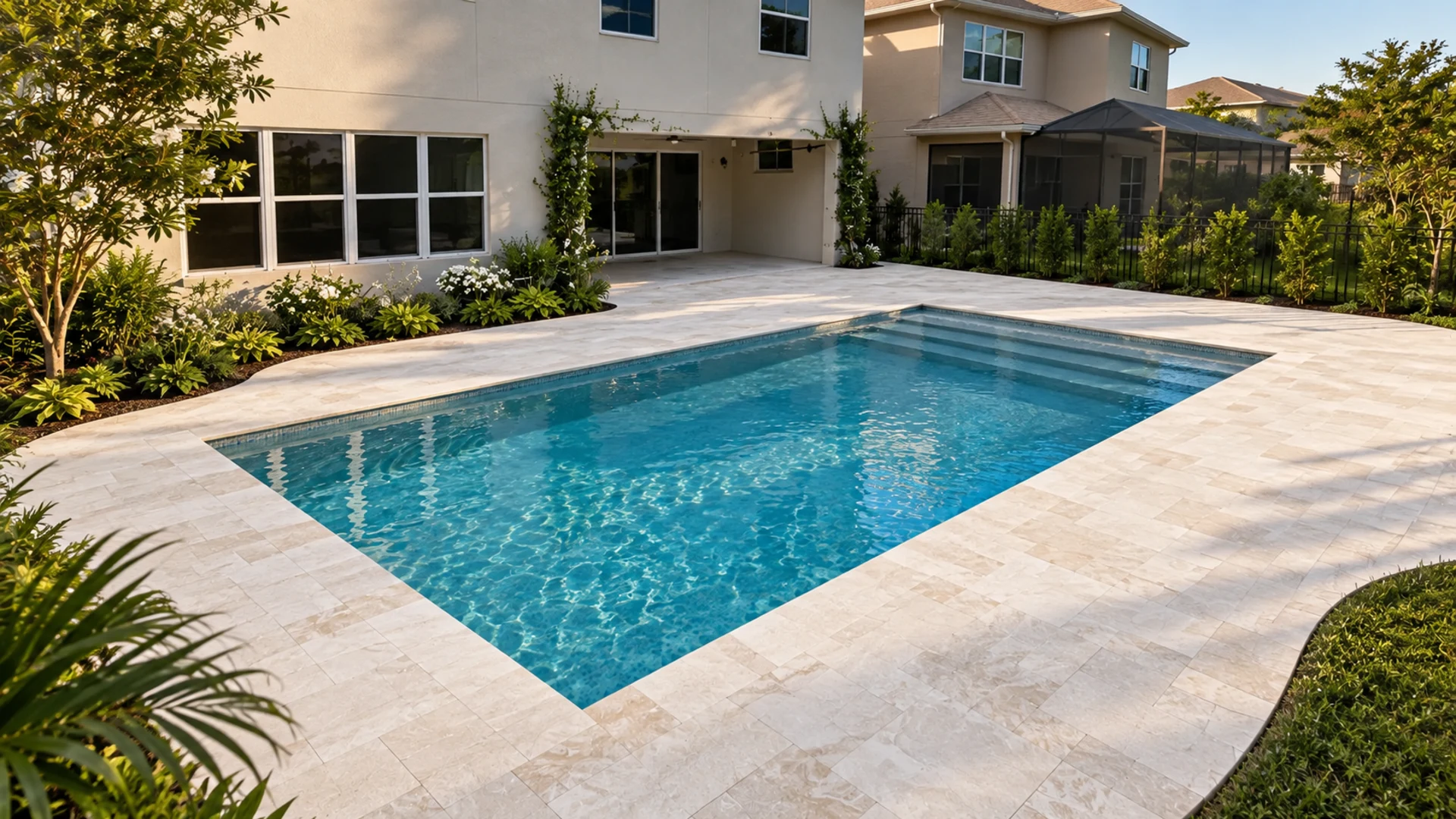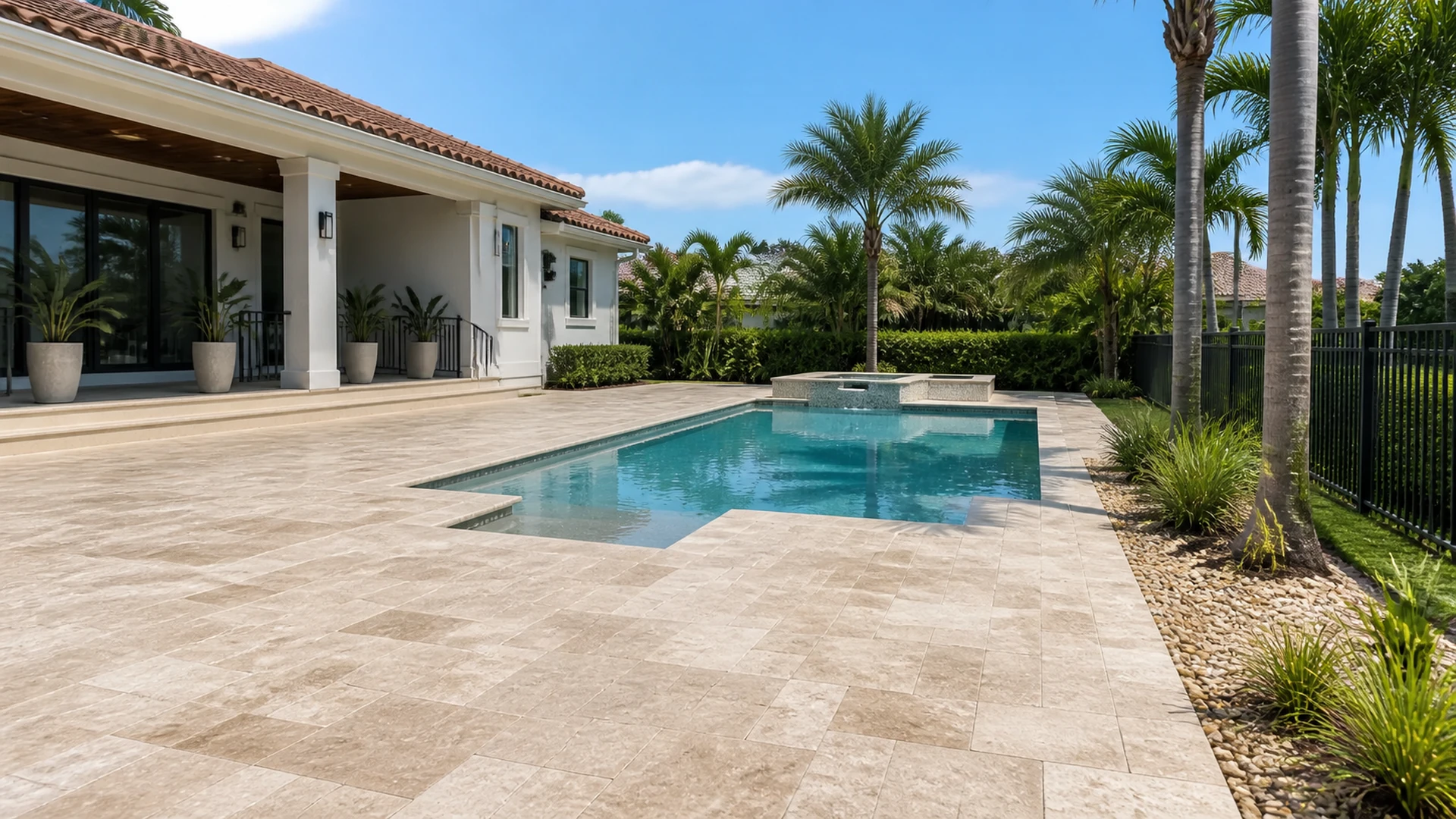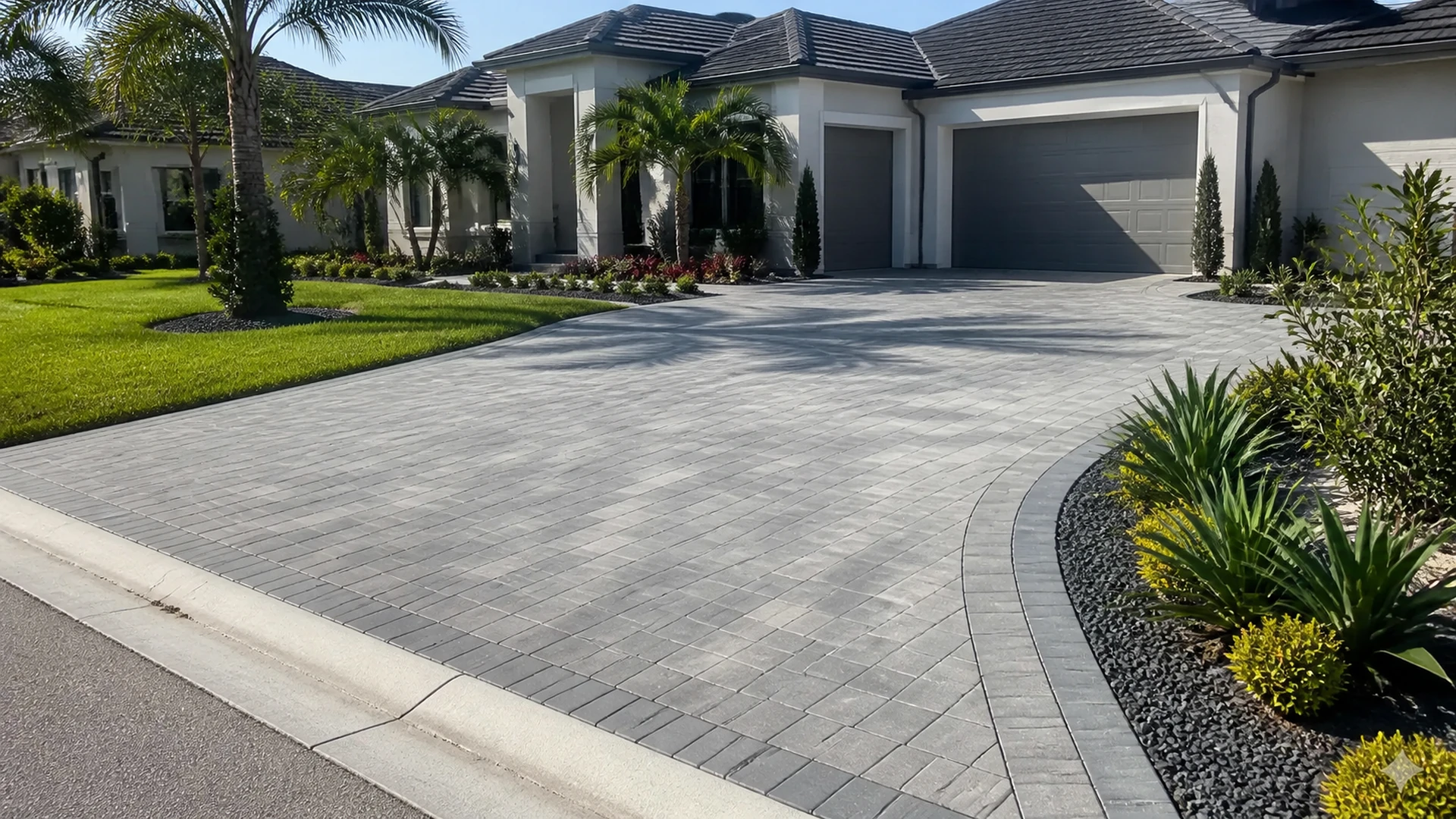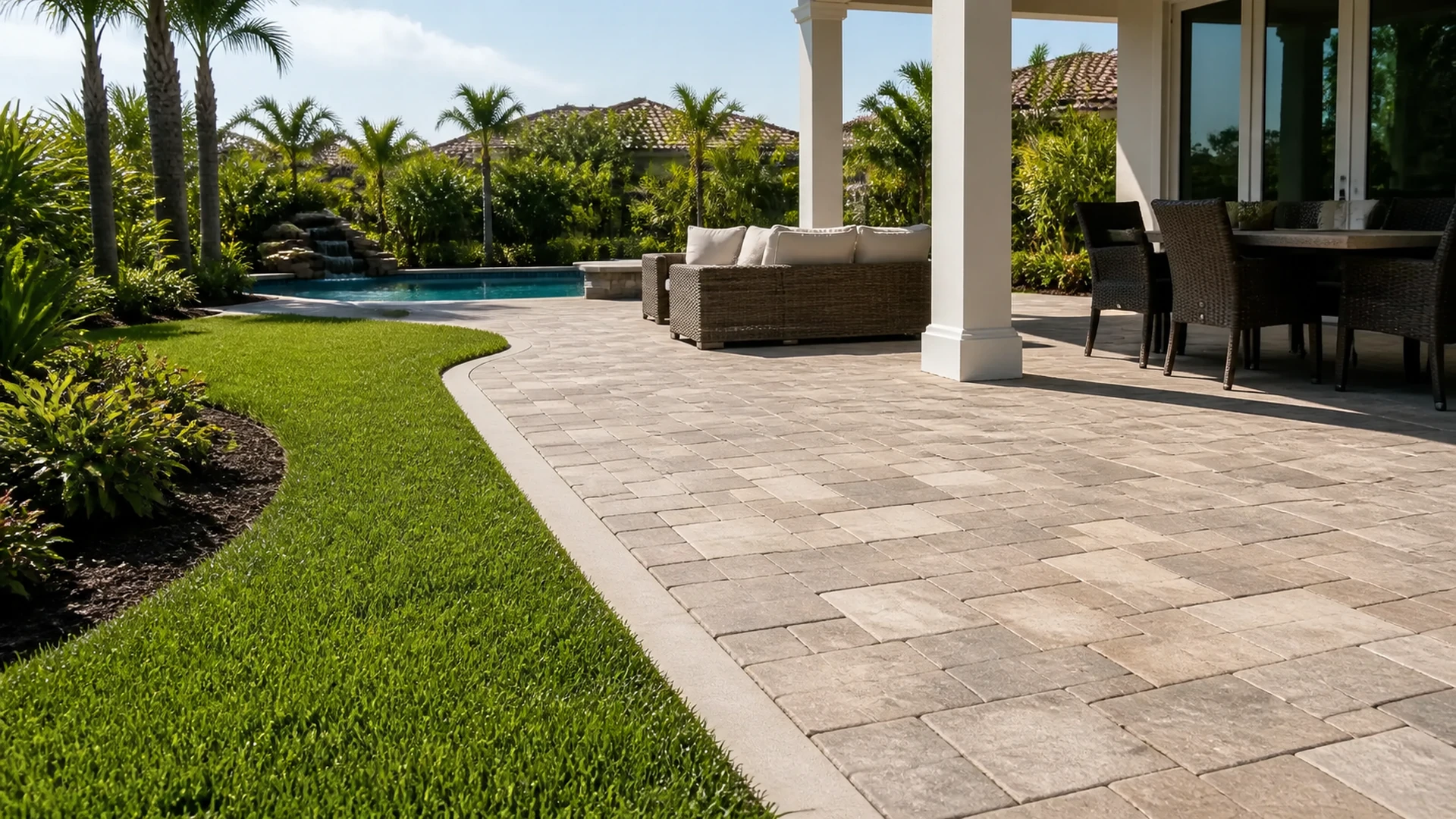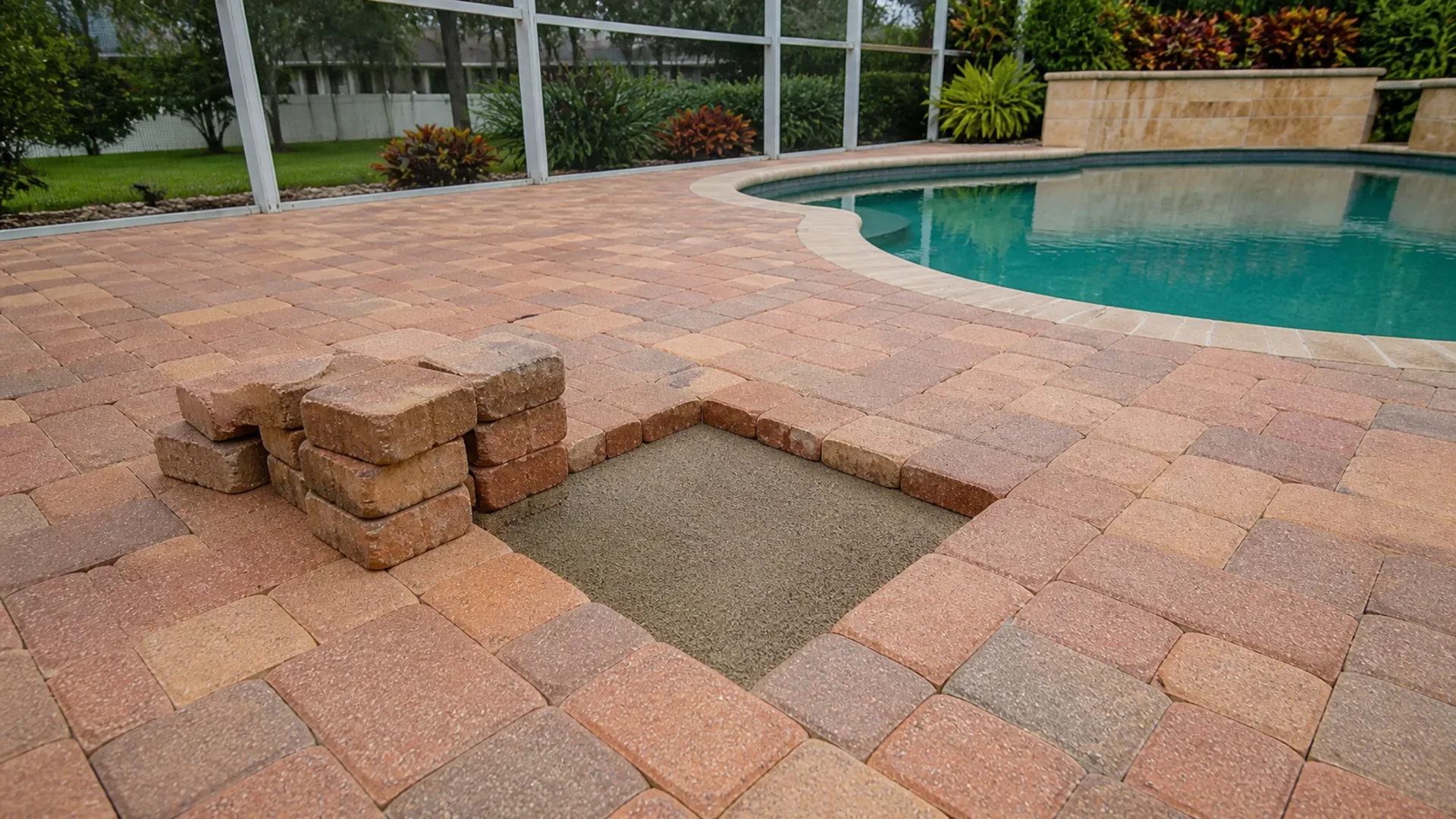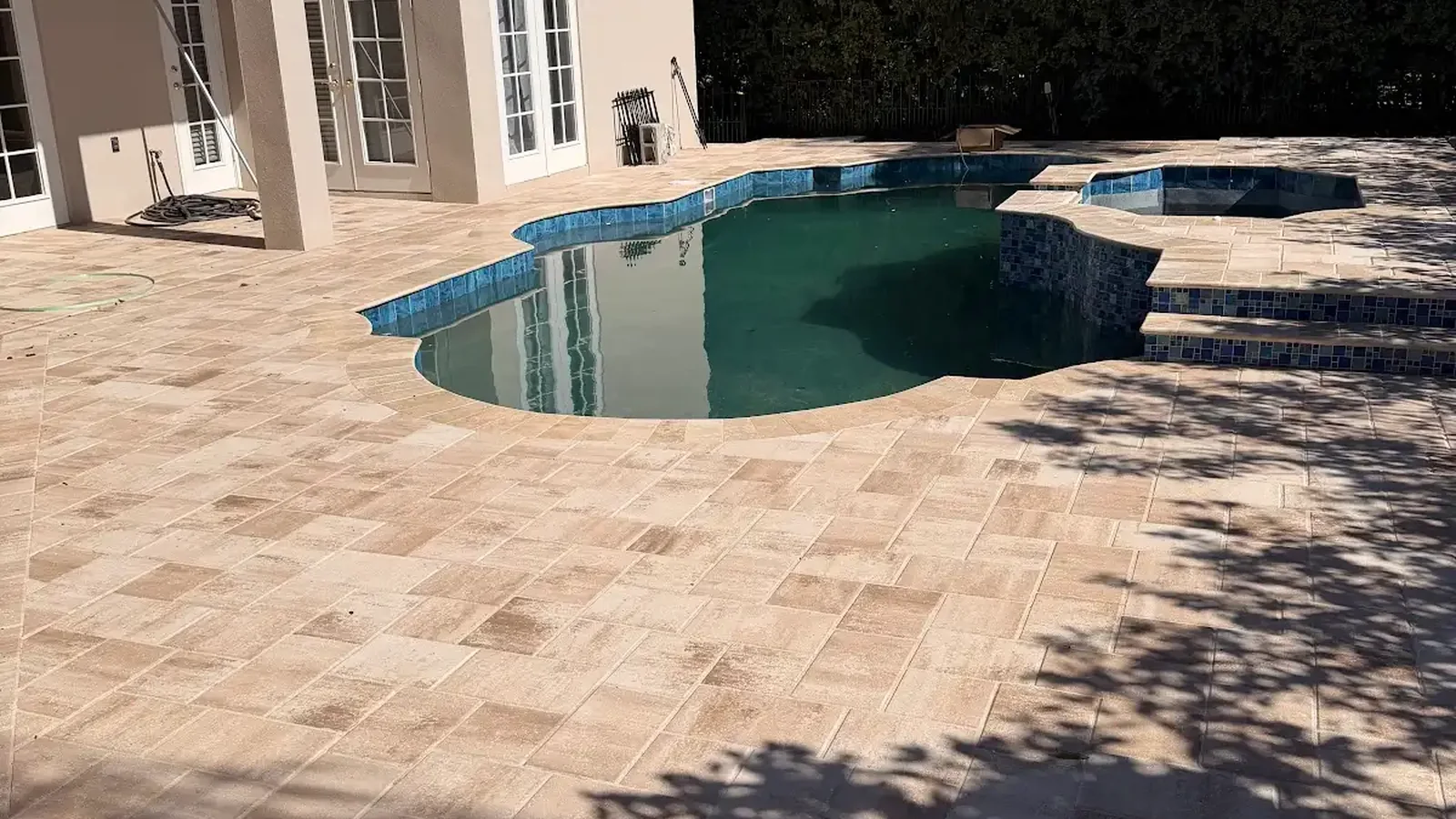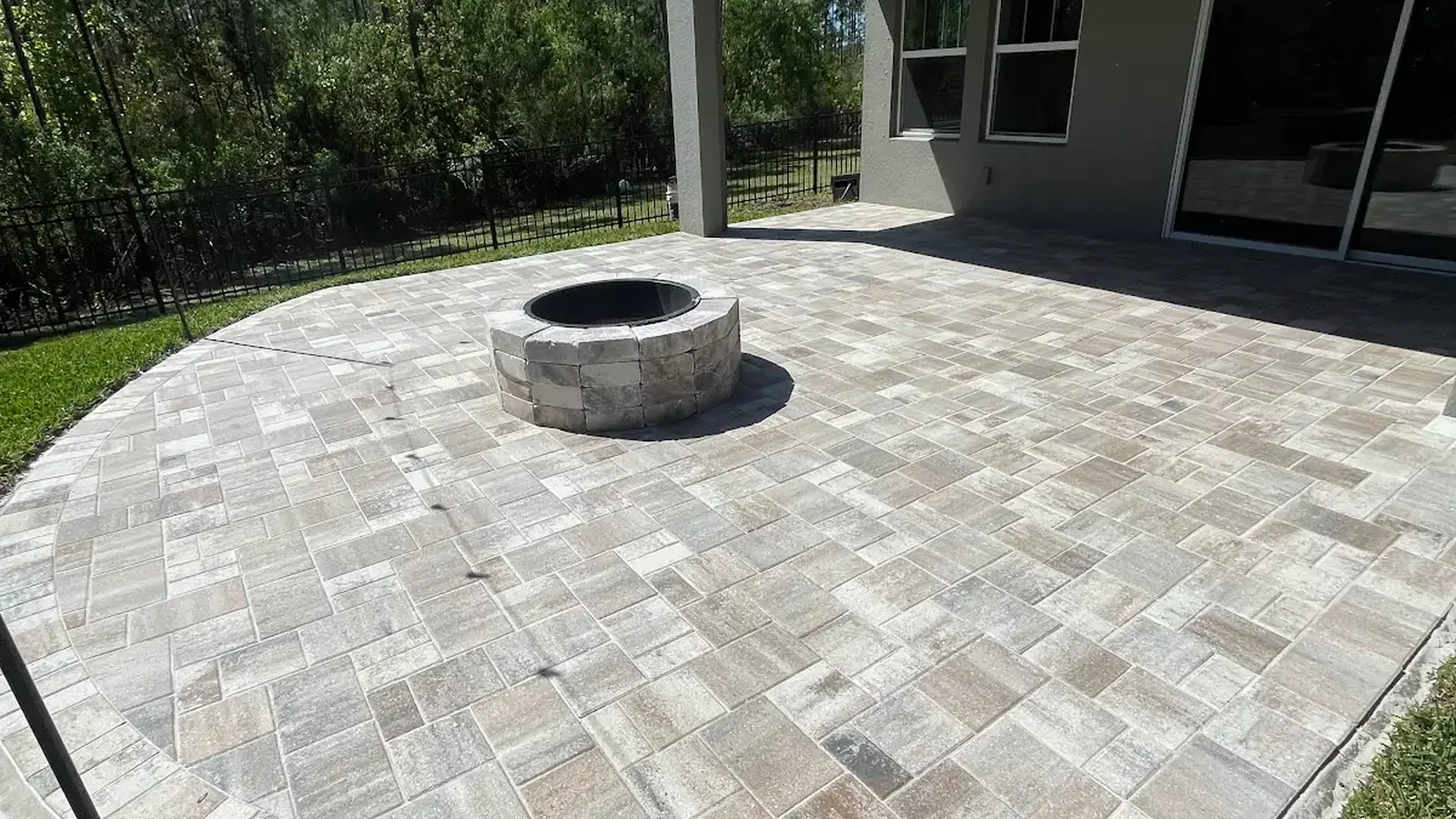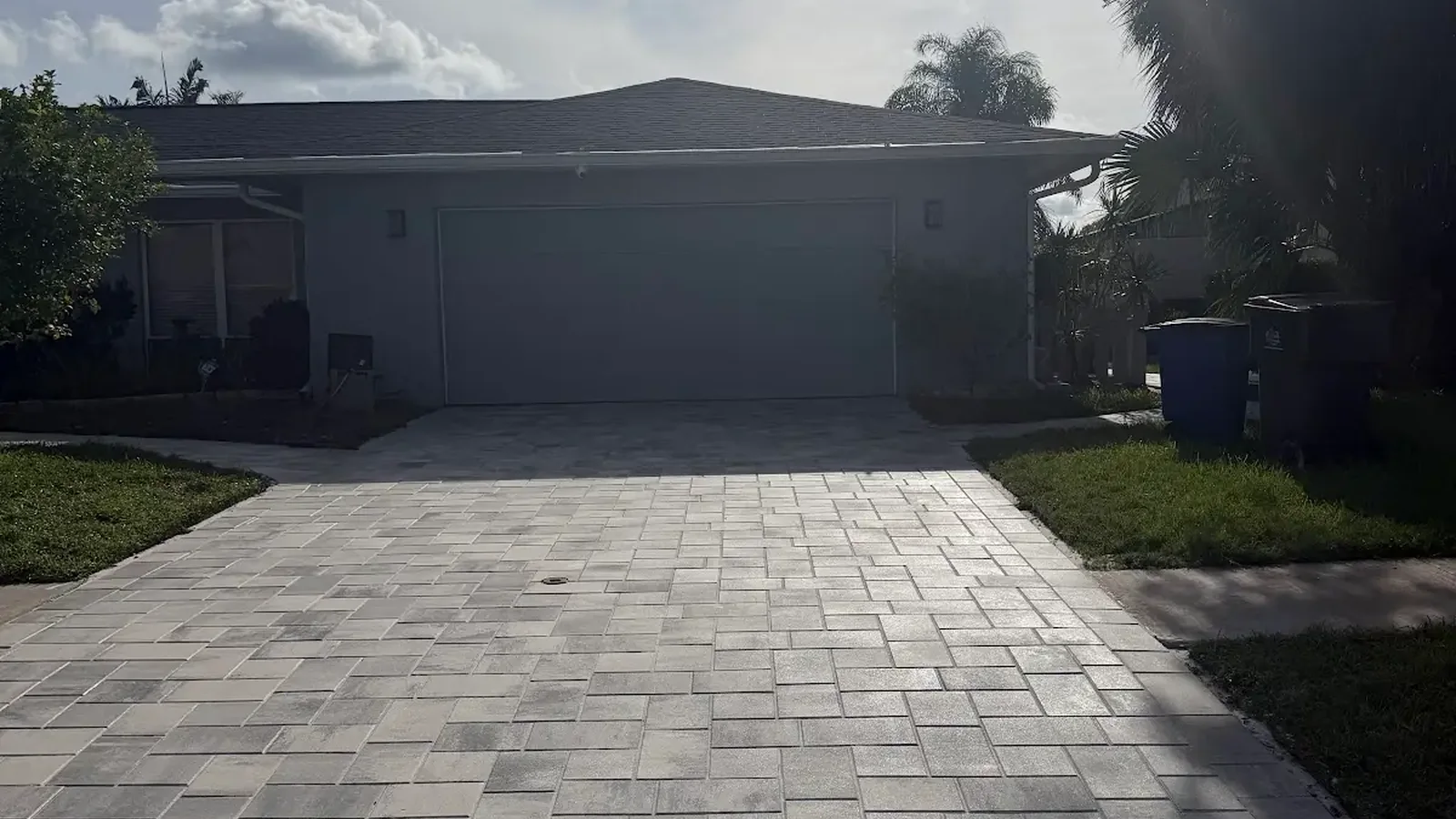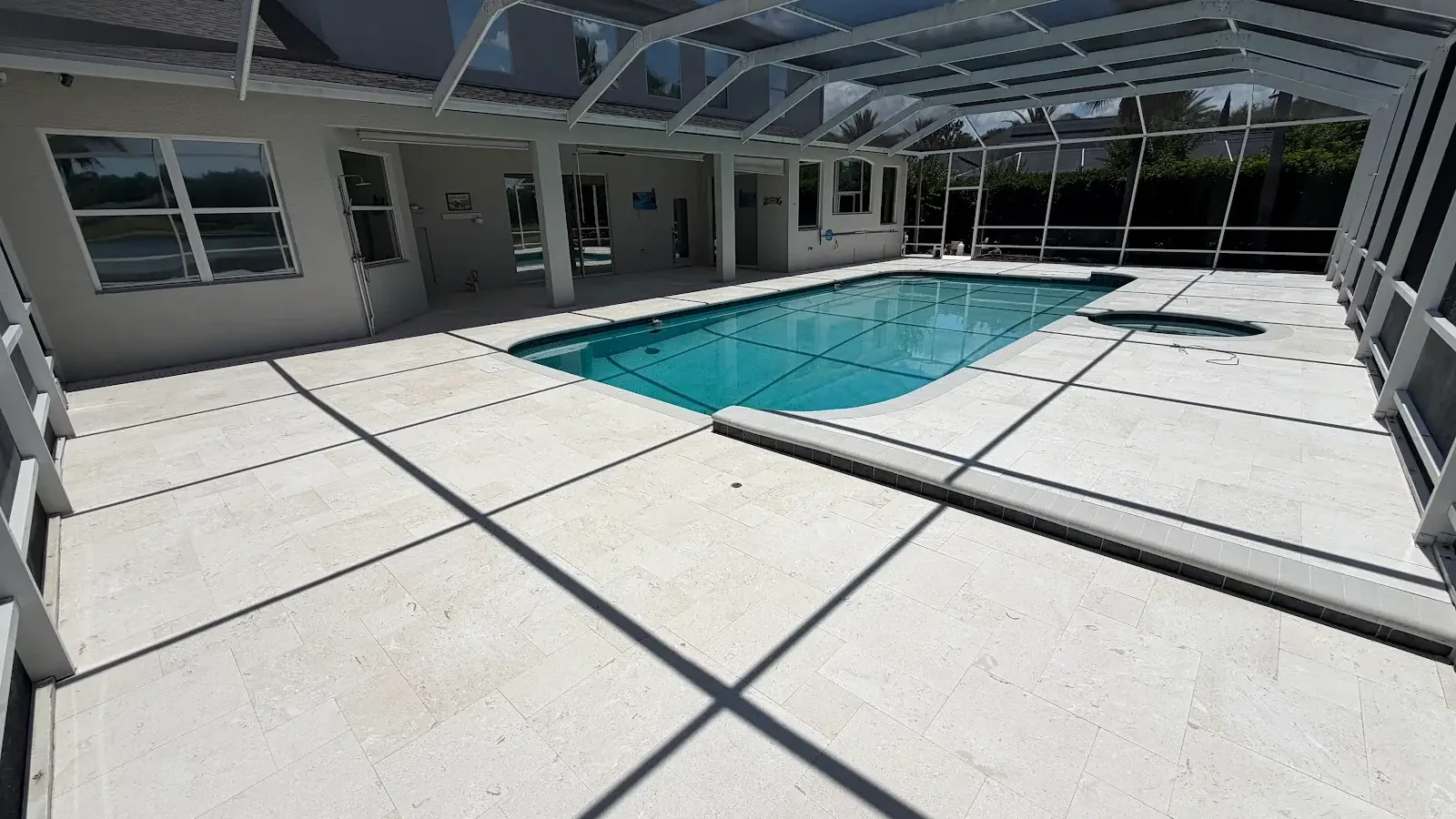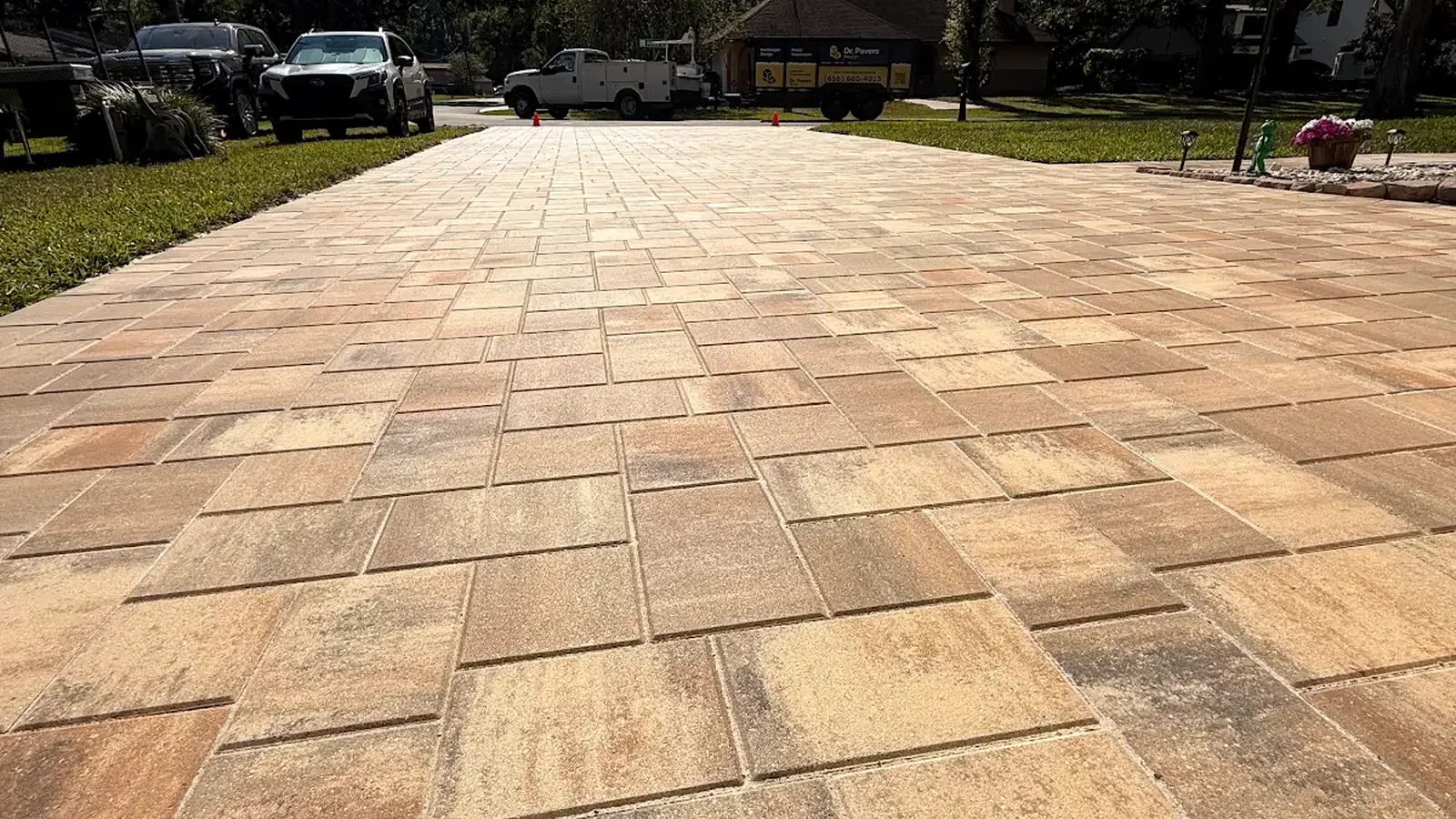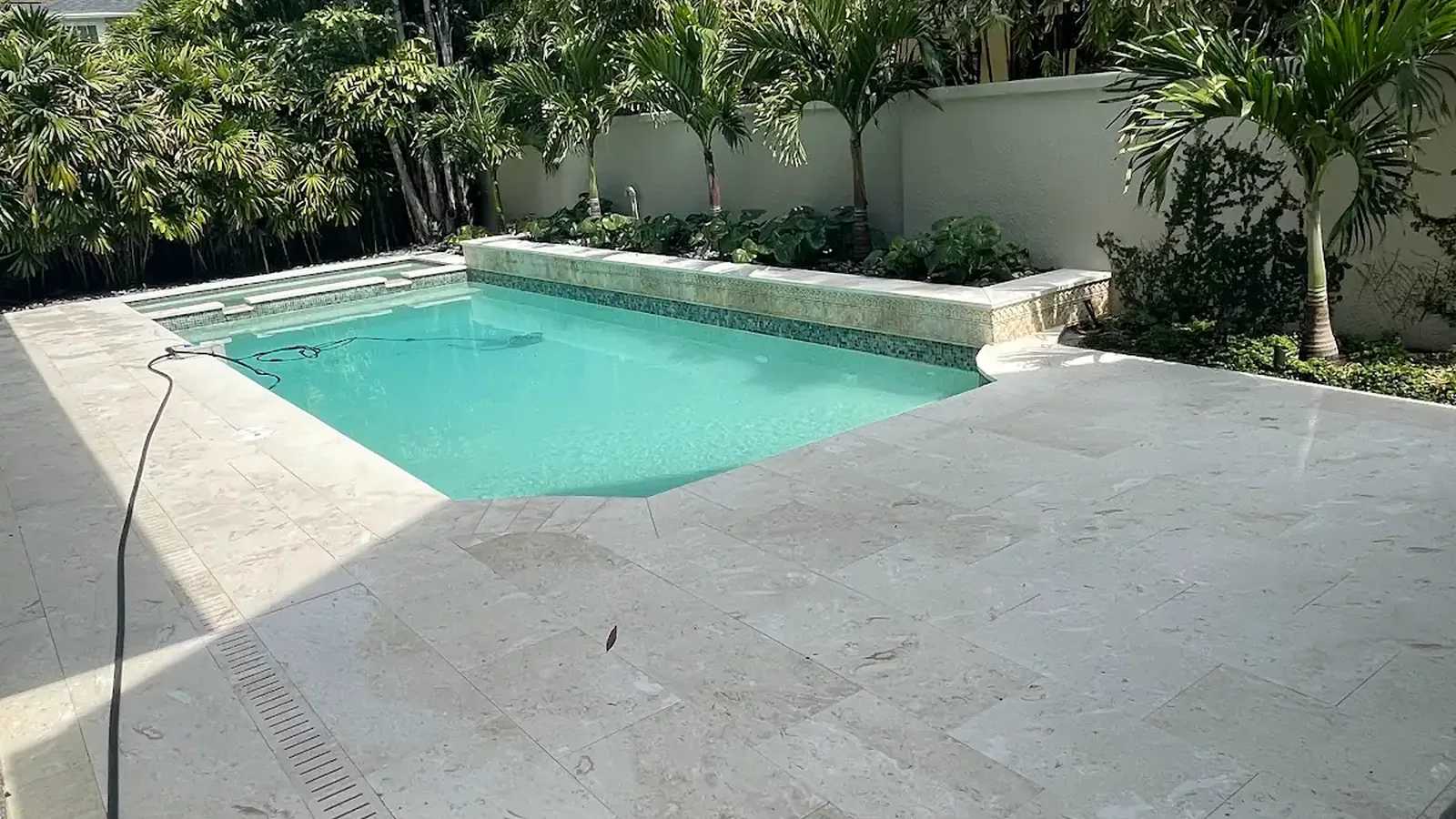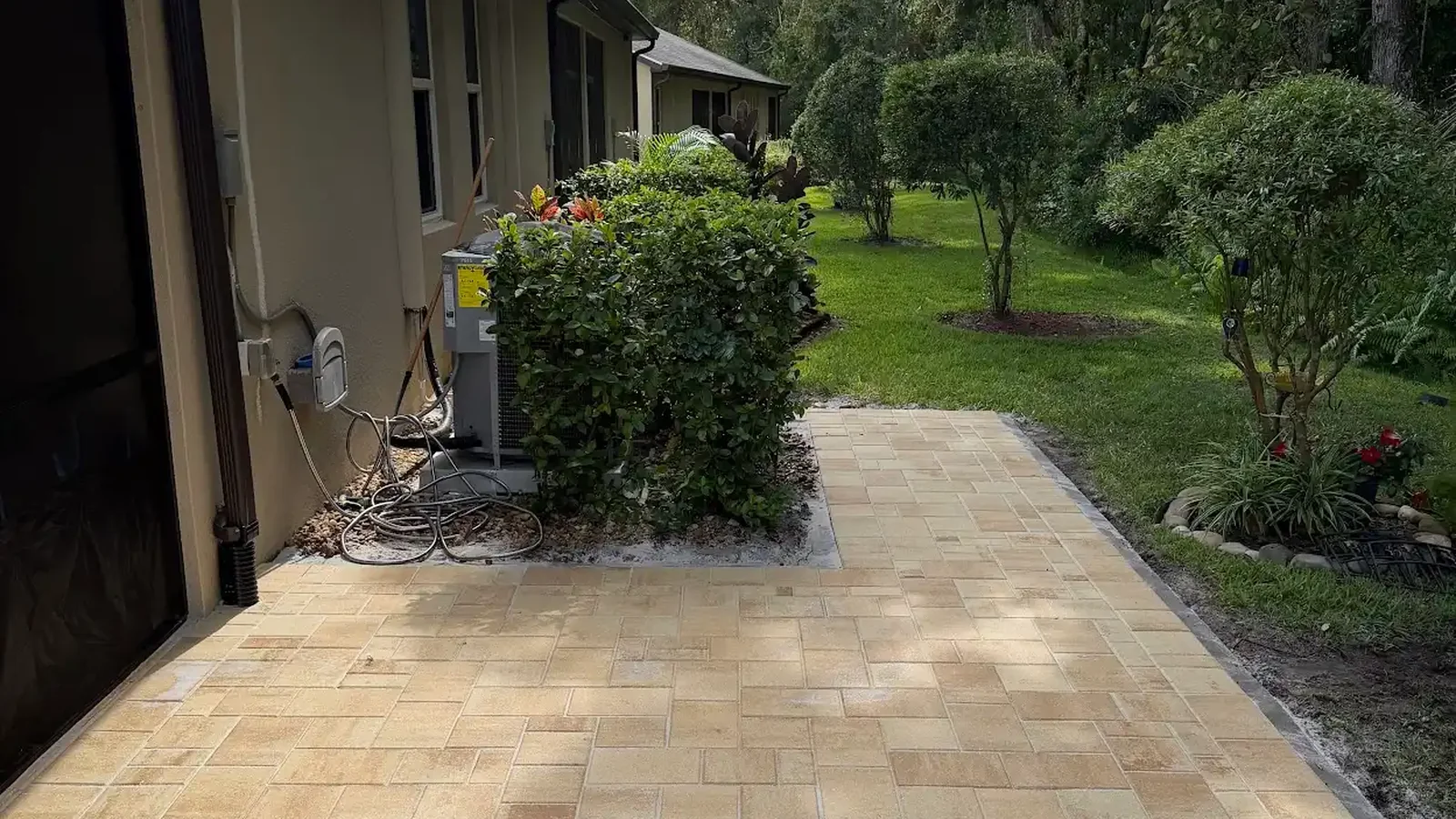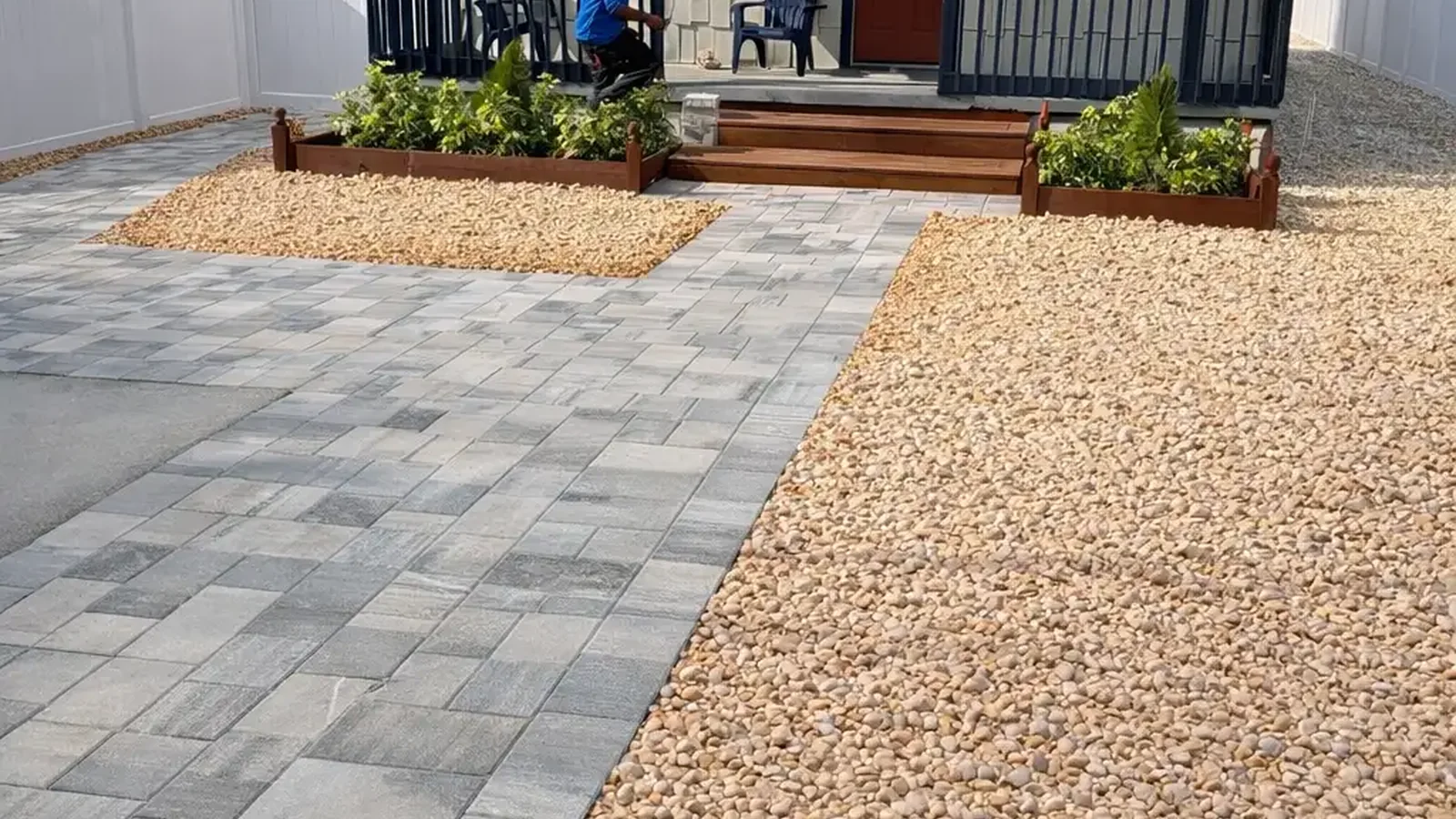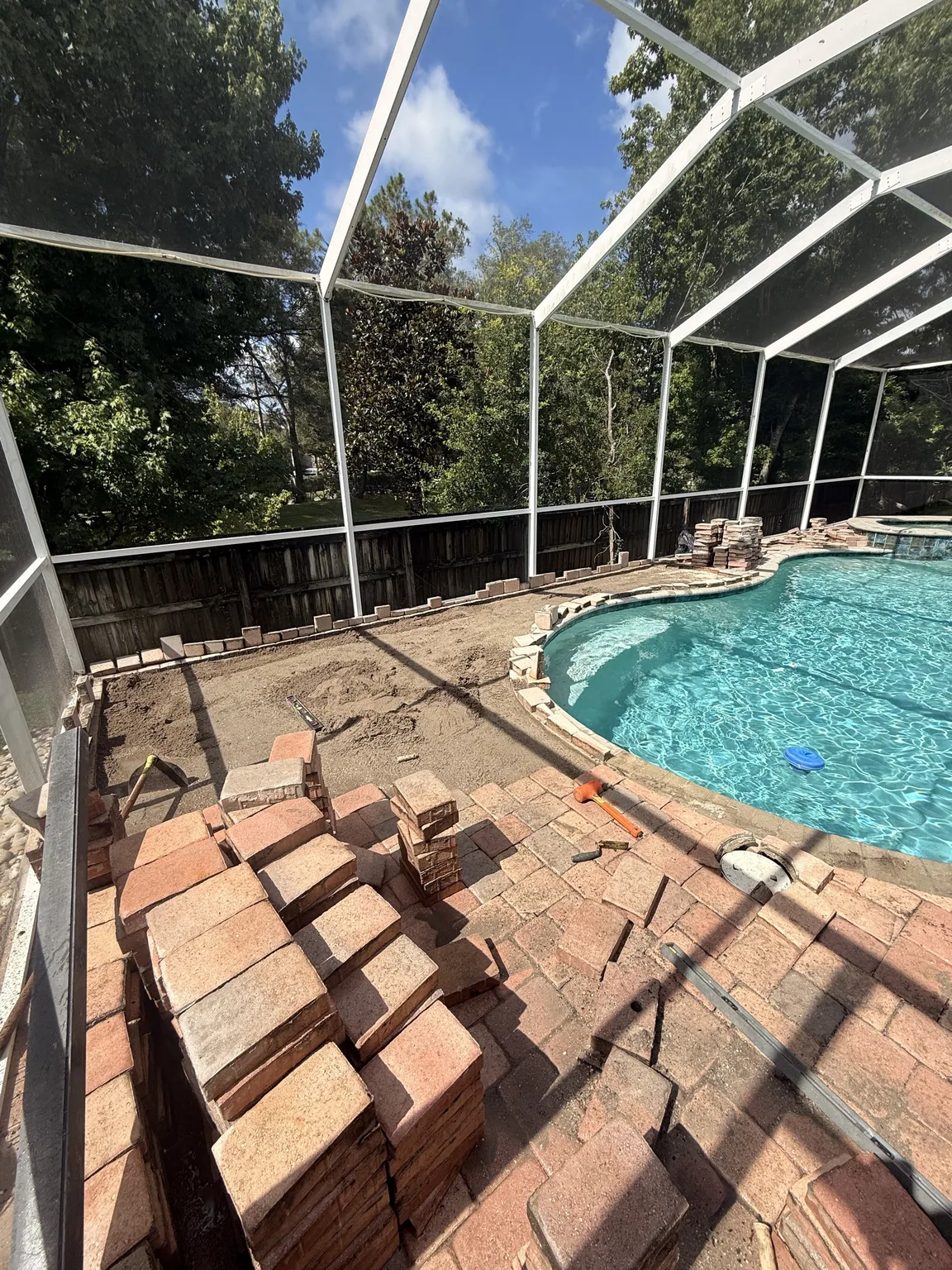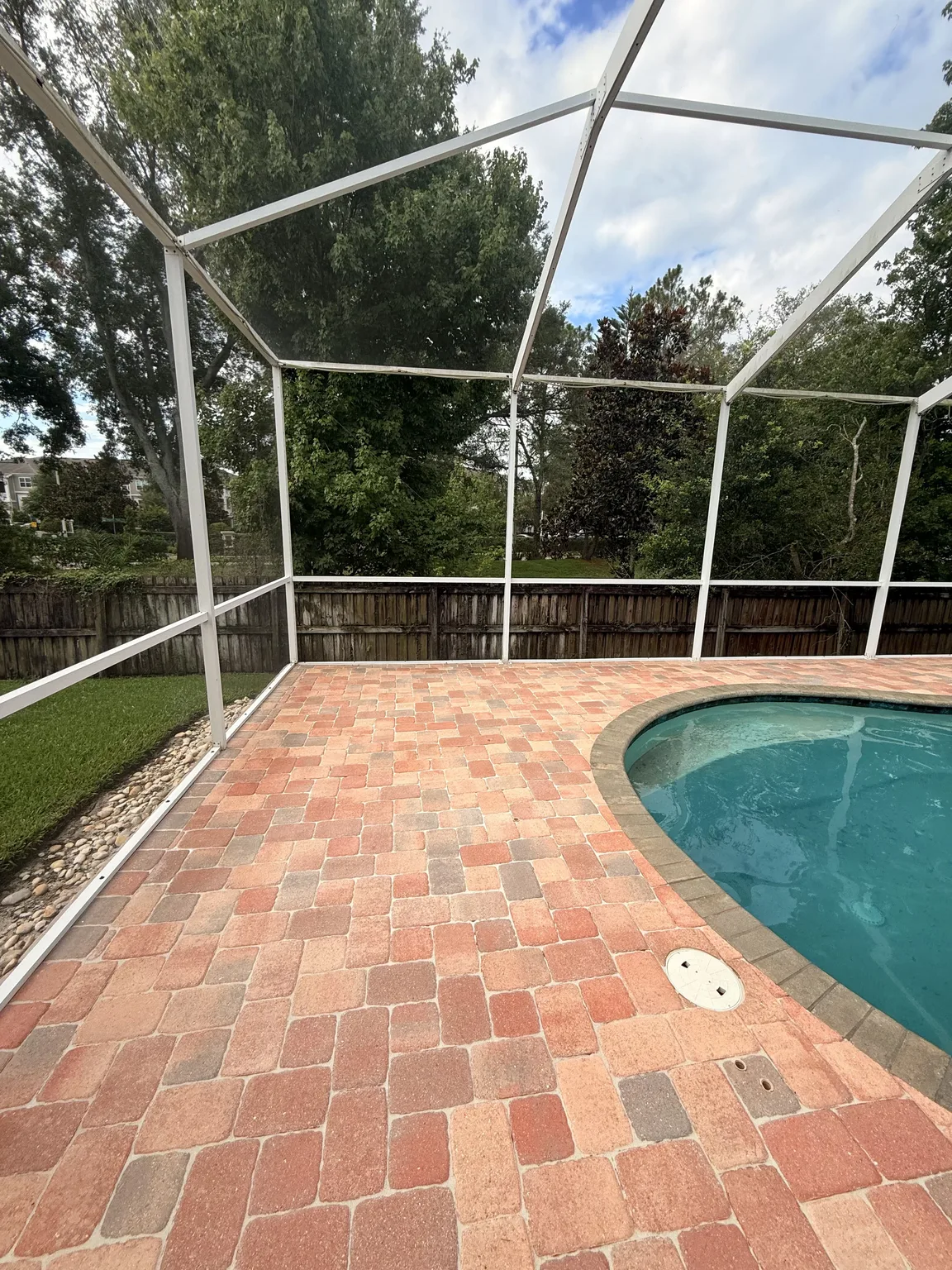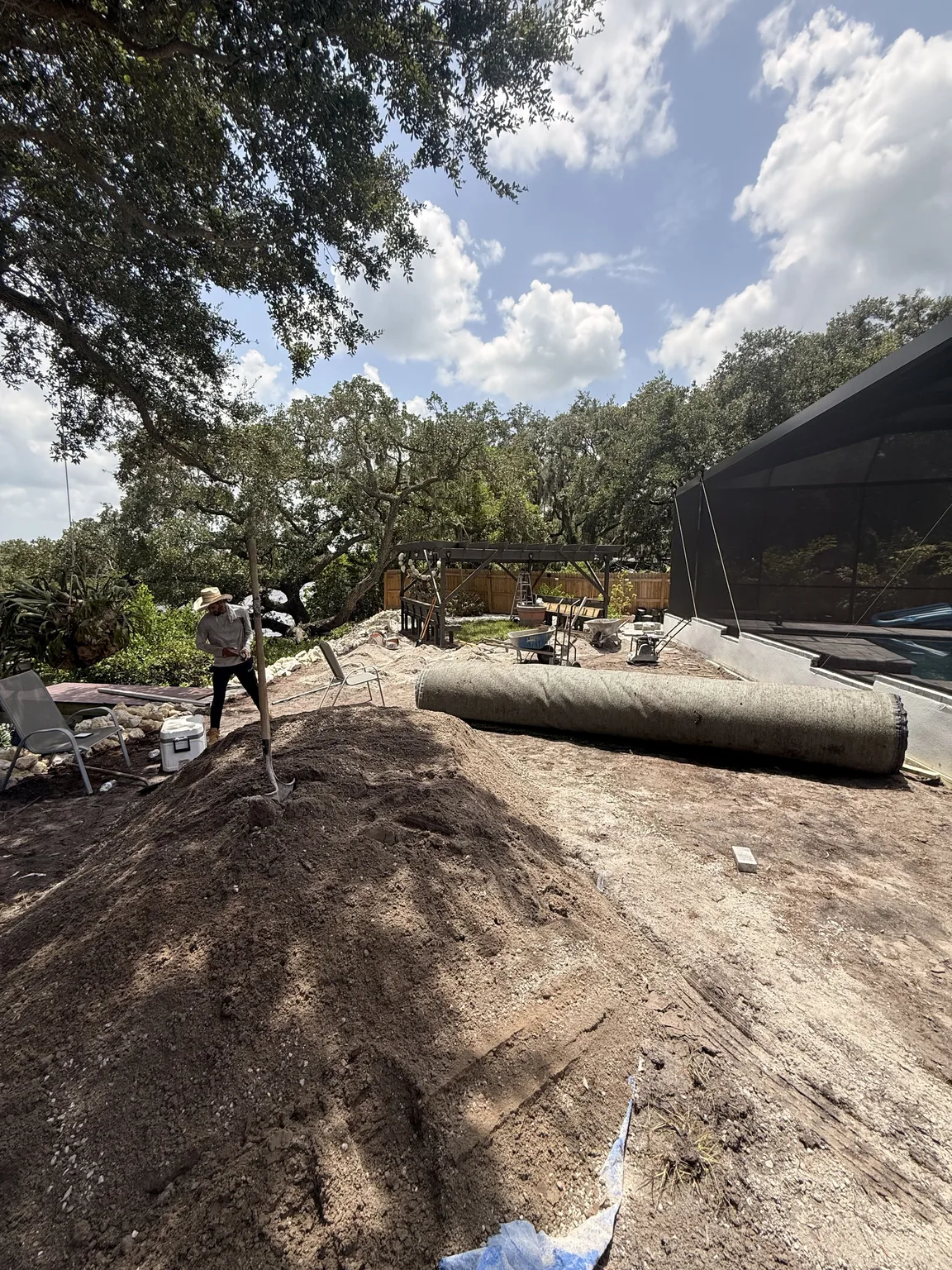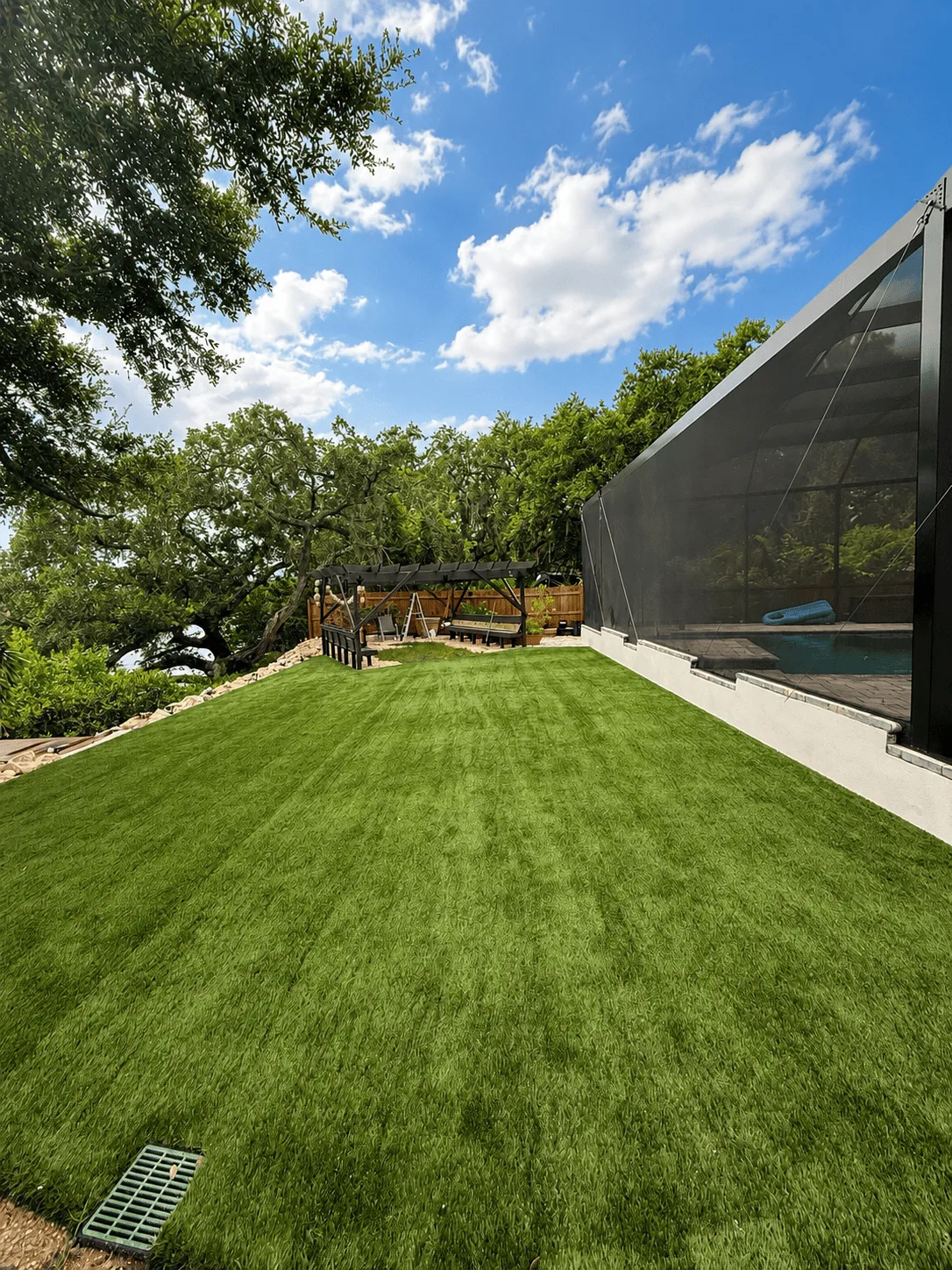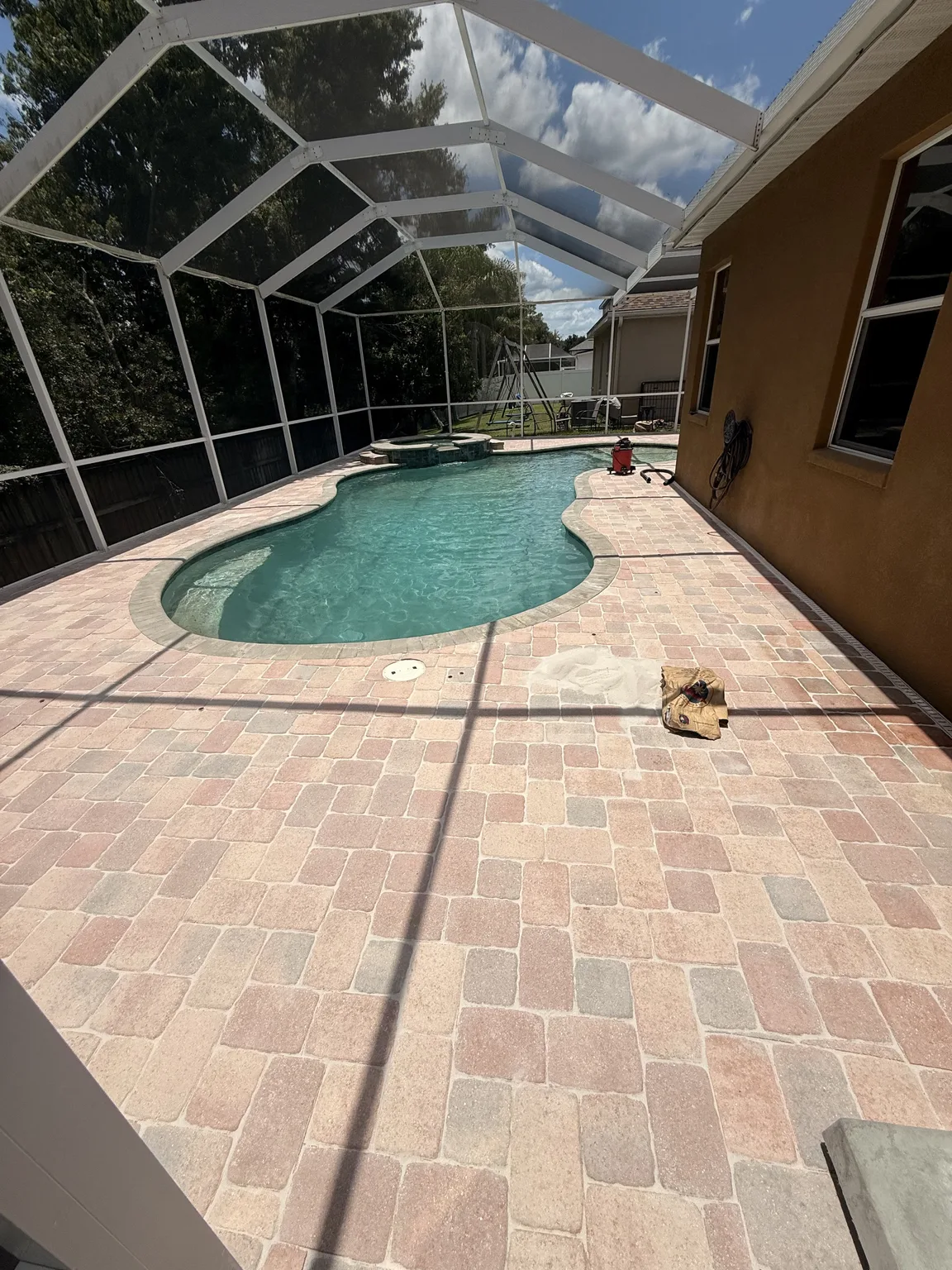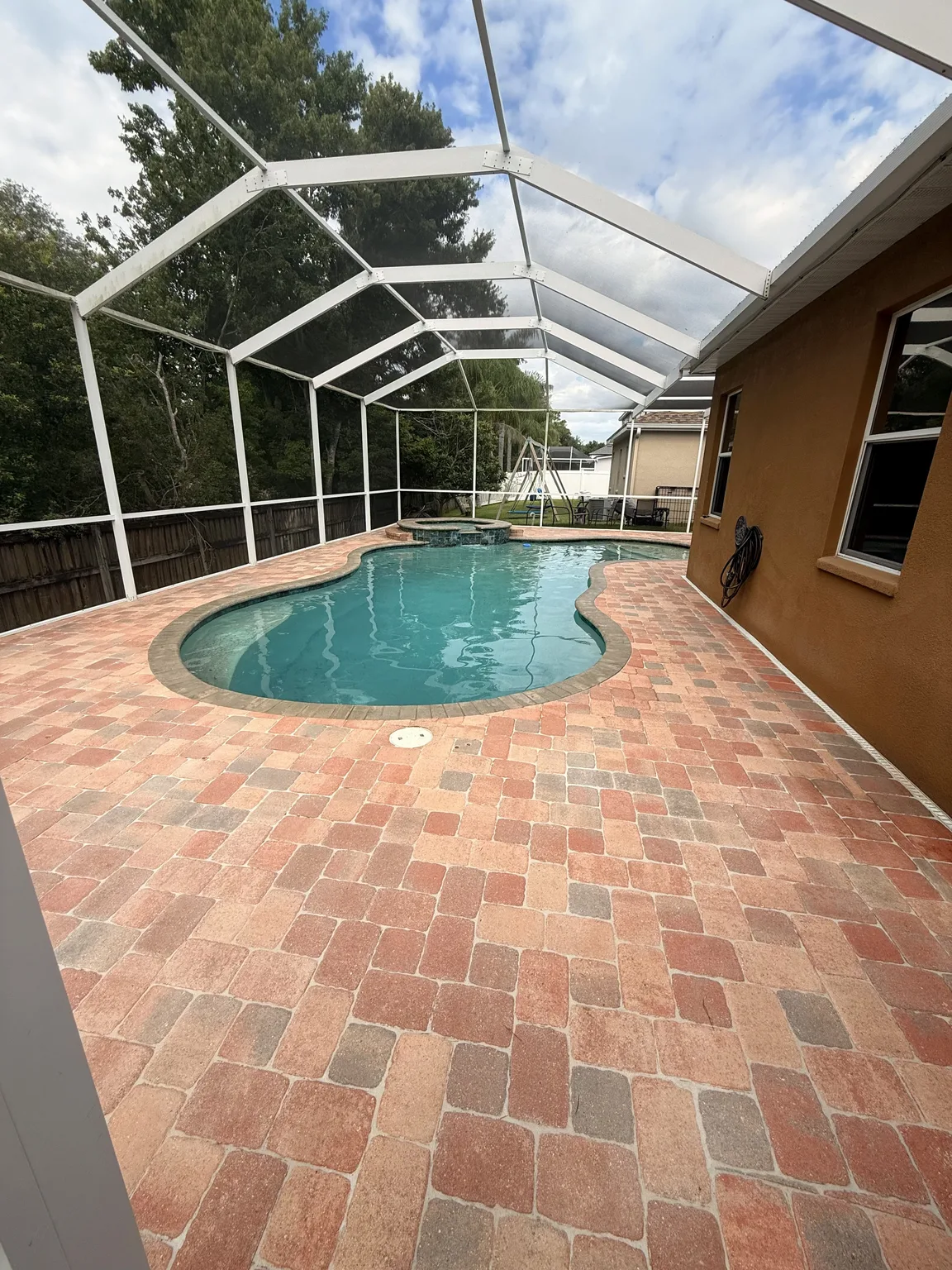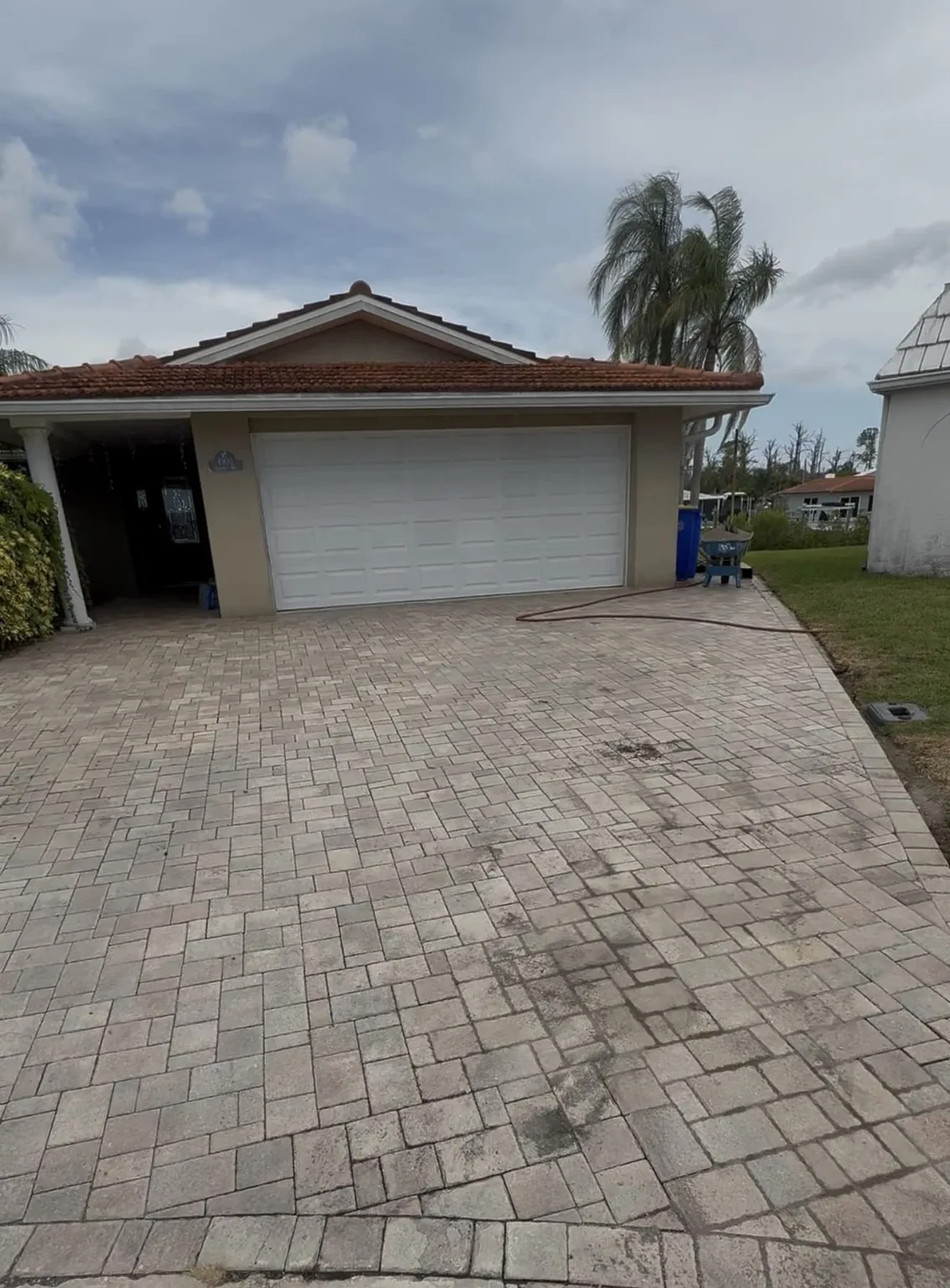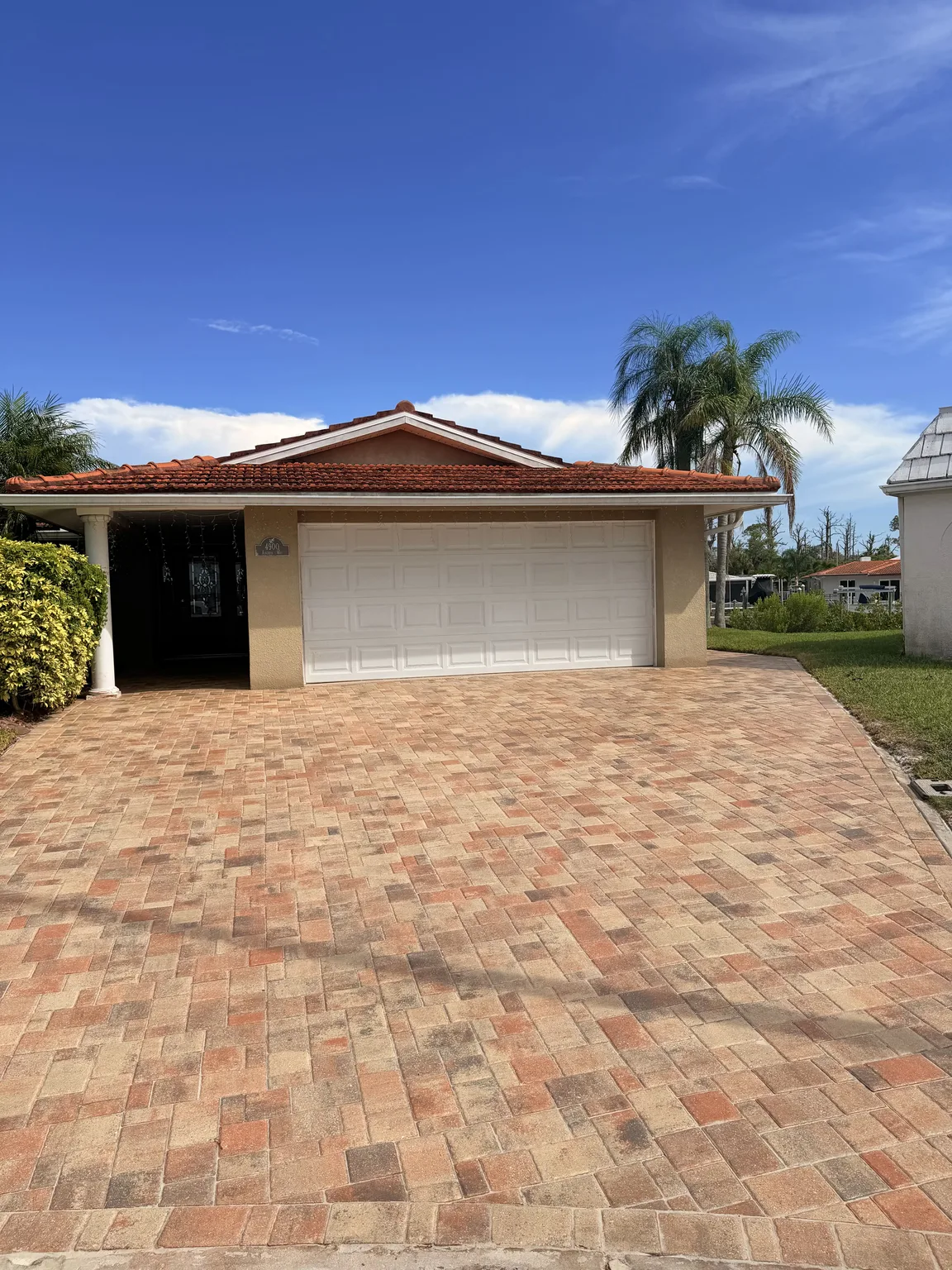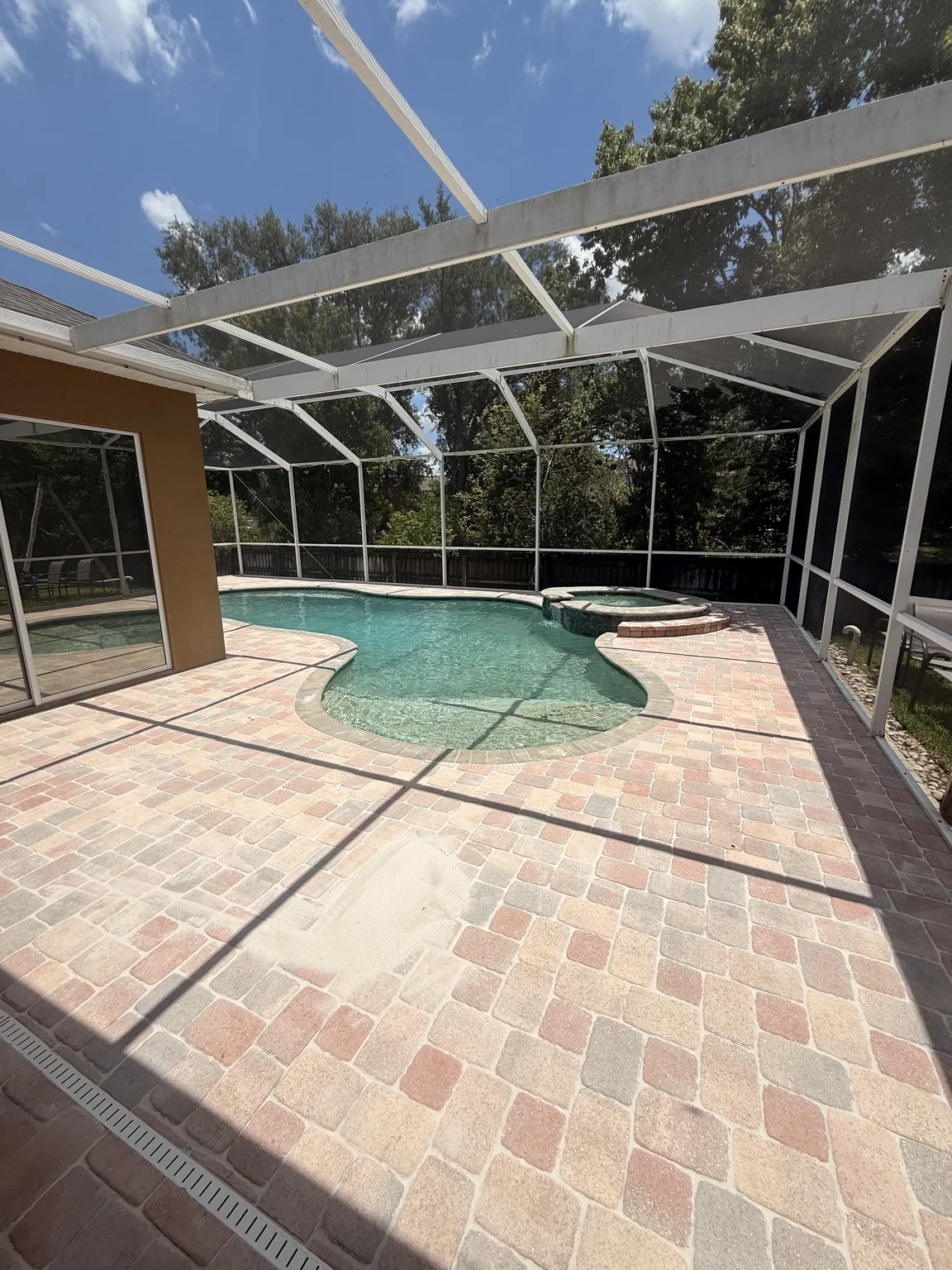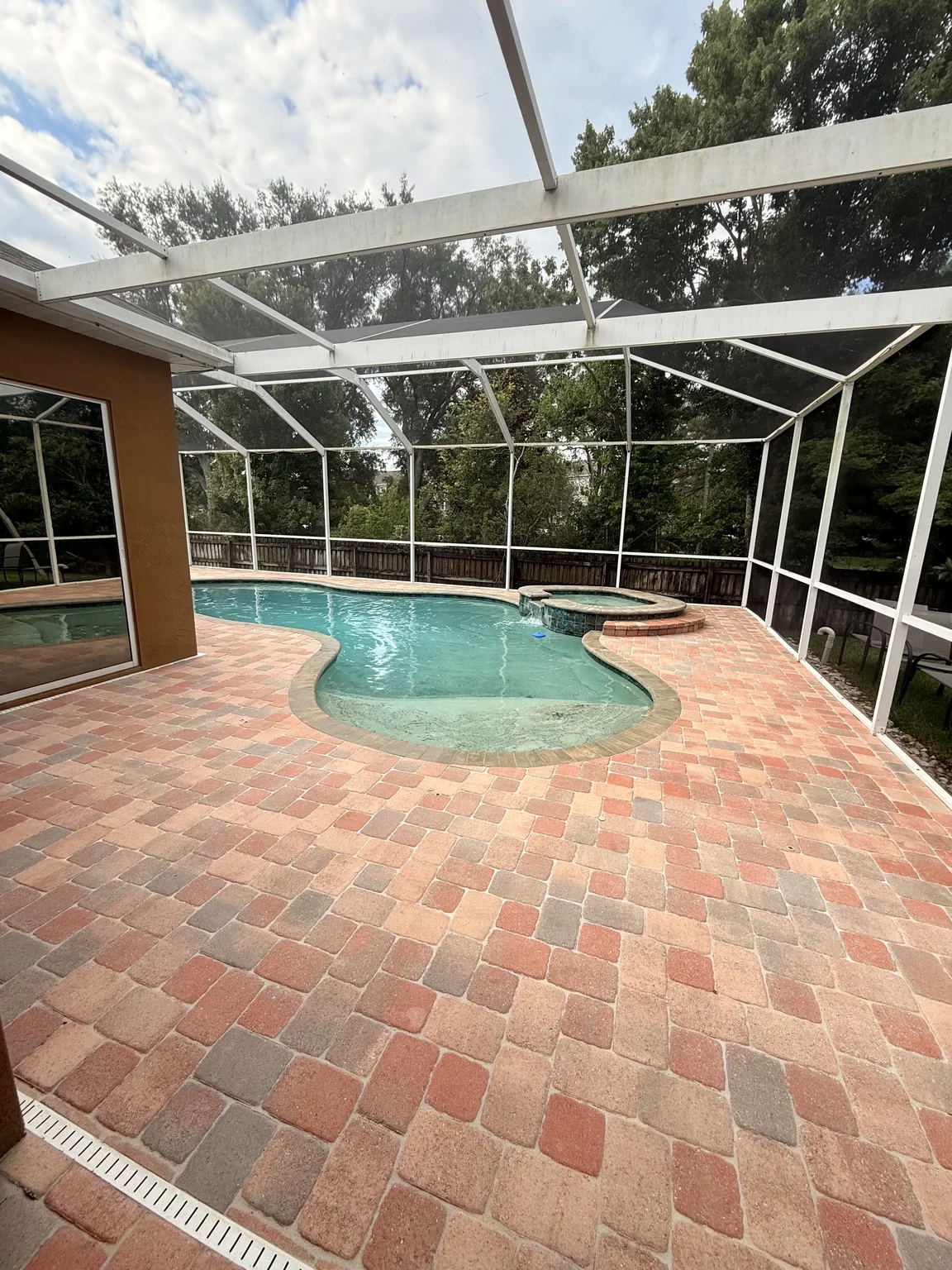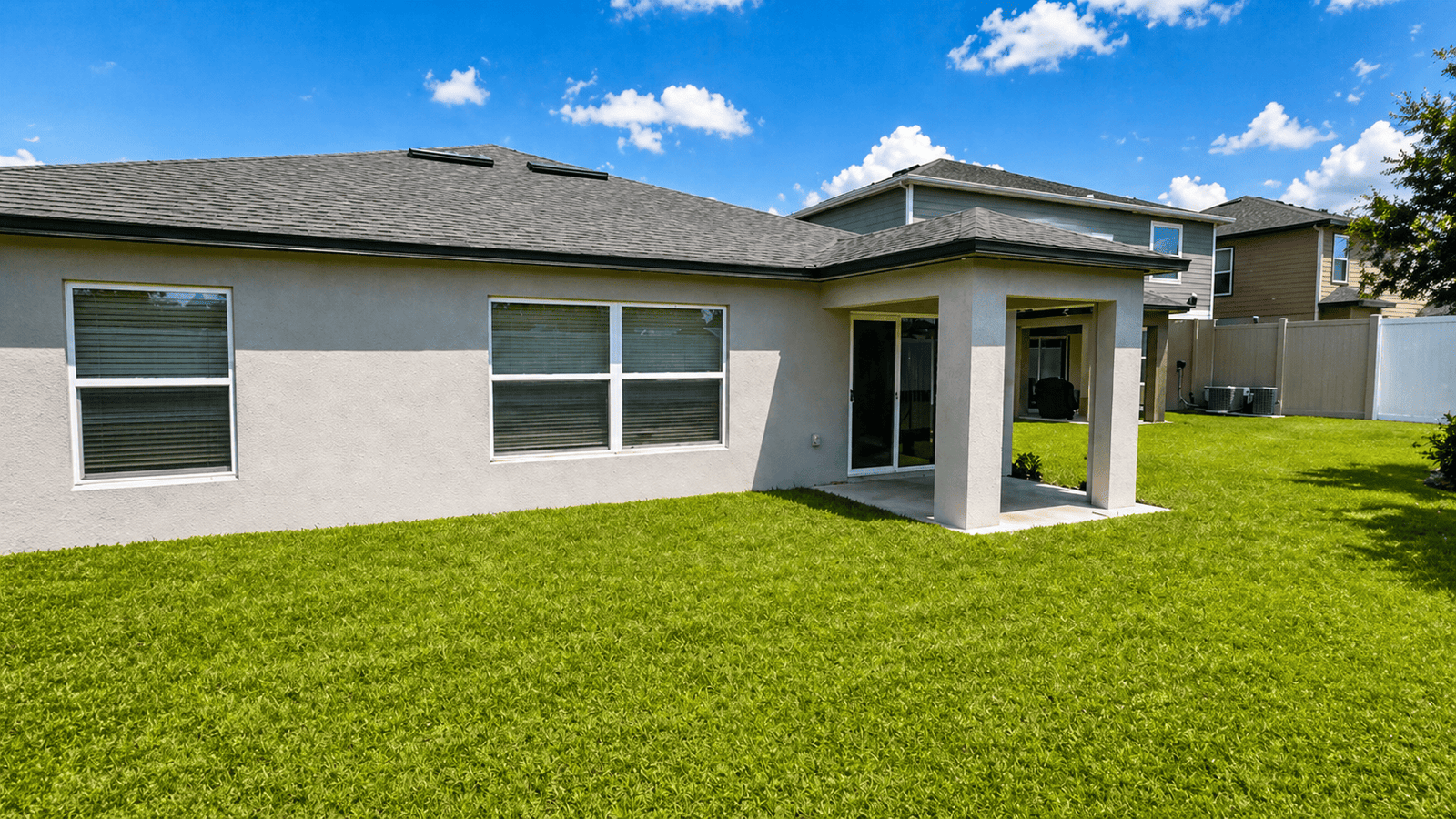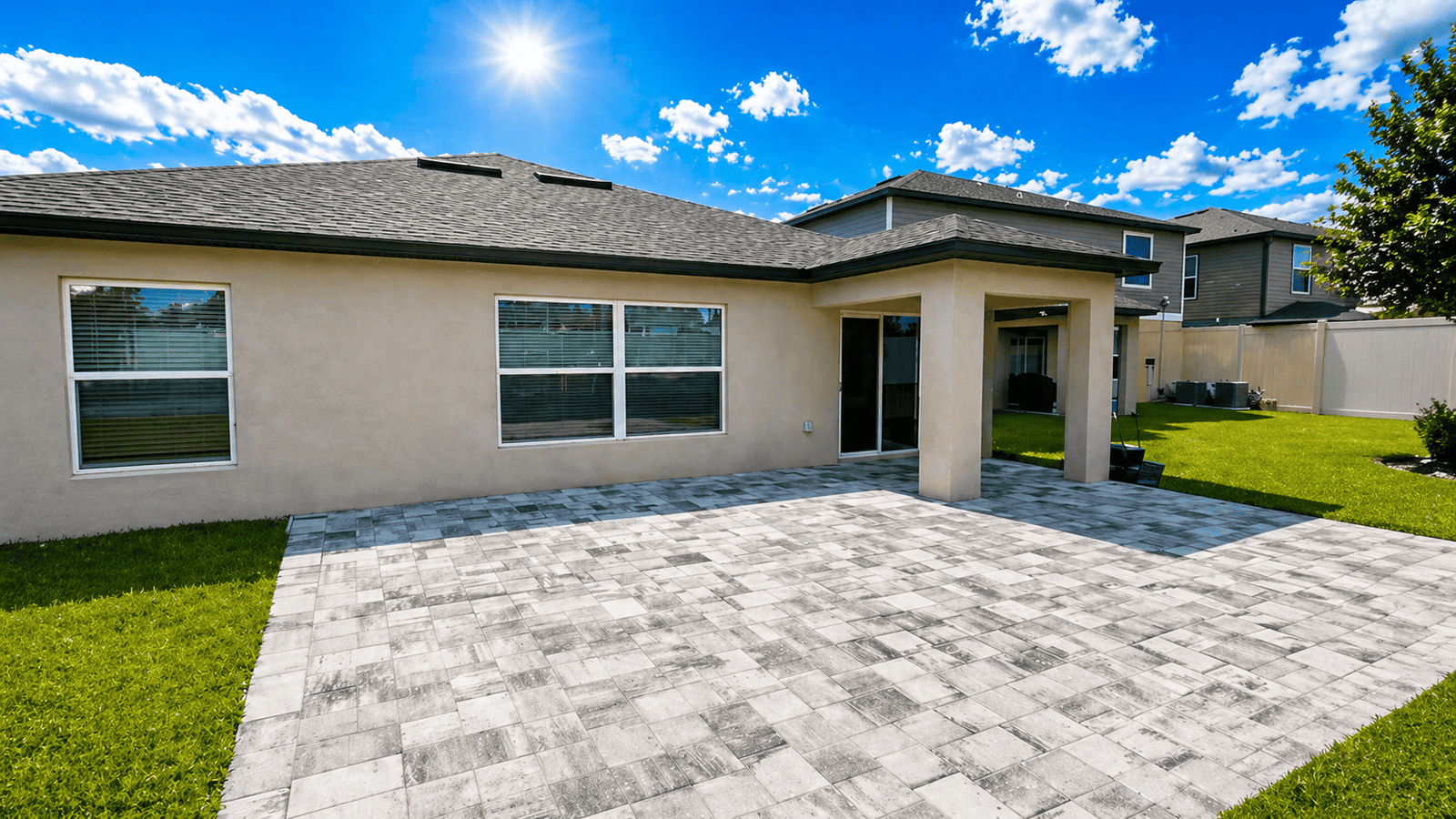
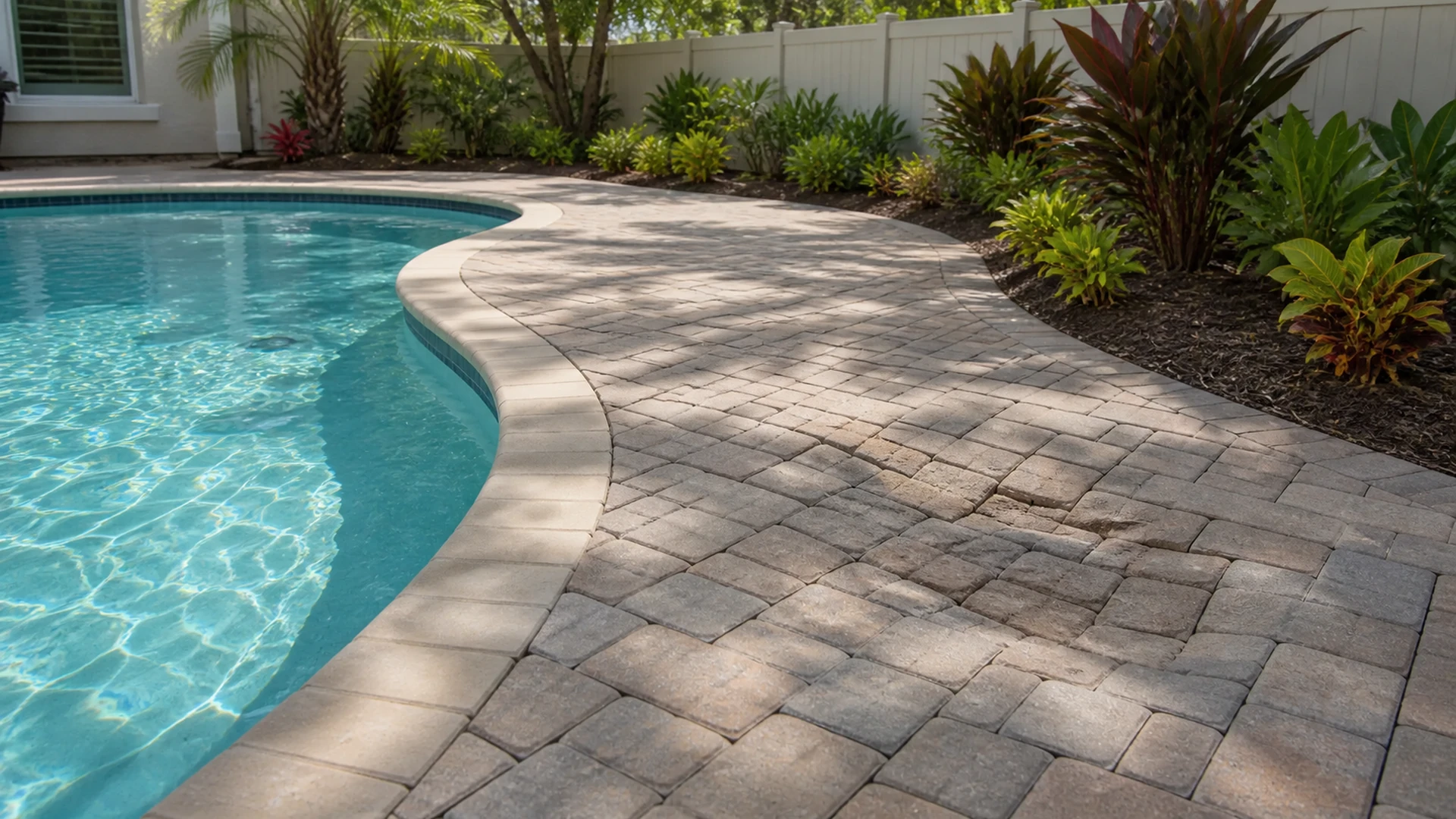
Pool deck settling often begins as a slight change that is easy to overlook beside a busy Tampa Bay pool. However, a low paver, widening joint, rocking unit, or uneven coping transition can reveal movement below the finished surface. Early attention matters because the deck supports daily walking, wet-foot traffic, furniture, and access around the water. Therefore, homeowners should document changes and arrange a focused evaluation before a small irregularity spreads or creates a trip point.
Nevertheless, Unlike a surface stain, movement cannot be diagnosed from appearance alone. For instance, similar low spots may come from bedding loss, weak base material, disturbed soil, edge movement, or water traveling where it should not. A repair that only lifts the visible pavers may look correct briefly while leaving the cause untouched. Accordingly, a useful assessment follows the symptoms outward, checks nearby water sources, and identifies which layers or boundaries have changed.
Recognizing pool deck settling before it spreads
Afterward, First, sight across the deck from a low angle in morning or late-afternoon light. Shadows often make subtle dips and raised edges easier to see. Next, walk the perimeter slowly and note any paver that rocks under normal foot pressure. Although small manufacturing variations are common, a cluster of tilted units or a continuous depression deserves attention. Mark the area with removable tape away from the walking path, then photograph it from consistent positions.
After rain or normal pool use, watch how water moves without intentionally flooding the deck. Pool deck settling may redirect runoff into a low pocket, toward a screen enclosure track, or against a structure. Still, one puddle does not explain the cause by itself. Wind, splash, debris, and blocked drainage paths can affect what you see. Therefore, record where water begins, how far it travels, and whether the wet area appears after every similar event.
Pool deck settling warning signs underfoot
Underfoot, the most practical warning is a change in level between neighboring units. Even a modest lip can catch a toe when someone is distracted or carrying towels. Likewise, joints that suddenly widen can signal lateral movement or loss of restraint. Loose joint material may accompany the problem, although routine wear can also empty joints over time. Consequently, the pattern matters more than one isolated grain line or chipped corner.
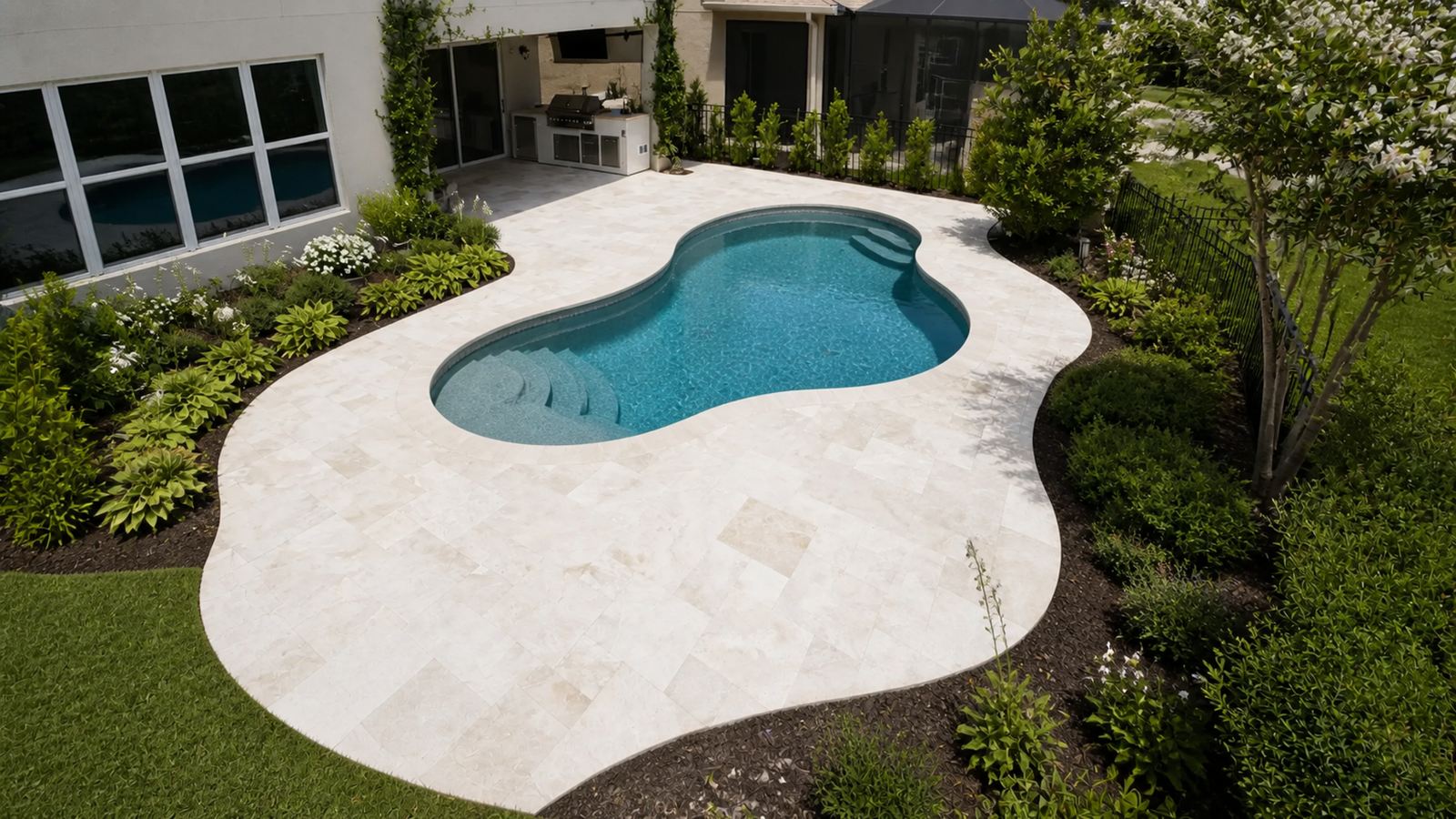
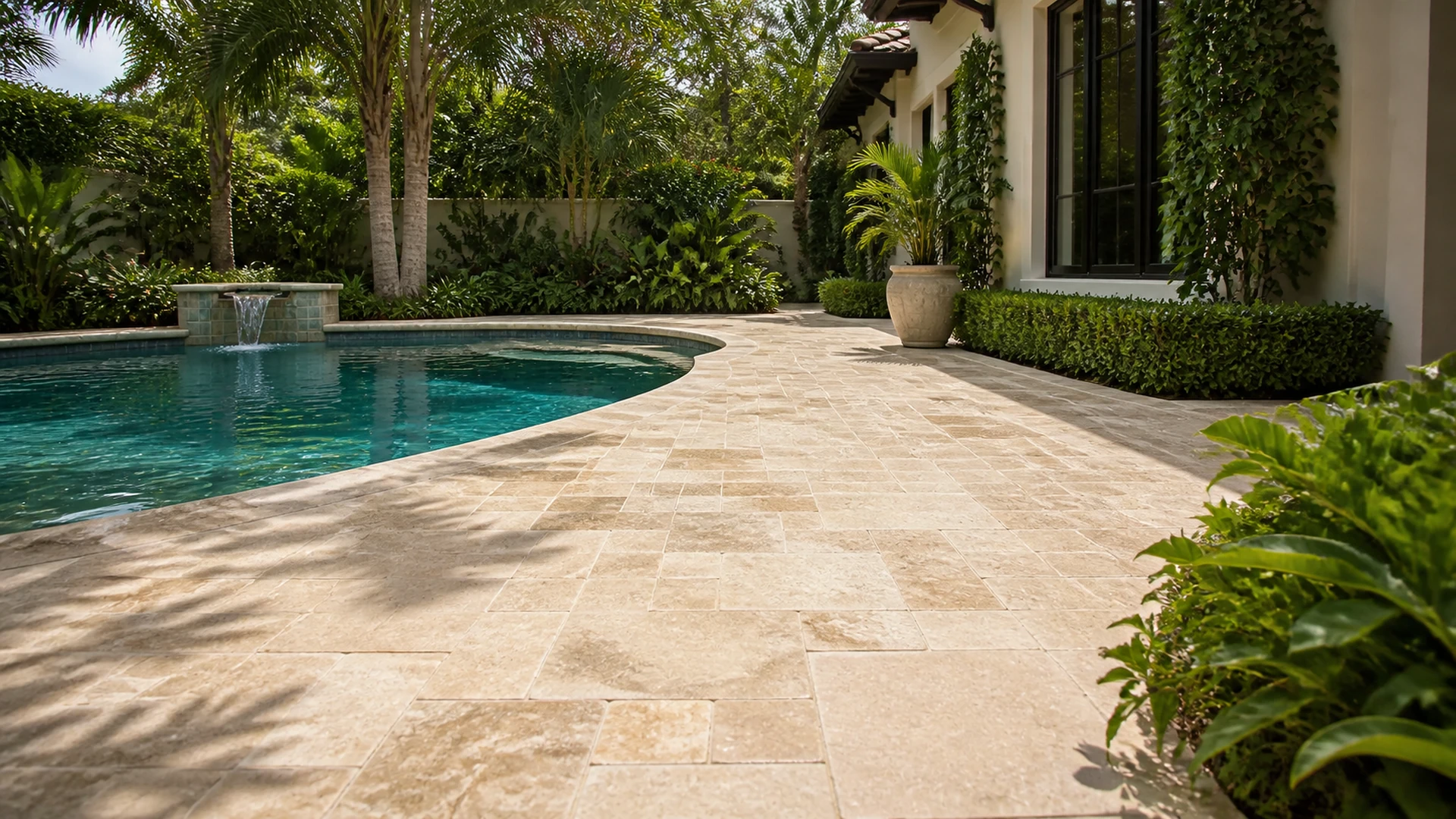
Near the pool edge, pool deck settling may show as an uneven meeting point between the field pavers and coping. That location requires careful evaluation because the deck, coping, and pool structure can involve different assemblies. A homeowner should not pry at coping or insert filler into an unexplained gap. Instead, photograph the relationship, limit traffic if an edge feels unstable, and let a qualified professional determine which component moved.
What can move beneath a paver pool deck?
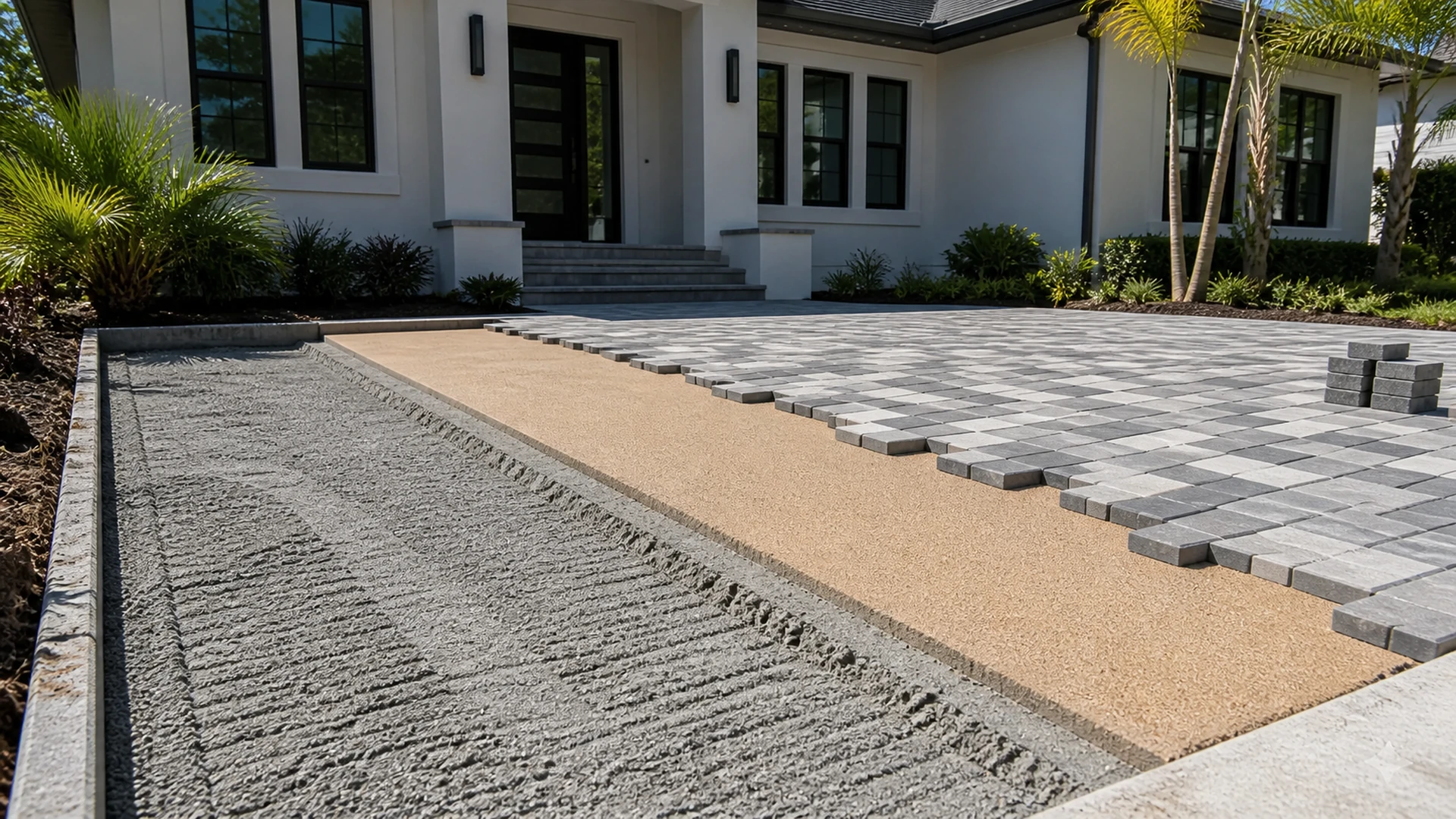
Therefore, Beneath a typical paver surface, several layers work together to carry use and maintain alignment. While exact assemblies vary, the system may include prepared subgrade, compacted base, bedding material, pavers, joints, and edge restraint. If one layer loses uniform support, the finished surface can reflect that change. Thus, diagnosing pool deck settling requires more than measuring the top; it requires understanding how the observed shape relates to the underlying construction.
In some cases, the affected footprint offers clues. A narrow depression along an edge may point investigators toward restraint or washout concerns. By contrast, a broad bowl can suggest a larger support issue, though only excavation can confirm the actual condition. A straight sunken line may correspond with a trench or utility route. Nevertheless, visual patterns guide inspection rather than prove a cause, so repairs should not rely on pattern recognition alone.
Base preparation and compaction
Proper preparation aims to create stable, consistent support across the paved area. However, variations in soil, moisture, lift thickness, access, and compaction can leave weaker pockets. Over time, traffic and water may reveal those differences as pool deck settling. This does not mean every low paver proves poor workmanship, because later plumbing work, animal activity, or changed runoff can disturb a previously stable area. A site history helps separate these possibilities.
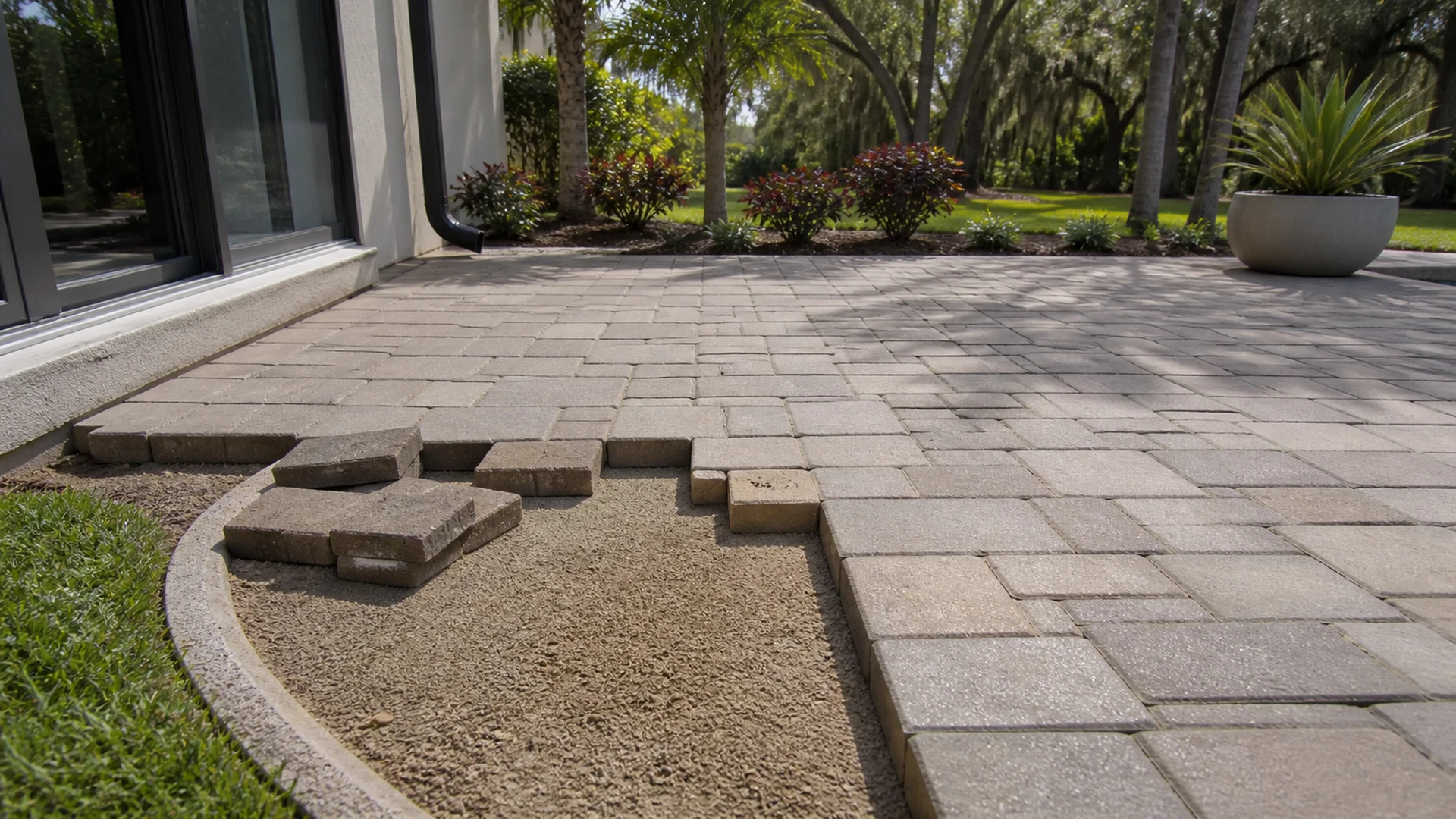
When a repair area is opened, the contractor can inspect whether bedding depth is consistent and whether the base remains firm. Then, unsuitable or loose material can be removed within the defined scope before rebuilding. Simply adding a thick pile of bedding sand beneath low units is not always appropriate because bedding is not a substitute for a sound base. Therefore, the repair method should restore the support structure, not merely raise the visible surface.
Water often reveals or accelerates movement
Because Tampa Bay receives intense rain, water management deserves close attention around any uneven deck. Runoff can exploit open joints, unprotected edges, or gaps beside penetrations. Meanwhile, a leaking irrigation line, downspout discharge, or equipment-area leak may add water repeatedly in one location. Pool deck settling near a persistent moisture source should prompt investigation before surface restoration. Otherwise, rebuilding above ongoing erosion invites another failure.
Similarly, Pool splash is normal, yet a deck should guide routine water in the intended direction without trapping it in new low points. For that reason, homeowners can note whether the symptom appears only after storms or also during dry weather. They should also inspect gutters and downspouts from the ground, without climbing or opening pool equipment. If active leakage is suspected, the appropriate trade should address it safely before the paver repair proceeds.
Joint loss, edges, and concentrated runoff
Joints help the paver field act as an interlocking surface, while edge restraints keep units from migrating outward. Consequently, missing joint material and a failing boundary can accompany pool deck settling or allow the affected area to grow. Yet sweeping new material over unstable pavers will not correct a moving base. The units must first sit at the proper elevations with secure support; afterward, compatible joint material can be installed under suitable conditions.
Concentrated roof discharge can be especially revealing because repeated flow follows the same route. Similarly, water escaping a planter or landscape bed may carry fine material away from an exposed deck edge. A contractor can trace these relationships during a site visit and decide whether the hardscape scope needs coordination with another repair. In short, controlling the contributing water path is often as important as resetting the pavers.
Separate deck movement from pool structure concerns
Critically, not every crack or gap beside a pool belongs to the same system. The paver field, coping, shell, equipment, and enclosure can move or deteriorate in different ways. Pool deck settling confined to field pavers may call for a hardscape repair, while displacement involving structural pool components needs evaluation by the proper pool professional. Therefore, homeowners should report exactly what changed instead of assuming a paver crew can resolve every nearby symptom.
If a coping unit is loose, a crack extends into the pool structure, or water loss seems unusual, avoid casual demolition. Instead, restrict access around the questionable area and seek the relevant specialist. The U.S. Consumer Product Safety Commission pool safety guidance provides broader safety information for households. Although it does not diagnose settling, it reinforces the value of maintaining a controlled, observable pool environment.
When immediate caution makes sense
Whenever pool deck settling creates a pronounced trip edge, rocking coping, sharp break, or unstable step, caution is appropriate. Place a visible barrier that does not introduce another hazard, and keep children and guests away until the area is assessed. Moreover, do not cover the defect with a loose rug, because the hidden elevation change can still catch a foot. Clear documentation and limited access are safer than a rushed cosmetic patch.
However, For less urgent changes, establish a simple monitoring record. Include dated photographs, approximate dimensions, weather observations, and any recent work near the deck. Then, compare the same reference points without repeatedly lifting units. If movement continues, that timeline helps the contractor understand progression. Even when the area appears stable, an on-site review can identify whether maintenance, localized resetting, or a broader investigation is the reasonable next step.
How a professional repair is scoped
Therefore, A useful repair scope begins with boundaries. The contractor identifies affected pavers, nearby fixed elevations, drainage direction, access limitations, and any materials that may need matching. Next, selected units can be removed carefully so the support layers become visible. Pool deck settling sometimes extends beyond the obvious low spot, so the final repair footprint may change after inspection. Clear communication about that possibility prevents the homeowner from expecting an arbitrary one-paver solution.
Meanwhile, Once the cause and extent are understood, loose or unsuitable material can be addressed and the area rebuilt to the required lines. Existing pavers may be reused when their condition and dimensions allow, although weathering can make replacement pieces look different. Then, the surface is reset, joints are completed, and transitions are checked. A careful finish should support smooth movement while preserving the drainage intent of the surrounding deck.
Consequently, Finally, cleanup and observation complete the practical scope. The repaired zone should be checked under normal use, and the homeowner should understand any curing, joint, or access instructions tied to the chosen materials. For context on this type of work, visit the DR Pavers Design paver pool deck service page. That overview can help organize questions before an on-site assessment of pool deck settling.
Repair size and access affect the work
Moreover, Although homeowners often ask for a price from one photograph, several field conditions shape the effort. The affected area, depth of rebuilding, material availability, edge details, and access for tools all matter. In addition, screen enclosures, narrow gates, pool equipment, and occupied outdoor spaces can influence handling. Because pool deck settling has different causes, a quote should reflect an inspected scope rather than a generic rate that ignores the underlying correction.
Material matching can also affect the plan. Existing pavers may have faded or gained patina, while a new production run can vary in tone and texture. Therefore, reusing sound units from the repair footprint may preserve visual continuity, but breakage or prior cuts can limit that option. A contractor should explain where replacements would appear and whether a blended arrangement is practical. This conversation is especially useful in prominent poolside sightlines.
Why surface-only patches commonly disappoint
Similarly, A surface-only patch may hide pool deck settling without restoring uniform support. For example, forcing joint material into a widening gap does not stabilize a weak edge. Likewise, stacking excessive bedding beneath one paver can create an abrupt transition while the surrounding base remains compromised. Although cosmetic work seems faster, repeated callbacks and expanding unevenness are disruptive. A targeted rebuild is more sensible when it directly addresses the condition found beneath the surface.
Homeowners should also be cautious with rigid fillers across joints designed to move as part of the paver field. An incompatible patch can crack, trap an awkward edge, or complicate later repair. Instead, the chosen materials should suit the existing assembly and location. When uncertainty involves coping or the pool structure, coordination with the appropriate specialist protects both the deck work and the adjacent system.
Preventing another low spot after repair
After a repair, keep drainage routes clear and watch for concentrated discharge near the rebuilt area. Additionally, address leaking hoses, irrigation, downspouts, or equipment when those sources contributed to the problem. Avoid digging beside edge restraints without understanding their role. These basic habits cannot prevent every soil or utility issue, but they reduce avoidable disturbances that can lead to renewed pool deck settling.
Seasonal observation is equally valuable. After heavy rain, look for new ponding, joint loss, or migrating units, then compare the condition with earlier photographs. However, avoid aggressive pressure washing that removes joint material or directs water beneath vulnerable edges. Use cleaning methods compatible with the pavers and joint system. A stable surface depends on both sound support below and routine care that does not undermine it from above.
Turn small movement into a clear repair decision
Ultimately, pool deck settling is a symptom with several possible causes, not a complete diagnosis. The most useful response combines careful observation, water-path review, layer inspection, and a repair sized to the actual affected area. Early evaluation can keep a modest irregularity from becoming a larger nuisance around a frequently used pool. More importantly, it helps restore a predictable walking surface while respecting the separate roles of the deck, coping, and pool structure.
Additionally, To arrange a Tampa Bay assessment for pool deck settling, contact DR Pavers Design. Then, review the FAQ, see completed projects and client testimonials, or explore our services. For updates, visit Instagram and Facebook; you may also open our map and Google reviews. Finally, reach us through WhatsApp, phone, text message, or email to discuss the symptoms you have documented.