Vinyl vs aluminum fence starts with the job the yard must do
vinyl vs aluminum fence decisions become easier when the property goal comes before the material. Consequently, For example, a homeowner who wants a quiet pool enclosure has different priorities from someone framing a front garden.
Privacy, visibility, pets, gates, street exposure, and daily upkeep all change the answer. In Tampa Bay, sun, humidity, wind, and frequent rain also shape how a fence looks over time. Therefore, begin by listing what the fence must block, reveal, protect, and connect. That short list gives every later comparison a practical purpose. It also helps an installer plan transitions around pavers, landscaping, equipment pads, and neighboring boundaries without treating the fence as an isolated feature.
How a vinyl vs aluminum fence comparison should begin
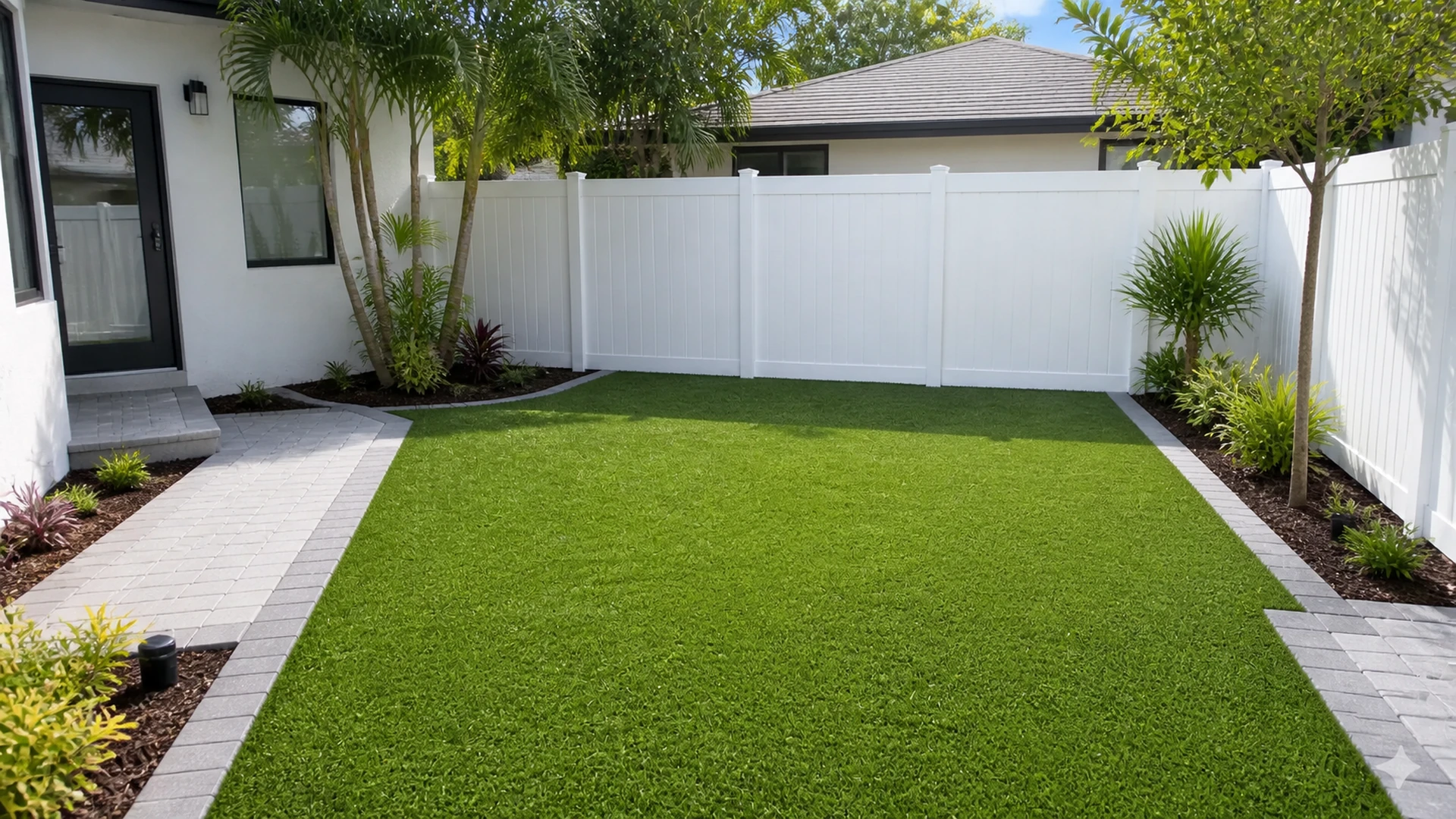
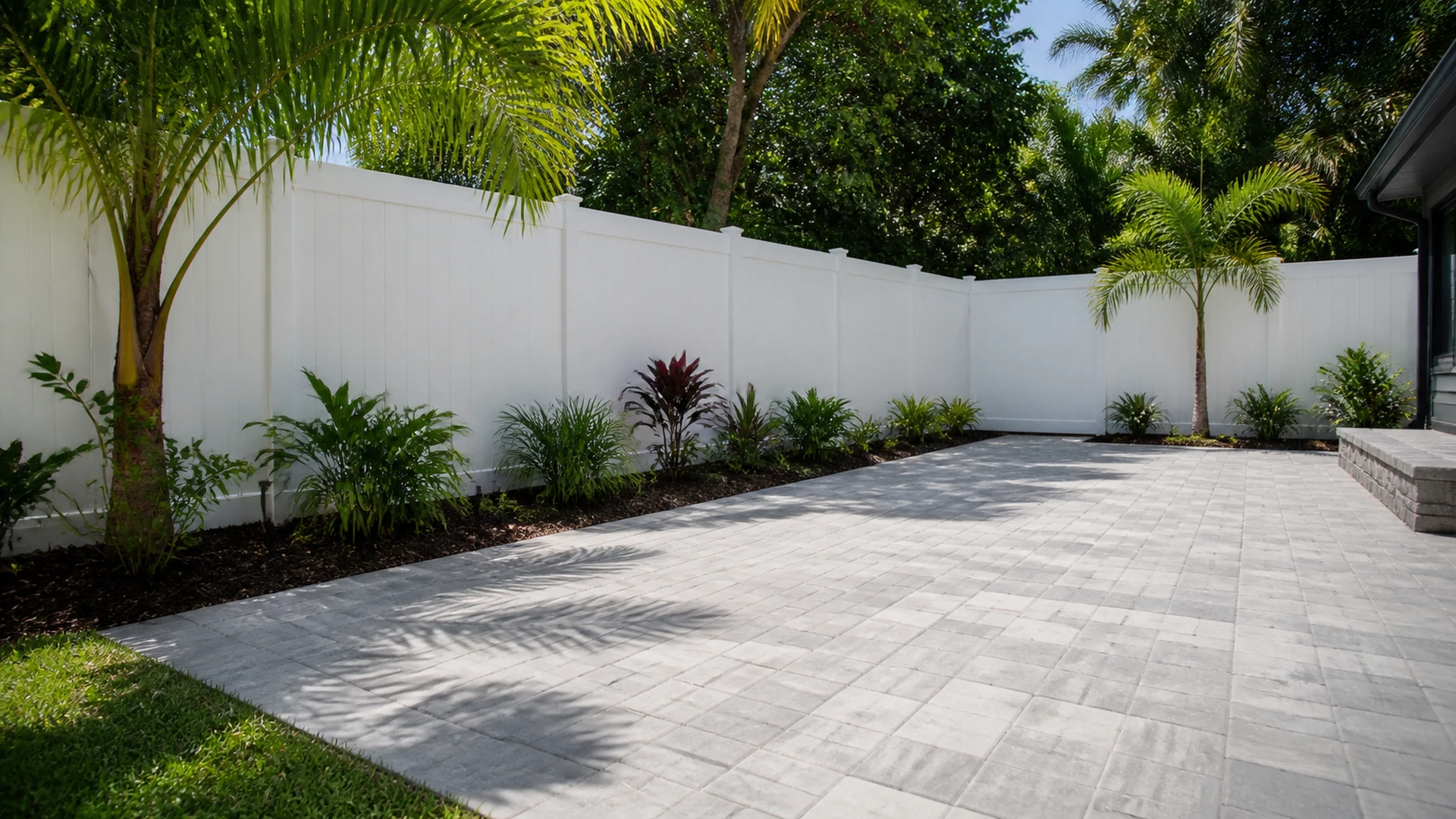
Instead, A vinyl vs aluminum fence comparison should next account for the house and the view from each outdoor room. In practice, solid vinyl can create a strong visual screen around a side yard, service area, or close neighbor.
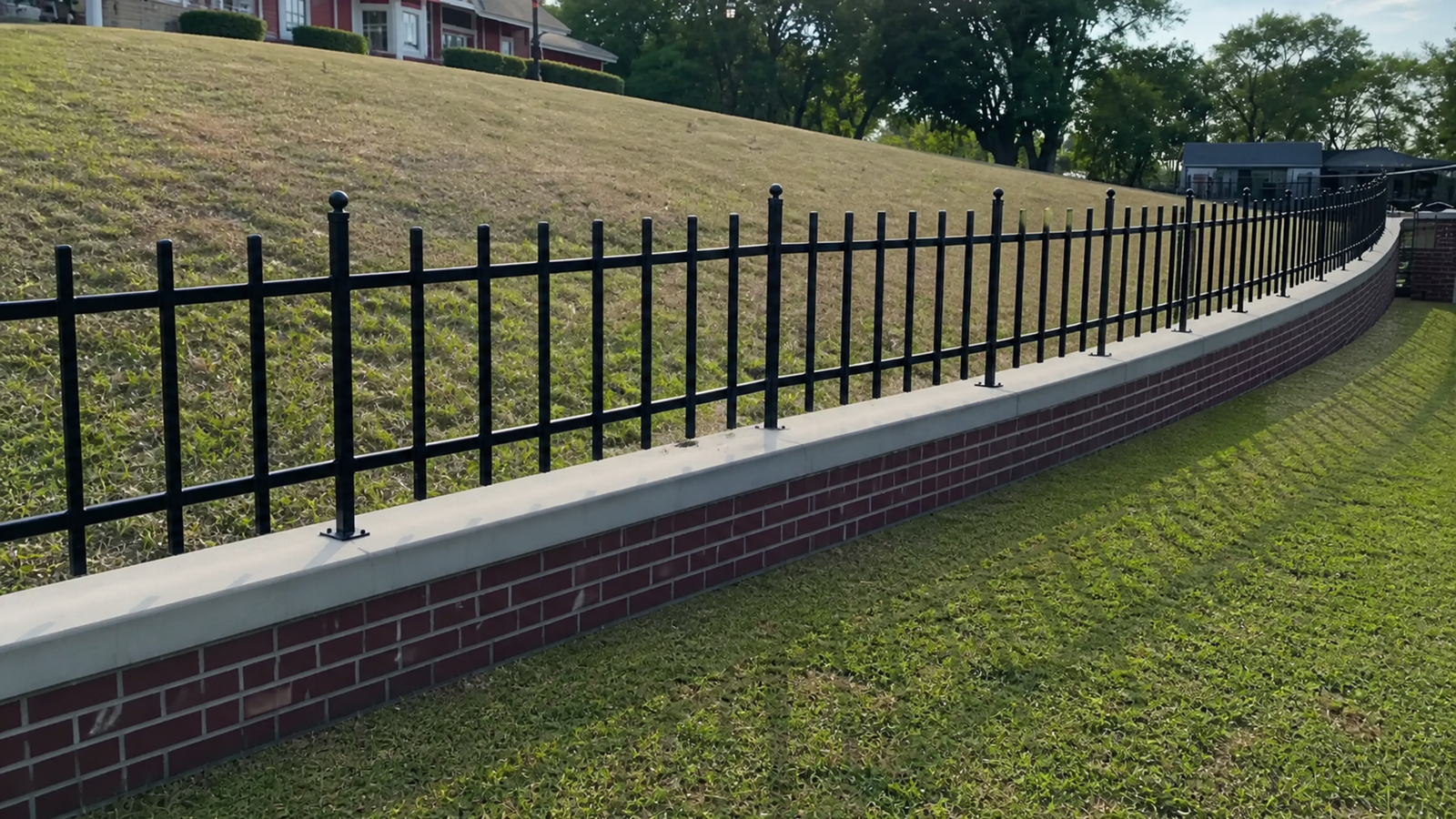
Aluminum keeps sightlines open and often feels lighter beside water, planting beds, or a landscaped front elevation. However, neither material is automatically right for every side of one property. A mixed plan may use privacy where people gather and openness where the landscape deserves attention. Therefore, walk the proposed line from both directions. Notice what residents see from windows, patios, gates, and the street before choosing panel style or color.
Privacy is more than a solid panel
Ultimately, With a vinyl vs aluminum fence, privacy depends on height, spacing, grade changes, and the viewer’s position. For instance, a solid panel may hide a seated patio yet leave an elevated neighboring window visible.
Aluminum pickets offer little visual screening, although landscaping can soften the exposure without closing the yard. Meanwhile, Tampa Bay lots often have side setbacks, pool equipment, and utility access that complicate a continuous screen. A thoughtful layout places privacy where it matters while preserving safe access and useful airflow. Therefore, mark seating areas, doors, and common walking paths on a simple site sketch. That step reveals whether full privacy, selective screening, or an open boundary fits the daily routine.
Airflow, shade, and outdoor comfort
Afterward, A vinyl vs aluminum fence can influence how a compact Florida yard feels during hot, humid months. Because solid vinyl interrupts breezes, it may make a sheltered corner feel more enclosed. Aluminum allows air and light to move through, which can suit pool edges and garden views.
However, open fencing also exposes activity and offers less shade. Therefore, consider fence orientation along with nearby walls, hedges, and rooflines. A west-facing seating area may benefit from layered screening, while a shaded side passage may need openness. In addition, leave enough working room around plants and hardscape edges. Comfort comes from the complete layout, not from a material name alone.
Appearance from the curb and the patio
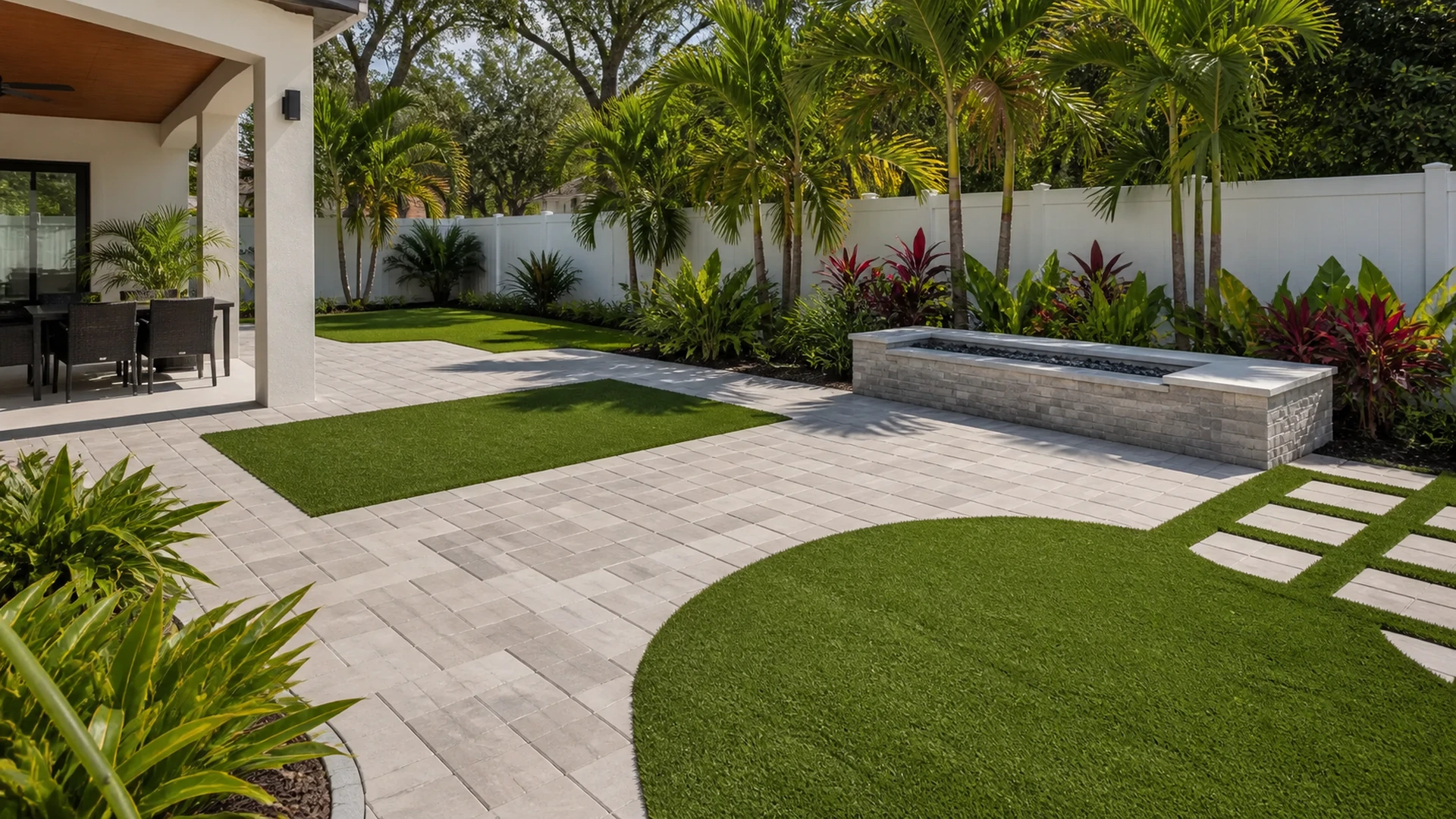
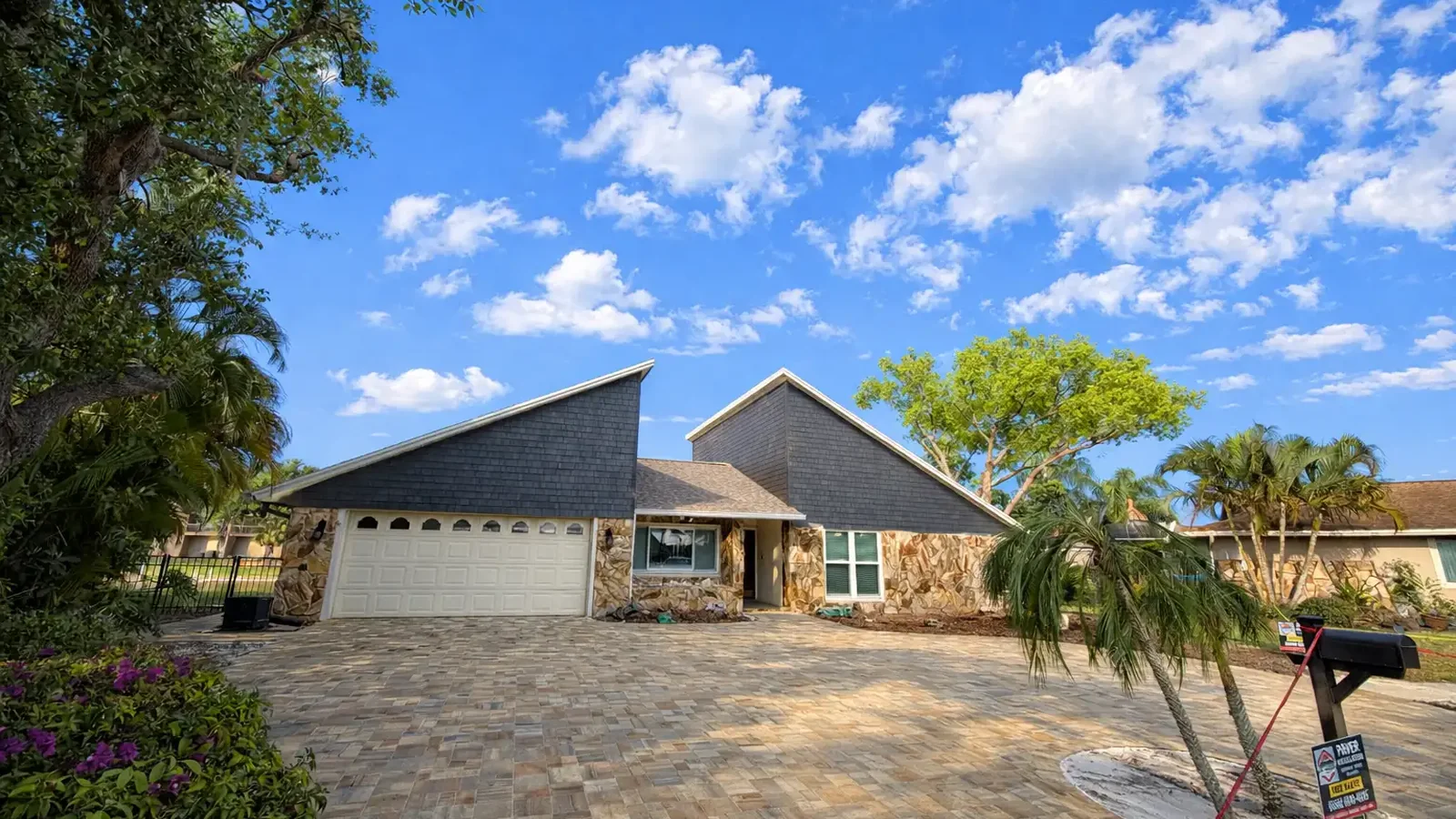
Additionally, The visual effect of a vinyl vs aluminum fence changes with distance. Up close, rail proportions, post caps, hardware, and panel texture become noticeable. From the street, color, rhythm, and alignment with the home matter more. For example, white vinyl can provide a crisp backdrop, while dark aluminum can recede into landscaping.
Yet strong contrast may either define the architecture or compete with it. Therefore, compare samples beside exterior paint, roof tones, pavers, and planting materials in daylight. Also view them at morning and late afternoon, because Florida sun changes perceived color. A coordinated fence should support the property without making every other outdoor element feel secondary.
Matching pavers and existing site lines
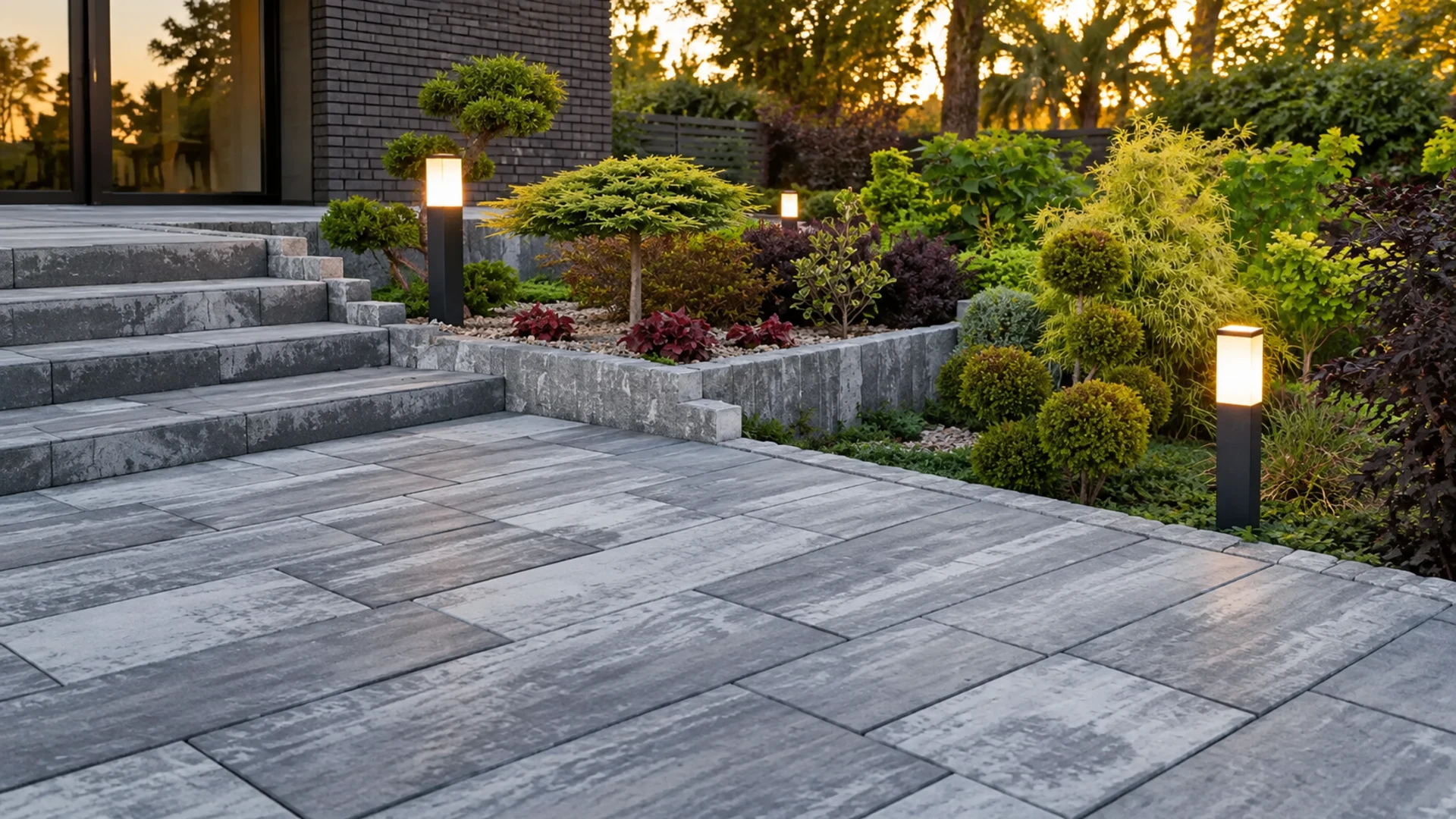
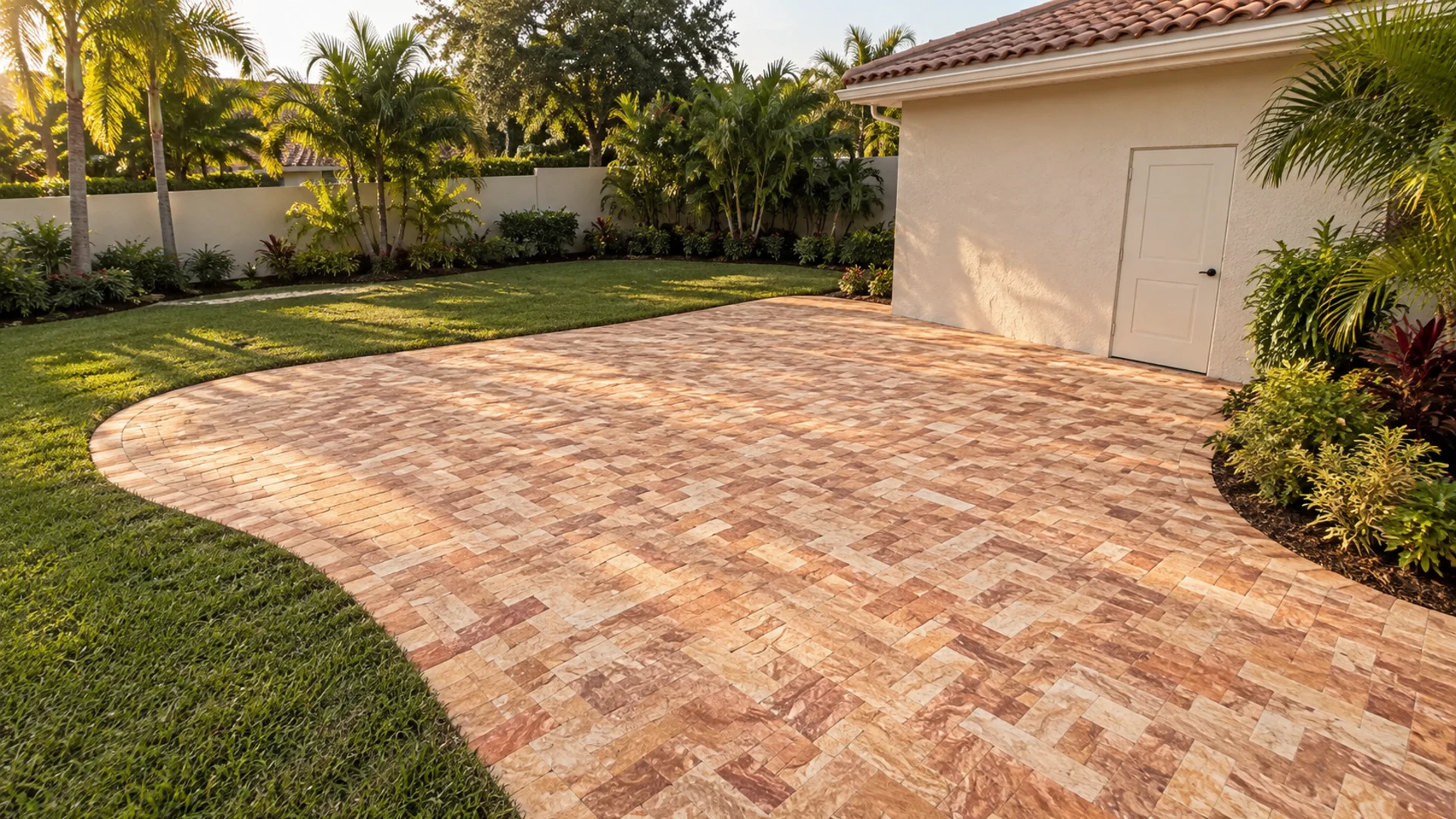
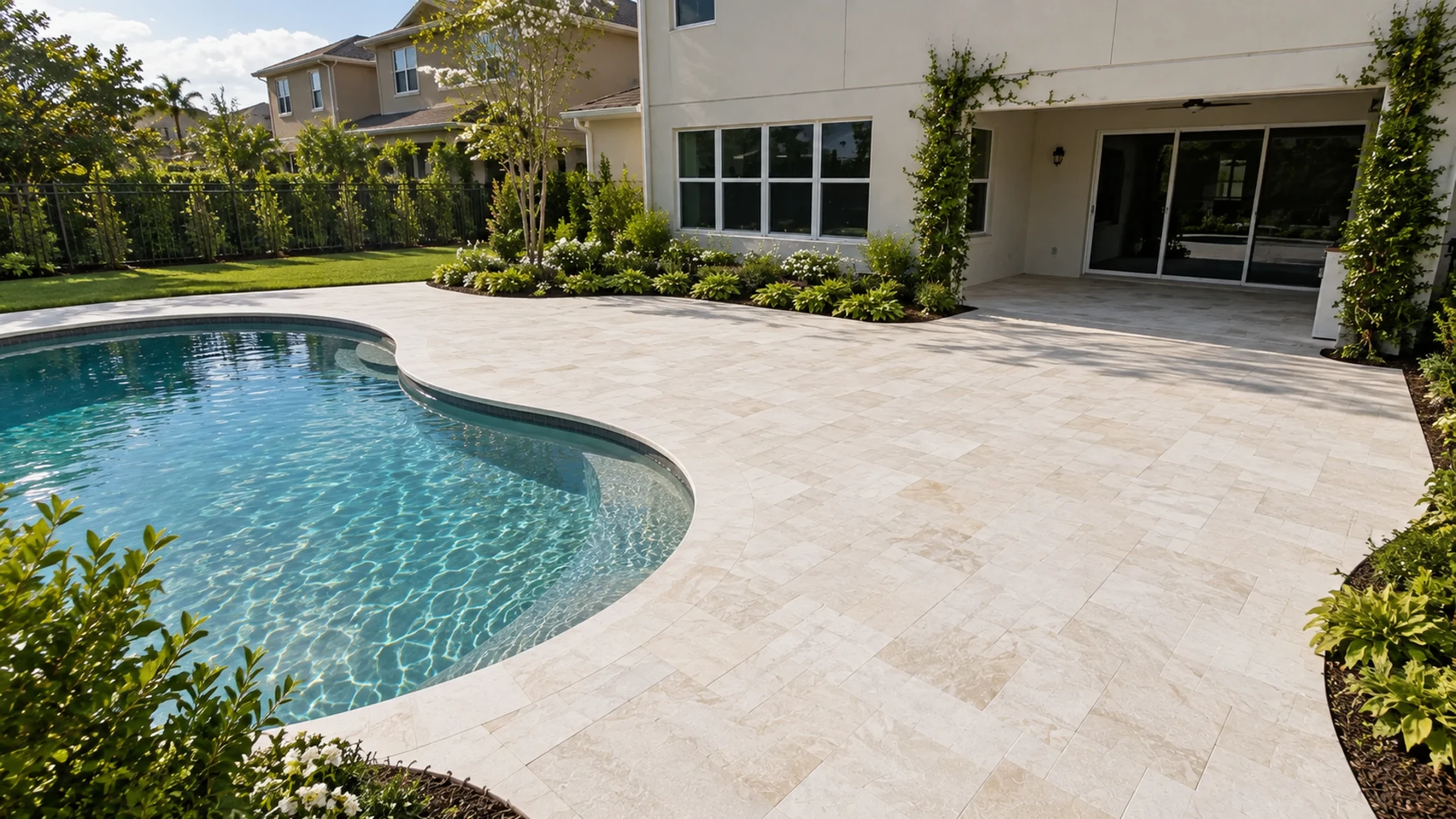
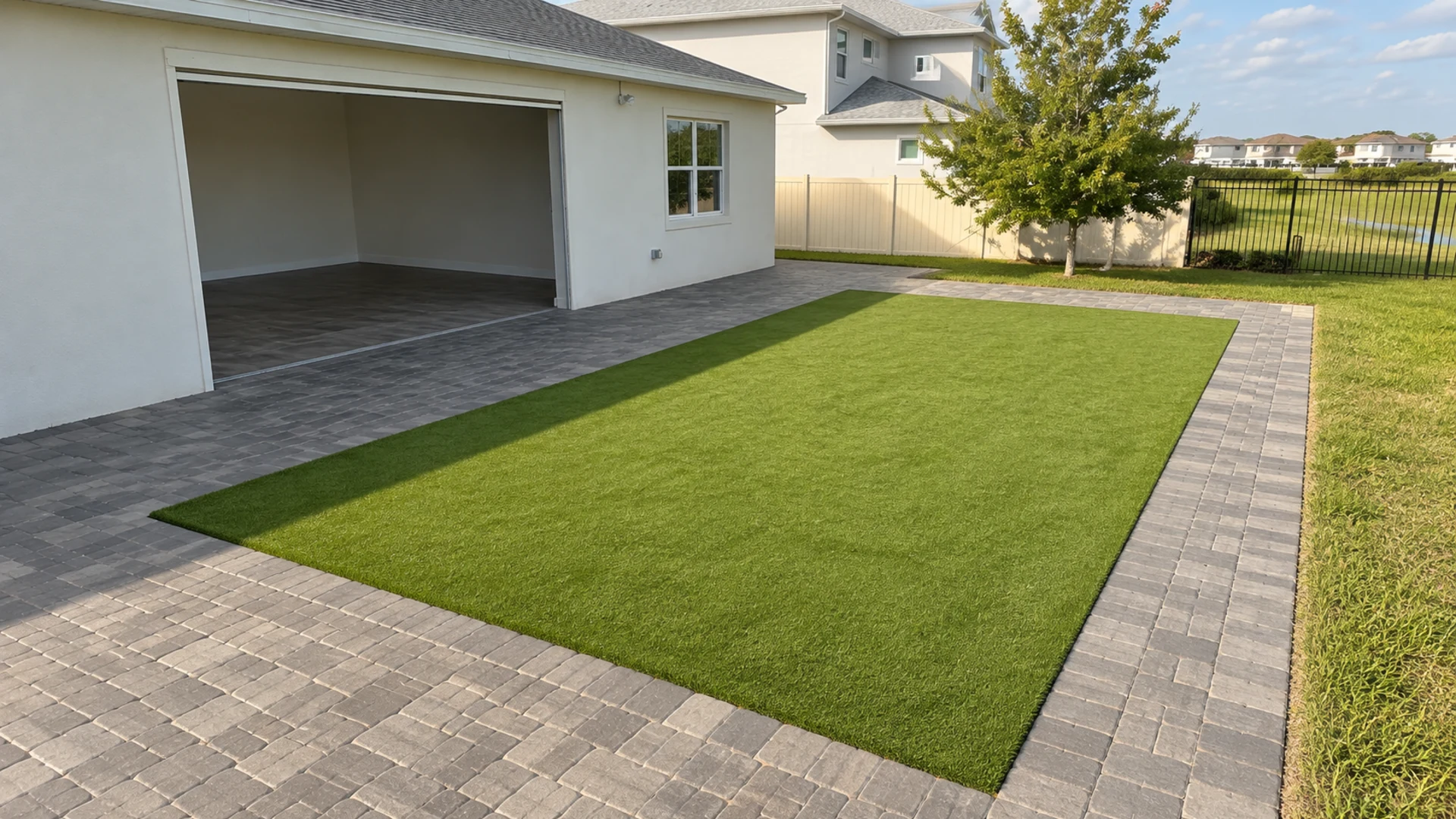
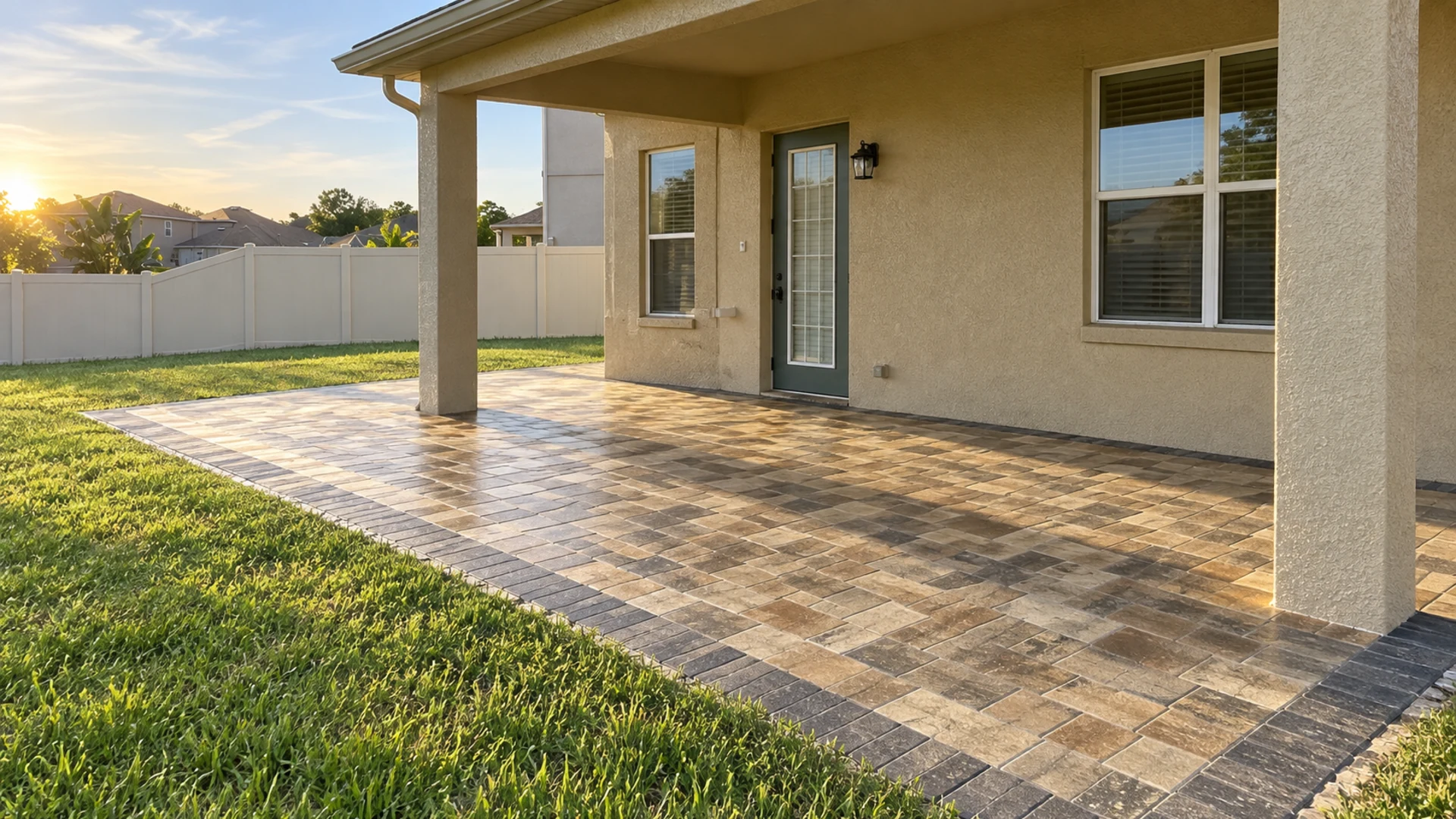
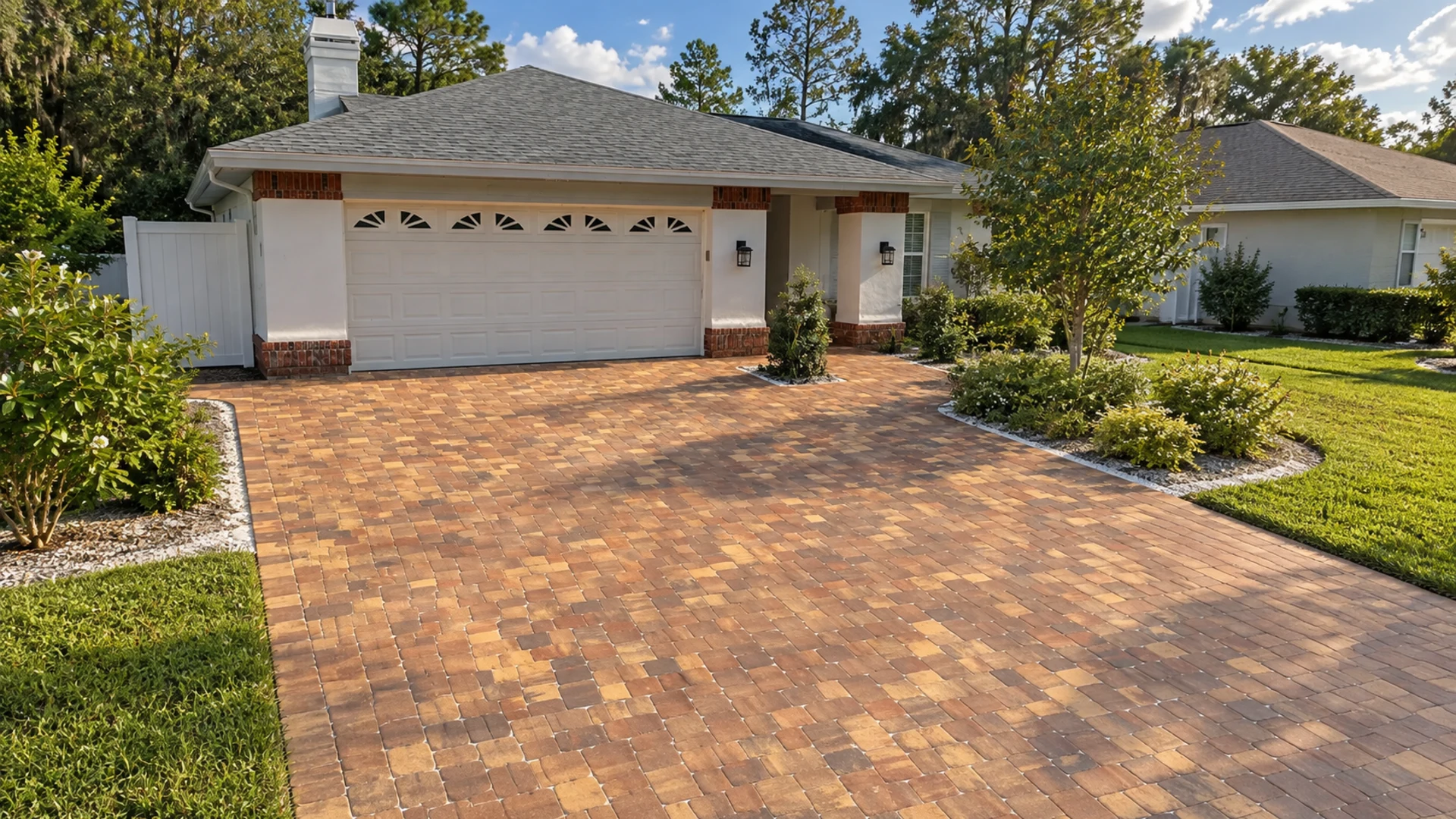
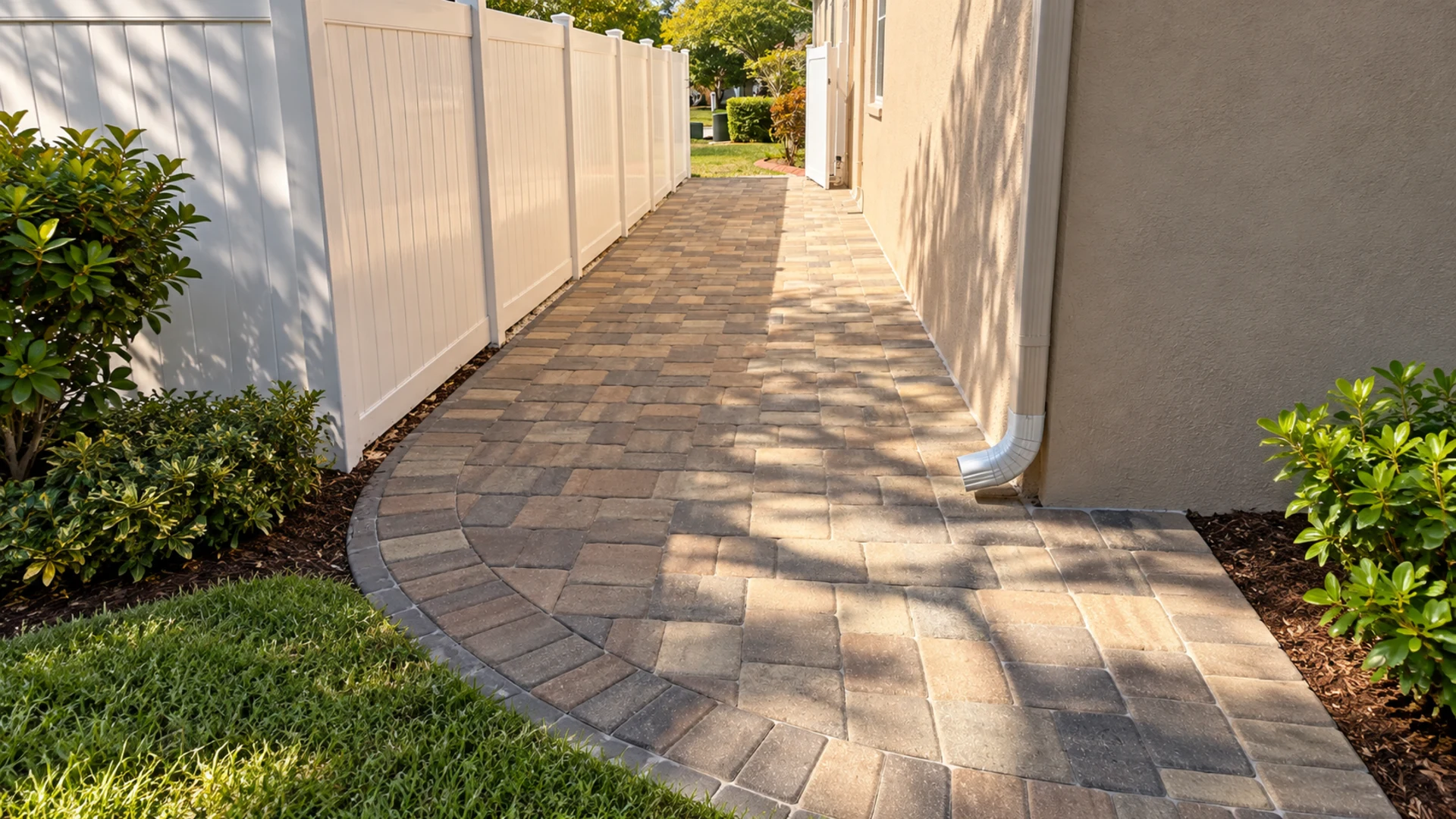
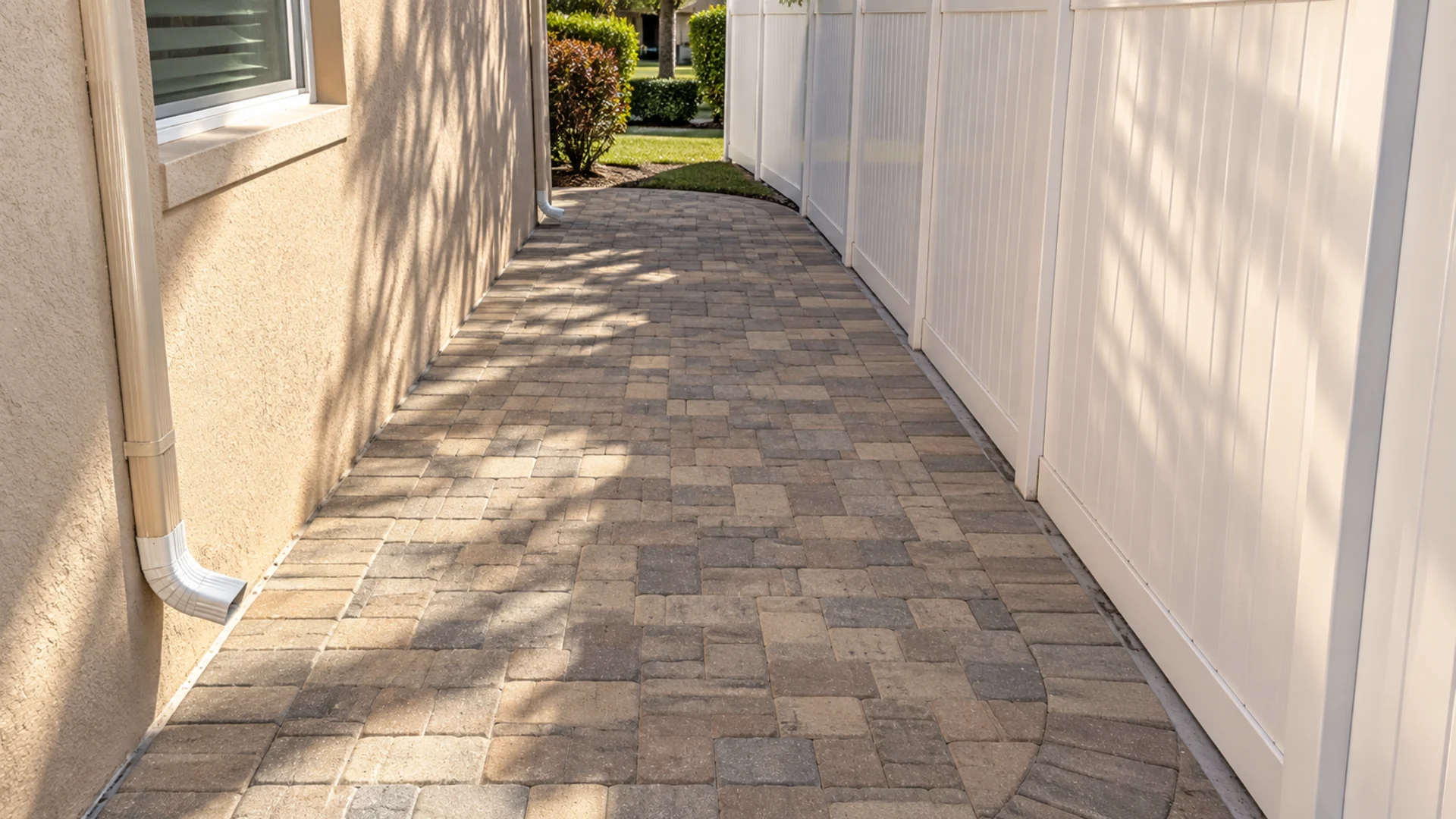
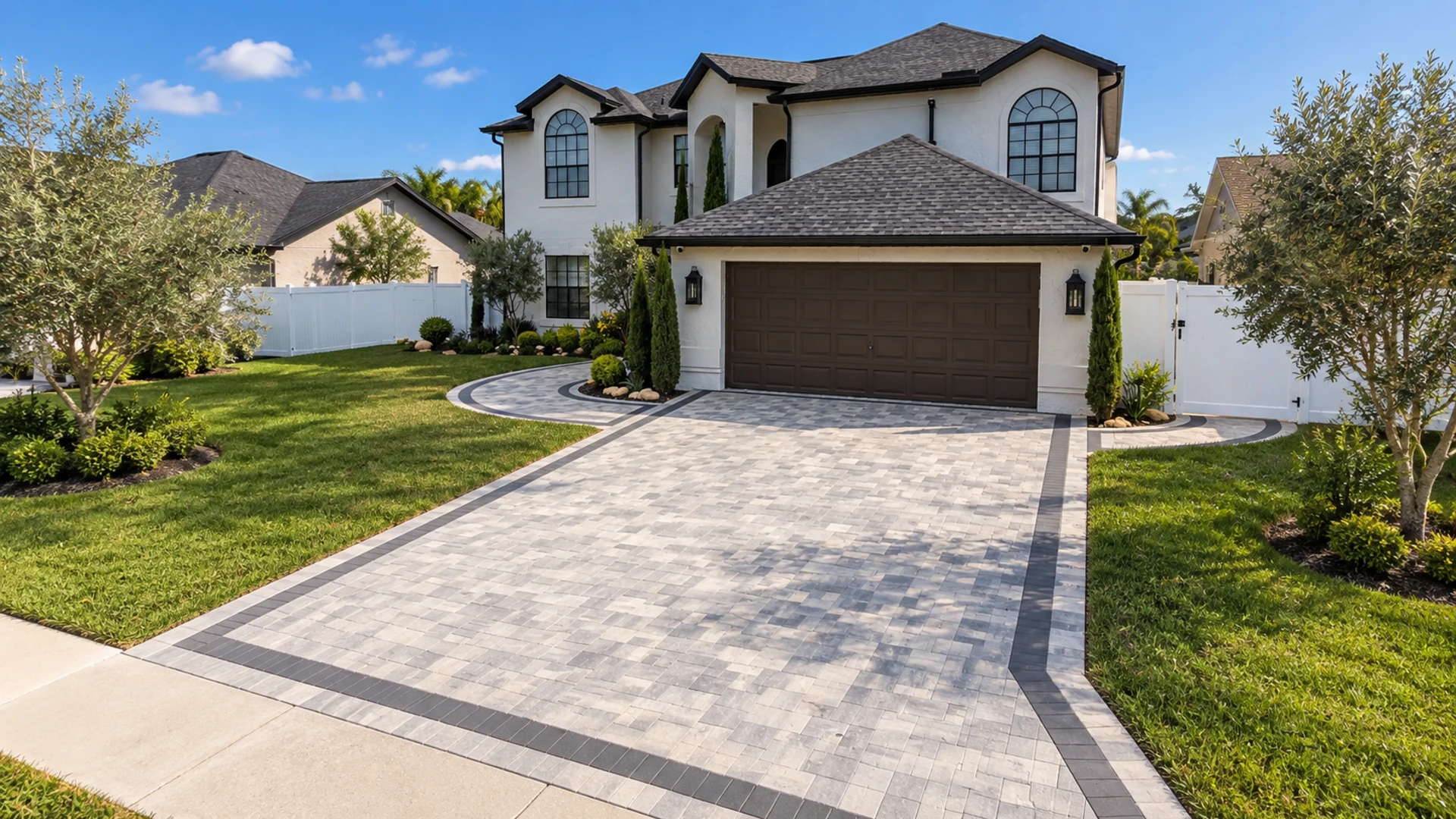
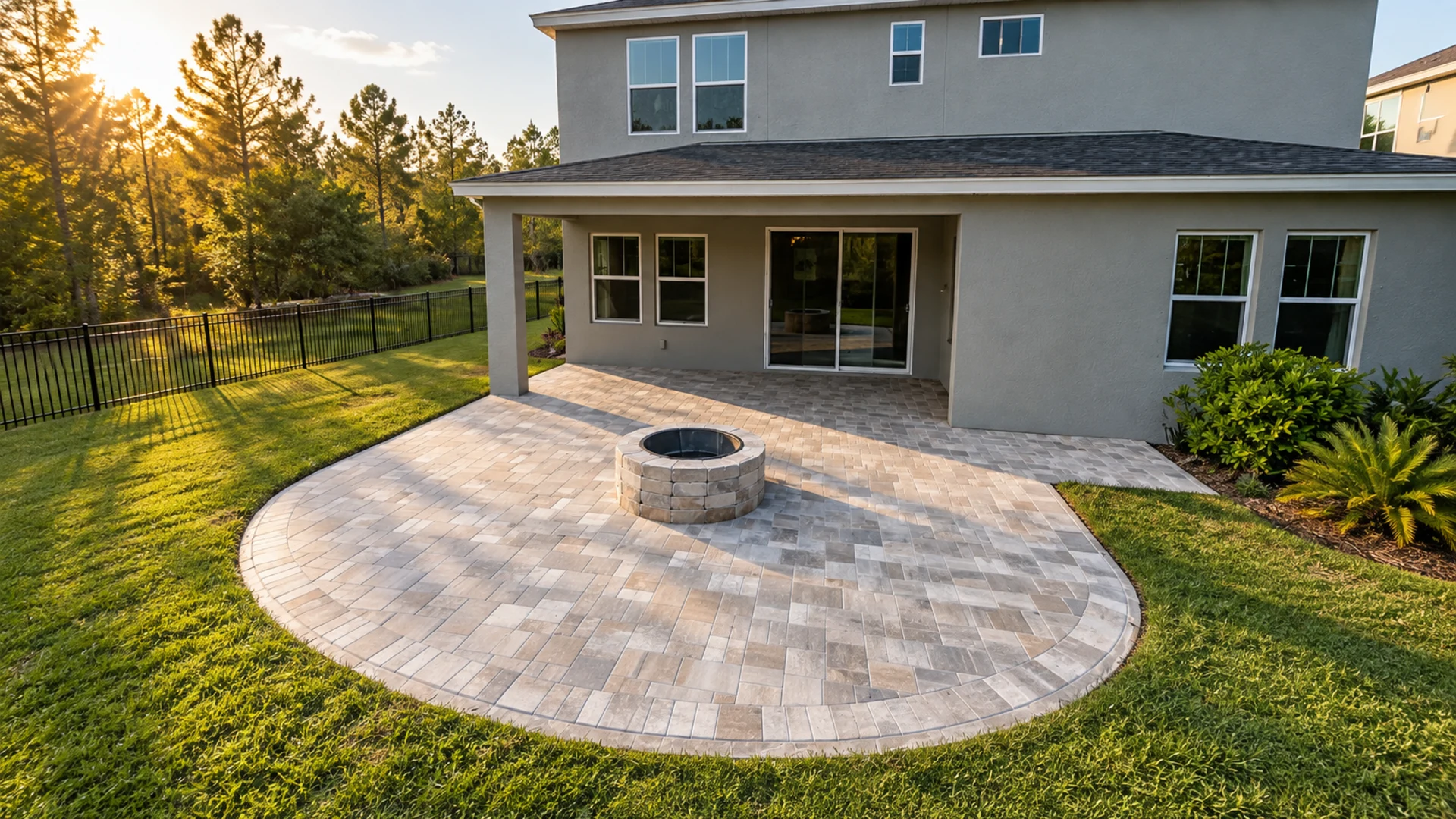
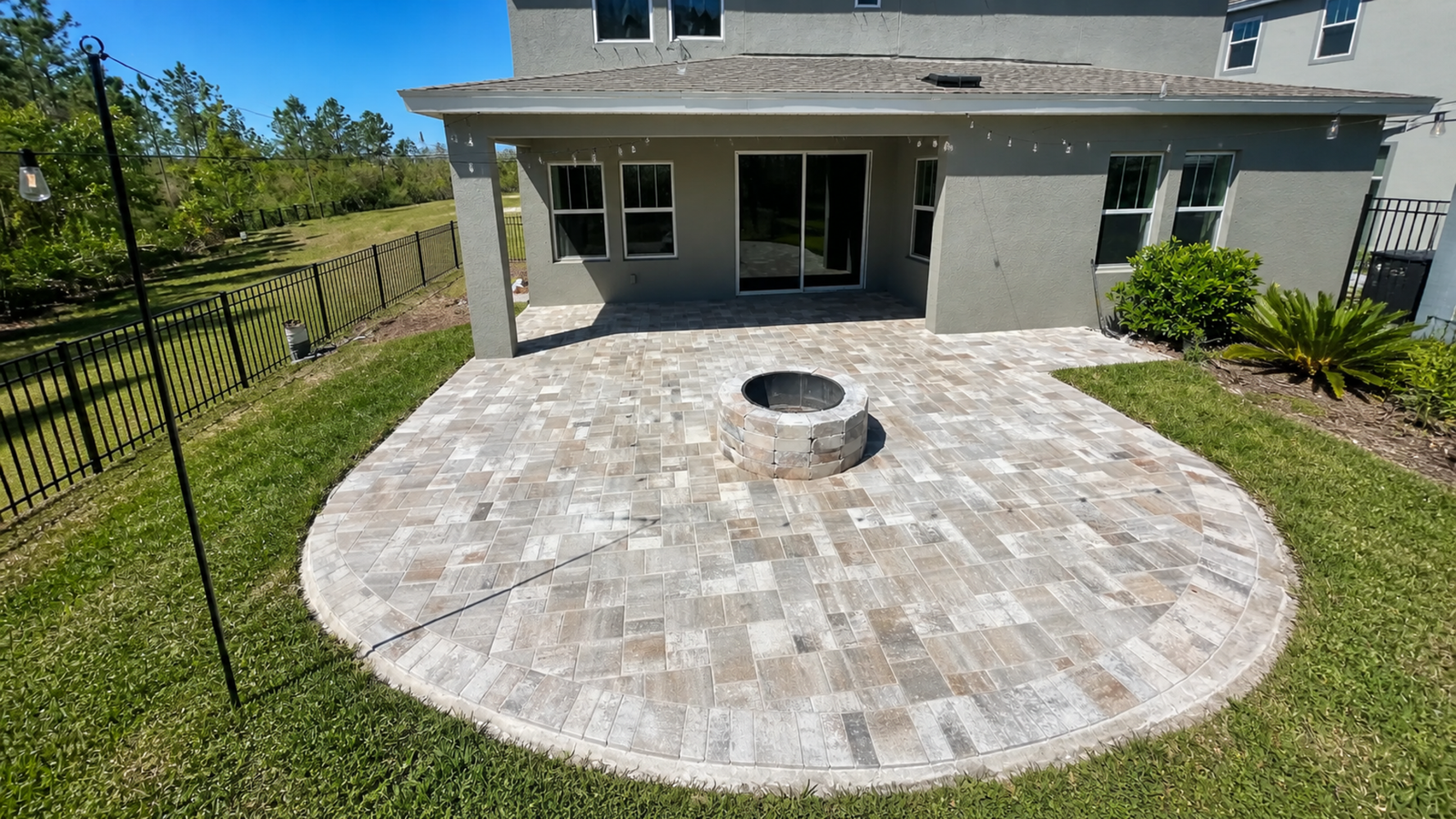
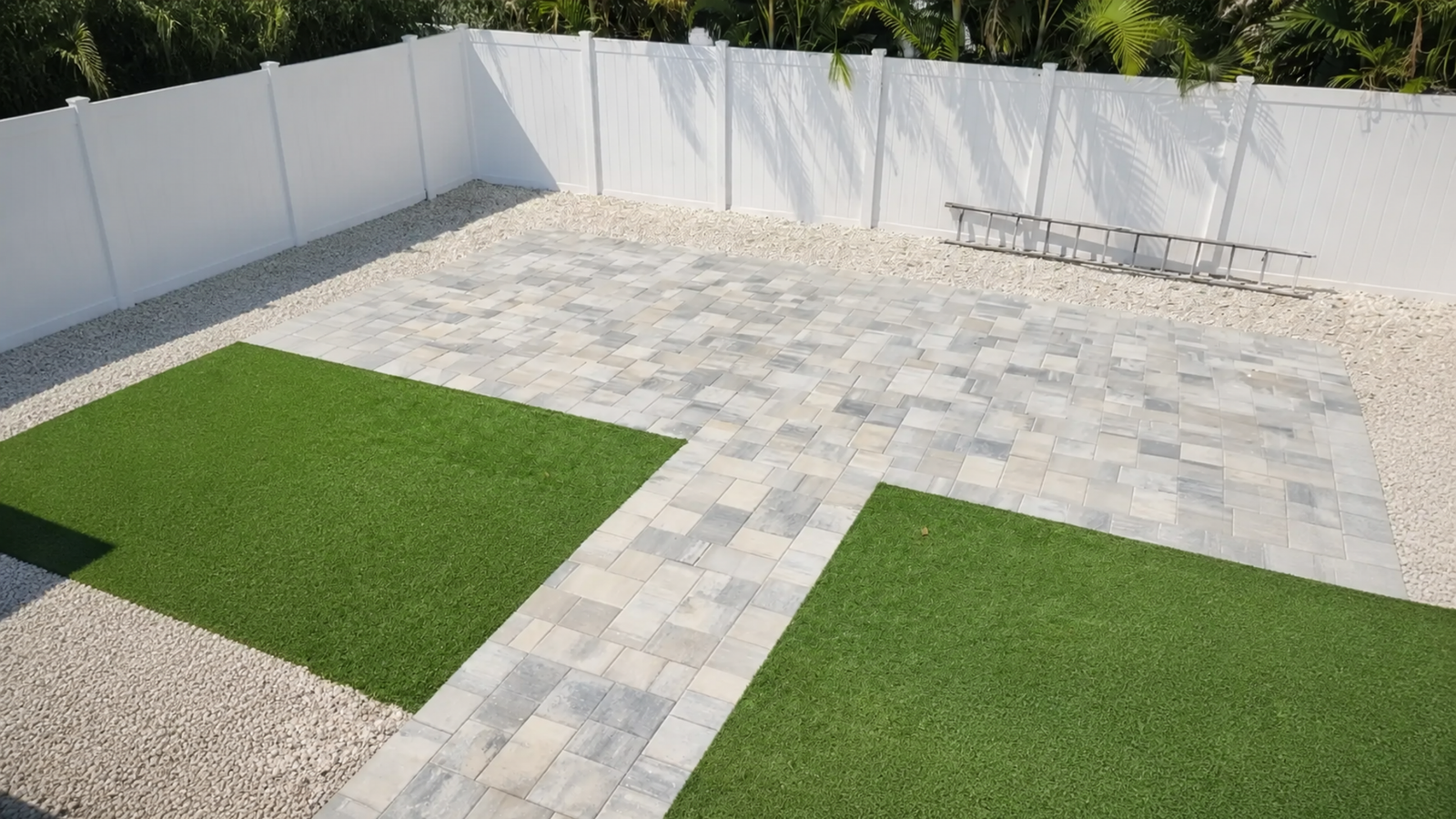
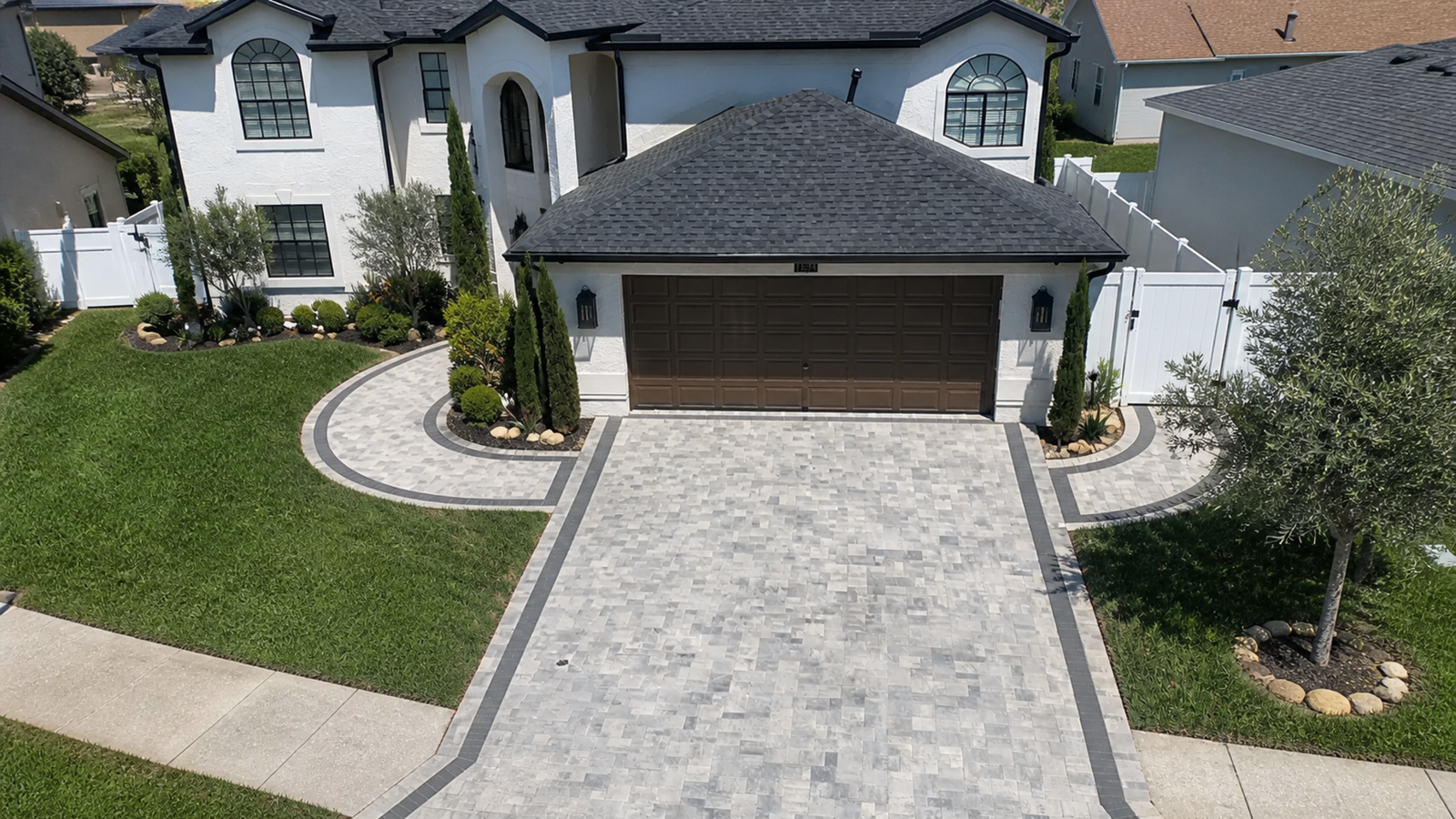
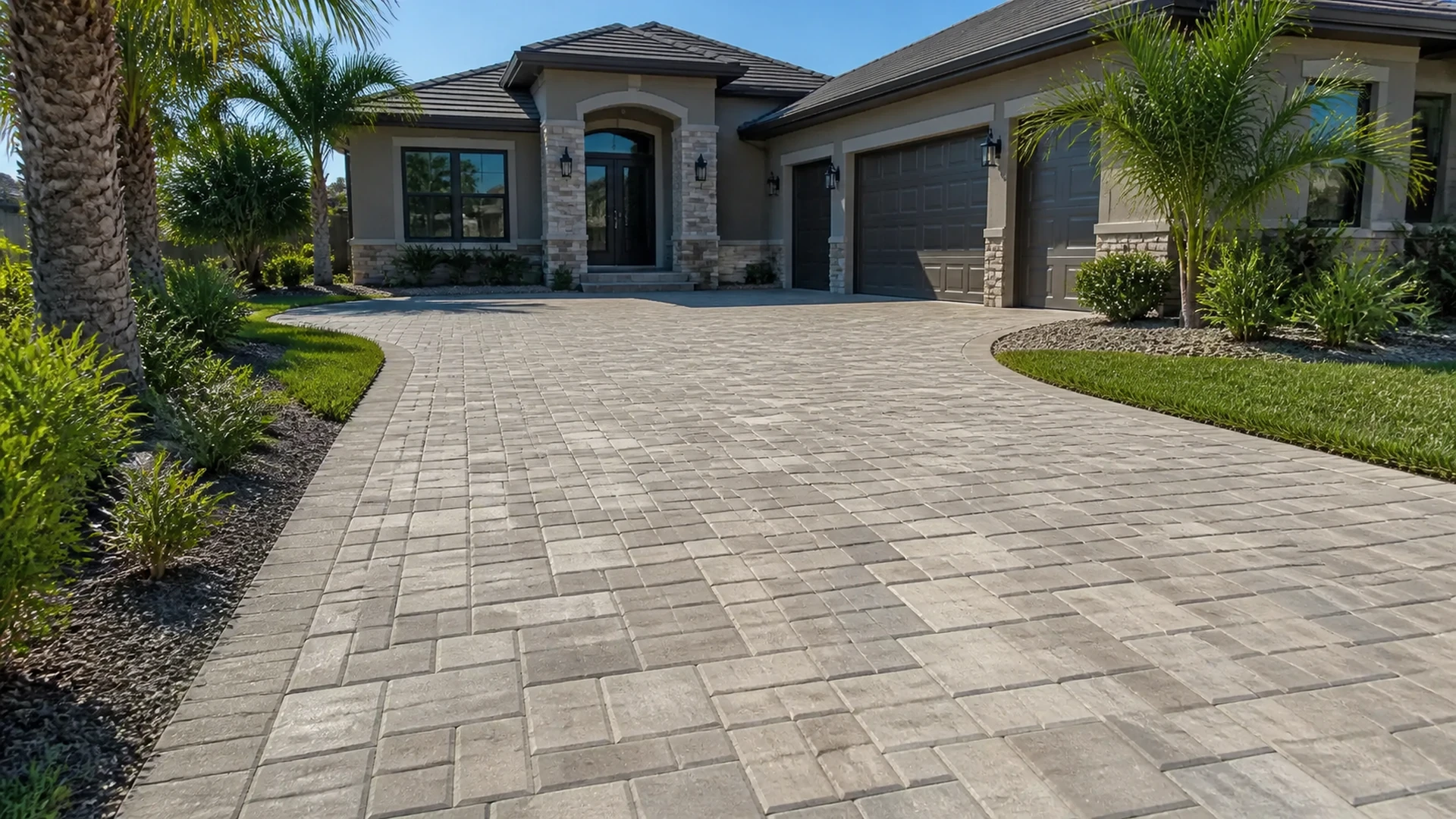
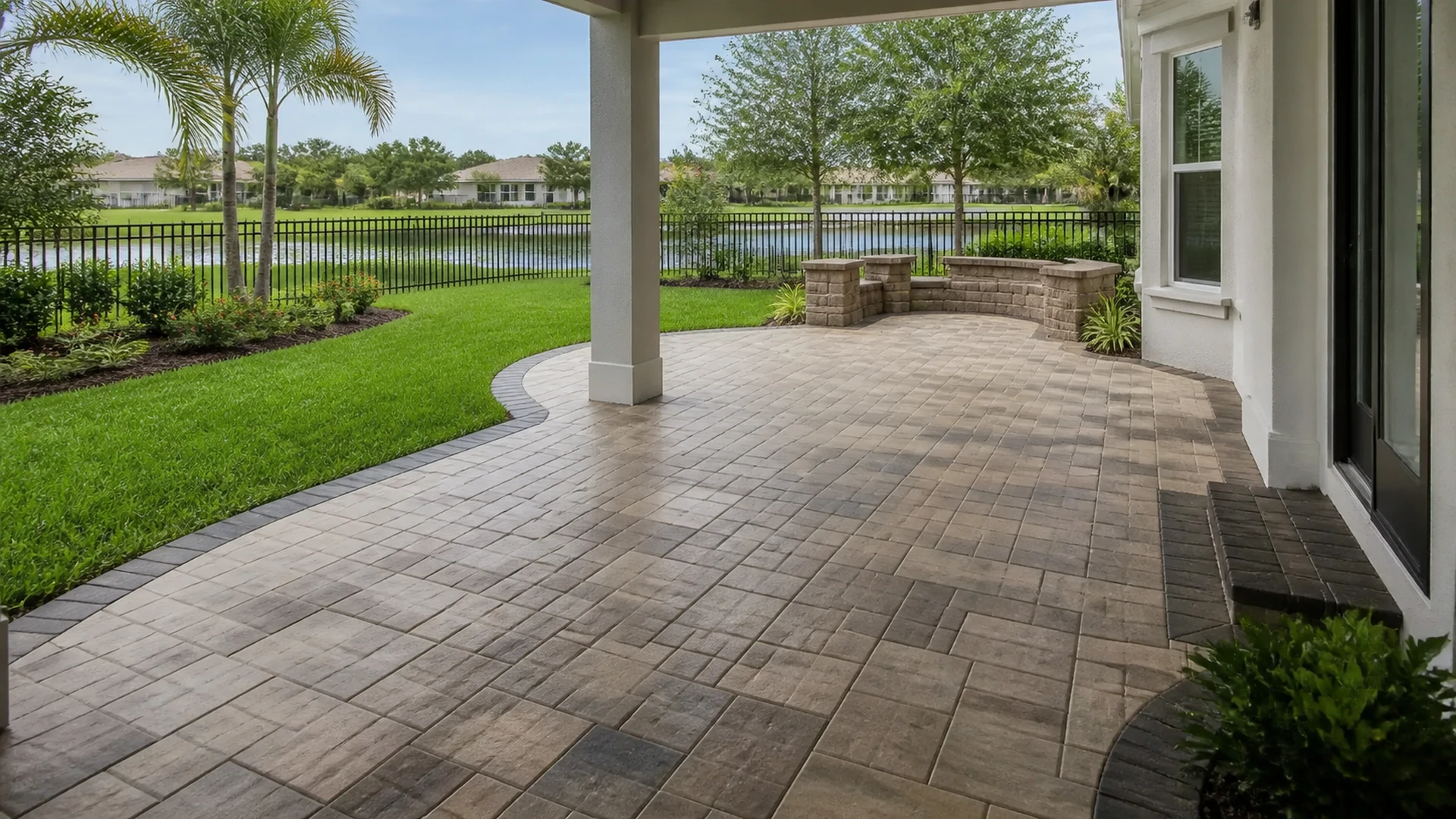
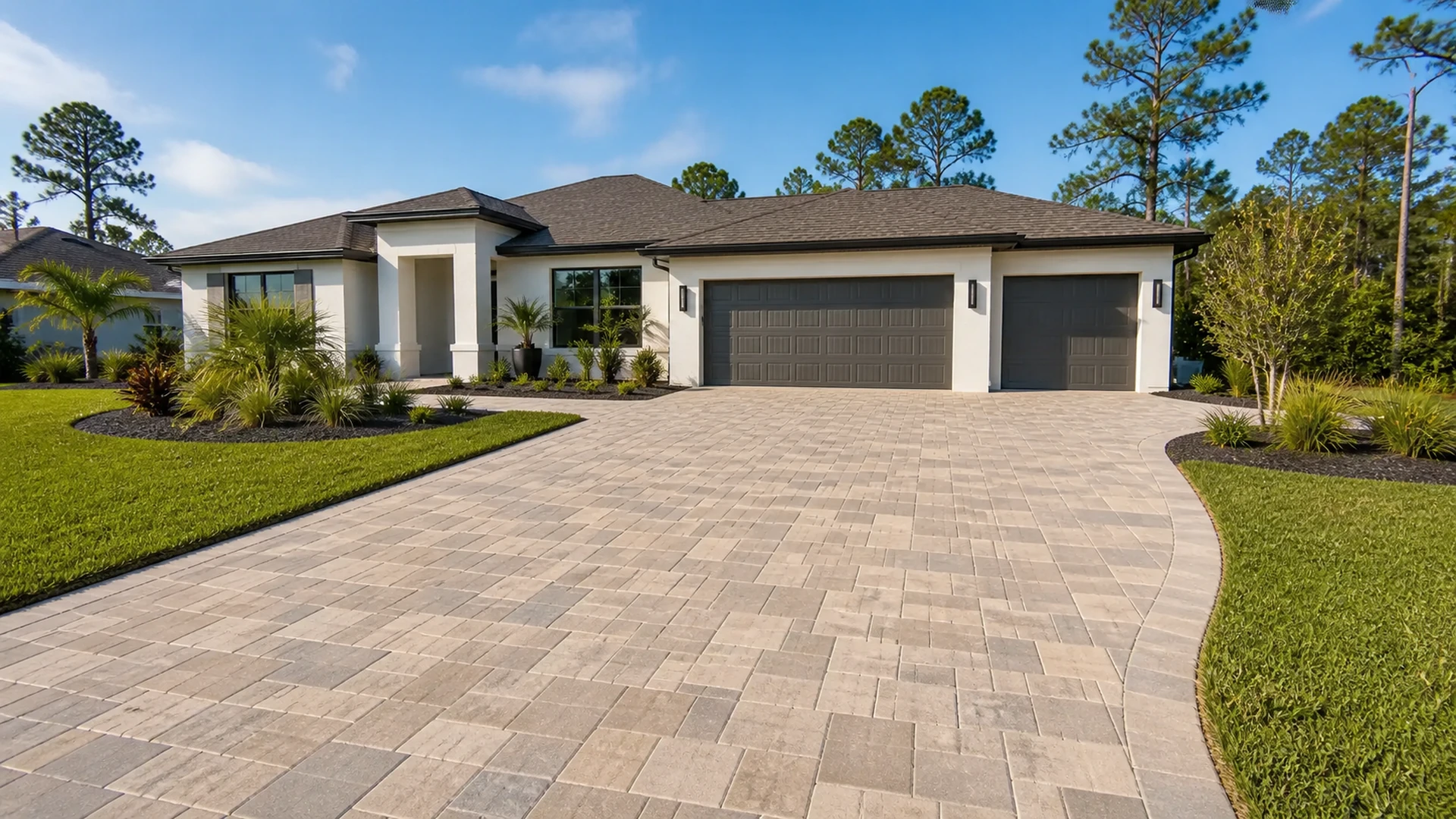
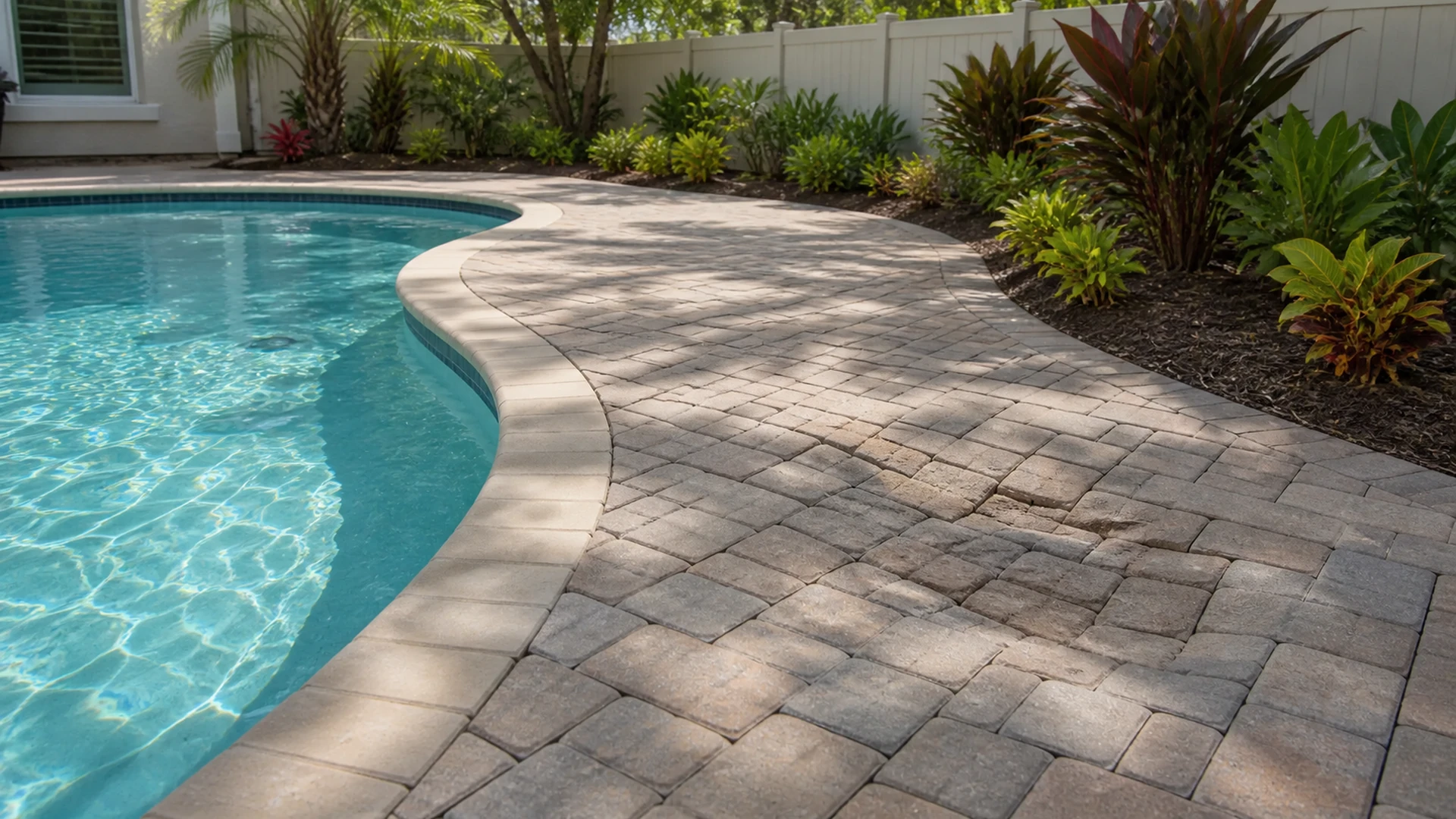
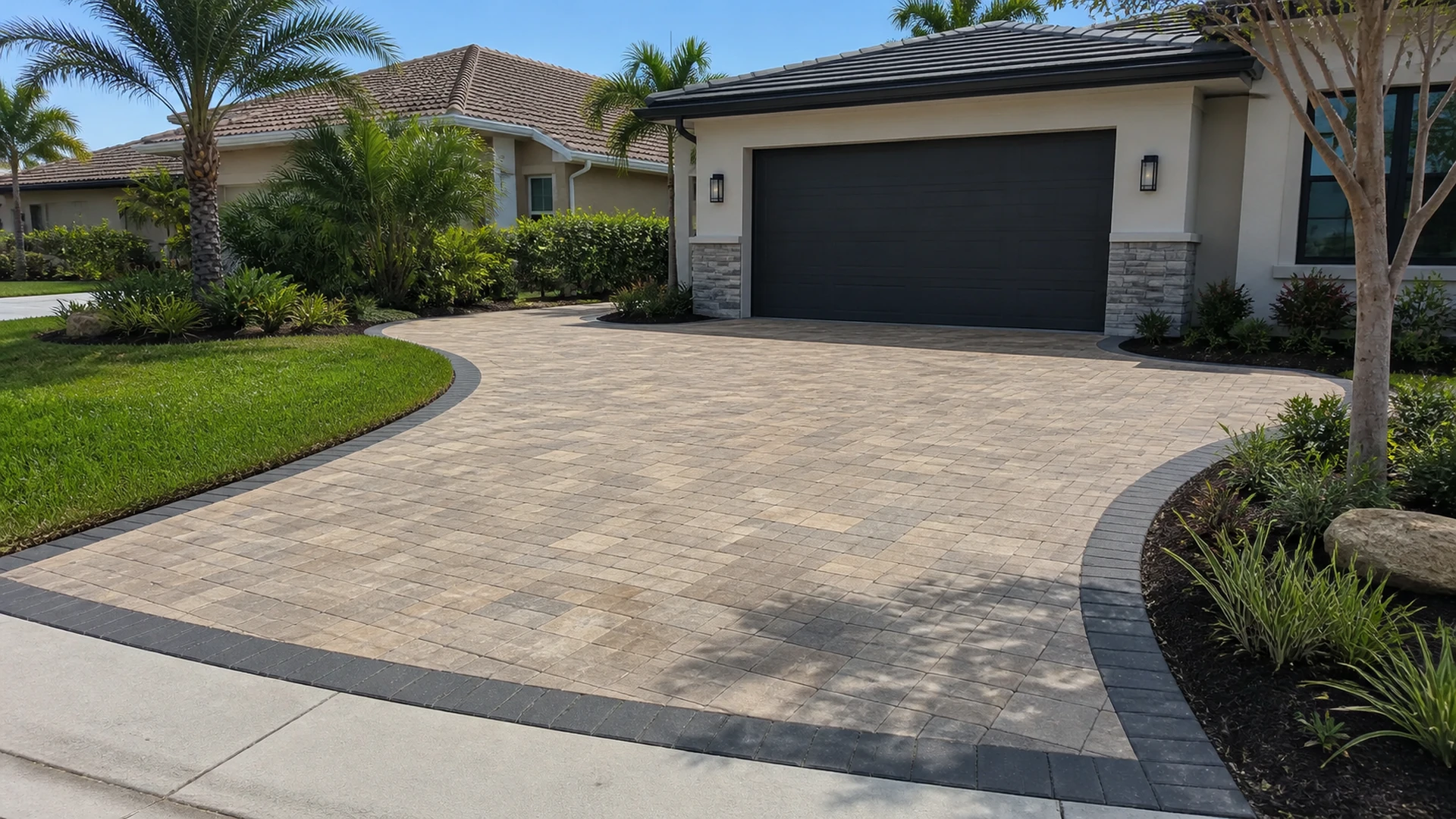
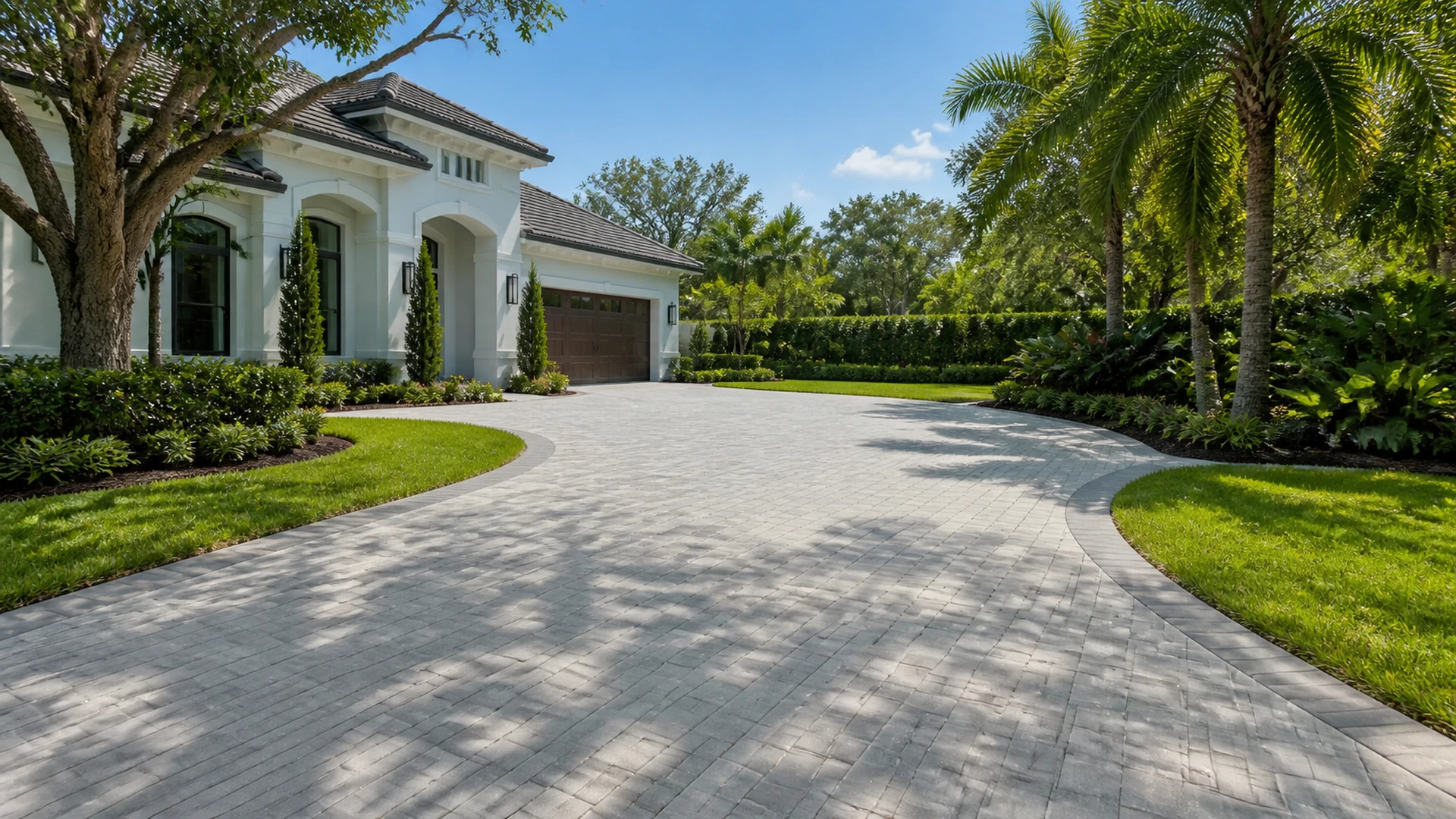
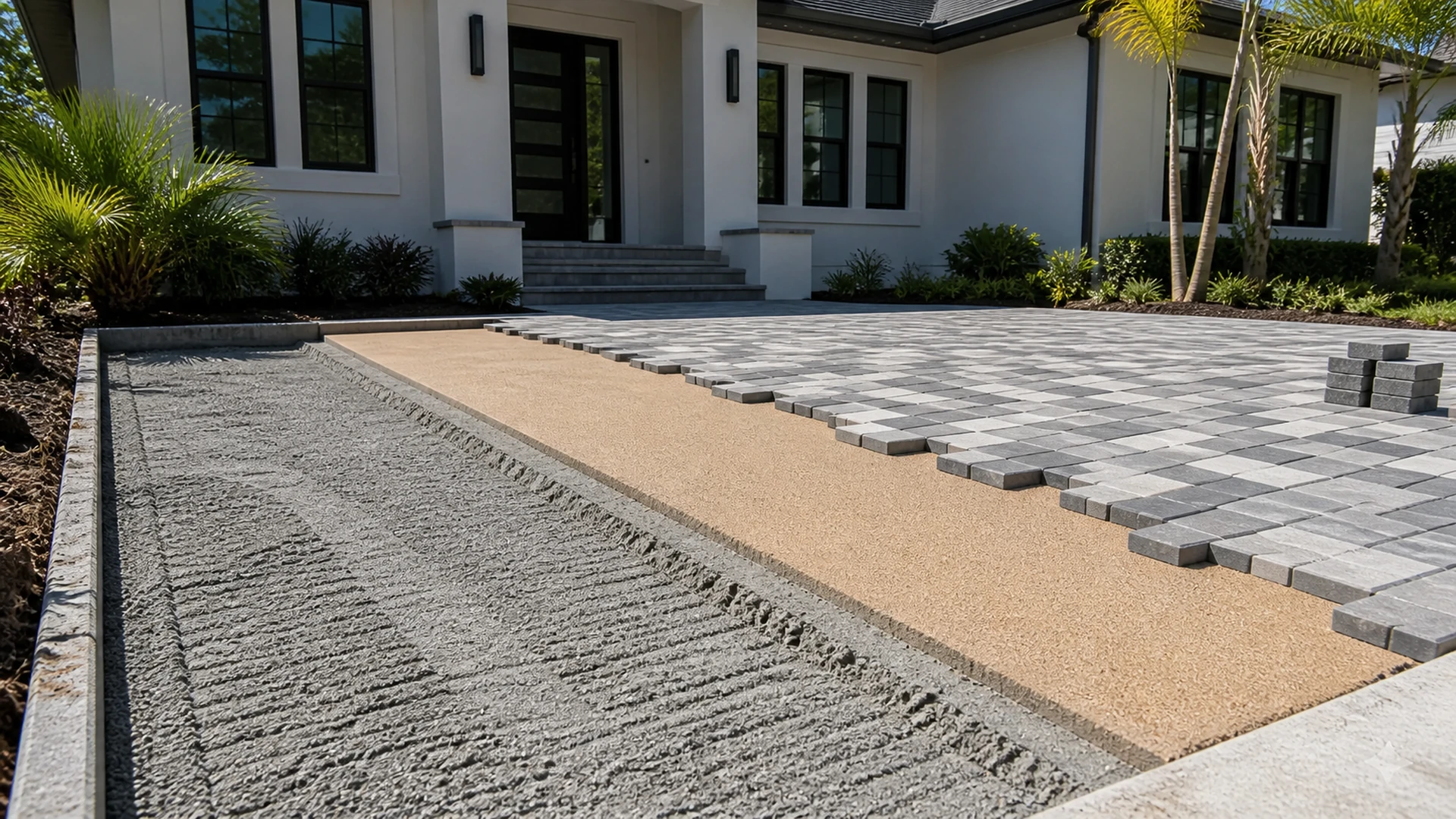
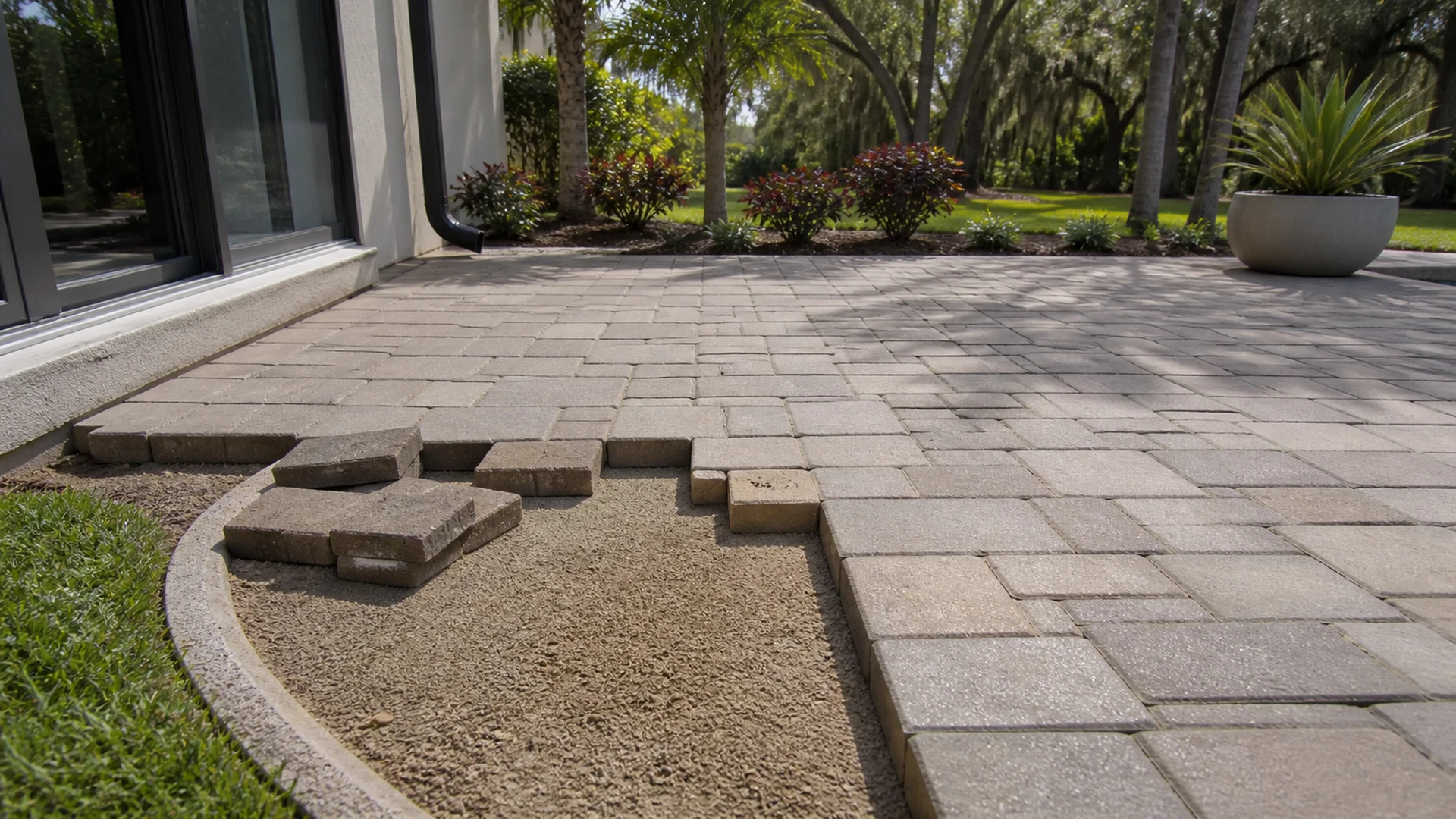
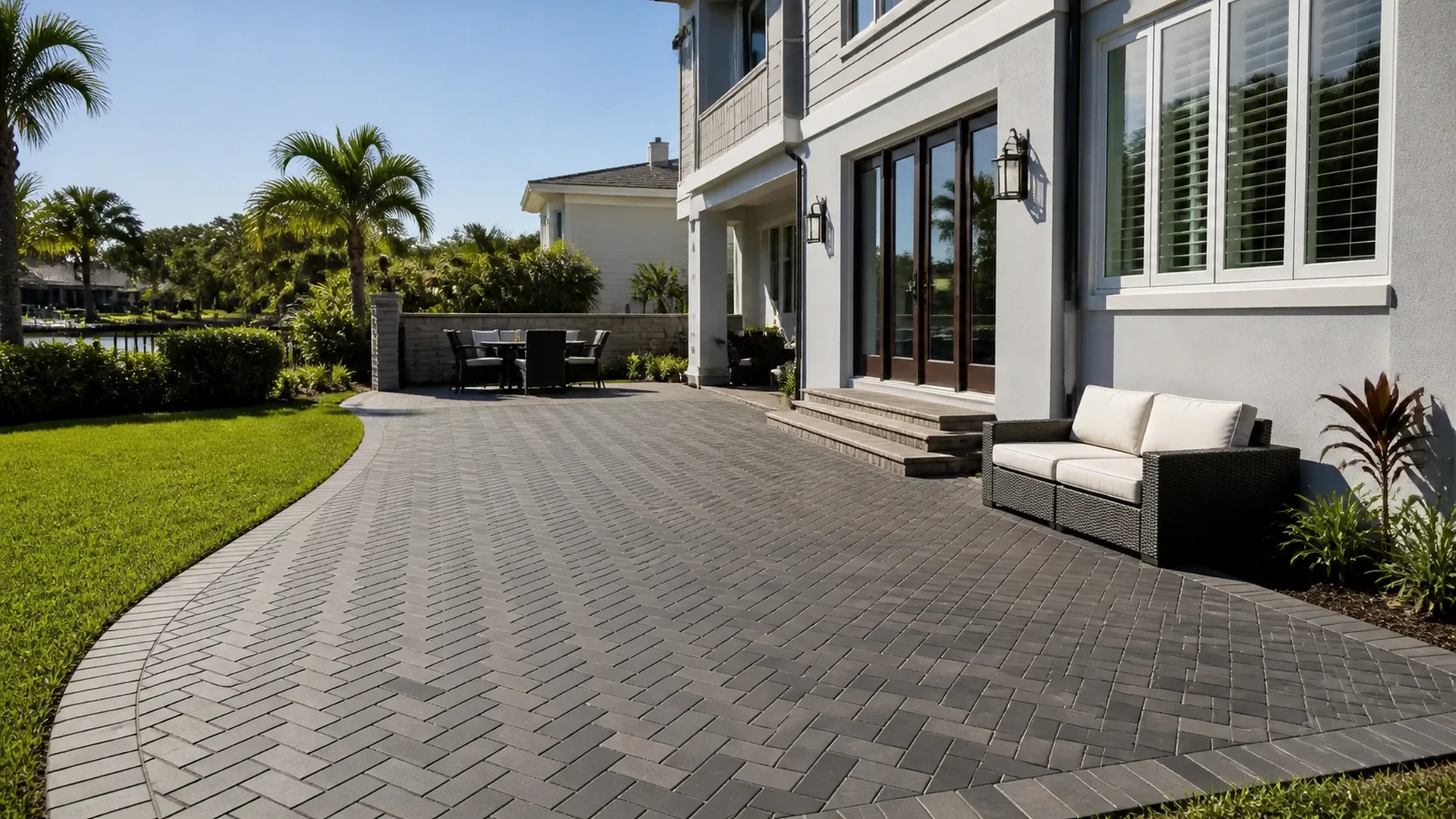
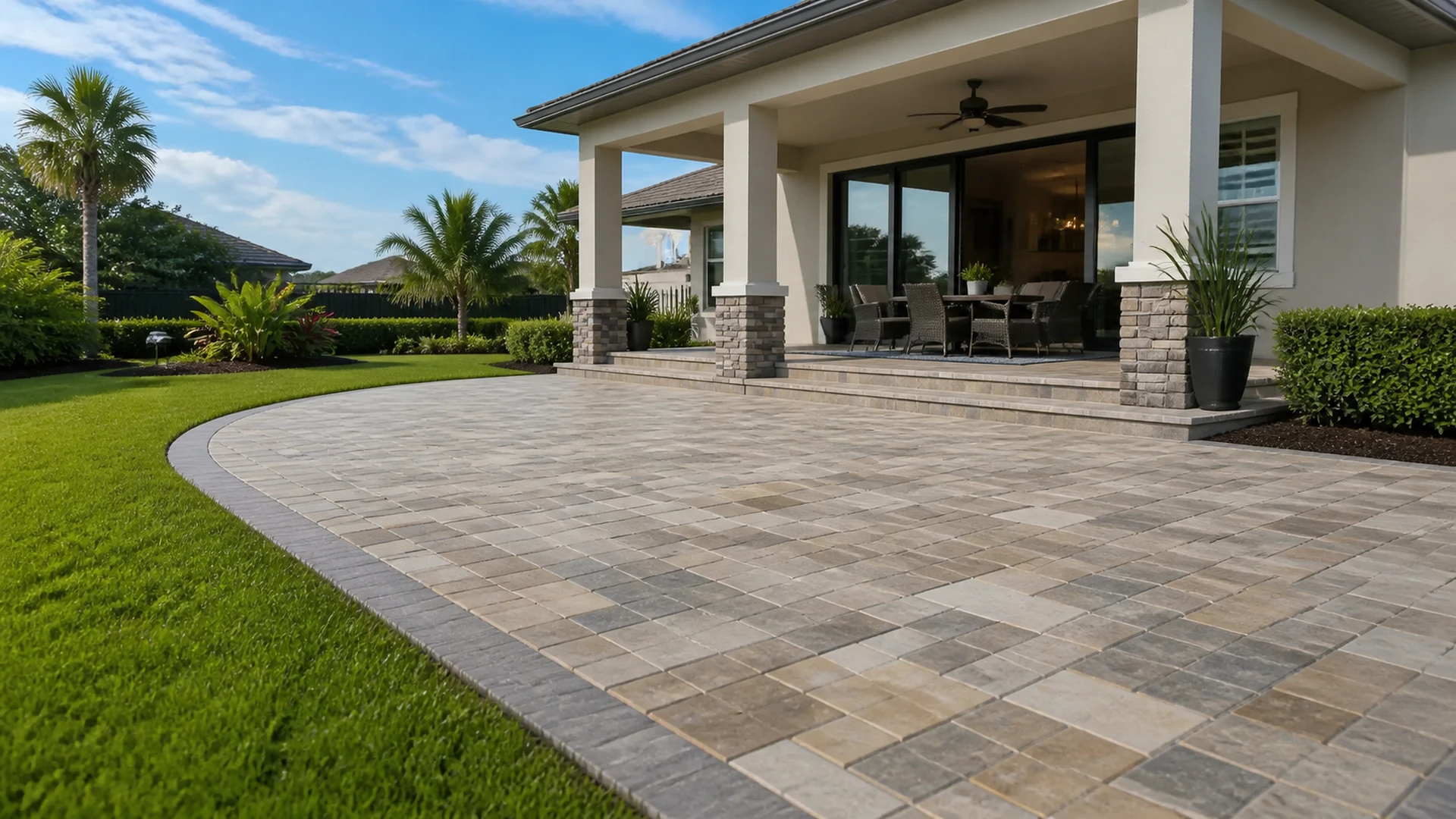
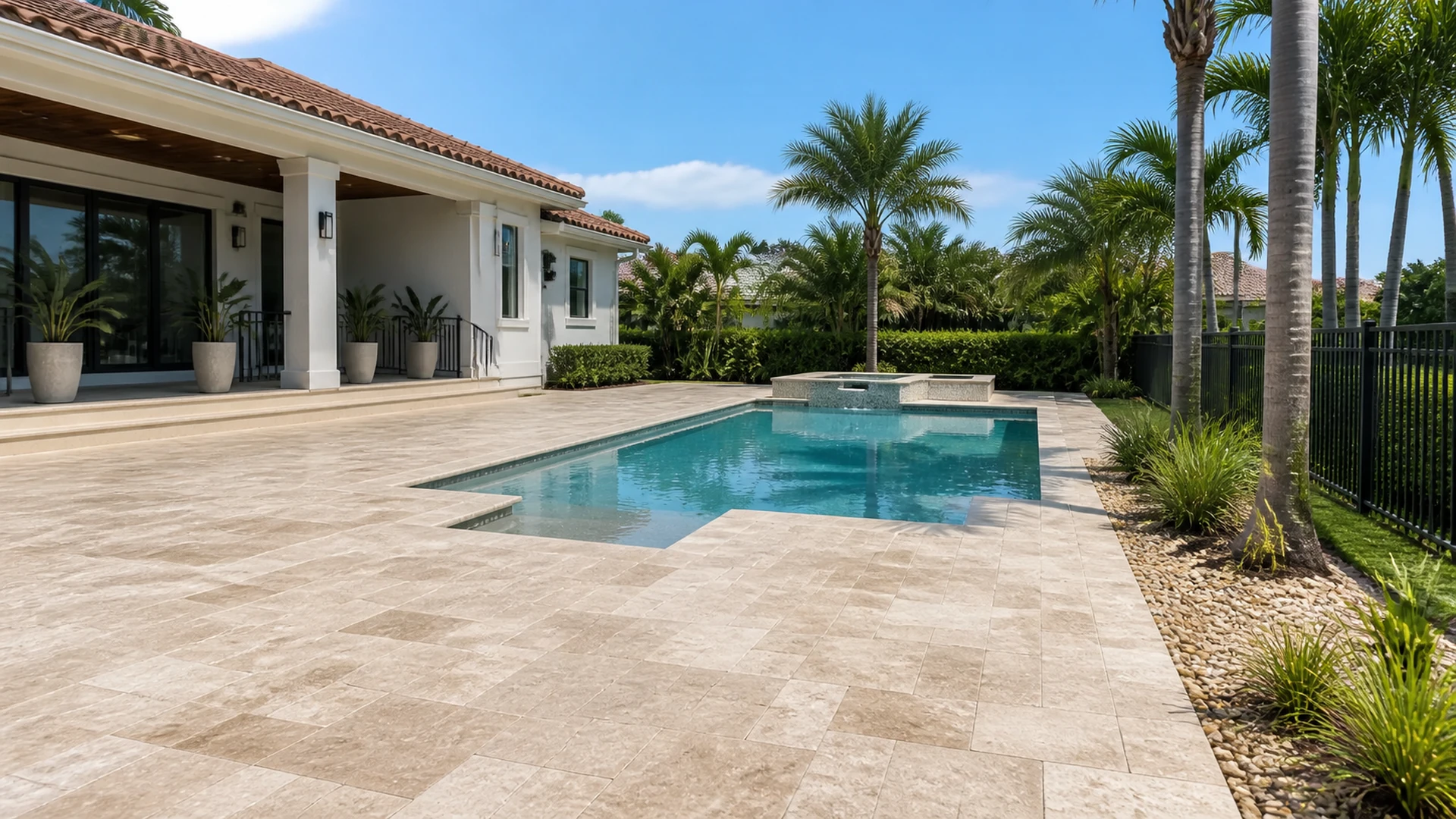
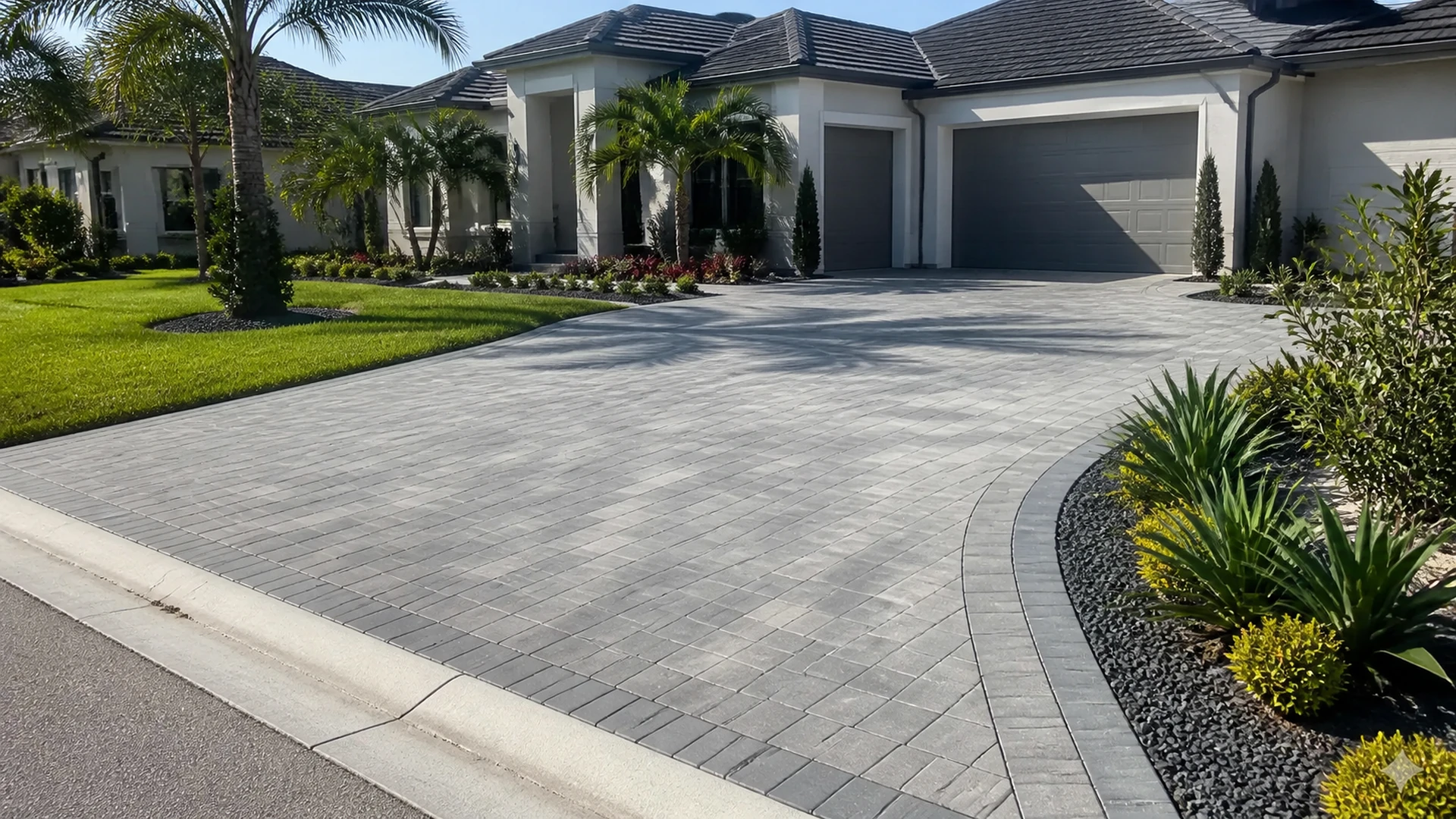
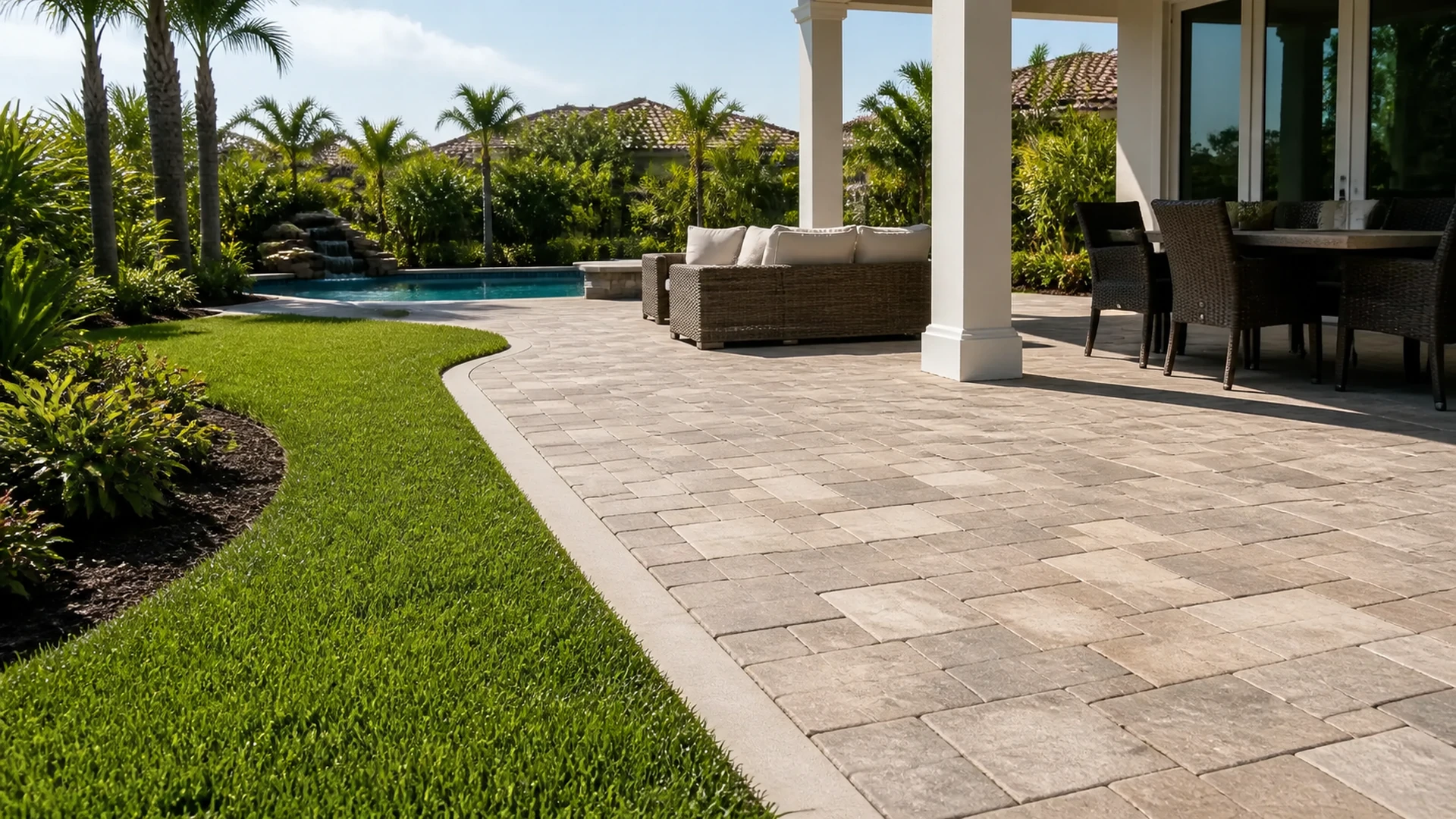
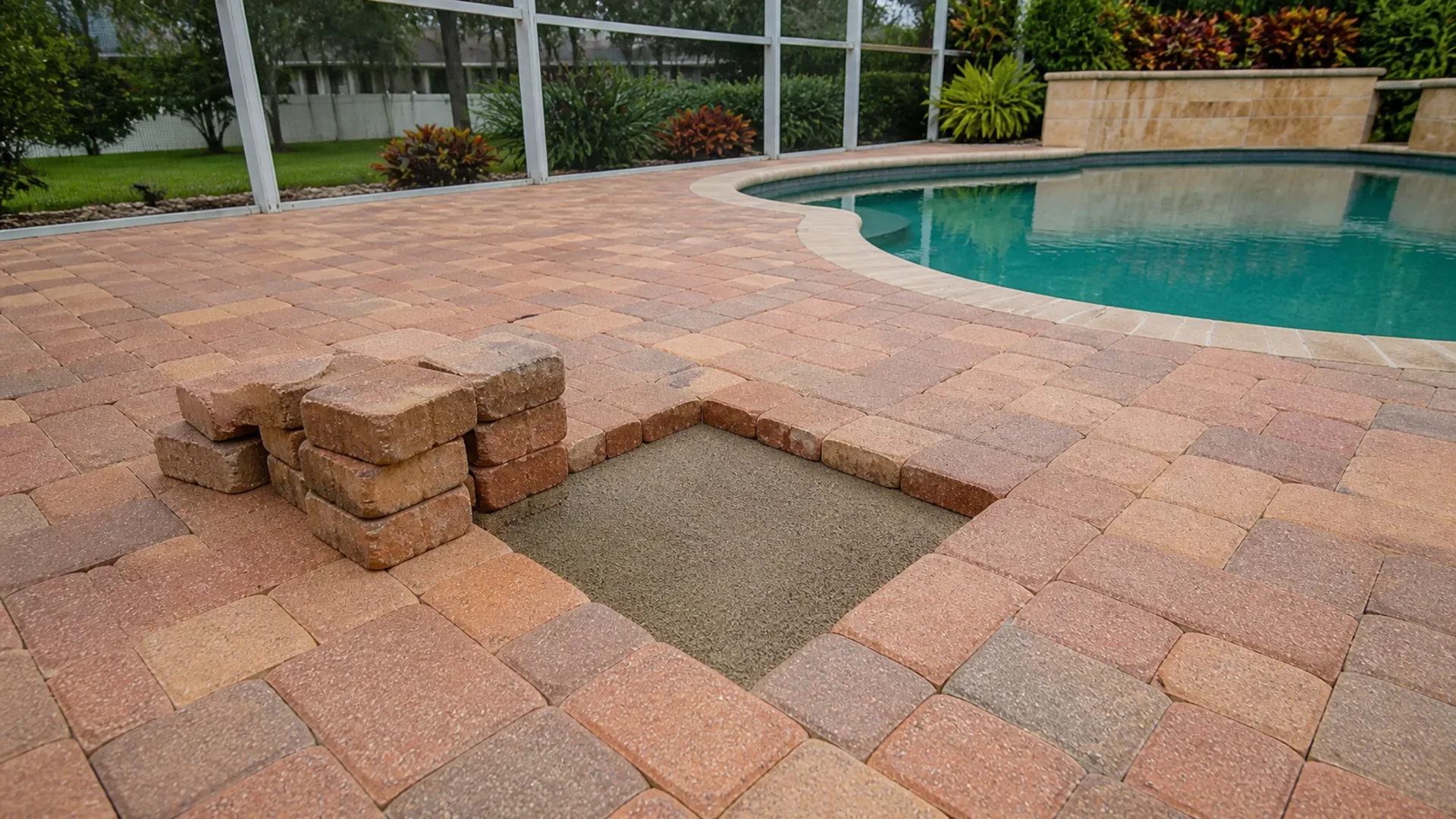
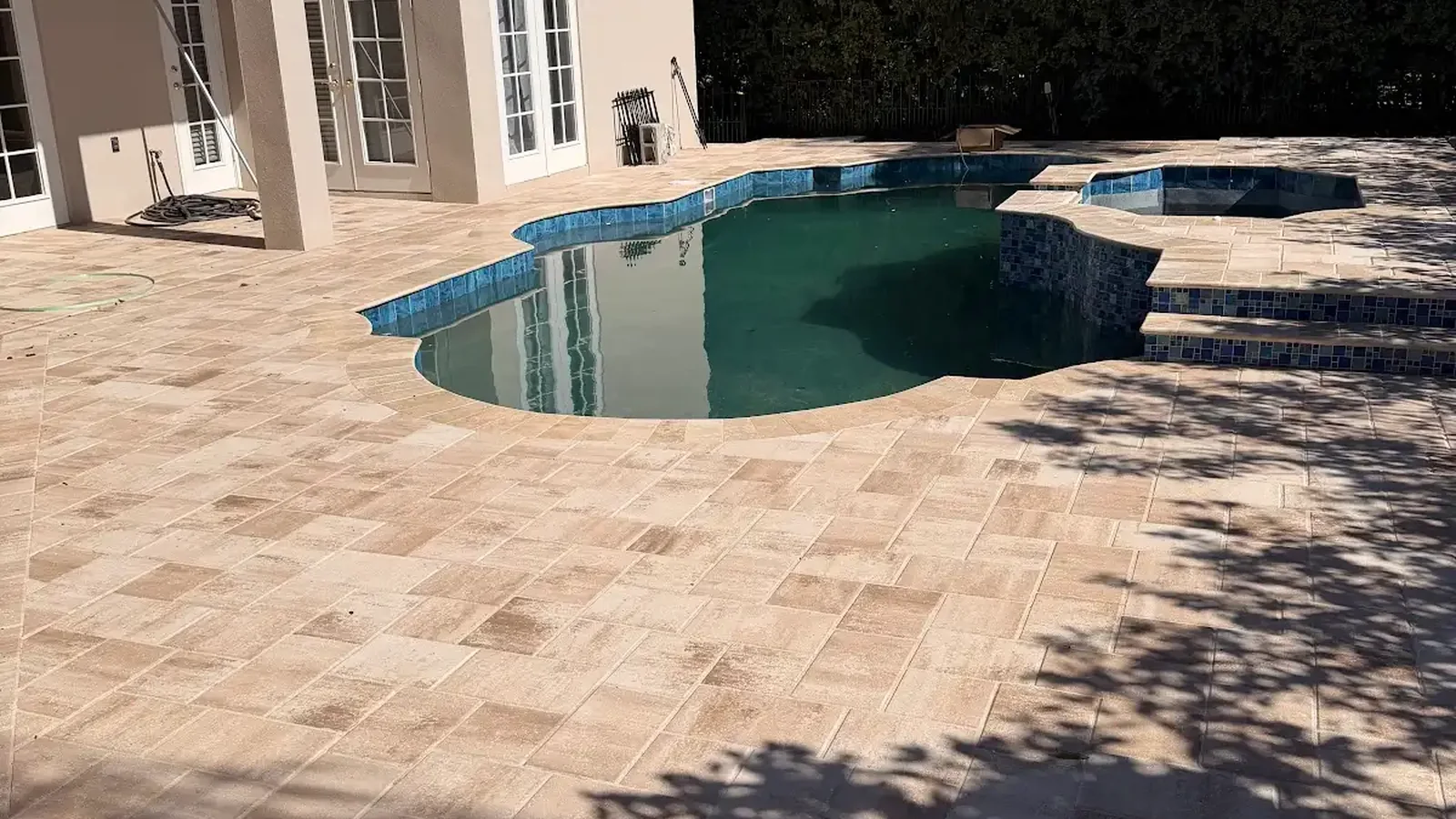
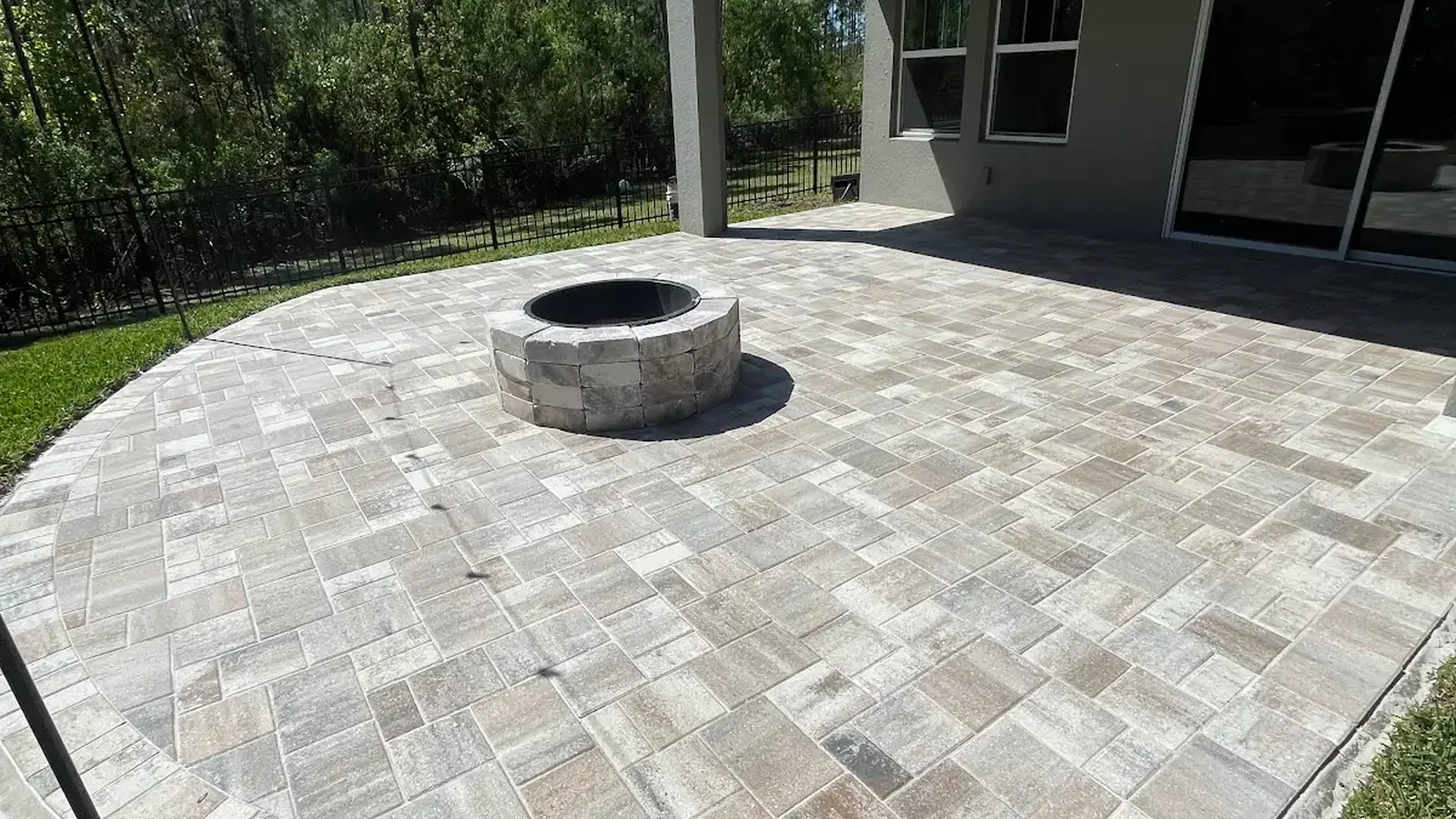
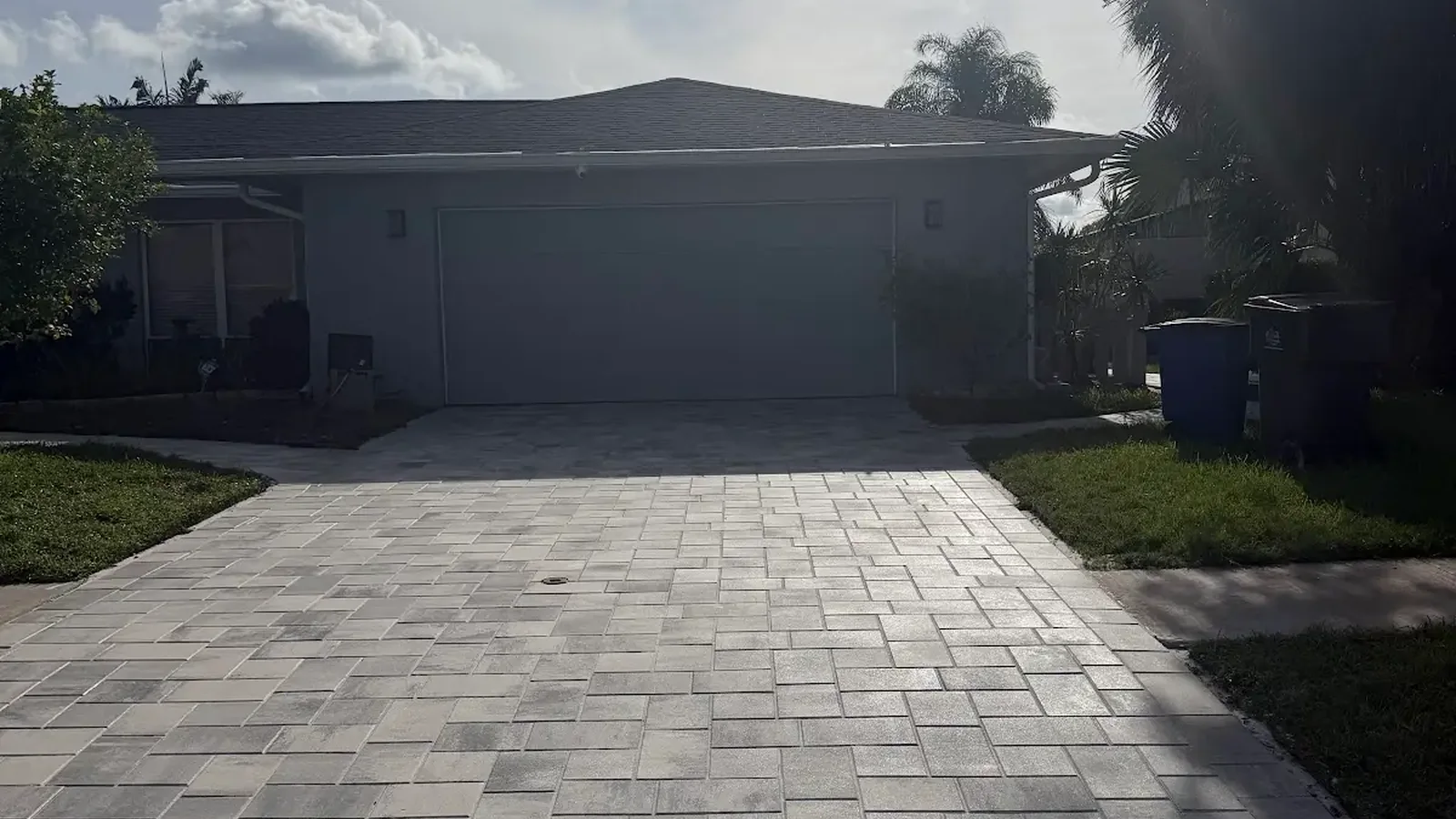
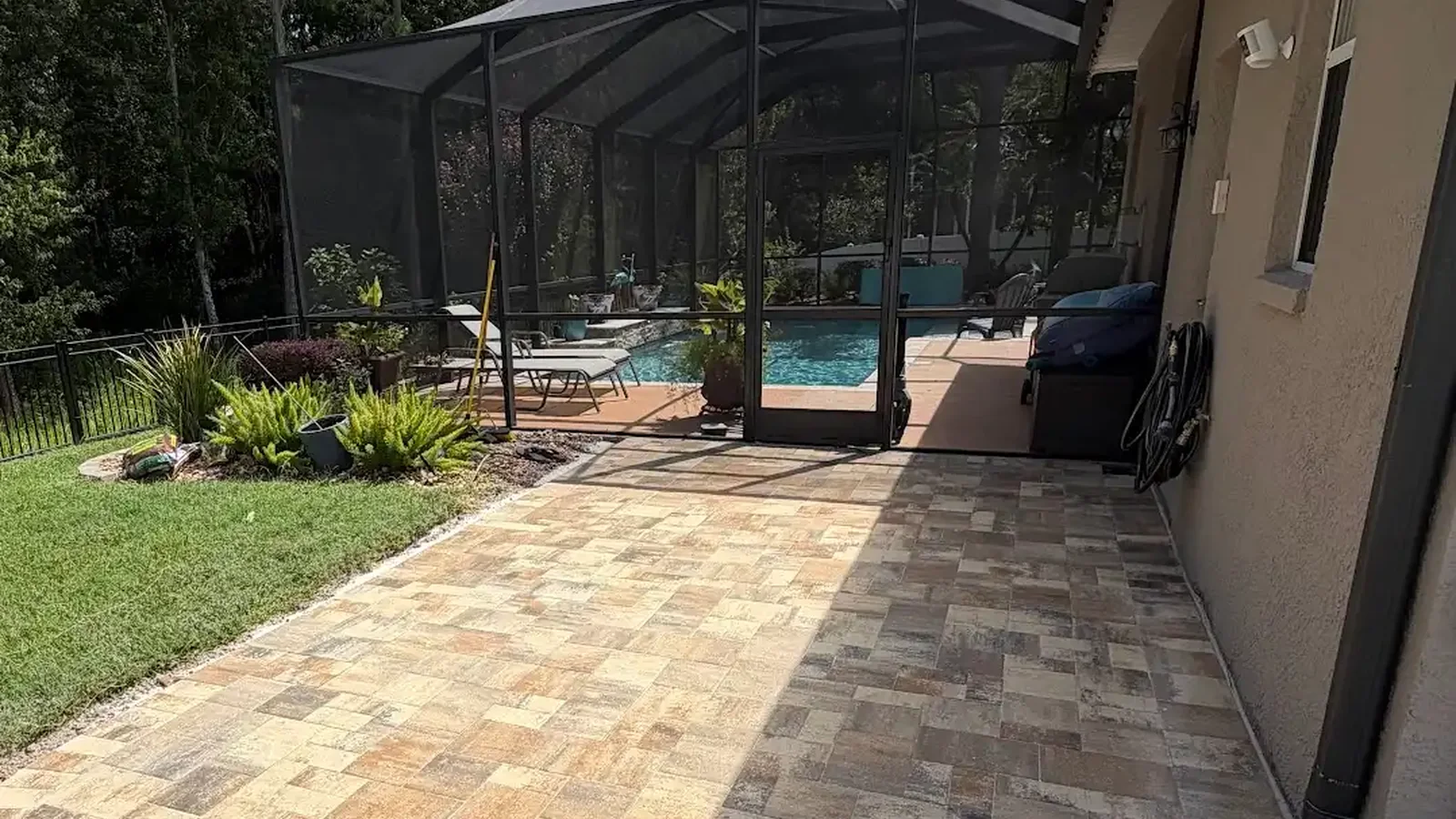
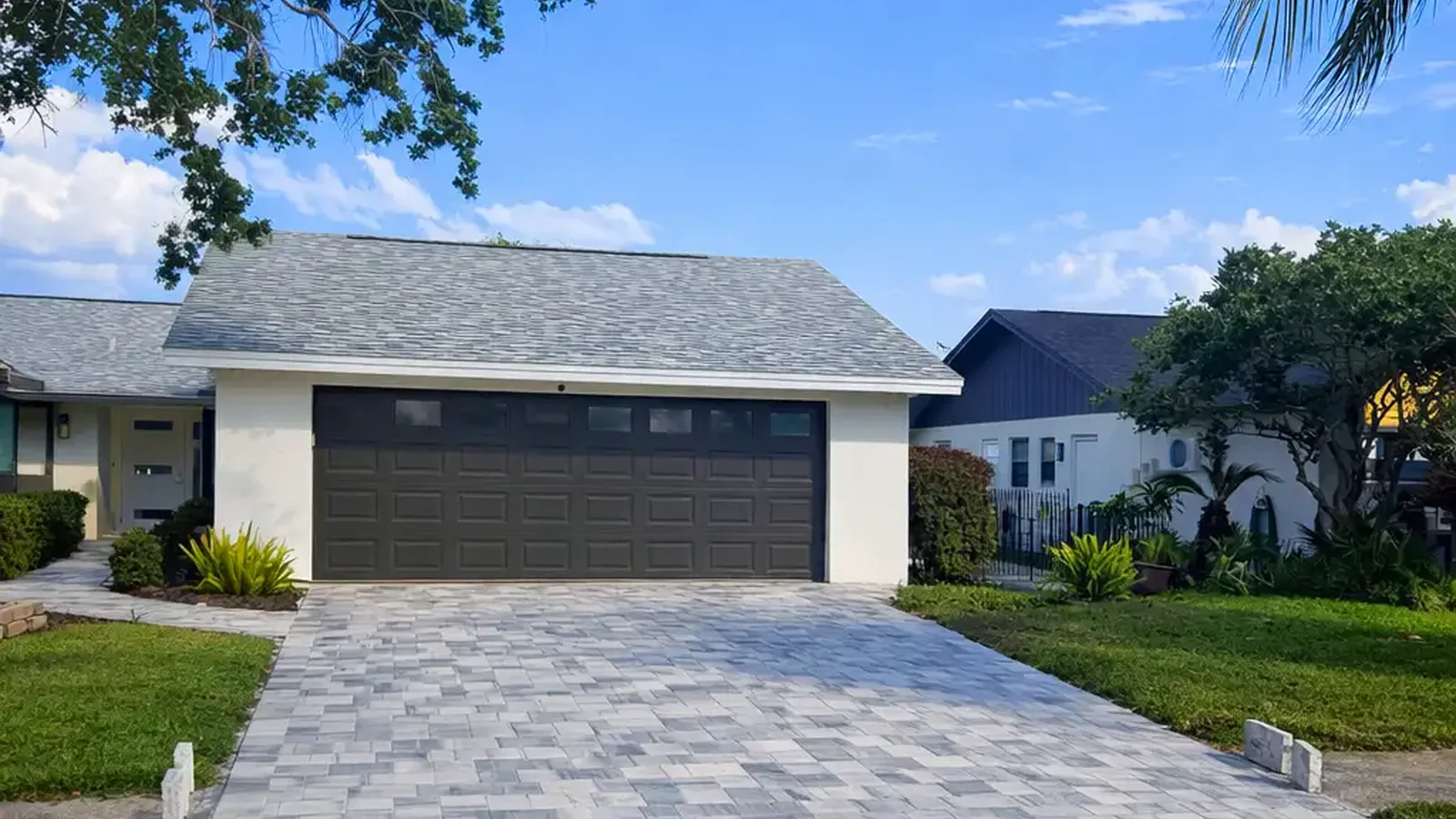
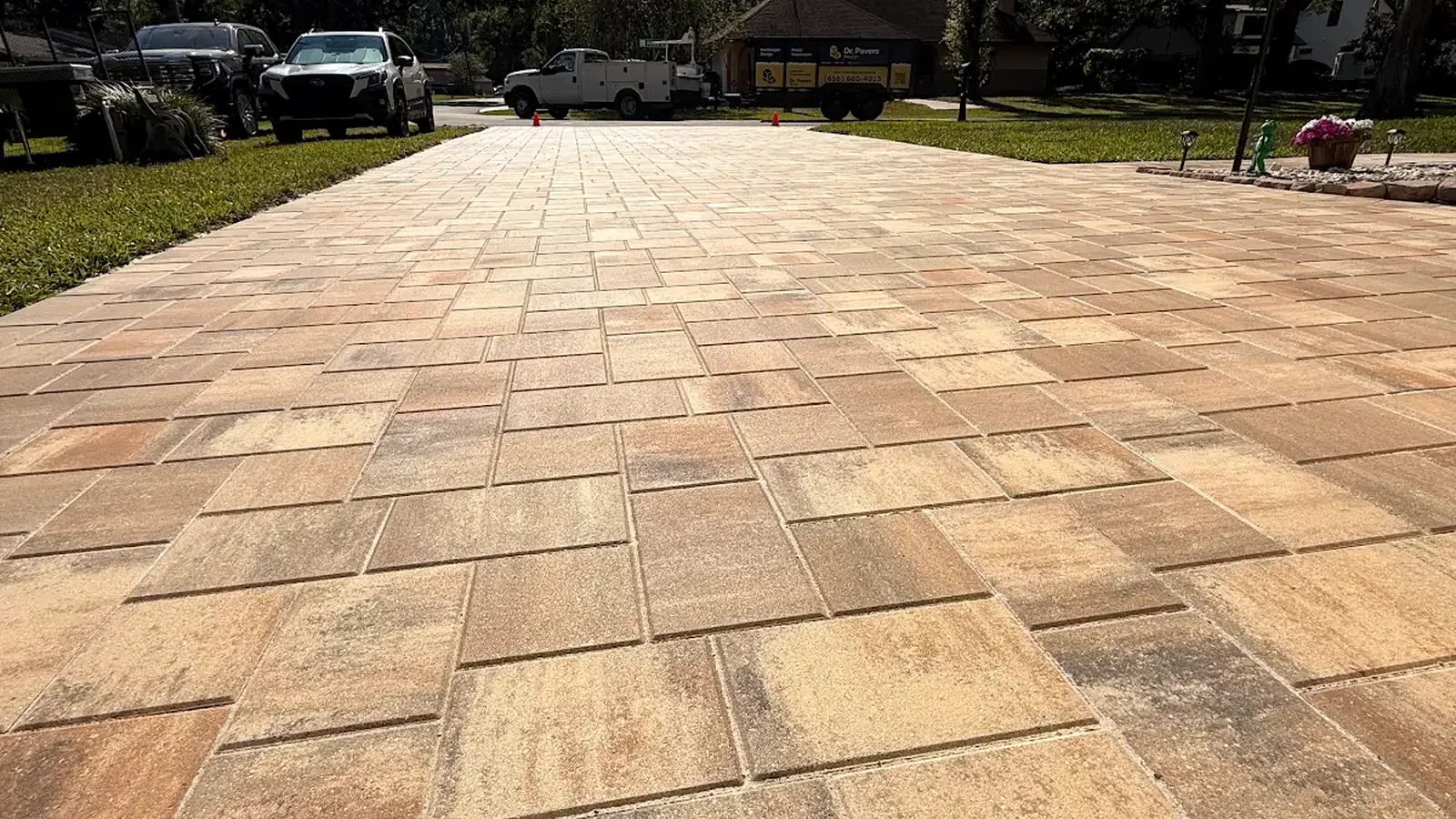
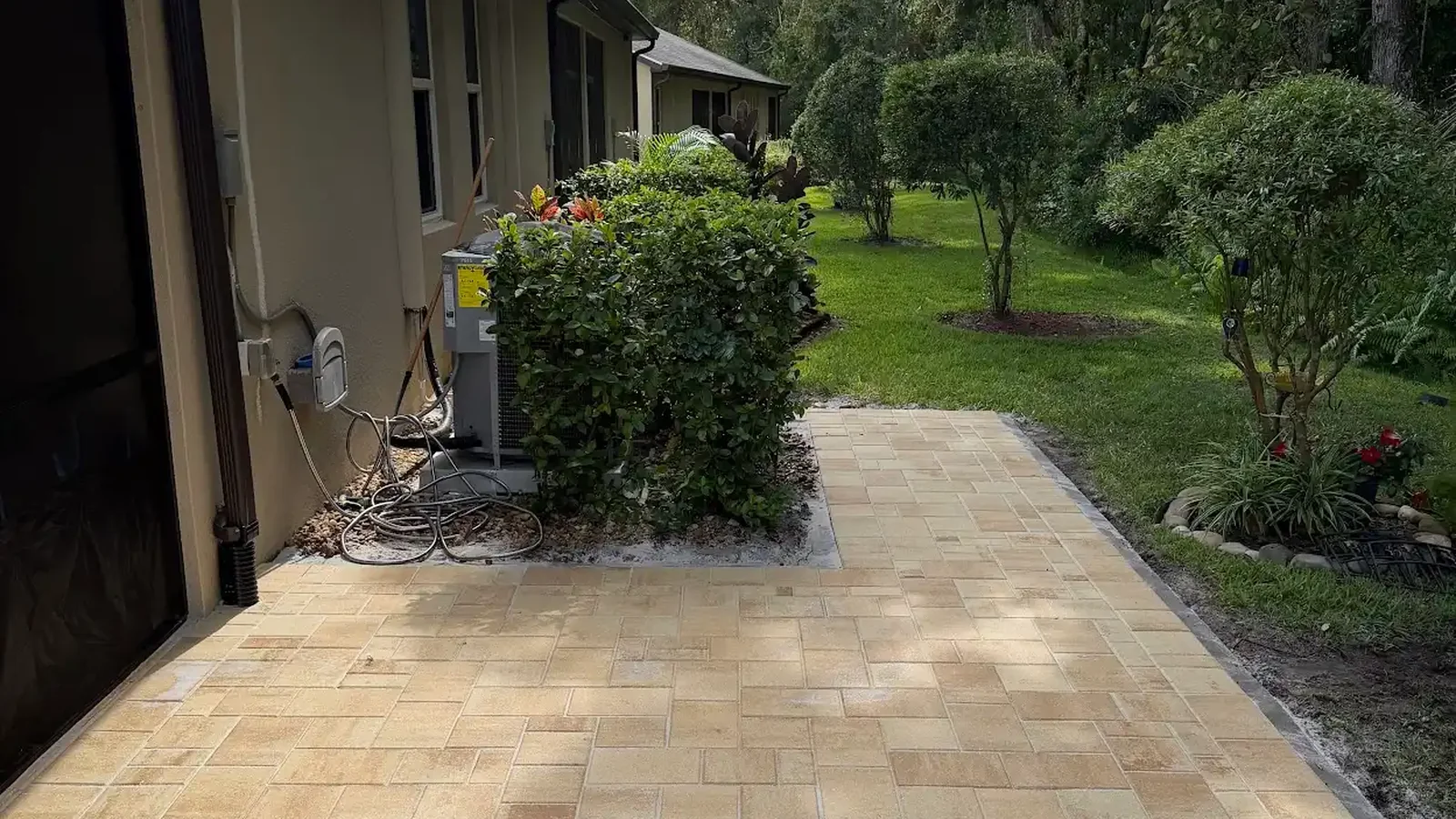
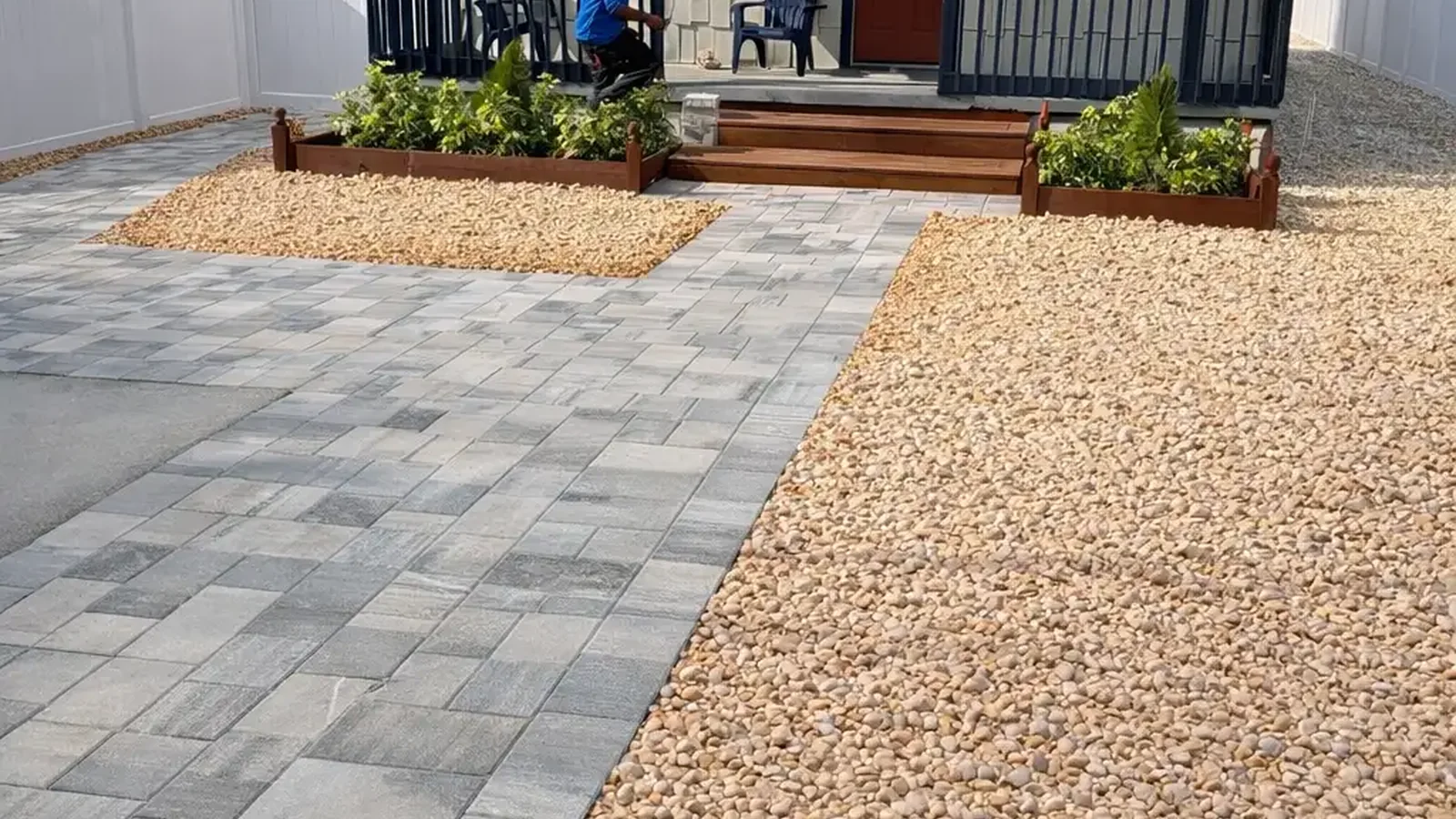
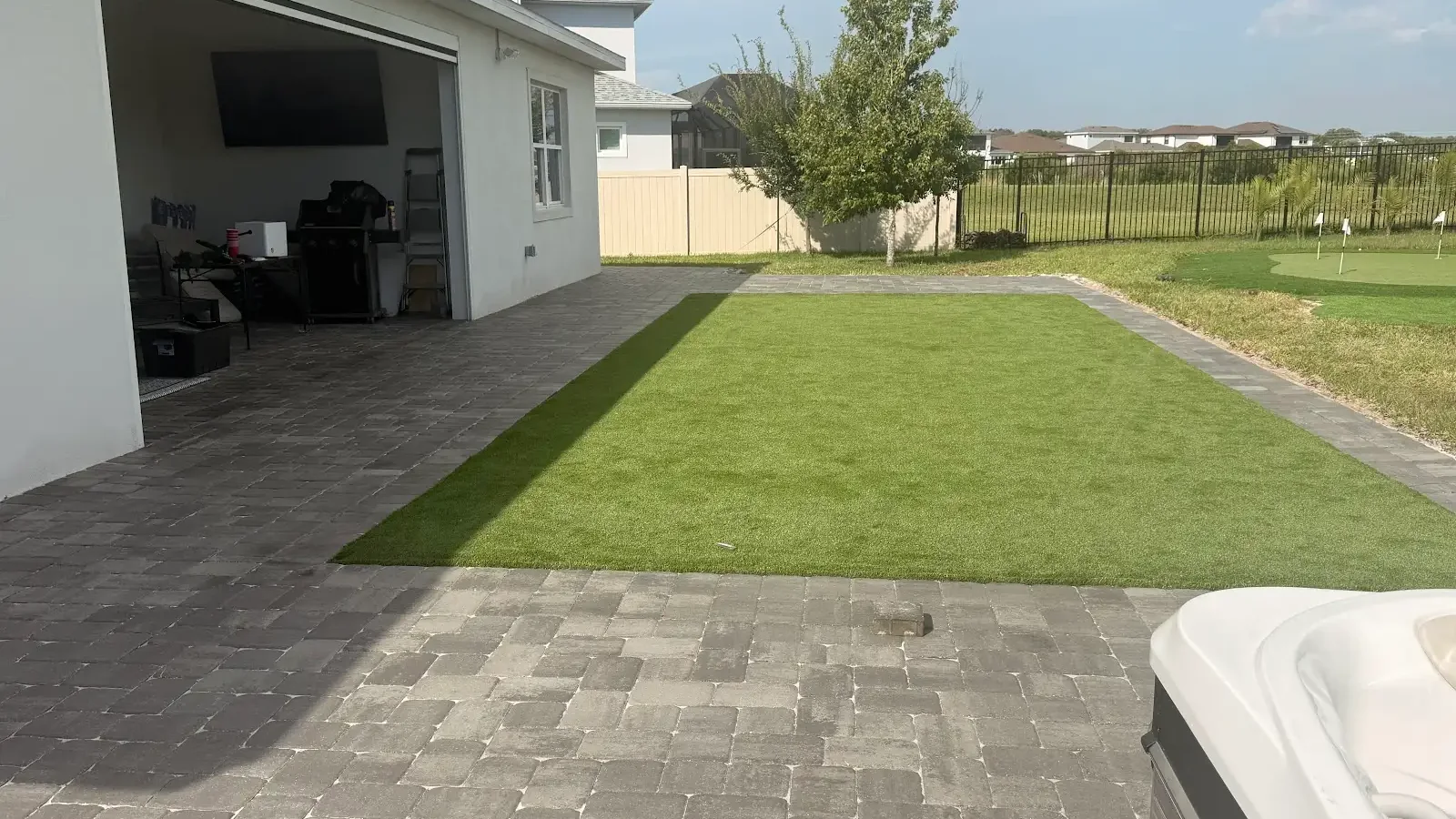
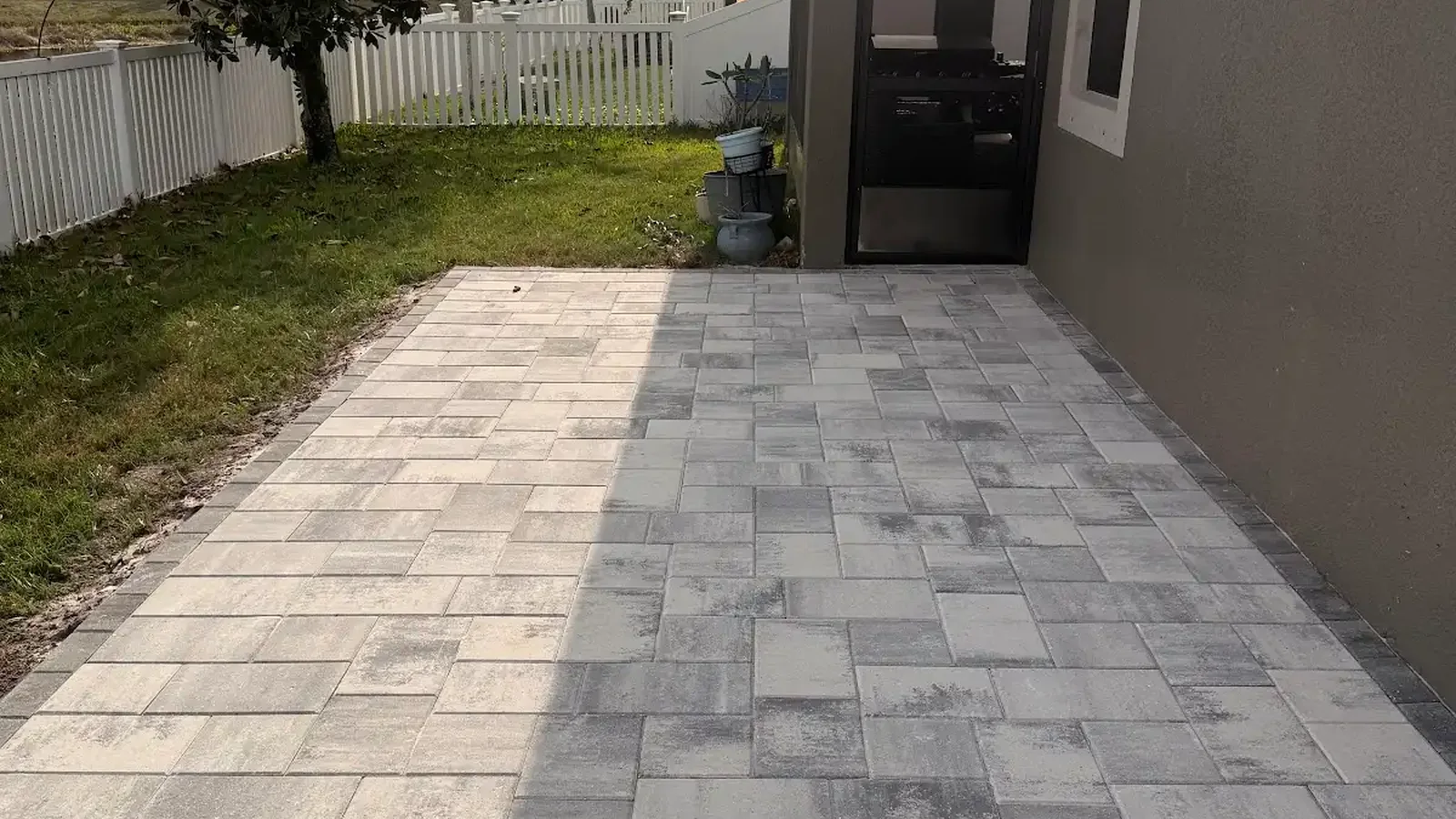
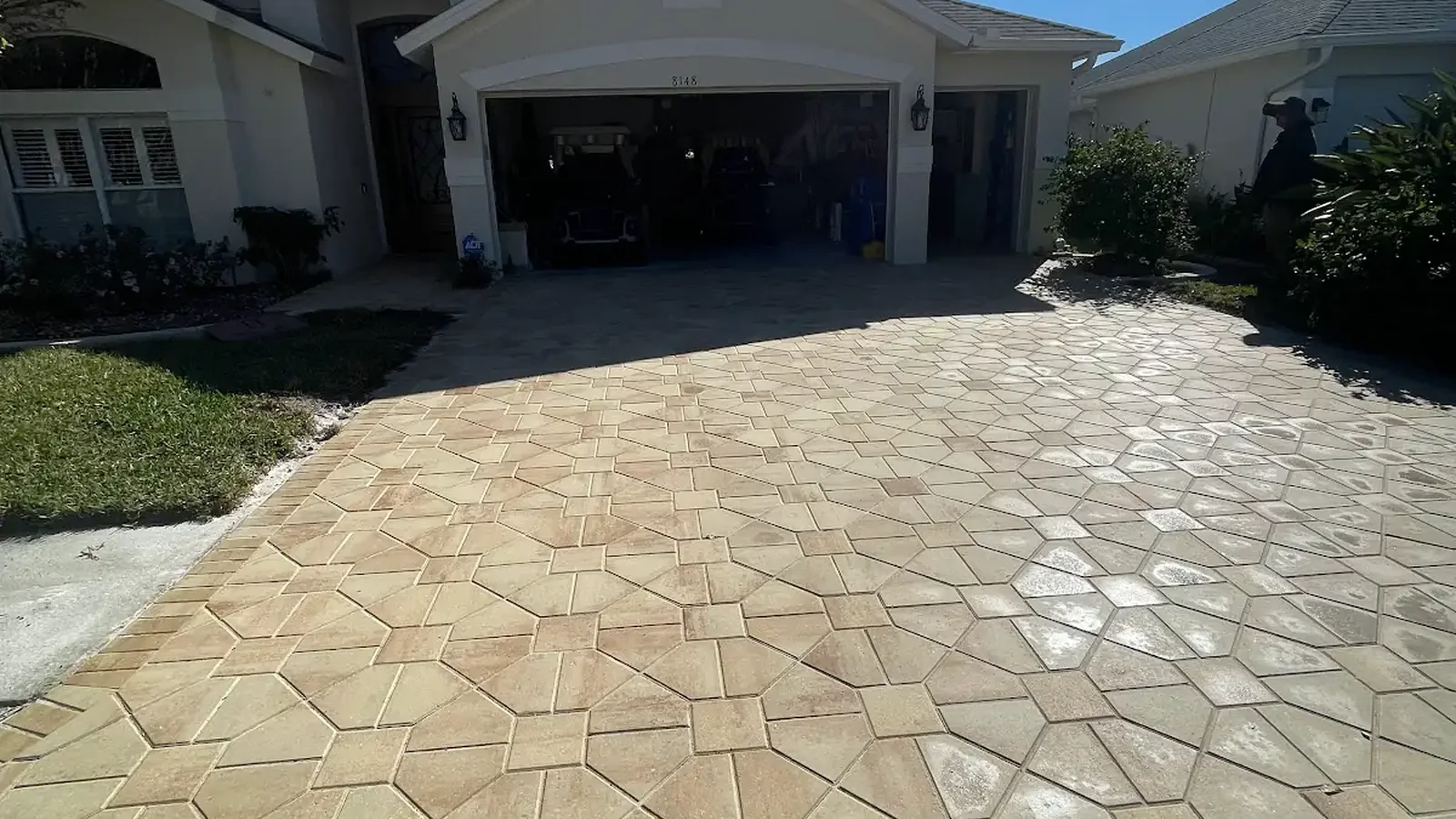
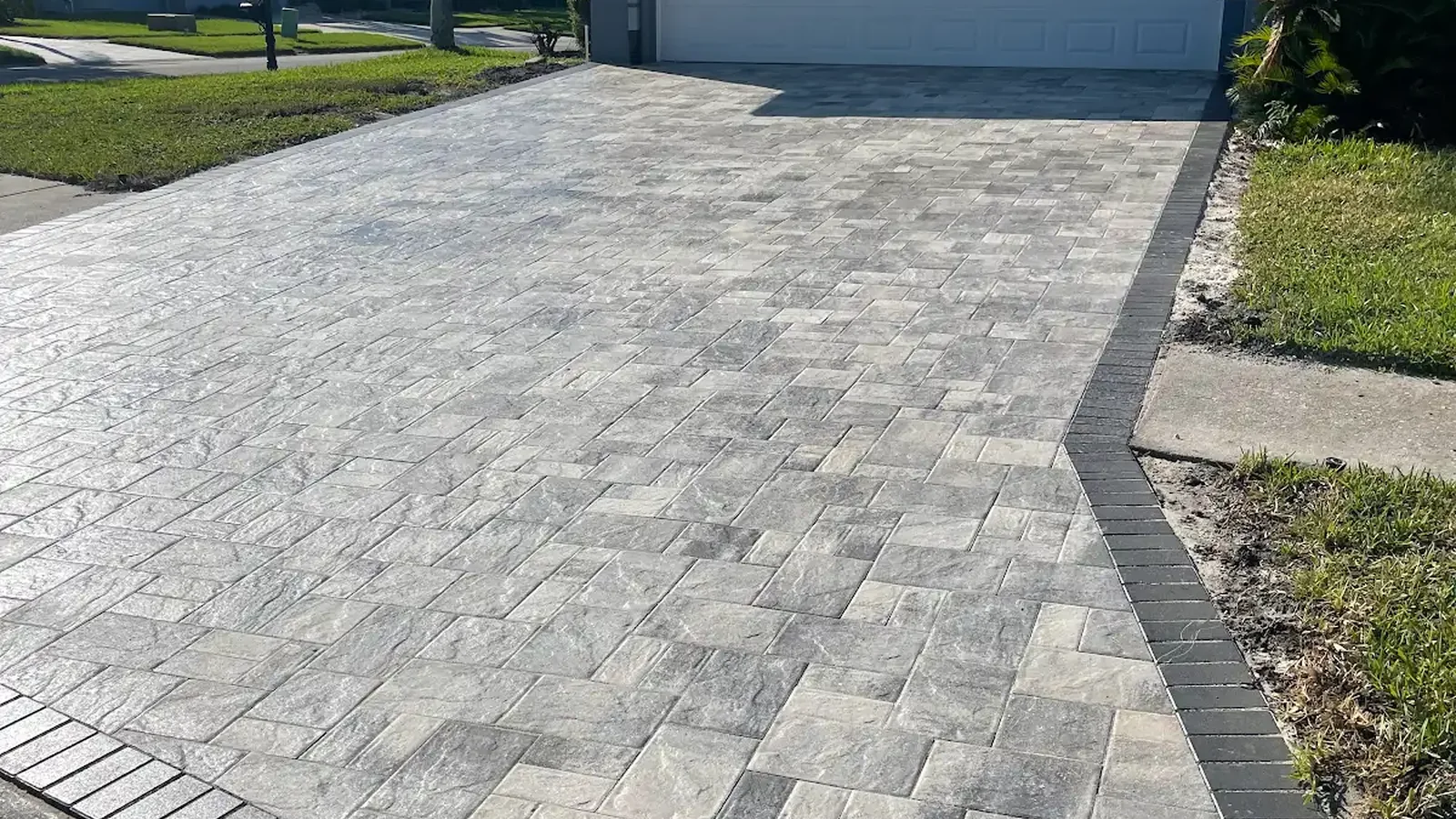
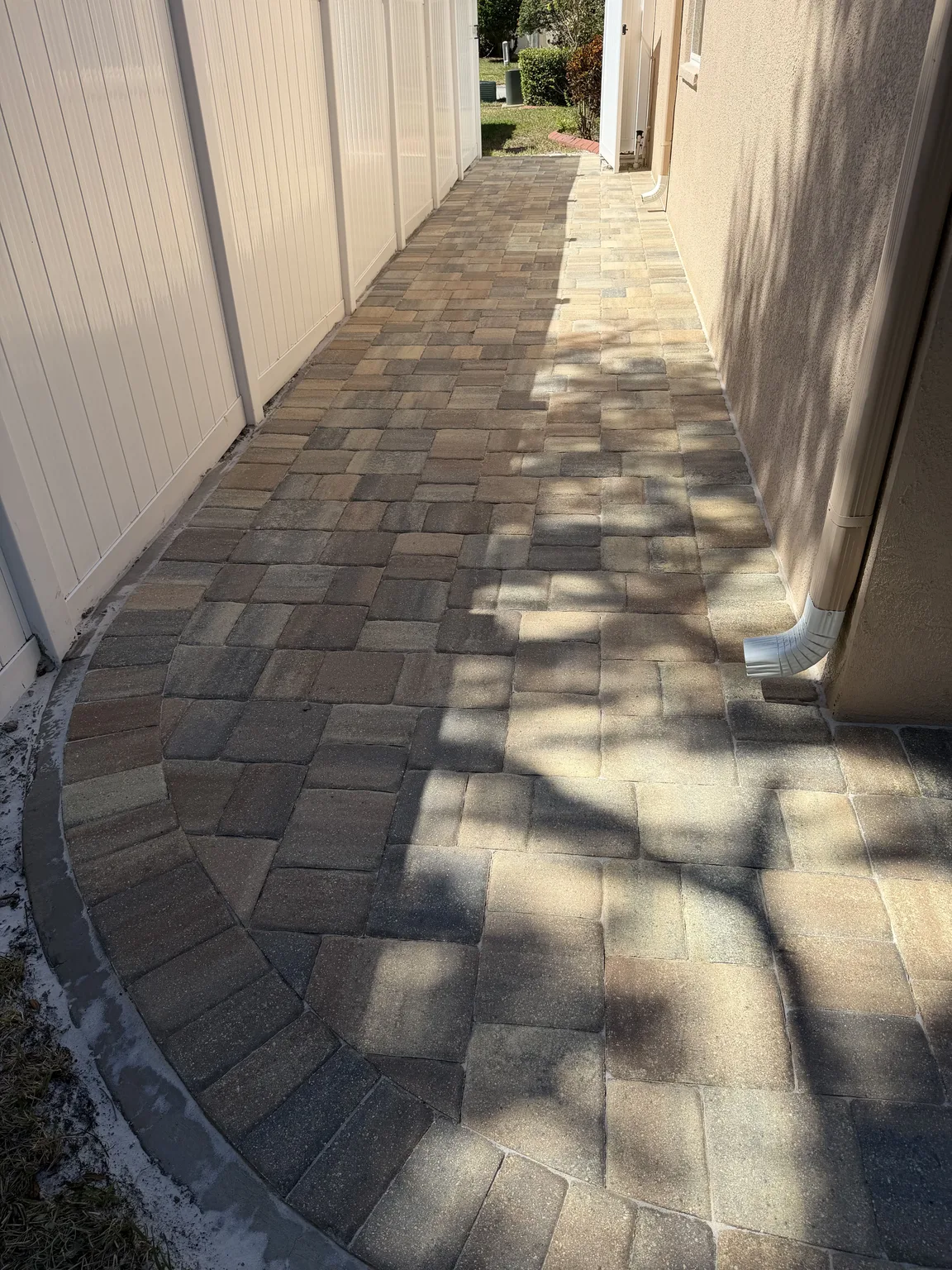
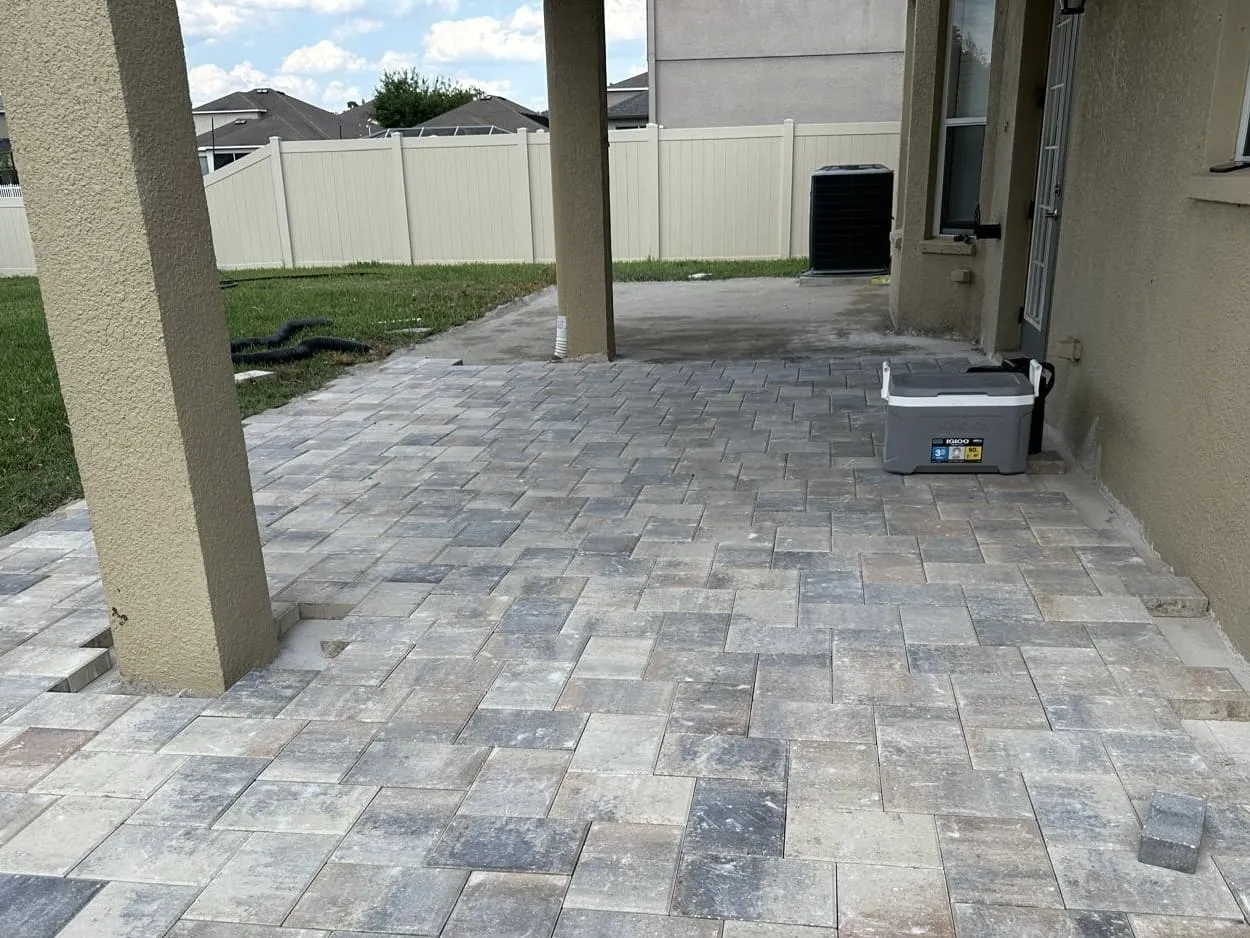
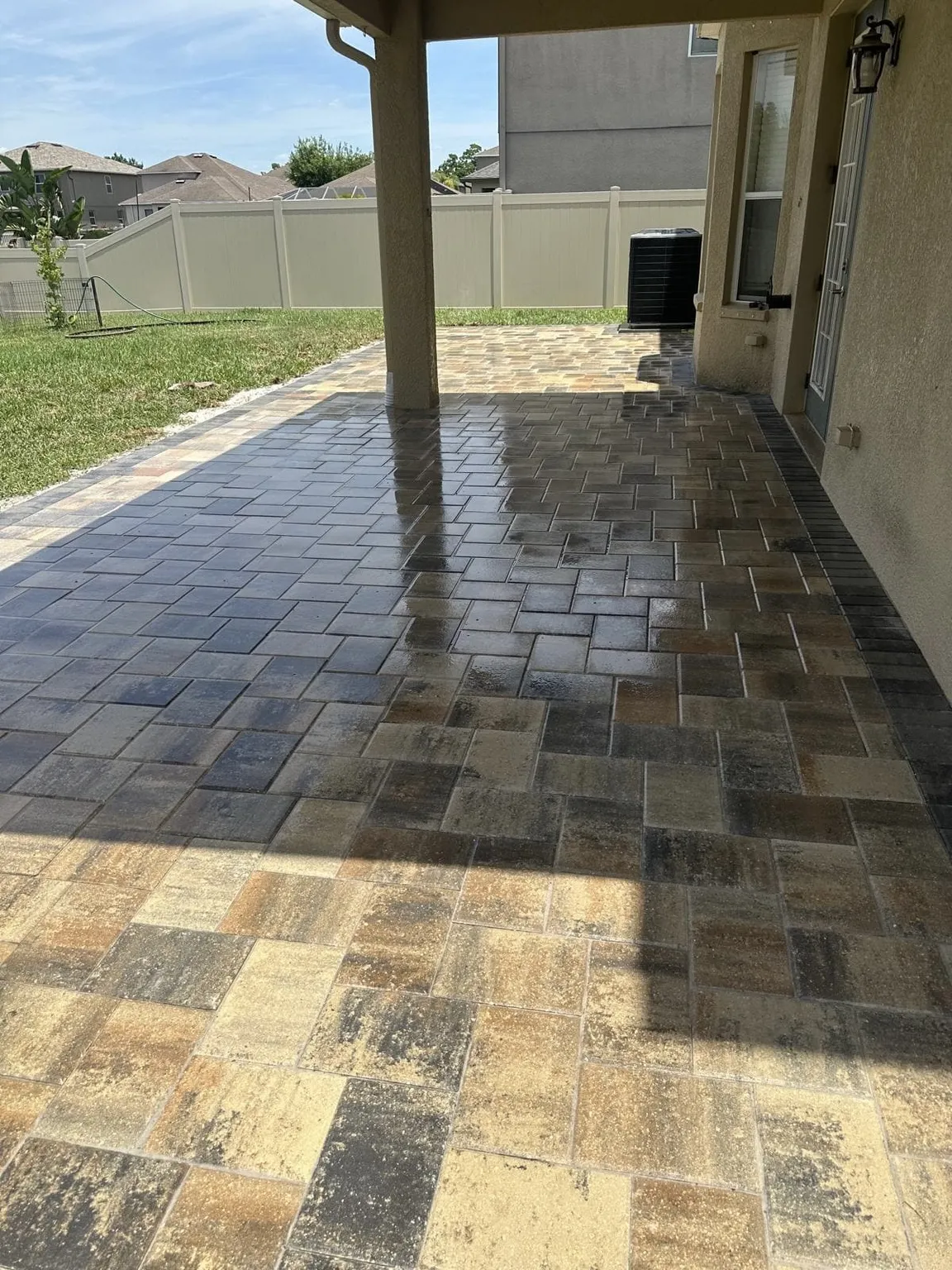
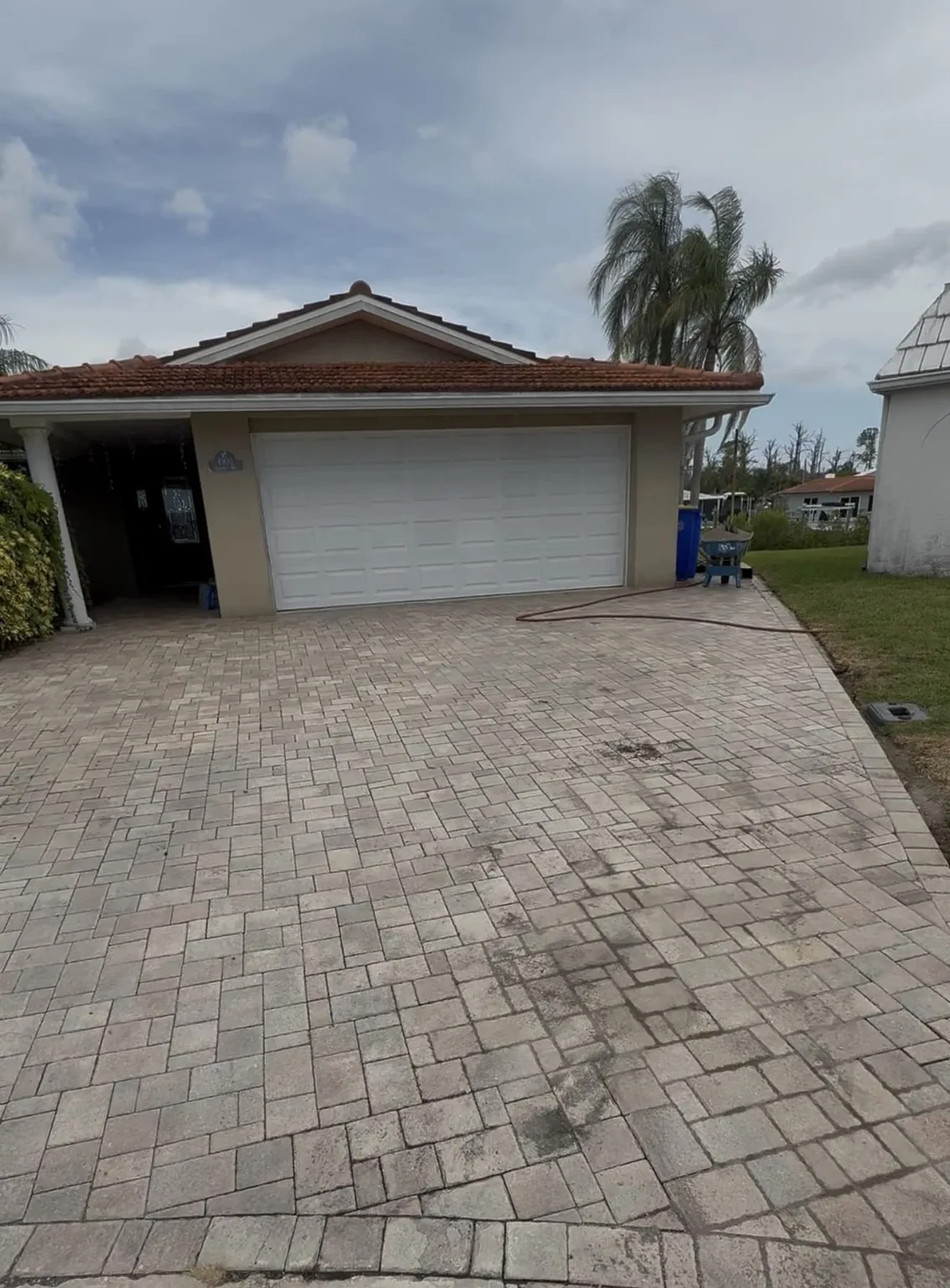
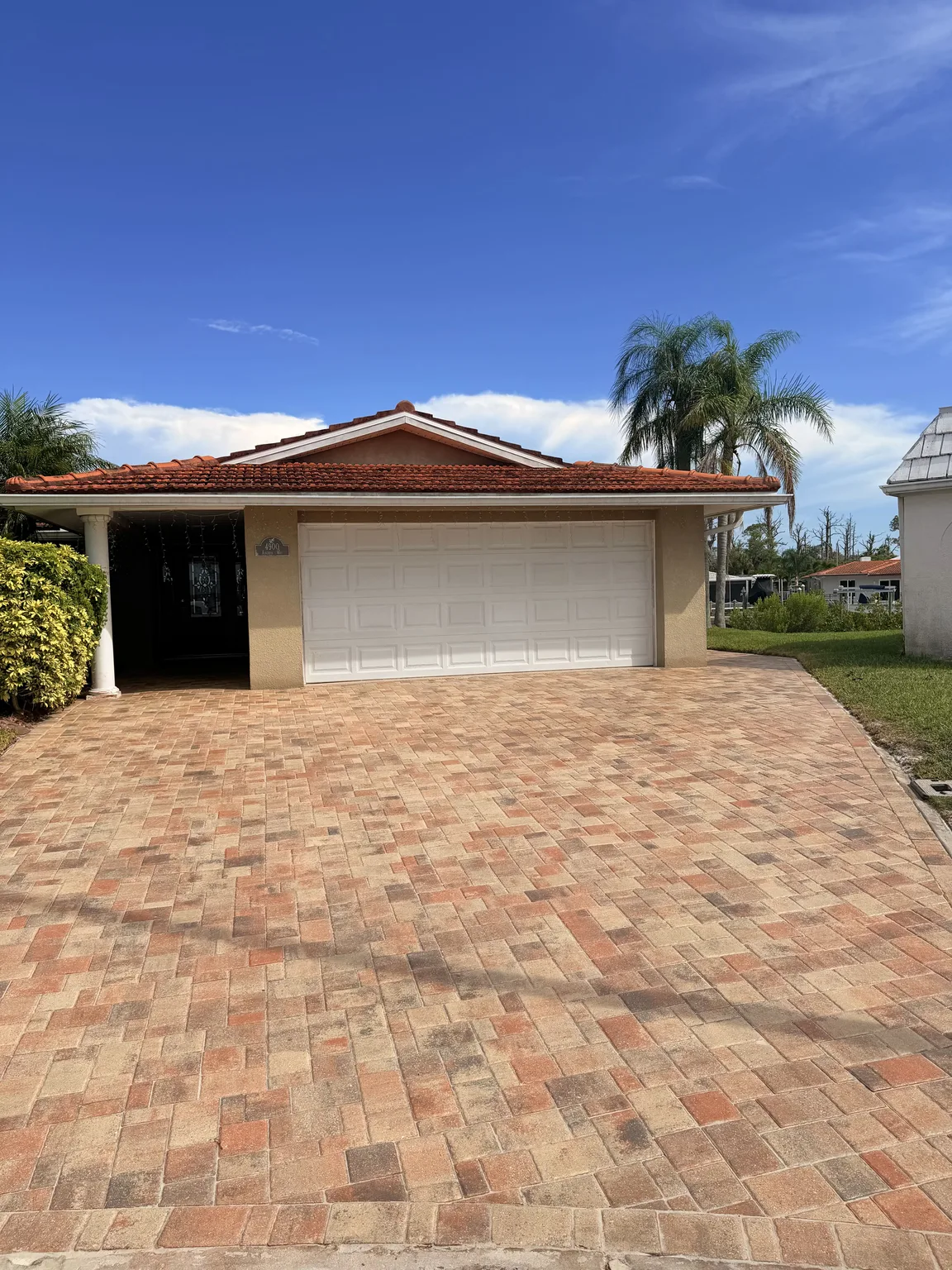
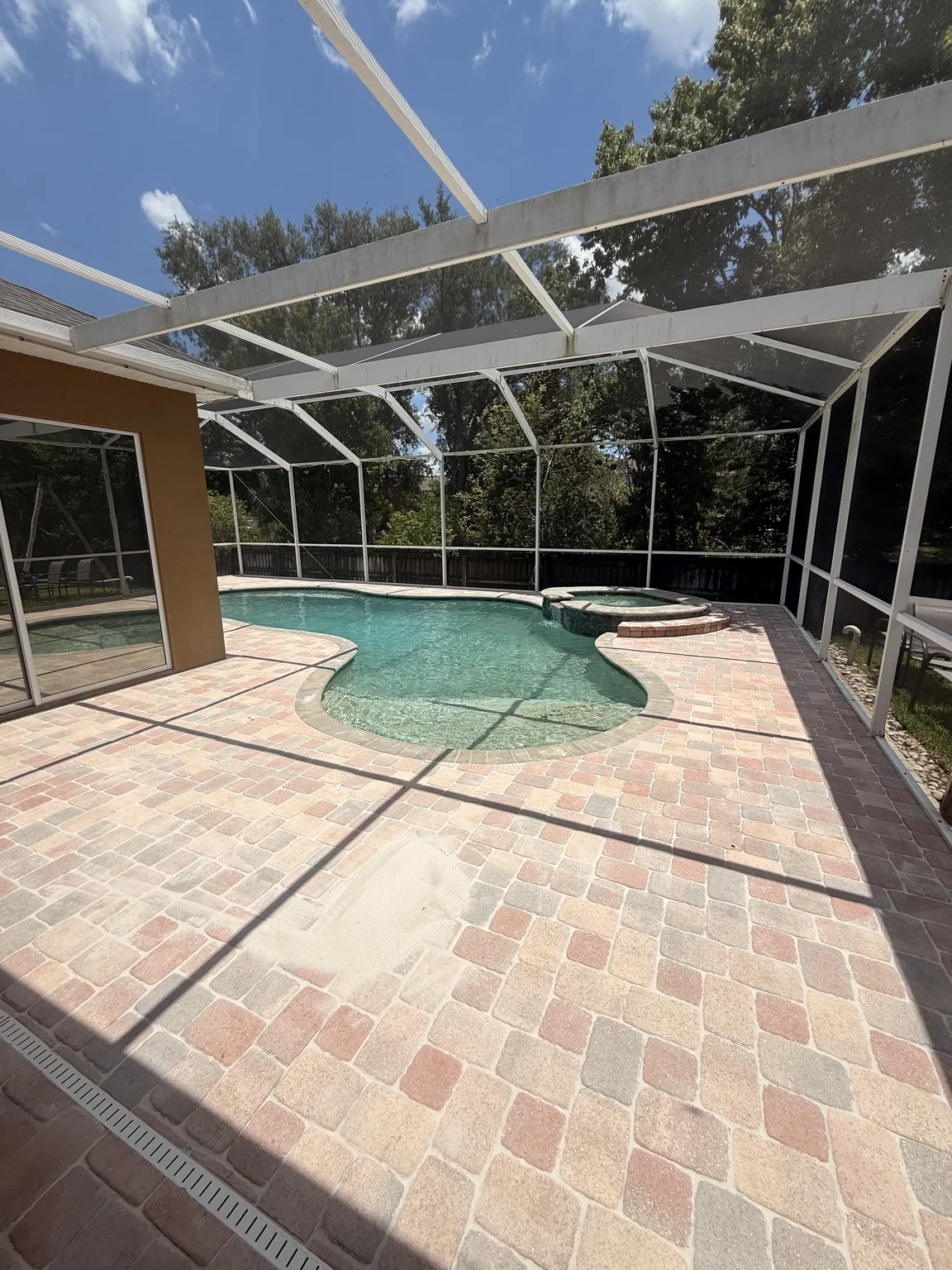
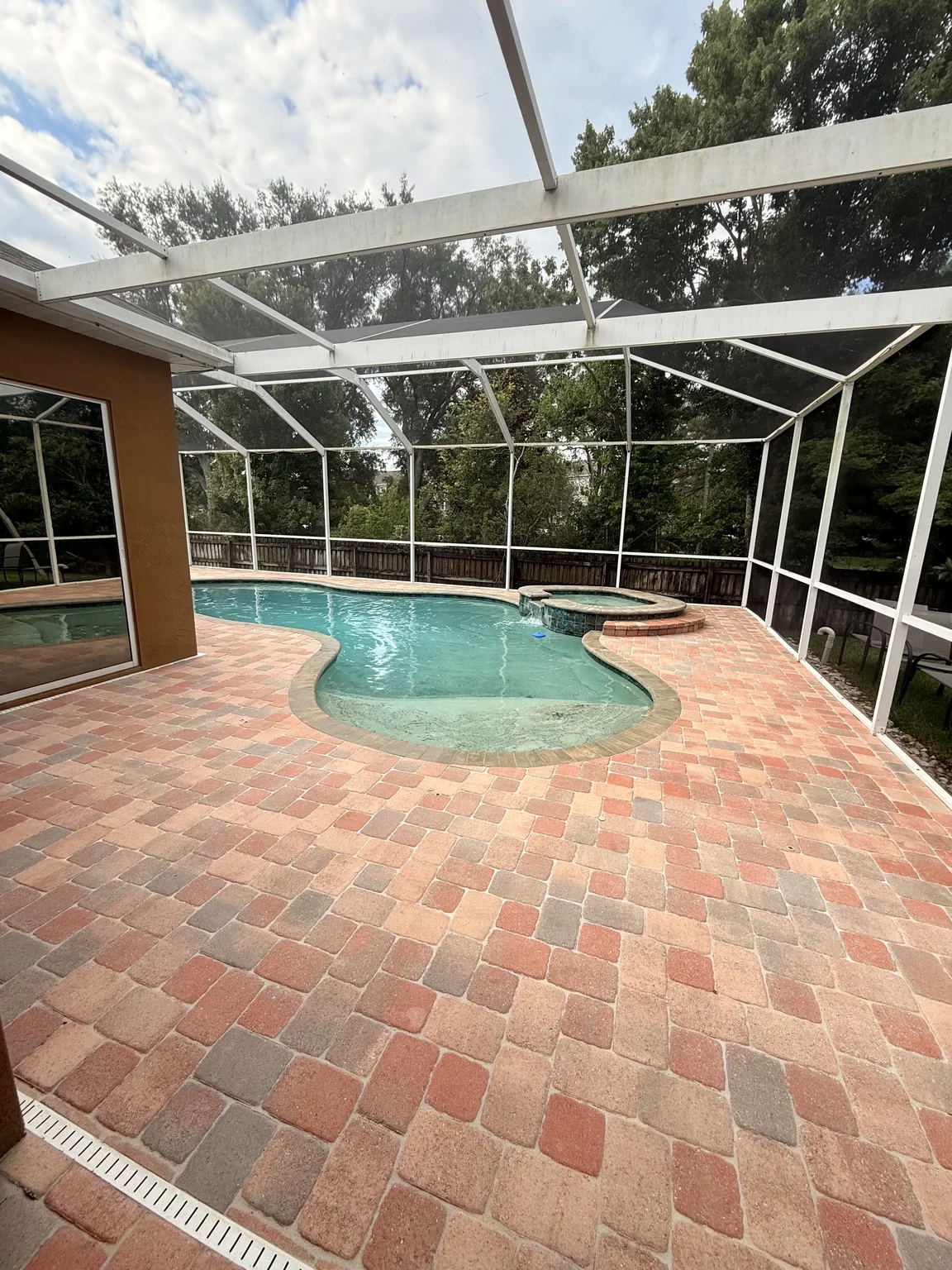
Therefore, When a vinyl vs aluminum fence meets a driveway, walkway, or patio, alignment deserves careful planning. In particular, posts should not appear randomly placed against paver joints, steps, or borders. Gate openings should also lead naturally into established circulation.
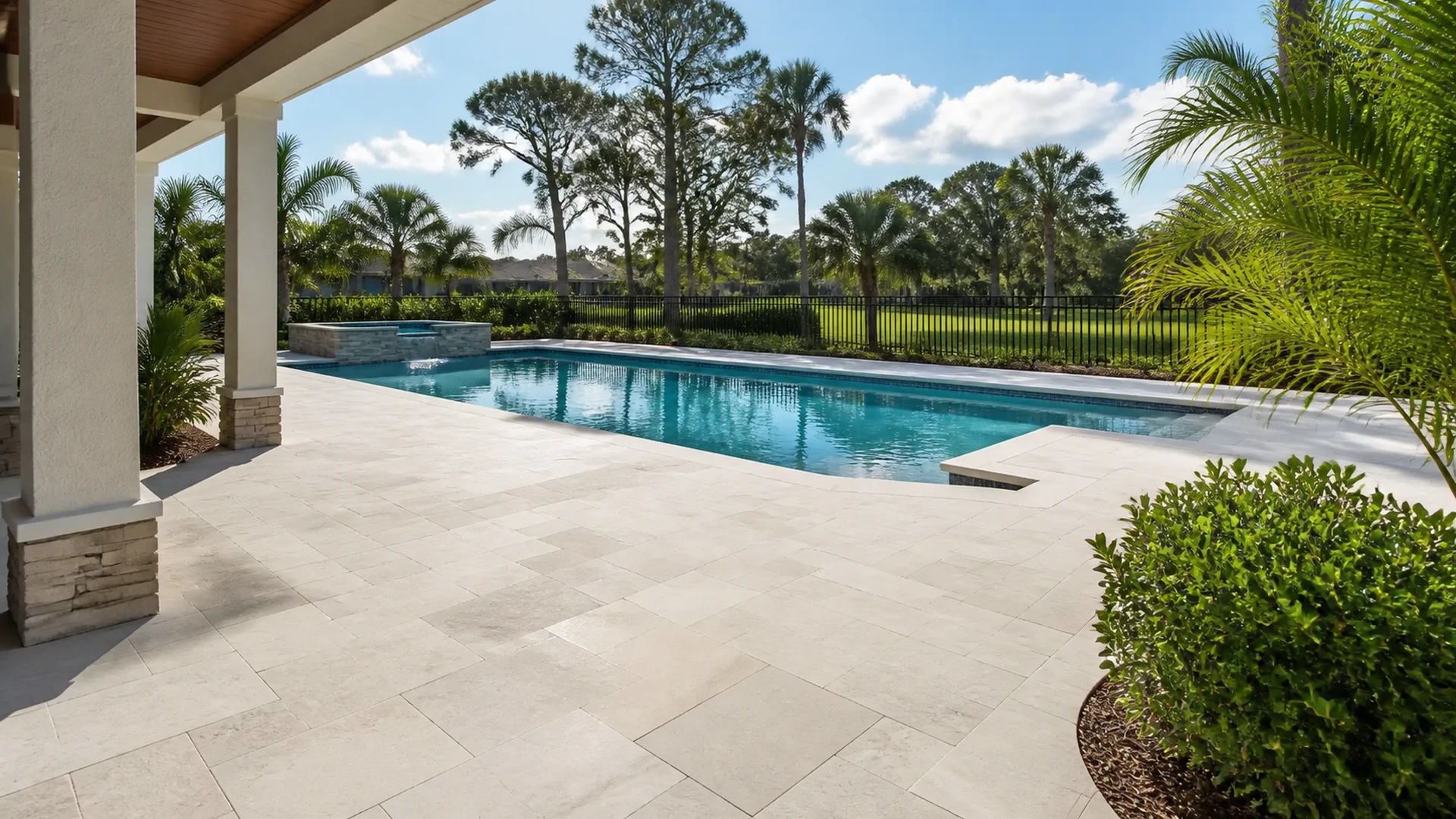
Therefore, a contractor should review both the fence line and hardscape geometry before installation begins. Vinyl panels create broader visual planes, so small changes in elevation may become obvious. Aluminum follows open sightlines, although uneven spacing can still look distracting. Meanwhile, edge restraints and concealed site conditions need protection during post work. Coordinating these details helps the fence feel designed with the outdoor space instead of added after everything else.
Maintenance expectations in a coastal climate
Consequently, A vinyl vs aluminum fence is generally chosen partly for manageable upkeep, but both still need routine observation. For example, pollen, dust, irrigation residue, and organic growth can collect on exposed surfaces. Gentle cleaning usually makes inspection easier and keeps buildup from becoming the dominant feature.
However, homeowners should avoid assuming that every cleaner suits every finish. Test a small area and follow the product manufacturer’s directions. In addition, inspect gates, latches, fasteners, and post alignment after severe weather. Vinyl sections can show dirt clearly, while coated aluminum may reveal chips or hardware wear. Prompt attention keeps small maintenance needs from becoming larger functional problems.
Salt exposure and irrigation overspray
For properties near brackish or coastal air, a vinyl vs aluminum fence should be evaluated with its exact exposure in mind. Salt residue, fertilizer, and reclaimed irrigation can affect appearance and hardware. Therefore, discuss finish specifications and compatible components with the installer or manufacturer.
Similarly, Aluminum depends on a sound protective finish, while vinyl should be cleaned with methods that do not scratch or dull it. Likewise, sprinkler heads should not continually spray the fence if adjustment is practical. Rinsing residue and checking connection points can support consistent appearance. Still, no maintenance schedule should rely on a broad promise. Site conditions vary across Tampa Bay, even between properties in the same neighborhood.
Strength begins below the visible panel
Ultimately, The performance of a vinyl vs aluminum fence depends heavily on layout, post placement, footing preparation, and gate construction. Although homeowners see panels and pickets, the supporting work manages everyday loads. Soil conditions, changes in grade, and wide gate openings can affect the installation approach.
Therefore, a site visit matters more than a generic material comparison. A contractor can identify loose fill, hardscape conflicts, roots, and access limits before setting expectations. Vinyl presents more solid surface to moving air, while aluminum allows more air through. However, that difference does not replace project-specific planning. Properly selected components must work together from the footing to the latch.
Planning for storms without unsupported promises
A vinyl vs aluminum fence discussion in Florida should address storms carefully and specifically. No fence should be described as storm-proof, and generalized wind claims can be misleading. Instead, confirm the proposed system, installation details, and local approval requirements for the actual address.
Furthermore, The Florida Building Code information portal is a useful public starting point, although the contractor and local authority should guide project-specific compliance. In addition, homeowners can reduce avoidable issues by keeping gates latched and repairing loose hardware promptly. Clear documentation is more useful than a sales phrase, especially when site exposure and product configurations differ.
Gates are the daily test of the system
Additionally, Most people experience a vinyl vs aluminum fence through its gates, so operation deserves equal attention with appearance. A gate must fit the walking route, clear adjacent pavers, and accommodate carts, lawn equipment, or service access. For example, a narrow side gate may work for people but frustrate routine maintenance.
Meanwhile, a wide opening adds weight and changes hardware needs. Therefore, measure what must pass through before finalizing widths. Consider hinge direction, latch reach, pool-area requirements, and changes in surface elevation. A well-planned gate opens without scraping, closes consistently, and does not force awkward turns. Those practical details often matter more than decorative post caps.
Children, pets, and pool-area priorities
For families, a vinyl vs aluminum fence plan must respond to the people and animals using the yard. Solid vinyl can reduce visual distractions for some pets, while aluminum maintains visibility for supervision. However, picket spacing, bottom gaps, gate hardware, and climbable features require careful review.
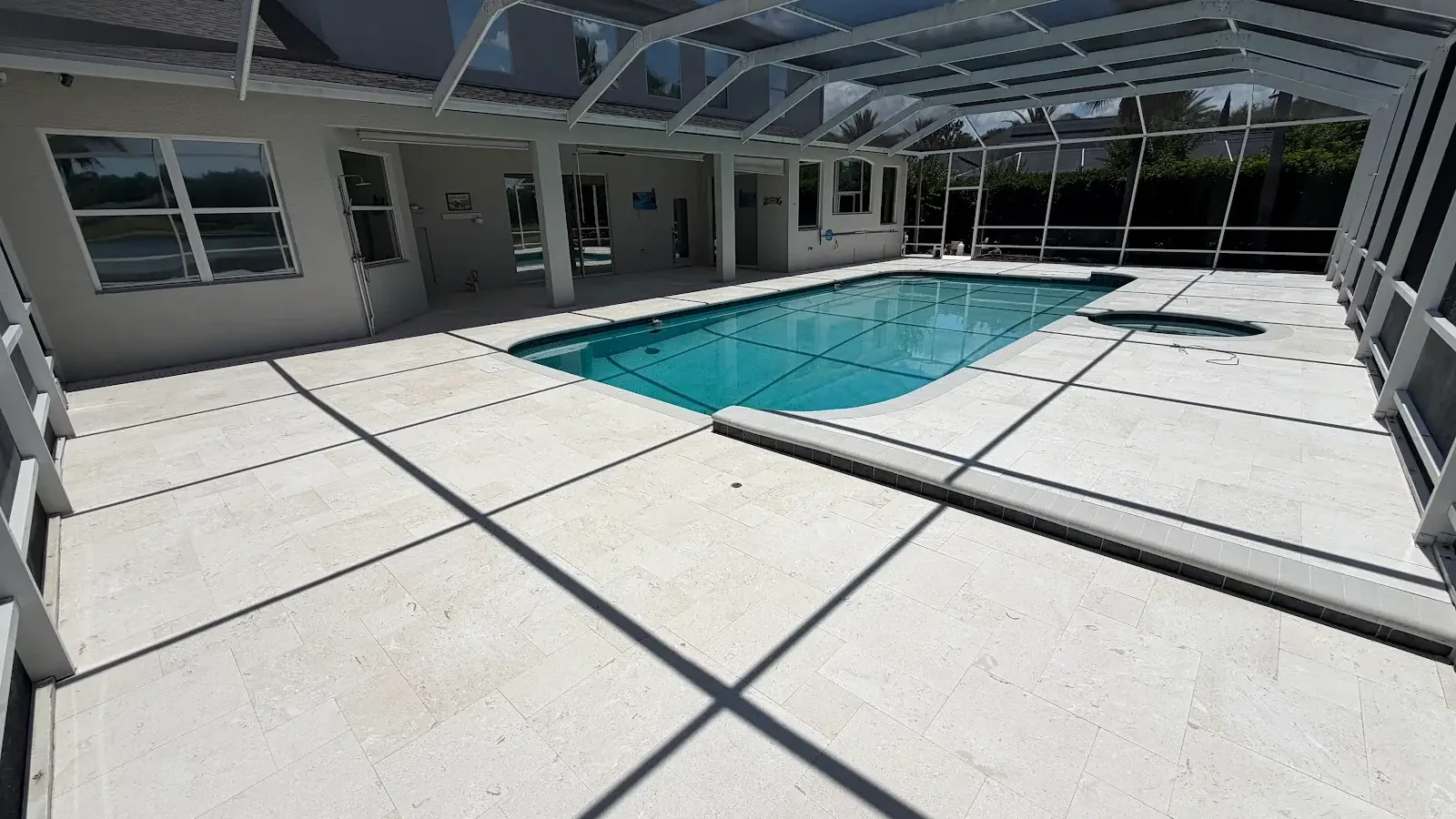
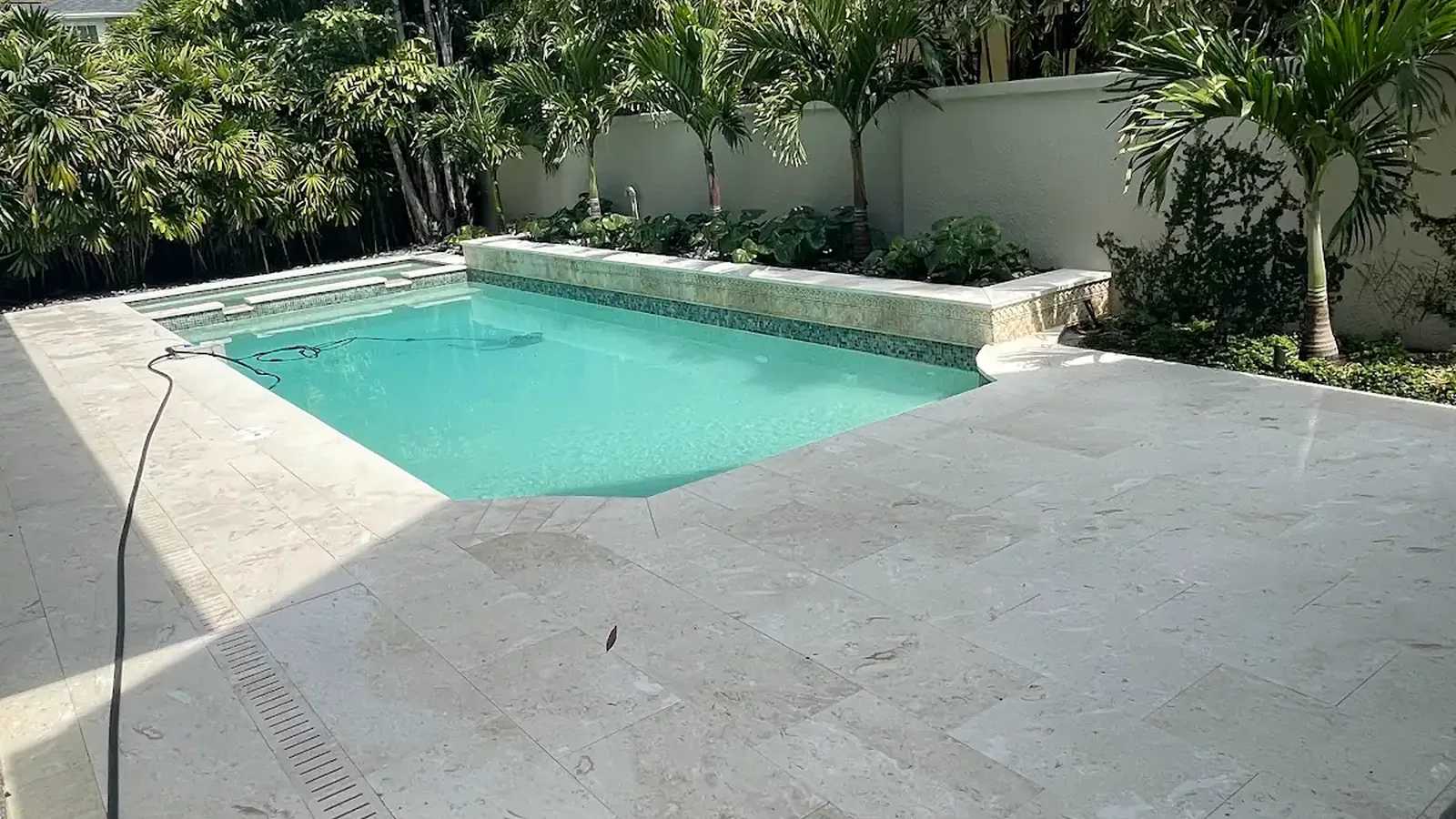
Pool-area fencing also has specific safety considerations that should be confirmed for the property. Therefore, share household needs with the installer instead of relying only on a catalog photo. Mention small pets, visiting children, delivery access, and any change expected in the next few years. A fence is more successful when its details reflect real behavior rather than an abstract boundary.
Lot grade changes the visual result
Consequently, A vinyl vs aluminum fence can handle changing ground levels in different visual ways. Panels may step, follow a slope within system limits, or require transitions planned around the terrain. Aluminum’s open pattern can make grade changes less visually heavy, yet bottom gaps still need attention.
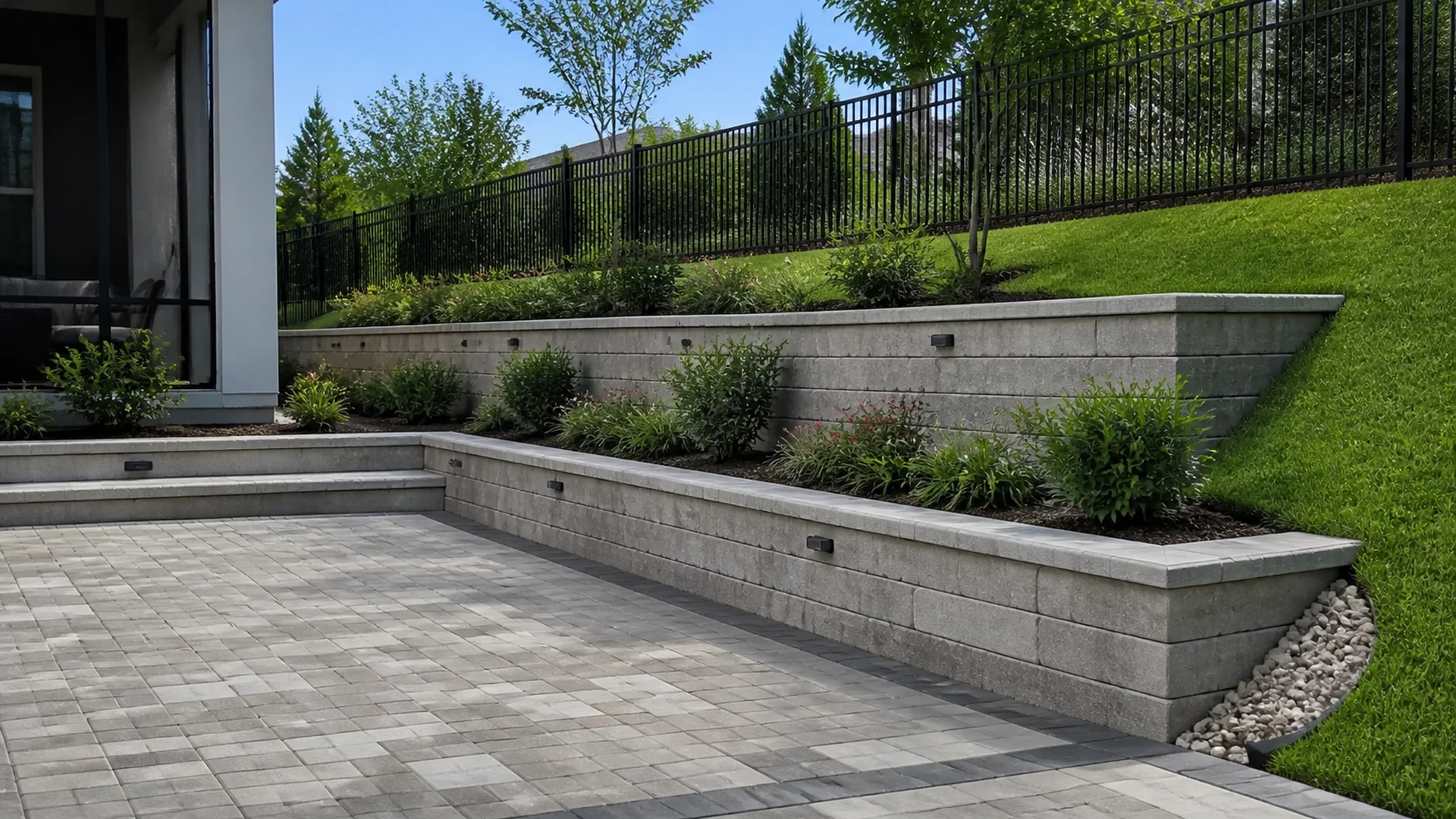
Therefore, ask how the line will cross swales, retaining edges, and paver elevations. A rushed layout can create uneven tops, awkward gaps, or gates that fight the slope. Meanwhile, grading around the fence should continue serving the site’s water-management design. The fence should not become an excuse to block intended surface flow. Careful measurements help preserve both appearance and everyday function.
Property lines, utilities, and neighbor context
Instead, Before a vinyl vs aluminum fence installation, the proposed line should be verified rather than guessed from lawns or old landscape edges. In addition, underground utility locating and site-specific access planning belong early in the process.
Easements, shared views, and neighborhood review procedures may also affect placement. Therefore, gather available surveys and community documents before crews arrive. A courteous conversation with an adjacent owner can prevent surprises, although it does not replace formal verification. Likewise, note irrigation lines, lighting cables, and hidden landscape features for the contractor. Good preparation reduces last-minute layout changes and helps protect parts of the yard that are not being rebuilt.
Comparing cost through scope, not labels
Ultimately, The cost of a vinyl vs aluminum fence cannot be judged responsibly from material names alone. Linear footage matters, but gates, corners, grade, access, removal, hardware, finish, and site preparation also shape a quote. For example, a short line with multiple gates may require more detailed labor than a simple long run.
Therefore, compare written scopes that describe the same work. Check whether removal, disposal, permits when applicable, and restoration are addressed. Also confirm the exact panel or picket configuration instead of comparing broad categories. A useful proposal explains what will be installed and how the site affects the plan. That clarity supports a better decision than a single headline number.
Where selective investment has the most impact
If priorities compete, a vinyl vs aluminum fence budget can be directed toward the parts used most often. Gates, visible front sections, and transitions beside finished patios deserve close attention. Meanwhile, a less prominent service-side run may allow a simpler aesthetic choice, provided function remains appropriate.
Therefore, identify the high-contact and high-visibility areas before reducing scope. It can also help to plan compatible future sections rather than forcing every phase at once. However, phasing needs consistent product availability and a clear termination detail. A contractor can explain which components should be completed together. Thoughtful allocation protects daily usability while keeping the overall design coherent.
A practical way to choose between the two
Additionally, To decide on a vinyl vs aluminum fence, score each option against privacy, view, airflow, maintenance, gate use, architecture, and site exposure. First, give each factor a priority based on the household. Next, walk the line and note where the preferred material creates a conflict.
For instance, open aluminum may suit the pool view but not the service area. Solid vinyl may solve privacy but feel too dominant along the front approach. Therefore, consider using one material consistently where continuity matters and adjusting landscaping elsewhere. The goal is not to declare a universal winner. Instead, the goal is to match a system to the property and the way people actually use it.
What to confirm during an on-site consultation
Therefore, A professional vinyl vs aluminum fence consultation should end with specific answers. Confirm the measured line, gate widths, material configuration, color, post details, access route, removal scope, and expected site restoration. Also ask how existing pavers, irrigation, plants, and utilities will be protected.
Therefore, review the dedicated vinyl and aluminum fence service before the visit and prepare photos of problem areas. An installer can then focus on the decisions unique to the property. Clear expectations support cleaner execution, while a documented scope gives homeowners a practical basis for comparing options and preparing the yard.
Consequently, Finally, carefully discuss your current vinyl vs aluminum fence project priorities through the contact page. Then, read the FAQ, browse completed projects, review client testimonials, and explore all services. Also, follow DR Pavers Design on Instagram and Facebook, or check the map listing. Next, consult Google reviews or start a WhatsApp chat. Alternatively, call, text, or email the team.