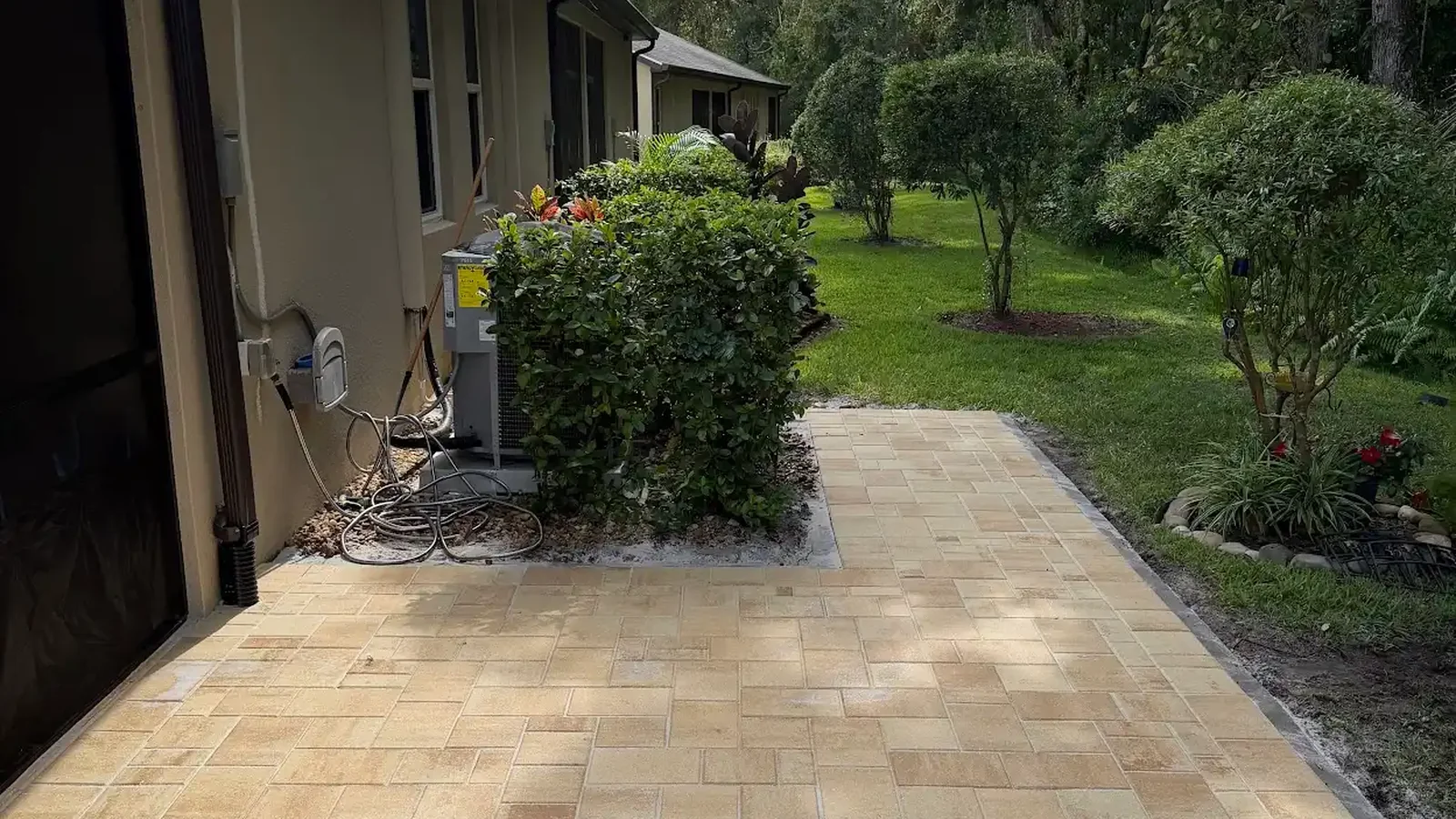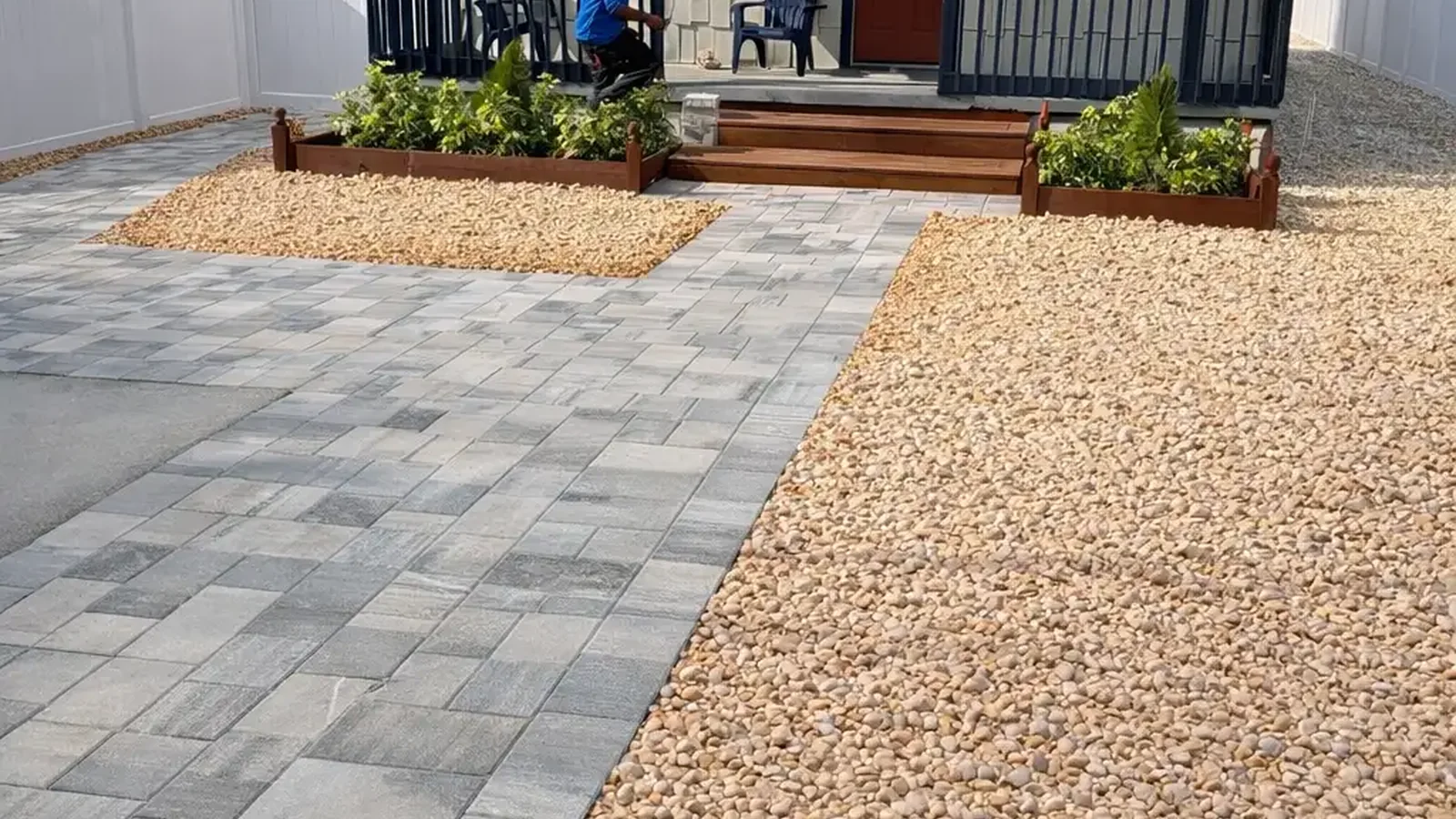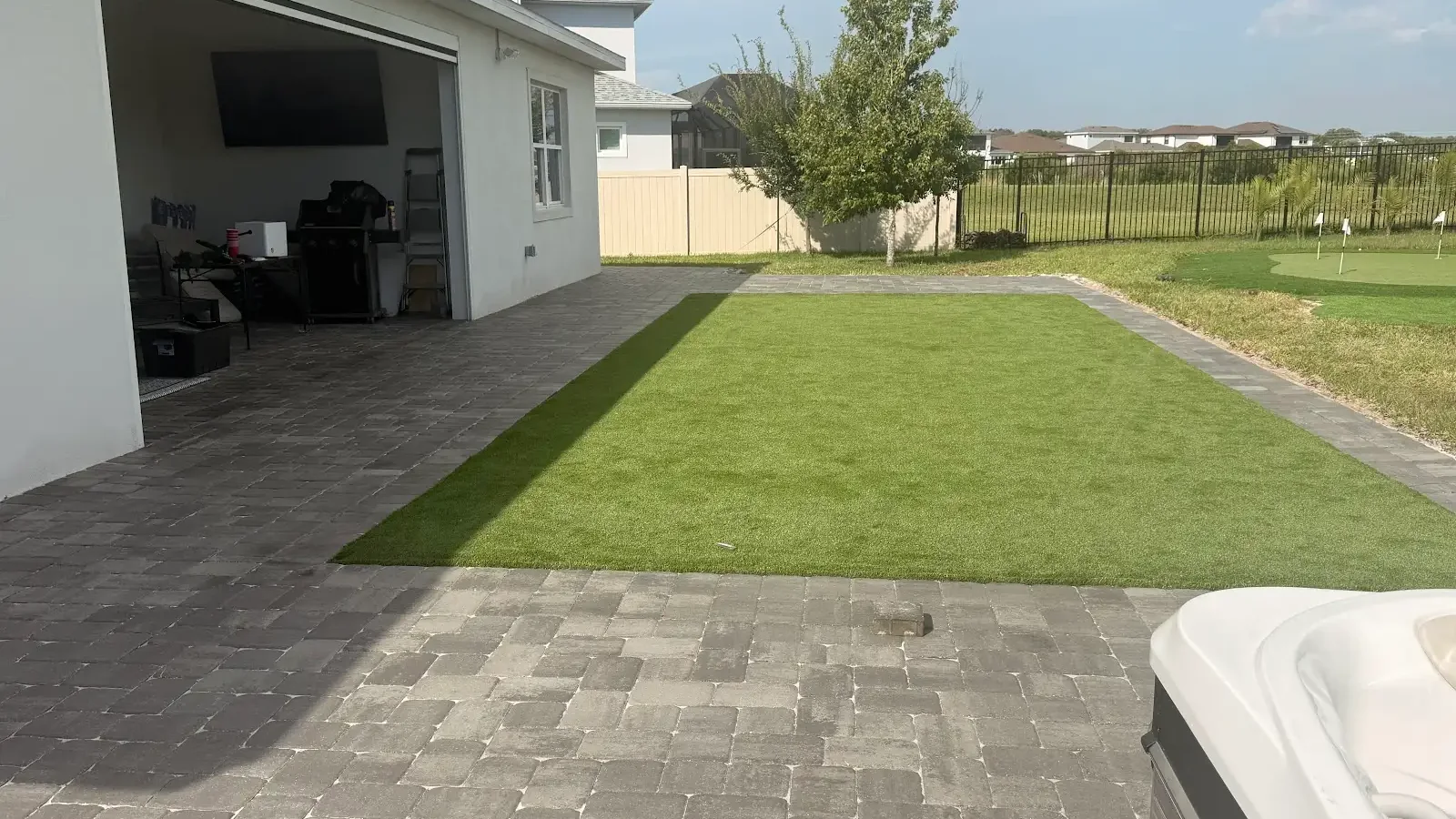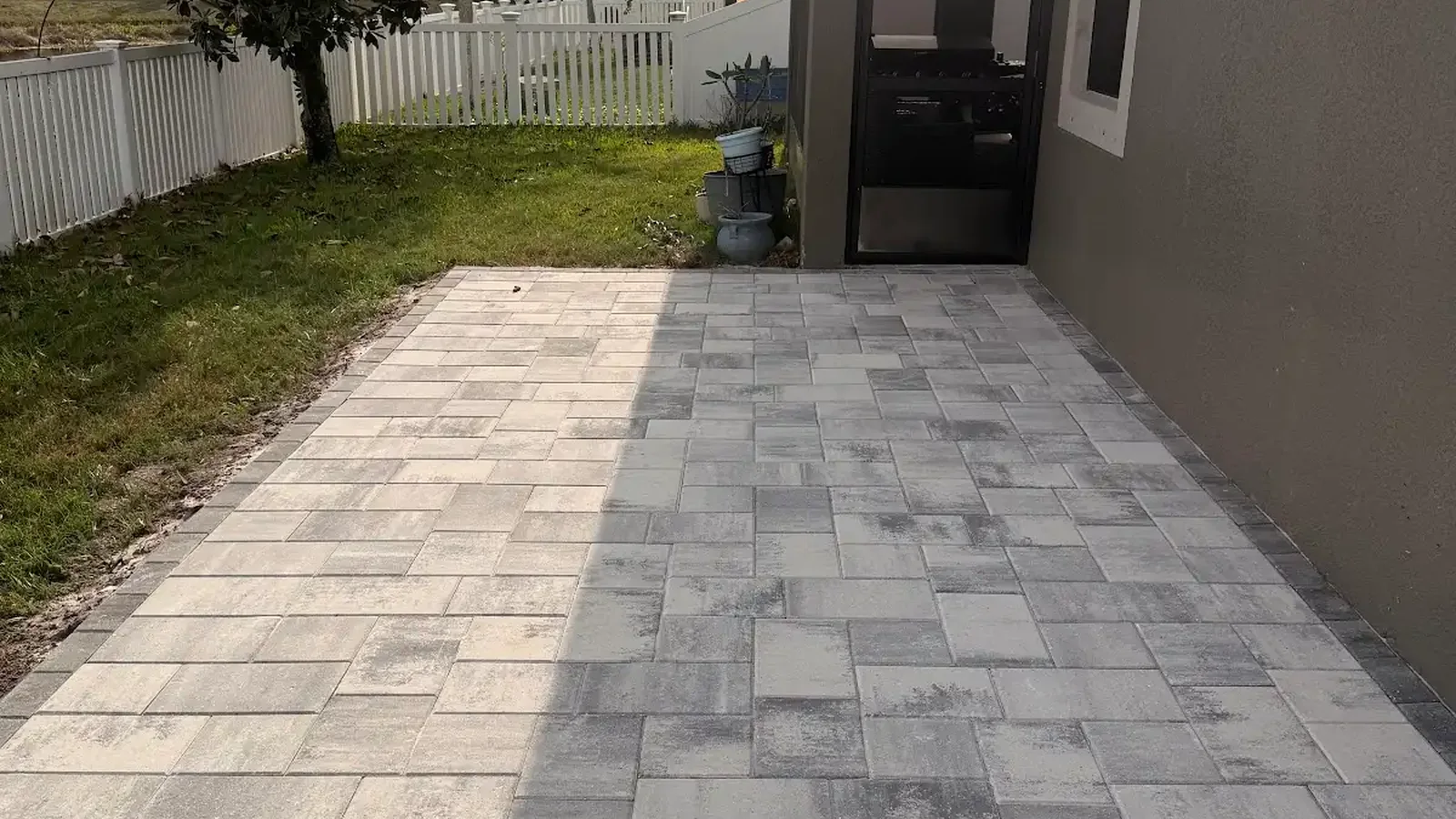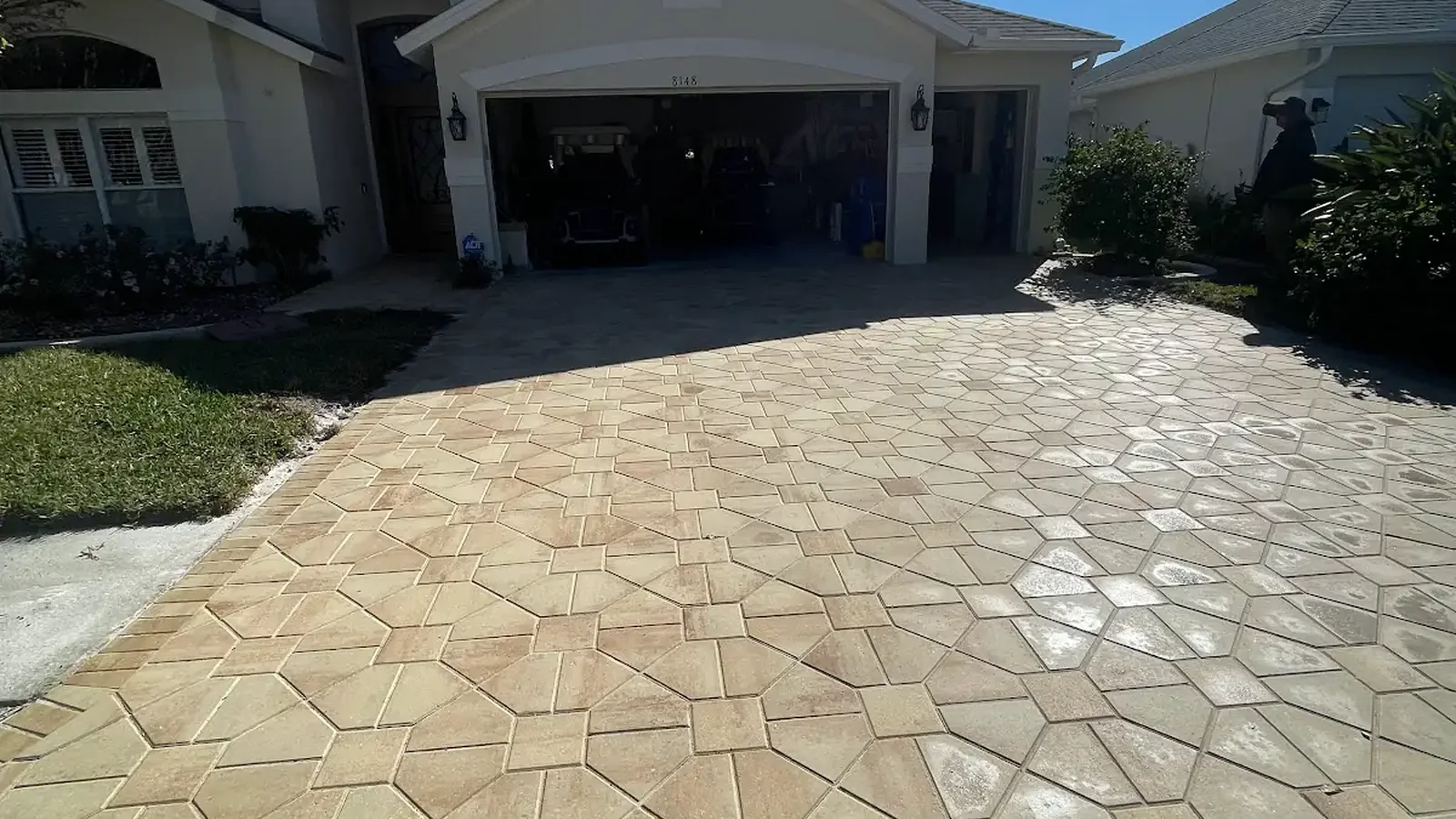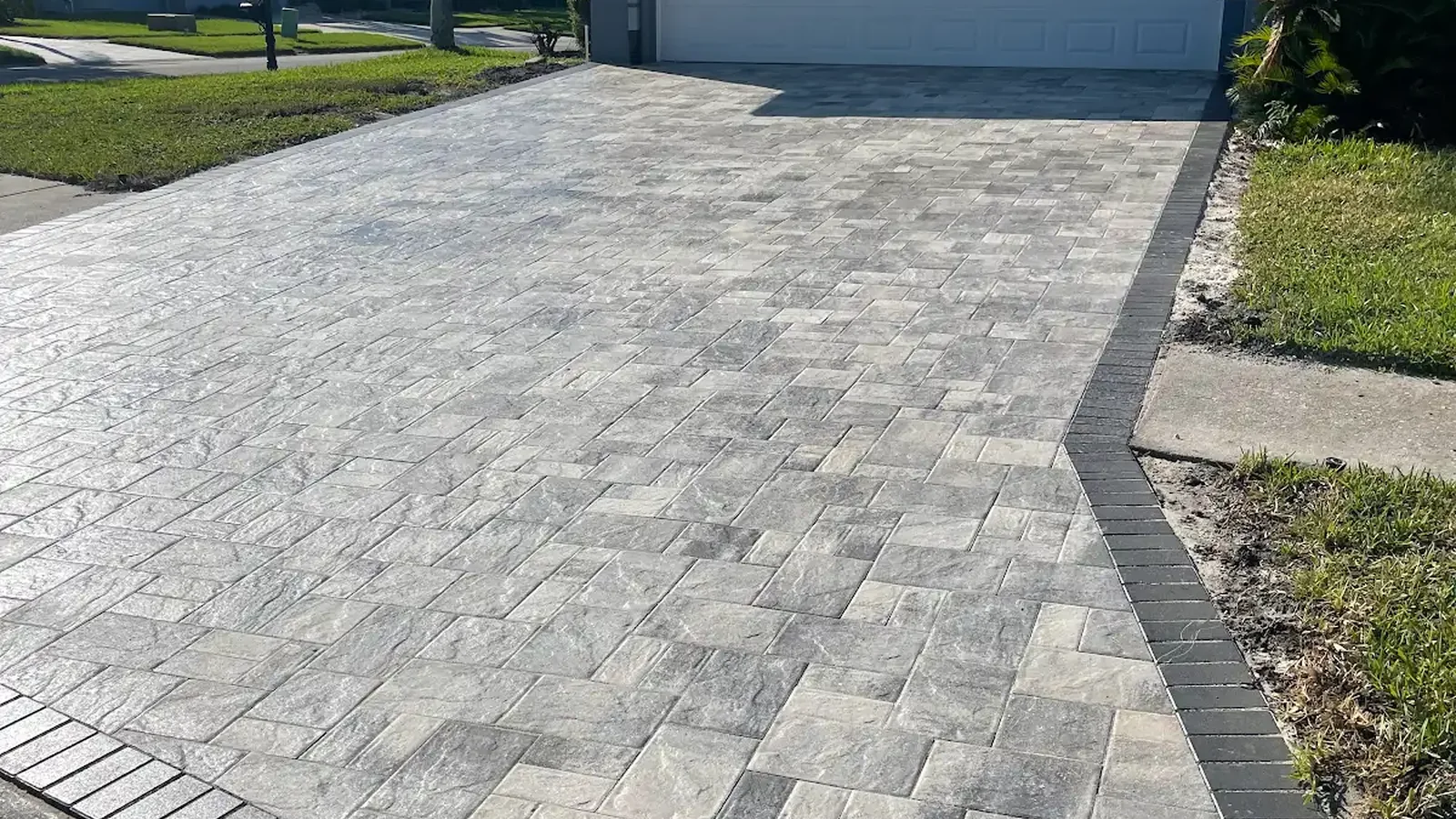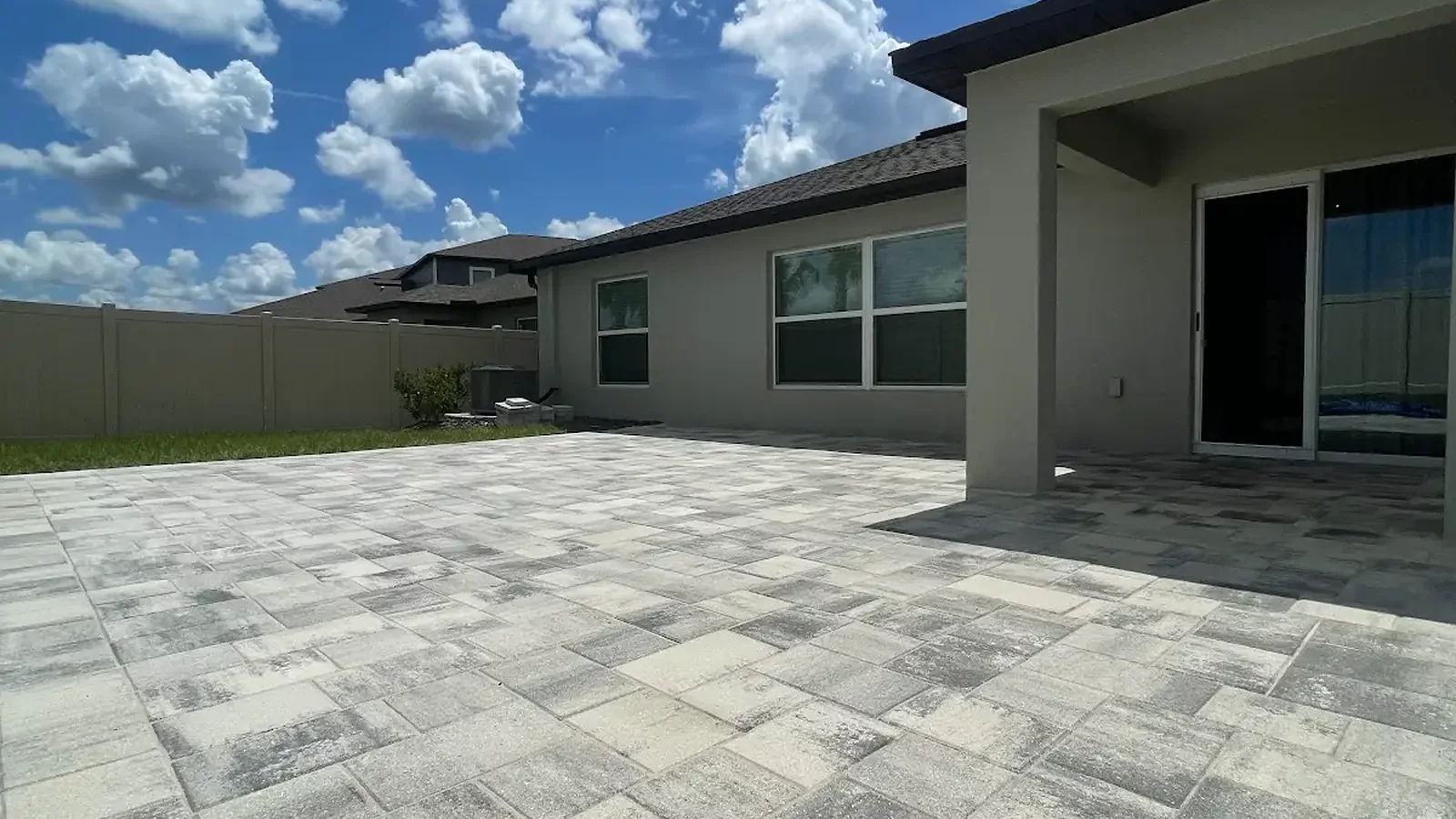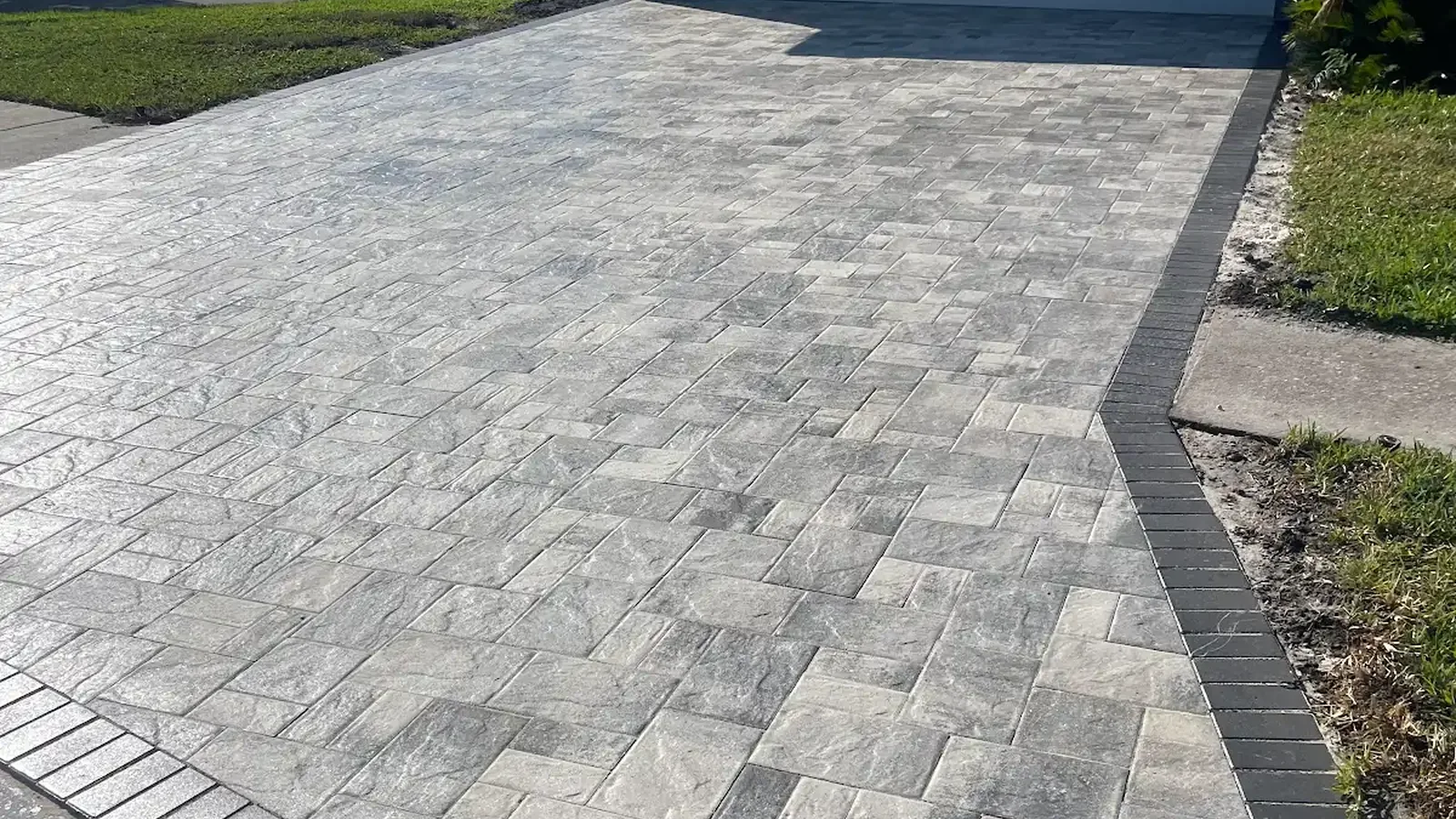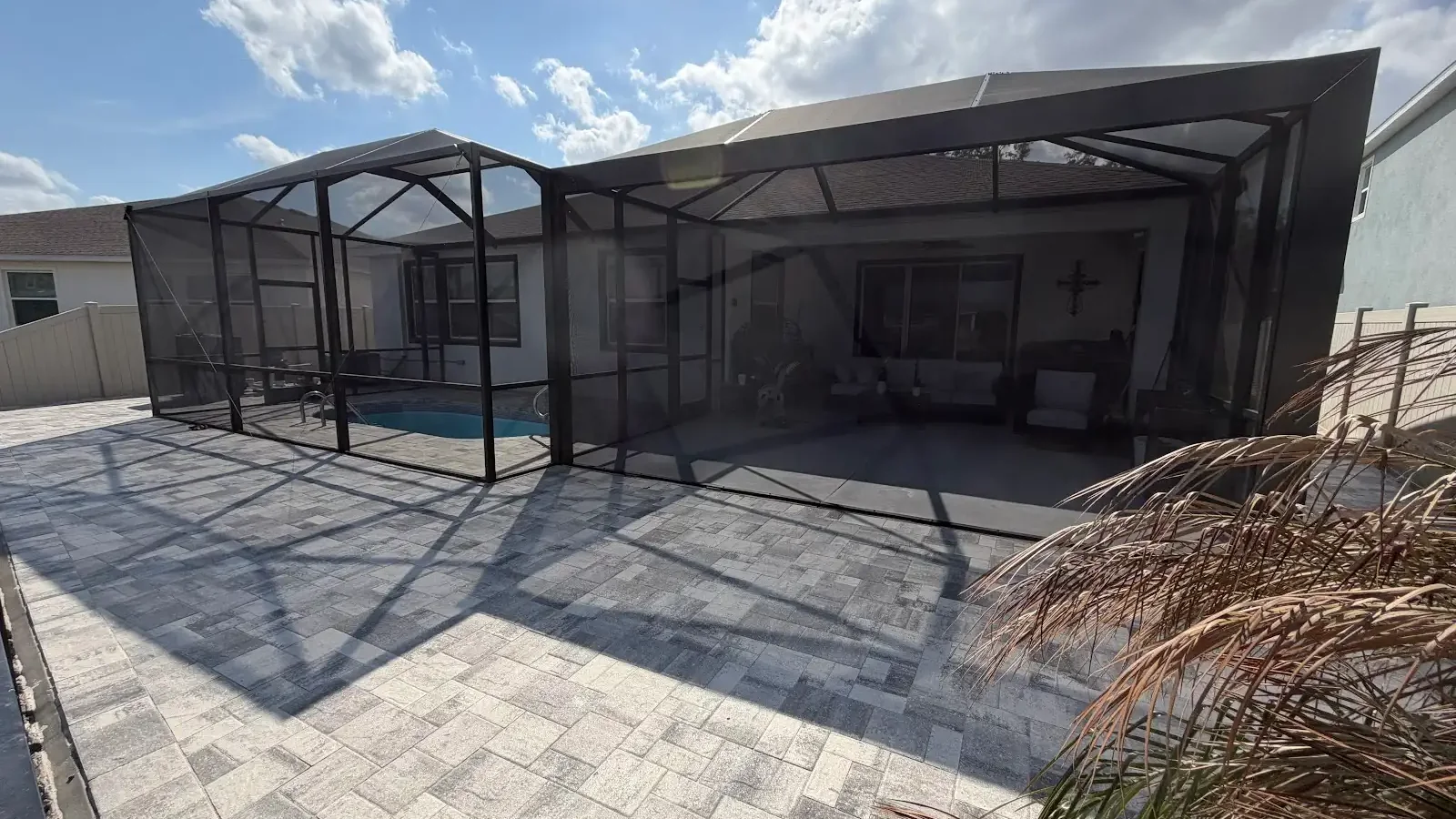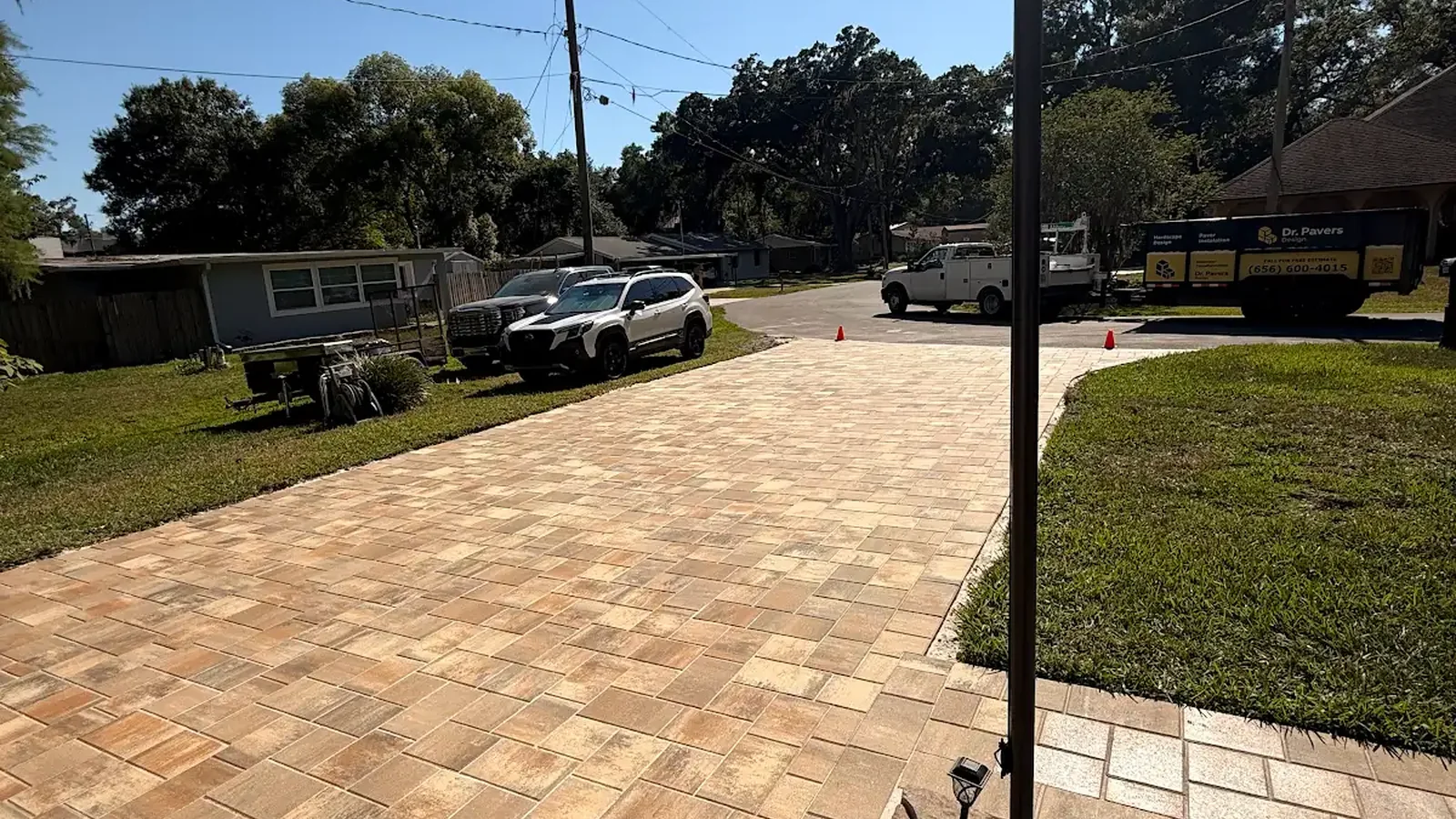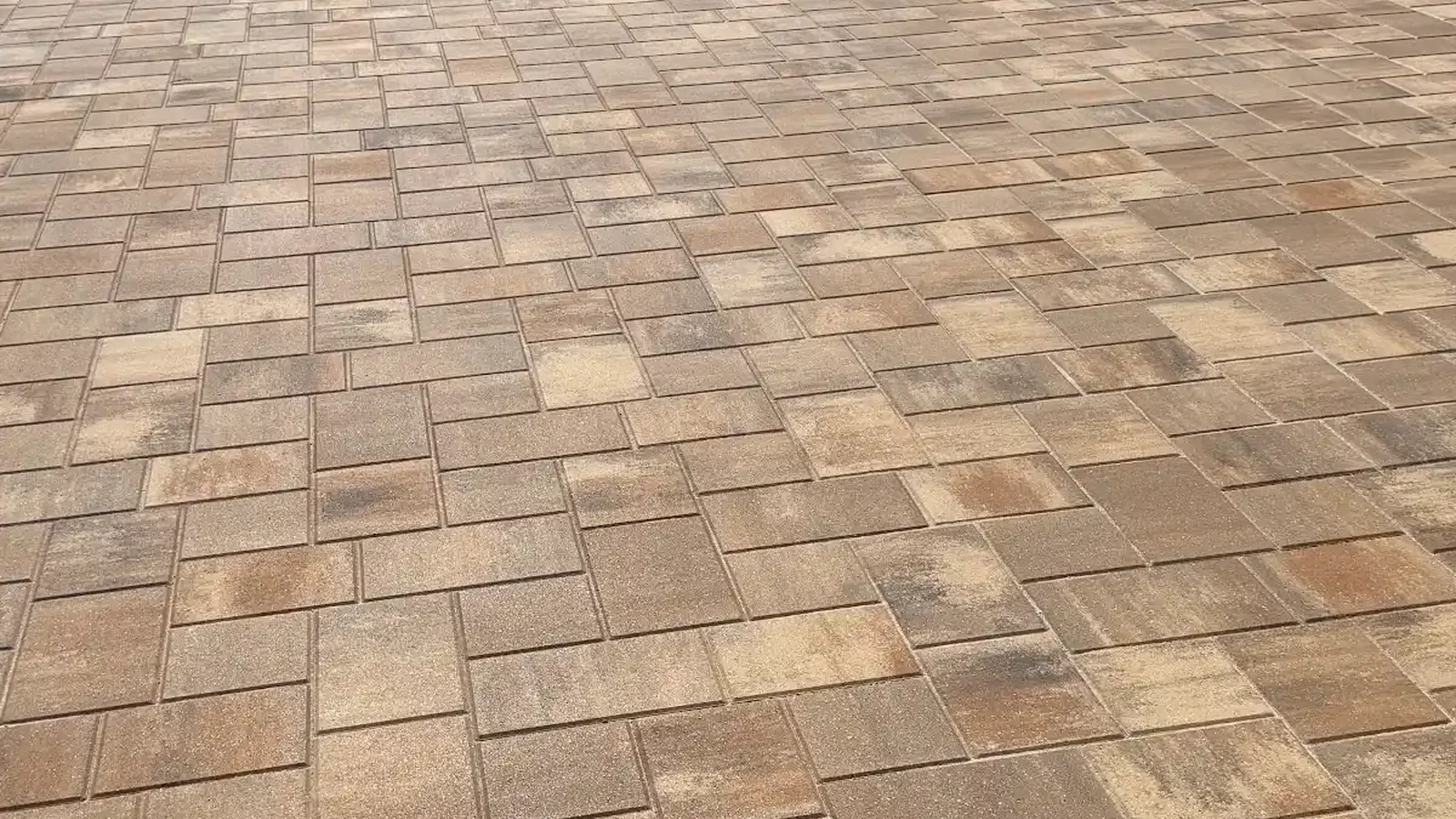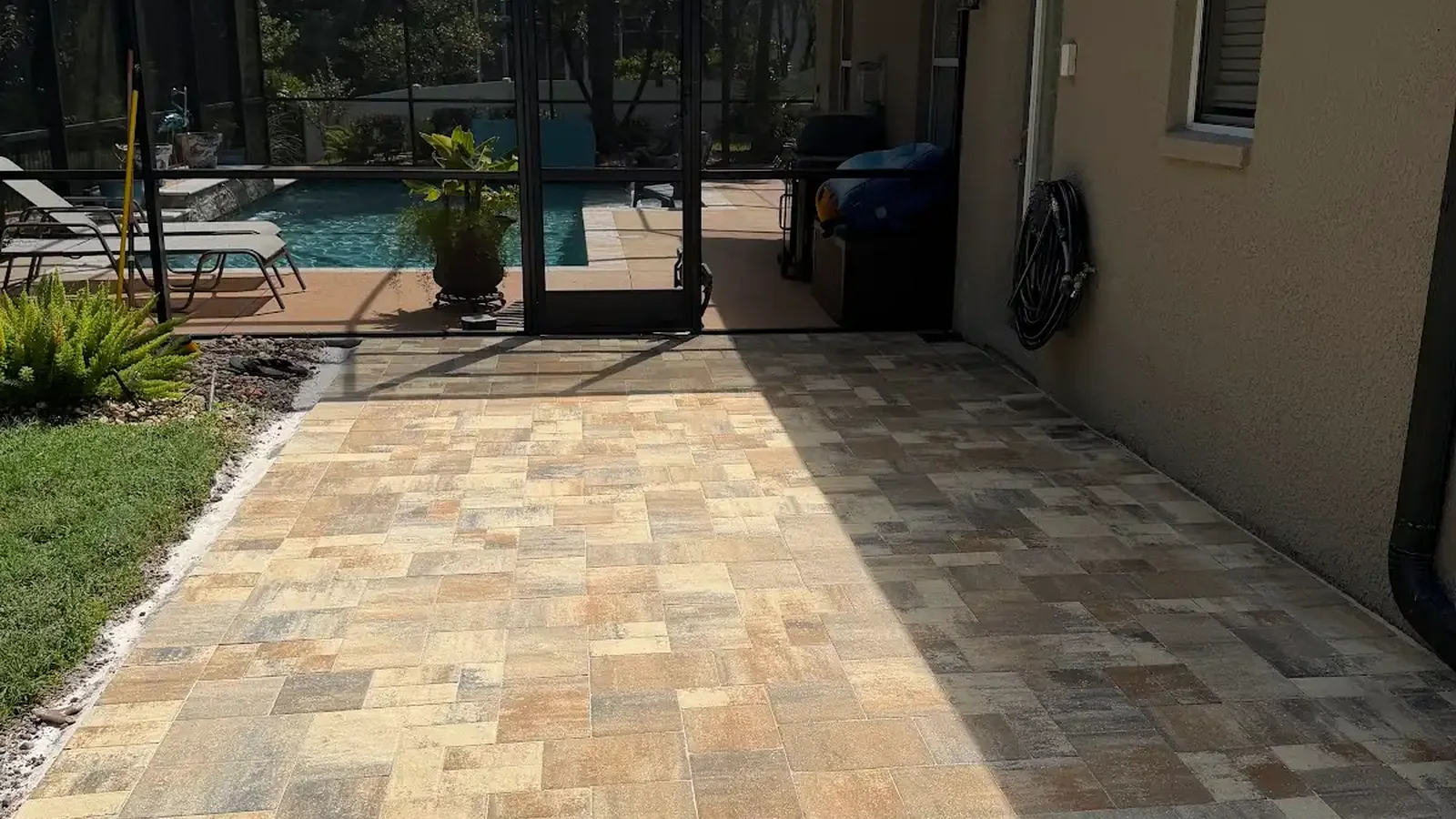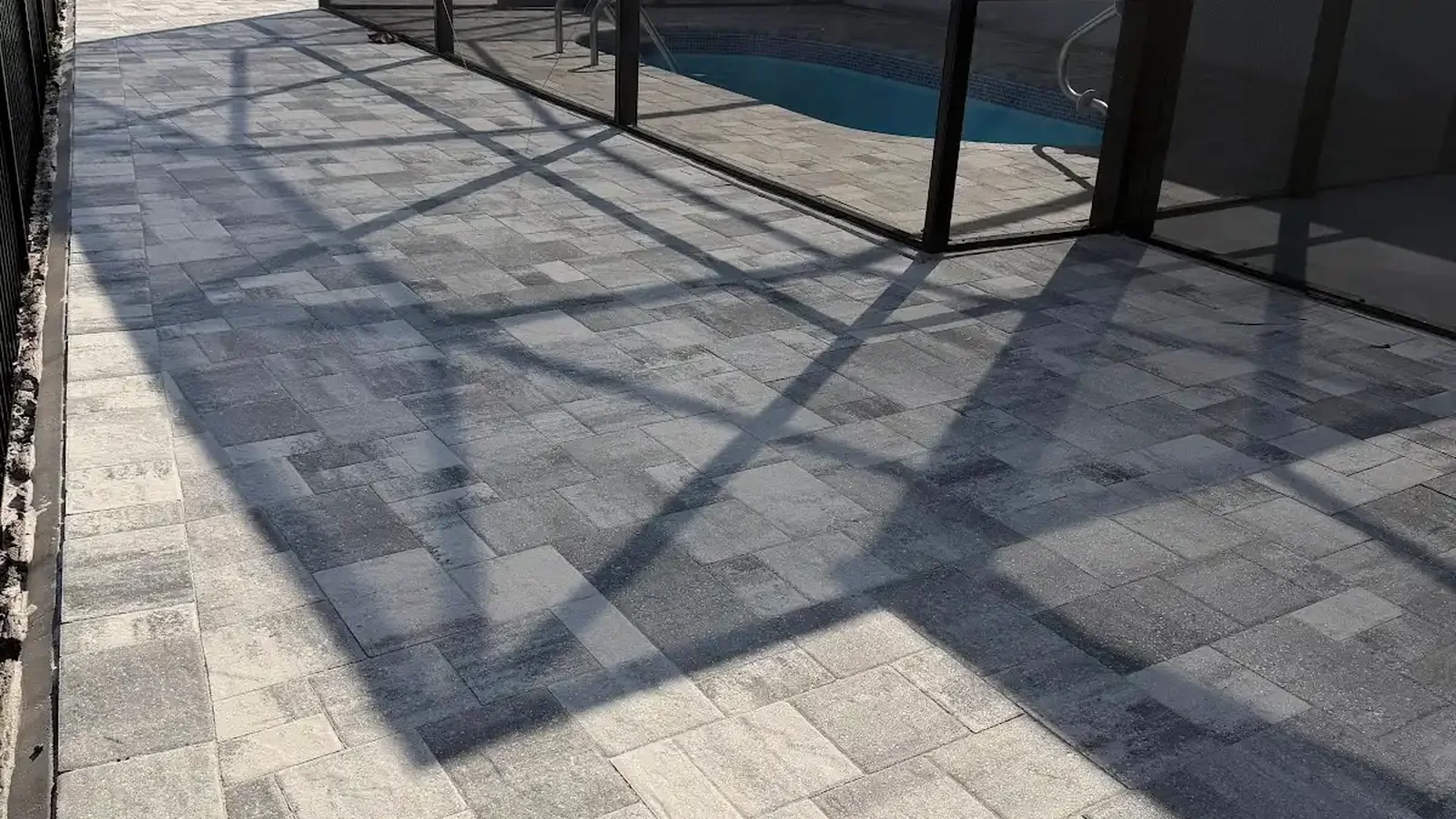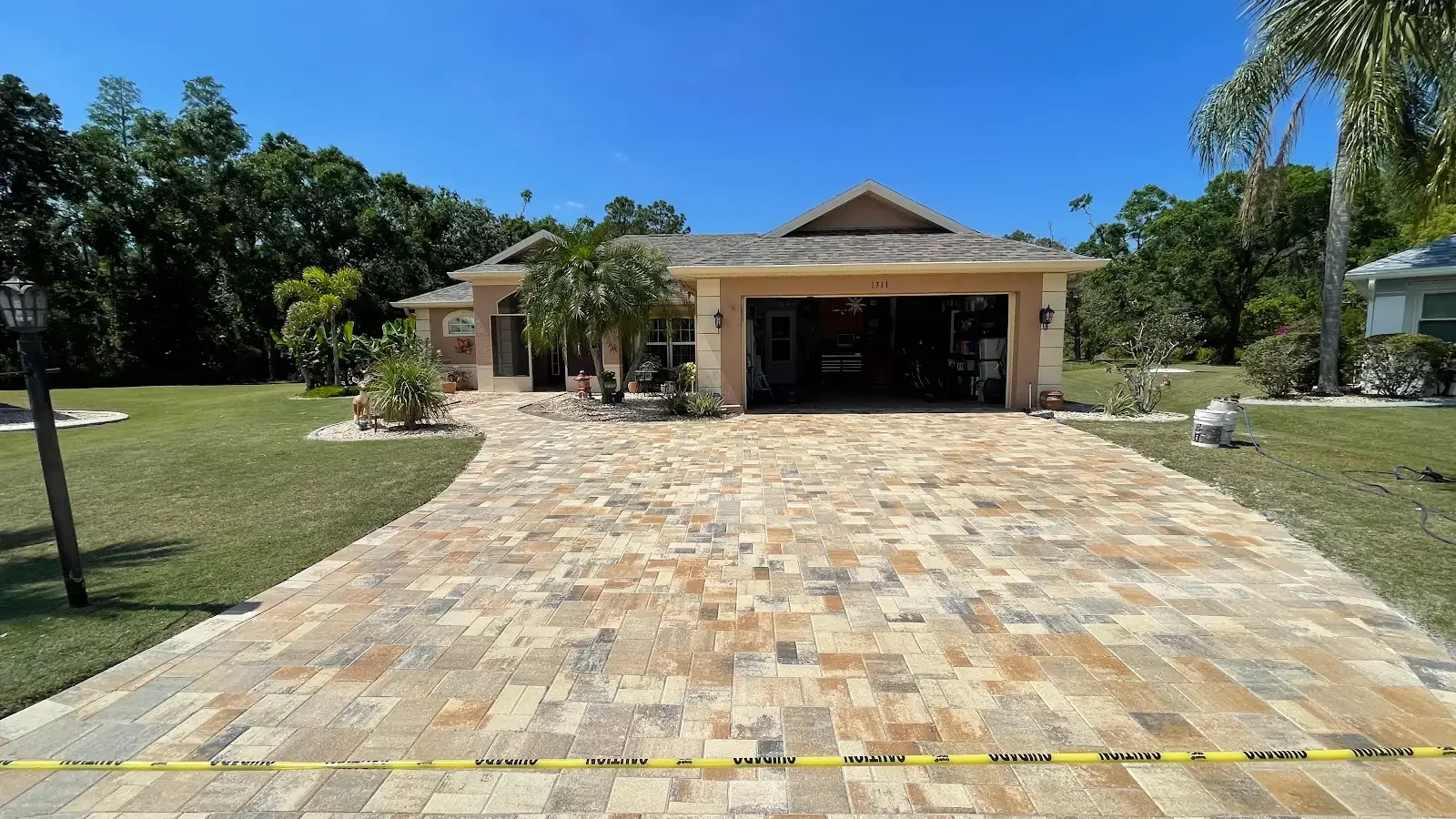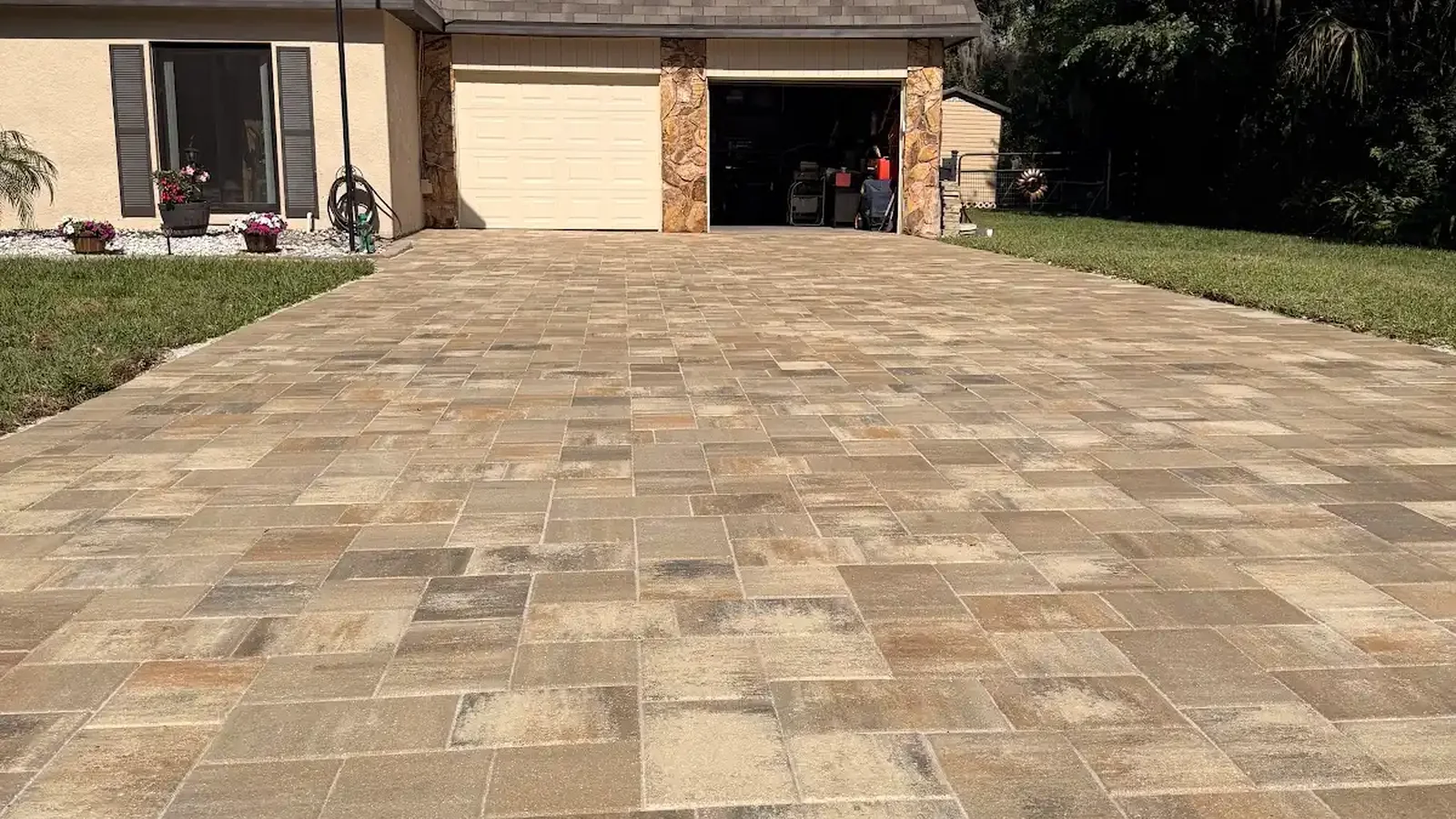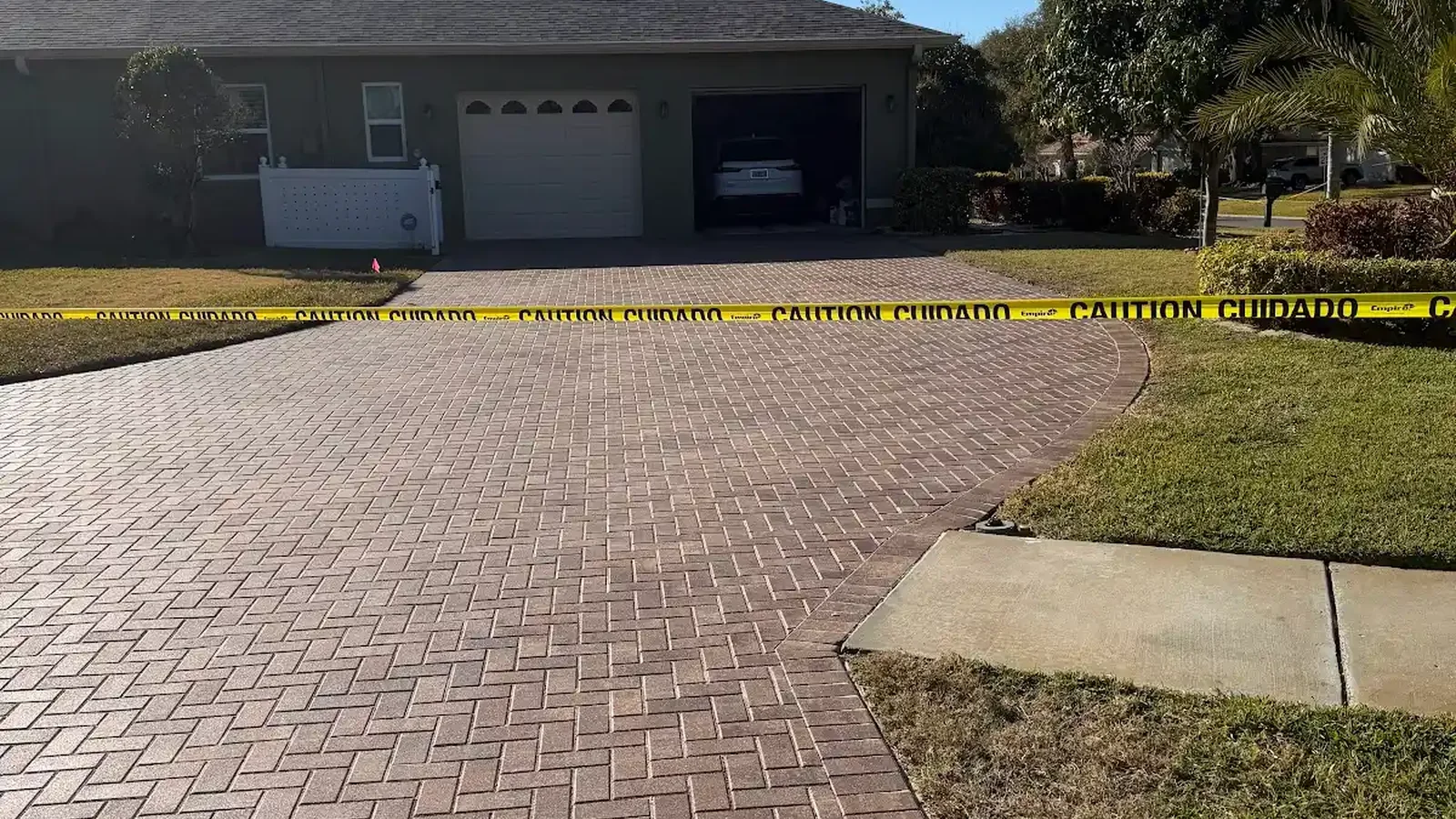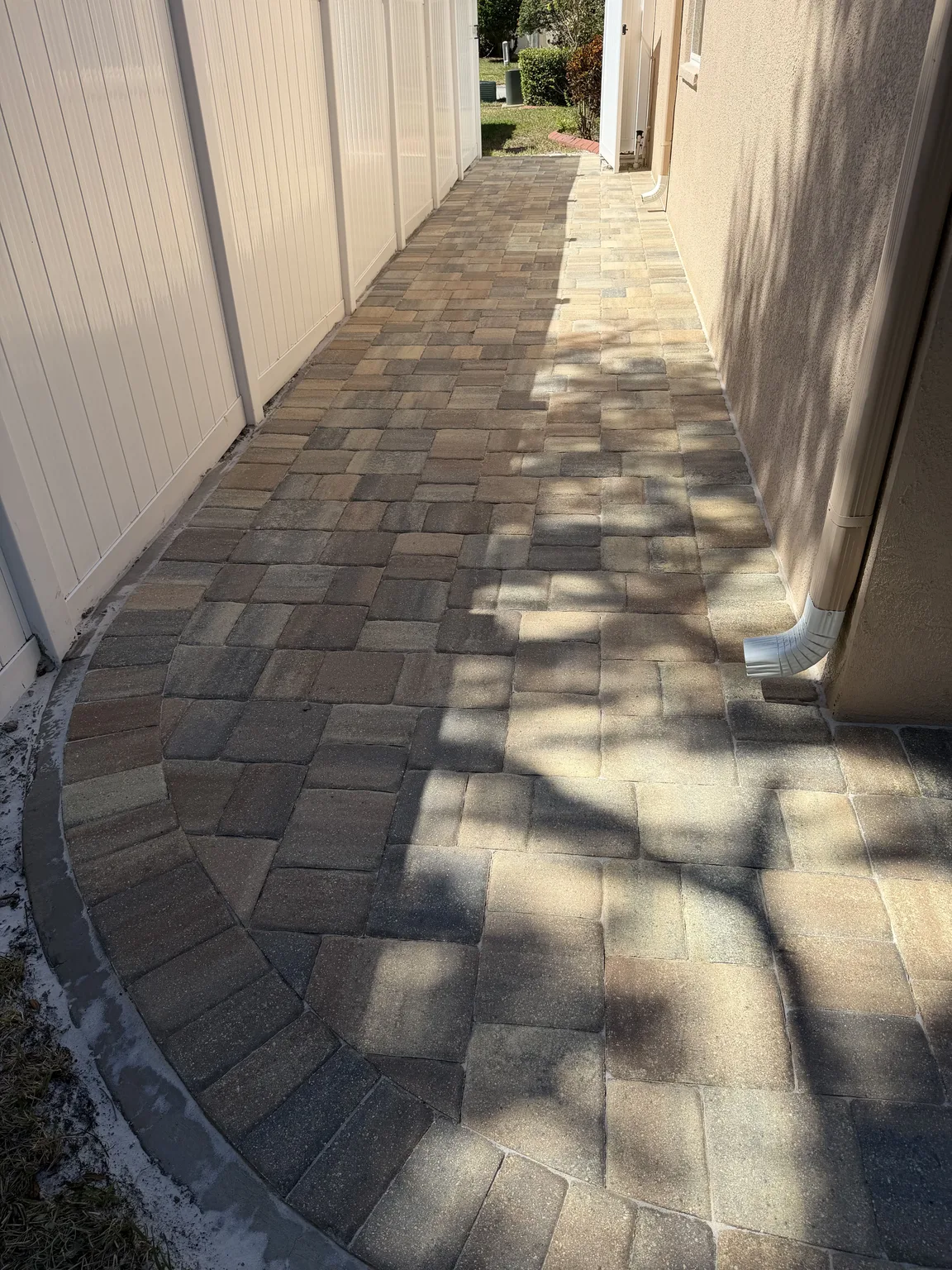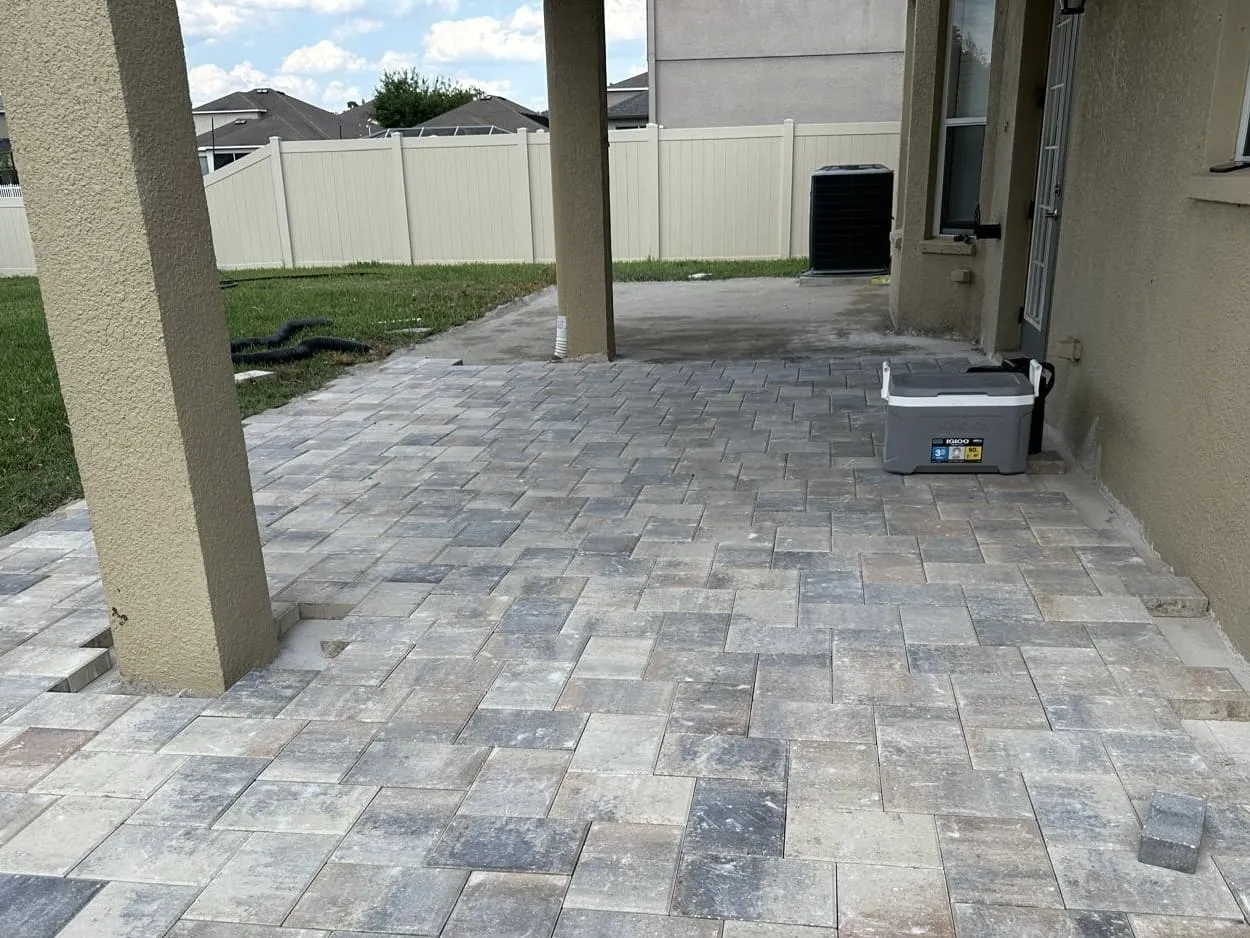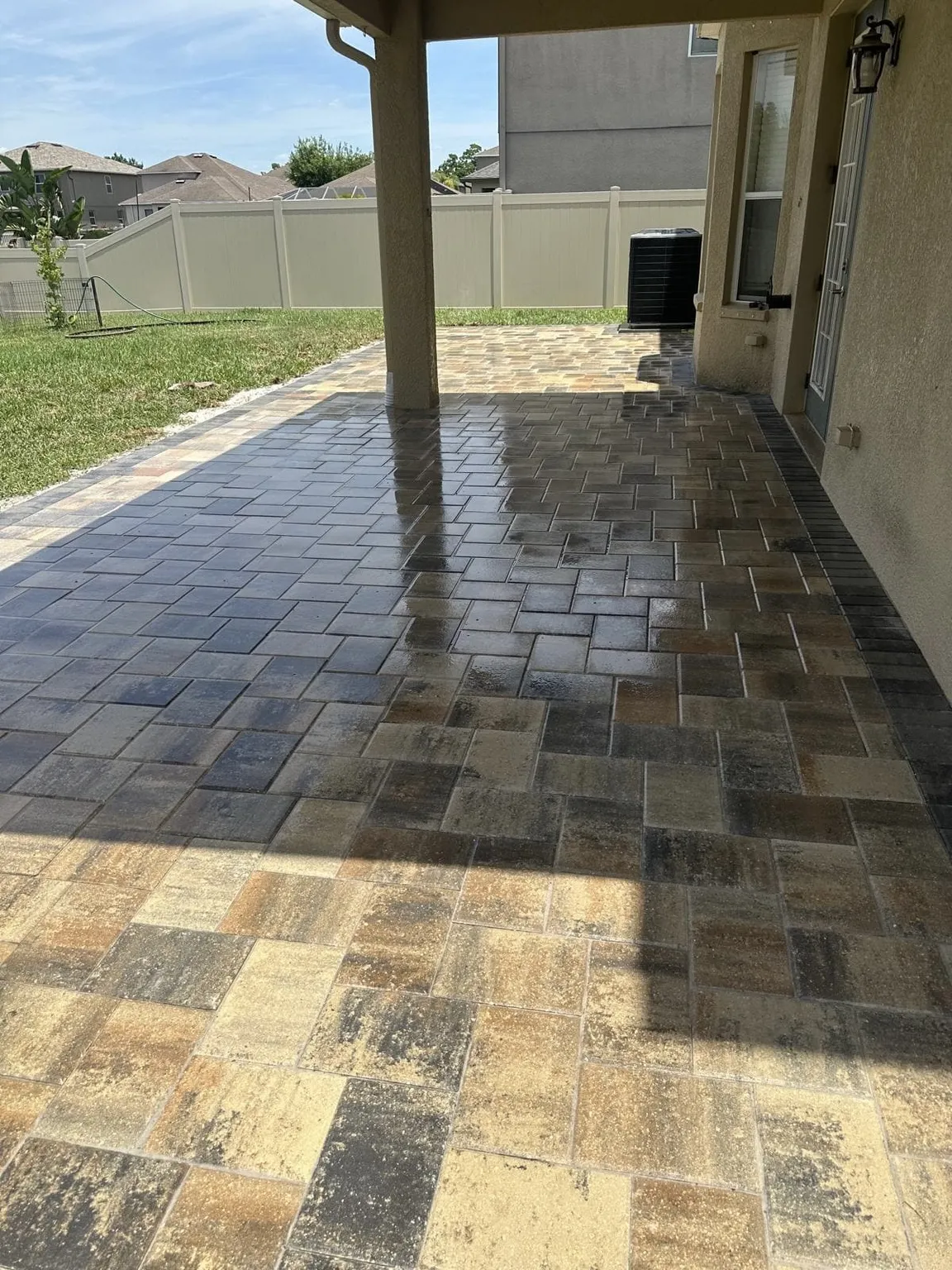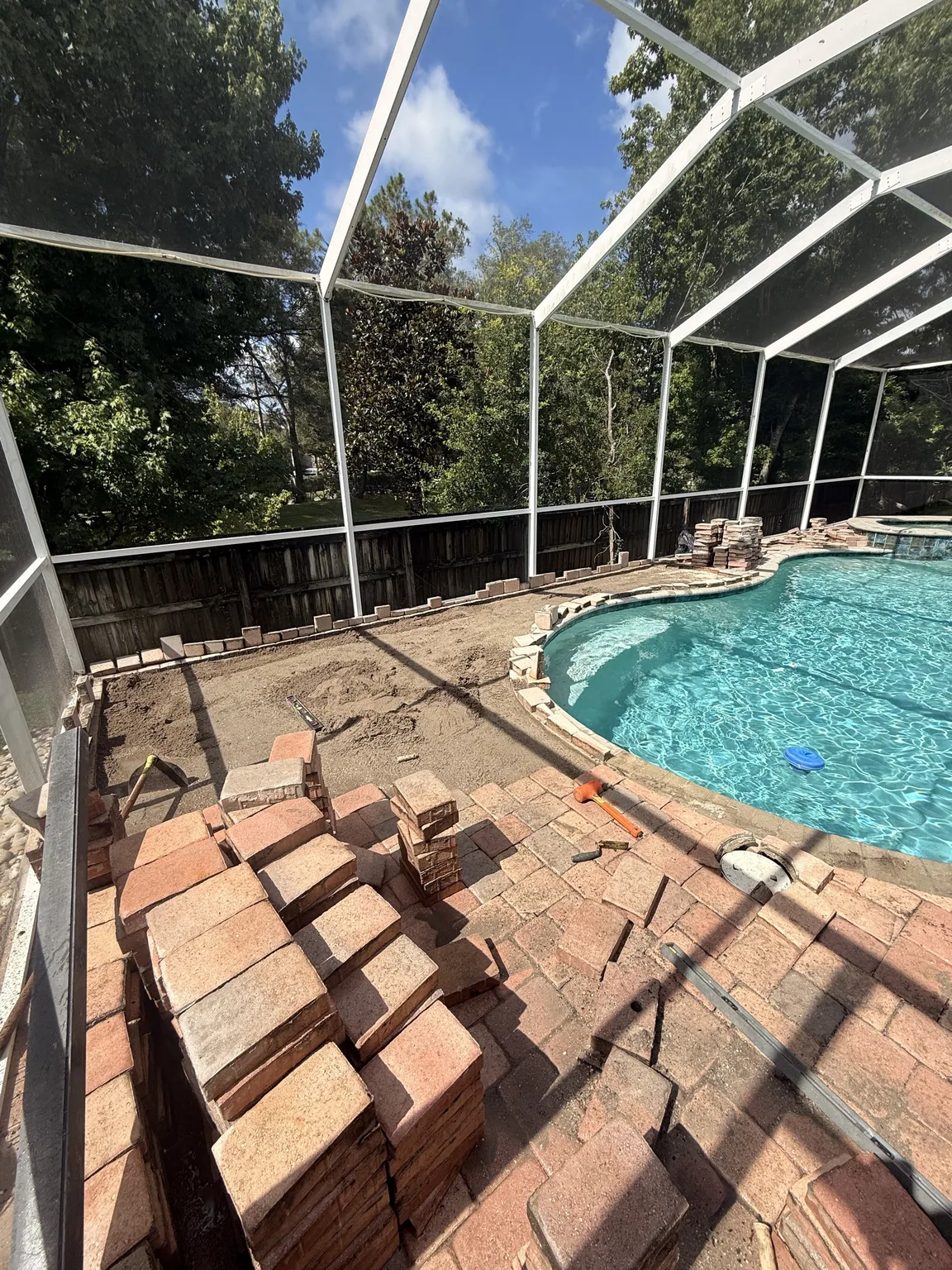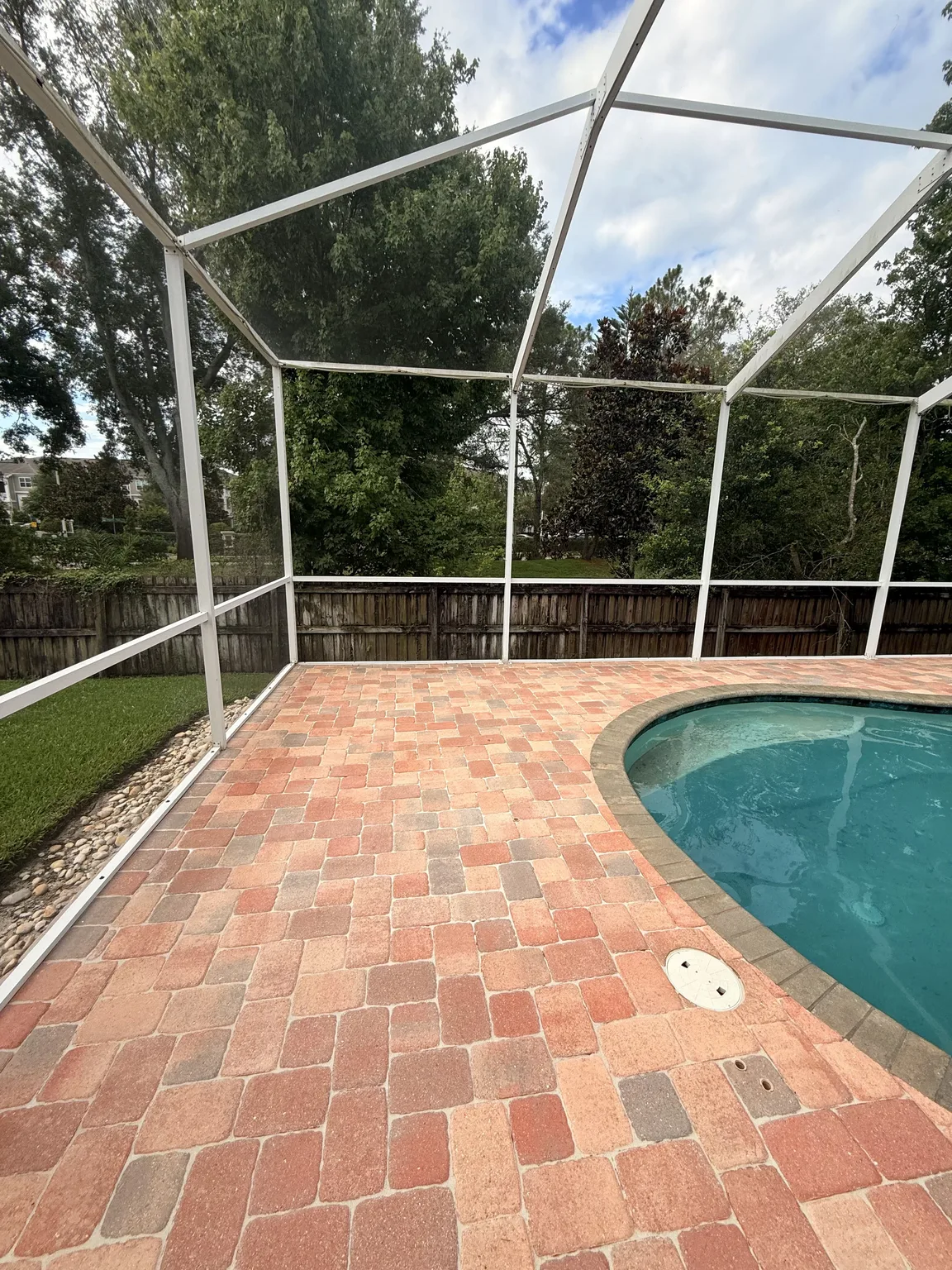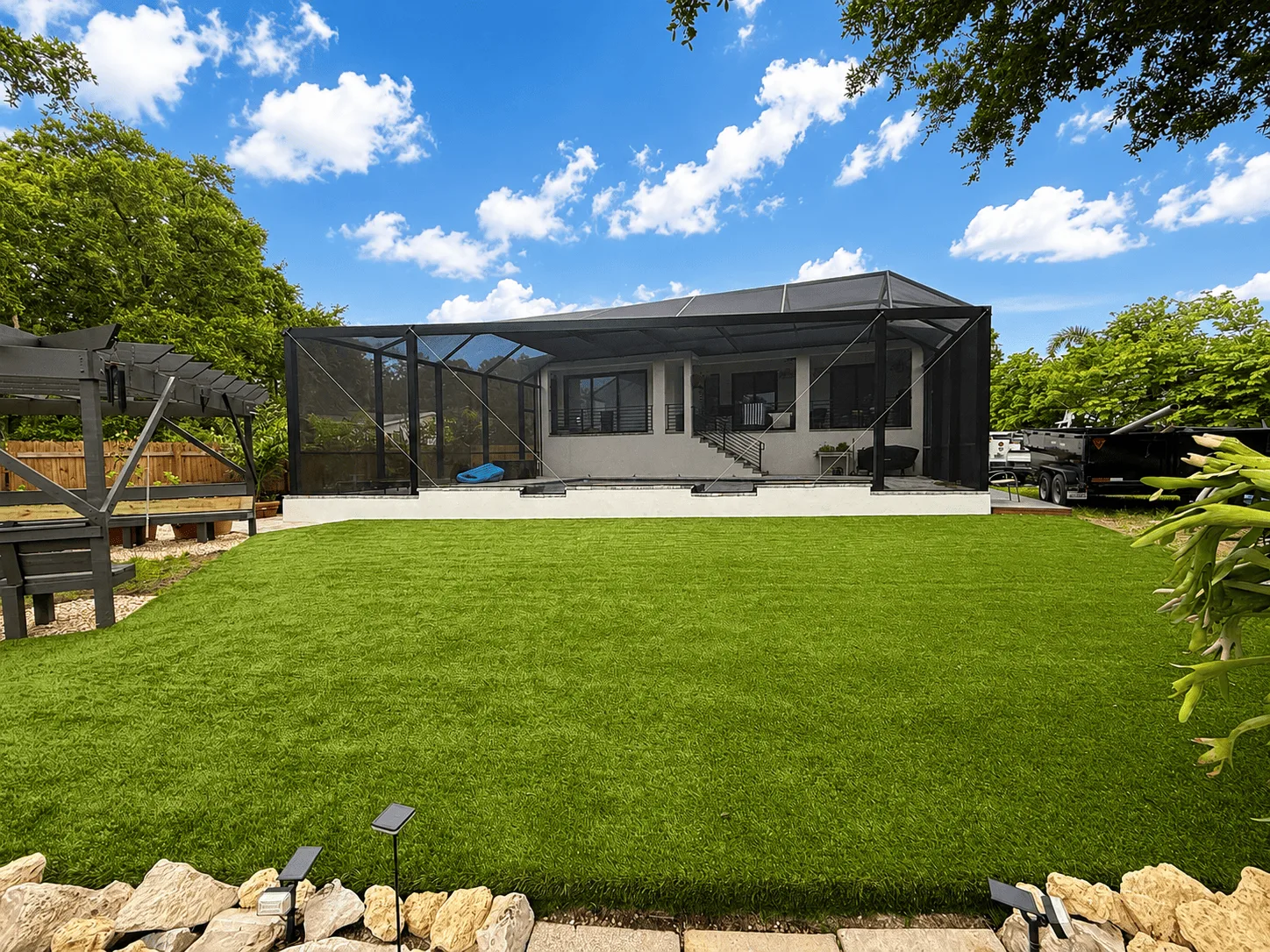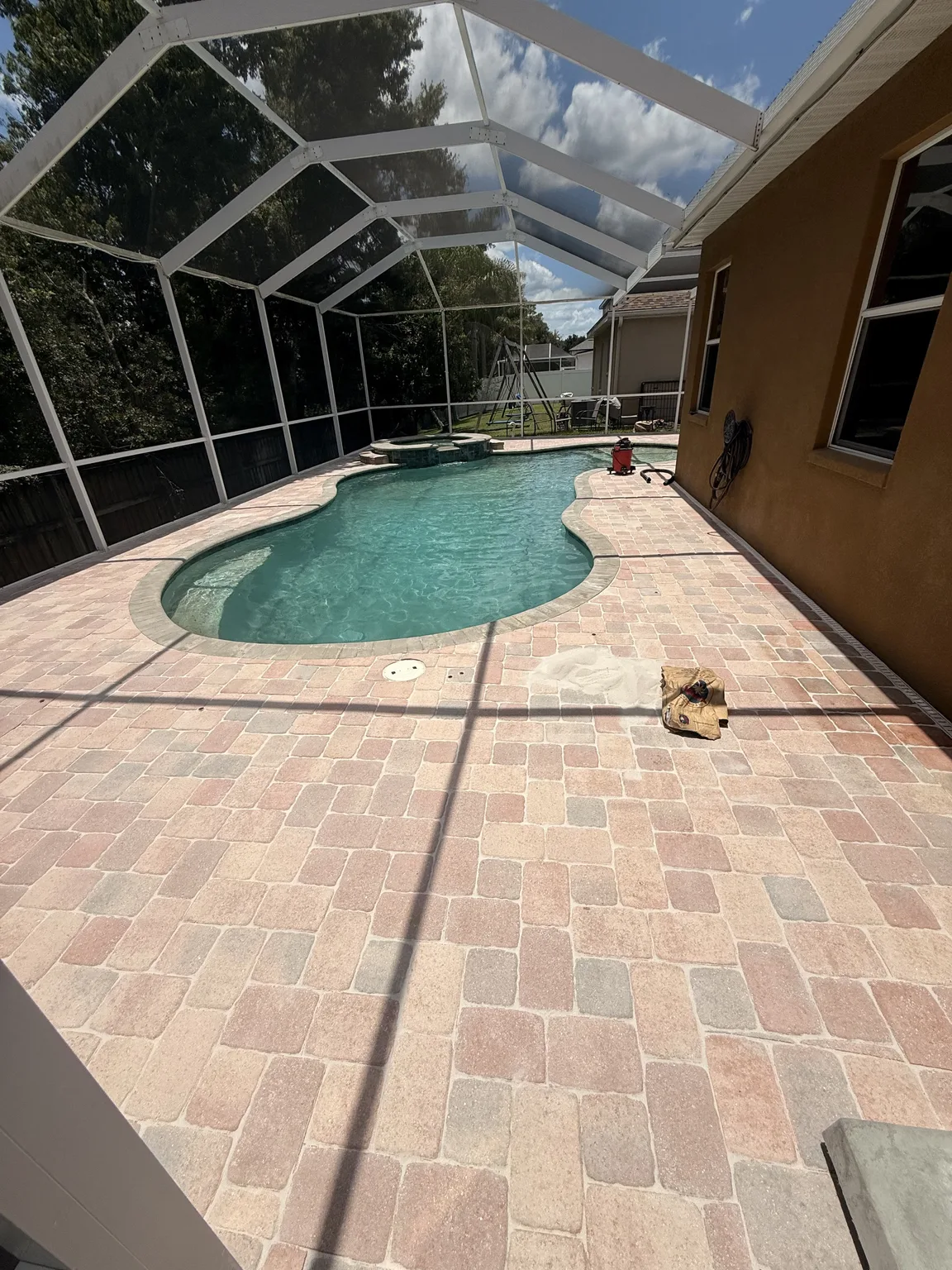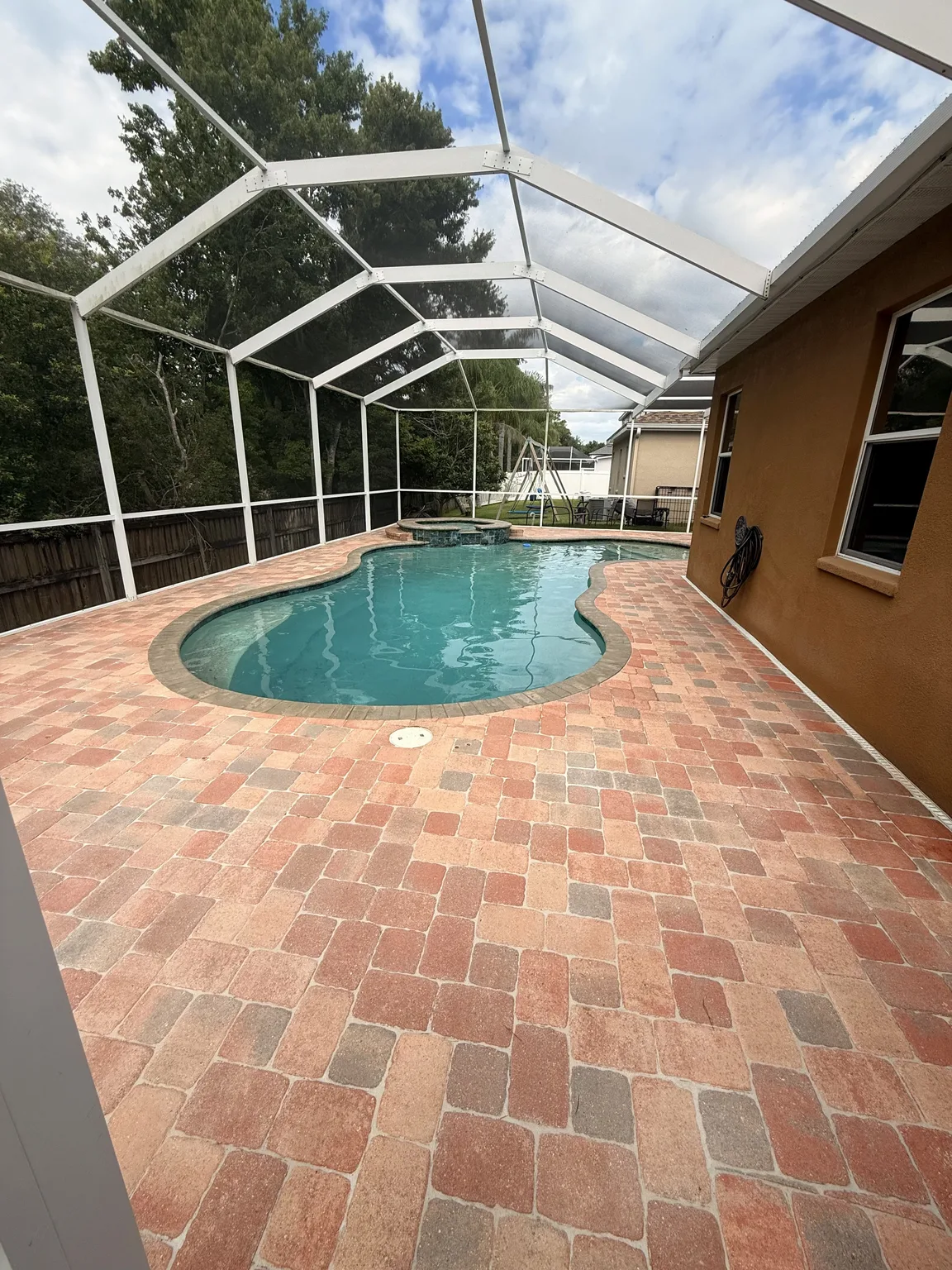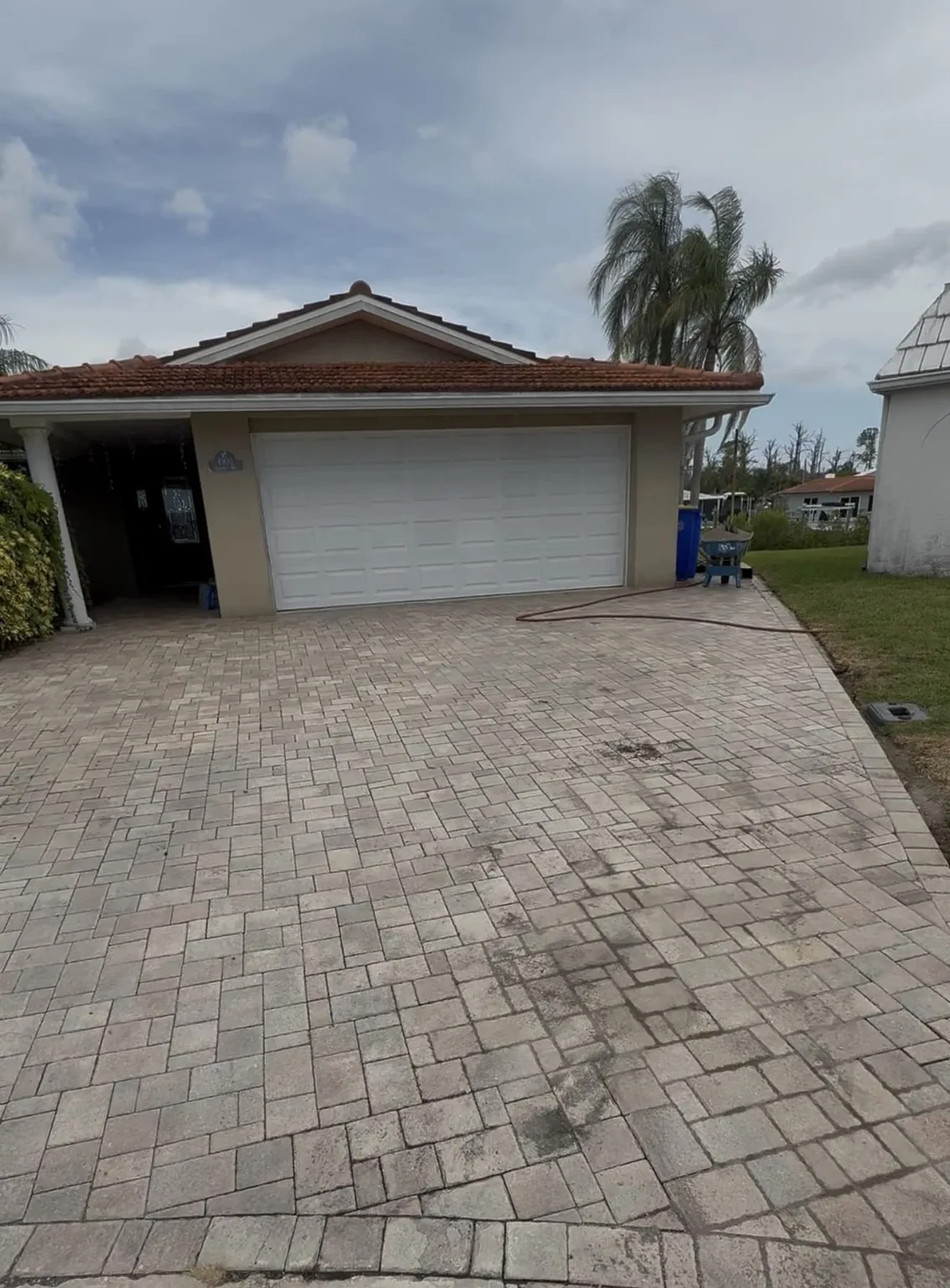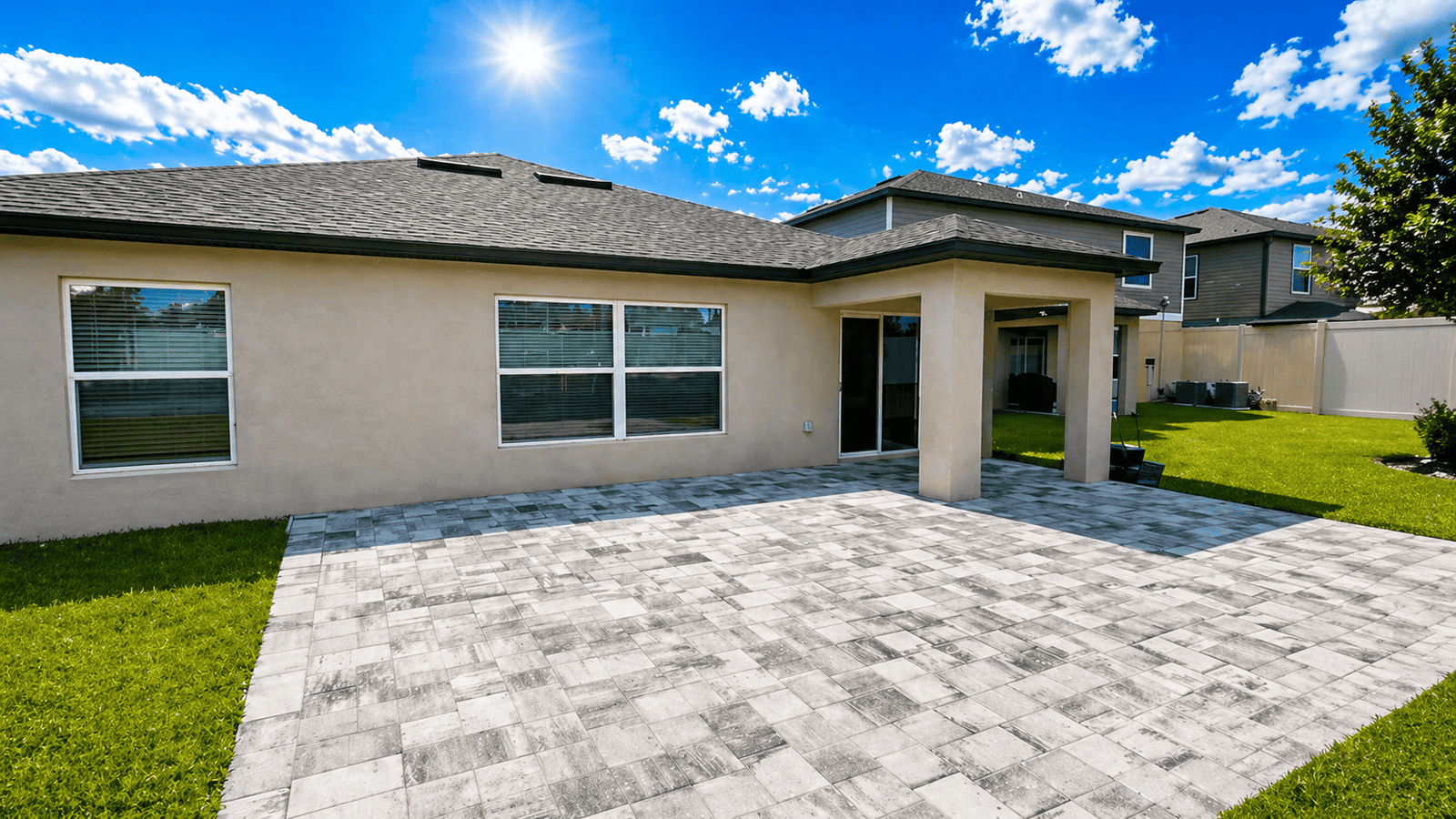
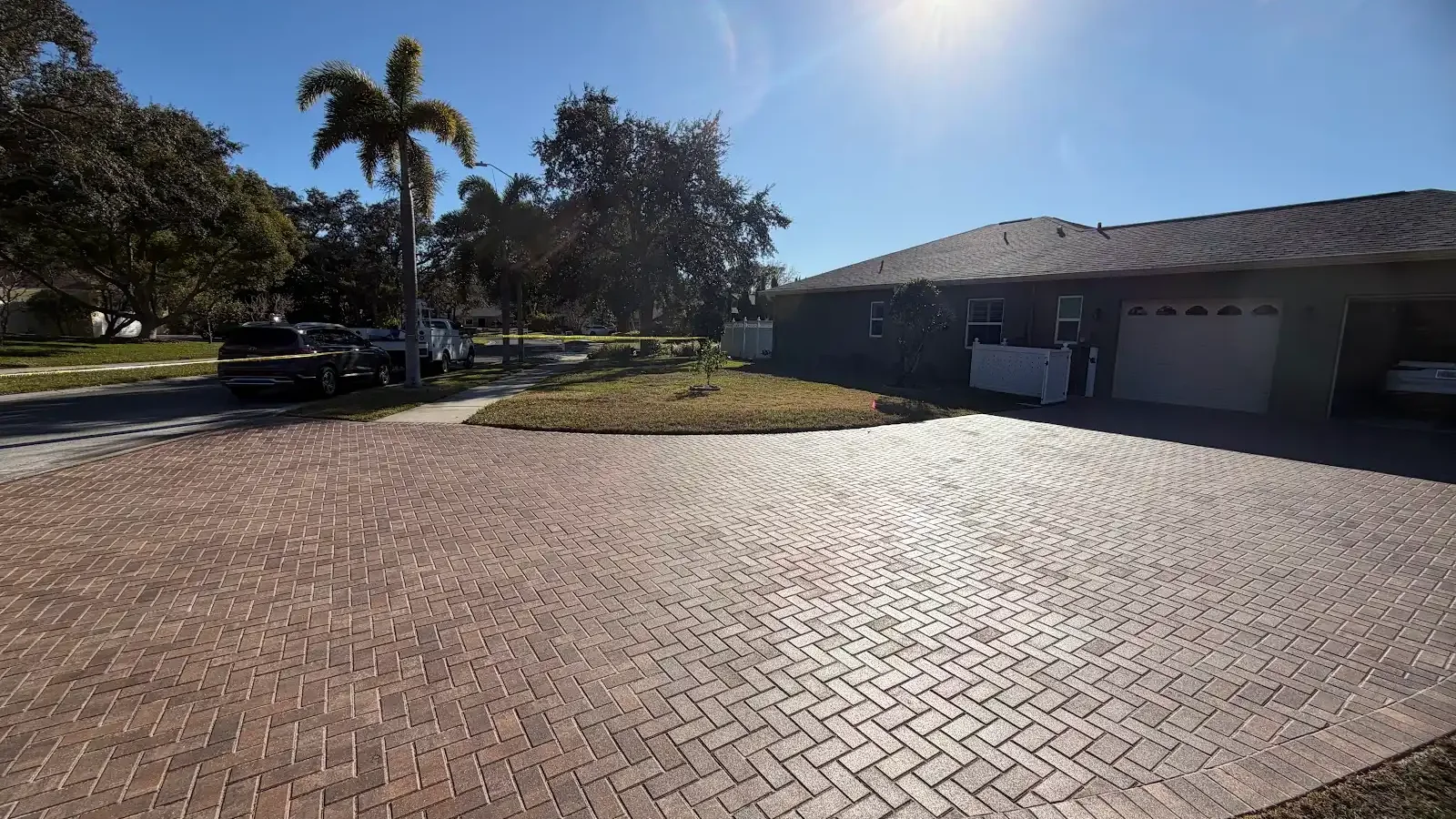
Asphalt vs pavers is one of the first decisions many Tampa Bay homeowners face when replacing or building a driveway. Both systems can work in our hot, humid climate, but they behave very differently over time. The right choice depends on how you use the driveway, the look you want, and how much future flexibility you need. It also depends heavily on what is under the surface, not just what you see on top. When you understand those tradeoffs, the path toward your next driveway usually becomes much clearer.
Asphalt vs pavers for Florida driveways: the short answer
For most Tampa Bay homes, both asphalt and concrete pavers can handle everyday cars and light trucks when installed over a proper base. Asphalt usually wins on short-term simplicity and lower upfront cost, while pavers usually win on curb appeal, flexibility, and targeted repairs. The best driveway for your property depends on heat, shade, traffic patterns, and how long you plan to stay in the home.
What most Tampa Bay homeowners care about first
Most homeowners in Riverview, Ruskin, and Wesley Chapel ask about three things first: how it looks, how hot it gets, and how long it lasts. Asphalt reads darker and more uniform, but it can feel hotter under bare feet in summer. Pavers come in many colors and textures, which can reduce glare and surface temperature. Both systems can last for many years when they sit on a well-designed base matched to local soils and traffic.
Where asphalt tends to work better
Asphalt can be practical for long, straight driveways in Land O’ Lakes or Thonotosassa where you mainly drive in and out without tight turns. It can also make sense if you expect heavy service vehicles or trailers that might place higher loads in a few spots. However, asphalt repairs often require patching or overlaying larger areas to blend color and texture. That means future work can feel more disruptive even if the initial install went quickly.
Where pavers often make more sense
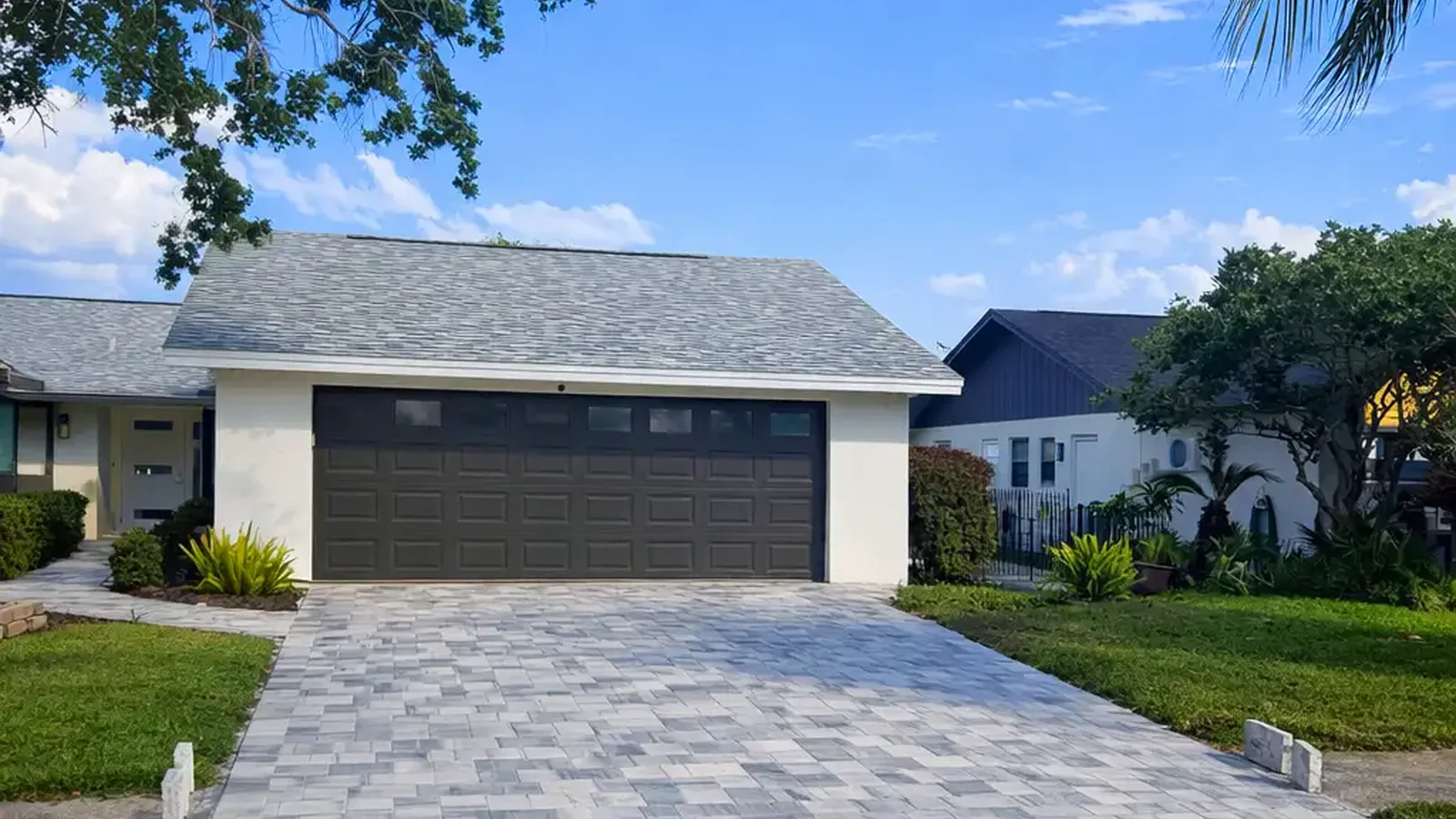
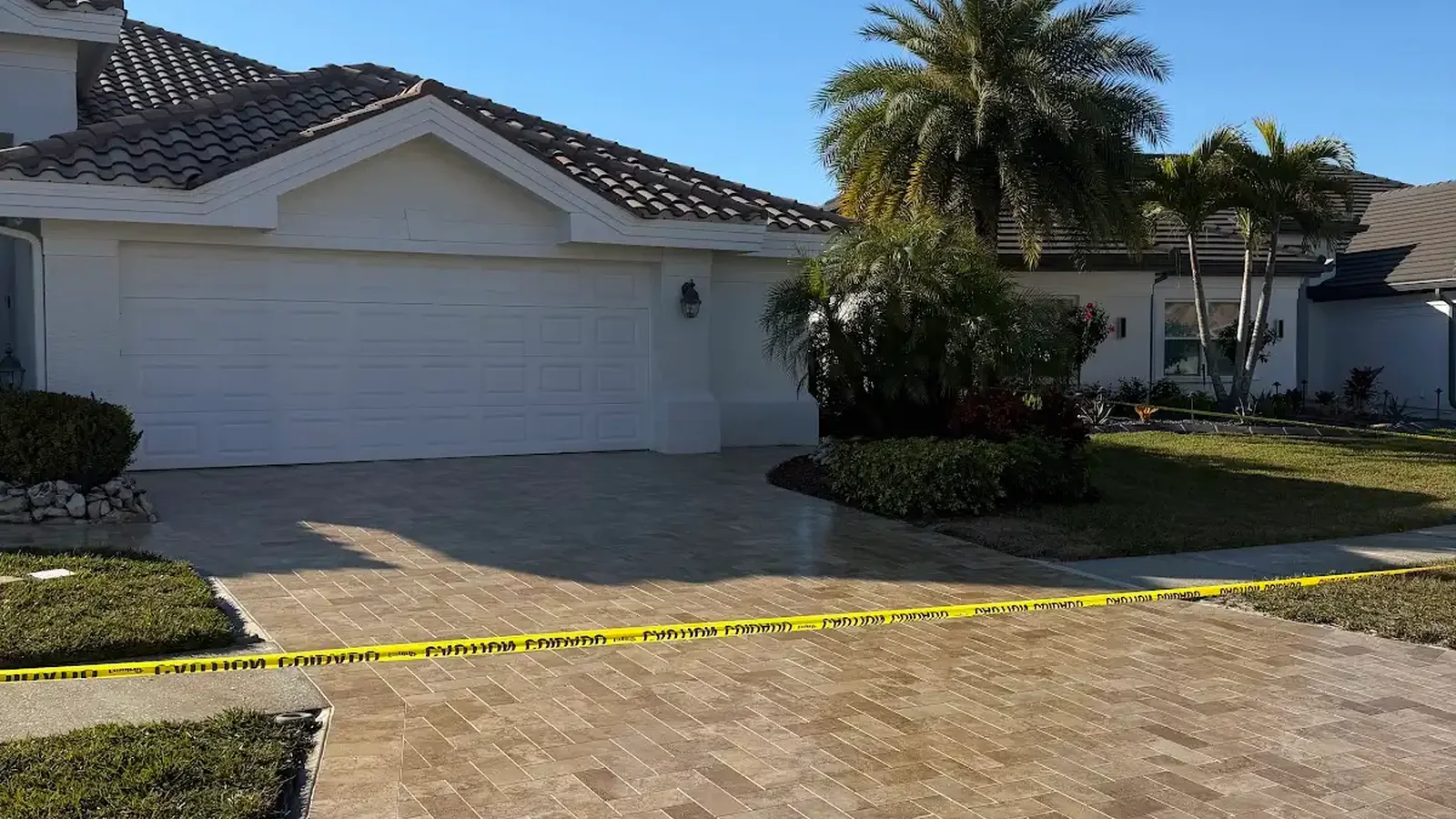
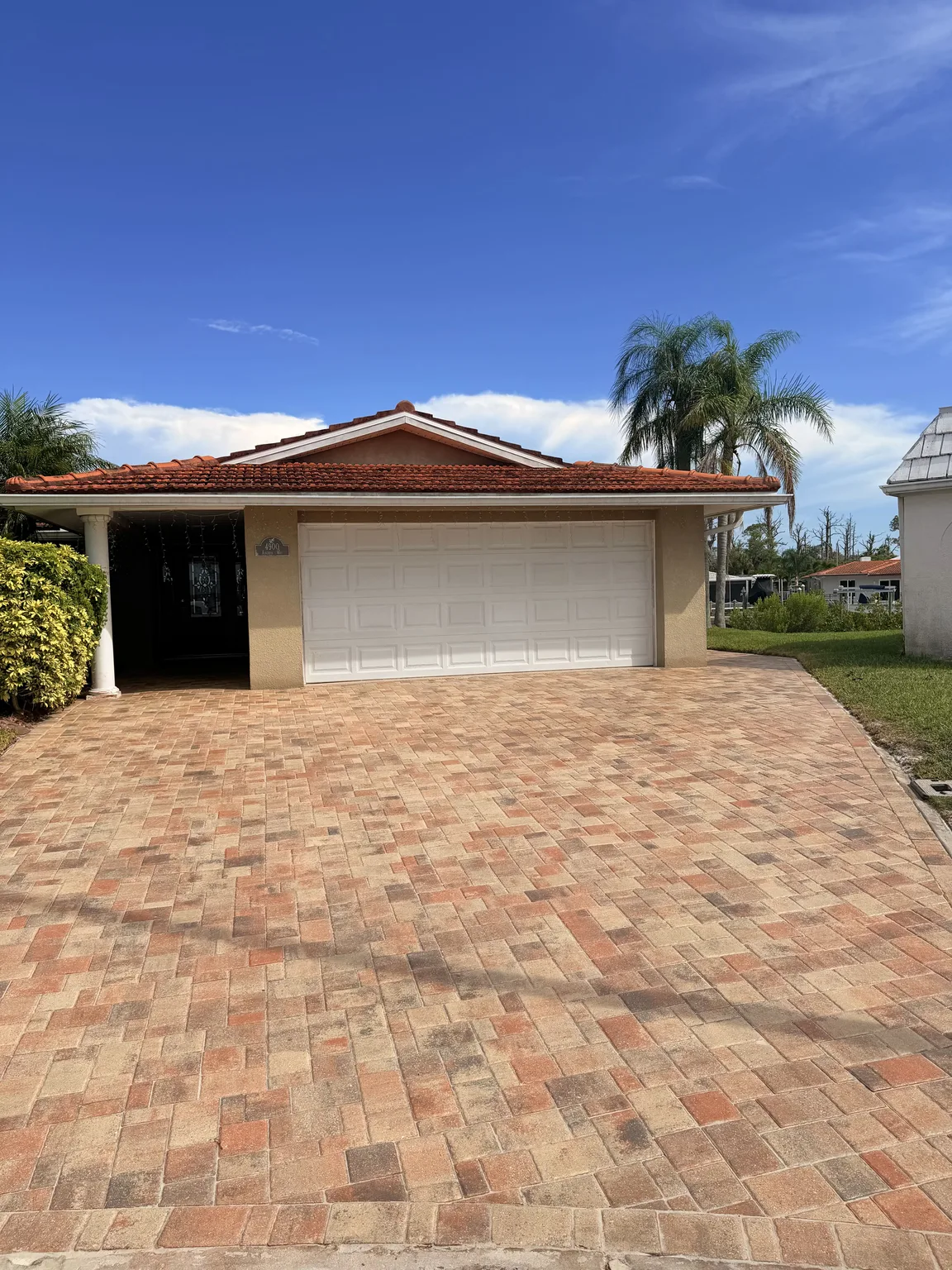
Pavers often shine on shorter, more visible driveways in Greater Carrollwood, Palm Harbor, Town ‘N’ Country, and Seven Springs. They handle turning areas by the garage well, especially in patterns designed for vehicle loads. If a section settles or a pipe needs work, you can usually lift and relay only the affected area instead of cutting or patching. The upfront investment is higher, but many homeowners value the long-term flexibility and curb appeal.
Asphalt vs pavers basics: how each driveway system works
What goes under an asphalt driveway
An asphalt driveway is essentially a flexible mat over a compacted base. Contractors usually place a graded aggregate base over the native soil, then compact it in layers before adding the asphalt. The asphalt itself is a mix of stone and sand bound by asphalt cement, installed hot and rolled to thickness. The base must support loads and manage moisture; if it fails, the asphalt surface will crack, rut, or settle.
What goes under a paver driveway
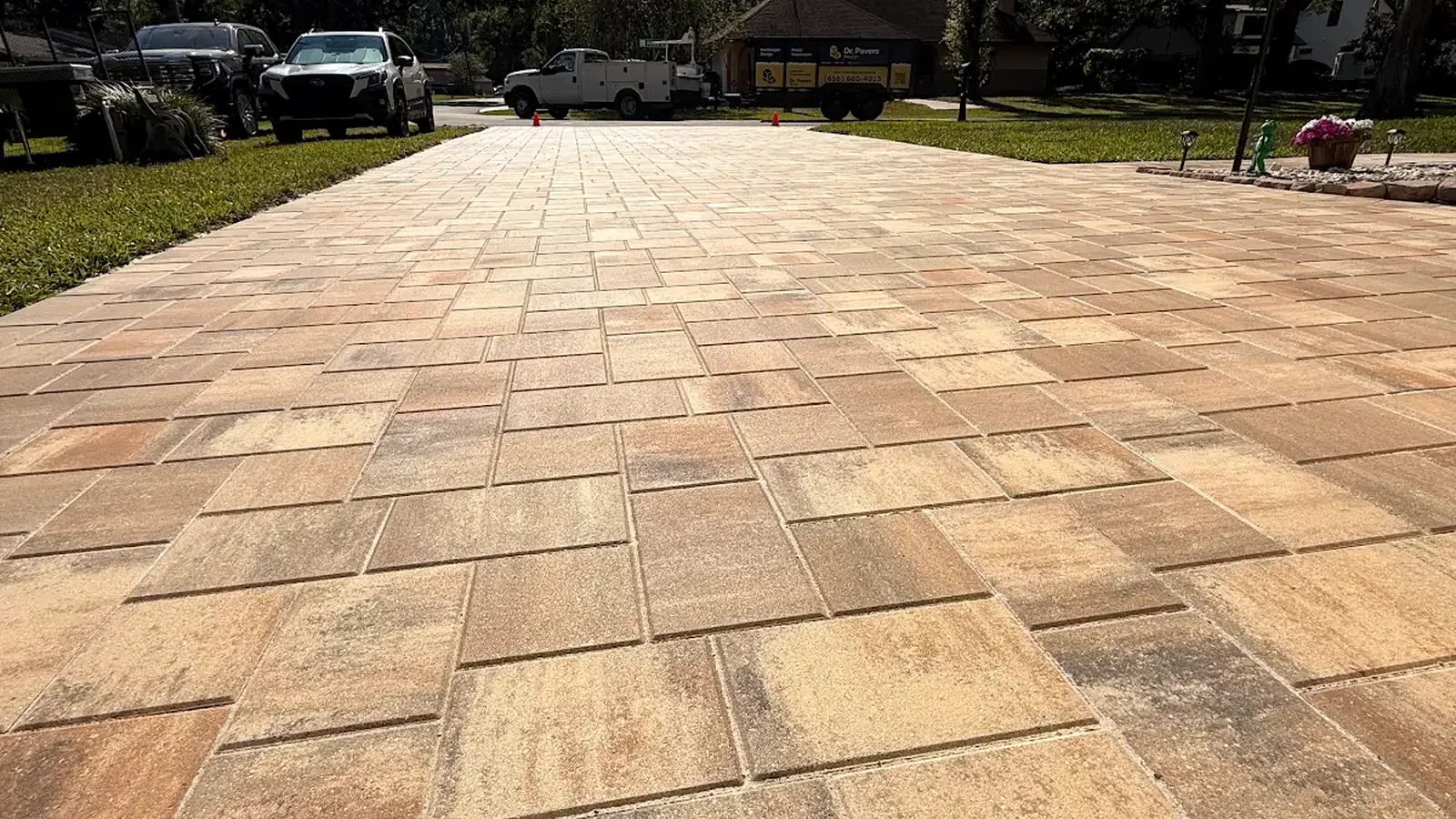
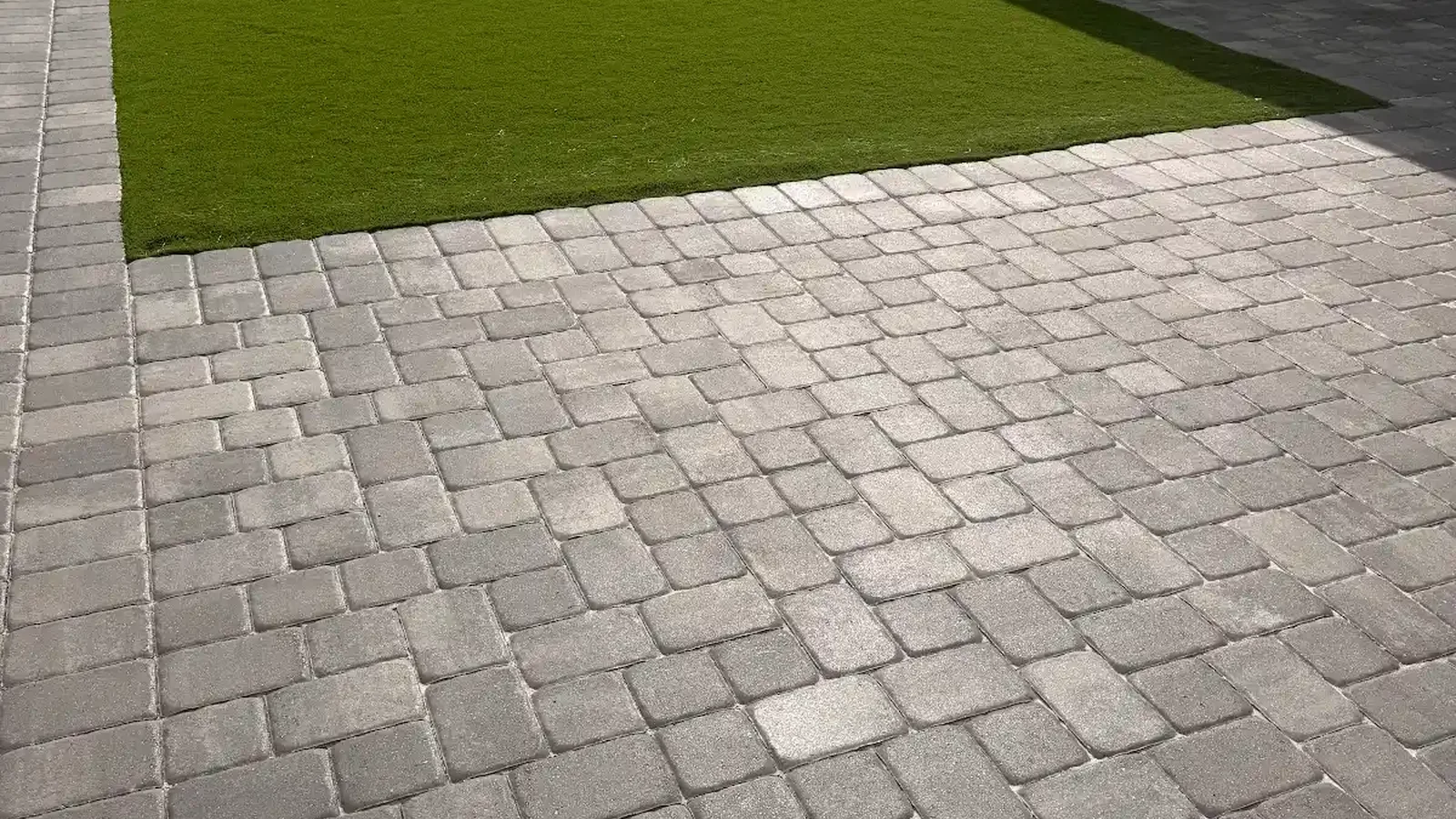
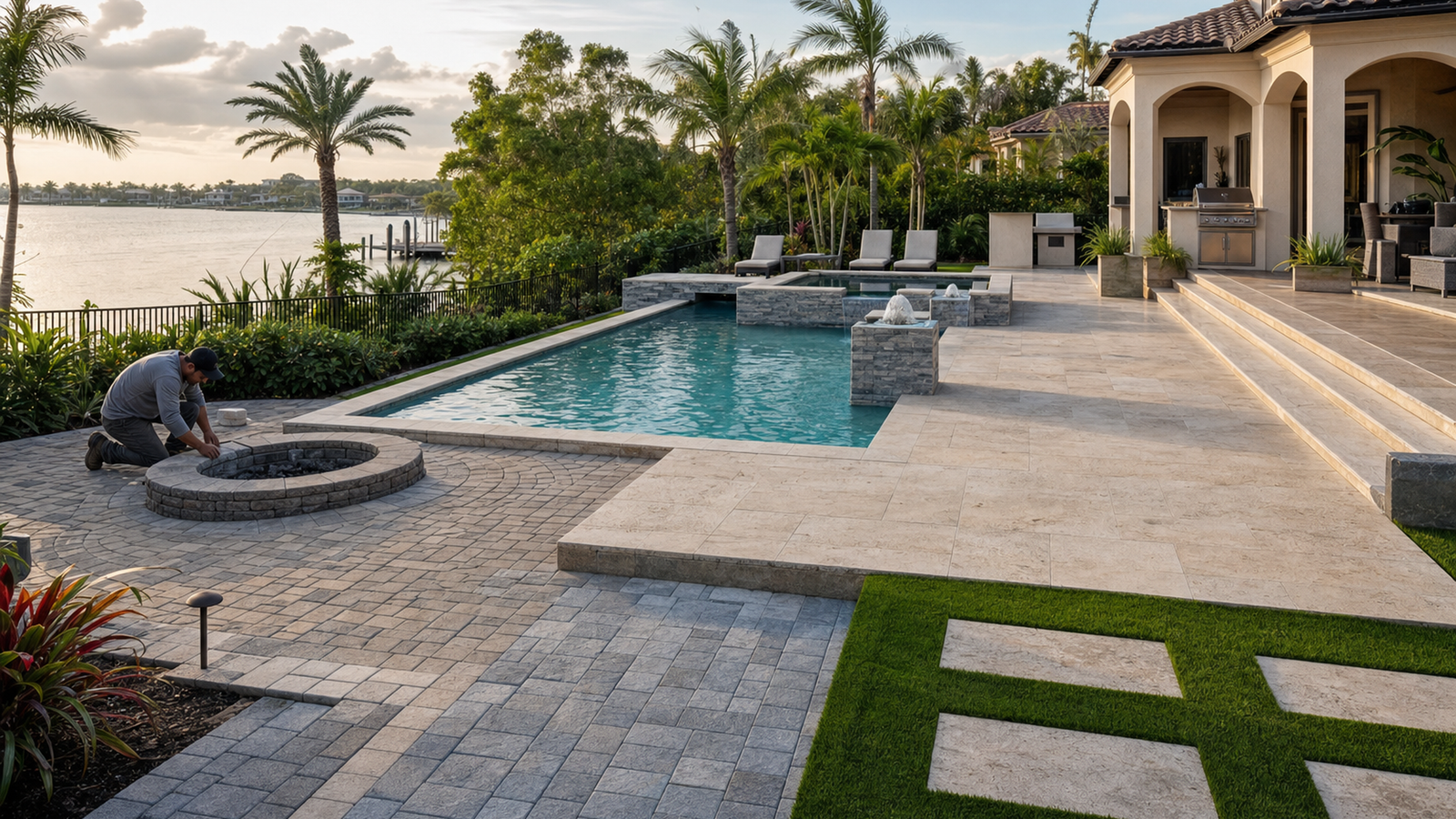
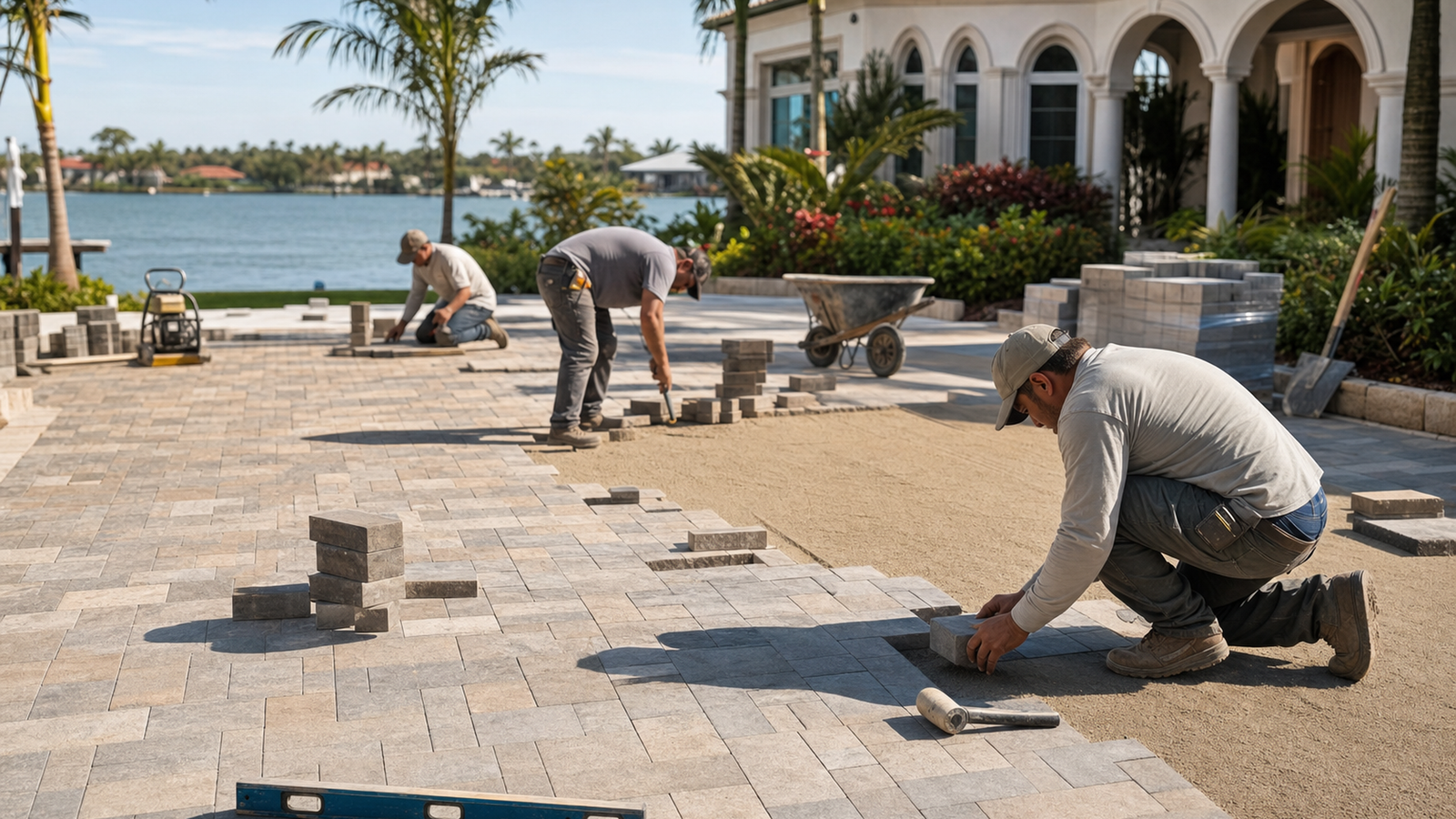
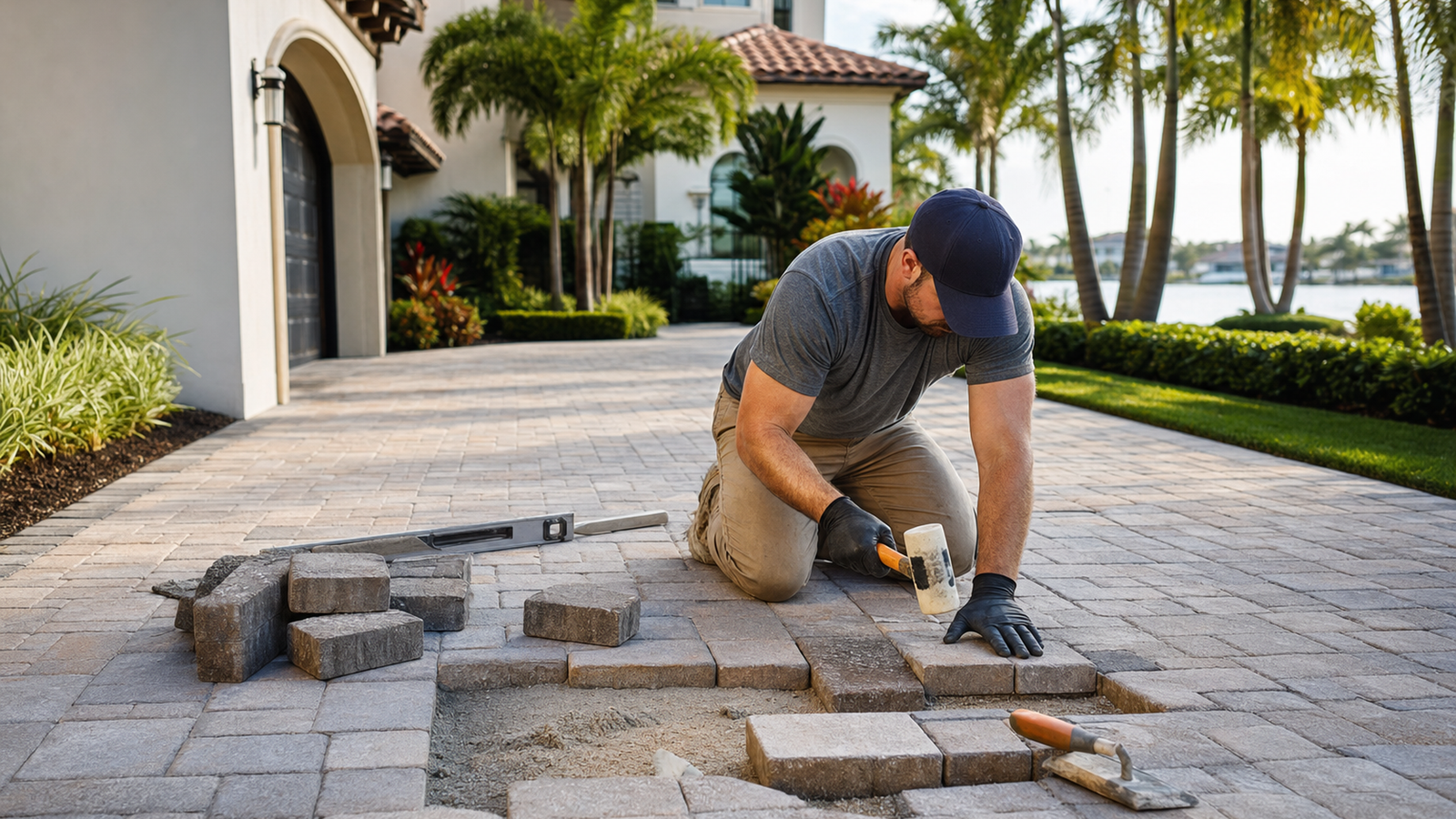
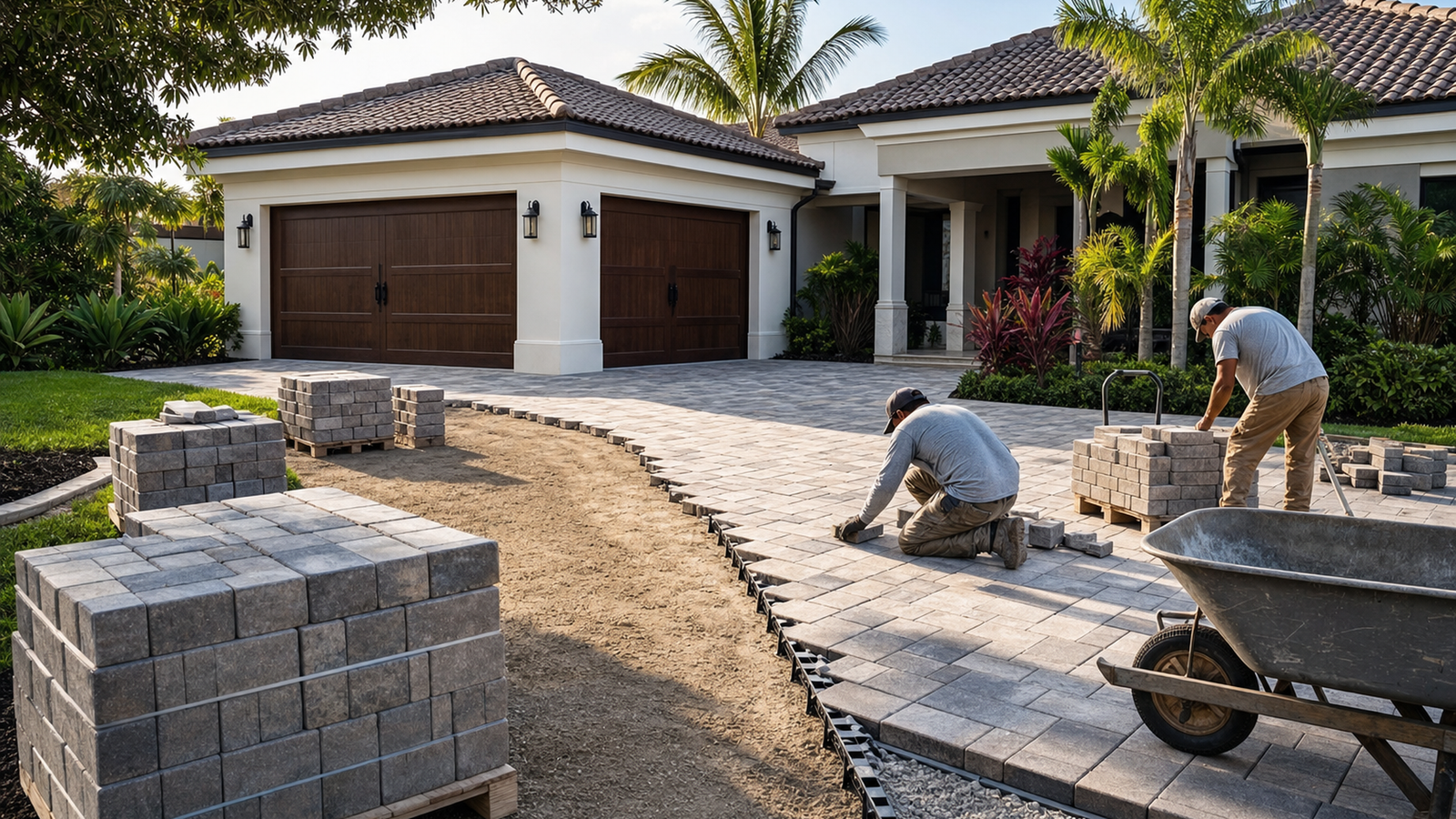
A paver driveway works as a system of many individual concrete units locked together over a prepared base. Installers excavate, place and compact base aggregate, screed a bedding layer, then install pavers in the chosen pattern. Sand or similar joint material fills the joints and helps transfer loads between pavers through interlock. When designed and built well, the system spreads vehicle loads across many units, not just one spot.
Why base design matters more than surface material
Whether you choose asphalt or pavers, the base design and compaction largely decide how your driveway performs. Local soils, truck access, and any nearby trees in Tampa Bay can all affect how thick the base should be and how wide the driveway needs to be. A rushed installation that skimps on base depth, compaction, or edge support usually fails early, no matter what you put on top. That is why a site visit and soil review are so important before anyone quotes your project.
Heat, surface temperature, and curb appeal in Florida sun
How hot will your driveway feel in summer
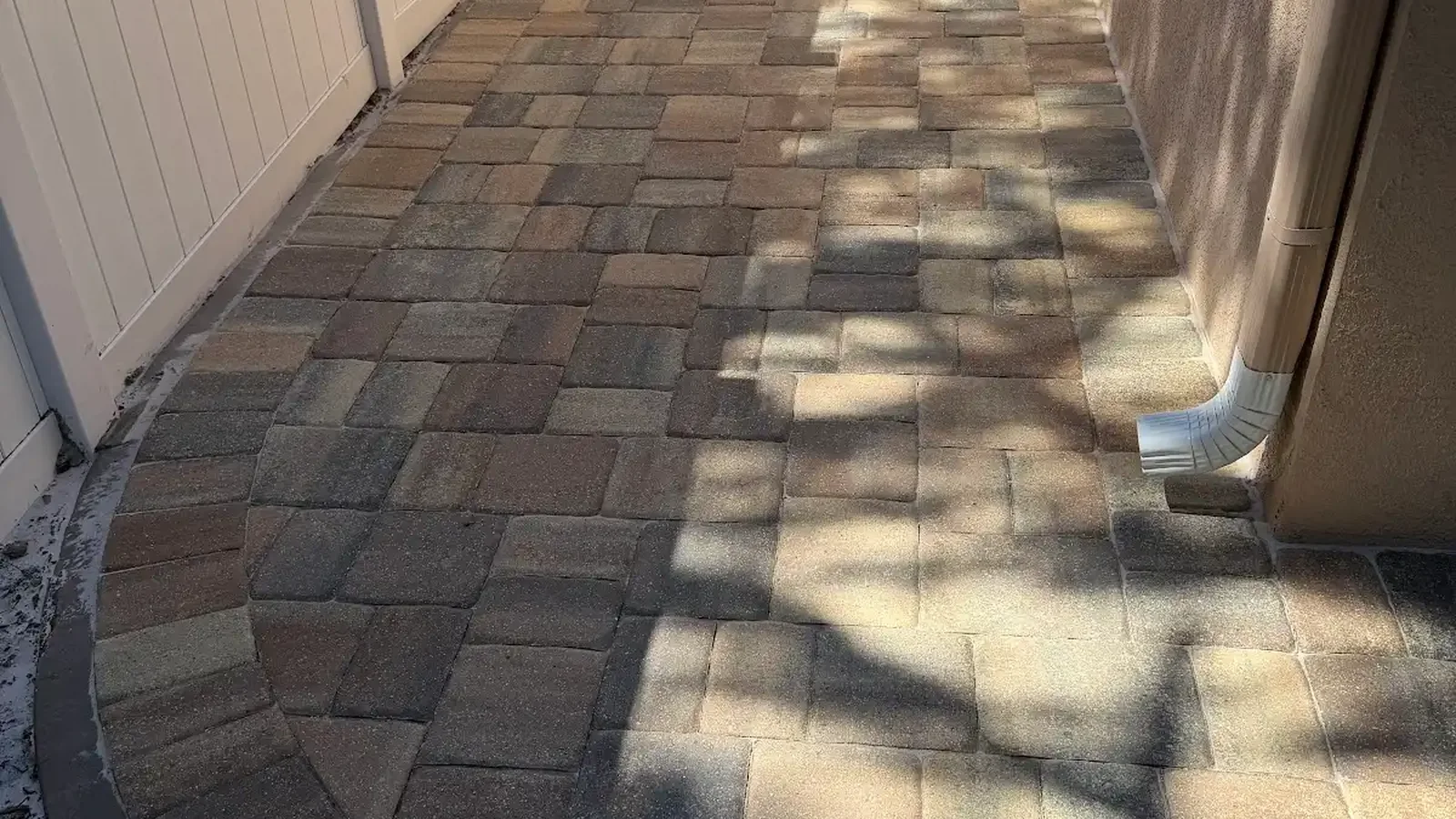
Both asphalt and pavers can get hot in our Florida sun, but dark asphalt usually feels hotter to bare feet. Light-colored or blended pavers can reflect more sunlight while still avoiding harsh glare. Texture also matters, because a slightly textured paver surface often feels cooler and less slippery than a smooth asphalt mat. Shade from trees or nearby buildings in places like Palm Harbor can also change how hot each system feels in daily use.
Color, texture, and home style
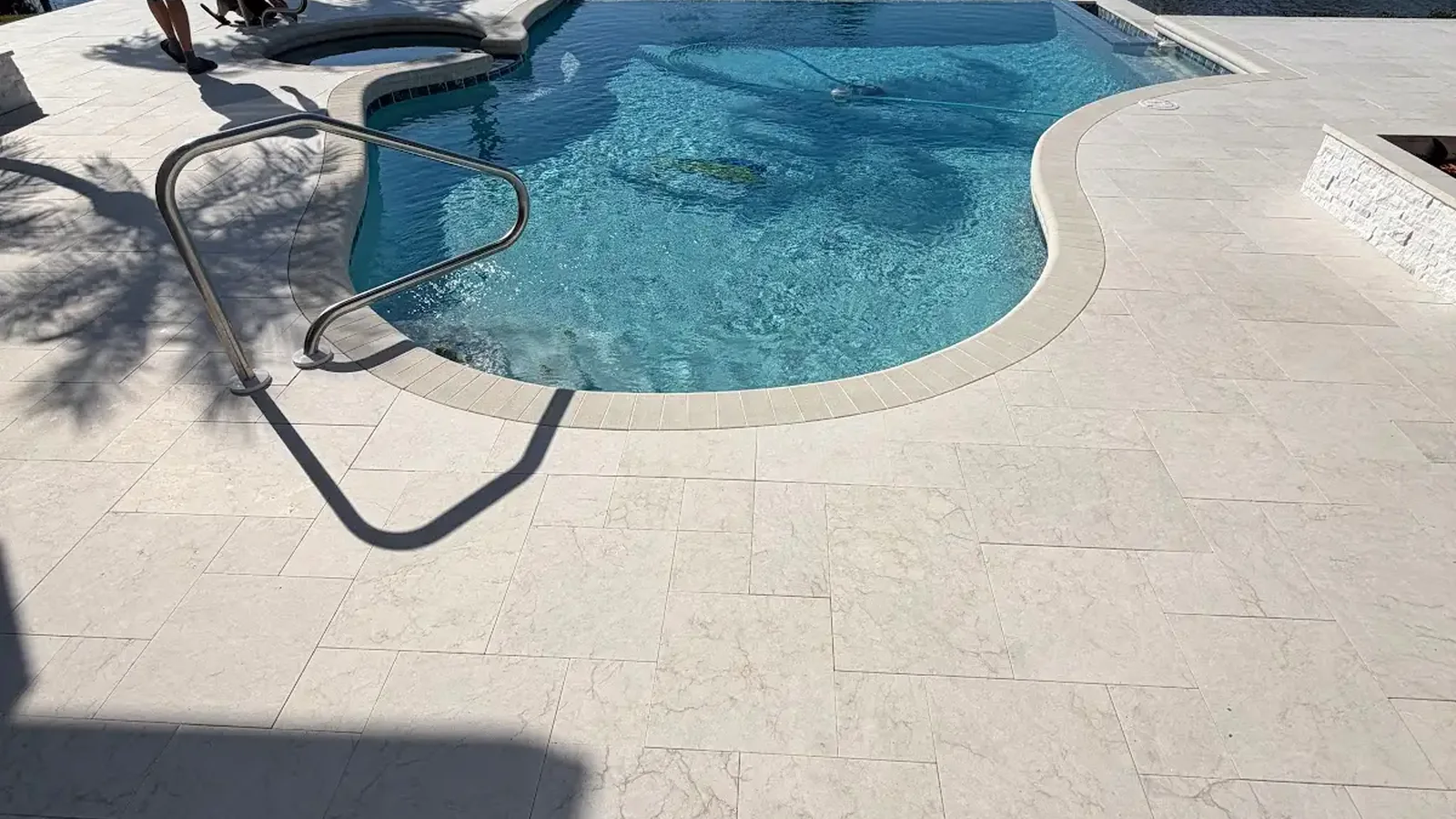
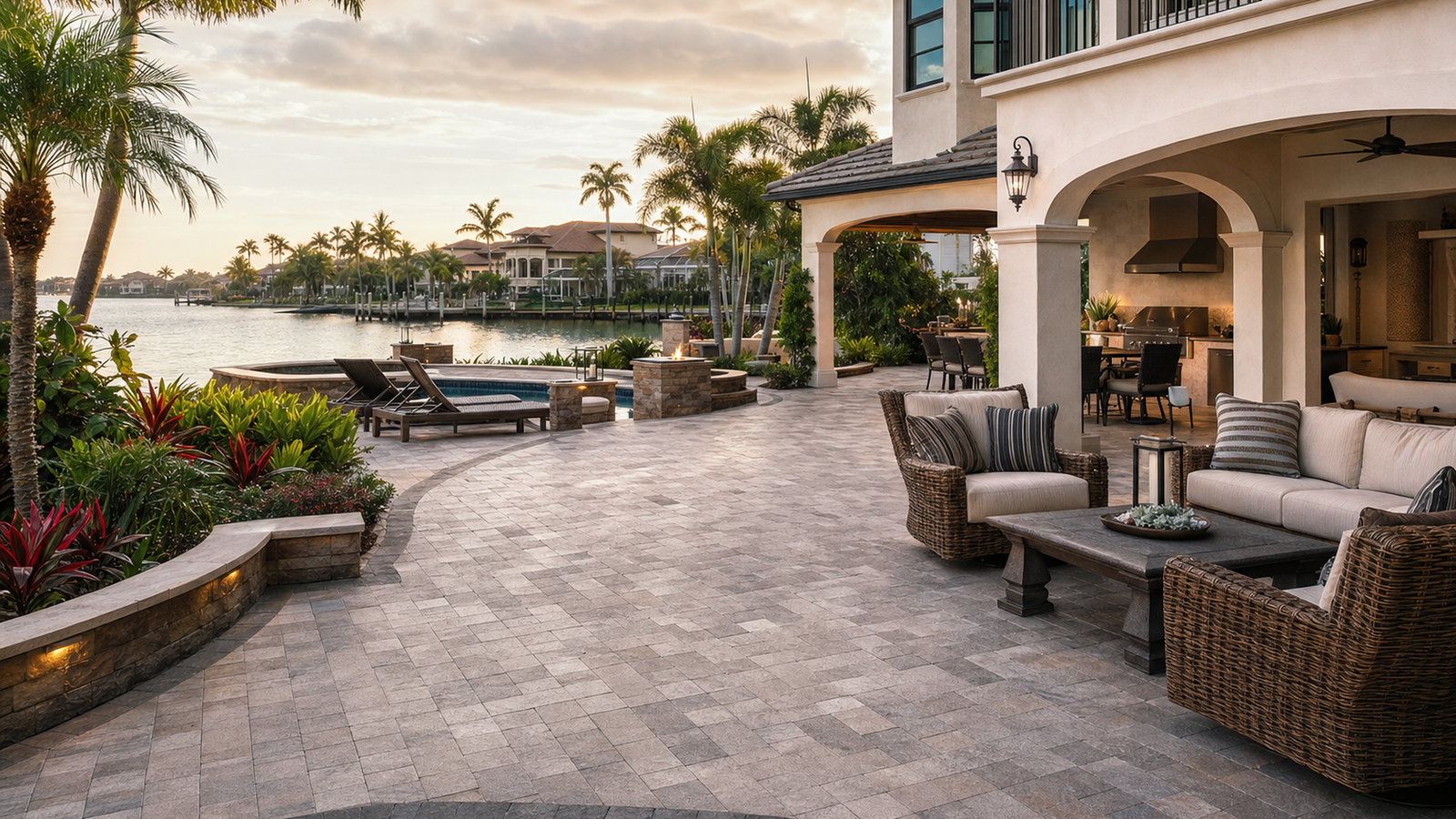
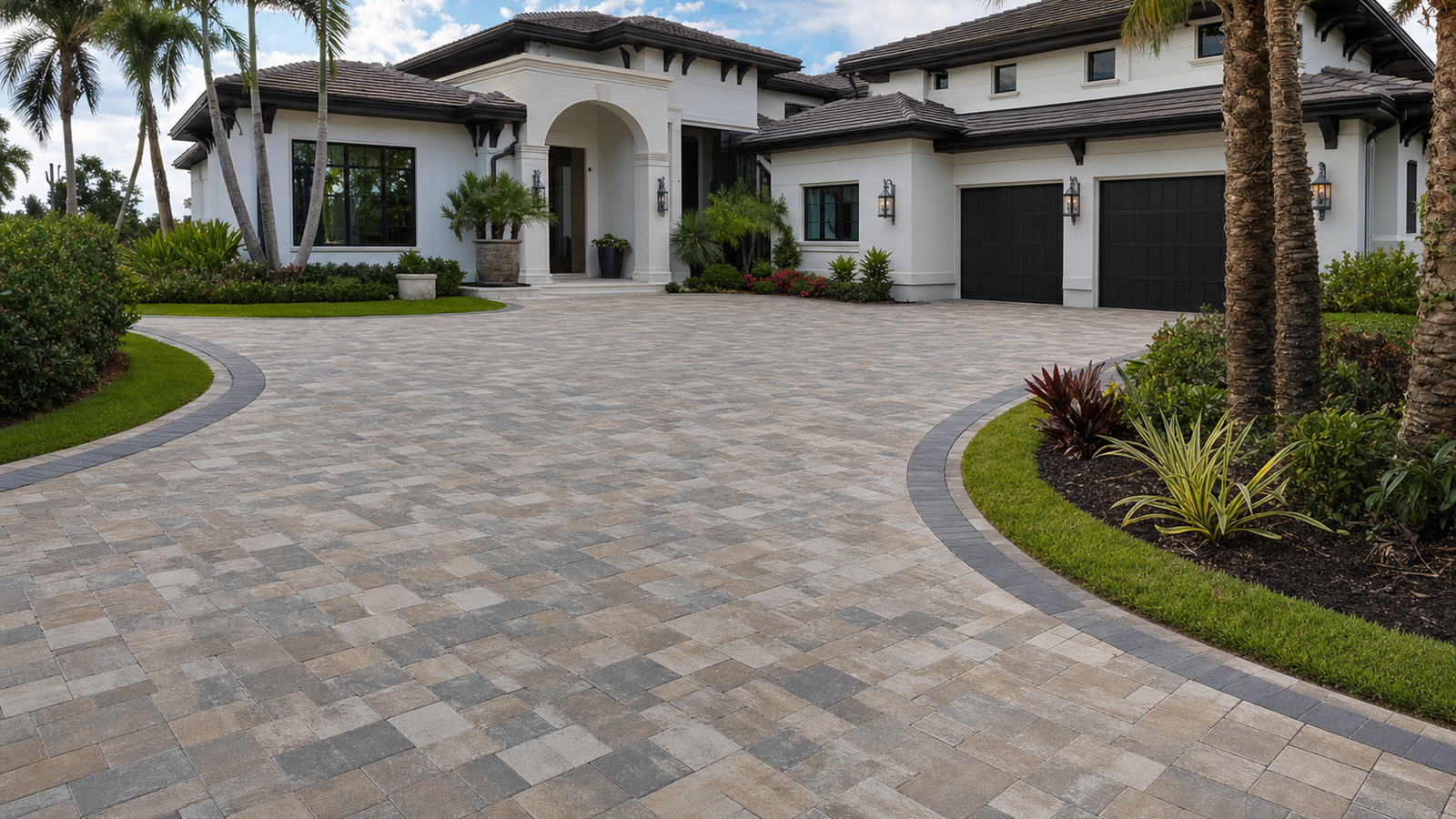
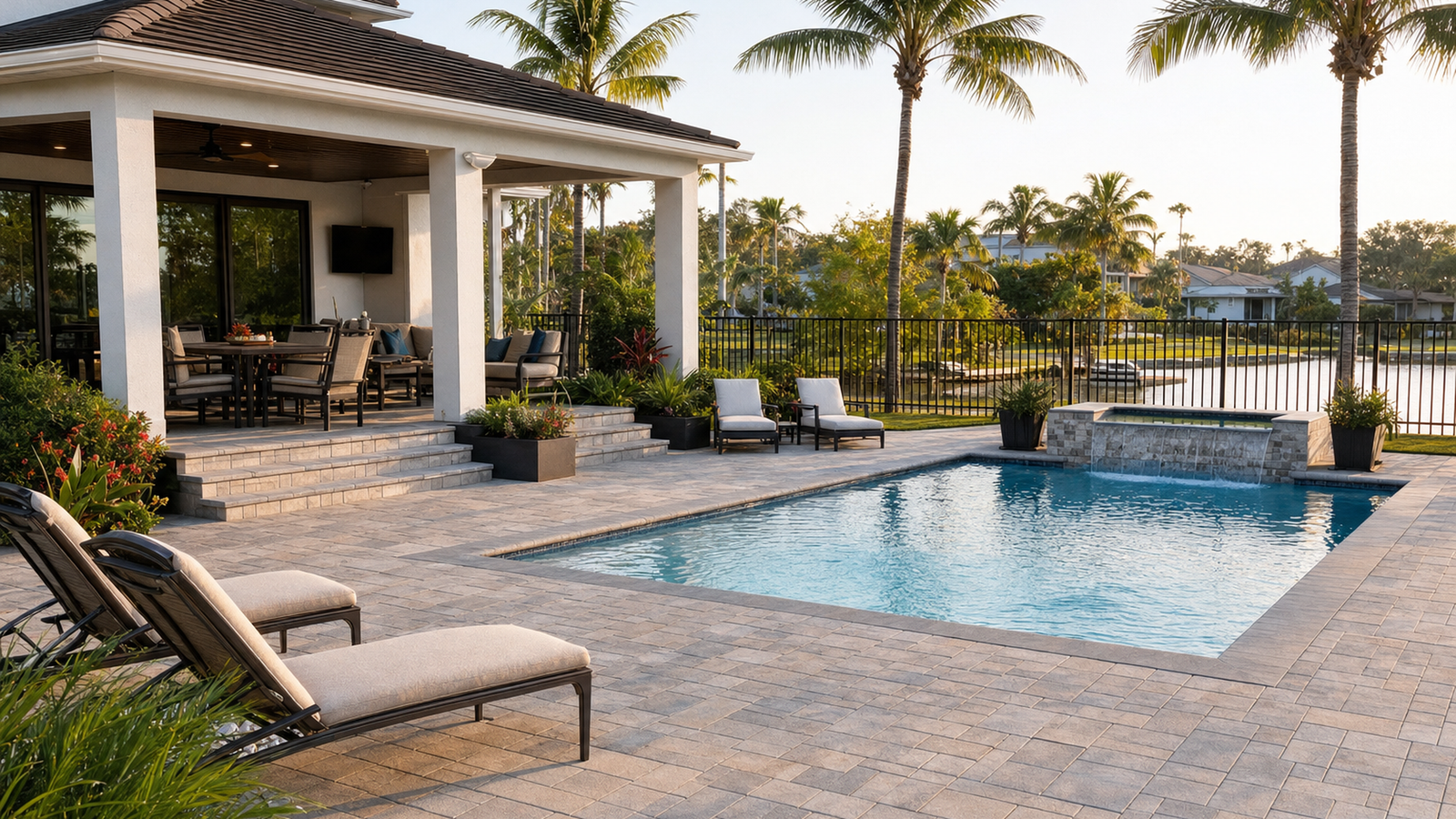
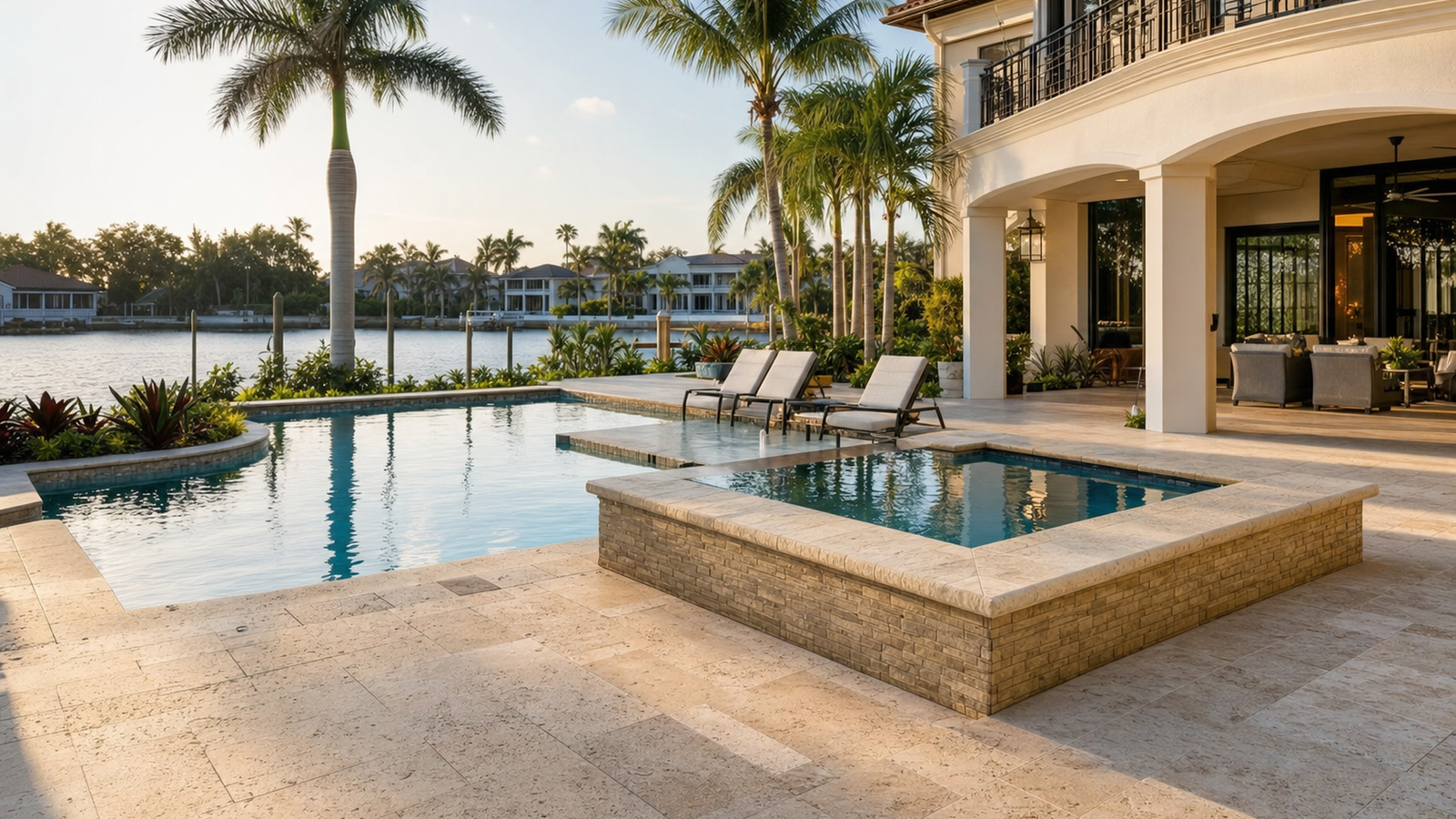
Asphalt generally offers a consistent dark surface that can frame a light-colored home nicely, especially on traditional properties. Pavers add more visual detail, which can complement stucco, stone, and coastal styles seen across Tampa Bay neighborhoods. You can choose patterns, borders, and color blends to tie into your entry, walkways, and pool deck. That flexibility helps many homeowners align the driveway with their long-term curb appeal goals.
Glare, shade, and surrounding landscape
Glare can be a concern if your driveway faces west in Town ‘N’ Country or Greater Carrollwood and catches late sun. Very light surfaces can reflect more light into windows, while darker surfaces absorb more heat. Pavers allow you to choose mid-tone blends that balance brightness and heat gain. When planning, consider how nearby grass, plant beds, and hardscapes will look next to either a uniform asphalt surface or a patterned paver field.
Turning loads, oil stains, and everyday wear
Understanding interlock under Florida traffic
Driveways in Riverview, Ruskin, and Wesley Chapel often see tight turns in front of garages and at entry curves. Asphalt handles these turning loads with its flexible surface, but repeated sharp turns can cause scuffing or shoving in hot weather. Paver systems rely on interlock between units, and patterns matter. CMHA notes that herringbone patterns perform especially well under vehicular turning and braking loads, because they improve vertical, rotational, and horizontal interlock between pavers.
Living with oil leaks and tire marks
Oil leaks, transmission fluid, and power-steering drips show up on both asphalt and pavers. However, a stain on asphalt can be harder to blend away without treating a larger area. With pavers, you can often replace a few stained units or swap them with pieces from a less visible area. Regular cleaning and, when appropriate, sealing can help you stay ahead of tire marks and drips on either system without expecting a perfect, spotless surface.
Noise, traction, and comfort
Asphalt typically feels smoother and a bit quieter under tires, especially for slow backing and turning. Pavers add a small amount of texture that can improve traction for walking in rain, which matters during summer storms. That same texture can create a light rumble under tires, which some homeowners like as a subtle speed reminder. Either option can be designed to shed water off the surface, but the details should be coordinated with your overall hardscape plan.
Settlement, edge support, and repair access over time
How each system handles settling soils
Many Tampa Bay neighborhoods sit on variable soils that can settle after construction or utility work. Asphalt tends to show settlement as depressions, birdbaths, or cracks that widen over time. Concrete pavers may show settlement as a localized dip or uneven area, but the surface usually stays intact. When installers design the base correctly for your site, both systems can perform well; however, pavers often make localized settlement easier to address.
Protecting driveway edges and borders
Driveway edges take a lot of abuse from tires running wide, delivery trucks, and lawn equipment. Asphalt edges can ravel or break if they do not have adequate support from the base and adjacent soil or curbing. Paver driveways rely on edge restraints, borders, or adjacent hardscape to keep the pattern locked in. In both cases, strong edges reduce the risk of spreading, cracking, or broken corners that can shorten the life of the surface.
Repairing and upgrading in the future
Future changes often drive the real long-term cost of a driveway in places like Land O’ Lakes and Seven Springs. If you add utilities, adjust irrigation, or expand a parking bay, asphalt repairs usually involve saw-cutting and patching. Color and texture differences can stay visible even after careful work. With pavers, you can typically pull up selected areas, complete the underground work, then relay and compact the surface, though matching older colors can still take planning.
Installation, disruption, and maintenance planning
What to expect with an asphalt install
Asphalt installations often move fast once base grading and compaction are ready. Crews bring in hot mix, place it, and compact to final grade, usually in one continuous operation. You may be back on the driveway with light vehicles relatively quickly, depending on conditions and contractor guidance. However, future overlays or major repairs can require substantial grinding, hauling, and re-rolling, which brings a similar level of disruption again.
What to expect with a paver install
A paver driveway usually takes longer on site because there are more steps and details. Crews must excavate, place and compact base layers, screed bedding sand, install borders, lay pavers, cut edges, and compact the finished surface. Access may be limited longer, but the work is often easier to phase around other hardscape improvements. Later adjustments, such as pulling a few rows to add lighting or sleeves, typically cause less disruption than a full resurfacing.
Long-term maintenance and lifespan planning
Both asphalt and paver driveways need periodic attention, but in different ways. Asphalt may need crack filling, patching, and possible surface treatments over time, especially in high-sun, high-traffic areas. Pavers may need joint sand touch-ups, occasional leveling, and routine cleaning to control weeds or mildew. When you plan your budget, it helps to think about long-term maintenance and potential future changes, not just the first installation cost.
Common mistakes Tampa Bay homeowners can avoid
Focusing on surface, not structure
One of the biggest mistakes is choosing between asphalt vs pavers purely on appearance. The base thickness, compaction, and edge details usually decide how long the driveway performs. Skipping soil review or underestimating vehicle loads can leave you with early cracking, rocking pavers, or rutting. Instead, ask each contractor how they design the base and why that design fits your specific property and traffic.
Ignoring water, trees, and utilities
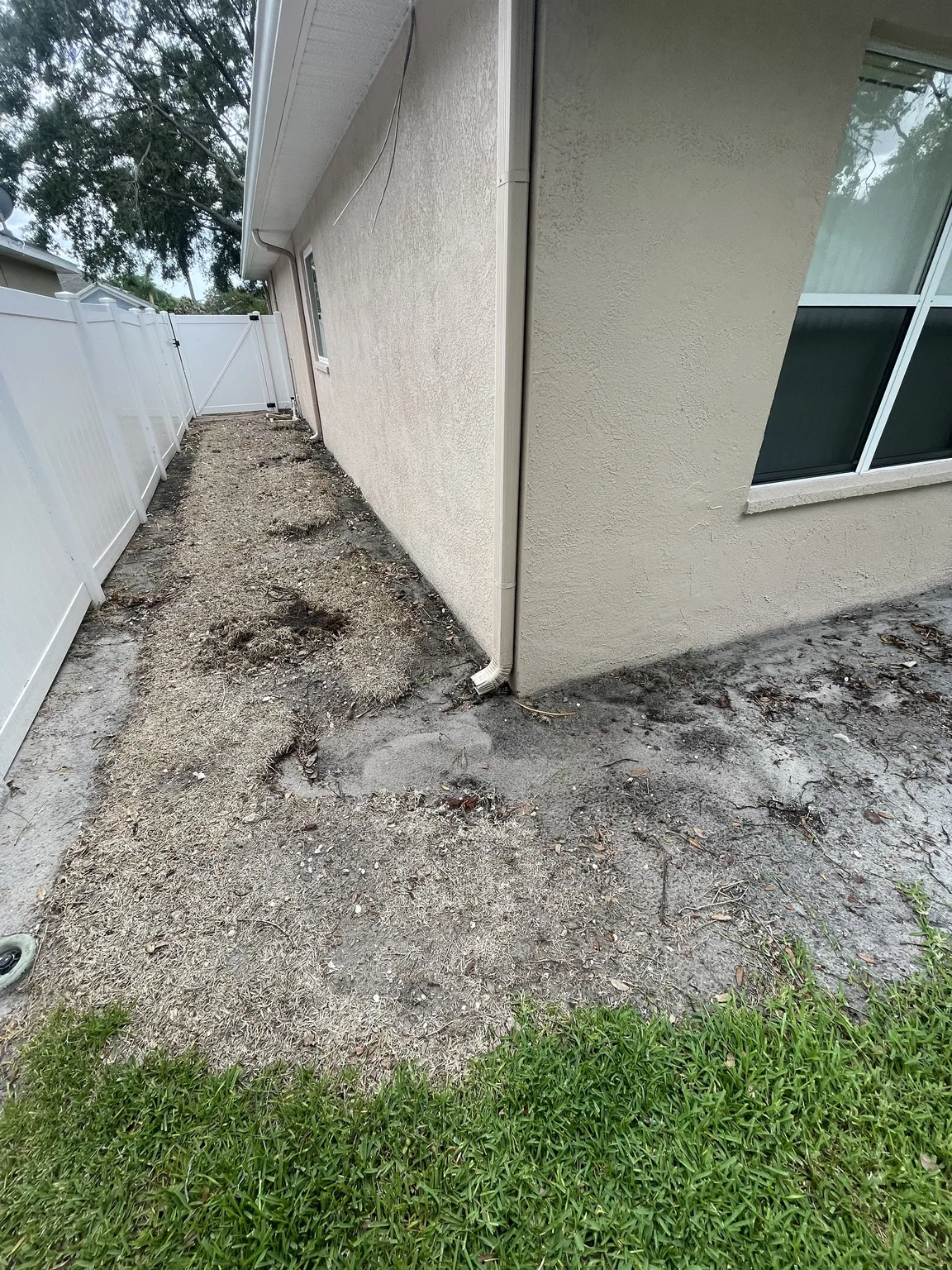
Driveway projects in Palm Harbor, Town ‘N’ Country, and Thonotosassa often intersect with downspouts, roots, and buried lines. If you ignore where water flows, roots grow, or utilities run, you may face settlement, root heaving, or complex future repairs. Plan slopes, transitions, and joint details as part of the driveway and surrounding hardscape, not as an afterthought. For tree, structure, or utility questions, involve the appropriate licensed or qualified professionals early.
Choosing based only on first price
Initial asphalt quotes often come in lower than paver quotes, especially for simple shapes. However, a very low price from any installer can signal shortcuts on excavation, base, or compaction. Likewise, a higher paver quote should clearly explain base design, pattern choice, and joint materials, not just surface upgrades. To compare fairly, focus on workmanship, base details, pattern and load design, and how easy each system will be to maintain on your timeline.
How to compare asphalt vs pavers for your property
Simple driveway decision checklist
When you stand in front of your home in Greater Carrollwood or Land O’ Lakes, it helps to have a clear checklist. Walk your driveway area and think about how you use it now and how that might change. Consider where you park, how often guests visit, and which parts you actually see from the street or porch. Then compare how asphalt and pavers would perform in those specific spots.
- How many cars and what types of vehicles regularly use the driveway?
- Where do you turn the steering wheel most sharply and most often?
- Do you expect utility, pool, or landscape work that might disturb the driveway later?
- How important is long-term curb appeal and resale impression for your home?
- How much disruption can you tolerate now versus during a future repair?
Quick comparison of key driveway factors
While every site is different, it helps to see the main tradeoffs side by side. Use the table below as a conversation starter with any contractor you interview, not as a final design guide. Ask how your soil, access constraints, and long-term plans might shift these general patterns. A thorough site visit should refine each point for your exact driveway.
| Factor | Asphalt | Pavers |
| Upfront disruption | Shorter surface install once base is ready | More steps and detail work, longer onsite time |
| Heat and comfort | Tends to get hotter, especially in dark colors | Color and texture options can reduce heat feel |
| Repairs and access | Often needs cutting and patching larger areas | Individual units can be lifted and reset |
| Turning and braking loads | Handles well but can scuff in extreme heat | Interlocking patterns can distribute loads effectively |
| Curb appeal | Clean, simple, uniform look | Broader design, border, and color options |
When professional assessment makes sense
If your driveway crosses sloped areas, tree zones, or older utility corridors, a professional assessment becomes especially helpful. Contractors familiar with Tampa Bay soils can discuss base depth, compaction equipment, and edge details for your layout. For structural questions beyond a contractor's scope, a licensed engineer can advise, especially on steep grades or retaining walls. Bringing those viewpoints together early can prevent costly rework later.
Design, patterns, and CMHA guidance for paver driveways
Why pattern choice matters under vehicles
Concrete pavers do not work alone; they work as a connected surface. CMHA describes how vertical, rotational, and horizontal interlock help pavers share vehicle loads across many units. According to CMHA guidance on interlocking pavements, herringbone patterns are especially effective under vehicular turning and braking. That matters in front of garages and at tight turns common in Tampa Bay driveways.
Choosing patterns and borders for Florida homes
Patterns such as 45-degree or 90-degree herringbone, running bond, and ashlar each have different visual and structural traits. For higher turning loads, many designers lean toward herringbone patterns for the main field and then add contrasting borders. Borders can mark parking bays or frame planted areas along your entry. When you combine pattern, color, and border choices carefully, the driveway can support vehicles while still fitting your home's style.
Coordinating driveway pavers with the rest of your property
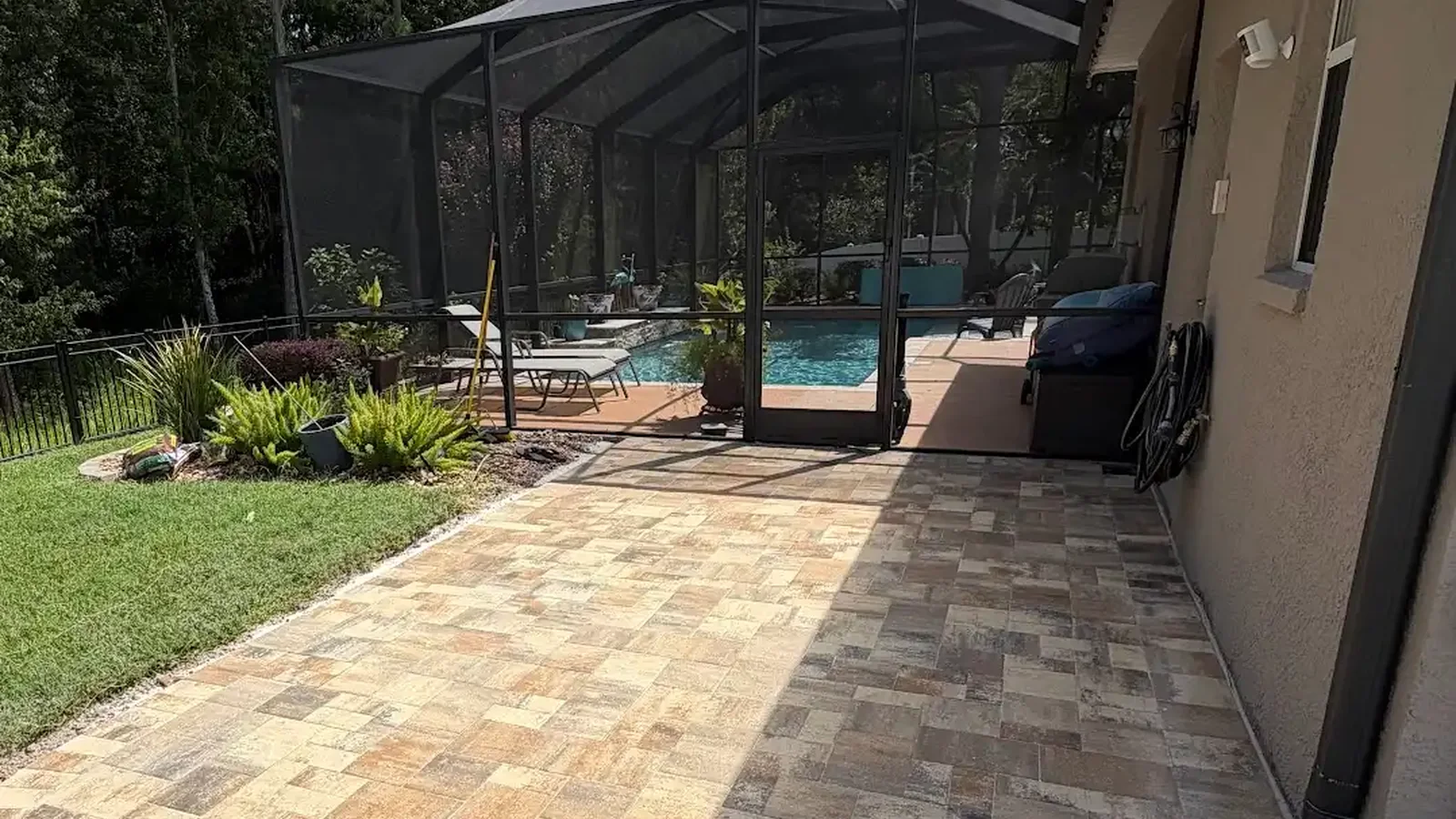
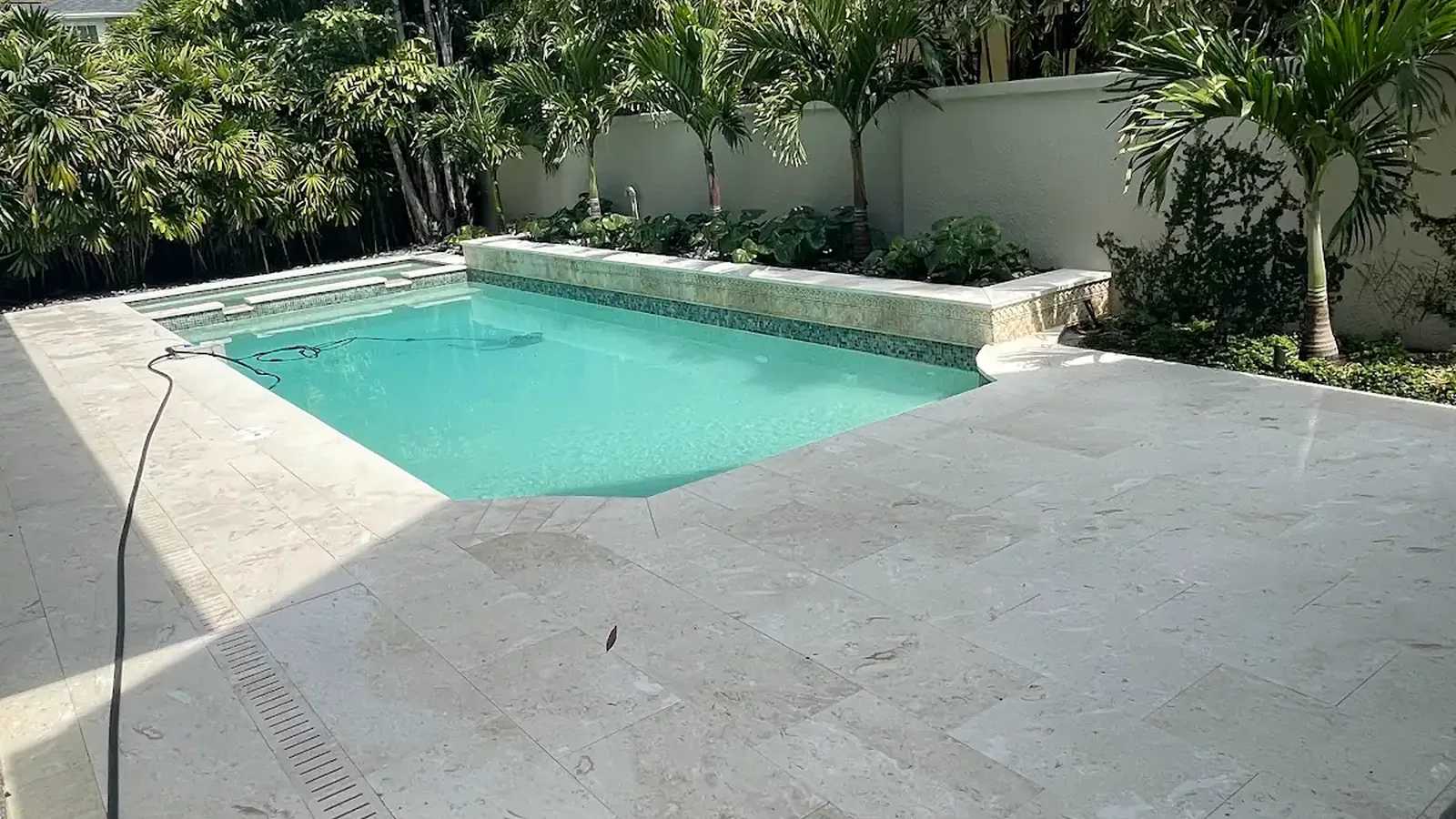
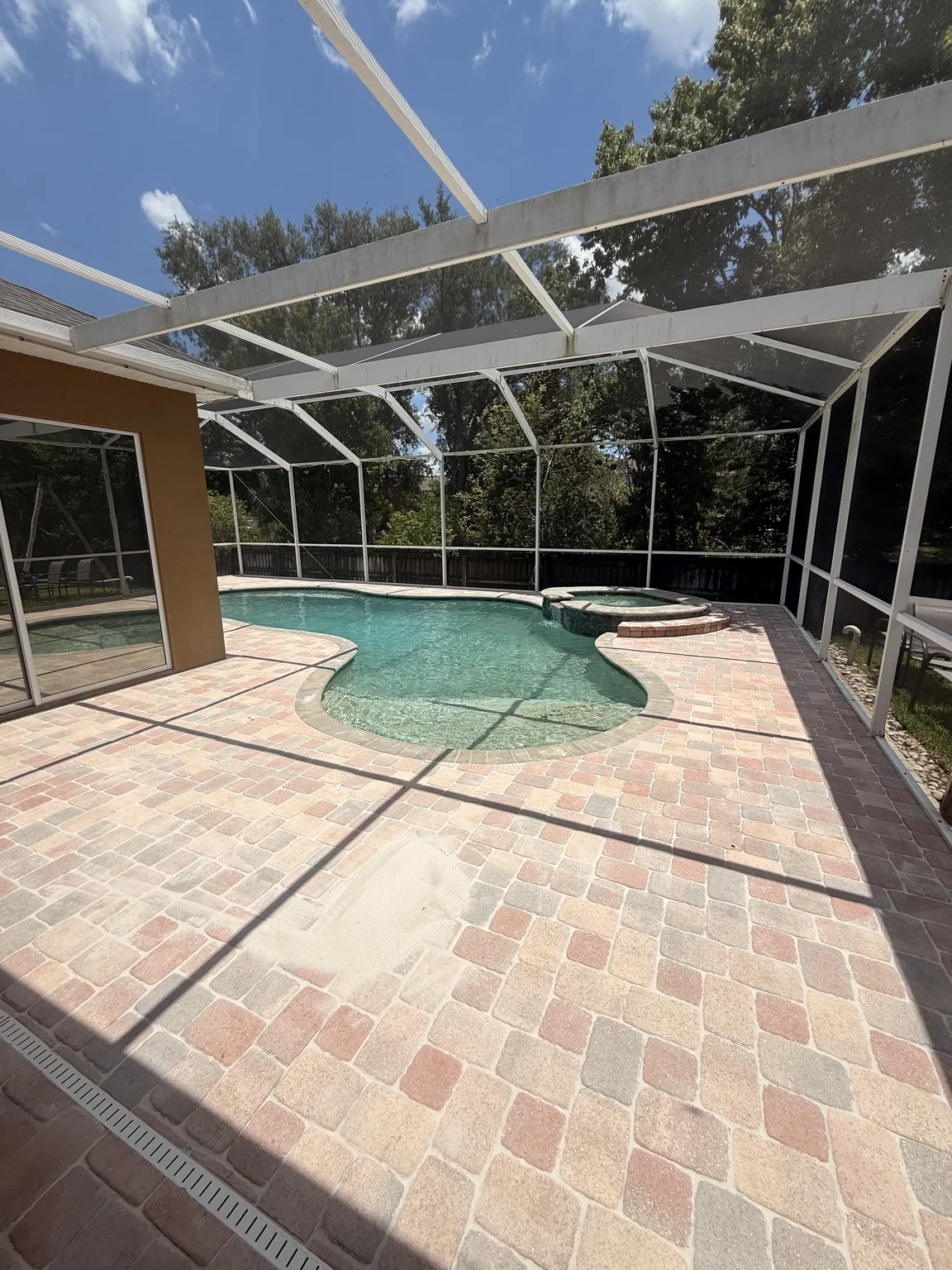
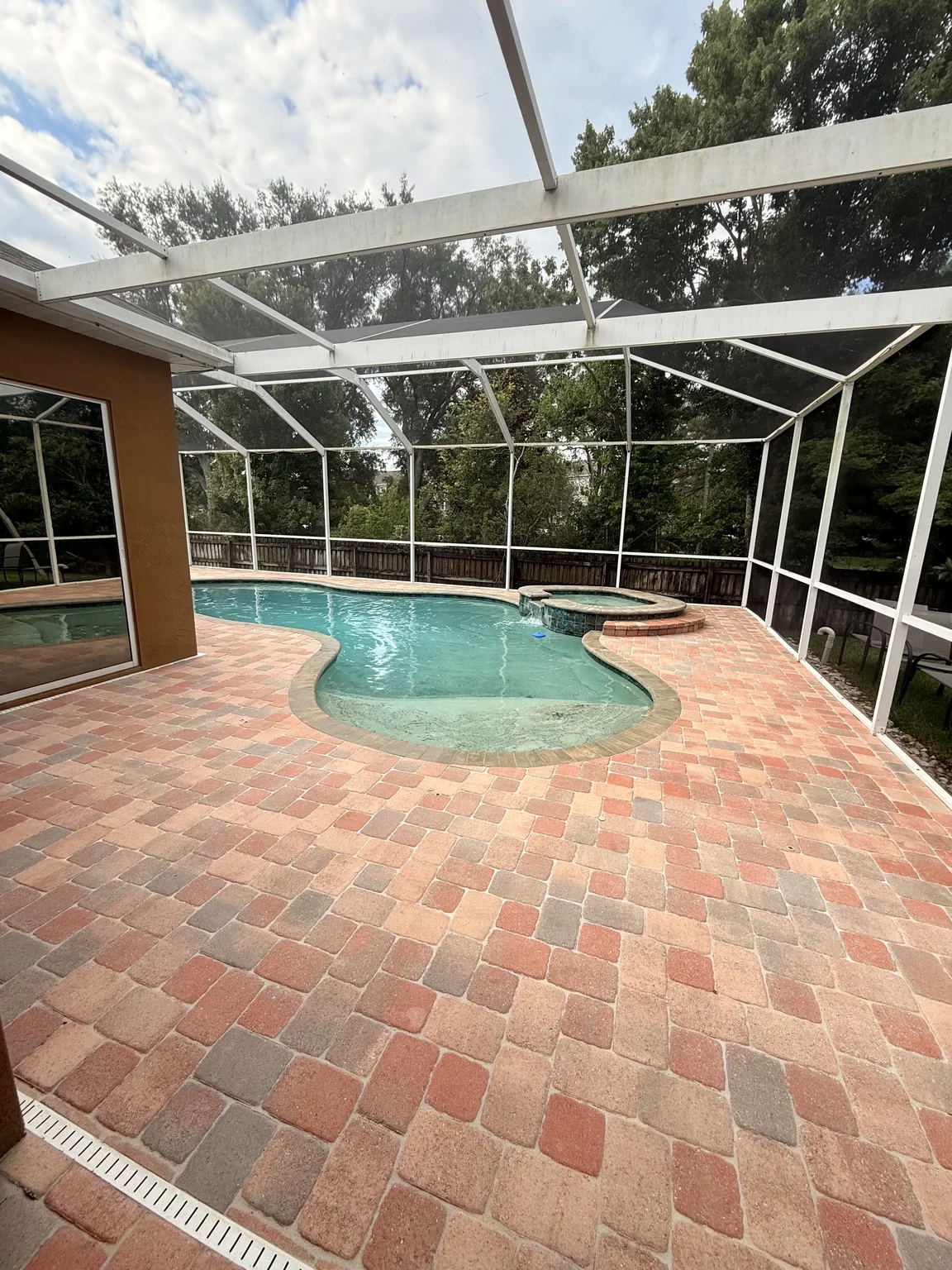
In neighborhoods like Palm Harbor and Wesley Chapel, many homeowners want consistent hardscape themes from the street to the backyard. Paver driveways can align with walkways, front porches, and pool decks for a unified look. When you plan everything together, you help ensure elevations, steps, and transitions stay comfortable and safe. For more detail on driveway paver options, you can review the dedicated driveway page at Dr Pavers Design driveway pavers in Tampa Bay.
Asphalt vs pavers FAQ for Tampa Bay driveways
Is asphalt or pavers better in Florida heat?
Both materials work in Florida heat when designed correctly, but they behave differently. Dark asphalt generally absorbs more heat and can feel hotter in peak sun. Pavers give you color and texture options that can moderate perceived surface temperature and reduce glare. The best choice depends on your sun exposure, shade patterns, and comfort expectations around bare feet and pets.
Which lasts longer: an asphalt driveway or a paver driveway?
Lifespan depends more on base design, soil conditions, traffic, and maintenance than on material alone. A well-built asphalt driveway can serve for many years with timely care such as crack filling and localized repairs. A well-built paver driveway can also provide long service, with the added benefit that individual units can be reset or replaced. Your contractor's approach to excavation, compaction, and edge support is often more important than the material label.
How do costs compare between asphalt vs pavers in Tampa Bay?
Asphalt typically has a lower initial installation price than a concrete paver driveway, especially on simple layouts. However, total cost over time can shift when you add in maintenance, potential overlays, or major repairs. Pavers often cost more upfront but can offer savings when you only need localized repairs or want to modify sections later. Because soil, access, size, and pattern all affect pricing, a site visit is necessary for an accurate quote from any contractor.
Are paver driveways strong enough for trucks and SUVs?
Properly designed paver driveways can carry typical residential vehicles, including SUVs and light trucks. The key is a base and pattern designed for vehicle loads, not just for pedestrian patios. CMHA notes that interlock and pattern choice, such as herringbone under turning areas, improve performance under vehicular loading. For unusually heavy vehicles or frequent deliveries, discuss load expectations with your contractor and, when needed, a qualified engineer.
Can I switch from asphalt to pavers using my existing base?
Sometimes you can reuse parts of an existing base when replacing asphalt with pavers, but you should not assume it will work as-is. The old base may be too thin, poorly compacted, or contaminated with fines or organic material. A thorough site visit and test excavation help determine whether adjustment or full base replacement makes more sense. Rely on a qualified contractor, and when structural questions arise, consider input from a licensed professional familiar with pavement design.
If you want to see how different materials and patterns actually look in real Tampa Bay driveways, you can browse recent work at Dr Pavers Design projects and read homeowner feedback on the testimonials page. For answers to more common questions before you schedule a visit, the company also maintains a detailed FAQ section and an overview of available hardscape services, including driveway paver installations coordinated with your overall outdoor plans.
When you are ready to compare asphalt vs pavers for your own driveway in Riverview, Ruskin, Wesley Chapel, or anywhere across Tampa Bay, you can request a free consultation by calling +1 (656) 600-4015, sending a text to the same number, or emailing drpavers@outlook.com. You can also reach out via WhatsApp, follow current projects on Instagram and Facebook, explore more driveway paver guides at this category hub, or check the Tampa Bay service area on Google Maps.