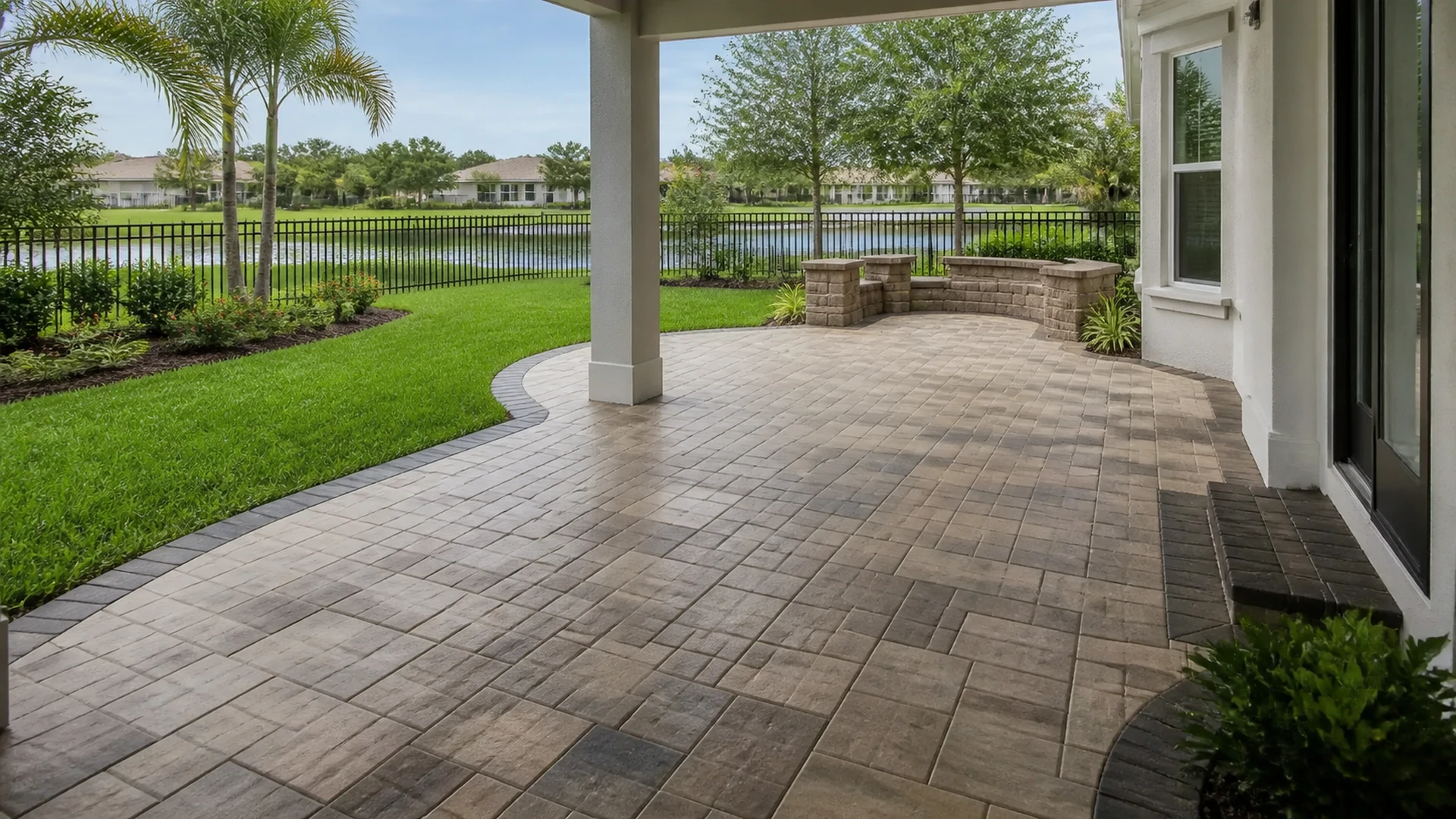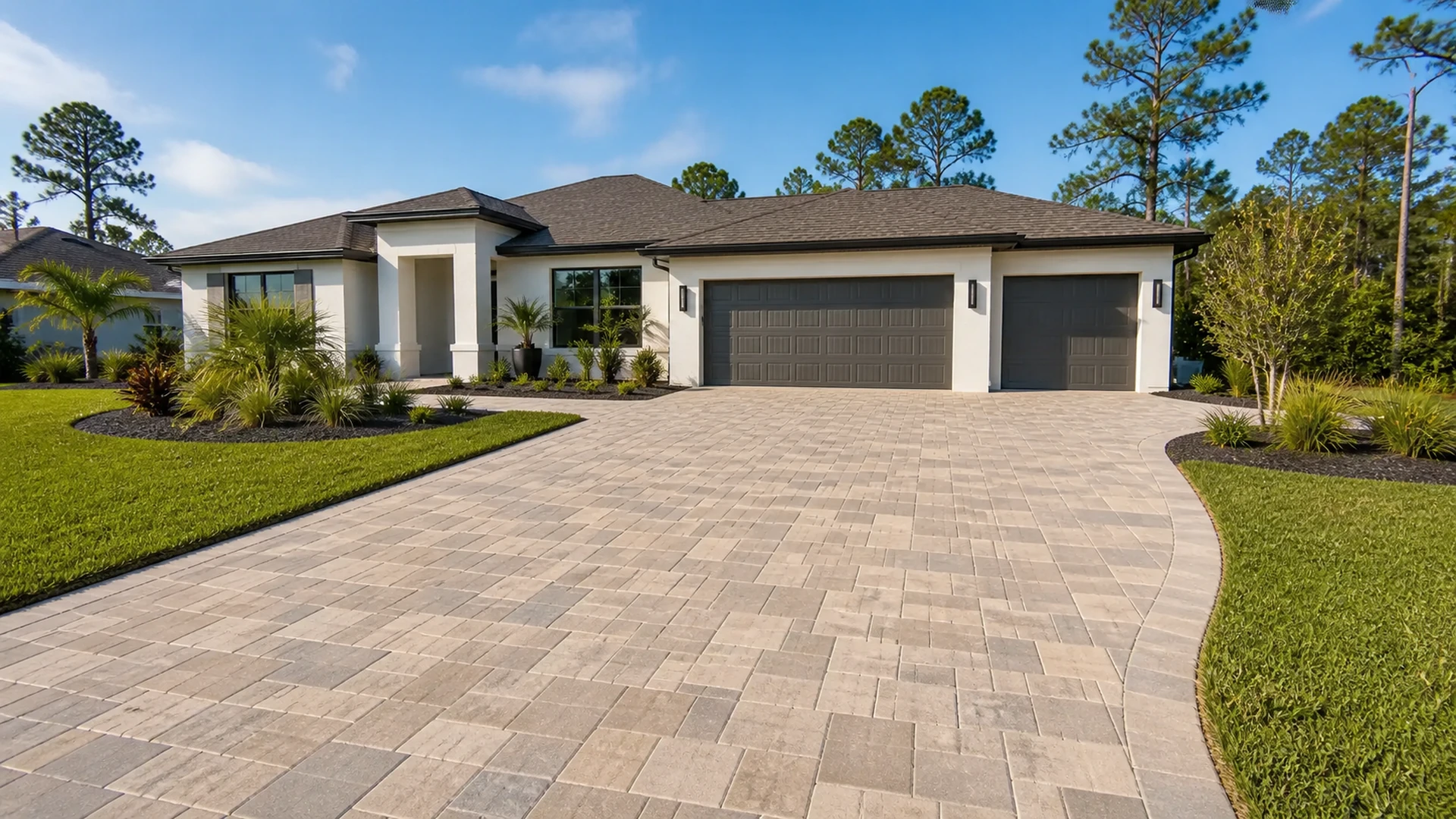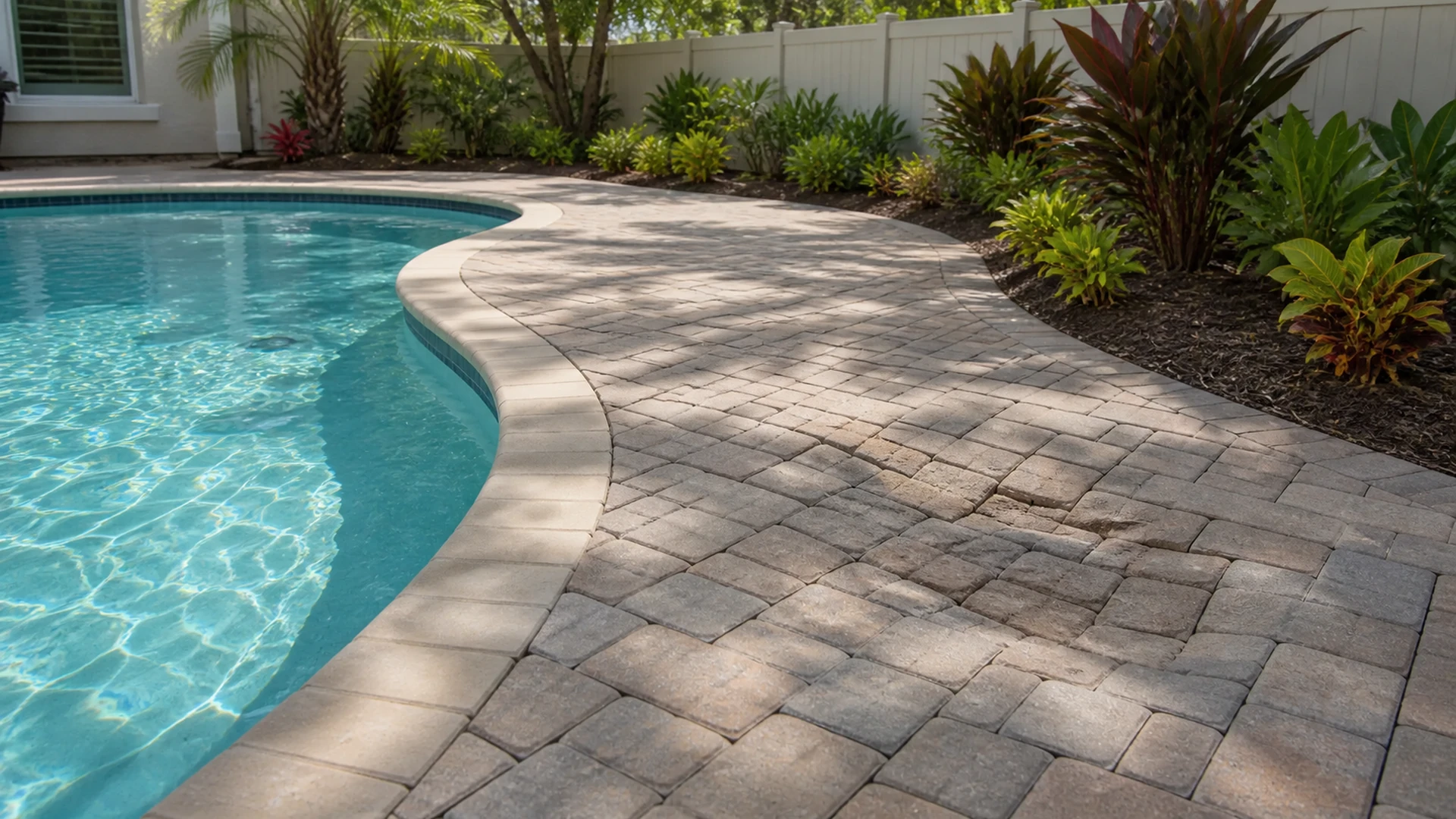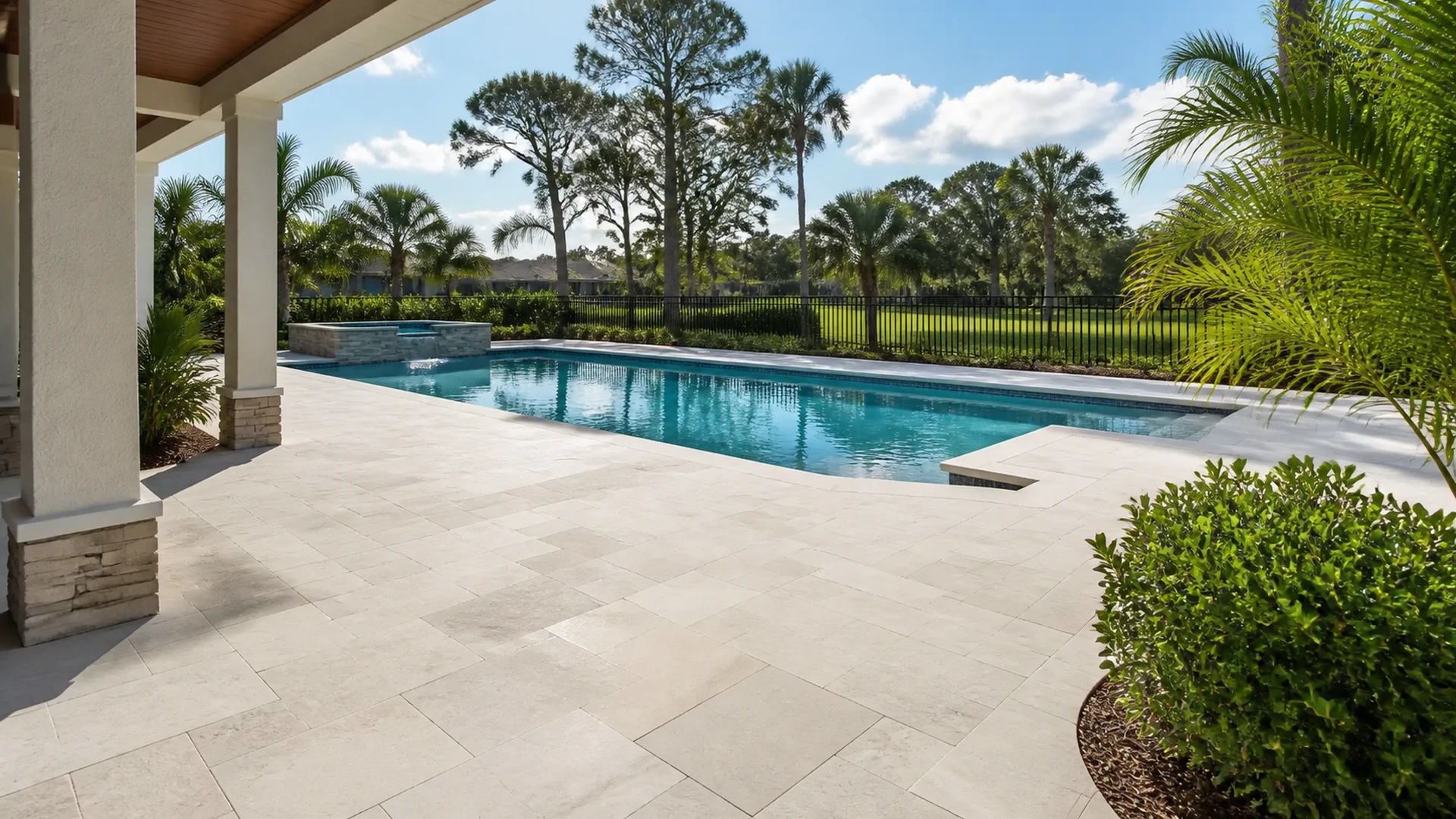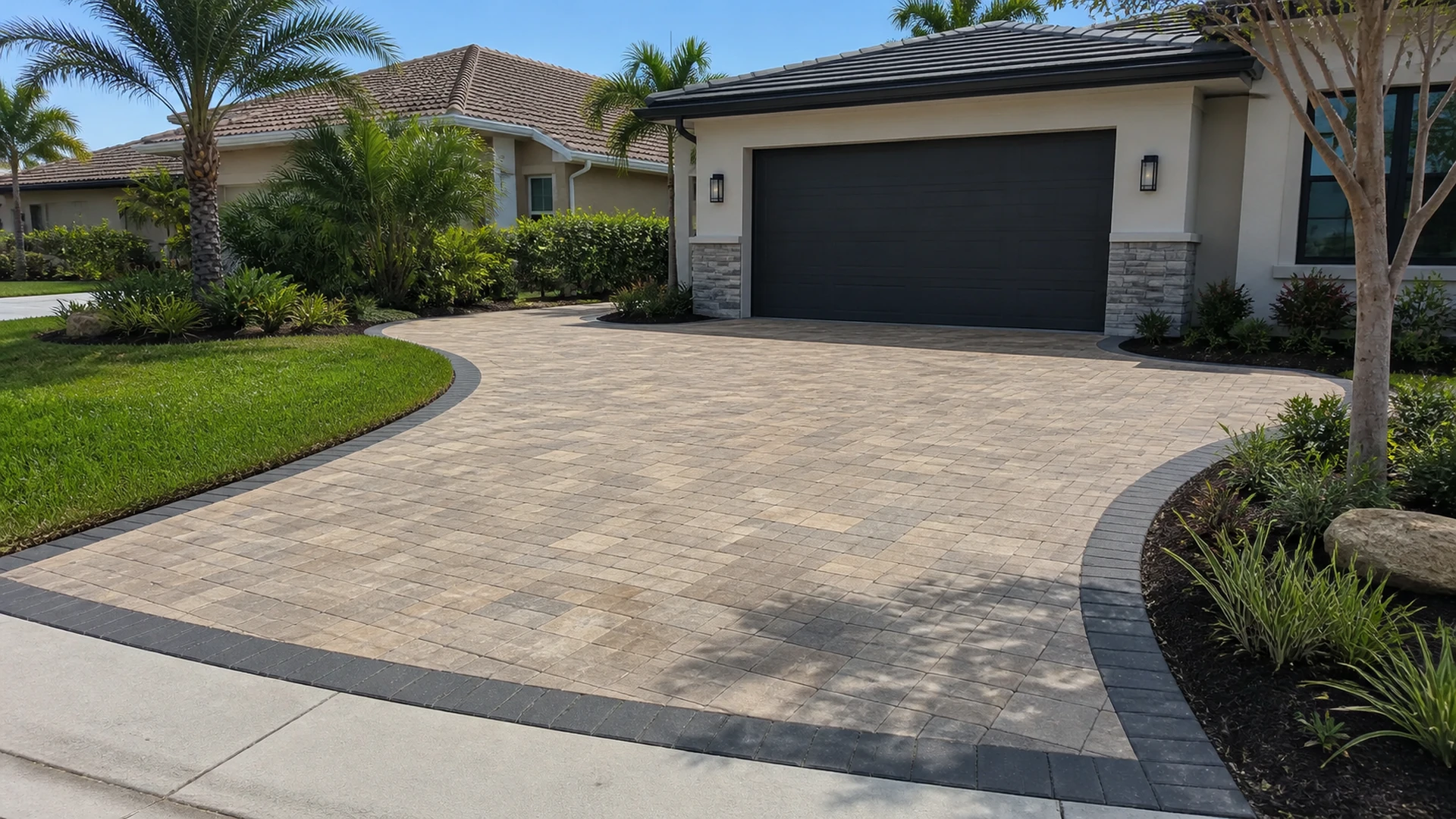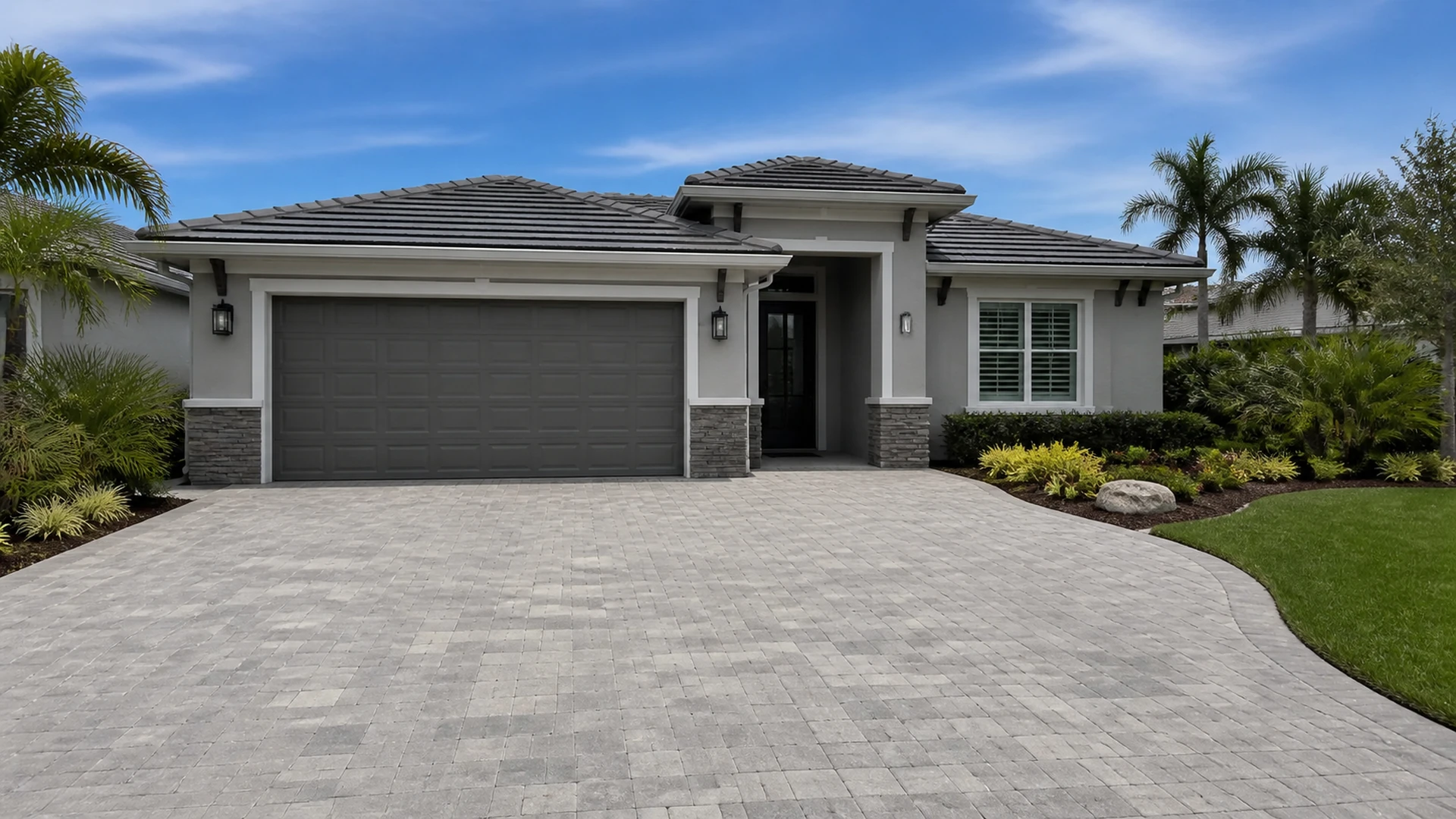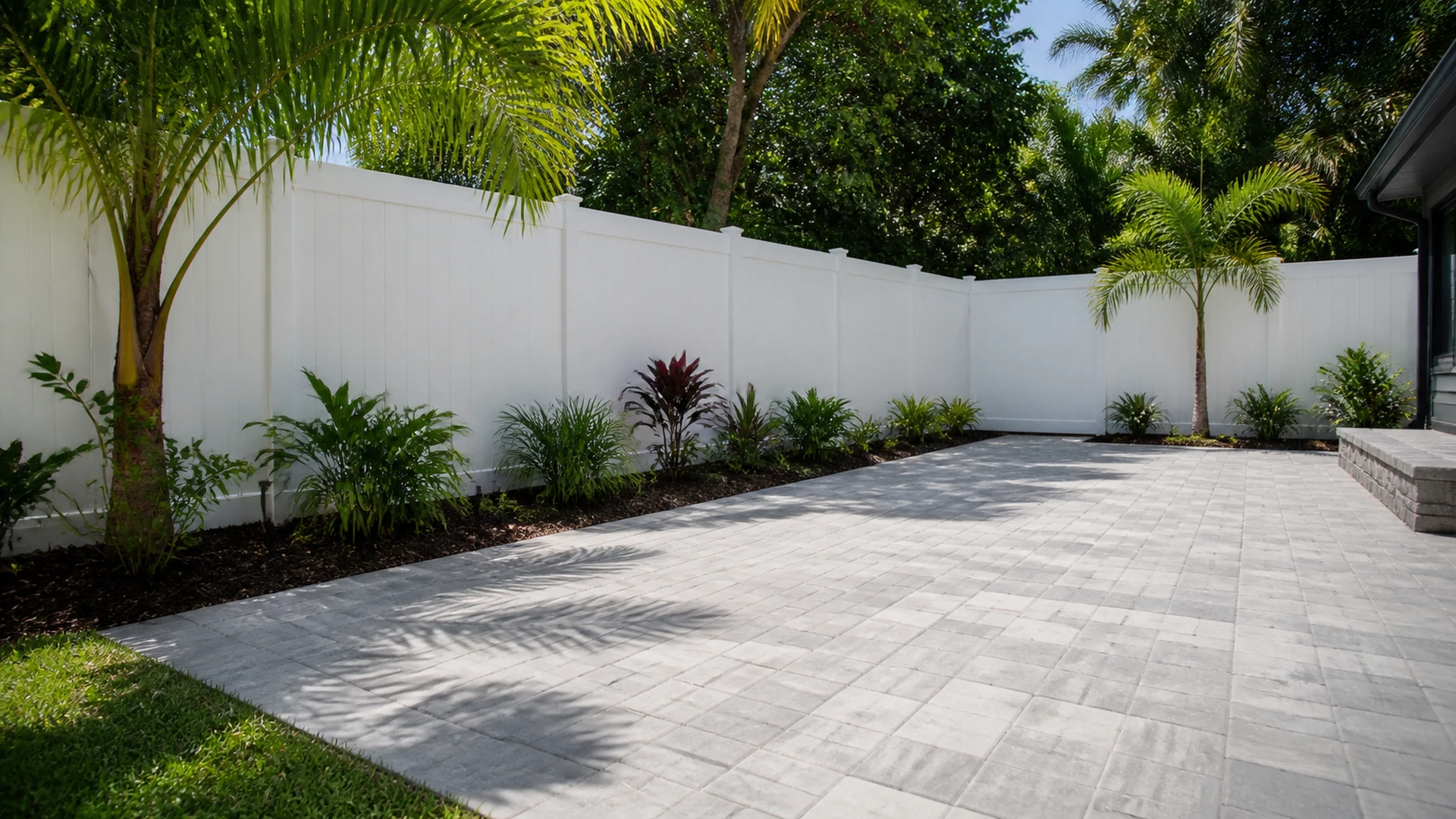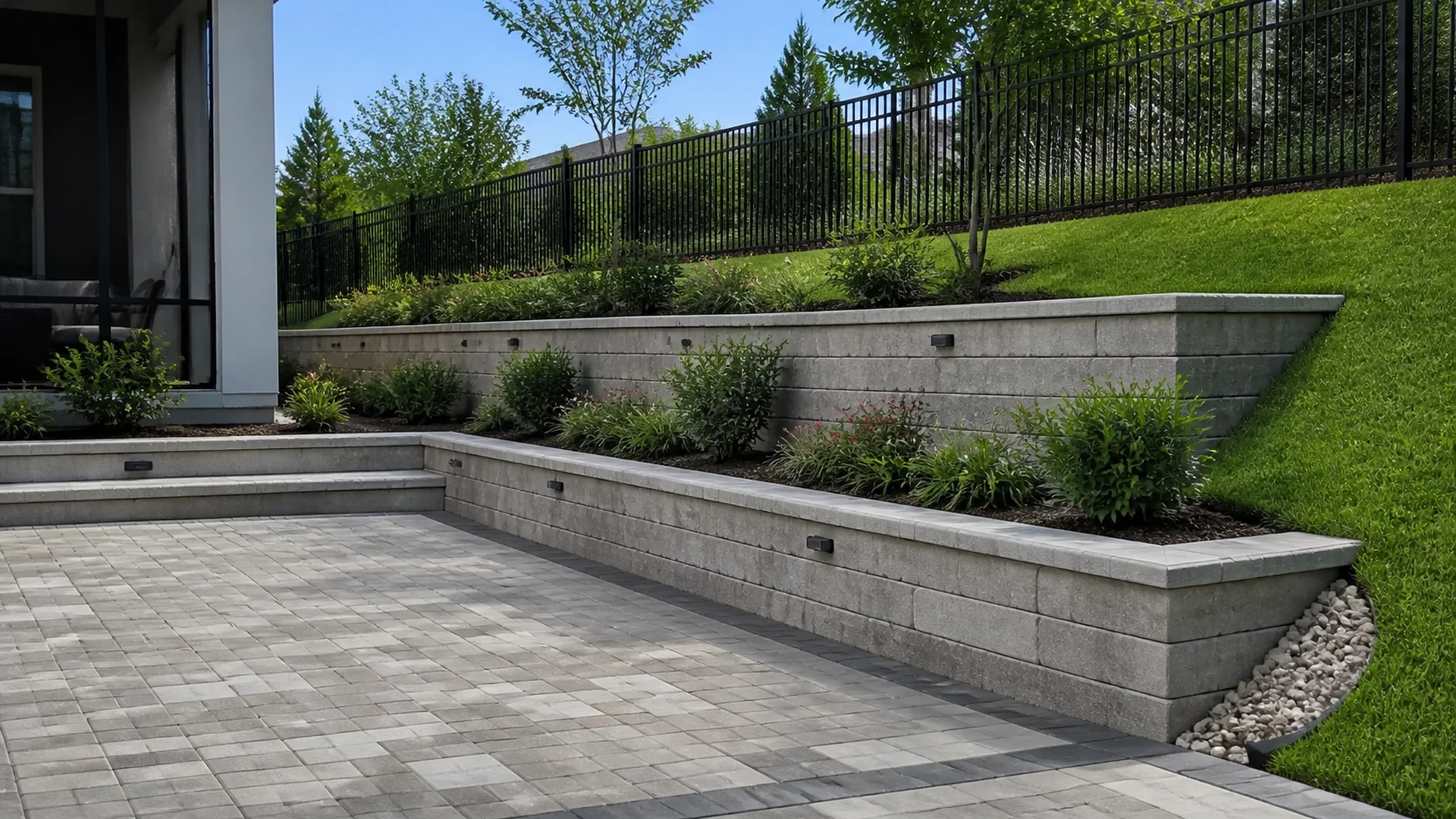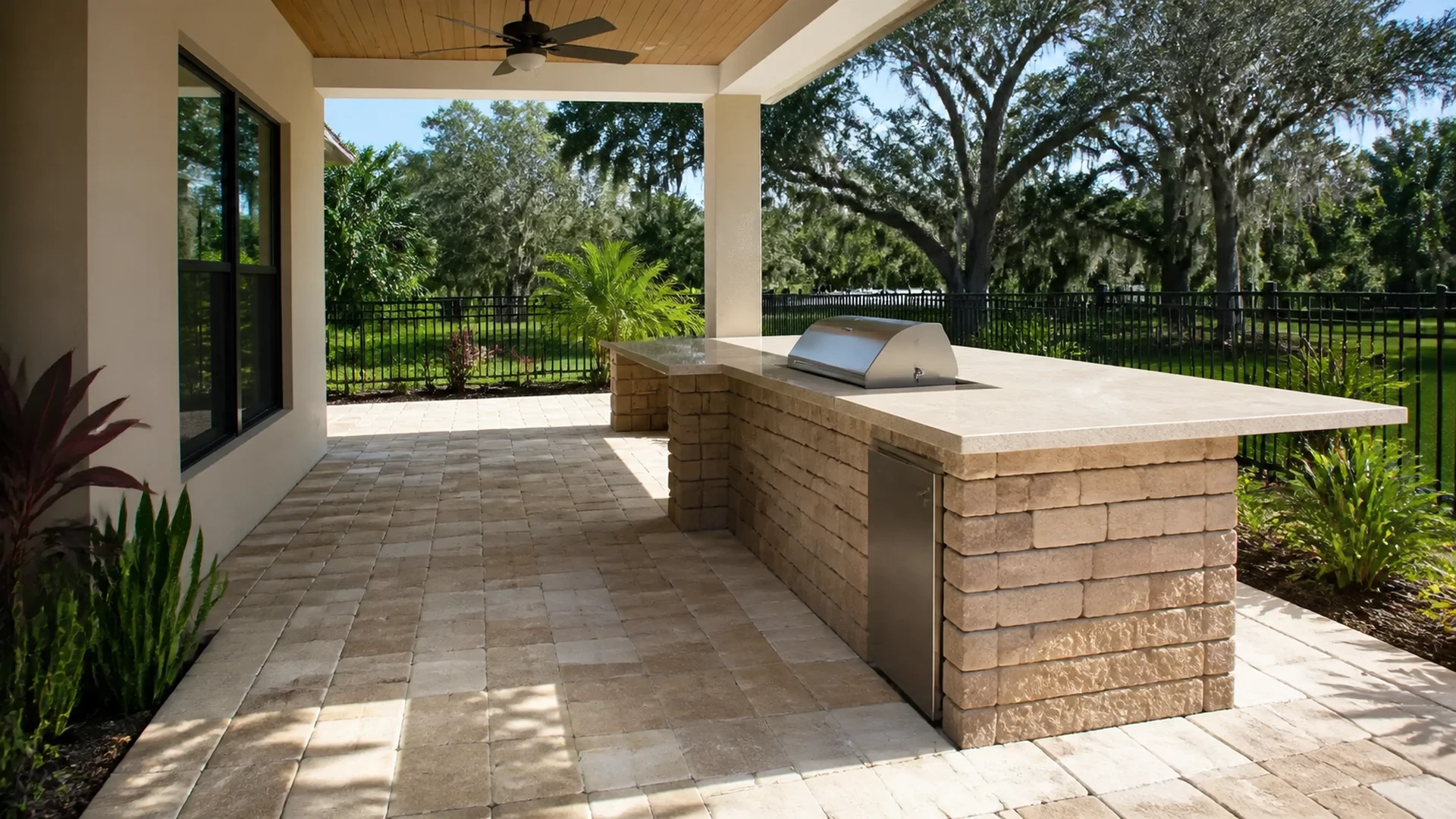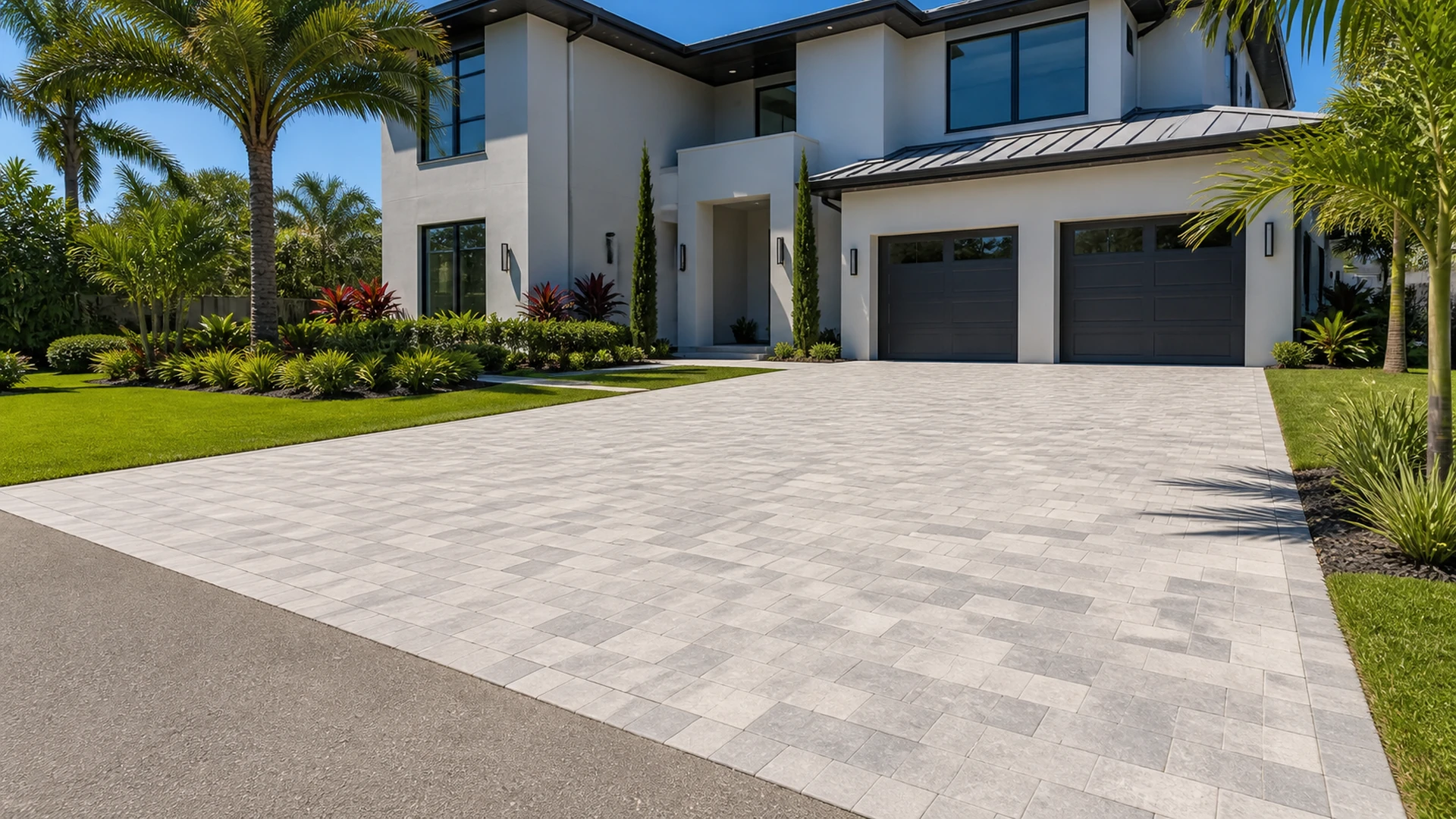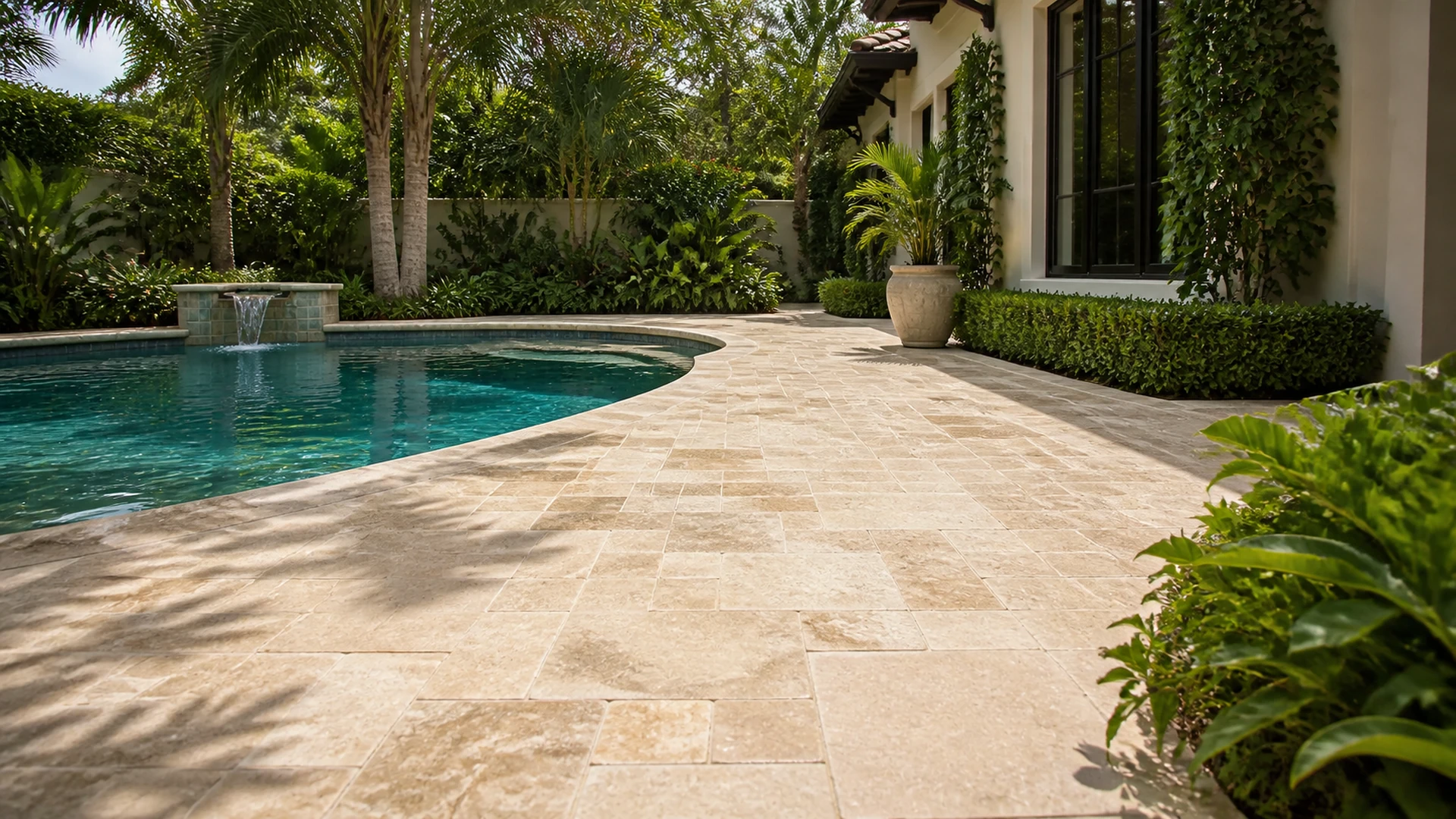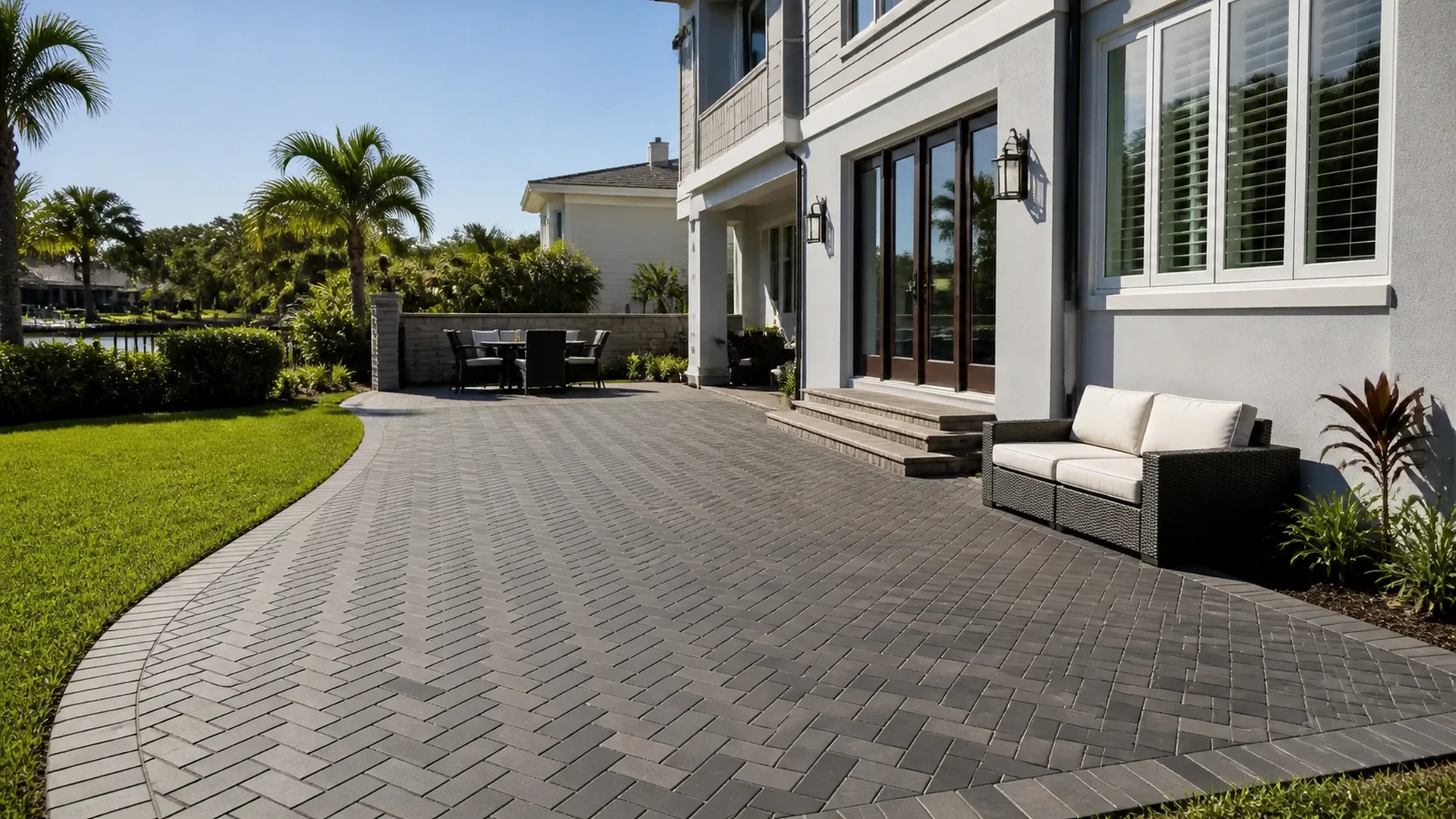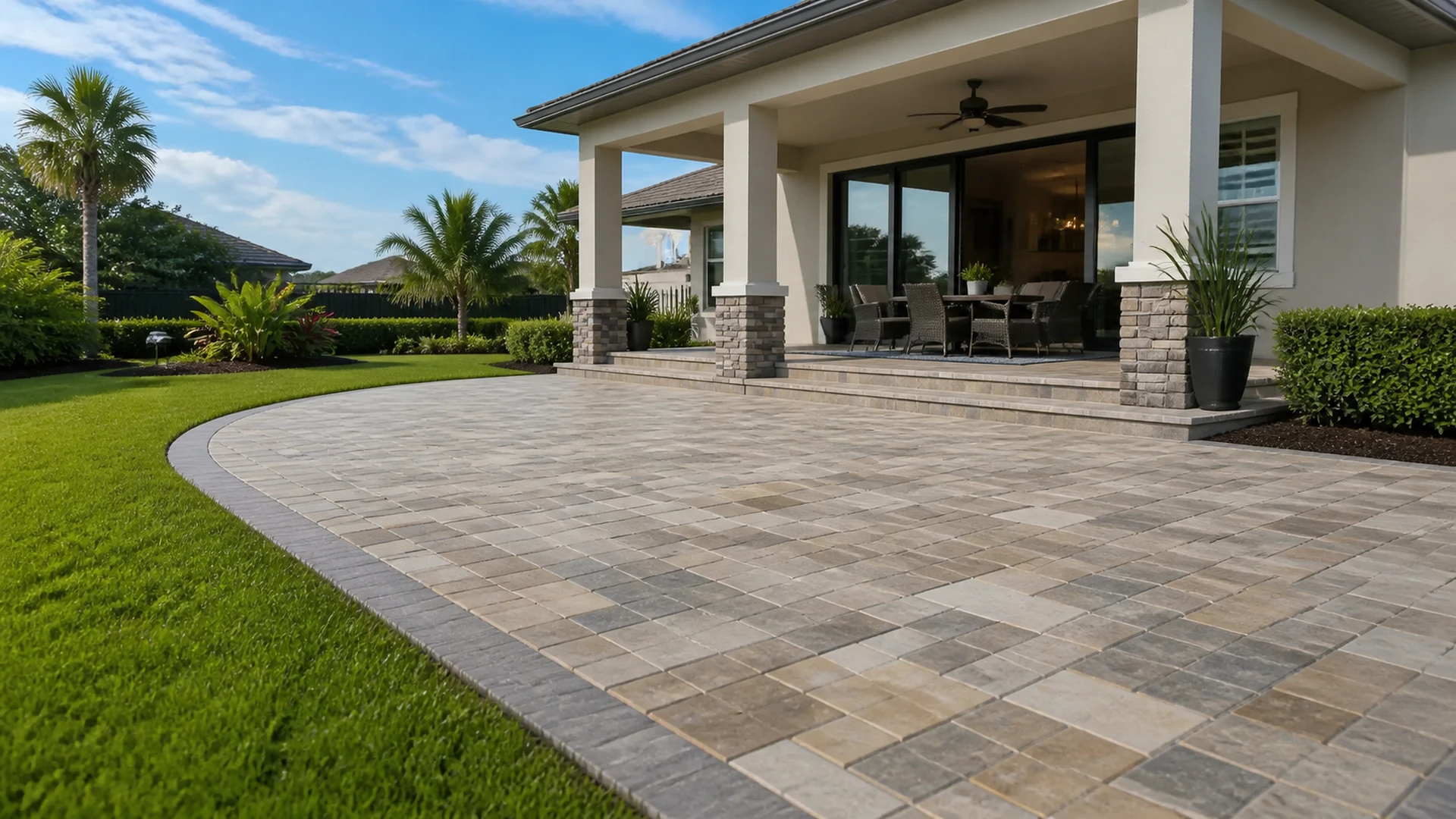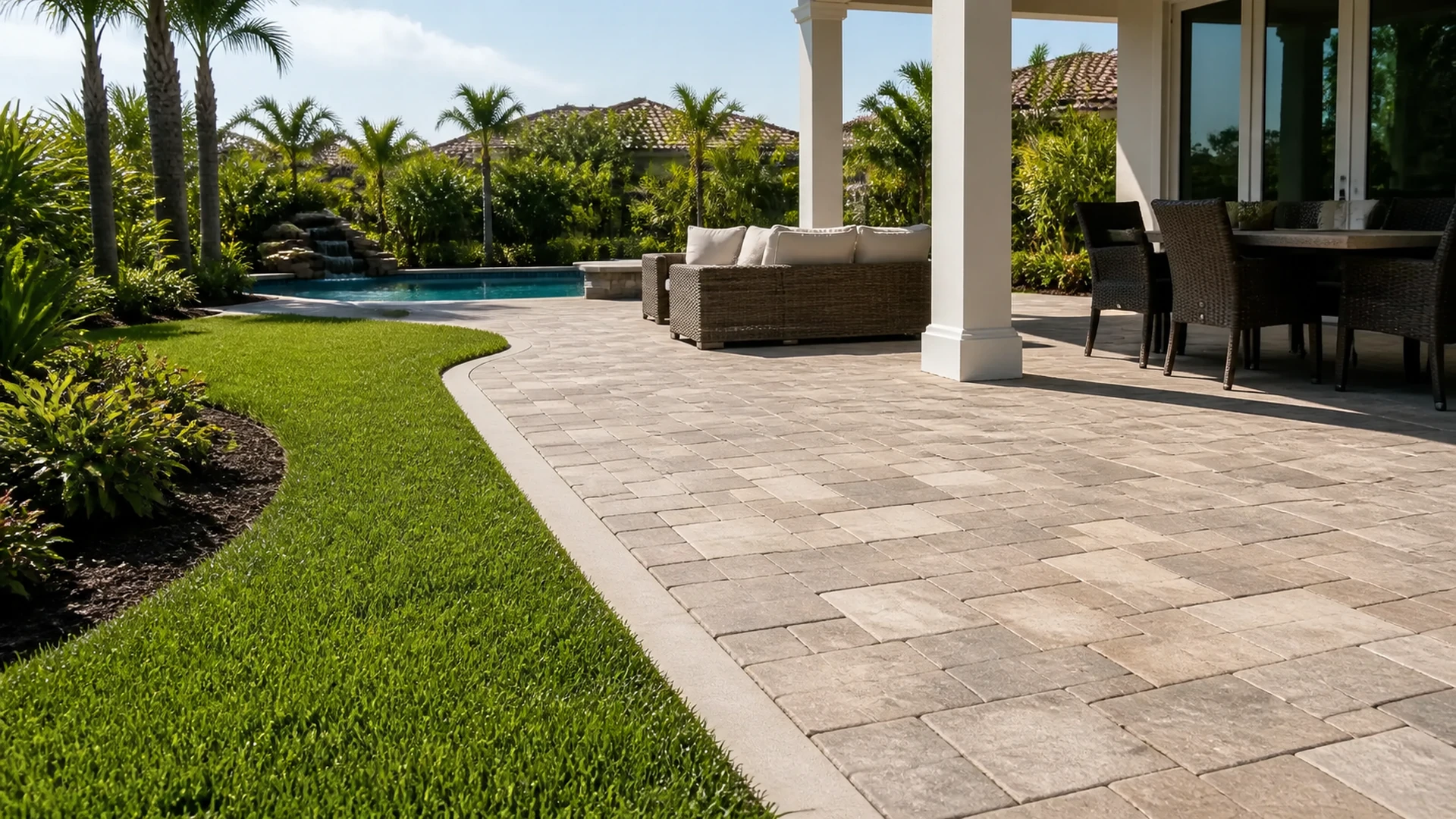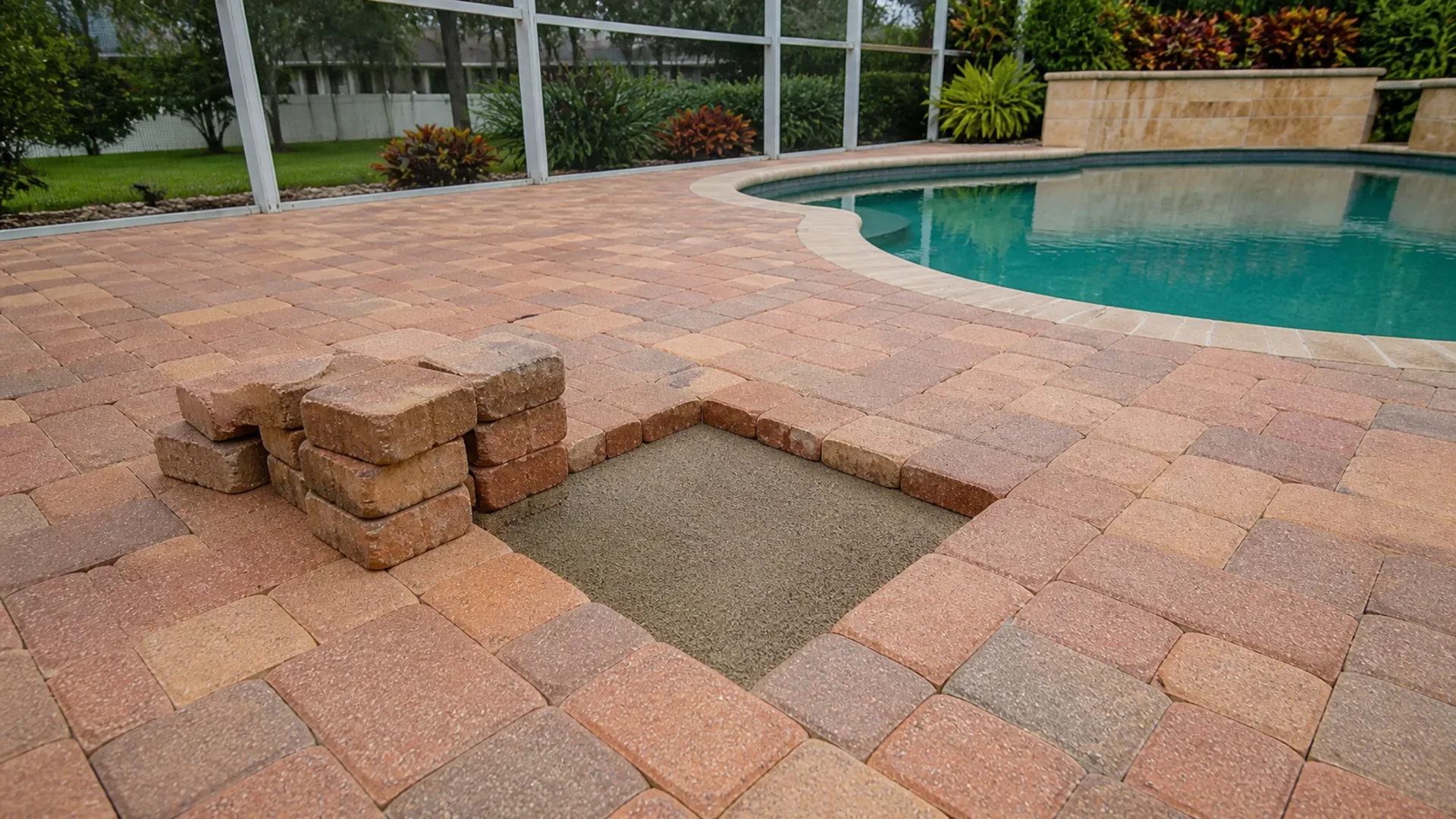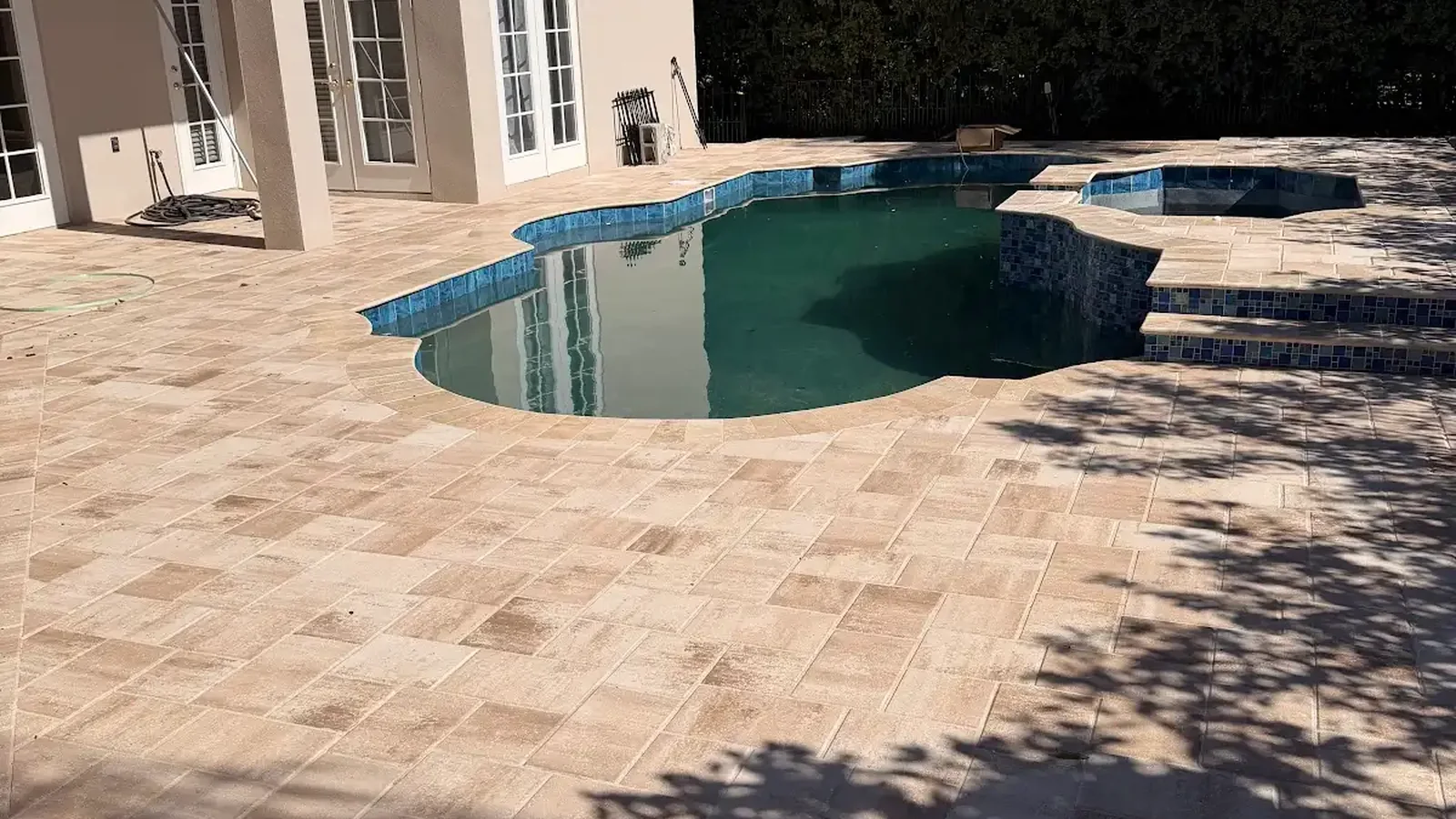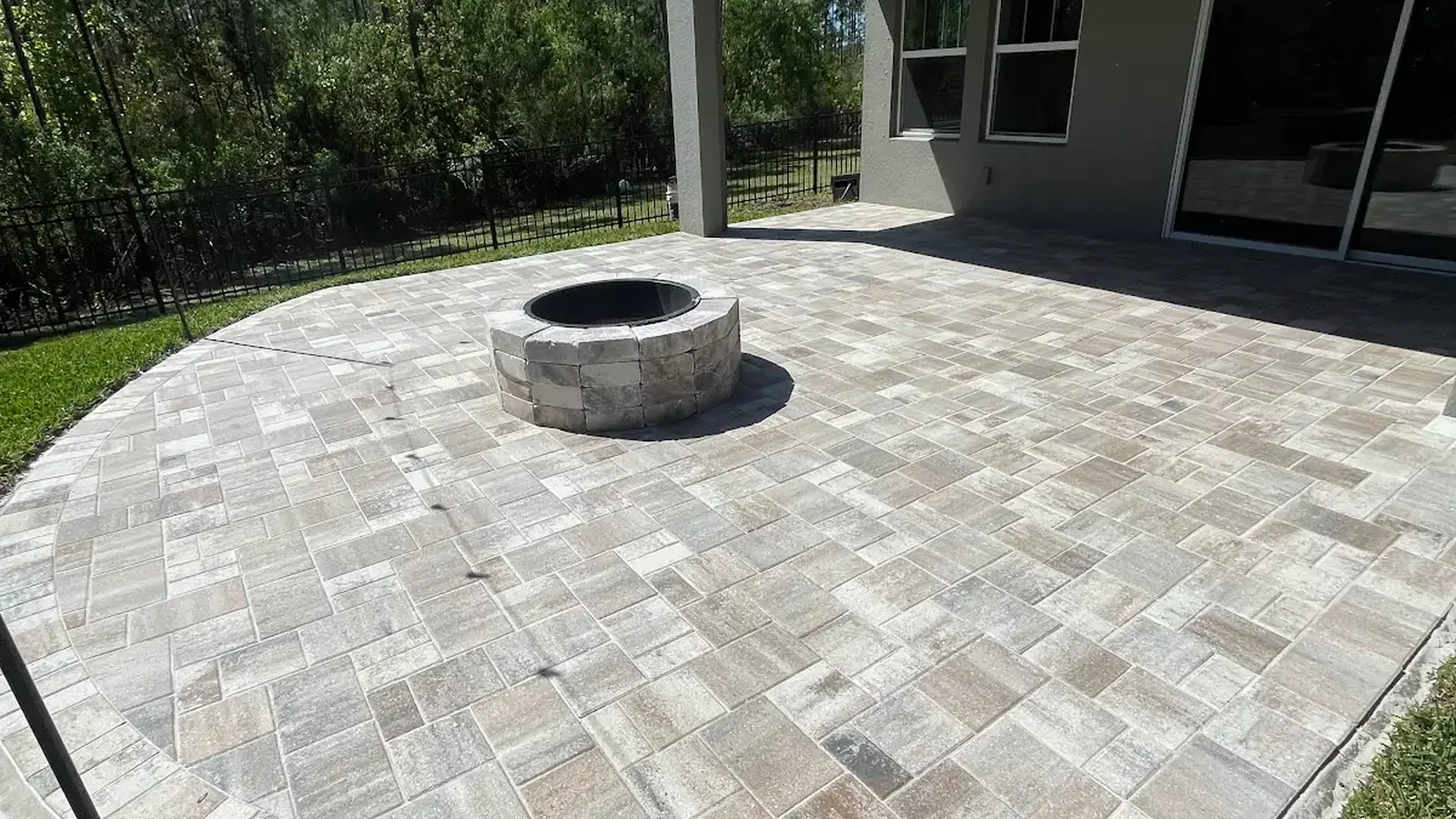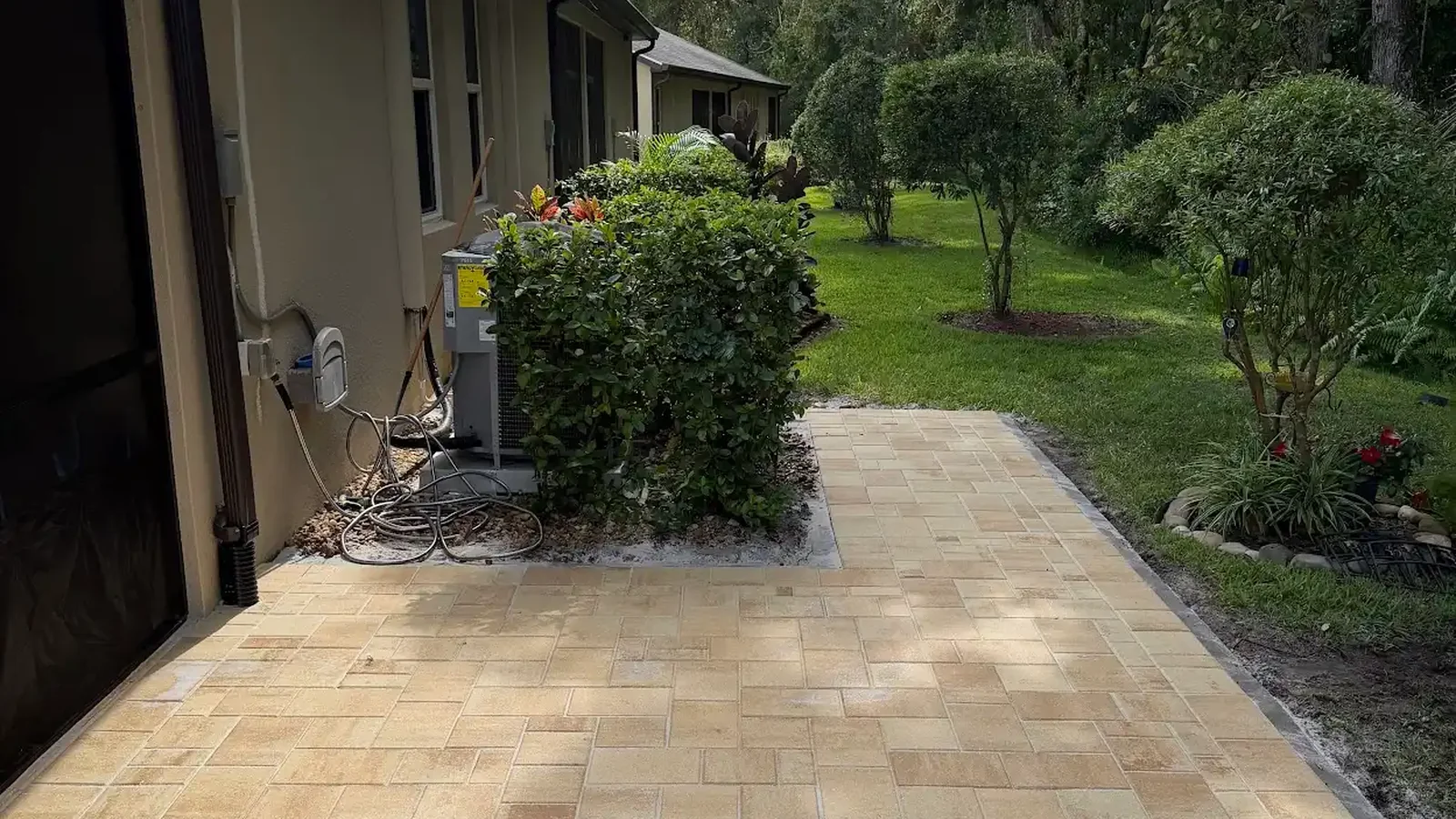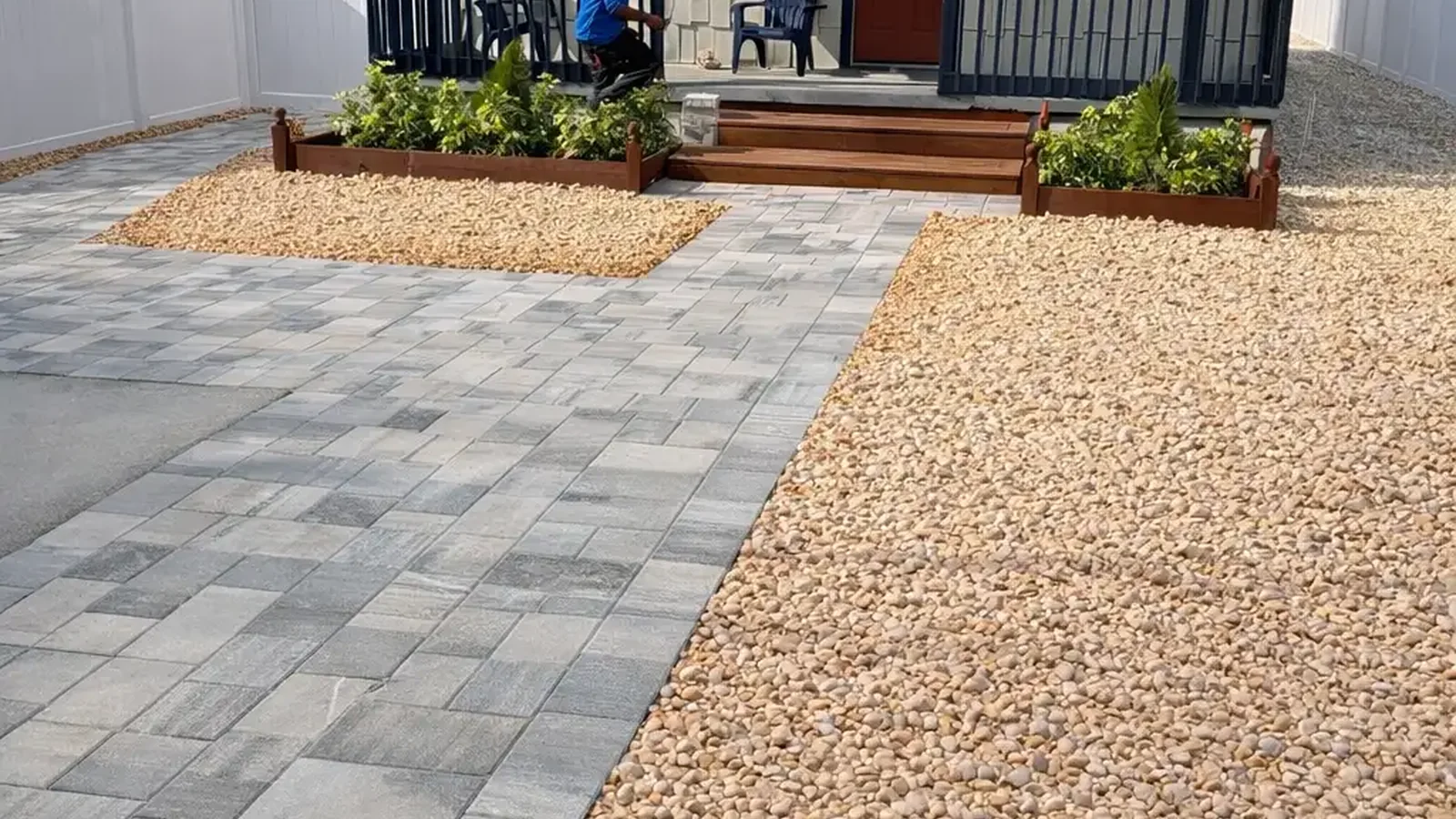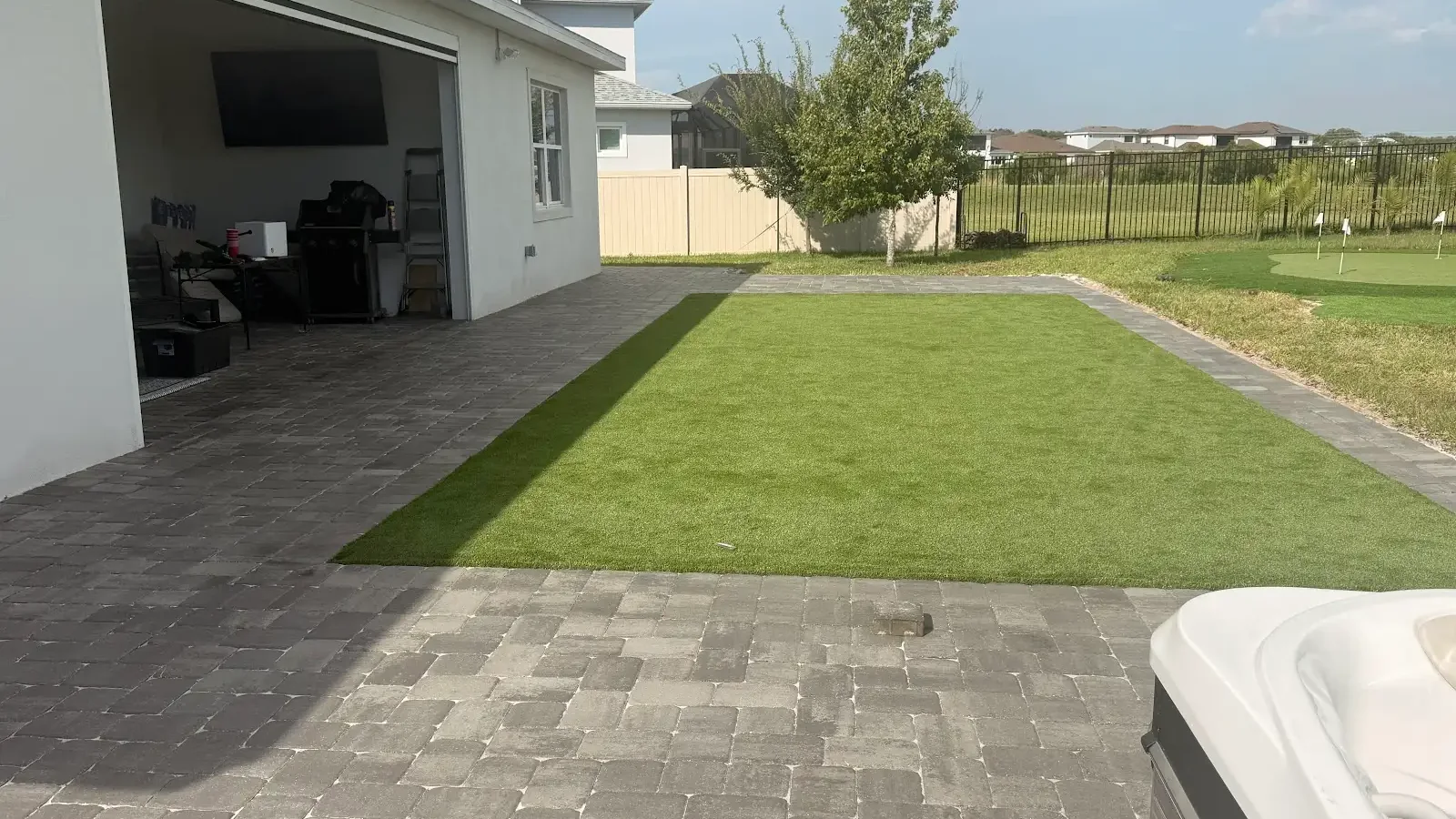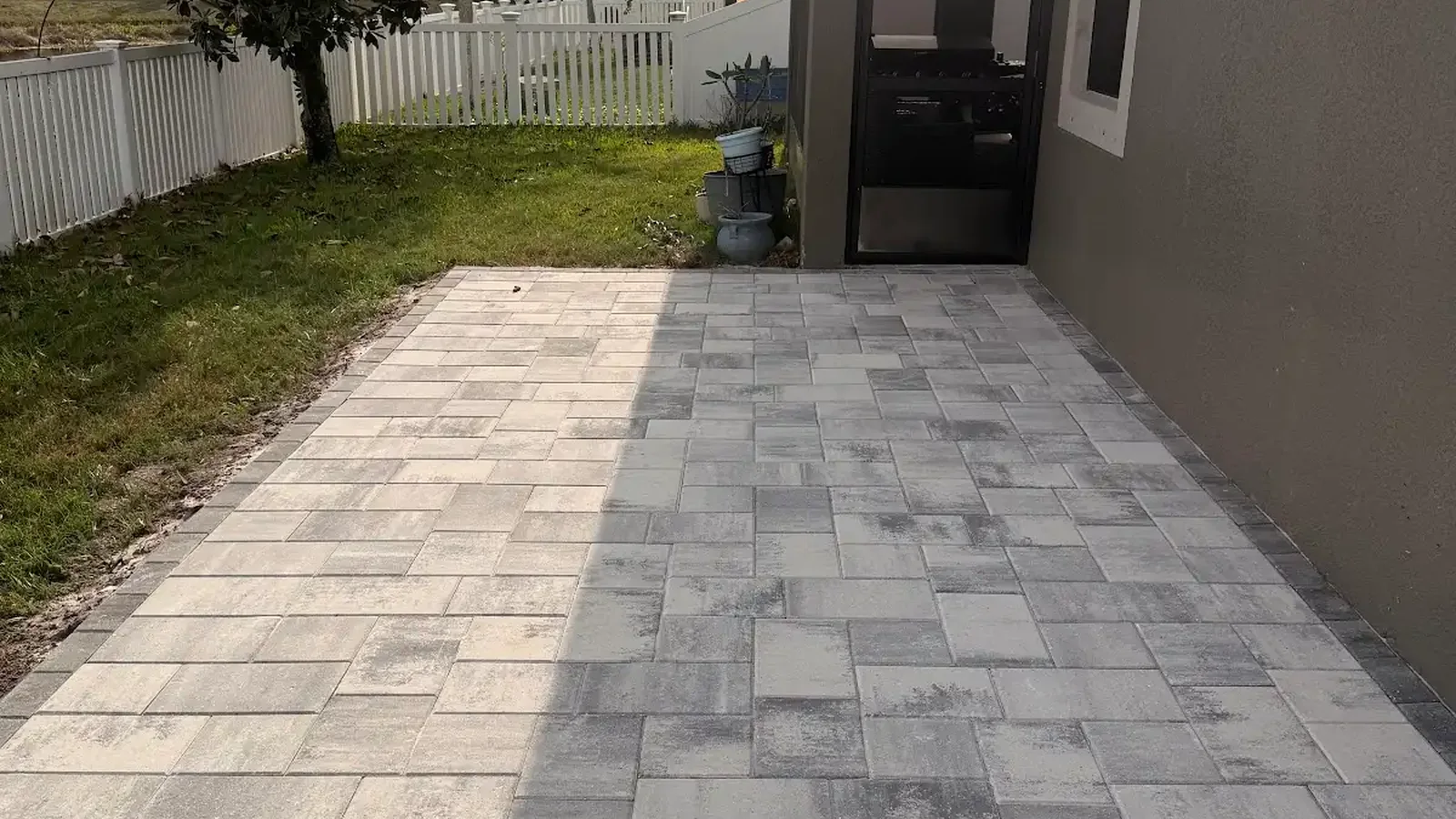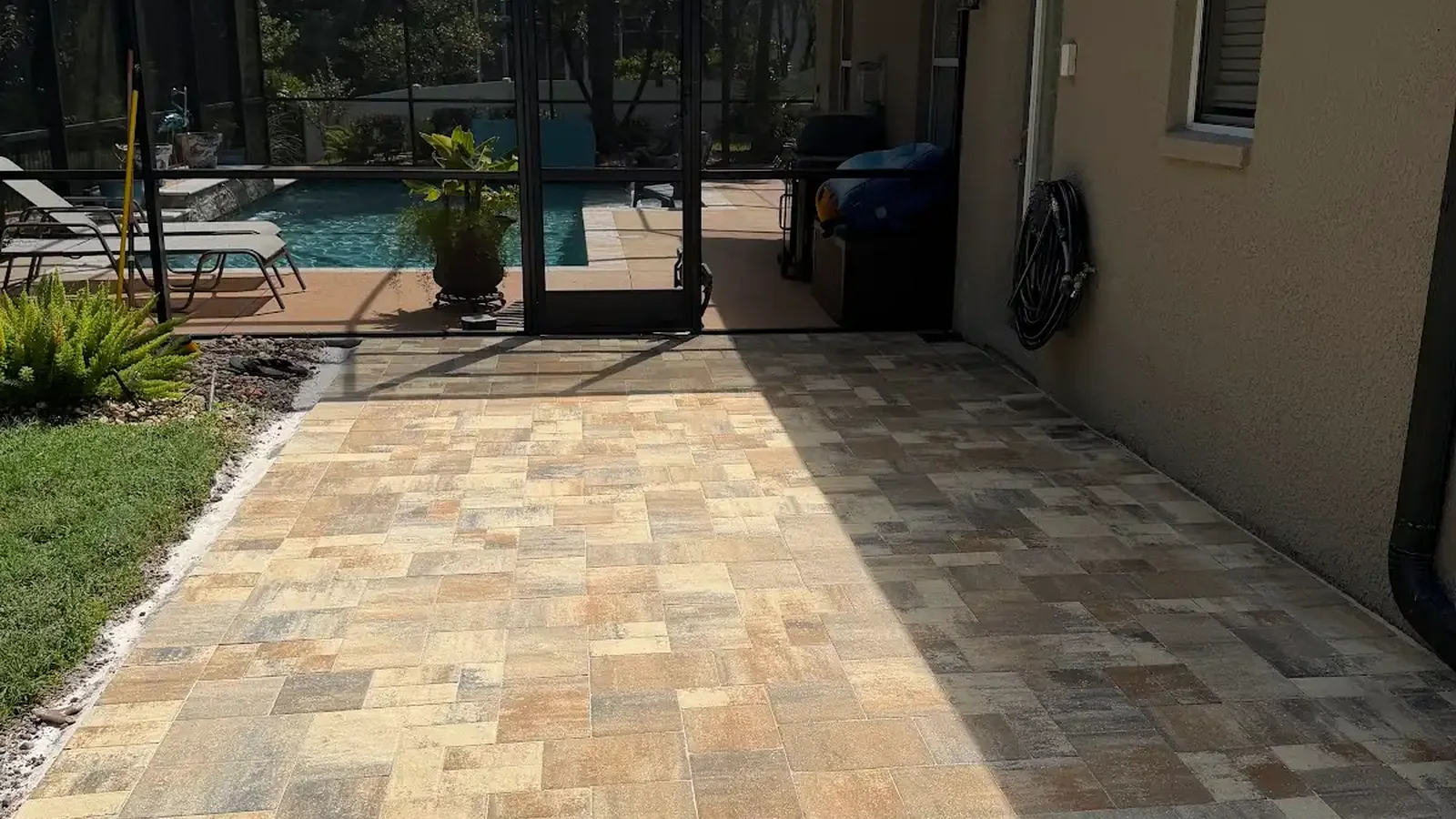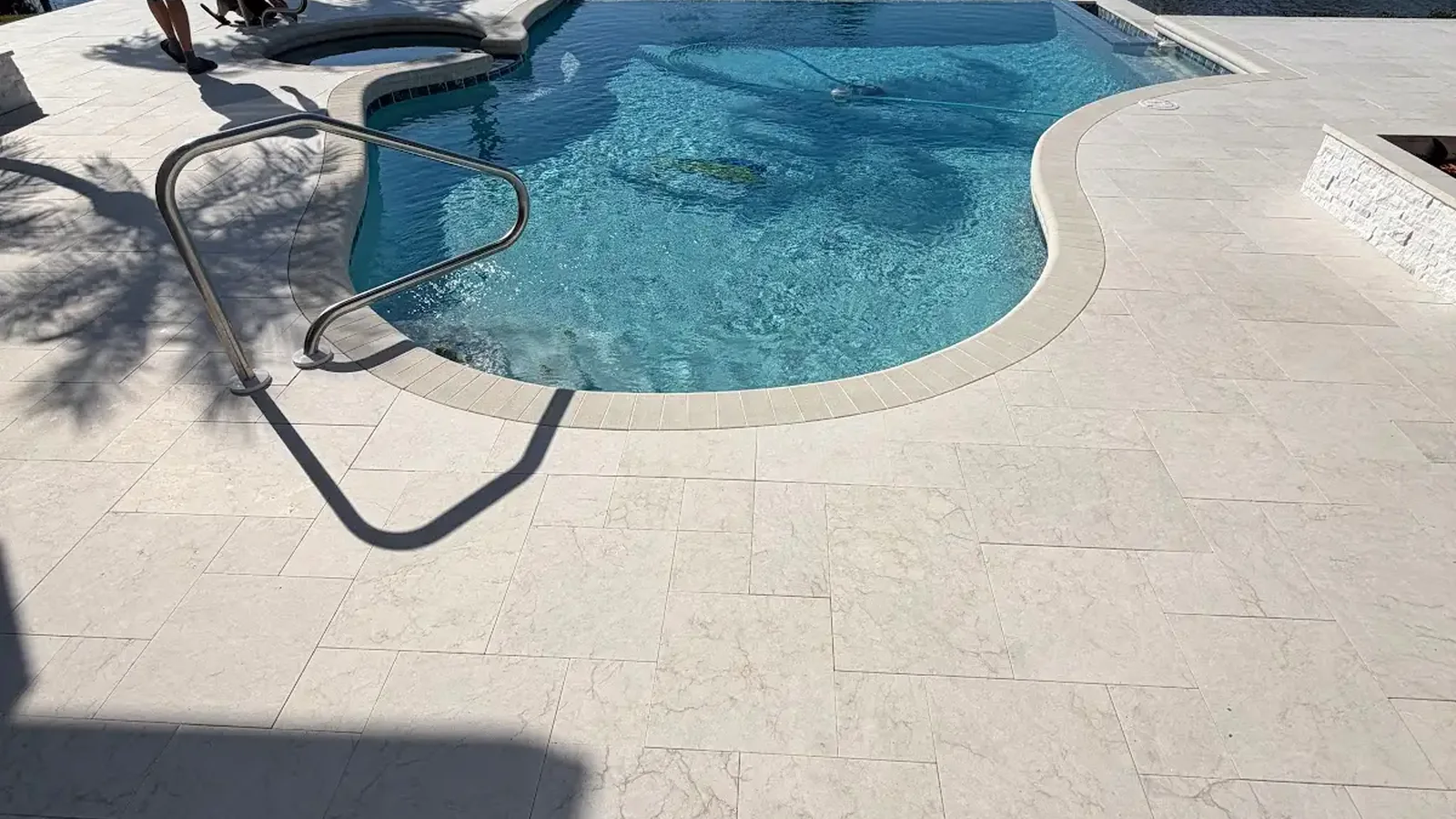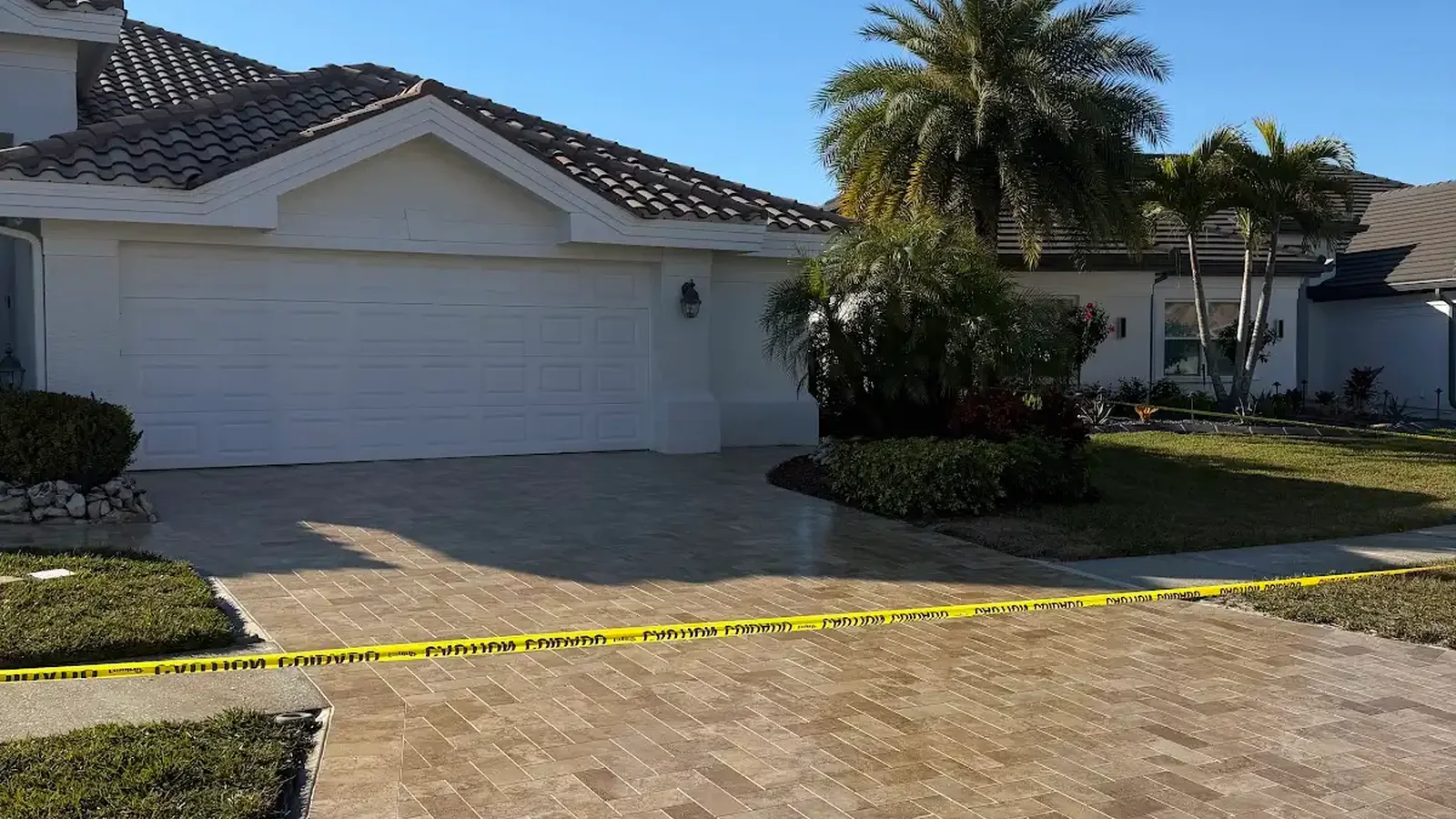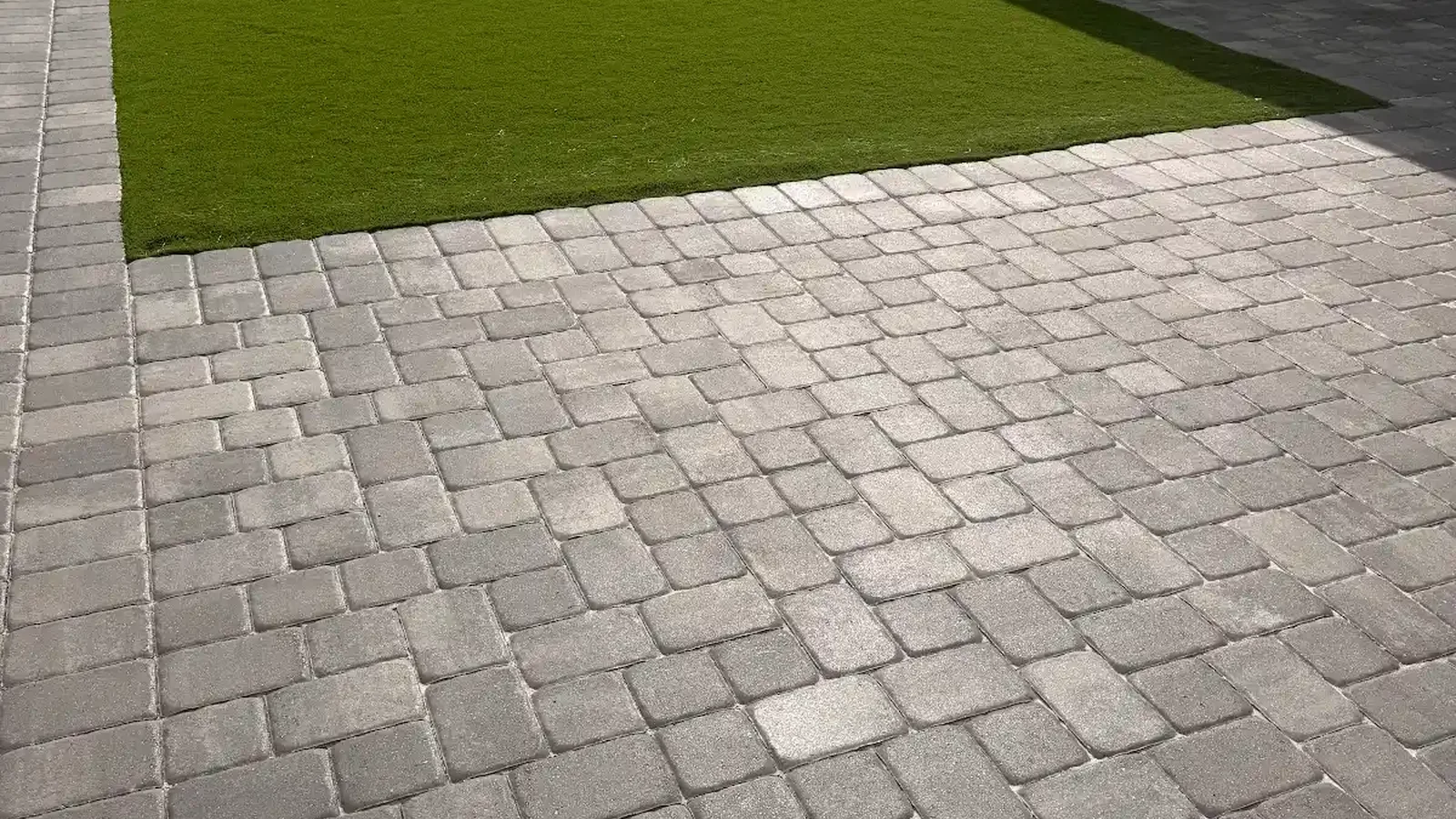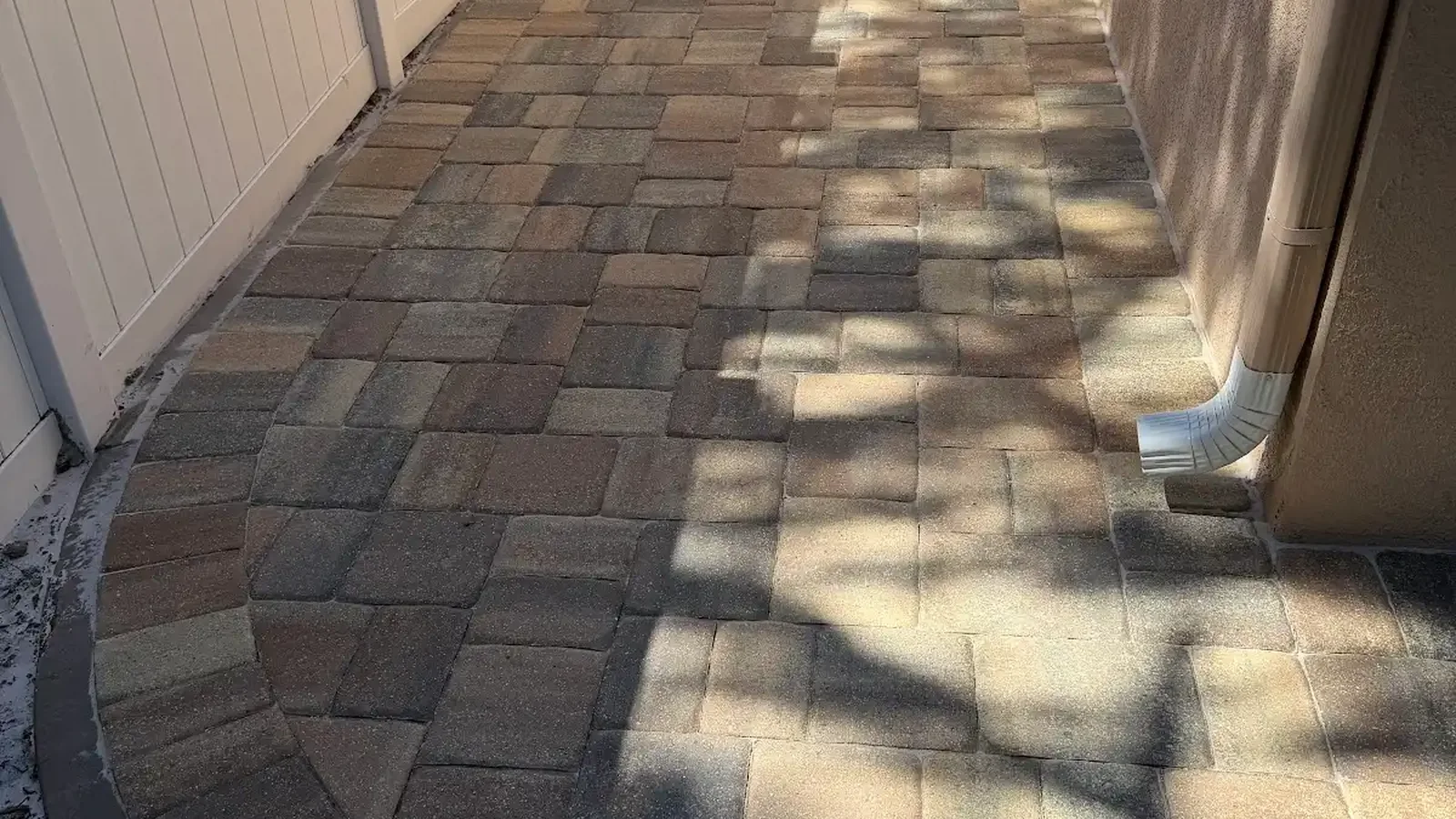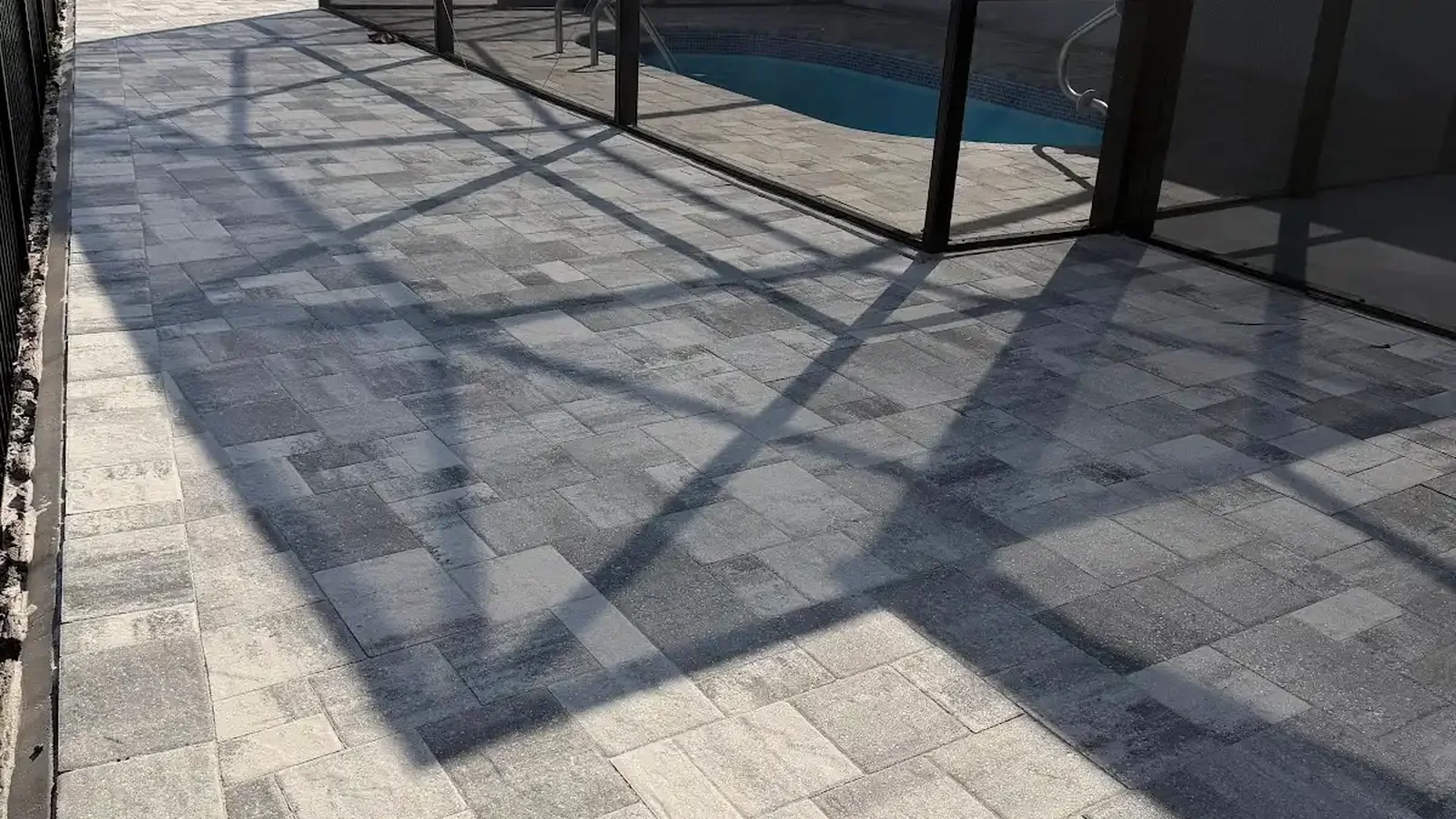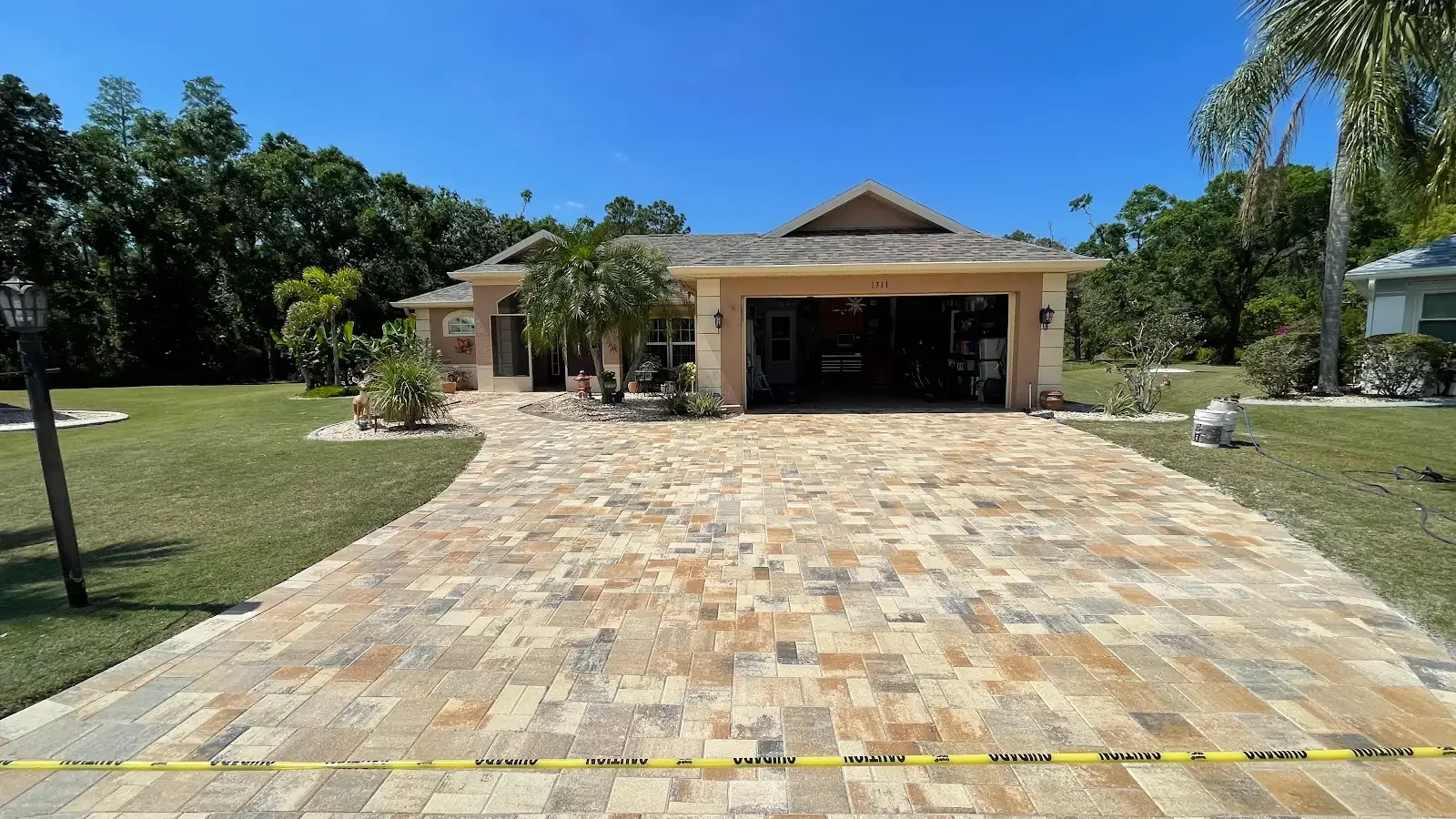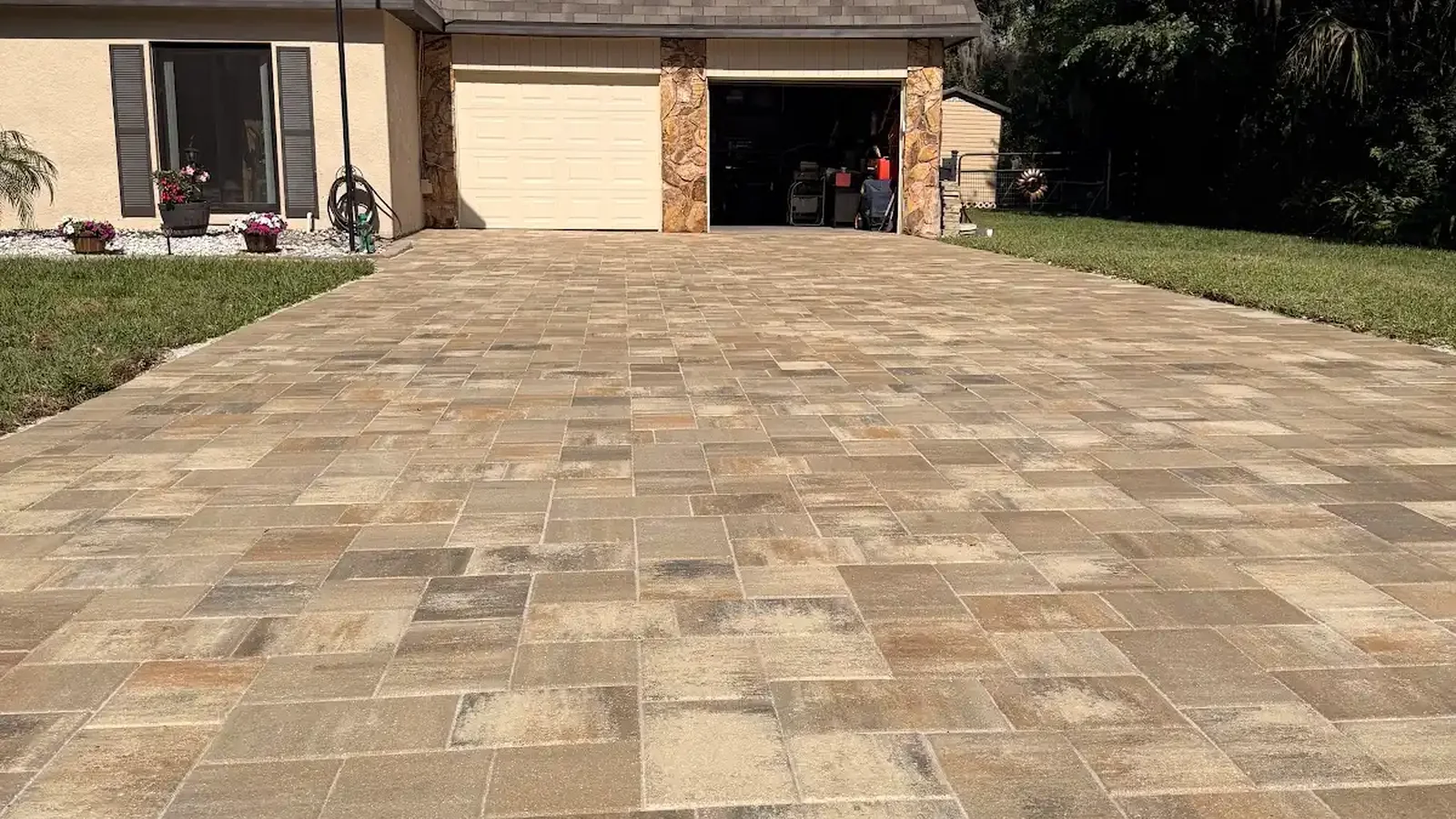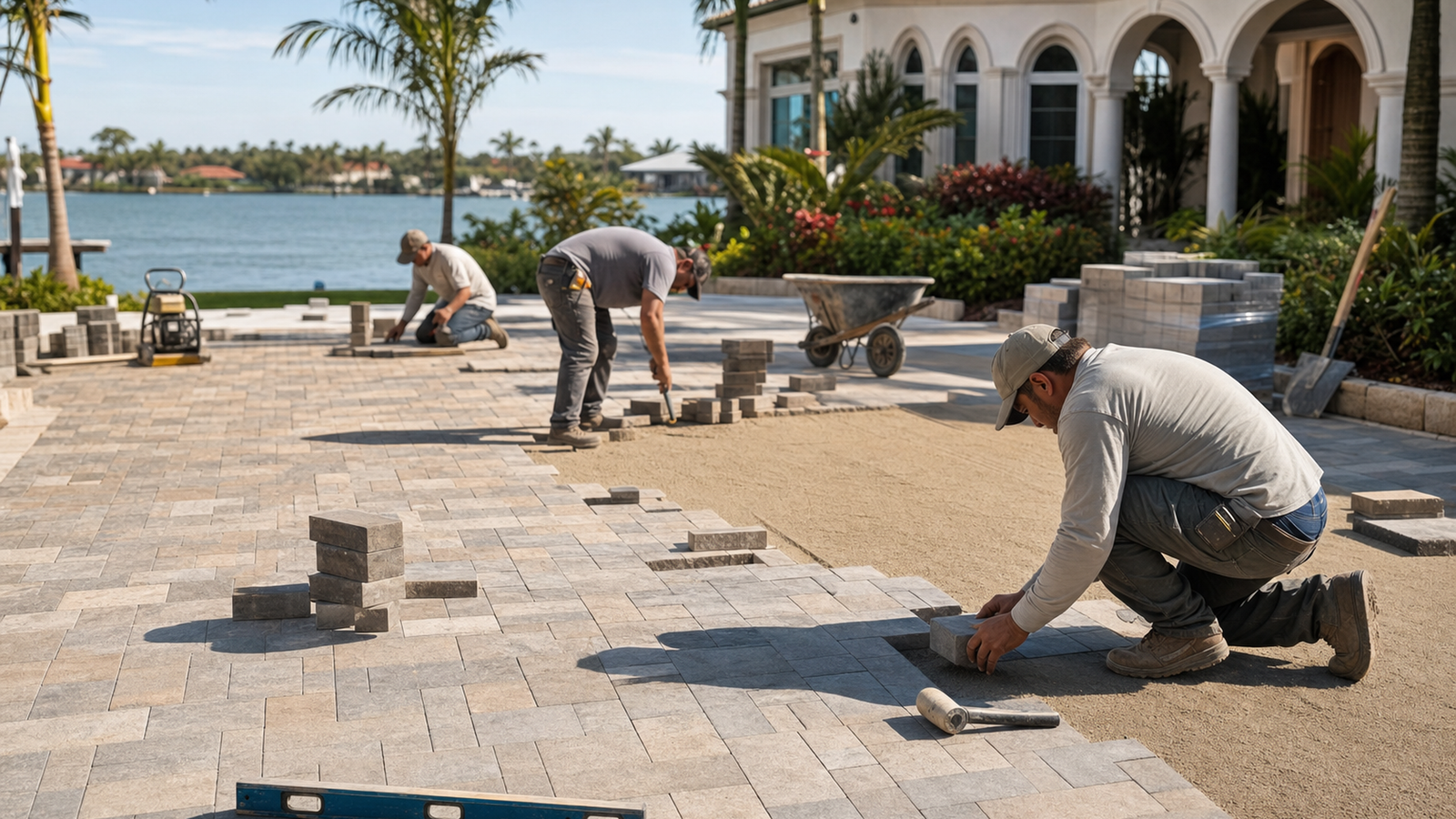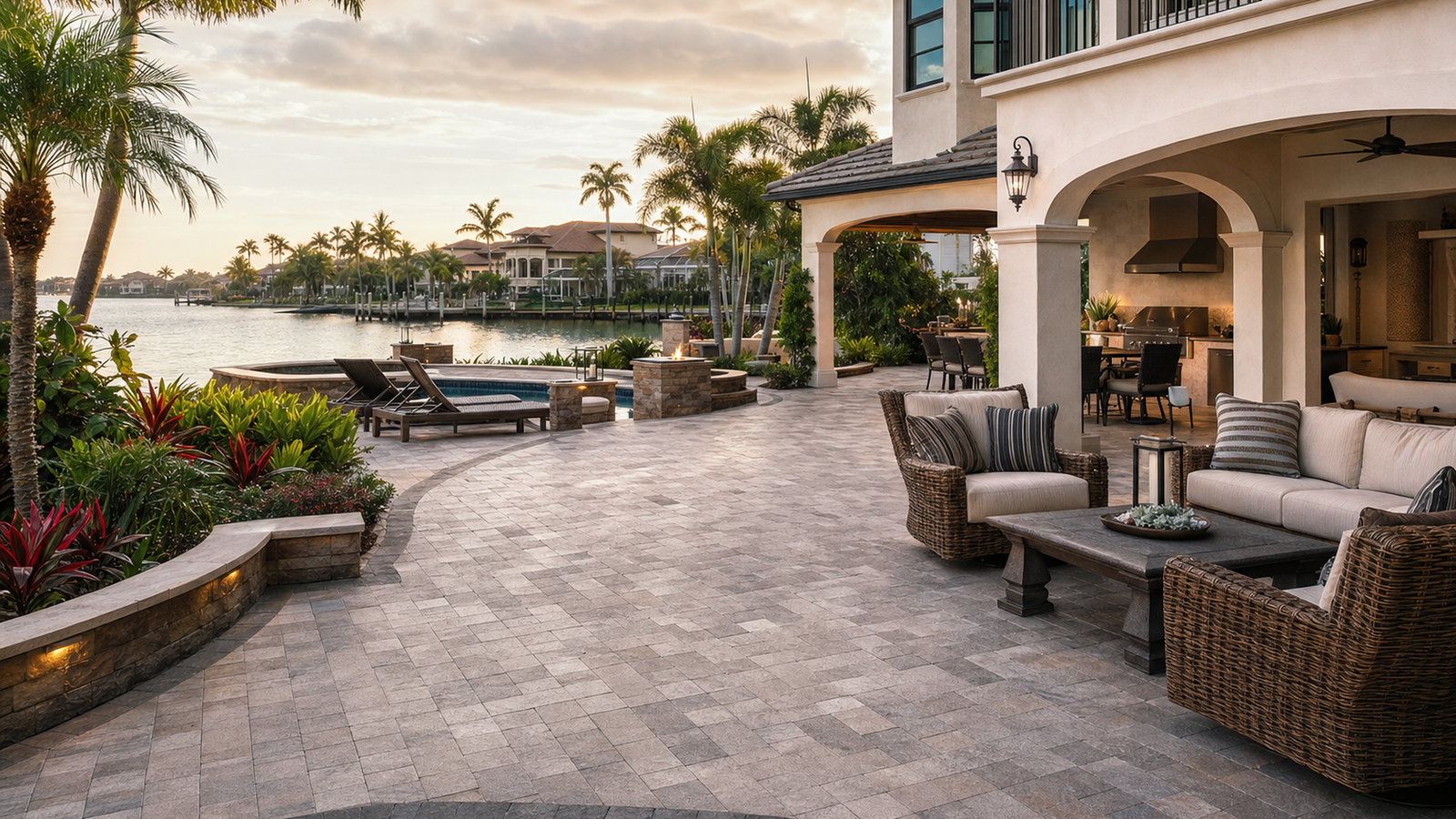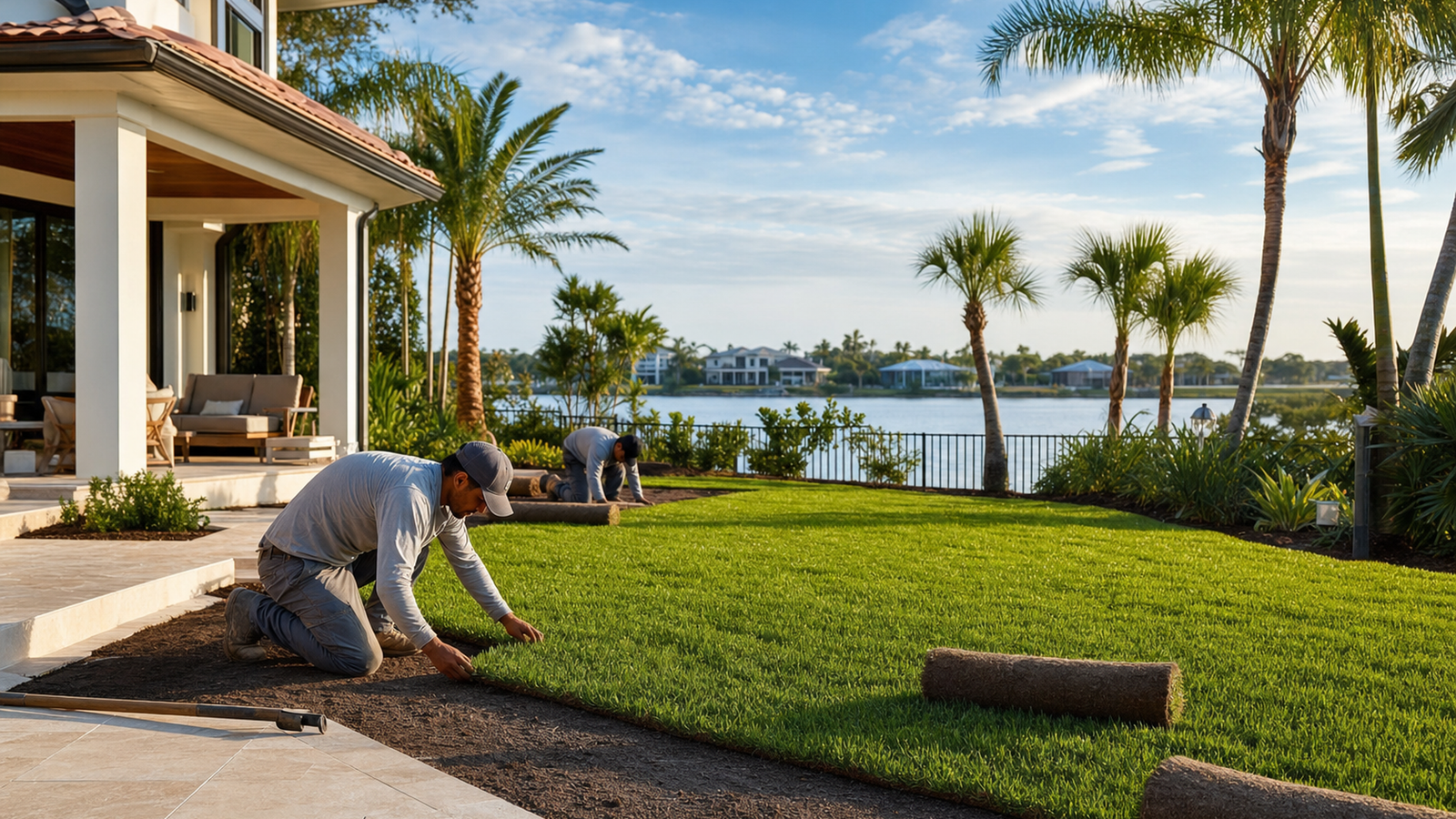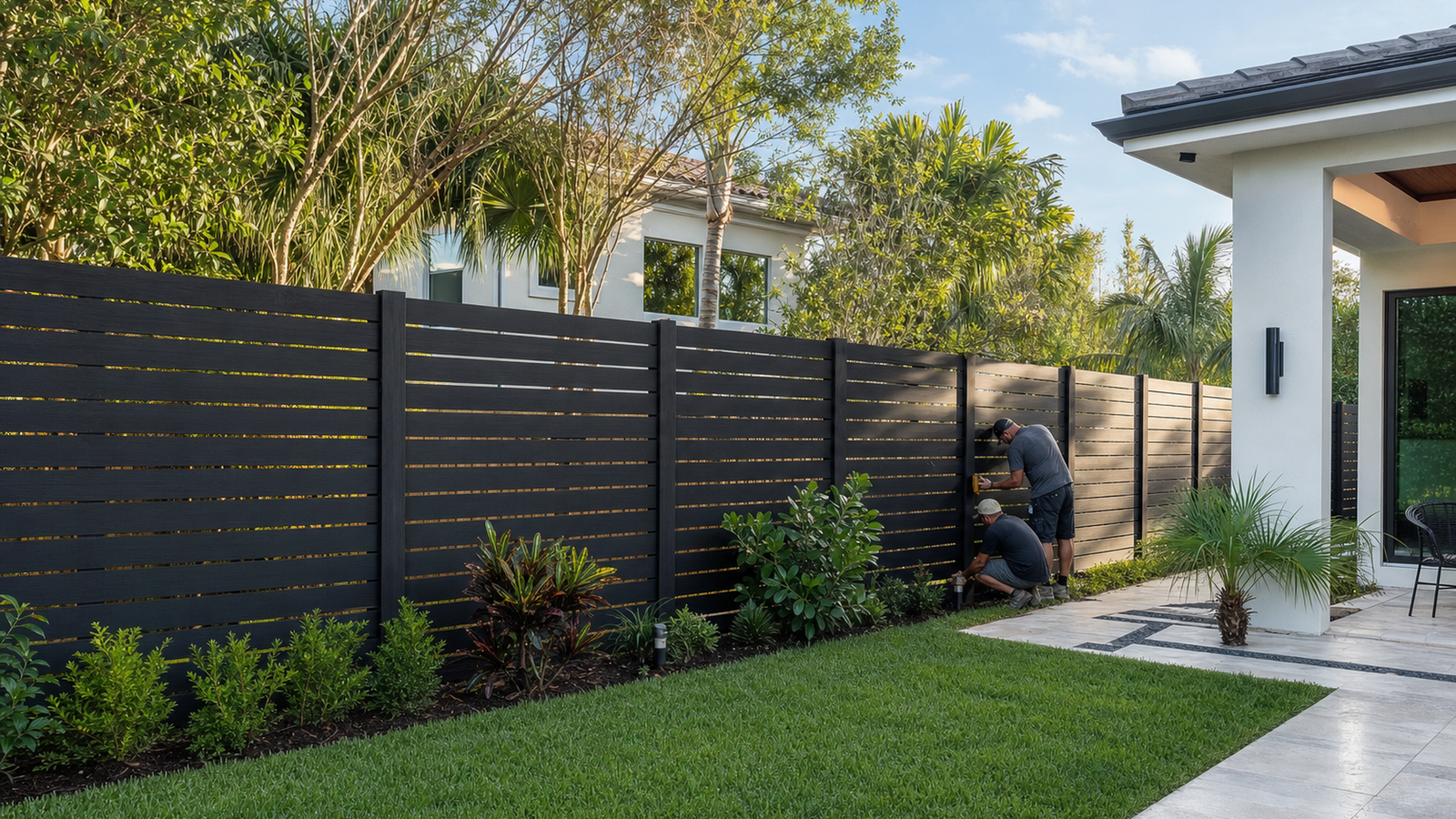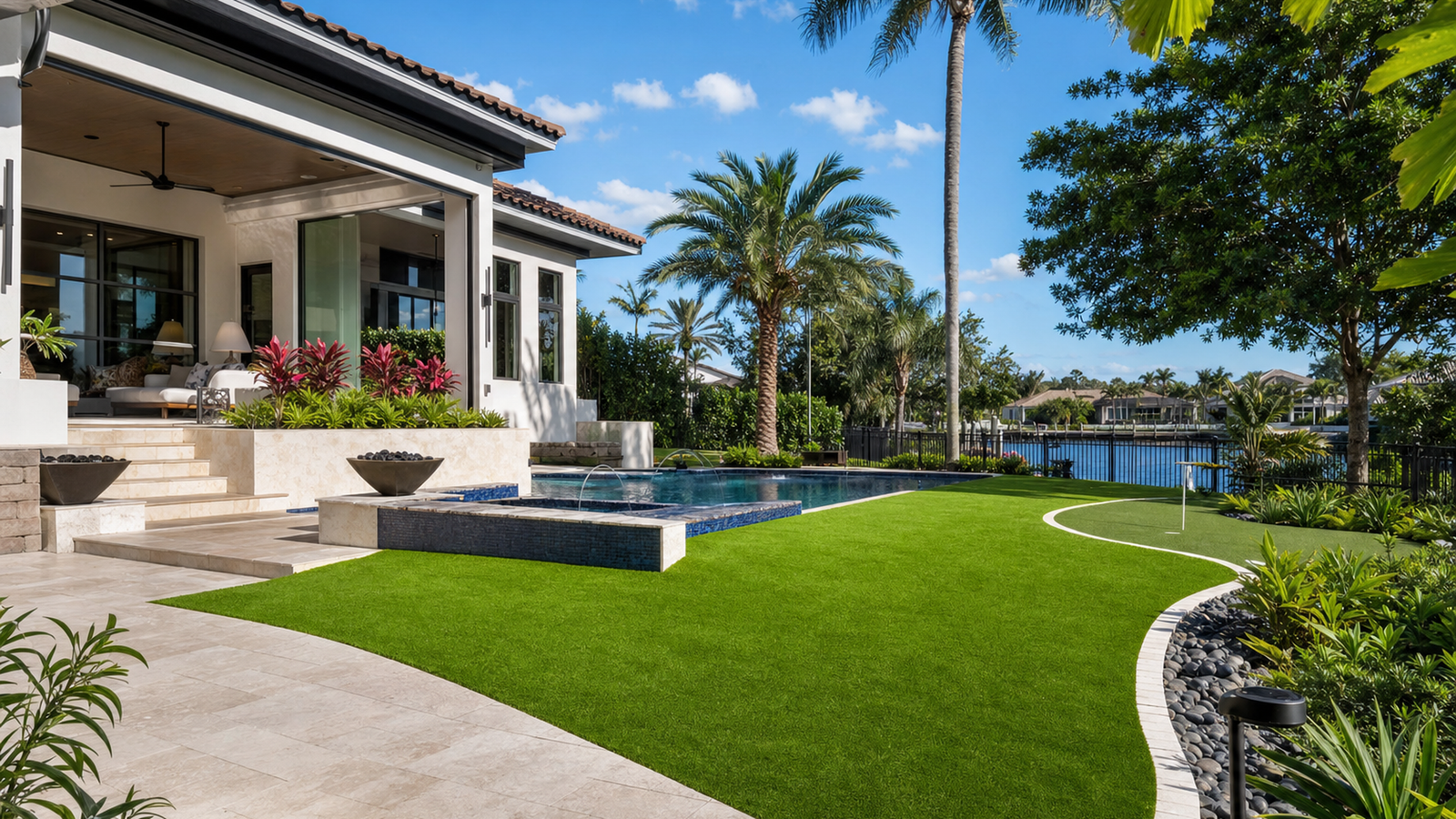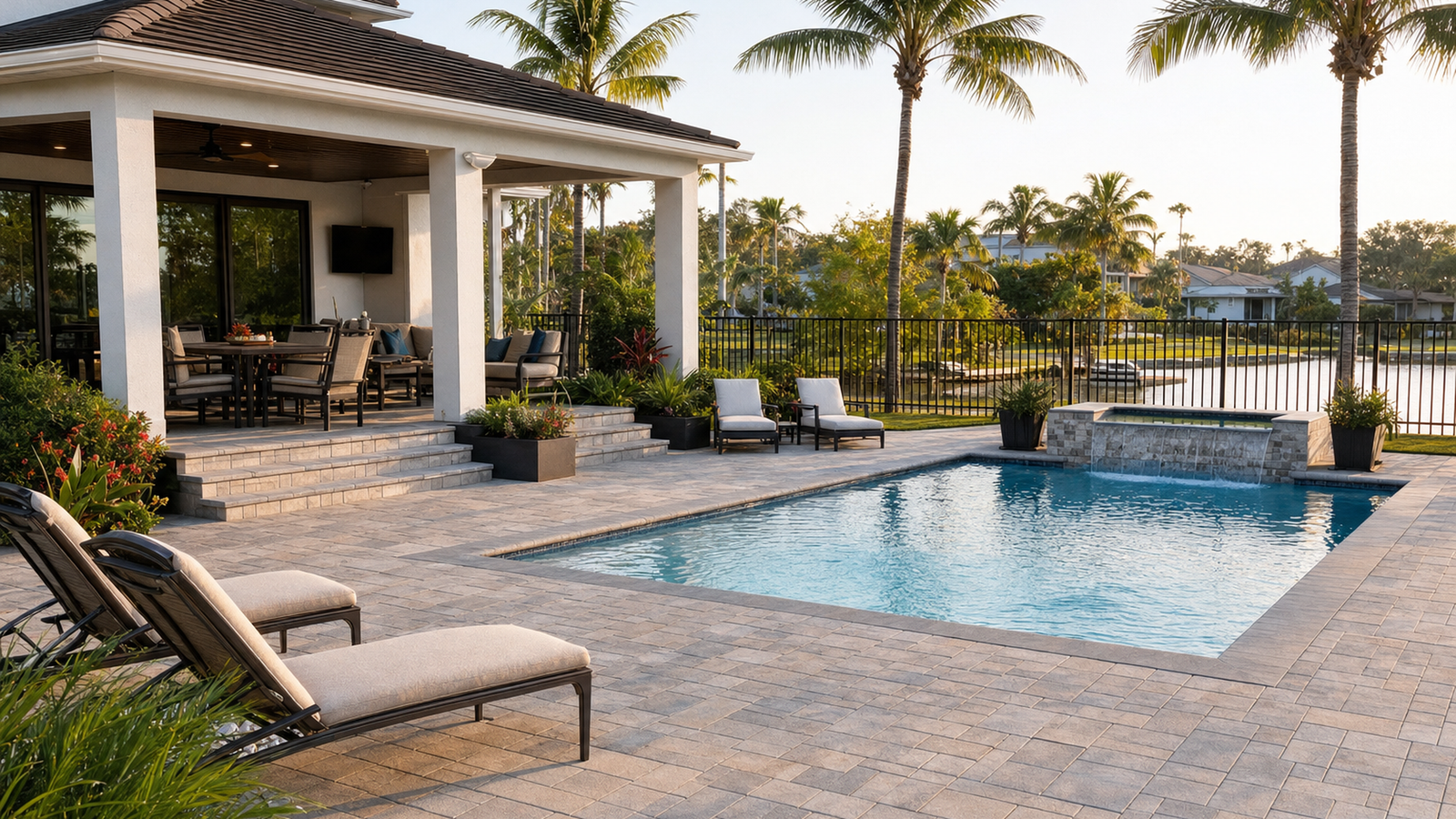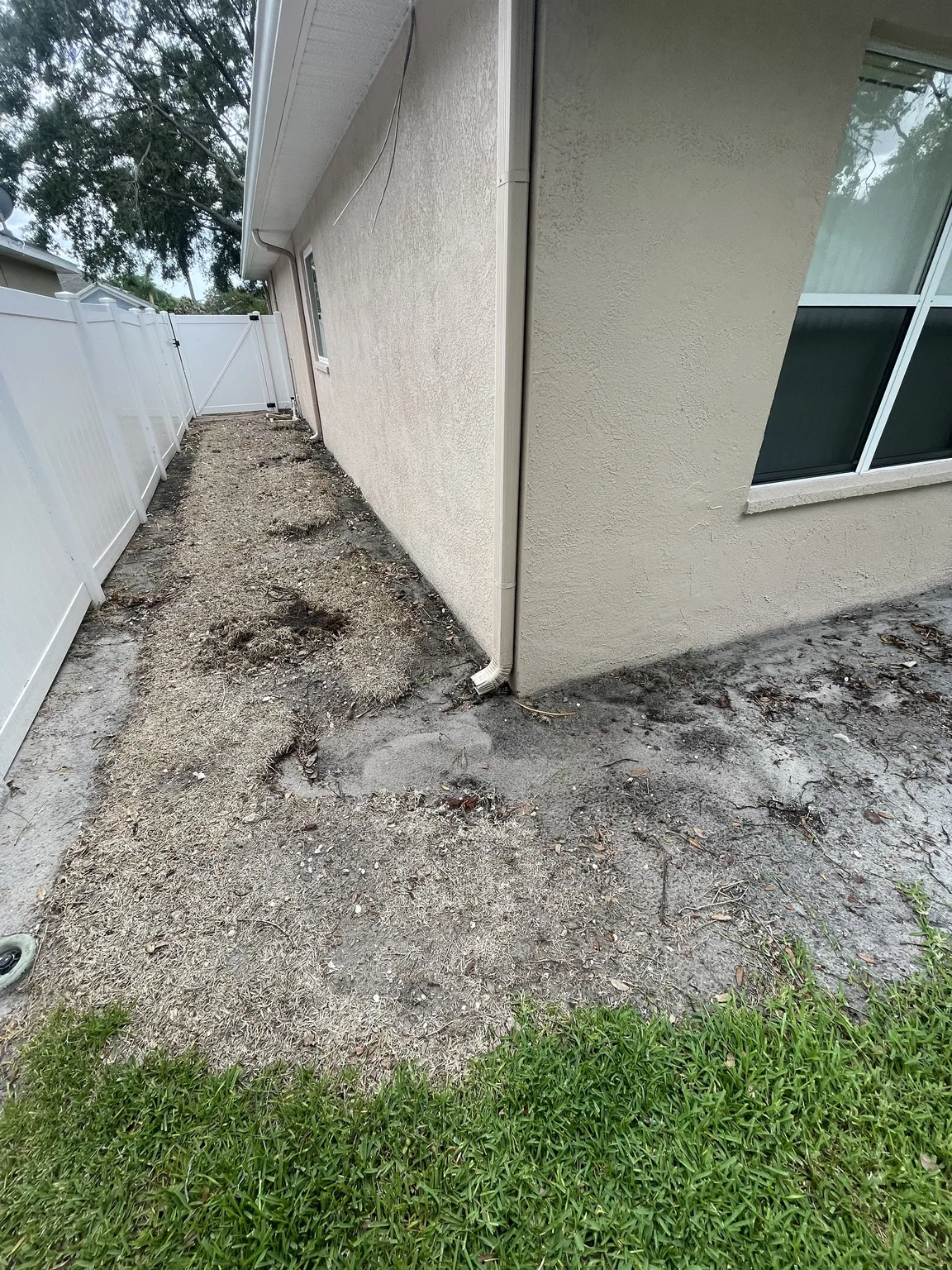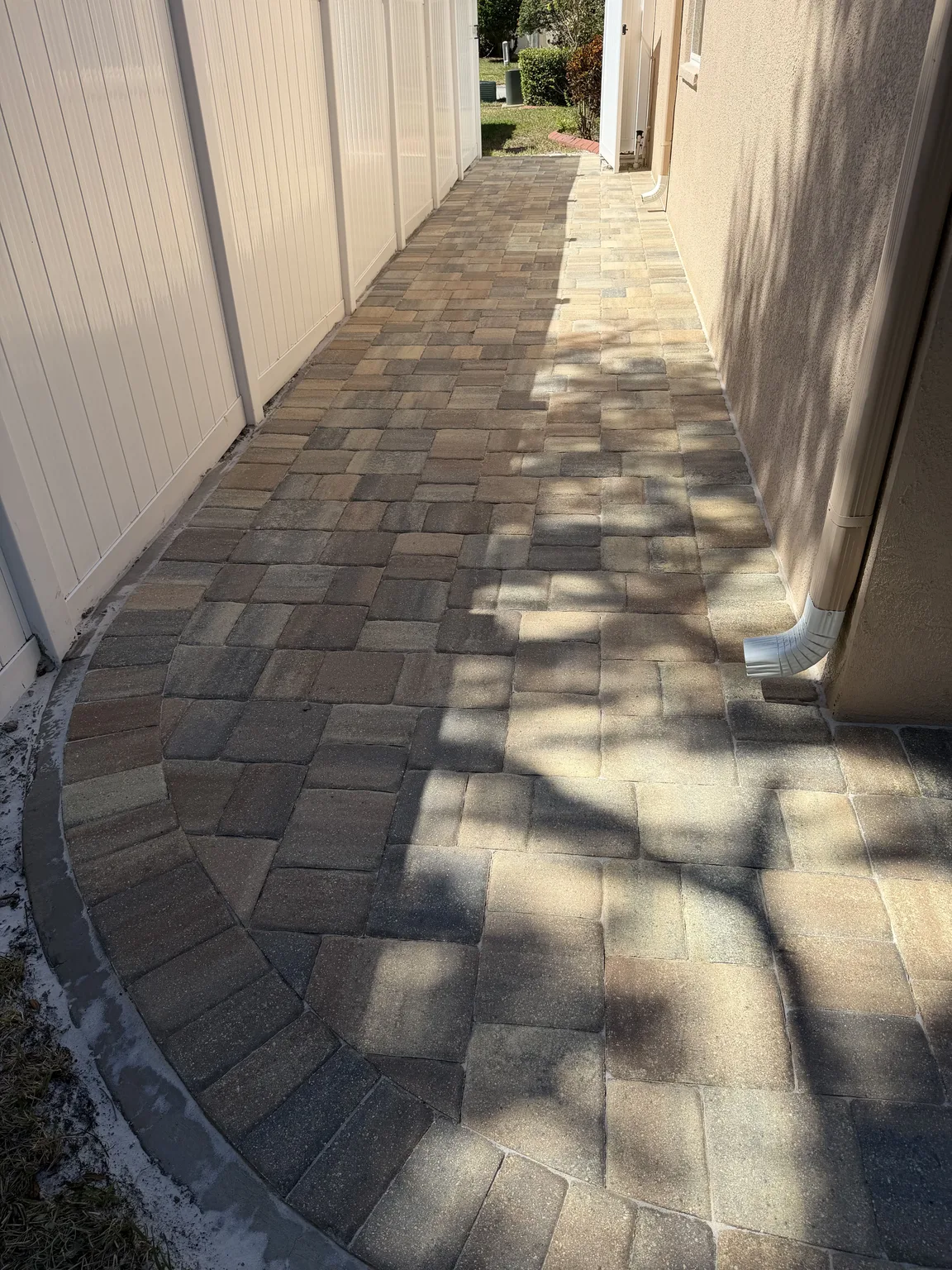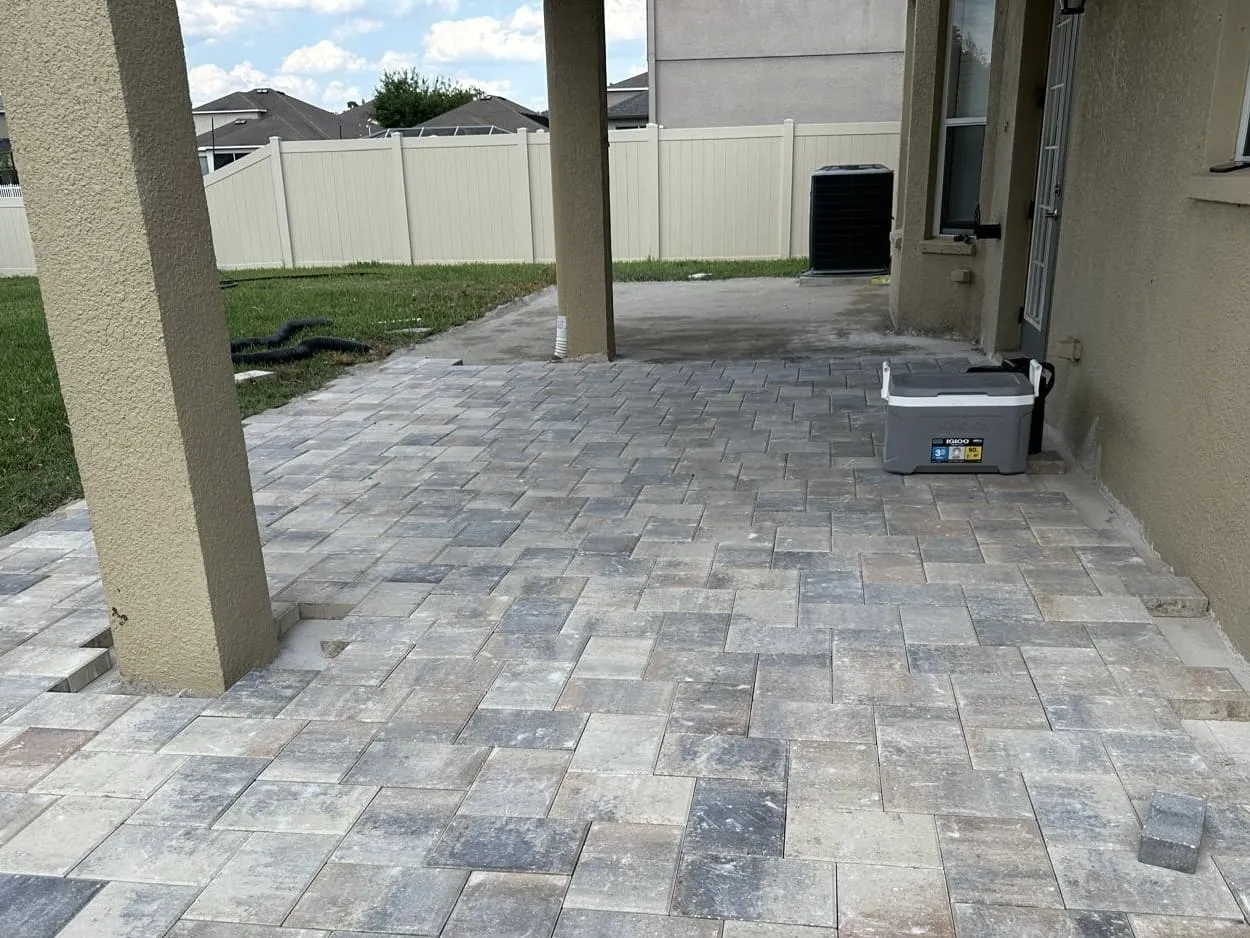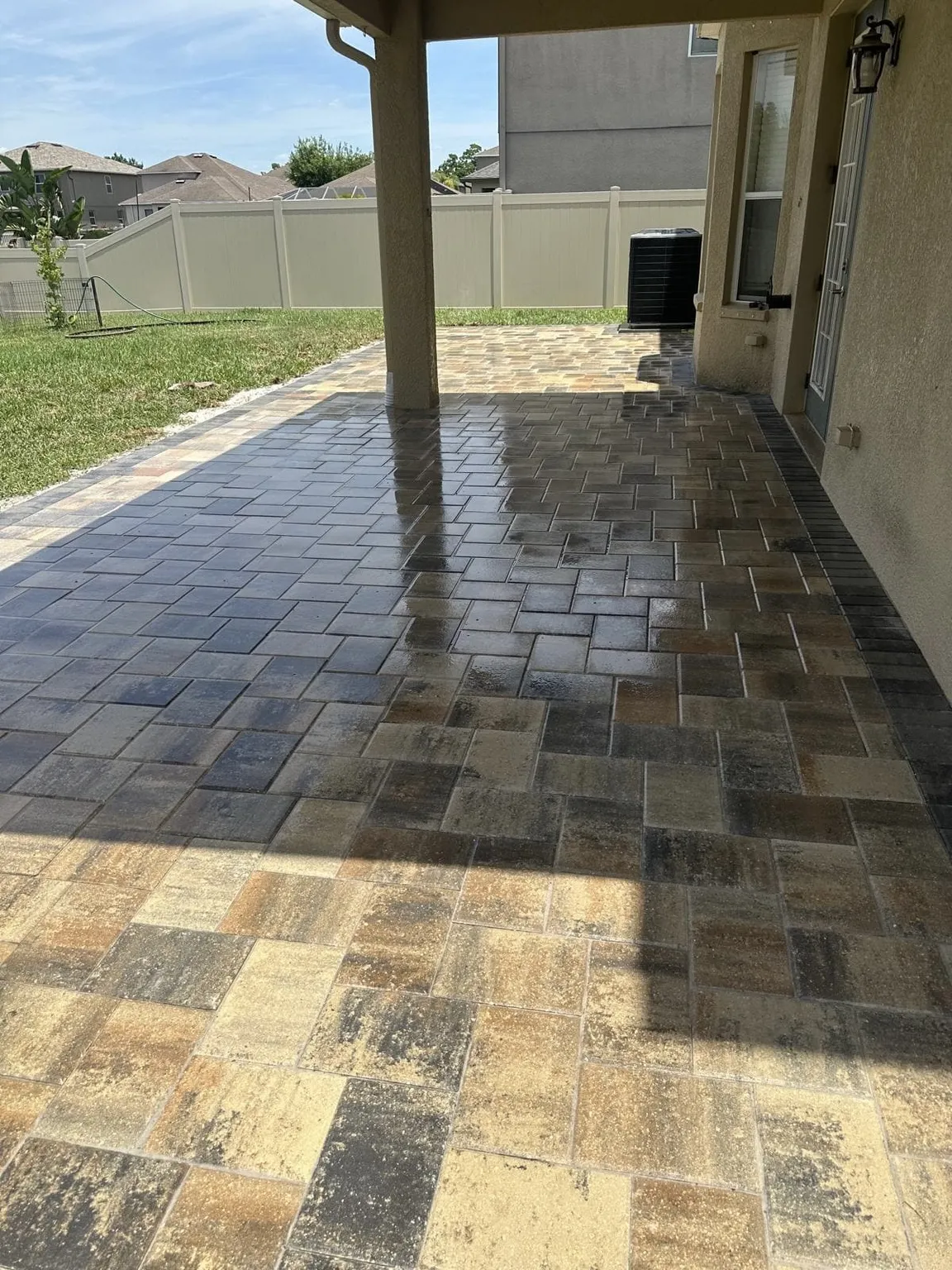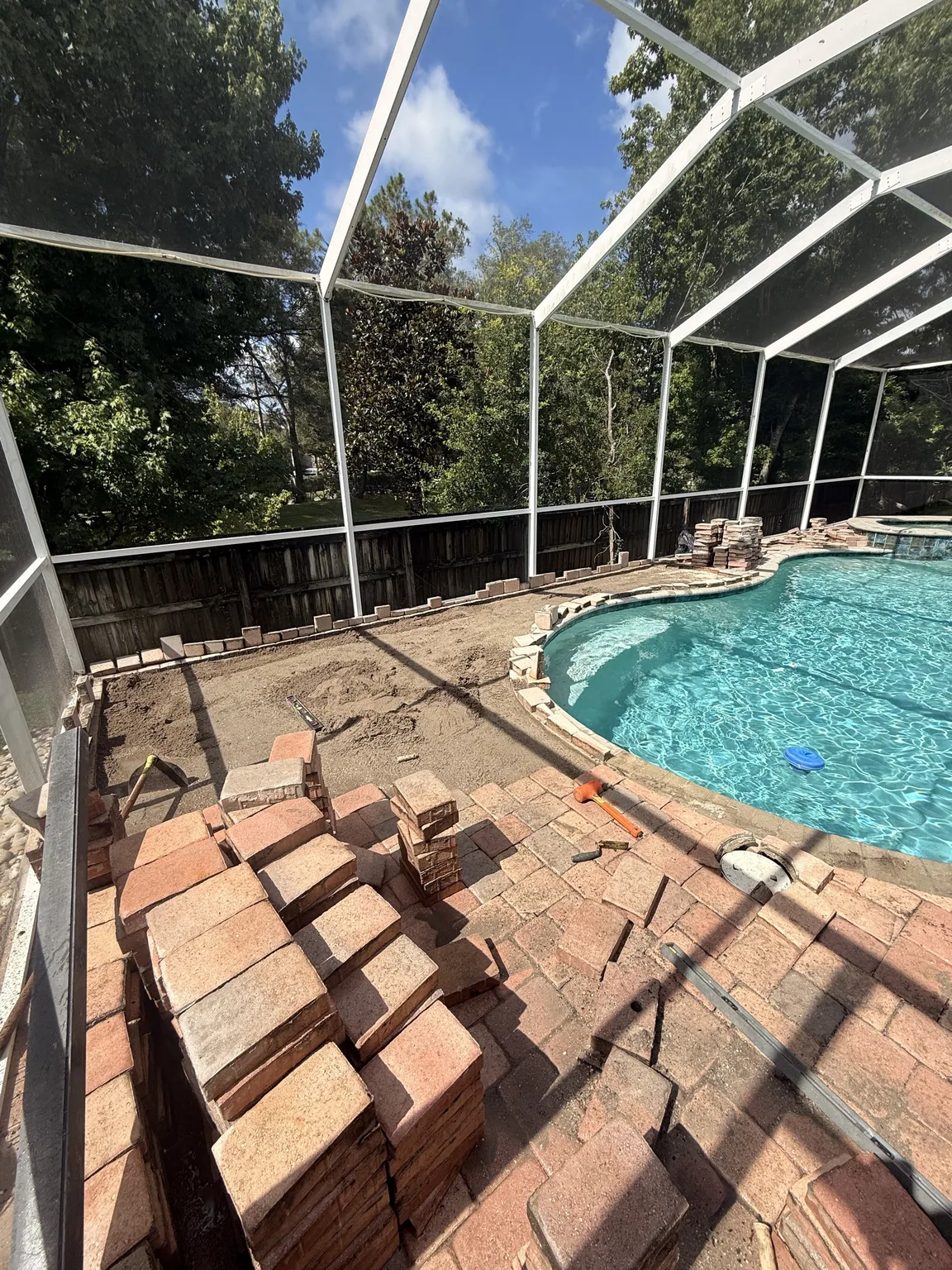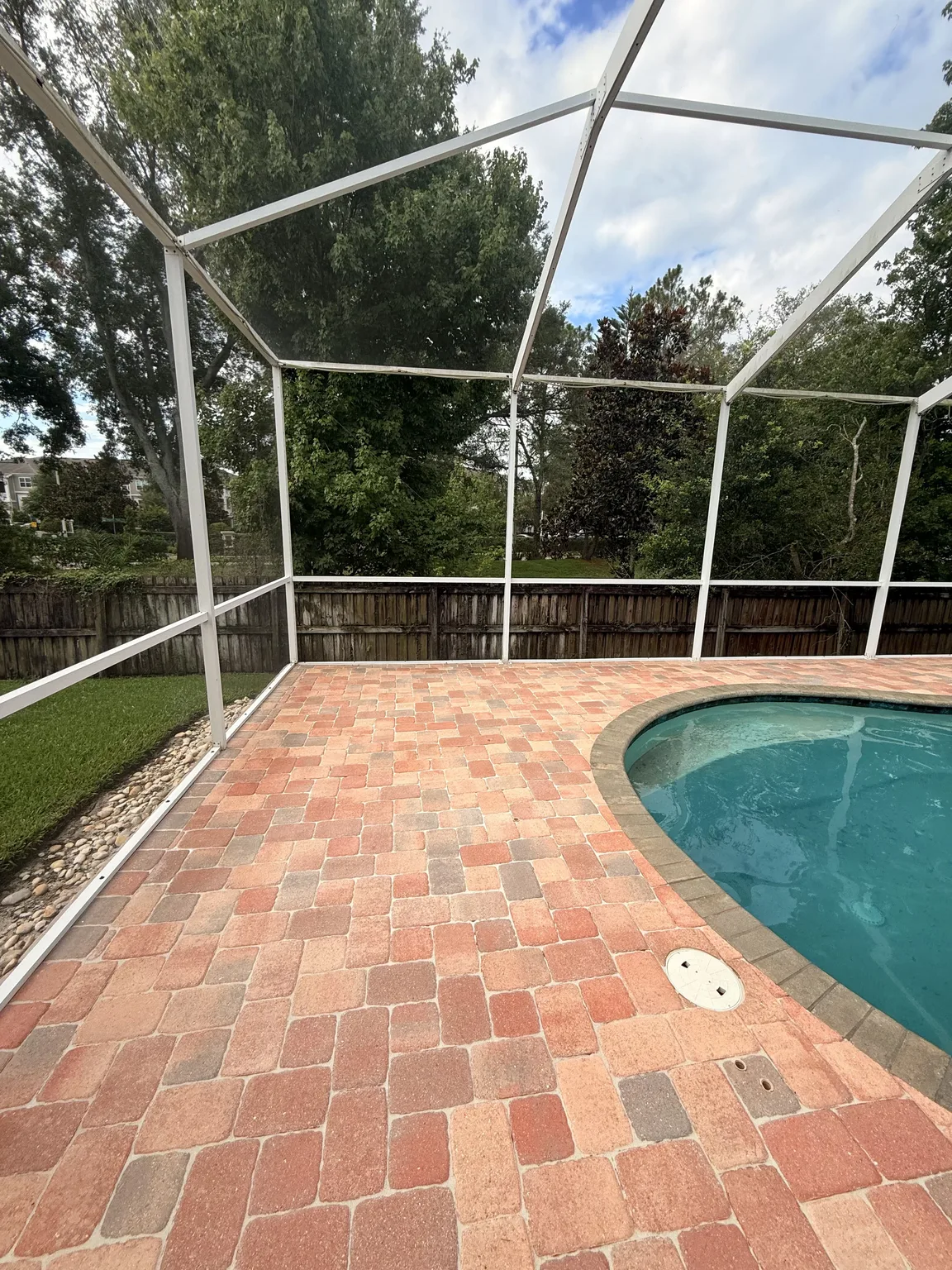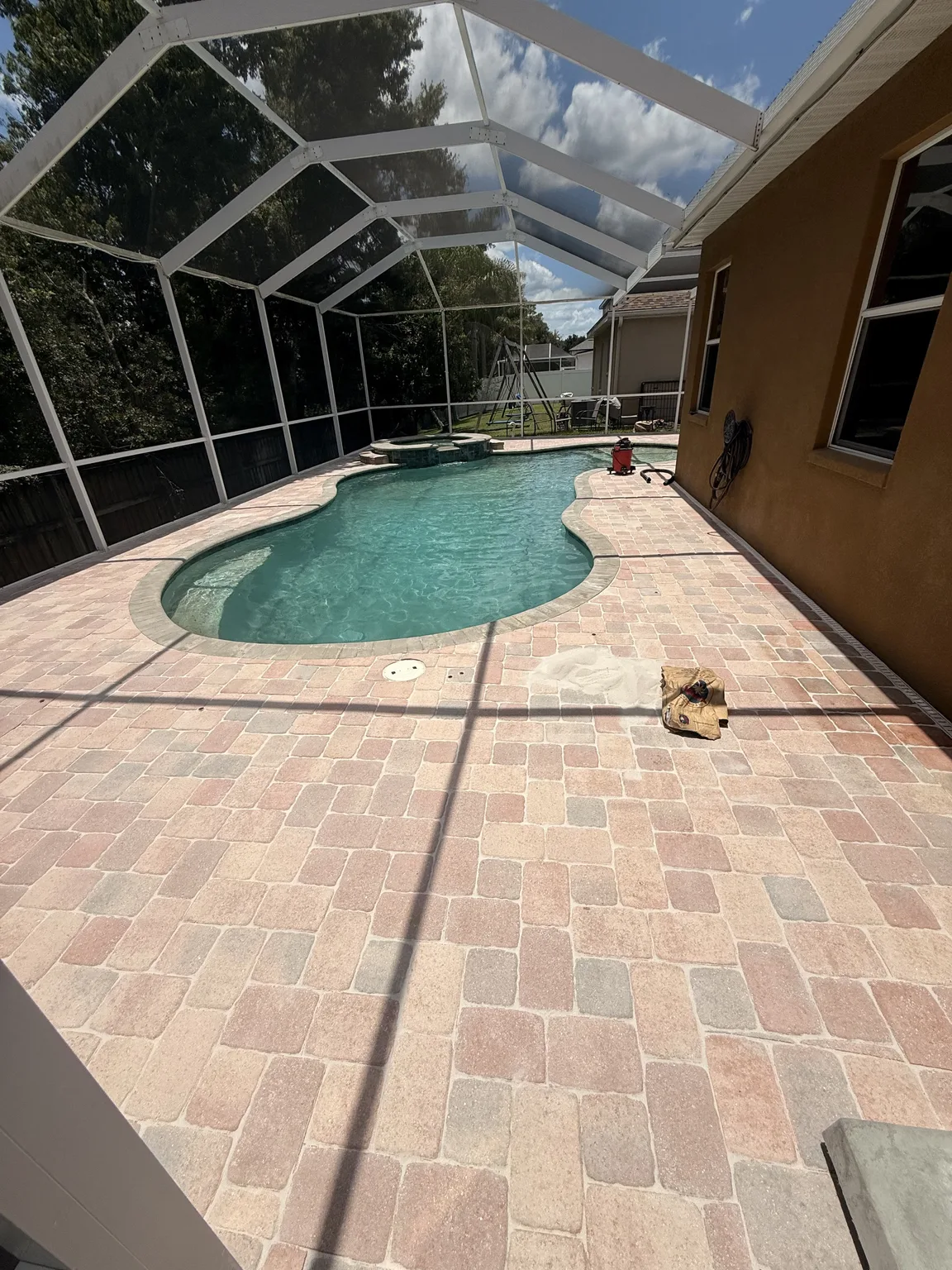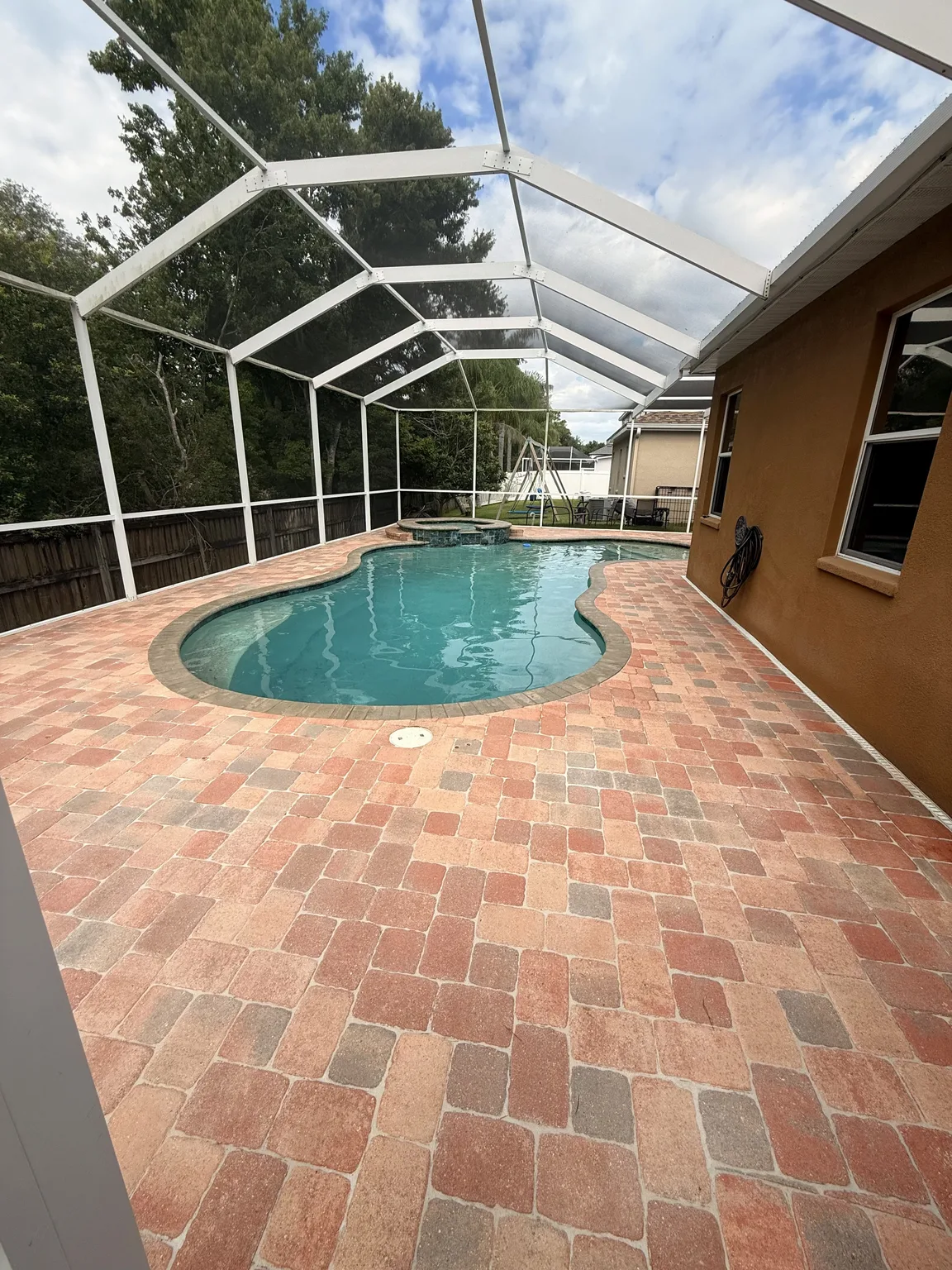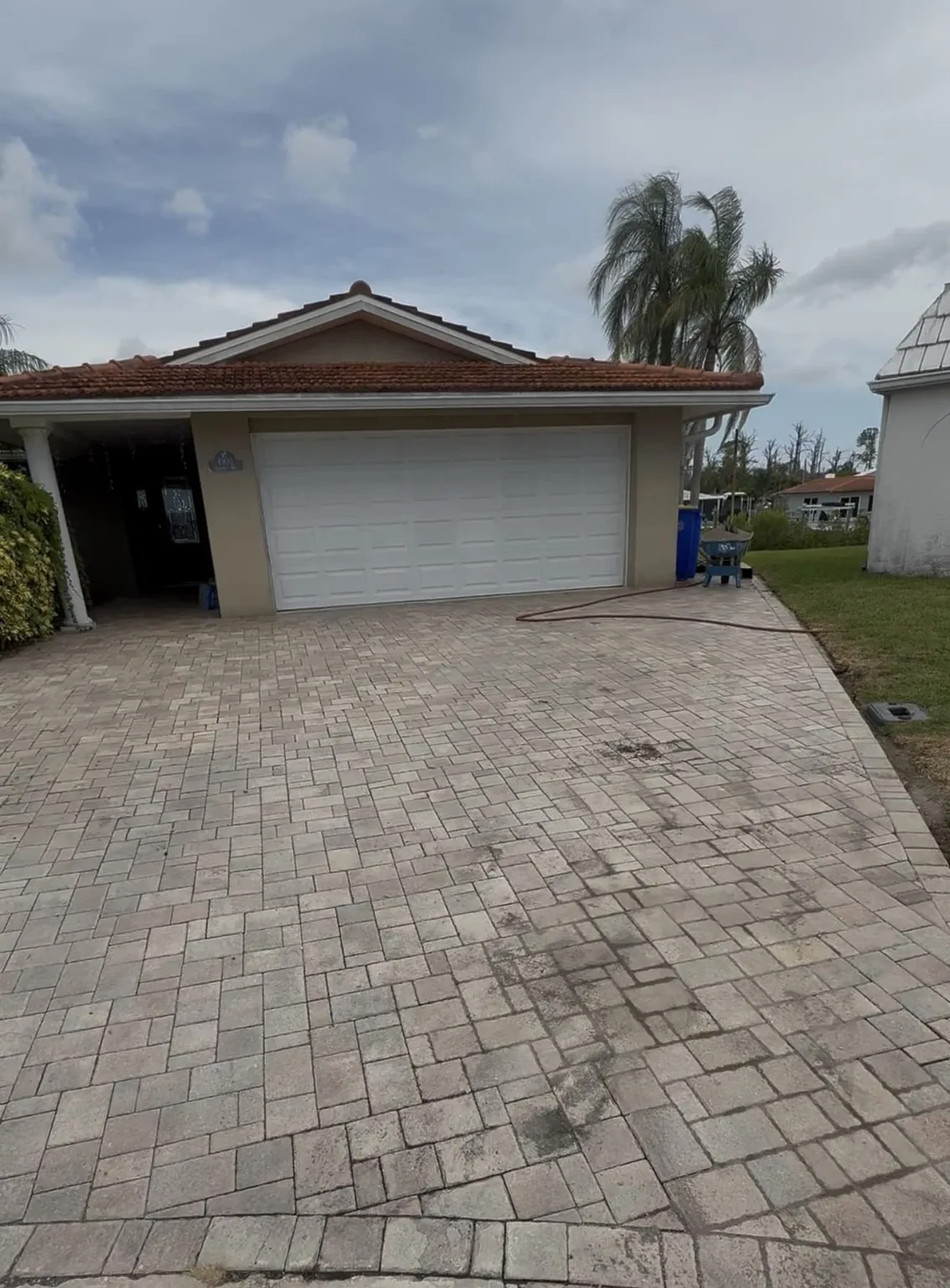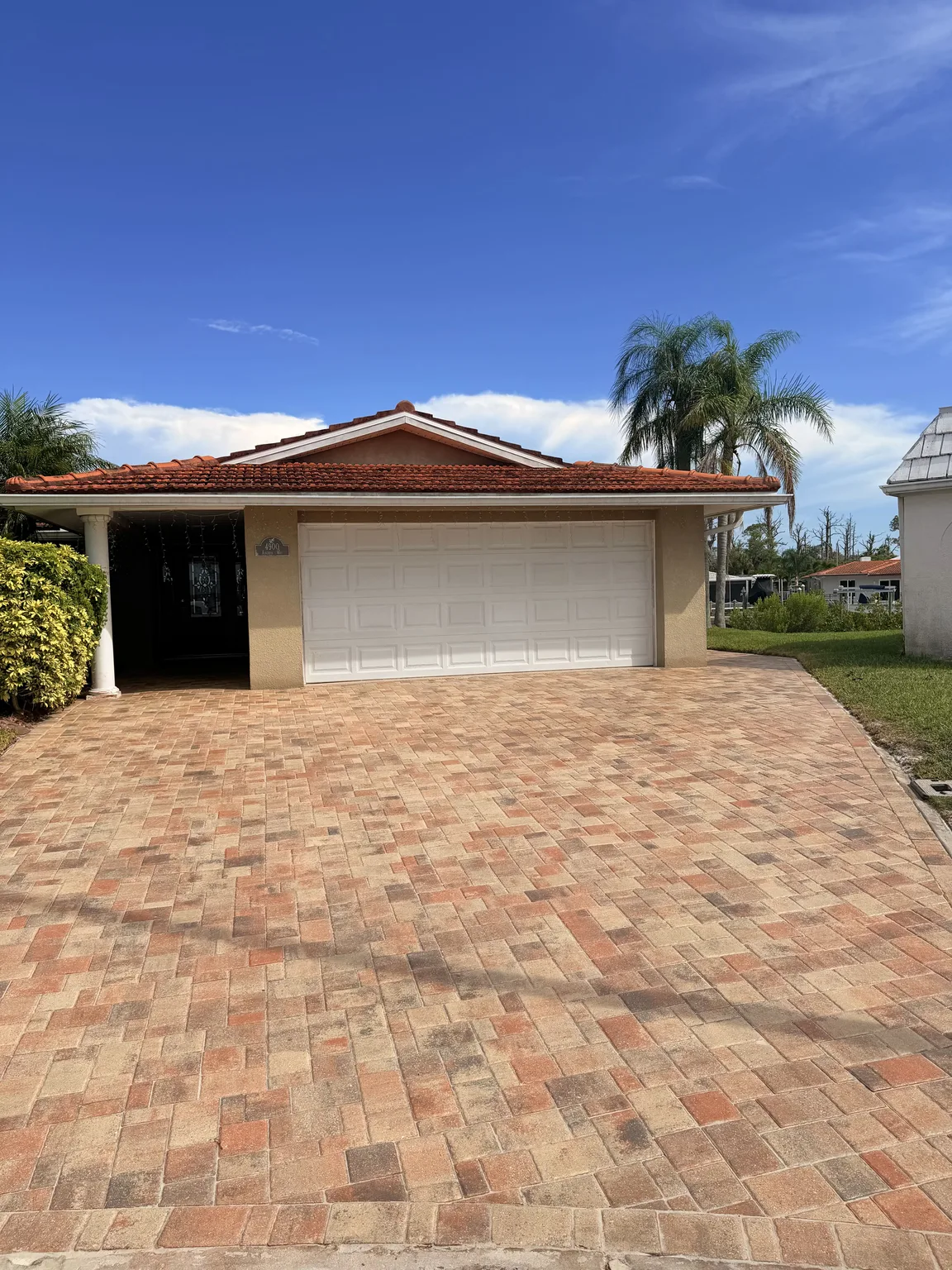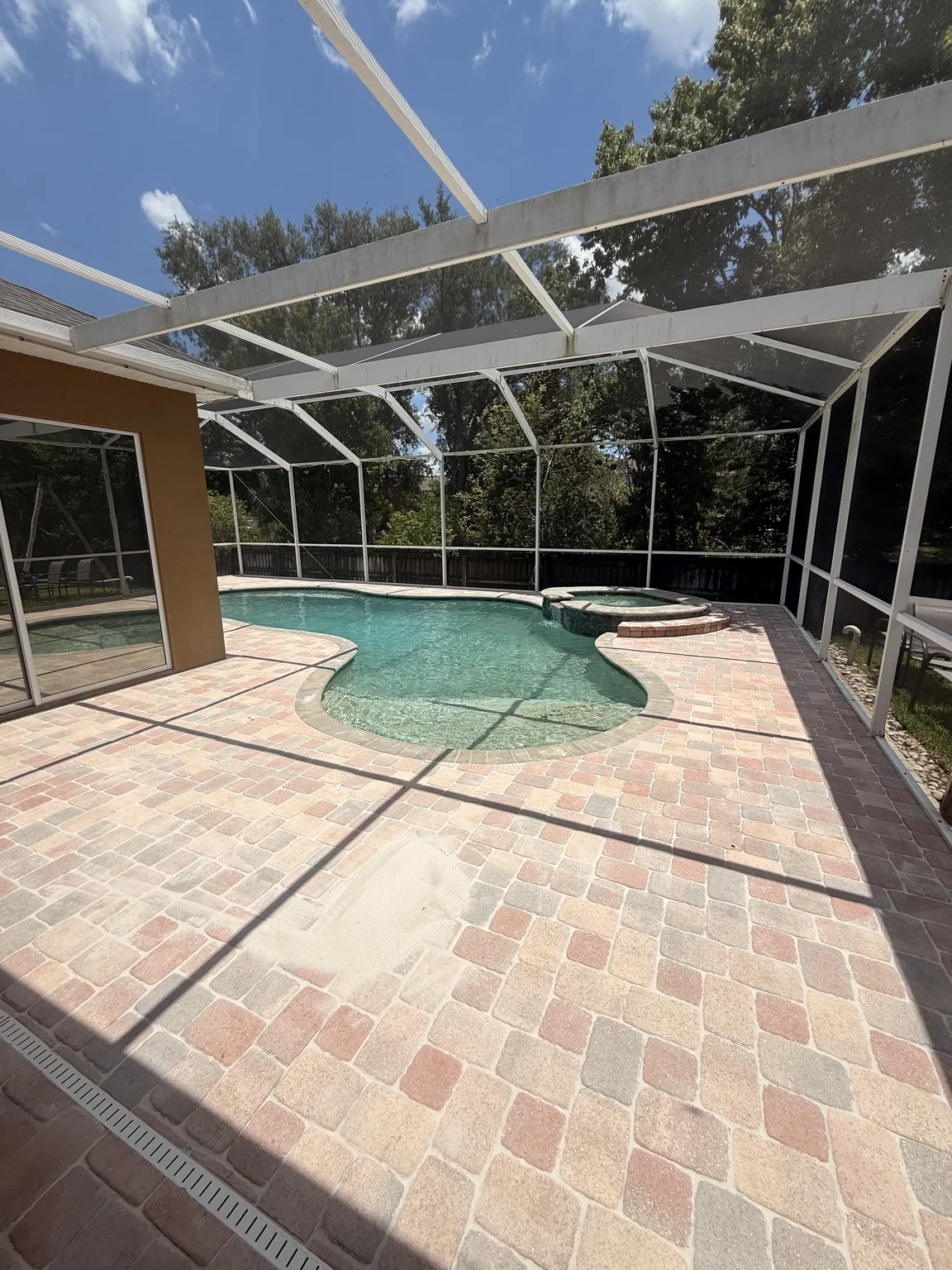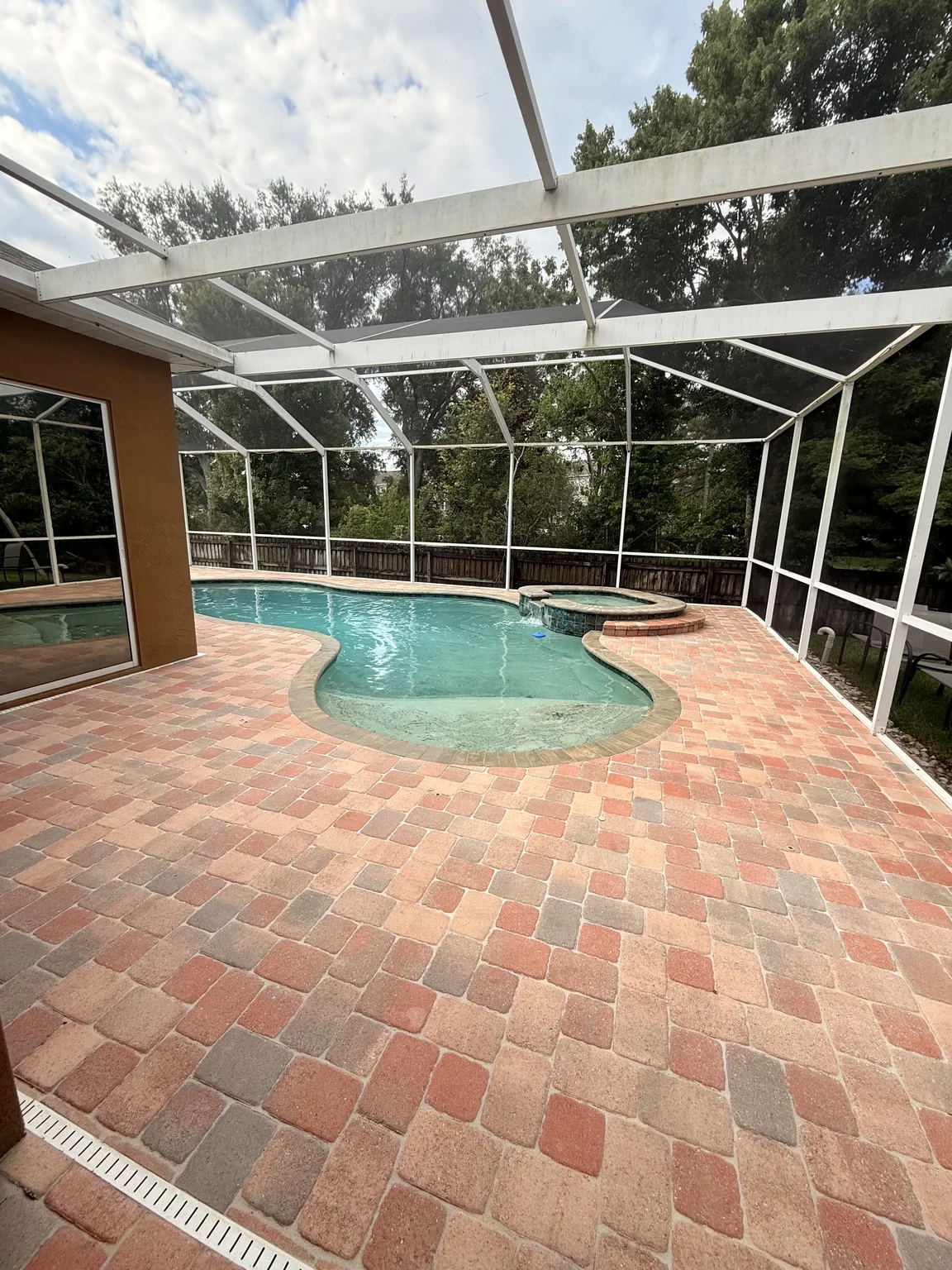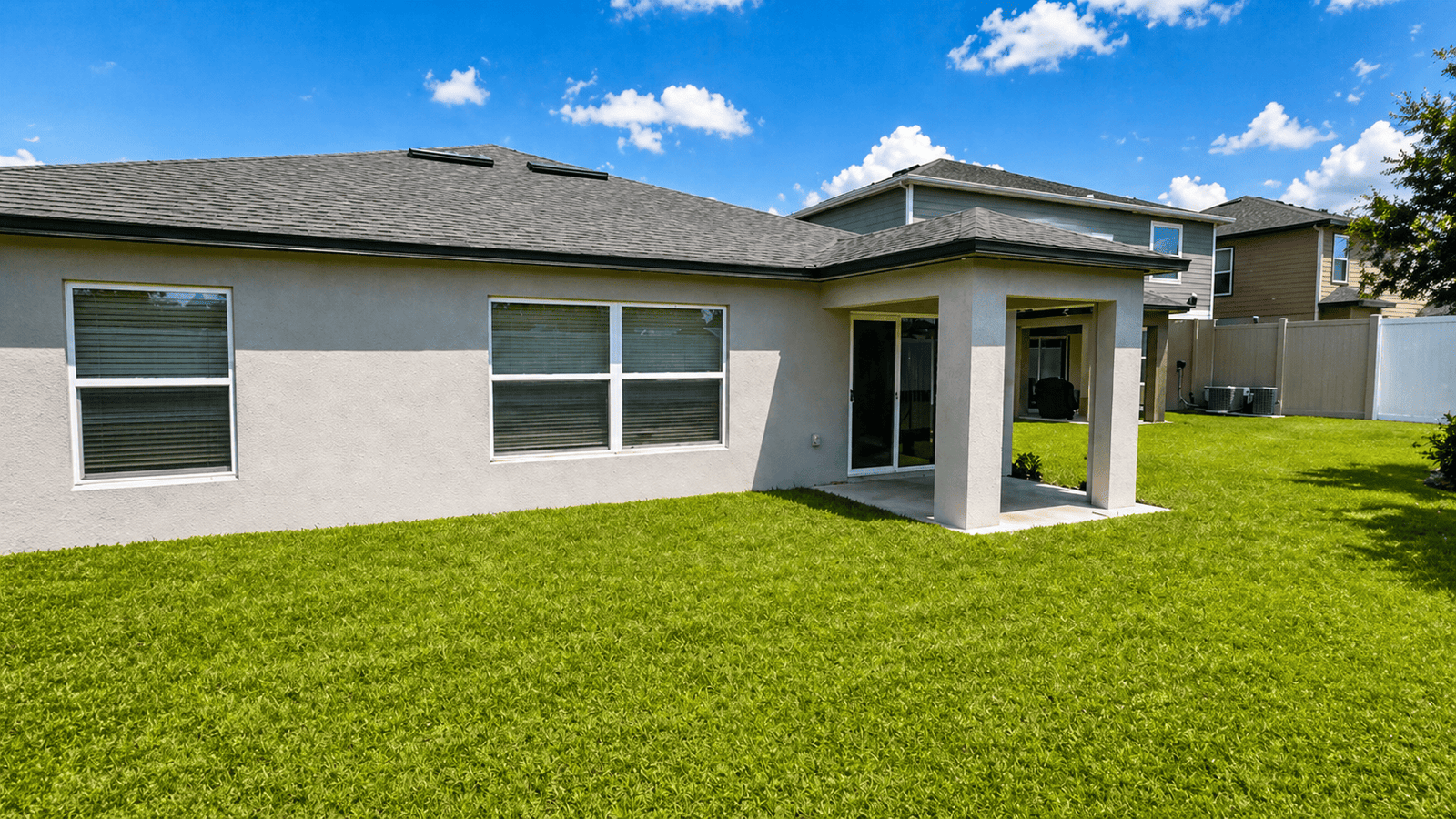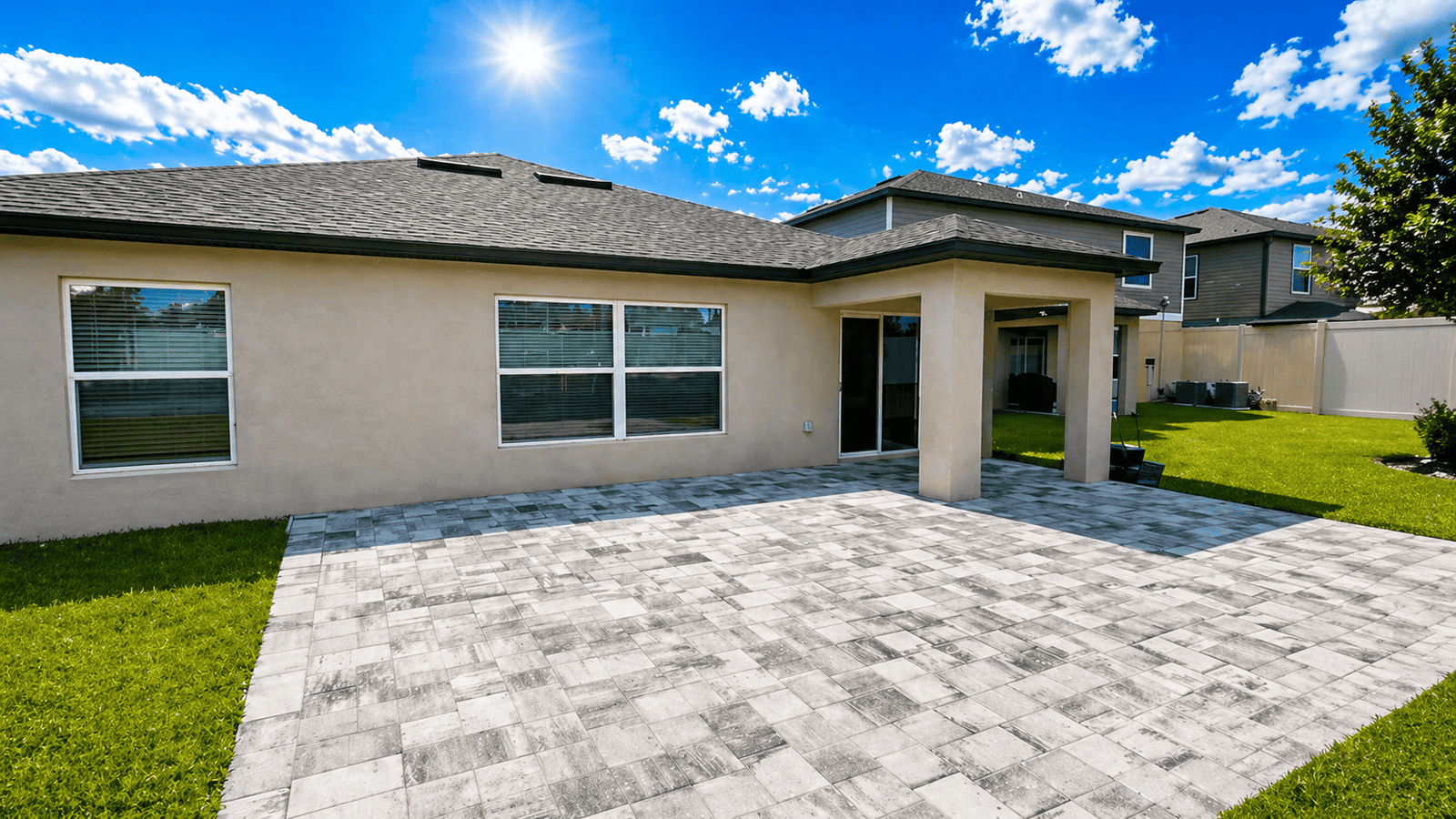
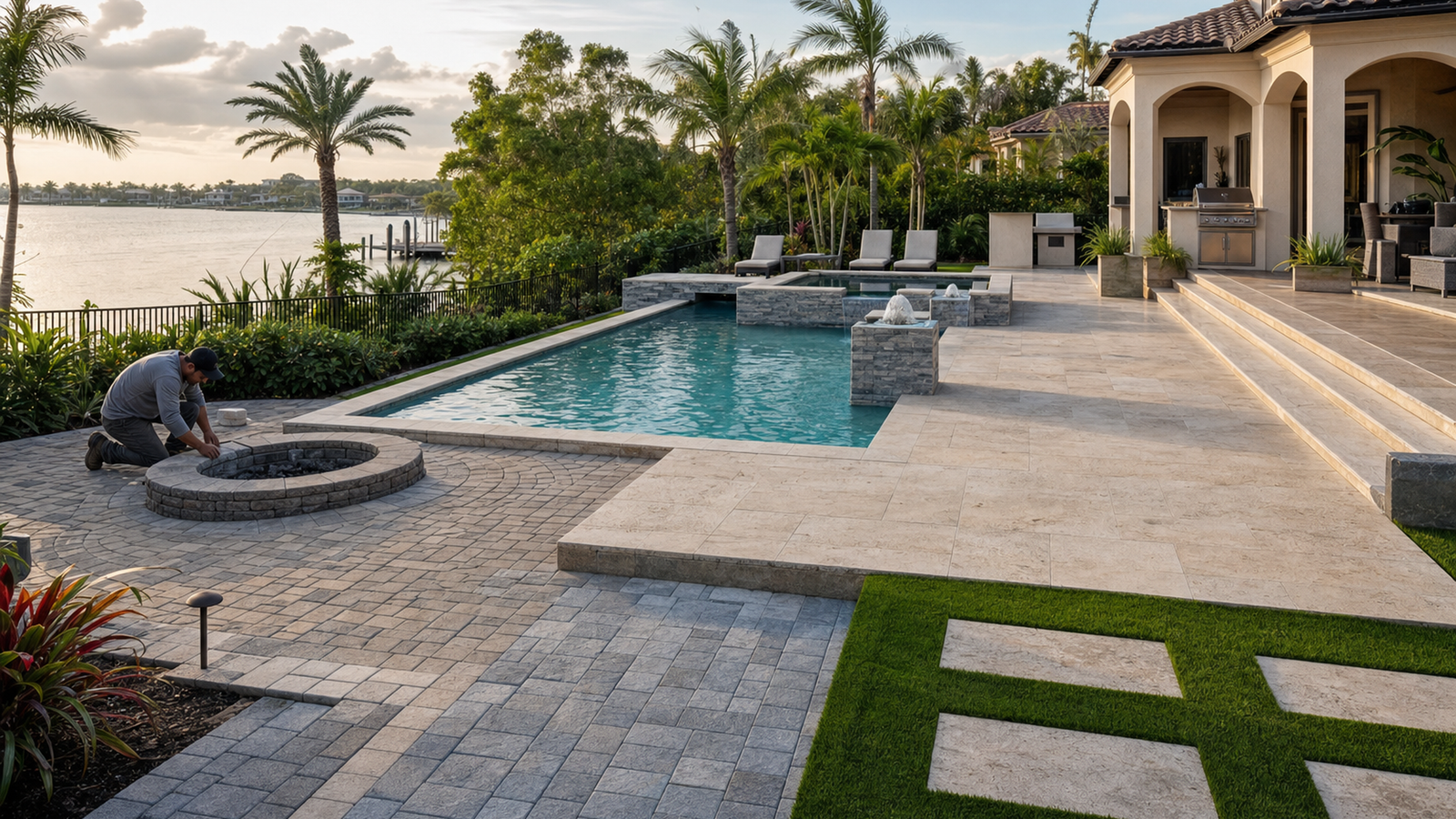
Paver materials comparison Tampa Bay helps homeowners make informed decisions about outdoor living investments. In addition, different materials offer distinct advantages for Tampa Bay’s climate and lifestyle. Therefore, understanding material characteristics, costs, and maintenance requirements guides selection. Homeowners across Tampa Bay, Riverview, Ruskin, Wesley Chapel, Greater Carrollwood, Thonotosassa, Land O’ Lakes, Town ‘N’ Country, Palm Harbor, and Seven Springs benefit from comprehensive comparisons. Most importantly, however, choosing appropriate paver materials ensures long-term satisfaction and performance in Florida’s demanding climate.
Why Paver Material Selection Matters for Tampa Bay
Material selection affects durability, maintenance, and aesthetics significantly. First, Tampa Bay’s heat and humidity challenge different materials differently. Furthermore, material costs vary dramatically affecting project budgets. As a result, informed material selection balances performance with investment. In addition, certain materials suit specific applications better than others.
Tampa Bay Climate Considerations
Florida’s intense UV exposure fades some materials faster. Consequently, UV-resistant materials maintain color longer. Moreover, heavy rainfall tests paver drainage and slip resistance. Therefore, selecting materials suited to Tampa Bay conditions ensures satisfaction. Beyond that, hurricane resistance matters for outdoor investments.
Heat Reflection and Comfort
Dark pavers absorb heat and become uncomfortably hot barefoot. Furthermore, light-colored materials reflect heat effectively. Consequently, material color affects outdoor comfort significantly. However, travertine remains coolest regardless of color. Therefore, pool decks benefit from cooling materials especially.
Long-Term Investment Value
Premium materials cost more initially but last longer. Moreover, low-maintenance materials reduce lifetime costs. Consequently, evaluating total ownership cost proves important. However, material selection affects resale value. Therefore, quality materials represent smart investments.
Aesthetic Compatibility
Materials should complement home architecture and landscape design. Furthermore, coordinating colors and textures creates cohesion. Consequently, material aesthetics affect overall property appearance. However, personal preferences guide final decisions. Therefore, selecting materials you love ensures satisfaction.
Concrete Pavers: Versatile and Affordable
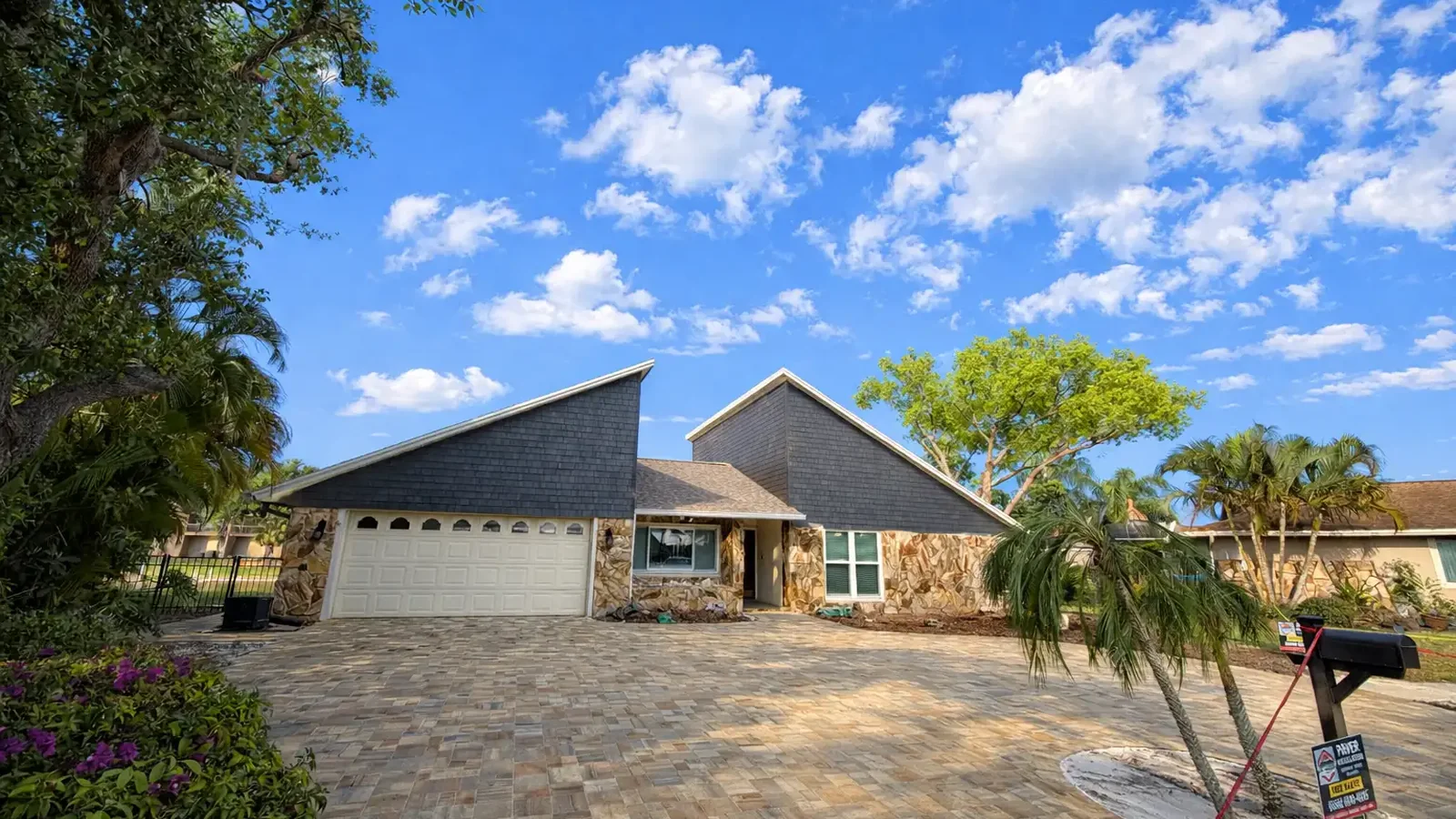
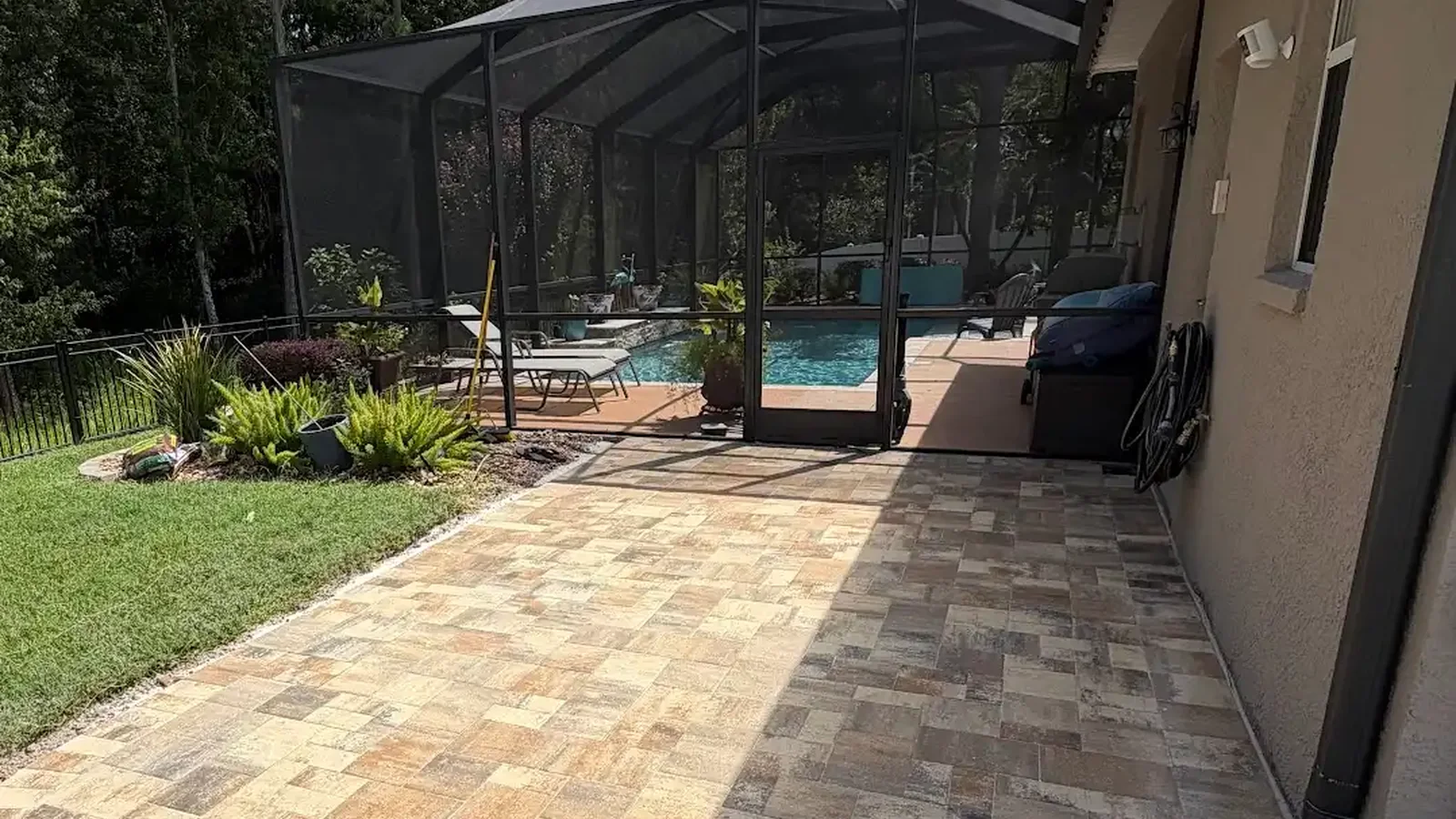
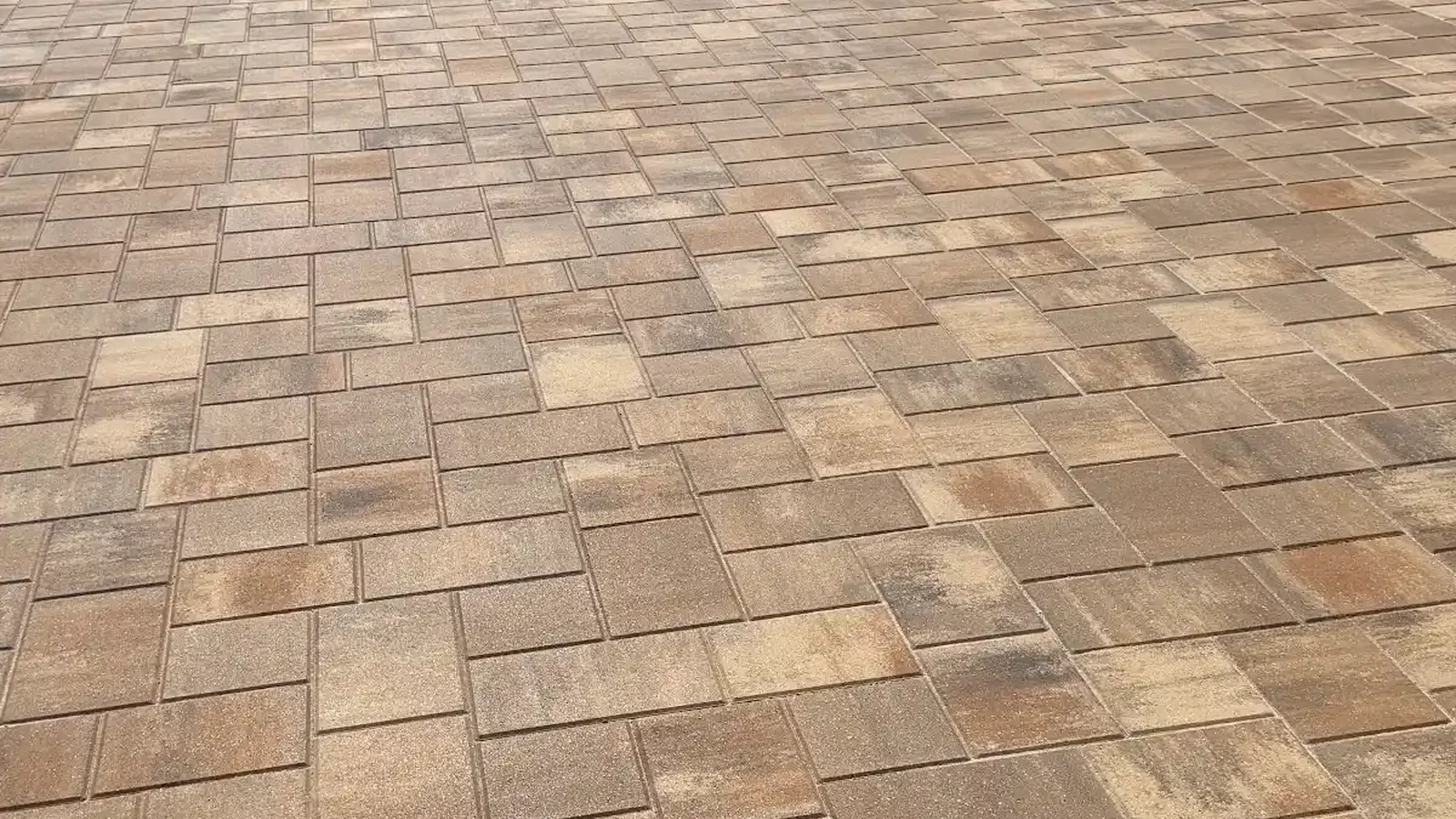
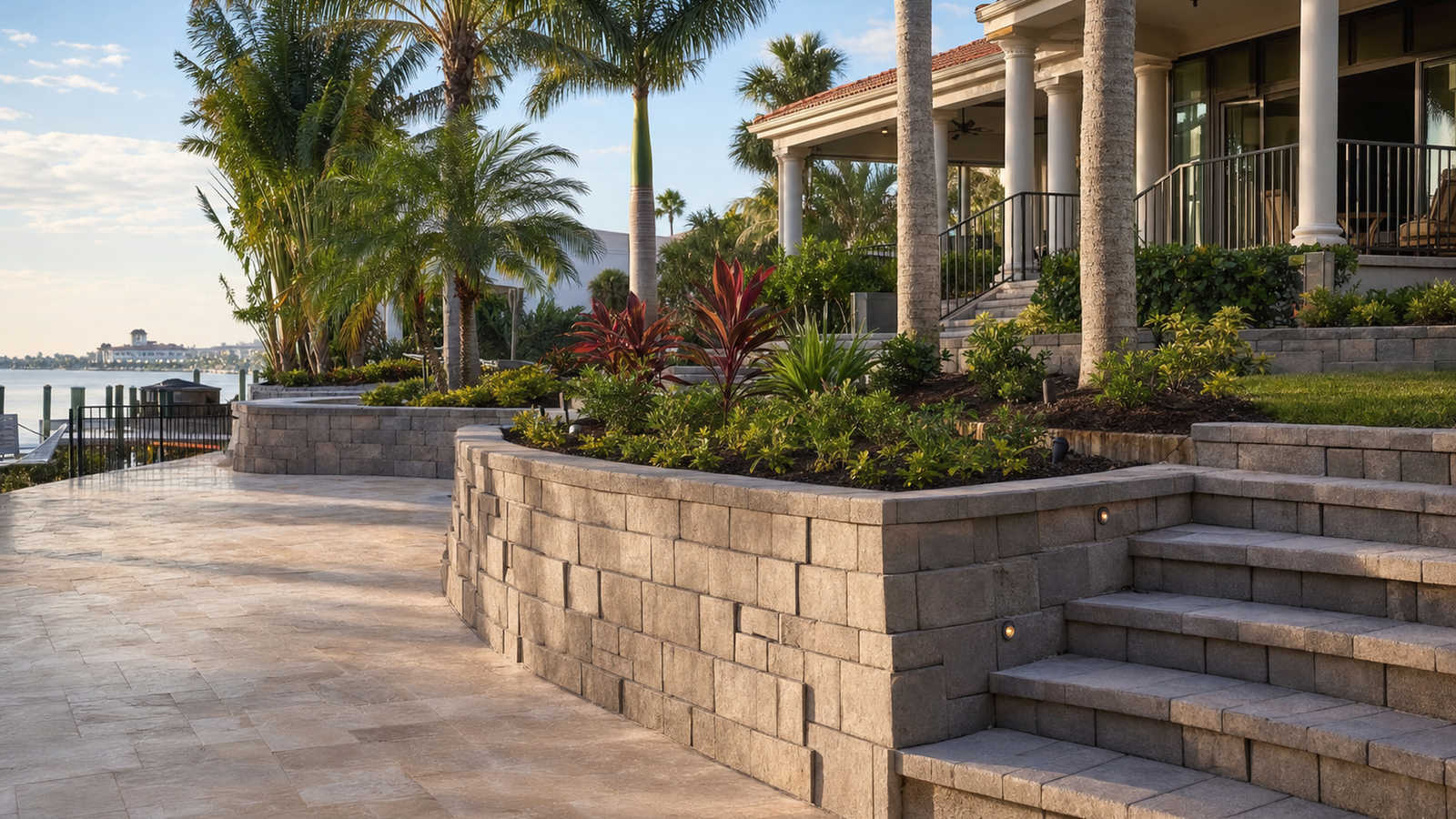
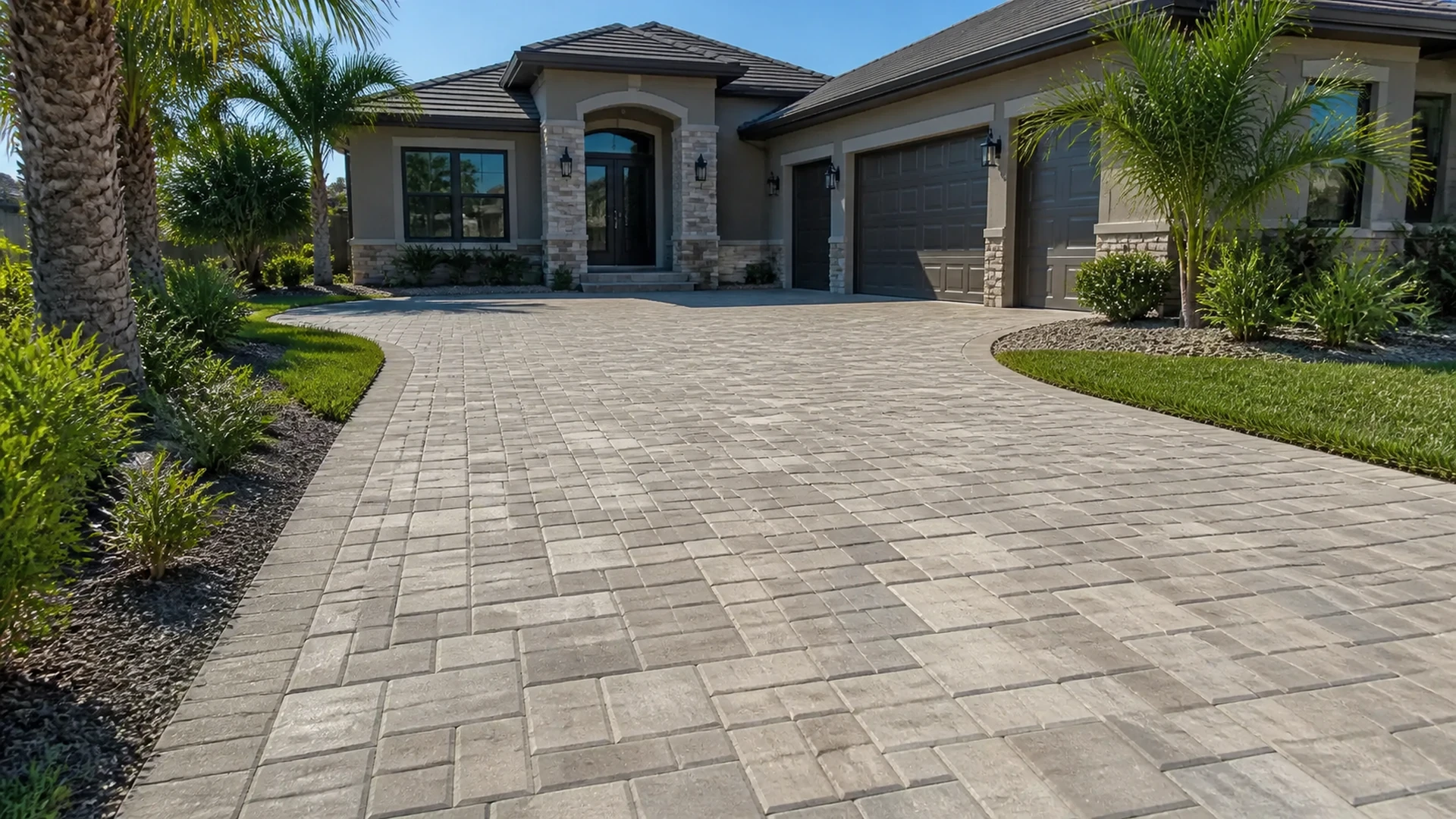
Concrete pavers offer excellent value and versatility for Tampa Bay installations. Therefore, concrete remains the most popular paver material. In addition, manufacturing advances create beautiful realistic stone appearances. As a result, concrete pavers deliver aesthetics and performance affordably.
Concrete Paver Advantages
Concrete pavers provide outstanding durability for Tampa Bay conditions. First, compressive strength exceeds 8,000 PSI typically. Furthermore, unlimited color and style options suit any design. Consequently, concrete accommodates diverse aesthetic preferences. In addition, concrete pavers resist salt water and chlorine excellently. However, quality varies between manufacturers significantly.
Concrete Paver Disadvantages
Lower-quality concrete pavers fade from UV exposure. Moreover, concrete absorbs heat making surfaces hot. Consequently, barefoot comfort suffers on dark concrete. However, sealing protects concrete and enhances color. Therefore, maintenance preserves concrete paver appearance.
Concrete Paver Cost Range
Basic concrete pavers cost $3–$5 per square foot. Furthermore, premium textured options run $6–$8 per square foot. Consequently, concrete offers excellent value. However, installation adds $8–$12 per square foot typically. Therefore, total installed costs range $12–$20 per square foot.
Concrete Paver Maintenance
Sealing concrete pavers every 2–3 years maintains appearance. Moreover, pressure washing removes dirt and mildew. Consequently, concrete requires moderate maintenance. However, sealed concrete resists staining effectively. Therefore, sealing simplifies long-term care.
Travertine Pavers: Luxury and Cooling Comfort
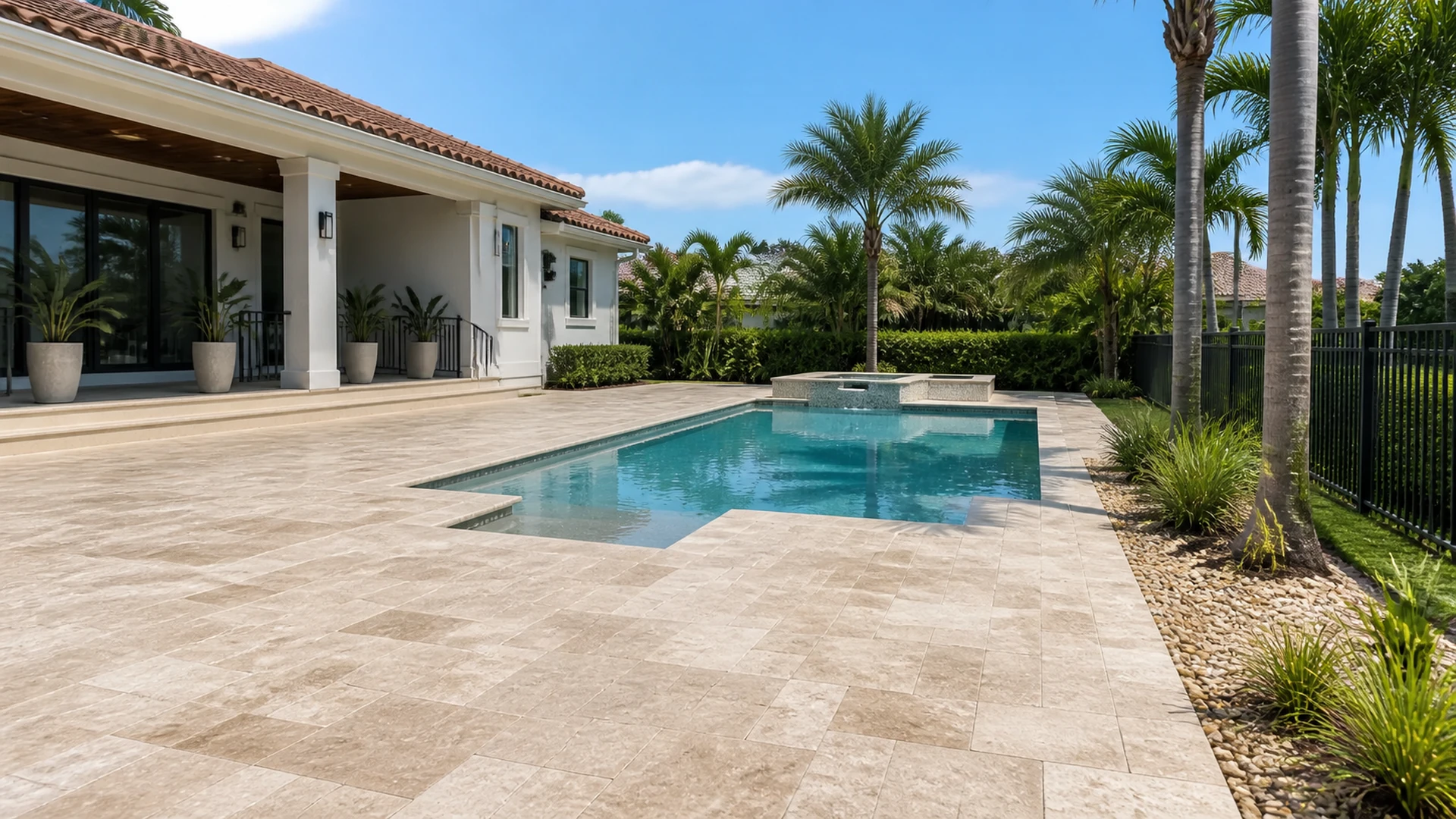
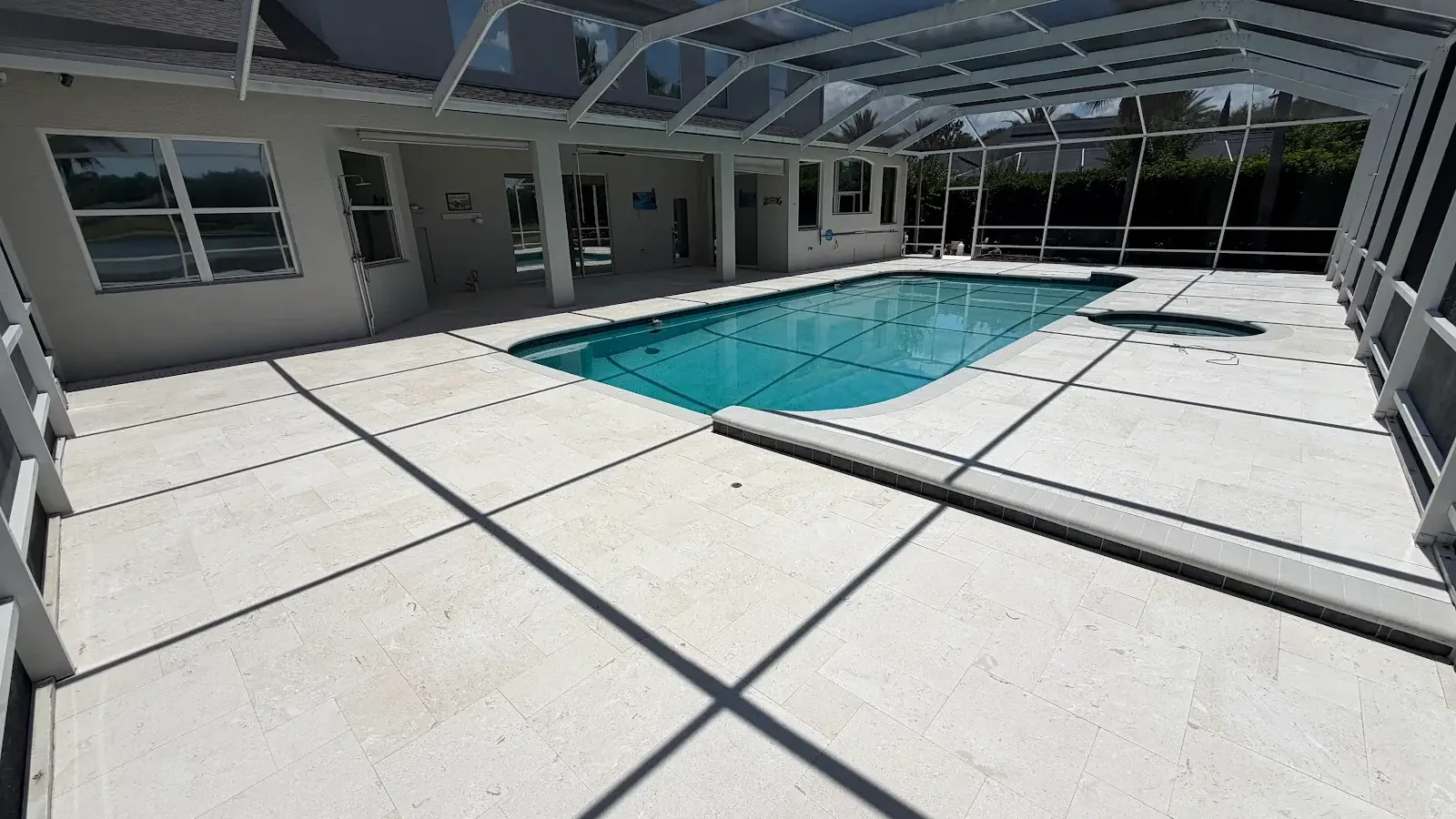
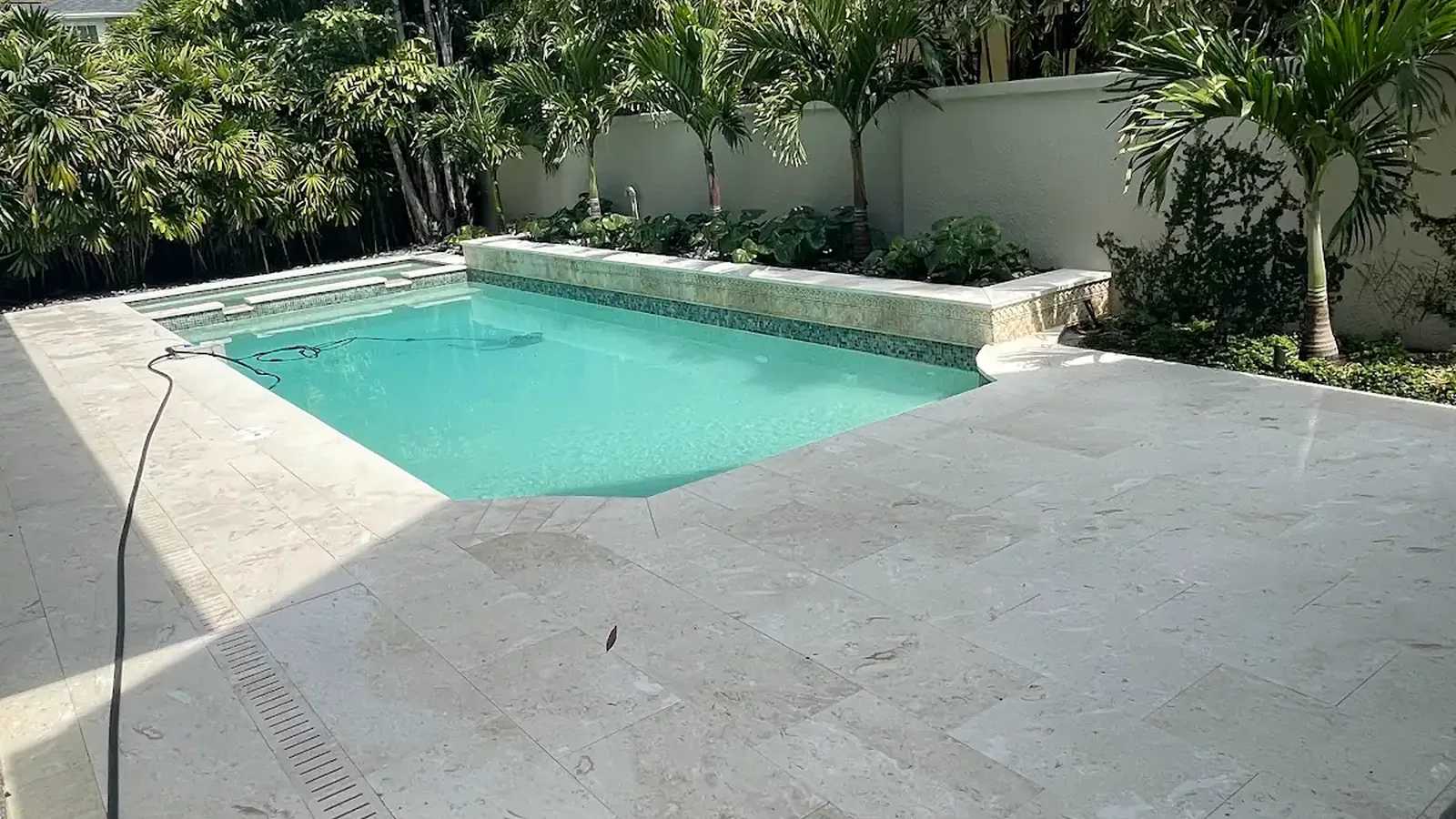
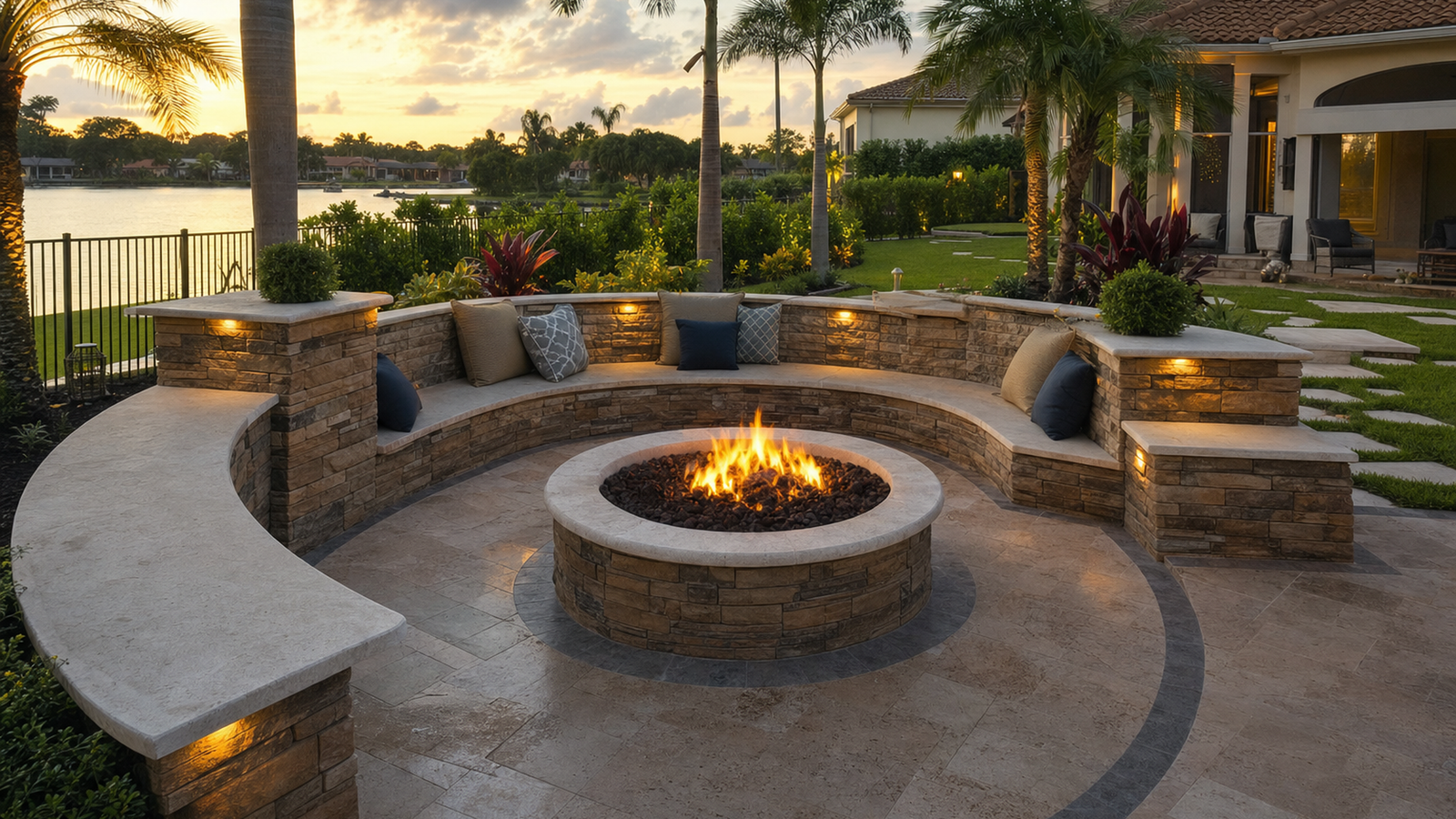
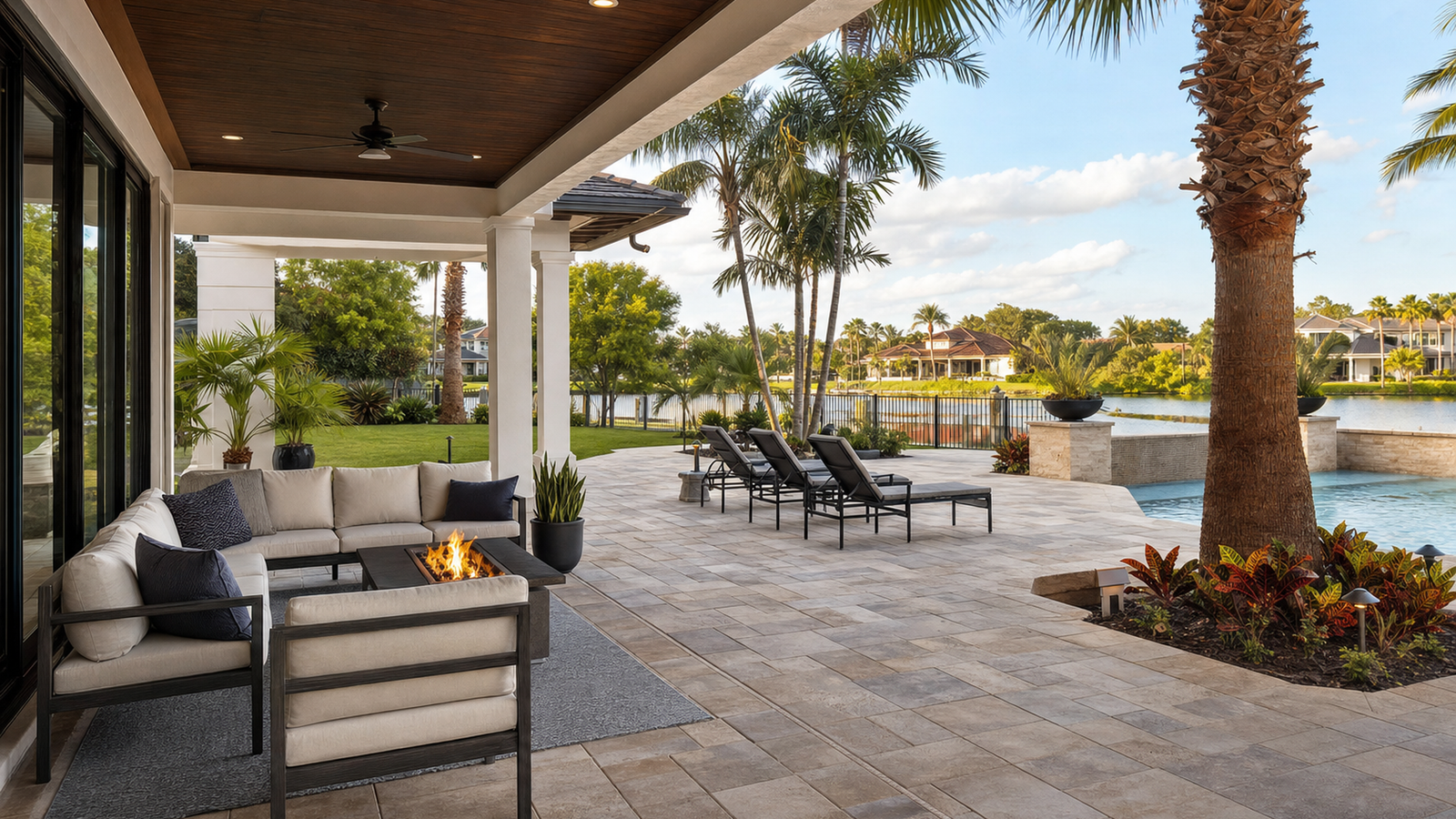
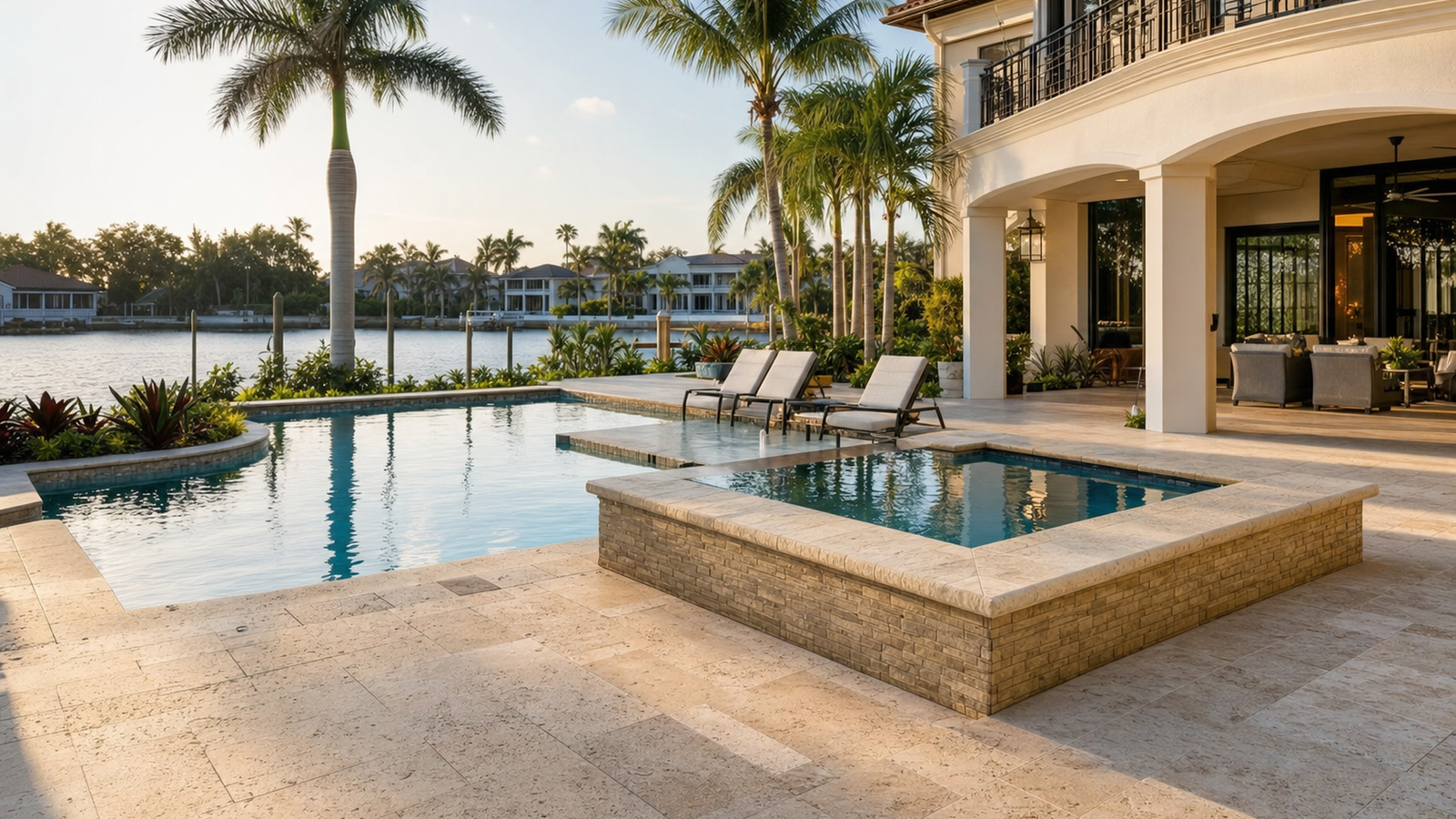
Travertine delivers premium aesthetics and exceptional cooling properties. Therefore, travertine remains the top choice for pool decks. In addition, natural beauty and elegance enhance luxury properties. As a result, travertine creates resort-quality outdoor spaces.
Travertine Paver Advantages
Travertine stays remarkably cool even in direct sunlight. First, porous structure dissipates heat effectively. Furthermore, natural stone beauty creates timeless elegance. Consequently, travertine enhances property value significantly. In addition, slip-resistant texture provides safety when wet. However, natural variations create unique character.
Travertine Paver Disadvantages
Travertine costs considerably more than concrete initially. Moreover, porous stone stains without sealing. Consequently, travertine requires regular sealing maintenance. However, acidic substances etch travertine surfaces. Therefore, prompt spill cleanup prevents damage.
Travertine Paver Cost Range
Travertine material costs $8–$12 per square foot typically. Furthermore, premium grades reach $15+ per square foot. Consequently, travertine represents significant investment. However, installation runs $10–$15 per square foot. Therefore, total installed costs range $18–$30 per square foot.
Travertine Paver Maintenance
Sealing travertine annually protects against staining. Moreover, filling natural holes prevents debris accumulation. Consequently, travertine demands regular maintenance. However, sealed travertine resists pool chemicals well. Therefore, proper sealing simplifies care significantly.
Clay Brick Pavers: Traditional Charm
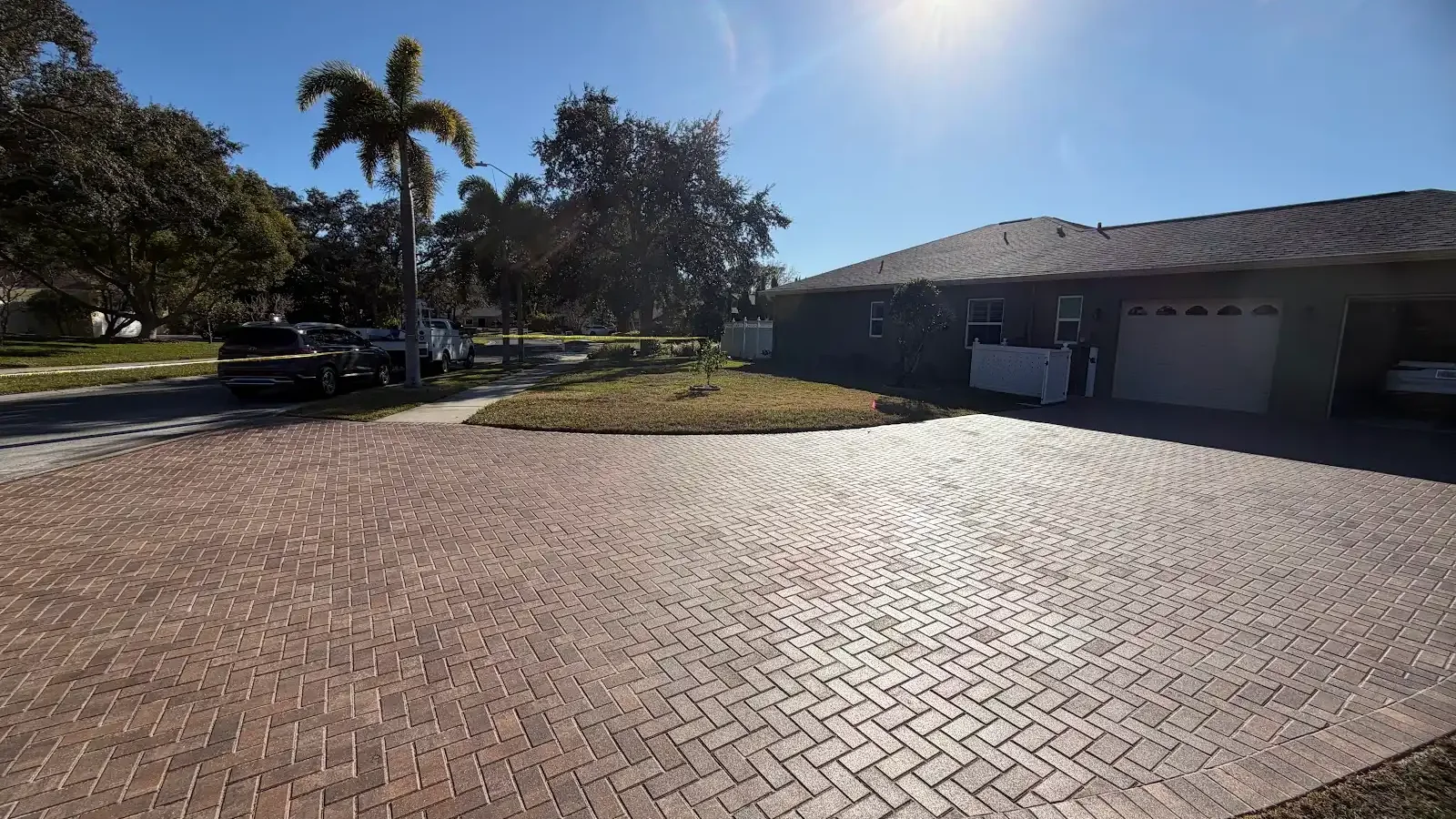
Clay brick pavers offer timeless traditional aesthetics. Therefore, brick suits historic and colonial architecture. In addition, natural clay colors never fade. As a result, brick maintains appearance for decades.
Clay Brick Paver Advantages
Brick colors penetrate throughout material completely. First, wear and weathering never expose different colors. Furthermore, clay brick develops attractive patina over time. Consequently, brick improves aesthetically with age. In addition, brick manufacturing uses natural sustainable materials. However, traditional aesthetics suit specific design preferences.
Clay Brick Paver Disadvantages
Brick costs more than standard concrete pavers. Moreover, limited color options restrict design flexibility. Consequently, brick suits traditional rather than contemporary designs. However, some bricks absorb water and stain. Therefore, selecting quality brick prevents problems.
Clay Brick Paver Cost Range
Quality clay brick costs $6–$10 per square foot. Furthermore, specialty antique bricks reach $12–$15 per square foot. Consequently, brick falls mid-range pricing. However, installation costs $9–$13 per square foot. Therefore, total installed costs range $15–$25 per square foot.
Clay Brick Paver Maintenance
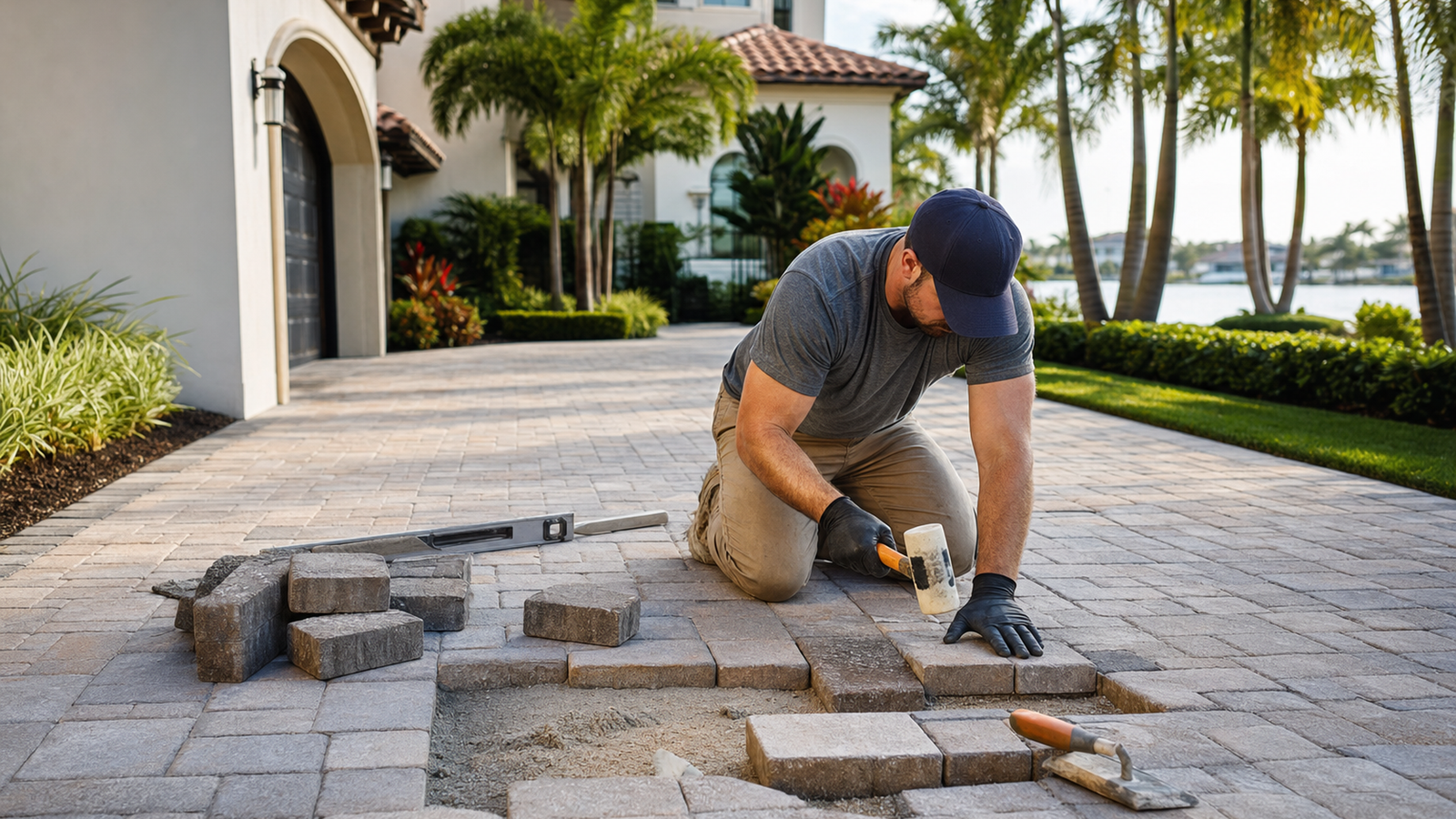
Brick requires minimal maintenance beyond cleaning. Moreover, sealing brick enhances color and protects surface. Consequently, brick offers relatively low maintenance. However, replacing damaged bricks proves difficult. Therefore, protecting brick during installation prevents breakage.
Natural Stone Pavers: Distinctive Luxury
Natural stone delivers unmatched beauty and uniqueness. Therefore, stone creates truly custom distinctive appearances. In addition, stone durability ensures generations of performance. As a result, natural stone represents premium material choice.
Bluestone Pavers
Bluestone offers elegant blue-gray coloration naturally. Furthermore, dense composition provides exceptional durability. Consequently, bluestone suits high-traffic areas perfectly. However, bluestone costs significantly more than alternatives. Therefore, bluestone fits luxury project budgets.
Flagstone Pavers
Irregular flagstone creates organic natural appearance. Moreover, random shapes suit informal landscape designs. Consequently, flagstone delivers rustic charm. However, uneven surfaces affect furniture stability. Therefore, flagstone suits walkways better than patios.
Granite Pavers
Granite provides ultimate durability and scratch resistance. Furthermore, polished granite creates formal elegant aesthetics. Consequently, granite suits contemporary luxury designs. However, polished granite becomes slippery when wet. Therefore, textured finishes improve safety.
Natural Stone Cost Range
Flagstone costs $15–$25 per square foot installed. Moreover, bluestone runs $20–$35 per square foot installed. Furthermore, granite reaches $25–$40+ per square foot installed. Therefore, natural stone represents premium investment. However, stone durability justifies costs for many homeowners.
Paver Materials Comparison: Side-by-Side Analysis
Direct comparison reveals material strengths and weaknesses clearly. Therefore, reviewing key factors guides decision-making. In addition, weighing priorities determines best material choice. As a result, systematic comparison ensures satisfaction.
Durability Comparison
- Granite: Highest durability, scratch and chip resistant
- Concrete: Excellent durability with proper installation
- Clay brick: Very durable, improves with age
- Travertine: Durable but softer, requires sealing
- Flagstone: Variable durability depending on stone type
Heat Resistance Comparison
- Travertine: Stays coolest, excellent for pool decks
- Light concrete: Moderate heat with light colors
- Flagstone: Varies by color and type
- Clay brick: Absorbs moderate heat
- Dark granite: Absorbs most heat
Maintenance Requirements Comparison
- Concrete: Moderate maintenance, seal every 2–3 years
- Clay brick: Low maintenance, optional sealing
- Granite: Minimal maintenance, very stain resistant
- Travertine: Higher maintenance, annual sealing recommended
- Flagstone: Moderate maintenance, periodic sealing
Cost Comparison (Installed)
- Concrete pavers: $12–$20 per square foot
- Clay brick pavers: $15–$25 per square foot
- Travertine pavers: $18–$30 per square foot
- Flagstone pavers: $20–$30 per square foot
- Granite/bluestone: $25–$40+ per square foot
Choosing the Right Paver Material for Your Tampa Bay Project
Several factors guide appropriate material selection. Therefore, considering project specifics narrows options. In addition, prioritizing requirements identifies best choices. As a result, systematic evaluation ensures satisfaction.
Pool Deck Material Selection
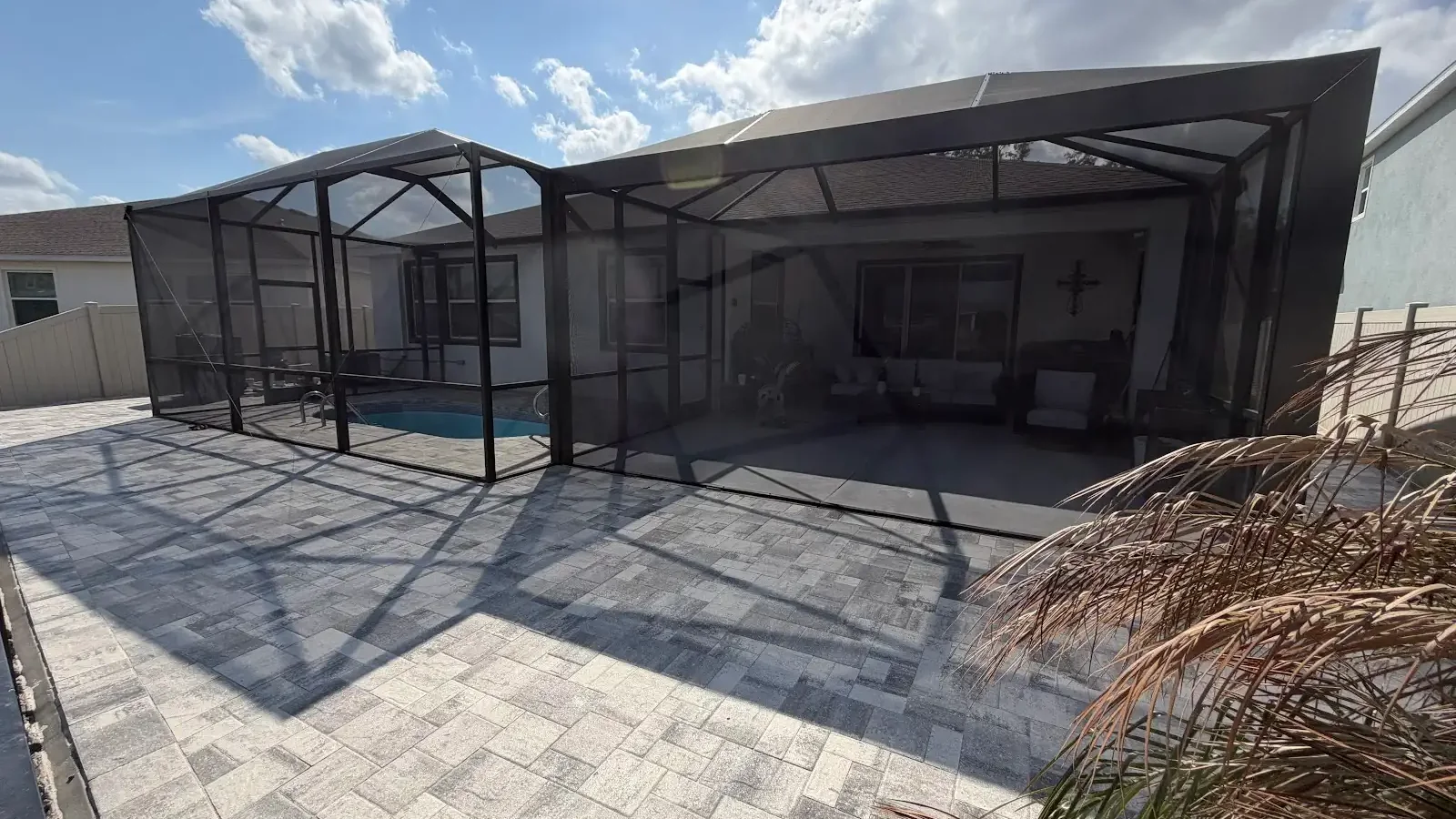
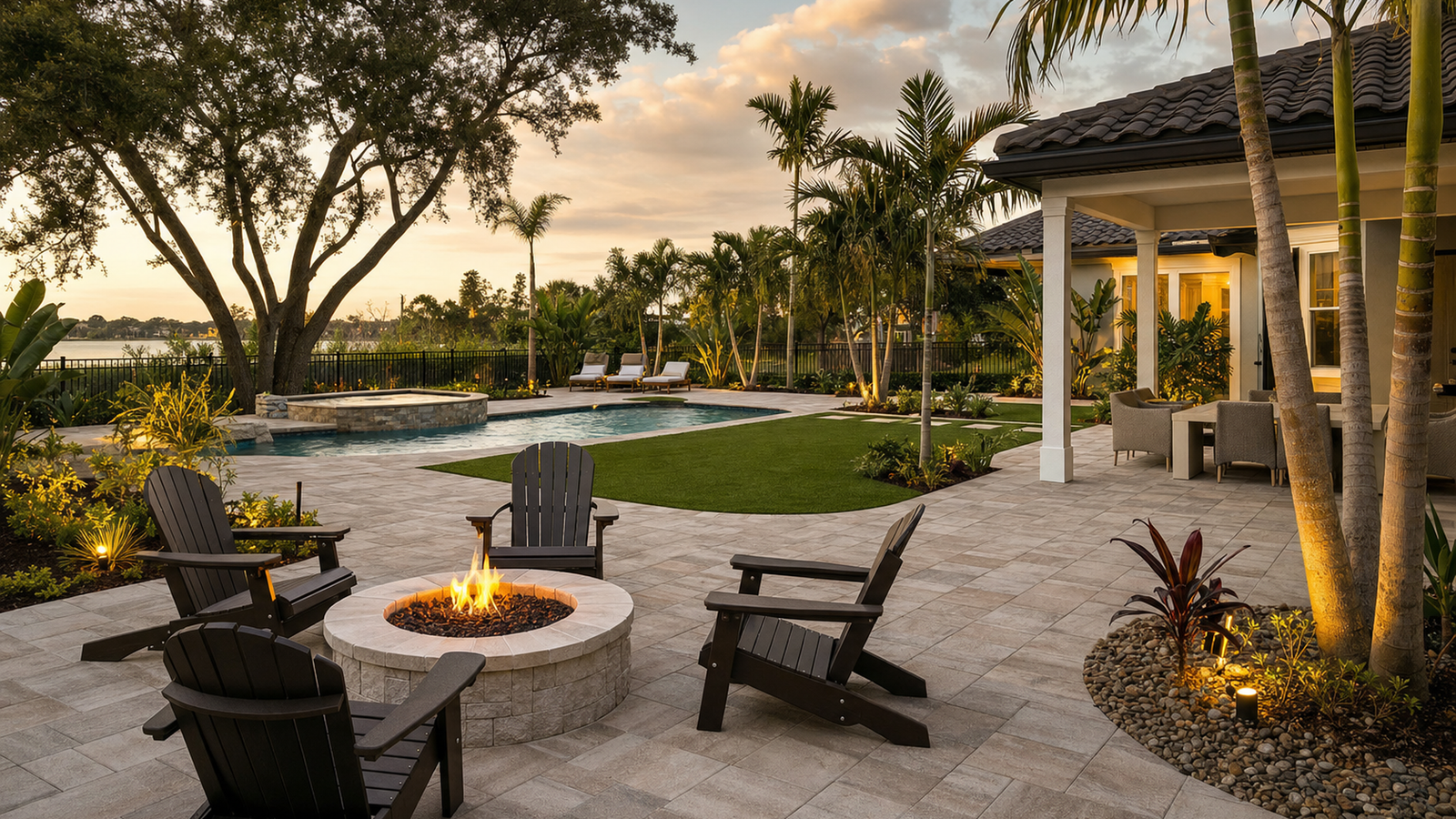
Pool decks demand slip resistance and cooling properties. Consequently, travertine represents ideal pool deck material. Moreover, textured concrete provides affordable alternative. Therefore, prioritizing barefoot comfort guides pool decisions. However, sealing proves essential for all pool materials.
Driveway Material Selection
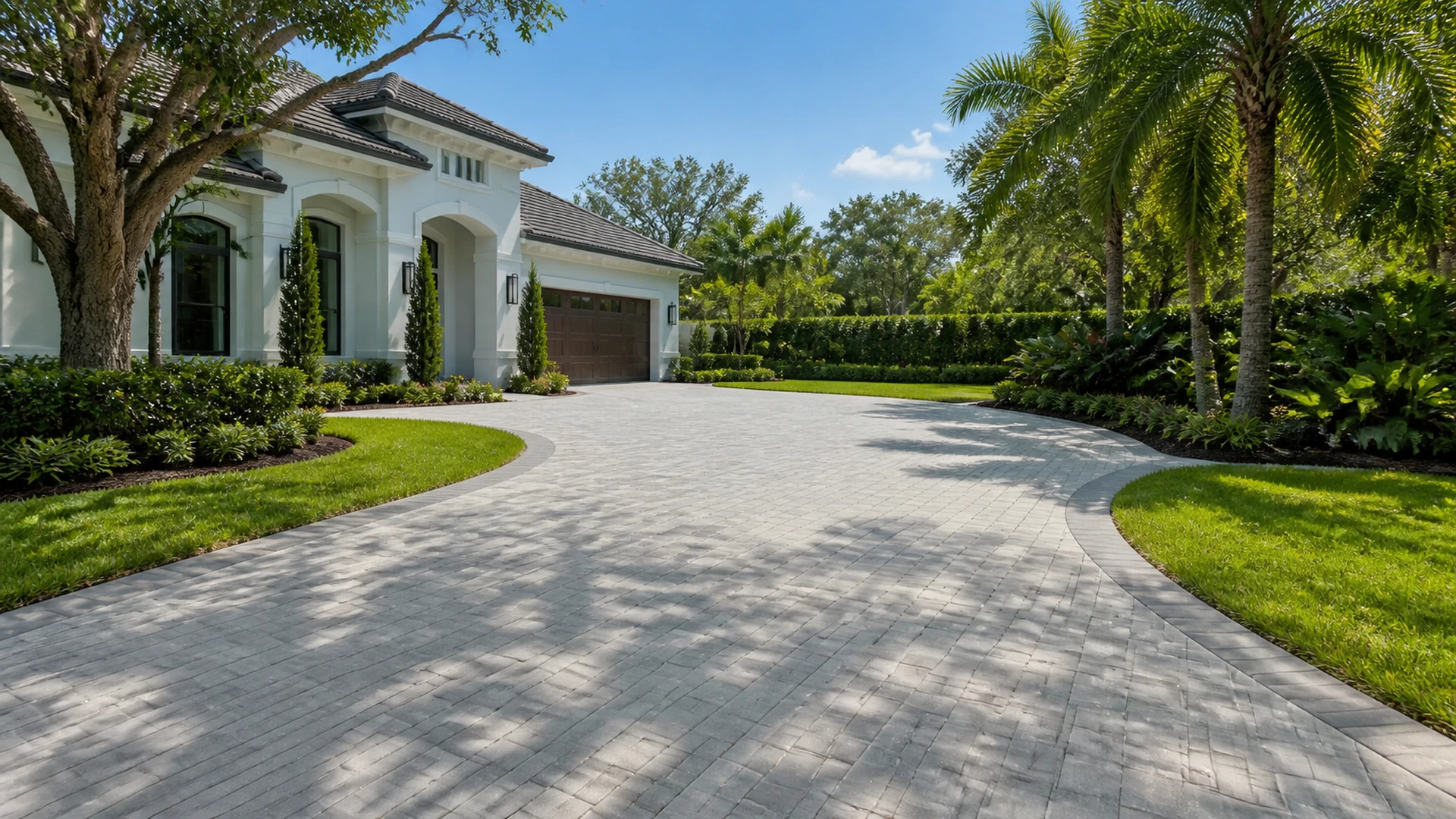
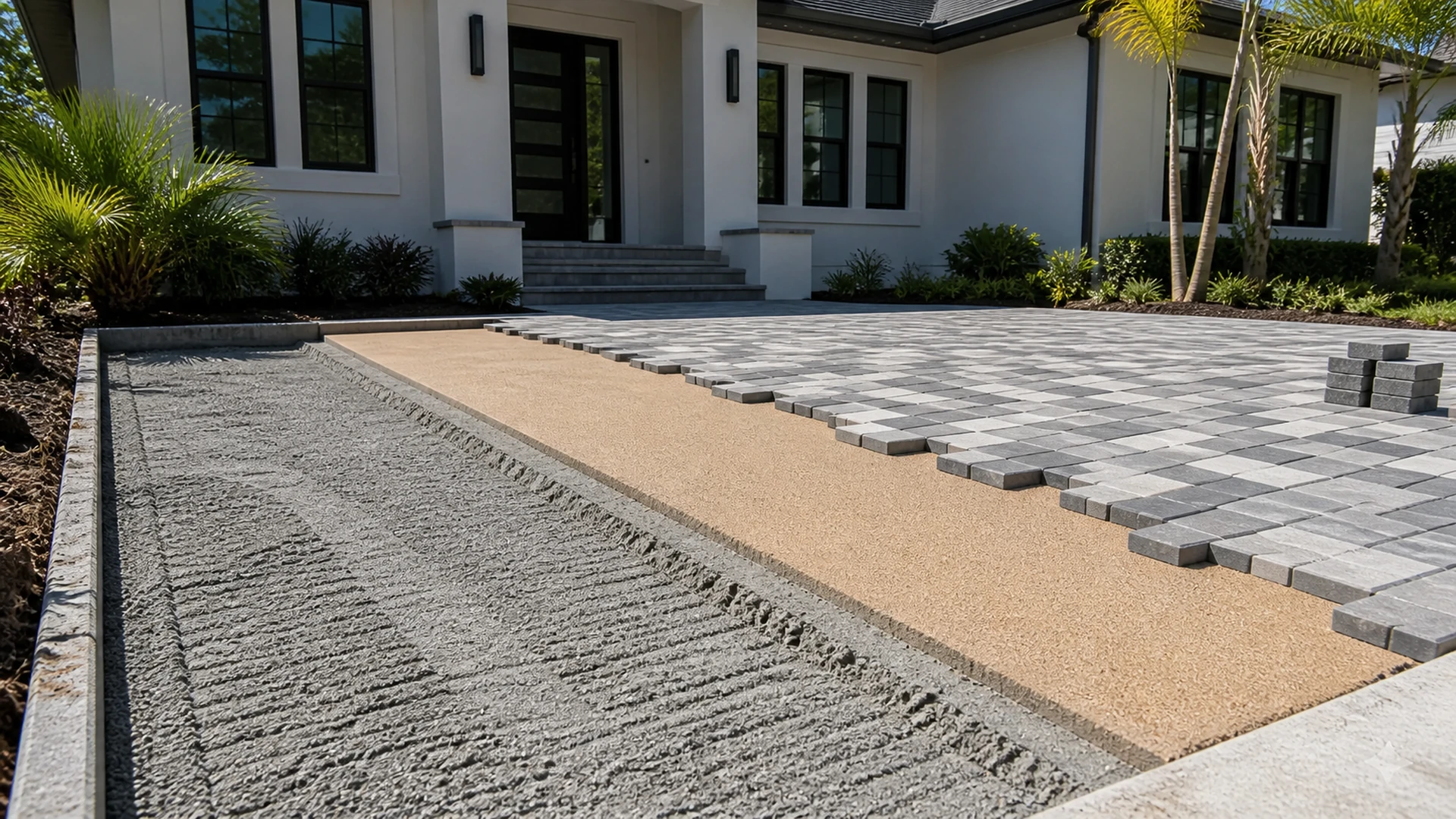
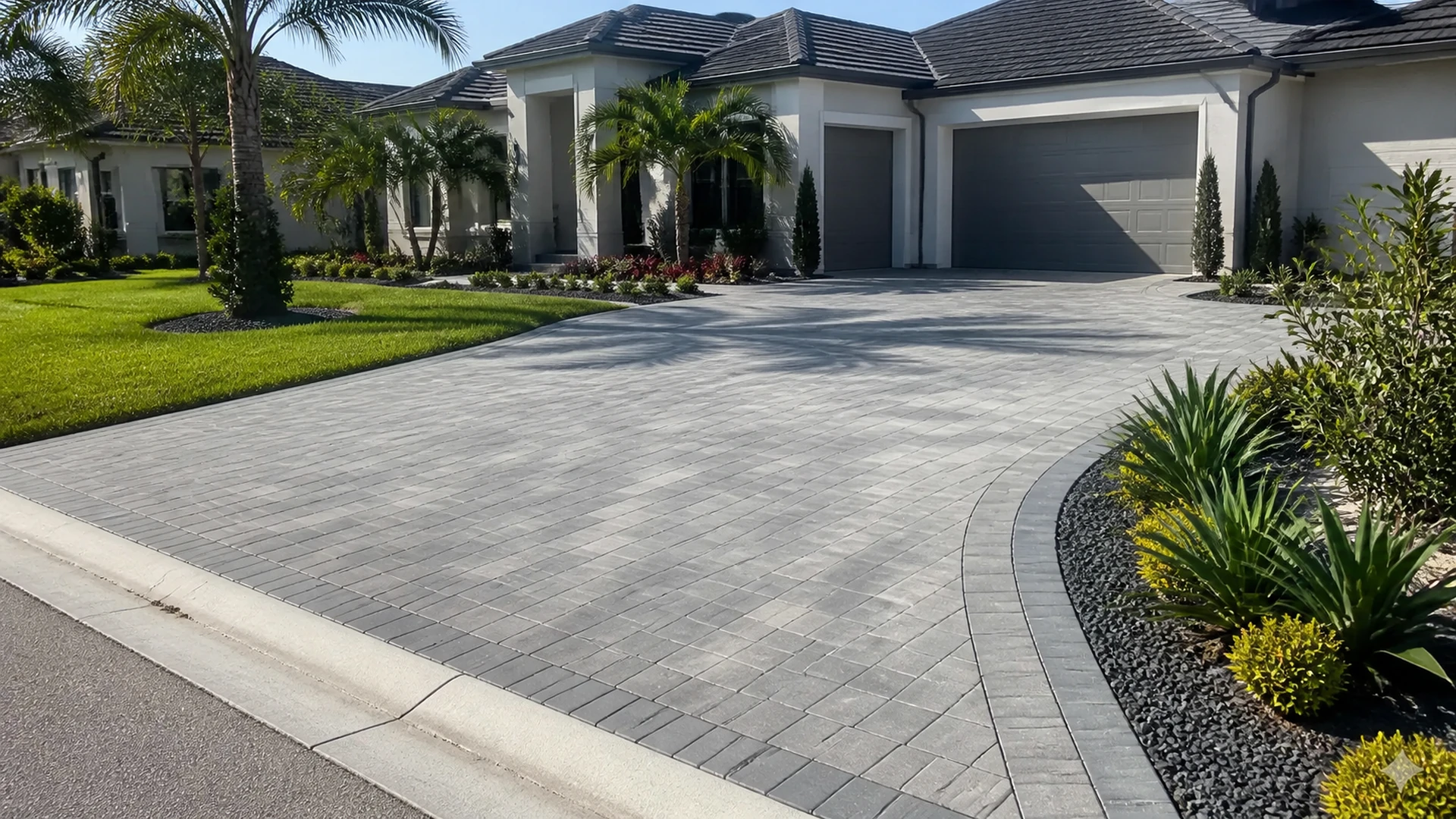
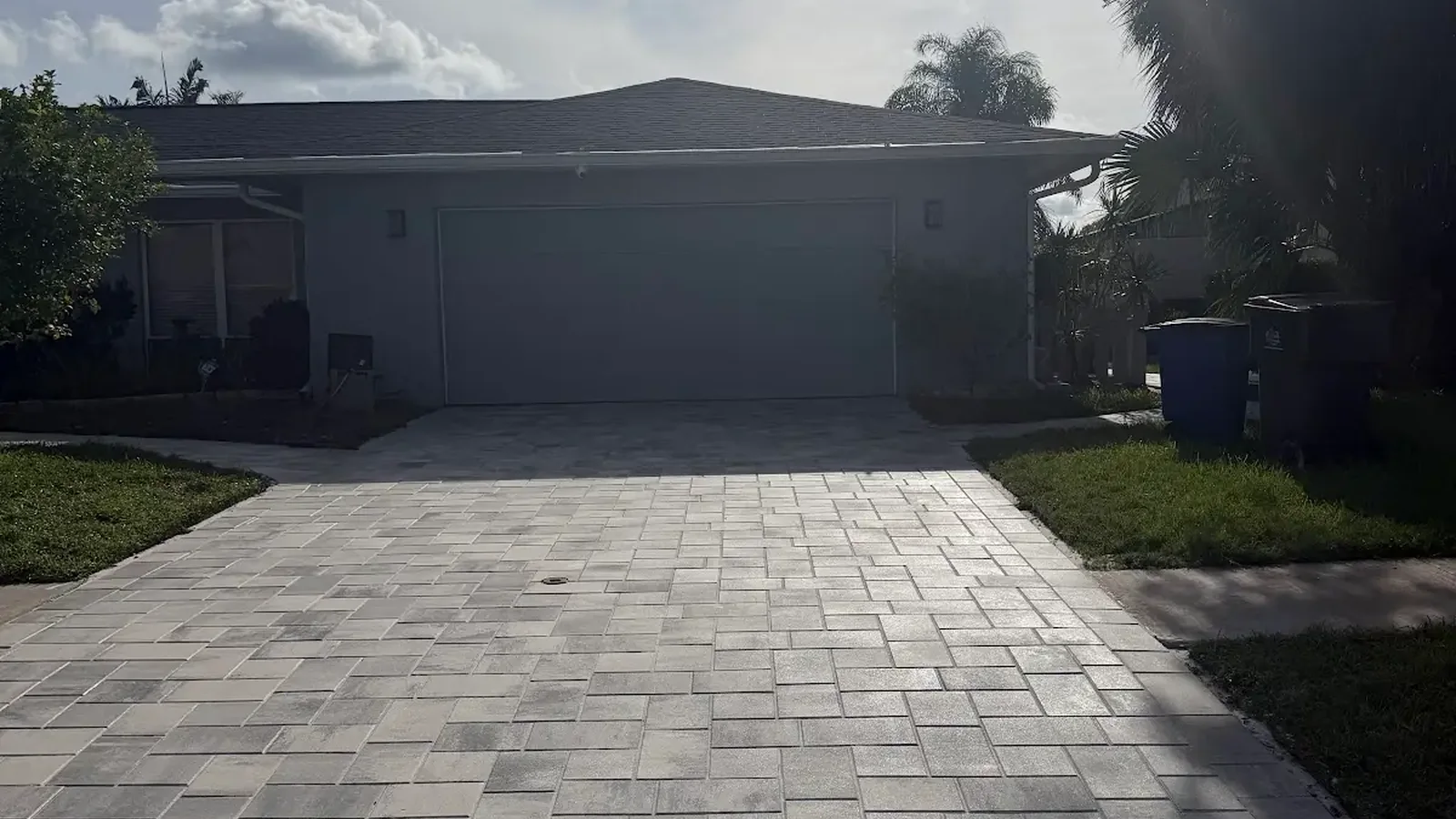
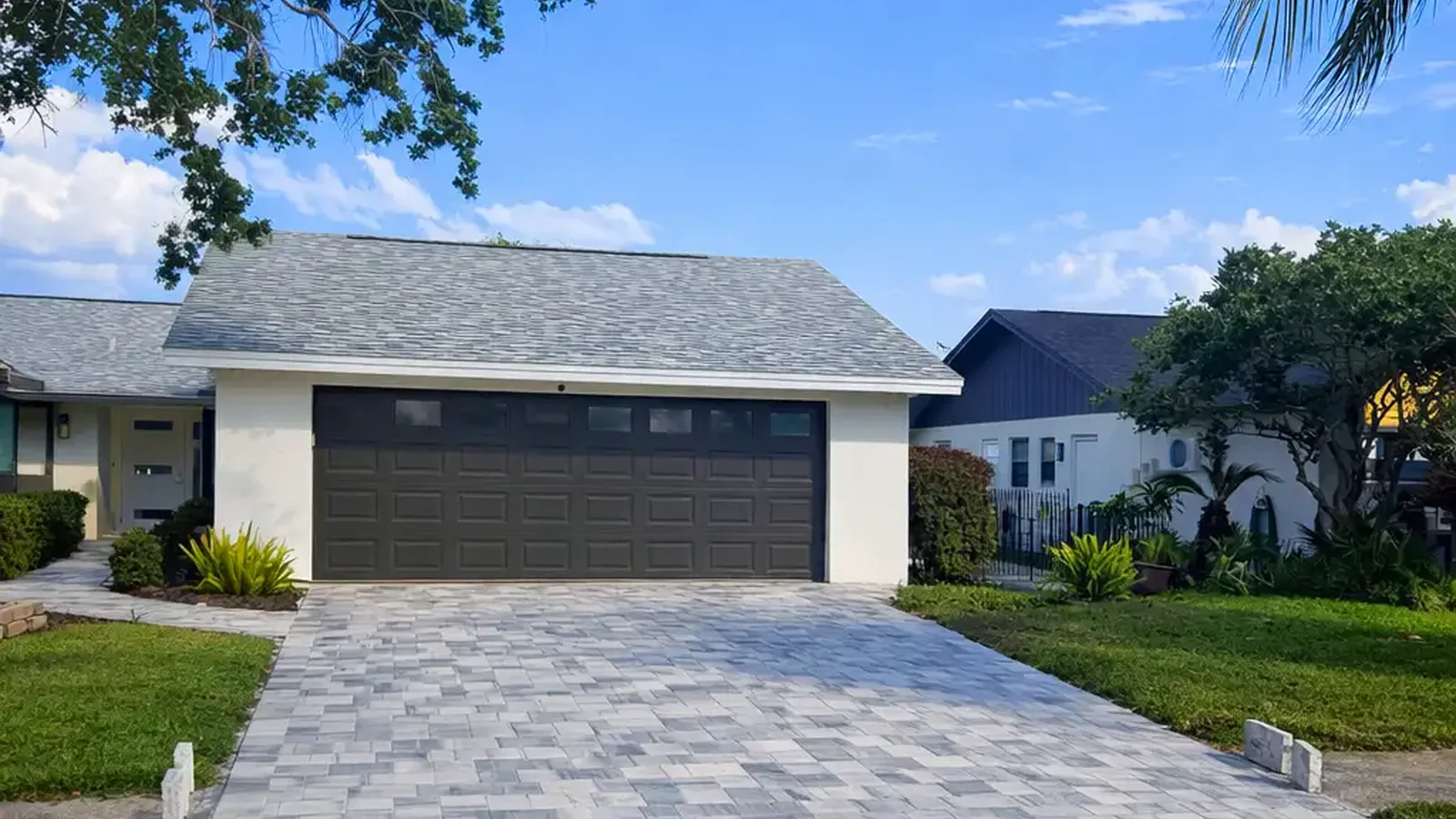
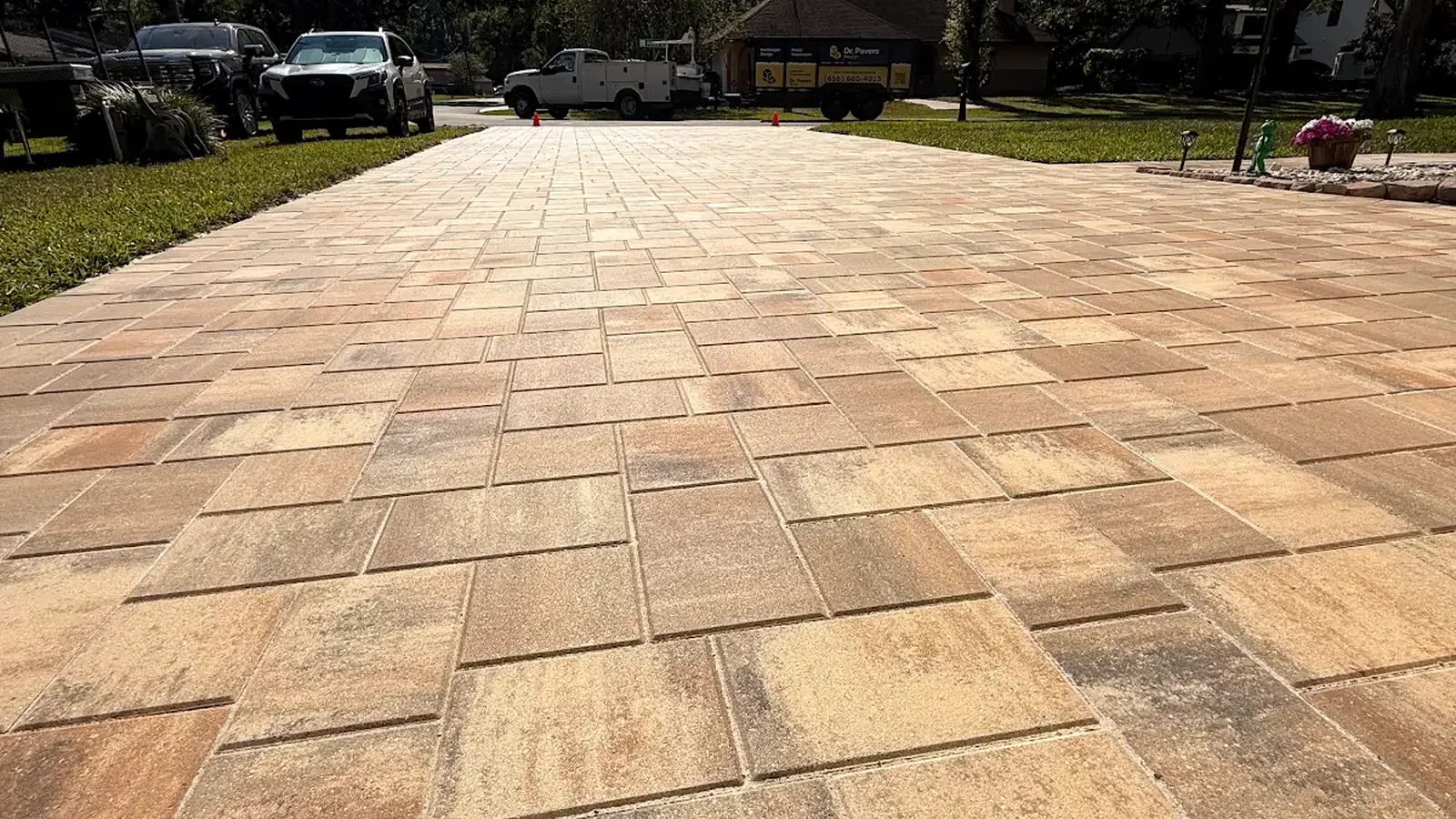
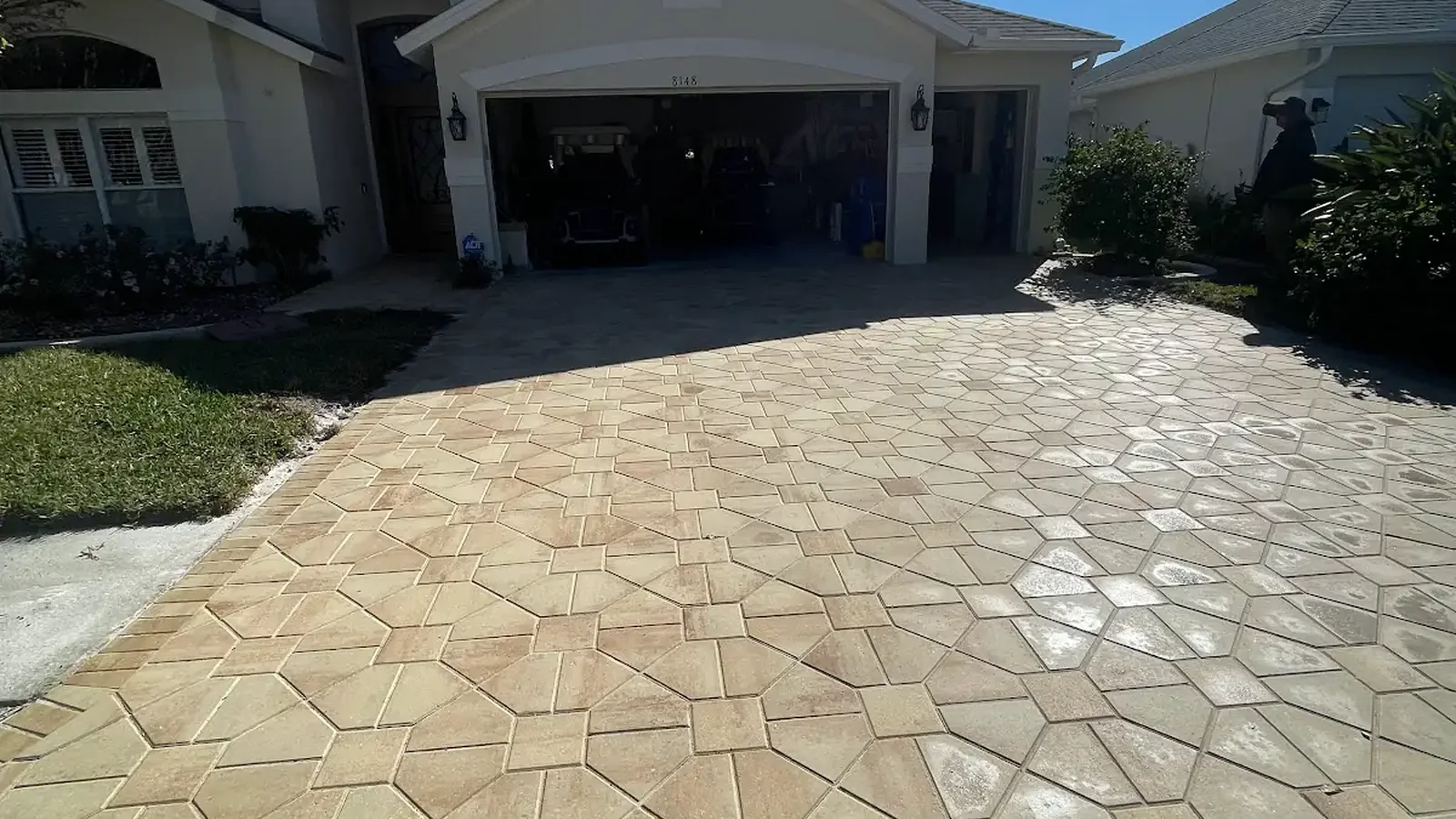
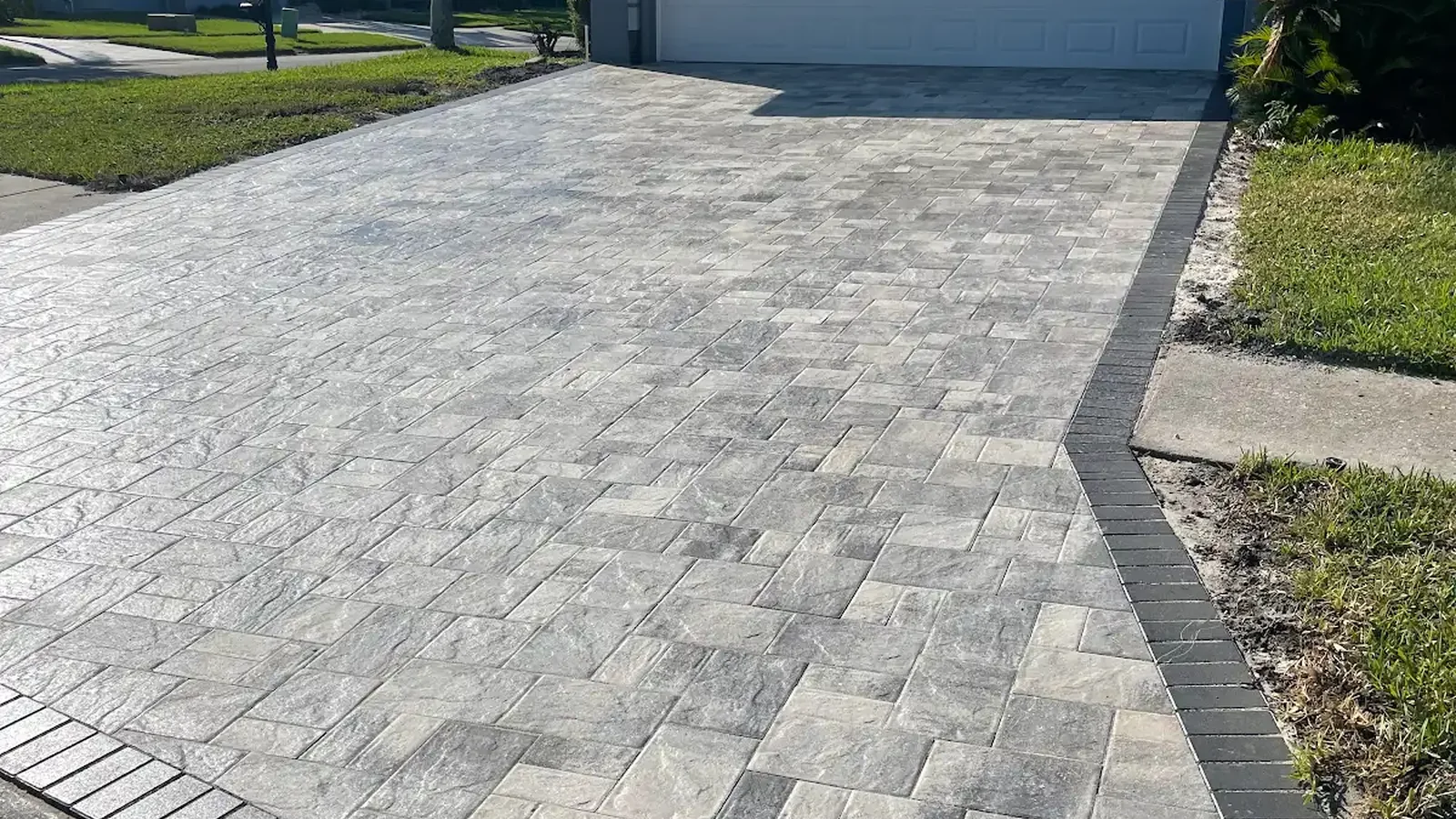
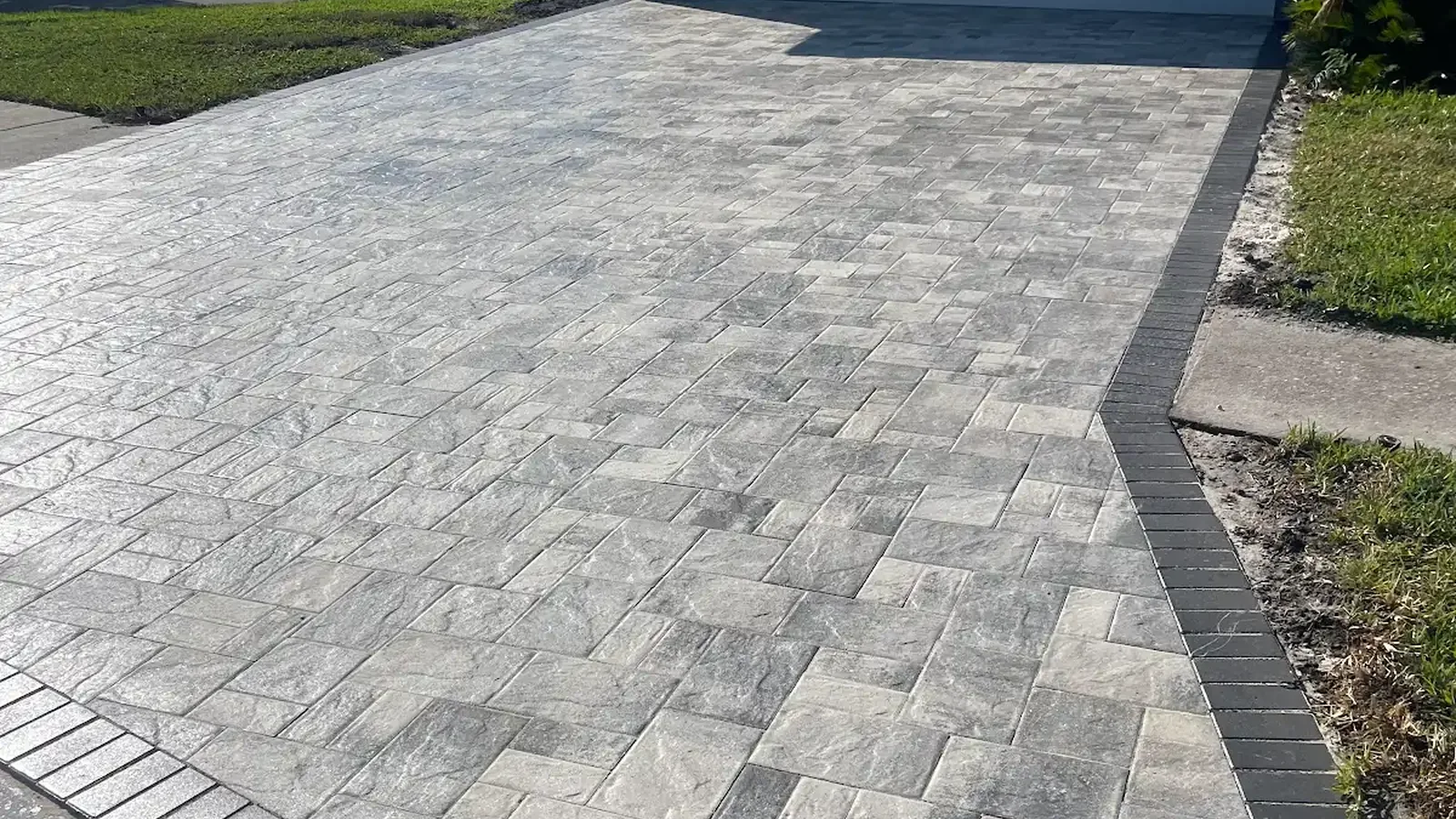
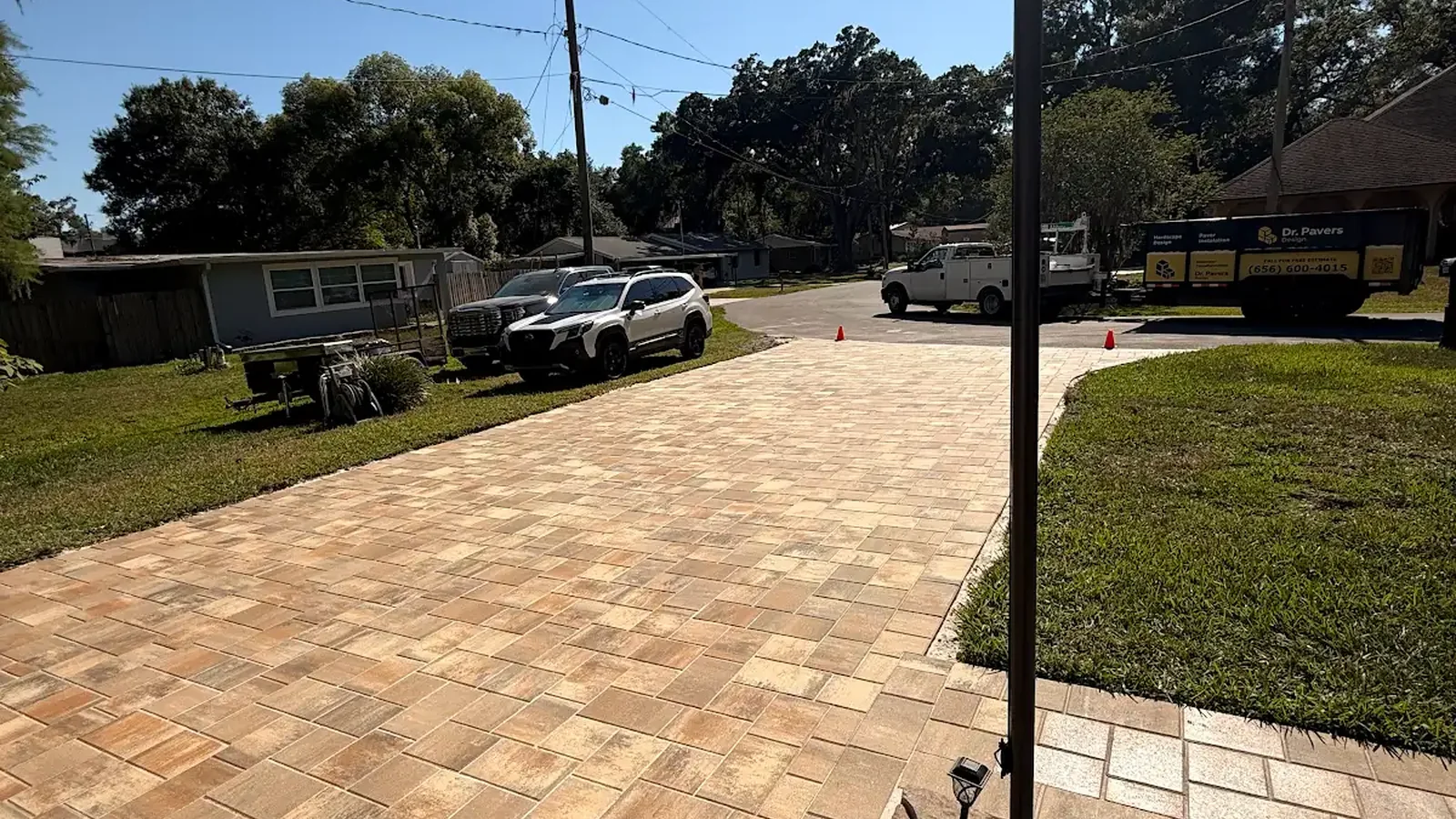
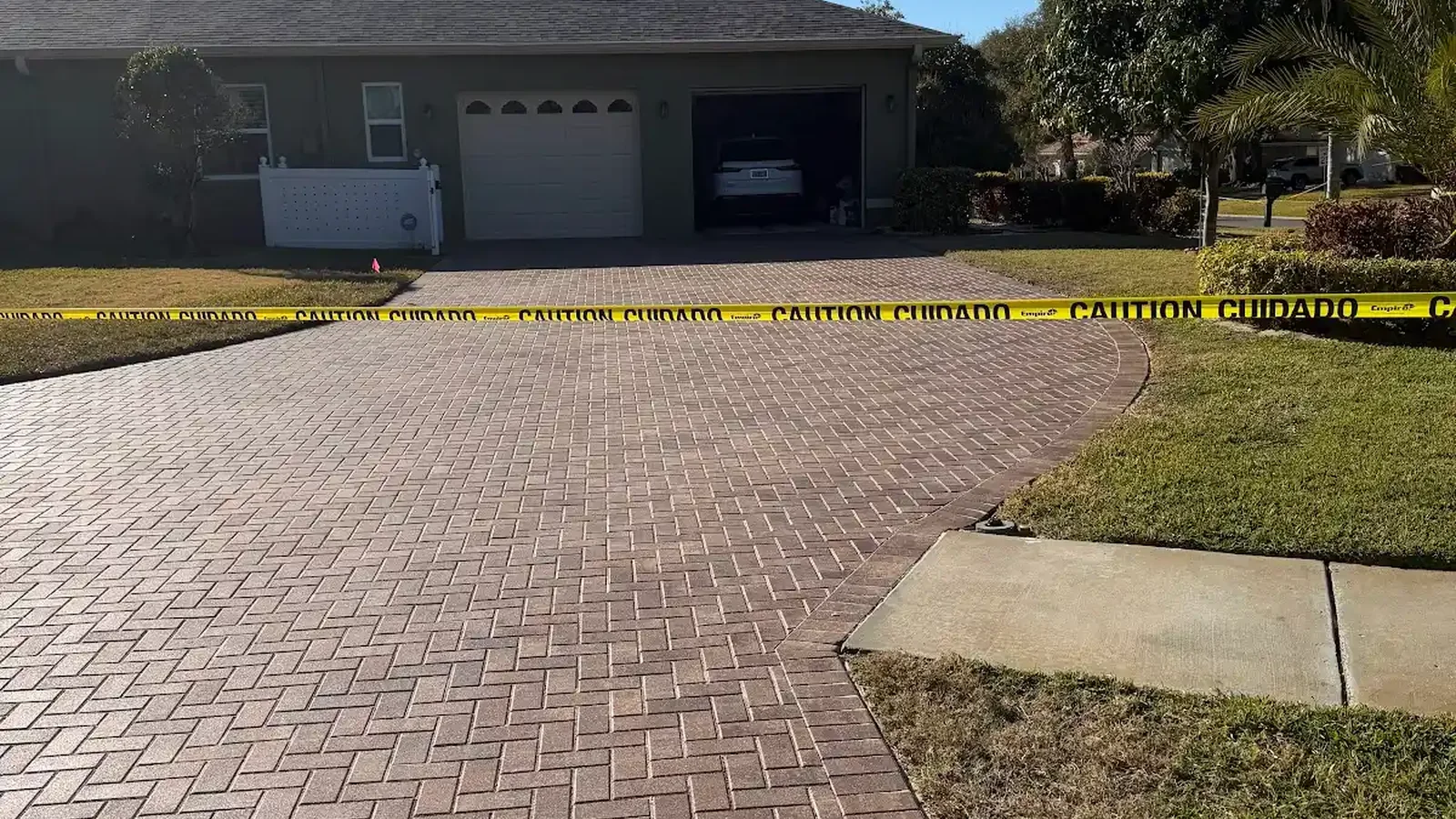
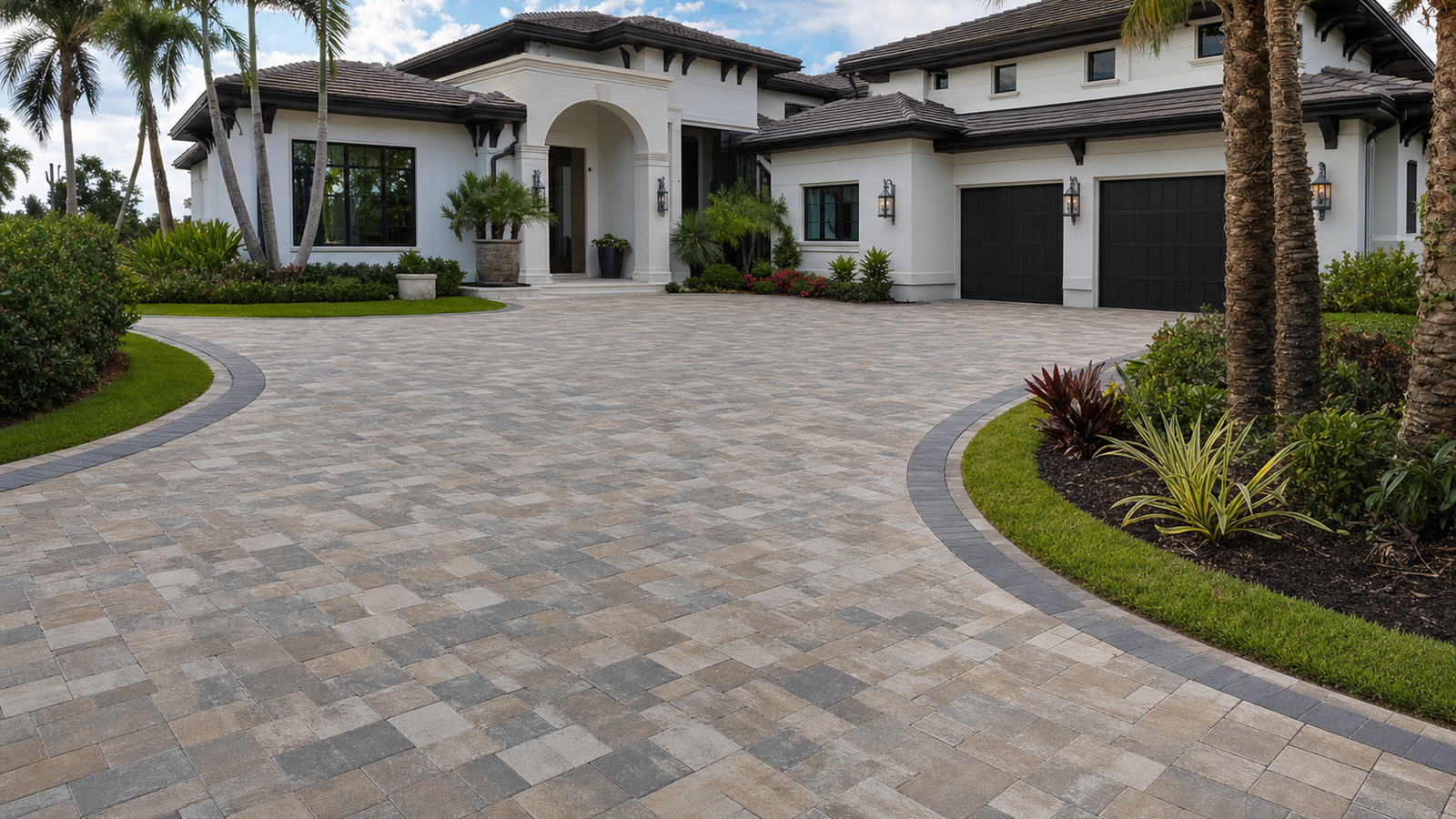
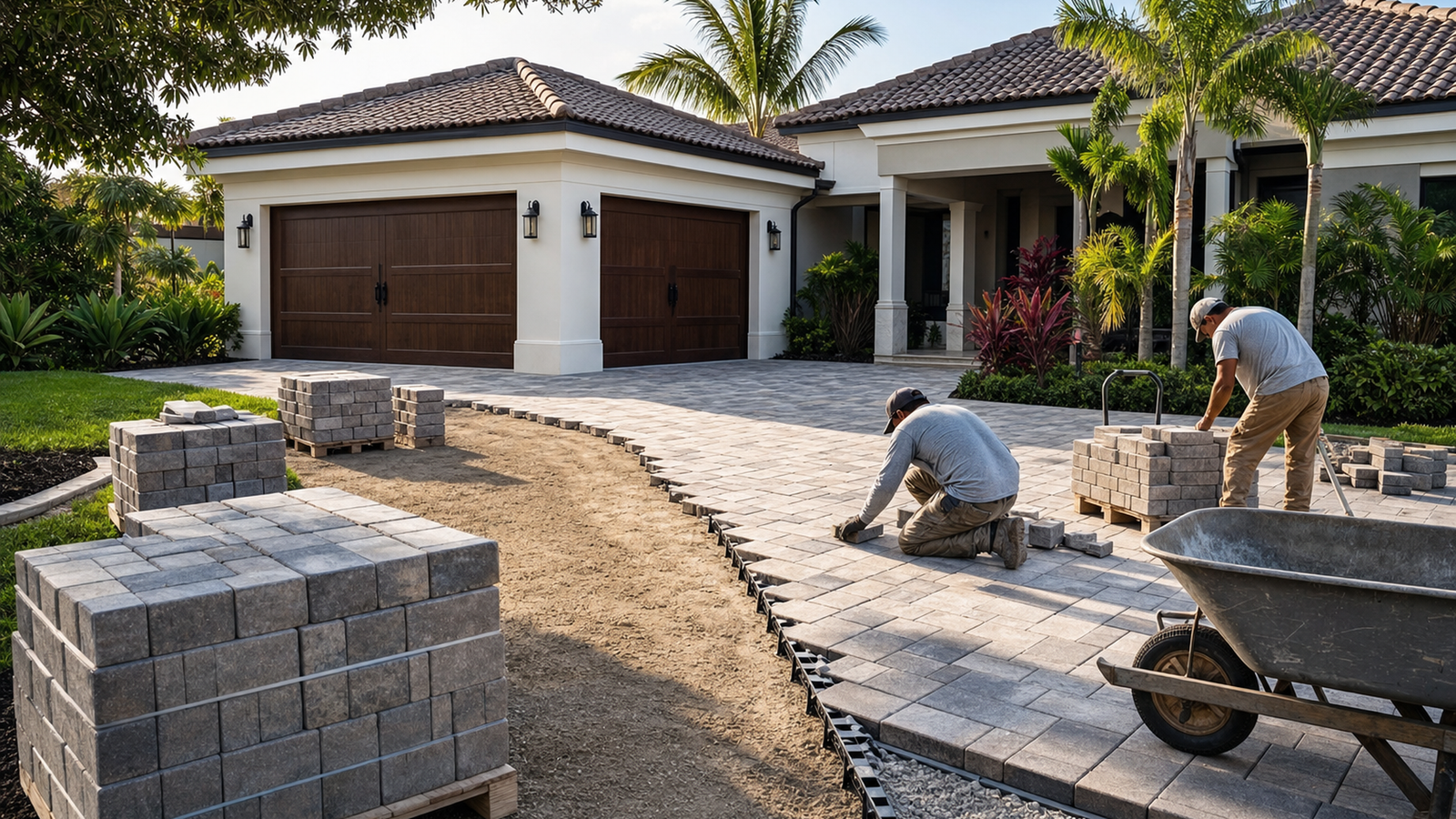
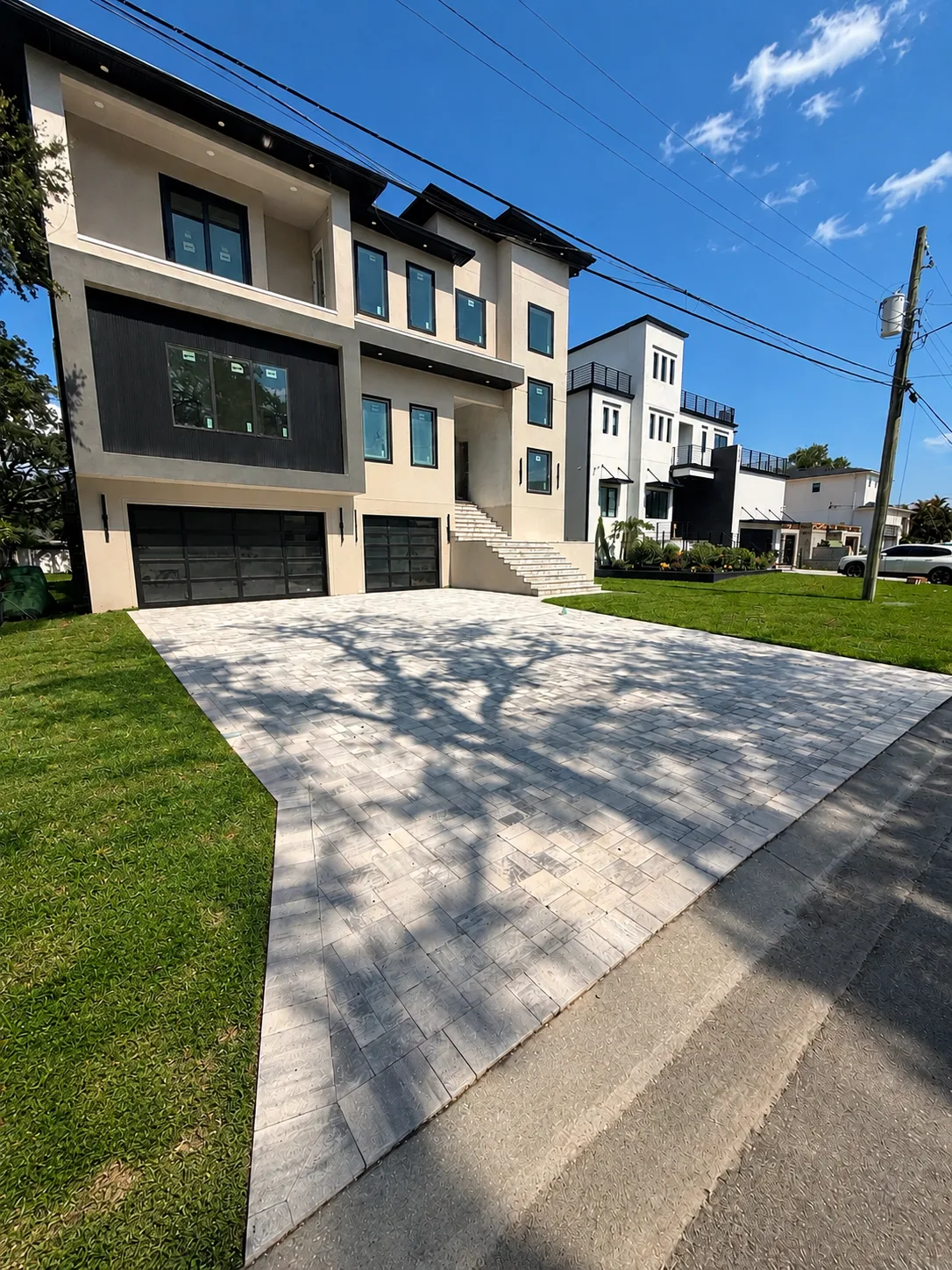
Driveways need maximum durability and strength. Furthermore, concrete pavers deliver excellent driveway performance. Consequently, concrete offers best value for driveways. However, thicker pavers prevent cracking under vehicles. Therefore, selecting appropriate paver thickness proves critical.
Patio Material Selection
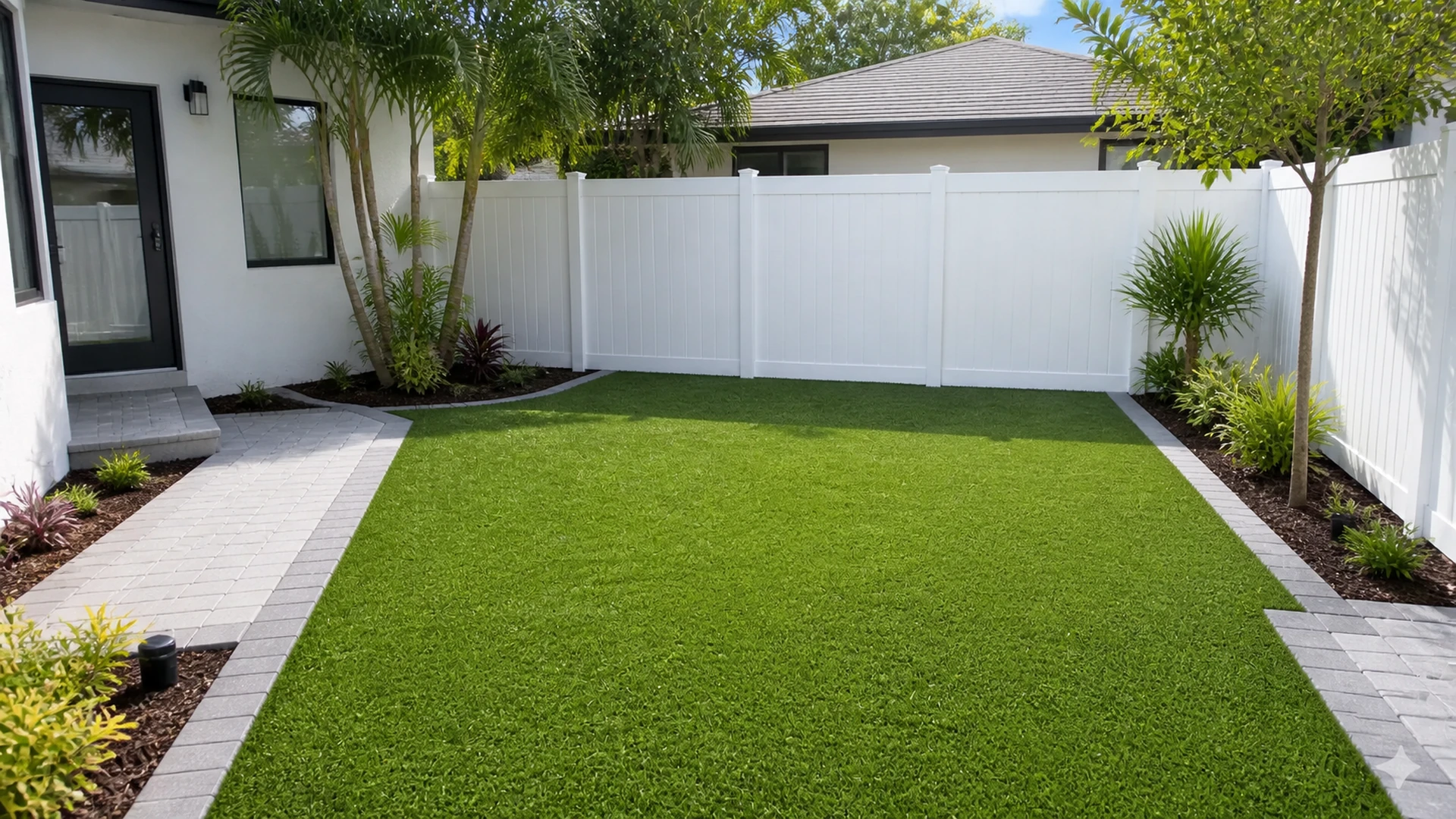
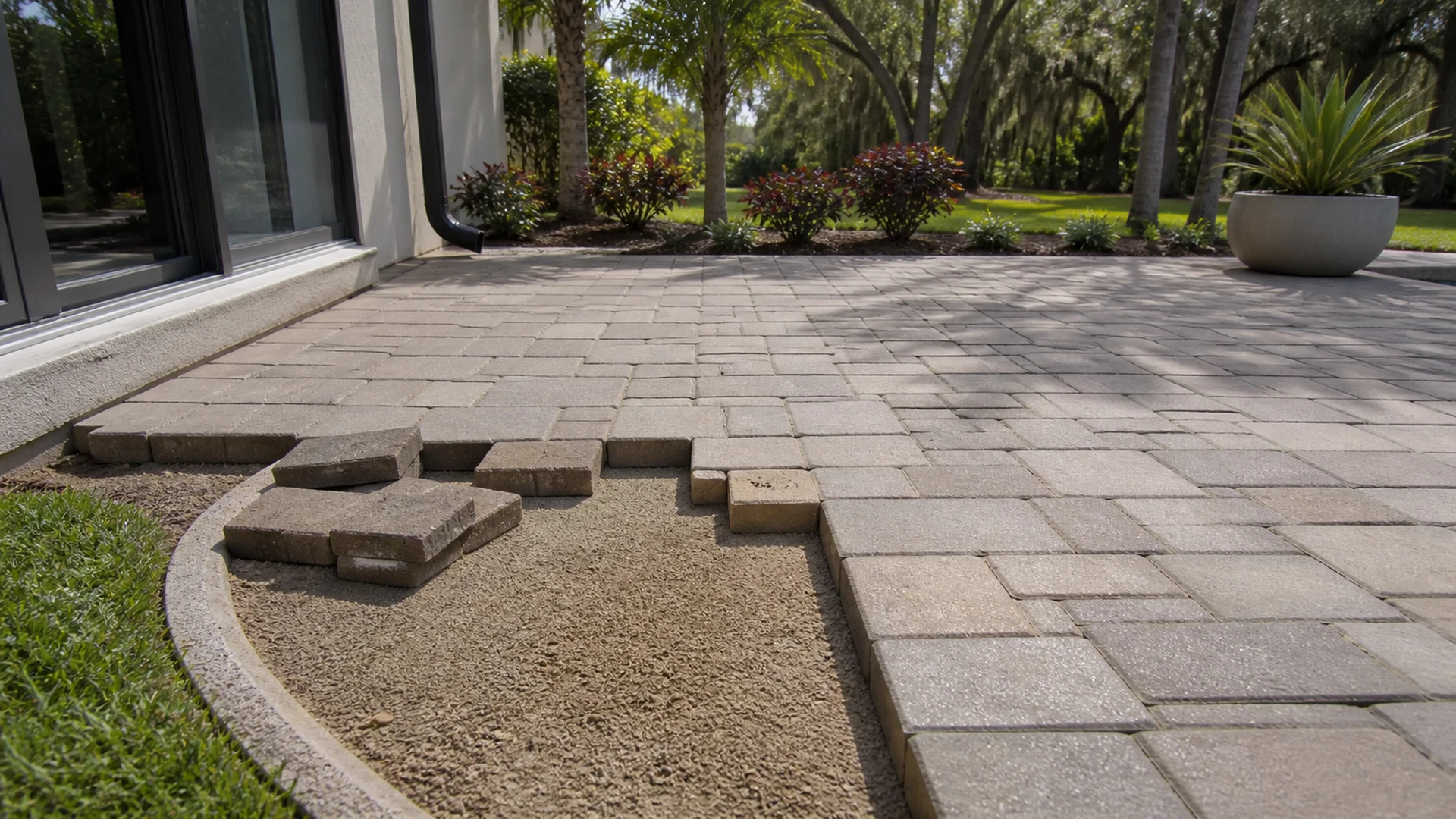
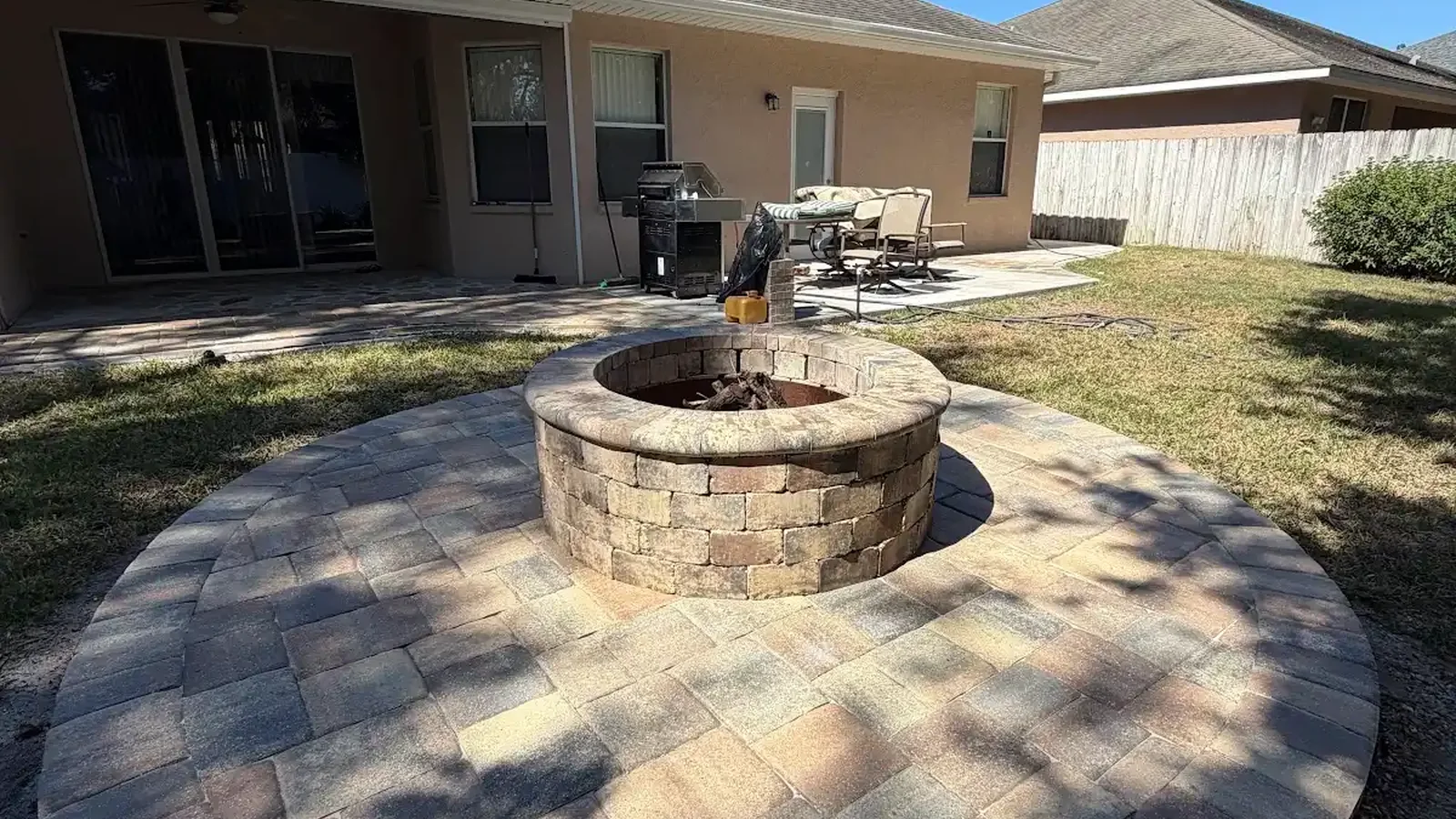
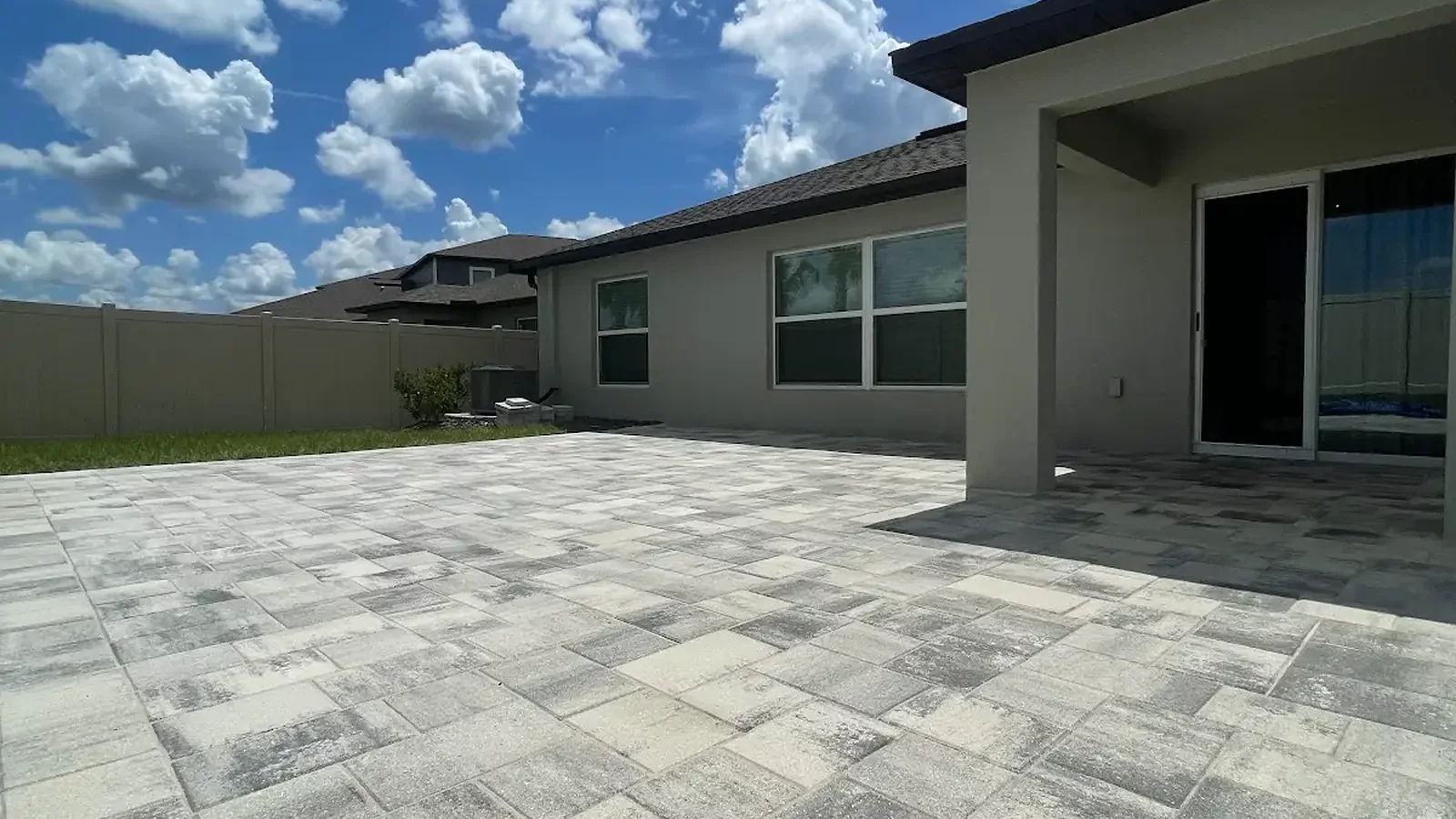
Patios benefit from aesthetic variety and design flexibility. Moreover, all paver materials suit patio applications. Consequently, patio material selection emphasizes aesthetics. However, coordinating with architecture guides choices. Therefore, personal preference determines patio materials.
Walkway Material Selection
Walkways emphasize slip resistance and durability. Furthermore, textured surfaces provide safety. Consequently, brick and textured concrete work excellently. However, flagstone creates charming informal paths. Therefore, design style influences walkway material selection.
Homeowners planning comprehensive outdoor projects benefit from understanding how different paver materials integrate with overall landscape design and hardscape features. Paver materials and comparison guides provide additional insights into coordinating material selections with design styles, budgets, and maintenance preferences for complete outdoor living environments.
The Interlocking Concrete Pavement Institute provides technical specifications and performance standards for all paver materials. Their research ensures materials meet durability and quality requirements. Visit ICPI’s official website for comprehensive material guides, testing standards, and performance data for concrete, clay, and natural stone pavers.
Conclusion: Making Informed Decisions with Paver Materials Comparison Tampa Bay
Paver materials comparison Tampa Bay empowers homeowners to select ideal materials for their projects. In addition, understanding material characteristics ensures appropriate choices. Furthermore, comparing costs, durability, and maintenance requirements guides decisions. Therefore, informed material selection maximizes satisfaction and value. Most importantly, however, choosing quality paver materials creates beautiful outdoor spaces that enhance Tampa Bay properties for decades.
Concrete pavers deliver excellent value and versatility for most applications. On the other hand, travertine provides luxury cooling comfort for pool decks. Consequently, material selection balances performance requirements with budget constraints. Nevertheless, all quality materials create beautiful outdoor spaces when properly installed. Beyond that, selecting appropriate paver materials ensures long-term satisfaction while creating functional elegant outdoor living areas that withstand Tampa Bay’s demanding climate conditions.
Ready to select perfect paver materials? 📞 Contact Dr Pavers Design at +1 (656) 600-4015 or email drpavers@outlook.com for a free material consultation anywhere in Tampa Bay. Check out our completed paver material projects, read customer testimonials, or browse our frequently asked questions to learn more about our process. Follow us on Instagram and Facebook for material comparisons, or leave a review on Google. Prefer instant messaging? Text us at +1 (656) 600-4015 or message us on WhatsApp. Visit our services page to explore all our outdoor living solutions, and find us on Google Maps to see our location and service areas.