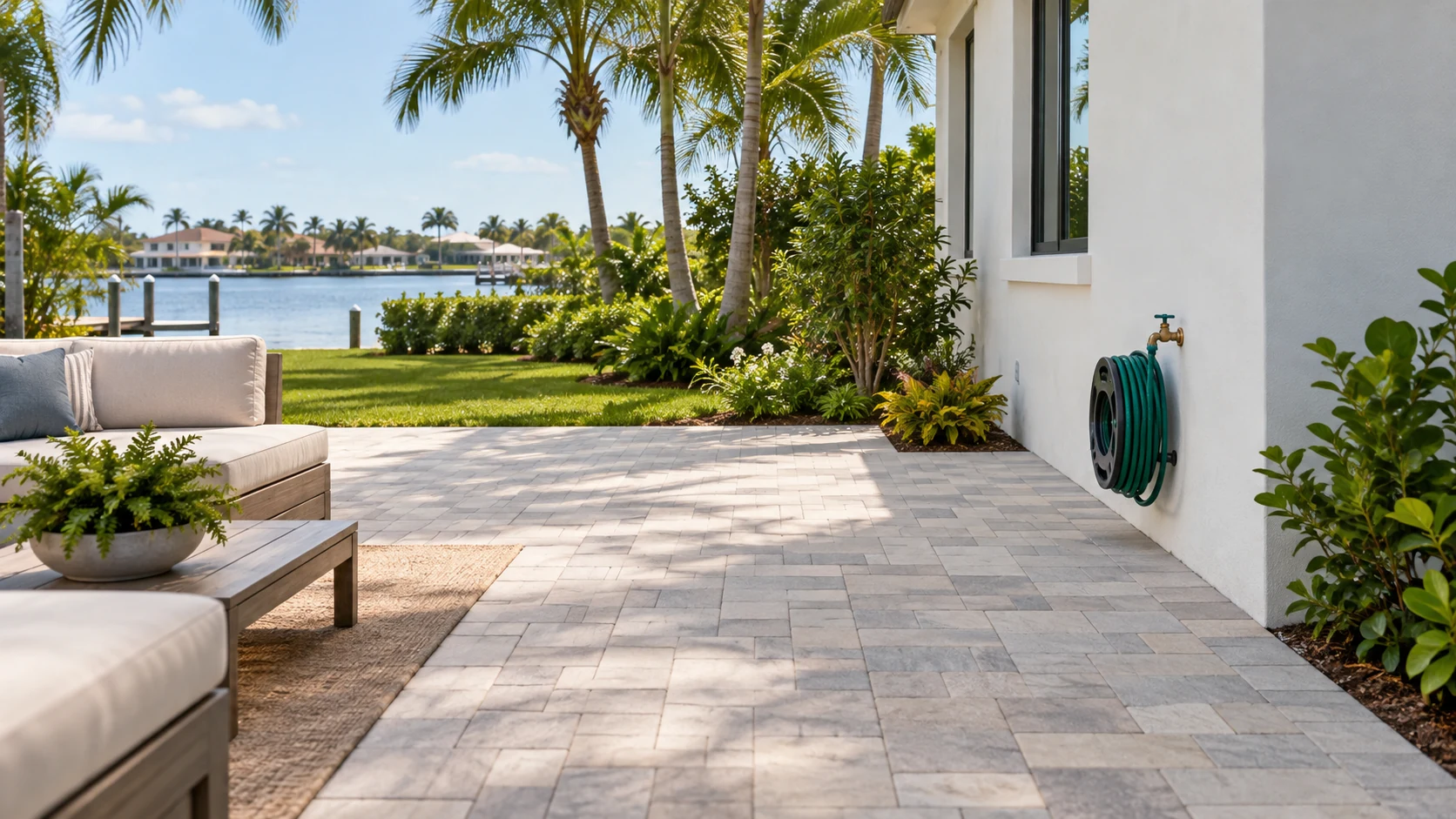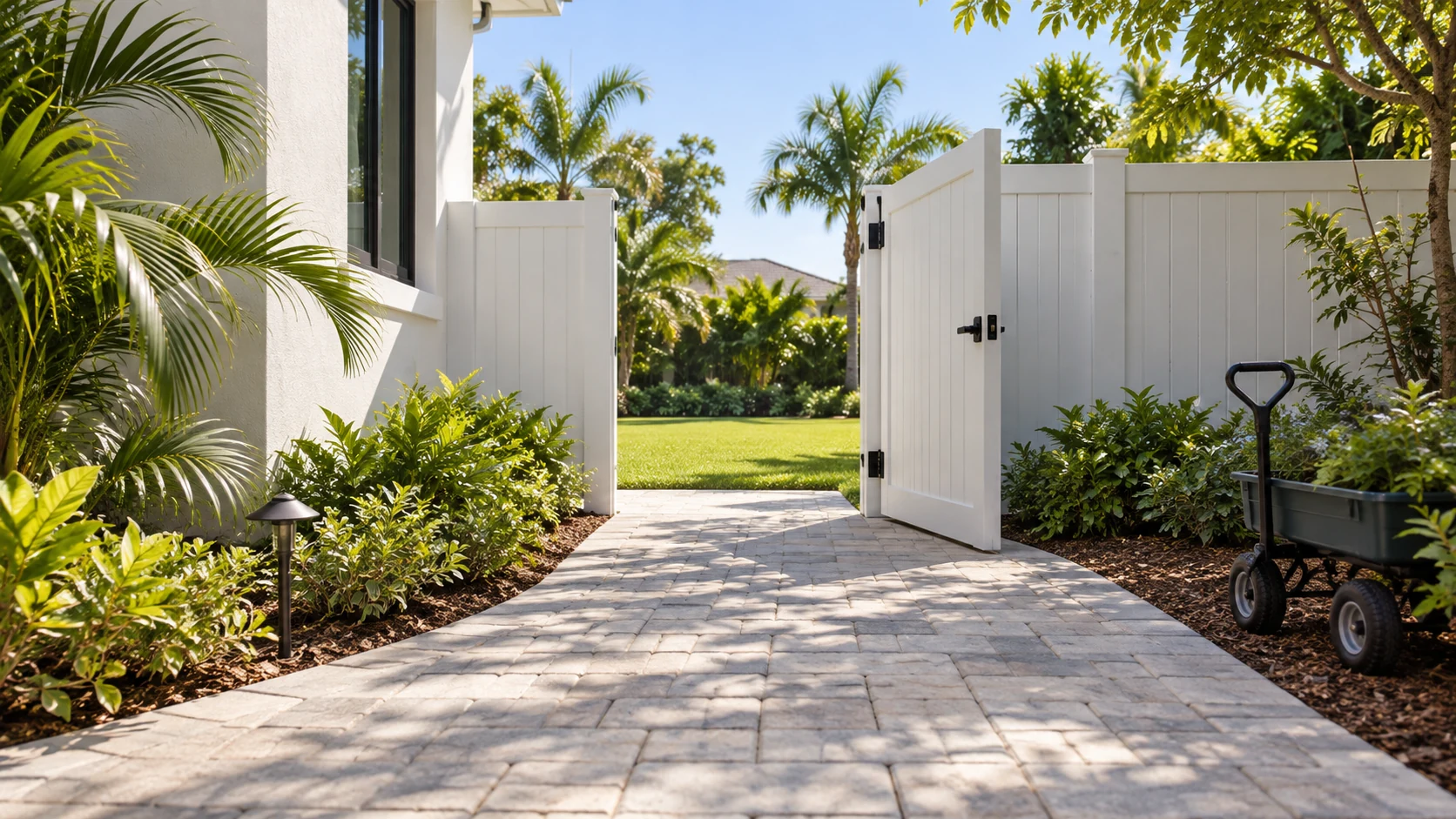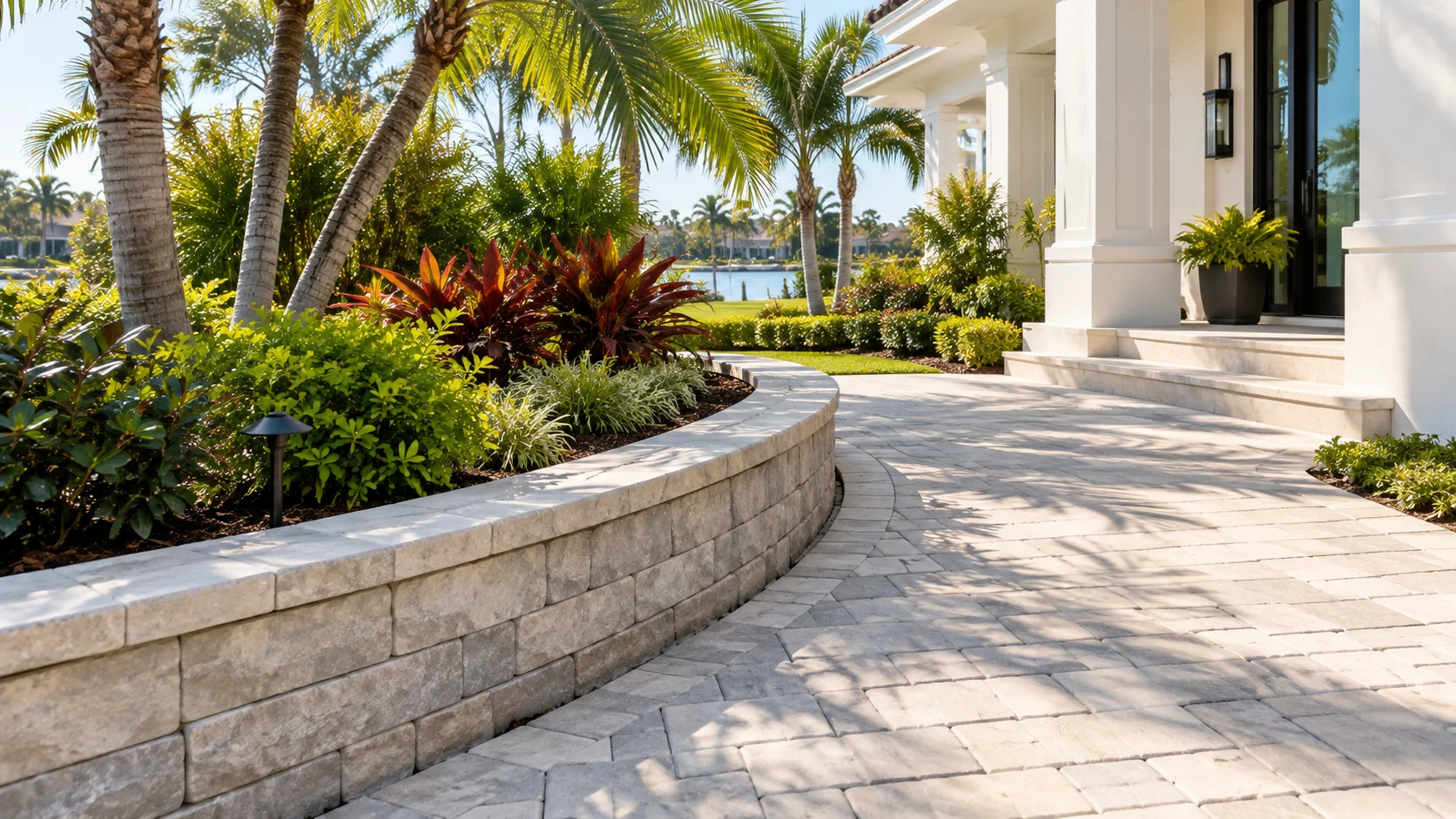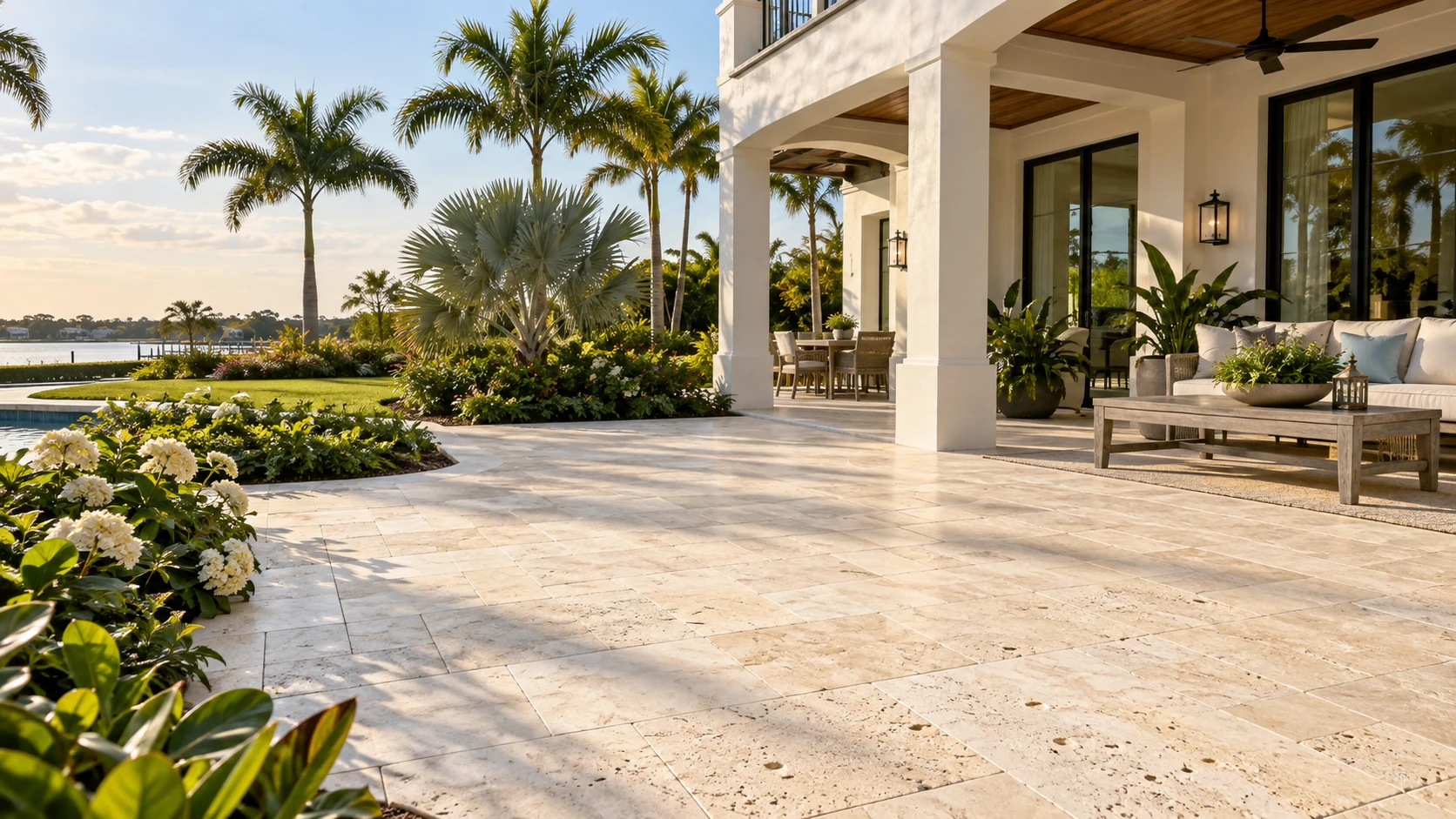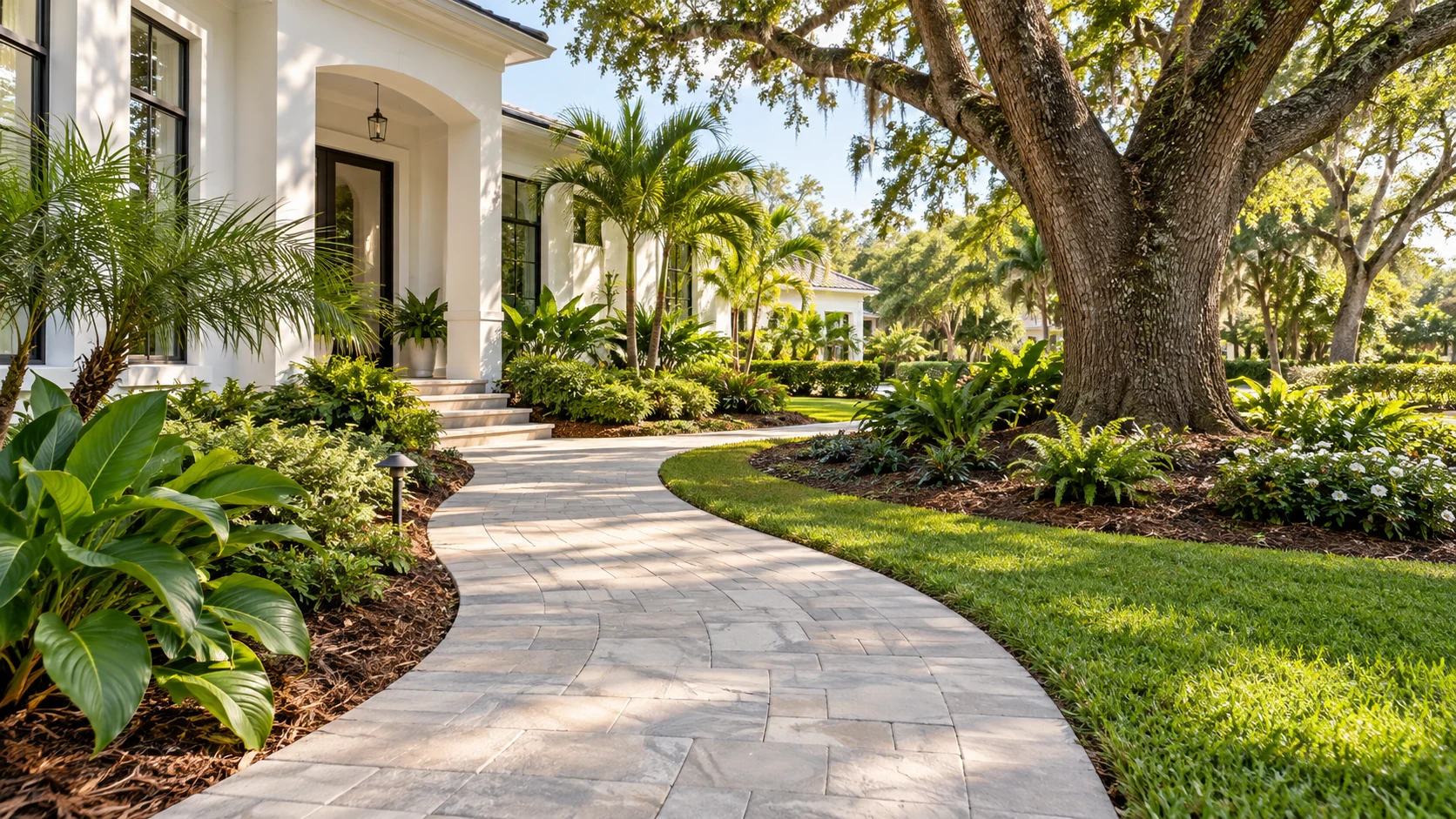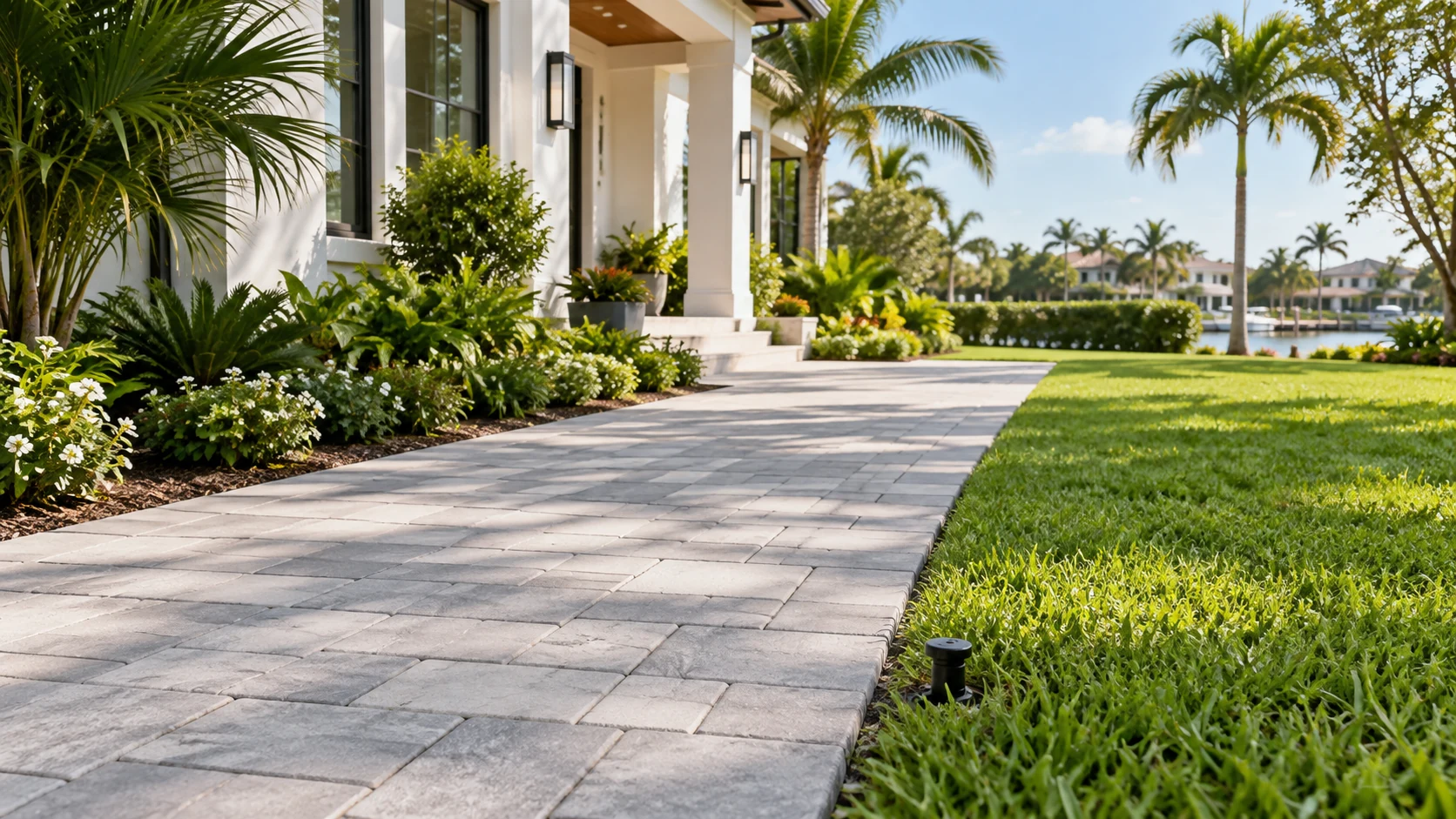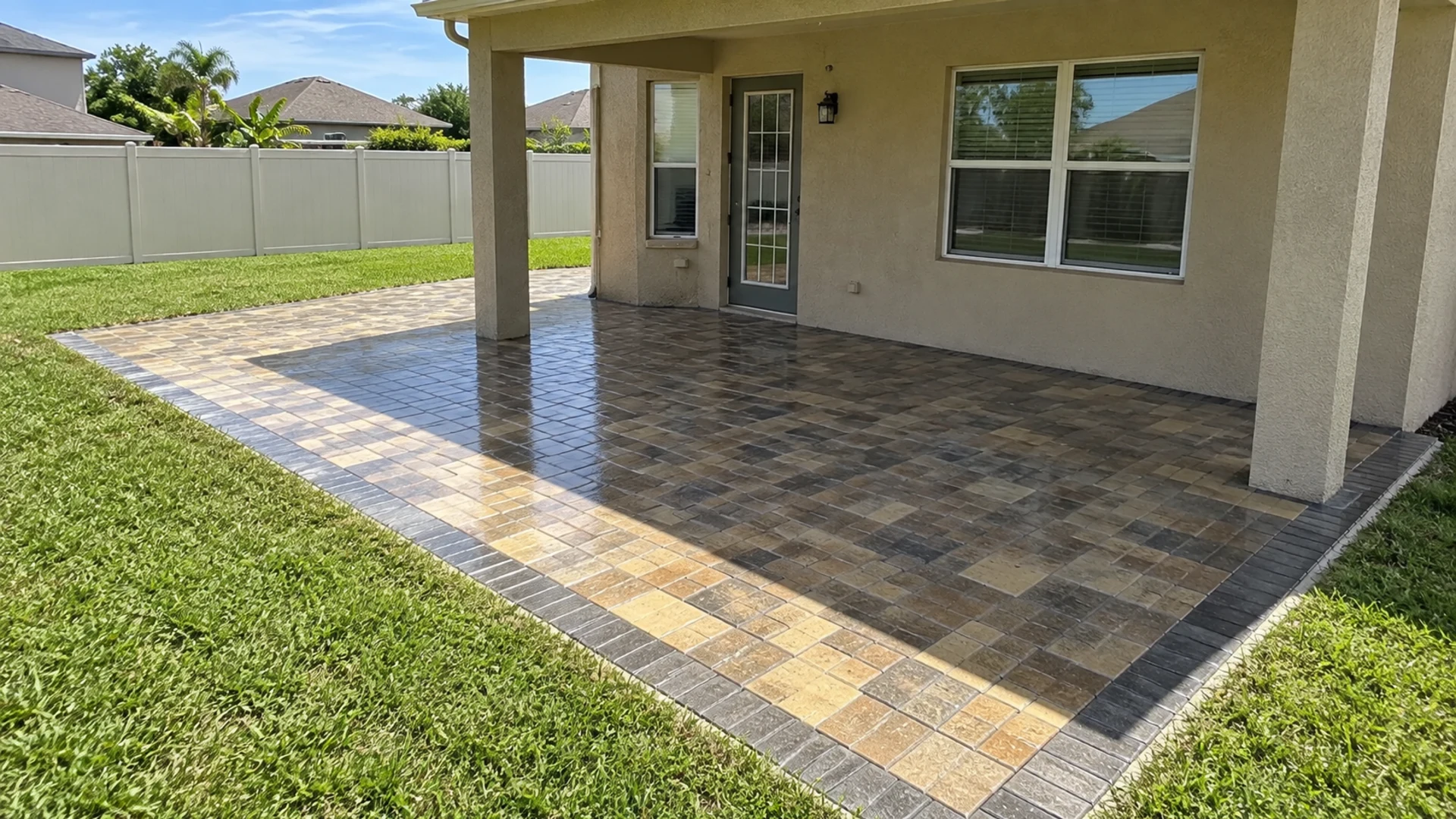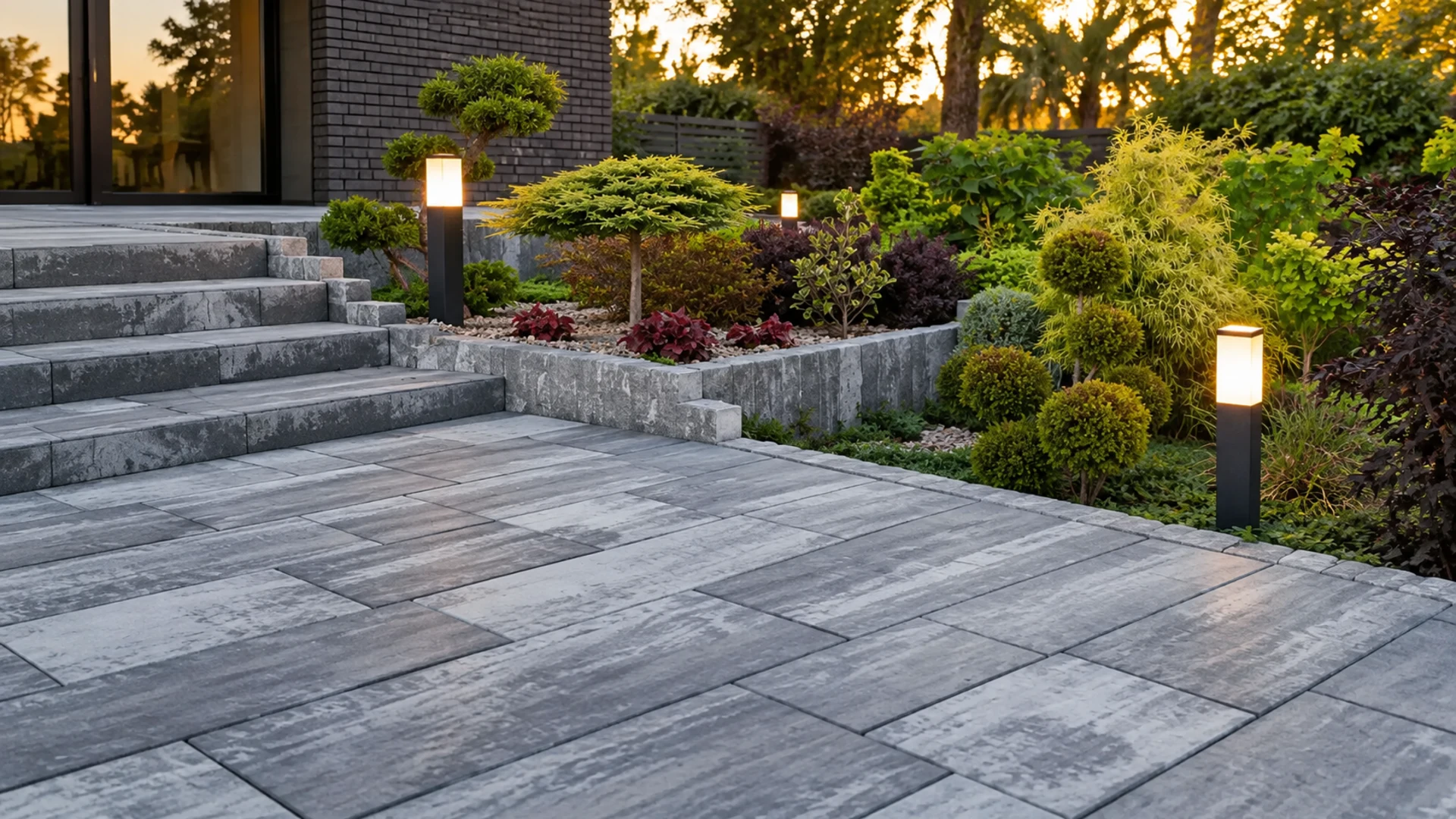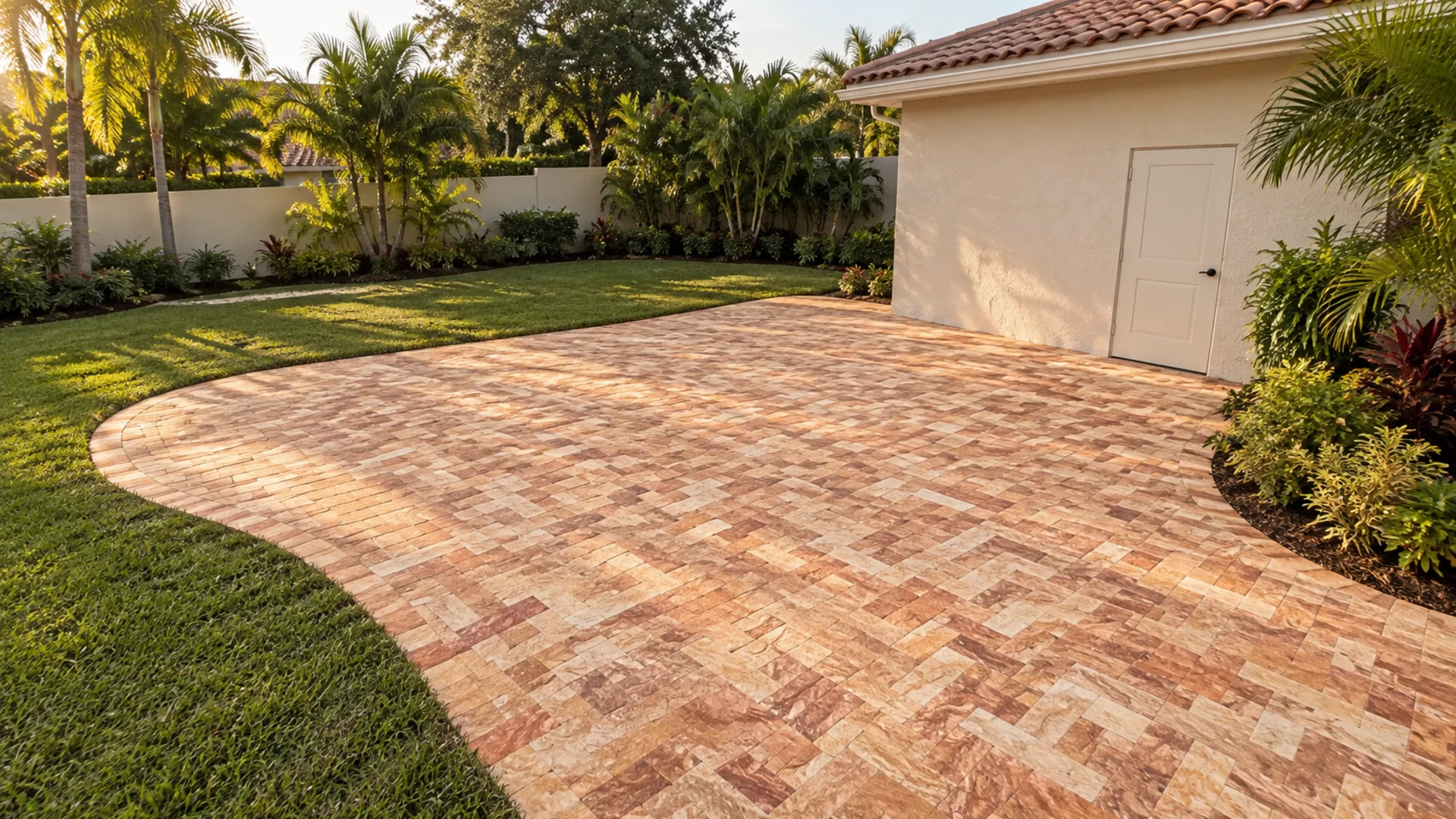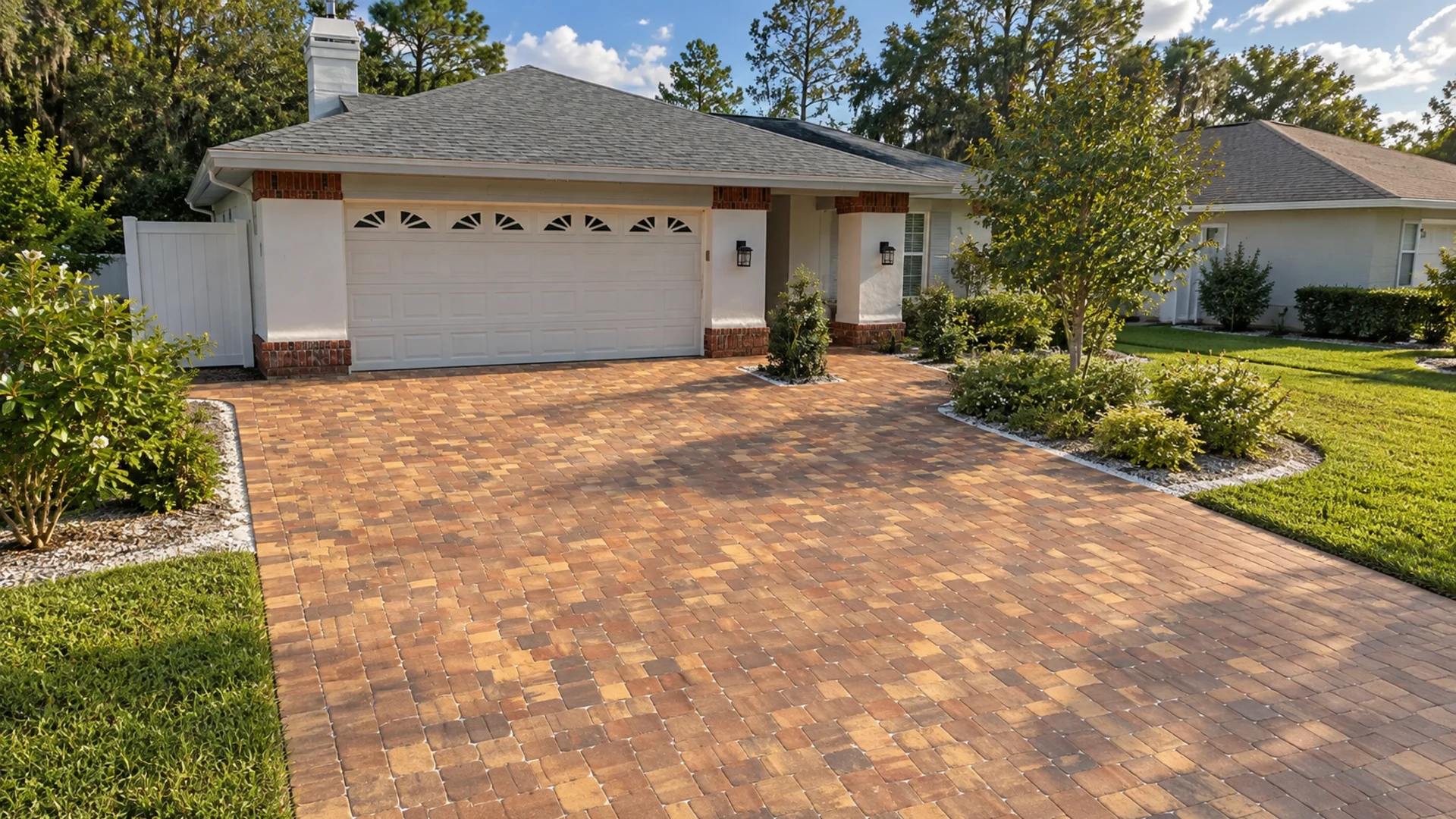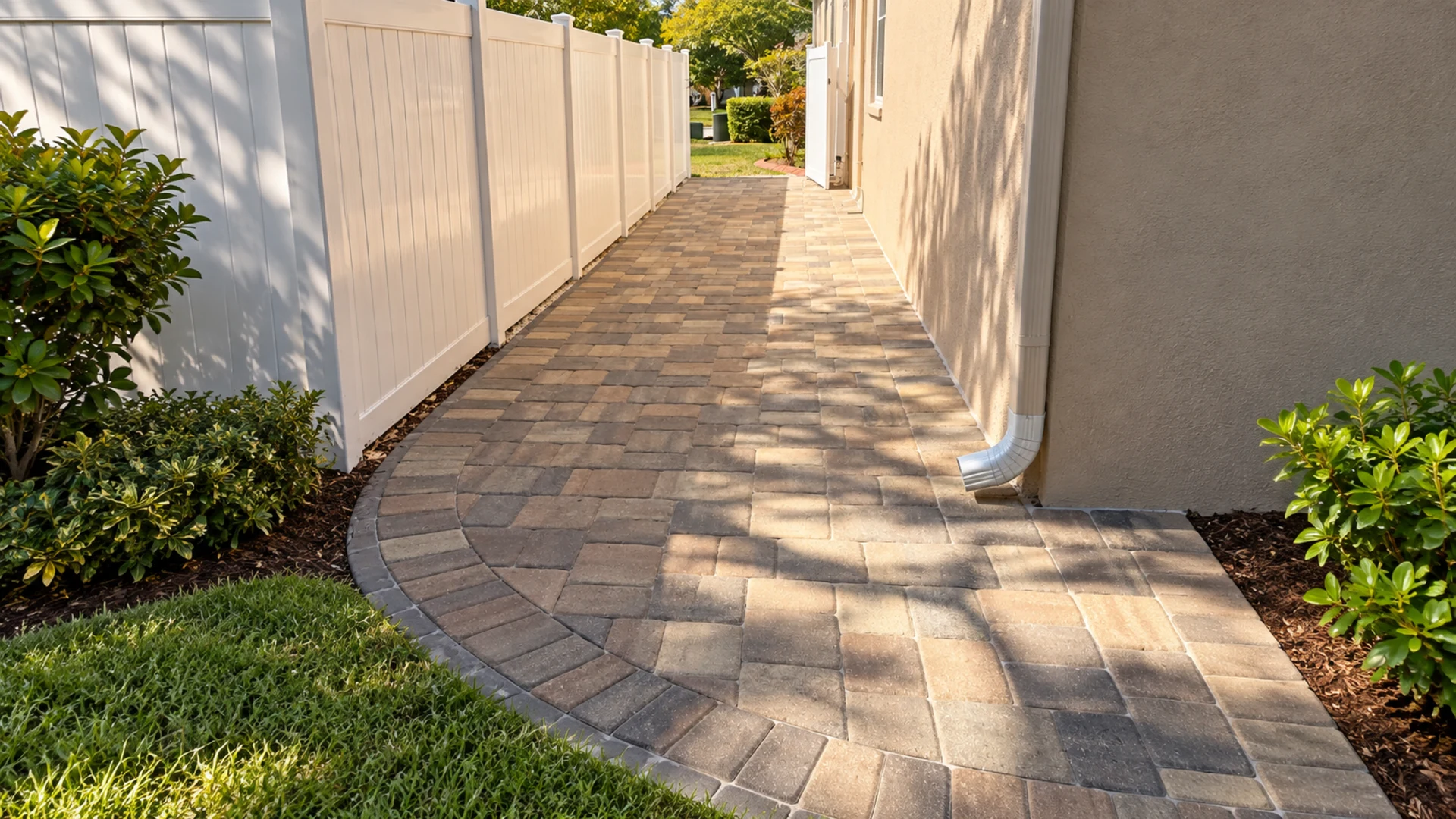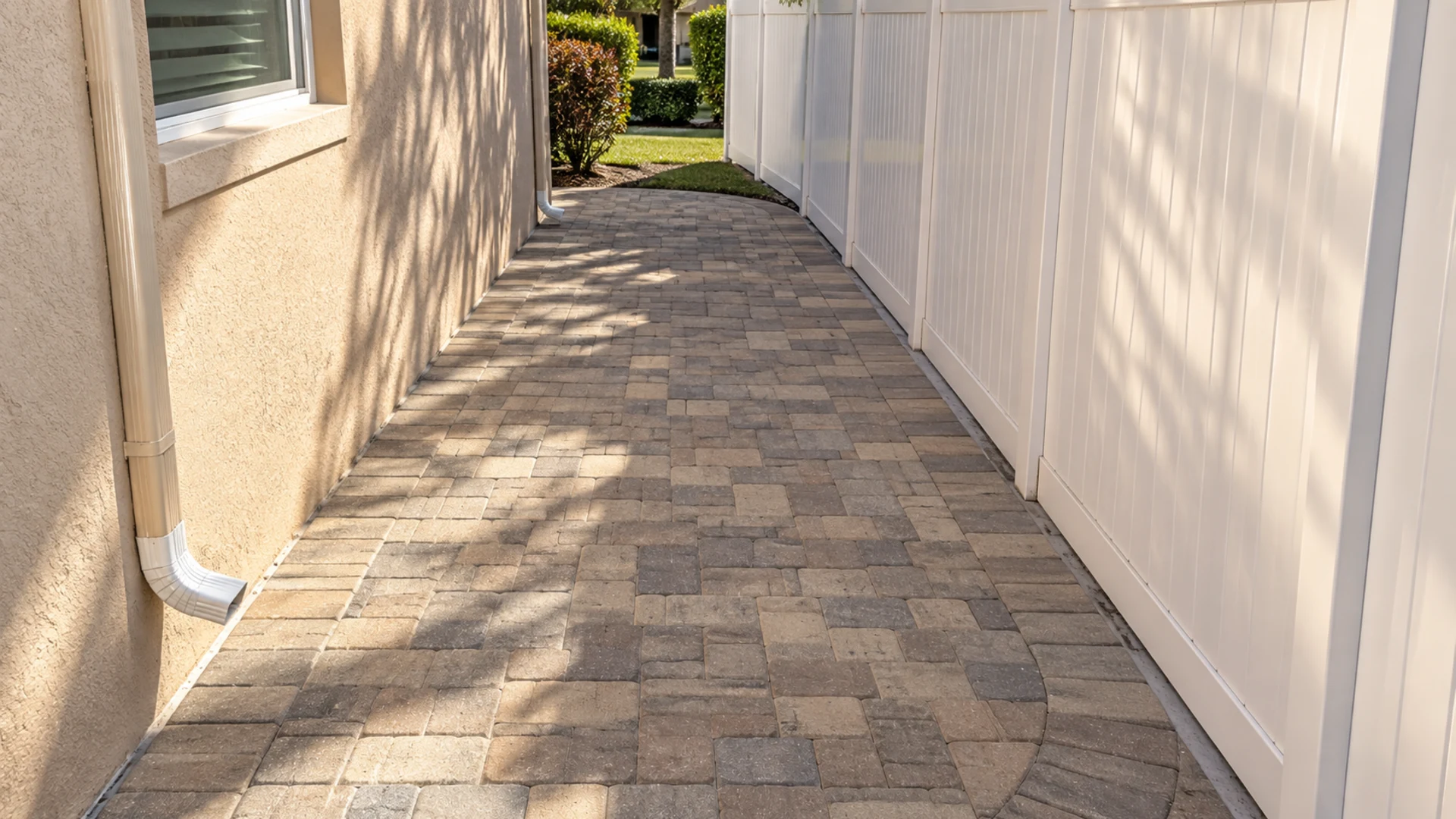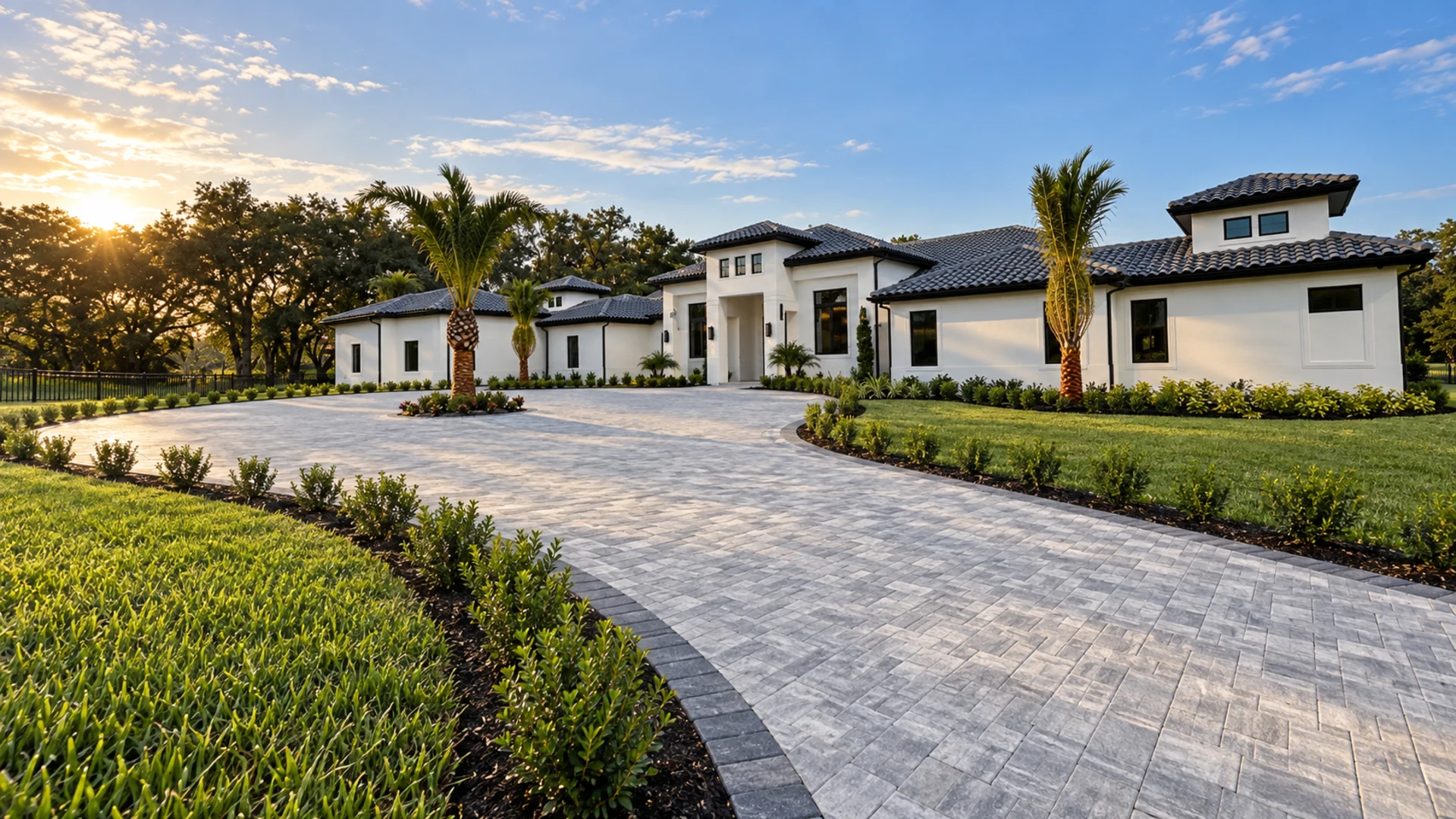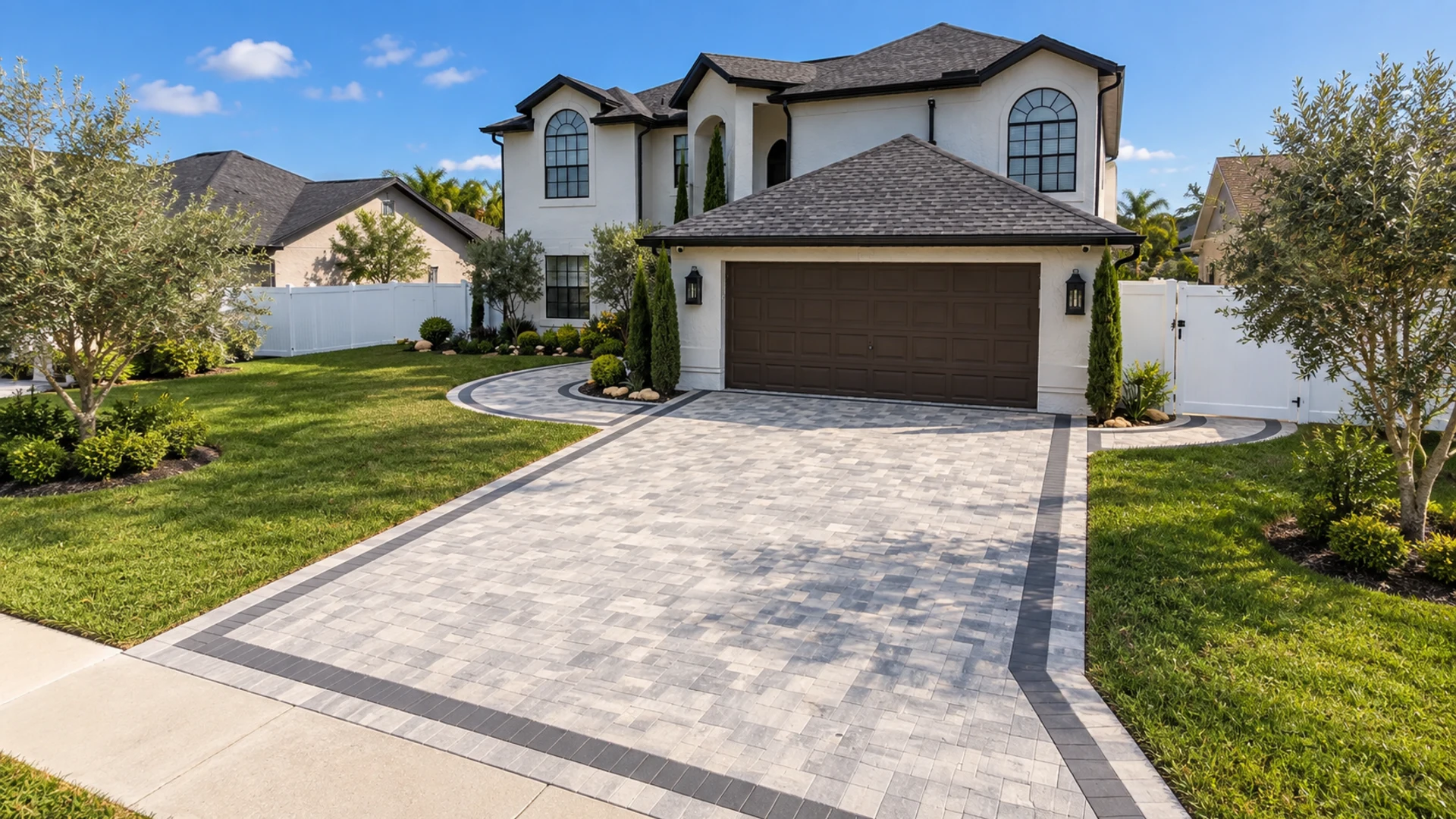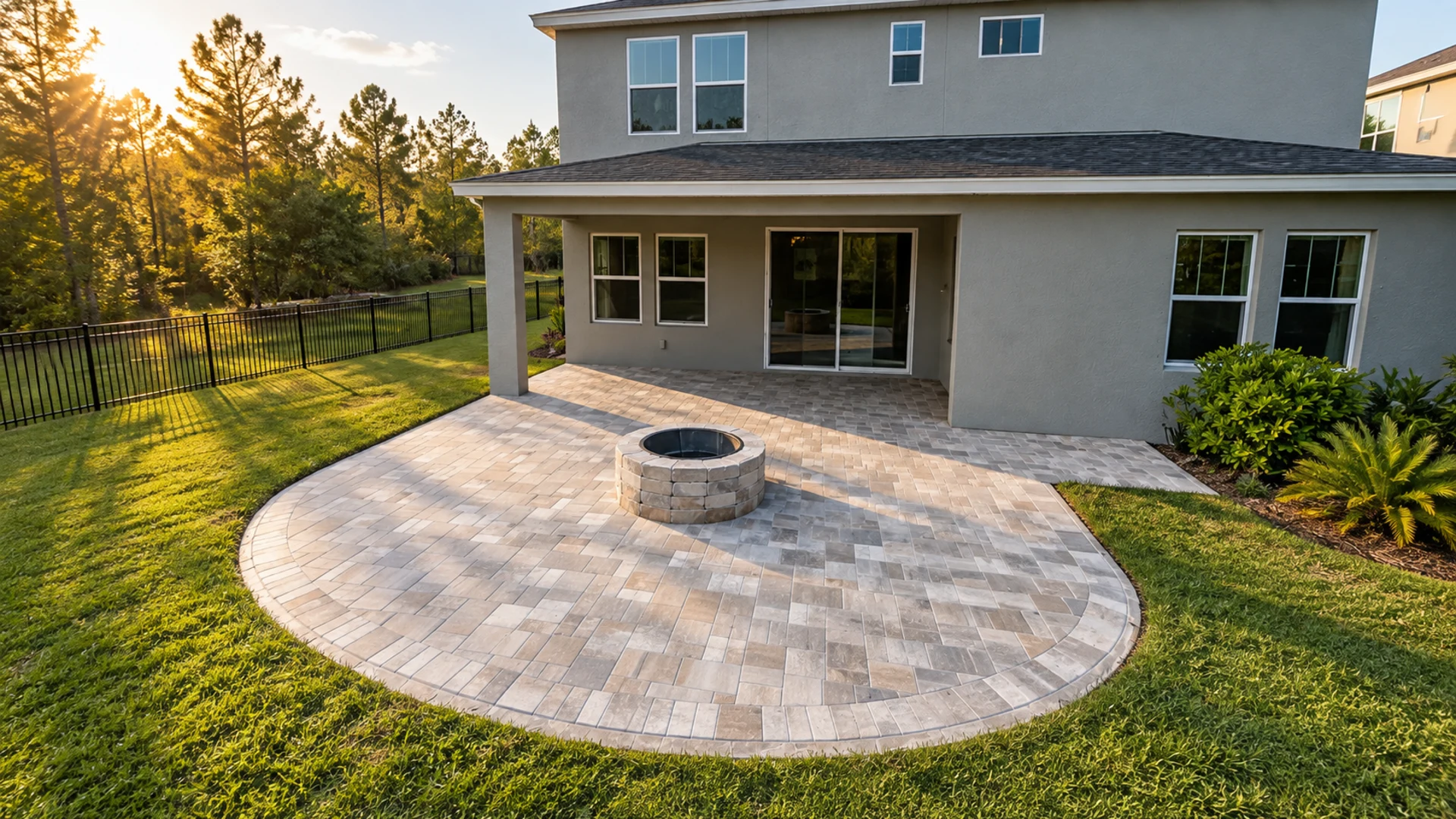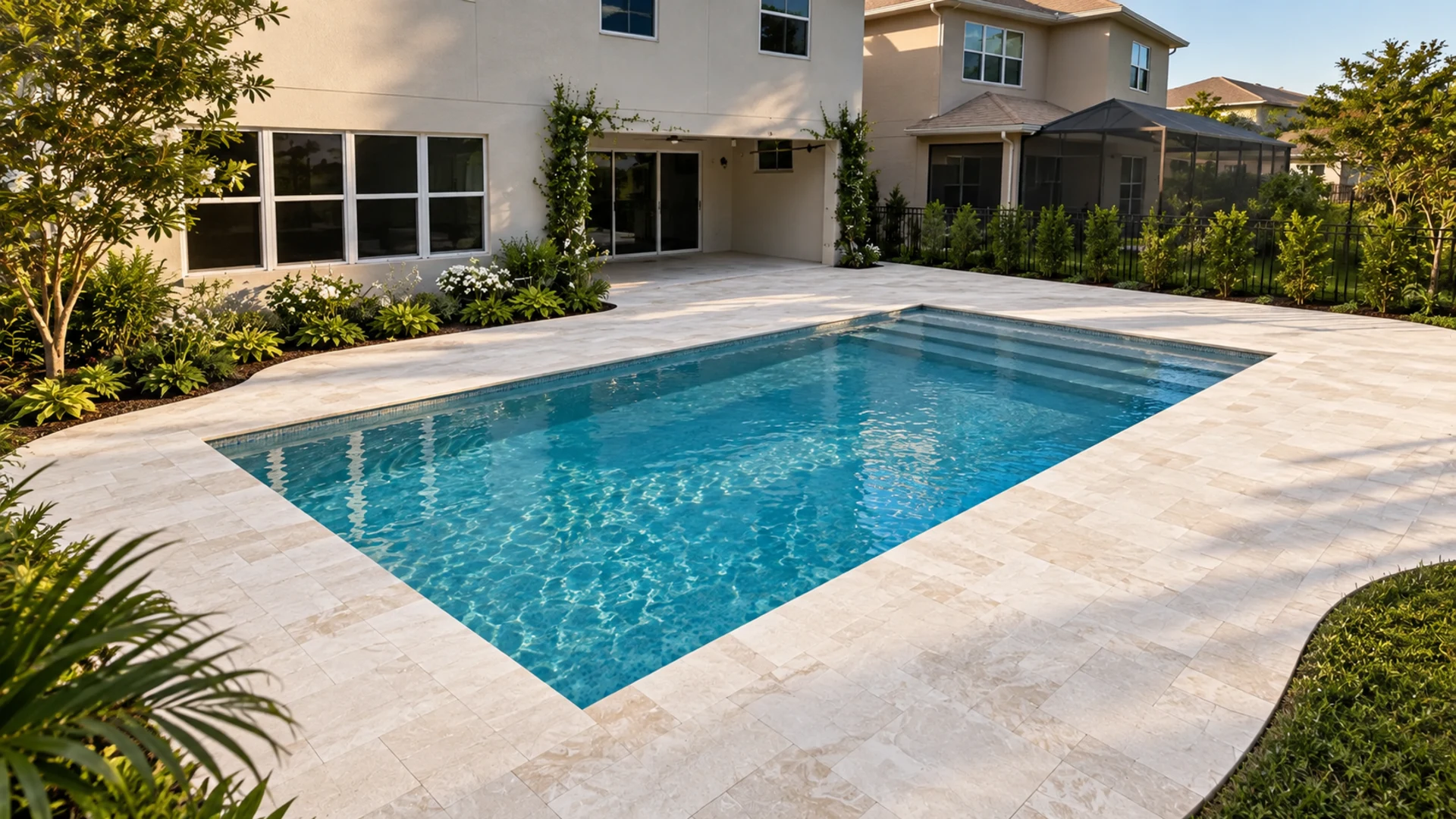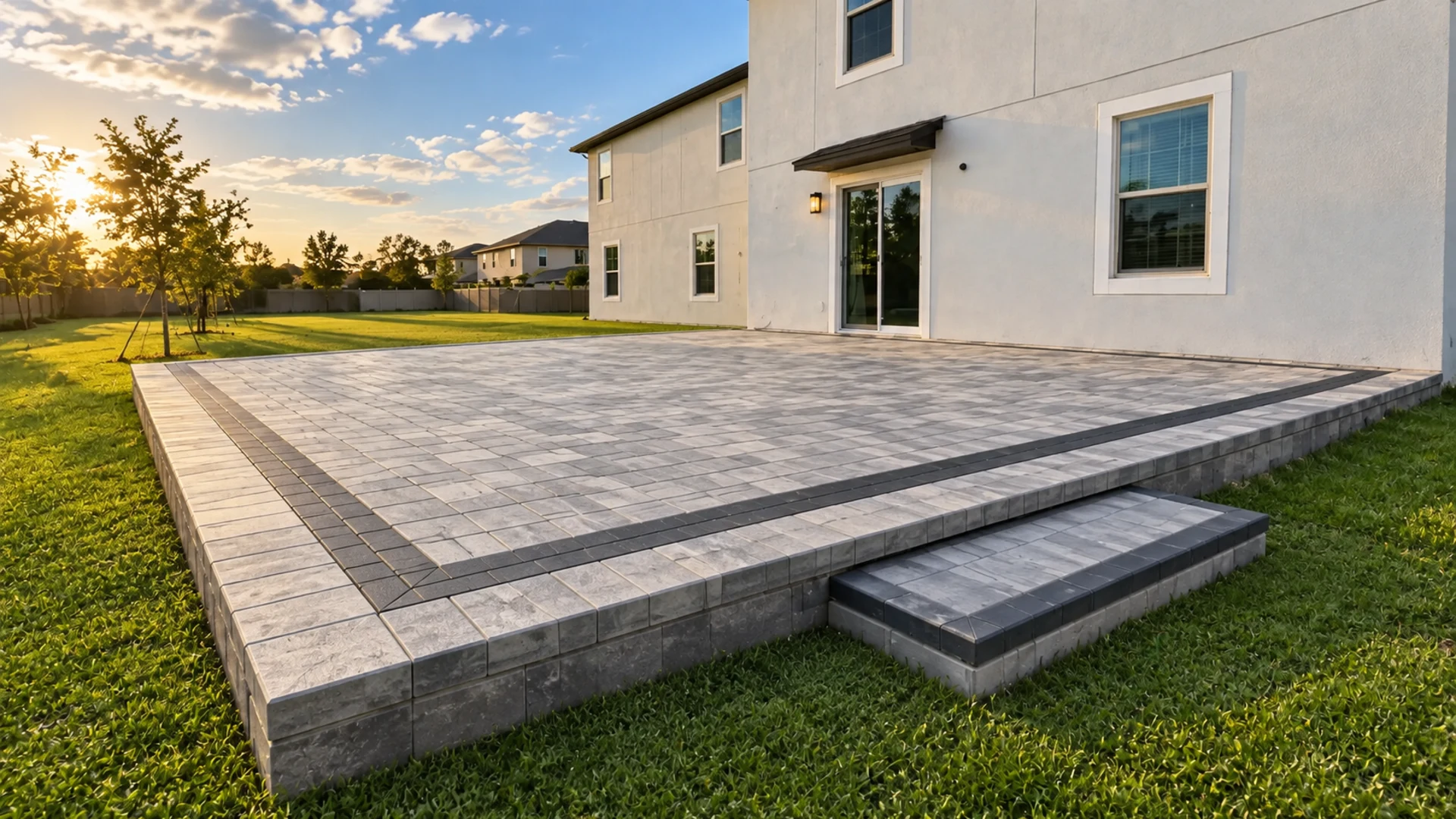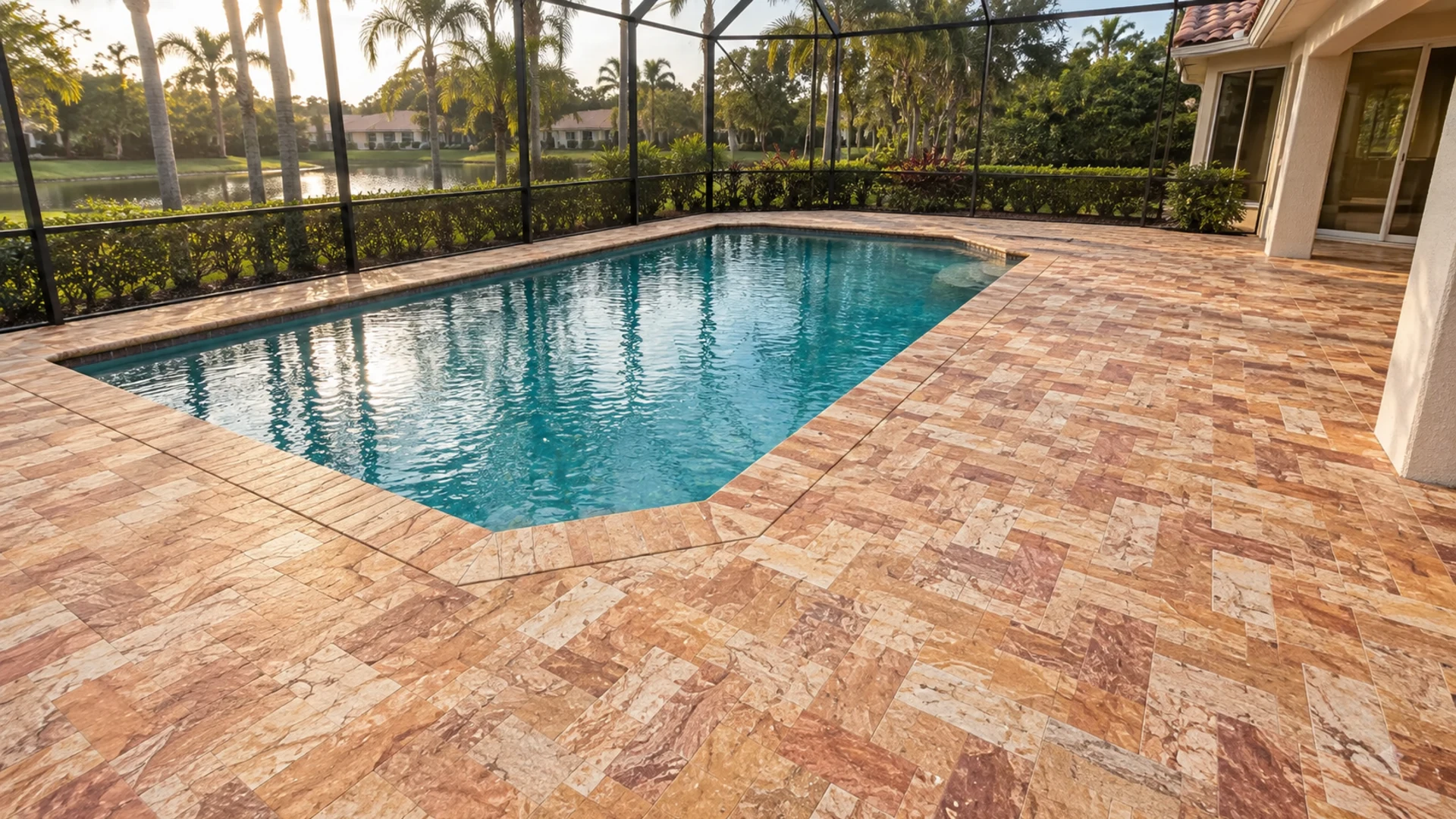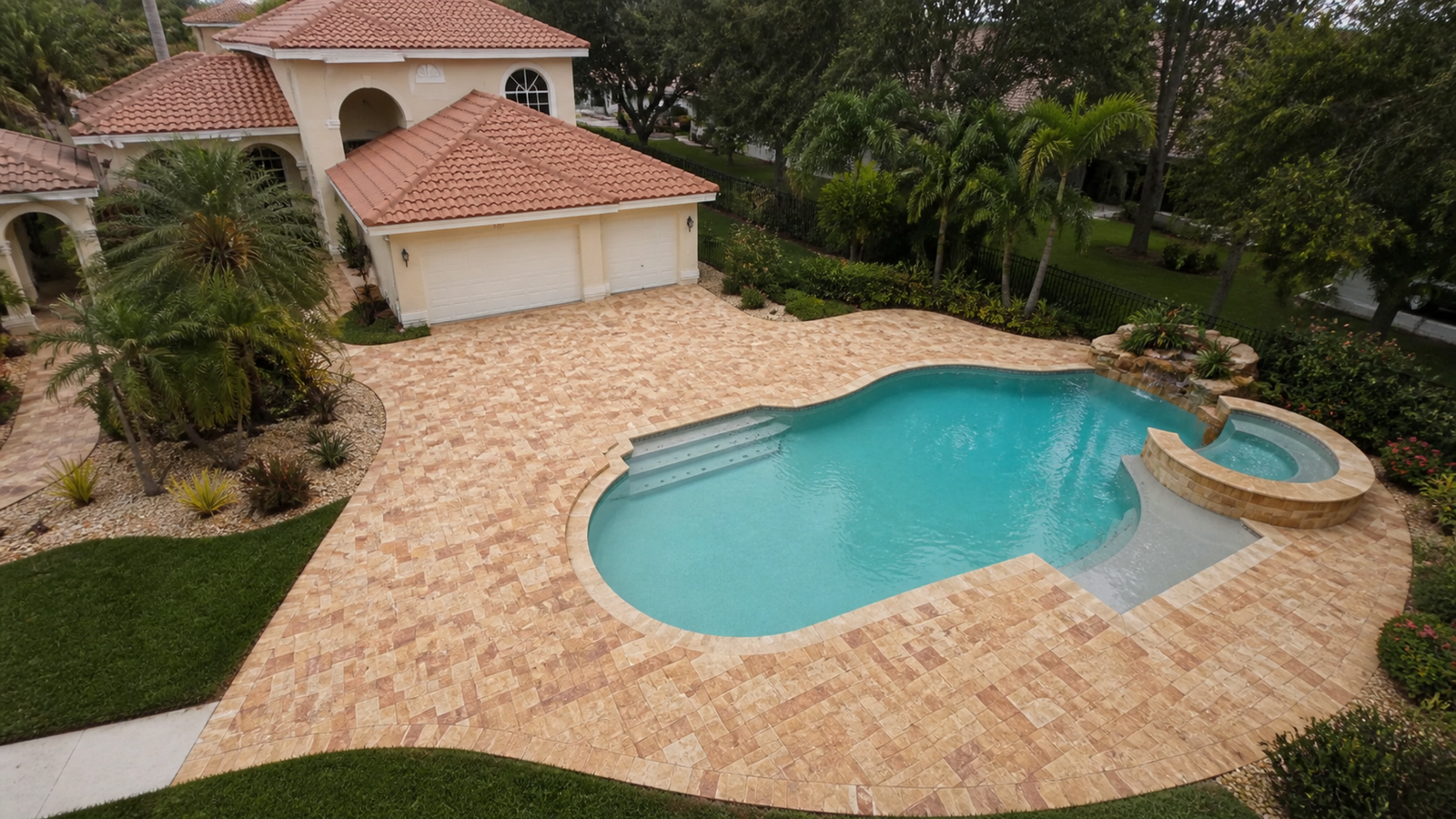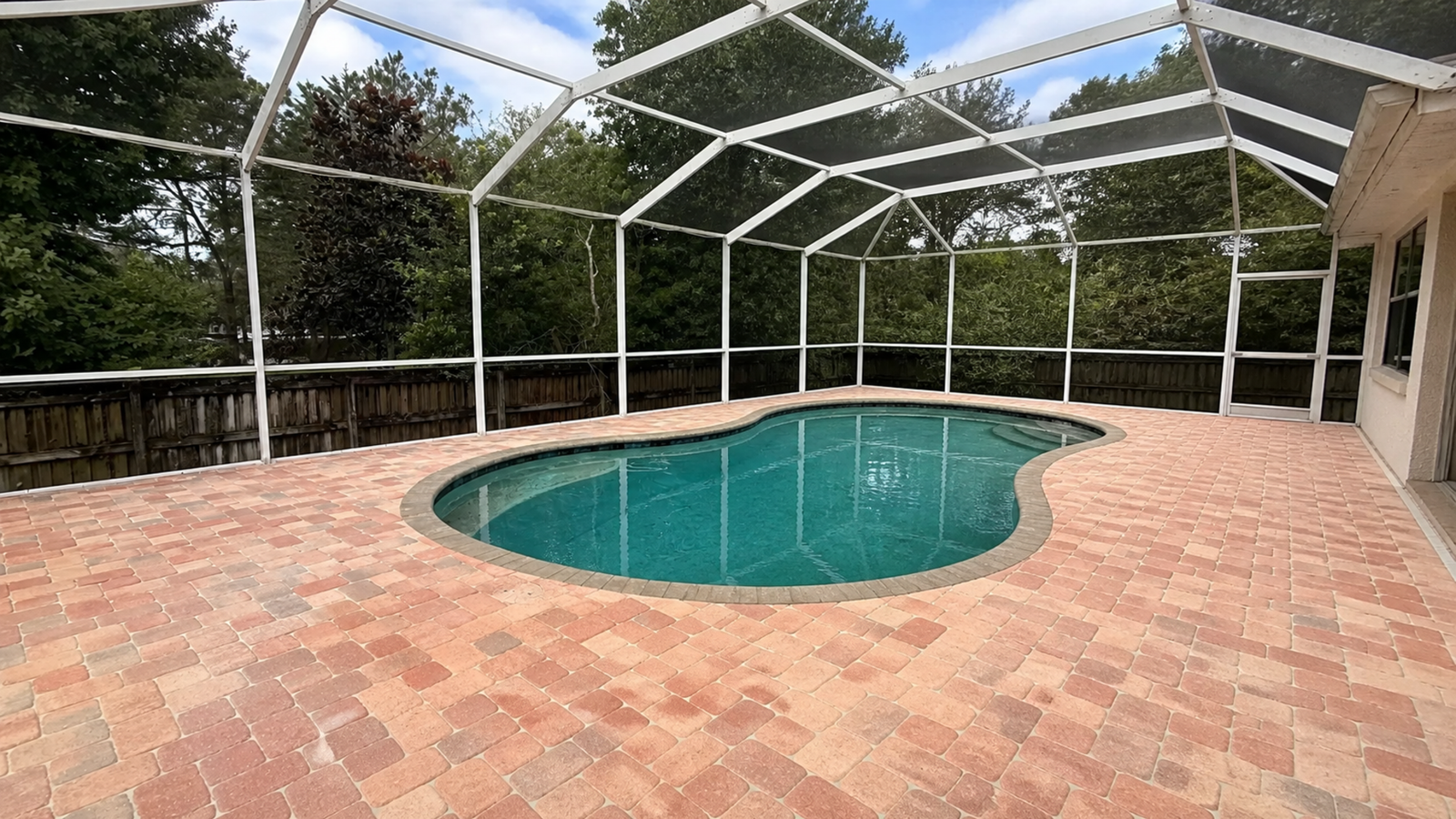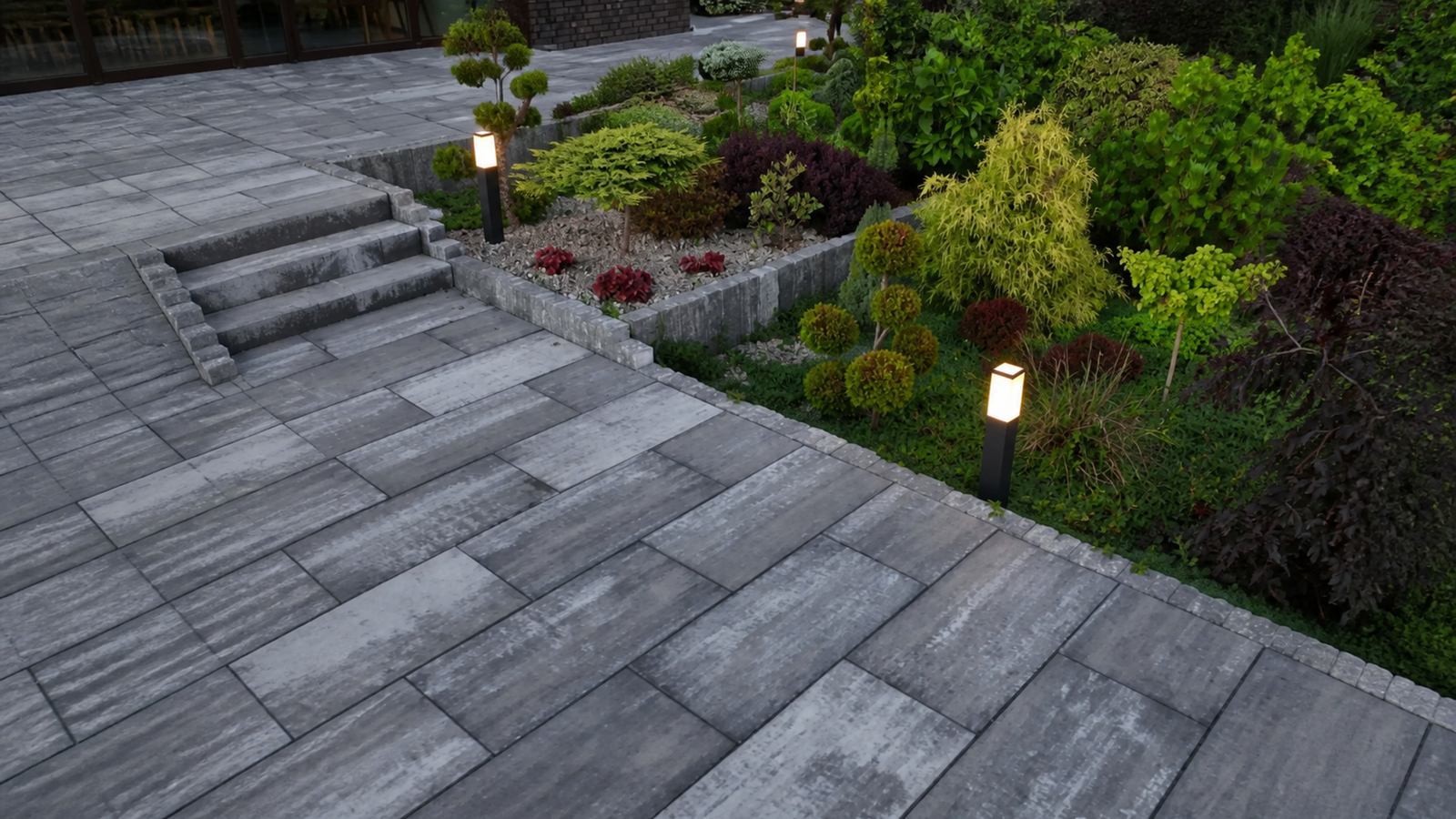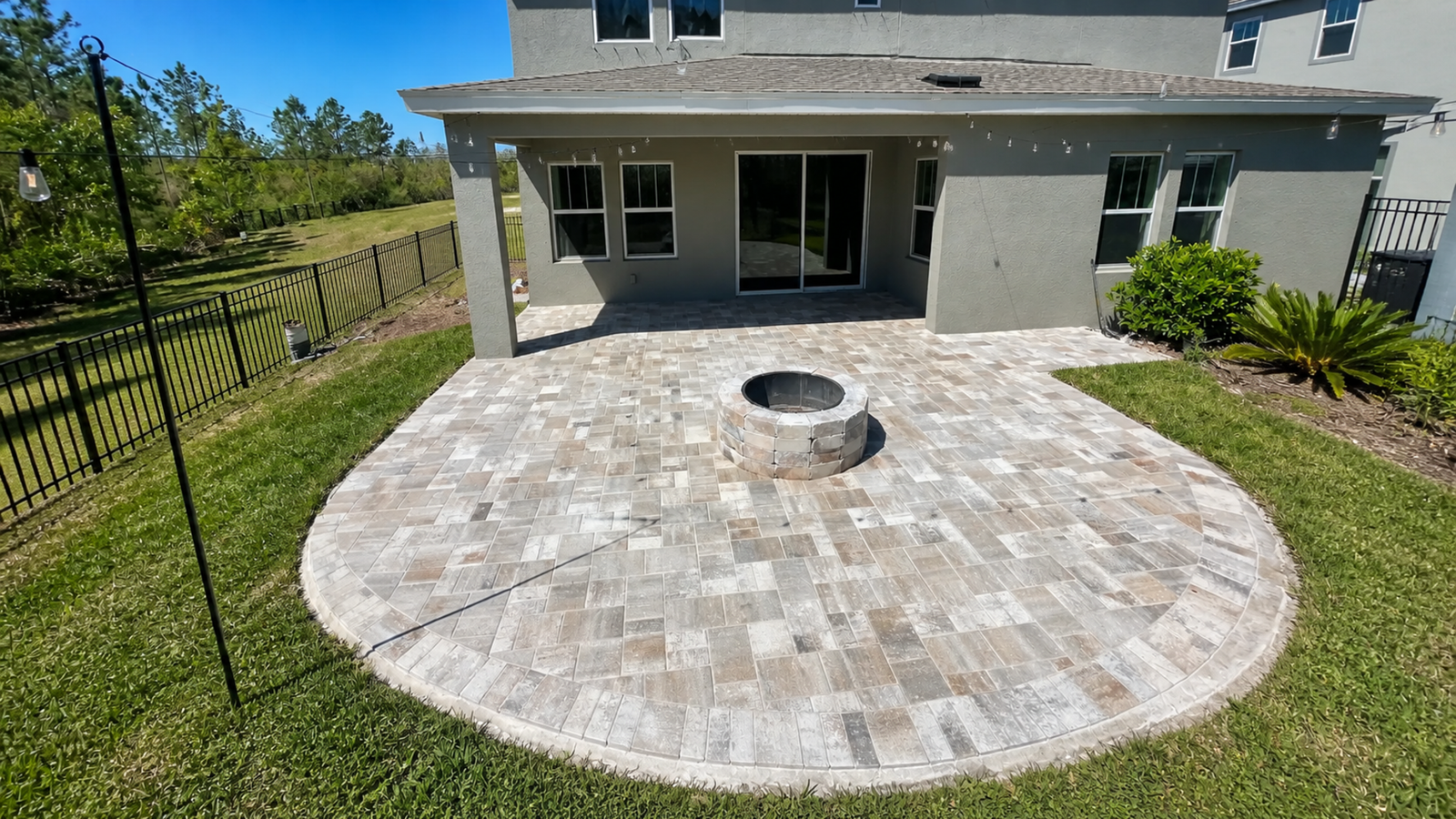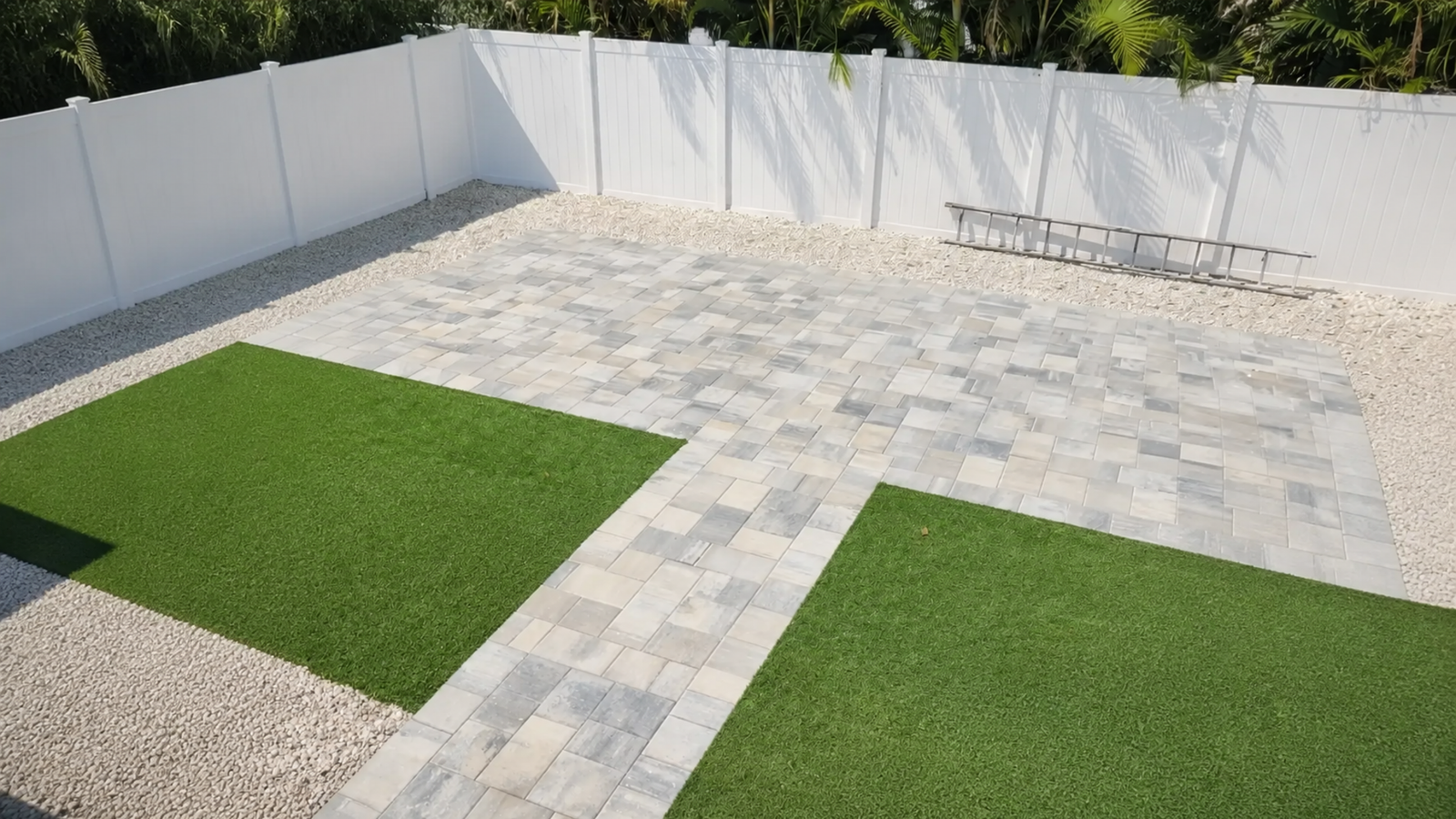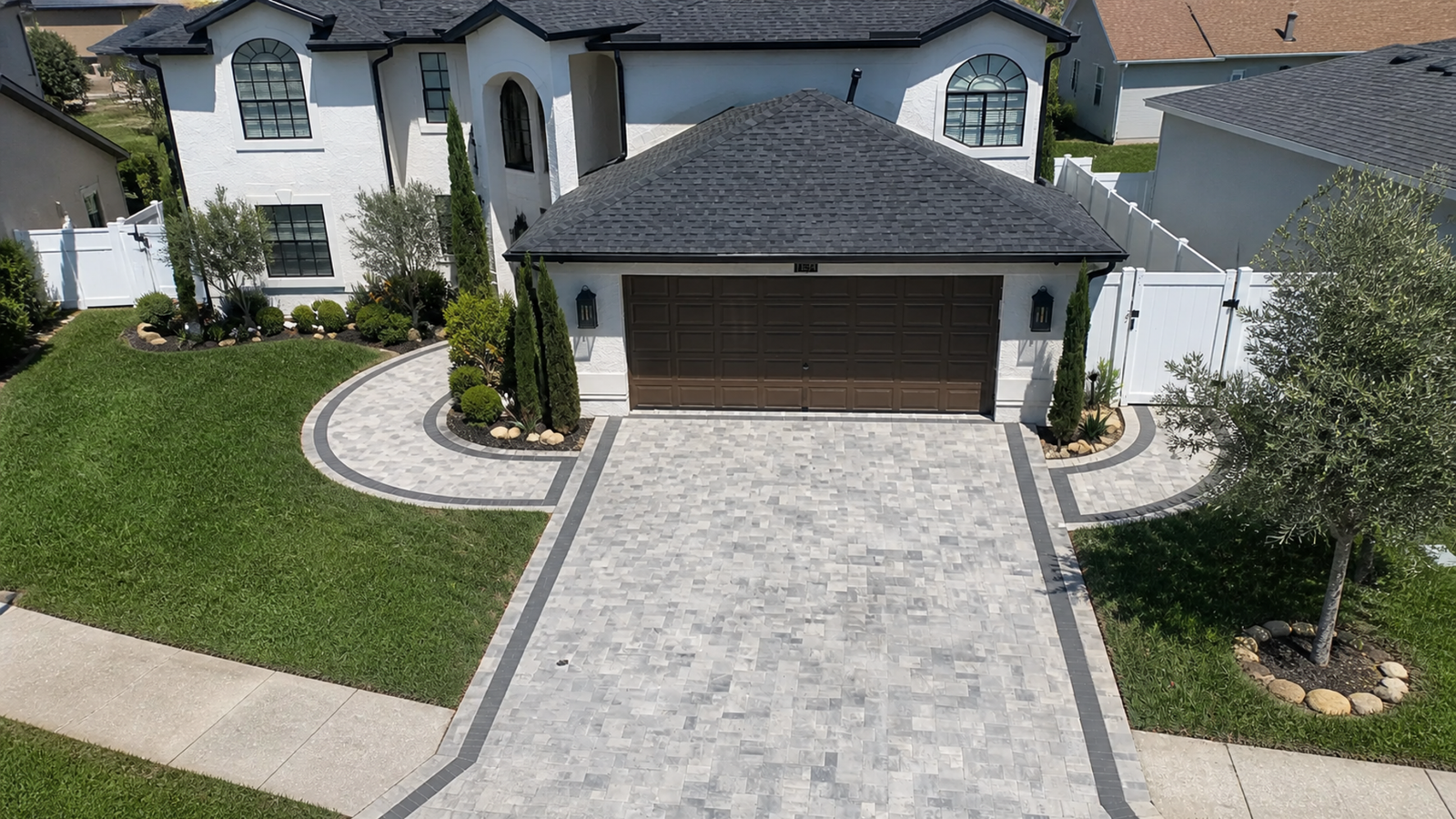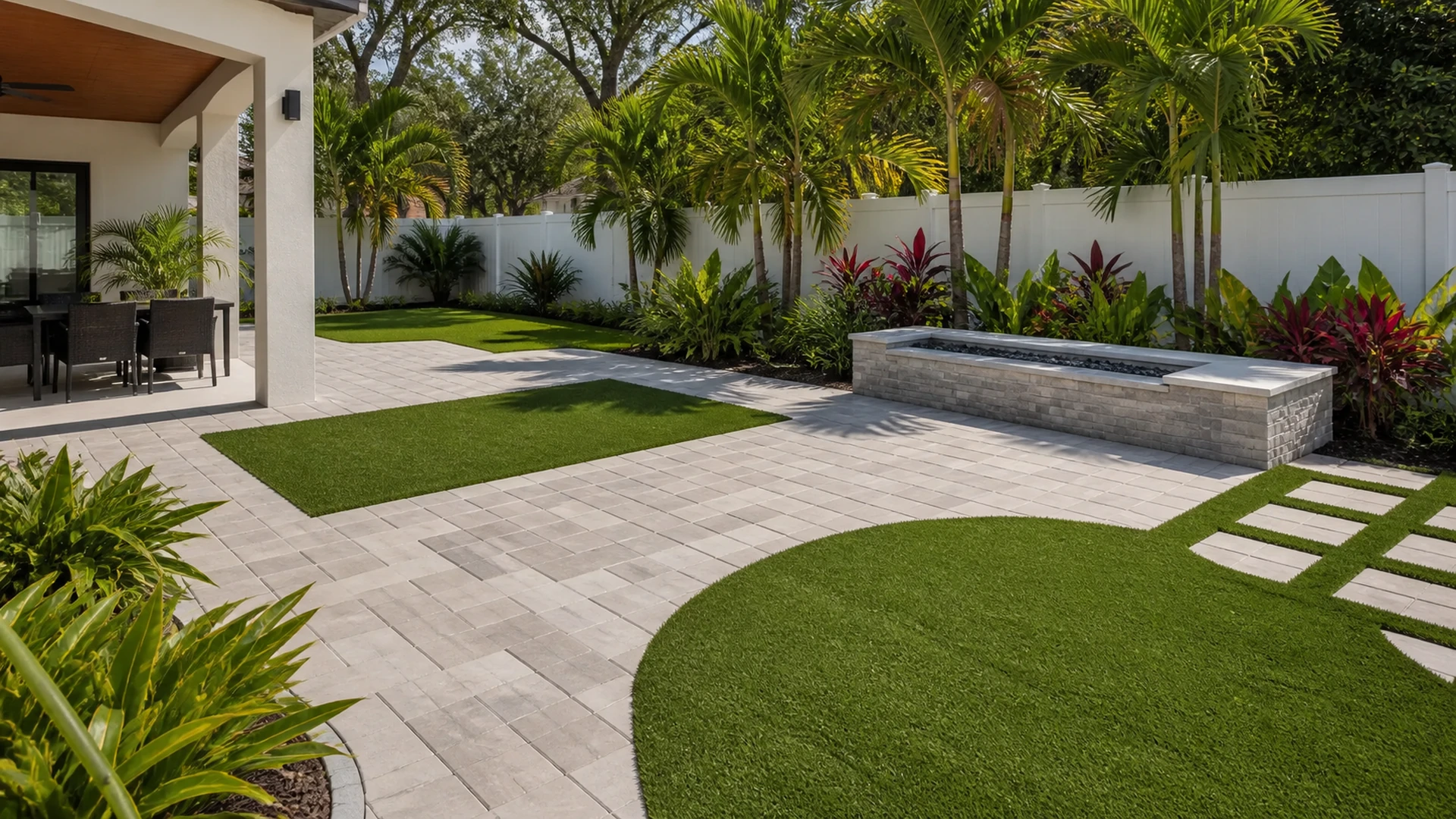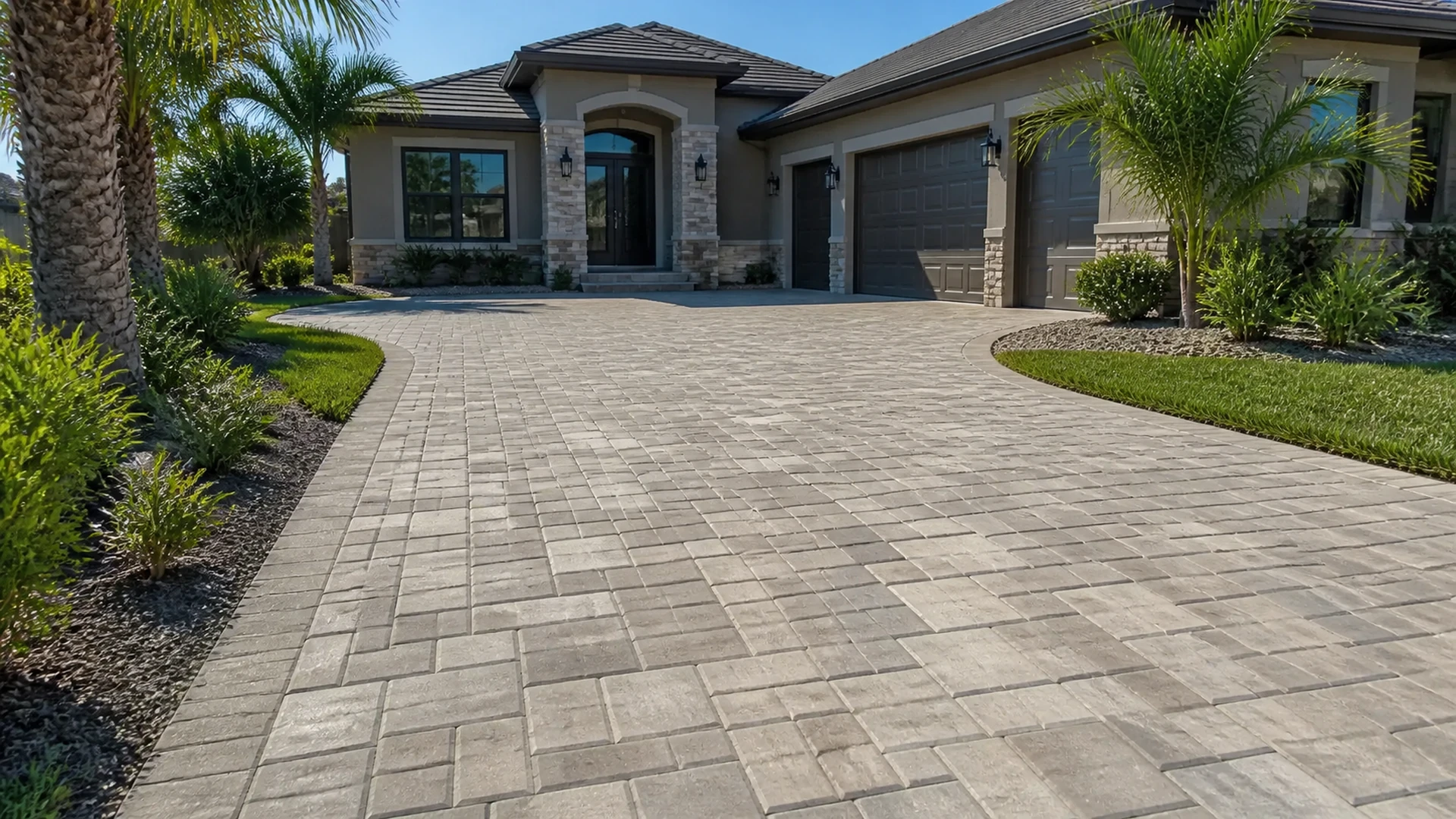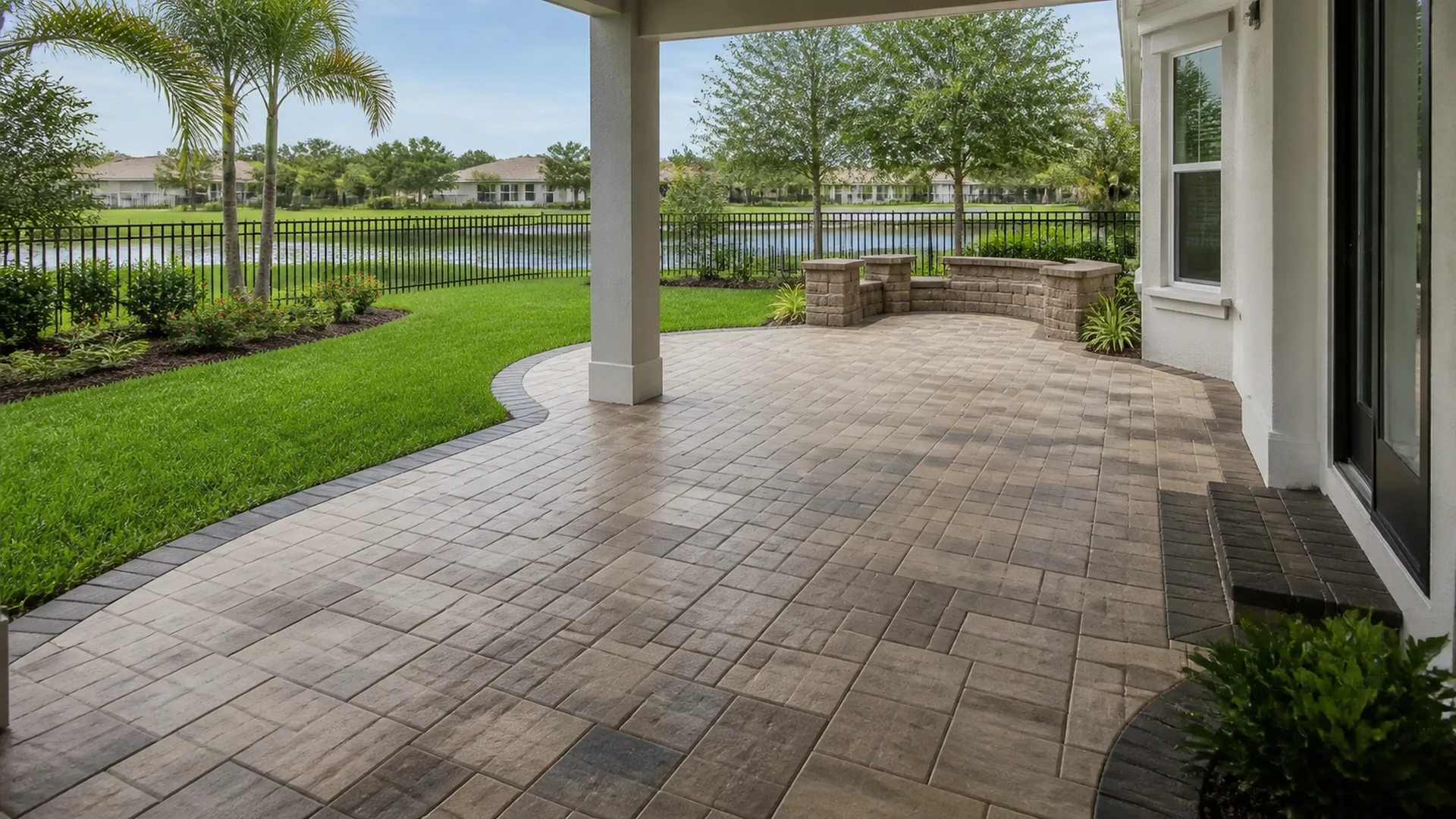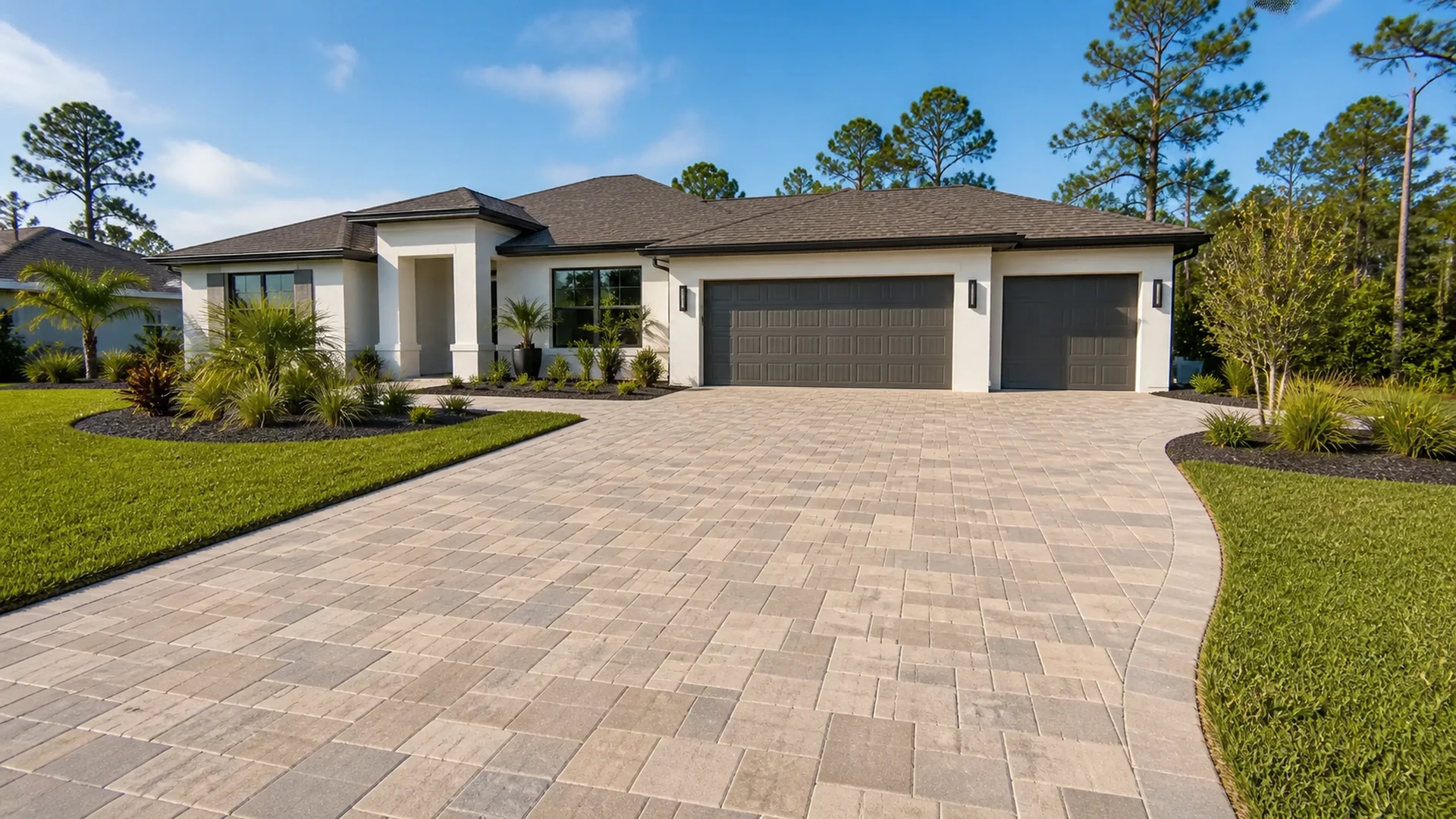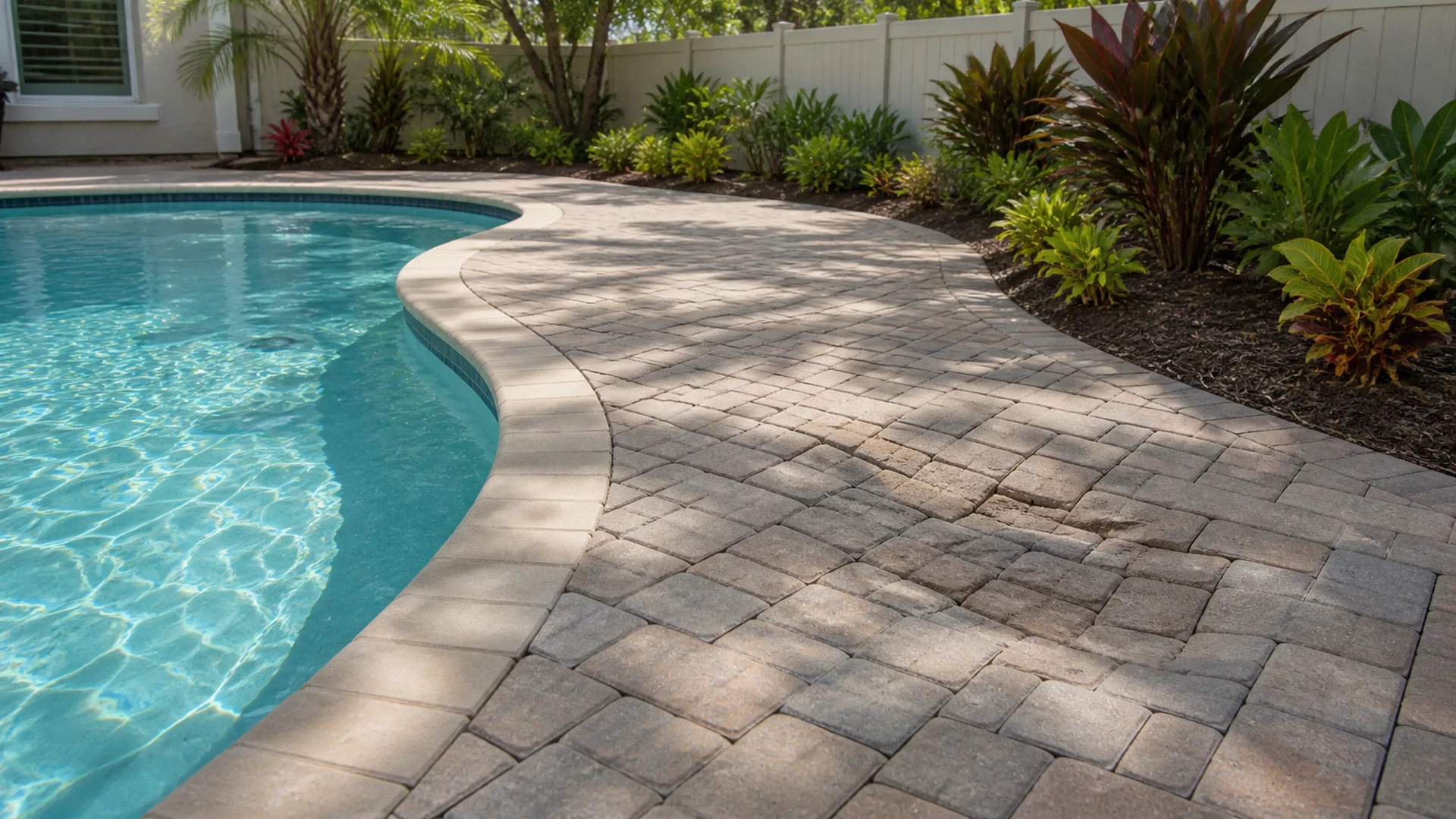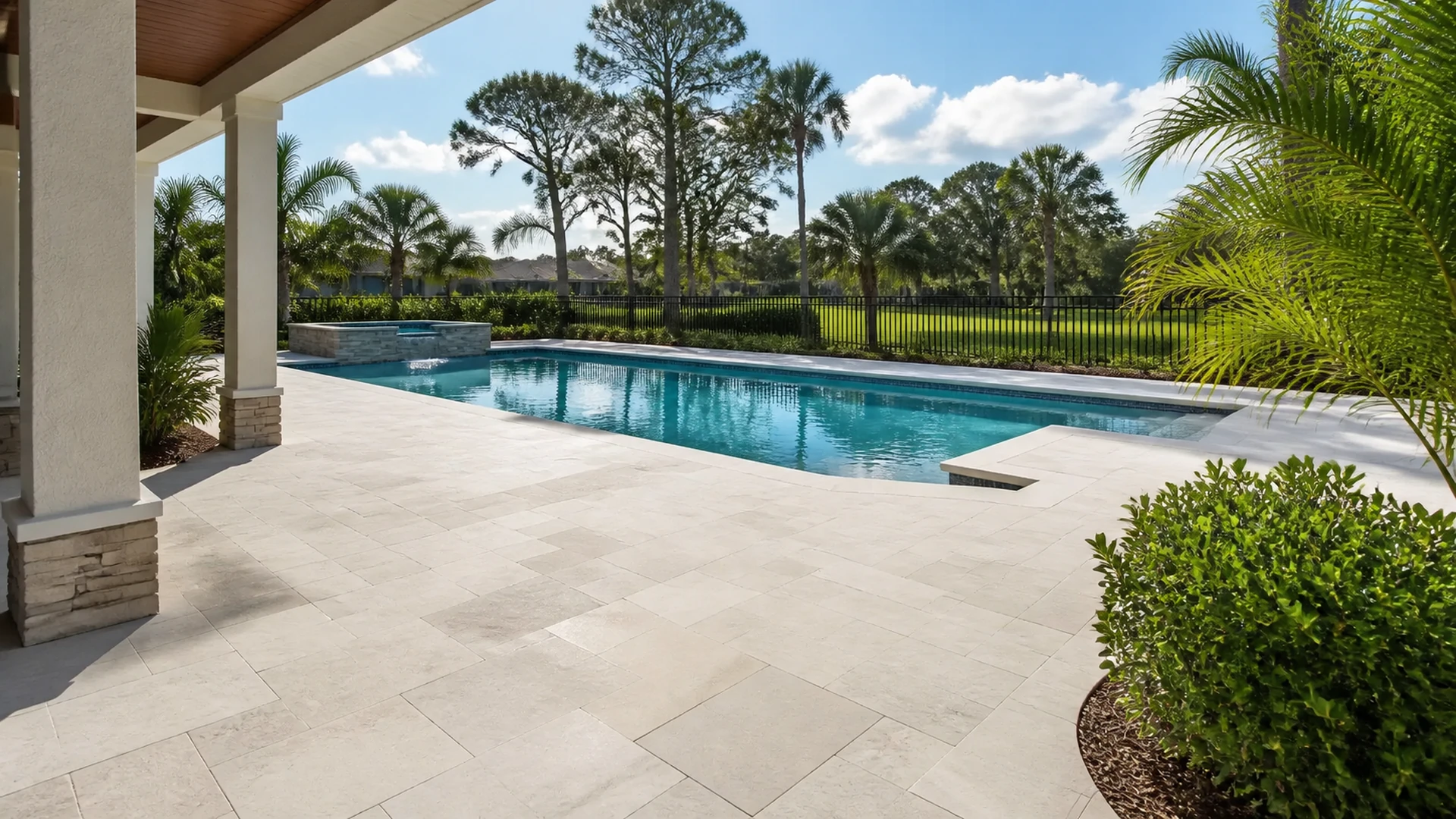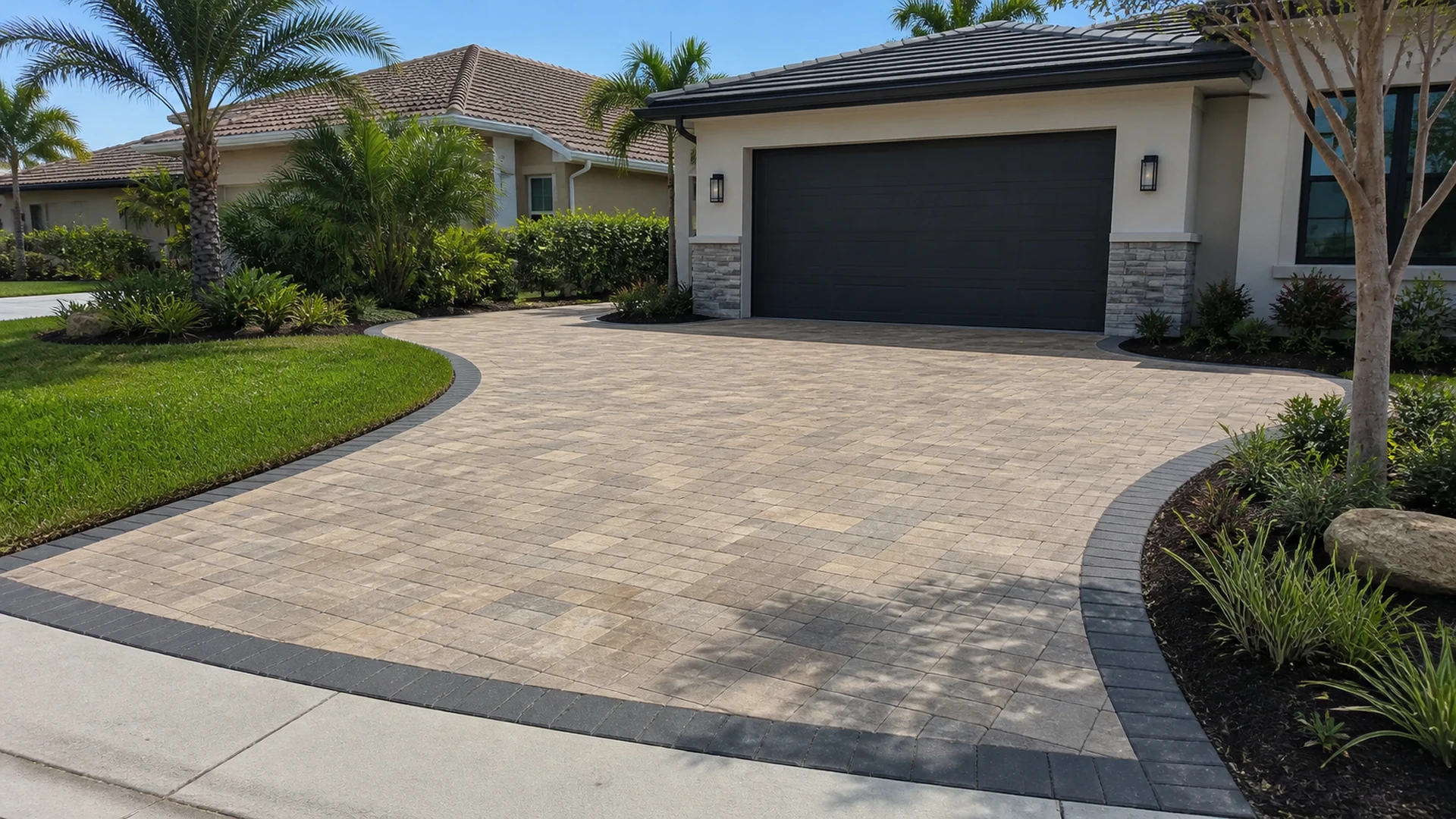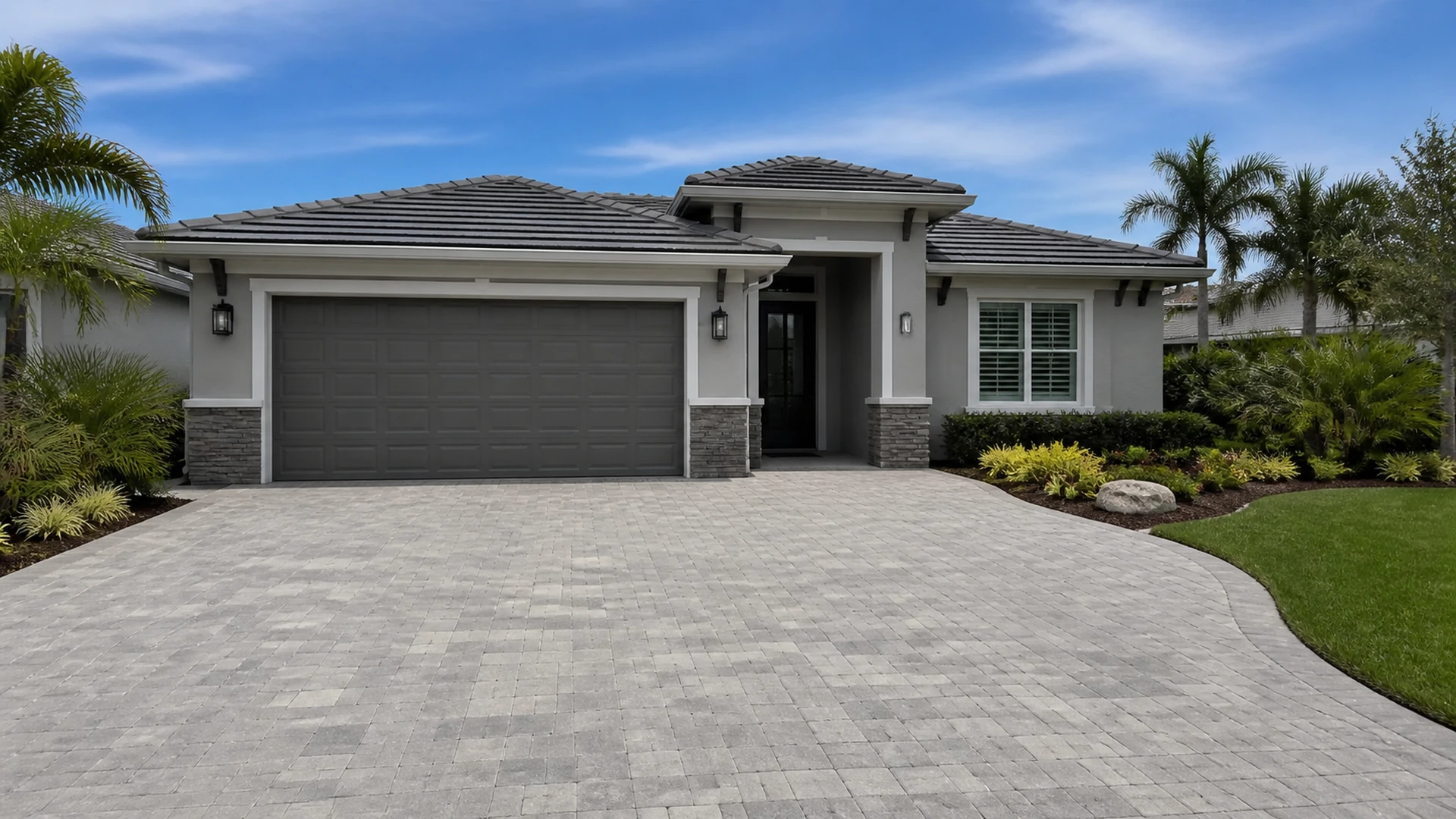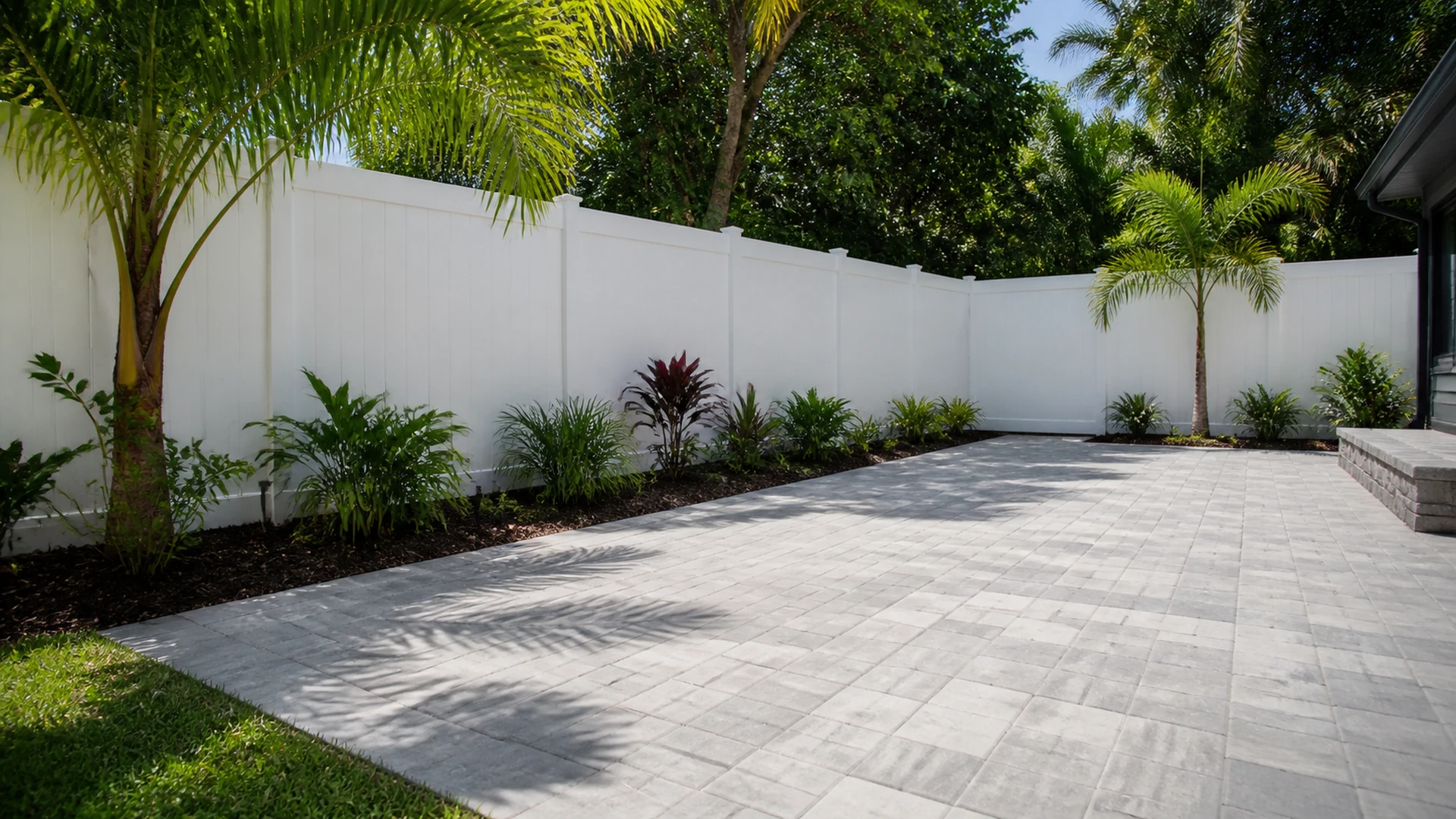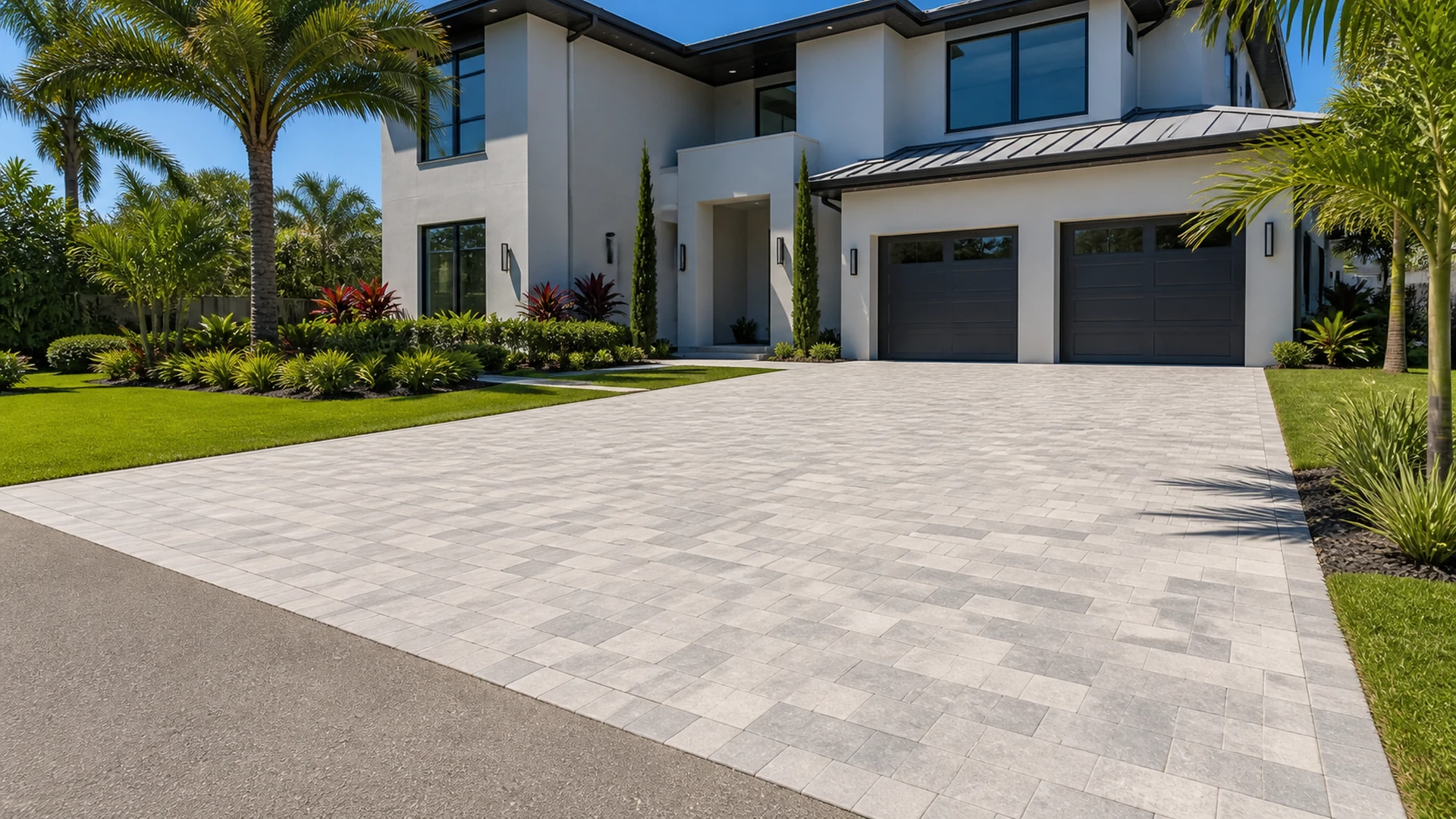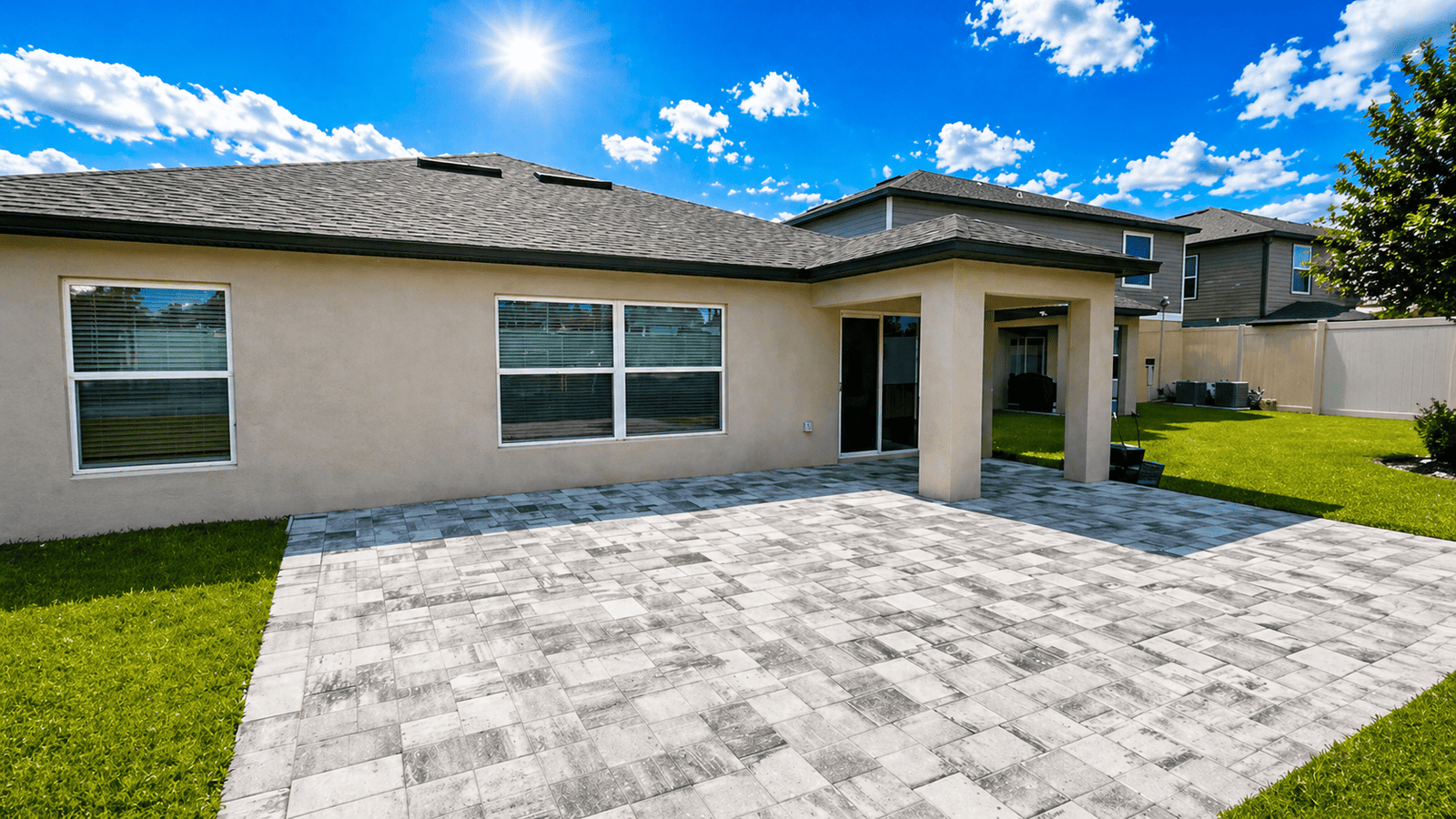
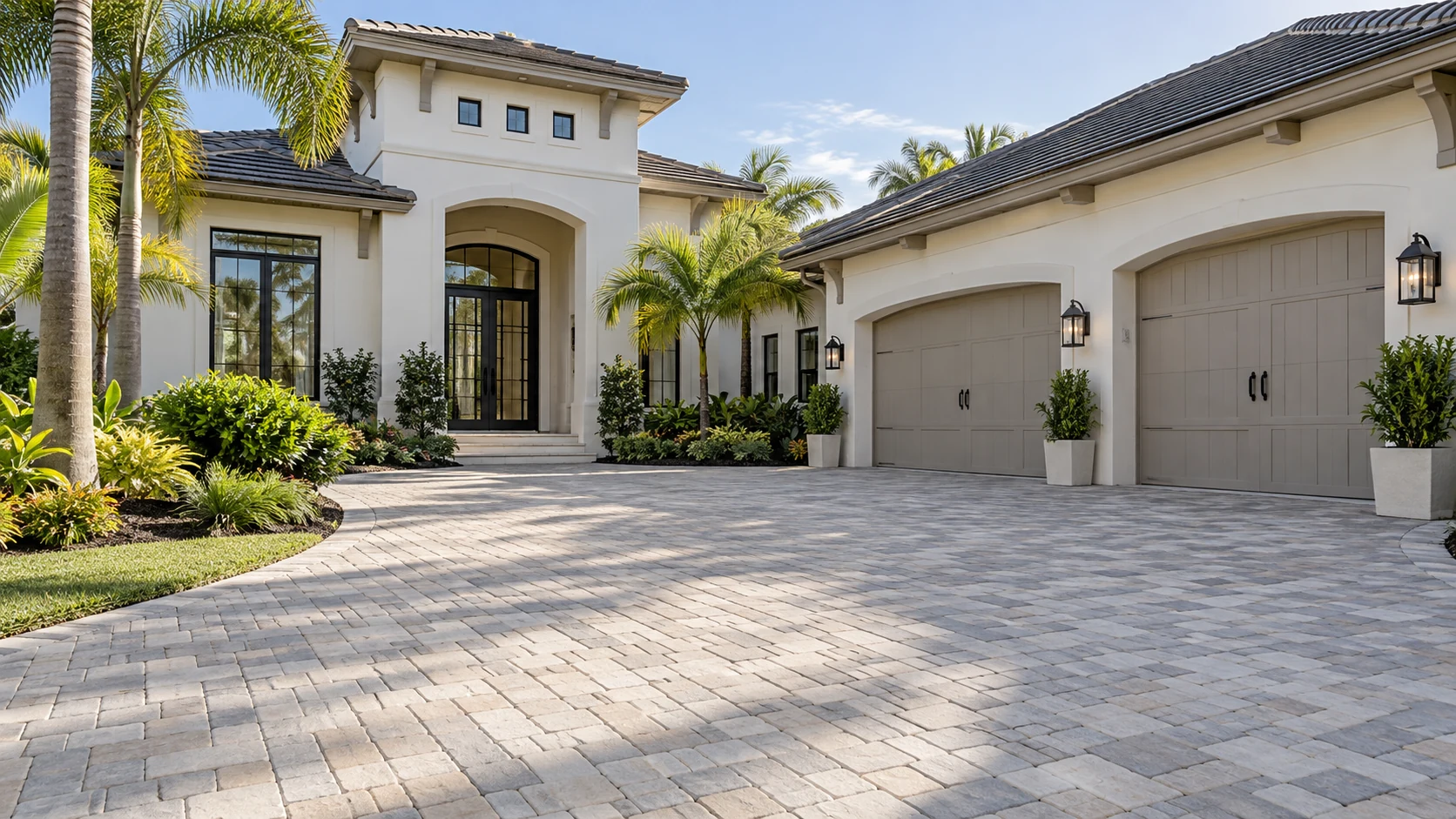
Driveway color blending starts with a better question than whether you like one sample paver. A driveway contains many units across a large visible area. Consequently, the arrangement of those units matters alongside the selected color. Reviewing a sample layout before installation helps you discuss that relationship while decisions remain easier to change.
For a Tampa Bay homeowner, this review should connect the proposed material with the house, garage, border, and street approach. However, a small layout cannot guarantee how every finished unit will look in every light. Its purpose is to establish a useful shared reference and identify questions before the main installation proceeds.
Separate the product color from its arrangement
First, confirm the exact product, color name, finish, and sizes in the proposal. A description such as gray pavers leaves too much room for misunderstanding. Also, distinguish a manufacturer's blended product from an installer-created combination of separate colors. Those approaches may look similar in a photograph but require different decisions.
Ask what the sample represents. It may show the color range of a product, a proposed border, or a pattern arrangement. Therefore, label the purpose in your notes. A sample intended to compare border contrast should not silently become approval of every detail of the driveway layout.
Keep the actual product information with the sample photographs. Online images and printed brochures can help narrow choices, but they should not replace an appropriate physical review. If a substitution becomes necessary, return to the product and arrangement questions rather than treating a roughly similar color as automatic approval.
Review driveway color blending outdoors
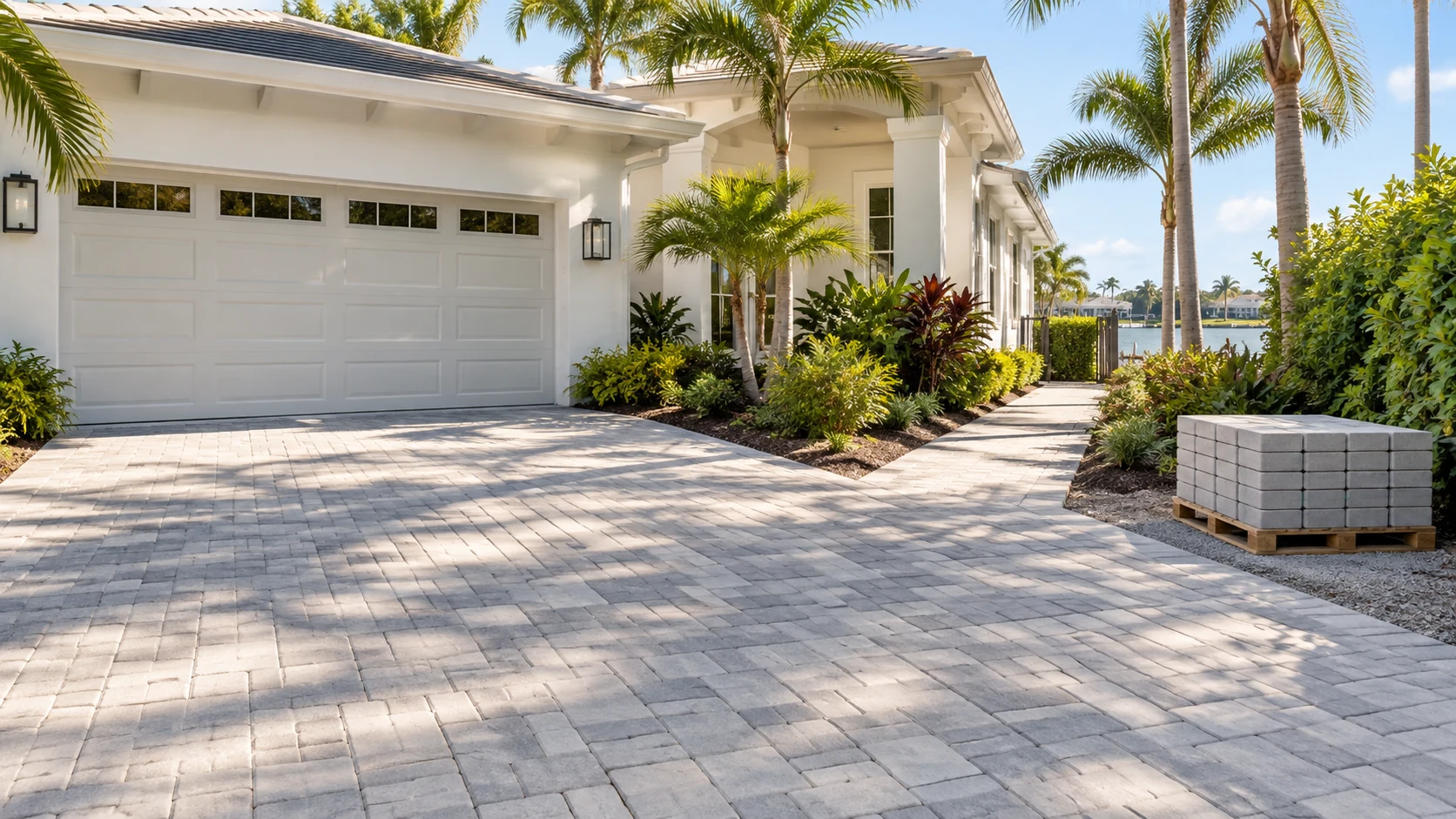
Place the review in the setting where the driveway will appear. Look toward the house, then toward the street. Also, compare the layout with the garage door, roof, wall finish, and nearby paving. A color that looks calm on a desk may create a different visual effect across an entire driveway.
Manufacturer Belgard's color guidance recommends actual product samples because colors can differ from displayed images. That is a useful purchasing principle, not a claim that Belgard supplies your project. Ask the contractor for the equivalent information for the product actually proposed in your estimate.
Photograph the layout without filters and keep a wide view of the surroundings. Then use a closer image to record the material. However, do not rely on the phone screen alone when making the decision. The physical sample and the site conversation should remain the main reference for the agreed appearance.
Define what driveway color blending should achieve
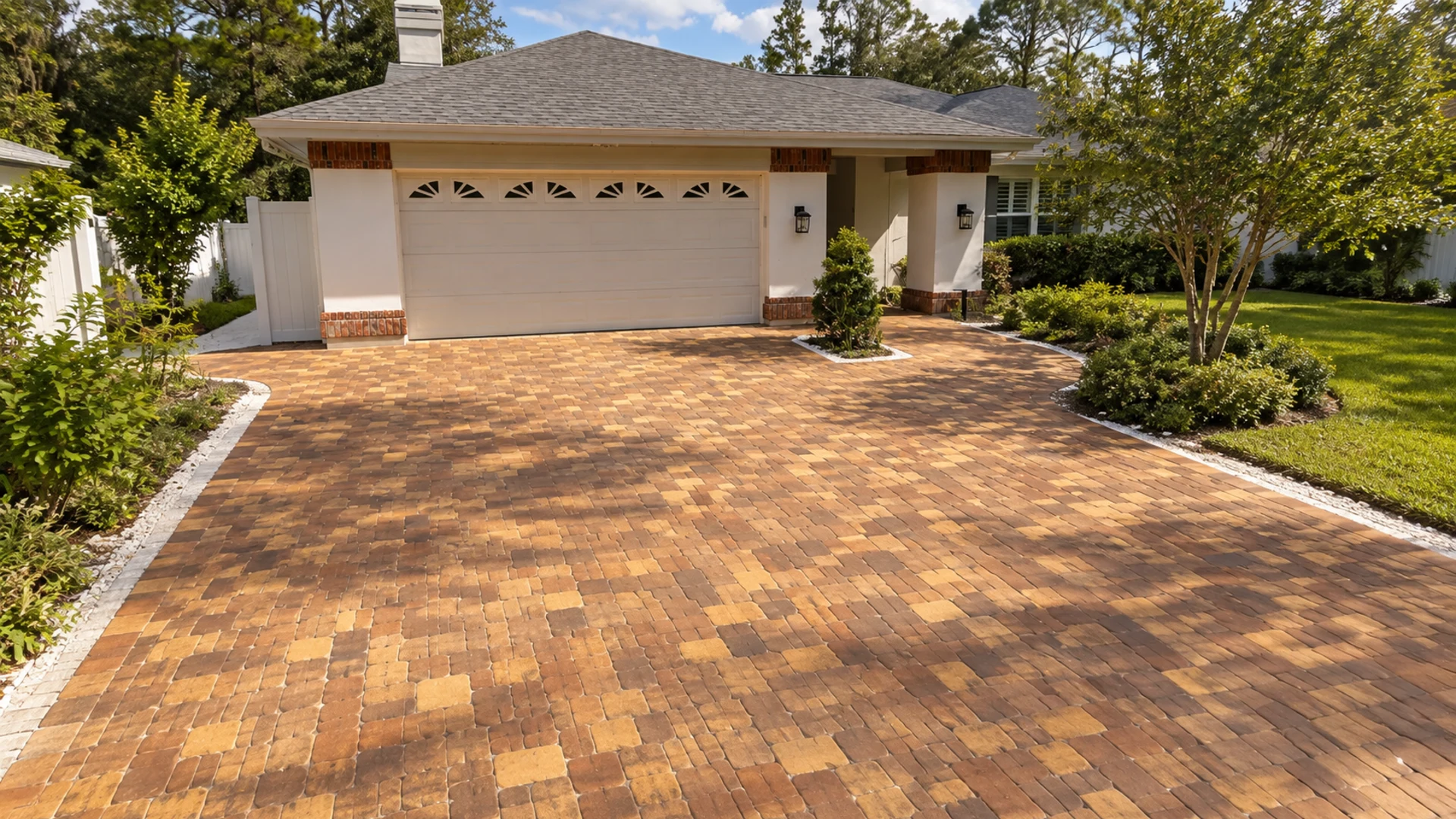
Describe the desired effect in ordinary language. For example, you may want an even distribution without large isolated clusters of one tone. Another homeowner may prefer a deliberately varied appearance. Therefore, explain the visual goal instead of assuming the word blended means the same thing to everyone.
Ask the installer how the selected product supports that goal. A product with a broad natural-looking range differs from a more uniform color. The proposed arrangement should acknowledge those characteristics. Also, avoid asking the team to make a varied product look perfectly identical from unit to unit.
Look at the driveway from the main approach
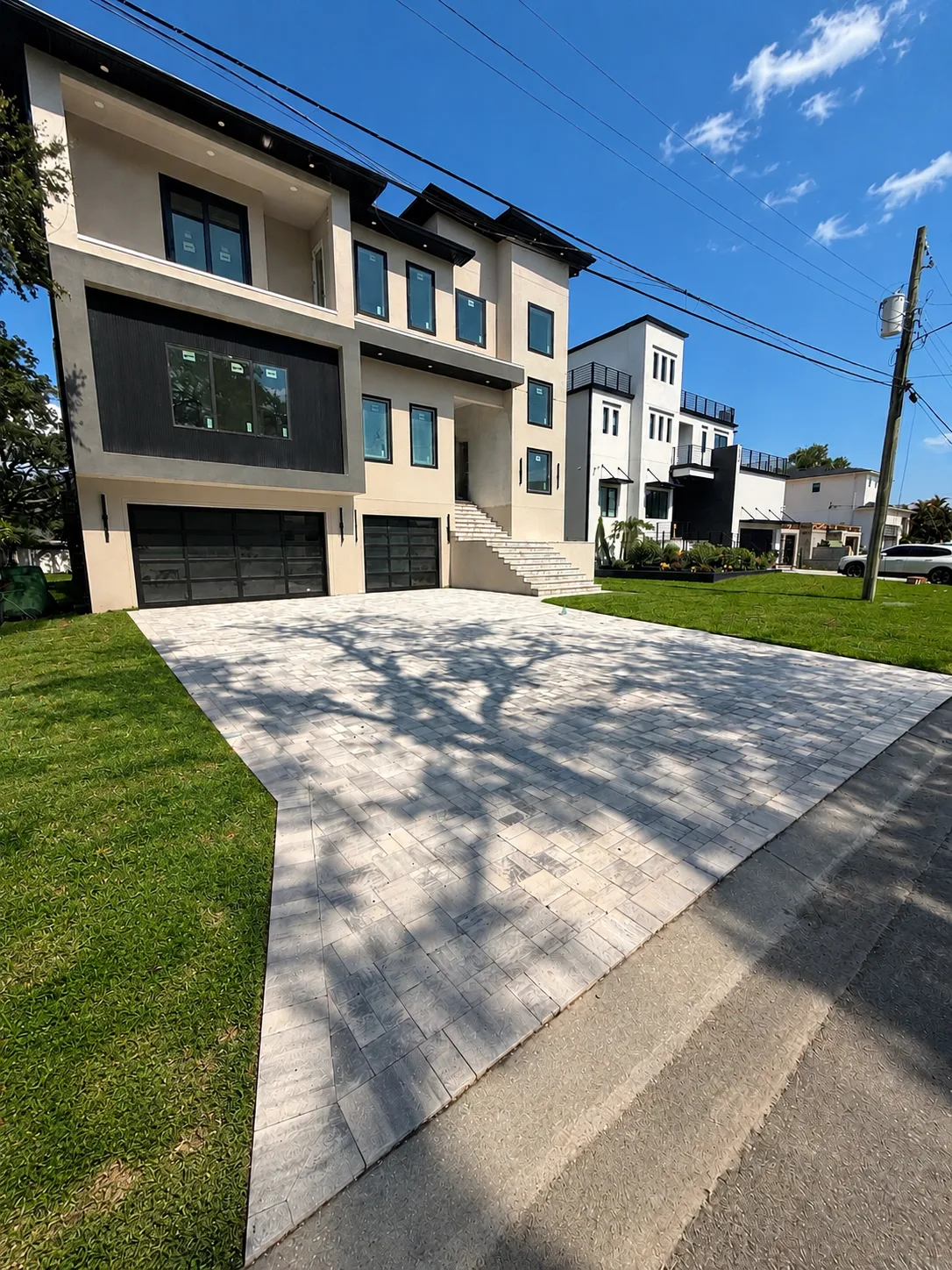
A driveway often has one dominant view from the street or front door. Review the sample from that direction as well as directly overhead. A phone photograph taken straight down may emphasize individual units. In contrast, the normal approach shows how colors, joints, and the house composition work together.
Consider where the eye meets the driveway first. A border, central area, or garage transition may draw attention. Therefore, ask how the proposed layout handles that visual priority. The answer may involve the pattern and border as much as the color range itself.
Also, keep the review proportional to the project. A small sample cannot reproduce a long curved driveway or every change in direction. Ask which larger layout decisions still need confirmation on site. Record those as separate items so the sample approval does not hide an unresolved pattern or alignment question.
Compare wet and dry appearance carefully
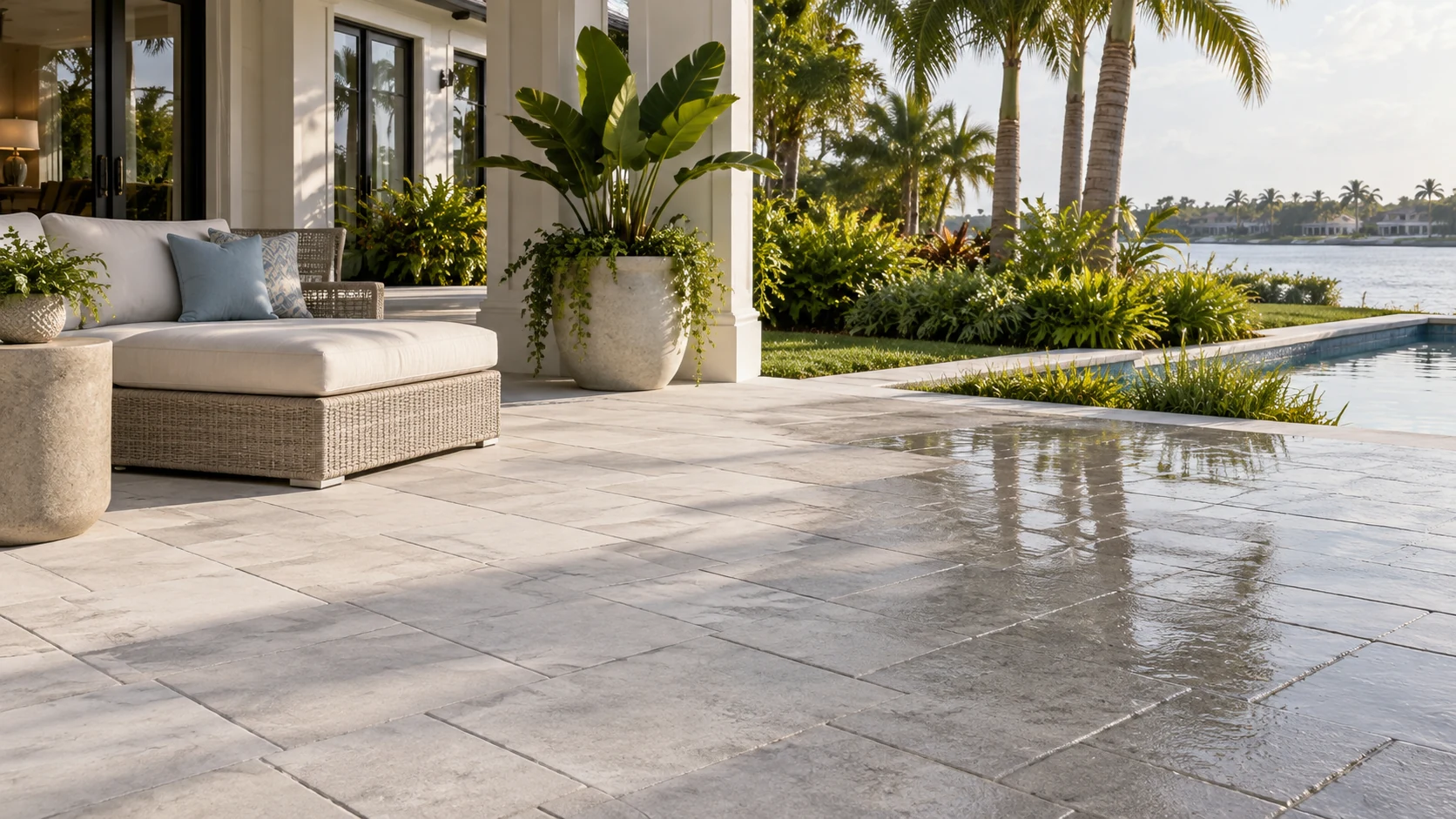
If the contractor shows a wet sample, ask why. Water can change how a surface looks at that moment. However, a wet appearance is not a promise about the finished driveway, and it does not establish the result of a future sealer. Keep those decisions separate unless the proposal explicitly connects them.
View the proposed material dry as well as in any demonstration condition. Also, note the light and whether the sample sits in shade. A clear record prevents a later argument based on comparing a wet afternoon photograph with a dry morning surface. You want comparable observations rather than a search for a perfect match between unlike conditions.
If sealing forms part of the project, ask for the exact product and expected appearance information. Any representative test should follow the relevant product guidance and contractor's plan. Do not assume that a coating will fix an unwanted distribution of colors. It may change appearance without resolving the original layout concern.
Discuss variation before materials arrive
Ask the supplier or installer what variation the selected product normally includes. Also, ask how deliveries and production information will be recorded for the project. This creates a factual reference if the delivered material raises a question. A product name alone may not explain every difference between a small sample and the full order.
If the contractor proposes using material from multiple deliveries, discuss how that affects the review. The relevant product guidance should inform the handling plan. However, this article does not prescribe a universal pallet-mixing method. Concrete, clay, porcelain, and natural stone products can carry different instructions and appearance characteristics.
Agree on what happens if the delivered material appears materially different from the approved reference. A pause for review is more useful than proceeding through the whole driveway and arguing afterward. Also, define who may approve a substitution. Keep that authority clear between the homeowner, supplier, and installation team.
Use the border as a separate decision
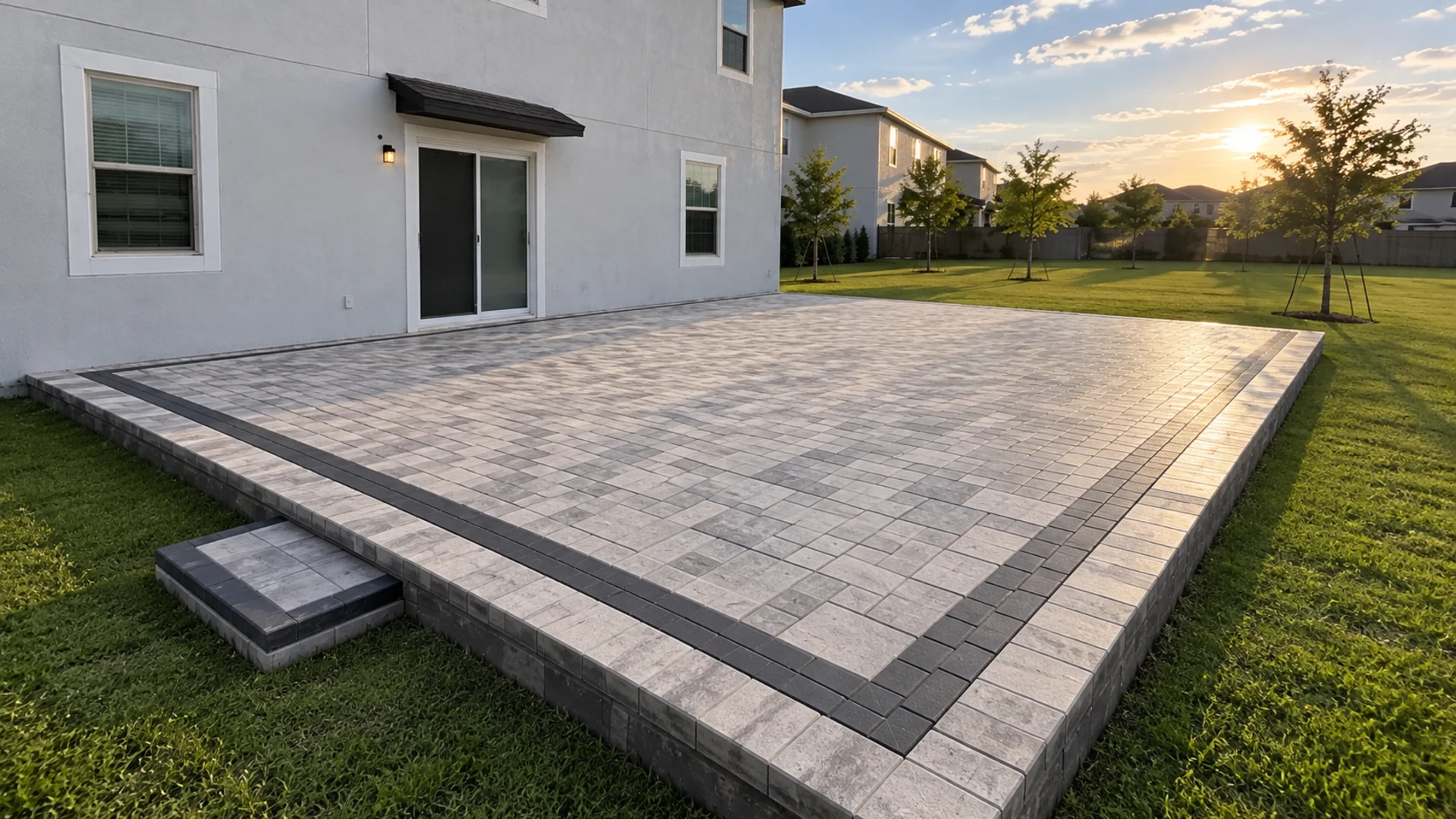
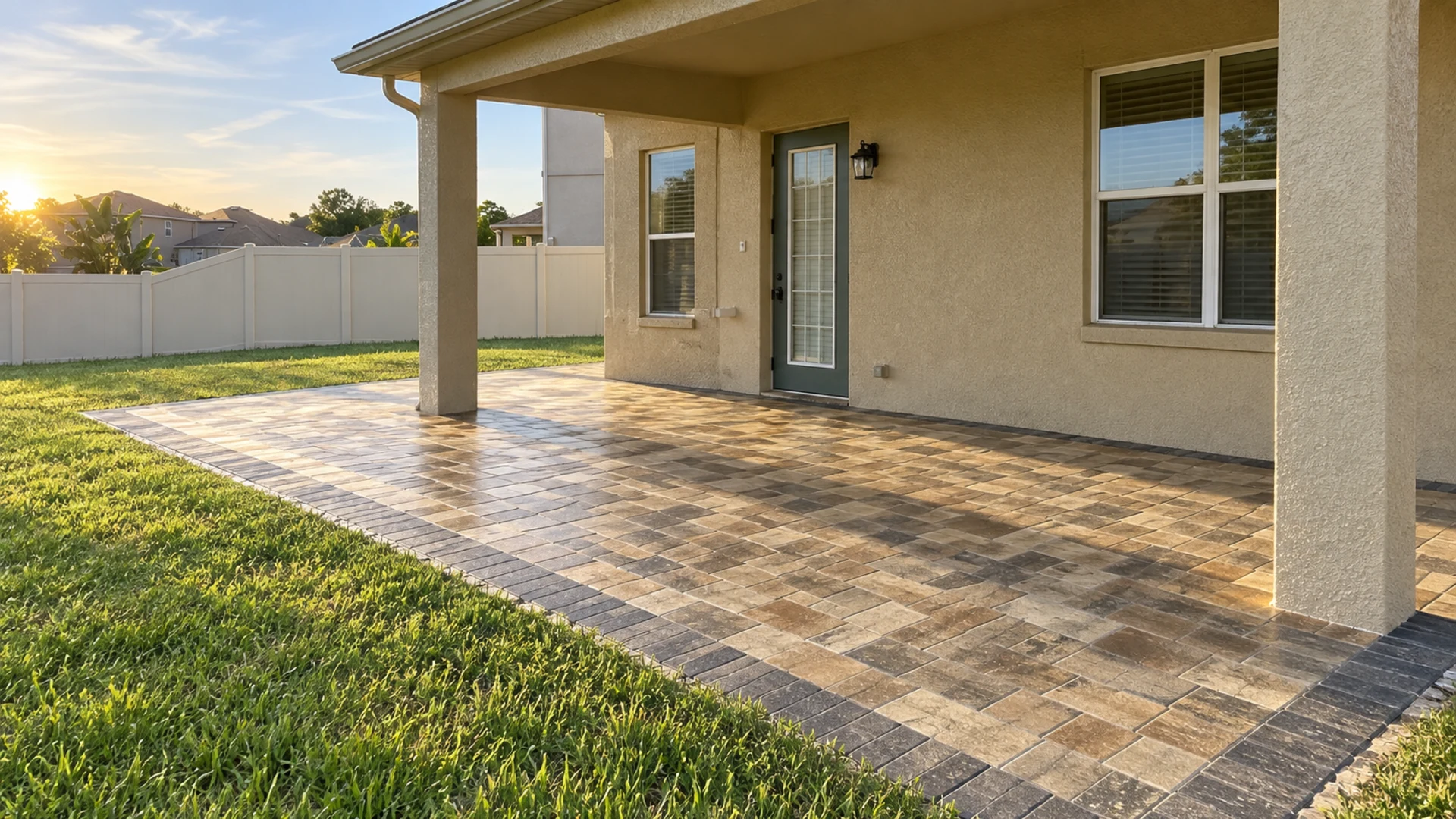
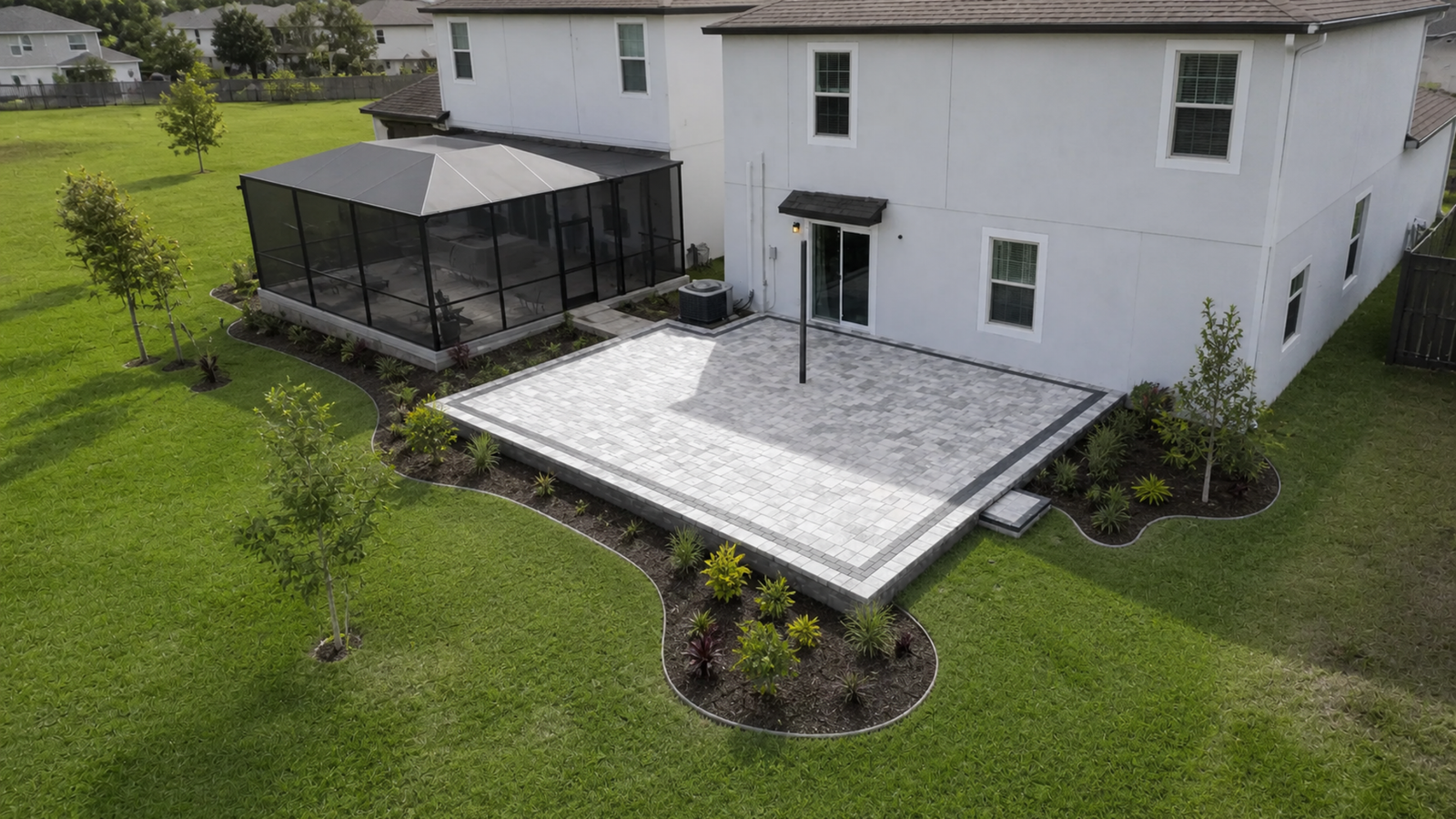
A border can frame a driveway, emphasize a curve, or connect the paving to the house. Therefore, review it as its own choice. Ask whether the sample shows the correct border product, size, and color. A contrasting strip may look balanced in a small panel yet feel stronger across a long edge.
Compare the border with the main field from normal viewing distance. Also, consider how it meets the garage, walkway, and existing paving. The goal is a coherent composition, not simply the largest possible contrast. If you are unsure, ask the designer to explain the reason for the proposed relationship.
Record border approval separately from field color approval. This helps if one material becomes unavailable or the layout changes. Otherwise, a simple request to alter the border may create confusion about whether the main driveway selection also changed. Separate decisions make the final scope easier to follow.
Keep pattern questions in the review
Color and pattern influence each other visually. A repeated arrangement can organize a varied product, while a directional pattern may emphasize the driveway's length. However, the chosen layout must also suit the application and product. Ask the contractor to explain both the visual and practical reasons for the proposal.
Look at the sample's joints and size combinations without treating it as a final engineering detail. If the product comes in several sizes, confirm which sizes belong in the selected layout. Also, ask how the pattern will meet the borders and other surfaces. Those intersections can affect the finished appearance more than a single unusual unit.
Avoid solving every color question by switching patterns during installation. A change may affect quantities, cuts, labor, and the overall plan. Therefore, review it before approving further work. The scope should show the revised decision rather than relying on a casual comment made while the crew continues laying material.
Build an approval record that everyone understands
Save the approved product details, sample photographs, and written appearance notes together. Include the date and the people who reviewed them. Then list any remaining decisions, such as the final border meeting a walkway. This record should clarify the scope rather than claim that every future unit will match a photograph exactly.
Use specific descriptions. For example, note that the homeowner prefers an even-looking distribution from the street view, with the selected darker border. A phrase such as make it nice leaves the installer guessing. Also, identify what the sample did not represent, such as sealer appearance or the final cut layout.
If the layout changes, update the record before continuing. Keep the earlier version so the sequence remains understandable. A short written confirmation can prevent different members of the team from working from different assumptions. It also helps a later service provider identify the original selection when discussing repairs.
Handle a concern while the area remains limited
If an early installed area differs from the agreed reference, raise the concern promptly and calmly. Show the exact location and the relevant approval record. However, do not direct the crew to remove material without the contractor reviewing the issue. The first step is to establish what changed and why.
Separate a product concern from an arrangement concern. One unusual unit, a cluster of one tone, and an entirely different delivered product are different observations. Therefore, describe the visible condition before naming a remedy. The appropriate response may involve the supplier, installer, or both.
Ask the team to document the agreed next step and the area affected. If work pauses, clarify how the site remains managed during the review. Avoid turning a focused appearance question into an unplanned redesign of the whole driveway. A controlled decision preserves the information needed to reach a fair resolution.
Work through a sample decision without guessing
Imagine a homeowner choosing a warm gray field beside a darker garage door. The first sample contains only a few units and looks relatively uniform. A larger review area shows a wider range of tones. Rather than calling one sample wrong, ask whether both represent the selected product and whether the larger area better explains its expected range.
Then look at the border choice. A dark border may connect neatly to the garage door, but it may also draw more attention than the homeowner intended. Therefore, compare the actual relationship from the street before approving it. Keep the field and border decisions separate so the team understands which part needs adjustment.
Finally, record the decision in language the installation crew can use. The note might confirm the selected product and request a balanced-looking distribution without obvious isolated clusters. It should also identify the approved border and the view used for review. This hypothetical example does not establish a universal blending standard. Instead, it shows how a visual preference becomes a specific conversation supported by physical material, a representative area, and a written decision.
Also, keep the person who makes the appearance decision available for the agreed review. A crew should not need to guess whether an unavailable household member would approve a visible change. Decide the communication route before installation reaches that point.
Plan future repairs without promising an exact match
Ask whether spare material will remain after installation and how to identify it. Keep product and delivery information with those units. Also, record where you store them. A small labeled reserve may support a future discussion, but the useful amount and storage arrangement depend on the project.
Do not assume new material will always match an older surface exactly. Availability, exposure, care, and the product's own variation may affect a later repair conversation. Therefore, keep the handover realistic. The best record explains what was installed and what the homeowner approved without guaranteeing a future appearance no one can verify today.
Driveway color blending works best as a documented design conversation before the full installation. Review the material, arrangement, border, pattern, and normal viewing conditions together. For a site-specific discussion, explore Dr Pavers Design's driveway installation information and bring the actual sample questions you want the proposal to answer.
For help turning these observations into a defined project, explore Dr Pavers Design's services, review completed projects, and bring your questions to the contact team. The FAQ and testimonials can also help you prepare for that conversation. Ask which parts of your request fall within the proposed service before approving work.
You can follow Instagram and Facebook for company updates, check Google reviews, or find the business on Google Maps. To discuss this topic, send your project details through WhatsApp, call +1 (656) 600-4015, or email drpavers@outlook.com. Contact Dr Pavers Design for a free consultation in Tampa Bay; scope, availability, and site conditions still need confirmation.