
Wall drain outlets give homeowners a visible reference point when observing a retaining wall. However, an outlet alone does not reveal the condition of the complete drainage system. Water behind a wall, surrounding ground, and the wall's structure require qualified assessment when concerns arise. A surface observation should begin a conversation rather than a do-it-yourself repair.
In Tampa Bay, homeowners may notice an outlet while tending planting or reviewing the yard after rain. The useful questions concern location, visible obstruction, changes over time, and the relationship to nearby surfaces. Therefore, record what you can see safely and keep assumptions separate from facts.
This guide explains how to prepare a practical service inquiry. It does not provide retaining-wall design dimensions, excavation instructions, or a method for testing hidden pipes. The goal is clear evidence for the appropriate professional, especially when a visible drainage concern appears beside movement or changes in the surrounding ground.
Identify which wall drain outlets you are observing
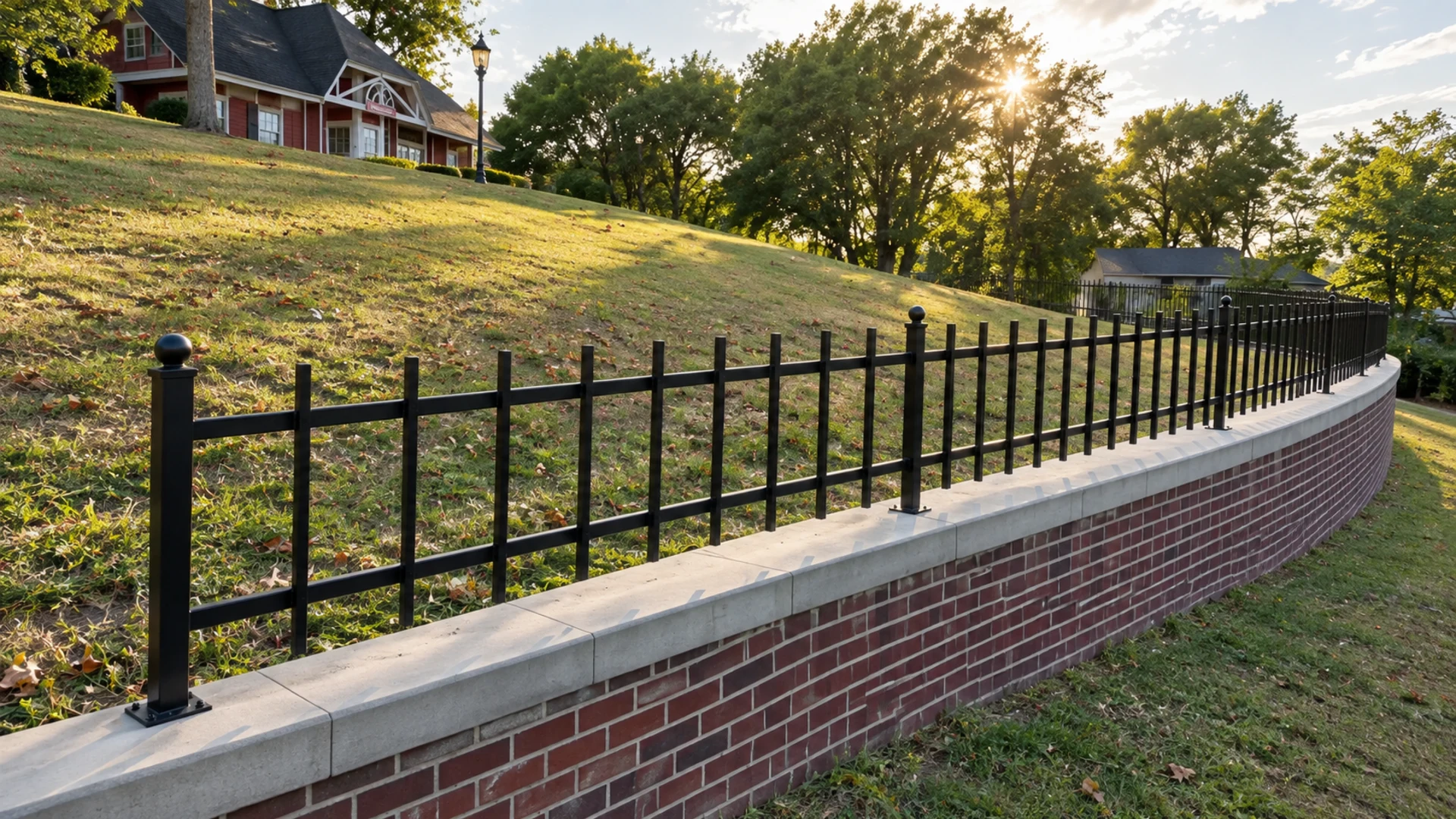
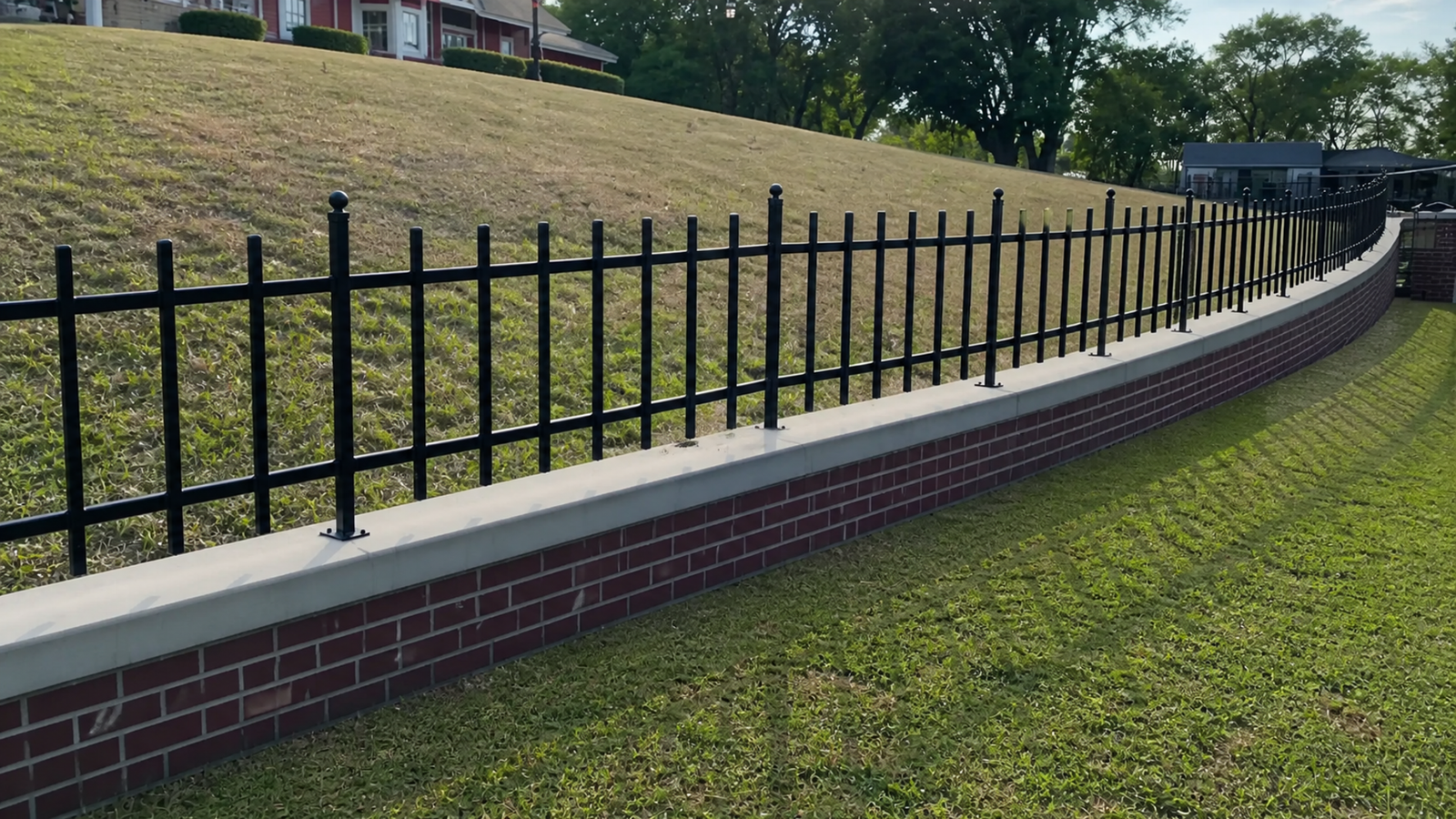
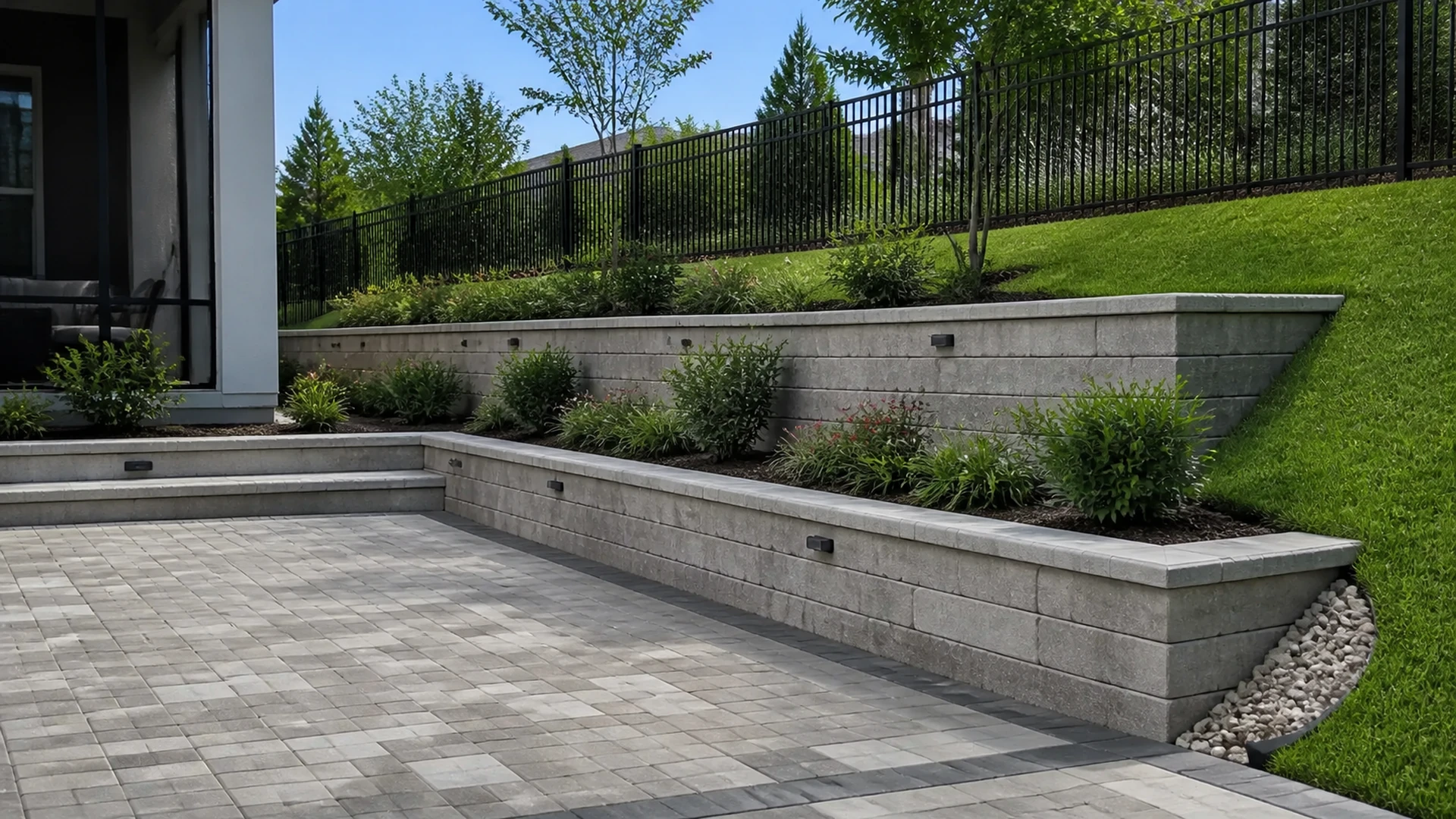
First, photograph the whole wall from a safe location. Then identify each visible outlet in relation to a fixed feature, such as a corner or nearby path. A numbered sketch helps when several openings appear along the wall. Keep the location descriptions simple enough that another person can find them.
Do not assume every opening has the same purpose. An unfamiliar pipe or gap may need identification before anyone recommends work. Therefore, describe its appearance and location rather than labeling it a failed drain. The contractor can review the component in the context of the installed wall.
If original plans or construction records exist, gather them without trying to interpret every technical detail. The records may identify the intended drainage arrangement. However, a drawing does not prove that the present installation still matches it. Share both the records and current observations.
Observe from a stable and accessible location
Keep the observation routine simple. Use an ordinary walking route and avoid standing beneath a visibly changing wall. Do not climb the wall, enter a narrow gap behind it, or lean over an uncertain edge to obtain a better photograph. A missing close-up is preferable to unnecessary exposure.
If you notice significant movement, rotation, or other concerning changes, arrange a qualified assessment promptly and stay clear of the affected area. The observation should not become an experiment. A contractor or engineer can advise on the appropriate next step after reviewing the situation.
Also tell anyone working in the yard about the concern. A gardener or cleaning contractor may otherwise move objects or place equipment nearby without knowing why the area needs review. Clear communication helps preserve both the observation record and sensible access boundaries.
Record wall drain outlets without probing them
A visible opening can collect leaves, soil, or other material. Photograph the condition before changing it. However, do not push rods, hoses, or tools into an unknown outlet. A homeowner cannot confirm the pipe arrangement or hidden condition from the opening alone.
Ask the qualified professional which routine surface care is appropriate for the installed component. That advice should distinguish simple housekeeping from work that affects the drainage system. A general instruction found online may not fit the actual wall or outlet.
If you have already arranged cleaning or landscaping nearby, explain that during the service inquiry. Dates, products, and visible changes may help establish context. Avoid concluding that the recent service caused the concern solely because it happened first. A factual sequence is more useful than an accusation.
Note what happens during ordinary rain
When conditions allow safe observation, note whether water appears at the outlet during ordinary rain or afterward. Add the date and approximate circumstances. You do not need to stand outside during severe weather. Photos taken safely later can still show relevant visible conditions.
The absence of visible flow at one moment does not prove that an outlet is blocked. Likewise, visible flow does not certify that the entire wall drainage system works correctly. Therefore, report the observation exactly as it occurred and let the professional interpret it with other evidence.
Avoid pouring water behind the wall to create a test. Changing water conditions can introduce a problem or confuse the assessment. The goal is to document the existing situation, not reproduce a technical investigation without knowing the system or site.
Include water sources above and beside the wall
Photograph nearby downspouts, paved areas, irrigation, and slopes when visible from safe ground. These features may help the professional understand the setting. However, do not reroute a downspout or alter irrigation as a trial solution before the wall receives an appropriate review.
Tell the contractor about recent changes in the surrounding yard. For example, a new paved surface or planting bed may affect the project context. That information deserves consideration even when you cannot establish a connection to the current concern. Keep the description neutral and dated.
The Allan Block retaining-wall guide illustrates drainage as part of a broader site arrangement. Use it to understand why the professional asks about nearby water sources. Its example details are not a design specification for every existing wall.
Separate an outlet observation from wall movement
An obstructed-looking opening and a wall that appears to change position are different observations. Record each location separately. Also photograph nearby paving, fences, or planting where changes are visible. These records give the professional a clearer picture than a single label such as drainage failure.
Do not use a phone photo to decide whether a wall remains structurally adequate. Perspective can distort alignment, and hidden conditions remain unknown. If movement concerns you, request the appropriate professional review. The contractor may recommend engineering involvement depending on the actual situation.
Keep people and stored items away from a visibly concerning area until you receive advice. This is a practical response to uncertainty, not a diagnosis of imminent failure. Avoid creating a new access route over the wall or behind it to continue ordinary yard work.
Check whether planting hides the service area
Shrubs, mulch, and decorative items can make an outlet hard to locate during routine care. Therefore, identify the service area in your homeowner records. Ask how landscaping should coexist with the installed drainage components. The answer should reflect the actual wall and its care requirements.
Do not excavate around the outlet or remove material behind the wall to expose a pipe. A landscaping change can affect more than appearance. Instead, describe the obstruction to the relevant professional and ask who should handle the work.
If you plan new planting, discuss it before the work begins. The paving or wall contractor and landscape professional may need to coordinate access and water management. A clear plan helps prevent an outlet from becoming a forgotten detail beneath a newly finished bed.
Keep outlet discharge separate from a new drainage proposal
A homeowner may notice water leaving a wall outlet near a walkway or neighboring area. Document the location and the observed effect. However, do not extend, cap, or redirect the outlet independently. The discharge arrangement needs review within the site and applicable project requirements.
Ask who will evaluate the concern and what information they need. The answer may involve the wall contractor, drainage professional, or another qualified specialist. A short visit to look at the pipe opening may not establish the full solution.
If another yard project will change nearby surfaces, identify that dependency early. A new patio should not proceed on an unsupported assumption about where water will go. Coordinating the proposed work can avoid treating the outlet as an isolated component after the surrounding area is complete.
Organize a useful photo history
Take repeat photos from the same safe viewpoint when a professional requests monitoring. Keep the date and note any relevant weather or work nearby. Consistency helps compare observations. In contrast, a close-up from a new angle can make a minor visual difference appear larger than it is.
Include a wide view with every detailed photo set. The wider image explains where the outlet sits and how the wall relates to the yard. It also helps another professional understand the records if the original contractor is unavailable later.
Avoid editing the originals to make a condition more dramatic. If annotations help identify a location, keep a separate marked copy. A factual record should make the concern easier to understand without implying a technical conclusion that the image cannot support.
Ask what the assessment will cover
Before the visit, explain whether you want routine care advice, review of a visible outlet concern, or assessment of wall movement. Those requests can involve different expertise and scope. Therefore, give the contractor enough context to identify the appropriate person and next step.
Ask what the initial review can establish and what may require further investigation. A professional may need records, access, or additional assessment before recommending work. That limitation is useful information. It prevents a preliminary conversation from becoming an unsupported promise of a complete repair.
Also clarify whether the proposed service includes nearby landscaping or surface restoration. A wall-related repair can affect adjacent areas. Keeping those responsibilities explicit helps you compare estimates and plan follow-up work without assuming it belongs in another contractor's scope.
Compare recommendations with the observed problem
When you receive a proposal, check that it identifies the concern you reported. Then ask how the recommended work addresses that concern and what limitations remain. A broad cleaning service may not answer a question about changing alignment. Likewise, a structural recommendation needs appropriate assessment behind it.
Compare alternatives using the same documented observations. If two recommendations differ materially, request an explanation rather than choosing only by price. You may need additional qualified input. The homeowner's job is to understand the proposed scope, not to settle an engineering disagreement from internet diagrams.
Keep the approved recommendation and any assumptions with the project records. If the scope changes after further investigation, retain the revised explanation. A clear record of decisions makes later maintenance and service inquiries more focused.
Plan the completion and care handover
After approved work, ask the professional to explain what changed and which routine care steps apply. Identify the visible outlets and service access points in the records. Then keep the relevant product or system information with the completion documents.
If follow-up observation is recommended, clarify the method and contact person. Do not invent a monitoring schedule or measurement method yourself. A useful handover tells the homeowner what to observe, what to avoid, and when to request another review.
Record any unfinished item with a specific next step. For example, related landscaping may require a separate contractor. That responsibility should remain visible after the main work ends. A completed invoice alone does not explain every interface in the yard.
Use observations to request the right help
Imagine a homeowner finding leaves around one outlet while also noticing a changed paving edge nearby. Sending both observations with a rough location map gives the professional useful context. However, it does not establish that one caused the other. This hypothetical example shows why separate factual notes support a better assessment.
Explore Dr Pavers Design's retaining wall and hardscape guides and services for related planning topics. Bring current photographs, available construction records, and the dates of relevant changes so the consultation can address the actual site and appropriate next step.
Explain the outlet concern in one useful message
A clear first message can identify the wall, the outlet location, the observation, and when it appeared. Then attach one overview and the relevant detail images. This gives the receiving professional enough context to decide how the inquiry should proceed without sorting through unrelated yard photographs.
For example, describe an opening near the left corner that appears partly covered by mulch after recent landscaping. If you also noticed movement, identify that separately and state that you are avoiding the area pending advice. Do not combine the observations into a diagnosis that the photographs cannot establish.
Include the wall's approximate age only if you know it. Otherwise, say that the installation date is uncertain. The same principle applies to earlier repairs and product information. A reliable record of unknowns helps the professional plan the assessment more effectively than a confident estimate presented as fact.
Keep later landscaping connected to the wall records
After the concern receives assessment, share the relevant care and access instructions with anyone maintaining the planting. The gardener does not need a structural report for ordinary work, but they should know which service areas must remain accessible and whom to contact about a visible change.
If you plan another paved area or raised bed nearby, bring the wall information into that project brief. A new design should not ignore the drainage features simply because the earlier service visit is complete. Keeping the records connected supports better coordination across separate jobs.
For help with retaining wall drain outlets in Tampa Bay, contact Dr Pavers Design with your location, photographs, and project priorities. Explore projects, testimonials, and the FAQ before the consultation. You can also review the company's services to describe the work you want evaluated.
Follow Instagram and Facebook for company updates, or consult Google Maps and Google reviews. Send a WhatsApp inquiry or text the team to begin the discussion. Contact Dr Pavers Design at +1 (656) 600-4015 or email drpavers@outlook.com for a free consultation anywhere in Tampa Bay.