Paver delivery access can affect a project before the first unit reaches the work area. A large backyard does not necessarily provide an easy route from the street. Gates, turns, parking, overhead features, and storage space all deserve review. Therefore, include delivery planning in the site visit rather than treating it as a last-minute instruction.
For Tampa Bay homeowners, the useful preparation is a clear description of the property and household needs. The contractor and supplier must assess the actual delivery arrangement. A homeowner should not guess equipment capacity, pavement loading, or a safe unloading position from a photograph.
This guide explains what to record, how to discuss staging, and which responsibilities to clarify before materials arrive. It also connects delivery access with later construction and household movement. The goal is a practical plan that keeps decisions with the people responsible for performing the work.
Describe the complete paver delivery access route
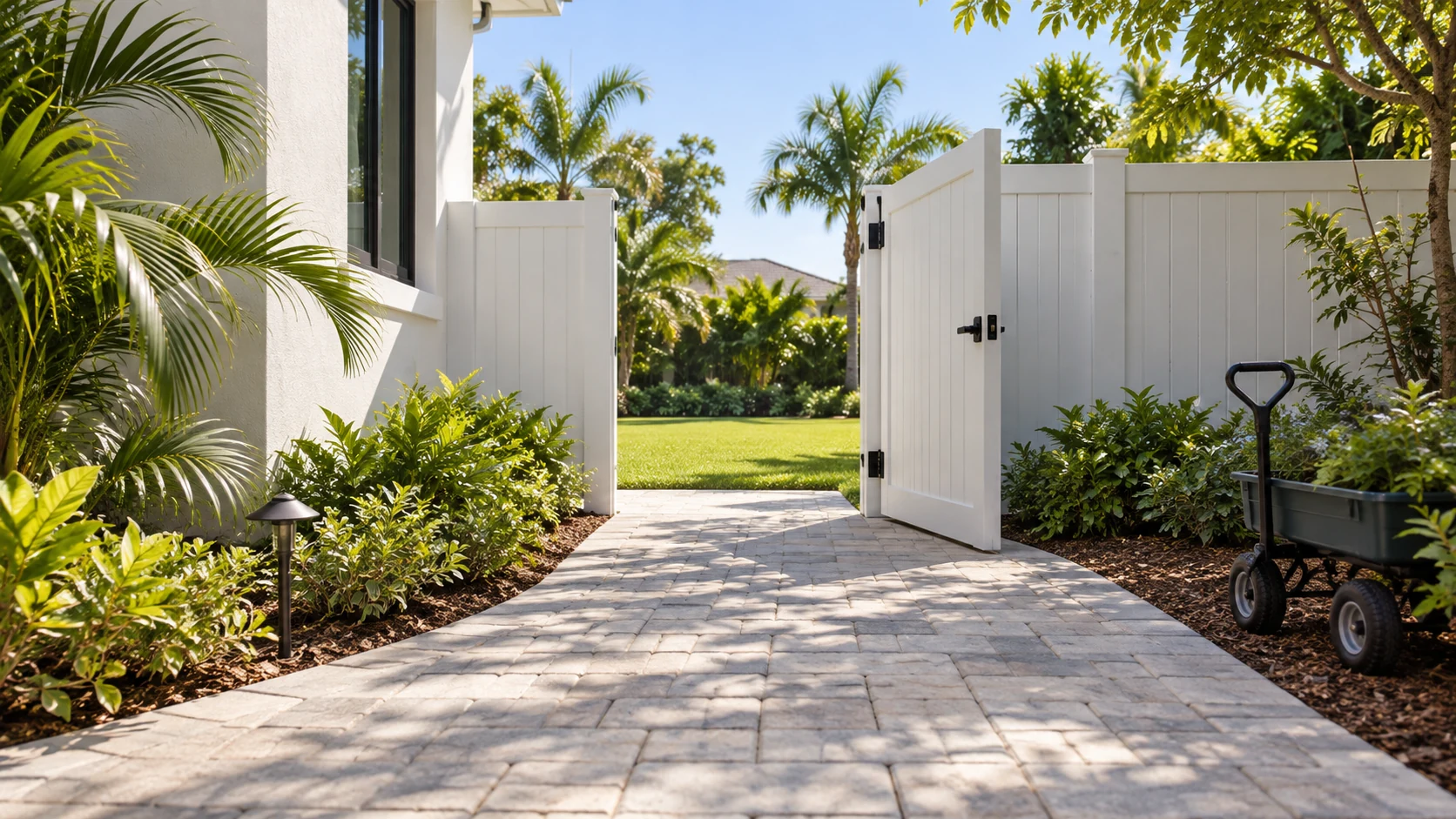
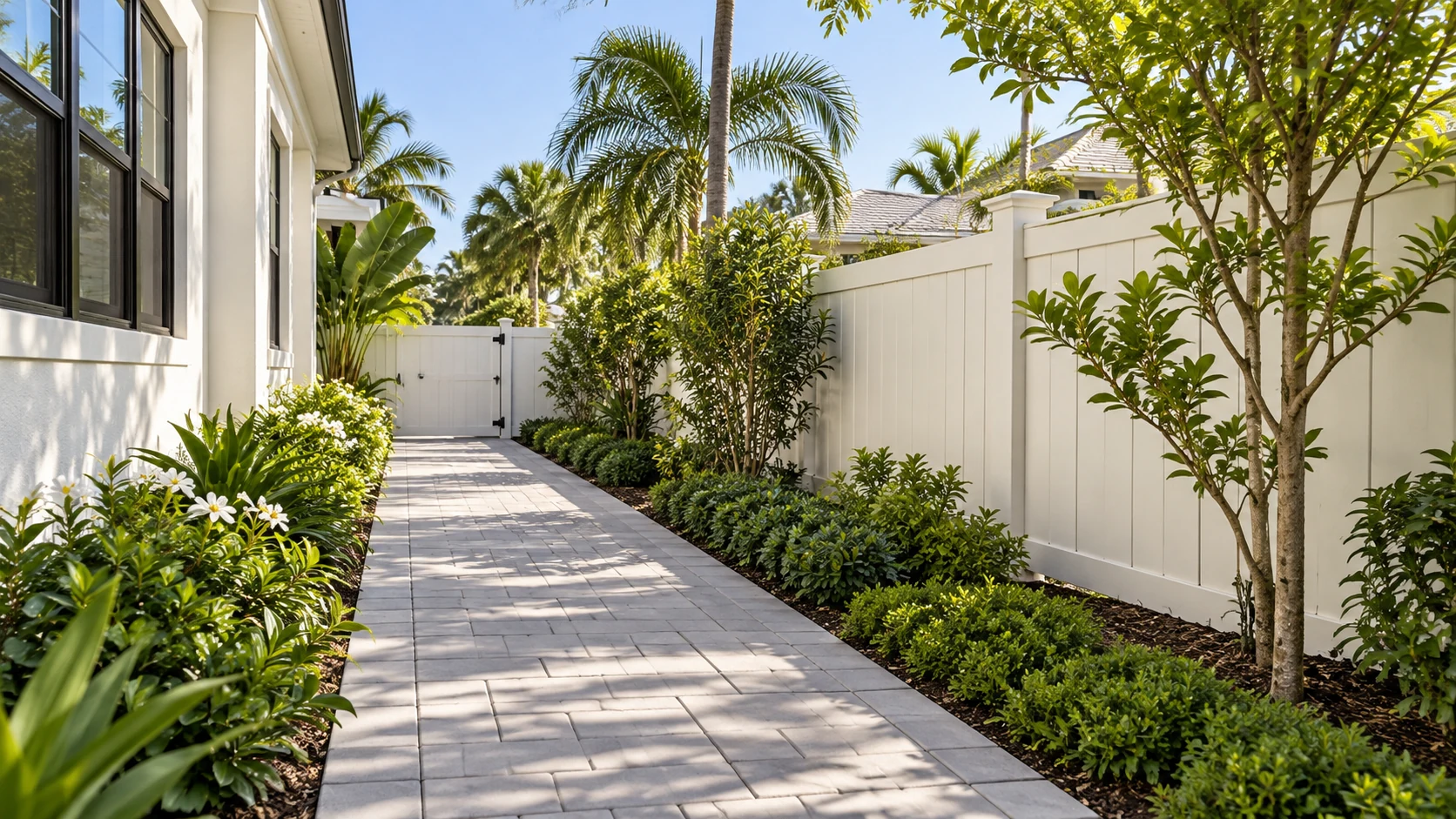
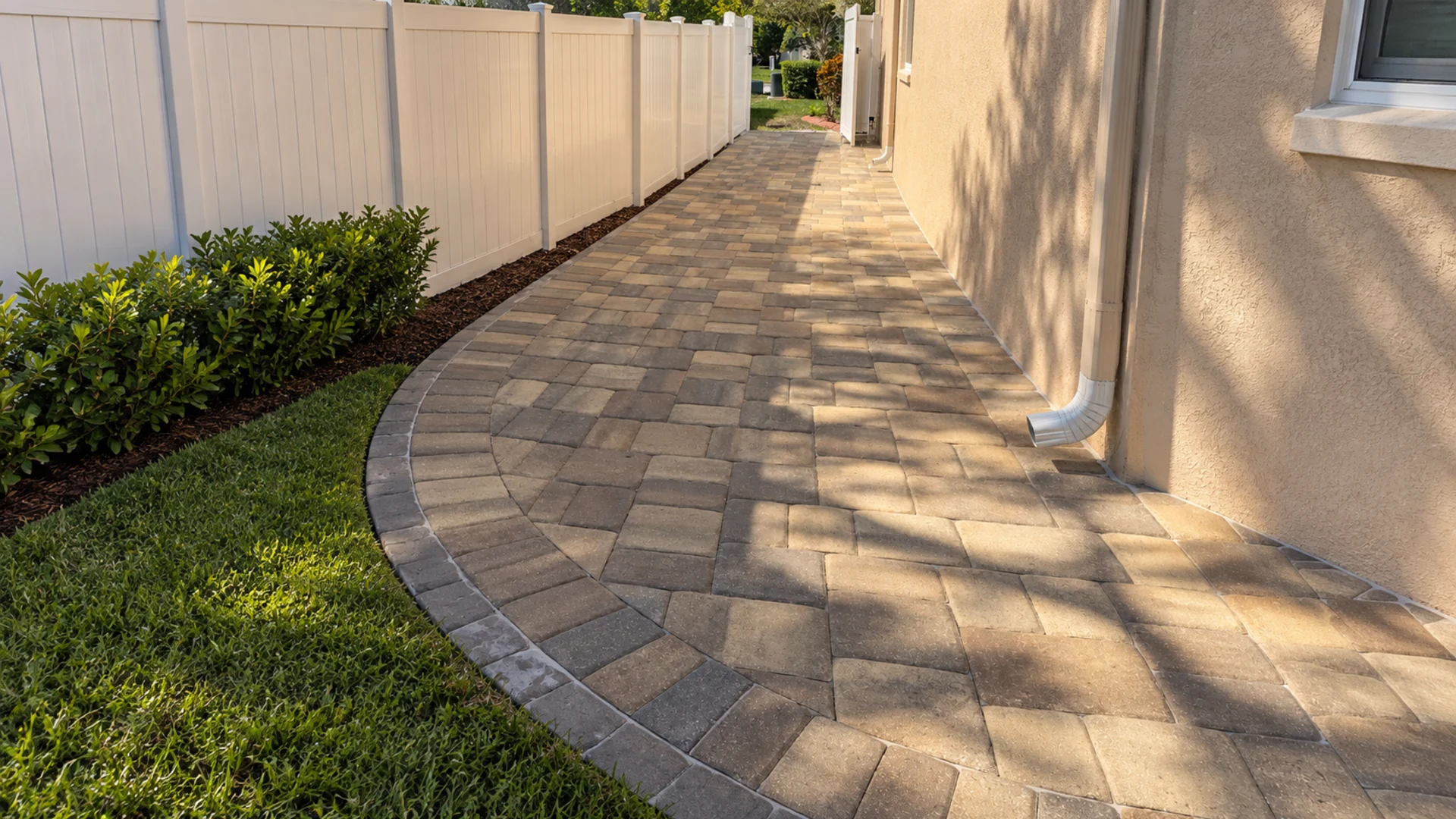
First, trace the route from the likely arrival area to the proposed work zone. Include every gate, turn, slope, and change in surface. Then photograph the route in sequence. A wide entrance image alone may miss a narrow point farther inside the yard.
Explain which parts of the route belong to your property and which may involve a shared or public area. Do not assume that an apparently convenient space is available for unloading. The contractor needs to review permissions and the actual logistics before selecting a location.
Also identify any route you specifically want protected. An existing driveway, walkway, lawn, or landscape feature may influence the handling plan. Describe the concern clearly without prescribing a protective system that has not received assessment.
Measure openings without promising equipment access
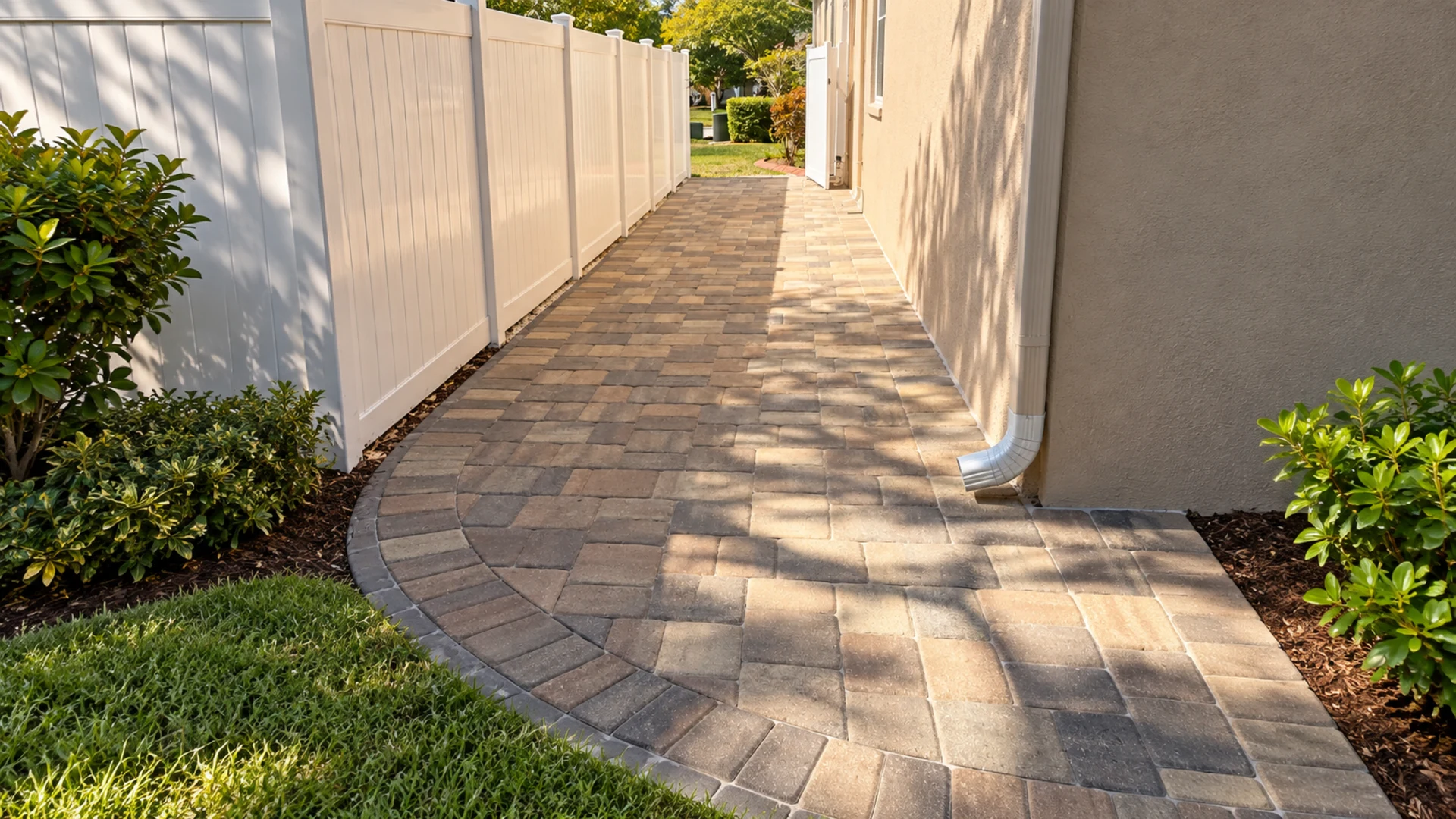
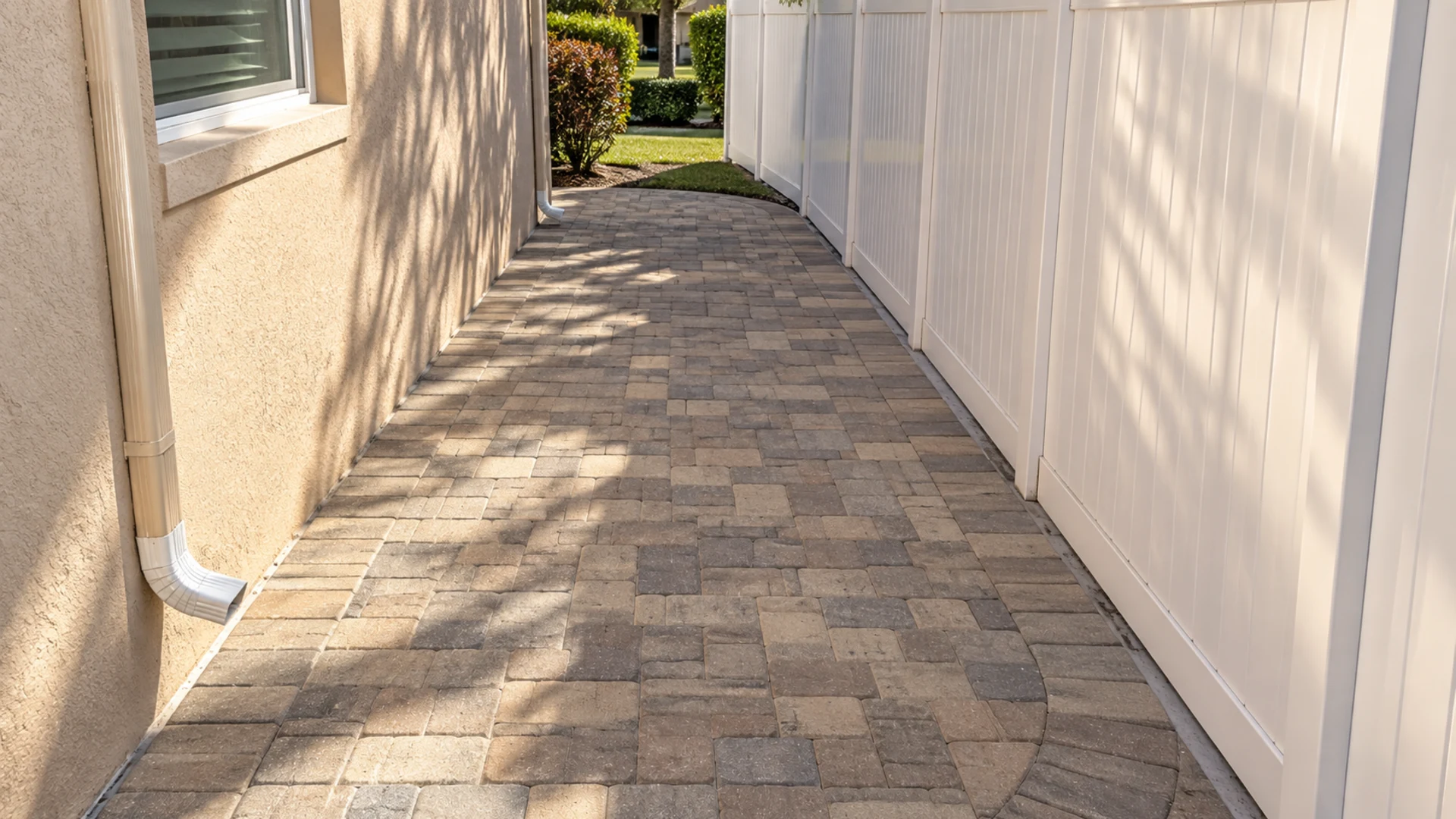
Record the approximate clear opening at each gate if you can do so safely. Note hinges, latches, and objects that reduce the usable space. However, leave equipment selection and clearance assessment to the contractor. A width measurement does not establish that a particular machine can turn or travel through the route.
Keep the dimensions attached to a labeled photo or sketch. State the unit and identify where you measured. A number without context can cause confusion when several gates or narrow areas exist. Mark any dimension you could not verify rather than estimating it confidently.
If a gate may need removal or another temporary change, ask who will perform and restore that work. Do not remove a component independently to help the delivery arrive. The arrangement should fit the contractor's reviewed plan and the property's actual requirements.
Include overhead features in paver delivery access
Look at the route above ordinary walking height from a safe position. Identify roof overhangs, trees, lighting, wires, or other features visible along the approach. Then share the photos with the contractor. Do not climb, prune, or move equipment to create an assumed clearance.
A route that appears open at ground level may still need a different handling method. Therefore, ask the delivery team to review the whole setting. Avoid giving a driver a last-minute assurance that equipment will fit when the relevant assessment has not occurred.
If an overhead feature belongs to a utility or another property, raise that issue early. The appropriate party may need involvement. A material delivery should not become an improvised attempt to alter or work around an unfamiliar obstruction.
Identify a proposed staging area for review
Show the contractor any location where you think materials could wait. Label it as a suggestion, not an approved storage instruction. The team needs to consider the material, handling method, surface, access, and surrounding features before confirming the position.
Do not assume an existing paved area can support any pallet or delivery arrangement. Likewise, a lawn may contain irrigation or other private systems. The contractor and supplier should determine an appropriate plan. A homeowner's role is to disclose the site and household constraints.
Keep staging separate from the finished design. The most convenient construction space may overlap an area that will later receive paving. That can be workable when planned, but the sequence needs explanation. Ask when materials move and how the work zone remains accessible.
Keep services and emergency access in the conversation
Identify doors, gates, equipment, bins, and other features that the household or service providers need to reach. Then discuss which routes must remain available during delivery and construction. A pallet location should not quietly block the only practical path through the property.
If a service appointment will occur during the project, tell the contractor in advance. For example, pool or air-conditioning maintenance may require access through the same side yard. Coordinating the sequence is easier before a delivery fills the route.
Also ask how temporary restrictions will be communicated to household members. The team should identify the appropriate access arrangements for the site. Do not assume that a narrow gap beside stored material provides an acceptable substitute for an agreed route.
Review trees, planting, and irrigation along the path
Photograph planting that borders the proposed delivery route. Include visible irrigation components and established trees. These features may affect access and storage planning even when they sit outside the final paving outline. Therefore, show them during the site visit rather than after the handling method is selected.
If tree protection is relevant, coordinate the appropriate professional advice. A convenient route beneath a canopy should not automatically become an equipment path. Similarly, do not move a sprinkler or cover a valve box as an informal preparation task.
Keep the agreed protection boundaries with the current site plan. Then confirm that the people making the delivery receive the same instructions. A verbal comment to one person may not reach the driver or handling crew who arrives later.
Discuss street, driveway, and neighbor interfaces
Explain ordinary parking and traffic conditions near the property. A narrow approach, shared driveway, or busy curb can affect logistics. However, the contractor must determine the appropriate arrangement and any necessary permissions. Homeowners should not reserve or obstruct a public area based on an unreviewed assumption.
If a neighbor's access could be affected, raise that question with the responsible contractor before delivery. The project needs a clear plan for the actual setting. Courtesy communication does not replace permissions or other requirements, but it can prevent avoidable confusion about timing and access.
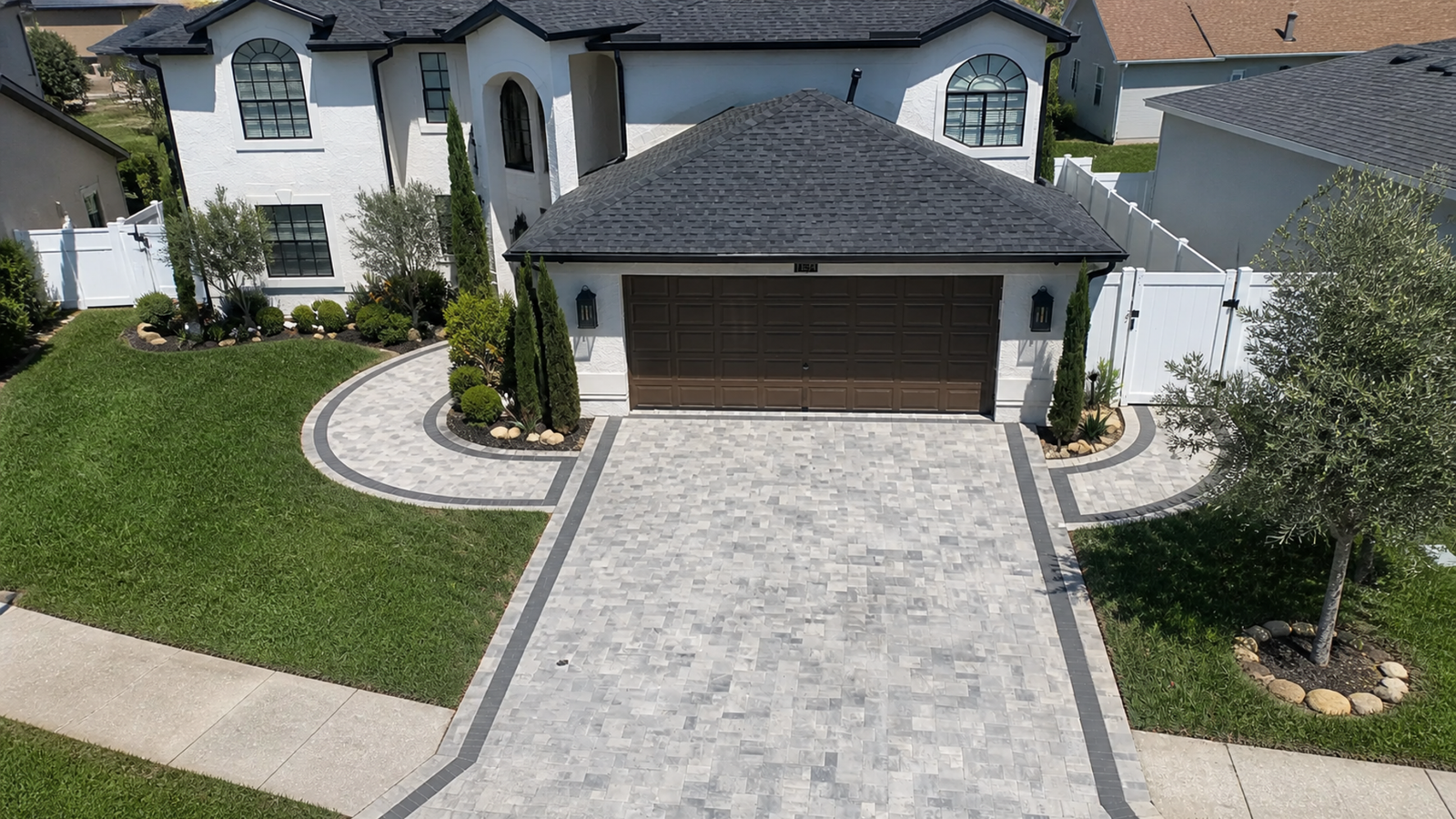
Also identify household vehicles that need to move before the delivery. Agree on the sequence and responsible contact. This simple step can prevent materials from arriving while a vehicle remains trapped behind the proposed unloading area.
Confirm what the supplier and contractor each handle
Ask who orders the material, arranges delivery, selects the unloading location, and moves units to the work area. Those responsibilities may belong to different parties. Therefore, clarify them before assuming that delivery means placement exactly where installation will occur.
Also ask who reviews packaging labels, quantities, and visible delivery concerns. A homeowner may receive a call while the contractor is off site. Knowing the agreed contact and process helps avoid an uninformed acceptance or relocation instruction.
The CMHA application guide notes that paving availability and project scope depend on several product and site factors. Use that context to confirm the actual order with the contractor. A planning sketch does not establish availability, quantity, or delivery timing.
Keep the approved material specification available
Before delivery, make sure the order corresponds to the selected product family, color, finish, and sizes. If the project includes borders or accents, identify them separately. A pile of similar-looking units is not a reliable substitute for the written specification.
Ask how the team will address a proposed substitution or unavailable item. The homeowner should review a material change before installation, not after units have already entered the pattern. Keep the approval record with the current layout so the crew can connect the material to the intended area.
If you retain spare units from earlier work, tell the contractor before ordering. The professional can assess whether they have a role in the project. Do not combine unidentified stock with the new delivery as a homeowner effort to simplify handling.
Plan for weather and schedule changes
Ask how the team will communicate a changed delivery time or site condition. Weather, supplier logistics, or construction progress may affect the plan. Therefore, identify the contact who can approve a revised arrival or staging arrangement. Avoid relying on several household members giving different instructions.
If the planned location becomes unavailable, do not select another space without review. A wet lawn, parked vehicle, or new obstruction can change the original assessment. The contractor should confirm the alternative rather than treating any open patch as equivalent.
Keep household preparations proportionate to the confirmed schedule. Move ordinary personal items when instructed, but leave technical changes to the responsible professionals. Delivery planning should reduce confusion without asking the homeowner to perform unreviewed site work.
Clarify how material will move after unloading
Unloading and installation staging are different stages. Ask how the contractor expects to move units from the delivery position to the work zone. Then discuss how that movement relates to the route, existing surfaces, and household access. A clear sequence helps prevent repeated handling in an unsuitable location.
If materials need temporary storage for more than one stage, identify who manages it. The homeowner should know which areas remain restricted and whom to contact about a concern. Do not rearrange pallets or stacks independently to improve appearance or make room for another activity.
Also ask how packaging and unused material will be handled. The answer should distinguish construction cleanup from material you will retain. A defined closeout avoids leaving the household uncertain about which items are spare stock and which belong to the contractor.
Prepare for the delivery-day handoff
Keep the contractor's contact available and confirm who will be present or reachable. Then review the current arrival and staging plan. If something differs from the agreed arrangement, contact the responsible person before improvising a change. The objective is consistency, not making the homeowner supervise equipment operations.
Photograph labels and the general delivery position if the contractor asks for a record. Stay clear of unloading activity and follow the team's directions. A useful record should not require entering the work zone or distracting the people handling the material.
Afterward, keep the route and household restrictions clear until the contractor changes them. A completed delivery does not mean every area is ready for normal use. Follow the instructions for the actual materials and site arrangement.
Connect logistics to a realistic project proposal
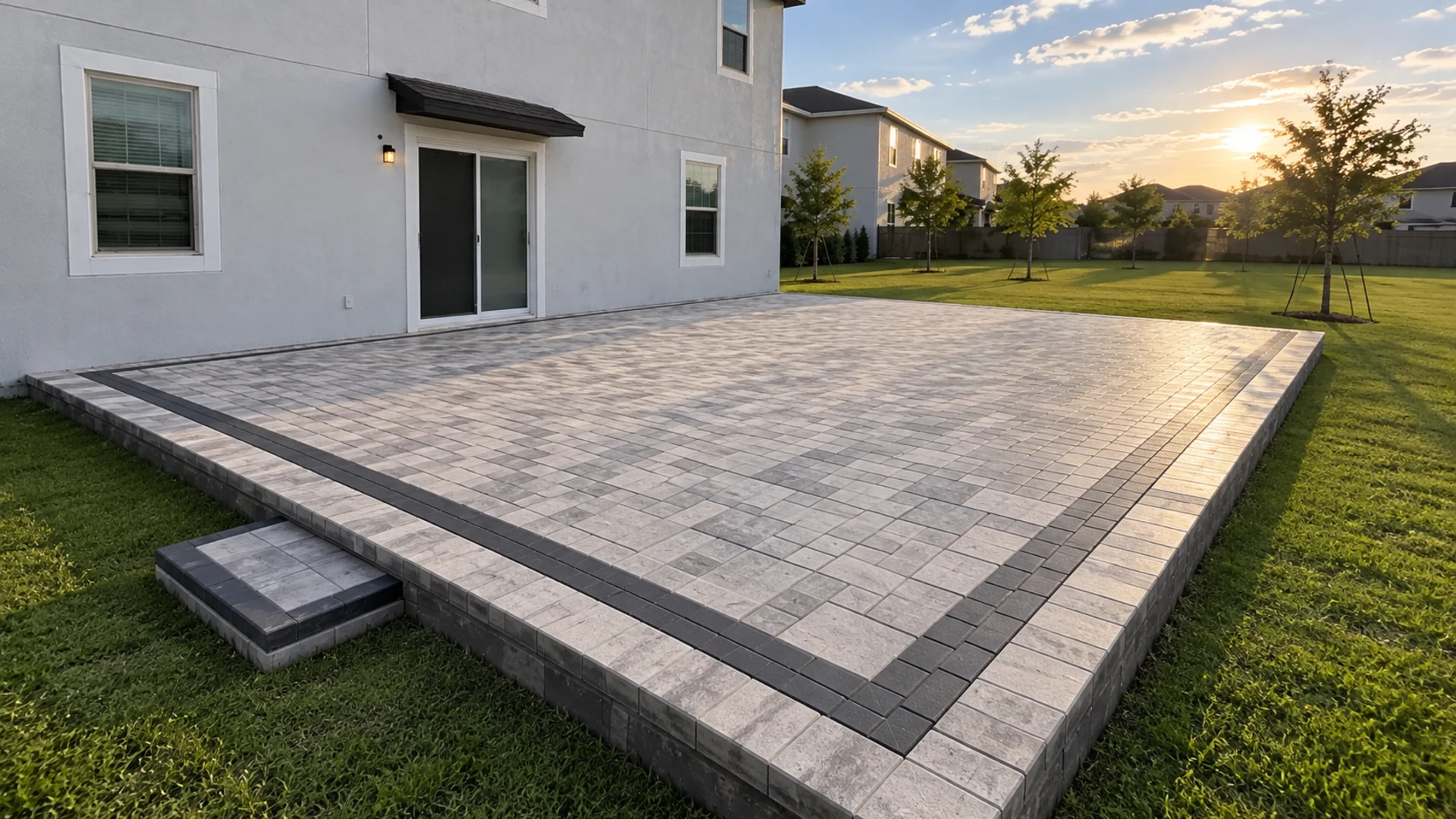
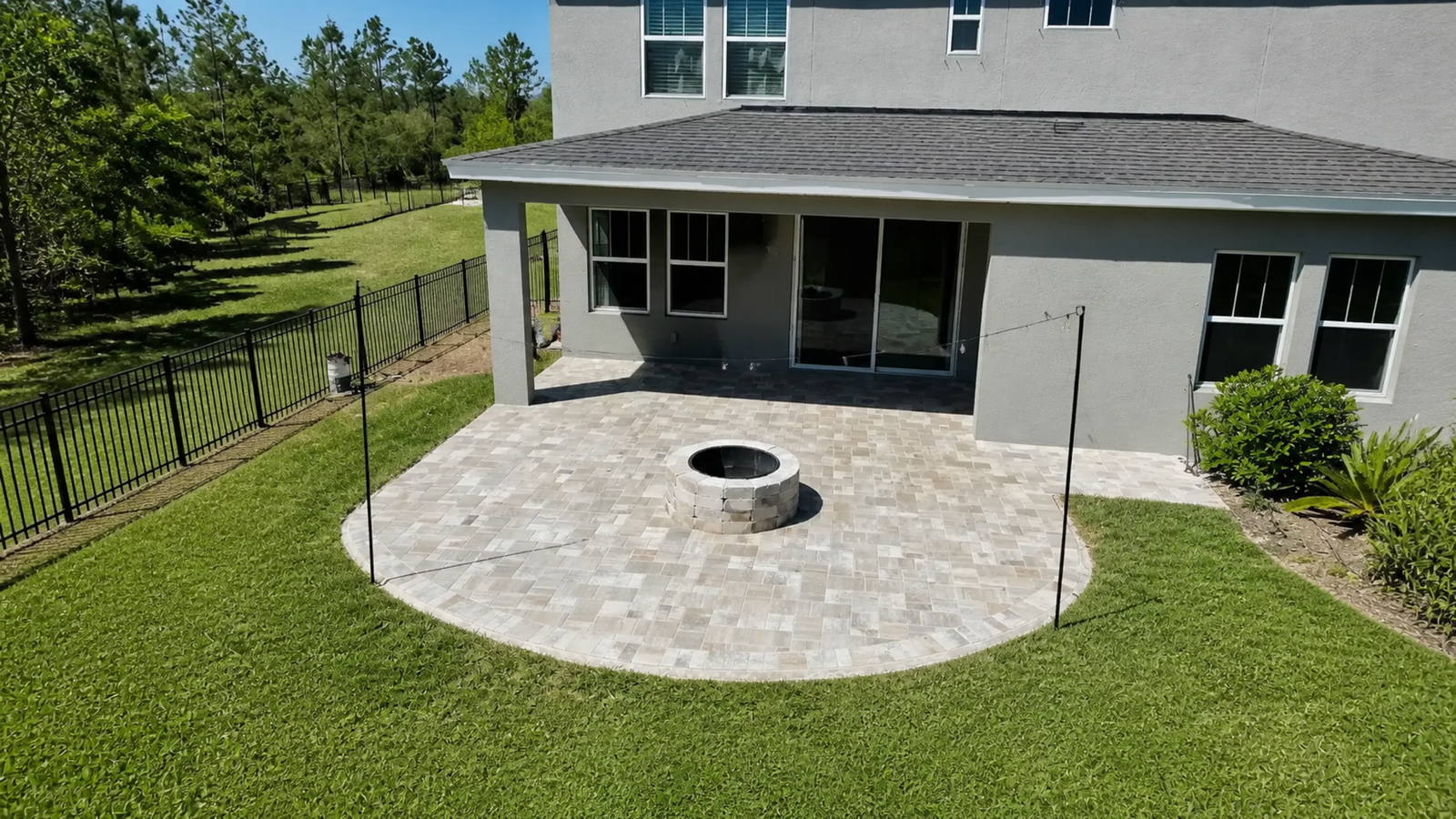
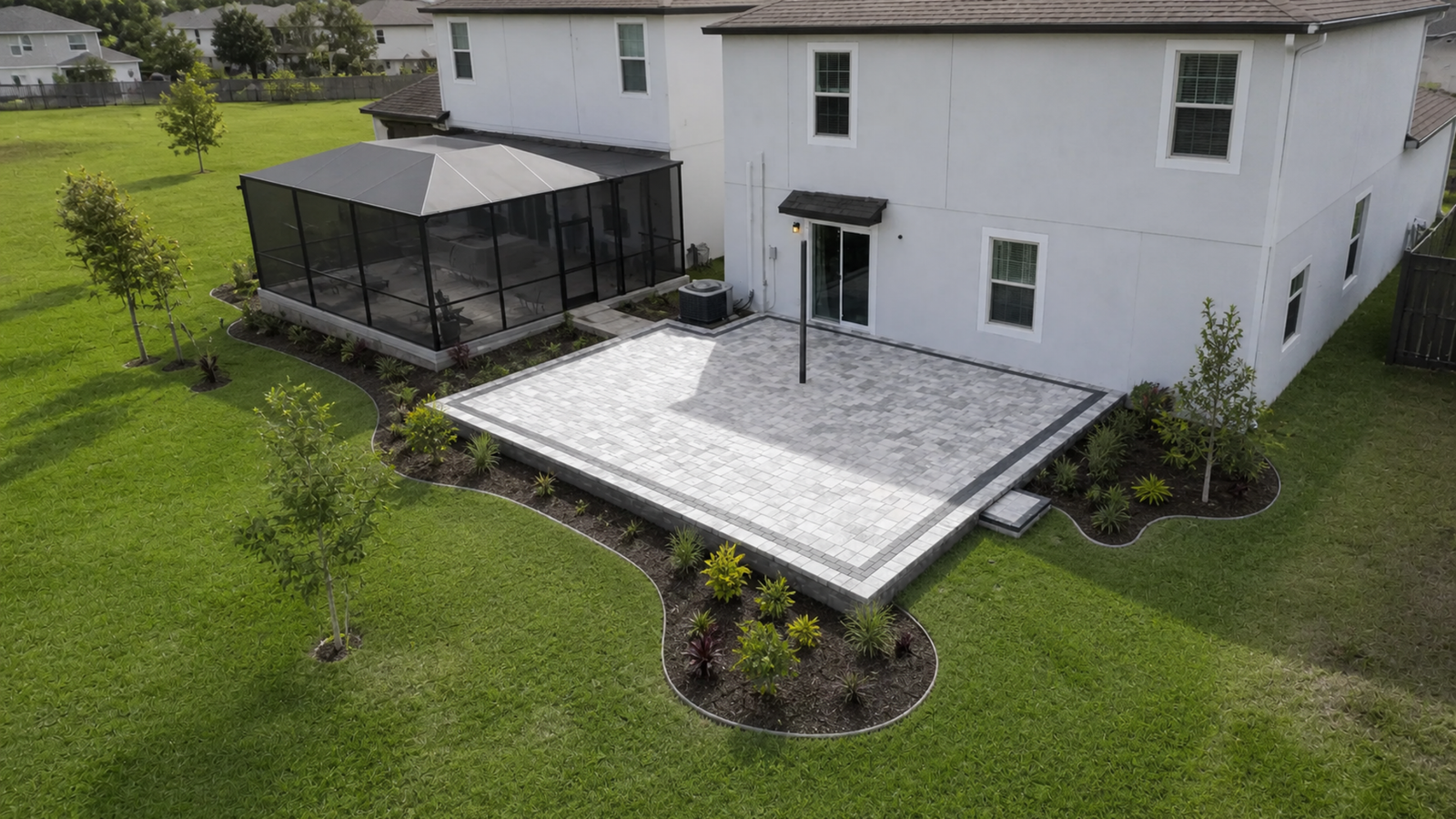
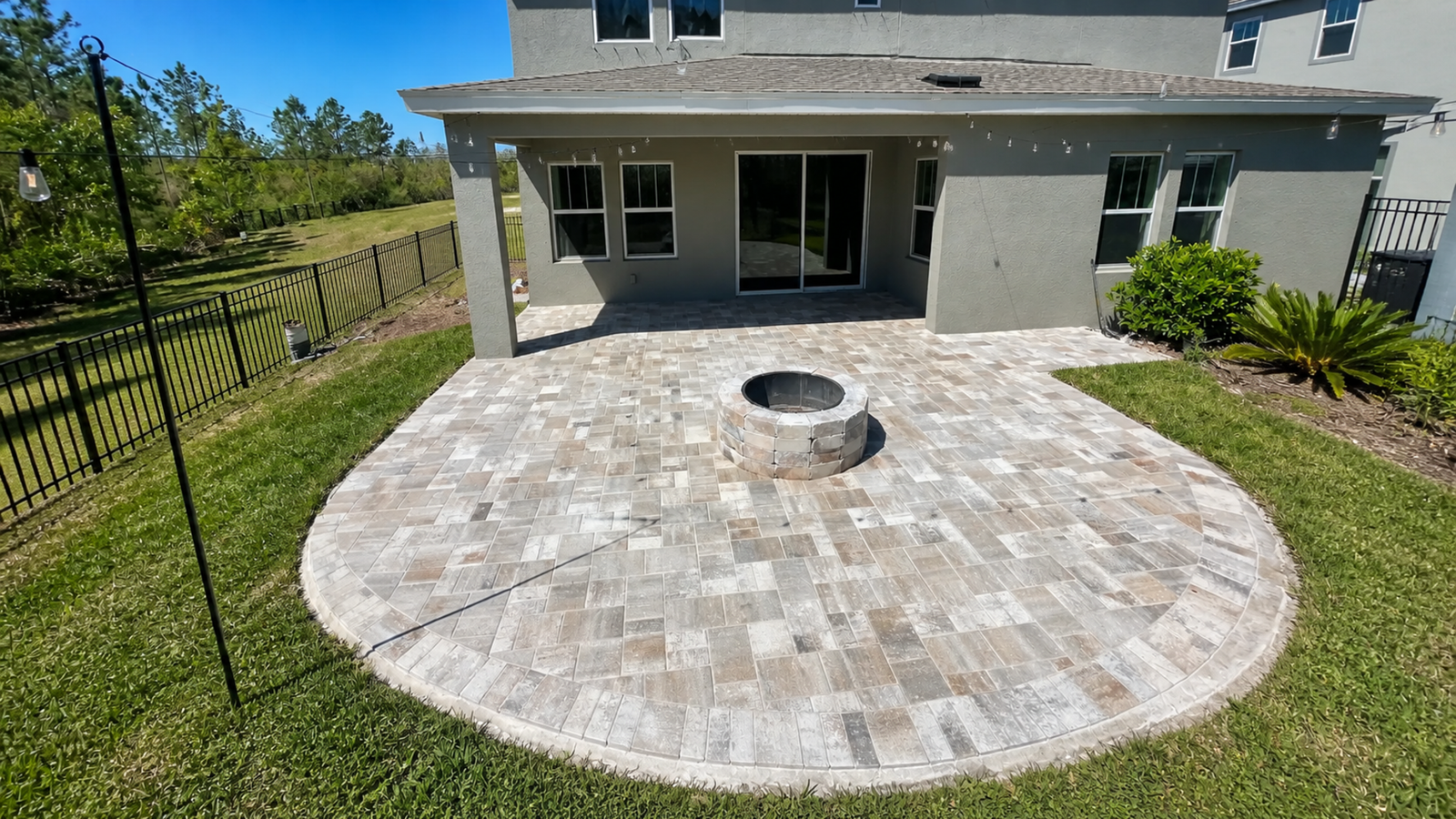
Imagine a backyard patio with a generous work area but a tight side gate. The delivery discussion may reveal that the handling sequence needs more planning than the patio drawing suggests. This hypothetical example shows why access belongs in the estimate, not an assumption about which equipment will fit.
Explore Dr Pavers Design's installation guides and Tampa Bay project guides before the site visit. Bring route photos, household access needs, and the proposed staging location so the team can evaluate paver delivery access as part of the complete job.
Prepare a short access note for the confirmed delivery
Once the contractor approves the logistics, summarize the arrival contact, agreed unloading area, and household preparations in one current note. Then confirm that the relevant people have it. This avoids a driver receiving an outdated gate instruction or a staging location that changed during planning.
Include practical access details through the agreed private channel. For example, the contractor may need to know who will open a locked gate or move a household vehicle. Do not place codes or other sensitive information in a public-facing project document. Keep access details limited to the people who need them for the delivery.
If an instruction changes, replace the old version clearly. A series of separate messages can leave several plausible locations in circulation. A concise confirmation helps everyone identify the current plan without expecting the homeowner to direct the unloading operation.
Review storage after the first construction stage
The original staging area may no longer suit the project once preparation progresses. Ask the contractor how materials will move as the work advances. The answer should preserve the agreed routes and site protections rather than relying on the household to rearrange items informally.
Also identify where spare material will remain after completion, if included in the scope. Keep its product information with the project records and follow the contractor's storage guidance. A clear distinction between retained stock and construction leftovers makes the final cleanup more understandable.
For help with paver delivery access in Tampa Bay, contact Dr Pavers Design with your location, photographs, and project priorities. Explore projects, testimonials, and the FAQ before the consultation. You can also review the company's services to describe the work you want evaluated.
Follow Instagram and Facebook for company updates, or consult Google Maps and Google reviews. Send a WhatsApp inquiry or text the team to begin the discussion. Contact Dr Pavers Design at +1 (656) 600-4015 or email drpavers@outlook.com for a free consultation anywhere in Tampa Bay.