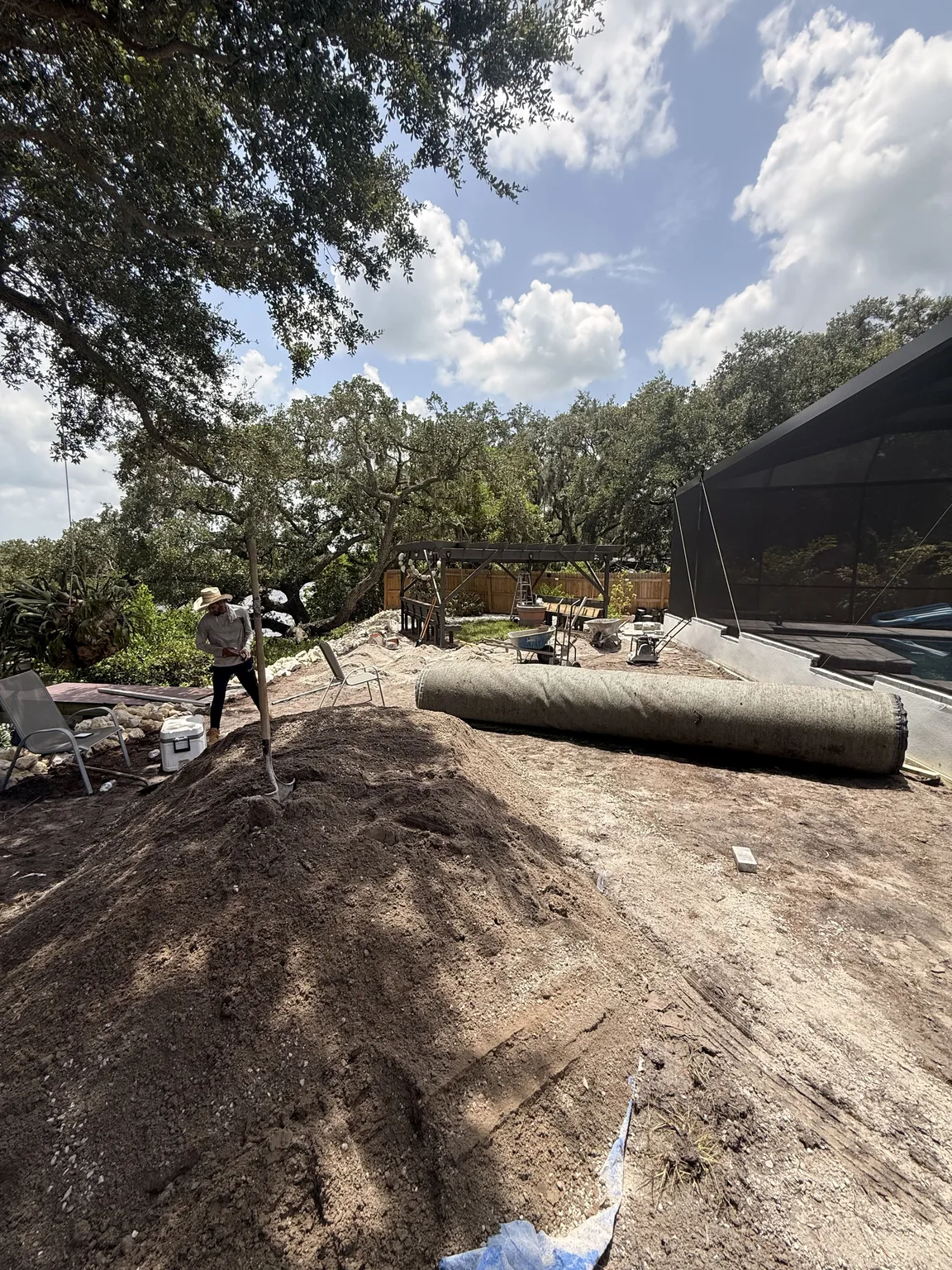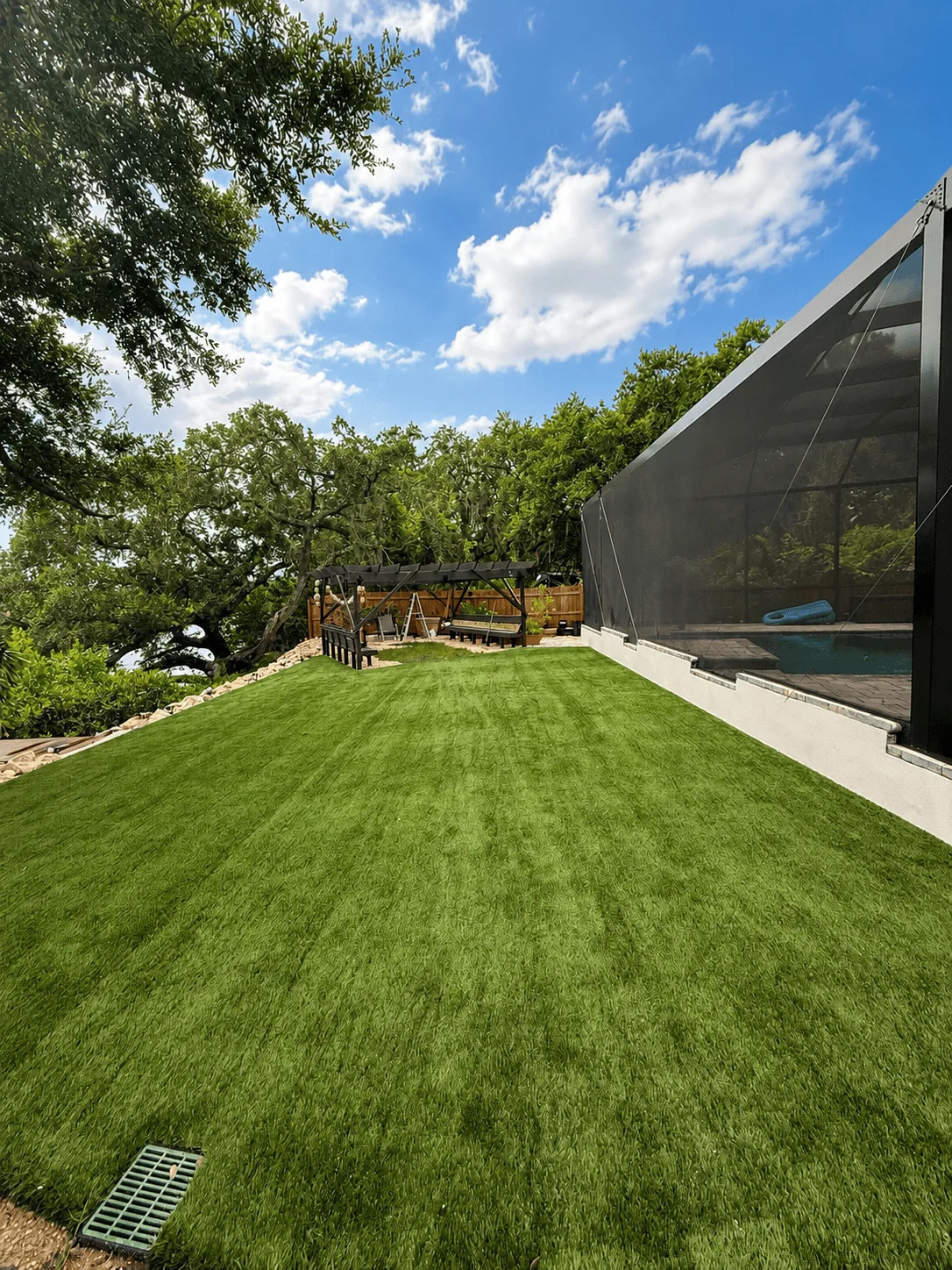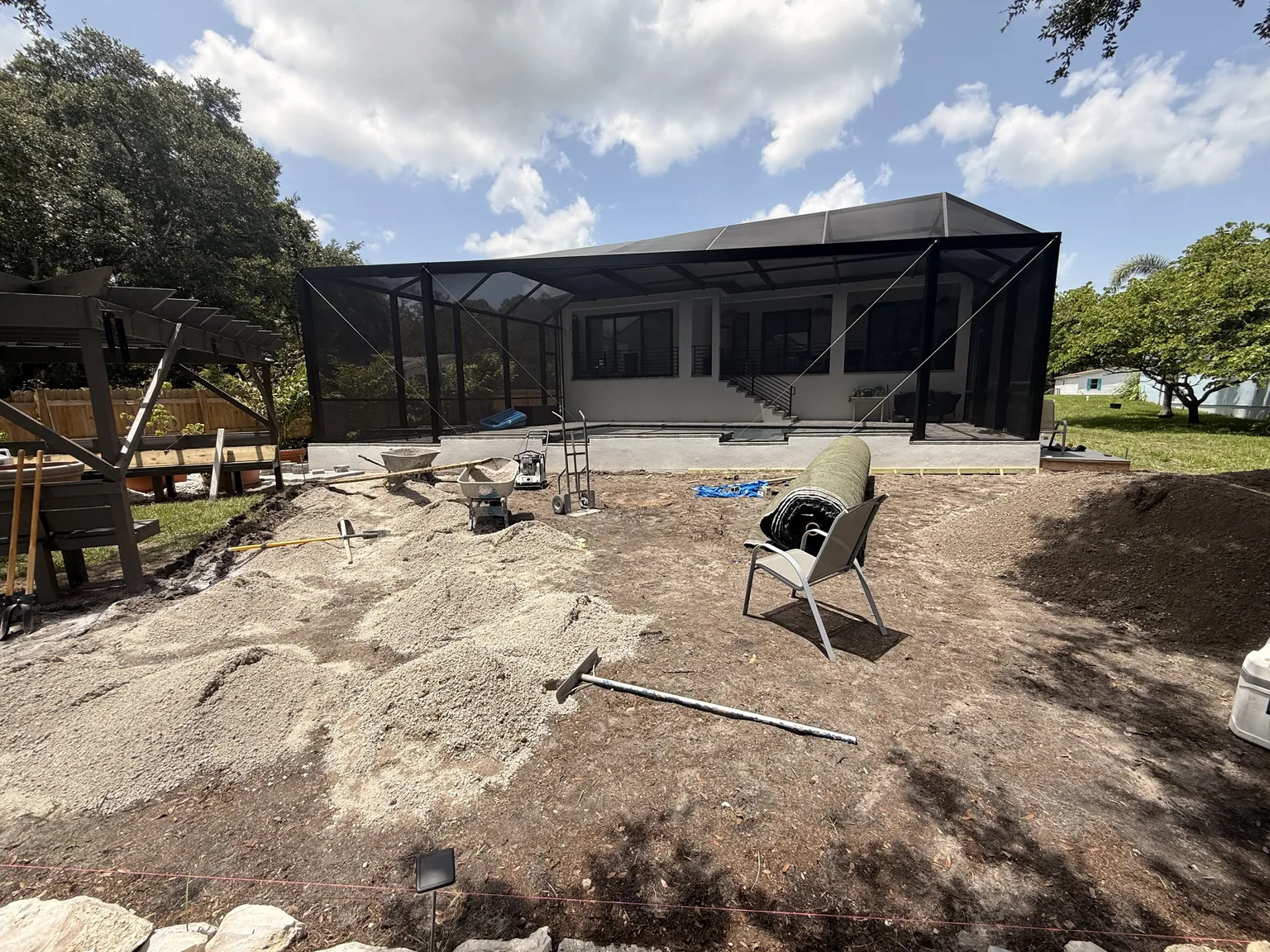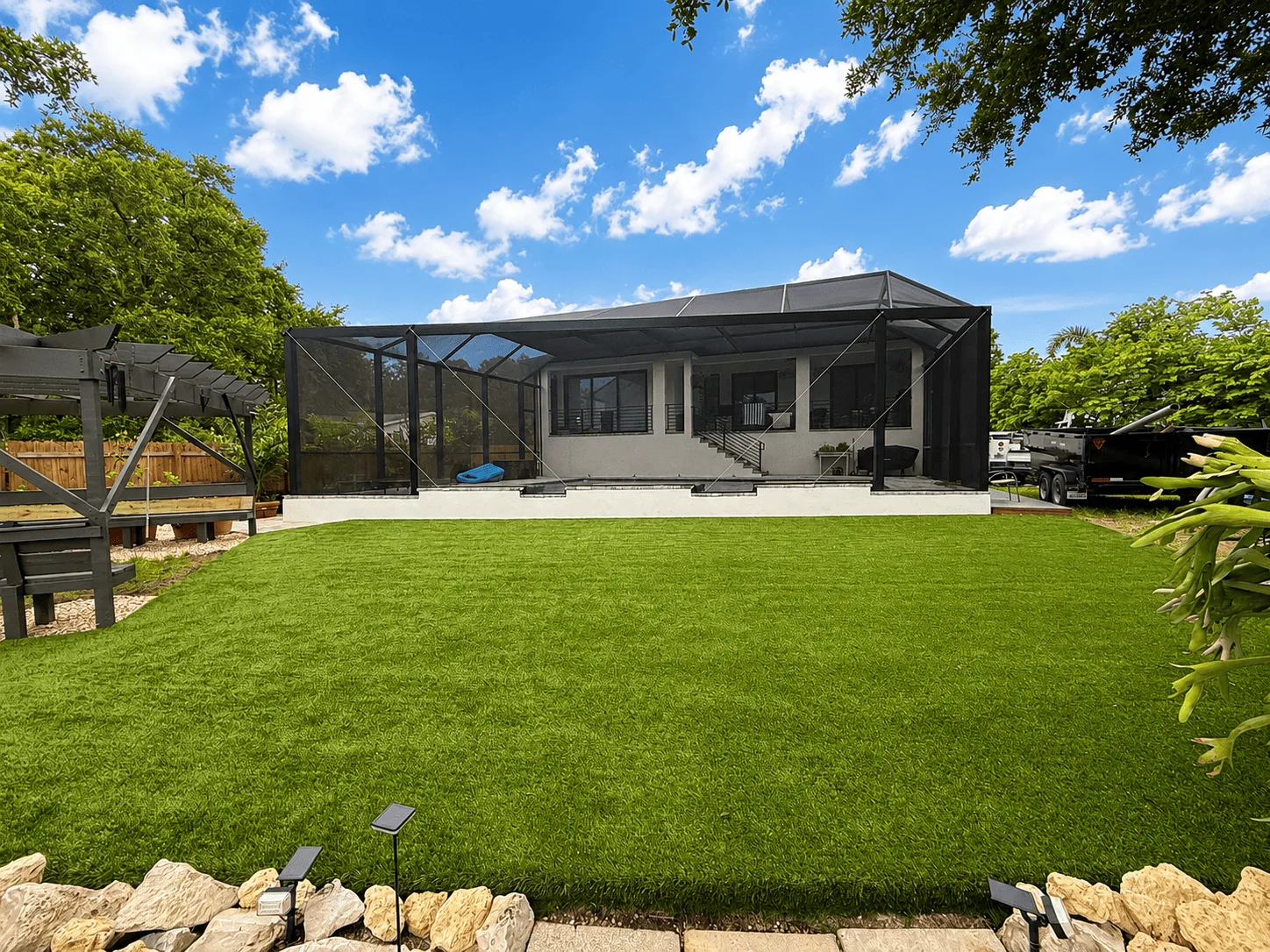
Artificial turf infill belongs in the estimate conversation, even though homeowners mainly notice the grass fibers. The proposed infill forms part of a selected system. However, a bag description or broad marketing claim does not explain how that system suits your yard. Ask for the actual product information and the reasoning behind the recommendation.
In Tampa Bay, household use can vary widely. A small decorative area differs from a frequently used pet space or a yard beside a pool. Therefore, explain the intended activities before comparing proposals. The best discussion connects the turf, infill, base, edges, drainage assessment, and care expectations.
This guide helps homeowners ask useful questions without prescribing a product or installation rate. It also separates documented characteristics from unsupported promises about cooling, odor, or environmental performance. A clear estimate should describe what the contractor proposes and what information supports that choice.
Ask what artificial turf infill the quote includes
First, request the exact product name and manufacturer. Then ask whether the proposal identifies the infill separately from the turf product. A line that says premium infill may sound reassuring, but it gives you little to compare. Clear identification is the starting point for meaningful questions.
Ask where the product information and care instructions are available. Keep those records with the estimate. They should describe the proposed material rather than a different product from the same supplier. Similar labels do not establish identical characteristics or the same suitability for your intended use.
Also clarify who selects the infill. The turf manufacturer, installation contractor, and infill supplier may each provide relevant guidance. Therefore, ask how the recommendation fits the selected system. The homeowner should not have to assemble incompatible advice from unrelated websites.
Explain how the yard will actually be used
Describe the people, pets, furniture, and maintenance activities that will use the area. For example, a dog run introduces different practical questions from a decorative strip. A table or play item may affect access for cleaning. These details help the contractor assess the full setting.
Keep expectations specific. Rather than asking for a maintenance-free yard, explain which tasks you want to reduce and which tasks you can realistically perform. Artificial turf still needs an appropriate care plan. Therefore, compare that plan with your household routine before approving the system.
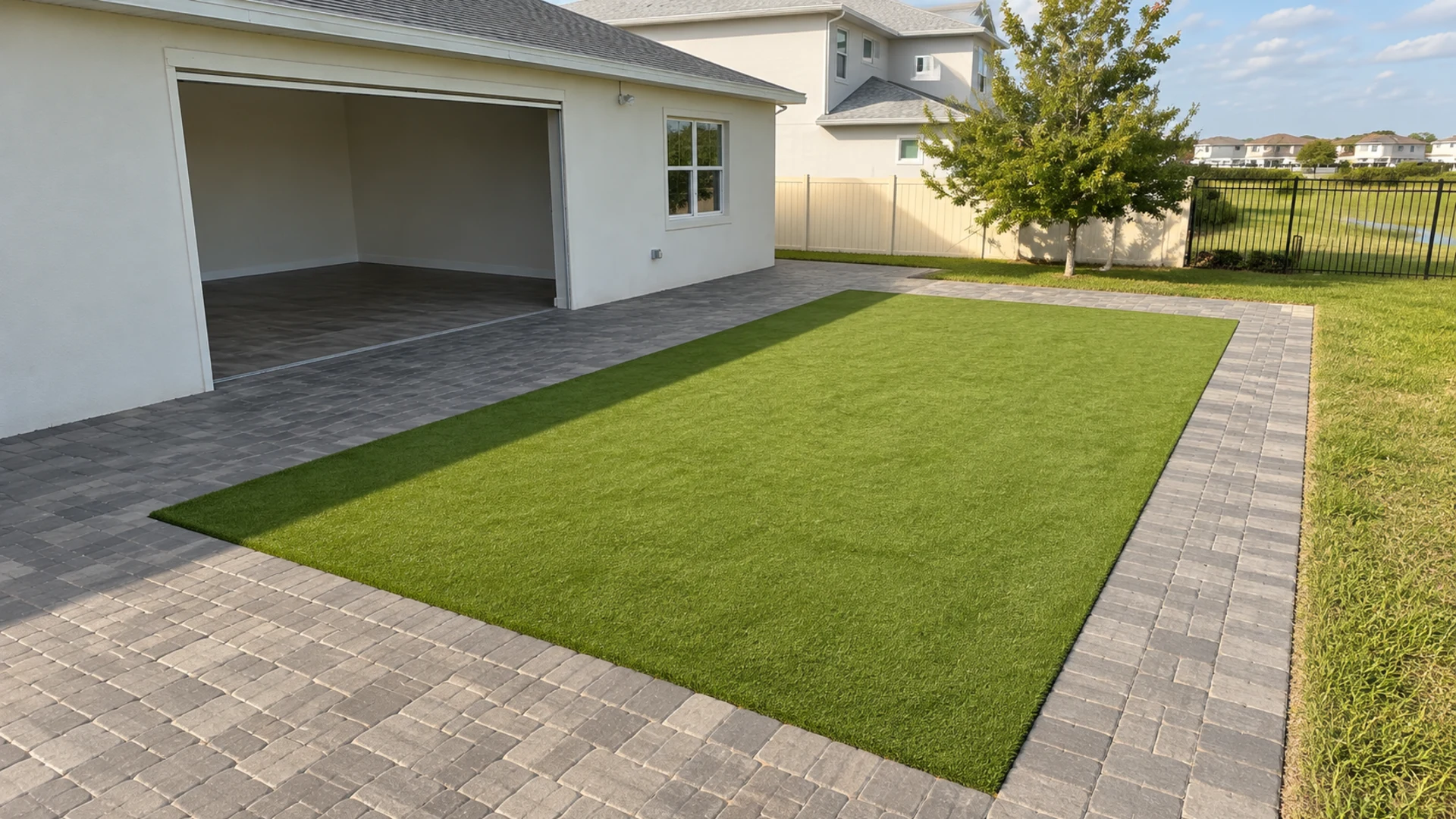
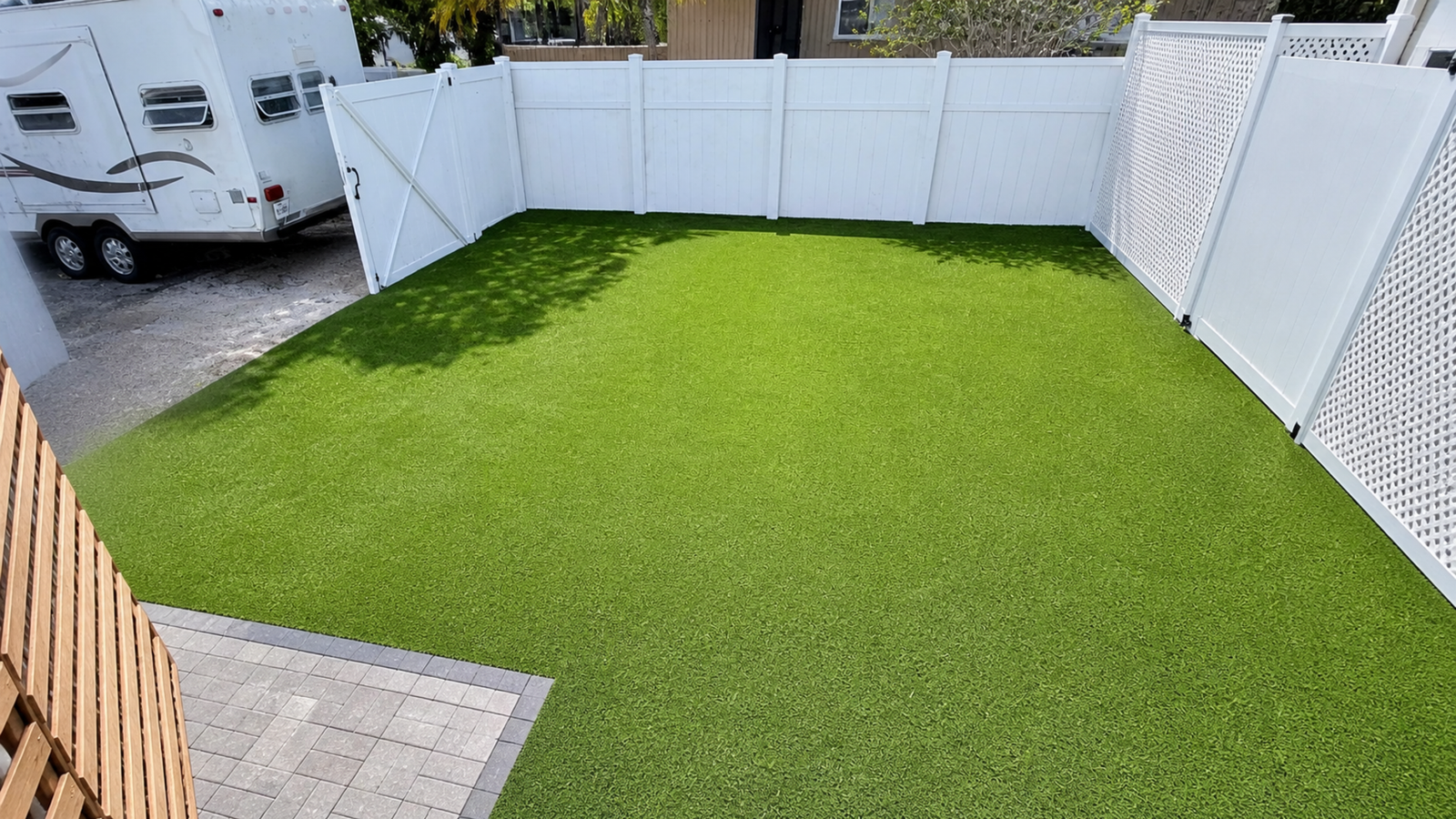
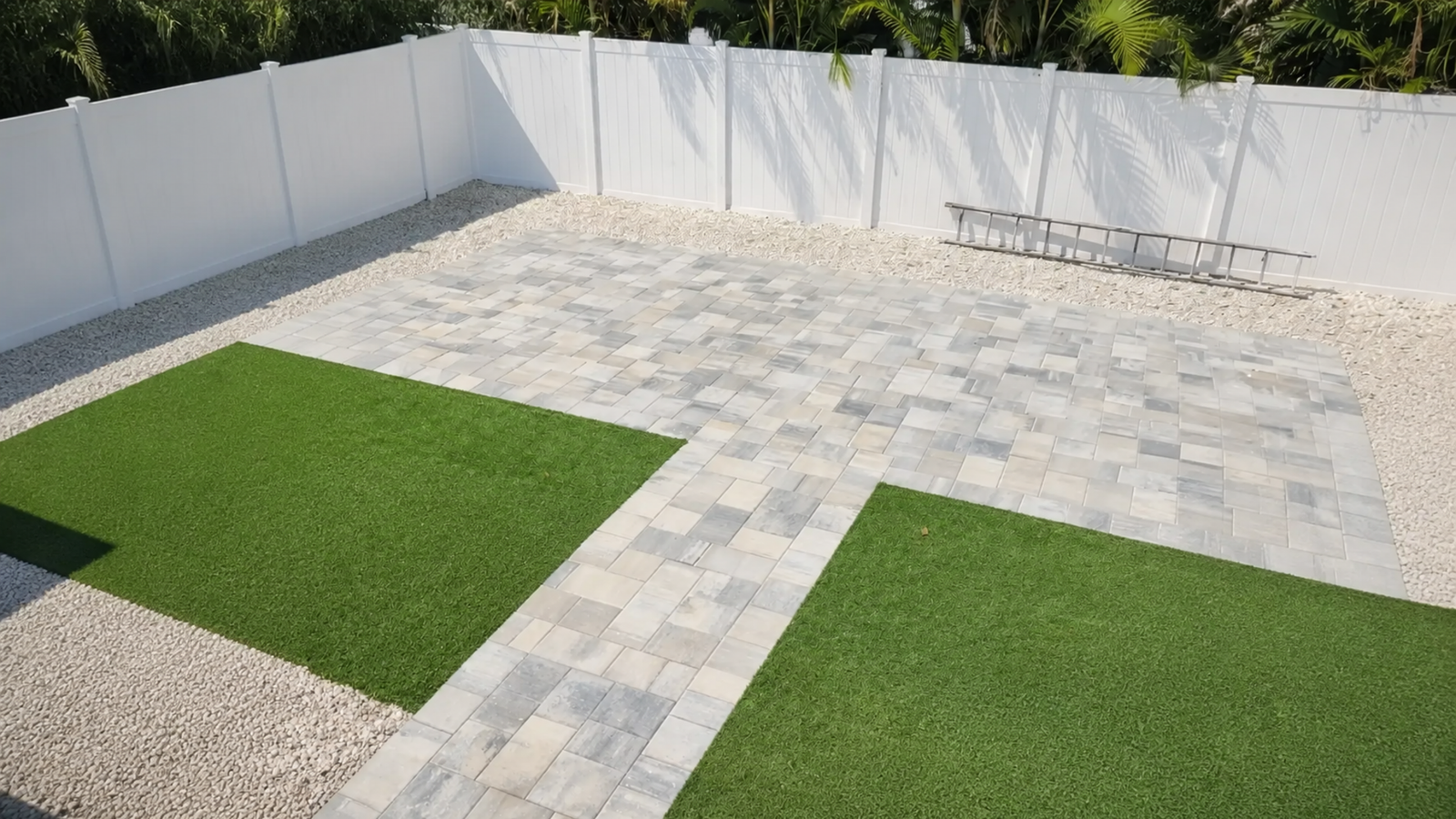
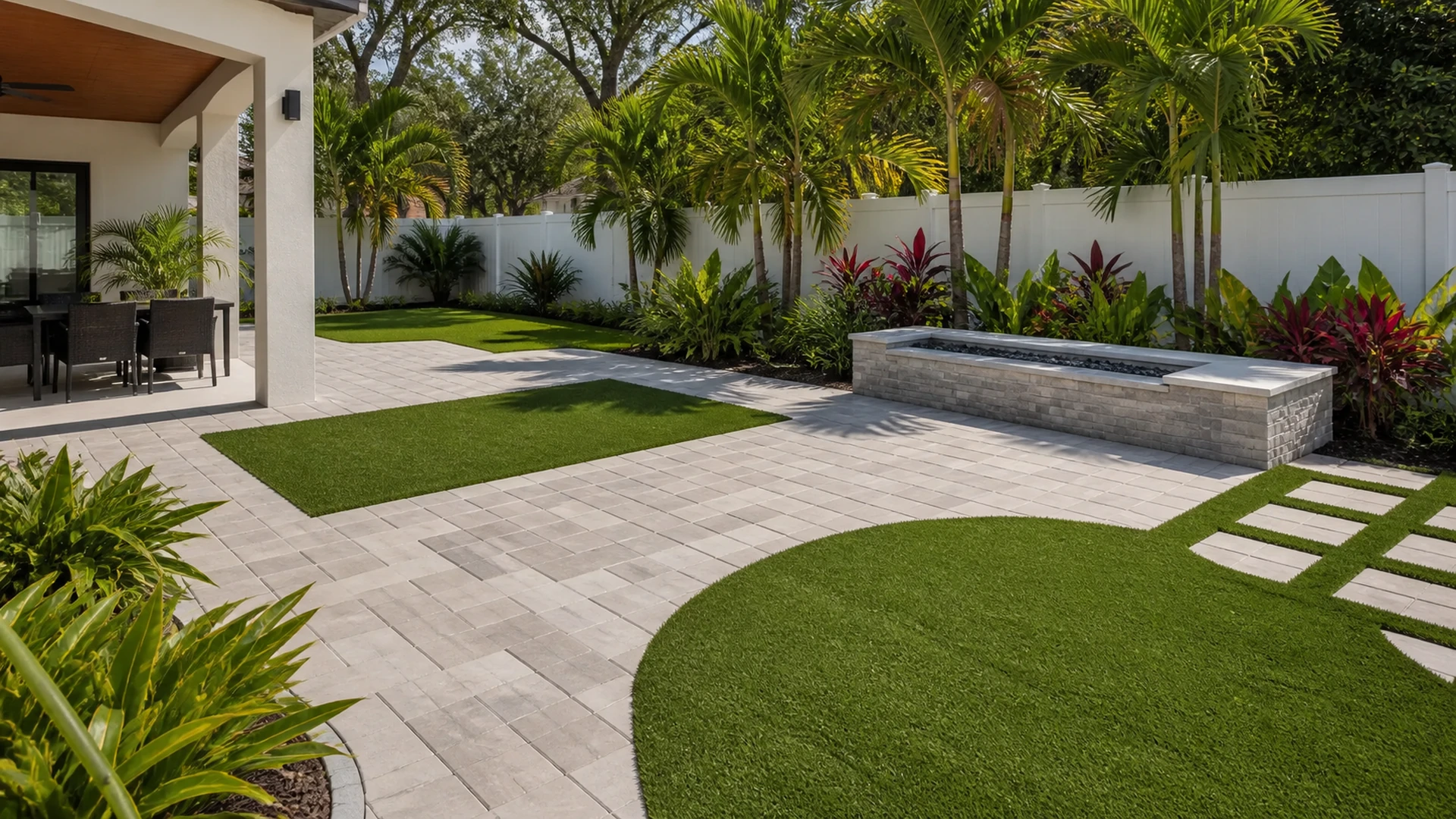
Also mention surrounding surfaces and planting. Loose material may need attention where turf meets pavers or a drain. A connected site plan helps the contractor discuss these interfaces, instead of treating the turf rectangle as separate from the rest of the yard.
Review artificial turf infill as part of a system
The Synthetic Turf Council publishes technical guidelines covering landscape installation, infill, and maintenance topics. That supports reviewing the complete system rather than judging a single component in isolation. However, general guidance does not replace the selected manufacturer's requirements or a site-specific recommendation.
Ask how the proposed turf and infill relate to the installation method and intended use. The answer should identify the relevant product guidance. Avoid accepting a universal application rate copied from an unrelated product. The correct specification belongs with the actual system and contractor's scope.
If a proposal offers an alternative without infill, request the same level of explanation. A different design may have its own requirements and limitations. The question is not which label sounds simplest, but what documented system the contractor intends to install.
Separate drainage claims from the site assessment
Ask how the contractor will assess water movement through and around the proposed area. A product's drainage description does not establish how the whole yard will behave. Therefore, discuss existing low spots, runoff sources, and adjacent hardscape alongside the material selection.
Provide photos or notes from ordinary rainfall when available. Identify the location and date without assigning a hidden cause. These observations can help the contractor focus the site visit. They are not a reason to prescribe a base or drainage detail yourself.
Clarify whether the estimate includes any drainage work beyond the turf installation. If another specialist must evaluate an issue, identify that dependency before approval. A line describing a permeable component should not silently become a guarantee that every existing water concern will disappear.
Discuss pet care in practical terms
If pets will use the surface, explain their routine and the area involved. Then request the care instructions for the proposed turf and infill combination. Ask about cleaning access, approved products, and the maintenance responsibilities the homeowner will retain.
Avoid treating odor-control language as a promise that cleaning becomes unnecessary. Product claims need to relate to the actual material and conditions. Therefore, ask what ongoing care the supplier recommends and whether the estimate includes a handover demonstration or written instructions.
Also consider where cleaning water will go and how nearby surfaces will receive protection. These are site questions, not just product questions. A useful plan connects daily care with the yard's layout so the homeowner understands the routine after installation.
Ask for evidence behind temperature claims
Florida sun makes comfort an understandable concern. However, a broad claim that an infill stays cool may omit important conditions. Ask for the manufacturer's supporting information and the limits of the statement. Compare the claim with the intended exposure and use of your yard.
Do not rely on touching a sample briefly as a performance test. A small piece viewed indoors differs from an installed outdoor surface. Therefore, treat sample comfort as an observation and documented testing as a separate source of information. Neither alone describes every future condition.
Discuss shade and household use as additional planning factors. An infill choice should not replace a wider conversation about when and how the area will be used. The goal is a realistic understanding of the proposed system, not a guarantee about all weather and activities.
Review containment at edges and adjoining surfaces
Ask how the installation will address the boundary between turf and pavers, planting, or other surfaces. These locations deserve attention because they affect appearance, care, and loose-material management. A tidy rendering cannot answer how the interface will work in practice.
If the yard sits beside a pool or visible drain, point that out during the visit. The contractor should consider the actual relationship and relevant product guidance. Do not improvise a containment detail or assume the same edge treatment suits every site.
Also ask what routine cleanup the homeowner should perform near the perimeter. Keeping the care instructions specific makes them easier to follow. It also helps distinguish ordinary maintenance from a condition that should prompt a service inquiry.
Compare environmental statements carefully
Terms such as natural, recycled, or environmentally friendly can mean different things. Therefore, request the product composition and the supporting documentation for a specific claim. A short sales phrase does not establish the full environmental performance of an installed system.
Ask how the contractor will manage unused material and installation cleanup. Then discuss the care steps relevant to loose infill and surrounding surfaces. These practical questions create a clearer record than asking for an absolute promise that the product has no environmental impact.
If a claim concerns health or exposure, seek the actual documentation and appropriate professional advice. Do not infer a medical conclusion from a landscaping estimate. Keeping the conversation within the available evidence protects both the homeowner's decision and the accuracy of the proposal.
Understand topping up and later maintenance
Ask whether the proposed system may need later attention to infill distribution or quantity. The relevant manufacturer and installer should explain the expected care process. Do not assume that a new surface never changes or that every visible difference requires adding more material.
Request clear instructions about tools and products suitable for ordinary care. Also ask which conditions should lead to a service call. For example, a changing edge or localized depression may need assessment rather than a homeowner response based only on appearance.
Keep the product identification with those instructions. If you arrange maintenance later, the service provider needs to know what is already installed. A bag with a similar color is not enough to establish compatibility with the existing system.
Compare proposals using the same specification
Place the turf and infill specifications from each estimate side by side. Then compare site preparation, edge work, drainage coordination, cleanup, and care handover. Two quotes for the same area may describe different systems and responsibilities. The final price alone will not reveal that difference.
Ask each contractor to identify exclusions and unresolved site questions. If one estimate includes additional assessment or preparation, make sure the comparison reflects it. A clear scope allows you to decide which work you are buying rather than guessing from a product name.
Also clarify what happens if the selected material becomes unavailable. A replacement should receive review before installation. Request the revised product information and explanation of any changed requirements. This keeps the final system connected to the one you approved.
Prepare for a useful handover
At completion, ask the contractor to identify the installed turf and infill products in the records. Then review the care instructions and service contact. This is the point to resolve practical questions about routine cleanup, approved products, and the areas that need attention.
Keep photographs of the finished perimeter and adjoining surfaces. They provide a useful location reference if a later question arises. However, do not treat a photo as proof of hidden construction details. The written scope and contractor's completion records remain important.
If an item needs follow-up, record it clearly with a responsible contact and next step. A defined handover is more useful than an informal assurance that the turf is ready for everything. Follow the specific instructions supplied for the completed work.
Turn product questions into an informed yard plan
Imagine comparing two proposals that both describe pet-friendly turf. One names the turf and artificial turf infill, explains care, and identifies a drainage question. The other offers only a general label. This hypothetical example shows why specification and responsibility matter before comparing totals.
A homeowner can now ask focused questions and understand the proposed routine. The decision does not require becoming a turf installer. It requires knowing which system will arrive, why the contractor recommends it, and what care the household will provide afterward.
Explore Dr Pavers Design's artificial turf guides and services before requesting an estimate. Bring your intended use, pet routine, photos, and existing water observations so the consultation addresses the actual yard rather than a generic product package.
Use a product comparison sheet that answers real questions
Create one row for each proposed turf system. Record the turf product, artificial turf infill, intended use, care instructions, and supporting documents. Then add unresolved questions beside the relevant item. This keeps a claim about one component from becoming an assumed feature of every proposal.
For example, a pet-care statement should point to the actual product guidance and cleaning routine. A drainage statement should identify whether it concerns the material or the whole site. A temperature statement should include its supporting evidence and limits. Separating these topics makes the comparison more useful than collecting several advertising adjectives in one column.
Do not assign a winning score before the site questions receive review. One system may have a detailed specification while another still contains an allowance. Ask for the missing information first. The goal is a fair comparison of defined proposals, not a ranking built around incomplete descriptions.
Ask about service products before installation
The household may already own cleaners or tools intended for other outdoor surfaces. Tell the contractor what you plan to use and request the actual care instructions. A product that works on nearby pavers does not automatically suit the turf or artificial turf infill.
Also ask how an outside maintenance provider should receive the system information. A short handover sheet with product names, approved care guidance, and the service contact can prevent later guesswork. Keep it with the installation records rather than relying on a verbal explanation that another provider never hears.
If the contractor recommends a maintenance service, clarify what it includes and how often the product guidance calls for assessment. Avoid turning a sales suggestion into a universal schedule. The appropriate routine should reflect the installed system and actual use of the yard.
Finally, preserve the difference between ordinary care and a repair concern. A changing surface or edge may need professional review instead of another cleaning product. Knowing whom to contact makes the ownership plan more practical after installation.
For help with artificial turf infill in Tampa Bay, contact Dr Pavers Design with your location, photographs, and project priorities. Explore projects, testimonials, and the FAQ before the consultation. You can also review the company's services to describe the work you want evaluated.
Follow Instagram and Facebook for company updates, or consult Google Maps and Google reviews. Send a WhatsApp inquiry or text the team to begin the discussion. Contact Dr Pavers Design at +1 (656) 600-4015 or email drpavers@outlook.com for a free consultation anywhere in Tampa Bay.