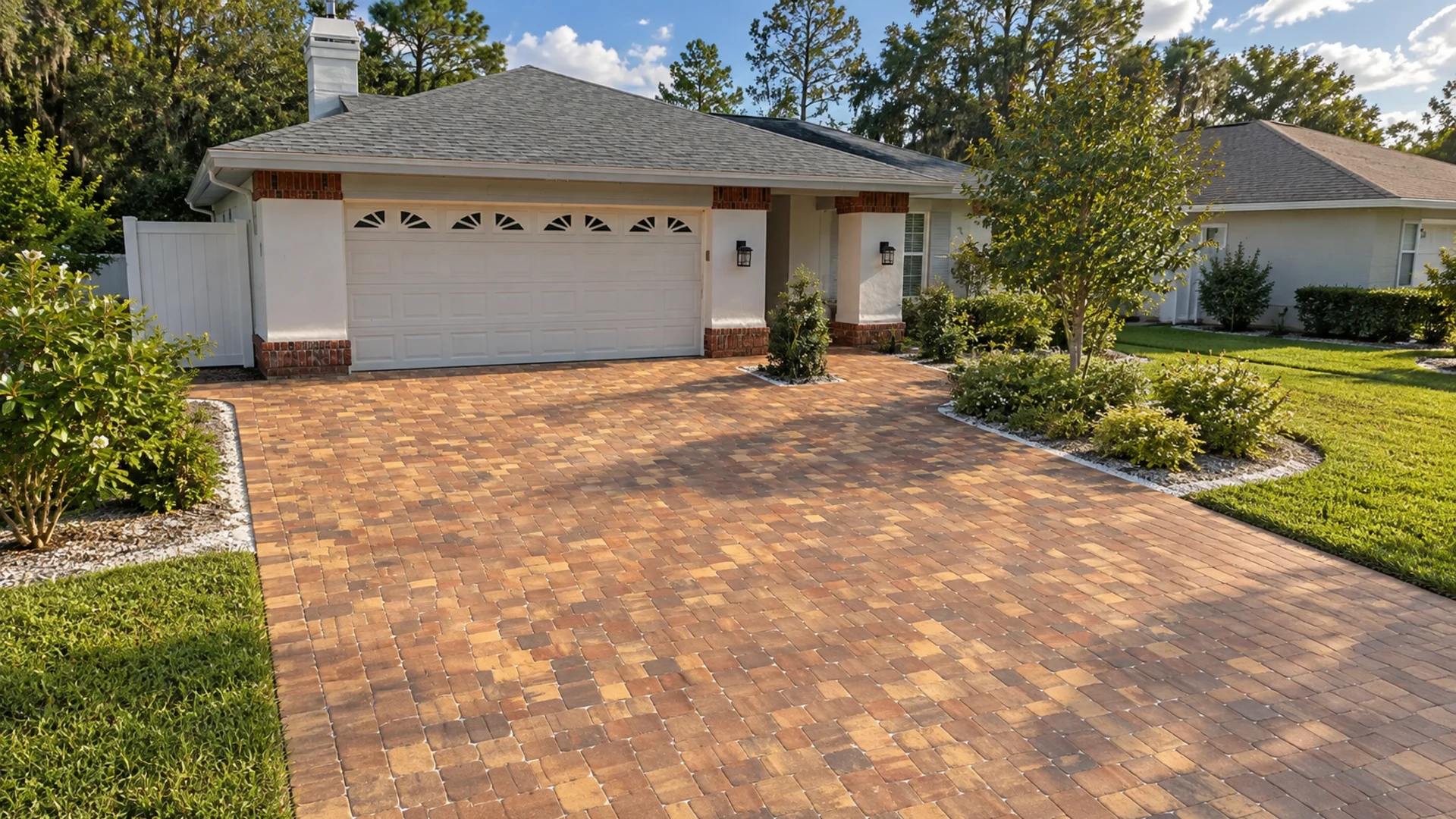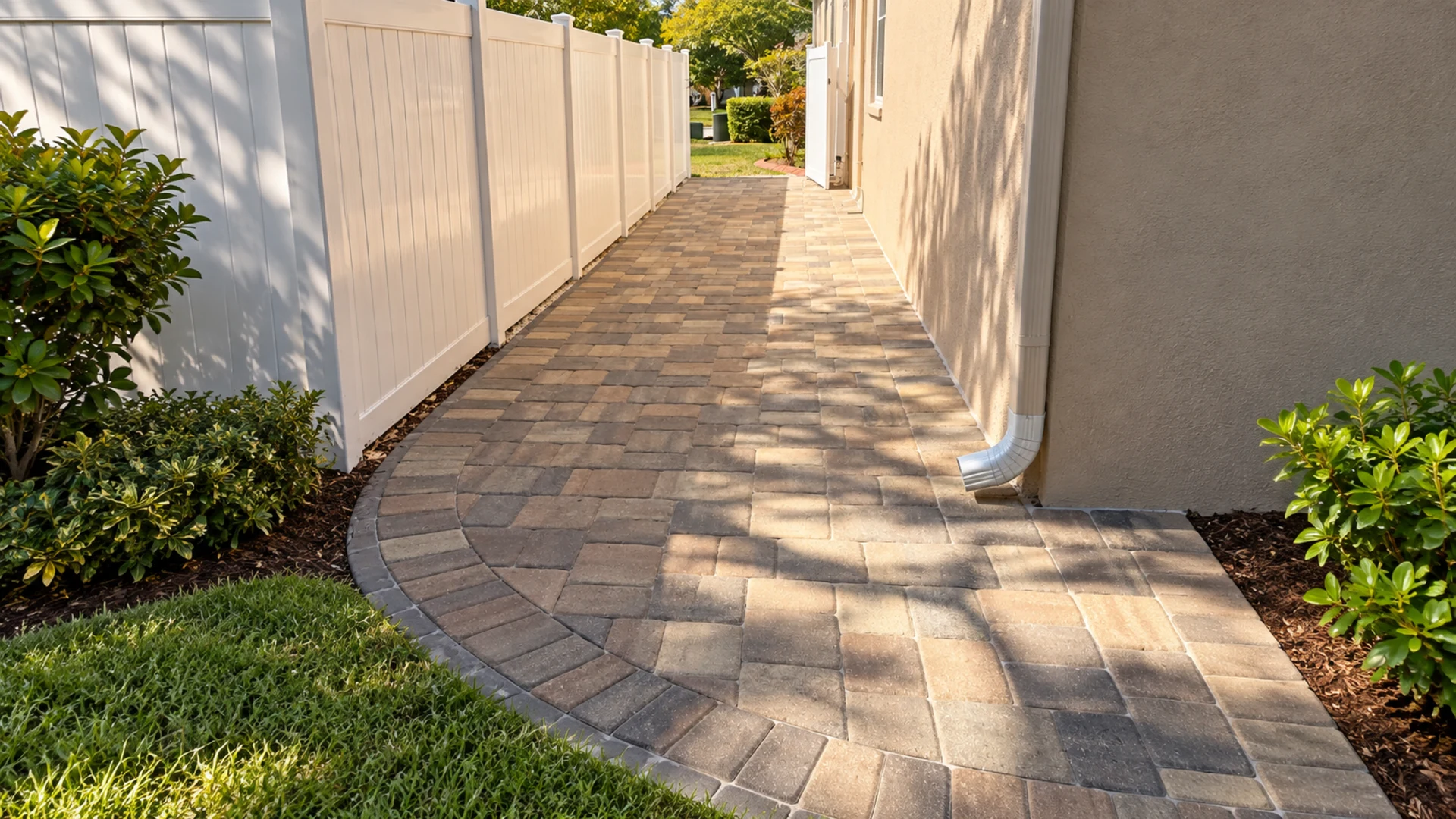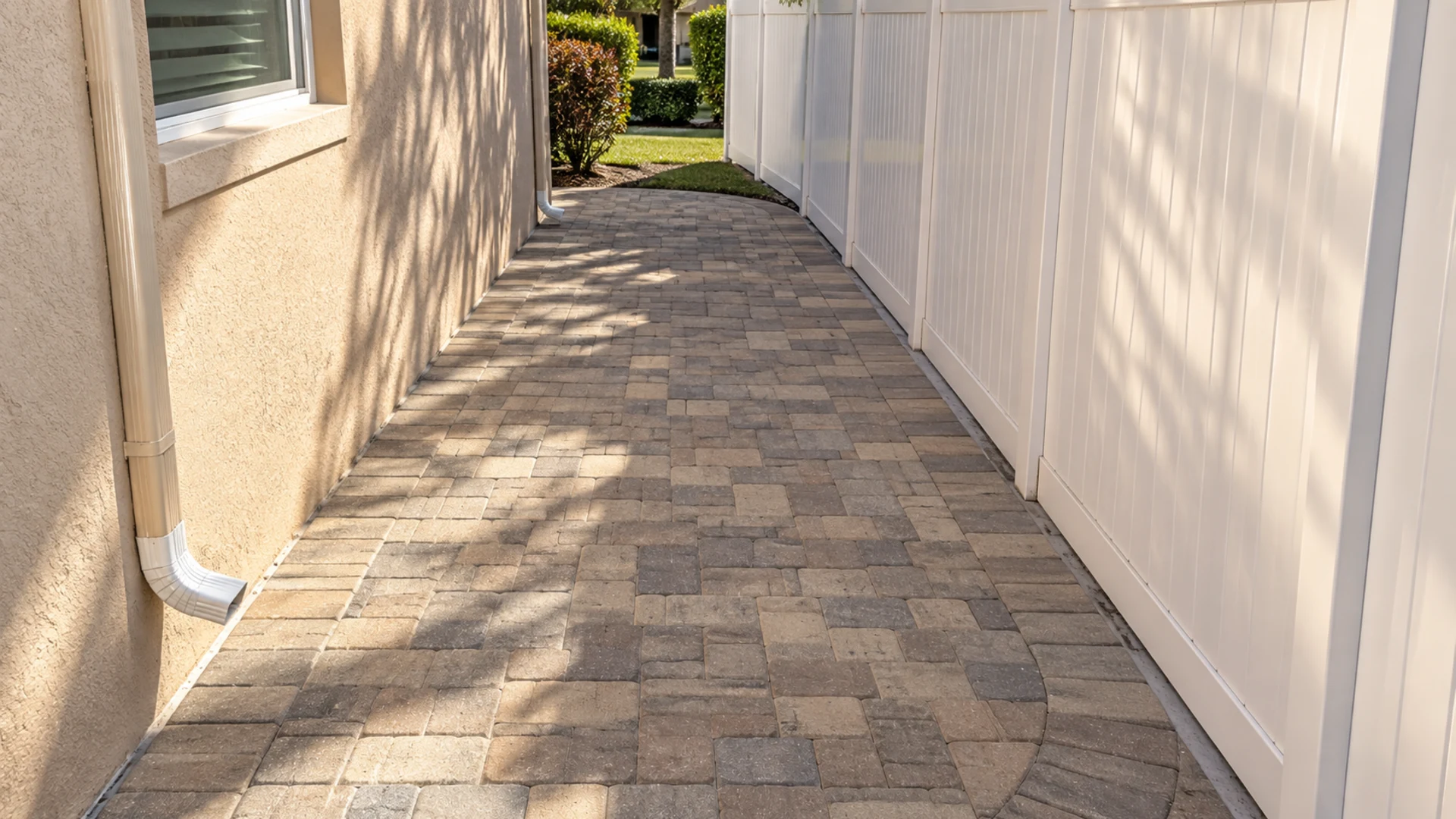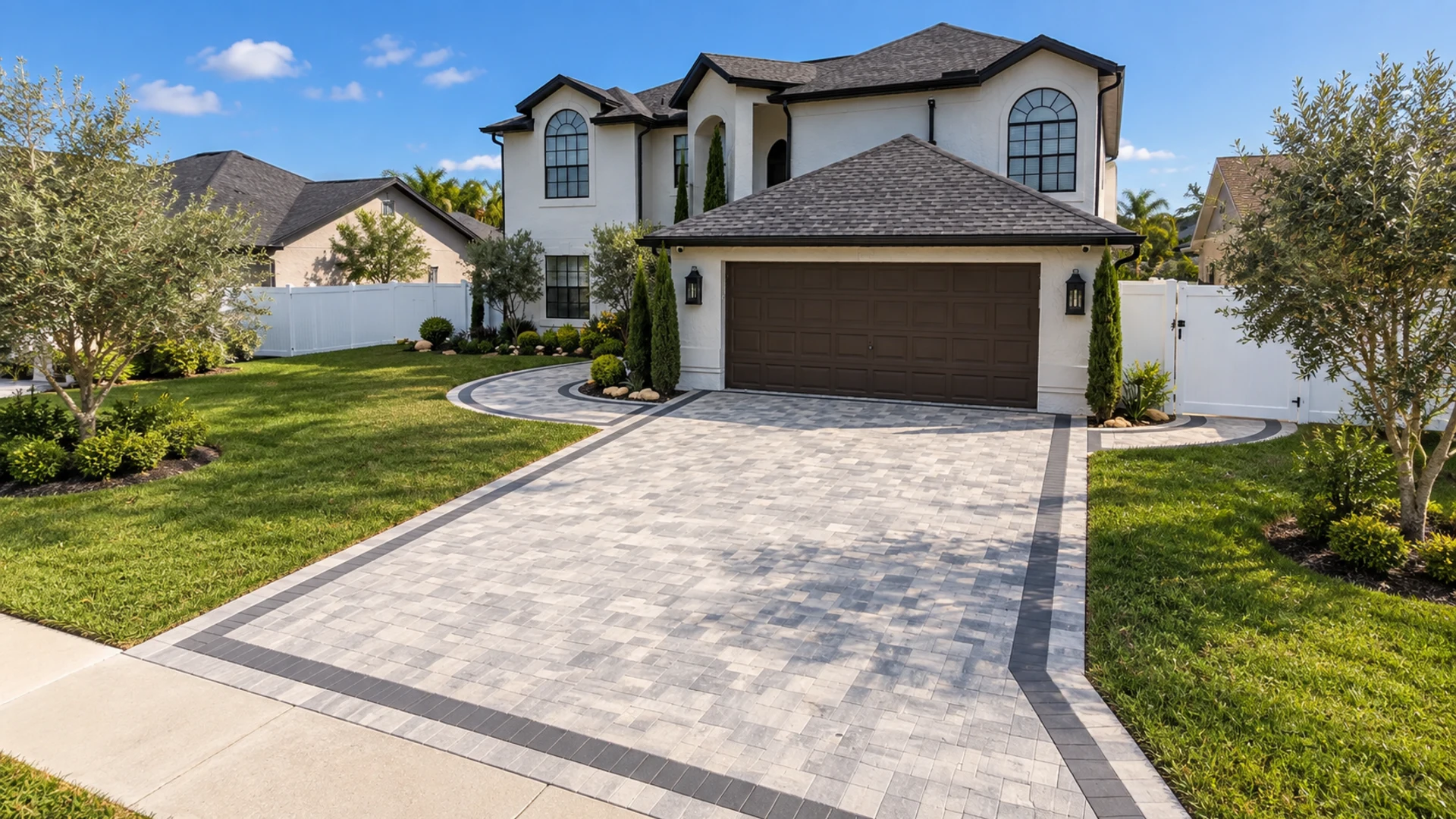
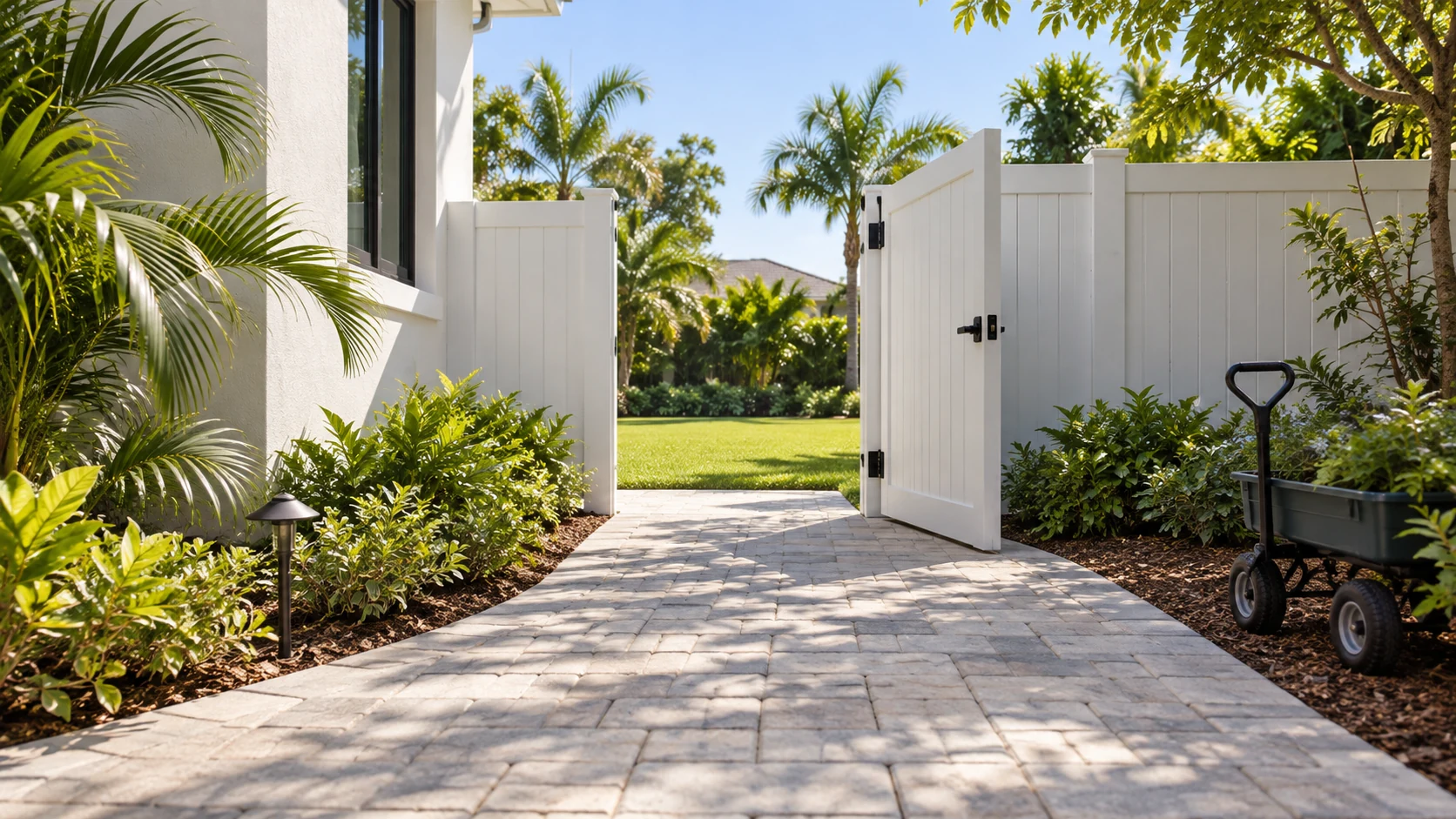
Fence gate equipment access should begin with the items that actually need to enter your yard. A gate can look generous in a photograph yet create an awkward route for a mower, service cart, or future project. Therefore, the useful question is not simply how wide the panel appears. It is whether the complete route supports the intended use without creating new conflicts.
For a Tampa Bay homeowner, that review includes the approach, gate opening, turn beyond it, ground surface, and nearby fixtures. However, it does not replace a professional assessment of the gate, fence system, or equipment. Bring real information to the installer so the proposal reflects your yard instead of a generic drawing.
Make an equipment list before choosing a gate
First, list the equipment you own and the services you regularly receive. Include a mower, garden cart, trash container, pool service equipment, and any larger item you expect to move. Then separate routine access from occasional delivery access. Those needs may suggest different questions about the same opening.
Measure the actual items in their normal moving condition. For example, a mower's usable width may include handles or parts that do not show in a catalog's cutting-width description. Also, note whether a cart carries a load that changes how you steer it. Ask the equipment supplier about safe movement rather than improvising modifications to fit.
Do not design the whole fence around a hypothetical machine you may never use. Instead, rank the needs you can explain today and identify future possibilities as assumptions. A clear priority list helps the contractor compare practical options. It also shows when an oversized access request creates tradeoffs elsewhere in a small yard.
Trace the approach from the street
The gate is only one point along the route. Start where the equipment arrives and follow its path toward the backyard. Notice parked cars, narrow walkways, landscaping, air-conditioning equipment, and changes in direction. Consequently, you can distinguish a gate problem from an approach problem before ordering the wrong solution.
Photograph the route from both directions. A service worker may pull an empty cart into the yard and push a loaded one out. Those movements can require different effort and visibility. Also, show the route to the company that will use it, particularly if you expect regular equipment deliveries.
Keep public access and neighboring property out of the assumed route. A shortcut across someone else's driveway is not a reliable design solution. Instead, ask the project team to work within the access you are entitled to use. Any permission or easement question needs confirmation from the appropriate source before construction.
Review fence gate equipment access as a complete opening
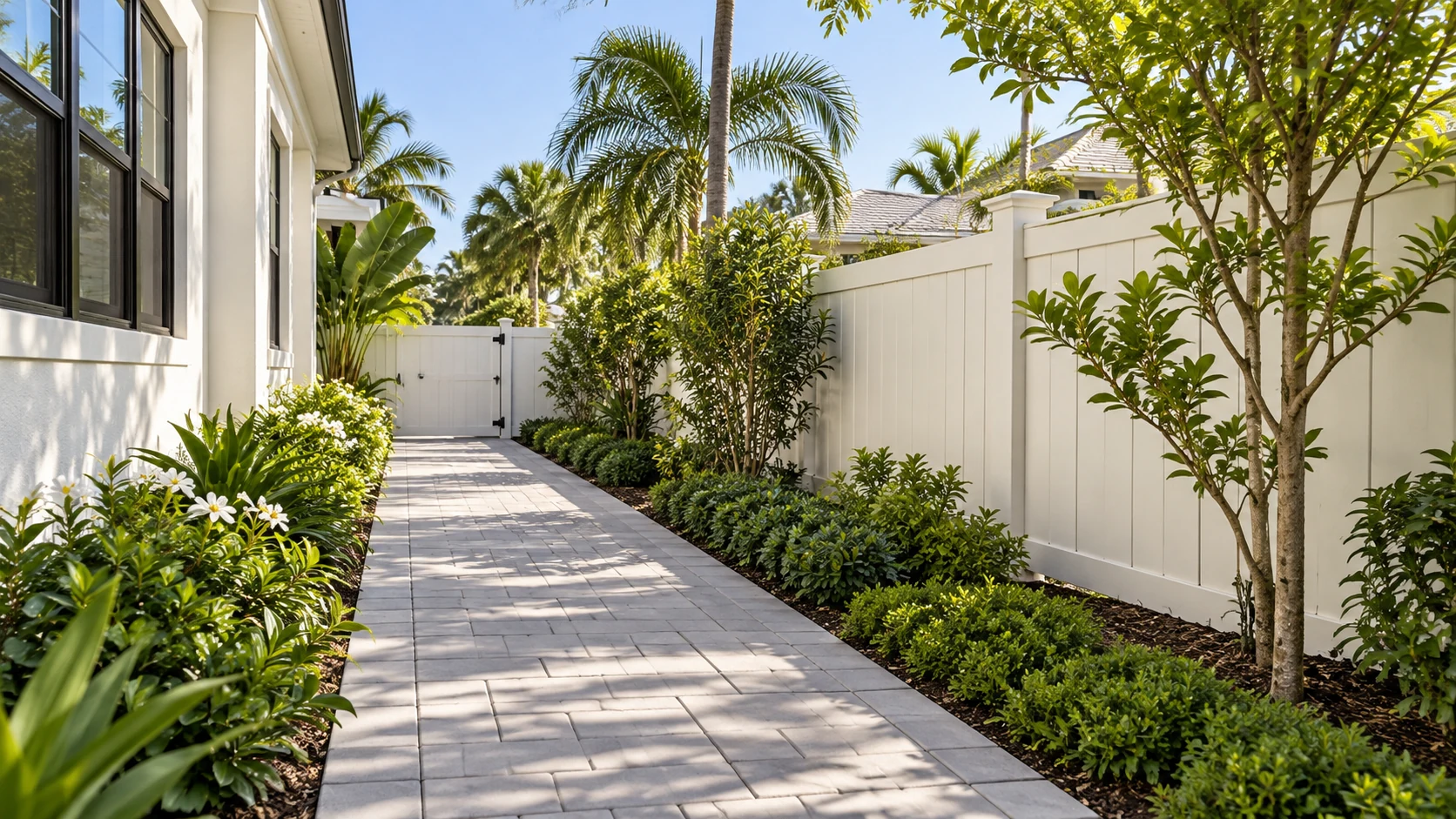
Ask the installer to explain the clear opening when the gate operates normally. The panel width and usable passage are not necessarily the same measurement. Hinges, posts, stops, and the available swing can affect what passes through. Therefore, ask for a drawing that identifies the usable opening rather than relying on a product name.
Then discuss how the gate will open and stay controlled during ordinary use. Wind, slope, landscaping, and nearby walls may influence the practical arrangement. However, this article does not prescribe a hinge system or hardware detail. The installer should select components that fit the actual fence and site requirements.
If the gate serves a pool barrier, identify that role at the start. Convenience for a mower must not drive changes that compromise the required barrier function. Ask the qualified installer and relevant authority to confirm the applicable requirements. Do not remove or bypass a latch merely because equipment access becomes inconvenient.
Test the idea behind fence gate equipment access
Before work begins, use a simple sketch to compare the equipment footprint with the proposed route. Also, ask the contractor to identify the point that limits movement. It may be a turn before the opening rather than the opening itself. A drawing can reveal that distinction without testing heavy equipment on an unfinished surface.
For an existing gate, demonstrate only safe ordinary movement with suitable equipment. Do not force a loaded machine through a tight opening to prove a point. Instead, stop at the conflict and document it. The installer can then evaluate whether the design, route, or operating plan needs revision.
Look beyond the gate into the yard
A wide opening may lead immediately to a tight turn. First, check where the equipment needs to go after it passes the posts. A shed door, raised bed, pool fence, or patio table can block the next movement. Therefore, mark the full working route rather than stopping the sketch at the fence line.
Ask whether you can turn, pause, and return without crossing a fragile area. A mower that fits through the gate may still need room to maneuver beyond it. Likewise, a service cart may require space to unload. The appropriate arrangement depends on the actual equipment and the way the service operates.
Keep storage separate from circulation. For example, a convenient location for spare pavers or garden pots may consume the turning area you just created. Also, show planned furniture and landscaping on the sketch. A gate that works on installation day should not become unusable as soon as the yard returns to normal.
Coordinate the ground surface with the gate
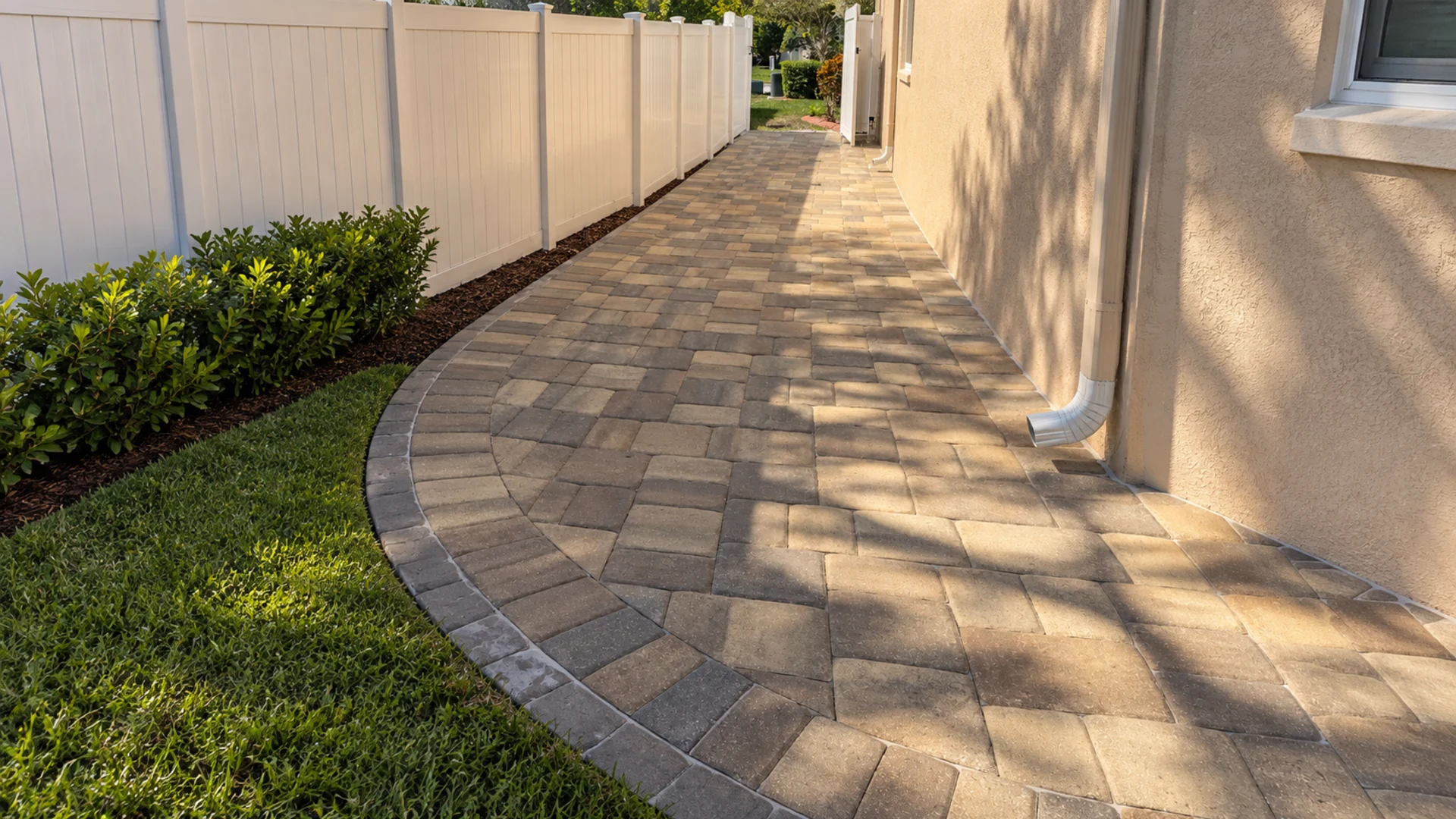
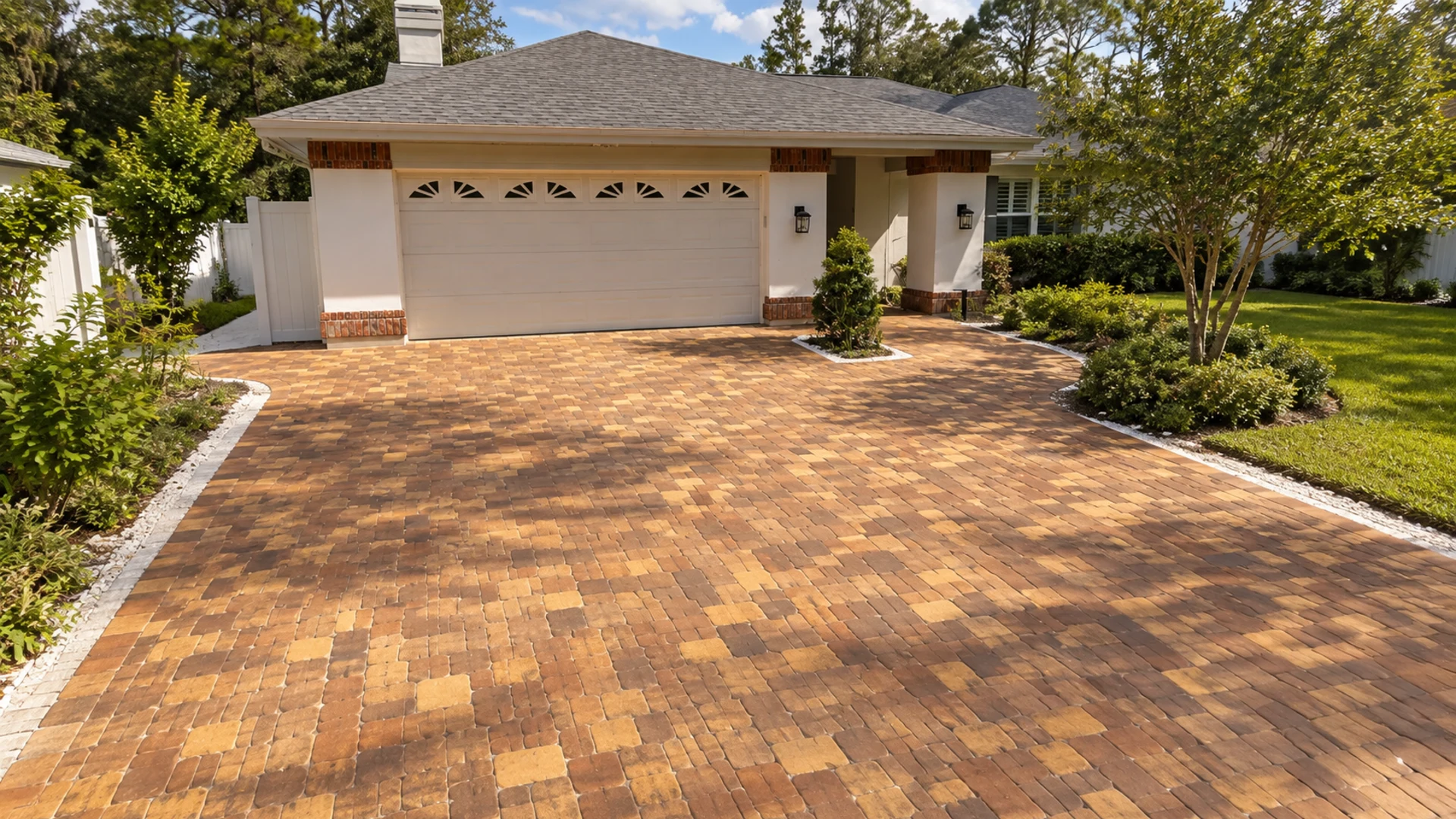
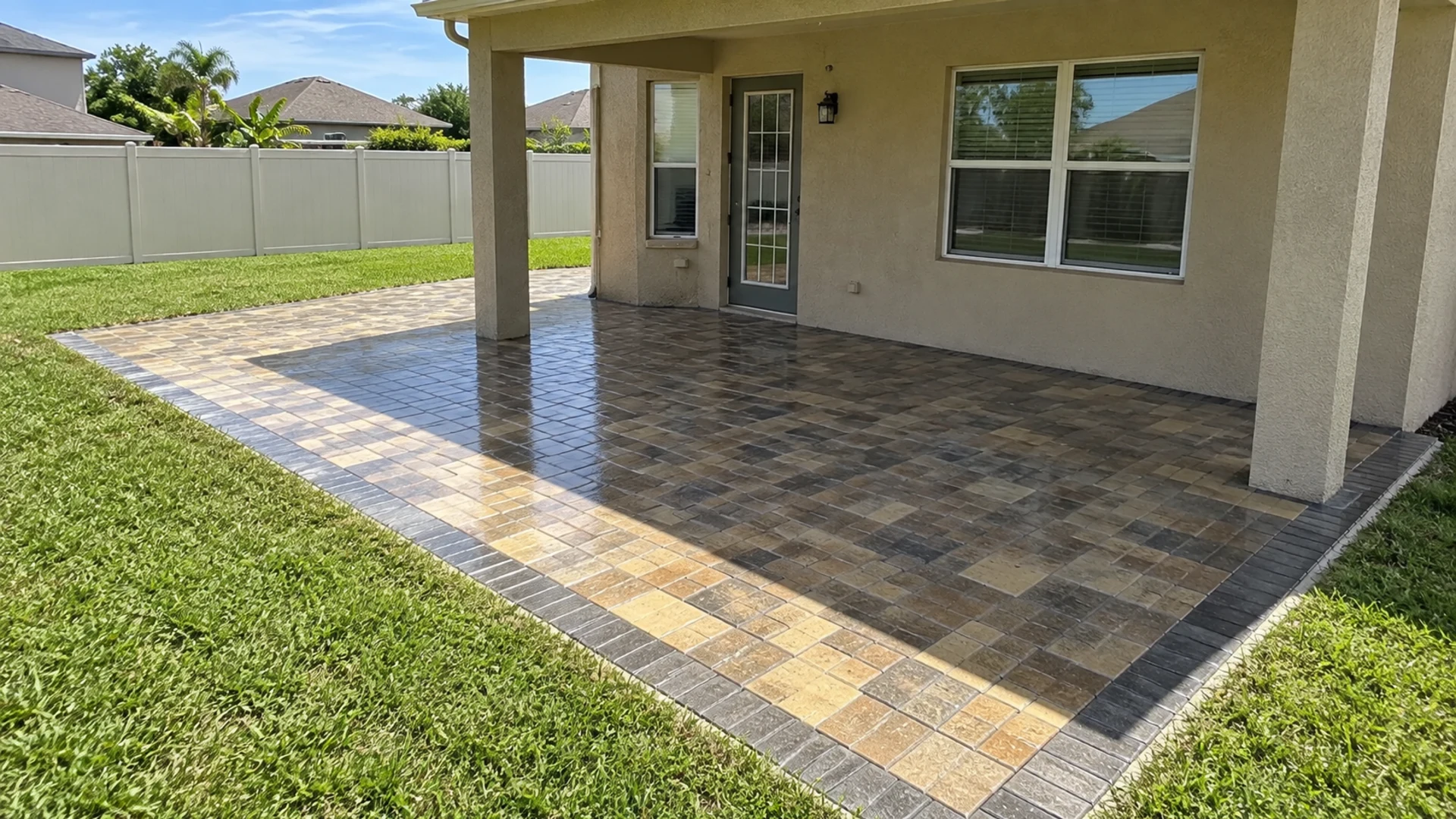
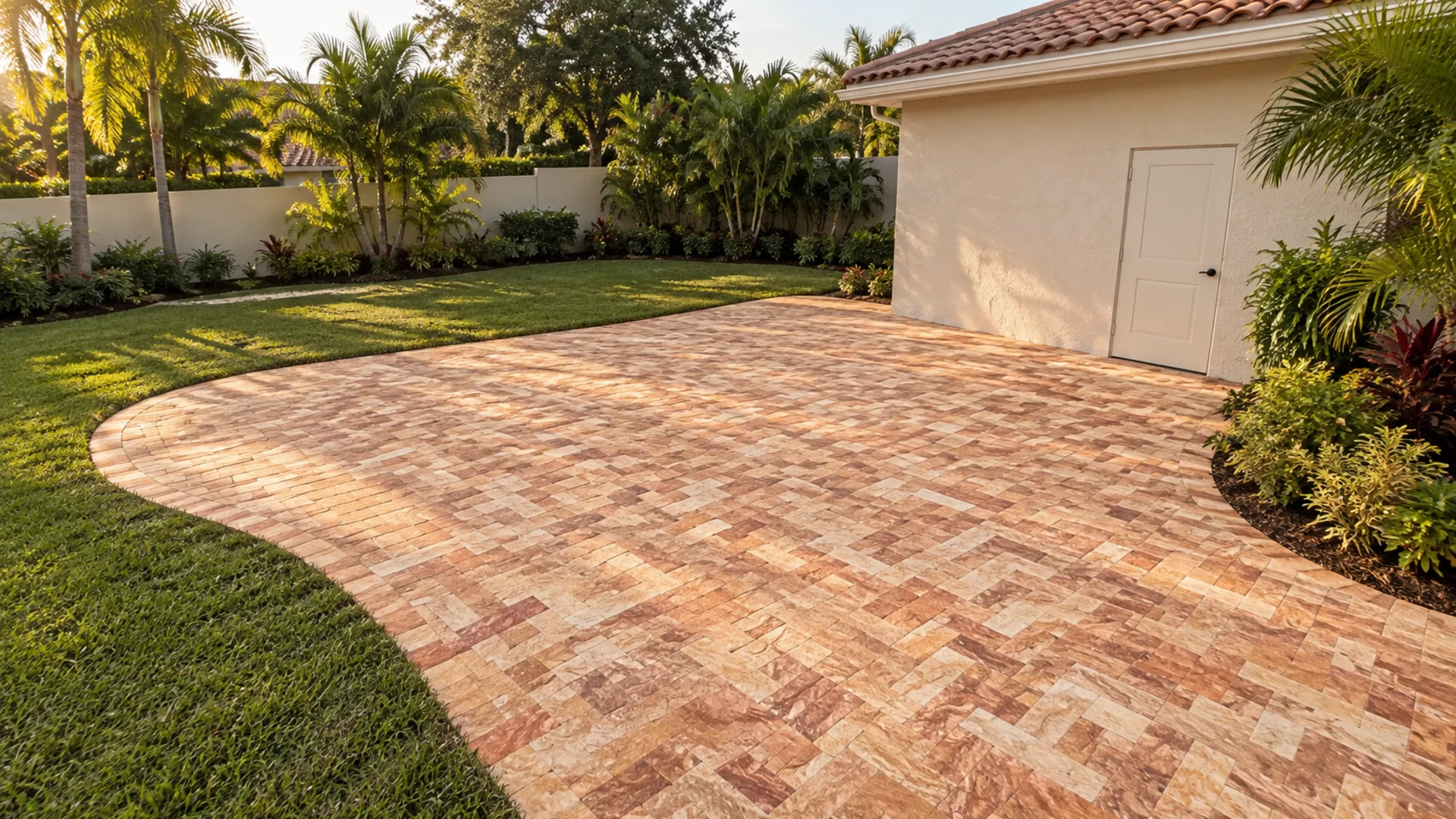
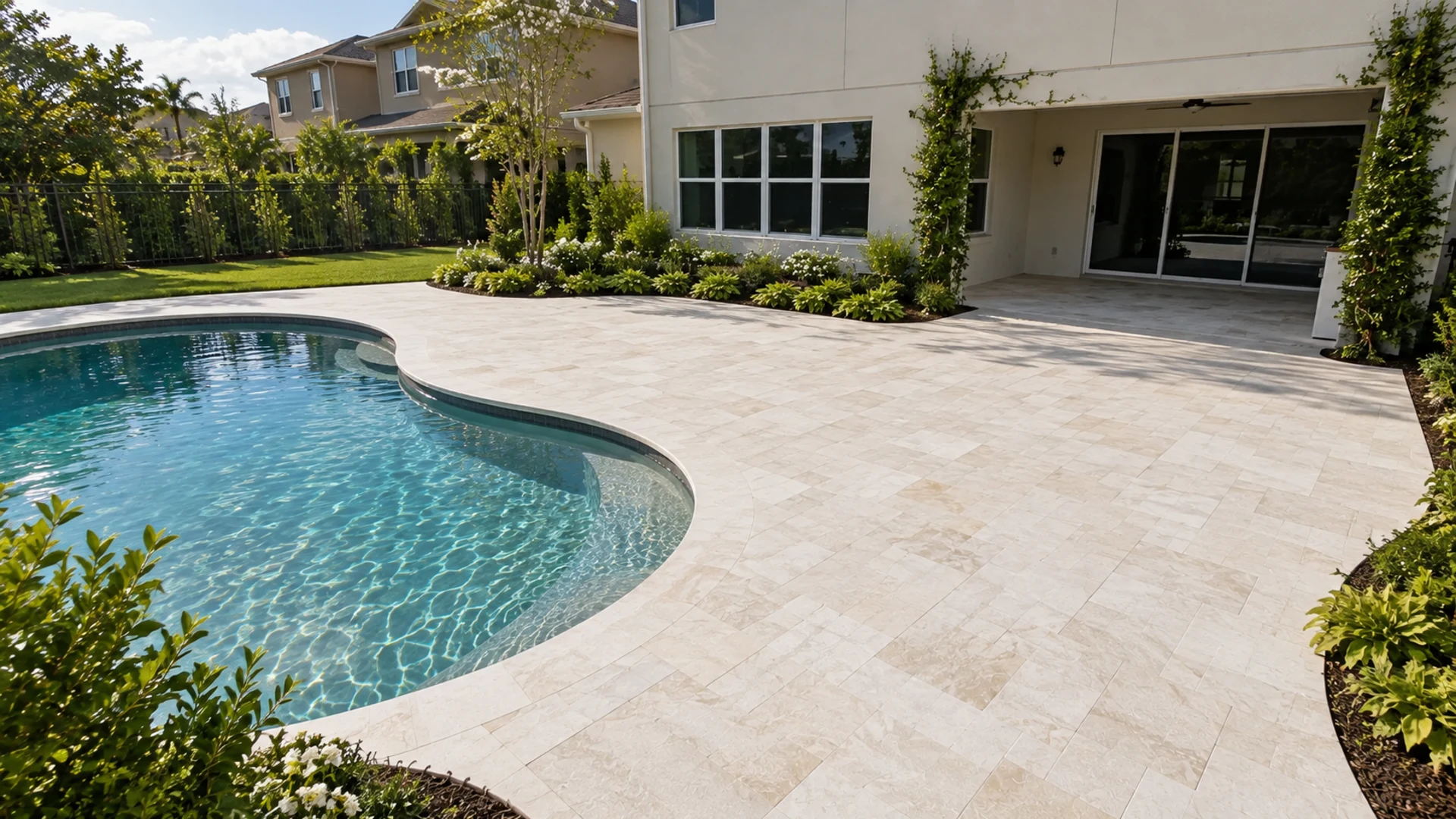
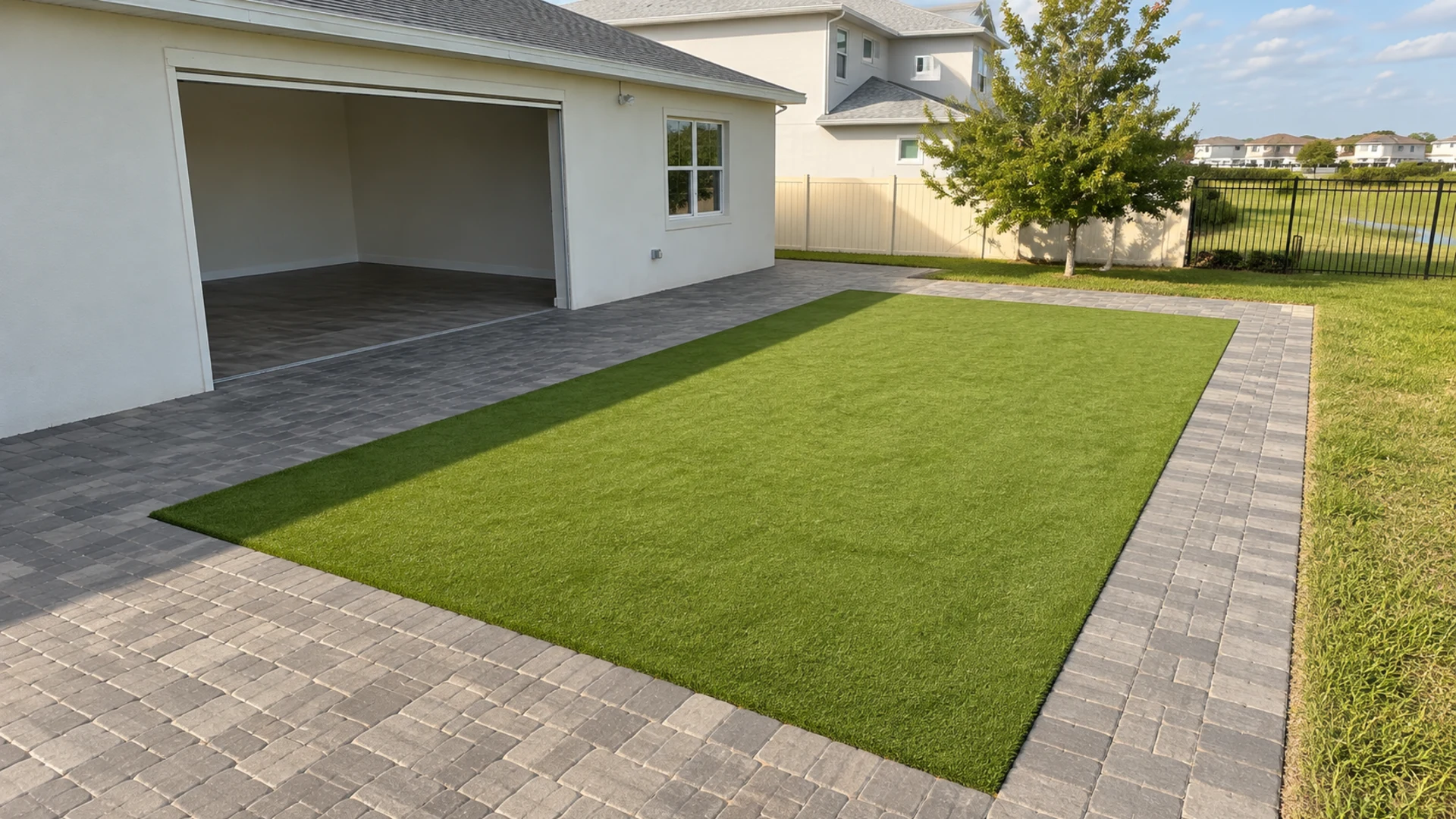
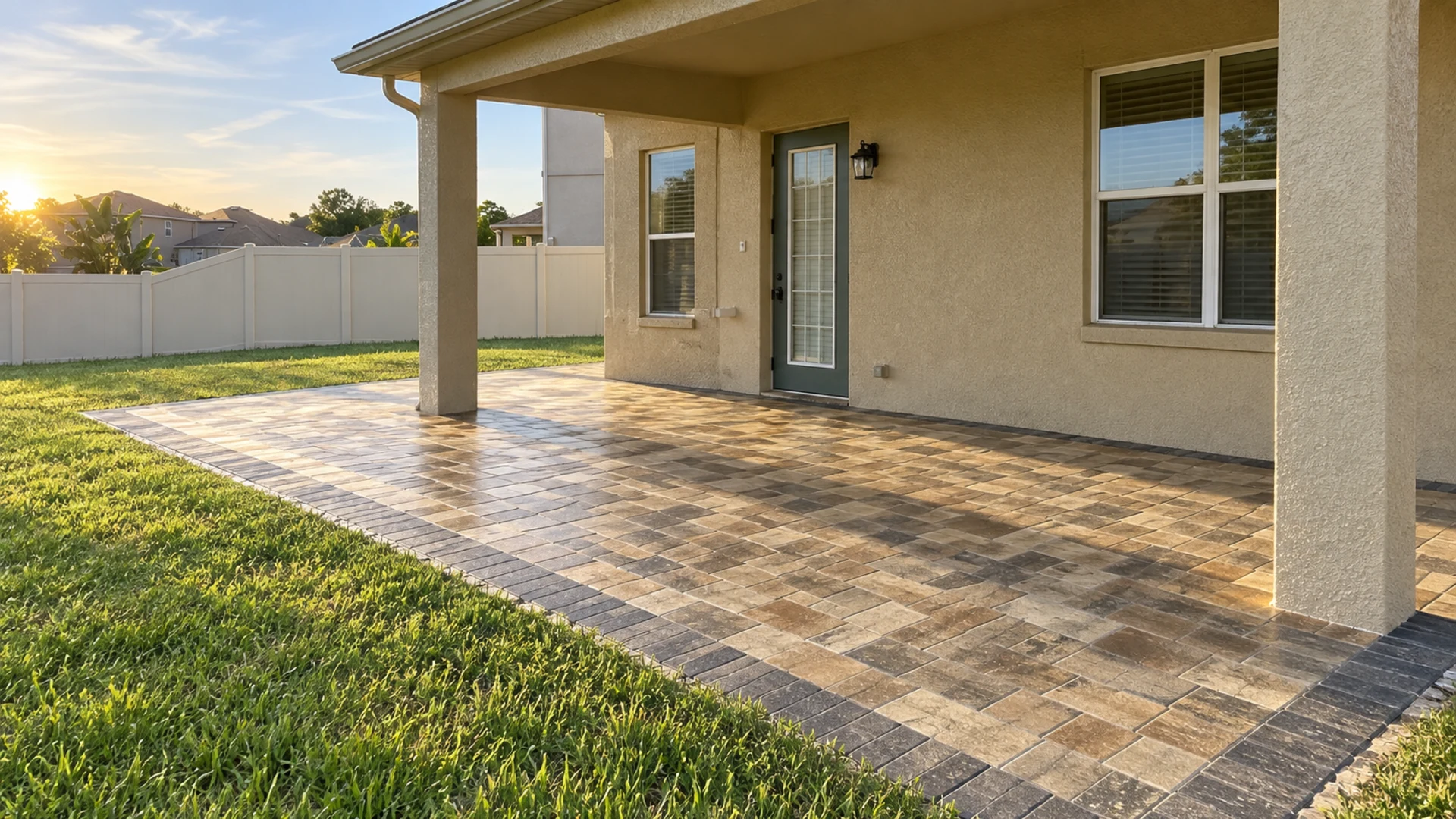
Discuss the surface along the route as well as the gate hardware. Existing lawn, pavers, gravel, and transitions can create different access questions. However, a smooth appearance does not establish suitability for every load or machine. Ask the relevant contractor to evaluate the proposed use rather than assuming all yard surfaces are interchangeable.
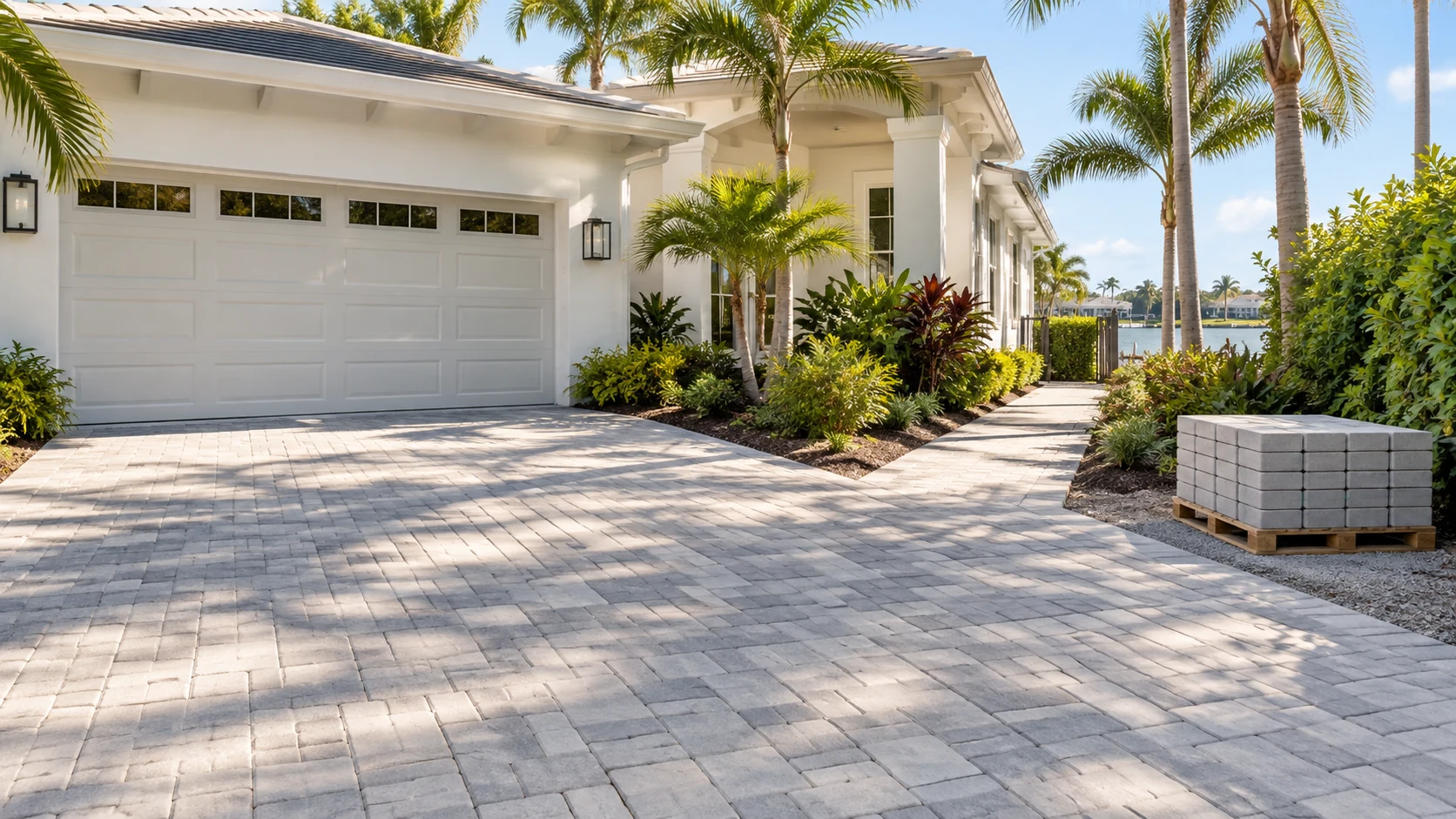
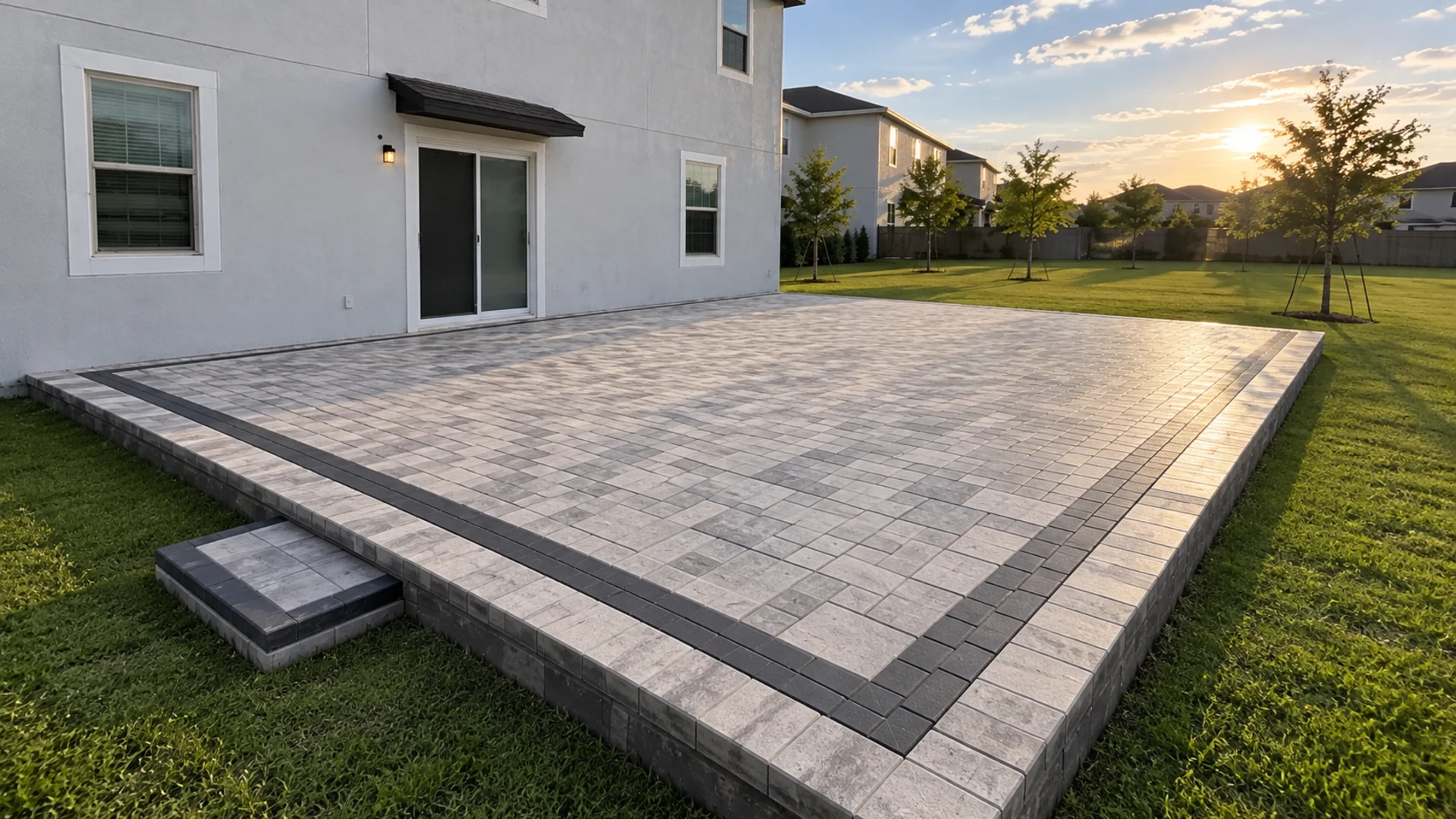
If paving work will change the ground level, coordinate it before the fence layout becomes final. The fence installer and paver contractor should understand each other's proposed work. Otherwise, a later surface change can affect operation or access. Put the responsibility for that coordination in the scope instead of relying on an informal conversation.
Also, identify drainage paths that cross the route. Do not solve an access problem by blocking an existing inlet or creating an unreviewed water barrier. Instead, ask how the finished surface and gate area will work together. A site-specific answer is more useful than a universal clearance number from another project.
Consider service access separately from vehicle access
A household mower and a construction machine do not create the same request. List occasional work, such as a future pool repair or landscaping renovation, separately from routine maintenance. Then ask the contractor which options are realistic. Some future activities may require a different temporary access arrangement rather than a larger everyday gate.
Avoid promising another service company that a gate can accept equipment before checking the complete route. Ask for the machine's relevant dimensions and operating needs. Also, verify the surfaces it would cross. This coordination can prevent a delivery from arriving with equipment that the property cannot safely accommodate.
If a removable fence section is proposed, ask how that arrangement works, who may handle it, and what reinstatement involves. Do not assume every panel can be removed without affecting the system. Any pool barrier or security function needs special attention. The plan must preserve required protection throughout the work.
Plan digging and hidden utilities before construction
Fence work can involve excavation even when the visible goal is only better access. Therefore, identify utility coordination before post locations become fixed. Florida's Sunshine 811 homeowner guidance explains the locate process and notes that private facilities remain a homeowner responsibility. Ask the excavating contractor how both public and private lines will be addressed.
Show the team any information you have about irrigation, landscape lighting, private power, or pool equipment lines. However, a homeowner sketch does not establish exact underground locations. It is background information for the professionals. Avoid treating the absence of visible marks as proof that every possible facility is clear.
Also, ask who handles any required boundary information. A fence layout should not rely on where a lawn color changes or where an old panel happens to stand. Property and approval questions need the appropriate records and professional advice. Resolve them before changing the opening or moving its posts.
Compare gate options with operating questions
When reviewing proposals, ask how each option serves your prioritized equipment list. A larger panel may change appearance, hardware needs, or usable space. Conversely, a different location may solve the route more effectively. Therefore, compare the whole arrangement instead of assuming the widest-looking option offers the best value.
Ask what routine care the proposed gate requires and how to recognize a developing operating problem. Also, clarify who adjusts it if paving or landscaping work changes nearby conditions. A named service route matters more than an unsupported promise that the gate will never need attention.
Keep material and finish decisions connected to the rest of the fence. Matching an existing system may involve availability or design limits. If the contractor proposes a different component, ask for the reason and written approval. Do not let a practical access change silently become an unrelated replacement project.
Use a final walkthrough that follows the real route
At completion, start where you began the planning sketch. Walk the approach, operate the gate as instructed, and continue to the service destination. Then review the exit route. This sequence tests whether the agreed arrangement makes sense in everyday use, rather than only confirming that a new panel swings.
Use safe representative items when appropriate and follow the installer's instructions. A walkthrough is not a load test or permission to bring in an unapproved machine. Also, keep children and pets away while demonstrating the opening. If the gate serves a pool barrier, review its required operating features with the installer.
Record any concern with its location and the action that reveals it. For example, a cart handle may approach a wall during the turn, or a storage bin may narrow the route. These descriptions help the contractor assess the specific issue. General statements that the gate feels wrong provide less useful information.
Think through a service visit before approving the plan
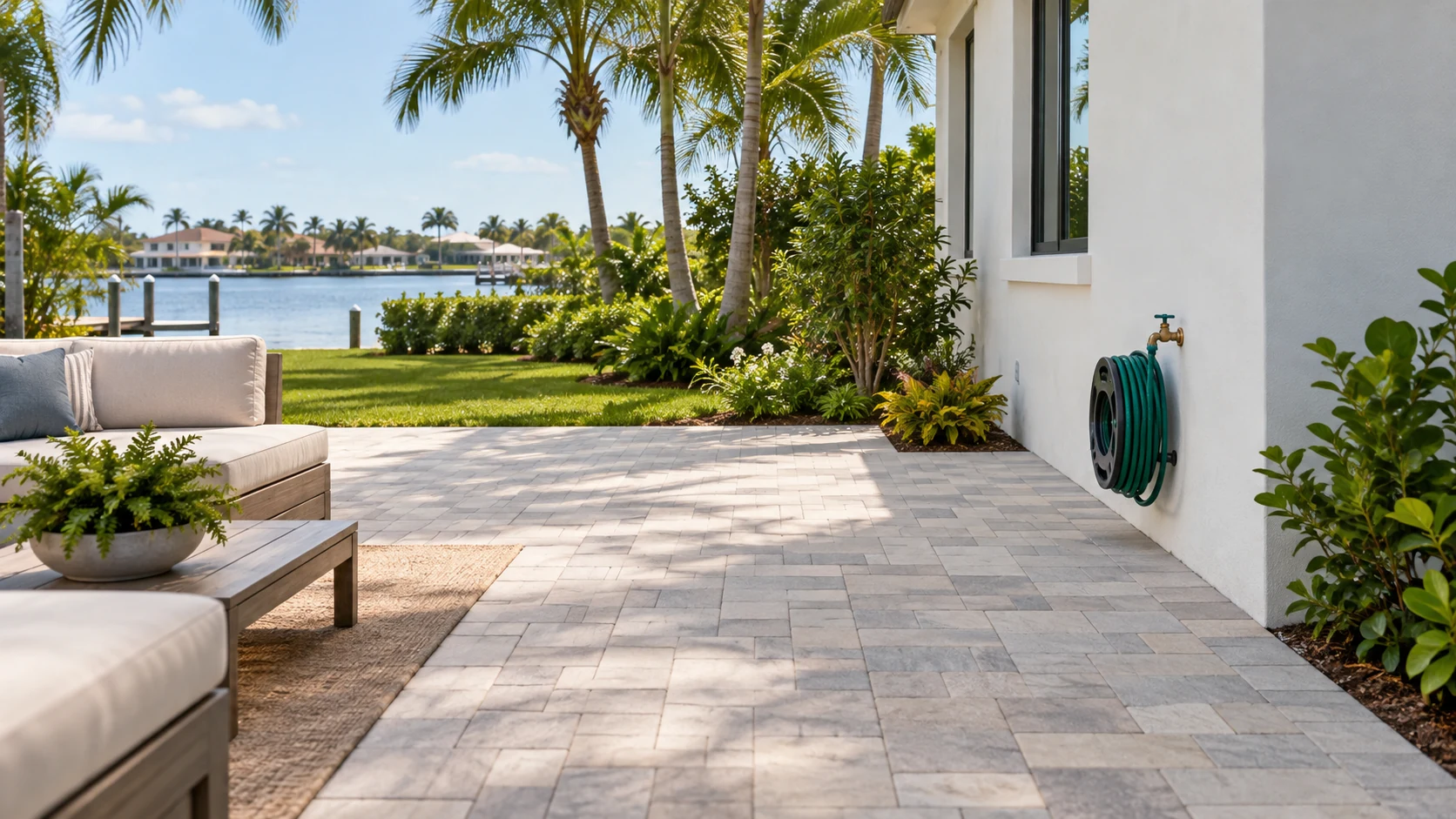
Consider a hypothetical weekly lawn service visit. The worker arrives with a mower, opens the gate, passes a hose reel, and turns toward the back lawn. If any one movement conflicts with the wall or storage area, a wider gate alone may not solve the problem. Therefore, ask the service provider to review the full route rather than only approving a measurement by text message.
Then consider an occasional delivery. A boxed appliance on a dolly may travel differently from the mower, particularly at corners. Also, packaging can change the space the item requires. Ask the delivery provider to supply its actual requirements and review them before booking. This does not mean the gate installer guarantees every future delivery. It creates a practical check between the household's access plan and the company doing the moving.
Also, tell the installer whether one person normally operates the gate while moving the equipment. That detail can affect the practical discussion about handling and staging. A layout that assumes two available adults may not reflect your regular maintenance routine.
Keep the access plan useful after handover
Save the approved layout, gate product details, hardware information, and care instructions together. Also, record any limits discussed for equipment access. Future contractors can use that file to plan a visit. However, the record does not authorize equipment that the original team never evaluated.
Before a large delivery or yard project, revisit the route. Furniture, plants, and stored materials may have changed since installation. Therefore, confirm the current conditions with the service provider rather than relying on an old photograph. A short advance discussion can reveal a conflict before a truck reaches the property.
Fence gate equipment access works best when it joins practical movement with the fence's purpose. Plan the approach, opening, turning space, surface, and service destination together. For help discussing that coordination, review Dr Pavers Design's fence and outdoor project services and bring a sketch of the route you actually need.
For help turning these observations into a defined project, explore Dr Pavers Design's services, review completed projects, and bring your questions to the contact team. The FAQ and testimonials can also help you prepare for that conversation. Ask which parts of your request fall within the proposed service before approving work.
You can follow Instagram and Facebook for company updates, check Google reviews, or find the business on Google Maps. To discuss this topic, send your project details through WhatsApp, call +1 (656) 600-4015, or email drpavers@outlook.com. Contact Dr Pavers Design for a free consultation in Tampa Bay; scope, availability, and site conditions still need confirmation.