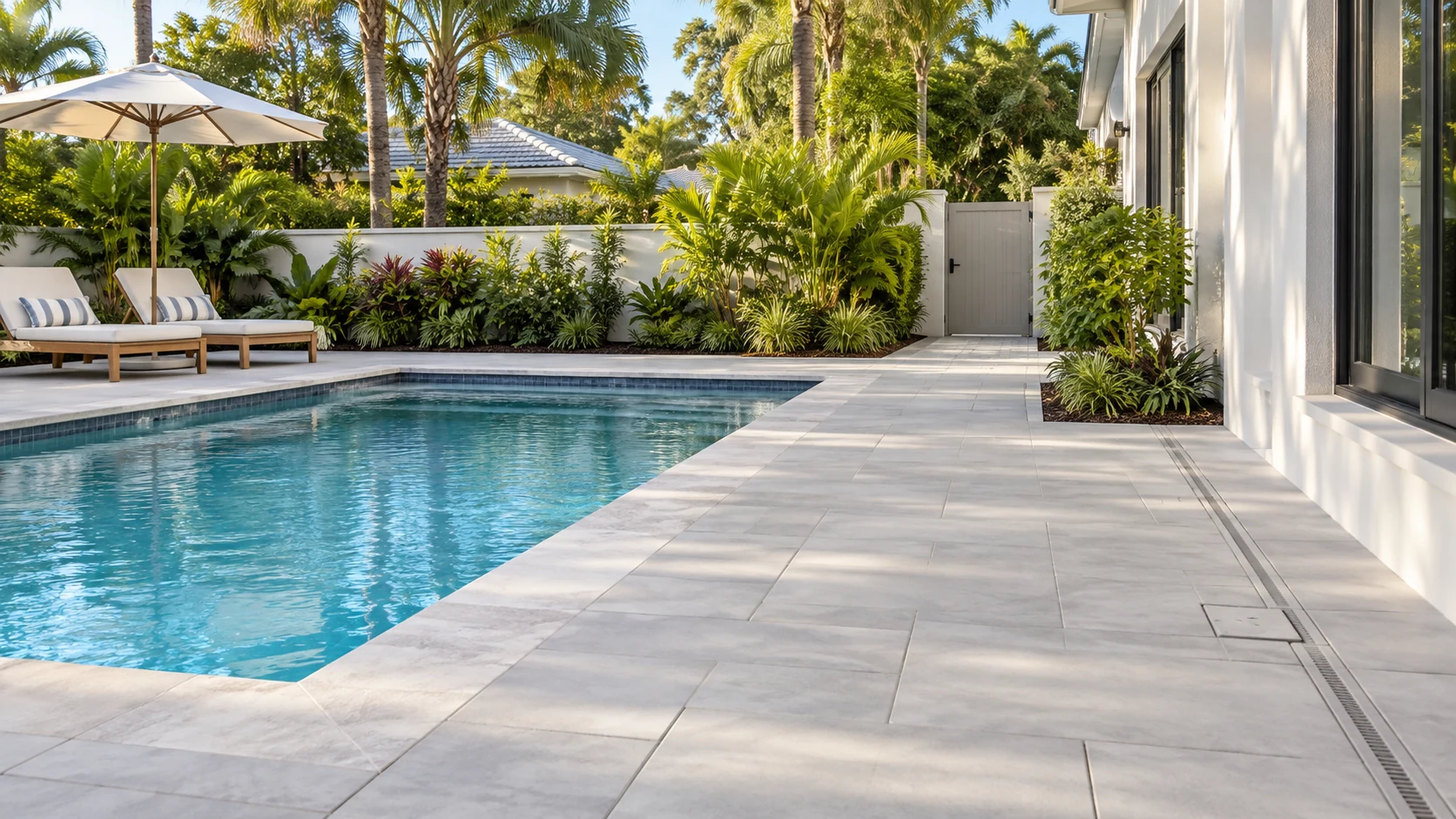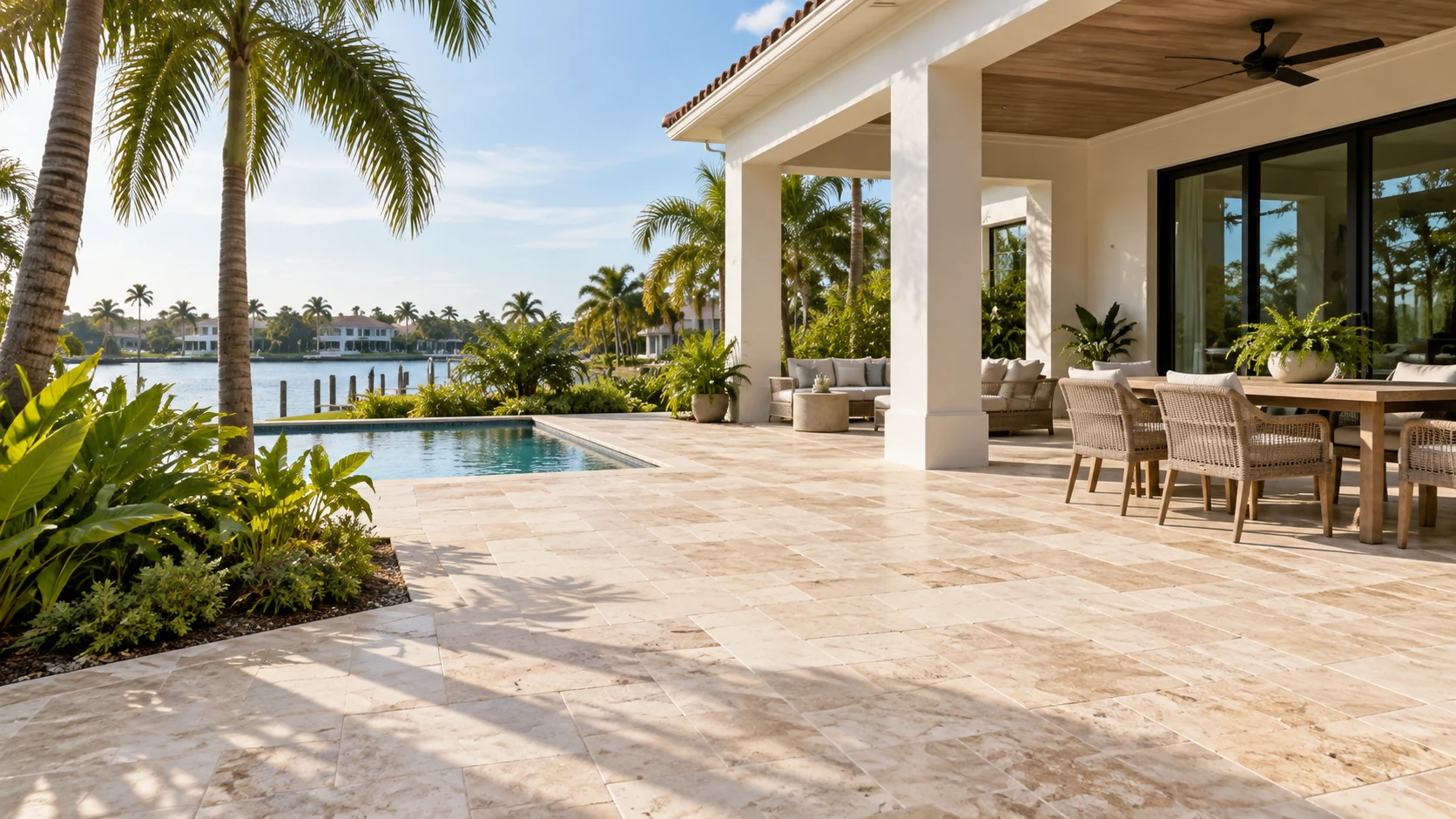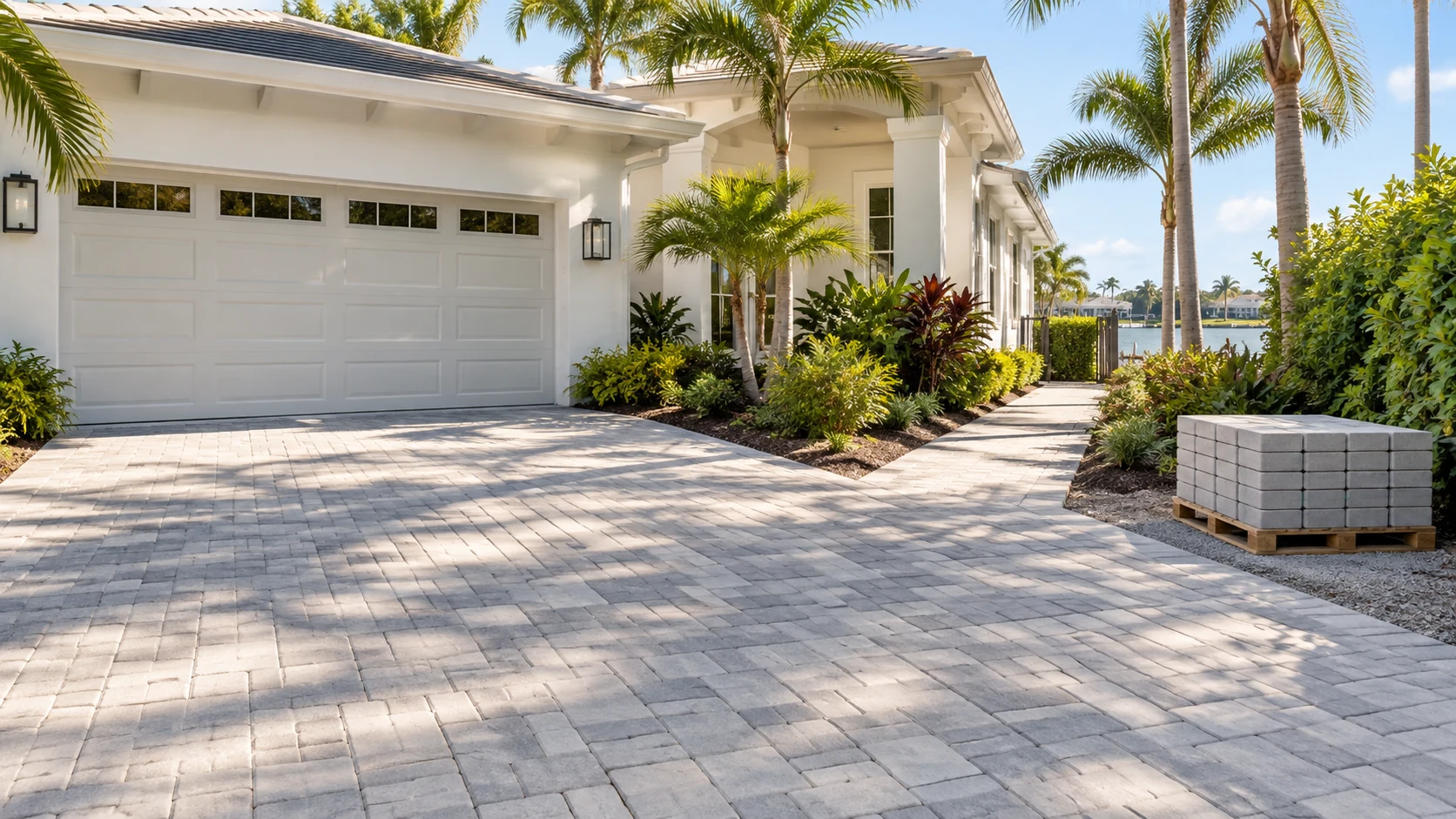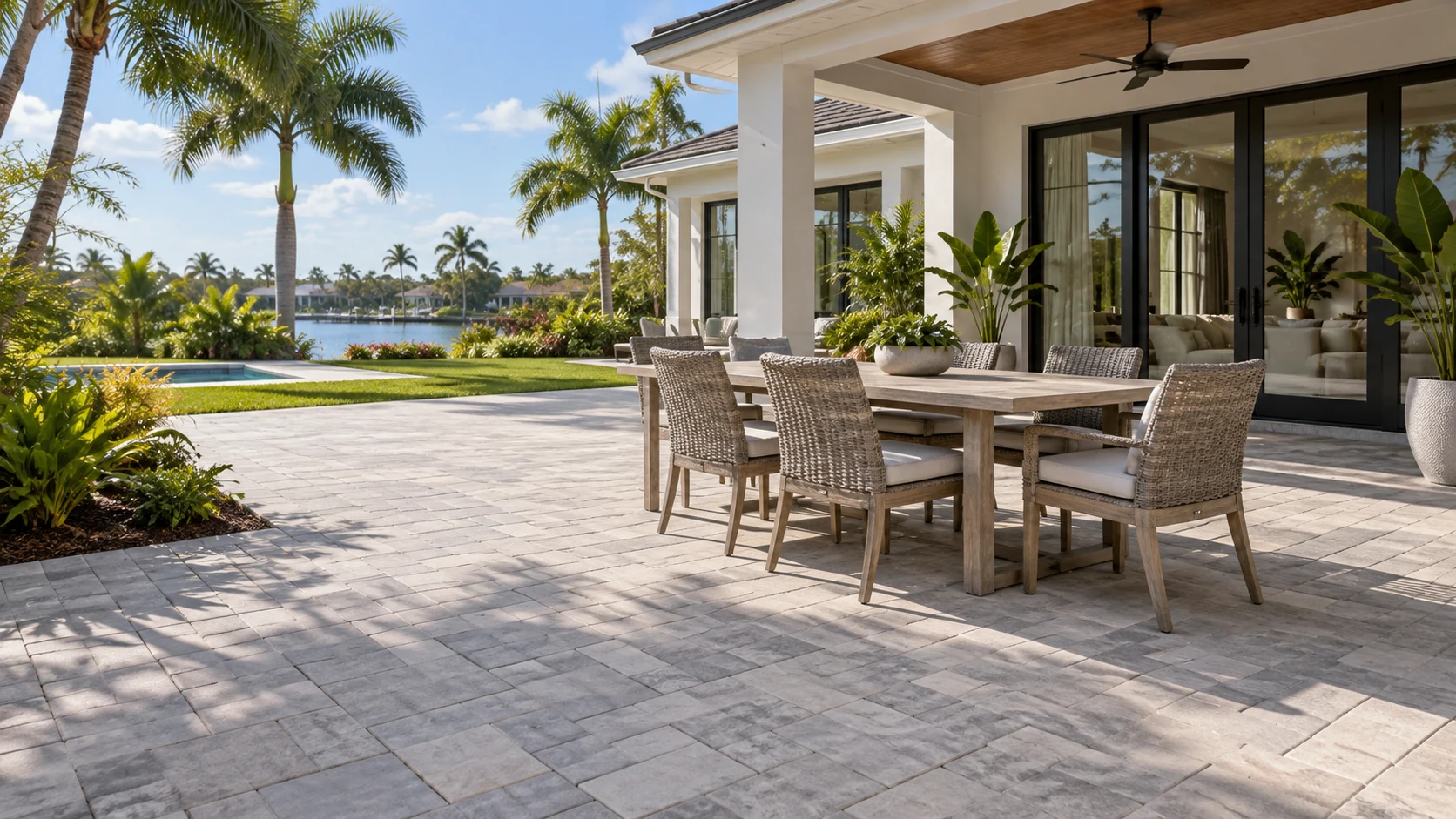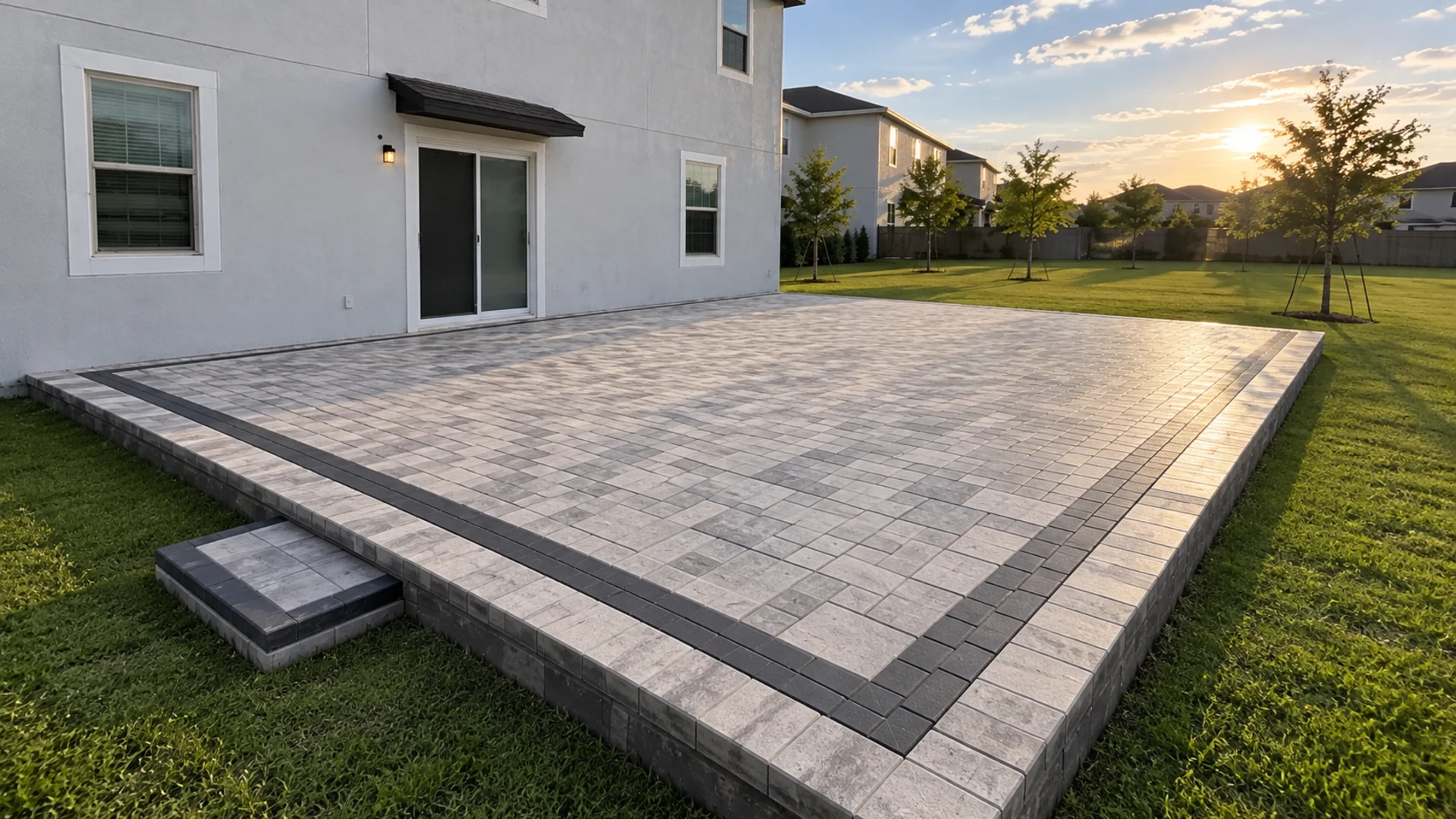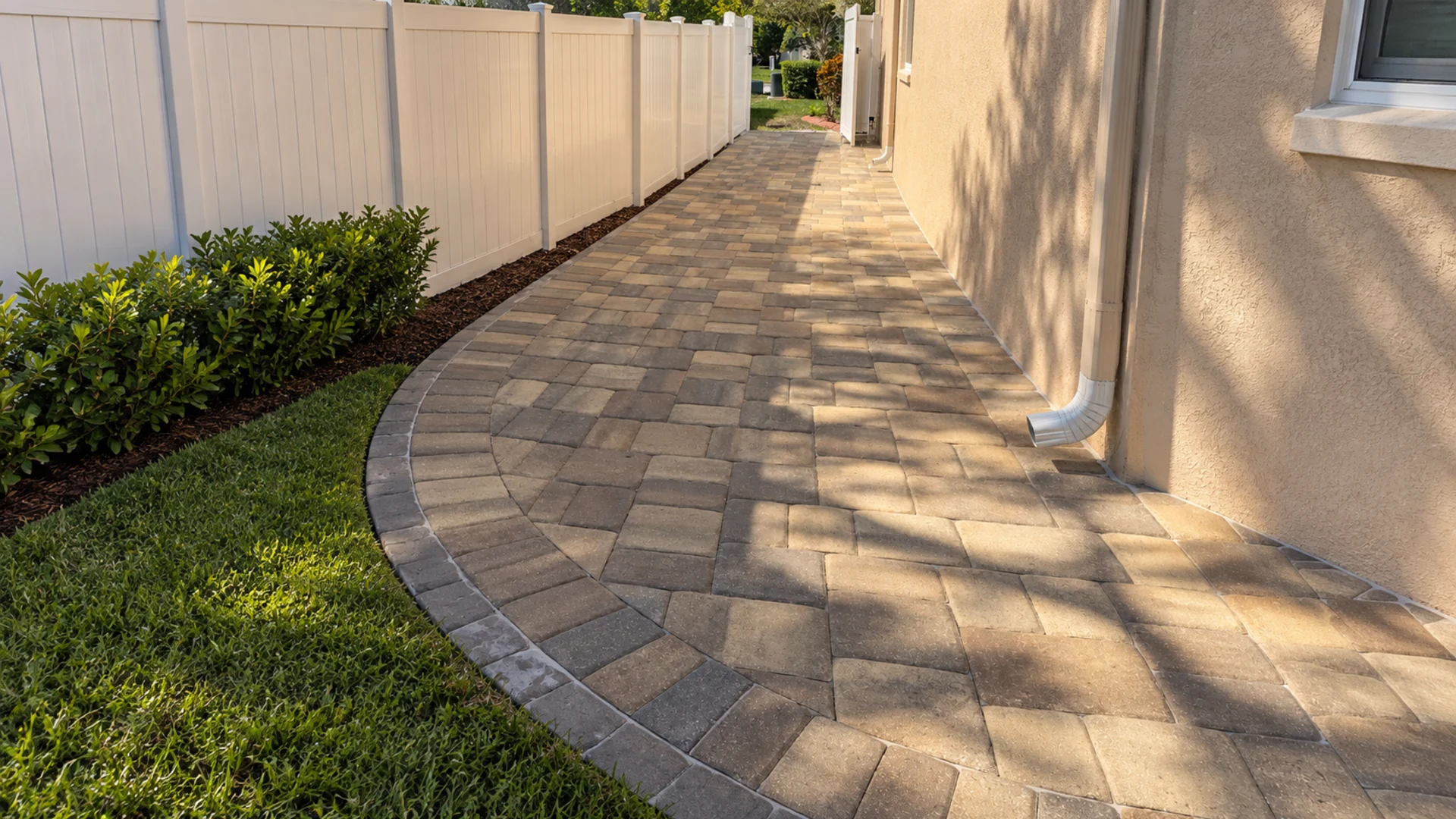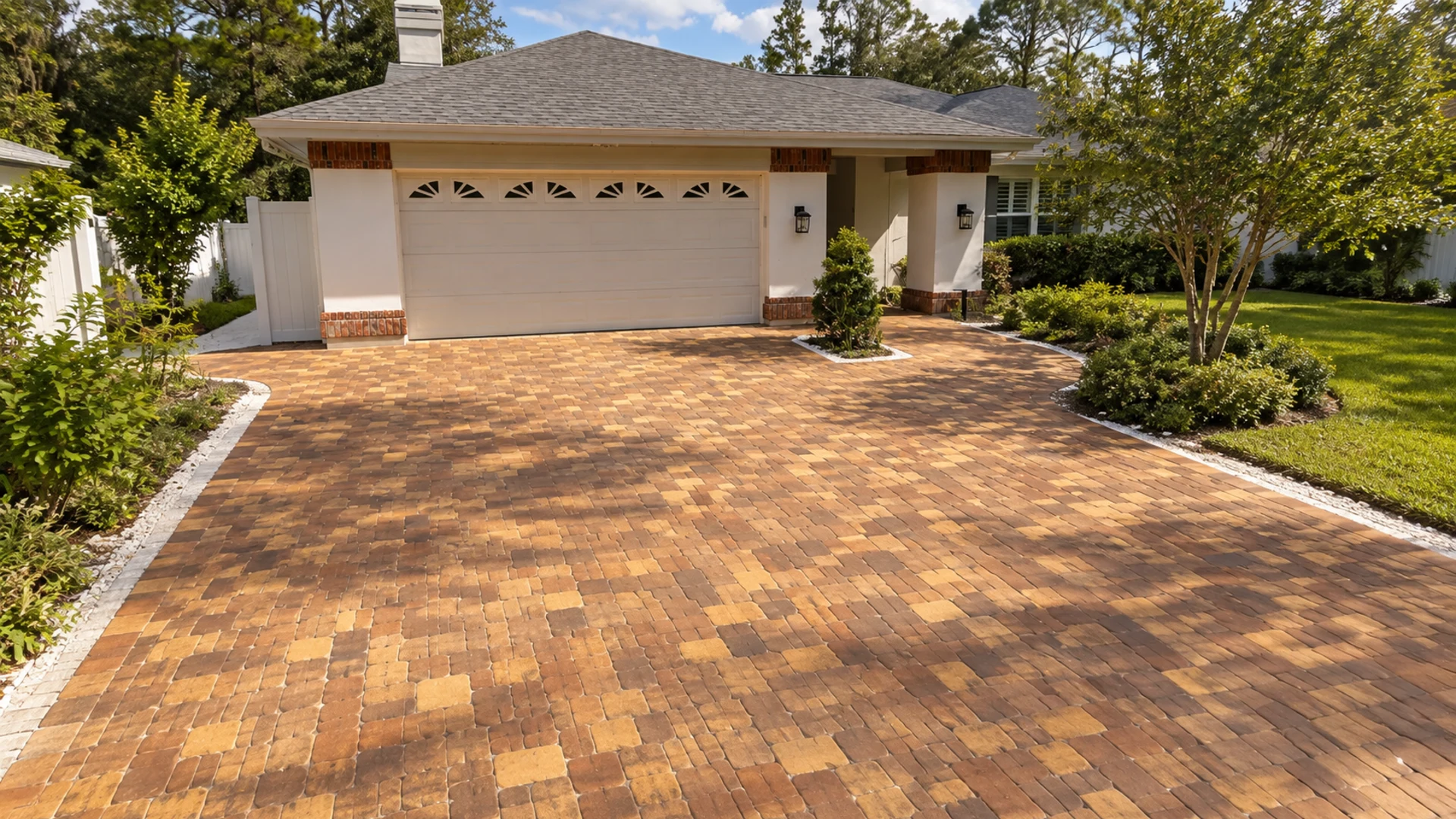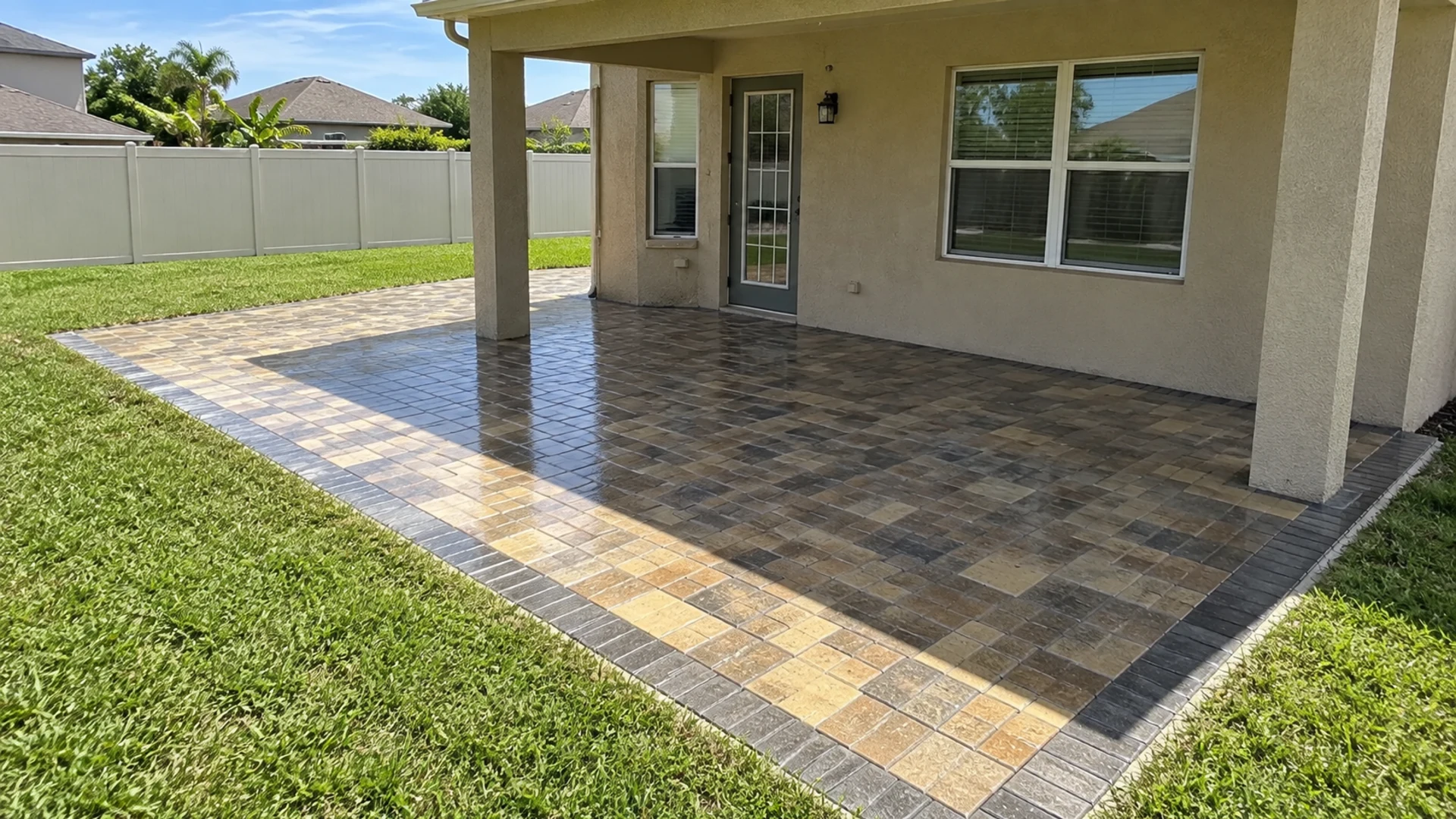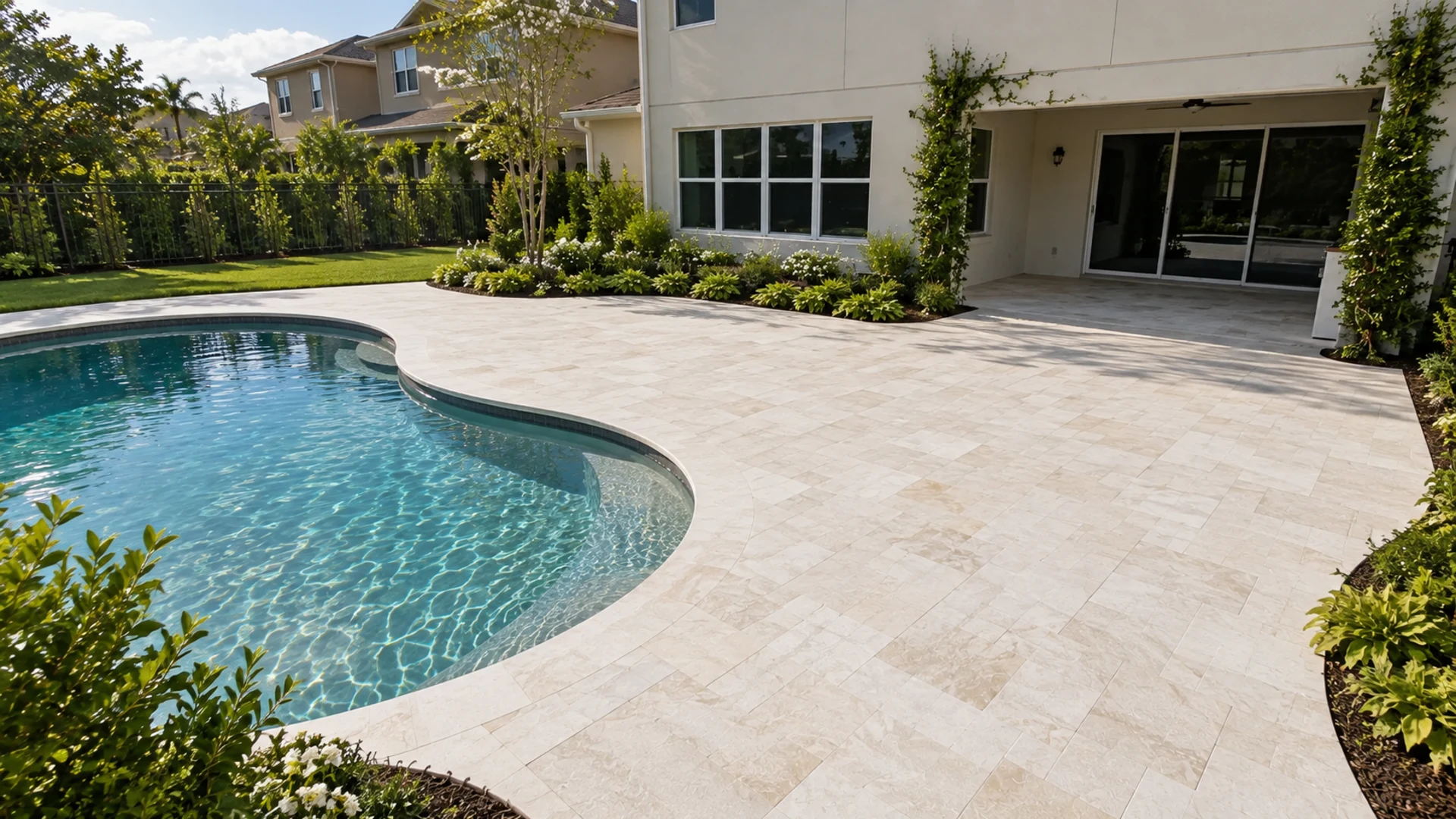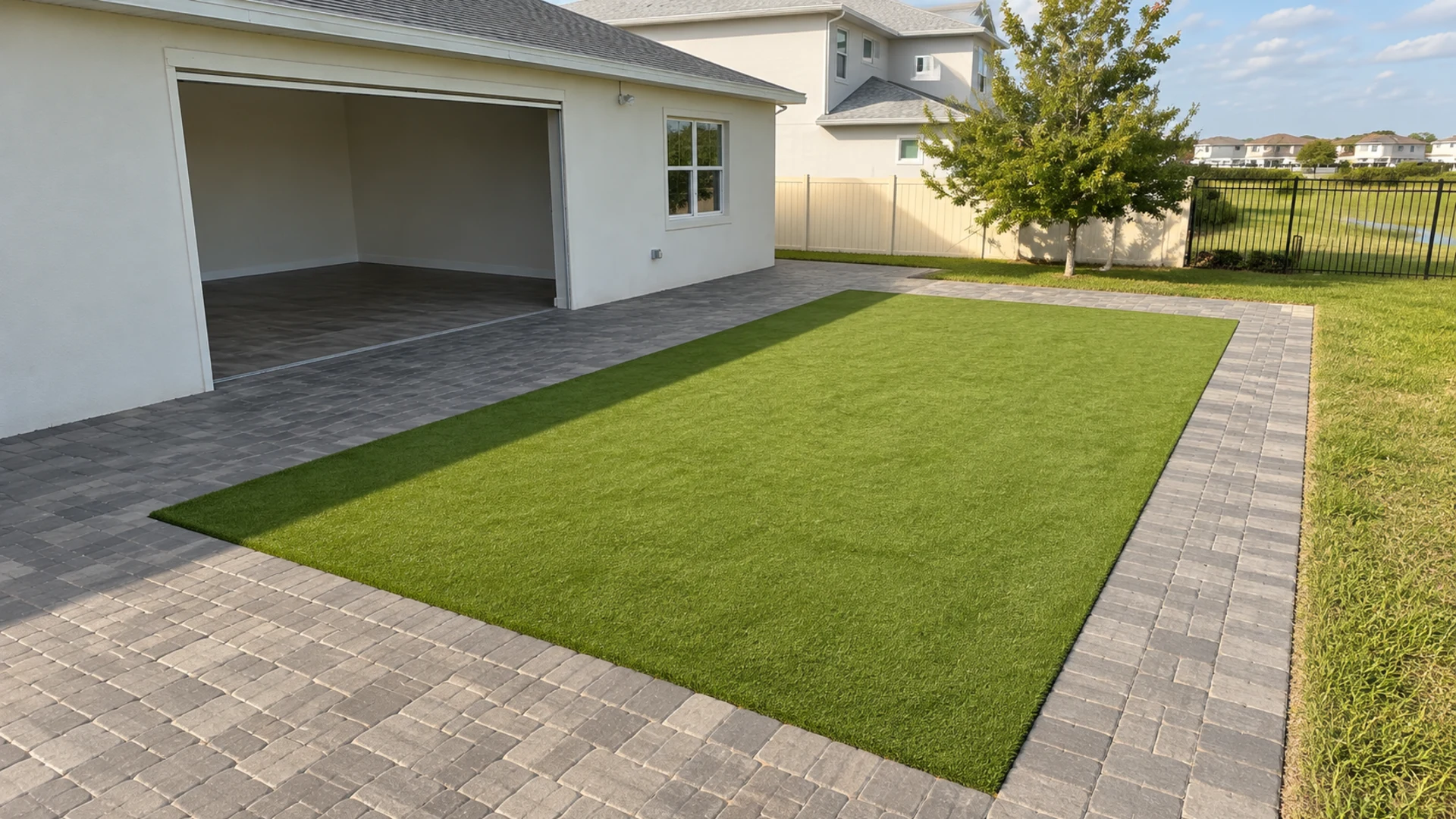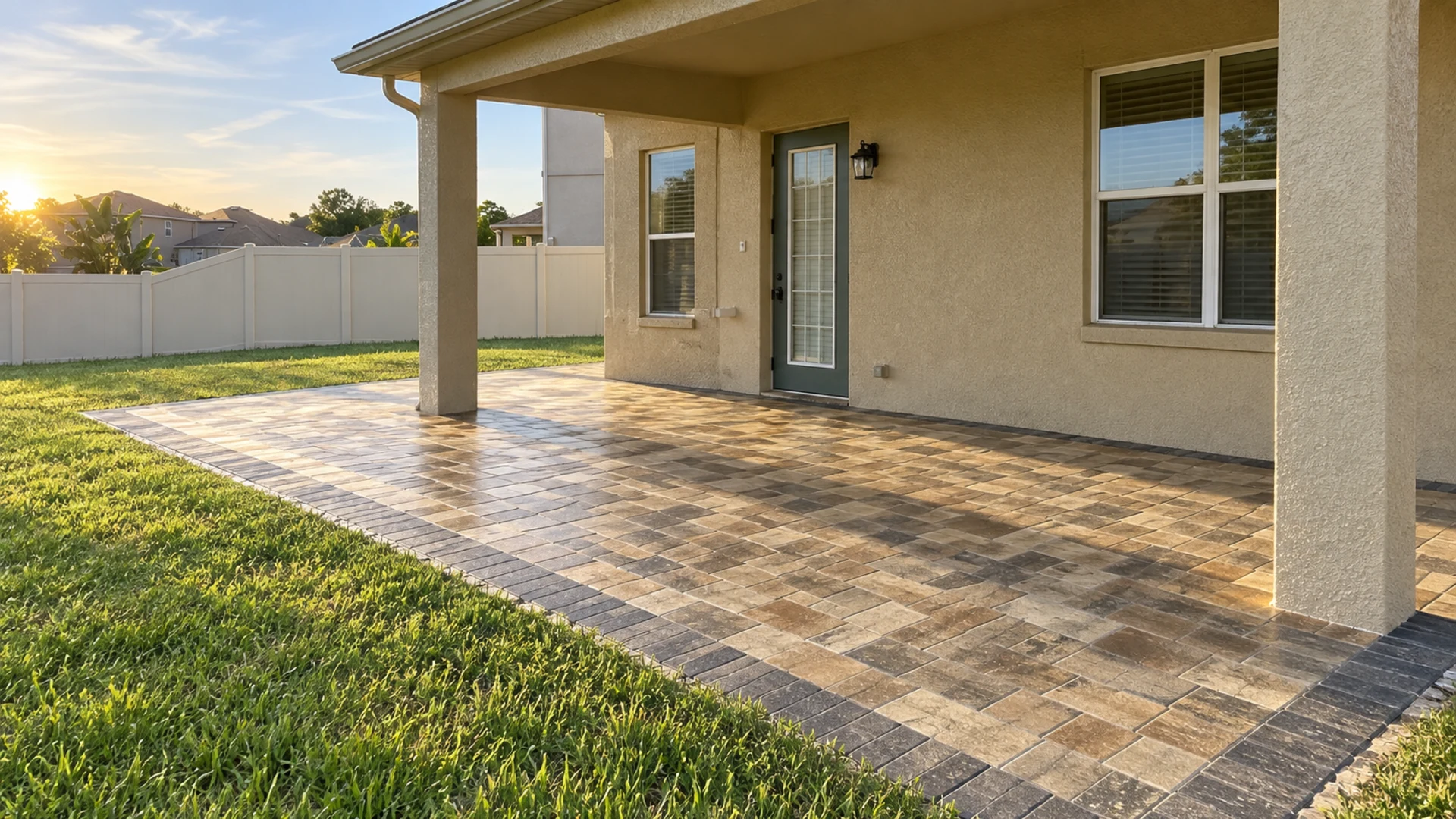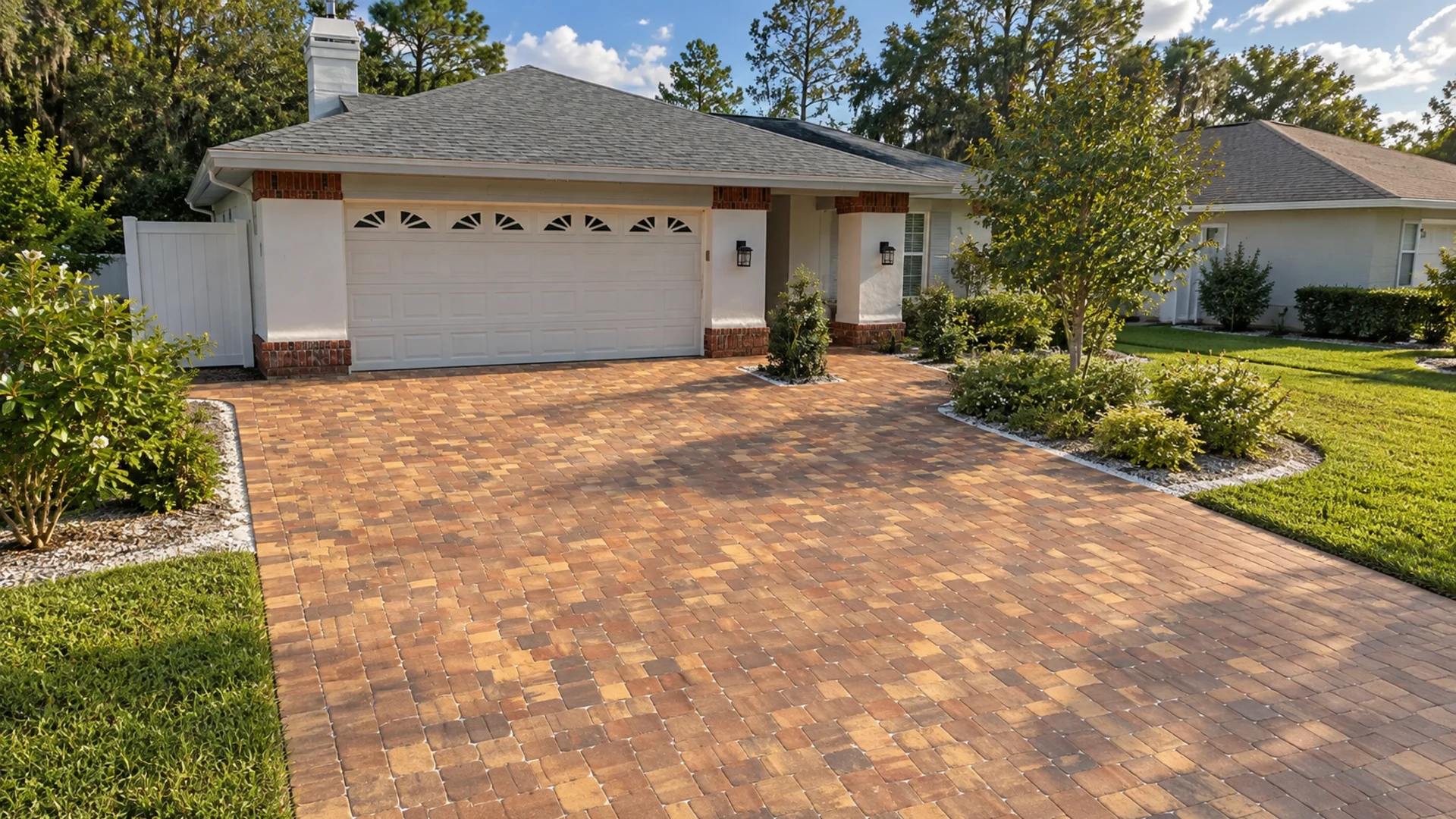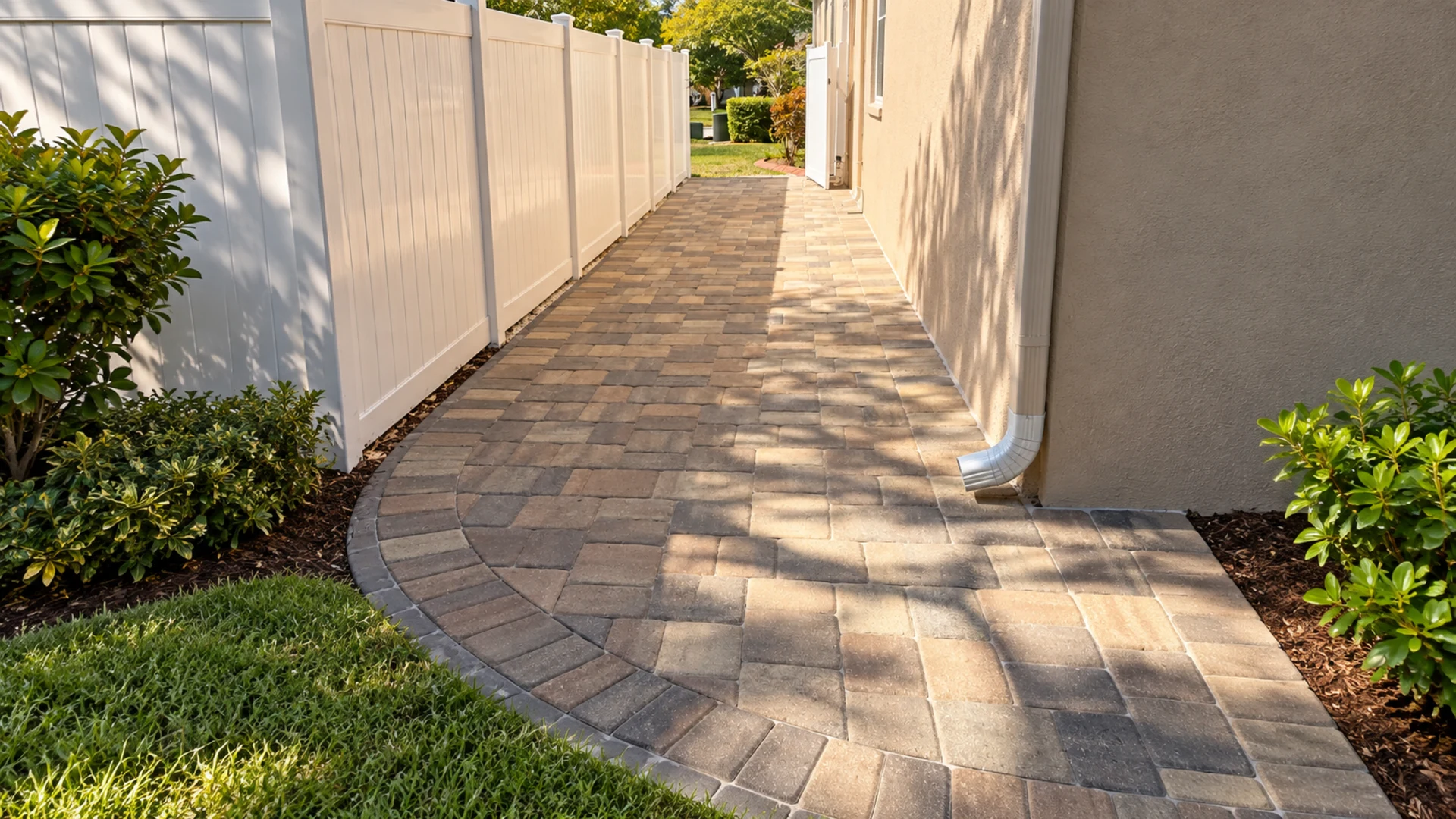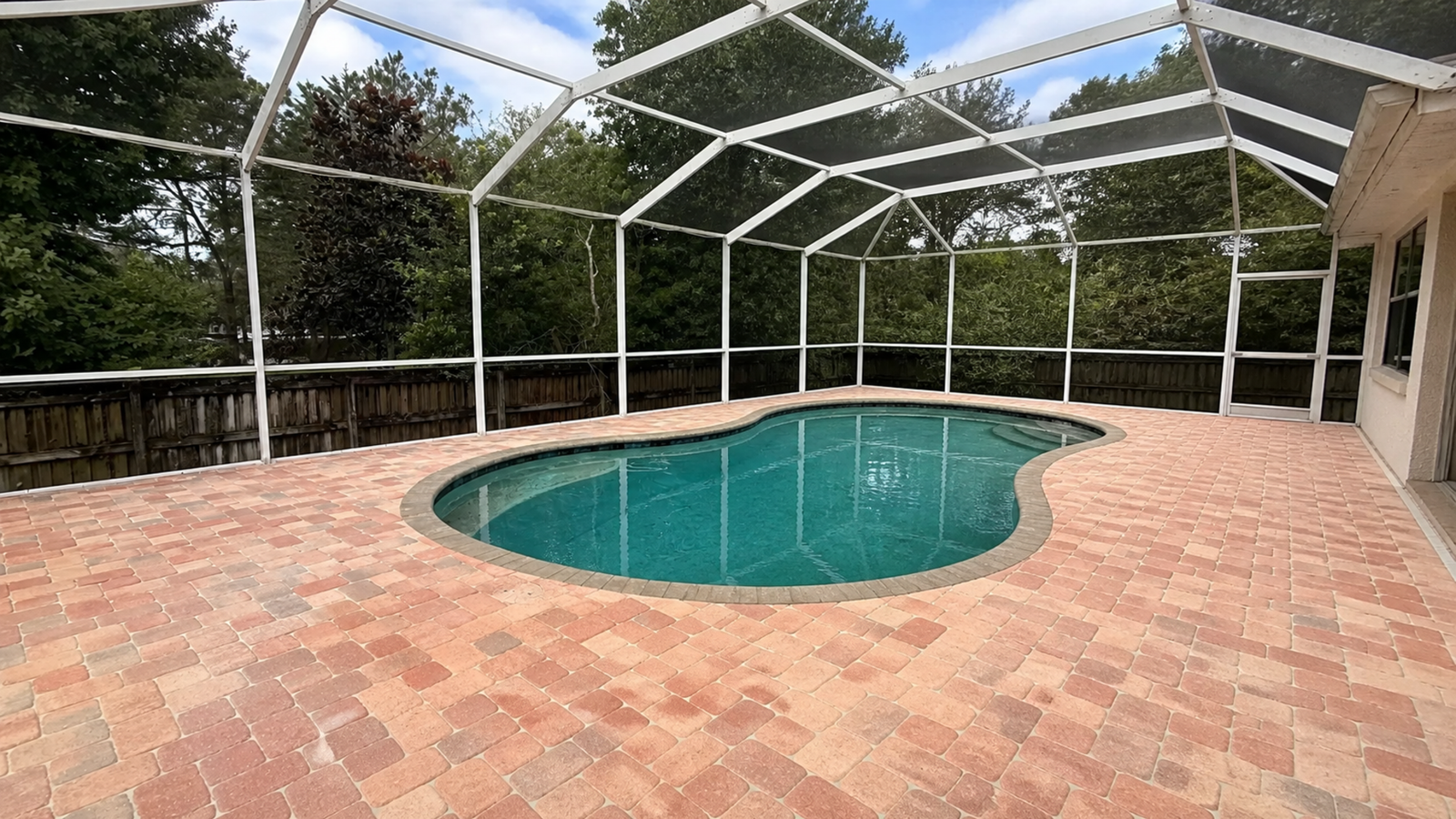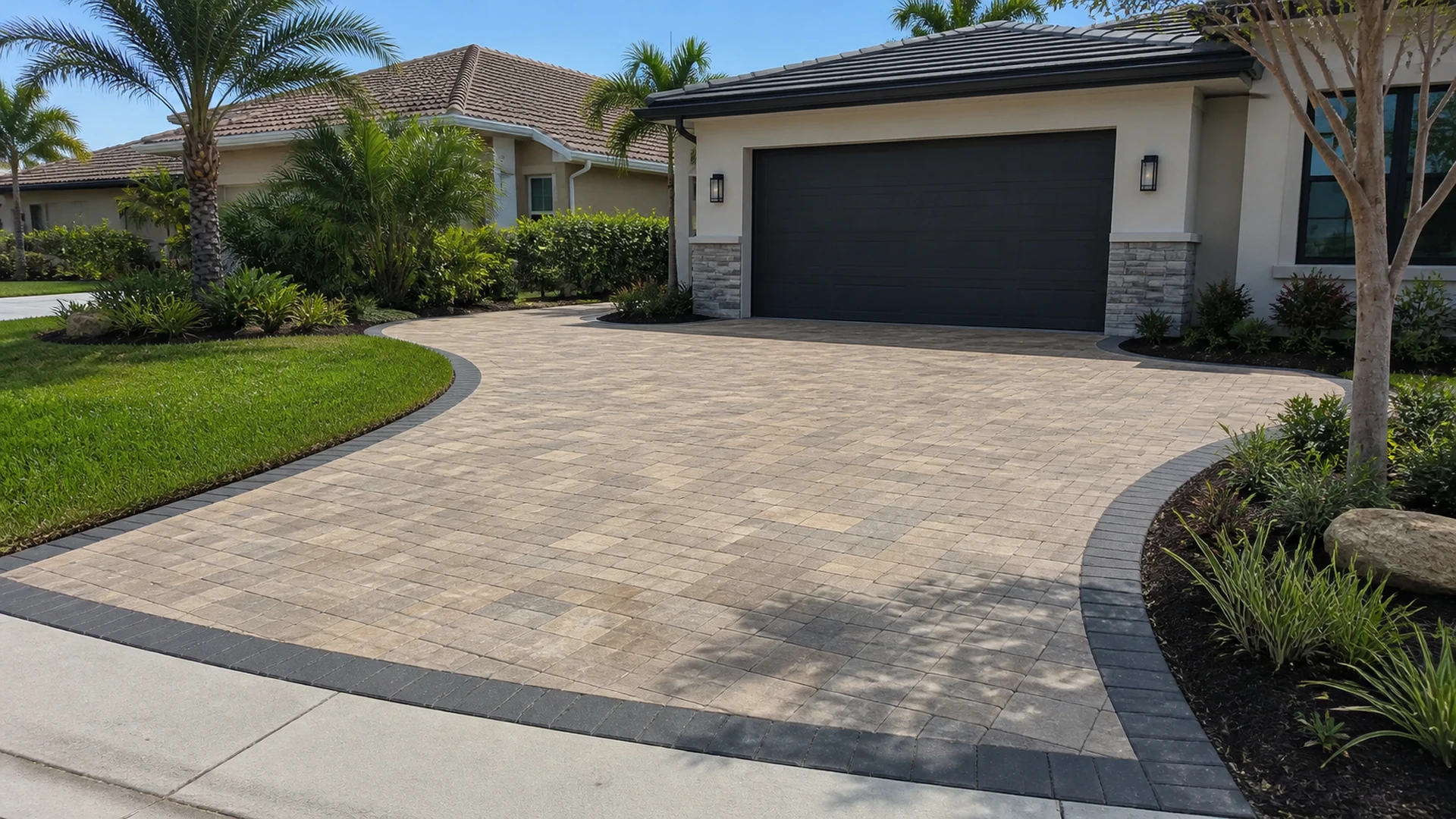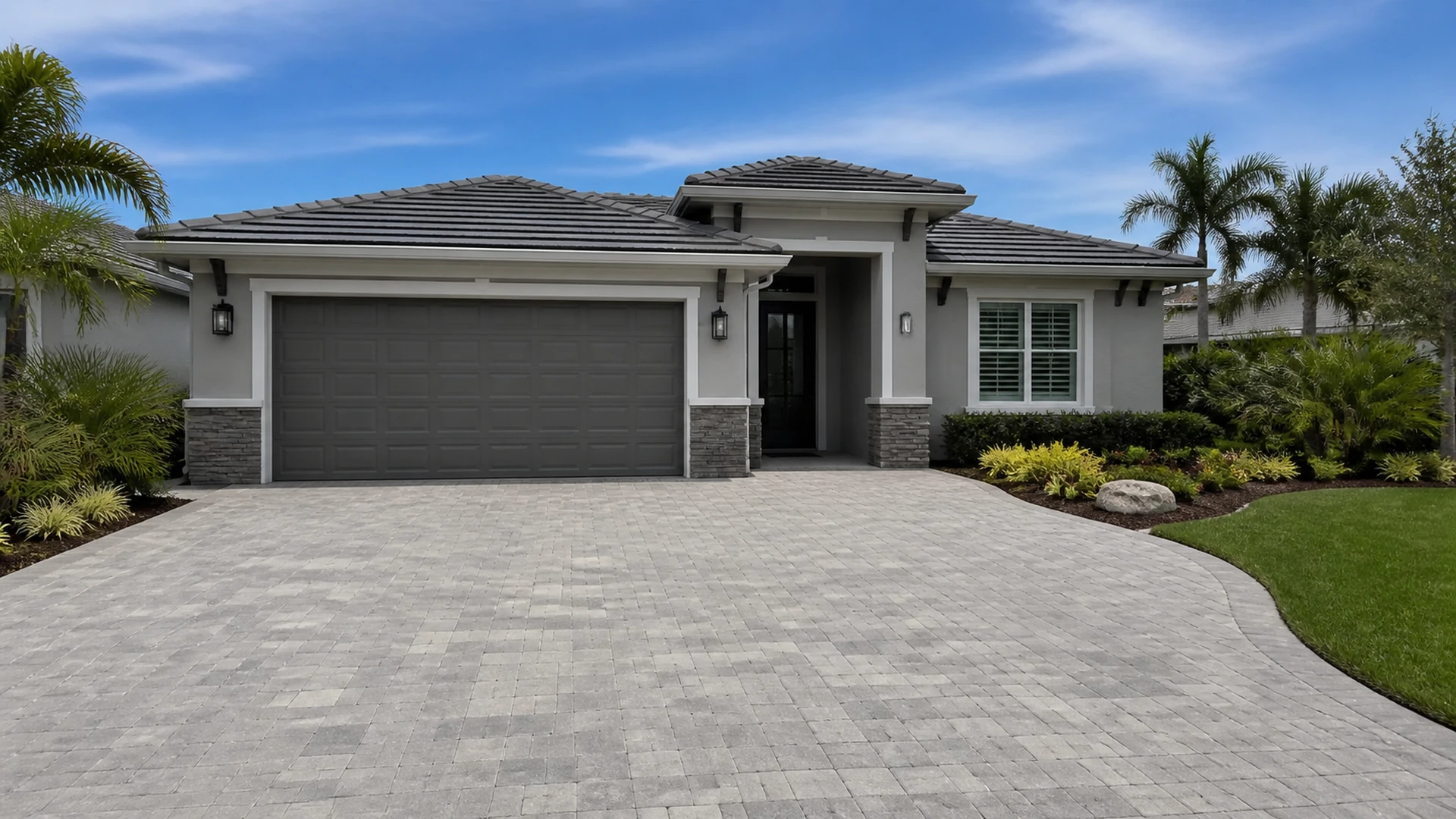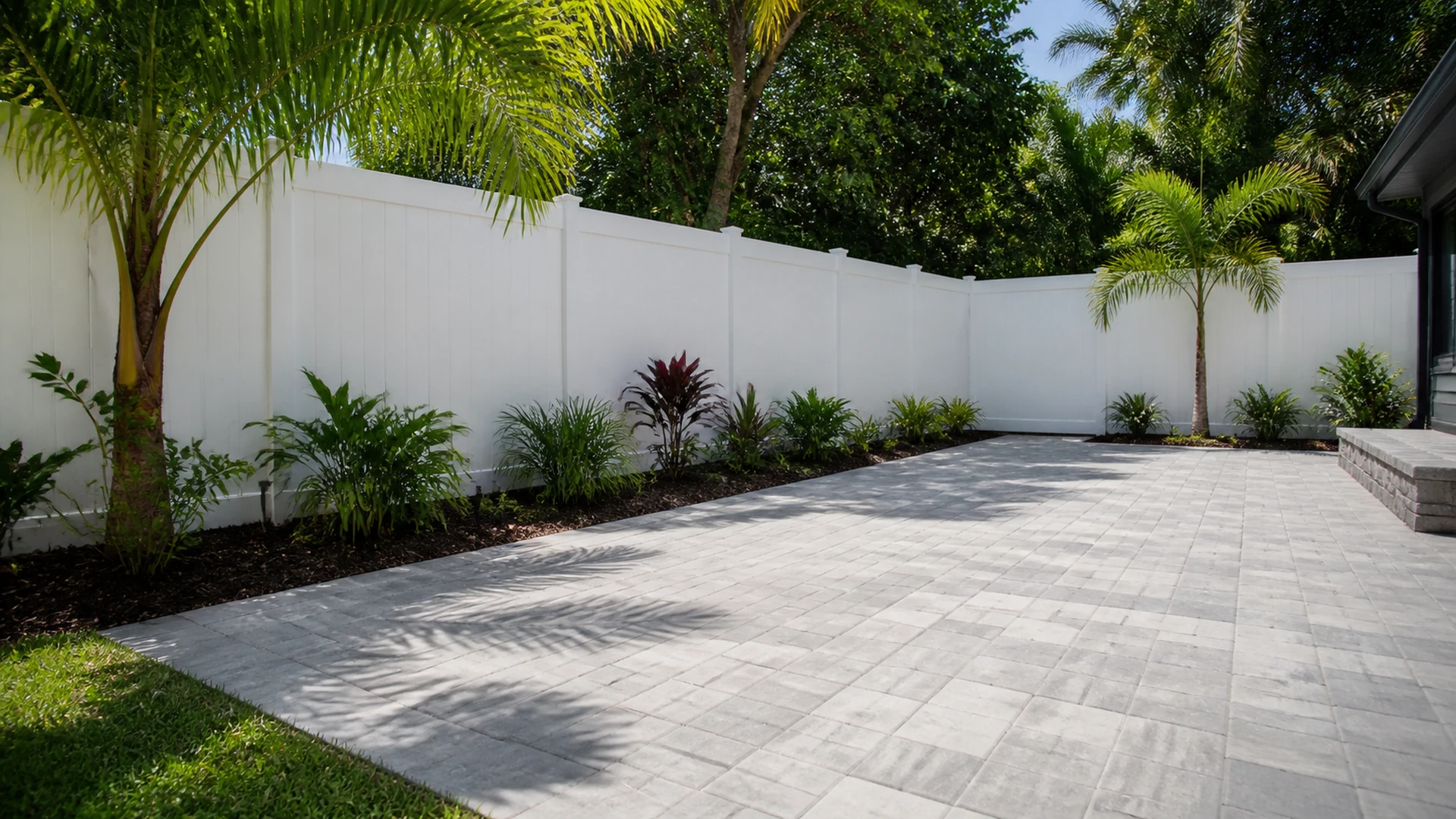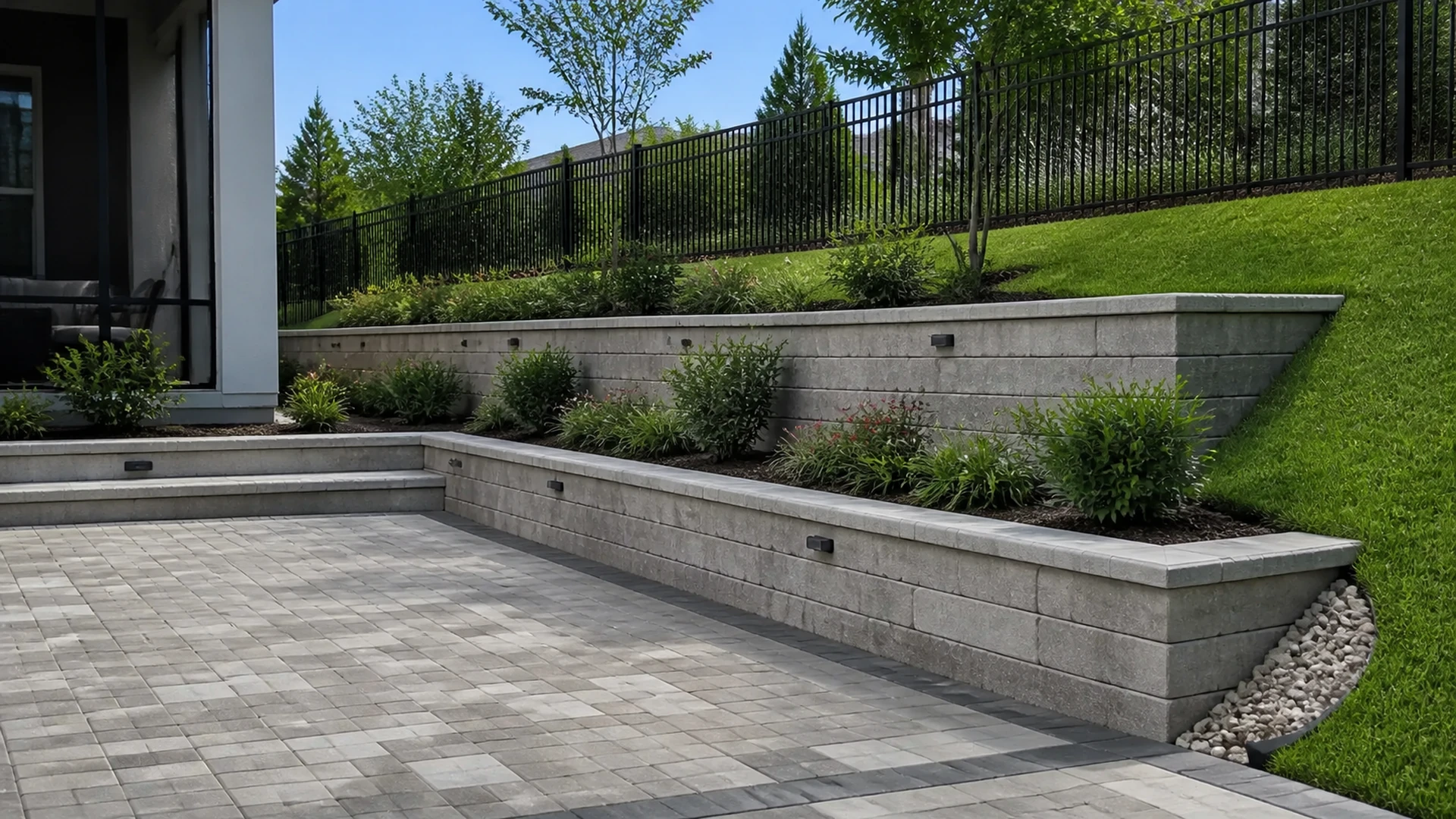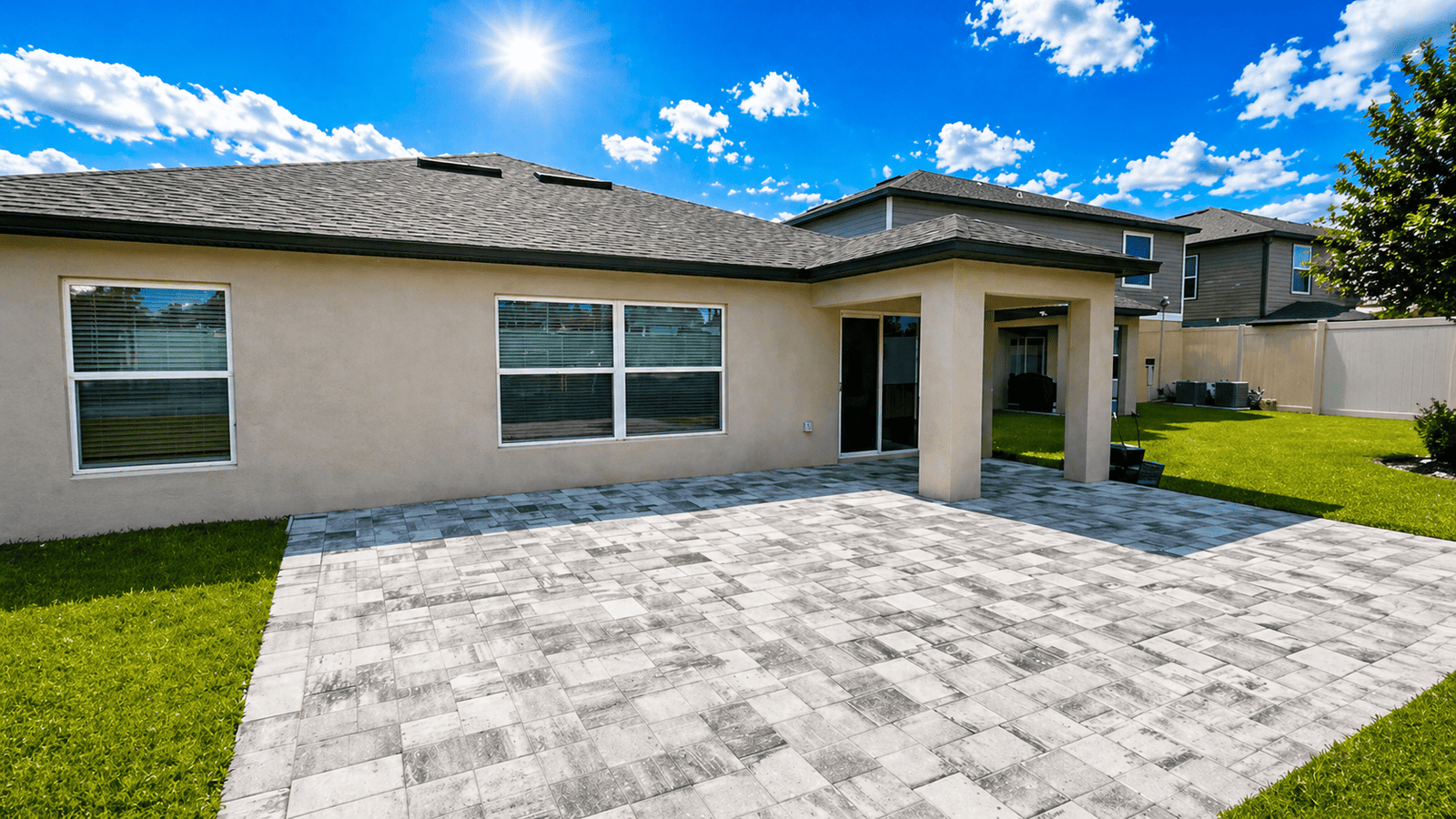
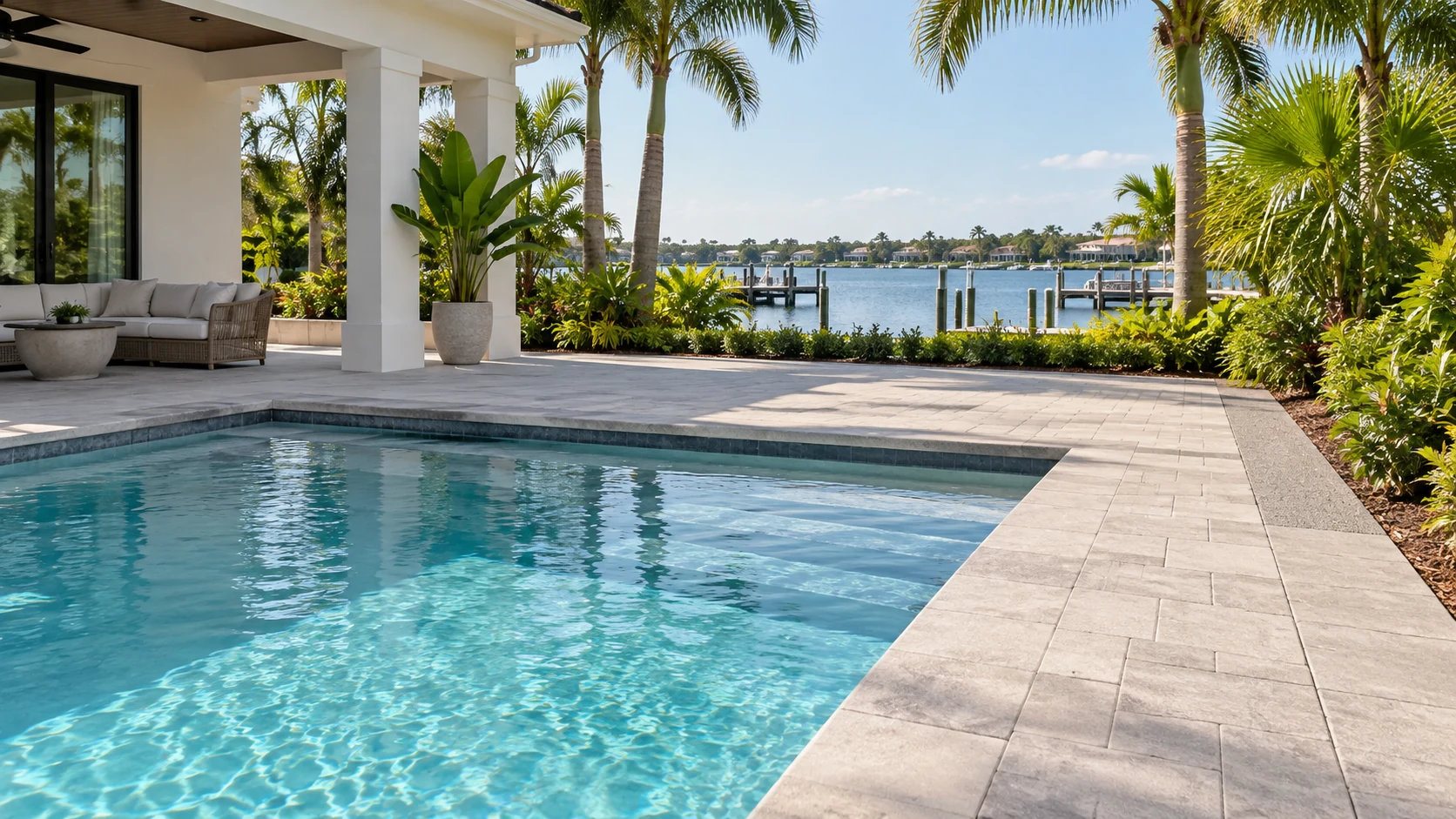
Partial pool deck renovation starts with a careful question: which parts of the existing surface can reasonably remain? Replacing every paver is not automatically the right scope. However, keeping an area merely because it looks acceptable can also overlook unresolved conditions. The decision needs an assessment of the whole deck and its connections.
For Tampa Bay homeowners, this is a planning discussion before it becomes a material order. The contractor needs to understand movement, transitions, drainage observations, and the intended result. Therefore, explain both the visible concerns and the areas you hope to preserve. That gives the site visit a useful starting point.
This guide shows how to prepare for that review, compare selective renovation proposals, and set realistic expectations about matching. It does not diagnose a deck from photographs or promise that every unit can be reused. The objective is a scope that makes sense for the installed conditions rather than an assumption about total replacement.
Define the purpose of the partial pool deck renovation
First, describe why you want the work. A localized change in level differs from a broad dislike of the color. Likewise, a new access route differs from replacing a damaged border. These goals may lead to different recommendations, even when they concern the same pool deck.
Separate functional concerns from appearance preferences. For example, a homeowner may want a transition assessed while also hoping to refresh the seating area. Both requests matter, but they should not merge into a vague instruction to redo the deck. A clear brief lets the contractor explain which parts of the proposal address each goal.
Also identify features you want to retain, such as existing coping, a familiar furniture arrangement, or a connection to the house. The contractor can then review their relationship to the proposed work. A preservation preference is useful information, not proof that retaining the feature is technically appropriate.
Create a map of observed conditions
Draw a rough plan showing the pool, doors, drains, gates, equipment route, and existing paved sections. Then mark the areas you want discussed. Number the locations so each note corresponds to a photograph. This organization is especially helpful when several small concerns sit around a large deck.
Describe observations in plain language. For instance, note that one area feels uneven or that water remains beside a particular door after rain. Avoid assigning a cause without assessment. The site visit should investigate the condition rather than confirm a diagnosis made from a limited view.
Include dates when you know them. A condition present for several years raises different questions from a recent change after adjacent work. However, timing alone does not establish responsibility. It simply provides context that the professional can consider alongside the physical inspection.
Identify the proposed boundaries of partial pool deck renovation
Ask where the selective work would begin and end. A repair boundary should reflect the assessed condition and installation requirements, not just a convenient rectangle on a photo. The contractor should explain how the renewed area connects with the portion that remains.
Also ask whether the proposal assumes that adjacent units can stay undisturbed. That assumption may need confirmation during the work. Therefore, request a process for addressing discoveries before they become an unexpected decision. A clearly described allowance is more useful than an unexplained promise to handle whatever appears.
Keep the latest boundary drawing with the estimate. If the agreed scope changes, update both. This helps homeowners compare proposals that may otherwise use the same phrase, partial renovation, for different amounts of work.
Assess the retained area as part of the project
The preserved section still influences the result. Ask how the contractor will review its visible condition, transitions, and relationship to the proposed work. A new patch cannot automatically resolve a separate concern elsewhere. Therefore, keep the wider deck in the conversation even when the renovation area is limited.
The CMHA maintenance guide treats concrete pavement performance as a system question. That supports asking about the surrounding installation, without turning the guide into a diagnosis of your deck. Material-specific and site-specific assessment remain necessary.
If the surface uses natural stone rather than concrete pavers, identify that distinction clearly. The care and repair discussion should refer to the actual material. A broad instruction suitable for one paving system should not automatically apply to another.
Compare existing and replacement materials honestly
Find any original product records and spare units. Then ask whether the same material remains available and what variation the supplier expects. A product with the same name may still need careful comparison. Do not approve a match solely from a small image on a screen.
Discuss the existing surface's age and maintenance history. Cleaning, exposure, and previous treatments may affect the visual comparison. Therefore, ask how the contractor will present the likely result. A local renovation may remain visible even when the new material is appropriate for the work.
If the original product is unavailable, review alternatives explicitly. A deliberate contrast, a larger defined zone, or another revised approach may deserve consideration. The best choice depends on the assessed installation and your priorities. Avoid accepting an unexplained substitute simply because materials have already arrived.
Coordinate coping, drains, and equipment access
Pool deck work can meet components managed by other professionals. Identify the coping, visible deck drains, equipment route, and any planned pool service. Then ask which interfaces the paving scope includes. A selective renovation should not quietly assume that another trade will resolve an undefined connection.
Keep deck drainage separate from pool suction components. Do not remove or alter unknown covers to investigate them. If a component needs assessment, involve the relevant pool or drainage professional. The homeowner's role is to identify the location and concern clearly.
Also explain how maintenance staff reach the equipment. A finished deck should support that route rather than merely look complete from the main seating area. Discuss gates and furniture positions alongside the paving outline so access remains part of the practical brief.
Ask what reuse means in the proposal
Some selective projects may involve lifting and reinstalling existing units. However, the word reuse can hide several assumptions. Ask which material the contractor expects to retain and what happens if a unit cannot reasonably return to service. The answer should describe the decision process and any allowance.
Do not assume that every removed piece will remain usable. Likewise, do not discard spare material before the contractor reviews it. A sensible plan identifies storage, handling, and the relationship between retained and replacement units. It also separates appearance expectations from practical construction requirements.
If the proposal relies on homeowner-supplied material, confirm the quantity and specification before approval. A pile of similar-looking pavers does not establish that they suit the intended repair. Keep the material review connected to the actual scope.
Plan how the household will use the area during work
Discuss which routes will remain available and which areas need temporary restrictions. A pool deck can connect several parts of the home, so a small renovation may still affect ordinary movement. Therefore, identify doors, gates, and service appointments before the work sequence is fixed.
Ask how the team will communicate daily changes. The household should know which area to avoid and when a route can reopen. Do not infer readiness from the surface looking finished. Follow the contractor's specific handover instructions for the materials and work performed.
Also consider furniture and movable equipment. Decide where they will wait without blocking the agreed access route or staging area. This simple preparation helps the team work within the defined scope and reduces last-minute decisions on the deck itself.
Compare estimates by responsibility, not just area
Two selective renovation quotes can describe different work beneath the same surface outline. Therefore, compare preparation, removal, replacement, adjacent restoration, and coordination responsibilities. Ask each contractor to explain what remains outside the proposal. A lower total may reflect a smaller scope rather than a better value.
Look for clear assumptions about hidden conditions. If further work depends on what the team finds after lifting units, request an approval process for that discovery. You should understand when the estimate can change and who will explain the revised recommendation.
Avoid demanding a firm technical solution from photographs alone. Instead, ask what the site visit can establish and what remains uncertain. That distinction makes partial pool deck renovation easier to evaluate without pretending the existing installation is fully visible.
Set visual expectations before approving the work
Review how the renewed zone will appear beside the retained surface. A clean edge or deliberate pattern transition may make the scope understandable. However, appearance depends on the material and layout. The contractor should explain the proposed relationship rather than promise an invisible boundary.
If a representative sample arrangement is appropriate, ask how it will support approval. View it under ordinary conditions and keep a record of the selected materials. A wet sample or tightly framed photo should not become the only basis for accepting the final appearance.
Also distinguish the renovation from later maintenance. The proposal may not include cleaning or treating the whole retained deck. If you expect that service, discuss it explicitly. Otherwise, a completed repair can look unfinished simply because the household imagined a broader refresh.
Prepare a clear completion review
At handover, compare the completed work with the agreed boundaries and scope. Then ask about care, access, and any follow-up item. Keep the discussion focused on the work performed. Separate a newly noticed issue outside the scope from a question about the renovated area.
Retain material details, service records, and photographs. These documents help if you later extend the renovation or arrange maintenance. They also preserve the reasoning behind a selective approach, including which sections remained and what limitations the team discussed.
If an item needs follow-up, record its location and next step. A short dated note is more useful than a general promise that someone will return. Clear completion records support a practical relationship with the contractor after the work area reopens.
Decide whether selective work fits the assessed deck
Imagine a homeowner with a localized concern near one gate and a largely unchanged seating area. The site visit may support a defined selective scope, or it may identify a wider issue. Either outcome is useful when the assessment explains why. This hypothetical example does not predict what a particular property will need.
The homeowner can then compare retaining sections, expanding the scope, or revising the project priorities. The decision rests on the installed conditions and documented expectations. Partial pool deck renovation is valuable when it offers a coherent solution, rather than simply avoiding replacement at any cost.
Explore Dr Pavers Design's pool deck guides and repair and maintenance guides before the consultation. Bring the rough plan, numbered photos, and available material records so the team can discuss the actual deck and a clearly defined next step.
Separate aesthetic refresh from a necessary repair
A homeowner may want the renewed area to look cleaner or more coordinated than the surrounding deck. That is a valid preference, but it should remain distinct from the assessed repair need. Therefore, ask the contractor to identify which items address function and which items provide an optional visual change.
This distinction helps when priorities or budget require a narrower scope. For example, a clearly defined repair can remain necessary even if a broader color update waits. Conversely, cleaning an otherwise serviceable area may be an appearance choice rather than evidence that replacement is required. The proposal should explain the difference without pressuring the homeowner toward the largest possible project.
Also ask how the two scopes would interact if performed at different times. A later refresh should not rely on an assumption that today's materials will remain available. A thoughtful partial pool deck renovation records both the current work and any future idea separately.
Ask what would change the selective recommendation
Before approving the proposal, ask which discoveries could make the planned boundary unsuitable. The contractor may identify conditions that require a wider review once the work begins. You should understand the process without expecting a prediction of every hidden detail.
Agree that a material change in scope receives explanation before additional work proceeds. A useful update includes the observed condition, proposed response, and effect on the project. It should also distinguish a necessary adjustment from an optional improvement. That keeps the homeowner involved in decisions while leaving technical assessment with the qualified professional.
This preparation makes selective work more transparent. It also avoids treating the original outline as an instruction to preserve every section regardless of what the actual assessment reveals.
For help with partial pool deck renovation in Tampa Bay, contact Dr Pavers Design with your location, photographs, and project priorities. Explore projects, testimonials, and the FAQ before the consultation. You can also review the company's services to describe the work you want evaluated.
Follow Instagram and Facebook for company updates, or consult Google Maps and Google reviews. Send a WhatsApp inquiry or text the team to begin the discussion. Contact Dr Pavers Design at +1 (656) 600-4015 or email drpavers@outlook.com for a free consultation anywhere in Tampa Bay.