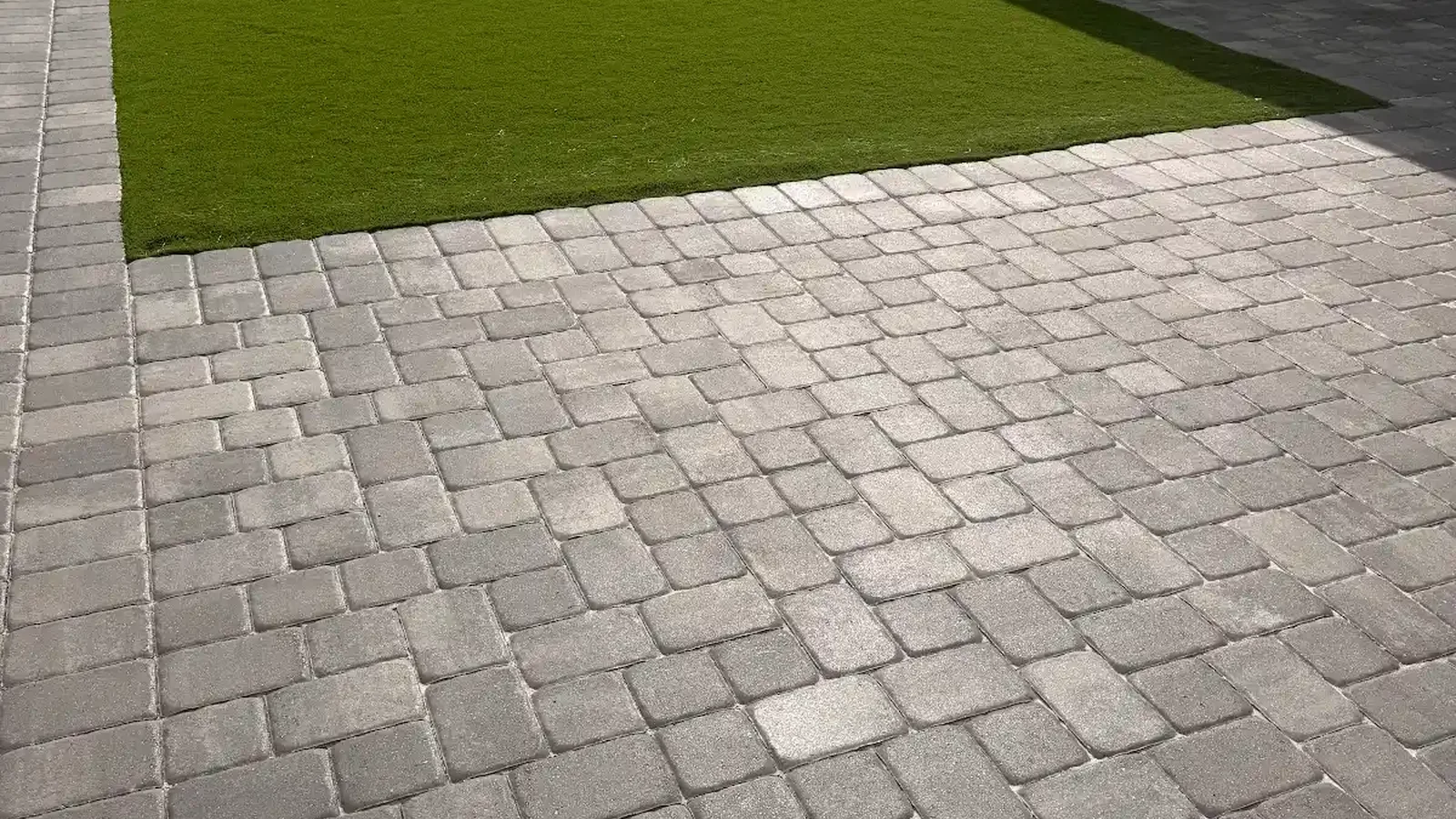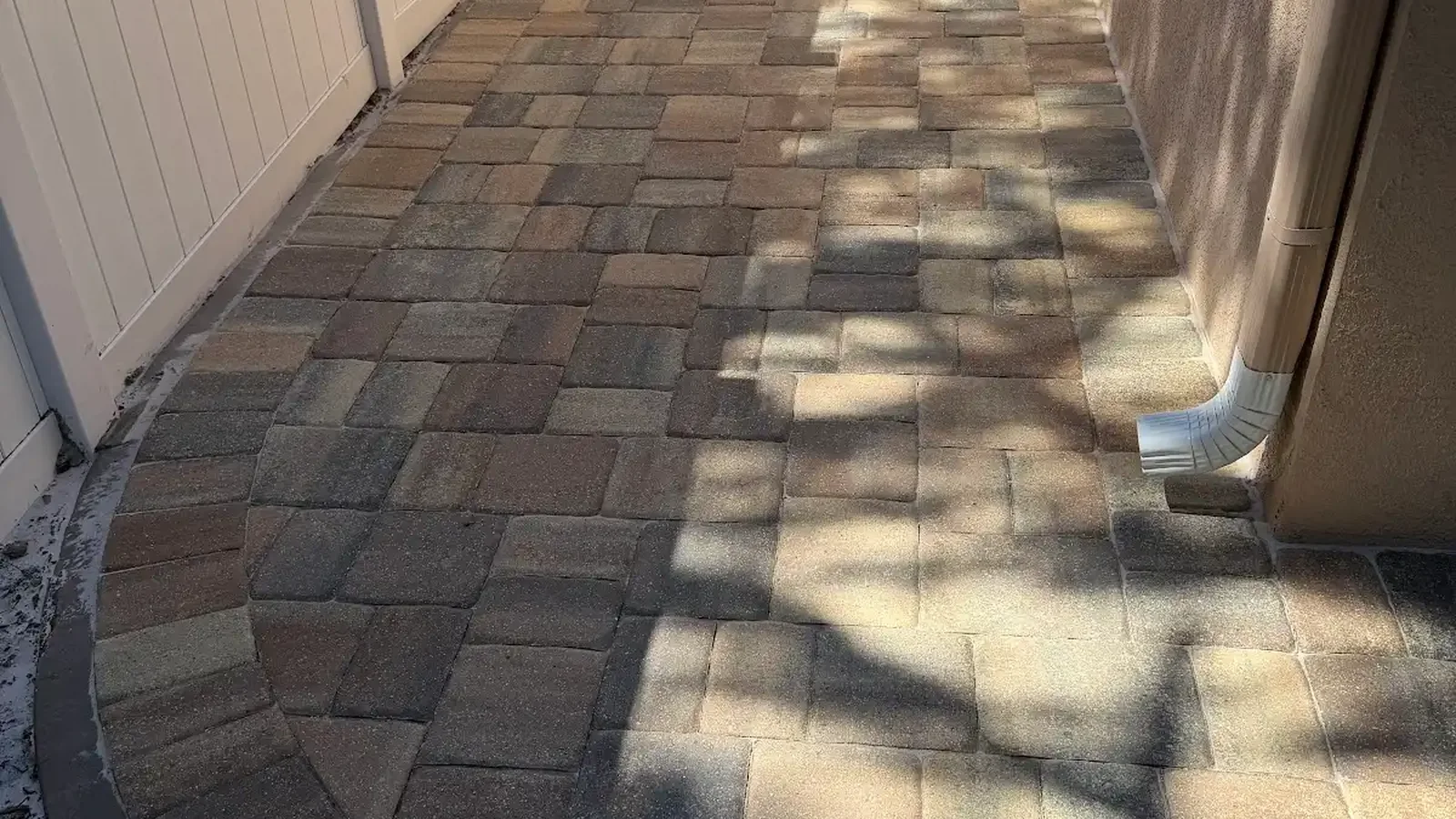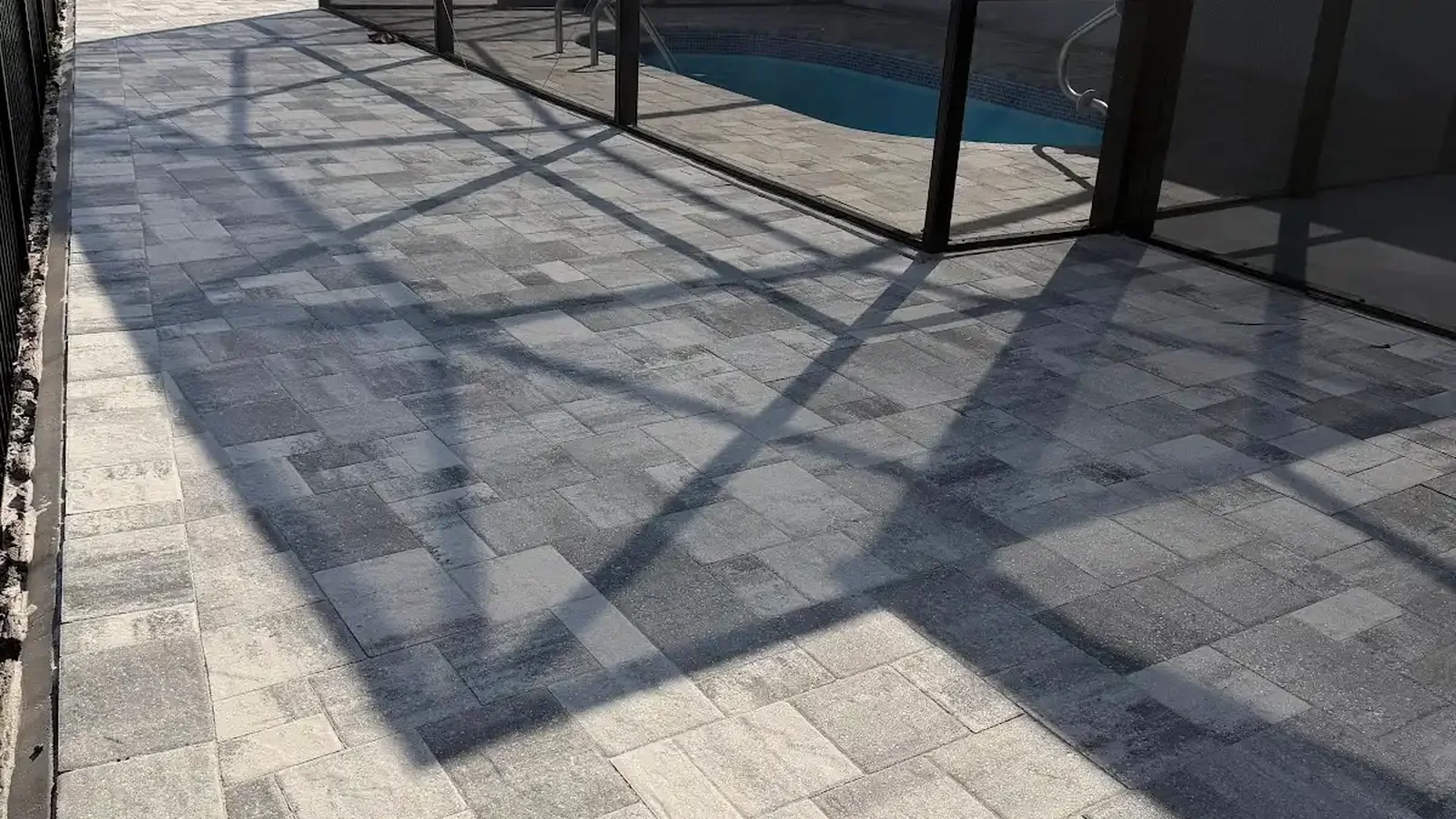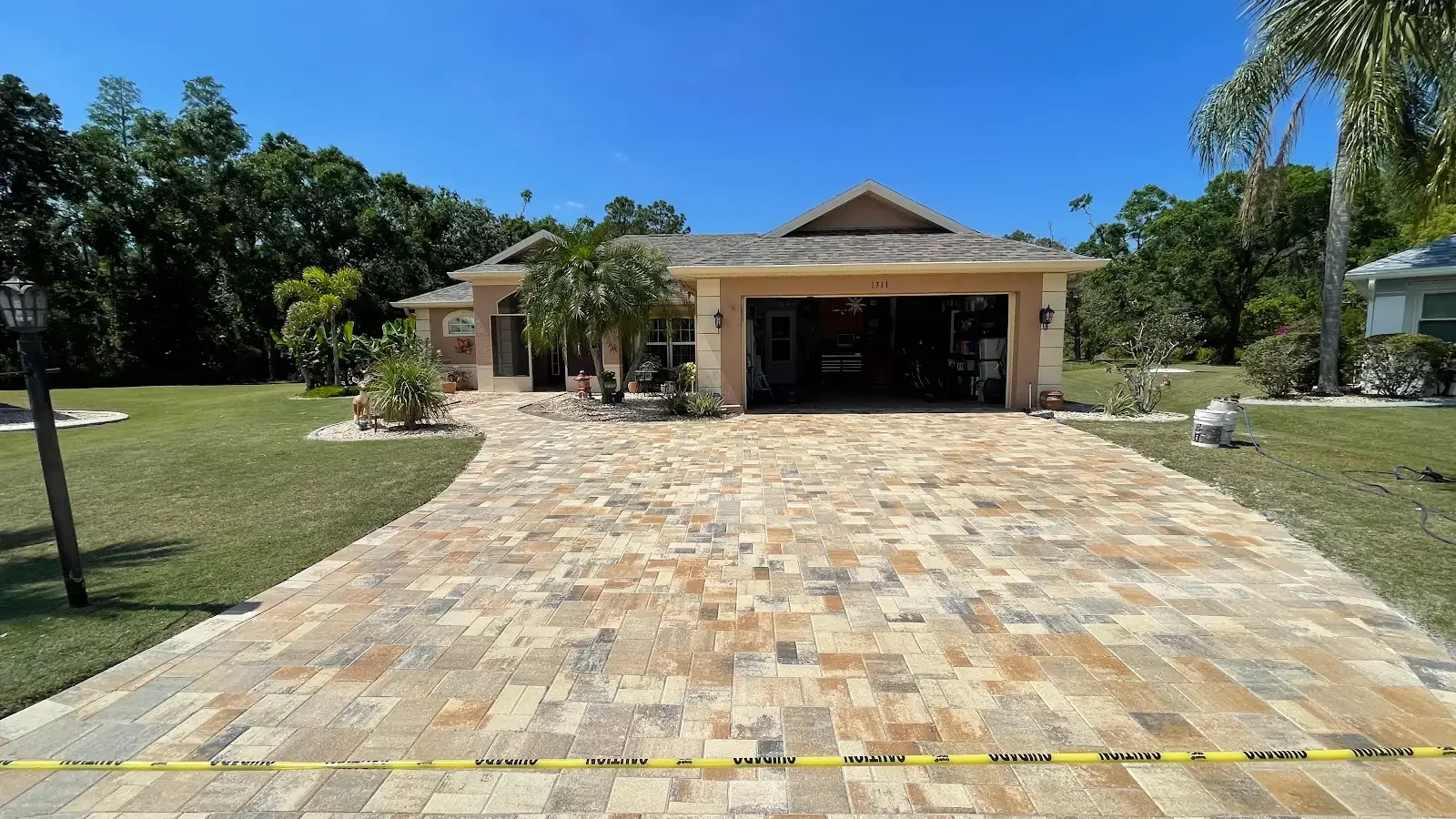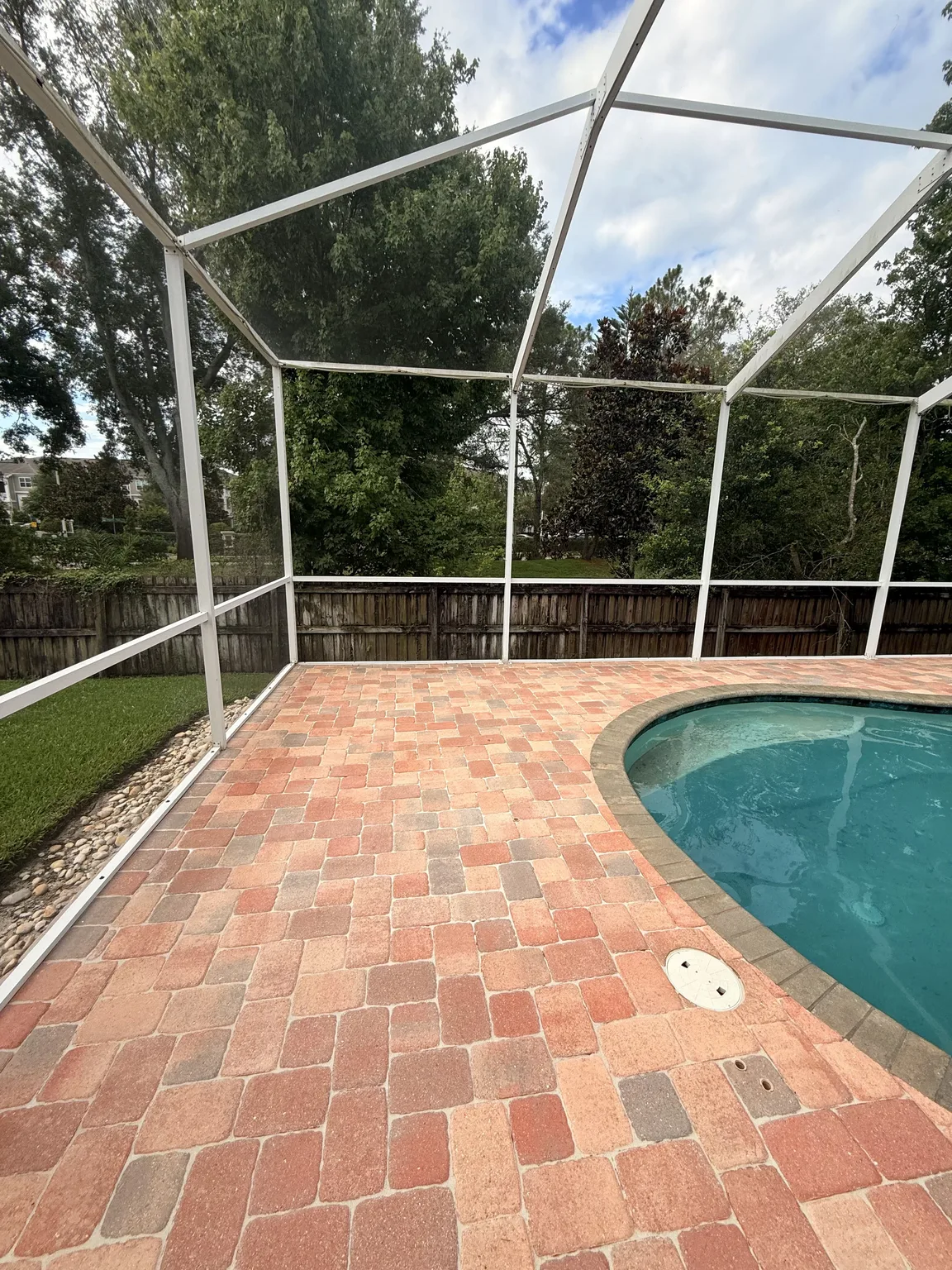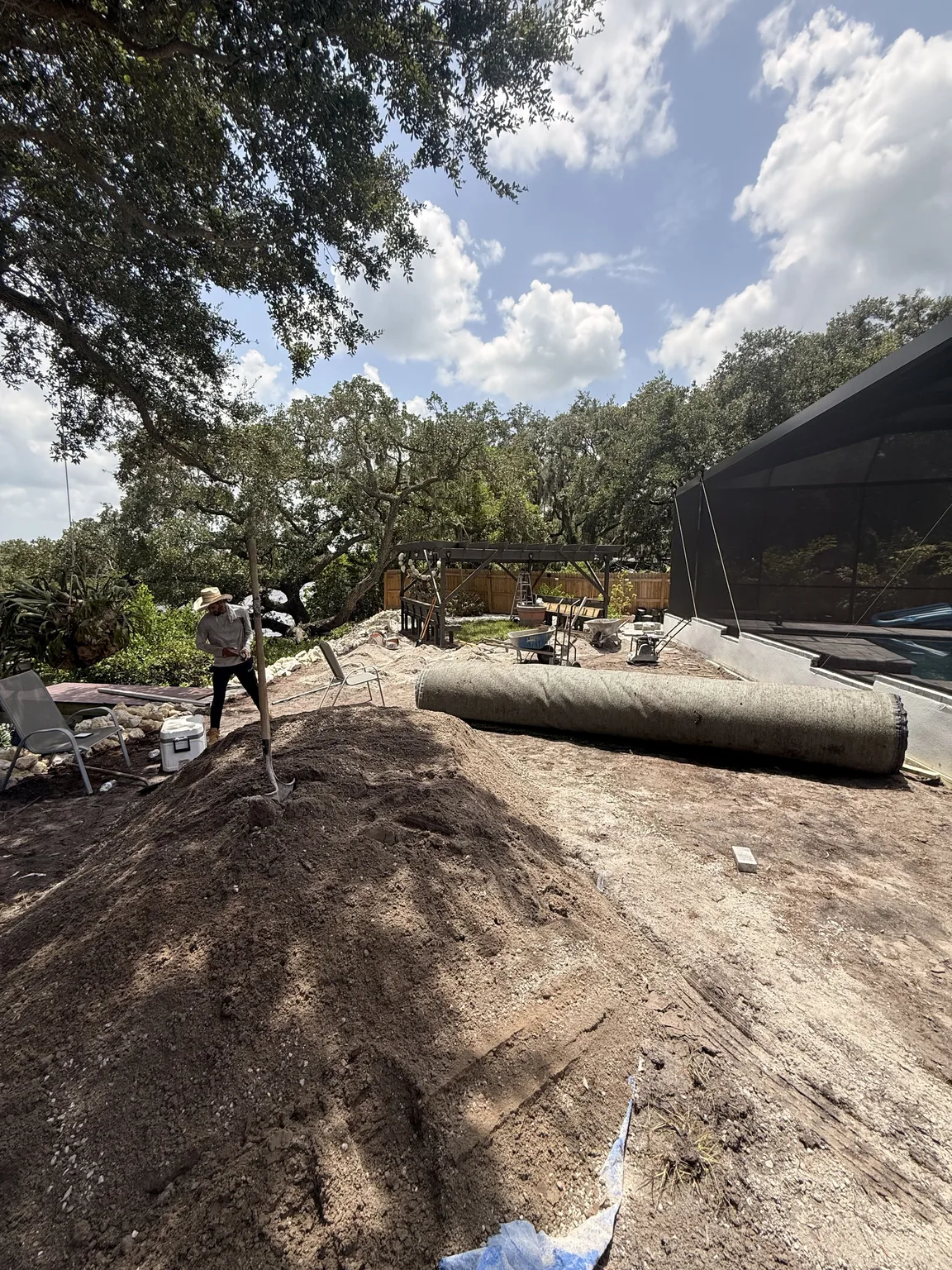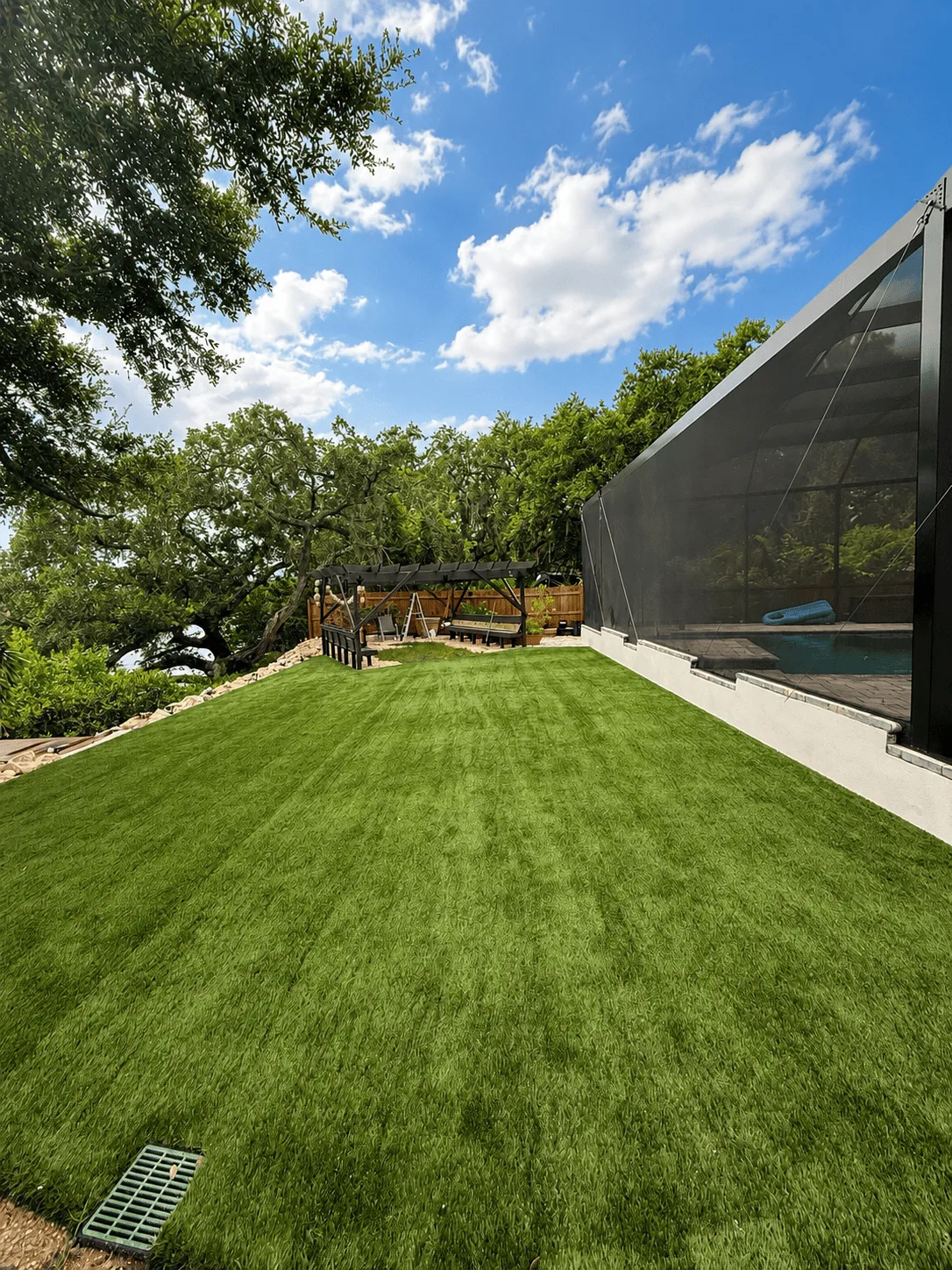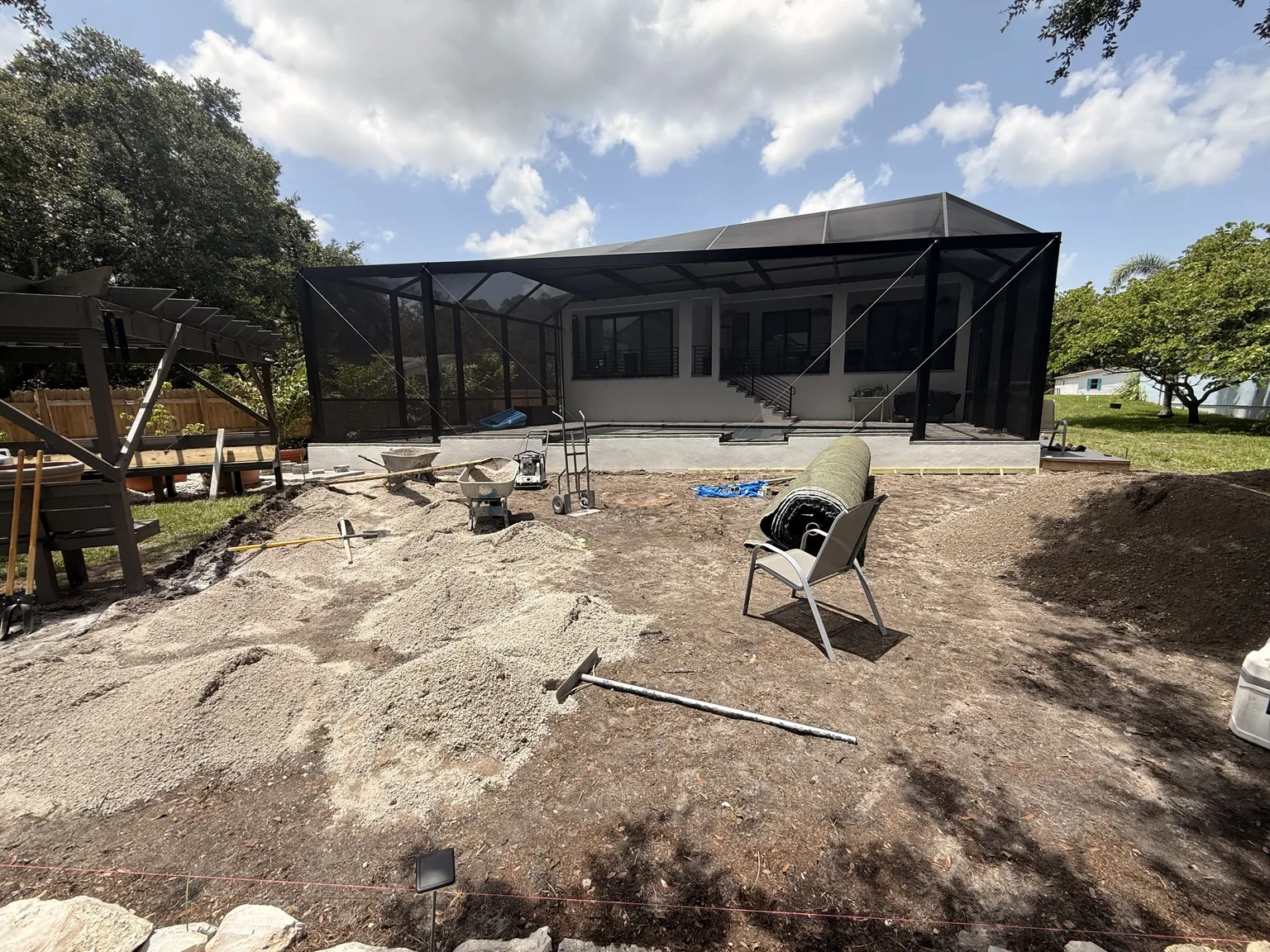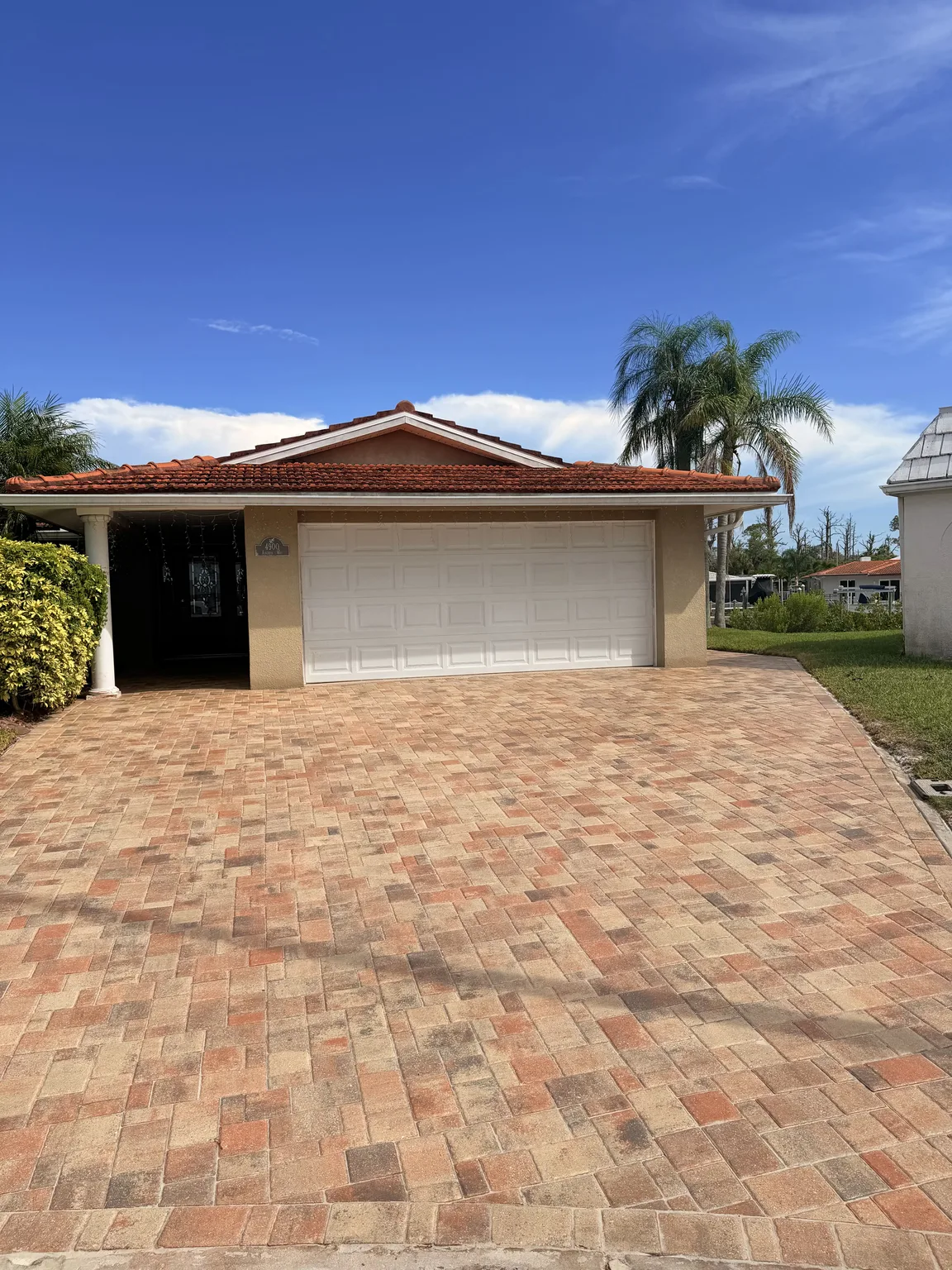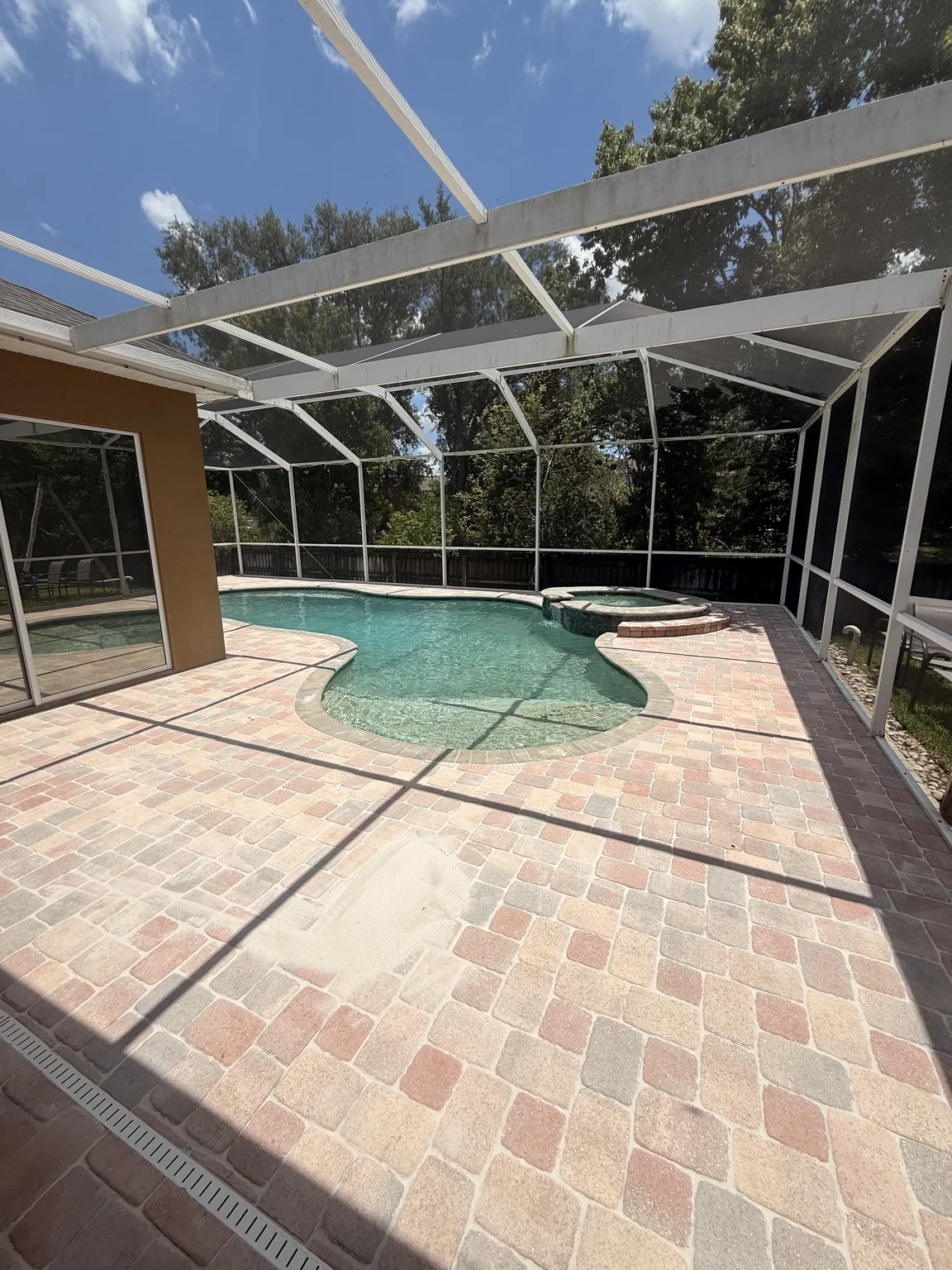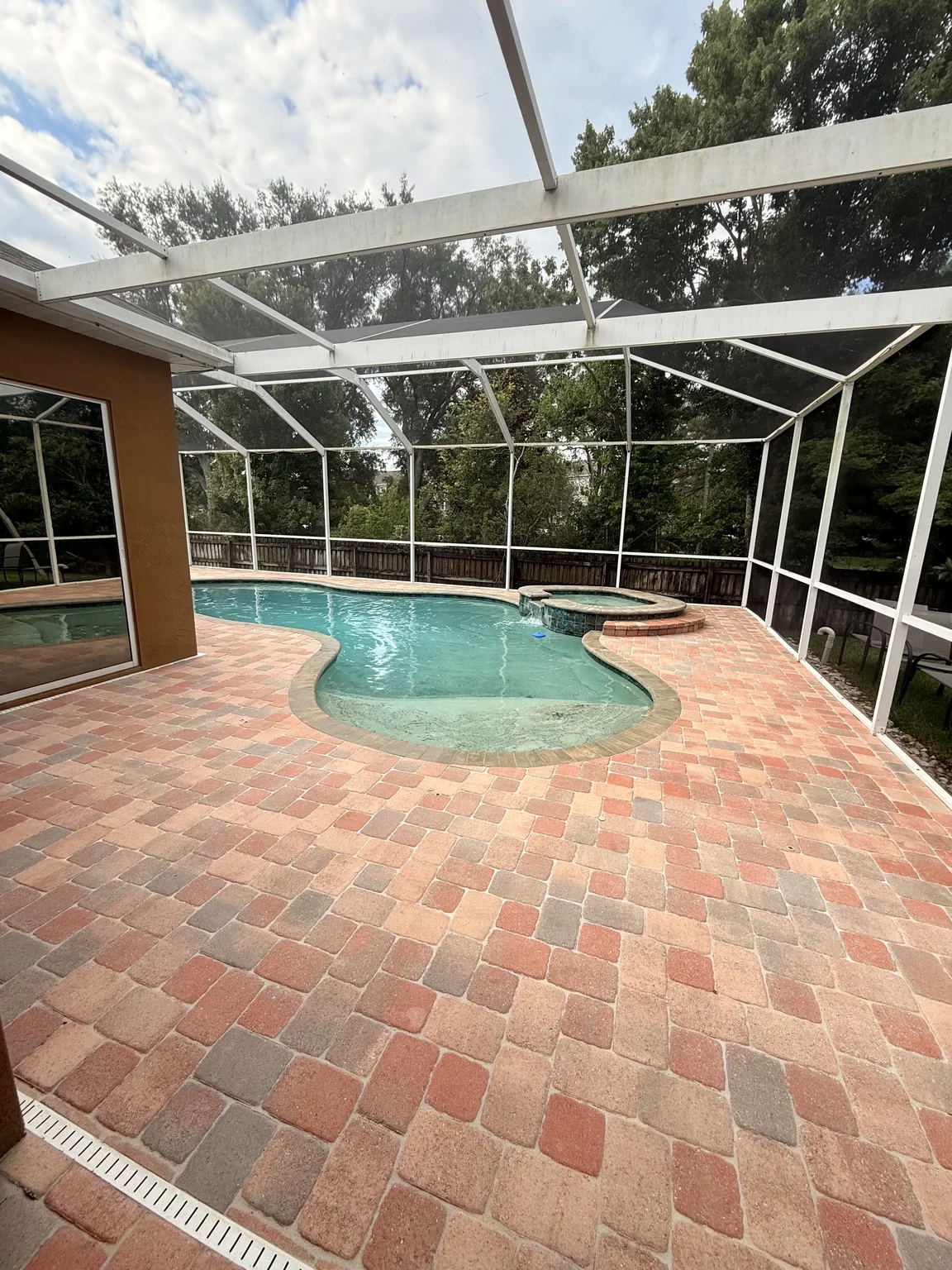
Can tree roots damage pavers in your yard or driveway? Yes, they can, but the damage usually develops slowly and gives you time to respond. In Tampa Bay, tree roots, sandy soil, and irrigation all interact with paver systems in ways that can lift edges, open joints, and create trip hazards. When you understand how roots grow and how pavers are built, you can choose repairs and design changes that protect both your hardscape and your trees.
Can Tree Roots Damage Pavers? Short Answer and Big Picture
Yes, can tree roots damage pavers around your home? They can, mainly by slowly pushing up or shifting the base under your paver system. As roots grow near the surface, they displace soil and compacted base layers, which can raise individual pavers or whole sections. Over time, this movement shows up as humps, gaps between pavers, and uneven edges.
How roots actually move pavers
Roots do not usually punch straight through concrete pavers, but they expand and thicken in the surrounding soil. As they grow, they can lift the bedding sand and base stone that keep pavers level and interlocked. This subtle movement gradually weakens the surface, especially near the trunk and main structural roots.
Where problems usually start
Most root-related issues start close to the trunk flare, where the trunk widens into major roots. Pavers installed too tight to the trunk, or over existing surface roots, have little room for natural growth. In driveways, the added weight of vehicles can exaggerate small root lifts into larger depressions and ridges.
Why you rarely need to panic
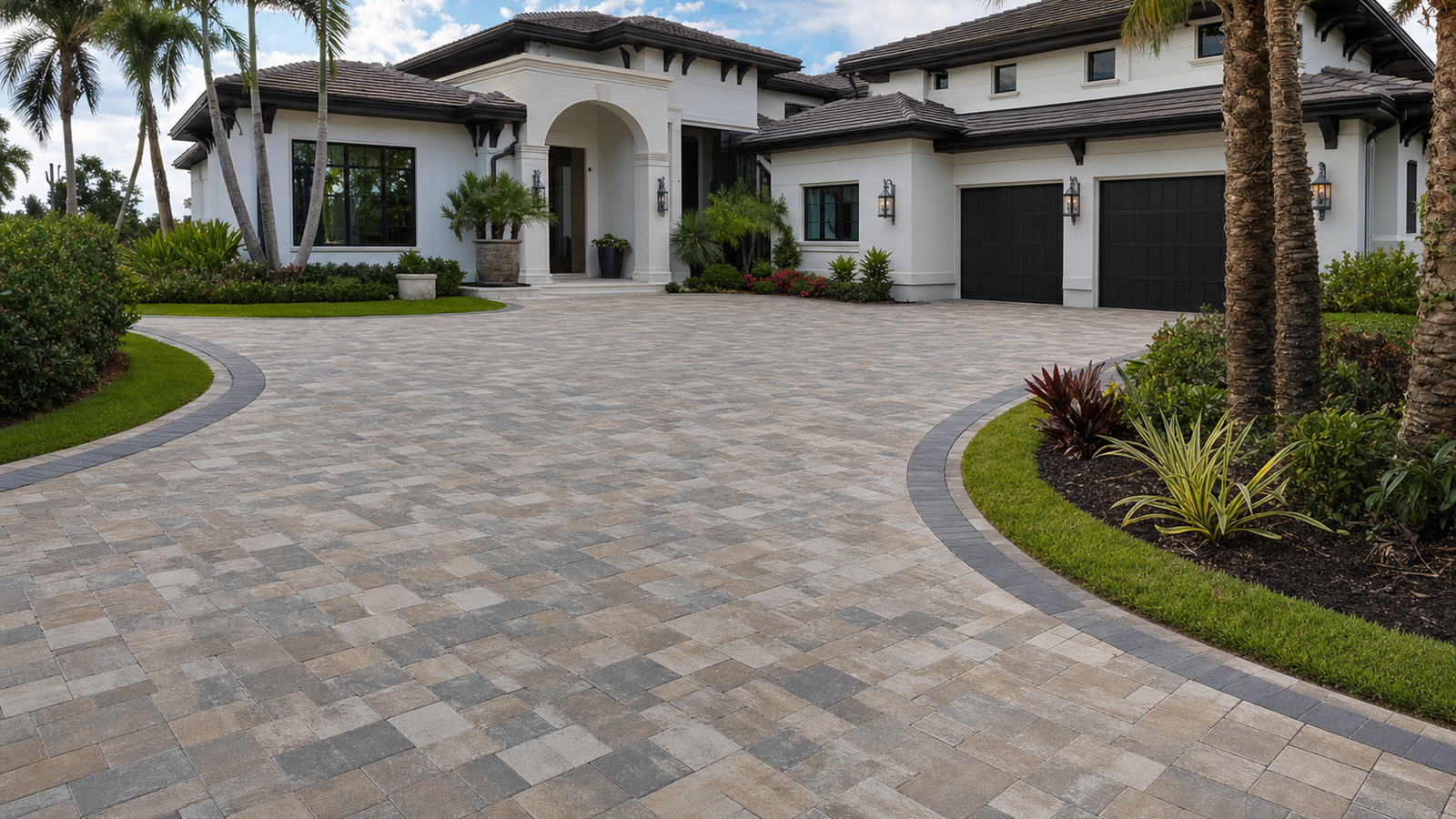
Even in root-heavy yards in Riverview or Palm Harbor, damage usually stays local to a small zone at first. Because pavers are modular and removable, contractors can often lift and reset affected areas without full replacement. The key is to catch movement early, understand what the tree is doing, and plan repairs that respect long-term tree health.
How Tree Roots Grow Under Paver Hardscapes
Trunk flare, structural roots, and fine roots
At the base of a tree, the trunk flare transitions into thick structural roots that carry most of the tree's weight. These roots usually radiate out near or just below the surface, exactly where paver bases sit. Beyond them, thousands of fine feeder roots explore the upper soil for water and nutrients, often weaving through bedding sand and base rock.
Soil movement around expanding roots
As structural roots enlarge, they press against surrounding soil, pushing it upward or sideways. In a flexible paver system, that pressure shows up as a gentle heave rather than a sharp crack. However, when repeated across years, that heave is strong enough to disturb compaction, which allows pavers to shift and joints to widen.
Influence of Florida's sandy, sometimes saturated soils
In Tampa Bay, many neighborhoods sit on sandy or sandy-clay soil that drains quickly yet can hold pockets of moisture. During wet seasons, softer soil lets roots move more freely under paver bases. During dry spells, shrinking soils settle back down, sometimes leaving hollow areas that let pavers rock or sink when you step or drive on them.
Reading the Warning Signs in Your Paver Patio, Walkway, or Driveway
Visible humps, ridges, and lifted edges
One of the first clues that roots are at work is a gentle hump or ridge that follows the line of a tree root. You might notice pavers that sit higher than surrounding bricks, especially near a tree in your front yard in Land O' Lakes or Town 'N' Country. Edges can also pull away from borders, leaving gaps that collect sand and debris.
Trip hazards and wobbly pavers
Another common sign is a sharp height change between neighboring pavers that catches your toe or shoe. When base layers lose support because roots have shifted or compressed the soil, pavers can feel loose or wobbly underfoot. These trip hazards are especially risky on walkways, pool decks, and around steps where you expect a smooth surface.
A simple homeowner inspection checklist
To decide when to call a professional, walk your paver areas slowly and look and feel for changes. Use a straight piece of lumber or a long level to span suspect areas and see how far pavers sit above or below a flat line. Pay special attention to strips that run between a tree and hardscapes, or over known root zones that have already surfaced in the lawn.
Tree Species, Planting Distance, Irrigation, and Soil Movement
Species tendencies and root architecture
Different trees create different risks for pavers because their roots spread and thicken in unique ways. Some species tend to stay deeper, while others form widespread shallow roots that readily meet paver bases. In older Tampa, Ruskin, and Greater Carrollwood neighborhoods, large live oaks and similar broad trees often have substantial surface roots that interact with driveways and walkways.
Planting distance from paver hardscapes
The closer a tree is to your patio or driveway, the sooner its structural roots will grow beneath the paver system. A small ornamental or palm planted several feet away may coexist longer with minimal issues. However, large-canopy trees planted right beside a paver edge can send roots under the base within a few years, especially when soil and moisture encourage surface growth.
Irrigation and water patterns that favor root growth
Roots tend to grow where conditions stay consistently moist and oxygen-rich. If your irrigation heads overwater the strip along a patio or pool deck, roots naturally concentrate there. On the other hand, if water frequently runs off hardscapes into one narrow band of soil, roots may follow that corridor and increase soil movement under adjoining pavers.
Repair Options: Selective Lifting, Reinstatement, and Layout Changes
Selective lifting and reinstatement of pavers
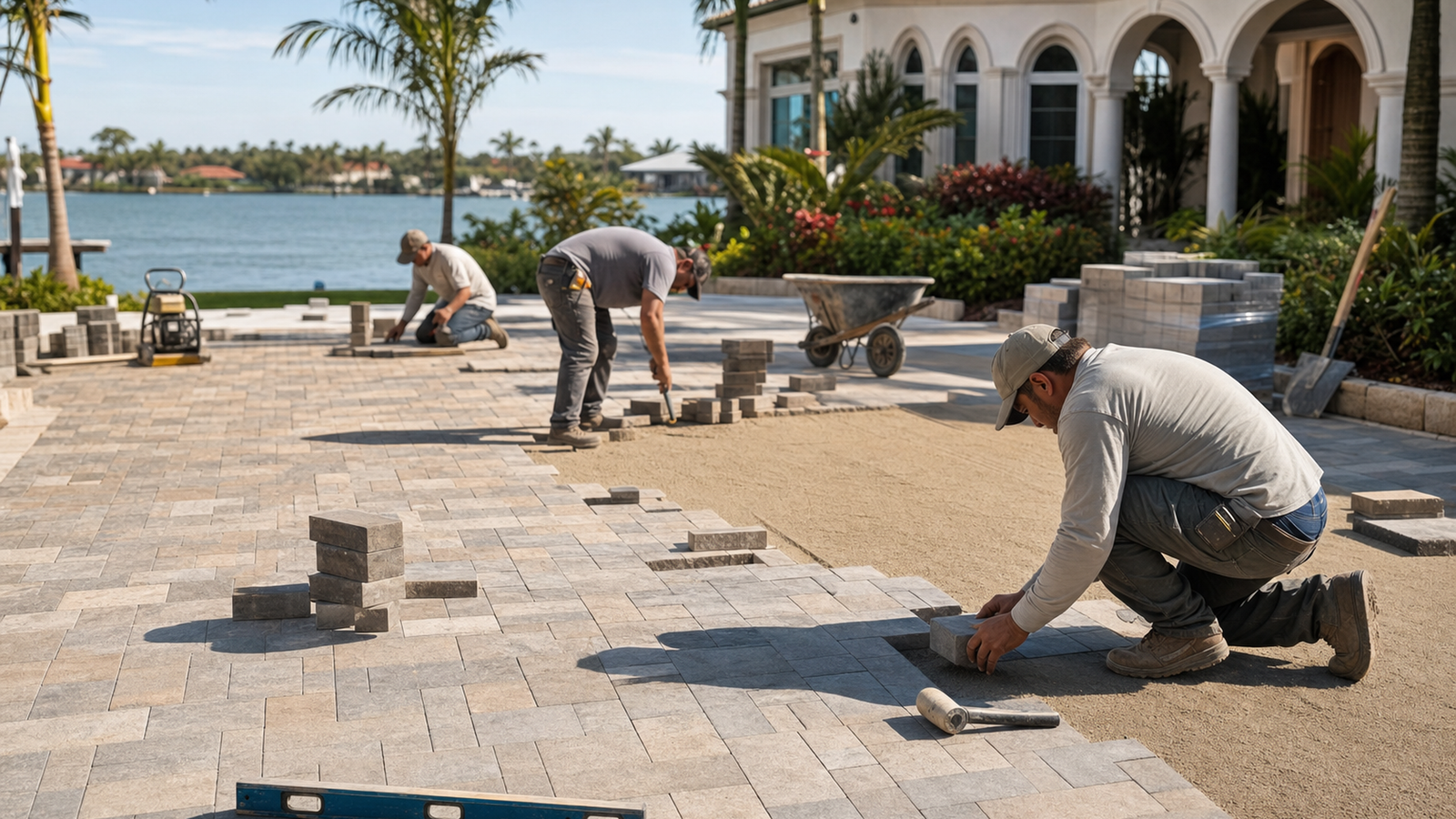
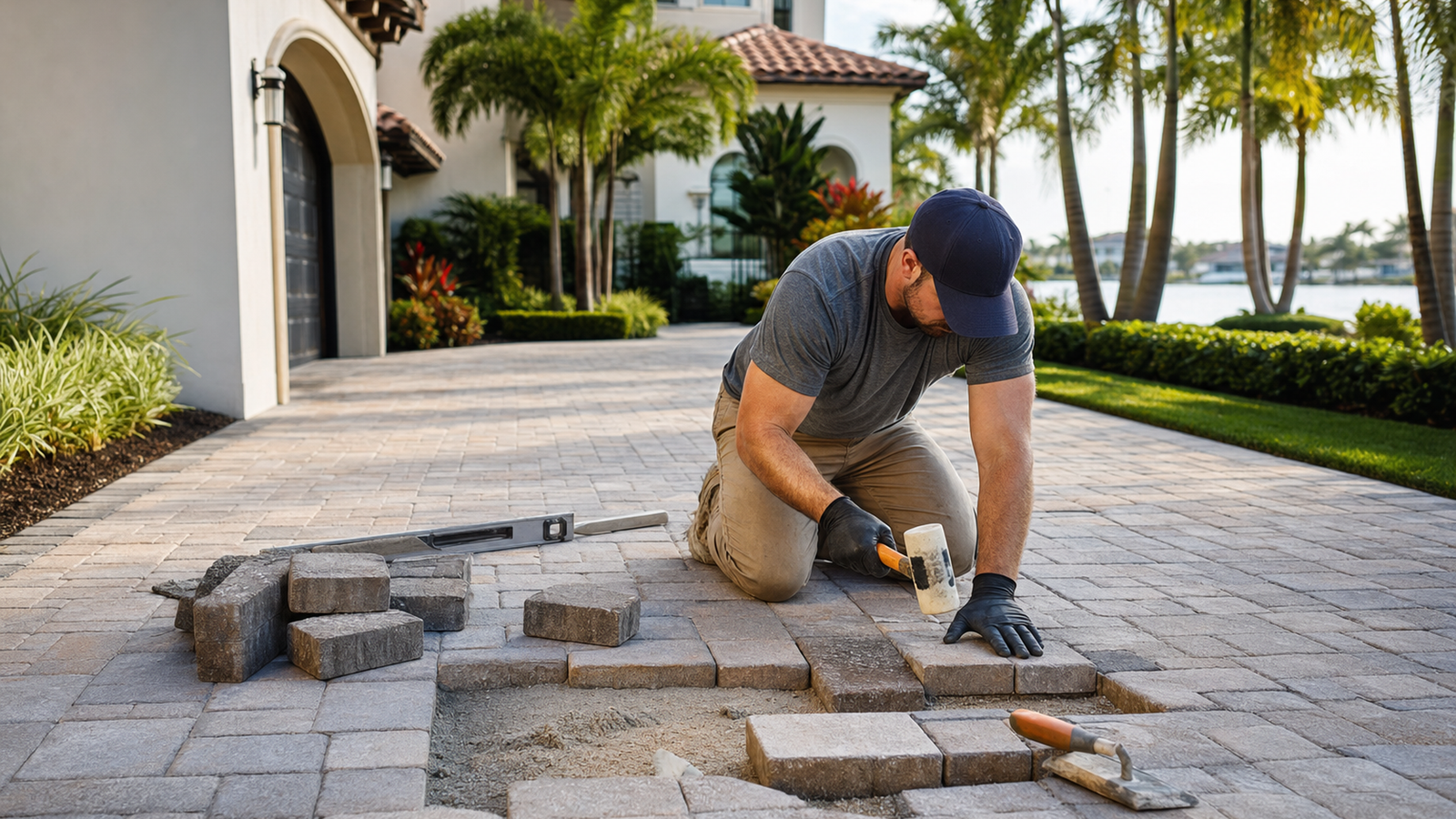
In many Tampa Bay yards, the most practical approach is selective lifting and reinstatement of affected pavers. A contractor can carefully remove the pavers over the raised area, adjust the bedding sand and base to work around roots, then reinstall the same units. This method preserves the look of your patio or driveway while addressing immediate trip hazards.
Working around major roots without harming the tree
Cutting major structural roots can destabilize a tree or reduce its long-term health, so careful planning is essential. An ISA Certified Arborist can advise on which roots, if any, can be safely pruned and how much to remove. Often, the safer choice is to slightly raise the grade over large roots or route the paver edge around them instead of cutting.
Choosing between minor repair and larger redesign
Sometimes you face a choice: keep patching a trouble spot or make a more permanent design change. Factors like tree size, age, health, and your long-term plans for the space all matter. Because site conditions vary from Riverview to Wesley Chapel, a site visit is the only reliable way to understand which option is more practical and cost-effective.
| Option | Pros | Cons | Best For |
|---|---|---|---|
| Minor localized repair | Lower upfront cost; keeps existing layout; quick turnaround in many cases | May need repeating if roots keep growing in same zone | Small raised strips or isolated trip hazards |
| Periodic selective lifting & reinstatement | Balances tree health and safety; reuses existing pavers | Ongoing maintenance; requires access and scheduling | Mature trees you want to preserve near patios |
| Partial redesign near tree | Can relieve pressure permanently; improves layout | More disruption; higher cost; requires planning | Chronic problem areas or very large surface roots |
Design Details That Help Pavers and Trees Coexist
Flexible layouts and open planting zones
One of the best long-term strategies is to let trees breathe with open or mulched zones around the trunk flare. Instead of running a rigid paver edge tight to the bark, consider a curved border or wider planting bed. This flexibility gives major roots room to grow without immediately pressing against base stone and lifting the surrounding surface.
Edge restraints and joint stability
Proper edge restraints are critical wherever pavers meet soil, especially near trees where roots may push from below and from the side. According to CMHA edge restraint guidance, solid edging helps preserve interlock and prevent lateral movement, widening joints, rotation, and settlement along the edges. Good edging does not stop roots, but it helps keep the paver field tied together so minor root movement does not quickly turn into large gaps or shifting.
Root barriers and when they might help
In some designs, a physical root barrier installed by a knowledgeable professional can encourage roots to grow deeper or away from a paver area. These barriers need careful placement so they do not trap water or destabilize the tree. Because barrier choice and installation affect long-term tree health, it is wise to coordinate between your hardscape contractor and an arborist.
- Leave clearance around the trunk flare and avoid paving directly over major surface roots.
- Use quality edge restraints along pavers that border planting beds or lawn areas.
- Plan irrigation so tree roots are not encouraged to cluster under one narrow strip of pavers.
- Consider curves or inset planting areas in large patios to break up root-prone zones.
When Can Tree Roots Damage Pavers Enough to Need Professional Help?
Safety, access, and long-term use
You should involve a paver professional when root movement creates noticeable trip hazards or affects access to your home. Uneven surfaces on front walks, pool decks, and driveways in Thonotosassa or Seven Springs can create risks for guests and family members. Even if the area still looks acceptable, any motion you feel underfoot or under your vehicle is a sign the base needs evaluation.
Why cutting major roots can harm a tree
Large roots provide both structural support and key pathways for water and nutrients. Removing them can leave a tree unstable in storms, or slowly weaken it over several years. Because of these risks, only a qualified arborist should evaluate whether specific roots can be removed, and no contractor should promise that root cutting will be harmless.
Utility conflicts and underground surprises
Before any digging or root work, you also need to know where utilities run beneath or beside your pavers. Tree roots and paver bases sometimes share space with irrigation lines, lighting wires, or buried services in older Tampa Bay neighborhoods. Contacting appropriate locating services and, when needed, licensed trades is essential before any significant excavation or redesign.
How a Tampa Bay Paver Contractor Assesses Root-Related Damage
Site visits and what professionals look for
During a site visit, a paver contractor will study tree locations, trunk flare, visible surface roots, and the pattern of paver movement. They may lift a small test section to see how thick the base is, how moist the bedding sand feels, and where roots run relative to the paver layers. These observations help them decide whether simple re-levelling or a more involved layout adjustment makes sense.
Cost drivers for repair and redesign
The cost of addressing root-related paver issues depends on access, the size of the affected area, and how much base needs rebuilding. Curved or patterned layouts, heavy vehicular areas, and tight spaces between structures usually require more time. Because every property from Palm Harbor to Greater Carrollwood is different, a detailed on-site assessment is necessary for accurate pricing.
Coordinating with arborists and other pros
In complex cases, the best results come when your paver contractor and arborist communicate about tree health and root zones. An arborist can mark critical roots and advise on what areas to avoid, while the hardscape pro adjusts the design to suit. If utilities are nearby, licensed trades may also need to confirm clearances before work begins.
FAQ: Tree Roots and Paver Damage in Tampa Bay
How can tree roots damage pavers over time?
Tree roots damage pavers mainly by changing the shape and support of the soil and base underneath. As structural roots thicken, they lift parts of the compacted base, which raises the pavers above them. At the same time, surrounding areas can settle, creating dips next to raised strips and leaving some pavers unsupported and prone to rocking or cracking under load.
Should I remove a tree if it is lifting my driveway or patio?
Tree removal is a big decision and not always necessary just because roots are affecting your driveway or patio. In many cases, selective lifting and reinstatement, along with layout adjustments, can manage the issue for years. A combination of input from an arborist and a paver contractor gives you a clearer picture of whether preserving the tree is compatible with your long-term hardscape plans.
Is it safe to cut exposed roots that show between pavers?
It may be tempting to cut exposed roots that appear between pavers, but cutting the wrong ones can weaken the tree. Even roots that look small at the surface might feed an important part of the canopy or support one side of the trunk. Always consult a qualified arborist before cutting any significant root, and avoid assuming a quick cut will solve the underlying movement.
Can new paver projects be designed to avoid future root problems?
Thoughtful design at the start can greatly reduce future conflicts between tree roots and pavers. Leaving wider planting areas around the trunk flare, using curved edges, and planning irrigation carefully all help guide root growth away from sensitive base zones. A contractor familiar with Tampa Bay soils and tree species can adjust base depth, edge restraints, and layout to work better with your existing or planned landscaping.
Who should I call first about root damage to pavers: a paver contractor or an arborist?
If you see uneven pavers, gaps, or trip hazards, starting with a paver contractor is often practical because they can assess the hardscape condition. If they suspect that major roots are involved, they may recommend bringing in an arborist to evaluate tree health and stability before any root pruning or significant excavation. Working with both professionals helps you protect your investment in your pavers and your trees.
If roots are lifting your walkway, patio, or driveway in Tampa Bay, Dr Pavers Design can evaluate your hardscape and discuss repair options that respect your trees. Explore our recent projects, read homeowner testimonials, browse our services, and check the common questions in our FAQ to see how we approach paver repair and maintenance.
When you are ready to talk about paver repair in Riverview, Ruskin, Wesley Chapel, or anywhere in Tampa Bay, you can call +1 (656) 600-4015, text +1 (656) 600-4015, email drpavers@outlook.com, or message us on WhatsApp. You can also connect with Dr Pavers Design on Instagram, Facebook, or view our Tampa Bay location on Google Maps, and request a free on-site consultation for paver repair and maintenance.