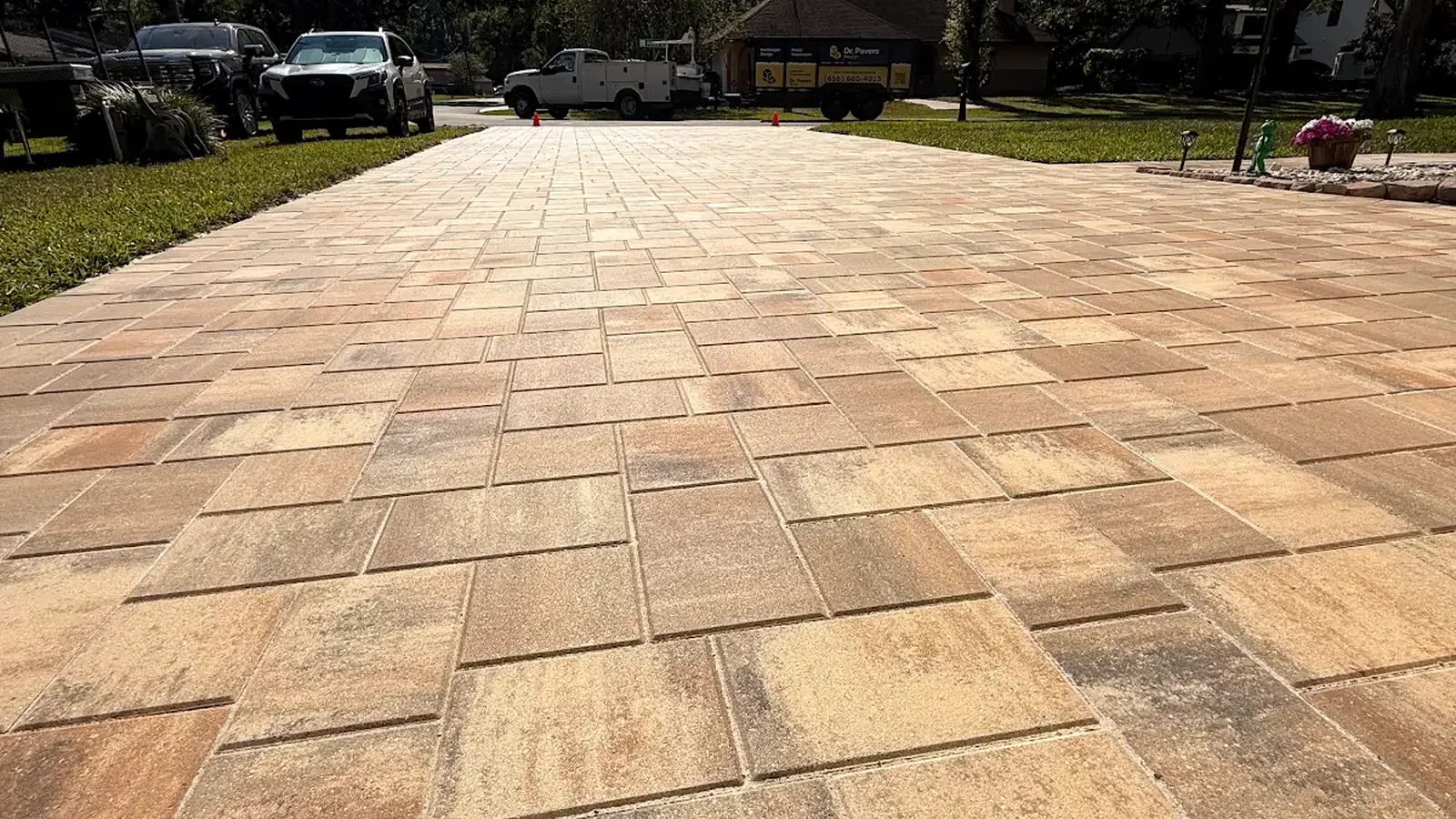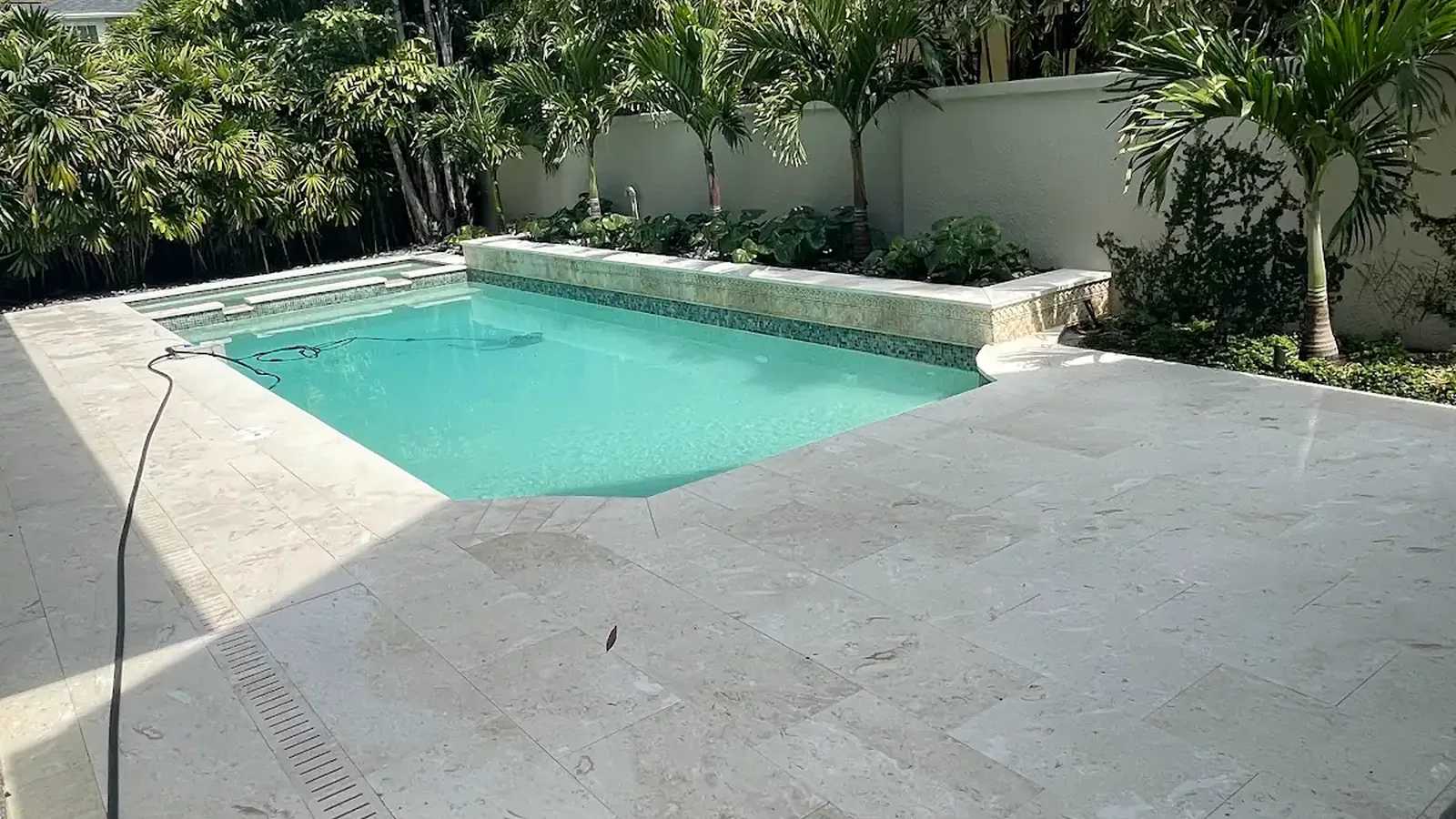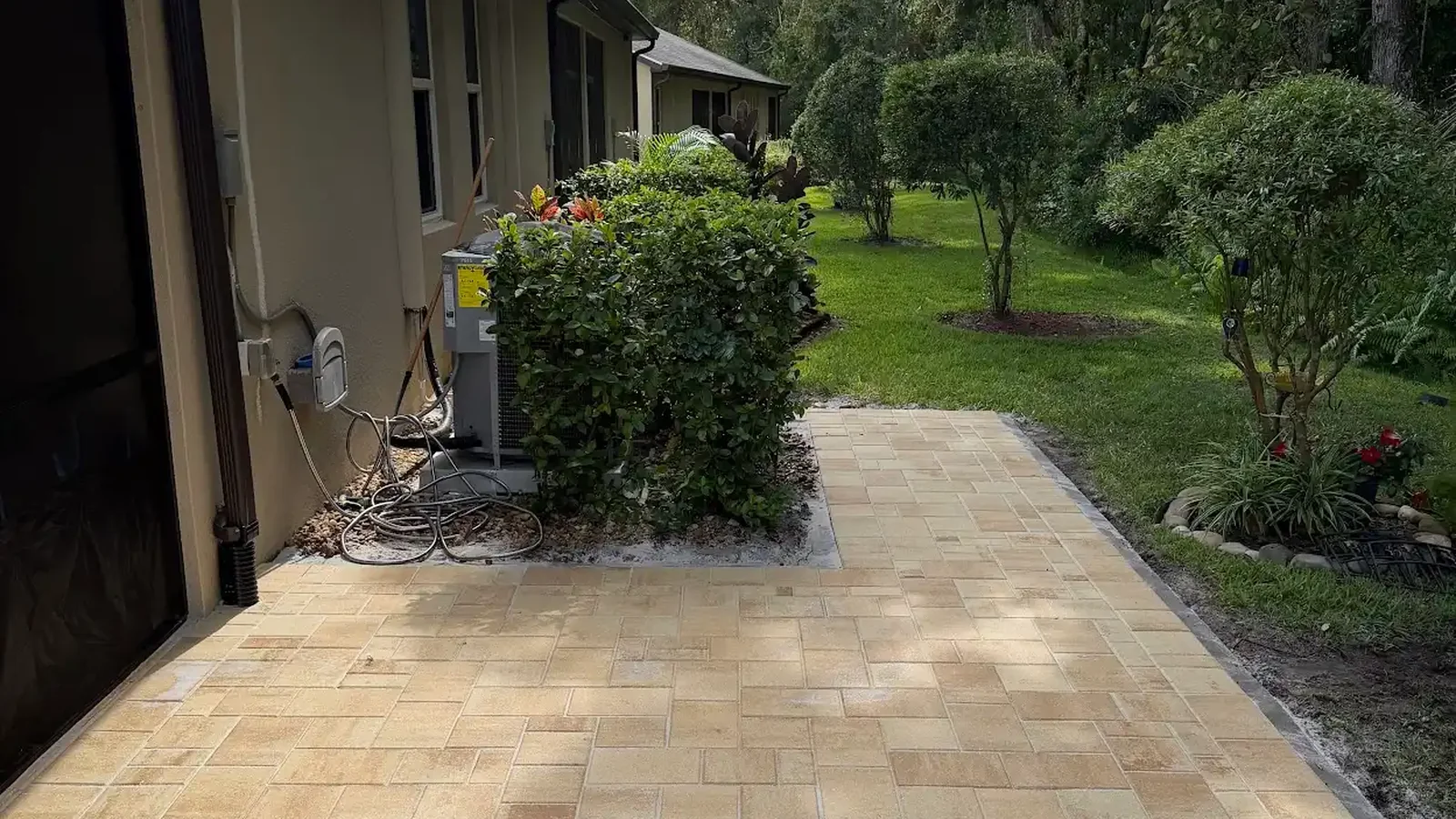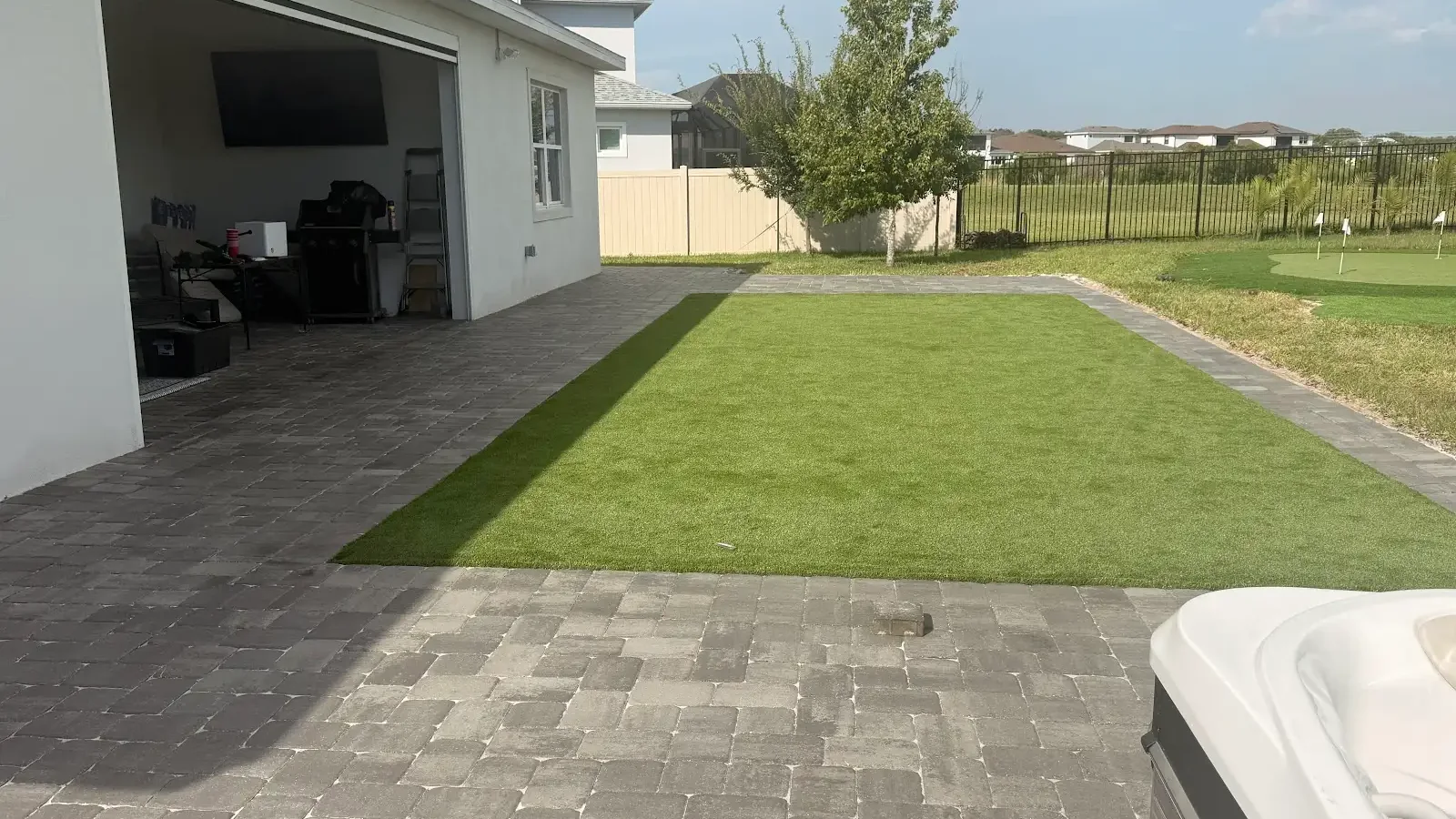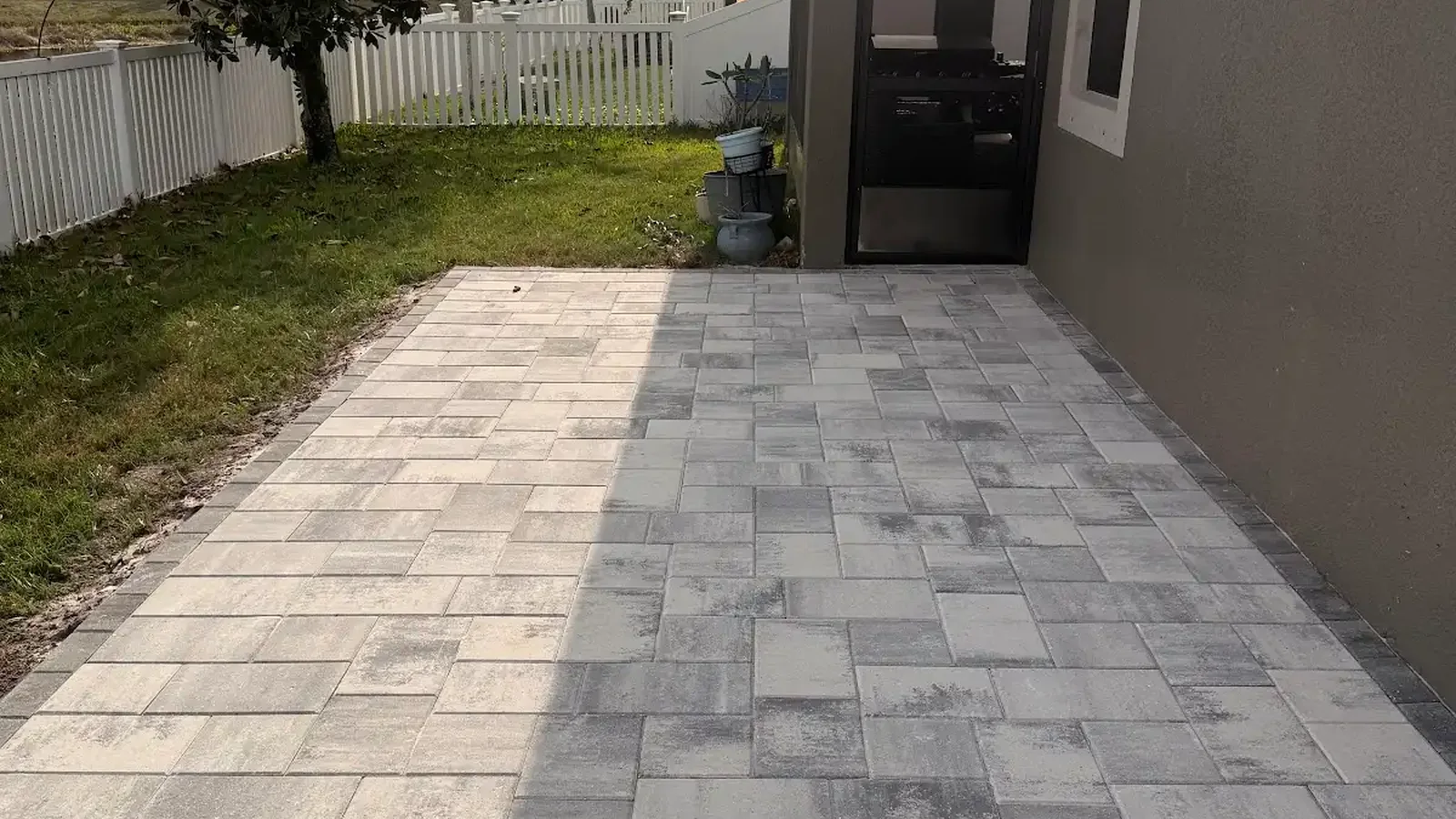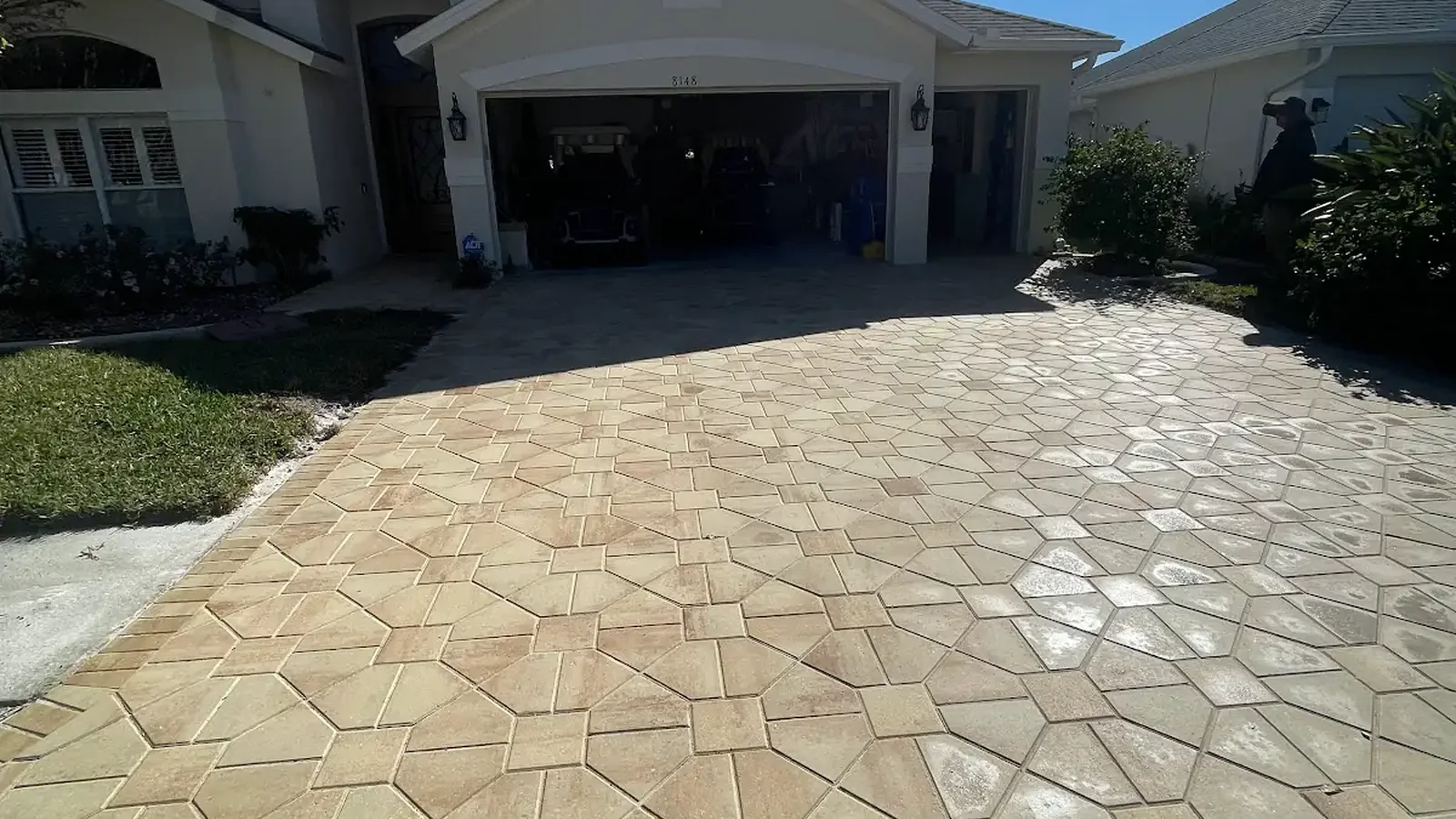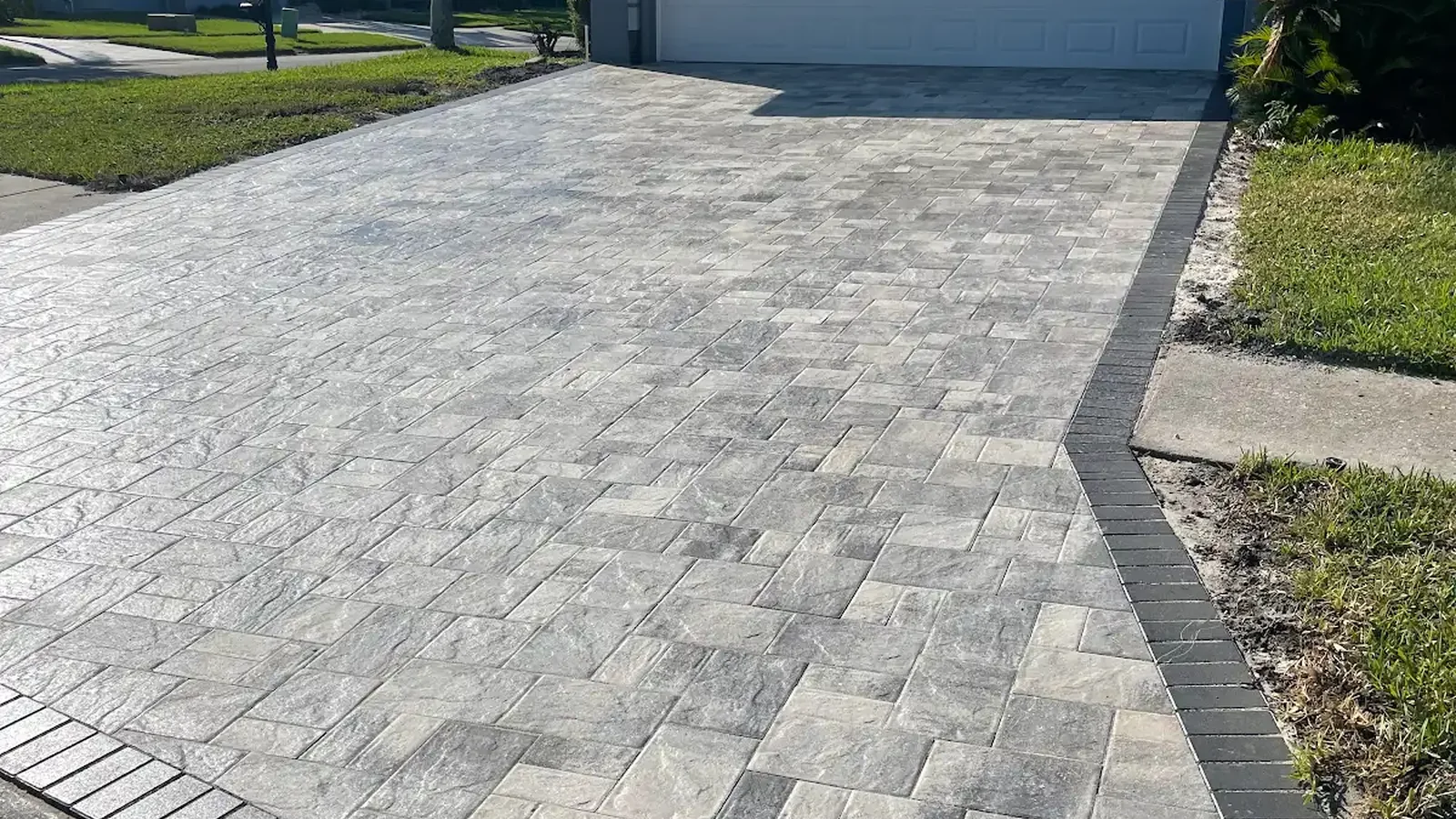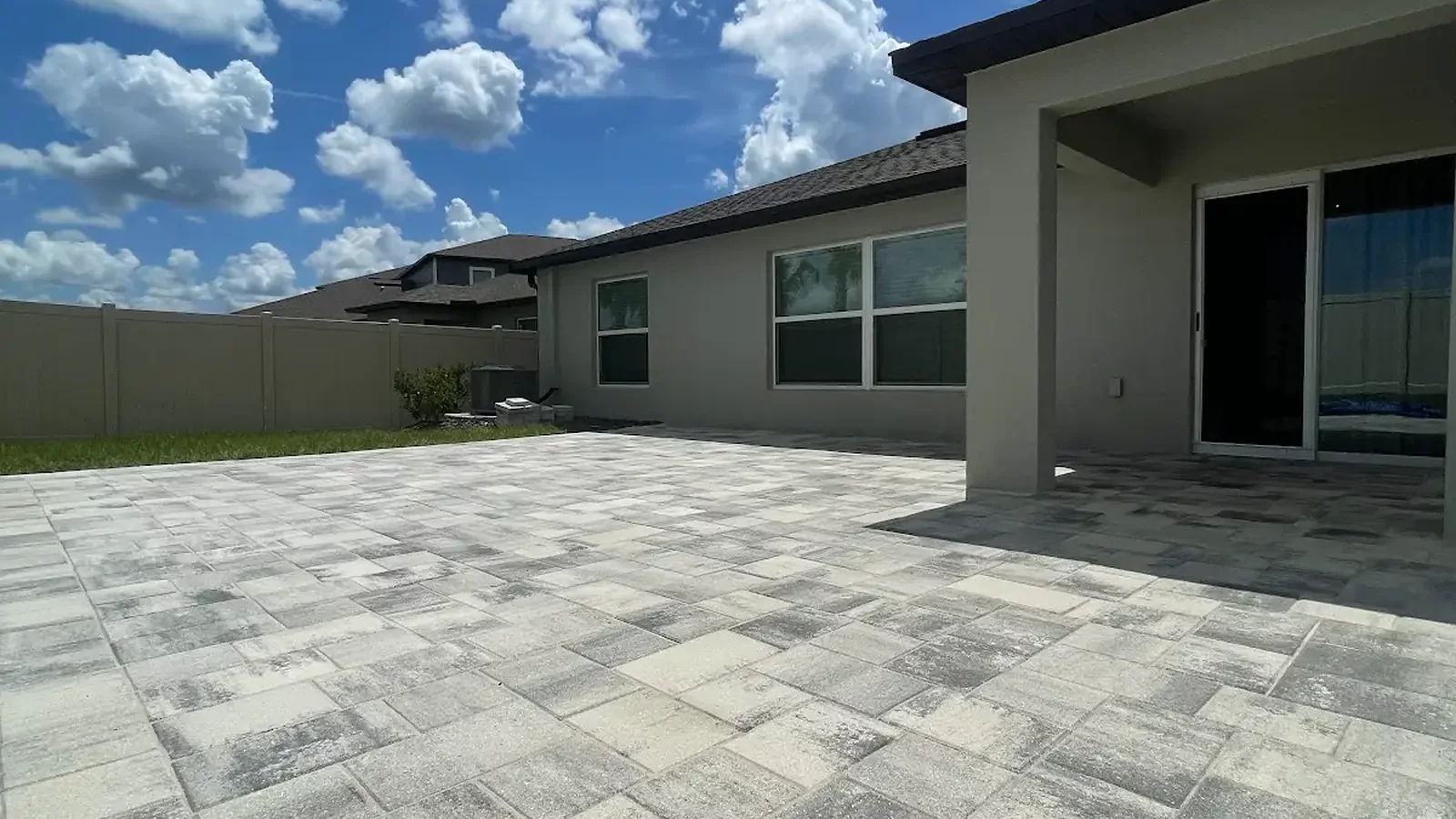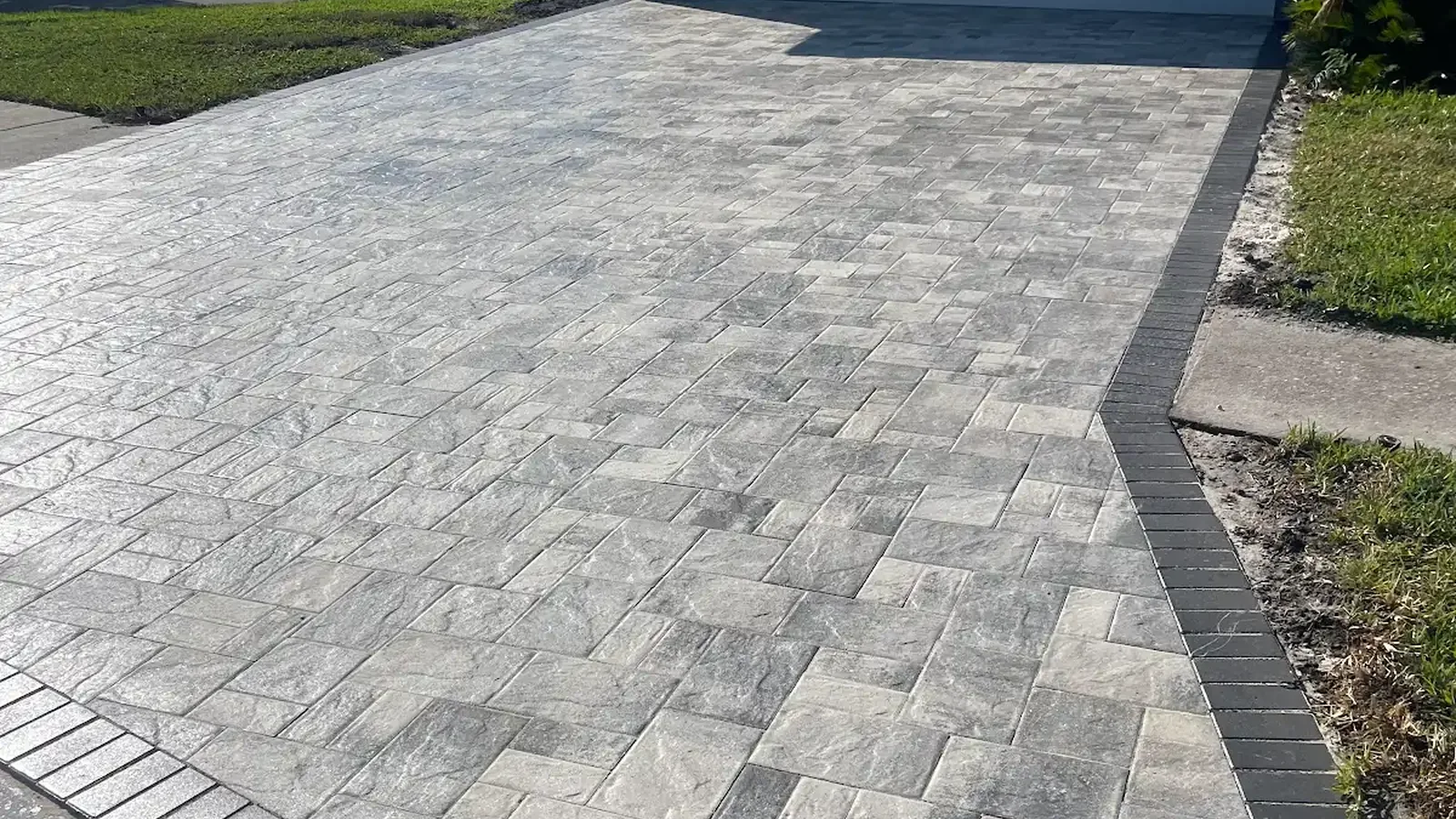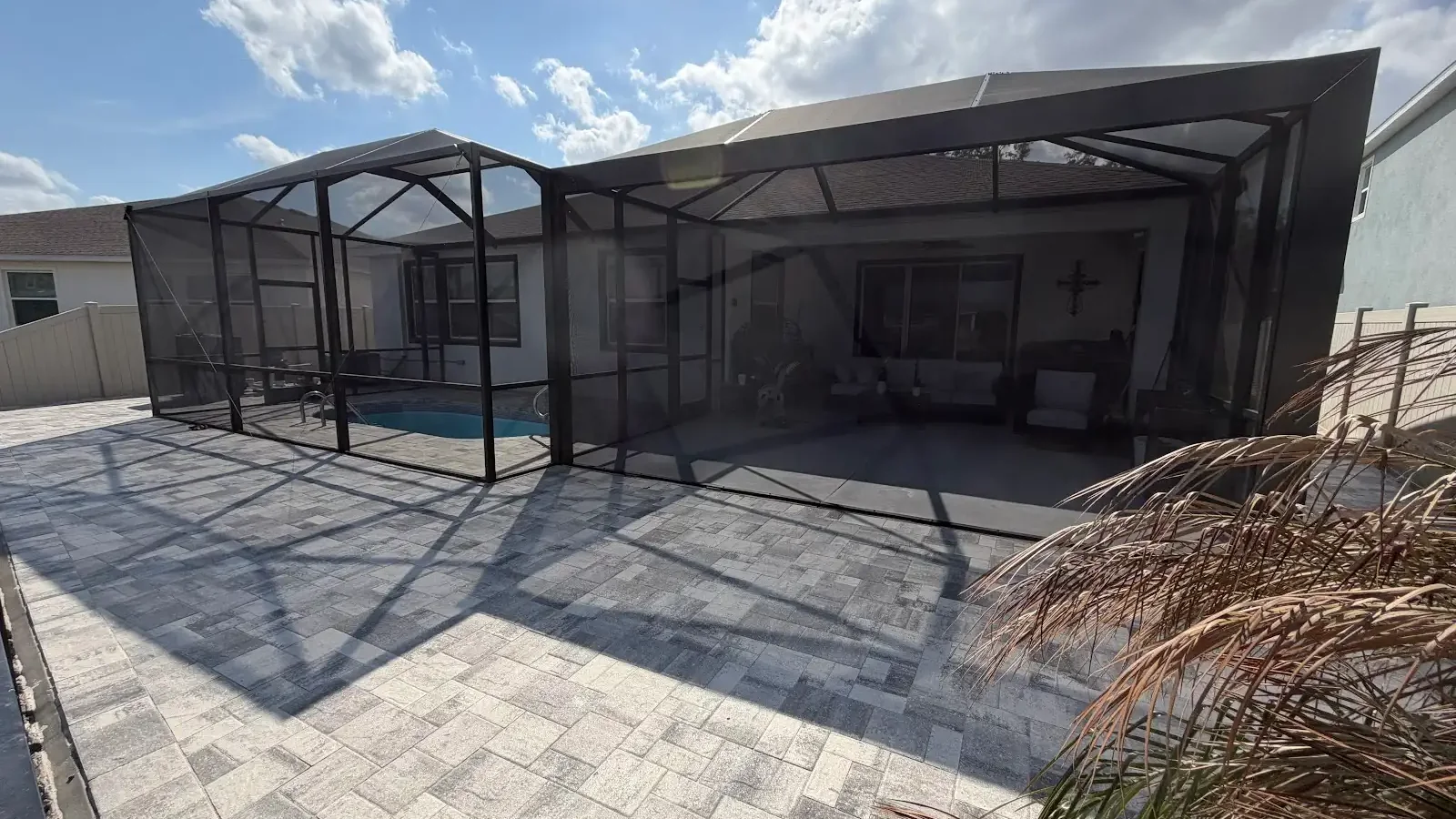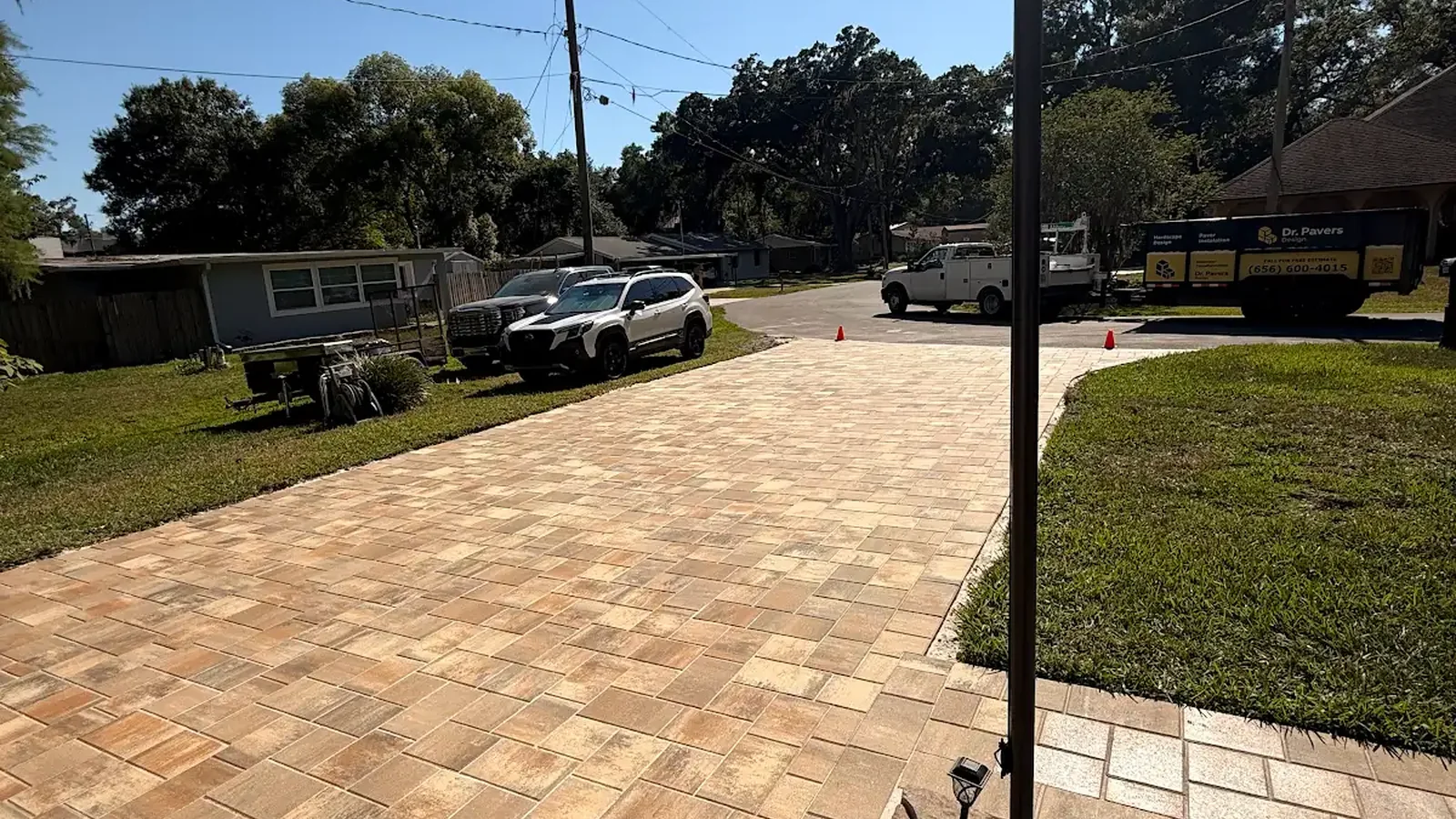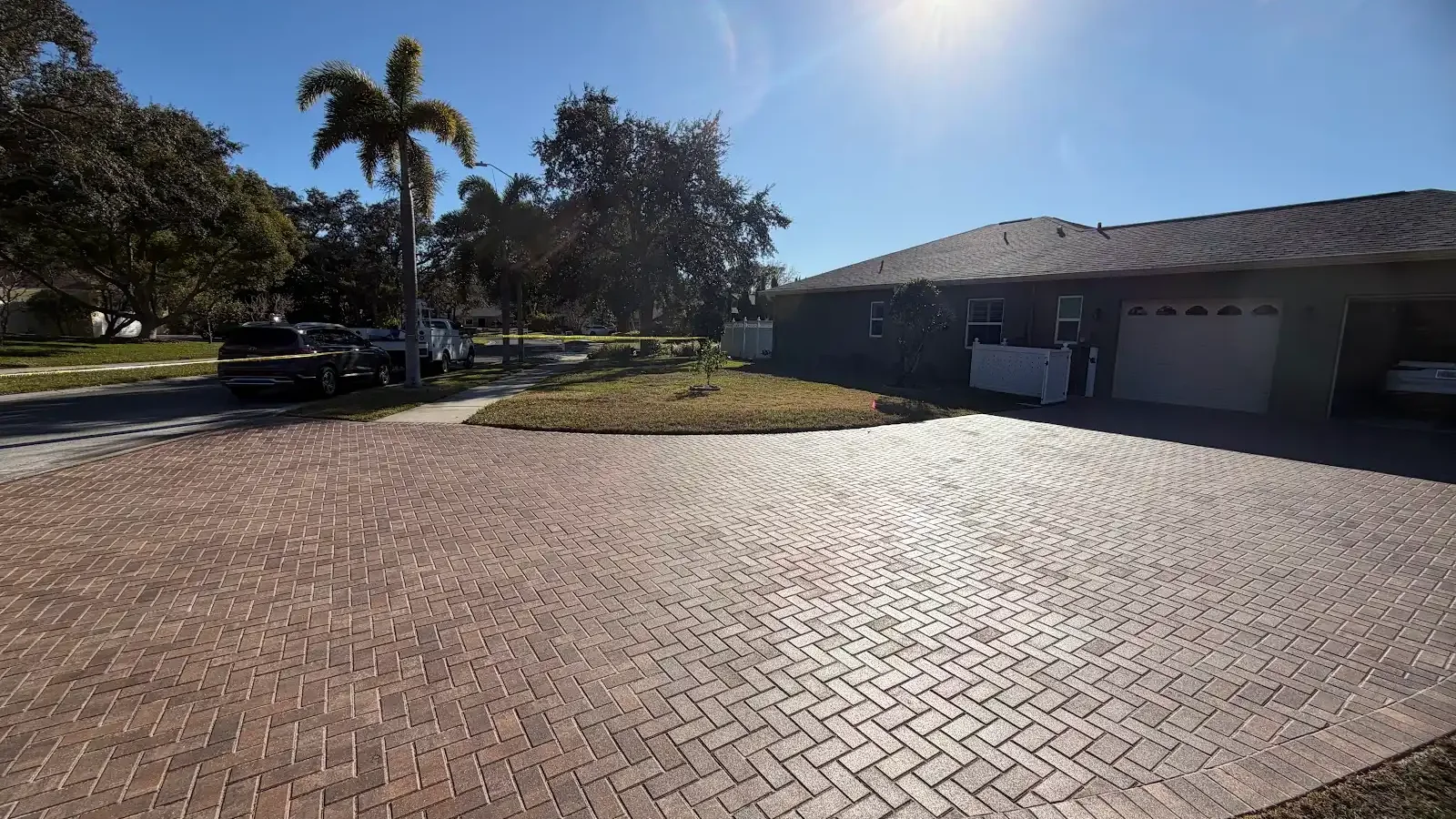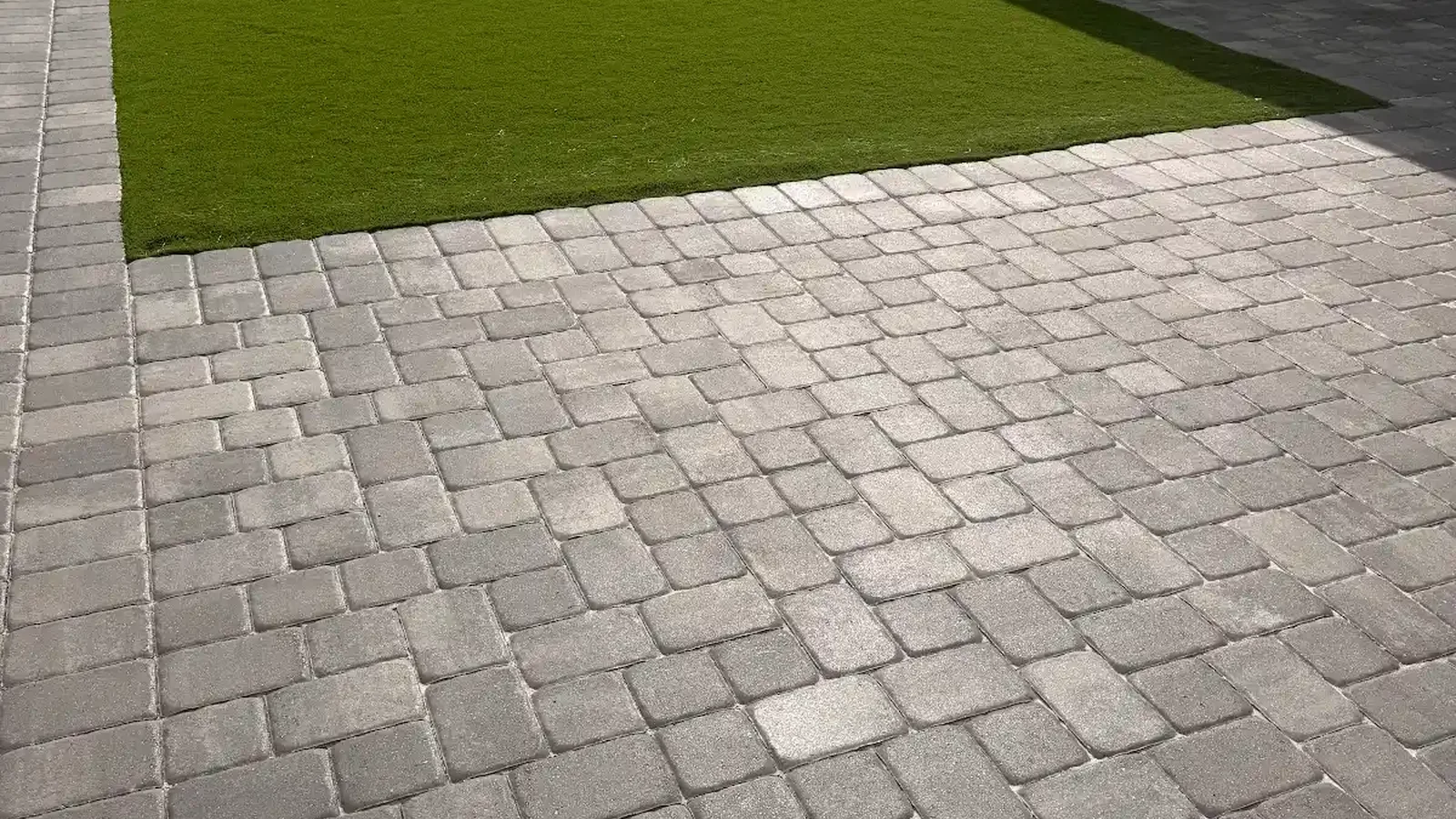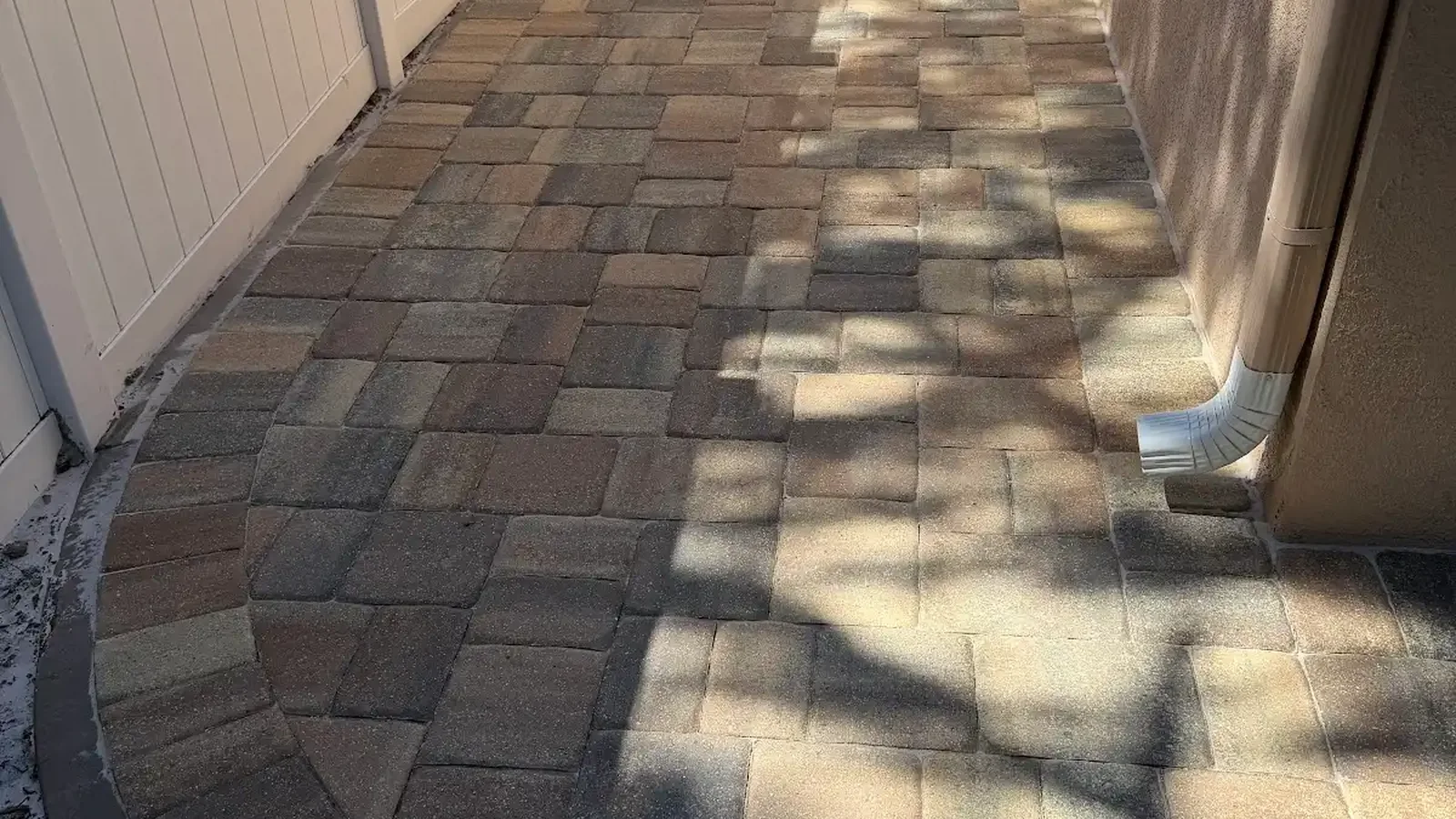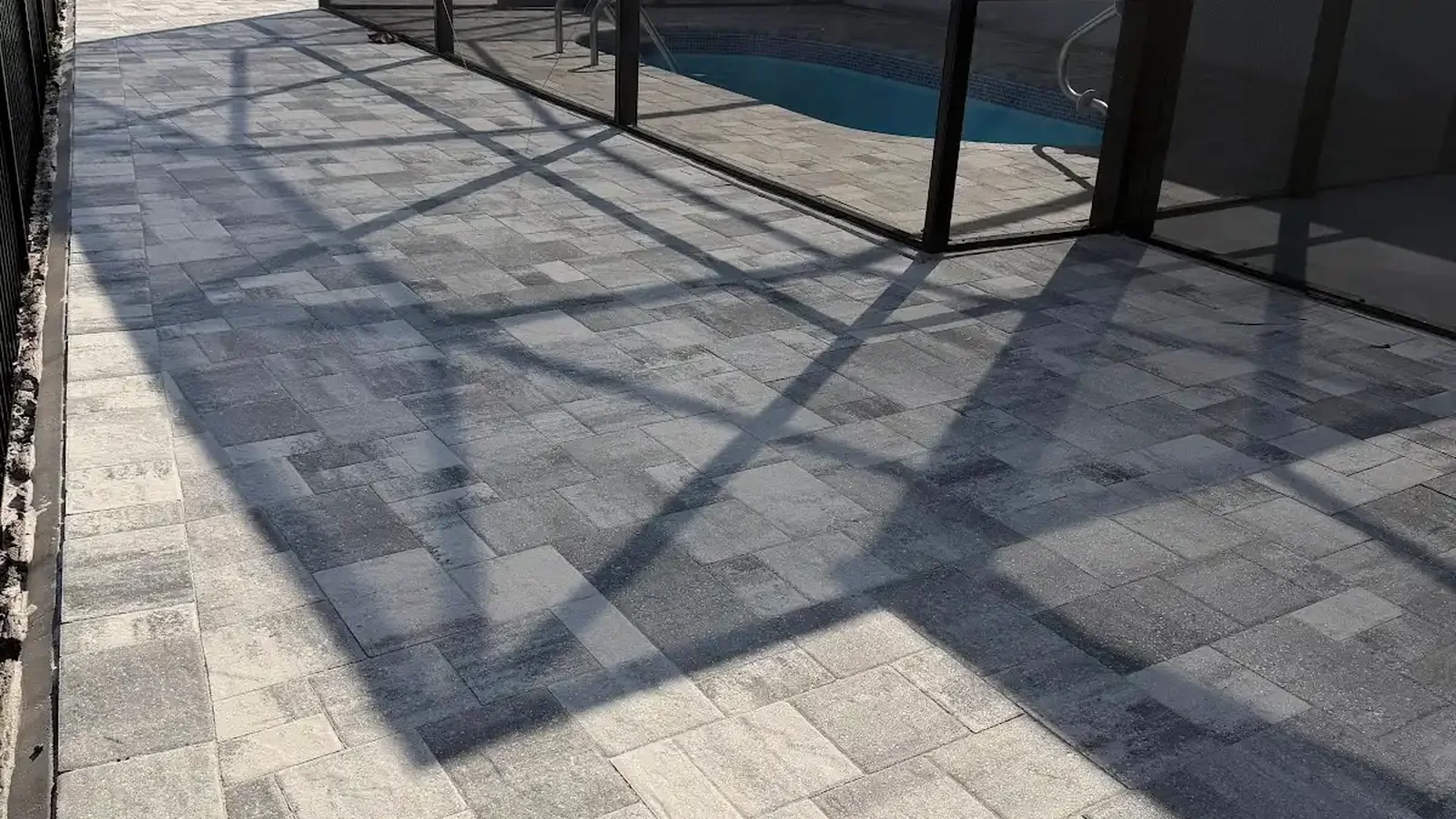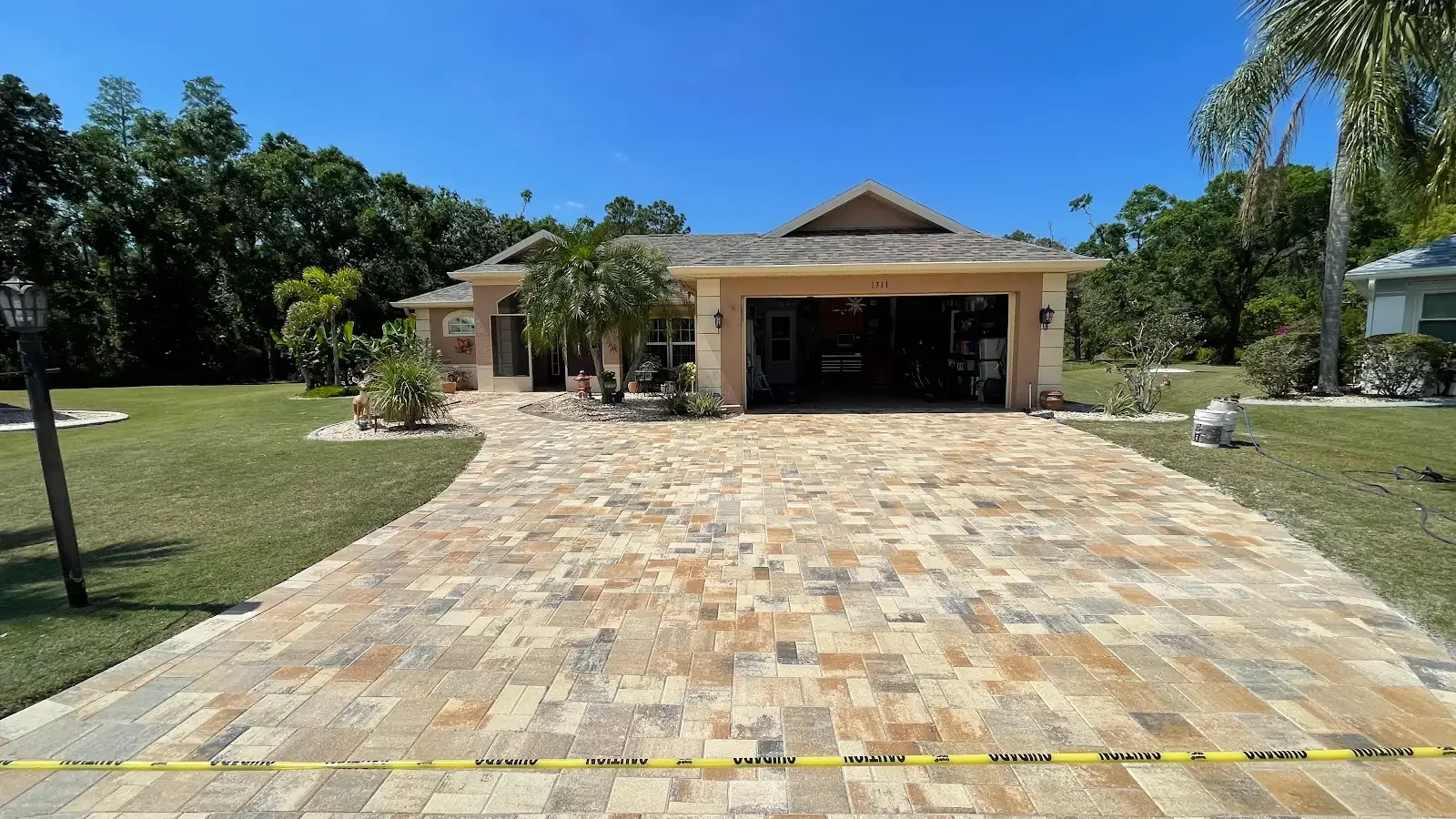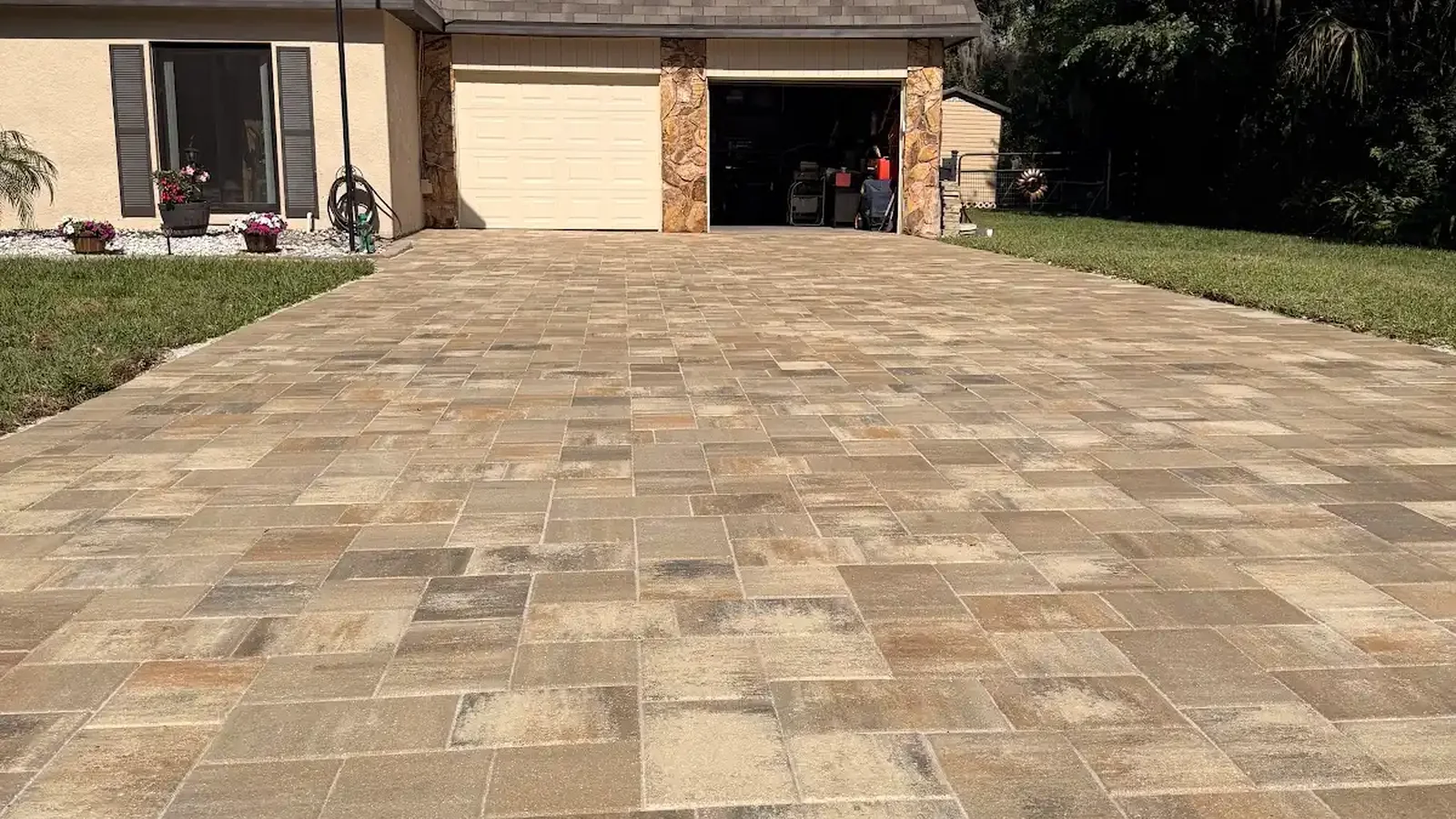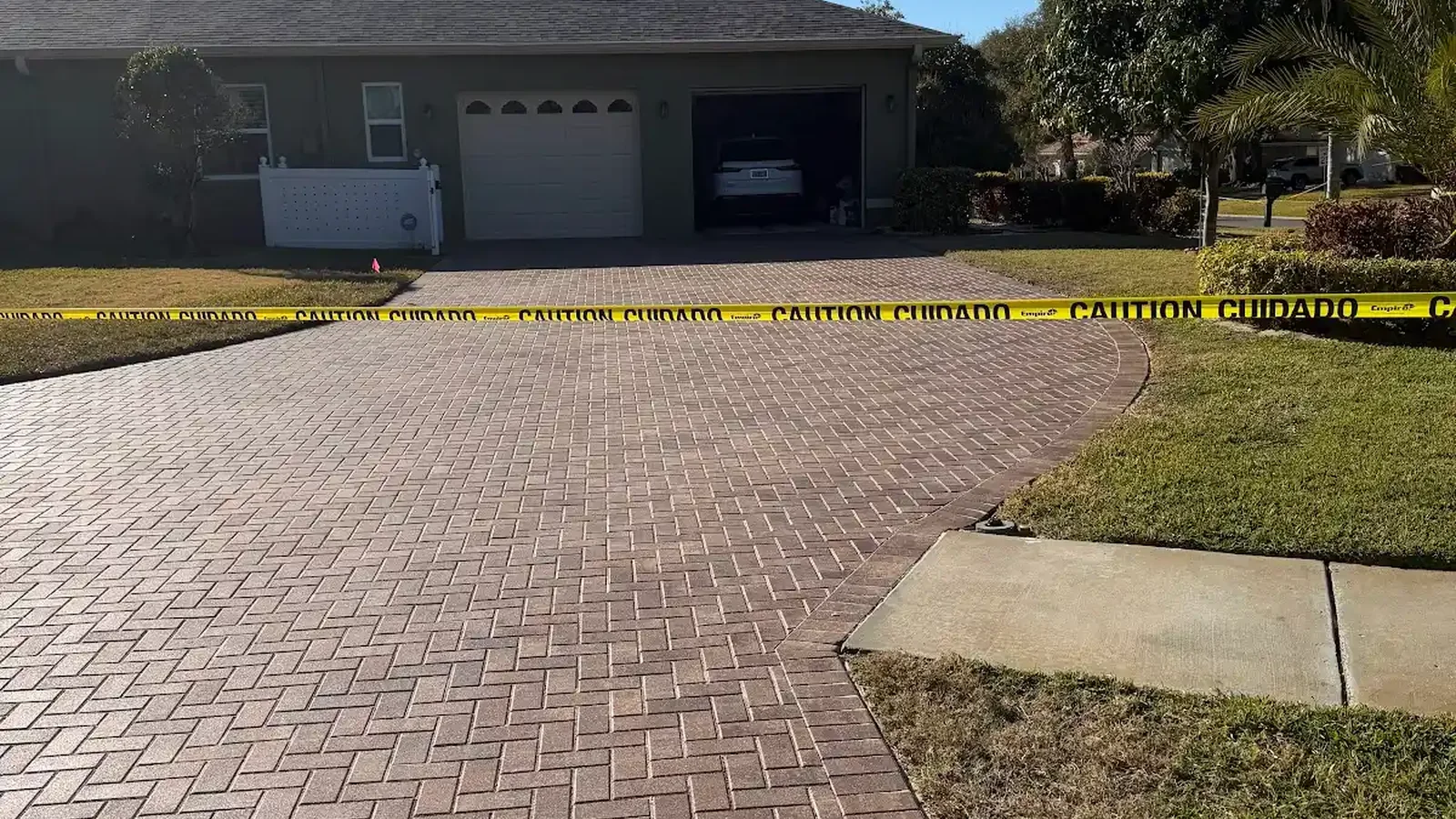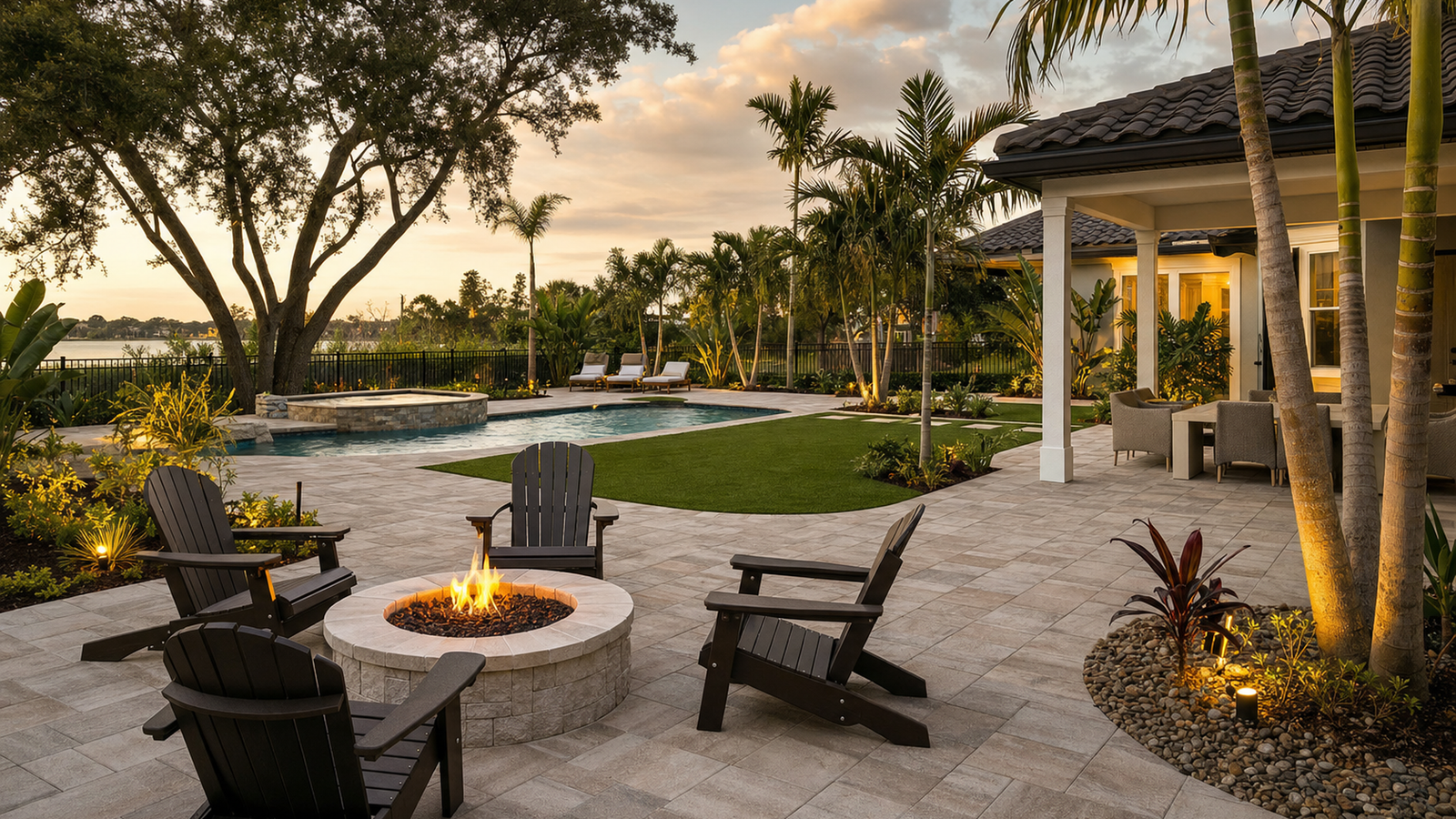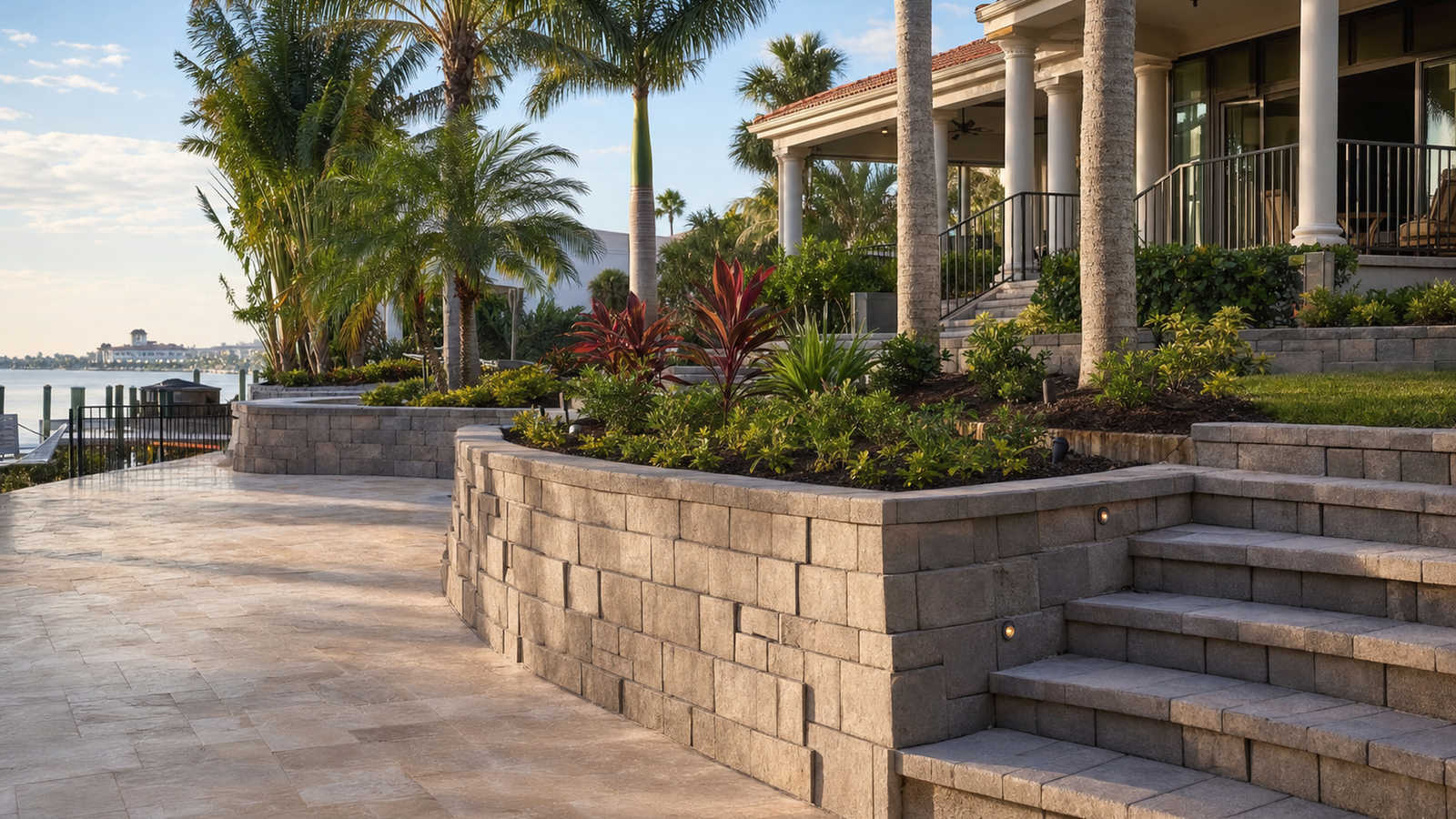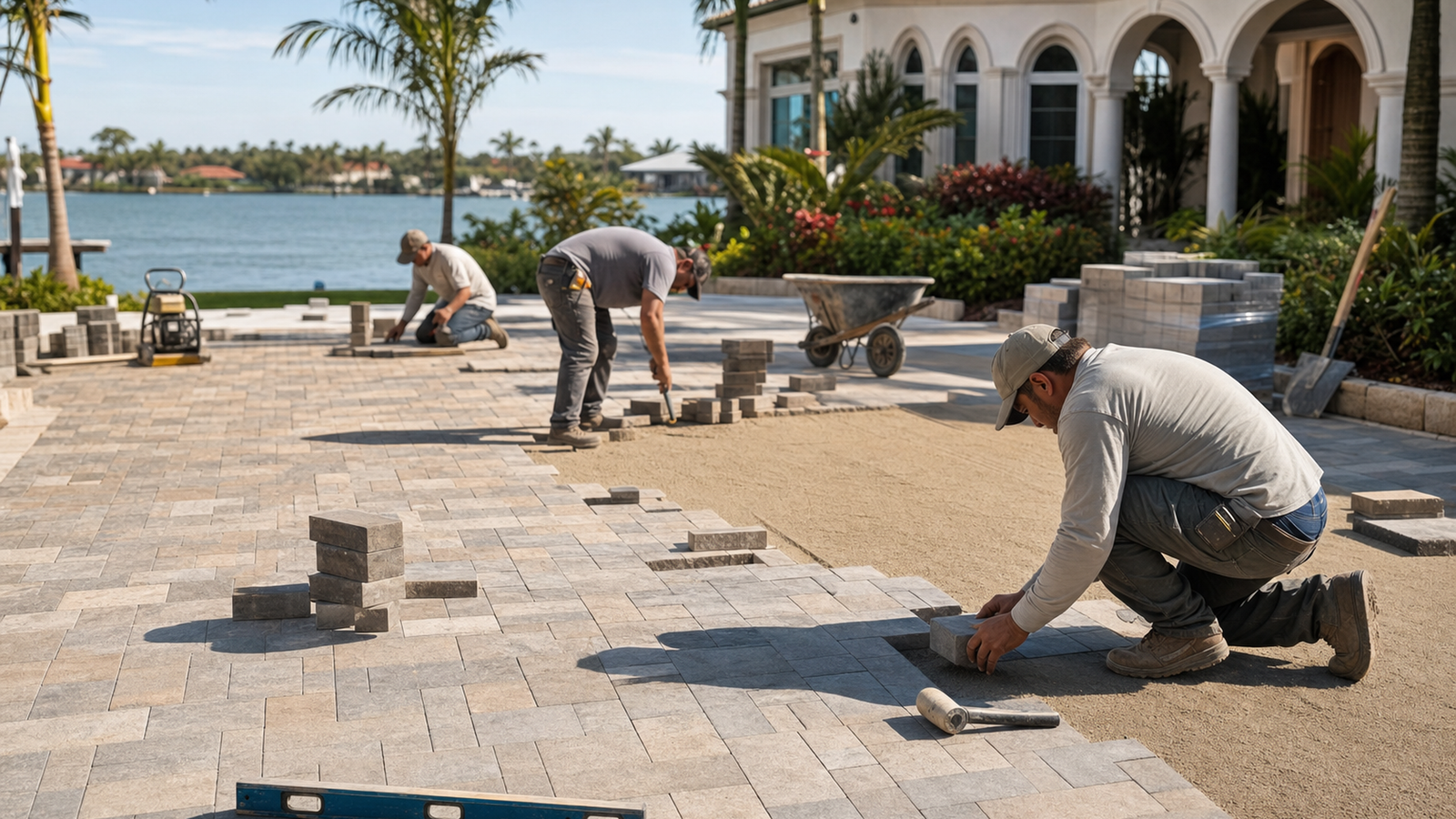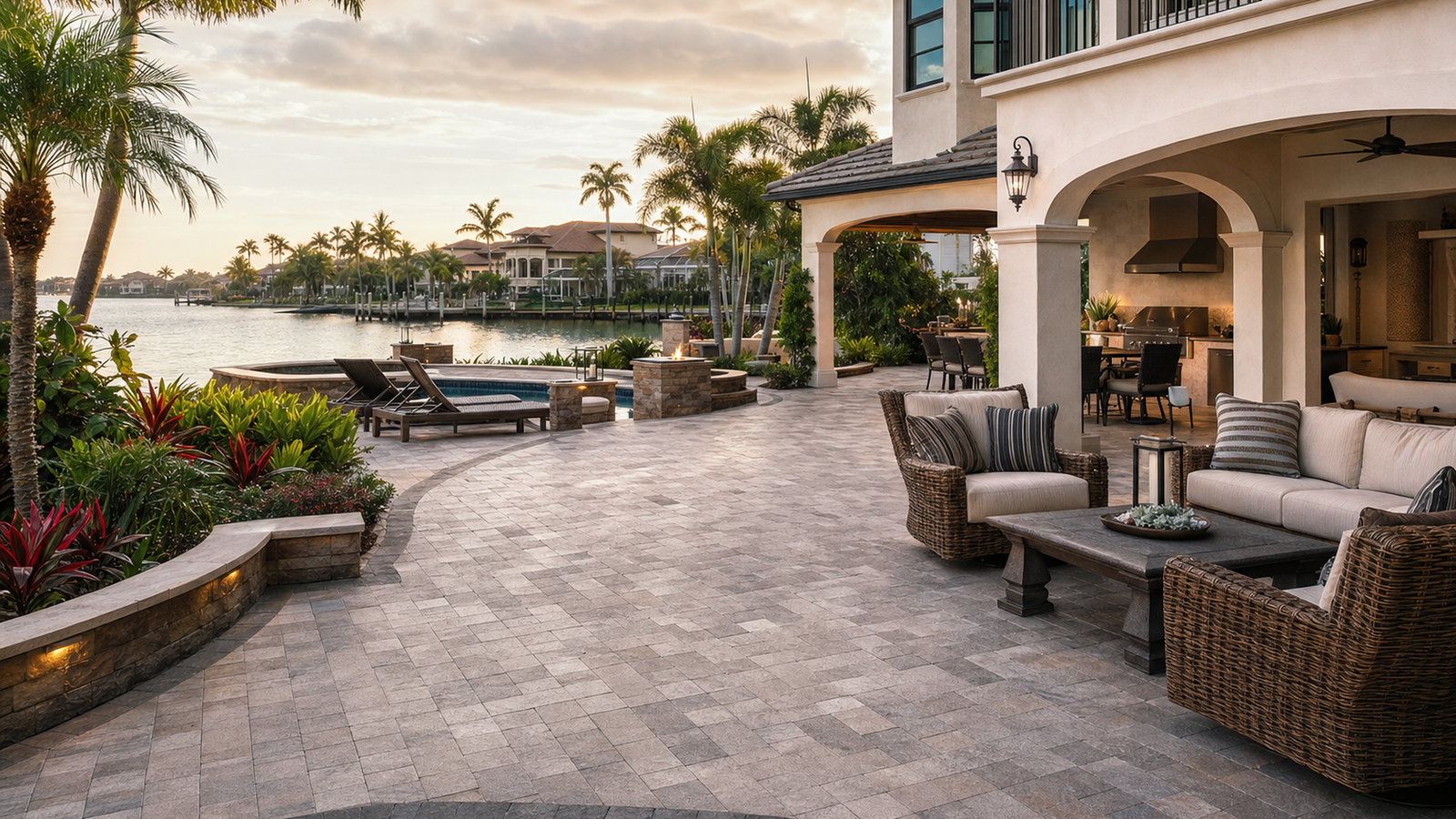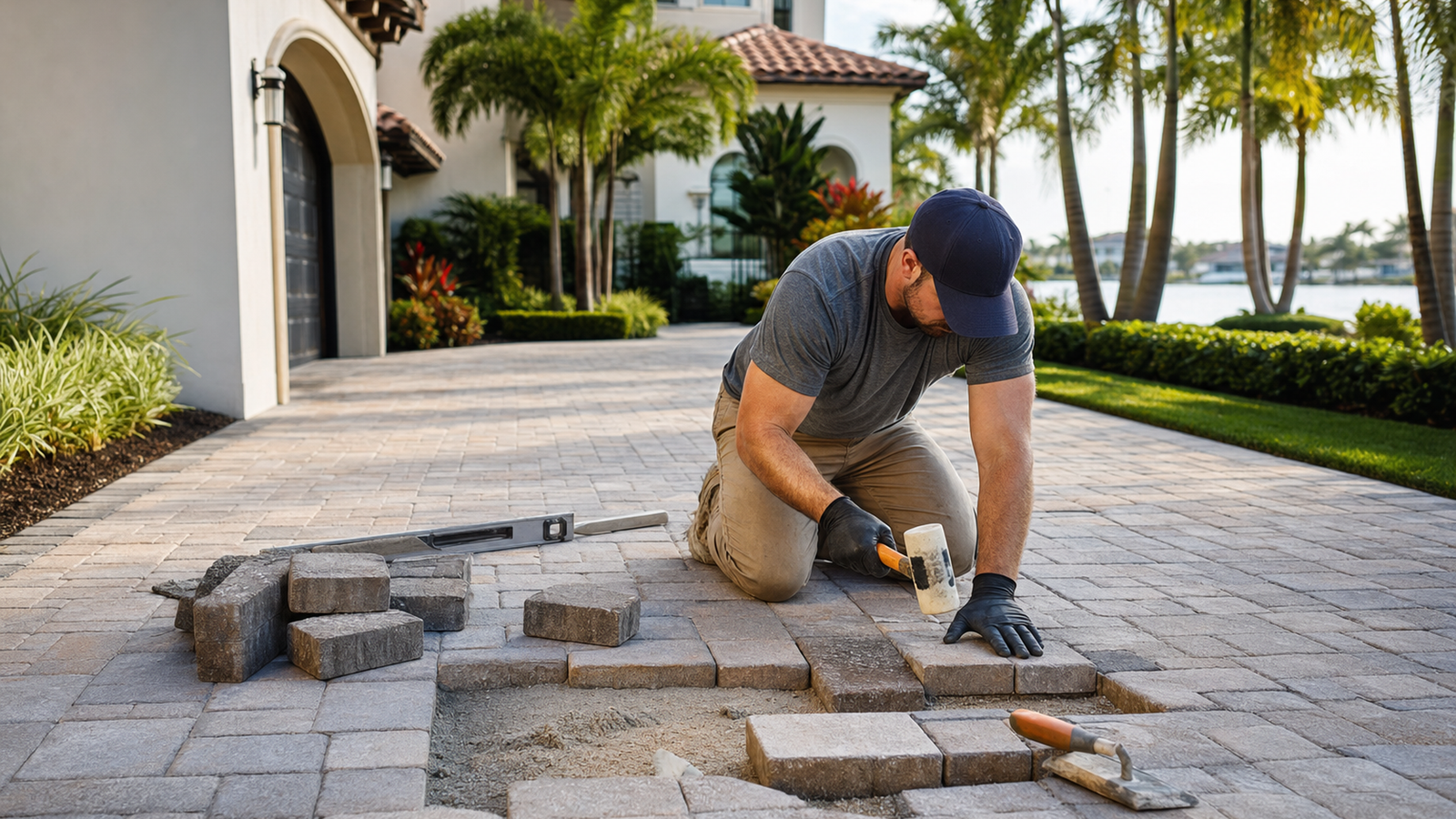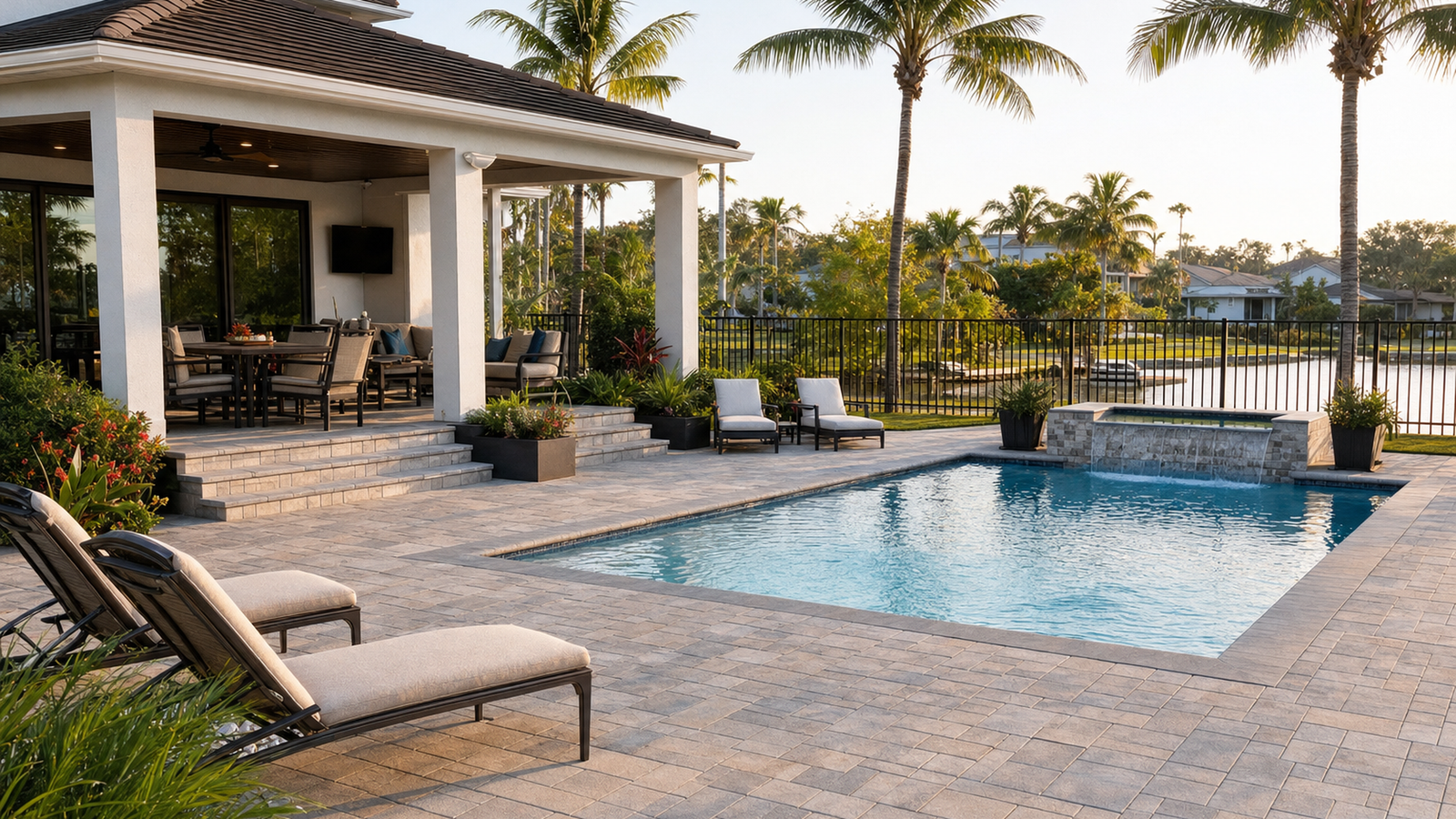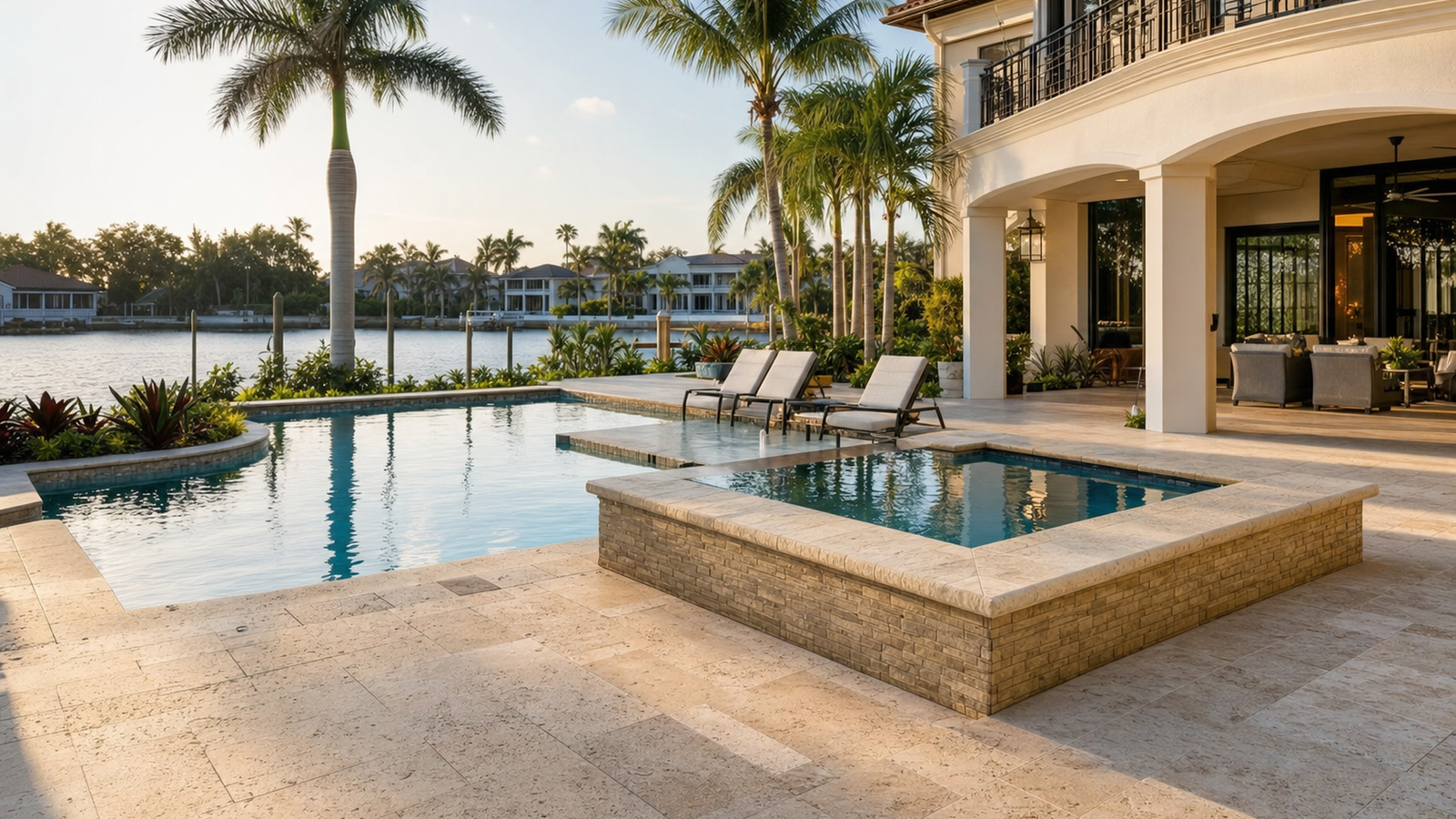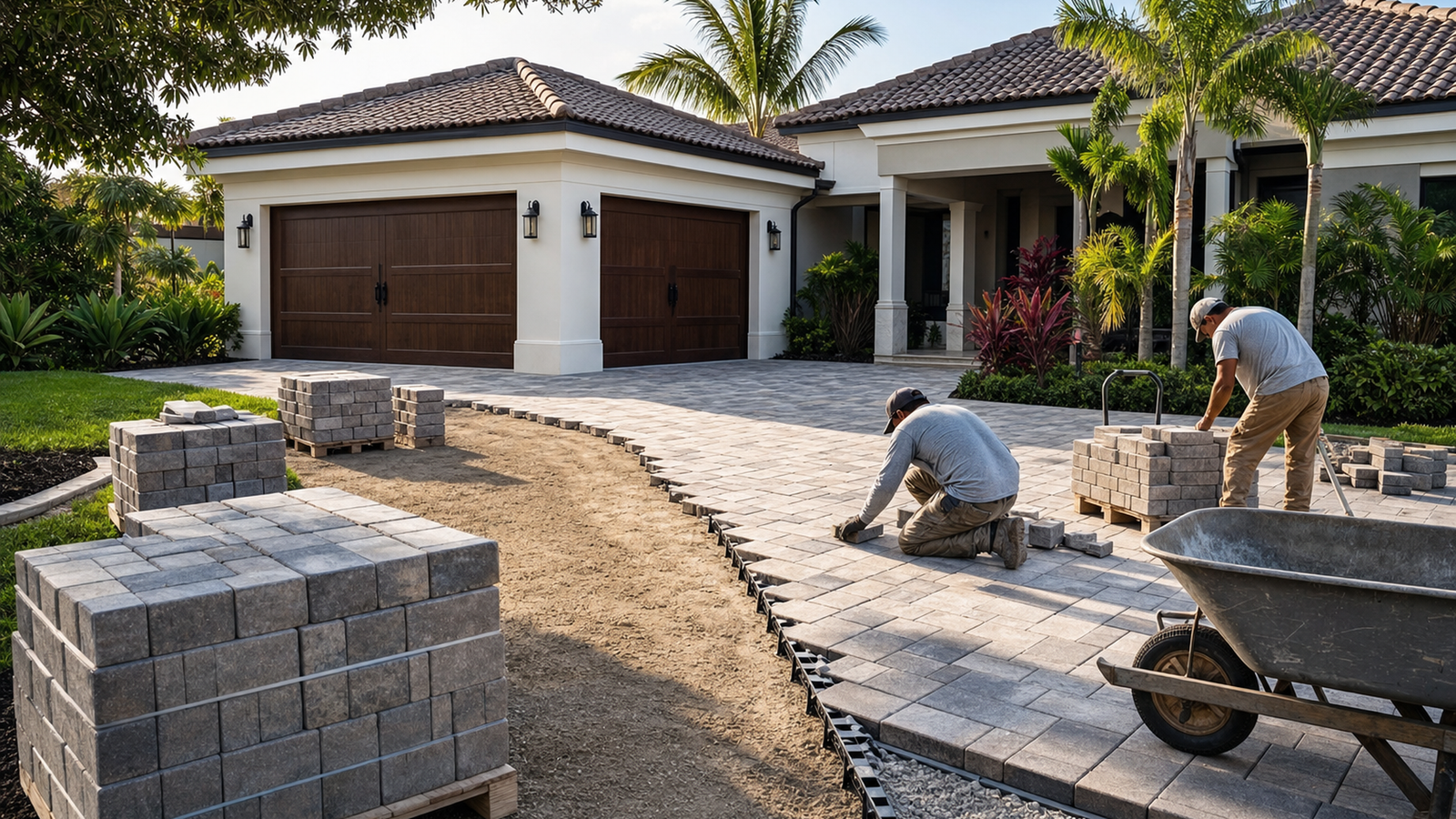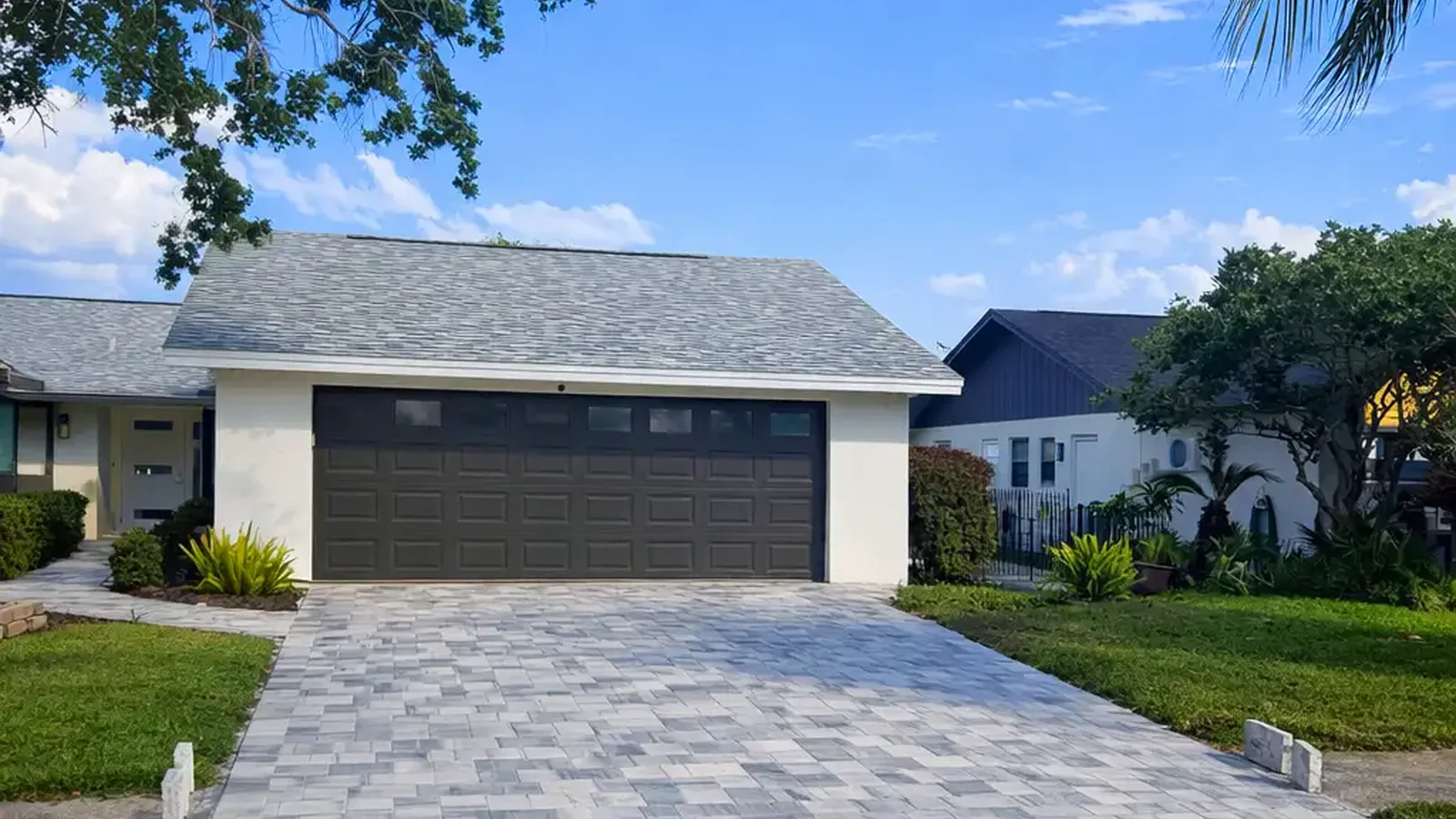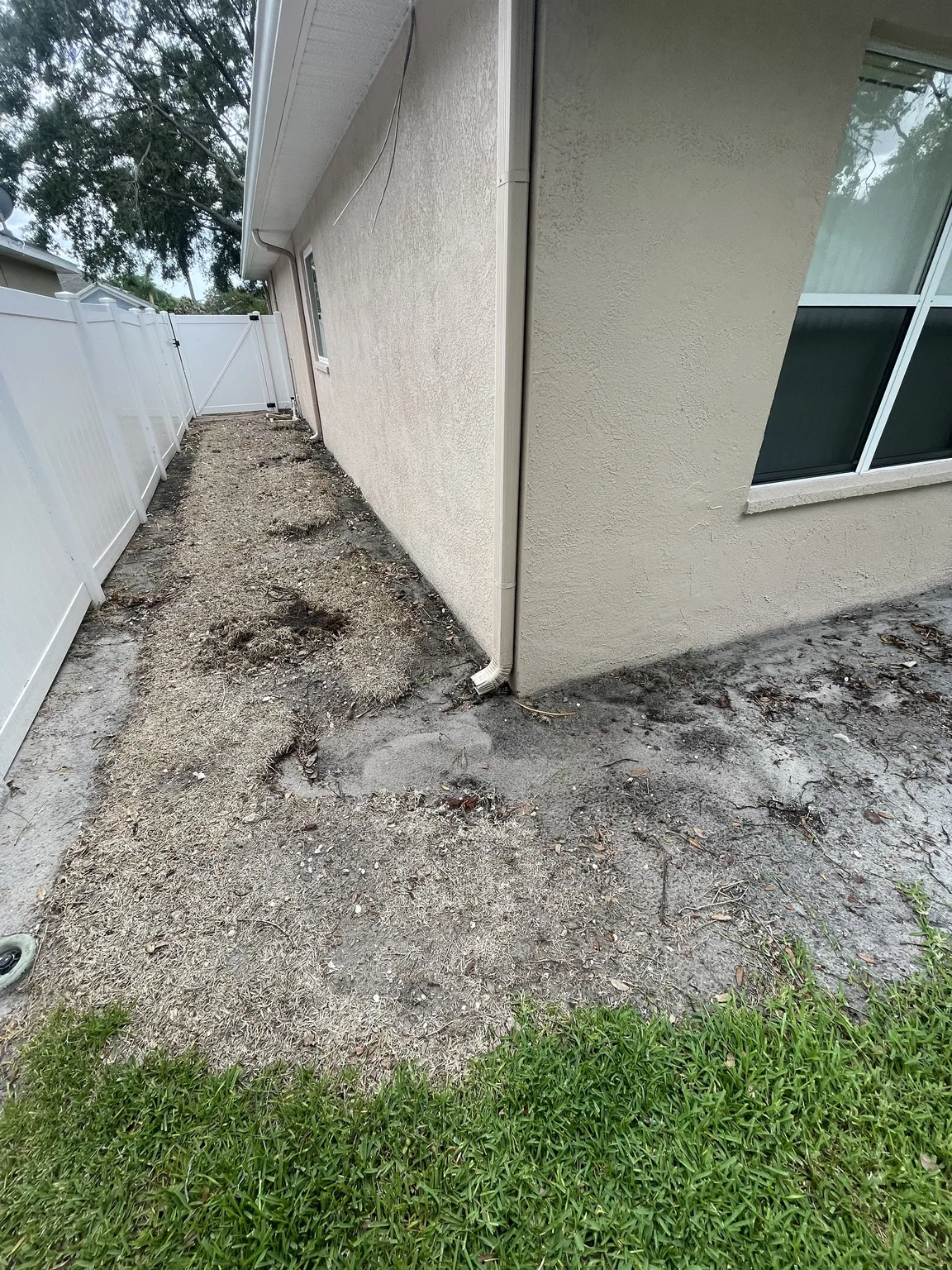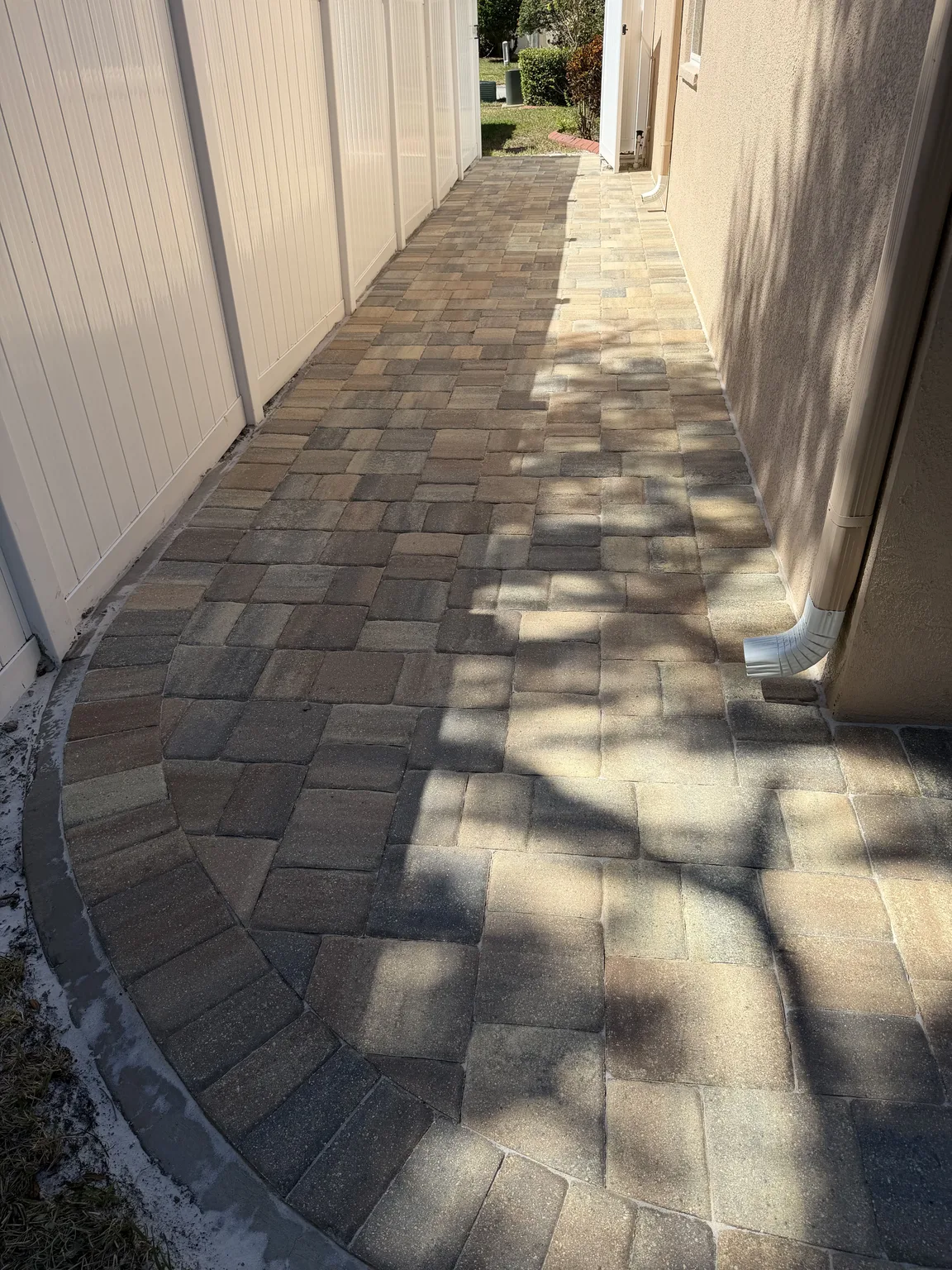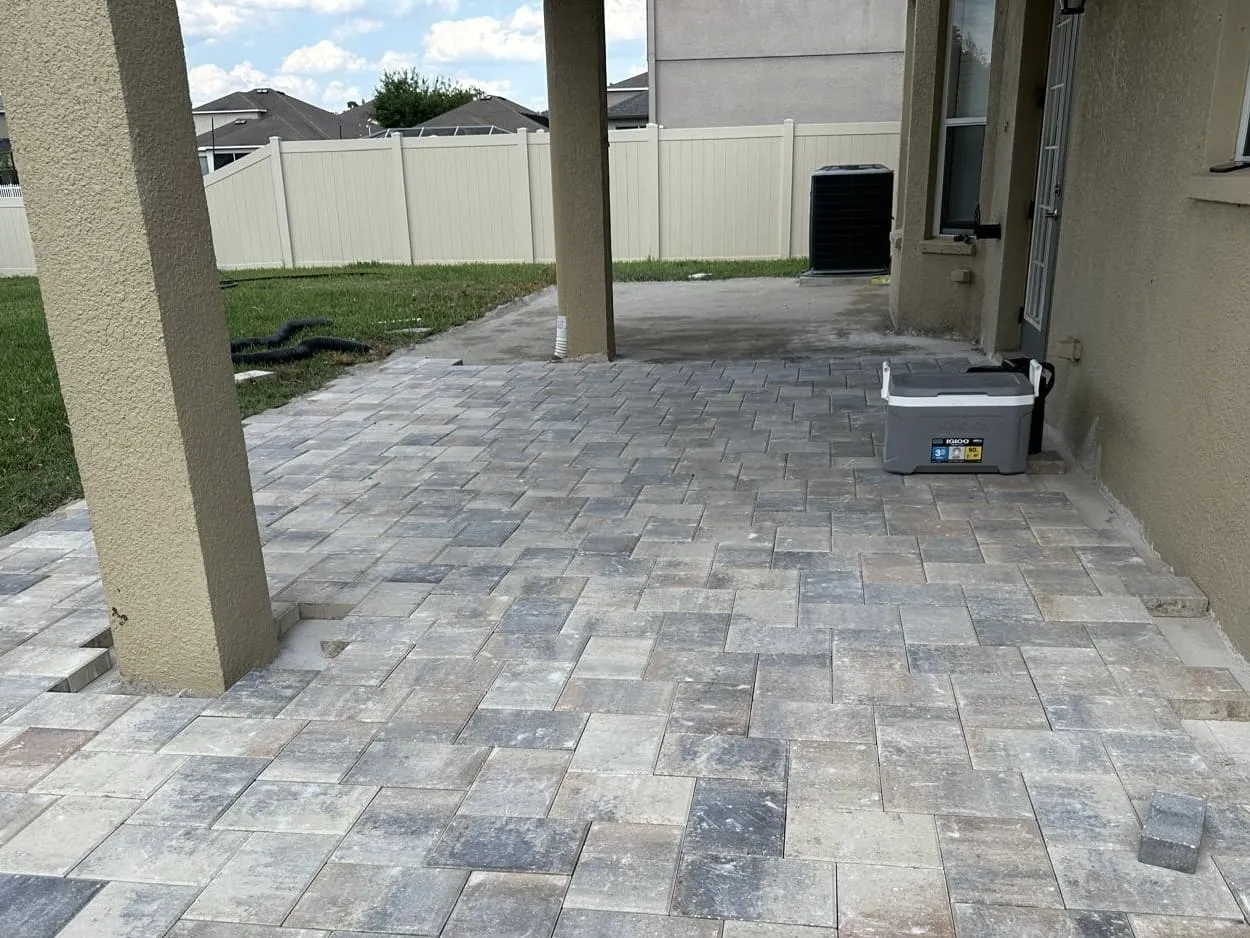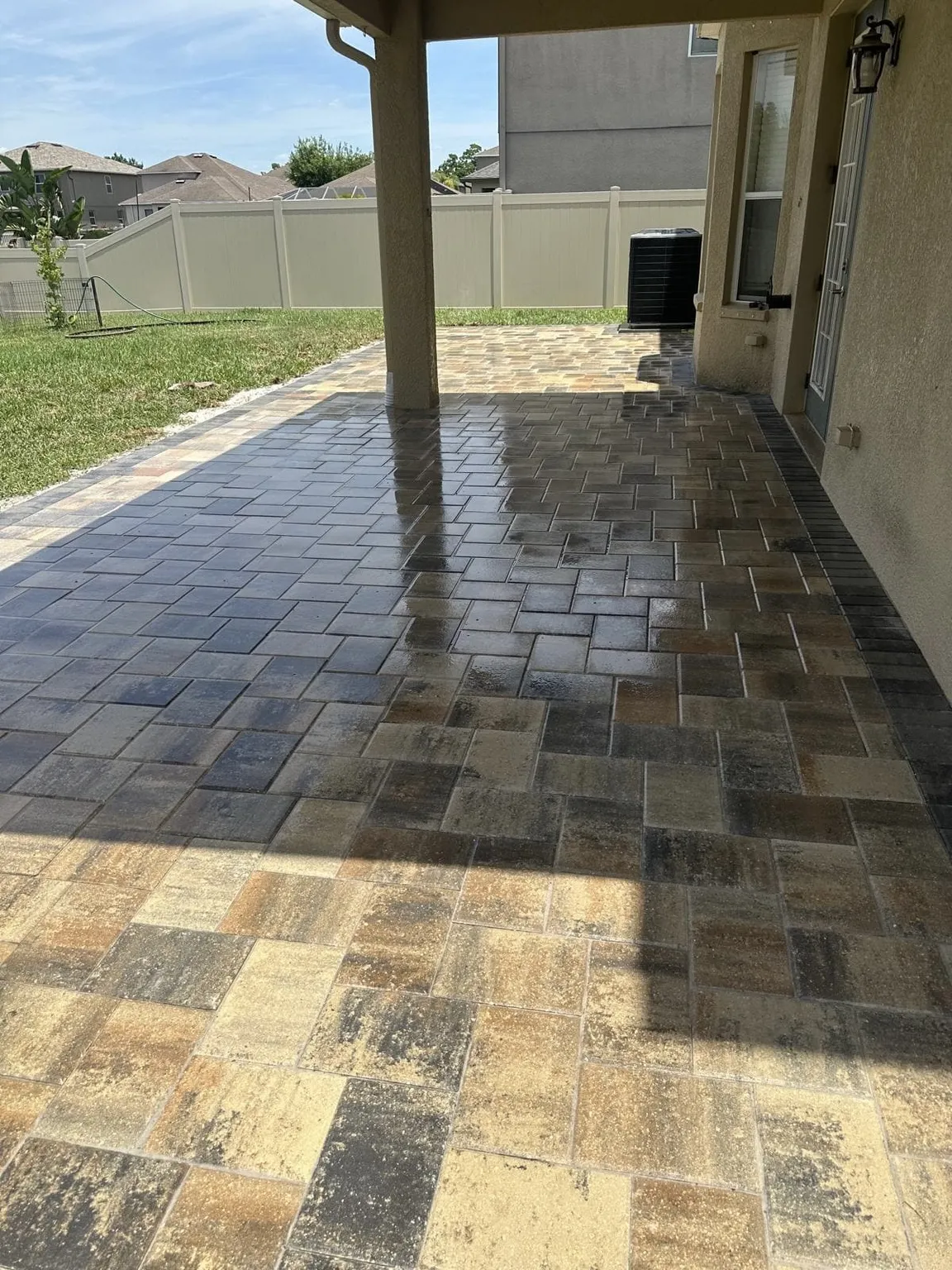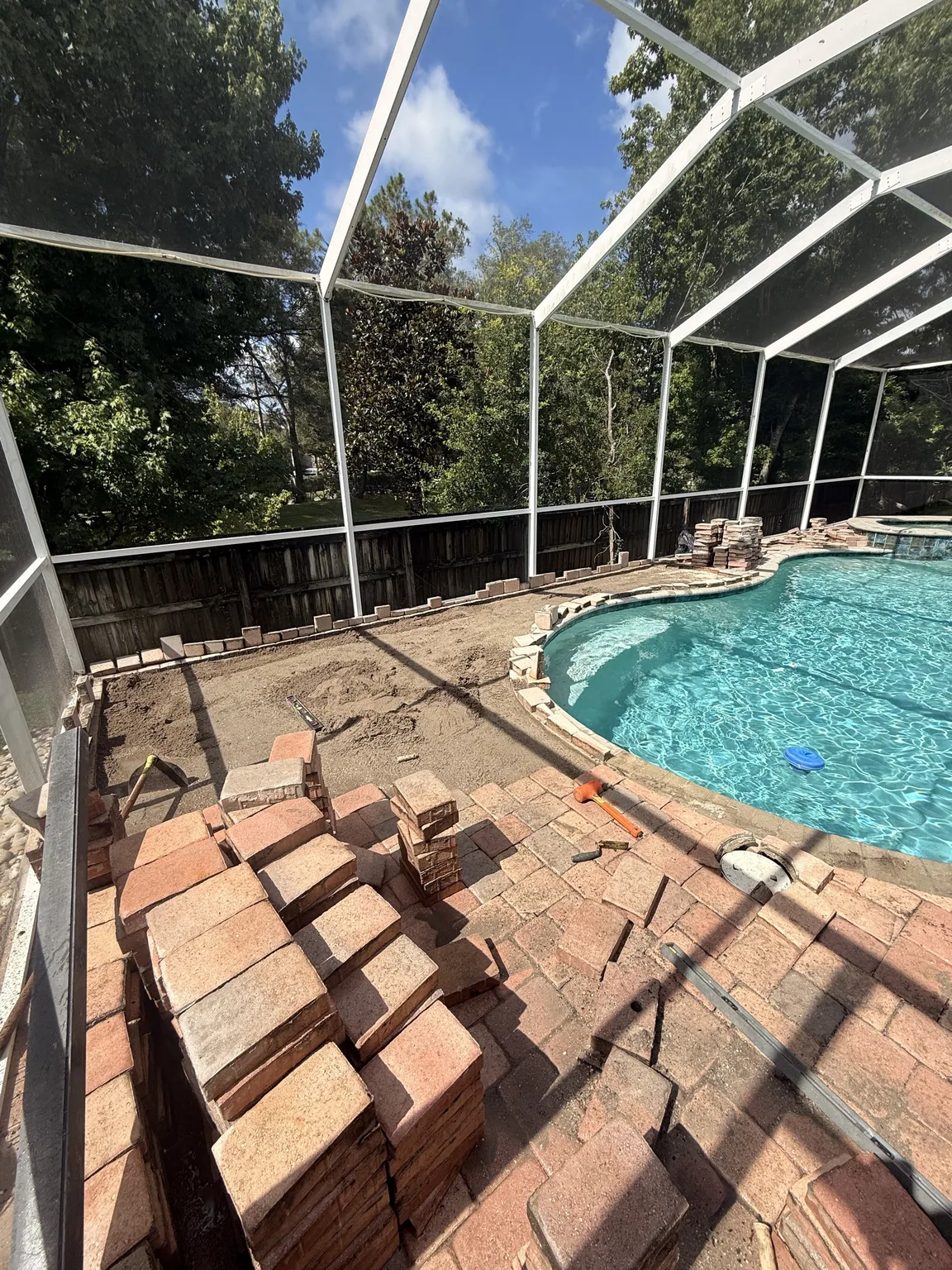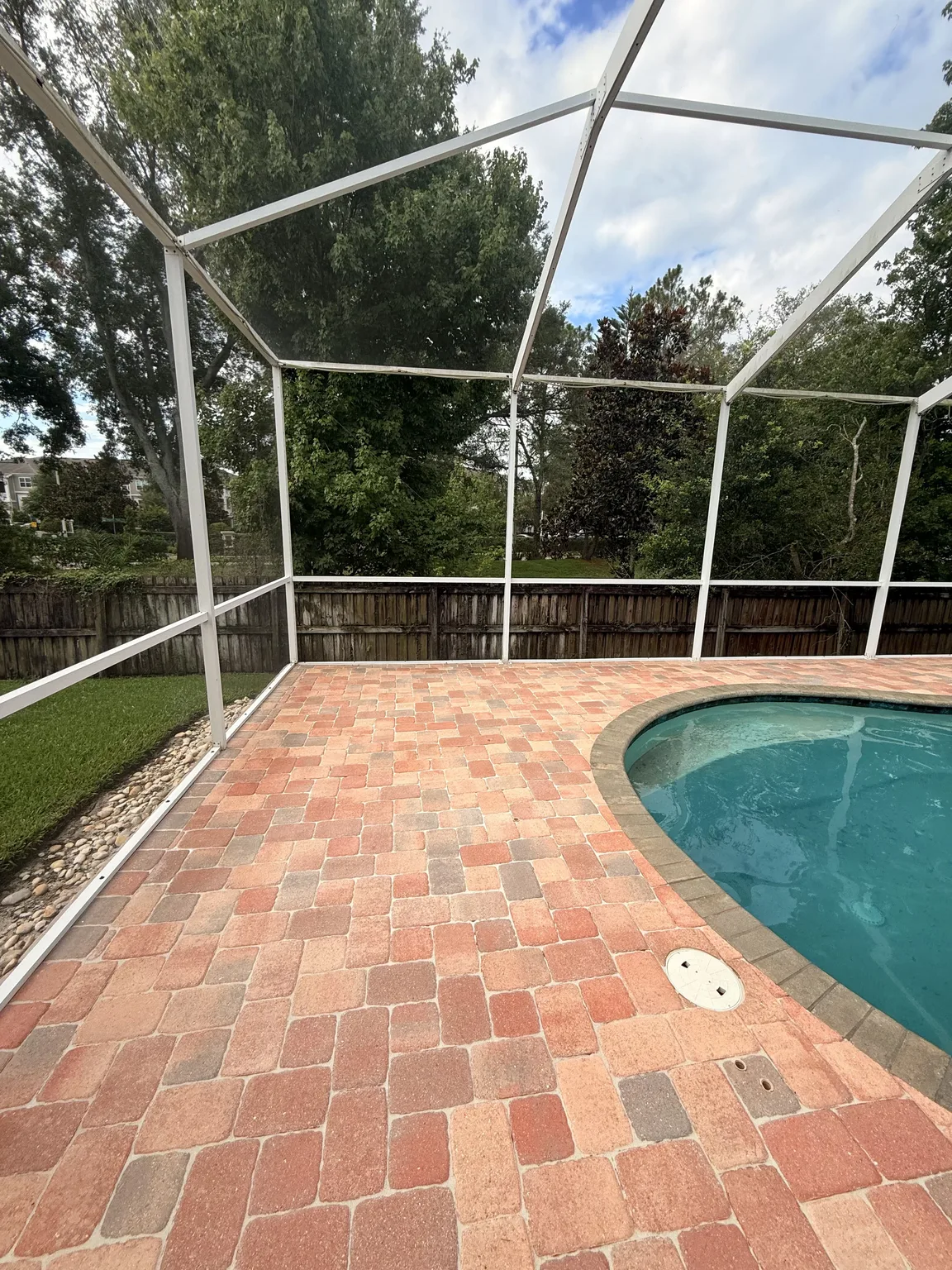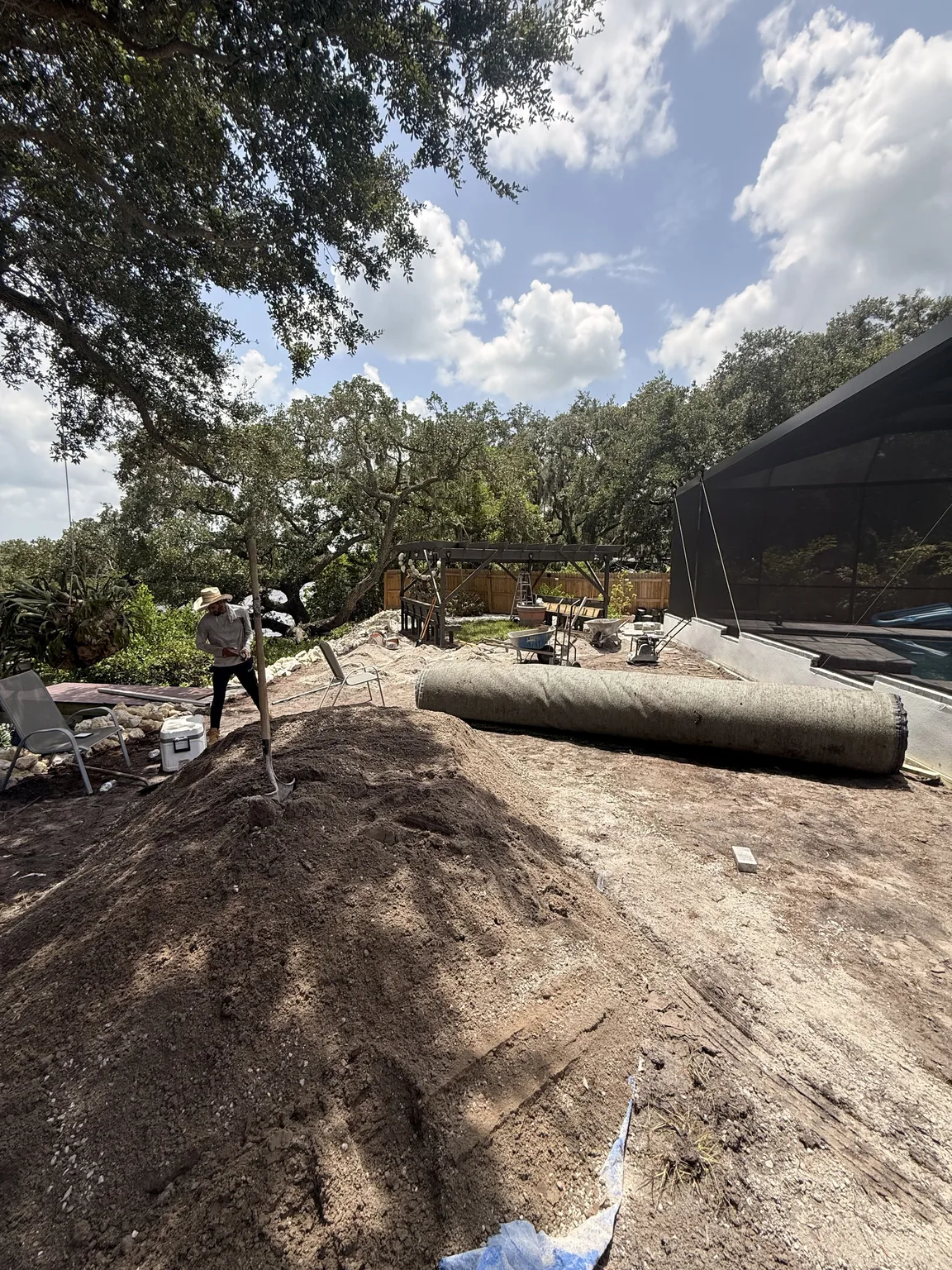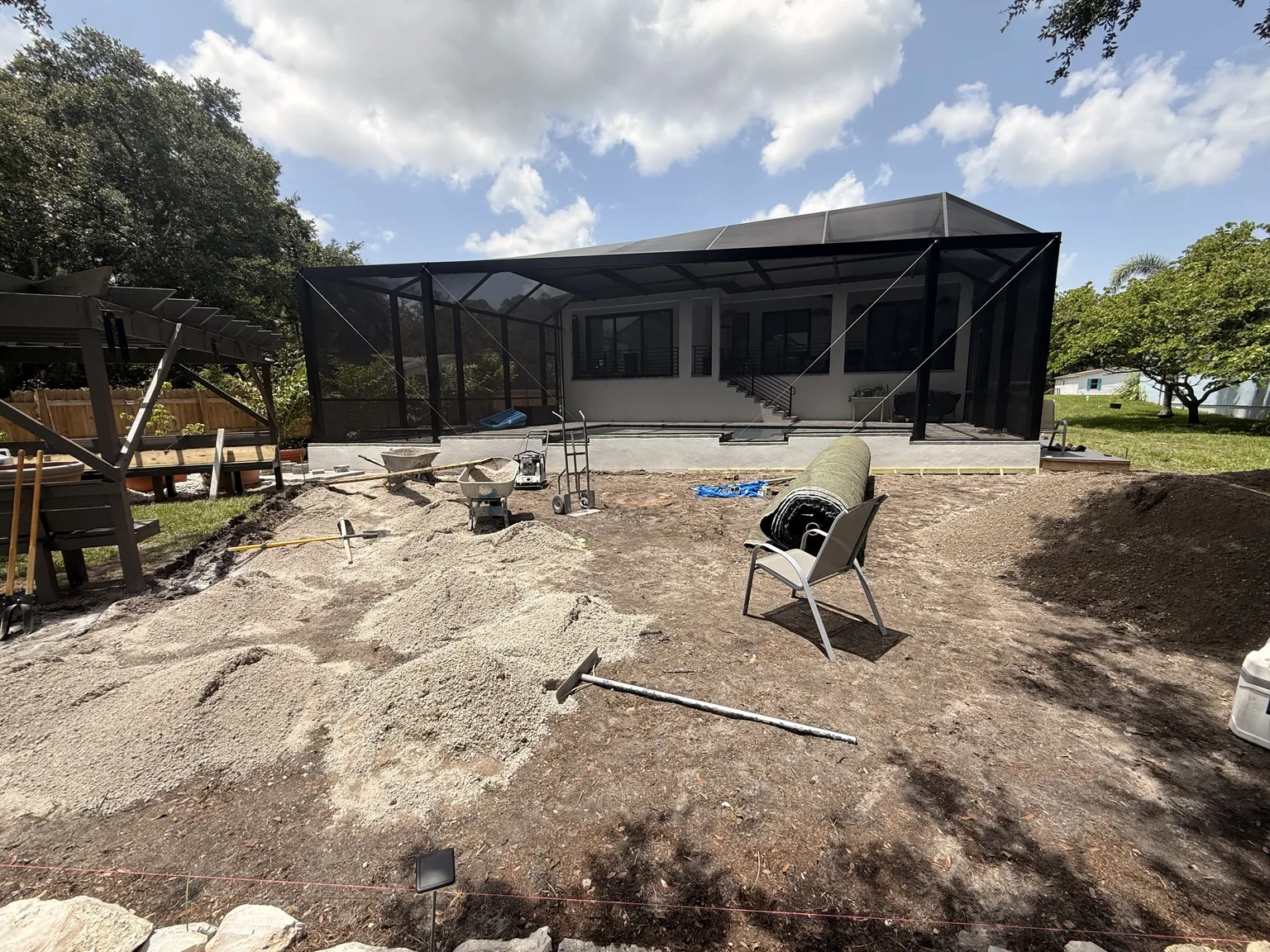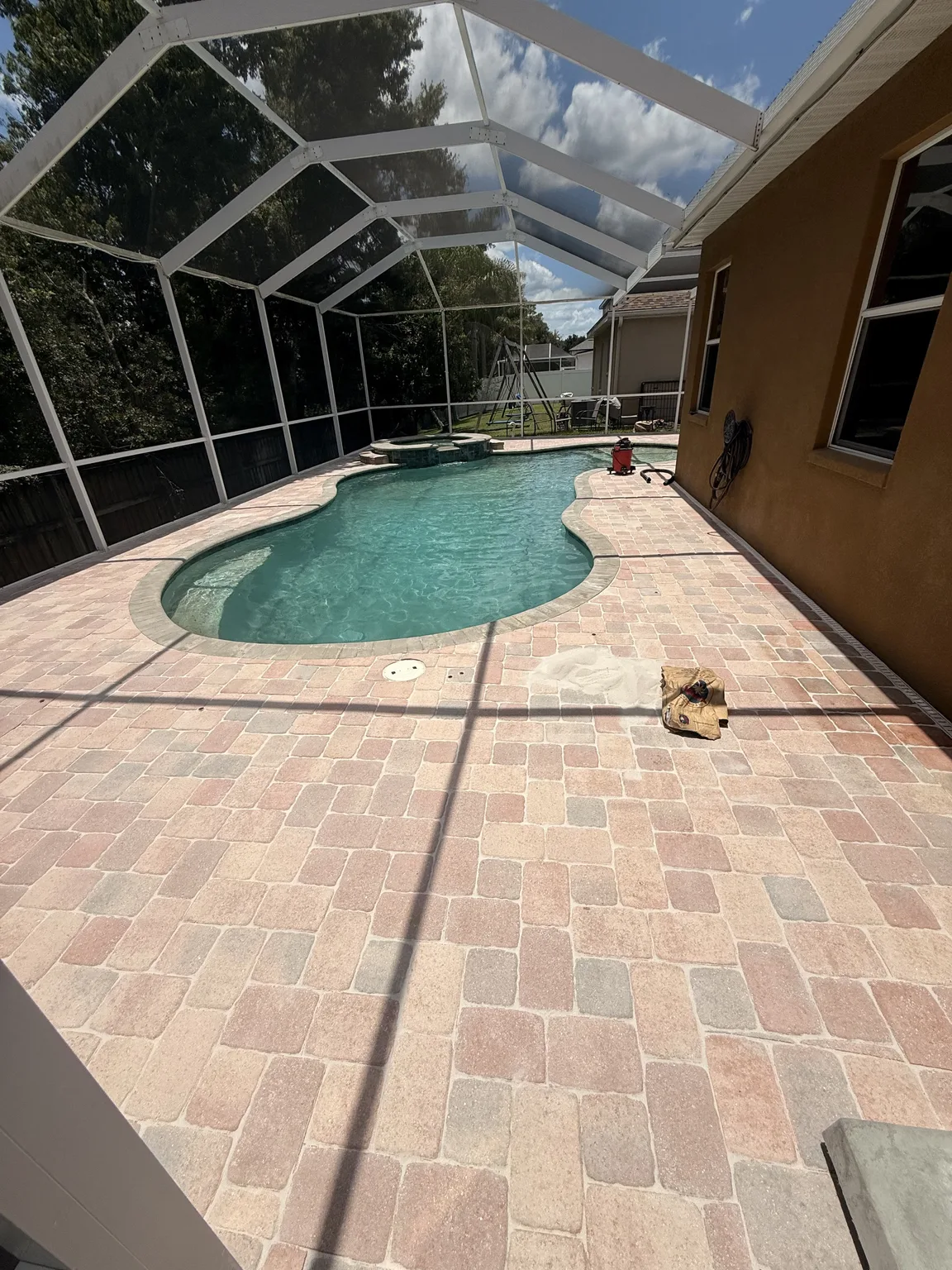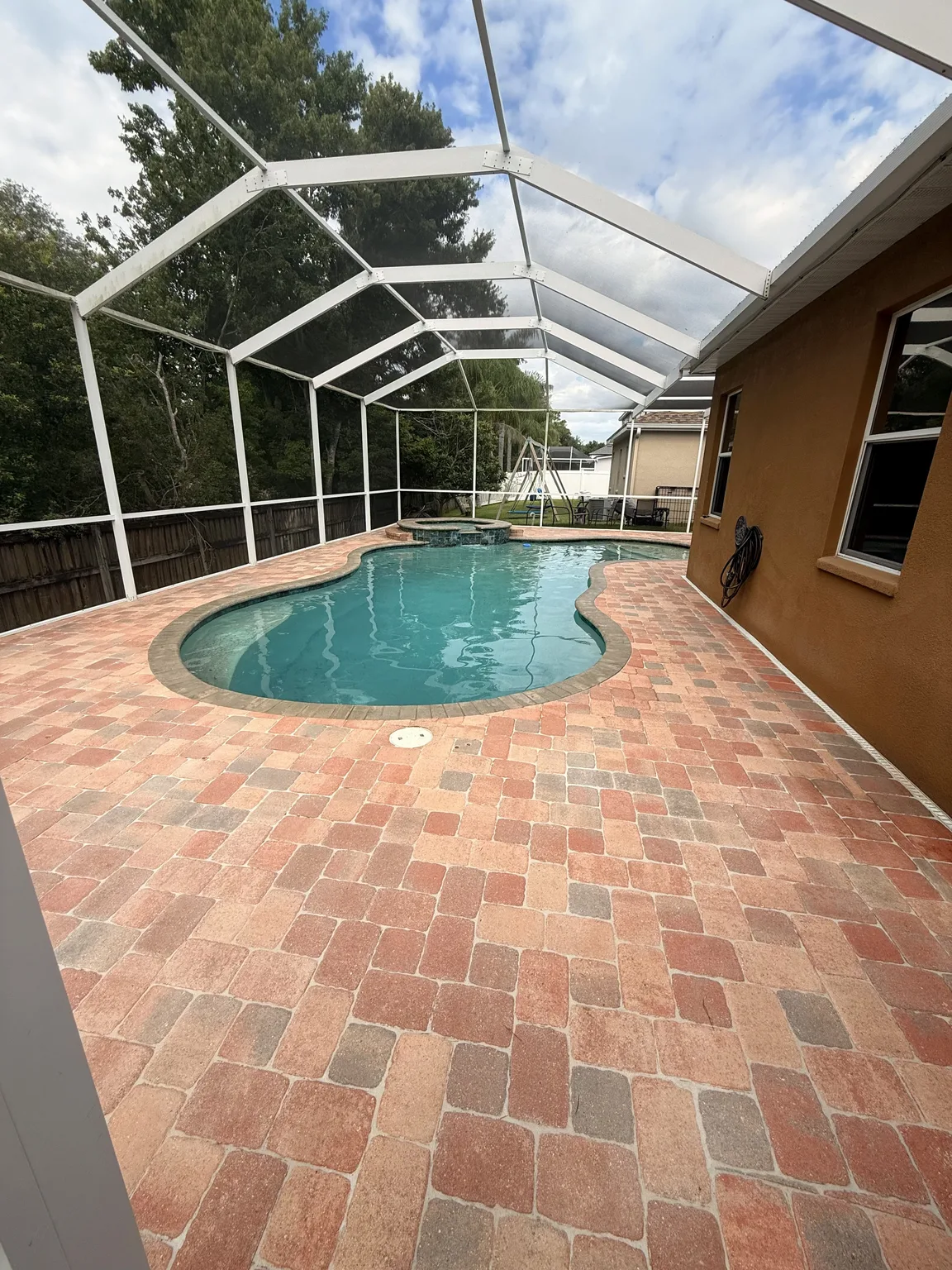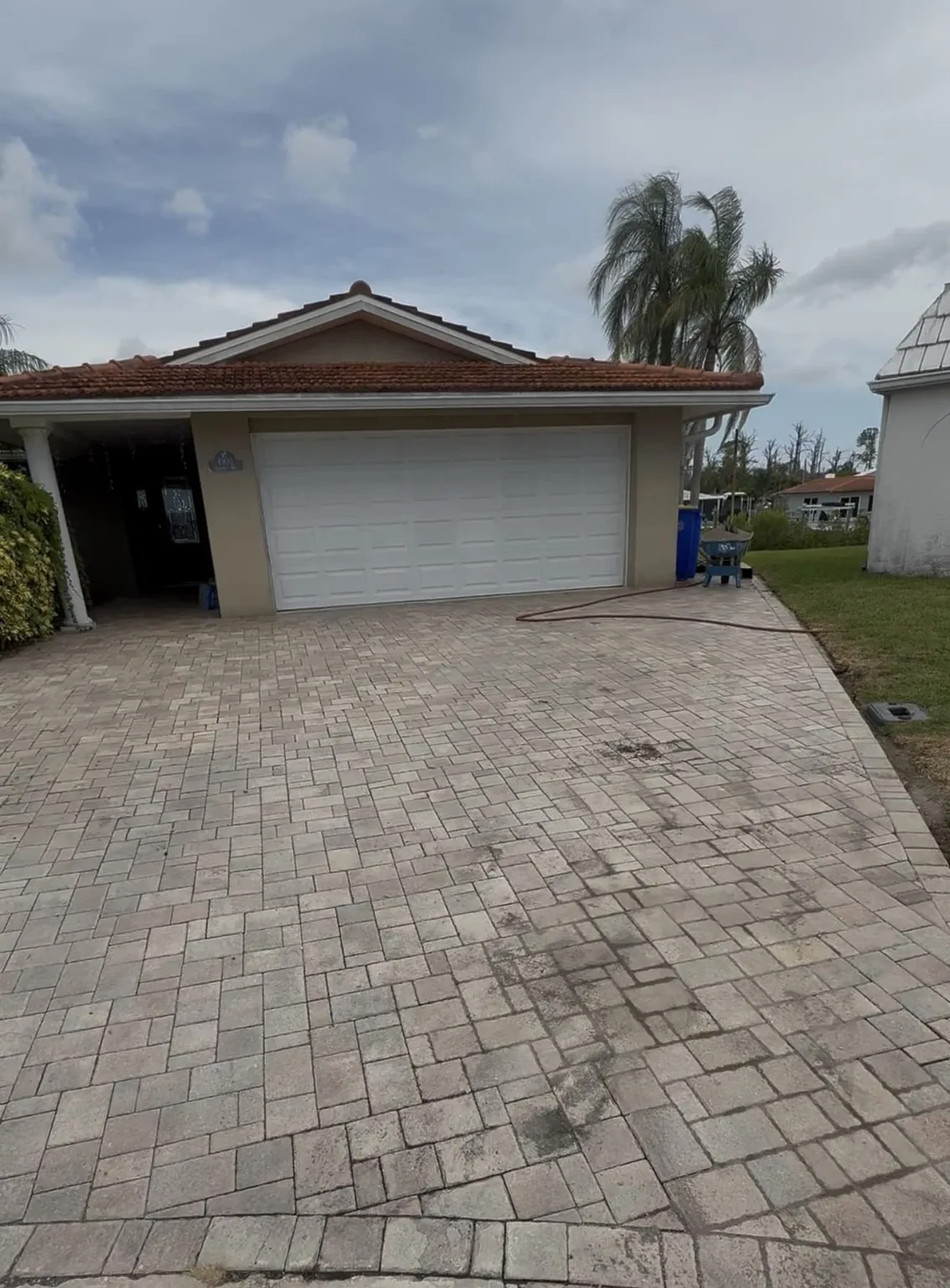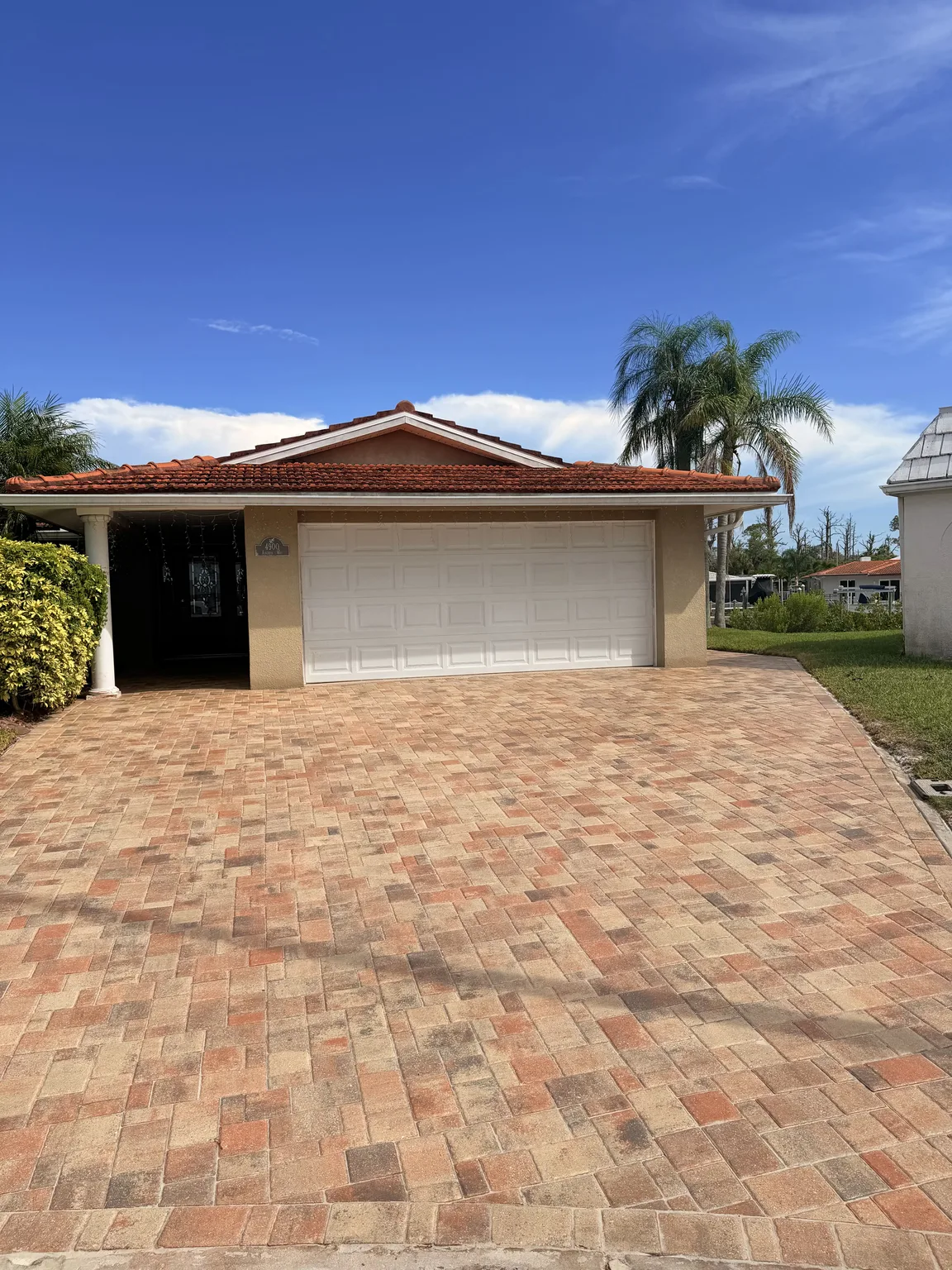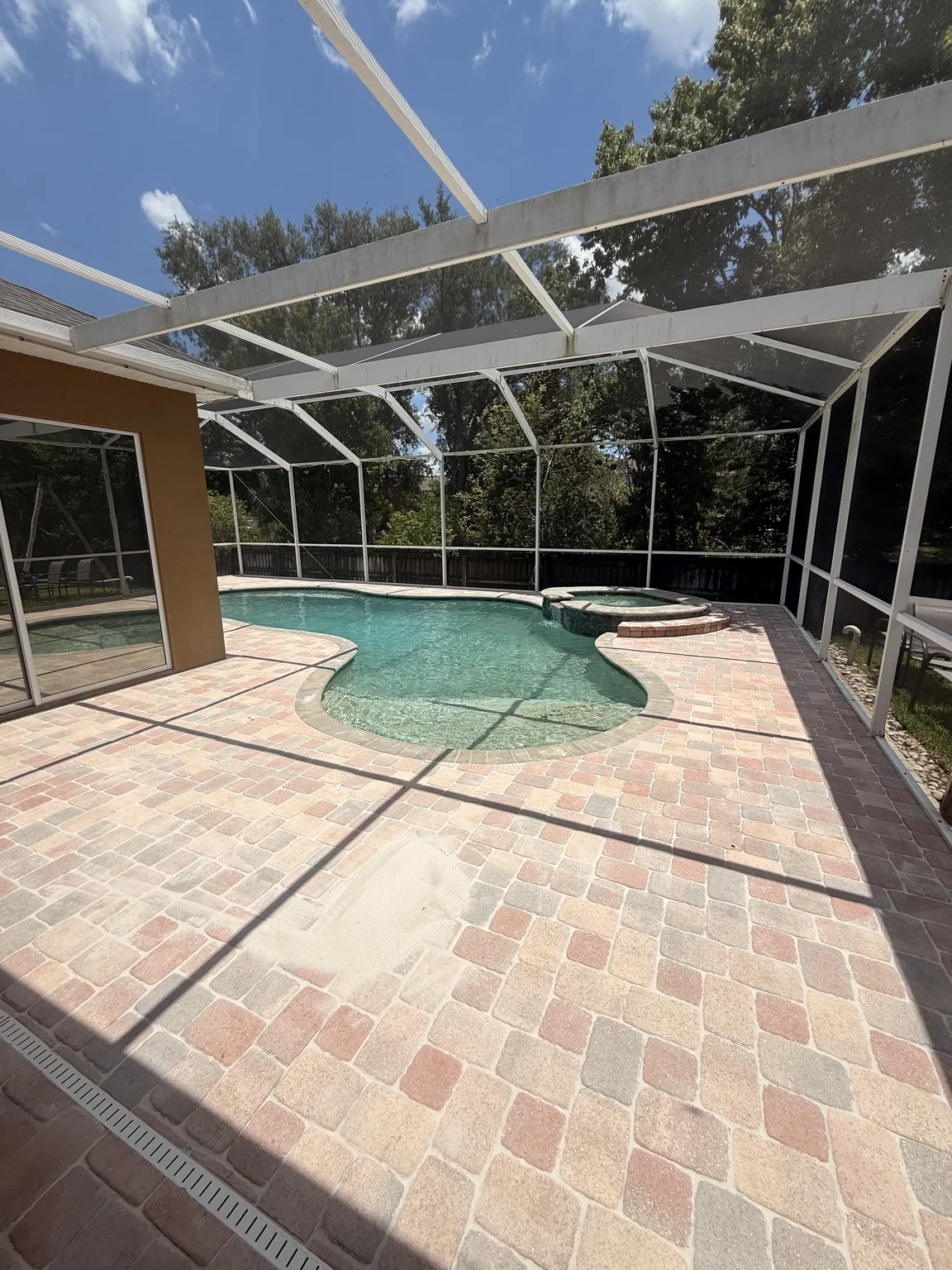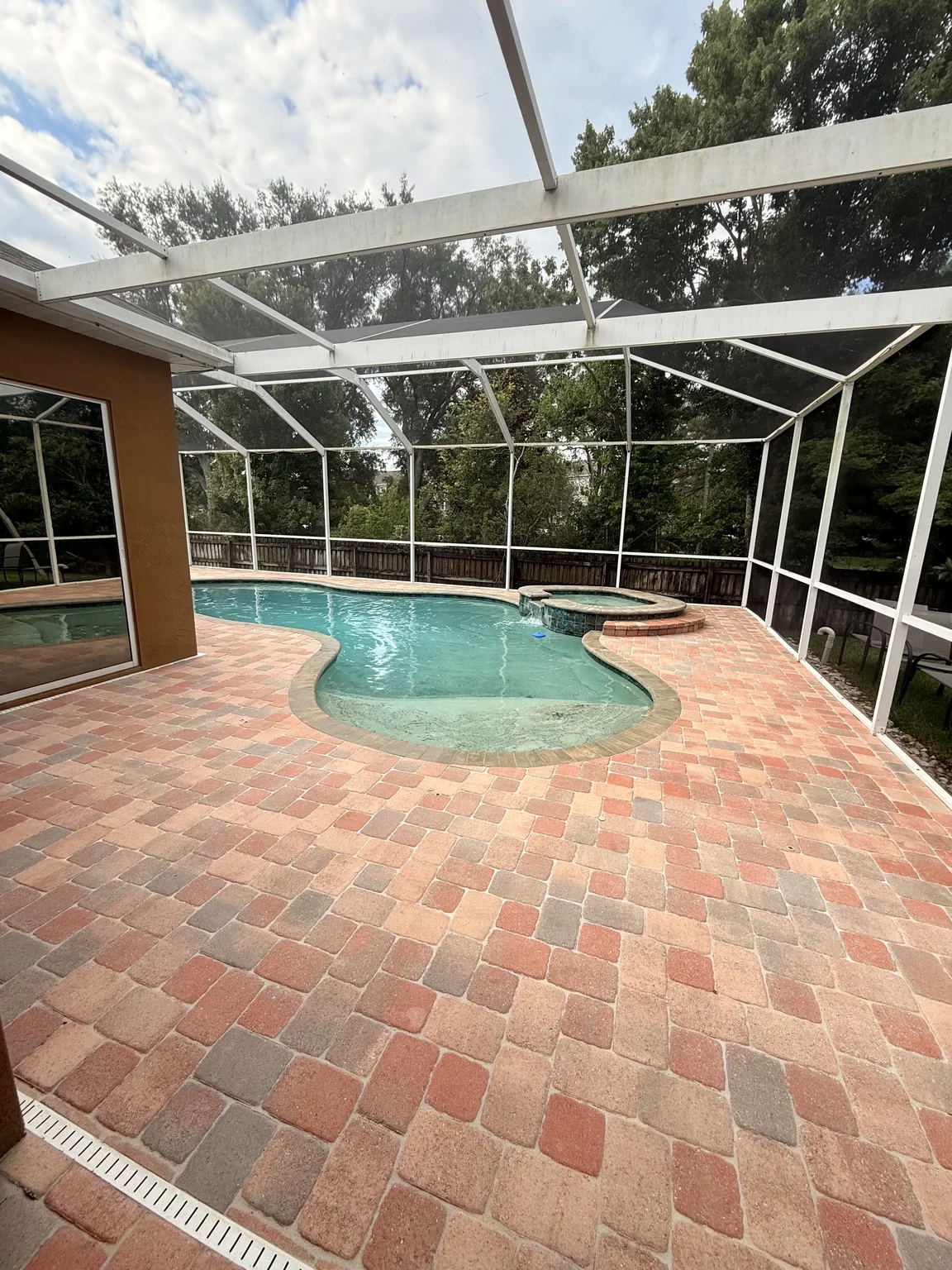
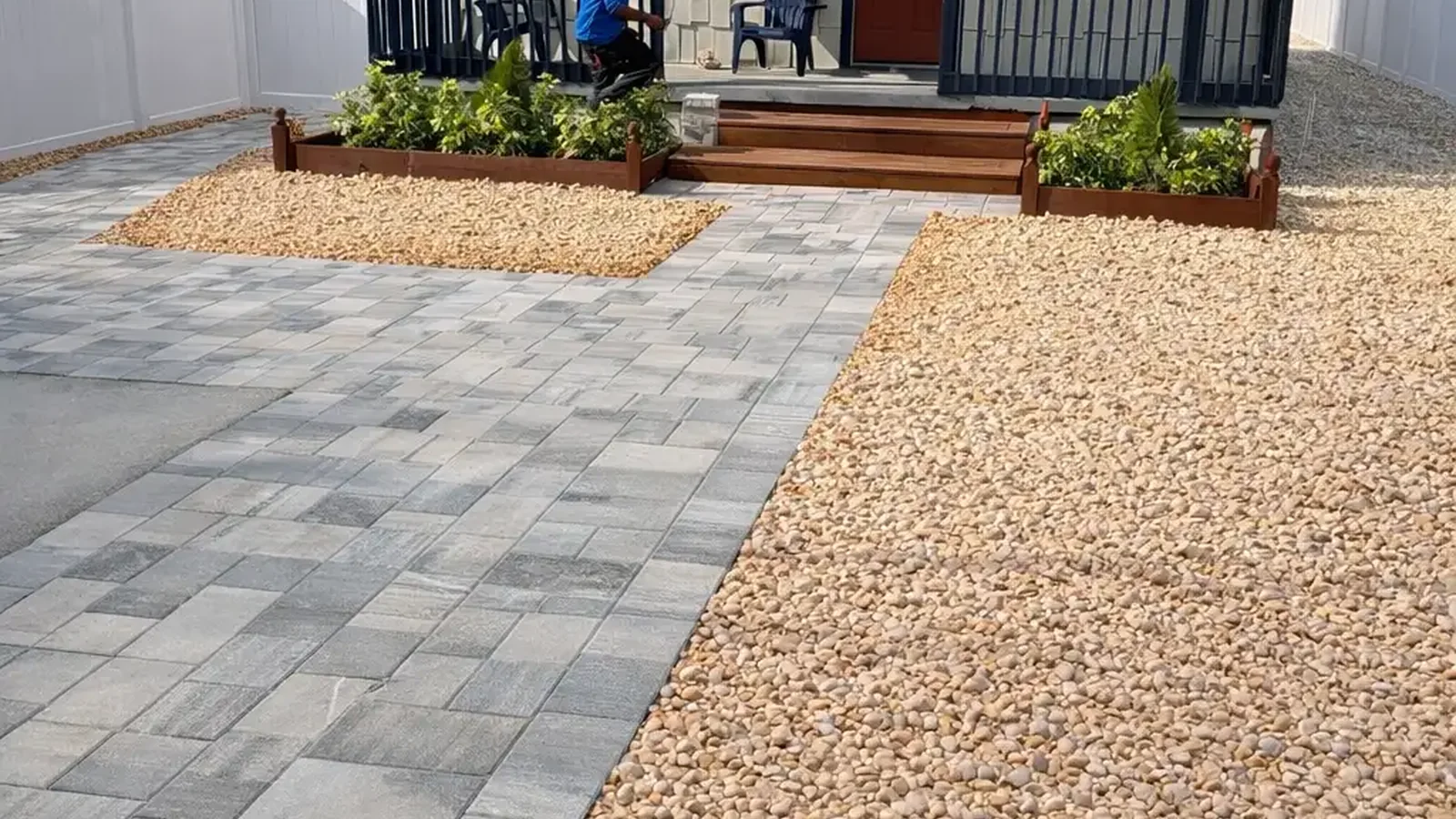
Permeable pavers vs traditional pavers is a choice about how you want your outdoor space to handle Florida's heavy rain. Both systems use attractive concrete or stone units, but they move and manage water in very different ways. In Tampa Bay, Riverview, Ruskin, Wesley Chapel, and nearby communities, that difference can affect puddling, erosion, and how often you need maintenance. This guide walks through how each system is built from top to bottom, where each excels, and when a conventional sloped paver system still makes more sense than a permeable design.
Permeable pavers vs traditional pavers: quick comparison and direct answer
Permeable pavers and traditional pavers can look similar on the surface, but they behave very differently in a storm. Permeable systems are engineered so rain passes through the joints into a stone base, where it can store or infiltrate water instead of sending everything across the surface. Traditional pavers, on the other hand, shed water toward the edges, so they rely more on careful slope, edge drains, or nearby landscape areas.
For homeowners in Town 'N' Country, Palm Harbor, Land O' Lakes, and other low-lying areas, permeable pavers can help reduce standing water and visible runoff on a driveway, patio, or courtyard. However, they only work well if the base stone, underdrain, and subgrade are designed for your soil and slope. Traditional pavers may be a better fit on steep slopes, in small courtyard spaces with roof runoff, or in areas with heavy tree debris that would quickly clog permeable joints.
If your main concern is day-to-day curb appeal on a typical residential lot, a conventional paver installation usually performs well when it includes the right slope and outflow paths. If you want to reduce visible runoff, increase stormwater storage under the surface, or respond to specific site goals, a permeable system may justify the added planning and base work. A site visit and basic soil assessment are essential before choosing between the two.
How both paver types manage water differently
Permeable designs treat the paved area more like a shallow, hidden stone basin, while traditional pavers act like a durable roof that sends water away. Because of this, permeable systems pay extra attention to joint openings and stone layers, while traditional systems focus on surface slope and discharge points. Understanding that core difference helps you match the system to the way rain actually arrives and leaves your property.
Surface units and joints: what you see on permeable vs traditional systems
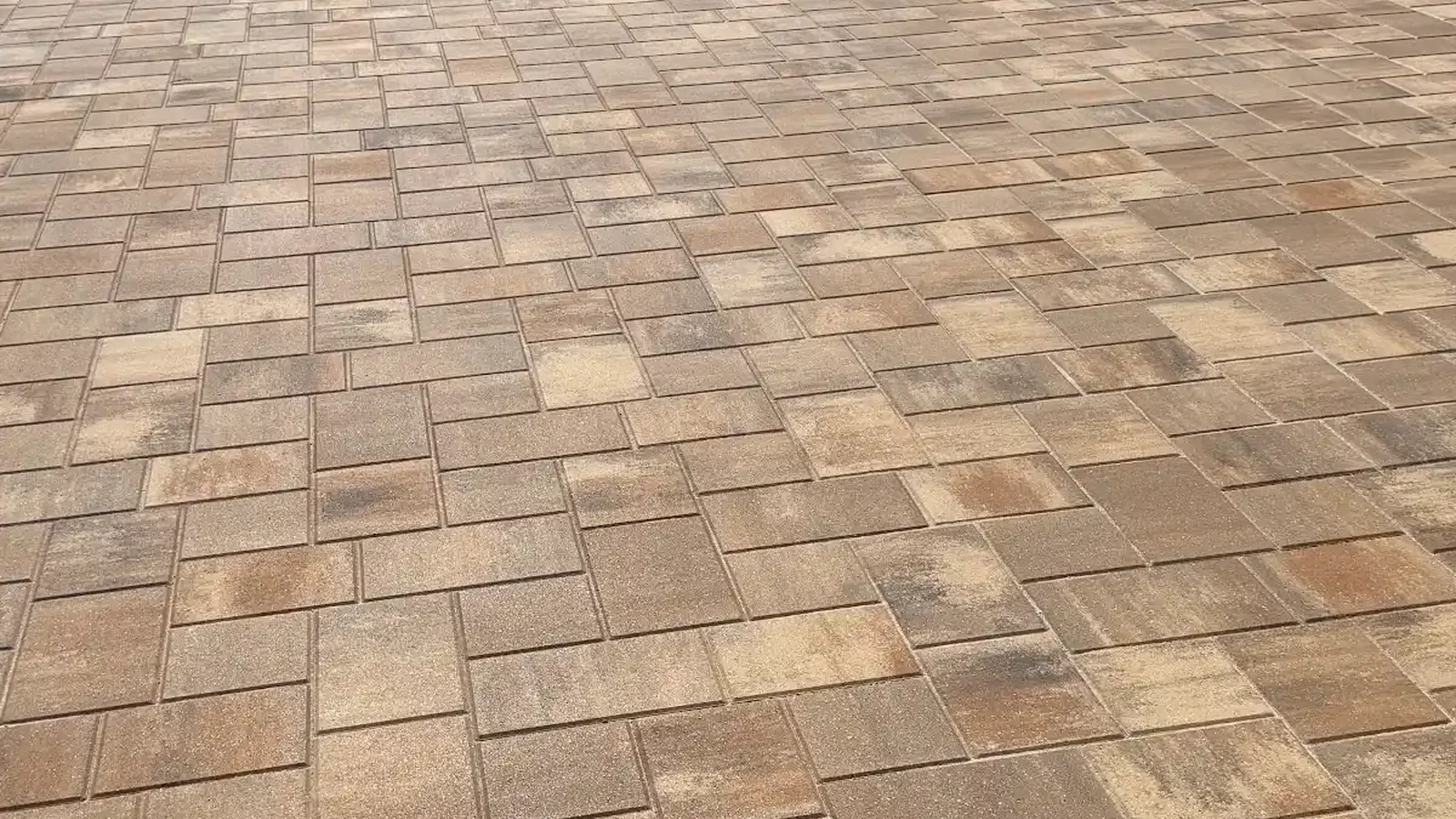
On top, both permeable and traditional pavers can use concrete, clay, or natural stone units rated for vehicle or foot traffic. Many permeable pavers have built-in spacers or special shapes that create wider joints, so water can move between the units into the stone layers below. Traditional pavers typically have tighter joints, filled with compacted sand that resists washout and helps interlock the system for strength.
Joint material is often the most visible difference. Permeable pavers usually use clean, angular stone in the joints instead of fine sand. That open-graded joint stone creates stable, water-filled pathways for rainfall to travel downward. Traditional paver joints are designed to limit water movement through the surface, so they use finer sand that compacts and helps lock the pavers together.
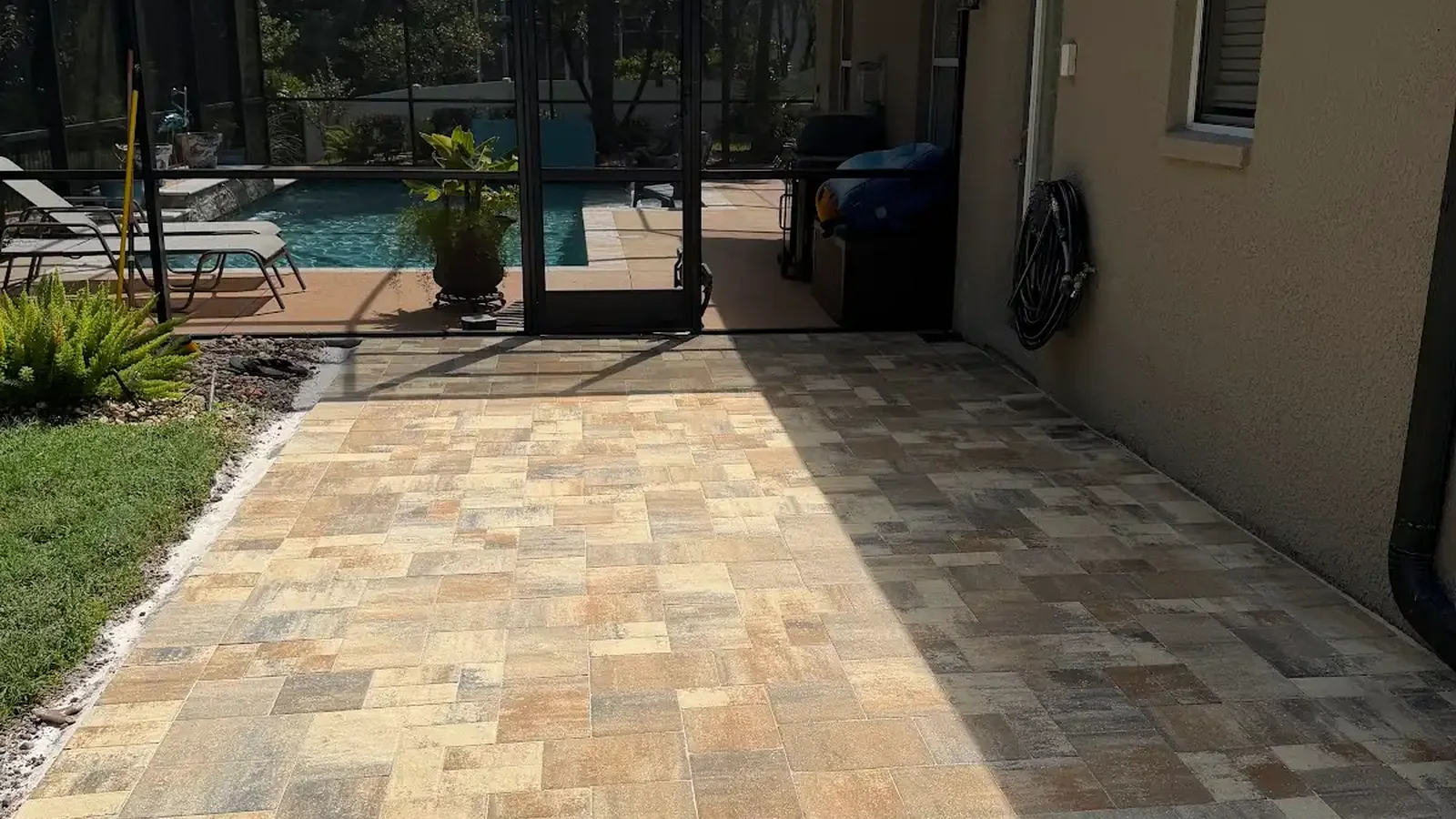
Homeowners sometimes assume that permeable pavers must look obviously porous or less finished, but that is not the case. Many systems blend seamlessly with standard pavers or use patterns that highlight borders, inlays, or accents. In Tampa Bay communities like Greater Carrollwood or Seven Springs, you can often match a permeable driveway to a nearby traditional patio as long as the joint widths and fillings support each system's water-management role.
Permeable pavers vs traditional pavers joint behavior in everyday rain
During a typical Florida afternoon shower, permeable joints accept water quickly and send it downward into the stone layers. Traditional joints, however, pass only a limited amount of water and instead rely on the whole surface shedding water toward the edges. Over time, debris can partially block both types of joints, so regular sweeping and, for permeable systems, periodic vacuuming help keep the surface performing as designed.
Bedding layers, open-graded reservoirs, and underdrains below the pavers
The layers you cannot see often determine whether your paver project handles Tampa's downpours gracefully or struggles with puddles. Traditional paver systems typically sit on a compacted sand bedding layer over a dense-graded aggregate base. That base is compacted to support loads and send water outward, not store it. Excess water usually flows along the top of the base or through it and exits at the edges or into adjacent soils.
Permeable pavers replace that sand bedding layer with a thinner layer of small, open-graded stone. Beneath that, designers specify thicker, open-graded aggregate layers that act as a reservoir. According to the U.S. EPA's green infrastructure guidance on permeable pavement, these stone layers can store or infiltrate rainfall, and they sometimes include an underdrain to move water away once the base fills.
On some Florida sites with slower-draining soils, underdrains route water from the stone reservoir to an approved outfall, swale, or compatible landscape feature. On sandier soils that drain quickly, designers may prioritize infiltration with fewer or no underdrains. In either case, the stone depth, gradation, and any pipe sizing need to match your runoff goals, expected storm intensity, and the load requirements of vehicles or equipment using the pavement.
Soil testing and subgrade preparation before choosing a system
Because Florida yards range from deep sand to compacted fill, a soil assessment is critical before committing to a permeable system. Simple field tests, combined with local experience, help estimate how fast water can infiltrate below the stone reservoir. For more complex projects, a geotechnical or civil engineering professional may be needed to evaluate subgrade strength, bearing capacity, and infiltration rates, especially for heavier traffic or steep slopes.
Slope, runoff goals, clogging risk, and vacuum maintenance needs
Slope plays very different roles in permeable and traditional paver designs. Traditional systems depend on surface slope to direct water to where it can safely leave the paved area. In Tampa Bay neighborhoods with limited space between homes, that often means carefully grading the surface so water flows away from foundations and into appropriate landscape or hardscape features.
Permeable systems, however, aim to keep more water on site and send it into the base, not across the surface. They still need some slope so water does not pond endlessly on the surface, but the goal is to encourage infiltration and storage first. If your main runoff goal is to reduce visible flow toward the street or into a neighbor's yard, a properly designed permeable installation can contribute to that, within the limits of your soil and site grading.
Because permeable joints invite water, they also invite fine sediment, leaves, and organic matter. Over time, those materials can clog the surface and reduce infiltration if they are not removed. Traditional systems can also clog at the joints, but the impact is usually more cosmetic than functional. Therefore, permeable pavers benefit from periodic vacuum sweeping to restore performance, while traditional pavers often get by with sweeping and occasional pressure washing.
Practical maintenance checklist for both paver types
- Inspect the surface after heavy storms for puddling, joint erosion, or sediment buildup.
- Sweep or blow off leaves, mulch, and soil from nearby beds before they settle into joints.
- Schedule vacuum sweeping for permeable areas when infiltration slows or water lingers.
- Replenish joint stone or sand if it drops noticeably below the paver edges.
- Watch adjacent landscaping so roots, downspouts, or new beds do not change water paths.
Load capacity, durability, and Tampa Bay climate considerations
Both permeable and traditional pavers can be engineered to handle Florida driveways, walkways, and patios when they follow CMHA and manufacturer guidelines. Load capacity depends less on the paver style and more on base thickness, compaction, and subgrade strength. For residential driveways in areas like Ruskin or Thonotosassa, that usually means a thicker base under vehicle paths than under garden walkways or pool decks.
Permeable bases are often thicker because they must both support loads and store water between storms. That extra thickness can help distribute weight effectively, but it also requires careful edge restraint and attention to settlement. Traditional bases are usually thinner and more compacted, which can work well where water quickly leaves the surface and soils are stable.
Florida's climate adds two more considerations: intense rain and heat. Permeable pavers can help reduce surface water during short, heavy storms, but they must also recover between events so the reservoir does not stay full. Traditional pavers perform reliably when slopes, outflows, and nearby landscaping manage the extra water. Both systems can withstand Tampa Bay's sun and temperature swings when you choose appropriate paver materials and joint fillings and maintain them periodically.
Vehicle traffic, parking pads, and turning areas
For parking courts, RV pads, or frequent turning areas, base design becomes especially important. Permeable systems may need deeper stone reservoirs and closer attention to subgrade strength to prevent rutting or settlement. Traditional pavers may call for denser base aggregates and tight joint sand. In both cases, a qualified hardscape contractor can assess typical traffic patterns and recommend layer thicknesses that balance structural needs with budget and any permeable performance goals.
Cost drivers, appearance choices, and design tradeoffs
Permeable pavers often require more planning and base work than traditional systems, so they can involve different cost drivers. The thicker open-graded base, possible underdrains, and more detailed soil preparation typically add labor and material. Traditional pavers usually involve simpler bases and more familiar installation steps, which many contractors already perform daily in Tampa Bay neighborhoods.
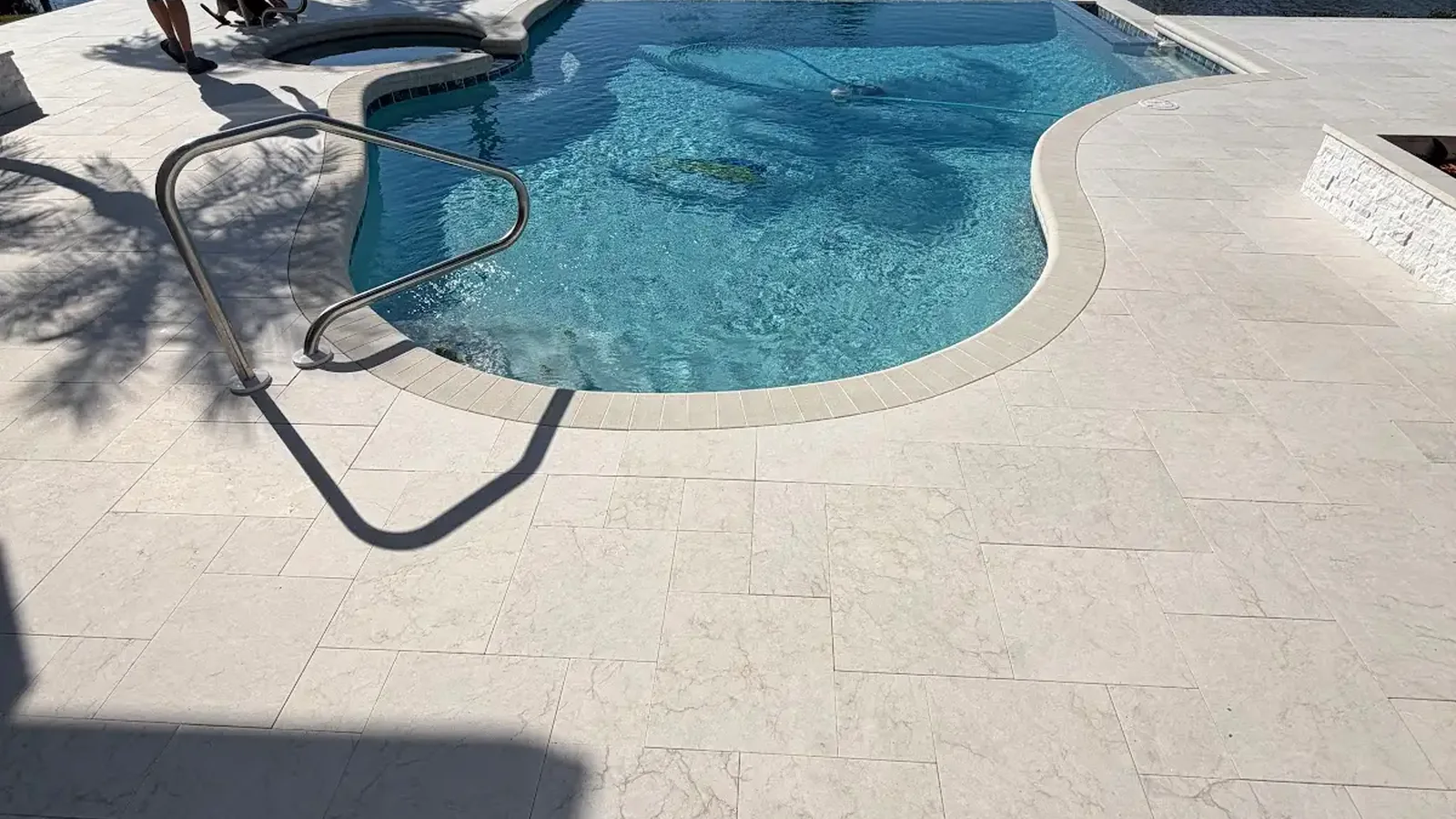
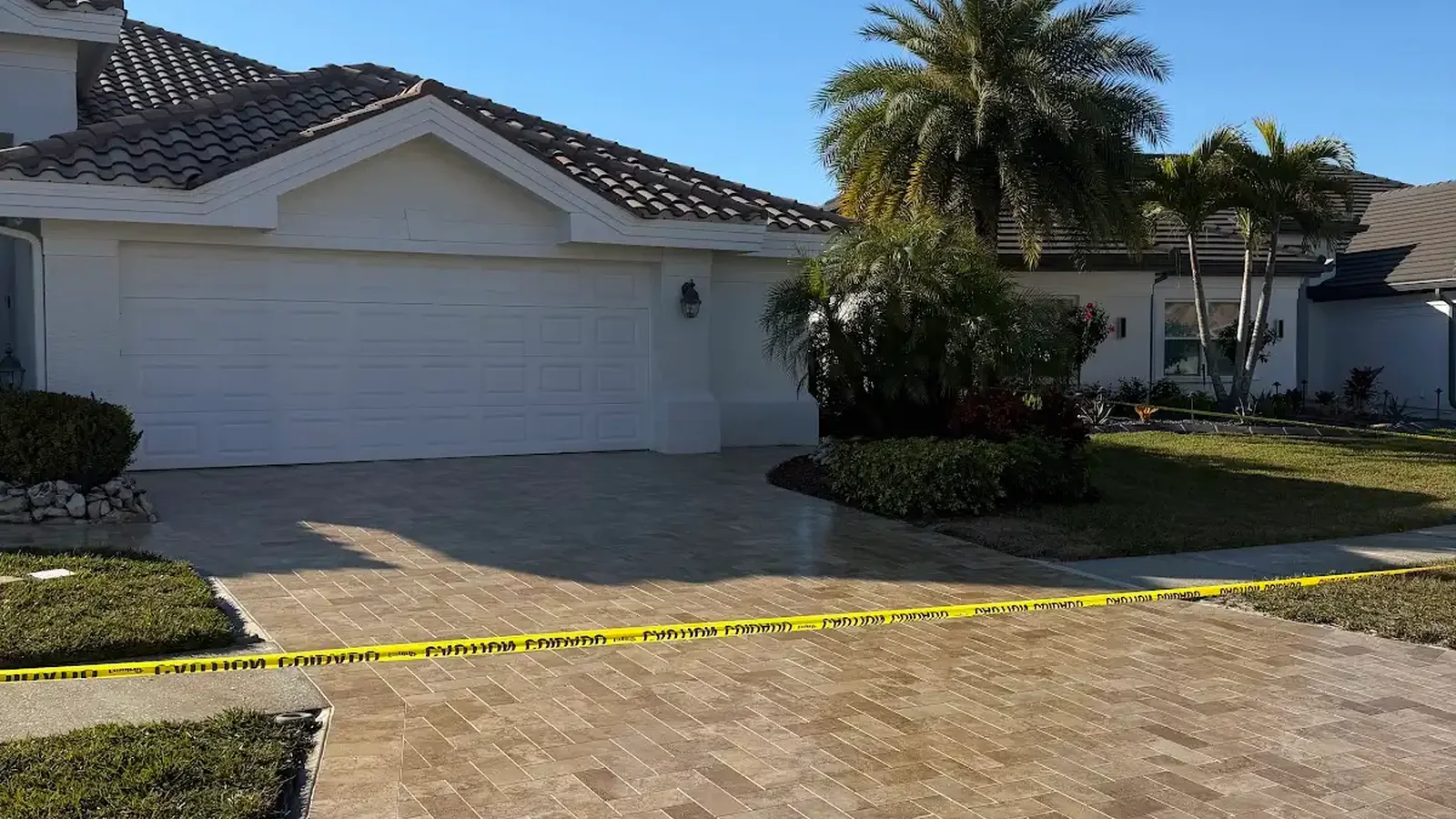
Aesthetically, both systems offer a wide range of colors, textures, and patterns that complement homes in Riverview, Land O' Lakes, and beyond. Some permeable paver products are designed to match popular traditional lines, making it easier to mix systems on one property. Design choices such as borders, inlays, and contrasting bands can help highlight driveways, walkways, or pool decks regardless of whether the system is permeable or conventional.
Because every site is different, a precise price cannot be given without a visit. However, you can compare typical cost drivers and design tradeoffs using a simple decision table. This can help you frame questions for your contractor during an on-site consultation.
| Factor | Permeable Pavers | Traditional Pavers |
| Base construction | Thicker, open-graded stone; possible underdrains | Thinner, dense-graded base; sand bedding |
| Water handling | Stores/infiltrates through surface into base | Sheds across surface by slope |
| Maintenance | Needs periodic vacuuming plus sweeping | Typically sweeping; occasional cleaning |
| Design flexibility | Growing color/style options; some shape limits | Very wide range of shapes, textures, colors |
| Best suited for | Sites with runoff goals and suitable soils | Most residential patios, walks, and drives |
Questions to ask about budget and appearance
During a site visit, ask how base depth, access, soil conditions, and any underdrain work may affect your quote. Discuss whether you want the permeable area to blend with adjacent traditional spaces or stand out as a feature. Also ask how joint materials might change the look over time and what maintenance will be realistic for your household, given leaves, pets, and nearby landscaping.
When a conventional sloped paver system is more appropriate
Permeable pavers are not the right fit for every Tampa Bay property. On steep slopes, traditional pavers with a well-designed pitch and appropriate outflow paths often perform more predictably than a permeable surface that could struggle to keep water in place. Similarly, small courtyards that collect concentrated roof runoff may overwhelm a compact permeable area, making a conventional system with gutters, downspout routing, and landscape integration a better match.
Heavily wooded lots in Greater Carrollwood, Palm Harbor, or Seven Springs may also lean toward traditional systems. Frequent leaf drop, seed pods, and fine organic debris can increase clogging risk and shorten the time between vacuum maintenance visits on permeable joints. In those yards, a conventional paver surface with controlled slope, plus thoughtful planting beds and turf, may deliver more practical long-term performance.
Finally, if your main priority is initial cost and you do not have specific runoff or storage goals, a conventional paver project is often easier to design and install. You can still choose high-quality materials, attractive patterns, and durable bases. A reputable contractor will explain how they plan to shape the surface and where stormwater will go so the project works well with your existing landscaping and structures.
Simple decision framework for most homes
Start by clarifying your goals: appearance only, or appearance plus visible runoff reduction. Then consider slope, soil type, and available space for stone reservoirs or outflows. With that information, you and your contractor can decide whether permeable performance adds enough value to justify the added base work, or whether a traditional sloped paver installation is the more appropriate and cost-effective choice.
Professional guidance, inspections, and design options in Tampa Bay
Because the differences between permeable and traditional systems are mostly below the surface, professional assessment is particularly helpful. An experienced hardscape contractor can walk your property, note existing grades, check for low spots, and look at how roof and yard runoff currently behave. They can then suggest layouts, joint types, and base designs that suit driveways, pool decks, or patios around your Tampa Bay home.
For more complex conditions, such as steep driveways, retaining walls, or suspected soil problems, it may be wise to involve a licensed engineer. That professional can evaluate subgrade strength, confirm load capacity needs, and advise on whether underdrains or modified bases are appropriate for your site. Their input helps reduce the risk of settlement, rutting, or unintended water movement toward structures.
If you are weighing multiple material options, it can also help to review broader comparisons. Resources such as the paver materials comparison guide for Tampa Bay explain how different paver products and base systems perform in local conditions. In some cases, you may also want to look at additional category overviews, such as the material comparison guides, to narrow down color, texture, and style preferences before finalizing a design.
Designing for both function and curb appeal
Regardless of which system you choose, thoughtful design ties everything together. That includes aligning joints and patterns with sightlines, planning comfortable transitions between driveways, walkways, and entries, and balancing open planting areas with paved surfaces. With the right mix of practical water management and attractive finishes, your new paver project can work well during storms and still welcome guests the rest of the year.
FAQs about permeable pavers vs traditional pavers for Tampa Bay homes
Do permeable pavers always perform better than traditional pavers in heavy rain?
Permeable pavers can reduce visible runoff and surface ponding when they are designed for your site and maintained properly. However, they are not automatically better than traditional pavers in every storm or location. On steep slopes, in small confined areas, or on sites with very slow-draining soils, a conventional sloped paver system may perform more reliably. The best choice depends on soil conditions, drainage paths, and your specific goals for water storage and surface appearance.
Will permeable pavers look different from the rest of my traditional paver areas?
Permeable systems can be designed to blend closely with traditional pavers, especially when manufacturers offer companion product lines. The main visible difference is often the joint width and the appearance of the small stone in those joints. With careful selection of color, pattern, and borders, many homeowners find that guests do not notice which sections are permeable. If you want them to stand out instead, you can also highlight permeable zones with contrasting bands or textures.
How often do permeable pavers need vacuum maintenance in Florida?
The needed frequency depends on how much debris reaches the surface, how often the area is used, and local conditions. Yards with many trees, unmulched beds, or nearby construction may send more fine material into the joints, which can shorten the interval between vacuum visits. In lower-debris settings, homeowners may go longer while still seeing acceptable infiltration. The best indicator is performance: when water starts to linger or bypass the surface, it is time to schedule vacuum sweeping.
Can I convert an existing traditional paver patio or driveway into a permeable system?
In many cases, a true conversion requires more than just changing the joint material. Permeable performance depends on open-graded bedding, a thicker stone reservoir, and sometimes underdrains, which usually means rebuilding the base. Some homeowners choose to reconstruct only specific problem areas as permeable, such as a low driveway section, while leaving the rest traditional. A site visit from a qualified contractor can determine whether selective reconstruction or a full rebuild is feasible and worthwhile.
How do I decide between permeable pavers vs traditional pavers for a new project?
Start by identifying your primary goals: improved curb appeal, reduced visible runoff, better on-site water storage, or a mix of these. Next, consider your site's slope, soil type, available space for stone reservoirs or outflows, and how much maintenance you are comfortable performing. Then review budget, design preferences, and local experience with similar projects. With that information, you and your contractor can compare options and choose the system that best fits your Tampa Bay property and long-term priorities.
If you would like to see how different paver styles and layouts work in real Tampa Bay yards, explore the project gallery and browse homeowner feedback on the testimonials page. You can also skim common questions on the FAQ and review available hardscape services before you call. When you are ready, reach out by phone at +1 (656) 600-4015, send a quick text to the same number, or email drpavers@outlook.com to request a free on-site consultation.
During your visit, you can walk through driveways, patios, walkways, or pool deck ideas and discuss whether permeable or traditional pavers fit your Tampa Bay, Riverview, or Wesley Chapel home best. If you prefer messaging or social channels, you can connect on WhatsApp, follow current work on Instagram, or visit the Facebook page. You can also check the business location and directions on Google Maps before your appointment so you know exactly who will be helping you plan your next paver project.