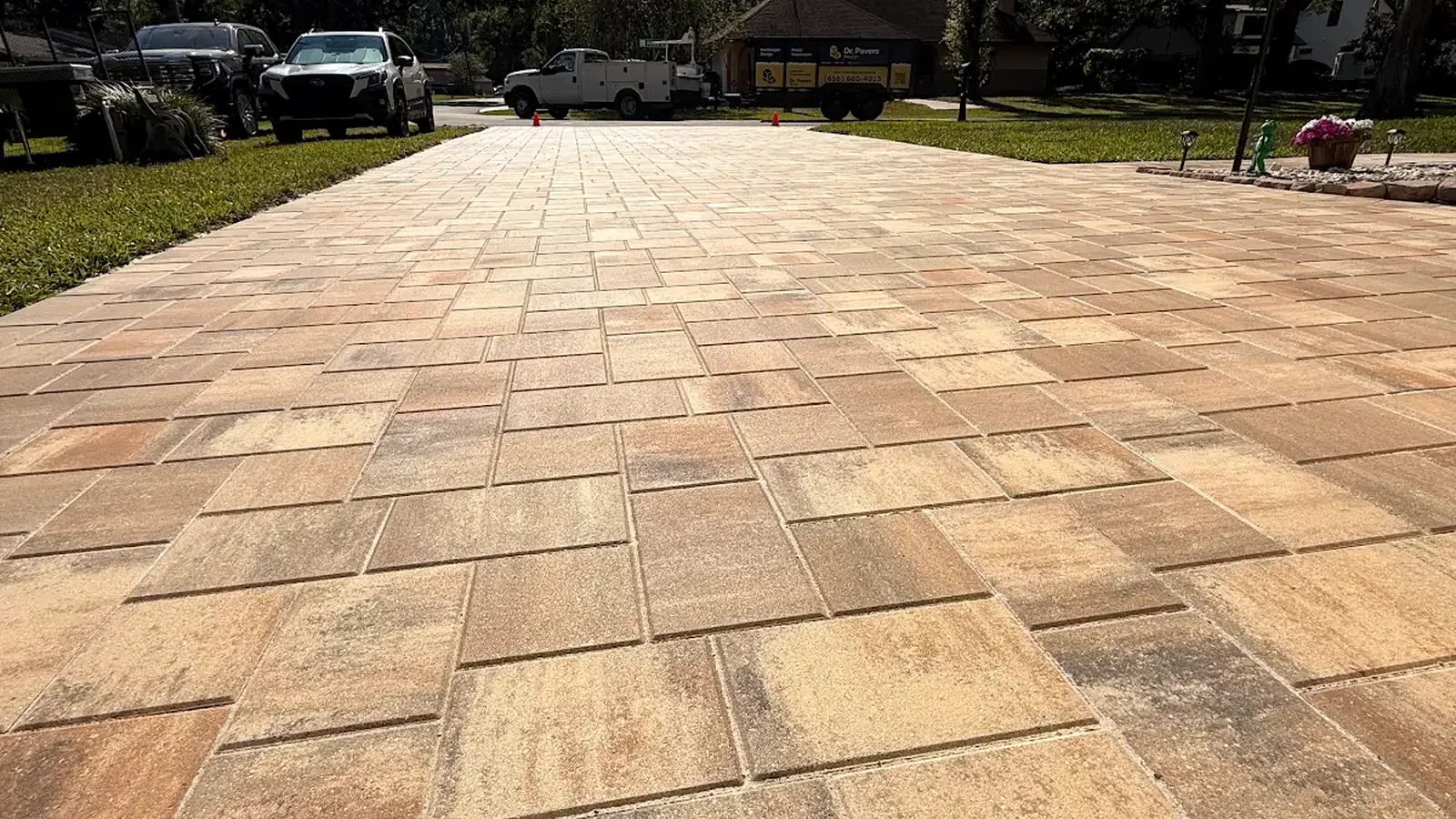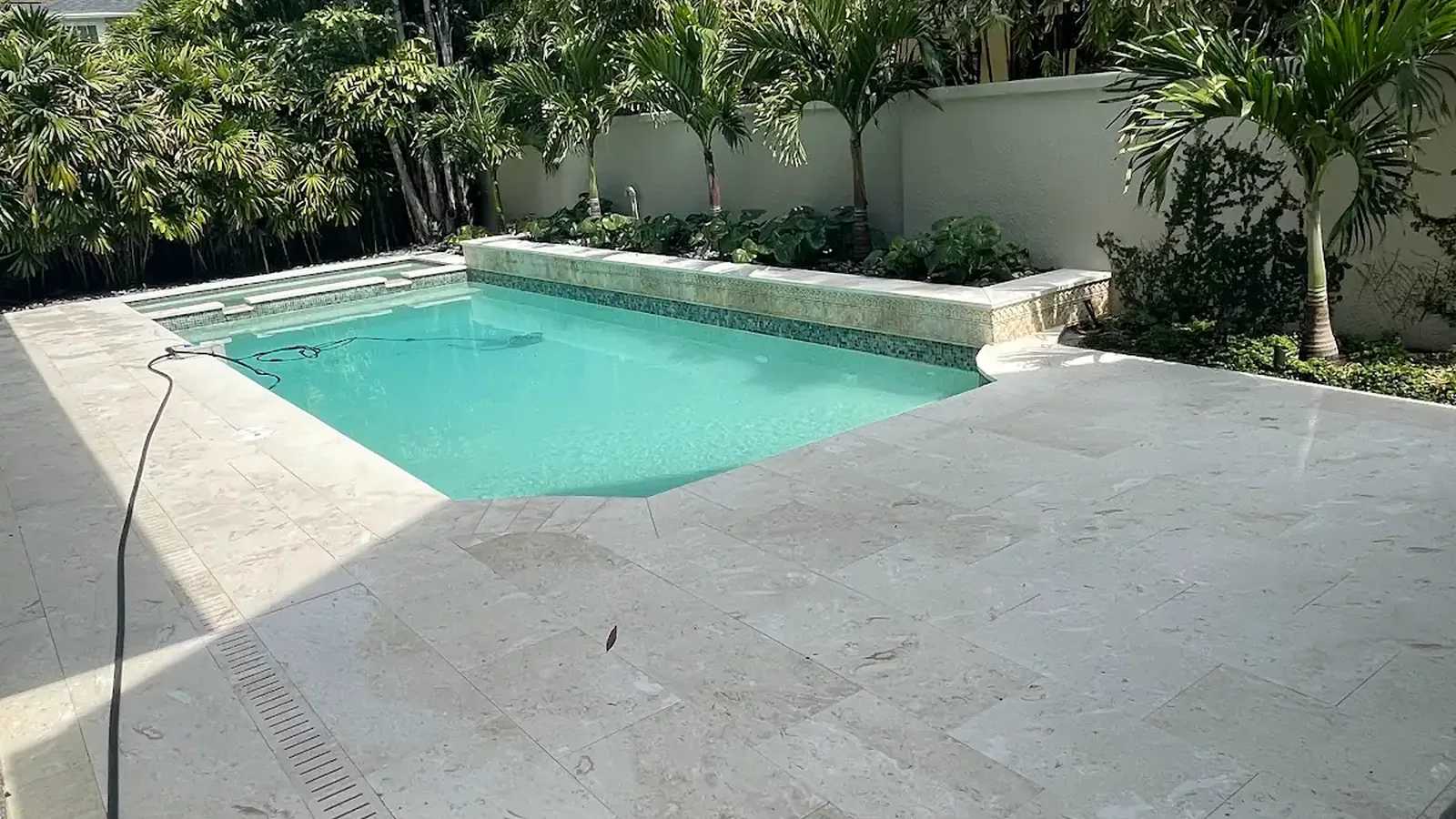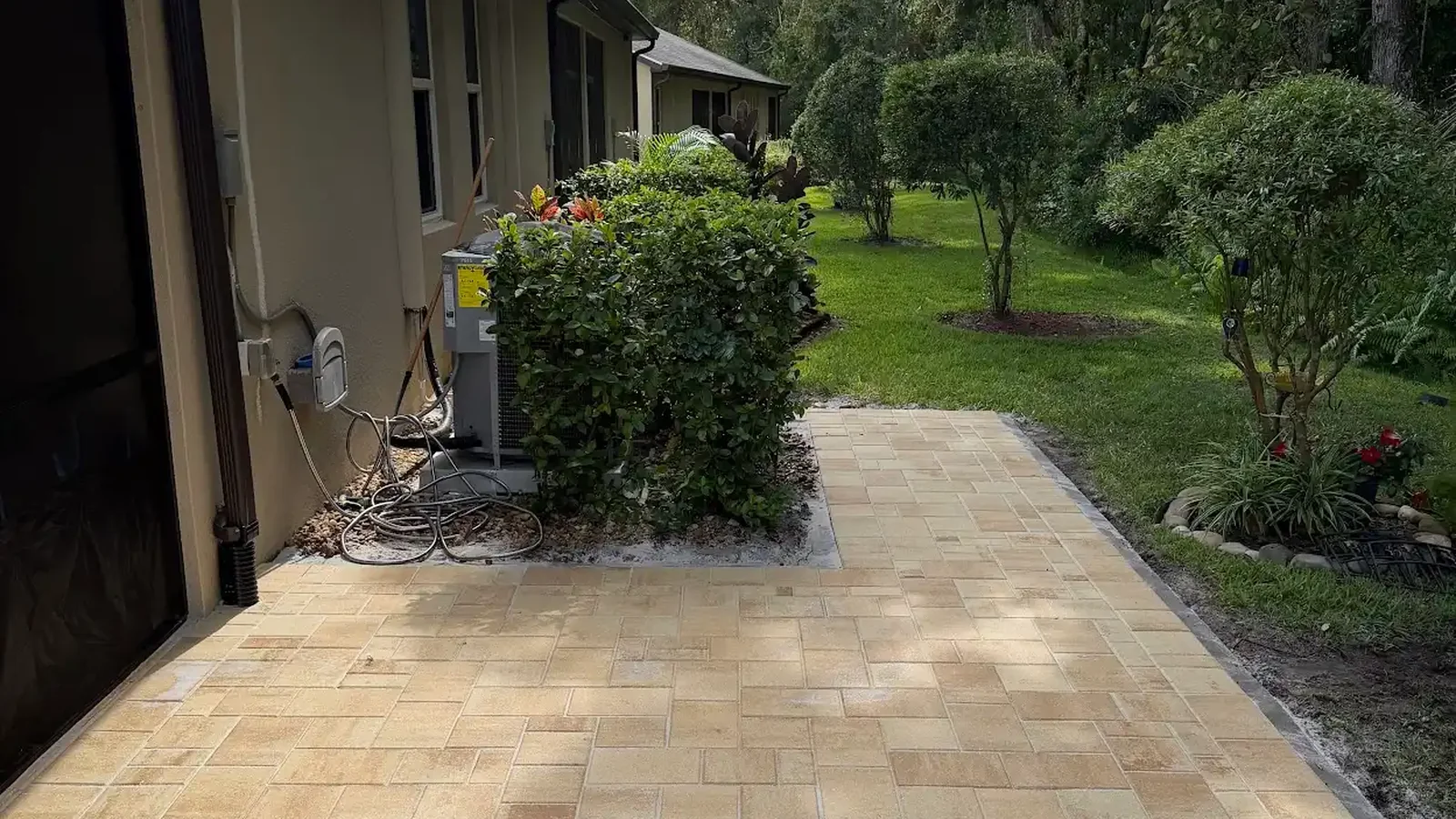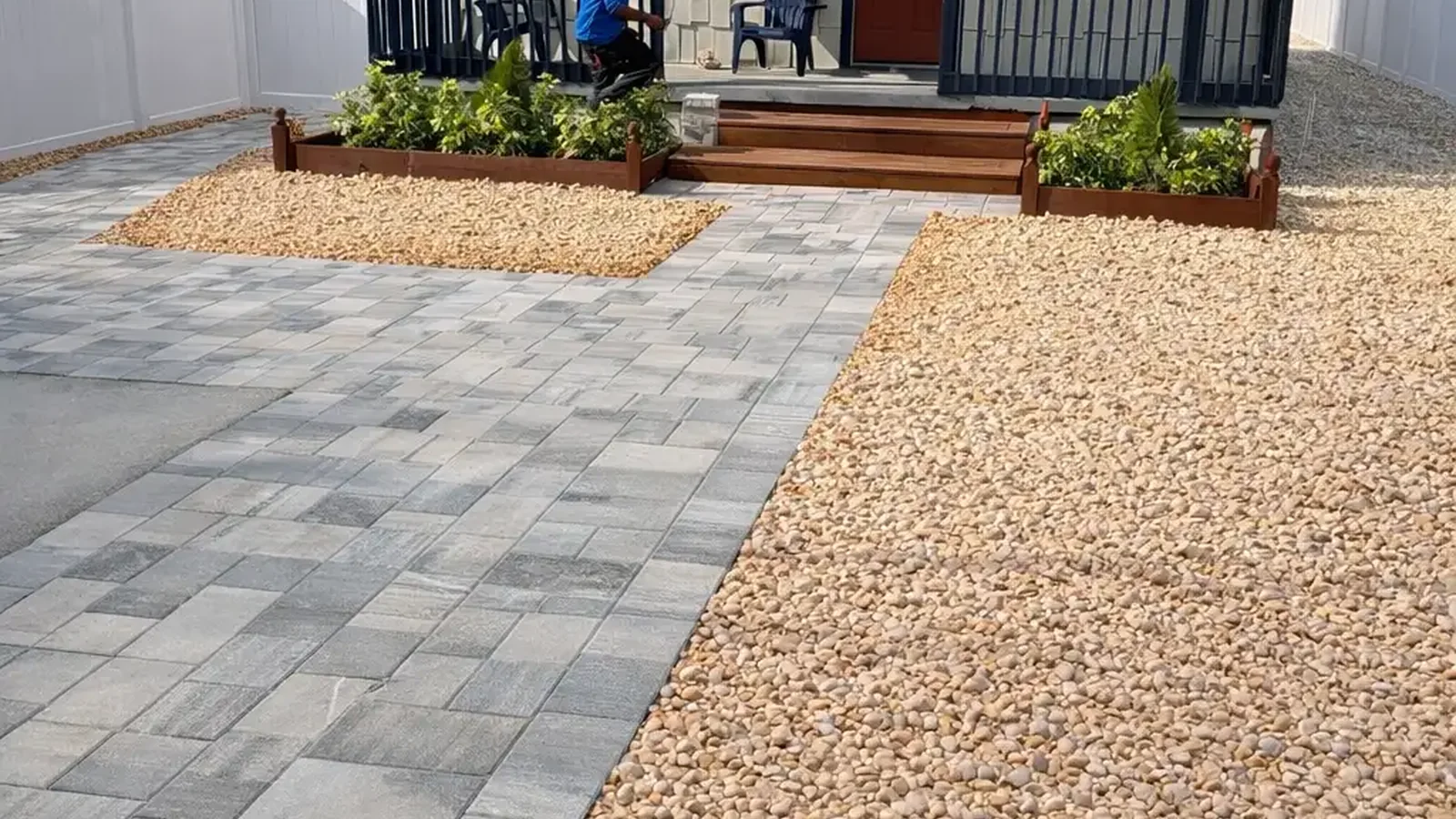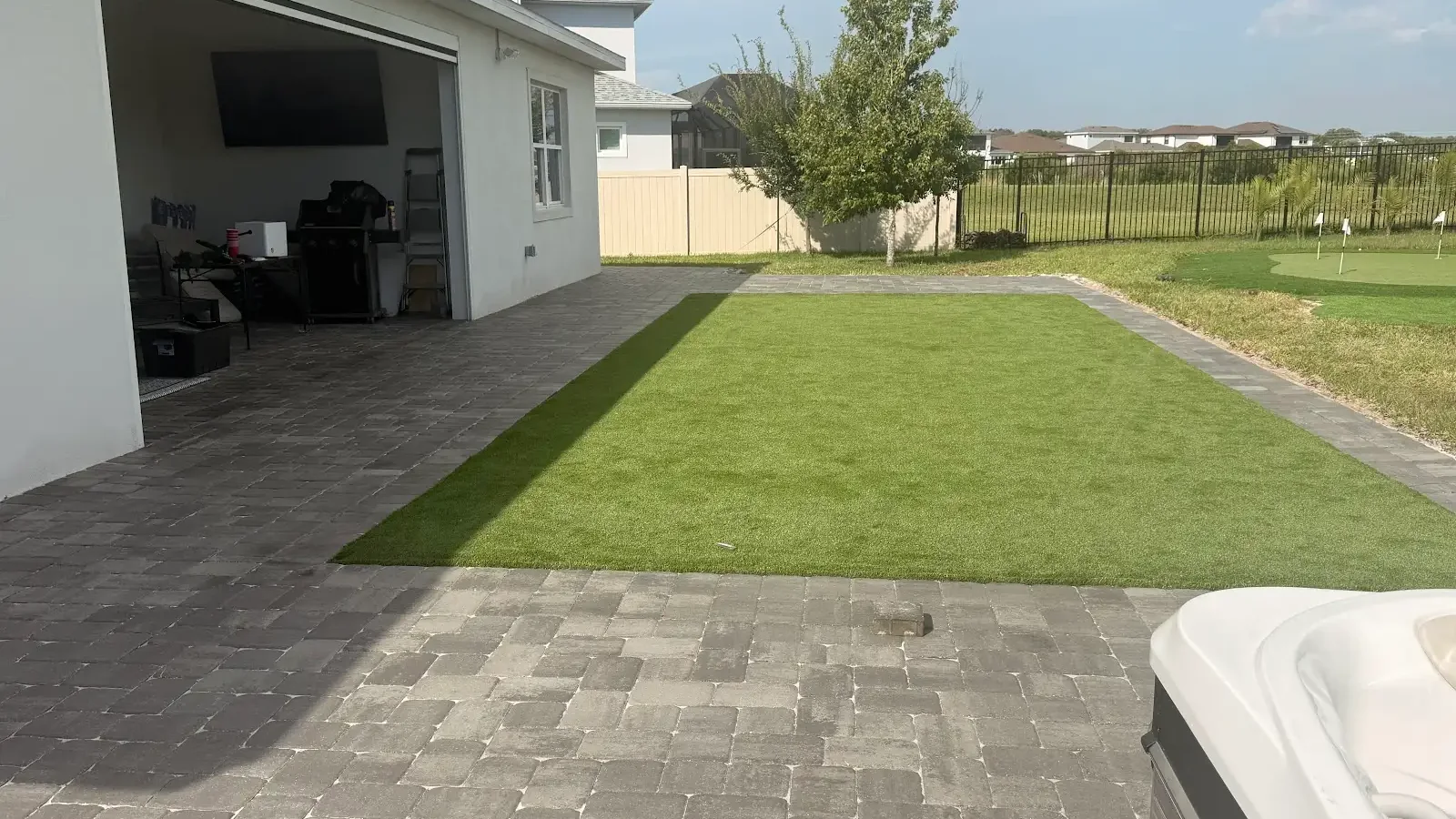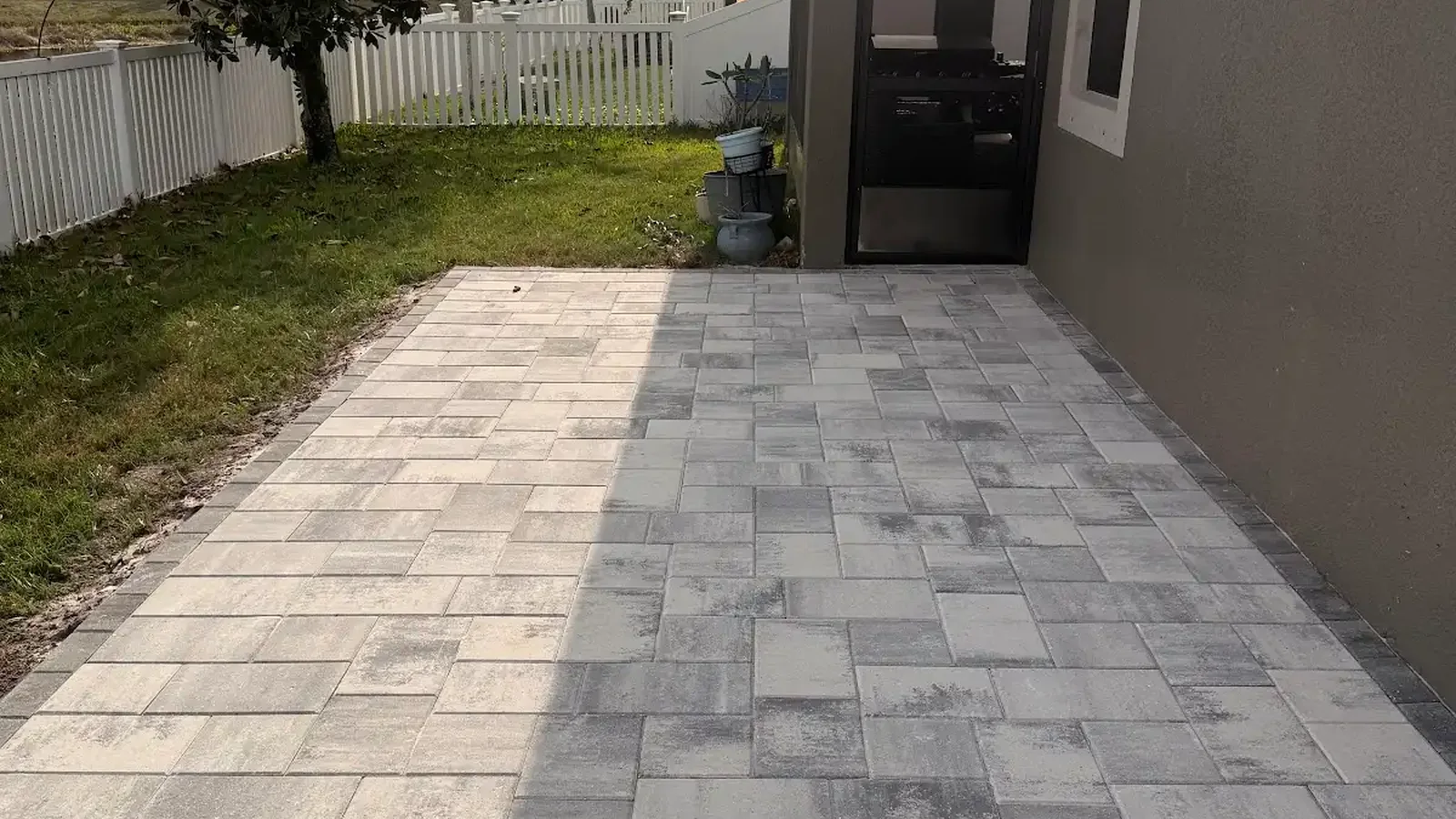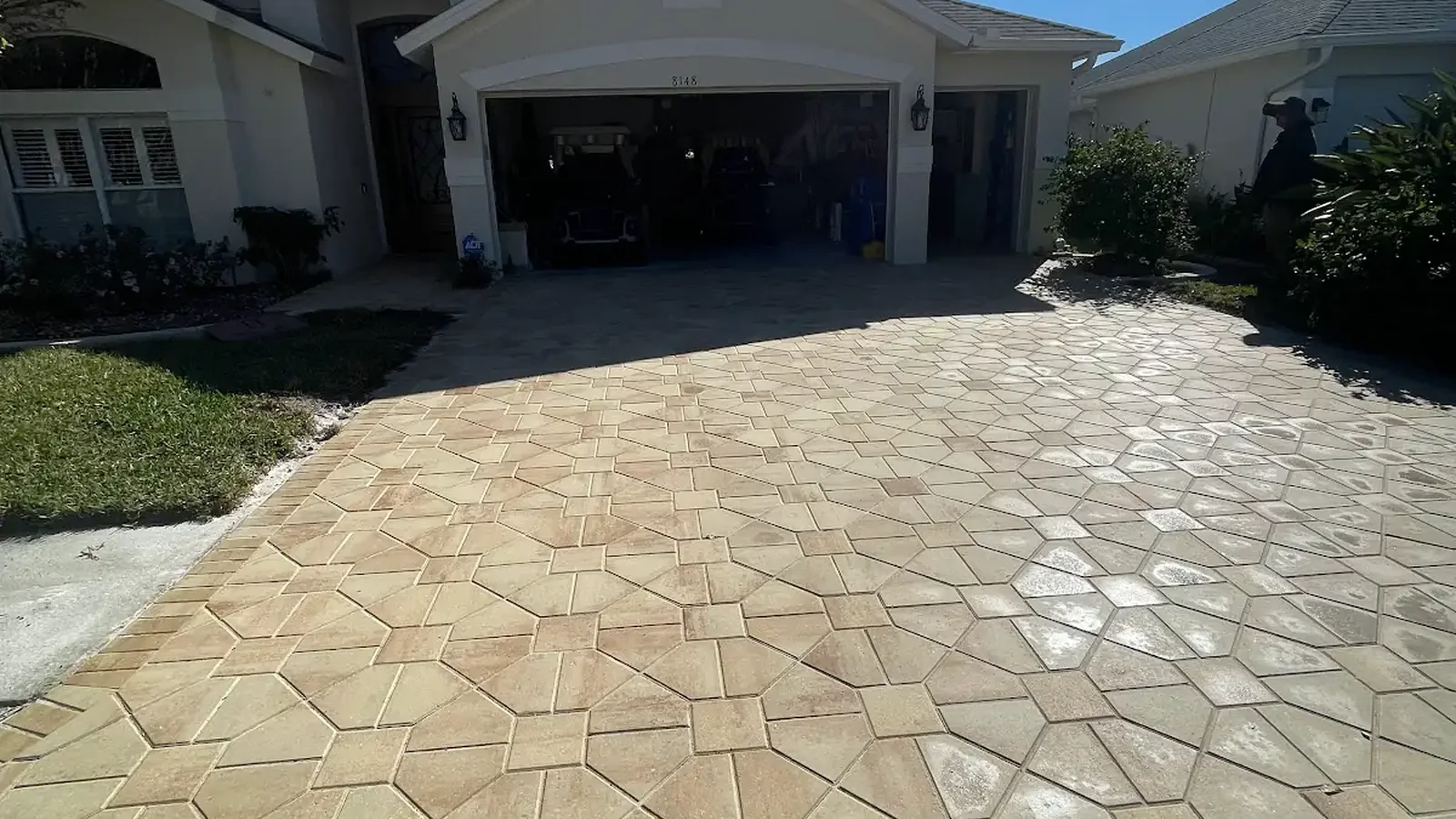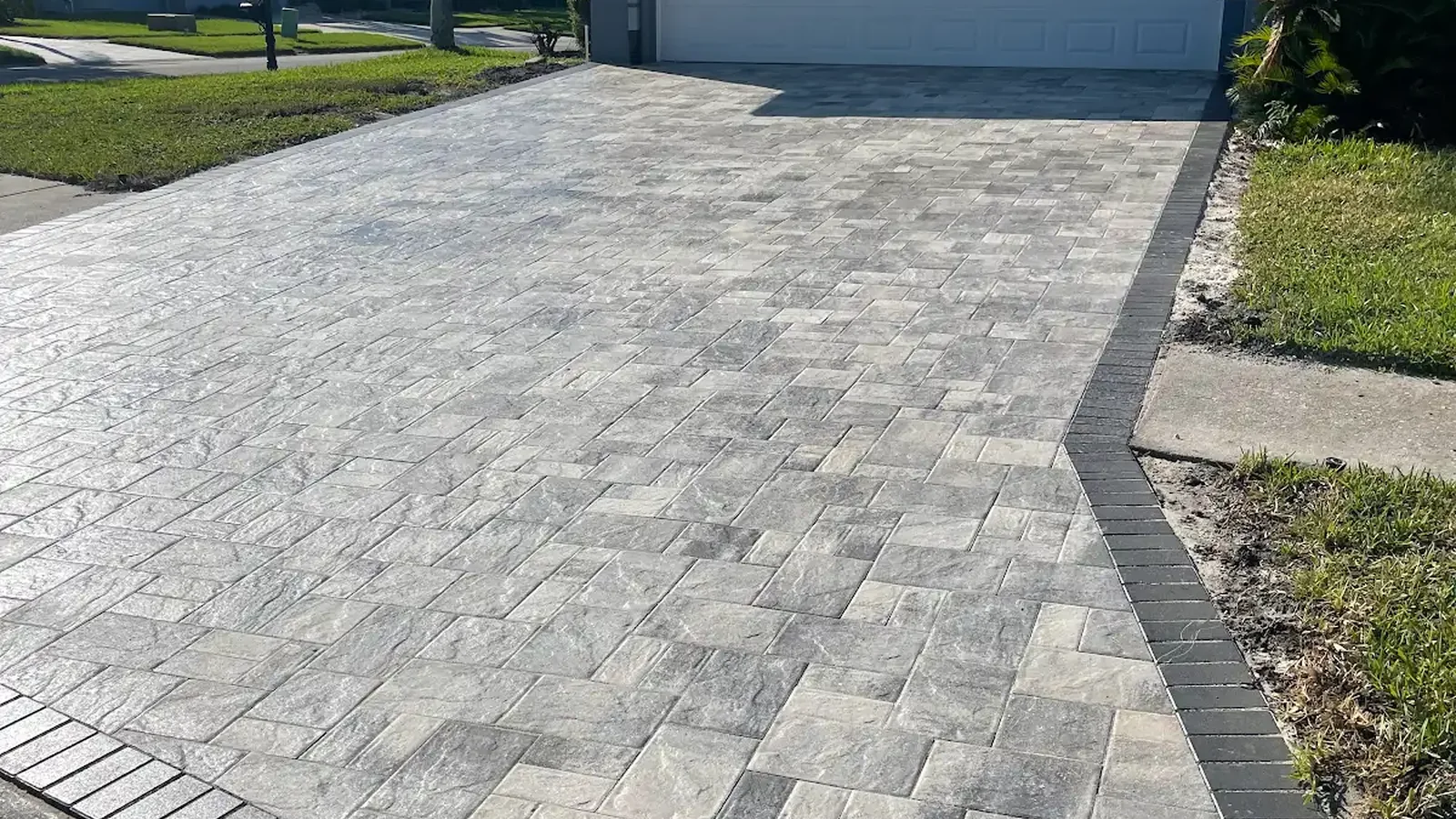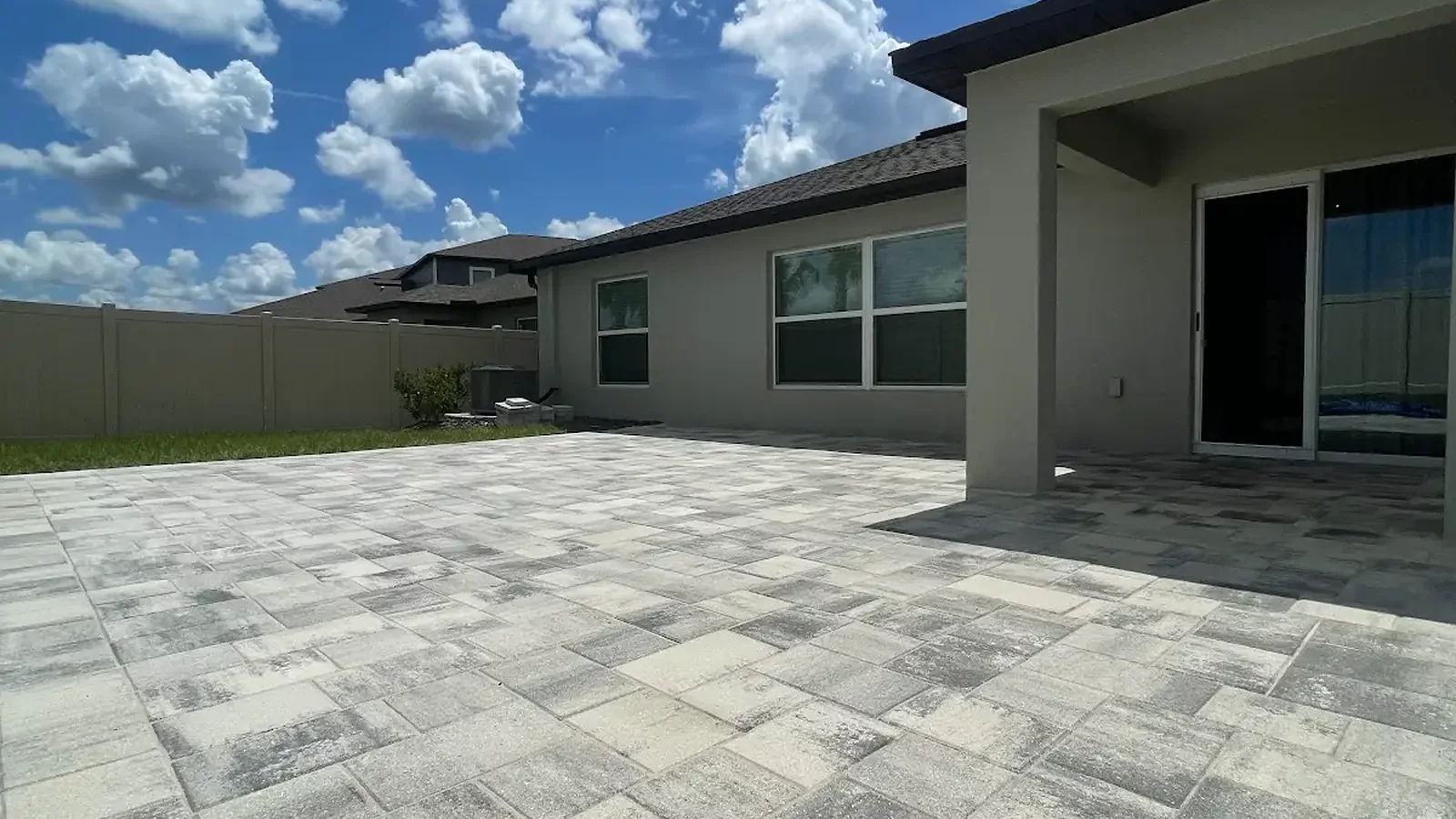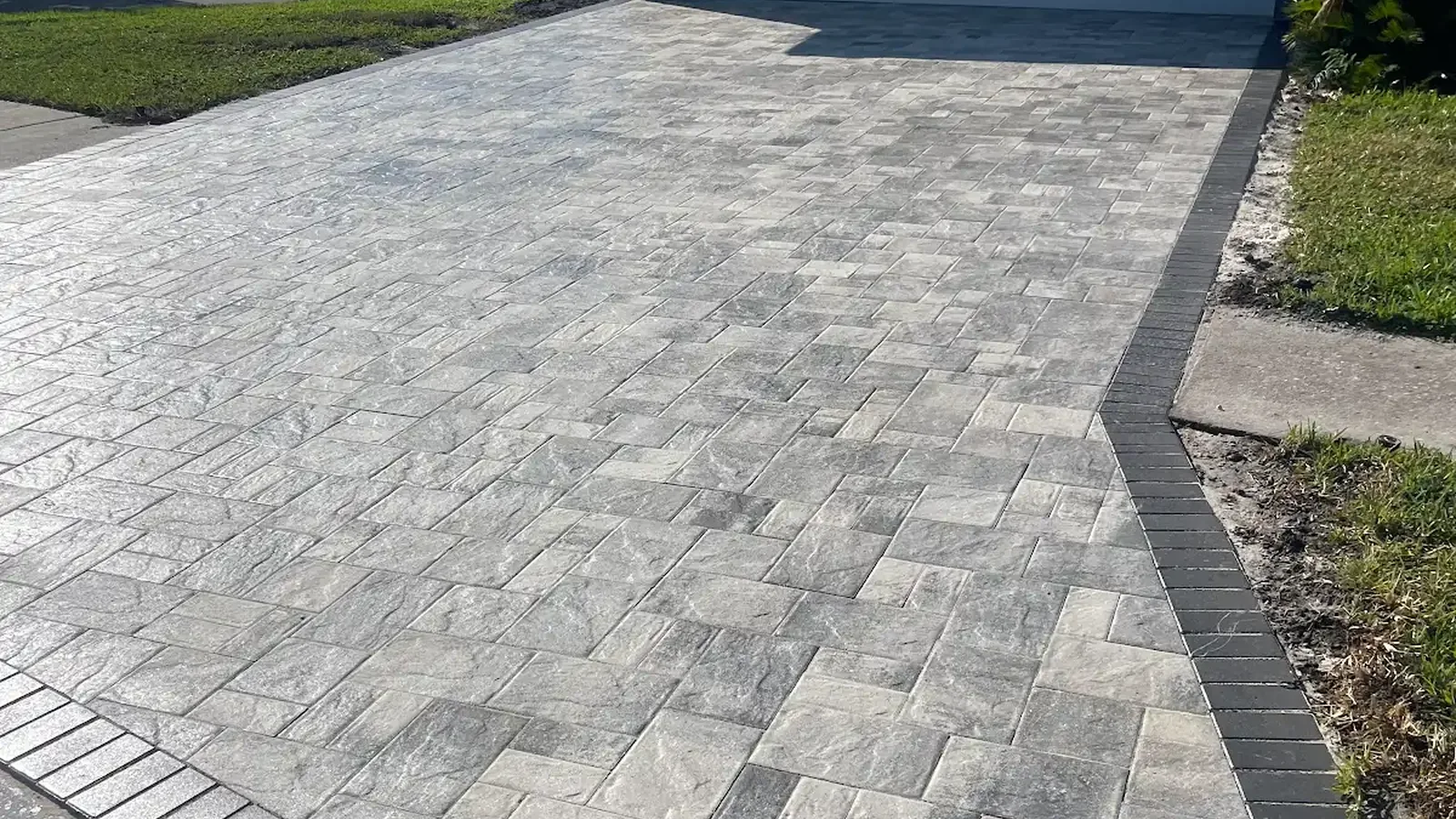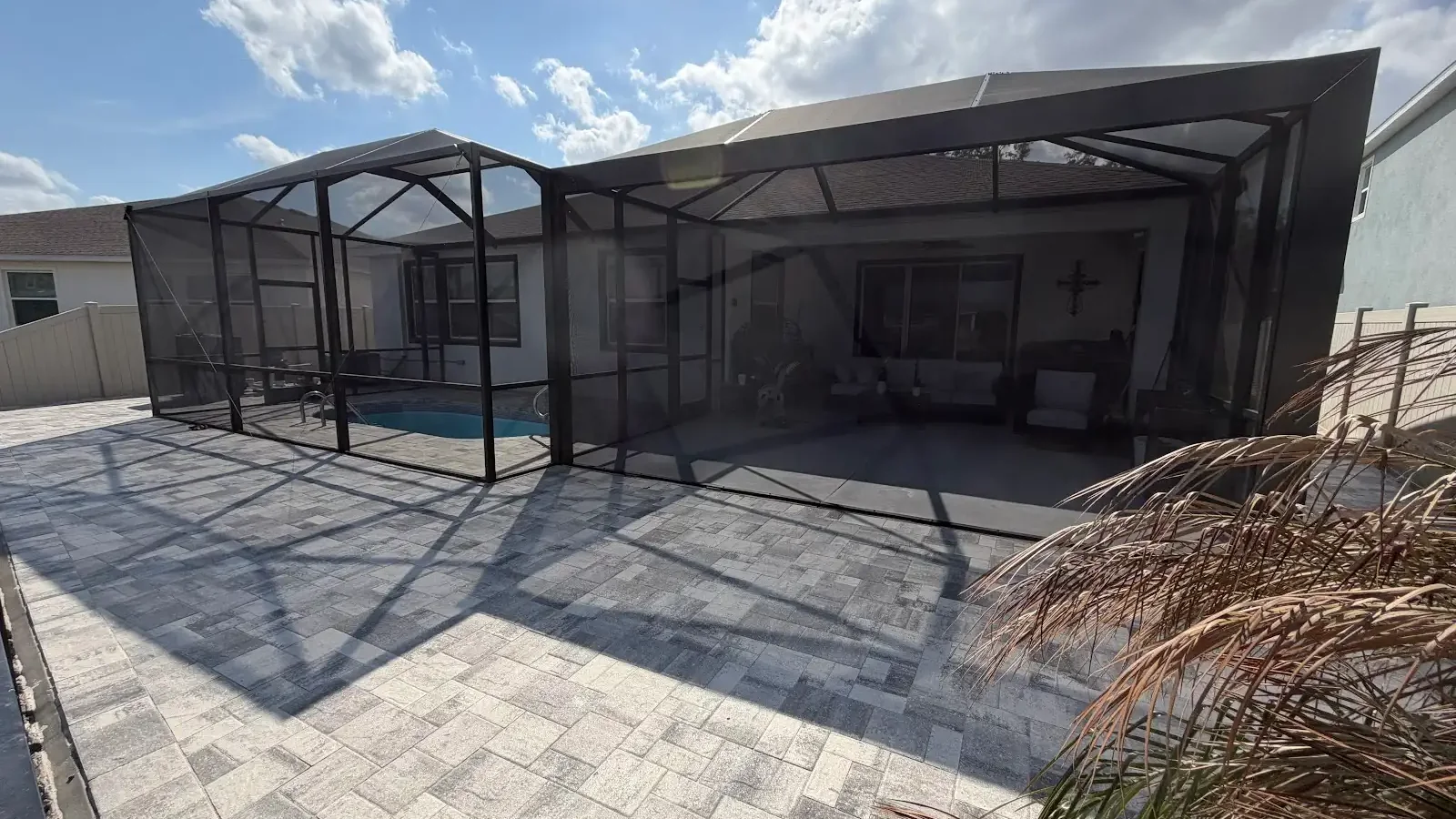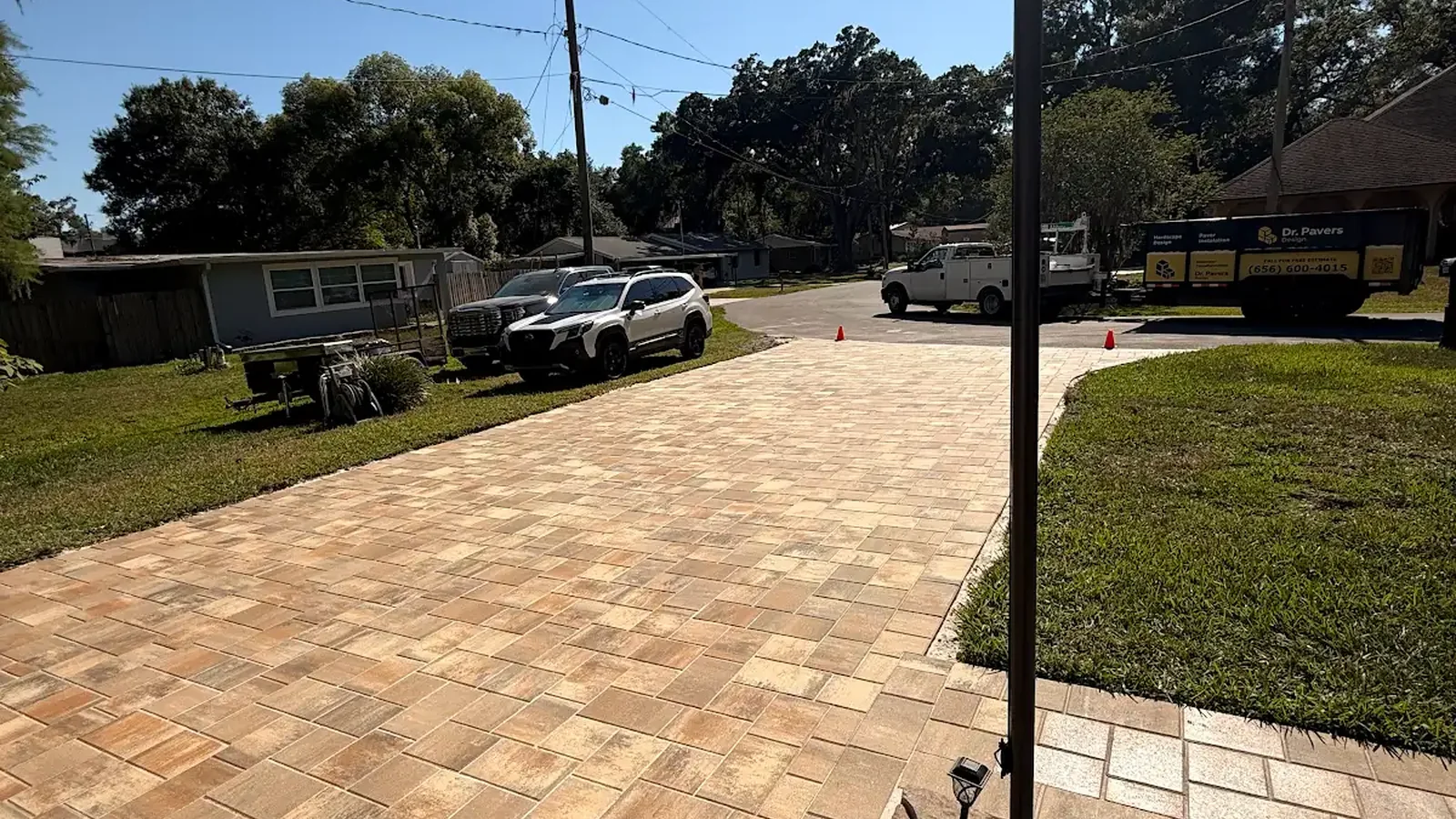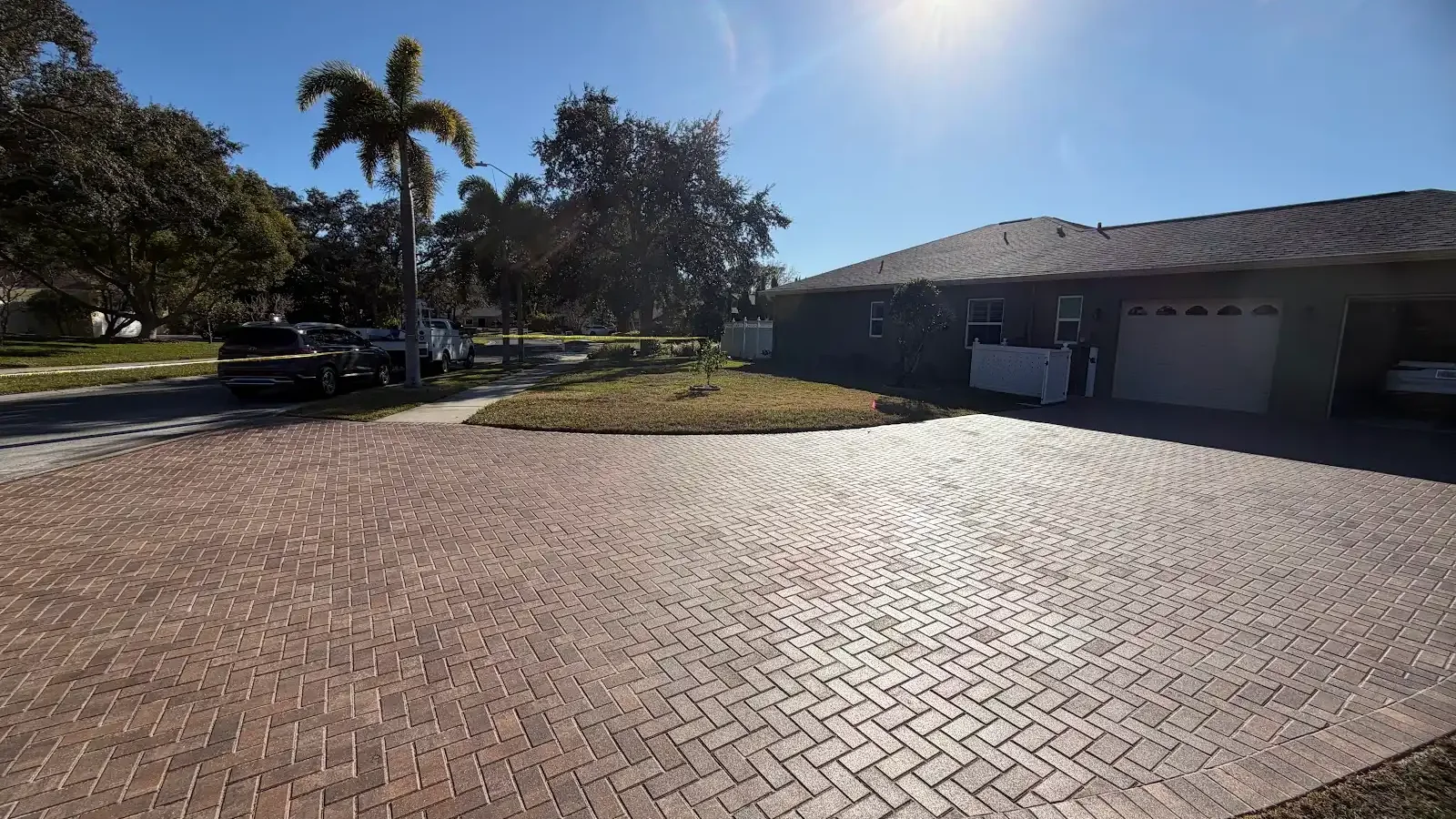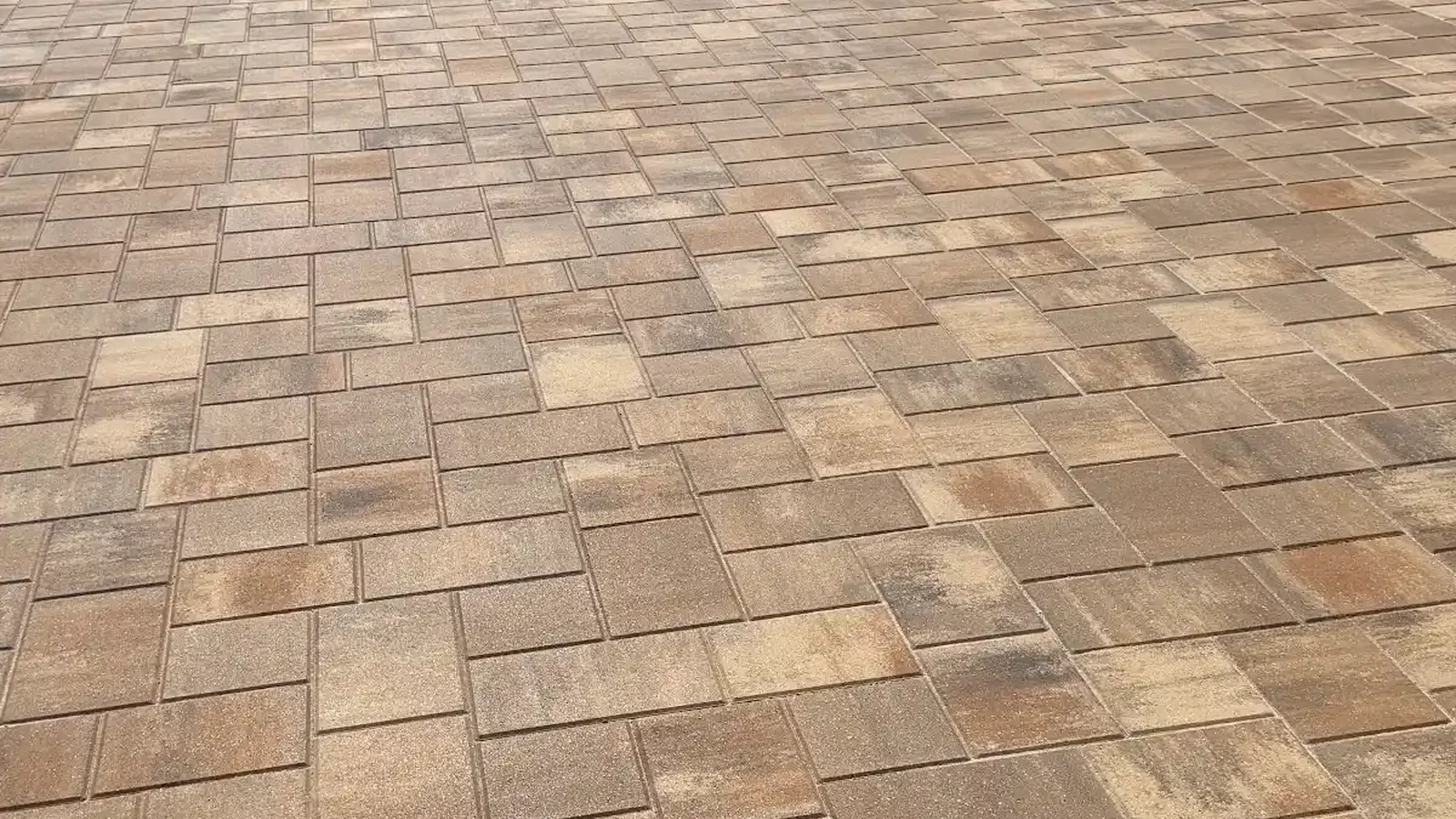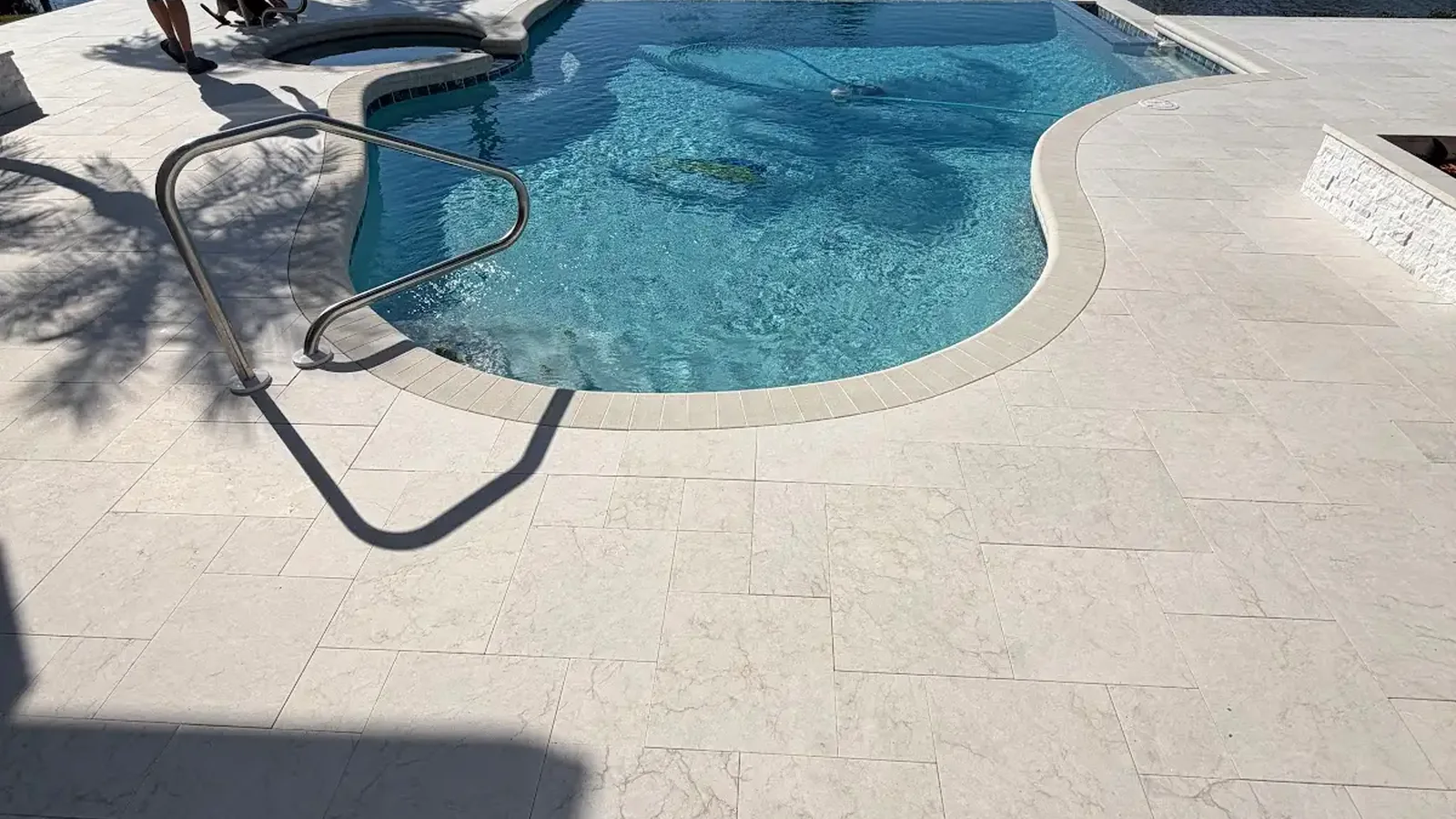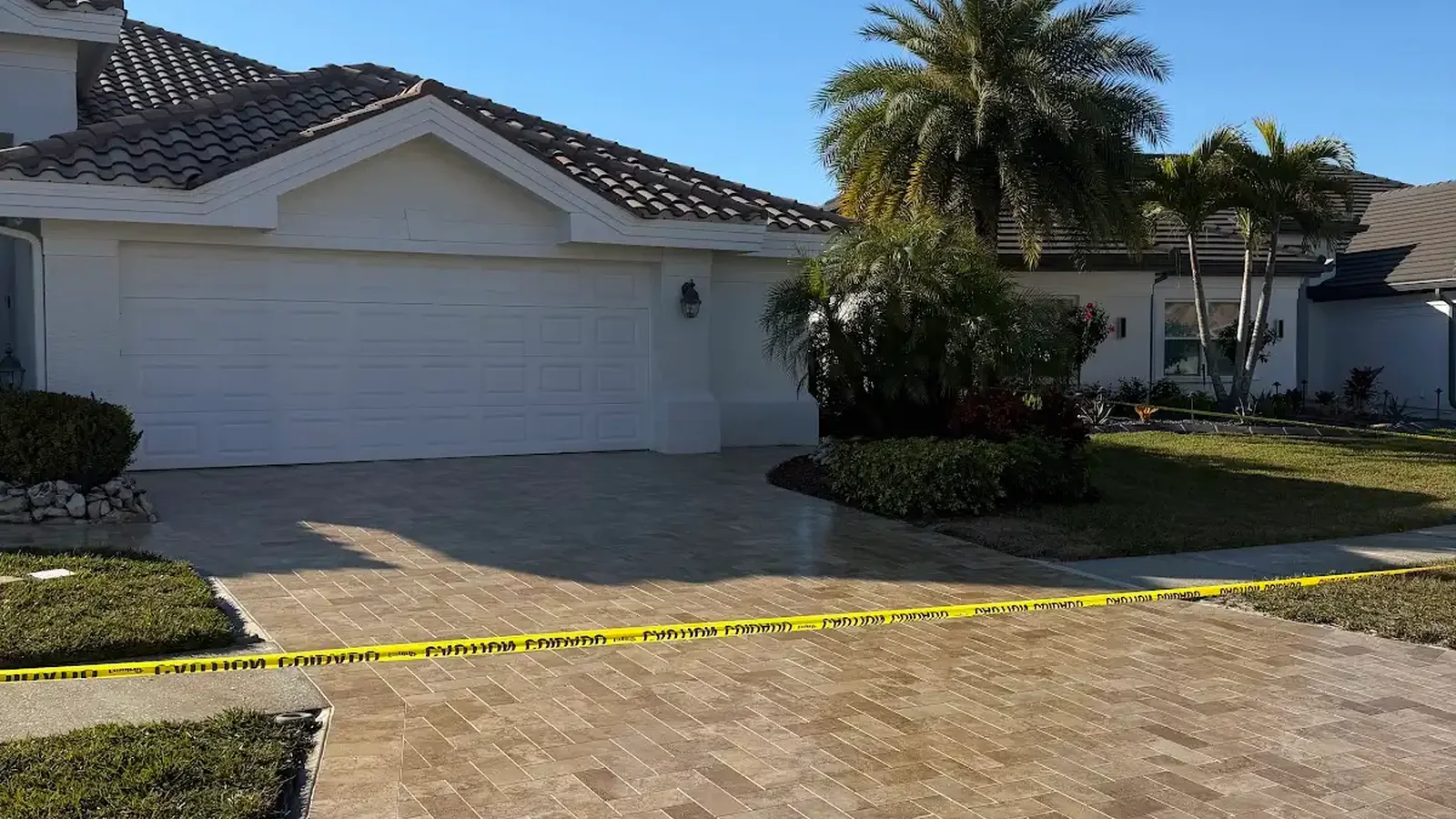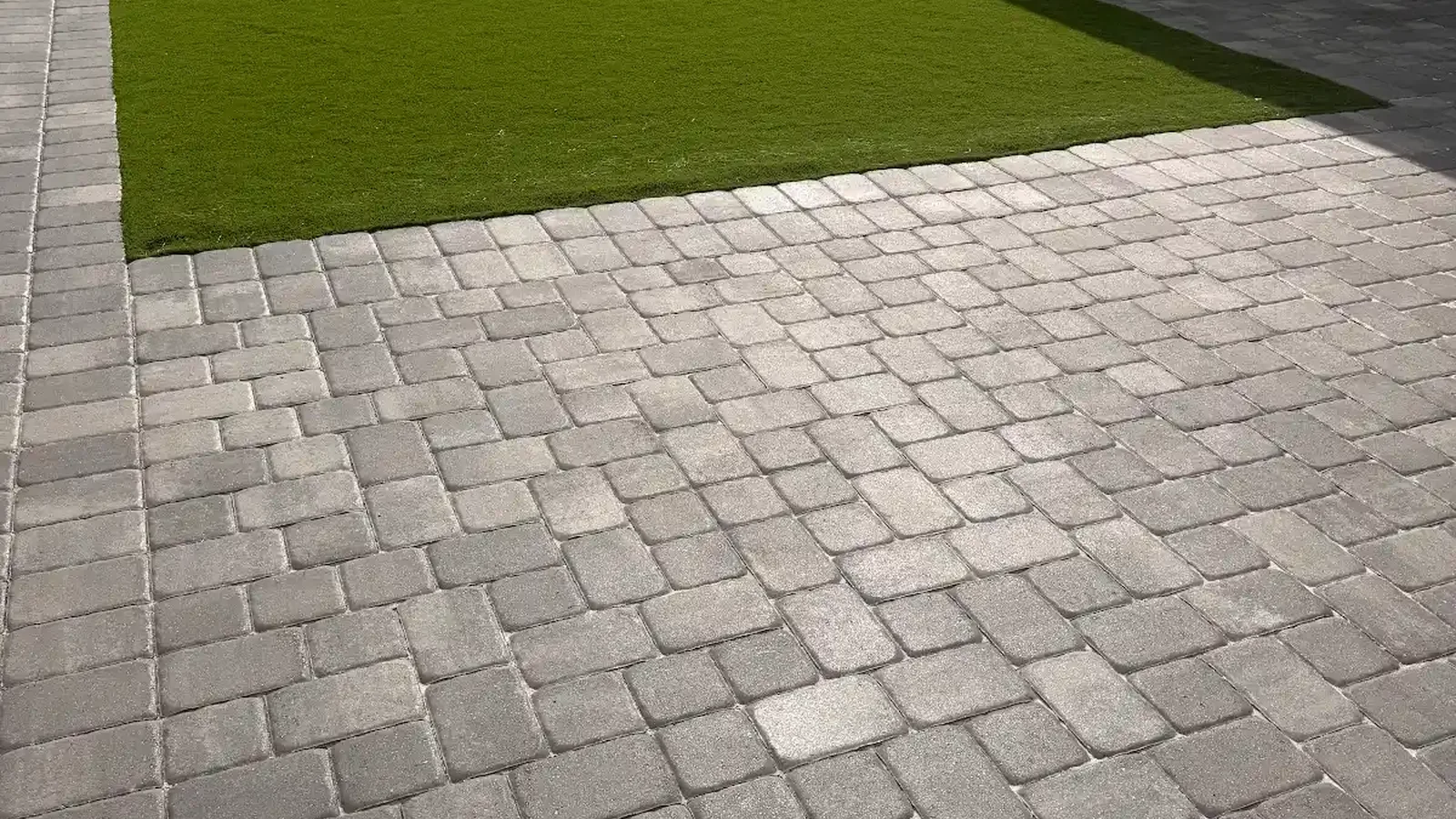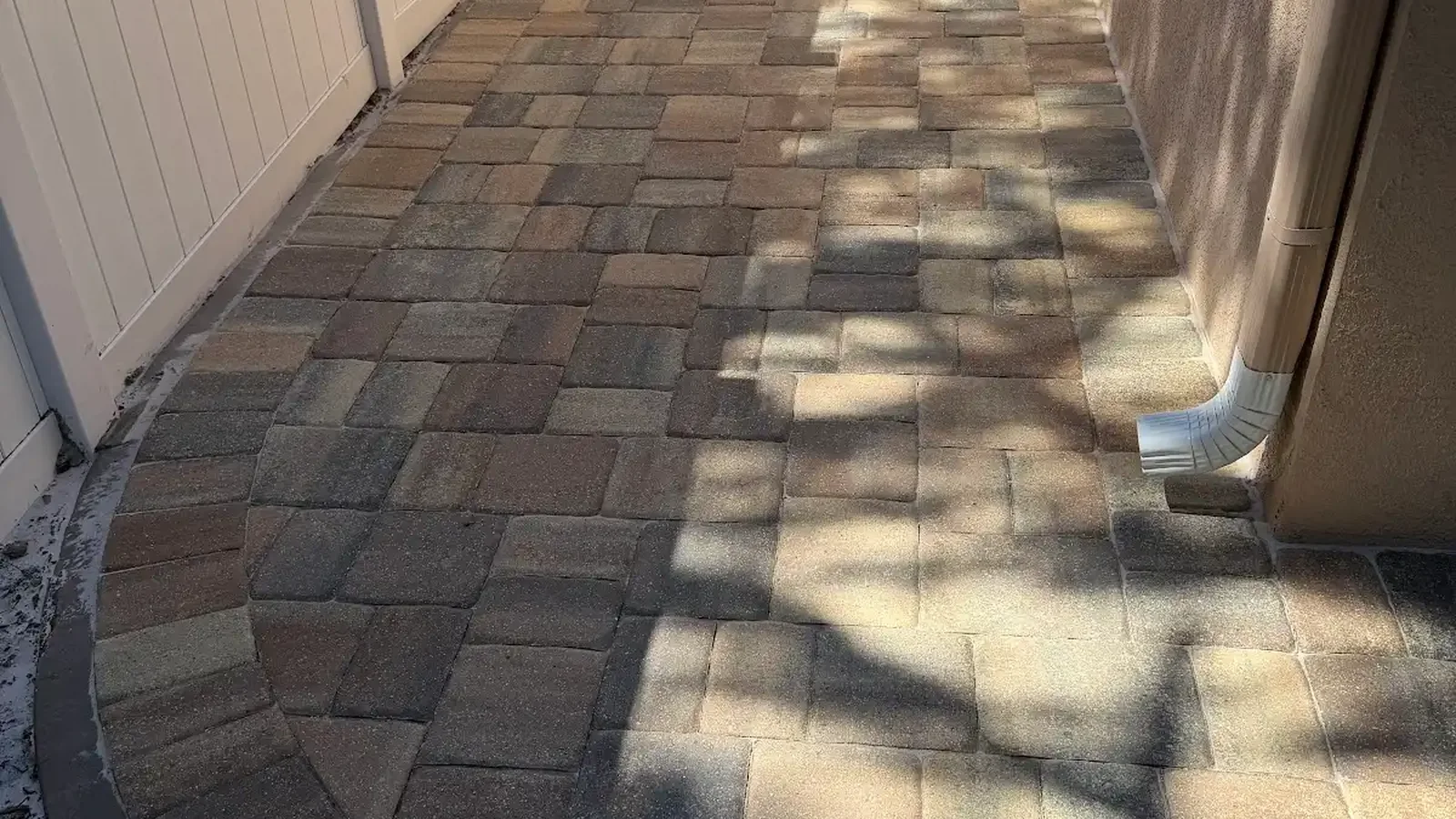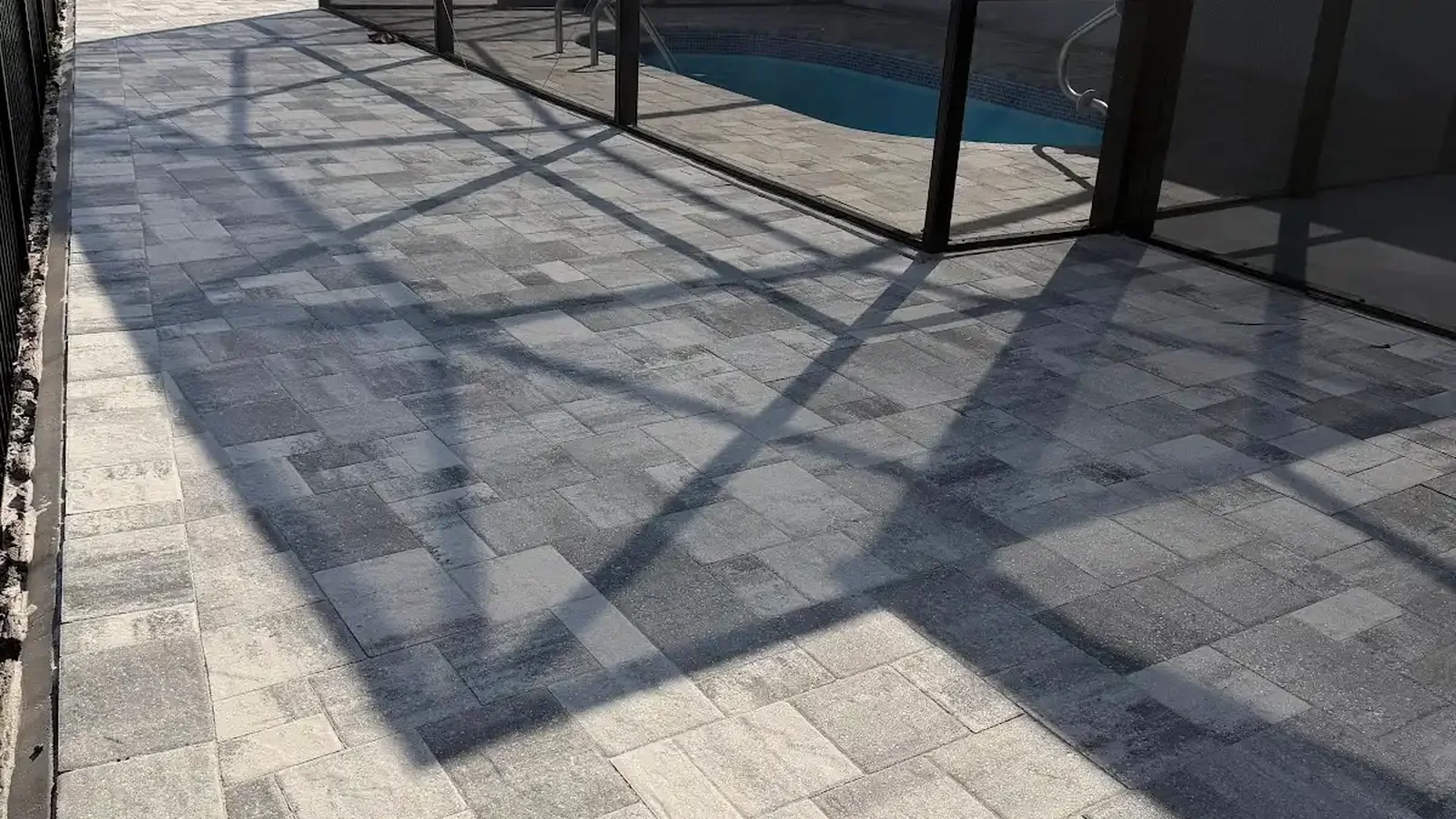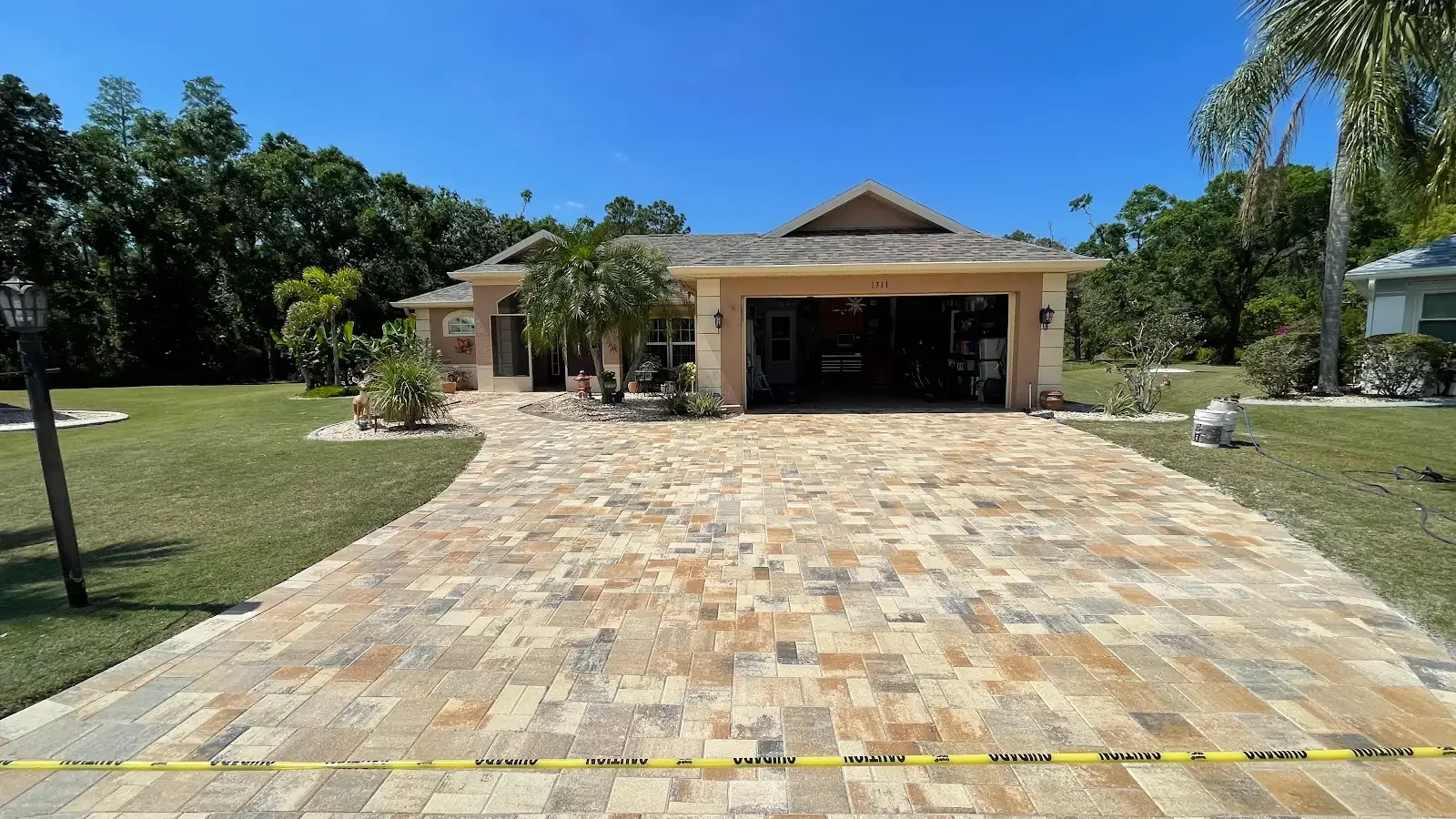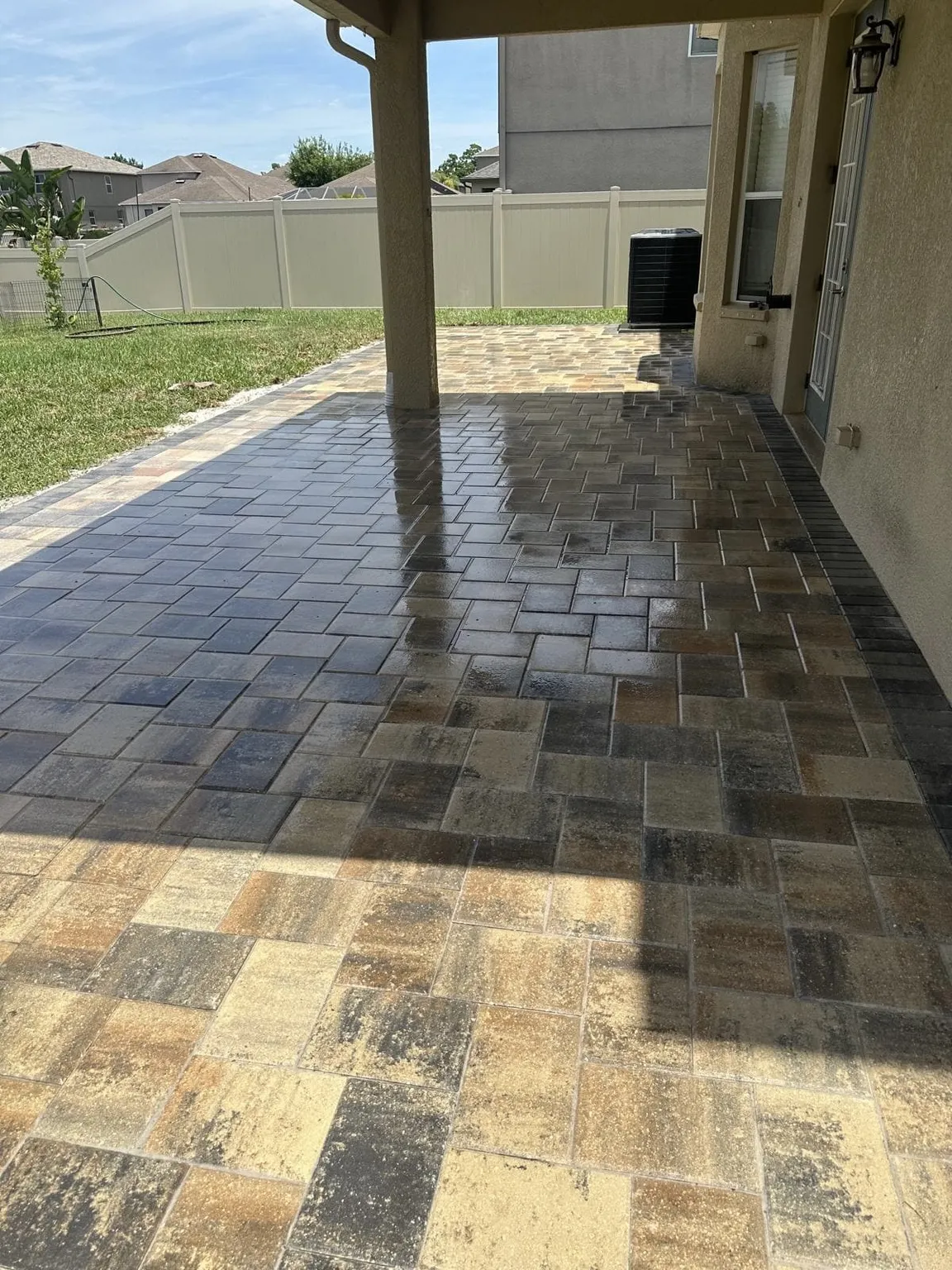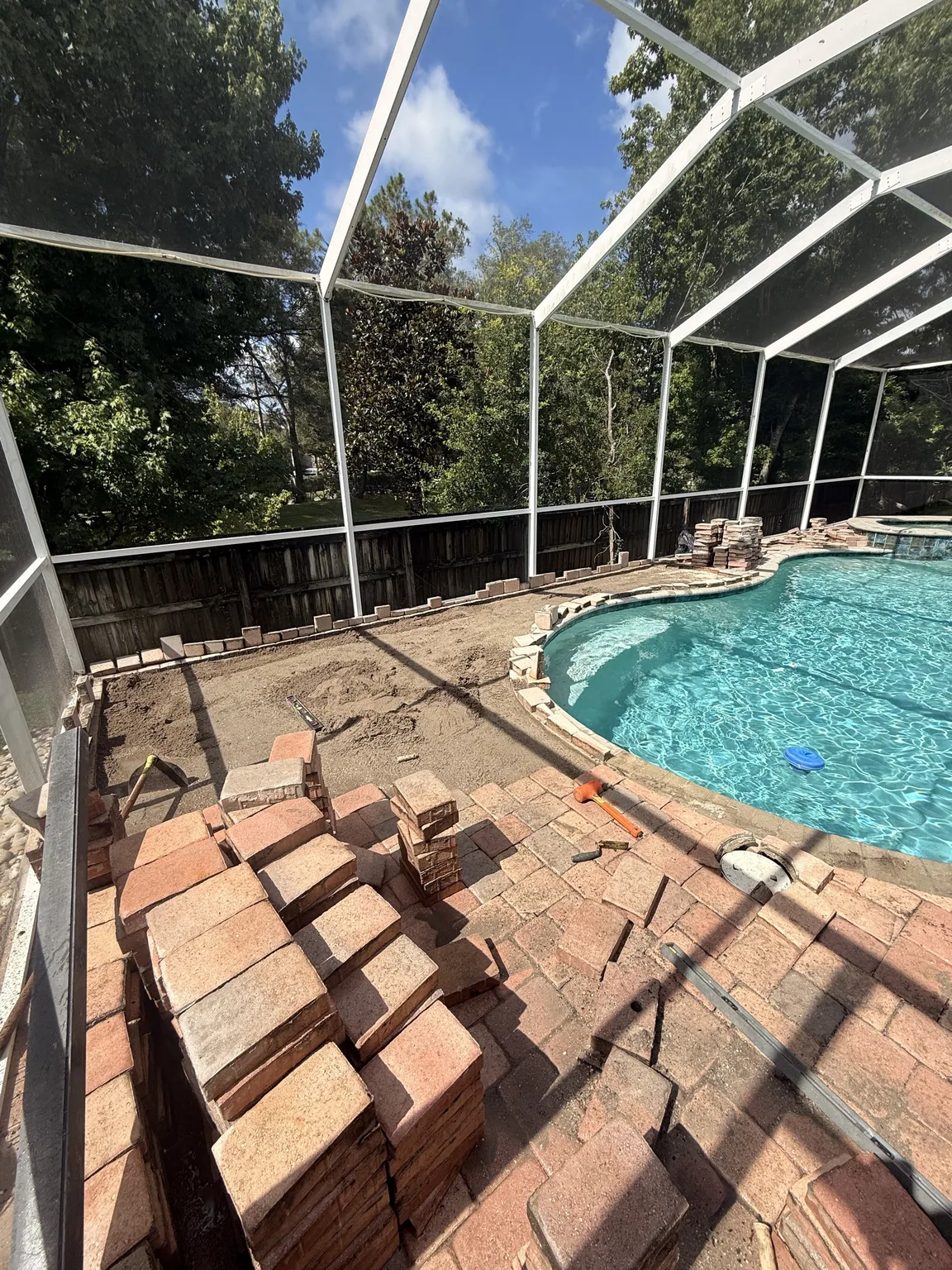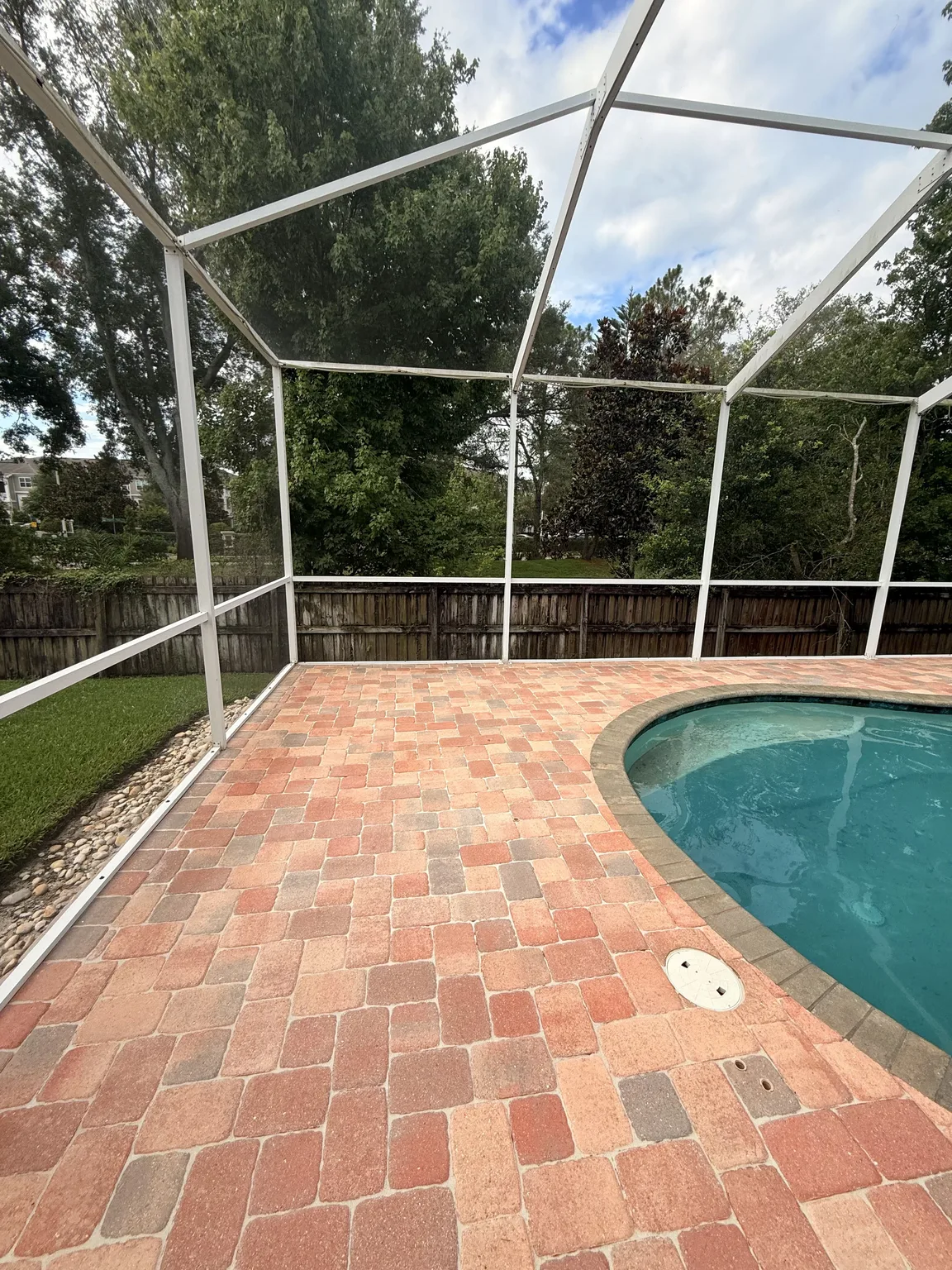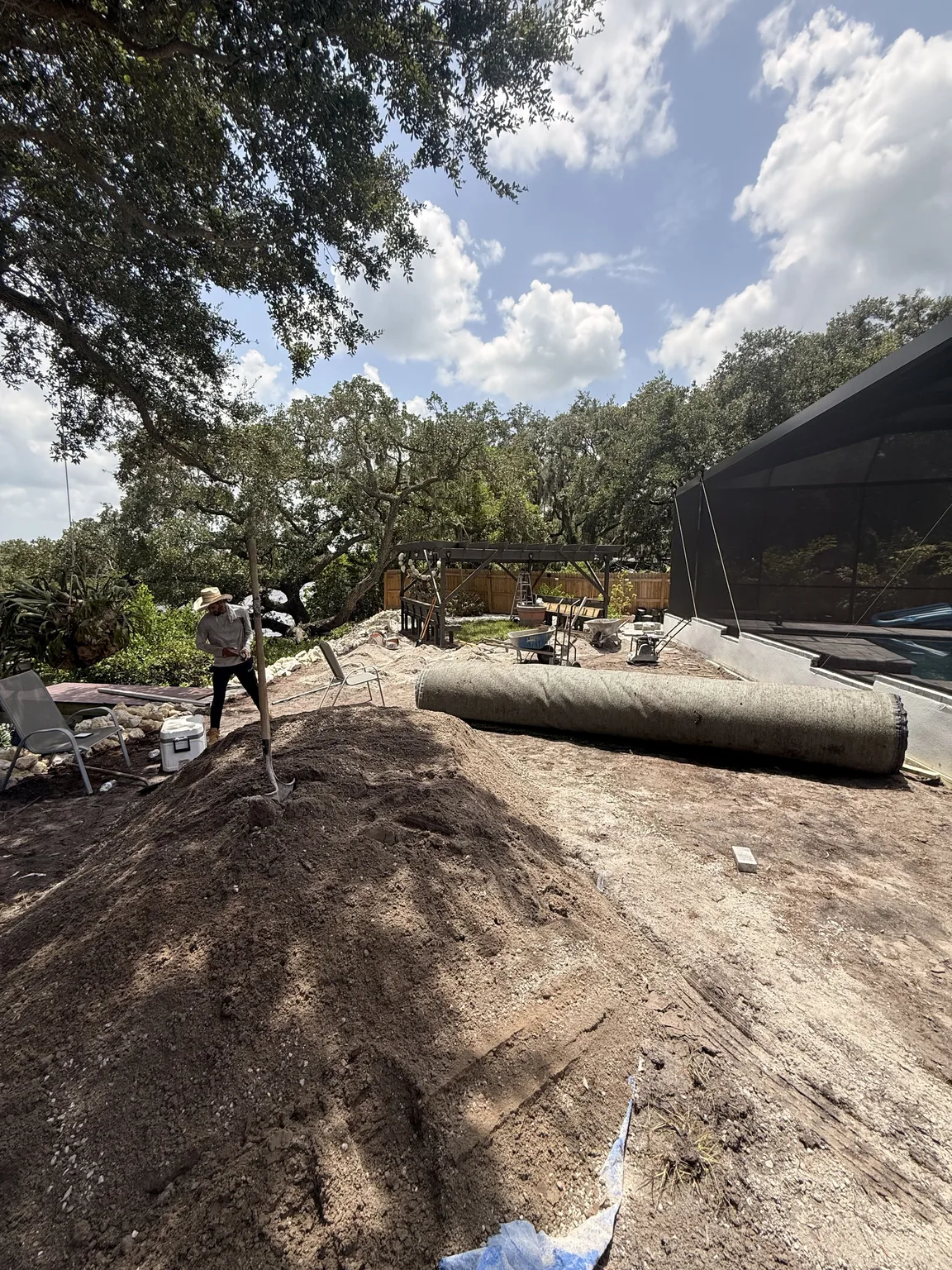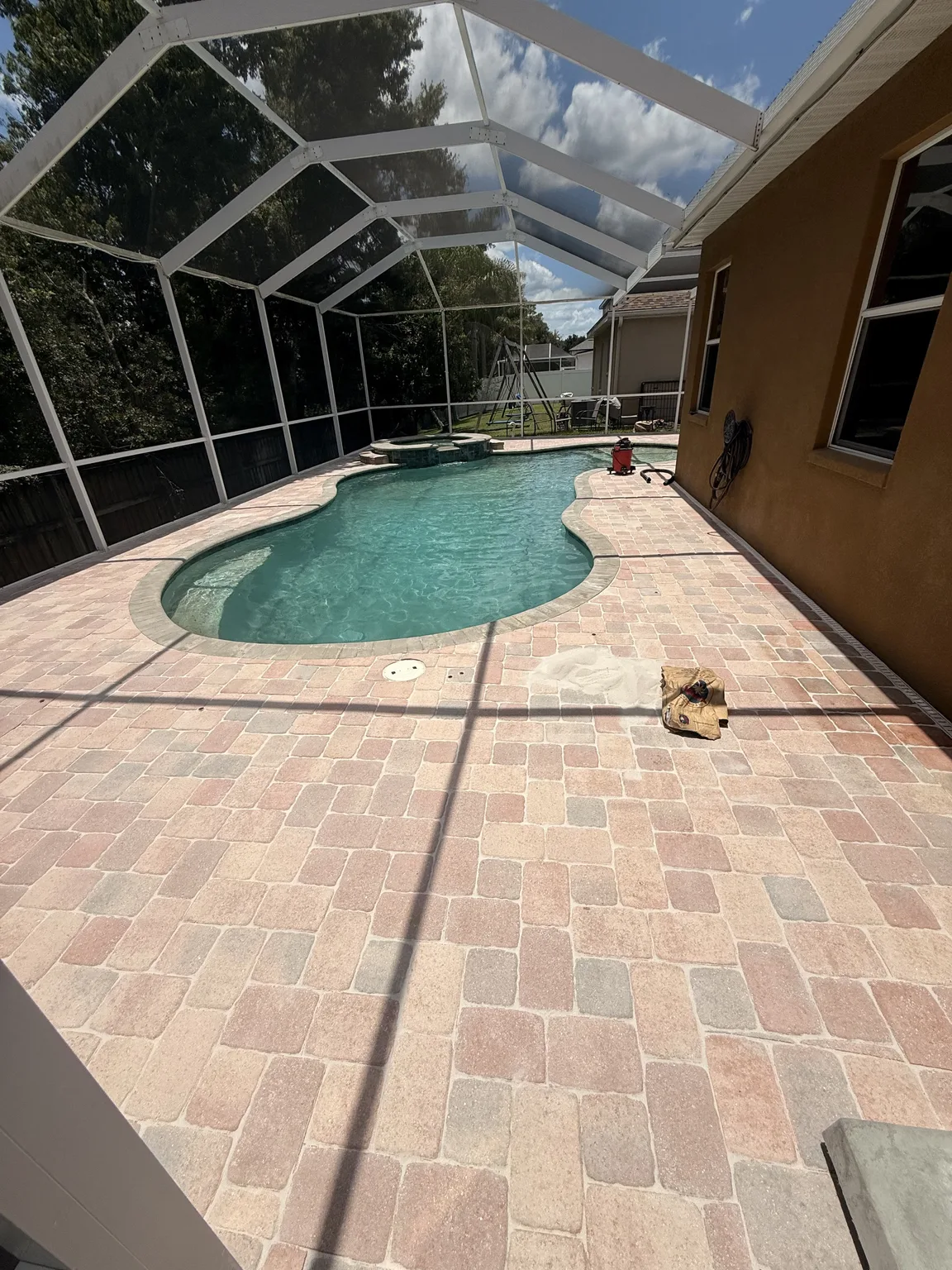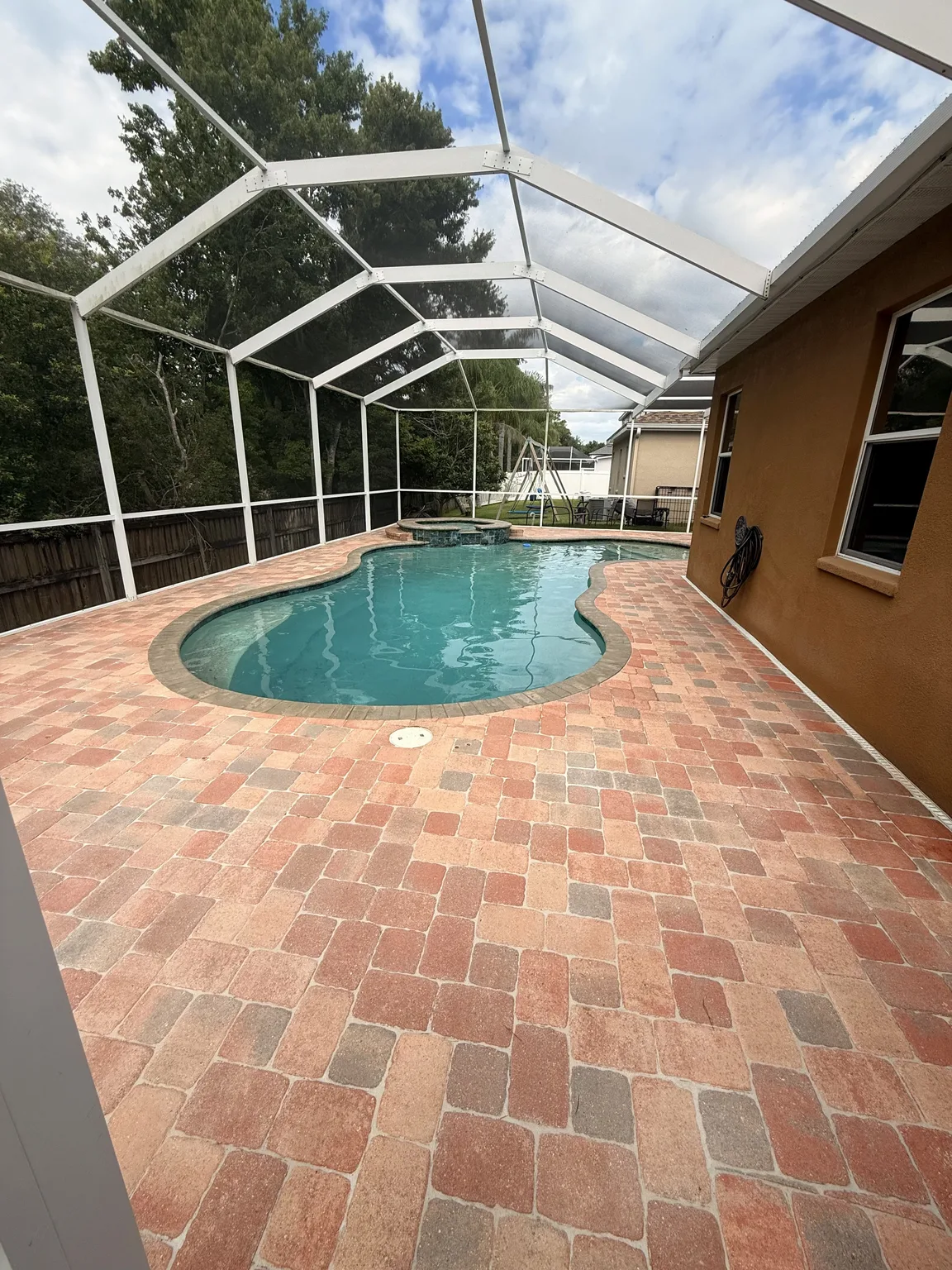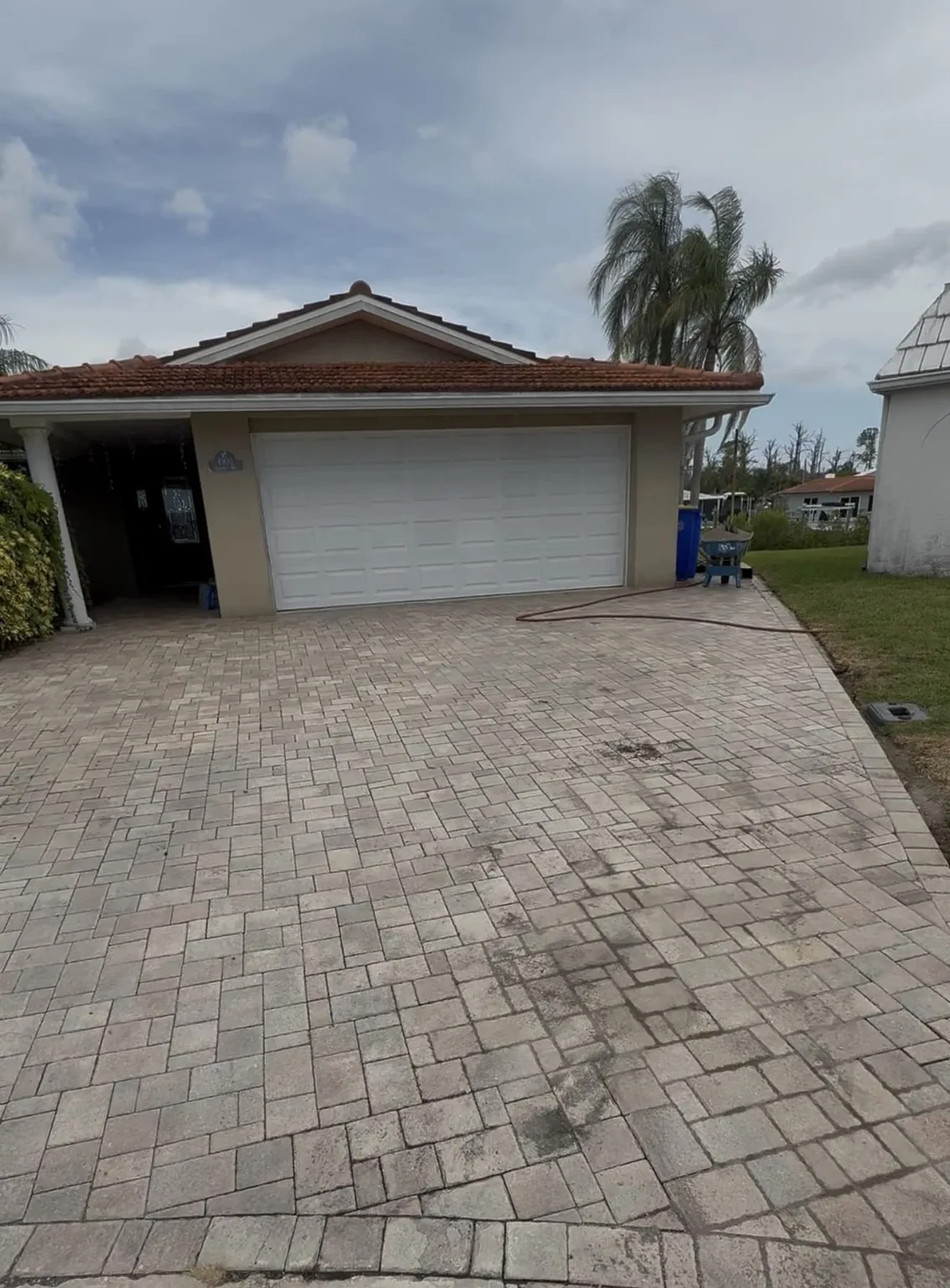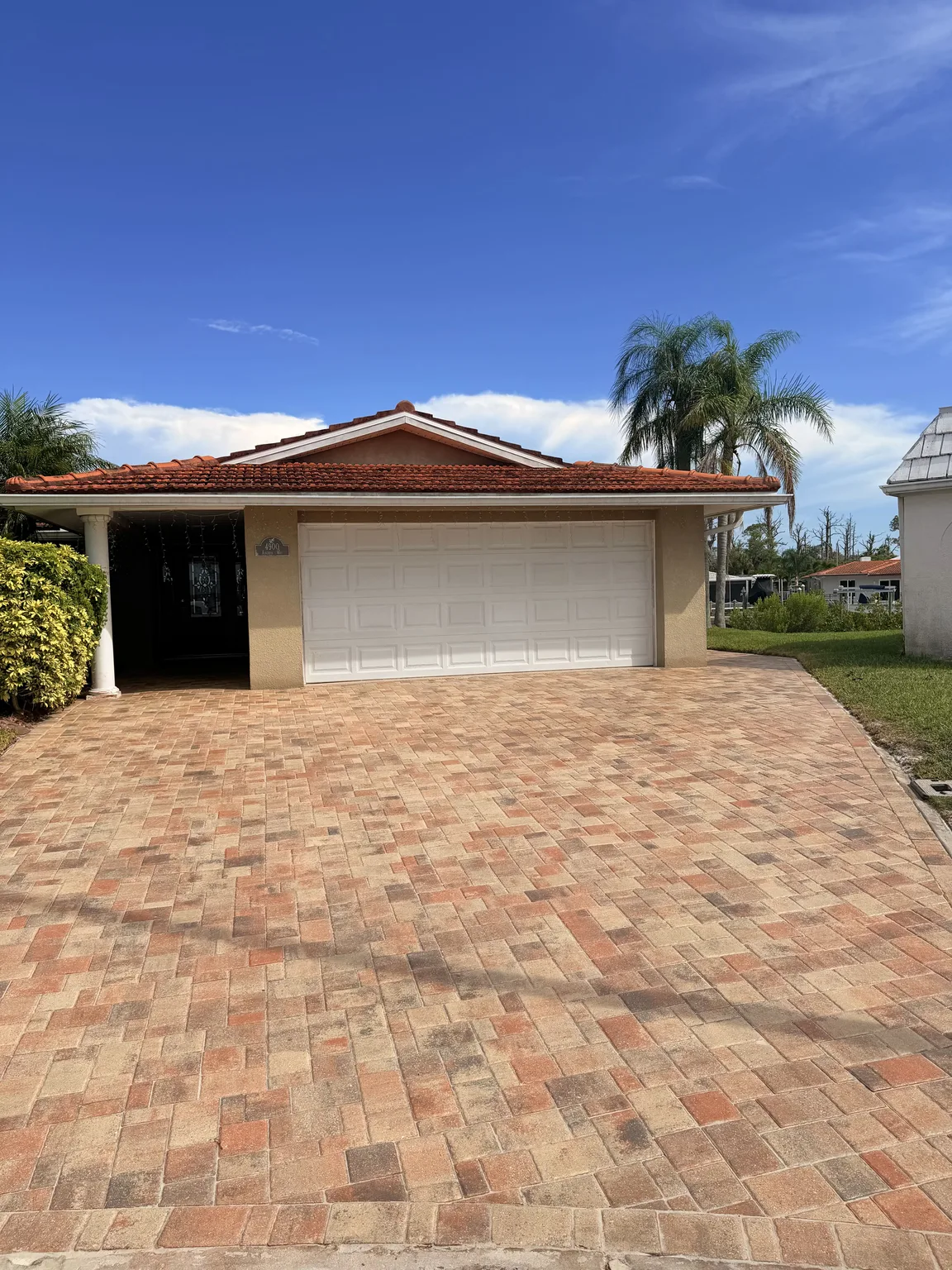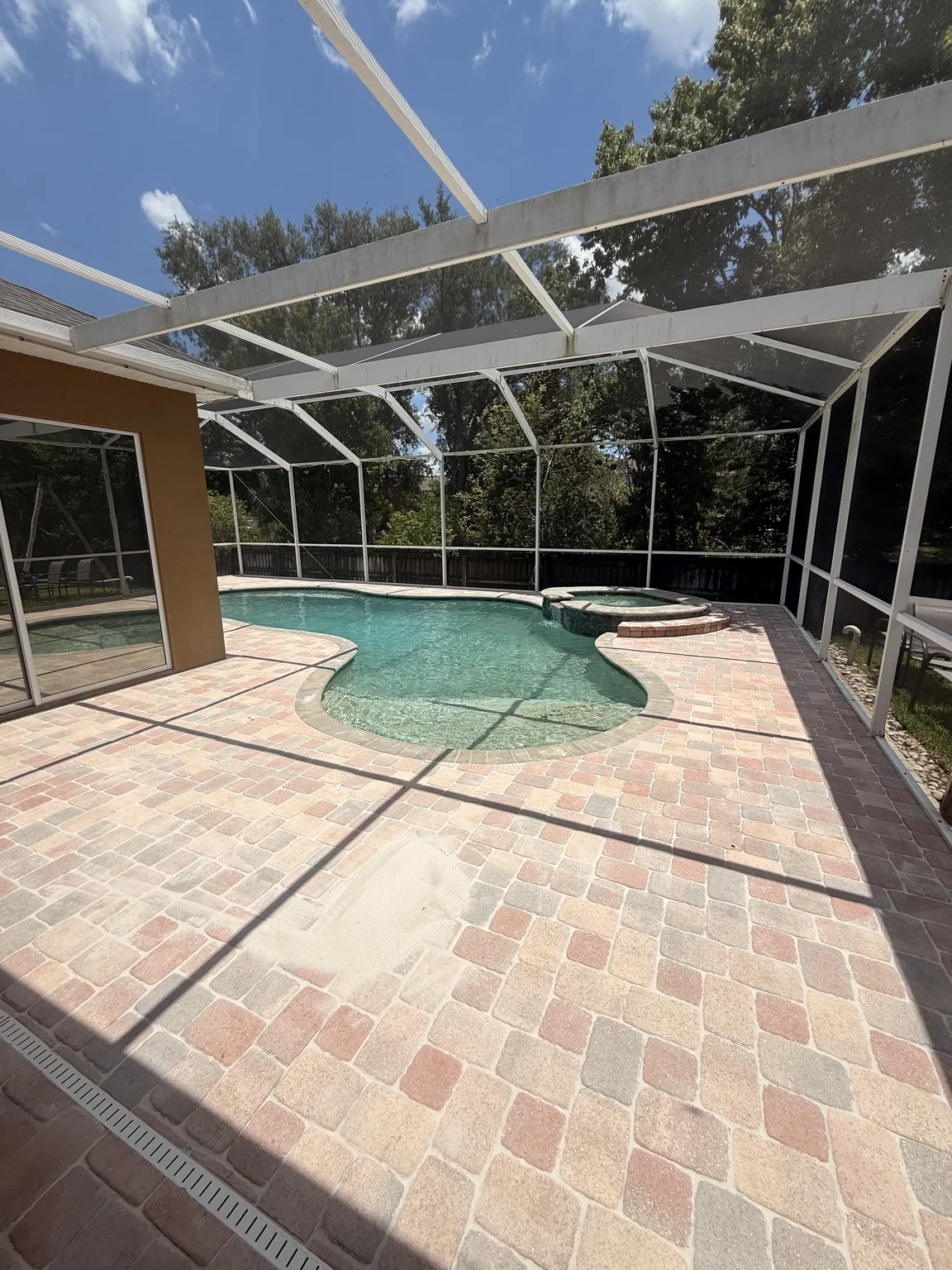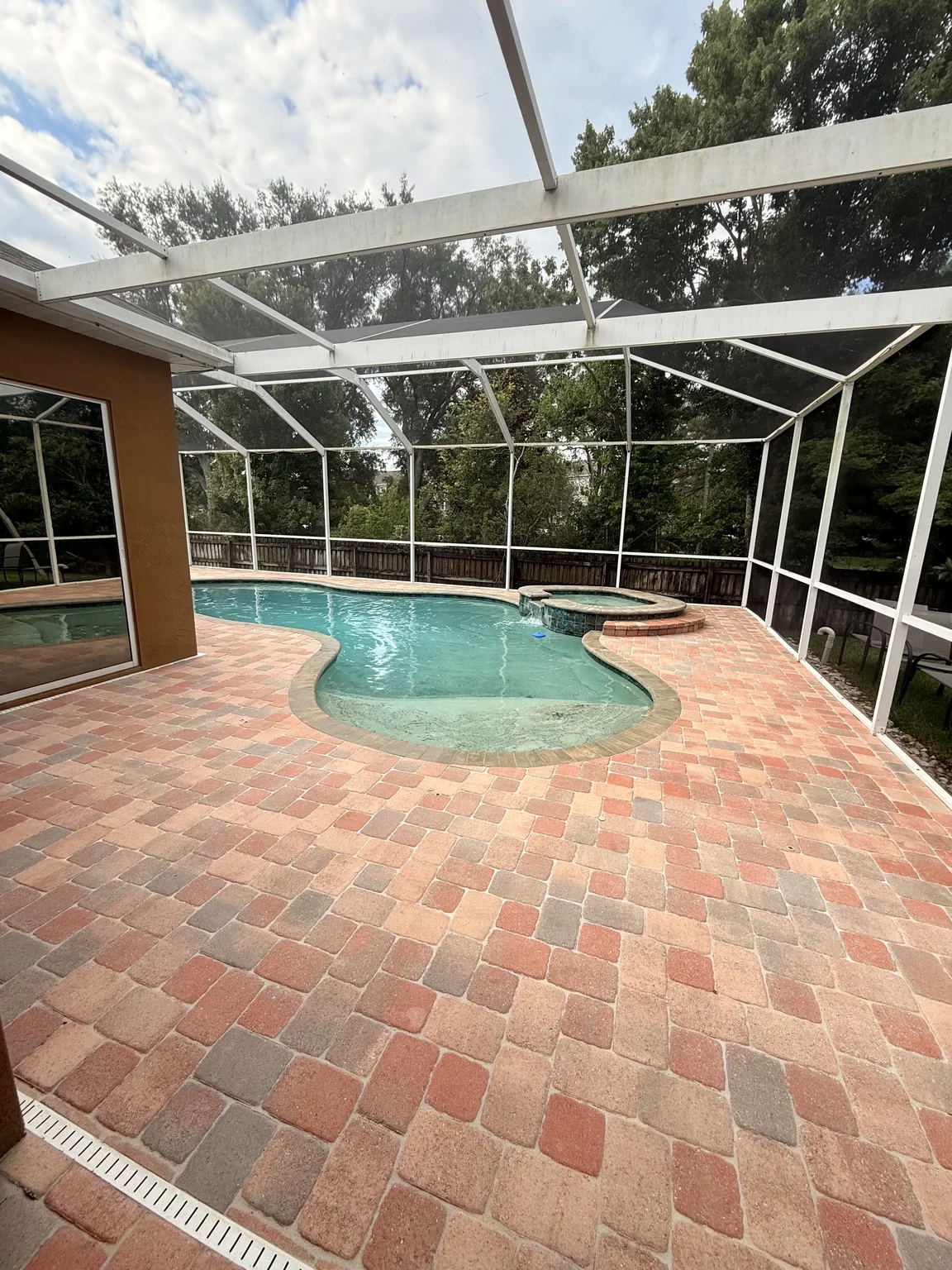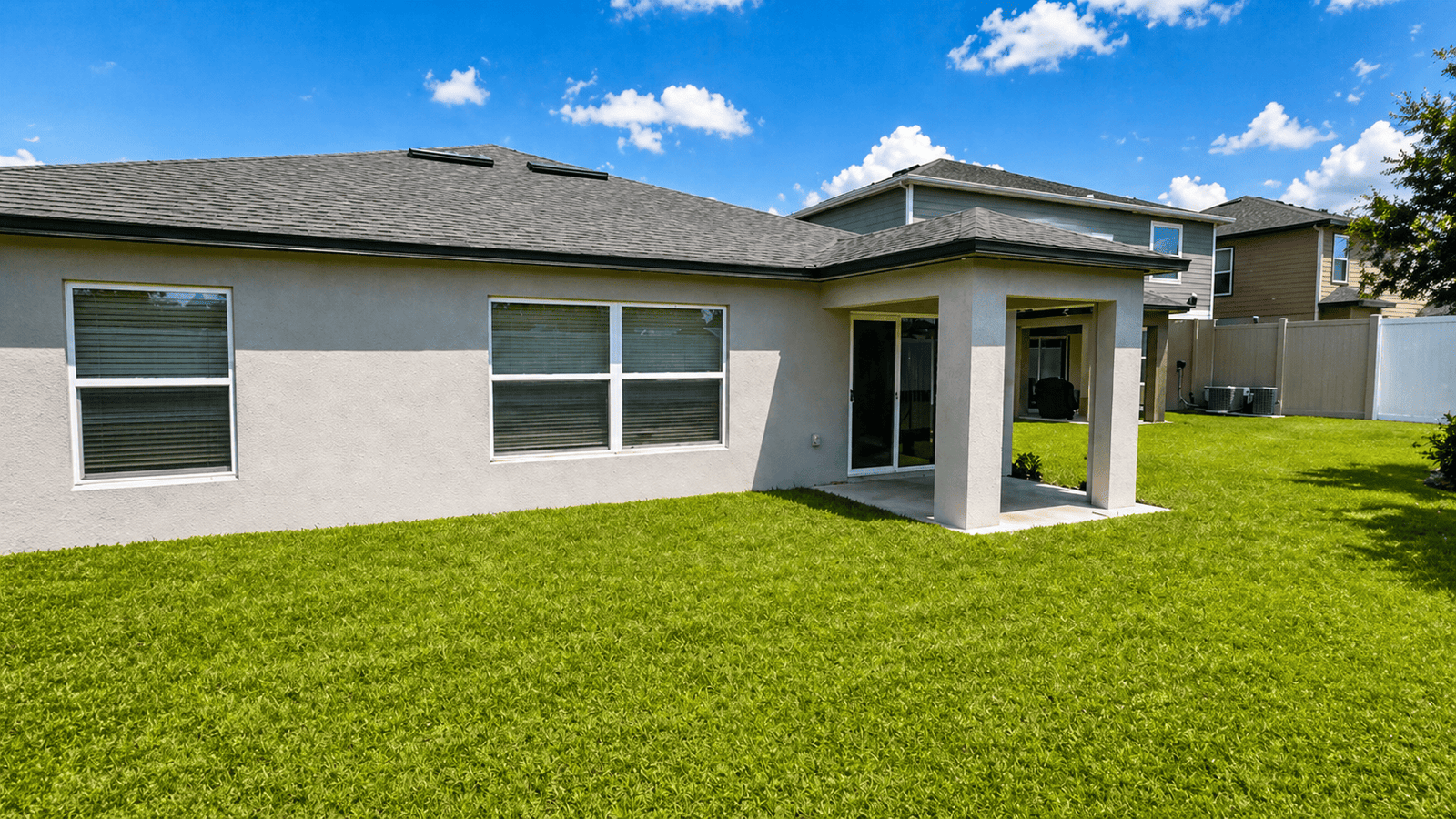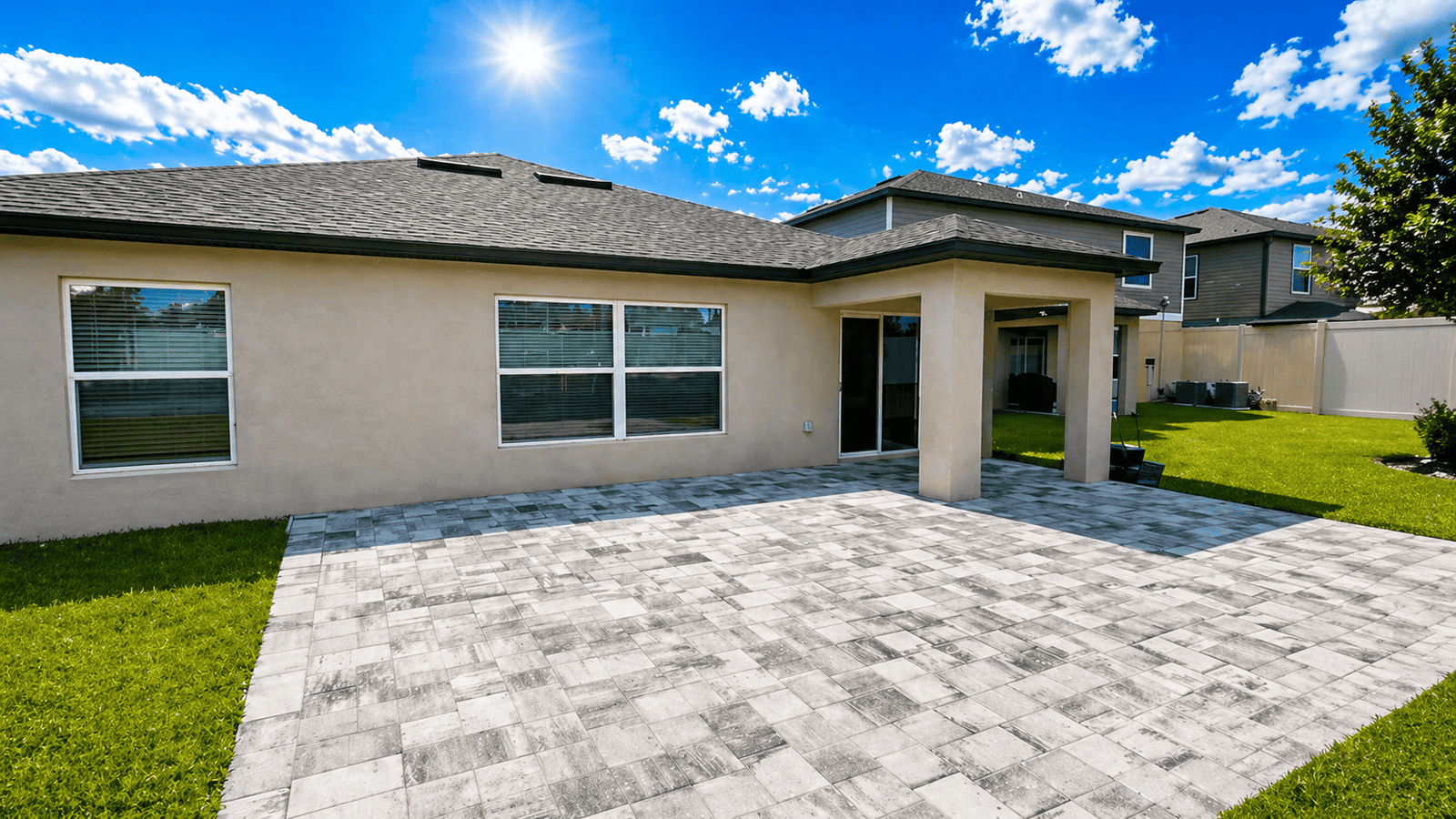
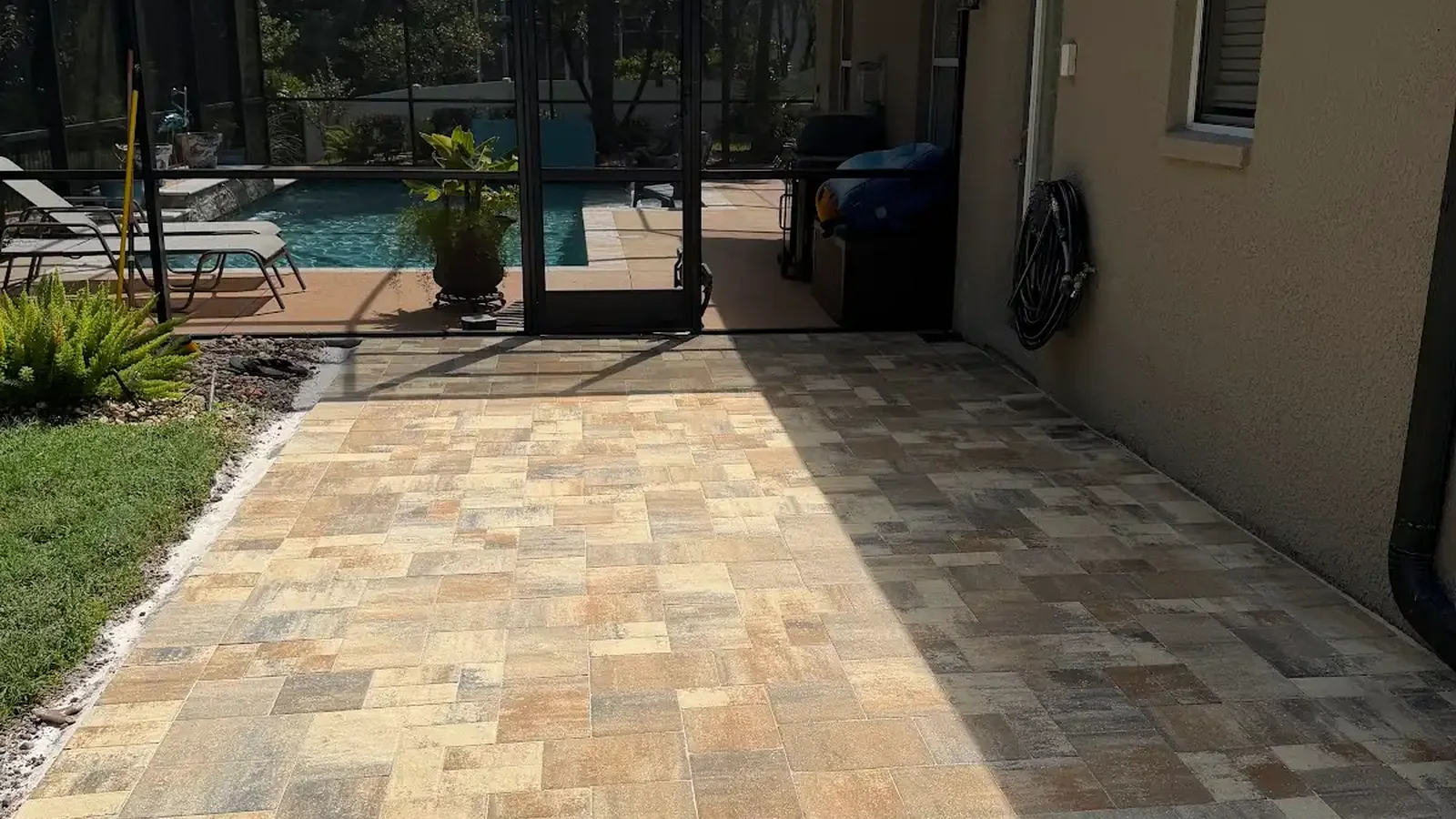
Standing water on patio surfaces can point to problems with slope, compaction, clogged joints, or how the pavers meet the rest of your yard. In Tampa Bay neighborhoods from Riverview and Ruskin to Palm Harbor and Land O’ Lakes, short cloudbursts and daily summer storms can turn a small puddle into a slick or stained area fast. When water keeps pooling on your paver patio, it can be frustrating, but it also gives you helpful clues. With a careful look at where and how the water sits, you can usually narrow down the cause to the pavers, the base, or nearby structures.
This guide walks through how paver patios should drain, simple ways to diagnose problems, and practical repair options a hardscape professional can use. It stays focused on your patio and paver system, so you can talk clearly with a contractor about what you see and what you want to change.
Why Standing Water on a Patio Deserves Attention
When you see standing water on a patio after every rain, it usually means the surface or base is not moving water the way it should. A properly built paver patio is designed so water runs off or, with permeable systems, filters down through the joints and stone layers. A shallow birdbath might not seem like a big deal, but it can hint at base movement, settling, or wear that may spread.
Persistent puddles can also create slippery spots, attract mildew, and leave hard-to-remove stains on pavers. Over time, trapped moisture can weaken joint sand or clog permeable joints, which allows more water to linger. Because of our frequent rains in areas like Wesley Chapel, Town ‘N’ Country, and Greater Carrollwood, even a small low spot gets tested many times a year.
It also matters where the water is sitting. If it collects near a door, screen enclosure, pool coping, or the foundation, it may not only be a patio issue. In those cases, it is smart to involve a qualified contractor, and sometimes a licensed engineer or building professional, to review the bigger picture before you commit to changes.
Quick answer: what should happen after a Florida rain?
After an average storm, water should drain off or through a paver patio within a short period, not sit for hours. Occasional shallow birdbaths in tiny areas can be common on older patios, but they should not expand or deepen over time. If water regularly reaches doors, walls, or lanais, schedule a professional inspection soon rather than later.
What Causes Standing Water on Patio Pavers?
Most standing water issues trace back to slope, settlement, or obstructions. Paver patios rely on a carefully prepared base and a consistent pitch to guide water away from your home and toward landscaped areas or compatible hardscape. When that pitch is off, even by a small margin, water can stall in the middle or at edges.
Another common cause is a base that has settled or was not compacted evenly in the first place. Florida’s sandy soils can shift, especially along edges or near new loads like outdoor kitchens or covered structures. That movement often shows up as individual dips under single pavers, which create isolated birdbaths.
Existing features can also contribute. Downspouts that discharge directly onto the patio can overwhelm a small area, and new concrete slabs or additions can change where runoff wants to go. On permeable systems, joints that have clogged with fine debris block the intended infiltration path, so water lingers on top instead of soaking through the stone layers.
How a well-built paver patio handles water
A standard paver patio usually relies on a slight surface slope plus compacted base layers that shed water sideways. By contrast, permeable paver systems are designed so water passes down through the patterned joints and into stone reservoirs. CMHA and other industry resources emphasize matching the system to your soil and rainfall, instead of forcing a single design on every yard.
The U.S. EPA notes that permeable pavement can store or infiltrate rainfall through a porous surface and underlying stone, sometimes with an underdrain, when designed correctly. You can read more about that approach in the EPA’s green infrastructure guidance. Around Tampa Bay, a paver contractor will often review both site slopes and soil conditions before recommending traditional or permeable layouts.
How to Check Your Patio: Isolated Puddles vs. Pitch Problems
Before you decide how to fix standing water on patio surfaces, it helps to see if the problem is localized or system-wide. Start with a daytime rain or hose test, and walk the patio right after the water stops. Note where the last puddles remain and how deep they look compared to nearby joints.
If you only see a few saucer-sized puddles under specific pavers, you may be dealing with isolated settlement or minor birdbaths. These are often repairable by lifting, re-leveling, and resetting the affected stones on a corrected base layer. However, if a large section of the patio holds water, especially in the middle, that suggests a pitch issue that may run across many square feet.
You should also look beyond the pavers. Check whether nearby flower beds, lawns, or pool decks sit higher than the patio edge, which can trap water. Look for blocked outlets, such as grates or transitions where the patio meets another surface that no longer lets water escape. Take photos from several angles so a contractor can see what you see.
DIY checks for standing water on patio grades
While only a qualified professional can measure grades precisely, simple tools can reveal patterns. A straight board and a small level can show obvious dips across a few feet of surface. In addition, a string line pulled tight from the house side to the yard side can highlight sagging areas between edges.
Take notes on where water touches doors, screen tracks, or steps, as those areas involve safety and building considerations. If you notice moisture near your foundation, avoid guessing. Instead, share your observations with a reputable paver contractor, and ask whether you should also consult a licensed engineer or building expert before making major changes.
Common Causes: Blocked Outlets, Downspouts, and Settled Bases
Once you know where water sits, you can often link it to specific causes. Blocked outlets are frequent culprits, especially where a patio meets grass, rock beds, or older drains. Over time, edging, root growth, or mulch can rise above the paver surface and trap water like a shallow basin.
Downspout discharge onto the patio is another trigger for persistent puddles. When a roof gutter empties onto a single point, it can overwhelm the joints and wash out joint sand or small bedding material. The result is a soft spot that sinks slightly, creating a pocket that grabs water after every storm.
Added structures can change how the patio behaves as well. A new pergola, outdoor kitchen, or spa concentrates weight on certain areas, which can compress the base and create settlement. Likewise, compacted soil right against the patio edge, especially in narrow side yards in places like Thonotosassa or Town ‘N’ Country, can prevent water from escaping into the landscape.
How clogged permeable joints affect puddles
On permeable patios, the joints play a major role in moving water. When those joints clog with fine sand, leaves, or organic debris, water that once filtered easily downward can start to collect on top. This can make a formerly quick-draining patio act like a non-permeable one, with visible standing water after storms.
Regular maintenance helps, but Florida’s mix of oak leaves, fine sand, and heavy rain can speed up clogging. Once joints are fully blocked, a patio may need more than light cleaning. A professional may recommend specialized vacuums, refilling joints with the right aggregate, or in some cases removing and resetting pavers over refreshed stone layers.
Repairing Birdbaths, Settled Pavers, and Compacted Edges
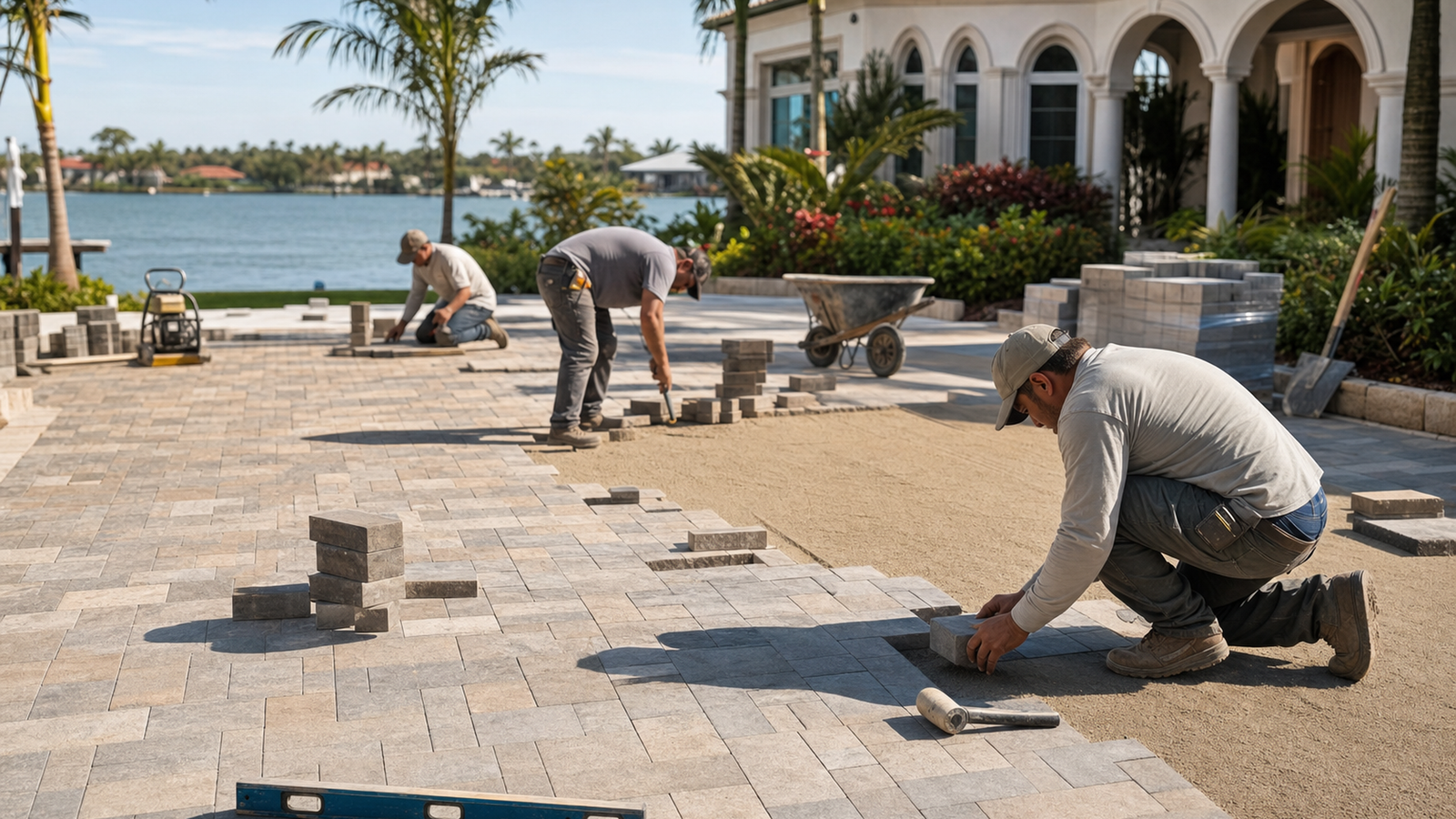
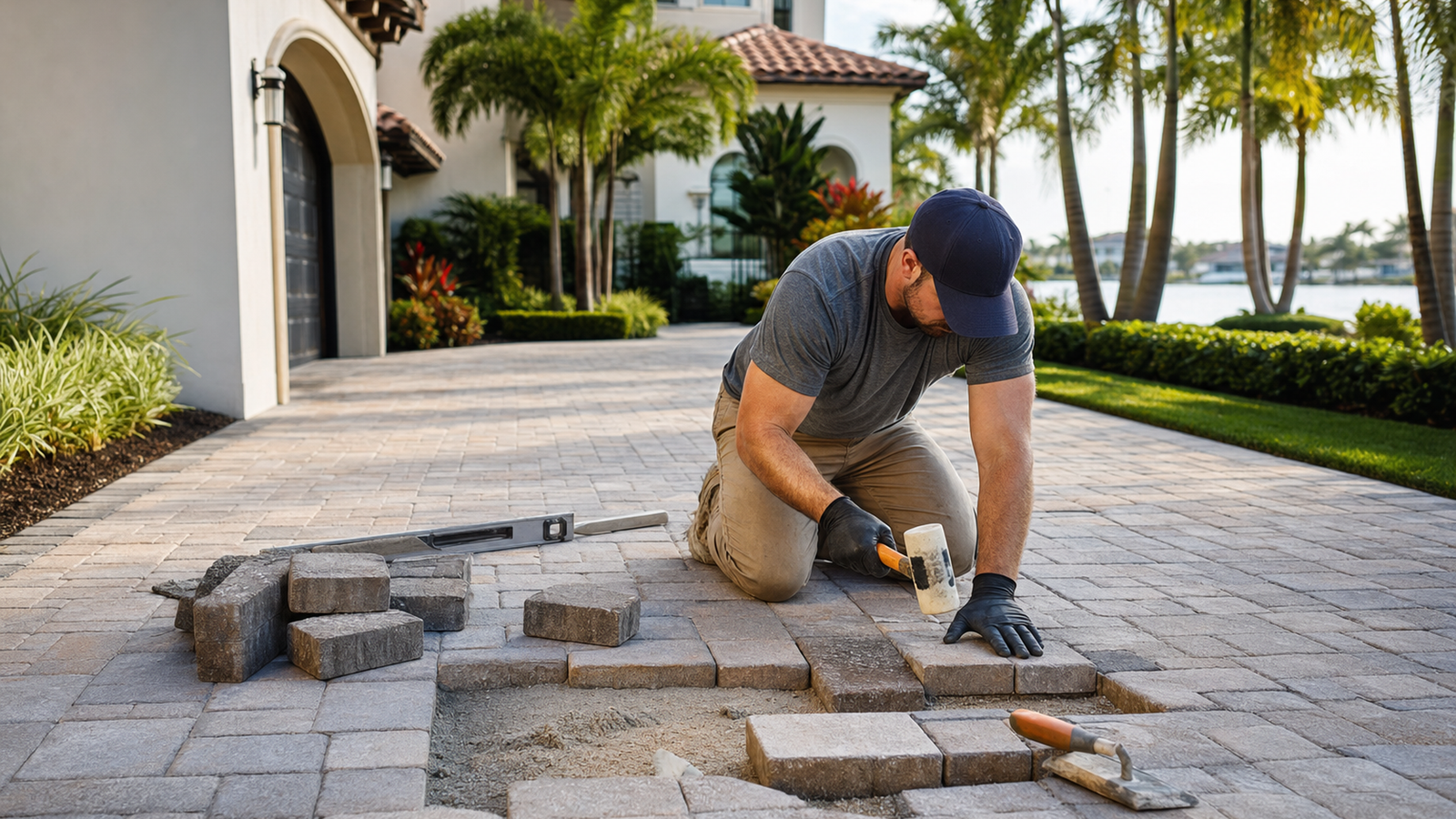
Many standing water issues on existing patios can be improved by targeted paver work instead of full replacement. For isolated birdbaths, a contractor can typically lift the affected pavers, adjust the bedding material, and recompact the area so it matches the surrounding slope. This approach focuses effort only where the base has dipped.
When whole sections have settled, repairs may involve removing larger areas of pavers to reach and correct the base. The installer can then regrade and compact the base material, adjust the pitch, and reinstall the pavers in the original pattern. This work often makes sense in high-use zones like outdoor seating areas, pool decks, and grill spaces.
Compacted soil and raised borders along the patio edge may need reshaping or, in some cases, minor reconfiguration of the edge restraint and adjacent landscaping. Because any changes to surrounding grades can affect how water moves near your home, it is important to coordinate paver adjustments with the overall yard layout. A site visit allows a contractor to see whether small corrections will be enough or if broader re-leveling is more practical.
Options when clogged joints cause standing water on patio areas
If clogged joints are the main problem, cleaning and refilling them can make a noticeable difference. Depending on the paver type, this may involve careful removal of old joint material, pressure washing at appropriate settings, and adding fresh joint sand or aggregate. The goal is to reopen the spaces between pavers so water moves as originally intended.
However, joint work will not correct a poor base or wrong pitch by itself. That is why many contractors start with a visual inspection and sometimes a laser level, then recommend joint restoration, base repairs, or both. In Tampa Bay’s climate, combining correct base preparation with well-chosen joint materials tends to provide more consistent performance over time.
Designing or Rebuilding Paver Patios for Florida Rain
When you plan a new patio or consider a major rebuild, it is wise to design with heavy rain in mind from the start. Tampa Bay, Palm Harbor, and Seven Springs see frequent downpours and seasonal storms, so your paver layout, base, and joint style all work together. A thoughtful design aims to manage typical rainfall while fitting your yard and home layout.
One key choice is between traditional and permeable-style paver assemblies. Traditional patios rely more on surface slope, while permeable systems incorporate thicker stone layers to store or infiltrate water beneath the pavers. Site conditions, including soil type and available space, often guide which option makes sense.
Another decision involves paver size, pattern, and color. Larger slabs can be more sensitive to base movement, so good compaction and grading matter even more. Lighter colors may make shallow puddles easier to spot early, which helps you address minor issues before they expand.
Choosing a paver approach based on your site
| Situation | Typical signs | Common patio focus |
|---|---|---|
| Minor birdbaths on older patio | Small, shallow puddles in isolated spots | Lift and reset limited pavers; refresh joints |
| Widespread slope issue | Large area drains slowly or toward house | Sectional rebuild of base and pitch |
| Heavy roof runoff onto patio | Deep puddles near downspouts | Adjust paver layout and base; coordinate roof discharge with other pros |
| Permeable patio with clogged joints | Water lingers on surface, joints packed with fines | Clean and restore joints; check stone layers |
Discuss these scenarios with your contractor and ask which category your patio fits best. This helps you compare options and understand why they might recommend selective repairs versus more extensive re-grading. Clear expectations during design usually lead to better long-term performance once the thunderstorms return.
Common Mistakes and How to Prevent Future Puddles
Many standing water issues start with well-intended but incomplete changes around the patio. Raising nearby flower beds or adding thick mulch can unknowingly trap water against pavers. Similarly, installing new concrete pads or steps without considering existing grades can block paths where runoff used to escape.
Another mistake is skipping base preparation when extending a patio. It can be tempting to lay pavers over compacted soil or old concrete, but that often leads to uneven settling. Over time, the newer section may hold water differently than the original, creating ridges or valleys at the transition line.
Maintenance matters too. Allowing leaves and fine debris to build up in joints, especially on permeable setups, invites clogging. Neglecting to refill washed-out joints can let water and ants disturb the bedding layer underneath, which creates small voids that later show up as birdbaths.
Simple habits to reduce standing water on patio areas
- Blow or sweep leaves and fine debris off your patio regularly, especially during oak and pine seasons.
- Watch for new puddles after heavy storms and note their exact locations as early warning signs.
- Avoid raising landscape beds or mulch higher than the paver surface along patio edges.
- Ask a qualified pro to review paver support whenever you add a heavy grill, spa, or outdoor kitchen.
- Schedule periodic joint inspection and replenishment so bedding material stays protected.
These habits do not replace proper design and construction, but they help preserve what you already invested in your patio. When combined with correct base and pitch, they can keep many Tampa Bay patios draining more consistently, even through our summer pattern of fast, intense storms.
When to Call a Professional for Standing Water on Patio Surfaces
Some small birdbaths on a level, older patio can be more cosmetic than structural. However, certain patterns mean it is time to bring in professional help. If water consistently sits against your home’s walls, door thresholds, or screen room, it deserves prompt attention from a qualified contractor and possibly a licensed engineer or building specialist.
You should also seek help when the patio has visible sinking, loose pavers, or tripping edges. Those symptoms often point to base or soil issues that simple DIY fixes will not solve. A professional assessment can separate what is a normal aging sign from what requires rebuilding sections for safety and performance.
When you talk with a paver contractor, ask about their experience with patios in Florida’s sandy soils and heavy-rain climate. Share photos, notes from your hose tests, and any history of added structures or yard changes. During a site visit, they can evaluate whether selective repairs or a broader redesign of your patio pavers will better match your goals.
Questions to discuss during a site visit
Use the visit to understand options rather than focusing only on quick fixes. Ask how your current slope compares to recommended practice and what limits your soil or lot shape might create. Discuss whether future plans, like a new pergola or outdoor kitchen, should be factored into any re-leveling work now.
For pricing, avoid assumptions and ranges you see elsewhere. The actual cost depends on access, patio size, paver style, how much base must be corrected, and how much of the surface can be reused. A detailed on-site review is the only reliable way to receive an accurate quote for your specific project.
Standing Water on Patio FAQ
Why did my paver patio start holding water after we added a screen room?
New structures often change both weight and how rain hits the surface. Posts, footers, and framing can concentrate loads on certain areas, which may compress the base and create dips under or near the structure. The roof or screens can also redirect runoff in new ways, so areas that used to dry quickly now see more water. A paver professional can review whether localized base repairs, pattern adjustments, or a larger regrade will best coordinate the patio with the new screen room.
Can I just drill holes or cut channels in my patio to get rid of puddles?
Cutting random channels or holes into pavers or underlying concrete rarely addresses the real cause of standing water on patio surfaces. It can also weaken the structure, create tripping hazards, or direct water where it should not go, such as toward the foundation. Instead, professionals usually focus on restoring the correct pitch, base support, and paver alignment so water moves along planned paths. If additional water paths are needed, those should be designed and reviewed by qualified pros who understand both hardscape and building impacts.
Will replacing joint sand with polymeric sand stop standing water?
Switching to polymeric sand can help stabilize joints and reduce washout in many cases, but it does not fix incorrect slope or base problems by itself. If your patio has birdbaths caused by low spots, those areas will still collect water even with upgraded joint material. In addition, polymeric products must be installed correctly and matched to your paver type and site conditions. A contractor can advise whether joint material changes make sense as part of a broader plan to address both structure and surface behavior.
Is a permeable paver system always the best way to prevent puddles?
Permeable systems can perform very well when they are designed and installed for the specific site, but they are not always the best or only option. Soil type, available depth for stone layers, and nearby structures all affect how well they can store or infiltrate water. Around Tampa Bay, some patios benefit more from a well-sloped traditional assembly that sheds water toward suitable landscaping or compatible hardscape. A knowledgeable contractor can compare both approaches for your yard and explain tradeoffs in maintenance, appearance, and long-term behavior.
How do contractors figure out what to charge to fix a patio with standing water?
Pricing depends on how much of the patio needs work and how complex that work will be. Factors include patio size, paver style and pattern, access for equipment, how deep and widespread the base problems are, and whether pavers can be reused or must be replaced. Added features like outdoor kitchens, screen enclosures, or nearby pools can add complexity, which may affect labor and time. Because these details vary from home to home in places like Ruskin, Wesley Chapel, or Land O’ Lakes, an on-site evaluation is necessary before any contractor can provide accurate numbers.
If you are tired of watching puddles form every time it rains, the team at Dr Pavers Design can help you evaluate what is happening with your existing patio and what changes may improve it. You can explore recent projects, see homeowner testimonials, and browse our services and FAQ to get a feel for how we approach patios, pool decks, and outdoor living spaces across the Tampa Bay area. When you are ready, reach out by phone at +1 (656) 600-4015, send a quick text to the same number, or email us at drpavers@outlook.com with a few photos of your standing water concerns.
We are happy to schedule a free consultation to look at the pavers, base, and layout of your patio and discuss practical options that match your goals and budget. You can also connect with us on WhatsApp, follow our latest work on Instagram and Facebook, or find our location on Google Maps. For more planning ideas, you can also browse our other Patio & Outdoor Living Guides before we meet at your home.