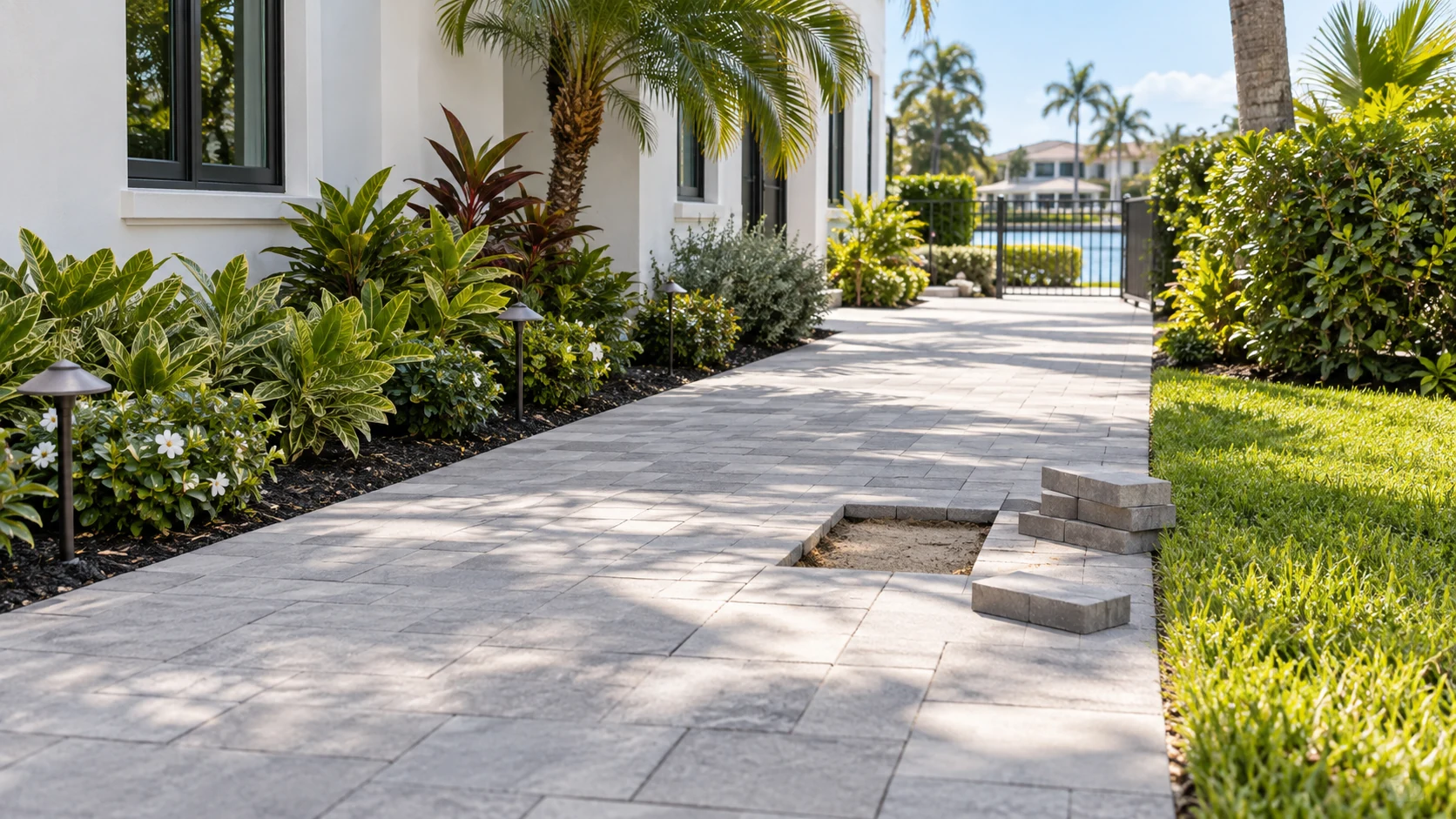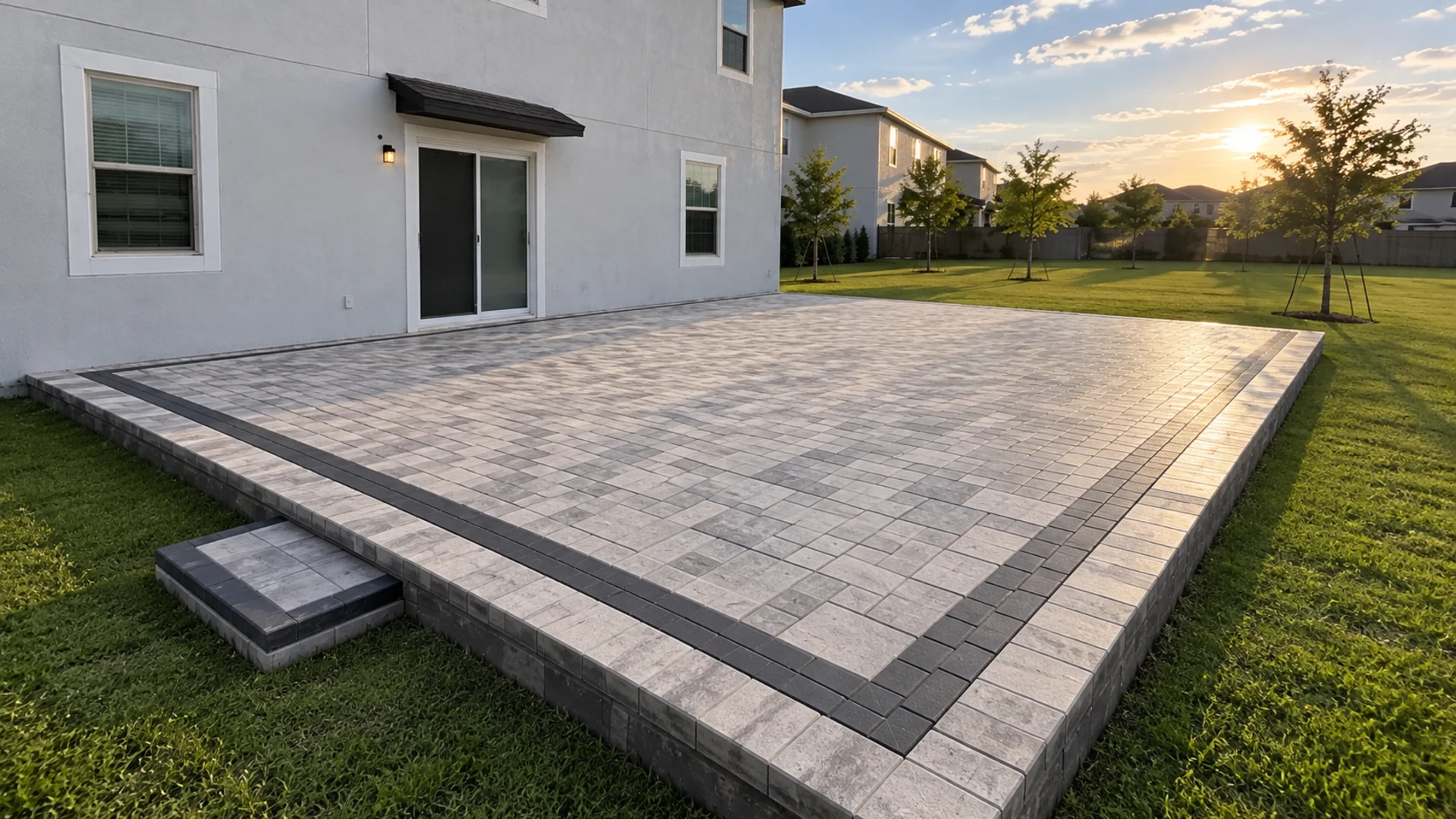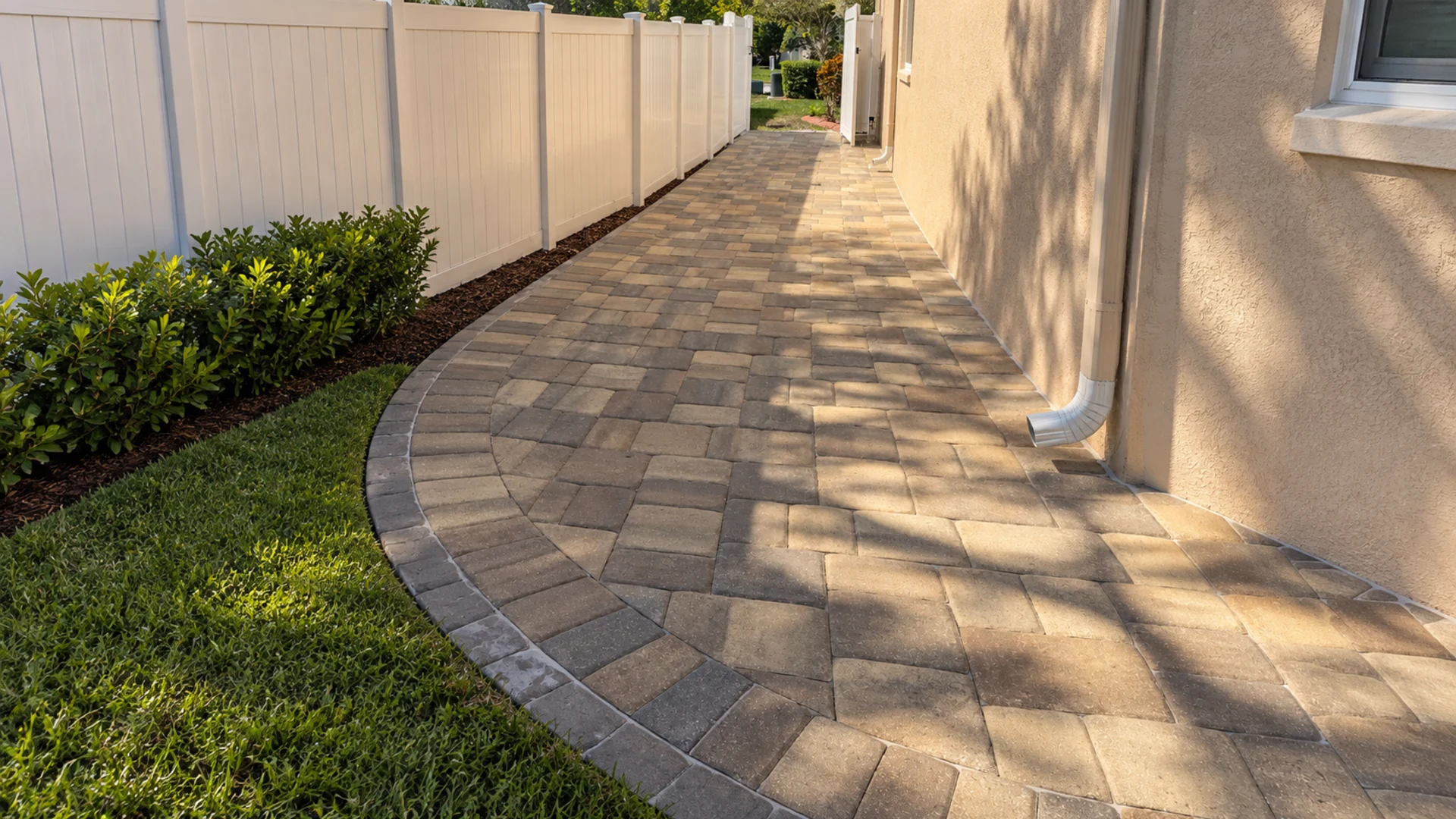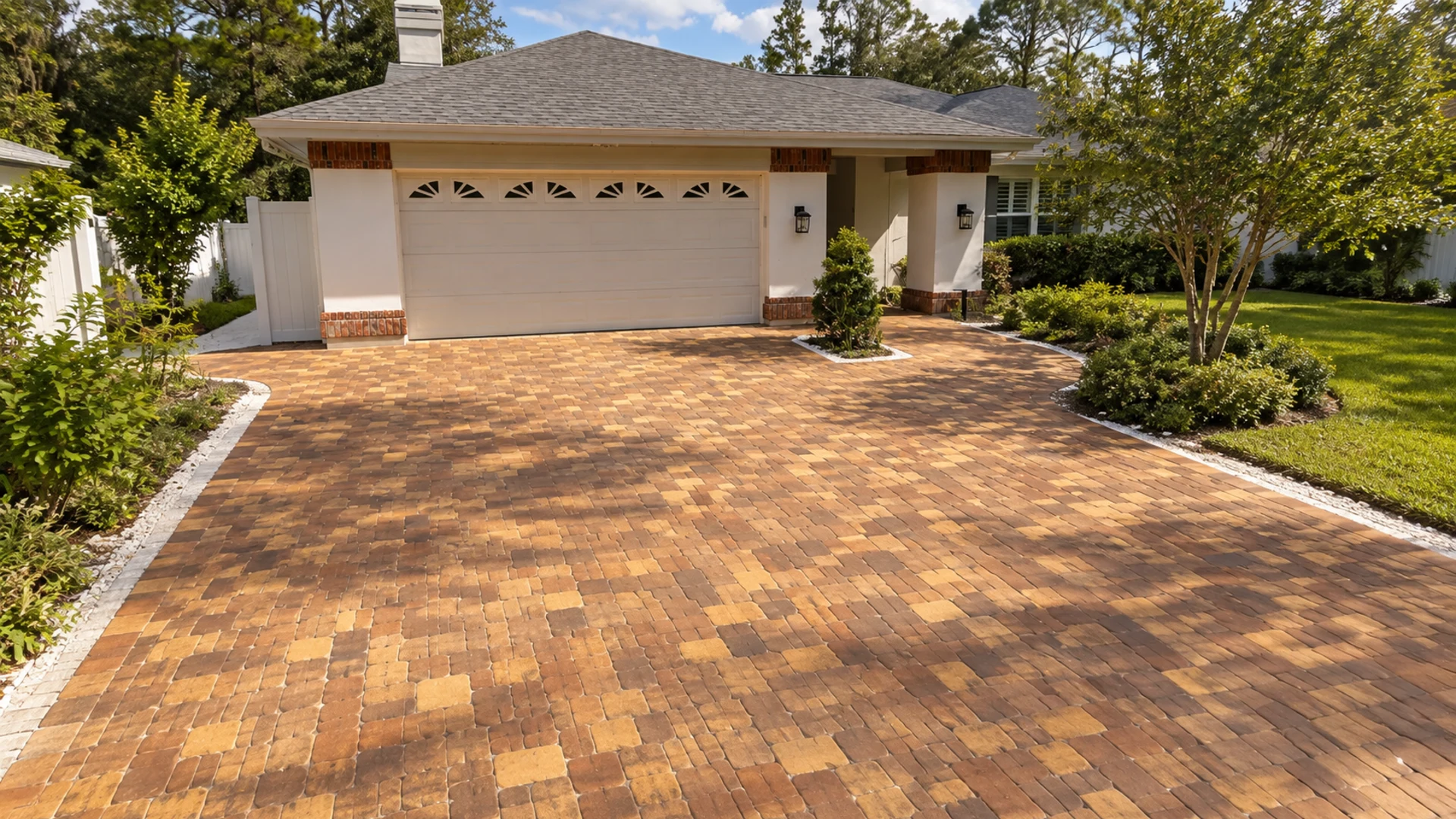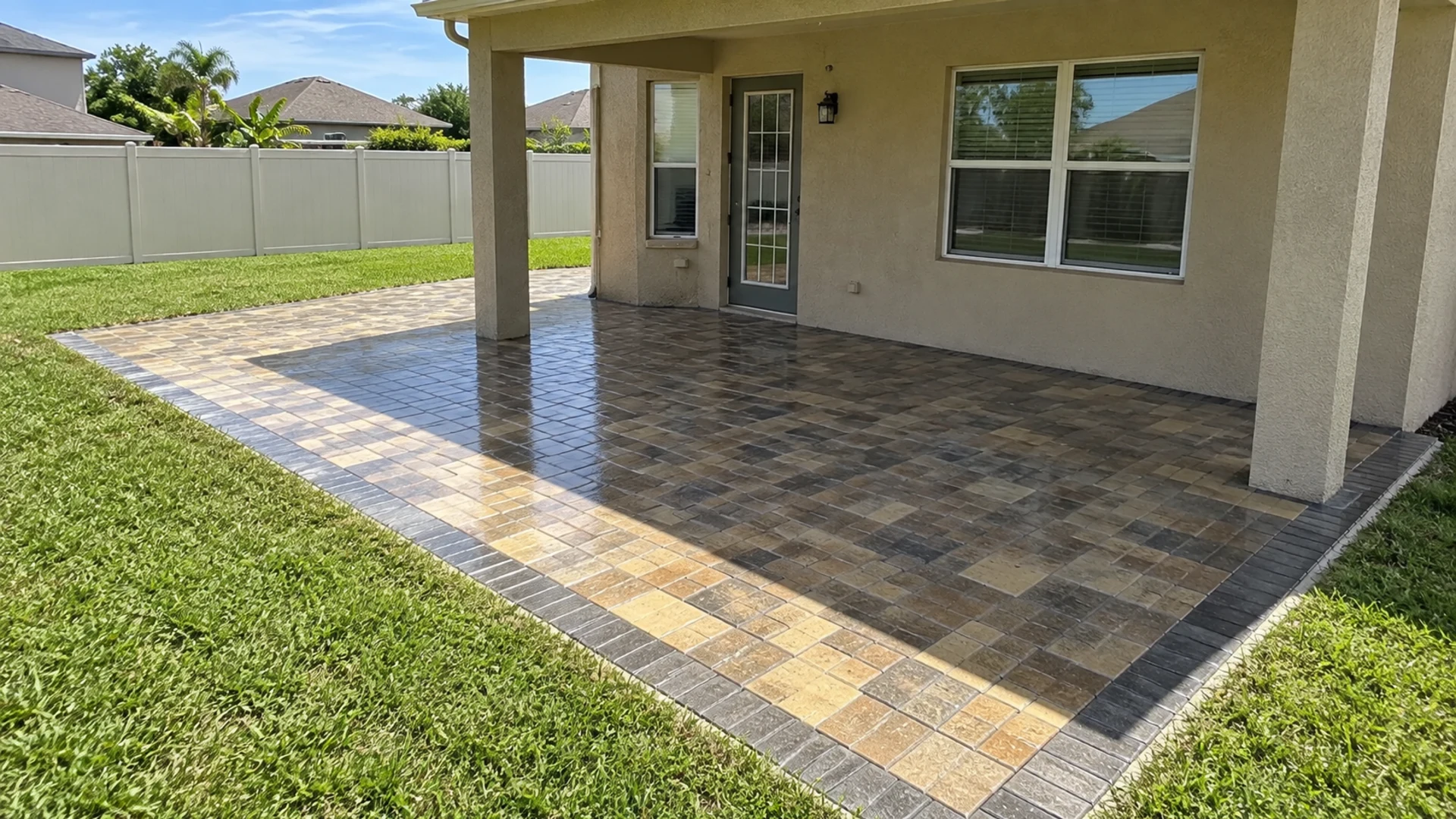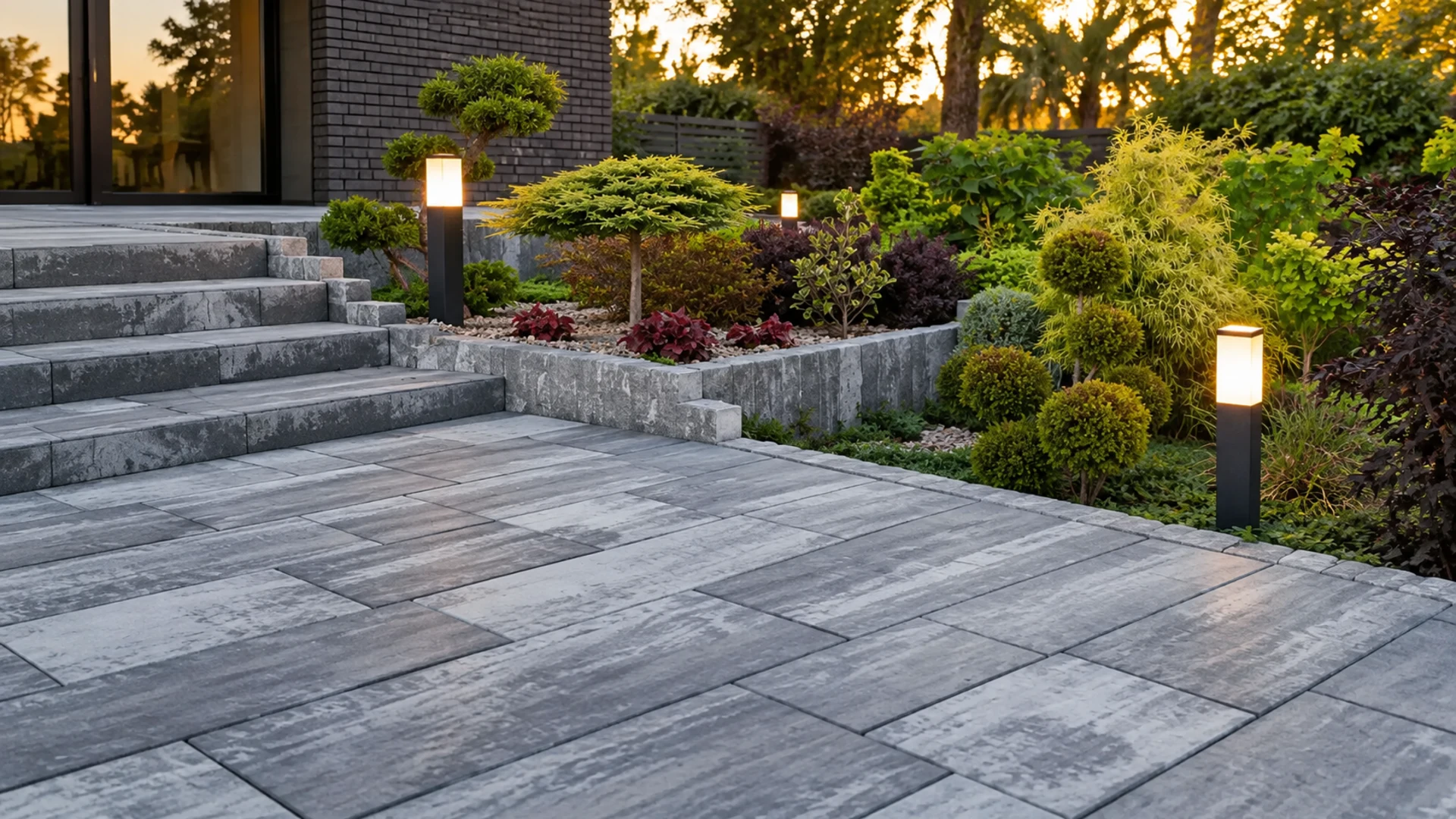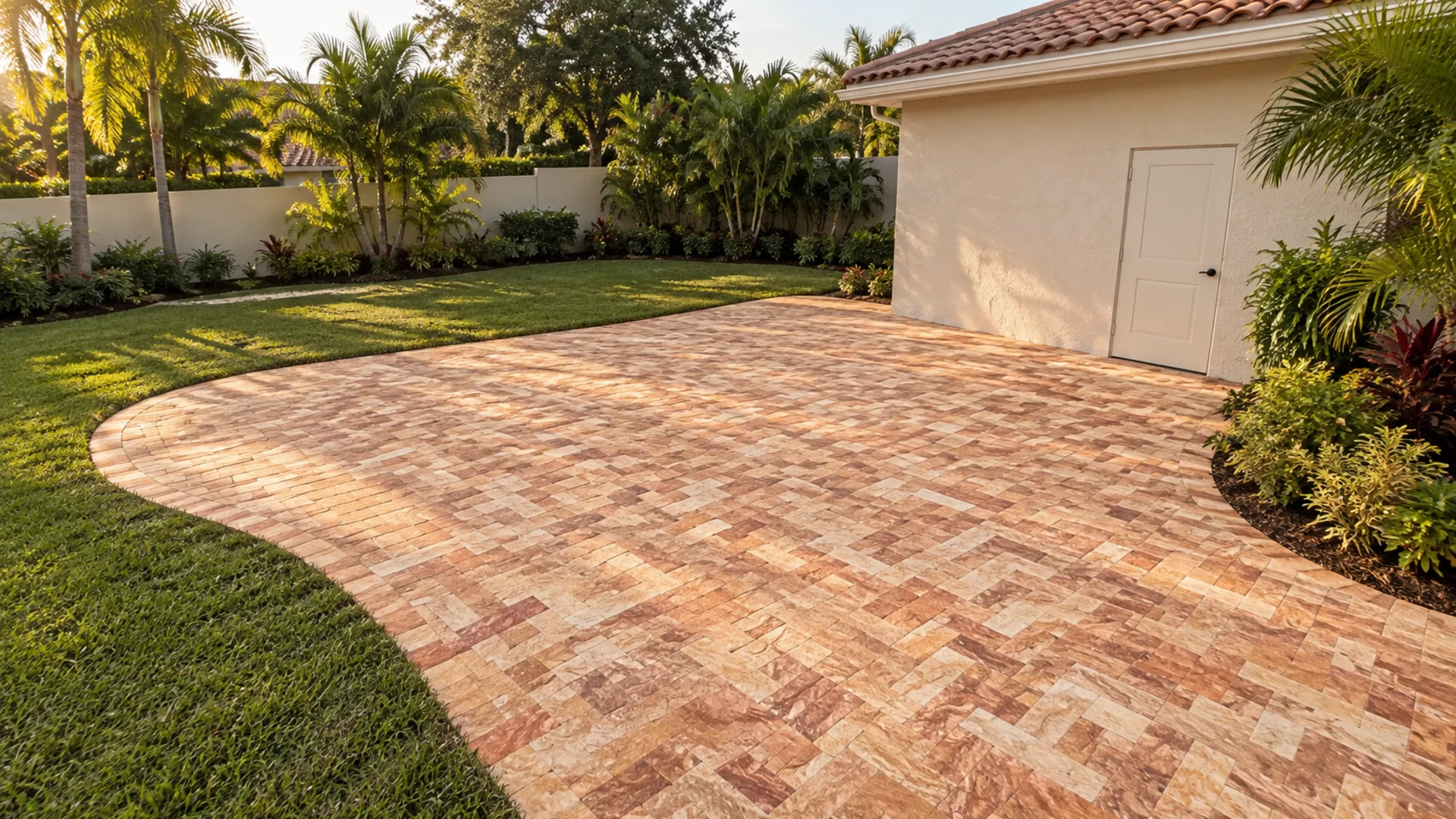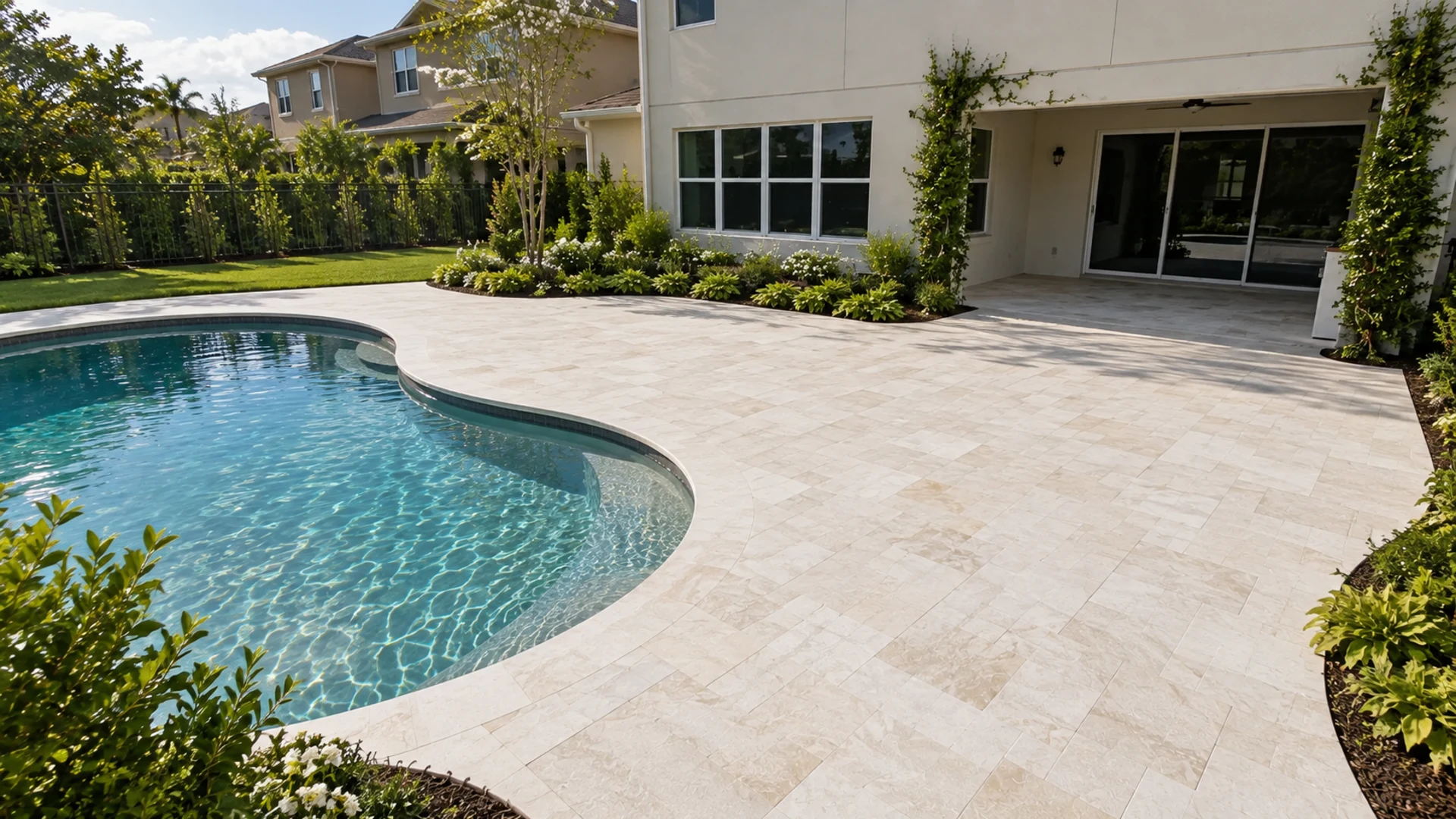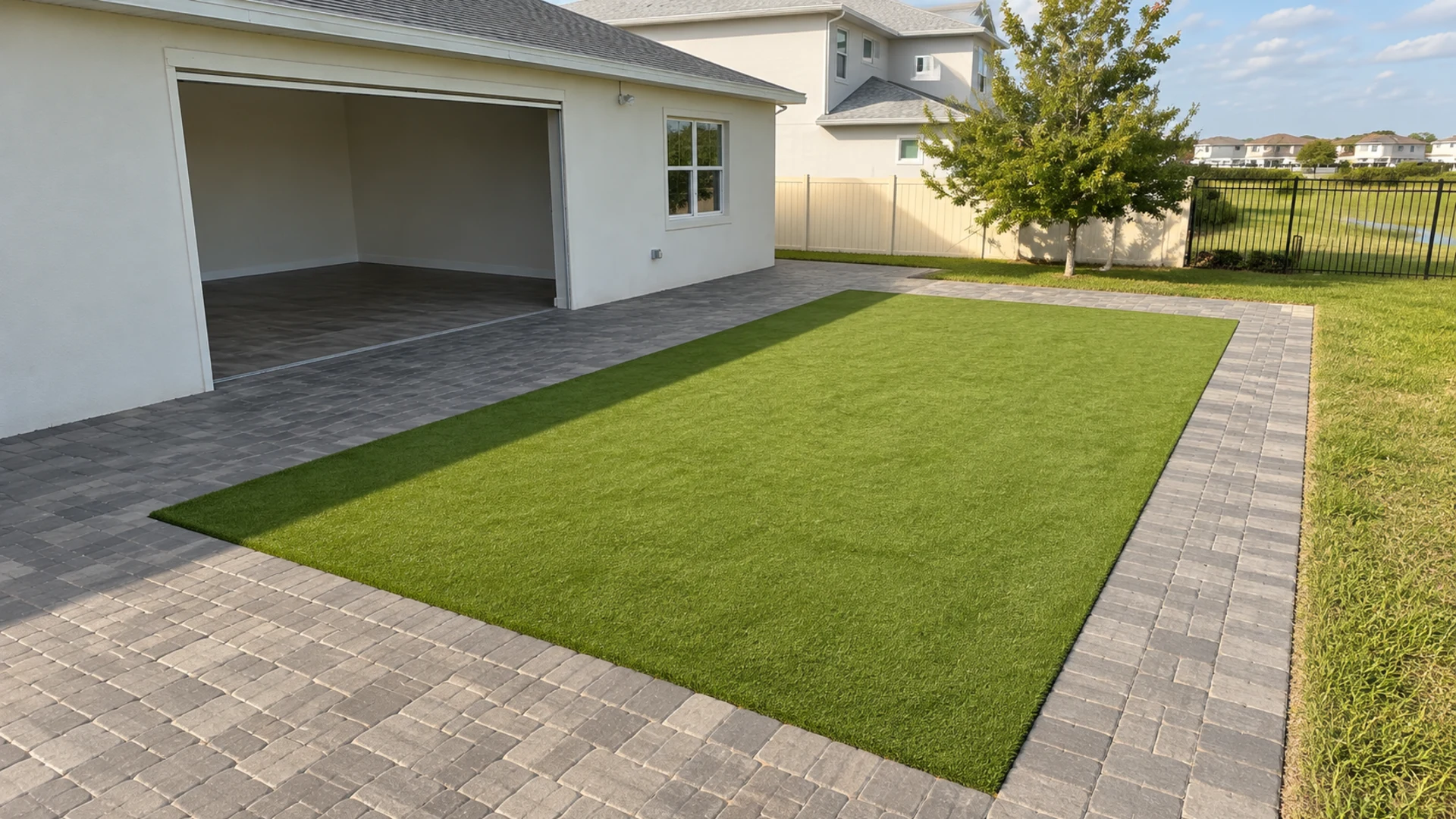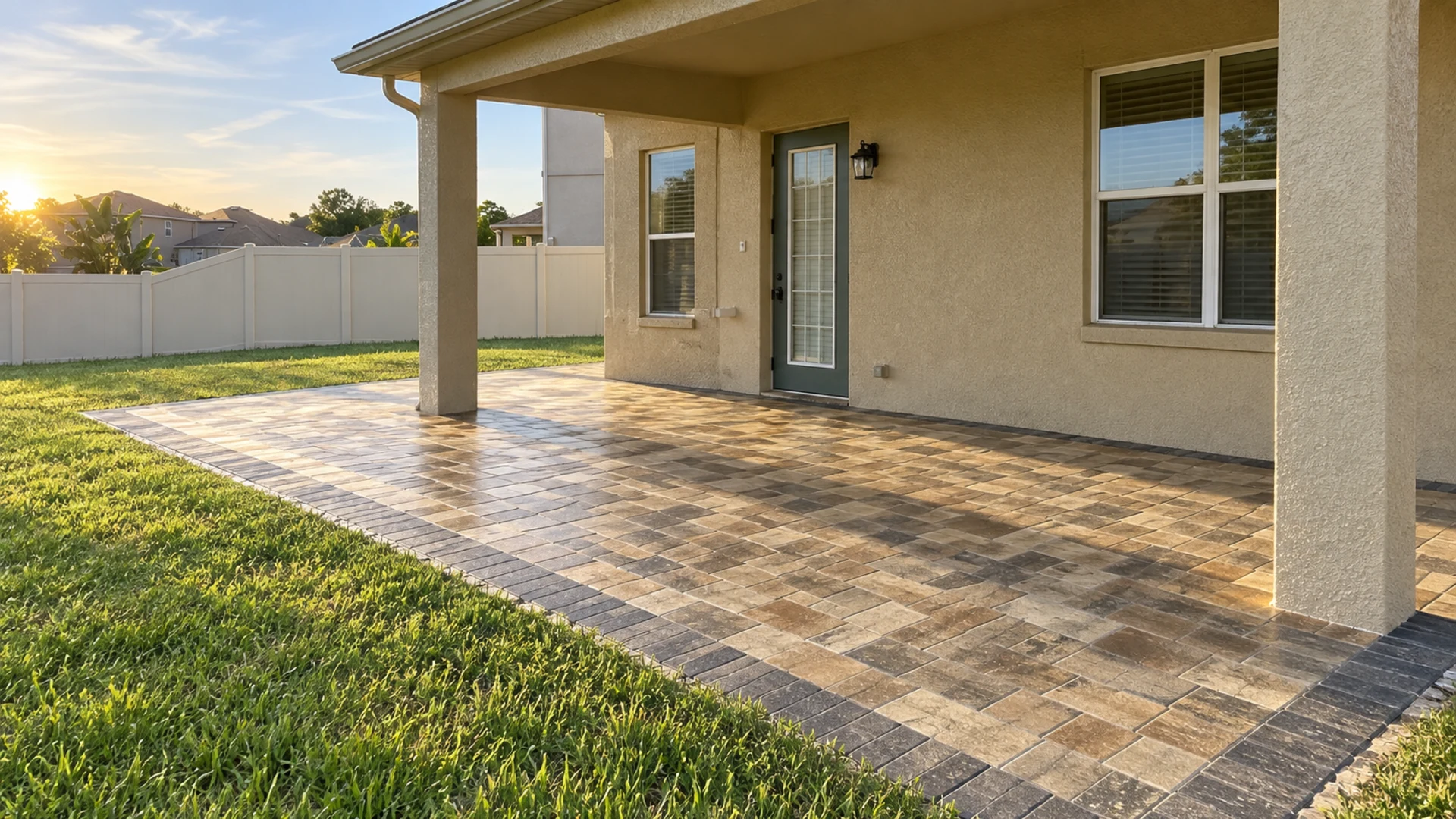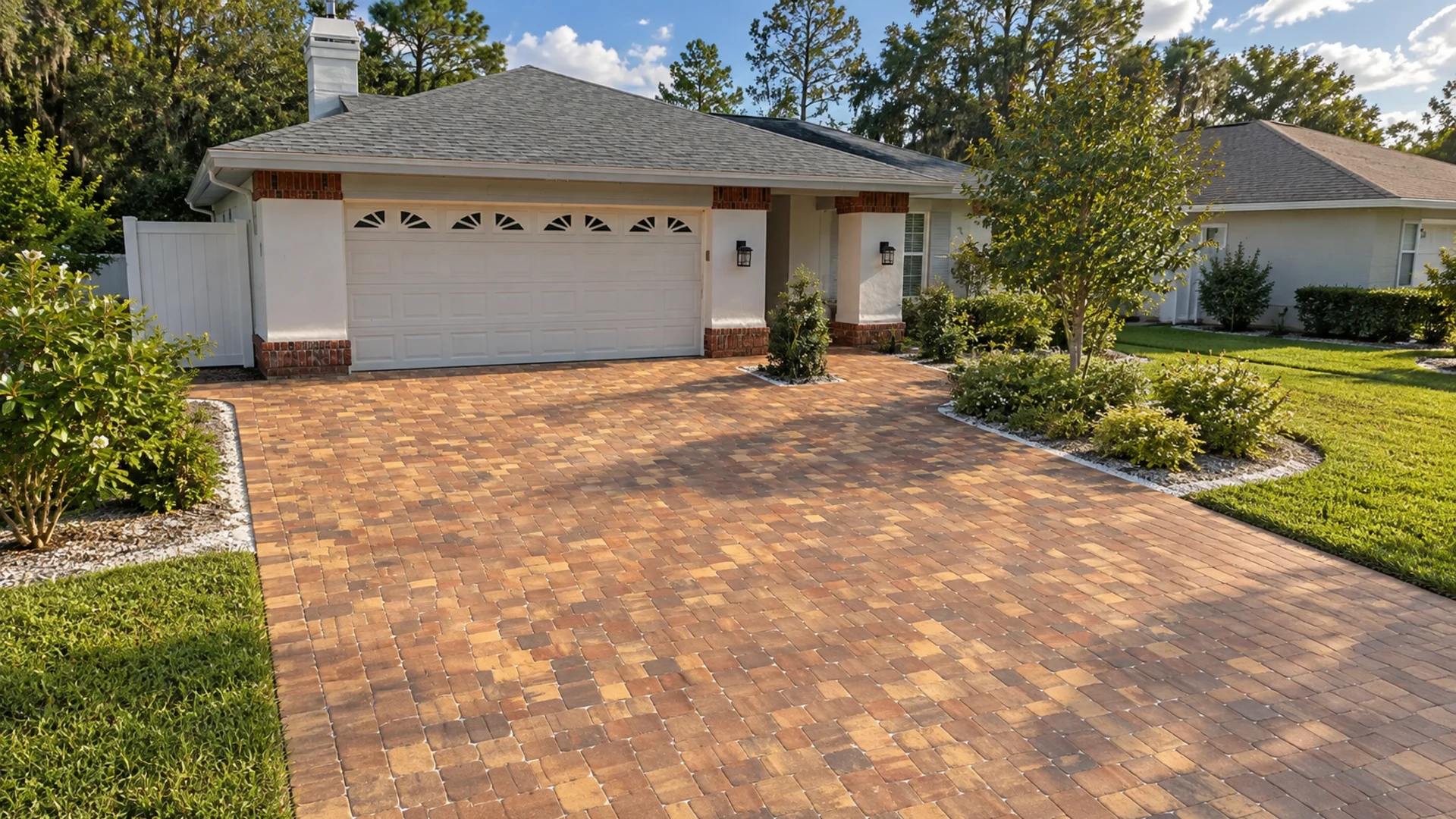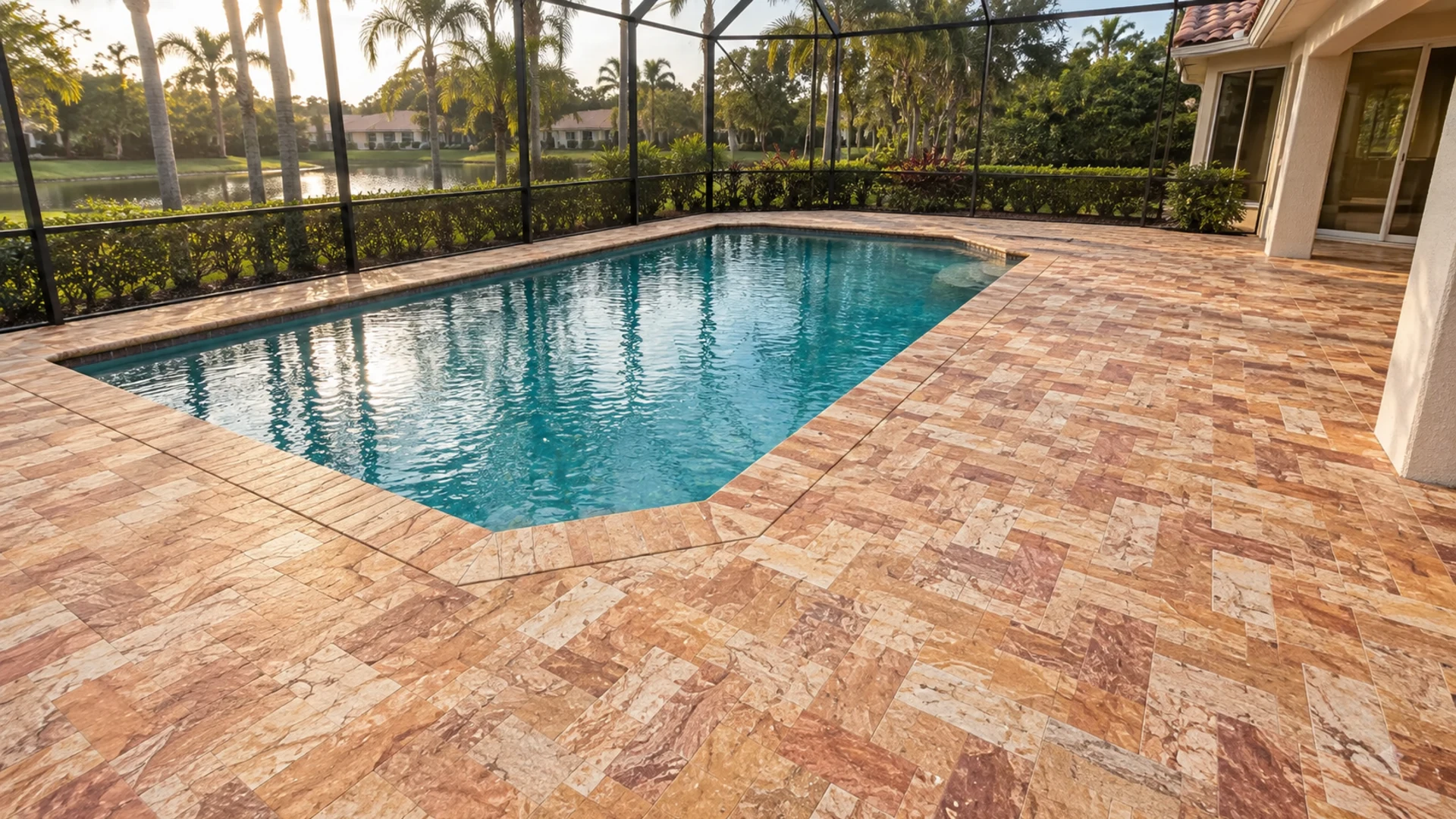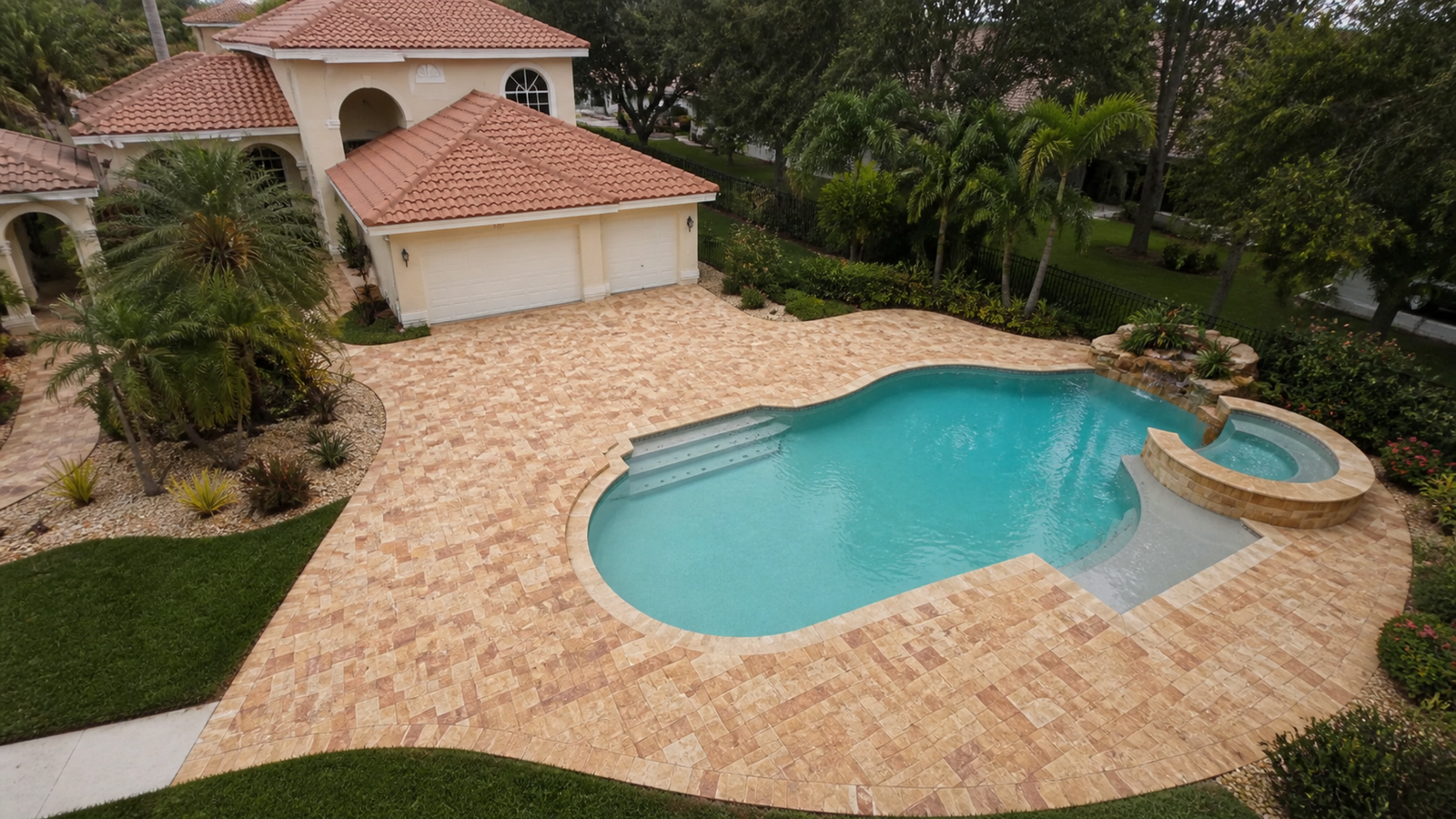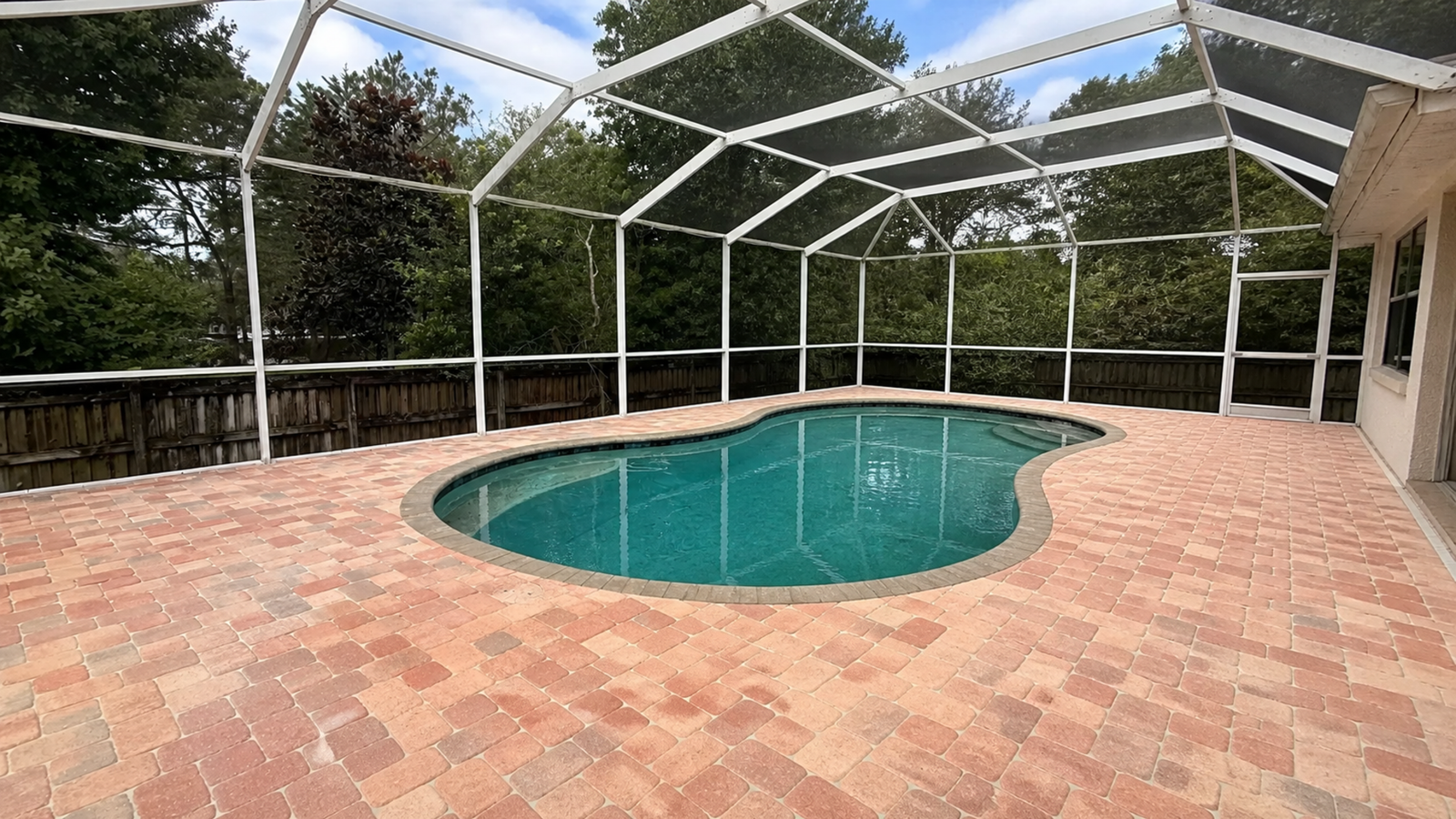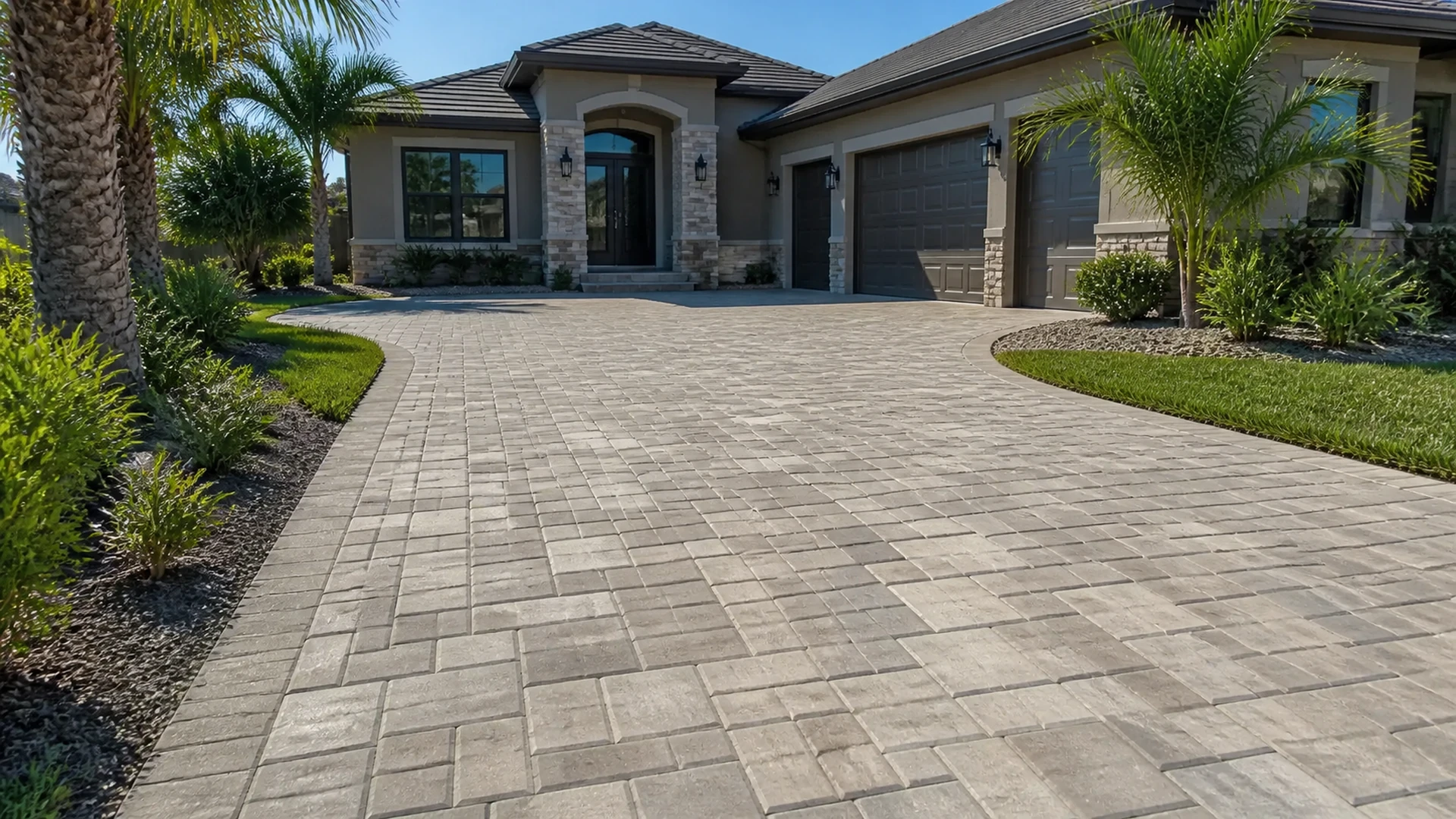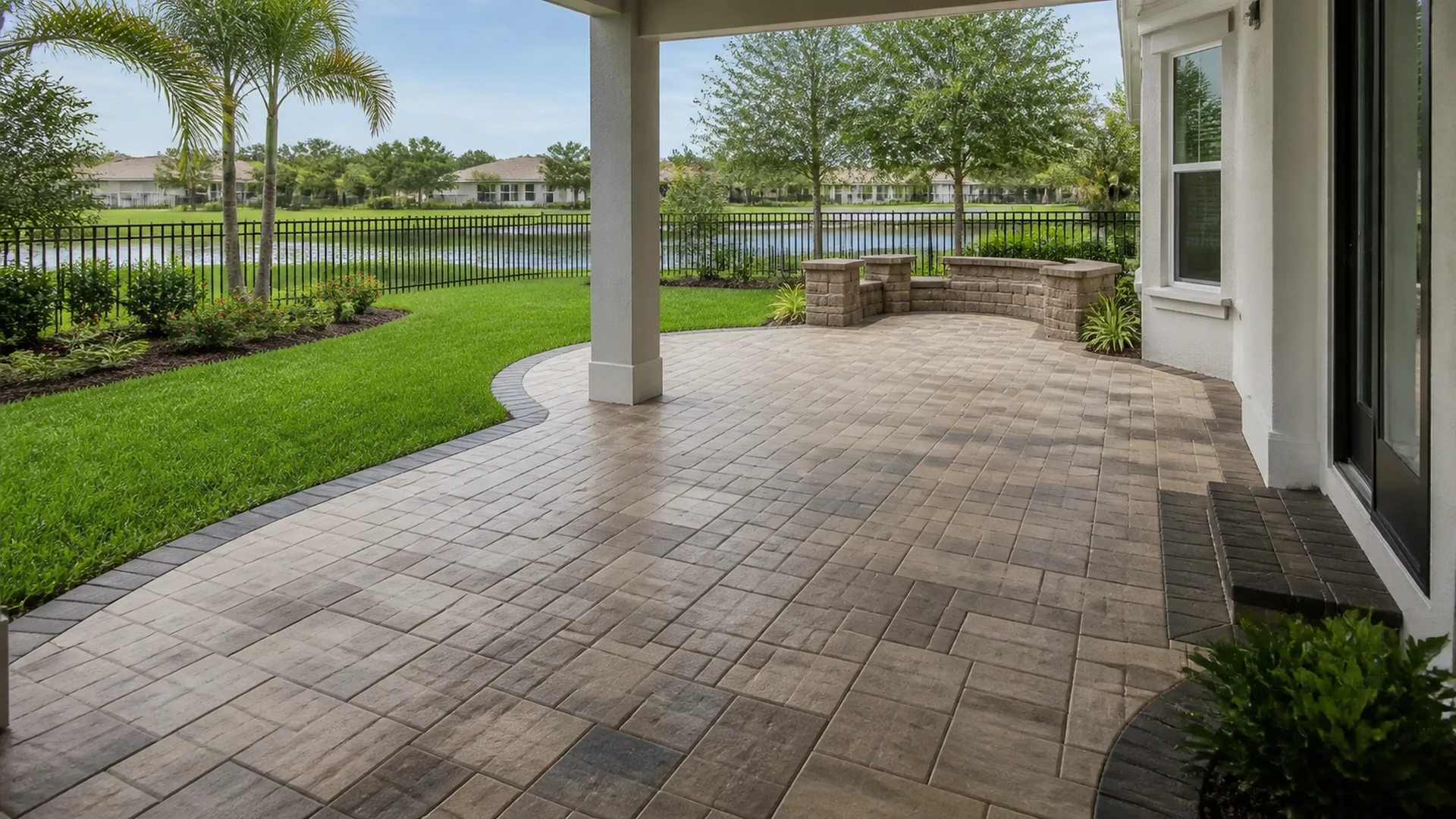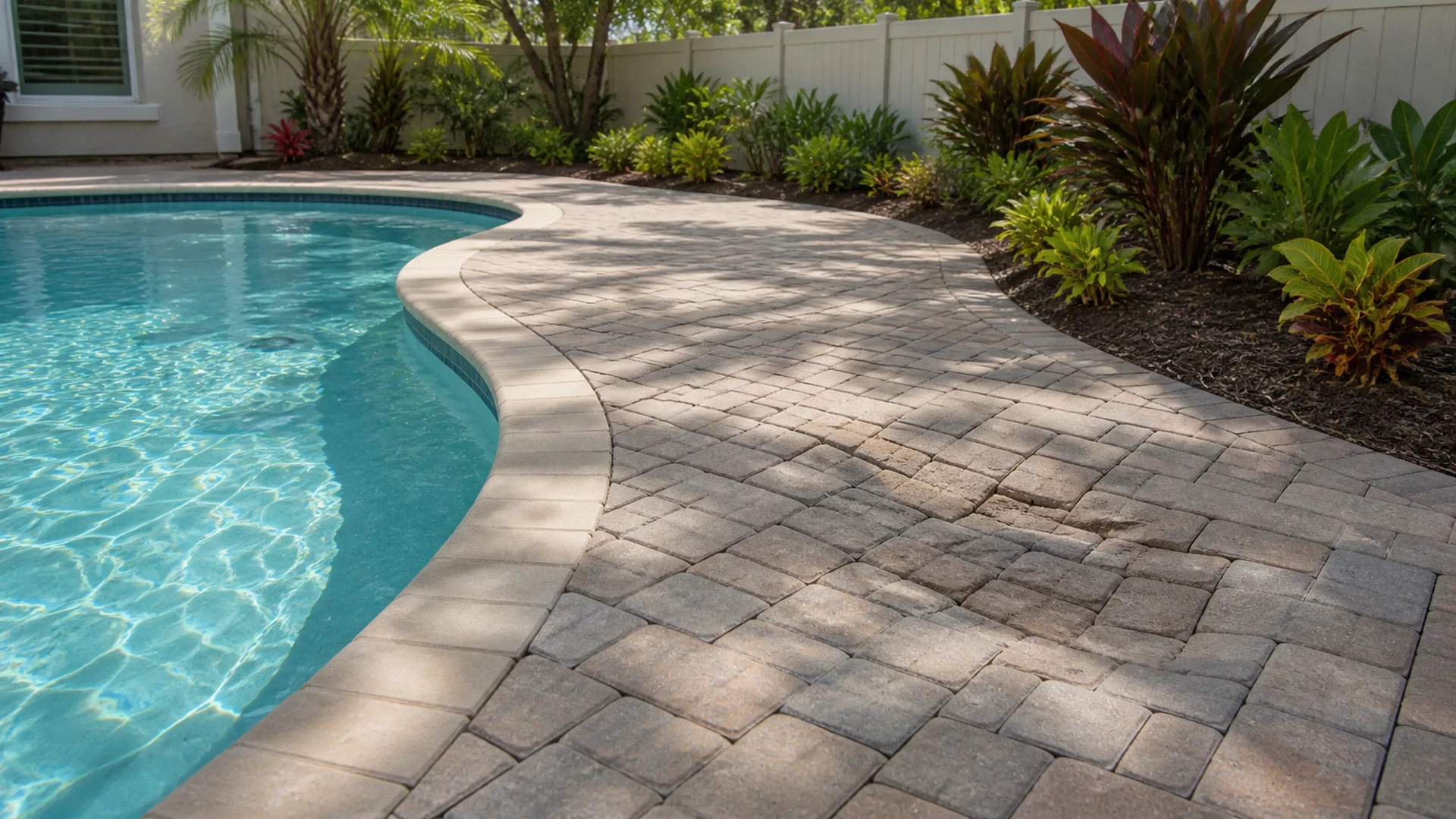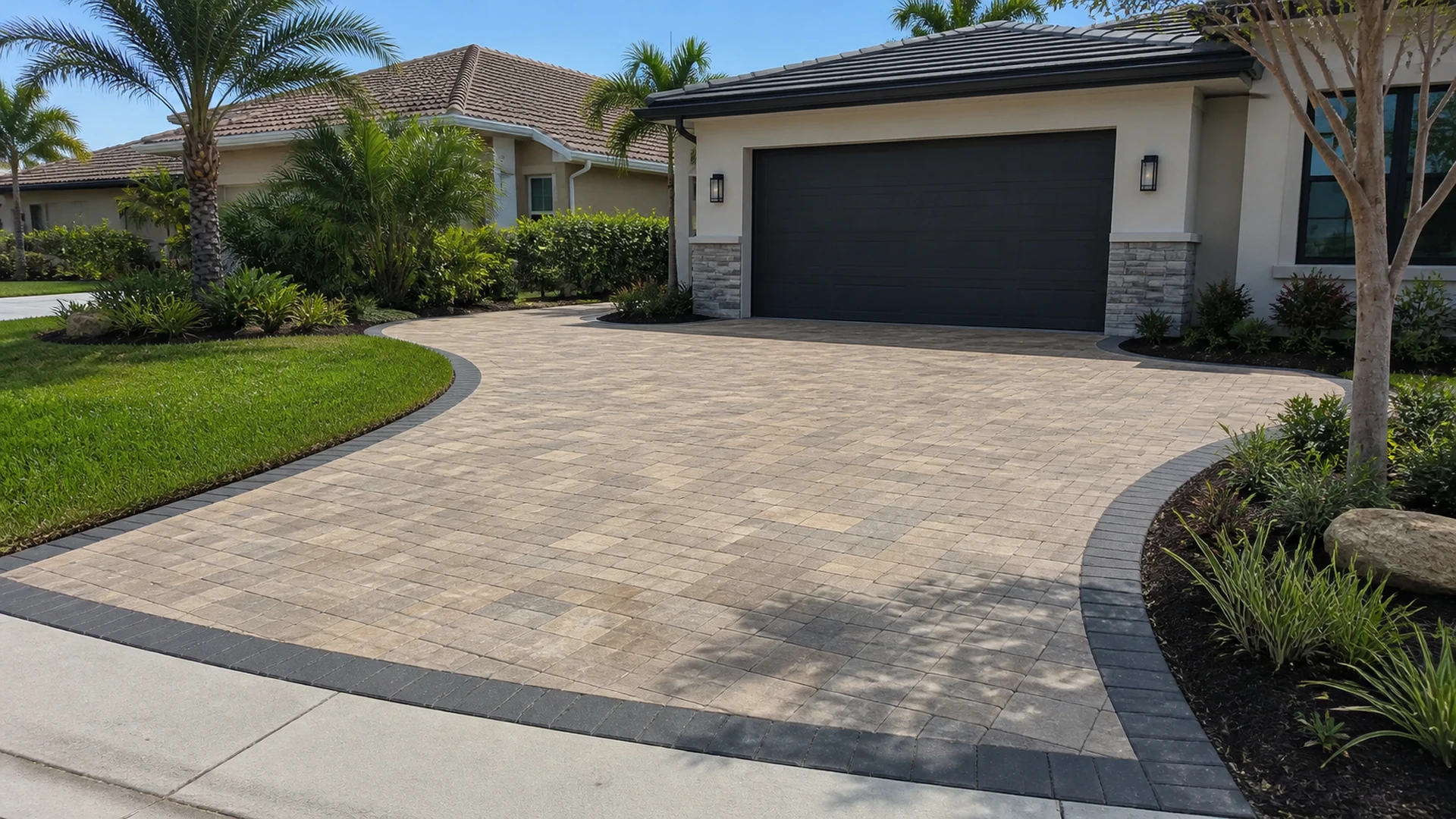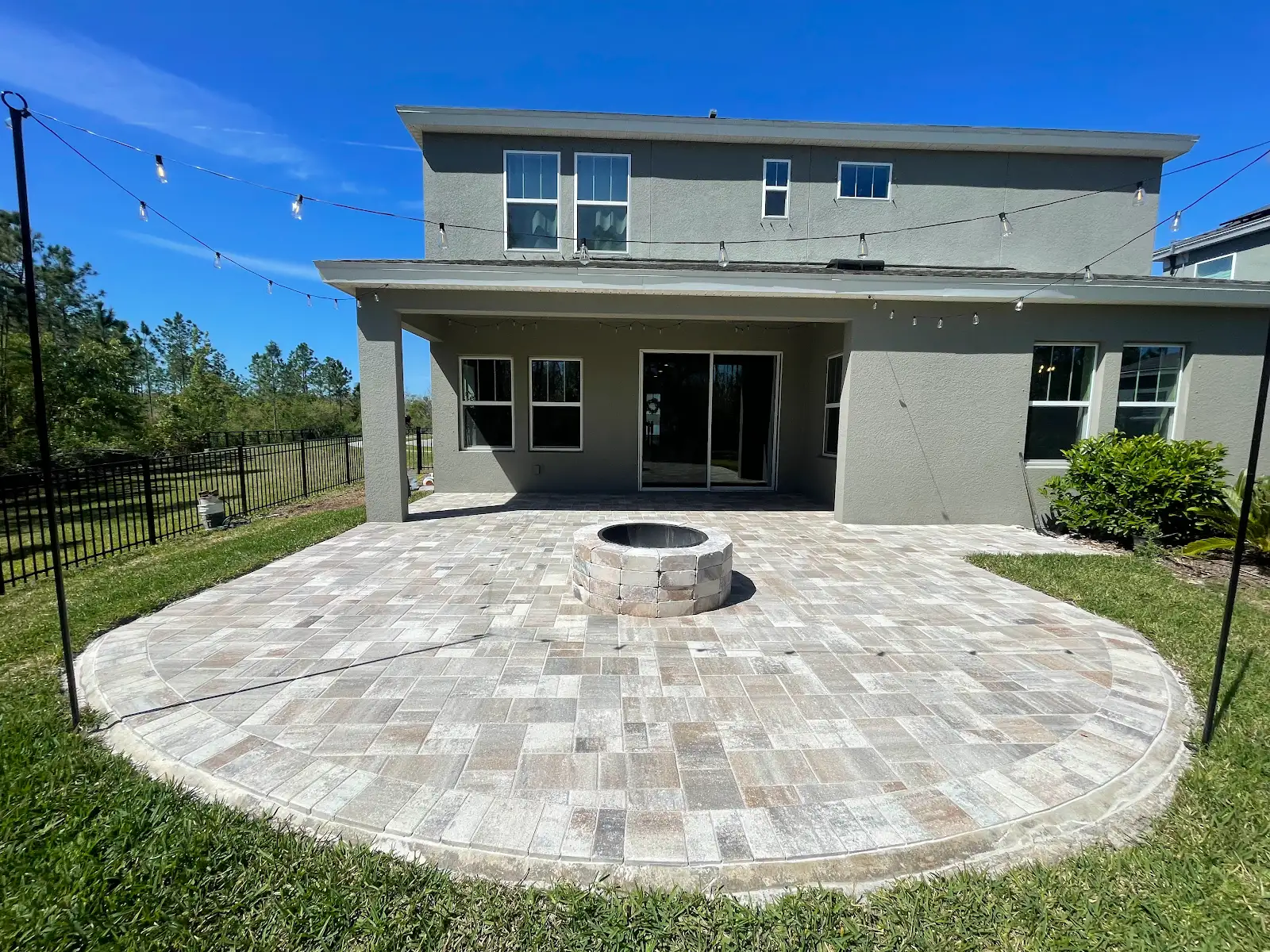

A stone pool deck cleaner should match the installed stone, its finish, and any previous treatment. The word natural does not make every stone respond the same way to a product. Therefore, begin with identification and care records before buying a bottle that promises a brighter poolside surface. A careful selection process protects your ability to understand what the product will contact.
For a Tampa Bay homeowner, the task also involves nearby coping, joints, plants, pool water, and service equipment. However, this guide is not a chemical recipe or permission to experiment. It offers a way to ask the supplier or qualified maintenance professional the right questions about the actual surface and product.
Identify the stone before choosing a cleaner
First, look for the original installation records, invoice, or product information. Identify the stone name and finish as specifically as possible. Also, record whether the deck contains more than one material. A stone field with different coping or a decorative border may require a broader compatibility review than a single product label suggests.
If the records are missing, ask a knowledgeable professional to inspect the surface. A phone image can help start the discussion, but it may not establish the material with confidence. Therefore, avoid buying a cleaner solely because an online photograph looks similar. A wrong assumption at the identification stage can undermine every later decision.
Keep confirmed information separate from guesses. For example, write that a prior owner described the deck as travertine, but mark that description as unverified until checked. This helps the maintenance professional understand what is known. It also prevents an uncertain name from becoming a false fact in your future care file.
Read stone pool deck cleaner compatibility carefully
Ask whether the proposed cleaner explicitly suits the actual stone and finish. A label that says outdoor cleaner may cover many surfaces without addressing yours. Also, check any limitations involving coatings, joints, adjacent metals, or other materials. The most relevant document is the current instruction for the exact product you plan to use.
The Natural Stone Institute's care guidance explains that stone composition matters when selecting cleaners. It identifies acid sensitivity in calcareous stones and advises appropriate mild, non-acidic care. That general information supports a compatibility check; it does not establish which product fits an unidentified deck or replace the selected cleaner's instructions.
If the label and supplier's advice seem inconsistent, stop and ask for clarification. Do not combine the most convenient parts of two instructions. Instead, obtain a clear answer tied to the stone, finish, and product. Keep that answer with the care records so a later contractor can understand the choice.
Separate stone pool deck cleaner claims from your surface
A product may advertise removal of rust, algae, mineral deposits, or general dirt. Those are different conditions. Therefore, identify the actual observation before choosing a specialized cleaner. A dark patch near a planter does not automatically establish biological growth, and a pale mark does not automatically prove a mineral deposit.
Ask a professional to evaluate an uncertain stain or surface change. Cleaning the wrong condition can leave the real issue unresolved or change the evidence needed for review. Also, avoid treating a damaged finish as ordinary dirt. A cleaner cannot be assumed to restore every change in a natural stone surface.
Check what already sits on the stone
Ask whether the deck has a sealer, coating, or previous treatment. If you have the product name and application date, share them. Also, include any recent maintenance work. A surface can look like bare stone while still carrying a treatment that matters to product compatibility.
Do not assume a new cleaner will remove an unknown old coating safely. That is a separate assessment. Instead, ask the maintenance professional to explain the existing condition and the proposed purpose of the work. Cleaning, stripping, sealing, and refinishing should not merge into one vague promise to make the deck look new.
If records show several treatments over time, organize them by date. Include photographs where available, but avoid claiming a cause from the timeline alone. The sequence helps the professional ask better questions. It does not prove which product created a particular mark without further evaluation.
Describe the problem in useful detail
Record where the concern appears, when you first noticed it, and whether its appearance changes when wet or dry. Then photograph the whole area and a representative detail. This provides a better starting point than calling every discoloration a stain. Also, note nearby planters, furniture, irrigation, or recent work without assuming they caused it.
For example, a ring below a metal table foot and a broad dull area beside the pool may need different conversations. Keep them as separate entries. A contractor can then decide whether one treatment makes sense or whether the deck contains several unrelated conditions. This helps prevent an unnecessarily broad cleaning plan.
Avoid scrubbing a small test repeatedly before someone inspects it. An aggressive attempt can alter the surface you wanted assessed. Instead, preserve the observation and ask for the next appropriate step. A clear initial record may save time when the professional compares treatment options.
Review the full product instructions before approval
Read the label and supporting technical information, not only the front-of-bottle claim. Ask the supplier to explain surface compatibility, use conditions, application restrictions, rinsing, and any required protection. Also, request the safety information relevant to the product. The actual instructions should govern the work.
Do not improvise stronger concentrations or longer contact times to chase a stubborn mark. A product's name does not establish that more is better. Likewise, do not mix cleaners or add household chemicals. If the approved method does not address the condition, stop and seek qualified advice rather than escalating the treatment yourself.
If a professional will perform the work, ask for the exact product in the proposal. A statement such as premium stone cleaner does not provide traceability. The homeowner should know what will contact the deck, while the contractor remains responsible for the agreed professional method and product compliance.
Ask how a representative test will work
A compatibility review may include a limited test following the selected product's guidance and professional plan. Ask where that test will occur and what it is meant to show. Also, discuss how the team will compare the area afterward. A wet surface immediately after treatment does not necessarily show the final dry appearance.
Keep the test location representative without making the homeowner choose a risky method. The qualified professional should explain how it relates to the actual material and condition. If the deck contains several stones or finishes, ask whether one test area adequately represents them. The answer may differ across the project.
Document the product, date, conditions, and observed result. Then ask what would cause the team to stop, revise, or proceed. This turns the test into a decision rather than a ritual. It also creates a record if the full treatment does not behave as the initial limited area suggested.
Protect the pool and adjoining materials
A pool deck cleaning plan should consider where products and rinse water can travel. Ask the contractor how it will protect the pool, coping, metal fittings, plants, and nearby finishes. However, do not assume every rinse path is acceptable simply because the product is marketed for outdoor use.
Coordinate with the pool service professional where the work could affect their responsibilities. The pool chemistry and the deck surface are related in location but belong to different care decisions. Therefore, make those boundaries explicit before work begins. A cleaner's compatibility with stone does not automatically establish its suitability for pool water or equipment.
Also, ask how the work area will remain managed during treatment and drying. Household routes, pets, and planned gatherings may need temporary changes. Follow the contractor's and product's instructions rather than guessing when the surface is ready for ordinary use.
Keep cleaning tools within the approved method
Ask what equipment the contractor proposes and why it suits the identified surface. A product-compatible cleaner does not automatically make every brush, pad, or machine appropriate. Therefore, review the method as a complete process. The stone, finish, joints, and previous treatment all remain relevant.
Avoid treating pressure washing as a universal answer to every outdoor stain. If the professional proposes equipment, ask how the specific setup protects the actual installation. This article does not prescribe pressure settings, nozzle distances, or abrasive tools. Those decisions require the relevant product and surface guidance.
If a homeowner will handle routine care afterward, request a simple approved tool list. Also, ask which tasks should remain with a specialist. That distinction helps you maintain the deck without recreating a professional restoration procedure from memory or a short demonstration.
Separate routine care from restoration
Routine cleaning aims to manage ordinary dirt and debris according to the surface's care guidance. Restoration may address a different condition, such as an altered finish or a persistent stain. Therefore, ask which service the contractor actually proposes and what result it can reasonably target.
Be cautious with a promise to make every stone look exactly new. Natural material, existing exposure, and previous work can affect the outcome. Instead, ask for a clear description of the proposed improvement and any known limitations. The estimate should connect that goal with the identified condition.
If additional work becomes necessary after inspection or testing, request a revised scope before proceeding. Cleaning should not silently expand into stripping, sealing, or replacing material. A separate decision gives you a chance to understand the change and compare its purpose with your original goal.
Compare maintenance proposals on equal terms
Ask each contractor to identify the material assumptions, product, preparation, test process, protection, cleanup, and follow-up. Two estimates with the same square footage may still cover different work. Therefore, compare those details before deciding that one price represents the same service at a discount.
Also, clarify what happens if the identified mark does not respond as expected. A professional should explain the stopping point and next review rather than promising unlimited chemical attempts. Keep the change process visible. This protects your ability to make an informed decision before the treatment becomes broader or more aggressive.
Check which records you receive after completion. The product name, date, treated area, care instructions, and any unresolved observation can all support future maintenance. However, a record should describe the actual work rather than claim a permanent stain-free or slip-free result that no one has established.
Use a specific example to prepare your request
Imagine a homeowner notices several pale marks near a pool ladder and a darker patch below a planter. The homeowner does not know the stone or previous sealer. A useful first request includes photographs, the locations, and any available installation documents. It does not begin by ordering the strongest stain remover advertised online.
The professional can then identify what further information is needed and whether the two areas represent the same condition. A limited approved test may form part of the next step. Also, the proposal can explain protection for the ladder, pool, and planter area. This sequence turns a vague cleaning request into a defined assessment.
The example does not diagnose either mark. Instead, it shows why identification, compatibility, and an agreed method belong before treatment. A homeowner who provides useful information helps the contractor focus on the right questions without pretending to know the chemistry from a photograph.
Keep a care record for the next service
After the work, save the confirmed stone information, selected product, treatment date, and instructions together. Also, keep before-and-after photographs from comparable viewpoints. These records make a later discussion easier, particularly if another company takes over routine maintenance.
A stone pool deck cleaner should be a documented choice for a known surface and condition. For help arranging a review of your outdoor surface, contact Dr Pavers Design's project team. Bring the records you have and clearly identify what remains unknown before approving a cleaning or restoration scope.
For help turning these observations into a defined project, explore Dr Pavers Design's services, review completed projects, and bring your questions to the contact team. The FAQ and testimonials can also help you prepare for that conversation. Ask which parts of your request fall within the proposed service before approving work.
You can follow Instagram and Facebook for company updates, check Google reviews, or find the business on Google Maps. To discuss this topic, send your project details through WhatsApp, call +1 (656) 600-4015, or email drpavers@outlook.com. Contact Dr Pavers Design for a free consultation in Tampa Bay; scope, availability, and site conditions still need confirmation.