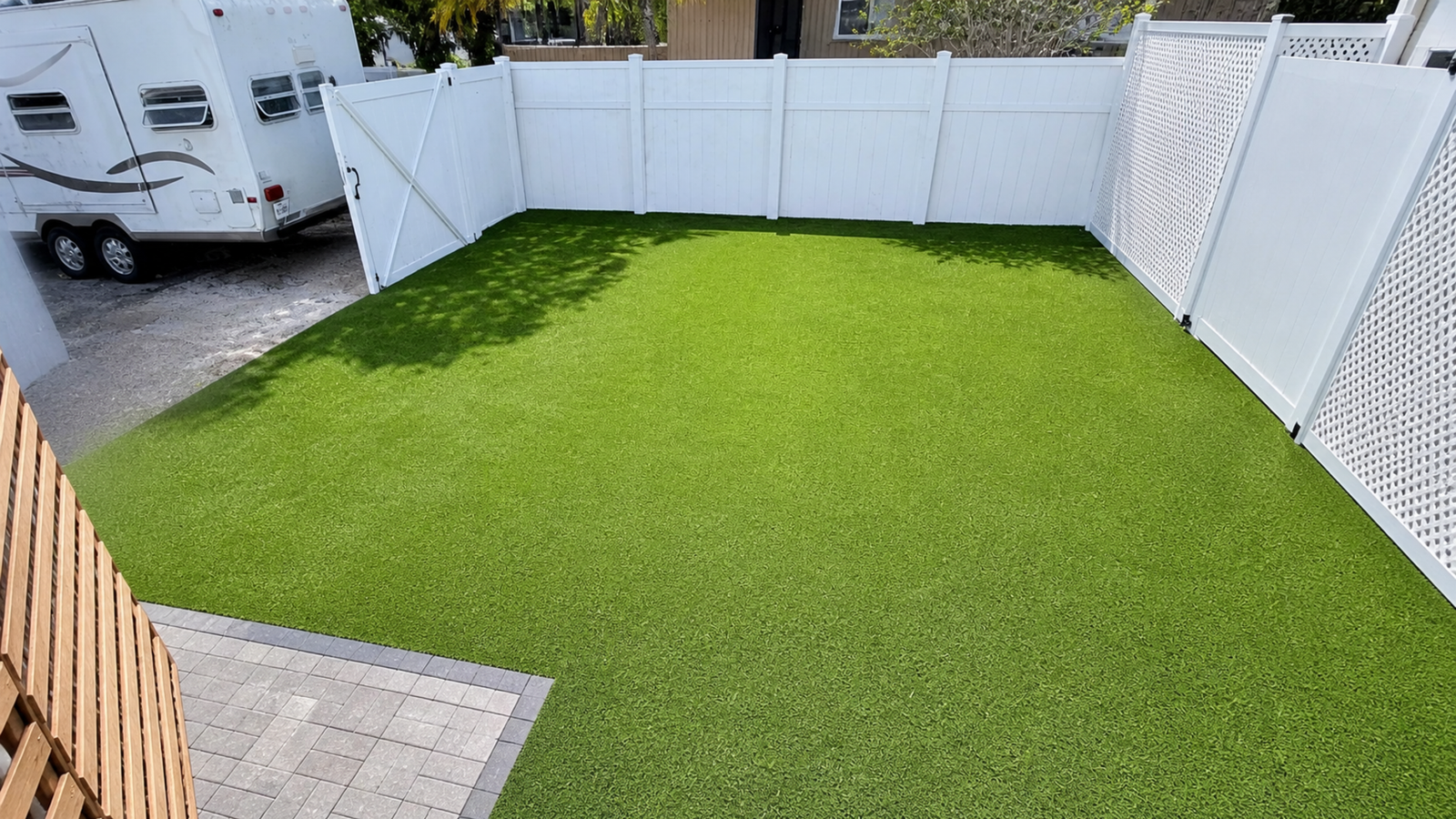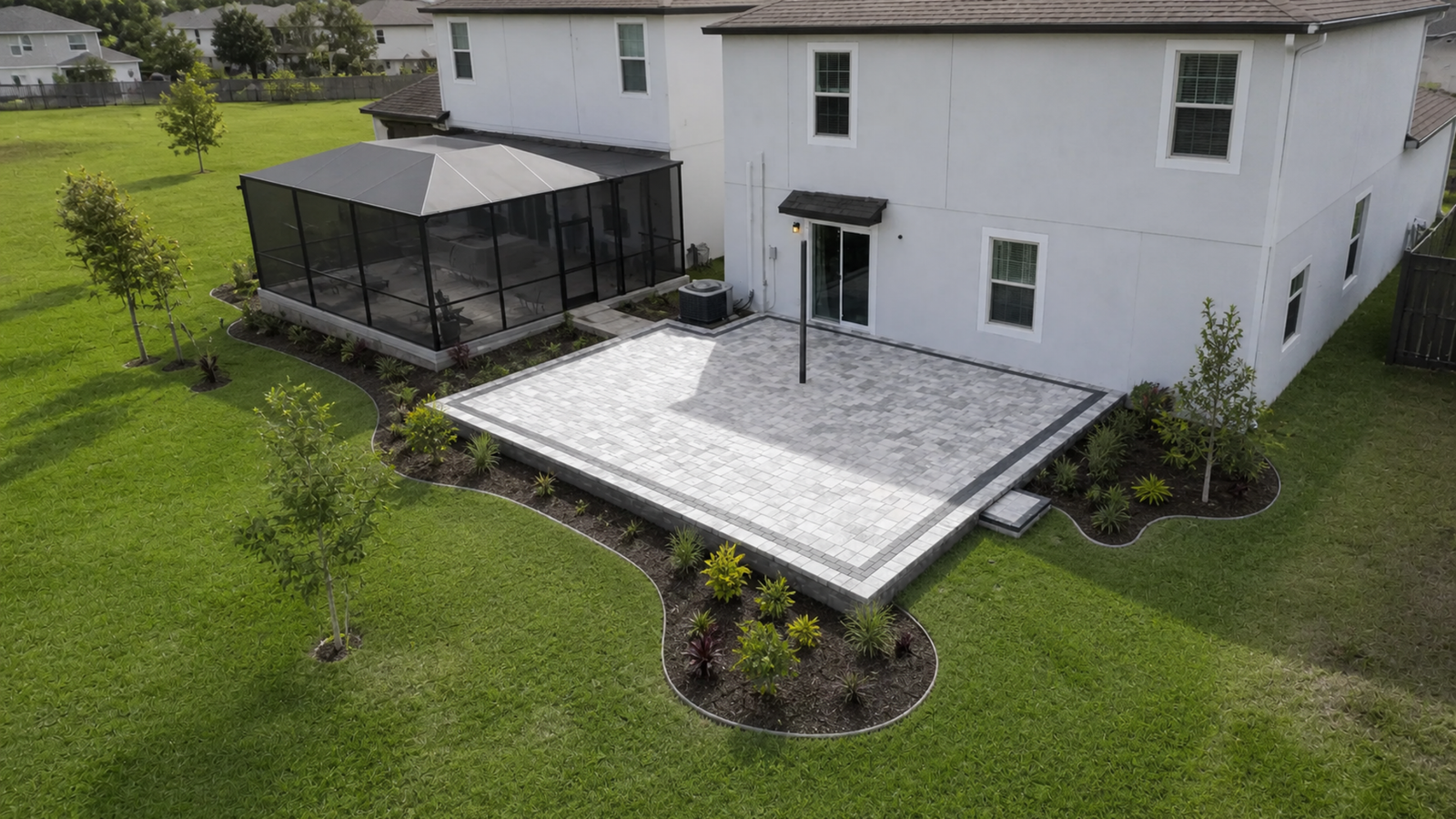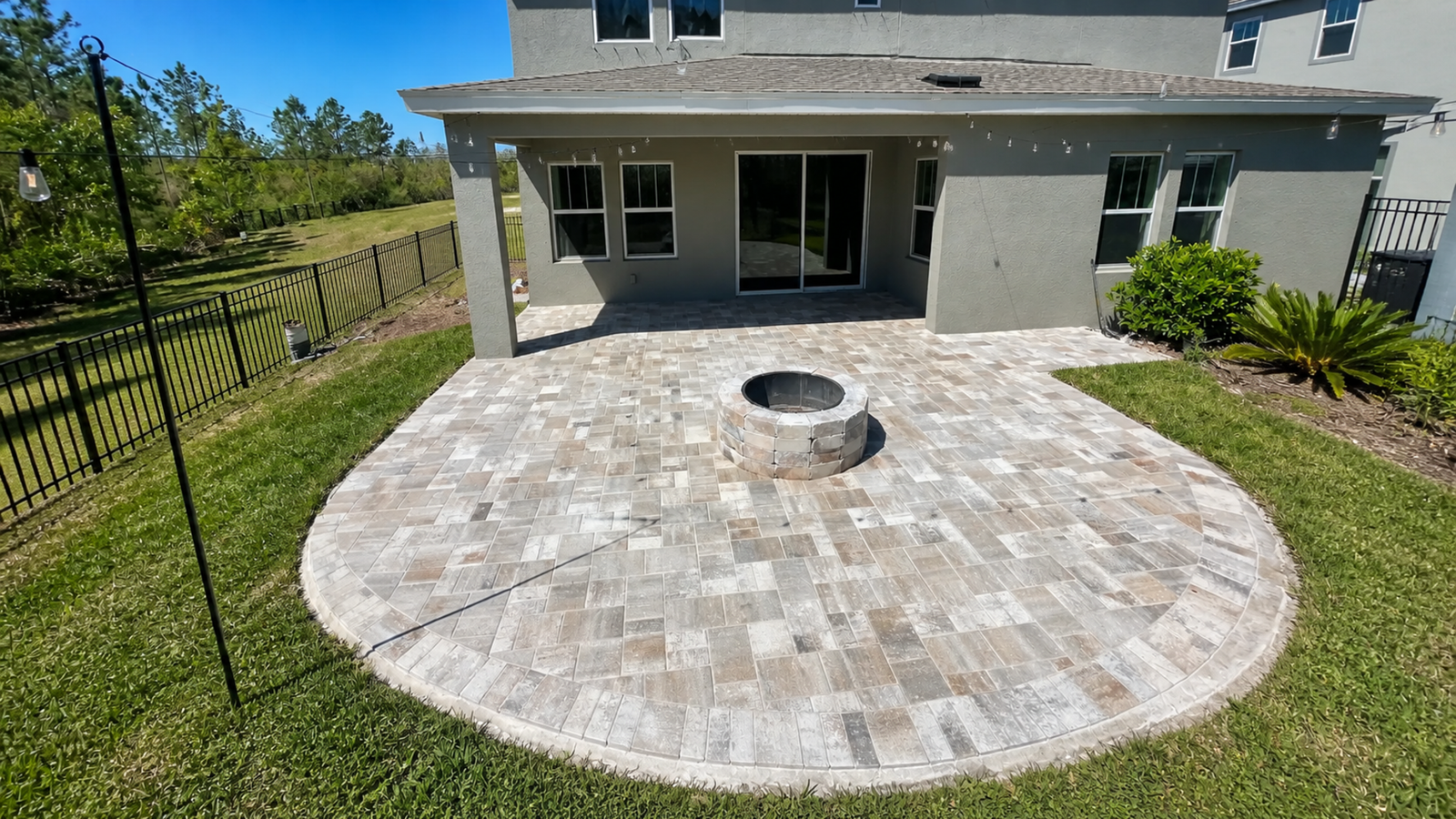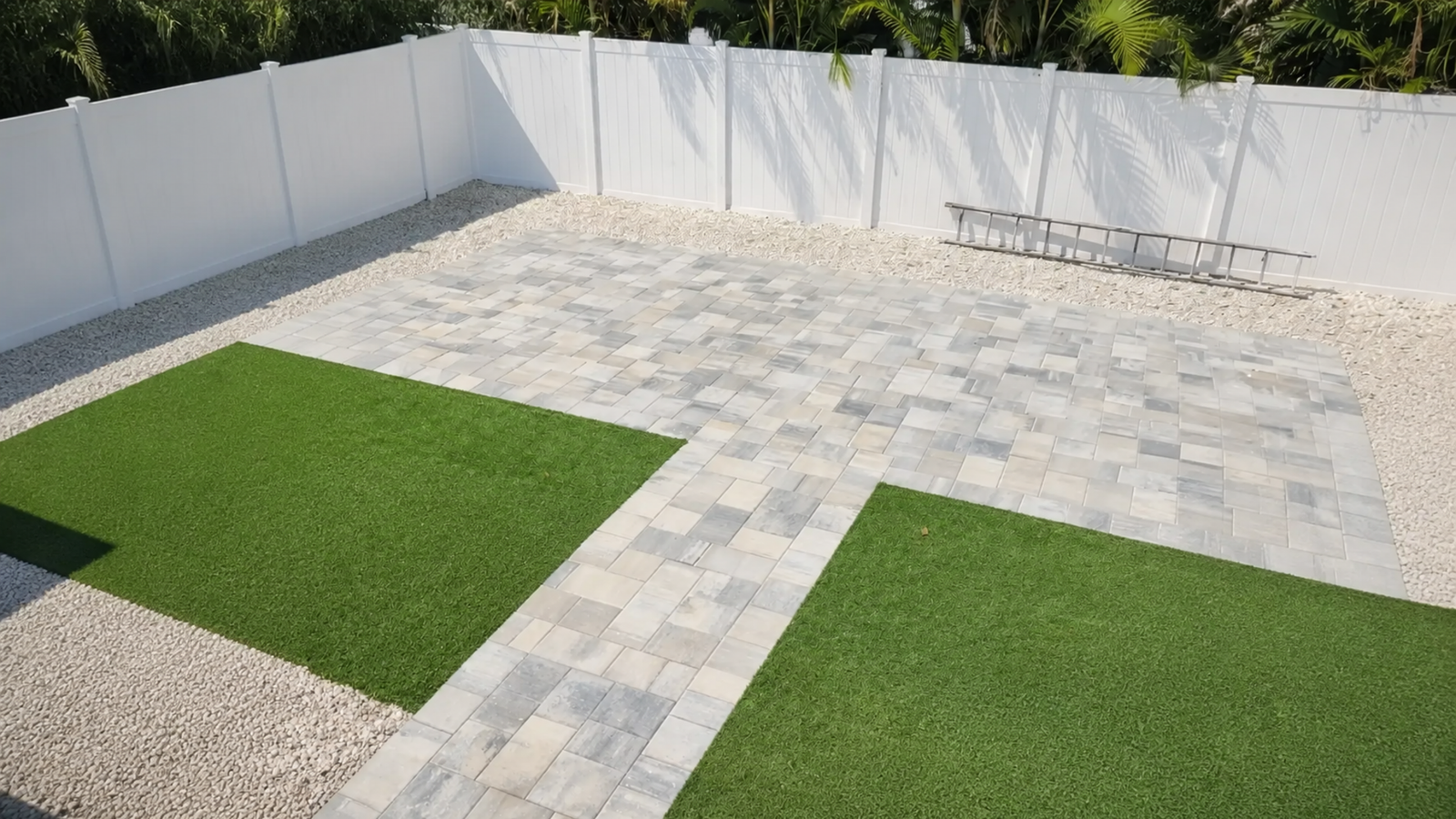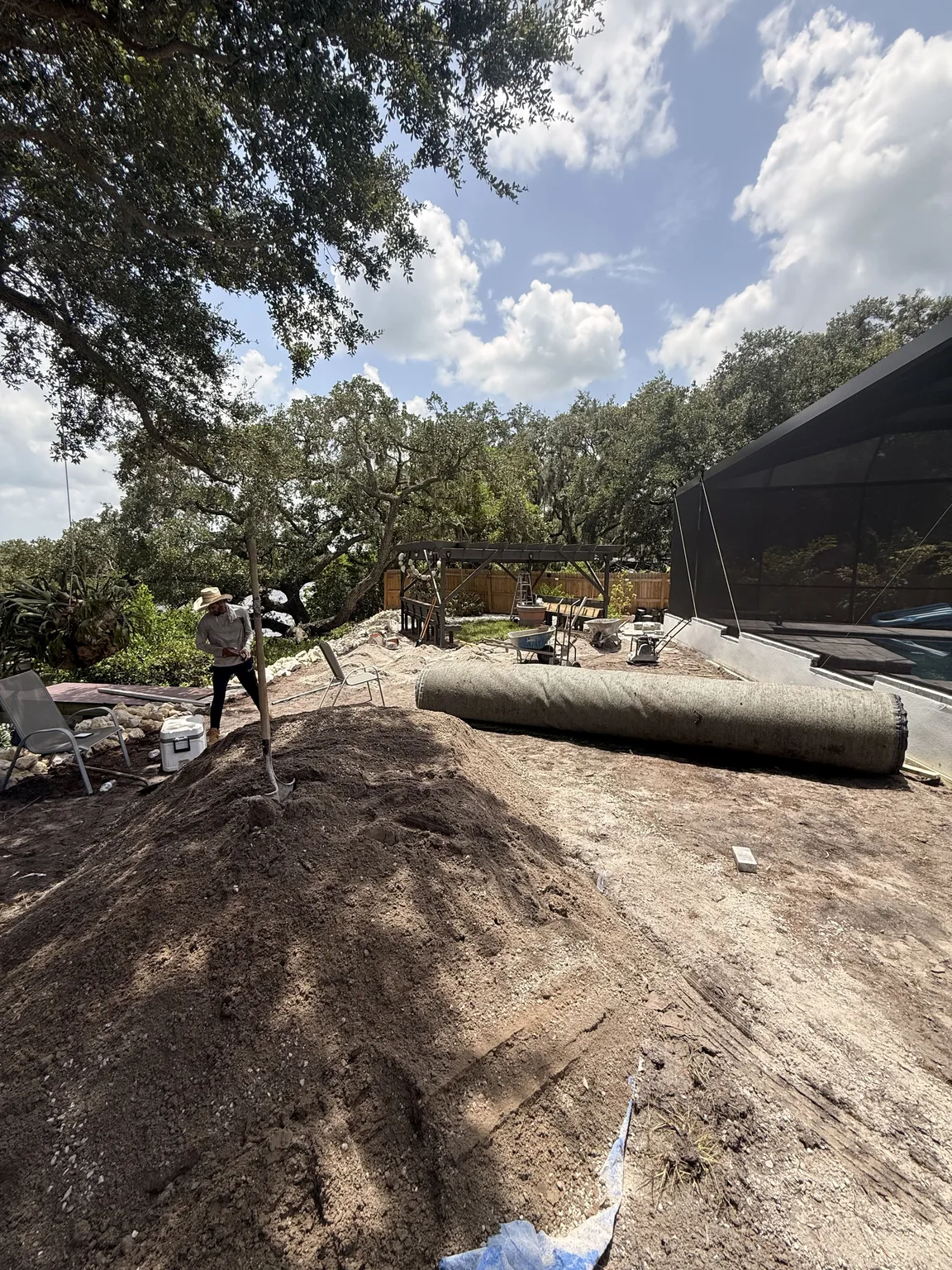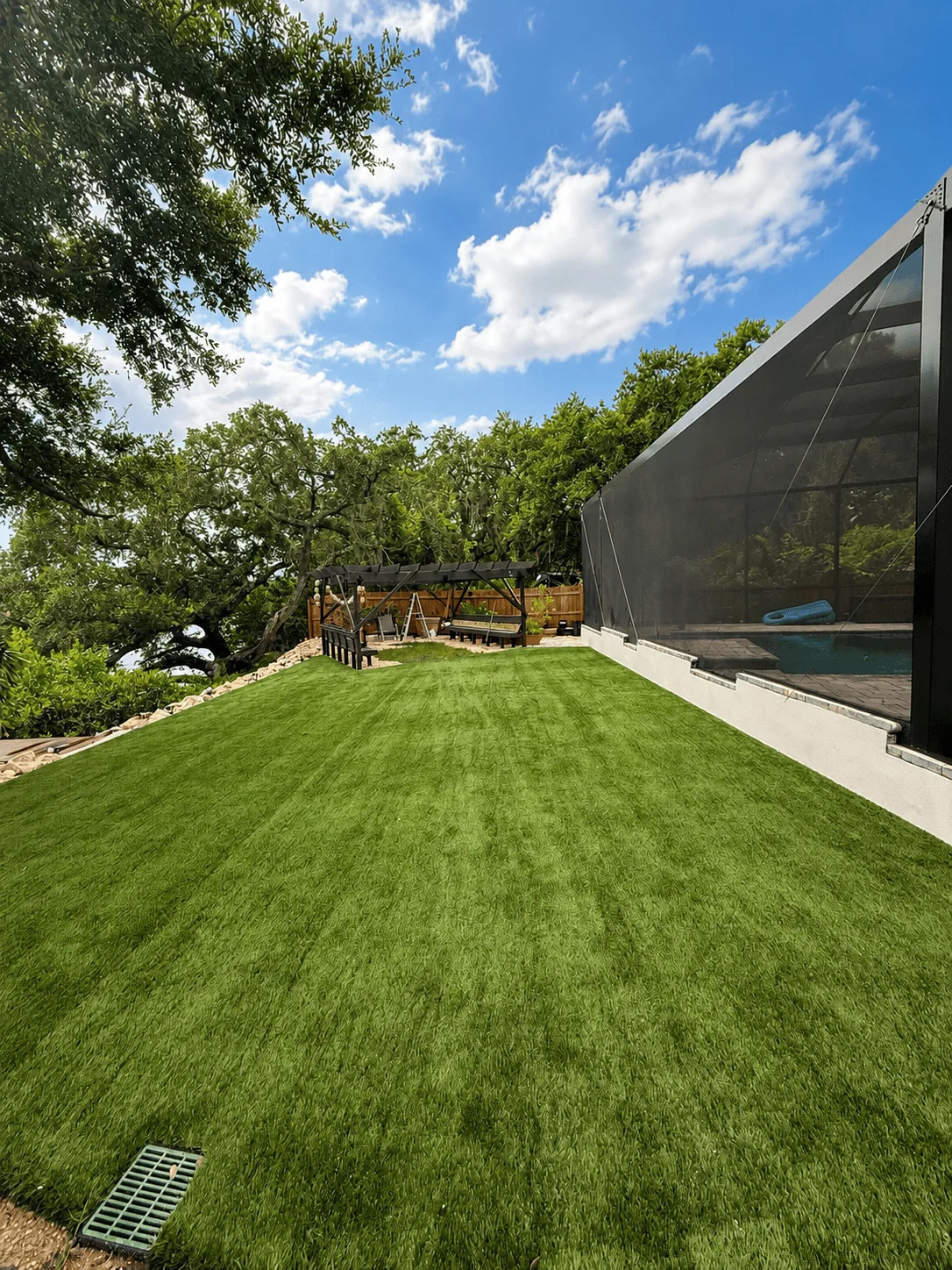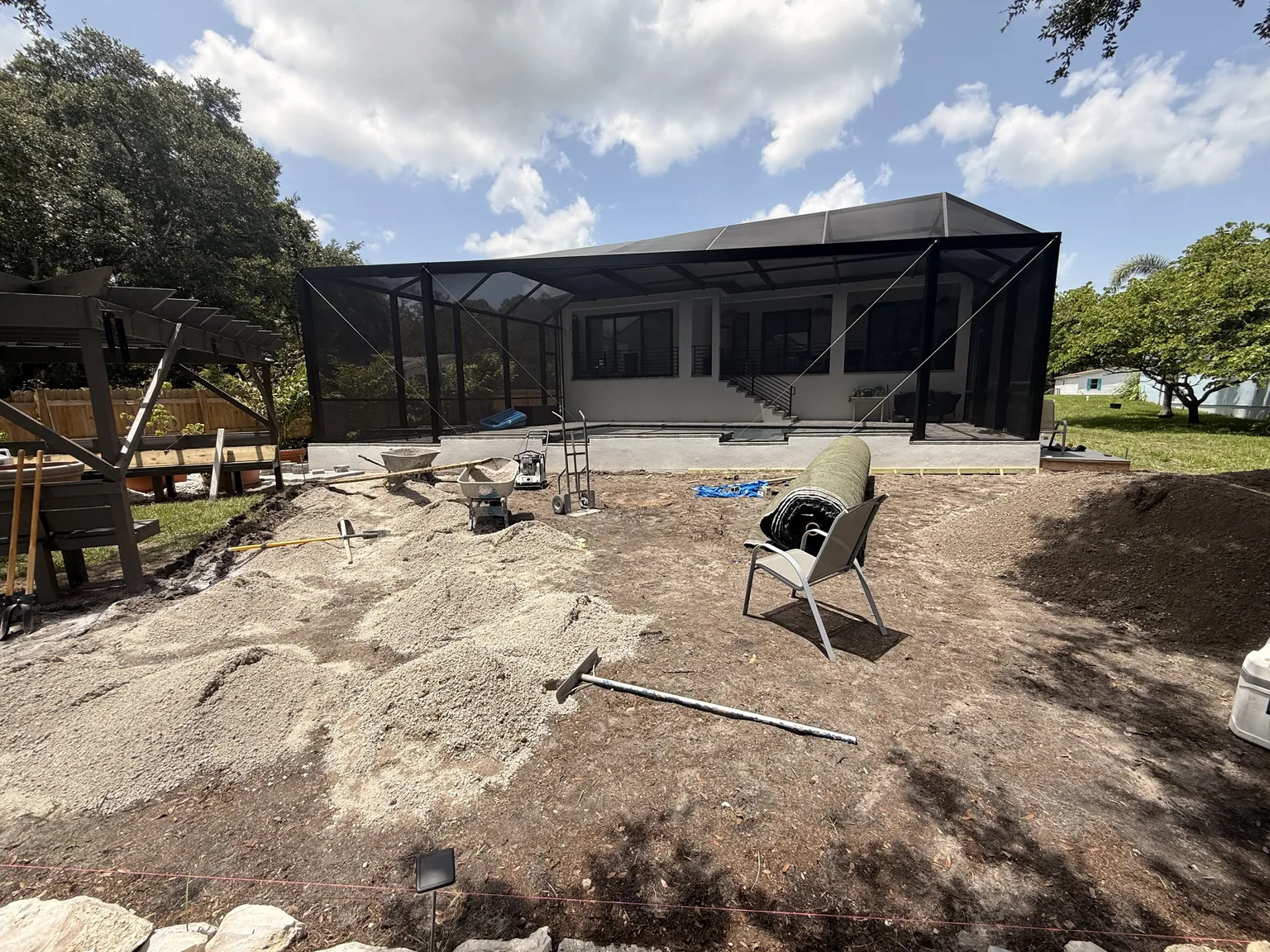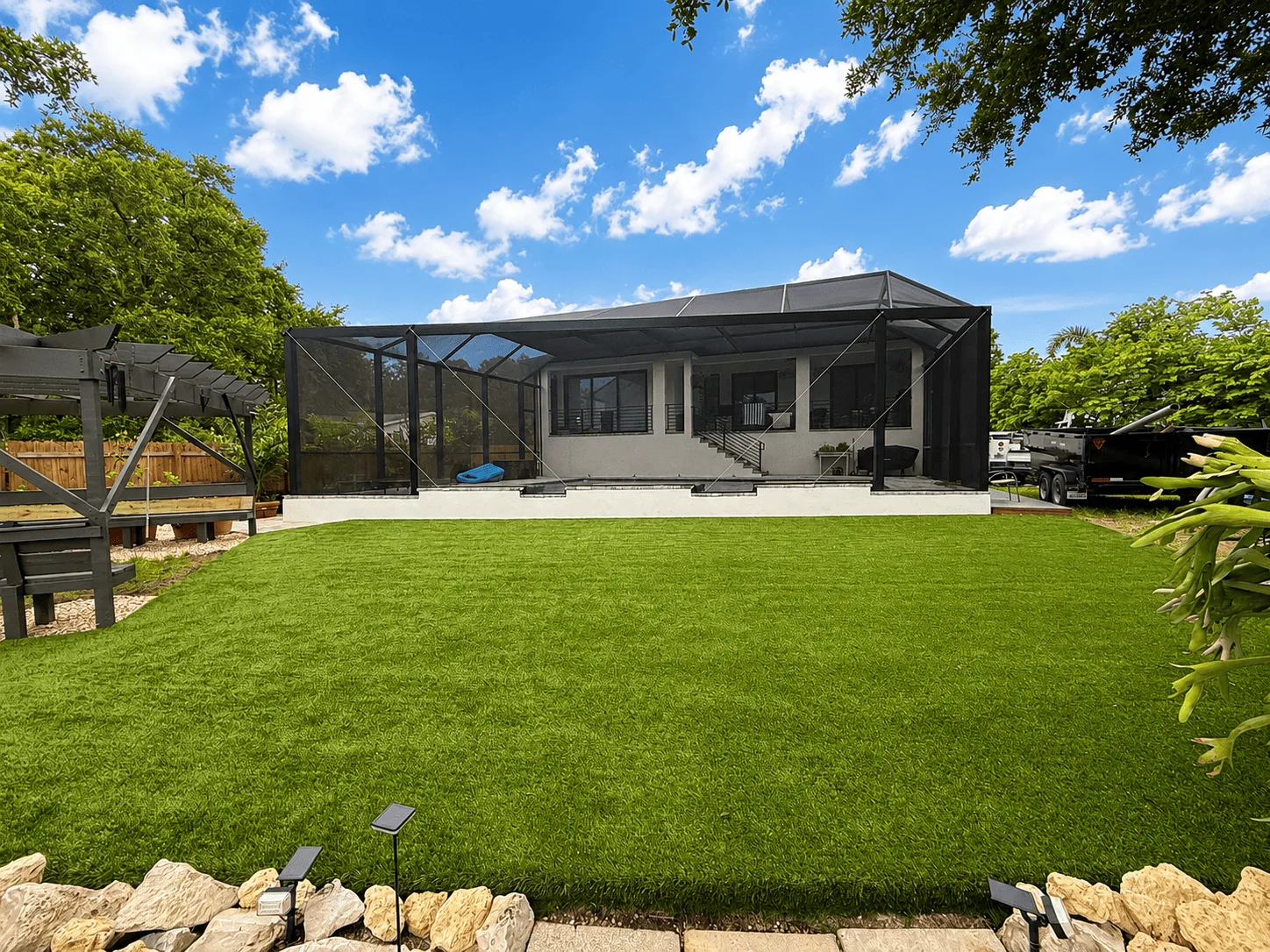

Artificial turf seams deserve a careful final walkthrough because a lawn usually contains more than one cut piece. A join can affect appearance, everyday use, and future maintenance. However, judging it only through a close phone photograph can lead to the wrong conversation. A useful review considers the installed product, viewing direction, surface behavior, and the written scope together.
For a Tampa Bay homeowner, the goal is a clear record of the finished lawn and any questions that remain. You do not need to become a turf installer. Instead, ask the contractor to explain the layout and demonstrate the areas you will use. Keep cosmetic observations separate from an opening, raised edge, or movement that needs professional attention.
Start with the agreed lawn layout
First, bring the proposal, product name, and any approved layout to the walkthrough. Identify where separate pieces meet and why those locations made sense for the yard. A narrow side strip, curved patio, or equipment route may affect where joins fall. Therefore, a seam location should have a reason beyond hiding it from one photograph.
Ask whether the installation follows the specific turf manufacturer's guidance. Different products use different components, and a general internet tutorial does not establish the correct method for your lawn. Also, record the material used for the join and who installed it. These details help if a question develops after furniture or landscaping returns.
Avoid asking the contractor to promise an invisible join from every angle. That standard can turn a useful discussion into an argument about lighting. Instead, agree on normal viewing positions and document anything that looks out of place there. A plain description creates a stronger starting point than calling the whole lawn defective.
Review artificial turf seams from ordinary viewpoints
Walk to the door, seating area, and main garden entrance. Then look across the lawn at normal standing height. A join that attracts attention from the place you use every day deserves discussion. However, a line visible only with your face near the fibers raises a different question.
Repeat the view from the opposite side. For example, a line may look darker from the patio and lighter from the house. Photograph both views without changing the phone's color settings. This comparison helps the installer distinguish an appearance issue from a gap between adjacent pieces.
Keep the full scene in at least one photograph. A tightly cropped image can exaggerate a small feature and hide its location. Also, include a second image that shows the join more closely without pulling fibers apart. Let the installer handle any inspection that requires lifting or opening the surface.
How artificial turf seams relate to grain direction
Artificial turf fibers have a directional appearance. Manufacturer Tarkett's installation instructions illustrate matching that direction between adjacent pieces. This is a product-specific reference, rather than proof that Tarkett supplied your lawn. Ask for the equivalent instructions for the actual product on your project.
Consequently, a color-looking line may need a discussion about orientation rather than a different green color. Ask the installer to explain which direction each section faces. Do not assume brushing can correct every mismatch. The appropriate response depends on the installed material and the cause of the visible change.
Separate a visual line from an open join
A visual line is an observation about appearance. An opening is a different observation about the meeting edges. Therefore, write down what you can actually see: a dark stripe, a visible backing edge, a gap, or an area that appears raised. Avoid guessing about adhesive failure before the installer checks it.
If an area catches a shoe, interrupts a cart, or moves during ordinary use, point it out immediately. Stop using that particular spot if it creates an obvious concern. However, do not test the installation by deliberately tugging at it. A destructive demonstration can change the condition you wanted the contractor to review.
Ask the contractor to identify the cause before proposing a remedy. For example, trapped fibers, inconsistent orientation, and a separated connection do not describe the same problem. A written explanation should link the proposed action to the observed condition. That makes follow-up more meaningful than a promise to make it look better.
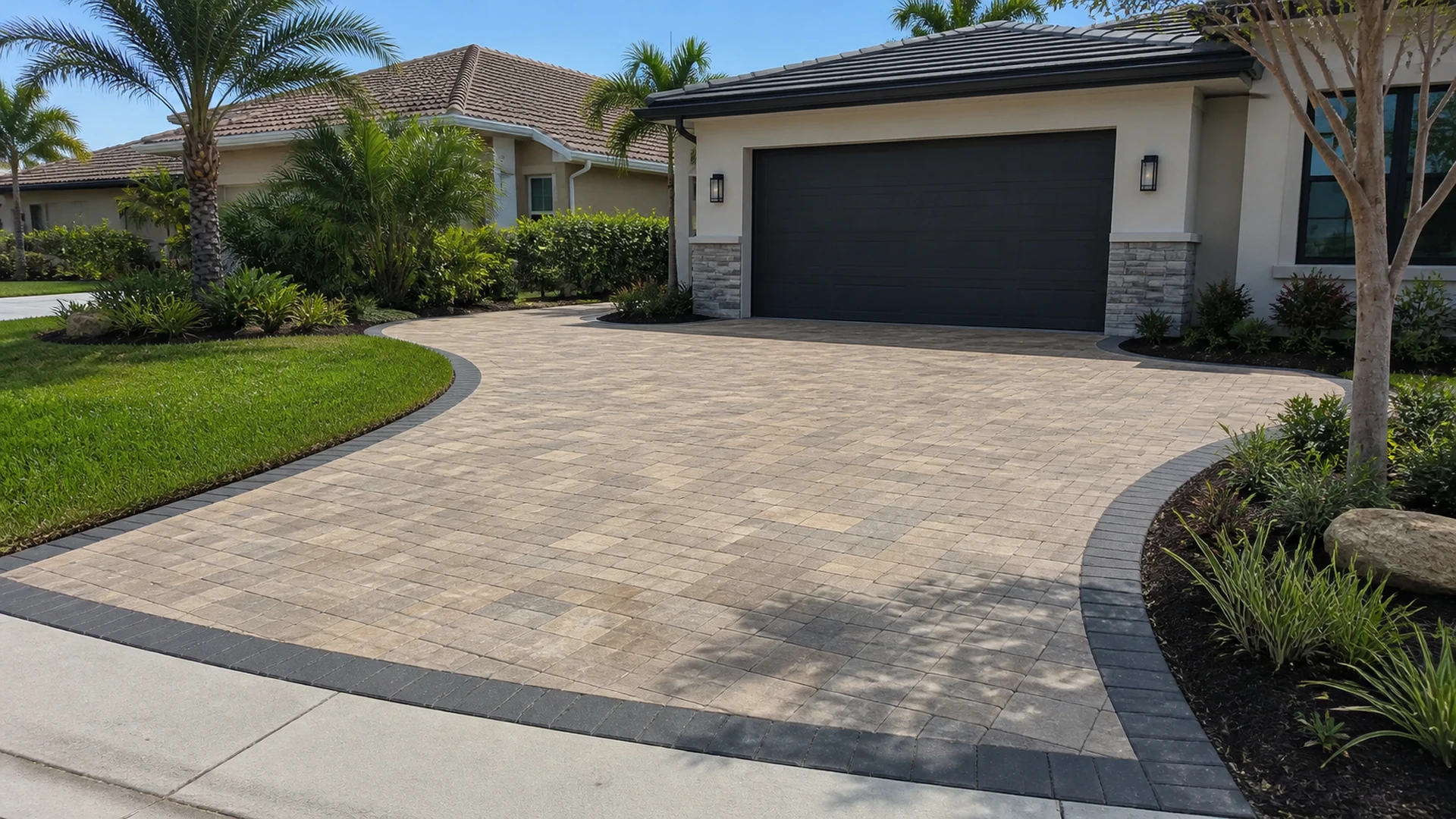
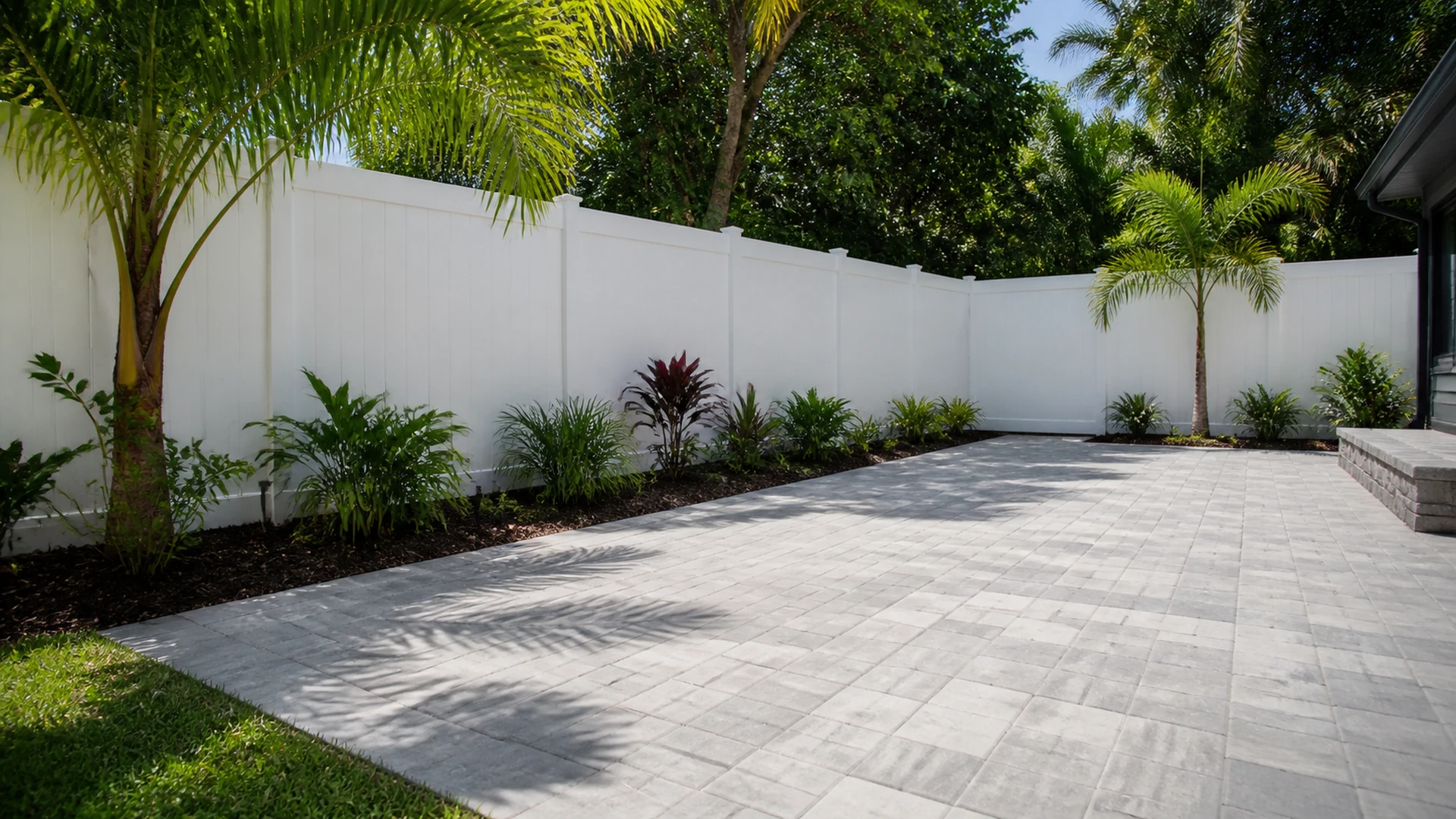
Check the joins near paver borders
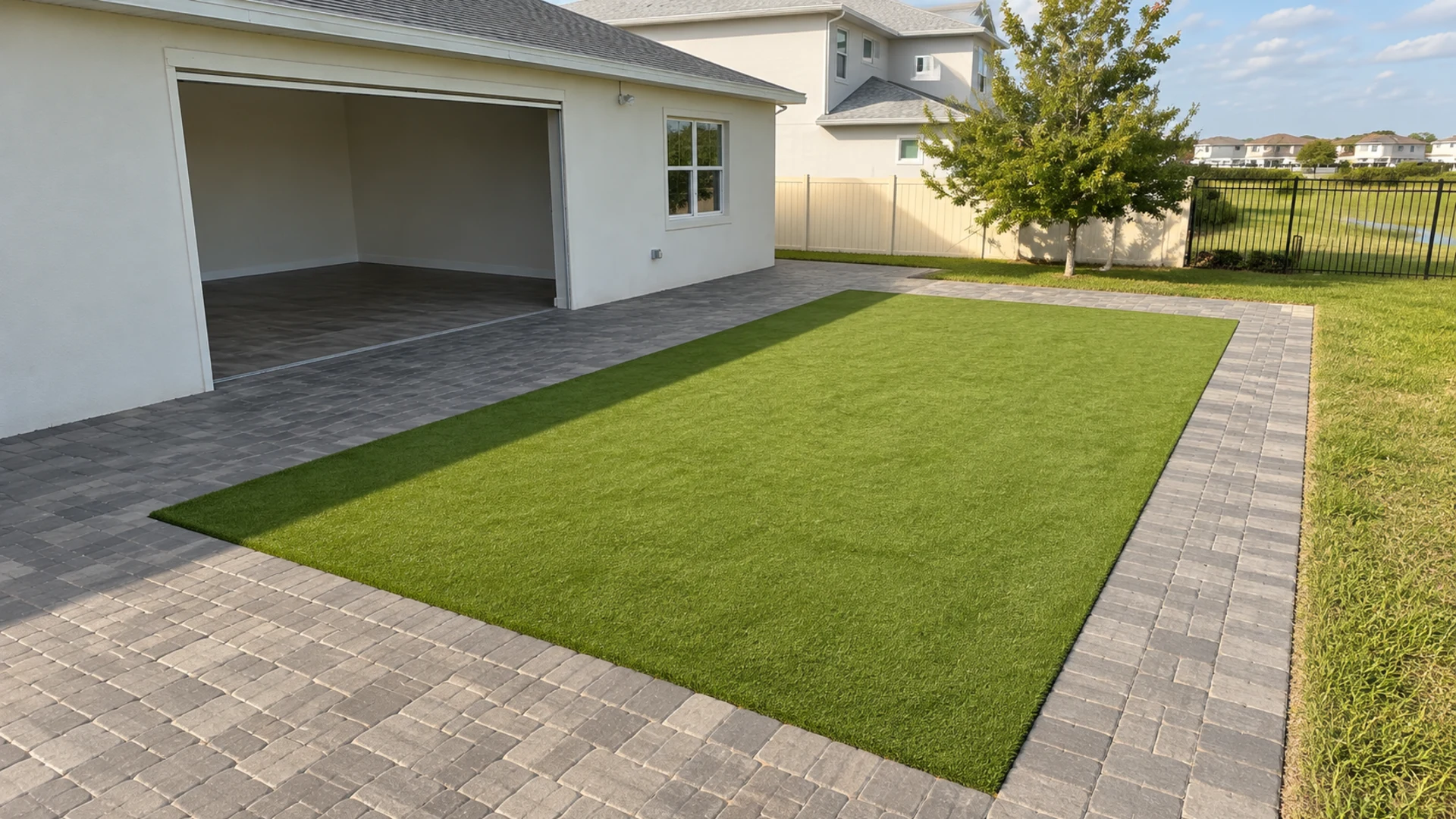
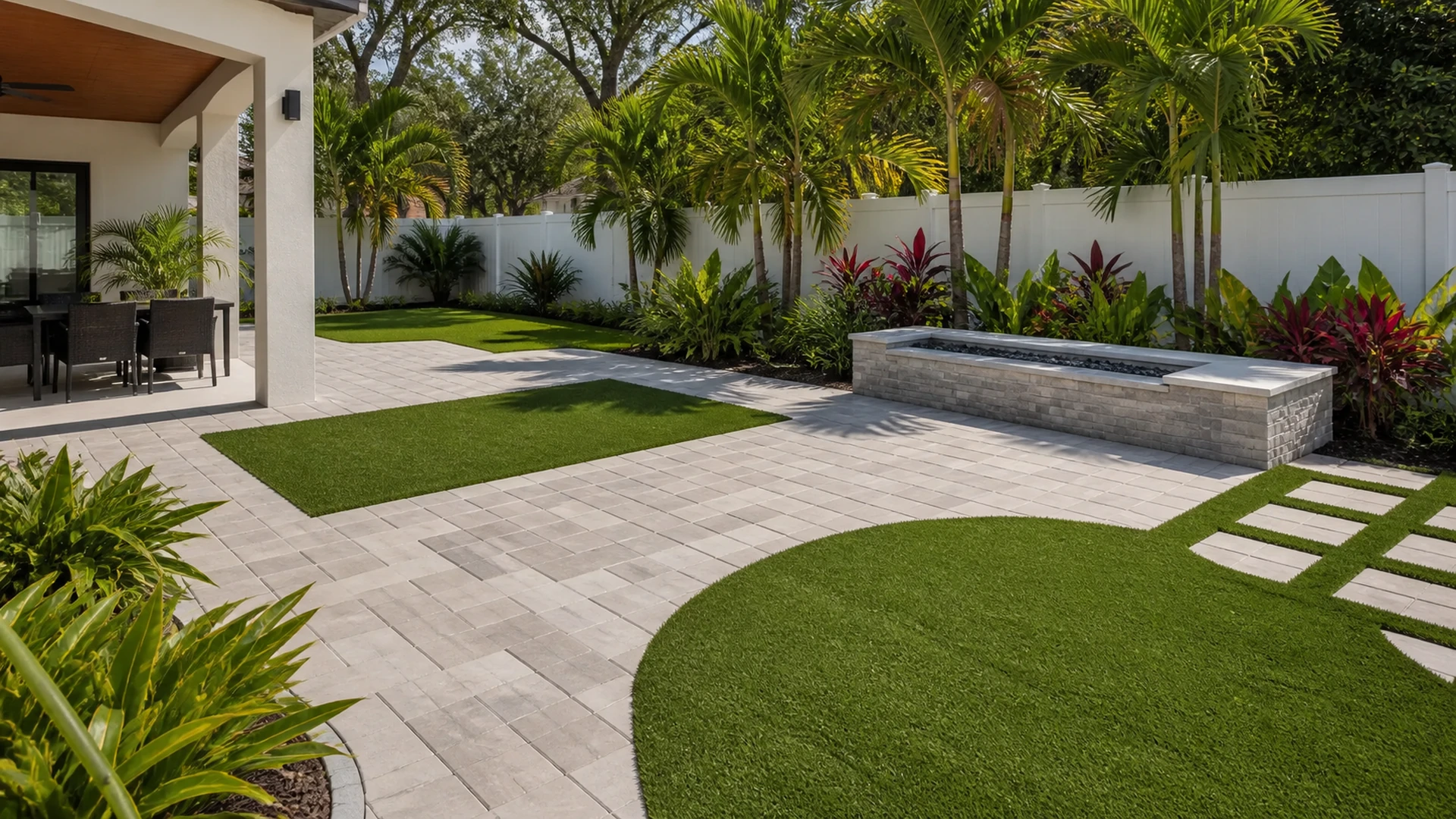
Transitions deserve their own pass around the yard. First, follow the turf edge beside the patio, walkway, and planting beds. Look for a continuous meeting line and note changes at corners. The contractor should explain how that edge works with the adjoining material, rather than treating the lawn as an isolated carpet.
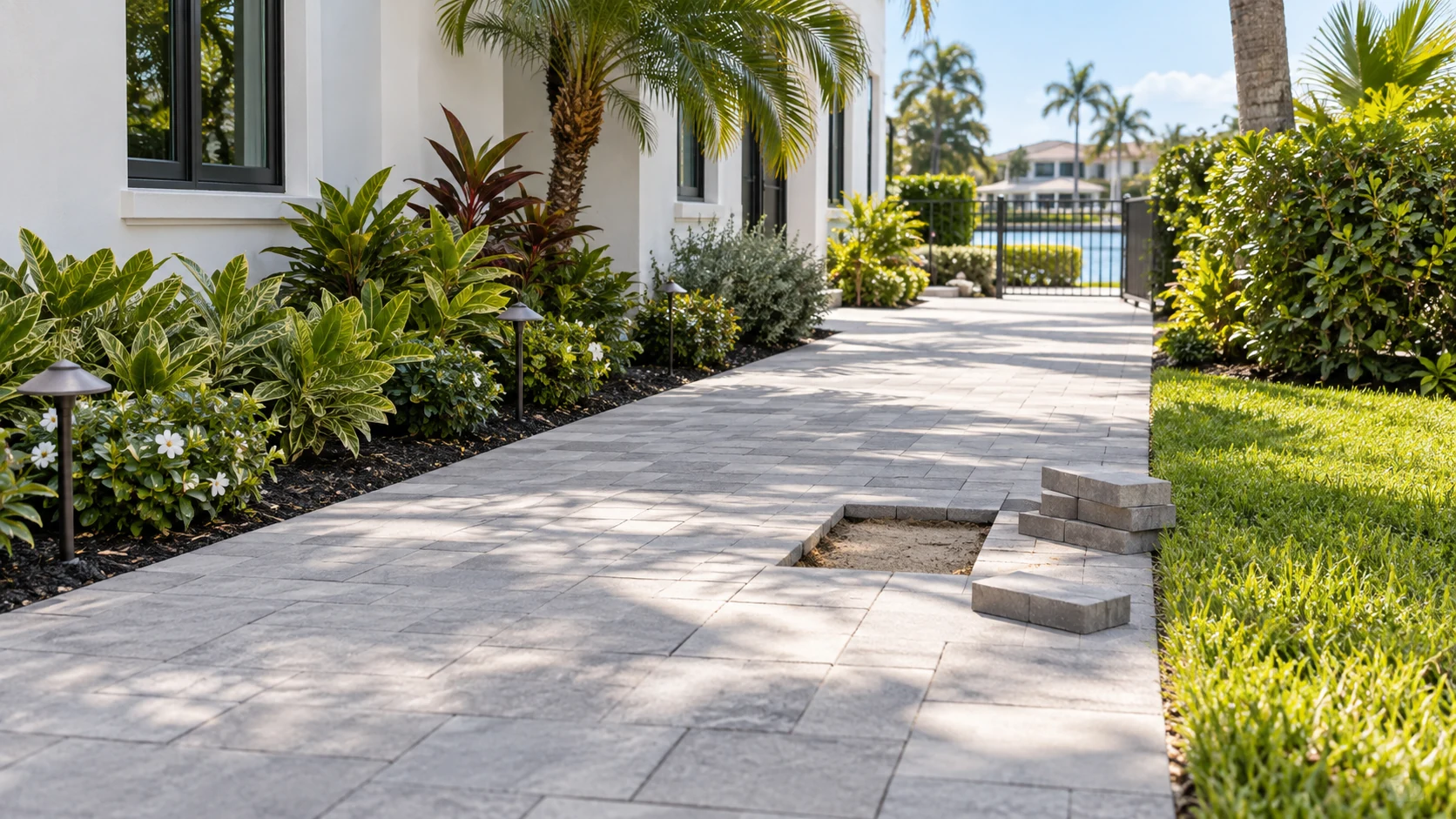
Pay particular attention where a seam ends near a gate or paved route. Those places may receive repeated traffic. Also, notice whether furniture, pots, or edging hide the connection. Ask to review it before those objects return, while the installation remains easy to see and photograph.
Keep turf work and paver work responsibilities explicit. If different companies handled the two surfaces, ask who should receive a question about their junction. Otherwise, a later repair may involve two contractors who each assume the other owns the edge. A named contact avoids that confusion without inventing a joint warranty.
Consider the lawn's intended uses
Describe how your household will use the finished space. A route for a lawn service cart differs from a small decorative strip. Likewise, children playing, pets crossing, and patio chairs moving create different practical questions. The walkthrough should connect the installation to the uses stated in the proposal.
For example, show the path between the patio door and storage gate. Ask whether any join lies directly on that route and what care the product requires there. However, do not turn the discussion into a universal load test. Equipment suitability depends on more than whether the surface looks flat.
If your plans changed during construction, say so now. Perhaps a furniture layout moved or a garden shed gained a new entrance. Those changes can alter which areas receive traffic. Therefore, document them as new information rather than assuming the original contract already covered the revised use.
Ask for a demonstration of approved care
Maintenance should support the finished seam, not disturb it. Ask the installer to show the approved brush or tool on a small representative area. Also, request written guidance about direction, frequency, debris removal, and products to avoid. Use instructions for your actual system rather than borrowing a neighbor's routine.
Record whether the lawn includes infill and how its maintenance relates to the joins. A homeowner should not add a bag of unknown material merely because a seam looks different. Instead, ask who checks the existing material and how a maintenance visit would address a concern. Keep the product name with your handover records.
Clarify what to do after another contractor crosses the lawn. A pool service visit, fence repair, or delivery can bring tools and temporary loads. Therefore, ask how to protect the route and which activities require advance coordination. This discussion is easier before the first large item arrives through the gate.
Use a simple seam observation sheet
Create one entry per concern. Include the location, date, normal viewing position, and a plain description. Then attach a wide photograph and a closer view. This format lets the installer find the same spot without relying on memory or a long message thread.
For example, an entry might say that a dark line appears from the patio door in afternoon light. Another entry could describe a raised edge beside the storage gate. Keep those entries separate because their causes may differ. Also, avoid words such as unsafe or failed unless a qualified review supports that conclusion.
Ask the contractor to add a proposed next step beside each entry. Options might include an explanation, a closer inspection, or a planned adjustment. However, the record should also show who will respond and when you will hear back. An observation without an owner can disappear after the crew leaves.
Review appearance in more than one light condition
If the project finishes late in the day, record that limitation. Bright sun, shade, and changing sight lines can affect how the lawn looks. Therefore, ask whether a second review is useful before you approve an appearance question as resolved. The goal is a representative view, not a search for the most flattering photograph.
You do not need to delay every project until several weather conditions occur. Instead, distinguish what the walkthrough confirmed from what remains to observe. For example, both parties may agree that the surface has no visible opening while still checking a contrasting line under morning light.
Keep the second review focused. Return to the same marked locations and photograph from the same positions. Also, include the date and conditions in the file names or notes. Consistent evidence helps you see whether the condition changed, rather than simply comparing different camera angles.
Clarify follow-up before calling the job complete
Ask how to report a later seam concern and which information the installer needs. A dated photograph, location sketch, and product record usually create a better starting point than a general complaint. However, the contractor must explain the actual service process and any applicable written terms.
Read warranty documents as documents, not as verbal assumptions. Product coverage and installation coverage may come from different parties. Also, routine care and damage from later work may involve separate responsibilities. Ask for unclear terms to be explained without assuming every visible line qualifies for replacement.
If an adjustment occurs, review the affected area again and update the observation sheet. Preserve the original photographs alongside the new ones. Consequently, your file shows the initial condition, the response, and the result. This record can support future maintenance without claiming a cause that no one established.
Prepare useful questions for your installer
Before the appointment, list the decisions you need rather than a collection of accusations. Ask where joins sit, which way the fibers face, and what appearance the approved product normally shows. Then ask the installer to explain any local difference. Clear questions make it easier to identify a practical answer.
Bring the actual product information to the discussion. A marketing picture of another lawn may use a different pile, light, or camera direction. Therefore, it should not replace the agreed material and scope. Use your installation's records as the main reference and treat outside images only as illustrations of a question.
Finally, make sure you understand the next maintenance step. A well-documented walkthrough should leave you knowing what you saw, what the contractor checked, and how to request help. That clarity is more useful than a broad promise that artificial grass never needs attention.
A clear handover protects the conversation
Artificial turf seams are best reviewed as part of the whole yard: doors, borders, traffic routes, care, and the agreed product. Keep appearance, connection, and maintenance questions distinct. Also, record any outstanding item before covering it with furniture or forgetting where the concern appeared.
For a project that combines turf with paved outdoor space, discuss those interfaces early through Dr Pavers Design's outdoor services. A site conversation can establish which areas need review and what belongs in a written proposal. Your photographs and questions help define that conversation without pretending to diagnose hidden construction from the surface.
Keep replacement pieces identifiable
Ask whether any unused material will remain with the homeowner and how to identify it. A clean label should connect the spare piece to the installed product without exposing private account information. Also, ask where and how to store it according to the supplier's guidance. A leftover roll with no record may be less useful years later.
If the installer keeps the remaining material, note that arrangement rather than assuming a replacement piece sits in your garage. Future repairs may depend on availability, product changes, and the size of the affected section. Therefore, the handover should explain the practical limits of a later match without promising that new and weathered turf will look identical.
For help turning these observations into a defined project, explore Dr Pavers Design's services, review completed projects, and bring your questions to the contact team. The FAQ and testimonials can also help you prepare for that conversation. Ask which parts of your request fall within the proposed service before approving work.
You can follow Instagram and Facebook for company updates, check Google reviews, or find the business on Google Maps. To discuss this topic, send your project details through WhatsApp, call +1 (656) 600-4015, or email drpavers@outlook.com. Contact Dr Pavers Design for a free consultation in Tampa Bay; scope, availability, and site conditions still need confirmation.