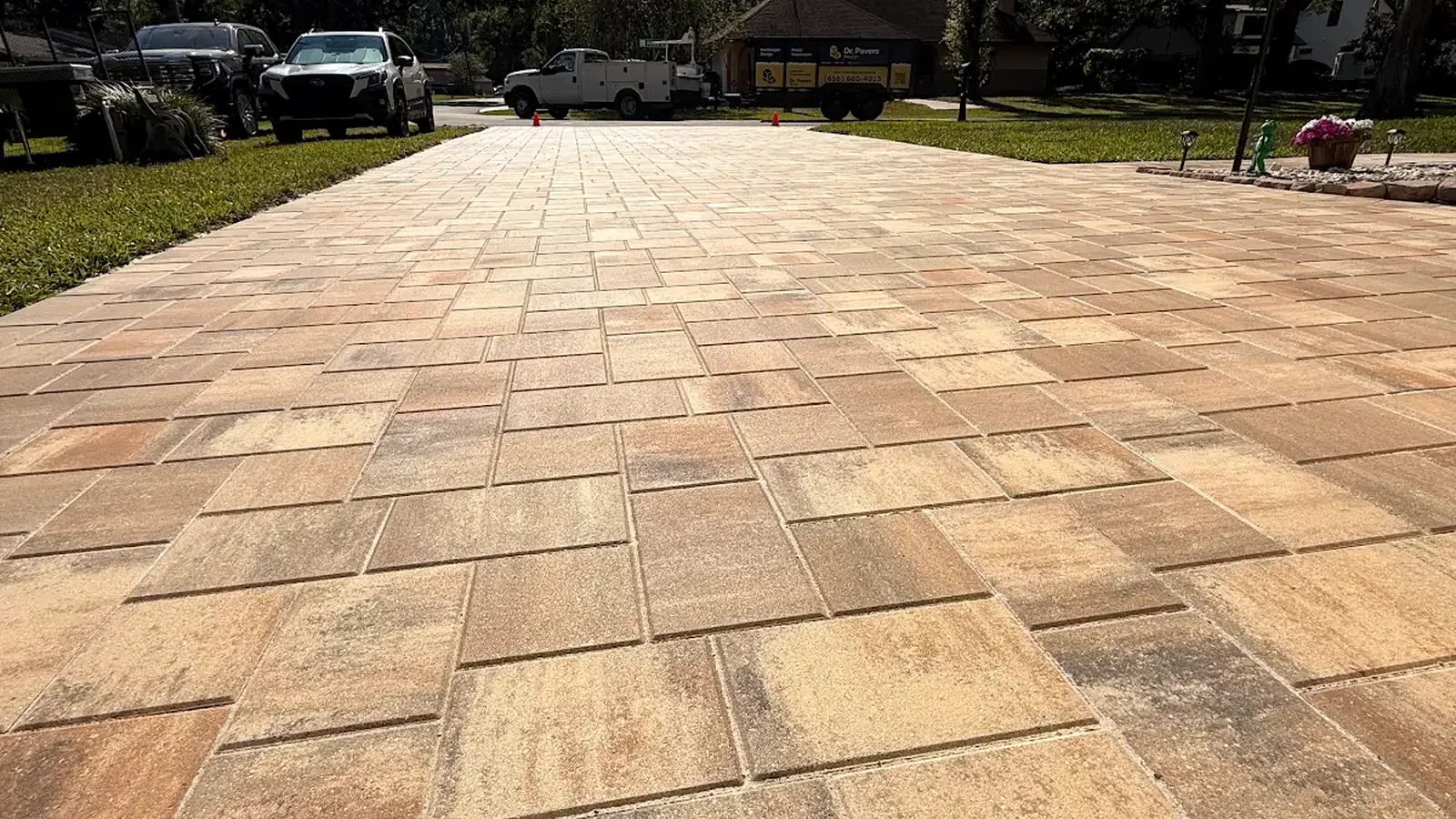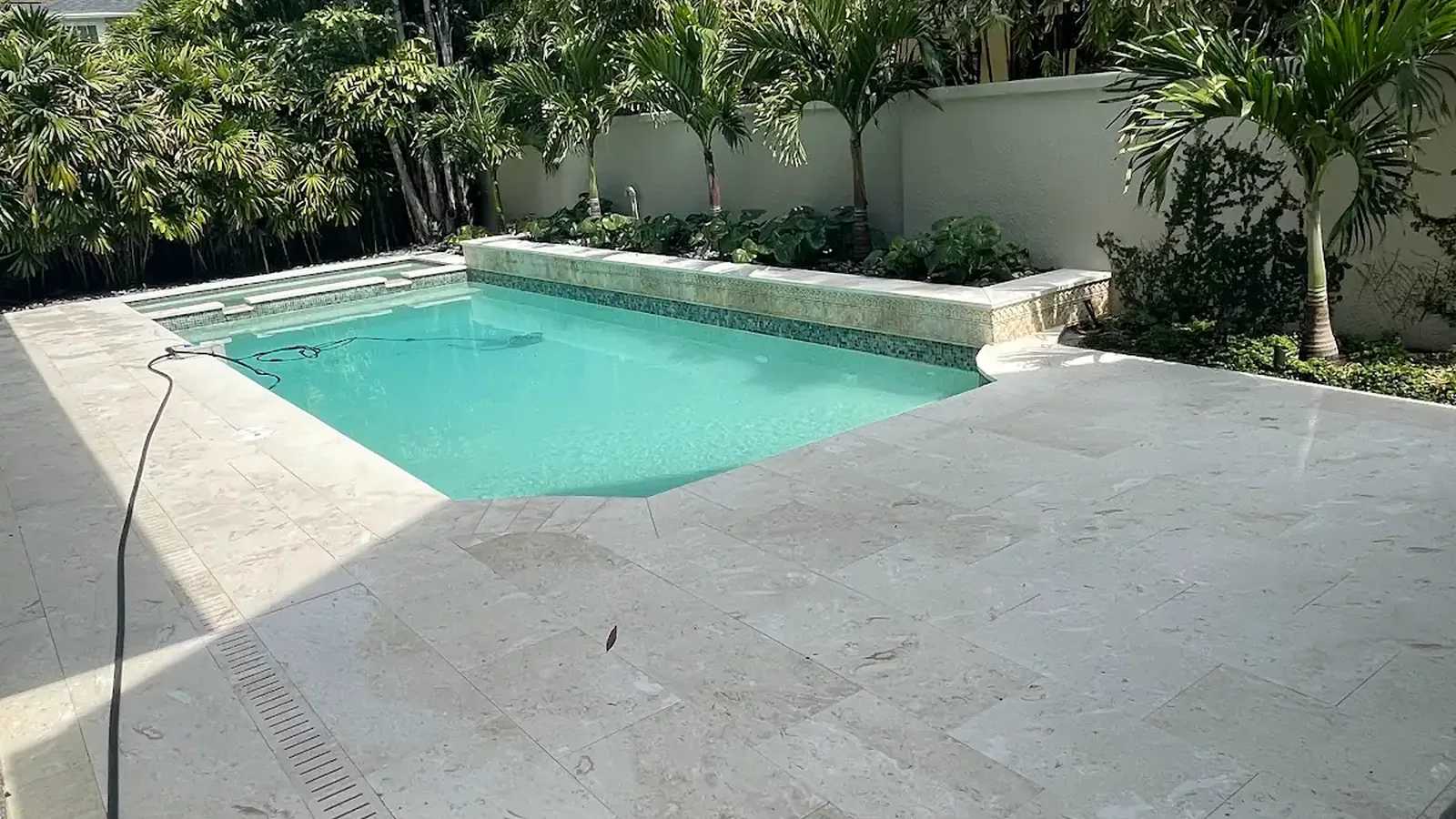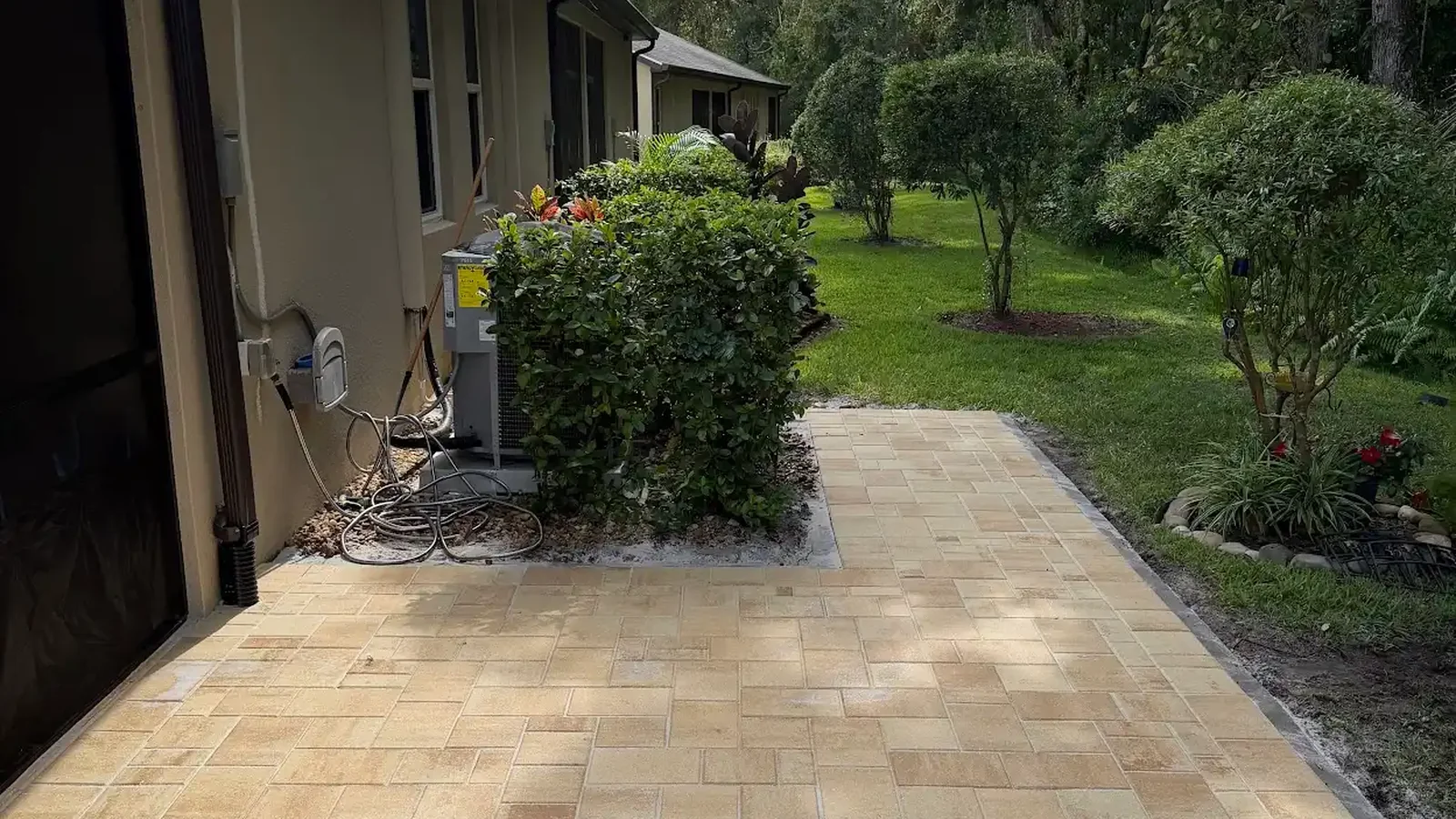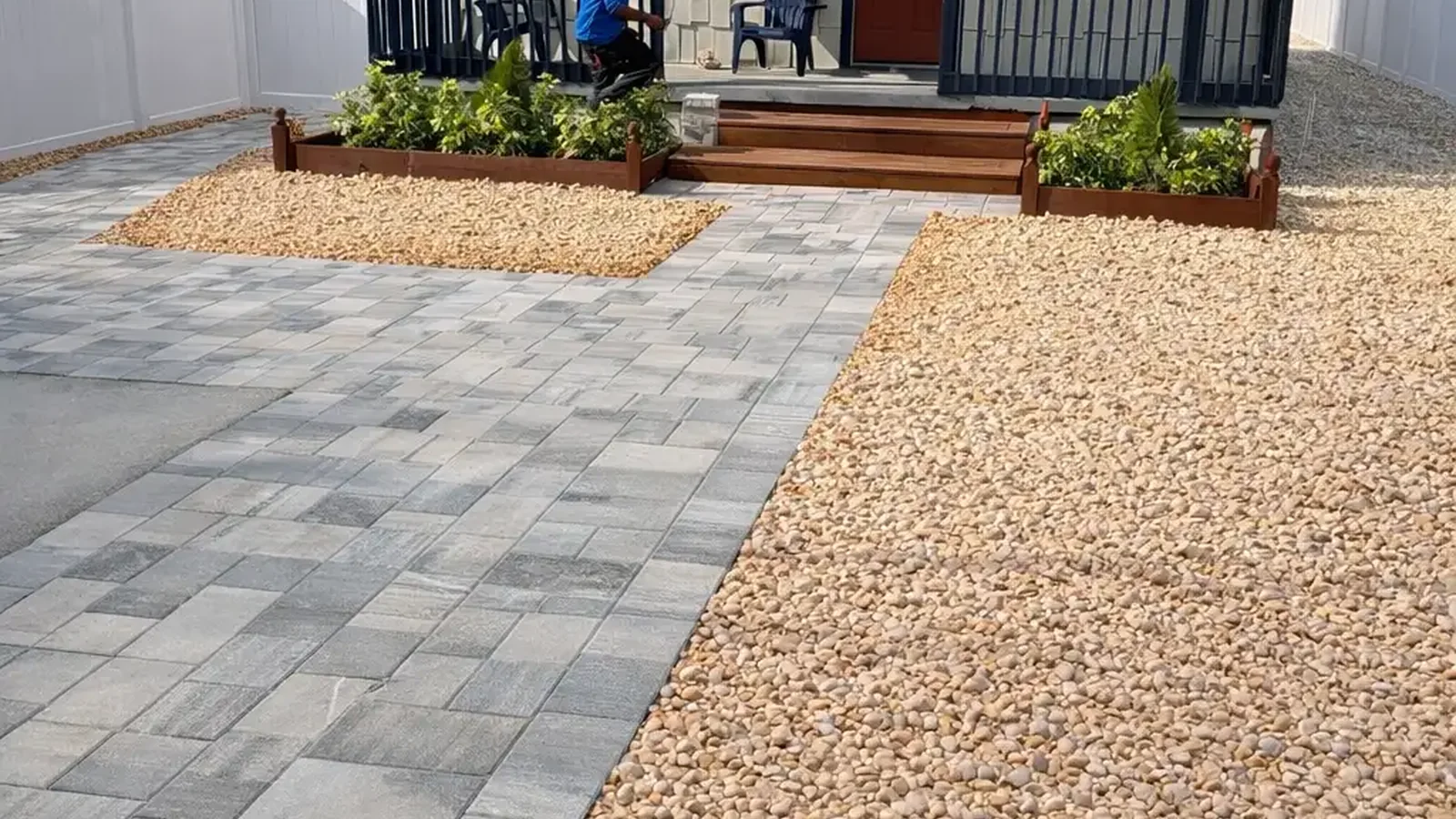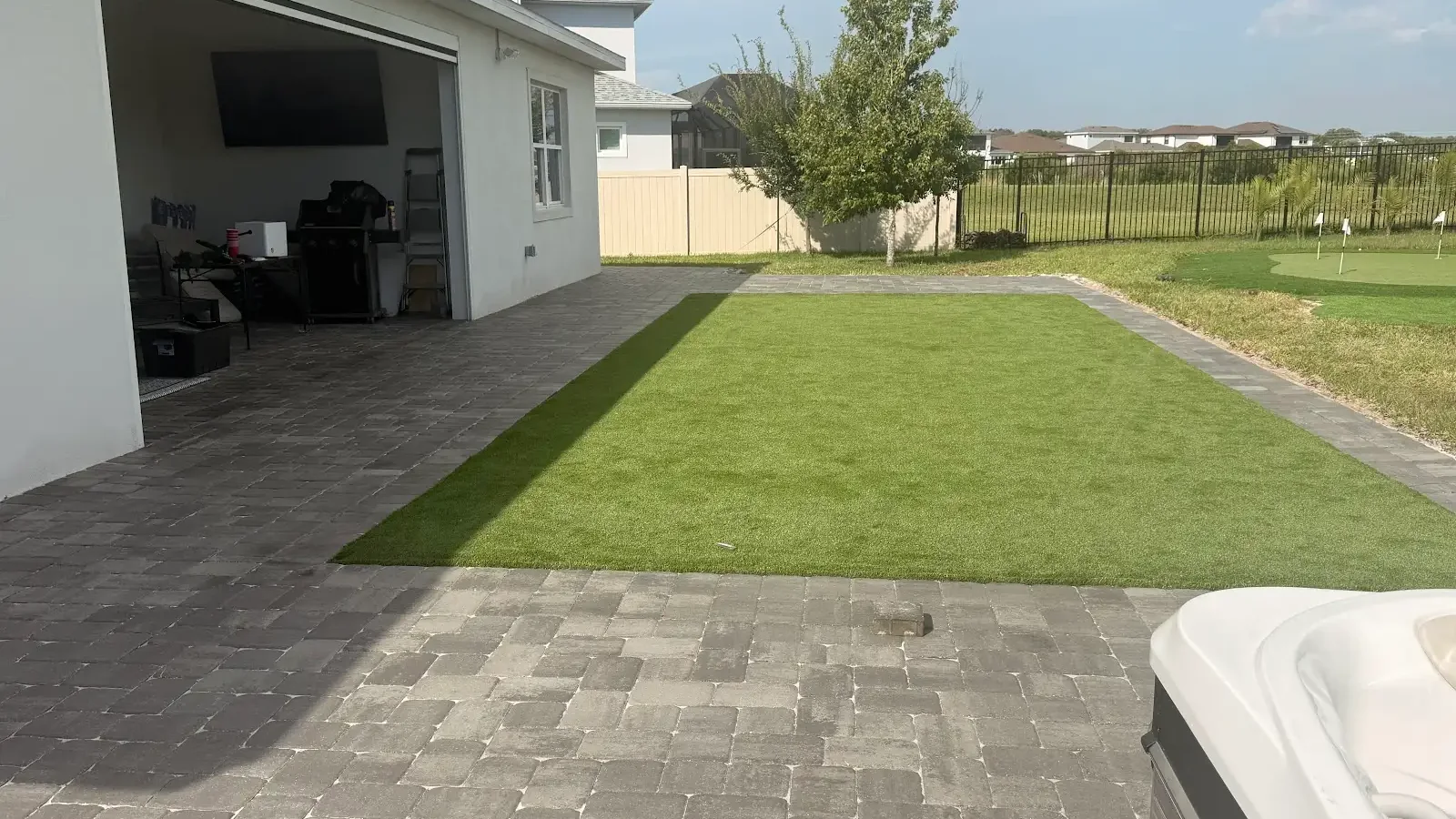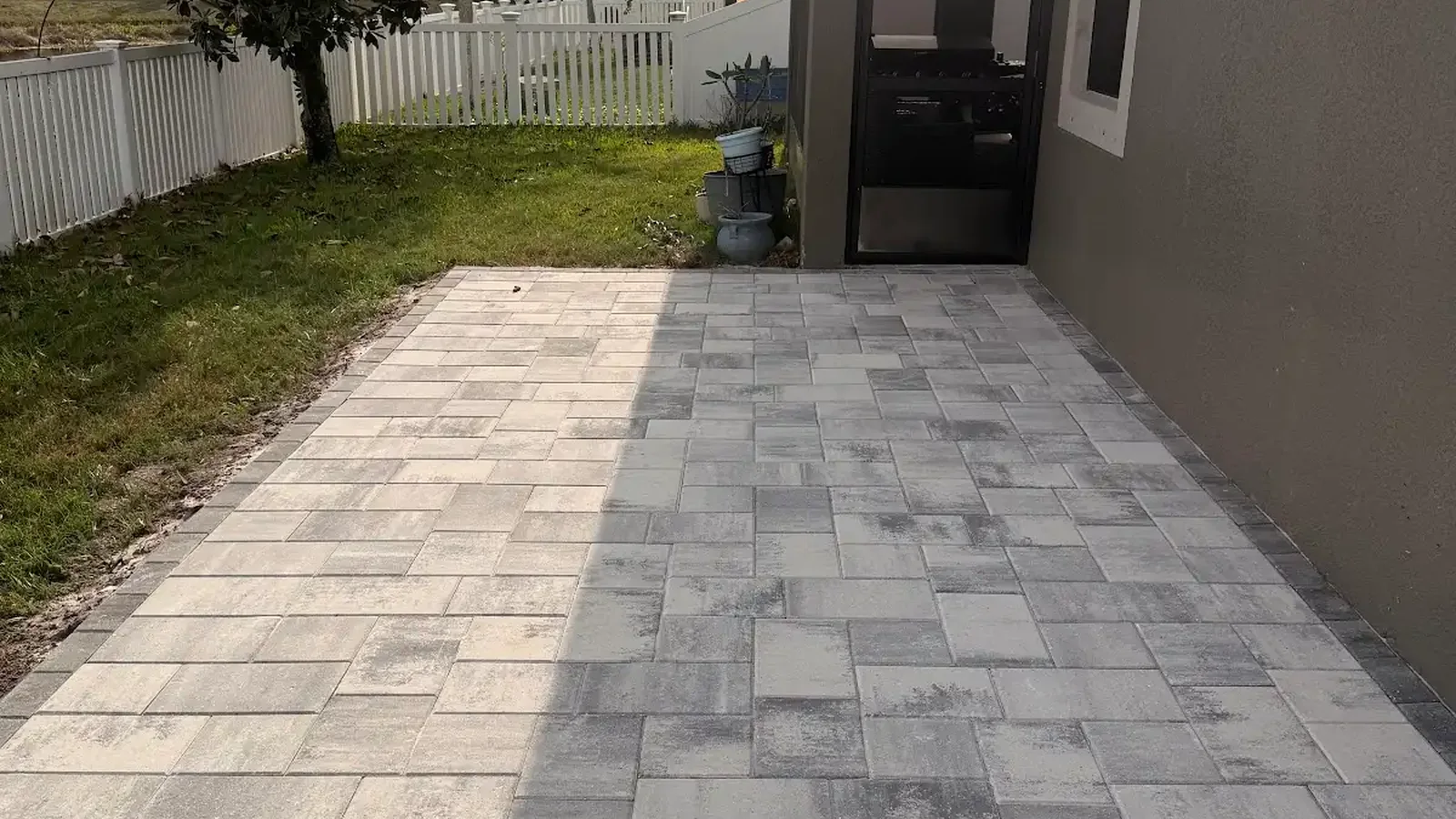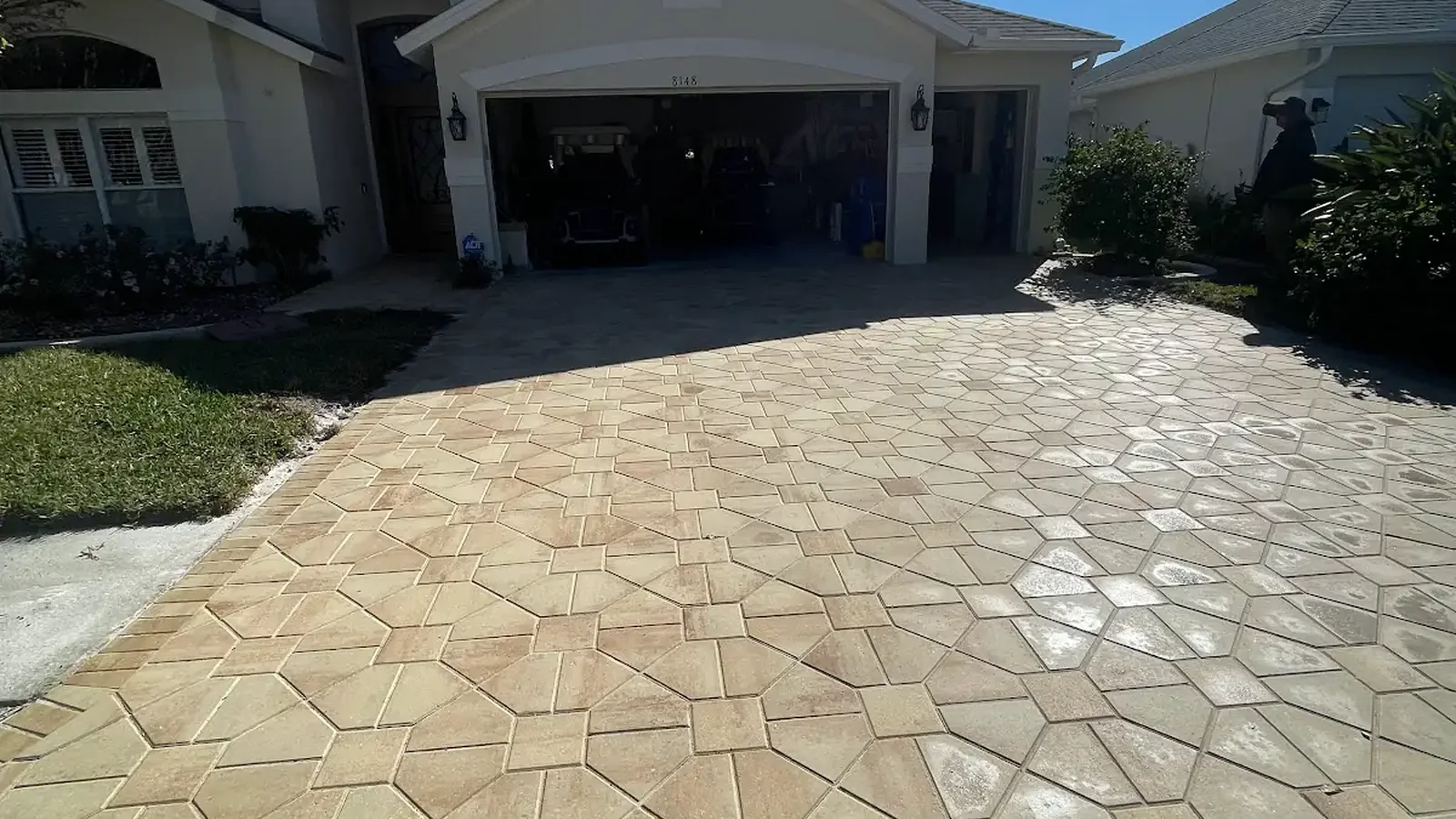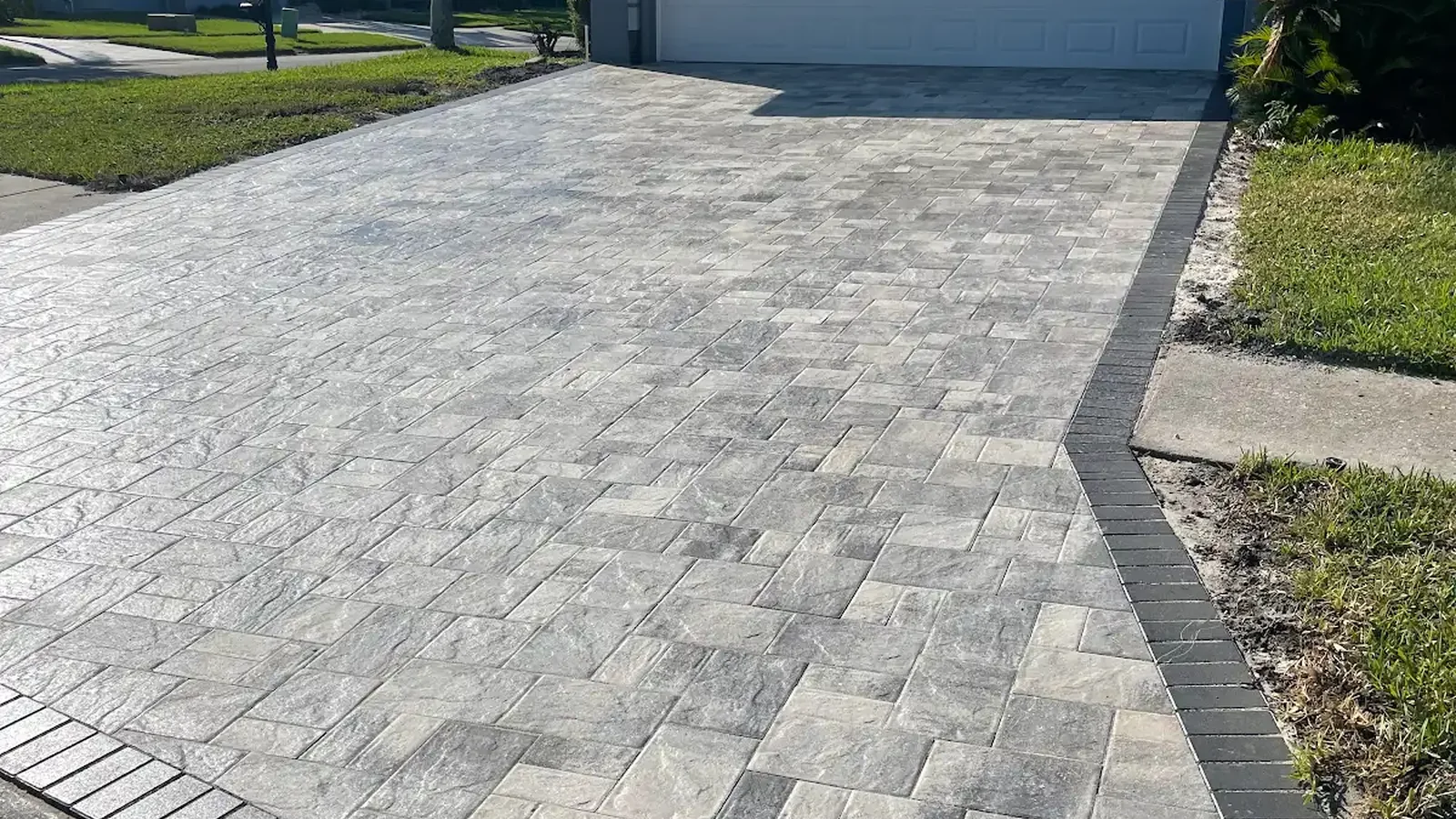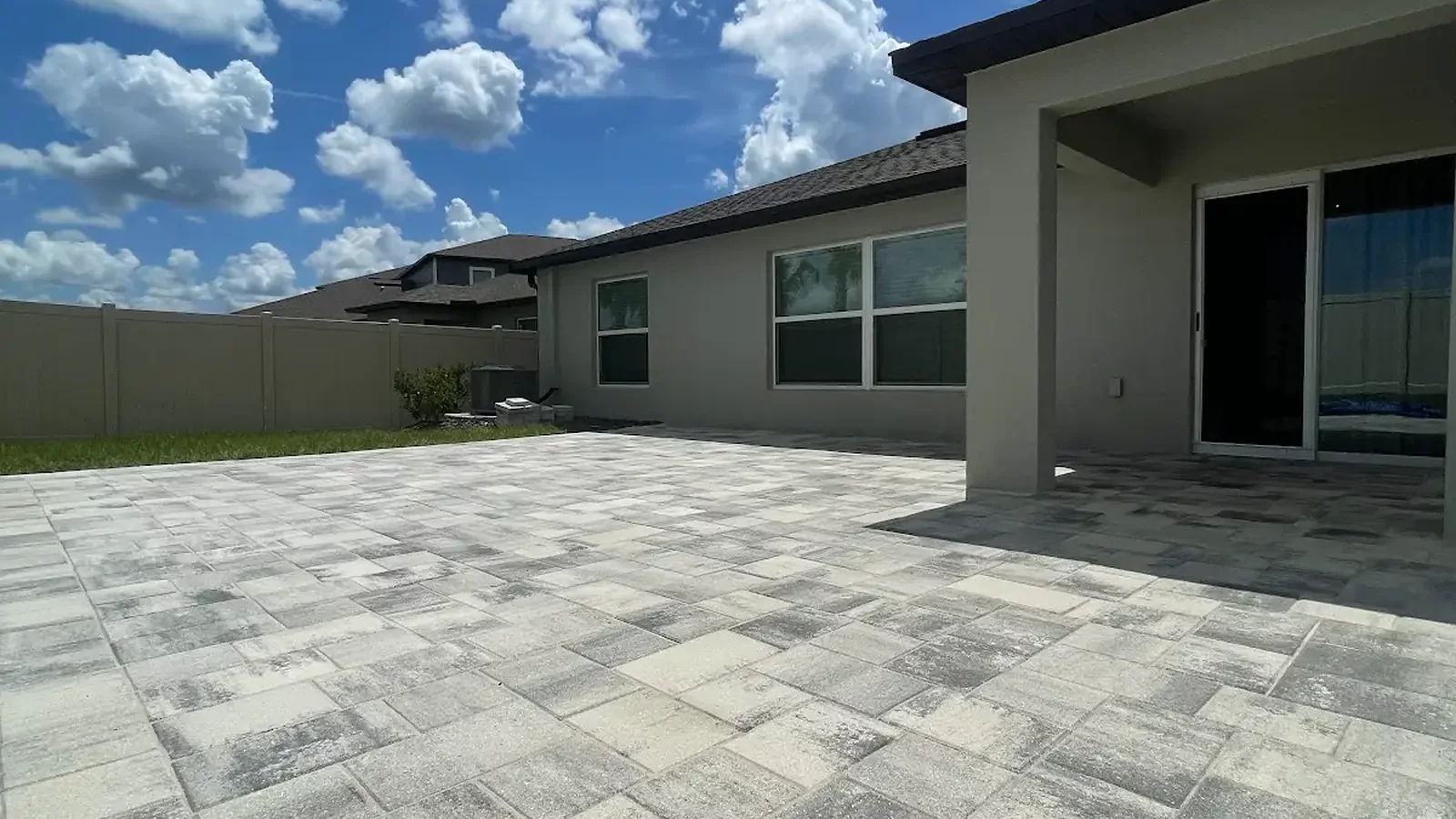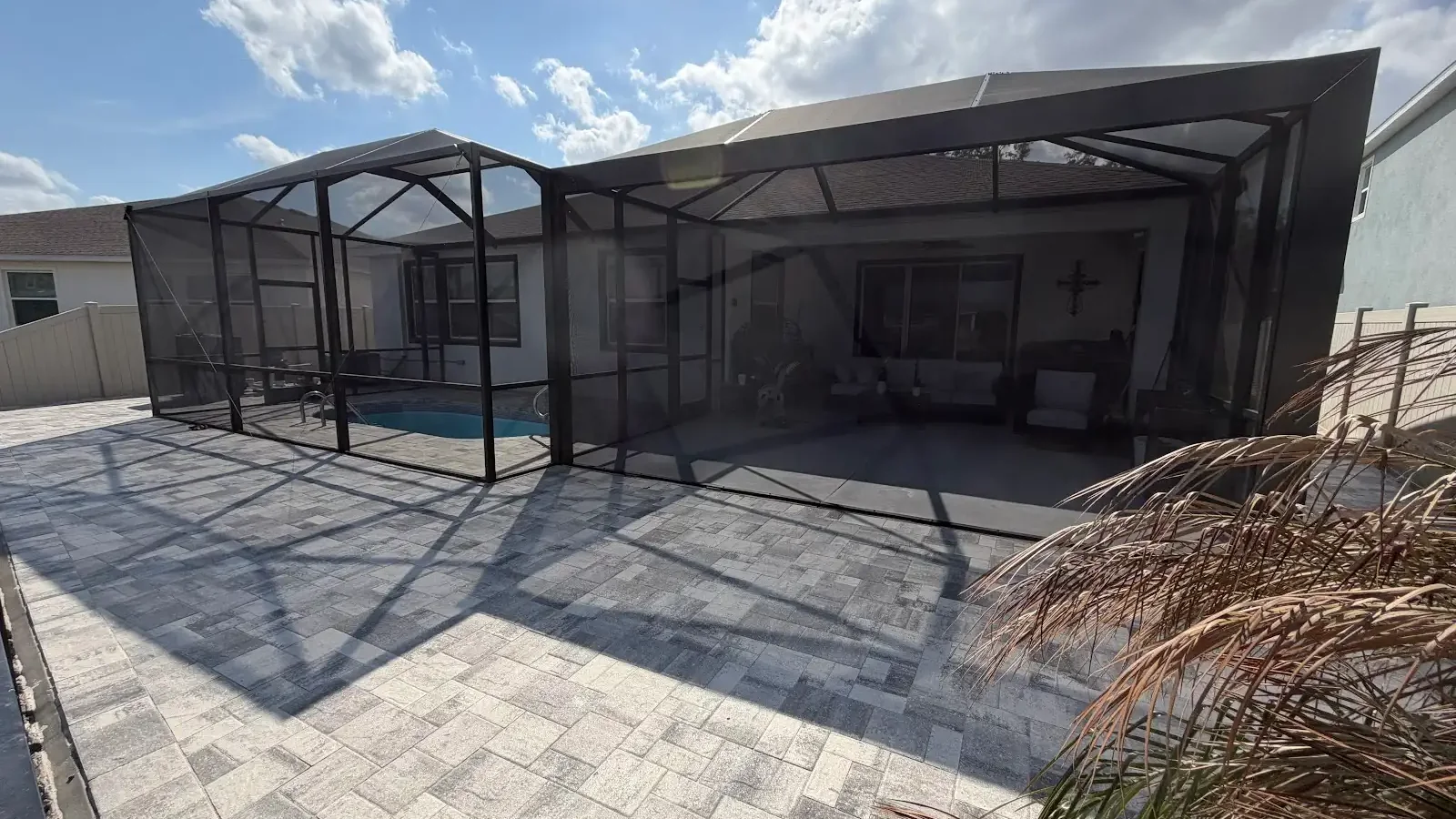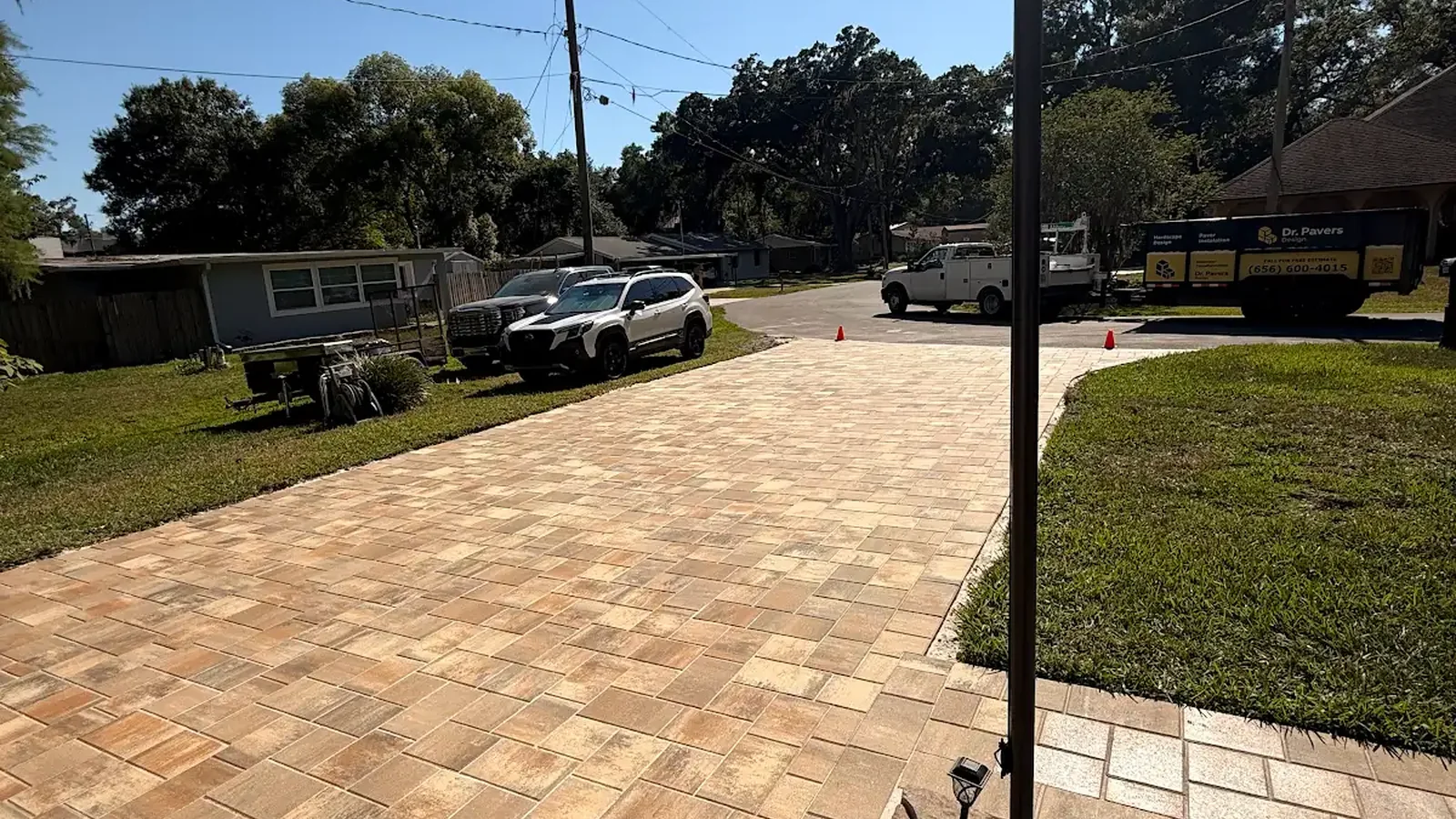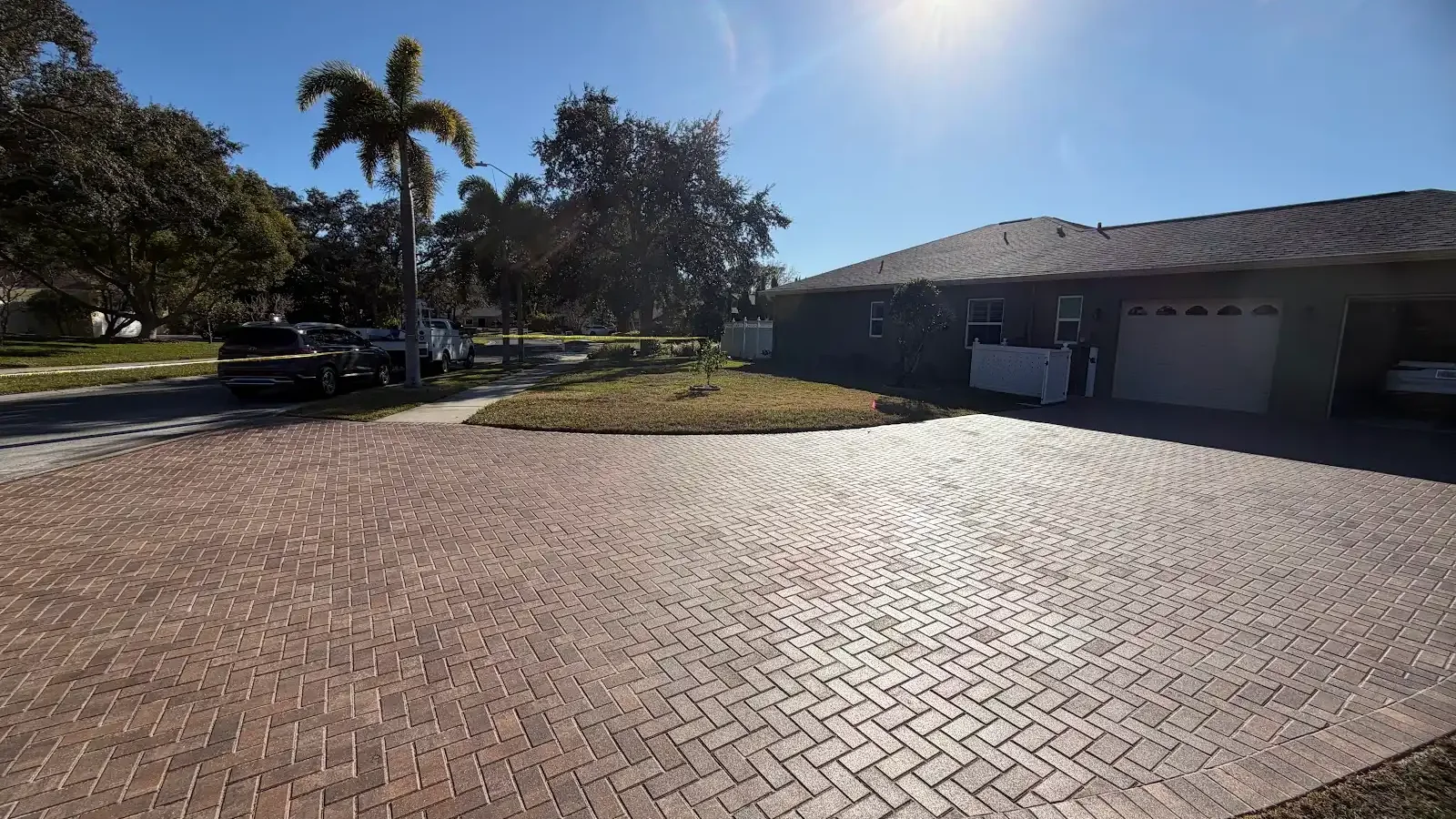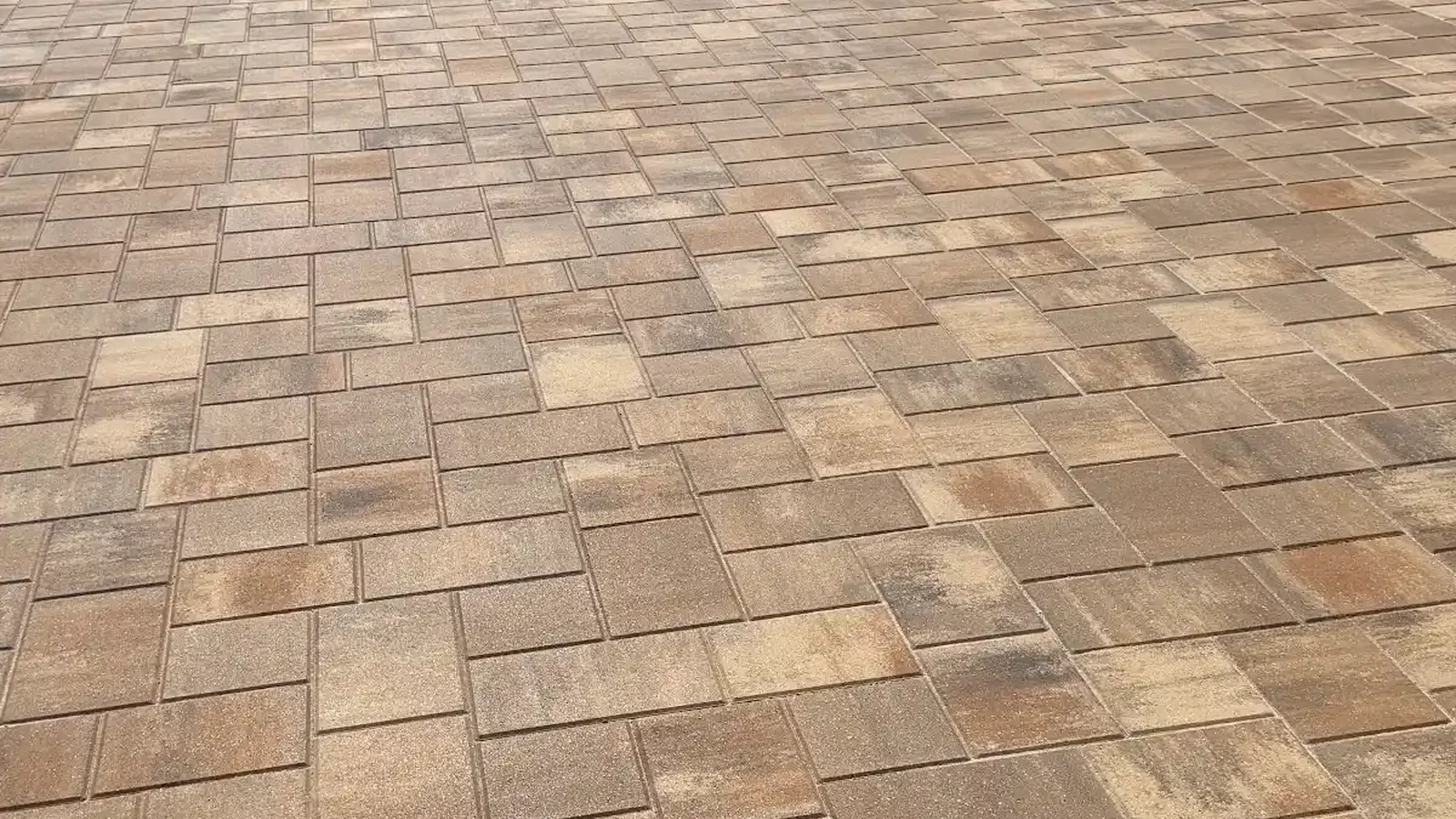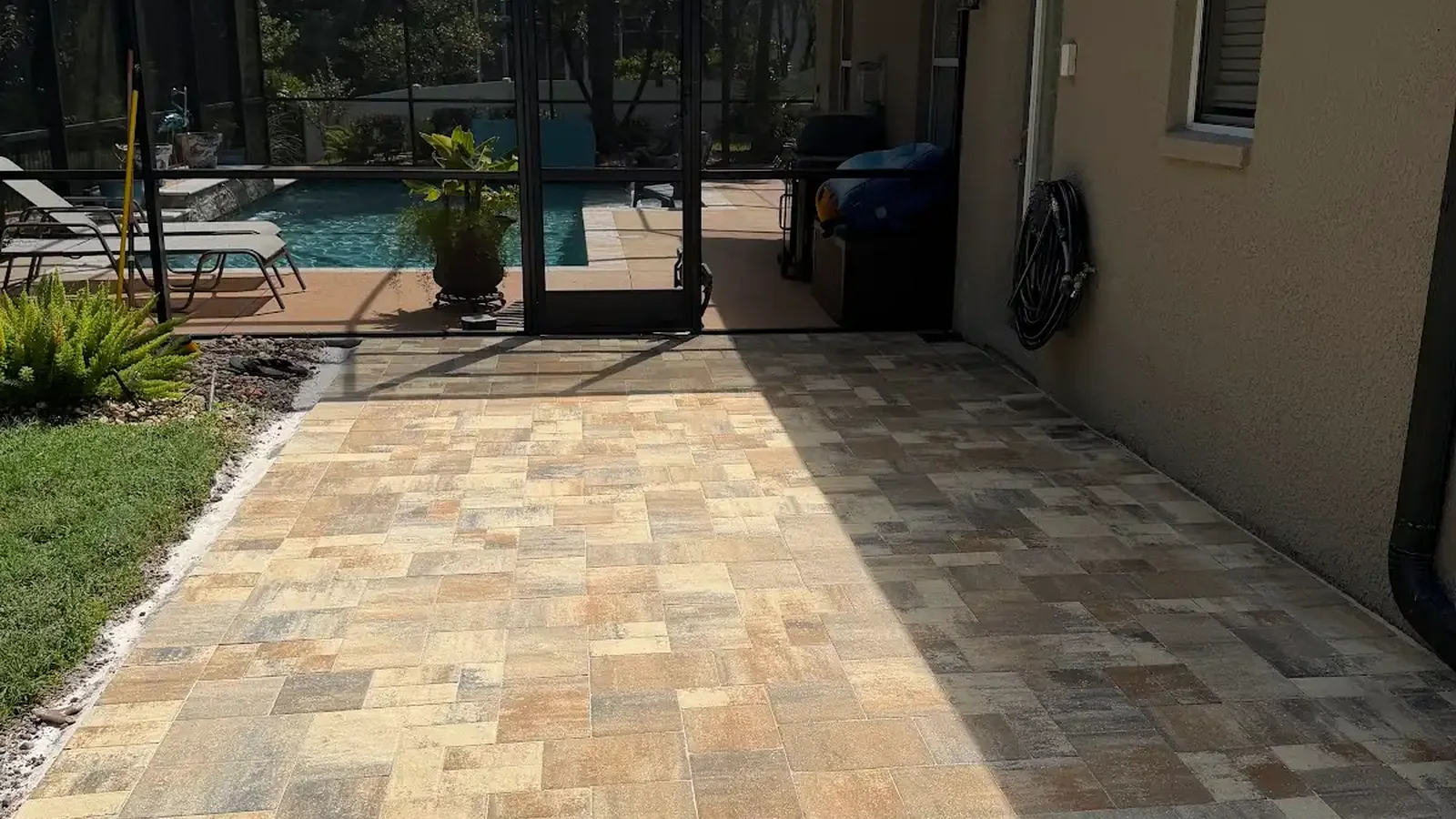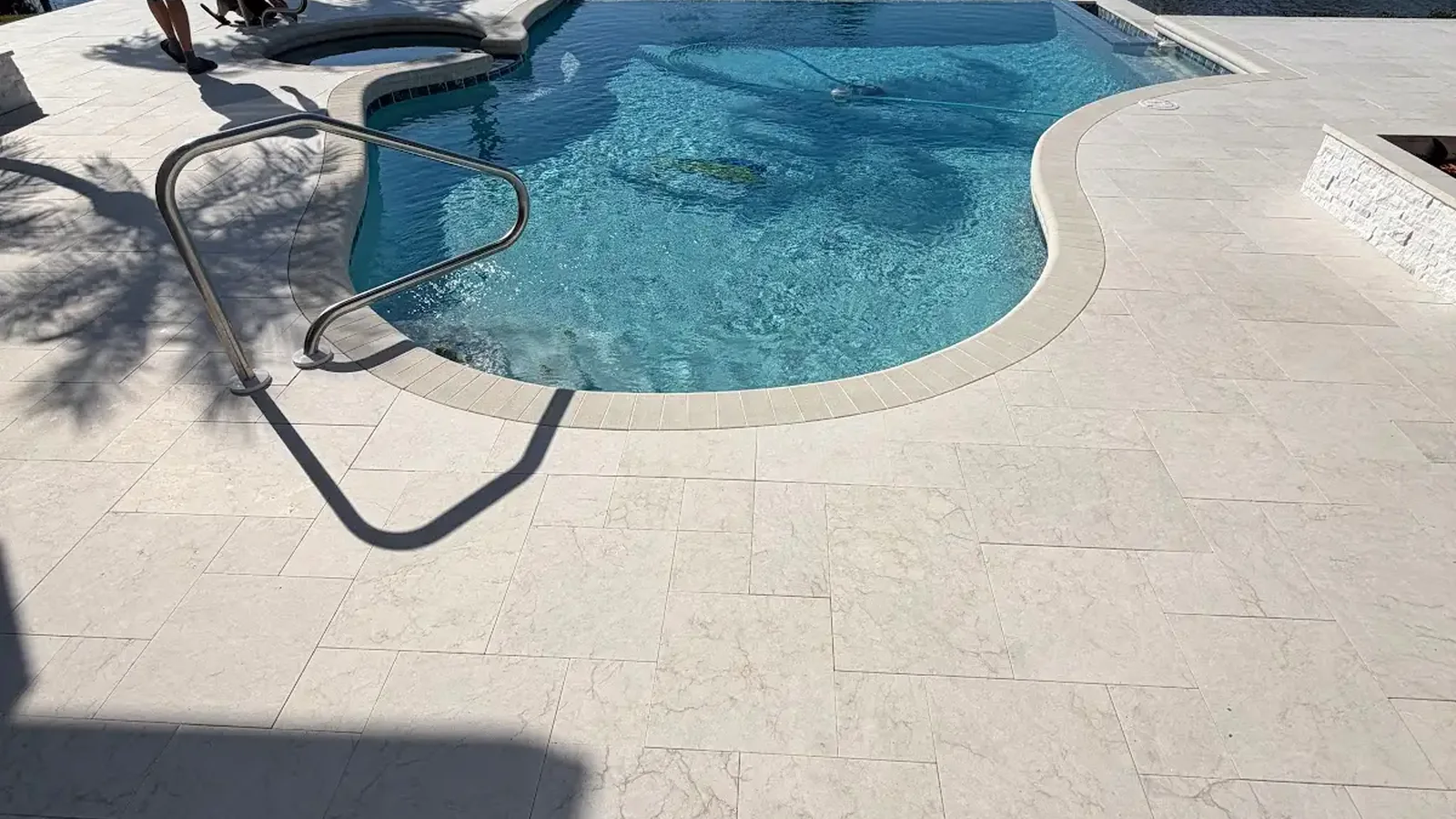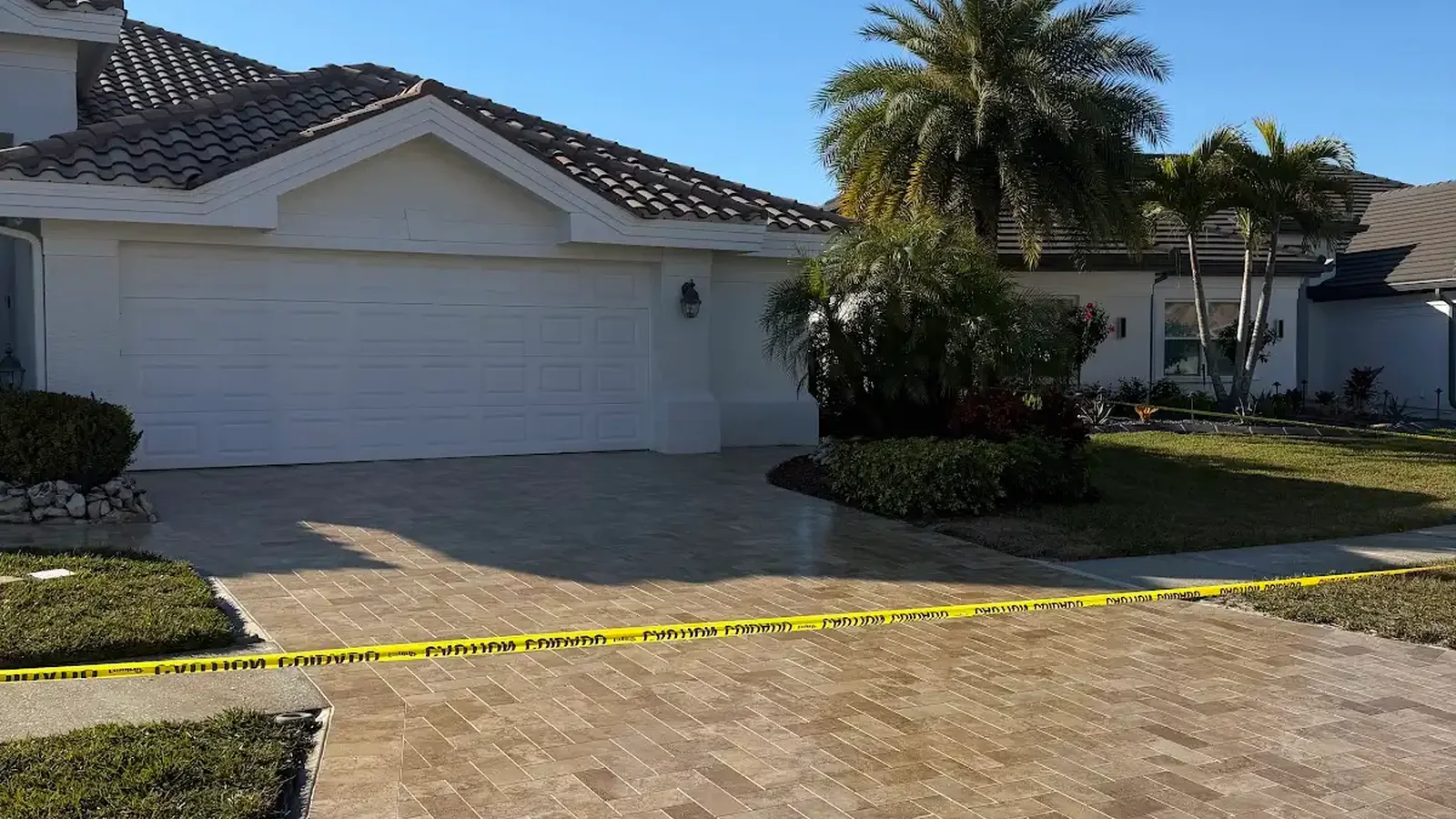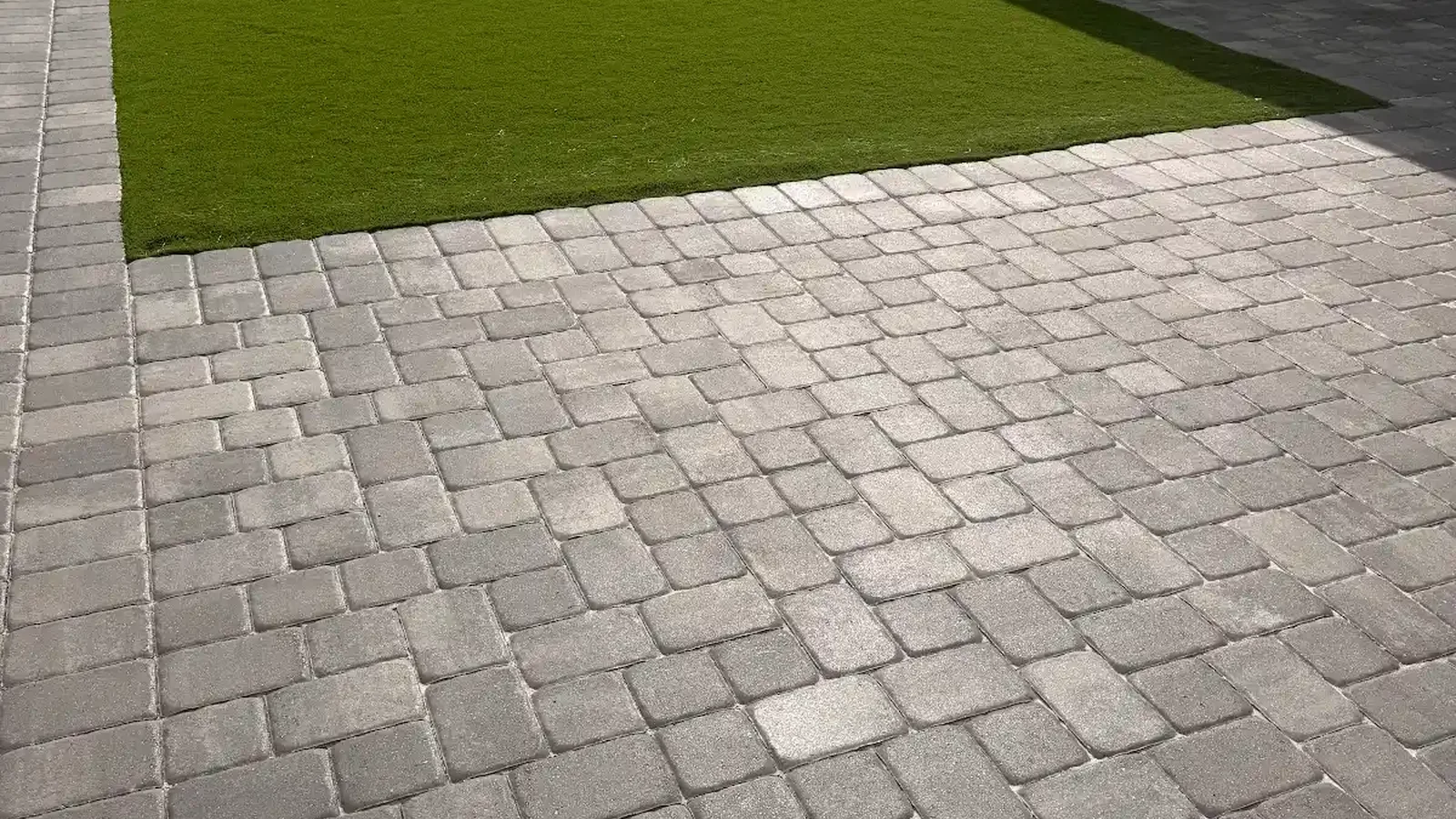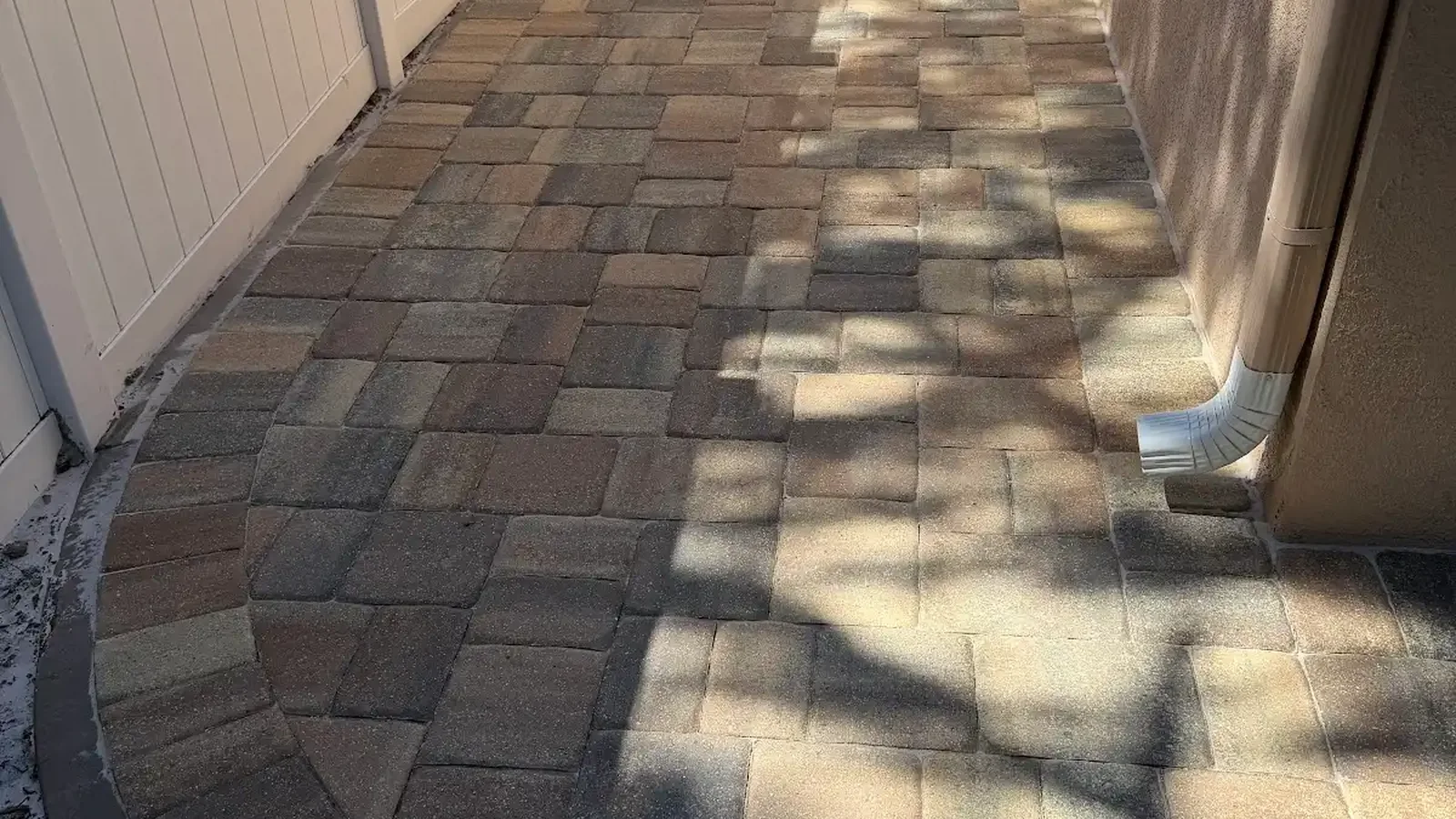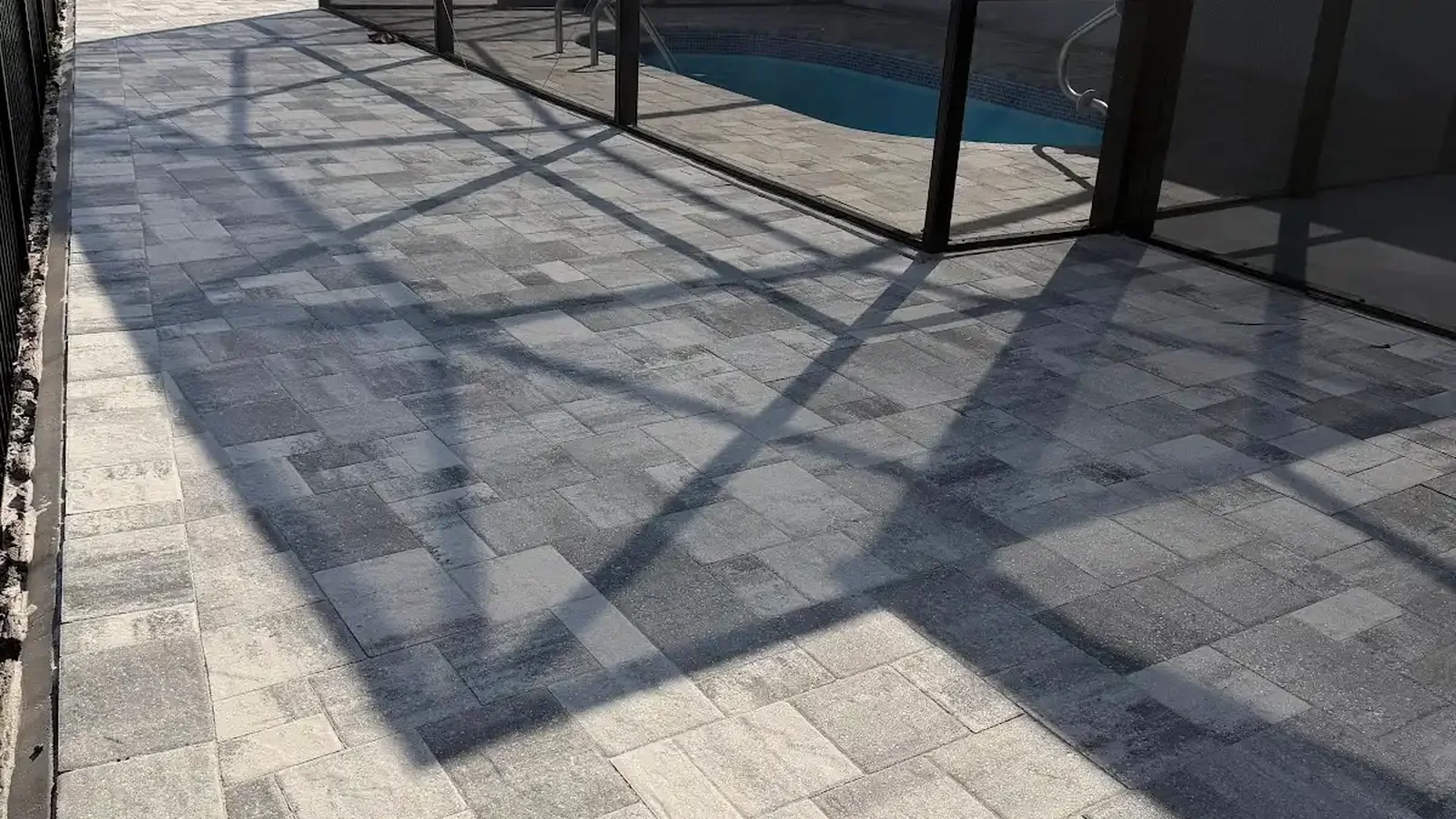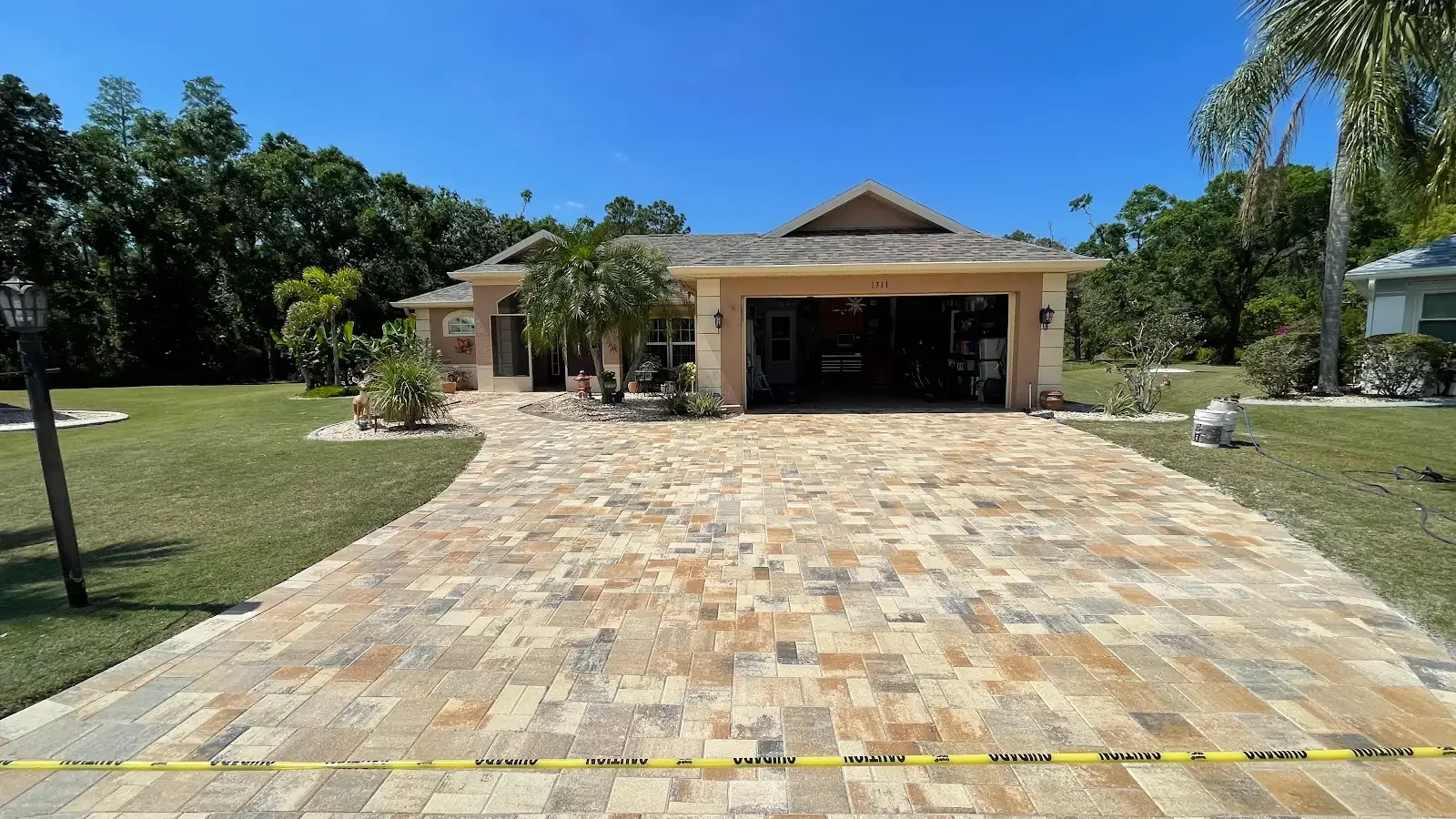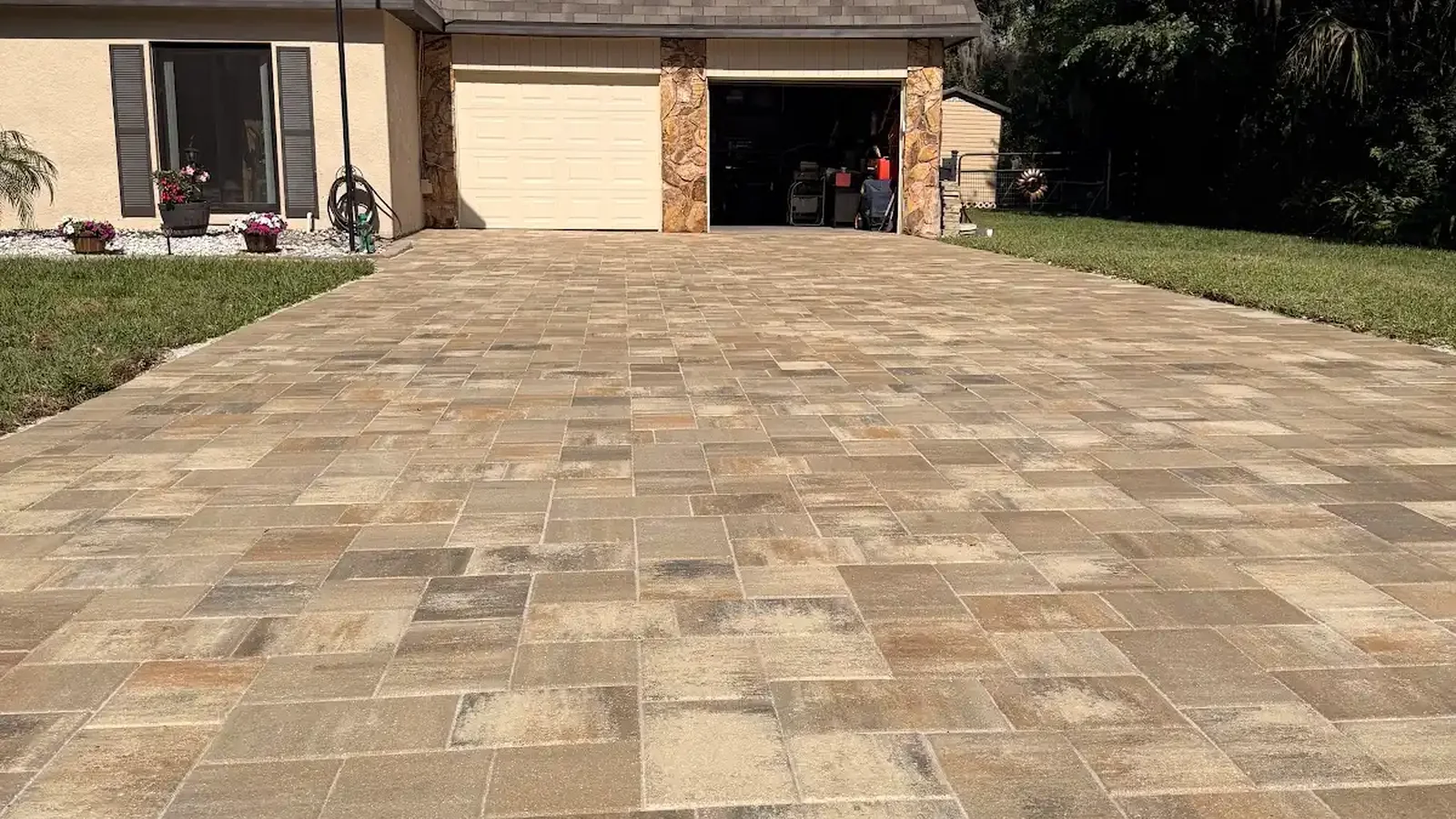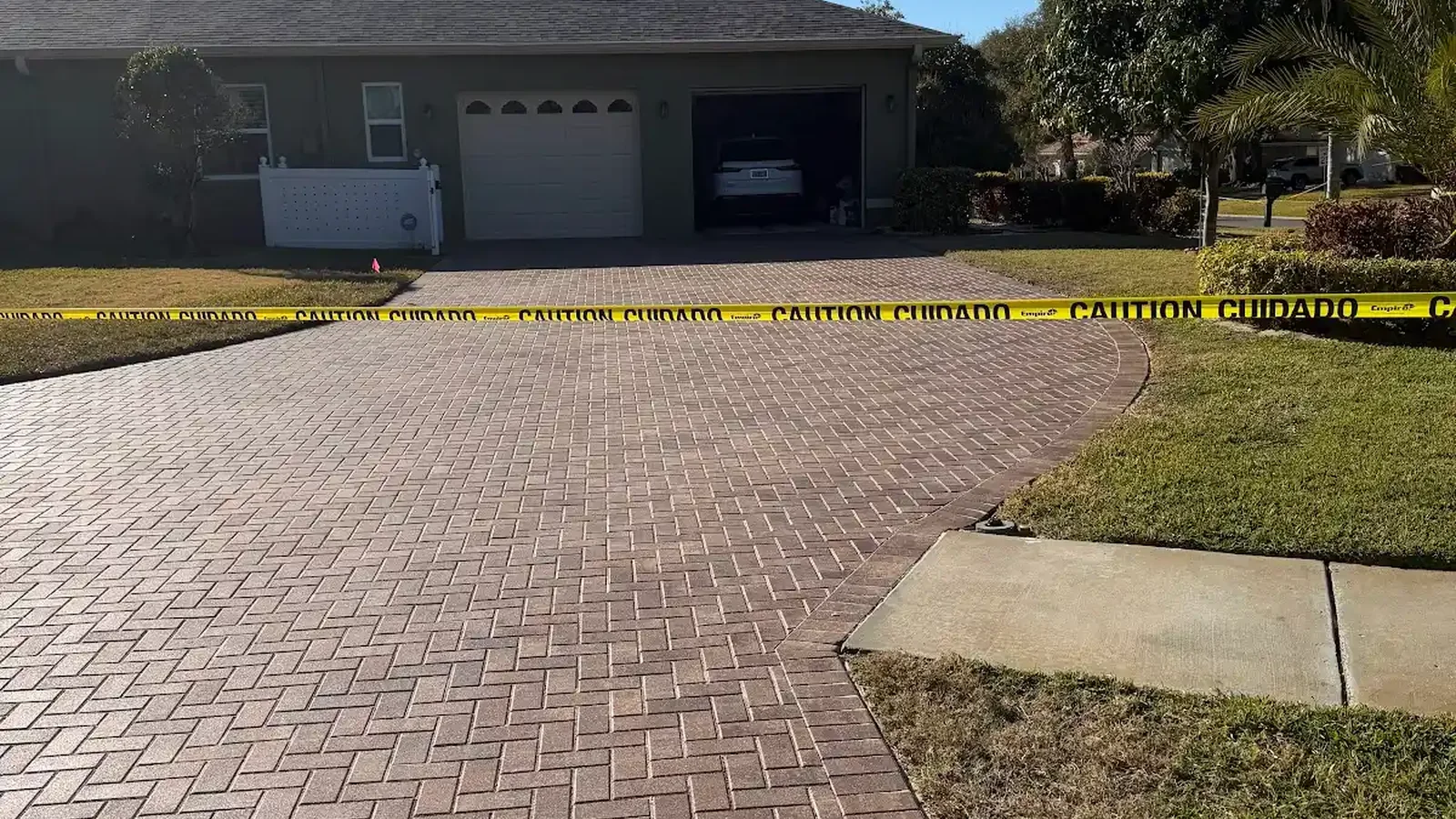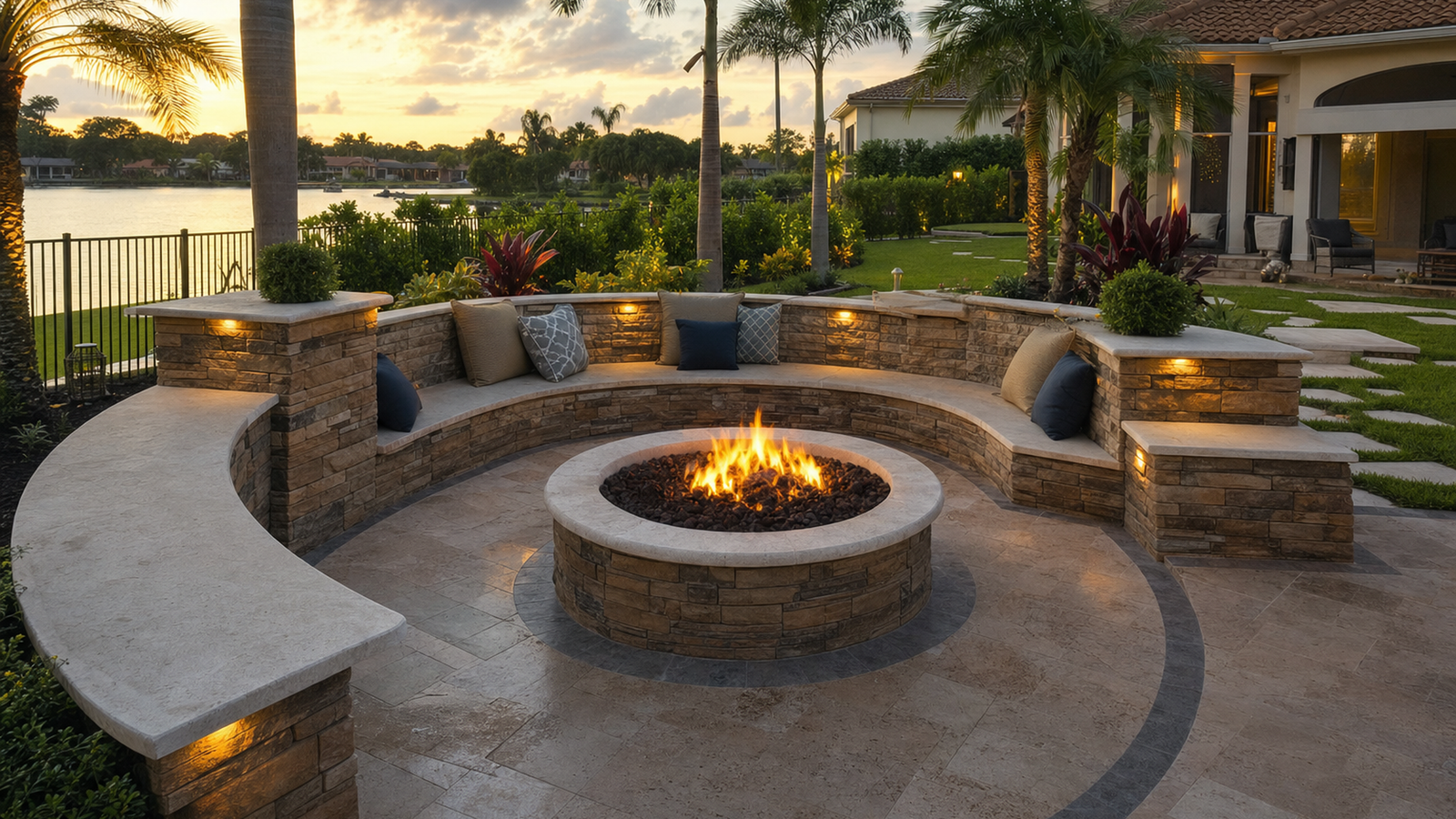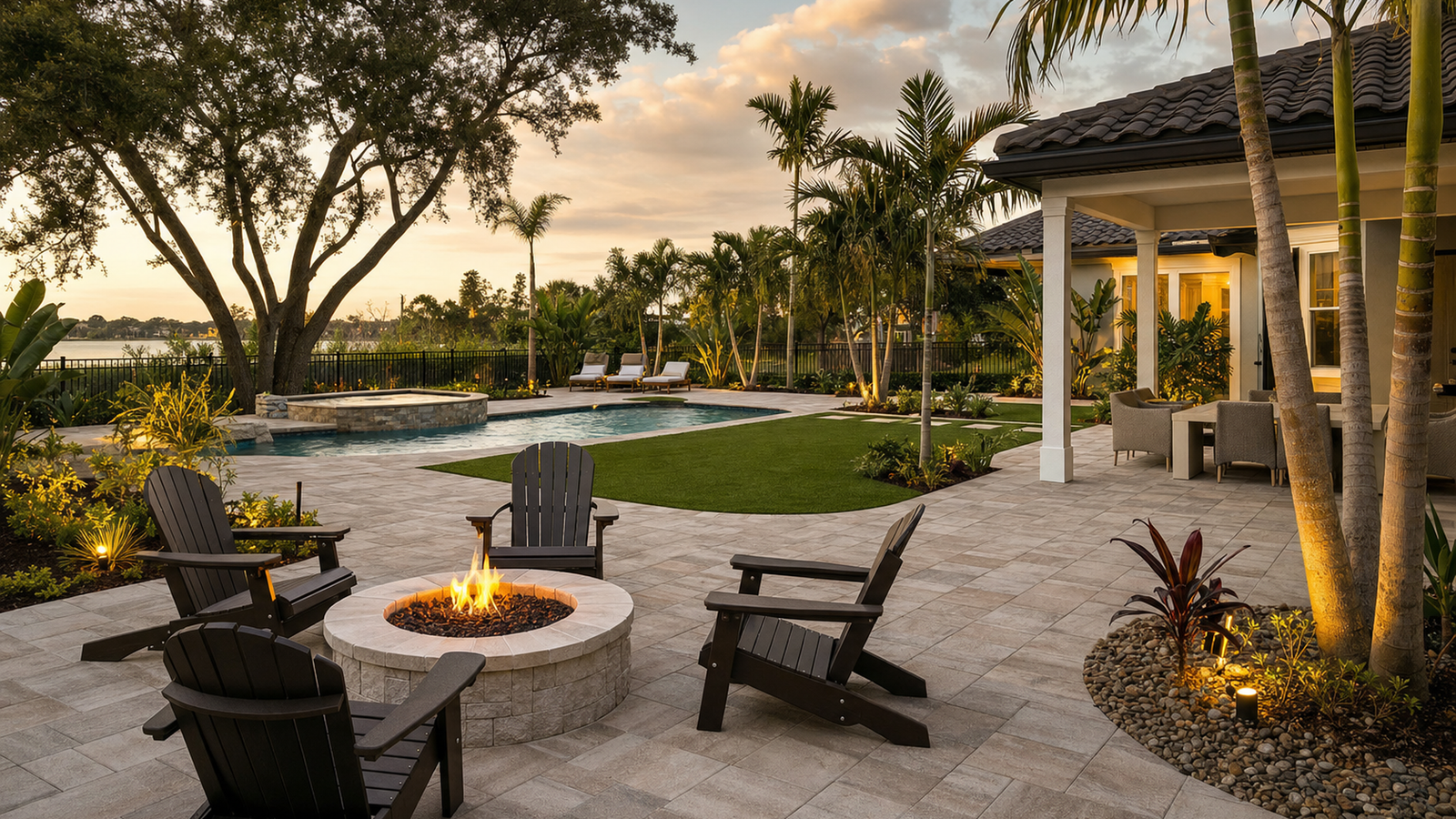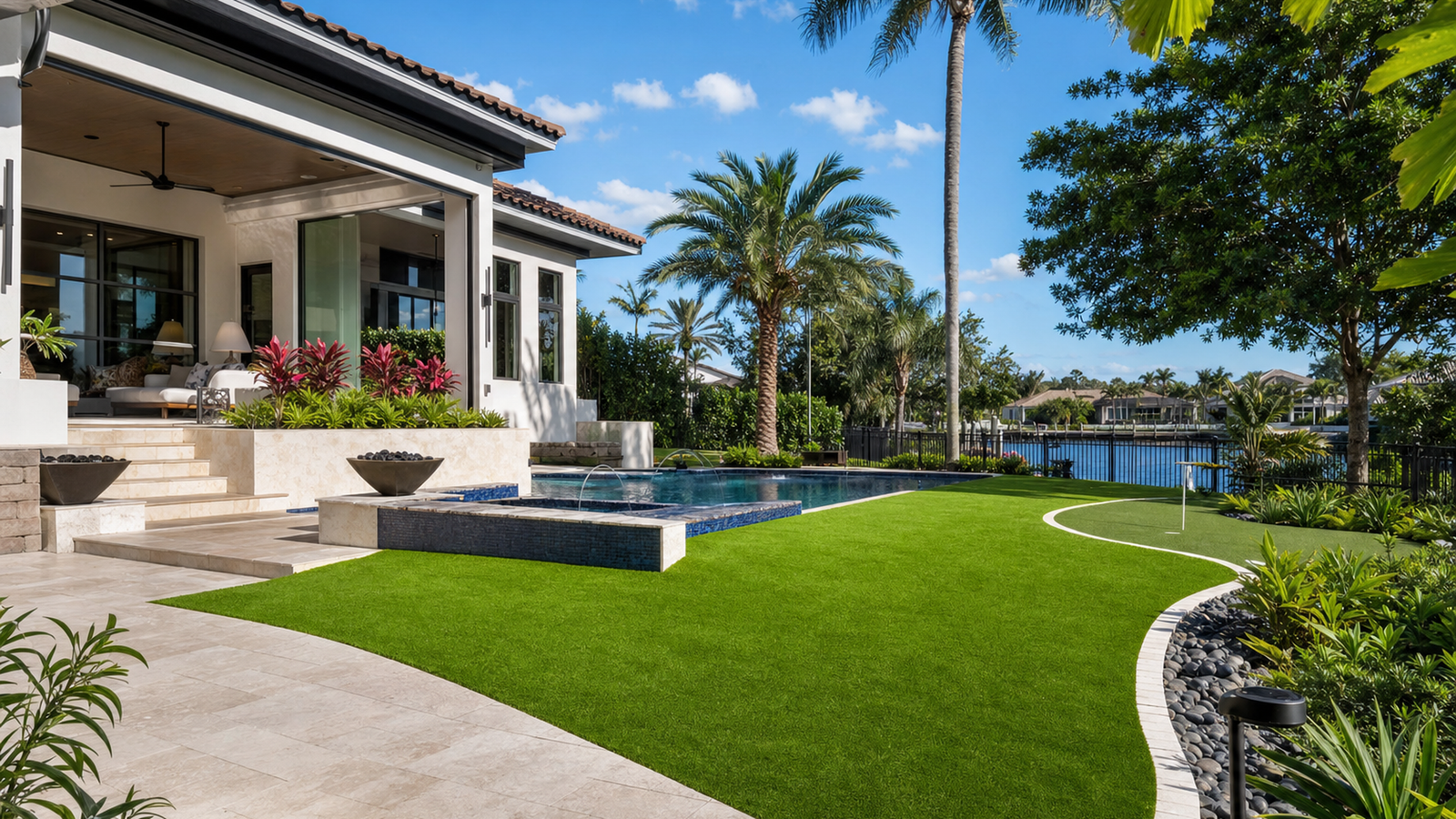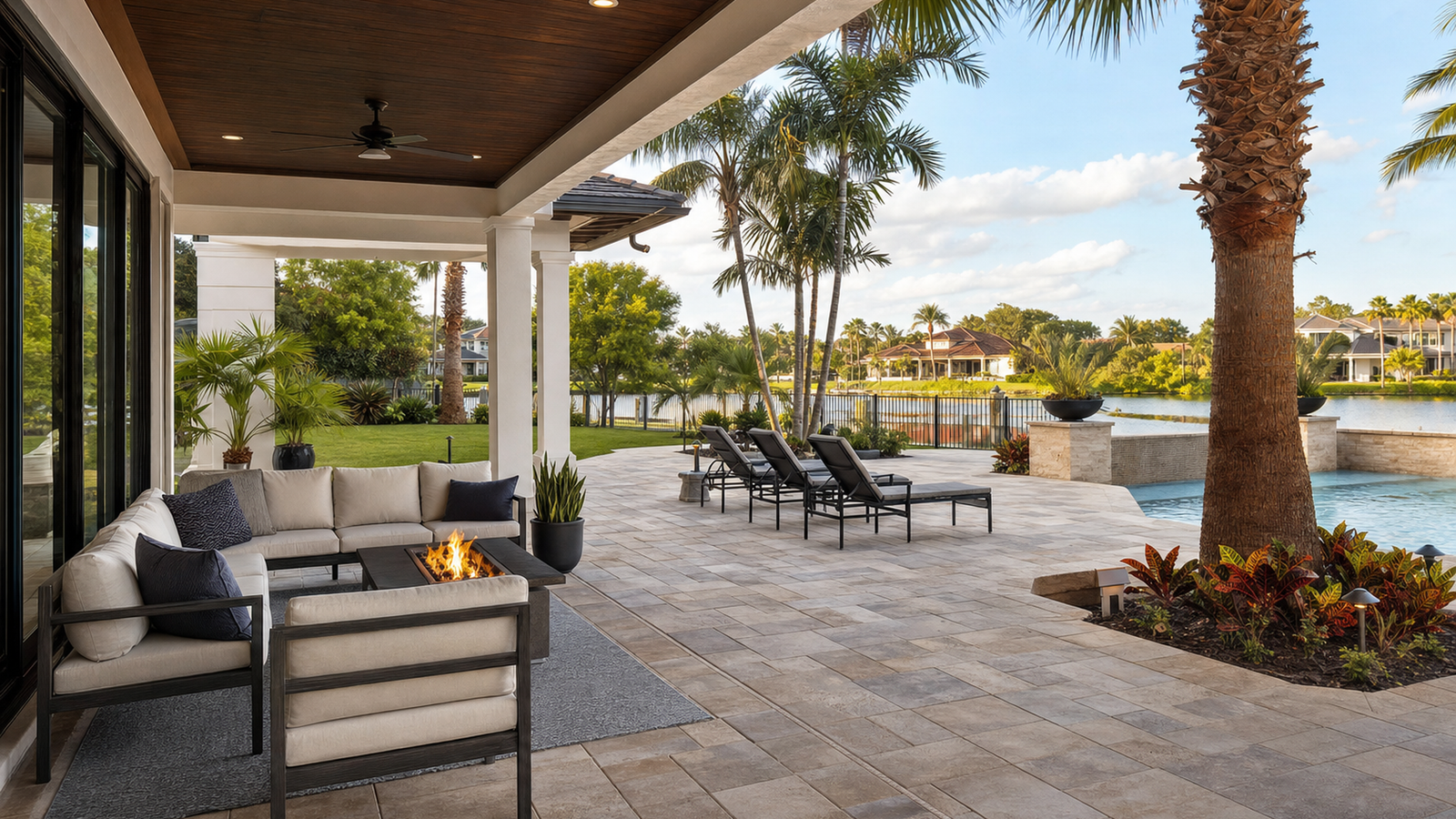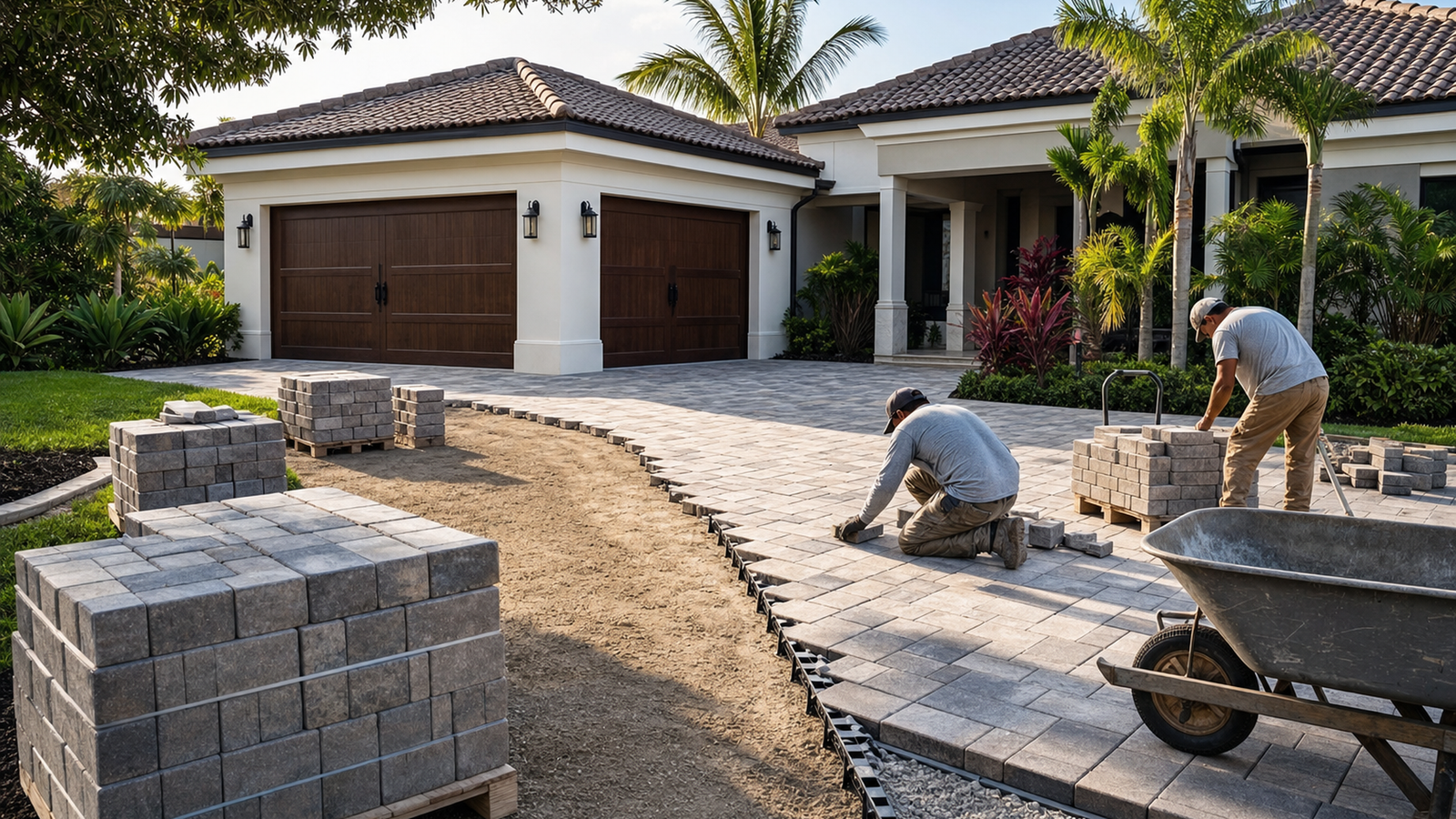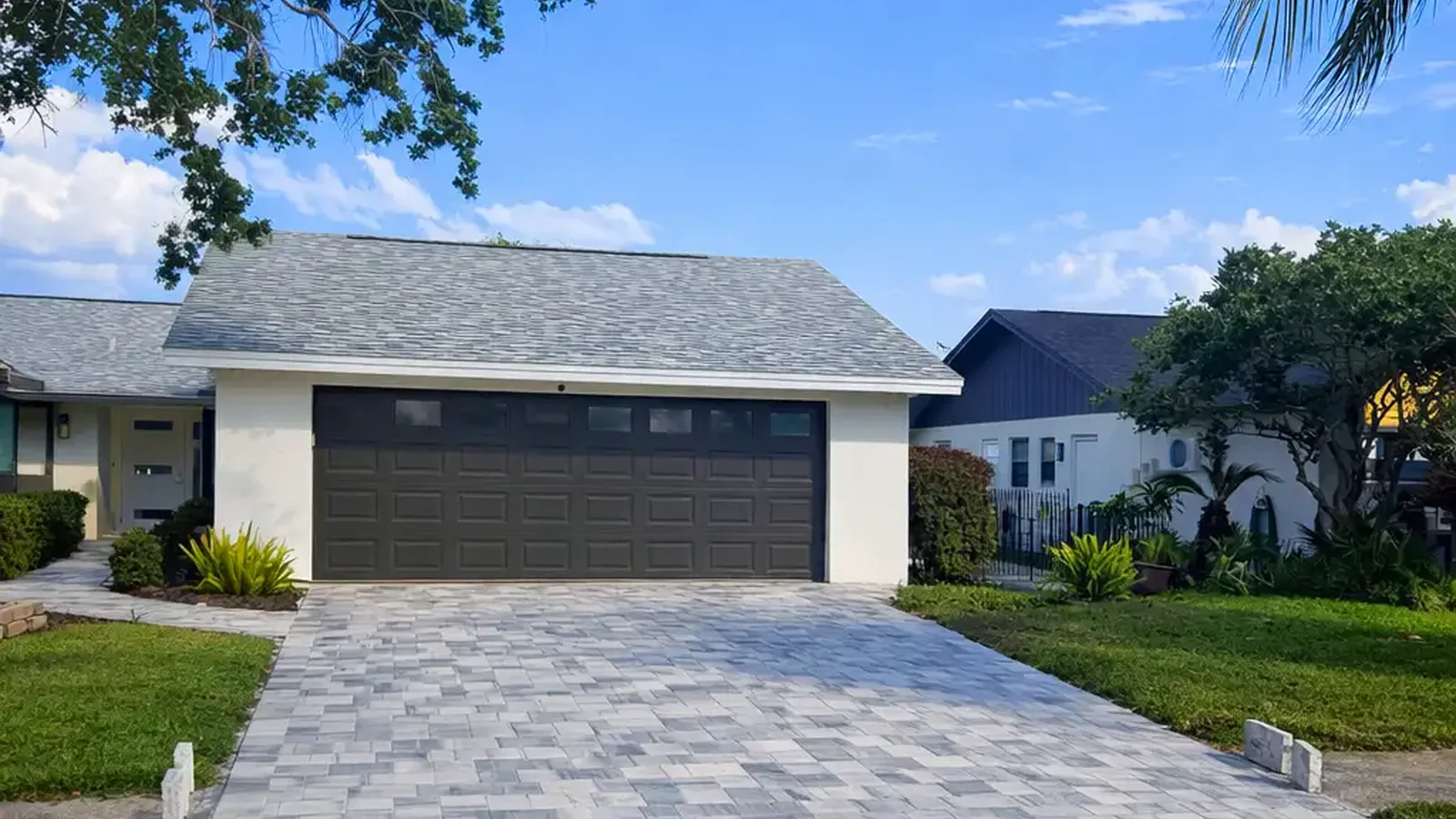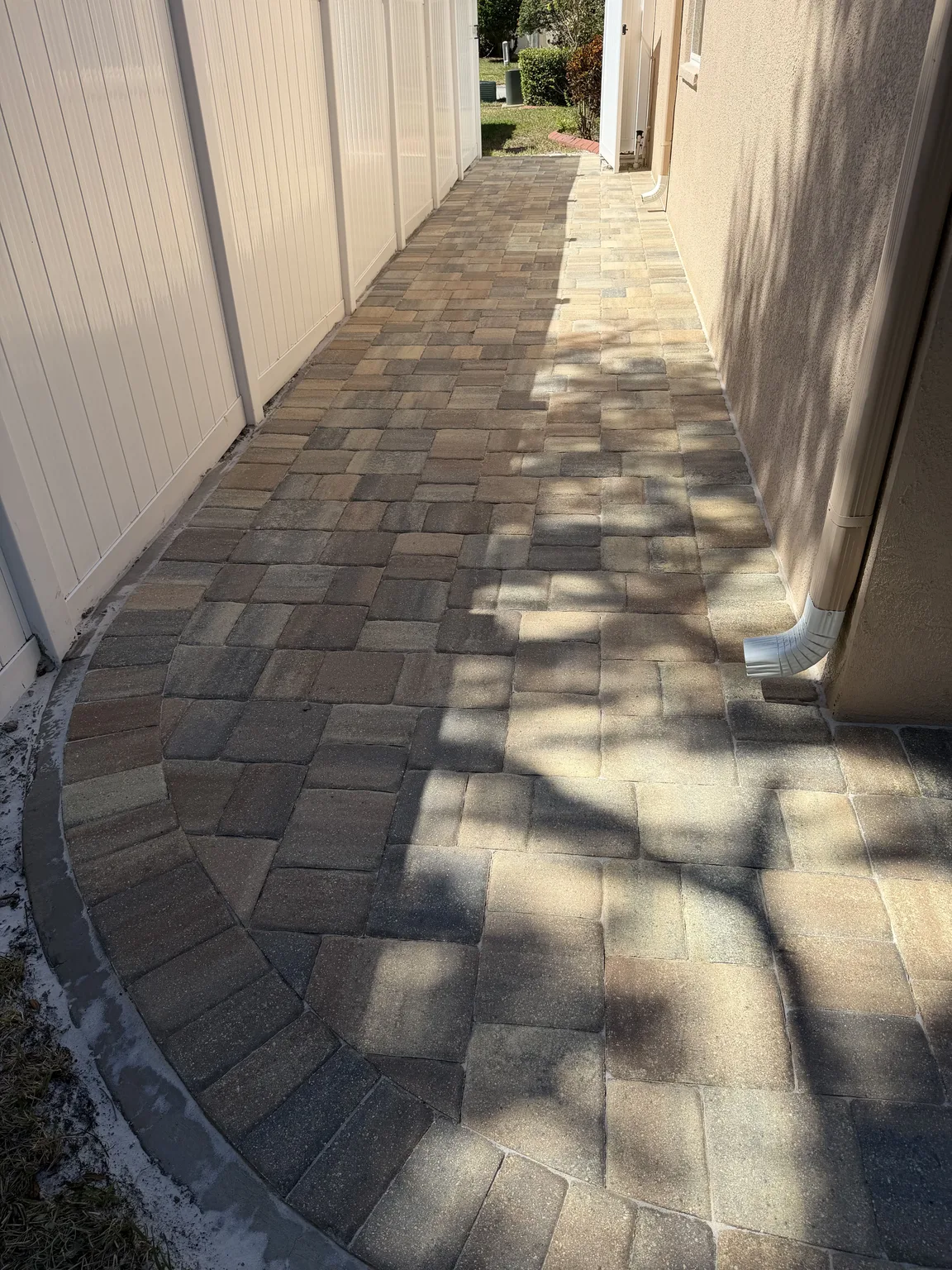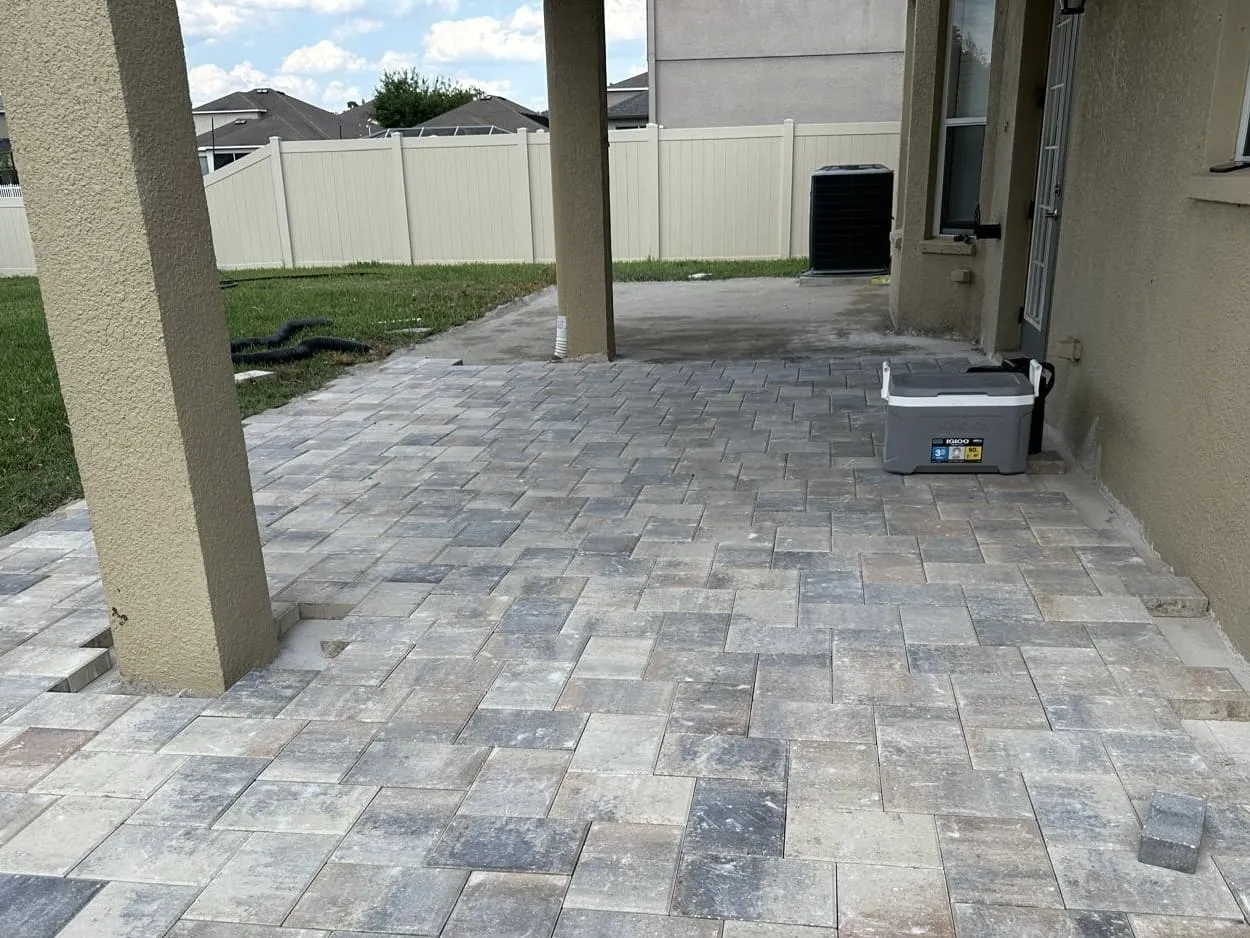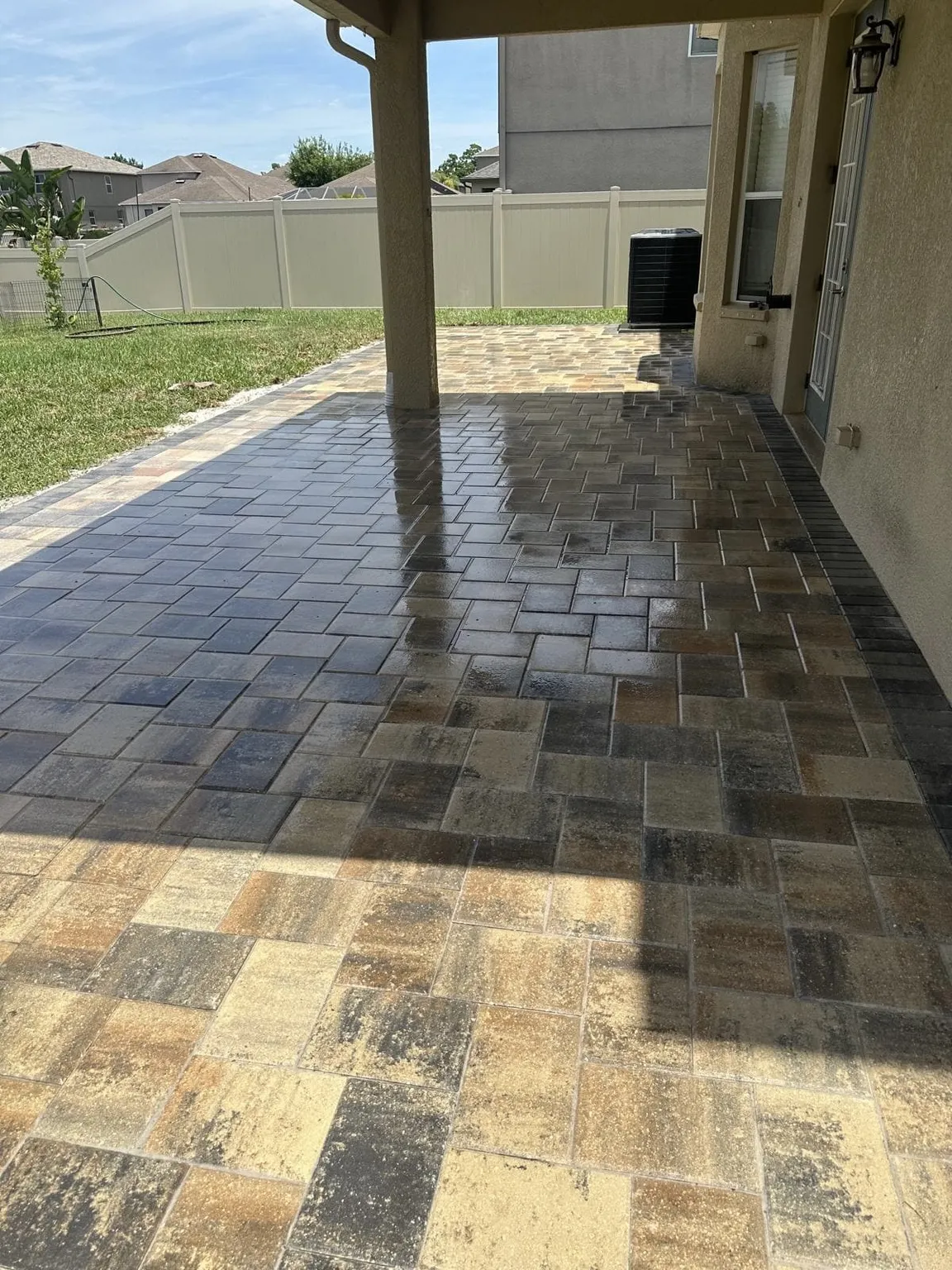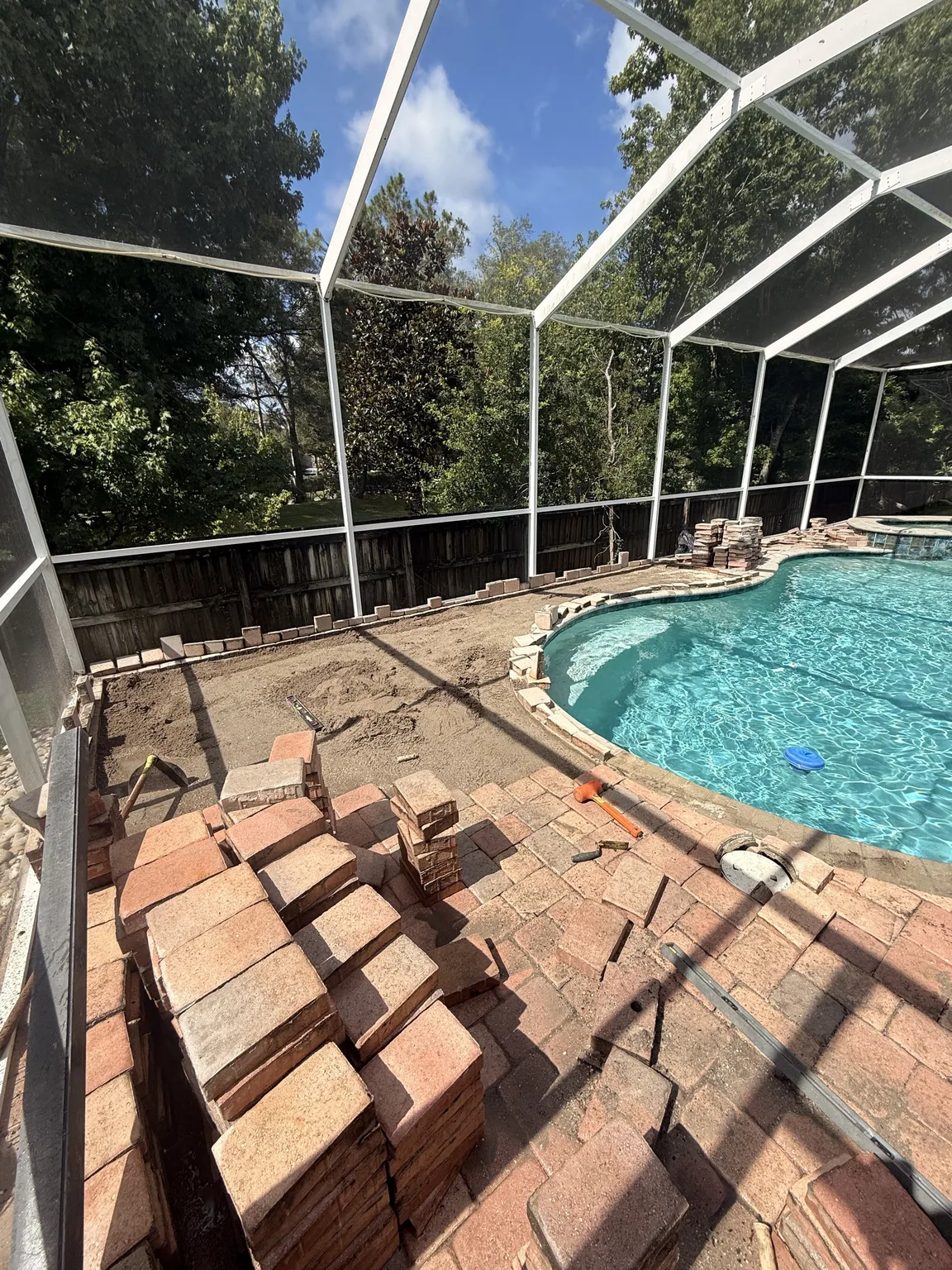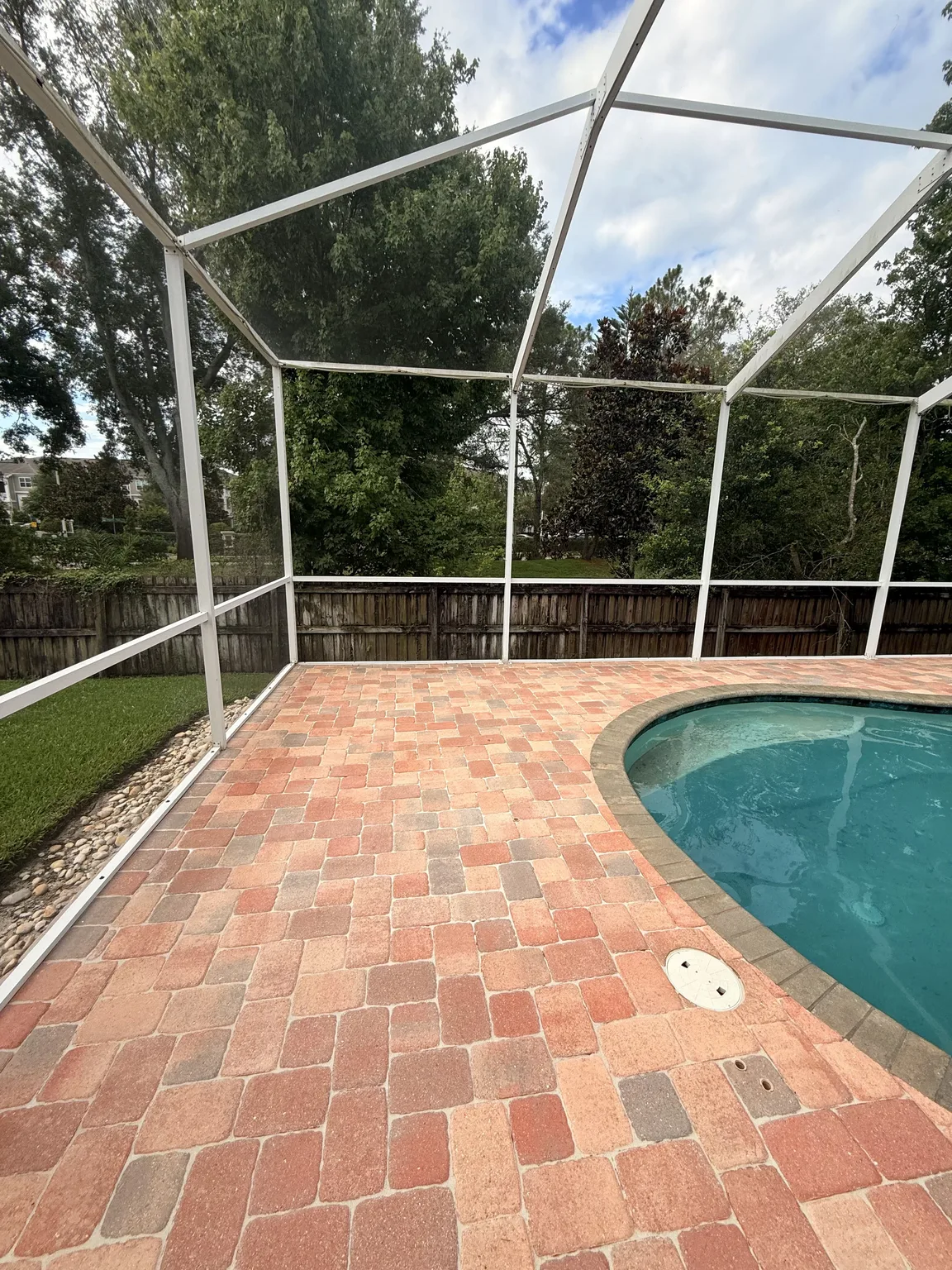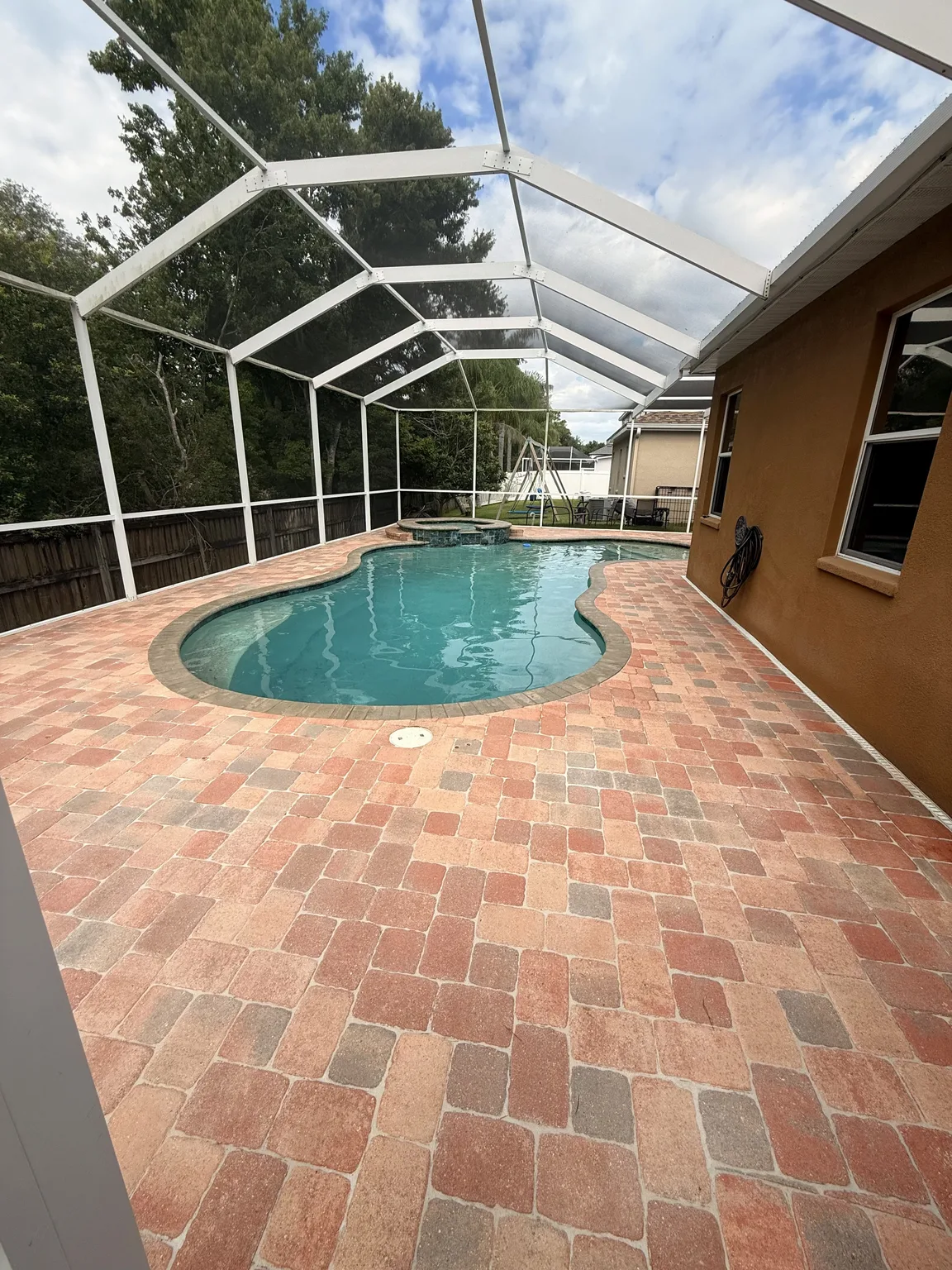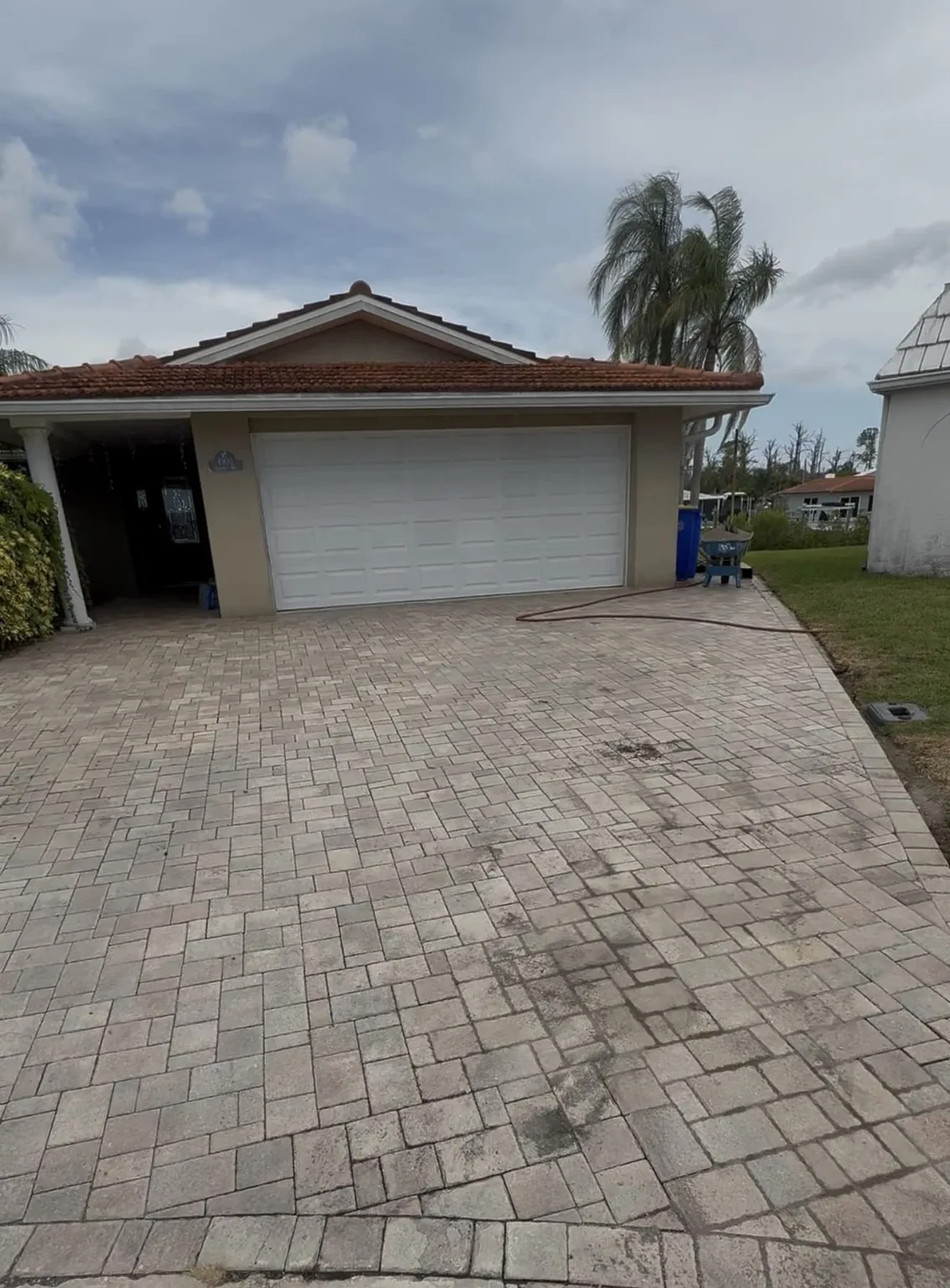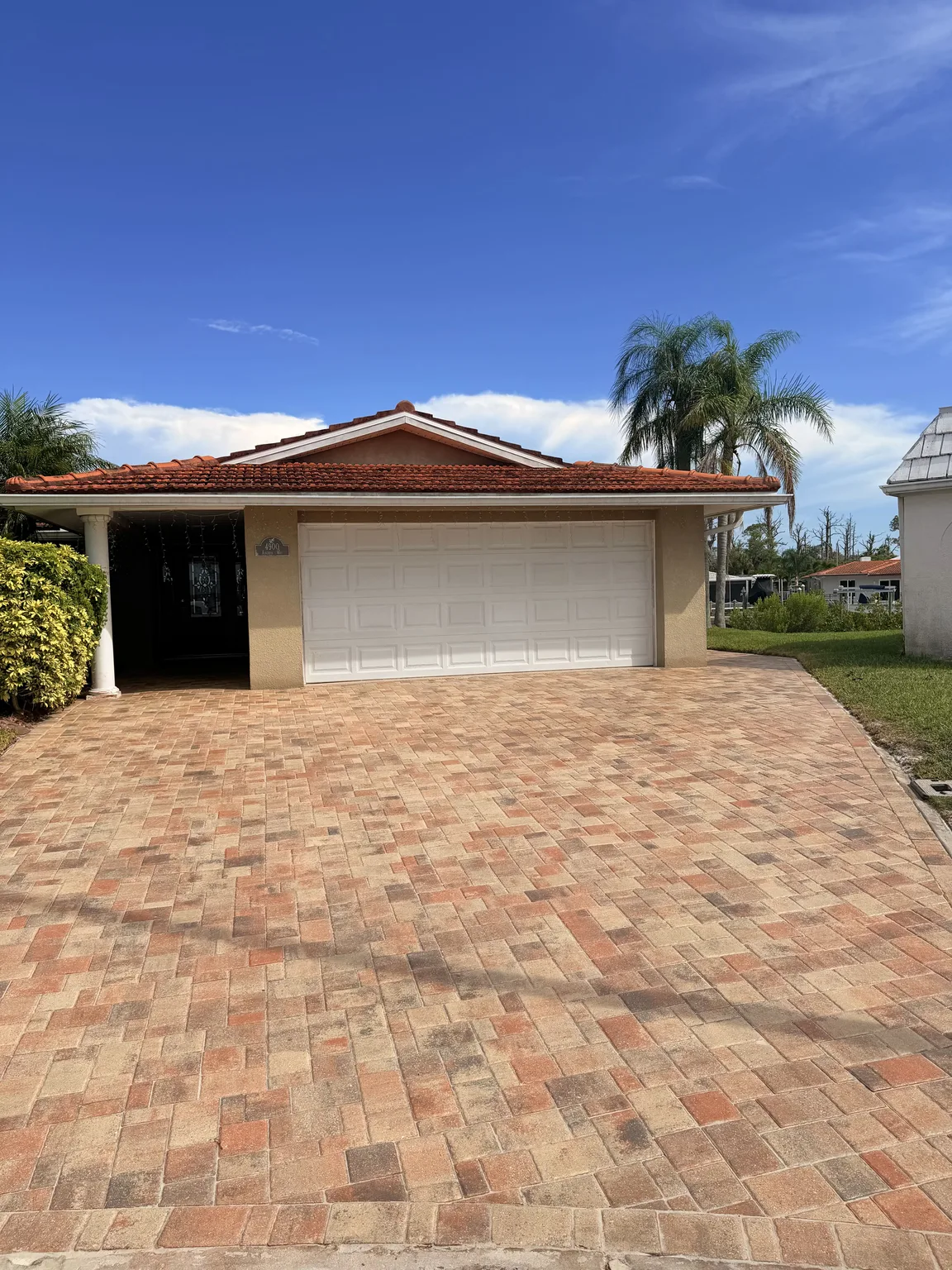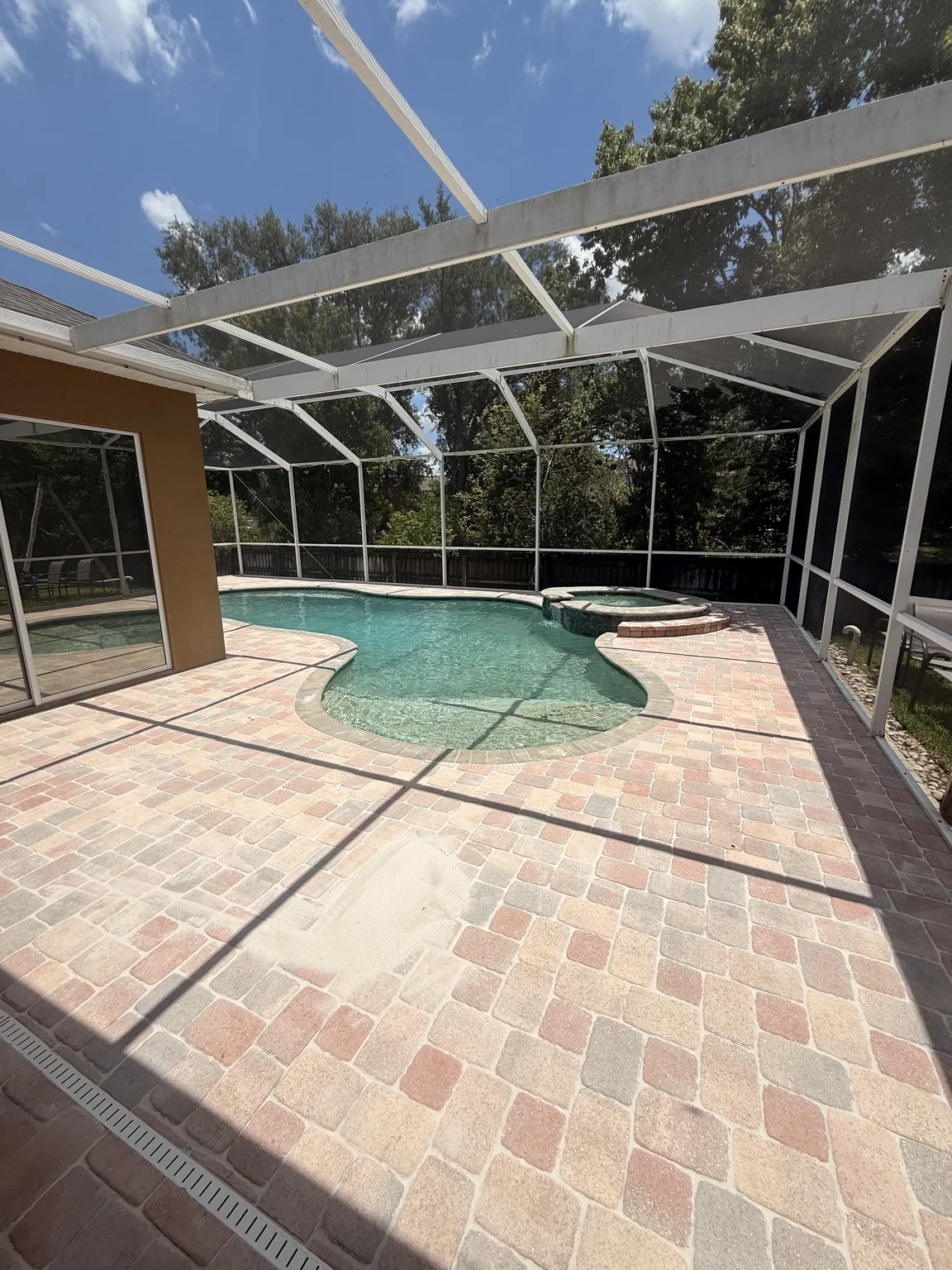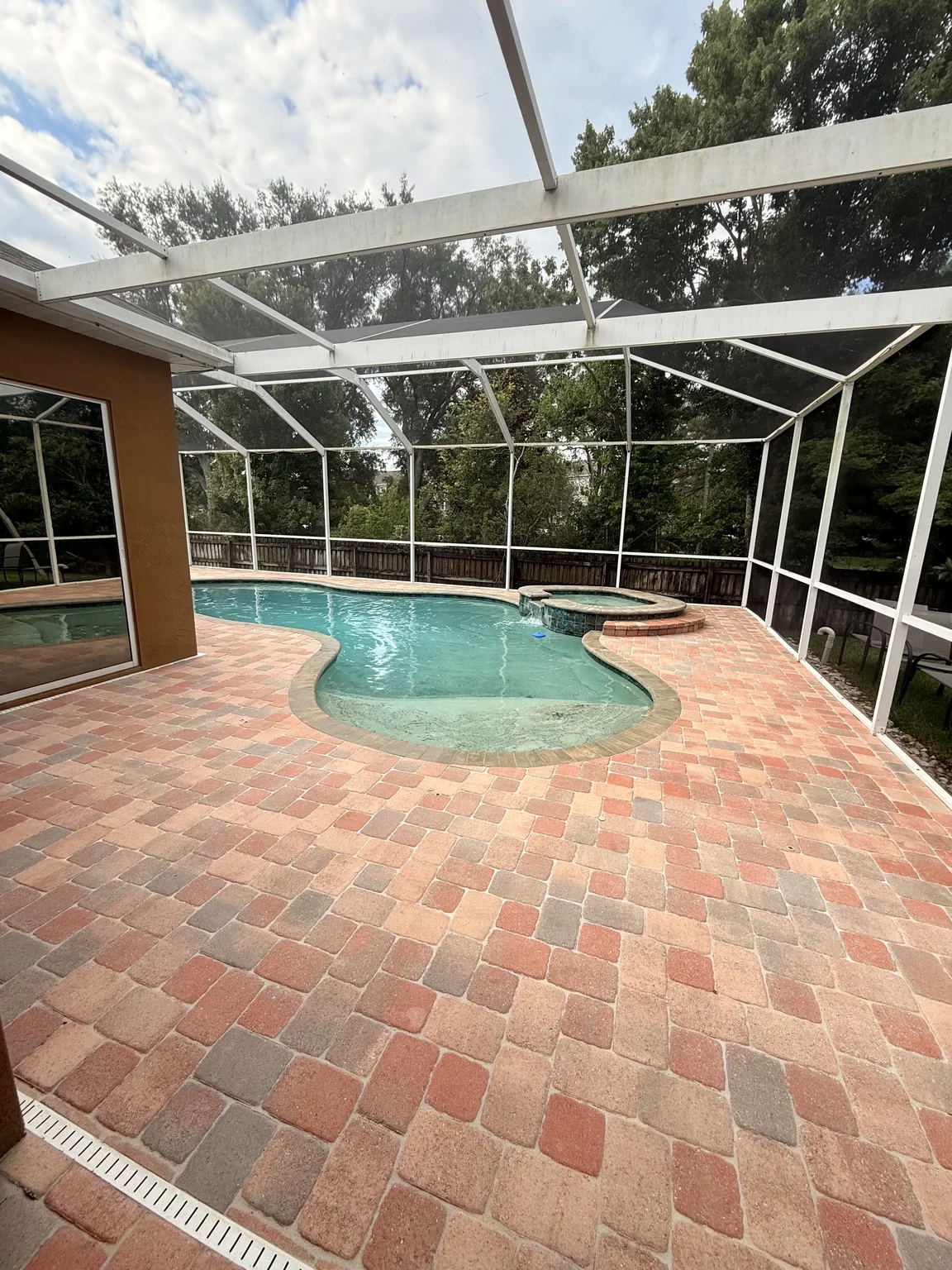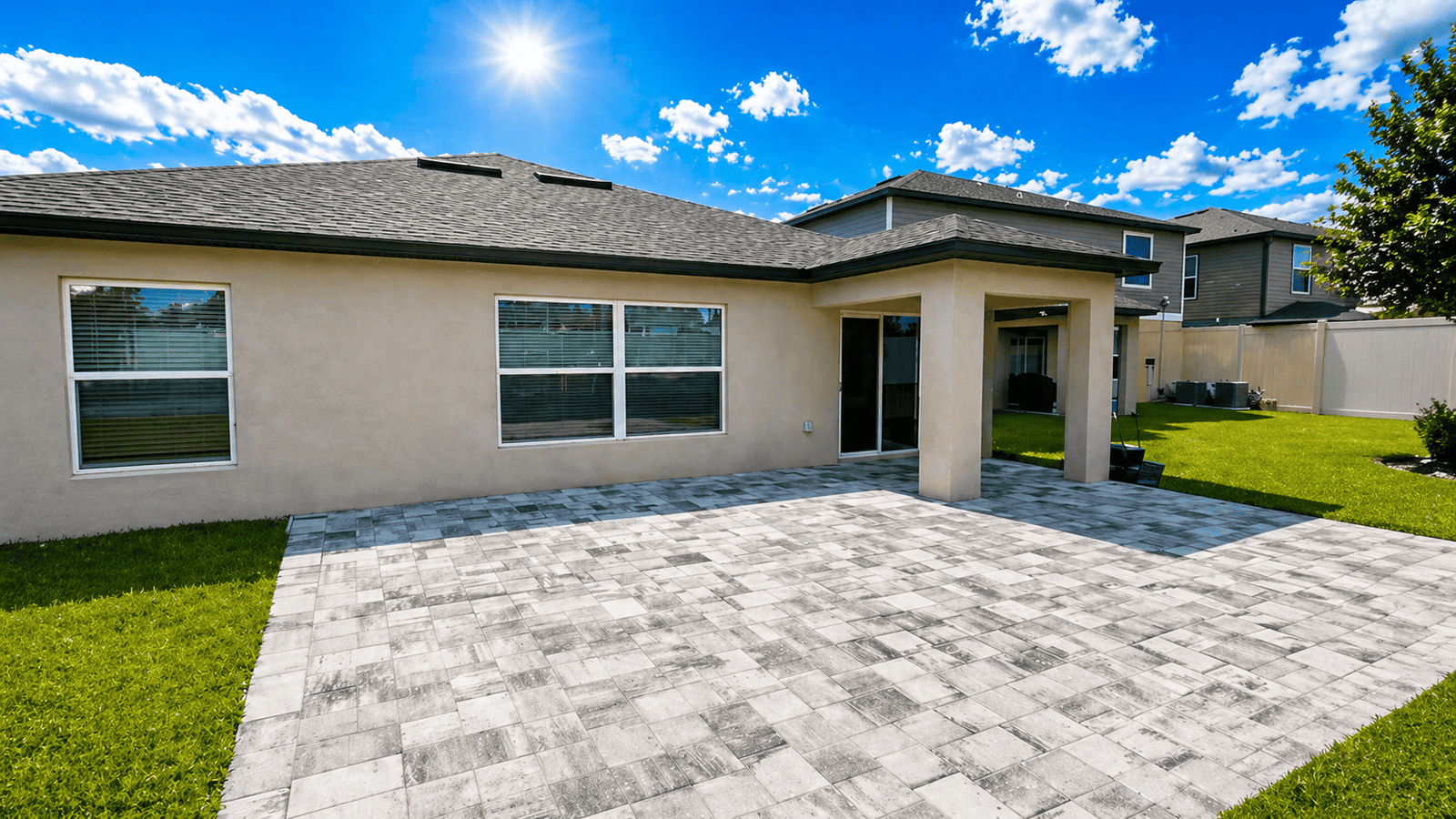
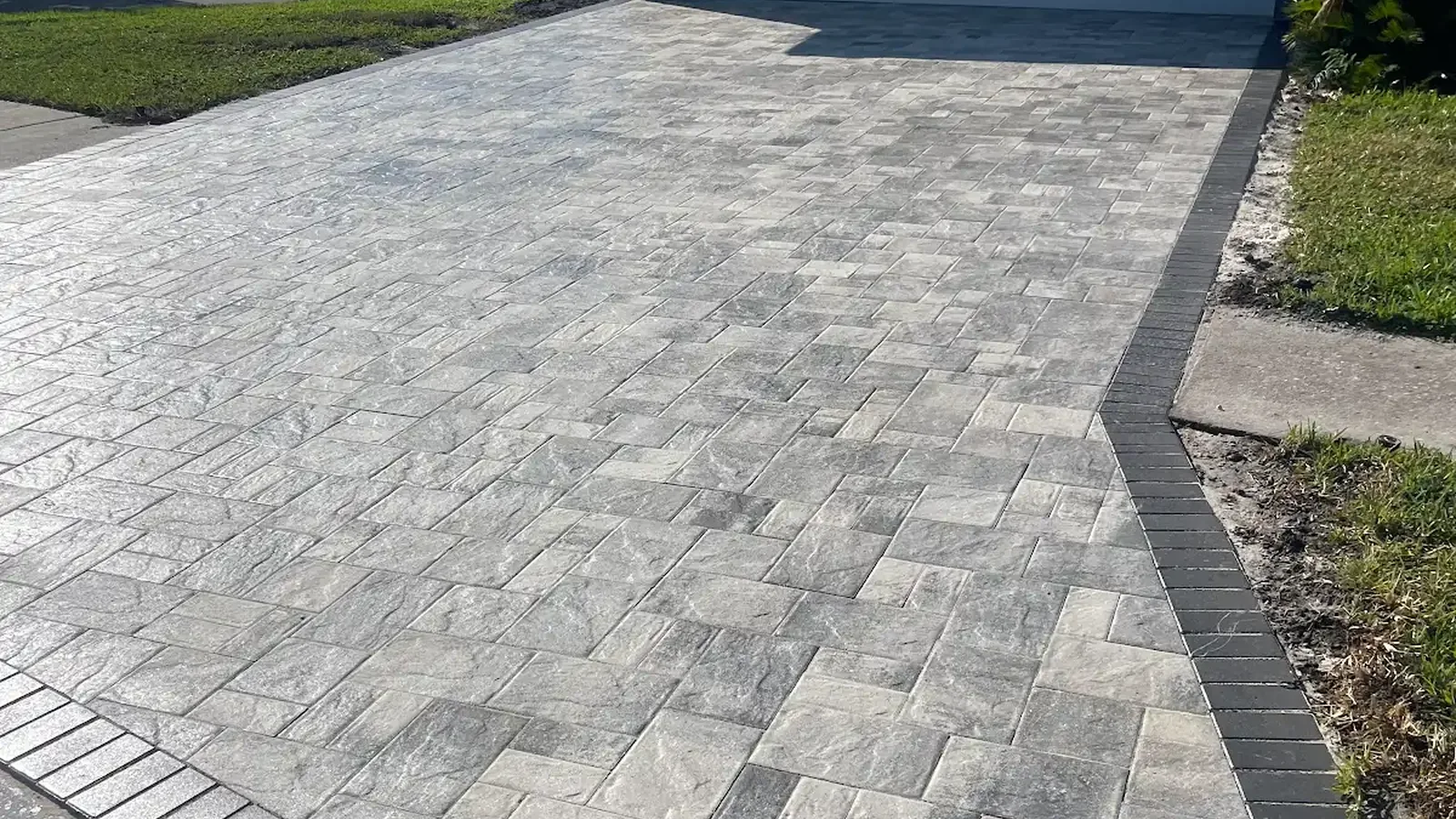
Sealed vs unsealed pavers is not a one-size-fits-all decision for Florida homes, especially in hot, wet Tampa Bay. Both options can look great and perform well when designed, installed, and maintained correctly. However, sealing changes how your pavers handle stains, moisture, gloss, traction, and future maintenance. Understanding these tradeoffs helps you choose what fits your driveway, patio, or pool deck in places like Riverview, Palm Harbor, or Land O’ Lakes. This guide walks through appearance, joint sand, efflorescence, and long-term care so you can make a confident, project-specific choice.
Sealed vs Unsealed Pavers: Quick Answer for Florida Homes
Homeowners across Tampa Bay often ask whether sealing is required for concrete or brick pavers. It is not automatically required, and the right answer depends on how you use the space and how you feel about maintenance and appearance. CMHA suggests treating sealing and joint stabilization as project-specific choices, not default steps for every job. Therefore, you balance benefits like stain resistance and joint hardening against added upkeep and recoating.
What sealed pavers do well in Florida yards
Properly sealed pavers can resist some stains better, especially on driveways with vehicles or outdoor kitchens with grease. Some sealers deepen color, which many homeowners like on tumbled pavers or darker blends. Joint-stabilizing sealers can help lock sand in place, which may limit joint erosion under heavy rain. However, they still need regular cleaning, and no sealer makes a surface maintenance-free.
Why unsealed pavers can still perform well
Unsealed pavers keep more of their natural texture, which can help traction when pool decks and patios are wet. They allow moisture to move through the system more freely, which can benefit some sites and bases. Many stains can still be treated with targeted cleaners and follow the general cleaning and stain-treatment guidance CMHA provides. While unsealed pavers may show efflorescence earlier, it also often weathers away without working under a coating.
When sealed vs unsealed pavers makes sense
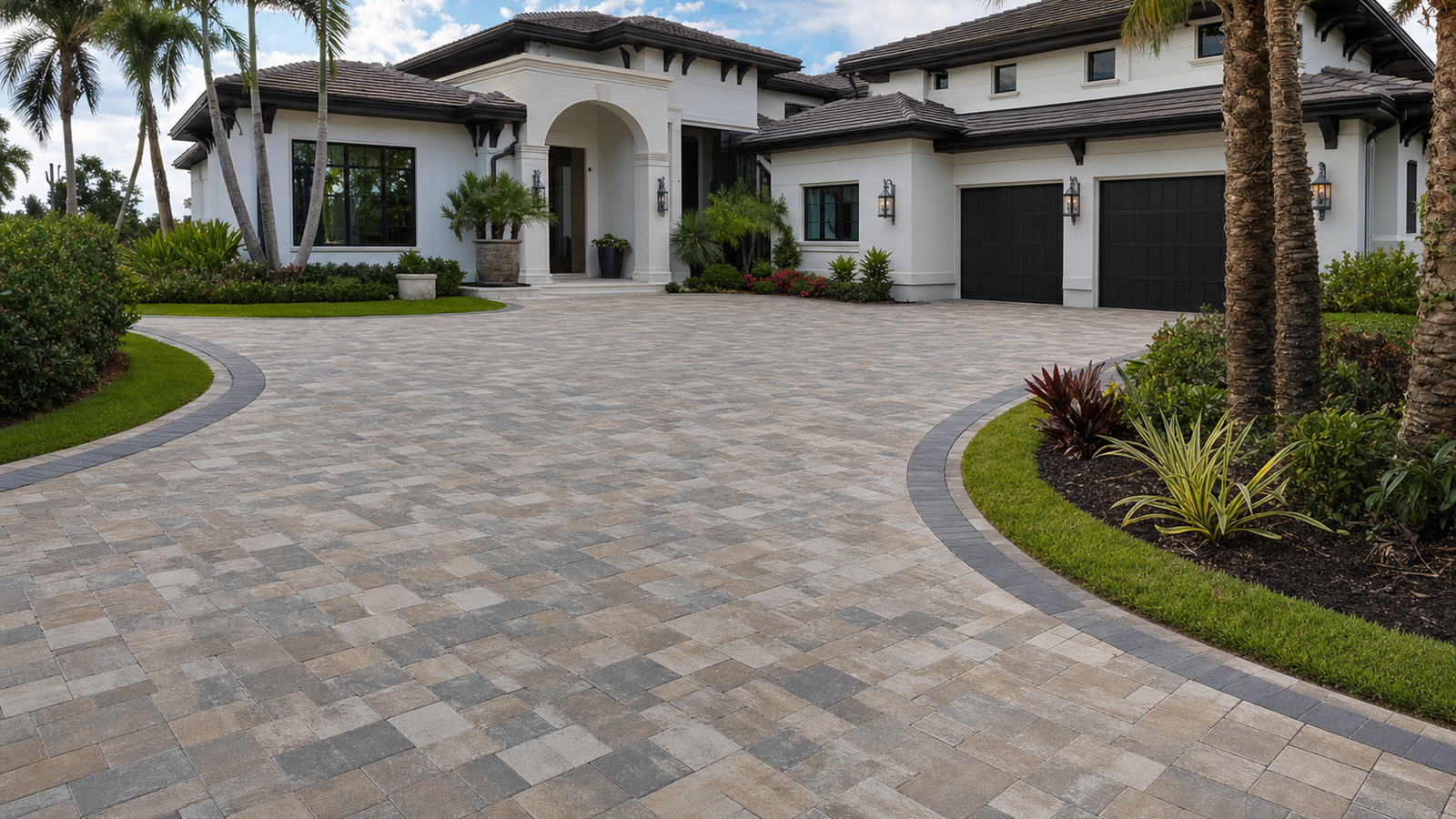
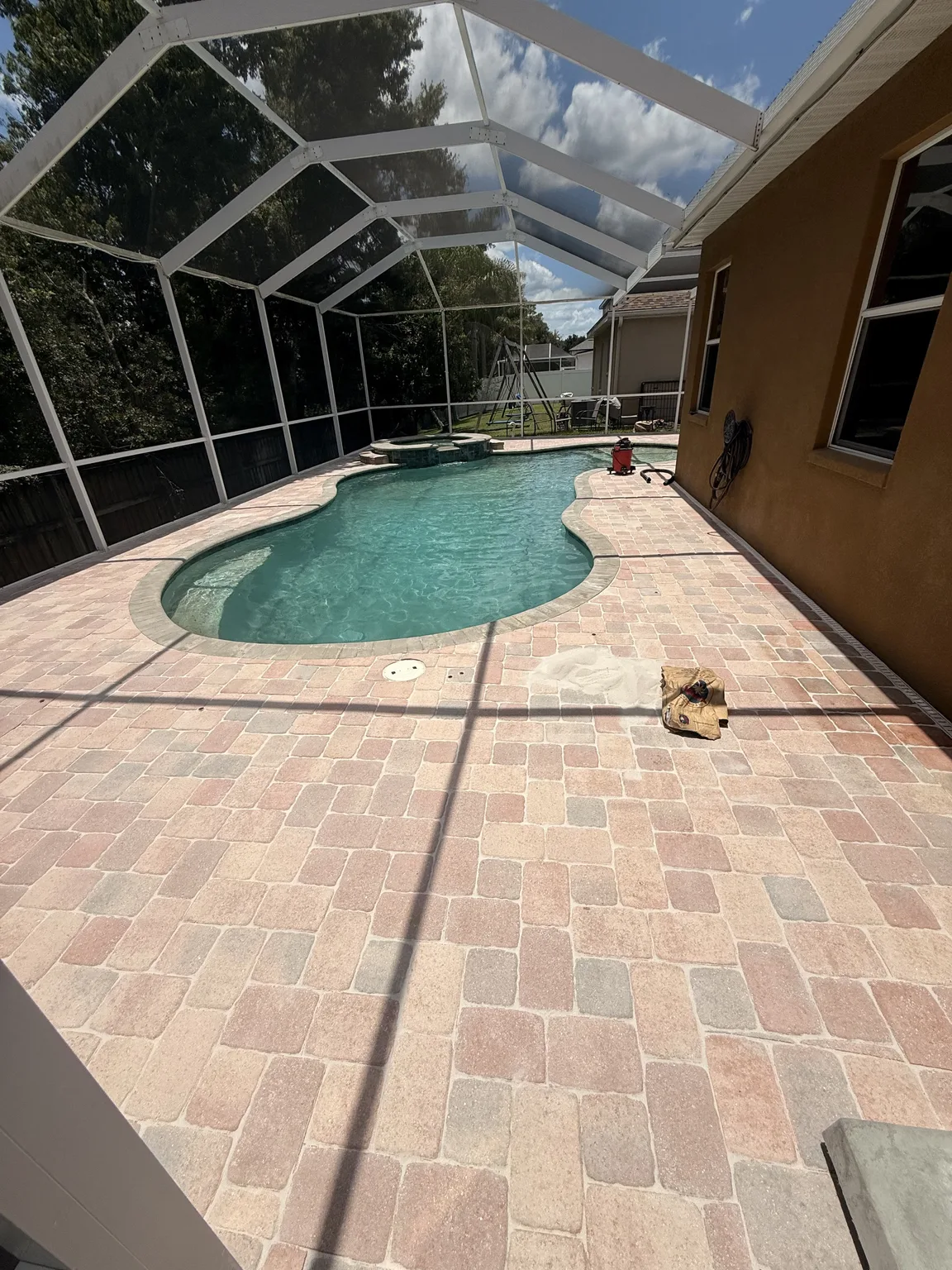
Busy driveways in Town ‘N’ Country or Wesley Chapel, or outdoor kitchens that see frequent cooking, often lean toward sealing. Low-traffic garden paths or rustic patios in Thonotosassa may do well unsealed with routine cleaning and joint care. Around pools, both options can work, but traction and gloss level become critical. In every case, reviewing manufacturer literature and talking with a qualified installer helps match products and expectations to your specific project.
Paver Appearance, Color, and Gloss in Florida Sunshine
How sealing changes paver color and depth
Many water-based and solvent-based sealers deepen paver color, similar to a “wet look.” This can bring out blends in concrete pavers or make clay brick appear richer. However, some homeowners prefer the softer, more natural look of unsealed surfaces, especially on lighter tones. Therefore, it helps to test a small, inconspicuous area or sample board before committing to a full sealing job.
Natural look and aging on unsealed pavers
Unsealed pavers in neighborhoods like Ruskin or Greater Carrollwood typically lighten slightly over time under Florida UV exposure. This weathering can look natural and consistent if you keep up with cleaning and joint maintenance. Because there is no coating film, surface wear usually appears more uniform and does not peel. However, dirt and organic growth may be more visible on lighter, unsealed patios if you skip regular washing.
Gloss level, glare, and traction concerns
Sealers range from natural or matte to high-gloss. Higher-gloss products can create glare in open, sunny spots, and some may reduce traction when wet. This matters around pool decks and sloped driveways in Palm Harbor or Seven Springs. Ask your contractor which finish levels are compatible with your pavers and traffic, and always test a sample section to see gloss and grip before sealing the entire surface.
Stains, Moisture, and Efflorescence in Tampa Bay Hardscapes
How sealed and unsealed pavers respond to stains
On sealed pavers, many liquid spills sit longer on the surface, which can make cleanup easier when you respond quickly. Oils and other stubborn contaminants can still penetrate some sealers, so CMHA advises tackling individual stains before broad cleaning. On unsealed pavers, absorbent surfaces may take stains deeper, but many spots still respond to the right cleaners and agitation. In both cases, treat stains promptly and follow cleaner directions specific to concrete or brick pavers.
Moisture movement and Florida’s wet climate
Florida’s frequent rain and high humidity constantly move moisture through your paver system. Unsealed pavers allow water to enter and leave more freely, which can help the sand and base dry between storms. Many sealers still let some vapor pass, but film-forming products can slow evaporation. Therefore, base construction, slope, and joint design matter just as much as the seal vs no-seal decision for long-term performance.
Efflorescence timing and visibility
Efflorescence is the white, powdery salt deposit that can form as moisture moves through concrete or some mortars. On unsealed pavers, it often appears early and can weather or wash away over time with proper cleaning. When pavers are sealed too soon, efflorescence can develop beneath or within the coating, making it harder to remove. Waiting for the manufacturer-recommended cure period and watching for early efflorescence before sealing can reduce this risk.
Joint Sand, Stabilizers, and Structural Performance
Standard joint sand on sealed vs unsealed systems
Traditional joint sand, kept near full depth, helps interlock pavers and distribute loads. On unsealed patios or walkways, joints may erode faster under heavy rain or pressure washing, so periodic refilling is normal. When you apply some sealers correctly, they can help bind the top portion of loose sand and limit washout. However, you still need enough sand in the joints and must avoid aggressive cleaning methods that remove it.
Polymeric and joint-stabilizing products
Polymeric sands and joint-stabilizing sealers can increase joint firmness when used according to manufacturer instructions. CMHA recommends choosing products designed for concrete pavers and following label directions closely. Overwatering polymeric sand or applying too much stabilizing sealer can leave haze or weak, crusty joints. Additionally, these systems may still need touch-ups in high-traffic driveways in Town ‘N’ Country or Land O’ Lakes.
Weeds, ants, and surface stability
No joint or sealer product can guarantee a weed-free or ant-free surface. However, well-compacted joint sand combined with appropriate stabilization can make it harder for pests and seeds to take hold. Good edge restraints, proper base prep, and correct slopes are also key for stable pavers across Tampa Bay neighborhoods. Therefore, treat sealing and joint stabilization as part of a system rather than a quick fix for underlying base or grading problems.
| Feature | Primarily Sealed Pavers | Primarily Unsealed Pavers |
|---|---|---|
| Appearance | Often richer color; optional gloss | Natural, matte look |
| Stain Response | Can slow some penetration | Relies on quick cleaning and spot treatment |
| Joint Sand | May be partially stabilized at surface | Usually looser, may need more refills |
| Moisture & Efflorescence | May slow drying; efflorescence can form under coating | Dries faster; efflorescence usually appears earlier |
| Long-Term Care | Needs recoating and possible stripping | No coating to strip; routine cleaning only |
Maintenance, Recoating, and Stripping Risks Over Time
Routine care for sealed vs unsealed hardscapes
Both sealed and unsealed pavers in Riverview or Ruskin benefit from regular sweeping and occasional rinsing. For sealed surfaces, use cleaners compatible with your specific sealer type to avoid dulling or softening the film. Unsealed pavers are somewhat more forgiving with cleaners, but they still require products made for concrete pavers to protect color and texture. As CMHA notes, spot-treat difficult stains before you clean the entire surface.
Recoating schedules and visual changes
Every sealer weathers differently under Tampa Bay sun, rain, and traffic. Over time, high-traffic zones may lose sheen faster or appear patchy, especially on driveways and entry walks. Recoating can refresh color and joint stabilization, but only if the existing coating remains sound and compatible. Always review the sealer manufacturer’s guidance on recoat intervals, surface preparation, and compatibility with previous products.
Stripping and corrective work risks
If a sealer fails, yellows, traps moisture, or becomes uneven, stripping may be necessary before recoating. Stripping pavers can be labor-intensive, and harsh methods may affect surface texture or color. Unsealed systems avoid this particular risk, though they still need cleaning and occasional joint sand work. When you face widespread coating problems, a professional assessment helps you weigh repair, stripping, or letting the coating wear away gradually.
How to Decide: A Sealed vs Unsealed Pavers Checklist
Key questions to match your project and expectations
Before you choose sealed vs unsealed pavers, think about how you really use the space. A shaded, low-traffic courtyard in Greater Carrollwood has different needs than a busy, sunny driveway in Wesley Chapel. Consider who will do the maintenance and how often, because sealed surfaces add recoating decisions over time. Aligning your expectations with the realities of Florida weather will help you avoid surprises later.
Site and design factors to review with your installer
Base type, paver material, color, and texture each affect whether sealing is a good fit. Dark, textured pavers on a flat patio react differently to gloss than light, smooth pavers on a sloped pool deck. Joint width, sand type, and edging also influence how well joint-stabilizing sealers or polymeric sands perform. Ask your installer to walk the site and explain how rain, runoff, and shade patterns will work with your chosen approach.
A simple homeowner checklist for decision-making
Use a short checklist to clarify whether to lean toward sealing, staying unsealed, or combining approaches on different areas. While no list replaces a site visit, it helps you start a focused conversation with a paver professional. Review your answers for each space, such as the front walk, pool deck, or backyard patio. Then discuss pros and cons for each zone instead of forcing one option everywhere.
- Traffic level and use (driveway, pool deck, outdoor kitchen, quiet garden path)
- Desired look (natural matte vs enhanced “wet” appearance and possible gloss)
- Slip-resistance needs, especially when surfaces are wet
- Shade vs full sun and how glare might affect comfort
- Willingness to handle recoating and possible stripping in the future
- Comfort with joint-sand refilling and light cleaning on unsealed areas
- Paver manufacturer guidance on compatible sealers and timing
- Any history of standing water, heavy staining, or efflorescence on your property
Florida-Specific Considerations and Common Mistakes to Avoid
Heat, UV, and heavy rain in Tampa Bay
Our mix of intense sun, sudden storms, and year-round humidity in Tampa, Palm Harbor, and Seven Springs is tough on exterior surfaces. Sealers can age faster under UV and repeated wet-dry cycles, which influences gloss and film strength. Unsealed systems face more organic growth and joint washout if they sit under trees or downspouts. Therefore, long-term performance depends on both climate and how well your hardscape handles water and debris.
Manufacturer compatibility and timing mistakes
One common mistake is sealing new pavers too soon or using a product not intended for that specific material. CMHA emphasizes choosing cleaners, sands, and sealers made for concrete pavers and following label instructions. Ignoring cure times or mixing incompatible products over older coatings can lead to whitening, peeling, or trapped moisture. Always confirm recommendations from the paver and sealer manufacturers before applying anything to your patio or driveway.
DIY pitfalls and when to call a professional
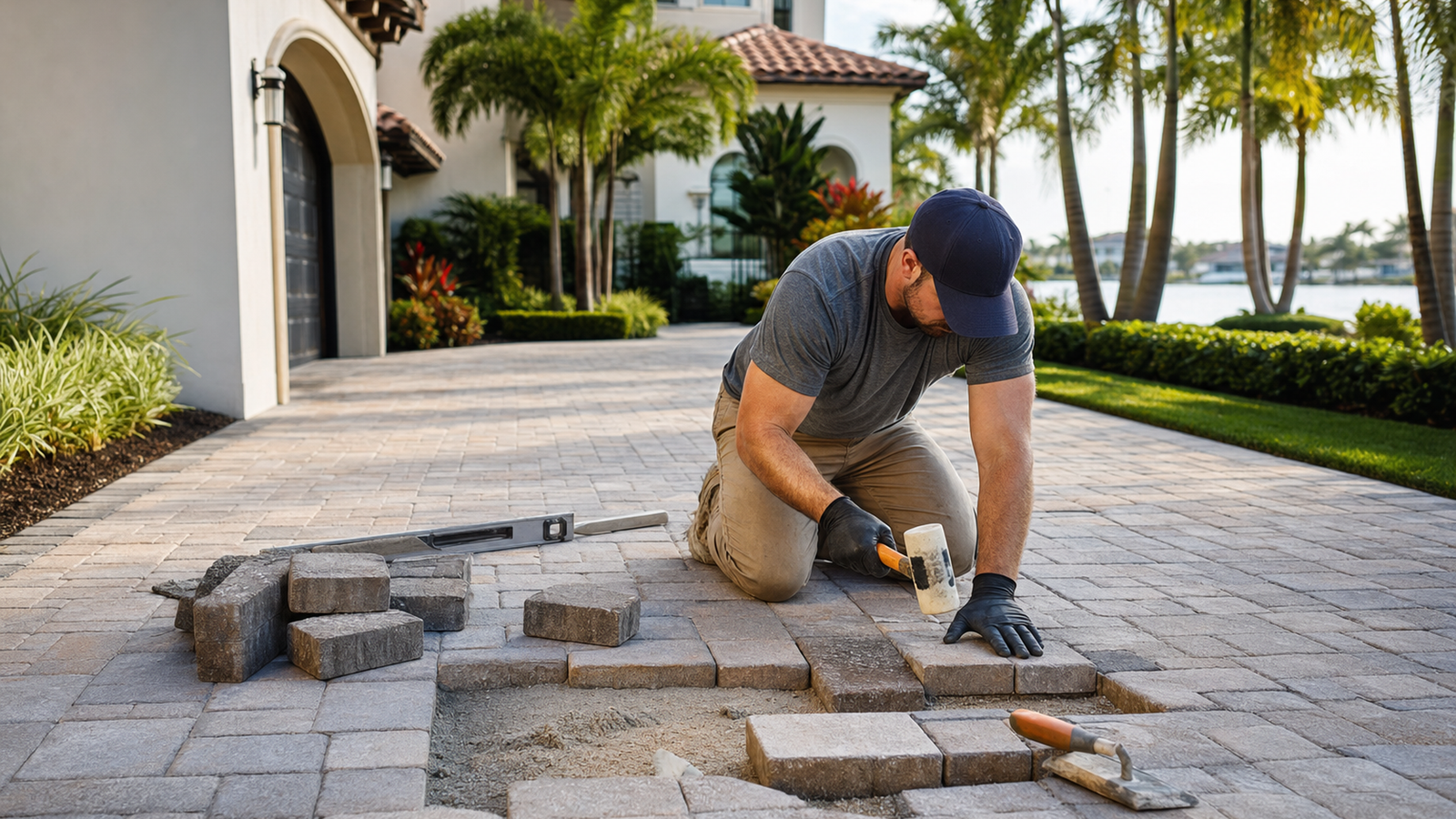
DIY sealing can look simple, but errors in surface prep, application rate, or weather timing can be costly to correct. Over-application can create slippery surfaces or cloudy films, and under-preparation can lock in stains or efflorescence. When you see widespread coating problems, significant joint loss, or complex stains, a qualified paver contractor should review the site. For structural concerns, settlement, or water moving toward your home, consult a licensed contractor or engineer as appropriate.
Sealed vs Unsealed Pavers FAQ for Tampa Bay Homeowners
Are sealed vs unsealed pavers better for a Florida driveway?
Neither option is automatically better; it depends on your driveway’s use and your goals. Sealed driveways may handle some oil drips and tire marks differently and can offer enhanced color and joint stabilization. However, they require resealing and careful product selection to avoid slipperiness when wet. Unsealed driveways emphasize natural texture and avoid recoating, but they rely more on quick stain treatment and joint maintenance.
Will sealing my pool deck make it slippery?
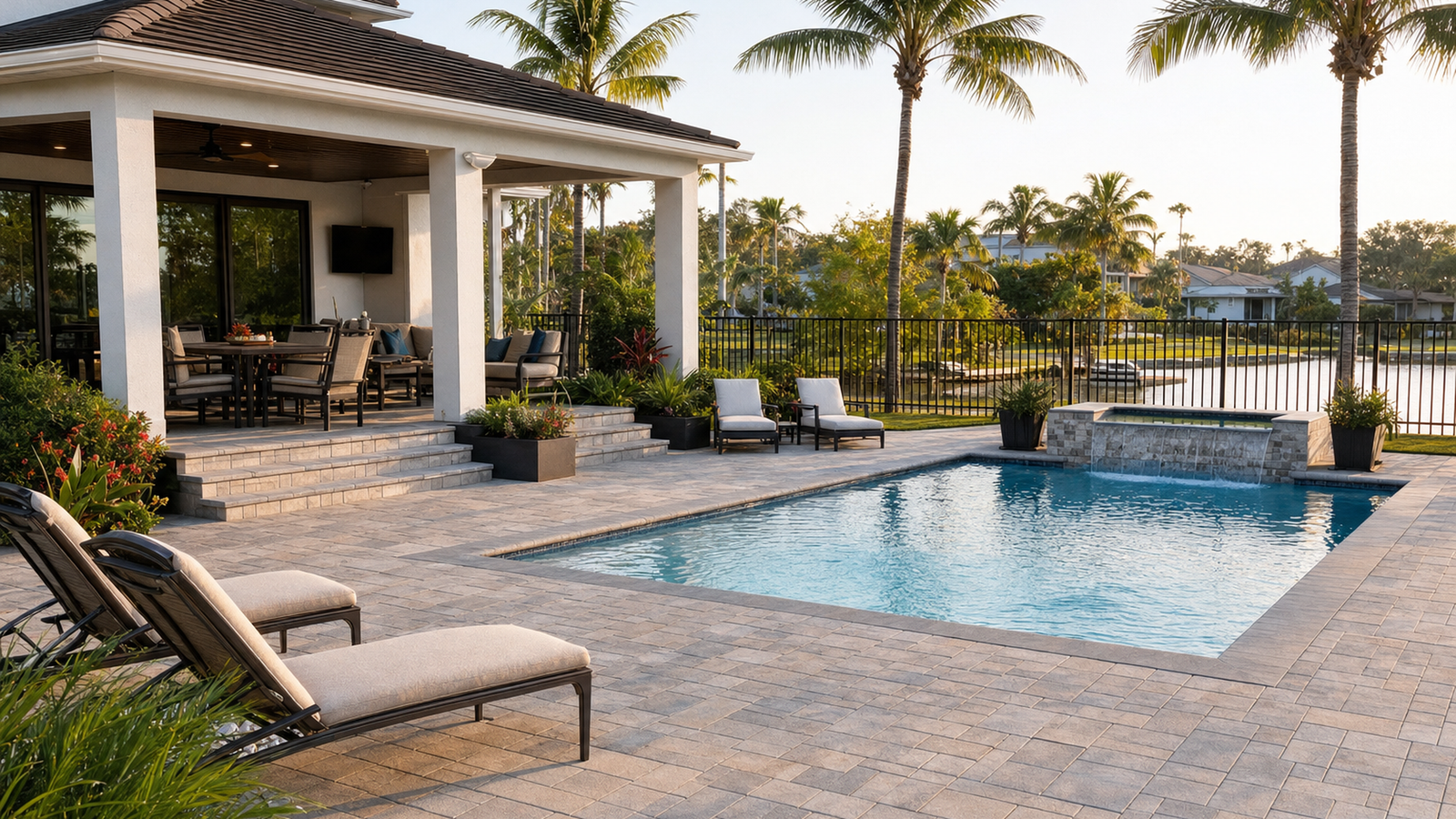
Some high-gloss or film-building sealers can reduce traction when wet, especially on smoother pavers. If you decide to seal a pool deck in Wesley Chapel, Land O’ Lakes, or Town ‘N’ Country, focus on low-gloss products tested for slip resistance on your paver type. A small test area lets you compare grip before and after sealing in real-world conditions. For families with young children or older adults, maintaining higher traction and a matte finish often takes priority over shine.
How often do sealed pavers need to be recoated?
Recoating timing depends on sealer type, color, traffic, and exposure to sun and rain. Some installations in shaded patios may go longer between coats, while sunny, high-traffic driveways may show wear sooner. Manufacturers publish guidelines for inspection and recoat intervals, and a local contractor can interpret those based on your site. A visual check every year or two for dullness, peeling, or uneven gloss helps you decide when evaluation or maintenance is due.
Can I switch from sealed to unsealed pavers later?
Once you seal pavers, they remain part of a coated system until the film fully wears away or is stripped. You generally cannot “unseal” quickly without some level of stripping or long-term weathering. If you hope to keep a natural look over decades, staying unsealed from the start avoids that commitment. If you already have a failing sealer, a paver professional can discuss options, including targeted stripping, repairs, or resealing with a more suitable product.
Where can I learn more about cleaning, sealing, and efflorescence?
CMHA publishes technical guidance on cleaning, stain treatment, joint sand, and project-specific sealing choices. Their recommendations include treating stubborn stains before whole-surface cleaning and using products designed specifically for concrete pavers. You can review their detailed document on cleaning and sealing by visiting this CMHA resource. For comparing different paver materials used around Tampa, you can also read the in-depth guide at Dr Pavers Design’s paver materials comparison page.
If you are weighing sealing for a driveway, pool deck, or patio in Tampa Bay, Dr Pavers Design can walk you through real-world pros and cons for your exact site. Browse recent projects and homeowner testimonials, then explore our full hardscape services and detailed FAQ to see how design, materials, and maintenance fit together. For a free consultation, reach us by phone at +1 (656) 600-4015, text at SMS, email at drpavers@outlook.com, or WhatsApp at this link.
We design and build paver spaces throughout Tampa Bay, from Riverview and Ruskin to Palm Harbor and Town ‘N’ Country, with options tailored to sealed and unsealed installations. Connect with us on Instagram or Facebook, and if you are nearby you can also find our location on Google Maps for an in-person visit when you are ready to talk about your next paver project.