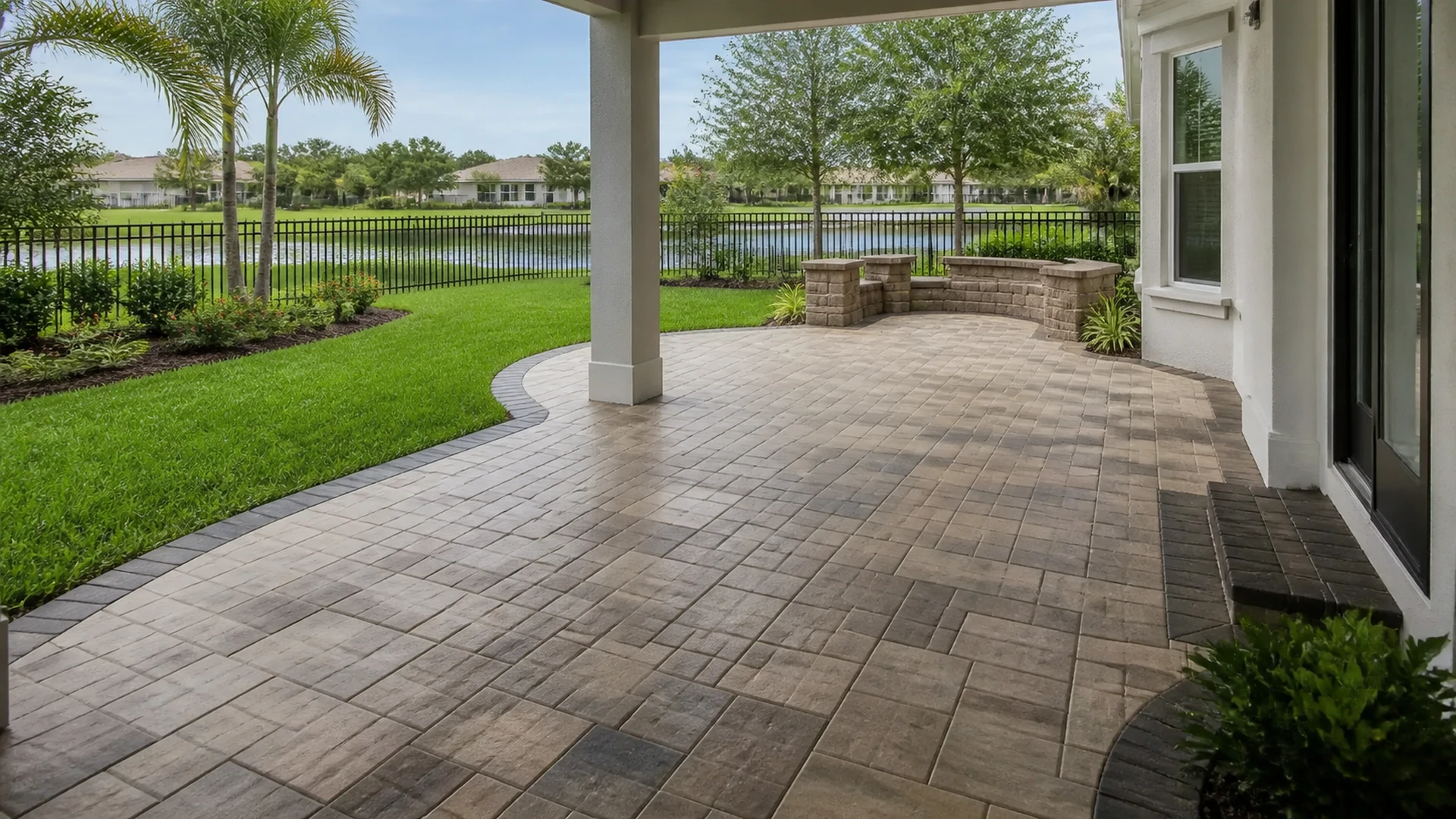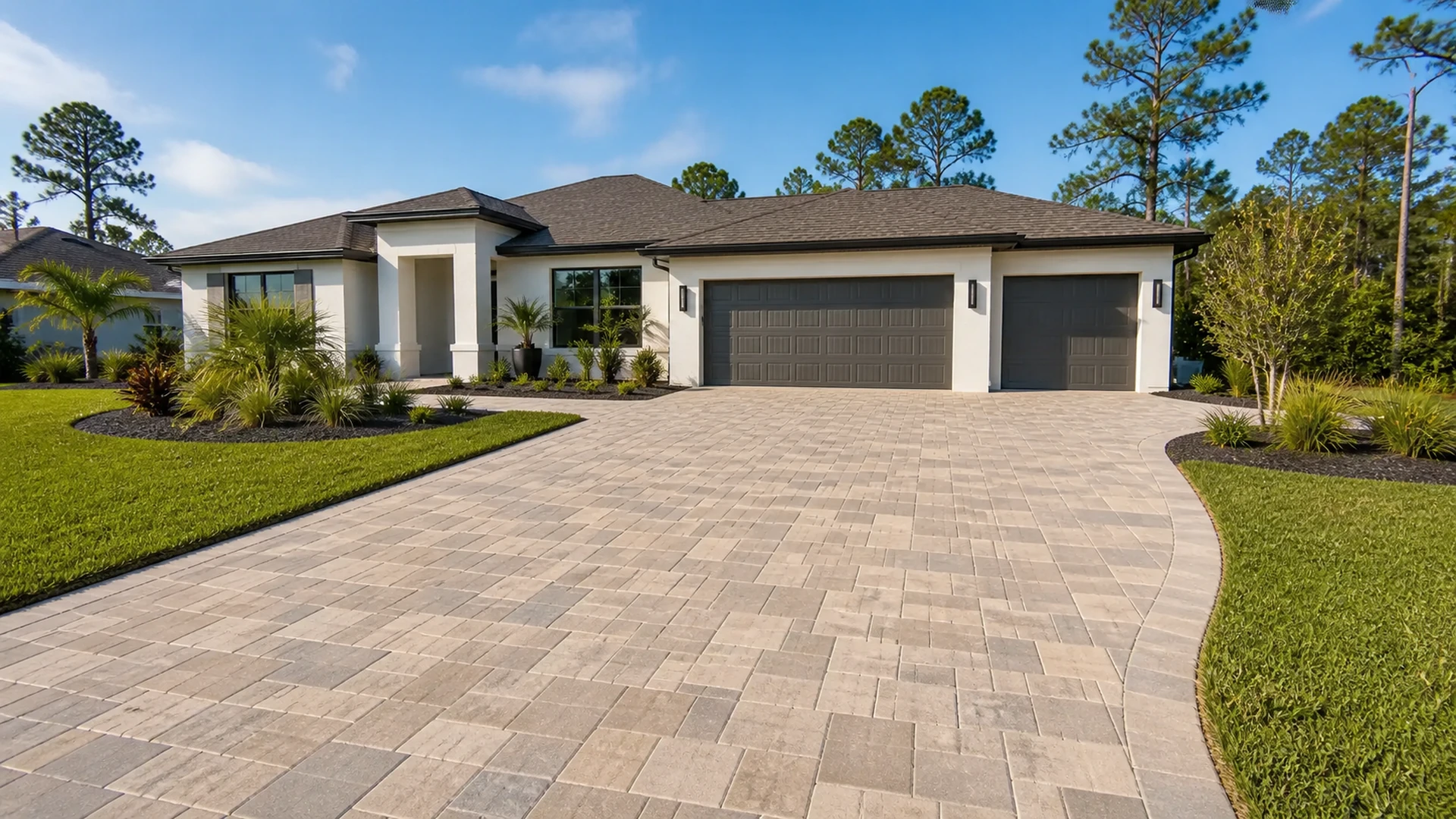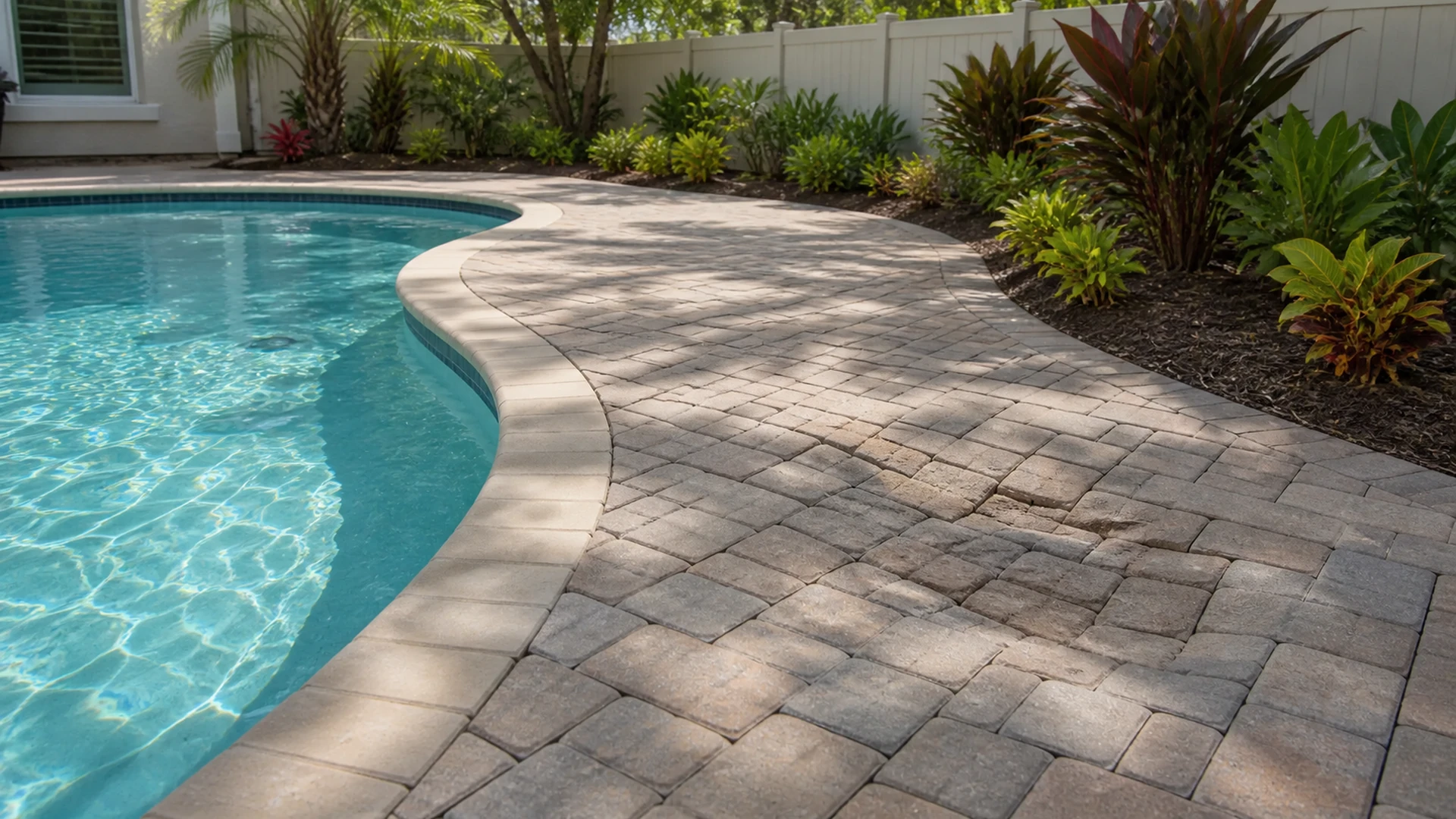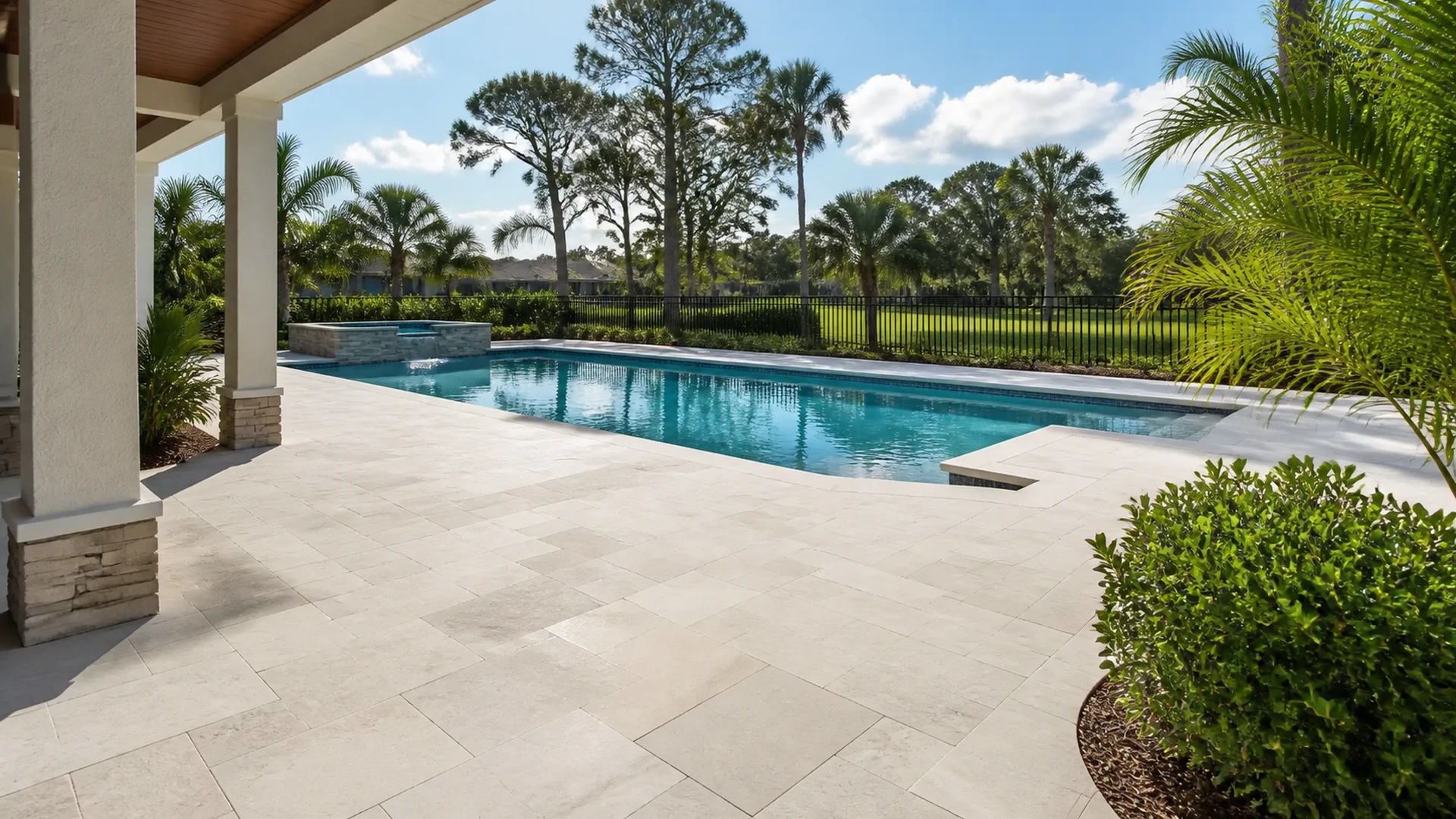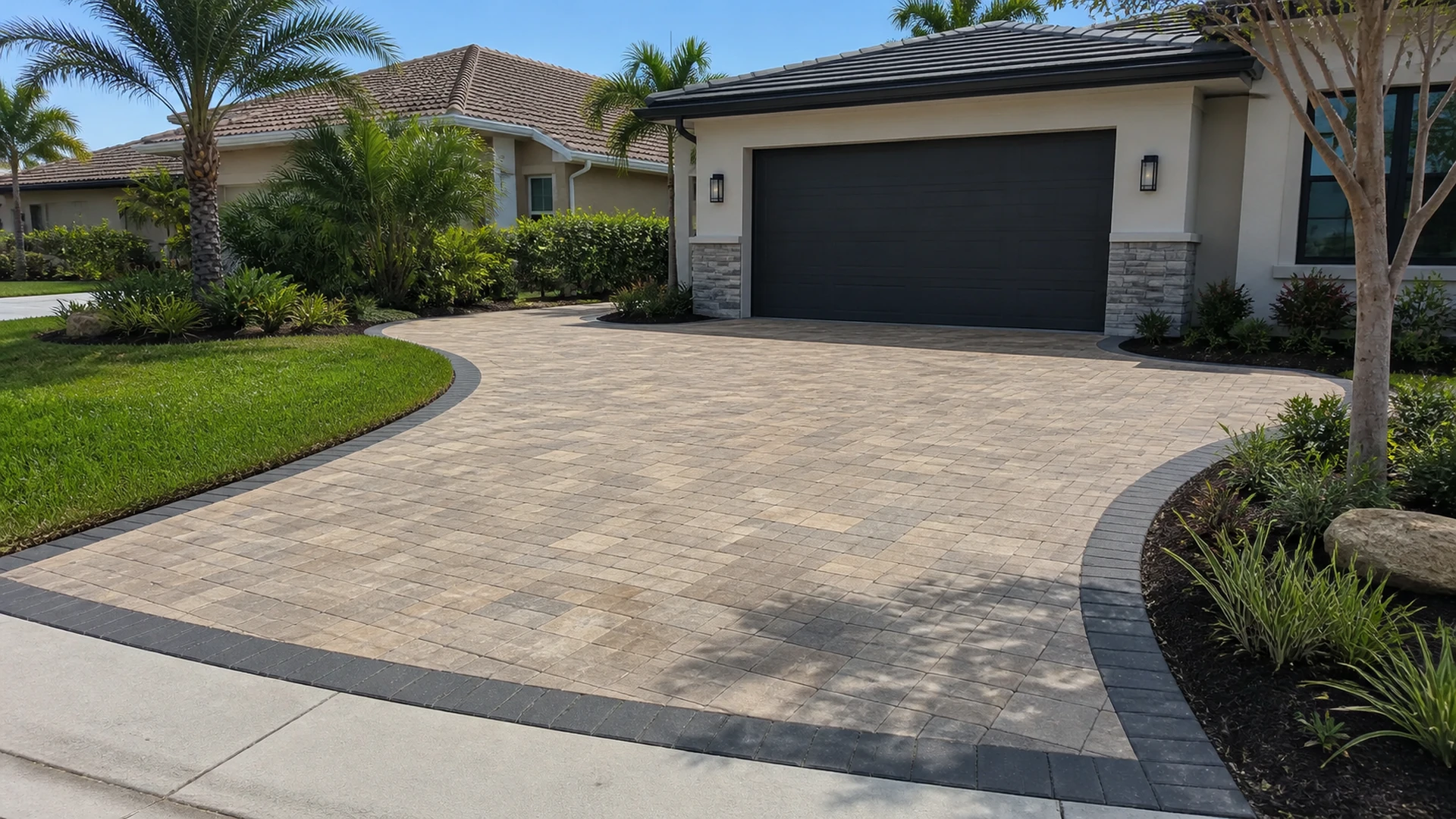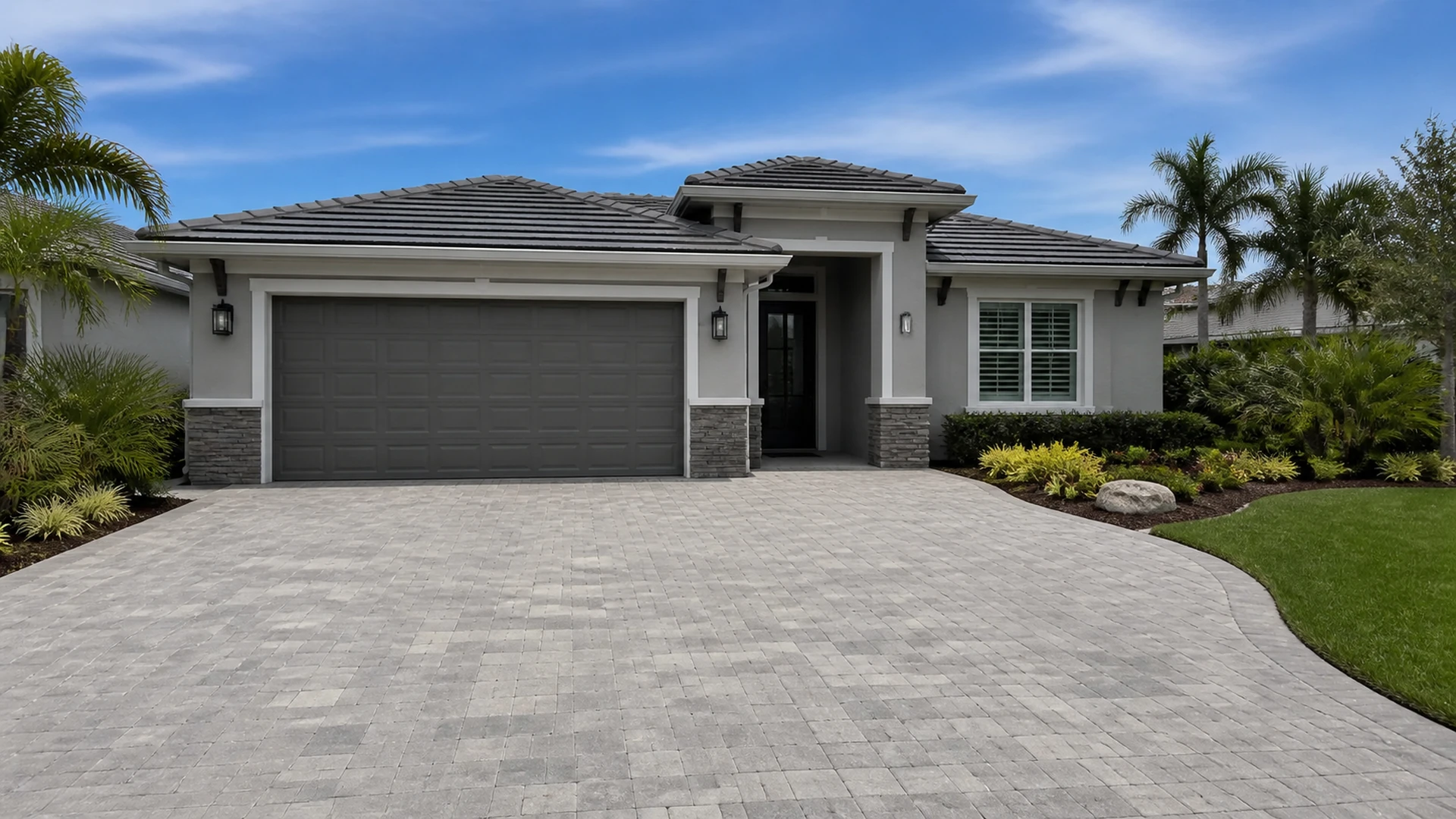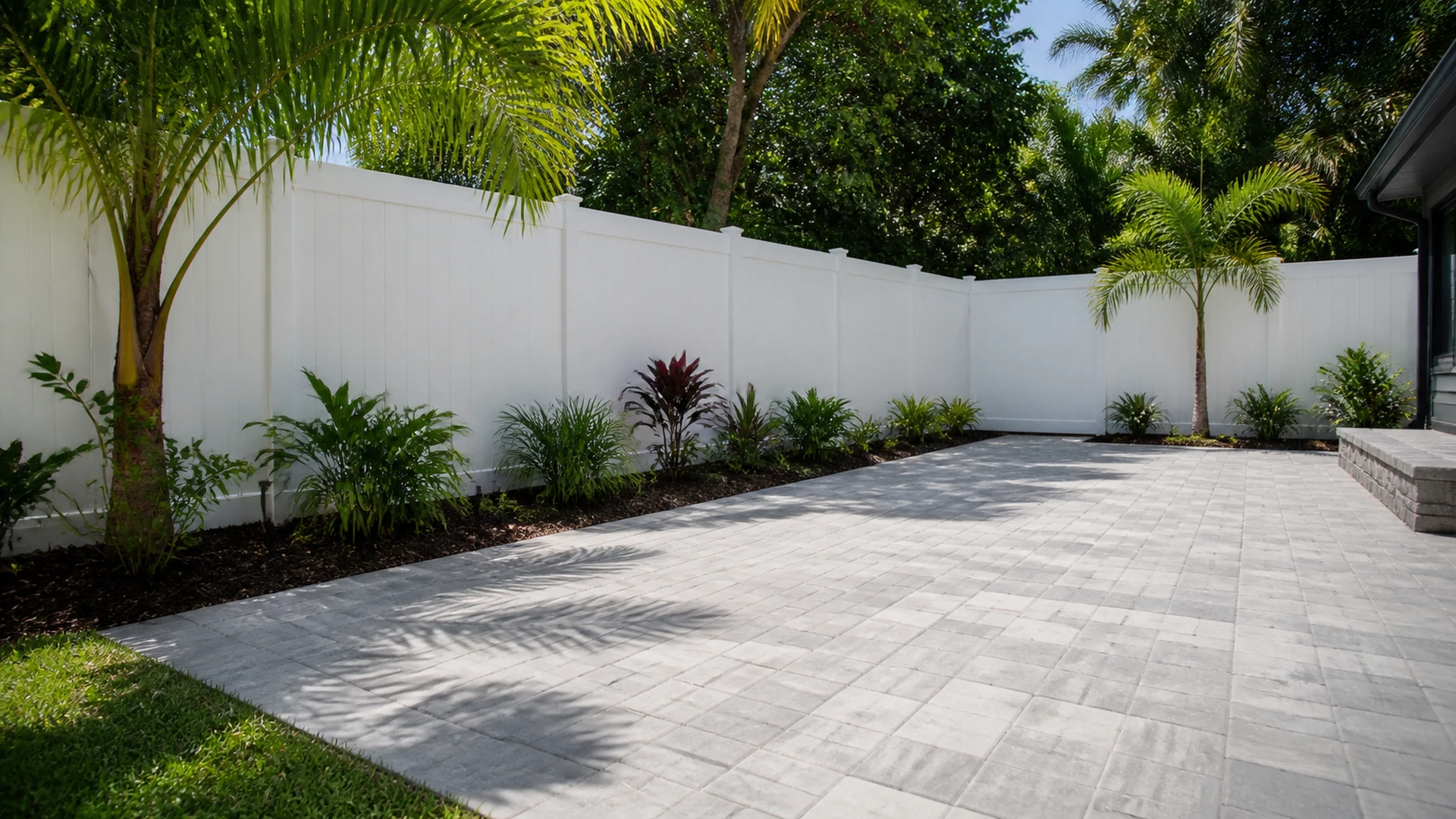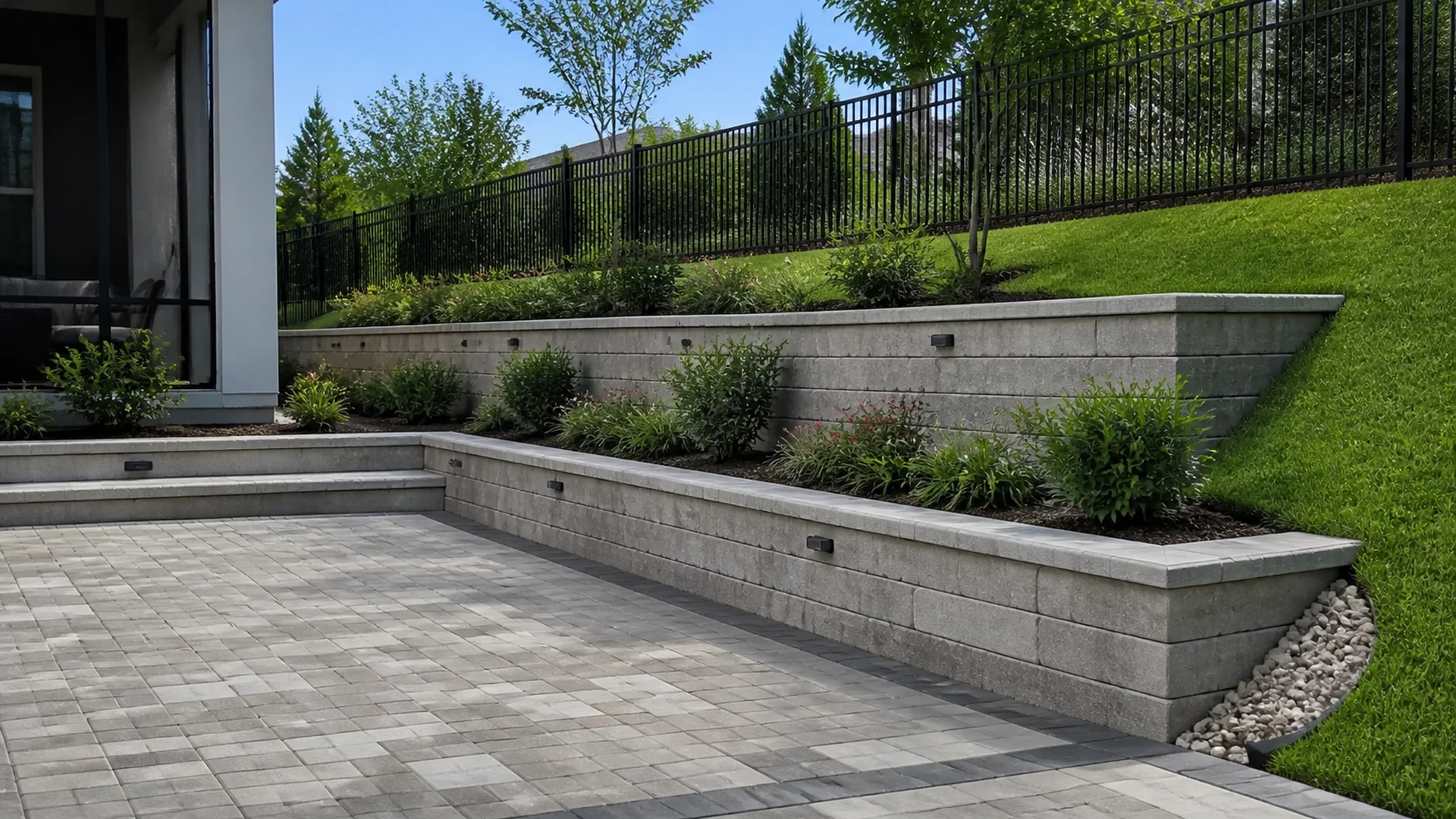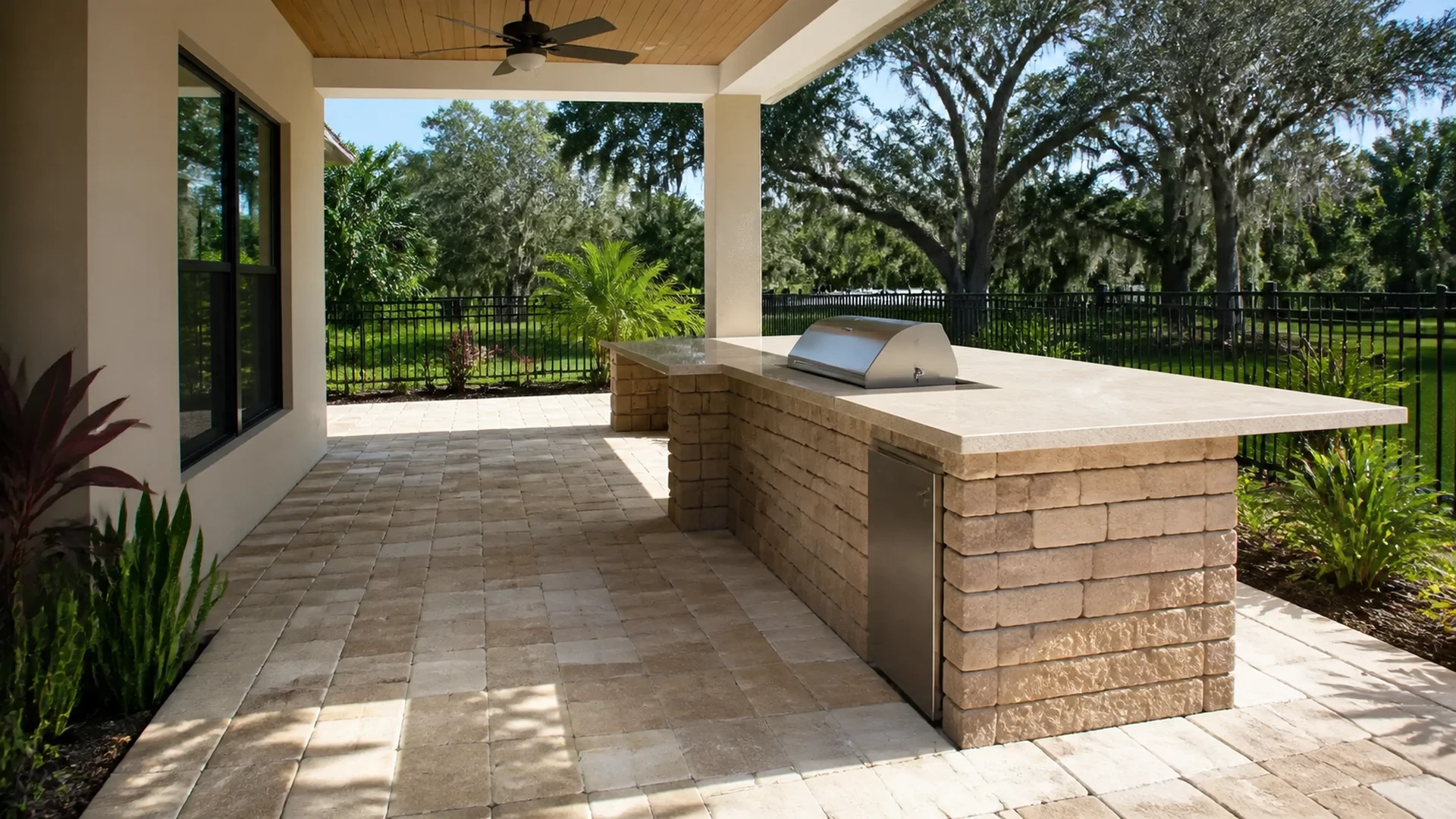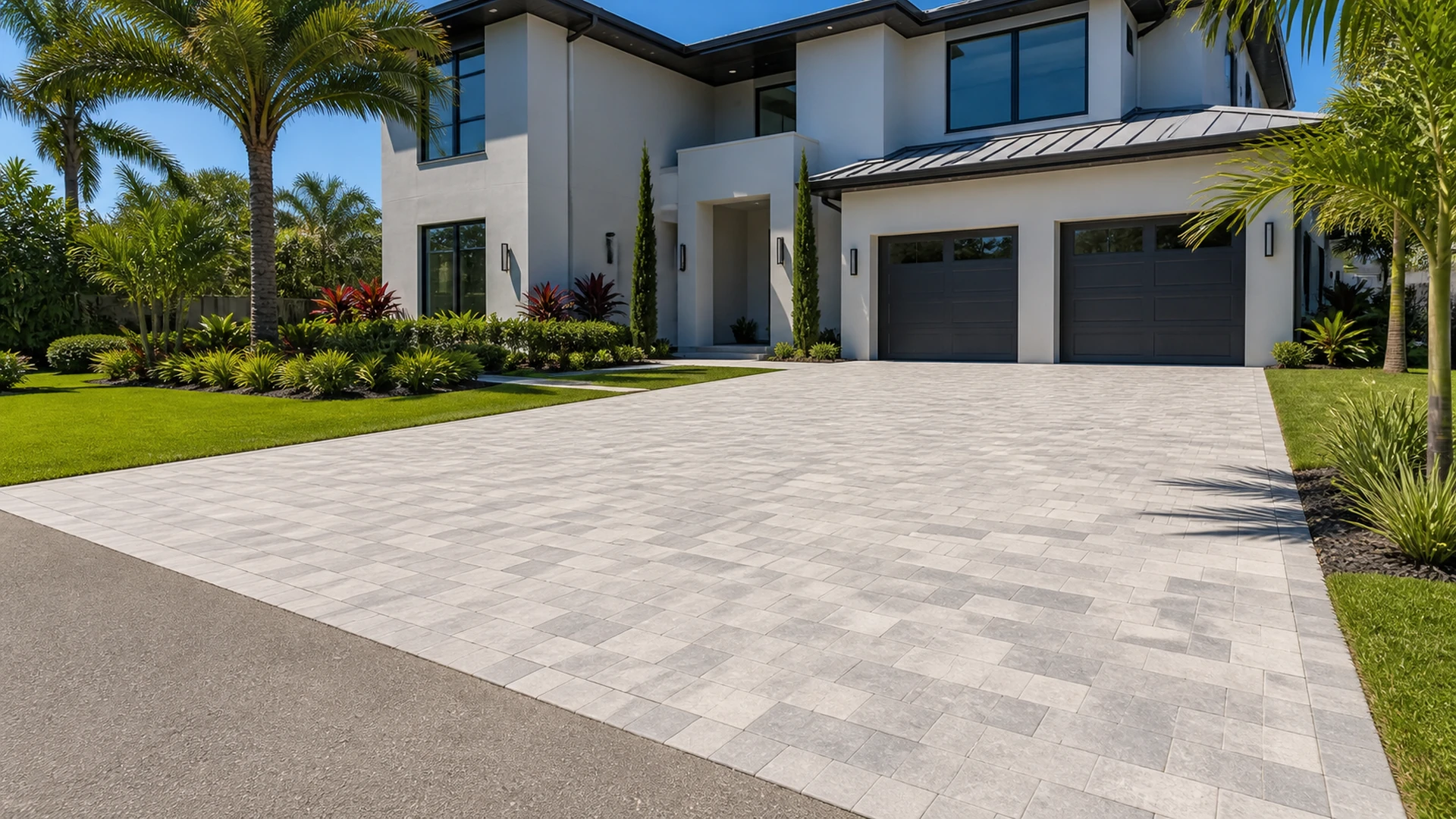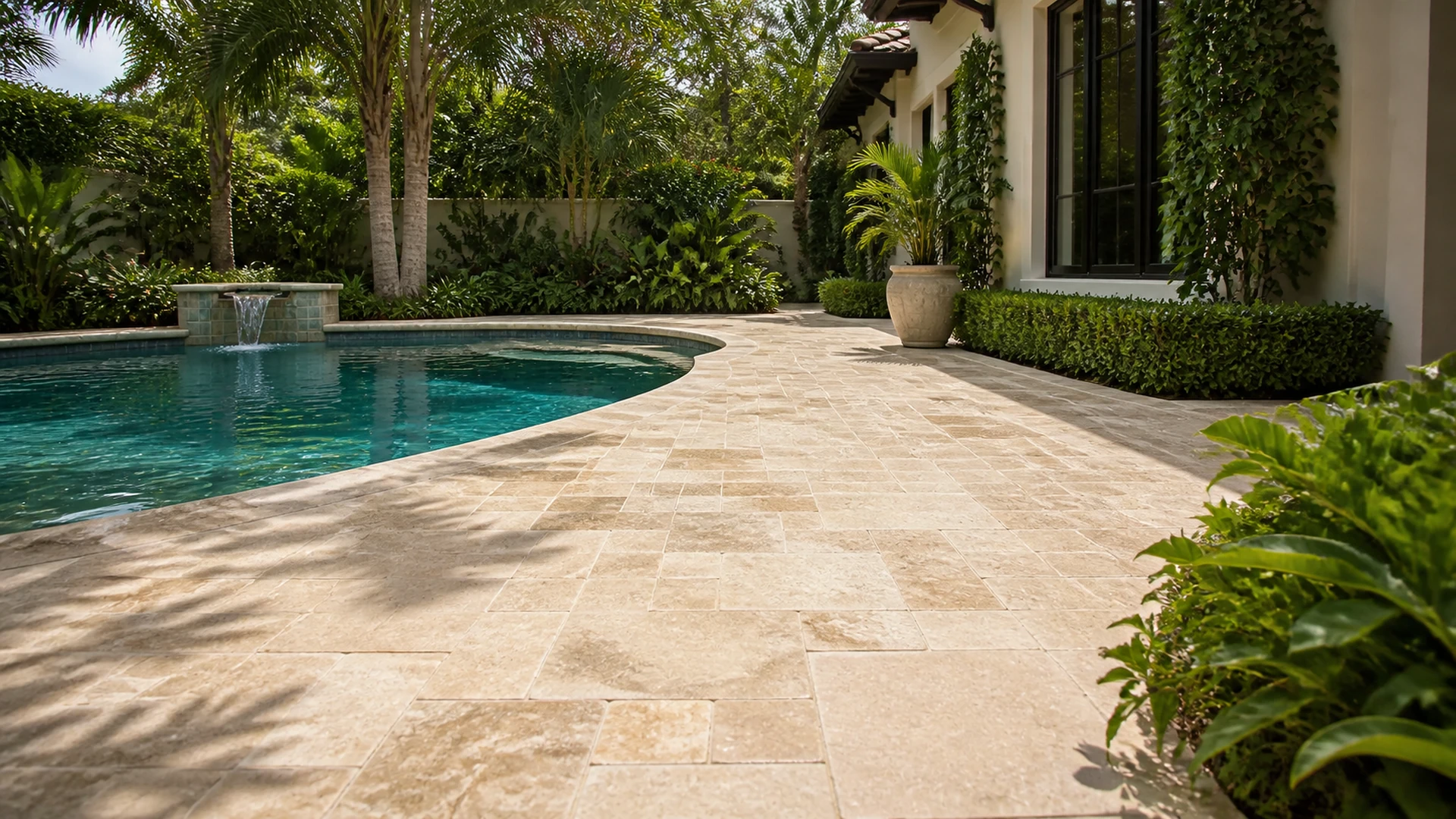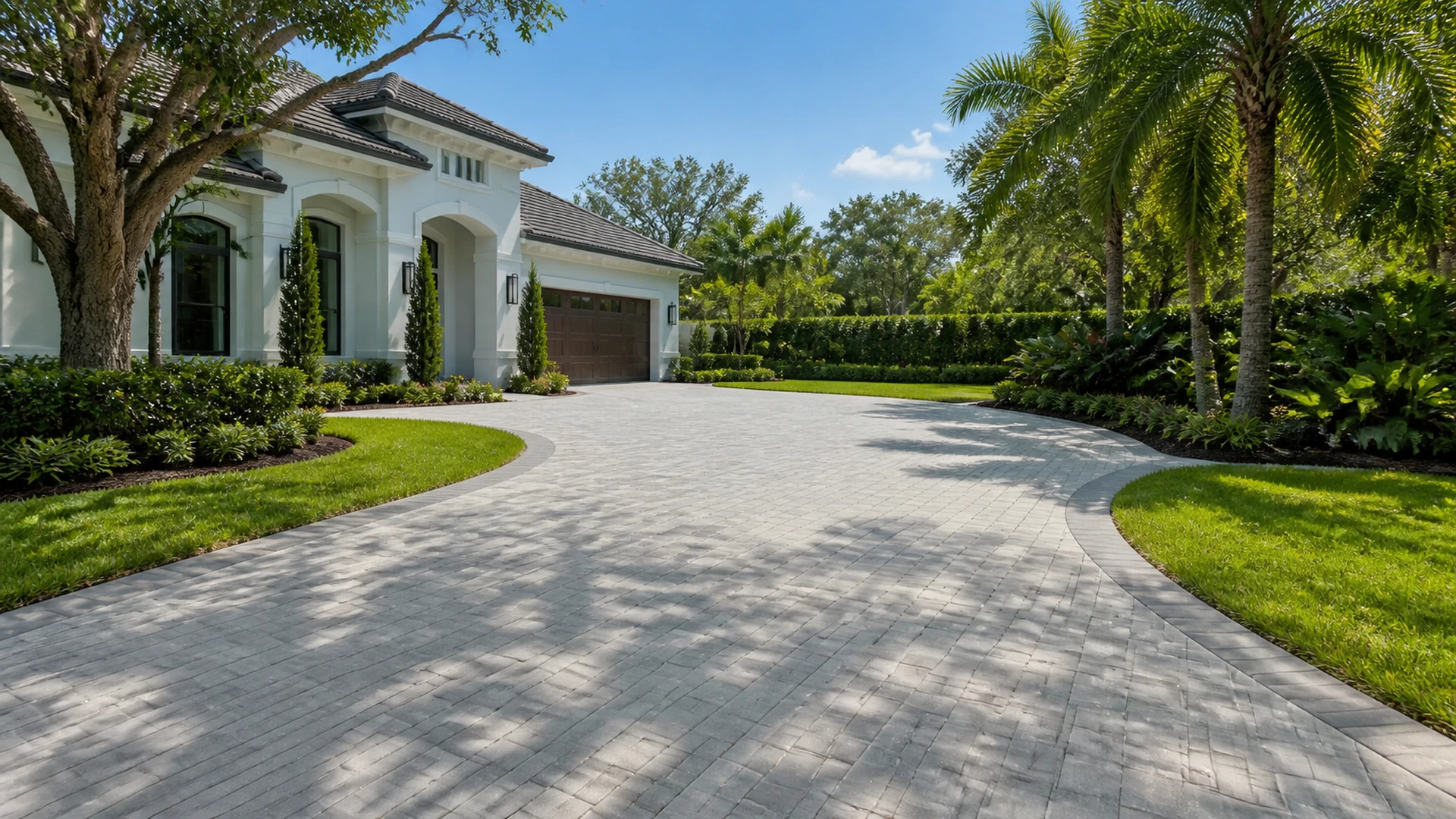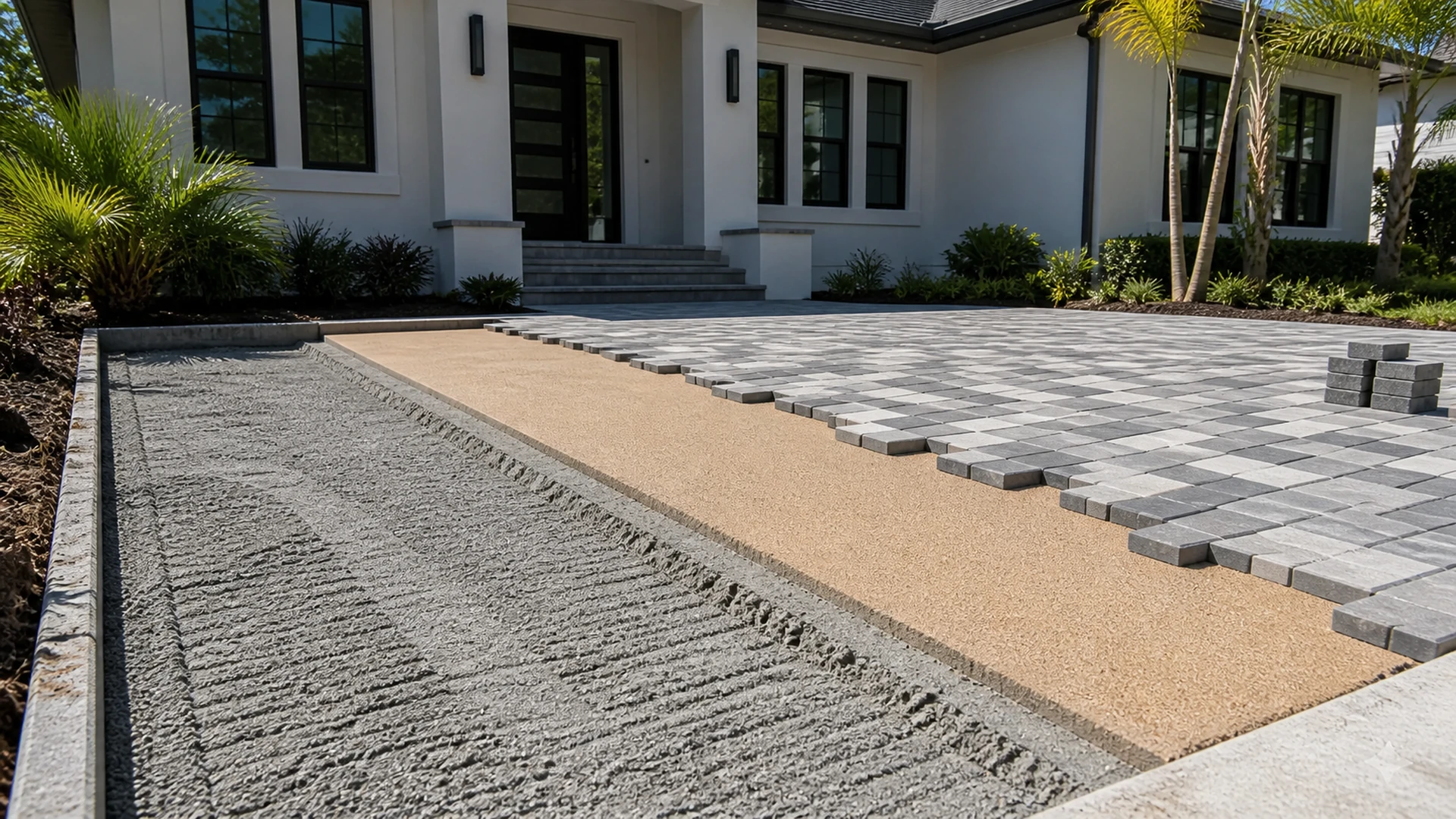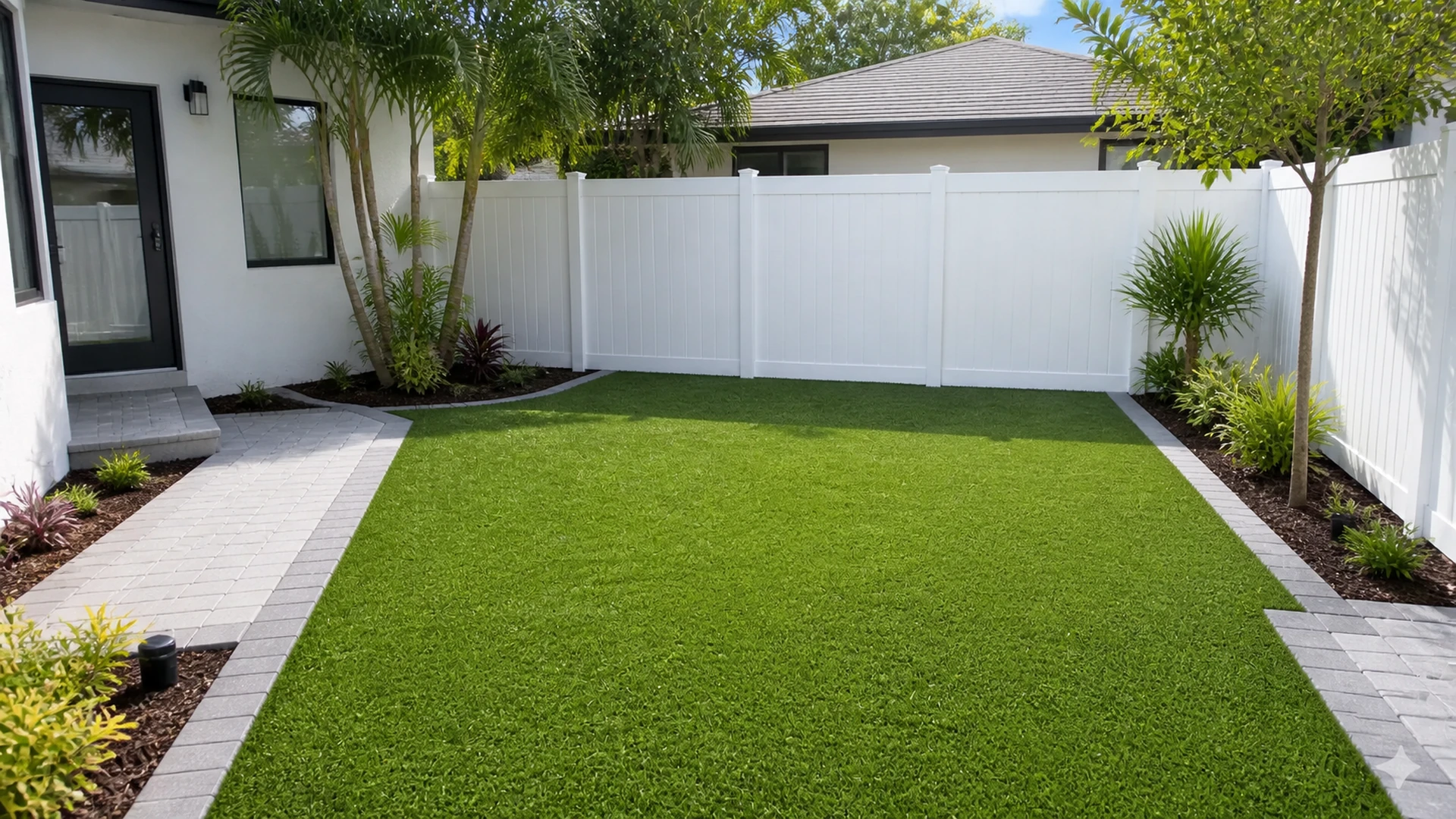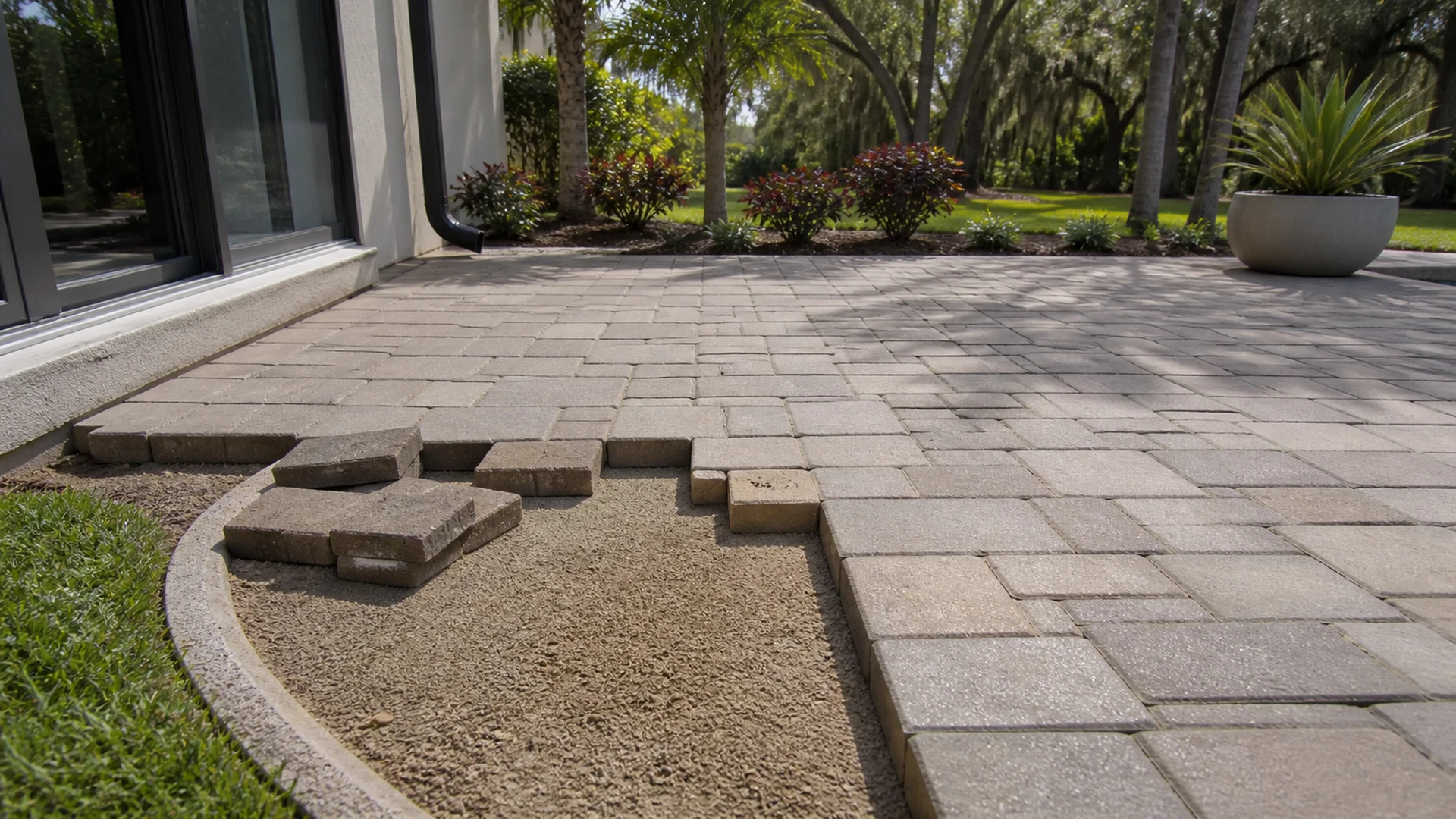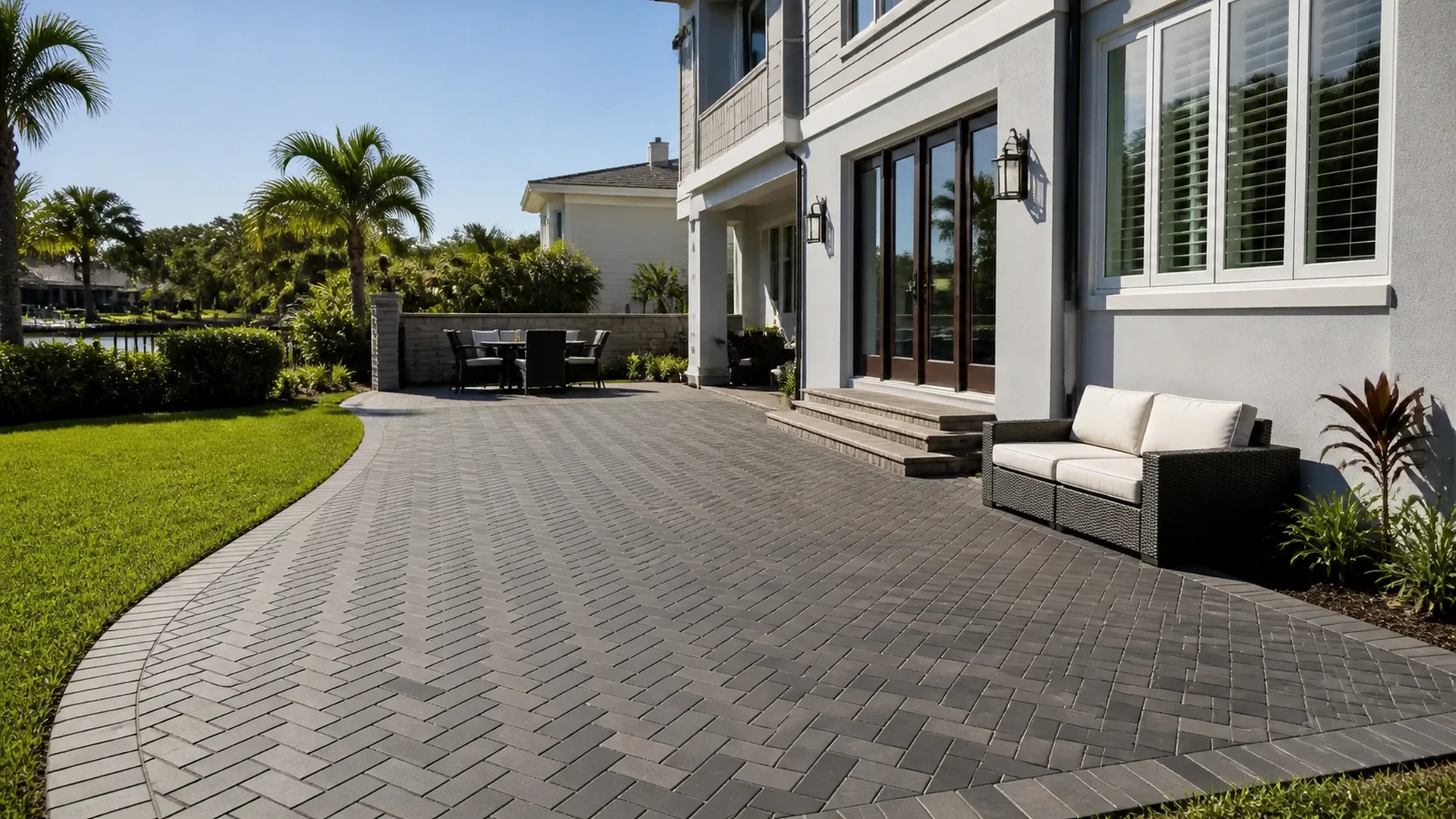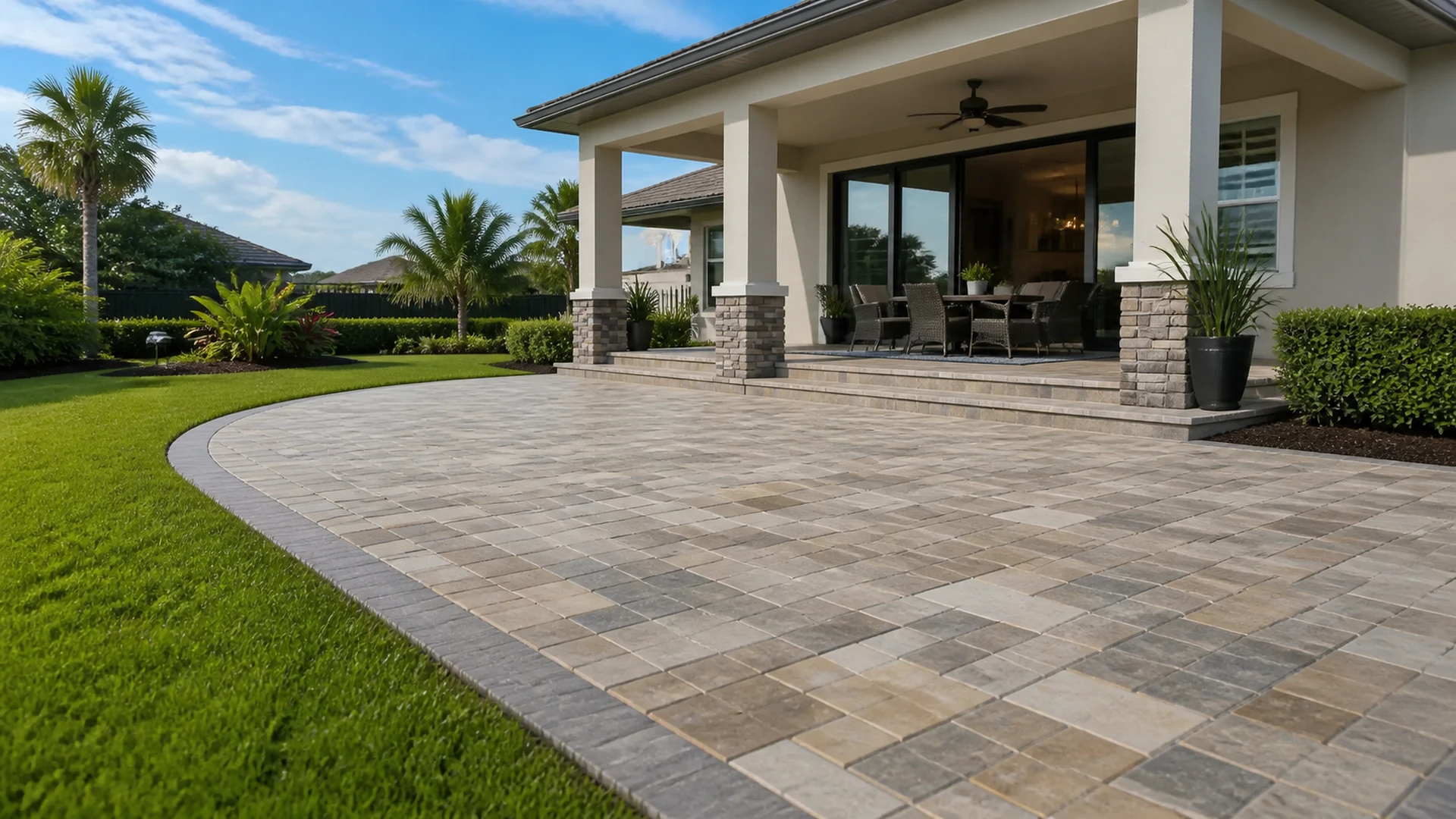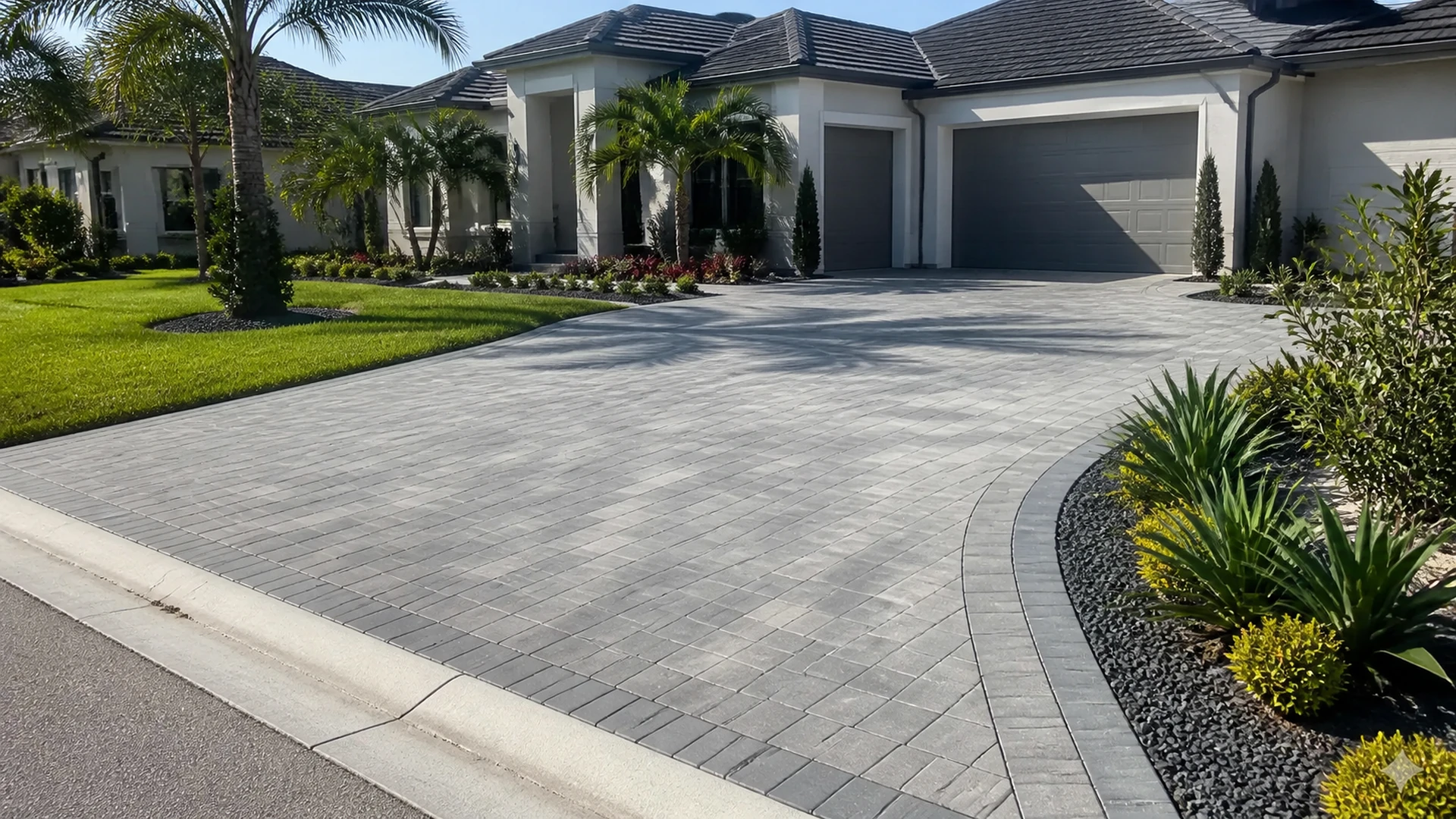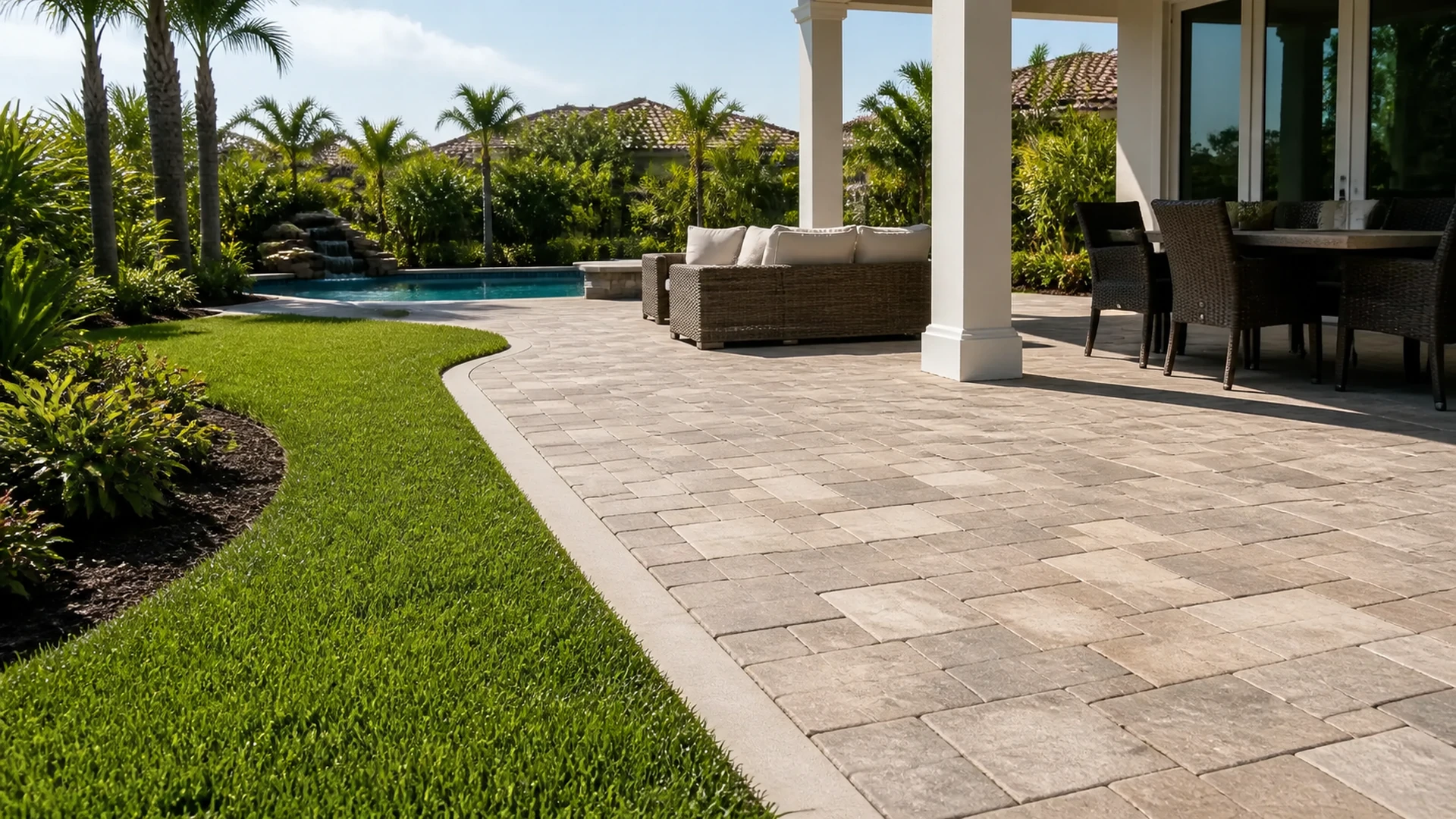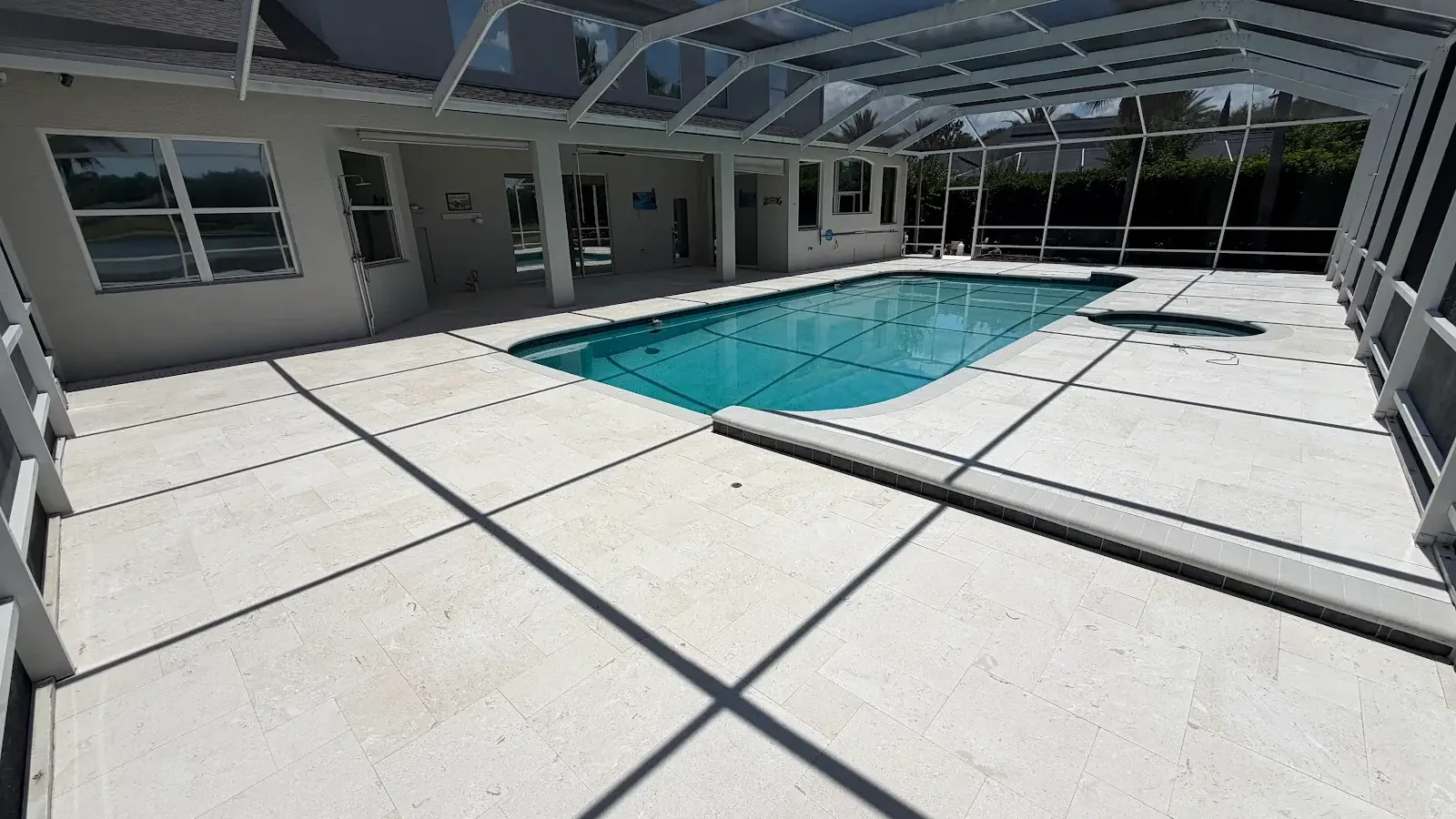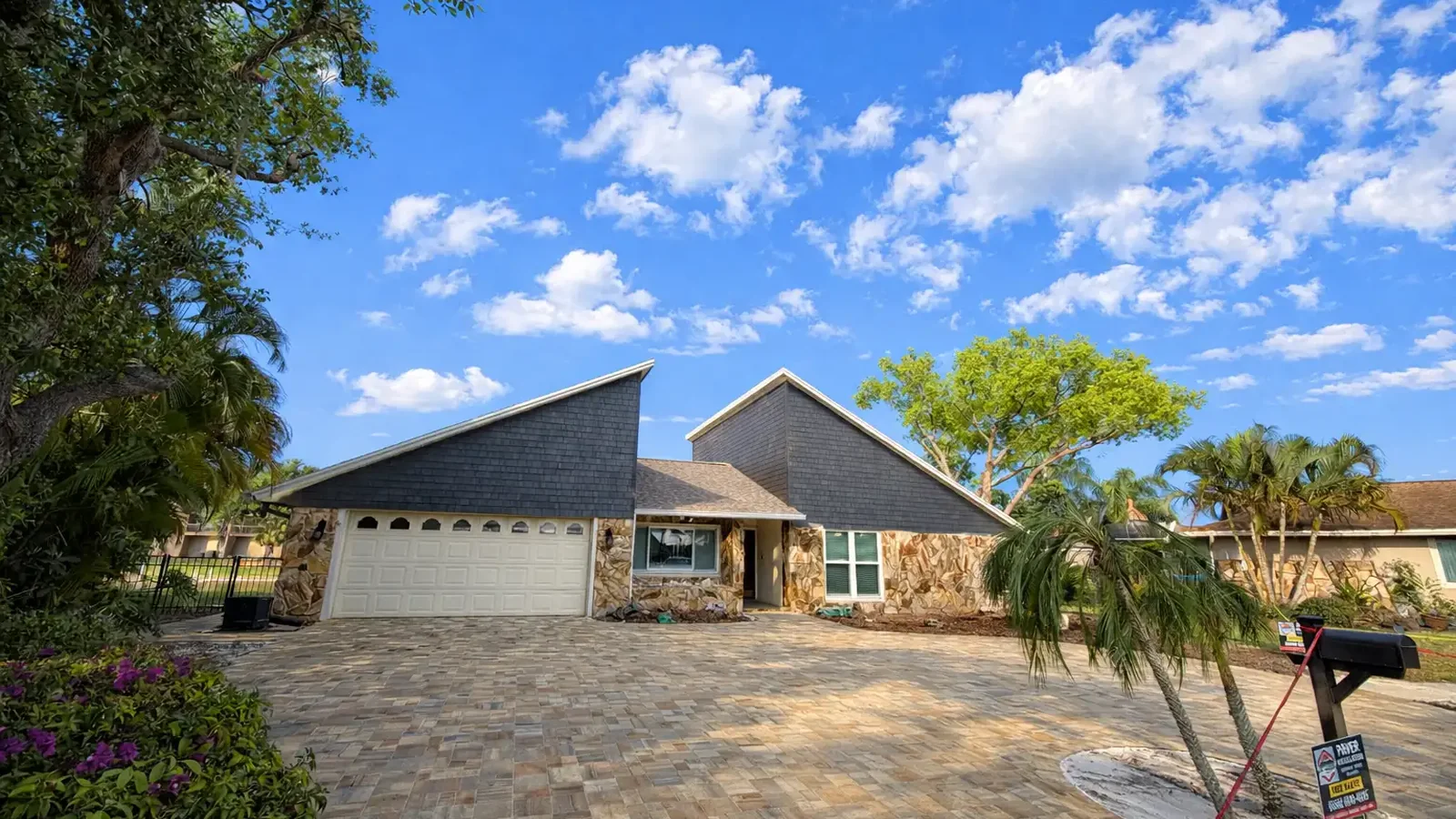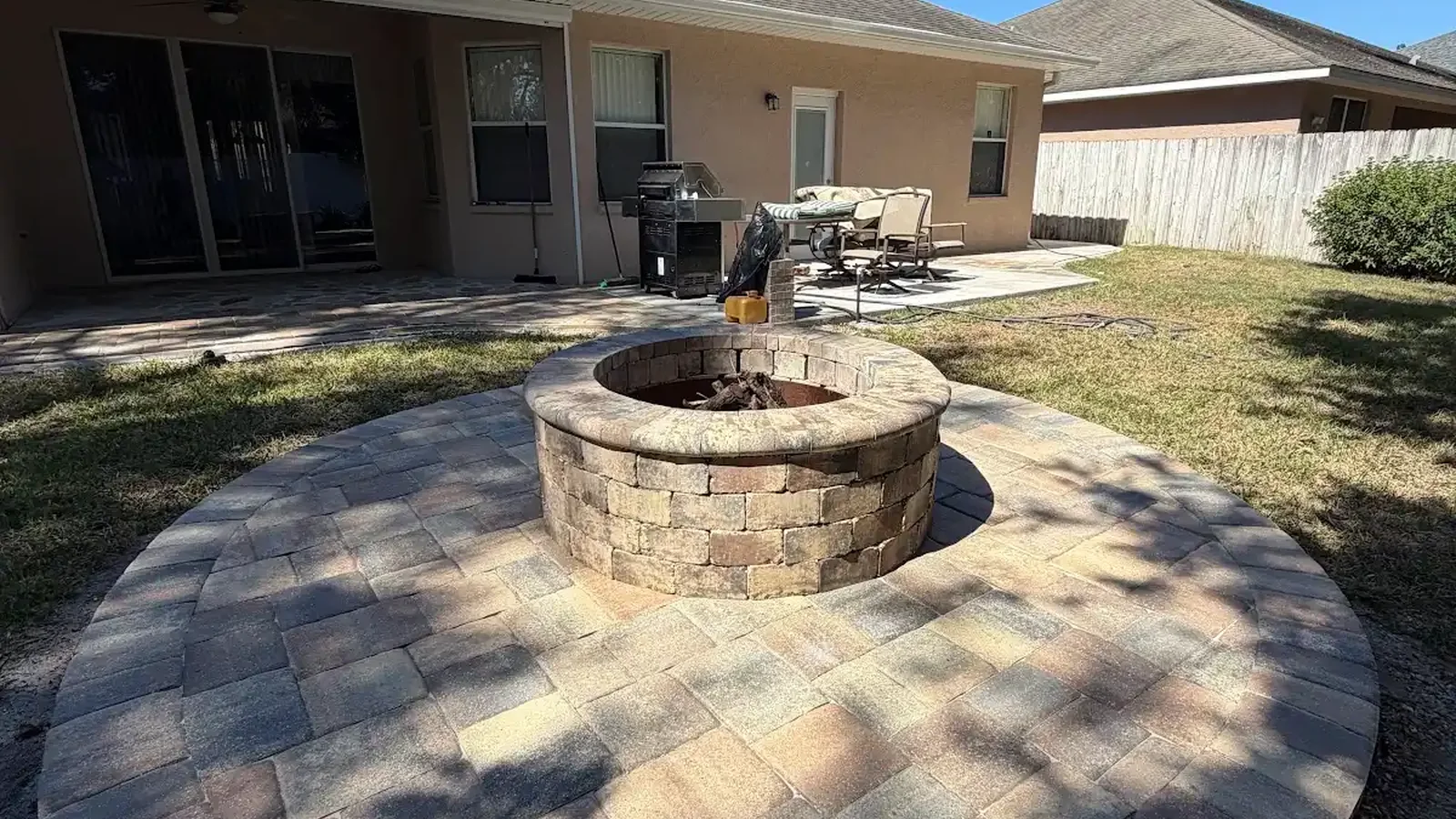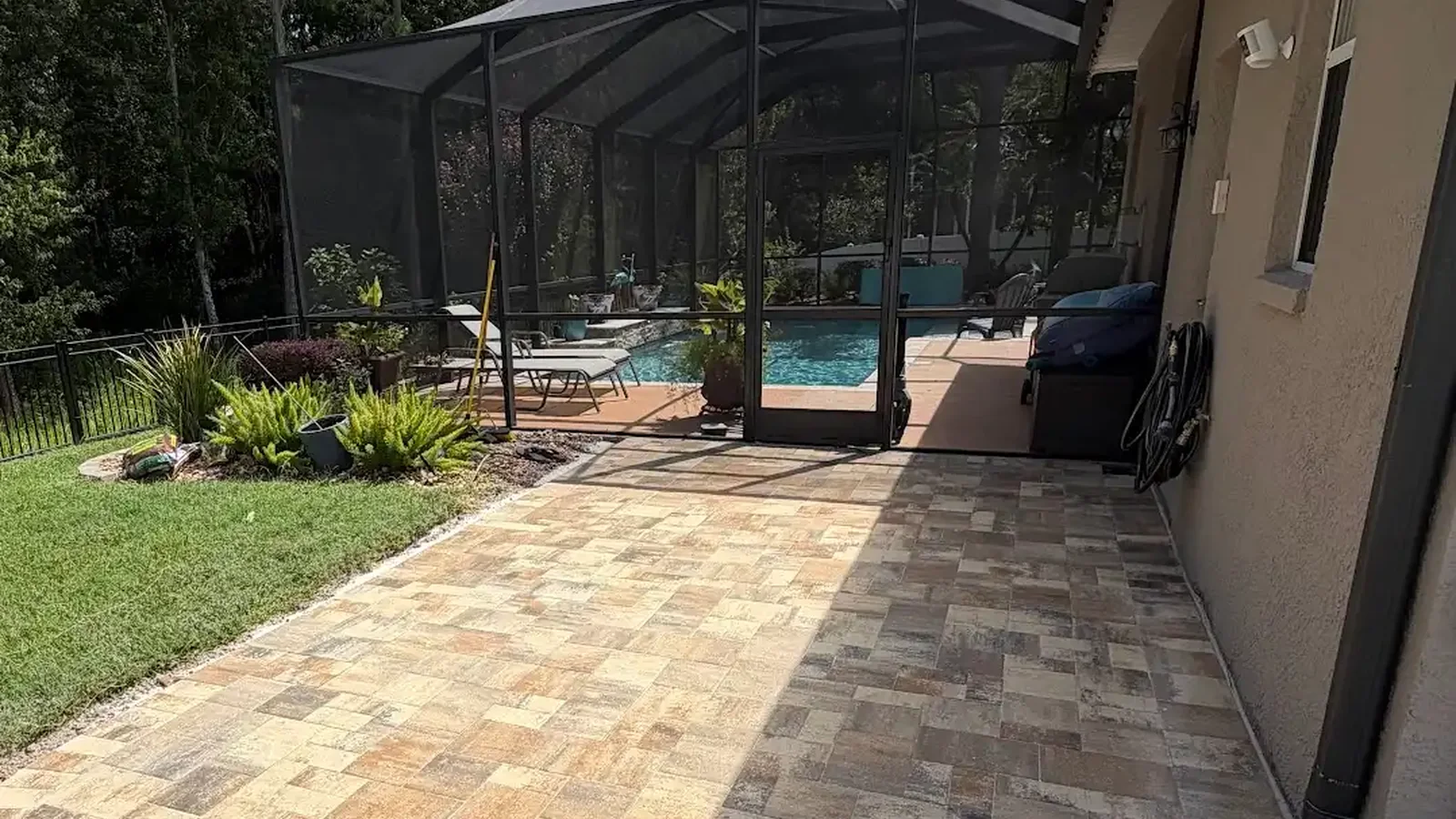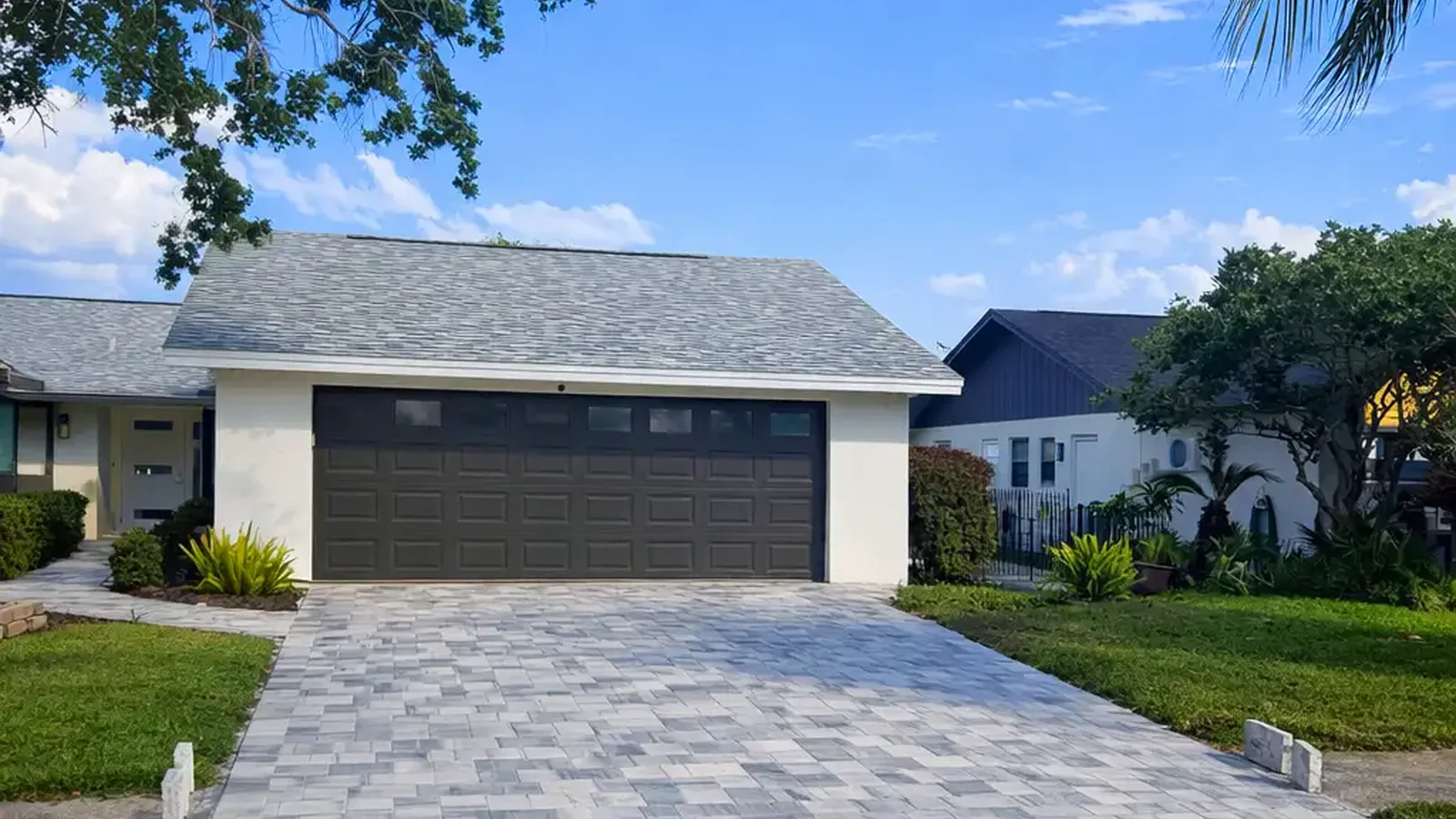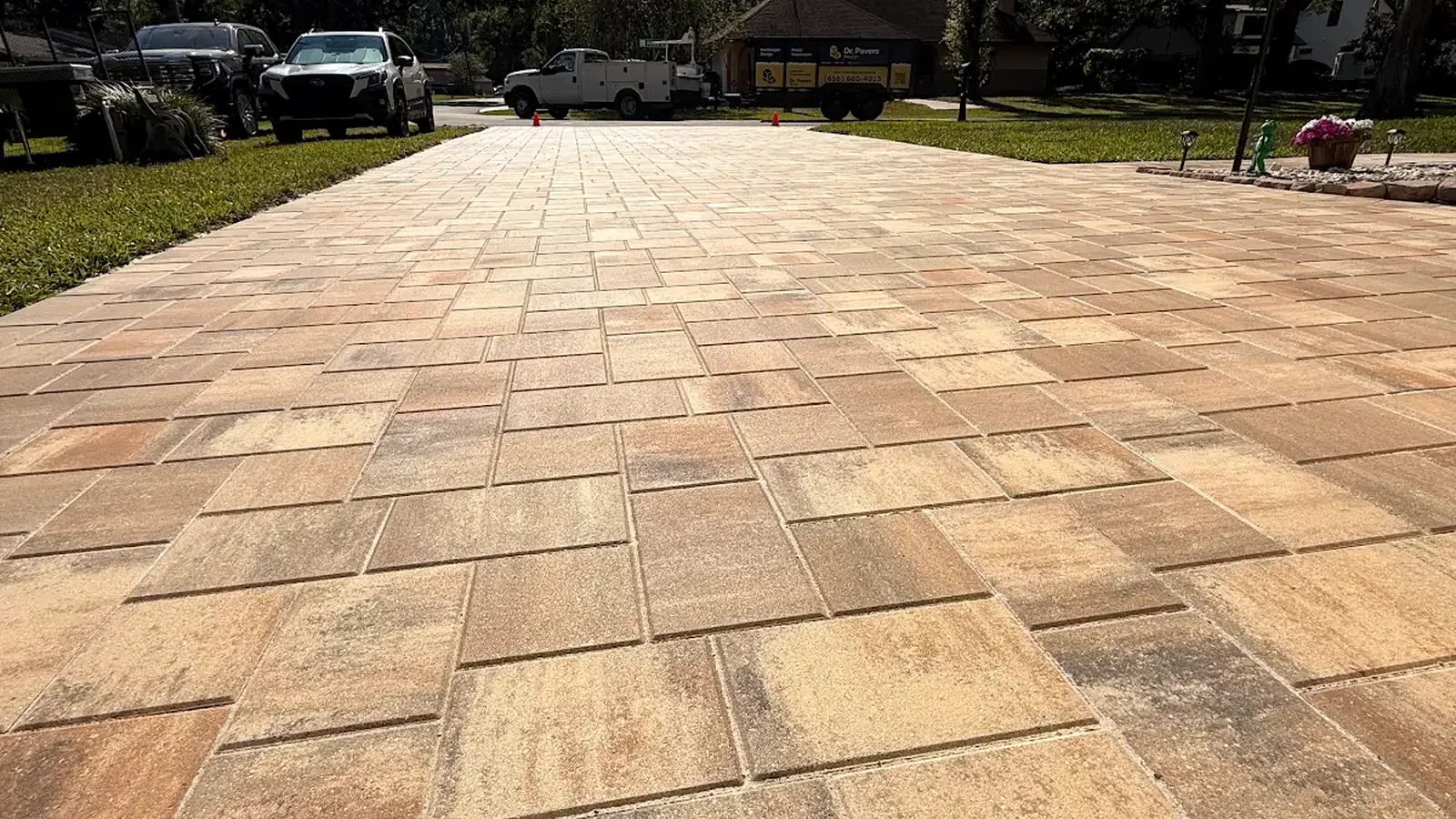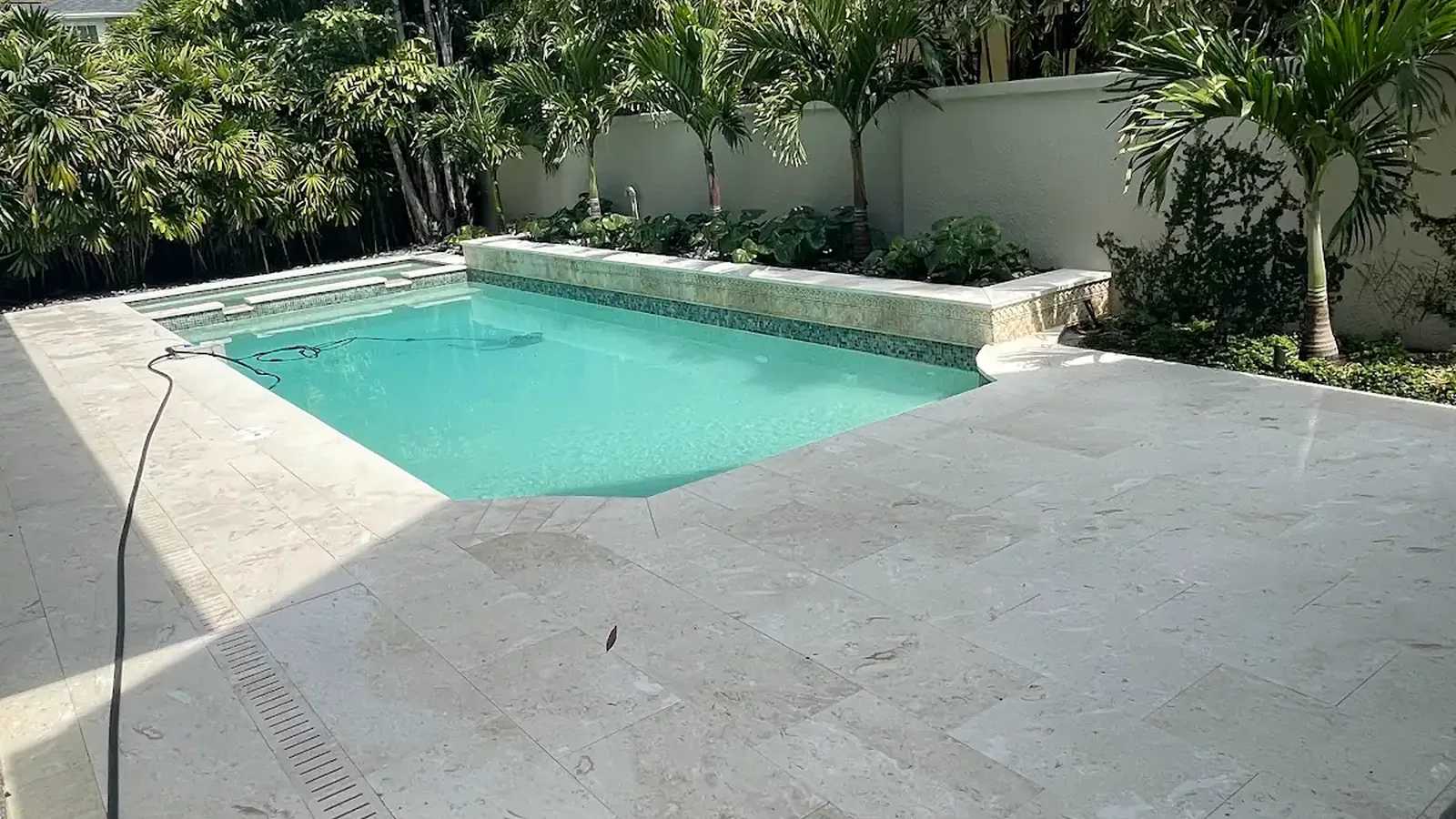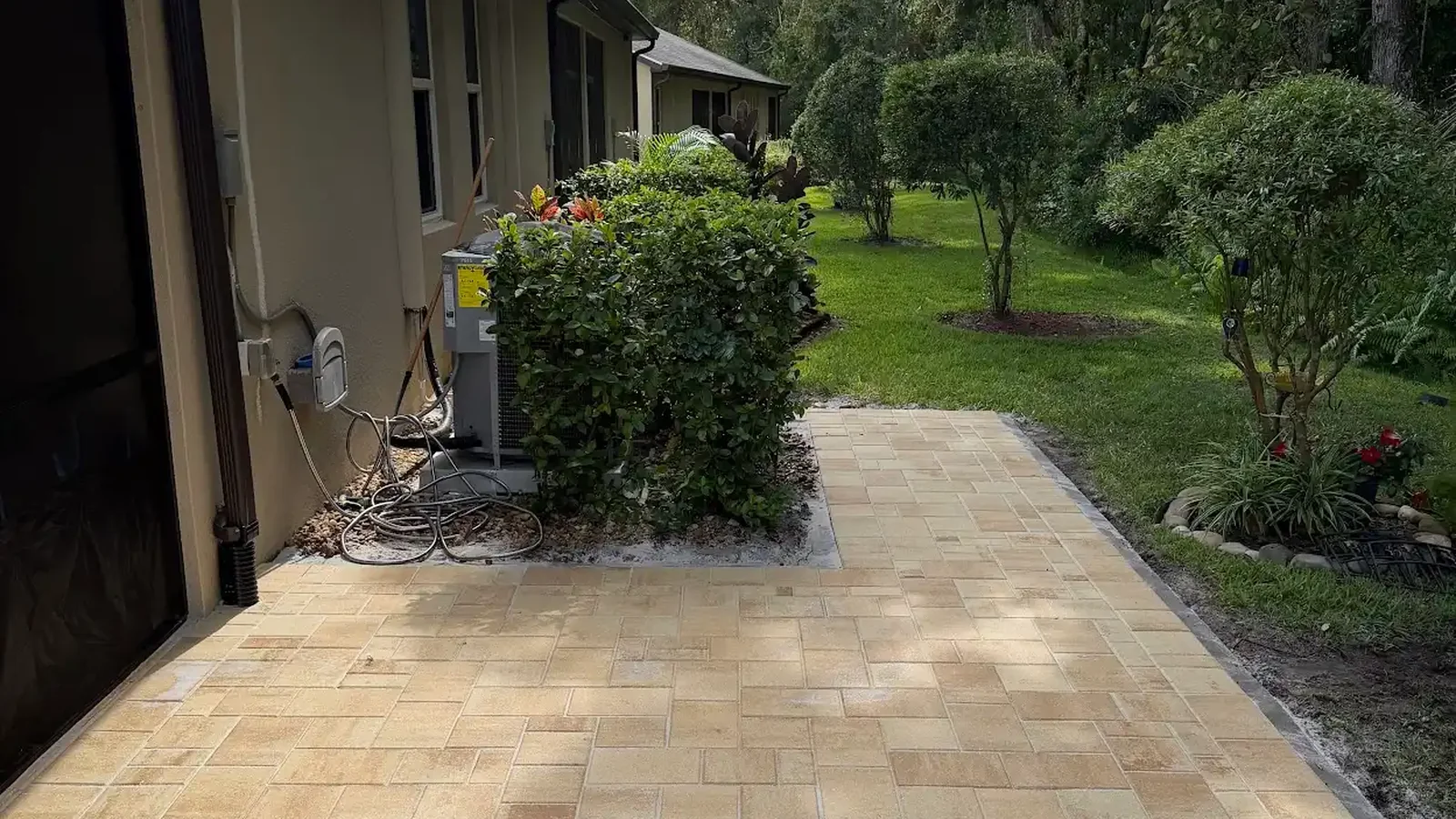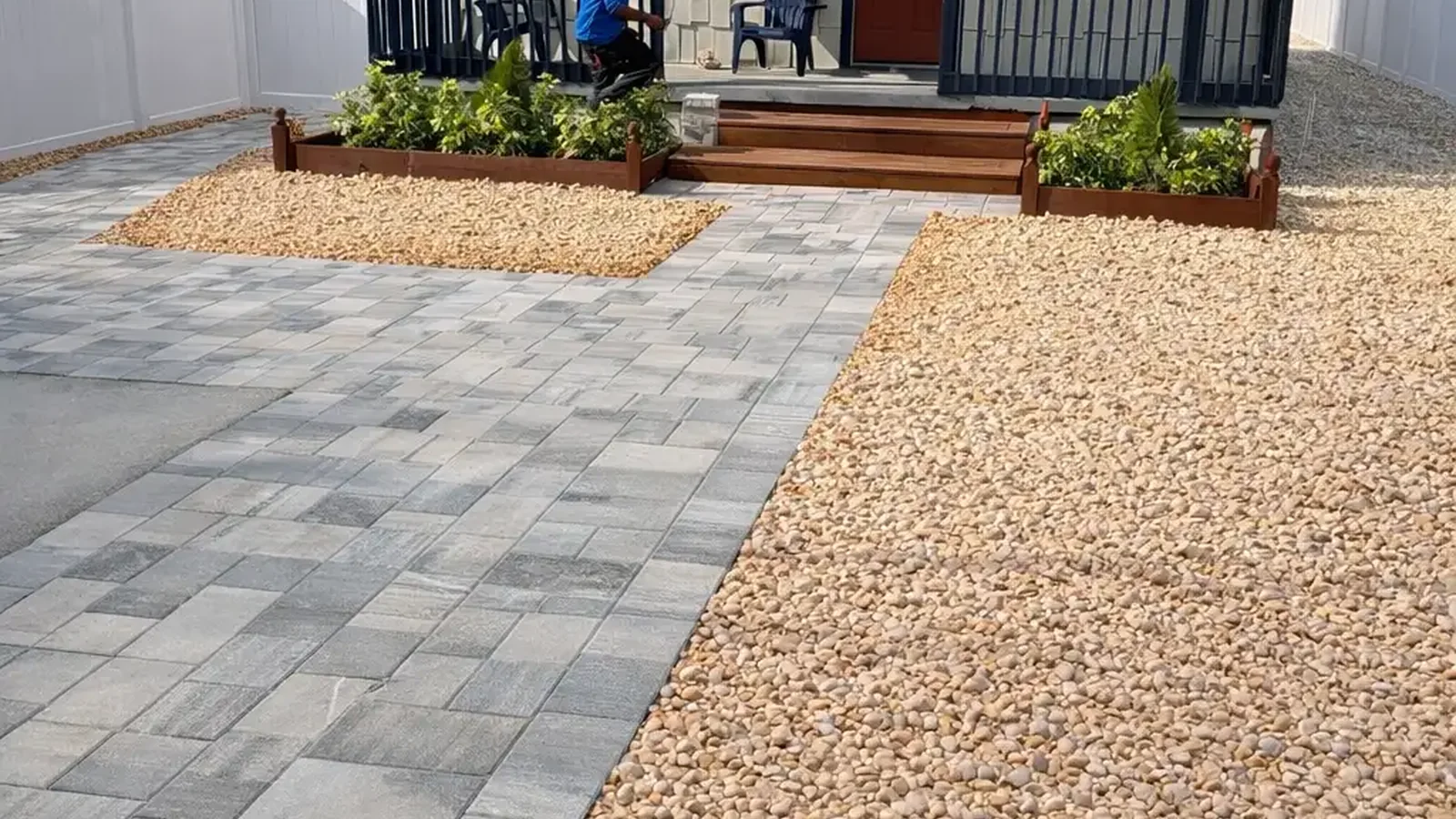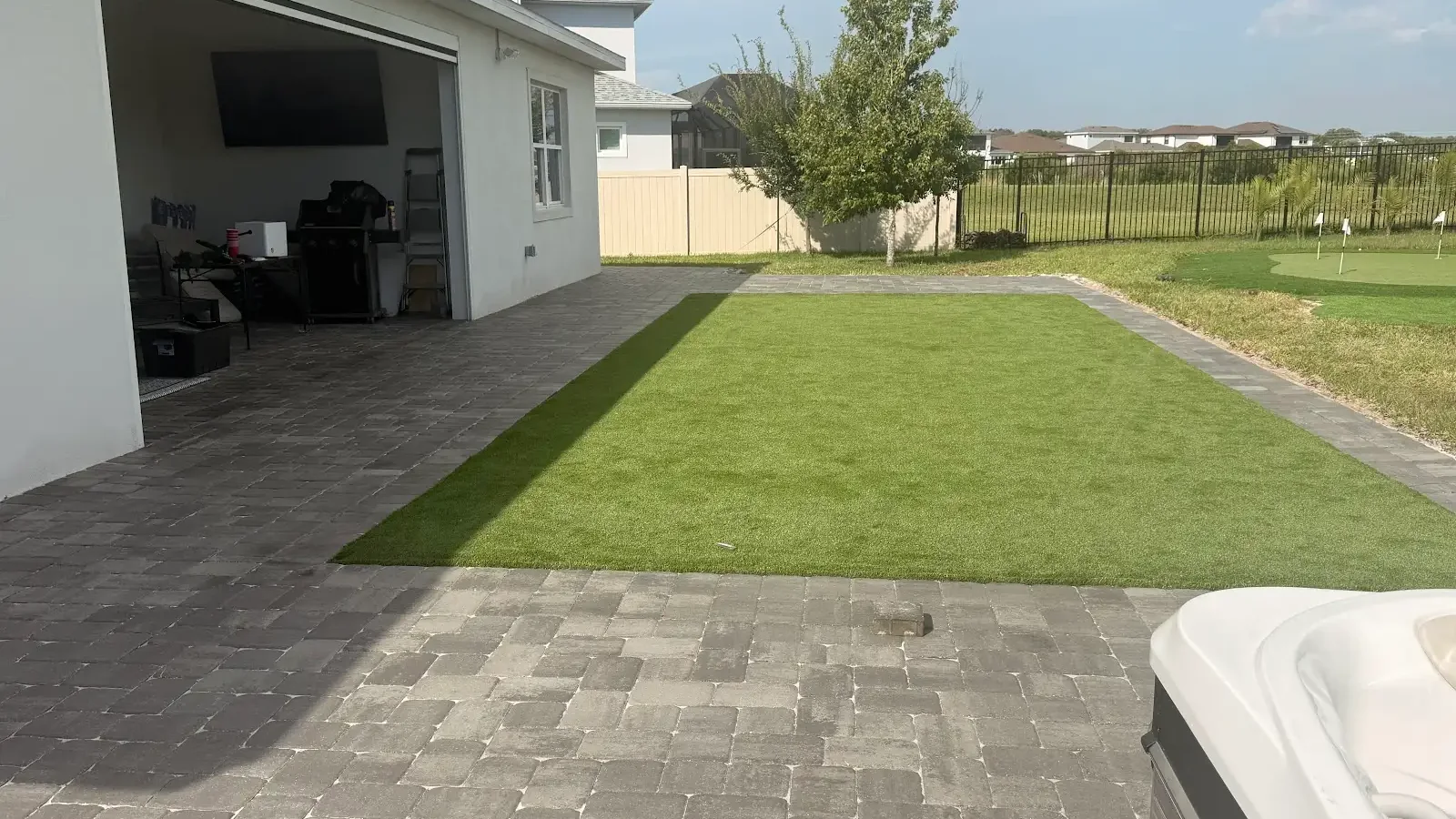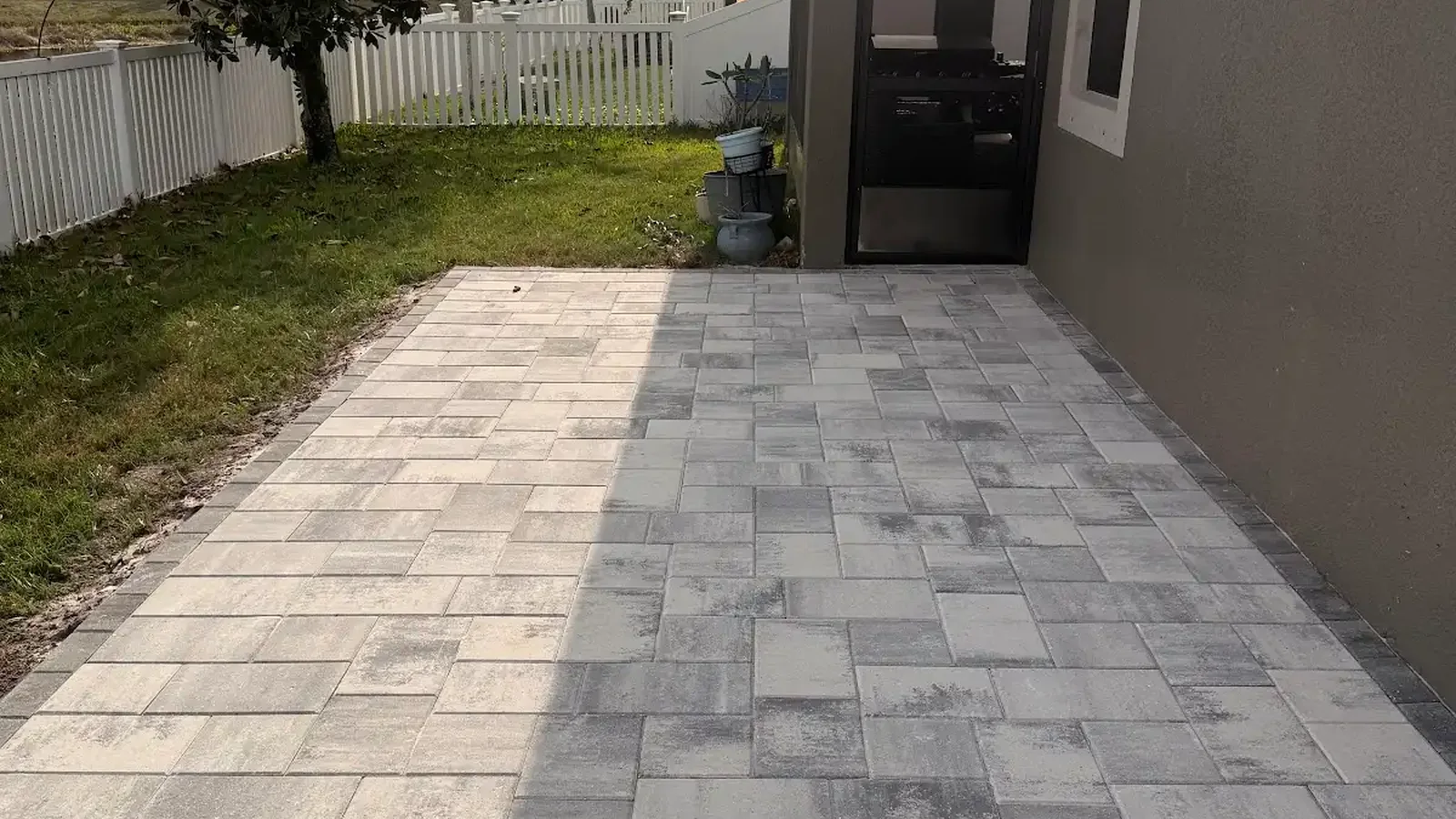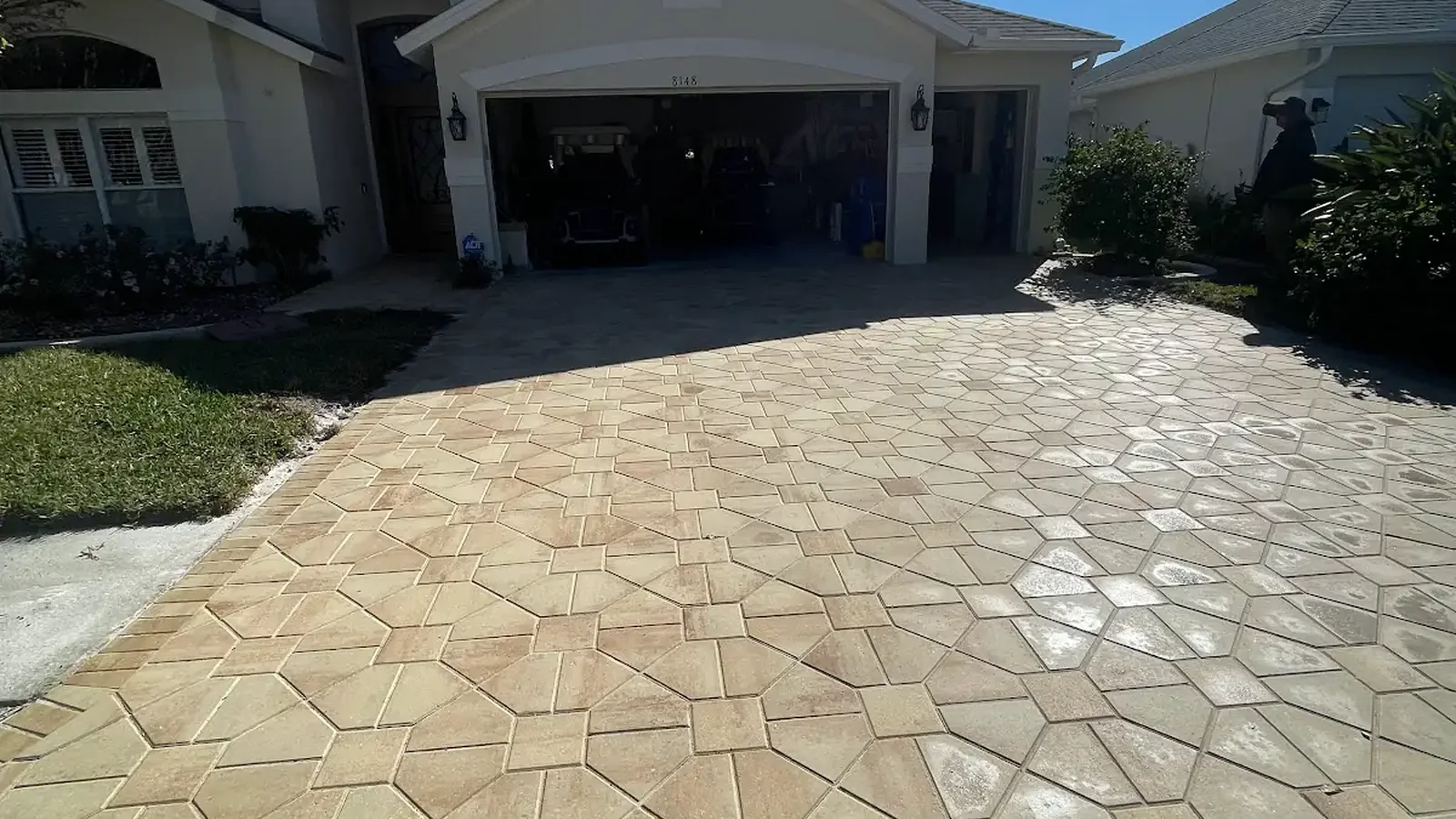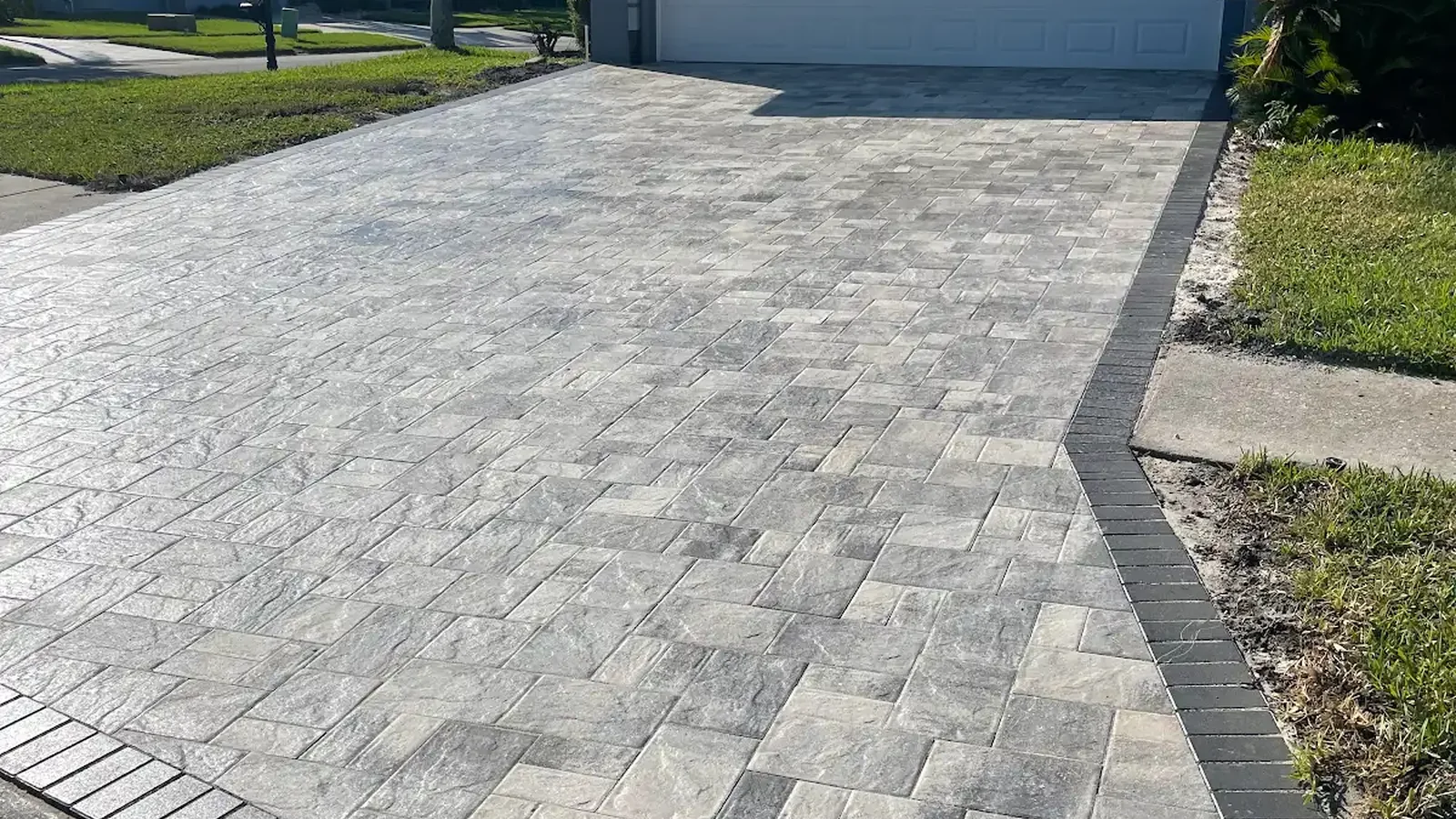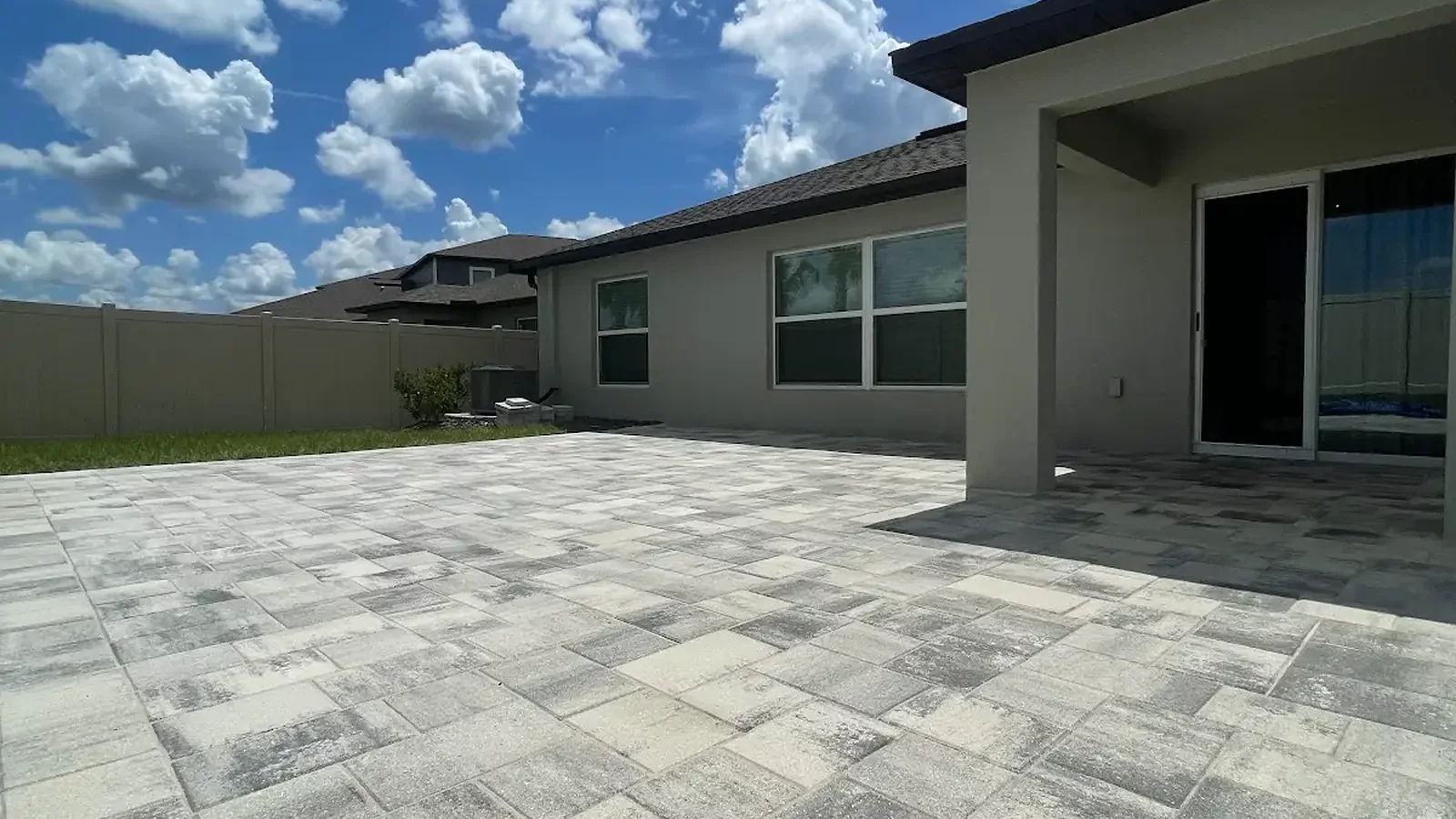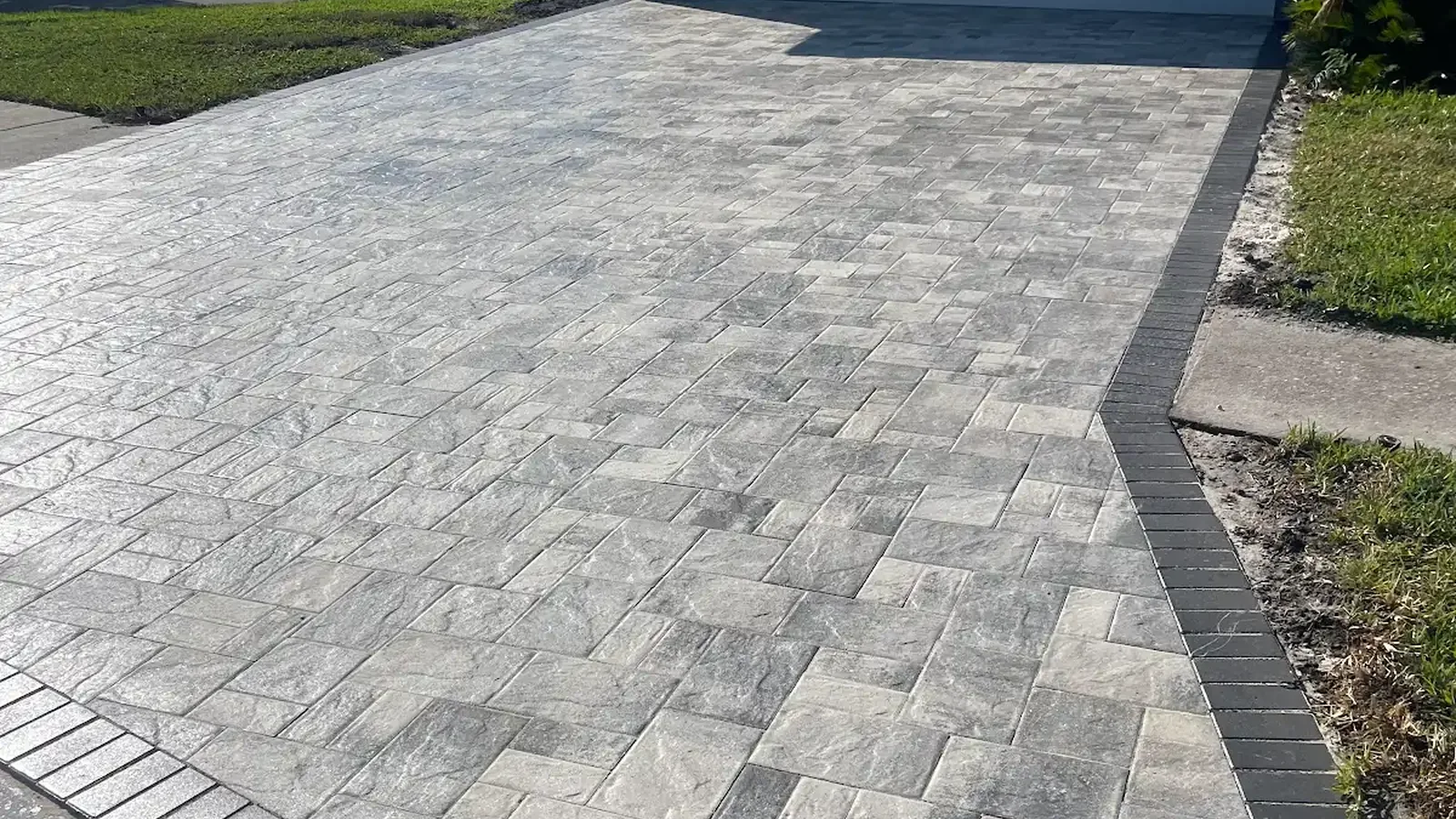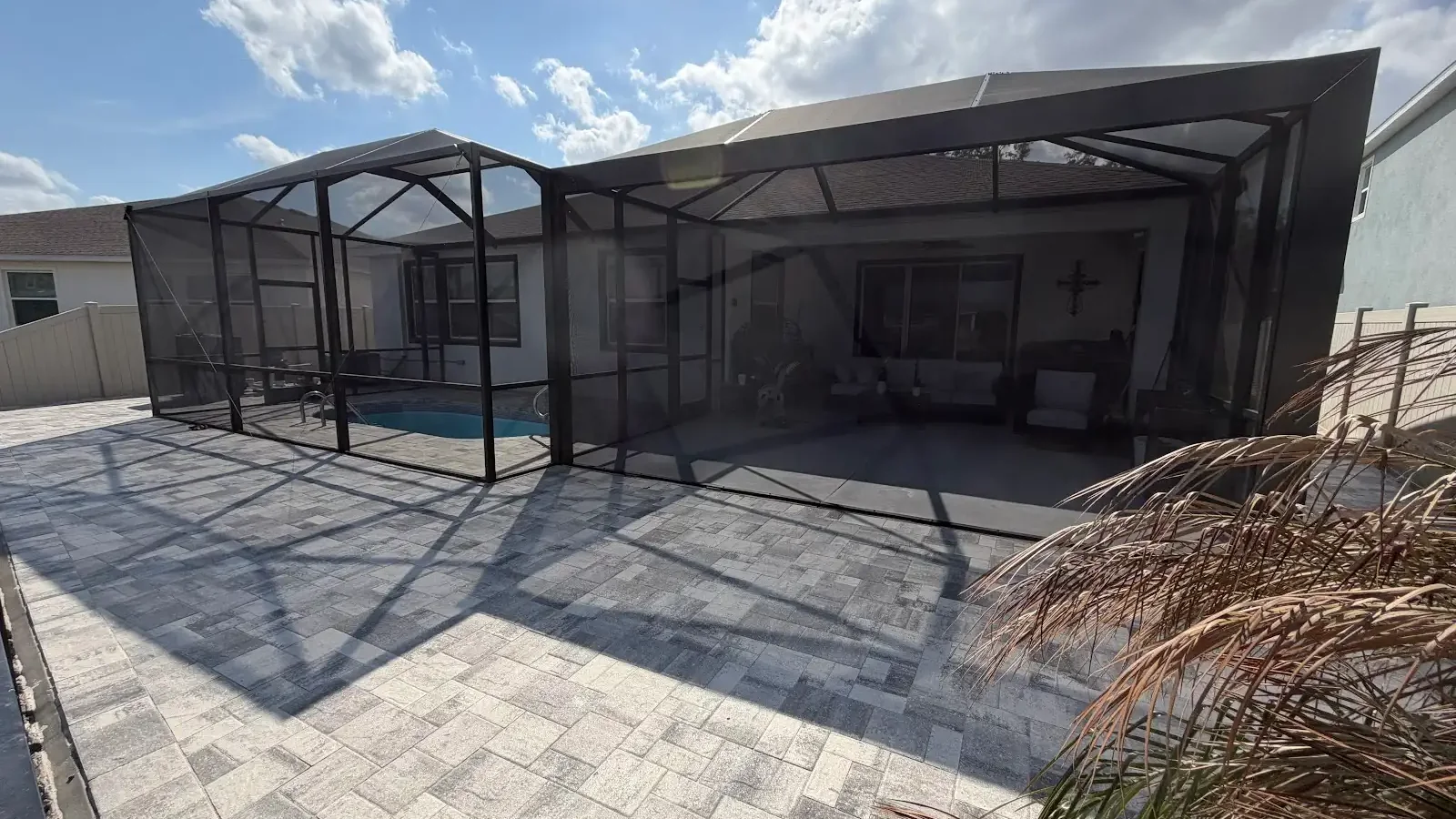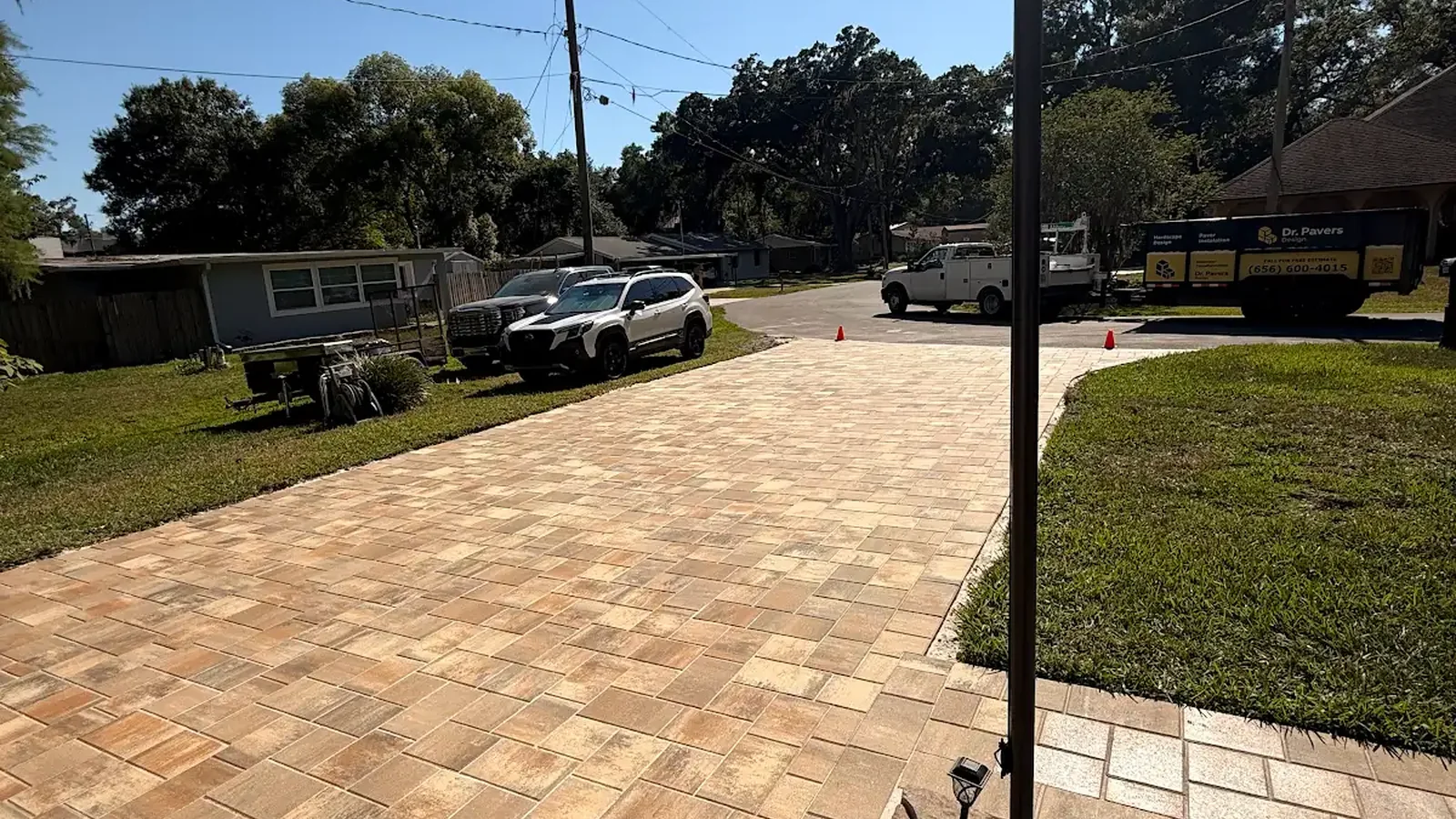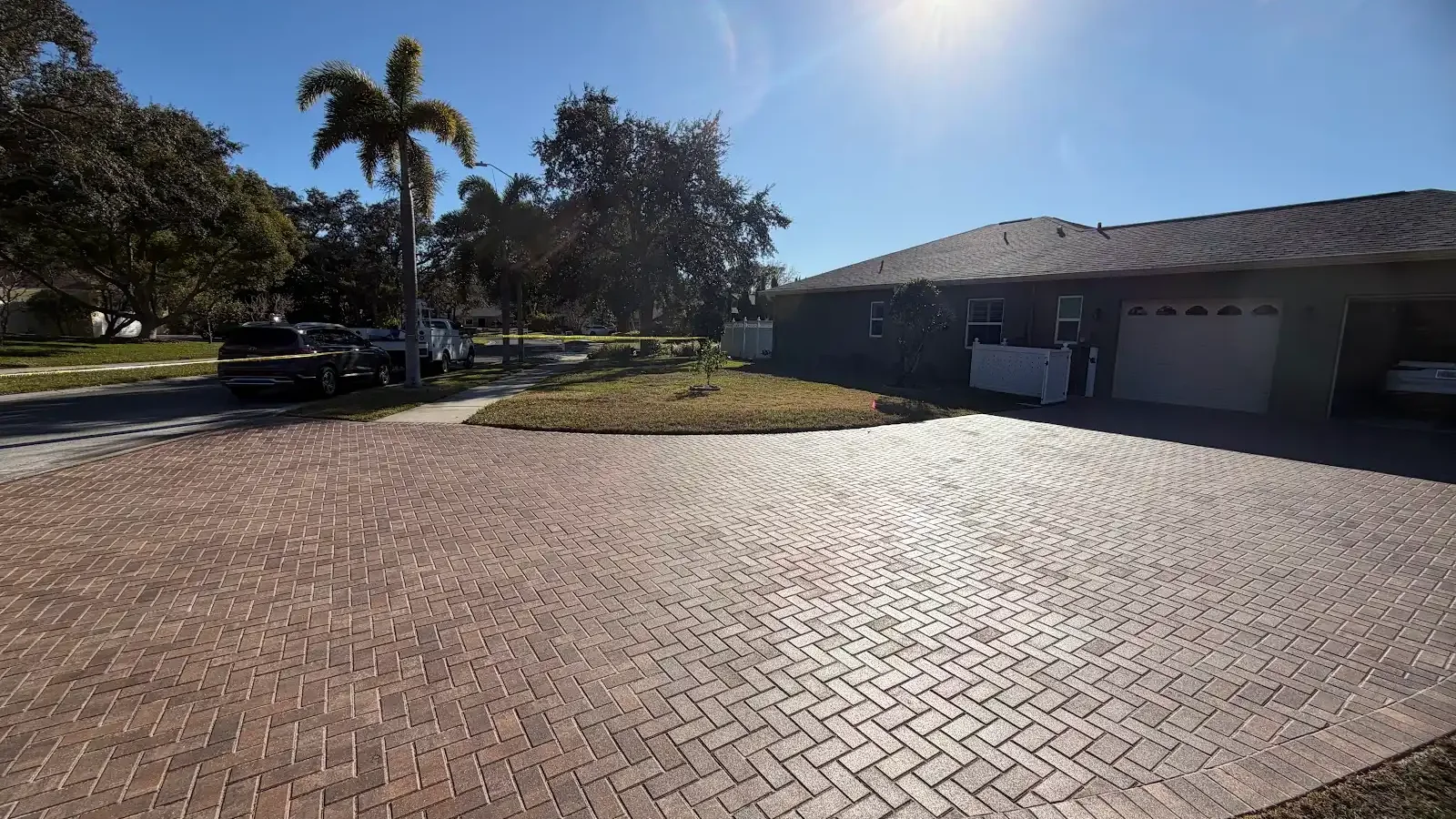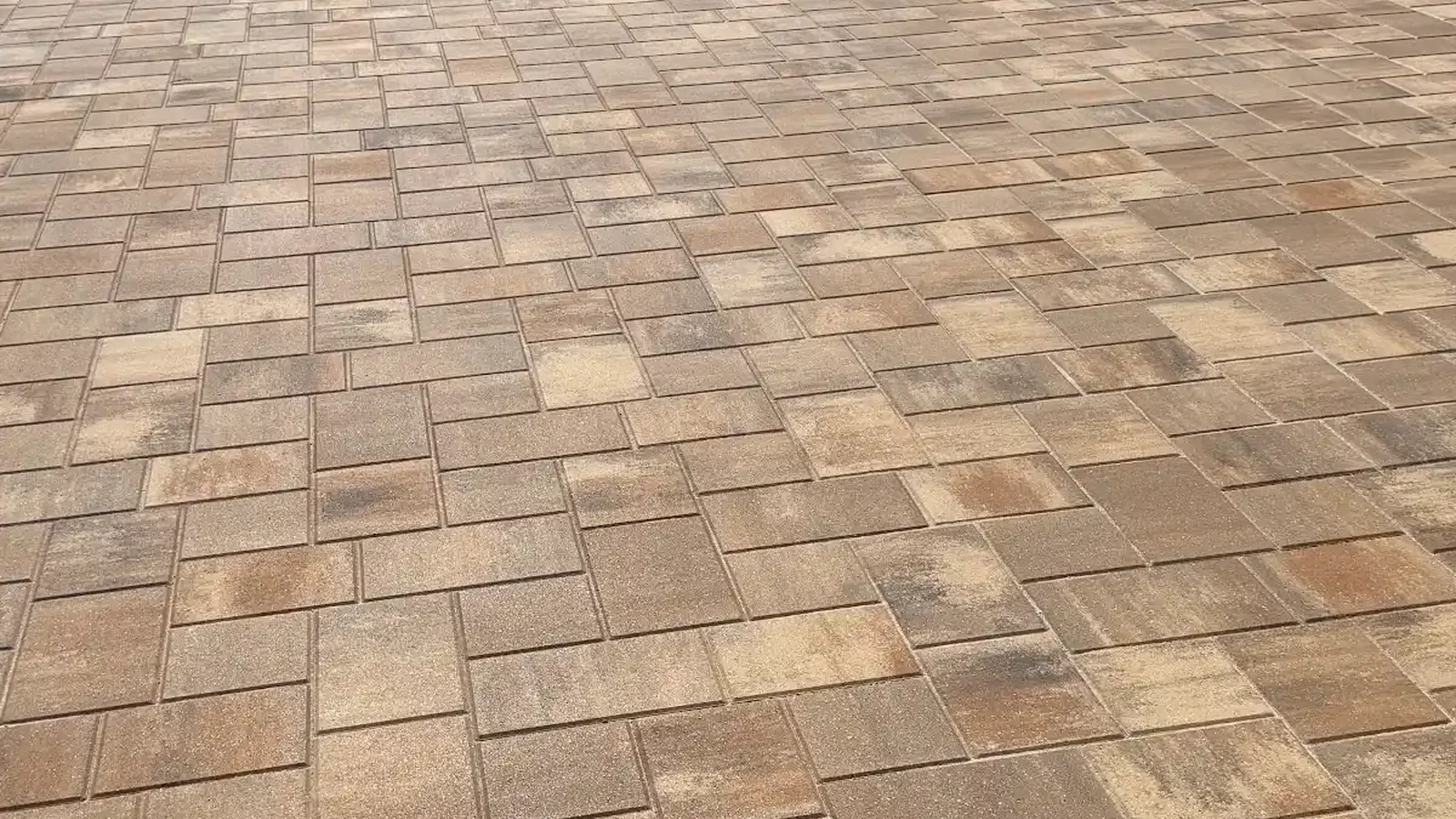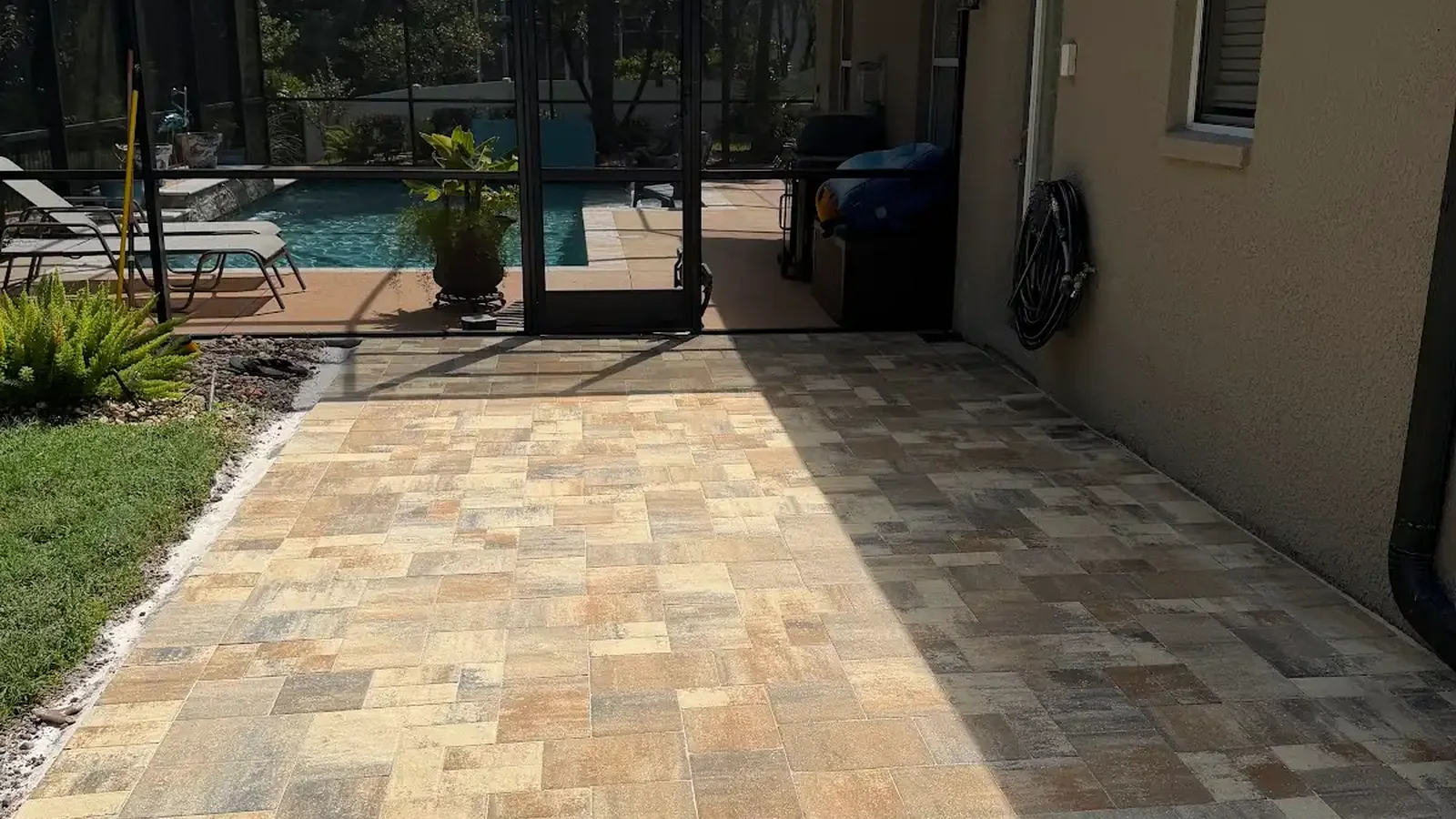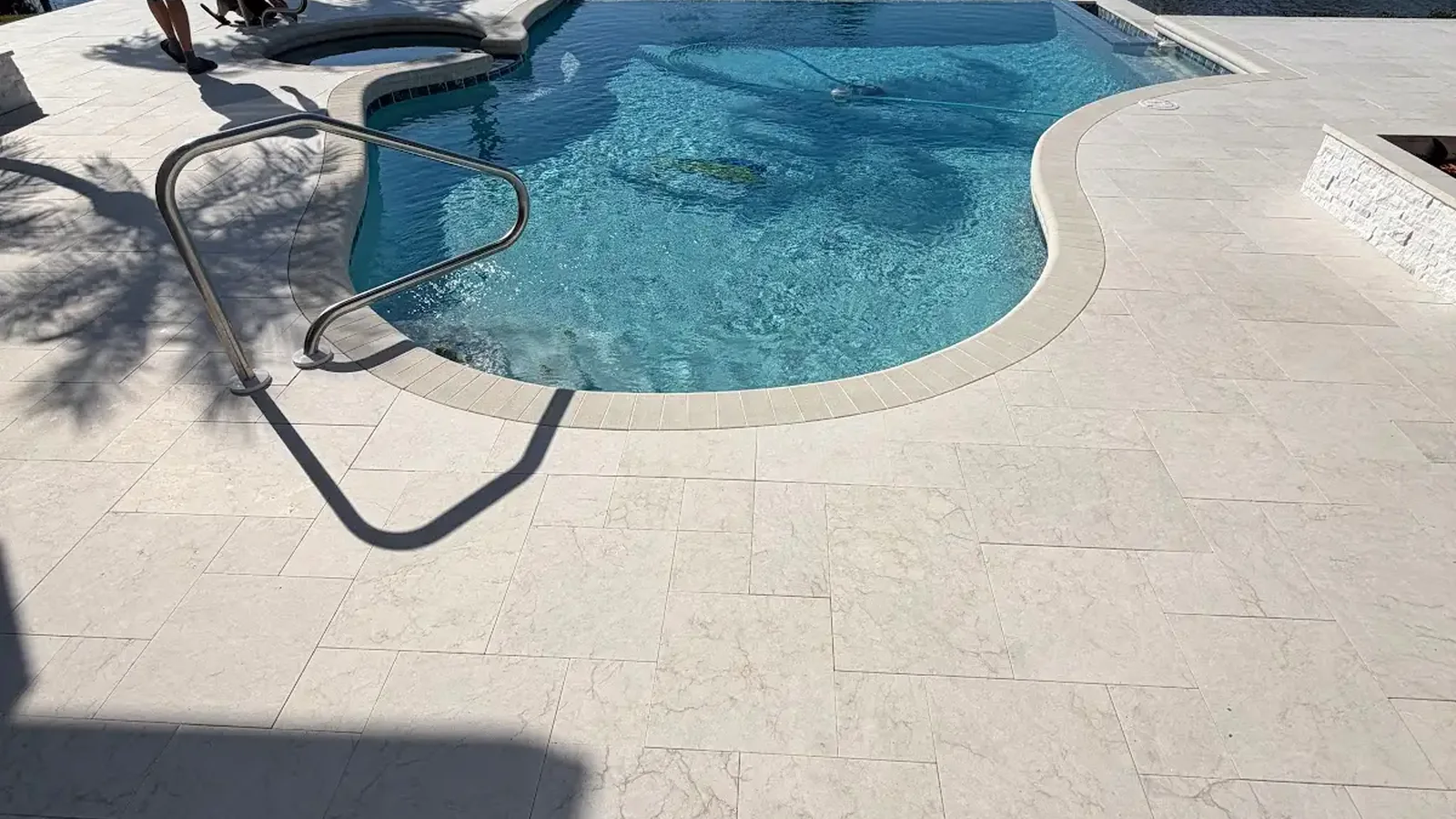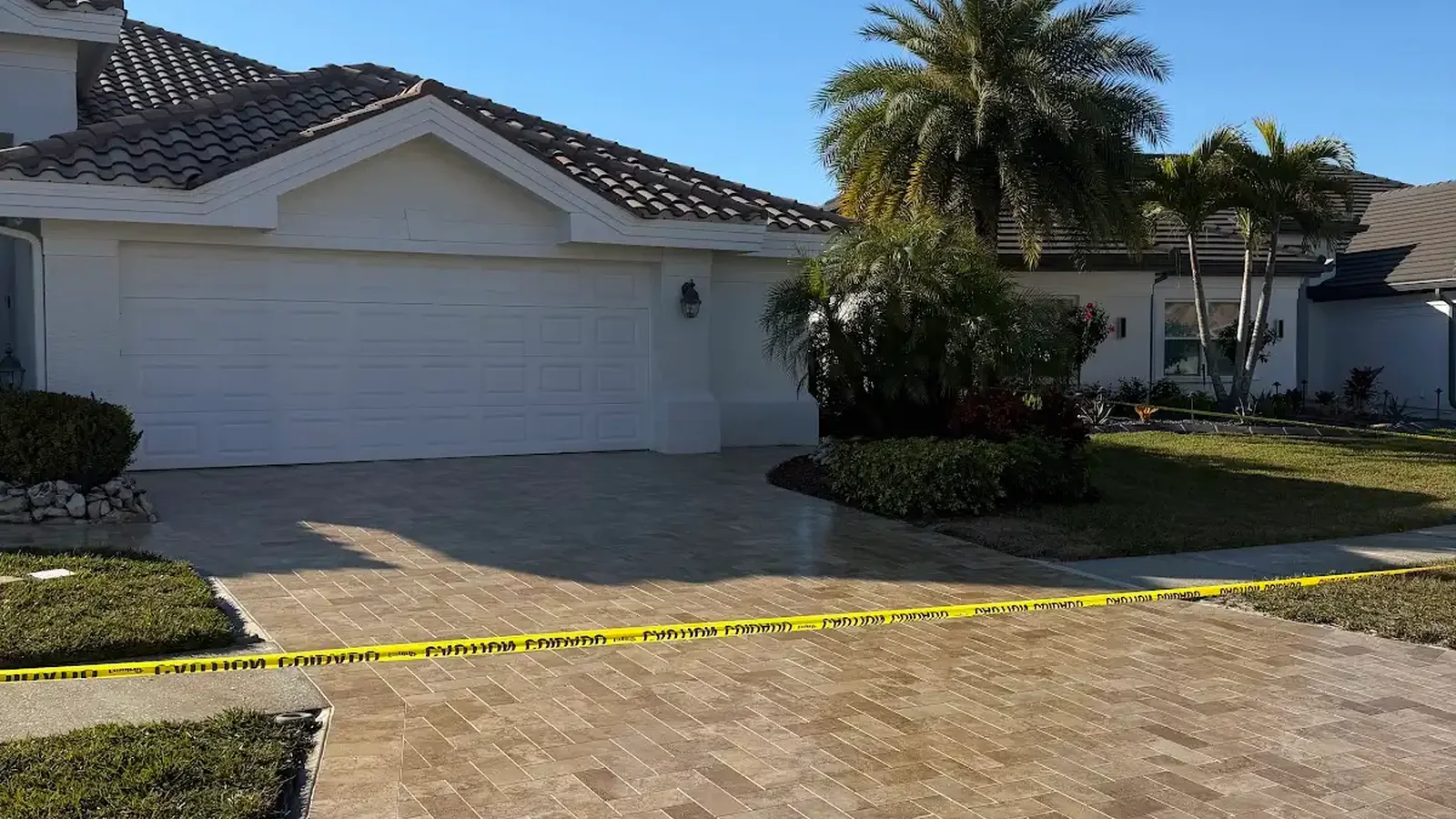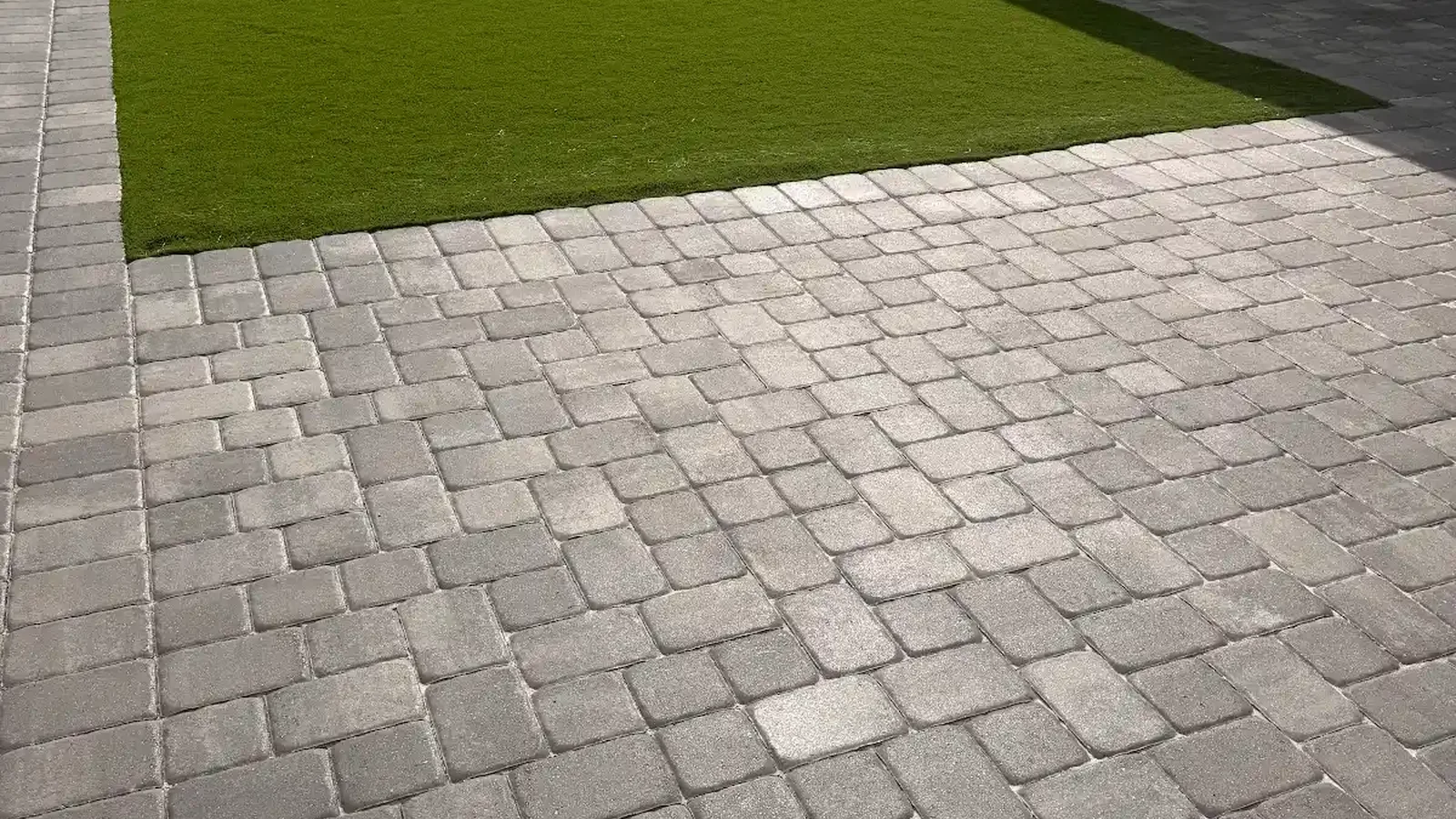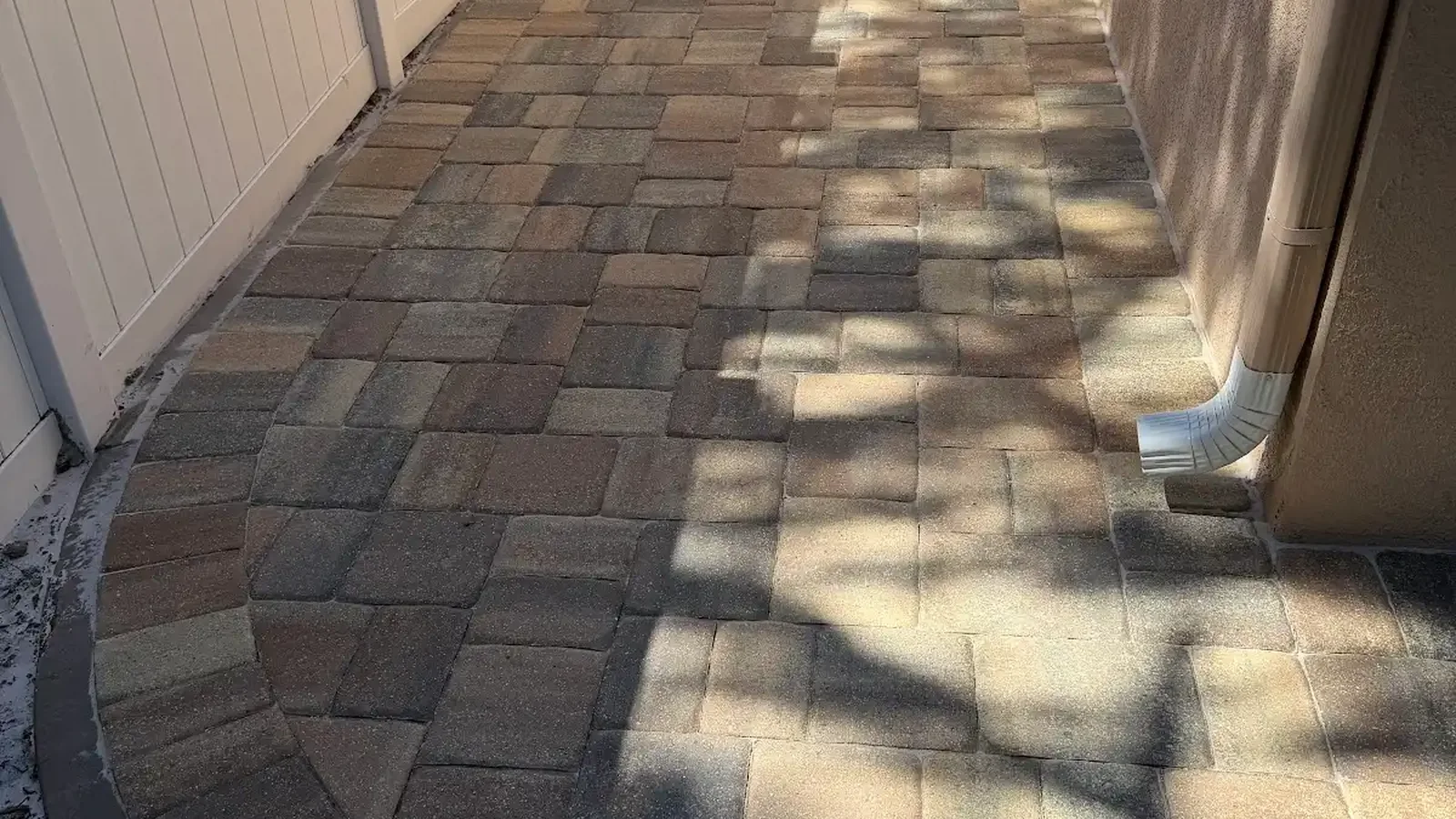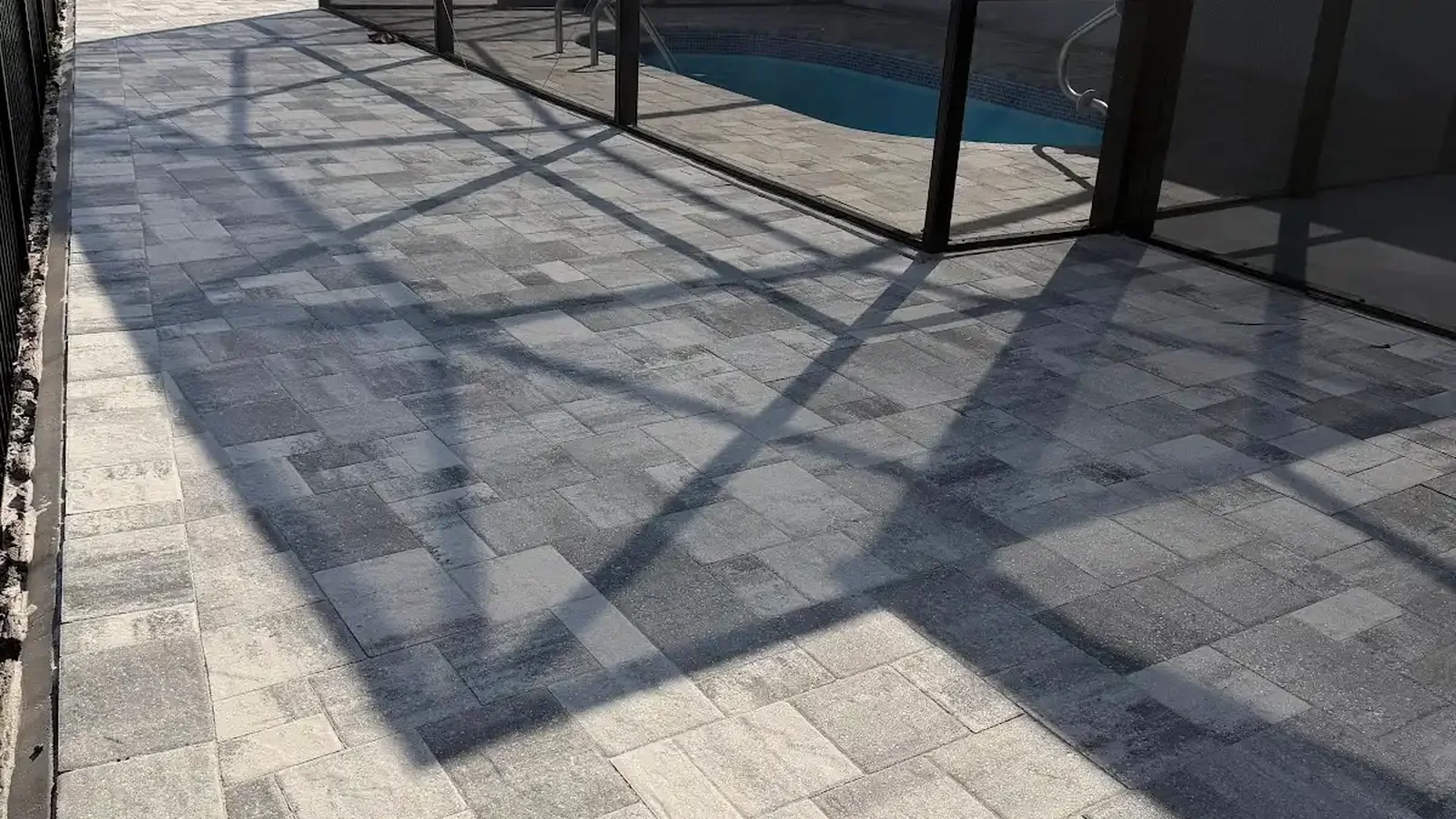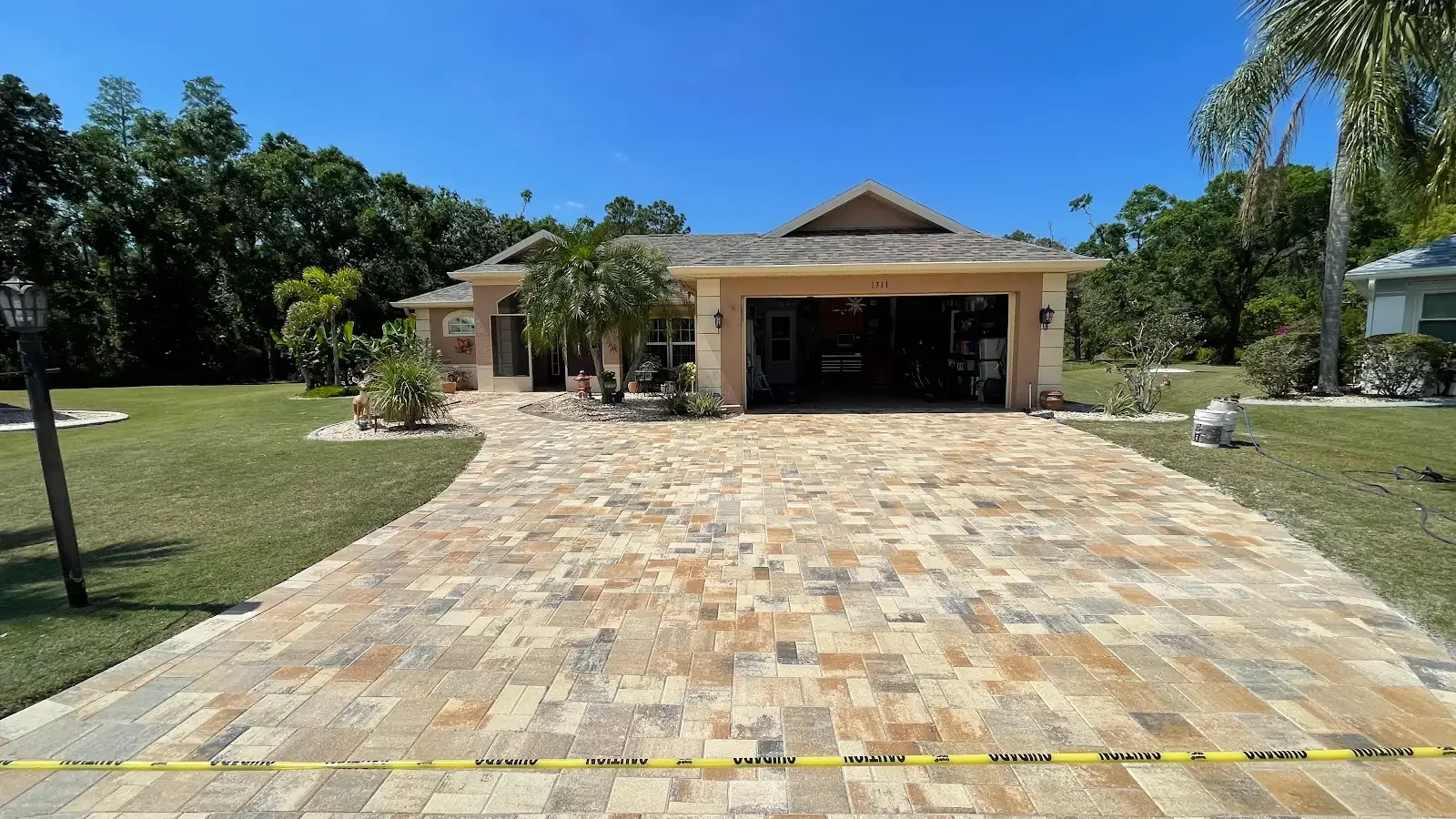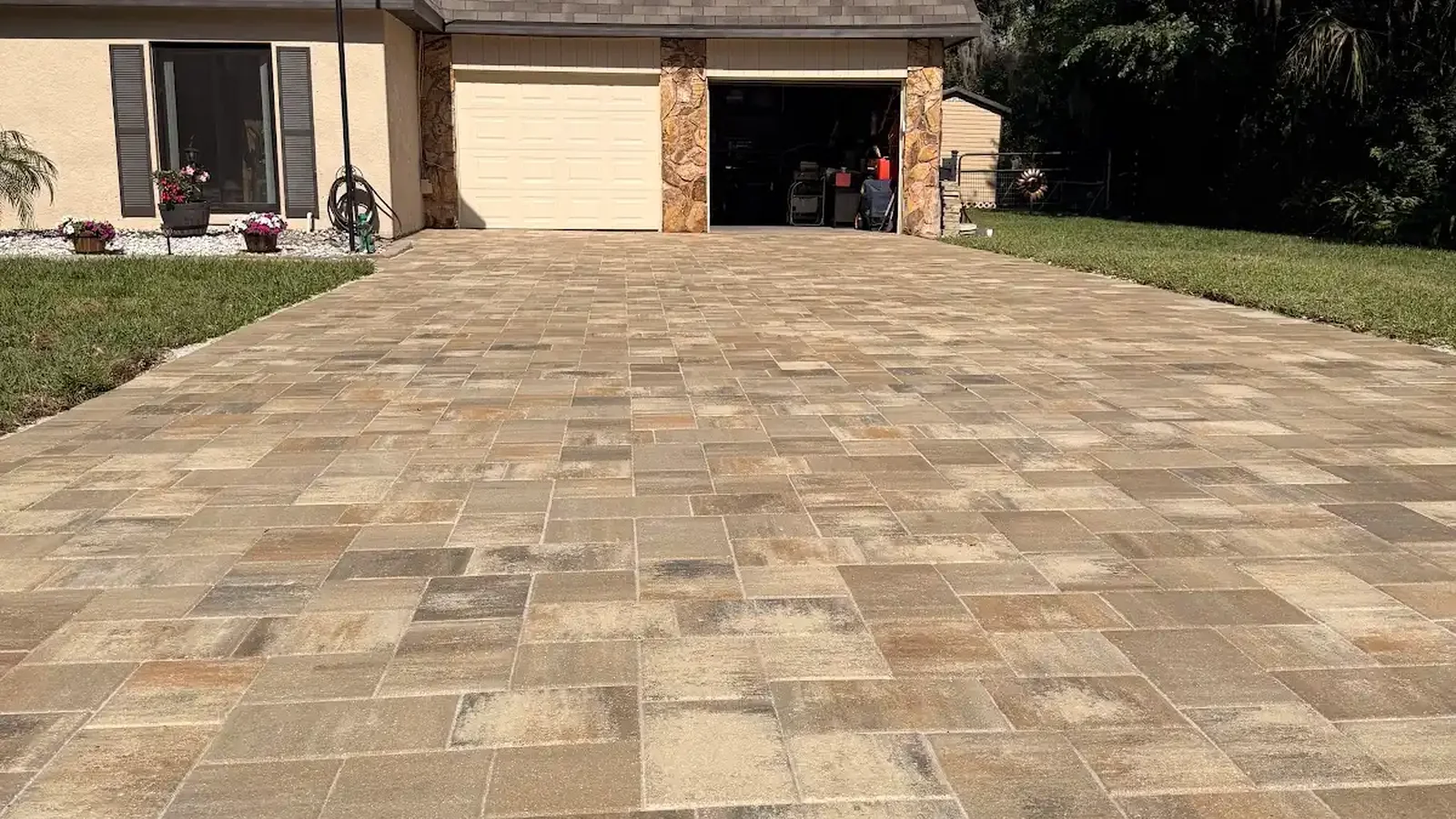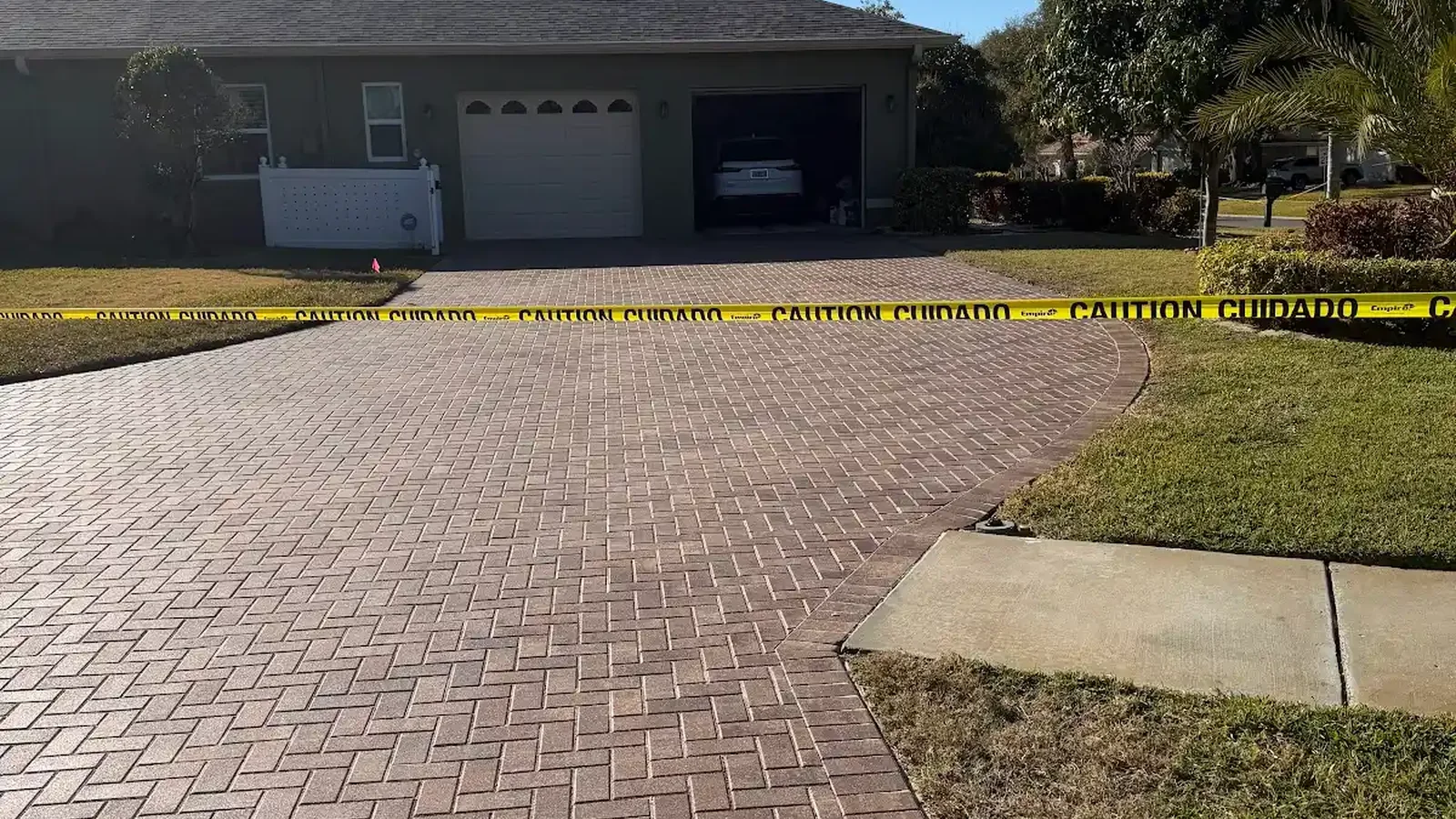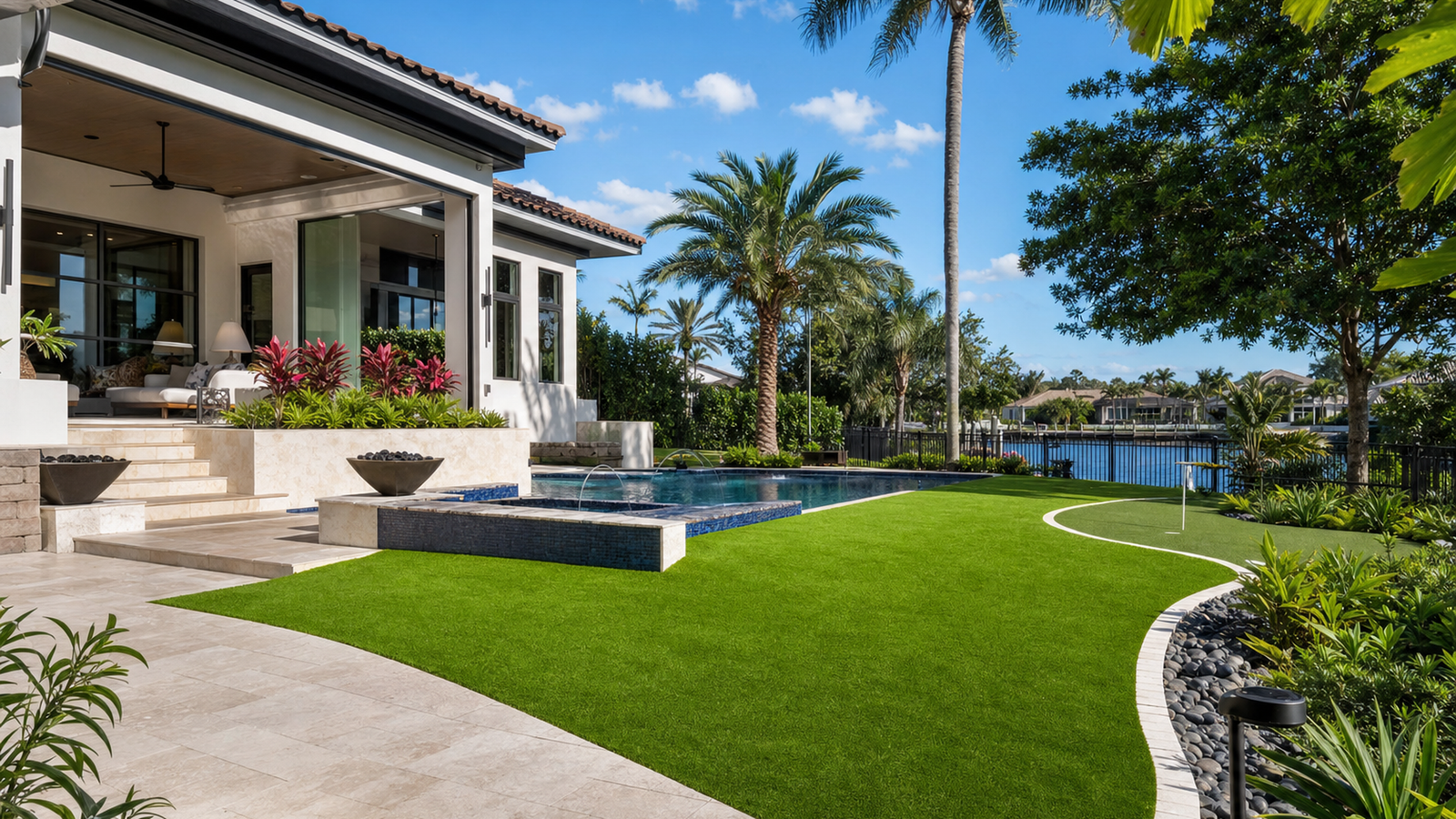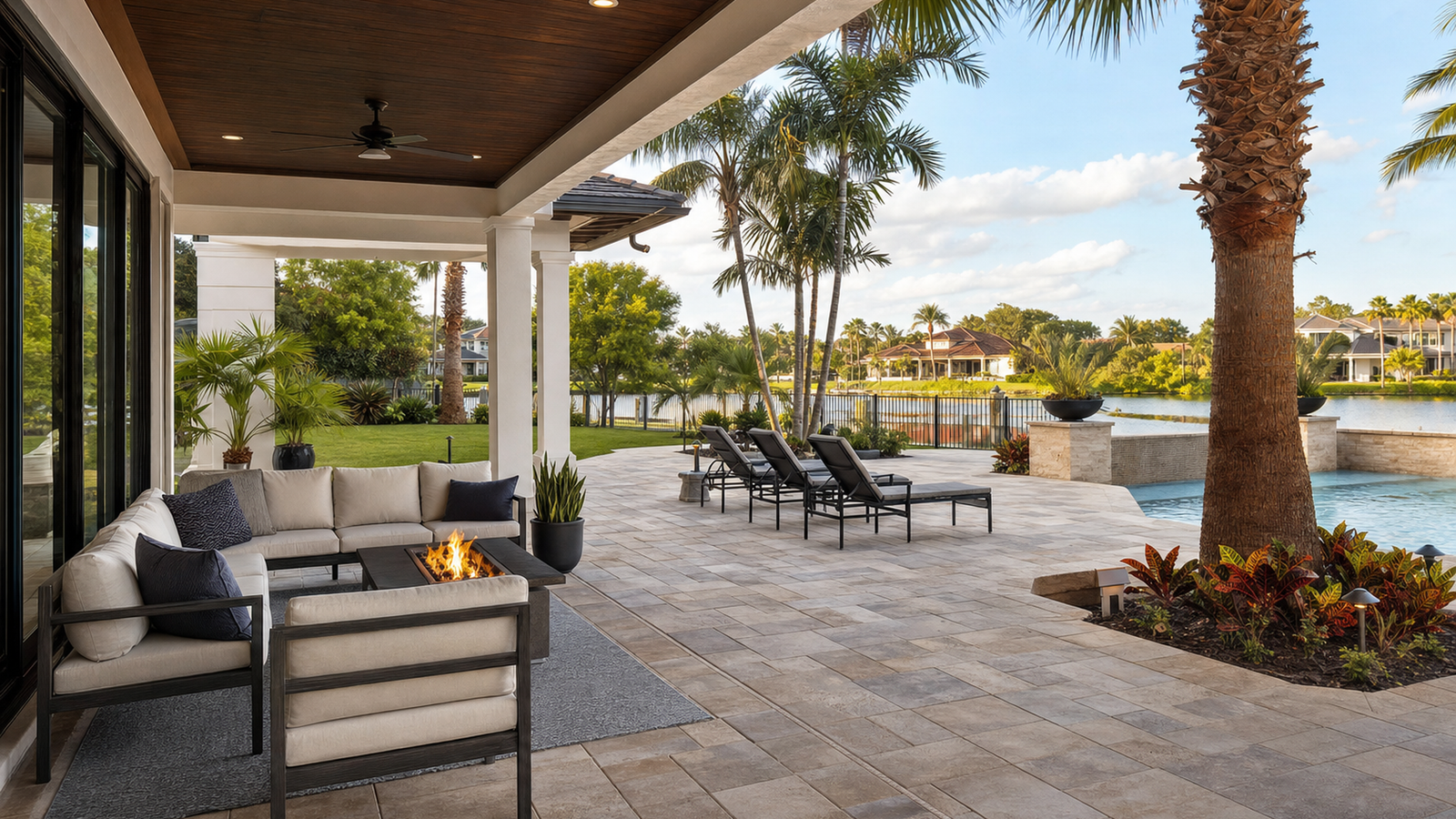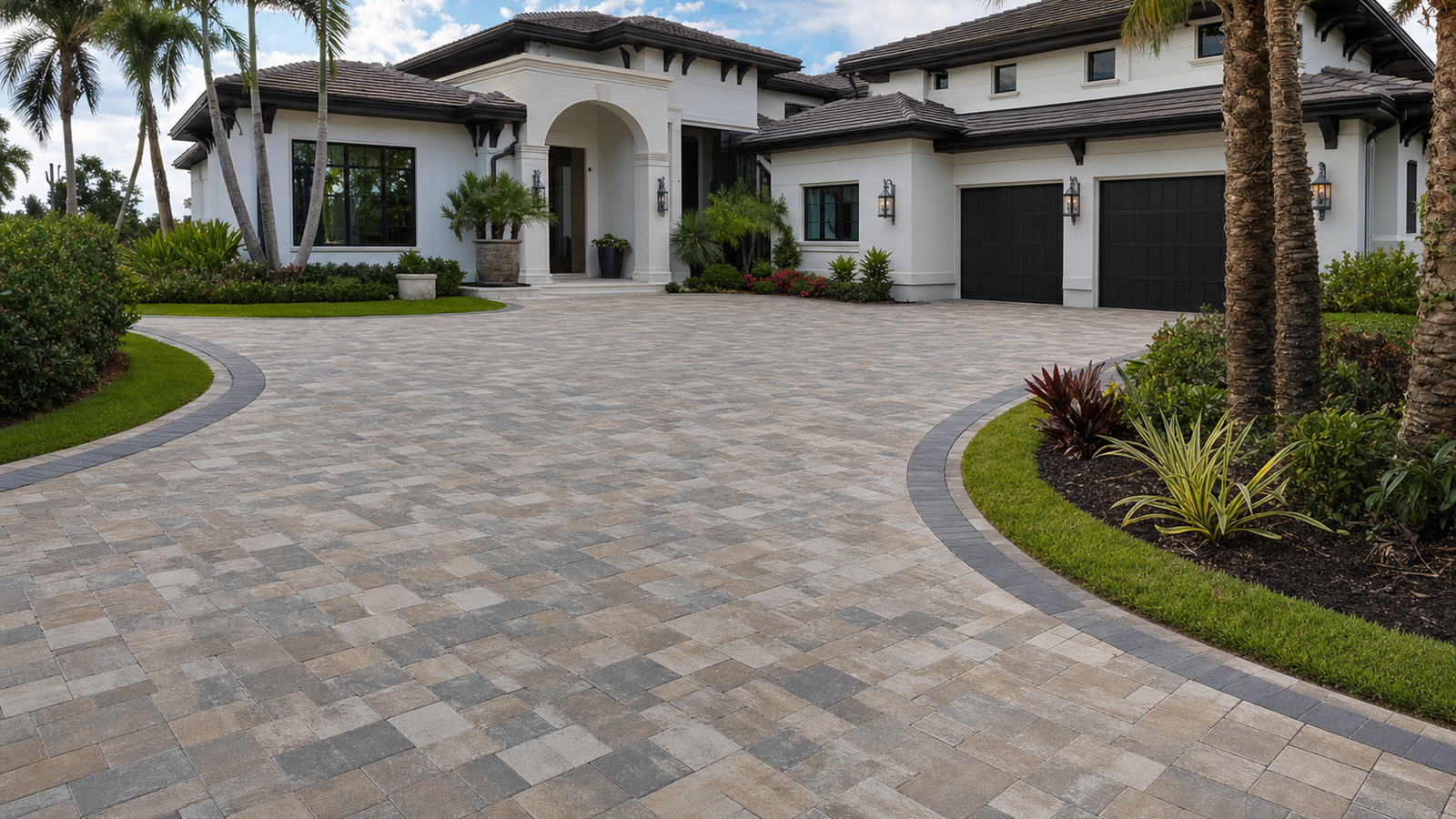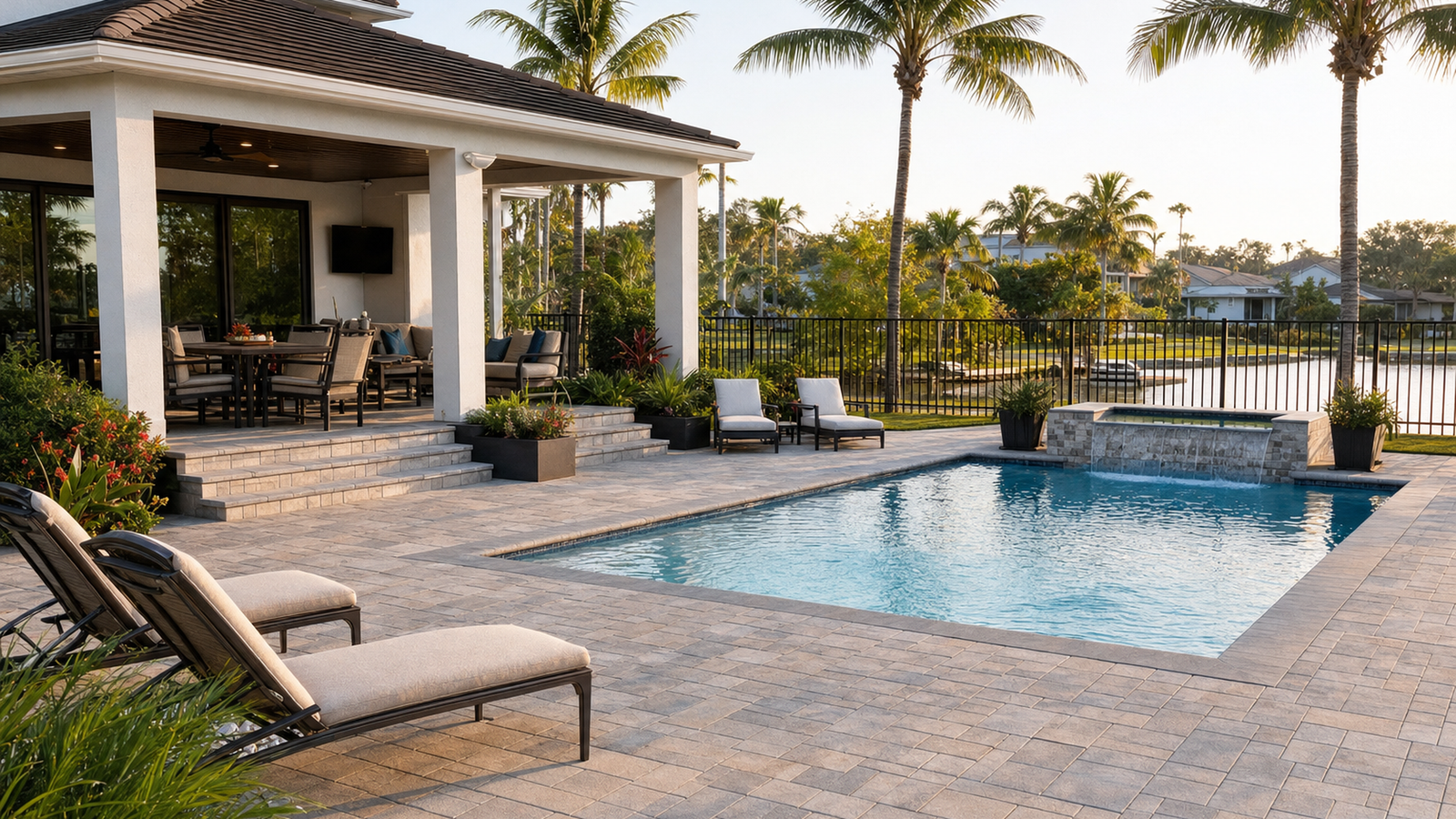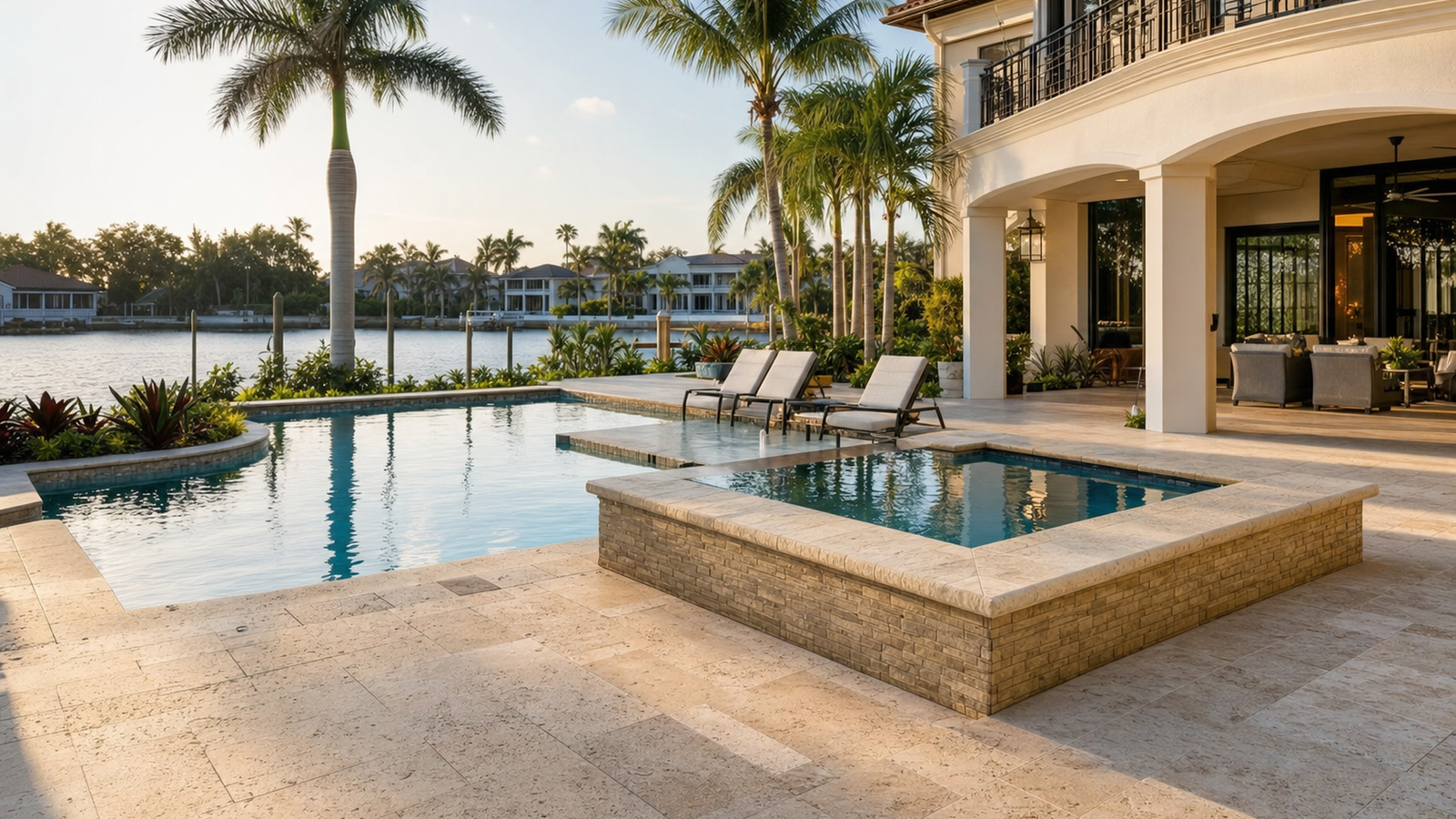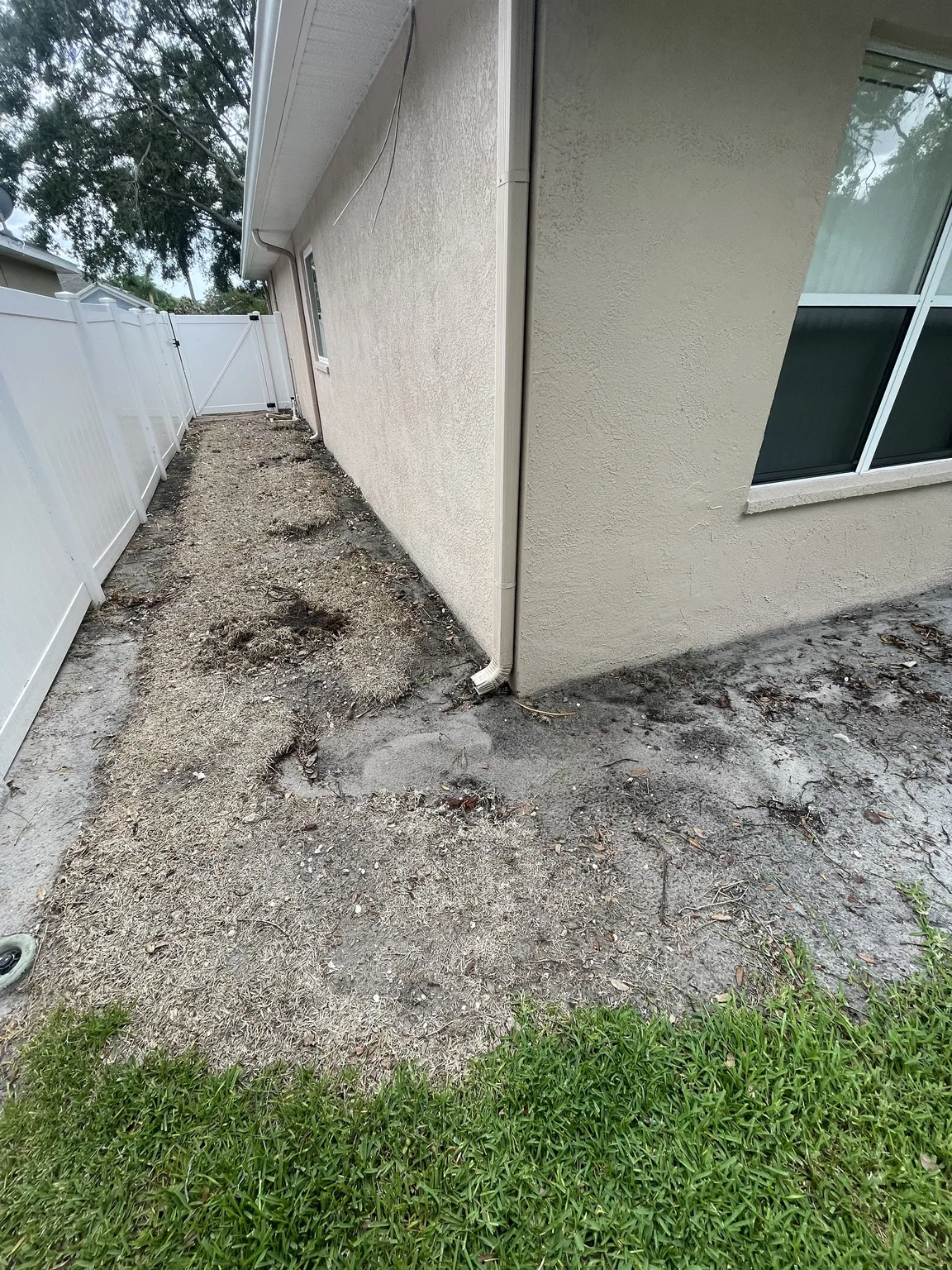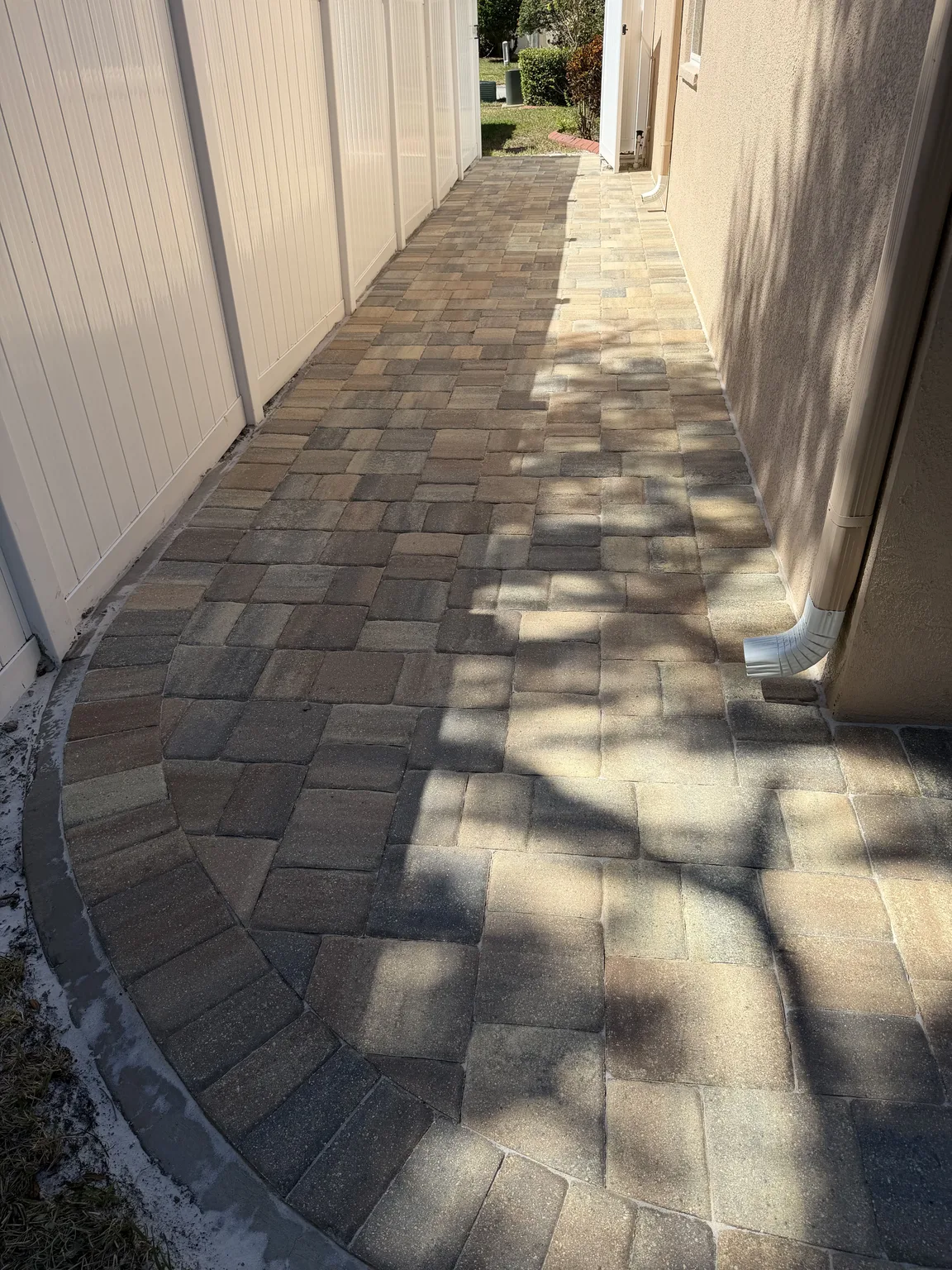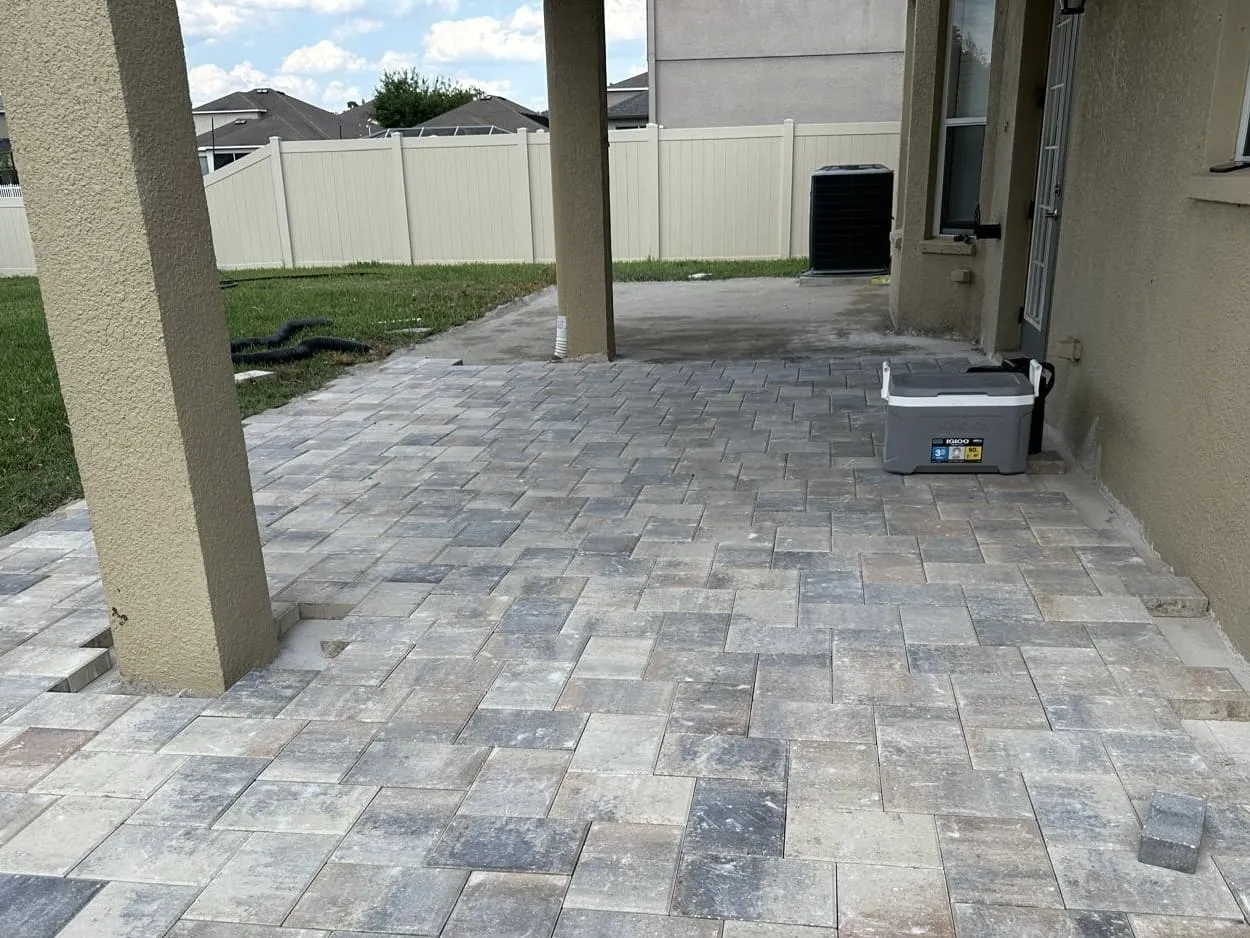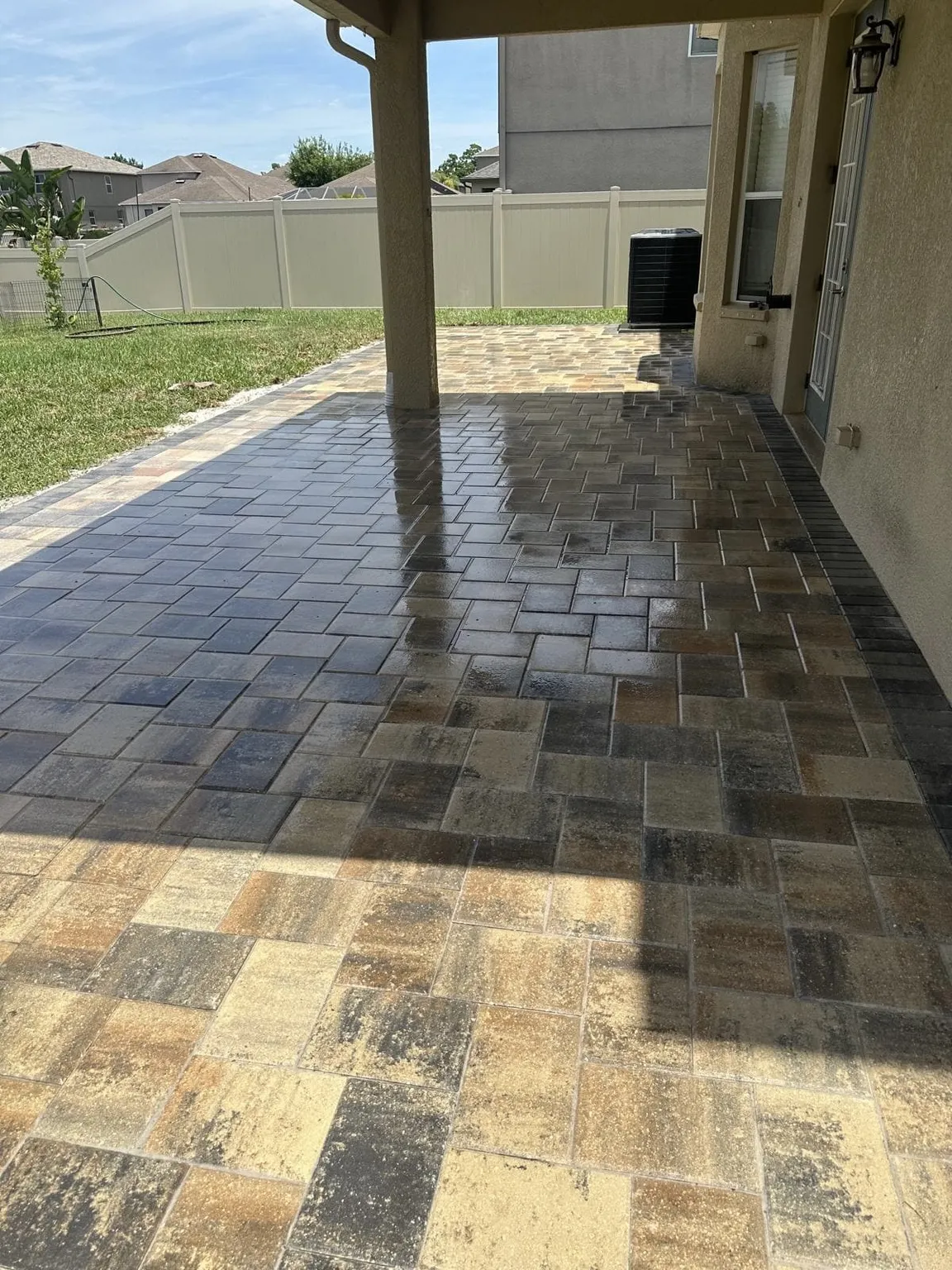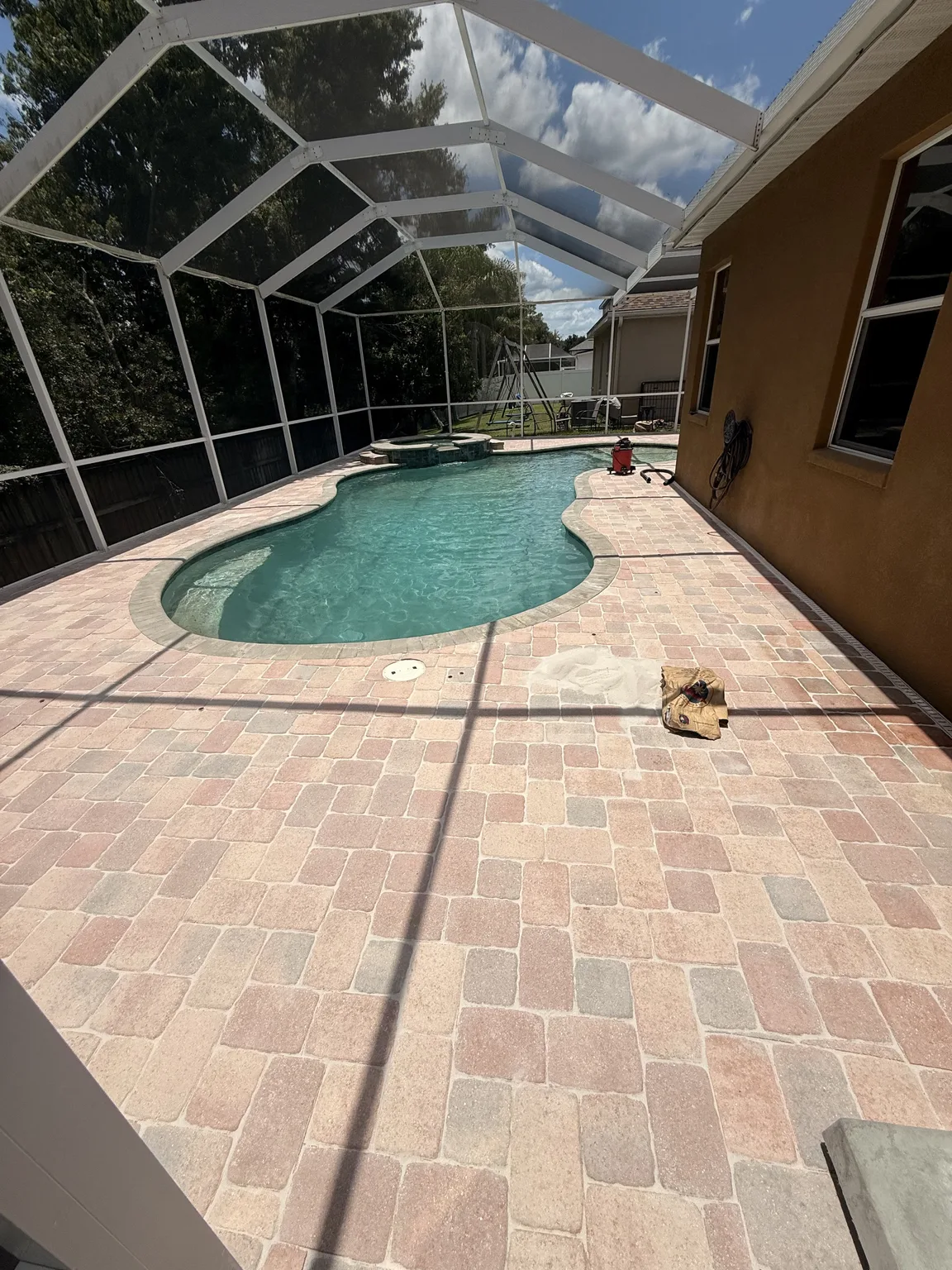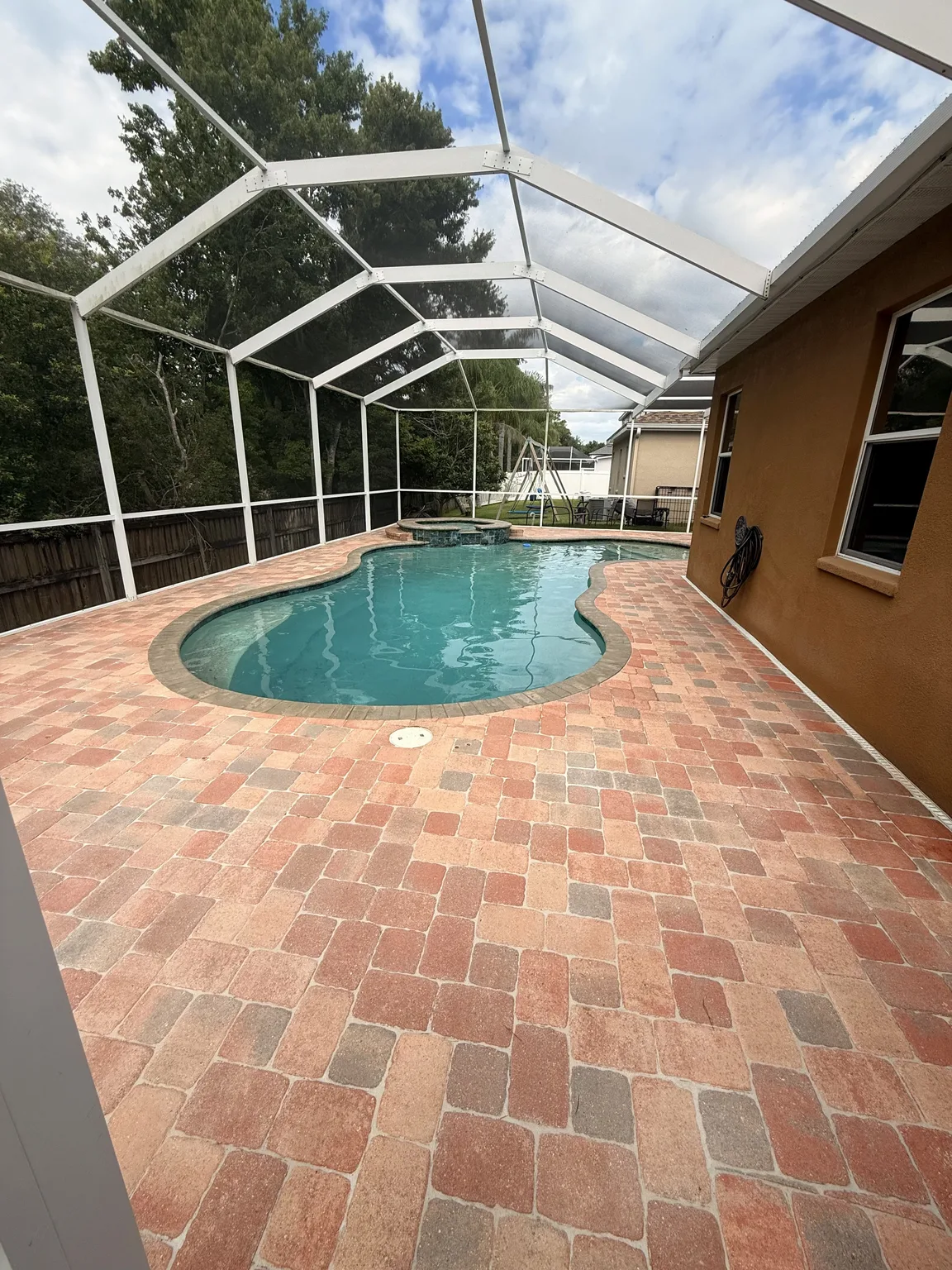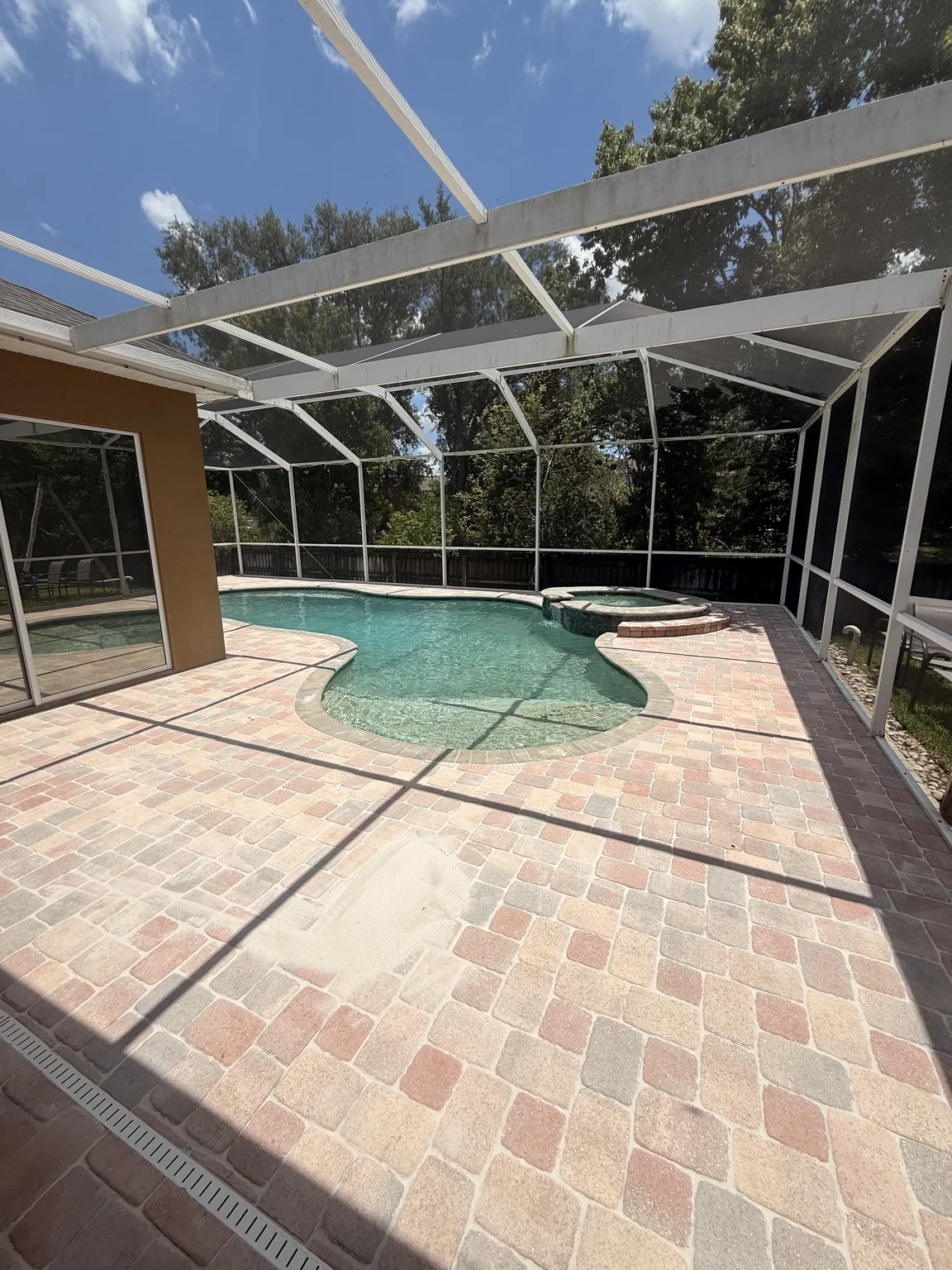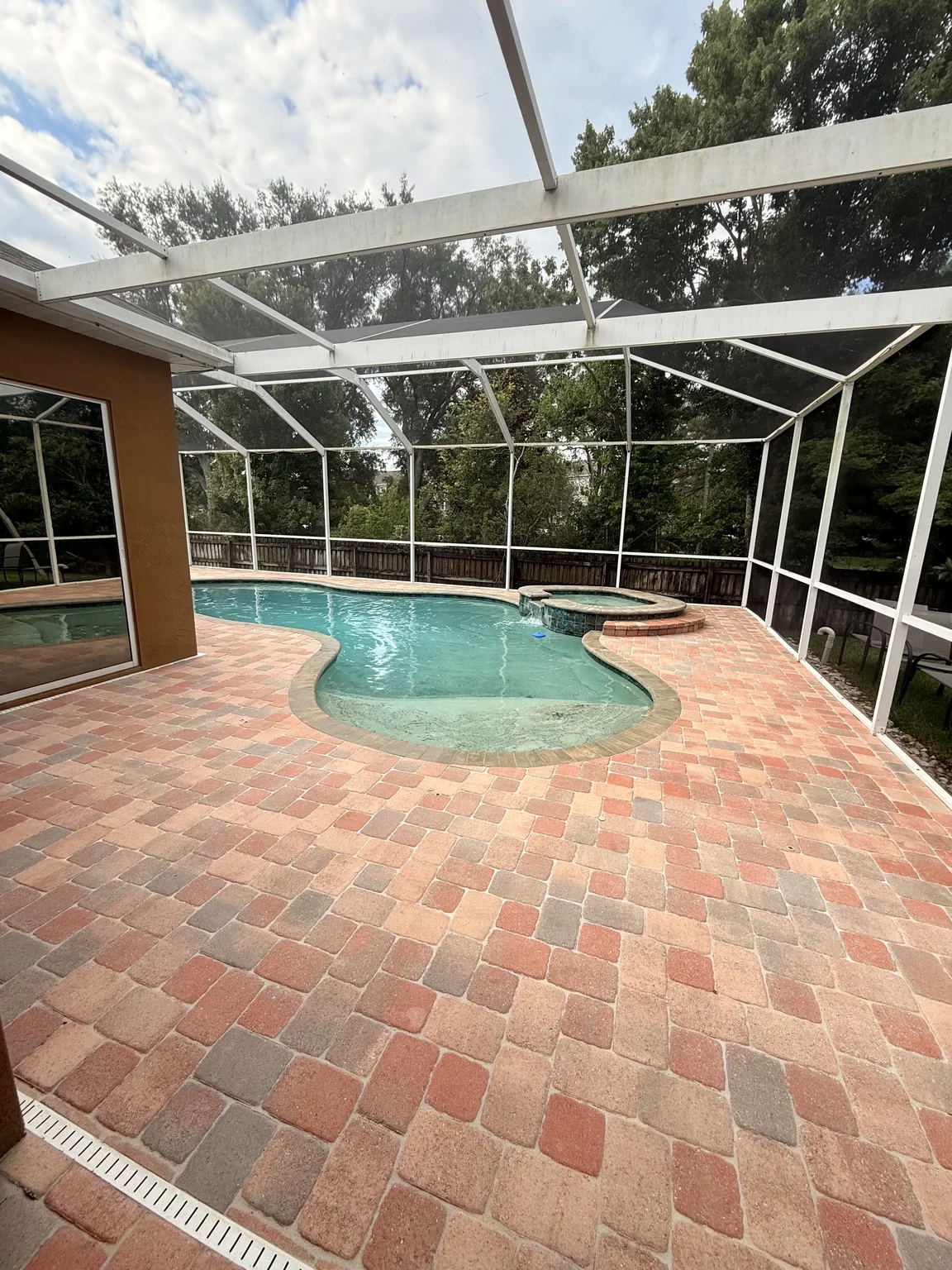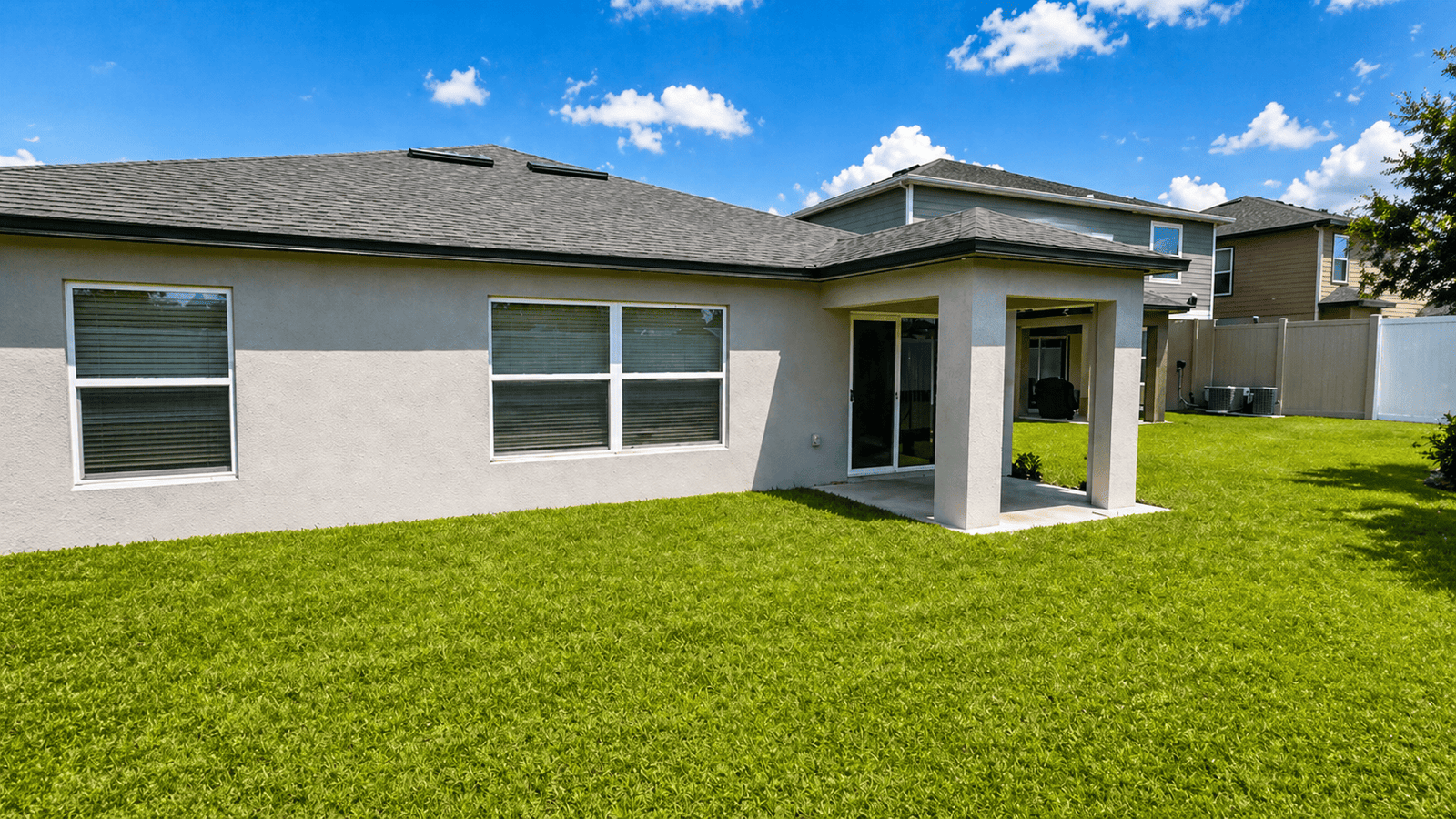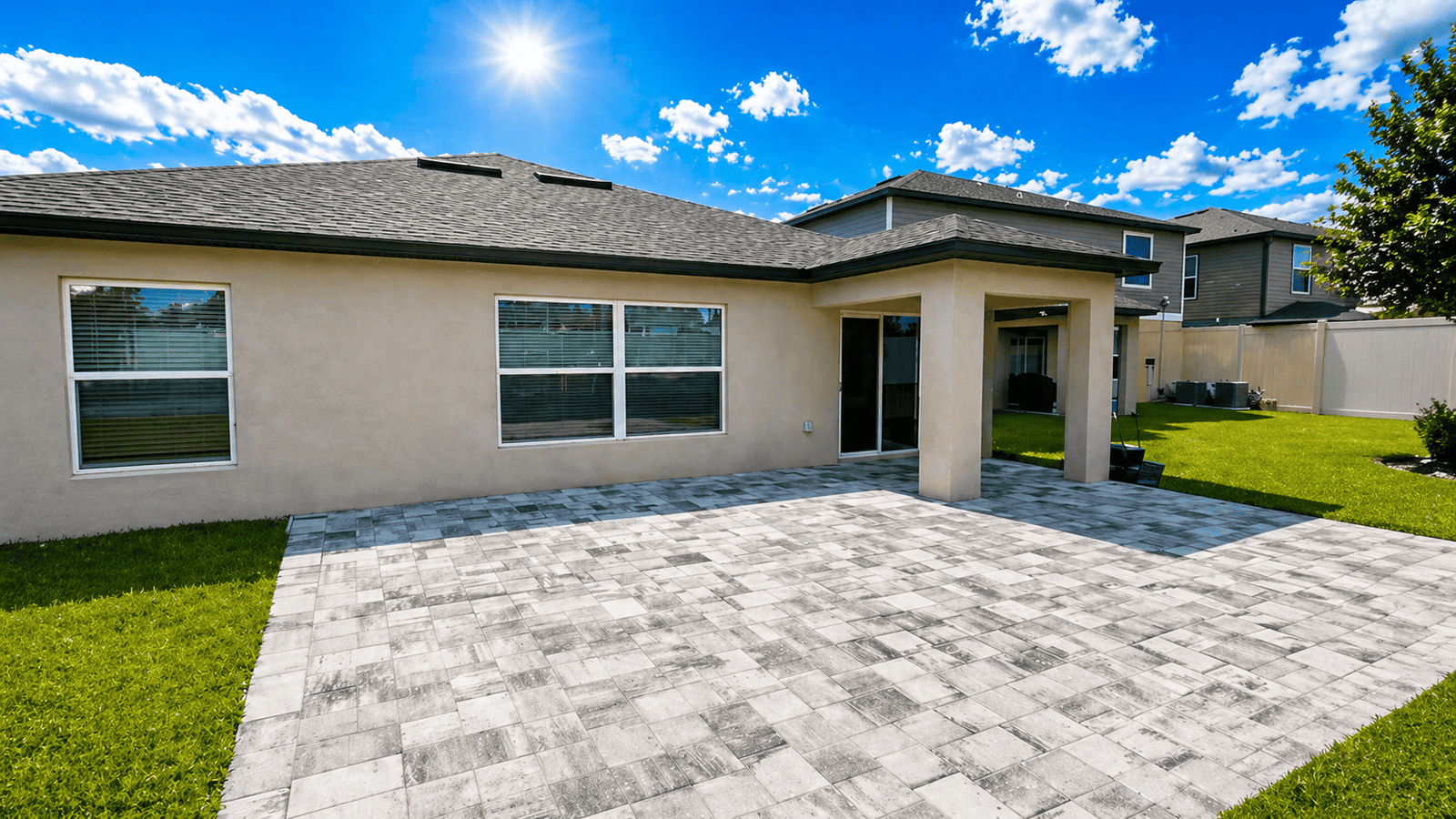
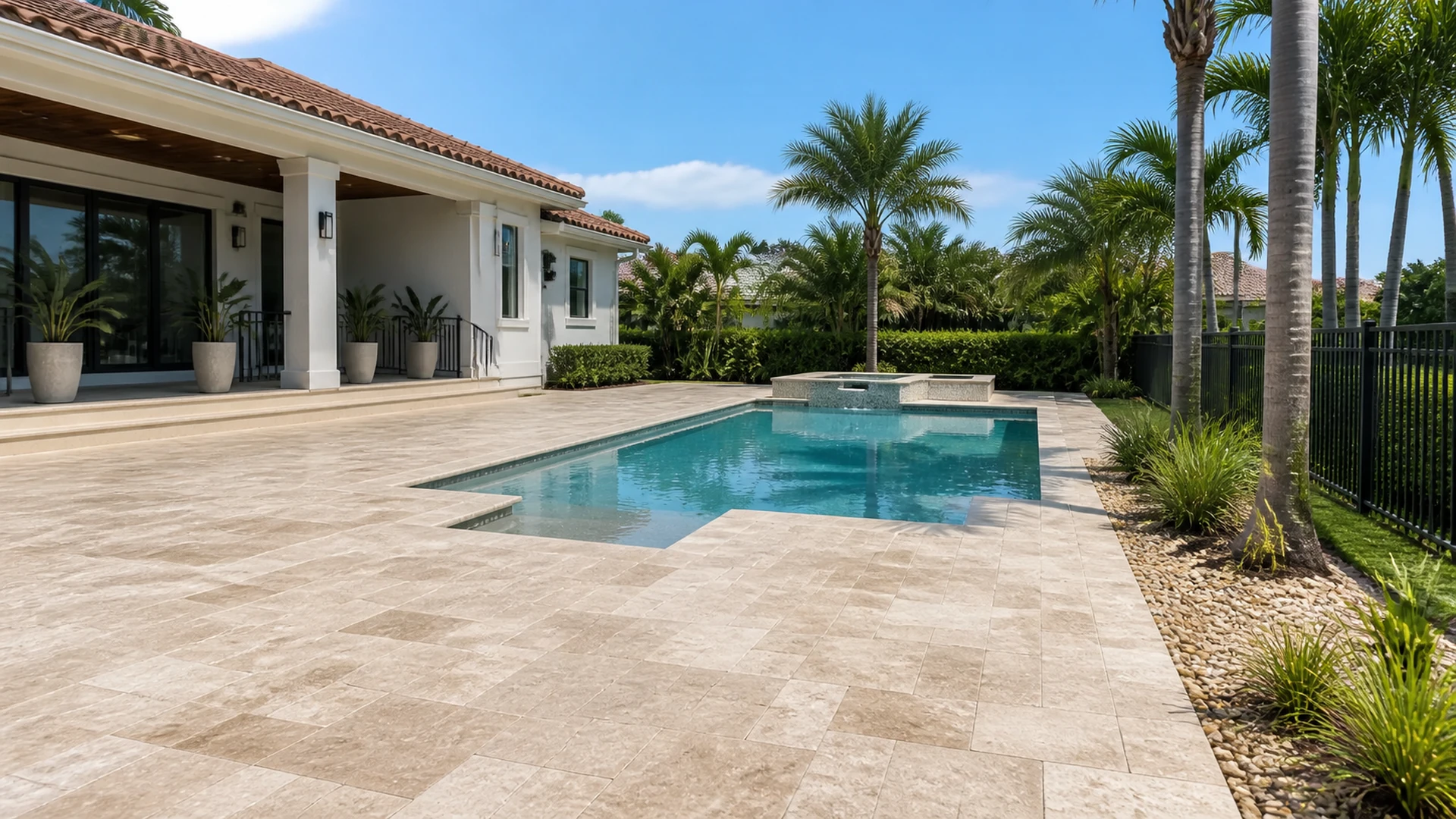
Pool deck safety begins with a surface that fits the way a Florida family actually moves around the water. During a busy afternoon, wet feet travel between the pool, seating, doors, and outdoor kitchen. Therefore, safety depends on the whole route rather than one isolated patch of deck. A thoughtful plan considers traction, surface temperature, stable edges, clear walking space, and routine care. It also accounts for Tampa Bay rain, intense sun, tracked sand, and the quick transitions that happen when children and adults share the area.
Before choosing a finish, families should observe where water collects and where people naturally pause. For example, steps, ladders, gates, and towel stations often receive more traffic than open corners. Pool deck safety improves when these pressure points remain visible, comfortable, and easy to maintain. Meanwhile, a surface should feel consistent under bare feet without relying on an aggressive texture that becomes unpleasant. The goal is a balanced outdoor setting where practical details support relaxed use instead of drawing attention to themselves.
Build pool deck safety from the surface upward
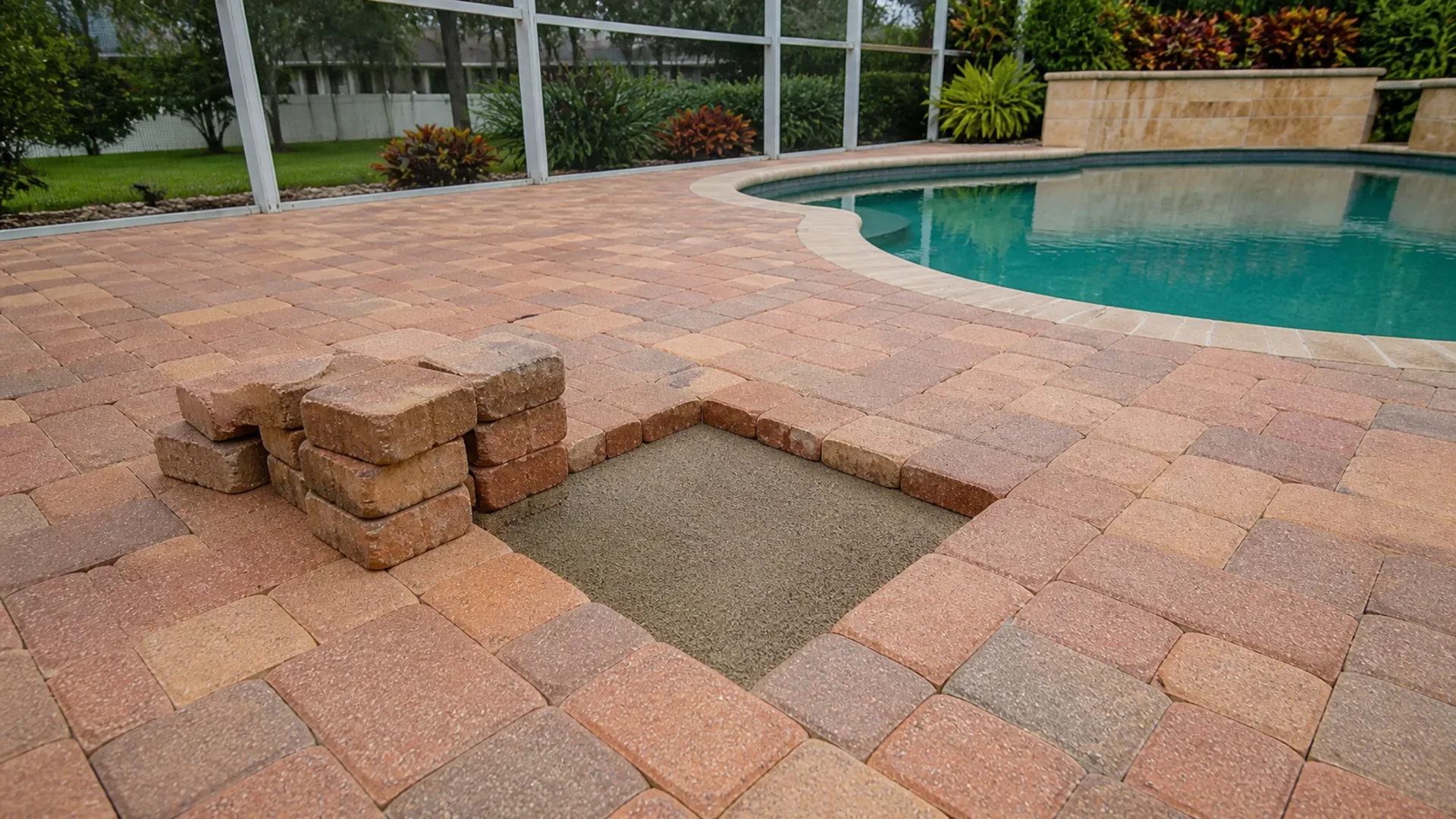
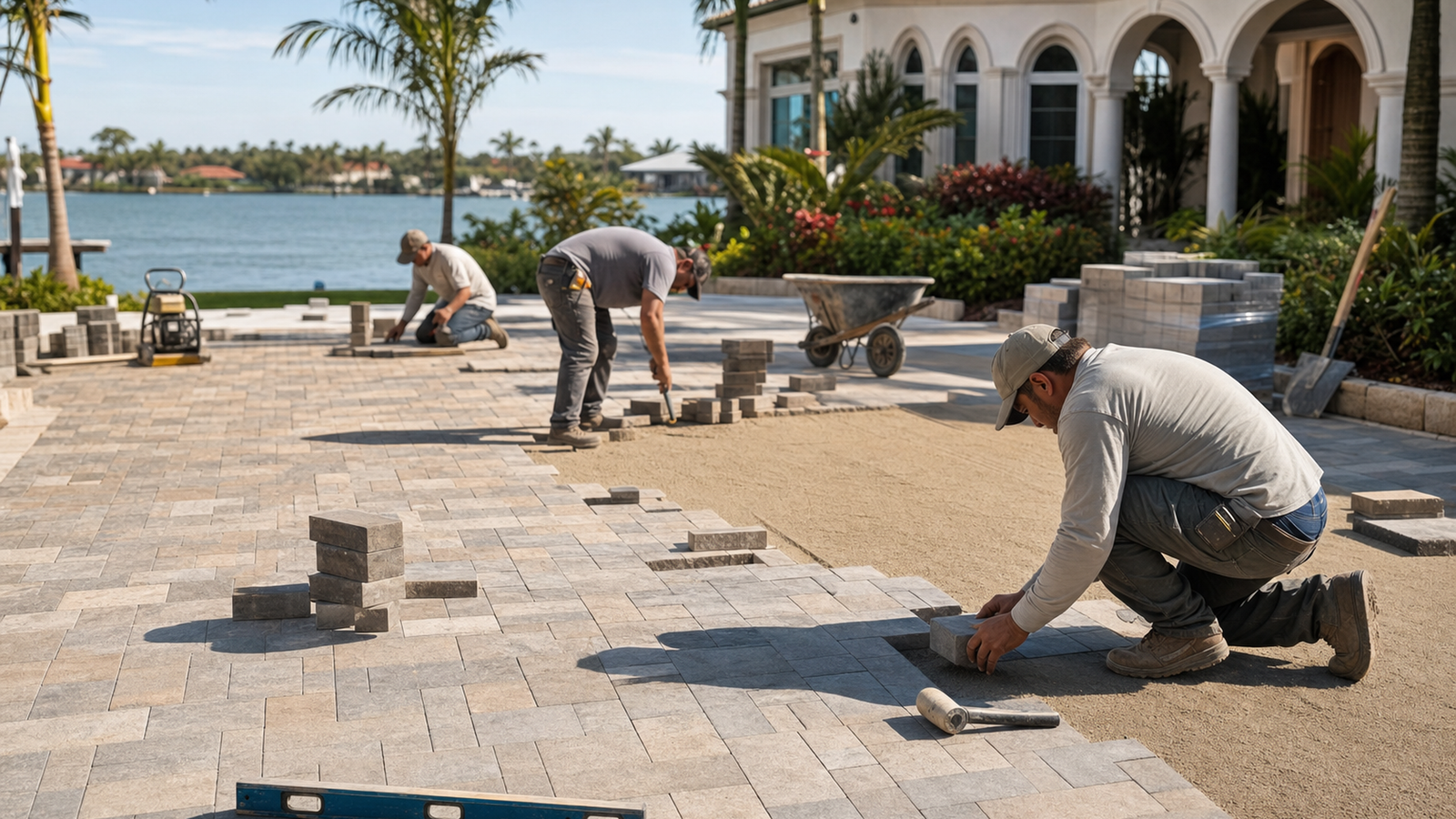
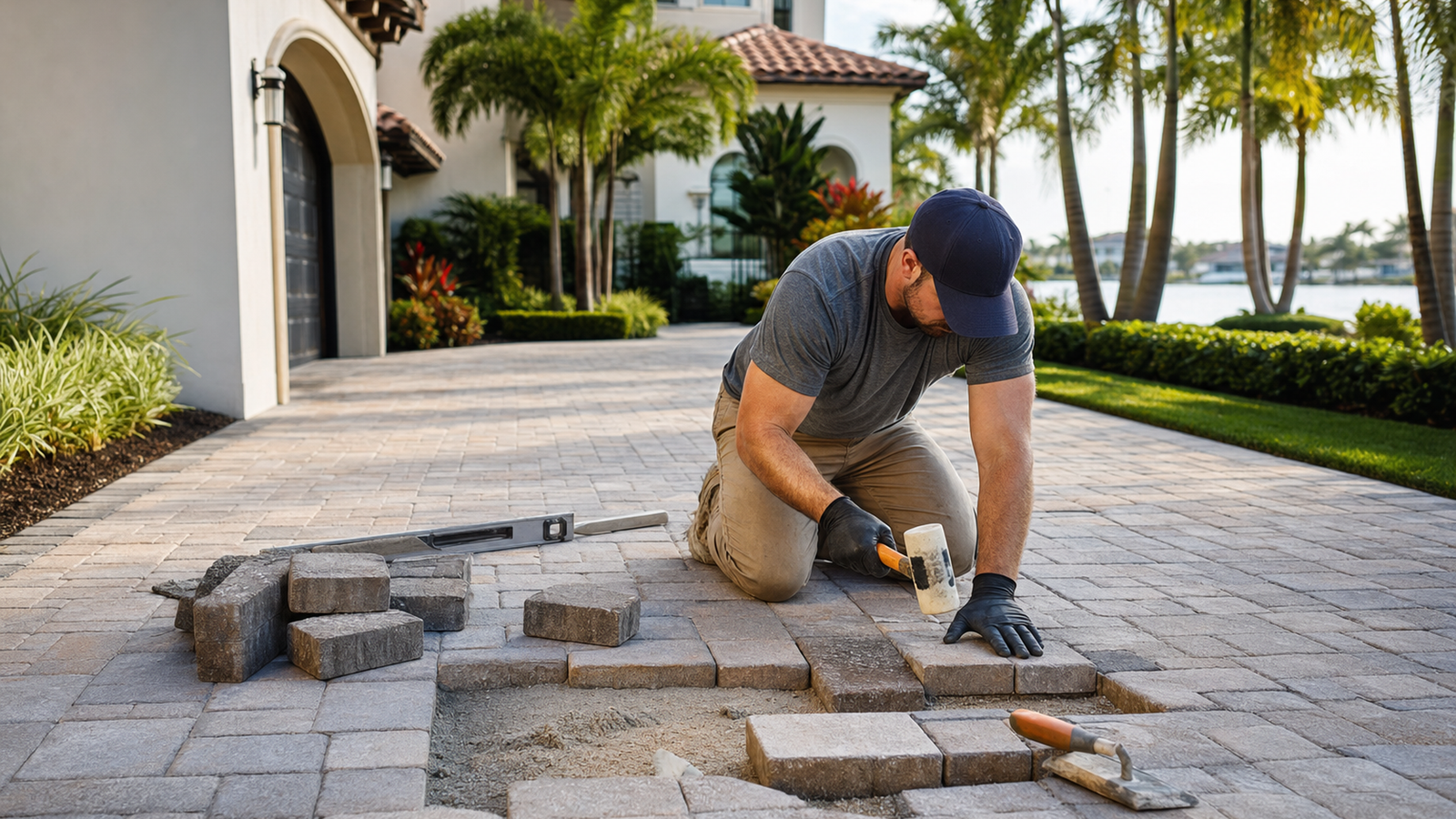
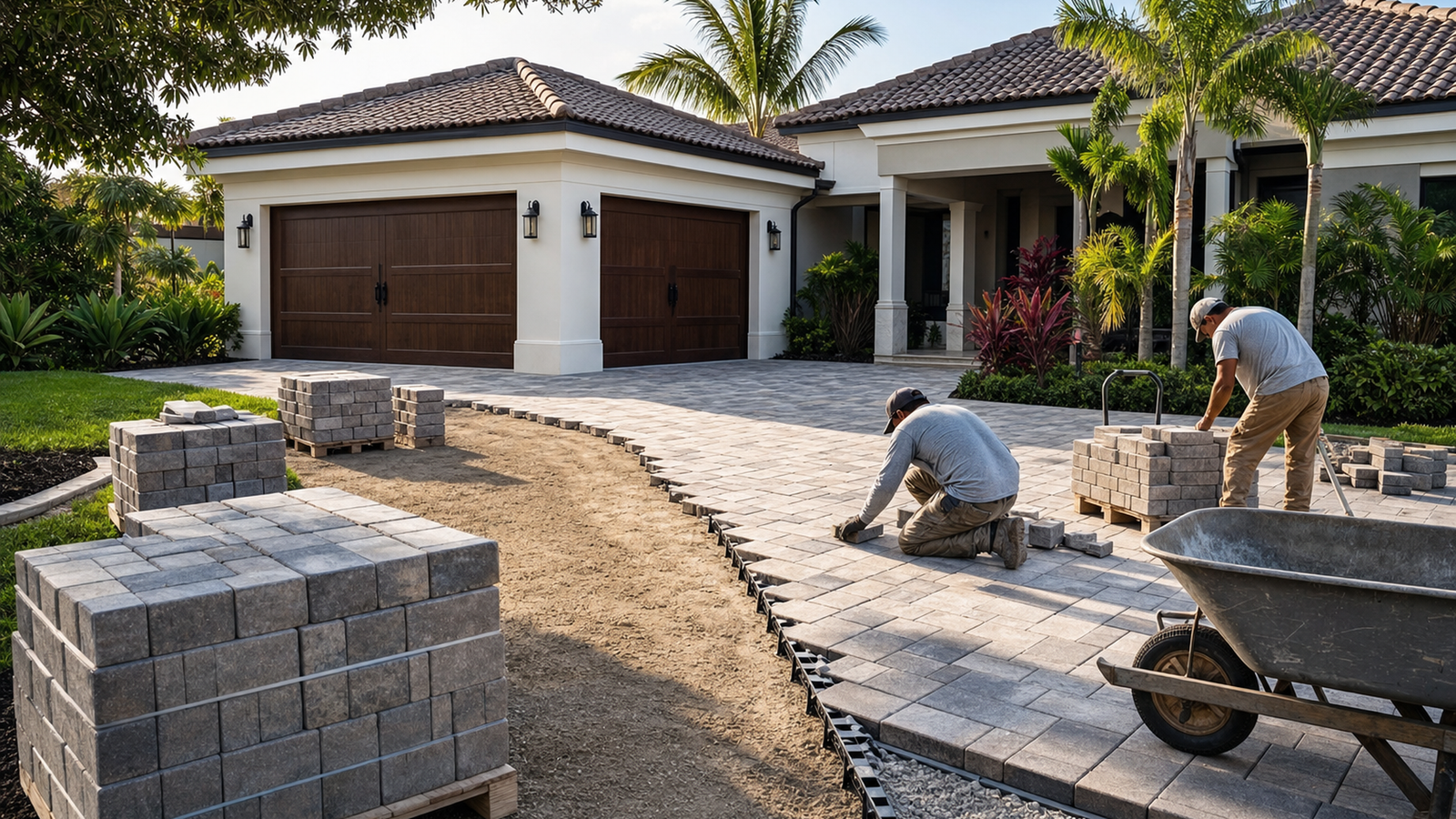
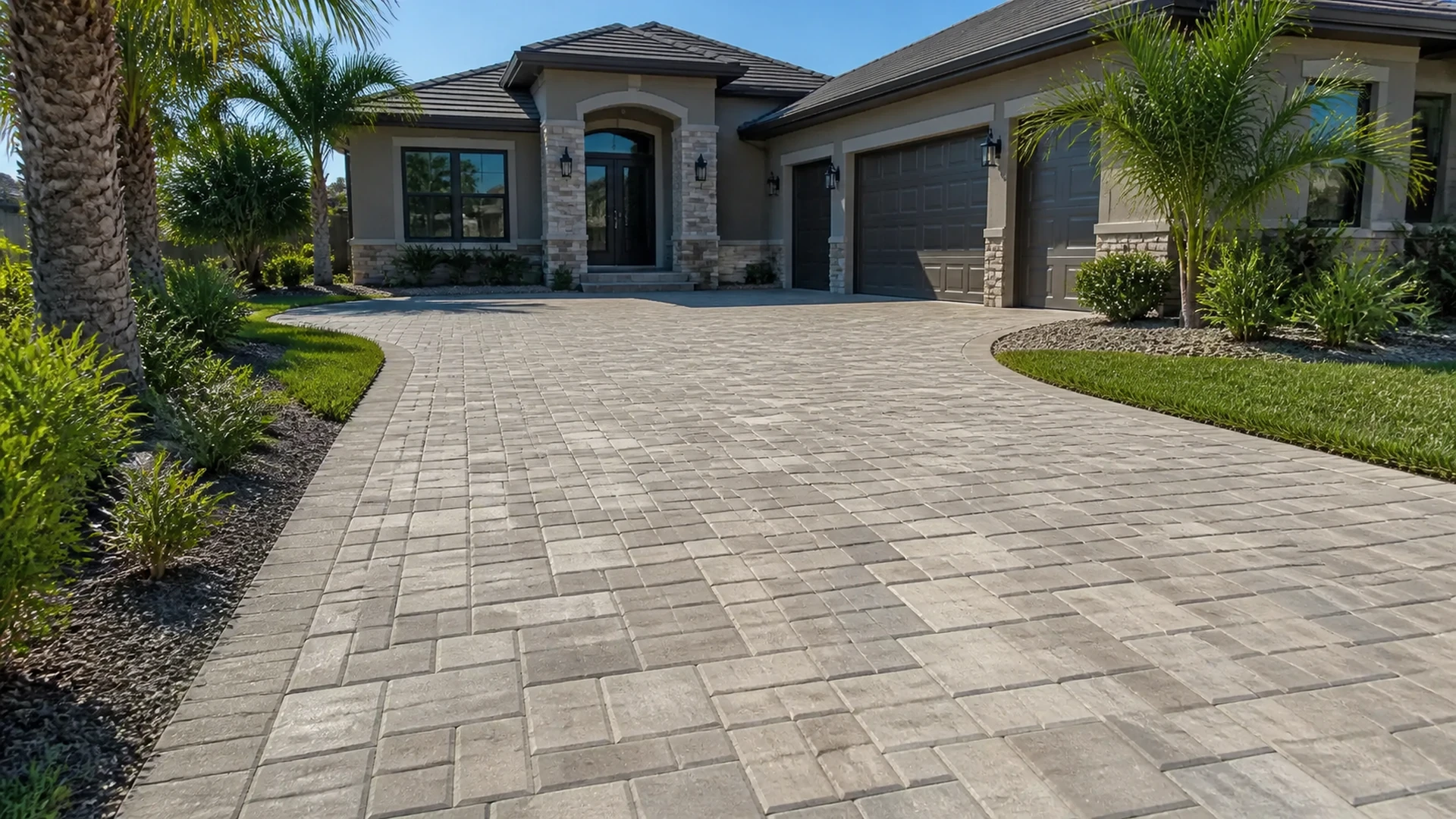
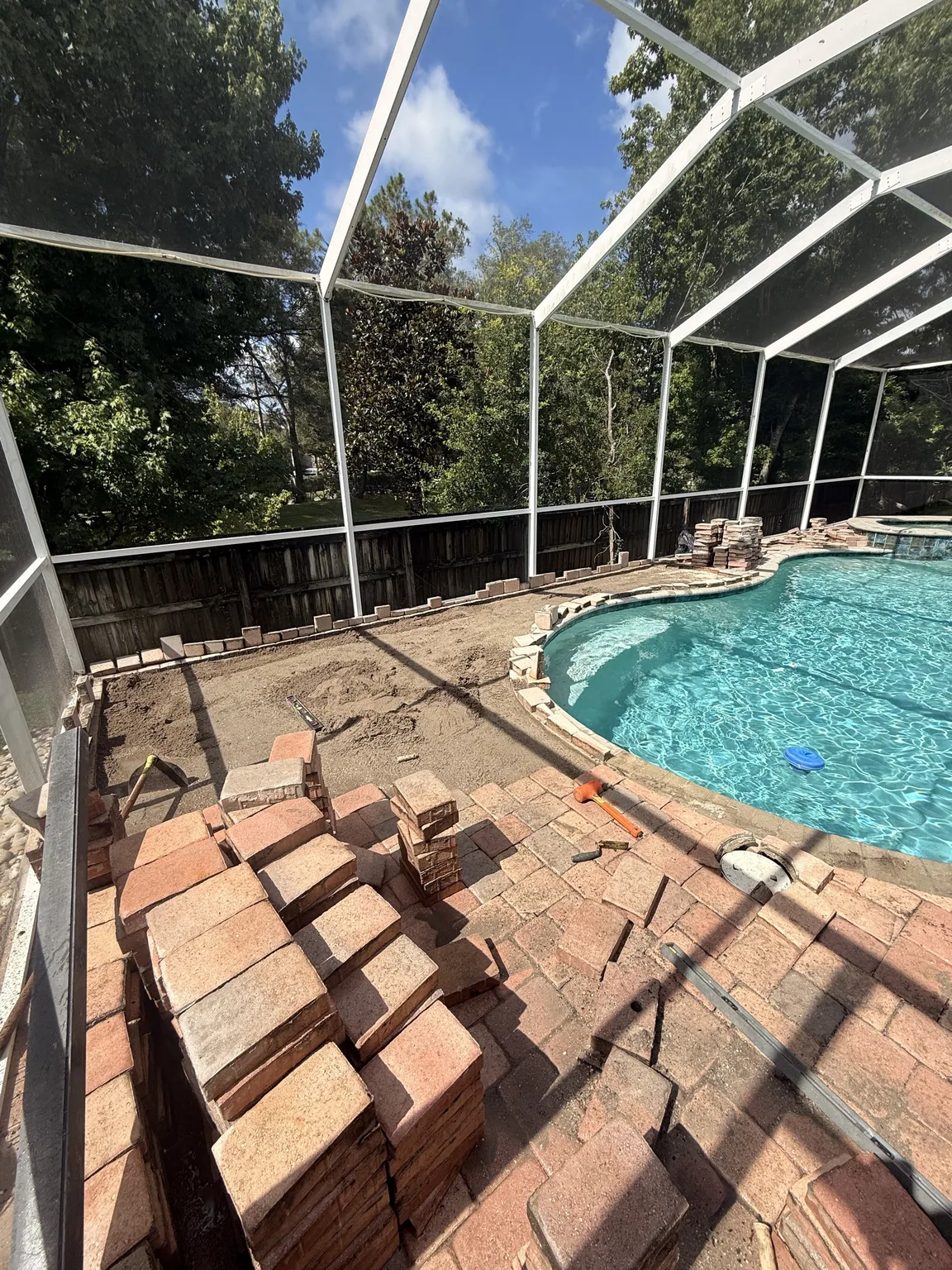
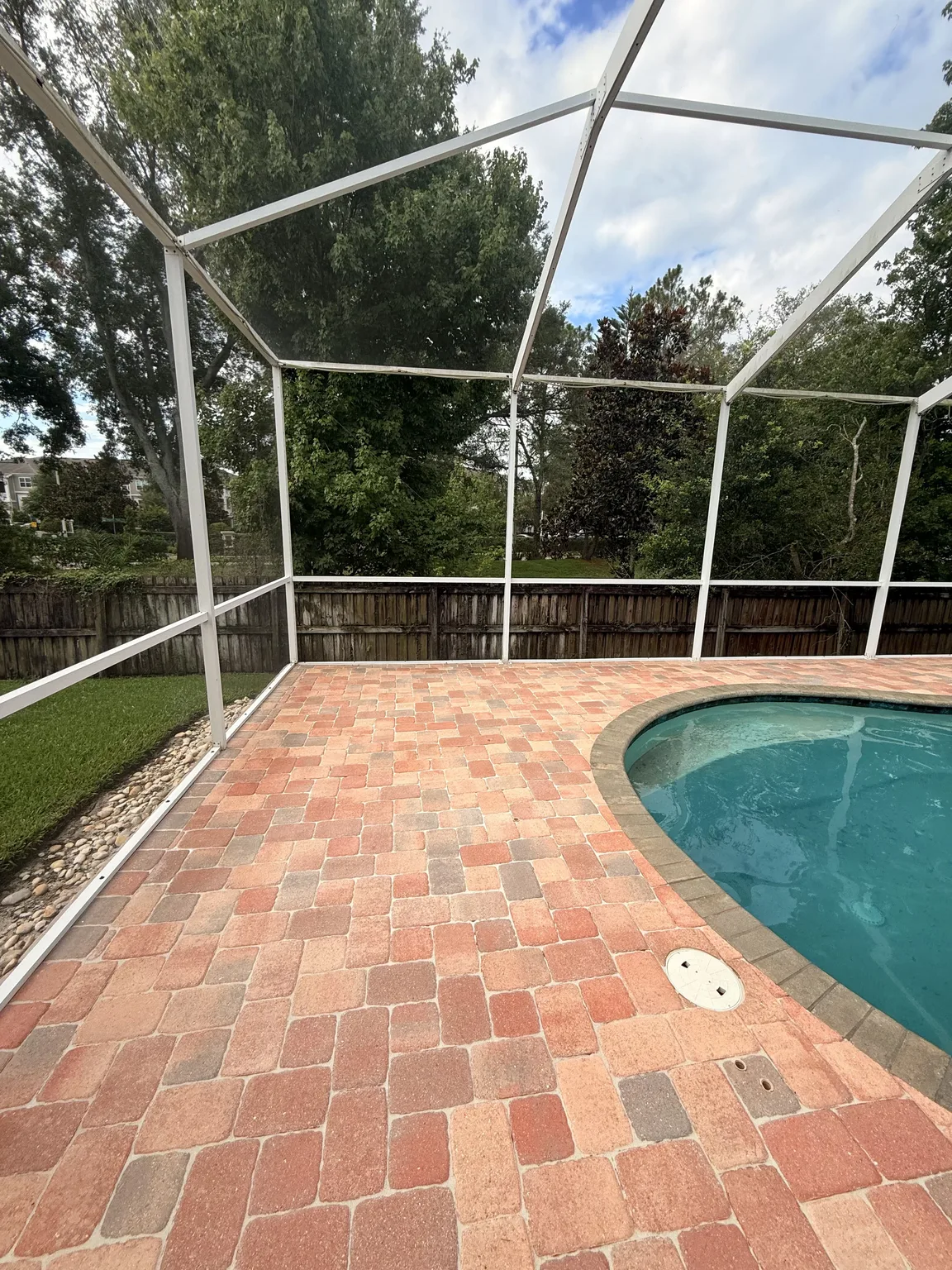
Instead, First, evaluate the deck as a connected surface system. Individual pavers should sit firmly, joints should remain filled, and transitions should not create unexpected height changes. As a result, pool deck safety relies on preparation beneath the visible material as much as on the selected color or texture. A loose unit near a step can matter more than a small cosmetic mark in a quiet corner. Accordingly, homeowners should walk the perimeter slowly and note movement, rocking, settlement, or joints that have opened.
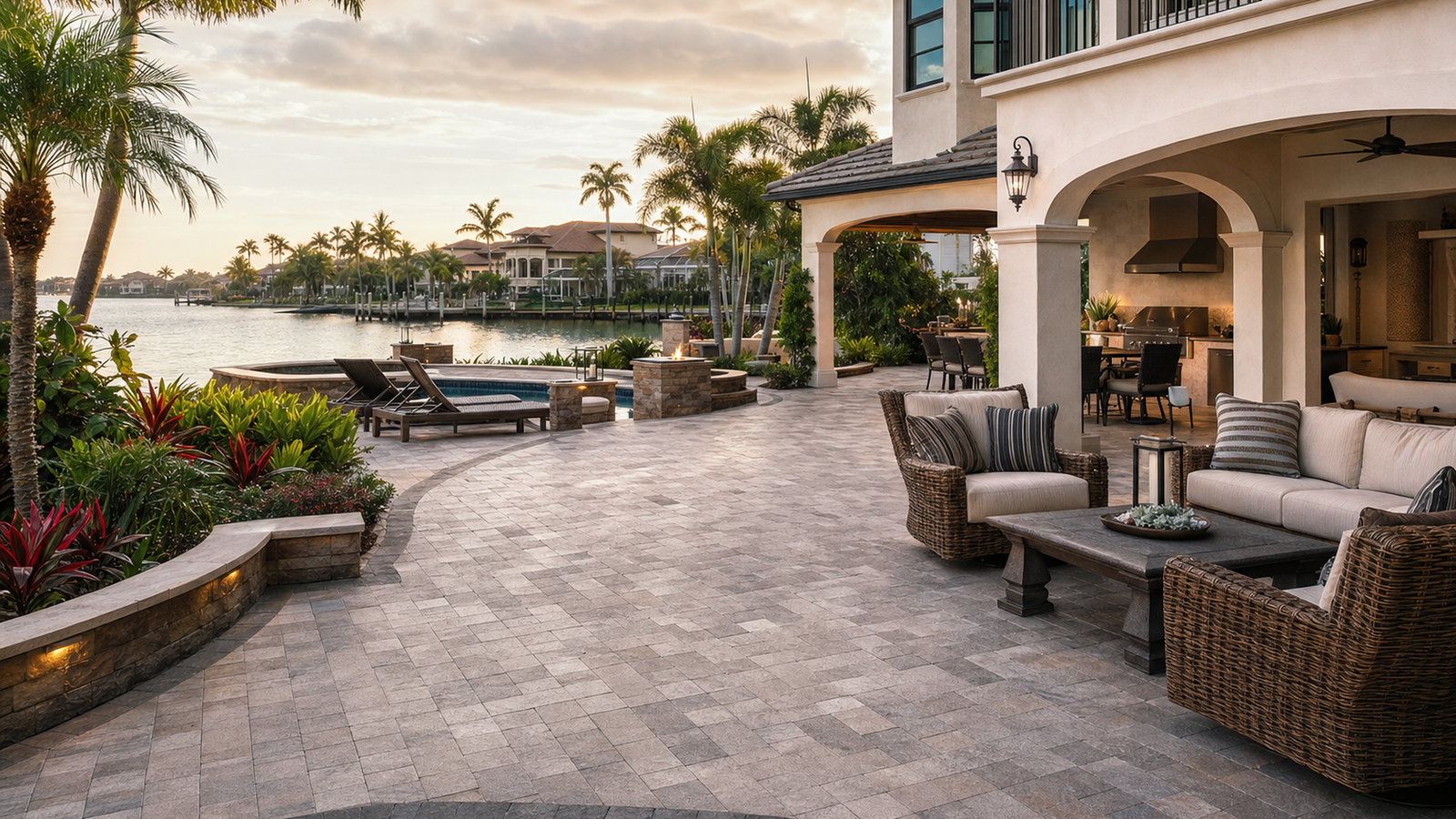
Next, consider how the finish behaves after splashing or an afternoon shower. A slip-conscious surface provides usable texture, yet it should still be comfortable for feet and simple to rinse. However, no material removes the need for attentive behavior around a pool. Pool deck safety works best when the surface, furniture layout, lighting, and household rules reinforce one another. For a closer look at suitable assemblies, the paver pool deck service explains how professional planning connects appearance with daily function.
How texture supports pool deck safety
In practice, texture should be judged under realistic conditions rather than by sight alone. Lightly textured surfaces may feel different when wet, while deeply profiled surfaces can catch debris or feel harsh during long periods of barefoot use. Therefore, compare samples with the expected users in mind. Pool deck safety for a household with young children may emphasize predictable footing and easy cleanup. By contrast, a quieter adult retreat may place more weight on a refined finish, although dependable traction still remains essential.
Additionally, sealers and maintenance products can change how a surface feels. Homeowners should confirm that any product suits the installed material and the wet pool environment. Otherwise, an attractive sheen may not match the intended pool deck safety plan. Test a small, inconspicuous area before treating the full deck, and follow the product instructions. For broader family guidance beyond the hardscape, the Consumer Product Safety Commission pool and spa resources offer useful context.
Manage Florida heat without overlooking glare
During summer, a pool deck can absorb substantial heat before the family steps outside. Consequently, color, material density, shade, and sun exposure all affect barefoot comfort. Pool deck safety includes this thermal experience because a person may hurry or change direction suddenly on an uncomfortable surface. Lighter visual tones often deserve consideration, but homeowners should compare actual samples in direct sun. Moreover, reflected brightness matters near water, so the most comfortable choice balances heat response with manageable glare.
Shade can also make high-use zones more welcoming. For instance, an umbrella or covered seating area may protect a resting spot while leaving circulation lanes open. However, bases, cords, and low accessories should not intrude into the walking path. Pool deck safety becomes harder to manage when shade equipment creates a new obstacle. Therefore, position movable pieces where adults can monitor them and where wind will not create a recurring concern.
Test comfort along the real walking route
Additionally, Rather than testing only the center, follow the route from the house to the shallow entry, ladder, and seating. Then, check those areas at different times of day because shade patterns shift quickly in Tampa Bay. Pool deck safety may call for different responses in the sunny western edge and the protected area near the home. Likewise, a narrow hot strip can influence behavior even when most of the deck remains comfortable. Mapping those changes supports better material and layout decisions.
After installation, simple habits help during unusually hot periods. For example, families can place footwear near the exit and keep young swimmers from crossing surfaces that have not been checked. Pool deck safety also benefits from rinsing away grit that may become uncomfortable underfoot. Nevertheless, avoid treating routine water use as a substitute for suitable materials or shade. A deliberate surface plan provides the foundation, while daily awareness adjusts for changing weather and use.
Therefore, On mixed-use days, the family should also consider where wet and dry traffic cross. For instance, a guest leaving the pool may intersect someone carrying food from the house. Pool deck safety improves when serving stations stay outside the direct swim route. Likewise, towels and footwear need accessible locations that do not narrow the deck. This simple zoning exercise reduces hurried detours and helps adults keep the active edge visible while other guests settle into shaded or dry areas.
Protect edges, steps, and elevation changes
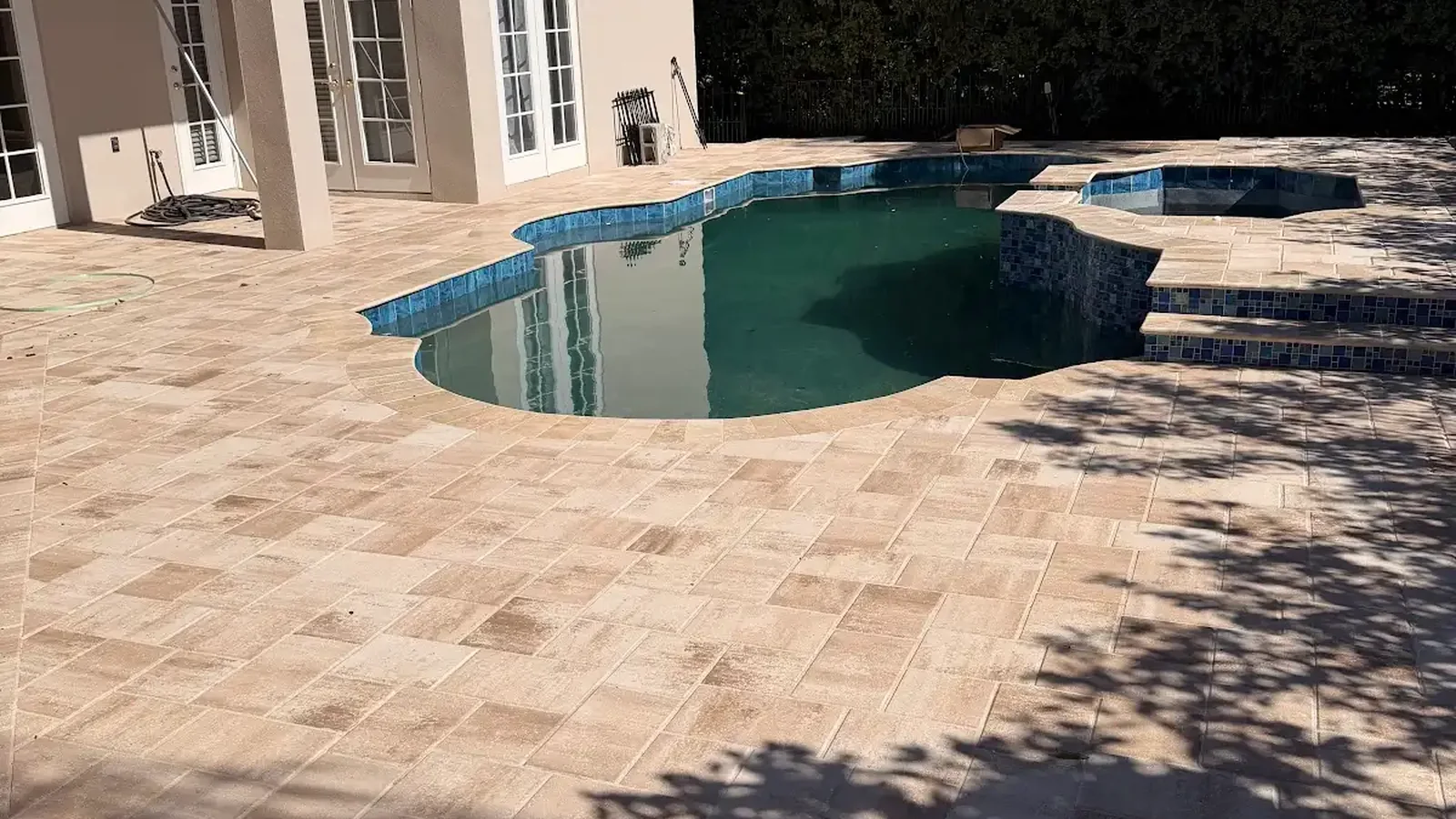
Edges deserve close attention because they define the boundary between walking space and water. In particular, coping should remain secure, visually clear, and comfortable to grip or sit on. Pool deck safety can suffer when an edge unit moves, a joint widens, or a repair creates a sharp transition. Therefore, inspect the full perimeter rather than focusing only on the most visible side. Prompt professional evaluation is sensible when movement or settlement appears near the pool structure.
Steps and changes in elevation should also read clearly in shifting light. Accordingly, consistent proportions, uncluttered approaches, and thoughtful contrast can help people recognize where the walking plane changes. Pool deck safety does not require decorative clutter around every step. Instead, the design should make the transition understandable through orderly geometry and appropriate lighting. Meanwhile, plan furniture so chair legs cannot drift into the approach after normal use.
Keep the waterline perimeter easy to inspect
Because splashes repeatedly reach the perimeter, joints and nearby surfaces may show maintenance needs first. Consequently, a clear inspection path makes small changes easier to see. Pool deck safety improves when planters, storage bins, and toys do not permanently hide coping or narrow strips of deck. After a storm, walk the perimeter and look for displaced debris, washout, or movement. Although minor surface dirt may be routine, a changing gap or unstable unit deserves closer attention.
Similarly, keep skimmer lids and service access points properly seated. A lid that does not sit flush can interrupt an otherwise even route. Therefore, include these components in the same pool deck safety check as pavers and coping. Homeowners should not improvise structural repairs or force a mismatched cover into place. Instead, identify the component and arrange an appropriate correction that restores a stable, predictable surface.
Create clear circulation for people and furniture
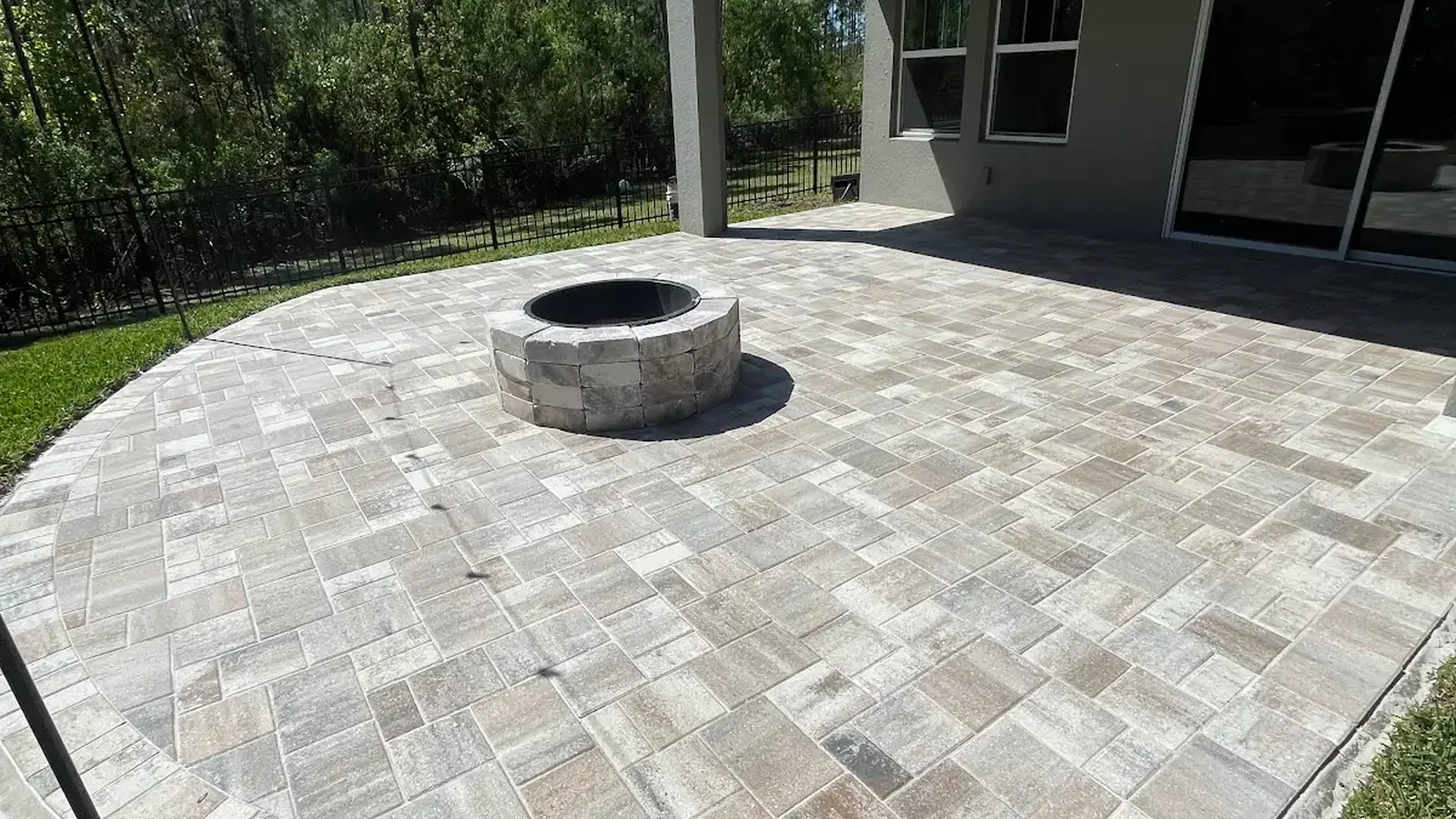
A useful layout gives swimmers direct paths without squeezing behind chairs or crossing serving areas. For example, one route may connect the back door to the pool, while another reaches the gate. Pool deck safety becomes more intuitive when these lanes remain open even while seats are occupied. Therefore, measure furniture in its pulled-out position, not only when every chair is neatly tucked in. This small planning step reveals where daily use could create congestion.
Storage also affects movement. Specifically, floats, cleaning tools, and outdoor games need a home that does not consume the main walkway. Pool deck safety is easier to maintain when cleanup has an obvious destination and does not depend on perfect behavior. Meanwhile, select storage that fits the available space and can remain stable in local weather. Avoid placing tall items where they block sightlines from the house or seating area.
Support supervision with open views and lighting
Nevertheless, Clear views help adults understand activity across the deck without constant repositioning. Thus, low furniture and deliberate planting can support pool deck safety while preserving a comfortable outdoor atmosphere. Dense pots or decorative screens may belong in selected locations, but they should not conceal entries or high-use edges. At night, lighting should reveal walking surfaces and changes in level without creating harsh reflections on the water. A layered plan can illuminate routes, steps, and gathering areas in a calm way.
Even so, lighting needs routine attention. Burned-out fixtures, shifted landscape lights, or overgrown plants can change visibility gradually. Therefore, include a brief evening walk in the household pool deck safety routine. View the deck from the doorway, seating, and gate, then correct shadows or glare that obscure movement. Since electrical work near water requires suitable expertise, homeowners should use qualified professionals for related installation or repair.
Use maintenance as an early-warning system
Routine cleaning is most useful when it doubles as an inspection. While removing leaves and grit, note joint condition, surface movement, stains, and areas that stay wet longer than their surroundings. Pool deck safety benefits from noticing a developing issue before it changes how someone walks. However, cleaning methods should match the paver and joint system. Excessive force or unsuitable chemicals can damage finishes, disturb joints, or create inconsistent surface conditions.
Additionally, After heavy Florida rain, look beyond the obvious puddles. For instance, check whether runoff carried sand across a path or left organic material near a shaded edge. Pool deck safety may be affected by temporary debris even when the underlying installation remains sound. Accordingly, clear the route, allow the surface to dry, and compare any recurring wet area over time. Repeated changes can help a contractor understand the site, while a single photograph may not show the full pattern.
Set a reliable family safety rhythm
However, A short routine is more realistic than an occasional complicated checklist. Before swimming, an adult can scan the surface, move obstacles, verify access points, and check hot exposed zones. As a result, pool deck safety becomes part of opening the area rather than a separate chore. After use, the family can return toys, reset chairs, and note anything that changed. Consistency matters because Tampa Bay weather and household activity can alter conditions between weekends.
Seasonally, a more careful review can cover joints, edges, lights, furniture feet, and transitions to grass or other paving. In addition, families can revisit whether the layout still fits growing children, older relatives, or new outdoor equipment. Pool deck safety should evolve with the household instead of remaining fixed to the day of installation. When a repair or redesign is needed, clear observations about location and timing help the contractor assess practical options.
Meanwhile, During cooler months, changing debris patterns deserve attention even when the pool receives less use. For example, dry leaves can gather behind furniture, while shaded joints may remain damp after nearby areas clear. Pool deck safety benefits from keeping the off-season surface visible and orderly. In addition, occasional checks prevent stored accessories from becoming permanent obstacles. This steady rhythm makes the first warm weekend easier because the family is not rediscovering months of overlooked changes at once.
Plan the next improvement around daily behavior
Consequently, When planning a new deck or renovation, start with use patterns before selecting colors. First, identify routes, sunny zones, seating positions, maintenance access, and the people who use the pool most often. Then, discuss how the paver system can support pool deck safety across those conditions. A contractor can examine the site and explain material, layout, and repair considerations without relying on a one-size-fits-all answer. This sequence keeps the visual design connected to real family needs.
Ultimately, a safe-feeling pool area comes from many coordinated choices rather than one product. Therefore, treat stable surfaces, comfortable textures, clear paths, visible edges, and steady upkeep as parts of the same pool deck safety plan. The result should still feel like a welcoming Florida retreat. When practical decisions blend into the design, the family can focus on the water and time outside.
When you are ready to review pool deck safety, contact DR Pavers Design for property-specific input. Beforehand, browse the frequently asked questions, recent projects, homeowner testimonials, and available services. Meanwhile, follow project updates on Instagram and Facebook. Also, view the Google Maps profile and customer reviews, or reach the team through WhatsApp. Accordingly, choose phone, text message, or email and share the areas, use patterns, and surface concerns needing assessment.