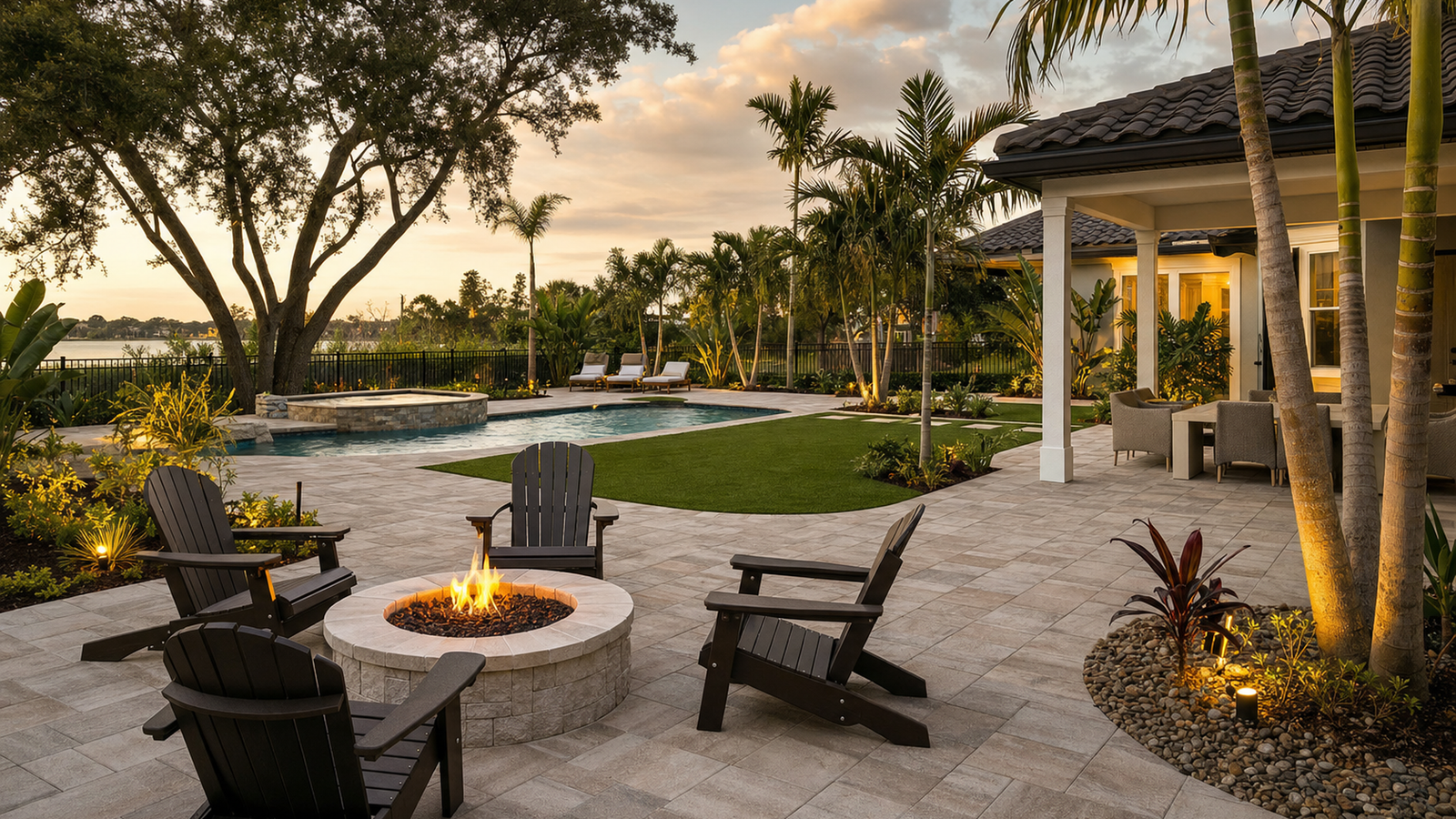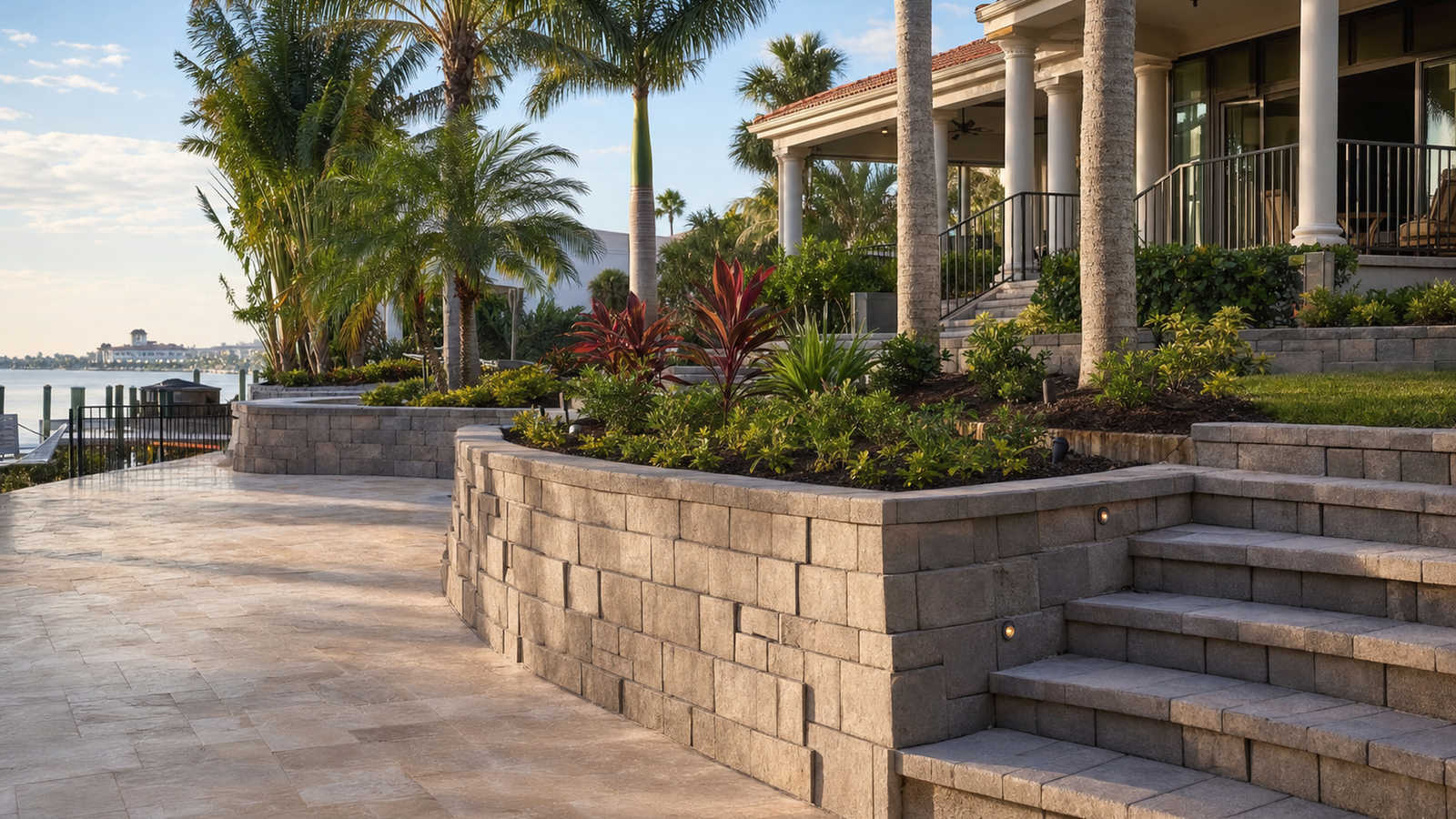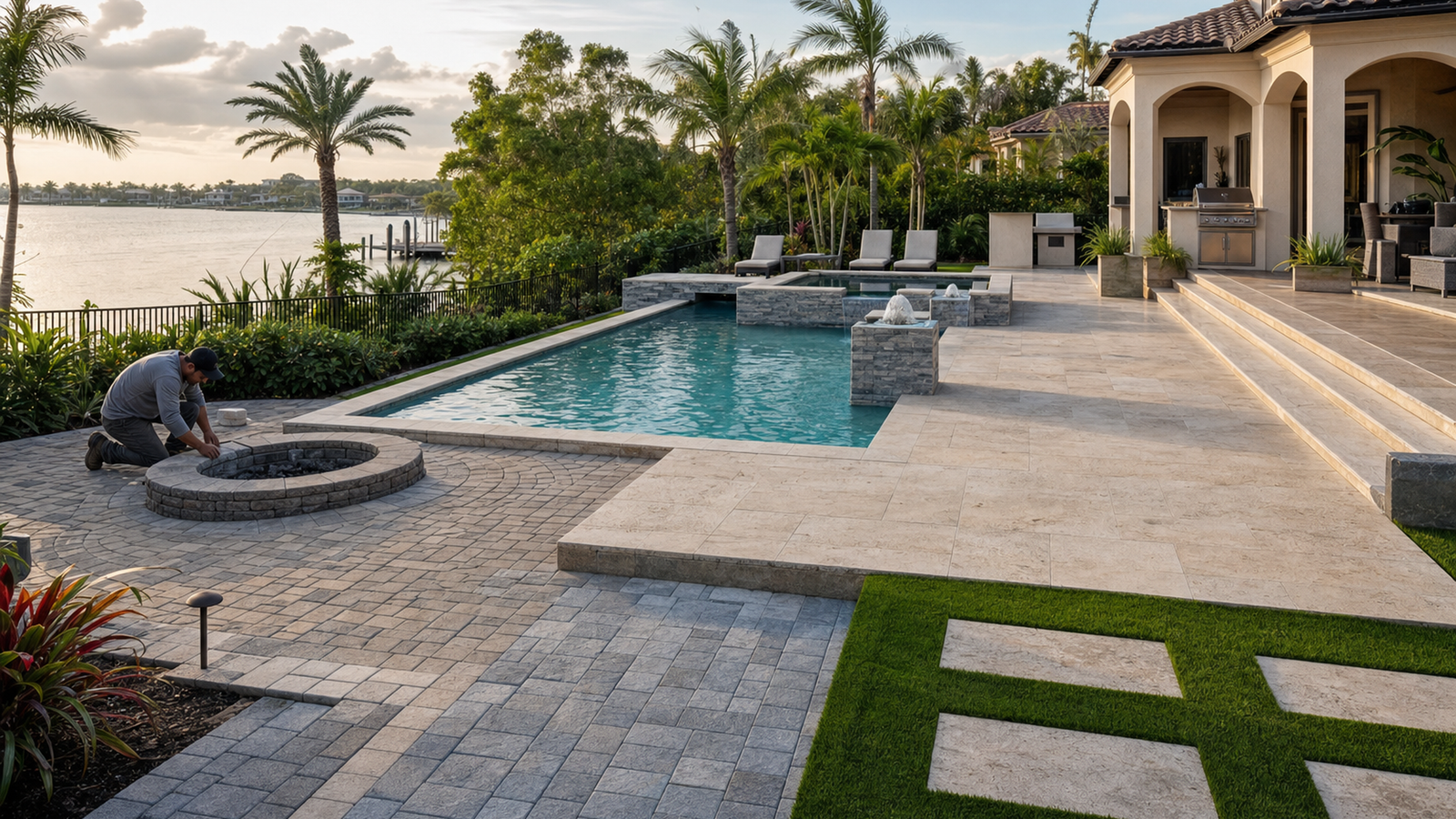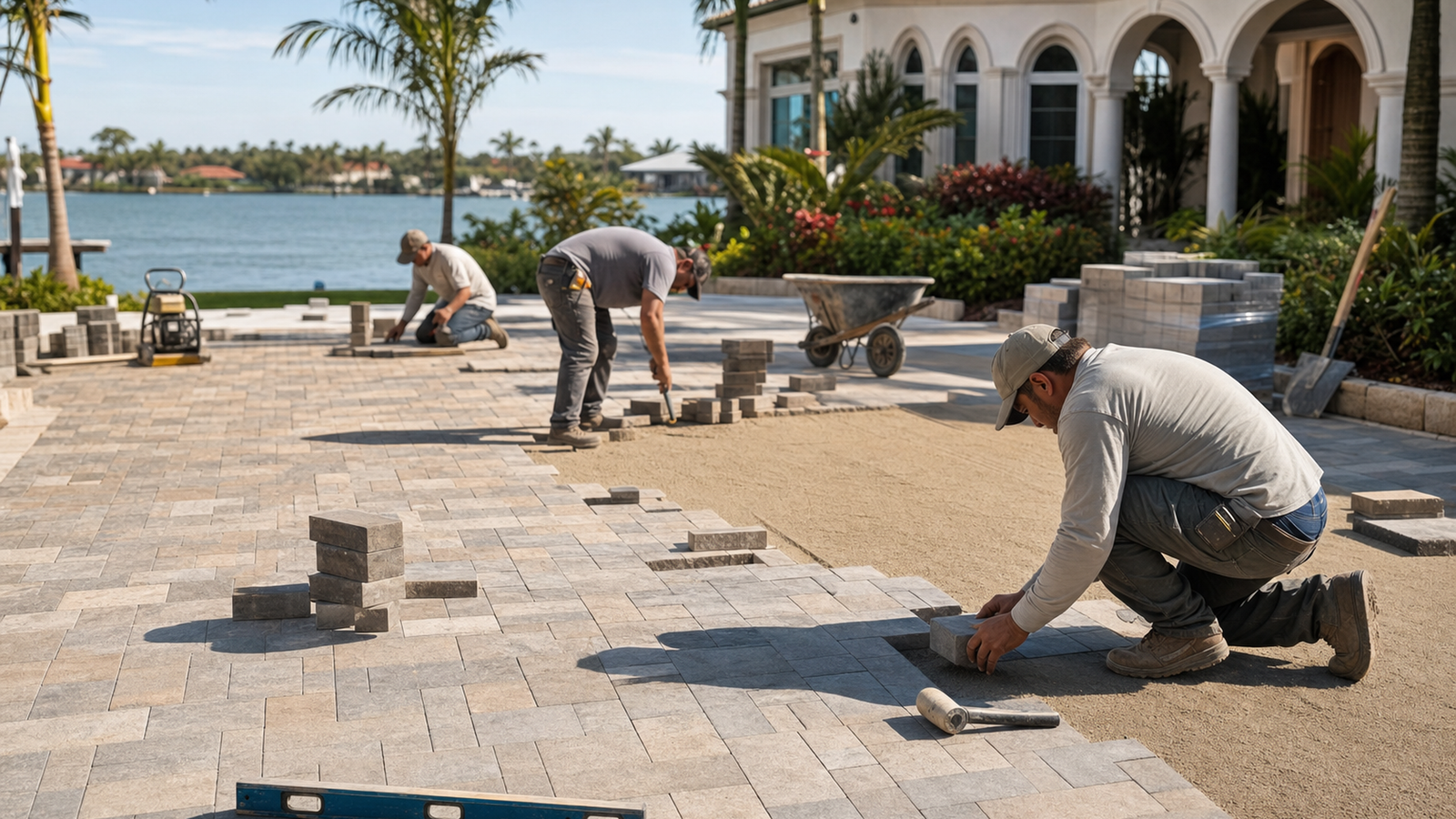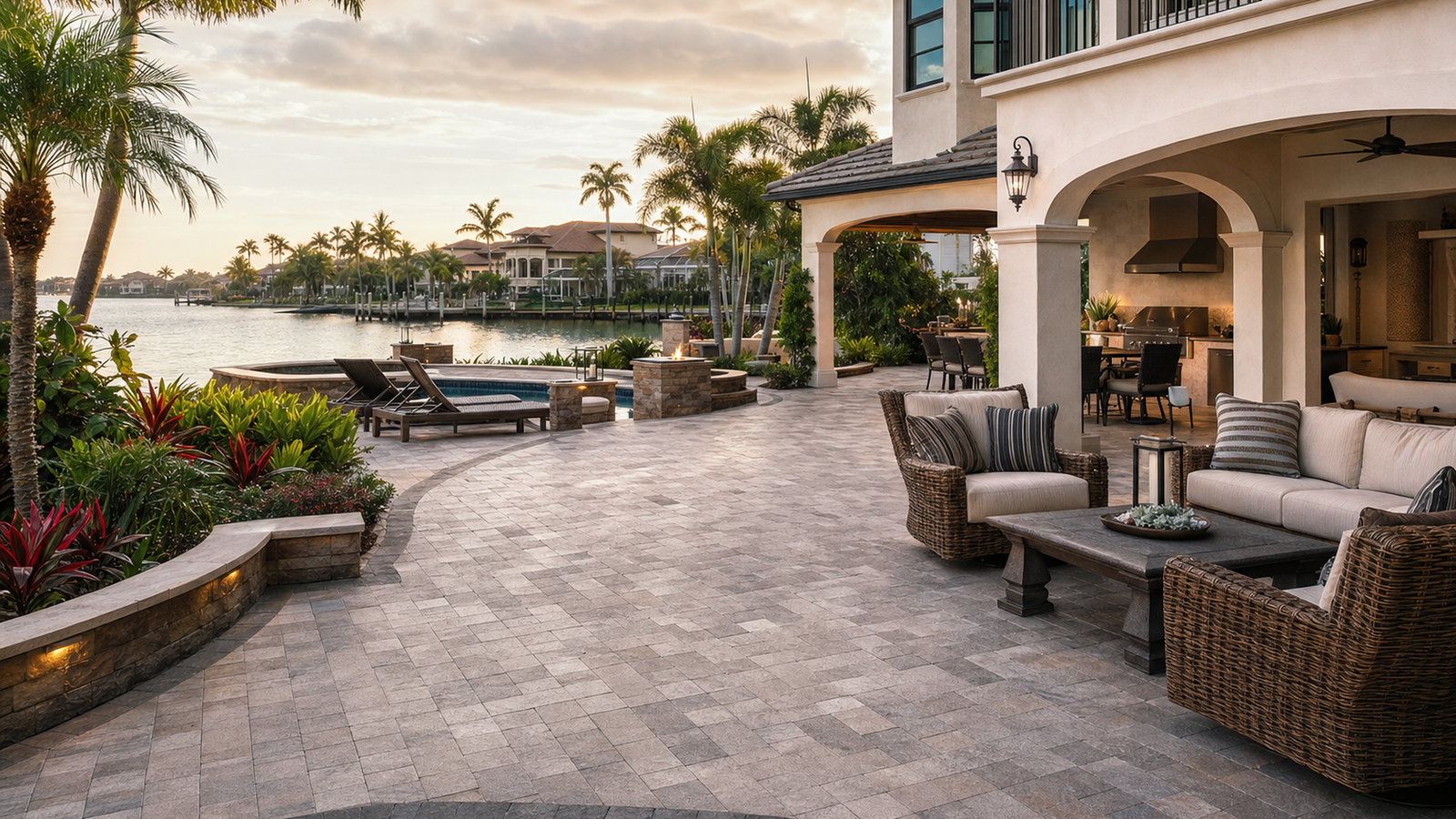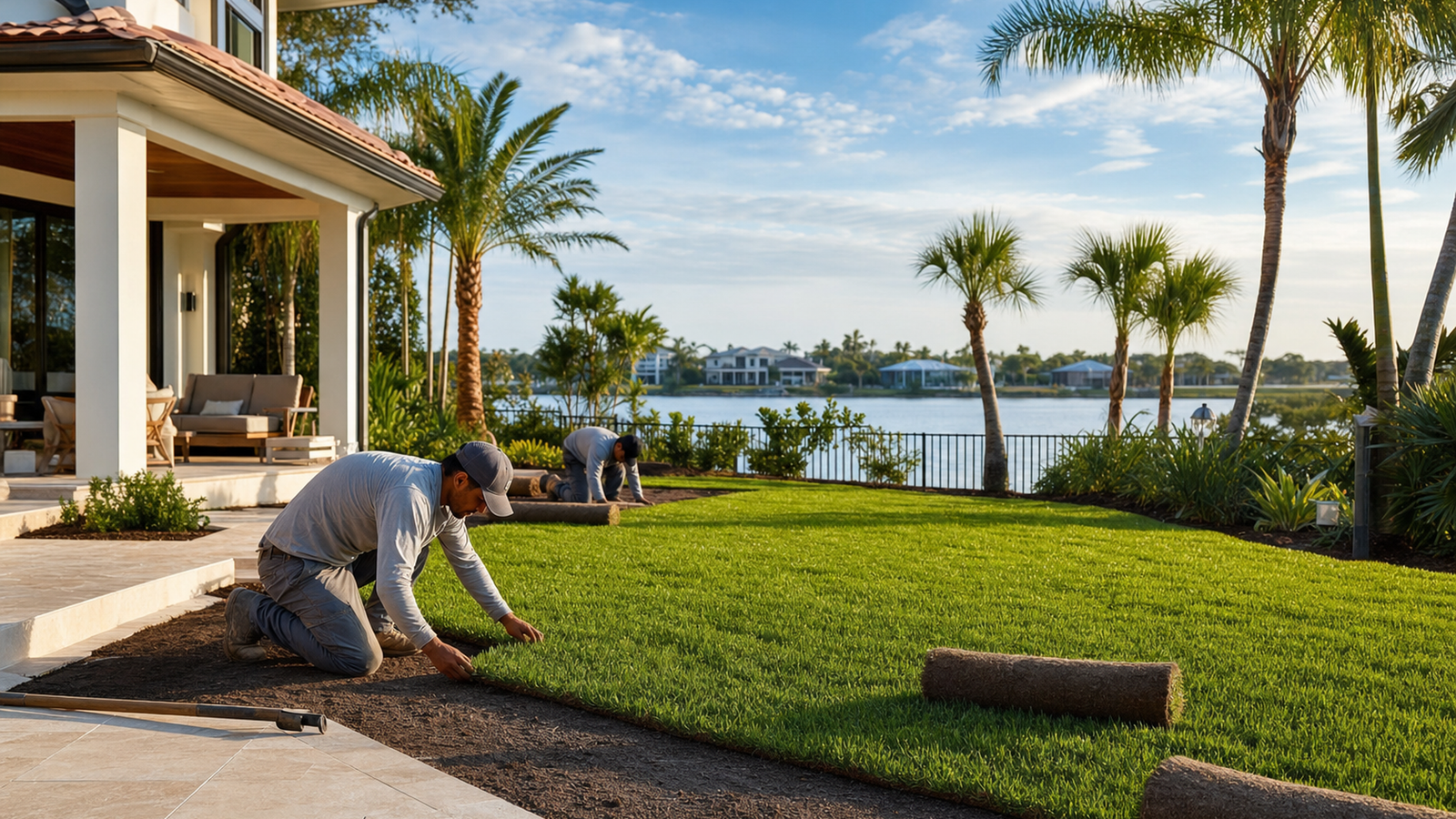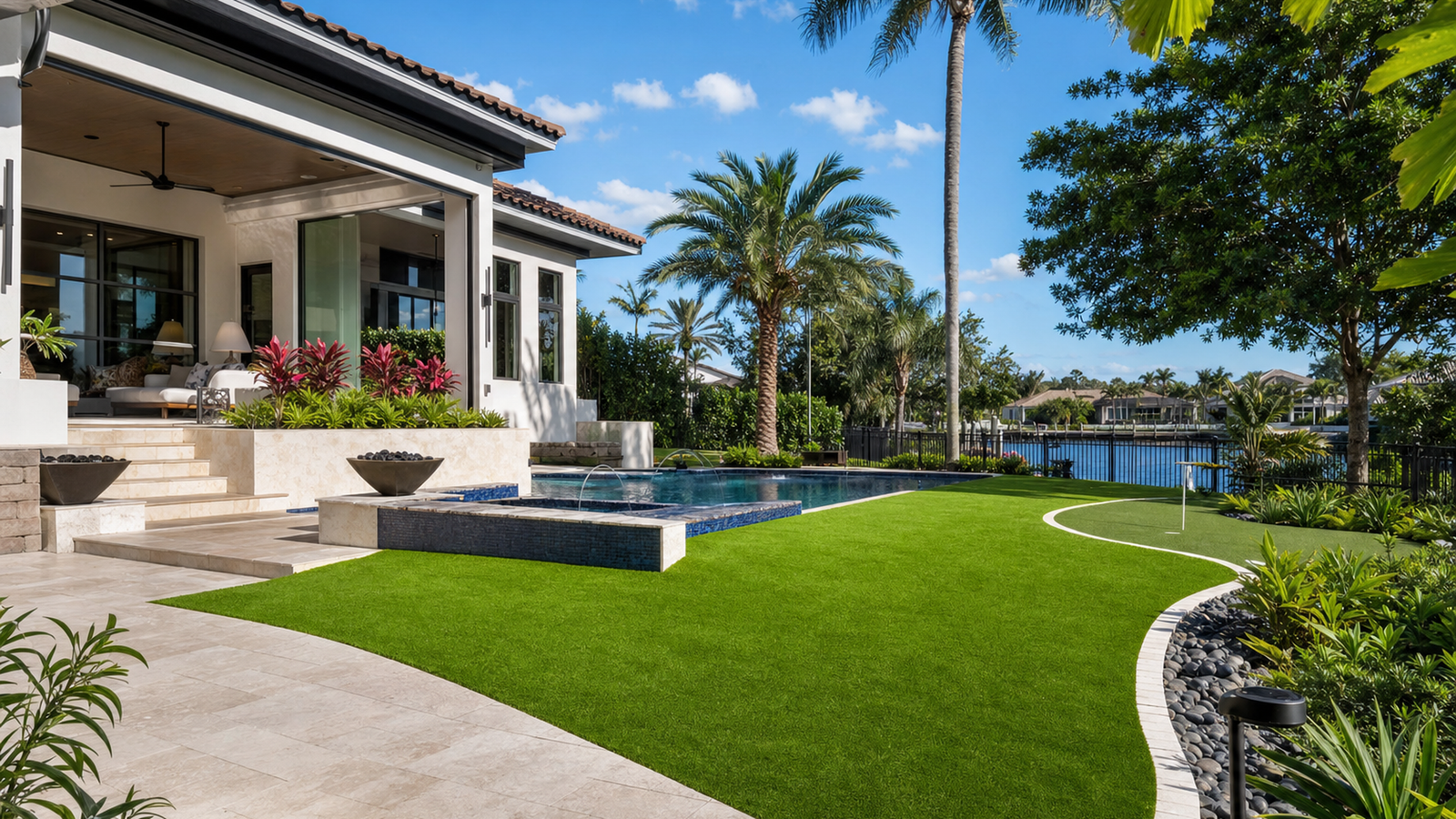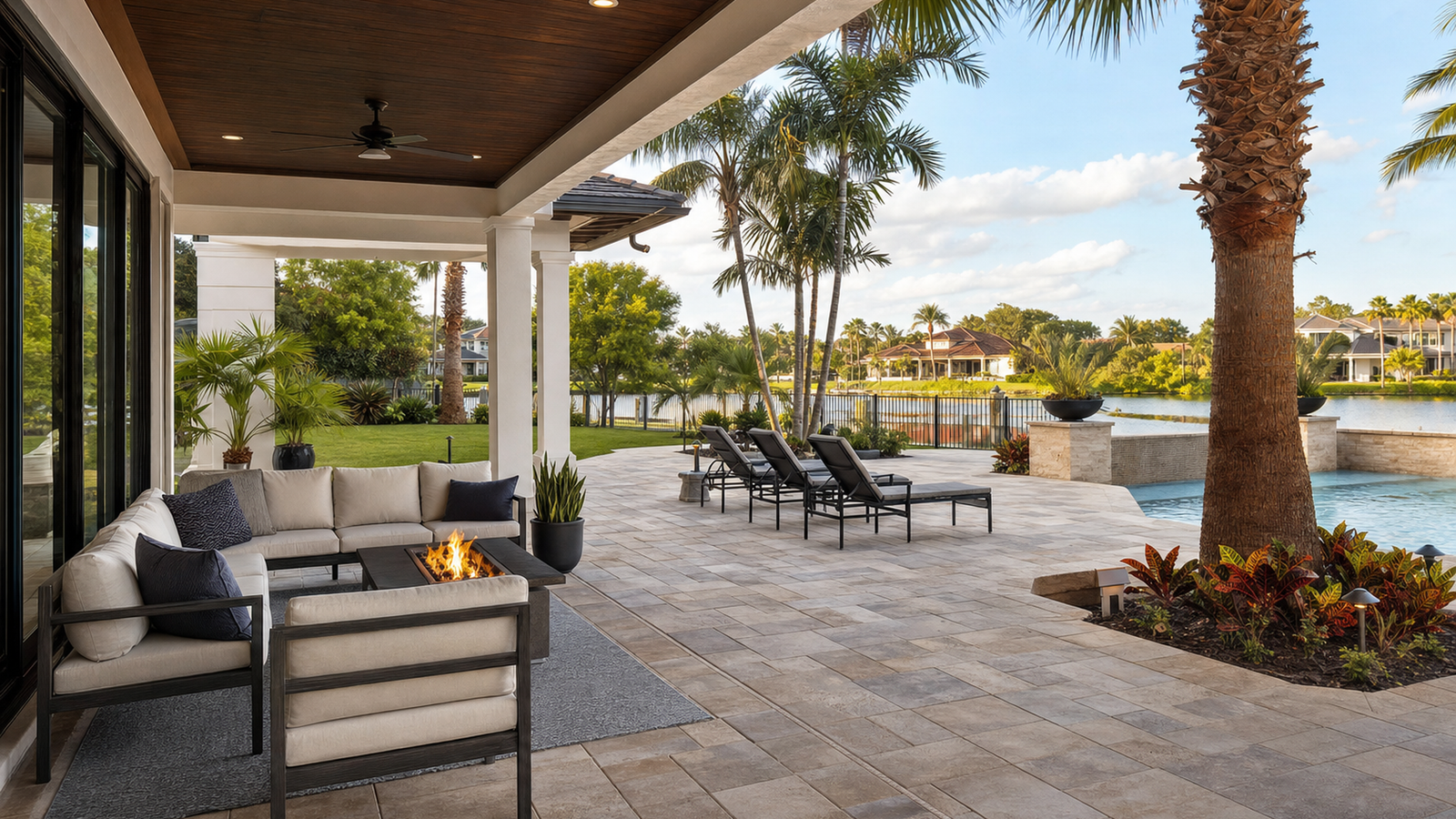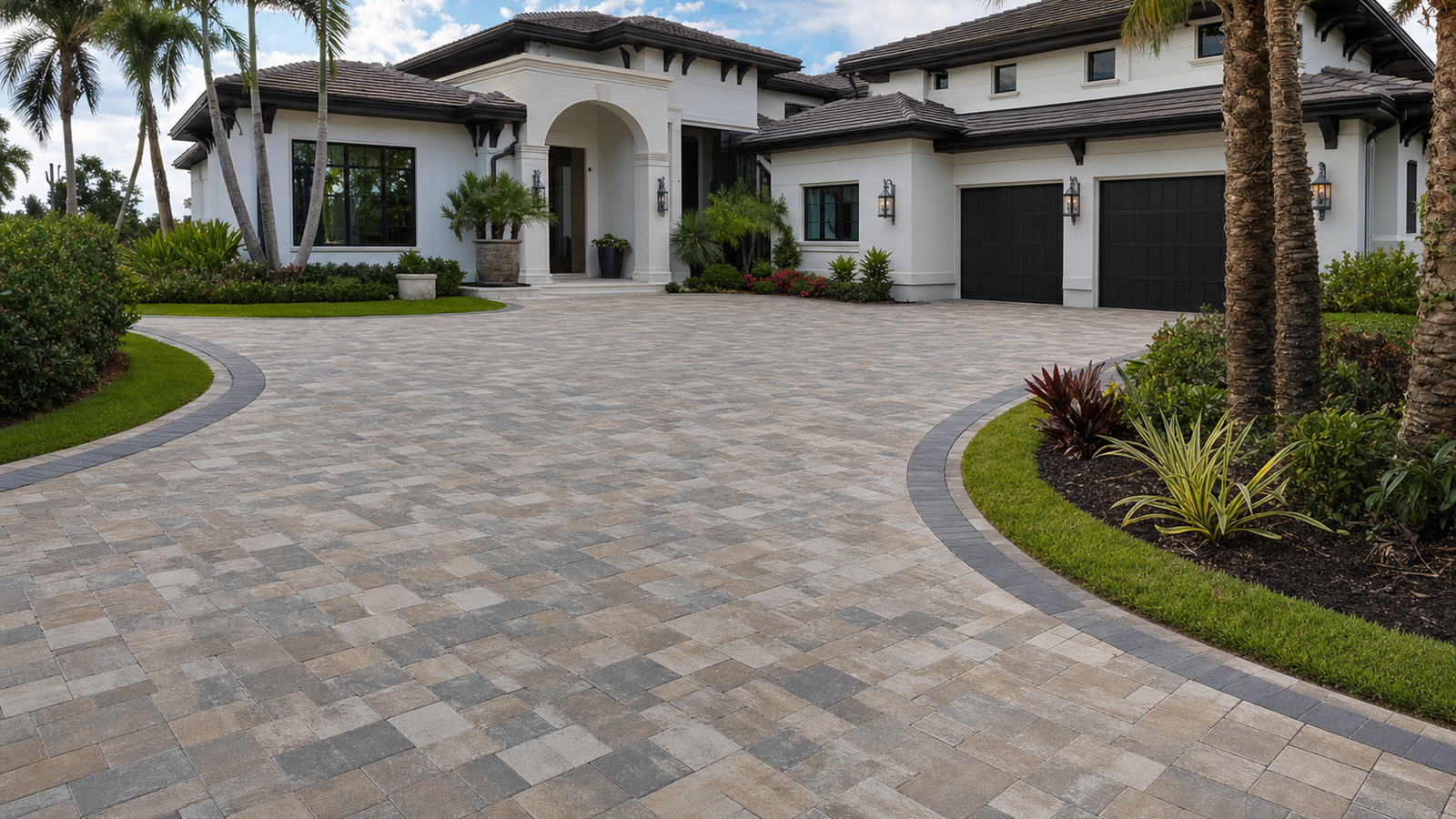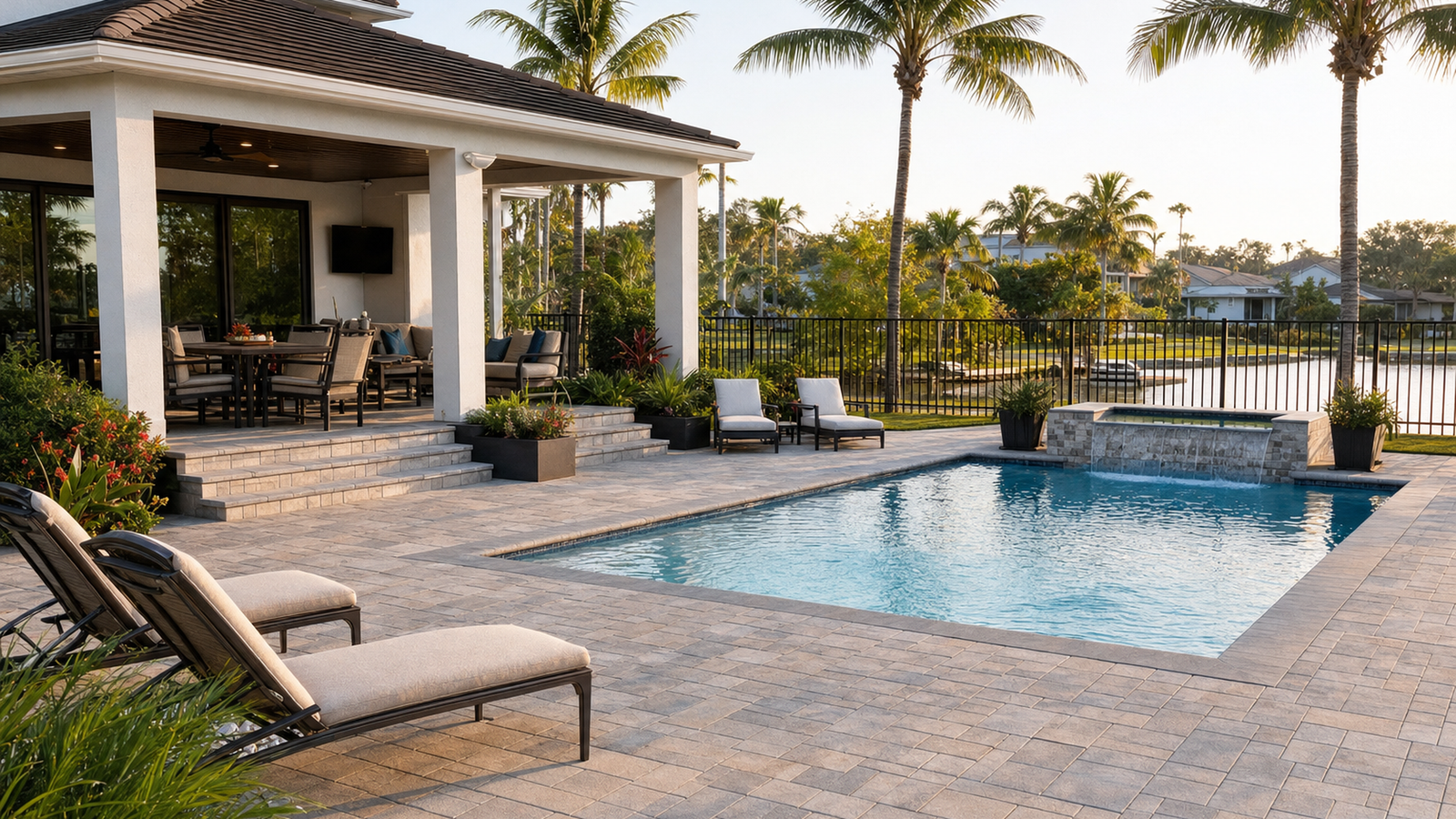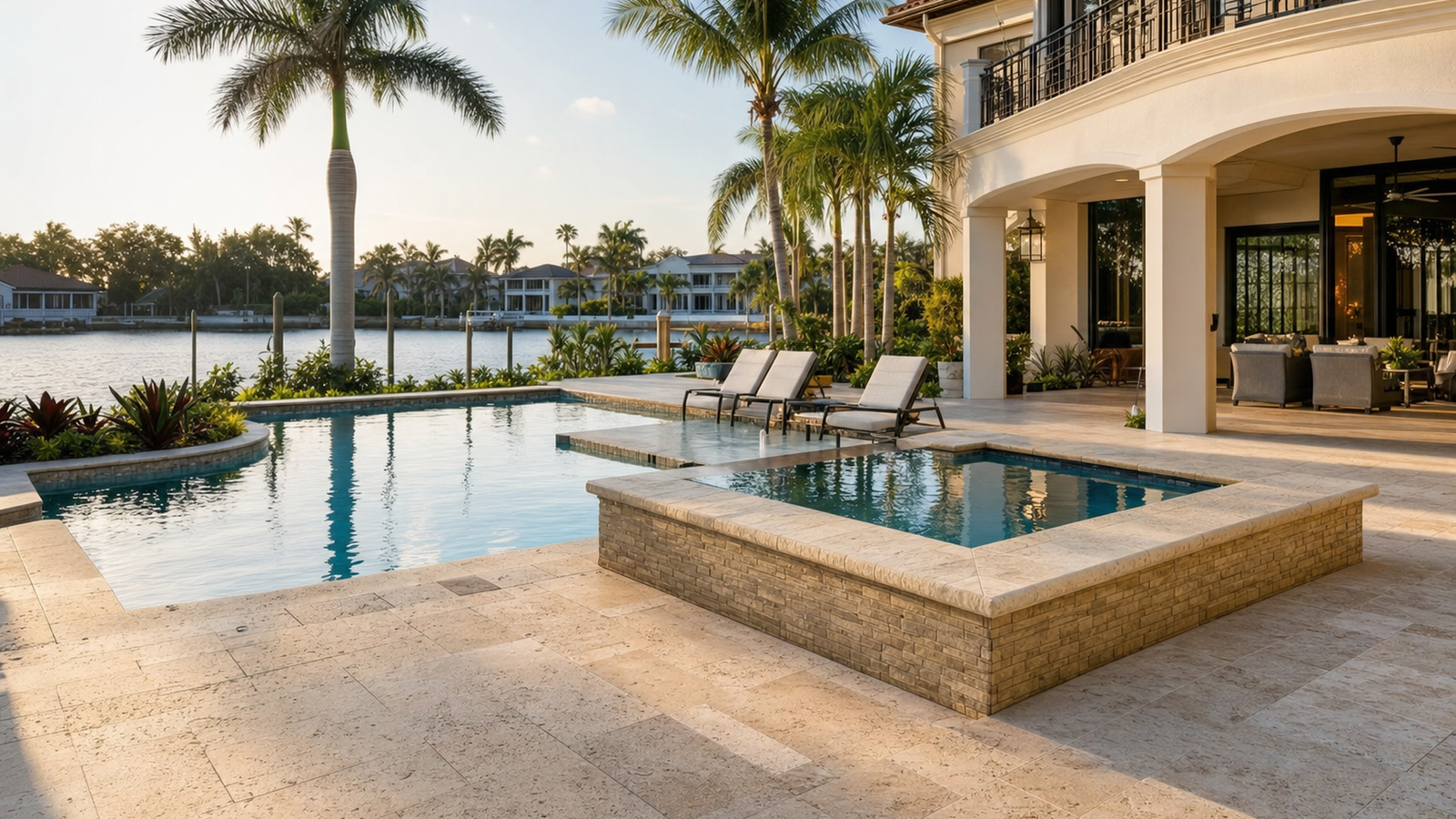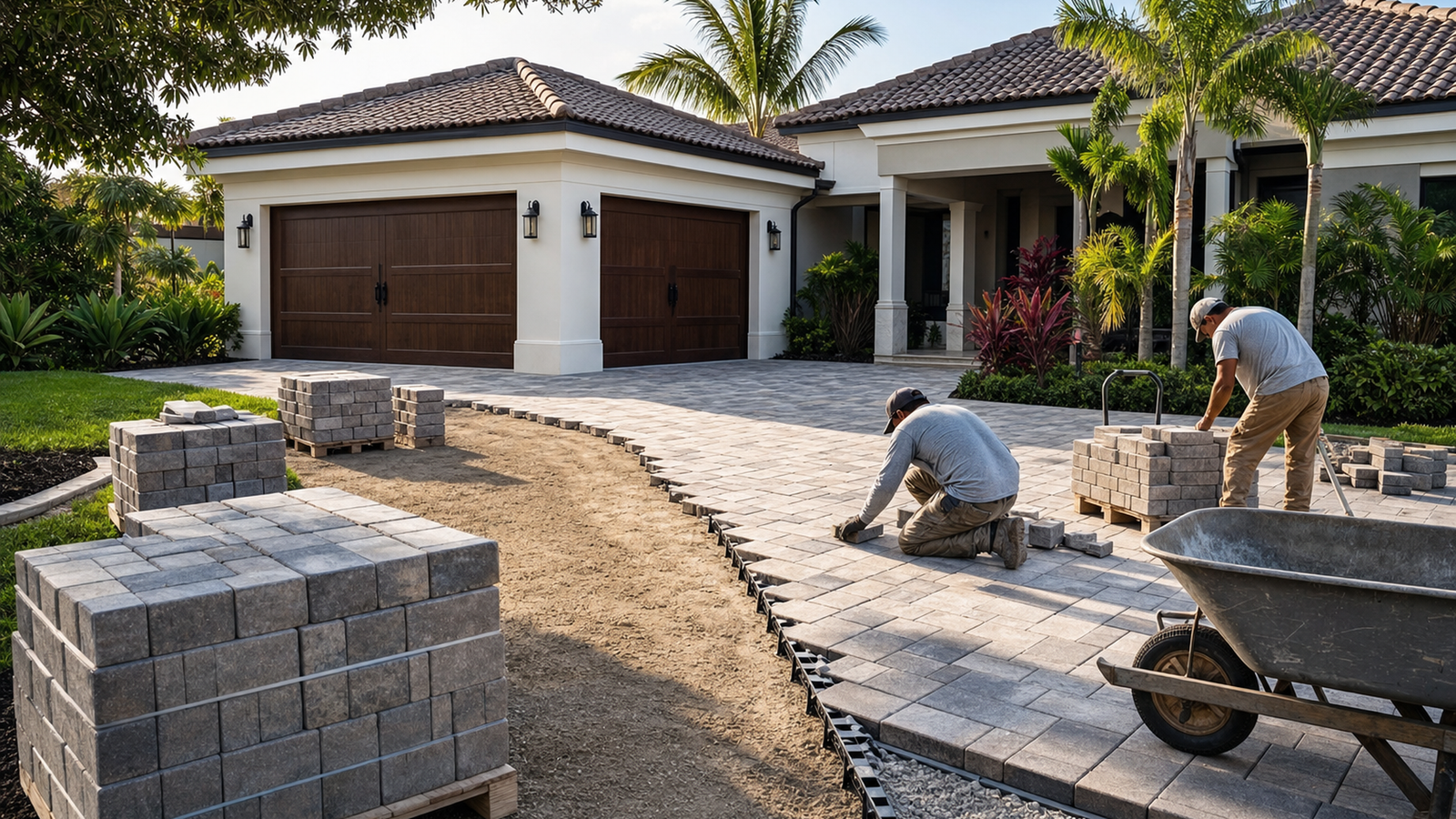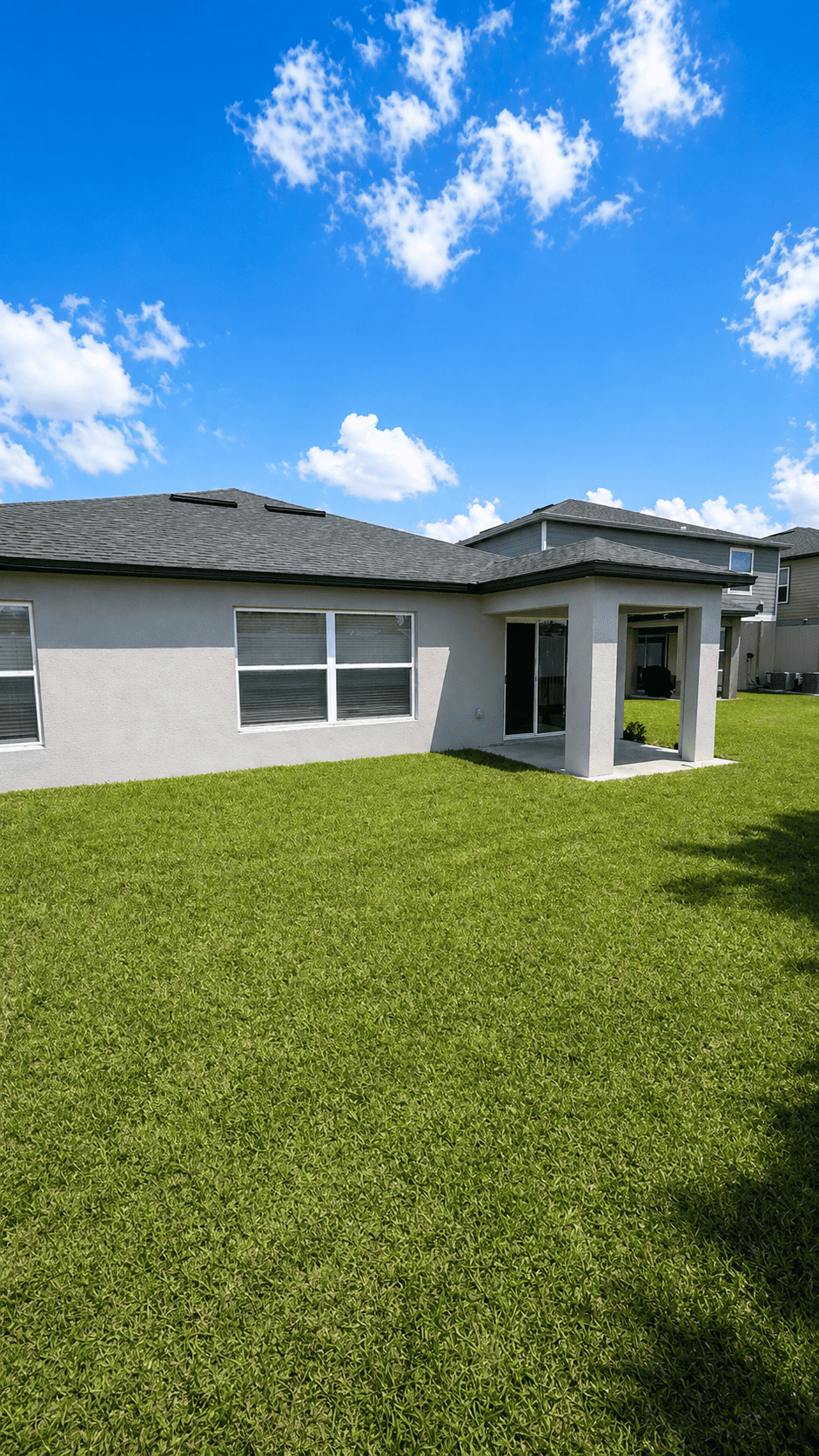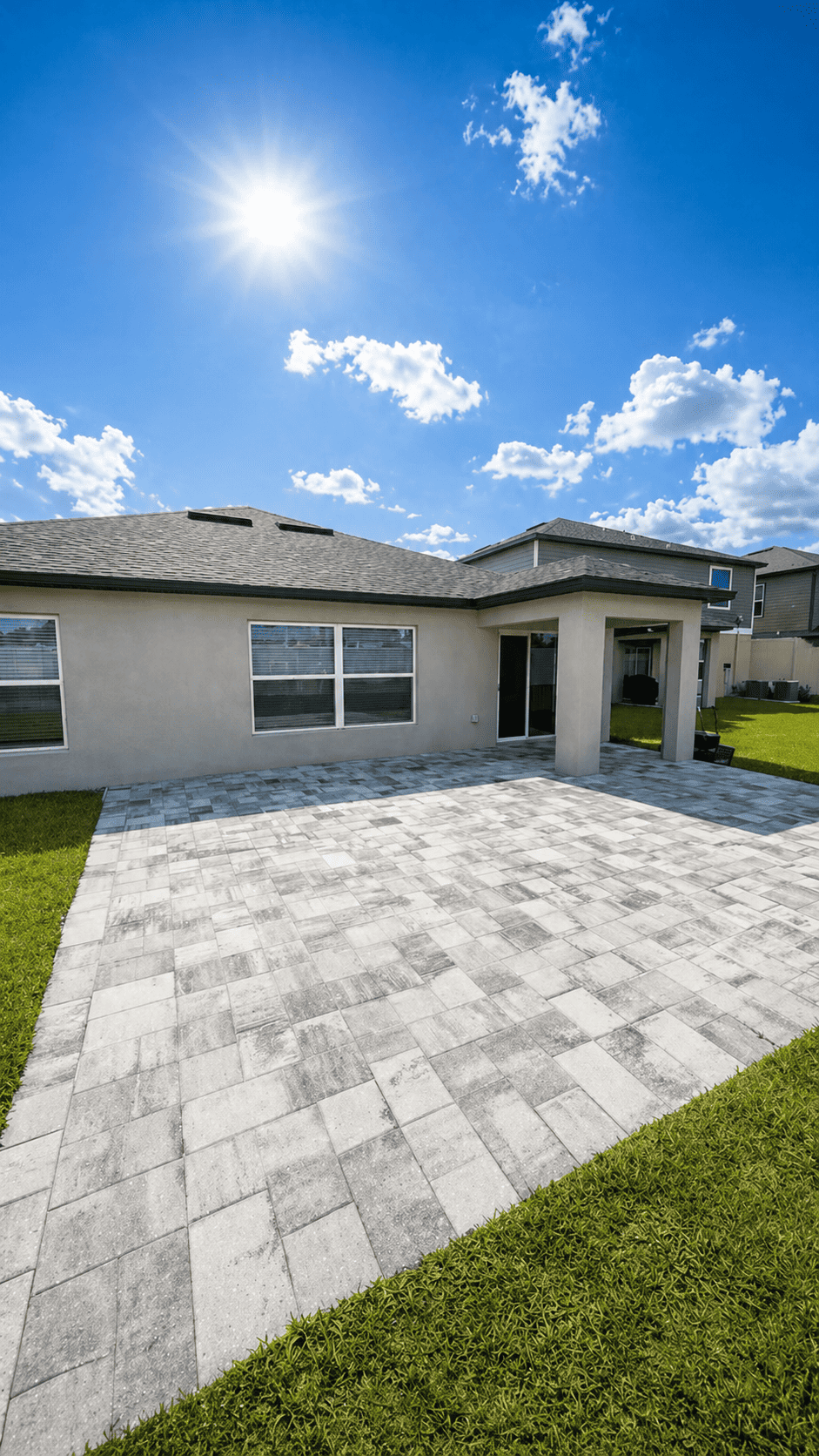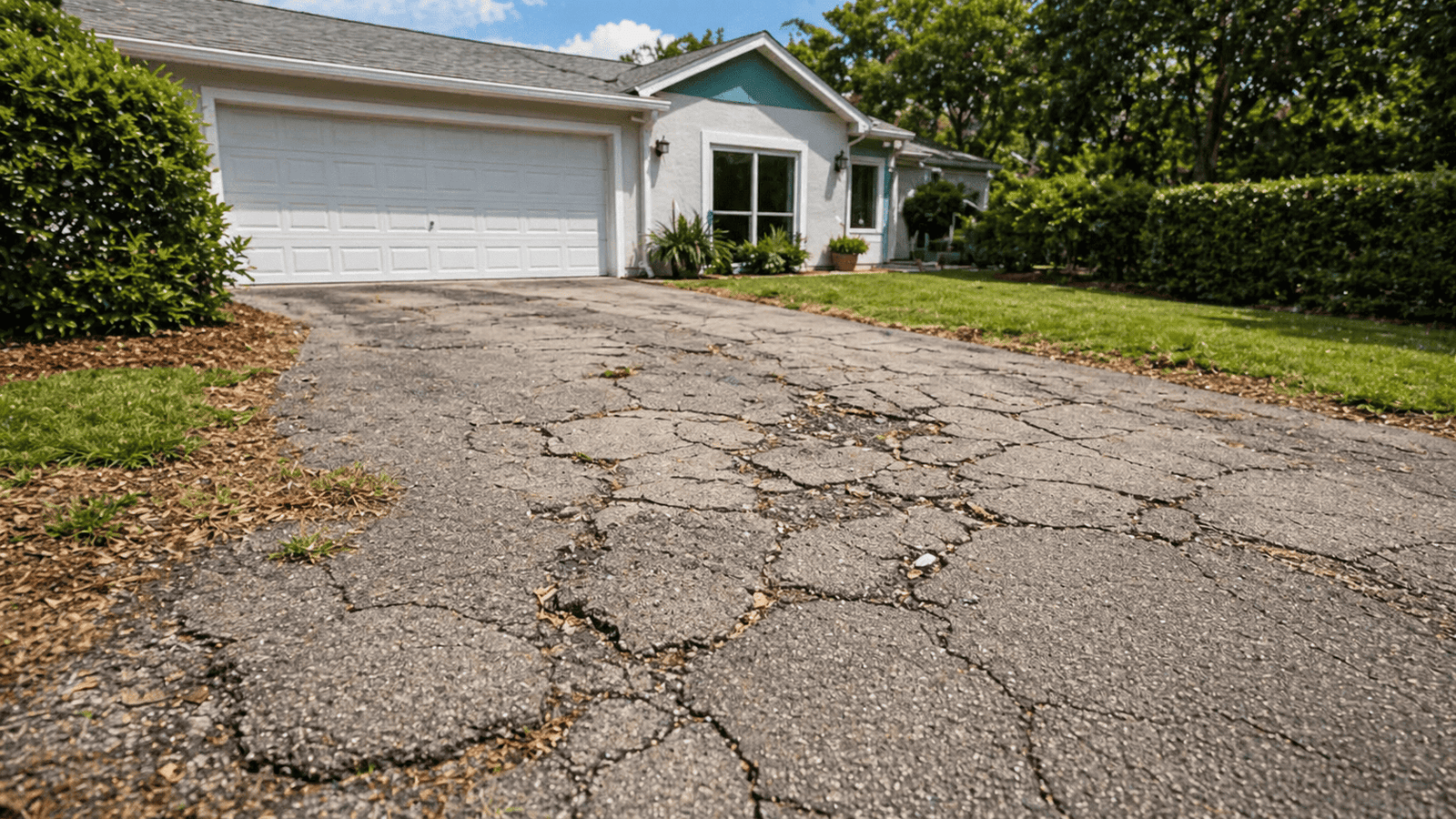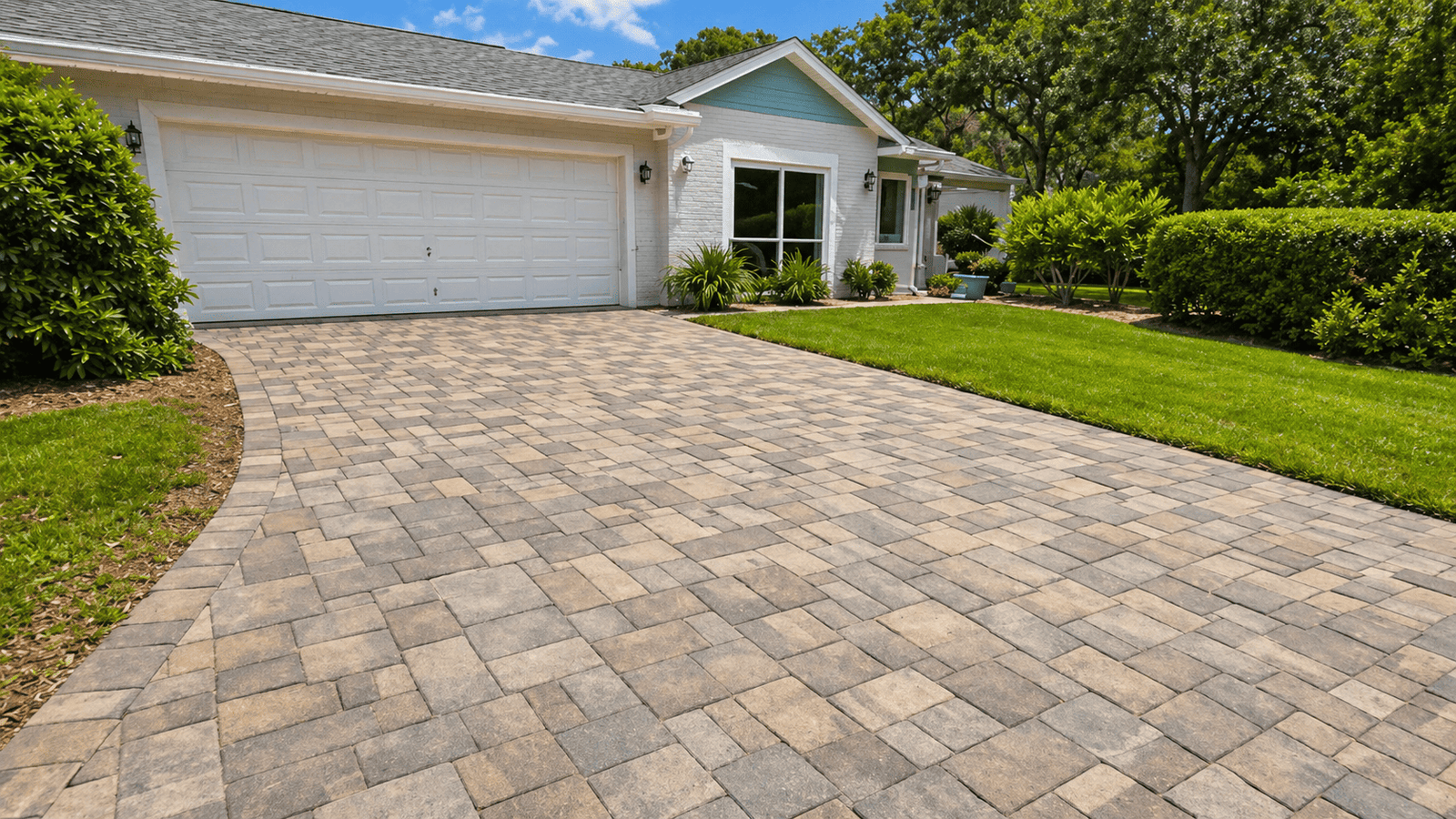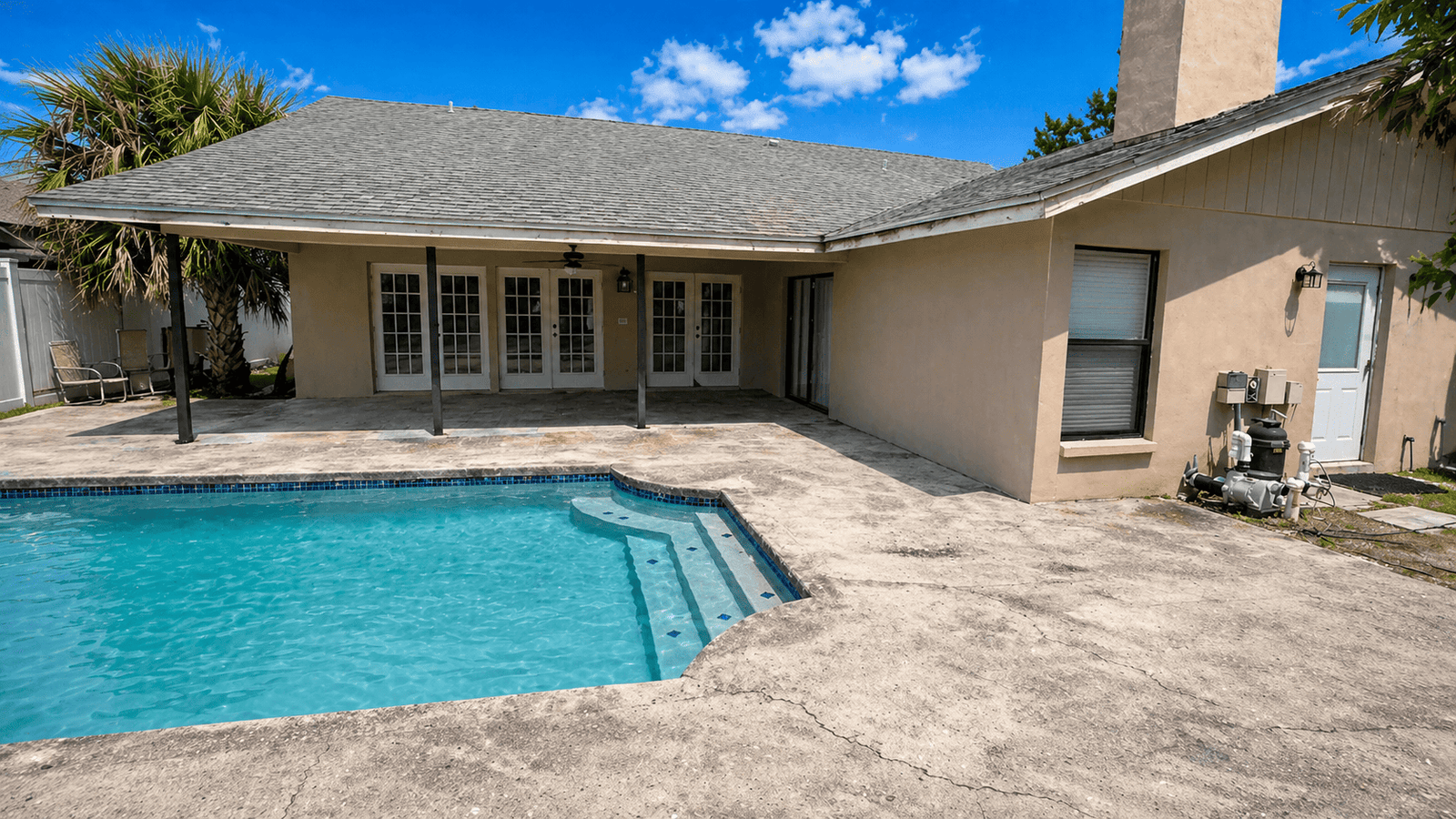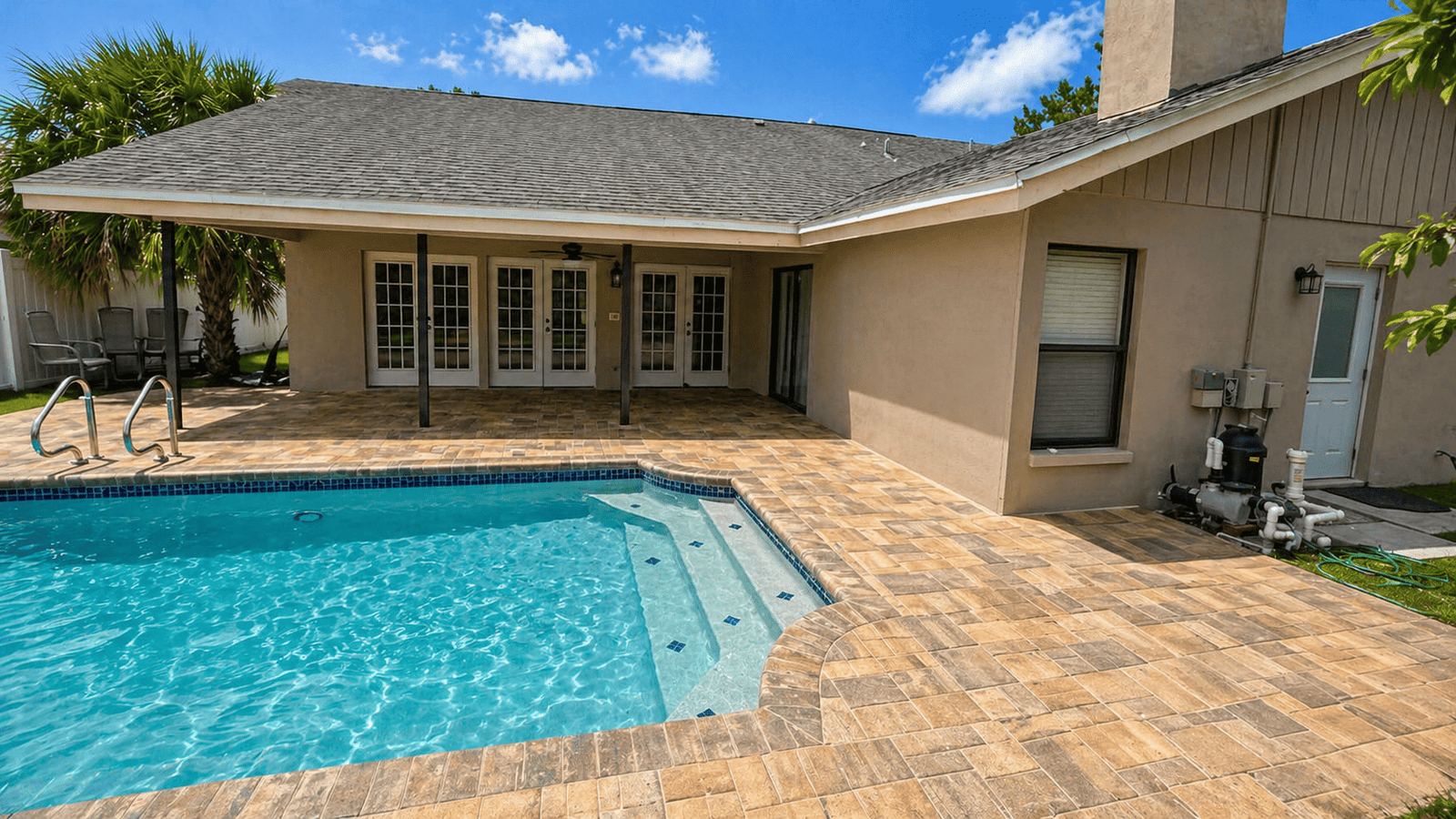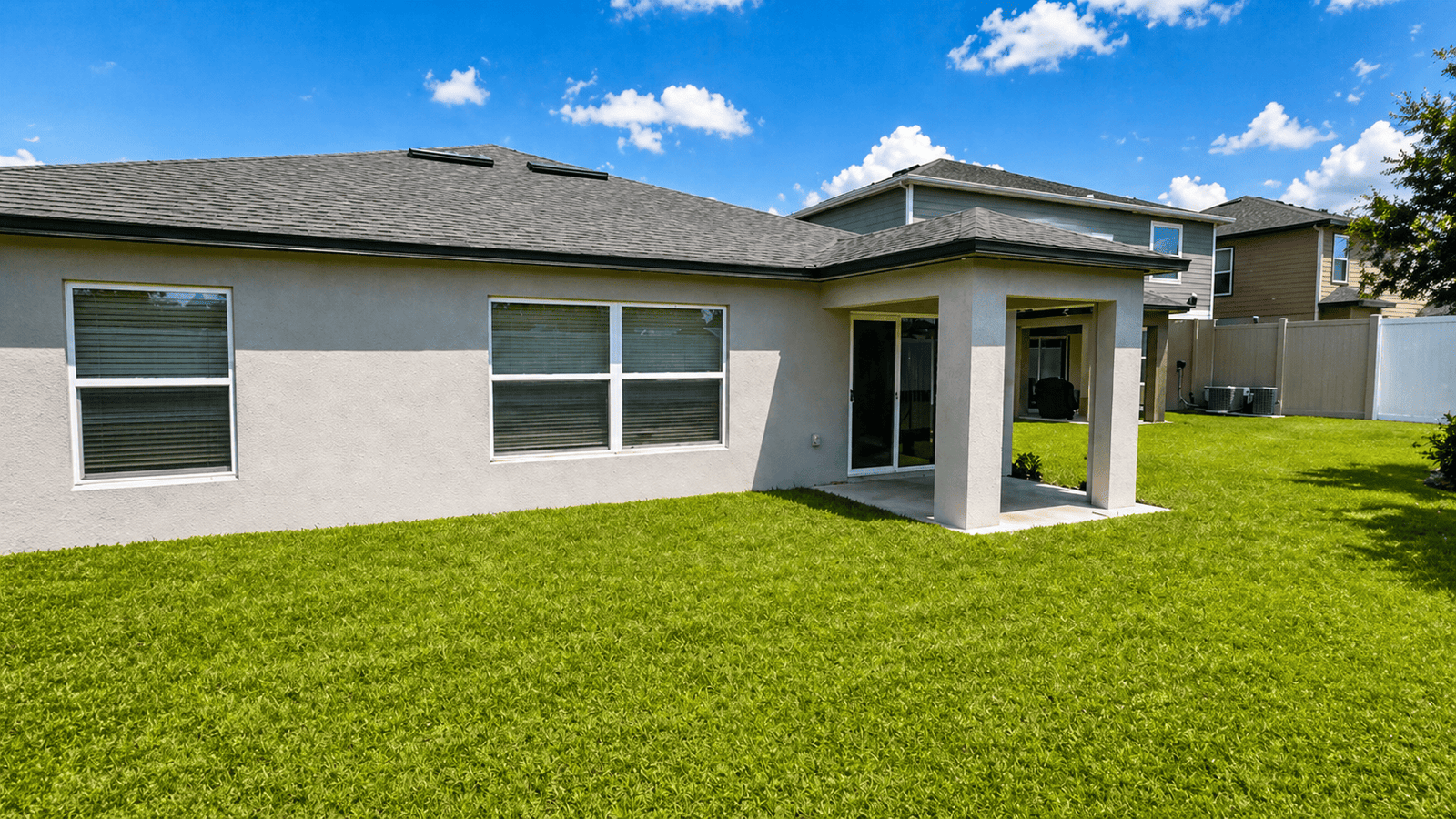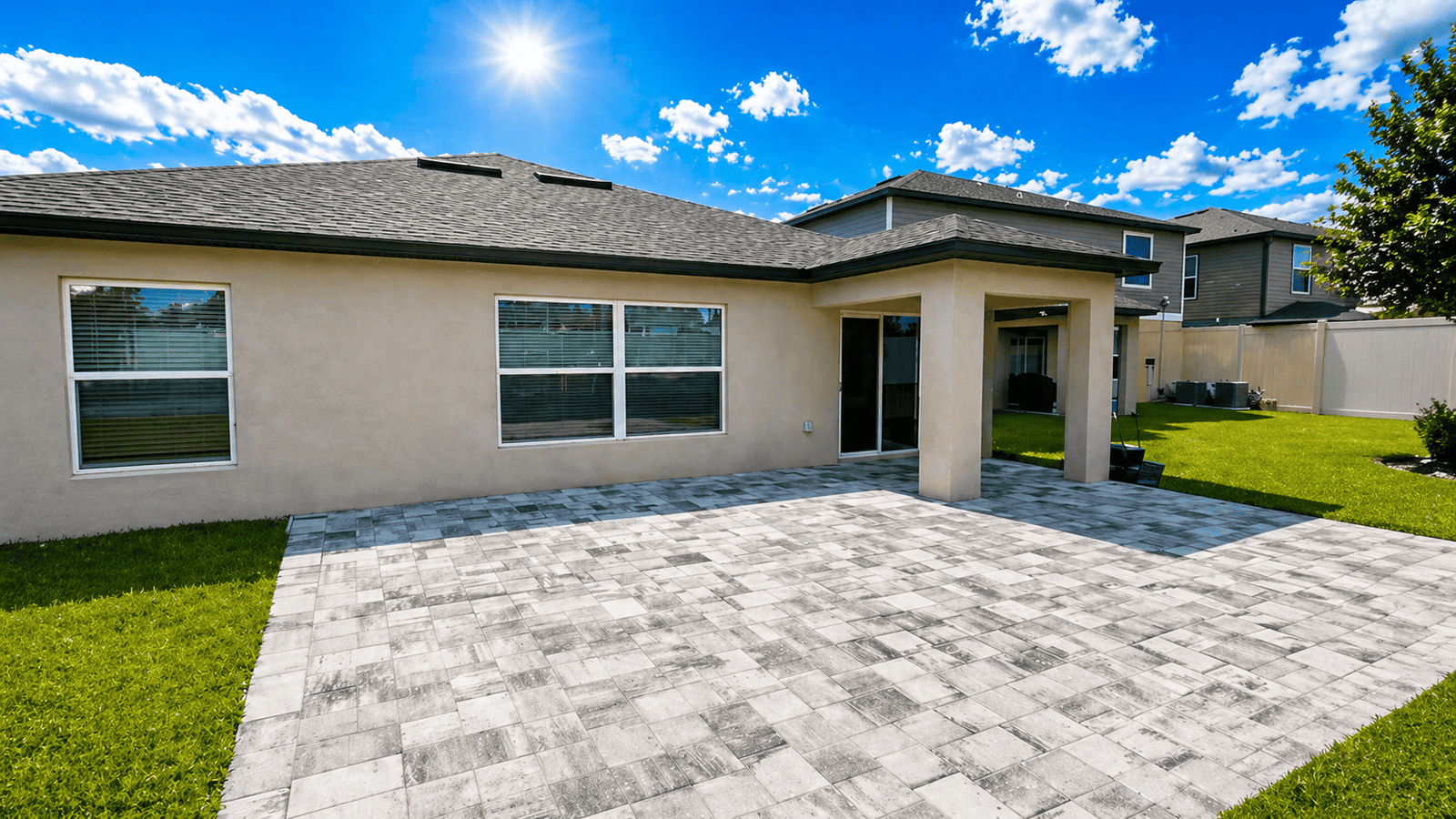
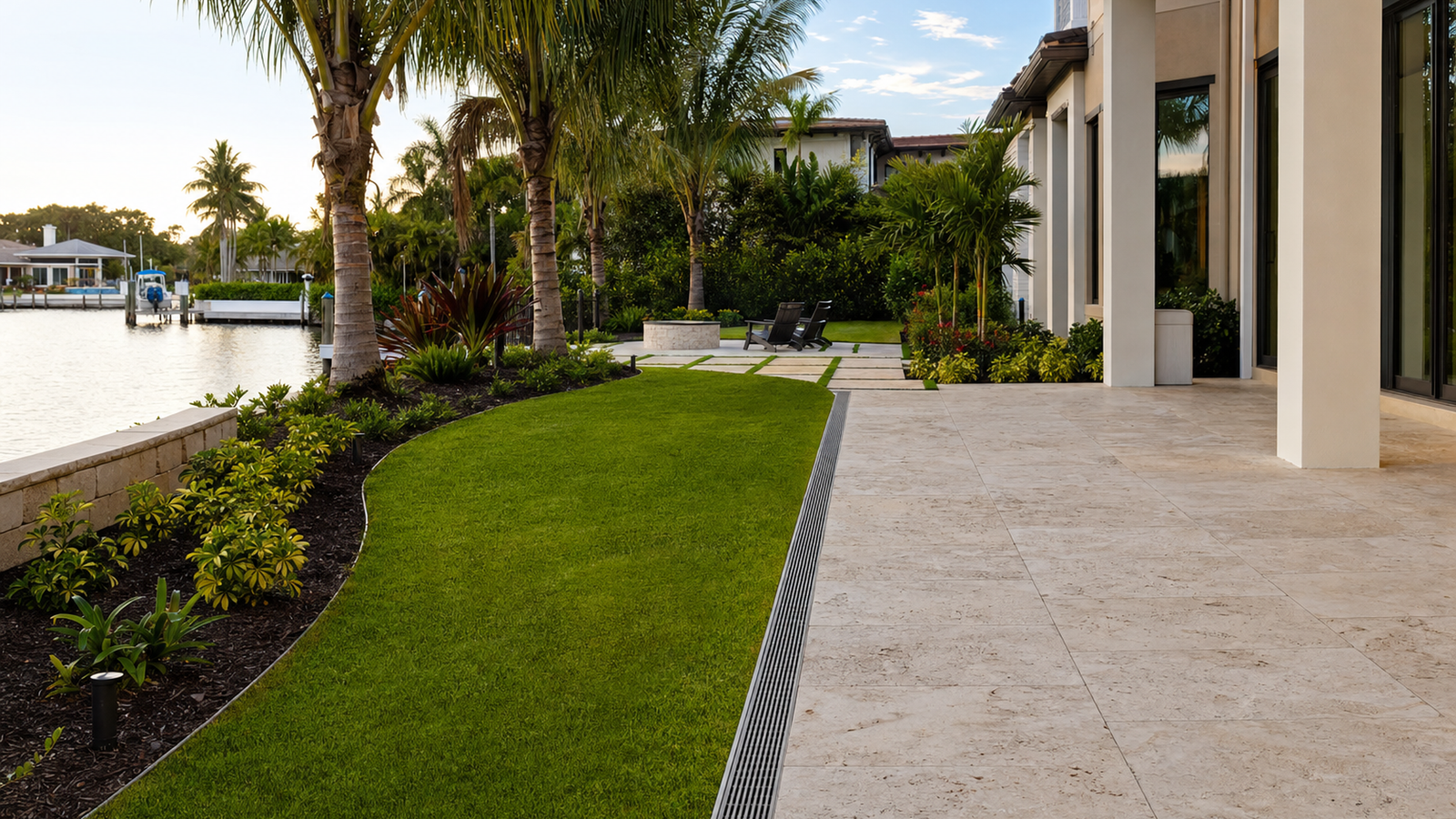
Drainage solutions Tampa Bay prevent flooding, erosion, and landscape damage during heavy rainfall. In addition, proper drainage protects building foundations from water infiltration. Therefore, homeowners across Tampa Bay, Riverview, Ruskin, Wesley Chapel, Greater Carrollwood, Thonotosassa, Land O’ Lakes, Town ‘N’ Country, Palm Harbor, and Seven Springs invest in comprehensive drainage systems. Most importantly, however, professional drainage solutions Tampa Bay eliminate standing water and protect property value significantly.
Why Drainage Solutions Tampa Bay Are Essential
Tampa Bay receives 50+ inches of rainfall annually on average. First, intense summer thunderstorms dump several inches within hours. Furthermore, heavy rain overwhelms inadequate drainage systems quickly. As a result, poor drainage causes flooding, foundation damage, and landscape erosion. In addition, standing water breeds mosquitoes and damages plantings.
Foundation Protection Benefits
Water accumulation near foundations causes settlement and cracking. Consequently, foundation repairs cost $5,000–$30,000 typically. Moreover, water infiltration damages interior finishes and creates mold. Therefore, proper drainage prevents expensive structural problems. Beyond that, dry foundations last decades longer than wet ones.
Preventing Landscape Erosion
Heavy rainfall washes away topsoil and mulch rapidly. Furthermore, erosion creates unsightly gullies and bare spots. Consequently, landscapes require constant replanting and repair. However, drainage solutions direct water safely away. Therefore, proper systems preserve landscaping investments effectively.
Eliminating Standing Water
Standing water creates breeding grounds for mosquitoes. Moreover, wet areas prevent yard use for days after rain. Consequently, outdoor living spaces become unusable frequently. However, effective drainage eliminates pooling completely. Therefore, yards remain functional year-round regardless of rainfall.
Protecting Hardscape Investments
Water undermines paver bases and causes settling. Furthermore, poor drainage damages retaining walls and structures. Consequently, hardscape repairs become necessary prematurely. However, comprehensive drainage extends hardscape life. Therefore, integrating drainage with construction saves money long-term.
Types of Drainage Solutions Tampa Bay
Several drainage system types address different water management needs. Therefore, understanding options guides solution selection. In particular, problem severity and location determine best approaches. However, comprehensive systems often combine multiple methods.
French Drain Systems
French drains collect and redirect subsurface water effectively. First, perforated pipes lay in gravel-filled trenches. Furthermore, water flows through gravel into pipes naturally. As a result, French drains lower water tables around foundations. In addition, they prevent basement and crawlspace flooding. However, proper slope ensures gravity flow works correctly.
Catch Basin and Storm Drain Systems
Catch basins collect surface water at low points. Moreover, grated openings allow water entry while blocking debris. Consequently, catch basins connect to underground drainage pipes. However, regular cleaning prevents clogging. Therefore, catch basins handle high-volume surface runoff effectively.
Channel Drains and Trench Drains
Linear channel drains intercept sheet flow across surfaces. Furthermore, they work excellently for driveways and patios. Consequently, channel drains prevent water from entering garages. However, proper slope toward drains ensures efficiency. Therefore, channel drains suit hardscape applications perfectly.
Dry Creek Beds and Swales
Decorative dry creek beds convey water while enhancing landscapes. Moreover, swales direct water along gentle slopes naturally. Consequently, these solutions blend function with aesthetics. However, vegetation stabilizes swale sides effectively. Therefore, planted swales prevent erosion while moving water.
Drainage Solutions Tampa Bay: Installation Cost Breakdown
Drainage system costs vary based on complexity and scope. Therefore, accurate budgeting requires professional assessment. In addition, existing conditions affect installation difficulty. As a result, costs differ significantly between properties.
French Drain Installation Costs
French drain pricing depends on depth and length primarily. First, shallow drains cost less than deep foundation drains. Furthermore, difficult access increases labor expenses. However, French drains deliver excellent value overall.
- Basic French drain (shallow): $20–$30 per linear foot
- Standard French drain (3–4 feet deep): $30–$50 per linear foot
- Deep foundation drain (5+ feet): $50–$75 per linear foot
- Interior basement French drain: $75–$125 per linear foot
Catch Basin and Surface Drain Costs
Catch basin installation includes excavation, basin, and connections. Moreover, pipe runs to discharge points add expense. Consequently, total costs depend on system complexity. However, catch basins solve severe surface flooding effectively.
- Basic catch basin installed: $400–$800 each
- Heavy-duty catch basin: $800–$1,500 each
- Underground drainage pipe: $15–$30 per linear foot
- Pop-up emitter: $100–$200 installed
Grading and Resloping Costs
Correcting improper grading requires heavy equipment. Furthermore, moving substantial soil increases costs. Consequently, regrading large areas represents significant investment. However, proper grading often eliminates drainage problems completely.
- Minor grading adjustment: $500–$1,500
- Full yard regrading: $1,500–$5,000
- Major excavation and fill: $3,000–$10,000+
Comprehensive System Costs
Complete drainage solutions address multiple problem areas. Moreover, integrating systems provides superior results. Therefore, comprehensive projects range $3,000–$15,000+ typically. However, preventing foundation damage justifies investment easily.
Grading and Slope Requirements for Drainage Solutions Tampa Bay
Proper grading forms the foundation of effective drainage. Therefore, establishing correct slopes proves essential. In addition, grading requirements vary by application. As a result, understanding standards guides planning.
Foundation Perimeter Grading
Ground should slope 6 inches over first 10 feet from foundations. Furthermore, this slope directs water away from structures. Consequently, proper foundation grading prevents infiltration. However, existing landscaping may complicate regrading. Therefore, creative solutions sometimes become necessary.
Lawn and Landscape Slope
Lawns require minimum 2% slope for surface drainage. Moreover, steeper slopes shed water more quickly. Consequently, sloped yards typically drain better naturally. However, flat areas need enhanced drainage systems. Therefore, slope affects system complexity significantly.
Hardscape Drainage Slope
Patios and walkways need minimum 2% slope away from buildings. Furthermore, 1/4 inch per foot provides adequate drainage. Consequently, proper hardscape slope prevents water accumulation. However, slopes exceeding 3% feel noticeably tilted. Therefore, balancing drainage with comfort requires skill.
Swale and Channel Design
Swales need 2–5% slope for effective water movement. Moreover, proper depth and width affect capacity. Consequently, sizing swales appropriately prevents overflow. However, vegetation slows water flow beneficially. Therefore, planted swales balance conveyance with infiltration.
French Drain Installation for Drainage Solutions Tampa Bay
French drains represent the most versatile drainage solution. Therefore, understanding installation ensures quality results. In addition, proper construction determines long-term performance. As a result, details matter significantly for French drains.
Determining Drain Depth and Location
French drains install below problem water levels. First, foundation drains go 6–12 inches below footings. Furthermore, yard drains install 18–36 inches deep typically. Consequently, proper depth ensures effective water collection. However, utility locations affect placement significantly.
Trench Excavation and Preparation
Trenches slope minimum 1% toward discharge points. Moreover, smooth trench bottoms ensure consistent slope. Consequently, careful excavation prevents low spots. However, compact soil may require mechanical equipment. Therefore, excavation methods depend on soil conditions.
Pipe and Gravel Installation
Landscape fabric lines trenches before gravel placement. Furthermore, 3–4 inches of gravel underlays drain pipe. Consequently, water flows into gravel easily. However, perforations face downward for groundwater collection. Therefore, proper pipe orientation maximizes effectiveness.
Discharge Points and Outlets
French drains discharge to daylight, drywells, or storm sewers. Moreover, pop-up emitters prevent erosion at outlets. Consequently, proper discharge prevents downstream problems. However, local codes regulate discharge locations. Therefore, verifying regulations ensures compliance.
Surface Drainage Systems for Tampa Bay Properties
Surface drainage manages water before ground infiltration. Therefore, surface systems complement subsurface drains. In addition, visible systems allow easier maintenance. As a result, combining approaches delivers comprehensive protection.
Catch Basin Placement
Catch basins install at drainage low points strategically. Furthermore, multiple basins handle large areas effectively. Consequently, proper spacing prevents overflow. However, grading directs water toward basins. Therefore, integrating grading with basins maximizes efficiency.
Channel Drain Applications
Channel drains intercept water across driveways and patios. Moreover, they prevent water from entering garages. Consequently, channel drains protect structures effectively. However, grated covers require load ratings for vehicles. Therefore, proper grate selection ensures safety.
Area Drain Installation
Area drains collect water from small depressions. Furthermore, they connect to underground drainage pipes. Consequently, area drains eliminate persistent puddles. However, they require regular cleaning. Therefore, accessible locations simplify maintenance.
Drainage Solutions Tampa Bay: Maintenance Requirements
Regular maintenance keeps drainage systems functioning optimally. Therefore, establishing routines prevents failures. In addition, Tampa Bay’s heavy rainfall demands vigilance. As a result, seasonal maintenance proves essential.
Catch Basin and Grate Cleaning
Debris accumulation clogs catch basins rapidly. Furthermore, leaves and sediment reduce capacity significantly. Consequently, cleaning basins 2–4 times yearly maintains flow. However, storms may require additional cleaning. Therefore, inspecting after heavy rain prevents problems.
French Drain Flushing
Sediment gradually accumulates in drainage pipes. Moreover, flushing removes buildup and restores flow. Consequently, annual flushing extends system life. However, cleanout access points simplify maintenance. Therefore, planning cleanouts during installation proves wise.
Inspecting Discharge Points
Pop-up emitters and outlets require periodic checking. Furthermore, erosion at discharge points needs repair. Consequently, maintaining outlets prevents downstream damage. However, vegetation growth may block outlets. Therefore, keeping discharge areas clear ensures function.
Seasonal Maintenance Tasks
Pre-summer cleaning prepares systems for rainy season. Similarly, fall maintenance removes accumulated debris. Furthermore, checking slopes prevents settling issues. Therefore, seasonal attention maintains optimal performance. Beyond that, professional inspections catch problems early.
Homeowners addressing comprehensive drainage challenges benefit from understanding how systems integrate with landscape grading and hardscape construction. Drainage and yard solution guides provide additional insights into erosion control, grading techniques, and water management strategies that protect properties effectively.
The American Society of Civil Engineers establishes standards for residential drainage design and construction. Their guidelines ensure systems handle anticipated rainfall and protect structures properly. Visit ASCE’s official website for comprehensive resources on drainage engineering and best practices for residential applications.
Conclusion: Protecting Your Property with Drainage Solutions Tampa Bay
Drainage solutions Tampa Bay prevent flooding, foundation damage, and landscape erosion effectively. In addition, comprehensive systems eliminate standing water and protect property investments. Furthermore, professional installation ensures systems function properly for decades. Therefore, drainage represents essential infrastructure for Tampa Bay homes. Most importantly, however, proper drainage prevents expensive repairs while enabling full yard enjoyment.
French drains provide versatile subsurface water management perfectly. On the other hand, catch basins handle high-volume surface runoff. Consequently, combining approaches addresses multiple water sources. Nevertheless, proper grading often reduces system complexity significantly. Beyond that, well-designed drainage solutions protect foundations, landscapes, and hardscape investments while increasing property value and usability year-round.
Ready to solve your drainage problems? 📞 Contact Dr Pavers Design at +1 (656) 600-4015 or email drpavers@outlook.com for a free consultation anywhere in Tampa Bay. Check out our completed drainage solution projects, read customer testimonials, or browse our frequently asked questions to learn more about our process. Follow us on Instagram and Facebook for landscaping inspiration, or leave a review on Google. Prefer instant messaging? Text us at +1 (656) 600-4015 or message us on WhatsApp. Visit our services page to explore all our outdoor living solutions, and find us on Google Maps to see our location and service areas.